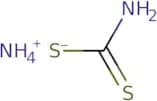
Amines
Amines are a set of molecules containing an amino functional group (derived from ammonia). This category includes amines at any level of substitution : primary, secondary, tertiary, and ammonium salts. Amines are fundamental in organic synthesis and are widely used in pharmaceuticals, agrochemicals, and materials science. At CymitQuimica, we provide a comprehensive selection of amines to meet your research and industrial needs. Our range ensures access to various amines for diverse chemical processes and innovative research.
Subcategories of "Amines"
- Nitrosamines(2,606 products)
- Primary Amines(30,805 products)
- Quaternary Ammonium Cations and Salts(1,099 products)
- Secondary Amines(20,809 products)
- Tertiary Amines(17,111 products)
Found 8777 products of "Amines"
Sort by
Purity (%)
0
100
|
0
|
50
|
90
|
95
|
100
4-Aminophenylacetonitrile
CAS:<p>4-Aminophenylacetonitrile is a molecule that is structurally similar to nitrobenzene. 4-Aminophenylacetonitrile has been shown to be an efficient method for inhibiting faecalis growth and secretory phospholipase A2 (sPLA2) activity in vitro. It also inhibits the population growth of E. coli in vivo, which can be attributed to its ability to inhibit the enzyme catalysed by hydrogen bond formation.</p>Formula:C8H8N2Purity:Min. 95%Color and Shape:PowderMolecular weight:132.16 g/mol2-Amino-4-chlorobenzamide
CAS:<p>2-Amino-4-chlorobenzamide is a chemical compound that has been shown to be an effective oxidant in biological systems. It is an oxidative condensation product of 4-chloro-2-nitrobenzoic acid and ammonium chloride, which is formed by the reaction of these two compounds at room temperature. The nature of the functional group on 2-amino-4-chlorobenzamide allows it to be used as a transition state analogue for the study of reactions involving amines and nitrates. This compound can also be used in experiments with isatins, due to its ability to react with ammonia hydroxide to form 2-amino-4,6 dichlorobenzamide.</p>Formula:C7H7ClN2OPurity:Min. 95%Color and Shape:PowderMolecular weight:170.6 g/mol5-(Trifluoromethyl)benzene-1,3-diamine
CAS:<p>5-(Trifluoromethyl)benzene-1,3-diamine is a chemical compound that is used in the synthesis of coatings and magnetic resonance imaging contrast agents. It can be used as a crosslinker for polymers, such as amides, in order to improve their hardness and strength. The synthesis of 5-(trifluoromethyl)benzene-1,3-diamine is done by reacting hydrogen chloride with magnesium oxide in an organic solvent. The product can then be reacted with other compounds to produce different products. One such compound is benzotrifluoride, which can be used to synthesize fluorinated coatings and monomers. The final product can also be reacted with sodium formate to produce a constant.</p>Formula:C7H7F3N2Purity:Min. 98 Area-%Color and Shape:PowderMolecular weight:176.14 g/molN-Methyl-N-phenylazetidin-3-amine hydrochloride
CAS:<p>N-Methyl-N-phenylazetidin-3-amine hydrochloride is a white solid with a melting point of 175°C. It is soluble in water, ethanol, and ether. N-Methyl-N-phenylazetidin-3-amine hydrochloride is an intermediate for the synthesis of chemical compounds that are used in research and development. This compound can be used as a building block to create complex compounds with biological activity. It can also be used as a scaffold to create novel chemical compounds that have not been observed before. The quality of this chemical is high, making it suitable for research purposes.</p>Formula:C10H15N2ClPurity:Min. 95%Color and Shape:Solid.Molecular weight:198.69 g/mol5-Amino-2-bromobenzoic acid ethyl ester
CAS:<p>5-Amino-2-bromobenzoic acid ethyl ester is a chemical compound that can be used for the production of pharmaceuticals and research chemicals. It is a versatile building block that can be used in the synthesis of complex compounds with valuable applications. 5-Amino-2-bromobenzoic acid ethyl ester is a reagent, speciality chemical, and useful building block that can be used in the synthesis of high quality compounds. This compound has been identified as an intermediate in organic reactions and as a reaction component. CAS No. 208176-32-3</p>Formula:C9H10BrNO2Purity:Min. 95%Color and Shape:PowderMolecular weight:244.09 g/mol2-((4-Methylphenyl)sulfonyl)-N-(((2-thienylcarbonylamino)thioxomethyl)amino)ethanamide
CAS:<p>Please enquire for more information about 2-((4-Methylphenyl)sulfonyl)-N-(((2-thienylcarbonylamino)thioxomethyl)amino)ethanamide including the price, delivery time and more detailed product information at the technical inquiry form on this page</p>Formula:C15H15N3O4S3Purity:Min. 95%Color and Shape:PowderMolecular weight:397.5 g/molγ-(Aminooxy)propyl mercaptan HCl
CAS:<p>Gamma-aminopropyl mercaptan is a versatile building block that is used in the synthesis of complex organic compounds. It can be used as a reagent for research and as a speciality chemical. Gamma-aminopropyl mercaptan has been found to be useful in the synthesis of drugs, pesticides, and other biologically active substances. The compound has also been found to have anti-inflammatory properties.</p>Formula:C3H10ClNOSPurity:Min. 95 Area-%Color and Shape:PowderMolecular weight:143.64 g/mol1,2'-Dinaphthylamine
CAS:<p>1,2'-Dinaphthylamine is a β-lactam antibiotic that can be used as a substitute for ciprofloxacin. It inhibits the production of an enzyme called β-lactamase, which breaks down the antibiotic and makes it ineffective. 1,2'-Dinaphthylamine has been shown to be active against aerogenes and nitrocefin. This drug binds to periplasmic proteins in bacteria by means of an analogy with ciprofloxacin. The conjugates are resistant to efflux pumps and use of efflux inhibitors such as bafilomycin A1 can increase their efficacy.</p>Formula:C20H15NPurity:Min. 95%Color and Shape:PowderMolecular weight:269.34 g/molDirect Red 16
CAS:<p>Direct Red 16 is a dye that reacts with acids to form an intensely red compound. It is used in research and as a reagent for the production of other dyes. Direct Red 16 is also used as a building block in the synthesis of complex molecules, such as pharmaceuticals and dyes.</p>Formula:C26H17N5Na2O8S2Purity:Min. 95%Molecular weight:639.57 g/mol2N-Boc-2',2''-triaminotriethylamine-bis(chloroacetamide)
CAS:<p>2N-Boc-2',2''-triaminotriethylamine-bis(chloroacetamide) is a fine chemical and reagent for the synthesis of pharmaceuticals. It is also a useful building block for the synthesis of complex compounds. This product can be used as a reaction component in organic chemistry, or it can be used as a reagent in research or development laboratories.</p>Formula:C15H28Cl2N4O4Purity:Min. 95%Molecular weight:399.31 g/mol4-(N,N-Dimethylamino)benzaldoxime
CAS:<p>4-(N,N-Dimethylamino)benzaldoxime is an efficient method for the detection of cinnamic acid and its esters. It reacts with aldehydes to form 4-nitrosobenzaldehyde products that are detectable by ultraviolet spectroscopy. The reaction takes place in aqueous solutions with a pH range of 5-8 and is catalyzed by an enzyme called carboxylate. This reaction has been shown to be useful for the detection of cinnamic acid and its esters in food, tobacco smoke, and other samples.</p>Formula:C9H12N2OPurity:Min. 95%Color and Shape:PowderMolecular weight:164.2 g/mol2-Ethoxybenzylamine
CAS:<p>2-Ethoxybenzylamine is a hydrophobic organic compound. It is an amine that is used as a reagent for the oxidation of primary, secondary, and tertiary amines to their corresponding aldehydes, ketones, and quinones. 2-Ethoxybenzylamine is used in the synthesis of glycopeptides and has been shown to be effective as a surrogate for benzylamine derivatives. This compound may also be an optimised enzyme complex with chloride ions that can activate certain oxidases.</p>Formula:C9H13NOPurity:Min. 95%Color and Shape:Clear LiquidMolecular weight:151.21 g/molEthyl 2-amino-2-methyl-1-propionate hydrochloride
CAS:<p>Ethyl 2-amino-2-methyl-1-propionate hydrochloride is a cyclic compound that is a member of the amide family. It is a herbicide that inhibits the growth of plants by blocking the synthesis of proteins, which are vital for plant growth. This compound may be useful as a preemergence herbicide because it has low toxicity to mammals and insects. Ethyl 2-amino-2-methyl-1-propionate hydrochloride has shown herbicidal activity in wheat, but not in other plants such as corn, tobacco, or rice. The herbicidal activity may be due to the inhibition of protein synthesis.</p>Formula:C6H13NO2•HClPurity:Min. 95%Molecular weight:167.63 g/molFmoc-(S)-4-amino-2-carboxymethyl-1,3,4,5-tetrahydro-2H-[2]benzazepin-3-one
CAS:<p>Fmoc-(S)-4-amino-2-carboxymethyl-1,3,4,5-tetrahydro-2H-[2]benzazepin-3-one is a specialized chemical compound, which is an Fmoc-protected amino acid derivative. This compound is synthesized through a series of organic synthesis steps that incorporate chiral precursors to ensure enantiomeric purity. As a building block for peptide synthesis, it acts by introducing a protected amino function into the peptide chain, providing stability and selectivity during the synthesis process.The primary applications of Fmoc-(S)-4-amino-2-carboxymethyl-1,3,4,5-tetrahydro-2H-[2]benzazepin-3-one are in the fields of medicinal chemistry and drug discovery, where it plays a crucial role in the development of novel peptide-based therapeutics. This compound is particularly valuable due to its ability to enhance the bioavailability and metabolic stability of peptides, allowing for the exploration of new therapeutic pathways and functions. Its use is integral in the design of peptides with specific biological activities, facilitating research into new pharmacological agents and treatments.</p>Formula:C27H24N2O5Purity:Min. 95%Molecular weight:456.49 g/mol(R)-(+)-2,2'-Diamino-1,1'-binaphthalene
CAS:<p>(R)-(+)-2,2'-Diamino-1,1'-binaphthalene is a diammonium salt that is synthesized from fatty acids. This molecule is used in the detection of cancer cells in tissue samples. (R)-(+)-2,2'-Diamino-1,1'-binaphthalene has been shown to be an effective agent against cancer cells and can be used as a diagnostic tool for tissues with cancer cells. The mechanism of action of (R)-(+)-2,2'-Diamino-1,1'-binaphthalene is not yet clear; however it may involve intramolecular hydrogen transfer reactions or coordination chemistry.</p>Formula:C20H16N2Purity:Min. 98 Area-%Color and Shape:White PowderMolecular weight:284.35 g/mol4-(Aminosulfonyl)-7-fluoro-2,1,3-benzoxadiazole
CAS:<p>4-(Aminosulfonyl)-7-fluoro-2,1,3-benzoxadiazole (AFB) is a reagent that has been used to detect the presence of galacturonic acid in cell culture. It is also a potent inhibitor of enzymes such as catalase and peroxidase. AFB binds to the sulfhydryl groups on enzymes, thereby preventing them from performing their catalytic function. The reducing power of AFB can be used as an indicator of the redox potentials in a sample. When AFB reacts with trifluoroacetic acid, it forms a disulfide bond and changes its color from yellow to blue. This change can be detected by UV spectroscopy or other analytical methods.</p>Formula:C6H4FN3O3SPurity:Min. 95%Color and Shape:PowderMolecular weight:217.18 g/molDiclofenac diethylamine
CAS:<p>Diclofenac diethylamine is a biocompatible polymer that is used to deliver the drug diclofenac. It has been shown to have optimum concentrations of diclofenac in the eye and transdermally, but not in the bowel. Diclofenac diethylamine also has anti-inflammatory activity, which may be due to its ability to inhibit prostaglandin synthesis. The drug is an antimicrobial agent that is active against bacteria, such as Escherichia coli and Enterobacter aerogenes.</p>Formula:C14H11Cl2NO2·C4H11NPurity:Min. 98 Area-%Color and Shape:PowderMolecular weight:369.28 g/mol7-[4-(4-Fluorophenyl)-6-(1-methylethyl)-2-(N-methyl-N-methylsulfonyl-amino)-pyrimidin-5-yl]-3,5-dihydroxy-hept-6-enoic acid ethyl es ter
CAS:<p>Rosuvastatin is a statin drug that inhibits cholesterol synthesis by inhibiting the enzyme HMG-CoA reductase. Rosuvastatin has been shown to reduce high-sensitivity C-reactive protein (hsCRP) and low-density lipoprotein cholesterol (LDL-C), which are risk factors for cardiovascular disease, in patients with hypercholesterolemia. Rosuvastatin also has a high degree of potency and specificity for the HMG-CoA reductase enzyme and shows no significant cross-reactivity with other HMG-CoA reductase inhibitors. Rosuvastatin is metabolized by CYP3A4 and CYP2C9. Drugs that inhibit these enzymes may increase the plasma levels of rosuvastatin, while drugs that induce these enzymes may decrease the plasma levels of rosuvastatin.</p>Formula:C24H32FN3O6SPurity:Min. 95%Color and Shape:PowderMolecular weight:509.59 g/molRactopamine hydrochloride - 97%
CAS:Controlled Product<p>Ractopamine is a beta-adrenergic agonist that stimulates the beta-2 receptor, leading to an increase in the release of fatty acids from adipocytes and glycerol from liver cells. The effect of ractopamine on the body weight and carcass composition can be measured by analyzing its concentration in blood plasma and urine after administration. Ractopamine is metabolized through hydrolysis into two metabolites: alpha-hydroxy-beta-methylpyridine carboxylic acid (AMPC) and pyridine carboxylic acid (PCA). These metabolites are excreted into the urine, which can then be quantified using analytical methods such as gas chromatography with an electrochemical detector.</p>Formula:C18H23NO3·HClPurity:Min. 95%Color and Shape:White PowderMolecular weight:337.84 g/mol2-Aminobenzimidazole
CAS:<p>2-Aminobenzimidazole is a fluorescent compound that has been used as a probe for the detection of hydrogen bonding interactions. It is also an antihypertensive drug and has been shown to inhibit the growth of prostate cancer cells. 2-Aminobenzimidazole is able to pass through the mitochondrial membrane, which may be due to its ability to transport protons across this membrane. This drug has been shown to inhibit bowel disease by reducing inflammation and increasing bowel motility. The mechanism of action has not yet been elucidated, but it is thought that 2-aminobenzimidazole may work by altering proton flow across the mitochondrial membrane or by inhibiting the release of proinflammatory factors from immune cells.</p>Formula:C7H7N3Purity:Min. 95%Color and Shape:PowderMolecular weight:133.15 g/mol(+/-)-Fmoc-cis-2-aminocyclopentane carboxylic acid
CAS:<p>Fmoc-cis-(1R,2S)-2-aminocyclopentane carboxylic acid is a versatile building block that is used in the synthesis of many important compounds. It can be used as a scaffold for organic synthesis and can be converted to an intermediate for peptides and proteins. Fmoc-cis-(1R,2S)-2-aminocyclopentane carboxylic acid is also useful in chemical reactions due to its high reactivity, including reactions with thiols, amines, alcohols, and others. This compound has been shown to form complexes with metals such as palladium or platinum.</p>Formula:C21H21NO4Purity:Min. 96 Area-%Color and Shape:White PowderMolecular weight:351.4 g/molMethyl 4-amino-3-methylbenzoate
CAS:<p>Methyl 4-amino-3-methylbenzoate is an aromatic compound that belongs to the class of achyranthes bidentata. It can be synthesized by reacting butyryl chloride with methyl 3-nitrobenzoate. The five-membered ring in this molecule is derived from the reaction of three molecules of butyryl chloride with one molecule of methyl 3-nitrobenzoate. This reaction produces a number of possible products, including methyl 4-amino-3-methylbenzoate and 2,2,2-trichloroethyl 4-(4'-nitrophenyl)butanoate. The synthesis optimizes the reaction conditions by using a catalytic reduction technique. This reduces the amount of anilines produced and increases the yield of desired product (i.e., methyl 4-amino-3-methylbenzoate).</p>Formula:C9H11NO2Purity:Min. 95%Molecular weight:165.19 g/molO-(2-Aminoethyl)-O'-(2-azidoethyl)heptaethylene glycol
CAS:<p>O-(2-Aminoethyl)-O'-(2-azidoethyl)heptaethylene glycol is a PEG compound with two different functional groups (also known as heterobifunctional). Unlike homobifunctional PEG compounds (same functional group on both ends), this type of compounds are more versatile as have two different anchor points. O-(2-Aminoethyl)-O'-(2-azidoethyl)heptaethylene glycol is used as a linker and spacer to add a PEG moiety, via pegylation (a bioconjugation technique) to proteins, peptides, oligonucleotides, small molecules and nanoparticles.</p>Formula:C18H38N4O8Purity:Min. 95%Color and Shape:Colorless PowderMolecular weight:438.52 g/mol1-Pyrazin-2-ylpiperidin-4-amine dihydrochloride
CAS:<p>1-Pyrazin-2-ylpiperidin-4-amine dihydrochloride is a fine chemical that is used as an intermediate for the synthesis of research chemicals, speciality chemicals and other complex compounds. This compound has been shown to be useful in the synthesis of a variety of building blocks, including pharmaceuticals and agrochemicals. It can be used in reactions with a wide range of reagents and catalysts, which makes it an excellent starting point for new product development.</p>Formula:C9H14N4·2HClPurity:Min. 95%Color and Shape:PowderMolecular weight:251.16 g/mol4-Amino-2-fluorobenzoic acid
CAS:<p>4-Amino-2-fluorobenzoic acid is a potent inhibitor of formylating enzymes, such as carbonyl reductase and amino acid formyltransferase. It has been shown to be an effective inhibitor of cancer cells in vivo and inhibits the growth of prostate cancer cells. This compound has also been shown to inhibit nitro reduction reactions, which are involved in the carcinogenic process. 4-Amino-2-fluorobenzoic acid reacts with chloride ions to produce a functional group that can react with carbon nanotubes, making it a candidate for use in cancer therapy.</p>Formula:C7H6FNO2Purity:Min. 95%Color and Shape:SolidMolecular weight:155.13 g/mol4-Aminoindole hydrochloride
CAS:<p>4-Aminoindole hydrochloride is a white crystalline solid that can be used as a versatile building block in organic synthesis. It is also used as an intermediate in the production of various pharmaceuticals and other chemical compounds. 4-Aminoindole hydrochloride is soluble in most polar solvents, but insoluble in ethers and oils. This compound is also a useful reagent for the conversion of nitrobenzenes to aminobenzoic acids. CAS Number 174854-93-4</p>Formula:C8H9ClN2Purity:Min. 95%Color and Shape:PowderMolecular weight:168.62 g/mol4-Amino-2-cyanotoluene
CAS:<p>4-Amino-2-cyanotoluene is a quinazoline compound that inhibits the synthesis of thymine, which is necessary for DNA replication. This compound binds to the enzyme thymidylate synthetase, thereby inhibiting the synthesis of thymine. The inhibitory effect has been shown in a study using calf thymus DNA. 4-Amino-2-cyanotoluene also inhibits the synthesis of other nucleic acids such as adenine and guanine.</p>Formula:C8H8N2Purity:Min. 95%Color and Shape:PowderMolecular weight:132.16 g/molBoc-4-hydroxymethyl-L-phenylalanine dicyclohexyl ammonium salt
CAS:Controlled Product<p>Boc-4-Hydroxymethyl-L-Phenylalanine Dicyclohexyl Ammonium Salt is a versatile building block and intermediate for the synthesis of complex compounds. It is a useful reagent for research chemicals, speciality chemicals, and fine chemicals. This compound can be used as a high quality and useful scaffold in the synthesis of various types of pharmaceuticals.</p>Formula:C27H44N2O5Purity:Min. 95%Color and Shape:PowderMolecular weight:476.65 g/molTetrahexylammonium hydrogensulfate
CAS:<p>Tetrahexylammonium hydrogensulfate is a salt that is used in analytical chemistry to separate 3-mercaptopropionic acid from fatty acids. It is also used as a buffer in the chemical ionization mass spectrometry method for detection of cyclohexane ring. The separation of 3-mercaptopropionic acid from fatty acids can be achieved by using chromatographic science, which involves a co2 flow and chloride gas. This process has been shown to be effective for the analysis of urine samples, human serum, and hydrochloric acid. The reaction products are fatty acids and their derivatives, which are separated by chromatographic methods.</p>Formula:C24H53NO4SColor and Shape:PowderMolecular weight:451.75 g/mol5-Aminofluorescein
CAS:<p>5-Aminofluorescein is a fluorescence probe that is used to detect the presence of reactive groups on basic fibroblast cells. 5-Aminofluorescein reacts with an ionotropic gelation agent and forms a fluorescent gel when it contacts cells. The fluorescent gel penetrates the cell membrane and binds to enzymes, which will cause the release of cellular energy in the form of heat. This energy can be measured by calorimetry or by measuring the change in fluorescence. 5-Aminofluorescein has been shown to have significant cytotoxicity against malignant brain tumor cells, which may be due to its ability to penetrate into these cells and bind to DNA. It also has antimicrobial properties and can be used as a titration indicator for certain drugs, such as antibiotics.</p>Formula:C20H13NO5Purity:Min. 95 Area-%Color and Shape:PowderMolecular weight:347.32 g/mol2,4-Diaminobenzaldehyde
CAS:<p>2,4-Diaminobenzaldehyde is a chemical compound that is used as an intermediate in the synthesis of drugs and other organic chemicals. It can be oxidized with periodate to produce 2,4-diaminophenol. This reaction system can then be desilyated to produce 2,4-diaminoanisole. Reaction time has a significant effect on the yield of this reaction system. The optimal dosage of periodate for this reaction system is 0.5 mM for 2,4-diaminophenol and 0.1 mM for 2,4-diaminoanisole. This reaction system can also be carried out using lavendamycin or tosyl chloride instead of periodate. The conversion efficiency of this reaction system is dependent on the presence or absence of methyl esters in the starting material and product.<br>END></p>Formula:C7H8N2OPurity:Min. 95%Color and Shape:White Yellow PowderMolecular weight:136.15 g/mol6-Hydroxyhyoscyamine
CAS:<p>6-Hydroxyhyoscyamine is a natural molecule that can bind to DNA. It has been shown to have high affinity for the 5'-GCAT-3' sequence and high specificity for the G-quadruplex structure. 6-Hydoxyhyoscyamine also has a phase transition temperature of 146°C, which may be due to the hydrogen bonds it forms with water molecules. It has been shown that 6-hydroxyhyoscyamine inhibits tumor cell growth by binding to a specific region of the promoter region of the gene encoding for growth factor β1 (GFβ1) and preventing transcription. This agent also has an inhibitory effect on tumor angiogenesis and vascular permeability, which may be related to its ability to inhibit nitric oxide production in endothelial cells. The compound is also known as anisodamine and can be used as an injection solution for patients who have had a myocardial infarct.</p>Formula:C17H23NO4Purity:Min. 97 Area-%Color and Shape:PowderMolecular weight:305.37 g/mol7-Chloro-5-(2-fluorophenyl)-2,3-dihydro-1H-1,4-benzodiazepine-2-methanamine
CAS:Controlled Product<p>Please enquire for more information about 7-Chloro-5-(2-fluorophenyl)-2,3-dihydro-1H-1,4-benzodiazepine-2-methanamine including the price, delivery time and more detailed product information at the technical inquiry form on this page</p>Formula:C16H15ClFN3Purity:Min. 95%Color and Shape:PowderMolecular weight:303.76 g/mol3,4-Dimethylbenzylamine hydrochloride
CAS:<p>3,4-Dimethylbenzylamine hydrochloride is an efficient primary alkylating agent that reacts with amines to form N,N'-bis(3,4-dimethylbenzyl)urea. This reaction can be carried out in a solvent such as ethanol or dichloromethane using one of the many amines and isocyanides listed below. This reagent is used for the synthesis of 3-aminopyridine from malononitrile and ethanol. It also has been used for the synthesis of 2-pyridinamine from 1-aminoethane and isocyanides.</p>Formula:C9H13N·HClPurity:Min. 95%Molecular weight:171.67 g/mol4-(Methylamino)-1-(3-pyridyl)-1-butanone dihydrochloride
CAS:<p>4-(Methylamino)-1-(3-pyridyl)-1-butanone dihydrochloride (4-MBA) is a natural product that has been shown to have anti-cancer properties in vitro and in vivo. It inhibits the growth of cancer cells by inhibiting DNA synthesis and inducing apoptosis, as well as by inhibiting the production of certain proteins. 4-MBA has been shown to be effective against strains of Escherichia coli and Salmonella typhimurium. This compound is found in honeybush tea, Aspalathus linearis, and other plants, but is not present in humans or animals. 4-MBA has also been shown to inhibit nicotine metabolism in humans and rats.</p>Formula:C10H16Cl2N2OPurity:Min. 95%Color and Shape:SolidMolecular weight:251.15 g/mol(2,3,4,9-Tetrahydro-1H-carbazol-6-ylmethyl)amine
CAS:<p>2,3,4,9-Tetrahydro-1H-carbazol-6-ylmethyl)amine is a fine chemical that can be used as a scaffold for the synthesis of various other compounds. It has been shown to be a useful intermediate in the synthesis of pharmaceuticals and research chemicals. This compound can also be used as an additive for speciality chemicals. 2,3,4,9-Tetrahydro-1H-carbazol-6-ylmethyl)amine is known to have high purity and quality. The reagent is also versatile and can be used in the synthesis of many different types of compounds.</p>Formula:C13H16N2Purity:Min. 95%Color and Shape:PowderMolecular weight:200.28 g/mol[1-(Methoxymethyl)cyclopropyl]amine hydrochloride
CAS:<p>1-(Methoxymethyl)cyclopropyl]amine hydrochloride is a versatile building block that can be used in the synthesis of complex compounds. It has been shown to be useful as a reagent, speciality chemical, and research chemical. This compound is also a useful intermediate in the synthesis of other compounds and as a reaction component for several chemical reactions. 1-(Methoxymethyl)cyclopropyl]amine hydrochloride is high-quality and has CAS No. 1029716-05-9.</p>Formula:C5H11NO•HClPurity:Min. 95%Color and Shape:PowderMolecular weight:137.61 g/molL-2-Aminobutyric acid
CAS:<p>L-2-Aminobutyric acid is a nonessential amino acid that serves as a substrate for enzymes that catalyze the alpha-elimination of hydroxyl groups. This process is used in the synthesis of proteins and other biological molecules. The L-2-Aminobutyric acid is also an analog to 2-aminoethanol, which has been shown to inhibit amyloid protein production in human serum. A synthetic route for the preparation of L-2-Aminobutyric acid has been developed using anhydrous sodium hydroxide and blood sampling from a bacterial strain. L-2-Aminobutyric acid inhibits protease activity and has been shown to have antibacterial properties. The optimum pH for this compound is 5.5, with an approximate intramolecular hydrogen bond distance of 3.1 angstroms.</p>Formula:C4H9NO2Purity:Min. 95%Color and Shape:White PowderMolecular weight:103.12 g/mol4-Aminobenzoic acid N-butyl ester
CAS:<p>4-Aminobenzoic acid N-butyl ester is a glycol ether compound that has been shown to have strong immunosuppressive and anti-inflammatory properties. It has been used in the treatment of autoimmune diseases, such as systemic lupus erythematosus and rheumatoid arthritis. 4-Aminobenzoic acid N-butyl ester also has a low potential for drug interactions with other drugs. The water solubility of this compound is high, making it suitable for use in humid environments, such as the respiratory tract. The bone cancer drug butamben was developed using 4-aminobenzoic acid N-butyl ester as a starting material. This drug also reacts with benzalkonium chloride to form stable complexes with high potency and high values.</p>Formula:C11H15NO2Purity:Min. 95 Area-%Color and Shape:PowderMolecular weight:193.24 g/molTetramethylammonium acetate monohydrate
CAS:<p>Tetramethylammonium acetate monohydrate is an on-line, inorganic acid that reacts with other reagents to form hydrogen bonds. Tetramethylammonium acetate monohydrate is used as a reactive solvent for organic solutes and has been used in hydrophilic interaction chromatography to separate fatty acids and phenolic acids. This compound has been shown to be effective in the treatment of chronic bronchitis due to its ability to break down mucus.</p>Formula:C6H15NO2•H2OColor and Shape:White PowderMolecular weight:151.2 g/mol5-(4-((3-Chloro-4-((3-fluorobenzyl)oxy)phenyl)amino) quinazolin-6-yl)furan-2-carbaldehyde
CAS:<p>5-(4-((3-Chloro-4-((3-fluorobenzyl)oxy)phenyl)amino)quinazolin-6-yl)furan-2-carbaldehyde is a heterocyclic compound that has been used to study protein tyrosine kinase activity. This drug binds to the active site of the enzyme and inhibits its function by forming an irreversible covalent bond with the enzyme's reactive cysteine residue, which prevents the transfer of phosphate groups from ATP to the substrate (tyrosine).</p>Formula:C26H17ClFN3O3Purity:Min. 95%Molecular weight:473.88 g/molThiamine monophosphate chloride dihydrate
CAS:<p>Thiamine monophosphate chloride dihydrate is a form of the vitamin thiamine. It has been used in control analysis to measure the activity of enzymes that require thiamine as a cofactor, such as transketolase and pyruvate kinase. Thiamine monophosphate chloride dihydrate has also been studied in biochemical properties, where it was found that this compound can be cleaved by picolinic acid to form thiazole phosphate. The matrix effect is an important factor in polymerase chain reactions and has been shown to be dependent on the presence of dinucleotide phosphate. This compound is an essential component of energy metabolism and plays a role in protein synthesis. Thiamine monophosphate chloride dihydrate also has toxicological studies, including a model system using wild-type strains of yeast. These studies have shown that this compound leads to physiological effects such as inhibition of glycolysis and lactic acid production.</p>Formula:C12H18N4O4PS•Cl•(H2O)2Purity:Min. 99 Area-%Color and Shape:PowderMolecular weight:416.82 g/mol2-Amino-3-chloro-5-nitrobenzonitrile
CAS:<p>2-Amino-3-chloro-5-nitrobenzonitrile is a hydroxyalkyl compound. It is sensitive to light, sulfamic acid and heat. The compound has been expressed in E. coli, but it is not possible to crystallize it due to its sensitivity to ph changes and organic solvents. The substance can be used as a dyestuff or dye intermediate. Due to its stability in crystal form, this substance can also be used as a raw material for the production of nitrite.</p>Formula:C7H4ClN3O2Purity:Min. 95%Color and Shape:PowderMolecular weight:197.58 g/molPerfluoroalkylsulfonyl quaternary ammonium iodide
CAS:Controlled Product<p>Perfluoroalkylsulfonyl quaternary ammonium iodide is a chemical substance that is used as an industrial treatment for wastewater, including industrial effluents, sludge, and waste water. It is liquid at room temperature. The reaction mechanism of perfluoroalkylsulfonyl quaternary ammonium iodide is nucleophilic attack on the electron-deficient carbon atom in the aromatic ring of the target molecule. This leads to formation of a covalent bond between the two molecules. The photoelectron microscopy technique has been used to study this reaction and has shown that it occurs in three phases: liquid phase, gas phase, and solid phase. Infrared spectrometry was also used to show that perfluoroalkylsulfonyl quaternary ammonium iodide reacts with chemical substances such as triphase.</p>Formula:C14H16F17IN2O2SPurity:Min. 95%Color and Shape:Slightly Yellow PowderMolecular weight:726.23 g/mol(1-tert-Butylcyclopropyl)amine hydrochloride
CAS:<p>(1-tert-Butylcyclopropyl)amine hydrochloride is a ciprofloxacin analog that inhibits the growth of bacteria by binding to the enzyme DNA gyrase. It also prevents the cleavage of RNA and protein synthesis which blocks the production of new cells in bacterial colonies. The drug has a broad spectrum of activity against Gram-positive and Gram-negative organisms, including methicillin-resistant Staphylococcus aureus (MRSA). The drug has been shown to be effective against isolates resistant to ciprofloxacin, such as Enterobacteriaceae, Pseudomonas aeruginosa, Acinetobacter baumannii, and Klebsiella pneumoniae. <br>(1-tert-Butylcyclopropyl)amine hydrochloride binds to microtubules and disrupts the cell division process during mitosis. This drug has been shown to inhibit spindle formation in</p>Formula:C7H15N·HClPurity:Min. 95%Color and Shape:PowderMolecular weight:149.66 g/molN-[4-[[(1-Methylethyl)amino]acetyl]phenyl]-methanesulfonamide monohydrochloride
CAS:<p>Please enquire for more information about N-[4-[[(1-Methylethyl)amino]acetyl]phenyl]-methanesulfonamide monohydrochloride including the price, delivery time and more detailed product information at the technical inquiry form on this page</p>Formula:C12H18N2O3S•HClPurity:Min. 95%Color and Shape:PowderMolecular weight:306.81 g/mol1-(Hydroxyimino)-2-(2-nitrophenyl)ethylamine
CAS:<p>Please enquire for more information about 1-(Hydroxyimino)-2-(2-nitrophenyl)ethylamine including the price, delivery time and more detailed product information at the technical inquiry form on this page</p>Formula:C8H9N3O3Purity:Min. 95%Color and Shape:PowderMolecular weight:196.18 g/molTriammonium phosphate trihydrate
CAS:<p>Triammonium phosphate trihydrate is a white or yellowish solid that is chemically stable. It is primarily used as a molybdenum-containing coating for animal feed and in the production of hydrogen fluoride. This compound has been shown to be toxic to animals, but has low toxicity and no carcinogenicity in humans. Triammonium phosphate trihydrate has been shown to have surface properties that are conducive to the adsorption of hydroxyapatite, which may be due to its high affinity for hydrogen bonds. Triammonium phosphate trihydrate can also be used as an acid catalyst and as a precursor in the production of lithium. It can be synthesized by reacting ammonium nitrate with plasma mass spectrometry or by heating lithium chloride with ammonium nitrate. This compound is also an optical material that can be used in lithium ion batteries.</p>Formula:H12N3PO4•(H2O)3Purity:Min. 95%Color and Shape:PowderMolecular weight:203.13 g/mol(PEO)4-bis-amine
CAS:<p>(PEO)4-bis-amine is a thermodynamic data set. It is an amine with four amino groups and two amide groups that form stable complexes with metal ions. These complexes are amphiphilic, which means they can dissolve in both water and organic solvents. They have been shown to form micelles and paracrine complexes in the cell. The (PEO)4-bis-amine has also been shown to have a protective effect on age-related macular degeneration (AMD), as well as growth factor activity. (PEO)4-bis-amine has been shown to inhibit the production of surfactant sodium dodecyl and basic fibroblast growth factor, which may be due to its ability to form triplexes at high concentrations.</p>Formula:C8H20N2O3Purity:Min. 95%Color and Shape:Clear LiquidMolecular weight:192.26 g/mol2-(4-Chlorophenyl)-2-Phenylethylamine hydrochloride
CAS:<p>2-(4-Chlorophenyl)-2-Phenylethylamine hydrochloride is a fine chemical that is used as a building block in research, the synthesis of speciality chemicals, and as a reagent. Its CAS number is 21998-50-5. This compound has been shown to be an intermediate in reactions for the synthesis of complex compounds, and it can also be used as a scaffold for the preparation of other compounds.</p>Formula:C14H14ClN·HClPurity:Min. 95 Area-%Color and Shape:PowderMolecular weight:268.18 g/mol3-{[(4-Methylphenyl)sulfonyl]amino}benzoic acid
CAS:<p>Please enquire for more information about 3-{[(4-Methylphenyl)sulfonyl]amino}benzoic acid including the price, delivery time and more detailed product information at the technical inquiry form on this page</p>Formula:C14H13NO4SPurity:Min. 95%Color and Shape:PowderMolecular weight:291.32 g/mol(R)-(-)-1-Aminoindane hydrochloride
CAS:Controlled Product<p>(R)-(-)-1-Aminoindane HCl is a fine chemical that is used as a versatile building block, useful intermediate, and reaction component. It has been shown to be an effective reagent for the synthesis of many complex compounds. (R)-(-)-1-Aminoindane HCl is available in high quality and can be used as a speciality chemical or research chemical.</p>Formula:C9H11N•HClPurity:Min. 95%Color and Shape:White/Off-White SolidMolecular weight:169.65 g/mol2-Amino-5-chloro-2'-fluorobenzophenone
CAS:<p>2-Amino-5-chloro-2'-fluorobenzophenone is a phenoxazine that has been used as an analytical reagent. It is also a fluorescent compound and an anxiolytic drug. 2-Amino-5-chloro-2'-fluorobenzophenone can be found in urine samples, where it may be the result of biotransformation by bacteria in the intestine or chemical reactions with nicotine or hydrochloric acid. The molecular electrostatic potentials for 2-amino-5-chloro-2'-fluorobenzophenone are calculated from vibrational spectra and the crystal x-ray diffraction pattern of its crystals. The chromatographic conditions for 2-amino-5-chloro-2'-fluorobenzophenone are determined by clinical chemistry and biodegradability, which is assessed using nmr spectra.</p>Formula:C13H9ClFNOPurity:Min. 95%Color and Shape:PowderMolecular weight:249.67 g/moltert-Butyl methyl(2-(methylamino)ethyl)carbamate
CAS:<p>Tert-Butyl methyl(2-(methylamino)ethyl)carbamate (TBMMEC) is an experimental anticancer drug that has been shown to induce the regression of a variety of cancers in animal models. TBMMEC binds to the antigen Cetuximab and its conjugates, which have been found to be effective against colorectal cancer cells. TBMMEC has also been shown to inhibit the replication of human cytomegalovirus, a virus that causes cancer in humans. This drug is currently being tested for safety and efficacy in humans.</p>Formula:C9H20N2O2Purity:Min. 95%Color and Shape:Colourless To Pale Yellow LiquidMolecular weight:188.27 g/mol1-Aminoindane hydrochloride
CAS:Controlled Product<p>1-Aminoindane HCl is an inhibitor of the enzyme aminotransferase, which is involved in the metabolism of amines. It binds to the active site of this enzyme and prevents it from catalyzing its usual reaction. 1-Aminoindane HCl has been shown to inhibit 5-hydroxytryptamine uptake and release in rat brain synaptosomes. This drug also inhibits the binding of a number of drugs (e.g., amphetamine) to their receptors on plasma membranes and blocks the binding of drugs such as pargyline and α-methylparatyrosine to their receptors on mitochondria. 1-Aminoindane HCl is also a competitive inhibitor for primary amines such as tyramine and phenylethylamine.</p>Formula:C9H11N•HClPurity:Min. 95%Color and Shape:SolidMolecular weight:169.65 g/mol(3,5-dichlorophenyl)(4-(3-nitrophenyl)(2,5-thiazolyl))amine
CAS:<p>Please enquire for more information about (3,5-dichlorophenyl)(4-(3-nitrophenyl)(2,5-thiazolyl))amine including the price, delivery time and more detailed product information at the technical inquiry form on this page</p>Purity:Min. 95%2-[[(4-Acetylphenyl)amino]methylene]-5,5-dimethyl-1,3-cyclohexanedione
CAS:<p>Please enquire for more information about 2-[[(4-Acetylphenyl)amino]methylene]-5,5-dimethyl-1,3-cyclohexanedione including the price, delivery time and more detailed product information at the technical inquiry form on this page</p>Formula:C17H19NO3Purity:Min. 95%Color and Shape:PowderMolecular weight:285.34 g/mol2-Aminophenylboronic acid pinacol cyclic ester
CAS:<p>This compound is a drug target that is an organic molecule found in many pharmaceuticals. It is an acidic, ammonium persulfate-sensitive biomolecule, which can be introduced into cells and tissues to study their function. This compound has been shown to have cancer-fighting abilities, and has potent inhibitory activity against microbial infections. The compound also has suzuki coupling properties, which are used to introduce hemicyanine groups onto other molecules.</p>Formula:C12H18BNO2Purity:Min. 95%Color and Shape:White PowderMolecular weight:219.09 g/mol3-Amino-4-fluoroacetanilide
CAS:<p>3-Amino-4-fluoroacetanilide is a white crystalline solid that is soluble in polar organic solvents. It has been used as a reaction component for the synthesis of heterocyclic compounds and as a reagent in organic synthesis. 3-Amino-4-fluoroacetanilide is also useful scaffold for the synthesis of high quality research chemicals and specialty chemicals. This compound can be used as an intermediate to synthesize more complex compounds, such as amino acid derivatives, amides, esters, and thioesters. 3-Amino-4-fluoroacetanilide is also a versatile building block with a broad range of uses in pharmaceuticals, agrochemicals, dyes, pigments, explosives and other fine chemicals.</p>Formula:C8H9FN2OColor and Shape:PowderMolecular weight:168.17 g/mol2,3-dimethyl-4-((3-oxo-5-phenylcyclohex-1-enyl)amino)-1-phenyl-3-pyrazolin-5-one
CAS:<p>Please enquire for more information about 2,3-dimethyl-4-((3-oxo-5-phenylcyclohex-1-enyl)amino)-1-phenyl-3-pyrazolin-5-one including the price, delivery time and more detailed product information at the technical inquiry form on this page</p>Purity:Min. 95%N-Boc-ethylenediamine
CAS:<p>N-Boc-ethylenediamine is a chemical compound that belongs to the group of peptide hormones. It is historically used as a building block for peptides, such as luteinizing hormone releasing hormone (LHRH), which control reproduction and regulate the release of hormones. N-Boc-ethylenediamine has been shown to inhibit dpp-iv, an enzyme that breaks down proteins needed for cell growth and survival. This inhibition leads to cell death by apoptosis, or programmed cell death. N-Boc-ethylenediamine has also been shown to be an antimicrobial peptide against gram negative bacteria. The synthesis of this compound can be accomplished through several methods, including using diazonium salt or histone proteins. The analytical method involves hydrogen bonding between the amines and trifluoroacetic acid in order to produce the desired product.</p>Formula:C7H16N2O2Purity:Min. 95%Color and Shape:Clear LiquidMolecular weight:160.21 g/mol5-Amino-4,6-dichloropyrimidine
CAS:<p>5-Amino-4,6-dichloropyrimidine is a fluorescent probe that can be used in the detection of nucleophiles. It has been shown to inhibit the growth of cells infected with herpes simplex virus and hl-60 cells. This compound has also been shown to have nicotinic acetylcholine receptor activity and can be used as an analog for purines. The nitrogen atoms in this molecule are responsible for its anti-cancer properties. 5-Amino-4,6-dichloropyrimidine binds to epidermal growth factor (EGF) and blocks its binding site on the cell surface, reducing cancer cell proliferation. Benzyl groups on either end of this molecule act as a protective group against acid hydrolysis, making it stable in acidic environments such as stomach acid. This drug also contains chlorine atoms that make it easy to synthesize and purify by reacting with trifluoroacetic acid.</p>Formula:C4H3Cl2N3Purity:Min. 95%Color and Shape:PowderMolecular weight:163.99 g/mol[2-(3-Methylphenoxy)ethyl]amine hydrochloride
CAS:<p>[2-(3-Methylphenoxy)ethyl]amine hydrochloride is a fine chemical that is a versatile building block. It can be used as a reaction component in the synthesis of complex molecules and as a reagent for the synthesis of speciality chemicals and research chemicals. This compound has been shown to react with nitric acid to form an amine salt, which is useful for the manufacture of pharmaceuticals. [2-(3-Methylphenoxy)ethyl]amine hydrochloride can also be reacted with chloroacetic acid to form an amine salt, which is useful for the manufacture of pesticides. The high quality and versatility of this compound make it a useful scaffold for many types of reactions.</p>Formula:C9H13NO•HClPurity:Min. 95 Area-%Color and Shape:PowderMolecular weight:187.66 g/mol4-Bromo-2-(trifluoromethyl)benzylamine hydrochloride
CAS:<p>4-Bromo-2-(trifluoromethyl)benzylamine hydrochloride is a versatile building block useful for the synthesis of complex compounds. It is also a research chemical, which is used as a reaction component and a speciality chemical. 4-Bromo-2-(trifluoromethyl)benzylamine hydrochloride has high purity and can be used as a reagent in the synthesis of new pharmaceuticals or fine chemicals.</p>Formula:C8H7BrF3N•HClPurity:Min. 95%Color and Shape:PowderMolecular weight:290.51 g/mol2-(4-Ethoxyphenylamino)-4-(3-methyl-4-fluorophenyl)thiazole
CAS:<p>Please enquire for more information about 2-(4-Ethoxyphenylamino)-4-(3-methyl-4-fluorophenyl)thiazole including the price, delivery time and more detailed product information at the technical inquiry form on this page</p>Purity:Min. 95%4-Aminobenzotrifluoride
CAS:<p>4-Aminobenzotrifluoride is a chemical compound that belongs to the group of nitroso compounds. It has been shown to have antiproliferation activity in vitro and in vivo. 4-Aminobenzotrifluoride is synthesized by reacting sodium nitrite with p-hydroxybenzoic acid in the presence of an organic acid, such as acetic acid or formic acid, to produce diazonium salt. The diazonium salt is then reacted with an inorganic acid, such as hydrochloric acid or sulfuric acid. This reaction produces 4-aminobenzotrifluoride and water.</p>Formula:C7H6F3NPurity:Min. 95%Color and Shape:Clear LiquidMolecular weight:161.12 g/mol4-Aminophthalic acid
CAS:<p>4-Aminophthalic acid is a dibutyl ester of 4-aminophenol. It is used as a substrate for the production of monoclonal antibodies (MABs) to amines or acylation reactions with fatty acids. The MABs can be used in immunoassays to measure the presence of amines and acylated fatty acids in blood samples. The reaction between 4-aminophthalic acid and p-hydroxybenzoic acid forms an ester that can be detected by magnetic resonance spectroscopy, which makes it useful for detecting p-hydroxybenzoic acid levels in urine samples.</p>Formula:C8H7NO4Purity:Min. 95%Color and Shape:Grey SolidMolecular weight:181.15 g/moltert-Butyl ((1S,2R)-2-aminocyclopentyl)carbamate
CAS:<p>tert-Butyl ((1S,2R)-2-aminocyclopentyl)carbamate is a fine chemical with versatile uses as a building block in the synthesis of more complex compounds. It is used as an intermediate in the production of pharmaceuticals and research chemicals. This compound has a CAS number of 445479-01-6. The tert-butyl group can be removed from this molecule in order to form a variety of different building blocks. Tert-butyl ((1S,2R)-2-aminocyclopentyl)carbamate is a high quality reagent that can be used for many reactions, such as amination, amidation, and carbamoylation.</p>Formula:C10H20N2O2Purity:Min. 95%Color and Shape:PowderMolecular weight:200.28 g/mol4-Aminoquinaldine
CAS:<p>4-Aminoquinaldine is a metastable redox potential compound that has been shown to reversibly reduce the mitochondrial membrane potential in leishmania. It also has been shown to have antimicrobial properties and is able to inhibit the growth of bacteria through hydrogen bonding interactions. 4-Aminoquinaldine is most effective against gram-positive bacteria and has an acidic pH, with a pKa of 3.4. The reaction mechanism for 4-aminoquinaldine involves nucleophilic attack at the C5 position of the quinolinium ring followed by elimination of H2O from the S2 position.</p>Formula:C10H10N2Purity:Min. 99 Area-%Color and Shape:PowderMolecular weight:158.2 g/molTris(hydroxymethyl)aminomethane acetate
CAS:<p>Tris(hydroxymethyl)aminomethane acetate is a compound that binds to antigen binding molecules in biological samples. It is a polymerase chain reaction (PCR) reagent and is used to prepare samples for PCR analysis. Tris(hydroxymethyl)aminomethane acetate has been shown to bind with receptor activity in the treatment of infectious diseases and metabolic disorders, such as alopecia areata and diabetes mellitus. Tris(hydroxymethyl)aminomethane acetate also stabilizes DNA templates for PCR analysis by preventing dNTPs from hydrolyzing prematurely. This prevents the formation of stable complexes with nucleotides, which may be useful in clinical pathology or plant physiology.</p>Formula:C4H11NO3·C2H4O2Purity:(Titration) Min. 98%Color and Shape:White PowderMolecular weight:181.19 g/mol(4-(4-(tert-butyl)phenyl)(2,5-thiazolyl))-1-naphthylamine
CAS:<p>Please enquire for more information about (4-(4-(tert-butyl)phenyl)(2,5-thiazolyl))-1-naphthylamine including the price, delivery time and more detailed product information at the technical inquiry form on this page</p>Purity:Min. 95%1,1,2,2,3,3,3-Heptafluoro-N,N-Bis(1,1,2,2,2-Pentafluoroethyl)Propan-1-Amine
CAS:Controlled Product<p>The heptafluoro-N,N-bis(1,1,2,2,2-pentafluoroethyl)propane-1-amine is a chemical compound that is used as an additive. This additive has been shown to be efficient in the removal of organic compounds such as benzene and toluene from water. It can also be used for the treatment of biofuel waste water. The heptafluoro-N,N-bis(1,1,2,2,2-pentafluoroethyl)propane-1-amine has shown to have a wavelength absorbance profile with a maximum at 370 nm in the ultraviolet region of the electromagnetic spectrum. This compound can also be used for barcoding and identification purposes in applications where human contact is required.</p>Formula:C7F17NPurity:Min. 95%Molecular weight:421.05 g/mol2-Chloro-9-cyclohexyl-N-[4-(4-morpholinyl)phenyl]-9H-purin-6-amine
CAS:<p>2-Chloro-9-cyclohexyl-N-[4-(4-morpholinyl)phenyl]-9H-purin-6-amine is a synthetic chemical that has been used as a reaction component, reagent, and high quality research chemical. It has CAS No. 737005-53-7 and can be used as a useful scaffold for the synthesis of complex compounds. Other names for this compound are: 2C9H6N2ClN4P</p>Formula:C21H25ClN6OPurity:Min. 95%Color and Shape:Beige PowderMolecular weight:412.92 g/mol3,5-Dinitro-1,2-phenylenediamine
CAS:<p>3,5-Dinitro-1,2-phenylenediamine is an aromatic compound that is used as an anti-cancer drug. 3,5-Dinitro-1,2-phenylenediamine can be synthesized by the reaction of diethyl ester with nitrous acid. This product has been shown to inhibit the growth of cancer cells in culture and is cytotoxic to ovarian cancer cells. 3,5-Dinitro-1,2-phenylenediamine has also been shown to have a synergistic effect with other drugs. It inhibits the synthesis of DNA and RNA by binding to nucleic acids and blocking protein synthesis. This product is not active against bacteria or fungi but may be toxic if ingested.</p>Formula:C6H6N4O4Purity:Min. 95%Color and Shape:PowderMolecular weight:198.14 g/mol2,4,5-Trifluorophenylene-1,3-diamine
CAS:<p>2,4,5-Trifluorophenylene-1,3-diamine is an isomer of 2,4,5-trifluorophenol. It is a colorless liquid that is soluble in ether and hexafluorobenzene. This compound can be used as a heat stabilizer in polymers and has been shown to yield high yields (over 95%) when polymerized with maleic anhydride. The compound also has the ability to coordinate to oxygen atoms and assemble into larger structures such as rings or chains. 2,4,5-Trifluorophenylene-1,3-diamine reacts with amines to form hydrogen bonds and exhibits amino groups on its structure that are important for calorimetry measurements.</p>Formula:C6H5F3N2Purity:90%Color and Shape:PowderMolecular weight:162.11 g/molMagnesium 4-aminobenzoate
CAS:<p>Magnesium 4-aminobenzoate is a chemical compound that is used as a reaction component or reagent in organic synthesis. It has a high quality and can be used for research purposes. Magnesium 4-aminobenzoate is versatile and can be used as an intermediate in the preparation of complex compounds, such as pharmaceuticals and agrochemicals.</p>Formula:C14H12MgN2O4Purity:Min. 95%Color and Shape:PowderMolecular weight:296.56 g/mol2-Butoxyethan-1-amine
CAS:<p>2-Butoxyethan-1-amine is a solvent that has been used in the production of polydimethylsiloxane, which is often found in silicone sealants and caulks. This chemical is volatilized, so it can be released into the atmosphere during its manufacture or use. The ethers are cross-linked with glycols to form polyether polyols that are heat treated to produce ethylene glycol. 2-Butoxyethan-1-amine is also an ingredient in water solutions of polydimethylsiloxane, which may include other substances such as salts. The permeation of this chemical through microns (µm) thick layers of silica gel was demonstrated using a template containing pores of various sizes and shapes. Fluoride ions were used to catalyze the reaction between 2-butoxyethan-1-amine and silica gel; this process was shown to increase the rate of permeation by up to 40%.</p>Formula:C6H15NOPurity:Min. 95%Color and Shape:Clear LiquidMolecular weight:117.19 g/molo-Aminobenzoylglycyl-p-nitro-L-phenylalanyl-L-proline TFA salt
CAS:<p>O-Aminobenzoylglycyl-p-nitro-L-phenylalanyl-L-proline TFA salt is a synthetic, hydrophilic interaction chromatography (HIC) substrate. It has inhibitory properties and is used in biological assays to measure the activities of enzymes that catalyze the hydrolysis of the substrate. O-Aminobenzoylglycyl-p-nitro-L-phenylalanyl-L-proline TFA salt also has been shown to have bioactivities on blood pressure and cell monolayers.</p>Formula:C23H25N5O7•C2HF3O2Purity:Min. 95 Area-%Color and Shape:PowderMolecular weight:597.49 g/mol2-(Dimethylamino-Fluorophosphoryl)Oxy-N,N-Dimethylethanamine
CAS:Controlled Product<p>2-(Dimethylamino-Fluorophosphoryl)Oxy-N,N-Dimethylethanamine (DMAPED) is a histone deacetylase inhibitor that has been shown to be active against infectious diseases in women. It has been shown to reduce the expression of HDACs and increase the expression of H3 acetylation. DMAPED has also been shown to have anti-inflammatory effects on skin cells through its ability to regulate the production of growth factors, such as epidermal growth factor. This drug is an effective treatment for skin disorders caused by an overactive immune system, such as psoriasis and atopic dermatitis. DMAPED blocks transcription by inhibiting the polymerase chain reaction, which results in decreased production of inflammatory cytokines. DMAPED is also used as a model system for studying meiosis in oocytes and its physiological function during this process.</p>Formula:C6H16FN2O2PPurity:Min. 95%Molecular weight:198.18 g/mol2-Amino-1-(1-aza-2-(2,4-dichlorophenyl)vinyl)ethene-1,2-dicarbonitrile
CAS:<p>Please enquire for more information about 2-Amino-1-(1-aza-2-(2,4-dichlorophenyl)vinyl)ethene-1,2-dicarbonitrile including the price, delivery time and more detailed product information at the technical inquiry form on this page</p>Formula:C11H6Cl2N4Purity:Min. 95%Color and Shape:PowderMolecular weight:265.1 g/mol4-(Dimethylamino)phenylaceticacid
CAS:<p>4-(Dimethylamino)phenylacetic acid (DMAPA) is a chemical inhibitor that binds to fatty acids. It has been shown to have antitumor effects on prostate cancer cells in vitro and in vivo, as well as anti-inflammatory properties. DMAPA also inhibits the synthesis of prostaglandins, which may be due to its binding to amines or the uv irradiation of the molecule. DMAPA has been shown to be effective in preventing the aggregation of serotonin receptors, which may play a role in its potential use for treating depression.</p>Formula:C10H13NO2Purity:Min. 95%Color and Shape:PowderMolecular weight:179.22 g/mol3-(Dimethylamino)phenol
CAS:<p>3-(Dimethylamino)phenol is a chemical that is used as an additive in cosmetics. It has been shown to inhibit the production of epidermal growth factor and to have a growth-inhibiting effect on cells. 3-(Dimethylamino)phenol is found in many different types of products, including sunscreens, hair dyes, shampoos, and skin lotions. It has also been used as a preservative in food products, although it can be toxic at high doses. 3- (Dimethylamino)phenol has been shown to inhibit the production of fatty acids by inhibiting the activity of the enzyme lipoxygenase.</p>Formula:C8H11NOPurity:Min. 98 Area-%Color and Shape:PowderMolecular weight:137.18 g/mol(2S)-({[(4-Methyl-2-oxo-2H-chromen-7-yl)oxy]acetyl}amino)(phenyl)acetic acid
CAS:<p>(2S)-({[(4-Methyl-2-oxo-2H-chromen-7-yl)oxy]acetyl}amino)(phenyl)acetic acid is a kind of fine chemical that belongs to the class of reagents and speciality chemicals. It is a versatile building block which can be used in research, as well as in the production of pharmaceuticals and other fine chemicals. This compound can be used in reactions as a building block or intermediate, as well as a scaffold for complex compounds.</p>Formula:C20H17NO6Purity:Min. 95 Area-%Color and Shape:PowderMolecular weight:367.35 g/mol2-Amino-5-methylbenzonitrile
CAS:<p>2-Amino-5-methylbenzonitrile (2AMB) is a molecule that has two nitrile groups. It has been shown to be effective in the treatment of cancer cells, and it also inhibits thymidylate synthase (TS), an enzyme involved in DNA synthesis. The crystallographic structure of this compound has been determined by x-ray diffraction studies, and 2AMB was synthesized and assayed for its anticancer activity on human lung cancer cells in culture. 2AMB is an intercalator that binds to DNA by inserting itself between base pairs, which then blocks the progression of DNA synthesis during replication. This type of inhibition causes cell death because the cell cannot divide or make new proteins. Naphthalene and pyrrole are two chemicals found in 2AMB that have been shown to have antibacterial properties.</p>Formula:C8H8N2Purity:Min. 95%Color and Shape:PowderMolecular weight:132.16 g/mol6-Aminoindoline dihydrochloride
CAS:<p>Please enquire for more information about 6-Aminoindoline dihydrochloride including the price, delivery time and more detailed product information at the technical inquiry form on this page</p>Formula:C8H10N2•(HCl)2Purity:Min. 95%Molecular weight:207.1 g/mol3-Amino-3-(4-bromophenyl)propanoic acid
CAS:<p>3-Amino-3-(4-bromophenyl)propanoic acid is a versatile building block that is used in the synthesis of many different compounds. It is a reagent, useful as a research chemical and as a speciality chemical. 3-Amino-3-(4-bromophenyl)propanoic acid has been used in the synthesis of a number of complex compounds, including pharmaceuticals and pesticides. This compound is a good choice for use in organic synthesis because it reacts readily with an array of functional groups, such as carboxylic acids and amines.</p>Formula:C9H10BrNO2Purity:Min. 95%Color and Shape:PowderMolecular weight:244.09 g/mol3-Amino-1,2,4-triazole
CAS:<p>Inhibitor of catalase; selection marker for HIS3 systems; herbicide</p>Formula:C2H4N4Purity:Min. 95%Color and Shape:PowderMolecular weight:84.08 g/mol2-Amino-6-chlorobenzonitrile
CAS:<p>2-Amino-6-chlorobenzonitrile is an inhibitor of butyrylcholinesterase. It inhibits the enzyme by binding to the active site and preventing the hydrolysis of acetylcholine. It also inhibits other enzymes that have a similar structure, such as acetylcholinesterase and benzodiazepine receptors. 2-Amino-6-chlorobenzonitrile can be synthesized from chloride and ammonia in two steps with high enantioselectivity. The first step is the addition of benzaldehyde to 2-aminobenzoic acid with sodium hydroxide, followed by treatment with phosphoryl chloride. The second step involves treatment with potassium cyanide to form cyanohydrin, which is then treated with hydrogen chloride gas to produce 2-amino-6-chlorobenzonitrile. This compound has been shown to inhibit acetylcholinesterase and butyry</p>Formula:C7H5ClN2Purity:Min. 95%Color and Shape:PowderMolecular weight:152.58 g/mol4-[3-(Trifluoromethyl)-3H-diazirin-3-yl]benzenemethanamine hydrochloride
CAS:<p>Please enquire for more information about 4-[3-(Trifluoromethyl)-3H-diazirin-3-yl]benzenemethanamine hydrochloride including the price, delivery time and more detailed product information at the technical inquiry form on this page</p>Formula:C9H9ClF3N3Purity:Min. 95%Color and Shape:White PowderMolecular weight:251.64 g/molethyl 2-(4-(4-chlorophenylamino)-3,5-thiazolyl)acetate
CAS:<p>Please enquire for more information about ethyl 2-(4-(4-chlorophenylamino)-3,5-thiazolyl)acetate including the price, delivery time and more detailed product information at the technical inquiry form on this page</p>Purity:Min. 95%4-Amino-3-methylbenzonitrile
CAS:<p>4-Amino-3-methylbenzonitrile is a proton ionophore that can be used to prevent viral replication. It is a synthetic, aminobenzonitrile derivative that binds to the viral RNA polymerase and prevents the synthesis of new virus particles. 4-Amino-3-methylbenzonitrile has been shown to inhibit the growth of some strains of coxsackievirus, although it is less effective against other strains and viruses. 4-Amino-3-methylbenzonitrile inhibits the synthesis of viral proteins by binding to the viral RNA polymerase. This prevents viral transcription and replication, which leads to cell death.</p>Formula:C8H8N2Color and Shape:PowderMolecular weight:132.16 g/molL-Alanyl-L-glutamine
CAS:<p>Stable substitute for glutamine in cell culture media</p>Formula:C8H15N3O4Purity:Min. 98 Area-%Color and Shape:White PowderMolecular weight:217.22 g/mol(4-Aminophenyl)-N-(3-(trifluoromethyl)phenyl)formamide
CAS:<p>Please enquire for more information about (4-Aminophenyl)-N-(3-(trifluoromethyl)phenyl)formamide including the price, delivery time and more detailed product information at the technical inquiry form on this page</p>Formula:C14H11F3N2OPurity:Min. 95%Color and Shape:PowderMolecular weight:280.25 g/mol3-Aminophenylacetylene
CAS:<p>3-Aminophenylacetylene is a colorless liquid that is soluble in water. It has a molecular weight of 123.14 and a chemical formula of C6H5CHNH2. The transport rate of 3-aminophenylacetylene can be determined by FT-IR spectroscopy, and the epidermal growth factor can be used for the determination of 3-aminophenylacetylene. The anhydrous sodium copper complex is formed by the reaction of 3-aminophenylacetylene with hydrochloric acid. There are two possible mechanisms for this reaction: one involves the formation of a diazonium salt, while the other involves an analytical method that uses hydrogen bond or molecular docking analysis to determine the structure of 3-aminophenylacetylene. High values are obtained when 3-aminophenylacetylene reacts with malonic acid and protein synthesis.</p>Formula:C8H7NPurity:Min. 97.5 Area-%Color and Shape:Clear LiquidMolecular weight:117.15 g/mol(5S)-N-(5-Amino-1-carboxypentyl) iminodiacetic acid hydrate
CAS:<p>(5S)-N-(5-Amino-1-carboxypentyl) iminodiacetic acid hydrate is a sophisticated chelating agent, designed for precise control in various biochemical applications. The reactive moieties of this compound are particularly useful in affinity chromatography and surface functionalization, making it a valuable tool in both protein purification and the development of biosensors or other biotechnological applications. Affinity chromatography: As a metal-chelator, it is particularly adept at binding divalent metal cations such as Ni²⁺, Co²⁺, and Cu²⁺, which are instrumental in stabilizing protein structures or facilitating enzyme activity. When complexed with Ni²⁺ (nickel) ions (5S)-N-(5-Amino-1-carboxypentyl) iminodiacetic acid forms a surface that can specifically capture proteins engineered with a polyhistidine tag (His-tag). Such interactions facilitate the purification and isolation of target proteins with high specificity, allowing immobilization in a controlled orientation without compromising functional integrity.Surface functionalization: The free amine group allows for conjugation via strong covalent bonds to surfaces such as glass, silica, gold (e.g., electrodes), polymers, hydrogels and magnetic beads. This creates metal-functionalized surfaces for biospecific interactions with His-tagged proteins. Examples of potential applications of this include Surface Plasmon Resonance (SPR), fluorescence microscopy and use in artificial cell systems with hydrogel-based cell-mimicking environments. Thus giving (5S)-N-(5-Amino-1-carboxypentyl) iminodiacetic acid a broad scope in its application in advanced biochemical assays and materials science.</p>Formula:C10H18N2O6·xH2OPurity:Min. 95 Area-%Color and Shape:White PowderMolecular weight:262.26 g/mol4-((4-(dimethylamino)phenyl)methylene)-3-methyl-1-phenyl-2-pyrazolin-5-one
CAS:<p>Please enquire for more information about 4-((4-(dimethylamino)phenyl)methylene)-3-methyl-1-phenyl-2-pyrazolin-5-one including the price, delivery time and more detailed product information at the technical inquiry form on this page</p>Purity:Min. 95%2,2-dimethyl-5-(((2-phenylethyl)amino)methylene)-1,3-dioxane-4,6-dione
CAS:<p>Please enquire for more information about 2,2-dimethyl-5-(((2-phenylethyl)amino)methylene)-1,3-dioxane-4,6-dione including the price, delivery time and more detailed product information at the technical inquiry form on this page</p>Purity:Min. 95%(S)-2-Amino-3-(methylamino)propanoic acid hydrochloride
CAS:<p>(S)-2-Amino-3-(methylamino)propanoic acid hydrochloride is a synthetic compound often used in scientific research. It is derived from non-proteinogenic amino acids and has important implications for the study of neurotoxicology. This compound mimics the structural properties of certain naturally occurring amino acids, which allows it to act as a significant tool for understanding biological pathways affected by neurotoxins.</p>Formula:C4H11ClN2O2Color and Shape:Off-White PowderMolecular weight:154.6 g/mol6-Amino-2,4-dichlorophenol
CAS:<p>6-Amino-2,4-dichlorophenol is an organic solution that has been shown to inhibit the uptake of quinoline derivatives by lung fibroblasts. It also inhibits cellular targets such as flavin, blood pressure and v79 cells. 6-Amino-2,4-dichlorophenol has potent antibacterial activity and a reactive nucleophilic group that can form covalent bonds with proteins in the cell membrane. 6-Amino-2,4-dichlorophenol is a reactive agent that binds to DNA and RNA in the bacterial cell's cytoplasmic membrane and inhibits protein synthesis.</p>Formula:C6H5Cl2NOPurity:Min. 95%Color and Shape:PowderMolecular weight:178.02 g/mol3-Bromo-4-fluorobenzylamine hydrochloride
CAS:<p>3-Bromo-4-fluorobenzylamine hydrochloride is a versatile building block that can be used in the preparation of complex compounds. It has been shown to be an effective reagent for research and as a speciality chemical. The compound is also useful as a reaction component or scaffold in the synthesis of high quality and useful intermediates.</p>Formula:C7H8BrClFNPurity:Min. 95%Color and Shape:White PowderMolecular weight:240.5 g/molTetrabutylammonium hydrogensulfate
CAS:<p>Tetrabutylammonium hydrogensulfate (TBAS) is a trifluoroacetic acid salt of tetrabutylammonium. It is soluble in water and alcohols and can be used as an acid catalyst for many organic reactions. TBAS reacts with ethylene diamine to form the sulfate ester, which undergoes nucleophilic substitution with hydrogen fluoride to produce hydrofluoric acid. The reaction mechanism of TBAS consists of two steps: the first step involves the formation of a tetrahedral intermediate between the sulfonium cation and the fluoride anion, and the second step involves the nucleophilic attack by water on this intermediate. The x-ray crystal structure of tetrabutylammonium hydrogensulfate has been determined by NMR spectroscopy. This compound is chemically stable at room temperature but decomposes at higher temperatures. The hydroxyl group in tetrabutylammonium hydrogensulfate</p>Formula:C16H37NO4SPurity:Min 99%Color and Shape:White Clear LiquidMolecular weight:339.54 g/molAmmonium trifluoroacetate
CAS:<p>Ammonium trifluoroacetate is a chemical compound that has two hydroxyl groups. It is used for the treatment of autoimmune diseases, such as rheumatoid arthritis, and in the synthesis of nomegestrol acetate, which is an estrogenic drug. Ammonium trifluoroacetate is also used to study the biological properties of receptors and other proteins. The thermal expansion property of ammonium trifluoroacetate can be used to determine its concentration in a sample. Ammonium trifluoroacetate also has potent antagonistic effects against HIV infection and can be detected with high sensitivity. Studies have shown that ammonium trifluoroacetate is toxic to humans; however, it does not accumulate in the body.</p>Formula:C2H4F3NO2Purity:Min. 95%Color and Shape:PowderMolecular weight:131.05 g/molTris(4-Aminophenyl)methane
CAS:<p>Tris(4-aminophenyl)methane is a molecule that can react with nitrous acid to form an aliphatic hydrocarbon, which is a type of organic compound. It has been shown to be effective in mammalian cells and in vitro. Tris(4-aminophenyl)methane reacts with nitrous acid to form a diamine adduct, which has been shown to have a diameter of 3.2 nanometers. The expression plasmid containing the gene for the protein tyrosinase was introduced into E. coli cells using an electroporation technique and then used as a template for transcription reactions. The reaction products were identified by gas chromatography/mass spectrometry (GC/MS). Tris(4-aminophenyl)methane has been shown to bind tightly to DNA molecules in nuclear DNA and RNA molecules in ribosomes, inhibiting their synthesis through adsorption mechanisms. This leads to cell death through the inhibition</p>Formula:C19H19N3Purity:Min. 95%Color and Shape:PowderMolecular weight:289.37 g/mol3-(Aminomethyl)adamantan-1-ol HCl
CAS:<p>3-(Aminomethyl)adamantan-1-ol HCl is a chemical substance that can be used as a reaction component, reagent, and useful scaffold in the synthesis of pharmaceuticals. It is also a speciality chemical with versatile building block and useful intermediate properties. 3-(Aminomethyl)adamantan-1-ol HCl has been shown to be an effective building block for complex compounds, such as those used in the synthesis of anti-inflammatory drugs.</p>Formula:C11H19NO·HClPurity:Min. 95%Color and Shape:PowderMolecular weight:217.74 g/mol2-Amino-3-nitrophenol
CAS:<p>2-Amino-3-nitrophenol is an inhibitor of matrix metalloproteinases that is active against a broad spectrum of pro-inflammatory and destructive enzymes. It has been used to inhibit the activity of matrix metalloproteinases in vitro and in vivo, with a wide range of applications in the fields of biochemistry, cell biology, and medicine. This compound has been shown to be effective against type strain C. albicans and C. glabrata strains, as well as other fungi such as Aspergillus niger, A. fumigatus, A. terreus, and A. flavus. 2-Amino-3-nitrophenol may have antifungal activity due to its ability to inhibit the synthesis of hyaluronic acid by these fungi.</p>Formula:C6H6N2O3Purity:Min. 95%Color and Shape:PowderMolecular weight:154.12 g/molAmmonium bisulfite - 45% In water
CAS:<p>Ammonium bisulfite is a soluble sulfite salt that is used as a reducing agent in organic chemistry. It reacts with metal hydroxides to produce sulfur and anhydrous sodium. This reaction also produces water vapor, which can be condensed and collected for use in other reactions. The reaction mechanism involves the formation of a sulfate ion when ammonium ions react with bisulfites or sulfites. Ammonium bisulfite has been shown to reduce hydrogen fluoride in aqueous solution, but not hydrofluoric acid.</p>Formula:H5NO3SPurity:(Titration) 44 To 46%Color and Shape:Colorless Clear LiquidMolecular weight:99.11 g/mol4-Amino-2-mercaptopyrimidine
CAS:<p>4-Amino-2-mercaptopyrimidine is a model system for coordination geometry and the hydroxyl group. It has been shown to have an x-ray crystal structure that can be used to study human serum, activated viruses, and other biological properties. 4-Amino-2-mercaptopyrimidine has been synthesized using a flow system and kinetic energy. The protonation state of 4-amino-2-mercaptopyrimidine is dependent on the pH of the solution and it can exist as two tautomers.</p>Formula:C4H5N3SPurity:Min. 97 Area-%Color and Shape:White PowderMolecular weight:127.17 g/molDMAPS
CAS:<p>A hygroscopic, zwitterionic monomer used in the synthesis of polysulfobetaines.</p>Formula:C11H21NO5SPurity:(Total Nitrogen) Min. 98%Color and Shape:PowderMolecular weight:279.35 g/mol5-Aminoisatoic anhydride
CAS:<p>5-Aminoisatoic anhydride is a versatile chemical that has been shown to be useful in the synthesis of complex compounds. It is also used as a reaction component and as a building block for research chemicals.</p>Formula:C8H6N2O3Purity:Min. 95%Color and Shape:PowderMolecular weight:178.14 g/mol(2-Indol-3-ylethyl)(2-naphthylsulfonyl)amine
CAS:<p>Please enquire for more information about (2-Indol-3-ylethyl)(2-naphthylsulfonyl)amine including the price, delivery time and more detailed product information at the technical inquiry form on this page</p>Formula:C20H18N2O2SPurity:Min. 95%Color and Shape:PowderMolecular weight:350.43 g/molLofepramine
CAS:<p>Serotonin and norepinephrine reuptake inhibitor; anti-depressant</p>Formula:C26H27ClN2OPurity:Min. 95%Color and Shape:PowderMolecular weight:418.96 g/molethyl 4-(prop-2-enylamino)-3,5-thiazolecarboxylate
CAS:<p>Please enquire for more information about ethyl 4-(prop-2-enylamino)-3,5-thiazolecarboxylate including the price, delivery time and more detailed product information at the technical inquiry form on this page</p>Purity:Min. 95%1-Boc-1,8-diaminooctane
CAS:<p>1-Boc-1,8-diaminooctane is a polymerase that is used in the synthesis of DNA. It has been shown to be able to cleave supercoiled DNA and bind to acidic surfaces. This compound is fluorescent and can form covalent adducts with nucleic acids. 1-Boc-1,8-diaminooctane also has a piperidine group, which can act as a linker for other molecules such as anthracene. 1-Boc-1,8-diaminooctane is a neutral pH compound that reacts well with biomolecules.</p>Formula:C13H28N2O2Purity:Min. 95%Color and Shape:PowderMolecular weight:244.37 g/molN-Hydroxy-2-(1-naphthalenyloxy)ethanimidamide
CAS:<p>Please enquire for more information about N-Hydroxy-2-(1-naphthalenyloxy)ethanimidamide including the price, delivery time and more detailed product information at the technical inquiry form on this page</p>Formula:C12H12N2O2Purity:Min. 95%Color and Shape:PowderMolecular weight:216.24 g/molDidecyl dimethyl ammonium chloride - 95%min
CAS:<p>Didecyl dimethyl ammonium chloride is a quaternary ammonium compound. It has been used in toxicity studies on animals and as an analytical reagent for the detection of ammonium and chloride ions in the presence of copper chloride. Didecyl dimethyl ammonium chloride is also used as a disinfectant, with some reports of its use to treat infectious diseases. It has been found to have some effect on diptera larvae, but has no effect on epithelial mesenchymal cells. The phase transition temperature of this product is between -10°C and +20°C. This product can be purified by preparative high-performance liquid chromatography (HPLC).</p>Formula:C22H48ClNPurity:Min. 95%Color and Shape:White To Cream To Light (Or Pale) Yellow To Yellow To Brown SolidMolecular weight:361.347536-Benzyloxytryptamine
CAS:Controlled Product<p>6-Benzyloxytryptamine is a drug that is metabolized by hydroxylation of the 6-hydroxyl group and glucuronidation. It is a positional isomer of tryptamine, with the methyl group on the 6 position instead of the 3 position. The 6-benzyloxytryptamine has been shown to have stimulatory effects in animals, but its effect on humans is not known.</p>Formula:C17H18N2OPurity:Min. 98.0 Area-%Color and Shape:PowderMolecular weight:266.34 g/molErgotamine D-tartrate
CAS:Controlled Product<p>Ergotamine D-tartrate is a drug that belongs to the group of nonsteroidal anti-inflammatory drugs. It is used in the treatment of migraine and other headaches. Ergotamine D-tartrate inhibits the production of nitric oxide, which has been shown to be involved in the process of angiogenesis. This drug also has long-term efficacy for headaches and migraines, as well as an anti-migraine effect. Ergotamine D-tartrate binds to specific receptors on neurons called alpha2 adrenergic receptors, which are located on blood vessels in the brain and have been implicated in migraine pathophysiology. These receptors are not present on vessels elsewhere in the body, which makes ergotamine a more selective drug for migraine than other nonsteroidal anti-inflammatory drugs.</p>Formula:(C33H35N5O5)2•C4H6O6Purity:Min. 95%Molecular weight:1,313.44 g/mol20-Deoxo-23-deoxy-5-O-[3,6-dideoxy-3-(dimethylamino)-β-D-glucopyranosyl]-20,23-di-1-piperidinyltylonolide
CAS:<p>20-Deoxo-23-deoxy-5-O-[3,6-dideoxy-3-(dimethylamino)-beta-D-glucopyranosyl]-20,23-di-1-piperidinyltylonolide is an antimicrobial agent that belongs to the group of chemotherapeutic agents. It is a fluorinated analog of tilmicosin. The low dose group was treated with this drug for five days, and the high dose group received 20 times the amount of drug. Fluorescence spectrometry showed that there was no significant difference in the fluorescence intensity between these two groups after 24 hours. This drug has been shown to have pharmacokinetic properties in rats and mice, but further optimization may be required to improve its process.</p>Formula:C41H71N3O8Purity:Min. 95%Color and Shape:Off-White PowderMolecular weight:734.02 g/mol(1R,4S)-4-Amino-2-cyclopentene-1-methanol hydrochloride
CAS:<p>(1R,4S)-4-Amino-2-cyclopentene-1-methanol hydrochloride is a chemical compound that is used as a building block in the synthesis of other compounds. It is also known to be a speciality chemical and a research chemical. (1R,4S)-4-Amino-2-cyclopentene-1-methanol hydrochloride can be used as an intermediate in the production of fine chemicals, pharmaceuticals and agrochemicals. The compound has been found to have high quality and good purity by the manufacturer.</p>Formula:C6H11NO•HClPurity:Min. 95%Color and Shape:Brown SolidMolecular weight:149.62 g/mol1,9-Diaminononane
CAS:<p>1,9-Diaminononane is a reactive organic compound that belongs to the class of ferroelectric compounds. It has been used as an additive in polyamides and polycarbonates to improve their thermal expansion and electrical properties. 1,9-Diaminonane reacts with nitrogen atoms to form amide groups or with inorganic acids to form reactive functional groups. 1,9-Diaminonane also forms hydrogen bonding interactions with other molecules such as polycarboxylic acids.</p>Formula:C9H22N2Purity:Area-% Min. 95.0 Area-%Color and Shape:White Off-White PowderMolecular weight:158.28 g/mol(2S,6R)-2,6-Diaminoheptanedioic acid
CAS:<p>(2S,6R)-2,6-Diaminoheptanedioic acid is an antimicrobial agent that inhibits bacterial growth by binding to the Toll-like receptor 2 (TLR2) and Toll-like receptor 4 (TLR4). It has been shown to inhibit the production of IL-12 in a dose-dependent manner. The crystal structure of the complex between (2S,6R)-2,6-diaminoheptanedioic acid and TLR4 reveals that this compound binds to TLR4 at the interface between its extracellular domain and transmembrane domain, which disrupts the interaction between TLR4 and its ligands. This compound also inhibits calcium uptake by gram-positive bacteria such as Staphylococcus aureus and Enterococcus faecalis. (2S,6R)-2,6-Diaminoheptanedioic acid may be used for wastewater treatment because it</p>Formula:C7H14N2O4Purity:Min. 95%Color and Shape:White PowderMolecular weight:190.2 g/molEnisamium iodide
CAS:<p>Enisamium iodide is an antiviral agent synthesized from isonicotinic acid derivatives, which is a small molecule inhibitor of viral RNA polymerase. It interferes with the replication process of various viruses by inhibiting the activity of RNA-dependent RNA polymerase, crucial for viral genome synthesis. Enisamium iodide exhibits its antiviral properties by impeding the replication of single-stranded RNA viruses, thereby mitigating viral propagation in host cells.</p>Formula:C14H15N2O•IPurity:90%Color and Shape:PowderMolecular weight:354.19 g/molO-(2,4-Dinitrophenyl)hydroxylamine
CAS:<p>O-(2,4-dinitrophenyl)hydroxylamine is a synthetic compound that binds to the enzyme bound site of the cap-dependent endonuclease. It is an inhibitor of influenza virus replication in vitro and has shown inhibitory activity against murine leukemia virus. O-(2,4-dinitrophenyl)hydroxylamine is also a model for the study of aminoglycoside antibiotics. The compound inhibits aminoglycoside-induced protein synthesis in eukaryotic cells and may be useful in understanding the mechanism of action and resistance to these antibiotics.</p>Formula:C6H5N3O5Purity:Min. 98 Area-%Color and Shape:Yellow PowderMolecular weight:199.12 g/molAmmonium tetrachloropalladate(II) - 94%
CAS:<p>Ammonium tetrachloropalladate(II) is a chemical compound that acts as an oxidation catalyst, which is used in the production of polyvinyl chloride. Ammonium tetrachloropalladate(II) is also used as a catalyst in organic reactions such as the sodium citrate-catalyzed oxidation of alcohols to form esters and acyl chlorides. This compound is stable at high temperatures and has been shown to be genotoxic in vitro. Ammonium tetrachloropalladate(II) can be synthesized by reacting palladium with zirconium oxide in a plasma mass spectrometry process.</p>Formula:(NH4)2PdCl4Purity:Min. 95%Color and Shape:PowderMolecular weight:284.31 g/molN,N-Dimethyl-tert-butylamine
CAS:<p>N,N-Dimethyl-tert-butylamine is an organic compound that is used as a primary amine in the preparation of piperidines. It can be obtained by electrolysis of carbon tetrachloride with n-nitrosopiperidine as the catalyst. The process of obtaining N,N-Dimethyl-tert-butylamine is unsymmetrical and yields are low. The amines may be prepared by transfer hydrogenation or catalytic reduction of an aldehyde. The asymmetric synthesis may be achieved using chiral auxiliaries.</p>Formula:C6H15NPurity:Min. 95%Color and Shape:Colorless Clear LiquidMolecular weight:101.19 g/mol4-[[(2-Amino-1,2-dicyanoethenyl)imino]methyl]benzoic acid
CAS:<p>Please enquire for more information about 4-[[(2-Amino-1,2-dicyanoethenyl)imino]methyl]benzoic acid including the price, delivery time and more detailed product information at the technical inquiry form on this page</p>Formula:C12H8N4O2Purity:Min. 95%Color and Shape:PowderMolecular weight:240.22 g/mol5-Methoxytryptamine hydrochloride
CAS:Controlled Product<p>Non-selective serotonin receptor agonist that lacks affinity for the 5-HT3 receptor.</p>Formula:C11H15ClN2OMolecular weight:226.71 g/mol4,6-Diamino-5-(formylamino)pyrimidine hydrochloride
CAS:<p>4,6-Diamino-5-(formylamino)pyrimidine hydrochloride (4,6-dA-FAP) is a nucleic acid polymerase chain reaction probe that binds to damaged DNA. It can be used to identify the presence of nuclear DNA in human polymorphonuclear leukocytes. 4,6-Diamino-5-(formylamino)pyrimidine hydrochloride is also known as a redox indicator and has been shown to have antioxidant properties. This drug is not toxic at physiological levels, but it has been found to be an inhibitor of a number of enzymes. 4,6-Diamino-5-(formylamino)pyrimidine hydrochloride has been used in studies on cancer tissues and biological samples.</p>Formula:C5H7N5O•HClPurity:Min. 95%Color and Shape:PowderMolecular weight:189.6 g/mol3-Amino-pentanoic acid
CAS:<p>3-Amino-pentanoic acid is a natural product that is synthesized by the biosynthesis of the amino acid valine. 3-Amino-pentanoic acid is an intermediate in the synthesis of cyclic lipopeptides, which are important for biological activity. The biological properties of this compound are not yet fully known, but it has been shown to bind to receptors and inhibit their function. Chronic treatment with 3-amino-pentanoic acid has been demonstrated to be effective against infectious diseases caused by mutant strains of bacteria such as Escherichia coli and Salmonella enterica serovar Typhimurium. This drug has also been shown to have an effect on bacterial DNA gyrase and protein synthesis. It is possible that 3-amino-pentanoic acid may be used as a pharmaceutical drug for the treatment of infectious diseases in humans.</p>Formula:C5H11NO2Purity:Min. 95 Area-%Color and Shape:PowderMolecular weight:117.15 g/molSimvastatin hydroxy acid ammonium salt
CAS:<p>Simvastatin is a hydrated, acylated statin that is used as a lipid-lowering drug. It inhibits HMG-CoA reductase, an enzyme that plays a central role in cholesterol biosynthesis. The reaction solution can be activated by mixing with an acyltransferase and the desired acyl group. Simvastatin has a toxicity profile that includes myopathy, rhabdomyolysis, and liver failure. Simvastatin also inhibits lipoprotein lipase and prevents the hydrolysis of triglycerides to fatty acids and glycerol. This leads to reduced levels of low-density lipoproteins (LDLs) and increased levels of high-density lipoproteins (HDLs). Simvastatin is converted into an amide form by enzymatic cleavage, which may lead to metabolic inhibition.</p>Formula:C25H43NO6Purity:Min. 98 Area-%Color and Shape:White PowderMolecular weight:453.61 g/mol4-Amino-4H-pyrazolo[3,4-d]pyrimidine
CAS:<p>4-Amino-4H-pyrazolo[3,4-d]pyrimidine is an organic compound that is used as a building block in the synthesis of other compounds. It is a versatile chemical with many applications in research and industry. This compound can be used as a starting material for the synthesis of various other chemicals, such as pharmaceuticals, agrochemicals, and dyes. 4-Amino-4H-pyrazolo[3,4-d]pyrimidine has been shown to inhibit protein phosphatase 1 (PP1) activity and stimulate protein kinase C (PKC) activity.</p>Formula:C5H5N5Purity:Min. 95%Color and Shape:PowderMolecular weight:135.13 g/mol6-Amino-1,3-dimethyluracil
CAS:<p>6-Amino-1,3-dimethyluracil is a synthetic compound that has been shown to have antiinflammatory activity. This drug was synthesized from recycled methylene biphenyls and quinoline derivatives. 6-Amino-1,3-dimethyluracil inhibits the synthesis of proteins in cells by inhibiting the production of amino acids such as methionine through an attack on the amino group of methionine. 6-Amino-1,3-dimethyluracil also has apoptotic activity, which may be due to its ability to inhibit protein synthesis and increase the levels of active methylene.</p>Formula:C6H9N3O2Purity:Min. 95%Color and Shape:PowderMolecular weight:155.15 g/mol3-(2-(2-(2-Aminoethoxy)ethoxy)ethoxy)propanoic acid HCI
CAS:<p>3-(2-(2-(2-Aminoethoxy)ethoxy)ethoxy)propanoic acid HCI is a PEG compound with two different functional groups (also known as heterobifunctional). Unlike homobifunctional PEG compounds (same functional group on both ends), this type of compounds are more versatile as have two different anchor points. 3-(2-(2-(2-Aminoethoxy)ethoxy)ethoxy)propanoic acid HCI is used as a linker and spacer to add a PEG moiety, via pegylation (a bioconjugation technique) to proteins, peptides, oligonucleotides, small molecules and nanoparticles.</p>Formula:C9H19NO5·HClColor and Shape:Slightly Yellow Yellow Clear Liquid PowderMolecular weight:257.71 g/mol1-(4-Aminophenyl)propane-1,2,3-triol
CAS:<p>1-(4-Aminophenyl)propane-1,2,3-triol is a fine chemical that is useful for research and development of pharmaceuticals. It has the CAS number 695191-72-1. This compound has been used as a building block in the synthesis of a wide range of complex molecules. It is also used as a reagent and speciality chemical in the production of pharmaceuticals and agrochemicals. 1-(4-Aminophenyl)propane-1,2,3-triol is a versatile building block that can be used to create new compounds with different properties. It also functions as a useful intermediate or scaffold for drug discovery programs.</p>Formula:C9H13NO3Purity:Min. 95%Color and Shape:Off-White To Brown SolidMolecular weight:183.2 g/mol4-[(7-Chloro-4-quinolinyl)amino]-1-pentanol
CAS:<p>4-[(7-Chloro-4-quinolinyl)amino]-1-pentanol (QLT) is a drug that has been shown to be effective against both healthy volunteers and malaria patients. It is a prodrug that is metabolized by the liver into 7-chloroquinalone, which inhibits the growth of plasmodium falciparum. QLT has been shown to be safe and well tolerated in studies with healthy volunteers, and it does not appear to cause significant adverse effects. QLT also has an effect on T cells, which may be due to its ability to inhibit protein synthesis and cell division.</p>Formula:C14H17ClN2OPurity:Min. 95%Color and Shape:Yellow SolidMolecular weight:264.75 g/mol(1R)-(1S,2S,3R,5S)-Pinanediol-N-(N-pyrazinylphenylalaninoyl)-1-amino-3-methyl-butane-1-boronate
CAS:<p>(1R)-(1S,2S,3R,5S)-Pinanediol-N-(N-pyrazinylphenylalaninoyl)-1-amino-3-methyl-butane-1-boronate is a boronic acid derivative that has been shown to have an antiproliferative effect on cancer cells. It is a biodegradable, water soluble drug with a low toxicity profile. The maximum tolerated dose has been established in vivo studies and it can be used as an imaging agent for diagnosis. (1R)-(1S,2S,3R,5S)-Pinanediol-N-(N-pyrazinylphenylalaninoyl)-1-amino-3-methyl-butane-1-boronate may be used to treat cancers such as breast cancer or leukemia. This drug targets the proteasome and inhibits its activity by binding to the active site of the 20s</p>Formula:C29H39BN4O4Purity:Min. 95%Color and Shape:SolidMolecular weight:518.46 g/molEthyl 2-(4-(4-(trifluoromethyl)phenylamino)-3,5-thiazolyl)acetate
CAS:<p>Please enquire for more information about Ethyl 2-(4-(4-(trifluoromethyl)phenylamino)-3,5-thiazolyl)acetate including the price, delivery time and more detailed product information at the technical inquiry form on this page</p>Purity:Min. 90%1,4-Dioxaspiro[4.5]decan-8-ylmethanamine
CAS:<p>1,4-Dioxaspiro[4.5]decan-8-ylmethanamine is a fine chemical that is a versatile building block and reagent. It can be used as a reaction component, useful intermediate, or useful scaffold in the synthesis of complex compounds. The CAS number for 1,4-Dioxaspiro[4.5]decan-8-ylmethanamine is 30482-25-8.</p>Formula:C9H17NO2Purity:(%) Min. 95%Color and Shape:Brown PowderMolecular weight:171.24 g/molethyl 2-nitrilo-3-((2-phenylethyl)amino)prop-2-enoate
CAS:<p>Please enquire for more information about ethyl 2-nitrilo-3-((2-phenylethyl)amino)prop-2-enoate including the price, delivery time and more detailed product information at the technical inquiry form on this page</p>Purity:Min. 85%N-Dihydrocinnamoylaminocaproic acid
CAS:<p>Please enquire for more information about N-Dihydrocinnamoylaminocaproic acid including the price, delivery time and more detailed product information at the technical inquiry form on this page</p>Formula:C15H21NO3Purity:Min. 95%Molecular weight:263.33 g/molDL-1,2-Diphenyl-1,2-ethanediamine
CAS:<p>The fluorescence resonance energy transfer (FRET) technique is used to measure the distance between two molecules in a crystalline state. The FRET phenomenon occurs when one molecule is excited with light of a specific wavelength and interacts with another molecule that has an absorption spectrum at the same wavelength. The energy from the excited molecule is transferred to the second molecule, which then emits light of a different wavelength. This phenomenon can be used to study structures and interactions within molecules. A large number of studies have been done using this technique to study how small molecules bind together, such as dopamine and trifluoroacetic acid, or hydrogen bonding interactions in nitrogen-containing molecules.</p>Formula:C14H16N2Purity:Min. 95%Color and Shape:White PowderMolecular weight:212.29 g/molN-(Dithiocarboxy)sarcosine diammonium salt
CAS:<p>Dithiocarboxy-sarcosine is a chemical compound that has been used as a reaction component in organic synthesis. It is a fine chemical with CAS number 29664-09-3. Dithiocarboxy-sarcosine can be used as a versatile building block in the synthesis of complex compounds and pharmaceutical intermediates. It is also useful for the preparation of high quality reagents and research chemicals.</p>Formula:C4H13N3O2S2Purity:Min. 95%Color and Shape:PowderMolecular weight:199.3 g/mol2,5-Dihydroxybenzenesulfonic acid N-ethylethanamine
CAS:<p>2,5-Dihydroxybenzenesulfonic acid N-ethylethanamine is a drug that has been used to treat muscle spasms. It is a potassium salt of 2,5-dihydroxybenzenesulfonic acid, which is the active form of the drug. The mechanism of this drug is not fully understood but it may act by relaxing smooth muscles in the bladder. This drug has been shown to be effective in combination therapy with sodium ferulate and sodium salts (sodium chloride and sodium bicarbonate) for treating muscle spasms caused by urinary tract infections.<br>Fluorescence measurements are used for analytical determinations because of their high sensitivity and low cost, as well as the ability to provide results quickly. The synchronous fluorescence technique enables rapid quantification of both free and protein bound 2,5-dihydroxybenzenesulfonic acid N-ethylethanamine in urine samples due to its high sensitivity.</p>Formula:C10H17NO5SPurity:Min. 95%Color and Shape:White PowderMolecular weight:263.31 g/mol(1H-1,2,3-Triazol-4-yl)methanamine hydrochloride
CAS:<p>(1H-1,2,3-Triazol-4-yl)methanamine hydrochloride is a fine chemical that is used as a building block in the synthesis of other chemicals. It is soluble in water and has a solubility of 9.6g/100ml. This compound can be used to synthesize many different types of chemicals with high quality and purity. It also has a versatile scaffold with many different reactive functionalities for use in synthesis. (1H-1,2,3-Triazol-4-yl)methanamine hydrochloride has been shown to react with alcohols to produce esters and many other reactions including alkylation, nitration, and acylation.</p>Formula:C3H6N4·HClPurity:Min. 95%Color and Shape:PowderMolecular weight:134.57 g/mol1-Cyano-4-(dimethylamino)pyridinium tetrafluoroborate
CAS:<p>1-Cyano-4-(dimethylamino)pyridinium tetrafluoroborate (CDAP) is an organic cyanylating agent. It is reactive under acidic conditions giving CDAP an advantage over other sulfhydryl labeling agents, as it can avoid potential thiol-disulfide exchange.</p>Formula:C8H10N3BF4Purity:Min. 98 Area-%Color and Shape:PowderMolecular weight:234.99 g/mol(R)-3-Aminobutanoic acid
CAS:<p>(R)-3-Aminobutanoic acid is a β-amino acid that is involved in the biosynthesis of other amino acids. It has been shown to have inhibitory effects on lymphoblast cells and to be an intermediate in the synthesis of dioncophylline, a calcium-mobilizing agent. (R)-3-Aminobutanoic acid is also an intermediate in the formation of crotonic acid, which is involved in the synthesis of butyric acid. This compound has been shown to have catalytic activity with a variety of organic reactions because it can act as both a base and a nucleophile. The reaction system may be reversed phase high performance liquid chromatography, gas chromatography, or thin layer chromatography.</p>Formula:C4H9NO2Purity:Min. 95%Color and Shape:PowderMolecular weight:103.12 g/mol1-(2-Aminoethyl)pyrrolidine-2,5-dione hydrochloride
CAS:<p>1-(2-Aminoethyl)pyrrolidine-2,5-dione hydrochloride is a chemical intermediate that is used in the synthesis of biologically active compounds. It has been shown to be an excellent building block for synthesizing complex compounds, and is also a useful reagent. 1-(2-Aminoethyl)pyrrolidine-2,5-dione hydrochloride has been identified as a high quality research chemical and is commercially available in the form of bulk quantities or as a fine chemical.</p>Formula:C6H11ClN2O2Purity:Min. 95%Color and Shape:PowderMolecular weight:178.62 g/mol3-((2-Aminophenyl)amino)-5-phenylcyclohex-2-en-1-one
CAS:<p>Please enquire for more information about 3-((2-Aminophenyl)amino)-5-phenylcyclohex-2-en-1-one including the price, delivery time and more detailed product information at the technical inquiry form on this page</p>Formula:C18H18N2OPurity:Min. 95%Color and Shape:PowderMolecular weight:278.35 g/mol3-Diethylamino-2,2-dimethylpropyl p-aminobenzoate hydrochloride
CAS:Controlled Product<p>3-Diethylamino-2,2-dimethylpropyl p-aminobenzoate hydrochloride (3DAPBA) is a drug that belongs to the amide class. It has been shown to have significant effects on neuronal function in vivo, as well as on dopamine neurotransmission in vitro. 3DAPBA is also a substrate for uptake by the dopamine transporter and can inhibit locomotor activity in rats, suggesting it may be a potential therapeutic agent for the treatment of Parkinson's disease. 3DAPBA has been shown to be effective against cocaine addiction and can reduce angiogenic factors in vivo. The drug also interacts with other drugs, including synthetic cannabinoids and amphetamines, which are metabolized by CYP2B6 enzymes. These interactions may result in reduced efficacy of 3DAPBA therapy. In addition, 3DAPBA is excreted unchanged in urine samples and can be detected in human liver tissue; it also inhibits michael</p>Formula:C16H27ClN2O2Purity:Min. 95%Color and Shape:PowderMolecular weight:314.85 g/mol1-(3-Aminopropyl)pyridin-2(1H)-one HCl
CAS:<p>1-(3-Aminopropyl)pyridin-2(1H)-one HCl is a fine chemical that belongs to the group of heterocyclic compounds. It is a versatile building block that can be used as an intermediate or a scaffold in chemical synthesis. 1-(3-Aminopropyl)pyridin-2(1H)-one HCl is soluble in water and has been shown to react with a variety of other compounds, including amines, alcohols, thiols, and phenols. This compound also has high quality and can be used for research purposes.</p>Formula:C8H12N2O·HClPurity:Min. 95%Color and Shape:White PowderMolecular weight:188.65 g/molCarbonic acid ammonium zirconium salt
CAS:<p>Carbonic acid ammonium zirconium salt is a high quality, complex compound that is used as a reagent and an intermediate. It has been shown to be useful in the synthesis of fine chemicals and speciality chemicals. Carbonic acid ammonium zirconium salt can also be used as a building block for research chemicals and versatile building blocks.</p>Formula:CH2O3·xH3N·xZrPurity:Min. 95%Color and Shape:Colorless Clear Liquid4-Aminoacetanilide-3-sulfonic acid
CAS:<p>4-Aminoacetanilide-3-sulfonic acid is a chemical compound with the molecular formula, C6H7NO4S. It is a white crystalline solid that is soluble in water and readily soluble in organic solvents such as ethanol, acetone and DMF. This product is used as a building block for other compounds. It can be synthesized from the reaction of 4-aminobenzenesulfonyl chloride with sodium sulfite and it has been used as an intermediate in organic synthesis. The CAS Registry Number for this compound is 96-78-6.</p>Formula:C8H10N2O4SPurity:Min. 95%Color and Shape:Pale Pink To Violet SolidMolecular weight:230.24 g/mol(1S,2S)-Boc-1,2-diaminocyclopentane
CAS:<p>Please enquire for more information about (1S,2S)-Boc-1,2-diaminocyclopentane including the price, delivery time and more detailed product information at the technical inquiry form on this page</p>Formula:C10H20N2O2Purity:Min. 95%Color and Shape:PowderMolecular weight:200.28 g/mol4-Methyldiphenylamine
CAS:<p>4-Methyldiphenylamine is a polymerization inhibitor that can be used in the manufacture of polymers and paints. It has been shown to inhibit the polymerization of phenylenediamines, biphenyls, anilines, and other compounds. 4-Methyldiphenylamine is not soluble in water and must be dissolved in an organic solvent such as acetone or alcohol before use. This compound is also known for its ability to form complexes with aluminium ions and phosphotungstic acid. It reacts with chloride to form a yellow/brown solid that can be removed by filtration or decantation. The optimal reaction time ranges from 3 hours to 24 hours, depending on the substrate being used. Impurities may include chromatographic peaks at Rf 0.67, 0.59, and 0.50; these impurities can be removed by washing with deionized water or by using a different solvent system during chromatography. 4</p>Formula:C13H13NPurity:Min. 95%Molecular weight:183.25 g/mol(4-(4-bromophenyl)(2,5-thiazolyl))(4-phenoxyphenyl)amine
CAS:<p>Please enquire for more information about (4-(4-bromophenyl)(2,5-thiazolyl))(4-phenoxyphenyl)amine including the price, delivery time and more detailed product information at the technical inquiry form on this page</p>Purity:Min. 95%1-(4-Amino-3,5-dichloro-phenyl)-2-ethanone
CAS:<p>1-(4-Amino-3,5-dichloro-phenyl)-2-ethanone is a beta-adrenergic agent. It has been used as a stable isotope label for the study of the pharmacokinetics and metabolism of drugs in humans. In addition, it has been shown to have a good stability profile in acidic solutions and can be easily converted to other derivatives by simple chemical methods. The compound's UV spectrum is linear with respect to concentration over the range from 0.1 to 1 mg/mL, with maxima at 227 nm and 254 nm. This compound has been characterized using analytical methods such as diffraction, spectroscopy, and chromatography.</p>Formula:C8H7Cl2NOPurity:Min. 95%Color and Shape:PowderMolecular weight:204.05 g/mol3,5-Diaminosalicylic acid
CAS:<p>3,5-Diaminosalicylic acid is a potent antibacterial agent that inhibits the synthesis of bacterial cell walls by inhibiting the enzyme transpeptidase. It is also used as a preservative and stabilizer in pharmaceutical formulations. 3,5-Diaminosalicylic acid has been shown to be active against cochliobolus at an optimum concentration of 2%. The solute is stable in water or dilute acids and alkalis. However, it can be hydrolyzed by strong bases such as sodium hydroxide and potassium hydroxide. Impurities such as nitro groups can be removed by washing with water or ethanol. The drug substance should be analyzed using high performance liquid chromatography (HPLC) methods to ensure stability and purity. 3,5-Diaminosalicylic acid forms crystalline needles that are colorless to white in solution. They will dissolve when heated but form precipitates when cooled. The crystals are</p>Formula:C7H8N2O3Purity:Min. 95%Color and Shape:Brown PowderMolecular weight:168.15 g/molN,N,N',N'-Ethylenediaminetetrakis
CAS:<p>N,N,N',N'-Ethylenediaminetetrakis (EDTA) is a chelating agent that has been shown to be effective in the treatment of parathyroid tumours. It is administered intravenously and has been shown to bind to phosphonic acid in the body and prevent its accumulation in the bones. This prevents the development of osteoblastic lesions, which may lead to bone pain and fractures. EDTA has also been shown to have relatively low toxicity with no detectable side effects on animals. The biodistribution and uptake of this drug was monitored using scintigraphy following intravenous injection in rats. EDTA was found to be taken up by all tissues equally and distributed evenly throughout the body.</p>Formula:C6H20N2O12P4Molecular weight:436.12 g/molN-Boc-N, N-bis(2-bromoethyl)amine
CAS:<p>N-Boc-N, N-bis(2-bromoethyl)amine is a versatile building block which can be used to generate complex compounds. It has been used as a reagent in the synthesis of various research chemicals, and as a speciality chemical in the manufacture of herbicides. N-Boc-N, N-bis(2-bromoethyl)amine is also an intermediate for the production of certain pharmaceuticals and as a scaffold for organic syntheses. This compound is also useful as a reaction component in the synthesis of high quality pharmaceuticals with diverse metabolic profiles.</p>Formula:C9H17O2NBr2Purity:Min. 95%Color and Shape:PowderMolecular weight:331.04 g/mol3-Amino-4-chlorobenzamide
CAS:<p>3-Amino-4-chlorobenzamide is an organic compound that belongs to the class of aminobenzoic acids and is used as a coupling agent in organic synthesis. It reacts with aryl halides or halides to form 3-amino-4-chlorobenzonitrile, which can be converted into anilines by heating with ammonia and ammonium chloride. This reaction has been shown to be reversible with heat. 3-Amino-4-chlorobenzamide is also used as a water absorber in paper products, such as diapers and sanitary napkins.</p>Formula:C7H7ClN2OPurity:Min. 95%Color and Shape:PowderMolecular weight:170.6 g/mol(aza((2-fluorophenyl)amino)methylene)methane-1,1-dicarbonitrile
CAS:<p>Please enquire for more information about (aza((2-fluorophenyl)amino)methylene)methane-1,1-dicarbonitrile including the price, delivery time and more detailed product information at the technical inquiry form on this page</p>Formula:C9H5FN4Purity:Min. 95%Color and Shape:PowderMolecular weight:188.16 g/mol4-(Dimethylamino)benzophenone
CAS:<p>4-(Dimethylamino)benzophenone is a chemical compound that is used in the synthesis of resins. It is a cationic polymerization initiator and has been shown to be an effective catalyst for the conversion of zirconium oxide into zirconia. 4-(Dimethylamino)benzophenone has been shown to be cytotoxic and genotoxic, with high resistance levels, in hl-60 cells. It can also induce polymerase chain reactions (PCR).</p>Formula:C15H15NOPurity:Min. 95%Color and Shape:PowderMolecular weight:225.29 g/mol2-(Methylamino)acetohydrazide
CAS:<p>2-(Methylamino)acetohydrazide is a cross-linking agent that is used in the production of chitosan quaternary ammonium citrate. 2-(Methylamino)acetohydrazide also has antimicrobial properties. The monoclonal antibody reacts with the aldehyde groups on the polymer film, forming a disulfide bond. This inhibits bacterial growth by preventing cell wall synthesis, which is required for bacterial replication and survival. In addition, 2-(methylamino)acetohydrazide can be combined with malic acid or glyoxal to form polycarboxylic acid films that have antimicrobial activity.</p>Formula:C3H9N3OPurity:Min. 95%Color and Shape:Clear Colourless LiquidMolecular weight:103.12 g/mol2-Amino-4-bromobenzoic acid
CAS:<p>2-Amino-4-bromobenzoic acid is a molecule that has an acidic carboxylic group and two aromatic amino groups. It has a hydroxyl group and a fluorescence that can be activated or deactivated by ultraviolet light. 2-Amino-4-bromobenzoic acid is used in the synthesis of certain organic compounds. This molecule can be synthesized from other molecules, such as phenol, aminobenzene, and nitrobenzene. The reaction time for this chemical species is dependent on the catalytic agent used during the reaction process. A variety of chemical species are produced when 2-Amino-4-bromobenzoic acid is synthesized, including hydrogen bromide, ammonia, nitrogen gas, and water vapor. The population of 2-Amino-4-bromobenzoic acid is unknown because it is not abundant in nature.</p>Formula:C7H6BrNO2Purity:Min. 95%Color and Shape:Yellow PowderMolecular weight:216.03 g/molAmodiaquine
CAS:<p>Amodiaquine is a drug that belongs to the class of antimalarial agents. It is used for the treatment and prevention of malaria caused by erythrocytic forms of Plasmodium falciparum. Amodiaquine has shown synergistic effects with other drugs, such as sulfadoxine and pyrimethamine, for the treatment of malaria due to P. falciparum. The mechanism of action of amodiaquine is not well understood, but it may involve inhibition of the Toll-like receptor. Amodiaquine has been shown to inhibit polymerase chain reaction in a concentration-dependent manner and also inhibits polymorphonuclear leucocytes, which are important in innate immunity. In addition, amodiaquine is a hypoglycemic agent and can be used for the treatment of bowel disease.</p>Formula:C20H22ClN3OPurity:Min. 95%Color and Shape:Off-White PowderMolecular weight:355.86 g/mol(3-Aminomethyl)benzoic acid methyl ester HCl
CAS:<p>3-Aminomethylbenzoic acid methyl ester HCl is a fine chemical that is used as a reagent for the synthesis of other compounds. It is also a versatile building block, which can be used to make many different compounds. 3-Aminomethylbenzoic acid methyl ester HCl has been demonstrated to be a useful intermediate in the synthesis of various pharmaceuticals, such as metoclopramide and clozapine. 3-Aminomethylbenzoic acid methyl ester HCl is also a useful scaffold for research chemicals, such as 4-amino-N-(2-hydroxyethyl)benzenesulfonamide or N-[3-(aminomethyl)phenyl]acetamide.</p>Formula:C9H11NO2·HClPurity:Min. 95%Color and Shape:PowderMolecular weight:201.65 g/mol2-Chloro-4-methylbenzylamine hydrochloride
CAS:<p>2-Chloro-4-methylbenzylamine hydrochloride is a fine chemical that is used in the research, development and manufacturing of pharmaceuticals, agrochemicals, polymers and other organic compounds. 2-Chloro-4-methylbenzylamine hydrochloride can be used as an intermediate for the synthesis of a variety of drugs with different structures. It is also useful as a reagent in organic synthesis. The product has been classified by the EU as an SDS (Substances of Very High Concern) due to its potential for use in the production of nerve agents like sarin gas.</p>Formula:C8H10ClN•HClPurity:Min. 95%Molecular weight:192.09 g/mol[4-(Aminomethyl)tetrahydro-2H-pyran-4-yl]dimethylamine
CAS:<p>4-(Aminomethyl)tetrahydro-2H-pyran-4-yl]dimethylamine is a versatile building block that can be used as a reagent, speciality chemical, or useful scaffold. It is useful in the synthesis of complex compounds and research chemicals. This compound is soluble in water and has a high quality. CAS number: 176445-80-0</p>Formula:C8H18N2OPurity:Min. 93 Area-%Color and Shape:Clear LiquidMolecular weight:158.24 g/mol3-Chlorobenzylamine
CAS:<p>3-Chlorobenzylamine is a model system for the study of the metabolism of human pathogens. It has been shown to have cytostatic effects in sarcoma cells and pain-relieving properties in animal models. 3-Chlorobenzylamine inhibits the replication of HIV, herpes virus, and adenosine receptor antagonists. This drug has also been found to be an effective anticancer agent. 3-Chlorobenzylamine is structurally similar to other anticancer agents such as methotrexate, mercaptopurine, and pyrimidine analogs.</p>Formula:C7H8ClNPurity:Min. 95%Molecular weight:141.6 g/mol2-Dimethylaminobenzoic acid
CAS:<p>2-Dimethylaminobenzoic acid (2DMB) is a chemical compound that is used as an amide. It has optical properties and can be used to study the hydrogen bond. 2DMB is also used in ultrasonic imaging and can be found in hydatid cysts, procumbens, anthranilic, proton and specific antibody. 2DMB is also used as a homogeneous catalyst for the synthesis of various chemical compounds including cancer drugs.</p>Formula:C9H11NO2Purity:Min. 95%Color and Shape:PowderMolecular weight:165.19 g/molO-(2-Aminoethyl)polyethylene glycol 3,000
CAS:<p>O-(2-Aminoethyl)polyethylene glycol 3,000 (PEG3K) is a cationic surfactant that has antibiotic-resistant properties. PEG3K can be used to treat cancers and bacterial infections. It is a superparamagnetic iron particles that can be used to target specific cells because of its magnetic properties. This compound is also an acylation reaction with an amine group and an ester bond.</p>Formula:(C2H4O)nC2H7NOPurity:Min. 95%Color and Shape:White Powder5-Aminoquinoline
CAS:<p>5-Aminoquinoline (5-AQ) is a chemical compound that was originally synthesized in the 1930s. 5-AQ is a trifluoroacetic acid derivative of quinoline, which has been used as a photographic developer and an agent for the removal of silver from photographic film. This molecule also has a fluorescence property, which can be seen when irradiated by light with a wavelength greater than 350 nm. A hydrogen bond exists between the hydroxyl group and the nitrogen atom of the amine group in 5-AQ. The reaction mechanism for 5-AQ is believed to involve the diazonium salt intermediate, which reacts with silver ions to form silver diazonide and free ammonia.<br>5-AQ is insoluble in water but soluble in organic solvents such as acetone or alcohol. It reacts with trifluoroacetic acid to form a precipitate, which may be removed by filt</p>Formula:C9H8N2Purity:Min. 95%Color and Shape:PowderMolecular weight:144.17 g/mol4-Propyloxybenzylamine
CAS:<p>4-Propyloxybenzylamine is a high quality reagent, useful for complex compound synthesis. It is an intermediate in the production of other compounds and has been used as a building block for the synthesis of many diverse chemicals. 4-Propyloxybenzylamine is also a versatile building block that can be used in reactions to produce speciality chemicals and research chemicals. This compound can be used as a reaction component in the synthesis of a wide range of chemical compounds.</p>Formula:C10H15NOPurity:Min. 95%Color and Shape:Clear LiquidMolecular weight:165.23 g/molN-(Ethoxy-Fluorophosphoryl)-N-Methylmethanamine
CAS:Controlled Product<p>Ethoxy-Fluorophosphoryl-N-Methylmethanamine is a chemical that belongs to the class of nerve agents. It can be used as an antidote for sarin poisoning. This compound reacts with the enzyme butyrylcholinesterase, which breaks down acetylcholine in the synapses. In this way, it blocks the transmission of nerve impulses and causes muscle paralysis. Ethoxy-Fluorophosphoryl-N-Methylmethanamine acts as an antagonist of acetylcholine receptors in both animals and humans. It also inhibits cholinesterase activity in blood pressure regulation, which leads to increased blood pressure levels. When administered at sublethal doses, this compound induces a long lasting sensitization of the central nervous system to other cholinergic drugs such as atropine or nerve gases such as sarin.</p>Formula:C4H11FNO2PPurity:Min. 95%Molecular weight:155.11 g/molTris(dodecyl)amine
CAS:<p>Tris(dodecyl)amine is a high-resistance organic amine. It is used as a corrosion inhibitor in citric and sodium citrate solutions that are used for nutrient solutions. Tris(dodecyl)amine also has the ability to inhibit the growth of microorganisms and prevent the formation of clumps in the solution. This compound is resistant to nitrogen atoms, has a constant pressure at low concentrations, and has an optimum concentration of picolinic acid.</p>Formula:C36H75NPurity:Min. 95%Color and Shape:PowderMolecular weight:521.99 g/mol[(1-Methyl-1H-indol-5-yl)methyl]amine acetate
CAS:<p>[(1-Methyl-1H-indol-5-yl)methyl]amine acetate is a versatile building block that can be used in the preparation of a wide range of chemicals. This compound has been shown to react with a variety of reagents, such as phenyliodine diacetate and chloroacetic acid to give various products. [(1-Methyl-1H-indol-5-yl)methyl]amine acetate also reacts with potassium hydroxide (KOH) to produce indole. It is an important intermediate in the synthesis of other chemical compounds and has been reported in more than 200 scientific publications. The chemical formula for [(1-Methyl-1H-indol-5-yl)methyl]amine acetate is C13H14N2O4.</p>Formula:C10H12N2·C2H4O2Purity:Min. 95%Color and Shape:White PowderMolecular weight:220.27 g/molSodium 2-[[3-(trifluoromethyl)phenyl]amino]benzoate
CAS:<p>Sodium 2-[[3-(trifluoromethyl)phenyl]amino]benzoate (TFPB) is a synthetic substrate that has been used in the synthesis of microcapsules. TFPB is soluble in water, which allows it to be administered orally and provides a non-toxic environment for the release of protein drugs. TFPB is also able to bind with receptors on polymorphonuclear leucocytes and can be used as an adjuvant therapy in women.</p>Formula:C14H9F3NNaO2Purity:Min. 95%Color and Shape:PowderMolecular weight:303.21 g/mol6-Aminopyrimidin-4-ol
CAS:<p>6-Aminopyrimidin-4-ol is an intermediate in the synthesis of orotic acid. It is also a precursor to 6-chloropurine, which is used in the manufacture of orotic acid and 6-aminopurine. 6-Aminopyrimidin-4-ol can be prepared by benzannulation of phosphorus oxychloride with orotic acid or by hydrolysis of 6-chloropurine with thiourea. The latter method is preferred because it results in less waste.<br>6-Aminopyrimidin-4-ol is labile and must be stored under an inert gas at low temperature to prevent decomposition. It undergoes inactivating reactions with strong oxidizing agents, such as chlorine dioxide, peracetic acid, hydrogen peroxide, and potassium permanganate. <br>It also reacts with nucleophiles such as ammonia or amines to form stable taut</p>Formula:C4H5N3OPurity:Min. 95%Color and Shape:PowderMolecular weight:111.1 g/molIsobutyl 3,5-diamino-4-chlorobenzoate
CAS:<p>Isobutyl 3,5-diamino-4-chlorobenzoate is a compound that can be used as an inhibitor in the reaction process of dehalogenation. It is a low-temperature compound that crystallizes with isobutyl, which can be recycled and hydrogen gas. Isobutyl 3,5-diamino-4-chlorobenzoate absorbs nitrogen gas at high pressure and has a molecular weight of 146.</p>Formula:C11H15ClN2O2Purity:Min. 95%Color and Shape:Brown PowderMolecular weight:242.7 g/mol3-Ethoxybenzylamine hydrochloride
CAS:<p>3-Ethoxybenzylamine hydrochloride is a chemical compound that belongs to the group of industrial chemicals. It is used as an intermediate for the production of vanillin and as a catalyst for hydrogenation reactions. 3-Ethoxybenzylamine hydrochloride can be used in large-scale, industrial reactions. The target product is a reaction solvent that can be used in reduction reactions and aminations. The catalytic activity of 3-ethoxybenzylamine hydrochloride has been shown to increase with increasing pH, temperature, and concentration. The use of this product as a catalyst in the hydrogenation process results in high yield products with low levels of byproducts.</p>Formula:C9H13NO·HClPurity:Min. 95%Color and Shape:White PowderMolecular weight:187.67 g/mol2-(((4-iodophenyl)amino)methylene)indane-1,3-dione
CAS:<p>Please enquire for more information about 2-(((4-iodophenyl)amino)methylene)indane-1,3-dione including the price, delivery time and more detailed product information at the technical inquiry form on this page</p>Formula:C16H10INO2Purity:Min. 95%Color and Shape:PowderMolecular weight:375.16 g/mol2-Amino-3-fluorobenzoic acid
CAS:<p>2-Amino-3-fluorobenzoic acid is a covid-19 pandemic anti-infective agent that has been shown to modulate the nicotinic acetylcholine receptor. It has been shown to be effective in preventing the spread of influenza A (H1N1) and other flu strains, as well as the related H5N1 avian flu. 2-Amino-3-fluorobenzoic acid is an organofluorine compound with a five membered ring and fluorine atom in the para position. 2-Amino-3-fluorobenzoic acid binds to the ligand binding site of the acetylcholine receptor, which is found on nerve cells. The drug competitively inhibits acetylcholine's binding to this site, preventing activation of the receptor and blocking transmission of nerve impulses across synapses. This prevents muscle contraction, leading to paralysis and death from respiratory</p>Formula:C7H6FNO2Purity:Min. 95%Color and Shape:PowderMolecular weight:155.13 g/mol3'-Aminopropionanilide
CAS:<p>3'-Aminopropionanilide is a synthetic chemical that belongs to the group of aminopropionates. It has been used as a reaction component and reagent in organic synthesis. 3'-Aminopropionanilide is a versatile building block, which can be used to synthesize complex compounds with different functions. This compound is also an intermediate in the synthesis of other chemicals, such as pharmaceuticals or agrochemicals. 3'-Aminopropionanilide has a CAS number of 22987-10-6.</p>Formula:C9H12N2OPurity:Min. 95%Color and Shape:PowderMolecular weight:164.2 g/mol4,4'-Diaminostilbene-2,2'-disulfonic acid
CAS:<p>4,4'-Diaminostilbene-2,2'-disulfonic acid (DAIDS) is a fluorescent dye that can be used to measure the activity of mitochondrial enzymes. It is a substrate for polymerase chain reaction and can be used as a cell viability assay. DAIDS has been shown to cause mitochondrial membrane depolarization and cytosolic calcium release in prostate cancer cells. This compound also inhibits the proliferation of human liver cells and has been proposed as a potential analytical method for wastewater samples. The anhydrous sodium form of DAIDS has been shown to increase the rate of metabolism by up to 30% in rats with body mass index greater than 25 kg/m^2.</p>Formula:C14H14N2O6S2Purity:Min. 95%Color and Shape:SolidMolecular weight:370.4 g/mol9-[[[4-[(2,5-Dioxo-1-pyrrolidinyl) oxy]-4-oxobutyl][(4-methylphenyl) sulfonyl]amino]carbonyl]-10- (3-sulfopropyl)-acridinium inner salt
CAS:<p>9-[(4-Methylphenyl) sulfonyl]amino]carbonyl]-10-[3-sulfopropyl)-acridinium inner salt is a synthetic antigen that is conjugated to an acridinium moiety. The 9-[[[4-[(2,5-Dioxo-1-pyrrolidinyl) oxy]-4-oxobutyl][(4-methylphenyl) sulfonyl]amino]carbonyl]-10-(3-sulfopropyl)-acridinium inner salt antigen has been shown to be effective for the detection of antibodies to the human immunodeficiency virus type 1 (HIV-1). It has a high affinity for both CD4 and CD8 T cells, which are important in the immune response to HIV infection. The 9-[(4-methylphenyl) sulfonyl]amino]carbonyl]-10-[3</p>Formula:C32H31N3O10S2Purity:Min. 95 Area-%Color and Shape:PowderMolecular weight:681.73 g/mol3'-Amino-2'-hydroxyacetophenone
CAS:<p>3'-Amino-2'-hydroxyacetophenone is a synthetic compound that reacts with salicylaldehyde and hydrochloric acid to form an aromatic hydrocarbon. The reaction vessel used is made of glass and contains potassium dichromate, copper complex, and nitro. This product can be produced in acidic conditions with the addition of phosphotungstic acid and chloride. 3'-Amino-2'-hydroxyacetophenone can also be produced by reacting mercuric chloride, which is an oxidizing agent, with an aromatic hydrocarbon. This product has a rotator.</p>Formula:C8H9NO2Purity:Min. 95%Color and Shape:PowderMolecular weight:151.16 g/mol2-[1-(Methylamino)ethyl]indole
CAS:<p>Please enquire for more information about 2-[1-(Methylamino)ethyl]indole including the price, delivery time and more detailed product information at the technical inquiry form on this page</p>Formula:C11H14N2Purity:Min. 95%Color and Shape:PowderMolecular weight:174.24 g/molN-Methylbutylamine
CAS:<p>N-Methylbutylamine is a pharmaceutical drug that belongs to the class of amines. It is used as a hydrogen bond donor in some organic reactions. N-Methylbutylamine has been shown to have cytotoxic effects on prostate cancer cells and has been used for the treatment of this type of cancer. This drug also has a fluorescent derivative, which can be used in the detection of water vapor. The amine group of N-Methylbutylamine is involved in catalysis by enzymes and organometallic compounds. The optimum pH for this molecule is 7, with an activation energy at 20 degrees Celsius of 42 kilojoules per mole.<br>N-Methylbutylamine has also been shown to inhibit kinesin, an important protein involved in cellular transport.</p>Formula:C5H13NPurity:Min. 95%Color and Shape:Clear LiquidMolecular weight:87.17 g/mol4-(N,N-Diethylamino)cinnamic acid
CAS:<p>4-(N,N-Diethylamino)cinnamic acid is a dye-sensitized solar cell sensitizer that has been synthesized from thiophene and acrylic acid. This compound is efficient in dye-sensitized solar cells and can be used to produce solar cells with an efficiency of over 10%.</p>Formula:C13H17NO2Purity:Min. 95%Color and Shape:PowderMolecular weight:219.28 g/mol2-Amino-N-methylbenzamide
CAS:<p>2-Amino-N-methylbenzamide is a benzodiazepine receptor antagonist that has been shown to inhibit the proliferation of cancer cells in vitro. 2-Amino-N-methylbenzamide binds to the benzodiazepine receptor, which is found in cell nuclei and is involved in controlling the process of cell division. Benzodiazepines are a class of drugs that work by increasing the activity of GABA, which reduces neuronal excitability. 2-Amino-N-methylbenzamide prevents this activity by binding to the benzodiazepine receptor, preventing GABA from binding to its receptors and thereby inhibiting neuronal excitability. This drug has also been shown to inhibit cancer growth through an anthranilic acid derivative, methyl anthranilate. Methyl anthranilate inhibits DNA synthesis and induces apoptosis in cancer cells, leading to cell death.</p>Formula:C8H10N2OPurity:Min. 95%Color and Shape:PowderMolecular weight:150.18 g/mol1-[[5-(p-Nitrophenyl)furfurylidene]amino]-hydantoin sodium
CAS:<p>Dantrolene sodium is a muscle relaxant that belongs to the group of pharmacological agents. It is used to treat muscle spasms and hyperactivity in patients with neuromuscular disorders. Dantrolene sodium inhibits calcium release by blocking the activity of the enzyme ryanodine receptor in skeletal muscle cells. This inhibition prevents uncontrolled contraction of muscles and reduces their energy consumption. The drug also has an effect on malignant hyperthermia, which is caused by an increase in the production of adenosine triphosphate (ATP) due to increased cellular metabolism. Dantrolene sodium can inhibit ATP synthesis, thus reducing energy production and stabilizing cell membranes, thereby preventing cell death in neurons and other tissues.</p>Formula:C14H10N4O5•NaPurity:Min. 95%Color and Shape:Yellow PowderMolecular weight:337.24 g/molMelamine
CAS:<p>Melamine is a nitrogen-containing heterocyclic amine that is used as a flame retardant, plasticizer, and textile dye. The toxicity of melamine has been evaluated in animal studies, which showed that it has low acute oral toxicity but high inhalation and dermal toxicity profiles. The acute effects of melamine are due to its capacity to bind to the erythrocyte membrane and cause hemolysis. Melamine can also react with cyanuric acid to form cyanuramide, which can be detected by gas chromatography/mass spectrometry (GC/MS) analysis. The carcinogenic potential of melamine has not been determined, but there is evidence that it may be genotoxic and have the potential to induce cancer in humans.</p>Formula:C3H6N6Purity:Min. 95%Color and Shape:SolidMolecular weight:126.12 g/mol4-Hydroxy benzeneacetic acid 2-(dimethylamino)-2-oxoethyl ester
CAS:<p>4-Hydroxybenzeneacetic acid 2-(dimethylamino)-2-oxoethyl ester is a reagent with a CAS number of 59721-16-3. It is one of the building blocks of complex compounds, useful as an intermediate in fine chemicals and research chemicals. This chemical is used in reactions as a reaction component or scaffold. The versatility of this chemical makes it a useful building block for speciality chemicals.</p>Formula:C12H15NO4Purity:Min. 95%Color and Shape:PowderMolecular weight:237.25 g/mol6-Aminonicotinamide
CAS:<p>6-Aminonicotinamide is an experimental drug that has shown promising results in animal studies. This compound may be useful for the treatment of cancer, due to its ability to inhibit reactive oxygen species and maintain mitochondrial membrane potential. 6-Aminonicotinamide also has a protective effect against radiation-induced cell damage, as it prevents oxidative injury to DNA and protein. In addition, 6-aminonicotinamide can stimulate the proliferation of pluripotent cells, which are cells that have the ability to differentiate into any type of cell in the body. Finally, this compound was shown to have antitumor effects by inhibiting squamous carcinoma tumor growth in experimental models.</p>Formula:C6H7N3OPurity:Min. 95%Color and Shape:PowderMolecular weight:137.14 g/molN,N-Diethyl-N-(4-iodobenzyl)amine
CAS:<p>N,N-Diethyl-N-(4-iodobenzyl)amine is a high quality and versatile building block that is used as a reagent, speciality chemical, or intermediate. The compound has been found to be useful in the synthesis of complex compounds. It can also be used as a reaction component for various organic synthesis reactions. N,N-Diethyl-N-(4-iodobenzyl)amine is commercially available from Sigma Aldrich with CAS No. 914636-94-5.</p>Formula:C11H16INPurity:Min. 95%Color and Shape:PowderMolecular weight:289.16 g/mol5-Amino-1,3-dimethyl-1,3-dihydro-2H-benzimidazol-2-one dihydrochloride
CAS:<p>5-Amino-1,3-dimethyl-1,3-dihydro-2H-benzimidazol-2-one dihydrochloride (5ADMB) is a high quality reagent that is used as a complex compound. It has been shown to be useful in the synthesis of various compounds and is a fine chemical that can be used as a building block. 5ADMB has also been shown to be an excellent scaffold for the synthesis of benzo[b]thiophenes. This compound is also useful as a research chemical or specialty chemical. 5ADMB can be used in organic syntheses as a versatile building block and it reacts with nucleophiles such as alcohols and amines to form substituted derivatives. It has an appearance of white solid powder and its CAS number is 1986846-08-5.</p>Formula:C9H11N3O·2HClPurity:Min. 95%Color and Shape:PowderMolecular weight:250.12 g/mol4-Amino-2-chlorobenzoic acid methyl ester
CAS:<p>4-Amino-2-chlorobenzoic acid methyl ester (4ACBME) is a chemical compound that has been used in the treatment of autoimmune diseases. It acts as an immunoreceptor and regulatory molecule by binding to specific receptors on the surface of lymphocytes, which are cells that play a central role in the immune system. 4ACBME also inhibits the production of inflammatory molecules, such as TNF-α, IL-1β, IL-6 and IL-8. The regression of tissue inflammation was observed in animal models after 4ACBME treatment. This compound has been shown to have no genotoxic impurities in vitro studies and its molecular descriptors are consistent with those found for other immunoreceptors.</p>Formula:C8H8ClNO2Purity:Min. 95%Color and Shape:White PowderMolecular weight:185.61 g/mol[2-(Pyridin-2-ylthio)ethyl]amine dihydrochloride
CAS:<p>2-(Pyridin-2-ylthio)ethyl]amine dihydrochloride is a chemical compound that has been used as a research reagent. It reacts with other compounds to produce new substances, and it can be used as a building block for more complex compounds. 2-(Pyridin-2-ylthio)ethyl]amine dihydrochloride is soluble in water and organic solvents such as acetone and ethanol, making it useful for reactions that require both types of solvents. This product also has CAS No. 40379-31-5, which means it is listed on the Chemical Abstracts Service registry. 2-(Pyridin-2-ylthio)ethyl]amine dihydrochloride has an interesting chemical structure that makes it a versatile building block or intermediate for many different reactions.</p>Formula:C7H10N2S•(HCl)2Purity:Min. 95%Color and Shape:PowderMolecular weight:227.15 g/molAmmoniumdithiocarbamate
CAS:<p>Ammoniumdithiocarbamate is a group p2 compound that reacts with hydrochloric acid to form a dithiocarbamic acid. This reaction is reversible and an equilibrium between the two compounds exists. Ammoniumdithiocarbamate can be used to synthesize nucleophilic substitutions, which are used in many industrial applications. The reactivity of ammoniumdithiocarbamate is increased by the presence of amp-activated protein, which increases hydrogen bonding interactions with the dithiocarbamic acid. Ammoniumdithiocarbamate has been shown in animal studies to inhibit inflammatory diseases and lung damage caused by carbon disulphide.</p>Formula:CH6N2S2Purity:Min. 95%Color and Shape:PowderMolecular weight:110.2 g/molDL-3-Aminoisobutyric acid
CAS:<p>DL-3-Aminoisobutyric acid (LAA) is a metabolite of the amino acid L-arginine. It is produced in the liver by the enzyme arginase and can be used to diagnose hepatic steatosis. It is also found in urine and human serum, as well as in microbial metabolism. LAA has been shown to regulate gene transcription and metabolism through its ability to inhibit the activity of gamma-aminobutyric acid (GABA), an inhibitory neurotransmitter that regulates energy metabolism and metabolic disorders. In addition, LAA has been shown to have antioxidant properties, which may be related to its role in caproic acid biosynthesis.</p>Formula:C4H9NO2Color and Shape:White Off-White PowderMolecular weight:103.12 g/mol


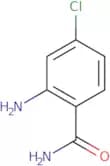
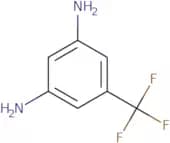
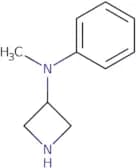
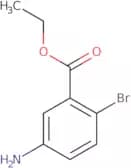



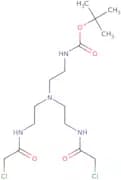
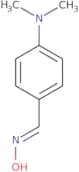
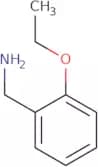
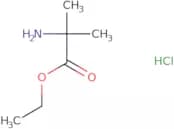
![Fmoc-(S)-4-amino-2-carboxymethyl-1,3,4,5-tetrahydro-2H-[2]benzazepin-3-one](/_next/image/?url=https%3A%2Fstatic.cymitquimica.com%2Fproducts%2F3D%2Fthumb-webp%2FFF50028.webp&w=3840&q=75)
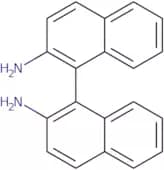
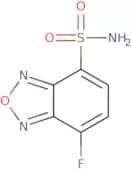
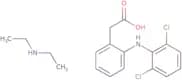
![7-[4-(4-Fluorophenyl)-6-(1-methylethyl)-2-(N-methyl-N-methylsulfonyl-amino)-pyrimidin-5-yl]-3,5-di…](/_next/image/?url=https%3A%2Fstatic.cymitquimica.com%2Fproducts%2F3D%2Fthumb-webp%2FFF35383.webp&w=3840&q=75)
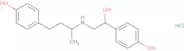
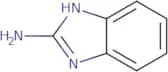
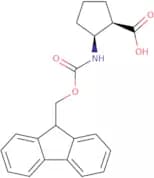
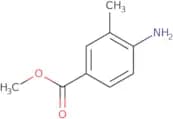

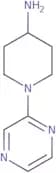
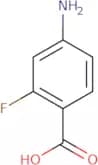
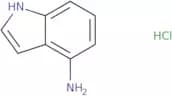
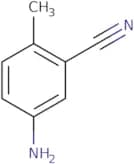

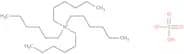
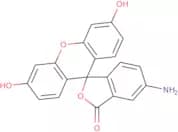
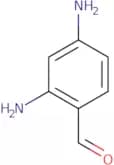
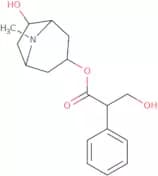

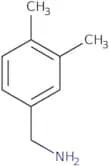
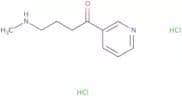
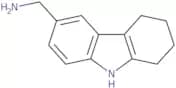
![[1-(Methoxymethyl)cyclopropyl]amine hydrochloride](/_next/image/?url=https%3A%2Fstatic.cymitquimica.com%2Fproducts%2F3D%2Fthumb-webp%2FFM129588.webp&w=3840&q=75)
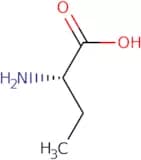

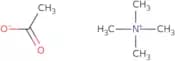
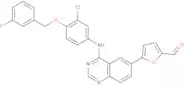


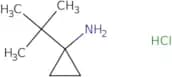
![N-[4-[[(1-Methylethyl)amino]acetyl]phenyl]-methanesulfonamide monohydrochloride](/_next/image/?url=https%3A%2Fstatic.cymitquimica.com%2Fproducts%2F3D%2Fthumb-webp%2FFI150565.webp&w=3840&q=75)
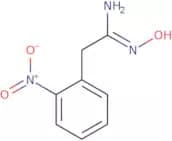
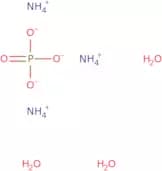

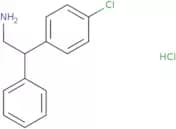
![3-{[(4-Methylphenyl)sulfonyl]amino}benzoic acid](/_next/image/?url=https%3A%2Fstatic.cymitquimica.com%2Fproducts%2F3D%2Fthumb-webp%2FFM136721.webp&w=3840&q=75)
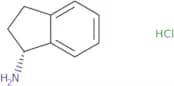
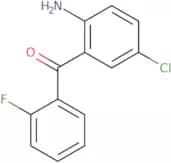
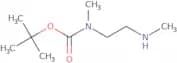
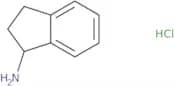
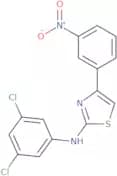
![2-[[(4-Acetylphenyl)amino]methylene]-5,5-dimethyl-1,3-cyclohexanedione](/_next/image/?url=https%3A%2Fstatic.cymitquimica.com%2Fproducts%2F3D%2Fthumb-webp%2FFA169010.webp&w=3840&q=75)
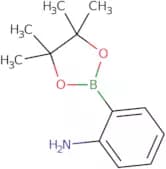
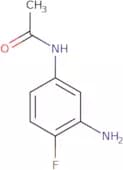
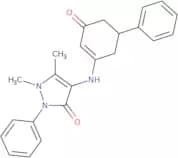
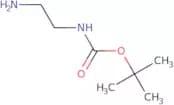

![[2-(3-Methylphenoxy)ethyl]amine hydrochloride](/_next/image/?url=https%3A%2Fstatic.cymitquimica.com%2Fproducts%2F3D%2Fthumb-webp%2FFM120149.webp&w=3840&q=75)

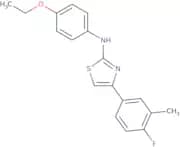
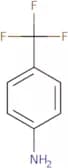
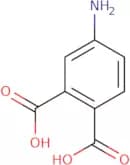
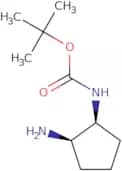
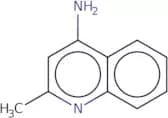
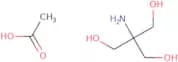
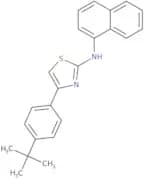
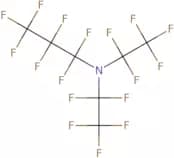
![2-Chloro-9-cyclohexyl-N-[4-(4-morpholinyl)phenyl]-9H-purin-6-amine](/_next/image/?url=https%3A%2Fstatic.cymitquimica.com%2Fproducts%2F3D%2Fthumb-webp%2FFC20176.webp&w=3840&q=75)
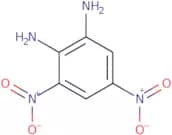
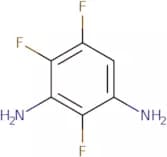
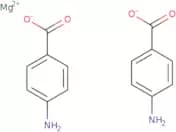

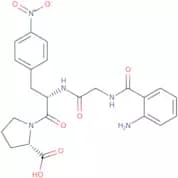
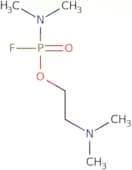
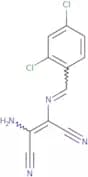

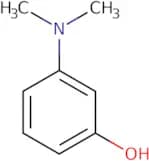
![(2S)-({[(4-Methyl-2-oxo-2H-chromen-7-yl)oxy]acetyl}amino)(phenyl)acetic acid](/_next/image/?url=https%3A%2Fstatic.cymitquimica.com%2Fproducts%2F3D%2Fthumb-webp%2FFM124529.webp&w=3840&q=75)
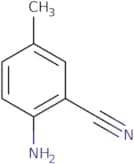
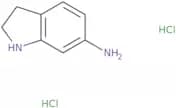
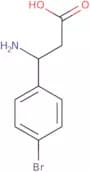
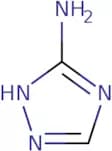
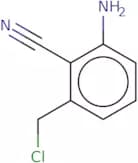
![4-[3-(Trifluoromethyl)-3H-diazirin-3-yl]benzenemethanamine hydrochloride](/_next/image/?url=https%3A%2Fstatic.cymitquimica.com%2Fproducts%2F3D%2Fthumb-webp%2FFT99415.webp&w=3840&q=75)
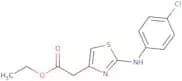
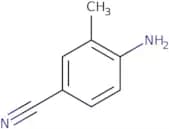
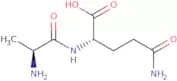
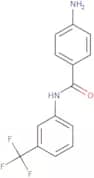
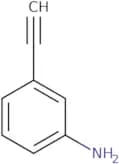


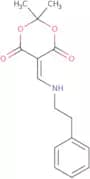
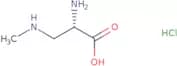
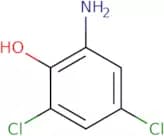
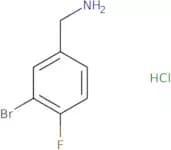
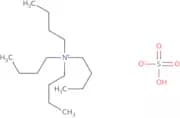

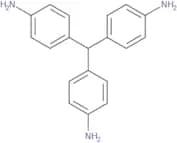
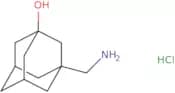
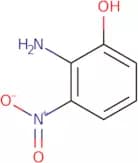

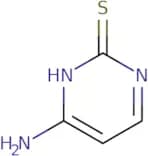
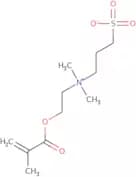
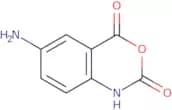
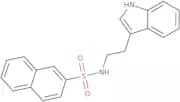
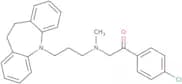
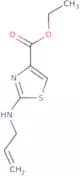

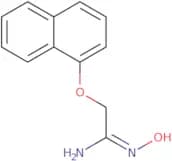

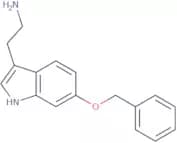
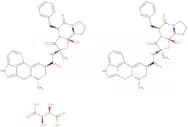
![20-Deoxo-23-deoxy-5-O-[3,6-dideoxy-3-(dimethylamino)-β-D-glucopyranosyl]-20,23-di-1-piperidinyltyl…](/_next/image/?url=https%3A%2Fstatic.cymitquimica.com%2Fproducts%2F3D%2Fthumb-webp%2FFT137728.webp&w=3840&q=75)
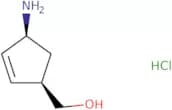

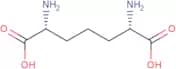
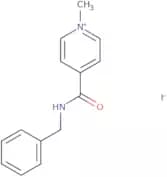
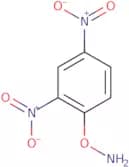
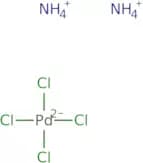
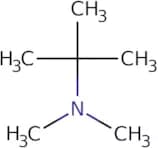
![4-[[(2-Amino-1,2-dicyanoethenyl)imino]methyl]benzoic acid](/_next/image/?url=https%3A%2Fstatic.cymitquimica.com%2Fproducts%2F3D%2Fthumb-webp%2FFA169005.webp&w=3840&q=75)

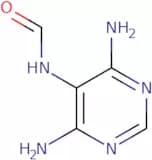
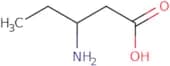
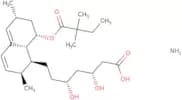
![4-Amino-4H-pyrazolo[3,4-d]pyrimidine](/_next/image/?url=https%3A%2Fstatic.cymitquimica.com%2Fproducts%2F3D%2Fthumb-webp%2FFA15519.webp&w=3840&q=75)
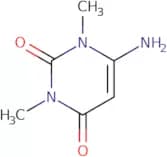

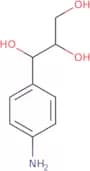
![4-[(7-Chloro-4-quinolinyl)amino]-1-pentanol](/_next/image/?url=https%3A%2Fstatic.cymitquimica.com%2Fproducts%2F3D%2Fthumb-webp%2FFC20107.webp&w=3840&q=75)
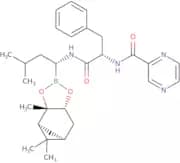
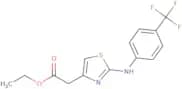
![1,4-Dioxaspiro[4.5]decan-8-ylmethanamine](/_next/image/?url=https%3A%2Fstatic.cymitquimica.com%2Fproducts%2F3D%2Fthumb-webp%2FFD153838.webp&w=3840&q=75)
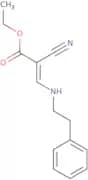
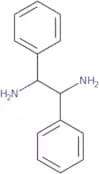

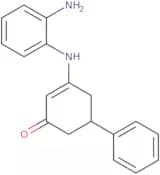

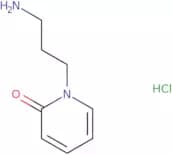
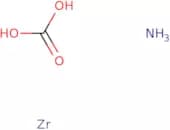
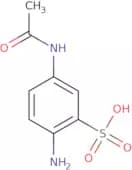
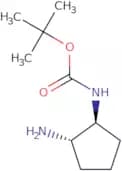
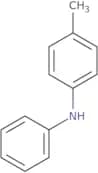
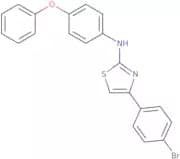
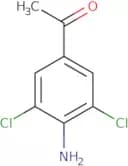
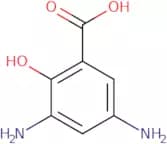
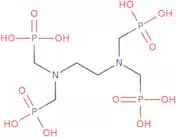


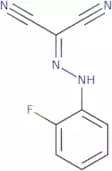
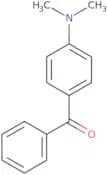

![[4-(Aminomethyl)tetrahydro-2H-pyran-4-yl]dimethylamine](/_next/image/?url=https%3A%2Fstatic.cymitquimica.com%2Fproducts%2F3D%2Fthumb-webp%2FFA122699.webp&w=3840&q=75)
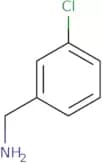
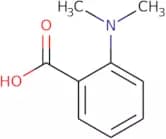
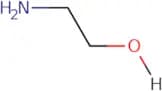
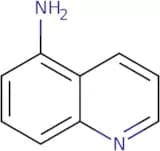
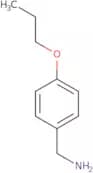
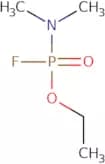

![[(1-Methyl-1H-indol-5-yl)methyl]amine acetate](/_next/image/?url=https%3A%2Fstatic.cymitquimica.com%2Fproducts%2F3D%2Fthumb-webp%2FFM124972.webp&w=3840&q=75)
![Sodium 2-[[3-(trifluoromethyl)phenyl]amino]benzoate](/_next/image/?url=https%3A%2Fstatic.cymitquimica.com%2Fproducts%2F3D%2Fthumb-webp%2FFS92420.webp&w=3840&q=75)
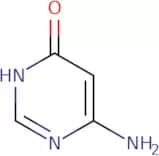

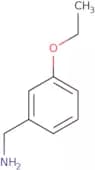
![9-[[[4-[(2,5-Dioxo-1-pyrrolidinyl) oxy]-4-oxobutyl][(4-methylphenyl) sulfonyl]amino]carbonyl]-10- …](/_next/image/?url=https%3A%2Fstatic.cymitquimica.com%2Fproducts%2F3D%2Fthumb-webp%2FFD106522.webp&w=3840&q=75)
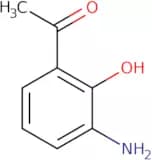
![2-[1-(Methylamino)ethyl]indole](/_next/image/?url=https%3A%2Fstatic.cymitquimica.com%2Fproducts%2F3D%2Fthumb-webp%2FFM25773.webp&w=3840&q=75)
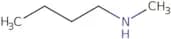
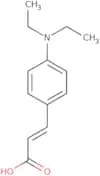
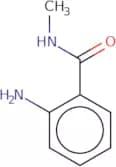
![1-[[5-(p-Nitrophenyl)furfurylidene]amino]-hydantoin sodium](/_next/image/?url=https%3A%2Fstatic.cymitquimica.com%2Fproducts%2F3D%2Fthumb-webp%2FFN44999.webp&w=3840&q=75)
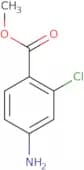
![[2-(Pyridin-2-ylthio)ethyl]amine dihydrochloride](/_next/image/?url=https%3A%2Fstatic.cymitquimica.com%2Fproducts%2F3D%2Fthumb-webp%2FFP121658.webp&w=3840&q=75)