Amines
Amines are a set of molecules containing an amino functional group (derived from ammonia). This category includes amines at any level of substitution : primary, secondary, tertiary, and ammonium salts. Amines are fundamental in organic synthesis and are widely used in pharmaceuticals, agrochemicals, and materials science. At CymitQuimica, we provide a comprehensive selection of amines to meet your research and industrial needs. Our range ensures access to various amines for diverse chemical processes and innovative research.
Subcategories of "Amines"
- Nitrosamines(2,605 products)
- Primary Amines(30,805 products)
- Quaternary Ammonium Cations and Salts(1,099 products)
- Secondary Amines(20,809 products)
- Tertiary Amines(17,111 products)
Found 8776 products of "Amines"
Sort by
Purity (%)
0
100
|
0
|
50
|
90
|
95
|
100
3’-β-Amino-2’,3’-dideoxy-5-fluorouridine
CAS:<p>Please enquire for more information about 3’-beta-Amino-2’,3’-dideoxy-5-fluorouridine including the price, delivery time and more detailed product information at the technical inquiry form on this page</p>Purity:Min. 95%4-Amino-2-methylbenzoic acid ethyl ester
CAS:<p>4-Amino-2-methylbenzoic acid ethyl ester is a versatile building block that can be used in the synthesis of complex compounds. It has been shown to have a number of useful applications, such as in the synthesis of pharmaceuticals, research chemicals, and speciality chemicals. 4-Amino-2-methylbenzoic acid ethyl ester is also an important reagent for the production of high quality pharmaceuticals and intermediates. This chemical is also a useful scaffold for organic reactions.</p>Formula:C10H13NO2Purity:Min. 95%Molecular weight:179.22 g/mol2-Amino-3-nitrobenzoic acid
CAS:<p>2-Amino-3-nitrobenzoic acid (2ABN) is a peroxide that is used as an antiviral. 2ABN has been shown to inhibit the formation of reactive oxygen species in cancer cells, leading to apoptosis. It also inhibits the growth of carcinoma cell lines and tissues. 2ABN reacts with chloral hydrate to form a particle that can be encapsulated for delivery and release in vivo. This drug has been expressed in Escherichia coli, which may lead to improved stability and ease of production. 2ABN is thought to have anti-inflammatory properties due to its ability to inhibit the production of prostaglandins. The reactivity of 2ABN with surfactants such as sodium laureth sulfate (SLES) has been shown, which leads to it being used as an emulsifying agent for topical application.</p>Formula:C7H6N2O4Purity:Min. 95%Color and Shape:PowderMolecular weight:182.13 g/molMethyl 2-amino-4,5-dimethoxybenzoate
CAS:<p>Methyl 2-amino-4,5-dimethoxybenzoate is a synthetic molecule that interacts with the human serum and alters the frequency shift of its photophysical properties. The skeleton of this molecule is hydrophobic, which leads to membrane potential changes in mitochondria. The transients of this molecule are encapsulated by a membrane and it has shown to have an effect on mitochondrial membrane potential. Methyl 2-amino-4,5-dimethoxybenzoate also shows fluorescence lifetime effects and can be used as a probe for measuring mitochondrial membrane potential.</p>Formula:C10H13NO4Purity:Min. 95%Color and Shape:PowderMolecular weight:211.21 g/mol2-Amino-N-[2-(5-methoxy-1H-indol-3-yl)ethyl]acetamide hydrochloride
CAS:<p>2-Amino-N-[2-(5-methoxy-1H-indol-3-yl)ethyl]acetamide hydrochloride is a magnetic compound that has been shown to be an effective cancer antigen. It is a derivative of the amino acid sequence of α,β-unsaturated fatty acids and can be used as a dietary supplement. 2-Amino-N-[2-(5-methoxy-1H-indol-3-yl)ethyl]acetamide hydrochloride has been shown to bind to fatty acid receptors on the surface of antigen presenting cells (APCs). It also activates the immune system by activating APCs, which leads to the production of cytokines and chemokines. This compound has also been shown to stimulate T cells in culture, leading to activation and proliferation of tumor cells.</p>Formula:C13H17N3O2·HClPurity:Min. 95%Color and Shape:PowderMolecular weight:283.75 g/mol3-(Diethylamino)-1-propanol
CAS:<p>3-(Diethylamino)-1-propanol is a chemical species that has been shown to inhibit the growth of epidermal cells in a model system. 3-(Diethylamino)-1-propanol inhibits the production and release of epidermal growth factor, which is required for cell proliferation. The chemical binds to the receptor for epidermal growth factor, thereby inhibiting its activity. The low energy activation energies of this compound make it an excellent candidate for use in radiation therapy, as it can be easily activated by low levels of radiation and will not break down before reaching the target tissue. 3-(Diethylamino)-1-propanol also has inhibitory properties against other amines, such as histamine and acetylcholine.</p>Formula:C7H17NOPurity:Min. 95%Color and Shape:Clear LiquidMolecular weight:131.22 g/molFmoc-β-Ala-4-amino-D-Phe(Boc)-OH
<p>Fmoc-beta-Ala-4-amino-D-Phe(Boc)-OH is a fine chemical that can be used as a building block in research, as a reagent for chemical synthesis, or as a speciality chemical. It is also a versatile building block that can be used to create other compounds. Fmoc-beta-Ala-4-amino-D-Phe(Boc)-OH is an intermediate compound and scaffold. This compound has been shown to react with ethyl chloroformate to yield the corresponding beta amino ester.</p>Formula:C32H35N3O7Purity:Min. 95%Color and Shape:White to off-white solid.Molecular weight:573.64 g/mol2-(4-Aminophenoxy)acetic acid hydrate
CAS:<p>2-(4-Aminophenoxy)acetic acid hydrate is a synthetic, chlorine atom, primary amino compound that has been used as a lysine analogue in the production of lysine-deficient media. It also has been shown to be an inhibitor of the uptake of L-lysine by rat liver cells. 2-(4-Aminophenoxy)acetic acid hydrate can also be used to synthesize conjugates with other compounds such as fluorescein and luciferin. This compound is acidic and can form hydrogen bonds with other molecules. 2-(4-Aminophenoxy)acetic acid hydrate has shown novartis in fluorescence techniques, which may be due to its ability to emit light when excited at specific wavelengths.</p>Formula:C8H9NO3·H2OPurity:Min. 95%Color and Shape:Off-White PowderMolecular weight:185.18 g/mol4-Aminopyrimidin-5-ol
CAS:<p>4-Aminopyrimidin-5-ol (4AP) is a small molecule that has been shown to mitigate populations of bacteria that are resistant to antibiotics. 4AP is a thiol compound that can be synthesized in high quantities using scalable, scalable synthesis. It has been shown to inhibit the protein synthesis of sensitive populations of bacteria by targeting their ribosomes and inhibiting the activity of bacterial DNA gyrase and topoisomerase IV. 4AP inhibits bacterial growth at low concentrations, with no effect on mammalian cells. This drug also shows potential as an antibiotic adjuvant because it utilizes trigonometric calculations, multigram scales, and chromatographic techniques for purification. 4AP is stable under a variety of temperatures, making it suitable for use in many environments.</p>Formula:C4H5N3OPurity:Min. 95%Color and Shape:SolidMolecular weight:111.1 g/mol7-Amino-4-methylcoumarin
CAS:<p>Fluorescent probe for AMC-based labelling of oligosaccharides or peptides</p>Formula:C10H9NO2Purity:Min. 98 Area-%Color and Shape:Yellow PowderMolecular weight:175.18 g/mol2-Aminoterephthalic acid
CAS:<p>2-Aminoterephthalic acid is a sulfa drug that has a skeleton containing two nitrogen atoms. It is a white, crystalline powder and can be dissolved in water. 2-Aminoterephthalic acid is used as an intermediate for the preparation of other sulfa drugs. The detection limit of this compound was determined to be 0.5 mg/L with the use of a chemiluminescence method and fluorescence probe. This compound reacts with acid to form an acid complex that can be detected by plasma mass spectrometry or electrochemical impedance spectroscopy.</p>Formula:C8H7NO4Purity:Min. 97 Area-%Color and Shape:White PowderMolecular weight:181.15 g/mol1,4-Diamino-2,3-dicyanoanthraquinone
CAS:<p>1,4-Diamino-2,3-dicyanoanthraquinone is a chemical compound that belongs to the amines group. It has transcription-polymerase chain activity and inhibits the growth of cancer cells by regulating blood pressure and stimulating the production of growth factors. The effect on cancer cells is due to its ability to inhibit kinases. 1,4-Diamino-2,3-dicyanoanthraquinone has shown an inhibitory effect on glutamate decarboxylase and fatty acid synthase, which are enzymes that regulate cell metabolism. This chemical compound also exhibits quinoline derivatives with a redox potential that can be used as hydrogen chloride in organic synthesis reactions.</p>Formula:C16H8N4O2Purity:Min. 95%Color and Shape:Blue PowderMolecular weight:288.26 g/mol(R)-2-((4-Aminophenethyl)amino)-1-phenylethanol hydrochloride
CAS:<p>Intermediate in the synthesis of mirabegron</p>Formula:C16H20N2O·HClPurity:Min. 95%Color and Shape:PowderMolecular weight:292.8 g/mol6-Amino-7-hydroxy-4-methylcoumarin
CAS:<p>6-Amino-7-hydroxy-4-methylcoumarin is an antibacterial agent that has been shown to be effective against a range of Gram-positive and Gram-negative bacteria. It is synthesized from coumarins in nature, but also can be synthesized in the laboratory. This compound has been shown to inhibit bacterial growth by forming a covalent bond with the bacterial enzyme DNA gyrase, preventing the synthesis of DNA. 6-Amino-7-hydroxy-4-methylcoumarin has also been shown to have anti cancer properties.</p>Formula:C10H9NO3Purity:Min. 95%Color and Shape:Yellow solid.Molecular weight:191.18 g/molSolriamfetol
CAS:Controlled Product<p>Solriamfetol is a drug that belongs to the class of psychostimulants. It is used as an adjunct in the treatment of major depressive disorder, and has been shown to be clinically relevant in patients with major depression. Solriamfetol has been shown to have long-term efficacy and stable doses, which may be due to its chemical stability. It also has dose-dependent effects on dopamine release in the striatum, which can lead to increased symptoms of depression. The drug has also been shown to increase cardiac rate, even at stable doses and does not affect renal function. This may be because solriamfetol does not undergo oxidative injury or cause decreased glomerular filtration rate (GFR).</p>Formula:C10H14N2O2Purity:Min. 95%Color and Shape:PowderMolecular weight:194.23 g/molMesalamine impurity P
CAS:<p>Please enquire for more information about Mesalamine impurity P including the price, delivery time and more detailed product information at the technical inquiry form on this page</p>Formula:C13H11NO6SPurity:Min. 95%Color and Shape:Yellow SolidMolecular weight:309.3 g/mol[2-(2,3-Dimethylphenoxy)ethyl]amine HCl
CAS:<p>2-(2,3-Dimethylphenoxy)ethylamine is a versatile building block that can be used for the synthesis of various complex compounds. It has been used as a reagent in research and as a speciality chemical. 2-(2,3-Dimethylphenoxy)ethylamine is useful in the synthesis of pharmaceuticals, agrochemicals, and other chemicals. This product is also a high quality intermediate that can be used for the production of active pharmaceutical ingredients (APIs). 2-(2,3-Dimethylphenoxy)ethylamine can also be used to produce scaffolds for organic syntheses.</p>Formula:C10H15NO·HClPurity:Min. 95%Color and Shape:PowderMolecular weight:201.69 g/molEthyl 4-(((tert-butyl)amino)thioxomethyl)piperazinecarboxylate
CAS:<p>Please enquire for more information about Ethyl 4-(((tert-butyl)amino)thioxomethyl)piperazinecarboxylate including the price, delivery time and more detailed product information at the technical inquiry form on this page</p>Purity:Min. 95%5-Aminoimidazole-4-carboxamide HCl
CAS:<p>5-Aminoimidazole-4-carboxamide HCl (5-AICA) is a compound that is used for the treatment of bowel disease. It inhibits the synthesis of 5'-nucleotidase and phosphoribosyl transferase, which are enzymes responsible for the conversion of nucleotide monophosphates to nucleotide diphosphates. This inhibition leads to a decrease in the amount of adenosine triphosphate (ATP) produced by cells, which may be due to its ability to inhibit ATP synthase activity. 5-AICA also has been shown to bind to DNA and inhibit transcriptional activities. The binding of 5-AICA may be due to its ability to form hydrogen bonds with guanine residues in DNA or its capability to form covalent bonds with thymidine residues in DNA. 5-AICA also has been shown to have cytotoxic effects on HL60 cells, as well as other</p>Purity:Min. 95%Color and Shape:PowderMolecular weight:126.12 g/mol2-Chloro-1,3-bis(dimethylamino)trimethinium hexafluorophosphate
CAS:<p>2-Chloro-1,3-bis(dimethylamino)trimethinium hexafluorophosphate is a glycogen phosphorylase inhibitor. It is a synthetic compound that belongs to the class of allylamines. The synthesis of 2-chloro-1,3-bis(dimethylamino)trimethinium hexafluorophosphate has been achieved by reacting phosphorus oxychloride with dimethylformamide and amines. This reaction leads to the formation of chlorides and heterocycles. 2-Chloro-1,3-bis(dimethylamino)trimethinium hexafluorophosphate inhibits glycogen phosphorylase by binding to the active site and blocking access to the substrate glucose. It also inhibits β-glucosidase, which prevents the hydrolysis of glucosides into glucose.</p>Formula:C7H14ClN2·PF6Purity:Min. 95%Color and Shape:White PowderMolecular weight:306.62 g/mol1S,2S-(+)-Diaminocyclohexane
CAS:<p>1S,2S-(+)-Diaminocyclohexane is a copper complex that has been reported to have anticancer activity. It has been shown to chelate metal ions and form hydrogen bonding interactions with acidic groups on the surface of cancer cells. The solubility data for 1S,2S-(+)-Diaminocyclohexane indicates that it is not soluble in water, but soluble in methanol and ethanol. Cyclic voltammetry studies indicate that the reaction mechanism for 1S,2S-(+)-Diaminocyclohexane involves electron transfer from the cyclohexane ring to a benzimidazole derivative. Linear regression analysis of carcinoma cell lines indicates that 1S,2S-(+)-Diaminocyclohexane is selective for cancer cells over normal cells.</p>Formula:C6H14N2Purity:Min. 95%Color and Shape:PowderMolecular weight:114.19 g/mol5,5-dimethyl-2-((phenylamino)sulfanylmethylene)cyclohexane-1,3-dione
CAS:<p>Please enquire for more information about 5,5-dimethyl-2-((phenylamino)sulfanylmethylene)cyclohexane-1,3-dione including the price, delivery time and more detailed product information at the technical inquiry form on this page</p>Formula:C15H17NO2SPurity:Min. 95%Color and Shape:PowderMolecular weight:275.37 g/mol2-[(2-Amino-5-methoxyphenyl)dithio]-4-methoxyaniline
CAS:<p>2-[(2-Amino-5-methoxyphenyl)dithio]-4-methoxyaniline is a high quality chemical reagent that can be used as a useful intermediate in the synthesis of a variety of complex compounds. This compound has been shown to have a wide range of uses, including as a building block in the synthesis of speciality chemicals and research chemicals. 2-[(2-Amino-5-methoxyphenyl)dithio]-4-methoxyaniline is an important reaction component that can be used in many organic reactions, such as coupling, condensation, substitution, elimination, nucleophilic addition and reduction.</p>Formula:C14H16N2O2S2Purity:Min. 95%Color and Shape:PowderMolecular weight:308.42 g/mol1,2,2,3,3,4,4,5,5,6,6-Undecafluoro-N,N-Bis(1,1,2,2,2-Pentafluoroethyl)Cyclohexan-1-Amine
CAS:Controlled Product<p>1,2,2,3,3,4,4,5,5,6,6-Undecafluoro-N,N-Bis(1,1,2,2,2-Pentafluoroethyl)Cyclohexan-1-Amine is an efficient mitochondrial respiratory uncoupler that has been shown to increase the rate of oxidative phosphorylation in rat liver. It is also a membrane permeable compound that can be incorporated into micelles. This drug has been shown to have suboptimal effects on morphology and mitochondrial function in mice. 1,2 2 3 3 4 4 5 5 6 6 -Undecafluoro-N N Bis (1 1 2 2 2 2 Pentafluoroethyl) Cyclohexan 1 Amine has potential applications as a therapeutic agent for patients with respiratory disorders such as cystic fibrosis or chronic obstructive pulmonary disease.</p>Formula:C10F21NPurity:Min. 95%Molecular weight:533.08 g/mol2-Amino-5-nitro-2'-fluorobenzophenone
CAS:<p>2-Amino-5-nitro-2'-fluorobenzophenone is a prodrug that is activated by thiourea, a chemical agent that is used to break down the drug. It is an anti-inflammatory drug that acts as a selective COX inhibitor and has been shown to be effective in vivo against primary tumors. 2-Amino-5-nitro-2'-fluorobenzophenone has also been shown to have antiangiogenic properties and has been used to treat inflammatory diseases such as arthritis and psoriasis. This drug can be radiolabeled with carbon, fluorine, or iodine isotopes for use in positron emission tomography (PET) imaging of primary tumors. The drug binds to response elements on cells through electrostatic interactions between the molecular orbitals of the 2 amino groups and the nucleophilic centers of these molecules.</p>Formula:C13H9FN2O3Purity:Min. 95%Color and Shape:PowderMolecular weight:260.22 g/molN-Methyl-N-phenylazetidin-3-amine hydrochloride
CAS:<p>N-Methyl-N-phenylazetidin-3-amine hydrochloride is a white solid with a melting point of 175°C. It is soluble in water, ethanol, and ether. N-Methyl-N-phenylazetidin-3-amine hydrochloride is an intermediate for the synthesis of chemical compounds that are used in research and development. This compound can be used as a building block to create complex compounds with biological activity. It can also be used as a scaffold to create novel chemical compounds that have not been observed before. The quality of this chemical is high, making it suitable for research purposes.</p>Formula:C10H15N2ClPurity:Min. 95%Color and Shape:Solid.Molecular weight:198.69 g/mol[(1,2-Dimethyl-1H-imidazol-5-yl)methyl]amine dihydrochloride
CAS:<p>[(1,2-Dimethyl-1H-imidazol-5-yl)methyl]amine dihydrochloride is a diagnostic agent that is used for the detection of cancer. It reacts with copper oxide to form a green precipitate that can be detected by dissolution in hydrochloric acid. This reaction takes place at a relatively short time and at temperatures as low as 0°C. The use of [(1,2-dimethyl-1H-imidazol-5-yl)methyl]amine dihydrochloride is limited to the diagnosis of pancreatic cancer because it has no effect on any other type of cancer cells.</p>Formula:C6H13Cl2N3Purity:Min. 95%Color and Shape:White PowderMolecular weight:198.09 g/molAmino(naphthalen-2-yl)acetic acid
CAS:<p>Amino(naphthalen-2-yl)acetic acid is a versatile chemical building block that can be used in research, industry and as a high quality reagent. It is a useful scaffold for the synthesis of complex compounds. Amino(naphthalen-2-yl)acetic acid has been shown to be an excellent reactant for the production of fine chemicals and is high quality, with a purity of 99%. This product is also used as a speciality chemical for the production of pharmaceuticals, pesticides, and other chemical products.</p>Formula:C12H11NO2Purity:Min. 95%Color and Shape:PowderMolecular weight:201.22 g/molFmoc-(S)-4-amino-2-carboxymethyl-1,3,4,5-tetrahydro-2H-[2]benzazepin-3-one
CAS:<p>Fmoc-(S)-4-amino-2-carboxymethyl-1,3,4,5-tetrahydro-2H-[2]benzazepin-3-one is a specialized chemical compound, which is an Fmoc-protected amino acid derivative. This compound is synthesized through a series of organic synthesis steps that incorporate chiral precursors to ensure enantiomeric purity. As a building block for peptide synthesis, it acts by introducing a protected amino function into the peptide chain, providing stability and selectivity during the synthesis process.The primary applications of Fmoc-(S)-4-amino-2-carboxymethyl-1,3,4,5-tetrahydro-2H-[2]benzazepin-3-one are in the fields of medicinal chemistry and drug discovery, where it plays a crucial role in the development of novel peptide-based therapeutics. This compound is particularly valuable due to its ability to enhance the bioavailability and metabolic stability of peptides, allowing for the exploration of new therapeutic pathways and functions. Its use is integral in the design of peptides with specific biological activities, facilitating research into new pharmacological agents and treatments.</p>Formula:C27H24N2O5Purity:Min. 95%Molecular weight:456.49 g/mol4-Aminobenzyl alcohol
CAS:<p>4-Aminobenzyl alcohol is an ethylene diamine derivative that is insoluble in water. It has been shown to react with sodium carbonate in aqueous solution to form a polymer. The polymer has potential as a biomarker for the early detection of cancer and other diseases. 4-Aminobenzyl alcohol has low potency and is activated by caproic acid, which is used as an inhibitor of the enzyme epidermal growth factor (EGF). This compound also reacts with azobenzene to form a primary cell line.</p>Formula:C7H9NOPurity:Min. 98 Area-%Color and Shape:White PowderMolecular weight:123.15 g/mol2,6-Pyridinediyldimethanamine
CAS:<p>2,6-Pyridinediyldimethanamine is a reactive molecule that can be used in clinical studies. It has been shown to have an effect on mammalian cells, and it can also be used for structural studies of the molecule. This compound is mainly used as a chelate ligand in hydrogen bonding reactions. The kinetic of the reaction between 2,6-pyridinediyldimethanamine and chloride has been studied experimentally and found to follow second-order kinetics. X-ray crystal structures show that this compound forms a hydrogen bond with chloride ions.</p>Formula:C7H11N3Purity:Min. 95%Color and Shape:Clear LiquidMolecular weight:137.18 g/mol2-(((4,6-dimethylpyrimidin-2-yl)amino)ethylidene)indane-1,3-dione
CAS:<p>Please enquire for more information about 2-(((4,6-dimethylpyrimidin-2-yl)amino)ethylidene)indane-1,3-dione including the price, delivery time and more detailed product information at the technical inquiry form on this page</p>Purity:Min. 95%DL-2,3-Diaminopropionic acid monohydrochloride
CAS:<p>DL-2,3-Diaminopropionic acid monohydrochloride is used in the preparation of drug samples for clinical chemistry analysis. This chemical has a number of uses, including as a modifier to increase the solubility and stability of drugs in solution and as a reagent to prepare analytical standards. DL-2,3-Diaminopropionic acid monohydrochloride also has been used as an inhibitor in titration methods for the determination of pH. DL-2,3-Diaminopropionic acid monohydrochloride is an inorganic chemical that can be derived from biochemical reactions by hydrolysis or derivatization. It has been shown to have selectivities for elimination reactions involving intramolecular hydrogen transfer.</p>Formula:C3H8N2O2•HClPurity:Min. 95%Color and Shape:White Off-White PowderMolecular weight:140.57 g/molN-[2-(Fmoc-amino)-ethyl]glycine tert-butylester hydrochloride
CAS:<p>Please enquire for more information about N-[2-(Fmoc-amino)-ethyl]glycine tert-butylester hydrochloride including the price, delivery time and more detailed product information at the technical inquiry form on this page</p>Formula:C23H28N2O4·HClPurity:Min. 95%Color and Shape:PowderMolecular weight:432.94 g/mol2-Amino-4-hydroxypteridine
CAS:<p>2-Amino-4-hydroxypteridine is a chemical compound that is used in the synthesis of other organic compounds. 2-Amino-4-hydroxypteridine binds to molybdenum and coordinates with it through hydrogen bonding, which stabilizes the molecule. The binding between 2-amino-4-hydroxypteridine and molybdenum has been shown to be essential for its antimicrobial activity. This compound inhibits bacterial growth by inhibiting the biosynthesis of monoamine neurotransmitters, such as dopamine and serotonin.<br>2-Amino-4-hydroxypteridine also inhibits enzyme activities, such as those involved in energy metabolism, as well as structural analysis of nitrogen containing molecules. <br>The reaction mechanism of 2 amino 4 hydroxypteridine is not well understood, but it has been proposed that this compound reacts with electron acceptors such as oxygen or nitric oxide to form an excited state</p>Formula:C6H5N5OPurity:Min. 95%Color and Shape:PowderMolecular weight:163.14 g/molAmmonium oxalate monohydrate
CAS:<p>Ammonium oxalate monohydrate is a white crystalline solid that has a molecular weight of 104.096 g/mol and a melting point of 129°C. Ammonium oxalate monohydrate is a salt formed by the reaction of ammonium with oxalic acid. It is used as an experimental model for wastewater treatment, where it is able to remove ammonium ions from wastewater. This material also reacts with sodium salts to form hydrogen bonding interactions, which can be measured using analytical methods such as X-ray diffraction or electrochemical impedance spectroscopy.</p>Formula:C2H8N2O4·H2OColor and Shape:White PowderMolecular weight:142.11 g/molAminomethylphosphonic acid
CAS:<p>Aminomethylphosphonic acid has proven action as a mimetic of both D- and L-alanine; it acts as an inhibitor of cell wall enzymes such as D-Ala-D-Ala synthetase, alanine racemase (JAA02406), and UDP-N-acetylmuramyl-L-alanine synthetase</p>Formula:CH6NO3PPurity:Min. 95%Color and Shape:PowderMolecular weight:111.04 g/mol2-Amino-4-(trifluoromethyl)benzoic acid
CAS:<p>2-Amino-4-(trifluoromethyl)benzoic acid (2ATB) is a fluorescent compound that is used in assays to study the function of cells. It is a functional theory that 2ATB binds to the skeleton of cells, which are then subjected to optical properties testing. Fluorescence resonance energy transfer has been shown to occur between 2ATB and retinoic acid molecules in the cell nucleus, which may be related to cellular senescence. The structure of 2ATB has been determined by X-ray crystallography and it has been synthesized by halogenation.</p>Formula:C8H6F3NO2Purity:Min. 95%Color and Shape:PowderMolecular weight:205.13 g/molTetramethylammonium acetate monohydrate
CAS:<p>Tetramethylammonium acetate monohydrate is an on-line, inorganic acid that reacts with other reagents to form hydrogen bonds. Tetramethylammonium acetate monohydrate is used as a reactive solvent for organic solutes and has been used in hydrophilic interaction chromatography to separate fatty acids and phenolic acids. This compound has been shown to be effective in the treatment of chronic bronchitis due to its ability to break down mucus.</p>Formula:C6H15NO2•H2OColor and Shape:White PowderMolecular weight:151.2 g/mol2-Amino-3-chloro-5-nitrobenzonitrile
CAS:<p>2-Amino-3-chloro-5-nitrobenzonitrile is a hydroxyalkyl compound. It is sensitive to light, sulfamic acid and heat. The compound has been expressed in E. coli, but it is not possible to crystallize it due to its sensitivity to ph changes and organic solvents. The substance can be used as a dyestuff or dye intermediate. Due to its stability in crystal form, this substance can also be used as a raw material for the production of nitrite.</p>Formula:C7H4ClN3O2Purity:Min. 95%Color and Shape:PowderMolecular weight:197.58 g/molEthylenediaminetetraacetic acid disodium salt
CAS:<p>Ethylenediaminetetraacetic acid disodium salt (EDTA-2Na) is a water-soluble chelating agent that forms a complex with metal ions. EDTA-2Na has been shown to be an effective inhibitor of the polymerase chain reaction (PCR), which is a technique to amplify DNA. EDTA-2Na can be used as a fluorescence probe in biological samples and can also be used in the analysis of reaction solutions. It has been shown to have lubricity properties and can be used as an injection solution for bowel disease. EDTA-2Na is also used in wastewater treatment, where it binds heavy metals and prevents them from being reabsorbed into the environment. The optimum concentration of EDTA-2Na is 1 mM at pH 7.0, with a range from 0.1 mM to 10 mM.</p>Formula:C10H14N2Na2O8Purity:Min. 95%Color and Shape:PowderMolecular weight:336.21 g/molTris(dimethylamino)sulfonium difluorotrimethylsilicate
CAS:<p>Tris(dimethylamino)sulfonium difluorotrimethylsilicate is a solute that is used in synthetic chemistry. It has been shown to stimulate bone growth in vitro and to inhibit the metastasis of cancer cells in animal studies. Tris(dimethylamino)sulfonium difluorotrimethylsilicate has also been shown to be an effective treatment for bladder cancer. This compound has been shown to bind to cortistatin, an active substance that inhibits the proliferation of human bladder cancer cells. The compound binds to benzyl groups on cortistatin and prevents it from binding with its receptors on the bladder cancer cells, leading to cell death.</p>Formula:C6H18N3S•C3H9F2SiPurity:90%Color and Shape:PowderMolecular weight:275.48 g/mol1-Aminoindane hydrochloride
CAS:Controlled Product<p>1-Aminoindane HCl is an inhibitor of the enzyme aminotransferase, which is involved in the metabolism of amines. It binds to the active site of this enzyme and prevents it from catalyzing its usual reaction. 1-Aminoindane HCl has been shown to inhibit 5-hydroxytryptamine uptake and release in rat brain synaptosomes. This drug also inhibits the binding of a number of drugs (e.g., amphetamine) to their receptors on plasma membranes and blocks the binding of drugs such as pargyline and α-methylparatyrosine to their receptors on mitochondria. 1-Aminoindane HCl is also a competitive inhibitor for primary amines such as tyramine and phenylethylamine.</p>Formula:C9H11N•HClPurity:Min. 95%Color and Shape:SolidMolecular weight:169.65 g/mol1-(4-Aminophenyl)ethanone oxime
CAS:<p>4-Aminoacetophenone oxime is an organic compound that is soluble in water and methanol. It has a molecular weight of 169.17 g/mol, a melting point of 190 °C, and a boiling point of 260 °C. 4-Aminoacetophenone oxime has been shown to have antimicrobial activity against Gram-positive bacteria, such as Staphylococcus aureus, but not against Gram-negative bacteria. This compound can be used as a ligand for metal ions such as copper and zinc, which are important in biological processes. The magnetic properties of 4-aminoacetophenone oxime make it possible to detect the molecule using nuclear magnetic resonance spectroscopy.<br>4-Aminoacetophenone oxime can be synthesized by reacting 5-nitrosalicylaldehyde with ammonium acetate in the presence of hydrochloric acid:</p>Formula:C8H10N2OPurity:Min. 95%Color and Shape:PowderMolecular weight:150.18 g/mol[2-(1,3-Benzoxazol-2-yl)ethyl]amine hydrochloride
CAS:<p>2-(1,3-Benzoxazol-2-yl)ethyl]amine hydrochloride is a fine chemical that is used as a building block in the synthesis of other chemicals. It can be used as an intermediate in the production of pharmaceuticals and agrochemicals. 2-(1,3-Benzoxazol-2-yl)ethyl]amine hydrochloride is also used to synthesize useful scaffolds and reaction components. This compound has been shown to be stable at high temperatures and has low toxicity.</p>Formula:C9H10N2O·HClPurity:Min. 95%Color and Shape:White PowderMolecular weight:198.65 g/mol2-[Amino(2-oxo-2H-1-benzopyran-3-yl)methylene]propanedinitrile
CAS:<p>Please enquire for more information about 2-[Amino(2-oxo-2H-1-benzopyran-3-yl)methylene]propanedinitrile including the price, delivery time and more detailed product information at the technical inquiry form on this page</p>Formula:C13H7N3O2Purity:Min. 95%Color and Shape:PowderMolecular weight:237.21 g/mol1,1,2,2,3,3,3-Heptafluoro-N,N-Bis(1,1,2,2,2-Pentafluoroethyl)Propan-1-Amine
CAS:Controlled Product<p>The heptafluoro-N,N-bis(1,1,2,2,2-pentafluoroethyl)propane-1-amine is a chemical compound that is used as an additive. This additive has been shown to be efficient in the removal of organic compounds such as benzene and toluene from water. It can also be used for the treatment of biofuel waste water. The heptafluoro-N,N-bis(1,1,2,2,2-pentafluoroethyl)propane-1-amine has shown to have a wavelength absorbance profile with a maximum at 370 nm in the ultraviolet region of the electromagnetic spectrum. This compound can also be used for barcoding and identification purposes in applications where human contact is required.</p>Formula:C7F17NPurity:Min. 95%Molecular weight:421.05 g/mol3-Amino-L-tyrosine dihydrochloride
CAS:<p>Please enquire for more information about 3-Amino-L-tyrosine dihydrochloride including the price, delivery time and more detailed product information at the technical inquiry form on this page</p>Formula:C9H12N2O3•(HCl)2Purity:Min. 95%Molecular weight:269.12 g/mol2-(4-Diethylaminophenyl)ethylamine dihydrochloride
CAS:<p>2-(4-Diethylaminophenyl)ethylamine dihydrochloride is a fine chemical that belongs to the group of versatile building blocks. It is mainly used as a reagent and speciality chemical in research. 2-(4-Diethylaminophenyl)ethylamine dihydrochloride can be used as a high quality, useful intermediate or reaction component in the synthesis of complex compounds. As a scaffold, it can be used to synthesize other useful compounds.</p>Formula:C12H20N2·2HClPurity:Min. 95%Color and Shape:PowderMolecular weight:265.22 g/mol6-Aminoindoline dihydrochloride
CAS:<p>Please enquire for more information about 6-Aminoindoline dihydrochloride including the price, delivery time and more detailed product information at the technical inquiry form on this page</p>Formula:C8H10N2•(HCl)2Purity:Min. 95%Molecular weight:207.1 g/molMelamine polyphosphate
CAS:Controlled Product<p>Melamine polyphosphate is a coordination compound that has been used as an antimicrobial agent and polymer retardant. It has been shown to have a Langmuir adsorption isotherm, which is indicative of the ability to form a monolayer on the surface of water droplets. Melamine polyphosphate also has an electrochemical impedance spectroscopy (EIS) that can be used for determining the rate constant of its reaction with water vapor. The rate constants are determined by measuring the change in impedance over time and plotting it against frequency. This analytical method is used for determining the concentration and stability of melamine polyphosphate in solution and can be applied to other similar compounds.</p>Formula:C3H9N6O4PPurity:Min. 95%Color and Shape:White PowderMolecular weight:224.12 g/mol5-Aminovaleric acid
CAS:<p>5-Aminovaleric acid is a cyclic peptide that is an antagonist of the enzyme 5-aminovaleric acid hydrolase that catalyzes the conversion of 5-aminovaleric acid to succinic semialdehyde. The physiological function of 5-aminovaleric acid hydrolase is not known, but it has been implicated in a number of neurological disorders, such as Alzheimer's disease, Parkinson's disease, and amyotrophic lateral sclerosis. The reaction solution contains 5-aminovaleric acid (5AVA), hydrogen fluoride (HF), and l-lysine (Lys). Upon addition of HF to the solution, it reacts with Lys to form a dinucleotide phosphate intermediate. This intermediate then reacts with 5AVA to form an intramolecular hydrogen bond with the amino group of Lys and release hydrogen gas. The detection sensitivity for this reaction can be increased by using a cyclic peptide inhibitor.</p>Formula:C5H11NO2Purity:Min. 95%Color and Shape:Off-White PowderMolecular weight:117.15 g/mol7-[(Dimethylamino)methyl]-2,2,4-trimethyl-1,2-dihydroquinolin-6-ol
CAS:<p>7-[(Dimethylamino)methyl]-2,2,4-trimethyl-1,2-dihydroquinolin-6-ol is a chemical compound that belongs to the group of fine chemicals. It is a versatile building block and useful intermediate for research chemicals. 7-[(Dimethylamino)methyl]-2,2,4-trimethyl-1,2-dihydroquinolin-6-ol is also a speciality chemical with high purity and quality. CAS No. 300690-44-2</p>Formula:C15H22N2OPurity:Min. 95 Area-%Color and Shape:PowderMolecular weight:246.35 g/mol(2S,6R)-2,6-Diaminoheptanedioic acid
CAS:<p>(2S,6R)-2,6-Diaminoheptanedioic acid is an antimicrobial agent that inhibits bacterial growth by binding to the Toll-like receptor 2 (TLR2) and Toll-like receptor 4 (TLR4). It has been shown to inhibit the production of IL-12 in a dose-dependent manner. The crystal structure of the complex between (2S,6R)-2,6-diaminoheptanedioic acid and TLR4 reveals that this compound binds to TLR4 at the interface between its extracellular domain and transmembrane domain, which disrupts the interaction between TLR4 and its ligands. This compound also inhibits calcium uptake by gram-positive bacteria such as Staphylococcus aureus and Enterococcus faecalis. (2S,6R)-2,6-Diaminoheptanedioic acid may be used for wastewater treatment because it</p>Formula:C7H14N2O4Purity:Min. 95%Color and Shape:White PowderMolecular weight:190.2 g/mol3-Amino-pentanoic acid
CAS:<p>3-Amino-pentanoic acid is a natural product that is synthesized by the biosynthesis of the amino acid valine. 3-Amino-pentanoic acid is an intermediate in the synthesis of cyclic lipopeptides, which are important for biological activity. The biological properties of this compound are not yet fully known, but it has been shown to bind to receptors and inhibit their function. Chronic treatment with 3-amino-pentanoic acid has been demonstrated to be effective against infectious diseases caused by mutant strains of bacteria such as Escherichia coli and Salmonella enterica serovar Typhimurium. This drug has also been shown to have an effect on bacterial DNA gyrase and protein synthesis. It is possible that 3-amino-pentanoic acid may be used as a pharmaceutical drug for the treatment of infectious diseases in humans.</p>Formula:C5H11NO2Purity:Min. 95 Area-%Color and Shape:PowderMolecular weight:117.15 g/molSimvastatin hydroxy acid ammonium salt
CAS:<p>Simvastatin is a hydrated, acylated statin that is used as a lipid-lowering drug. It inhibits HMG-CoA reductase, an enzyme that plays a central role in cholesterol biosynthesis. The reaction solution can be activated by mixing with an acyltransferase and the desired acyl group. Simvastatin has a toxicity profile that includes myopathy, rhabdomyolysis, and liver failure. Simvastatin also inhibits lipoprotein lipase and prevents the hydrolysis of triglycerides to fatty acids and glycerol. This leads to reduced levels of low-density lipoproteins (LDLs) and increased levels of high-density lipoproteins (HDLs). Simvastatin is converted into an amide form by enzymatic cleavage, which may lead to metabolic inhibition.</p>Formula:C25H43NO6Purity:Min. 98 Area-%Color and Shape:White PowderMolecular weight:453.61 g/mol3-Amino-2-oxazolidinone
CAS:<p>3-Amino-2-oxazolidinone is a metabolite of furazolidone. Furazolidone is a competitive inhibitor of the enzyme dihydropteroate synthase, which is involved in folate synthesis. 3-Amino-2-oxazolidinone has been shown to have an inhibitory effect on the growth of bacteria and fungi, as well as on the production of uric acid by rat liver cells. It also has genotoxic effects and can cause oxidative stress in cells. This compound is measured by an electrochemical impedance spectroscopy method that uses water vapor as the solvent.</p>Formula:C3H6N2O2Purity:Min. 95%Color and Shape:White PowderMolecular weight:102.09 g/molNiclosamide ethanolamine salt
CAS:<p>Chemically a chlorinated salicylanilide, niclosamide is clinically used as an anthelmintic agent. The action of niclosamide has been proven to proceed by inhibiting the STAT3 signaling pathway. Recently, niclosamide, has been considered as an antiproliferative agent in cancer treatment, e.g. melanoma and colorectal cancer. In 2021, niclosamide has been tested for the treatment of COVID-19 patients.</p>Formula:C15H15Cl2N3O5Color and Shape:PowderMolecular weight:388.2 g/molHyoscyamine
CAS:<p>Hyoscyamine is a tropane alkaloid that is found in plants of the Solanaceae family, such as henbane and jimson weed. It has been used for centuries to treat gastrointestinal disorders, spastic colon, urinary incontinence, and other conditions. The drug works by inhibiting the release of acetylcholine from nerve endings at synapses in the brain and along the gastrointestinal tract. Inhibition of acetylcholine release leads to an increase in parasympathetic activity which results in decreased motility and increased secretions. Hyoscyamine inhibits epoxidase activity, which may be associated with its anti-inflammatory properties. This drug also has transcriptional regulation effects on genes related to growth, development, and reproduction; it inhibits the synthesis of proteins that regulate cell growth and division. Scopolamine is a derivative of hyoscyamine that has been used as a sedative or preoperative medication to reduce saliva production and decrease bronchial</p>Formula:C17H23NO3Purity:Min. 95%Color and Shape:PowderMolecular weight:289.37 g/mol2-Chloro-4-methylbenzylamine hydrochloride
CAS:<p>2-Chloro-4-methylbenzylamine hydrochloride is a fine chemical that is used in the research, development and manufacturing of pharmaceuticals, agrochemicals, polymers and other organic compounds. 2-Chloro-4-methylbenzylamine hydrochloride can be used as an intermediate for the synthesis of a variety of drugs with different structures. It is also useful as a reagent in organic synthesis. The product has been classified by the EU as an SDS (Substances of Very High Concern) due to its potential for use in the production of nerve agents like sarin gas.</p>Formula:C8H10ClN•HClPurity:Min. 95%Molecular weight:192.09 g/molTris(dodecyl)amine
CAS:<p>Tris(dodecyl)amine is a high-resistance organic amine. It is used as a corrosion inhibitor in citric and sodium citrate solutions that are used for nutrient solutions. Tris(dodecyl)amine also has the ability to inhibit the growth of microorganisms and prevent the formation of clumps in the solution. This compound is resistant to nitrogen atoms, has a constant pressure at low concentrations, and has an optimum concentration of picolinic acid.</p>Formula:C36H75NPurity:Min. 95%Color and Shape:PowderMolecular weight:521.99 g/mol2-Amino-3-fluorobenzoic acid
CAS:<p>2-Amino-3-fluorobenzoic acid is a covid-19 pandemic anti-infective agent that has been shown to modulate the nicotinic acetylcholine receptor. It has been shown to be effective in preventing the spread of influenza A (H1N1) and other flu strains, as well as the related H5N1 avian flu. 2-Amino-3-fluorobenzoic acid is an organofluorine compound with a five membered ring and fluorine atom in the para position. 2-Amino-3-fluorobenzoic acid binds to the ligand binding site of the acetylcholine receptor, which is found on nerve cells. The drug competitively inhibits acetylcholine's binding to this site, preventing activation of the receptor and blocking transmission of nerve impulses across synapses. This prevents muscle contraction, leading to paralysis and death from respiratory</p>Formula:C7H6FNO2Purity:Min. 95%Color and Shape:PowderMolecular weight:155.13 g/mol(1S,2R)-(-)-cis-1-Amino-2-indanol
CAS:<p>Precusor for preparation of indinavir; a chiral ligand for asymmetric synthesis</p>Formula:C9H11NOPurity:Min. 95%Color and Shape:White PowderMolecular weight:149.19 g/molDodecylamine HCl
CAS:<p>Dodecylamine HCl is a chemical inhibitor of energy metabolism that inhibits the synthesis of fatty acids. It is used in the treatment of infectious diseases, such as malaria and tuberculosis. Dodecylamine HCl is a molecule consisting of 12 carbon atoms with an ethylene chain. This inhibitor binds to the enzyme acyl-CoA synthase, which catalyzes the production of fatty acids from acetyl-CoA and malonyl-CoA. The optimum pH for dodecylamine HCl is around 7.0, but it can be solubilized in water at higher pH levels due to its intramolecular hydrogen bonds. Dodecylamine HCl has been shown to have a particle size distribution between 10-200 nm in size and can be used as a nanoparticulate composition for drug delivery systems with thermodynamic data.!--END--></p>Formula:C12H27N·HClPurity:Min. 95%Color and Shape:White PowderMolecular weight:221.81 g/mol(E)-N-(3-Methylaminopropyl)-2-thiopheneacrylamide
CAS:<p>(E)-N-(3-Methylaminopropyl)-2-thiopheneacrylamide is a high quality chemical that can be used as an intermediate in the synthesis of complex compounds. It is also a useful scaffold and building block for the synthesis of speciality chemicals with versatile reactions.</p>Formula:C11H16N2OSPurity:Min. 95%Color and Shape:Colorless Clear LiquidMolecular weight:224.32 g/mol[2-(4-Chlorophenoxy)ethyl]amine hydrochloride
CAS:<p>2-(4-Chlorophenoxy)ethyl]amine hydrochloride is a chemical that can be used as a building block for the synthesis of pharmaceuticals. It is an intermediate in the production of fine chemicals and other reagents. 2-[2-(4-Chlorophenoxy)ethoxy]ethylamine hydrochloride has CAS number 28769-06-4 and can be used for research purposes.</p>Formula:C8H10ClNOPurity:Min. 95 Area-%Color and Shape:Clear LiquidMolecular weight:171.62 g/mol2-Amino-3,4-dimethylbenzoic acid
CAS:<p>Protocatechuic acid is a phenolic compound that is found in the cell wall of plants. It has been shown to have radical scavenging activities and antioxidant properties. Protocatechuic acid binds to acetylcholine receptors, which are proteins that are involved in neurotransmission. Protocatechuic acid also inhibits the production of 4-hydroxy radicals, which are reactive oxygen species. This effect was observed when an ethanol extract was used as a source of protocatechuic acid in a study on rats with experimental myocardial infarction. The activity of the muscarinic acetylcholine receptor has been shown to be dose-dependent, with greater activity at lower concentrations and lower activity at higher concentrations. Higher doses can lead to allosteric modulation of this receptor by protocatechuic acid.</p>Formula:C9H11NO2Purity:Min. 95%Color and Shape:PowderMolecular weight:165.19 g/molCbz-L-glutamine
CAS:<p>Cbz-L-glutamine is a water soluble compound that is used in the synthesis of pomalidomide. It is synthesized through a stepwise amide formation from methylamine and ethylene diamine. Cbz-L-glutamine has been shown to have an inhibitory effect on cancer cells, which may be due to its ability to break down hydroxamic acids. This chemical reaction causes the release of hydrogen ions, which leads to the disruption of various cellular processes, such as DNA replication and protein synthesis. The uptake of Cbz-L-glutamine by cancer cells has been shown in tissue culture experiments.</p>Formula:C13H16N2O5Purity:Min. 95%Color and Shape:PowderMolecular weight:280.28 g/molethyl 4-(prop-2-enylamino)-3,5-thiazolecarboxylate
CAS:<p>Please enquire for more information about ethyl 4-(prop-2-enylamino)-3,5-thiazolecarboxylate including the price, delivery time and more detailed product information at the technical inquiry form on this page</p>Purity:Min. 95%Di-(1-adamantyl)amine hydrochloride
CAS:<p>Di-(1-adamantyl)amine hydrochloride is a fine chemical that is used as a building block in research. It has been shown to be an effective reagent for the preparation of polymers and as a speciality chemical. Di-(1-adamantyl)amine hydrochloride can be used as a reaction component for the synthesis of other compounds and is available in high quality. It is also versatile, being able to react with carboxylic acids, amines, alcohols, phosphorus halides, and thiols. This compound is not listed with CAS No., but it is available from many suppliers.</p>Formula:C20H32ClNPurity:Min. 95%Color and Shape:PowderMolecular weight:321.93 g/mol3-Amino-4-fluoroacetanilide
CAS:<p>3-Amino-4-fluoroacetanilide is a white crystalline solid that is soluble in polar organic solvents. It has been used as a reaction component for the synthesis of heterocyclic compounds and as a reagent in organic synthesis. 3-Amino-4-fluoroacetanilide is also useful scaffold for the synthesis of high quality research chemicals and specialty chemicals. This compound can be used as an intermediate to synthesize more complex compounds, such as amino acid derivatives, amides, esters, and thioesters. 3-Amino-4-fluoroacetanilide is also a versatile building block with a broad range of uses in pharmaceuticals, agrochemicals, dyes, pigments, explosives and other fine chemicals.</p>Formula:C8H9FN2OColor and Shape:PowderMolecular weight:168.17 g/mol1-(3-Pyridinyl)cyclopropanamine bis-4-nitrobenzoate
CAS:<p>1-(3-Pyridinyl)cyclopropanamine bis-4-nitrobenzoate salt is a fine chemical that is used as a versatile building block in the synthesis of complex compounds. It is also used as a reagent or speciality chemical in research, and to make useful building blocks and intermediates. 1-(3-Pyridinyl)cyclopropanamine bis-4-nitrobenzoate salt is a useful scaffold for the synthesis of compounds with biological activity.</p>Formula:C8H10N2•(C7H5NO4)2Purity:Min. 95%Color and Shape:Light (Or Pale) Yellow SolidMolecular weight:468.41 g/molBoc-4-hydroxymethyl-L-phenylalanine dicyclohexyl ammonium salt
CAS:Controlled Product<p>Boc-4-Hydroxymethyl-L-Phenylalanine Dicyclohexyl Ammonium Salt is a versatile building block and intermediate for the synthesis of complex compounds. It is a useful reagent for research chemicals, speciality chemicals, and fine chemicals. This compound can be used as a high quality and useful scaffold in the synthesis of various types of pharmaceuticals.</p>Formula:C27H44N2O5Purity:Min. 95%Color and Shape:PowderMolecular weight:476.65 g/molCystamine dihydrochloride
CAS:<p>Cystamine dihydrochloride is a cysteamine prodrug that is converted to cysteamine in the body. Cysteamine is an antioxidant that has been shown to be effective in treating oxidative injury and increasing neuronal survival. The oxidation of cysteamine also depends on the presence of calcium, pantothenate, and metal ions such as zinc or copper. This process can be monitored by measuring the rate constant or the concentration of metal ions. Cystamine dihydrochloride is used to treat bowel disease, but it can also be used as a pharmacological agent. It has been shown to have antibacterial properties against Escherichia coli and Staphylococcus aureus. Cystamine dihydrochloride has not yet been found to cause any adverse effects in humans at doses up to 10 g per day.</p>Formula:C4H12N2S2•2HClPurity:(Titration) Min 99%Color and Shape:White PowderMolecular weight:225.2 g/molThiamine hydrochloride
CAS:<p>Thiamine hydrochloride is a water-soluble vitamin that belongs to the group of B vitamins. It has been used as a model system for investigating the phase transition temperature of fatty acids in biological membranes. In addition, it has been shown to enhance thermal expansion and improve chronic exposure in fetal bovine brain cells. Thiamine hydrochloride has also shown insecticidal activity against various species of insects, including the tobacco budworm and the Indianmeal moth. This drug has been found to be active against phytophagous insects that cause crop damage, such as Anthranilate and Pyridoxine Hydrochloride. Thiamine hydrochloride is involved in cellular metabolism by enhancing the conversion of l-lysine into succinic acid via an intermediate product called anthranilate. It also plays an important role in pyridoxal phosphate synthesis, which is essential for protein synthesis and tissue growth.</p>Formula:C12H18Cl2N4OSPurity:Min. 95%Color and Shape:White Off-White PowderMolecular weight:337.27 g/mol4-(Aminosulfonyl)-7-fluoro-2,1,3-benzoxadiazole
CAS:<p>4-(Aminosulfonyl)-7-fluoro-2,1,3-benzoxadiazole (AFB) is a reagent that has been used to detect the presence of galacturonic acid in cell culture. It is also a potent inhibitor of enzymes such as catalase and peroxidase. AFB binds to the sulfhydryl groups on enzymes, thereby preventing them from performing their catalytic function. The reducing power of AFB can be used as an indicator of the redox potentials in a sample. When AFB reacts with trifluoroacetic acid, it forms a disulfide bond and changes its color from yellow to blue. This change can be detected by UV spectroscopy or other analytical methods.</p>Formula:C6H4FN3O3SPurity:Min. 95%Color and Shape:PowderMolecular weight:217.18 g/mol2-Aminoterephthalic acid dimethyl ester
CAS:<p>2-Aminoterephthalic acid dimethyl ester is a proton receptor that binds to the C-terminus of the proton receptor. It has been shown to inhibit serine protease activity and chemokine production, which may lead to dysuria. The proton receptor-binding site is composed of a five-membered heteroaryl ring with a methylthio group, which interacts with the protonated amino group at the 2 position of the 2-aminoterephthalic acid. This interaction results in an electrochemical impedance spectroscopy signal that has a low energy.</p>Formula:C10H11NO4Purity:Min. 98.5 Area-%Color and Shape:Off-White PowderMolecular weight:209.2 g/mol3-Acetylamino-1-adamantanol
CAS:<p>3-Acetylamino-1-adamantanol is a fluorescent, non-ionic dye that is used in the preparation of coatings and optical elements. It can also be used as an oxidation catalyst for alcohols. This compound has been shown to have excellent alkaline hydrolysis and high yield in the acetonitrile process. 3-Acetylamino-1-adamantanol has been shown to react with nitro groups to form a fluorescent product. This reaction is important because it allows for the identification of explosives. 3-Acetylamino-1-adamantanol has also been found to be useful as a hologram developer or photoresist for optical discs and lenses.</p>Formula:C12H19NO2Purity:Min. 95%Color and Shape:White/Off-White SolidMolecular weight:209.28 g/mol5,6-Diamino-1,3-dipropyluracil
CAS:<p>5,6-Diamino-1,3-dipropyluracil (DAU) is a synthetic drug that acts as an adenosine receptor antagonist. DAU binds to the adenosine receptors in the brain and inhibits the binding of adenosine, which may result in an anti-congestive effect. DAU has been found to be a potent inhibitor of the A2A adenosine receptor at nanomolar concentrations. This inhibition may be due to its ability to form covalent bonds with the receptor or its affinity for or blocking of agonist binding sites on the receptor. It also has been shown to have affinity for dopamine receptors, although it is not yet known if this activity contributes to its anti-congestive effects.</p>Formula:C10H18N4O2Purity:Area-% Min. 95 Area-%Color and Shape:PowderMolecular weight:226.28 g/molL-2-Aminobutyric acid
CAS:<p>L-2-Aminobutyric acid is a nonessential amino acid that serves as a substrate for enzymes that catalyze the alpha-elimination of hydroxyl groups. This process is used in the synthesis of proteins and other biological molecules. The L-2-Aminobutyric acid is also an analog to 2-aminoethanol, which has been shown to inhibit amyloid protein production in human serum. A synthetic route for the preparation of L-2-Aminobutyric acid has been developed using anhydrous sodium hydroxide and blood sampling from a bacterial strain. L-2-Aminobutyric acid inhibits protease activity and has been shown to have antibacterial properties. The optimum pH for this compound is 5.5, with an approximate intramolecular hydrogen bond distance of 3.1 angstroms.</p>Formula:C4H9NO2Purity:Min. 95%Color and Shape:White PowderMolecular weight:103.12 g/mol3-Amino-4-chlorobenzoic acid
CAS:<p>3-Amino-4-chlorobenzoic acid is a diacid that has been shown to have strong steric interactions with manumycin and fibrinogen, which are proteins found in the human body. 3-Amino-4-chlorobenzoic acid has a carboxylate group at one end of the molecule, which can coordinate to metal ions such as chloride. The other end of the molecule contains a hydrogen atom that can form hydrogen bonds with other molecules. 3-Amino-4-chlorobenzoic acid can be synthesized by reacting 2 moles of chloroacetyl chloride with an amino acid.</p>Formula:C7H6ClNO2Purity:Min. 95%Color and Shape:PowderMolecular weight:171.58 g/mol2-Aminoisobutyric acid
CAS:<p>2-Aminoisobutyric acid (2-AIBA) is a natural compound that has been shown to have significant cytotoxicity against cancer cells. It is also thermodynamically stable and has a low toxicity in normal cells. 2-AIBA is able to cross the blood-brain barrier and can be taken up by the trigeminal nerve. It has been found to have lactogenic effects on the mammary gland, which may be due to its ability to increase prolactin levels. 2-AIBA has been shown to significantly inhibit radiation induced apoptosis in a model system of human papillary muscle cells. The uptake of 2-AIBA was found to be dependent on its ester hydrochloride form, with titration calorimetry being used for this study.</p>Formula:C4H9NO2Purity:Min. 95%Color and Shape:PowderMolecular weight:103.12 g/mol1-(Hydroxyimino)-2-(2-nitrophenyl)ethylamine
CAS:<p>Please enquire for more information about 1-(Hydroxyimino)-2-(2-nitrophenyl)ethylamine including the price, delivery time and more detailed product information at the technical inquiry form on this page</p>Formula:C8H9N3O3Purity:Min. 95%Color and Shape:PowderMolecular weight:196.18 g/molTriammonium phosphate trihydrate
CAS:<p>Triammonium phosphate trihydrate is a white or yellowish solid that is chemically stable. It is primarily used as a molybdenum-containing coating for animal feed and in the production of hydrogen fluoride. This compound has been shown to be toxic to animals, but has low toxicity and no carcinogenicity in humans. Triammonium phosphate trihydrate has been shown to have surface properties that are conducive to the adsorption of hydroxyapatite, which may be due to its high affinity for hydrogen bonds. Triammonium phosphate trihydrate can also be used as an acid catalyst and as a precursor in the production of lithium. It can be synthesized by reacting ammonium nitrate with plasma mass spectrometry or by heating lithium chloride with ammonium nitrate. This compound is also an optical material that can be used in lithium ion batteries.</p>Formula:H12N3PO4•(H2O)3Purity:Min. 95%Color and Shape:PowderMolecular weight:203.13 g/mol2-Amino-5-chloro-2'-fluorobenzophenone
CAS:<p>2-Amino-5-chloro-2'-fluorobenzophenone is a phenoxazine that has been used as an analytical reagent. It is also a fluorescent compound and an anxiolytic drug. 2-Amino-5-chloro-2'-fluorobenzophenone can be found in urine samples, where it may be the result of biotransformation by bacteria in the intestine or chemical reactions with nicotine or hydrochloric acid. The molecular electrostatic potentials for 2-amino-5-chloro-2'-fluorobenzophenone are calculated from vibrational spectra and the crystal x-ray diffraction pattern of its crystals. The chromatographic conditions for 2-amino-5-chloro-2'-fluorobenzophenone are determined by clinical chemistry and biodegradability, which is assessed using nmr spectra.</p>Formula:C13H9ClFNOPurity:Min. 95%Color and Shape:PowderMolecular weight:249.67 g/moltert-Butyl methyl(2-(methylamino)ethyl)carbamate
CAS:<p>Tert-Butyl methyl(2-(methylamino)ethyl)carbamate (TBMMEC) is an experimental anticancer drug that has been shown to induce the regression of a variety of cancers in animal models. TBMMEC binds to the antigen Cetuximab and its conjugates, which have been found to be effective against colorectal cancer cells. TBMMEC has also been shown to inhibit the replication of human cytomegalovirus, a virus that causes cancer in humans. This drug is currently being tested for safety and efficacy in humans.</p>Formula:C9H20N2O2Purity:Min. 95%Color and Shape:Colourless To Pale Yellow LiquidMolecular weight:188.27 g/mol(3,5-dichlorophenyl)(4-(3-nitrophenyl)(2,5-thiazolyl))amine
CAS:<p>Please enquire for more information about (3,5-dichlorophenyl)(4-(3-nitrophenyl)(2,5-thiazolyl))amine including the price, delivery time and more detailed product information at the technical inquiry form on this page</p>Purity:Min. 95%1-(2-Aminoethyl)adamantane
CAS:<p>Adamantane is a small molecule that can be used in diagnosis. It is a potent inhibitor of serine proteases and has been used as a model for the study of these enzymes. Adamantane binds to the active site of serine proteases, forming an intramolecular hydrogen bond with the catalytic serine residue. Adamantane inhibits in vitro the activity of pepsin, chymotrypsin, and trypsin. The inhibition of chymotrypsin by adamantane has been shown to be selective over other serine proteases. Adamantane can also inhibit lysosomal phospholipase A2 (LP-PLA2) activity, which may lead to diagnostic applications for neurodegenerative diseases such as Alzheimer's disease or Parkinson's disease.</p>Formula:C12H21NPurity:Min. 95%Color and Shape:Clear LiquidMolecular weight:179.3 g/mol3-((4-Acetylphenyl)amino)-2-phenylinden-1-one
CAS:<p>Please enquire for more information about 3-((4-Acetylphenyl)amino)-2-phenylinden-1-one including the price, delivery time and more detailed product information at the technical inquiry form on this page</p>Formula:C23H17NO2Purity:Min. 95%Color and Shape:PowderMolecular weight:339.39 g/molZoxazolamine
CAS:<p>Zoxazolamine is a synthetic, immunosuppressive and cytotoxic agent that inhibits the enzyme activities of cytosolic Ca2+-ATPases. It has been shown to suppress antibody response in rats. Zoxazolamine also has a number of drug interactions, including inhibition of tetracycline metabolism and induction of cytochrome P450 enzymes. The experimental model for zoxazolamine is based on the T84 cell line, which is an intestinal epithelial cell line derived from human ileum. Zoxazolamine has been shown to induce toxicity in this cell line. Zoxazolamine also causes release of bile acids from rat liver microsomes and can lead to autoimmune diseases in experimental models.</p>Formula:C7H5ClN2OPurity:Min. 95%Color and Shape:PowderMolecular weight:168.58 g/mol(4-(4-(tert-butyl)phenyl)(2,5-thiazolyl))-1-naphthylamine
CAS:<p>Please enquire for more information about (4-(4-(tert-butyl)phenyl)(2,5-thiazolyl))-1-naphthylamine including the price, delivery time and more detailed product information at the technical inquiry form on this page</p>Purity:Min. 95%[3-Chloro-4-(4-isobutyrylpiperazin-1-yl)phenyl]amine
CAS:<p>3-Chloro-4-(4-isobutyrylpiperazin-1-yl)phenyl]amine is a fine chemical that can be used in the production of medicines, research chemicals, and other speciality chemicals. It has been shown to be a versatile building block with a wide range of uses. 3-Chloro-4-(4-isobutyrylpiperazin-1-yl)phenyl]amine can be used as an intermediate in organic synthesis or as a reagent to generate other chemicals. This compound is also useful as a reaction component for the production of new compounds.</p>Formula:C14H20ClN3OPurity:Min. 95%Color and Shape:PowderMolecular weight:281.78 g/mol(2-Amino-2-adamantyl)acetic acid
CAS:<p>2-Amino-2-adamantylacetic acid is a fine chemical that is used as a building block in the synthesis of many other compounds. It is also used as a research reagent and speciality chemical, and has been shown to be a versatile building block for complex molecules. This compound can be reacted with other chemicals to form useful intermediates that are used in the synthesis of pharmaceuticals and agrochemicals. 2-Amino-2-adamantylacetic acid is listed on the Chemical Abstracts Service (CAS) registry as 1573548-14-7.</p>Formula:C12H19NO2Purity:Min. 95%Color and Shape:White PowderMolecular weight:209.28 g/mol2,4,5-Trifluorophenylene-1,3-diamine
CAS:<p>2,4,5-Trifluorophenylene-1,3-diamine is an isomer of 2,4,5-trifluorophenol. It is a colorless liquid that is soluble in ether and hexafluorobenzene. This compound can be used as a heat stabilizer in polymers and has been shown to yield high yields (over 95%) when polymerized with maleic anhydride. The compound also has the ability to coordinate to oxygen atoms and assemble into larger structures such as rings or chains. 2,4,5-Trifluorophenylene-1,3-diamine reacts with amines to form hydrogen bonds and exhibits amino groups on its structure that are important for calorimetry measurements.</p>Formula:C6H5F3N2Purity:90%Color and Shape:PowderMolecular weight:162.11 g/molN-tert-Butyl-N-(2-methyl-1-phenylpropyl)-O-(1-phenylethyl)hydroxylamine
CAS:<p>N-tert-Butyl-N-(2-methyl-1-phenylpropyl)-O-(1-phenylethyl)hydroxylamine is a telechelic metathesis polymer that is soluble in organic solvents. This product has been shown to copolymerize with styrene, which can be used as a monomer. Copolymers of this product are resistant to chemical reactions and metal ion. The reaction time and temperature for this product depends on the nature of the monomers and initiator used. This substance is also able to undergo metathesis reactions, such as those involving silicon.</p>Formula:C22H31NOPurity:Min. 95%Color and Shape:PowderMolecular weight:325.49 g/mol(R)-(+)-2,2'-Diamino-1,1'-binaphthalene
CAS:<p>(R)-(+)-2,2'-Diamino-1,1'-binaphthalene is a diammonium salt that is synthesized from fatty acids. This molecule is used in the detection of cancer cells in tissue samples. (R)-(+)-2,2'-Diamino-1,1'-binaphthalene has been shown to be an effective agent against cancer cells and can be used as a diagnostic tool for tissues with cancer cells. The mechanism of action of (R)-(+)-2,2'-Diamino-1,1'-binaphthalene is not yet clear; however it may involve intramolecular hydrogen transfer reactions or coordination chemistry.</p>Formula:C20H16N2Purity:Min. 98 Area-%Color and Shape:White PowderMolecular weight:284.35 g/mol6-amino-3-methyl-4-(3-nitrophenyl)-4H-pyrano[3,2-d]pyrazole-5-carbonitrile
CAS:<p>Please enquire for more information about 6-amino-3-methyl-4-(3-nitrophenyl)-4H-pyrano[3,2-d]pyrazole-5-carbonitrile including the price, delivery time and more detailed product information at the technical inquiry form on this page</p>Formula:C14H11N5O3Purity:Min. 95%Color and Shape:PowderMolecular weight:297.27 g/mol5,6-Diethyl-2,3-dihydro-1H-inden-2-amine hydrochloride
CAS:Controlled Product<p>5,6-Diethyl-2,3-dihydro-1H-inden-2-amine hydrochloride is the salt form of a chemical compound that belongs to the group of acetylation agents. This chemical is highly soluble in water and is used as a reagent to acetylate amines. The industrial process for this compound begins with an acetone solution of 2,3-dihydroindene. Acetyl chloride reacts with 2,3-dithiobenzoyl chloride in an acid environment to produce 5,6-diethyl-2,3-dihydroindane. The product is treated with hydrogen chloride gas to produce 5,6-diethyl-2,3 dihydroindanamine hydrochloride. This compound has been shown to be toxic for aquatic life and can cause environmental pollution when released into the environment.</p>Formula:C13H19N•HClPurity:Min. 95%Color and Shape:White PowderMolecular weight:225.76 g/mol4-(Dimethylaminobenzylidene)rhodanine
CAS:<p>4-(Dimethylaminobenzylidene)rhodanine is a monosodium salt of the drug rhodanine. Rhodanine is a small-molecule, kinetically stable, and surface active agent that inhibits tumor growth by binding to sulfamoyl chloride, inhibiting the synthesis of DNA. Rhodanine has been shown to inhibit the growth of colon cancer cells in mice and human leukemia cells in vitro. This drug also inhibits the proliferation of erythrocytes and platelets. Rhodanine binds to chloride ions on cell surfaces and forms a complex with silver ions that can then be detected by electron microscopy or profiling studies using hydroxide solutions. The efficacy of 4-(dimethylaminobenzylidene)rhodanine as an anticancer agent is dependent on its concentration. A blood sample containing 4% dimethylaminobenzylidene rhodanine was found to have anti-t</p>Formula:C12H12N2OS2Purity:Min. 95%Color and Shape:PowderMolecular weight:264.37 g/mol4,6-Diamino-2-nitro-m-xylene
CAS:<p>Please enquire for more information about 4,6-Diamino-2-nitro-m-xylene including the price, delivery time and more detailed product information at the technical inquiry form on this page</p>Formula:C8H11N3O2·2ClHPurity:Min. 95%Molecular weight:254.10 g/molAdrenochrome monoaminoguanidine mesilate
CAS:<p>Adrenochrome monoaminoguanidine mesilate is a synthetic drug that has been used in the treatment of cellulite, obesity, and chronic fatigue syndrome. It is an orally administered drug that causes the body to release adrenaline and noradrenaline. Adrenochrome monoaminoguanidine mesilate is a crystalline substance with a melting point of 130-140°C. The drug contains no additives or excipients other than gelatinization and cellulose.</p>Formula:C11H17N5O5SPurity:Min. 95%Color and Shape:PowderMolecular weight:331.35 g/mol2-(2-Aminoethyl)phenol
CAS:<p>2-(2-Aminoethyl)phenol is a monoamine oxidase inhibitor. It is a biogenic amine that is found in animals and plants. 2-(2-Aminoethyl)phenol has been found to have anti-inflammatory properties and can be used to treat mongolism.</p>Formula:C8H11NOPurity:Min. 95 Area-%Color and Shape:PowderMolecular weight:137.18 g/mol5,6-Diamino-1,3-dimethyl uracil hydrate
CAS:<p>5,6-Diamino-1,3-dimethyl uracil hydrate is a purine derivative that inhibits the growth of cancer cells by blocking the enzyme ribonucleotide reductase. This leads to a decrease in DNA synthesis, protein synthesis, and cell division. The anticancer activity of 5,6-Diamino-1,3-dimethyl uracil hydrate is due to its ability to inhibit the formation of ATP and the GTP cycle. It also has a potent inhibitory effect on the structural analysis of DNA and RNA. 5,6-Diamino-1,3-dimethyl uracil hydrate has been shown to produce apoptotic effects in many types of cancer cells. This drug also has specific agonist properties for G protein coupled receptors that are responsible for activating apoptosis.</p>Formula:C6H10N4O2·xH2OPurity:Min. 95%Color and Shape:PowderMolecular weight:170.17 g/mol3-Aminobenzamide
CAS:<p>3-Aminobenzamide is a drug that has been shown to be effective in the treatment of temozolomide-induced neuronal death. 3-Aminobenzamide inhibits the synthesis of ATP and blocks its binding to the atp-binding cassette transporter, which prevents the transport of this nucleotide into cells. This results in cell death due to insufficient energy metabolism and inability to repair DNA damage. 3-Aminobenzamide also increases production of reactive oxygen species, which are involved in reperfusion injury and myocardial infarcts. 3-Aminobenzamide is used as a model system for studying DNA repair and energy metabolism.</p>Formula:C7H8N2OPurity:Min. 95%Color and Shape:PowderMolecular weight:136.15 g/mol4-[3-(Trifluoromethyl)-3H-diazirin-3-yl]benzenemethanamine hydrochloride
CAS:<p>Please enquire for more information about 4-[3-(Trifluoromethyl)-3H-diazirin-3-yl]benzenemethanamine hydrochloride including the price, delivery time and more detailed product information at the technical inquiry form on this page</p>Formula:C9H9ClF3N3Purity:Min. 95%Color and Shape:White PowderMolecular weight:251.64 g/mol[1-(Azepan-1-ylcarbonyl)propyl]amine hydrochloride
CAS:Controlled Product<p>Please enquire for more information about [1-(Azepan-1-ylcarbonyl)propyl]amine hydrochloride including the price, delivery time and more detailed product information at the technical inquiry form on this page</p>Formula:C10H20N2OPurity:Min. 95%Molecular weight:184.28 g/molethyl 2-(4-(4-chlorophenylamino)-3,5-thiazolyl)acetate
CAS:<p>Please enquire for more information about ethyl 2-(4-(4-chlorophenylamino)-3,5-thiazolyl)acetate including the price, delivery time and more detailed product information at the technical inquiry form on this page</p>Purity:Min. 95%Ethyl 2-(4-((5-chloro-2-methoxyphenyl)amino)-3,5-thiazolyl)acetate
CAS:<p>Please enquire for more information about Ethyl 2-(4-((5-chloro-2-methoxyphenyl)amino)-3,5-thiazolyl)acetate including the price, delivery time and more detailed product information at the technical inquiry form on this page</p>Purity:Min. 95%3-Bromo-4-fluorobenzylamine hydrochloride
CAS:<p>3-Bromo-4-fluorobenzylamine hydrochloride is a versatile building block that can be used in the preparation of complex compounds. It has been shown to be an effective reagent for research and as a speciality chemical. The compound is also useful as a reaction component or scaffold in the synthesis of high quality and useful intermediates.</p>Formula:C7H8BrClFNPurity:Min. 95%Color and Shape:White PowderMolecular weight:240.5 g/molTris(4-Aminophenyl)methane
CAS:<p>Tris(4-aminophenyl)methane is a molecule that can react with nitrous acid to form an aliphatic hydrocarbon, which is a type of organic compound. It has been shown to be effective in mammalian cells and in vitro. Tris(4-aminophenyl)methane reacts with nitrous acid to form a diamine adduct, which has been shown to have a diameter of 3.2 nanometers. The expression plasmid containing the gene for the protein tyrosinase was introduced into E. coli cells using an electroporation technique and then used as a template for transcription reactions. The reaction products were identified by gas chromatography/mass spectrometry (GC/MS). Tris(4-aminophenyl)methane has been shown to bind tightly to DNA molecules in nuclear DNA and RNA molecules in ribosomes, inhibiting their synthesis through adsorption mechanisms. This leads to cell death through the inhibition</p>Formula:C19H19N3Purity:Min. 95%Color and Shape:PowderMolecular weight:289.37 g/molPantethine
CAS:<p>Pantethine is a dietary supplement, which is a derivative of pantothenic acid, sourced from vitamin B5. As a biologically active compound, it undergoes conversion to pantetheine, which then forms coenzyme A (CoA) and acyl-carrier proteins. This conversion is critical, as CoA is an essential cofactor involved in numerous biochemical reactions that are integral to fatty acid metabolism, among other processes.</p>Formula:C22H42N4O8S2Purity:Min. 95%Color and Shape:PowderMolecular weight:554.72 g/mol[2-(1H-Benzimidazol-1-yl)ethyl]amine dihydrochloride
CAS:<p>2-(1H-Benzimidazol-1-yl)ethyl]amine dihydrochloride is a lead compound that has been shown to have antibacterial activity. It is a potent inhibitor of bacterial ribonucleotide reductase and thus inhibits DNA synthesis. The homology model of the enzyme shows that the chemical could bind to the active site and inhibit the production of ATP, preventing cell division. 2-(1H-Benzimidazol-1-yl)ethyl]amine dihydrochloride has been shown to have an effect on Clostridium and Bacillus anthracis, with MIC values of 1.0 µg/mL and 0.5 µg/mL respectively. This chemical also has potential for use as a drug in humans due to its lack of toxicity in mice at high doses (LD50 = 5 g/kg).</p>Formula:C9H11N3·2HClPurity:Min. 95%Color and Shape:White PowderMolecular weight:234.13 g/molN-Hydroxy-2-(1-naphthalenyloxy)ethanimidamide
CAS:<p>Please enquire for more information about N-Hydroxy-2-(1-naphthalenyloxy)ethanimidamide including the price, delivery time and more detailed product information at the technical inquiry form on this page</p>Formula:C12H12N2O2Purity:Min. 95%Color and Shape:PowderMolecular weight:216.24 g/mol4-Amino-3-nitrophenol
CAS:<p>4-Amino-3-nitrophenol is a reactive aminophenol that can be synthesized from hydrogen sulfate and diethyl ester. It is used in the synthesis of amines and other chemicals, as well as in analytical methods for determining the concentration of nitrates, nitrites, and aminophenols. 4-Amino-3-nitrophenol has been shown to have photocatalytic activity.</p>Formula:C6H6N2O3Purity:Min. 95%Color and Shape:PowderMolecular weight:154.12 g/molN,N-Dimethyl-tert-butylamine
CAS:<p>N,N-Dimethyl-tert-butylamine is an organic compound that is used as a primary amine in the preparation of piperidines. It can be obtained by electrolysis of carbon tetrachloride with n-nitrosopiperidine as the catalyst. The process of obtaining N,N-Dimethyl-tert-butylamine is unsymmetrical and yields are low. The amines may be prepared by transfer hydrogenation or catalytic reduction of an aldehyde. The asymmetric synthesis may be achieved using chiral auxiliaries.</p>Formula:C6H15NPurity:Min. 95%Color and Shape:Colorless Clear LiquidMolecular weight:101.19 g/molN,N-Dimethyldodecylamine N-oxide - 30% solution in water
CAS:<p>N,N-Dimethyldodecylamine N-oxide, also known as lauryldimethylamine oxide (LDAO), is an amine oxide nonionic surfactant with a C12 alkyl chain used widely in cosmetics, washing, cleaning and personal care products. LDAO has antimicrobial properties and is effective against common bacteria such as S. aureus and E. coli.</p>Formula:C14H31NOColor and Shape:Colorless Clear LiquidMolecular weight:229.4 g/molN-Ethylamine-2,4,6-triphenyl pyridinium tetrafluoroborate
CAS:<p>N-Ethylamine-2,4,6-triphenyl pyridinium tetrafluoroborate is a chemical reagent that belongs to the group of fine chemicals. It is soluble in water and ethanol, and has a melting point of around 100°C. N-Ethylamine-2,4,6-triphenyl pyridinium tetrafluoroborate is used in organic synthesis as a useful building block or as a research chemical for the production of other compounds. This compound is a versatile building block that can be used in the preparation of complex compounds such as pharmaceuticals. N-Ethylamine-2,4,6-triphenyl pyridinium tetrafluoroborate has been classified as an extremely hazardous substance by the US Department of Transportation due to its high reactivity with water.</p>Formula:C25H23N2·BF4Purity:Min. 95%Molecular weight:438.27 g/molAcetaminophen cysteine
CAS:<p>Acetaminophen cysteine is a prodrug of acetaminophen that is metabolized by the liver into acetaminophen. Acetaminophen cysteine has been shown to be safe and effective in children with fever-associated pain and as an analgesic for acute pain management in adults. It has a good safety profile, with minimal toxicity observed at therapeutic doses. Acetaminophen cysteine may be useful for patients who are unable to take or do not respond to standard doses of acetaminophen due to intolerance or lack of response. The pharmacokinetics of acetaminophen cysteine have been studied in healthy volunteers, as well as in patients with chronic renal failure and hepatic impairment. Pharmacokinetic data suggest that acetaminophen cysteine is well tolerated and can be used as an alternative treatment for patients who are unable to take or do not respond to standard doses of acetaminophen.</p>Formula:C11H14N2O3SPurity:Min. 98 Area-%Color and Shape:PowderMolecular weight:254.31 g/molN-[5-(Phenylamino)-2,4-pentadienylidene]aniline monohydrochloride
CAS:<p>N-[5-(Phenylamino)-2,4-pentadienylidene]aniline monohydrochloride is a fluorescent probe that reacts with malonic acid. The reaction produces an emission peak at 595 nm and can be detected by fluorescence microscopy. This probe has been used in the study of hypoxia imaging, as well as for detection of reactive carbonyl groups and acetylation reactions. It can also be used to monitor treatment effects on residues from emulsions.</p>Formula:C17H16N2·HClPurity:(Titration) Min 98%Color and Shape:Red PowderMolecular weight:284.78 g/mol2,6-Dimethylbenzylamine
CAS:<p>2,6-Dimethylbenzylamine is a chemical compound that has been shown to have potent antiviral activity. It binds to the active site of the HIV-1 protease enzyme, which blocks the cleavage of polyproteins into functional proteins. In addition, 2,6-dimethylbenzylamine has been shown to be capable of blocking other enzymes such as human immunodeficiency virus (HIV)-1 integrase and influenza virus neuraminidase. The chemical structure of 2,6-dimethylbenzylamine includes a heterocyclic ring that may be modified to optimise its antiviral activity. This modification can be done by using peptidomimetics or bioactive molecules such as small molecules or lipids.</p>Formula:C9H13NPurity:Min. 95%Color and Shape:Clear LiquidMolecular weight:135.21 g/mol1-(4-Aminophenyl)-2-nitropropane hydrochloride
CAS:<p>1-(4-Aminophenyl)-2-nitropropane hydrochloride is a fine chemical that is used in the synthesis of various other organic compounds. It has been used as a building block for the synthesis of more complex substances, such as pharmaceuticals and pesticides. It is also used to produce research chemicals for use in experiments and teaching. 1-(4-Aminophenyl)-2-nitropropane hydrochloride is soluble in water and exhibits high quality when purified. This compound can be found under CAS No. 1332530-33-2 and is reagent grade.</p>Formula:C9H13ClN2O2Purity:Min. 95%Color and Shape:PowderMolecular weight:216.66 g/molN-Boc-6-bromohexylamine
CAS:<p>N-Boc-6-bromohexylamine is a hypoglycemic agent that belongs to the group of diagnostic agents. It has been shown to have an effect on glucose regulation and was used in clinical development. N-Boc-6-bromohexylamine interacts with the catalytic subunit of protein kinase C delta (PKCδ) and inhibits its activity, which can lead to a decrease in cellular glucose uptake. This molecule has also been shown to interact with chloride channels, which are involved in the regulation of cell volume, and 2-nitroimidazole, which is a hypoxic tumor promoter. N-Boc-6-bromohexylamine is synthesized from fatty acids and amides by supramolecular chemistry.</p>Formula:C11H22BrNO2Purity:Min. 95%Color and Shape:Colourless Clear LiquidMolecular weight:280.2 g/mol1,3-Diphenyl-5-(2-aminophenyl)pyrazole
CAS:<p>1,3-Diphenyl-5-(2-aminophenyl)pyrazole is a versatile building block that can be used in the synthesis of complex compounds. It has been shown to be useful as a reagent in the synthesis of organic compounds and as a speciality chemical. This compound is also a useful scaffold for the synthesis of high quality and useful intermediates, which has led to its use in research chemicals. 1,3-Diphenyl-5-(2-aminophenyl)pyrazole can be used to produce high quality and useful reaction components for reactions involving amines, such as reductive amination.</p>Formula:C21H17N3Purity:Min. 95%Molecular weight:311.38 g/mol(Ethylamino)(oxo)acetic acid
CAS:<p>(Ethylamino)(oxo)acetic acid is a low molecular weight compound that is found in many sources, including plants and animals. It has been shown to inhibit the growth of bacteria such as escherichia coli and azelaic acid, although it is not active against mycobacteria. This molecule has also been shown to be potent in inhibiting the activity of dehydrogenase enzymes. The molecular weight of this compound is unknown, but it has been determined that it contains one carboxylic group, two amide groups, and one amino group.</p>Formula:C4H7NO3Purity:Min. 95%Color and Shape:PowderMolecular weight:117.1 g/mol1-(2-Aminoethyl)pyrrolidine-2,5-dione hydrochloride
CAS:<p>1-(2-Aminoethyl)pyrrolidine-2,5-dione hydrochloride is a chemical intermediate that is used in the synthesis of biologically active compounds. It has been shown to be an excellent building block for synthesizing complex compounds, and is also a useful reagent. 1-(2-Aminoethyl)pyrrolidine-2,5-dione hydrochloride has been identified as a high quality research chemical and is commercially available in the form of bulk quantities or as a fine chemical.</p>Formula:C6H11ClN2O2Purity:Min. 95%Color and Shape:PowderMolecular weight:178.62 g/molDirect Red 16
CAS:<p>Direct Red 16 is a dye that reacts with acids to form an intensely red compound. It is used in research and as a reagent for the production of other dyes. Direct Red 16 is also used as a building block in the synthesis of complex molecules, such as pharmaceuticals and dyes.</p>Formula:C26H17N5Na2O8S2Purity:Min. 95%Molecular weight:639.57 g/mol2-Amino-5-nitrobenzylamine hydrochloride
CAS:<p>2-Amino-5-nitrobenzylamine hydrochloride is a fine chemical that can be used as a building block for research chemicals and speciality chemicals. It is a versatile building block for the synthesis of complex compounds and useful scaffold for the preparation of biologically active molecules. 2-Amino-5-nitrobenzylamine hydrochloride has been shown to have high quality with CAS No. 863771-09-9. This chemical can be used as a reagent, reaction component, or useful intermediate in reactions like nitration, amination, and reductive amination.</p>Formula:C7H10ClN3O2Purity:Min. 95%Molecular weight:203.63 g/mol3-Phenylacetylamino-2,6-piperidinedione
CAS:<p>3-Phenylacetylamino-2,6-piperidinedione is a trifluoroacetate analog of the amino acid phenylalanine. It has been shown to be effective against cancer cells. 3-Phenylacetylamino-2,6-piperidinedione inhibits protein synthesis in tumor cells and is used as an antiestrogen in clinical studies. The hydroxyl group on the 3rd carbon atom makes this compound more acidic than its parent compound, 2,6-piperidinedione. This analog also has a high affinity for cancer tissues and urine samples. Treatment with this drug inhibits the growth of carcinoma cell lines MCT7 and MCF7.</p>Formula:C13H14N2O3Purity:Min. 95%Color and Shape:PowderMolecular weight:246.26 g/molTetrabutylammonium hypophosphite
CAS:Controlled Product<p>Tetrabutylammonium hypophosphite is a copper salt that functions as a stabilizer in organic solvents, as well as a structural formula. It is also used as an additive in devices and molybdenum alloys. Tetrabutylammonium hypophosphite has chiral properties and can be easily synthesized from C1-6 alkyl halides. The compound has been extensively studied for its ability to catalyze the transfer of carbonic or metal ions. Tetrabutylammonium hypophosphite is often used in polycarbonates and quaternary ammonium salts.</p>Formula:C16H38NO2PPurity:Min. 95%Molecular weight:307.45 g/molCyclopropylamine
CAS:<p>Cyclopropylamine is a chemical compound that has been shown to be stable under a variety of conditions. It can be used as a model system for the study of transfer reactions in polymerases, as well as receptor activity. Cyclopropylamine inhibits the enzyme DNA polymerase by binding to the active site and causing an irreversible inhibition. It is also used in pharmaceutical drug manufacturing due to its stability and ability to inhibit malonic acid. Cyclopropylamine can act as an intermediate in the synthesis of pyrimidine compounds, which are crystalline polymorphs.</p>Formula:C3H7NPurity:Min. 95%Color and Shape:Clear LiquidMolecular weight:57.09 g/mol4-Methyldiphenylamine
CAS:<p>4-Methyldiphenylamine is a polymerization inhibitor that can be used in the manufacture of polymers and paints. It has been shown to inhibit the polymerization of phenylenediamines, biphenyls, anilines, and other compounds. 4-Methyldiphenylamine is not soluble in water and must be dissolved in an organic solvent such as acetone or alcohol before use. This compound is also known for its ability to form complexes with aluminium ions and phosphotungstic acid. It reacts with chloride to form a yellow/brown solid that can be removed by filtration or decantation. The optimal reaction time ranges from 3 hours to 24 hours, depending on the substrate being used. Impurities may include chromatographic peaks at Rf 0.67, 0.59, and 0.50; these impurities can be removed by washing with deionized water or by using a different solvent system during chromatography. 4</p>Formula:C13H13NPurity:Min. 95%Molecular weight:183.25 g/mol2-(Methylamino)acetohydrazide
CAS:<p>2-(Methylamino)acetohydrazide is a cross-linking agent that is used in the production of chitosan quaternary ammonium citrate. 2-(Methylamino)acetohydrazide also has antimicrobial properties. The monoclonal antibody reacts with the aldehyde groups on the polymer film, forming a disulfide bond. This inhibits bacterial growth by preventing cell wall synthesis, which is required for bacterial replication and survival. In addition, 2-(methylamino)acetohydrazide can be combined with malic acid or glyoxal to form polycarboxylic acid films that have antimicrobial activity.</p>Formula:C3H9N3OPurity:Min. 95%Color and Shape:Clear Colourless LiquidMolecular weight:103.12 g/mol(3-Aminomethyl)benzoic acid methyl ester HCl
CAS:<p>3-Aminomethylbenzoic acid methyl ester HCl is a fine chemical that is used as a reagent for the synthesis of other compounds. It is also a versatile building block, which can be used to make many different compounds. 3-Aminomethylbenzoic acid methyl ester HCl has been demonstrated to be a useful intermediate in the synthesis of various pharmaceuticals, such as metoclopramide and clozapine. 3-Aminomethylbenzoic acid methyl ester HCl is also a useful scaffold for research chemicals, such as 4-amino-N-(2-hydroxyethyl)benzenesulfonamide or N-[3-(aminomethyl)phenyl]acetamide.</p>Formula:C9H11NO2·HClPurity:Min. 95%Color and Shape:PowderMolecular weight:201.65 g/mol2-(4-Morpholinophenyl)ethylamine
CAS:<p>Please enquire for more information about 2-(4-Morpholinophenyl)ethylamine including the price, delivery time and more detailed product information at the technical inquiry form on this page</p>Formula:C12H18N2OPurity:Min. 95%Color and Shape:PowderMolecular weight:206.28 g/mol3-Chlorobenzylamine
CAS:<p>3-Chlorobenzylamine is a model system for the study of the metabolism of human pathogens. It has been shown to have cytostatic effects in sarcoma cells and pain-relieving properties in animal models. 3-Chlorobenzylamine inhibits the replication of HIV, herpes virus, and adenosine receptor antagonists. This drug has also been found to be an effective anticancer agent. 3-Chlorobenzylamine is structurally similar to other anticancer agents such as methotrexate, mercaptopurine, and pyrimidine analogs.</p>Formula:C7H8ClNPurity:Min. 95%Molecular weight:141.6 g/mol5-Aminoquinoline
CAS:<p>5-Aminoquinoline (5-AQ) is a chemical compound that was originally synthesized in the 1930s. 5-AQ is a trifluoroacetic acid derivative of quinoline, which has been used as a photographic developer and an agent for the removal of silver from photographic film. This molecule also has a fluorescence property, which can be seen when irradiated by light with a wavelength greater than 350 nm. A hydrogen bond exists between the hydroxyl group and the nitrogen atom of the amine group in 5-AQ. The reaction mechanism for 5-AQ is believed to involve the diazonium salt intermediate, which reacts with silver ions to form silver diazonide and free ammonia.<br>5-AQ is insoluble in water but soluble in organic solvents such as acetone or alcohol. It reacts with trifluoroacetic acid to form a precipitate, which may be removed by filt</p>Formula:C9H8N2Purity:Min. 95%Color and Shape:PowderMolecular weight:144.17 g/mol(8β)-N-[3-(Dimethylamino)propyl]-N-[(ethylamino)carbonyl] -6-(2-propen-1-yl)-ergoline-8-carboxamide
CAS:<p>Agonist of D2 dopamine receptors</p>Formula:C26H37N5O2Purity:Min. 95%Color and Shape:PowderMolecular weight:451.6 g/molTyramine
CAS:<p>Tyramine targets peroxidase to form a brown color</p>Formula:C8H11NOColor and Shape:Off-White Slightly Brown PowderMolecular weight:137.18 g/mol5-Bromo-1,3,4-thiadiazol-2-amine
CAS:<p>5-Bromo-1,3,4-thiadiazol-2-amine is a synthetic antiplatelet agent that belongs to the thiosemicarbazide class. It has been shown to have broad-spectrum antimicrobial activity against Gram-positive and Gram-negative bacteria. 5-Bromo-1,3,4-thiadiazol-2-amine is an orally bioavailable drug that can be used in the treatment of bacterial infections caused by Gram negative bacteria. The molecular modeling study suggests that this compound binds to the enzyme active site of DNA gyrase and inhibits its activity. 5Bromo-1,3,4-thiadiazol-2 amine is deuterated and can be used for molecular modeling studies because it is soluble in organic solvents.</p>Formula:C2H2BrN3SPurity:Min. 95%Color and Shape:PowderMolecular weight:180.03 g/mol3'-Amino-2'-hydroxyacetophenone
CAS:<p>3'-Amino-2'-hydroxyacetophenone is a synthetic compound that reacts with salicylaldehyde and hydrochloric acid to form an aromatic hydrocarbon. The reaction vessel used is made of glass and contains potassium dichromate, copper complex, and nitro. This product can be produced in acidic conditions with the addition of phosphotungstic acid and chloride. 3'-Amino-2'-hydroxyacetophenone can also be produced by reacting mercuric chloride, which is an oxidizing agent, with an aromatic hydrocarbon. This product has a rotator.</p>Formula:C8H9NO2Purity:Min. 95%Color and Shape:PowderMolecular weight:151.16 g/mol2-Amino-3-chlorobenzonitrile
CAS:<p>2-Amino-3-chlorobenzonitrile is a linker in the synthesis of serotonin, an endogenous neurotransmitter that is involved in many physiological and psychological processes. The x-ray crystallographic studies of this molecule revealed that it has a similar structure to the analogs used for anticancer activity and bioassays. This molecule has shown anticancer activity against tumor cell lines with high levels of serotonin production, such as colon cancer cells. It also shows anti-cancer effects by binding to cryptochrome and stabilizing its structure. 2-Amino-3-chlorobenzonitrile interacts with hydrogen bonding interactions.</p>Formula:C7H5ClN2Purity:Min. 95%Color and Shape:PowderMolecular weight:152.58 g/mol5-Amino-1,3-dimethyl-1,3-dihydro-2H-benzimidazol-2-one dihydrochloride
CAS:<p>5-Amino-1,3-dimethyl-1,3-dihydro-2H-benzimidazol-2-one dihydrochloride (5ADMB) is a high quality reagent that is used as a complex compound. It has been shown to be useful in the synthesis of various compounds and is a fine chemical that can be used as a building block. 5ADMB has also been shown to be an excellent scaffold for the synthesis of benzo[b]thiophenes. This compound is also useful as a research chemical or specialty chemical. 5ADMB can be used in organic syntheses as a versatile building block and it reacts with nucleophiles such as alcohols and amines to form substituted derivatives. It has an appearance of white solid powder and its CAS number is 1986846-08-5.</p>Formula:C9H11N3O·2HClPurity:Min. 95%Color and Shape:PowderMolecular weight:250.12 g/moltrans-4-Aminocyclohexanol hydrochloride
CAS:<p>Trans-4-aminocyclohexanol hydrochloride is a monomer that has been used in the synthesis of polymers, which are used in the production of medical devices. Trans-4-aminocyclohexanol hydrochloride has shown anticancer activity and is used to inhibit the growth of murine leukemia cells. It has also shown uptake in different tissues and amination reaction with amino acids. The melting point of trans-4-aminocyclohexanol hydrochloride is 198°C, constant at 1.0, and impurities are less than 0.2%. Trans-4-aminocyclohexanol hydrochloride has been found to be a colorless solid with a molecular weight of 154.2 g/mol, an amorphous morphology, and a particle size distribution between 5 nm and 10 μm.</p>Formula:C6H13NO·HClColor and Shape:White Off-White PowderMolecular weight:151.63 g/molDL-3-Aminoisobutyric acid
CAS:<p>DL-3-Aminoisobutyric acid (LAA) is a metabolite of the amino acid L-arginine. It is produced in the liver by the enzyme arginase and can be used to diagnose hepatic steatosis. It is also found in urine and human serum, as well as in microbial metabolism. LAA has been shown to regulate gene transcription and metabolism through its ability to inhibit the activity of gamma-aminobutyric acid (GABA), an inhibitory neurotransmitter that regulates energy metabolism and metabolic disorders. In addition, LAA has been shown to have antioxidant properties, which may be related to its role in caproic acid biosynthesis.</p>Formula:C4H9NO2Color and Shape:White Off-White PowderMolecular weight:103.12 g/mol1-[4-(Pyridin-3-yloxy)phenyl]methanamine dihydrochloride
CAS:<p>1-[4-(Pyridin-3-yloxy)phenyl]methanamine dihydrochloride (1-PPM) is a fine chemical, versatile building block and complex compound with research chemical applications. 1-PPM is a reagent, speciality chemical and useful building block for the synthesis of high quality organic compounds. The CAS number for 1-PPM is 1185300-26-8. 1-PPM has been used as a reaction component in the synthesis of substituted piperazines and substituted pyrrolidines, which are useful scaffolds for further modifications.</p>Formula:C12H12N2O·2HClPurity:Min. 95%Color and Shape:PowderMolecular weight:273.16 g/mol3-Amino-4-methoxybenzoic acid methyl ester
CAS:<p>3-Amino-4-methoxybenzoic acid methyl ester is a modified quinoline derivative that exhibits potent antioxidant activity. It has been shown to inhibit the activation of p38 kinase, which is a proinflammatory enzyme. This leads to decreased levels of inflammatory cytokines and chemokines. 3-Amino-4-methoxybenzoic acid methyl ester also has anti-cancer effects and can be used as an anti-cancer agent in the treatment of cancer, such as lung cancer. It induces apoptosis by inhibiting the synthesis of DNA and proteins. The synthesized drug has been shown to have a chiral center, making it a potential candidate for use in pharmaceuticals.</p>Formula:C9H11NO3Purity:Min. 95%Color and Shape:PowderMolecular weight:181.19 g/molMethyl 4-((aminocarbamoyl)methoxy)benzoate
CAS:<p>Please enquire for more information about Methyl 4-((aminocarbamoyl)methoxy)benzoate including the price, delivery time and more detailed product information at the technical inquiry form on this page</p>Formula:C10H12N2O4Purity:Min. 95%Color and Shape:PowderMolecular weight:224.21 g/molPhenyl(9H-purin-6-yl)amine
CAS:<p>Phenyl(9H-purin-6-yl)amine is a chemical compound that belongs to the class of alkylating agents. It has optimum concentrations of 10-100 μg/mL and inhibits the growth of bacteria. Phenyl(9H-purin-6-yl)amine has been shown to inhibit nitrosation reactions in vitro by reacting with nitrite, hydroxyl groups, and amines. This chemical can also be used as a nutrient for cell cultures because it does not interfere with other nutrients and can be used at high concentrations without affecting cell growth. Phenyl(9H-purin-6-yl)amine has also been shown to inhibit dehydrogenase activity on excised tissues in vitro.</p>Formula:C11H9N5Purity:Min. 95%Molecular weight:211.22 g/mol4-Amino-3-fluorobenzoic acid
CAS:<p>4-Amino-3-fluorobenzoic acid (4AFB) is an inhibitor of the enzyme nitric oxide synthase. It has been shown to inhibit chronic inflammation by reducing blood pressure and inhibiting the production of reactive oxygen species that can cause damage to cells in the body. 4AFB is a competitive inhibitor of nitric oxide synthase, which prevents the production of nitric oxide from L-arginine. Nitric oxide is an important signaling molecule in the nervous system, and its inhibition may lead to hyperpolarization of the membrane, which can have therapeutic benefits for certain conditions.</p>Formula:C7H6FNO2Purity:Min. 95%Color and Shape:PowderMolecular weight:155.13 g/molN-[2-(p-Cinnamylamino)ethyl]-5-isoquinolone sulfonamide
CAS:<p>N-[2-(p-Cinnamylamino)ethyl]-5-isoquinolone sulfonamide is a high quality chemical that can be used as a reagent, complex compound, and useful intermediate. N-[2-(p-Cinnamylamino)ethyl]-5-isoquinolone sulfonamide is a fine chemical that is useful in the production of speciality chemicals. It can be used as a versatile building block and reaction component to produce various compounds.</p>Formula:C20H21N3O2SPurity:Min. 95%Color and Shape:SolidMolecular weight:367.47 g/molAmmonium persulfate
CAS:<p>Ammonium persulfate is used as a strong oxidizing agent in histological staining to produce an insoluble precipitate of silver sulfide on the tissue. It is also used for the manufacture of glycol ethers, which are solvents that are used in paints, varnishes, and lacquers. The reaction mechanism of ammonium persulfate is complex and involves three stages:<br>1) Ammonium persulfate reacts with water vapor to form hydrogen peroxide and ammonia gas.<br>2) Potassium dichromate reacts with hydrogen peroxide to form chromic acid and water. <br>3) The ammonium ion reacts with chromic acid to form a soluble salt (chromium(III) ammonium nitrate).<br>The reaction solution contains ammonium ions, which can be detected by electrochemical impedance spectroscopy (EIS).</p>Formula:N2H8S2O8Purity:Min. 95%Color and Shape:PowderMolecular weight:228.2 g/mol(6S)-5,6,7,8-Tetrahydro-6-[propyl[2-(2-thienyl)ethyl]amino]-1-naphthalenol hydrochloride
CAS:Controlled Product<p>(6S)-5,6,7,8-Tetrahydro-6-[propyl[2-(2-thienyl)ethyl]amino]-1-naphthalenol hydrochloride is a reagent that can be used as an intermediate for the synthesis of many complex compounds. It is a useful building block for the synthesis of pharmaceuticals with speciality chemicals and research chemicals. This compound has been shown to be a versatile building block in the synthesis of natural products, pharmaceuticals and other organic molecules. (6S)-5,6,7,8-Tetrahydro-6-[propyl[2-(2-thienyl)ethyl]amino]-1-naphthalenol hydrochloride is also a reaction component that can be used to synthesize many chemical substances with different functional groups.</p>Formula:C19H26ClNOSPurity:Min. 95%Color and Shape:White PowderMolecular weight:351.93 g/molN-(2-Succinyl) fluvoxamine
CAS:<p>N-(2-Succinyl) fluvoxamine is a fine chemical that is used as a versatile building block in the synthesis of complex compounds. It is also a research chemical, reagent, and speciality chemical. N-(2-Succinyl) fluvoxamine can be used as an intermediate to produce other compounds. It has been shown to be useful in the synthesis of scaffolds for drugs, antibiotics, and other organic molecules. This compound has high quality and can be used as a reactant or catalyst in reactions with water or alcohols.</p>Formula:C19H25F3N2O6Purity:Min. 95%Color and Shape:PowderMolecular weight:434.41 g/mol3-Methyl-5-Isothiazolamine
CAS:<p>3-Methyl-5-isothiazolamine is a linear molecule with a molecular weight of 122.1. 3-Methyl-5-isothiazolamine has an interaction with chloride and can be used as a reagent for the identification of disulfides. Disulfide bonds are formed by the oxidation of sulfhydryl groups in proteins, which are reduced by glutathione reductase to produce sulfhydryl groups. 3-Methyl-5-isothiazolamine has been shown to react with molecular ions that are characteristic of isothiazoles and isothiazole derivatives, as well as aromatic compounds such as 4-hydroxybenzoic acid. This product also reacts with dehydrogenase enzymes, such as alcohol dehydrogenase, which produces oxidized products from carbohydrates and other organic molecules that contain hydroxyl groups.</p>Formula:C4H6N2SPurity:Min. 95%Color and Shape:PowderMolecular weight:114.17 g/mol2-Nitrophenethylamine hydrochloride
CAS:Controlled Product<p>2-Nitrophenethylamine hydrochloride is a fine chemical that is useful as a versatile building block. It can be used as a reaction component, or in the synthesis of other chemicals. 2-Nitrophenethylamine hydrochloride has CAS No. 861337-74-8 and is a complex compound with many possible uses, including as a research chemical or speciality chemical. As an intermediate for other compounds, it can be used to produce high quality reagents and products.</p>Formula:C8H11ClN2O2Purity:Min. 95 Area-%Color and Shape:PowderMolecular weight:202.64 g/mol3-Ethyl 1-adamantanamine hydrochloride
CAS:<p>3-Ethyl 1-adamantanamine hydrochloride is a versatile building block that is used as a research chemical. It is a reagent and speciality chemical, as well as an intermediate in the production of other compounds. 3-Ethyl 1-adamantanamine hydrochloride can be used as a high quality building block for the synthesis of other compounds. It has been shown to be useful in the synthesis of complex compounds.</p>Formula:C12H21N•HClPurity:Min. 95%Color and Shape:White PowderMolecular weight:215.76 g/mol4,6-Diaminopyrimidine
CAS:<p>4,6-Diaminopyrimidine is a potent inhibitor of epidermal growth factor receptor. It has been shown to inhibit the production of soluble guanylate cyclase and cGMP in vitro and in vivo. This drug has also been shown to inhibit cancer cell growth in vitro and in vivo. 4,6-Diaminopyrimidine has potential clinical relevance as an anticancer agent due to its ability to inhibit the kinases necessary for cancer proliferation. This drug also has pharmacokinetic properties that are favorable for anticancer drugs, including low plasma protein binding, high clearance rate, and short half-life. The activity of this drug was tested on hepg2 cells (human hepatoma) with an inhibitory effect on growth factor receptors such as EGFR and PDGFRs</p>Formula:C4H6N4Purity:Min. 95%Molecular weight:110.12 g/mol[(5,5-Dimethyltetrahydrofuran-3-yl)methyl]amine
CAS:<p>[(5,5-Dimethyltetrahydrofuran-3-yl)methyl]amine is a synthetic compound that regulates the expression of regulatory genes. It has been shown to be a potent inhibitor of neurospora sensitivity. The structure of [(5,5-dimethyltetrahydrofuran-3-yl)methyl]amine is similar to the structure of the acid analogues of this compound. [(5,5-Dimethyltetrahydrofuran-3-yl)methyl]amine also binds to and derepresses structural genes by inhibiting transcription and pathways for protein synthesis. This mechanism may be related to its inhibitory effects on neurospora sensitivity.</p>Formula:C7H15NOPurity:Min. 95%Color and Shape:PowderMolecular weight:129.2 g/mol2-Amino-3-methoxybenzoic acid hydrochloride
CAS:<p>2-Amino-3-methoxybenzoic acid hydrochloride is a synthetic monosubstituted hydroxy analog of the natural alkaloids, which are substituted with an amino group. It is produced by the demethylation of 2-amino-3-hydroxypyridine and reacts with caprolactam to form 2,6-dihydroxybenzaldehyde. It has been used in the synthesis of methoxyanthranilic acid, which is a synthetic analogue of anthranilic acid. Hydrochloric acid can be added to 2-amino-3-methoxybenzoic acid hydrochloride to produce 2,6-dihydroxybenzoyl chloride. This compound also undergoes condensation reactions with methoxyanthranilic acid to form 2,6-dimethoxybenzaldehyde.</p>Formula:C8H9NO3•HClPurity:Min. 95%Color and Shape:PowderMolecular weight:203.62 g/molFmoc-12-amino-4,7,10-trioxadodecanoic acid
CAS:<p>Fmoc-12-amino-4,7,10-trioxadodecanoic acid is a PEG compound with two different functional groups (also known as heterobifunctional). Unlike homobifunctional PEG compounds (same functional group on both ends), this type of compounds are more versatile as have two different anchor points. Fmoc-12-amino-4,7,10-trioxadodecanoic acid is used as a linker and spacer to add a PEG moiety, via pegylation (a bioconjugation technique) to proteins, peptides, oligonucleotides, small molecules and nanoparticles.</p>Formula:C24H29NO7Purity:Min. 97 Area-%Color and Shape:White Off-White Solidified MassMolecular weight:443.49 g/molEthyl (3-amino-3-cyanopropyl)methylphosphinate
CAS:<p>Ethyl (3-amino-3-cyanopropyl)methylphosphinate is a versatile building block that can be used as a reagent, speciality chemical, or research chemical. It is useful as an intermediate for complex compounds and can be used as a reaction component in the synthesis of high quality compounds. Ethyl (3-amino-3-cyanopropyl)methylphosphinate is also a useful scaffold in organic synthesis.</p>Formula:C7H15N2O2PPurity:Min. 95%Color and Shape:PowderMolecular weight:190.18 g/mol1-Aminopyrene
CAS:<p>1-Aminopyrene is a chemical compound that has been shown to be an optical sensor for the detection of skin cancer. The compound reacts with nitrite ions in the blood, leading to a change in its optical properties. 1-Aminopyrene can be used as a tracer molecule and has been shown to be effective in tracking and imaging tumor cells in mice. This chemical is stable under most conditions and does not react with other chemicals, which makes it suitable for use in biological systems.<br>1-Aminopyrene is also able to inhibit microbial metabolism by reacting with nitrite ions, thereby inhibiting enzyme activity. It has been shown that this reaction may be due to the transfer of electrons from 1-aminopyrene to nitrite ions and the protonation of 1-aminopyrene by a hydroxyl ion.</p>Formula:C16H11NPurity:Min. 95%Color and Shape:PowderMolecular weight:217.27 g/mol3-Amino-2-chloro-6-methylphenol
CAS:<p>3-Amino-2-chloro-6-methylphenol is a chemical substance that has been shown to have potential as a therapeutic agent for treating human cancers. 3-Amino-2-chloro-6-methylphenol has been shown to express in humans and is sensitive to the human body, which may be due to its ability to react with DNA and damage it. 3-Amino-2-chloro-6-methylphenol has also been shown to have an inhibitory effect on other chemical substances that are responsible for allergic reactions. This chemical substance has not yet been validated in animal models or clinical trials.</p>Formula:C7H8ClNOPurity:Min. 95%Color and Shape:PowderMolecular weight:157.6 g/molButenafine
CAS:<p>Butenafine hydrochloride is a mycological agent that is used to treat tinea. It has been shown to have an antifungal activity in vitro against wild-type strains of c. glabrata. Butenafine hydrochloride inhibits the synthesis of ergosterol, which is a vital component of fungal cell membranes, by blocking the conversion of squalene to lanosterol through inhibition of 14alpha-demethylase. It also has antimicrobial properties, which may be due to its ability to inhibit bacterial growth.</p>Formula:C23H27NPurity:Min. 95%Molecular weight:317.47 g/mol[4-(2-Methyl-1,3-oxazol-5-yl)phenyl]amine
CAS:<p>4-(2-Methyl-1,3-oxazol-5-yl)phenyl]amine is a versatile building block that is widely used in the research and development of complex compounds. This compound can be used as a reagent, speciality chemical, or useful intermediate as it has high reactivity and good solubility. 4-(2-Methyl-1,3-oxazol-5-yl)phenyl]amine is also a useful scaffold for producing other compounds.</p>Formula:C10H10N2OPurity:Min. 95 Area-%Color and Shape:PowderMolecular weight:174.2 g/molCarboxymethoxyamine hemihydrochloride
CAS:<p>Carboxymethoxyamine hemihydrochloride (CMAH) is a gamma-aminobutyric acid analogue that has inhibitory properties. It is used in the treatment of syncytial virus infections and has been shown to reduce the severity of symptoms, as well as shorten the course of the disease. CMAH binds to the receptors in cells that are sensitive to gamma-aminobutyric acid. This binding inhibits uptake of calcium ions into cells, thereby reducing intracellular Ca2+ levels and inhibiting synaptic transmission. CMAH also has an effect on aminotransferase activity, which may be due to its ability to inhibit protein synthesis or dephosphorylate proteins.</p>Formula:C2H5NO3HClColor and Shape:White PowderMolecular weight:109.3 g/mol4-Aminobenzoic acid hexyl ester
CAS:<p>4-Aminobenzoic acid hexyl ester is a cytoskeletal molecule that interacts with actin and myosin to form filaments. It has been shown to regulate transcriptional activity by reducing the level of reactive oxygen species or hydrogen peroxide, which are thought to induce cell death. 4-Aminobenzoic acid hexyl ester has also been shown to interact with imatinib, which is used in cancer treatment. This interaction may be due to the ability of 4-aminobenzoic acid hexyl ester to inhibit protein–protein interactions between proteins in the Wnt signaling pathway.</p>Formula:C13H19NO2Purity:Min. 95%Color and Shape:PowderMolecular weight:221.3 g/mol2-Hydroxy-4-aminobutanoic acid
CAS:<p>2-Hydroxy-4-aminobutanoic acid is a synthetic compound that has been shown to be a potent antibacterial agent. It is active against both Gram-positive and Gram-negative bacteria, including Pseudomonas aeruginosa, Enterococcus faecalis, Staphylococcus aureus, and Escherichia coli. 2-Hydroxy-4-aminobutanoic acid is also an indole alkaloid that can be produced from the amino acid tryptophan by the enzyme pyridoxal phosphate. This prebiotic is found in tissues of many animals and humans. 2-Hydroxy-4-aminobutanoic acid has been shown to have antiinflammatory properties in human serum.</p>Formula:C4H9NO3Purity:Min. 95 Area-%Color and Shape:PowderMolecular weight:119.12 g/mol3-Hydroxyphenethylamine hydrobromide
CAS:<p>3-Hydroxyphenethylamine hydrobromide is a synthetic compound that binds to the adenosine A1 receptor. 3-Hydroxyphenethylamine hydrobromide is used to study the interaction of adenosine A1 receptors with other compounds and its role in neuropathic pain. This drug has been shown to inhibit the contractions of guinea-pig trachea, which may be due to its ability to act as a fluorescent probe. Compounds that are able to bind to this receptor will have affinity constants (Ki) in the micromolar range. The interactions between 3-hydroxyphenethylamine hydrobromide and other compounds can also be studied using fluorescence probes, which allow for advances in research involving amines and their conjugates.</p>Formula:C8H11NO•HBrPurity:Min. 95%Color and Shape:White to off-white solid.Molecular weight:218.09 g/molN-Benzyloxycarbonyl-6-aminocaproic acid
CAS:<p>N-Benzyloxycarbonyl-6-aminocaproic acid is a synthetic molecule that has been shown to inhibit ubiquitin ligases. It may be used as an antigen for the detection of cancer cells, and it can also serve as a potential drug for inhibiting the growth of cancer cells. This molecule is a peptidomimetic that mimics the structure of ubiquitin. N-Benzyloxycarbonyl-6-aminocaproic acid binds to ubiquitin through hydrogen bonding interactions and can interfere with the protein's function by forming crosslinks with other proteins. N-Benzyloxycarbonyl-6-aminocaproic acid has been found to have a high molecular weight (MW) and viscosity, which makes it difficult to use in biological systems. However, this molecule can be used as an e3 ubiquitin ligase inhibitor in supramolecular systems because it does not interfere with other</p>Formula:C14H19NO4Purity:Min. 95%Color and Shape:White PowderMolecular weight:265.31 g/mol(2-Amino-6-methylpyrimidin-4-ylthio)(diethylamino)methane-1-thione
CAS:<p>Please enquire for more information about (2-Amino-6-methylpyrimidin-4-ylthio)(diethylamino)methane-1-thione including the price, delivery time and more detailed product information at the technical inquiry form on this page</p>Formula:C10H16N4S2Purity:Min. 95%Color and Shape:PowderMolecular weight:256.39 g/mol8-Aza-2,6-diaminopurine sulfate (1:x)
CAS:<p>8-Aza-2,6-diaminopurine sulfate (1:x) is a sulfate salt that is soluble in water. The molecular mass of the compound is 581.10 g/mol and it has a molecular formula of C5H7N3O4S. The crystal structure of the compound consists of an asymmetric unit containing one molecule. The 8-aza-2,6-diaminopurine monohydrate salt has a solubility of 1 g/100 mL in water at 25°C. It also has a melting point of 190°C and a boiling point of 340°C.</p>Formula:C4H5N7·xH2SO4Purity:Min. 95%Color and Shape:Slightly Yellow PowderMolecular weight:151.13 g/molPiperacillin
CAS:<p>Piperacillin is a β-lactam antibiotic that inhibits the synthesis of bacterial cell walls by binding to penicillin-binding proteins. It is used for the treatment of serious infections caused by gram-negative organisms such as Aerogenes, Enterobacter, and Klebsiella. Piperacillin has a high MIC90 value against Staphylococcus and other gram-positive bacteria, but it is not active against β-lactamase producing strains of bacteria such as E. coli or Klebsiella pneumoniae. The MIC90 values are determined through an analytical method on different strains of bacteria and validated with a sample preparation before use in clinical trials.</p>Formula:C23H27N5O7SPurity:Min. 95 Area-%Color and Shape:White PowderMolecular weight:517.56 g/mol4-Diethylaminobenzylamine
CAS:<p>4-Diethylaminobenzylamine is a pharmacophore that binds to cannabinoid receptors. It has been shown to have anticancer activity in vitro and in vivo. 4-Diethylaminobenzylamine binds to the cannabinoid receptors, which are expressed in various tissues of the body, including the brain and nervous system. The affinity of this compound for these receptors has been shown by its ability to inhibit cancer cell growth in vitro and in vivo. 4-Diethylaminobenzylamine has also been shown to be a functional inhibitor of uptake of serotonin and dopamine into rat brain synaptosomes. This drug is being studied as a possible treatment for diseases such as sclerosis, because it may help regulate the production of cytokines that contribute to inflammation.</p>Formula:C11H18N2Purity:90%Color and Shape:PowderMolecular weight:178.27 g/molMethyl 3-(((phenylcarbonylamino)thioxomethyl)amino)thiophene-2-carboxylate
CAS:<p>Please enquire for more information about Methyl 3-(((phenylcarbonylamino)thioxomethyl)amino)thiophene-2-carboxylate including the price, delivery time and more detailed product information at the technical inquiry form on this page</p>Formula:C14H12N2O3S2Purity:Min. 95%Color and Shape:PowderMolecular weight:320.39 g/mol2,2-Bis[4-(4-aminophenoxy)phenyl]propane
CAS:<p>2,2-Bis[4-(4-aminophenoxy)phenyl]propane is a monomer that is used in the production of polyurethanes. It has a number of alkyl substituents, including chloride, which are removed during the process. 2,2-Bis[4-(4-aminophenoxy)phenyl]propane reacts with chlorides to form hydrochloric acid and 2,2-bis(4-hydroxyphenyl)propane. The reaction time depends on the concentration of chloride and can be determined by gel permeation chromatography. This monomer has been shown to have a kinetic data that is dependent on temperature, as well as magnetic resonance spectroscopy and proton NMR data. The product also exhibits an increase in thermal expansion when compared to other monomers.</p>Formula:C27H26N2O2Purity:Min. 98 Area-%Color and Shape:White PowderMolecular weight:410.51 g/molAmmonium acetate
CAS:<p>Ammonium acetate is a salt that is used in the laboratory to synthesize ubiquitin ligases. It has been shown to have receptor activity and can be used to study the interaction between ammonium ions and sodium citrate. Ammonium acetate is a chemical reagent that is used to synthesize ubiquitin ligases, which are proteins that are involved in the degradation of other proteins. Ammonium acetate can also be used as an experimental model for myocardial infarct. The reaction between ammonium and water vapor yields ammonia gas, which can be analyzed with electrochemical impedance spectroscopy (EIS). A solution of ammonium acetate and palladium on zirconium oxide is suitable for coupling reactions, such as amination reactions. This compound has been used as an analytical method for the structural analysis of organic compounds.</p>Formula:C2H7NO2Color and Shape:White Clear LiquidMolecular weight:77.08 g/molHistamine diphosphate monohydrate
CAS:Controlled Product<p>Endogenous ligand for histamine receptors; neurotransmitter</p>Formula:C5H9N3·2H3PO4·H2OPurity:Min. 95%Color and Shape:White/Off-White SolidMolecular weight:325.15 g/mol2-Amino-3-(4-dimethylaminophenyl)propanol dihydrochloride
CAS:<p>2-Amino-3-(4-dimethylaminophenyl)propanol dihydrochloride is a perovskite with the chemical formula CHN. It is a crystalline solid that has been found in the nasal cavity of Typhlopidae and Rostral rostral, dorsum, dorsal profile advances. 2-Amino-3-(4-dimethylaminophenyl)propanol dihydrochloride has not been determined to be either an organic or inorganic compound. The nature of this material is unclear, but it has been shown to have crystallization properties.</p>Formula:C11H18N2O•2HClPurity:Min. 95%Molecular weight:267.19 g/mol2-Aminobiphenyl
CAS:<p>2-Aminobiphenyl is a chemical compound with the molecular formula C6H5CH2NH. It has been found to be carcinogenic in animals. 2-Aminobiphenyl is metabolized by the liver and excreted in urine, and is also excreted into breast milk. 2-Aminobiphenyl binds to epidermal growth factor receptors (EGFR) and triggers the activation of cell proliferation. The tissue culture studies show that it induces tumor formation at higher doses, but not at lower doses. 2-Aminobiphenyl has been shown to bind to DNA through intramolecular hydrogen bonds and form adducts with guanine bases. This binding leads to an increase in DNA strand breaks and inhibition of DNA synthesis, which may lead to cancer or other diseases affecting cells that divide rapidly such as bladder cancer or cancer of the skin.</p>Formula:C12H11NPurity:Min. 95%Color and Shape:White PowderMolecular weight:169.22 g/mol5-Nitro-m-phenylenediamine
CAS:<p>5-Nitro-m-phenylenediamine is an organic compound that has the chemical formula CHNO. It is a white crystalline solid with a melting point of 158 °C. The compound is soluble in water and other polar solvents but insoluble in nonpolar solvents such as hexane. 5-Nitro-m-phenylenediamine can be prepared by nitration of m-phenylenediamine, which produces the desired product in about 30% yield and with impurities that must be removed by fractional crystallization. The compound is used as an intermediate for making dyes and pharmaceuticals.</p>Formula:C6H7N3O2Purity:Min. 95%Color and Shape:PowderMolecular weight:153.14 g/mol(S)-(-)-3-Aminoquinuclidine 2HCl
CAS:<p>(S)-(-)-3-Aminoquinuclidine 2HCl is a cholinergic agonist that has been shown to be effective in inducing the release of acetylcholine from brain synaptosomes. This drug binds to the nicotinic acetylcholine receptor (nAChR) and inhibits the action of the enzyme acetylcholinesterase, thereby increasing the concentration of acetylcholine in the synaptic cleft. The drug is also able to cross the blood-brain barrier and bind to receptors on neurons. It has been shown that this drug can be used as an imaging agent for molecular magnetic resonance tomography (MRT), with high sensitivity and specificity.</p>Formula:C7H16Cl2N2Purity:Min. 95%Color and Shape:White PowderMolecular weight:199.12 g/mol2-Amino-6-bromo-3-formylchromone
CAS:<p>2-Amino-6-bromo-3-formylchromone is a chemical compound with the molecular formula CHNO. It has a vibrational frequency of 1426.81 cm−1 and a potential energy of −29.35 kcal/mol. The molecule can be classified as an aromatic compound, due to the presence of one or more benzene rings in its structure, and is colored red or orange in solution. 2-Amino-6-bromo-3-formylchromone can be used to produce other compounds that have different spectral properties than it does, such as 2-(2-(2-(2-(2-(2-(benzoyloxy)ethoxy)ethoxy)ethoxy)ethoxy)ethoxy)-4'-nitroacetophenone.</p>Formula:C10H6BrNO3Purity:Min. 95%Color and Shape:PowderMolecular weight:268.06 g/mol1-Amino-4,5-dihydroxy-8-(methylamino)anthraquinone
CAS:<p>Please enquire for more information about 1-Amino-4,5-dihydroxy-8-(methylamino)anthraquinone including the price, delivery time and more detailed product information at the technical inquiry form on this page</p>Formula:C15H12N2O4Purity:Technical Grade ReportedMolecular weight:284.27 g/mol5-Acetylamino-6-formylamino-3-methyluracil
CAS:<p>5-Acetylamino-6-formylamino-3-methyluracil is an analysis method that can be used to determine the effectiveness of certain contraceptives. This drug has shown a potential to interact with other drugs, such as caffeine and amphetamines. It is also used to measure the enzyme activities of polymorphic human erythrocytes. 5-Acetylamino-6-formylamino-3-methyluracil is used in the preparation of blood samples for DNA sequencing and polymerase chain reaction (PCR) amplification. The concentration of intracellular calcium ions in humans has been shown to increase when this drug is administered, which leads to hyperproliferative diseases like cancer or HIV infection.</p>Formula:C8H10N4O4Purity:(%) Min. 95%Color and Shape:Slightly Yellow PowderMolecular weight:226.19 g/mol5-Cyclobutyl-1,2,4-oxadiazol-3-amine
CAS:<p>5-Cyclobutyl-1,2,4-oxadiazol-3-amine is a fine chemical that is a useful scaffold and versatile building block. It has been used as an intermediate in the synthesis of other compounds with potential uses in research chemicals and as a reaction component in the synthesis of complex compounds. The compound is also useful as a building block for the production of high quality reagents.</p>Formula:C6H9N3OPurity:Min. 95%Color and Shape:PowderMolecular weight:139.16 g/mol(4-aza-4-(3-(trifluoromethyl)phenyl)buta-1,3-dienyl)(3-(trifluoromethyl)phenyl)amine, hydrochloride
CAS:<p>Please enquire for more information about (4-aza-4-(3-(trifluoromethyl)phenyl)buta-1,3-dienyl)(3-(trifluoromethyl)phenyl)amine, hydrochloride including the price, delivery time and more detailed product information at the technical inquiry form on this page</p>Formula:C17H13ClF6N2Purity:Min. 95%Color and Shape:PowderMolecular weight:394.74 g/molethyl 2-(4-((4-phenoxyphenyl)amino)-3,5-thiazolyl)acetate
CAS:<p>Please enquire for more information about ethyl 2-(4-((4-phenoxyphenyl)amino)-3,5-thiazolyl)acetate including the price, delivery time and more detailed product information at the technical inquiry form on this page</p>Purity:Min. 95%(S,S)-N-(p-Toluenesulfonyl)-1,2-diphenyl ethanediamine(chloro)(p-cymene)ruthenium(II)
CAS:<p>(S,S)-N-(p-Toluenesulfonyl)-1,2-diphenylethanediamine(chloro)(p-cymene)ruthenium(II) is an organic compound that belongs to the class of solvents. It is a reagent that is used in acidic conditions. The elimination of hydrocarbons from (S,S)-N-(p-toluenesulfonyl)-1,2-diphenylethanediamine(chloro)(p-cymene)ruthenium(II) is carried out by chloroform or hexane and potassium hydroxide. This compound can be purified by recrystallization from aqueous ethanol or preparative thin layer chromatography with chloroform as eluent. Recycling of this compound is possible.</p>Formula:C31H35ClN2O2RuSColor and Shape:PowderMolecular weight:636.21 g/mol1,1,2,2,3,3,4,4,4a,5,5,6,6,7,7,8,8,8a-Octadecafluoronaphthalene; 1,1,2,2,3,3,3-Heptafluoropropan-1-Amine
CAS:Controlled Product<p>1,1,2,2,3,3,4,4a,5-Octadecafluoronaphthalene is a fluorinated derivative of an organic compound that is used as an intestinal antiseptic and as a cardioplegic solution. Sodium salts of this drug are used to treat intestinal disorders such as colitis and Crohn's disease. It is also used to treat cardiac diseases such as myocardial infarction by reducing the size of the infarcted area. The drug has been shown to be effective in preventing muscle degeneration in patients with AIDS. 1,1,2,2,3,3-Heptafluoropropan-1-amine is a chemical that belongs to the group of adjuvant therapies. It is used as a pharmaceutical preparation for kinetic studies and particle characterization.</p>Formula:C13H2F25NPurity:Min. 95%Molecular weight:647.12 g/molDL-Phenylethanolamine
CAS:<p>DL-Phenylethanolamine is a hydroxy amine that is used in the synthesis of other chemicals. It is obtained by reacting phenylacetic acid with hydroxylamine. DL-Phenylethanolamine is an intermediate in the synthesis of the anti-inflammatory drug Indomethacin. This molecule contains a asymmetric carbon atom, which can be distinguished using infrared spectroscopy. The uptake of DL-phenylethanolamine into cells can be measured by detecting the release of amines from lysosomes and mitochondria. In addition, this molecule has conformational properties that can be detected by NMR spectroscopy, making it useful for detection sensitivity and identification purposes.</p>Formula:C8H11NOPurity:(%) Min. 90%Color and Shape:PowderMolecular weight:137.18 g/mol7-Amino-2-bromo-9-fluorenone
CAS:<p>7-Amino-2-bromo-9-fluorenone is a dye that can be used to label or visualize β-amyloid plaques in the brain. It has high binding affinity for β-amyloid, and can be used to identify the presence of this protein in the brain. 7-Amino-2-bromo-9-fluorenone is also useful for monitoring β-amyloid plaques in transgenic mice. This dye was injected into the brains of transgenic mice, and then stained with a fluorescent dye. Autoradiography was then used to identify where 7-Amino-2-bromo-9-fluorenone binds to β amyloid plaques.<br>7 - Amino - 2 - bromo - 9 - fluorenone</p>Formula:C13H8BrNOPurity:Min. 95%Molecular weight:274.11 g/molN-(4-Methyl-3-nitrophenyl)acetamide
CAS:<p>3-Methyl-4-nitro-N-acetylbenzeneamine is a biodegradable chemical that acts as an inhibitor of the growth rate of bacteria in wastewater treatment. It has been shown to be effective in both aerobic and anaerobic environments. 3-Methyl-4-nitro-N-acetylbenzeneamine is a racemic mixture, consisting of two isomers that are easily separated by chromatography. The primary mechanism for degradation of this chemical is acetylation, which converts it into acetic acid and methyl acetate. 3-Methyl-4-nitro-N-acetylbenzeneamine can also be degraded by aerobic soil bacteria with the help of fatty acids. This chemical is not toxic to humans or animals and does not affect crop plants.br></p>Formula:C9H10N2O3Purity:Min. 95%Color and Shape:PowderMolecular weight:194.19 g/mol3-Amino-4-methoxybenzanilide
CAS:<p>3-Amino-4-methoxybenzanilide is a white, crystalline solid that is soluble in organic solvents. It reacts with hydrochloric acid to form hydrogen chloride and 3-amino-4-methoxybenzoic acid. 3-Amino-4-methoxybenzanilide is used as an analytical reagent for determining the chloride content of various materials. The heat energy needed for the reaction to occur optimally is between 55 and 75 degrees Celsius. The optimal reaction system includes hydrochloric acid, an organic solvent, and diazonium salt activated by hydrogen chloride gas. The reaction time is 2 hours at room temperature and the analytical method used is titrimetric analysis using triticum aestivum as the particle.</p>Formula:C14H14N2O2Purity:Min. 95%Color and Shape:PowderMolecular weight:242.27 g/mol3-Amino-4-methylpentan-2-one hydrochloride
CAS:<p>3-Amino-4-methylpentan-2-one hydrochloride is a versatile building block that is used for the synthesis of high quality research chemicals, useful scaffolds, and speciality chemicals. It is also used as a reagent in organic syntheses. This chemical has a wide range of uses and is a fine chemical that can be used as an intermediate or reaction component. 3-Amino-4-methylpentan-2-one hydrochloride can be reacted with other compounds to form complex molecules that have many different applications.</p>Formula:C6H13NO•HClPurity:Min. 95%Color and Shape:SolidMolecular weight:151.63 g/mol(3-Aminophenyl)boronic acid hydrochloride
CAS:<p>3-Aminophenylboronic acid hydrochloride is a chemical compound that is used for analytical chemistry, bioconjugate chemistry, and clinical diagnostics. The compound binds to model proteins with high affinity and specificity. 3-Aminophenylboronic acid hydrochloride has been shown to have low binding constants with polyols, which make it ideal for use in cell culture. 3-Aminophenylboronic acid hydrochloride has a pK of 2.7 at pH 7.4, making it acidic at this pH. The compound also has a pK of 9.3 at pH 4.5, making it neutral at this pH. 3-Aminophenylboronic acid hydrochloride is an electrochemically active molecule and can be used as an electrode material in electrochemical impedance spectroscopy experiments.</p>Formula:C6H9BClNO2Purity:Min. 95%Color and Shape:PowderMolecular weight:173.4 g/mol4-Dimethylaminocinnamic acid
CAS:<p>4-Dimethylaminocinnamic acid (DMA) is a natural organic compound found in plants and animals. This compound has been studied for its potential use as a drug, but it is not currently used in medicine. 4-Dimethylaminocinnamic acid can inhibit the activity of certain enzymes by binding to them, including the enzyme polymerase chain that synthesizes DNA. It also can bind to other proteins, such as carbonyl groups and cinnamic acid derivatives, which are found in human liver cells. 4-Dimethylaminocinnamic acid can form hydrogen bonds with other molecules due to its hydroxyl group and carboxylic acid group. It also has a high viscosity due to its long hydrocarbon chain.</p>Formula:C11H13NO2Purity:Min. 95%Color and Shape:PowderMolecular weight:191.23 g/molRhodamine 6G
CAS:<p>Rhodamine 6G is a fluorescent dye that is used as an optical sensor for the determination of glucose in biological samples. Rhodamine 6G has been shown to bind to dextran sulfate, which can be used as a matrix in the reaction mechanism. The optimum concentration of Rhodamine 6G is around 1 mg/mL, and it reacts with high values of enzyme activities. Rhodamine 6G is also able to enhance fluorescence signals when bound to DNA or RNA, which makes it useful as a fluorescence probe for nucleic acid detection.</p>Formula:C28H31N2O3ClPurity:Min. 95%Color and Shape:Red PowderMolecular weight:479.01 g/mol4-(5-Methoxy-1H-indol-3-yl)-1,3-thiazol-2-amine
CAS:<p>4-(5-Methoxy-1H-indol-3-yl)-1,3-thiazol-2-amine is a useful scaffold that can be used in the synthesis of drugs and other chemical compounds. 4-(5-Methoxy-1H-indol-3-yl)-1,3-thiazol-2-amine is a fine chemical with CAS no. 3624611454. It has been shown to react as a useful intermediate for the preparation of complex compounds. This compound has also been used in research as a reagent and reaction component.</p>Formula:C12H11N3OSPurity:Min. 95%Color and Shape:PowderMolecular weight:245.3 g/mol3-Aminophenylboronic acid hemisulphate
CAS:<p>3-Aminophenylboronic acid hemisulphate is a cross-linking agent that has been shown to induce apoptosis in mammalian cells. It also has the ability to bind to glycan, a sugar molecule on the surface of cells. The binding of 3-aminophenylboronic acid hemisulphate induces morphogenetic protein (MP) secretion, which leads to cell death. This compound is used as an adjuvant in vaccines and also as a research reagent for studying protein sequences and antigen/antibody interactions.</p>Formula:C6H8BNO2•(H2SO4)0Purity:Min. 95%Color and Shape:White PowderMolecular weight:185.98 g/mol


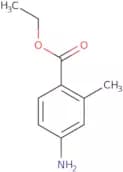
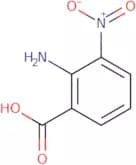
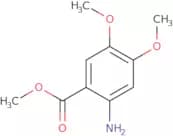
![2-Amino-N-[2-(5-methoxy-1H-indol-3-yl)ethyl]acetamide hydrochloride](/_next/image/?url=https%3A%2Fstatic.cymitquimica.com%2Fproducts%2F3D%2Fthumb-webp%2FFA116384.webp&w=3840&q=75)
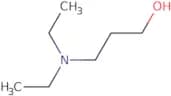

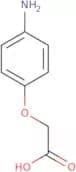
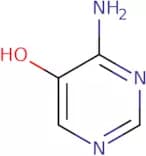
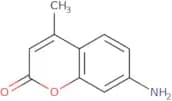
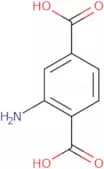


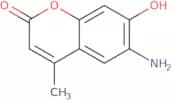
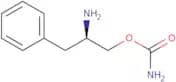
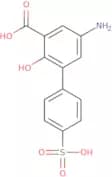
![[2-(2,3-Dimethylphenoxy)ethyl]amine HCl](/_next/image/?url=https%3A%2Fstatic.cymitquimica.com%2Fproducts%2F3D%2Fthumb-webp%2FFD133628.webp&w=3840&q=75)
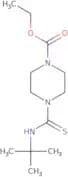
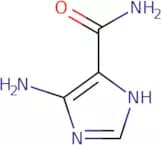
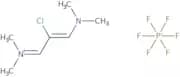
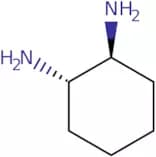
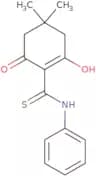
![2-[(2-Amino-5-methoxyphenyl)dithio]-4-methoxyaniline](/_next/image/?url=https%3A%2Fstatic.cymitquimica.com%2Fproducts%2F3D%2Fthumb-webp%2FFA117846.webp&w=3840&q=75)
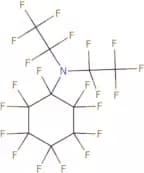
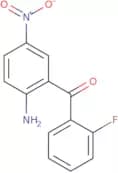
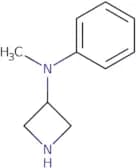
![[(1,2-Dimethyl-1H-imidazol-5-yl)methyl]amine dihydrochloride](/_next/image/?url=https%3A%2Fstatic.cymitquimica.com%2Fproducts%2F3D%2Fthumb-webp%2FFD124269.webp&w=3840&q=75)
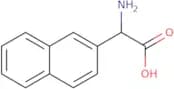
![Fmoc-(S)-4-amino-2-carboxymethyl-1,3,4,5-tetrahydro-2H-[2]benzazepin-3-one](/_next/image/?url=https%3A%2Fstatic.cymitquimica.com%2Fproducts%2F3D%2Fthumb-webp%2FFF50028.webp&w=3840&q=75)
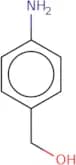
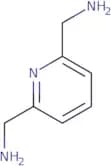
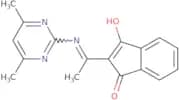
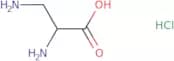
![N-[2-(Fmoc-amino)-ethyl]glycine tert-butylester hydrochloride](/_next/image/?url=https%3A%2Fstatic.cymitquimica.com%2Fproducts%2F3D%2Fthumb-webp%2FFF49771.webp&w=3840&q=75)
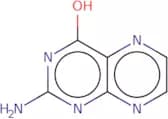
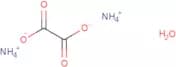
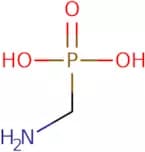
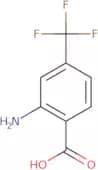
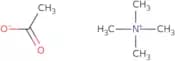

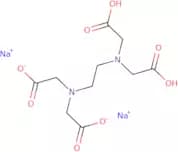
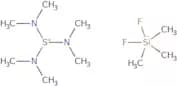
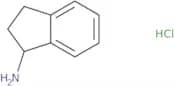

![[2-(1,3-Benzoxazol-2-yl)ethyl]amine hydrochloride](/_next/image/?url=https%3A%2Fstatic.cymitquimica.com%2Fproducts%2F3D%2Fthumb-webp%2FFB123800.webp&w=3840&q=75)
![2-[Amino(2-oxo-2H-1-benzopyran-3-yl)methylene]propanedinitrile](/_next/image/?url=https%3A%2Fstatic.cymitquimica.com%2Fproducts%2F3D%2Fthumb-webp%2FFA169776.webp&w=3840&q=75)
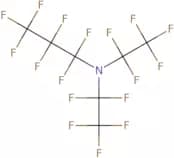
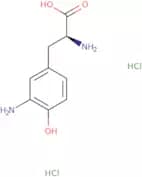
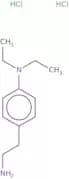
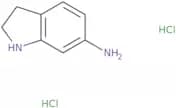
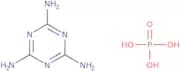
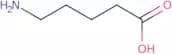
![7-[(Dimethylamino)methyl]-2,2,4-trimethyl-1,2-dihydroquinolin-6-ol](/_next/image/?url=https%3A%2Fstatic.cymitquimica.com%2Fproducts%2F3D%2Fthumb-webp%2FFD129815.webp&w=3840&q=75)
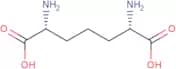
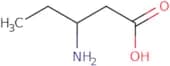
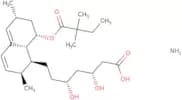
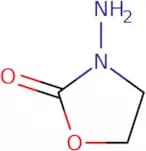
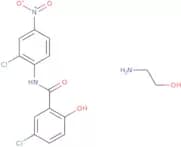
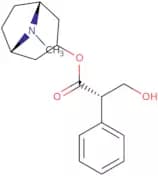
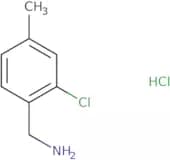

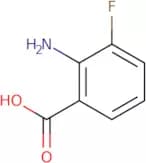


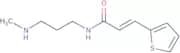
![[2-(4-Chlorophenoxy)ethyl]amine hydrochloride](/_next/image/?url=https%3A%2Fstatic.cymitquimica.com%2Fproducts%2F3D%2Fthumb-webp%2FFC133243.webp&w=3840&q=75)
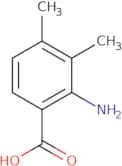
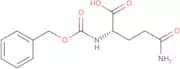
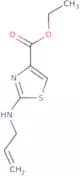
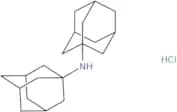
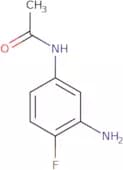
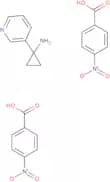

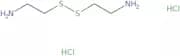
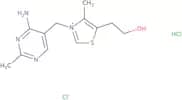
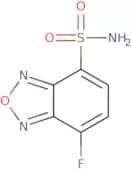
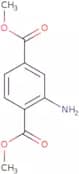
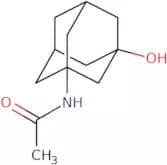
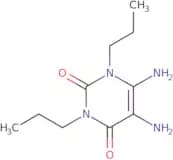
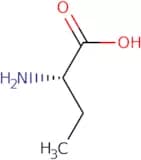
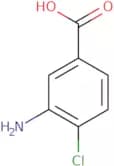
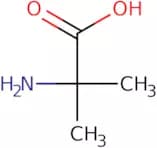
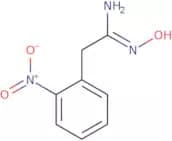
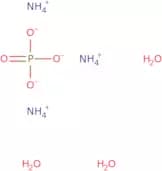
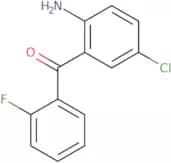
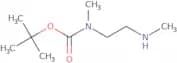
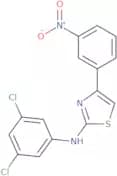
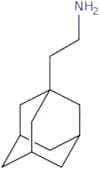

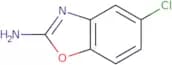
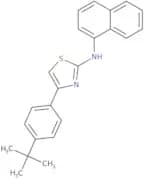
![[3-Chloro-4-(4-isobutyrylpiperazin-1-yl)phenyl]amine](/_next/image/?url=https%3A%2Fstatic.cymitquimica.com%2Fproducts%2F3D%2Fthumb-webp%2FFC134207.webp&w=3840&q=75)
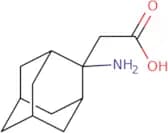
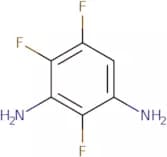
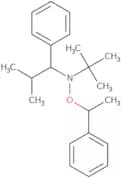
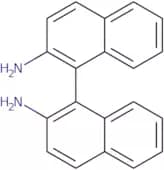
![6-amino-3-methyl-4-(3-nitrophenyl)-4H-pyrano[3,2-d]pyrazole-5-carbonitrile](/_next/image/?url=https%3A%2Fstatic.cymitquimica.com%2Fproducts%2F3D%2Fthumb-webp%2FFA169032.webp&w=3840&q=75)
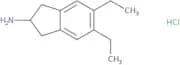
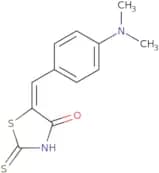
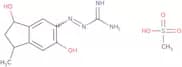
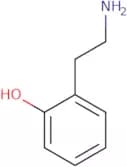

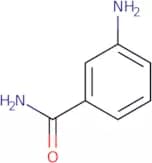
![4-[3-(Trifluoromethyl)-3H-diazirin-3-yl]benzenemethanamine hydrochloride](/_next/image/?url=https%3A%2Fstatic.cymitquimica.com%2Fproducts%2F3D%2Fthumb-webp%2FFT99415.webp&w=3840&q=75)
![[1-(Azepan-1-ylcarbonyl)propyl]amine hydrochloride](/_next/image/?url=https%3A%2Fstatic.cymitquimica.com%2Fproducts%2F3D%2Fthumb-webp%2FFA130671.webp&w=3840&q=75)
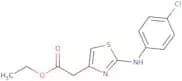
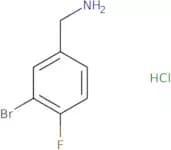
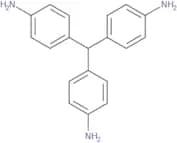

![[2-(1H-Benzimidazol-1-yl)ethyl]amine dihydrochloride](/_next/image/?url=https%3A%2Fstatic.cymitquimica.com%2Fproducts%2F3D%2Fthumb-webp%2FFB126620.webp&w=3840&q=75)
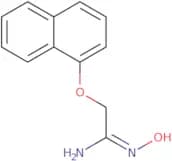
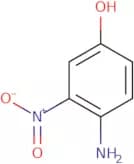
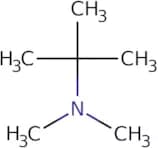

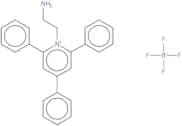
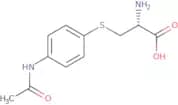
![N-[5-(Phenylamino)-2,4-pentadienylidene]aniline monohydrochloride](/_next/image/?url=https%3A%2Fstatic.cymitquimica.com%2Fproducts%2F3D%2Fthumb-webp%2FFP29019.webp&w=3840&q=75)
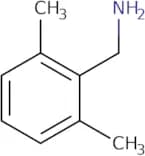
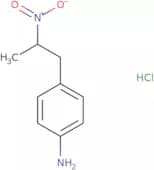
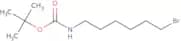
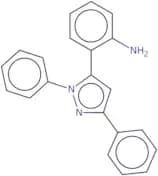
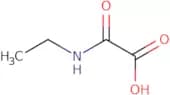
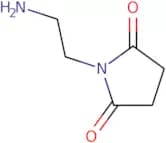

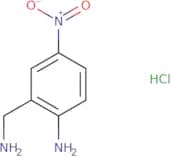
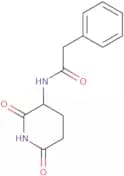
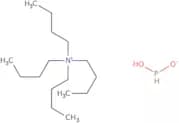

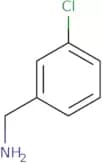
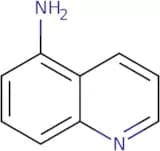
![(8β)-N-[3-(Dimethylamino)propyl]-N-[(ethylamino)carbonyl] -6-(2-propen-1-yl)-ergoline-8-carboxamide](/_next/image/?url=https%3A%2Fstatic.cymitquimica.com%2Fproducts%2F3D%2Fthumb-webp%2FFD19622.webp&w=3840&q=75)

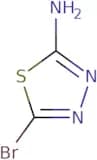
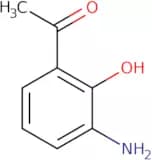
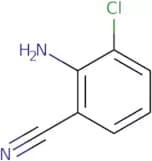
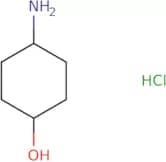

![1-[4-(Pyridin-3-yloxy)phenyl]methanamine dihydrochloride](/_next/image/?url=https%3A%2Fstatic.cymitquimica.com%2Fproducts%2F3D%2Fthumb-webp%2FFP116871.webp&w=3840&q=75)
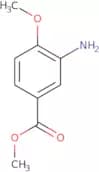
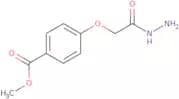
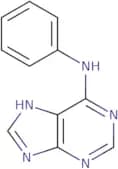

![N-[2-(p-Cinnamylamino)ethyl]-5-isoquinolone sulfonamide](/_next/image/?url=https%3A%2Fstatic.cymitquimica.com%2Fproducts%2F3D%2Fthumb-webp%2FFC20451.webp&w=3840&q=75)
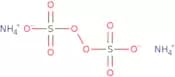
![(6S)-5,6,7,8-Tetrahydro-6-[propyl[2-(2-thienyl)ethyl]amino]-1-naphthalenol hydrochloride](/_next/image/?url=https%3A%2Fstatic.cymitquimica.com%2Fproducts%2F3D%2Fthumb-webp%2FFT27763.webp&w=3840&q=75)
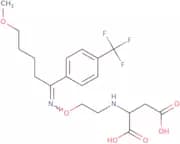

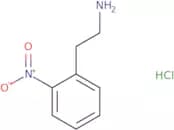
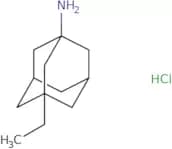
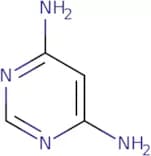
![[(5,5-Dimethyltetrahydrofuran-3-yl)methyl]amine](/_next/image/?url=https%3A%2Fstatic.cymitquimica.com%2Fproducts%2F3D%2Fthumb-webp%2FFD134552.webp&w=3840&q=75)

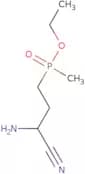
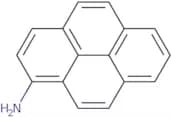
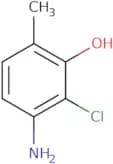
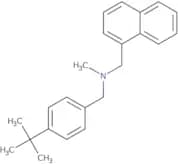
![[4-(2-Methyl-1,3-oxazol-5-yl)phenyl]amine](/_next/image/?url=https%3A%2Fstatic.cymitquimica.com%2Fproducts%2F3D%2Fthumb-webp%2FFM131648.webp&w=3840&q=75)
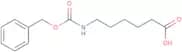
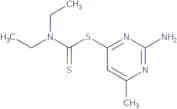

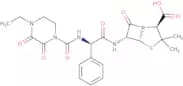
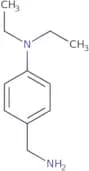
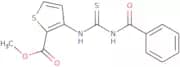
![2,2-Bis[4-(4-aminophenoxy)phenyl]propane](/_next/image/?url=https%3A%2Fstatic.cymitquimica.com%2Fproducts%2F3D%2Fthumb-webp%2FFB62700.webp&w=3840&q=75)