Amines
Amines are a set of molecules containing an amino functional group (derived from ammonia). This category includes amines at any level of substitution : primary, secondary, tertiary, and ammonium salts. Amines are fundamental in organic synthesis and are widely used in pharmaceuticals, agrochemicals, and materials science. At CymitQuimica, we provide a comprehensive selection of amines to meet your research and industrial needs. Our range ensures access to various amines for diverse chemical processes and innovative research.
Subcategories of "Amines"
- Nitrosamines(2,605 products)
- Primary Amines(30,821 products)
- Quaternary Ammonium Cations and Salts(1,099 products)
- Secondary Amines(20,817 products)
- Tertiary Amines(17,117 products)
Found 8778 products of "Amines"
Sort by
Purity (%)
0
100
|
0
|
50
|
90
|
95
|
100
4-(Methylsulfinyl)-1-butylamine
CAS:<p>4-(Methylsulfinyl)-1-butylamine is a fine chemical that is used as a versatile building block in the synthesis of complex compounds. It is also useful as a research chemical and reagent. 4-(Methylsulfinyl)-1-butylamine has been shown to be a high quality chemical with CAS number 187587-70-8.</p>Formula:C5H13NOSPurity:Min. 95%Color and Shape:Off-White SolidMolecular weight:135.23 g/molm-Aminophenolsulfate
CAS:<p>m-Aminophenolsulfate is a sulfonated derivative of m-aminophenol. It has been used for wastewater treatment and as an analytical reagent for the determination of p2 group substances, such as sulfa drugs. It is also used in pharmaceutical preparations and human serum. m-Aminophenolsulfate may be activated by hydrochloric acid to form a reactive intermediate (m-aminophenoxy radical) that reacts with electron acceptors such as oxygen or nitrous oxide to generate reactive oxygen species. In this way, m-aminophenolsulfate can act as a broad-spectrum antimicrobial agent against both Gram negative and Gram positive bacteria. The mechanism of this reaction is adsorption on the bacterial cell wall, which leads to cell death through osmotic lysis or disruption of membrane integrity.</p>Formula:C12H16N2O6SPurity:Min. 95%Color and Shape:PowderMolecular weight:316.33 g/mol2-Amino-3-bromo-5-methylbenzoic acid
CAS:<p>2-Amino-3-bromo-5-methylbenzoic acid is a fatty acid that belongs to the group of undescribed organic acids. It is found in soil as well as in organisms such as bacteria and fungi. The 2-Amino-3-bromo-5-methylbenzoic acid molecule has been shown to be an antibiotic, inhibiting the growth of bacterial strains belonging to the phyla Actinobacteria and Proteobacteria. It may also be present in plants, where it is channeled out through the roots. This fatty acid also has nucleobase properties, which are essential for DNA replication.br>br><br>span style="font-size: 12px;">2 Amino 3 bromo 5 methyl benzoic acid (2ABMB) was first isolated from soil samples collected from a site near Beijing, China. It is one of many undescribed organic acids that are found</p>Formula:C8H8BrNO2Purity:Min. 95%Color and Shape:PowderMolecular weight:230.06 g/mol2-Amino-3-nitrophenol
CAS:<p>2-Amino-3-nitrophenol is an inhibitor of matrix metalloproteinases that is active against a broad spectrum of pro-inflammatory and destructive enzymes. It has been used to inhibit the activity of matrix metalloproteinases in vitro and in vivo, with a wide range of applications in the fields of biochemistry, cell biology, and medicine. This compound has been shown to be effective against type strain C. albicans and C. glabrata strains, as well as other fungi such as Aspergillus niger, A. fumigatus, A. terreus, and A. flavus. 2-Amino-3-nitrophenol may have antifungal activity due to its ability to inhibit the synthesis of hyaluronic acid by these fungi.</p>Formula:C6H6N2O3Purity:Min. 95%Color and Shape:PowderMolecular weight:154.12 g/mol(2-Indol-3-ylethyl)(2-naphthylsulfonyl)amine
CAS:<p>Please enquire for more information about (2-Indol-3-ylethyl)(2-naphthylsulfonyl)amine including the price, delivery time and more detailed product information at the technical inquiry form on this page</p>Formula:C20H18N2O2SPurity:Min. 95%Color and Shape:PowderMolecular weight:350.43 g/mol5-Aminovaleric acid
CAS:<p>5-Aminovaleric acid is a cyclic peptide that is an antagonist of the enzyme 5-aminovaleric acid hydrolase that catalyzes the conversion of 5-aminovaleric acid to succinic semialdehyde. The physiological function of 5-aminovaleric acid hydrolase is not known, but it has been implicated in a number of neurological disorders, such as Alzheimer's disease, Parkinson's disease, and amyotrophic lateral sclerosis. The reaction solution contains 5-aminovaleric acid (5AVA), hydrogen fluoride (HF), and l-lysine (Lys). Upon addition of HF to the solution, it reacts with Lys to form a dinucleotide phosphate intermediate. This intermediate then reacts with 5AVA to form an intramolecular hydrogen bond with the amino group of Lys and release hydrogen gas. The detection sensitivity for this reaction can be increased by using a cyclic peptide inhibitor.</p>Formula:C5H11NO2Purity:Min. 95%Color and Shape:Off-White PowderMolecular weight:117.15 g/mol7-[(Dimethylamino)methyl]-2,2,4-trimethyl-1,2-dihydroquinolin-6-ol
CAS:<p>7-[(Dimethylamino)methyl]-2,2,4-trimethyl-1,2-dihydroquinolin-6-ol is a chemical compound that belongs to the group of fine chemicals. It is a versatile building block and useful intermediate for research chemicals. 7-[(Dimethylamino)methyl]-2,2,4-trimethyl-1,2-dihydroquinolin-6-ol is also a speciality chemical with high purity and quality. CAS No. 300690-44-2</p>Formula:C15H22N2OPurity:Min. 95 Area-%Color and Shape:PowderMolecular weight:246.35 g/molAc-Asp-Glu-Val-Asp-AMC ammonium salt
CAS:<p>Ac-Asp-Glu-Val-Asp-AMC ammonium salt is a small molecule that is used as a tool to study apoptosis in vitro. Ac-Asp-Glu-Val-Asp-AMC ammonium salt induces apoptosis by blocking the mitochondrial membrane potential and inducing the release of cytochrome c from mitochondria into the cytoplasm. This drug also induces activation of caspase 3, which initiates the cascade of events leading to cell death. Ac-Asp-Glu-Val-Asp-AMC ammonium salt has been shown to have an antiangiogenic effect on hl60 cells. This effect may be due to its ability to inhibit expression of survivin, a protein that protects cells from apoptosis. The efficacy of this drug in an experimental model has been shown to be dependent on toll like receptor (TLR) signaling pathways and mitochondrial function.br></p>Formula:C30H37N5O13•NH3Purity:Min. 97 Area-%Color and Shape:PowderMolecular weight:692.67 g/molEnisamium iodide
CAS:<p>Enisamium iodide is an antiviral agent synthesized from isonicotinic acid derivatives, which is a small molecule inhibitor of viral RNA polymerase. It interferes with the replication process of various viruses by inhibiting the activity of RNA-dependent RNA polymerase, crucial for viral genome synthesis. Enisamium iodide exhibits its antiviral properties by impeding the replication of single-stranded RNA viruses, thereby mitigating viral propagation in host cells.</p>Formula:C14H15N2O•IPurity:90%Color and Shape:PowderMolecular weight:354.19 g/molO-(2,4-Dinitrophenyl)hydroxylamine
CAS:<p>O-(2,4-dinitrophenyl)hydroxylamine is a synthetic compound that binds to the enzyme bound site of the cap-dependent endonuclease. It is an inhibitor of influenza virus replication in vitro and has shown inhibitory activity against murine leukemia virus. O-(2,4-dinitrophenyl)hydroxylamine is also a model for the study of aminoglycoside antibiotics. The compound inhibits aminoglycoside-induced protein synthesis in eukaryotic cells and may be useful in understanding the mechanism of action and resistance to these antibiotics.</p>Formula:C6H5N3O5Purity:Min. 98 Area-%Color and Shape:Yellow PowderMolecular weight:199.12 g/molAmmonium tetrachloropalladate(II) - 94%
CAS:<p>Ammonium tetrachloropalladate(II) is a chemical compound that acts as an oxidation catalyst, which is used in the production of polyvinyl chloride. Ammonium tetrachloropalladate(II) is also used as a catalyst in organic reactions such as the sodium citrate-catalyzed oxidation of alcohols to form esters and acyl chlorides. This compound is stable at high temperatures and has been shown to be genotoxic in vitro. Ammonium tetrachloropalladate(II) can be synthesized by reacting palladium with zirconium oxide in a plasma mass spectrometry process.</p>Formula:(NH4)2PdCl4Purity:Min. 95%Color and Shape:PowderMolecular weight:284.31 g/mol2-Amino-4-chloropyrimidine
CAS:<p>2-Amino-4-chloropyrimidine is an amido compound that is used to treat infectious diseases. It is a potent inhibitor of the enzyme topoisomerase II, which is involved in DNA replication and transcription. This drug has shown cytotoxic activity against du145 cells, an immortalized prostate cancer cell line. 2-Amino-4-chloropyrimidine has also been shown to be effective against MDA-MB-231 cells and thp1 cells, which are human breast cancer cell lines. 2-Amino-4-chloropyrimidine binds to the active site of topoisomerase II, preventing the enzyme from binding with the two ends of DNA and causing DNA breakage. The drug has also been shown to inhibit the growth of cervical cancer cells by binding with amine groups on proteins found on these cells.</p>Formula:C4H4ClN3Purity:80Color and Shape:White PowderMolecular weight:129.55 g/molN-(4-Amino-2,5-diethoxyphenyl)-benzamide
CAS:<p>4-Amino-2,5-diethoxyphenyl)benzamide is a small molecule that inhibits the enzyme activity of polymerase chain reaction (PCR), DNA topoisomerase I, and DNA gyrase. It has been shown to inhibit the growth of human leukemia cells in culture. 4-Amino-2,5-diethoxyphenyl)benzamide also inhibits rat liver microsomes and can be used for the treatment of neurodegenerative diseases.</p>Formula:C17H20N2O3Purity:Min. 95%Color and Shape:PowderMolecular weight:300.35 g/molCarbonic acid ammonium zirconium salt
CAS:<p>Carbonic acid ammonium zirconium salt is a high quality, complex compound that is used as a reagent and an intermediate. It has been shown to be useful in the synthesis of fine chemicals and speciality chemicals. Carbonic acid ammonium zirconium salt can also be used as a building block for research chemicals and versatile building blocks.</p>Formula:CH2O3·xH3N·xZrPurity:Min. 95%Color and Shape:Colorless Clear Liquid2-[(4-Isopropylphenyl)amino]nicotinic acid
CAS:<p>2-[(4-Isopropylphenyl)amino]nicotinic acid is a fine chemical, useful building block, research chemicals, reagent, speciality chemical and a versatile building block. It is an intermediate in organic synthesis and can be used to form many types of compounds. This compound also has many applications in the field of chemistry including use as a reaction component or as a scaffold. 2-[(4-Isopropylphenyl)amino]nicotinic acid is used in the production of pharmaceuticals, pesticides and other industrial chemicals.</p>Formula:C15H16N2O2Purity:Min. 95%Color and Shape:Yellow PowderMolecular weight:256.3 g/molNiclosamide ethanolamine salt
CAS:<p>Chemically a chlorinated salicylanilide, niclosamide is clinically used as an anthelmintic agent. The action of niclosamide has been proven to proceed by inhibiting the STAT3 signaling pathway. Recently, niclosamide, has been considered as an antiproliferative agent in cancer treatment, e.g. melanoma and colorectal cancer. In 2021, niclosamide has been tested for the treatment of COVID-19 patients.</p>Formula:C15H15Cl2N3O5Color and Shape:PowderMolecular weight:388.2 g/mol(aza((2-fluorophenyl)amino)methylene)methane-1,1-dicarbonitrile
CAS:<p>Please enquire for more information about (aza((2-fluorophenyl)amino)methylene)methane-1,1-dicarbonitrile including the price, delivery time and more detailed product information at the technical inquiry form on this page</p>Formula:C9H5FN4Purity:Min. 95%Color and Shape:PowderMolecular weight:188.16 g/mol2-Dimethylaminobenzoic acid
CAS:<p>2-Dimethylaminobenzoic acid (2DMB) is a chemical compound that is used as an amide. It has optical properties and can be used to study the hydrogen bond. 2DMB is also used in ultrasonic imaging and can be found in hydatid cysts, procumbens, anthranilic, proton and specific antibody. 2DMB is also used as a homogeneous catalyst for the synthesis of various chemical compounds including cancer drugs.</p>Formula:C9H11NO2Purity:Min. 95%Color and Shape:PowderMolecular weight:165.19 g/molO-(2-Aminoethyl)polyethylene glycol 3,000
CAS:<p>O-(2-Aminoethyl)polyethylene glycol 3,000 (PEG3K) is a cationic surfactant that has antibiotic-resistant properties. PEG3K can be used to treat cancers and bacterial infections. It is a superparamagnetic iron particles that can be used to target specific cells because of its magnetic properties. This compound is also an acylation reaction with an amine group and an ester bond.</p>Formula:(C2H4O)nC2H7NOPurity:Min. 95%Color and Shape:White Powder(1R,2S)-1-Amino-2-indanol
CAS:<p>(1R,2S)-1-Amino-2-indanol is a potential drug candidate that can be used in asymmetric synthesis. It has been shown to inhibit the flow of hydrogen bond and to form an enantiomer. The enantiomer is more active than the racemic mixture, which may be due to the higher binding affinity for the enzyme. This compound has also been shown to inhibit herpes simplex virus and HIV in vitro with a high potency. (1R,2S)-1-Amino-2-indanol is modeled using molecular dynamics simulations and quantum mechanical calculations.</p>Purity:Min. 95%Color and Shape:PowderMolecular weight:149.19 g/mol(1S,2R)-(-)-cis-1-Amino-2-indanol
CAS:<p>Precusor for preparation of indinavir; a chiral ligand for asymmetric synthesis</p>Formula:C9H11NOPurity:Min. 95%Color and Shape:White PowderMolecular weight:149.19 g/molCbz-L-glutamine
CAS:<p>Cbz-L-glutamine is a water soluble compound that is used in the synthesis of pomalidomide. It is synthesized through a stepwise amide formation from methylamine and ethylene diamine. Cbz-L-glutamine has been shown to have an inhibitory effect on cancer cells, which may be due to its ability to break down hydroxamic acids. This chemical reaction causes the release of hydrogen ions, which leads to the disruption of various cellular processes, such as DNA replication and protein synthesis. The uptake of Cbz-L-glutamine by cancer cells has been shown in tissue culture experiments.</p>Formula:C13H16N2O5Purity:Min. 95%Color and Shape:PowderMolecular weight:280.28 g/mol2,6-Diaminopurine hemisulfate
CAS:<p>2,6-Diaminopurine hemisulfate salt is a fine chemical that can be used as a building block for research chemicals, reagents, and specialty chemicals. It has been shown to be useful in the synthesis of various types of complex compounds. 2,6-Diaminopurine hemisulfate salt is also versatile in the sense that it can be used as an intermediate in reactions or as a scaffold for chemical synthesis. This product has CAS number 69369-16-0.</p>Formula:C5H6N6•(H2O4S)0Purity:Min. 95%Color and Shape:PowderMolecular weight:398.36 g/molN-tert-Butoxycarbonyl tyramine
CAS:<p>N-tert-Butoxycarbonyl tyramine is a molecule that has been shown to have anti-tuberculosis properties. It is synthesized by reacting N-Boc-tyrosine with chloroform in the presence of an acid catalyst. The reaction product is a zwitterion, which can be converted to an ionic form by treatment with mineral acids or phosphoric acid. The chloride ion is released from the molecule and reacts with phosphate ions to form hydroxyapatite, which is used as a bone substitute. This compound also has potential for use in cancer treatments due to its ability to inhibit cell proliferation and induce apoptosis in cancer cells.<br>The uptake of this drug was studied using caco-2 cells cultured on plastic membrane inserts in contact with phosphate buffered saline (PBS). The results showed that it had a high uptake rate and concentration in these cells. This compound was also found to have an inhibitory effect on phosphatase</p>Formula:C13H19NO3Purity:Min. 95%Molecular weight:237.29 g/molAlkylated diphenylamines
CAS:<p>Alkylated diphenylamines are reactive compounds that have been used as antioxidants in industrial processes. These antioxidants inhibit the propagation of oxidation reactions, which can lead to the degradation of polycarboxylic acids. Alkylated diphenylamines are usually synthesized from phenyl groups and fatty acid esters. They are also known as synthetic antioxidants and are used in a variety of industries, such as food production and textiles. Alkylated diphenylamines have been shown to react with metal hydroxides, such as magnesium oxide or sodium nitrate, to form reaction products that include alkanes and alkenes. The viscosity of these compounds is dependent on the length of their fatty acid chains; the longer the chain length, the lower the viscosity.</p>Purity:Min. 95%Color and Shape:Clear Viscous LiquidMolecular weight:281.4 g/mol6-Aminocoumarin HCl
CAS:<p>Use as a positive control when detecting nitroreductase activity</p>Formula:C9H7NO2·HClPurity:Min. 95%Molecular weight:197.62 g/mol4-(2,5-Dimethoxyphenyl)-1,3-thiazol-2-amine
CAS:<p>Please enquire for more information about 4-(2,5-Dimethoxyphenyl)-1,3-thiazol-2-amine including the price, delivery time and more detailed product information at the technical inquiry form on this page</p>Formula:C11H12N2O2SPurity:Min. 95%Molecular weight:236.29 g/mol5-Aminogramine
CAS:<p>5-Aminogramine is a fine chemical that is used as a versatile building block for the synthesis of complex compounds. 5-Aminoguanidine is an aminoguanidine compound that has been reported to be useful in the synthesis of reagents and speciality chemicals, such as heterocycles, polymers, and pharmaceuticals. 5-Aminoguanidine has been used as a reactant in the preparation of high quality products with various applications. It is also known to be a useful intermediate for reactions involving nucleophiles or electrophiles. Furthermore, it can be used as a scaffold for the synthesis of other compounds.</p>Formula:C11H15N3Purity:Min. 95%Color and Shape:PowderMolecular weight:189.26 g/mol5-Amino-2-fluorobenzoic acid
CAS:<p>5-Amino-2-fluorobenzoic acid (5AFBA) is a synthetic aniline that is used as a fluoroquinolone antibiotic. 5AFBA inhibits the synthesis of trehalose, which is vital for bacterial growth. This drug also has been shown to be active against Mycobacterium tuberculosis and Mycobacterium avium complex. 5AFBA has also been shown to have antifungal properties, inhibiting the synthesis of ergosterol in the fungal cell membrane. 5AFBA can be modified by alkylation with geranyl groups or N-methylation at the amino group. These modifications have been shown to increase its antibacterial activity against Pseudomonas aeruginosa.</p>Formula:C7H6FNO2Color and Shape:PowderMolecular weight:155.13 g/molMethyl 4-aminobutyrate HCl
CAS:<p>Methyl 4-aminobutyrate HCl is an ester hydrochloride that is used as a chiral auxiliary in the synthesis of aminobutyric acid. It has been shown to have cognitive enhancing effects and to increase brain levels of l-glutamic acid. Methyl 4-aminobutyrate HCl also inhibits the uptake of chloride ions into synaptic vesicles, which may be due to its ability to bind with plasma proteins. This drug has been shown to have pharmacological effects on rats when administered at a dose of 1mg/kg.</p>Formula:C5H12ClNO2Color and Shape:White Off-White PowderMolecular weight:153.61 g/mol3-Aminobenzamide
CAS:<p>3-Aminobenzamide is a drug that has been shown to be effective in the treatment of temozolomide-induced neuronal death. 3-Aminobenzamide inhibits the synthesis of ATP and blocks its binding to the atp-binding cassette transporter, which prevents the transport of this nucleotide into cells. This results in cell death due to insufficient energy metabolism and inability to repair DNA damage. 3-Aminobenzamide also increases production of reactive oxygen species, which are involved in reperfusion injury and myocardial infarcts. 3-Aminobenzamide is used as a model system for studying DNA repair and energy metabolism.</p>Formula:C7H8N2OPurity:Min. 95%Color and Shape:PowderMolecular weight:136.15 g/molEthyl 2-(4-((5-chloro-2-methoxyphenyl)amino)-3,5-thiazolyl)acetate
CAS:<p>Please enquire for more information about Ethyl 2-(4-((5-chloro-2-methoxyphenyl)amino)-3,5-thiazolyl)acetate including the price, delivery time and more detailed product information at the technical inquiry form on this page</p>Purity:Min. 95%(Z)-5-(2,3-Bis(tert-butoxycarbonyl)guanidino)-2-((tert-butoxycarbonyl)amino)pentanoic Acid
Controlled Product<p>Applications (Z)-5-(2,3-Bis(tert-butoxycarbonyl)guanidino)-2-((tert-butoxycarbonyl)amino)pentanoic Acid is an intermediate used in the synthesis of N-(4-Amino-5-oxoheptyl)guanidine Trifluoroacetate Salt (A633006), which is a biosynthetic intermediate in the study of saxitoxin gene cluster in cyanobacteria.<br>References Kellmann, R., et al.: Appl. Environ. Microbiol., 74, 4044 (2008)<br></p>Formula:C21H38N4O8Color and Shape:NeatMolecular weight:474.5484-Aminomorpholine
CAS:Controlled Product<p>Applications 4-Aminomorpholine (cas# 4319-49-7) is a useful research chemical.<br></p>Formula:C4H10N2OColor and Shape:NeatMolecular weight:102.14(S)-3-(Allyl(methyl)amino)-1-(thiophen-2-yl)propan-1-ol
Controlled Product<p>Applications (S)-3-(Allyl(methyl)amino)-1-(thiophen-2-yl)propan-1-ol is an intermediate in the syntehsis of 4-Hydroxy Duloxetine β-D-Glucuronide Sodium Salt (H941805), which is a metabolite of Duloxetine.<br>References Lantz, R.J., et al.: Drug Dispos. Metab., 31, 1142 (2003); Detke, M., et al.: J. Clin Psy., 63, 308 (2002); Bymaster, F.P., et al.: Bioorg. Med., Chem. Lett., 13, 4477 (2003);<br></p>Formula:C11H17NOSColor and Shape:NeatMolecular weight:211.324(S)-2-(Benzylamino)propan-1-ol
CAS:Controlled Product<p>Applications (S)-2-(Benzylamino)propan-1-ol is a useful research chemical for the preparation of cross-benzoin products of heteroaromatic aldehydes and amino aldehydes.<br>References Haghshenas, P., et al.: J. Org. Chem., 81, 12075-83 (2016);<br></p>Formula:C10H15NOColor and Shape:NeatMolecular weight:165.23N-tert-Butoxycarbonyl-3,4-dibenzyloxyphenylethylamine
CAS:Controlled Product<p>Applications N-tert-Butoxycarbonyl-3,4-dibenzyloxyphenylethylamine is an intermediate used in the synthesis of S-(-)-Tretoquinol Hydrochloride (T798100), which belongs to the class of adrenergic inhalants, selective β-2-adrenoreceptor agonists. S-(-)-Tretoquinol is used in the treatment of obstructive airway diseases. S-(-)-Tretoquinol is a bronchodilator.<br>References Meshi, et al.: Biochem. Pharmacol., 19, 2937 (1970), Satoh, et al.: Chem. Pharm. Bull., 19, 667 (1971),<br></p>Formula:C27H31NO4Color and Shape:NeatMolecular weight:433.542-Ethyl-1-hexanamine
CAS:Controlled Product<p>Applications Used as a reactant or reagent in preparation of N-alkyl carbamates.<br> Not a dangerous good if item is equal to or less than 1g/ml and there is less than 100g/ml in the package<br>References Lazewska, D. et al.: BioMed. Chem. Let., 19, 6682 (2009);<br></p>Formula:C8H19NColor and Shape:NeatMolecular weight:129.24N-Ethylethylenediamine
CAS:Controlled Product<p>Applications N-Ethylethylenediamine<br> Not a dangerous good if item is equal to or less than 1g/ml and there is less than 100g/ml in the package<br></p>Formula:C4H12N2Color and Shape:NeatMolecular weight:88.159-Amino-3,4-dihydroacridin-1(2H)-one
CAS:Controlled Product<p>Applications Intermediate in the preparation of Mentane.<br>References Shutske, G., et al.: Bioorg. Med. Chem. Lett., 2, 865 (1992),<br></p>Formula:C13H12N2OColor and Shape:NeatMolecular weight:212.25N-(2-N’,N’-Dimethylaminoethyl)maleamic Acid
CAS:Controlled Product<p>Applications N-(2-N’,N’-Dimethylaminoethyl)maleamic Acid (cas# 116503-79-8) is a compound useful in organic synthesis.<br></p>Formula:C8H14N2O3Color and Shape:NeatMolecular weight:186.21N-Aminohexamethylenimine
CAS:Controlled Product<p>Applications N-Aminohexamethylenimine is a sesquiterpene lactones with anti-hepatitis C virus activity.<br> Not a dangerous good if item is equal to or less than 1g/ml and there is less than 100g/ml in the package<br>References Rossini, M., et al.: Lett. Drug. Des. Discov., 9, 881 (2012); Hines, R.N., et al.: J. Pharmacol. Exp. Therap., 214, 88 (1980);<br></p>Formula:C6H14N2Color and Shape:NeatMolecular weight:114.193-Morpholinopropylamine
CAS:Controlled Product<p>Applications 3-Morpholinopropylamine is a reactant used in the preparation of pyridinyl-quinazolinone derivatives as potential anti-influenza A virus compounds.<br> Not a dangerous good if item is equal to or less than 1g/ml and there is less than 100g/ml in the package<br>References Liu, S., et. al.: Chem. Biol. Drug Design., (Ahead of Print) (2015)<br></p>Formula:C7H16N2OColor and Shape:NeatMolecular weight:144.213-(Methylthio)propylamine
CAS:Controlled Product<p>Applications 3-(Methylthio)propylamine (cas# 4104-45-4) is a useful research chemical.<br></p>Formula:C4H11NSColor and Shape:NeatMolecular weight:105.2Sulfur Trioxide Trimethylamine Complex
CAS:Controlled Product<p>Applications Sulfur Trioxide Trimethylamine Complex is a reagent that is used for the design and synthesis of Rho kinase inhibitors.<br> Not a dangerous good if item is equal to or less than 1g/ml and there is less than 100g/ml in the package<br>References Takami, A., et al.: Bioorg. Med. Chem., 12, 6317 (2004);<br></p>Formula:C3H9NO3SColor and Shape:NeatMolecular weight:139.172-Aminobenzyl Alcohol
CAS:Controlled Product<p>Applications 2-Aminobenzyl alcohol (cas# 5344-90-1) is a useful research chemical.<br></p>Formula:C7H9NOColor and Shape:NeatMolecular weight:123.15Diethylamine
CAS:Controlled Product<p>Applications Diethylamine, can be used for the preparation of alkali metal diethylamides, generated with n-BuLi or NaH, have been used for the cleavage of ethers. Also, in combination with Lithium aluminum hydride, generates lithium tris(diethylamino)aluminum hydride, which is a useful selective reducing agent.<br> Not a dangerous good if item is equal to or less than 1g/ml and there is less than 100g/ml in the package<br>References Cha, J.S., et al.: J. Org. Chem., 52, 5030 (1987); Tetrahedron Lett., 32, 6903 (1991);<br></p>Formula:C4H11NColor and Shape:ColourlessMolecular weight:73.144-(Diethylamino)butylamine
CAS:Controlled Product<p>Applications 4-(Diethylamino)butylamine has been used on prostatic cancer cells and has been found to reduce the putrescine uptake inhibitory activity.<br>References Heston, W.D.W., et. al.: Biochem. Pharmacol., 36, 1849 (1987)<br></p>Formula:C8H20N2Color and Shape:NeatMolecular weight:144.265-Amino-2-chloro-4-fluorobenzoic Acid
CAS:Controlled Product<p>Applications 5-Amino-2-chloro-4-fluorobenzoic Acid is an intermediate in the synthesis of Saflufenacil-d7 (S081802). Saflufenacil-d7 is the labeled version of Saflufenacil (S081800), which is a herbicide of the pyrimidinedione chemical class used for the preplant burndown and selective preemergence dicot weed control in different field crops. It was found to inhibit protoporphyrinogen IX oxidase (PPO) enzyme.<br>References Knezevic, S., et al.: Crop Prot., 29, 148 (2010); Grossmann, K., et al.: Weed Sci., 58, 1 (2010)<br></p>Formula:C7H5ClFNO2Color and Shape:NeatMolecular weight:189.572-(4-Phenoxyphenoxy)ethanamine
CAS:Controlled Product<p>Applications 2-(4-Phenoxyphenoxy)ethanamine is an intermediate in the synthesis of Fenoxycarb-d3 (F248871), a labelled form of Fenoxycarb (F248870). Fenoxycarb is a carbamate insect growth regulator by preventing immature insects from reaching maturity by mimicking juvenile hormone. Used as a standard for Pesticide detection. Fenoxycarb is also used in cannabis testing kits as a component of pesticide mixes (P698235).<br>References El-Saeid, M.H., et al.: J. Chem., 10, (2013); Coors, A., et al.: Environ. Toxicol. Chem., 31, 1239 (2012);<br></p>Formula:C14H15NO2Color and Shape:NeatMolecular weight:229.273-(Dimethylamino)-1,2-propanediol
CAS:Controlled Product<p>Applications 3-(Dimethylamino)-1,2-propanediol is a reagent in the synthesis of 1,2-Dioleoyl-3-trimethylammonium-propane, Chloride (D484450).<br> Not a dangerous good if item is equal to or less than 1g/ml and there is less than 100g/ml in the package<br></p>Formula:C5H13NO2Color and Shape:NeatMolecular weight:119.16N-(Methoxymethyl)-N-[(trimethylsilyl)methyl]benzenemethanamine (>90%)
CAS:Controlled Product<p>Applications N-(Methoxymethyl)-N-[(trimethylsilyl)methyl]benzenemethanamine is used in the synthesis of pyrrolidine derivatives as novel sodium channel blockers used to treat ischemic related ailments.<br>References Seki, M. et al.: Bioorg. Med. Chem. Lett., 23, 4230 (2013);<br></p>Formula:C13H23NOSiPurity:>90%Color and Shape:NeatMolecular weight:237.41(S)-tert-Butyl 2-((tert-butoxycarbonyl)amino)-6-hydroxyhexanoate
CAS:Controlled Product<p>Applications (S)-Tert-butyl 2-((tert-butoxycarbonyl)amino)-6-hydroxyhexanoate which is a biochemical marker of bone turnover for management of metabolic bone diseases.<br>References Turner, W., et al.: Biol. Psychiatry, 14, 177 (1979), Miyata, T., et al.: Kidney Int., 60, 2351 (2001), Politi, P., et al.: Neurosci. Lett., 396, 163 (2006),<br></p>Formula:C15H29NO5Color and Shape:NeatMolecular weight:303.399-(2-Carboxyphenyl)-2,7-dimethyl-3,6-bis(ethylamino)xanthylium
CAS:Controlled Product<p>Applications 9-(2-Carboxyphenyl)-2,7-dimethyl-3,6-bis(ethylamino)xanthylium is an intermediate in the synthesis of SkQR1 (S555050), a mitochondria-targeted plastoquinone antioxidant that exhibits neuroprotective effect. Potent Mitochondrial Targeted antioxidant protecting against the anti-cancer treatment related to oxidative stress (1). Depicted positive effects on rat memory. (2)SkQRl is the substrate of multidrug resistance pump P-glycoproten (Pgp 170) and selectively protects Pgp 170-negative cells against oxidative stress (3)<br>References Fetisova EK, et al. 2010. FEBS Lett. Feb 5;584(3):562-6Stelmashook EV, 2015. Biochemistry (Mosc). May;80(5):592-5 Fetisova EK, et al. 2015. Radiat Res. Jan;183(1):64-71<br></p>Formula:C26H26N2O3Color and Shape:NeatMolecular weight:414.5Tetraethylammonium P-Toluenesulfonate
CAS:Controlled Product<p>Applications Tetraethylammonium P-Toluenesulfonate (cas# 733-44-8) is a useful research chemical.<br></p>Formula:C15H27NO3SColor and Shape:Off-WhiteMolecular weight:301.453-(Diethylamino)-2,2-dimethylpropanol
CAS:Controlled Product<p>Applications 3-(Diethylamino)-2,2-dimethylpropanol is a reactant used in the preparation of herbicides, several local anesthetics and histamine H3 receptor antagonists.<br></p>Formula:C9H21NOColor and Shape:NeatMolecular weight:159.272-Amino-2-hydroxymethylpropionitrile
CAS:Controlled Product<p>Applications 2-Amino-2-hydroxymethylpropionitrile is an intermediate in synthesizing rac-Monepantel Sulfone (M515810), which is a recently discovered anthelmitic used in the treatment of parasitic nematodes via stun or kill without damaging the host entity.<br>References Baur, R. et al.: Mol. Pharm., 87, 96 (2015); Stuchlikova, L. et al.: Chemico. Biol. Interact., 227, 63 (2015);<br></p>Formula:C4H8N2OColor and Shape:NeatMolecular weight:100.124-(N,N-Dimethylamino)butanal Dimethyl Acetal
CAS:Controlled Product<p>Stability Moisture Sensitive<br>Applications 4-(N,N-Dimethylamino)butanal Dimethyl Acetal is a reactant used in the synthesis of hallucinogenic tryptamines.<br>References Blair, J..B., et. al.: J. Med. Chem., 43, 4701 (2000)<br></p>Formula:C8H19NO2Color and Shape:NeatMolecular weight:161.24Isopropylamine
CAS:<p>Stability Volatile<br>Applications Isopropylamine is an organic compound is a widely used for the synthesis of pharmaceutical and agricultural goods such as glyphosphate herbicides and as an additive for petroleum industry.<br> E0<br>References Dam, J.H. et al.: Chem. A. Eur. J., 16, 6820 (2010); Latli, B. et al.: J Labelled. Compd. Radiopharm., 48, 447 (2005); Guadry, D., et al.: Biomed. Mass. Spectro., 12, 269 (1985);<br></p>Formula:C3H9NColor and Shape:NeatMolecular weight:59.11Cumylamine
CAS:Controlled Product<p>Applications Cumylamine is a reactant in the preparation of anti-malarial drugs. Also used in the preparation of HCV inhibitors.<br>References Ciana, C. et al.: Bioorg. Med. Chem. Lett., 23, 658 (2013); Girijavallabhan, V. et al.: Bioorg. Med. Chem. Lett., 22, 5652 (2012);<br></p>Formula:C9H13NColor and Shape:NeatMolecular weight:135.2110-Amino-1-decanol
CAS:Controlled Product<p>Applications 10-Amino-1-decanol (cas# 23160-46-5) is a compound useful in organic synthesis.<br>References Lee, T., et al.: J. Biol. Chem., 270, 5375 (1995),<br></p>Formula:C10H23NOColor and Shape:NeatMolecular weight:173.30Tetraethylammonium Tetrafluoroborate
CAS:Controlled Product<p>Applications Tetraethylammonium Tetrafluoroborate is used in the preparation of some organic salts of fluoboric acids.<br>References Wilke-D., et al.: Ber. Dtsch Chem. Ges.; 60B, 115 (1927)<br></p>Formula:C8H20BF4N3Color and Shape:NeatMolecular weight:217.06α-Aminocyclohexanecarboxylic Acid
CAS:Controlled ProductFormula:C7H13NO2Color and Shape:NeatMolecular weight:143.1842-(Dimethylaminomethylene)cyclohexanone
CAS:Controlled Product<p>Applications 2-(Dimethylaminomethylene)cyclohexanone is an intermediate in the synthesis of 2-Pentylidenecyclohexanone (P280255), a fragrance chemical. It can also be used in the synthesis of dialkylphenols in the presence of zirconium catalyst.<br>References Tetsuo, B. et al.: Kenkyu Hokoku - Asahi Garasu Zaidan, 58, 201 (1991); Hostynek, J. J., et al.: Toxicology in Vitro, 11, 377 (1997);<br></p>Formula:C9H15NOColor and Shape:NeatMolecular weight:153.223-(4-Aminophenyl)propionic Acid
CAS:Controlled Product<p>Applications 3-(4-Aminophenyl)propionic acid (cas# 2393-17-1) is a useful research chemical.<br></p>Formula:C9H11NO2Color and Shape:NeatMolecular weight:165.195-Amino-2-chlorobenzoic Acid
CAS:Controlled Product<p>Applications 5-Amino-2-chlorobenzoic Acid is a reagent in the preparation of potent and selective benzothiazole hydrazone inhibitors of Bcl-XL.<br>References Sleebs, B.E., et al.: J. Med. Chem., 56, 5514, (2013)<br></p>Formula:C7H6ClNO2Color and Shape:NeatMolecular weight:171.58(AlphaS)-α-Amino-4-nitrobenzenepropanamide
CAS:Controlled Product<p>Applications (αS)-α-Amino-4-nitrobenzenepropanamide (cas# 81677-61-4) is a compound useful in organic synthesis.<br></p>Formula:C9H11N3O3Color and Shape:NeatMolecular weight:209.2Tetrabutylammonium Borohydride
CAS:Controlled Product<p>Applications Tetrabutylammonium Borohydride is a strong reducing agent used in the synthesis of hyperbranched polyglycerol grafting on the surface of silica-coated nanoparticles.<br>References Panja, P. et al.: ACS Sust. Chem. Eng., 5, 4879 (2017);<br></p>Formula:C16H36NBH4Color and Shape:NeatMolecular weight:242.46 + 14.84Triethylamine
CAS:Controlled Product<p>Applications Triethylamine is used as a competing base for the separation of acidic basic and neutral drugs by reverse-phased high-performance liquid chromatography (HPLC). Triethylamine induces visual disturbances (such as foggy vision) in humans (1), and is also used in industry as a quenching agent in the ozonolysis of alkenes (e.g. (E)-2-Pentene [P227315]). Triethylamine is used in the purification of drugs which are pharmacologically or chemically similar through separation in reverse-phase HPLC (2).Drinking water contaminant candidate list 3 (CCL 3) compound as per United States Environmental Protection Agency (EPA). Environmental contaminants; Food contaminants.<br> Not a dangerous good if item is equal to or less than 1g/ml and there is less than 100g/ml in the package<br>References 1. Akesson B. et al.: Int Arch Occup Environ Health. 1986;57(4):297-302. 2. Roos RW. et al.: J Chromatogr. 1986 Dec 24;370(3):403-18.<br></p>Formula:C6H15NColor and Shape:ColourlessMolecular weight:101.193-Phenylpropylamine
CAS:Controlled Product<p>Stability Hygroscopic<br>Applications 3-Phenylpropylamine is an compound used for the synthesis of various pharmaceuticals.<br> Not a dangerous good if item is equal to or less than 1g/ml and there is less than 100g/ml in the package<br>References Kamochi, Y., et al.: Tetrahedron. Lett., 32, 3511 (1991);<br></p>Formula:C9H13NColor and Shape:NeatMolecular weight:135.21trans-(1R,2R)-N,N’-Bismethyl-1,2-cyclohexanediamine
CAS:Controlled Product<p>Applications trans-(1R,2R)-N,N’-Bismethyl-1,2-cyclohexanediamine is a useful research chemical for organic synthesis and other chemical processes.<br>References Bollenbach, M., et al.: Chem. Eur. J., 23, 13676 (2017); Thaisrivongs, D. A., et al.: Org. Lett., 18, 5780 (2016)<br></p>Formula:C8H18N2Color and Shape:NeatMolecular weight:142.24(2S)-2-[[(phenylmethoxy)carbonyl]amino]-4-Pentenoic acid
CAS:Controlled Product<p>Applications (2S)-2-[[(phenylmethoxy)carbonyl]amino]-4-Pentenoic acid is a useful building block, and has been used in the regioselective preparation of nonracemic silylated amino acids.<br>References Marchand, D.; et al.: Eur. J. Org. Chem., 18, 3107 (2008).<br></p>Formula:C13H15NO4Color and Shape:NeatMolecular weight:249.26rac (Aminomethyl)ethylenediaminetetraacetic Acid tetra-(t-Butyl Ester)
CAS:Controlled Product<p>Applications rac (Aminomethyl)ethylenediaminetetraacetic Acid tetra-(t-Butyl Ester) (cas# 1391052-55-3) is a compound useful in organic synthesis.<br></p>Formula:C27H51N3O8Color and Shape:NeatMolecular weight:545.71N-Ethylbenzylamine
CAS:Controlled Product<p>Applications N-Ethylbenzylamine is a reactant or reagent used in various organic syntheses. It is used in the preparation of CXCR4 injhibitors which are used to treat cancer metastasis and inflammation.<br> Not a dangerous good if item is equal to or less than 1g/ml and there is less than 100g/ml in the package<br>References Bai, R. et al.: Eur. J. Med. Chem., 118, 340 (2016);<br></p>Formula:C9H13NColor and Shape:NeatMolecular weight:135.214,5-Dimethyl-o-phenylenediamine
CAS:Controlled Product<p>Applications 4,5-Dimethyl-o-phenylenediamine is used in biological processes as a substrate for CobT nicotinate-mononucleotide:5,6-dimethylbenzimidazole phosphoribosyltransferase from Salmonella typhimurium LT2.<br>References Trzebiatowski, J.R., et al.: J. Biol. Chem., 272, 17662 (1997); Johnson, M.G., et al., J. Biol. Chem., 267, 13302 (1992); Cheong, C., et al.: J. Biol. Chem., 277, 41120 (2002)<br></p>Formula:C8H12N2Color and Shape:NeatMolecular weight:136.19N,N’-Di-Boc (R)-1-Azido-3-[[3-fluoro-4-(morpholin-4-yl)phenyl]amino]propan-2-yl Acetate
Controlled Product<p>Applications N,N’-Di-Boc (R)-1-Azido-3-[[3-fluoro-4-(morpholin-4-yl)phenyl]amino]propan-2-yl Acetate is an intermediate used in the synthesis of N-Desacetyl-N,O-descarbonyl O-Acetyl Linezolid (D288280), which is an impurity of Linezolid (L466500); an oxazolidinone antimicrobial that inhibits bacterial mRNA translation.<br>References Brickner, S.J., et al.: J. Med. Chem., 39, 673 (1996); Ford, C.W., et al.: Antimicrob. Agents Chemother., 40, 1508 (1996); Rybak, M.J., et al.: Pharmacotherapy, 18, 456 (1998); Stevens, D.L., et al.: Clin. Infect. Dis., 34, 1481 (2002)<br></p>Formula:C25H38FN3O7Color and Shape:NeatMolecular weight:511.582,3-Diaminophenol
CAS:Controlled Product<p>Applications 2,3-Diaminophenol<br></p>Formula:C6H8N2OColor and Shape:NeatMolecular weight:124.14N,N-Bis(2-hydroxyethyl) Tridecylamine
CAS:Controlled ProductFormula:C17H37NO2Color and Shape:Off-WhiteMolecular weight:287.48Triethylmethylammonium Chloride
CAS:Controlled Product<p>Applications Triethylmethylammonium Chloride (cas# 10052-47-8) is a useful research chemical.<br></p>Formula:C7H18ClNColor and Shape:NeatMolecular weight:151.68Ammonium Molybdate
CAS:Controlled Product<p>Applications Ammonium Molybdate can be used to improve efficiency of pig purine as a fertilizer<br>References Atares Real, S., et.al.: PCT Int. Appl. WO 2020225459 A1, 30, (2020);<br></p>Formula:(NH4)2MoO4Color and Shape:NeatMolecular weight:196.01N,N-Diethyl(trimethylsilyl)amine
CAS:Controlled Product<p>Applications N,N-Diethyl(trimethylsilyl)amine is a chemical reagent with wide application in organic chemistry. Used in stereospecific addition reactions as well as in SN2 nucleophilic substitutions.<br> Not a dangerous good if item is equal to or less than 1g/ml and there is less than 100g/ml in the package<br>References Bassindale, A. et al.: J. Organometal. Chem., 667, 66 (2003); Hagiwara, H. et al.: J. Chem. Soc., Perk Trans., 3, 316 (2002);<br></p>Formula:C7H19NSiColor and Shape:NeatMolecular weight:145.329-[2-[[[10-(4,5-Dimethyl-3,6-dioxo-1,4-cyclohexadien-1-yl)decyl]oxy]carbonyl]phenyl]-3,6-bis(ethylamino)-2,7-dimethyl-Xanthylium
CAS:Controlled Product<p>Applications 9-[2-[[[10-(4,5-Dimethyl-3,6-dioxo-1,4-cyclohexadien-1-yl)decyl]oxy]carbonyl]phenyl]-3,6-bis(ethylamino)-2,7-dimethyl-Xanthylium is an intermediate in the synthesis of SkQR1 (S555050), a mitochondria-targeted plastoquinone antioxidant that exhibits neuroprotective effect.<br>References Isaev, N.K.: Biochem. 77, 996 (2012)<br></p>Formula:C44H53N2O5Color and Shape:NeatMolecular weight:689.9Ammonium Iodide
CAS:Controlled Product<p>Applications AMMONIUM IODIDE (cas# 12027-06-4) is a useful research chemical.<br></p>Formula:HI·H3NColor and Shape:NeatMolecular weight:144.942-(Carboxymethylamino) Nicotinic Acid Diethyl Ester
CAS:Controlled Product<p>Applications 2-(Carboxymethylamino) Nicotinic Acid Diethyl Ester (cas# 1178176-00-5) is a compound useful in organic synthesis.<br></p>Formula:C12H16N2O4Color and Shape:NeatMolecular weight:252.272-((3-Hydroxy(phenyl)methyl)benzyl)(methyl)amino)ethanol
Controlled Product<p>Applications (3-(((2-Hydroxyethyl)(methyl)amino)methyl)phenyl)(phenyl)methanone-d3 is an intermediate in the synthesis of Nefopam-d3 (N389402), a cyclized labelled analog of orphenadrine and diphenhydramine; representative of a new class of centrally acting skeletal muscle relaxants.<br>References Bassett, et al.: Br. J. Pharmacol., 37, 69 (1969), Klohs, et al.: Arzneim.-Forsch., 22, 132 (1972), Hell, et al.: Drugs, 19, 249 (1980),<br></p>Formula:C17D3H18NO2Color and Shape:NeatMolecular weight:274.373N-Benzylethanolamine
CAS:Controlled Product<p>Applications N-Benzylethanolamine is used in the synthesis of imidazoles as potent calcitonin (CGRP) antagonists. Also it aids in the preparation of benzofused hydroxamix acids, as useful fragments for the synthesis of histone deacetylase inhibitors.<br>References Tora, G. et al.: Bioorg. Med. Chem. Lett., 23, 5684 (2013); Marastoni, E. et al.: Bioorg. Med. Chem. Lett., 23, 4091 (2013);<br></p>Formula:C9H13NOColor and Shape:NeatMolecular weight:151.21tert-Butoxycarbonyl-ε-aminocaproic Acid
CAS:Controlled Product<p>Applications Protected ε-Aminocaproic Acid (A603015). Used in the preparatiom of esters of 6-aminohexanoic acid as antibacterial agents. EACA is reported to inhibit chymotrypsin, Factor VIIa, lysine carboxy peptidase, plasmin, and plasminogen activator.<br>References Dolezal, P., et al.: Pharm. Res., 10, 1015 (1993), Vavrova, K., et al.: Curr. Med. Chem., 12, 2273 (2005), Holas, T., et al.: Bioorg. Med. Chem., 14, 7671 (2006),<br></p>Formula:C11H21NO4Color and Shape:NeatMolecular weight:231.296-Amino-5-(1,1-dimethylethyl)-3,3-dimethyl-2(3H)-benzofuranone
CAS:Controlled Product<p>Applications 6-Amino-5-(1,1-dimethylethyl)-3,3-dimethyl-2(3H)-benzofuranone is an intermediate in synthesizing Ivacaftor Carboxylic Acid (I940605). It is an impurity of Ivacaftor (I940600); a drug used in the treatment of cystic fibrosis.<br>References Clancy, J. et al.: Am. J. Resp. Crit. Care. Med., 186, 593 (2012)<br></p>Formula:C14H19NO2Color and Shape:NeatMolecular weight:233.31Ethyl 2-Aminothiophene-3-carboxylate
CAS:Controlled Product<p>Applications Ethyl 2-Aminothiophene-3-carboxylate (cas# 31891-06-2) is a compound useful in organic synthesis.<br></p>Formula:C7H9NO2SColor and Shape:NeatMolecular weight:171.22Tetrahydro-2-furanmethanamine
CAS:Controlled Product<p>Applications Tetrahydro-2-furanmethanamine is used in the synthesis of novel topoisomerase I targeting anti-cancer agents with mild to potent cytotoxic activity. Also used in the discovery and synthesis of orally bioavailable stearoyl-CoA desaturase 1 inhibitors<br>References Lopez-Rodriguez, M. et al.: 44, 4504 (2001); Liu, G. et al.: J. Med. Chem., 50, 3086 (2007);<br></p>Formula:C5H11NOColor and Shape:NeatMolecular weight:101.151,3-Diethyl-5-nitroso-6-aminouracil
CAS:Controlled Product<p>Applications 1,3-Diethyl-5-nitroso-6-aminouracil (cas# 89073-60-9) is a compound useful in organic synthesis.<br></p>Formula:C8H12N4O3Color and Shape:NeatMolecular weight:212.21Ammonium sulfide solution 40-48% wt. in H2O
CAS:Controlled Product<p>Applications Ammonium sulfide is a very useful reagent in various aspects ranging from large scale production of textile manufacture, trace metal analysis, patina to bronze, and as well as cell culture and organic reactions/synthesis. Recently it has been used as a cleaning solution in the study of semiconductor growth on indium phosphide with various metals.<br> Not a dangerous good if item is equal to or less than 1g/ml and there is less than 100g/ml in the package<br>References Ferrandis, P., et al.: J. Appl. Phys., 123, 161534/1-161534/10 (2018)<br></p>Formula:H8N2SColor and Shape:Single SolutionMolecular weight:68.14Diisobutylamine
CAS:Controlled Product<p>Applications Diisobutylamine is a reagent used in organic synthesis including the preparation of bx7 inhibitors which may be useful in the treatment of certain cancers.<br> Not a dangerous good if item is equal to or less than 1g/ml and there is less than 100g/ml in the package<br>References Simhadri, C. et al.:ACS Omega, 1, 541 (2016);<br></p>Formula:C8H19NColor and Shape:NeatMolecular weight:129.24N-ethyl-3-phenyl-1-propanamine hydrochloride
CAS:Controlled Product<p>Applications N-ethyl-3-phenyl-1-propanamine hydrochloride (cas# 13125-63-8) is a useful research chemical.<br></p>Formula:C11H17N·ClHColor and Shape:NeatMolecular weight:199.72(2R,3R)-2,3-Bis(acetyloxy)butanedioic Acid Mono[(10S)-5-(aminocarbonyl)-10,11-dihydro-5H-dibenz[b,f]azepin-10-yl] Ester
CAS:Controlled Product<p>Applications (2R,3R)-2,3-Bis(acetyloxy)butanedioic Acid Mono[(10S)-5-(aminocarbonyl)-10,11-dihydro-5H-dibenz[b,f]azepin-10-yl] Ester is an intermediate in the synthesis of Eslicarbazepine (M546510), a novel central nervous system drug.<br>References Duncan, J., et al.: Br. J. Clin. Pharmacol., 53, 123 (2002), Almeida, L., et al.: J. Clin. Pharmacol., 45, 1062 (2005), Coppola, G., et al.: CNS Drugs, 18, 133 (2004),<br></p>Formula:C23H22N2O9Color and Shape:NeatMolecular weight:470.43N-(β-Cyanoethyl)-N-(ethoxycarbonylethyl)benzylamine
CAS:Controlled Product<p>Applications N-(β-Cyanoethyl)-N-(ethoxycarbonylethyl)benzylamine is a compound useful in organic synthesis.<br> Not a dangerous good if item is equal to or less than 1g/ml and there is less than 100g/ml in the package<br></p>Formula:C15H20N2O2Color and Shape:NeatMolecular weight:260.332-Amino-4,5,7,8-tetrahydro-6-(N-carbethoxy)thiazolo[5,4-d]azepine
CAS:Controlled Product<p>Applications 2-Amino-4,5,7,8-tetrahydro-6-(N-carbethoxy)thiazolo[5,4-d]azepine (cas# 887352-57-0) is a compound useful in organic synthesis.<br></p>Formula:C10H15N3O2SColor and Shape:NeatMolecular weight:241.314-Amino-1-(diethylamino)pentane
CAS:Controlled Product<p>Applications 4-Amino-1-(diethylamino)pentane was used as a reagent in the synthesis of chromone-2-carboxamide derivatives which displayed cytotoxic activity against specific cancer cell lines.<br> Not a dangerous good if item is equal to or less than 1g/ml and there is less than 100g/ml in the package<br>References Bousejra-ElGarah, F., et al.: Med. Chem. Res., 1054, pages ahead of print (2016);<br></p>Formula:C9H22N2Color and Shape:NeatMolecular weight:158.283-Dimethylamino-1-propyne
CAS:Controlled Product<p>Applications 3-Dimethylamino-1-propyne is used as a reactant in the synthesis of quinazoline derivatives such as (2Z)-Afatinib (A355305) which may be used in the treatment of some cancers.<br> Not a dangerous good if item is equal to or less than 1g/ml and there is less than 100g/ml in the package<br>References Tsou, H., et. al.: J. Med. Chem., 44, 2719 (2001)<br></p>Formula:C5H9NColor and Shape:NeatMolecular weight:83.13Diaminomaleonitrile
CAS:Controlled Product<p>Applications Diaminomaleonitrile is a reagent used for the synthesis of 1,4-diazepine-2,3-dicarbonitrile dervatives. Also, it is used for the synthesis of Diaminomaleonitrile-based Schiff bases with a donor-acceptor structure and an aggregation-enhanced emission feature.<br> Not a dangerous good if item is equal to or less than 1g/ml and there is less than 100g/ml in the package<br>References Wieczorek, E., et al.: Tetrahedron Lett., 58, 758-761 (2017); Han, T., et al.: J. Mater. Chem. C Mater. Opt. Electron Devices, 4, 10430-10434 (2016);<br></p>Formula:C4H4N4Color and Shape:NeatMolecular weight:108.1N-Isopropylcyclohexylamine
CAS:Controlled Product<p>Applications N-Isopropylcyclohexylamine is a reagent that is used in the synthesis of N3-substituted coformycin aglycon analogs that inhibit AMP deaminase or adenosine deaminase.<br> Not a dangerous good if item is equal to or less than 1g/ml and there is less than 100g/ml in the package<br>References Bookser, B.C., et al.: J. Med. Chem., 43, 1495 (2000);<br></p>Formula:C9H19NColor and Shape:NeatMolecular weight:141.256-TAMRA-SE
CAS:<p>6-TAMRA-SE (6-TAMRA-NHS ester) is an amine-reactive form of tetramethylrhodamine and one of the traditional fluorophores used for automated DNA sequencing.</p>Formula:C29H25N3O7Purity:98%Color and Shape:SolidMolecular weight:527.521-{{[5-(4-Nitrophenyl)-2-furanyl]methylene}amino}-2,4-imidazolidinedione
CAS:<p>Dantrolene is an experimental model for malignant hyperthermia, a rare genetic condition that can cause muscle rigidity and death. Dantrolene has been shown to inhibit the activity of the dinucleotide phosphate (NADH) dehydrogenase enzyme in muscle cells. In addition, it inhibits calcium release from the sarcoplasmic reticulum and activates ryanodine receptors. Dantrolene also inhibits muscle contractions and prevents neuronal death by inhibiting the release of glutamate.</p>Formula:C14H10N4O5Purity:Min. 95%Color and Shape:SolidMolecular weight:314.25 g/molp-Amino-L-phenylalanine hydrochloride
CAS:<p>p-Amino-L-phenylalanine hydrochloride (PABA) is a type of amino acid that is used in the synthesis of melphalan hydrochloride, a drug used to treat cancer. PABA is a white crystalline powder that can be dissolved in water and formic acid. It has been shown to interact with the hydrophilic interaction chromatography column and flow rate sensor in order to improve the chromatographic separation of ammonium formate. PABA has also been found to be chiral and can be converted into its enantiomeric form by means of an organic solvent, such as acetonitrile. The impurities of PABA are mandelic acid and l-phenylalanine. These impurities are separated from PABA by means of HPLC analysis.</p>Formula:C9H13ClN2O2Purity:Min. 95%Color and Shape:White/Off-White SolidMolecular weight:216.66 g/molN-Ethyl-3,3'-diphenyldipropylamine citrate
CAS:<p>N-Ethyl-3,3'-diphenyldipropylamine citrate is a nonsteroidal anti-inflammatory drug (NSAID) that inhibits the activity of cyclooxygenase and lipoxygenase. It reduces pain, fever, and inflammation. The drug has been shown to be effective in the treatment of inflammatory bowel disease and colitis. N-Ethyl-3,3'-diphenyldipropylamine citrate is used for the relief of chronic and acute pain associated with osteoarthritis, rheumatoid arthritis, ankylosing spondylitis, or other forms of joint inflammation; as well as for temporary relief from the symptoms of minor aches or pains due to headache, toothache, muscular aches, backache, or menstrual cramps. N-Ethyl-3,3'-diphenyldipropylamine citrate also has been found to be effective in reducing symptoms associated with leukemia</p>Formula:C26H35NO7Purity:Min. 95%Color and Shape:White Off-White PowderMolecular weight:473.56 g/mol1-Adamantyl(amino)acetic acid hydrochloride
CAS:<p>1-Adamantyl(amino)acetic acid hydrochloride is an organic compound that is used as a versatile building block and intermediate in the synthesis of complex compounds. It reacts with nitric acid to form 1-Adamantyl nitrate, which is a useful reagent for organic synthesis. This compound has CAS number 16091-96-6 and can be found on the list of speciality chemicals. It is a fine chemical with high quality and is useful for research purposes.</p>Formula:C12H19NO2·HClPurity:Min. 95%Color and Shape:PowderMolecular weight:245.75 g/molFmoc-(1R,2R)-2-aminocyclohexane carboxylic acid
CAS:<p>Fmoc-(1R,2R)-2-aminocyclohexane carboxylic acid is a versatile building block used as a reaction component in the synthesis of chemical compounds. It is classified as a speciality chemical and has been shown to be useful in the synthesis of complex compounds. The CAS number for this compound is 389057-34-5.</p>Formula:C22H23NO4Purity:Min. 99 Area-%Color and Shape:PowderMolecular weight:365.42 g/mol2-Methoxy-4-amino-5-ethylsulfonyl benzoic acid
CAS:<p>2-Methoxy-4-amino-5-ethylsulfonyl benzoic acid is a synthetic chemical that is used in wastewater treatment. It is also used as a precursor for the production of other chemicals, such as thiocyanates, peroxides, and bromoethanes. 2-Methoxy-4-amino-5-ethylsulfonyl benzoic acid can be produced by the reaction of hydrochloric acid with thionyl chloride. It reacts with aluminium to produce an acylation reaction that produces 2,2'-dithiodiethanol (DTE). The DTE can be reacted with an organic compound to produce a variety of products, including salicylic acid or bromoethanes.</p>Formula:C10H13NO5SPurity:Min. 95%Color and Shape:PowderMolecular weight:259.28 g/mol2-[(4-Chlorophenyl)-2-pyridinylmethoxy]-N,N-dimethylethanamine maleate salt
CAS:Controlled Product<p>2-[(4-Chlorophenyl)-2-pyridinylmethoxy]-N,N-dimethylethanamine maleate salt (DCLM) is a controlled-release preparation of an antihistamine that is used for the relief of allergic symptoms. It is a prodrug that is hydrolyzed to 2-[(4-chlorophenyl)-2-pyridinylmethoxy]ethanol (DCPEM) in vivo. DCLM has been shown to be effective against viruses and has been found to have receptor activity in human serum. The drug can be administered either orally or by injection. DCLM has also been shown to suppress allergic symptoms in vitro with LC-MS/MS analysis.</p>Formula:C20H23ClN2O5Purity:Min. 95%Color and Shape:White To Off-White SolidMolecular weight:406.86 g/molTetrabutylammonium fluoride - 75 wt. % in H2O
CAS:<p>Tetrabutylammonium fluoride is a strong base which reacts with the hydroxyl group of a carboxylic acid to form a salt and hydrogen fluoride. The nucleophilic nature of tetrabutylammonium and its high polarity make it an excellent catalyst for this reaction. Tetrabutylammonium fluoride has been shown to react with sodium salts in nonpolar solvents, such as benzene or toluene, to form quinoline derivatives. It also has been used in the synthesis of x-ray crystal structures of organic molecules by reacting with carbonyl groups, such as acetaldehyde. Tetrabutylammonium fluoride can interact chemically with other compounds, such as hydrogen bond formation with amines or reactions with amides.</p>Formula:C16H36FNPurity:Min. 95%Color and Shape:Clear LiquidMolecular weight:261.46 g/mol2-Cyanobenzylamine hydrochloride
CAS:<p>2-Cyanobenzylamine hydrochloride is a chemical building block and intermediate that can be used in the synthesis of many different compounds. It is also a useful reagent for reactions involving nitro compounds. 2-Cyanobenzylamine hydrochloride is a fine chemical that is registered with the Chemical Abstract Service (CAS No. 1134529-25-1). It has been identified as a versatile building block and useful intermediate in the synthesis of pharmaceuticals, agrochemicals, and other organic chemicals.</p>Formula:C8H8N2·HClPurity:Min. 95%Color and Shape:White/Off-White SolidMolecular weight:168.62 g/mol(2S)-Pentan-2-amine hydrochloride
CAS:<p>(2S)-Pentan-2-amine hydrochloride is a versatile building block that can be used as a reaction component, reagent, or useful scaffold for the synthesis of complex organic compounds. It is a high quality chemical that can be used in both research and commercial applications. CAS No. 216237-52-4.</p>Formula:C5H14ClNPurity:Min. 95%Color and Shape:PowderMolecular weight:123.62 g/mol2-Amino-2',4-dichlorodiphenyl Ether
CAS:Formula:C12H9Cl2NOPurity:>98.0%(GC)(T)Color and Shape:Colorless to Brown clear liquidMolecular weight:254.111-Propylpiperidin-4-amine 2HCl
CAS:<p>1-Propylpiperidin-4-amine 2HCl is a cyclic amine. It is an organic compound that has a high absorption rate and can be used as an absorbent. 1-Propylpiperidin-4-amine 2HCl is used in experiments to study the speciation of different compounds, such as carbonates and desorption. The experiment was performed using various solvents with different densities, such as water, ethanol, and acetone, to determine the absorption rate of 1-Propylpiperidin-4-amine 2HCl. The experiment also studied viscosity changes over time while in contact with 1-Propylpiperidin-4-amine 2HCl. This chemical has a molecular structure consisting of one propyl group and four amines.</p>Formula:C8H20Cl2N2Purity:Min. 95%Color and Shape:SolidMolecular weight:215.16 g/mol2,3-Diphenyl-3-phenylamino-acrylonitrile
<p>2,3-Diphenyl-3-phenylaminoacrylonitrile (DPAN) is a fine chemical that is used as a building block in the synthesis of more complex compounds. DPAN can be used as a reagent and speciality chemical in research and development. It has been shown to react with other chemicals to form new compounds, some of which have been shown to have potential therapeutic properties. This compound has also been shown to have potential use as a scaffold for drug discovery.</p>Purity:Min. 95%2,4,6-Triaminopyrimidine
CAS:<p>2,4,6-Triaminopyrimidine is an organic compound that can be found in a variety of sources. It is used as a research chemical and has shown to have anti-inflammatory properties in the rat kidney. This compound has been shown to bind with nucleobases and form hydrogen bonds with glycosidic bonds. 2,4,6-Triaminopyrimidine has also been shown to be a ligand for affinity chromatography.</p>Formula:C4H7N5Purity:Min. 95%Color and Shape:Off-White To Yellow SolidMolecular weight:125.07015(S)-3-Amino-4-(1-naphthyl)butanoic acid hydrochloride
CAS:<p>(S)-3-Amino-4-(1-naphthyl)butanoic acid hydrochloride is a high quality chemical that is used as a reaction component for the synthesis of complex organic compounds. It may also be used to produce fine chemicals, pharmaceuticals, and other useful compounds. This product has a wide variety of uses including as an intermediate in the production of speciality chemicals, as a building block for synthesizing more complex compounds, or as a precursor to producing other useful chemicals.</p>Formula:C14H16ClNO2Purity:Min. 95%Color and Shape:White PowderMolecular weight:265.74 g/molTris(4-formylphenyl)amine
CAS:<p>Tris(4-formylphenyl)amine is an organic molecule with a phenol and formamidine functional group. It has been shown to be effective in clinical studies when used as a chelating agent. Tris(4-formylphenyl)amine is able to bind metal ions in the presence of oxygen, which is due to its acidic nature. The molecule also has peroxidase-like activity, which can be used for the detection of plasma samples. Tris(4-formylphenyl)amine has been shown to have fluorescence properties that are dependent on pH and temperature, as well as fluorescence lifetimes. This molecule also exhibits optical properties that are dependent on the wavelength of light used for excitation.</p>Formula:C21H15NO3Purity:Min. 95%Color and Shape:Slightly Yellow PowderMolecular weight:329.35 g/molBoc-(3S)-3-amino-4-phenyl-2-butanone
CAS:<p>Boc-(3S)-3-amino-4-phenyl-2-butanone is a chemical intermediate that is useful as a building block in organic synthesis. It has been used as a reaction component, reagent and high quality research chemical. Boc-(3S)-3-amino-4-phenyl-2-butanone is also a versatile building block and useful intermediate for the preparation of complex compounds. This chemical has shown to have speciality applications in fine chemicals such as pharmaceuticals and agrochemicals.</p>Formula:C15H21NO3Purity:Min. 95%Color and Shape:White to off-white solid.Molecular weight:263.33 g/mol5-Chloro-2-methoxybenzylamine hydrochloride
CAS:<p>5-Chloro-2-methoxybenzylamine hydrochloride is a chemical substance that is used as an intermediate in the synthesis of pharmaceuticals and other chemicals. It can be used as a building block to create complex compounds, or it can be used in reactions to produce speciality chemicals. 5-Chloro-2-methoxybenzylamine hydrochloride is a high quality reagent that can be used as a reaction component in research and development.<br>A fine chemical, 5-Chloro-2-methoxybenzylamine hydrochloride has many uses as a versatile building block for organic synthesis. It is also useful for generating research chemicals and complex compounds for use in medicines and other products.</p>Formula:C8H10ClNO·(HCl)Purity:Min. 95%Color and Shape:PowderMolecular weight:208.08 g/mol3-(2-Diisopropylaminoethyl)indole hydrochloride
CAS:Controlled Product<p>3-(2-Diisopropylaminoethyl)indole hydrochloride is an inhibitor of the enzyme monoamine oxidase (MAO). MAO is responsible for the degradation of monoamines such as serotonin, dopamine, and norepinephrine. 3-(2-Diisopropylaminoethyl)indole hydrochloride inhibits these enzymes in order to increase the levels of these neurotransmitters in the brain. These effects are observed with a sectional study on the host plant species. 3-(2-Diisopropylaminoethyl)indole hydrochloride has been shown to have low potency for inhibiting 5-HT1A and 5-HT2A receptors in rat studies, but it is not active against 5-HT2C receptors. This drug was used to measure urinary serotonin and dopamine levels in human urine samples.</p>Formula:C16H25ClN2Purity:Min. 95%Molecular weight:280.84 g/molN,N'-Bis(acryloyl)cystamine
CAS:<p>N,N'-Bis(acryloyl)cystamine is a cross-linking agent that has been shown to be effective in the prevention and treatment of cancer. It is a component of nanogels that have been shown to bind to viruses in a way that prevents them from infecting cells. N,N'-Bis(acryloyl)cystamine can also be used as an adjuvant for vaccines against infectious diseases such as malaria and HIV, by binding to antigens on these viruses so they are more easily recognized by the immune system. This drug can also be used for the treatment of inflammation due to its anti-inflammatory properties.</p>Formula:C10H16N2O2S2Purity:Min. 95%Color and Shape:White PowderMolecular weight:260.38 g/molN-Nitrosodipropylamine
CAS:<p>N-Nitrosodipropylamine is a chemical that is used in wastewater treatment. It is found in acetate extracts of sewage sludge and has been shown to inhibit the activity of rat liver microsomes. N-Nitrosodipropylamine has been linked to cancer, and although it has not been shown to cause cancer in rats, it does have carcinogenic potential. This chemical also inhibits the activity of bacterial cytochrome P450 enzymes, which are important for regulating the synthesis of lipids, steroids, and other biologically important molecules. N-Nitrosodipropylamine has also been shown to be an anthelmintic drug, but when administered orally or intraperitoneally at high doses, it causes maternal toxicity and fetal death in pregnant rats. The use of this drug should therefore be avoided during pregnancy.</p>Formula:C6H14N2OPurity:Min. 95%Color and Shape:Clear LiquidMolecular weight:130.19 g/mol3-Chloro-N,N-diethylpropan-1-amine
CAS:Formula:C7H16ClNPurity:>98.0%(GC)(T)Color and Shape:Colorless to Almost colorless clear liquidMolecular weight:149.663,5-Diaminobenzoic acid dihydrochloride
CAS:<p>3,5-Diaminobenzoic acid dihydrochloride (DABA) is a potent inhibitor of peroxidase and has been shown to inhibit the activity of hydrogen peroxide. It has been used in medicine as an antiseptic and disinfectant. 3,5-Diaminobenzoic acid dihydrochloride also inhibits uncatalysed and catalysed reactions. The inhibition of these reactions is due to the reaction with hydrogen peroxide, which causes the formation of potent inhibitory species that are capable of reacting with other molecules. These reactions lead to a decrease in the rate of reaction. This product also exhibits potent inhibitory activity towards peroxidase and can be used for the treatment of infections caused by bacteria, such as Mycobacterium tuberculosis or Mycobacterium avium complex.</p>Formula:C7H8N2O2·2HClMolecular weight:225.07 g/mol2-Amino-4-(2,4-dichlorophenyl)-5-methylthiophene-3-carbonitrile
CAS:<p>The frequency range of 2-Amino-4-(2,4-dichlorophenyl)-5-methylthiophene-3-carbonitrile is between 0.1 and 1.0 GHz. The channel is between 1 and 10 MHz. The algorithm used for this frequency is the Gaussian algorithm. This frequency has been shown to have a frequency range of 0.1 to 1.0 GHz with a channel of 1 to 10 MHz and an algorithm of the Gaussian algorithm.</p>Formula:C12H8Cl2N2SPurity:Min. 95%Color and Shape:Brown PowderMolecular weight:283.18 g/mol4-Amino-6-fluoroquinazoline
CAS:<p>4-Amino-6-fluoroquinazoline (4AFQ) is a protease inhibitor that has been shown to be effective in treating ulcerative colitis. It inhibits the activity of the human neutrophil elastase and cathepsin G, which are enzymes that degrade proteins and are involved in the inflammatory response. 4AFQ has also been shown to have antiatherogenic effects, inhibiting lipid uptake in macrophages and reducing fatty acid synthesis. This drug also induces apoptosis of monocytes, which reduces inflammation by decreasing cytokine production. 4AFQ is used as a probiotic agent for treatment of bacterial infections or as an additive to food products.<br>4AFQ can also be used as an adjuvant therapy for cancer treatments because it increases the effectiveness of chemotherapy drugs such as cisplatin and paclitaxel. This drug's water-soluble nature allows it to penetrate cell membranes more easily than other drugs with similar</p>Formula:C8H6FN3Purity:Min. 95%Color and Shape:PowderMolecular weight:163.15 g/mol6-Chloroquinazolin-4-amine
CAS:<p>6-Chloroquinazolin-4-amine is a versatile building block that can be used in the synthesis of various drugs and other compounds. This compound is a useful intermediate for the synthesis of various heterocyclic compounds, including pharmaceuticals, agrochemicals, and other speciality chemicals. The high quality of 6-chloroquinazolin-4-amine makes it an excellent starting material for chemical reactions. It's also a useful scaffold for research into new drug development.</p>Formula:C8H6ClN3Purity:Min. 95%Color and Shape:Off-White PowderMolecular weight:179.61 g/mol[3-(1H-Pyrazol-1-yl)benzyl]amine
CAS:<p>3-(1H-Pyrazol-1-yl)benzyl amine is a fine chemical that is used as a versatile building block in the synthesis of many complex compounds, such as pharmaceuticals and agrochemicals. This compound can be used to produce research chemicals, reaction components, and specialty chemicals. 3-(1H-Pyrazol-1-yl)benzyl amine is also a high quality reagent for use in the manufacture of various products.</p>Formula:C10H11N3Purity:Min. 95%Color and Shape:PowderMolecular weight:173.21 g/mol4-Ethyl-1,3-thiazol-2-amine
CAS:<p>4-Ethyl-1,3-thiazol-2-amine is a tertiary amine that is used as an alkylating agent. It has been shown to react with alcohols and form tertiary amines. 4-Ethyl-1,3-thiazol-2-amine can also react with carboxylic acids to form esters and with aldehydes to form acetals. This compound has been used in the synthesis of compounds such as aminothiazoles and thiazole.</p>Formula:C5H8N2SPurity:Min. 95%Molecular weight:128.2 g/molN,N-Diethyl-5-methyl-[1,2,4]triazolo[5,1-b]pyrimidin-7-amine
CAS:<p>N,N-Diethyl-5-methyl-[1,2,4]triazolo[5,1-b]pyrimidin-7-amine (MTX) is a drug that is used in the treatment of disease activity. It has been shown to have an effect on the production of redox potentials and energy metabolism. MTX also has an effect on cardiac muscle by inhibiting the enzyme activities associated with cardiac muscle contraction and relaxation. This drug has been shown to be effective in the treatment of bowel disease, injury, and basic protein as well as caproic acid production.</p>Formula:C10H15N5Purity:Min. 95%Color and Shape:PowderMolecular weight:205.26 g/molPolyethylene Glycol Stearylamine (n=approx. 10)
Purity:min. 90.0 %Color and Shape:Orange to Brown to Dark red clear liquid3,4-(Methylenedioxyphenyl)ethylamine
CAS:Controlled Product<p>3,4-(Methylenedioxyphenyl)ethylamine (MDPA) is an anticancer drug that is used to treat various types of cancer. It has been shown to inhibit the growth of human colon cancer cells and breast cancer cells by binding to sphingosine kinase. MDPA is also a dietary supplement that can be found in Stephania japonica plants. This compound has a structural formula of C14H18N2O2, with a molar mass of 220.30 g/mol. The chromatographic science technique can be used for the separation and identification of this compound. It binds to dopamine receptors, which are G-protein coupled receptors that mediate the release of various neurotransmitters such as dopamine and serotonin from neurons in the brain. These natural compounds are acylated with amines or amino acids before they react with hydrochloric acid to produce MDPA.br></p>Formula:C9H11NO2Purity:Min. 95%Color and Shape:Clear LiquidMolecular weight:165.19 g/molO-(2-Trimethylsilylethyl)hydroxylamine HCl
CAS:<p>O-(2-Trimethylsilylethyl)hydroxylamine HCl is a fine chemical that can be used as a versatile building block in the synthesis of complex compounds. It is also an intermediate for research chemicals, reagents, and speciality chemicals. O-(2-Trimethylsilylethyl)hydroxylamine HCl can be used as a reaction component in organic synthesis and has been shown to be useful in the synthesis of new scaffolds.</p>Formula:C5H15NOSi·HClPurity:Min. 95%Color and Shape:White PowderMolecular weight:169.72 g/mol2-Aminophenylboronic acid
CAS:<p>2-Aminophenylboronic acid is an organic compound that can be used as a cross-coupling agent in the Suzuki coupling reaction. It has been used to synthesize amides and β-unsaturated ketones. It has also been used to prepare fluorescent molecules for use in clinical diagnostics. The phase transition temperature of 2-aminophenylboronic acid is approximately -6°C, which makes it useful for the synthesis of amides and β-unsaturated ketones at low temperatures. This compound is not reactive towards nucleophiles due to its acidic character, but it can undergo a nucleophilic attack when protonated. Its fluorescence assay can be used to detect the presence of low concentrations of hydrogen sulfide gas in natural gas pipelines.</p>Formula:C6H8BNO2Purity:Min. 95%Color and Shape:PowderMolecular weight:136.94 g/mol1,3-Diaminopropane
CAS:<p>1,3-Diaminopropane is a molecule that belongs to the group of organic compounds known as diamine. It is a colorless liquid with an unpleasant odor. 1,3-Diaminopropane has inhibitory properties and can be used in the treatment of squamous cell carcinoma and galleria mellonella. The mechanism of action for this compound has been determined by x-ray crystal structures. 1,3-Diaminopropane reacts with picolinic acid (PA) to form an intramolecular hydrogen bond, which inhibits PA's ability to react with other molecules. This results in PA being unable to form reactive intermediates that normally lead to cancerous changes in cells.</p>Formula:C3H10N2Purity:Min. 95%Color and Shape:Clear LiquidMolecular weight:74.12 g/mol2-(2,6-Dichlorophenyl)ethylamine
CAS:Formula:C8H9Cl2NPurity:>98.0%(GC)(T)Color and Shape:Colorless to Light orange to Yellow clear liquidMolecular weight:190.07Tri(octyl-decyl)methylammonium chloride - R=C8-C10
CAS:<p>Tri(octyl-decyl)methylammonium chloride (TODMA) is a quaternary ammonium salt that has been used as a wastewater treatment agent. TODMA has shown to adsorb particles of chitosan, which are positively charged and hydrophilic. Chitosan is an acidic polymer that can be used in the development of nanoparticulate compositions for therapeutic use. TODMA has been shown to have physiological effects in the body, such as lowering blood pressure and heart rate and producing a sense of calmness. It also has been shown to affect chloride levels in the body and inhibit water vapor from leaving the lungs. This compound can be synthesized by reacting hydrogen fluoride with chloroethane. The thermodynamic data for this compound is available on line at <a href="http://www.webelements.com/trioctyldecylammoniumchloride/" target="_blank" rel="noreferrer noopener">http://www.webelements.com/trioctyldecylammoniumchloride/</a>.</p>Formula:C25H54ClNPurity:Min. 95%Color and Shape:Colorless Clear LiquidMolecular weight:404.16 g/mol4-Aminopyrazolo[3,4-d]pyrimidine
CAS:<p>4-Aminopyrazolo[3,4-d]pyrimidine is a potent adenosine nucleotide analog that also lowers LDL cholesterol in the blood. It is used as a model system to study the uptake of nucleotides by Leishmania. 4-Aminopyrazolo[3,4-d]pyrimidine has been shown to be active against Leishmania parasites in vivo and at physiological levels. This drug has high resistance to leishmaniasis and can be used as an analog for ATP. 4-Aminopyrazolo[3,4-d]pyrimidine binds to the receptor activity on liver cells and stimulates epidermal growth factor production. It also interacts with the nucleotide levels in cells by acting as an analog for ATP.</p>Formula:C5H5N5Purity:Min. 95%Color and Shape:Red PowderMolecular weight:135.13 g/molMethyl 3-aminophenylacetate hydrochloride
CAS:<p>Methyl 3-aminophenylacetate hydrochloride is a versatile building block that can be used as a reagent for the synthesis of complex compounds. It has been widely used in the production of specialty chemicals, research chemicals and other building blocks. Methyl 3-aminophenylacetate hydrochloride is also an important intermediate in the production of speciality chemicals and pharmaceuticals. This chemical is a high quality chemical that can be used as a reaction component or scaffold for the synthesis of organic compounds.</p>Formula:C9H12ClNO2Purity:Min. 95%Molecular weight:201.65 g/mol2-[(4-Chlorophenyl)amino]nicotinic acid
CAS:<p>2-[(4-Chlorophenyl)amino]nicotinic acid is a fine chemical that is useful for the production of a variety of compounds. It is also used as a research chemical and a building block in the synthesis of complex compounds. This compound has no known use as a drug, but it can be used as a reagent or intermediate in chemical reactions. The CAS number for this compound is 16344-26-6.</p>Formula:C12H9ClN2O2Purity:Min. 95%Color and Shape:Brown PowderMolecular weight:248.66 g/mol2-Amino-4,6-dihydroxypyrimidine
CAS:<p>2-Amino-4,6-dihydroxypyrimidine is a chemical compound that is used in the synthesis of pemetrexed. It has been shown to inhibit the growth of cancer cells in cell culture by cross-coupling with nitrogen atoms in DNA and thereby inhibiting replication. 2-Amino-4,6-dihydroxypyrimidine also reacts with halides to form reaction intermediates that are capable of reacting with hydrogen bonds and other functional groups. This chemical compound has been shown to have radical scavenging activities in acidic environments and vibrational properties.</p>Formula:C4H5N3O2Purity:Min. 98 Area-%Color and Shape:PowderMolecular weight:127.1 g/mol(5-Chloro-1H-indol-3-yl)methanamine
CAS:<p>5-Chloro-1H-indol-3-ylamine (5CI) is a chemical that has been shown to have antitubercular and antifungal properties. It is a potent inhibitor of mycobacterium tuberculosis, inhibiting the growth of mycobacterium tuberculosis at concentrations as low as 10 micrograms per milliliter. 5CI also has antibacterial activity against various strains of bacteria and antimicrobial activity against various strains of fungi. 5CI was shown to be more active than isoniazid in inhibiting the growth of Mycobacterium tuberculosis.</p>Formula:C9H9ClN2Purity:Min. 95%Color and Shape:Off-White PowderMolecular weight:180.63 g/mol4-Aminopyridazin-3(2H)-one
CAS:<p>4-Aminopyridazin-3(2H)-one is an antiplatelet drug that has been shown to have a pharmacological effect on the central nervous system. It is also used as a chemotherapeutic agent for the treatment of certain types of cancer. 4-Aminopyridazin-3(2H)-one contains two nitrogen atoms that are substituted with methyl groups, which can be hydrolyzed by liver enzymes to form pyridazine and 4-aminopyridine. 4-Aminopyridazin-3(2H)-one inhibits bacterial growth by inhibiting protein synthesis and cell division at the ribosome level. This drug also has antimicrobial activity against Gram-positive bacteria and fungi, but is not active against Gram-negative bacteria such as Escherichia coli.</p>Formula:C4H5N3OPurity:Min. 95%Color and Shape:White To Yellow SolidMolecular weight:111.1 g/mol3-Amino-4-bromopyridine
CAS:<p>3-Amino-4-bromopyridine is a receptor binding ligand that belongs to the group of synthetic, active natural products. It has been shown to stabilize nicotinic acetylcholine receptors and inhibit the release of acetylcholine. 3-Amino-4-bromopyridine has been shown to be a potent antagonist at nicotinic acetylcholine receptors and can be used in the treatment of disorders such as Parkinson's disease, Alzheimer's disease, and schizophrenia. 3-Amino-4-bromopyridine binds to pyridiniums in an inorganic acid environment and stabilizes them, which prevents their interaction with carbolines that are important for the modulation of neuronal activity.</p>Formula:C5H5BrN2Purity:Min. 95%Color and Shape:Off-White PowderMolecular weight:173.01 g/mol2,4-Diamino-8-(hydroxymethyl)pteridine HCl
CAS:<p>2,4-Diamino-8-(hydroxymethyl)pteridine HCl is a fine chemical that is used as a building block for the synthesis of complex compounds. It is also an intermediate in the synthesis of other compounds, such as 2,4-diaminopyridine HCl. This compound is a versatile scaffold for organic synthesis and can be used to produce high quality reagents.</p>Formula:C7H8N6O·HClPurity:Min. 95%Color and Shape:PowderMolecular weight:228.64 g/molN-Acetyl-β-D-glucosaminyl-(1→4)-N-acetylmuramoyl-L-alanyl-D-isoglutamine
CAS:<p>Please enquire for more information about N-Acetyl-β-D-glucosaminyl-(1→4)-N-acetylmuramoyl-L-alanyl-D-isoglutamine including the price, delivery time and more detailed product information at the technical inquiry form on this page</p>Formula:C27H45N5O16Purity:Min. 95%Color and Shape:PowderMolecular weight:695.67 g/molPheniramine maleate
CAS:<p>Histamine receptor H1 antagonist</p>Formula:C16H20N2·C4H4O4Purity:Min. 95%Color and Shape:PowderMolecular weight:356.42 g/mol4,5-Diamino-1-(2-hydroxyethyl)pyrazolesulphate
CAS:<p>4,5-Diamino-1-(2-hydroxyethyl)pyrazolesulphate is a compound that is used as an intermediate in the production of ethoxymethylenemalonate. It is synthesized by hydrolysis of 4,5-diamino-1-(2-hydroxyethyl)pyrazole (DAP). In order to determine the purity and identity of this compound, it must be passed through a filter. The filtration process can be accomplished using analytical methods such as supercritical fluid chromatography or electrospray mass spectrometry. This compound has been shown to have a very high efficiency when recycled and can be used for the expansion of ethoxymethylenemalonate.</p>Formula:C5H12N4O5SPurity:Min. 95%Color and Shape:Red PowderMolecular weight:240.24 g/molN-(4-Methoxyphenyl)ethane-1,2-diamine
CAS:<p>N-(4-Methoxyphenyl)ethane-1,2-diamine is a synthetic compound that has been shown to inhibit the activity of cathepsins. It can be used in the treatment of diseases caused by these enzymes, such as osteoarthritis and Alzheimer's disease. N-(4-Methoxyphenyl)ethane-1,2-diamine has a pharmacokinetic profile that is favorable for oral administration. The drug is absorbed from the gastrointestinal tract readily and undergoes extensive metabolism in the liver. This process leads to the formation of active metabolites which are excreted in urine or bile. N-(4-Methoxyphenyl)ethane-1,2-diamine also inhibits nitroalkanes with activated aromatic rings, such as 4-nitrobenzaldehyde and 2,4,6-trinitrobenzene.</p>Formula:C9H14N2OPurity:Min. 95%Color and Shape:Slightly Yellow PowderMolecular weight:166.22 g/molBoc-4-(Fmoc-aminomethyl)-L-phenylalanine
CAS:<p>Boc-4-(Fmoc-aminomethyl)-L-phenylalanine is a useful scaffold that is used as a building block in the synthesis of complex compounds. This compound is also known as Boc-L-Phe, and has CAS number 170157-61-6. It can be used as an intermediate in the synthesis of many different compounds, and can be converted to other functional groups through chemical reactions. Boc-4-(Fmoc-aminomethyl)-L-phenylalanine has a variety of uses, including being a reagent for peptide synthesis and being a reaction component in organic chemistry.</p>Formula:C30H32N2O6Purity:Min. 95%Color and Shape:PowderMolecular weight:516.58 g/mol5-Pyridin-2-yl-2H-pyrazol-3-ylamine
CAS:<p>5-Pyridin-2-yl-2H-pyrazol-3-ylamine is a chemical intermediate that can be used in the synthesis of many different compounds. This compound is a versatile building block that can be used to make complex substances, as well as being an excellent reagent for research purposes. It has been shown to be useful as a reactant in the preparation of high quality chemicals and speciality chemicals. 5-Pyridin-2-yl-2H-pyrazol-3-ylamine is a fine chemical with CAS No. 92352-29-9.</p>Formula:C8H8N4Purity:Min. 95%Color and Shape:Off-White Or Light Brown SolidMolecular weight:160.18 g/molS-2-Benzothiazolyl (Z)-2-(5-amino-1,2,4-thiadiazol-3-yl)-2-methoxyiminothioacetate
CAS:<p>S-2-Benzothiazolyl (Z)-2-(5-amino-1,2,4-thiadiazol-3-yl)-2-methoxyiminothioacetate is an experimental drug that has been studied in research, solvents and clinical data. It has a strong ability to disrupt the physiology of cells by inhibiting reactions that require S-adenosylmethionine. The reaction time is approximately 10 seconds, and human patients have been used for clinical development and translational research. This reducer is also able to produce high yield with a synthesis time of only 1 hour.</p>Formula:C12H9N5O2S3Purity:Min. 95%Color and Shape:White PowderMolecular weight:351.43 g/mol4-Amino-pyridine-2-carboxylic acid methyl ester
CAS:<p>4-Amino-pyridine-2-carboxylic acid methyl ester is a compound that is used as a reactant, reagent, and building block in organic synthesis. It is also useful for the preparation of complex compounds. 4-Amino-pyridine-2-carboxylic acid methyl ester is soluble in water and has a melting point of 183°C. The CAS number for this chemical is 71469-93-7.</p>Formula:C7H8N2O2Purity:Min. 95%Color and Shape:White PowderMolecular weight:152.15 g/mol2-Amino-3-hydroxyanthraquinone
CAS:Formula:C14H9NO3Purity:>98.0%(T)Color and Shape:Orange to Amber to Dark red powder to crystalMolecular weight:239.234-Diazodiphenylamine sulfate
CAS:<p>4-Diazodiphenylamine sulfate is a phosphatase inhibitor that can be used to inhibit tyrosinase activity in the biochemical and enzymatic reactions. The inhibition constant for 4-diazodiphenylamine sulfate against tyrosinase activity is 1.5 μM. This inhibitor has been shown to have a low energy surface-enhanced Raman spectrum, which can be used to detect protein coatings on surfaces such as glass beads or sephadex g-100. It has also been shown to inhibit the phosphatase activity of human urine samples, which may be due to its ability to bind to the enzyme's active site and reduce substrate accessibility. 4-Diazodiphenylamine sulfate is also known for its ability to bind with DNA and form an adduct with p-nitrophenyl phosphate.</p>Formula:C12H9N3·H2SO4Purity:Min. 95%Color and Shape:PowderMolecular weight:293.3 g/mol6-Amino-8-methyl-2H-1,4-benzoxazin-3(4H)-one
CAS:<p>6-Amino-8-methyl-2H-1,4-benzoxazin-3(4H)-one is a fine chemical that is a useful building block for research chemicals and speciality chemicals. It can be used as a reagent in organic synthesis, as well as in the production of high quality and versatile building blocks. 6-Amino-8-methyl-2H-1,4-benzoxazin-3(4H)-one can be reacted to form useful scaffolds or intermediates that are valuable in the process of making complex compounds.</p>Formula:C9H10N2O2Purity:Min. 95%Color and Shape:PowderMolecular weight:178.19 g/mol4,4'-Methylenebis(2-ethylbenzenamine)
CAS:<p>4,4'-Methylenebis(2-ethylbenzenamine) is a linear polymer that is soluble in organic solvents and insoluble in water. It has a molecular weight of about 320 and a viscosity of about 800 cps at 25 degrees Celsius. This sealant is heat resistant and can be used for sealing joints in industrial processes involving high temperatures. 4,4'-Methylenebis(2-ethylbenzenamine) can be used as a diluent for other sealants or adhesives because it does not interfere with their properties. 4,4'-Methylenebis(2-ethylbenzenamine) is also an effective filler material for polymeric matrix systems due to its ability to form micelles with linear chains of molecules that provide interconnections within the system.</p>Formula:C17H22N2Purity:Min. 95%Color and Shape:Off-White Clear LiquidMolecular weight:254.37 g/mol1-Methyl-5-amino-1H-benzimidazole-2-butanoic acid ethyl ester
CAS:<p>1-Methyl-5-amino-1H-benzimidazole-2-butanoic acid ethyl ester is a fine chemical that can be used to make a variety of other compounds. It is also used as a reagent in the synthesis of complex compounds, research chemicals, and speciality chemicals. The CAS number for this compound is 3543-73-5. This product has a high quality and is useful as an intermediate or reaction component in the synthesis of useful scaffolds.</p>Formula:C14H19N3O2Purity:Min. 95%Color and Shape:Orange To Brown SolidMolecular weight:261.32 g/mol3-(N,N-Dimethylamino)benzhydrazide
CAS:<p>3-(N,N-Dimethylamino)benzhydrazide is a versatile chemical building block that can be used to synthesize a wide range of compounds. It has been reported as an intermediate in the synthesis of a number of biologically active compounds such as 3-dimethylaminobenzhydrazide and 3-dimethylaminobenzoic acid. The compound is soluble in water and can be used in research into the synthesis of complex organic molecules.</p>Formula:C9H13N3OPurity:Min. 95%Molecular weight:179.22 g/mol1-Methylazetidin-3-amine dihydrochloride
CAS:<p>1-Methylazetidin-3-amine dihydrochloride is a synthetic chemical compound that is used as a reagent, high quality, complex intermediate, and fine chemical. It has been shown to be useful in the synthesis of various compounds and has been reported as a useful scaffold for organic synthesis. This compound also exhibits versatile building block properties due to its ability to react with various functional groups. 1-Methylazetidin-3-amine dihydrochloride has been found to be a useful reaction component in the production of pharmaceuticals, pesticides, and other products.</p>Formula:C4H12Cl2N2Purity:Min. 95%Color and Shape:White PowderMolecular weight:159.06 g/mol3-Fluoro-2-methylaniline
CAS:Formula:C7H8FNPurity:>98.0%(GC)(T)Color and Shape:Light yellow to Yellow to Orange clear liquidMolecular weight:125.153-(2-Methylphenyl)-1H-pyrazol-5-amine
CAS:<p>3-(2-Methylphenyl)-1H-pyrazol-5-amine is a chemical compound that can be used as a reactant, reagent, or scaffold in the synthesis of other compounds. It is a useful building block and intermediate for the synthesis of complex compounds. 3-(2-Methylphenyl)-1H-pyrazol-5-amine has been shown to have high purity and quality and is available at a reasonable price. This chemical is also versatile, as it can be used in reactions with other chemicals to form diverse products. 3-(2-Methylphenyl)-1H-pyrazol-5-amine belongs to CAS No. 57860-42-1 and is a fine chemical that can be used for research purposes only.</p>Formula:C10H11N3Purity:Min. 95%Color and Shape:Off-White To Light Brown LiquidMolecular weight:173.21 g/mol2-Fluoro-5-methylbenzylamine hydrochloride
CAS:<p>2-Fluoro-5-methylbenzylamine hydrochloride is a reagent that is used as a starting material in the synthesis of fine chemicals, research chemicals, and speciality chemicals. It reacts with a variety of compounds to form complex compounds. 2-Fluoro-5-methylbenzylamine hydrochloride has a high quality and is a versatile building block for making other chemical products. The compound also has an interesting reactivity with various substrates. 2-Fluoro-5-methylbenzylamine hydrochloride can be used as an intermediate in the synthesis of pharmaceuticals, herbicides, insecticides, and dyes. The CAS number for this compound is 1214341-09-9.</p>Formula:C8H11ClFNPurity:Min. 95%Molecular weight:175.63 g/mol3-Amino-1-methylpyrazole
CAS:<p>3-Amino-1-methylpyrazole is a molecule in the amide family. It is a natural product, which has been found to have signalling properties. 3-Amino-1-methylpyrazole has also been shown to inhibit telomerase activity and can be used as a potential anticancer agent in the future. This compound was designed for use in pharmaceutical research and has shown great pharmacokinetic properties that can be optimized for pharmaceutical research. 3-Amino-1-methylpyrazole is not yet approved for any therapeutic use but has shown great potential as an anticancer agent, especially when combined with other drugs or chemotherapy treatments.</p>Formula:C4H7N3Purity:Min. 95%Color and Shape:Clear LiquidMolecular weight:97.12 g/mol5-Amino-N-(3-amino-2,2-dimethyl-3-oxopropyl)-4-hydroxy-2-isopropyl-7-[4-methoxy-3-(3-methoxypropoxy)benzyl]-8-methylnonanamide fumar ate
CAS:<p>5-Amino-N-(3-amino-2,2-dimethyl-3-oxopropyl)-4-hydroxy-2-isopropyl-7-[4-methoxy-3-(3-methoxypropoxy)benzyl]-8-methylnonanamide fumar ate is a drug that inhibits the activity of angiotensin II, which is a hormone produced by the body. It is used as monotherapy for treatment of hypertension. 5AMINO has been shown to be effective in lowering blood pressure when administered alone and has been shown to be well tolerated. For this drug, the most frequently reported adverse reactions are nausea and dizziness. This drug should not be taken with other antihypertensive drugs or nonsteroidal antiinflammatory drugs such as ibuprofen (Motrin®). In addition, patients with diabetes should monitor their blood sugar levels carefully while taking this medication.</p>Formula:C30H53N3O6Purity:Min. 95%Color and Shape:PowderMolecular weight:551.76 g/molSulbutiamine
CAS:<p>Sulbutiamine is a thiamine analogue that is used to treat diseases such as Alzheimer's disease and Parkinson's disease. Sulbutiamine also has antimicrobial properties and can be used to treat infectious diseases such as infectious diarrhea. Sulbutiamine has been shown to reduce symptoms of inflammatory bowel disease (IBD) by relieving intestinal inflammation, although it does not affect the course of the disease. Sulbutiamine has also been shown to have effects on the immune system, which may be due to its ability to increase cellular redox potentials in neuro2a cells and human serum. These effects are caused by an indirect antioxidant effect, which results from sulbutiamine's ability to inhibit lipid peroxidation and stimulate glutathione reductase activity.</p>Formula:C32H46N8O6S2Purity:Min. 95%Color and Shape:PowderMolecular weight:702.89 g/mol4-Aminosalicylic acid sodium salt dihydrate
CAS:<p>4-Aminosalicylic acid sodium salt dihydrate is a molecule that has been shown to be useful for the diagnosis of viral, autoimmune, and cancerous diseases. It is a diagnostic agent that can be used in both the diagnosis and treatment of bowel disease. 4-Aminosalicylic acid sodium salt dihydrate can also be used to treat cavity formation in teeth. It binds to fatty acids in the target tissue, which leads to cell death by apoptosis. This drug has been shown to be effective against inflammatory bowel disease (IBD) as well as other types of bowel disease. This drug has been shown to have no adverse effects on healthy cells or tissues, but it may cause kidney toxicity when taken orally or injected intravenously.</p>Formula:C7H6NNaO3·2H2OPurity:Min. 95%Color and Shape:White PowderMolecular weight:211.15 g/mol5-Amino-1,3,4-thiadiazole-2-carboxylic acid
CAS:<p>5-Amino-1,3,4-thiadiazole-2-carboxylic acid is a benzene derivative that can be used as a fluorescent probe for the detection of anions. It has high specificity and sensitivity to chloride ions, which is due to its ability to form a five membered ring with the chloride ion. This molecular structure gives 5-amino-1,3,4-thiadiazole-2-carboxylic acid its characteristic fluorescence emission spectrum. The optimum conditions for the reaction are at pH 7.0 and room temperature with a concentration of 0.1 M in water. The reactivity of 5-amino-1,3,4-thiadiazole 2 carboxylic acid is increased by the presence of thiourea and naphthalene.</p>Formula:C3H3N3O2SPurity:Min. 95%Color and Shape:PowderMolecular weight:145.14 g/mol4-Amino-2-methylphenol
CAS:<p>4-Amino-2-methylphenol is a chemical substance that is used in the production of dyes, cationic surfactants, and basic dyes. It can be produced through oxidation of phenol or by dehydration of aniline. 4-Amino-2-methylphenol has been shown to have potential use as a surface enhancer for Raman spectroscopy. This compound has also been used to extract amines and ethers from organic solvents.</p>Formula:C7H9NOPurity:Min. 95%Color and Shape:SolidMolecular weight:123.15 g/mol3-Aminobenzylamine dihydrochloride
CAS:<p>3-Aminobenzylamine dihydrochloride is a chemical building block that is useful for the synthesis of complex compounds. 3-Aminobenzylamine dihydrochloride is an aminobenzamide and has been used as a reagent or reaction component in laboratory research. This chemical is a versatile building block that can be used to synthesize a variety of compounds. 3-Aminobenzylamine dihydrochloride has been shown to be effective in the synthesis of 1,2,4-triazole derivatives, which are useful as pharmaceuticals or herbicides. 3-Aminobenzylamine dihydrochloride is also useful for the preparation of other fine chemicals and speciality chemicals.</p>Formula:C7H10N2·2ClHPurity:Min. 95%Color and Shape:SolidMolecular weight:195.09 g/molDimethyl 5-aminoisophthalate
CAS:<p>Dimethyl 5-aminoisophthalate (5AIM) is a homogeneous catalyst that has shown efficient reactions for the synthesis of 1,4-dihydropyridines. The crystalline structure of 5AIM was determined by x-ray diffraction and exhibits two distinct conformations depending on the solvent. It can be synthesized from methyl aminomalonate and ethylene glycol in a one-pot reaction. The hydrochloric acid-catalyzed hydrolysis of sodium taurocholate provides the hydroxyl group required for 5AIM synthesis. Molecular modelling studies have suggested that the diphosphine ligand may be involved in metal ion catalysis, but this has not been confirmed experimentally. Magnetic resonance spectroscopy studies have shown that model complexes containing 5AIM are stable at room temperature and pressure conditions.</p>Formula:C10H11NO4Purity:Min. 95%Color and Shape:PowderMolecular weight:209.2 g/molZ-1,5-Diaminopentane HCl
CAS:<p>Z-1,5-Diaminopentane HCl is a chemical intermediate used in the synthesis of pharmaceuticals and other organic compounds. It is also useful as a building block in the synthesis of complex compounds with high purity. Z-1,5-Diaminopentane HCl is soluble in water and has a boiling point of 232°C. CAS No. 18807-74-4</p>Formula:C13H20N2O2·HClPurity:Min. 95%Color and Shape:PowderMolecular weight:272.77 g/mol[2-(6-Methylpyridin-2-yl)ethyl]amine
CAS:<p>2-(6-Methylpyridin-2-yl)ethyl]amine is a reagent that is used as a building block for the synthesis of heterocycles. It is used in the preparation of various complex compounds, such as 2-(6-methylpyridin-2-yl)ethylamine hydrochloride, 2-(6-methylpyridin-2-yl)ethylamine hydrobromide, and 2-[(6-methylpyridin-2-yl)ethyl]amine hydrochloride. This chemical can be used as an intermediate in the synthesis of fine chemicals or speciality chemicals. It has CAS No. 19363-94-1 and is an important research chemical with versatile uses in organic synthesis reactions.</p>Formula:C8H12N2Purity:Min. 95%Color and Shape:Colourless LiquidMolecular weight:136.19 g/molN,N-Bis(4-bromobenzyl)amine
CAS:Formula:C14H13Br2NPurity:>98.0%(GC)(T)Color and Shape:White to Orange to Green powder to crystalMolecular weight:355.072,2',7,7'-Tetrakis-(N,N-di-4-methoxyphenylamino)-9,9'-spirobifluorene - Sublimed grade
CAS:<p>2,2',7,7'-Tetrakis-(N,N-di-4-methoxyphenylamino)-9,9'-spirobifluorene (TPB) is a model system for investigating the transport of light signal in polymers. TPB can be used as a component in solar cells to increase their efficiency and improve their resistance to heat. TPB has shown high resistance to hydrochloric acid and other aggressive chemicals. TPB has been shown to be an effective photoelectron donor with a redox potential that is close to the one of copper; this property can be used for electrochemical impedance spectroscopy.</p>Formula:C81H68N4O8Purity:Min. 95%Color and Shape:Off-white to yellow solid.Molecular weight:1,225.43 g/mol9-Amino-1,2,3,4-tetrahydroacridine HCl hydrate
CAS:Controlled Product<p>9-Amino-1,2,3,4-tetrahydroacridine HCl hydrate (9AHT) is a cholinergic agent that inhibits the activity of the ns3 protease. It has been shown to inhibit tumor growth and induce apoptosis in prostate cancer cells. 9AHT also exhibits neuroprotective effects through its ability to inhibit acetylcholinesterase and reduce neuronal death. This drug has been used as a biological sample for the detection of amyloid proteins in cell culture. Acetate extract from Astragalus (a medicinal plant) was found to have an inhibitory effect on acetylcholinesterase activity. Protocatechuic acid, which is found in many plants, including grapefruit peel, has also been shown to be an inhibitor of acetylcholinesterase activity.</p>Formula:C13H15ClN2·xH2OPurity:Min. 95%Color and Shape:White PowderMolecular weight:234.72 g/mol3-Chloro-4-methoxybenzylamine hydrochloride
CAS:<p>3-Chloro-4-methoxybenzylamine hydrochloride is a quinoline derivative that inhibits the activity of phosphodiesterase 5, an enzyme that breaks down cGMP in the brain. This drug has been shown to increase levels of cGMP and decrease levels of low energy (i.e., low ATP) in synaptosomes. 3-Chloro-4-methoxybenzylamine hydrochloride may be useful for the treatment of Alzheimer's disease, as it has been shown to improve cognitive function and memory in animal models. The mechanism of action is not fully understood but may involve inhibition of cholinergic neurotransmission or activation of nitric oxide synthase.</p>Formula:C8H10ClNO•HClPurity:Min. 95%Color and Shape:PowderMolecular weight:208.08 g/mol3-Bromo-2,4,6-trimethylaniline
CAS:Formula:C9H12BrNPurity:>98.0%(GC)(T)Color and Shape:White to Light yellow to Light orange powder to crystalMolecular weight:214.112,6-Dinitro-1,4-phenylenediamine
CAS:<p>2,6-Dinitro-1,4-phenylenediamine is a versatile building block that can be used in the synthesis of complex compounds. It is a high quality chemical with excellent stability and purity. This chemical is also useful as an intermediate for the synthesis of other chemicals, and as a reagent for research purposes. 2,6-Dinitro-1,4-phenylenediamine is also useful in organic chemistry as a scaffold for synthesizing important organic molecules.</p>Formula:C6H6N4O4Purity:Min. 95%Molecular weight:198.14 g/mol(1-Benzothien-5-ylmethyl)amine hydrochloride
CAS:<p>(1-Benzothien-5-ylmethyl)amine hydrochloride is a white crystalline solid that is soluble in organic solvents. It has been used as a research chemical, reagent, and speciality chemical. It is also an intermediate for the synthesis of other compounds.</p>Formula:C9H9NS·HClPurity:Min. 95%Color and Shape:SolidMolecular weight:199.7 g/mol(S)-2-Azido isovaleric acid cyclohexylammonium
CAS:<p>Please enquire for more information about (S)-2-Azido isovaleric acid cyclohexylammonium including the price, delivery time and more detailed product information at the technical inquiry form on this page</p>Formula:C6H13N•C5H9N3O2Purity:Min. 95%Color and Shape:PowderMolecular weight:242.32 g/mol(S)-Pyroglutaminol
CAS:<p>(S)-Pyroglutaminol is a chiral auxiliary that can be used to synthesize enantiopure amino acid derivatives. It is used in the synthesis of various drugs, such as antivirals and antifungals. The hydroxy group on one side of the molecule reacts with the enolate of an alpha-amino acid or a beta-keto acid to form an ester. The hydroxyl group on the other side of the molecule reacts with ethylene diamine to form an amide. Pyroglutaminol has been shown to reduce carbonyl groups in organic compounds, which may be due to its ability to act as an enantioselective catalyst for asymmetric synthesis.</p>Formula:C5H9NO2Purity:Min. 95%Color and Shape:White PowderMolecular weight:115.13 g/mol2-Amino-2-cyanoacetamide
CAS:<p>2-Amino-2-cyanoacetamide is a chemical compound that has been shown to be reactive in the human liver and animal models. It is a purine derivative with a diatomic molecule, which has been shown to inhibit cancer cells in animals. 2-Amino-2-cyanoacetamide has been shown to inhibit the replication of pestivirus, an RNA virus that causes encephalitis and other diseases in humans. The nitrogen atoms on this molecule are responsible for its transport properties, including uptake by the gut and its ability to cross the blood brain barrier. 2-Amino-2-cyanoacetamide also inhibits the activity of amide hydrolase, which is an enzyme responsible for hydrolyzing peptides into amino acids. This process leads to a decrease in protein synthesis, which can lead to cell death.</p>Formula:C3H5N3OPurity:Min. 95%Color and Shape:Beige To Tan SolidMolecular weight:99.09 g/mol4-Aminobenzyl alcohol hydrochloride
CAS:<p>4-Aminobenzyl alcohol hydrochloride is a fine chemical that is used as a building block for research chemicals, reagents, and specialty chemicals. It can be used as a versatile building block in the synthesis of many complex compounds. 4-Aminobenzyl alcohol hydrochloride is also an intermediate for the synthesis of pharmaceuticals and other useful compounds. CAS No. 170926-25-7</p>Formula:C7H10ClNOPurity:Min. 95%Color and Shape:PowderMolecular weight:159.61 g/mol2-Amino-4,5-dimethoxybenzamide
CAS:<p>2-Amino-4,5-dimethoxybenzamide is an anticancer agent that inhibits the epidermal growth factor receptor tyrosine kinase. It binds to the linker region of the epidermal growth factor receptor and prevents autophosphorylation. 2-Amino-4,5-dimethoxybenzamide has shown in vitro cytotoxic activity against testicular cancer cells and acute lymphoblastic leukemia cells. 2-Amino-4,5-dimethoxybenzamide is a synthetic compound that has been shown to have bioisosteric properties with other growth factors such as epidermal growth factor.</p>Formula:C9H12N2O3Purity:Min. 95%Color and Shape:PowderMolecular weight:196.2 g/mol[(1,2-Dimethyl-1H-benzimidazol-5-yl)methyl]amine dihydrochloride
CAS:<p>[(1,2-Dimethyl-1H-benzimidazol-5-yl)methyl]amine dihydrochloride is a reagent that is used as a reaction component in the synthesis of organic and inorganic compounds. It is used as a high quality research chemical for use in the production of fine chemicals and pharmaceuticals. This compound has many uses as a versatile building block, useful intermediate, or useful building block in the synthesis of complex compounds. It can also be used to make various speciality chemicals. [(1,2-Dimethyl-1H-benzimidazol-5-yl)methyl]amine dihydrochloride is stable at room temperature and can be stored under ambient conditions indefinitely.</p>Formula:C10H13N3·2HClPurity:Min. 95%Color and Shape:White PowderMolecular weight:248.15 g/mol2-Hydroxybenzylamine hydrate
CAS:<p>2-Hydroxybenzylamine hydrate is a fine chemical, useful building block, research chemical, and reagent. It is soluble in water and has a neutral pH. 2-Hydroxybenzylamine hydrate is an intermediate in the synthesis of amphetamines and phenethylamines. This product is also used as a reaction component for the synthesis of polymers, pharmaceuticals, natural products, and other organic compounds. 2-Hydroxybenzylamine hydrate has a high quality level and can be used as a versatile building block in complex reactions.</p>Formula:C7H9NO·H2OPurity:Min. 95%Molecular weight:141.17 g/mol1-Amino-11-azido-3,6,9-trioxaundecane
CAS:<p>1-Amino-11-azido-3,6,9-trioxaundecane is a cell permeable and biodegradable polymer. The polymer has been shown to have transfection activity in vitro and in vivo. It has also been used for the fabrication of nanogels and magnetic particles with a high loading capacity. In addition, it can be activated by acid to form an acidic environment, which is essential for cells to grow. This polymer also exhibits clickable chemistry with azides that allow for the attachment of proteins or small molecules. 1-Amino-11-azido-3,6,9-trioxaundecane is compatible with a range of pH values, making it suitable for use in both acidic and basic environments.</p>Formula:C8H18N4O3Purity:Min. 95 Area-%Color and Shape:Yellow Clear LiquidMolecular weight:218.25 g/mol1-Isoquinolin-1-ylmethanamine dihydrochloride
CAS:<p>1-Isoquinolin-1-ylmethanamine dihydrochloride is a versatile building block that can be used for the synthesis of a wide variety of compounds. It is a reagent and speciality chemical, as well as an intermediate or reaction component in the production of pharmaceuticals, agrochemicals, plastics, dyes and other chemicals. 1-Isoquinolin-1-ylmethanamine dihydrochloride has been shown to have high purity and quality.</p>Formula:C10H10N2·2HClPurity:Min. 95%Color and Shape:Light Blue SolidMolecular weight:231.12 g/mol(S)-(-)-1-(1-Naphthyl)ethyl amine
CAS:<p>(S)-(-)-1-(1-Naphthyl)ethyl amine is a chromatographic stationary phase that is used in the separation of fatty acids. It consists of an amine group bound to a naphthalene ring, which is tethered to a long alkyl chain. The stationary phase can be immobilized on silica gel or other solid support matrixes and is useful for analyzing fatty acids. This stationary phase can also be used as a model system to study the interactions between fatty acid molecules and other compounds. The enantiomers (R)-(+)-1-(1-naphthyl)ethyl amine and (S)-(-)-1-(1-naphthyl)ethyl amine are available. Although these two compounds are homologues, they have different physical properties, such as boiling points and melting points. Using an analytical method called high performance liquid chromatography (HPLC), it is possible to separate these two enantiomer</p>Formula:C12H13NPurity:Min. 95%Color and Shape:Slightly Yellow Clear LiquidMolecular weight:171.24 g/mol(S)-(+)-3,3-Dimethyl-2-butylamine
CAS:<p>Chiral bulding block used in the synthesis of allosteric modulators</p>Formula:C6H15NPurity:Min. 95%Color and Shape:Colorless Clear LiquidMolecular weight:101.19 g/mol6-Amino-5(2,2-diethoxyethyl)-4-hydroxy pyrimidine
CAS:<p>6-Amino-5(2,2-diethoxyethyl)-4-hydroxy pyrimidine is a reagent that is used in the synthesis of various chemical substances. It is a versatile building block and can be used as an intermediate for the production of fine chemicals. 6-Amino-5(2,2-diethoxyethyl)-4-hydroxy pyrimidine has been shown to have high reactivity and selectivity, making it a useful scaffold for organic synthesis. This compound can be used as an intermediate for the production of complex compounds such as pharmaceuticals, agrochemicals, or perfumes. 6-Amino-5(2,2-diethoxyethyl)-4-hydroxy pyrimidine is also known to be useful in research fields such as biology and medicine.</p>Formula:C10H17N3O3Purity:Min. 95%Color and Shape:White PowderMolecular weight:227.26 g/molN-[3-(Diethylaminomethyl)-4-hydroxyphenyl]acetamide
CAS:<p>N-[3-(Diethylaminomethyl)-4-hydroxyphenyl]acetamide is a molecule that has been shown to have acetylcholine esterase (AChE) inhibitory activity. It binds to the active site of AChE, preventing it from breaking down acetylcholine, leading to the accumulation of this neurotransmitter. The inhibition of AChE by N-[3-(Diethylaminomethyl)-4-hydroxyphenyl]acetamide prevents muscle contraction and leads to paralysis and death by asphyxiation. This drug has been used in the treatment of sarin gas poisoning. The molecular structure of N-[3-(Diethylaminomethyl)-4-hydroxyphenyl]acetamide is similar to that of pyridinium chlorides, which are used for synthesizing nerve agents such as sarin and soman. This drug also has a proton</p>Formula:C13H20N2O2Purity:Min. 95%Color and Shape:PowderMolecular weight:236.31 g/mol[2-(3-Methyl-1,2,4-oxadiazol-5-yl)ethyl]amine hydrochloride
CAS:<p>2-(3-Methyl-1,2,4-oxadiazol-5-yl)ethyl]amine hydrochloride is a high quality chemical reagent that can be used as a complex intermediate in organic synthesis. It is also a useful scaffold for the synthesis of other complex compounds. 2-(3-Methyl-1,2,4-oxadiazol-5-yl)ethyl]amine hydrochloride is an excellent building block for the synthesis of various fine chemicals and research chemicals. This compound has many uses as a versatile building block in chemical reactions due to its reactivity.</p>Formula:C5H9N3O·HClPurity:Min. 95%Color and Shape:White PowderMolecular weight:163.61 g/molBoc-(2R,3R)-3-amino-2-hydroxy-4-phenylbutyric acid
CAS:<p>Boc-(2R,3R)-3-amino-2-hydroxy-4-phenylbutyric acid is a reagent and speciality chemical that is used as a building block in organic synthesis. It is a versatile intermediate that can be used to synthesize complex compounds with high quality and purity. Boc-(2R,3R)-3-amino-2-hydroxy-4-phenylbutyric acid has been shown to be stable under acidic conditions, making it an excellent choice for use in reactions involving strong acids. This compound can also be used as a scaffold for the synthesis of peptides and proteins.</p>Formula:C15H21NO5Purity:Min. 95%Color and Shape:PowderMolecular weight:295.33 g/mol2-Methyl-4-nitroaniline
CAS:Formula:C7H8N2O2Purity:>98.0%(GC)Color and Shape:White to Yellow to Green powder to crystalMolecular weight:152.154-Amino-3-phenylbutyric acid hydrochloride
CAS:Controlled Product<p>4-Amino-3-phenylbutyric acid hydrochloride (4APB) is a GABA receptor agonist that belongs to the class of pharmacological agents. It has been shown to be effective in treating pediatric patients with epilepsy, as well as in the treatment of various metabolic disorders. The drug has also been used to treat symptoms caused by benzodiazepine withdrawal. 4APB binds to the benzodiazepine binding site on GABAA receptors and enhances the inhibitory actions of GABA. This causes sedation and muscle relaxation, which can be helpful for patients who have experienced a seizure or are withdrawing from benzodiazepines. 4APB also increases locomotor activity in rats and has been shown to have no effect on cardiac function.</p>Formula:C10H13NO2•HClPurity:Min. 98 Area-%Color and Shape:PowderMolecular weight:215.68 g/mol(R)-2-Amino-6-azidohexanoic acid HCl
CAS:<p>(R)-2-Amino-6-azidohexanoic acid HCl is a chemical intermediate that is used in the synthesis of a number of biologically active compounds. It is also a versatile building block for the construction of complex molecules. This chemical has been shown to be useful in the synthesis of pharmaceuticals, agrochemicals, and other fine chemicals. CAS No. 2098497-01-7</p>Formula:C6H12N4O2·HClPurity:Min. 95%Color and Shape:White PowderMolecular weight:208.65 g/molBiphenyl-2,2'-diamine
CAS:<p>Biphenyl-2,2'-diamine is a hydrogen bond donor. It is an organic compound with a molecular formula of C6H5NH that has two amine groups. The compound is gaseous at room temperature and it has a boiling point below 400 degrees Celsius. It reacts with ethanolic solutions to form colorless crystals that are soluble in water. Biphenyl-2,2'-diamine has been shown to have antiinflammatory activity in rats. This activity may be due to biphenyl-2,2'-diamine's ability to inhibit the production of prostaglandins by inhibiting cyclooxygenase (COX).</p>Formula:C12H12N2Purity:Min. 95%Color and Shape:Off-White Clear LiquidMolecular weight:184.24 g/mol
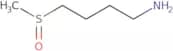

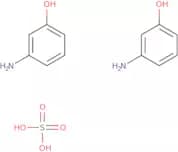
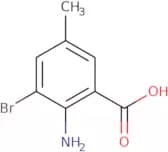
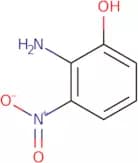
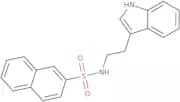
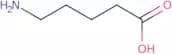
![7-[(Dimethylamino)methyl]-2,2,4-trimethyl-1,2-dihydroquinolin-6-ol](/_next/image/?url=https%3A%2Fstatic.cymitquimica.com%2Fproducts%2F3D%2Fthumb-webp%2FFD129815.webp&w=3840&q=75)
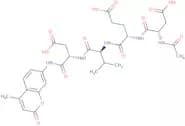
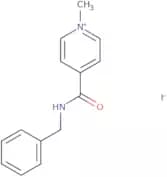
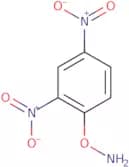
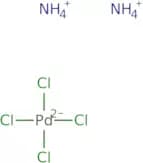
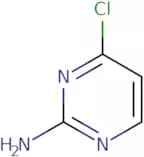
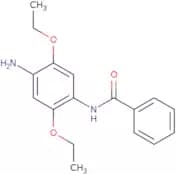
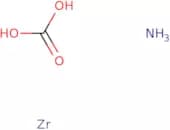
![2-[(4-Isopropylphenyl)amino]nicotinic acid](/_next/image/?url=https%3A%2Fstatic.cymitquimica.com%2Fproducts%2F3D%2Fthumb-webp%2FFI136104.webp&w=3840&q=75)
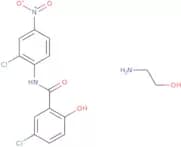
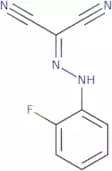
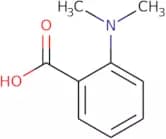
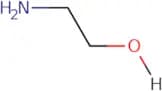
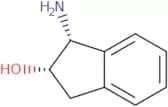

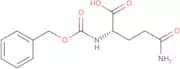
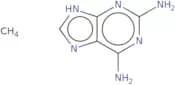

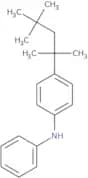
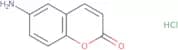
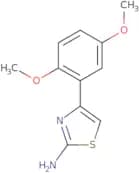
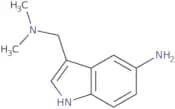
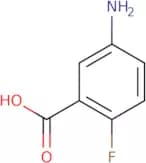
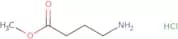
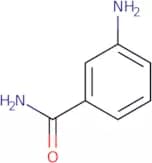


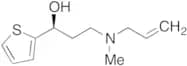
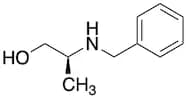
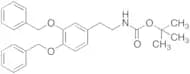
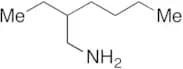
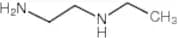

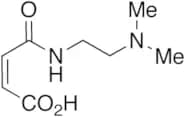
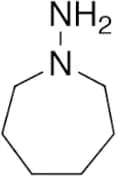


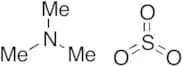
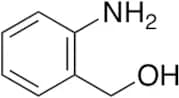
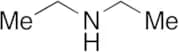

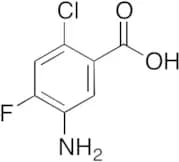

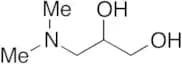
![N-(Methoxymethyl)-N-[(trimethylsilyl)methyl]benzenemethanamine (>90%)](/_next/image/?url=https%3A%2Fstatic.cymitquimica.com%2Fproducts%2FTR%2Fthumb-webp%2FM264620.webp&w=3840&q=75)
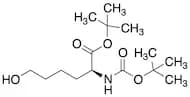

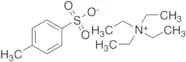
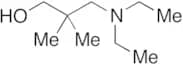

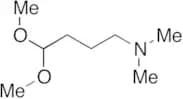



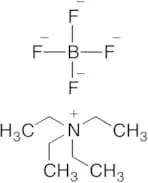
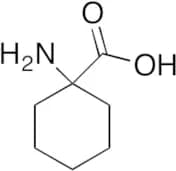
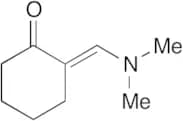
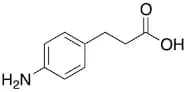
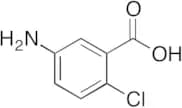

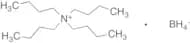
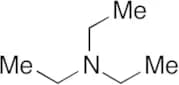

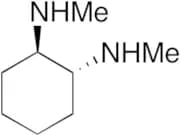
![(2S)-2-[[(phenylmethoxy)carbonyl]amino]-4-Pentenoic acid](/_next/image/?url=https%3A%2Fstatic.cymitquimica.com%2Fproducts%2FTR%2Fthumb-webp%2FP228100.webp&w=3840&q=75)
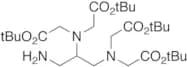
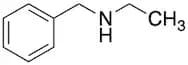
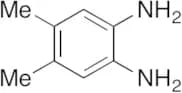
![N,N’-Di-Boc (R)-1-Azido-3-[[3-fluoro-4-(morpholin-4-yl)phenyl]amino]propan-2-yl Acetate](/_next/image/?url=https%3A%2Fstatic.cymitquimica.com%2Fproducts%2FTR%2Fthumb-webp%2FD422605.webp&w=3840&q=75)
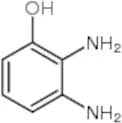
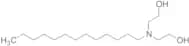
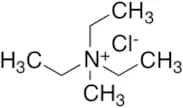

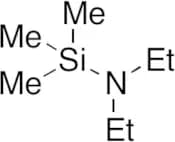
![9-[2-[[[10-(4,5-Dimethyl-3,6-dioxo-1,4-cyclohexadien-1-yl)decyl]oxy]carbonyl]phenyl]-3,6-bis(ethyl…](/_next/image/?url=https%3A%2Fstatic.cymitquimica.com%2Fproducts%2FTR%2Fthumb-webp%2FD469485.webp&w=3840&q=75)
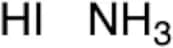
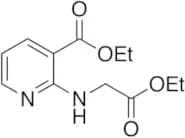
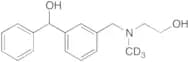

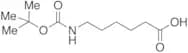
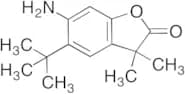
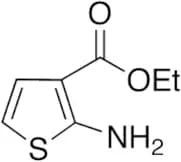


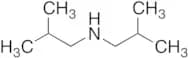
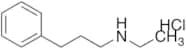
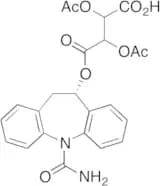
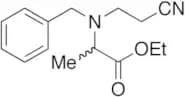
![2-Amino-4,5,7,8-tetrahydro-6-(N-carbethoxy)thiazolo[5,4-d]azepine](/_next/image/?url=https%3A%2Fstatic.cymitquimica.com%2Fproducts%2FTR%2Fthumb-webp%2FA629920.webp&w=3840&q=75)
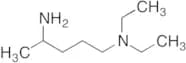
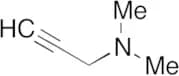
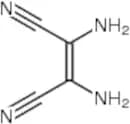
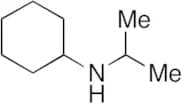
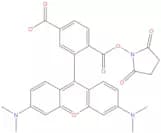

![1-{{[5-(4-Nitrophenyl)-2-furanyl]methylene}amino}-2,4-imidazolidinedione](/_next/image/?url=https%3A%2Fstatic.cymitquimica.com%2Fproducts%2F3D%2Fthumb-webp%2FFN138588.webp&w=3840&q=75)
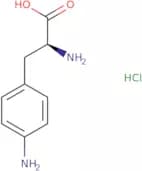
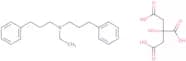
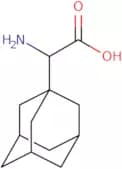

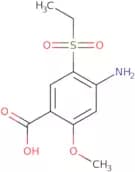
![2-[(4-Chlorophenyl)-2-pyridinylmethoxy]-N,N-dimethylethanamine maleate salt](/_next/image/?url=https%3A%2Fstatic.cymitquimica.com%2Fproducts%2F3D%2Fthumb-webp%2FFC19699.webp&w=3840&q=75)
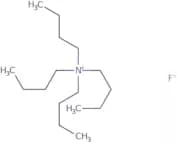
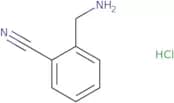
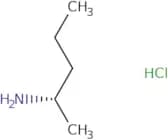
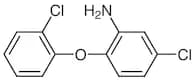


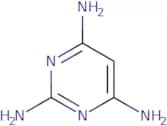
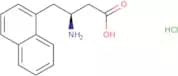
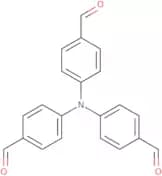
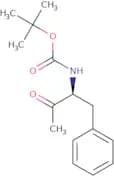
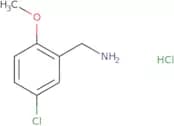
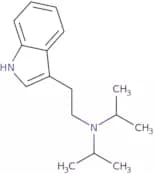
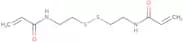
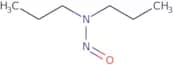
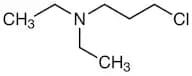
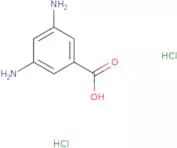

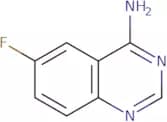
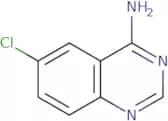
![[3-(1H-Pyrazol-1-yl)benzyl]amine](/_next/image/?url=https%3A%2Fstatic.cymitquimica.com%2Fproducts%2F3D%2Fthumb-webp%2FFP129771.webp&w=3840&q=75)
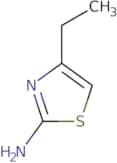
![N,N-Diethyl-5-methyl-[1,2,4]triazolo[5,1-b]pyrimidin-7-amine](/_next/image/?url=https%3A%2Fstatic.cymitquimica.com%2Fproducts%2F3D%2Fthumb-webp%2FFD153326.webp&w=3840&q=75)

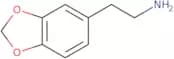
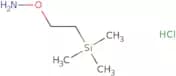
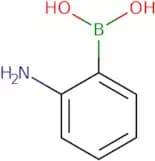
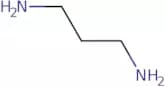
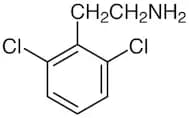
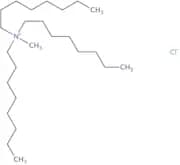
![4-Aminopyrazolo[3,4-d]pyrimidine](/_next/image/?url=https%3A%2Fstatic.cymitquimica.com%2Fproducts%2F3D%2Fthumb-webp%2FFA33756.webp&w=3840&q=75)
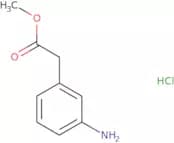
![2-[(4-Chlorophenyl)amino]nicotinic acid](/_next/image/?url=https%3A%2Fstatic.cymitquimica.com%2Fproducts%2F3D%2Fthumb-webp%2FFC136121.webp&w=3840&q=75)
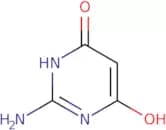
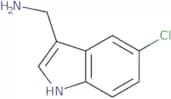

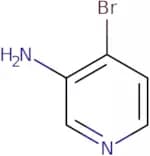
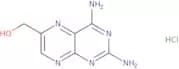
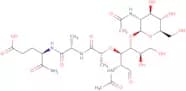
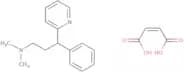
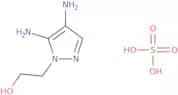
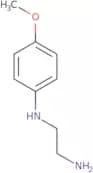
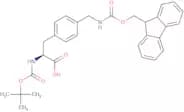
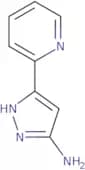
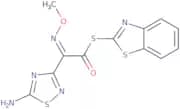
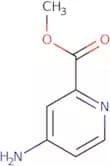
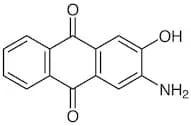
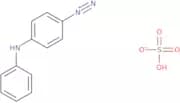

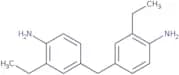
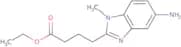
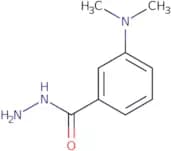
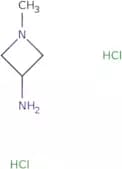
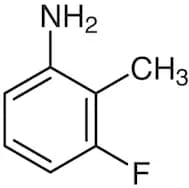
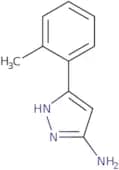
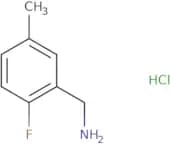
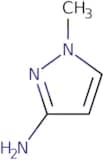
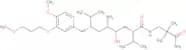
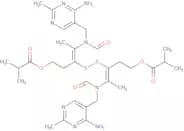
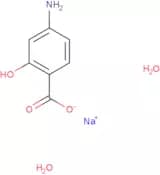
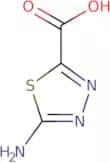
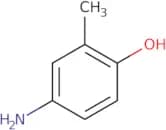
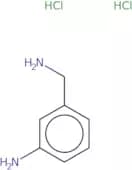
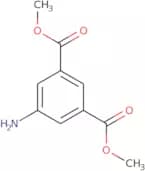
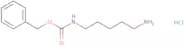
![[2-(6-Methylpyridin-2-yl)ethyl]amine](/_next/image/?url=https%3A%2Fstatic.cymitquimica.com%2Fproducts%2F3D%2Fthumb-webp%2FFM123522.webp&w=3840&q=75)

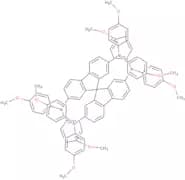
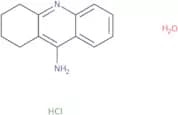
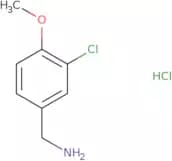
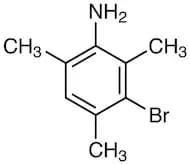
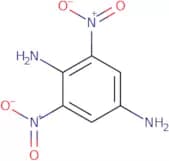
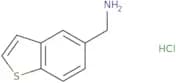
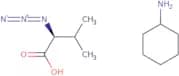
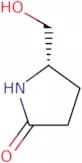
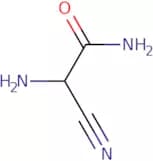
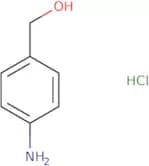
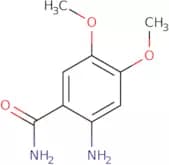
![[(1,2-Dimethyl-1H-benzimidazol-5-yl)methyl]amine dihydrochloride](/_next/image/?url=https%3A%2Fstatic.cymitquimica.com%2Fproducts%2F3D%2Fthumb-webp%2FFD135142.webp&w=3840&q=75)
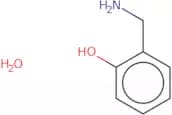

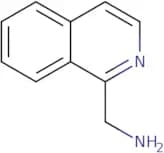

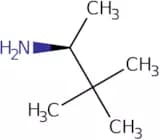
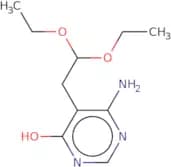
![N-[3-(Diethylaminomethyl)-4-hydroxyphenyl]acetamide](/_next/image/?url=https%3A%2Fstatic.cymitquimica.com%2Fproducts%2F3D%2Fthumb-webp%2FFD71897.webp&w=3840&q=75)
![[2-(3-Methyl-1,2,4-oxadiazol-5-yl)ethyl]amine hydrochloride](/_next/image/?url=https%3A%2Fstatic.cymitquimica.com%2Fproducts%2F3D%2Fthumb-webp%2FFM120047.webp&w=3840&q=75)