Amines
Amines are a set of molecules containing an amino functional group (derived from ammonia). This category includes amines at any level of substitution : primary, secondary, tertiary, and ammonium salts. Amines are fundamental in organic synthesis and are widely used in pharmaceuticals, agrochemicals, and materials science. At CymitQuimica, we provide a comprehensive selection of amines to meet your research and industrial needs. Our range ensures access to various amines for diverse chemical processes and innovative research.
Subcategories of "Amines"
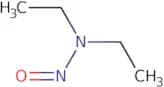
- Nitrosamines(2,606 products)
- Primary Amines(30,805 products)
- Quaternary Ammonium Cations and Salts(1,099 products)
- Secondary Amines(20,809 products)
- Tertiary Amines(17,111 products)
Found 8776 products of "Amines"
Sort by
Purity (%)
0
100
|
0
|
50
|
90
|
95
|
100
9-[(5-Amino-1,3,4-thiadiazol-2-yl)methyl]-1,3-dimethyl-3,9-dihydro-1H-purine-2,6-dione
CAS:Controlled Product<p>Please enquire for more information about 9-[(5-Amino-1,3,4-thiadiazol-2-yl)methyl]-1,3-dimethyl-3,9-dihydro-1H-purine-2,6-dione including the price, delivery time and more detailed product information at the technical inquiry form on this page</p>Formula:C10H11N7O2SPurity:Min. 95%Molecular weight:293.31 g/molTetrabutylammonium difluorotriphenylsilicate
CAS:<p>Tetrabutylammonium difluorotriphenylsilicate is a model system for studying the mechanism of nucleophilic substitution at an unsymmetrical carbon center. It is used in analytical chemistry to prepare samples for analysis. Tetrabutylammonium difluorotriphenylsilicate has been shown to be an effective and selective reagent for the synthesis of picolinic acid, which can be used as a precursor for the synthesis of nicotinamide riboside, a vitamin B3 derivative. The reaction proceeds via an SN2 mechanism, where hydrogen fluoride (HF) acts as a nucleophile that attacks the electrophilic carbon center of allyl chloride (CH2=CH-CH2Cl) to form an intermediate with two alkyl groups on opposite sides. The reaction product is then hydrolyzed to release tetrabutylammonium chloride (tBuNH4Cl).</p>Formula:C34H51F2NSiPurity:Min. 95%Color and Shape:White PowderMolecular weight:539.86 g/mol3-(Methylnitrosamino)propionitrile
CAS:<p>3-(Methylnitrosamino)propionitrile (NNK) is a potent, but toxic, carcinogen that has been shown to be one of the major causes of lung cancer in animals. It is metabolized to 3-aminobenzamide and N-nitrosodimethylamine (NDMA) by cytochrome P450 enzymes. These metabolites are then further converted into reactive species that bind covalently with DNA, leading to mutations and ultimately cancer. The activation of NNK can be prevented by inhibiting the enzyme hydrolysis or by blocking the synthesis of the reactive metabolites.</p>Formula:C4H7N3OPurity:Area-% Min. 95 Area-%Molecular weight:113.12 g/mol6-Chloro-4-(trifluoromethyl)-2-pyridinamine
CAS:<p>Please enquire for more information about 6-Chloro-4-(trifluoromethyl)-2-pyridinamine including the price, delivery time and more detailed product information at the technical inquiry form on this page</p>Formula:C6H4ClF3N2Purity:Min. 95%Molecular weight:196.56 g/mol(1S,2R)-2-Aminocyclohexanol hydrochloride
CAS:<p>Please enquire for more information about (1S,2R)-2-Aminocyclohexanol hydrochloride including the price, delivery time and more detailed product information at the technical inquiry form on this page</p>Formula:C6H14ClNOPurity:Min. 95%Molecular weight:151.63 g/molImidazo[1,2-a]pyridin-8-ylamine dihydrochloride
CAS:<p>Imidazo[1,2-a]pyridin-8-ylamine dihydrochloride is an arylation agent that reacts with nucleophiles to form an amide linkage. Imidazo[1,2-a]pyridin-8-ylamine dihydrochloride is used in the synthesis of carboxylic acid derivatives and other biomolecules. It can be used for selective functionalization of unsymmetrical carboxylic acids.</p>Formula:C7H7N3·2HClPurity:Min. 95%Molecular weight:206.07 g/mol2,6-Diamino-5-hydroxy-3-(phenylazo)pyridine
CAS:<p>2,6-Diamino-5-hydroxy-3-(phenylazo)pyridine is a versatile chemical substance that has various applications in different industries. It can be used as a dianhydride to create high-performance polymers or as an electrode material for batteries and fuel cells. This compound is also used in the production of lacosamide, a medication used to treat epilepsy. In addition to its industrial uses, 2,6-Diamino-5-hydroxy-3-(phenylazo)pyridine is also utilized in research laboratories as a reagent or marker. It is commonly used in aerosol compositions for testing purposes and in the analysis of toxicological samples. Researchers also rely on this compound for dispersive solid-phase extraction techniques and for studying photodegradation processes. Furthermore, 2,6-Diamino-5-hydroxy-3-(phenylazo)pyridine has shown potential in the development of polymeric compositions with</p>Formula:C11H11N5OPurity:Min. 95%Molecular weight:229.24 g/mol[2-(1-Isobutyl-1H-benzimidazol-2-yl)ethyl]amine dihydrochloride
CAS:Controlled Product<p>Please enquire for more information about [2-(1-Isobutyl-1H-benzimidazol-2-yl)ethyl]amine dihydrochloride including the price, delivery time and more detailed product information at the technical inquiry form on this page</p>Formula:C13H19N3Purity:Min. 95%Molecular weight:217.31 g/mol2-(Methyl-2-pyridylamino)ethanol
CAS:<p>2-(Methyl-2-pyridylamino)ethanol (2MPE) is a small molecule that has been studied for its potential use as an inhibitor of the enzyme protein kinase C-alpha. The reaction mechanism of 2MPE with rosiglitazone, a drug used to treat type II diabetes mellitus, has been shown to be nucleophilic and proceeds through an addition-elimination mechanism. The kinetic parameters for this reaction have been determined by studying the effect of temperature on the reaction rate. Density measurements indicate that 2MPE is a low-molecular weight compound with a density of 1.08 g/mL at 25°C and 1 atm pressure. This study also found that microreactors are capable of producing high reaction yields in shorter amounts of time than larger reactors, making them well suited to the synthesis of small molecules such as 2MPE.</p>Formula:C8H12N2OPurity:Min. 95%Molecular weight:152.19 g/mol2-Hydroxybenzylamine
CAS:<p>2-Hydroxybenzylamine is a dietary supplement that is used to prevent atherosclerosis and cardiovascular disease. It inhibits the oxidation of fatty acids and decreases the production of reactive oxygen species. This drug has been shown to have an effect on cardiac hypertrophy and blood pressure. 2-Hydroxybenzylamine has been shown to reduce the levels of 4-hydroxybutyric acid, malondialdehyde, and reactive oxygen species in cultured cells. These effects may be due to its ability to inhibit the enzyme fatty acid synthase. 2HBA also has a protective effect against oxidative injury by reducing the release of reactive oxygen species from mitochondria in cultured cells.</p>Formula:C7H9NOPurity:Min. 95%Molecular weight:123.15 g/mol1-Amino-9-fluorenone
CAS:<p>1-Amino-9-fluorenone is a hydrogen bond acceptor molecule that has been shown to have anticancer activity and rate enhancement. The 1-Amino-9-fluorenone binds to the DNA of cancer cells, inhibiting cell growth and proliferation. This molecule also interacts with the cellular membrane by reversible binding, which leads to an increase in the concentration of intracellular nitric oxide (NO). This increase in NO levels inhibits the growth of cancer cells by blocking their ability to produce ATP. 1-Amino-9-fluorenone has been shown to inhibit hCT116 human colon cancer cells.</p>Formula:C13H9NOPurity:Min. 95%Molecular weight:195.22 g/mol(1R,2S)-(-)-2-Amino-1,2-diphenylethanol
CAS:Controlled Product<p>The compound is a stereoselective amine. The molecule has two diastereomers, one of which is the (1R,2S) configuration and the other of which is the (1S,2R) configuration. The compound is an efficient method for preparing fatty acid esters with aromatic hydrocarbons.<br>The chemical structure of the molecule provides a cavity that can be used to bind with ethyl bromoacetate. This cavity has been shown in x-ray crystal structures to be able to bind with ethyl bromoacetate and provide an efficient method for preparing fatty acid esters with aromatic hydrocarbons.</p>Formula:C14H15NOPurity:Min. 95%Molecular weight:213.28 g/mol1,5-Bis(4-allyldimethylammoniumphenyl)pentan-3-one, dibromide
CAS:<p>1,5-Bis(4-allyldimethylammoniumphenyl)pentan-3-one, dibromide is a reversible inhibitor of acetylcholinesterase. It has been shown to inhibit the enzyme activity in vitro and in vivo. 1,5-Bis(4-allyldimethylammoniumphenyl)pentan-3-one, dibromide has been shown to be an effective inhibitor of nicotinic acetylcholine receptors in model organisms such as Xenopus oocytes and Acetylcholine esterase activated rat pheochromocytoma cells. The molecule also inhibits the phosphorylation of pnitrophenyl phosphate by choline kinase. This inhibiting effect on choline kinase leads to a decrease in the concentration of choline available for neurotransmitter synthesis. Monoclonal antibodies against acetylcholinesterase are used to detect this</p>Formula:C27H38Br2N2OPurity:Min. 95%Molecular weight:566.41 g/mol2-Fluorophenethylamine
CAS:Controlled Product<p>2-Fluorophenethylamine is a molecule that can switch between two forms, one hydrophobic and one hydrophilic. When it is in the hydrophobic form, 2-fluorophenethylamine can bind to water molecules to form potential use products. When 2-fluorophenethylamine is in the hydrophilic form, it can desorb from the surface of water. 2-Fluorophenethylamine has been shown to be a neurotransmitter and may have potential use as an anti-depressant or anti-anxiety medication. It has also been suggested that 2-fluorophenethylamine may be used for the treatment of Parkinson's disease, because of its ability to inhibit dopamine degradation. An experiment conducted with spectra found that 2-fluorophenethylamine reacts with hydrogen bonds and other weak interactions to form dimers and monomers. The vibrational spectrum of this molecule shows that there are no strong</p>Formula:C8H10FNPurity:Min. 95%Molecular weight:139.17 g/mol4-Methoxyphenethylamine HCl
CAS:Controlled Product<p>4-Methoxyphenethylamine HCl is a chemical that inhibits the activity of the protein tyrosine phosphatase 1B (PTP1B). It has been shown to inhibit the growth of lung fibroblasts and fruit tree cells. 4-Methoxyphenethylamine HCl has also been used in animal experiments to diagnose animals with growth factor-β1 deficiency. It is also used to stain collagen for diagnosis.</p>Formula:C9H13NO·HClPurity:Min. 95%Molecular weight:187.67 g/mol1-(2-Amino-5-nitrophenyl)ethanone
CAS:<p>Please enquire for more information about 1-(2-Amino-5-nitrophenyl)ethanone including the price, delivery time and more detailed product information at the technical inquiry form on this page</p>Formula:C8H8N2O3Purity:Min. 95%Molecular weight:180.16 g/molEthyl 2-amino-thiazole-4-carboxylate
CAS:<p>Ethyl 2-amino-thiazole-4-carboxylate (ETAC) is an inhibitor of protein synthesis. It binds to the dna and inhibits transcription, leading to cell death by inhibiting the production of proteins vital for cell division. ETAC has been shown to have cytotoxic activity against cancer cells and hemolytic activity. It also has a strong fluorescence probe property, which may be used in cancer diagnosis. ETAC can inhibit protein synthesis in cells that are resistant to other antimicrobial agents and platinum-based chemotherapy, making it a potential treatment for these infections. The pharmacokinetic properties of ETAC are not well studied but it is excreted through urine, suggesting that it is hydrophilic and may be metabolized with glucuronidation or sulfation. The molecular modeling study suggests that the hydrogen bond between ETAC and the dna phosphate group may explain its inhibitory effects on DNA synthesis.</p>Formula:C6H8N2O2SPurity:Min. 99.0 Area-%Molecular weight:172.21 g/mol6-Bromo-1,2,3,4-tetrahydronaphthalen-2-ylamine hydrochloride
CAS:Controlled Product<p>Please enquire for more information about 6-Bromo-1,2,3,4-tetrahydronaphthalen-2-ylamine hydrochloride including the price, delivery time and more detailed product information at the technical inquiry form on this page</p>Formula:C10H12BrN·HClPurity:Min. 95%Molecular weight:262.57 g/mol2-Amino-3-(4-hydroxy-3-methoxyphenyl)propanoic acid
CAS:Controlled Product<p>2-Amino-3-(4-hydroxy-3-methoxyphenyl)propanoic acid is a metabolite of levodopa in the body. It is formed by oxidation of levodopa via the enzyme catechol-O-methyltransferase (COMT). This compound is used as an analytical reagent to measure levels of levodopa and its metabolites in biological samples. 2-Amino-3-(4-hydroxy-3-methoxyphenyl)propanoic acid can also be used to diagnose Parkinson’s disease, since it is produced in excess when dopamine production decreases due to the degeneration of dopaminergic neurons. The concentration–time curve for this compound can be used to calculate the clearance rate of levodopa from the blood plasma.</p>Formula:C10H13NO4Purity:Min. 95 Area-%Color and Shape:PowderMolecular weight:211.21 g/mol2-(5-chloro-2-methyl-1H-indol-3-yl)ethanamine
CAS:Controlled Product<p>Please enquire for more information about 2-(5-chloro-2-methyl-1H-indol-3-yl)ethanamine including the price, delivery time and more detailed product information at the technical inquiry form on this page</p>Formula:C11H13ClN2Purity:Min. 95%Molecular weight:208.69 g/mol(2R)-2-Amino-3-phenylpropionyl amide
CAS:<p>(2R)-2-Amino-3-phenylpropionyl amide is a synthetic cannabinoid that has been shown to bind to the CB2 receptor. It has been found to be an effective analgesic in rat models of inflammatory and neuropathic pain. This drug is also a serine protease inhibitor, with activity against ochrobactrum, an antibiotic-resistant bacteria. (2R)-2-Amino-3-phenylpropionyl amide is also used as a substrate for d-alanine synthesis and has been sequenced. It can form hydrogen bonds with water molecules and chloride ions. (2R)-2-Amino-3-phenylpropionyl amide has been synthesized by Clostridium coli K12 cells and is expected to have similar effects on human cells.</p>Formula:C9H12N2OPurity:Min. 95%Molecular weight:164.2 g/molPravastatin 1,1,3,3-tetramethylbutylamine
CAS:<p>Please enquire for more information about Pravastatin 1,1,3,3-tetramethylbutylamine including the price, delivery time and more detailed product information at the technical inquiry form on this page</p>Formula:C31H55NO7Purity:Min. 95%Molecular weight:553.77 g/mol(2-Cyclohexyl-1-methylethyl)methylamine
CAS:Controlled Product<p>2-Cyclohexyl-1-methylethyl)methylamine is a monoethyl ether of (2-cyclohexyl-1-methylethyl)amine. It is used as a nasal decongestant and has been shown to be effective against respiratory disorders such as bronchitis, sinusitis, and allergies. The drug can also be used for the diagnosis and prognosis of congestive heart failure. 2-Cyclohexyl-1-methylethyl)methylamine has been shown to bind to calcium ions in the nasal mucosa, thereby inhibiting the production of inflammatory mediators such as prostaglandins and leukotrienes. This drug also has an inhibitory effect on receptor activity for histamine, which leads to relief from allergic symptoms by reducing inflammation in the nose.</p>Formula:C10H22BrNPurity:Min. 95%Molecular weight:236.19 g/molN,α-Dimethyl-2-thiopheneethanamine hydrochloride
CAS:Controlled Product<p>Methiopropamine is a synthetic psychoactive substance that has been associated with long-term health effects. It is used recreationally for its stimulant properties, such as increased alertness and wakefulness. Methiopropamine may cause paranoia and delusions, as well as other long-term effects. The drug can be detected in the urine for up to five days after ingestion. Methiopropamine is an amphetamine analogue of cathinone, which is a naturally occurring substance found in the khat plant. It is classified by the DEA as a Schedule I controlled substance in the United States.</p>Formula:C8H14ClNSPurity:Min. 95%Molecular weight:191.72 g/molN-Allyl-1-phenylcyclohexanamine hydrochloride
CAS:Controlled Product<p>Please enquire for more information about N-Allyl-1-phenylcyclohexanamine hydrochloride including the price, delivery time and more detailed product information at the technical inquiry form on this page</p>Formula:C15H21NPurity:Min. 95%Molecular weight:215.33 g/molEthyl 2-(2-Amino-4-thiazolyl)-2-(hydroxyimino)acetate
CAS:<p>Ethyl 2-(2-amino-4-thiazolyl)-2-(hydroxyimino)acetate is a phosphomolybdate antibiotic that is used in the treatment of respiratory tract infections. It binds to the bacterial enzyme, phosphomolybdate oxidase, and inhibits the formation of acid in the body. The reaction solution is recycled and activated with an acid catalyst to increase the yield of acetonitrile. The ion-pair formed by ethyl 2-(2-amino-4-thiazolyl)-2-(hydroxyimino)acetate and sodium carbonate is nucleophilic and reacts with nitrous to produce acetonitrile as a side product.</p>Formula:C7H9N3O3SPurity:Min. 95%Molecular weight:215.23 g/mol4-Nitro-1,2,5-oxadiazol-3-amine
CAS:Controlled Product<p>4-Nitro-1,2,5-oxadiazol-3-amine is a molecule that has been shown to be an inhibitor of the epidermal growth factor receptor (EGFR). The optimal reaction conditions for this molecule were determined by crystallography. These results were confirmed by prognosis assays and the determination of tautomers. This molecule may be used in diagnosis and as a potential treatment for cancer. 4-Nitro-1,2,5-oxadiazol-3-amine binds to the EGFR at a site different from that of erlotinib, an inhibitor currently used in the clinic. This binding leads to inhibition of protein synthesis and cell division by preventing the activation of downstream signal transduction pathways. The molecule also inhibits tumor cell proliferation and induces apoptosis by preventing the production of nitric oxide (NO) and reactive oxygen species (ROS).</p>Formula:C2H2N4O3Purity:Min. 95%Molecular weight:130.06 g/mol2-Amino-4,6-dimethylpyrimidine
CAS:<p>2-Amino-4,6-dimethylpyrimidine is a molecule that contains a hydroxyl group, copper chloride, nitrogen atoms, sodium carbonate, and hydroxybenzoic acid. The antimicrobial properties of 2-amino-4,6-dimethylpyrimidine are due to the presence of the hydroxyl group and copper chloride in its structure. This compound has been shown to have bactericidal activity against Pseudomonas aeruginosa and other gram-negative bacteria. It also inhibits the growth of these bacteria by interfering with their ability to synthesize proteins. 2-Amino-4,6-dimethylpyrimidine is a molecule that has an octahedral coordination geometry and forms hydrogen bonds with water molecules. It binds to the surface of minerals such as calcite or quartz and can be used for gravimetric analysis.</p>Formula:C6H9N3Purity:Min. 95%Molecular weight:123.16 g/mol(2-Aminothiophen-3-yl)(4-bromophenyl)methanone
CAS:<p>2-Aminothiophen-3-yl)(4-bromophenyl)methanone is a new compound that is being developed as a potential antiviral agent. Covid-19, the trade name for 2-aminothiophen-3-yl)(4-bromophenyl)methanone, prevents the replication of viruses by binding to their nucleic acids and blocking their ability to produce proteins. Covid-19 has been shown to be effective against both influenza A and B viruses in cellular and animal models. The antiviral activity of Covid-19 is due to its ability to bind to viral nucleic acid, preventing the production of proteins vital for viral replication. This compound has also been shown to have anti-inflammatory properties, which may be due to its ability to inhibit the production of amyloid plaques in mice with Alzheimer's disease.</p>Formula:C11H8BrNOSPurity:Min. 95%Molecular weight:282.16 g/mol6-Amino-5,6,7,8-tetrahydronaphthalene-2,3-diol
CAS:Controlled Product<p>6-Amino-5,6,7,8-tetrahydronaphthalene-2,3-diol is a potent dopamine D2 receptor antagonist. It has been shown to inhibit the light emission of dopamine in vitro. This compound also has a high affinity for 5-HT receptors and has been shown to be a potent agonist at these sites. 6-Amino-5,6,7,8-tetrahydronaphthalene-2,3-diol has been found to induce pluripotent stem cells from human fibroblasts. These cells can differentiate into virtually any cell type in the body and may be used to study diseases such as Parkinson's disease and cancer.</p>Formula:C10H13NO2Purity:Min. 95%Molecular weight:179.22 g/mol(S)-N-Boc-3-amino-1-butyne
CAS:<p>Please enquire for more information about (S)-N-Boc-3-amino-1-butyne including the price, delivery time and more detailed product information at the technical inquiry form on this page</p>Formula:C9H15NO2Purity:Min. 95%Molecular weight:169.22 g/mol(2S,3S)-3-Boc-amino-1,2-epoxy-4-phenylbutane
CAS:<p>(2S,3S)-3-Boc-amino-1,2-epoxy-4-phenylbutane is a potent and selective inhibitor of HIV protease. It binds to the active site of the enzyme and prevents the formation of an enzyme-substrate complex, which inhibits protein synthesis. (2S,3S)-3-Boc-amino-1,2-epoxy-4-phenylbutane has been shown to be a potent inhibitor for other serine proteases such as chymotrypsin and trypsin. This compound has also been shown to be effective in inhibiting a number of proteases from bacteria such as Bacillus subtilis and Pseudomonas aeruginosa. Inhibitors have also been found against nonenzymatic protein inhibitors such as bacitracin, polymyxin B, colistin sulfate, vancomycin, and daptomycin</p>Formula:C15H21NO3Purity:Min. 95%Color and Shape:PowderMolecular weight:263.33 g/mol[3-(1-Piperidin-1-ylcyclohexyl)phenyl]amine hydrochloride
CAS:Controlled Product<p>3-(1-Piperidin-1-ylcyclohexyl)phenyl]amine hydrochloride is a ligand that binds to the acetylcholine receptor. 3-(1-Piperidin-1-ylcyclohexyl)phenyl]amine hydrochloride is an active analogue and has a high binding affinity for the cholinergic receptor. It has been shown to have a kinetic effect on the excitatory system, enhancing excitatory effects of acetylcholine without affecting inhibitory effects. 3-(1-Piperidin-1-ylcyclohexyl)phenyl]amine hydrochloride also has an antagonistic effect on modifiers of acetylcholine activity such as amantadine, but enhances the effects of other drugs, such as clonidine.</p>Formula:C17H26N2Purity:Min. 95%Molecular weight:258.4 g/mol2-(Diethylamino)-N-(2,4-dimethylphenyl ) acetamide HCl
CAS:<p>Please enquire for more information about 2-(Diethylamino)-N-(2,4-dimethylphenyl ) acetamide HCl including the price, delivery time and more detailed product information at the technical inquiry form on this page</p>Formula:C14H22N2O·HClPurity:Min. 95 Area-%Molecular weight:270.8 g/mol(S)-(-)-1-Phenylethylamine
CAS:Controlled Product<p>(S)-(-)-1-Phenylethylamine is an amide that is synthesized by reacting an acid chloride with a primary amine. (S)-(-)-1-Phenylethylamine is a white solid that has a molecular weight of 110.11 g/mol and the chemical formula CH3CH2CH2NHCOCl. The compound has been isolated in yields of up to 60% from diethyl ketone and ethyl acetate, which is dependent on the solvent used. The compound can be purified by recrystallization from diethyl ether or ethyl acetate/petroleum ether mixtures. (S)-(-)-1-Phenylethylamine exhibits hydrogen bonding interactions with water, which is why it has a pH optimum around 7.5. This compound also reacts with ester hydrochlorides to form amides and carbonyl groups as well as undergoes reactions with amines to form urea derivatives</p>Formula:C8H11NPurity:Min. 95%Color and Shape:Colorless Clear LiquidMolecular weight:121.18 g/mol3-Aminopyridine
CAS:<p>3-Aminopyridine is a compound with the chemical formula C6H5N3. It is used in biological studies as a model for the hydrogen bond, and has been shown to be effective against some bacteria and fungi. 3-Aminopyridine may also have antimicrobial activity. The mechanism of action of 3-aminopyridine is not well understood, but it is thought that this compound might bind to the active site of an enzyme or receptor and deactivate it. 3-Aminopyridine has been found to inhibit dinucleotide phosphate (DNP) reductase, which may play a role in carcinogenesis. There are two nitrogen atoms in 3-aminopyridine, one in the amine group and one in the pyridine ring. The hydroxyl group on the molecule can form hydrogen bonds with other molecules such as hydrochloric acid or hydrogen tartrate, which may be why it reacts with these substances so easily.</p>Purity:Min. 95%Molecular weight:94.11 g/molMethyl 1-aminocyclohexanecarboxylate hydrochloride
CAS:<p>Please enquire for more information about Methyl 1-aminocyclohexanecarboxylate hydrochloride including the price, delivery time and more detailed product information at the technical inquiry form on this page</p>Formula:C8H15NO2Purity:Min. 95%Molecular weight:157.21 g/mol4-Amino-3-bromoisoquinoline
CAS:<p>4-Amino-3-bromoisoquinoline is an isocyanide that reacts with nucleophilic heteroatoms such as the amino group. It also reacts with bromine to form a bromopyridine. The nitrile group of 4-amino-3-bromoisoquinoline can be reduced with sodium borohydride to produce 4-aminoquinoline. This compound has shown potential for use in chemotherapy and treating bacterial infections.</p>Purity:Min. 95%21-Amino-17-hydroxypregna-1,4-diene-3,11,20-trioneHydrochloride
CAS:Controlled Product<p>Please enquire for more information about 21-Amino-17-hydroxypregna-1,4-diene-3,11,20-trioneHydrochloride including the price, delivery time and more detailed product information at the technical inquiry form on this page</p>Formula:C21H28ClNO4Purity:Min. 95%Molecular weight:393.9 g/mol[(1-Benzyl-1H-pyrazol-4-yl)methyl]amine
CAS:<p>Please enquire for more information about [(1-Benzyl-1H-pyrazol-4-yl)methyl]amine including the price, delivery time and more detailed product information at the technical inquiry form on this page</p>Formula:C11H13N3Purity:Min. 95%Molecular weight:187.24 g/mol{2-[(4-Phenylpiperazin-1-yl)carbonyl]phenyl}amine
CAS:Controlled Product<p>Please enquire for more information about {2-[(4-Phenylpiperazin-1-yl)carbonyl]phenyl}amine including the price, delivery time and more detailed product information at the technical inquiry form on this page</p>Formula:C17H19N3OPurity:Min. 95%Molecular weight:281.35 g/mol6-Hydroxytryptamine creatinine sulfate
CAS:Controlled Product<p>6-Hydroxytryptamine creatinine sulfate (HTPS) is a metabolite of serotonin and dopamine that can be found in human urine. HTPS is not active on its own, but it has been shown to increase blood pressure in rats when administered together with other substances such as 5-hydroxytryptamine. HTPS also interacts with noradrenaline and hydroxylates serotonin to produce 6-hydroxyserotonin. The biosynthesis of HTPS starts with the hydroxylation of tryptophan by tryptophan 4-hydroxylase (TPH), followed by the conversion of 5-hydroxytryptophan to 5-hydroxyindoleacetic acid (5HIAA). This enzyme is inhibited by drugs such as clozapine, which is used for treatment of schizophrenia. 6-Hydroxytryptamine creatinine sulfate can be found in many tissues, including the brain and kidney</p>Formula:C14H21N5O6SPurity:Min. 95%Molecular weight:387.41 g/mol21-Amino-17-hydroxypregn-4-ene-3,11,20-trioneHydrochloride
CAS:Controlled Product<p>Please enquire for more information about 21-Amino-17-hydroxypregn-4-ene-3,11,20-trioneHydrochloride including the price, delivery time and more detailed product information at the technical inquiry form on this page</p>Formula:C21H30ClNO4Purity:Min. 95%Molecular weight:395.92 g/mol2,3-Dihydro-1-(3-hydroxypropyl)-5-[(2R)-2-[[2-[2-(2,2,2-trifluoroethoxy)phenoxy]ethyl]amino]propyl]-1H-indole-7-carbonitrile
CAS:<p>Please enquire for more information about 2,3-Dihydro-1-(3-hydroxypropyl)-5-[(2R)-2-[[2-[2-(2,2,2-trifluoroethoxy)phenoxy]ethyl]amino]propyl]-1H-indole-7-carbonitrile including the price, delivery time and more detailed product information at the technical inquiry form on this page</p>Formula:C25H30F3N3O3Purity:Min. 95%Molecular weight:477.52 g/mol(S,S')-3-Methyl-1-(2-piperidinophenyl)butylamine, N-acetyl-glutamate salt
CAS:<p>Please enquire for more information about (S,S')-3-Methyl-1-(2-piperidinophenyl)butylamine, N-acetyl-glutamate salt including the price, delivery time and more detailed product information at the technical inquiry form on this page</p>Formula:C23H37N3O5Purity:Min. 95%Molecular weight:435.56 g/mol1-[1-(2-Aminoethyl)-1H-indol-3-yl]ethanone oxalate
CAS:Controlled Product<p>Please enquire for more information about 1-[1-(2-Aminoethyl)-1H-indol-3-yl]ethanone oxalate including the price, delivery time and more detailed product information at the technical inquiry form on this page</p>Formula:C12H14N2OPurity:Min. 95%Molecular weight:202.25 g/molN,N-Diethylaminoethyl 2,2-diphenylvalerate hydrochloride
CAS:Controlled Product<p>N,N-Diethylaminoethyl 2,2-diphenylvalerate hydrochloride is a depressant drug that inhibits the growth of bacteria by inhibiting fatty acid synthesis. It has been shown to inhibit group P2 enzymes that are involved in the production of fatty acids. In this way, it inhibits the formation and release of ATP, which is essential for bacterial growth. N,N-Diethylaminoethyl 2,2-diphenylvalerate hydrochloride also has inhibitory properties against bacteria that cause infectious diseases. This drug is effective against Hl-60 cells and can be used as a diagnostic tool for detection sensitivity and detection time.</p>Formula:C23H32ClNO2Purity:Min. 95%Molecular weight:389.96 g/mol4-Nitro-4'-aminodiphenyl sulfone
CAS:<p>4-Nitro-4'-aminodiphenyl sulfone is a surfactant that is used in a variety of industries, including wastewater treatment and the manufacture of plastics. It has been shown to inhibit the synthesis of fatty acids and other molecules in cells. 4-Nitro-4'-aminodiphenyl sulfone also inhibits the synthesis of regulatory pathways involved in antimicrobial resistance in bacteria such as chlorobium and solanum tuberosum. The inhibition of fatty acid biosynthesis by 4-nitro-4'-aminodiphenyl sulfone may be due to its ability to bind to catalytic sites on enzymes responsible for this process. This binding prevents them from functioning properly, resulting in an accumulation of fatty acid precursors.</p>Formula:C12H10N2O4SPurity:Min. 95%Molecular weight:278.28 g/mol2-(1H-Indol-5-yl)ethanamine
CAS:Controlled Product<p>Please enquire for more information about 2-(1H-Indol-5-yl)ethanamine including the price, delivery time and more detailed product information at the technical inquiry form on this page</p>Formula:C10H12N2Purity:Min. 95%Molecular weight:160.22 g/molMethyl-(tetrahydro-furan-3-yl)-amine
CAS:<p>Please enquire for more information about Methyl-(tetrahydro-furan-3-yl)-amine including the price, delivery time and more detailed product information at the technical inquiry form on this page</p>Formula:C5H11NOPurity:Min. 95%Molecular weight:101.15 g/mol1-(4-Ethylphenyl)ethanamine
CAS:<p>Please enquire for more information about 1-(4-Ethylphenyl)ethanamine including the price, delivery time and more detailed product information at the technical inquiry form on this page</p>Formula:C10H15NPurity:Min. 95%Molecular weight:149.23 g/mol2-(4-fluorophenyl)-n-methylethanamine
CAS:Controlled Product<p>Please enquire for more information about 2-(4-fluorophenyl)-n-methylethanamine including the price, delivery time and more detailed product information at the technical inquiry form on this page</p>Formula:C9H12FNPurity:Min. 95%Molecular weight:153.2 g/mol2-Methyltryptamine
CAS:Controlled Product<p>2-Methyltryptamine is a tryptamine derivative that binds to the 5-HT2 receptors in the brain and blocks the action of serotonin. It has been proposed as a possible treatment for human immunodeficiency, but more research is needed to determine its efficacy. 2-Methyltryptamine acts as an agonist at 5-HT2 receptors and can be used in plate tests to detect histones deacetylase activity.</p>Formula:C11H14N2Color and Shape:Slightly Yellow PowderMolecular weight:174.24 g/mol1-(2-Aminopyrimidin-5-yl)ethanone
CAS:<p>Please enquire for more information about 1-(2-Aminopyrimidin-5-yl)ethanone including the price, delivery time and more detailed product information at the technical inquiry form on this page</p>Formula:C6H7N3OPurity:Min. 95%Molecular weight:137.14 g/mol(R)-Benzphetamine hydrochloride
CAS:Controlled Product<p>Please enquire for more information about (R)-Benzphetamine hydrochloride including the price, delivery time and more detailed product information at the technical inquiry form on this page</p>Formula:C17H22ClNPurity:Min. 95%Molecular weight:275.82 g/mol4-(Methylnitrosoamino)-1-(3-pyridinyl)-1-butanone
CAS:<p>4-(Methylnitrosoamino)-1-(3-pyridinyl)-1-butanone (NNK) is a carcinogenic chemical that has been identified in tobacco smoke. It induces squamous cell carcinomas in the respiratory tract of rodents and induces lung cancer in the offspring of pregnant rats exposed to NNK. This compound binds to double-stranded DNA, with high affinity for the minor groove, and inhibits DNA synthesis by binding to enzymes such as polymerase chain. In addition, it has been shown to cause transformation of epithelial cells into mesenchymal cells in vitro. 4-(Methylnitrosoamino)-1-(3-pyridinyl)-1-butanone binds to α7 nicotinic acetylcholine receptors and increases the response element activity.</p>Formula:C10H13N3O2Purity:Min. 95%Color and Shape:PowderMolecular weight:207.23 g/molTetrabutylammonium hydroxide - 40 wt. % aqueous solution
CAS:<p>Picolinic acid is a product of the reaction between sodium salts and tetrabutylammonium hydroxide. It has been shown to have anti-inflammatory properties in chronic arthritis patients and may be due to its ability to inhibit the production of prostaglandins. Picolinic acid also has been shown to inhibit the growth of bacteria, including Mycobacterium tuberculosis, by preventing protein synthesis. The analytical method for picolinic acid is electrochemical impedance spectroscopy with a 5% picolinic acid solution in human serum or other biological sample.</p>Formula:C16H37NOPurity:Min. 95%Color and Shape:Clear LiquidMolecular weight:259.47 g/mol1H-1,2,3-Benzotriazol-4-amine
CAS:<p>1H-1,2,3-Benzotriazol-4-amine is a hydroxylated compound that belongs to the group of benzotriazole derivatives. It has been shown to inhibit the growth of cells in culture by binding to the nitrogen atoms in glutamate and inhibiting the production of nitric oxide synthase. 1H-1,2,3-Benzotriazol-4-amine also has binding constants for certain growth regulators that are 10 times higher than for other benzotriazoles. In vitro assays have shown that 1H-1,2,3-benzotriazol-4-amine is a potent corrosion inhibitor with an optical purity greater than 98%. The molecule was modeled using molecular modeling software and found to be stable when exposed to light. The molecule has also been tested on Sprague Dawley rats and found not to cause skin reactions.</p>Formula:C6H6N4Purity:Min. 95%Molecular weight:134.14 g/mol1-Aminobenzene-3,4,5-tricarboxylic acid
CAS:<p>1-Aminobenzene-3,4,5-tricarboxylic acid is a transport inhibitor that is used to block the uptake of 1-aminobenzene by cells. It has been shown to have a diameter of 6 nm and chemical stability. This substance can be dissolved in water, alcohols, and polar organic solvents. The particles are spherical with an average size of 10 nm. This compound exhibits strong absorption in the ultraviolet region. It is fluorescent and has high fluorescence properties. 1-Aminobenzene-3,4,5-tricarboxylic acid can enter cells through passive diffusion or active transport mechanisms. It binds to metal ions and multi-walled carbon nanotubes which can be used for uv irradiation.</p>Formula:C9H7NO6Purity:Min. 95%Color and Shape:PowderMolecular weight:225.16 g/mol2-(N-Boc-aminomethyl)azetidine
CAS:<p>Please enquire for more information about 2-(N-Boc-aminomethyl)azetidine including the price, delivery time and more detailed product information at the technical inquiry form on this page</p>Formula:C9H18N2O2Purity:Min. 95%Molecular weight:186.25 g/mol2,4-Diaminoanisole
CAS:Controlled Product<p>2,4-Diaminoanisole is a non-responsive substance that belongs to the group of aromatic amines. It has been shown to have carcinogenic properties in rats. 2,4-Diaminoanisole binds to rat liver microsomes and blocks the activity of protein synthesis by blocking the enzyme methionine synthase. This substance also inhibits an enzyme called cytochrome P450 reductase, which is involved in the metabolism of steroid hormones and other drugs. 2,4-Diaminoanisole can be acylated to form dyes with a variety of colors and it can also be used as a photochemical sensitizer for photographic film.</p>Formula:C7H10N2OPurity:Min. 95%Color and Shape:PowderMolecular weight:138.17 g/mol2,5-Dimethoxy-4-(propylsulfanyl)phenethylamine hydrochloride
CAS:Controlled Product<p>Please enquire for more information about 2,5-Dimethoxy-4-(propylsulfanyl)phenethylamine hydrochloride including the price, delivery time and more detailed product information at the technical inquiry form on this page</p>Formula:C13H22ClNO2SPurity:Min. 95%Molecular weight:291.84 g/molrac-8-hydroxy-2-dipropylaminotetralin hydrobromide
CAS:Controlled Product<p>Rac-8-hydroxy-2-dipropylaminotetralin hydrobromide is a potent 5-HT agonist that has been shown to inhibit the release of prolactin in the serum of rats. Rac-8-hydroxy-2-dipropylaminotetralin hydrobromide was found to be an antagonist of 5HT receptors, with a potency comparable to that of 8-OHDPAT and WAY 100635. Rac rac8-hydroxy-2-dipropylaminotetralin hydrobromide also inhibits locomotor activity induced by the 5HT1A agonist 8OHDPAT. Experiments in vivo have shown that rac rac8-hydroxy-2-dipropylaminotetralin hydrobromide binds to benzodiazepine binding sites and has a low affinity for dopamine receptors. It also blocks cholinergic transmission in the brain, which may explain its</p>Formula:C16H26BrNOPurity:Min. 95%Molecular weight:328.29 g/mol1,2,3,4-Tetrahydronaphthalen-2-ylamine hydrochloride
CAS:Controlled Product<p>1,2,3,4-Tetrahydronaphthalen-2-ylamine hydrochloride (THN) is a prodrug that is converted to the active form in the gastrointestinal tract by beta-lactamases. It inhibits bacterial growth and crosslinks bacterial cell walls. THN has been shown to be effective against colitis and ulcerative colitis in animals. It also has anticancer activity, which may be due to its ability to inhibit colon cancer cells from proliferating by interfering with protein synthesis. THN also inhibits the growth of colorectal cancer cells in a dose-dependent manner.</p>Formula:C10H13N·HClPurity:Min. 95%Molecular weight:183.68 g/mol[1,2,4]Triazolo[1,5-a]pyrimidin-7-amine
CAS:<p>[1,2,4]Triazolo[1,5-a]pyrimidin-7-amine is a competitive inhibitor of tumor growth. It has been shown to inhibit the synthesis of DNA and RNA by binding to the N7 nitrogen atom in the nucleotide base. The compound also has a trifluoromethyl group that can be used as an assay for enzymatic activity. [1,2,4]Triazolo[1,5-a]pyrimidin-7-amine can be synthesized from 2-(3'-hydroxypropoxy)phenylamine by reaction with hydroxylamine and formaldehyde in the presence of sodium cyanide. This drug inhibits tumor growth in vitro and in vivo and is active against infectious diseases such as hepatitis B virus (HBV).</p>Formula:C5H5N5Purity:Min. 95%Molecular weight:135.13 g/mol2-Aminomethyl-4-boc-morpholine
CAS:<p>Please enquire for more information about 2-Aminomethyl-4-boc-morpholine including the price, delivery time and more detailed product information at the technical inquiry form on this page</p>Formula:C10H20N2O3Purity:Min. 95%Color and Shape:PowderMolecular weight:216.28 g/mol4-Methoxy phenethylamine
CAS:Controlled Product<p>4-Methoxy phenethylamine (4MPEA) is a natural compound that has been found to have biological properties. It is a precursor of dopamine and norepinephrine, which are neurotransmitters in the brain. 4MPEA is an irreversible enzyme inhibitor with a hydroxyl group. The kinetic data for this compound has been determined by nitrogen atoms. Gamma-aminobutyric acid (GABA) is involved in the regulation of neuronal excitability and plays an important role in preventing seizures. 4MPEA may have potential as a drug for treating epilepsy or other neurological disorders.</p>Formula:C9H13NOPurity:Min. 95%Molecular weight:151.21 g/mol2-(4-Methoxyphenyl)-2-(1-hydroxycyclohexyl)ethylamineHydrochloride
CAS:<p>Please enquire for more information about 2-(4-Methoxyphenyl)-2-(1-hydroxycyclohexyl)ethylamineHydrochloride including the price, delivery time and more detailed product information at the technical inquiry form on this page</p>Formula:C15H24ClNO2Purity:Min. 95%Molecular weight:285.81 g/molMethyl-(2-m-tolyl-ethyl)amine
CAS:Controlled Product<p>Please enquire for more information about Methyl-(2-m-tolyl-ethyl)amine including the price, delivery time and more detailed product information at the technical inquiry form on this page</p>Formula:C10H15NPurity:Min. 95%Molecular weight:149.23 g/mol1-(1,3-Benzodioxol-5-yl)ethanamine
CAS:Controlled Product<p>1-(1,3-Benzodioxol-5-yl)ethanamine is a psychostimulant drug that is structurally related to amphetamine. It has been shown to increase the hatchability of eggs and also to have supersensitivity effects on embryos. The hatchability was increased by pretreatment with 1-(1,3-benzodioxol-5-yl)ethanamine before being incubated with d-amphetamine. The supersensitivity effects were demonstrated by experiments in which the hatchability of eggs was enhanced when they were incubated with various concentrations of this drug. 1-(1,3-Benzodioxol-5-yl)ethanamine has not been shown to have any effect on motility or vocalization in organisms.</p>Formula:C9H11NO2Purity:Min. 95%Molecular weight:165.19 g/mol[2-(1-Isopropyl-1H-benzimidazol-2-yl)ethyl]amine dihydrochloride
CAS:Controlled Product<p>Please enquire for more information about [2-(1-Isopropyl-1H-benzimidazol-2-yl)ethyl]amine dihydrochloride including the price, delivery time and more detailed product information at the technical inquiry form on this page</p>Formula:C12H17N3Purity:Min. 95%Molecular weight:203.28 g/molHexamethylenetetramine
CAS:Controlled Product<p>Hexamethylenetetramine is a chemical compound that is used in the manufacture of many types of chemicals. It can be found in the wastewater treatment process, where it is used to remove silver ions and heavy metals. Hexamethylenetetramine may also be used as an antidote for methenamine poisoning. Hexamethylenetetramine has been shown to have toxic effects on laboratory animals and humans, although these are not well understood. The substance has been shown to inhibit the polymerase chain reaction in mouse monoclonal antibody studies and may have adverse effects on biochemical composition, including changes in protein synthesis. Hexamethylenetetramine may also cause drug interactions by inhibiting the activity of cytochrome P450 enzymes. This substance can cause serious side effects, such as hematological toxicity, which may lead to death in rare cases.</p>Formula:C6H12N4Purity:Min. 95%Color and Shape:White Clear LiquidMolecular weight:140.19 g/mol(R)-(-)-2-Amino-1-butanol
CAS:<p>(R)-(-)-2-Amino-1-butanol is an organic compound that is used as a reagent in the synthesis of pharmaceuticals. It has antimycobacterial properties and can be used to treat tuberculosis. The mechanism for its antimycobacterial activity is not fully understood, but it may involve copper complex formation with the mycobacteria. The chloride ion may also play a role in this process by binding to the copper complex and increasing its solubility in water. This compound may react with aminothiols from the host cell, leading to degradation of DNA, RNA, and proteins. (R)-(-)-2-Amino-1-butanol has been shown to have cytotoxic effects on colorectal adenocarcinoma cells and human lung cancer cells in culture. It also inhibits human colon carcinoma cells in culture through the production of organic acids such as formic acid and acetic acid.</p>Formula:C4H11NOPurity:Min. 95%Molecular weight:89.14 g/mol3,4-Diaminobenzotrifluoride
CAS:<p>3,4-Diaminobenzotrifluoride is a photophysical agent that emits light of a specific wavelength when irradiated with ultraviolet light. It has been shown to inhibit the growth of human cervical carcinoma cells in vitro and to cause apoptosis in these cells. 3,4-Diaminobenzotrifluoride also inhibits the proliferation of human liver and lung cancer cells in vitro. The mechanism by which this agent causes cell death is unknown. 3,4-Diaminobenzotrifluoride is an acid catalyst and stabilizes the chloride ion. This agent may inhibit DNA synthesis or affect proteins that are involved in signal transduction pathways for cell proliferation.</p>Formula:C7H7F3N2Purity:Min. 95%Color and Shape:PowderMolecular weight:176.14 g/molN-[2-[4-(Aminosulfonyl)-phenyl]-ethyl]-5-methyl-2-pyrazinecarboxamide
CAS:<p>Fluoxetine is a potent inhibitor of the enzyme cytochrome P450 (CYP) 2C19. The inhibition of CYP2C19 by fluoxetine may lead to an increase in the plasma concentration of other drugs that are metabolized by this enzyme, such as glipizide and hydroxycyclohexyl. Fluoxetine inhibits human uric acid secretion and increases plasma concentrations of uric acid. This drug also inhibits human erythrocyte dihydropyrimidine dehydrogenase, leading to increased blood levels of pyrimidines, especially cytotoxic ones like 6-fluoro-3-indoxyl-beta-D-galactopyranoside. Fluoxetine has been shown to have a protective effect against acetaminophen toxicity in rats because it enhances the conversion of acetaminophen to its less toxic metabolite N-acetylcysteine.</p>Formula:C14H16N4O3SPurity:Min. 95%Color and Shape:White To Off-White SolidMolecular weight:320.37 g/molN-[1-(4-Fluorophenyl)propan-2-Yl]-N-methylprop-2-Yn-1-amine
CAS:Controlled Product<p>N-[1-(4-Fluorophenyl)propan-2-Yl]-N-methylprop-2-Yn-1-amine is a synthetic molecule that has been shown to be an inhibitor of the enzyme nitroethane reductase. This drug is also capable of inhibiting the activity of other enzymes and is being investigated for its potential use in the treatment of various types of cancer. N-[1-(4-Fluorophenyl)propan-2-Yl]-N-methylprop-2-Yn-1-amine inhibits nitroethane reductase by binding reversibly to the active site and competitively inhibiting the substrate. The potency of this drug against nitroethane reductase has been shown to be increased by alkylation.br><br>The inhibition of nitroethane reductase by N-[1-(4-fluorophenyl)propan-2-Yl]-</p>Formula:C13H16FNPurity:Min. 95%Molecular weight:205.27 g/molN1-Boc-diethylenetriamine
CAS:<p>N1-Boc-diethylenetriamine is a triamine that can be used as a linker in the synthesis of nucleotides and nucleobases. It has been used to synthesize adenosine triphosphate (ATP) and other nucleotides. A study on the fluorescence intensity of N1-Boc-diethylenetriamine revealed that it has resonance energy transfer interactions with naphthalimide, hydrogen bonding interactions with adenosine, and fluorescence emission from the naphthalimide group.</p>Formula:C9H21N3O2Purity:Min. 95%Color and Shape:Clear LiquidMolecular weight:203.28 g/mol3-(2-Chlorophenyl)-1,2-oxazol-5-amine
CAS:<p>Please enquire for more information about 3-(2-Chlorophenyl)-1,2-oxazol-5-amine including the price, delivery time and more detailed product information at the technical inquiry form on this page</p>Formula:C9H7ClN2OPurity:Min. 95%Molecular weight:194.62 g/molDiethyl[2-(4-nitrophenoxy)ethyl]amine
CAS:Controlled Product<p>Please enquire for more information about Diethyl[2-(4-nitrophenoxy)ethyl]amine including the price, delivery time and more detailed product information at the technical inquiry form on this page</p>Formula:C12H18N2O3Purity:Min. 95%Molecular weight:238.28 g/molDes(isopropylamino) atenolol diol
CAS:<p>Des(isopropylamino) atenolol diol is a synthetic, high-performance liquid chromatography (HPLC) analyte with an absorbance maximum of 254 nm. It is a white/off-white solid that is soluble in water and has a molecular weight of 187.5 g/mol. This compound can be analyzed using multichannel or liquid chromatographic techniques. Des(isopropylamino) atenolol diol can be used to measure the concentration of various compounds, such as impurities, by elution from the column. The elution profile has been shown to be dependent on the type of sample and technique used for analysis.</p>Formula:C11H15NO4Purity:Min. 95%Molecular weight:225.24 g/molN,N-Diethylethylenediamine
CAS:<p>N,N-Diethylethylenediamine (DEEDA) is a nitrosamine with the chemical structure of N 2 H 4 C 2 H 4 NH 2 . It has been shown to have tumor-inhibiting properties. DEEDA has been shown to have a redox potential that is similar to that of glutathione and cysteine, which are important for the reduction of reactive oxygen species in cells. This compound also shows high uptake by primary cells and can be used as a model system to study the effects of nitrogen compounds on copper complexes. The biological properties of DEEDA are related to steric interactions with proteins and other biomolecules.</p>Formula:C6H16N2Purity:Min. 95%Color and Shape:Colorless Clear LiquidMolecular weight:116.2 g/molN-(4-Aminophenyl)butanamide
CAS:<p>Please enquire for more information about N-(4-Aminophenyl)butanamide including the price, delivery time and more detailed product information at the technical inquiry form on this page</p>Formula:C10H14N2OPurity:Min. 95%Molecular weight:178.23 g/mol(Oc-6-21)-(4-Aminophenyl)Pentafluoro-Sulfur
CAS:<p>(Oc-6-21)-(4-Aminophenyl)Pentafluoro-Sulfur is a synthetic chemical that has the molecular formula of CF5SO2NH. It is a five membered heterocycle with an affinity for chloride ions. The compound was synthesized using phenacyl chloride and chlorosulfonyl fluoride in a one step synthesis. This chemical has shown to be an analog of serotonin with hydrogen bonding capabilities. (Oc-6-21)-(4-Aminophenyl)Pentafluoro-Sulfur can act as both a sensor and an electroneutral chlorine ionophore.</p>Formula:C6H6F5NSPurity:Min. 95%Molecular weight:219.18 g/molL-a-Aminosuberic acid
CAS:<p>L-a-aminosuberic acid is a synthetic amino acid that has been used as an analog of L-cysteine. It can be used to induce tumor cell death by inhibiting the uptake of fatty acids in prostate cancer cells. L-a-aminosuberic acid is also able to inhibit the expression of proteins that are involved in prostate cancer, such as monoclonal antibodies and sequences. This compound may be a potential biomarker for the diagnosis of prostate cancer. The low expression levels may be due to the lack of disulfide bond formation, which is necessary for protein activity.</p>Formula:C8H15NO4Purity:Min. 95%Molecular weight:189.21 g/mol4-[(4-Acetylphenyl)amino]-4-oxobutanoic acid
CAS:<p>Please enquire for more information about 4-[(4-Acetylphenyl)amino]-4-oxobutanoic acid including the price, delivery time and more detailed product information at the technical inquiry form on this page</p>Formula:C12H13NO4Purity:Min. 95%Molecular weight:235.24 g/mol2-Picolylamine
CAS:<p>2-Picolylamine is a biologically active compound that is structurally related to the amino acid lysine. It is a weak base that reacts with acids to produce picolines, which are intermediates in the reaction mechanism. 2-Picolylamine has been shown to have toxicological properties and was found to be lethal to the rat at doses of 250 mg/kg. The molecular weight of 2-picolylamine is 88.06 g/mol, and its chemical formula is C9H14N2O2. The product's anti-tuberculosis drugs prevent bacterial growth by binding to DNA-dependent RNA polymerase, thereby preventing transcription and replication. The high frequency of human activity has been shown using a patch-clamp technique on human erythrocytes. This active form is metabolized through a number of metabolic transformations, including hydrolysis by esterases or glucuronidases, oxidation by cytochrome P450 enzymes</p>Formula:C6H8N2Purity:Min. 95%Molecular weight:108.14 g/mol2-Aminomethyl-18-crown-6
CAS:<p>2-Aminomethyl-18-crown-6 is a crown ether that can be used to transport molecules across membranes. It has been shown to form ionic or nonionic complexes with single-stranded DNA, as well as having bifunctional properties. It can also be used to immobilize organic molecules on surfaces and can be synthesized in the laboratory by reacting an imine with sodium salts. The crown ethers have the ability to solvate hydrophobic molecules and are able to form hydrogen bonds with water. 2-Aminomethyl-18-crown-6 has been shown to have synergistic effects with other drugs, including antibiotics, due to its ability to bind divalent cations such as magnesium and calcium. This molecule has functional groups that are reactive towards nucleophilic attack, which makes it a good candidate for molecular modeling studies of proteins and peptides.br>br> 2-Aminomethyl-18</p>Formula:C13H27NO6Purity:Min. 94.0 Area-%Color and Shape:Clear LiquidMolecular weight:293.36 g/mol...2-(Dimethylamino)ethylamine
CAS:<p>2-(Dimethylamino)ethylamine is an organic compound that is used in the synthesis of other compounds. It is a colorless, water-soluble liquid that has a fishy odor at lower concentrations and can be detected with a smell threshold of 0.1 ppm. This molecule has redox potentials that are higher than those of fatty acids, which may have physiological functions. 2-(Dimethylamino)ethylamine can also be used to detect diazonium salts by reacting with them to form a blue color. The chemical is found in human serum, fetal bovine serum, and water vapor. 2-(Dimethylamino)ethylamine has been studied for its biological effects on humans and animals as well as its ability to prevent the formation of nitrosamines in meat products.</p>Formula:C4H12N2Purity:Min. 95%Color and Shape:Clear Colourless To Yellow To Light (Or Pale) Red To Green-Yellow LiquidMolecular weight:88.15 g/mol2-(2-Aminoethyl)-3',6'-bis(diethylaMino)spiro[isoindoline-1,9'-xanthen]-3-one
CAS:<p>Please enquire for more information about 2-(2-Aminoethyl)-3',6'-bis(diethylaMino)spiro[isoindoline-1,9'-xanthen]-3-one including the price, delivery time and more detailed product information at the technical inquiry form on this page</p>Purity:Min. 95%[2-(5-Chloro-1-methyl-1H-benzimidazol-2-yl)ethyl]amine dihydrochloride
CAS:Controlled Product<p>Please enquire for more information about [2-(5-Chloro-1-methyl-1H-benzimidazol-2-yl)ethyl]amine dihydrochloride including the price, delivery time and more detailed product information at the technical inquiry form on this page</p>Formula:C10H12ClN3Purity:Min. 95%Molecular weight:209.68 g/mol4-Fluoro methamphetamine hydrochloride
CAS:Controlled Product<p>4-Fluoro methamphetamine hydrochloride is a psychoactive substance that can be detected by the use of a gas chromatograph. It is a formic acid derivative of methamphetamine, which is found in methanolic solution. The drug is used as an illicit recreational drug and can be used to treat ADHD and narcolepsy. 4-Fluoro methamphetamine hydrochloride is also used as a research chemical. The detection of this substance in urine samples can be done by the use of chromatography, with confirmation by mass spectrometry or gas chromatography-mass spectrometry.</p>Formula:C10H15ClFNPurity:Min. 95%Molecular weight:203.68 g/molN-(2-Aminoethyl)-3-aminopropylmethyldimethoxysilane
CAS:<p>N-(2-Aminoethyl)-3-aminopropylmethyldimethoxysilane is an antibacterial agent that inhibits the growth of bacteria by binding to the cell wall, thereby preventing the synthesis of proteins. It is used in dentistry and medicine as a coating for metal surfaces. This compound has been shown to be effective against Escherichia coli and Enterococcus faecalis. The optimum concentration for this compound is 1 mg/mL.</p>Formula:C8H22N2O2SiPurity:Min. 95%Molecular weight:206.36 g/mol(1S,3S)-Methyl 3-aminocyclobutane carboxylate hydrochloride
CAS:<p>Please enquire for more information about (1S,3S)-Methyl 3-aminocyclobutane carboxylate hydrochloride including the price, delivery time and more detailed product information at the technical inquiry form on this page</p>Formula:C6H12ClNO2Purity:Min. 95%Molecular weight:165.62 g/mol3-Amino-1,2,4-triazole
CAS:<p>3-Amino-1,2,4-triazole is a fine chemical that has been used as a versatile building block in the synthesis of complex compounds. It reacts with many different types of molecules to form covalent bonds, and can also be used as a reactant in many organic reactions, such as the formation of amides. 3-Amino-1,2,4-triazole is not currently available commercially but can be synthesized in the laboratory from readily available starting materials. 3-Amino-1,2,4-triazole is a high quality chemical with few impurities that is suitable for use in research or industrial settings.</p>Formula:C2H4N4Molecular weight:84.08 g/mol2-Aminomethylpyrazine
CAS:<p>2-Aminomethylpyrazine (2-AP) is a molecule that has been studied for its potential as an anti-cancer agent. It has been shown to bind to the DNA of tumor cells and prevent them from dividing, leading to cell death. 2-AP also prevents the production of survivin, which is a protein that promotes cancer cell growth and survival. 2-AP can be used in positron emission tomography (PET) scans to detect tumors, and has shown promise in treating acute myeloid leukemia.</p>Formula:C5H7N3Purity:Min. 95%Molecular weight:109.13 g/molγ-Aminobutyric acid
CAS:<p>Gamma-aminobutyric acid (GABA) is a neurotransmitter that inhibits the transmission of nerve impulses in the brain. GABA binds to specific receptors and blocks voltage-dependent calcium channels, which are ion channels that allow the passage of calcium ions into cells. GABA also has a number of other functions, including biochemical properties, its role in brain function and drug interactions. The GABA receptor is found on neurons and is subject to modulation by drugs that interact with GABA receptors. In addition, GABA can react with water vapor to produce hydrogen bonding interactions. This reaction is used in electrochemical impedance spectroscopy as an analytical tool for determining the concentration of free water in a sample.</p>Formula:C4H9NO2Purity:Min. 98.0%Color and Shape:White PowderMolecular weight:103.12 g/mol5-Bromo-1-Methyl-1H-indazol-3-amine
CAS:<p>Please enquire for more information about 5-Bromo-1-Methyl-1H-indazol-3-amine including the price, delivery time and more detailed product information at the technical inquiry form on this page</p>Formula:C8H8BrN3Purity:Min. 95%Molecular weight:226.07 g/mol3-(1-Methyl-1H-benzimidazol-2-yl)propan-1-amine hydrochloride
CAS:Controlled Product<p>Please enquire for more information about 3-(1-Methyl-1H-benzimidazol-2-yl)propan-1-amine hydrochloride including the price, delivery time and more detailed product information at the technical inquiry form on this page</p>Formula:C11H15N3Purity:Min. 95%Molecular weight:189.26 g/molN-Ethyl-4-methoxy amphetamine hydrochloride
CAS:Controlled Product<p>Please enquire for more information about N-Ethyl-4-methoxy amphetamine hydrochloride including the price, delivery time and more detailed product information at the technical inquiry form on this page</p>Formula:C12H20ClNOPurity:Min. 95%Molecular weight:229.75 g/mol3-Amino-2,3-dihydro-1λ6-thiophene-1,1-dione hydrochloride
CAS:<p>Please enquire for more information about 3-Amino-2,3-dihydro-1λ6-thiophene-1,1-dione hydrochloride including the price, delivery time and more detailed product information at the technical inquiry form on this page</p>Formula:C4H7NO2S•HClPurity:Min. 95%Molecular weight:169.63 g/mol(3-Methyl-isoxazol-5-yl)methylamine hydrochloride
CAS:<p>Please enquire for more information about (3-Methyl-isoxazol-5-yl)methylamine hydrochloride including the price, delivery time and more detailed product information at the technical inquiry form on this page</p>Formula:C5H8N2O·HClPurity:Min. 95%Molecular weight:148.59 g/mol2-(2,3-Difluorophenyl)ethan-1-amine hydrochloride
CAS:Controlled Product<p>Please enquire for more information about 2-(2,3-Difluorophenyl)ethan-1-amine hydrochloride including the price, delivery time and more detailed product information at the technical inquiry form on this page</p>Formula:C8H10ClF2NPurity:Min. 95%Molecular weight:193.62 g/molN-Ethyl-1-(2-thienyl)cyclohexanamine oxalate
CAS:Controlled Product<p>Please enquire for more information about N-Ethyl-1-(2-thienyl)cyclohexanamine oxalate including the price, delivery time and more detailed product information at the technical inquiry form on this page</p>Formula:C12H19NSPurity:Min. 95%Molecular weight:209.35 g/mol2-(Dimethylaminocarbonyl)ethylboronic acid, pinacol ester
CAS:<p>Please enquire for more information about 2-(Dimethylaminocarbonyl)ethylboronic acid, pinacol ester including the price, delivery time and more detailed product information at the technical inquiry form on this page</p>Formula:C11H22BNO3Purity:Min. 95%Molecular weight:227.11 g/mol1-Octadecylamine
CAS:<p>1-Octadecylamine is a chemical compound that can be used as a raw material for the synthesis of colloidal gold. It has been shown to have significant cytotoxicity and hypoglycemic effects, and is also used in the preparation of liposomes. 1-Octadecylamine is a component of polymer compositions that are used in the treatment of bowel disease. It has been shown to increase water vapor permeability and has an electrochemical impedance spectroscopy profile with a rate constant of 0.4 s−1. It also shows significant antimicrobial activity against Gram-positive bacteria such as Staphylococcus aureus, Streptococcus pyogenes, and Clostridium difficile, but not against Gram-negative bacteria such as Escherichia coli or Pseudomonas aeruginosa.</p>Formula:C18H39NPurity:Min. 95%Color and Shape:White/Off-White SolidMolecular weight:269.51 g/molN-Trifluoroacetyl (R)-amphetamine
CAS:Controlled Product<p>Please enquire for more information about N-Trifluoroacetyl (R)-amphetamine including the price, delivery time and more detailed product information at the technical inquiry form on this page</p>Formula:C11H12F3NOPurity:Min. 95%Molecular weight:231.21 g/molrac-N-ethyl amphetamine hydrochloride
CAS:Controlled Product<p>Racemic amphetamine is a psychoactive substance that has been extensively used in the past as a stimulant, for example in the treatment of ADHD and narcolepsy. Racemic amphetamine is typically used to monitor drug use or to identify adulterants in urine samples. It is also used in the analysis of psychoactive substances and for the detection of phenylpropanolamine (PPA) and formic acid. Racemic amphetamine is a controlled substance that can be found in various forms, including methanolic solution, dilution, analyze, and reaction monitoring. Its use has been shown to be linear and it can be quantified by high-performance liquid chromatography.</p>Formula:C11H18ClNPurity:Min. 95%Molecular weight:199.72 g/mol4-Aminodiphenylamine
CAS:<p>4-Aminodiphenylamine is a chemical compound that is used as an intermediate in the production of other chemicals. It has been reported to be carcinogenic, so it should be handled with care. The reaction mechanism for this chemical compound is not well-known, but it has been shown that it reacts with hydrogen bonding interactions and can form a complex with nitrogen atoms. 4-Aminodiphenylamine has been shown to have low toxicity in animal studies, and can be synthesized using a variety of methods. This chemical compound also has biological properties that make it useful in the study of body formation and metabolism.</p>Formula:C12H12N2Purity:Min. 95%Color and Shape:PowderMolecular weight:184.24 g/mol3-Methoxy methamphetamine hydrochloride
CAS:Controlled Product<p>Please enquire for more information about 3-Methoxy methamphetamine hydrochloride including the price, delivery time and more detailed product information at the technical inquiry form on this page</p>Formula:C11H18ClNOPurity:Min. 95%Molecular weight:215.72 g/mol2-(4-Chlorophenyl)ethylamine
CAS:Controlled Product<p>2-(4-Chlorophenyl)ethylamine (CPA) is a synthetic serotonergic amine that has inhibitory activities. It is able to bind with the 5-HT receptor, which is also known as the serotonin receptor. CPA has been shown to be an anticancer compound and can be used in experimental solubility studies. This drug binds to brain cells, but does not affect their viability. CPA hydrolyzes in the presence of hydrochloric acid or hydrogen chloride to produce 2-(4-chlorophenyl)ethanol (CPE). The reaction of CPA with serotonin produces 4-chloroamphetamine (PCA), which is a stimulant drug.</p>Formula:C8H10ClNPurity:Min. 95%Molecular weight:155.62 g/mol4-(3-Amino-2-hydroxypropoxy)phenylacetamide
CAS:<p>4-(3-Amino-2-hydroxypropoxy)phenylacetamide is a sweetener that is used as an artificial sweetener. It can be found in many foods and drinks and is often used to replace sucralose due to its lower cost. 4-(3-Amino-2-hydroxypropoxy)phenylacetamide is a white powder with a melting point of 133°C. This product has been shown to be safe for human consumption, although it may cause headaches, drowsiness, or dizziness in some people.</p>Formula:C11H16N2O3Purity:Min. 95%Molecular weight:224.26 g/mol3,4-Dihydroxy amphetamine hydrochloride
CAS:Controlled Product<p>3,4-Dihydroxy amphetamine hydrochloride is a metabolite of amphetamine. It is a chemical intermediate in the metabolism of amphetamine and therefore has similar pharmacological effects. 3,4-Dihydroxy amphetamine hydrochloride is not embryotoxic or teratogenic in rats or mice at doses as high as 2000 mg/kg. The concentration range for humans is unknown. 3,4-Dihydroxy amphetamine hydrochloride has been shown to inhibit the production of dopamine in the brain and may be associated with neurotoxicity.</p>Formula:C9H14ClNO2Purity:Min. 95%Molecular weight:203.67 g/mol4-Methoxybenzene-1,3-diamine sulfate
CAS:Controlled Product<p>4-Methoxybenzene-1,3-diamine sulfate (4MBD) is a chemical substance that inhibits the activity of cytochrome P450 enzymes. It has been shown to inhibit the activity of rat liver microsomal p-450 enzymes, and is used in studies on the effects of chemicals on protein synthesis. When 4MBD is administered to rats at dietary concentrations, it causes an increase in thyroid hormone levels and a decrease in renal function. The enzyme inhibition caused by 4MBD may be due to its ability to acylate amines, which are located near the active site of the enzyme. Linear regression analysis showed that there was a strong correlation between dietary concentrations and the inhibition of protein synthesis caused by 4MBD.</p>Formula:C7H12N2O5SPurity:Min. 95%Molecular weight:236.25 g/mol3-Amino-6-hydroxy-2-methylquinazolin-4(3H)-one
CAS:Controlled Product<p>Please enquire for more information about 3-Amino-6-hydroxy-2-methylquinazolin-4(3H)-one including the price, delivery time and more detailed product information at the technical inquiry form on this page</p>Formula:C9H9N3O2Purity:Min. 95%Molecular weight:191.19 g/mol(R)-(-)-2-Aminoheptane
CAS:Controlled Product<p>(R)-(-)-2-Aminoheptane is a lipase inhibitor that can be used as an immobilized or soluble protein. This compound has been shown to inhibit monoamine oxidase, which is an enzyme that breaks down neurotransmitters in the brain, and helps maintain their levels. (R)-(-)-2-Aminoheptane also inhibits electron ionization, and can be used to study the chemical properties of amines.</p>Formula:C7H17NPurity:Min. 95%Color and Shape:Clear LiquidMolecular weight:115.22 g/molDL-1-Phenylethylamine
CAS:Controlled Product<p>DL-1-phenylethylamine is a chiral compound that has been studied for its biological properties. It can exist in either of two forms, or stereoisomers. DL-1-phenylethylamine is an amide and a methyl ester of phenethylamine hydrochloride. This compound has shown to have a high affinity for copper chloride and copper sulfate, and the 1R form is more soluble in water than the 2S form. The biological properties of DL-1-phenylethylamine are not fully understood but it may play a role in autoimmune diseases because it acts as an immunosuppressant and has anti-inflammatory activities.</p>Formula:C8H11NPurity:Min. 95%Molecular weight:121.18 g/mol2-Amino-3,4,7,8-tetramethyl-3H-imidazo[4,5-f]quinoxaline
CAS:<p>2-Amino-3,4,7,8-tetramethyl-3H-imidazo[4,5-f]quinoxaline is a potent inhibitor of amine oxidases that are involved in the oxidative metabolism of amines. It has been shown to inhibit the oxidation of aromatic and fatty acids, as well as the formation of heterocyclic amines. The 2-amino-3,4,7,8-tetramethyl-3H-imidazo[4,5-f]quinoxaline can be used to quantitatively determine the concentration of amine oxidases in food samples by liquid chromatography with electrochemical detection. 2-Amino-3,4,7,8-tetramethyl -3H -imidazo [4 , 5 -f ] quinoxaline has been shown to be a potent inhibitor for model systems involving fatty acids and aromatic hydrocarbons.</p>Formula:C13H15N5Purity:(%) Min. 95%Color and Shape:PowderMolecular weight:241.29 g/mol(5-Amino-1H-1,2,4-triazol-3-yl)methanol
CAS:<p>Please enquire for more information about (5-Amino-1H-1,2,4-triazol-3-yl)methanol including the price, delivery time and more detailed product information at the technical inquiry form on this page</p>Formula:C3H6N4OPurity:Min. 95%Molecular weight:114.11 g/mol1-(4-Amino-6,7-dimethoxy-2-quinazolinyl)-4-[(tetrahydro-2-furanyl)carbonxyl]piperazine hydrochloride
CAS:<p>Terazosin HCL dehydrate is an inhibitor of alpha-1 adrenergic receptors. This results in vasodilation followed by a reduction in urethral resistance, venous return to the heart and peripheral vascular resistance. In particular Terazosin HCL hydrate’s ability to recover urine flow and alleviate symptoms in patients with benign prostatic hyperplasia is of benefit to the therapeutic and clinical industries.</p>Formula:C19H26ClN5O4Purity:Min. 95%Molecular weight:423.89 g/molN-Methyl-N-[(1-methyl-1H-benzimidazol-2-yl)methyl]amine hydrochloride
CAS:Controlled Product<p>Please enquire for more information about N-Methyl-N-[(1-methyl-1H-benzimidazol-2-yl)methyl]amine hydrochloride including the price, delivery time and more detailed product information at the technical inquiry form on this page</p>Formula:C10H13N3Purity:Min. 95%Molecular weight:175.23 g/mol4-Amino-3,5-difluorobenzonitrile
CAS:<p>4-Amino-3,5-difluorobenzonitrile is a fine chemical used as a building block in research chemicals, reagent, and speciality chemical. It is versatile and can be used as a reaction component in the synthesis of complex compounds with various applications. CAS No. 110301-23-0 is an important intermediate for the synthesis of organic compounds and pharmaceuticals. 4-Amino-3,5-difluorobenzonitrile is also used as a scaffold for the synthesis of organic compounds.</p>Formula:C7H4F2N2Purity:Min. 95%Color and Shape:PowderMolecular weight:154.12 g/mol(S)-1-N-Boc-Propane-1,2-diamine hydrochloride
CAS:<p>Please enquire for more information about (S)-1-N-Boc-Propane-1,2-diamine hydrochloride including the price, delivery time and more detailed product information at the technical inquiry form on this page</p>Formula:C8H19ClN2O2Purity:Min. 95%Molecular weight:210.7 g/mol3-Aminobiphenyl
CAS:<p>3-Aminobiphenyl is a biphenyl compound that is used in the production of dyes and pesticides. It has been detected in human urine samples using an analytical method based on chemical ionization. 3-Aminobiphenyl can be detoxified by conjugation with glutathione, but the conjugation process can be inhibited by the presence of amines such as caffeine, which competitively bind to glutathione. 3-Aminobiphenyl may also cause cancer, but there is no evidence for this theory at present.</p>Formula:C12H11NPurity:Min. 95%Molecular weight:169.22 g/molDinonylamine
CAS:<p>Dinonylamine is an industrial chemical that is used as a solvent for waxes and resins. It has been used as a substrate film for the production of polycarbonate plastics and in the manufacture of amines, nitroaromatic compounds, and fluoropolymers. Dinonylamine has been shown to have an inhibitory effect on the growth of microorganisms by reacting with their aromatic hydrocarbons. This chemical reacts with carbonyl groups to form hydroxyl groups, which are toxic to bacteria. It also reacts with radiation to form a patterned surface that can be used to immobilize enzymes or other proteins.br>br> br>br> Dinonylamine is used in industrial processes as a precursor for amines and hydroxy groups, which are important components in many organic molecules including pharmaceuticals. These reactions take place in solvent vapor phase reaction vessels at high temperatures.br>br> br>br> Din</p>Formula:C18H39NPurity:Min. 95%Color and Shape:PowderMolecular weight:269.51 g/mol(S)-α-Ethyl-2-oxo-1-pyrrolidineacetic acid(R)-α-methylbenzenemethanaminesalt
CAS:Controlled Product<p>Please enquire for more information about (S)-alpha-Ethyl-2-oxo-1-pyrrolidineacetic acid(R)-alpha-methylbenzenemethanaminesalt including the price, delivery time and more detailed product information at the technical inquiry form on this page</p>Formula:C16H24N2O3Purity:Min. 95%Molecular weight:292.37 g/mol[2-(1,2-Dimethyl-1H-indol-3-yl)ethyl]amine hydrochloride
CAS:Controlled Product<p>Please enquire for more information about [2-(1,2-Dimethyl-1H-indol-3-yl)ethyl]amine hydrochloride including the price, delivery time and more detailed product information at the technical inquiry form on this page</p>Formula:C12H16N2Purity:Min. 95%Molecular weight:188.27 g/molDiphenhydramine
CAS:Controlled Product<p>Diphenhydramine is a drug that belongs to the class of antihistamines, and is used to treat allergic symptoms such as hay fever, urticaria, and other allergic reactions. It has been shown to inhibit the production of hydrogen fluoride in analytical methods for measuring this compound. Diphenhydramine is also known to have potential interactions with other drugs, including α1-adrenergic antagonists (i.e., h1-antagonists), cyclic peptides, and surfactants. In addition, it has been shown to bind to the α1 subunit of G protein receptors within the gastrointestinal tract in a reaction mechanism that is not yet fully understood. This binding inhibits the response of these receptors to certain stimuli from neurotransmitters and hormones, which can lead to bowel disease.</p>Formula:C9H18CINOPurity:Min. 95%Molecular weight:295.16 g/mol4-Ethyl-2,5-dimethoxy-benzeneethanamineHydrochloride
CAS:Controlled Product<p>4-Ethyl-2,5-dimethoxy-benzeneethanamineHydrochloride is a metabolic substrate of CYP2D6. It is also an inhibitor of CYP1A2 and CYP3A4. The class of 4-Ethyl-2,5-dimethoxy-benzeneethanamineHydrochloride is not yet known. 4-Ethyl-2,5-dimethoxy-benzeneethanamineHydrochloride has been shown to cause toxicity in animal studies. Toxicity may be due to its inhibition of cytochrome P450 enzymes, which are involved in metabolism and detoxification.</p>Formula:C12H20ClNO2Purity:Min. 95%Molecular weight:245.75 g/mol2-Bromo-N,N-dimethylethanamine hydrobromide
CAS:<p>2-Bromo-N,N-dimethylethanamine hydrobromide is a quaternary ammonium salt that is used as an excipient in pharmaceutical formulations. It has been used to prepare conjugates for clinical diagnostics and can be used as a substrate in phosphorus pentoxide assays. This product is also an intermediate in the synthesis of paracyclophanes, which are stereoisomers of cyclopentane. 2-Bromo-N,N-dimethylethanamine hydrobromide has been shown to have anti-inflammatory properties and may be useful for the treatment of respiratory diseases. The drug also has potential in the treatment of Alzheimer's disease due to its ability to inhibit β-amyloid aggregation.</p>Formula:C4H11Br2NPurity:Min. 95%Color and Shape:White PowderMolecular weight:232.94 g/mol2,5-Dimethoxy-4-methylamphetamine hydrochloride
CAS:Controlled Product<p>2,5-Dimethoxy-4-methylamphetamine hydrochloride is a molecule that belongs to the class of phenethylamines. It has a serotonergic activity and can be used in the treatment of depression. This drug also affects the dopaminergic system and 5-HT2 receptors. 2,5-Dimethoxy-4-methylamphetamine hydrochloride is an agonist for 5HT1A receptors and an antagonist for 5HT2A and 5HT2C receptors. It has been shown to have a significant effect on locomotor activity in humans. The effects of this drug are dose dependent, with high doses leading to hallucinogenic effects.</p>Formula:C12H20ClNO2Purity:Min. 95%Molecular weight:245.75 g/mol2-(Benzofuran-3-yl)ethanamine
CAS:Controlled Product<p>2-(Benzofuran-3-yl)ethanamine (ZBFEA) is a novel synthetic derivative of the natural product 2-(benzofuran-2-yl)ethanamine. It has been shown to be effective against multiresistant bacteria such as Staphylococcus aureus, including methicillin resistant strains. ZBFEA inhibits bacterial growth by binding to the ribosomal protein S12 and preventing protein synthesis. This compound has also been shown to have fluorescent properties, which may be useful for its use as a diagnostic agent in live bacterial cultures.</p>Formula:C10H11NOPurity:Min. 95%Color and Shape:Clear LiquidMolecular weight:161.2 g/mol3-Amino-2,2-dimethylpropanenitrile
CAS:<p>Please enquire for more information about 3-Amino-2,2-dimethylpropanenitrile including the price, delivery time and more detailed product information at the technical inquiry form on this page</p>Formula:C5H10N2Purity:Min. 95 Area-%Color and Shape:Clear LiquidMolecular weight:98.15 g/mol(1S,2S)-(+)-2-Amino-1-phenyl-1,3-propanediol
CAS:<p>(1S,2S)-(+)-2-Amino-1-phenyl-1,3-propanediol is a synthetic compound that has been synthesized and studied as an amide. It has a hydroxy group on the skeleton of the molecule. The enantiomer of this compound is (1R,2R)-(-)-2-amino-1-phenyl-1,3-propanediol. This compound contains two chiral centers and four stereoisomers. These stereoisomers are not mirror images of each other. (1S,2S)-(+)-2-Amino-1-phenyl-1,3-propanediol has been shown to be effective against cryptococcus neoformans in cell culture experiments.</p>Formula:C9H13NO2Purity:Min. 95%Molecular weight:167.21 g/mol4-Hydroxy-N-isopropyl-N-methyltryptamine
CAS:Controlled Product<p>4-Hydroxy-N-isopropyl-N-methyltryptamine (4OHMIT) is an analytical chemical that has been shown to bind to various receptors in the rat brain. 4OHMIT has also been found to inhibit the binding of serotonin, dopamine and norepinephrine. This drug is a synthetic compound that has been detected in human urine samples.br>br>4OHMIT is a psychedelic substance that can be used for the acute treatment of depressive disorders and anxiety. It also has pharmacological treatments, such as analytical chemistry, which can be used to detect this drug in biological samples.</p>Formula:C14H20N2OPurity:Min. 95%Molecular weight:232.32 g/mol(R)-(+)-2-Aminomethyl-1-ethylpyrrolidine
CAS:<p>Please enquire for more information about (R)-(+)-2-Aminomethyl-1-ethylpyrrolidine including the price, delivery time and more detailed product information at the technical inquiry form on this page</p>Formula:C7H16N2Purity:Min. 95%Color and Shape:Clear LiquidMolecular weight:128.22 g/mol(1R,2R)-Boc-aminocyclopentane carboxylic acid
CAS:<p>(1R,2R)-Boc-aminocyclopentane carboxylic acid (BCPC) is a high quality, reagent, and useful intermediate. It is a versatile building block that can be used as a speciality chemical or research chemical. BCPC has been shown to react with amines to form ureas, with nitriles to form oxazolidines, and with epoxides to form aziridinones.</p>Formula:C11H19NO4Purity:Min. 95%Color and Shape:White PowderMolecular weight:229.27 g/mol2-Amino-6-chloropyrazine
CAS:<p>2-Amino-6-chloropyrazine (2ACP) is an inhibitor that binds to the active site on human protein kinase C (PKC). It has been shown to inhibit PKC by hydrogen bonding with the hydroxide ion, which blocks its catalytic activity. 2ACP has been studied for its potential use in treating cancer and for inhibiting amine oxidases, which are enzymes associated with inflammation and chronic obstructive pulmonary disease. The inhibition of these enzymes may help to reduce stenosis in the lungs or other organs. 2ACP also has been shown to have antimycobacterial activity against Mycobacterium tuberculosis, M. avium complex, and M. leprae by inhibiting DNA synthesis and RNA synthesis. 2ACP inhibits the kinase receptor on the cell membrane that phosphorylates a water molecule into a chlorine atom, which then reacts with hydrogen peroxide to form free radicals that can kill bacteria</p>Formula:C4H4ClN3Purity:Min. 95%Molecular weight:129.55 g/mol3-Amino-6-fluoro-2-methylquinazolin-4(3H)-one
CAS:Controlled Product<p>Please enquire for more information about 3-Amino-6-fluoro-2-methylquinazolin-4(3H)-one including the price, delivery time and more detailed product information at the technical inquiry form on this page</p>Formula:C9H8FN3OPurity:Min. 95%Molecular weight:193.18 g/molFmoc-1-amino-4,7,10-trioxa-13-tridecanamine succinimic acid
CAS:<p>Fmoc-1-amino-4,7,10-trioxa-13-tridecanamine succinimic acid is a synthetic amide that is used as an intermediate in the synthesis of peptides. It has a conformational structure and can be labeled with dyes to study the structures of proteins or peptides. Fmoc-1-amino-4,7,10-trioxa-13-tridecanamine succinimic acid has been used as an immunogen in the preparation of monoclonal antibodies. It also can be conjugated to drugs or other compounds for use as bioconjugates. This compound has been shown to have enzymatic activity and can be used as a substrate for enzyme linked immunosorbent assays (ELISA). Trifluoroacetic acid is commonly used in the synthesis of this compound.</p>Formula:C29H38N2O8Purity:Min. 98 Area-%Molecular weight:542.62 g/molN-(2-Hydroxyethyl)ethylenediamine
CAS:<p>N-(2-Hydroxyethyl)ethylenediamine is a chemical compound that belongs to the group of p2. It has been used for the treatment of wastewater and is also an inhibitor of blood coagulation. N-(2-Hydroxyethyl)ethylenediamine contains hydrogen bonding interactions, which lead to its high adsorption capacity for metals such as mercury and cadmium. This chemical inhibits reactions by binding to substrate molecules, such as metal ions or oxygen, thereby preventing them from participating in reactions. It has been shown that N-(2-Hydroxyethyl)ethylenediamine binds to transition metal ions with a higher affinity than other compounds, including ethylenediaminetetraacetic acid (EDTA). The reaction mechanism of this compound is not yet fully understood.</p>Formula:C4H12N2OPurity:Min. 95%Color and Shape:Colorless Clear LiquidMolecular weight:104.15 g/mol4-(1-Adamantyl)-2-aminophenol
CAS:<p>Please enquire for more information about 4-(1-Adamantyl)-2-aminophenol including the price, delivery time and more detailed product information at the technical inquiry form on this page</p>Formula:C16H21NOPurity:Min. 95%Molecular weight:243.34 g/molN-Nitroso-di-n-butylamine
CAS:<p>N-Nitroso-di-n-butylamine is a nitrosamine that is a product of wastewater treatment. It has been shown to inhibit mitochondrial function and induce liver lesions in rats at high doses. N-Nitroso-di-n-butylamine is structurally similar to the natural substrate ribose, which leads to inhibition of xanthine oxidase, an enzyme involved in purine metabolism. The structural analysis revealed the presence of reactive sites that are susceptible to attack by nucleophiles, such as hydroxyl radicals or hydrogen peroxide. This indicates that N-Nitroso-di-n-butylamine may be a precursor for other carcinogenic compounds. NADH is reduced by NADH dehydrogenase (complex I) in mitochondria to produce NAD+, which subsequently donates electrons to the electron transport chain and generates ATP. The ability of NNDB to inhibit complex I activity was assessed using hl60</p>Formula:C8H18N2OPurity:Min. 95%Molecular weight:158.24 g/mol1-Amino-2,4-imidazolidinedione-13C3
CAS:<p>1-Amino-2,4-imidazolidinedione-13C3 is an antibiotic that belongs to the group of nitrofurans. It is used for the treatment of infections caused by bacteria that are resistant to other antibiotics. The LC-MS/MS analysis showed that 1-aminohydantoin was formed as a degradation product of chloramphenicol and that this metabolite had been detected in urine samples from patients treated with chloramphenicol. Nitrofuran is also a possible degradation product. A reaction monitoring experiment using ionization monitoring and monitoring on the precursor ion at m/z 287 confirmed the presence of 1-aminohydantoin in a sample containing both chloramphenicol and nitrofuran. Quantification was performed using calibration curves obtained from pure standards.</p>Formula:C3H5N3O2Purity:Min. 95%Molecular weight:118.12 g/mol[(6-Chloro-1-isopropyl-1H-benzimidazol-2-yl)methyl]amine dihydrochloride
CAS:Controlled Product<p>Please enquire for more information about [(6-Chloro-1-isopropyl-1H-benzimidazol-2-yl)methyl]amine dihydrochloride including the price, delivery time and more detailed product information at the technical inquiry form on this page</p>Formula:C11H14ClN3Purity:Min. 95%Molecular weight:223.7 g/mol2-Aminoethyl isopropylether
CAS:<p>2-Aminoethyl isopropylether (2-AP) has been shown to have inhibitory effects on the growth of Staphylococcus aureus, Bacillus subtilis and Escherichia coli. It also showed in vitro antifungal activity against Trichophyton mentagrophytes and Candida albicans. 2-AP inhibits the synthesis of unsaturated fatty acids by inhibiting the enzyme enoyl coenzyme A reductase, which is involved in the degradation of fatty acids. 2-AP is metabolized by two pathways: one is through hydrolysis by esterases or glucuronidases, oxidation by cytochrome P450 enzymes, reduction by glutathione reductase, or conjugation with glucuronic acid; the other pathway involves cyclobutanol formation. The cytotoxic effect of 2-AP has been shown to be due to inhibition of protein synthesis and cell division</p>Formula:C5H13NOPurity:Min. 95%Color and Shape:Clear LiquidMolecular weight:103.16 g/moltert-Butyl 6-(aminomethyl)-1,4-oxazepane-4-carboxylate
CAS:<p>Please enquire for more information about tert-Butyl 6-(aminomethyl)-1,4-oxazepane-4-carboxylate including the price, delivery time and more detailed product information at the technical inquiry form on this page</p>Formula:C11H22N2O3Purity:Min. 95%Molecular weight:230.3 g/molO-Desmethyl pyrilamine
CAS:<p>Please enquire for more information about O-Desmethyl pyrilamine including the price, delivery time and more detailed product information at the technical inquiry form on this page</p>Formula:C16H21N3OPurity:Min. 95%Molecular weight:271.36 g/mol2-Amino-2',5-dichlorobenzophenone
CAS:<p>2-Amino-2',5-dichlorobenzophenone (2,5-DCP) is a molecule with a chromatographic retention time of 23.8 minutes. 2,5-DCP has been detected in human urine samples using the chemical ionization technique as well as the Nova-Pak C18 column and an acetic acid/methanol mobile phase. This compound has been used as a standard for the detection of benzodiazepine drugs such as diazepam and flunitrazepam in urine samples by gas chromatography. 2,5-DCP has also been used in analytical toxicology to detect lormetazepam and lorazepam metabolites in human urine samples.</p>Formula:C13H9Cl2NOPurity:Min. 95%Color and Shape:Off-White PowderMolecular weight:266.12 g/molN,N'-Bis(3-aminopropyl)-1,3-propanediamine
CAS:<p>N,N'-Bis(3-aminopropyl)-1,3-propanediamine is a polyamine that is used in the chromatographic analysis of oligopeptides and proteins. This compound has been shown to inhibit the activities of enzymes involved in the synthesis of polyamines. N,N'-Bis(3-aminopropyl)-1,3-propanediamine also inhibits human serum albumin from binding to DNA and causes cell nuclei to condense. It has been shown that this drug can inhibit antitumor responses and induce apoptosis in cancer cells. In addition, this compound has been shown to be an inhibitor for both polyamine oxidase and spermidine synthase.</p>Formula:C9H24N4Purity:Min. 95%Color and Shape:Clear LiquidMolecular weight:188.31 g/mol2-Aminoindan
CAS:Controlled Product<p>2-Aminoindan is a compound that has inhibitory properties against the human liver enzyme dopamine β-hydroxylase. It binds to the active site of the enzyme and inhibits its activity, which decreases the production of dopamine and other monoamines in the body. 2-Aminoindan has been shown to be effective in animal models of Parkinson's disease by reducing oxidative stress and restoring dopamine levels. The drug also has a chemical diversity, with many different possible structures for medicinal use. 2-Aminoindan has been shown to inhibit the formation of carbonic acid, which is used by mammalian tissue as a buffer for pH regulation. This property may account for its inhibitory effect on carbonic anhydrase II (CAII), an enzyme involved in tissue respiration and acid-base balance. 2-Aminoindan has also been shown to have inhibitory effects on two bacterial enzymes: ddpP and ddpD, which are involved</p>Formula:C9H11NPurity:Min. 95%Molecular weight:133.19 g/mol4-Amino-2,2'-bipyridine
CAS:<p>Please enquire for more information about 4-Amino-2,2'-bipyridine including the price, delivery time and more detailed product information at the technical inquiry form on this page</p>Formula:C10H9N3Purity:Min. 95%Color and Shape:PowderMolecular weight:171.2 g/mol1,2-diaminocyclohexane
CAS:<p>1,2-Diaminocyclohexane is a chiral compound with a cyclohexane ring. It is reactive and has been shown to be carcinogenic. It is used in the preparation of other compounds, such as amino acid derivatives and dyes. 1,2-Diaminocyclohexane can also be used as an intermediate for the synthesis of various drugs. This compound has been shown to inhibit transcriptional regulation and to have biochemical properties that are related to cancer. 1,2-Diaminocyclohexane reacts with copper to form a coordination geometry complex with six nitrogen atoms. The reaction mechanism involves the formation of a copper complex that bears an electron-deficient carbon atom in its structure.</p>Formula:C6H14N2Purity:Min. 95%Molecular weight:114.19 g/molN,N'-Di-(4-methyl-phenyl)-N,N'-diphenyl-1,4-phenylendiamine
CAS:<p>Please enquire for more information about N,N'-Di-(4-methyl-phenyl)-N,N'-diphenyl-1,4-phenylendiamine including the price, delivery time and more detailed product information at the technical inquiry form on this page</p>Formula:C32H28N2Purity:Min. 95%Molecular weight:440.58 g/mol2-Amino-4-picoline
CAS:<p>2-Amino-4-picoline is a protonated nitrogenous base that has a chemical structure of 2-amino-4-picoline. It is used in the titration calorimetry of copper complexes. This compound has been shown to have antiinflammatory activity and can be used for the treatment of inflammatory diseases such as malonic acid and alkanoic acid induced inflammation. 2-Amino-4-picoline is also used in cisplatin induced nephrotoxicity, where it was shown to prevent high values in urine protein excretion and creatinine clearance by preventing oxidative stress and inhibiting the production of reactive oxygen species (ROS). This compound also reacts with hydrochloric acid to form an aminopyridine salt and hydrogen bond with a hydroxyl group.</p>Formula:C6H8N2Purity:Min. 95%Color and Shape:PowderMolecular weight:108.14 g/molN-α-Trityl-Nβ-Fmoc-L-2,3-diaminopropionic acid
CAS:<p>Please enquire for more information about N-alpha-Trityl-Nbeta-Fmoc-L-2,3-diaminopropionic acid including the price, delivery time and more detailed product information at the technical inquiry form on this page</p>Formula:C37H32N2O4Purity:Min. 95%Molecular weight:568.66 g/mol3-Amino-1-diphenylmethylazetidine
CAS:<p>3-Amino-1-diphenylmethylazetidine (3ADM) is a dopaminergic antagonist that binds to the D4 receptor. This compound has been shown to have affinity for the D4 receptor and can inhibit the binding of dopamine to its receptors, thereby blocking its effects. 3ADM is a potent antagonist of the dopaminergic system and has been shown to be effective in animal models.</p>Formula:C16H18N2Purity:Min. 95%Molecular weight:238.33 g/mol4-Benzyloxy-3-methoxy-N-methylphenethylamine hydrochloride
CAS:Controlled Product<p>Please enquire for more information about 4-Benzyloxy-3-methoxy-N-methylphenethylamine hydrochloride including the price, delivery time and more detailed product information at the technical inquiry form on this page</p>Formula:C17H22ClNO2Purity:Min. 95%Molecular weight:307.81 g/molN,N-Dimethyl-N-[4-(piperazin-1-ylmethyl)phenyl]amine
CAS:Controlled Product<p>Please enquire for more information about N,N-Dimethyl-N-[4-(piperazin-1-ylmethyl)phenyl]amine including the price, delivery time and more detailed product information at the technical inquiry form on this page</p>Formula:C13H21N3Purity:Min. 95%Molecular weight:219.33 g/molBis(hydroxyethyl)methylamine
CAS:Controlled Product<p>Bis(hydroxyethyl)methylamine is a chemical compound that is used in wastewater treatment. It is a strong base that can be used to remove nitrogen compounds, such as ammonia and nitrite, from wastewater. The process optimization of the thermal expansion of Bis(hydroxyethyl)methylamine has been studied. This chemical has been found to inhibit the growth of bacteria and fungi, which may be due to its ability to disrupt protein synthesis by interfering with the enzyme fatty acid synthase.</p>Formula:C5H13NO2Purity:Min. 95%Molecular weight:119.16 g/molButyl 2-aminobenzoate
CAS:Controlled Product<p>Butyl 2-aminobenzoate is the chemical compound with the formula C5H7NO2. It is a colorless liquid that is soluble in water and organic solvents. The hydrochloride salt of butyl 2-aminobenzoate is an antimicrobial agent. This compound was first isolated in 1876 by the French chemist Charles-Adolphe Wurtz from a reaction of phosphorus pentachloride with methyl anthranilate. Butyl 2-aminobenzoate is also known as benzoic acid amide, nitrobenzene, or 1-aminoanthracene. This compound has been shown to have low energy and viscosity properties that make it useful for use in mosquito repellent sprays.</p>Formula:C11H15NO2Purity:Min. 95%Molecular weight:193.24 g/molAmmonium bicarbonate
CAS:<p>Ammonium bicarbonate is a substance that has been used as a buffer to maintain pH in wastewater treatment. Ammonium bicarbonate has also been shown to be effective in the treatment of metabolic disorders, such as glycogen storage diseases and urea cycle disorders. Ammonium bicarbonate is synthesized by reacting aqueous solutions of ammonium chloride and sodium or potassium carbonate. It can also be produced through the reaction of ammonia with carbon dioxide in water vapor. The analytical method for ammonium bicarbonate is based on the reaction with trifluoroacetic acid (TFA) and the formation of ammonium trifluoroacetate. This compound can react with water to produce carbon dioxide and ammonia, which may function as a nutrient solution for microorganisms. Cyclic nucleotide phosphodiesterases are enzymes that break down cyclic nucleotides, which are important for many physiological functions, including muscle contraction and regulation of blood pressure</p>Formula:CH5NO3Purity:Min. 95%Color and Shape:White SolidMolecular weight:79.06 g/mol2-Methoxy-4-amino-5-ethylthiobenzoic acid
CAS:<p>Please enquire for more information about 2-Methoxy-4-amino-5-ethylthiobenzoic acid including the price, delivery time and more detailed product information at the technical inquiry form on this page</p>Formula:C10H13NO3SPurity:Min. 95%Molecular weight:227.28 g/mol4-(Trifluoromethyl)benzyl amine
CAS:<p>4-(Trifluoromethyl)benzyl amine is a nucleophilic reagent that is used for the asymmetric synthesis of chiral amines. The reaction mechanism involves the nucleophilic attack of the trifluoromethyl group on an electron-deficient carbon atom of a substrate, followed by elimination of hydrogen fluoride. The trifluoromethyl group also acts as a light emitter when irradiated with UV light. 4-(Trifluoromethyl)benzyl amine is able to produce carbonyl groups through irreversible oxidation and has been shown to inhibit cancer cell proliferation in vitro and in vivo. This compound can be found as white crystals and has a polymorphic nature.</p>Formula:C8H8F3NPurity:Min. 95%Color and Shape:PowderMolecular weight:175.15 g/molCysteamine 2-chlorotrityl resin
<p>Cysteamine 2-chlorotrityl resin is a synthetic polymer that is used in peptidomimetic synthesis. It has been shown to inhibit the growth of cancer cells, and has been studied as a potential therapeutic agent for cancer treatment. Cysteamine 2-chlorotrityl resin has also been studied as an adjuvant for immunotherapy strategies against cancers. Cysteamine 2-chlorotrityl resin interacts with the cell membrane, highlighting its diagnostic and therapeutic potentials.</p>Color and Shape:Powder2-(2-Methyl-1H-indol-3-yl)ethanamine oxalate
CAS:Controlled Product<p>Please enquire for more information about 2-(2-Methyl-1H-indol-3-yl)ethanamine oxalate including the price, delivery time and more detailed product information at the technical inquiry form on this page</p>Formula:C13H16N2O4Purity:Min. 95%Molecular weight:264.28 g/molBis(2,2,2-Trifluoroethyl)amine
CAS:<p>Bis(2,2,2-trifluoroethyl)amine is a colorless liquid that is soluble in water. It has a molecular weight of 122.11 and a boiling point of 217°C. Bis(2,2,2-trifluoroethyl)amine reacts with tetramethylammonium to form a dimer. The reaction is reversible and the bis(2,2,2-trifluoroethyl)amine can be regenerated by the addition of fluoride or an acid such as hydrochloric acid or sulfuric acid. Bis(2,2,2-trifluoroethyl)amine has an anion that can accept a proton from another molecule. This anion is also known as the bisulfite ion which reacts with hydrogen peroxide to form bisulfate and water.</p>Formula:C4H5F6NPurity:Min. 95%Color and Shape:PowderMolecular weight:181.08 g/molN-MethylethylamineHydrochloride
CAS:<p>N-Methylethylamine hydrochloride (MEA) is a cytotoxic agent that inhibits the growth of tumor cells by inhibiting protein synthesis. It is classified as an acyl halide and can be methylated in the liver to form methylamine. MEA has been shown to inhibit the growth of rat liver microsomes when combined with 3-bromopropylamine hydrobromide, hydroxide solution, aminoguanidine, alkylsulfonyl, nitrogen atoms, and carbon source. MEA is also known to inhibit HIV infection in vitro by inhibiting deoxynucleotide triphosphate (dNTP) binding to reverse transcriptase.</p>Formula:C3H9N•HClPurity:Min. 95%Molecular weight:95.57 g/mol5-(3-Methylphenyl)-1,3,4-oxadiazol-2-amine
CAS:<p>Please enquire for more information about 5-(3-Methylphenyl)-1,3,4-oxadiazol-2-amine including the price, delivery time and more detailed product information at the technical inquiry form on this page</p>Formula:C9H9N3OPurity:Min. 95%Molecular weight:175.19 g/mol2-(2-Aminoethyl)-1,3-dioxolane
CAS:<p>2-(2-Aminoethyl)-1,3-dioxolane is a model membrane used to study the transport of hydrazides across membranes. It is also a vector for the study of supramolecular polymers and has been shown to be activated by aldehydes. 2-(2-Aminoethyl)-1,3-dioxolane has biological activity against human cells and has been used as a screening agent for hydrazide drugs. This compound can be used to study transport efficiency and functionality in vitro.</p>Formula:C5H11NO2Purity:Min. 95%Color and Shape:Clear LiquidMolecular weight:117.15 g/mol2,2'-Dipyridylamine
CAS:<p>2,2'-Dipyridylamine is a compound that belongs to the group of low-energy compounds. It has been shown to have antimicrobial activity against bacteria and fungi and has been demonstrated to be effective in treating cancer cells. 2,2'-Dipyridylamine is a molecule with two nitrogen atoms, which are bound by hydrogen bonds. This compound also contains methoxy groups that are coordinated by the nitrogen atoms. The structural analysis shows that there are three open coordination sites for metal ions that can bind with the nitrogen atoms. The x-ray diffraction data show that 2,2'-dipyridylamine crystallizes in a monoclinic system with an orthorhombic unit cell.</p>Formula:C10H9N3Purity:Min. 95%Molecular weight:171.2 g/molAmmonium molybdate
CAS:<p>Ammonium molybdate is a form of the mineral molybdenum that is used as a nutrient in the solution for hepg2 cells. Ammonium molybdate has been shown to inhibit the growth of multi-walled carbon nanotubes, which may be due to its ability to catalyze hydrogen fluoride and zirconium oxide. It also has an inhibitory effect on serine protease (a protein found in many tissues and secretions). The chemical stability of ammonium molybdate has been studied by exposing it to hydrogen fluoride and it was found that this compound is stable at pH levels of around 7.5.</p>Formula:H8N2MoO4Purity:Min. 95%Color and Shape:White PowderMolecular weight:196.03 g/molDiclofenac Epolamine
CAS:<p>Diclofenac epolamine is a nonsteroidal anti-inflammatory drug that belongs to the class of diclofenac. It has been shown in clinical studies, with statistically significant results, to be effective against allergic reactions. Diclofenac epolamine is a film-forming polymer that can be used as a matrix for microcapsules containing diclofenac or other NSAIDs. This drug was designed to target tissue and provide effective analgesia at low doses. Diclofenac epolamine has an experimental model that uses monoclonal antibody-mediated delivery of diclofenac into the target tissue through microcapsules, which are then degraded by proteases present in the target tissue.</p>Formula:C20H22Cl2N2O2Purity:Min. 95%Molecular weight:393.31 g/mol4-(Aminomethyl)pyridin-2-amine
CAS:<p>4-(Aminomethyl)pyridin-2-amine is a reversible inhibitor of the cytochrome P450 system, which is responsible for the metabolism of drugs. It inhibits the activity of cytochrome P450 enzymes and prevents the conversion of prodrugs to active metabolites. This drug has been shown to inhibit myocardial injury caused by ischemia-reperfusion or overload. 4-(Aminomethyl)pyridin-2-amine has also been shown to have inhibitory activities on myocardial cells in culture, as well as on cardiomyocytes in vivo. In addition, it appears that this drug may be useful for reversing cardiac hypertrophy and heart failure, which are associated with a number of diseases including hypertension and diabetes mellitus. The pharmacokinetic profile of 4-(aminomethyl)pyridin-2-amine has been studied in humans. The half-life is short (1</p>Formula:C6H9N3Purity:Min. 95%Molecular weight:123.16 g/molN-Methyl-1-(3,4,5-trimethoxyphenyl)methanamine hydrochloride
CAS:Controlled Product<p>Please enquire for more information about N-Methyl-1-(3,4,5-trimethoxyphenyl)methanamine hydrochloride including the price, delivery time and more detailed product information at the technical inquiry form on this page</p>Formula:C11H17NO3Purity:Min. 95%Molecular weight:211.26 g/mol2-(3,4-Dichlorophenyl)-2-oxoethylamineHydrochloride
CAS:Controlled Product<p>Please enquire for more information about 2-(3,4-Dichlorophenyl)-2-oxoethylamineHydrochloride including the price, delivery time and more detailed product information at the technical inquiry form on this page</p>Formula:C8H8Cl3NOPurity:Min. 95%Molecular weight:240.51 g/molPoly(2-hydroxypropyldimethylammonium chloride)
CAS:Controlled Product<p>Poly(2-Hydroxypropyl Dimethylammonium Chloride) is a polymer that has been shown to inhibit the growth of bacteria by forming stable complexes with chloride ions. Its application include water treatment.</p>Formula:(C5H12ClNO)nPurity:Min. 95%Color and Shape:Clear LiquidMethyl-1-naphthalenemethylamine
CAS:<p>Methyl-1-naphthalenemethylamine is a synthetic drug that is used as an anti-fungal agent. It is used to treat dermatophytosis and onychomycosis caused by Trichophyton mentagrophytes. Methyl-1-naphthalenemethylamine has been shown to have a clinical response in patients with the skin condition tinea pedis. This drug inhibits the growth of fungi by inhibiting cell membrane synthesis, which leads to cell death. Methyl-1-naphthalenemethylamine has been shown to be effective against Trichophyton mentagrophytes in plasma samples from patients with tinea pedis who were treated with this drug. The effectiveness of this drug may be due to its ability to inhibit the synthesis of polysaccharides, proteins, and lipids in the fungal cell membrane, or its ability to inhibit protein synthesis by binding with ribos</p>Formula:C12H13NPurity:Min. 95%Color and Shape:Clear LiquidMolecular weight:171.24 g/molDesmethyl chlorpheniramine maleate salt
CAS:<p>Please enquire for more information about Desmethyl chlorpheniramine maleate salt including the price, delivery time and more detailed product information at the technical inquiry form on this page</p>Formula:C19H21ClN2O4Purity:Min. 95%Molecular weight:376.83 g/mol2-(2-Dimethylamino)Ethyl) Pyridine
CAS:<p>2-(2-Dimethylamino)Ethyl) Pyridine is a chemical compound that contains oxygen atoms, hydroxo, and nitrogen atoms. It has a tetranuclear hexahydrate form and the molecular formula C5H7N3O2. 2-(2-Dimethylamino)Ethyl) Pyridine has been shown to have desilylation properties. 2-(2-Dimethylamino)Ethyl) Pyridine binds to group P2 of RNA and represses translation by preventing ribosomal binding to the mRNA strand. This drug is also an x-ray data collection agent in which it is used as a ligand in magnetic resonance imaging (MRI).</p>Formula:C9H14N2Purity:Min. 95%Molecular weight:150.22 g/molN-[1,1'-Biphenyl]-4-yl-9,9-dimethyl-9H-fluoren-2-amine
CAS:<p>N-Biphenyl-4-yl-9,9-dimethyl-9H-fluoren-2-amine is a fluorescent probe that is used in fluorescence spectroscopy, chemiluminescence detection, and electron spin resonance. It has been shown to be selective for metal ions such as Cu(II), Fe(III), and Mn(II) in the presence of thioacetal. The probe can be synthesized by reacting 4-(phenylazo)benzoic acid with 9,9'-dimethoxybiphenyl. In addition to being a probe, N-Biphenyl-4-yl-9,9'-dimethyl-9H -fluoren 2 amine has been used as an herbal medicine to treat cancer and other diseases in China.</p>Formula:C27H23NPurity:Min. 95%Molecular weight:361.48 g/mol7-Bromo-[1,2,4]triazolo[1,5-a]pyridin-2-ylamine
CAS:<p>Please enquire for more information about 7-Bromo-[1,2,4]triazolo[1,5-a]pyridin-2-ylamine including the price, delivery time and more detailed product information at the technical inquiry form on this page</p>Formula:C6H5BrN4Purity:Min. 95%Molecular weight:213.03 g/mol4-Amino-5-methoxy-2-methyl-N-methylbenzenesulfonamide
CAS:<p>4-Amino-5-methoxy-2-methyl-N-methylbenzenesulfonamide is a surfactant that is used in the chemical industry to dissolve diazotized aromatic amines. It is also used in the preparation of coupling agents, such as naphthol, and hydrochloric acid. 4-Amino-5-methoxy-2-methylbenzenesulfonamide can be prepared by the diazotization of aniline followed by coupling with hydrochloric acid and sodium phosphate. The product can then be purified by recrystallization from a salt solution containing sodium acetate.</p>Formula:C9H14N2O3SPurity:Min. 95%Molecular weight:230.29 g/mol5-[3-(Dimethylamino)propyl]-10,11-dihydro-5H-dibenzo[a,d]cyclohepten-5-ol
CAS:<p>Please enquire for more information about 5-[3-(Dimethylamino)propyl]-10,11-dihydro-5H-dibenzo[a,d]cyclohepten-5-ol including the price, delivery time and more detailed product information at the technical inquiry form on this page</p>Formula:C20H25NOPurity:Min. 95%Color and Shape:Beige SolidMolecular weight:295.42 g/mol4-Amino-3-bromo-1-(tert-butyl)-1H-pyrazolo[3,4-d]pyrimidine
CAS:<p>4-Amino-3-bromo-1-(tert-butyl)-1H-pyrazolo[3,4-d]pyrimidine is a drug that inhibits the growth of tumour cells by binding to and inhibiting kinases. It has been shown to have a significant inhibitory effect on lung cancer cells and pyridazine derivatives in vitro. 4-Amino-3-bromo-1-(tert-butyl)-1H-pyrazolo[3,4-d]pyrimidine has been shown to be effective against lung cancer cells in vivo. This drug may be useful for the treatment of cancer.</p>Formula:C9H12BrN5Purity:Min. 95%Molecular weight:270.13 g/mol(2-{2-[2-(2-Aminoethyl)-4,5-dimethoxybenzyl]-4,5-dimethoxyphenyl}ethyl)amine dihydrochloride
CAS:Controlled Product<p>Please enquire for more information about (2-{2-[2-(2-Aminoethyl)-4,5-dimethoxybenzyl]-4,5-dimethoxyphenyl}ethyl)amine dihydrochloride including the price, delivery time and more detailed product information at the technical inquiry form on this page</p>Formula:C21H30N2O4Purity:Min. 95%Molecular weight:374.47 g/molDiethylaminosulfur trifluoride
CAS:<p>Diethylaminosulfur trifluoride (DAST) is a reactive chemical that can be used as a methylating agent. It reacts with the hydroxyl group of carotenoids, including β-carotene, to produce x-ray crystal structures with the alcohol methanol solvent. DAST also reacts with 6alkyl and methyl glycosides, such as sucrose, producing a hydroxy derivative. DAST has been shown to have carcinogenic properties in tumor cell lines and is able to induce apoptosis in these cells by damaging their DNA. The use of DAST for cancer treatment can be done through laser ablation or injection into tumors.</p>Formula:C4H10F3NSPurity:(1H-Nmr) Min. 95%Color and Shape:Clear LiquidMolecular weight:161.19 g/molZ-3-(Tributylstannyl)-2-propen-1-amine
CAS:Controlled Product<p>Please enquire for more information about Z-3-(Tributylstannyl)-2-propen-1-amine including the price, delivery time and more detailed product information at the technical inquiry form on this page</p>Formula:C15H33NSnPurity:Min. 95%Molecular weight:346.14 g/mol[(5-Methyl-1,3-thiazol-2-yl)methyl]amine dihydrochloride
CAS:<p>Please enquire for more information about [(5-Methyl-1,3-thiazol-2-yl)methyl]amine dihydrochloride including the price, delivery time and more detailed product information at the technical inquiry form on this page</p>Formula:C5H8N2SPurity:Min. 95%Molecular weight:128.2 g/mol4-(4-tert-Butylphenyl)-1,3-thiazol-2-amine
CAS:<p>Please enquire for more information about 4-(4-tert-Butylphenyl)-1,3-thiazol-2-amine including the price, delivery time and more detailed product information at the technical inquiry form on this page</p>Formula:C13H16N2SPurity:Min. 95%Molecular weight:232.35 g/mol7-Methoxy-1,2,3,4-tetrahydronaphthalen-2-ylamine hydrochloride
CAS:Controlled Product<p>Please enquire for more information about 7-Methoxy-1,2,3,4-tetrahydronaphthalen-2-ylamine hydrochloride including the price, delivery time and more detailed product information at the technical inquiry form on this page</p>Formula:C11H15NO•HClPurity:Min. 95%Molecular weight:213.7 g/molN,N'-Bis(salicylidene)ethylenediamine
CAS:<p>N,N'-Bis(salicylidene)ethylenediamine is a catalyst that belongs to the group of transition metal complexes. It is used in hydrogenation reactions in the presence of a palladium-based catalyst. The coordination geometry is octahedral with two bridging ethylene diamine ligands and one terminal ethylene diamine ligand. The complex has been shown to catalyze the reaction between aryl chlorides and alkynes as well as between alkenes and sulfur dioxide to produce corresponding nitriles. N,N'-Bis(salicylidene)ethylenediamine has also been shown to be active in polymerization reactions and can be used as an effective chiral catalyst for polymer compositions.</p>Formula:C16H16N2O2Purity:Min. 95%Molecular weight:268.31 g/mol2-(Dimethylamino)ethanol
CAS:Controlled Product<p>2-(Dimethylamino)ethanol is a colorless liquid that has a molecular weight of 78.1 g/mol and a boiling point of 176.1 °C. It can be found in many household products as well as cosmetics, pharmaceuticals, and chemical manufacturing. 2-(Dimethylamino)ethanol is a precursor to acetaldehyde and acetic acid, which are important intermediates in the production of polymers such as nylon. It can also be used to synthesize other chemicals such as dimethylformamide, ethylene glycol, and methyl methacrylate. This chemical reacts with calcium to form insoluble calcium 2-(dimethylamino)ethanolate (Ca(DMAE)). This reaction is reversible and the equilibrium can be shifted by changing the pH or adding another reactant such as hydrogen peroxide or hydroxide ions.</p>Formula:C4H11NOPurity:Min. 95%Color and Shape:Clear LiquidMolecular weight:89.14 g/mol4-Aminobenzenesulfonic acid
CAS:<p>4-Aminobenzenesulfonic acid is a sulfonic acid that is used in wastewater treatment. It has been shown to be an excellent water permeability agent and can be used as an additive to the process of making sulfonated polymers for use in water filtration. 4-Aminobenzenesulfonic acid has been shown to have enzyme inhibitory effects on metal hydroxide-dependent enzymes, such as sulphanilic and sulfanilic acid. This compound also has been investigated as a potential therapeutic agent for the treatment of cancer, with some success. It has been shown to stimulate the production of picolinic acid, which is an intermediate in the kynurenine pathway leading to production of nicotinamide adenine dinucleotide (NAD+). In humans, 4-aminobenzenesulfonic acid can bind toll-like receptors (TLRs) and activate TLR4 signaling pathways.</p>Formula:C6H7NO3SPurity:Min. 95%Molecular weight:173.19 g/mol3,5-Dibromopyrazin-2-amine
CAS:<p>3,5-Dibromopyrazin-2-amine is a triethyl orthoformate derivative that reacts with formamide to form 3,5-dibromopyrazine. The reaction time is typically less than 10 minutes and the yield is high. The product can be stored in a dry, inert atmosphere for up to 3 months without degradation. The compound has been shown to inhibit cyclic nucleotide phosphodiesterase (PDE) enzymes and cancer cells in vitro.</p>Formula:C4H3Br2N3Purity:Min. 95%Color and Shape:White To Yellow To Orange SolidMolecular weight:252.89 g/molMethylamine thiocyanate
CAS:Controlled Product<p>Methylamine thiocyanate is a chemical compound that is used in the production of silicone rubber. It can be synthesized by the reaction of methylamine and nitrous acid with a base such as sodium hydroxide or potassium hydroxide. Methylamine thiocyanate has been shown to have synergistic effects with a number of other chemicals, including hydrocarbons, silicates, and perovskites. This compound has also been shown to have a morphology that is dependent on the type of solvent it is mixed in, which can alter its commercialization potential. Methylamine thiocyanate has also been shown to interact with organic solvents and hydrogen bonds.BR>BR>Methylamine thiocyanate undergoes hydrolysis when exposed to water or acids such as hydrochloric acid or sodium hydroxide solution.</p>Formula:C2H6N2SPurity:Min. 95%Molecular weight:90.15 g/mol8-[(2-Hydroxyethyl)(methyl)amino]-1,3,9-trimethyl-3,9-dihydro-1H-purine-2,6-dione
CAS:Controlled Product<p>Please enquire for more information about 8-[(2-Hydroxyethyl)(methyl)amino]-1,3,9-trimethyl-3,9-dihydro-1H-purine-2,6-dione including the price, delivery time and more detailed product information at the technical inquiry form on this page</p>Formula:C11H17N5O3Purity:Min. 95%Molecular weight:267.28 g/molN,N-Bis[3-(methylamino)propyl]methylamine
CAS:<p>Please enquire for more information about N,N-Bis[3-(methylamino)propyl]methylamine including the price, delivery time and more detailed product information at the technical inquiry form on this page</p>Formula:C9H23N3Purity:Min. 95%Color and Shape:Clear LiquidMolecular weight:173.3 g/mol4-(N-Methylamino)phenylboronic acid pinacol ester
CAS:<p>Please enquire for more information about 4-(N-Methylamino)phenylboronic acid pinacol ester including the price, delivery time and more detailed product information at the technical inquiry form on this page</p>Formula:C13H20BNO2Purity:Min. 95%Molecular weight:233.11 g/mol[2-(5-Fluoro-1-methyl-1H-indol-3-yl)ethyl]amine hydrochloride
CAS:Controlled Product<p>Please enquire for more information about [2-(5-Fluoro-1-methyl-1H-indol-3-yl)ethyl]amine hydrochloride including the price, delivery time and more detailed product information at the technical inquiry form on this page</p>Formula:C11H13FN2·HClPurity:Min. 95%Molecular weight:228.69 g/molN-Nitrosodiethylamine
CAS:<p>N-Nitrosodiethylamine (NDEA) is a genotoxic carcinogen that is formed as an intermediate in the industrial production of nitric acid. It has been shown to be a potent inhibitor of DNA polymerase and topoisomerase II, which are involved in DNA replication and repair. NDEA has been detected in human blood samples and has been shown to induce squamous cell carcinoma in animal models. This chemical can also cause inflammation by binding to toll-like receptor 4, which activates the inflammatory response. The biocompatible polymer used for this product is not known to produce any genotoxic or mutagenic effects.</p>Formula:C4H10N2OPurity:Min. 95%Color and Shape:Colorless Clear LiquidMolecular weight:102.14 g/mol
![9-[(5-Amino-1,3,4-thiadiazol-2-yl)methyl]-1,3-dimethyl-3,9-dihydro-1H-purine-2,6-dione](/_next/image/?url=https%3A%2Fstatic.cymitquimica.com%2Fproducts%2F3D%2Fthumb-webp%2FFA125300.webp&w=3840&q=75)

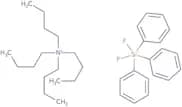

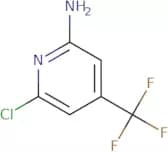

![Imidazo[1,2-a]pyridin-8-ylamine dihydrochloride](/_next/image/?url=https%3A%2Fstatic.cymitquimica.com%2Fproducts%2F3D%2Fthumb-webp%2FFI51744.webp&w=3840&q=75)

![[2-(1-Isobutyl-1H-benzimidazol-2-yl)ethyl]amine dihydrochloride](/_next/image/?url=https%3A%2Fstatic.cymitquimica.com%2Fproducts%2F3D%2Fthumb-webp%2FFI135795.webp&w=3840&q=75)
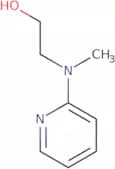

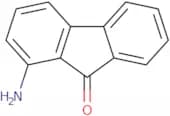
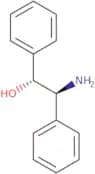
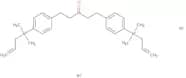

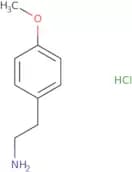
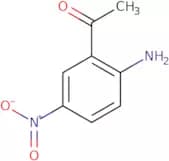

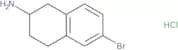
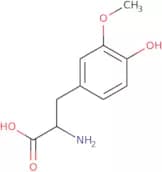
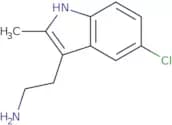

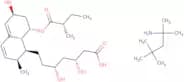

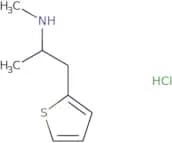
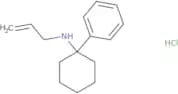

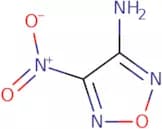
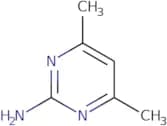
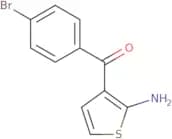
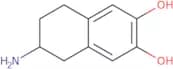

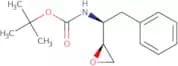
![[3-(1-Piperidin-1-ylcyclohexyl)phenyl]amine hydrochloride](/_next/image/?url=https%3A%2Fstatic.cymitquimica.com%2Fproducts%2F3D%2Fthumb-webp%2FFP120158.webp&w=3840&q=75)
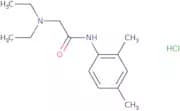

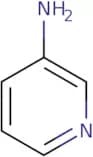

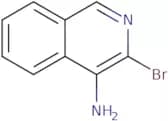
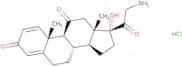
![[(1-Benzyl-1H-pyrazol-4-yl)methyl]amine](/_next/image/?url=https%3A%2Fstatic.cymitquimica.com%2Fproducts%2F3D%2Fthumb-webp%2FFB133964.webp&w=3840&q=75)
![{2-[(4-Phenylpiperazin-1-yl)carbonyl]phenyl}amine](/_next/image/?url=https%3A%2Fstatic.cymitquimica.com%2Fproducts%2F3D%2Fthumb-webp%2FFP122463.webp&w=3840&q=75)

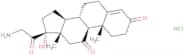
![2,3-Dihydro-1-(3-hydroxypropyl)-5-[(2R)-2-[[2-[2-(2,2,2-trifluoroethoxy)phenoxy]ethyl]amino]propyl…](/_next/image/?url=https%3A%2Fstatic.cymitquimica.com%2Fproducts%2F3D%2Fthumb-webp%2FFD103483.webp&w=3840&q=75)
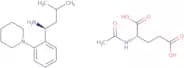
![1-[1-(2-Aminoethyl)-1H-indol-3-yl]ethanone oxalate](/_next/image/?url=https%3A%2Fstatic.cymitquimica.com%2Fproducts%2F3D%2Fthumb-webp%2FFA135415.webp&w=3840&q=75)
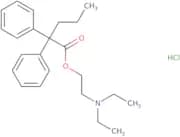
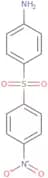
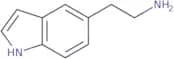
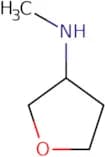


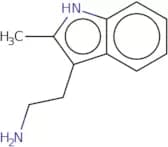
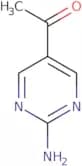
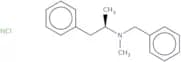
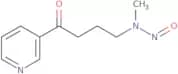
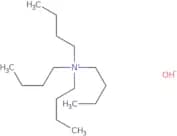
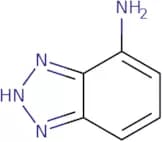
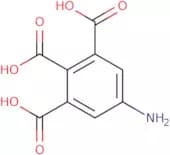
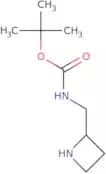
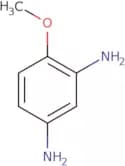
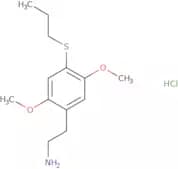
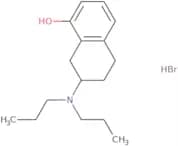
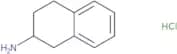
![[1,2,4]Triazolo[1,5-a]pyrimidin-7-amine](/_next/image/?url=https%3A%2Fstatic.cymitquimica.com%2Fproducts%2F3D%2Fthumb-webp%2FFT126840.webp&w=3840&q=75)
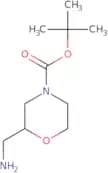
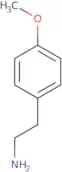
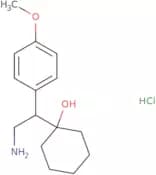

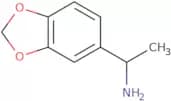
![[2-(1-Isopropyl-1H-benzimidazol-2-yl)ethyl]amine dihydrochloride](/_next/image/?url=https%3A%2Fstatic.cymitquimica.com%2Fproducts%2F3D%2Fthumb-webp%2FFI126434.webp&w=3840&q=75)
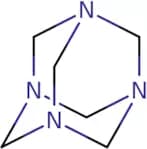
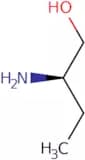

![N-[2-[4-(Aminosulfonyl)-phenyl]-ethyl]-5-methyl-2-pyrazinecarboxamide](/_next/image/?url=https%3A%2Fstatic.cymitquimica.com%2Fproducts%2F3D%2Fthumb-webp%2FFA150607.webp&w=3840&q=75)
![N-[1-(4-Fluorophenyl)propan-2-Yl]-N-methylprop-2-Yn-1-amine](/_next/image/?url=https%3A%2Fstatic.cymitquimica.com%2Fproducts%2F3D%2Fthumb-webp%2FFF95966.webp&w=3840&q=75)
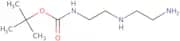
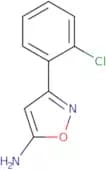
![Diethyl[2-(4-nitrophenoxy)ethyl]amine](/_next/image/?url=https%3A%2Fstatic.cymitquimica.com%2Fproducts%2F3D%2Fthumb-webp%2FFD21808.webp&w=3840&q=75)
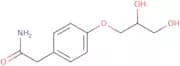
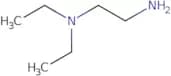
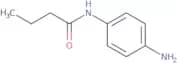
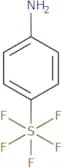
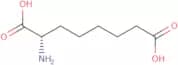
![4-[(4-Acetylphenyl)amino]-4-oxobutanoic acid](/_next/image/?url=https%3A%2Fstatic.cymitquimica.com%2Fproducts%2F3D%2Fthumb-webp%2FFA114593.webp&w=3840&q=75)
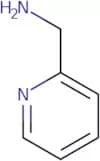


![2-(2-Aminoethyl)-3',6'-bis(diethylaMino)spiro[isoindoline-1,9'-xanthen]-3-one](/_next/image/?url=https%3A%2Fstatic.cymitquimica.com%2Fproducts%2F3D%2Fthumb-webp%2FFA39948.webp&w=3840&q=75)
![[2-(5-Chloro-1-methyl-1H-benzimidazol-2-yl)ethyl]amine dihydrochloride](/_next/image/?url=https%3A%2Fstatic.cymitquimica.com%2Fproducts%2F3D%2Fthumb-webp%2FFC135802.webp&w=3840&q=75)


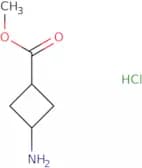

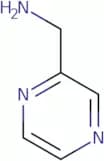


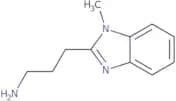
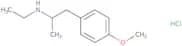
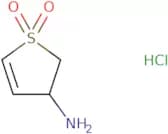
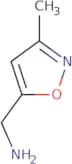
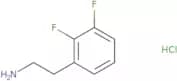
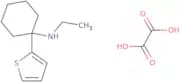


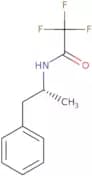

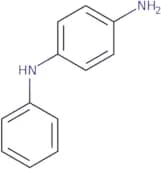

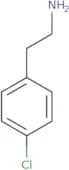

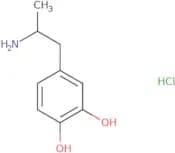

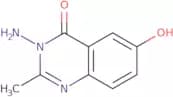
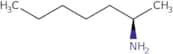
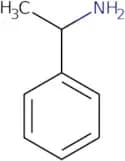
![2-Amino-3,4,7,8-tetramethyl-3H-imidazo[4,5-f]quinoxaline](/_next/image/?url=https%3A%2Fstatic.cymitquimica.com%2Fproducts%2F3D%2Fthumb-webp%2FFA17488.webp&w=3840&q=75)
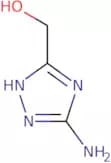
![1-(4-Amino-6,7-dimethoxy-2-quinazolinyl)-4-[(tetrahydro-2-furanyl)carbonxyl]piperazine hydrochlori…](/_next/image/?url=https%3A%2Fstatic.cymitquimica.com%2Fproducts%2F3D%2Fthumb-webp%2FFA28036.webp&w=3840&q=75)
![N-Methyl-N-[(1-methyl-1H-benzimidazol-2-yl)methyl]amine hydrochloride](/_next/image/?url=https%3A%2Fstatic.cymitquimica.com%2Fproducts%2F3D%2Fthumb-webp%2FFM117084.webp&w=3840&q=75)
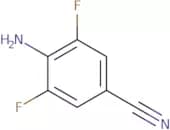
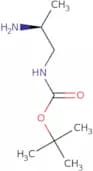
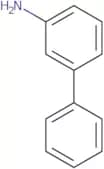

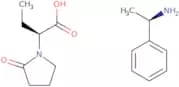
![[2-(1,2-Dimethyl-1H-indol-3-yl)ethyl]amine hydrochloride](/_next/image/?url=https%3A%2Fstatic.cymitquimica.com%2Fproducts%2F3D%2Fthumb-webp%2FFD135164.webp&w=3840&q=75)
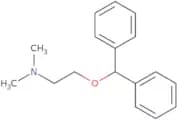
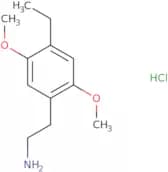
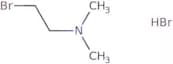

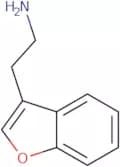

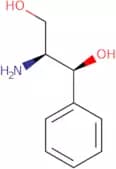
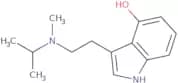
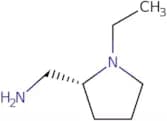

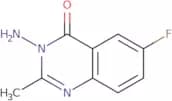
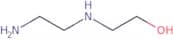
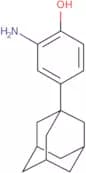
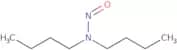

![[(6-Chloro-1-isopropyl-1H-benzimidazol-2-yl)methyl]amine dihydrochloride](/_next/image/?url=https%3A%2Fstatic.cymitquimica.com%2Fproducts%2F3D%2Fthumb-webp%2FFC135800.webp&w=3840&q=75)
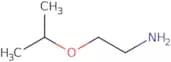
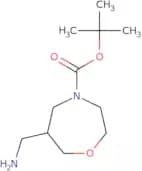
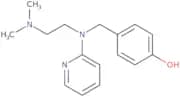
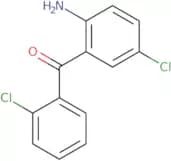

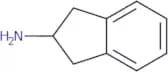
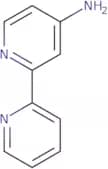


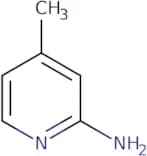


![N,N-Dimethyl-N-[4-(piperazin-1-ylmethyl)phenyl]amine](/_next/image/?url=https%3A%2Fstatic.cymitquimica.com%2Fproducts%2F3D%2Fthumb-webp%2FFD113841.webp&w=3840&q=75)

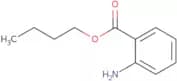
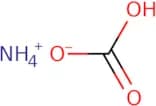
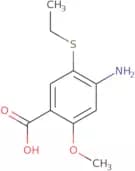
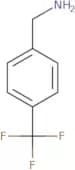

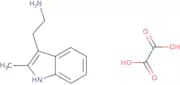


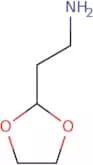
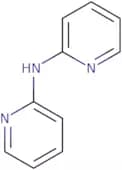




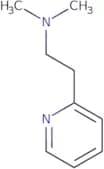
![N-[1,1'-Biphenyl]-4-yl-9,9-dimethyl-9H-fluoren-2-amine](/_next/image/?url=https%3A%2Fstatic.cymitquimica.com%2Fproducts%2F3D%2Fthumb-webp%2FFB151933.webp&w=3840&q=75)
![7-Bromo-[1,2,4]triazolo[1,5-a]pyridin-2-ylamine](/_next/image/?url=https%3A%2Fstatic.cymitquimica.com%2Fproducts%2F3D%2Fthumb-webp%2FFB140382.webp&w=3840&q=75)
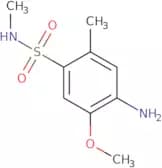
![5-[3-(Dimethylamino)propyl]-10,11-dihydro-5H-dibenzo[a,d]cyclohepten-5-ol](/_next/image/?url=https%3A%2Fstatic.cymitquimica.com%2Fproducts%2F3D%2Fthumb-webp%2FFD22331.webp&w=3840&q=75)
![4-Amino-3-bromo-1-(tert-butyl)-1H-pyrazolo[3,4-d]pyrimidine](/_next/image/?url=https%3A%2Fstatic.cymitquimica.com%2Fproducts%2F3D%2Fthumb-webp%2FFA168683.webp&w=3840&q=75)
![(2-{2-[2-(2-Aminoethyl)-4,5-dimethoxybenzyl]-4,5-dimethoxyphenyl}ethyl)amine dihydrochloride](/_next/image/?url=https%3A%2Fstatic.cymitquimica.com%2Fproducts%2F3D%2Fthumb-webp%2FFA135464.webp&w=3840&q=75)
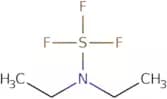
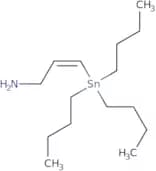
![[(5-Methyl-1,3-thiazol-2-yl)methyl]amine dihydrochloride](/_next/image/?url=https%3A%2Fstatic.cymitquimica.com%2Fproducts%2F3D%2Fthumb-webp%2FFM124184.webp&w=3840&q=75)
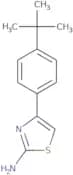
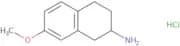
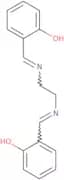
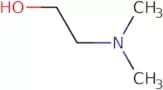
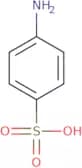


![8-[(2-Hydroxyethyl)(methyl)amino]-1,3,9-trimethyl-3,9-dihydro-1H-purine-2,6-dione](/_next/image/?url=https%3A%2Fstatic.cymitquimica.com%2Fproducts%2F3D%2Fthumb-webp%2FFH132897.webp&w=3840&q=75)
![N,N-Bis[3-(methylamino)propyl]methylamine](/_next/image/?url=https%3A%2Fstatic.cymitquimica.com%2Fproducts%2F3D%2Fthumb-webp%2FFB166306.webp&w=3840&q=75)
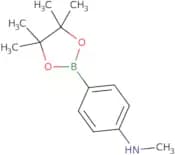
![[2-(5-Fluoro-1-methyl-1H-indol-3-yl)ethyl]amine hydrochloride](/_next/image/?url=https%3A%2Fstatic.cymitquimica.com%2Fproducts%2F3D%2Fthumb-webp%2FFF118334.webp&w=3840&q=75)