Amines
Amines are a set of molecules containing an amino functional group (derived from ammonia). This category includes amines at any level of substitution : primary, secondary, tertiary, and ammonium salts. Amines are fundamental in organic synthesis and are widely used in pharmaceuticals, agrochemicals, and materials science. At CymitQuimica, we provide a comprehensive selection of amines to meet your research and industrial needs. Our range ensures access to various amines for diverse chemical processes and innovative research.
Subcategories of "Amines"
- Nitrosamines(2,605 products)
- Primary Amines(30,821 products)
- Quaternary Ammonium Cations and Salts(1,099 products)
- Secondary Amines(20,817 products)
- Tertiary Amines(17,117 products)
Found 8778 products of "Amines"
Sort by
Purity (%)
0
100
|
0
|
50
|
90
|
95
|
100
Nω-Methyl-5-hydroxytryptamine oxalate salt
CAS:Controlled Product<p>Nomega-Methyl-5-hydroxytryptamine oxalate salt is a drug that belongs to the group of serotonergic drugs. It is used as an antidepressant, and is also used for the treatment of Parkinson's disease. Nomega-Methyl-5-hydroxytryptamine oxalate salt acts by inhibiting the synthesis of serotonin in the brain. This drug can be taken in tablet form or orally dissolved under the tongue (sublingually). The therapeutic effects are observed after 1–2 weeks. Nomega-Methyl-5-hydroxytryptamine oxalate salt has been prospectively evaluated in clinical trials with various populations and shown to be effective in treating depression and Parkinson's disease.</p>Formula:C13H16N2O5Purity:Min. 95%Molecular weight:280.28 g/mol4-Aminophenyl methylcarbinol
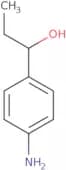
CAS:<p>4-Aminophenyl methylcarbinol is a chemical compound that is used as an additive in the production of polyurethane. It accelerates the reaction between isocyanate and polyol, which enhances the rate of polymerization. 4-Aminophenyl methylcarbinol has been shown to increase the yield by about 30% when it was added to a reaction mixture. The activation energies for this reaction were found to be 29.6 kJ/mol for the nitro group and 29.8 kJ/mol for the carbonyl group. This chemical compound also has functional groups that are capable of forming hydrogen bonds with other molecules, which may help to bind them together during polymerization reactions.</p>Purity:Min. 95%1-Boc-4-aminopiperidine-4-carboxylic acid
CAS:<p>Please enquire for more information about 1-Boc-4-aminopiperidine-4-carboxylic acid including the price, delivery time and more detailed product information at the technical inquiry form on this page</p>Formula:C11H20N2O4Purity:Min. 95%Color and Shape:White To Beige SolidMolecular weight:244.29 g/mol[3-(1-Isopropyl-1H-benzimidazol-2-yl)propyl]amine dihydrochloride
CAS:Controlled Product<p>Please enquire for more information about [3-(1-Isopropyl-1H-benzimidazol-2-yl)propyl]amine dihydrochloride including the price, delivery time and more detailed product information at the technical inquiry form on this page</p>Formula:C13H19N3Purity:Min. 95%Molecular weight:217.31 g/mol3-[(4-Aminopiperidin-1-yl)methyl]phenol
CAS:<p>Please enquire for more information about 3-[(4-Aminopiperidin-1-yl)methyl]phenol including the price, delivery time and more detailed product information at the technical inquiry form on this page</p>Formula:C12H18N2OPurity:Min. 95%Molecular weight:206.28 g/mol1-Isopropyl-1h-pyrazol-5-amine
CAS:<p>1-Isopropyl-1H-pyrazol-5-amine is an organic compound that is a colorless liquid with a strong odor. It has a cyclic structure and is optimized for carboxylates, amines, and heterocyclic amines. 1-Isopropyl-1H-pyrazol-5-amine can be used to synthesize carboxylates, lactones, and esters. The synthesis of isoquinolinones from 1-isopropylpyrazol 5 amine isomeric mixture yields two different pyrazoles in the ratio 3:2 respectively.</p>Formula:C6H11N3Purity:Min. 95%Color and Shape:PowderMolecular weight:125.17 g/molN-Boc-amino-(4-N-fmoc-piperidinyl)carboxylic acid
CAS:<p>Please enquire for more information about N-Boc-amino-(4-N-fmoc-piperidinyl)carboxylic acid including the price, delivery time and more detailed product information at the technical inquiry form on this page</p>Formula:C26H30N2O6Purity:Min. 95%Molecular weight:466.53 g/mol1-Methylhexylamine
CAS:Controlled Product<p>1-Methylhexylamine is a chemical compound that has been shown to be an effective treatment for inflammatory bowel disease. It works by activating the H1 receptor, which blocks the production of proinflammatory cytokines and reduces inflammation. 1-Methylhexylamine also has anti-inflammatory effects and can inhibit the growth of bacteria in vitro. This compound can be used as an analog for histamine in sample preparation, where it is used to reduce hydrochloric acid from acidic samples. The uptake of 1-methylhexylamine into cells is pH dependent and can be enhanced by adding sodium citrate or redox potential. 1-Methylhexylamine has been shown to cause symptoms such as headache, nausea, vomiting, dizziness, and depression when it is injected or ingested at high doses. Toxicity studies have shown that this drug may cause liver damage and kidney failure at high doses.</p>Formula:C7H17NPurity:Min. 95%Molecular weight:115.22 g/mol7-Aminoactinomycin D
CAS:<p>7-Aminoactinomycin D is a fluorescent DNA dye that is commonly used for the detection or exclusion of non-viable cells in flow cytometric analysis, as it is generally excluded by live cells</p>Formula:C62H87N13O16Purity:Min. 95%Molecular weight:1,270.43 g/mol4-(N-Methyl-N-nitrosamino)-4-(3-pyridyl)butane-1-ol
CAS:<p>4-(N-Methyl-N-nitrosamino)-4-(3-pyridyl)butane-1-ol is a chemical that can be found in tobacco smoke. It has been shown that chronic exposure to 4-(N-methyl-N-nitrosamino)-4-(3-pyridyl)butane-1-ol causes cancer in rodents, as evidenced by increased rates of tumorigenesis. This chemical also has the ability to inhibit butyric acid formation, which may reduce the risk of colon cancer. The carcinogenic effect of this chemical is due to its ability to react with DNA and form adducts that cause methylation at C8 position on guanine nucleotide (G). These adducts lead to mutations, which can lead to cancer.</p>Formula:C10H15N3O2Purity:Min. 95%Molecular weight:209.25 g/mol4-Iodo-benzeneethanamine HCl (1:1)
CAS:Controlled Product<p>Please enquire for more information about 4-Iodo-benzeneethanamine HCl (1:1) including the price, delivery time and more detailed product information at the technical inquiry form on this page</p>Formula:C8H11ClINPurity:Min. 95%Molecular weight:283.54 g/mol(±)-N-Methyl-p-methoxyamphetamine
CAS:Controlled Product<p>(±)-N-Methyl-p-methoxyamphetamine (MEM) is a synthetic cannabinoid that is used as an ingredient in the manufacture of designer drugs. MEM can be detected by gas chromatography and mass spectrometry, although it is not possible to distinguish MEM from other synthetic cannabinoids by these methods. MEM produces no significant adverse effects on human liver, but may have serious adverse effects on the heart and blood vessels. The drug can be found in urine samples with a chemical ionization detector or electrochemical detector. <br>The analytical method for MEM detection is based on liquid chromatography-tandem mass spectrometry (LC/MS/MS). The LC/MS/MS technique separates and identifies compounds by creating ions through the use of an electric field. This method has been shown to accurately detect MEM, while also eliminating false positives due to its specificity.</p>Formula:C11H17NOPurity:Min. 95%Molecular weight:179.26 g/mol2-Amino-1,3,5-triazine
CAS:<p>2-Amino-1,3,5-triazine is a hydrogen bond donor that has been shown to have growth inhibiting effects. It reduces the viscosity of aqueous solutions and is used as an enantiopure for amines. 2-Amino-1,3,5-triazine can be used in reactions with metal surfaces to produce surface coatings or used as a bifunctional crosslinking agent for polymer materials. 2-Amino-1,3,5-triazine has been shown to have degenerative disease inhibitory activity and inflammatory disease inhibitory activity. It also inhibits the production of inflammatory cytokines such as tumor necrosis factor alpha (TNFα) and interleukin 6 (IL6).</p>Formula:C3H4N4Purity:Min. 95%Molecular weight:96.09 g/mol{[5-(Trifluoromethyl)-1,2,4-oxadiazol-3-yl]methyl}amine hydrochloride
CAS:<p>Please enquire for more information about {[5-(Trifluoromethyl)-1,2,4-oxadiazol-3-yl]methyl}amine hydrochloride including the price, delivery time and more detailed product information at the technical inquiry form on this page</p>Formula:C4H4F3N3O•HClPurity:Min. 95%Molecular weight:203.55 g/molTetrahydro-a-(1-naphthalenylmethyl)-2-furanpropanoic Acid 2-(Diethylamino)ethyl Ester
CAS:Controlled Product<p>Tetrahydro-a-(1-naphthalenylmethyl)-2-furanpropanoic Acid 2-(Diethylamino)ethyl Ester is a fatty acid analog that has antimicrobial properties. It is used in the treatment of bone cancer, and can be used to diagnose and treat other diseases such as glomerular filtration rate, receptor binding, and malonic acid. Tetrahydro-a-(1-naphthalenylmethyl)-2-furanpropanoic Acid 2-(Diethylamino)ethyl Ester binds to receptors on cells, which leads to an increase in the amount of monoamine neurotransmitters released by the cells.</p>Formula:C24H33NO3Purity:Min. 95%Molecular weight:383.52 g/mol5-(3-Methylphenyl)-1,3,4-oxadiazol-2-amine
CAS:<p>Please enquire for more information about 5-(3-Methylphenyl)-1,3,4-oxadiazol-2-amine including the price, delivery time and more detailed product information at the technical inquiry form on this page</p>Formula:C9H9N3OPurity:Min. 95%Molecular weight:175.19 g/molTetramethylammonium triacetoxyborohydride
CAS:<p>Tetramethylammonium triacetoxyborohydride is a potent antagonist that binds to the active site of hydrogen-bond forming enzymes. It is used in the treatment of bowel disease, as well as other diseases such as cancer, diabetic neuropathy and inflammatory bowel disease. Tetramethylammonium triacetoxyborohydride has been shown to inhibit the growth of certain bacteria by inhibiting their ability to form hydrogen bonds. This chemical can also be used in asymmetric synthesis, which is the process of synthesizing only one enantiomer from a racemic mixture. Tetramethylammonium triacetoxyborohydride can function as an organocatalyst for this process by activating achiral substrates into chiral ones.</p>Formula:C10H22BNO6Purity:Min. 95%Color and Shape:White PowderMolecular weight:263.1 g/mol1-(4-Amino-3,5-dichloro-phenyl)-2-bromo-ethanone
CAS:<p>Please enquire for more information about 1-(4-Amino-3,5-dichloro-phenyl)-2-bromo-ethanone including the price, delivery time and more detailed product information at the technical inquiry form on this page</p>Formula:C8H6BrCl2NOPurity:Min. 95%Molecular weight:282.95 g/mol2-(Dimethylaminocarbonyl)ethylboronic acid, pinacol ester
CAS:<p>Please enquire for more information about 2-(Dimethylaminocarbonyl)ethylboronic acid, pinacol ester including the price, delivery time and more detailed product information at the technical inquiry form on this page</p>Formula:C11H22BNO3Purity:Min. 95%Molecular weight:227.11 g/mol3-Amino-2-oxazolidinone-d4
CAS:Controlled Product<p>3-Amino-2-oxazolidinone-d4 is a methanol solvent that can be used to analyze the muscle tissue. 3-Amino-2-oxazolidinone-d4 can be synthesized by reacting oxalyl chloride and 2 nitrobenzaldehyde in acetonitrile. It can also be prepared by dehydrating and analyzing the synthesis of 3 amino 2 oxazolidinones in chloroform and bromoacetic acid. 3 - Amino - 2 - oxazolidinone - d4 is deuterated, which means it has an extra neutron in its nucleus.</p>Formula:C3H2D4N2O2Purity:Min. 95%Molecular weight:106.11 g/molFmoc-(S)-3-amino-3-(2-naphthyl)propionic acid
CAS:<p>Please enquire for more information about Fmoc-(S)-3-amino-3-(2-naphthyl)propionic acid including the price, delivery time and more detailed product information at the technical inquiry form on this page</p>Formula:C28H23NO4Purity:Min. 95%Molecular weight:437.49 g/mol2-Amino-4,6-difluorobenzoic acid
CAS:<p>Please enquire for more information about 2-Amino-4,6-difluorobenzoic acid including the price, delivery time and more detailed product information at the technical inquiry form on this page</p>Formula:C7H5F2NO2Purity:Min. 95%Molecular weight:173.12 g/mol(S)-(-)-1-Boc-3-aminopyrrolidine
CAS:<p>(S)-(-)-1-Boc-3-aminopyrrolidine is an inhibitor that inhibits the activity of phosphoinositide 3-kinase (PI3K) by binding to the ATP binding site and inhibiting PI3K. It has been shown to inhibit the activation of PI3Kδ, which plays a key role in tumorigenesis and metastasis. The drug also has metabolic stability and selectivity for PI3Kδ over other kinases, as well as high affinity for this enzyme. The drug was found to have low toxicity in vitro, but its effects on humans are unknown.</p>Formula:C9H18N2O2Purity:Min. 95%Color and Shape:Clear LiquidMolecular weight:186.25 g/mol[2-(Methylsulfinyl)ethyl]amine hydrobromide
CAS:<p>Please enquire for more information about [2-(Methylsulfinyl)ethyl]amine hydrobromide including the price, delivery time and more detailed product information at the technical inquiry form on this page</p>Formula:C3H9NOSPurity:90%MinMolecular weight:107.18 g/mol(aR)-a-[[[2-(4-Nitrophenyl)ethyl]amino]methyl]benzenemethanol
CAS:<p>(aR)-a-[[[2-(4-Nitrophenyl)ethyl]amino]methyl]benzenemethanol is a chiral, carbonyl compound that has been used in the synthesis of mirabegron. It is synthesized by reacting an amide with a hydrochloric acid salt. The product yield of (aR)-a-[[[2-(4-Nitrophenyl)ethyl]amino]methyl]benzenemethanol is high and it does not react with aluminium or amide impurities. This compound can be used for the industrial synthesis of mirabegron, which is a drug for the treatment of urinary incontinence. The reduction reaction and hydrolysis reactions are both important to this process.</p>Purity:Min. 95%3-(3-Amino-1H-1,2,4-triazol-5-yl)propanoic acid
CAS:<p>Aminoguanidine is a selective inhibitor of the enzyme succinic dehydrogenase, which catalyzes the conversion of succinic acid to fumarate. Aminoguanidine is used in the treatment of diabetic complications and other conditions that result from high levels of blood glucose in order to lower the levels of blood sugar. The drug is administered orally or intravenously as aminoguanidine hydrochloride, which is converted to aminoguanidine in the body. Aminoguanidine can also be synthesized by reacting succinic anhydride with guanidine hydrochloride in a regioselective reaction. This synthesis yields quantitatively aminoguanidine, with little or no formation of guanidine. The product can be purified by washing with alkali and recrystallizing it from water. X-ray diffraction studies have shown that aminoguanidine hydrochloride exists as zwitterions in solution at physiological pH values.</p>Formula:C5H8N4O2Purity:Min. 95%Molecular weight:156.14 g/mol12-Amino-1-dodecanoic acid methyl ester hydrochloride salt
CAS:<p>12-Amino-1-dodecanoic acid methyl ester hydrochloride salt (12ADM) has been shown to have immunomodulatory properties. It has a nanomolar range of activity, which is the optimal for an immunosuppressant. 12ADM inhibits the transcriptional activity of human immunodeficiency virus type 1 (HIV-1) and HIV-2, as well as other retroviruses, through interactions with specific RNA sequences in the viral genome. The amide group in this compound is essential for its antiviral activity, and it also interacts with betulinic acid to enhance its cytotoxicity.</p>Formula:C13H28ClNO2Purity:Min. 95%Color and Shape:PowderMolecular weight:265.82 g/mol2-Methyl-5-nitropyridin-3-amine
CAS:<p>2-Methyl-5-nitropyridin-3-amine is a heterocyclic compound that is synthesized by the cyclization of 2-methylpyridine with sodium nitrite. The reaction product is hydrolyzed to yield the desired compound, 5-nitropyridine. The synthesis of this compound can be used as a target for organic synthesis.</p>Formula:C6H7N3O2Purity:Min. 95%Molecular weight:153.14 g/mol[(1,5-Dimethyl-1H-benzimidazol-2-yl)methyl]amine
CAS:Controlled Product<p>Please enquire for more information about [(1,5-Dimethyl-1H-benzimidazol-2-yl)methyl]amine including the price, delivery time and more detailed product information at the technical inquiry form on this page</p>Formula:C10H13N3Purity:Min. 95%Molecular weight:175.23 g/mol1-Amino-cyclopentane carbonitrile
CAS:<p>1-Amino-cyclopentane carbonitrile is a pharmacological agent that can be used to treat angiotensin II and other peptides. It has an amine group with a hydroxyl group, which allows it to interact with the active site of angiotensin converting enzyme (ACE). 1-Amino-cyclopentane carbonitrile's mechanism of action is based on its ability to react with the halide and phenyl groups in ACE. The hydrolysis of ACE leads to the production of angiotensin I, which is then converted into angiotensin II by angiotensin-converting enzyme 2 (ACE2). 1-Amino-cyclopentane carbonitrile also interacts with amines such as histamine and serotonin, inhibiting their synthesis.</p>Formula:C6H10N2Purity:Min. 95%Molecular weight:110.16 g/mol7-Bromo-[1,2,4]triazolo[1,5-a]pyridin-2-ylamine
CAS:<p>Please enquire for more information about 7-Bromo-[1,2,4]triazolo[1,5-a]pyridin-2-ylamine including the price, delivery time and more detailed product information at the technical inquiry form on this page</p>Formula:C6H5BrN4Purity:Min. 95%Molecular weight:213.03 g/mol2-[2-(Dimethylamino)ethyl]-1-indanone
CAS:<p>Please enquire for more information about 2-[2-(Dimethylamino)ethyl]-1-indanone including the price, delivery time and more detailed product information at the technical inquiry form on this page</p>Formula:C13H17NOPurity:Min. 95%Molecular weight:203.28 g/mol2-Amino-2-(2-chlorophenyl)cyclohexan-1-one
CAS:Controlled Product<p>2-Amino-2-(2-chlorophenyl)cyclohexan-1-one is an anesthetic drug that belongs to the group of ketamine. It is a chiral compound and has been shown to have central nervous system depressant effects, which are more pronounced than those of ketamine. This drug also affects the cardiovascular system and can cause respiratory depression. 2-Amino-2-(2-chlorophenyl)cyclohexan-1-one has been shown to be metabolized in humans by cytochrome P450 (CYP3A4). It may potentiate the effect of drugs that induce CYP3A4 activity such as erythromycin, rifampin, and phenobarbital.<br> 2-Amino-2-(2-chlorophenyl)cyclohexan-1-one is not active against MRSA or methicillin resistant pseudomonas aeruginosa (MR</p>Formula:C12H14ClNOPurity:Min. 95%Color and Shape:PowderMolecular weight:223.7 g/mol(2R)-2-Amino-3-phenylpropionyl amide
CAS:<p>(2R)-2-Amino-3-phenylpropionyl amide is a synthetic cannabinoid that has been shown to bind to the CB2 receptor. It has been found to be an effective analgesic in rat models of inflammatory and neuropathic pain. This drug is also a serine protease inhibitor, with activity against ochrobactrum, an antibiotic-resistant bacteria. (2R)-2-Amino-3-phenylpropionyl amide is also used as a substrate for d-alanine synthesis and has been sequenced. It can form hydrogen bonds with water molecules and chloride ions. (2R)-2-Amino-3-phenylpropionyl amide has been synthesized by Clostridium coli K12 cells and is expected to have similar effects on human cells.</p>Formula:C9H12N2OPurity:Min. 95%Molecular weight:164.2 g/mol2-(N-Boc-aminomethyl)azetidine
CAS:<p>Please enquire for more information about 2-(N-Boc-aminomethyl)azetidine including the price, delivery time and more detailed product information at the technical inquiry form on this page</p>Formula:C9H18N2O2Purity:Min. 95%Molecular weight:186.25 g/mol2,5-Diaminopyridine dihydrochloride
CAS:<p>2,5-Diaminopyridine dihydrochloride is a compound that belongs to the class of hydroxamic acids. It is an intermediate in the synthesis of the anti-cancer drug, hydroxyurea (hydroxylamine). 2,5-Diaminopyridine dihydrochloride can be used as a cross-coupling reagent for coupling reactions with chlorinated and tritiated organic compounds. The efficiency of this reaction is dependent on the coulombic and mutagenic properties of 2,5-diaminopyridine dihydrochloride. 2,5-Diaminopyridine dihydrochloride has been shown to cause cancer in animal studies.</p>Formula:C5H7N3•(HCl)2Purity:Min. 95%Molecular weight:182.05 g/mol4-(Butylamino)benzoic acid
CAS:<p>4-(Butylamino)benzoic acid is a non-steroidal anti-inflammatory drug (NSAID) that has been used to treat pain. It is a prodrug, which is metabolized in the liver to 4-(butylamino)-phenylacetic acid, its active form. The 4-(butylamino)benzoic acid molecule has a hydrophobic effect and binds to chloride ions. This binding inhibits the production of prostaglandins, which are mediators of pain. 4-(Butylamino)benzoic acid also reduces the activity of plasma cells that produce antibodies and increases the activity of lymphocytes and platelets, leading to an increase in immunoglobulin levels.</p>Formula:C11H15NO2Purity:Min. 95%Color and Shape:PowderMolecular weight:193.24 g/molDidesmethyl sibutramine
CAS:<p>Didesmethyl sibutramine is a drug that has been used to treat obesity. It is an anorectic agent that decreases appetite by affecting the central nervous system. Didesmethyl sibutramine stimulates the release of norepinephrine and dopamine in the brain, which are neurotransmitters that regulate hunger and satiety. This drug also influences the metabolism of fat cells, leading to weight loss. Didesmethyl sibutramine may be prescribed as a combination therapy with other drugs for conditions such as primary pulmonary hypertension, coronary heart disease, congestive heart failure, or experimental models of these diseases. Didesmethyl sibutramine can cause adverse reactions such as insomnia, anxiety, or high blood sugar levels.</p>Formula:C15H22ClNPurity:Min. 98 Area-%Color and Shape:Clear LiquidMolecular weight:251.79 g/mol3-(Dimethylamino)-1-(1-methyl-1H-indol-2-yl)prop-2-en-1-one
CAS:Controlled Product<p>Please enquire for more information about 3-(Dimethylamino)-1-(1-methyl-1H-indol-2-yl)prop-2-en-1-one including the price, delivery time and more detailed product information at the technical inquiry form on this page</p>Formula:C14H16N2OPurity:Min. 95%Molecular weight:228.29 g/mol1-(4-Aminophenyl)-1H-pyridin-2-one
CAS:<p>1-(4-Aminophenyl)-1H-pyridin-2-one is a synthetic chemical that is used in the manufacturing of 8-hydroxyquinoline. It is an industrial chemical that is used to produce potassium carbonate by a reflux reaction with potassium and carbonate. 1-(4-Aminophenyl)-1H-pyridin-2-one is a gas at room temperature and pressure and has been shown to be stable under these conditions.</p>Formula:C11H10N2OPurity:Min. 95%Color and Shape:White PowderMolecular weight:186.21 g/mol2-((3-Amino-4-methoxyphenyl)amino)ethanol sulfate
CAS:<p>2-((3-Amino-4-methoxyphenyl)amino)ethanol sulfate is a potent antibacterial agent that inhibits the growth of bacteria by binding to the 50S ribosomal subunit. It is also used in dermatology, as an aminophenol, and as an ingredient in cosmetics. 2-((3-Amino-4-methoxyphenyl)amino)ethanol sulfate has been shown to be efficacious against bacterial infections caused by methicillin resistant Staphylococcus aureus (MRSA), Pseudomonas aeruginosa, Proteus mirabilis, and Klebsiella pneumoniae. This compound also has antihistamine properties.</p>Formula:C9H16N2O6SPurity:Min. 95%Molecular weight:280.3 g/mol(S)-1,2,3,4-Tetrahydro-5-methoxy-N-propyl-2-naphthalenamine hydrochloride
CAS:Controlled Product<p>Please enquire for more information about (S)-1,2,3,4-Tetrahydro-5-methoxy-N-propyl-2-naphthalenamine hydrochloride including the price, delivery time and more detailed product information at the technical inquiry form on this page</p>Formula:C14H22ClNOPurity:Min. 95%Molecular weight:255.78 g/molN-Fmoc-N'-trityl-D-glutamine
CAS:<p>N-Fmoc-N'-trityl-D-glutamine is a synthetic molecule that has been shown to have antibacterial activity. It inhibits the influenza virus by binding to the hemagglutinin protein and blocking the ability of the virus to infect cells. This compound also inhibits bacterial growth by binding to the cell wall, preventing cell division. N-Fmoc-N'-trityl-D-glutamine is stable at room temperature and can be stored for up to three years if stored in a dry environment.</p>Formula:C39H34N2O5Purity:Min. 95%Color and Shape:PowderMolecular weight:610.7 g/molEthyl 2-(2-Amino-4-thiazolyl)-2-(hydroxyimino)acetate
CAS:<p>Ethyl 2-(2-amino-4-thiazolyl)-2-(hydroxyimino)acetate is a phosphomolybdate antibiotic that is used in the treatment of respiratory tract infections. It binds to the bacterial enzyme, phosphomolybdate oxidase, and inhibits the formation of acid in the body. The reaction solution is recycled and activated with an acid catalyst to increase the yield of acetonitrile. The ion-pair formed by ethyl 2-(2-amino-4-thiazolyl)-2-(hydroxyimino)acetate and sodium carbonate is nucleophilic and reacts with nitrous to produce acetonitrile as a side product.</p>Formula:C7H9N3O3SPurity:Min. 95%Molecular weight:215.23 g/mol1-[4-(4-Methylpiperidin-1-yl)phenyl]methanamine
CAS:<p>Please enquire for more information about 1-[4-(4-Methylpiperidin-1-yl)phenyl]methanamine including the price, delivery time and more detailed product information at the technical inquiry form on this page</p>Formula:C13H20N2Purity:Min. 95%Molecular weight:204.31 g/molDiclofenac Epolamine
CAS:<p>Diclofenac epolamine is a nonsteroidal anti-inflammatory drug that belongs to the class of diclofenac. It has been shown in clinical studies, with statistically significant results, to be effective against allergic reactions. Diclofenac epolamine is a film-forming polymer that can be used as a matrix for microcapsules containing diclofenac or other NSAIDs. This drug was designed to target tissue and provide effective analgesia at low doses. Diclofenac epolamine has an experimental model that uses monoclonal antibody-mediated delivery of diclofenac into the target tissue through microcapsules, which are then degraded by proteases present in the target tissue.</p>Formula:C20H22Cl2N2O2Purity:Min. 95%Molecular weight:393.31 g/mol(R)-Benzphetamine hydrochloride
CAS:Controlled Product<p>Please enquire for more information about (R)-Benzphetamine hydrochloride including the price, delivery time and more detailed product information at the technical inquiry form on this page</p>Formula:C17H22ClNPurity:Min. 95%Molecular weight:275.82 g/molDiisopropylamine
CAS:Controlled Product<p>Diisopropylamine is a tertiary amine and a component of trifluoroacetic acid. It is an amide with physiological effects that are not well understood. The diisopropylamine molecule has been shown to undergo transfer reactions, which may be due to steric interactions between the intramolecular hydrogen and nitrogen atoms. Trifluoroacetic acid can be found in reaction solution, such as in the formation of diazo compounds or as an intermediate in the reaction of ethyl acetate and sodium hypochlorite. Diisopropylamine is metabolized through dehydrogenative reactions, which involve the conversion of a group from one part of a molecule to another by removal of hydrogen atoms. This process generates reactive oxygen species and free radicals that may lead to oxidative stress in cells.</p>Formula:C6H15NPurity:Min. 95%Color and Shape:Clear LiquidMolecular weight:101.19 g/mol3-Amino-2,2-dimethylpropanenitrile
CAS:<p>Please enquire for more information about 3-Amino-2,2-dimethylpropanenitrile including the price, delivery time and more detailed product information at the technical inquiry form on this page</p>Formula:C5H10N2Purity:Min. 95 Area-%Color and Shape:Clear LiquidMolecular weight:98.15 g/mol(1,3-Dimethylbutyl)amine
CAS:Controlled Product<p>(1,3-Dimethylbutyl)amine is a chemical substance that can be found in dietary supplements. It is structurally similar to amines and has been shown to have an effect on blood pressure. (1,3-Dimethylbutyl)amine has also been reported as being used in the manufacture of medicines for the treatment of heart disease. This chemical substance is produced by the reaction of hydrochloric acid with isovaleric acid. The product is then purified by chromatography and converted into its salt form for use as a dietary supplement. In addition to this, (1,3-Dimethylbutyl)amine is also used in some herbal remedies.</p>Formula:C6H15NPurity:Min. 95%Color and Shape:Clear LiquidMolecular weight:101.19 g/mol(R)-3-Amino-4-(2,4,5-trifluorophenyl)butanoic acid hydrochloride
CAS:<p>Please enquire for more information about (R)-3-Amino-4-(2,4,5-trifluorophenyl)butanoic acid hydrochloride including the price, delivery time and more detailed product information at the technical inquiry form on this page</p>Formula:C10H10F3NO2·HClPurity:Min. 95%Molecular weight:269.65 g/molBis(2,2,2-Trifluoroethyl)amine
CAS:<p>Bis(2,2,2-trifluoroethyl)amine is a colorless liquid that is soluble in water. It has a molecular weight of 122.11 and a boiling point of 217°C. Bis(2,2,2-trifluoroethyl)amine reacts with tetramethylammonium to form a dimer. The reaction is reversible and the bis(2,2,2-trifluoroethyl)amine can be regenerated by the addition of fluoride or an acid such as hydrochloric acid or sulfuric acid. Bis(2,2,2-trifluoroethyl)amine has an anion that can accept a proton from another molecule. This anion is also known as the bisulfite ion which reacts with hydrogen peroxide to form bisulfate and water.</p>Formula:C4H5F6NPurity:Min. 95%Color and Shape:PowderMolecular weight:181.08 g/molImidazo[1,2-a]pyridin-8-ylamine dihydrochloride
CAS:<p>Imidazo[1,2-a]pyridin-8-ylamine dihydrochloride is an arylation agent that reacts with nucleophiles to form an amide linkage. Imidazo[1,2-a]pyridin-8-ylamine dihydrochloride is used in the synthesis of carboxylic acid derivatives and other biomolecules. It can be used for selective functionalization of unsymmetrical carboxylic acids.</p>Formula:C7H7N3·2HClPurity:Min. 95%Molecular weight:206.07 g/mol2-(1H-Indol-5-yl)ethanamine
CAS:Controlled Product<p>Please enquire for more information about 2-(1H-Indol-5-yl)ethanamine including the price, delivery time and more detailed product information at the technical inquiry form on this page</p>Formula:C10H12N2Purity:Min. 95%Molecular weight:160.22 g/molAlanine,n,N'-[[5-[2-amino-5-(2,2-dimethyl-1-oxopropyl)-4-thiazolyl]-2-furanyl]phosphinylidene]bis[2-methyl-,1,1'-diethylester]
CAS:<p>Alanine,n,N'-[[5-[2-amino-5-(2,2-dimethyl-1-oxopropyl)-4-thiazolyl]-2-furanyl]phosphinylidene]bis[2-methyl-,1,1'-diethylester] is a metabolic inhibitor that is used in the treatment of type 2 diabetes. It inhibits gluconeogenesis by inhibiting the enzyme phosphoenolpyruvate carboxykinase (PEPCK), which catalyzes the conversion of oxaloacetate to phosphoenolpyruvate. This compound has been shown to reduce fasting blood glucose levels in diabetic animals and humans.</p>Formula:C24H37N4O6PSPurity:Min. 95%Molecular weight:540.61 g/mol2,3-Dihydro-1-(3-hydroxypropyl)-5-[(2R)-2-[[2-[2-(2,2,2-trifluoroethoxy)phenoxy]ethyl]amino]propyl]-1H-indole-7-carbonitrile
CAS:<p>Please enquire for more information about 2,3-Dihydro-1-(3-hydroxypropyl)-5-[(2R)-2-[[2-[2-(2,2,2-trifluoroethoxy)phenoxy]ethyl]amino]propyl]-1H-indole-7-carbonitrile including the price, delivery time and more detailed product information at the technical inquiry form on this page</p>Formula:C25H30F3N3O3Purity:Min. 95%Molecular weight:477.52 g/mol[(1-Benzyl-1H-pyrazol-4-yl)methyl]amine
CAS:<p>Please enquire for more information about [(1-Benzyl-1H-pyrazol-4-yl)methyl]amine including the price, delivery time and more detailed product information at the technical inquiry form on this page</p>Formula:C11H13N3Purity:Min. 95%Molecular weight:187.24 g/mol(1S,2S)-(+)-2-Amino-1-phenyl-1,3-propanediol
CAS:<p>(1S,2S)-(+)-2-Amino-1-phenyl-1,3-propanediol is a synthetic compound that has been synthesized and studied as an amide. It has a hydroxy group on the skeleton of the molecule. The enantiomer of this compound is (1R,2R)-(-)-2-amino-1-phenyl-1,3-propanediol. This compound contains two chiral centers and four stereoisomers. These stereoisomers are not mirror images of each other. (1S,2S)-(+)-2-Amino-1-phenyl-1,3-propanediol has been shown to be effective against cryptococcus neoformans in cell culture experiments.</p>Formula:C9H13NO2Purity:Min. 95%Molecular weight:167.21 g/mol1-(2-Amino-5-nitrophenyl)ethanone
CAS:<p>Please enquire for more information about 1-(2-Amino-5-nitrophenyl)ethanone including the price, delivery time and more detailed product information at the technical inquiry form on this page</p>Formula:C8H8N2O3Purity:Min. 95%Molecular weight:180.16 g/mol1,5-Bis(4-allyldimethylammoniumphenyl)pentan-3-one, dibromide
CAS:<p>1,5-Bis(4-allyldimethylammoniumphenyl)pentan-3-one, dibromide is a reversible inhibitor of acetylcholinesterase. It has been shown to inhibit the enzyme activity in vitro and in vivo. 1,5-Bis(4-allyldimethylammoniumphenyl)pentan-3-one, dibromide has been shown to be an effective inhibitor of nicotinic acetylcholine receptors in model organisms such as Xenopus oocytes and Acetylcholine esterase activated rat pheochromocytoma cells. The molecule also inhibits the phosphorylation of pnitrophenyl phosphate by choline kinase. This inhibiting effect on choline kinase leads to a decrease in the concentration of choline available for neurotransmitter synthesis. Monoclonal antibodies against acetylcholinesterase are used to detect this</p>Formula:C27H38Br2N2OPurity:Min. 95%Molecular weight:566.41 g/mol2-Amino-5,6-dichlorobenzothiazole
CAS:<p>2-Amino-5,6-dichlorobenzothiazole is an aminobenzothiazole derivative that has been shown to have antibacterial activity. It is a hydrophobic molecule with a skeleton consisting of alternating amines and carboxylic acids. 2-Amino-5,6-dichlorobenzothiazole binds to the fatty acid ester component of bacterial cell walls by hydrogen bonding or ionic interactions, disrupting the integrity of the cell wall and inhibiting the growth of bacteria. 2-Amino-5,6-dichlorobenzothiazole can be used to decolorize dyes and textiles that have been stained by oily materials. It is also used as a surfactant in personal care products such as shampoos and conditioners.</p>Formula:C7H4Cl2N2SPurity:Min. 95%Molecular weight:219.09 g/mol5-Fluoro-2-Indanamine
CAS:Controlled Product<p>Please enquire for more information about 5-Fluoro-2-Indanamine including the price, delivery time and more detailed product information at the technical inquiry form on this page</p>Formula:C9H10FNPurity:Min. 95%Molecular weight:151.18 g/mol1-(1,3-Benzodioxol-5-yl)ethanamine
CAS:Controlled Product<p>1-(1,3-Benzodioxol-5-yl)ethanamine is a psychostimulant drug that is structurally related to amphetamine. It has been shown to increase the hatchability of eggs and also to have supersensitivity effects on embryos. The hatchability was increased by pretreatment with 1-(1,3-benzodioxol-5-yl)ethanamine before being incubated with d-amphetamine. The supersensitivity effects were demonstrated by experiments in which the hatchability of eggs was enhanced when they were incubated with various concentrations of this drug. 1-(1,3-Benzodioxol-5-yl)ethanamine has not been shown to have any effect on motility or vocalization in organisms.</p>Formula:C9H11NO2Purity:Min. 95%Molecular weight:165.19 g/molN-Boc (S)-amphetamine
CAS:Controlled Product<p>Please enquire for more information about N-Boc (S)-amphetamine including the price, delivery time and more detailed product information at the technical inquiry form on this page</p>Formula:C14H21NO2Purity:Min. 95%Molecular weight:235.32 g/molMethyl4-aminomethyl-1-boc-piperidine-4-carboxylate
CAS:<p>Please enquire for more information about Methyl4-aminomethyl-1-boc-piperidine-4-carboxylate including the price, delivery time and more detailed product information at the technical inquiry form on this page</p>Formula:C13H24N2O4Purity:Min. 95%Molecular weight:272.34 g/mol4-(Dimethylamino)-2-hydroxybenzaldehyde
CAS:<p>4-(Dimethylamino)-2-hydroxybenzaldehyde (DMAA) is an anticancer agent that has been shown to enhance the antitumor effect of sodium succinate. DMAA binds to the tetradentate site of the DNA and prevents it from binding with a transcription factor, which may lead to cancer cell death. DMAA has low detection in urine and blood, making it difficult to detect its presence in patients. DMAA also has no known complexation partners, making it difficult for the body to excrete this drug. DMAA is not carcinogenic or mutagenic. It is used as a fluorescent probe for detecting hydroxy groups in organic compounds and as an environmental pollutant when mixed with other chemicals such as benzene and methylene chloride.</p>Purity:Min. 95%Diisopropylammonium dichloroacetate
CAS:Controlled Product<p>Diisopropylammonium dichloroacetate (DADCA) is a chemical that inhibits the metabolism of glucose. It has been shown to have a hypoglycemic effect in rats and is being investigated as a treatment for metabolic disorders such as diabetes and obesity. DADCA has also been shown to reduce liver lesions in animals with chronic viral hepatitis, and has been found to be effective in reducing tumor growth in mice. This drug can also be used to treat bowel disease by reducing the amount of ammonia released by bacteria. DADCA may also have physiological effects on humans, including an increase in blood pressure and fever, although these effects have not yet been studied.</p>Purity:Min. 95%Dinonylamine
CAS:<p>Dinonylamine is an industrial chemical that is used as a solvent for waxes and resins. It has been used as a substrate film for the production of polycarbonate plastics and in the manufacture of amines, nitroaromatic compounds, and fluoropolymers. Dinonylamine has been shown to have an inhibitory effect on the growth of microorganisms by reacting with their aromatic hydrocarbons. This chemical reacts with carbonyl groups to form hydroxyl groups, which are toxic to bacteria. It also reacts with radiation to form a patterned surface that can be used to immobilize enzymes or other proteins.br>br> br>br> Dinonylamine is used in industrial processes as a precursor for amines and hydroxy groups, which are important components in many organic molecules including pharmaceuticals. These reactions take place in solvent vapor phase reaction vessels at high temperatures.br>br> br>br> Din</p>Formula:C18H39NPurity:Min. 95%Color and Shape:PowderMolecular weight:269.51 g/mol3-(Methylnitrosamino)propionitrile
CAS:<p>3-(Methylnitrosamino)propionitrile (NNK) is a potent, but toxic, carcinogen that has been shown to be one of the major causes of lung cancer in animals. It is metabolized to 3-aminobenzamide and N-nitrosodimethylamine (NDMA) by cytochrome P450 enzymes. These metabolites are then further converted into reactive species that bind covalently with DNA, leading to mutations and ultimately cancer. The activation of NNK can be prevented by inhibiting the enzyme hydrolysis or by blocking the synthesis of the reactive metabolites.</p>Formula:C4H7N3OPurity:Area-% Min. 95 Area-%Molecular weight:113.12 g/molNitrosobis(2-hydroxyethyl)amine
CAS:<p>Nitrosobis(2-hydroxyethyl)amine (NBEA) is an inhibitor of nitrite reductase, an enzyme that catalyzes the reduction of nitrite to ammonia. Nitrite reductase is used in wastewater treatment and is also involved in the metabolism of some carcinogens. NBEA has been shown to inhibit the activity of nitrite reductase by binding to its active site, preventing the enzyme from reducing nitrite to ammonia. NBEA has genotoxic effects on E. coli K-12 cells and increases DNA damage with prolonged exposure, which may be due to the production of reactive oxygen species such as superoxide radical anion and hydrogen peroxide.</p>Formula:C4H10N2O3Purity:Min. 95%Color and Shape:Clear LiquidMolecular weight:134.13 g/mol4-Ethyl-2,5-dimethoxy-benzeneethanamineHydrochloride
CAS:Controlled Product<p>4-Ethyl-2,5-dimethoxy-benzeneethanamineHydrochloride is a metabolic substrate of CYP2D6. It is also an inhibitor of CYP1A2 and CYP3A4. The class of 4-Ethyl-2,5-dimethoxy-benzeneethanamineHydrochloride is not yet known. 4-Ethyl-2,5-dimethoxy-benzeneethanamineHydrochloride has been shown to cause toxicity in animal studies. Toxicity may be due to its inhibition of cytochrome P450 enzymes, which are involved in metabolism and detoxification.</p>Formula:C12H20ClNO2Purity:Min. 95%Molecular weight:245.75 g/mol2,3-Diaminotoluene
CAS:<p>2,3-Diaminotoluene is a compound that can be synthesized through the reaction of 2,4-diaminotoluene and picric acid. It has been used as a fluorescent probe for palladium complexes and has been shown to have efficient fluorescence properties in chromatographic applications. 2,3-Diaminotoluene has also been found to be an effective anti-bacterial agent against Gram-positive bacteria such as Staphylococcus aureus and Enterococcus faecalis. This compound has also been shown to have antitumour activity against leukemia cells. The synthesis of 2,3-diaminotoluene involves the reaction of amines with formaldehyde followed by dehydration.</p>Formula:C7H10N2Purity:Min. 95%Color and Shape:PowderMolecular weight:122.17 g/mol(2S,6S)-2-Amino-2-(2-chlorophenyl)-6-hydroxycyclohexan-1-one HCl
CAS:Controlled Product<p>Please enquire for more information about (2S,6S)-2-Amino-2-(2-chlorophenyl)-6-hydroxycyclohexan-1-one HCl including the price, delivery time and more detailed product information at the technical inquiry form on this page</p>Formula:C12H15CI2NO2Purity:Min. 95%Color and Shape:PowderMolecular weight:471.07 g/mol3-Aminobiphenyl
CAS:<p>3-Aminobiphenyl is a biphenyl compound that is used in the production of dyes and pesticides. It has been detected in human urine samples using an analytical method based on chemical ionization. 3-Aminobiphenyl can be detoxified by conjugation with glutathione, but the conjugation process can be inhibited by the presence of amines such as caffeine, which competitively bind to glutathione. 3-Aminobiphenyl may also cause cancer, but there is no evidence for this theory at present.</p>Formula:C12H11NPurity:Min. 95%Molecular weight:169.22 g/mol[2-(1-Isobutyl-1H-benzimidazol-2-yl)ethyl]amine dihydrochloride
CAS:Controlled Product<p>Please enquire for more information about [2-(1-Isobutyl-1H-benzimidazol-2-yl)ethyl]amine dihydrochloride including the price, delivery time and more detailed product information at the technical inquiry form on this page</p>Formula:C13H19N3Purity:Min. 95%Molecular weight:217.31 g/moltert-Butyl 3-(cyclopropylamino)azetidine-1-carboxylate
CAS:<p>Please enquire for more information about tert-Butyl 3-(cyclopropylamino)azetidine-1-carboxylate including the price, delivery time and more detailed product information at the technical inquiry form on this page</p>Formula:C11H20N2O2Purity:Min. 95%Molecular weight:212.29 g/mol5-(4-Ethoxyphenyl)-1H-pyrazol-3-amine
CAS:<p>Please enquire for more information about 5-(4-Ethoxyphenyl)-1H-pyrazol-3-amine including the price, delivery time and more detailed product information at the technical inquiry form on this page</p>Formula:C11H13N3OPurity:Min. 95%Molecular weight:203.24 g/mol(4-Bromobenzyl)methylamine hydrochloride
CAS:Controlled Product<p>(4-Bromobenzyl)methylamine hydrochloride is a reagent that is used for the analysis of carboxylic acids. It has been used in a number of studies to analyze cellular metabolism and energy metabolism. This reagent has also been used to study the functional groups of organic acids, as well as their reactivity. (4-Bromobenzyl)methylamine hydrochloride can be used in liquid chromatography or electrospray ionization methods to analyze samples using mass spectrometry.</p>Formula:C8H10BrNPurity:Min. 95%Molecular weight:200.08 g/mol5-Bromo-N1-methylbenzene-1,2-diamine
CAS:<p>Please enquire for more information about 5-Bromo-N1-methylbenzene-1,2-diamine including the price, delivery time and more detailed product information at the technical inquiry form on this page</p>Formula:C7H9BrN2Purity:Min. 95%Molecular weight:201.06 g/mol3-Aminopicolinic acid
CAS:<p>3-Aminopicolinic acid is a carboxylate that can be found in the cytosol, mitochondria, and nucleus of cells. It is an efficient method for the synthesis of picolinic acid from 3-aminopyridine-2-carboxylic acid. The synthesis of picolinic acid has been shown to have structural analogs to molecules involved in nucleotide metabolism such as single-stranded DNA, mitochondrial DNA, and mitochondrial RNA. 3-Aminopicolinic acid has been shown to increase renal blood flow by stabilizing complexes with chloride and phosphoenolpyruvate. This compound also enhances the renal excretion of picolinic acid. 3-Desacetylcefotaxime potassium Tilmicosin Gatifloxacin 3-Aminopicolinic acid</p>Formula:C6H6N2O2Purity:Min. 95 Area-%Color and Shape:Yellow PowderMolecular weight:138.12 g/mol3-Amino-5-methoxybenzoic acid
CAS:<p>3-Amino-5-methoxybenzoic acid is a macrocyclist, which means that it can switch between two different forms. When the temperature is below 27 degrees Celsius, it exists as a mesomorphic phase and when the temperature increases above 27 degrees Celsius, it exists as an isotropic phase. 3-Amino-5-methoxybenzoic acid also has homologues that are also mesomorphic or isotropic depending on their temperatures. The chemoenzymatic parameters of the two phases are different and so are their lamellar morphologies. The fluorine atom in 3-amino-5-methoxybenzoic acid makes it act like a Lewis acid, decreasing its melting point and increasing its vapor pressure. There are two isomers of 3-amino-5-methoxybenzoic acid: dodecyl and octadecyl 3--amino--5--methoxyben</p>Formula:C8H9NO3Purity:Min. 95%Color and Shape:White To Yellow To Light Brown SolidMolecular weight:167.16 g/mol1H,1H-Nonafluoropentylamine
CAS:<p>Please enquire for more information about 1H,1H-Nonafluoropentylamine including the price, delivery time and more detailed product information at the technical inquiry form on this page</p>Formula:C5H4F9NPurity:Min. 95%Color and Shape:Clear LiquidMolecular weight:249.08 g/molN-Nitroso-N-methyl-4-aminobutyric acid methyl ester
CAS:<p>Please enquire for more information about N-Nitroso-N-methyl-4-aminobutyric acid methyl ester including the price, delivery time and more detailed product information at the technical inquiry form on this page</p>Formula:C6H12N2O3Purity:Min. 95%Molecular weight:160.17 g/mol4-(Methylnitrosoamino)-1-(3-pyridinyl)-1-butanone
CAS:<p>4-(Methylnitrosoamino)-1-(3-pyridinyl)-1-butanone (NNK) is a carcinogenic chemical that has been identified in tobacco smoke. It induces squamous cell carcinomas in the respiratory tract of rodents and induces lung cancer in the offspring of pregnant rats exposed to NNK. This compound binds to double-stranded DNA, with high affinity for the minor groove, and inhibits DNA synthesis by binding to enzymes such as polymerase chain. In addition, it has been shown to cause transformation of epithelial cells into mesenchymal cells in vitro. 4-(Methylnitrosoamino)-1-(3-pyridinyl)-1-butanone binds to α7 nicotinic acetylcholine receptors and increases the response element activity.</p>Formula:C10H13N3O2Purity:Min. 95%Color and Shape:PowderMolecular weight:207.23 g/mol3,4-(Dibenzyloxy)phenethylamineHydrochloride
CAS:<p>3,4-(Dibenzyloxy)phenethylamine Hydrochloride is an antidiabetic drug that belongs to the class of medicines used to treat diabetes mellitus. This drug inhibits the synthesis of fatty acids and the production of glucose by pancreatic β-cells. 3,4-(Dibenzyloxy)phenethylamine Hydrochloride also has a hypoglycemic effect on rats with diabetes mellitus. The medicine has been shown to be effective in inhibiting apoptotic cell death in k562 cells and also has an inhibitory effect on dopamine-stimulated cAMP production.</p>Formula:C22H24ClNO2Purity:Min. 95%Molecular weight:369.88 g/mol1H-1,2,3-Benzotriazol-4-amine
CAS:<p>1H-1,2,3-Benzotriazol-4-amine is a hydroxylated compound that belongs to the group of benzotriazole derivatives. It has been shown to inhibit the growth of cells in culture by binding to the nitrogen atoms in glutamate and inhibiting the production of nitric oxide synthase. 1H-1,2,3-Benzotriazol-4-amine also has binding constants for certain growth regulators that are 10 times higher than for other benzotriazoles. In vitro assays have shown that 1H-1,2,3-benzotriazol-4-amine is a potent corrosion inhibitor with an optical purity greater than 98%. The molecule was modeled using molecular modeling software and found to be stable when exposed to light. The molecule has also been tested on Sprague Dawley rats and found not to cause skin reactions.</p>Formula:C6H6N4Purity:Min. 95%Molecular weight:134.14 g/molBeclotiamine hydrochloride
CAS:<p>Beclotiamine hydrochloride, also known as beclamethasone 17,21-dipropionate, is a synthetic corticosteroid that has anti-inflammatory and anticoccidial properties. It is not active against coccidiosis in piglets. Beclotiamine hydrochloride has been shown to have a prophylactic effect on coccidiosis in piglets by inhibiting the development of the oocysts. The mechanism of action is not fully understood but may involve inhibition of the uptake of pyrophosphate or interference with the conversion of organic phosphates to inorganic phosphate. Beclotiamine hydrochloride can be used for the treatment and prevention of coccidiosis in pigs.</p>Formula:C12H17Cl3N4SPurity:Min. 95%Color and Shape:PowderMolecular weight:355.71 g/mol4-Aminomethylphenylacetic acid
CAS:<p>4-Aminomethylphenylacetic acid is a nonsteroidal anti-inflammatory drug that is used to treat inflammation and pain. It belongs to the class of peptidomimetics, which are compounds that mimic the structure of a natural biological molecule. 4-Aminomethylphenylacetic acid has an analog with a lactam ring at position 3, which is not present in other NSAIDs. This structural difference may contribute to its high stability and low reactivity. 4-Aminomethylphenylacetic acid has been shown to exhibit antiviral activity against viruses such as HIV or Hepatitis C virus by inhibiting viral replication.</p>Formula:C9H11NO2·HClPurity:Min. 95%Molecular weight:201.65 g/mol5-Aminoorotic acid
CAS:<p>5-Aminoorotic acid is an antimicrobial agent that has been shown to have anticancer activity. It has a nitrogen atom and two oxygen atoms in the molecule. The chemical structure of 5-aminoorotic acid can be determined using NMR spectroscopy and its biological properties are dependent on hydrogen bonding interactions with other molecules. 5-Aminoorotic acid is a chelate ring, which means it can bind to metal ions such as lanthanum (La3+). 5-Aminoorotic acid has been shown to inhibit the glycol oxidation reaction and may also be able to inhibit other enzymatic reactions. This drug is stable for use in model systems and may also be used for cancer treatment.</p>Formula:C5H5N3O4Purity:Min. 95%Molecular weight:171.11 g/mol[2-(1-Ethyl-1H-indol-3-yl)-1-methylethyl]amine hydrochloride
CAS:Controlled Product<p>Please enquire for more information about [2-(1-Ethyl-1H-indol-3-yl)-1-methylethyl]amine hydrochloride including the price, delivery time and more detailed product information at the technical inquiry form on this page</p>Formula:C13H18N2Purity:Min. 95%Molecular weight:202.3 g/mol3-Amino-6-bromo-2-methylquinazolin-4(3H)-one
CAS:Controlled Product<p>Please enquire for more information about 3-Amino-6-bromo-2-methylquinazolin-4(3H)-one including the price, delivery time and more detailed product information at the technical inquiry form on this page</p>Formula:C9H8BrN3OPurity:Min. 95%Molecular weight:254.08 g/mol4-Aminoisoxazole
CAS:<p>4-Aminoisoxazole is a triazole that has been found to be active against tumor cell lines. It is synthesized by reacting zinc powder with an acid solution containing 4-nitrobenzaldehyde, which results in the formation of 4-aminobenzonitrile, which subsequently undergoes nitration and reduction to form 4-aminoisoxazole. The synthesis of this compound can also be achieved by reacting ammonium nitrate with nitric acid in the presence of hydrochloric acid.</p>Formula:C3H4N2OPurity:Min. 95%Molecular weight:84.08 g/mol4-chloro-5-fluoropyrimidin-2-amine
CAS:<p>Please enquire for more information about 4-chloro-5-fluoropyrimidin-2-amine including the price, delivery time and more detailed product information at the technical inquiry form on this page</p>Formula:C4H3ClFN3Purity:Min. 95%Molecular weight:147.54 g/mol4-(Aminomethyl)-N-Methylbenzenesulfonamide
CAS:<p>Please enquire for more information about 4-(Aminomethyl)-N-Methylbenzenesulfonamide including the price, delivery time and more detailed product information at the technical inquiry form on this page</p>Formula:C8H12N2O2SPurity:Min. 95%Molecular weight:200.26 g/mol6-Amino-5,6,7,8-tetrahydronaphthalene-2,3-diol
CAS:Controlled Product<p>6-Amino-5,6,7,8-tetrahydronaphthalene-2,3-diol is a potent dopamine D2 receptor antagonist. It has been shown to inhibit the light emission of dopamine in vitro. This compound also has a high affinity for 5-HT receptors and has been shown to be a potent agonist at these sites. 6-Amino-5,6,7,8-tetrahydronaphthalene-2,3-diol has been found to induce pluripotent stem cells from human fibroblasts. These cells can differentiate into virtually any cell type in the body and may be used to study diseases such as Parkinson's disease and cancer.</p>Formula:C10H13NO2Purity:Min. 95%Molecular weight:179.22 g/mol2-(Diethylamino)ethyl acrylate
CAS:Controlled Product<p>2-(Diethylamino)ethyl acrylate is a reactive, film-forming polymer that can be used as a cross-linking agent or additive to coat surfaces and films. It is used in the production of cellulose films and as a protective coating for paper and textile fabrics. 2-(Diethylamino)ethyl acrylate is also used in the manufacture of reactive functional groups by reacting with hydrochloric acid to form diethyl chloroacetate. This chemical is used to make particle films for cell culture. The optimum concentration for 2-(diethylamino)ethyl acrylate is between 0.1% and 1%.</p>Formula:C9H17NO2Purity:Min. 95%Color and Shape:Colourless To Brown LiquidMolecular weight:171.24 g/mol[2-(1,2-Dimethyl-1H-indol-3-yl)ethyl]amine hydrochloride
CAS:Controlled Product<p>Please enquire for more information about [2-(1,2-Dimethyl-1H-indol-3-yl)ethyl]amine hydrochloride including the price, delivery time and more detailed product information at the technical inquiry form on this page</p>Formula:C12H16N2Purity:Min. 95%Molecular weight:188.27 g/mol5-Amino-3,4-dimethylisoxazole
CAS:<p>5-Amino-3,4-dimethylisoxazole (5AIDMI) is a choline analog that is a substrate for the reaction rate with heterocyclic amines to form carcinogenic compounds. It has been shown to have an inhibitory effect on sulfathiazole uptake and hydrolysis by protonation. 5AIDMI also inhibits the uptake of amines in the brain by oriented molecules and fatty acid dihedrals. 5AIDMI has also been shown to be effective against gamma-aminobutyric acid (GABA) receptors and is used as a research tool for studying GABA receptor function.</p>Formula:C5H8N2OPurity:Min. 95%Molecular weight:112.13 g/mol(1S,3S)-Methyl 3-aminocyclobutane carboxylate hydrochloride
CAS:<p>Please enquire for more information about (1S,3S)-Methyl 3-aminocyclobutane carboxylate hydrochloride including the price, delivery time and more detailed product information at the technical inquiry form on this page</p>Formula:C6H12ClNO2Purity:Min. 95%Molecular weight:165.62 g/mol3-Aminomethylphthalide hydrochloride
CAS:<p>Please enquire for more information about 3-Aminomethylphthalide hydrochloride including the price, delivery time and more detailed product information at the technical inquiry form on this page</p>Formula:C9H9NO2•HClPurity:Min. 95%Color and Shape:PowderMolecular weight:199.63 g/mol5-Bromo-1-Methyl-1H-indazol-3-amine
CAS:<p>Please enquire for more information about 5-Bromo-1-Methyl-1H-indazol-3-amine including the price, delivery time and more detailed product information at the technical inquiry form on this page</p>Formula:C8H8BrN3Purity:Min. 95%Molecular weight:226.07 g/moltrans-4-Aminocyclohexanol
CAS:<p>Trans-4-aminocyclohexanol is a cell signaling molecule that belongs to the class of heterocyclic compounds. It has been shown to have an anti-inflammatory effect and inhibit the production of pro-inflammatory cytokines in vitro. Trans-4-aminocyclohexanol also inhibits cyclooxygenase (COX) activity, which is responsible for the conversion of arachidonic acid into prostaglandins. This inhibition leads to decreased inflammation and pain. Trans-4-aminocyclohexanol is orally bioavailable and can be detected in the blood plasma within one hour after administration. The compound has been shown to bind to the enzyme protein kinase C, which is involved in cell signaling pathways, and inhibit its activity.</p>Formula:C6H13NOPurity:Min. 95%Color and Shape:PowderMolecular weight:115.17 g/mol4-Amino-3,5-difluorobenzoic Acid
CAS:<p>4-Amino-3,5-difluorobenzoic Acid is a chemical compound that is used to manufacture dyes and pharmaceuticals. It is prepared by the reaction of dimethyl formamide with bromobenzoate and hydrobromic acid. The reaction product is decompressed to remove the toxic hydrogen cyanide gas and then reacted with sodium borohydride in liquid ammonia. This process yields 4-amino-3,5-difluorobenzoic acid which can be purified by recrystallization from water or chloroform.</p>Formula:C7H5F2NO2Purity:Min. 95%Molecular weight:173.12 g/mol1-Octadecylamine
CAS:<p>1-Octadecylamine is a chemical compound that can be used as a raw material for the synthesis of colloidal gold. It has been shown to have significant cytotoxicity and hypoglycemic effects, and is also used in the preparation of liposomes. 1-Octadecylamine is a component of polymer compositions that are used in the treatment of bowel disease. It has been shown to increase water vapor permeability and has an electrochemical impedance spectroscopy profile with a rate constant of 0.4 s−1. It also shows significant antimicrobial activity against Gram-positive bacteria such as Staphylococcus aureus, Streptococcus pyogenes, and Clostridium difficile, but not against Gram-negative bacteria such as Escherichia coli or Pseudomonas aeruginosa.</p>Formula:C18H39NPurity:Min. 95%Color and Shape:White/Off-White SolidMolecular weight:269.51 g/mol5-Bromo-2,3-dihydro-1H-inden-2-amine hydrobromide
CAS:Controlled Product<p>Please enquire for more information about 5-Bromo-2,3-dihydro-1H-inden-2-amine hydrobromide including the price, delivery time and more detailed product information at the technical inquiry form on this page</p>Formula:C9H10BrN·HBrPurity:Min. 95%Molecular weight:293 g/molBenzyl N-(2-aminoethyl)carbamate hydrochloride
CAS:<p>Please enquire for more information about Benzyl N-(2-aminoethyl)carbamate hydrochloride including the price, delivery time and more detailed product information at the technical inquiry form on this page</p>Formula:C10H15ClN2O2Purity:Min. 95%Molecular weight:230.69 g/mol3,4-Methylenedioxy amphetamine hydrochloride
CAS:Controlled Product<p>3,4-Methylenedioxy amphetamine hydrochloride is an enantiomer of methylenedioxyamphetamine. It is a synthetic molecule that has been used as a drug and chemical intermediate. 3,4-MDA has not been detected in any natural products. 3,4-MDA is not soluble in water but is soluble in most organic solvents and oils. 3,4-MDA can be made into a non-polymeric form by adding acid to the molecule. The impurities are typically related to the solvent used during synthesis and include unreacted starting materials, side products from chemical reactions, and traces of other chemicals such as acetyl derivatives or polymers. 3,4-MDA can be assayed using high performance liquid chromatography (HPLC) with fluorescent detection; however, due to the impurities present in this substance it may be difficult to obtain a reliable result. There are two polymorphs for 3,4-MDA:</p>Formula:C10H14ClNO2Purity:Min. 95%Color and Shape:PowderMolecular weight:215.68 g/mol1,6-Bis(tert-butoxycarbonylamino)hexane
CAS:<p>Please enquire for more information about 1,6-Bis(tert-butoxycarbonylamino)hexane including the price, delivery time and more detailed product information at the technical inquiry form on this page</p>Formula:C16H32N2O4Purity:Min. 95%Molecular weight:316.44 g/molCarboprost tromethamine
CAS:<p>Carboprost tromethamine is a synthetic prostaglandin analogue that is used to induce labor in pregnant women. Carboprost tromethamine has minimal toxicity and can be combined with other drugs to improve efficacy. This drug has been shown to be effective in combination therapy groups, with minimal side effects. Carboprost tromethamine inhibits the activity of the enzyme phospholipase A2, which is responsible for the breakdown of fatty acids and production of inflammatory mediators. It also has anti-inflammatory properties and can be used as a treatment for metabolic disorders such as bladder dysfunction. Carboprost tromethamine is not active against bacteria or fungi, but it does have some antibacterial properties that may come from its ability to inhibit bacterial rRNA synthesis at high concentrations. Carboprost tromethamine should not be used during pregnancy or breastfeeding due to its potential risk of uterine contractions after childbirth, which can interfere with placental</p>Formula:C25H47NO8Purity:Min. 95%Color and Shape:SolidMolecular weight:489.64 g/molN-Methylphenethylamine
CAS:Controlled Product<p>N-Methylphenethylamine (NMPEA) is a chemical substance that is found in many natural compounds. It can be synthesized by reacting phenethylamine with trifluoroacetic acid and reacts with ionization sources to produce ions detectable in mass spectrometry. NMPEA has been detected in human urine samples and has been shown to have significant interactions with the hepg2 cell line. The uptake of NMPEA into cells is facilitated by amines, which are abundant in heart tissue.</p>Formula:C9H13NPurity:Min. 95%Molecular weight:135.21 g/mol2-Amino-3,4,7,8-tetramethyl-3H-imidazo[4,5-f]quinoxaline
CAS:<p>2-Amino-3,4,7,8-tetramethyl-3H-imidazo[4,5-f]quinoxaline is a potent inhibitor of amine oxidases that are involved in the oxidative metabolism of amines. It has been shown to inhibit the oxidation of aromatic and fatty acids, as well as the formation of heterocyclic amines. The 2-amino-3,4,7,8-tetramethyl-3H-imidazo[4,5-f]quinoxaline can be used to quantitatively determine the concentration of amine oxidases in food samples by liquid chromatography with electrochemical detection. 2-Amino-3,4,7,8-tetramethyl -3H -imidazo [4 , 5 -f ] quinoxaline has been shown to be a potent inhibitor for model systems involving fatty acids and aromatic hydrocarbons.</p>Formula:C13H15N5Purity:(%) Min. 95%Color and Shape:PowderMolecular weight:241.29 g/mol1-Benzyl-4-phenylamino-4-(methoxymethyl)piperidine
CAS:<p>Please enquire for more information about 1-Benzyl-4-phenylamino-4-(methoxymethyl)piperidine including the price, delivery time and more detailed product information at the technical inquiry form on this page</p>Formula:C20H26N2OPurity:Min. 95%Molecular weight:310.43 g/mol2-(5-chloro-2-methyl-1H-indol-3-yl)ethanamine
CAS:Controlled Product<p>Please enquire for more information about 2-(5-chloro-2-methyl-1H-indol-3-yl)ethanamine including the price, delivery time and more detailed product information at the technical inquiry form on this page</p>Formula:C11H13ClN2Purity:Min. 95%Molecular weight:208.69 g/mol5'-Amino-5'-deoxy-2',3'-O-(1-methylethylidene)-adenosine
CAS:<p>Please enquire for more information about 5'-Amino-5'-deoxy-2',3'-O-(1-methylethylidene)-adenosine including the price, delivery time and more detailed product information at the technical inquiry form on this page</p>Formula:C13H18N6O3Purity:Min. 95%Molecular weight:306.32 g/mol4-Aminotetrahydropyran
CAS:<p>4-Aminotetrahydropyran is a synthetic chemical that is used as a biochemical reagent. It has been shown to inhibit the ATP-driven efflux pump in Gram-negative bacteria, which causes an increase in intracellular concentration of hydroxide and hydrogen ions. This inhibition leads to an acidic pH, which disrupts the cell membrane and causes cell death. 4-Aminotetrahydropyran has been shown to be a potent inhibitor of the functional groups found on enzymes with transfer mechanisms such as kinases.</p>Formula:C5H11NOPurity:Min. 95%Color and Shape:Clear LiquidMolecular weight:101.15 g/mol2-Aminomethyl-18-crown-6
CAS:<p>2-Aminomethyl-18-crown-6 is a crown ether that can be used to transport molecules across membranes. It has been shown to form ionic or nonionic complexes with single-stranded DNA, as well as having bifunctional properties. It can also be used to immobilize organic molecules on surfaces and can be synthesized in the laboratory by reacting an imine with sodium salts. The crown ethers have the ability to solvate hydrophobic molecules and are able to form hydrogen bonds with water. 2-Aminomethyl-18-crown-6 has been shown to have synergistic effects with other drugs, including antibiotics, due to its ability to bind divalent cations such as magnesium and calcium. This molecule has functional groups that are reactive towards nucleophilic attack, which makes it a good candidate for molecular modeling studies of proteins and peptides.br>br> 2-Aminomethyl-18</p>Formula:C13H27NO6Purity:Min. 94.0 Area-%Color and Shape:Clear LiquidMolecular weight:293.36 g/molDicyclohexylamine 2-cyanoacrylate
CAS:Controlled Product<p>Please enquire for more information about Dicyclohexylamine 2-cyanoacrylate including the price, delivery time and more detailed product information at the technical inquiry form on this page</p>Formula:C16H26N2O2Purity:Min. 95%Molecular weight:278.39 g/molL-a-Aminosuberic acid
CAS:<p>L-a-aminosuberic acid is a synthetic amino acid that has been used as an analog of L-cysteine. It can be used to induce tumor cell death by inhibiting the uptake of fatty acids in prostate cancer cells. L-a-aminosuberic acid is also able to inhibit the expression of proteins that are involved in prostate cancer, such as monoclonal antibodies and sequences. This compound may be a potential biomarker for the diagnosis of prostate cancer. The low expression levels may be due to the lack of disulfide bond formation, which is necessary for protein activity.</p>Formula:C8H15NO4Purity:Min. 95%Molecular weight:189.21 g/mol7-[(3R)-3-[(N-Acetyl)amino]-1-oxo-4-(2,4,5-trifluorophenyl)butyl]-5,6,7,8-tetrahydro-3-(trifluoromethyl)-1,2,4-triazolo[4,3-a]pyrazi ne
CAS:<p>Please enquire for more information about 7-[(3R)-3-[(N-Acetyl)amino]-1-oxo-4-(2,4,5-trifluorophenyl)butyl]-5,6,7,8-tetrahydro-3-(trifluoromethyl)-1,2,4-triazolo[4,3-a]pyrazi ne including the price, delivery time and more detailed product information at the technical inquiry form on this page</p>Formula:C18H17F6N5O2Purity:Min. 95%Molecular weight:449.35 g/mol(R)-(-)-2-Aminoheptane
CAS:Controlled Product<p>(R)-(-)-2-Aminoheptane is a lipase inhibitor that can be used as an immobilized or soluble protein. This compound has been shown to inhibit monoamine oxidase, which is an enzyme that breaks down neurotransmitters in the brain, and helps maintain their levels. (R)-(-)-2-Aminoheptane also inhibits electron ionization, and can be used to study the chemical properties of amines.</p>Formula:C7H17NPurity:Min. 95%Color and Shape:Clear LiquidMolecular weight:115.22 g/mol2-(4-Methoxyphenyl)-2-(1-hydroxycyclohexyl)ethylamineHydrochloride
CAS:<p>Please enquire for more information about 2-(4-Methoxyphenyl)-2-(1-hydroxycyclohexyl)ethylamineHydrochloride including the price, delivery time and more detailed product information at the technical inquiry form on this page</p>Formula:C15H24ClNO2Purity:Min. 95%Molecular weight:285.81 g/molN-[(1S)-1-(Aminocarbonyl)propyl]-4-chlorobutanamide
CAS:<p>Please enquire for more information about N-[(1S)-1-(Aminocarbonyl)propyl]-4-chlorobutanamide including the price, delivery time and more detailed product information at the technical inquiry form on this page</p>Formula:C8H15ClN2O2Purity:Min. 95%Color and Shape:PowderMolecular weight:206.67 g/molPoly(allylamine hydrochloride) - MW 15000
CAS:<p>Allylamine HCl content - max 7%</p>Formula:(C3H7N)x•(HCl)xColor and Shape:Clear Liquid1,4-Dichloro 6-carboxytetramethylrhodamine
CAS:<p>1,4-Dichloro 6-carboxytetramethylrhodamine is a rhodamine-class fluorescent dye with excitation/emission wavelengths of 541/568 nm.</p>Formula:C25H20Cl2N2O5Purity:99.99%Color and Shape:SolidMolecular weight:499.34[2,6-Dimethyl-4-(3-[2-(Z-amino)-ethylcarbamoyl]-propoxy)-benzenesulfonyl]-Dap (Boc)-OMe
CAS:<p>Please enquire for more information about [2,6-Dimethyl-4-(3-[2-(Z-amino)-ethylcarbamoyl]-propoxy)-benzenesulfonyl]-Dap (Boc)-OMe including the price, delivery time and more detailed product information at the technical inquiry form on this page</p>Formula:C31H44N4O10SPurity:Min. 95%Molecular weight:664.77 g/mol(R)-1-Boc-3-Aminopyrrolidine
CAS:<p>(R)-1-Boc-3-Aminopyrrolidine is a small molecule that inhibits 3-kinase. It has been shown to bind to the ATP binding site of PI3Kδ and inhibit its activity. This results in the inhibition of phosphoinositide production, which leads to decreased cell proliferation and survival. (R)-1-Boc-3-Aminopyrrolidine has also been shown to have selectivity for isoform α over β, γ, and δ. The drug binds specifically to the ATP binding site on PI3Kδ, but does not disrupt other interactions such as hydrogen bonding or pi stacking interactions with residues in the vicinity of the ATP binding site. The IC50 values for (R)-1-Boc-3-Aminopyrrolidine were determined using siRNA knockdown experiments against human isoform α PI3Kδ.</p>Formula:C9H18N2O2Purity:Min. 95%Molecular weight:186.25 g/molMca-(Asn670,Leu671)-Amyloid β/A4 Protein Precursor770 (667-675)-Lys(Dnp) ammonium acetate salt
CAS:<p>Please enquire for more information about Mca-(Asn670,Leu671)-Amyloid beta/A4 Protein Precursor770 (667-675)-Lys(Dnp) ammonium acetate salt including the price, delivery time and more detailed product information at the technical inquiry form on this page</p>Formula:C68H88N14O27Purity:Min. 95%Molecular weight:1,533.5 g/mol(1S)-1-(3,4-Dimethoxyphenyl)ethan-1-amine
CAS:<p>Please enquire for more information about (1S)-1-(3,4-Dimethoxyphenyl)ethan-1-amine including the price, delivery time and more detailed product information at the technical inquiry form on this page</p>Formula:C10H15NO2Purity:Min. 95%Molecular weight:181.23 g/mol2-Dimethylaminoethanol (+)-bitartrate salt
CAS:Controlled Product<p>2-Dimethylaminoethanol (+)-bitartrate salt is a potent, reversible inhibitor of protein synthesis that binds reversibly to the 50S ribosomal subunit. It is used in regulatory toxicology and clinical pathology as a positive control for the study of chronic toxicity and long-term effects. 2-Dimethylaminoethanol (+)-bitartrate salt has shown no treatment effect on ovary weight or estrous cycle length in female Sprague-Dawley rats after chronic exposure and long-term exposure at doses up to 1,000 mg/kg/day. This drug has also shown no effect on rat fertility or reproductive performance, indicating it does not cause reproductive toxicity.</p>Formula:C4H11NO·C4H6O6Color and Shape:White Off-White PowderMolecular weight:239.22 g/molMidodrine
CAS:Controlled Product<p>2-Amino-N-[2-(2,5-dimethoxyphenyl)-2-hydroxyethyl]-acetamide is a drug that has been used to treat a variety of diseases and conditions. It is an alpha adrenergic agonist that works by stimulating the alpha receptors in the body, which increase blood pressure and improve blood flow. This drug also has significant effects on energy metabolism, including the production of ATP. 2-Amino-N-[2-(2,5-dimethoxyphenyl)-2-hydroxyethyl]-acetamide is used to treat patients with congestive heart failure who are taking low doses of midodrine hydrochloride or nonsteroidal antiinflammatory drugs.</p>Formula:C12H18N2O4Purity:Min. 95%Color and Shape:PowderMolecular weight:254.28 g/molMozavaptan
CAS:Controlled Product<p>Mozavaptan is a pharmacological agent that acts as a vasopressin V2 receptor antagonist. It is derived through synthetic chemical processes designed to target specific neurohormonal pathways in the body. Mozavaptan exerts its effects by inhibiting the action of vasopressin, a hormone that promotes water reabsorption in the kidneys. By blocking the vasopressin receptors, it enhances water excretion and corrects imbalances in electrolyte levels, particularly addressing conditions like hyponatremia.</p>Formula:C27H29N3O2Purity:Min. 98 Area-%Color and Shape:PowderMolecular weight:427.54 g/mol6-Aminoquinoline
CAS:<p>6-Aminoquinoline is a chemical compound that is used as an intermediate in the synthesis of other compounds. It has been found to be effective in inhibiting the growth of human cancer cells and cell lines by binding to amines, which are important for cell proliferation. 6-Aminoquinoline also inhibits epidermal growth factor (EGF) and its receptor, which may be due to its ability to inhibit the transfer of phosphate groups from ATP to EGF. 6-Nitroquinoline, which is derived from 6-aminoquinoline, has been shown to have antiinflammatory activity.</p>Formula:C9H8N2Purity:Min. 95%Color and Shape:Yellow PowderMolecular weight:144.17 g/moltrans 4-Dimethylaminocrotonic acid HCl
CAS:<p>Intermediate in the synthesis of afatinib</p>Formula:C6H12ClNO2Purity:Min. 95%Color and Shape:White To Off-White SolidMolecular weight:165.62 g/mol(Deamino-Cys1,b-(3-pyridyl)-D-Ala2,Arg8)-Vasopressin trifluoroacetate salt
CAS:<p>DDAVP is an analogue of vasopressin, which belongs to the class of inositol phosphates. It is a potent agonist for the V1 receptor and has a higher affinity for this receptor than vasopressin. DDAVP also has antagonist properties at the V2 receptor. The biological activity of DDAVP is mediated by its ability to increase phospholipase A2 activity and cause the release of arachidonic acid from membrane phospholipids. This activation causes an increase in prostaglandin synthesis, leading to increased vascular permeability and hypotension. DDAVP may also have antidiuretic effects due to its antagonism of oxytocin receptors.</p>Formula:C45H63N15O11S2Purity:Min. 95%Molecular weight:1,054.21 g/molDABCYL-(Asn670,Leu671)-Amyloid b/A4 Protein Precursor770 (661-675)-EDANS ammonium salt
CAS:<p>Please enquire for more information about DABCYL-(Asn670,Leu671)-Amyloid b/A4 Protein Precursor770 (661-675)-EDANS ammonium salt including the price, delivery time and more detailed product information at the technical inquiry form on this page</p>Formula:C103H146N22O32SPurity:Min. 95%Molecular weight:2,236.46 g/molFmoc-4-(neopentyloxysulfonyl)-Abu-OH (S)-2-(Fmoc-amino)-4-neopentyloxysulfonyl-butyric acid
CAS:<p>Please enquire for more information about Fmoc-4-(neopentyloxysulfonyl)-Abu-OH (S)-2-(Fmoc-amino)-4-neopentyloxysulfonyl-butyric acid including the price, delivery time and more detailed product information at the technical inquiry form on this page</p>Formula:C24H29NO7SPurity:Min. 95%Molecular weight:475.56 g/mol4-Aminobutyric-2,2,3,3,4,4-D6
CAS:Controlled Product<p>4-Aminobutyric-2,2,3,3,4,4-D6 is a metabolic precursor to glutamate that can be used as a marker for neuronal activity. It has been found that 4-aminobutyric acid is present in the cerebrospinal fluid of mice and humans. 4-Aminobutyric acid is synthesized from l-glutamic acid by the enzyme glutamic acid decarboxylase and can be used as an indicator of neurotransmitter activity. The measurement of 4-aminobutyric acid levels can be used for biochemical studies on tissues or cells and also for the diagnosis of diseases related to neurotransmission such as epilepsy.</p>Formula:C4H3D6NO2Purity:Min. 95%Color and Shape:PowderMolecular weight:109.15 g/mol3,5-Dimethyl-4H-1,2,4-triazol-4-amine
CAS:<p>3,5-Dimethyl-4H-1,2,4-triazol-4-amine is a crystalline compound with antiproliferative and anti-inflammatory properties. It has been shown to inhibit the growth of cancer cells in vitro and in vivo. The mechanism of action is not fully understood but may be due to inhibition of DNA synthesis or by inhibiting the activity of topoisomerase II. 3,5-Dimethyl-4H-1,2,4-triazol-4-amine can also act as an antioxidant by scavenging reactive oxygen species (ROS). 3,5-Dimethyl-4H-1,2,4-triazol-4-amine has been shown to have a low toxicity in animals and humans.</p>Formula:C4H8N4Purity:Min. 95%Molecular weight:112.13 g/molDidecylamine
CAS:<p>Didecylamine is an amine that can be used as a cross-linking agent in the production of polyurethane foam. It is synthesized from acetaldehyde, which reacts with hydroxyl groups in the presence of sodium carbonate. The reaction product has a carbonyl group and two hydrochloric acid molecules. Didecylamine has been shown to have transport properties and is used in fatty acid synthesis. This compound also has liver cell toxicity and has been shown to cause cross-linking of human liver cells. Didecylamine binds to cationic surfactants, metal chelates, or multi-walled carbon particles by forming hydrogen bonds with their amines. It also undergoes frequency shifts and can be used as an amine reactant for the production of polyurethane foam due to its high boiling point.</p>Formula:C20H43NPurity:Min. 95%Molecular weight:297.56 g/molN,N-Dimethyl-cyclohexane-1,4-diamine
CAS:<p>Please enquire for more information about N,N-Dimethyl-cyclohexane-1,4-diamine including the price, delivery time and more detailed product information at the technical inquiry form on this page</p>Formula:C8H18N2Purity:Min. 95%Molecular weight:142.24 g/molZ-L-α-aminobutyric acid
CAS:<p>Z-L-alpha-aminobutyric acid is a homogeneous, optically active, linear phosphinic analogue of alpha-aminobutyric acid. It has been used in the synthesis of phosphinic analogues of cyclosporin and undecapeptides with high yields. The coupling reaction between Z-L-alpha-aminobutyric acid and benzaldehyde was carried out in two steps to produce the desired product. A stepwise condensation between Z-L-alpha-aminobutyric acid and 3,4,5,6 tetrahydropyrimidine was also successful.</p>Formula:C12H15NO4Purity:Min. 98 Area-%Color and Shape:White PowderMolecular weight:237.25 g/molAc-Asp-Glu-Asp(EDANS)-Glu-Glu-Abu-L-lactoyl-Ser-Lys(DABCYL)-NH2 ammonium salt
CAS:<p>Please enquire for more information about Ac-Asp-Glu-Asp(EDANS)-Glu-Glu-Abu-L-lactoyl-Ser-Lys(DABCYL)-NH2 ammonium salt including the price, delivery time and more detailed product information at the technical inquiry form on this page</p>Formula:C68H89N15O25SPurity:Min. 95%Molecular weight:1,548.59 g/mol(Nle 35)-Amyloid b-Protein (1-42) ammonium salt
CAS:<p>Please enquire for more information about (Nle 35)-Amyloid b-Protein (1-42) ammonium salt including the price, delivery time and more detailed product information at the technical inquiry form on this page</p>Formula:C204H313N55O60Purity:Min. 95%Molecular weight:4,496 g/mol4-Amino-3,5,6-trichloropyridine-2-carboxylic acid
CAS:<p>4-Amino-3,5,6-trichloropyridine-2-carboxylic acid (4ATC) is a herbicide that inhibits the activity of pyridoxal phosphate (PLP)-dependent enzymes. 4ATC has been shown to be more toxic to plants than temozolomide and is used in vitro to study the effects of herbicides on cells. It inhibits cell growth and induces apoptosis in human cancer cells. In addition, 4ATC has been shown to inhibit the enzyme activities of group P2 proteins and nucleic acid synthesis. 4ATC also inhibits protein synthesis by inhibiting RNA synthesis in eukaryotic cells. 4ATC is not active against bacteria or fungi.</p>Formula:C6H3Cl3N2O2Purity:Min. 95%Color and Shape:White To Tan SolidMolecular weight:241.46 g/molFmoc-4-methoxy-4'-(γ-carboxypropyloxy)-benzhydrylamine linked to Alanyl-aminomethyl resin (200-400 mesh)
<p>Please enquire for more information about Fmoc-4-methoxy-4'-(gamma-carboxypropyloxy)-benzhydrylamine linked to Alanyl-aminomethyl resin (200-400 mesh) including the price, delivery time and more detailed product information at the technical inquiry form on this page</p>Purity:Min. 95%2-Chloro-4-hydroxybenzylamine hydrochloride
CAS:<p>2-Chloro-4-hydroxybenzylamine hydrochloride is a versatile chemical that can be used as a reaction component, reagent, or useful scaffold in the synthesis of many organic compounds. It has a CAS number of 2418727-24-7 and is a fine chemical. This compound has been shown to be useful in the manufacture of other chemical products such as pharmaceuticals, pesticides, and dyestuffs.</p>Formula:C7H8ClNO·HClPurity:Min. 95%Color and Shape:Brown PowderMolecular weight:194.06 g/mol4-Amino-6-(trifluoromethyl)benzene-1,3-disulfonamide
CAS:<p>4-Amino-6-(trifluoromethyl)benzene-1,3-disulfonamide (4AFBDS) is a chemical compound that can be used for the treatment of wastewater. It has shown to be effective against anhydrase, which is an enzyme that catalyzes the conversion of water to hydrogen peroxide and hydroxide ion. 4AFBDS also attenuates oxidative stress in cardiac cells and inhibits the production of active oxygen species by inhibiting the activity of carbonic anhydrase. The chromatographic method used to detect 4AFBDS was found to be more sensitive than a standard colorimetric assay, making it a better tool for detecting this compound in wastewater samples. br> br> br> br> br> This compound has been shown to have inhibitory effects on e3 ubiquitin ligase, which plays a role in protein degradation via aut</p>Formula:C7H8F3N3O4S2Purity:Min. 95%Molecular weight:319.28 g/molBoc-epi-statine (3R,4S)-4-(Boc-amino)-3-hydroxy-6-methyl-heptanoic acid
CAS:<p>Please enquire for more information about Boc-epi-statine (3R,4S)-4-(Boc-amino)-3-hydroxy-6-methyl-heptanoic acid including the price, delivery time and more detailed product information at the technical inquiry form on this page</p>Formula:C13H25NO5Purity:Min. 95%Molecular weight:275.34 g/molN-(Fmoc-5-amino-3-oxa-pentyl)succinamic acid
CAS:<p>N-(Fmoc-5-amino-3-oxa-pentyl)succinamic acid is a high quality chemical that is used as an intermediate in the production of pharmaceuticals and other fine chemicals. It is also a reagent for use in peptide synthesis. N-(Fmoc-5-amino-3-oxa-pentyl)succinamic acid has a CAS No. 669073-62-5 and can be used as a useful scaffold for the production of complex compounds. This compound is also useful for research purposes, due to its versatility as a building block with speciality chemical applications.</p>Formula:C23H26N2O6Purity:Min. 95%Molecular weight:426.46 g/molAmmonium isothiocyanate
CAS:<p>Ammonium thiocyanate is a natural compound that is found in the blood of humans and animals. It binds to an antigen-binding molecule and has been shown to be effective against infectious diseases. Ammonium thiocyanate is toxic, so it should only be administered as a last resort for treatment. The toxicity of ammonium thiocyanate can be reduced by complexing with copper chloride or zirconium oxide. Ammonium thiocyanate has also been shown to have high redox potentials, which are indicative of its ability to donate electrons. These properties make ammonium thiocyanate an ideal candidate for use in electrochemical impedance spectroscopy experiments.</p>Formula:CH4N2SPurity:Min. 95%Color and Shape:PowderMolecular weight:76.12 g/molN1-Glutathionyl-spermidine disulfide [
CAS:<p>N1-Glutathionyl-spermidine disulfide (N1-GS) is a molecule that has been shown to have clinical use in the treatment of chronic hepatitis C infection. The N1-GS molecule is composed of a glutathione (GSH) scaffold with two sulfhydryl groups and an amino acid side chain. N1-GS has a hydrophobic nature, which allows it to penetrate the cellular membrane and enter cells. It is also able to form hydrogen bonds and act as a catalyst for reactions. Fluorescence analysis revealed that this molecule is selective for disulfides over thiols, amines, or alcohols. Disulfides are very important in biological systems since they can be found in enzymes, proteins, and cellular membranes. The insolubility of the N1-GS molecule makes it difficult to analyze its structure using traditional methods such as gas chromatography or nuclear magnetic resonance spectroscopy. However, fluorescence</p>Formula:C34H66N12O10S2Purity:Min. 95%Molecular weight:867.09 g/molO-Bis(2-aminoethoxy)benzene
CAS:<p>O-Bis(2-aminoethoxy)benzene is a cyclic compound that has a predominantly thionyl character. It has an amide group, which is formed by the condensation of two carboxylic acids. O-Bis(2-aminoethoxy)benzene can act as a ligand for metal ions in the form of an anion or chloride ion, and it also interacts with neutral ligands. This compound can be used to prepare ferrocenyl derivatives through alkylation. The interaction between O-Bis(2-aminoethoxy)benzene and ferrocene was studied using voltammetry.</p>Formula:C10H16N2O2Purity:Min. 95%Molecular weight:196.25 g/molFmoc-4-(Boc-amino)-L-phenylalanine
CAS:<p>Fmoc-4-(Boc-amino)-L-phenylalanine is a useful building block, which is used in the synthesis of complex compounds and research chemicals. It is also a reaction component in the synthesis of compounds. Fmoc-4-(Boc-amino)-L-phenylalanine has CAS No. 174132-31-1 and can be used as a versatile building block to produce high quality reagents.</p>Formula:C29H30N2O6Purity:Min. 98 Area-%Color and Shape:SolidMolecular weight:502.56 g/mol(R,S)-α-Amino-3-hydroxy-5-methyl-4-isoxazolepropionic acid hydrobromide
CAS:<p>(R,S)-AMPA is a synthetic analog of the excitatory neurotransmitter glutamate, specifically designed to activate AMPA receptors, a subtype of ionotropic glutamate receptors. These receptors are pivotal in mediating fast synaptic transmission in the central nervous system. (R,S)-AMPA serves as a prototypical agonist for AMPA receptors, facilitating the study of receptor function and synaptic plasticity.</p>Formula:C7H10N2O4•HBrPurity:Min. 95%Molecular weight:267.08 g/mol(S)-3-Amino-3-(4-chlorophenyl)-propan-1-ol
CAS:<p>Please enquire for more information about (S)-3-Amino-3-(4-chlorophenyl)-propan-1-ol including the price, delivery time and more detailed product information at the technical inquiry form on this page</p>Formula:C9H12ClNOPurity:Min. 95%Molecular weight:185.65 g/mol6-(7-Nitro-benzo[2,1,3]oxadiazol-4-ylamino)-hexanoyl-Arg-Pro-Lys-Pro-Leu-Ala-Nva-Trp-Lys((7-dimethylaminocoumarin-4-yl)-acetyl)-NH2 trifluoroacetate salt
CAS:<p>Please enquire for more information about 6-(7-Nitro-benzo[2,1,3]oxadiazol-4-ylamino)-hexanoyl-Arg-Pro-Lys-Pro-Leu-Ala-Nva-Trp-Lys((7-dimethylaminocoumarin-4-yl)-acetyl)-NH2 trifluoroacetate salt including the price, delivery time and more detailed product information at the technical inquiry form on this page</p>Formula:C78H111N21O16Purity:Min. 95%Molecular weight:1,598.85 g/mol(p-Amino-Phe6)-Angiotensin II
CAS:<p>Please enquire for more information about (p-Amino-Phe6)-Angiotensin II including the price, delivery time and more detailed product information at the technical inquiry form on this page</p>Formula:C53H74N12O12Purity:Min. 95%Molecular weight:1,071.23 g/molL-2,3-Diaminopropionicacid
CAS:<p>L-2,3-Diaminopropionic acid is a diamine with an asymmetric carbon atom. It has been used to synthesize antimicrobial peptides and has also shown hemolytic activity in vitro. L-2,3-Diaminopropionic acid is stable when exposed to water vapor, which may make it useful for the treatment of cancer tissues. This molecule has been shown to have significant cytotoxicity against human leukemia cells and is able to inhibit the growth of various bacteria by inhibiting protein synthesis in the ribosome. L-2,3-Diaminopropionic acid also inhibits the enzyme enolase and reduces the production of ATP in cells.</p>Formula:C3H8N2O2Purity:Min. 95%Molecular weight:104.11 g/mol4-Amino-6-chloro-1,3-benzenedisulfonamide
CAS:<p>4-Amino-6-chloro-1,3-benzenedisulfonamide is a natural substance that has been used in Chinese medicine preparations for the treatment of cardiac problems. It belongs to the class of organic compounds called benzenedisulfonamides. 4-Amino-6-chloro-1,3-benzenedisulfonamide is produced by the bacterial enzyme aminase from amino acid and benzoic acid. The adsorption mechanism of 4-Amino-6-chloro-1,3-benzenedisulfonamide is not fully understood, but it is believed that the benzyl groups are key players in this process. The high affinity of 4-Amino-6-chloro1,3 benzenedisulfonamide to proteins may be due to its ability to form hydrogen bonds with protein side chains, such as serine or threonine residues. 4 Amino</p>Formula:C6H8ClN3O4S2Purity:Min. 95%Color and Shape:White To Light Brown SolidMolecular weight:285.73 g/mol2-Amino-5-(trifluoromethoxy)benzoic acid
CAS:<p>Please enquire for more information about 2-Amino-5-(trifluoromethoxy)benzoic acid including the price, delivery time and more detailed product information at the technical inquiry form on this page</p>Formula:C8H6F3NO3Purity:Min. 95%Molecular weight:221.13 g/molN-(3-Dimethylaminopropyl)acrylamide, stabilized with MEHQ
CAS:<p>N-(3-Dimethylaminopropyl)acrylamide is a polymerization initiator that is used in the synthesis of polymers. It is also a model protein, which can be used to study bacterial growth rates and tissue metabolism. N-(3-Dimethylaminopropyl)acrylamide has been shown to have biological properties similar to human serum, as well as to serve as a model for primary cells. The FT-IR spectroscopy of N-(3-Dimethylaminopropyl)acrylamide reveals the presence of chloride ions in its molecular structure. The reaction mechanism for this compound has been determined by deionized water and ionic reactions with chloride ions.</p>Formula:C8H16N2OPurity:Min. 95%Molecular weight:156.23 g/molN-Des(2-diethylamino) metoclopramide acetic acid
CAS:<p>N-Des(2-diethylamino) metoclopramide acetic acid is a benzyl ester of metoclopramide, a prodrug that is metabolized to the active form in the body. It has been shown to be effective against healthy human subjects and hplc analyses of biological samples have shown it to be a metabolite of metoclopramide. N-Des(2-diethylamino) metoclopramide acetic acid is used as a catalyst for catalytic hydrogenation reactions, such as the conversion of methyl esters into ethyl or butyl esters. It can also be used for catalytic hydrogenation reactions with diazomethane, such as those required for the synthesis of quinolones.</p>Formula:C10H11ClN2O4Purity:Min. 95%Molecular weight:258.66 g/molTetrabutylammonium fluoride trihydrate
CAS:<p>Tetrabutylammonium fluoride trihydrate is an aromatic hydrocarbon with a hydroxyl group. It is soluble in water and has a strong inhibitory effect on chain reactions. Tetrabutylammonium fluoride trihydrate can be used to inhibit the oxidation of quinoline derivatives that are used as drugs or pesticides. It also has an inhibitory effect on thermodynamic data such as the heat of vaporization, heat capacity, and entropy. The addition of trifluoroacetic acid to an organic solution containing hydrogen bonding interactions increases the solubility of tetrabutylammonium fluoride trihydrate in the organic solutions.</p>Formula:C16H36FN•(H2O)3Purity:Min. 95%Color and Shape:PowderMolecular weight:315.51 g/molH-Glu-Leu-Asp-[(2R,4S,5S)-5-amino-4-hydroxy-2,7-dimethyl-octanoyl]-Ala-Glu-Phe-OH
CAS:<p>Please enquire for more information about H-Glu-Leu-Asp-[(2R,4S,5S)-5-amino-4-hydroxy-2,7-dimethyl-octanoyl]-Ala-Glu-Phe-OH including the price, delivery time and more detailed product information at the technical inquiry form on this page</p>Formula:C42H65N7O15Purity:Min. 95%Molecular weight:908 g/molH-Arg-ε-aminocaproyl-Arg-ε-aminocaproyl-Arg-ε-aminocaproyl-Arg-ε-aminocaproyl-Arg-ε-aminocaproyl-Arg-e psilon-aminocaproyl-Arg-OH trifluoroacetate salt
CAS:<p>Please enquire for more information about H-Arg-epsilon-aminocaproyl-Arg-epsilon-aminocaproyl-Arg-epsilon-aminocaproyl-Arg-epsilon-aminocaproyl-Arg-epsilon-aminocaproyl-Arg-e psilon-aminocaproyl-Arg-OH trifluoroacetate salt including the price, delivery time and more detailed product information at the technical inquiry form on this page</p>Formula:C78H152N34O14Purity:Min. 95%Molecular weight:1,790.26 g/molDesmethyl sibutramine hydrochloride salt
CAS:<p>Desmethyl sibutramine hydrochloride salt is a pharmaceutical preparation that has been used in the treatment of depression and chronic pain. It is a synthetic drug that increases the level of dopamine in the brain by inhibiting its reuptake. In addition, it has been shown to be effective in the treatment of hyperactivity, diabetic neuropathy, and other amines. Desmethyl sibutramine hydrochloride salt also has an antidepressant effect by decreasing serotonin reuptake.</p>Formula:C16H25Cl2NPurity:Min. 95 Area-%Color and Shape:White PowderMolecular weight:302.28 g/mol2,7-Bis[2-(diethylamino)ethoxy]-9-fluorenone dihydrochloride
CAS:Controlled Product<p>2,7-Bis[2-(diethylamino)ethoxy]-9-fluorenone dihydrochloride (2,7-BDFE) is a potent inducer of interferon. It is a natural compound that has been shown to have significant cytotoxicity against murine sarcoma virus and opportunistic fungal infections. 2,7-BDFE has also been shown to induce toll-like receptor 4 (TLR4), which triggers the production of other cytokines and chemokines. 2,7-BDFE has also been found to inhibit the growth of cancer cells in vitro and in vivo. This drug is used as an inhibitor for benzalkonium chloride for the prevention of bacterial contamination on surfaces.</p>Formula:C25H36N2O3Cl2Purity:Min. 95%Color and Shape:Yellow PowderMolecular weight:483.47 g/mol(2R,3S)-3-Amino-2-hydroxy-3-phenylpropanoic acid hydrochloride
CAS:<p>(2R,3S)-3-Amino-2-hydroxy-3-phenylpropanoic acid hydrochloride is an organic compound that is used in the manufacture of taxol, an anticancer drug. It is synthesized by reacting chloroacetic acid with a metal hydroxide, such as sodium hydroxide or potassium hydroxide. The reaction proceeds spontaneously to form the enantiomerically pure (2R,3S) form and unreacted (2S,3R) form. The (2R,3S) enantiomer has been found to be more reactive than the (2S,3R) form. Quaternary ammonium salts are formed when the (2R,3S) enantiomer reacts with quaternary ammonium compounds such as benzyltrimethylammonium chloride. This compound can also be used in catalytic reactions to produce drugs such as carbapenems and pen</p>Formula:C9H12ClNO3Purity:Min. 95%Molecular weight:217.65 g/mol2-Aminoethanesulphonamide monohydrochloride
CAS:<p>2-Aminoethanesulphonamide monohydrochloride is a perovskite with a hexagonal shape. It has been shown to interact with the pharmacophore of the enzyme cytochrome P450, and it has been optimized for the reaction by altering its structure. This product is soluble in gaseous form, but can also be used as a solid. 2-Aminoethanesulphonamide monohydrochloride has an absorption maximum at 325 nm and emits fluorescence at 420 nm. It is used in devices that detect ionizing radiation.</p>Formula:C2H8N2O2S•HClPurity:Min. 95%Color and Shape:PowderMolecular weight:160.62 g/molPiroctone olamine
CAS:<p>Piroctone olamine is a detergent composition that has been used to treat skin conditions and in the laboratory as an experimental infection model. It is a fatty acid that belongs to the family of ester compounds, which are antimicrobial agents. Piroctone olamine has been shown to decrease dry weight by inhibiting lipid synthesis. It is also an environmental pollutant that can be found in water, soil, and air. There are no known adverse effects in humans or animals when piroctone olamine is used at low concentrations.</p>Formula:C14H23NO2·C2H7NOPurity:Min. 96 Area-%Color and Shape:PowderMolecular weight:298.42 g/mol3-(Aminomethyl)phenol
CAS:<p>3-(Aminomethyl)phenol is a potent inhibitor of growth factor receptor kinase (GRK) and protein kinase C. It has been shown to have inhibitory effects on cellular proliferation in mammalian cells and is being investigated as an adjuvant therapy for cancer treatment. 3-(Aminomethyl)phenol has also been shown to inhibit the enzyme cyclooxygenase-2, which is involved in the synthesis of prostaglandins.<br>DISCUSSION: The carbonyl group of 3-(aminomethyl)phenol makes it a potent inhibitor of GRKs and protein kinases C. Kinases are enzymes that catalyze the addition of phosphate groups onto proteins, which affects their activity. As such, 3-(aminomethyl)phenol inhibits the activity of GRKs and protein kinases C by binding to the ATP-binding site, preventing ATP from binding and phosphorylating the enzyme's target proteins</p>Formula:C7H9NOPurity:Min. 95%Molecular weight:123.15 g/molEthyl 3-(pyridin-2-ylamino)propanoate
CAS:<p>Ethyl 3-(pyridin-2-ylamino)propanoate is a thrombin inhibitor that can be used for the treatment of cancer. Ethyl 3-(pyridin-2-ylamino)propanoate is a reactive, profile compound with electrons and hydrogen bonds. It has been shown to have anticancer activity in vitro and in vivo, inhibiting tumor cell growth by inhibiting DNA synthesis. This molecule also has anti-inflammatory properties, which may be due to its ability to inhibit platelet aggregation.</p>Formula:C10H14N2O2Purity:Min. 95 Area-%Color and Shape:PowderMolecular weight:194.23 g/molMethyl 4-Amino-2-hydroxybenzoate
CAS:<p>Methyl 4-amino-2-hydroxybenzoate is a conjugate acid that is used as an intermediate in the synthesis of quinoline derivatives. It has been shown to be an inhibitor of hypochlorous acid, which is a neutrophil-produced oxidant that damages tissues and is involved in the pathogenesis of tuberculosis. Methyl 4-amino-2-hydroxybenzoate also inhibits the formation of chloride ion, which is necessary for the growth of bacteria. This compound binds to chlorine atoms through hydrogen bonds and hydrogen chloride ions through structural formula.</p>Formula:C8H9NO3Purity:Min. 95%Molecular weight:167.16 g/mol4-[4-(4-Methyloxy-phenyl)-piperazin-1-yl]-phenylamine
CAS:<p>4-Methyloxy-phenyl)-piperazin-1-yl]-phenylamine is an organic compound that has a reactive silicon group. It contains two phenyl groups, one of which is attached to the silicon. This compound exhibits phase equilibrium in water and can be used as a monomer for fabricating inorganic materials with orderly patterns, such as glass and metal oxides. This product also has impurities and can be grown at different rates depending on the conditions, such as temperature. The optical properties of 4-methyloxy-phenyl)-piperazin-1-yl]-phenylamine are dependent on its environment and it has been shown to have exothermic properties when reacting with iron powder.</p>Formula:C17H21N3OPurity:Min. 95%Molecular weight:283.37 g/mol3-Amino-4-methyl-thiophen-2-carboxylic acid methyl ester
CAS:<p>3-Amino-4-methylthiophen-2-carboxylic acid methyl ester (3AMTC) is a novel compound that has been shown to have antihypertensive activity, as well as other pharmacological actions. 3AMTC is an allosteric modulator of α7 nicotinic acetylcholine receptors, which are found in the central and peripheral nervous system. The efficacy of 3AMTC was evaluated using magnetic resonance spectroscopy to measure the effects on mouse tumor cells. This compound showed no carcinogenic potential, which may be due to its inability to cross the blood brain barrier.</p>Purity:Min. 95%Molecular weight:171.22 g/mol4-Cbz-aminopiperidine
CAS:<p>Please enquire for more information about 4-Cbz-aminopiperidine including the price, delivery time and more detailed product information at the technical inquiry form on this page</p>Formula:C13H18N2O2Purity:Min. 95%Molecular weight:234.29 g/molBoc-trans-4-aminocyclohexane acetic acid
CAS:<p>Please enquire for more information about Boc-trans-4-aminocyclohexane acetic acid including the price, delivery time and more detailed product information at the technical inquiry form on this page</p>Formula:C13H23NO4Molecular weight:257.33 g/mol2-Aminoacetophenone hydrochloride
CAS:Controlled Product<p>2-Aminoacetophenone hydrochloride is a chemical compound that is used in analytical chemistry as a reagent for the determination of protein and amino acid concentrations. This reagent can be prepared in various forms, depending on the type of analysis being performed. 2-Aminoacetophenone hydrochloride is used to determine the concentration of free amino acids in a sample by binding to it. It can also be used for determining the concentration of bound amino acids by reacting with them with hydrochloric acid. 2-Aminoacetophenone hydrochloride is an excellent substrate for matrix effect, which may cause errors in measurement due to interference from other substances present in the sample. The use of light exposure reduces this problem by removing interfering substances from the sample.</p>Formula:C8H9NO·HClPurity:Min. 95%Color and Shape:PowderMolecular weight:171.62 g/molAllylamine hydrochloride
CAS:<p>Allylamine HCl is a chemical that belongs to the group of allylamines. It can be used as an analytical method for wastewater treatment because it reacts with sodium salts and forms water-soluble products. Allylamine HCl has been used in the production of microcapsules, which are polymeric particles that contain drugs or other substances. The biological properties of allylamine HCl have been studied, and it has been found to be nontoxic to mice when consumed orally. Allylamine HCl is also toxic to tumor cells and could be effective in cancer therapy. Allylamine HCl has also been shown to inhibit transfer reactions involving water vapor, such as intramolecular hydrogen transfer.</p>Formula:C3H7N•HClPurity:Min. 95%Color and Shape:PowderMolecular weight:93.56 g/mol2-Thien-2-ylethanamine
CAS:Controlled Product<p>2-Thien-2-ylethanamine is an ethylene diamine that inhibits the production of hydrochloric acid. It has been shown to have potent antitumor activity and inhibitory effects on infectious diseases, such as malaria, caused by Plasmodium falciparum. 2-Thien-2-ylethanamine has also been shown to be a mitochondrial membrane potential inhibitor. These properties may be due to its ability to inhibit the action of malonic acid and other molecules that are involved in mitochondrial function. The inhibition of polycystic ovarian syndrome (PCOS) is also thought to be related to the inhibition of mitochondrial function.</p>Formula:C6H9NSPurity:Min. 95%Molecular weight:127.21 g/mol2-[[2-(Dimethylaminomethyl)-1,3-thiazol-4-yl]methylsulfanyl]ethanamine
CAS:<p>2-[[2-(Dimethylaminomethyl)-1,3-Thiazol-4-Yl]Methylsulfanyl]Ethanamine is a compound that exhibits unique characteristics and properties. It has a high viscosity and is commonly used as a plasticizer in polyvinyl materials. The compound contains hydroxyl groups that contribute to its versatility in various applications.<br><br>One notable feature of 2-[[2-(Dimethylaminomethyl)-1,3-Thiazol-4-Yl]Methylsulfanyl]Ethanamine is its ability to interact with TGF-beta (transforming growth factor beta), a protein involved in cell growth and differentiation. This interaction can modulate the signaling pathways regulated by TGF-beta, making it potentially useful in biomedical research.<br><br>The compound also possesses photoreactive properties, particularly when combined with benzoate derivatives. This makes it suitable for use in photoreactions and other light-induced processes.<br><br>Additionally, 2-[[2</p>Formula:C9H17N3S2Purity:Min. 95%Molecular weight:231.38 g/molN-α-Boc-Nβ-1-(4,4-dimethyl-2,6-dioxocyclohex-1-ylidene)ethyl-D-2,3-diaminopropionic acid
CAS:<p>Please enquire for more information about N-alpha-Boc-Nbeta-1-(4,4-dimethyl-2,6-dioxocyclohex-1-ylidene)ethyl-D-2,3-diaminopropionic acid including the price, delivery time and more detailed product information at the technical inquiry form on this page</p>Formula:C18H28N2O6Purity:Min. 95%Molecular weight:368.42 g/mol(3R)-3-[(tert-Butoxycarbonyl)amino]-4-(2,4-difluorophenyl)butanoic acid
CAS:<p>Please enquire for more information about (3R)-3-[(tert-Butoxycarbonyl)amino]-4-(2,4-difluorophenyl)butanoic acid including the price, delivery time and more detailed product information at the technical inquiry form on this page</p>Formula:C15H19F2NO4Purity:Min. 95%Molecular weight:315.31 g/mol4-Bromo-6-methyl-2-pyridinamine
CAS:<p>4-Bromo-6-methyl-2-pyridinamine is a small molecule that binds to the bromodomain of the human protein BRD4. This binding inhibits the interaction between BRD4 and acetylated lysine residues on histones, thereby inhibiting transcriptional activation. 4-Bromo-6-methyl-2-pyridinamine has been shown to be a potent inhibitor of the activity of BRD4, which may be due to its chemical stability and ability to inhibit protein synthesis. The compound's potency in inhibition assays and its lack of biochemical toxicity make it an attractive lead compound for further study.</p>Formula:C6H7BrN2Purity:Min. 95%Molecular weight:187.04 g/mol1-(3-Aminopropyl)-2-pyrrolidinone
CAS:<p>1-(3-Aminopropyl)-2-pyrrolidinone is a chemical compound that has been used as a chemotherapeutic treatment for heart disease and polyamine oxidase deficiency. The compound has also been shown to have a direct effect on the synthesis of fatty acids in the body, which may lead to the development of new treatments for diabetes. 1-(3-Aminopropyl)-2-pyrrolidinone can be formulated into conjugates with other molecules, such as chloride ions or fatty acids, in order to target specific cells or tissues. This method of delivery is efficient and has been shown to be able to cross the blood-brain barrier. 1-(3-Aminopropyl)-2-pyrrolidinone is an amino acid derivative that contains an aminoguanidine functional group. Aminoguanidine inhibits polyamine oxidase activity in vitro by reacting with the carbonyl group at position C</p>Formula:C7H14N2OPurity:Min. 95%Color and Shape:Colorless Clear LiquidMolecular weight:142.2 g/molImidazo[1,2-a]pyridin-7-amine hydrobromide
CAS:<p>Please enquire for more information about Imidazo[1,2-a]pyridin-7-amine hydrobromide including the price, delivery time and more detailed product information at the technical inquiry form on this page</p>Formula:C7H8BrN3Purity:Min. 95%Molecular weight:214.06 g/mol4-Aminophenyl ethyl carbinol
CAS:<p>Please enquire for more information about 4-Aminophenyl ethyl carbinol including the price, delivery time and more detailed product information at the technical inquiry form on this page</p>Formula:C9H13NOPurity:Min. 95%Color and Shape:PowderMolecular weight:151.21 g/molFmoc-N-(4-boc-aminobutyl)glycine
CAS:<p>Please enquire for more information about Fmoc-N-(4-boc-aminobutyl)glycine including the price, delivery time and more detailed product information at the technical inquiry form on this page</p>Formula:C26H32N2O6Purity:Min. 95%Molecular weight:468.54 g/mol4-Aminostyrene
CAS:<p>4-Aminostyrene is a chemical compound that belongs to the class of ethylene diamines. It is a photoelectron acceptor and can be used as a cross-linking agent. 4-Aminostyrene reacts with nitro groups to form polycarboxylic acid amines, which are used in the preparation of model proteins. The use of 4-aminostyrene is limited by its high reactivity with oxygen and light, which leads to degradation.</p>Formula:C8H9NPurity:Min. 95%Color and Shape:Liquid.Molecular weight:119.16 g/mol(E)-2-(Aminomethyl)-N,N-diethyl-1-phenylcyclopropanecarboxamideHydrochloride
CAS:Controlled Product<p>Levomilnacipran is a serotonin-norepinephrine reuptake inhibitor (SNRI) that is used for the treatment of major depressive disorder and fibromyalgia. It has been shown to have antidepressant effects in patients with major depressive disorder and fibromyalgia. Levomilnacipran inhibits the reuptake of serotonin and norepinephrine by blocking the transporter proteins in these neurotransmitter pathways, increasing their availability to interact with receptors in the brain. Levomilnacipran also has been found to inhibit aminotransferase activity, which may be responsible for its hepatotoxicity.</p>Formula:C15H23ClN2OPurity:Min. 95%Molecular weight:282.81 g/mol4-Nitrophenethylamine HCl
CAS:Controlled Product<p>Intermediate in the synthesis of mirabegron</p>Formula:C8H10N2O2·HClPurity:Min. 95%Color and Shape:Off-White PowderMolecular weight:202.64 g/molL(+)-2,3-Diaminopropionic acid HCl
CAS:<p>L(+)-2,3-Diaminopropionic acid HCl is a chiral modifier that is used in the separation of organic compounds. It has been shown to selectively interact with borate, sulfate, and hydroxyapatite. This interaction changes the physical properties of these substances by modifying their surface charge or adsorption capacity. L(+)-2,3-Diaminopropionic acid HCl has also been shown to be useful in diastereoselective reactions. The technique of elution can be used to isolate specific compounds from mixtures using this compound as a modifier. Hydrogen bonding groups and moieties on the functional group are important factors in the specificity of this interaction.END>></p>Formula:C3H8N2O2·HClPurity:Min. 95%Color and Shape:White PowderMolecular weight:140.57 g/mol2-Amino-6-chloropyrimidin-4(3h)-one
CAS:<p>2-Amino-6-chloropyrimidin-4(3H)-one (ACPP) is a betaine that has been shown to exhibit potent activity against clinical isolates of methicillin-resistant Staphylococcus aureus (MRSA). It is a mesomeric molecule, which means that it can exist as two different tautomers. The frequency of the absorption bands in the FTIR spectra for ACPP are characteristic of the carbenes and ethanolamine tautomers. The presence of these tautomers may be due to stabilization from the nucleophilic character of the nitrogen atom in betaines. Betaines are also able to form polymersized chains by reacting with themselves or other molecules, such as ethanolamine.</p>Formula:C4H4ClN3OPurity:Min. 95%Color and Shape:PowderMolecular weight:145.55 g/molDABCYL-(Asn670,Leu671)-Amyloid b/A4 Protein Precursor770 (669-674)-EDANS ammonium salt
CAS:<p>Please enquire for more information about DABCYL-(Asn670,Leu671)-Amyloid b/A4 Protein Precursor770 (669-674)-EDANS ammonium salt including the price, delivery time and more detailed product information at the technical inquiry form on this page</p>Formula:C54H70N12O15SPurity:Min. 95%Molecular weight:1,159.27 g/mol3-Amino-2-bromo-6-chloropyridine
CAS:<p>Please enquire for more information about 3-Amino-2-bromo-6-chloropyridine including the price, delivery time and more detailed product information at the technical inquiry form on this page</p>Formula:C5H4BrClN2Purity:Min. 95%Molecular weight:207.46 g/mol4-Aminobutyrophenone
CAS:<p>4-Aminobutyrophenone is a butyrophenone, a nitro compound that is the amine derivative of 4-aminobutyric acid. This product is used as a control agent in pest control and as an intermediate for pharmaceuticals and dyes. It has been used to produce methemoglobin, which is used to treat nitrate poisoning. 4-Aminobutyrophenone undergoes acylation reactions with chloride or sulfoxide groups to form chlorohydrins and thiohydrins respectively. These products are bioisosteres of the carbonyl group, which can be hydrolyzed with acid or alkali to produce carboxylic acids or alcohols respectively. Friedel-Crafts acylation with phenol gives benzoylphenylhydroxylamine, which can be oxidized by hydrogen peroxide to give the corresponding nitro compound.</p>Formula:C10H13NOColor and Shape:PowderMolecular weight:163.22 g/molN-1-Z-1,6-diaminohexane·HCl
CAS:<p>Please enquire for more information about N-1-Z-1,6-diaminohexane·HCl including the price, delivery time and more detailed product information at the technical inquiry form on this page</p>Formula:C14H22N2O2·HClPurity:Min. 95%Molecular weight:286.8 g/molDimethylbenzyl-(3-sulfopropyl)ammonium, inner salt
CAS:<p>Dimethylbenzyl-(3-sulfopropyl)ammonium, inner salt (DMBAPA-IS) is a nutrient solution that contains antimicrobial agents, such as fatty acids and diastolic pressure. DMBAPA-IS is used in the treatment of infectious diseases. It has been shown to be effective against solid tumours and bacterial strains. The structure of DMBAPA-IS is similar to that of dimethylbenzylammonium chloride (DMBAC), which inhibits bacterial growth by binding to the 30S ribosomal subunit, preventing protein synthesis.</p>Formula:C12H19NO3SPurity:Min. 95%Molecular weight:257.35 g/mol1-Fluoro-3-phenylpropan-2-amine
CAS:Controlled Product<p>Please enquire for more information about 1-Fluoro-3-phenylpropan-2-amine including the price, delivery time and more detailed product information at the technical inquiry form on this page</p>Formula:C9H12FNPurity:Min. 95%Color and Shape:Clear LiquidMolecular weight:153.2 g/mol2-chloro-3-fluoropyridin-4-amine
CAS:<p>Please enquire for more information about 2-chloro-3-fluoropyridin-4-amine including the price, delivery time and more detailed product information at the technical inquiry form on this page</p>Formula:C5H4ClFN2Purity:Min. 95%Molecular weight:146.55 g/mol


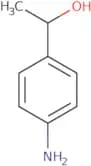

![[3-(1-Isopropyl-1H-benzimidazol-2-yl)propyl]amine dihydrochloride](/_next/image/?url=https%3A%2Fstatic.cymitquimica.com%2Fproducts%2F3D%2Fthumb-webp%2FFI126427.webp&w=3840&q=75)
![3-[(4-Aminopiperidin-1-yl)methyl]phenol](/_next/image/?url=https%3A%2Fstatic.cymitquimica.com%2Fproducts%2F3D%2Fthumb-webp%2FFA116167.webp&w=3840&q=75)
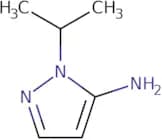
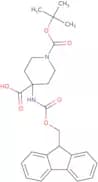
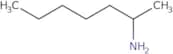
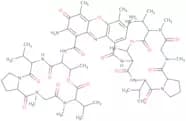
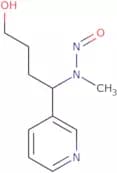
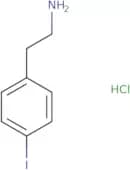

![{[5-(Trifluoromethyl)-1,2,4-oxadiazol-3-yl]methyl}amine hydrochloride](/_next/image/?url=https%3A%2Fstatic.cymitquimica.com%2Fproducts%2F3D%2Fthumb-webp%2FFT127171.webp&w=3840&q=75)
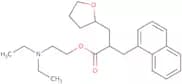

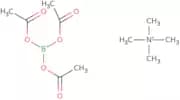
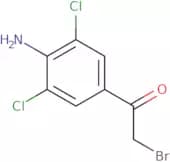

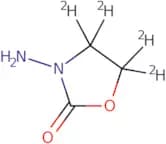

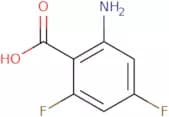

![[2-(Methylsulfinyl)ethyl]amine hydrobromide](/_next/image/?url=https%3A%2Fstatic.cymitquimica.com%2Fproducts%2F3D%2Fthumb-webp%2FFM121339.webp&w=3840&q=75)
![(aR)-a-[[[2-(4-Nitrophenyl)ethyl]amino]methyl]benzenemethanol](/_next/image/?url=https%3A%2Fstatic.cymitquimica.com%2Fproducts%2F3D%2Fthumb-webp%2FFN75044.webp&w=3840&q=75)
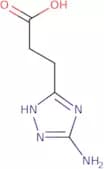

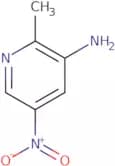
![[(1,5-Dimethyl-1H-benzimidazol-2-yl)methyl]amine](/_next/image/?url=https%3A%2Fstatic.cymitquimica.com%2Fproducts%2F3D%2Fthumb-webp%2FFD135790.webp&w=3840&q=75)

![7-Bromo-[1,2,4]triazolo[1,5-a]pyridin-2-ylamine](/_next/image/?url=https%3A%2Fstatic.cymitquimica.com%2Fproducts%2F3D%2Fthumb-webp%2FFB140382.webp&w=3840&q=75)
![2-[2-(Dimethylamino)ethyl]-1-indanone](/_next/image/?url=https%3A%2Fstatic.cymitquimica.com%2Fproducts%2F3D%2Fthumb-webp%2FFD22321.webp&w=3840&q=75)
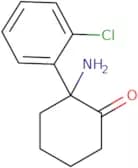

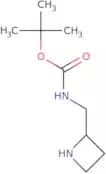

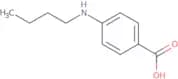
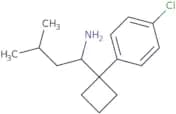
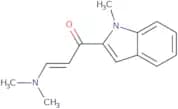

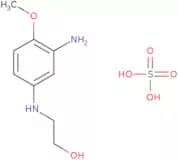
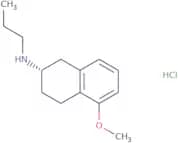


![1-[4-(4-Methylpiperidin-1-yl)phenyl]methanamine](/_next/image/?url=https%3A%2Fstatic.cymitquimica.com%2Fproducts%2F3D%2Fthumb-webp%2FFM117851.webp&w=3840&q=75)
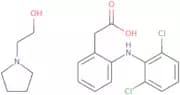
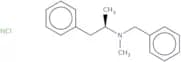


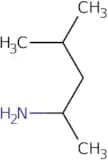
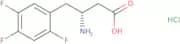

![Imidazo[1,2-a]pyridin-8-ylamine dihydrochloride](/_next/image/?url=https%3A%2Fstatic.cymitquimica.com%2Fproducts%2F3D%2Fthumb-webp%2FFI51744.webp&w=3840&q=75)
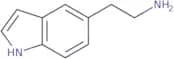
![Alanine,n,N'-[[5-[2-amino-5-(2,2-dimethyl-1-oxopropyl)-4-thiazolyl]-2-furanyl]phosphinylidene]bis[…](/_next/image/?url=https%3A%2Fstatic.cymitquimica.com%2Fproducts%2F3D%2Fthumb-webp%2FFA152449.webp&w=3840&q=75)
![2,3-Dihydro-1-(3-hydroxypropyl)-5-[(2R)-2-[[2-[2-(2,2,2-trifluoroethoxy)phenoxy]ethyl]amino]propyl…](/_next/image/?url=https%3A%2Fstatic.cymitquimica.com%2Fproducts%2F3D%2Fthumb-webp%2FFD103483.webp&w=3840&q=75)
![[(1-Benzyl-1H-pyrazol-4-yl)methyl]amine](/_next/image/?url=https%3A%2Fstatic.cymitquimica.com%2Fproducts%2F3D%2Fthumb-webp%2FFB133964.webp&w=3840&q=75)
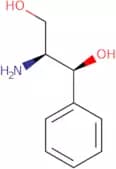
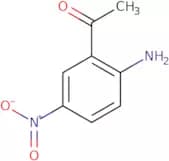
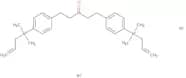
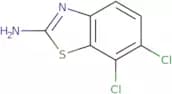
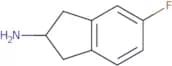
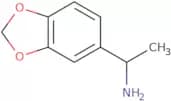
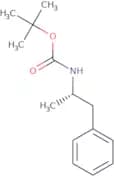
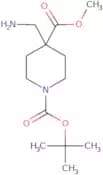
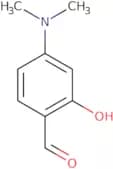
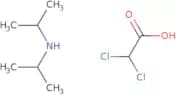


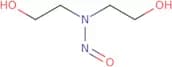
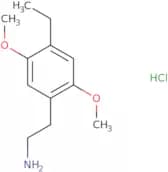
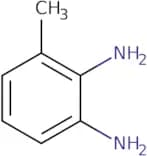
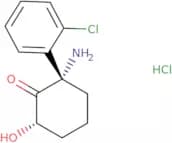
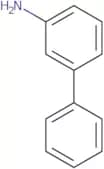
![[2-(1-Isobutyl-1H-benzimidazol-2-yl)ethyl]amine dihydrochloride](/_next/image/?url=https%3A%2Fstatic.cymitquimica.com%2Fproducts%2F3D%2Fthumb-webp%2FFI135795.webp&w=3840&q=75)
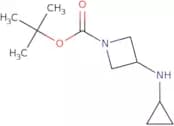
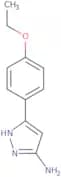

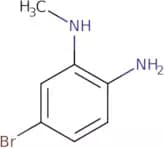
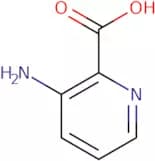

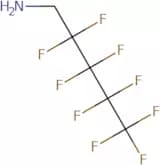
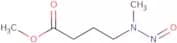
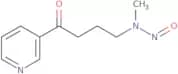

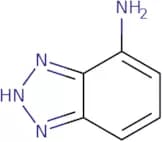
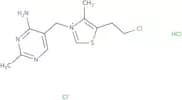

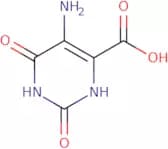
![[2-(1-Ethyl-1H-indol-3-yl)-1-methylethyl]amine hydrochloride](/_next/image/?url=https%3A%2Fstatic.cymitquimica.com%2Fproducts%2F3D%2Fthumb-webp%2FFE123632.webp&w=3840&q=75)
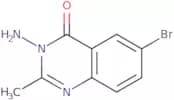
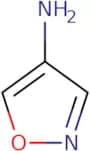
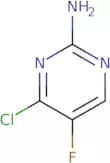
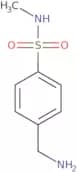
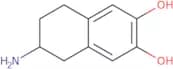
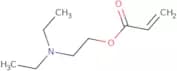
![[2-(1,2-Dimethyl-1H-indol-3-yl)ethyl]amine hydrochloride](/_next/image/?url=https%3A%2Fstatic.cymitquimica.com%2Fproducts%2F3D%2Fthumb-webp%2FFD135164.webp&w=3840&q=75)

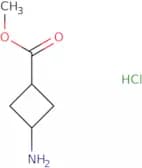
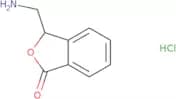



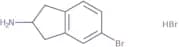
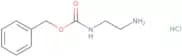
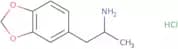
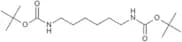


![2-Amino-3,4,7,8-tetramethyl-3H-imidazo[4,5-f]quinoxaline](/_next/image/?url=https%3A%2Fstatic.cymitquimica.com%2Fproducts%2F3D%2Fthumb-webp%2FFA17488.webp&w=3840&q=75)
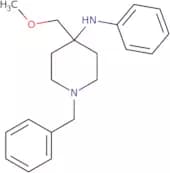
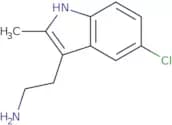
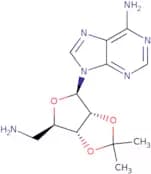
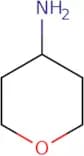

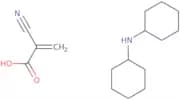
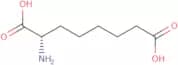
![7-[(3R)-3-[(N-Acetyl)amino]-1-oxo-4-(2,4,5-trifluorophenyl)butyl]-5,6,7,8-tetrahydro-3-(trifluorom…](/_next/image/?url=https%3A%2Fstatic.cymitquimica.com%2Fproducts%2F3D%2Fthumb-webp%2FFA104169.webp&w=3840&q=75)
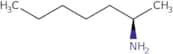
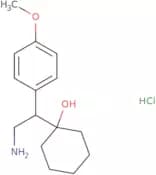
![N-[(1S)-1-(Aminocarbonyl)propyl]-4-chlorobutanamide](/_next/image/?url=https%3A%2Fstatic.cymitquimica.com%2Fproducts%2F3D%2Fthumb-webp%2FFA171302.webp&w=3840&q=75)
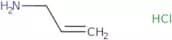
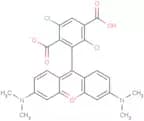

![[2,6-Dimethyl-4-(3-[2-(Z-amino)-ethylcarbamoyl]-propoxy)-benzenesulfonyl]-Dap (Boc)-OMe](/_next/image/?url=https%3A%2Fstatic.cymitquimica.com%2Fproducts%2F3D%2Fthumb-webp%2FFD111582.webp&w=3840&q=75)
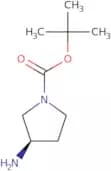

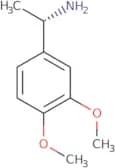

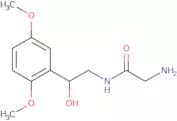
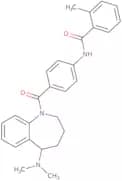
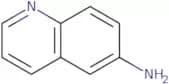
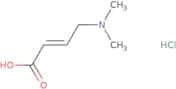
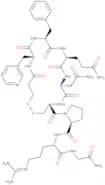


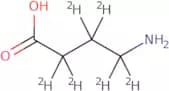


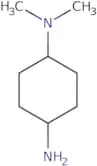
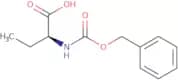

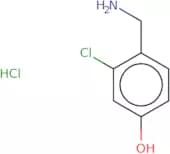
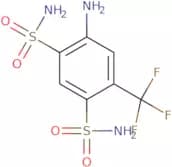
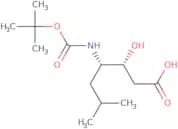
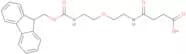

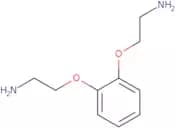
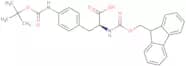
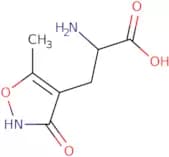
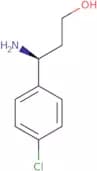
![6-(7-Nitro-benzo[2,1,3]oxadiazol-4-ylamino)-hexanoyl-Arg-Pro-Lys-Pro-Leu-Ala-Nva-Trp-Lys((7-dimeth…](/_next/image/?url=https%3A%2Fstatic.cymitquimica.com%2Fproducts%2F3D%2Fthumb-webp%2FFN110943.webp&w=3840&q=75)
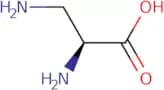
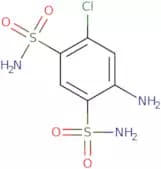
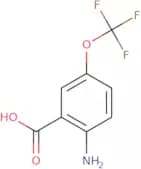
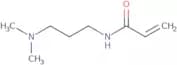
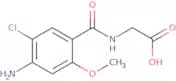
![H-Glu-Leu-Asp-[(2R,4S,5S)-5-amino-4-hydroxy-2,7-dimethyl-octanoyl]-Ala-Glu-Phe-OH](/_next/image/?url=https%3A%2Fstatic.cymitquimica.com%2Fproducts%2F3D%2Fthumb-webp%2FFG111094.webp&w=3840&q=75)

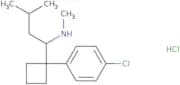
![2,7-Bis[2-(diethylamino)ethoxy]-9-fluorenone dihydrochloride](/_next/image/?url=https%3A%2Fstatic.cymitquimica.com%2Fproducts%2F3D%2Fthumb-webp%2FFB37106.webp&w=3840&q=75)
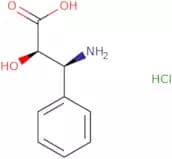
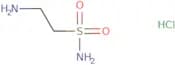
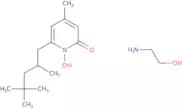
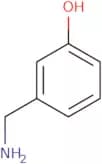

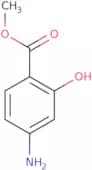
![4-[4-(4-Methyloxy-phenyl)-piperazin-1-yl]-phenylamine](/_next/image/?url=https%3A%2Fstatic.cymitquimica.com%2Fproducts%2F3D%2Fthumb-webp%2FFM25923.webp&w=3840&q=75)
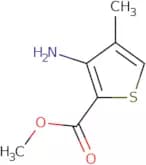
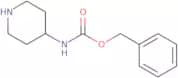
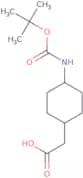
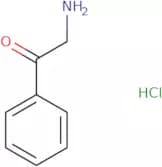
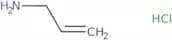
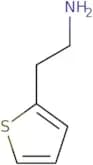
![2-[[2-(Dimethylaminomethyl)-1,3-thiazol-4-yl]methylsulfanyl]ethanamine](/_next/image/?url=https%3A%2Fstatic.cymitquimica.com%2Fproducts%2F3D%2Fthumb-webp%2FFD22345.webp&w=3840&q=75)

![(3R)-3-[(tert-Butoxycarbonyl)amino]-4-(2,4-difluorophenyl)butanoic acid](/_next/image/?url=https%3A%2Fstatic.cymitquimica.com%2Fproducts%2F3D%2Fthumb-webp%2FFB99243.webp&w=3840&q=75)
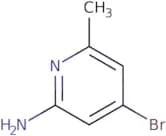
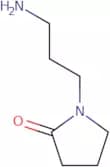
![Imidazo[1,2-a]pyridin-7-amine hydrobromide](/_next/image/?url=https%3A%2Fstatic.cymitquimica.com%2Fproducts%2F3D%2Fthumb-webp%2FFI111192.webp&w=3840&q=75)