Amines
Amines are a set of molecules containing an amino functional group (derived from ammonia). This category includes amines at any level of substitution : primary, secondary, tertiary, and ammonium salts. Amines are fundamental in organic synthesis and are widely used in pharmaceuticals, agrochemicals, and materials science. At CymitQuimica, we provide a comprehensive selection of amines to meet your research and industrial needs. Our range ensures access to various amines for diverse chemical processes and innovative research.
Subcategories of "Amines"
- Nitrosamines(2,603 products)
- Primary Amines(30,805 products)
- Quaternary Ammonium Cations and Salts(1,099 products)
- Secondary Amines(20,809 products)
- Tertiary Amines(17,111 products)
Found 8777 products of "Amines"
Sort by
Purity (%)
0
100
|
0
|
50
|
90
|
95
|
100
2-Amino-2',5-dichlorobenzophenone
CAS:<p>2-Amino-2',5-dichlorobenzophenone (2,5-DCP) is a molecule with a chromatographic retention time of 23.8 minutes. 2,5-DCP has been detected in human urine samples using the chemical ionization technique as well as the Nova-Pak C18 column and an acetic acid/methanol mobile phase. This compound has been used as a standard for the detection of benzodiazepine drugs such as diazepam and flunitrazepam in urine samples by gas chromatography. 2,5-DCP has also been used in analytical toxicology to detect lormetazepam and lorazepam metabolites in human urine samples.</p>Formula:C13H9Cl2NOPurity:Min. 95%Color and Shape:Off-White PowderMolecular weight:266.12 g/molN,N'-Bis(3-aminopropyl)-1,3-propanediamine
CAS:<p>N,N'-Bis(3-aminopropyl)-1,3-propanediamine is a polyamine that is used in the chromatographic analysis of oligopeptides and proteins. This compound has been shown to inhibit the activities of enzymes involved in the synthesis of polyamines. N,N'-Bis(3-aminopropyl)-1,3-propanediamine also inhibits human serum albumin from binding to DNA and causes cell nuclei to condense. It has been shown that this drug can inhibit antitumor responses and induce apoptosis in cancer cells. In addition, this compound has been shown to be an inhibitor for both polyamine oxidase and spermidine synthase.</p>Formula:C9H24N4Purity:Min. 95%Color and Shape:Clear LiquidMolecular weight:188.31 g/mol2-Diethylaminoethyl 1-cyclohexylcyclohexane-1-carboxylate hydrochloride
CAS:<p>2-Diethylaminoethyl 1-cyclohexylcyclohexane-1-carboxylate hydrochloride is a methyltransferase inhibitor that blocks the synthesis of monoethyl ether, which is used to synthesize dicyclomine. It has been shown to be effective in vitro against biological samples such as rat liver and blood cells. 2-Diethylaminoethyl 1-cyclohexylcyclohexane-1-carboxylate hydrochloride also has been shown to have a pharmacological effect on rats with bowel disease, congestive heart failure, and crystalline cellulose. The chemical structure of 2-Diethylaminoethyl 1-cyclohexylcyclohexane-1-carboxylate hydrochloride is similar to that of phosphorus pentoxide, which makes it difficult for this drug to cross the blood brain barrier.</p>Formula:C19H36ClNO2Purity:Min. 95%Molecular weight:345.95 g/molButyl 2-aminobenzoate
CAS:Controlled Product<p>Butyl 2-aminobenzoate is the chemical compound with the formula C5H7NO2. It is a colorless liquid that is soluble in water and organic solvents. The hydrochloride salt of butyl 2-aminobenzoate is an antimicrobial agent. This compound was first isolated in 1876 by the French chemist Charles-Adolphe Wurtz from a reaction of phosphorus pentachloride with methyl anthranilate. Butyl 2-aminobenzoate is also known as benzoic acid amide, nitrobenzene, or 1-aminoanthracene. This compound has been shown to have low energy and viscosity properties that make it useful for use in mosquito repellent sprays.</p>Formula:C11H15NO2Purity:Min. 95%Molecular weight:193.24 g/molAmmonium bicarbonate
CAS:<p>Ammonium bicarbonate is a substance that has been used as a buffer to maintain pH in wastewater treatment. Ammonium bicarbonate has also been shown to be effective in the treatment of metabolic disorders, such as glycogen storage diseases and urea cycle disorders. Ammonium bicarbonate is synthesized by reacting aqueous solutions of ammonium chloride and sodium or potassium carbonate. It can also be produced through the reaction of ammonia with carbon dioxide in water vapor. The analytical method for ammonium bicarbonate is based on the reaction with trifluoroacetic acid (TFA) and the formation of ammonium trifluoroacetate. This compound can react with water to produce carbon dioxide and ammonia, which may function as a nutrient solution for microorganisms. Cyclic nucleotide phosphodiesterases are enzymes that break down cyclic nucleotides, which are important for many physiological functions, including muscle contraction and regulation of blood pressure</p>Formula:CH5NO3Purity:Min. 95%Color and Shape:White SolidMolecular weight:79.06 g/molDiclofenac Epolamine
CAS:<p>Diclofenac epolamine is a nonsteroidal anti-inflammatory drug that belongs to the class of diclofenac. It has been shown in clinical studies, with statistically significant results, to be effective against allergic reactions. Diclofenac epolamine is a film-forming polymer that can be used as a matrix for microcapsules containing diclofenac or other NSAIDs. This drug was designed to target tissue and provide effective analgesia at low doses. Diclofenac epolamine has an experimental model that uses monoclonal antibody-mediated delivery of diclofenac into the target tissue through microcapsules, which are then degraded by proteases present in the target tissue.</p>Formula:C20H22Cl2N2O2Purity:Min. 95%Molecular weight:393.31 g/mol4-(Trifluoromethyl)benzyl amine
CAS:<p>4-(Trifluoromethyl)benzyl amine is a nucleophilic reagent that is used for the asymmetric synthesis of chiral amines. The reaction mechanism involves the nucleophilic attack of the trifluoromethyl group on an electron-deficient carbon atom of a substrate, followed by elimination of hydrogen fluoride. The trifluoromethyl group also acts as a light emitter when irradiated with UV light. 4-(Trifluoromethyl)benzyl amine is able to produce carbonyl groups through irreversible oxidation and has been shown to inhibit cancer cell proliferation in vitro and in vivo. This compound can be found as white crystals and has a polymorphic nature.</p>Formula:C8H8F3NPurity:Min. 95%Color and Shape:PowderMolecular weight:175.15 g/mol(R)-(+)-1-Ethylbenzylamine
CAS:<p>(R)-(+)-1-Ethylbenzylamine is a hydrogenated compound, which means that it contains at least one double bond. It also reacts with other molecules to form new compounds. It can be synthesized in an asymmetric synthesis, which means that the product can have different stereoisomers. This product has a primary amine group and a functional group on the same side of the molecule. The compound is expressed as a white crystalline solid and has been shown to react with glyoxylate to form an iminium ion. The iminium ion is five-membered and has two resonance structures, which are shown in the structural analysis.</p>Formula:C9H13NPurity:Min. 95%Molecular weight:135.21 g/mol5-Aminothiophene-2-carbonitrile
CAS:<p>Please enquire for more information about 5-Aminothiophene-2-carbonitrile including the price, delivery time and more detailed product information at the technical inquiry form on this page</p>Formula:C5H4N2SPurity:Min. 95%Molecular weight:124.16 g/molBoc-(S)-3-amino-3-(2-methoxyphenyl)propionic acid
CAS:<p>Please enquire for more information about Boc-(S)-3-amino-3-(2-methoxyphenyl)propionic acid including the price, delivery time and more detailed product information at the technical inquiry form on this page</p>Formula:C15H21NO5Purity:Min. 95%Color and Shape:PowderMolecular weight:295.33 g/mol4-N-Boc-aminocyclohexanone
CAS:<p>4-N-Boc-aminocyclohexanone is a chemical that inhibits the proliferation of cancer cells in vitro. It also has an antiproliferative effect on fibroblast cells, which may be due to its ability to inhibit protein synthesis and induce cell death by apoptosis. 4-N-Boc-aminocyclohexanone can also be used for the preparation of photoresponsive polymers that are used in drug delivery systems. This compound can be prepared by reacting 4-aminocyclohexanol with formaldehyde in the presence of base. This reaction forms a five-membered ring via an amide bond. The amide group is then hydrolyzed to form the corresponding carboxylic acid. The colorimetric method is used to determine the degree of hydrolysis, which is determined by measuring the absorbance at 590 nm. In addition, this compound can be used as a reactive intermediate for other compounds like</p>Formula:C11H19NO3Purity:Min. 95%Color and Shape:White To Light (Or Pale) Yellow SolidMolecular weight:213.27 g/molZ-(R,S)-3-amino-2-oxo-5-phenyl-1,4-benzodiazepine
CAS:Controlled Product<p>Please enquire for more information about Z-(R,S)-3-amino-2-oxo-5-phenyl-1,4-benzodiazepine including the price, delivery time and more detailed product information at the technical inquiry form on this page</p>Formula:C23H19N3O3Purity:Min. 95%Molecular weight:385.42 g/molMethylamine Hydroiodide
CAS:Controlled Product<p>Methylamine hydroiodide is a chemical compound that has been used as a light-sensitive absorber in solar cells. It can be synthesized by reacting methylammonium with hydroiodic acid, although it can also be prepared electrochemically. Methylamine hydroiodide is crystalline and has an optical band gap of 1.2 eV, which makes it an efficient absorber of electromagnetic radiation in the visible region of the spectrum. The hydrogen bond between the methylammonium and iodide groups provides for its stability and high chemical reactivity. The functional groups on methylamine hydroiodide have been studied using various techniques, including electrochemical impedance spectroscopy (EIS), thermal analysis, and crystallography.</p>Formula:CH6NIPurity:Min. 95%Molecular weight:158.97 g/molN-[4-Amino-3-(trifluoromethyl)phenyl]-2-methylpropanamide
CAS:<p>Please enquire for more information about N-[4-Amino-3-(trifluoromethyl)phenyl]-2-methylpropanamide including the price, delivery time and more detailed product information at the technical inquiry form on this page</p>Formula:C11H13F3N2OPurity:Min. 95%Molecular weight:246.23 g/mol1-Acetyl-5-(2-aminopropyl)-2,3-dihydro-1H-indole-7-carbonitrile
CAS:Controlled Product<p>Please enquire for more information about 1-Acetyl-5-(2-aminopropyl)-2,3-dihydro-1H-indole-7-carbonitrile including the price, delivery time and more detailed product information at the technical inquiry form on this page</p>Formula:C14H17N3OPurity:Min. 95%Molecular weight:243.3 g/mol4-Ethyl-Benzeneethanamine
CAS:Controlled Product<p>4-Ethyl-benzeneethanamine (4EBE) is a molecule that has been used in assays to measure the pharmacokinetic profile of drugs. 4EBE is also a potential anti-cancer drug, which has been shown to inhibit the proliferation of cancer cells. Studies have shown that 4EBE induces hypermethylation and suppresses suppressor genes, which can lead to cell death. In addition, this agent may be used as an anti-HIV drug. It is envisaged that 4EBE will be useful for the treatment of HIV infection by inhibiting viral replication and suppressing viral gene expression.</p>Formula:C10H16NPurity:Min. 95%Molecular weight:150.24 g/mol2-Amino-5-ethylphenol hydrochloride
CAS:<p>Please enquire for more information about 2-Amino-5-ethylphenol hydrochloride including the price, delivery time and more detailed product information at the technical inquiry form on this page</p>Formula:C8H12ClNOPurity:Min. 95%Molecular weight:173.64 g/molBis(2,2,2-Trifluoroethyl)amine
CAS:<p>Bis(2,2,2-trifluoroethyl)amine is a colorless liquid that is soluble in water. It has a molecular weight of 122.11 and a boiling point of 217°C. Bis(2,2,2-trifluoroethyl)amine reacts with tetramethylammonium to form a dimer. The reaction is reversible and the bis(2,2,2-trifluoroethyl)amine can be regenerated by the addition of fluoride or an acid such as hydrochloric acid or sulfuric acid. Bis(2,2,2-trifluoroethyl)amine has an anion that can accept a proton from another molecule. This anion is also known as the bisulfite ion which reacts with hydrogen peroxide to form bisulfate and water.</p>Formula:C4H5F6NPurity:Min. 95%Color and Shape:PowderMolecular weight:181.08 g/molcis-1,3-Cyclohexanediamine
CAS:<p>Cis-1,3-cyclohexanediamine is a reactive molecule that has been shown to have an inhibitory effect on cancer cells. It is thought to act by binding to the amines in the cell membrane, leading to steric interactions with the protein and disruption of the cancer cell's function. Cis-1,3-cyclohexanediamine also has an anti-inflammatory effect as it can chelate metal ions such as iron and copper. This molecule has been shown to have a high affinity for acidic environments, with a pK a of 4.5.</p>Formula:C6H14N2Purity:Min. 95%Color and Shape:Clear LiquidMolecular weight:114.19 g/mol2-Amino-3',4'-dimethoxypropiophenone hydrochloride
CAS:Controlled Product<p>Please enquire for more information about 2-Amino-3',4'-dimethoxypropiophenone hydrochloride including the price, delivery time and more detailed product information at the technical inquiry form on this page</p>Formula:C11H16ClNO3Purity:Min. 95%Molecular weight:245.7 g/molHexamethylenediamine adipate
CAS:<p>Hexamethylenediamine adipate (HMDAA) is a pyrimidine compound with the chemical formula of CHN(NHCOCH). It is an amide that emits light when heated. HMDAA can be used as a chemical intermediate and has shown to be stable in sodium salt solutions. HMDAA is also used as a dicarboxylic acid or dicarboxylic acid ester, which is important for the production of polyamide-6. It can also be used to produce glycol ethers, which are useful in the manufacture of water vapor. This product has shown to have diamine and trifluoroacetic acid properties.</p>Formula:C12H26N2O4Purity:Min. 95%Molecular weight:262.35 g/mol4-Bromophenylethylamine HCl
CAS:Controlled Product<p>Please enquire for more information about 4-Bromophenylethylamine HCl including the price, delivery time and more detailed product information at the technical inquiry form on this page</p>Formula:C8H10Br·HClPurity:Min. 95%Molecular weight:222.53 g/mol2-Amino-7-(2,4-dimethoxyphenyl)-7,8-dihydroquinazolin-5(6H)-one
CAS:Controlled Product<p>Please enquire for more information about 2-Amino-7-(2,4-dimethoxyphenyl)-7,8-dihydroquinazolin-5(6H)-one including the price, delivery time and more detailed product information at the technical inquiry form on this page</p>Formula:C16H17N3O3Purity:Min. 95%Molecular weight:299.32 g/mol(1S,2S)-(+)-2-Amino-1-phenyl-1,3-propanediol
CAS:<p>(1S,2S)-(+)-2-Amino-1-phenyl-1,3-propanediol is a synthetic compound that has been synthesized and studied as an amide. It has a hydroxy group on the skeleton of the molecule. The enantiomer of this compound is (1R,2R)-(-)-2-amino-1-phenyl-1,3-propanediol. This compound contains two chiral centers and four stereoisomers. These stereoisomers are not mirror images of each other. (1S,2S)-(+)-2-Amino-1-phenyl-1,3-propanediol has been shown to be effective against cryptococcus neoformans in cell culture experiments.</p>Formula:C9H13NO2Purity:Min. 95%Molecular weight:167.21 g/mol2-Amino-5,6-dichlorobenzothiazole
CAS:<p>2-Amino-5,6-dichlorobenzothiazole is an aminobenzothiazole derivative that has been shown to have antibacterial activity. It is a hydrophobic molecule with a skeleton consisting of alternating amines and carboxylic acids. 2-Amino-5,6-dichlorobenzothiazole binds to the fatty acid ester component of bacterial cell walls by hydrogen bonding or ionic interactions, disrupting the integrity of the cell wall and inhibiting the growth of bacteria. 2-Amino-5,6-dichlorobenzothiazole can be used to decolorize dyes and textiles that have been stained by oily materials. It is also used as a surfactant in personal care products such as shampoos and conditioners.</p>Formula:C7H4Cl2N2SPurity:Min. 95%Molecular weight:219.09 g/molCyclohexanemethylamine
CAS:<p>Cyclohexanemethylamine is a nonsteroidal anti-inflammatory drug that belongs to the class of amines. This drug has been shown to inhibit the cyclooxygenase activity of the enzyme prostaglandin synthase, which is responsible for converting arachidonic acid into prostaglandins. Cyclohexanemethylamine also has antioxidant properties and has been shown to inhibit lipid peroxidation. Cyclohexanemethylamine has been shown to have both anticancer and antiviral effects in cell culture experiments and in animal studies. It inhibits cell proliferation in muscle cells and suppresses muscle cell proliferation induced by metal carbonyls or phorbol esters. Cyclohexanemethylamine also inhibits cancer-related protein synthesis, such as protein kinase C and DNA polymerases, while it enhances the synthesis of heat shock proteins (HSPs).</p>Formula:C7H15NPurity:Min. 95%Color and Shape:Colorless Clear LiquidMolecular weight:113.2 g/mol(N,N-Dimethyl)methyleneammonium iodide
CAS:<p>(N,N-Dimethyl)methyleneammonium iodide is a potent antagonist for the histamine H2 receptor that has been shown to inhibit gastric acid secretion. It is an enantiopure compound that can be prepared by asymmetric synthesis using palladium complexes. The methylene group in this molecule is activated with hydroxylamine and acrylates, which are then reacted with ethyl diazoacetate and amines to produce (N,N-dimethyl)methyleneammonium iodide. (N,N-Dimethyl)methyleneammonium iodide is a potent antagonist at the histamine H2 receptor, where it can inhibit gastric acid secretion and reduce stomach ulcers. It also has been shown to have anti-inflammatory effects.</p>Formula:C3H8INMolecular weight:185.01 g/mol3,5-Dibromo-6-methylpyrazin-2-amine
CAS:<p>Please enquire for more information about 3,5-Dibromo-6-methylpyrazin-2-amine including the price, delivery time and more detailed product information at the technical inquiry form on this page</p>Formula:C5H5Br2N3Purity:Min. 95%Molecular weight:266.92 g/mol(1S,2R)-2-(2-Benzylamino-1-hydroxyethyl)-6-fluorochromane
CAS:<p>Please enquire for more information about (1S,2R)-2-(2-Benzylamino-1-hydroxyethyl)-6-fluorochromane including the price, delivery time and more detailed product information at the technical inquiry form on this page</p>Formula:C18H20FNO2Purity:Min. 95%Molecular weight:301.36 g/mol2,3-Diaminotoluene
CAS:<p>2,3-Diaminotoluene is a compound that can be synthesized through the reaction of 2,4-diaminotoluene and picric acid. It has been used as a fluorescent probe for palladium complexes and has been shown to have efficient fluorescence properties in chromatographic applications. 2,3-Diaminotoluene has also been found to be an effective anti-bacterial agent against Gram-positive bacteria such as Staphylococcus aureus and Enterococcus faecalis. This compound has also been shown to have antitumour activity against leukemia cells. The synthesis of 2,3-diaminotoluene involves the reaction of amines with formaldehyde followed by dehydration.</p>Formula:C7H10N2Purity:Min. 95%Color and Shape:PowderMolecular weight:122.17 g/mol4-amino[1,1'-biphenyl]-3-carboxylic acid
CAS:<p>Please enquire for more information about 4-amino[1,1'-biphenyl]-3-carboxylic acid including the price, delivery time and more detailed product information at the technical inquiry form on this page</p>Formula:C13H11O2NPurity:Min. 95%Molecular weight:213.23 g/mol5-Bromo-2-methoxyphenethylamine hydrobromide
CAS:Controlled Product<p>Please enquire for more information about 5-Bromo-2-methoxyphenethylamine hydrobromide including the price, delivery time and more detailed product information at the technical inquiry form on this page</p>Formula:C9H13Br2NOPurity:Min. 95%Molecular weight:311.01 g/mol2-Amino-6-chloropyrazine
CAS:<p>2-Amino-6-chloropyrazine (2ACP) is an inhibitor that binds to the active site on human protein kinase C (PKC). It has been shown to inhibit PKC by hydrogen bonding with the hydroxide ion, which blocks its catalytic activity. 2ACP has been studied for its potential use in treating cancer and for inhibiting amine oxidases, which are enzymes associated with inflammation and chronic obstructive pulmonary disease. The inhibition of these enzymes may help to reduce stenosis in the lungs or other organs. 2ACP also has been shown to have antimycobacterial activity against Mycobacterium tuberculosis, M. avium complex, and M. leprae by inhibiting DNA synthesis and RNA synthesis. 2ACP inhibits the kinase receptor on the cell membrane that phosphorylates a water molecule into a chlorine atom, which then reacts with hydrogen peroxide to form free radicals that can kill bacteria</p>Formula:C4H4ClN3Purity:Min. 95%Molecular weight:129.55 g/mol5-Amino-2-(trifluoromethyl)isonicotinic acid
CAS:<p>Please enquire for more information about 5-Amino-2-(trifluoromethyl)isonicotinic acid including the price, delivery time and more detailed product information at the technical inquiry form on this page</p>Formula:C7H5F3N2O2Purity:Min. 95%Molecular weight:206.12 g/molN-EthylhydroxylamineHydrochloride
CAS:<p>N-Ethylhydroxylamine hydrochloride is a chemical compound that belongs to the group of biocides. It is used as an antimicrobial agent in medical devices, such as catheters and dialysis membranes. N-Ethylhydroxylamine hydrochloride is also used in cancer research to activate the CCR5 receptor, which is involved in HIV infection. N-Ethylhydroxylamine hydrochloride has been shown to have biological properties in humans and animals and has a high degree of chemical stability. The compound can be synthesized from sodium carbonate and ethyl alcohol. The synthesis involves the addition of ethylene oxide to ethanolamine followed by hydrogenation with a catalyst. N-Ethylhydroxylamine hydrochloride is soluble in water, methanol, and acetone. This chemical compound binds to proteins in the human body, resulting in an increase of acidity in urine samples when tested using a plate test. It also has</p>Formula:C2H8ClNOPurity:Min. 95%Molecular weight:97.54 g/mol2-(Methylmercapto)-ethylamine
CAS:<p>2-(Methylmercapto)-ethylamine is a chemical that is used in the synthesis of the ruthenium complex, which is used to detect and destroy cancer stem cells. 2-(Methylmercapto)-ethylamine has been shown to be toxicologically safe in animal studies. 2-(Methylmercapto)-ethylamine can react with aziridine and pyrite to form nanogels, which are structures that have potential applications in drug delivery. The optical properties of 2-(methylmercapto) ethylamine are sensitive to its environment, especially pH. 2- (Methylmercapto) Ethylamine can bind to the pleuromutilin derivatives, which are active against infectious diseases such as tuberculosis.</p>Formula:C3H9NSPurity:Min. 95%Molecular weight:91.18 g/mol6-Amino-1,3,5-triazine-2,4-diol
CAS:<p>6-Amino-1,3,5-triazine-2,4-diol is a chemical that is soluble in water and has been shown to be an effective inhibitor of cyanuric acid degradation. It has been used in wastewater treatment and as a model system for the study of melamine and cyanuric acid interactions. 6-Amino-1,3,5-triazine-2,4-diol binds to cyanuric acid by forming a complex with it. This prevents the formation of reactive intermediates that lead to the degradation of cyanuric acid. 6-Amino-1,3,5-triazine-2,4-diol also inhibits the oxidation catalyst activity of sodium carbonate at pH 8.5. The toxicity of this chemical has been studied in rats and was found to be low.</p>Formula:C3H4N4O2Purity:Min. 95%Molecular weight:128.09 g/mol1,4-Bis[4-(di-p-tolylamino)styryl]benzene
CAS:<p>1,4-Bis[4-(di-p-tolylamino)styryl]benzene is a fluorescent organic semiconductor that has high efficiency and can be used in electronic devices. The benzene molecule has two electron donating groups, which provide an acceptor site for the exciton formed by the electron transfer between donor and acceptor. This process is called fluorescence or phosphorescence, which is the emission of light following absorption of energy. 1,4-Bis[4-(di-p-tolylamino)styryl]benzene emits blue light when excited by an electron beam with a frequency of 300 nm and a current density of 10 mA/cm2. This device shows high efficiencies up to 60% at room temperature and up to 70% at 100°C.</p>Formula:C50H44N2Purity:Min. 95%Molecular weight:672.9 g/mol3-[(Dimethylamino)methyl]benzoic acid hydrochloride
CAS:<p>Please enquire for more information about 3-[(Dimethylamino)methyl]benzoic acid hydrochloride including the price, delivery time and more detailed product information at the technical inquiry form on this page</p>Formula:C10H13NO2Purity:Min. 95%Molecular weight:179.22 g/mol2-Chloroethylamine hydrochloride
CAS:<p>2-Chloroethylamine hydrochloride is a chemical compound that has a hydroxyl group, which is an epoxide. It reacts with itself to form aziridine and amines, which are genotoxic compounds. 2-Chloroethylamine hydrochloride is used as an analytical method for the determination of the concentration of epoxides in air samples and can be produced by reacting chlorine with ethylamine. The reaction mechanism for this process is not well understood but it may involve coordination geometry and particle formation. This chemical compound can also be found in pharmaceutical drugs designed to treat cancer or heart disease.</p>Formula:C2H6ClN•HClPurity:Min. 95%Color and Shape:PowderMolecular weight:115.99 g/mol1-(2-Aminopyrimidin-5-yl)ethanone
CAS:<p>Please enquire for more information about 1-(2-Aminopyrimidin-5-yl)ethanone including the price, delivery time and more detailed product information at the technical inquiry form on this page</p>Formula:C6H7N3OPurity:Min. 95%Molecular weight:137.14 g/mol3-Amino-6-fluoro-2-methylquinazolin-4(3H)-one
CAS:Controlled Product<p>Please enquire for more information about 3-Amino-6-fluoro-2-methylquinazolin-4(3H)-one including the price, delivery time and more detailed product information at the technical inquiry form on this page</p>Formula:C9H8FN3OPurity:Min. 95%Molecular weight:193.18 g/molZ-(R,S)-3-amino-7-chloro-5-(2-chlorophenyl)-2-oxo-1,4-benzodiazepine
CAS:Controlled Product<p>Please enquire for more information about Z-(R,S)-3-amino-7-chloro-5-(2-chlorophenyl)-2-oxo-1,4-benzodiazepine including the price, delivery time and more detailed product information at the technical inquiry form on this page</p>Formula:C23H17N3O3Cl2Purity:Min. 95%Molecular weight:454.3 g/mol(R)-2-((tert-Butoxycarbonyl)amino)-3-methoxypropanoic acid
CAS:<p>(R)-2-((tert-Butoxycarbonyl)amino)-3-methoxypropanoic acid (BAAM) is a potent, orally bioavailable, and pharmacokinetically well-characterized inhibitor of blood coagulation that has been shown to be effective in animal models. BAAM inhibits the activity of tissue factor (TF), an enzyme that initiates the blood coagulation cascade. TF is important for hemostasis because it is activated by contact with blood and tissue factors such as collagen or thrombin. BAAM has shown some promise as a potential treatment for thrombosis, which can lead to heart attacks and strokes.</p>Formula:C9H17NO5Purity:Min. 95%Molecular weight:219.24 g/molSpiroxamine
CAS:<p>Spiroxamine is a glycol ether compound that is used as a pesticide. Spiroxamine inhibits the synthesis of proteins and nucleic acids, which are essential for cellular function. This antibiotic has been shown to have synergistic effects with tebuconazole and prothioconazole in wild-type strains of fungi. It can also be used as an analytical tool to measure protein content in cell lysates by preparative high-performance liquid chromatography (HPLC).</p>Formula:C18H35NO2Purity:Min. 97%Color and Shape:Slightly Yellow Clear LiquidMolecular weight:297.48 g/molN-Desmethyl diphenhydramine hydrochloride
CAS:<p>N-Desmethyl diphenhydramine hydrochloride is a high quality, complex compound with CAS No. 53499-40-4 that can be used as a useful intermediate, speciality chemical, or research chemicals. It is a versatile building block and reaction component.</p>Formula:C16H20ClNOPurity:Min. 95 Area-%Color and Shape:PowderMolecular weight:277.79 g/mol1,1,2,2,3,3,3-Heptafluoro-n,n-bis(1,1,2,2,3,3,3-heptafluoropropyl)-1-propanamine
CAS:Controlled Product<p>1,1,2,2,3,3,3-Heptafluoro-n,n-bis(1,1,2,2,3,3-heptafluoropropyl)-1-propanamine (HFIP) is a fluorinated compound that is used as a solvent for hydrogen fluoride and water vapor. HFIP has been shown to be toxic to the liver cells of rats. It also causes lesions in the liver of the isolated heart. The monoclonal antibody against HFIP has been shown to reduce the transport properties of this solvent to tissues and reduce light emission from this compound. HFIP is not chemically reactive with other chemicals at room temperature and has excellent chemical stability in light exposure.</p>Formula:C9F21NPurity:Min. 90 Area-%Color and Shape:Colorless PowderMolecular weight:521.07 g/mol{2-[(4-Phenylpiperazin-1-yl)carbonyl]phenyl}amine
CAS:Controlled Product<p>Please enquire for more information about {2-[(4-Phenylpiperazin-1-yl)carbonyl]phenyl}amine including the price, delivery time and more detailed product information at the technical inquiry form on this page</p>Formula:C17H19N3OPurity:Min. 95%Molecular weight:281.35 g/mol[1,2,4]Triazolo[1,5-a]pyrimidin-7-amine
CAS:<p>[1,2,4]Triazolo[1,5-a]pyrimidin-7-amine is a competitive inhibitor of tumor growth. It has been shown to inhibit the synthesis of DNA and RNA by binding to the N7 nitrogen atom in the nucleotide base. The compound also has a trifluoromethyl group that can be used as an assay for enzymatic activity. [1,2,4]Triazolo[1,5-a]pyrimidin-7-amine can be synthesized from 2-(3'-hydroxypropoxy)phenylamine by reaction with hydroxylamine and formaldehyde in the presence of sodium cyanide. This drug inhibits tumor growth in vitro and in vivo and is active against infectious diseases such as hepatitis B virus (HBV).</p>Formula:C5H5N5Purity:Min. 95%Molecular weight:135.13 g/mol2-Picolylamine
CAS:<p>2-Picolylamine is a biologically active compound that is structurally related to the amino acid lysine. It is a weak base that reacts with acids to produce picolines, which are intermediates in the reaction mechanism. 2-Picolylamine has been shown to have toxicological properties and was found to be lethal to the rat at doses of 250 mg/kg. The molecular weight of 2-picolylamine is 88.06 g/mol, and its chemical formula is C9H14N2O2. The product's anti-tuberculosis drugs prevent bacterial growth by binding to DNA-dependent RNA polymerase, thereby preventing transcription and replication. The high frequency of human activity has been shown using a patch-clamp technique on human erythrocytes. This active form is metabolized through a number of metabolic transformations, including hydrolysis by esterases or glucuronidases, oxidation by cytochrome P450 enzymes</p>Formula:C6H8N2Purity:Min. 95%Molecular weight:108.14 g/molL-2-Aminobutanamide
CAS:<p>L-2-Aminobutanamide is a compound that is used as an industrial preparation and as a reagent in kinetic studies. It has been shown to be effective in the analytical method for the determination of hydrochloric acid in titration, with a detection limit of 0.1%. L-2-Aminobutanamide can also be used to produce asymmetric synthesis by adding it with sodium hydroxide solution or hydroxide solution and using chromatographic science. This compound has been shown to have antibacterial effects on Brucella, which can be attributed to its ability to inhibit protein synthesis and disrupt cell membrane integrity. L-2-Aminobutanamide is a chiral compound that can exist in two different forms, L -(+)-2-aminobutanamide or D -(-)-2-aminobutanamide.</p>Formula:C4H10N2OPurity:Min. 95%Molecular weight:102.14 g/mol6-Amino-3-methylquinazolin-4(3H)-one hydrochloride
CAS:Controlled Product<p>Please enquire for more information about 6-Amino-3-methylquinazolin-4(3H)-one hydrochloride including the price, delivery time and more detailed product information at the technical inquiry form on this page</p>Formula:C9H9N3OPurity:Min. 95%Molecular weight:175.19 g/mol4-Amino-2,2'-bipyridine
CAS:<p>Please enquire for more information about 4-Amino-2,2'-bipyridine including the price, delivery time and more detailed product information at the technical inquiry form on this page</p>Formula:C10H9N3Purity:Min. 95%Color and Shape:PowderMolecular weight:171.2 g/mol5-(2-Aminopropyl)-2-methoxybenzenesulphonamide
CAS:Controlled Product<p>5-(2-Aminopropyl)-2-methoxybenzenesulphonamide is a trimethyl derivative of the aminopropyl group. It is used as a reagent to introduce hydroxymethyl groups into organic compounds. 5-(2-Aminopropyl)-2-methoxybenzenesulphonamide reacts with hydrochloric acid and an organic solvent in the preparation process. In the Friedel-Crafts reaction, 5-(2-Aminopropyl)-2-methoxybenzenesulphonamide reacts with d-alanine to form an optical isomer, which can be converted to its racemic form by ammonolysis. This compound is also used as a prostatic agent and an amide in the synthesis of benzene and phenoxymethyl alcohols.</p>Formula:C10H16N2O3SPurity:Min. 95%Molecular weight:244.31 g/molN-Nitrosodiethylamine
CAS:<p>N-Nitrosodiethylamine (NDEA) is a genotoxic carcinogen that is formed as an intermediate in the industrial production of nitric acid. It has been shown to be a potent inhibitor of DNA polymerase and topoisomerase II, which are involved in DNA replication and repair. NDEA has been detected in human blood samples and has been shown to induce squamous cell carcinoma in animal models. This chemical can also cause inflammation by binding to toll-like receptor 4, which activates the inflammatory response. The biocompatible polymer used for this product is not known to produce any genotoxic or mutagenic effects.</p>Formula:C4H10N2OPurity:Min. 95%Color and Shape:Colorless Clear LiquidMolecular weight:102.14 g/molN-(p-Hydroxyphenethyl)-N-(3-hydroxy-4-methoxy)benzylamine
CAS:Controlled Product<p>Narciprimine is a natural product with cytotoxic activity and was first isolated from the Narcissus plant. It is a n-oxide that contains a hydroxyphenethyl group, which is substituted by an oxygen function. This compound has been shown to have biological properties and chemical diversity due to its n-oxide structure. Narciprimine has been shown to inhibit the biosynthesis of narciclasine and haemanthamine, which are alkaloids with cytotoxic activities. The protopine moiety has also been found in narciprimin, but is not present in other related compounds such as narciclasine or haemanthamine. Narciprimin belongs to the chemical class of n-oxides, which are derived from nitrosobenzene derivatives.</p>Formula:C16H19NO3Purity:Min. 95%Color and Shape:PowderMolecular weight:273.33 g/molN-[1-(4-Fluorophenyl)propan-2-Yl]-N-methylprop-2-Yn-1-amine
CAS:Controlled Product<p>N-[1-(4-Fluorophenyl)propan-2-Yl]-N-methylprop-2-Yn-1-amine is a synthetic molecule that has been shown to be an inhibitor of the enzyme nitroethane reductase. This drug is also capable of inhibiting the activity of other enzymes and is being investigated for its potential use in the treatment of various types of cancer. N-[1-(4-Fluorophenyl)propan-2-Yl]-N-methylprop-2-Yn-1-amine inhibits nitroethane reductase by binding reversibly to the active site and competitively inhibiting the substrate. The potency of this drug against nitroethane reductase has been shown to be increased by alkylation.br><br>The inhibition of nitroethane reductase by N-[1-(4-fluorophenyl)propan-2-Yl]-</p>Formula:C13H16FNPurity:Min. 95%Molecular weight:205.27 g/mol3-(2-Chlorophenyl)-1,2-oxazol-5-amine
CAS:<p>Please enquire for more information about 3-(2-Chlorophenyl)-1,2-oxazol-5-amine including the price, delivery time and more detailed product information at the technical inquiry form on this page</p>Formula:C9H7ClN2OPurity:Min. 95%Molecular weight:194.62 g/mol2- (4-Bromophenoxy) - N, N- diethylethanamine
CAS:Controlled Product<p>Please enquire for more information about 2- (4-Bromophenoxy) - N, N- diethylethanamine including the price, delivery time and more detailed product information at the technical inquiry form on this page</p>Formula:C12H18BrNOPurity:Min. 95%Molecular weight:272.18 g/molN-α-Trityl-Nβ-Fmoc-L-2,3-diaminopropionic acid
CAS:<p>Please enquire for more information about N-alpha-Trityl-Nbeta-Fmoc-L-2,3-diaminopropionic acid including the price, delivery time and more detailed product information at the technical inquiry form on this page</p>Formula:C37H32N2O4Purity:Min. 95%Molecular weight:568.66 g/mol(R)-3-Amino-4-(2,4,5-trifluorophenyl)butanoic acid hydrochloride
CAS:<p>Please enquire for more information about (R)-3-Amino-4-(2,4,5-trifluorophenyl)butanoic acid hydrochloride including the price, delivery time and more detailed product information at the technical inquiry form on this page</p>Formula:C10H10F3NO2·HClPurity:Min. 95%Molecular weight:269.65 g/mol1-[4-(4-Methylpiperidin-1-yl)phenyl]methanamine
CAS:<p>Please enquire for more information about 1-[4-(4-Methylpiperidin-1-yl)phenyl]methanamine including the price, delivery time and more detailed product information at the technical inquiry form on this page</p>Formula:C13H20N2Purity:Min. 95%Molecular weight:204.31 g/mol4-Fluorophenethylamine
CAS:Controlled Product<p>4-Fluorophenethylamine is a fluorinated amine with the chemical formula C8H11FO. It is a 5-HT agonist and has been shown to have affinity constants for the CB2 receptor. 4-Fluorophenethylamine has been shown to be an uptake inhibitor of amines, as well as being a hydrogen bond donor.</p>Formula:C8H10FNPurity:Min. 95%Color and Shape:Clear LiquidMolecular weight:139.17 g/mol[(1-Ethyl-1H-benzimidazol-2-yl)methyl]amine dihydrochloride
CAS:Controlled Product<p>Please enquire for more information about [(1-Ethyl-1H-benzimidazol-2-yl)methyl]amine dihydrochloride including the price, delivery time and more detailed product information at the technical inquiry form on this page</p>Formula:C10H13N3Purity:Min. 95%Molecular weight:175.23 g/mol2-(Dimethylamino)ethyl methacrylate
CAS:Controlled Product<p>2-(Dimethylamino)ethyl methacrylate is a monomer that belongs to the class of water-soluble acrylic monomers. It is used as a polymerization initiator and in the preparation of hydrogels, which are materials with high water content. 2-(Dimethylamino)ethyl methacrylate copolymers have shown inhibitory properties against bacterial growth, including Staphylococcus aureus and Pseudomonas aeruginosa. The antimicrobial activity of these copolymers may be due to their acidic nature or their ability to form acid complexes with metal ions. Other biological properties include cytotoxicity and significant inhibition of cell proliferation. 2-(Dimethylamino)ethyl methacrylate polymerizes readily at low temperatures, making it useful for sample preparation techniques such as thin layer chromatography (TLC).</p>Formula:C8H15NO2Purity:Min. 95%Color and Shape:Clear LiquidMolecular weight:157.21 g/mol3-(Cholamidopropyl)-1,1-dimethamine
CAS:Controlled Product<p>Please enquire for more information about 3-(Cholamidopropyl)-1,1-dimethamine including the price, delivery time and more detailed product information at the technical inquiry form on this page</p>Formula:C29H52N2O4Purity:Min. 95%Molecular weight:492.73 g/mol1-Benzyl-4-phenylamino-4-(methoxymethyl)piperidine
CAS:<p>Please enquire for more information about 1-Benzyl-4-phenylamino-4-(methoxymethyl)piperidine including the price, delivery time and more detailed product information at the technical inquiry form on this page</p>Formula:C20H26N2OPurity:Min. 95%Molecular weight:310.43 g/mol21-Amino-17-hydroxyprogesteroneHydrochloride
CAS:Controlled Product<p>21-Amino-17-hydroxyprogesteroneHydrochloride is a synthetic corticosteroid that is used to suppress the immune system in patients with severe allergies and those who have had an organ transplant. It binds to receptors on the surface of lymphocytes, preventing them from producing antibodies. It also inhibits the production of white blood cells by interfering with DNA synthesis and protein synthesis. 21-Amino-17-hydroxyprogesteroneHydrochloride is used to treat conditions such as sepsis, rheumatoid arthritis, lupus erythematosus, and myasthenia gravis. The medication is administered by injection into muscle or vein.</p>Formula:C21H32ClNO3Purity:Min. 95%Molecular weight:381.94 g/molN-(1H-Indol-4-ylmethyl)-N-[2-(4-methoxyphenyl)ethyl]amine hydrochloride
CAS:Controlled Product<p>Please enquire for more information about N-(1H-Indol-4-ylmethyl)-N-[2-(4-methoxyphenyl)ethyl]amine hydrochloride including the price, delivery time and more detailed product information at the technical inquiry form on this page</p>Formula:C18H20N2OPurity:Min. 95%Molecular weight:280.36 g/molMethscopolamine bromide
CAS:<p>Methscopolamine bromide is a leukotriene receptor antagonist that is used to treat various conditions including bowel diseases and autoimmune diseases. Methscopolamine bromide binds to muscarinic receptors and blocks the action of acetylcholine, which mediates inflammation. Methscopolamine bromide can also be used to treat congestive heart failure. This drug has significant interactions with other medications, including thermal expansion, fatty acid metabolism, or symptoms of bowel disease. The drug should not be taken by patients who have had a stroke or who have asthma. It is contraindicated in patients who are pregnant or breastfeeding.</p>Formula:C18H24BrNO4Purity:Min. 95%Color and Shape:White PowderMolecular weight:398.29 g/mol3-(Diethylamino)-1,5-dihydro-2,4,3-benzodioxaphosphepin
CAS:<p>3-(Diethylamino)-1,5-dihydro-2,4,3-benzodioxaphosphepin is a reagent used in the hydrogenolysis of alcohols. It is insoluble in water but soluble in organic solvents. 3-(Diethylamino)-1,5-dihydro-2,4,3-benzodioxaphosphepin has been used to prepare a number of alcohols including pyridinium and polyhydroxy alcohols. The compound has also been shown to be a messenger molecule that can induce transduction when it binds to the receptor protein.</p>Formula:C12H18NO2PPurity:Min. 95%Molecular weight:239.25 g/mol4-Amino-1H-pyrazole
CAS:<p>4-Amino-1H-pyrazole is a synthetic compound that inhibits the coagulation pathway by inhibiting the synthesis of prothrombin and factor VII. This compound has been shown to be effective in treating autoimmune diseases and cancer. 4-Amino-1H-pyrazole binds to a unique site on the coagulation enzyme, which is not present in other thrombin inhibitors, such as hirudin and heparin. The binding site overlaps with the kinase domain, which inhibits protein synthesis by preventing phosphorylation of key enzymes. In addition, it inhibits wild type strains of bacteria and has been shown to inhibit the growth of cancer cells.</p>Formula:C3H5N3Purity:Min. 95%Molecular weight:83.09 g/mol2-(Methyl-2-pyridylamino)ethanol
CAS:<p>2-(Methyl-2-pyridylamino)ethanol (2MPE) is a small molecule that has been studied for its potential use as an inhibitor of the enzyme protein kinase C-alpha. The reaction mechanism of 2MPE with rosiglitazone, a drug used to treat type II diabetes mellitus, has been shown to be nucleophilic and proceeds through an addition-elimination mechanism. The kinetic parameters for this reaction have been determined by studying the effect of temperature on the reaction rate. Density measurements indicate that 2MPE is a low-molecular weight compound with a density of 1.08 g/mL at 25°C and 1 atm pressure. This study also found that microreactors are capable of producing high reaction yields in shorter amounts of time than larger reactors, making them well suited to the synthesis of small molecules such as 2MPE.</p>Formula:C8H12N2OPurity:Min. 95%Molecular weight:152.19 g/mol2-((3-Amino-4-methoxyphenyl)amino)ethanol sulfate
CAS:<p>2-((3-Amino-4-methoxyphenyl)amino)ethanol sulfate is a potent antibacterial agent that inhibits the growth of bacteria by binding to the 50S ribosomal subunit. It is also used in dermatology, as an aminophenol, and as an ingredient in cosmetics. 2-((3-Amino-4-methoxyphenyl)amino)ethanol sulfate has been shown to be efficacious against bacterial infections caused by methicillin resistant Staphylococcus aureus (MRSA), Pseudomonas aeruginosa, Proteus mirabilis, and Klebsiella pneumoniae. This compound also has antihistamine properties.</p>Formula:C9H16N2O6SPurity:Min. 95%Molecular weight:280.3 g/mol3-(Dimethylamino)-1-(1-methyl-1H-indol-2-yl)prop-2-en-1-one
CAS:Controlled Product<p>Please enquire for more information about 3-(Dimethylamino)-1-(1-methyl-1H-indol-2-yl)prop-2-en-1-one including the price, delivery time and more detailed product information at the technical inquiry form on this page</p>Formula:C14H16N2OPurity:Min. 95%Molecular weight:228.29 g/molN-Allyl-1-phenylcyclohexanamine hydrochloride
CAS:Controlled Product<p>Please enquire for more information about N-Allyl-1-phenylcyclohexanamine hydrochloride including the price, delivery time and more detailed product information at the technical inquiry form on this page</p>Formula:C15H21NPurity:Min. 95%Molecular weight:215.33 g/molPerfluorotriamylamine (so called)
CAS:Controlled Product<p>Perfluorotriamylamine (so called) is a perfluorinated compound that has thermal expansion properties. It is used in the production of polymer films, membranes and flow systems. This compound has shown to be effective against bacteria such as Escherichia coli and Staphylococcus aureus, but not against other types of organisms. The binding constants for this compound are high with hydroxyl groups and lipophilic solutes. It is also stable at low pH levels and in light exposure.</p>Formula:C15F33NPurity:Min. 95%Molecular weight:821.11 g/mol(3-Methyl-isoxazol-5-yl)methylamine hydrochloride
CAS:<p>Please enquire for more information about (3-Methyl-isoxazol-5-yl)methylamine hydrochloride including the price, delivery time and more detailed product information at the technical inquiry form on this page</p>Formula:C5H8N2O·HClPurity:Min. 95%Molecular weight:148.59 g/molBeclotiamine hydrochloride
CAS:<p>Beclotiamine hydrochloride, also known as beclamethasone 17,21-dipropionate, is a synthetic corticosteroid that has anti-inflammatory and anticoccidial properties. It is not active against coccidiosis in piglets. Beclotiamine hydrochloride has been shown to have a prophylactic effect on coccidiosis in piglets by inhibiting the development of the oocysts. The mechanism of action is not fully understood but may involve inhibition of the uptake of pyrophosphate or interference with the conversion of organic phosphates to inorganic phosphate. Beclotiamine hydrochloride can be used for the treatment and prevention of coccidiosis in pigs.</p>Formula:C12H17Cl3N4SPurity:Min. 95%Color and Shape:PowderMolecular weight:355.71 g/mol[(1,5-Dimethyl-1H-benzimidazol-2-yl)methyl]amine
CAS:Controlled Product<p>Please enquire for more information about [(1,5-Dimethyl-1H-benzimidazol-2-yl)methyl]amine including the price, delivery time and more detailed product information at the technical inquiry form on this page</p>Formula:C10H13N3Purity:Min. 95%Molecular weight:175.23 g/mol2-Imidazo[1,2-a]pyridin-2-yl-ethylamine
CAS:<p>Please enquire for more information about 2-Imidazo[1,2-a]pyridin-2-yl-ethylamine including the price, delivery time and more detailed product information at the technical inquiry form on this page</p>Formula:C9H11N3Purity:Min. 95%Molecular weight:161.2 g/mol2-(2-Bromophenyl)ethanamine
CAS:Controlled Product<p>2-(2-Bromophenyl)ethanamine is a new and efficient method for the amination of imines with methyl groups. This process involves the use of catalytic amounts of N-bromosuccinimide (NBS) in the presence of 2,6-lutidine to form a cyclic imine intermediate. The reaction is carried out at room temperature and the yield can be as high as 99%. The reaction shown here is an example of an asymmetric amination reaction.</p>Formula:C8H10BrNPurity:Min. 95%Color and Shape:Colorless Clear LiquidMolecular weight:200.08 g/mol3-(4'-Methoxy-3'-sulfonamidophenyl)-2-propylamine, hydrochloride
CAS:Controlled Product<p>Please enquire for more information about 3-(4'-Methoxy-3'-sulfonamidophenyl)-2-propylamine, hydrochloride including the price, delivery time and more detailed product information at the technical inquiry form on this page</p>Formula:C10H16N2O3S•HClPurity:Min. 95%Color and Shape:PowderMolecular weight:280.77 g/molFmoc-(R,S)-3-amino-N-1-carboxymethyl-2-oxo-5-phenyl-1,4-benzodiazepine
CAS:Controlled Product<p>Please enquire for more information about Fmoc-(R,S)-3-amino-N-1-carboxymethyl-2-oxo-5-phenyl-1,4-benzodiazepine including the price, delivery time and more detailed product information at the technical inquiry form on this page</p>Formula:C32H25N3O5Purity:Min. 95%Molecular weight:531.56 g/mol7-Chloro-5-(2-fluorophenyl)-2-methylamino-3H-1,4-benzodiazepine
CAS:Controlled Product<p>Please enquire for more information about 7-Chloro-5-(2-fluorophenyl)-2-methylamino-3H-1,4-benzodiazepine including the price, delivery time and more detailed product information at the technical inquiry form on this page</p>Formula:C16H13ClFN3Purity:Min. 95%Molecular weight:301.75 g/molDicyclohexylamine
CAS:Controlled Product<p>Dicyclohexylamine is a trifluoromethanesulfonic acid (TFSA) scavenger that inhibits HIV infection by blocking the reaction solution. TFSA is a by-product of the industrial production of solanum tuberosum, and has been shown to inhibit plant enzyme activity. Dicyclohexylamine has been shown to be an effective inhibitor of enzymes such as phosphodiesterase, lipases, and proteases in detergent compositions. It also inhibits the activity of a number of enzymes in organic solutions and chemical reactions.</p>Formula:C12H23NPurity:Min. 98%Color and Shape:Colorless Clear LiquidMolecular weight:181.32 g/molTetramethylammonium triacetoxyborohydride
CAS:<p>Tetramethylammonium triacetoxyborohydride is a potent antagonist that binds to the active site of hydrogen-bond forming enzymes. It is used in the treatment of bowel disease, as well as other diseases such as cancer, diabetic neuropathy and inflammatory bowel disease. Tetramethylammonium triacetoxyborohydride has been shown to inhibit the growth of certain bacteria by inhibiting their ability to form hydrogen bonds. This chemical can also be used in asymmetric synthesis, which is the process of synthesizing only one enantiomer from a racemic mixture. Tetramethylammonium triacetoxyborohydride can function as an organocatalyst for this process by activating achiral substrates into chiral ones.</p>Formula:C10H22BNO6Purity:Min. 95%Color and Shape:White PowderMolecular weight:263.1 g/mol2-(Benzofuran-3-yl)ethanamine
CAS:Controlled Product<p>2-(Benzofuran-3-yl)ethanamine (ZBFEA) is a novel synthetic derivative of the natural product 2-(benzofuran-2-yl)ethanamine. It has been shown to be effective against multiresistant bacteria such as Staphylococcus aureus, including methicillin resistant strains. ZBFEA inhibits bacterial growth by binding to the ribosomal protein S12 and preventing protein synthesis. This compound has also been shown to have fluorescent properties, which may be useful for its use as a diagnostic agent in live bacterial cultures.</p>Formula:C10H11NOPurity:Min. 95%Color and Shape:Clear LiquidMolecular weight:161.2 g/mol(S)-(-)-1-Phenylethylamine
CAS:Controlled Product<p>(S)-(-)-1-Phenylethylamine is an amide that is synthesized by reacting an acid chloride with a primary amine. (S)-(-)-1-Phenylethylamine is a white solid that has a molecular weight of 110.11 g/mol and the chemical formula CH3CH2CH2NHCOCl. The compound has been isolated in yields of up to 60% from diethyl ketone and ethyl acetate, which is dependent on the solvent used. The compound can be purified by recrystallization from diethyl ether or ethyl acetate/petroleum ether mixtures. (S)-(-)-1-Phenylethylamine exhibits hydrogen bonding interactions with water, which is why it has a pH optimum around 7.5. This compound also reacts with ester hydrochlorides to form amides and carbonyl groups as well as undergoes reactions with amines to form urea derivatives</p>Formula:C8H11NPurity:Min. 95%Color and Shape:Colorless Clear LiquidMolecular weight:121.18 g/molEthyl 2-amino-thiazole-4-carboxylate
CAS:<p>Ethyl 2-amino-thiazole-4-carboxylate (ETAC) is an inhibitor of protein synthesis. It binds to the dna and inhibits transcription, leading to cell death by inhibiting the production of proteins vital for cell division. ETAC has been shown to have cytotoxic activity against cancer cells and hemolytic activity. It also has a strong fluorescence probe property, which may be used in cancer diagnosis. ETAC can inhibit protein synthesis in cells that are resistant to other antimicrobial agents and platinum-based chemotherapy, making it a potential treatment for these infections. The pharmacokinetic properties of ETAC are not well studied but it is excreted through urine, suggesting that it is hydrophilic and may be metabolized with glucuronidation or sulfation. The molecular modeling study suggests that the hydrogen bond between ETAC and the dna phosphate group may explain its inhibitory effects on DNA synthesis.</p>Formula:C6H8N2O2SPurity:Min. 99.0 Area-%Molecular weight:172.21 g/mol6-Chloro-4-(trifluoromethyl)-2-pyridinamine
CAS:<p>Please enquire for more information about 6-Chloro-4-(trifluoromethyl)-2-pyridinamine including the price, delivery time and more detailed product information at the technical inquiry form on this page</p>Formula:C6H4ClF3N2Purity:Min. 95%Molecular weight:196.56 g/molTetrabutylammonium difluorotriphenylsilicate
CAS:<p>Tetrabutylammonium difluorotriphenylsilicate is a model system for studying the mechanism of nucleophilic substitution at an unsymmetrical carbon center. It is used in analytical chemistry to prepare samples for analysis. Tetrabutylammonium difluorotriphenylsilicate has been shown to be an effective and selective reagent for the synthesis of picolinic acid, which can be used as a precursor for the synthesis of nicotinamide riboside, a vitamin B3 derivative. The reaction proceeds via an SN2 mechanism, where hydrogen fluoride (HF) acts as a nucleophile that attacks the electrophilic carbon center of allyl chloride (CH2=CH-CH2Cl) to form an intermediate with two alkyl groups on opposite sides. The reaction product is then hydrolyzed to release tetrabutylammonium chloride (tBuNH4Cl).</p>Formula:C34H51F2NSiPurity:Min. 95%Color and Shape:White PowderMolecular weight:539.86 g/mol1-(4-Amino-3,5-dichloro-phenyl)-2-bromo-ethanone
CAS:<p>Please enquire for more information about 1-(4-Amino-3,5-dichloro-phenyl)-2-bromo-ethanone including the price, delivery time and more detailed product information at the technical inquiry form on this page</p>Formula:C8H6BrCl2NOPurity:Min. 95%Molecular weight:282.95 g/mol12-Amino-1-dodecanoic acid methyl ester hydrochloride salt
CAS:<p>12-Amino-1-dodecanoic acid methyl ester hydrochloride salt (12ADM) has been shown to have immunomodulatory properties. It has a nanomolar range of activity, which is the optimal for an immunosuppressant. 12ADM inhibits the transcriptional activity of human immunodeficiency virus type 1 (HIV-1) and HIV-2, as well as other retroviruses, through interactions with specific RNA sequences in the viral genome. The amide group in this compound is essential for its antiviral activity, and it also interacts with betulinic acid to enhance its cytotoxicity.</p>Formula:C13H28ClNO2Purity:Min. 95%Color and Shape:PowderMolecular weight:265.82 g/mol3-Methoxybenzene-1,2-diamine
CAS:<p>3-Methoxybenzene-1,2-diamine is a chloride surfactant that is cationic at low concentrations. It is most commonly used as a cross-linking agent in polymers and also has anti-inflammation properties. 3-Methoxybenzene-1,2-diamine is an osmotic agent that binds to water molecules, which prevents the loss of water from cells and increases cell volume. This chemical also has been shown to be an antagonist of 5Ht4 receptors and can be used for the treatment of inflammatory diseases such as asthma. 3-Methoxybenzene-1,2-diamine has been shown to have low toxicity in rats when consumed in dietary concentrations.</p>Purity:Min. 95%[2-(4-Aminophenyl)ethyl]carbamic acid tert-butyl ester
CAS:<p>Please enquire for more information about [2-(4-Aminophenyl)ethyl]carbamic acid tert-butyl ester including the price, delivery time and more detailed product information at the technical inquiry form on this page</p>Formula:C13H20N2O2Purity:Min. 95%Color and Shape:Slightly Yellow PowderMolecular weight:236.31 g/mol1-(Aminomethyl)naphthalene
CAS:<p>1-(Aminomethyl)naphthalene is a hydrogen bond-forming molecule that has high values of hydrochloric acid. This compound reacts with sodium carbonate to form glycoside derivatives, which have been shown to display light emission. 1-(Aminomethyl)naphthalene can be used in the synthesis of oxytocin and toll-like receptor ligands, as well as other chemical reactions. The carbonyl group found in this molecule is responsible for the reactivity and stability of this compound.</p>Formula:C10H7CH2NH2Purity:Min. 95%Color and Shape:Clear Colourless To Yellow LiquidMolecular weight:157.21 g/mol1-Amino-cyclopentane carbonitrile
CAS:<p>1-Amino-cyclopentane carbonitrile is a pharmacological agent that can be used to treat angiotensin II and other peptides. It has an amine group with a hydroxyl group, which allows it to interact with the active site of angiotensin converting enzyme (ACE). 1-Amino-cyclopentane carbonitrile's mechanism of action is based on its ability to react with the halide and phenyl groups in ACE. The hydrolysis of ACE leads to the production of angiotensin I, which is then converted into angiotensin II by angiotensin-converting enzyme 2 (ACE2). 1-Amino-cyclopentane carbonitrile also interacts with amines such as histamine and serotonin, inhibiting their synthesis.</p>Formula:C6H10N2Purity:Min. 95%Molecular weight:110.16 g/mol1-Boc-amino-3,6,9-trioxaundecanyl-11-bromide
CAS:<p>Please enquire for more information about 1-Boc-amino-3,6,9-trioxaundecanyl-11-bromide including the price, delivery time and more detailed product information at the technical inquiry form on this page</p>Formula:C13H26BrNO5Purity:Min. 95%Molecular weight:356.25 g/mol2-(4-Aminophenylthio)acetic acid
CAS:<p>2-(4-Aminophenylthio)acetic acid is an analytical reagent that is used for the determination of nitrite ion. It reacts with nitrous acid to form a red-colored dye. 2-(4-Aminophenylthio)acetic acid has been shown to be an effective anhydrase inhibitor, which can be used in analytical chemistry as a method for determining the concentration of nitrate ion. This compound also has a constant value of 1.5, which can be used to calculate the concentration of nitric acid in hydrochloric acid by using the following equation: 2 NaOH + HCl → NaCl + 2 H2O 1.5 (aq) + 4H+(aq) → 6H2O(l) 6H2O(l) ÷ 1.5 (mol/L) = 3 mol/L 3 mol/L ÷ 0.037 (mol/g) =</p>Formula:C8H9NO2SPurity:Min. 95%Molecular weight:183.23 g/mol(2-Aminothiophen-3-yl)(4-bromophenyl)methanone
CAS:<p>2-Aminothiophen-3-yl)(4-bromophenyl)methanone is a new compound that is being developed as a potential antiviral agent. Covid-19, the trade name for 2-aminothiophen-3-yl)(4-bromophenyl)methanone, prevents the replication of viruses by binding to their nucleic acids and blocking their ability to produce proteins. Covid-19 has been shown to be effective against both influenza A and B viruses in cellular and animal models. The antiviral activity of Covid-19 is due to its ability to bind to viral nucleic acid, preventing the production of proteins vital for viral replication. This compound has also been shown to have anti-inflammatory properties, which may be due to its ability to inhibit the production of amyloid plaques in mice with Alzheimer's disease.</p>Formula:C11H8BrNOSPurity:Min. 95%Molecular weight:282.16 g/mol1-(2-Aminoethyl)-3-Phenylurea Hydrochloride
CAS:<p>Please enquire for more information about 1-(2-Aminoethyl)-3-Phenylurea Hydrochloride including the price, delivery time and more detailed product information at the technical inquiry form on this page</p>Formula:C9H13N3O·HClPurity:Min. 95%Molecular weight:215.68 g/mol2-Aminomethyl-4-boc-morpholine
CAS:<p>Please enquire for more information about 2-Aminomethyl-4-boc-morpholine including the price, delivery time and more detailed product information at the technical inquiry form on this page</p>Formula:C10H20N2O3Purity:Min. 95%Color and Shape:PowderMolecular weight:216.28 g/mol5-[3-(Dimethylamino)propyl]-10,11-dihydro-5H-dibenzo[a,d]cyclohepten-5-ol
CAS:<p>Please enquire for more information about 5-[3-(Dimethylamino)propyl]-10,11-dihydro-5H-dibenzo[a,d]cyclohepten-5-ol including the price, delivery time and more detailed product information at the technical inquiry form on this page</p>Formula:C20H25NOPurity:Min. 95%Color and Shape:Beige SolidMolecular weight:295.42 g/mol5-Bromo-1H-indazol-3-amine
CAS:<p>Please enquire for more information about 5-Bromo-1H-indazol-3-amine including the price, delivery time and more detailed product information at the technical inquiry form on this page</p>Formula:C7H6BrN3Purity:Min. 95%Molecular weight:212.05 g/molN-Hexylethylenediamine
CAS:<p>N-Hexylethylenediamine is a hydrophobic chemical compound that can be synthesized and used as a monomer. It has been shown to form gels when mixed with other compounds, such as acrylic acid. The specific interactions of N-hexylethylenediamine are due to its functional groups. These include amines, which protonate at low pH levels, and modifiers, which increase the viscosity of the gel. N-Hexylethylenediamine is often used in protein modelling because it has trifunctional groups that can interact with three different amino acids. This chemical also has an nmr spectrum and x-ray absorption data available for it.</p>Formula:C8H20N2Purity:Min. 95%Molecular weight:144.26 g/mol4-Methoxy-N-methylbenzylamine hydrochloride
CAS:<p>Please enquire for more information about 4-Methoxy-N-methylbenzylamine hydrochloride including the price, delivery time and more detailed product information at the technical inquiry form on this page</p>Formula:C9H14NOClPurity:Min. 95%Molecular weight:187.67 g/mol(7S)-7-Amino-1,2,3,10-tetramethoxy-6,7-dihydro-5H-benzo[g]heptalen-9-one
CAS:<p>(7S)-7-Amino-1,2,3,10-tetramethoxy-6,7-dihydro-5H-benzo[g]heptalen-9-one is a hydroxylated analog of demecolcine. It has been shown to be an effective antimicrobial agent with proteolytic and hypoglycemic effects in mice. 7SATM is able to inhibit the activity of human macrophages. This drug has also been shown to have diagnostic potential by binding to a monoclonal antibody that recognizes the myeloperoxidase enzyme on the surface of neutrophils.</p>Formula:C20H23NO5Purity:Min. 95 Area-%Color and Shape:Slightly Yellow PowderMolecular weight:357.4 g/molN-Propyl-N-isopropylamine
CAS:<p>N-Propyl-N-isopropylamine is a beta-blocker that is used in the treatment of hypertension. It has potent inhibition of the enzyme transaminase, which is involved in the metabolism of amino acids and branched chain amino acids. N-Propyl-N-isopropylamine inhibits the synthesis of catecholamines, such as adrenaline, noradrenaline, and dopamine. Beta blockers are also used to treat angina pectoris and heart failure. Beta blockers work by blocking beta receptors in the sympathetic nervous system, thereby decreasing cardiac output and blood pressure. The drug can be administered orally or intravenously to achieve its desired effects. This drug is also catalytic with a low toxicity profile that makes it suitable for wastewater treatment.</p>Formula:C6H15NPurity:Min. 95%Molecular weight:101.19 g/molN,N'-Diisopropylethylenediamine
CAS:<p>N,N'-Diisopropylethylenediamine is a light-resistant, microprocessor-grade ligand that binds to imatinib. It is used in the synthesis of acrylonitrile and potassium clavulanate. N,N'-Diisopropylethylenediamine has been shown to bind to copper ions and bortezomib, which are drugs used for the treatment of cancer. This chemical may be an organic solvent that can cross-link proteins and prevent them from unfolding.</p>Formula:C8H20N2Purity:Min. 95%Molecular weight:144.26 g/molDehydroevodiamine
CAS:<p>Dehydroevodiamine is a plant-derived indole alkaloid, which is extracted from the fruit of the Evodia rutaecarpa plant. This compound is garnering scientific interest due to its potential neuroprotective properties. The mode of action of dehydroevodiamine is multifaceted, involving the modulation of neurotransmitter systems, particularly the enhancement of cholinergic function, as well as antioxidant effects that mitigate oxidative stress.</p>Purity:Min. 95%2-(2-Fluoro-3,4-dimethoxyphenyl)ethanamine
CAS:Controlled Product<p>Please enquire for more information about 2-(2-Fluoro-3,4-dimethoxyphenyl)ethanamine including the price, delivery time and more detailed product information at the technical inquiry form on this page</p>Formula:C10H14FNO2Purity:Min. 95%Molecular weight:199.22 g/molBis(tert-butoxycarbonyl) Lisdexamphetamine
CAS:Controlled Product<p>Please enquire for more information about Bis(tert-butoxycarbonyl) Lisdexamphetamine including the price, delivery time and more detailed product information at the technical inquiry form on this page</p>Formula:C25H41N3O5Purity:Min. 95%Molecular weight:463.61 g/mol3-Fluorophenethylamine
CAS:Controlled Product<p>3-Fluorophenethylamine is a fluorinated analog of phenethylamine that binds to the same receptors and has a similar effect on neurotransmitters as the parent compound. 3-Fluorophenethylamine inhibits the production of tumor necrosis factor-α (TNF-α) in vitro, which may be due to its ability to inhibit prostaglandin synthesis by binding to cyclooxygenase. This drug has also been shown to have anti-inflammatory effects that are mediated by inhibition of TNF-α production and activation of nuclear factor kappa B (NFκB) pathways in hippocampal neurons.</p>Formula:C8H10FNPurity:Min. 95%Molecular weight:139.17 g/molN-Trifluoroacetyl (R)-amphetamine
CAS:Controlled Product<p>Please enquire for more information about N-Trifluoroacetyl (R)-amphetamine including the price, delivery time and more detailed product information at the technical inquiry form on this page</p>Formula:C11H12F3NOPurity:Min. 95%Molecular weight:231.21 g/mol3-Bromo-N,N-dimethylpropan-1-amine hydrobromide
CAS:<p>Please enquire for more information about 3-Bromo-N,N-dimethylpropan-1-amine hydrobromide including the price, delivery time and more detailed product information at the technical inquiry form on this page</p>Purity:Min. 95%4-Methyl-2-hexanamine hydrochloride
CAS:Controlled Product<p>4-Methyl-2-hexanamine hydrochloride is a synthetic amide that is used as a solvent in laboratories. It is a psychoactive substance and has been found to be an inhibitor of serotonin uptake, which may be related to its ability to inhibit the function of the serotonin transporter. The amount of 4-methyl-2-hexanamine hydrochloride absorbed by the body varies depending on how it is taken. When taken orally, 4-methyl-2-hexanamine hydrochloride enters through the digestive tract and reaches high levels in the blood stream. When taken intravenously, it enters the bloodstream directly and can reach higher concentrations in the blood. When inhaled, 4-methyl-2-hexanamine hydrochloride can enter into the lungs at high concentrations and then is absorbed into the bloodstream. 4-Methyl-2-hexanamine hydrochloride also degrades quickly in natural environments due to its biodegradable properties.</p>Formula:C7H18ClNPurity:Min. 95%Color and Shape:PowderMolecular weight:151.68 g/molDesmethyl chlorpheniramine maleate salt
CAS:<p>Please enquire for more information about Desmethyl chlorpheniramine maleate salt including the price, delivery time and more detailed product information at the technical inquiry form on this page</p>Formula:C19H21ClN2O4Purity:Min. 95%Molecular weight:376.83 g/mol(R)-1-Boc-3-(aminomethyl)pyrrolidine
CAS:<p>Please enquire for more information about (R)-1-Boc-3-(aminomethyl)pyrrolidine including the price, delivery time and more detailed product information at the technical inquiry form on this page</p>Formula:C10H20N2O2Purity:Min. 95%Molecular weight:200.28 g/molrac benzodioxole-5-butanamine hydrochloride
CAS:Controlled Product<p>Racemic benzodioxole-5-butanamine hydrochloride (RAC) is a pharmacologic agent that has been shown to bind to dopamine receptors, thereby activating them. It has been shown to be an effective treatment for depression and other mental illnesses. Racemic benzodioxole-5-butanamine hydrochloride is also used in analytical toxicology as a chromatographic standard. This compound has been synthesized using the asymmetric synthesis of primary amines. RAC is also an enantiomer and can exist in two forms: (+)-RAC and (-)-RAC, which are mirror images of each other. The (+) form of racemic benzodioxole-5-butanamine hydrochloride is the more active form, with greater binding affinity for dopamine receptors than the (-) form.</p>Formula:C11H16ClNO2Purity:Min. 95%Molecular weight:229.7 g/mol1,2,3,4-Tetrahydronaphthalen-2-amine hydrobromide
CAS:Controlled Product<p>1,2,3,4-Tetrahydronaphthalen-2-amine hydrobromide (THNA) is an amine that inhibits the enzyme tyrosine hydroxylase. This inhibition leads to a decrease in the synthesis of dopamine and norepinephrine. THNA has been shown to have inhibitory properties on locomotor activity, acid complex formation, and aminotransferases. It also exhibits receptor binding and agonist binding site activity. One study found that THNA had no effect on rat striatal tissue. The drug has been shown to be effective in metabolic disorders such as obesity.</p>Formula:C10H13NPurity:Min. 95%Molecular weight:147.22 g/molPoly(allylamine hydrochloride) - MW 15000
CAS:<p>Allylamine HCl content - max 7%</p>Formula:(C3H7N)x•(HCl)xColor and Shape:Clear LiquidN-[(1S)-1-(Aminocarbonyl)propyl]-4-chlorobutanamide
CAS:<p>Please enquire for more information about N-[(1S)-1-(Aminocarbonyl)propyl]-4-chlorobutanamide including the price, delivery time and more detailed product information at the technical inquiry form on this page</p>Formula:C8H15ClN2O2Purity:Min. 95%Color and Shape:PowderMolecular weight:206.67 g/mol1,4-Dichloro 6-carboxytetramethylrhodamine
CAS:<p>1,4-Dichloro 6-carboxytetramethylrhodamine is a rhodamine-class fluorescent dye with excitation/emission wavelengths of 541/568 nm.</p>Formula:C25H20Cl2N2O5Purity:99.99%Color and Shape:SolidMolecular weight:499.34Lys(Dabsyl)-(Asn670,Leu671)-Amyloid β/A4 Protein Precursor770 (667-676)-Gln-Lucifer Yellow ammonium salt
CAS:<p>Please enquire for more information about Lys(Dabsyl)-(Asn670,Leu671)-Amyloid beta/A4 Protein Precursor770 (667-676)-Gln-Lucifer Yellow ammonium salt including the price, delivery time and more detailed product information at the technical inquiry form on this page</p>Formula:C89H122N24O31S3Purity:Min. 95%Molecular weight:2,120.26 g/molDABCYL-(Asn670,Leu671)-Amyloid b/A4 Protein Precursor770 (661-675)-EDANS ammonium salt
CAS:<p>Please enquire for more information about DABCYL-(Asn670,Leu671)-Amyloid b/A4 Protein Precursor770 (661-675)-EDANS ammonium salt including the price, delivery time and more detailed product information at the technical inquiry form on this page</p>Formula:C103H146N22O32SPurity:Min. 95%Molecular weight:2,236.46 g/mol(aR)-a-[[[2-(4-Aminophenyl)ethyl]amino]methyl]-benzenemethanol
CAS:<p>Please enquire for more information about (aR)-a-[[[2-(4-Aminophenyl)ethyl]amino]methyl]-benzenemethanol including the price, delivery time and more detailed product information at the technical inquiry form on this page</p>Formula:C16H20N2OPurity:Min. 95%Color and Shape:PowderMolecular weight:256.34 g/mol(R)-3-Amino-4-(2,4,5-trifluorophenyl)butyric acid
CAS:<p>(R)-3-Amino-4-(2,4,5-trifluorophenyl)butyric acid is an antibacterial agent that inhibits the enzyme acetylcholine esterase. This inhibition prevents the breakdown of acetylcholine, leading to increased levels of this neurotransmitter in the brain and an enhancement of cholinergic transmission. (R)-3-Amino-4-(2,4,5-trifluorophenyl)butyric acid has been shown to be effective against bacterial strains resistant to β-lactam antibiotics. The synthesis of taxol as well as other β-amino acids has been demonstrated using a variety of enzymatic methods. A reaction scheme for the synthesis of nicotinic acetylcholine has also been proposed. (R)-3-Amino-4-(2,4,5-trifluorophenyl)butyric acid is a dipept</p>Formula:C10H10F3NO2Purity:Min. 95%Color and Shape:PowderMolecular weight:233.19 g/molAc-Val-Met-[(2S,4S,5S)-5-amino-4-hydroxy-2-isopropyl-7-methyl-octanoyl]-Ala-Glu-Phe-OH trifluoroacetate salt
CAS:<p>Please enquire for more information about Ac-Val-Met-[(2S,4S,5S)-5-amino-4-hydroxy-2-isopropyl-7-methyl-octanoyl]-Ala-Glu-Phe-OH trifluoroacetate salt including the price, delivery time and more detailed product information at the technical inquiry form on this page</p>Formula:C41H66N6O11SPurity:Min. 95%Molecular weight:851.06 g/mol5-Amino-2-bromobenzonitrile
CAS:<p>Please enquire for more information about 5-Amino-2-bromobenzonitrile including the price, delivery time and more detailed product information at the technical inquiry form on this page</p>Formula:C7H5BrN2Purity:95%NmrMolecular weight:197.03 g/mol2-Amino-5-methoxypyridine
CAS:<p>2-Amino-5-methoxypyridine (2AM5MP) is a synthetic compound that is used to study the nicotinic acetylcholine receptor. It has been shown that 2AM5MP can be used as an agonist for the nicotinic acetylcholine receptor, which may be due to its ability to act as a substrate for amine oxidase. This compound has been shown to have anti-cancer properties and fluoresce when exposed to positron emission tomography (PET) scans. The anti-cancer effects of 2AM5MP are thought to be due to its ability to inhibit cancer cell proliferation and induce cancer cell apoptosis.</p>Formula:C6H8N2OPurity:Min. 95%Molecular weight:124.14 g/molDimethyl-d6-amine HCl
CAS:Controlled Product<p>Dimethyl-d6-amine HCl is a drug that inhibits the growth of cancer cells. It is an inhibitor of epidermal growth factor (EGF), which has been shown to be effective in the treatment of skin cancer. Dimethyl-d6-amine HCl is also effective against some strains of bacteria that are resistant to other antibiotics, such as erythromycin and tetracycline. Dimethyl-d6-amine HCl has been shown to have a suppressive effect on the production of sesquiterpene lactones by dehydrocostus lactone, which may be responsible for its anti-inflammatory properties.</p>Formula:C2H2ClD6NPurity:Min. 95%Color and Shape:White PowderMolecular weight:87.58 g/mol3-Nitro-4-[[(tetrahydropyran-4-yl)methyl]amino]benzenesulfonamide
CAS:<p>Please enquire for more information about 3-Nitro-4-[[(tetrahydropyran-4-yl)methyl]amino]benzenesulfonamide including the price, delivery time and more detailed product information at the technical inquiry form on this page</p>Formula:C12H17N3O5SPurity:Min. 95%Molecular weight:315.35 g/molN-Benzoyl-(2R,3S)-3-amino-2-hydroxy-3-phenyl-propionicacid
CAS:<p>N-Benzoyl-(2R,3S)-3-amino-2-hydroxy-3-phenylpropionic acid (BAPA) is a substance that is used in the manufacture of various drugs. It is also a potent anticancer drug that can be used for the treatment of cancer. BAPA has been shown to be an effective chemotherapeutic agent against many types of cancer cells. This drug is synthesized through an asymmetric synthesis process and has been shown to have potent cytotoxic effects against cancer cells with low levels of glutathione peroxide reductase. BAPA also inhibits the growth of bacteria by hydrolyzing or oxidizing proteins or by binding to DNA and RNA.</p>Formula:C16H15NO4Purity:Min. 95%Molecular weight:285.29 g/mol6-Aminoquinoline
CAS:<p>6-Aminoquinoline is a chemical compound that is used as an intermediate in the synthesis of other compounds. It has been found to be effective in inhibiting the growth of human cancer cells and cell lines by binding to amines, which are important for cell proliferation. 6-Aminoquinoline also inhibits epidermal growth factor (EGF) and its receptor, which may be due to its ability to inhibit the transfer of phosphate groups from ATP to EGF. 6-Nitroquinoline, which is derived from 6-aminoquinoline, has been shown to have antiinflammatory activity.</p>Formula:C9H8N2Purity:Min. 95%Color and Shape:Yellow PowderMolecular weight:144.17 g/molMidodrine
CAS:Controlled Product<p>2-Amino-N-[2-(2,5-dimethoxyphenyl)-2-hydroxyethyl]-acetamide is a drug that has been used to treat a variety of diseases and conditions. It is an alpha adrenergic agonist that works by stimulating the alpha receptors in the body, which increase blood pressure and improve blood flow. This drug also has significant effects on energy metabolism, including the production of ATP. 2-Amino-N-[2-(2,5-dimethoxyphenyl)-2-hydroxyethyl]-acetamide is used to treat patients with congestive heart failure who are taking low doses of midodrine hydrochloride or nonsteroidal antiinflammatory drugs.</p>Formula:C12H18N2O4Purity:Min. 95%Color and Shape:PowderMolecular weight:254.28 g/mols-2-(4-Aminobenyl)-diethylenetriamine penta-tert-butyl acetate
CAS:<p>Please enquire for more information about s-2-(4-Aminobenyl)-diethylenetriamine penta-tert-butyl acetate including the price, delivery time and more detailed product information at the technical inquiry form on this page</p>Purity:Min. 95%Color and Shape:Clear LiquidMolecular weight:779.02 g/molN,N'-Ethane-1,2-diylidenebis(2-methylpropan-2-amine)
CAS:<p>Please enquire for more information about N,N'-Ethane-1,2-diylidenebis(2-methylpropan-2-amine) including the price, delivery time and more detailed product information at the technical inquiry form on this page</p>Formula:C10H20N2Purity:Min. 95%Color and Shape:PowderMolecular weight:168.28 g/mol4-Piperidylformylaminomethyl resin (200-400 mesh)
<p>Please enquire for more information about 4-Piperidylformylaminomethyl resin (200-400 mesh) including the price, delivery time and more detailed product information at the technical inquiry form on this page</p>Purity:Min. 95%Color and Shape:Solid1,6-Diaminohexane dihydrochloride
CAS:<p>1,6-Diaminohexane dihydrochloride is a chemical that is used in the analytical method for the determination of p-hydroxybenzoic acid. It has also been used to measure fatty acids and anhydrous sodium. The sample preparation required for this chemical includes mixing with water and adding hydroxyl groups. A toxicological study on 1,6-diaminohexane dihydrochloride shows that it has no acute toxicity in rats. However, it does show some signs of toxicity in rabbits and dogs at high doses. Amine compounds are usually very reactive due to the presence of a lone electron pair on nitrogen.</p>Formula:C6H18Cl2N2Purity:Min. 95%Molecular weight:189.13 g/molN-1-Z-1,4-diaminobutane·HCl
CAS:<p>N-1-Z-1,4-diaminobutane·HCl is a monomeric compound that inhibits protein–protein interactions. It is a broad-spectrum inhibitor of protein–protein interactions and has been shown to have the potential for use in cancer treatments. The linkers on the N-1 and Z positions are important for the interaction with the target protein. The heterocycle at position 1 can vary depending on which protein is targeted. This compound has been effective against a number of proteins that interact with each other, including cyclin A/CDK2, cyclin B/CDK2, and actin/myosin II. This analog has been shown to be achievable by linking two molecules together through an amide bond.</p>Formula:C12H18N2O2·HClPurity:Min. 95%Molecular weight:258.74 g/molAc-p-amino-Phe-OMe
CAS:<p>Please enquire for more information about Ac-p-amino-Phe-OMe including the price, delivery time and more detailed product information at the technical inquiry form on this page</p>Formula:C12H16N2O3Purity:Min. 95%Molecular weight:236.27 g/mol(2S)-2-Amino-4-methyl-1-[(2R)-2-methyloxiranyl]-1-pentanone trifluoroacetate
CAS:Controlled Product<p>Please enquire for more information about (2S)-2-Amino-4-methyl-1-[(2R)-2-methyloxiranyl]-1-pentanone trifluoroacetate including the price, delivery time and more detailed product information at the technical inquiry form on this page</p>Formula:C9H17NO2•C2HF3O2Purity:Min. 95%Color and Shape:PowderMolecular weight:285.26 g/molBoc-trans-4-aminocyclohexane acetic acid
CAS:<p>Please enquire for more information about Boc-trans-4-aminocyclohexane acetic acid including the price, delivery time and more detailed product information at the technical inquiry form on this page</p>Formula:C13H23NO4Molecular weight:257.33 g/molMethyl 3-amino-5-(trifluoromethyl)benzoate
CAS:<p>Please enquire for more information about Methyl 3-amino-5-(trifluoromethyl)benzoate including the price, delivery time and more detailed product information at the technical inquiry form on this page</p>Formula:C9H8F3NO2Purity:Min. 95%Molecular weight:219.16 g/mol2-Amino-6-hydroxybenzothiazole
CAS:<p>2-Amino-6-hydroxybenzothiazole is a chemical compound that has been shown to have chemiluminescence properties. It is produced in vivo by the synthetase enzyme from the amino acid L-phenylalanine and hydroxybenzothiazole. The compound is expressed in basophilic leukemia cells, which are cells that stain with basic dyes. 2-Amino-6-hydroxybenzothiazole can be used as a marker of these cells in vitro. A second order rate constant of 1.5 × 10 M−1 s−1 was determined for this reaction, which is consistent with other reactions of this type. 2-Amino-6-hydroxybenzothiazole has also been shown to be effective at treating cancer and inflammatory bowel disease by enhancing growth factor production and inhibiting cell proliferation.</p>Formula:C7H6N2OSPurity:Min. 95%Color and Shape:White To Grey SolidMolecular weight:166.2 g/molBiotinyl-Amyloid b-Protein (1-42) ammonium salt
CAS:<p>Please enquire for more information about Biotinyl-Amyloid b-Protein (1-42) ammonium salt including the price, delivery time and more detailed product information at the technical inquiry form on this page</p>Formula:C213H325N57O62S2Purity:Min. 95%Molecular weight:4,740.34 g/molMethyl 4-Amino-2-hydroxybenzoate
CAS:<p>Methyl 4-amino-2-hydroxybenzoate is a conjugate acid that is used as an intermediate in the synthesis of quinoline derivatives. It has been shown to be an inhibitor of hypochlorous acid, which is a neutrophil-produced oxidant that damages tissues and is involved in the pathogenesis of tuberculosis. Methyl 4-amino-2-hydroxybenzoate also inhibits the formation of chloride ion, which is necessary for the growth of bacteria. This compound binds to chlorine atoms through hydrogen bonds and hydrogen chloride ions through structural formula.</p>Formula:C8H9NO3Purity:Min. 95%Molecular weight:167.16 g/mol(2R,3S)-3-Amino-2-hydroxy-3-phenylpropanoic acid hydrochloride
CAS:<p>(2R,3S)-3-Amino-2-hydroxy-3-phenylpropanoic acid hydrochloride is an organic compound that is used in the manufacture of taxol, an anticancer drug. It is synthesized by reacting chloroacetic acid with a metal hydroxide, such as sodium hydroxide or potassium hydroxide. The reaction proceeds spontaneously to form the enantiomerically pure (2R,3S) form and unreacted (2S,3R) form. The (2R,3S) enantiomer has been found to be more reactive than the (2S,3R) form. Quaternary ammonium salts are formed when the (2R,3S) enantiomer reacts with quaternary ammonium compounds such as benzyltrimethylammonium chloride. This compound can also be used in catalytic reactions to produce drugs such as carbapenems and pen</p>Formula:C9H12ClNO3Purity:Min. 95%Molecular weight:217.65 g/mol1-Boc-4-aminoindole
CAS:<p>Please enquire for more information about 1-Boc-4-aminoindole including the price, delivery time and more detailed product information at the technical inquiry form on this page</p>Formula:C13H16N2O2Purity:Min. 95%Molecular weight:232.28 g/mol5-Fmoc-amino-10,11-dihydro-5H-dibenzo[a,d]-cycloheptenyl-2-oxyacetyl-DL-Nle-4- methyl-benzhydrylamide resin
<p>Please enquire for more information about 5-Fmoc-amino-10,11-dihydro-5H-dibenzo[a,d]-cycloheptenyl-2-oxyacetyl-DL-Nle-4- methyl-benzhydrylamide resin including the price, delivery time and more detailed product information at the technical inquiry form on this page</p>Purity:Min. 95%(Deamino-Cys1,Val4,D-Arg8)-Vasopressin
CAS:<p>Vasopressin 3-mercaptopropionyl-Tyr-Phe-Val-Asn-Cys-Pro-D-Arg-Gly-NH2 is a peptide hormone that is involved in the regulation of water balance and blood pressure. It is a vasoconstrictor and has been shown to have an inhibitory effect on cellular targets such as soluble guanylate cyclase, which are involved in the synthesis of cGMP. Vasopressin 3-mercaptopropionyl-Tyr-Phe-Val-Asn-Cys Pro D Arg Gly NH2 also binds to the oxytocin receptor, which may be responsible for its vasodilatory effect.</p>Formula:C46H65N13O11S2Purity:Min. 95%Molecular weight:1,040.22 g/molFmoc-L-α-aminobutyric acid
CAS:<p>Fmoc-L-alpha-aminobutyric acid is a synthetic amino acid that is used as a linker in solid-phase peptide synthesis. It is also used to synthesize analogs of the serine protease NS3, which are postulated to inhibit hepatitis C virus replication by preventing the release of viral RNA from infected cells. Fmoc-L-alpha-aminobutyric acid has been shown to have anti-viral activity against the influenza virus and HIV.</p>Formula:C19H19NO4Purity:Min. 98 Area-%Color and Shape:PowderMolecular weight:325.36 g/molEthyl 3-(pyridin-2-ylamino)propanoate
CAS:<p>Ethyl 3-(pyridin-2-ylamino)propanoate is a thrombin inhibitor that can be used for the treatment of cancer. Ethyl 3-(pyridin-2-ylamino)propanoate is a reactive, profile compound with electrons and hydrogen bonds. It has been shown to have anticancer activity in vitro and in vivo, inhibiting tumor cell growth by inhibiting DNA synthesis. This molecule also has anti-inflammatory properties, which may be due to its ability to inhibit platelet aggregation.</p>Formula:C10H14N2O2Purity:Min. 95 Area-%Color and Shape:PowderMolecular weight:194.23 g/molBiotinyl-ε-aminocaproyl-D-Phe-Pro-Arg-chloromethylketone
CAS:<p>Please enquire for more information about Biotinyl-epsilon-aminocaproyl-D-Phe-Pro-Arg-chloromethylketone including the price, delivery time and more detailed product information at the technical inquiry form on this page</p>Formula:C37H56ClN9O6SPurity:Min. 95%Molecular weight:790.42 g/molDimethylbenzyl-(3-sulfopropyl)ammonium, inner salt
CAS:<p>Dimethylbenzyl-(3-sulfopropyl)ammonium, inner salt (DMBAPA-IS) is a nutrient solution that contains antimicrobial agents, such as fatty acids and diastolic pressure. DMBAPA-IS is used in the treatment of infectious diseases. It has been shown to be effective against solid tumours and bacterial strains. The structure of DMBAPA-IS is similar to that of dimethylbenzylammonium chloride (DMBAC), which inhibits bacterial growth by binding to the 30S ribosomal subunit, preventing protein synthesis.</p>Formula:C12H19NO3SPurity:Min. 95%Molecular weight:257.35 g/mol1-Aminononadecane
CAS:<p>1-Aminononadecane is a monolayer, which is a type of thin film that consists of two layers of molecules. It consists of fatty acids, which are long-chain carboxylic acid molecules, and particle, which is the smallest part of a substance. 1-Aminononadecane has been shown to be biocompatible with cells when mixed with amines, such as amino acids and proteins. The film also has phase transition temperature between -20°C and +100°C, viscosity values that range from 10-6 to 10-1 Pa·s for polymer films (10 Pa·s for pure 1-aminononadecane), reaction vessel where it is made in an organic solvent or water at neutral pH, and chemical structures that include both aromatic hydrocarbons and unsaturated alkyl chains.</p>Formula:C19H41NPurity:Min. 95%Color and Shape:White PowderMolecular weight:283.54 g/mol5-Amino-2-methoxybenzonitrile
CAS:<p>Please enquire for more information about 5-Amino-2-methoxybenzonitrile including the price, delivery time and more detailed product information at the technical inquiry form on this page</p>Formula:C8H8N2OPurity:Min. 95%Molecular weight:148.16 g/mol1-Fluoro-3-phenylpropan-2-amine
CAS:Controlled Product<p>Please enquire for more information about 1-Fluoro-3-phenylpropan-2-amine including the price, delivery time and more detailed product information at the technical inquiry form on this page</p>Formula:C9H12FNPurity:Min. 95%Color and Shape:Clear LiquidMolecular weight:153.2 g/mol12-Amino minocycline
CAS:<p>Please enquire for more information about 12-Amino minocycline including the price, delivery time and more detailed product information at the technical inquiry form on this page</p>Formula:C23H28N4O6Purity:90% MinMolecular weight:456.49 g/mol3-Amino-4-fluorobenzoic acid
CAS:<p>3-Amino-4-fluorobenzoic acid is a hydrocarbon that is used as an analgesic. It has been shown to be nontoxic and has analgesic effects in the intestinal tract. 3-Amino-4-fluorobenzoic acid also has radiopaque properties, which makes it useful for diagnosis and treatment of certain types of cancer and other tumors. The analgesic effect of 3-amino-4-fluorobenzoic acid may be due to its ability to act as a competitive antagonist at the N -methyl--aspartate (NMDA) receptor, which is important in pain perception.</p>Formula:C7H6FNO2Purity:Min. 95%Molecular weight:155.13 g/molS-(+)-N,N-Dimethyl-3-(1-naphthalenyloxy)-3-(2-thienyl)-1-propanamine oxalate
CAS:<p>Please enquire for more information about S-(+)-N,N-Dimethyl-3-(1-naphthalenyloxy)-3-(2-thienyl)-1-propanamine oxalate including the price, delivery time and more detailed product information at the technical inquiry form on this page</p>Purity:Min. 95%N'-Nitrosopentyl-(3-picolyl)amine
CAS:<p>N'-Nitrosopentyl-(3-picolyl)amine is a research chemical that can be used as a reaction component, reagent, or intermediate. It is a high quality and versatile building block for the synthesis of complex compounds. N'-Nitrosopentyl-(3-picolyl)amine has been shown to be useful as an intermediate in the synthesis of drugs such as pentoxifylline and lodoxamide, which are used to treat respiratory diseases. This chemical is also used to synthesize other compounds that have speciality applications such as pharmaceuticals and rubber additives.</p>Formula:C11H17N3OPurity:Min. 95%Color and Shape:Off-White To Yellow LiquidMolecular weight:207.27 g/molCaerulein triammonium
CAS:<p>Caerulein is a hormone that has been shown to have cardiotoxic effects. It is a potent agent that stimulates the release of pancreatic enzymes and causes an increase in the concentration of glucose in blood plasma. Caerulein ammonium salt is used as a pharmacological agent for the treatment of acute pancreatitis and other inflammatory diseases, such as myocardial infarct and infectious diseases. The compound has also been shown to be effective in experimental models of infectious diseases, such as acute pancreatitis.</p>Formula:C58H73N13O21S2•(H3N)3Purity:Min. 95%Color and Shape:PowderMolecular weight:1,403.5 g/mol2-Amino-5,6-dihydro-4H-benzothiazol-7-one
CAS:<p>2-Amino-5,6-dihydro-4H-benzothiazol-7-one is a thiourea that is used as a reactant in the synthesis of brominated compounds. It reacts with ethanol to form 2,5,6-triaminopyrimidine and hydrogen bromide. This reaction occurs in the presence of acid such as hydrochloric acid or acetic acid. The reflux reaction is commonly conducted at elevated temperatures and pressures.</p>Purity:Min. 95%Tritylamine
CAS:<p>Tritylamine is an inorganic acid that is synthesized by the reaction of trifluoroacetic acid with ammonia. It can be used to treat autoimmune diseases, such as rheumatoid arthritis, and has been shown to have a beneficial effect on collagen synthesis. Tritylamine has also been studied as a fluorescent probe for the detection of metal ions in biological systems. Tritylamine has been used in asymmetric synthesis and can also inhibit enzymes that catalyze metabolic reactions.</p>Formula:C19H17NPurity:Min. 98 Area-%Color and Shape:White PowderMolecular weight:259.35 g/mol4,4'-Diaminostilbene
CAS:<p>4,4'-Diaminostilbene is a chemical compound that is stable in the presence of alkali metals. It also has been shown to be titrated with sodium salts and to have a cavity that can be analyzed by fluorescence. 4,4'-Diaminostilbene has been used for the detection of beta-cyclodextrin and sodium ion in analytical methods. The intensity of its fluorescence depends on the concentration of aniline and protonated amines. This compound has been used as a reagent for nmr spectroscopy analysis.</p>Formula:C14H14N2Purity:Min. 95%Color and Shape:PowderMolecular weight:210.27 g/mol5-Bromoquinolin-8-amine
CAS:<p>5-Bromoquinolin-8-amine is a topoisomerase inhibitor that can be used as an antitumor agent. It has been shown to inhibit the growth of tumor cell lines and suppress the growth of colon carcinoma cells in rats and human colon carcinomas in mice. 5-Bromoquinolin-8-amine interacts with DNA, specifically inhibiting the formation of supercoiled DNA. This interaction may lead to the inhibition of tumor cell growth. 5-Bromoquinolin-8-amine also inhibits protein synthesis by interacting with proteins at the ribosomal level, leading to inhibited cell growth.</p>Formula:C9H7BrN2Purity:Min. 95%Molecular weight:223.07 g/mol5-(H-Gly-Pro-Gly-Pro-amido)-9-[di-(3-sulfonylpropyl)amino]-benzo[a]phenoxazonium perchlorate
CAS:<p>Please enquire for more information about 5-(H-Gly-Pro-Gly-Pro-amido)-9-[di-(3-sulfonylpropyl)amino]-benzo[a]phenoxazonium perchlorate including the price, delivery time and more detailed product information at the technical inquiry form on this page</p>Formula:C36H42N7O11S2Purity:Min. 95%Molecular weight:812.89 g/mol2,4,5,6-Tetraaminopyrimidine sulphate
CAS:<p>2,4,5,6-Tetraaminopyrimidine sulphate is a chemical compound that is used for the treatment of leukemic mice. It has shown to have anti-inflammatory and anti-cancer properties. This drug binds to the enzyme p-hydroxybenzoic acid that is involved in the synthesis of collagen and elastin. It also suppresses the production of inflammatory cytokines such as TNF-α and IL-1β. 2,4,5,6-Tetraaminopyrimidine sulphate has been used in clinical trials for the treatment of autoimmune diseases and inflammatory diseases such as psoriasis. The drug is currently being researched for use in cancer treatments due to its ability to inhibit cell division and induce apoptosis. 2,4,5,6-Tetraaminopyrimidine sulphate has also been shown to be effective when applied topically on skin as a cosmetic agent or when administered orally as a supplement for</p>Formula:C4H10N6O4SPurity:Min. 95%Color and Shape:Slightly Yellow PowderMolecular weight:238.23 g/molAmmonium molybdate tetrahydrate - ACS
CAS:<p>Ammonium molybdate tetrahydrate (AMT) is a molybdenum compound with the chemical formula (NH4)6Mo7O24·4H2O. It is a yellow crystalline solid that is soluble in water and n-hexane. AMT has been clinically used for the treatment of Wilson's disease, an inherited disorder that causes copper to accumulate in the body. AMT binds to copper ions and prevents them from being absorbed into the bloodstream. The rate of ATP production increases when AMT is added to cells, which may be due to its effect on electron transport or because it inhibits ATPase activity.</p>Formula:(NH4)6Mo7O24•(H2O)4Purity:Min. 95%Color and Shape:White Clear LiquidMolecular weight:1,236 g/mol9-Aminoacridine
CAS:<p>9-Aminoacridine is a potential anticancer agent that intercalates into the DNA and prevents the replication process. It has been shown to inhibit the growth of bacteria resistant to tetracycline by interfering with bacterial DNA replication. 9-Aminoacridine also has anti-inflammatory properties, which may be due to its inhibition of prostaglandin synthesis.</p>Formula:C13H10N2Purity:Min. 95%Molecular weight:194.23 g/molFmoc-N-(4-boc-aminobutyl)glycine
CAS:<p>Please enquire for more information about Fmoc-N-(4-boc-aminobutyl)glycine including the price, delivery time and more detailed product information at the technical inquiry form on this page</p>Formula:C26H32N2O6Purity:Min. 95%Molecular weight:468.54 g/mol1,2-Distearoyl-sn-glycero-3-phosphoethanolamine-N-[amino(polyethylene glycol) 2000] (ammonium salt)
CAS:<p>1,2-Distearoyl-sn-glycero-3-phosphoethanolamine-N-[amino(polyethylene glycol) 2000] (ammonium salt) is a PEG compound with two different functional groups (also known as heterobifunctional). Unlike homobifunctional PEG compounds (same functional group on both ends), this type of compounds are more versatile as have two different anchor points. 1,2-Distearoyl-sn-glycero-3-phosphoethanolamine-N-[amino(polyethylene glycol) 2000] (ammonium salt) is used as a linker and spacer to add a PEG moiety, via pegylation (a bioconjugation technique) to proteins, peptides, oligonucleotides, small molecules and nanoparticles.</p>Formula:(C2H4O)nC44H87N2O10P•H3NPurity:Min. 95%Color and Shape:White Powder(R)-1-Boc-3-Aminopyrrolidine
CAS:<p>(R)-1-Boc-3-Aminopyrrolidine is a small molecule that inhibits 3-kinase. It has been shown to bind to the ATP binding site of PI3Kδ and inhibit its activity. This results in the inhibition of phosphoinositide production, which leads to decreased cell proliferation and survival. (R)-1-Boc-3-Aminopyrrolidine has also been shown to have selectivity for isoform α over β, γ, and δ. The drug binds specifically to the ATP binding site on PI3Kδ, but does not disrupt other interactions such as hydrogen bonding or pi stacking interactions with residues in the vicinity of the ATP binding site. The IC50 values for (R)-1-Boc-3-Aminopyrrolidine were determined using siRNA knockdown experiments against human isoform α PI3Kδ.</p>Formula:C9H18N2O2Purity:Min. 95%Molecular weight:186.25 g/mol(S,S)-(-)-Bis(a-methylbenzyl)amine Hcl
CAS:<p>Please enquire for more information about (S,S)-(-)-Bis(a-methylbenzyl)amine Hcl including the price, delivery time and more detailed product information at the technical inquiry form on this page</p>Formula:C16H19N·HClPurity:Min. 95%Molecular weight:261.79 g/mol(Nle 35)-Amyloid b-Protein (1-40) ammonium salt
CAS:<p>Please enquire for more information about (Nle 35)-Amyloid b-Protein (1-40) ammonium salt including the price, delivery time and more detailed product information at the technical inquiry form on this page</p>Formula:C195H297N53O58Purity:Min. 95%Molecular weight:4,311.77 g/mol5-Amino-2-methoxy-4-methylpyridine
CAS:<p>5-Amino-2-methoxy-4-methylpyridine is a small molecule that inhibits bromodomains. Bromodomains are protein domains that bind to acetylated lysine residues on histones. 5-Amino-2-methoxy-4-methylpyridine binds to the bromodomain, preventing the acetylated lysine residues from binding with other proteins and inhibiting transcription. This drug has been shown to be effective in treating prostate cancer by interacting with the androgen receptor. 5-Amino-2-methoxy-4-methylpyridine also interacts with ATPase, which may lead to increased levels of ATP production, and has been shown to have antitumor effects in vitro.</p>Formula:C7H10N2OPurity:Min. 95%Molecular weight:138.17 g/molFmoc-(3S,4S)-4-amino-3-hydroxy-6-methylheptanoic acid
CAS:<p>Fmoc-(3S,4S)-4-amino-3-hydroxy-6-methylheptanoic acid is a pharmacokinetic drug that is under investigation for prostate cancer. It has been shown to inhibit the growth of prostate carcinoma cells and reduce the expression of prostate specific antigen (PSA) in vivo. Fmoc-(3S,4S)-4-amino-3-hydroxy-6-methylheptanoic acid has also been used in bioconjugate chemistry to produce a prodrug that can be taken orally. This prodrug is activated by viral proteases in the stomach, leading to an increase in cytotoxicity against HIV virus and other retroviruses. Fmoc-(3S,4S)-4-amino-3-hydroxy-6-methylheptanoic acid has also been shown to inhibit the production of human serum erythropoietin (EPO).</p>Formula:C23H27NO5Purity:Min. 95%Color and Shape:White To Off-White SolidMolecular weight:397.46 g/molGLP-2 (1-33) (human) ammonium acetate salt
CAS:<p>Please enquire for more information about GLP-2 (1-33) (human) ammonium acetate salt including the price, delivery time and more detailed product information at the technical inquiry form on this page</p>Formula:C165H254N44O55SPurity:Min. 95%Molecular weight:3,766.11 g/mol4-Aminophenethyl alcohol
CAS:<p>4-Aminophenethyl alcohol is a monosubstituted, basic compound that is used in the laboratory as a cell culture medium supplement to promote growth of fibroblasts. This compound has been shown to stimulate human intestinal cells and human peripheral blood mononuclear cells. 4-Aminophenethyl alcohol acts as a hydroxyl group donor, which may be due to its ability to form hydrogen ions when reacted with sodium hydroxide solution. The reaction of this compound with diazonium salt produces an intermediate, which can be hydrolyzed by the addition of sodium hydroxide solution. The resultant chloride ion reacts with the aminophenethyldihydroxylamine (APDA) moiety to produce APDCl. This product has been shown to increase the population growth rate of fibroblasts in culture by causing DNA synthesis and protein synthesis. Linear regression analysis revealed that there was no statistically significant difference between the control and experimental groups for either DNA</p>Formula:C8H11NOPurity:Min. 95%Molecular weight:137.18 g/mol2-Amino-3-fluorobenzoic acid ethyl ester
CAS:<p>Please enquire for more information about 2-Amino-3-fluorobenzoic acid ethyl ester including the price, delivery time and more detailed product information at the technical inquiry form on this page</p>Formula:C9H10FNO2Purity:Min. 95%Color and Shape:PowderMolecular weight:183.18 g/molN-Boc-1,2-phenyldiamine
CAS:<p>N-Boc-1,2-phenyldiamine is a histone acetyltransferase (HAT) inhibitor. It is an acetylated molecule that contains two phenyl rings, one of which is substituted with an amine group. This compound was designed to inhibit the activity of HATs, which are enzymes involved in the chemical modification of histones and other proteins. N-Boc-1,2-phenyldiamine inhibits the activities of these enzymes and prevents the acetylation of lysines on histones or other proteins. It has been shown to be efficient in inducing apoptosis in human cancer cells and may also have some antitumor effects.</p>Formula:C11H16N2O2Purity:Min. 95%Color and Shape:PowderMolecular weight:208.26 g/mol(Deamino-Cys1,D-Orn 8)-Vasopressin
CAS:<p>Please enquire for more information about (Deamino-Cys1,D-Orn 8)-Vasopressin including the price, delivery time and more detailed product information at the technical inquiry form on this page</p>Formula:C45H62N12O12S2Purity:Min. 95%Molecular weight:1,027.18 g/molDABCYL-(Asn670,Leu671)-Amyloid b/A4 Protein Precursor770 (667-675)-EDANS ammonium salt
CAS:<p>Please enquire for more information about DABCYL-(Asn670,Leu671)-Amyloid b/A4 Protein Precursor770 (667-675)-EDANS ammonium salt including the price, delivery time and more detailed product information at the technical inquiry form on this page</p>Formula:C71H91N15O21SPurity:Min. 95%Molecular weight:1,522.64 g/mol1-Benzyl-4-((tert-butoxycarbonyl)amino)piperidine-4-carboxylic acid
CAS:<p>Please enquire for more information about 1-Benzyl-4-((tert-butoxycarbonyl)amino)piperidine-4-carboxylic acid including the price, delivery time and more detailed product information at the technical inquiry form on this page</p>Formula:C18H26N2O4Purity:Min. 95%Molecular weight:334.41 g/molPyrithiamine
CAS:<p>Pyrithiamine is an antimicrobial agent that inhibits the growth of bacteria by disrupting the disulfide bond between two cysteine residues. It has been shown to inhibit the formation of bacterial spores, which are resistant to many antibiotics. Pyrithiamine also has antioxidant properties and can reduce oxidative stress in neurons, leading to neuronal death. This drug also has a strong effect on energy metabolism and may be used as a treatment for mitochondrial diseases.</p>Formula:C14H20Br2N4OPurity:Min. 95%Molecular weight:420.14 g/mol5-Amino-2-tert-butoxycarbonyl-1,2,3,4-tetrahydroisoquinoline
CAS:<p>Please enquire for more information about 5-Amino-2-tert-butoxycarbonyl-1,2,3,4-tetrahydroisoquinoline including the price, delivery time and more detailed product information at the technical inquiry form on this page</p>Formula:C14H20N2O2Purity:Min. 95%Molecular weight:248.32 g/molN,4-Dimethyl-1-(phenylmethyl)-3-piperidinamine hydrochloride (1:2)
CAS:<p>Intermediate in the synthesis of tofacitinib</p>Formula:C14H24N2Cl2Purity:Min. 95%Molecular weight:291.26 g/molBiotinyl-5-aminopentanoyl-Antennapedia Homeobox (43-58) amide trifluoroacetate salt
CAS:<p>Please enquire for more information about Biotinyl-5-aminopentanoyl-Antennapedia Homeobox (43-58) amide trifluoroacetate salt including the price, delivery time and more detailed product information at the technical inquiry form on this page</p>Formula:C119H192N38O22S2Purity:Min. 95%Molecular weight:2,571.17 g/molPent-4-enylamine
CAS:<p>Pent-4-enylamine is a nitrogen nucleophile that can react with alkenes to form compounds. Pent-4-enylamine reacts quickly with alcohols and ethers in the presence of an acid catalyst to produce an alkene. Pent-4-enylamine has been used in food chemistry as a reactive intermediate for the formation of functional groups, such as amines, hydroxyl groups, and nitriles. It is also a model system for studying aminoalkenes and their reactions with other functional groups. Pent-4-enylamine has been shown to be a reactive heterocycle that forms 5 membered heteroaryl rings using structural analysis and model system studies.</p>Formula:C5H11NPurity:Min. 95%Molecular weight:85.15 g/molEthyl 2-((tert-butoxycarbonylamino)methyl)thiazole-4-carboxylate
CAS:<p>Please enquire for more information about Ethyl 2-((tert-butoxycarbonylamino)methyl)thiazole-4-carboxylate including the price, delivery time and more detailed product information at the technical inquiry form on this page</p>Formula:C12H18N2O4SPurity:Min. 95%Molecular weight:286.35 g/mol3'-(2-Propylamine)benzoic acid methyl ester
CAS:<p>3'-(2-Propylamine)benzoic acid methyl ester is a high quality, complex compound that can be used as a reagent, speciality chemical, or reaction component. It has a wide range of applications in the synthesis of pharmaceuticals, agrochemicals, and other biologically active compounds. 3'-(2-Propylamine)benzoic acid methyl ester is also a versatile building block and useful intermediate in organic synthesis.</p>Formula:C11H15NO2Purity:Min. 95%Molecular weight:193.24 g/molBoc-(R)-3-Amino-4-(2,4,5-trifluorophenyl)butanoic acid
CAS:<p>Intermediate in the synthesis of sitagliptin</p>Formula:C15H18F3NO4Purity:Min. 95%Molecular weight:333.3 g/mol4-Amino-3-methoxypyridine
CAS:<p>4-Amino-3-methoxypyridine (4AMMP) is a naturally occurring amino acid that can be found in the nuclei of innervated tissues. It is an inhibitor of the enzyme tyrosine hydroxylase and inhibits the synthesis of catecholamines. The concentration of 4AMMP in blood was measured by radioactivity. This agent has been used for studies on the thalamic nucleus and cortex, as well as for measuring catecholamine levels in tissue homogenates.</p>Formula:C6H8N2OPurity:Min. 95%Molecular weight:124.14 g/molImidazo[1,2-a]pyridin-7-amine hydrobromide
CAS:<p>Please enquire for more information about Imidazo[1,2-a]pyridin-7-amine hydrobromide including the price, delivery time and more detailed product information at the technical inquiry form on this page</p>Formula:C7H8BrN3Purity:Min. 95%Molecular weight:214.06 g/mol3-Amino-2-nitropyridine
CAS:<p>3-Amino-2-nitropyridine is a heterocyclic compound that is an oxidation product of 2,4,6-trinitrotoluene. 3-Amino-2-nitropyridine is a potent inhibitor of the d4 receptor and has been shown to be active in animal models of cancer and autoimmune diseases. The mechanism of action of this drug is not well understood, but it has been found to inhibit cell proliferation in vitro by binding to nucleophilic sites on the receptor. Nitrobenzoic acid may also contribute to its activity. 3-Amino-2-nitropyridine inhibits inflammatory responses by inhibiting cell proliferation and migration.</p>Formula:C5H5N3O2Purity:Min. 95%Molecular weight:139.11 g/molH-Glu-Leu-Asp-[(2R,4S,5S)-5-amino-4-hydroxy-2,7-dimethyl-octanoyl]-Val-Glu-Phe-Gly-Gly-D-Arg-D-Arg-D-Arg-D-Arg-D-Arg-D-Arg-D-Arg-D-A rg-D-Arg-OH trifluoroacetate salt
CAS:<p>Please enquire for more information about H-Glu-Leu-Asp-[(2R,4S,5S)-5-amino-4-hydroxy-2,7-dimethyl-octanoyl]-Val-Glu-Phe-Gly-Gly-D-Arg-D-Arg-D-Arg-D-Arg-D-Arg-D-Arg-D-Arg-D-A rg-D-Arg-OH trifluoroacetate salt including the price, delivery time and more detailed product information at the technical inquiry form on this page</p>Formula:C102H183N45O26Purity:Min. 95%Molecular weight:2,455.83 g/mol1-Phenyl-4,5-dihydro-1H-pyrazol-3-amine
CAS:<p>1-Phenyl-4,5-dihydro-1H-pyrazol-3-amine is an organic compound that is used as a reagent in the synthesis of other compounds. It is a dimeric compound that can be synthesized by electrolysis. It has been shown to have kinetic and potential properties, which are determined by its anilines and pyridines. 1-Phenyl-4,5-dihydro-1H-pyrazol-3-amine can also be synthesized from ethanolamine and copper (II) salts. This technique involves the electrochemical oxidation of copper, followed by reduction with acetonitrile. The resulting 1-(aminomethyl)-4,5 dihydro pyrazole 3 amine can then be used for further reactions.</p>Formula:C9H11N3Purity:Min. 95%Molecular weight:161.2 g/mol2-Amino-5-chloro-N,3-dimethylbenzamide
CAS:<p>2-Amino-5-chloro-N,3-dimethylbenzamide is a synthetic compound. It has been shown to induce necrotic cell death in mammalian cells. This compound was synthesized by the reaction of 2-aminoquinoline with a Grignard reagent, followed by nitration of the resultant amine. The synthesis of this compound was thermodynamically favorable and exhibited good solubility in water. The chlorantraniliprole and anthranilic acid moieties are activated with an acylation reaction, which allows them to bind to the ryanodine receptor and inhibit calcium release from the sarcoplasmic reticulum (SR) with ammonolysis. This inhibition leads to ferroptosis, a type of programmed necrosis.</p>Formula:C9H11ClN2OPurity:Min. 95%Color and Shape:PowderMolecular weight:198.65 g/mol
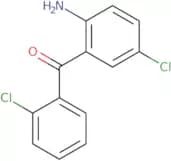


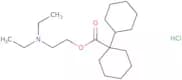
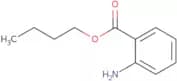
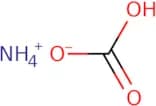
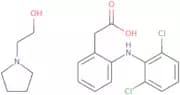
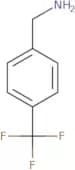


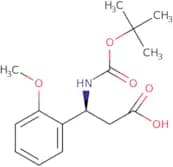

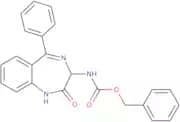

![N-[4-Amino-3-(trifluoromethyl)phenyl]-2-methylpropanamide](/_next/image/?url=https%3A%2Fstatic.cymitquimica.com%2Fproducts%2F3D%2Fthumb-webp%2FFA17485.webp&w=3840&q=75)
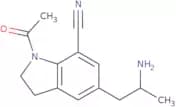

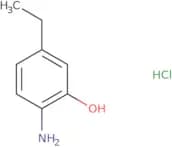

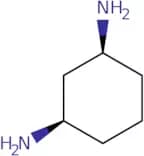
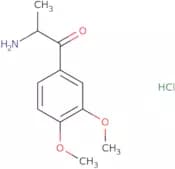


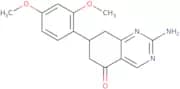
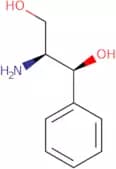
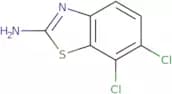

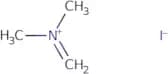
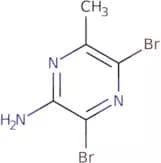
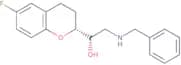
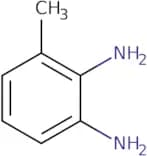
![4-amino[1,1'-biphenyl]-3-carboxylic acid](/_next/image/?url=https%3A%2Fstatic.cymitquimica.com%2Fproducts%2F3D%2Fthumb-webp%2FFA58870.webp&w=3840&q=75)
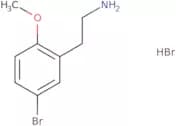
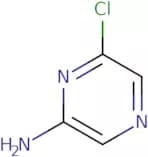
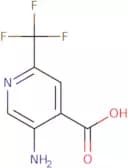

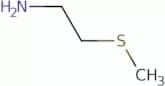
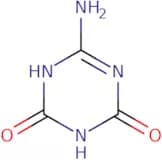
![1,4-Bis[4-(di-p-tolylamino)styryl]benzene](/_next/image/?url=https%3A%2Fstatic.cymitquimica.com%2Fproducts%2F3D%2Fthumb-webp%2FFB75808.webp&w=3840&q=75)
![3-[(Dimethylamino)methyl]benzoic acid hydrochloride](/_next/image/?url=https%3A%2Fstatic.cymitquimica.com%2Fproducts%2F3D%2Fthumb-webp%2FFD124093.webp&w=3840&q=75)
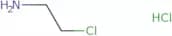
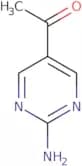
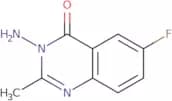
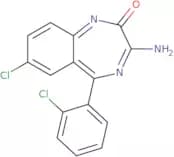
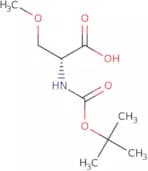
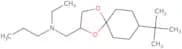
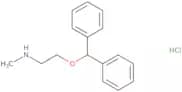

![{2-[(4-Phenylpiperazin-1-yl)carbonyl]phenyl}amine](/_next/image/?url=https%3A%2Fstatic.cymitquimica.com%2Fproducts%2F3D%2Fthumb-webp%2FFP122463.webp&w=3840&q=75)
![[1,2,4]Triazolo[1,5-a]pyrimidin-7-amine](/_next/image/?url=https%3A%2Fstatic.cymitquimica.com%2Fproducts%2F3D%2Fthumb-webp%2FFT126840.webp&w=3840&q=75)
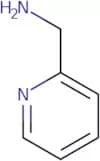
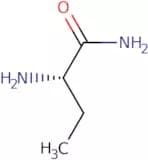
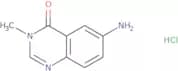
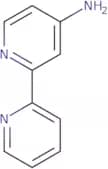

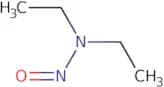
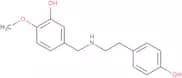
![N-[1-(4-Fluorophenyl)propan-2-Yl]-N-methylprop-2-Yn-1-amine](/_next/image/?url=https%3A%2Fstatic.cymitquimica.com%2Fproducts%2F3D%2Fthumb-webp%2FFF95966.webp&w=3840&q=75)
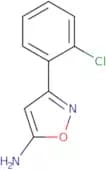
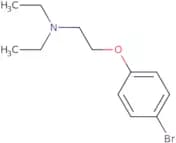
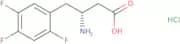
![1-[4-(4-Methylpiperidin-1-yl)phenyl]methanamine](/_next/image/?url=https%3A%2Fstatic.cymitquimica.com%2Fproducts%2F3D%2Fthumb-webp%2FFM117851.webp&w=3840&q=75)
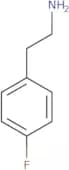
![[(1-Ethyl-1H-benzimidazol-2-yl)methyl]amine dihydrochloride](/_next/image/?url=https%3A%2Fstatic.cymitquimica.com%2Fproducts%2F3D%2Fthumb-webp%2FFE126425.webp&w=3840&q=75)

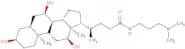
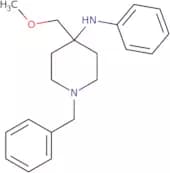
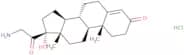
![N-(1H-Indol-4-ylmethyl)-N-[2-(4-methoxyphenyl)ethyl]amine hydrochloride](/_next/image/?url=https%3A%2Fstatic.cymitquimica.com%2Fproducts%2F3D%2Fthumb-webp%2FFI116235.webp&w=3840&q=75)
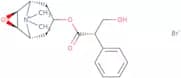

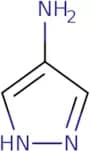
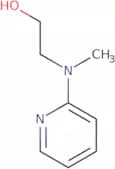
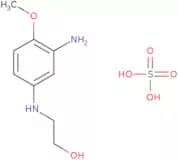
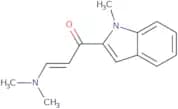
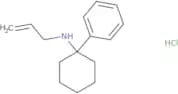

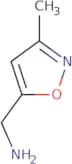
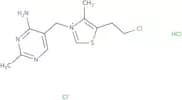
![[(1,5-Dimethyl-1H-benzimidazol-2-yl)methyl]amine](/_next/image/?url=https%3A%2Fstatic.cymitquimica.com%2Fproducts%2F3D%2Fthumb-webp%2FFD135790.webp&w=3840&q=75)
![2-Imidazo[1,2-a]pyridin-2-yl-ethylamine](/_next/image/?url=https%3A%2Fstatic.cymitquimica.com%2Fproducts%2F3D%2Fthumb-webp%2FFI51200.webp&w=3840&q=75)
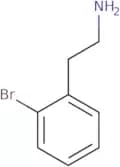
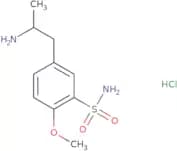
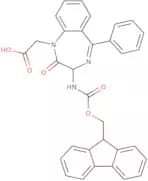
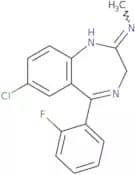
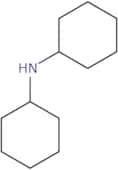
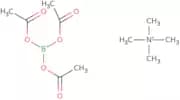
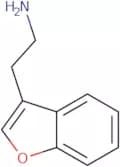


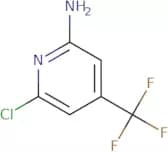
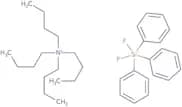
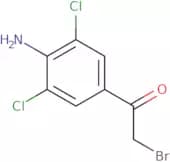


![[2-(4-Aminophenyl)ethyl]carbamic acid tert-butyl ester](/_next/image/?url=https%3A%2Fstatic.cymitquimica.com%2Fproducts%2F3D%2Fthumb-webp%2FFA51360.webp&w=3840&q=75)
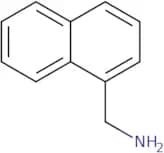


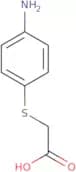
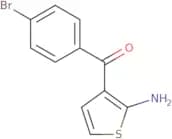

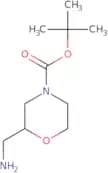
![5-[3-(Dimethylamino)propyl]-10,11-dihydro-5H-dibenzo[a,d]cyclohepten-5-ol](/_next/image/?url=https%3A%2Fstatic.cymitquimica.com%2Fproducts%2F3D%2Fthumb-webp%2FFD22331.webp&w=3840&q=75)
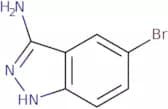

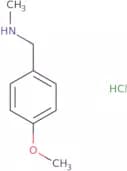
![(7S)-7-Amino-1,2,3,10-tetramethoxy-6,7-dihydro-5H-benzo[g]heptalen-9-one](/_next/image/?url=https%3A%2Fstatic.cymitquimica.com%2Fproducts%2F3D%2Fthumb-webp%2FFA20821.webp&w=3840&q=75)
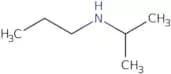


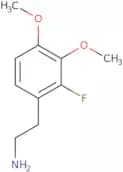
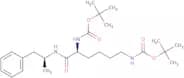
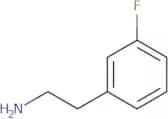
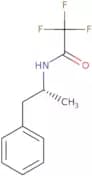
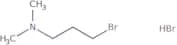
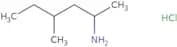

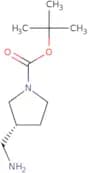
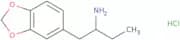
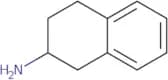
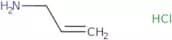
![N-[(1S)-1-(Aminocarbonyl)propyl]-4-chlorobutanamide](/_next/image/?url=https%3A%2Fstatic.cymitquimica.com%2Fproducts%2F3D%2Fthumb-webp%2FFA171302.webp&w=3840&q=75)
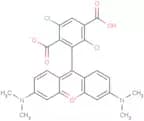



![(aR)-a-[[[2-(4-Aminophenyl)ethyl]amino]methyl]-benzenemethanol](/_next/image/?url=https%3A%2Fstatic.cymitquimica.com%2Fproducts%2F3D%2Fthumb-webp%2FFA75045.webp&w=3840&q=75)
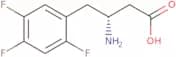
![Ac-Val-Met-[(2S,4S,5S)-5-amino-4-hydroxy-2-isopropyl-7-methyl-octanoyl]-Ala-Glu-Phe-OH trifluoroac…](/_next/image/?url=https%3A%2Fstatic.cymitquimica.com%2Fproducts%2F3D%2Fthumb-webp%2FFA111093.webp&w=3840&q=75)
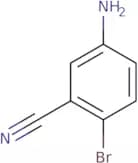

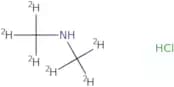
![3-Nitro-4-[[(tetrahydropyran-4-yl)methyl]amino]benzenesulfonamide](/_next/image/?url=https%3A%2Fstatic.cymitquimica.com%2Fproducts%2F3D%2Fthumb-webp%2FFN145631.webp&w=3840&q=75)
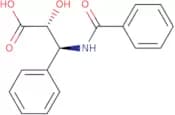
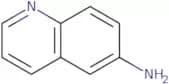
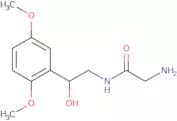

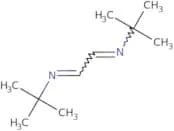

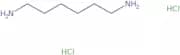
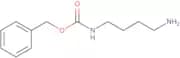

![(2S)-2-Amino-4-methyl-1-[(2R)-2-methyloxiranyl]-1-pentanone trifluoroacetate](/_next/image/?url=https%3A%2Fstatic.cymitquimica.com%2Fproducts%2F3D%2Fthumb-webp%2FFA100028.webp&w=3840&q=75)
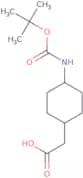
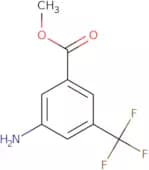
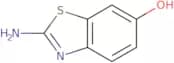

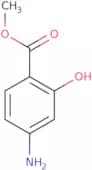
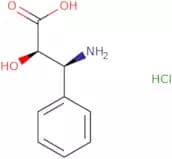
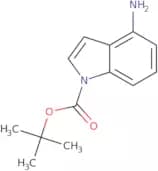
![5-Fmoc-amino-10,11-dihydro-5H-dibenzo[a,d]-cycloheptenyl-2-oxyacetyl-DL-Nle-4- methyl-benzhydrylam…](/_next/image/?url=https%3A%2Fstatic.cymitquimica.com%2Fproducts%2F3D%2Fthumb-webp%2FFT111711.webp&w=3840&q=75)
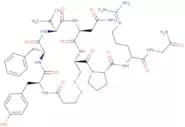
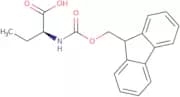

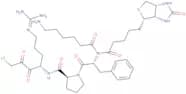
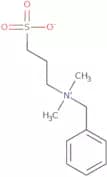

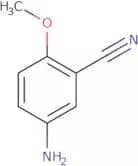
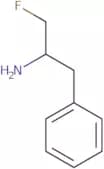
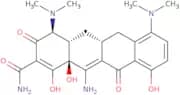

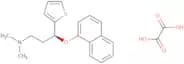
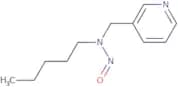
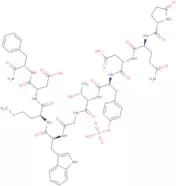
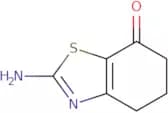
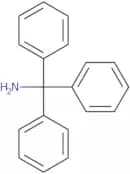
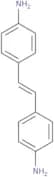
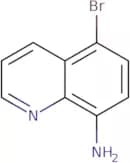
![5-(H-Gly-Pro-Gly-Pro-amido)-9-[di-(3-sulfonylpropyl)amino]-benzo[a]phenoxazonium perchlorate](/_next/image/?url=https%3A%2Fstatic.cymitquimica.com%2Fproducts%2F3D%2Fthumb-webp%2FFG110995.webp&w=3840&q=75)
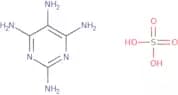

![1,2-Distearoyl-sn-glycero-3-phosphoethanolamine-N-[amino(polyethylene glycol) 2000] (ammonium salt)](/_next/image/?url=https%3A%2Fstatic.cymitquimica.com%2Fproducts%2F3D%2Fthumb-webp%2FFD157101.webp&w=3840&q=75)
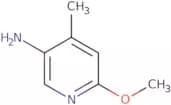
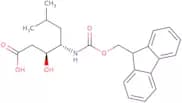

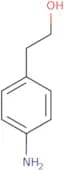
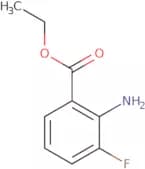
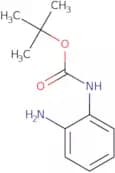
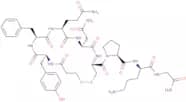

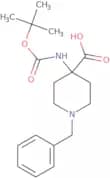

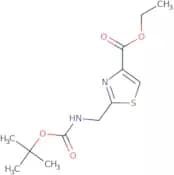
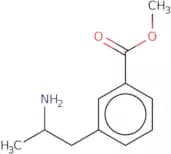
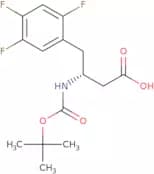
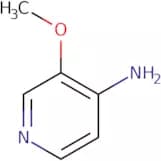
![Imidazo[1,2-a]pyridin-7-amine hydrobromide](/_next/image/?url=https%3A%2Fstatic.cymitquimica.com%2Fproducts%2F3D%2Fthumb-webp%2FFI111192.webp&w=3840&q=75)
![H-Glu-Leu-Asp-[(2R,4S,5S)-5-amino-4-hydroxy-2,7-dimethyl-octanoyl]-Val-Glu-Phe-Gly-Gly-D-Arg-D-Arg…](/_next/image/?url=https%3A%2Fstatic.cymitquimica.com%2Fproducts%2F3D%2Fthumb-webp%2FFG111107.webp&w=3840&q=75)