Ketones
Ketones are organic compounds characterized by the presence of a carbonyl group (C=O) bonded to two carbon atoms. These compounds are highly versatile and play a crucial role in various chemical reactions, including oxidation, reduction, and condensation. Ketones are essential intermediates in the synthesis of pharmaceuticals, fragrances, and polymers. At CymitQuimica, we provide a wide range of high-quality ketones to support your research and industrial applications.
Found 18867 products of "Ketones"
Sort by
Purity (%)
0
100
|
0
|
50
|
90
|
95
|
100
2-Phenyl-2,3-dihydro-1H-inden-1-one
CAS:Purity:95.0%Color and Shape:SolidMolecular weight:208.25999450683594(2E)-1-{[1,1'-biphenyl]-4-yl}-3-(4-methoxyphenyl)prop-2-en-1-one
CAS:Purity:95.0%Molecular weight:314.38400268554694,4,4-Trifluoro-3-oxo-2-(triphenylphosphoranyliden)-butyric acid ethyl ester
CAS:Molecular weight:444.3900146484383-(cyclohexylamino)-5,5-dimethylcyclohex-2-en-1-one, 98%
Purity:98.0%Molecular weight:221.343994140625Hexafluoroacetone trihydrate
CAS:Formula:C3H6F6O4Purity:95%Color and Shape:Liquid, Clear colourless liquidMolecular weight:220.0673,6-Dibromophenanthrene-9,10-dione
CAS:Purity:95.0%Color and Shape:SolidMolecular weight:366.007995605468755,6-Dihydroxy-2-phenylbenzo[b]thiophen-3(2H)-one 1,1-dioxide
Purity:97%Molecular weight:290.29000854492192-Fluoro-4-(trifluoromethyl)benzophenone
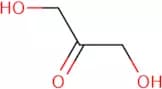
CAS:Formula:C14H8F4OPurity:97.0%Color and Shape:SolidMolecular weight:268.211Hydroxyacetone
CAS:Formula:C3H6O2Purity:80%Color and Shape:Clear colourless to slightly pale yellow liquidMolecular weight:74.079(2-CHLOROPYRIDIN-4-YL)(1H-PYRROLO[3,2-C]PYRIDIN-3-YL)METHANONE
CAS:Purity:95.0%Molecular weight:257.67999267578125(3-amino-1-benzofuran-2-yl)(3,4-dimethoxyphenyl)methanone
CAS:Purity:97%Molecular weight:297.309997558593751-(4-(Phenylethynyl)phenyl)ethan-1-one
CAS:Purity:95%Color and Shape:SolidMolecular weight:220.2709961(2E)-3-[4-(benzyloxy)phenyl]-1-(3,4-dichlorophenyl)prop-2-en-1-one
CAS:Purity:95.0%Molecular weight:383.2699890136719Ethyl 1-(2-ethoxy-2-oxoethyl)-2-oxocyclopentane-1-carboxylate
CAS:Purity:95+%Molecular weight:242.270996093754-methyl-3-(1-methyl-2-oxopropoxy)-6H-benzo[c]chromen-6-one
CAS:Purity:95.0%Molecular weight:296.32199096679692-(3,4-Dimethylbenzoyl)-5-(1,3-dioxolan-2-yl)thiophene
CAS:Purity:97.0%Molecular weight:288.35998535156252,2'-(1,4-Phenylene)bis(1-phenylethane-1,2-dione)
CAS:Purity:95.0%Color and Shape:Solid, Slightly pale yellow - Yellow powderMolecular weight:342.35000610351562′-Fluoro-5′-(trifluoromethyl)propiophenone
CAS:Formula:C10H8F4OPurity:≥97%Color and Shape:LiquidMolecular weight:220.167(2E)-1-{[1,1'-biphenyl]-4-yl}-3-(3-nitrophenyl)prop-2-en-1-one
CAS:Purity:95.0%Molecular weight:329.35501098632811,3-Diphenylacetone
CAS:Controlled Product<p>Applications 1,3-Diphenylacetone (cas# 102-04-5) is a useful research chemical.<br></p>Formula:C15H14OColor and Shape:NeatMolecular weight:210.271Tert-butyl 6-methyl-4-oxospiro[chromane-2,4'-piperidine]-1'-carboxylate
CAS:Purity:98%Molecular weight:331.4119873046875N-(9-ethyl-9H-carbazol-3-yl)-3-oxobutanamide
CAS:Purity:95.0%Color and Shape:Liquid, No data available.Molecular weight:294.354003906252,3-DIMETHYL-2,5-CYCLOHEXADIENE-1,4 DIONE
CAS:Purity:95.0%Color and Shape:SolidMolecular weight:136.149993896484384-(3-Difluoromethoxy-phenyl)-2,4-dioxo-butyric acid methyl ester
CAS:Formula:C12H10F2O5Purity:97%Color and Shape:SolidMolecular weight:272.2044′-(4-Fluorophenoxy)acetophenone
CAS:Formula:C14H11FO2Purity:97%Color and Shape:SolidMolecular weight:230.238Cycloheptyl 5-(1,3-dioxolan-2-yl)-2-thienyl ketone
CAS:Purity:97.0%Molecular weight:280.3800048828125[3-Amino-4-(methoxymethyl)-6-methylfuro[2,3-b]pyridin-2-yl](phenyl)methanone
CAS:Purity:95.0%Molecular weight:296.325988769531253-chloro-3'-(1,3-dioxolan-2-yl)-4-fluorobenzophenone
CAS:Purity:97.0%Molecular weight:306.7200012207031Acetone Oxime
CAS:Controlled Product<p>Applications Acetone oxime was one of the reagents used as a part of preparation of arylbenzoxazoles as potent and selective estrogen receptor-β ligands.<br> Not a dangerous good if item is equal to or less than 1g/ml and there is less than 100g/ml in the package<br>References Malamas, M., et al.: J. Med. Chem., 47, 5021 (2004)<br></p>Formula:C3H7NOColor and Shape:NeatMolecular weight:73.1(3-aminophenyl)(2,3-dihydro-1,4-benzodioxin-6-yl)methanone
CAS:Purity:95.0%Molecular weight:255.27299499511721-(4-Methoxyphenyl)-2-pyrimidin-4-ylethanone
CAS:Formula:C13H12N2O2Purity:95.0%Color and Shape:SolidMolecular weight:228.2512-Bromo-1-(4-cyclohexylphenyl)ethanone
CAS:Formula:C14H17BrOPurity:95%Color and Shape:SolidMolecular weight:281.1931-(2,6-Dichlorobenzyl)indoline-2,3-dione
CAS:Purity:95+%Color and Shape:SolidMolecular weight:306.1400146484375(2E)-1-{[1,1'-biphenyl]-4-yl}-3-(3-methylphenyl)prop-2-en-1-one
CAS:Purity:95.0%Molecular weight:298.385009765625(2,4,6-Trimethoxyphenyl)acetone
CAS:<p>(2,4,6-Trimethoxyphenyl)acetone is a chemical compound that has been detected in human breath. It is a metabolite of tetracycline and chloramphenicol. It is also seen in the urine of patients receiving these antibiotics. The drug can be detected in the blood or urine of individuals who have not taken any antibiotic drugs. (2,4,6-Trimethoxyphenyl)acetone has been used as an indicator for antibiotic use by researchers. This chemical compound may have low toxicity and is only found at low levels in humans.</p>Formula:C12H16O4Purity:Min. 95%Color and Shape:PowderMolecular weight:224.25 g/mol(2,4,5-Trimethoxyphenyl)acetone
CAS:Controlled Product<p>(2,4,5-Trimethoxyphenyl)acetone is an organic compound that inhibits the replication of RNA. It was found to inhibit the activity of beta-asarone and inhibit the conversion of asarone to o-benzoquinones in cell cultures. This agent also has genotoxic effects on human liver cells. (2,4,5-Trimethoxyphenyl)acetone binds to 5-hydroxytryptamine receptors and inhibits their activities, which can lead to a decrease in serotonin concentrations. (2,4,5-Trimethoxyphenyl)acetone is a colorless liquid at room temperature with a molecular weight of 174.24 grams/mol.</p>Formula:C12H16O4Purity:Min. 95%Molecular weight:224.25 g/mol3-Methoxy-4-methylphenylacetone
CAS:<p>3-Methoxy-4-methylphenylacetone is a reagent that can be used as a useful intermediate for the synthesis of complex organic compounds. It is soluble in water, but insoluble in most organic solvents. 3-Methoxy-4-methylphenylacetone is also a fine chemical with CAS No. 51814-28-9 and has been shown to be an effective building block for synthetic chemistry. It is used in the synthesis of speciality chemicals and research chemicals, such as pharmaceuticals and agrochemicals. This compound can be used as a versatile building block in many reactions and has been shown to react with epoxide, nitrile, amine, thioether, amide, alcohols, carboxylic acids or esters.</p>Formula:C11H14O2Purity:Min. 95%Color and Shape:PowderMolecular weight:178.23 g/mol3-Thioxo-1,2,4-triazin-5-one
CAS:<p>3-Thioxo-1,2,4-triazin-5-one is a chemical compound that has been shown to inhibit the growth rate of various bacteria. It inhibits the enzyme hydroxyproline hydroxylase in plants and fungi. The tautomeric form of 3-thioxo-1,2,4-triazin-5-one is found in triticum aestivum (wheat) and glyoxylate. In the presence of thiosemicarbazide or carbazone this compound undergoes a base catalyzed cyclization reaction that leads to the formation of orotic acid. 3-Thioxo-1,2,4-triazin-5-one also inhibits viral replication by blocking the synthesis of nucleobases and can be used as an antiviral agent against herpes virus.</p>Formula:C3H3N3OSPurity:Min. 95%Color and Shape:Brown SolidMolecular weight:129.14 g/mol2-(benzo[3,4-d]1,3-dioxolen-5-ylmethylene)indane-1,3-dione
CAS:<p>Please enquire for more information about 2-(benzo[3,4-d]1,3-dioxolen-5-ylmethylene)indane-1,3-dione including the price, delivery time and more detailed product information at the technical inquiry form on this page</p>Formula:C17H10O4Purity:Min. 95%Color and Shape:PowderMolecular weight:278.26 g/mol5-Methyl-2,3-hexanedione
CAS:<p>5-Methyl-2,3-hexanedione is a chemical compound that has been shown to be effective against avian influenza and the influenza virus. 5-Methyl-2,3-hexanedione inhibits the growth of influenza viruses by binding to the virus particles and preventing them from attaching to cells in the respiratory tract. This chemical also prevents the release of infectious viral particles from infected cells. The rate of encapsulation was determined by measuring the amount of 5-methyl-2,3-hexanedione that was adsorbed onto tylosin particles in a plate test. The encapsulation rate is greater than 80%. 5-Methyl-2,3-hexanedione has also been shown to inhibit tylosin resistance in vitro.</p>Formula:C7H12O2Purity:Min. 95%Color and Shape:Clear LiquidMolecular weight:128.17 g/molCabazitaxel acetone
CAS:Controlled Product<p>Inhibitor of tubulin depolymerization; anti-neoplastic.Acetone content: 6-7%</p>Formula:C48H63NO15Purity:Min. 95%Color and Shape:PowderMolecular weight:894.01 g/mol(2-Chloro-4-hydroxyphenyl)acetone
CAS:<p>2-Chloro-4-hydroxyphenyl)acetone is a chemical that is used as a reaction component and reagent in organic synthesis. It is also used for the production of fine chemicals, such as pharmaceuticals and pesticides. This chemical has several attractive features, such as its high quality, low toxicity, and versatility. 2-Chloro-4-hydroxyphenyl)acetone can be used to produce a wide range of compounds with different structures. The CAS number for this compound is 1314924-14-5.br>br><br>2-Chloro-4-hydroxyphenyl)acetone is an important building block that can be used to synthesize complex compounds with a variety of structures. It can also be used as an intermediate for other reactions or as a building block for other compounds. 2-Chloro-4-hydroxyphenyl)acetone may be useful in the production of pharmaceutical</p>Formula:C9H9ClO2Purity:Min. 95%Color and Shape:PowderMolecular weight:184.62 g/mol2-Ethoxy-5-fluoro-1H-pyrimidin-4-one
CAS:<p>2-Ethoxy-5-fluoro-1H-pyrimidin-4-one is a chemical compound that can be synthesized in ethanol, ether, and ethyl formate. It is a white crystalline solid with a melting point of 164°C. The impurities are filtered out using filtration. This compound reacts with substance to produce crystallization. 2-Ethoxy-5-fluoro-1H-pyrimidin-4-one can also be synthesized by reacting trimethylamine and isourea.</p>Formula:C6H7FN2O2Purity:Min. 95%Color and Shape:PowderMolecular weight:158.13 g/molFmoc-(S)-4-amino-2-carboxymethyl-1,3,4,5-tetrahydro-2H-[2]benzazepin-3-one
CAS:<p>Fmoc-(S)-4-amino-2-carboxymethyl-1,3,4,5-tetrahydro-2H-[2]benzazepin-3-one is a specialized chemical compound, which is an Fmoc-protected amino acid derivative. This compound is synthesized through a series of organic synthesis steps that incorporate chiral precursors to ensure enantiomeric purity. As a building block for peptide synthesis, it acts by introducing a protected amino function into the peptide chain, providing stability and selectivity during the synthesis process.The primary applications of Fmoc-(S)-4-amino-2-carboxymethyl-1,3,4,5-tetrahydro-2H-[2]benzazepin-3-one are in the fields of medicinal chemistry and drug discovery, where it plays a crucial role in the development of novel peptide-based therapeutics. This compound is particularly valuable due to its ability to enhance the bioavailability and metabolic stability of peptides, allowing for the exploration of new therapeutic pathways and functions. Its use is integral in the design of peptides with specific biological activities, facilitating research into new pharmacological agents and treatments.</p>Formula:C27H24N2O5Purity:Min. 95%Molecular weight:456.49 g/mol5-Methoxy-2,3-Dihydro-Isoindol-1-One
CAS:<p>5-Methoxy-2,3-Dihydro-Isoindol-1-One is a chemical compound that can be used as a building block in organic synthesis. It is an intermediate in the synthesis of various pharmaceuticals and other organic compounds. 5-Methoxy-2,3-Dihydro-Isoindol-1-One is soluble in ethanol, methanol, diethyl ether, chloroform, and benzene. This chemical has been classified as being safe for human use by the FDA.</p>Formula:C9H9NO2Purity:Min. 95%Color and Shape:PowderMolecular weight:163.17 g/mol3-[(4-Chlorophenyl)amino]-5,5-dimethylcyclohex-2-en-1-one
CAS:The compound is a chiral molecule, meaning that it has two different structures. One side of the molecule is the mirror image of the other. The translation and conformation of this molecule are asymmetric because the carbon atoms in its chain are not lined up in a straight line. The hydrogen bonds that form between these chains are also asymmetric, as one side of the molecule has more than one hydrogen bond while the other side only has one hydrogen bond.Formula:C14H16ClNOPurity:Min. 95%Molecular weight:249.74 g/mol2,2-dimethyl-5-(((4-phenoxyphenyl)amino)methylene)-1,3-dioxane-4,6-dione
CAS:<p>Please enquire for more information about 2,2-dimethyl-5-(((4-phenoxyphenyl)amino)methylene)-1,3-dioxane-4,6-dione including the price, delivery time and more detailed product information at the technical inquiry form on this page</p>Purity:Min. 95%7-Fluoro-5-Phenyl-1,3-Dihydro-1,4-Benzodiazepin-2-One
CAS:Controlled Product<p>7-Fluoro-5-phenyl-1,3-dihydro-1,4-benzodiazepin-2-one is a potential drug candidate that has been found to have high affinity for the benzodiazepine receptor. It was synthesized by reacting 7-fluoro-5-(chloromethyl)benzo[b]thiophene with 2,5-dimethoxybenzaldehyde in the presence of sodium hydroxide and acetic acid. The compound was characterized using techniques such as nuclear magnetic resonance (NMR), mass spectrometry (MS) and infrared spectroscopy (IR). The affinity of 7FDBZ was measured at 4 nM. The parameters used for predicting binding affinity were hydrophobicity and hydrogen bond acceptor properties. A predictive model was generated based on these parameters that shows good agreement with experimental data. The probe is hydrophobic in nature and may bind to the receptor due to</p>Formula:C15H11FN2OPurity:Min. 95%Molecular weight:254.26 g/mol1H-Pyrrolo[3,2-c]pyridin-4(5H)-one
CAS:<p>The compound 1H-Pyrrolo[3,2-c]pyridin-4(5H)-one is an enantiomer that is used as a starting material for the synthesis of other drugs. The hydrochloride salt is used in the manufacture of pharmaceuticals. This drug has been shown to be a potent inhibitor of xanthine oxidase and may have potential use in the treatment of gout and hyperuricemia.</p>Formula:C7H6N2OPurity:Min. 95%Molecular weight:134.14 g/mol1,2-Dihydro-1,5-dimethyl-2-phenyl-3H-pyrazol-3-one
CAS:<p>1,2-Dihydro-1,5-dimethyl-2-phenyl-3H-pyrazol-3-one (1,2DHDP) is a chemical inhibitor that prevents the activity of enzymes by binding to their active site. 1,2DHDP has been shown to inhibit the enzyme pyrazole ring synthesis in rat liver microsomes. It also inhibits the production of antimicrobial agents and has been used as a sample preparation agent. 1,2DHDP also interferes with drug interactions by inhibiting cytochrome P450 enzymes in the liver. This compound can be used for wastewater treatment because it is not toxic to bacteria or plants. The mechanism of this inhibitor is unknown but may be due to its ability to bind to the dinucleotide phosphate cofactor at the active site of an enzyme.</p>Formula:C11H12N2OPurity:Min. 95%Color and Shape:White/Off-White SolidMolecular weight:188.23 g/mol1-(4-Hydroxyphenyl)piperidin-2-one
CAS:<p>1-(4-Hydroxyphenyl)piperidin-2-one is a versatile building block that has been used as a research chemical, reagent and reaction component. It can be found in the CAS registry under number 79557-03-2. This compound is used as an intermediate to synthesize other pharmaceutical compounds with a variety of effects including analgesic, antipyretic, antihistaminic, and antidepressant activities. 1-(4-Hydroxyphenyl)piperidin-2-one is also known for its use in the production of high quality reagents for use in laboratory settings.</p>Formula:C11H13NO2Purity:Min. 95%Color and Shape:Off-White PowderMolecular weight:191.23 g/mol6-Methoxypyrimidine-2,4(1H,3H)-dione
CAS:Controlled Product<p>6-Methoxypyrimidine-2,4(1H,3H)-dione is a nucleophilic compound that is formed by the reaction of an electron with a carbon atom in an organic molecule. It is used as a reagent in organic synthesis. 6-Methoxypyrimidine-2,4(1H,3H)-dione can be synthesized from 2-amino-5-methoxybenzaldehyde and chloroacetic acid in three steps. The chloride ion reacts with the 6-methoxypyridine to form the desired product. 6-Methoxypyrimidine-2,4(1H,3H)-dione can also be used as a reagent to catalyze chemical reactions such as alkylation and allylation reactions. 6-Methoxypyrimidine-2,4(1H,3H)-dione has been shown to have barbiturate activity</p>Formula:C5H6N2O3Purity:Min. 95%Molecular weight:142.11 g/mol(S)-(+)-5,6,7,8-Tetrahydro-8-methylindan-1,5-dione
CAS:<p>(S)-(+)-5,6,7,8-Tetrahydro-8-methylindan-1,5-dione is a chemical compound with a molecular formula of C9H14O2 that has the chemical name of methyl 8-(hydroxymethyl)indane-1,5-dione. This compound is an enantiopure substance that exists as a single stereoisomer and can be synthesized from two different starting materials. It is not commercially available but can be prepared from boronic acid and methanol or from methylamine and hydroxyacetone. The reaction time for this synthesis varies depending on the starting material used and the desired purity level. (S)-(+)-5,6,7,8-Tetrahydro-8-methylindan-1,5-dione is used in organic synthesis as an alternative to other chiral diols.</p>Formula:C10H12O2Purity:Min. 95%Color and Shape:White PowderMolecular weight:164.2 g/mol5-Fluorodihydropyrimidine-2,4-dione
CAS:<p>5-Fluorodihydropyrimidine-2,4-dione is a drug that inhibits the activity of certain enzymes. It has been shown to inhibit the activity of dehydrogenase in human serum and liver cells. This drug has also been shown to be successful in treating autoimmune diseases. 5-Fluorodihydropyrimidine-2,4-dione is an oral prodrug which is converted into its active form by esterases in the gastrointestinal tract. The enzyme inhibitors are used to increase the bioavailability of the drug. This conversion process can be monitored using urine samples or blood sampling.</p>Formula:C4H5FN2O2Purity:Min. 95%Color and Shape:PowderMolecular weight:132.09 g/mol4-Hydroxycyclohexanone
CAS:<p>4-Hydroxycyclohexanone is a reactive compound that contains a hydroxy group and a hydroxyl group. It reacts with various substances, including hydrogen bond, to form new compounds. 4-Hydroxycyclohexanone is used in the industrial production of other chemicals, such as cyclohexanone. The reactivity of 4-hydroxycyclohexanone can be determined by its nmr spectra. The deshielding effect of the hydroxyl group causes an upfield shift in the nmr spectrum. In addition, 4-hydroxycyclohexanone reacts with hydrochloric acid to form an ester and water. The reaction mechanism for this process is nucleophilic attack by the hydroxyl group on the carbonyl carbon atom in hydroxycyclohexanone.</p>Formula:C6H10O2Purity:Min. 95%Color and Shape:Colorless PowderMolecular weight:114.15 g/molEthyl undecyl ketone
CAS:<p>Ethyl undecyl ketone is the organic compound with the formula (CH3)2C(=O)C(CH3)2. It is a colorless liquid that smells like oranges. It is used as a solvent and in the production of citronella oil, which is used in perfumes, soaps, and insecticides. The reaction vessel can be used to produce mosquitoes by introducing the bacteria Culex pipiens and feeding them with sugar or yeast. The strain of mosquito that develops has been shown to be more resistant to dry weight loss than other strains. Ethyl undecyl ketone also reacts with citratus in a process called esterification, resulting in fatty alcohols such as ethyl oleate and ethyl stearate. <br>Ethyl undecyl ketone contains methyl ketones that are diagnostic for various systemic diseases such as hyperthyroidism and liver disease. These compounds are also found in fatty acids found in As</p>Formula:C14H28OPurity:Min. 95%Color and Shape:SolidMolecular weight:212.37 g/mol19-Hydroxy-androstene-4-ene-3,17-dione
CAS:Controlled Product19-hydroxy-androstene-4-ene-3,17-dione is a metabolite of androstenedione that has been shown to have inhibitory effects on prostate cancer cells. This compound binds to the plasma membrane of these cells, leading to changes in its structure and function. 19-hydoxy-androstene-4-ene-3,17-dione has also been shown to have an inhibitory effect on human chorionic gonadotropin (HCG) and oestrone production by inhibiting the release of luteinizing hormone from the pituitary gland. This compound also inhibits the activity of protein kinase C (PKC), which is important for cell signaling. 19 hydroxyandrostene 4, 17 dione inhibits tissue culture reactions that rely on PKC as well as other enzymes involved in this process.Formula:C19H26O3Purity:Min. 98 Area-%Color and Shape:Off-White PowderMolecular weight:302.41 g/molClascoterone
CAS:Controlled Product<p>Clascoterone is a topical antiandrogen, which is a synthetic steroidal product with mechanisms focused on inhibiting androgen receptors. Derived from a modified steroid structure, this compound exhibits a targeted approach to addressing conditions influenced by androgen activity, particularly in cutaneous applications. The mode of action of Clascoterone involves competitive inhibition at the androgen receptor sites, thereby reducing the impact of dihydrotestosterone, which plays a significant role in the pathophysiology of acne.</p>Formula:C24H34O5Purity:Min. 98 Area-%Color and Shape:White Off-White PowderMolecular weight:402.52 g/mol7-Chloro-5-(2-fluorophenyl)-1,3-dihydro-3-hydroxy-2H-1,4-benzodiazepin-2-one
CAS:Controlled ProductThe chemical structure of 7-chloro-5-(2-fluorophenyl)-1,3-dihydro-3-hydroxy-2H-1,4-benzodiazepin-2-one (7CFT) is characterized by a constant and long duration of action. It is a hydroxy group extractant and has amplitudes in the organic tissues. The chlorine atom is located in the center of the molecule. 7CFT has methoxy groups on each side of the chlorine atom, which are responsible for its nature. This compound has been used as an analytical toxicology reagent and as a reference substance in analytical chemistry applications. This product description was generated using ChemSpider.Formula:C15H10ClFN2O2Purity:Min. 95%Molecular weight:304.7 g/mol2,3-Dimethyl-2,5-cyclohexadiene-1,4 dione
CAS:<p>2,3-Dimethyl-2,5-cyclohexadiene-1,4 dione (DMX) is an antioxidant that has been shown to be effective in the reaction of transfer reactions. DMX has been shown to have a binding constant with fatty acids and is able to inhibit bacterial enzymes such as cytochrome P450s. DMX also reacts with hydroxide solution and forms a salt that can be used as an inhibitor molecule for redox potential. This salt can easily be dissolved in water and is stable at high temperatures. It is possible for DMX to react with molecular modelling software in order to find the optimal reaction conditions for this compound.</p>Formula:C8H8O2Purity:Min. 95%Color and Shape:PowderMolecular weight:136.15 g/molcis-5,6-Tetramethylen-1,4-diallyloxypiperazine-2,3-dione
CAS:cis-5,6-Tetramethylen-1,4-diallyloxypiperazine-2,3-dione is a versatile building block and useful scaffold for the synthesis of pharmaceuticals. It has been shown to be an excellent reaction component in organic synthesis and as a speciality chemical. cis-5,6-Tetramethylen-1,4-diallyloxypiperazine-2,3-dione is a high quality reagent that can be used in research work.Formula:C14H20N2O4Purity:Min. 95%Molecular weight:280.32 g/mol(2S)-1,2-Dihydroxy-3,4-octanedione - aqueous solution
CAS:<p>(2S)-1,2-Dihydroxy-3,4-octanedione is a versatile building block that can be used for the synthesis of complex compounds. This compound is a reagent and useful building block in organic chemistry. (2S)-1,2-Dihydroxy-3,4-octanedione can be used as a high quality research chemical that is available at CAS No. 1173172-85-4. This compound also has a wide range of applications as a reaction component or scaffold in organic synthesis.</p>Formula:C8H14O4Purity:Min. 95%Color and Shape:Colourless LiquidMolecular weight:174.19 g/molThiazolidine-2,4-dione
CAS:<p>Thiazolidine-2,4-dione (THZ) is a drug that has been shown to be an orally active, anti-inflammatory agent with postprandial blood glucose lowering properties. It inhibits the nuclear factor kappa B (NF-κB) binding activity and suppresses inflammation in vitro and in vivo. THZ also has hypoglycemic effects and may be used as an oral hypoglycemic agent for the treatment of diabetes mellitus type 2. THZ is not active against bowel disease or atherosclerosis. It interacts with other drugs, such as statins, which reduce its hypoglycemic effects. This drug also intercalates into DNA and binds to response elements related to inflammation and insulin signalling pathways.</p>Formula:C3H3NO2SPurity:Min. 89.0%Color and Shape:PowderMolecular weight:117.13 g/molHeptylphenylketone
CAS:<p>Heptylphenylketone is a colorless liquid that is soluble in organic solvents. It is used as a chemical intermediate and has been found to be toxic to humans. Heptylphenylketone can be reduced with borohydride, which will result in the formation of phenol. The reduction of heptylphenylketone with borohydride at constant pressure will yield phenol, acetophenone, and benzoic acid. The transport properties of heptylphenylketone are controlled by its hydrophobicity and the degree of hydrogen bonding between the molecules. Human metabolism of heptylphenylketone has been studied by analysis of urine samples collected from volunteers who were given an oral dose of 25 mg/kg body weight. It was found that heptylphenylketone was metabolized mainly by oxidation to produce aldehydes, ketones, acids, fatty acids, and carboxylic acids.</p>Formula:C14H20OPurity:Min. 95%Molecular weight:204.31 g/mol2-Acetamido-6-formylpteridin-4-one
CAS:2-Acetamido-6-formylpteridin-4-one is a reductive amination product of folic acid. It is a stable compound and has been shown to be useful in the treatment of human diseases such as cancer, Alzheimer's disease, and Parkinson's disease. The reductive amination reaction produces formyl groups that can be acetylated or alkylated to produce stable compounds with different properties. This compound also reacts with glutamic acid to produce an amide.Formula:C9H7N5O3Purity:Min. 97 Area-%Color and Shape:PowderMolecular weight:233.18 g/mol5-Isobutylcyclohexane-1,3-dione
CAS:<p>Please enquire for more information about 5-Isobutylcyclohexane-1,3-dione including the price, delivery time and more detailed product information at the technical inquiry form on this page</p>Formula:C10H16O2Purity:Min. 95%Color and Shape:PowderMolecular weight:168.23 g/mol6-Methoxyindoline-2,3-dione
CAS:<p>6-Methoxyindoline-2,3-dione is an indole alkaloid that has been isolated from the leaves of plants in the genus Apiaceae. It is synthesized by a reaction system that involves the oxidation of 6-methoxyindole to the corresponding oxindole and subsequent reduction to the desired product. The cytotoxicity of 6-methoxyindoline-2,3-dione has been demonstrated using a fluorescent assay with cancer cells. The compound binds to and activates cb2 receptors, which are expressed on immune cells and have been shown to be involved in inflammatory processes.</p>Formula:C9H7NO3Purity:Min. 95%Color and Shape:PowderMolecular weight:177.16 g/mol5-Amino-(3,4'-bipyridin)-6(1H)-one
CAS:<p>Phosphodiesterase type 3 inhibitor; positive inotropic agent; vasodilatory</p>Formula:C10H9N3OPurity:Min. 95%Color and Shape:PowderMolecular weight:187.2 g/mol3-(4-bromophenyl)-5-indol-3-yl-1H,4H,5H-1,2-diazin-6-one
CAS:Please enquire for more information about 3-(4-bromophenyl)-5-indol-3-yl-1H,4H,5H-1,2-diazin-6-one including the price, delivery time and more detailed product information at the technical inquiry form on this pagePurity:Min. 95%4-Chloro-1H-inden-2(3H)-one
CAS:<p>4-Chloro-1H-inden-2(3H)-one is a reagent that is useful in organic synthesis. It has been used as an intermediate, building block, and scaffold for the preparation of complex compounds. 4-Chloro-1H-inden-2(3H)-ones are also used as research chemicals and speciality chemicals. This compound can be prepared by reacting 4-chloroindan-1,3(2H)-dione with hydrochloric acid or sodium nitrite in aqueous solution at room temperature.</p>Formula:C9H7ClOPurity:(%) Min. 95%Color and Shape:PowderMolecular weight:166.6 g/mol4-Propylpyrrolidin-2-one
CAS:<p>4-Propylpyrrolidin-2-one is a chemical compound. It is the product of the condensation of two molecules of butyric acid and one molecule of hexanoic acid. The cyclization reaction occurs at the 4 position, forming a six-membered ring. This reaction can be catalyzed by bromine or UV light. Brivaracetam is a drug that belongs to the class of antiepileptic drugs and was developed as an analog of levetiracetam, which inhibits voltage-gated sodium channels in neurons. It has been shown to have only weak affinity for benzodiazepine binding sites and does not cause sedation or memory impairment.</p>Formula:C7H13NOPurity:Min. 95%Color and Shape:PowderMolecular weight:127.18 g/mol3,5,7,4'-Tetramethoxyflavone
CAS:<p>3,5,7,4'-Tetramethoxyflavone is a flavonoid that has been shown to have antidiabetic effects in animal studies. The mechanism of action of 3,5,7,4'-tetramethoxyflavone is not clear; however it is thought to involve the regulation of insulin sensitivity and energy metabolism. This compound has also been shown to inhibit the growth of Mycobacterium tuberculosis and other bacteria by interacting with their adenosine receptors. 3,5,7,4'-Tetramethoxyflavone binds to the basophilic leukemia cell line and inhibits its uptake of adenosine through the ccaat/enhancer-binding protein complex.</p>Formula:C19H18O6Purity:Min. 95%Molecular weight:342.34 g/molPhenyl N-tridecyl ketone
CAS:<p>Phenyl N-tridecyl ketone is a high quality, research chemical that is used as a reagent and reaction component. The compound has been shown to be an effective building block for the production of complex compounds with a variety of applications including pharmaceuticals and agrochemicals. Phenyl N-tridecyl ketone is also useful in the synthesis of speciality chemicals and fine chemicals. It has been shown to have versatile scaffolding properties which can be used as an intermediate or starting point for the production of other compounds with different functional groups.</p>Formula:C20H32OPurity:Min. 95%Color and Shape:PowderMolecular weight:288.47 g/mol1,4-Dioxan-2-one
CAS:<p>1,4-Dioxan-2-one is a chemical compound that belongs to the class of inorganic compounds. It is an acid with a molecular weight of 116.07 g/mol and a melting point of -104°C. 1,4-Dioxan-2-one can be used as diagnostic agents for the detection of lanthanum and polymerization catalysts for the synthesis copolymers. It has been shown that 1,4-dioxan-2-one reacts with ethylene oxide to give polyoxymethylene ethers, which are thermoplastic polymers. The reaction is promoted by metathesis reactions and polymerization catalysis.</p>Formula:C4H6O3Purity:Min. 95%Color and Shape:Clear Liquid PowderMolecular weight:102.09 g/mol5-Bromo-2-adamantanone
CAS:<p>5-Bromo-2-adamantanone is a potent and selective inhibitor of human alpha-amylase. It binds to the active site in the enzyme, hindering its catalytic activity. 5-Bromo-2-adamantanone has been shown to inhibit the production of glucose by inhibiting alpha amylase, an enzyme that breaks down starch into maltose. 5-Bromo-2-adamantanone has also been shown to be a potential drug for diabetes therapy.</p>Formula:C10H13BrOPurity:Min. 95%Color and Shape:PowderMolecular weight:229.11 g/mol3-Hydroxy-2H-pyran-2-one
CAS:<p>3-Hydroxy-2H-pyran-2-one is a dehydroascorbic acid analog. 3-Hydroxy-2H-pyran-2-one has been shown to inhibit HIV infection in vitro and in vivo. This compound binds to the enzyme gamma aminobutyric acid (GABA) and prevents the production of GABA, which is an inhibitor of HIV replication. 3-Hydroxy-2H-pyran-2-one also inhibits the activity of ethylene diamine, which is a precursor for nitric oxide synthesis, leading to a decrease in nitric oxide levels. The stable complex formed by 3-hydroxy 2H pyran 2 one with ethylene diamine is less reactive than the free drug, which may reduce its toxicity.</p>Formula:C5H4O3Purity:Min. 95 Area-%Color and Shape:PowderMolecular weight:112.08 g/mol4-Chloro-5-morpholin-4-ylpyridazin-3(2H)-one
CAS:<p>Please enquire for more information about 4-Chloro-5-morpholin-4-ylpyridazin-3(2H)-one including the price, delivery time and more detailed product information at the technical inquiry form on this page</p>Formula:C8H10ClN3O2Purity:90%MinColor and Shape:PowderMolecular weight:215.64 g/mol7-Amino-2-(4-methoxyphenyl)[1,2,4]triazolo[1,5-a]pyrimidin-5(4H)-one
CAS:7-Amino-2-(4-methoxyphenyl)[1,2,4]triazolo[1,5-a]pyrimidin-5(4H)-one is a fine chemical that belongs to the category of versatile building blocks. It can be used as a reagent for research purposes and as a speciality chemical for the production of complex compounds. This compound is also an important building block for the synthesis of compounds with high quality and useful scaffolds.Formula:C12H11N5O2Purity:Min. 95%Color and Shape:PowderMolecular weight:257.25 g/mol5-Chloro-2-methyl-2H-isothiazol-3-one hydrochloride
CAS:5-Chloro-2-methyl-2H-isothiazol-3-one hydrochloride (Kathon CG) is a preservative that belongs to the group of sesquiterpene lactones. It is used in cosmetics, pharmaceuticals, and industrial products as an antimicrobial agent. Kathon CG has been shown to be effective against bacteria such as Escherichia coli and Staphylococcus aureus. Kathon CG has also been found to be nontoxic to human cells in vitro at concentrations up to 100%. The optimum concentration for this preservative has been found to be 0.0025% in vivo on human skin and 0.025% in vitro on human skin. This preservative is not toxic to humans or animals when ingested at doses up to 2 g/kg body weight and can cause dermatitis at concentrations of 10%.Formula:C4H5Cl2NOSPurity:Min. 95 Area-%Color and Shape:Red PowderMolecular weight:186.06 g/mol1-Hydroxycyclohexyl phenyl ketone
CAS:<p>1-Hydroxycyclohexyl phenyl ketone is a reactive, water-soluble polymer that can be used as a substrate for forming thin films. It is a biocompatible polymer with a relatively low degree of toxicity. The film can be used to immobilize enzymes and other proteins on the surface of polymers. 1-Hydroxycyclohexyl phenyl ketone is also an analytical method for determining the concentration of hydroxyl groups in organic solvents. This substance has been shown to have strong fluorescence properties when it is mixed with trifluoroacetic acid and used as a probe for axonal growth.</p>Formula:C13H16O2Purity:Min. 98 Area-%Color and Shape:White Off-White PowderMolecular weight:204.26 g/mol4-Pregnen-17α,20α,21-triol-3-one
CAS:Controlled Product4-Pregnen-17alpha,20alpha,21-triol-3-one (4PT) is a versatile building block that can be used in the synthesis of complex compounds. It has been used as a reagent and speciality chemical in research chemicals and as an intermediate for pharmaceuticals and other organic syntheses. 4PT also has been shown to have high quality with a reaction component and scaffold for organic synthesis.Formula:C21H32O4Purity:Min. 95%Color and Shape:PowderMolecular weight:348.48 g/mol5-Acetoxy-3-chloro-2-pentanone
CAS:<p>5-Acetoxy-3-chloro-2-pentanone is a thioformamide that is used as an intermediate in the synthesis of vitamin B1. It is also a precursor to formic acid and formaldehyde, which are used in the production of dyes and other chemical products. 5-Acetoxy-3-chloro-2-pentanone is synthesized by reacting hydroxylamine with acetyl chloride. The reaction proceeds via a nucleophilic substitution reaction. This product has a high yield and can be produced with various alkyl groups, such as 1-4C, 2C, 3C, 4C, 5C, 6C, 7C, 8C or 9C. 5-Acetoxy-3-chloro-2-pentanone can be used to produce formic acid or formaldehyde by reacting it with sodium hydroxide or potassium hydroxide respectively.</p>Formula:C7H11ClO3Purity:Min. 95%Molecular weight:178.61 g/mol2-(4-(2-fluorophenyl)piperazinyl)-1-indol-3-ylethane-1,2-dione
CAS:Controlled Product<p>Please enquire for more information about 2-(4-(2-fluorophenyl)piperazinyl)-1-indol-3-ylethane-1,2-dione including the price, delivery time and more detailed product information at the technical inquiry form on this page</p>Formula:C20H18FN3O2Purity:Min. 95%Color and Shape:PowderMolecular weight:351.37 g/mol4-Pregnen-20β-ol-3-one
CAS:Controlled Product<p>4-Pregnen-20beta-ol-3-one is a synthetic progestin that has been shown to have both contraceptive and noncontraceptive activities. It is used primarily to treat female infertility, endometriosis, and amenorrhea. The drug also has a number of other effects on the body, including anti-inflammatory and anti-angiogenic properties. 4-Pregnen-20beta-ol-3-one binds to the human liver receptor, which is responsible for its metabolism. The drug also has some activity in the endometrium of pregnant women and in the ovary cells of postmenopausal women. It increases epidermal growth factor production in skin cells and may be involved in lipid metabolism. 4-Pregnen-20beta-ol-3-one also stimulates lactogenic hormone production in women.</p>Formula:C21H32O2Purity:Min. 95%Color and Shape:PowderMolecular weight:316.48 g/mol5-(((2-(3,4-dimethoxyphenyl)ethyl)amino)methylene)-2,2-dimethyl-1,3-dioxane-4,6-dione
CAS:Please enquire for more information about 5-(((2-(3,4-dimethoxyphenyl)ethyl)amino)methylene)-2,2-dimethyl-1,3-dioxane-4,6-dione including the price, delivery time and more detailed product information at the technical inquiry form on this pagePurity:Min. 95%(5α)-17-(3-Pyridinyl)androst-16-en-3-one
CAS:Controlled Product(5α)-17-(3-Pyridinyl)androst-16-en-3-one is a natural metabolite of testosterone that is produced in the liver. It has been identified as an impurity in API, which can be found in drugs used for the treatment of high blood pressure and prostate cancer. (5α)-17-(3-Pyridinyl)androst-16-en-3-one is not active as a drug itself, but it can be used as a standard to study the metabolism of testosterone and other steroids.Formula:C24H31NOPurity:Min. 98 Area-%Color and Shape:White PowderMolecular weight:349.51 g/mol4-Methyl-2H-1,4-benzoxazin-3(4H)-one
CAS:<p>4-Methyl-2H-1,4-benzoxazin-3(4H)-one is an organic compound that is a hydrogen chloride salt. It is used in the isolation and identification of catechols. The compound has been shown to form condensation products with cellulose, which are detected using analytical techniques such as chromatography and spectrophotometry. 4-Methyl-2H-1,4-benzoxazin-3(4H)-one has a trifluoride ion as its chromophore, which can be detected using analytical techniques.</p>Formula:C9H9NO2Purity:Min. 95%Color and Shape:PowderMolecular weight:163.17 g/mol3-Phenylacetylamino-2,6-piperidinedione
CAS:<p>3-Phenylacetylamino-2,6-piperidinedione is a trifluoroacetate analog of the amino acid phenylalanine. It has been shown to be effective against cancer cells. 3-Phenylacetylamino-2,6-piperidinedione inhibits protein synthesis in tumor cells and is used as an antiestrogen in clinical studies. The hydroxyl group on the 3rd carbon atom makes this compound more acidic than its parent compound, 2,6-piperidinedione. This analog also has a high affinity for cancer tissues and urine samples. Treatment with this drug inhibits the growth of carcinoma cell lines MCT7 and MCF7.</p>Formula:C13H14N2O3Purity:Min. 95%Color and Shape:PowderMolecular weight:246.26 g/mol3-(tert-butyl)indeno[3,2-c]isoxazol-4-one
CAS:<p>Please enquire for more information about 3-(tert-butyl)indeno[3,2-c]isoxazol-4-one including the price, delivery time and more detailed product information at the technical inquiry form on this page</p>Formula:C14H13NO2Purity:Min. 95%Color and Shape:PowderMolecular weight:227.26 g/molEupatilin
CAS:<p>Eupatilin is a flavonoid compound, which is derived from the Artemisia species. This plant-based source has been traditionally used in various medicinal applications across different cultures. Eupatilin’s mode of action involves inhibition of pro-inflammatory cytokines and modulation of signaling pathways associated with inflammation, such as the NF-kB pathway. Additionally, it has been found to possess antioxidant activities, which further contributes to its therapeutic potential.</p>Formula:C18H16O7Purity:Min. 95%Color and Shape:PowderMolecular weight:344.32 g/mol2-Azabicyclo[2.2.1]hept-5-en-3-one
CAS:<p>2-Azabicyclo[2.2.1]hept-5-en-3-one is a carbocyclic nucleoside that is synthesized from cyclopentyl and organic solvent, imine, lactam, and fluorine. It has been shown to have potential as a prodrug for the treatment of cancer when it is converted to 2-azabicyclo[2.2.1]heptane by an enzyme called lactamase in the body. Molecular modeling studies show that this compound has a high level of fluidity and can be used in liquid chromatography methods. The enantiomer of this molecule has also been identified and is being studied as a possible drug candidate for the treatment of malaria.</p>Formula:C6H7NOPurity:Min. 95%Color and Shape:PowderMolecular weight:109.13 g/molEthyl cyclopentanone-2-carboxylate
CAS:<p>Ethyl cyclopentanone-2-carboxylate (ECPC) is a chemical compound that can be synthesized from picolinic acid, β-amino acid, and methyl ketones. It is a bifunctional molecule that has been shown to have the ability to activate methylene groups. ECPC has been used in the synthesis of β-amino esters and ethyl esters. This compound can also react with hydrogen fluoride and trifluoroacetic acid to form ethyl cyclopentanone-2-carboxylate trifluoroacetate (ECPCT). ECPC has been found to undergo an aldol cyclization reaction when exposed to hydrogen ions in the presence of a base. The activation energies for this reaction are 19.6 kJ/mol for the first step and 23.5 kJ/mol for the second step.</p>Formula:C8H12O3Purity:Min. 95 Area-%Color and Shape:Colorless Clear LiquidMolecular weight:156.18 g/mol3-Amino-4-methylpentan-2-one hydrochloride
CAS:<p>3-Amino-4-methylpentan-2-one hydrochloride is a versatile building block that is used for the synthesis of high quality research chemicals, useful scaffolds, and speciality chemicals. It is also used as a reagent in organic syntheses. This chemical has a wide range of uses and is a fine chemical that can be used as an intermediate or reaction component. 3-Amino-4-methylpentan-2-one hydrochloride can be reacted with other compounds to form complex molecules that have many different applications.</p>Formula:C6H13NO•HClPurity:Min. 95%Color and Shape:SolidMolecular weight:151.63 g/mol5-Chloro-6-[(2-imino-1-pyrrolidinyl)methyl]-2,4(1H,3H)-pyrimidinedione monohydrochloride
CAS:Trifluridine is a pyrimidine nucleoside analog that is used in the treatment of colorectal cancer. It is a potent inhibitor of DNA polymerase and other enzymes involved in DNA replication and transcription, including RNA polymerase. Trifluridine has been shown to inhibit the growth of various types of human tumor cells in vitro. This drug also has anti-inflammatory properties, which may be due to its ability to inhibit prostaglandin synthesis. Trifluridine can cause fetal bovine syndrome when given to pregnant women and should not be used during pregnancy or breastfeeding.Formula:C9H11ClN4O2·HClPurity:Min. 98 Area-%Color and Shape:White PowderMolecular weight:279.12 g/mol(3-Hydroxyphenyl)acetone
CAS:<p>(3-Hydroxyphenyl)acetone is a chemical that can be used as a reaction component, reagent, or building block for the synthesis of complex compounds. This compound has high quality and is useful in research. It has CAS No. 64479-84-1 and has many uses in the synthesis of speciality chemicals or fine chemicals. (3-Hydroxyphenyl)acetone is a versatile intermediate that can be used to make other compounds such as antihistamines, antibiotics, anticonvulsants, antipsychotics, and antidepressants.</p>Formula:C9H10O2Purity:Min. 95%Color and Shape:Yellow PowderMolecular weight:150.17 g/mol3-(4-(tert-butyl)phenyl)-5-(1-methylindol-3-yl)-1H,4H,5H-1,2-diazin-6-one
CAS:Please enquire for more information about 3-(4-(tert-butyl)phenyl)-5-(1-methylindol-3-yl)-1H,4H,5H-1,2-diazin-6-one including the price, delivery time and more detailed product information at the technical inquiry form on this pageFormula:C23H25N3OPurity:Min. 95%Molecular weight:359.46 g/mol3β,5-Dihydroxy-15β,16β-methylene-5β-androst-6-en-17-one
CAS:Controlled Product<p>3b,5-Dihydroxy-15b,16b-methylene-5b-androst-6-en-17-one is a steroid hormone that has been shown to have antihypertensive properties. It has been shown to reduce the production of angiotensin II by inhibiting the enzyme angiotensin converting enzyme (ACE). 3b,5-Dihydroxy-15b,16b-methylene-5b-androst-6-en 17 one has also been shown to be a potent inhibitor of the enzyme 3beta hydroxysteroid dehydrogenase type 1 (3betaHSD1) and 5alpha reductase type 2 (5alphaRD2), which are enzymes that convert cortisone to cortisol and dihydrotestosterone to testosterone respectively. These effects on steroidogenesis may account for its observed antihypertensive activity.</p>Formula:C20H28O3Purity:Min. 95%Color and Shape:PowderMolecular weight:316.43 g/molIsothiazol-3-one
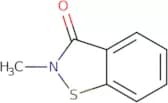
CAS:<p>Isothiazol-3-one is a microbicidal agent that is used as an additive to water in the form of a liquid or powder. It is classified as reactive and hydrochloric acid, which means it reacts with water to produce chlorine and hydrochloric acid. The biocidal activity of the chemical is due to its ability to inhibit the growth of bacteria by reacting with their cell walls and destroying them. Isothiazol-3-one has also been shown to have an effect on insulin resistance in rats. This effect may be due to its ability to inhibit cholesterol esterase, an enzyme involved in lipid metabolism that has been shown to be associated with diabetes. Isothiazol-3-one is also known for its high values of carbonyl groups and chlorine atoms, making it useful for analytical chemistry experiments using gas chromatography (GC), as well as in agricultural research.</p>Formula:C3H3NOSPurity:Min. 95%Color and Shape:PowderMolecular weight:101.13 g/mol5-Hydroxy-4-methyl 2(5H) furanone
CAS:<p>5-Hydroxy-4-Methyl 2(5H) furanone is an organic solvent that can be used as a byproduct of the reaction between alkali metal and dimethylformamide. It can also be generated by catalytic isomerization of methyl 2-furoate with hydrochloric acid, yielding enolate. This compound has been shown to have high yield in the conversion of 13-cis-retinoic acid into its corresponding trans isomer. 5-Hydroxy-4-Methyl 2(5H) furanone can be used as a reactant for lipase enzymes.</p>Formula:C5H6O3Purity:Min. 95%Molecular weight:114.1 g/mol5β-Pregnan-3α,21-diol-11,20-dione
CAS:Controlled Product5beta-Pregnan-3alpha,21-diol-11,20-dione (5beta-pregnan) is a fine chemical used in research and development as a building block or intermediate. It has many uses, including as a useful scaffold for complex compounds. This chemical is also an excellent reagent for the synthesis of new organic compounds. It is a versatile building block that can be used in the production of high quality speciality chemicals. 5beta-pregnan may be used to synthesize many different types of building blocks and intermediates that are useful for the synthesis of other compounds.Formula:C21H32O4Purity:(Tlc) Min. 95.0%Color and Shape:PowderMolecular weight:348.48 g/mol3-Methyl 2H-furo[2,3-c]pyran-2-one
CAS:<p>3-Methyl 2H-furo[2,3-c]pyran-2-one (3MHFP) is a plant hormone that belongs to the group of butenolides. It is a karrikin and has been shown to have a variety of physiological effects in plants. 3MHFP binds to specific receptors on the plasma membrane, which causes an increase in Ca++ and K+ ion flow through cell membranes. This leads to inhibition of enzymes such as dehydrocostus lactone oxidase, which are involved in the production of reactive oxygen species (ROS). 3MHFP also affects seed germination, stimulating it at low concentrations and inhibiting it at high concentrations. The mechanisms underlying these effects are not fully understood, but may be due to its ability to regulate metabolism.</p>Formula:C8H6O3Purity:Min. 98 Area-%Color and Shape:Yellow PowderMolecular weight:150.13 g/mol3-(4-Hydroxyphenyl)-1-(4-morpholin-4-ylphenyl)prop-2-en-1-one
CAS:<p>Please enquire for more information about 3-(4-Hydroxyphenyl)-1-(4-morpholin-4-ylphenyl)prop-2-en-1-one including the price, delivery time and more detailed product information at the technical inquiry form on this page</p>Formula:C19H19NO3Purity:Min. 95%Color and Shape:PowderMolecular weight:309.36 g/mol3-ethyl-5-((2-hydroxy-3-methoxyphenyl)methylene)-2-thioxo-1,3-thiazolidin-4-one
CAS:<p>Please enquire for more information about 3-ethyl-5-((2-hydroxy-3-methoxyphenyl)methylene)-2-thioxo-1,3-thiazolidin-4-one including the price, delivery time and more detailed product information at the technical inquiry form on this page</p>Purity:Min. 95%3-(4-ethoxyphenyl)spiro[1,3-thiazolidine-2,3'-indoline]-4,7-dione
CAS:<p>Please enquire for more information about 3-(4-ethoxyphenyl)spiro[1,3-thiazolidine-2,3'-indoline]-4,7-dione including the price, delivery time and more detailed product information at the technical inquiry form on this page</p>Purity:Min. 95%4-(4-(Prop-2-yn-1-yloxy)phenyl)-1,2,4-triazolidine-3,5-dione
CAS:<p>Selective reagent for bioconjugation of tyrosine residues</p>Formula:C11H9N3O3Purity:Min. 96.5 Area-%Color and Shape:White To Yellow To Beige To Brown SolidMolecular weight:231.21 g/mol3-(tert-butyl)-1-phenyl-4-(2-thienylmethylene)-2-pyrazolin-5-one
CAS:<p>Please enquire for more information about 3-(tert-butyl)-1-phenyl-4-(2-thienylmethylene)-2-pyrazolin-5-one including the price, delivery time and more detailed product information at the technical inquiry form on this page</p>Purity:Min. 95%2-Acetyl-4-nitroindane-1,3-dione
CAS:2-Acetyl-4-nitroindane-1,3-dione is a synthetic compound that is assembled in two steps from commercially available starting materials. The first step involves the assembly of the nitro group and acetyl group on the indane ring. The second step involves the oxidative cyclization of the nitro group to form the final product. The compound was monitored by UV absorption and HPLC analysis with a spermidine standard. It has been shown to selectively inhibit trypanothione reductase, an enzyme involved in trypanosome metabolism. 2-Acetyl-4-nitroindane-1,3-dione is also an analogue of disulphide, which has been shown to be effective against trypanosomes. 2-Acetyl-4-nitroindane-1,3-dione is synthesized on solid phase using strategies developed for peptides and amines. This compound has alsoFormula:C11H7NO5Purity:Min. 95%Color and Shape:PowderMolecular weight:233.18 g/mol3-(4-chlorophenyl)spiro[1,3-thiazolidine-2,3'-indoline]-4,7-dione
CAS:<p>Please enquire for more information about 3-(4-chlorophenyl)spiro[1,3-thiazolidine-2,3'-indoline]-4,7-dione including the price, delivery time and more detailed product information at the technical inquiry form on this page</p>Formula:C16H11ClN2O2SPurity:Min. 95%Color and Shape:PowderMolecular weight:330.79 g/mol4,4-Dimethyl-1,3-cyclohexanedione
CAS:<p>4,4-Dimethyl-1,3-cyclohexanedione is a covalent inhibitor that inhibits the acetoxylation of l-type calcium channels. This inhibition prevents the opening of calcium channels, which leads to a decrease in neuronal excitability. 4,4-Dimethyl-1,3-cyclohexanedione has shown antimycobacterial activity against mycobacteria in dilution assays and can be used for the treatment of tuberculosis. It also has been shown to have antagonistic activities against nerve injury and isomers with potential use for nerve damage. The reaction time for this compound is not known.</p>Formula:C8H12O2Purity:Min. 97.5 Area-%Color and Shape:PowderMolecular weight:140.18 g/mol4-Methoxy-1-indanone
CAS:<p>4-Methoxy-1-indanone is a quinoline derivative that is used as an intermediate for the synthesis of a number of bioactive molecules, such as gephyrotoxin (a potent neurotoxin) and oxime derivatives. 4-Methoxy-1-indanone has been shown to be activated by metal ions and oximes to form iminium cations. These cations are then converted into chloride or carbonic anions by dehydrogenase enzymes, which are important in the metabolism of carbohydrates in living organisms.</p>Formula:C10H10O2Purity:Min. 95%Color and Shape:PowderMolecular weight:162.19 g/mol2,2,5,5-Tetramethyldihydrofuran-3(2H)-one
CAS:<p>2,2,5,5-Tetramethyldihydrofuran-3(2H)-one is an organic compound that is classified as a heterocyclic compound. This substance has been shown to be a good mercurial reagent and can be used for the synthesis of polycyclic compounds. 2,2,5,5-Tetramethyldihydrofuran-3(2H)-one has been shown to form a dimer with sulfuric acid in the presence of polyphosphoric acid. It also reacts with ethers to form sulfates and furans.</p>Formula:C8H14O2Purity:Min. 95%Color and Shape:Clear LiquidMolecular weight:142.2 g/mol2-Pivaloylindane-1,3-dione
CAS:<p>2-Pivaloylindane-1,3-dione is a coumarin derivative that inhibits the replication of RNA by binding to the enzyme RNA polymerase. It binds to the hydroxyl group in a human serum and intramolecular hydrogen in an aromatic ring. 2-Pivaloylindane-1,3-dione also has a chemical stability and high kinetic data. It is used as an additive to inhibit the growth of bacteria that cause infectious diseases such as tuberculosis, leprosy, and malaria.</p>Purity:Min. 95%1-(3-Chloropropyl)-1,3-dihydro-2H-benzimidazole-2-one
CAS:<p>Phenylmethyl (PM) is a drug that belongs to the class of phenylmethanesulfonamides. It is used in the treatment of diarrhea, specifically in cases where there are no other suitable anti-diarrheal drugs available. The active form of PM is 1-(3-chloropropyl)-1,3-dihydro-2H-benzimidazole-2-one (PCP). This drug inhibits bacterial growth by binding to the 50S ribosomal subunit and inhibiting protein synthesis. PCP has been shown to have a narrow spectrum of activity against most enteric bacteria and some protozoa. The drug is poorly absorbed from the gastrointestinal tract and does not cross the blood–brain barrier, which limits its use for systemic infections.</p>Formula:C10H11ClN2OPurity:Min. 95%Color and Shape:PowderMolecular weight:210.66 g/mol2-((4-(isopropyl)phenyl)methylene)indane-1,3-dione
CAS:<p>Please enquire for more information about 2-((4-(isopropyl)phenyl)methylene)indane-1,3-dione including the price, delivery time and more detailed product information at the technical inquiry form on this page</p>Formula:C19H16O2Purity:Min. 95%Color and Shape:Powder3-(tert-butyl)-2-phenylindeno[3,2-c]pyrazol-4-one
CAS:<p>Please enquire for more information about 3-(tert-butyl)-2-phenylindeno[3,2-c]pyrazol-4-one including the price, delivery time and more detailed product information at the technical inquiry form on this page</p>Formula:C20H18N2OPurity:Min. 95%Color and Shape:PowderMolecular weight:302.37 g/mol1-(3-((5-Chloro-2-methoxyphenyl)amino)-5-methyl-2,4-thiazolyl)ethan-1-one
CAS:Please enquire for more information about 1-(3-((5-Chloro-2-methoxyphenyl)amino)-5-methyl-2,4-thiazolyl)ethan-1-one including the price, delivery time and more detailed product information at the technical inquiry form on this pageFormula:C13H13ClN2O2SPurity:Min. 95%Molecular weight:296.77 g/mol3-(tert-butyl)-1-(4-nitrophenyl)indeno[2,3-d]pyrazol-4-one
CAS:Please enquire for more information about 3-(tert-butyl)-1-(4-nitrophenyl)indeno[2,3-d]pyrazol-4-one including the price, delivery time and more detailed product information at the technical inquiry form on this pagePurity:Min. 95%5-[(3,5-Dimethylphenoxy)methyl]oxazolidin-2-one
CAS:<p>Metaxalone is a centrally acting muscle relaxant that belongs to the group of nonsteroidal anti-inflammatory drugs. It is used as an adjunct to rest, physical therapy, and other measures for the relief of discomfort associated with acute, painful musculoskeletal conditions. Metaxalone is also used in the treatment of spasticity due to multiple sclerosis and cerebral palsy. This drug has been shown to be effective in treating neurologic disorders such as epilepsy, Parkinson's disease, and Alzheimer's disease. Metaxalone has also been shown to be an effective analgesic agent in postoperative dental procedures. Metaxalone can cause fetal abnormalities when administered during pregnancy; therefore it should not be given during pregnancy or if there is a possibility of becoming pregnant while taking this medication. Metaxalone interacts with many drugs including warfarin, metoclopramide, oral hypoglycemic agents such as insulin and sulfonylureas, sedatives such as benzodiazepines and</p>Formula:C12H15NO3Purity:Min. 95%Color and Shape:White PowderMolecular weight:221.25 g/mol1-(2-Thienyl)-1-butanone
CAS:<p>1-(2-Thienyl)-1-butanone (1TBB) is a reactive oxygen species that has been shown to exhibit biological activity. 1TBB is an active oxygen species that can be used as a source of hydrogen peroxide, which is involved in the desulfurization of tobacco and the oxidation of ethylene to produce ethane. 1TBB also reacts with aliphatic aldehydes to form reactive intermediates, which may lead to oxidative injury. 1TBB has been shown to have anti-inflammatory properties, which may be due to its ability to inhibit prostaglandin synthesis.</p>Formula:C8H10OSPurity:Min. 95%Molecular weight:154.045243,6-Dimethylpyrimidine-2,4(1H,3H)-dione
CAS:<p>3,6-Dimethylpyrimidine-2,4(1H,3H)-dione is a chemical compound that has been found to be active against influenza virus. It is an acidic compound that binds to positively charged amino acids on the viral envelope and inhibits viral fusion with host cells. The linker group in 3,6-dimethylpyrimidine-2,4(1H,3H)-dione is the same as that of dimethylsulfate, which is a chemical compound used for the synthesis of other compounds. X-ray diffraction data for this compound have been obtained at high resolution and show it to be a chloride salt. The chloride ion may be important in the antiviral activity of 3,6-dimethylpyrimidine-2,4(1H,3H)-dione because it can react with radicals formed during influenza replication. This compound also has antiradical activities against Coxsackievirus B3 (</p>Formula:C6H8N2O2Purity:Min. 95%Molecular weight:140.14 g/molMontelukast methyl ketone
CAS:<p>Montelukast is a sulfonyl-containing leukotriene receptor antagonist with anti-inflammatory and bronchodilator properties. It is used in the treatment of asthma and chronic obstructive pulmonary disease. Oral administration of Montelukast methyl ketone to rats caused prolonged retention of the drug (1.5 times) in the stomach, which may be due to its impurities or salts. The use of this medication can lead to an increase in blood pressure and heart rate, as well as other side effects such as dizziness, headache, nausea, vomiting, and diarrhea.</p>Formula:C34H32ClNO3SPurity:(%) Min. 95%Color and Shape:PowderMolecular weight:570.14 g/mol1-(1H-Indazol-3-yl)ethanone
CAS:Controlled Product<p>1-(1H-Indazol-3-yl)ethanone is a drug that belongs to the class of c6 alkyl ionizable. It has been shown to have an inhibitory effect on the enzyme thiomorpholine, which is involved in the biosynthesis of the neurotransmitter acetylcholine and other important biochemicals. 1-(1H-Indazol-3-yl)ethanone is used in clinical medication for autoimmune diseases, inflammatory diseases, cancer, and morpholine. It is also used as a research chemical for studying cancer and morpholine.</p>Formula:C9H8N2OPurity:Min. 95%Color and Shape:White To Off-White SolidMolecular weight:160.17 g/mol7,8-Dimethoxy-1,3-dihydro-2H-3-benzazepin-2-one
CAS:<p>The compound 7,8-dimethoxy-1,3-dihydro-2H-3-benzazepin-2-one is an amide with a pH of 3. It has a molecular weight of 191.31 and a melting point of 79.7 degrees Celsius. The compound is used in the industrial preparation of pharmaceuticals and can be reacted with trifluoroacetic acid to form 3,4-dimethoxyphenylacetic acid.</p>Formula:C12H13O3NPurity:Min. 95%Color and Shape:White PowderMolecular weight:219.24 g/mol2H-1,4-Benzoxazine-2,3(4H)-dione
CAS:<p>2H-1,4-Benzoxazine-2,3(4H)-dione is an organic compound that has a catalytic lactonization reaction. It has been used to form acyl groups from carboxylic acids and amides from alcohols in the presence of an acid catalyst. The cyclic lactam formed can be hydrolyzed to a linear amide by heating with water. 2H-1,4-Benzoxazine-2,3(4H)-dione is also used in the hydrogenation of nitro compounds and haloalkanes. This compound can be prepared by refluxing isatin with hydroxamic acid or solvents such as methylene chloride. This compound also undergoes hydroxamic acid reactions to form hydroxamic acids.</p>Formula:C8H5NO3Purity:Min. 95%Color and Shape:PowderMolecular weight:163.13 g/molDihydro-5-methoxy-2,4(1H,3H)-pyrimidinedione
CAS:<p>Dihydro-5-methoxy-2,4(1H,3H)-pyrimidinedione is a high quality chemical and useful building block. It is a fine chemical and research chemicals as well as a versatile building block that can be used in synthesis of various compounds. Dihydro-5-methoxy-2,4(1H,3H)-pyrimidinedione has been shown to have activity against methicillin resistant Staphylococcus aureus (MRSA) and Clostridium perfringens.</p>Formula:C5H8N2O3Purity:Min. 95%Color and Shape:PowderMolecular weight:144.13 g/mol8-Cyclohexadecen-1-one
CAS:8-Cyclohexadecen-1-one is a mixture of isomers consisting of cyclohexadecane-1,2-dione. This chemical has been shown to enhance the activity of wst-8 in reconstituted systems with dietary concentrations. 8-Cyclohexadecen-1-one is also found in fatty acid esters and unsaturated ketones and can be produced by metathesis reactions.Formula:C16H28OPurity:Min. 95 Area-%Color and Shape:White PowderMolecular weight:236.39 g/mol(4-Acetamidophenyl)acetone
CAS:<p>(4-Acetamidophenyl)acetone is a chemical compound that belongs to the class of complex compounds. It is an intermediate in the synthesis of other chemicals and can be used as a building block for more complicated molecules. (4-Acetamidophenyl)acetone has been used as a reagent in organic synthesis, and it has shown high reactivity. This chemical is also used in research, such as the development of new pharmaceutical drugs, and it can be used to synthesize speciality chemicals. The versatility of this chemical makes it useful in many different reactions.</p>Formula:C11H13NO2Purity:Min. 95%Color and Shape:Brown Beige PowderMolecular weight:191.23 g/mol(2,4-Difluorophenyl)acetone
CAS:<p>(2,4-Difluorophenyl)acetone is a high quality chemical that can be used as a reagent, intermediate or building block for the synthesis of complex compounds. It is also a versatile building block for the synthesis of speciality chemicals, research chemicals and reaction components. (2,4-Difluorophenyl)acetone is an important intermediate in the synthesis of fluoroquinolones and it has been shown to be useful in the preparation of dyes such as indigo and phthalocyanine. This compound is also used to synthesize other pharmaceuticals such as aspirin and acetaminophen.</p>Formula:C9H8F2OPurity:Min. 95%Color and Shape:PowderMolecular weight:170.16 g/mol3-Chloro-4-(dichloromethyl)-5-hydroxy-2(5H)-furanone
CAS:<p>3-Chloro-4-(dichloromethyl)-5-hydroxy-2(5H)-furanone belongs to the class of polymerase chain inhibitors. It inhibits DNA synthesis by binding to the enzyme DNA polymerase and blocking the progression of DNA synthesis. 3-Chloro-4-(dichloromethyl)-5-hydroxy-2(5H)-furanone has significant cytotoxicity in mammalian cells and is genotoxic, which may be due to its mutagenicity. The mechanism of its mutagenicity is not known, but it has been shown that this compound reacts with effector proteins such as thiols and sulfhydryls. 3-Chloro-4-(dichloromethyl)-5-hydroxy-2(5H)-furanone can react with chlorine in water to form a chlorinated derivative that is more stable than the parent compound. This chemical stability has been used</p>Formula:C5H3Cl3O3Purity:(%) Min. 95%Color and Shape:PowderMolecular weight:217.43 g/mol(5-Bromo-2-methoxyphenyl)acetone
CAS:<p>5-Bromo-2-methoxyphenyl)acetone (BMPA) is a versatile building block used in the synthesis of complex compounds and speciality chemicals. BMPA has been shown to be a useful intermediate for the synthesis of pharmaceuticals, agrochemicals, perfumes, and other products. It is also used as a reagent for research purposes. The compound was first synthesized by the condensation of aniline with acetaldehyde in 1885 by two French chemists, but has since been prepared in various ways. CAS number: 205826-73-9</p>Formula:C10H11BrO2Purity:Min. 95%Molecular weight:243.1 g/molTetrahydro-1,3,4,6-tetramethylimidazo(4,5-d)imidazole-2,5(1H,3H)-dione
CAS:<p>Tetrahydro-1,3,4,6-tetramethylimidazo(4,5-d)imidazole-2,5(1H,3H)-dione (DMTI) is a phosphotungstic acid analog that has been shown to have potent synergic activity with pharmacological agents used in the treatment of congestive heart failure. It increases ATP production in cells by inhibiting the enzyme pyruvate dehydrogenase kinase and stimulating protein kinase C. DMTI also has an effect on energy metabolism by increasing the concentration of adenosine monophosphate (AMP) and decreasing the concentration of adenosine triphosphate (ATP). DMTI is a chiral compound that contains two asymmetric carbon atoms. The molecule itself is not biologically active but must be metabolized to produce the active form. This compound has a high affinity for oxytocin receptors and can be used to induce</p>Formula:C8H14N4O2Purity:Min. 95 Area-%Color and Shape:PowderMolecular weight:198.22 g/mol5,5-dimethyl-2-(thioxo((3-(trifluoromethyl)phenyl)amino)methyl)cyclohexane-1,3-dione
CAS:Please enquire for more information about 5,5-dimethyl-2-(thioxo((3-(trifluoromethyl)phenyl)amino)methyl)cyclohexane-1,3-dione including the price, delivery time and more detailed product information at the technical inquiry form on this pagePurity:Min. 95%3-(Trifluoromethyl)phenylacetone
CAS:<p>3-(Trifluoromethyl)phenylacetone is a chiral iminium-type organocatalyst that is used in asymmetric organic reactions. This compound has been shown to be effective for the synthesis of chiral amines and hydroxyl groups, as well as biotransformations. 3-(Trifluoromethyl)phenylacetone binds to substrates through hydrogen bonding, steric interactions, and electrostatic interactions. It also has a high affinity for hydroxides and isosteres. 3-(Trifluoromethyl)phenylacetone can be used as an alternative to L-proline in certain biotransformations because it binds more tightly to the enzyme than L-proline does.</p>Formula:C10H9F3OPurity:Min. 95%Color and Shape:Clear LiquidMolecular weight:202.17 g/molN-alpha-Tosyl-L-lysine chloromethyl ketone HCl
CAS:<p>N-alpha-Tosyl-L-lysine chloromethyl ketone HCl is a chemical compound that binds to DNA. It has been shown to induce neuronal death and caspase-independent cell death in HL60 cells. The compound can also be used as a biochemical probe to study the apoptosis pathway. N-alpha-Tosyl-L-lysine chloromethyl ketone HCl is currently being investigated as an antiinflammatory agent for chronic coughs due to its ability to inhibit proteases.</p>Formula:C14H21ClN2O3S·HClPurity:Min. 95%Color and Shape:PowderMolecular weight:369.31 g/molFluindione
CAS:<p>Fluindione is an oral hypolipidemic drug that belongs to the coumarin derivatives. The drug has been shown to reduce serum cholesterol and triglyceride levels, as well as body mass index (BMI). Fluindione is a prodrug that is converted in vivo to its active form, 7-hydroxycoumarin. The metabolism of fluindione may be affected by other drugs such as ketoconazole, erythromycin, and cimetidine. Fluindione has been shown to have a beneficial effect on patients who suffer from bowel disease or cardiac diseases such as atrial fibrillation. Patients who are elderly or hypersensitive are advised to avoid this medication due to its side effects, which include symptoms such as rash, fever, hypotension, tachycardia and high values of liver enzymes.</p>Formula:C15H9FO2Purity:Min. 95%Color and Shape:PowderMolecular weight:240.23 g/mol4-Pregnen-20-alpha-ol-3-one
CAS:Controlled Product<p>Progesterone is a hormone that regulates the menstrual cycle and plays a key role in pregnancy. It is produced by the corpus luteum, the placenta, and the ovaries. Progesterone is also involved in regulating other functions such as cell growth, fat metabolism, blood clotting, and water balance. The level of progesterone in urine has been shown to be a good indicator of follicular growth during ovulation. In women with metabolic disorders or lactogenic hormone deficiencies, low levels of progesterone can lead to infertility.</p>Formula:C21H32O2Purity:Min. 95%Color and Shape:White PowderMolecular weight:316.48 g/mol1-Bromobutane-2,3-dione
CAS:<p>1-Bromobutane-2,3-dione is a chemical reagent that is used as a building block for the synthesis of complex compounds. It is soluble in many solvents and has a boiling point of 205°C. It is also useful as an intermediate in organic chemistry. 1-Bromobutane-2,3-dione can be converted to a variety of chemicals with different functional groups such as amides, esters, nitriles, and epoxides with the use of catalysts. This compound is also used in research to create diverse chemical scaffolds or building blocks for pharmaceuticals and other fine chemicals.</p>Formula:C4H5BrO2Purity:Min. 95%Color and Shape:Clear LiquidMolecular weight:164.99 g/mol1,7-Dichloroheptan-4-one
CAS:<p>1,7-Dichloroheptan-4-one is a synthetic organic compound that has been used as a pharmaceutical intermediate. It is an H2 receptor antagonist and reactive with mammalian cells. 1,7-Dichloroheptan-4-one has been shown to inhibit the production of inflammatory mediators in the lung, which may be due to its ability to reduce chloride levels. This compound has also been shown to have antipsychotic effects in animals and is currently being studied for use in treating cardiovascular disorders such as hypertension.</p>Formula:C7H12Cl2OPurity:Min. 95 Area-%Molecular weight:183.07 g/mol(5-Bromo-4-methoxyphenyl)acetone
CAS:<p>5-Bromo-4-methoxyphenyl)acetone (BMA) is a versatile building block that is used in the production of fine chemicals, research chemicals, and reagents. It has been shown to be a useful scaffold for the synthesis of complex compounds. BMA is also an intermediate for the production of other chemicals. This chemical has been shown to have high quality with a wide range of uses as a reaction component or useful scaffold.</p>Formula:C10H11BrO2Purity:Min. 95%Molecular weight:243.1 g/molDi-N-tridecyl ketone
CAS:<p>Di-N-tridecyl ketone is a functional group that is found in unsaturated ketones, mercaptals, cyclic hydrocarbons, and fatty acids. It has been shown to have a number of functions in vivo including reaction mechanism, hydrocarbon group, fatty acid, and metal surface. Di-N-tridecyl ketone has also been shown to be biosynthesized by plates and long-chain as condensation products.</p>Formula:C27H54OPurity:Min. 95%Color and Shape:PowderMolecular weight:394.72 g/mol1-(4-Fluoro-3-(trifluoromethyl)phenyl)-2,6,6-trimethyl-5,6,7-trihydroindol-4-one
CAS:<p>Please enquire for more information about 1-(4-Fluoro-3-(trifluoromethyl)phenyl)-2,6,6-trimethyl-5,6,7-trihydroindol-4-one including the price, delivery time and more detailed product information at the technical inquiry form on this page</p>Formula:C18H17F4NOPurity:Min. 95%Color and Shape:PowderMolecular weight:339.33 g/mol5-Amino-1,3-benzoxazol-2(3H)-one hydrochloride
CAS:<p>5-Amino-1,3-benzoxazol-2(3H)-one hydrochloride is a fine chemical that belongs to the group of compounds known as benzoxazoles. Benzoxazoles are used as building blocks for the preparation of other compounds. 5-Amino-1,3-benzoxazol-2(3H)-one hydrochloride is soluble in water, and it can be used as a research chemical or intermediate in organic synthesis. This compound has a CAS number of 77408-77-6 and can be purchased at high quality.</p>Formula:C7H6N2O2·HClPurity:Min. 95%Color and Shape:Off-White PowderMolecular weight:186.6 g/mol2,3-dimethyl-4-((3-oxo-5-phenylcyclohex-1-enyl)amino)-1-phenyl-3-pyrazolin-5-one
CAS:Please enquire for more information about 2,3-dimethyl-4-((3-oxo-5-phenylcyclohex-1-enyl)amino)-1-phenyl-3-pyrazolin-5-one including the price, delivery time and more detailed product information at the technical inquiry form on this pagePurity:Min. 95%2,2-dimethyl-5-(((2-phenylethyl)amino)methylene)-1,3-dioxane-4,6-dione
CAS:<p>Please enquire for more information about 2,2-dimethyl-5-(((2-phenylethyl)amino)methylene)-1,3-dioxane-4,6-dione including the price, delivery time and more detailed product information at the technical inquiry form on this page</p>Purity:Min. 95%Flavanone azine
CAS:<p>Flavanone azine is a synthetic compound derived from flavonoid sources, specifically engineered through the structural manipulation of flavanone molecules. Flavonoids are naturally occurring compounds found in plants known for their diverse biological activities. The synthetic derivation allows for enhanced stability and bioavailability compared to natural counterparts.</p>Formula:C30H24N2O2Purity:Min. 95%Molecular weight:444.52 g/mol4-(Hydroxymethyl)-5-methyl-1,3-dioxol-2-one
CAS:<p>4-(Hydroxymethyl)-5-methyl-1,3-dioxol-2-one is a reagent used in organic synthesis, particularly for the introduction of the non-chiral (oxodioxolenyl)methyl carbamate group to active pharmaceutical ingredients (APIs) to afford the corresponding pro-drug. The pro-drug helps to increase the bio-availability of the active drug which is generated in vivo by a base catalysed decomposition process that destroys the 1,3-dioxol-2-one ring. A high-profile example of this is the hypertension drug Alizsartan medoxomil. 4-(Hydroxymethyl)-5-methyl-1,3-dioxol-2-one can be reacted with oxalyl chloride to afford (5-methyl-2-oxo-1,3-dioxol-4-yl)methyloxyoxayl chloride which provides for an alternative approach to introduce the (oxodioxolenyl)methyl carbamate group.</p>Formula:C5H6O4Purity:Min. 95%Color and Shape:Colorless Clear LiquidMolecular weight:130.1 g/mol3,3-Bis-(3,5-dimethyl-4-hydroxyphenyl)-1,3-dihydro-indol-2-one
CAS:3,3-Bis-(3,5-dimethyl-4-hydroxyphenyl)-1,3-dihydro-indol-2-one is a versatile building block that can be used in the synthesis of complex molecules for research purposes. It also has other applications as a reagent or speciality chemical. This chemical is an intermediate in organic synthesis and it is sometimes used as a reaction component or scaffold to synthesize high quality compounds. 3,3-Bis-(3,5-dimethyl-4-hydroxyphenyl)-1,3-dihydro-indol-2-one belongs to the class of fine chemicals.Formula:C24H23NO3Purity:Min. 95%Molecular weight:373.44 g/mol5-Hydroxy-1,4-naphthalenedione
CAS:<p>Blocks RNA polymerases I, II, and III; inhibits PPlases</p>Formula:C10H6O3Purity:Min. 98 Area-%Color and Shape:PowderMolecular weight:174.15 g/mol6α-Fluoro-11β,17,21-Trihydroxypregna-1,4-Diene-3,20-Dione 17-Valerate
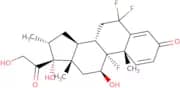
CAS:Controlled Product6alpha-Fluoro-11beta,17,21-Trihydroxypregna-1,4-Diene-3,20-Dione 17-Valerate is a hydrogenated and esterified form of 6alpha-fluoro-11beta,17,21-trihydroxypregna1,4diene3,20dione. It is an oil with a fatty acid ester that has been synthetically modified to be more hydrophobic. 6alpha-Fluoro-11beta,17,21-Trihydroxypregna1,4diene3,20dione 17valerate is used in the synthesis of pharmaceuticals and hormones. It can also be used as an enhancer for the stability of pharmaceutical preparations.Formula:C26H35FO6Purity:Min. 95%Molecular weight:462.55 g/mol5α-Pregnan-3β-ol-20-one 3β-acetate
CAS:Controlled Product<p>5α-Pregnan-3β-ol-20-one 3β-acetate is a synthetic steroid that is used to treat various neurological disorders, including dystonias, depression, and dyskinesias. It is an agonist of the GABA receptor and has been shown to have antidepressant effects in hamsters. 5α-Pregnan-3β-ol-20-one 3β-acetate has also been shown to have antiaggressive effects in mice and to decrease hormone levels in animals. The drug has been found to be safe for use in humans and does not affect fertility. 5α-Pregnan-3β-ol-20-one 3βacetate has been shown to be effective only when administered at high doses, which may be due to its poor oral bioavailability.</p>Formula:C23H36O3Purity:Min. 95%Color and Shape:White PowderMolecular weight:360.53 g/mol4-Chloro-1-(3-Fluorophenyl)-1-Butanone
CAS:<p>4-Chloro-1-(3-fluorophenyl)-1-butanone is a reagent that is used in the synthesis of complex compounds. It has been used as an intermediate in the synthesis of a variety of useful compounds and as a building block for more complex molecules. This chemical is one of the most versatile building blocks available, and can be used for reactions involving deprotection, coupling, and polymerization. The CAS number for this compound is 3110-52-9.</p>Formula:C10H10ClFOPurity:Min. 95%Color and Shape:Clear LiquidMolecular weight:200.64 g/mol1,4-Dihydroxy-2-butanone
CAS:1,4-Dihydroxy-2-butanone is a synthetic organic compound, often described as an intermediate or precursor in various biochemical processes. It is primarily derived from chemical synthesis methods involving the manipulation of butanone derivatives. Its chemical stability and reactivity make it a valuable compound in laboratory settings.The mode of action of 1,4-Dihydroxy-2-butanone involves its participation as a key intermediate in the biosynthesis of riboflavin, or vitamin B2, in microorganisms. Within this pathway, it undergoes several enzymatic transformations, contributing to the formation of complex structures necessary for riboflavin synthesis.The uses and applications of 1,4-Dihydroxy-2-butanone are predominantly found in research environments, where it serves as a critical component in studies focused on understanding and synthesizing riboflavin. Additionally, its role in elucidating enzyme mechanisms and exploring metabolic pathways makes it an essential compound for scientists working in the fields of biochemistry and metabolic engineering. This compound's contribution to fundamental research provides insights into potential biotechnological applications and innovations in vitamin production.Formula:C4H8O3Purity:Min. 97 Area-%Color and Shape:White PowderMolecular weight:104.1 g/mol2-(((4-ethoxyphenyl)amino)methylene)indane-1,3-dione
CAS:<p>Please enquire for more information about 2-(((4-ethoxyphenyl)amino)methylene)indane-1,3-dione including the price, delivery time and more detailed product information at the technical inquiry form on this page</p>Purity:Min. 95%4-(Hydroxymethyl)cyclohexanone
CAS:<p>4-(Hydroxymethyl)cyclohexanone is a dicarboxylic acid methyl ester. It is synthesized by reacting formic acid with hexamethylene diamine. 4-(Hydroxymethyl)cyclohexanone can be used in the production of a variety of products, including pharmaceuticals, cosmetics, and perfumes. This compound is produced from renewable resources and does not contribute to global warming or ozone depletion.</p>Formula:C7H12O2Purity:Min. 95%Color and Shape:PowderMolecular weight:128.17 g/mol(2,3,4-Trimethoxyphenyl)acetone
CAS:<p>(2,3,4-Trimethoxyphenyl)acetone is a high quality chemical reagent that is used as a complex intermediate for the synthesis of various fine chemicals. It is also a useful scaffold and building block for the synthesis of speciality chemicals or research chemicals. (2,3,4-Trimethoxyphenyl)acetone can be used as a versatile building block in organic syntheses and has been used as a reaction component in the synthesis of substituted phenols. It is also listed on the Chemical Abstracts Service registry with CAS No. 102119-67-5.</p>Formula:C12H16O4Color and Shape:PowderMolecular weight:224.25 g/mol2-Amino-6-formylpteridin-4-one
CAS:<p>2-Amino-6-formylpteridin-4-one is a reactive compound that can cause oxidative injury in humans. It has been shown to cause hydrogen bond cleavage and the loss of structural integrity in human serum. 2-Amino-6-formylpteridin-4-one also induces apoptosis by inhibiting the mitochondrial membrane potential and releasing cytochrome c from the mitochondria into the cytosol. 2-Amino-6-formylpteridin-4-one is an inhibitor of binding to anion radicals, which may be beneficial for treating skin disorders such as psoriasis.</p>Formula:C7H5N5O2Purity:Min. 97 Area-%Color and Shape:PowderMolecular weight:191.15 g/mol(2-Hydroxy-5-nitrophenyl)acetone
CAS:<p>2-Hydroxy-5-nitrophenyl)acetone is a high quality reagent that has been used as an intermediate in the synthesis of many complex compounds. It is a useful intermediate and building block in organic synthesis. 2-Hydroxy-5-nitrophenyl)acetone is also a versatile building block, which can be used to form chemical derivatives with different functional groups.</p>Formula:C9H9NO4Color and Shape:PowderMolecular weight:195.17 g/mol1-(4-Fluorophenyl)-2,6,6-trimethyl-5,6,7-trihydroindol-4-one
CAS:<p>Please enquire for more information about 1-(4-Fluorophenyl)-2,6,6-trimethyl-5,6,7-trihydroindol-4-one including the price, delivery time and more detailed product information at the technical inquiry form on this page</p>Formula:C17H18FNOPurity:Min. 95%Color and Shape:PowderMolecular weight:271.33 g/molClobetasol Propionate - Impurity B
CAS:Controlled Product(11β)-21-Chloro-9-fluoro-11-hydroxy-16-methylpregna-1,4,16-triene-3,20-dione is a chemical compound that can be used as a building block in the synthesis of other chemicals. It is structurally related to progesterone and has been found to have antiandrogenic properties. This product can also be used as a reagent or speciality chemical in research. It is high quality and versatile. (11β)-21-Chloro-9-fluoro-11-hydroxy-16-methylpregna 1,4,16 triene 3,20 dione has been shown to have an effect on the body's reproductive system by binding to the androgen receptor.Formula:C22H26ClFO3Purity:Min. 95%Color and Shape:PowderMolecular weight:392.89 g/mol1-Bromo-(1,3-thiazole-2-yl)ethane-2-one
CAS:<p>Please enquire for more information about 1-Bromo-(1,3-thiazole-2-yl)ethane-2-one including the price, delivery time and more detailed product information at the technical inquiry form on this page</p>Formula:C5H4BrNOSPurity:Min. 95%Molecular weight:206.06 g/mol4-(2- fluorophenyl)-6,8-dihydro-1,3,8-trimethyl-Pyrazolo[3,4-e][1,4]diazepin-7(1H)-one mixt. with 2-(ethylamino)-2-(2-thienyl)cycloh exanone hydrochloride
CAS:Controlled Product<p>Telazol is an anesthetic that belongs to the class of nonbenzodiazepine drugs. It is used as a short-term sedative and analgesic in preoperative, obstetrical, and diagnostic procedures. Telazol is a prodrug that is metabolized in vivo to its active form, 4-(2-fluorophenyl)-6,8-dihydro-1,3,8-trimethyl-Pyrazolo[3,4-e][1,4]diazepin-7(1H)-one (TFD). Telazol has been shown to have low toxicity when administered at low doses (0.5 mg/kg) to rats.</p>Formula:C27H33ClFN5O2SPurity:Min. 95%Molecular weight:546.1 g/mol17-Hydroxy-6-methylpregna-4,6-diene-3,20-dione
CAS:Controlled Product17-Hydroxy-6-methylpregna-4,6-diene-3,20-dione is a progestin that is used as an antiretroviral agent in the treatment of HIV. It has been shown to be effective for chronic cough and cancer. 17-Hydroxy-6-methylpregna-4,6-diene-3,20-dione can be used for the treatment of infectious diseases such as HIV by inhibiting viral replication and reducing the amount of virus in the blood. This drug can also be used to treat some cancers and solid tumours. It has been shown to have long term efficacy in these conditions due to its ability to block cell division. 17 hydroxy pregnane 4,6 diene 3,20 dione is also used in the treatment of geriatric patients with chronic illnesses or who are immunocompromised due to its ability to stimulate appetite.Formula:C22H30O3Purity:Min. 98 Area-%Color and Shape:White Off-White PowderMolecular weight:342.47 g/mol1,3-Bis-(Z-Leu-Leu)-diaminoacetone
CAS:1,3-Bis-(Z-Leu-Leu)-diaminoacetone is a synthetic diketone inhibitor, which is a formulation derived through specialized organic synthesis. It functions by targeting and inhibiting aspartic proteases, a class of enzymes that play critical roles in numerous biological processes, including protein degradation and processing. This compound's mechanism involves the reversible covalent modification of the enzyme's active site, leading to an obstruction of its catalytic function.Formula:C43H64N6O9Purity:Min. 95%Color and Shape:PowderMolecular weight:809 g/mol9-Fluoro-17β-Hydroxy-17-Methyl-5β-Androstane-3,11-Dione
CAS:Controlled Product<p>9-Fluoro-17beta-Hydroxy-17-Methyl-5β-Androstane-3,11-Dione is a chemical compound that has oxidizing properties. It is a white or light yellow crystalline powder that can be prepared from potassium and 9-fluoroandrostenedione. The compound is insoluble in water, but soluble in organic solvents. It has a melting point of about 138°C, and does not react with alkali metals or bases. 9FAD has been shown to have thermal treatment applications for the fields of pulverulent materials and input introduction. Thermally applied, it can be used to increase the surface area of input materials such as coal and ore, as well as being able to convert them into more reactive forms.</p>Formula:C20H29FO3Purity:Min. 95%Molecular weight:336.44 g/mol3β-Hydroxyergost-5-en-7-one
CAS:Controlled Product<p>Please enquire for more information about 3beta-Hydroxyergost-5-en-7-one including the price, delivery time and more detailed product information at the technical inquiry form on this page</p>Formula:C28H46O2Purity:Min. 95%Molecular weight:414.66 g/mol(2-Methoxyphenyl)acetone oxime
CAS:<p>2-Methoxyphenyl)acetone oxime is a versatile building block that can be used in the synthesis of complex compounds. It is a colourless crystalline solid with a melting point of 138°C and a boiling point of 188°C. This compound has been assigned CAS No. 43021-97-2 and is soluble in water, ethanol, acetone, benzene, chloroform, ether and ethyl acetate. The chemical structure for this compound is shown below:</p>Formula:C10H13NO2Purity:Min. 95%Color and Shape:PowderMolecular weight:179.22 g/molFlavanone diacetyl hydrazone
CAS:<p>Flavanone diacetyl hydrazone is a hydrogenated flavonoid derivative, which is synthesized from natural flavonoid sources. This compound exhibits its mode of action primarily through its ability to donate hydrogen atoms, effectively scavenging free radicals and inhibiting oxidative stress. Furthermore, it interacts with various cellular pathways to exert anti-inflammatory effects, making it a potential therapeutic agent in oxidative stress-related disorders.</p>Formula:C19H18N2O3Purity:Min. 95%Molecular weight:322.36 g/mol(2-Nitrophenyl)acetone
CAS:<p>2-Nitrophenylacetone is a polycyclic compound with an alkyl group, phenyl group, and a diterpenoid substituent. It is acylated with an acetate group on the 2-nitrophenyl group. The skeleton of this molecule contains a ketone (C=O) framework. The hydrogen atom in the molecule constitutes its chemistry. This molecule has been expressed in E. coli and purified to homogeneity. It constitutes the first example of a ketone containing framework for which biomolecular chemistry has been studied.</p>Formula:C9H9NO3Purity:Min. 95%Color and Shape:PowderMolecular weight:179.17 g/mol2,2-dimethyl-1,2,3-trihydroquinazolin-4-one
CAS:<p>2,2-dimethyl-1,2,3-trihydroquinazolin-4-one is a natural product that belongs to the family of quinazolinones. It is found in a variety of microorganisms and plants. It has been isolated from the fungus Penicillium notatum, where it acts as an inhibitor of glycerol dehydratase. This compound also inhibits dereplication by inhibiting the synthesis of anthranilic acid. 2,2-dimethyl-1,2,3-trihydroquinazolin-4-one has been shown to inhibit the biosynthesis of anthranilamide and other bioactive natural products. It is a potent antibacterial agent against Gram positive bacteria such as Staphylococcus aureus and Bacillus subtilis.</p>Purity:Min. 95%2-Amino-7-chloro-9H-thioxanthen-9-one
CAS:Please enquire for more information about 2-Amino-7-chloro-9H-thioxanthen-9-one including the price, delivery time and more detailed product information at the technical inquiry form on this pageFormula:C13H8ClNOSPurity:Min. 95%Molecular weight:261.73 g/molVanillylideneacetone
CAS:<p>Vanillylideneacetone (VDA) is a natural compound that belongs to the class of phenylethanoids. It has been shown to have anti-inflammatory properties, which may be due to inhibition of prostaglandin synthesis. VDA also exhibits antimicrobial activity against Gram-positive and Gram-negative bacteria, as well as some fungi and yeast. In vitro antifungal activity has been observed in human serum, cell lysis with the presence of trypsin, and cytotoxicity in carcinoma cell lines. Toxicological studies have shown no adverse effects on locomotor activity or carcinogenicity at high doses.</p>Formula:C11H12O3Purity:Min. 95%Color and Shape:Yellow PowderMolecular weight:192.21 g/molAnthra[9,1,2-cde]benzo[rst]pentaphene-5,10-dione
CAS:Anthra[9,1,2-cde]benzo[rst]pentaphene-5,10-dione is a polycyclic aromatic hydrocarbon. This compound is soluble in chloroform and has good transport properties. The methoxy groups on the benzene ring make it soluble in organic solvents and low light radiation. It also has an electrophotographic property that can be used for developing printed circuit boards. Anthra[9,1,2-cde]benzo[rst]pentaphene-5,10-dione is also a cationic polymerization agent with chloride as the counterion. The compound's reaction mechanism involves photochemical reactions in the presence of light or radiation. Anthra[9,1,2-cde]benzo[rst]pentaphene-5,10-dione has been shown to absorb ultraviolet light at wavelengths between 350 and 450 nm. This compound also absorbsFormula:C34H16O2Purity:Min. 95%Color and Shape:PowderMolecular weight:456.49 g/mol2-Methyl-1,2-benzisothiazolin-3-one
CAS:<p>2-Methyl-1,2-benzisothiazolin-3-one (MBIT) is a water soluble microbiocide which is active against bacteria, yeasts and moulds and has potential applications as a preservative in paints, sealants and coatings. Similar compounds (BIT, MIT) have found use as preservatives in detergents and cleaning products due to their relative stability in solution and compatibility with enzymes.</p>Formula:C8H7NOSPurity:Min. 96 Area-%Color and Shape:White Off-White PowderMolecular weight:165.21 g/mol(4-Bromophenyl)cyclopropylmethanone
CAS:<p>(4-Bromophenyl)cyclopropylmethanone is a cyclopropane derivative that can be synthesized from 4-bromobenzaldehyde and cyclopropylmagnesium bromide. It is an important precursor to fluoroquinolones in the pharmaceutical industry, as well as to other derivatives used in the synthesis of antihistamines and antimalarial drugs. This compound has been shown to have biomolecular mediated intramolecular cyclopropane ring formation and pentacyclic cyclopropane ring formation.</p>Formula:C10H9BrOPurity:Min. 95%Color and Shape:PowderMolecular weight:225.09 g/moltrans-4,5-Dichloro-4,5-dimethyl-1,3-dioxolan-2-one
CAS:<p>Trans-4,5-Dichloro-4,5-dimethyl-1,3-dioxolan-2-one is a fine chemical that can be used as a versatile building block and as an intermediate. It is also useful in research. Trans-4,5-Dichloro-4,5-dimethyl-1,3-dioxolan-2-one has been shown to be a useful reagent in complex organic synthesis because of its high quality. This compound is used to produce useful scaffolds and reaction components.</p>Formula:C5H6Cl2O3Purity:Min. 95%Color and Shape:PowderMolecular weight:185.01 g/mol4-Hydroxy-3-methoxyphenylacetone
CAS:<p>4-Hydroxy-3-methoxyphenylacetone is a natural compound that is found in lignin and has been studied as a potential treatment for congestive heart failure. The compound has been shown to inhibit the activity of enzymes involved in the transfer reactions of bacterial cells. It also reduces the production of acetate, which is used by bacteria for growth. 4-Hydroxy-3-methoxyphenylacetone has been found to be nontoxic to mice at doses up to 10 g/kg. This study also showed that 4-hydroxy-3-methoxyphenylacetone had no effect on enzyme activities in rat liver mitochondria or rat brain synaptosomes.</p>Formula:C10H12O3Purity:Min. 98 Area-%Color and Shape:Clear LiquidMolecular weight:180.2 g/mol(9R,11S,14S,16R,17R)-6,6,9-Trifluoro-11,17-Dihydroxy-17-(2-Hydroxyacetyl)-10,13,16-Trimethyl-8,11,12,14,15,16-Hexahydro-7H-Cyclopent a[a]Phenanthren-3-One
CAS:Controlled Product(9R,11S,14S,16R,17R)-6,6,9-Trifluoro-11,17-dihydroxy-17-(2-hydroxyacetyl)-10,13,16-trimethyl-8,11,12,14,15,16-hexahydro-7H-cyclopenta[a]phenanthrene 3-one is a congestive heart failure drug that belongs to the group of cardiotonic drugs. It has high resistance to elution and is used in the diagnosis of autoimmune diseases. (9R,11S) 6-(1′Hexahydrocyclohexa[b]pyrrolo[2′1′b]indolizinium bromide) is a nitrogenous compound that has been employed as a pharmaceutical preparation for the treatment of cardiac disorders. The biological properties of (9R) 11-(2′HydroxyacetylFormula:C22H27F3O5Purity:Min. 95%Molecular weight:428.44 g/mol1,3-Dihydroxyacetone
CAS:<p>1,3-Dihydroxyacetone is a chemical compound that has been used as a reactant in the synthesis of glycerol. It is the simplest ketone formed from glycerol and a hydroxyl group. The reaction mechanism for the formation of 1,3-dihydroxyacetone involves the reaction of metal hydroxides with glycerol to form an intermediate product, which then reacts with hydrogen peroxide to produce dihydroxyacetone. 1,3-Dihydroxyacetone is also an analytical reagent for phosphorus pentoxide due to its acidic properties. Structural analysis and surface methodology have been used to determine the intramolecular hydrogen bonding between hydroxyl groups on the 1,3-dihydroxyacetone molecule.</p>Formula:C3H6O3Purity:Min. 95%Color and Shape:White PowderMolecular weight:90.08 g/mol


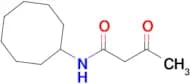
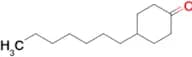
![(2E)-1-{[1,1'-biphenyl]-4-yl}-3-(4-methoxyphenyl)prop-2-en-1-one](/_next/image/?url=https%3A%2Fstatic.cymitquimica.com%2Fproducts%2F10%2Fthumb-webp%2FF524220.webp&w=3840&q=75)
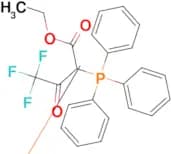
![10H,10'H-[9,9'-Bianthracenylidene]-10,10'-dione](/_next/image/?url=https%3A%2Fstatic.cymitquimica.com%2Fproducts%2F10%2Fthumb-webp%2FF226545.webp&w=3840&q=75)
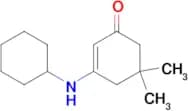
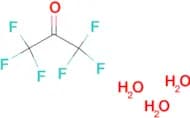
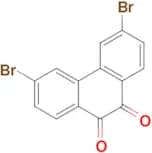
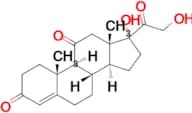
![5,6-Dihydroxy-2-phenylbenzo[b]thiophen-3(2H)-one 1,1-dioxide](/_next/image/?url=https%3A%2Fstatic.cymitquimica.com%2Fproducts%2F10%2Fthumb-webp%2FF182332.webp&w=3840&q=75)
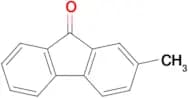
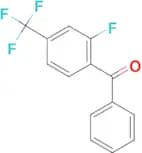
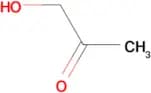
![(2-CHLOROPYRIDIN-4-YL)(1H-PYRROLO[3,2-C]PYRIDIN-3-YL)METHANONE](/_next/image/?url=https%3A%2Fstatic.cymitquimica.com%2Fproducts%2F10%2Fthumb-webp%2FF505769.webp&w=3840&q=75)
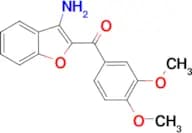
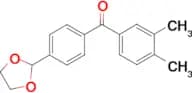
![5-Bromo-7H-benzo[c]fluoren-7-one](/_next/image/?url=https%3A%2Fstatic.cymitquimica.com%2Fproducts%2F10%2Fthumb-webp%2FF693080.webp&w=3840&q=75)
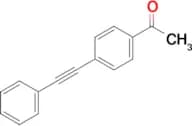
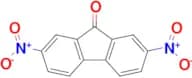
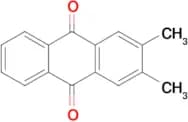
![(2E)-3-[4-(benzyloxy)phenyl]-1-(3,4-dichlorophenyl)prop-2-en-1-one](/_next/image/?url=https%3A%2Fstatic.cymitquimica.com%2Fproducts%2F10%2Fthumb-webp%2FF524051.webp&w=3840&q=75)

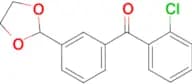
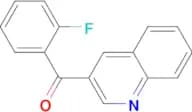
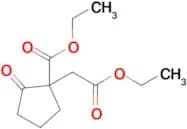
![4-methyl-3-(1-methyl-2-oxopropoxy)-6H-benzo[c]chromen-6-one](/_next/image/?url=https%3A%2Fstatic.cymitquimica.com%2Fproducts%2F10%2Fthumb-webp%2FF314836.webp&w=3840&q=75)
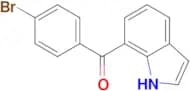
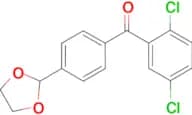
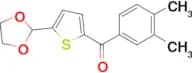
![2',3'-Dihydro-4'H-[1,1':1',1''-terphenyl]-4'-one](/_next/image/?url=https%3A%2Fstatic.cymitquimica.com%2Fproducts%2F10%2Fthumb-webp%2FF726841.webp&w=3840&q=75)
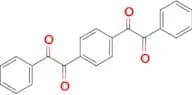
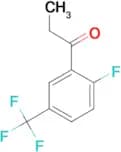
![(2E)-1-{[1,1'-biphenyl]-4-yl}-3-(3-nitrophenyl)prop-2-en-1-one](/_next/image/?url=https%3A%2Fstatic.cymitquimica.com%2Fproducts%2F10%2Fthumb-webp%2FF524228.webp&w=3840&q=75)
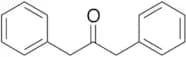

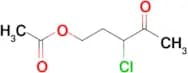
![Tert-butyl 6-methyl-4-oxospiro[chromane-2,4'-piperidine]-1'-carboxylate](/_next/image/?url=https%3A%2Fstatic.cymitquimica.com%2Fproducts%2F10%2Fthumb-webp%2FF706604.webp&w=3840&q=75)

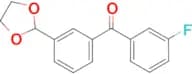
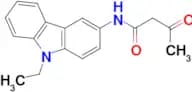
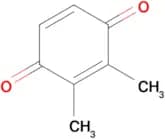
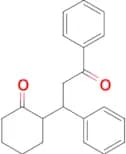
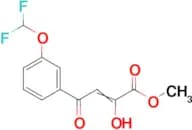
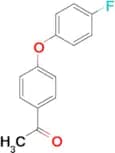
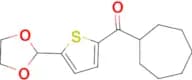
![[3-Amino-4-(methoxymethyl)-6-methylfuro[2,3-b]pyridin-2-yl](phenyl)methanone](/_next/image/?url=https%3A%2Fstatic.cymitquimica.com%2Fproducts%2F10%2Fthumb-webp%2FF511637.webp&w=3840&q=75)
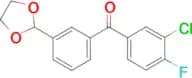
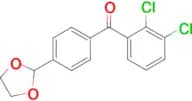
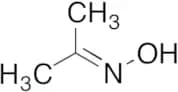
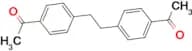


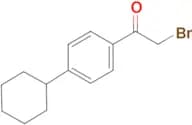

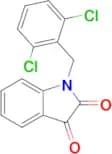
![(2E)-1-{[1,1'-biphenyl]-4-yl}-3-(3-methylphenyl)prop-2-en-1-one](/_next/image/?url=https%3A%2Fstatic.cymitquimica.com%2Fproducts%2F10%2Fthumb-webp%2FF524238.webp&w=3840&q=75)
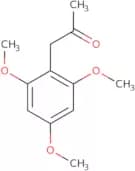

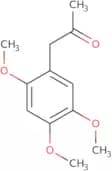
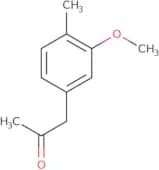
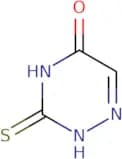
![2-(benzo[3,4-d]1,3-dioxolen-5-ylmethylene)indane-1,3-dione](/_next/image/?url=https%3A%2Fstatic.cymitquimica.com%2Fproducts%2F3D%2Fthumb-webp%2FFB169790.webp&w=3840&q=75)

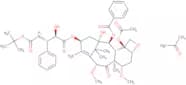

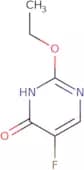
![Fmoc-(S)-4-amino-2-carboxymethyl-1,3,4,5-tetrahydro-2H-[2]benzazepin-3-one](/_next/image/?url=https%3A%2Fstatic.cymitquimica.com%2Fproducts%2F3D%2Fthumb-webp%2FFF50028.webp&w=3840&q=75)
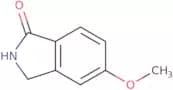
![3-[(4-Chlorophenyl)amino]-5,5-dimethylcyclohex-2-en-1-one](/_next/image/?url=https%3A%2Fstatic.cymitquimica.com%2Fproducts%2F3D%2Fthumb-webp%2FFC123031.webp&w=3840&q=75)
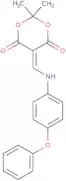

![1H-Pyrrolo[3,2-c]pyridin-4(5H)-one](/_next/image/?url=https%3A%2Fstatic.cymitquimica.com%2Fproducts%2F3D%2Fthumb-webp%2FFP140758.webp&w=3840&q=75)
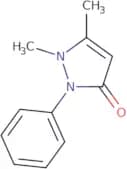
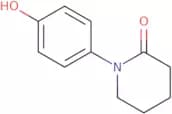
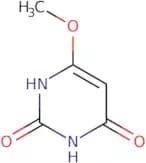
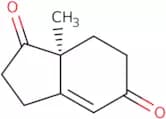
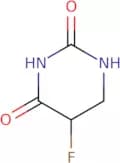
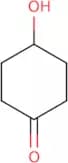

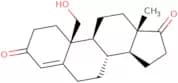
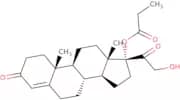
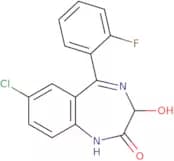
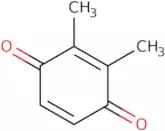
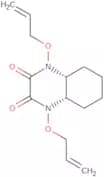
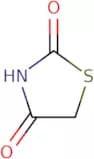
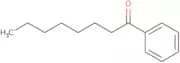
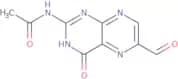
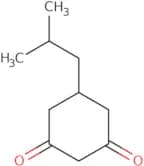
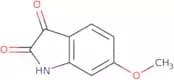
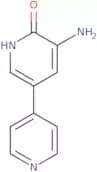
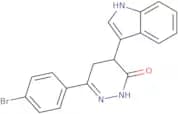
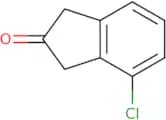
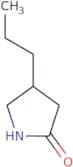
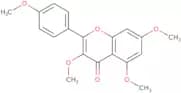
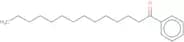
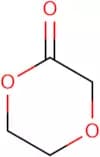
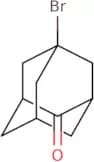
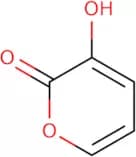
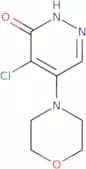
![7-Amino-2-(4-methoxyphenyl)[1,2,4]triazolo[1,5-a]pyrimidin-5(4H)-one](/_next/image/?url=https%3A%2Fstatic.cymitquimica.com%2Fproducts%2F3D%2Fthumb-webp%2FFA134729.webp&w=3840&q=75)
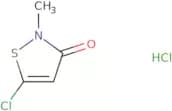
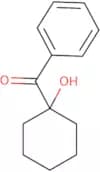
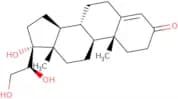
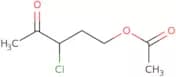
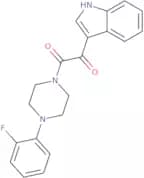
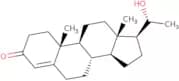
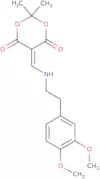
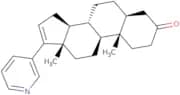
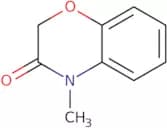
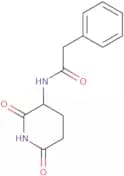
![3-(tert-butyl)indeno[3,2-c]isoxazol-4-one](/_next/image/?url=https%3A%2Fstatic.cymitquimica.com%2Fproducts%2F3D%2Fthumb-webp%2FFB169751.webp&w=3840&q=75)
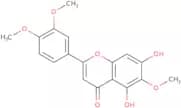
![2-Azabicyclo[2.2.1]hept-5-en-3-one](/_next/image/?url=https%3A%2Fstatic.cymitquimica.com%2Fproducts%2F3D%2Fthumb-webp%2FFA10344.webp&w=3840&q=75)
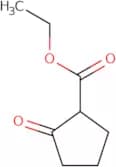
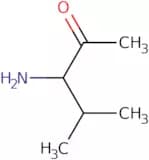
![5-Chloro-6-[(2-imino-1-pyrrolidinyl)methyl]-2,4(1H,3H)-pyrimidinedione monohydrochloride](/_next/image/?url=https%3A%2Fstatic.cymitquimica.com%2Fproducts%2F3D%2Fthumb-webp%2FFC126316.webp&w=3840&q=75)
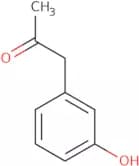
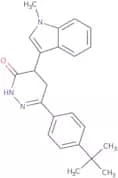
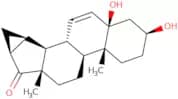
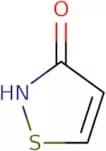
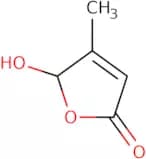
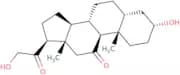
![3-Methyl 2H-furo[2,3-c]pyran-2-one](/_next/image/?url=https%3A%2Fstatic.cymitquimica.com%2Fproducts%2F3D%2Fthumb-webp%2FFM25390.webp&w=3840&q=75)
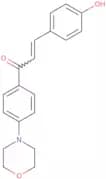
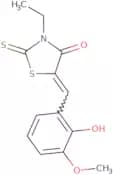
![3-(4-ethoxyphenyl)spiro[1,3-thiazolidine-2,3'-indoline]-4,7-dione](/_next/image/?url=https%3A%2Fstatic.cymitquimica.com%2Fproducts%2F3D%2Fthumb-webp%2FFE169782.webp&w=3840&q=75)
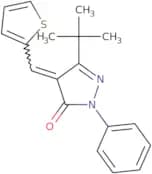
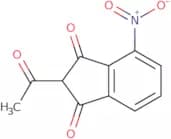
![3-(4-chlorophenyl)spiro[1,3-thiazolidine-2,3'-indoline]-4,7-dione](/_next/image/?url=https%3A%2Fstatic.cymitquimica.com%2Fproducts%2F3D%2Fthumb-webp%2FFC169673.webp&w=3840&q=75)
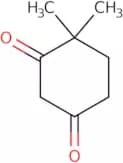
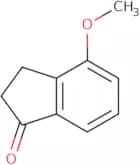

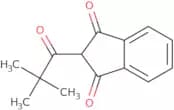
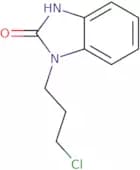
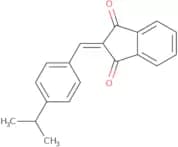
![3-(tert-butyl)-2-phenylindeno[3,2-c]pyrazol-4-one](/_next/image/?url=https%3A%2Fstatic.cymitquimica.com%2Fproducts%2F3D%2Fthumb-webp%2FFB169663.webp&w=3840&q=75)
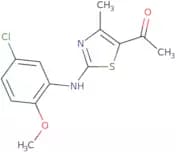
![3-(tert-butyl)-1-(4-nitrophenyl)indeno[2,3-d]pyrazol-4-one](/_next/image/?url=https%3A%2Fstatic.cymitquimica.com%2Fproducts%2F3D%2Fthumb-webp%2FFB169695.webp&w=3840&q=75)
![5-[(3,5-Dimethylphenoxy)methyl]oxazolidin-2-one](/_next/image/?url=https%3A%2Fstatic.cymitquimica.com%2Fproducts%2F3D%2Fthumb-webp%2FFD25129.webp&w=3840&q=75)

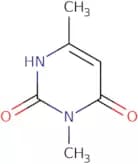
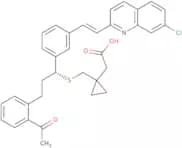

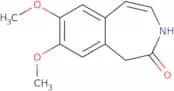
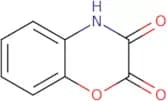
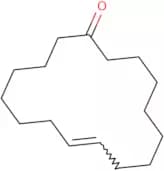
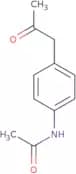
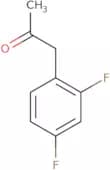
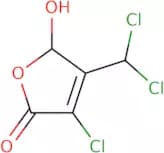
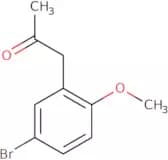
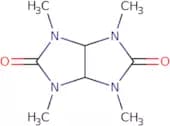
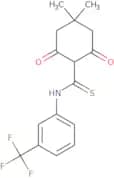
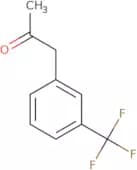
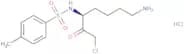

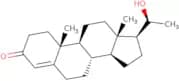
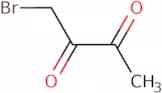
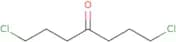
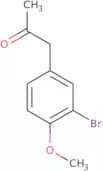

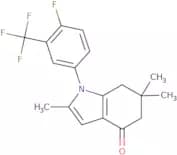
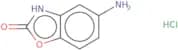
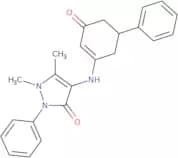
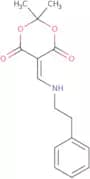

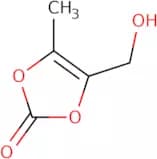
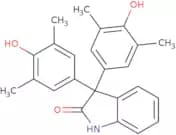
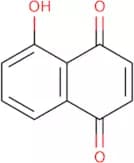
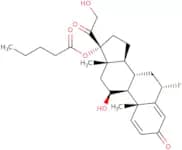
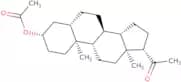

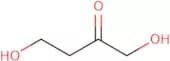
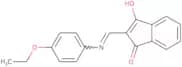
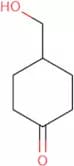
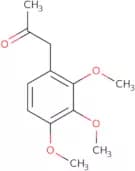
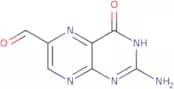
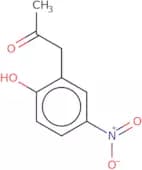
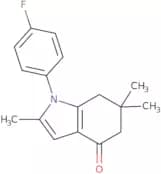
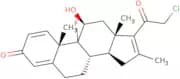
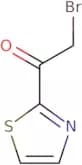
![4-(2- fluorophenyl)-6,8-dihydro-1,3,8-trimethyl-Pyrazolo[3,4-e][1,4]diazepin-7(1H)-one mixt. with …](/_next/image/?url=https%3A%2Fstatic.cymitquimica.com%2Fproducts%2F3D%2Fthumb-webp%2FFF104101.webp&w=3840&q=75)
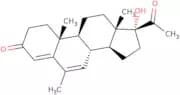
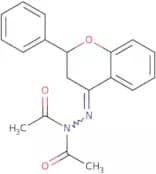
![Anthra[9,1,2-cde]benzo[rst]pentaphene-5,10-dione](/_next/image/?url=https%3A%2Fstatic.cymitquimica.com%2Fproducts%2F3D%2Fthumb-webp%2FFA143390.webp&w=3840&q=75)