Amides
Amides are a wide range of chemical compounds that contain at least one heterocyclic ring, which has atoms of at least two different elements in the ring structure, and at least one amide group (-CONH2). These compounds are crucial in the synthesis of pharmaceuticals, polymers, and agrochemicals. Amides exhibit unique properties and reactivity, making them valuable intermediates in organic synthesis. At CymitQuimica, we offer a comprehensive selection of high-quality amides to support your research and industrial needs.
Found 16399 products of "Amides"
Sort by
Purity (%)
0
100
|
0
|
50
|
90
|
95
|
100
13,4-diaza-5-(tert-butyl)-2-hydroxy-7-oxotricyclo[6.4.0.0<2,6>]dodeca-1(8),4,9,11-tetraene-3-carboxamide
CAS:<p>Please enquire for more information about 13,4-diaza-5-(tert-butyl)-2-hydroxy-7-oxotricyclo[6.4.0.0<2,6>]dodeca-1(8),4,9,11-tetraene-3-carboxamide including the price, delivery time and more detailed product information at the technical inquiry form on this page</p>Purity:Min. 95%Sulphanilamide
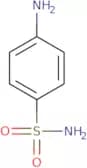
CAS:<p>Sulphanilamide is an antimicrobial agent that inhibits the growth of bacteria by binding to their enzymes and blocking protein synthesis. In addition, sulphanilamide has been shown to inhibit the production of sulfanilamide, a potent inhibitor of tetracycline. Sulphanilamide is soluble in water and alcohol but not in organic solvents. The solubility of sulphanilamide can be increased by adding sodium salts or pH adjustment. Sulphanilamide is also used for wastewater treatment as it has inhibitory properties against sulfate-reducing bacteria. X-ray crystal structures have revealed that sulphanilamide binds to the active site of bacterial beta-lactamases through hydrogen bonds with both the NH group and the COOH group on its sulfur atom, resulting in inhibition of these enzymes. Sulphanilamide also interferes with bacterial DNA replication by inhibiting dna gyrase and topoisomerase IV. Sulphanilamide also</p>Formula:C6H8N2O2SColor and Shape:PowderMolecular weight:172.21 g/molN-Cyclohexyl-2-benzothiazolylsulfenamide
CAS:<p>N-Cyclohexyl-2-benzothiazolylsulfenamide is a cross-linking agent that is used in the production of polymeric matrices. It is a multi-walled carbon molecule with an aromatic hydrocarbon cross-linker. N-Cyclohexyl-2-benzothiazolylsulfenamide reacts with fatty acids to form cationic surfactants, which can be used as antimicrobial agents. The reaction mechanism for this type of chemical reaction has been studied under constant pressure conditions and it was found that sulfur transfer occurs in the first step, followed by activation energies for the second and third steps. The diameter of the product depends on the degree of polymerization (DP).</p>Formula:C13H16N2S2Purity:Min. 95%Color and Shape:PowderMolecular weight:264.41 g/molNipecotamide
CAS:<p>Nipecotamide is a water-soluble drug that inhibits the activity of α1-acid glycoprotein, which is a blood protein that regulates the concentration of hydrogen ions in the body. It has been shown to inhibit the growth of amyloid protein and decrease camp levels in erythrocytes. Nipecotamide is used as an inhibitor for infectious diseases, such as leprosy, tuberculosis, and malaria. The chemical structure of nipecotamide contains nitrogen atoms and an amide bond with carbonyl oxygens. It is also an inhibitor binding to hydrochloric acid and hydrogen bonds with amide groups.</p>Formula:C6H12N2OPurity:Min. 95%Color and Shape:PowderMolecular weight:128.17 g/molN,N'-Diallyl-L-tartardiamide
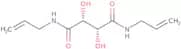
CAS:<p>N,N'-Diallyl-L-tartardiamide is a heparin-like molecule with the ability to bind calcium. It has been shown to be an effective inhibitor of antibody response in mice and can also inhibit periodate treatment of primary amino groups. N,N'-Diallyl-L-tartardiamide has a high degree of solubility in water and is soluble in organic solvents as well. It can be crosslinked to form polymeric matrices that are suitable for use in size-exclusion chromatography. N,N'-Diallyl-L-tartardiamide can also be used as a cross linking agent for agarose gels and gel matrices.</p>Formula:C10H16N2O4Purity:Min. 95%Color and Shape:White PowderMolecular weight:228.25 g/molN-Ethylheptadecafluoro-N-[3-(Trimethoxysilyl)Propyl]Octanesulphonamide
CAS:Controlled Product<p>N-Ethylheptadecafluoro-N-[3-(Trimethoxysilyl)Propyl]Octanesulphonamide is a membrane filtration technology that is used to remove all organic and inorganic pollutants from water. It is effective for the removal of oils, pesticides, herbicides, detergents, antibiotics, and heavy metals. N-Ethylheptadecafluoro-N-[3-(Trimethoxysilyl)Propyl]Octanesulphonamide is also used to treat wastewater and surface water. This process can be used on large quantities of water with high efficiency. The use of this process can be beneficial for the health of humans, animals, and the environment.</p>Formula:C16H20F17NO5SSiPurity:Min. 95%Molecular weight:689.46 g/molN-(2-Amino-1,2-dinitrilovinyl)(propylamino)formamide
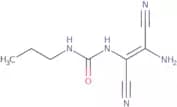
CAS:<p>Please enquire for more information about N-(2-Amino-1,2-dinitrilovinyl)(propylamino)formamide including the price, delivery time and more detailed product information at the technical inquiry form on this page</p>Formula:C8H11N5OPurity:Min. 95%Color and Shape:PowderMolecular weight:193.21 g/molL-Aspartic acid β-naphthylamide
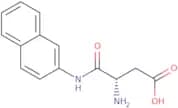
CAS:<p>L-Aspartic acid beta-naphthylamide is a dietary amino acid that is metabolized to oxaloacetate in the liver. This metabolite is then converted to aspartate and glutamate, which are both important for brain functions. L-Aspartic acid beta-naphthylamide has been shown to have regulatory effects on peptide hormones, such as inhibiting the synthesis of angiotensin II and vasopressin in rats. L-Aspartic acid beta-naphthylamide also has anti-cancer properties, which may be due to its ability to inhibit the growth of cancer cells by hydrolyzing proteins and enzymes involved in fatty acid synthesis.</p>Formula:C14H14N2O3Purity:Min. 95%Molecular weight:258.27 g/mol2-Chloro-5-(2,3-dihydro-1-hydroxy-3-oxo-1H-isoindol-1-yl)-benzenesulfonamide
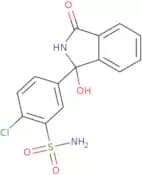
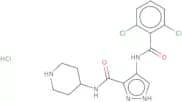
CAS:Controlled Product<p>2-Chloro-5-(2,3-dihydro-1-hydroxy-3-oxo-1H-isoindol-1-yl)-benzenesulfonamide is a drug that belongs to the class of sulfonamides which is used in pharmaceutical formulations. It has been shown to have potent antihypertensive effects, and it also lowers blood pressure by inhibiting an enzyme called carbonic anhydrase. 2CCHIB binds to the chloride channel in kidney tubule cells and prevents the reabsorption of chloride ions in these cells. This leads to more water being excreted from the body, which reduces blood volume and pressure. The low density lipoprotein (LDL) cholesterol levels are also reduced when this drug is taken orally. 2CCHIB increases high sensitivity C reactive protein (hsCRP), a marker for inflammation, but it can also have antioxidant effects.</p>Formula:C14H11ClN2O4SPurity:Min. 95%Color and Shape:PowderMolecular weight:338.77 g/mol4-(2,6-Dichlorobenzamido)-N-(piperidin-4-yl)-1H-pyrazole-3-carboxamide HCl
CAS:<p>4-(2,6-Dichlorobenzamido)-N-(piperidin-4-yl)-1H-pyrazole-3-carboxamide HCl (PD1693) is a small molecule that has been shown to selectively inhibit the transcriptional coactivator HIF-1α. PD1693 inhibits the hypoxic response in tumor cells by preventing the upregulation of HIF-1α. This leads to an increase in hypoxia-inducible genes, which are involved in the regulation of cell proliferation, angiogenesis and apoptosis. PD1693 also affects the expression of genes involved in metabolism and energy production. The subpopulation algorithm was used to identify differentially expressed transcripts in glioma cells following exposure to PD1693. The data from this algorithm were validated using qRT-PCR and Western blotting on human glioma cells.</p>Formula:C16H17Cl2N5O2·HClPurity:Min. 95%Color and Shape:PowderMolecular weight:418.7 g/molN-[4-[1-(2-Fluorobenzyl)-3-butyl-2,6-dixo-2,3,6,7-tetrahydro-1H-purin-8-ylmethyl]phenyl]acetamide
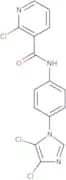
CAS:Controlled Product<p>N-[4-[1-(2-Fluorobenzyl)-3-butyl-2,6-dixo-2,3,6,7-tetrahydro-1H-purin-8-ylmethyl]phenyl]acetamide is a fine chemical with a diverse range of potential applications. It can be used as a versatile building block in the synthesis of complex compounds and is useful as a reaction component or reagent. Its CAS number is 628279-07-2.</p>Formula:C25H26FN5O3Purity:Min. 95%Color and Shape:White PowderMolecular weight:463.5 g/molN-(4-(4,5-dichloroimidazolyl)phenyl)(2-chloro(3-pyridyl))formamide
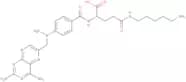
CAS:<p>Please enquire for more information about N-(4-(4,5-dichloroimidazolyl)phenyl)(2-chloro(3-pyridyl))formamide including the price, delivery time and more detailed product information at the technical inquiry form on this page</p>Purity:Min. 95%N-(5-Aminopentyl) methotrexate amide
CAS:<p>N-(5-Aminopentyl) methotrexate amide is a fluorescent probe that is used to study the transport of drugs across cell membranes. It binds to the plasma membrane of cells and can be visualized with a fluorescence microscope. N-(5-Aminopentyl) methotrexate amide has been shown to bind to leukemia cells in murine leukemia models. It has a high affinity for drug-resistant cells, which makes it useful for studying drug resistance mechanisms. This probe can be used at nanomolar concentrations for imaging studies, as well as for measuring the uptake of drugs into cancer cells by flow cytometry.</p>Formula:C25H34N10O4Purity:Min. 95%Color and Shape:Yellow PowderMolecular weight:538.6 g/molN-[4-(2-Hydrazino-2-oxoethoxy)phenyl]acetamide
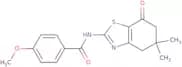
CAS:<p>N-[4-(2-Hydrazino-2-oxoethoxy)phenyl]acetamide is a phenolic compound that has been shown to have an antimicrobial effect. It has been shown to have antitubercular activity against Mycobacterium tuberculosis and the ability to inhibit the growth of cancer cells in vitro. N-[4-(2-Hydrazino-2-oxoethoxy)phenyl]acetamide is also known as monastrol. The pharmacophore of this drug is based on the structure of paracetamol, which is a member of the class of drugs known as analgesics, antipyretics, and antiinflammatory agents. Paracetamol has been used for decades in humans and animals for relief from pain, fever, and inflammation. N-[4-(2-Hydrazino-2-oxoethoxy)phenyl]acetamide may be useful for treating diseases such as cancer or tuberculosis due to its antic</p>Formula:C10H13N3O3Purity:Min. 95%Color and Shape:PowderMolecular weight:223.23 g/molN-(5,5-dimethyl-7-oxo(4,5,6-trihydrobenzothiazol-2-yl))(4-methoxyphenyl)formamide
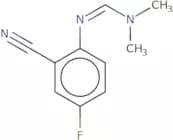
CAS:<p>Please enquire for more information about N-(5,5-dimethyl-7-oxo(4,5,6-trihydrobenzothiazol-2-yl))(4-methoxyphenyl)formamide including the price, delivery time and more detailed product information at the technical inquiry form on this page</p>Purity:Min. 95%N'-(2-Cyano-4-fluorophenyl)-N,N-dimethylimidoformamide
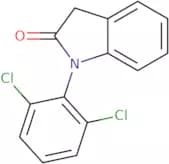
CAS:<p>N'-(2-Cyano-4-fluorophenyl)-N,N-dimethylimidoformamide is a high quality, reagent that is useful for the synthesis of complex compounds. It can be used as a fine chemical and speciality chemical in research and development. The CAS number for this compound is 1017082-62-0. N'-(2-Cyano-4-fluorophenyl)-N,N-dimethylimidoformamide has shown to be a versatile building block for the synthesis of novel compounds that are not commercially available. This product is suitable for use in reaction components as well as being an intermediate for the synthesis of other compounds.</p>Formula:C10H10FN3Purity:Min. 95%Color and Shape:PowderMolecular weight:191.21 g/molDiclofenac amide
CAS:<p>COX inhibitor; non-steroidal anti-inflammatory drug</p>Formula:C14H9Cl2NOPurity:Min. 95%Color and Shape:Yellow PowderMolecular weight:278.13 g/molC4-Ceramide
CAS:<p>Modulator of CFTR channel in cystic fibrosis models</p>Formula:C22H43NO3Purity:Min. 95%Color and Shape:PowderMolecular weight:369.58 g/molN-(2,6-Dimethylphenyl)-1-piperazineacetamide
CAS:<p>N-(2,6-Dimethylphenyl)-1-piperazineacetamide is a byproduct of solvents and stabilizers. It has been found to be a crystalline solid with a molecular weight of 233.3 g/mol. The crystal structure was determined and found to be composed of two molecules of acetamide that are connected through hydrogen bonds. N-(2,6-Dimethylphenyl)-1-piperazineacetamide is soluble in ethanol and ether, but insoluble in water. This compound interacts with other substances, such as recrystallizing or substituting acetamides.</p>Formula:C14H21N3OPurity:Min. 95%Molecular weight:247.34 g/molN-[2-Iodoethyl]trifluoroacetamide
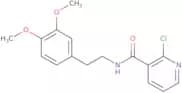
CAS:<p>N-[2-Iodoethyl]trifluoroacetamide is a reactive alkylating agent that is used in the synthesis of biologically active molecules. It reacts with lysines, tryptic and other amino acids to form covalent bonds, which can be cleaved by hydrolysis. The compound also reacts with sulfhydryl groups to produce sulfonium ions, which react with the thiol group at position C6 on the sarcoplasmic reticulum Ca2+ -ATPase to inhibit muscle contraction. N-[2-Iodoethyl]trifluoroacetamide has been shown to cause allergic reactions in rats, mice, and guinea pigs. This drug has also been observed to have an effect on the central nervous system when administered at high doses.</p>Formula:C4H5NOIF3Purity:Min. 95%Color and Shape:PowderMolecular weight:266.99 g/molN-(2-(3,4-dimethoxyphenyl)ethyl)(2-chloro(3-pyridyl))formamide
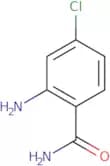
CAS:<p>Please enquire for more information about N-(2-(3,4-dimethoxyphenyl)ethyl)(2-chloro(3-pyridyl))formamide including the price, delivery time and more detailed product information at the technical inquiry form on this page</p>Purity:Min. 90%2-Amino-4-chlorobenzamide
CAS:<p>2-Amino-4-chlorobenzamide is a chemical compound that has been shown to be an effective oxidant in biological systems. It is an oxidative condensation product of 4-chloro-2-nitrobenzoic acid and ammonium chloride, which is formed by the reaction of these two compounds at room temperature. The nature of the functional group on 2-amino-4-chlorobenzamide allows it to be used as a transition state analogue for the study of reactions involving amines and nitrates. This compound can also be used in experiments with isatins, due to its ability to react with ammonia hydroxide to form 2-amino-4,6 dichlorobenzamide.</p>Formula:C7H7ClN2OPurity:Min. 95%Color and Shape:PowderMolecular weight:170.6 g/molProthionamide
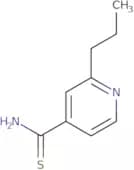
CAS:<p>Prothionamide is a drug that belongs to the group of drugs called sulfonamides. It is used to treat bowel disease by inhibiting the growth of bacteria and fungi. Prothionamide inhibits bacterial growth by binding to bacterial DNA and preventing it from synthesizing new proteins. This drug also has a matrix effect, which means that it binds to the inside of the bacterial cell wall and prevents the production of new cells, leading to cell death. Prothionamide has been shown to be effective against tuberculosis in mice, although there are few data on its use in humans. The most common side effects associated with prothionamide are nausea and vomiting.</p>Formula:C9H12N2SPurity:Min. 99 Area-%Color and Shape:Yellow PowderMolecular weight:180.27 g/mol2-Indol-3-yl-2-oxo-N-(3-(1,1,2,2-tetrafluoroethoxy)phenyl)ethanamide
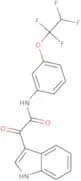
CAS:<p>Please enquire for more information about 2-Indol-3-yl-2-oxo-N-(3-(1,1,2,2-tetrafluoroethoxy)phenyl)ethanamide including the price, delivery time and more detailed product information at the technical inquiry form on this page</p>Formula:C18H12F4N2O3Purity:Min. 95%Color and Shape:PowderMolecular weight:380.29 g/molIndapamide
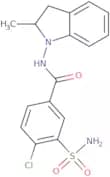
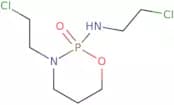
CAS:Controlled Product<p>Indapamide is an antihypertensive drug that inhibits the activity of the enzyme carbonic anhydrase, which is involved in the conversion of carbon dioxide to bicarbonate. It is used to treat high blood pressure and congestive heart failure. Indapamide has been shown to be effective in reducing oxidative injury to red blood cells and preventing cardiovascular events such as stroke and heart attack. Indapamide also has a long-term efficacy with no withdrawal symptoms or rebound hypertension when it is discontinued.</p>Formula:C16H16ClN3O3SPurity:Min. 95%Color and Shape:White PowderMolecular weight:365.84 g/molN-Dechloroethyl cyclophosphamide
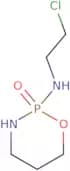
CAS:<p>N-Dechloroethyl cyclophosphamide is a metabolic inhibitor that is used in the treatment of cancer. It is classified as an alkylating agent and inhibits ribonucleotide reductase, which prevents the production of DNA, RNA, and protein. The chemical ionization technique has been used to measure the concentration of this compound in human liver and urine samples. N-Dechloroethyl cyclophosphamide can be analyzed using chromatography or mass spectrometry methods.</p>Formula:C5H12ClN2O2PPurity:Min. 95%Color and Shape:PowderMolecular weight:198.59 g/mol2,4,6-Trimethoxybenzamide
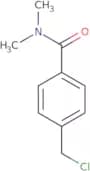
CAS:<p>2,4,6-Trimethoxybenzamide is a triggered compound that reacts with lithium to form an efficient regiospecific lithium 2,4,6-trimethoxybenzamide complex. This reaction occurs at low temperatures and has been shown to be more efficient than other methods for the synthesis of acridones. The reaction has not been shown to be reversible and requires the use of a strong base such as lithium.</p>Formula:C10H13NO4Purity:Min. 95%Color and Shape:PowderMolecular weight:211.21 g/mol4-(Chloromethyl)-N,N-dimethylbenzamide
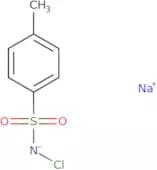
CAS:<p>4-(Chloromethyl)-N,N-dimethylbenzamide is a versatile building block that can be used in the synthesis of various complex compounds. It is a versatile intermediate and can be used in reactions as a reagent or building block. 4-(Chloromethyl)-N,N-dimethylbenzamide is also a high-quality chemical with a CAS number of 121083-51-0. The compound has many applications, including being useful as a reaction component or scaffold for research chemicals and speciality chemicals.</p>Formula:C10H12ClNOPurity:Min. 95%Color and Shape:PowderMolecular weight:197.66 g/molN-Chloro-4-toluenesulfonamide sodium
CAS:<p>N-Chloro-4-toluenesulfonamide sodium (NCTS) is a disinfectant that is used to treat wastewater and as a preservative for water. It has been shown to be effective against bacteria, fungi, and viruses. NCTS is an antimicrobial agent that reacts with the matrix in which it is applied to form chloramines-T (NHClO). The chloramines-T inhibits the activity of enzymes such as those involved in DNA synthesis and protein synthesis. This reaction also generates an electric current due to the redox potentials of the reactants. The presence of aziridines in NCTS leads to crosslinking between proteins, which enhances its effectiveness as a disinfectant.<br>NCTS has been shown to have no adverse effects on human erythrocytes or DNA when used at concentrations up to 100 µg/mL.</p>Formula:C7H8ClNO2S•NaPurity:Min. 95%Color and Shape:PowderMolecular weight:228.65 g/mol4-Methyl-N-[3-(Trifluoromethyl)Phenyl]Benzenesulfonamide
CAS:<p>Please enquire for more information about 4-Methyl-N-[3-(Trifluoromethyl)Phenyl]Benzenesulfonamide including the price, delivery time and more detailed product information at the technical inquiry form on this page</p>Formula:C14H12F3NO2SPurity:Min. 95%Molecular weight:315.31 g/molN-(Phenylsulfonyl)palmitamide
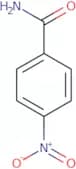
<p>N-(Phenylsulfonyl)palmitamide is a versatile building block that can be used to create complex compounds for research. CAS No. is 527-87-2 and it is a reagent and speciality chemical with high quality. It is also useful as a reaction component in the synthesis of other compounds, or as a scaffold for the synthesis of new derivatives.</p>Formula:C22H37NO3SMolecular weight:395.61 g/mol4-Nitrobenzamide
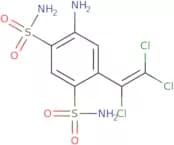
CAS:<p>4-Nitrobenzamide is a chemical substance that belongs to the class of nitrobenzamides. It is used as an intermediate in the synthesis of other substances, such as pharmaceuticals, herbicides, and pesticides. 4-Nitrobenzamide was first synthesized in 1894 by hydrogenating nitrobenzoic acid with hydrogen chloride in the presence of phosphorus pentachloride. The reaction vessel for this process should be made of glass or porcelain due to the corrosive nature of hydrogen chloride gas. The kinetics for this reaction were studied using concentration-response curves on rats and mice at different concentrations. Acute toxicities observed include respiratory distress and death in rats and convulsions and death in mice.<br>4-Nitrobenzamide is also toxic to bacteria, which can be seen by its effect on Staphylococcus aureus (strain ATCC 25923). This strain had a 50% survival rate after exposure</p>Formula:C7H6N2O3Purity:Min 98%Color and Shape:Yellow PowderMolecular weight:166.13 g/molClorsulon
CAS:<p>Clorsulon is an anthelmintic drug that belongs to the group of benzimidazoles. It is used in veterinary medicine to treat nematode and cestode infections, as well as tapeworm infections. Clorsulon is a dispersive solid-phase extraction (DSPE) extractant that can be used for the separation of drugs and their metabolites from biological fluids. The chemical stability of clorsulon was assessed by exposing it to various solvents and pHs. Clorsulon was found to be stable in acetate, benzene, chloroform, ethyl acetate, ethanol, methanol, and water at pH 1-14 and a variety of temperatures ranging from -20 ˚C to 50 ˚C. No significant loss or degradation occurred after exposure to these conditions for up to 24 hours.</p>Formula:C8H8Cl3N3O4S2Purity:(Hplc) Min. 98.0%Color and Shape:PowderMolecular weight:380.66 g/mol2-Chloro-N-(2-nitrophenyl)acetamide
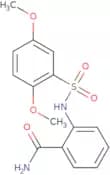
CAS:<p>2-Chloro-N-(2-nitrophenyl)acetamide is an antimicrobial agent that is a ligand for thionyl chloride. It has efficient methods of production and can be used as a bioactive molecule in the synthesis of aminosulfonyl chlorides, amide chlorides, or transfer chlorides. This compound reacts with gram-negative bacteria by hydrolyzing chloride ions to produce nitrosyl chloride and releasing hydrogen gas. The reaction time and functional groups are determined by the parameters chosen for the reaction. 2-Chloro-N-(2-nitrophenyl)acetamide has luminescence properties that can be exploited to detect the presence of chloride ions at low concentrations.</p>Formula:C8H7ClN2O3Purity:Min. 95%Molecular weight:214.61 g/mol2-(((2,5-dimethoxyphenyl)sulfonyl)amino)benzamide
CAS:<p>Please enquire for more information about 2-(((2,5-dimethoxyphenyl)sulfonyl)amino)benzamide including the price, delivery time and more detailed product information at the technical inquiry form on this page</p>Purity:Min. 95%2-Cyano-N-[2-(3,4-dimethoxyphenyl)ethyl]acetamide
CAS:<p>Please enquire for more information about 2-Cyano-N-[2-(3,4-dimethoxyphenyl)ethyl]acetamide including the price, delivery time and more detailed product information at the technical inquiry form on this page</p>Formula:C13H16N2O3Purity:Min. 95%Molecular weight:248.28 g/molN-[3-(3-Dimethylamino-1-oxo-2-propenyl)phenyl]-N-ethylacetamide
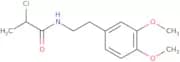
CAS:<p>N-[3-(3-Dimethylamino-1-oxo-2-propenyl)phenyl]-N-ethylacetamide is a high quality, complex compound that is useful as a reagent, intermediate, and building block. The CAS number for this product is 96605-66-2. This product has shown to have use in the synthesis of fine chemicals and research chemicals. It is a versatile building block that can be used as a reaction component.</p>Formula:C15H20N2O2Purity:Min. 95%Color and Shape:PowderMolecular weight:260.33 g/molN-(2-(3,4-dimethoxyphenyl)ethyl)-2-chloropropanamide
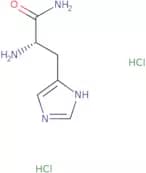
CAS:<p>Please enquire for more information about N-(2-(3,4-dimethoxyphenyl)ethyl)-2-chloropropanamide including the price, delivery time and more detailed product information at the technical inquiry form on this page</p>Purity:Min. 95%L-Histidine amide dihydrochloride
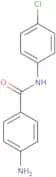
CAS:<p>Please enquire for more information about L-Histidine amide dihydrochloride including the price, delivery time and more detailed product information at the technical inquiry form on this page</p>Formula:C6H10N4O•(HCl)2Purity:Min. 95%Color and Shape:PowderMolecular weight:227.09 g/mol(4-Aminophenyl)-N-(4-chlorophenyl)formamide
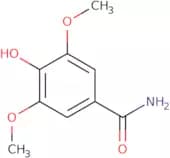
CAS:<p>Please enquire for more information about (4-Aminophenyl)-N-(4-chlorophenyl)formamide including the price, delivery time and more detailed product information at the technical inquiry form on this page</p>Formula:C13H11ClN2OPurity:Min. 95%Color and Shape:PowderMolecular weight:246.69 g/mol4-Hydroxy-3,5-dimethoxybenzamide
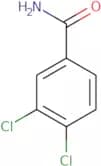
CAS:<p>4-Hydroxy-3,5-dimethoxybenzamide is a phenolic compound that is soluble in organic solvents. It has been shown to bind to fatty acid sequences and neutral polypeptides in the presence of an acidic or basic environment. 4-Hydroxy-3,5-dimethoxybenzamide has also been shown to have catalytic activity, which may be due to its ability to form a polymeric matrix with other compounds.</p>Formula:C9H11NO4Purity:Min. 95%Color and Shape:PowderMolecular weight:197.19 g/mol3,4-Dichlorobenzamide
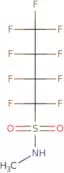
CAS:<p>3,4-Dichlorobenzamide is a synthetic opioid analgesic that binds to the μ-opioid receptor. It has a side-effect profile that is similar to other opioids, with an addiction risk and potential for abuse. 3,4-Dichlorobenzamide has been used in the synthesis of new drugs, such as phenazepam (a benzodiazepine) and etizolam (a thienodiazepine). This drug is chiral and can be synthesized in two stereoisomeric forms: 3-(+)-chloro-N-(2-chlorophenyl)benzamide and 3-(−)-chloro-N-(2-chlorophenyl)benzamide. The former form is marketed under the trade name Analgin, while the latter form is marketed under the trade name Etilex. The (+) form of this drug has a higher affinity for μ receptors than the (−) form.</p>Formula:C7H5Cl2NOPurity:Min. 95%Molecular weight:190.03 g/molN-(Methyl)nonafluorobutanesulfonamide
CAS:<p>Nonafluorobutanesulfonamide (NFBS) is a volatile organic solvent that is used in the manufacture of coatings and other organic chemicals. It has been shown to have a high vapor pressure, which makes it useful for drying solvents. NFBS is also used as an intermediate in the production of fluorinated acrylates and methacrylates. NFBS reacts with styrene monomers to form ionic forms, and can be converted to its neutral form by reaction with acrylonitrile or acrylates. Nonafluorobutanesulfonamide has been shown to cause liver cancer in rats, but this effect has not been observed in humans.</p>Formula:C5H4F9NO2SPurity:Min. 95%Color and Shape:PowderMolecular weight:313.14 g/molMetoclopramide hydrochloride hydrate
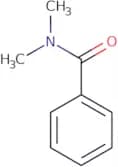
CAS:<p>Dopamine (D2) receptor antagonist; 5-HT4 serotonin receptor agonist</p>Formula:C14H22ClN3O2·HCl·H2OColor and Shape:White Off-White PowderMolecular weight:354.27 g/molN,N'-Dimethyl benzamide
CAS:<p>N,N'-Dimethyl benzamide (DMAB) is an aryl halide that reacts with hydrogen to form the corresponding carbonyl group. The reaction solution of DMAB and hydrogen gas produces a chemical structure that resembles a hydrogen bond. DMAB has been shown to have anti-inflammatory effects in animals with inflammatory diseases. It has also been studied for its ability to inhibit the formation of amyloid plaque, which is associated with Alzheimer's disease. In addition, DMAB has been shown to have therapeutic effects against boron nitride and amides.<br>The crystal structure of DMAB can be found in both crystalline polymorphs: monoclinic and triclinic. The triclinic form is stable at room temperature and pressure, while the monoclinic form is only stable at higher temperatures. The monoclinic form is more soluble than the triclinic form, as it contains fewer hydrogen bonds between</p>Formula:C9H11NOPurity:Min. 95%Color and Shape:White PowderMolecular weight:149.19 g/molN-(5-Bromoacetamidylpentyl) acrylamide
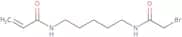
CAS:<p>N-(5-Bromoacetamidylpentyl) acrylamide is employed in the synthesis of substrates used for nucleotide sequence determination, covalently linked to polymer coatings such as poly(N-(5-azidoacetamidylpentyl)acrylamide-co-acrylamide) (PAZAM). Polynucleotide-binding substrates find application as molecular arrays and flow cells.</p>Formula:C10H17BrN2O2Purity:Min. 95%Color and Shape:PowderMolecular weight:277.16 g/molNilutamide
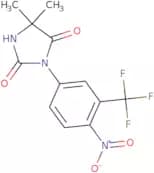
CAS:<p>Nonsteroidal androgen receptor antagonist</p>Formula:C12H10F3N3O4Purity:Min. 95%Color and Shape:PowderMolecular weight:317.22 g/mol3,5-Dihydroxybenzamide
CAS:<p>3,5-Dihydroxybenzamide is an amide derivative that has anticancer activity. This compound inhibits the growth of C. glabrata by inhibiting protein synthesis in the mitochondria and DNA replication in the nucleus. 3,5-Dihydroxybenzamide also inhibits the growth of cancer cells by binding to a molecule that is involved in cancer cell proliferation. The inhibitor molecule binds to a specific site on the molecule, preventing it from forming new cancer cells. The mechanism of action for this compound is not known, but may be due to its ability to bind with chloride ions or its ability to form supramolecular chemistry with other molecules.</p>Formula:C7H7NO3Purity:Min. 95%Color and Shape:PowderMolecular weight:153.14 g/molN-[4-[[(1-Methylethyl)amino]acetyl]phenyl]-methanesulfonamide monohydrochloride
CAS:<p>Please enquire for more information about N-[4-[[(1-Methylethyl)amino]acetyl]phenyl]-methanesulfonamide monohydrochloride including the price, delivery time and more detailed product information at the technical inquiry form on this page</p>Formula:C12H18N2O3S•HClPurity:Min. 95%Color and Shape:PowderMolecular weight:306.81 g/mol4-Nitrobenzenesulfonamide
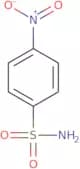
CAS:<p>4-Nitrobenzenesulfonamide is an organic compound that consists of a nitro group, a sulfonamide group, and an amine. It is the active analog of 4-dimethylaminobenzoic acid, which is used as an inhibitor of histamine release in the treatment of allergic reactions. The molecule has been shown to bind to copper ions and triflic acid and has been used as a catalyst for aziridination.</p>Formula:C6H6N2O4SPurity:Min. 96 Area-%Color and Shape:White PowderMolecular weight:202.19 g/molFlutamide
CAS:<p>Non-steroidal androgen receptor antagonist</p>Formula:C11H11F3N2O3Purity:Min. 95%Color and Shape:Off-White PowderMolecular weight:276.21 g/molIfosfamide
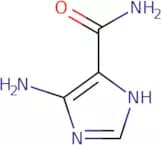
CAS:<p>Alkylating agent; anti-cancer agent</p>Formula:C7H15Cl2N2O2PPurity:Min. 98 Area-%Color and Shape:White Off-White PowderMolecular weight:261.09 g/mol5-Aminoimidazole-4-carboxamide HCl
CAS:<p>5-Aminoimidazole-4-carboxamide HCl (5-AICA) is a compound that is used for the treatment of bowel disease. It inhibits the synthesis of 5'-nucleotidase and phosphoribosyl transferase, which are enzymes responsible for the conversion of nucleotide monophosphates to nucleotide diphosphates. This inhibition leads to a decrease in the amount of adenosine triphosphate (ATP) produced by cells, which may be due to its ability to inhibit ATP synthase activity. 5-AICA also has been shown to bind to DNA and inhibit transcriptional activities. The binding of 5-AICA may be due to its ability to form hydrogen bonds with guanine residues in DNA or its capability to form covalent bonds with thymidine residues in DNA. 5-AICA also has been shown to have cytotoxic effects on HL60 cells, as well as other</p>Purity:Min. 95%Color and Shape:PowderMolecular weight:126.12 g/molPolyamide
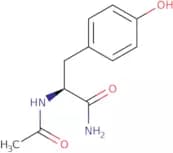
CAS:<p>Polyamide is a synthetic polymer that contains amide bonds. It is characterized by high water vapor permeability, low water solubility, and good chemical stability. Polyamide has been shown to have growth factor-β1 activity in vitro and in vivo for the treatment of tubulointerstitial injury. Polyamide is also used as a template for the synthesis of DNA. It has been shown to have antioxidant properties and inhibit prostate cancer cells. The polyamide chain can be analyzed using monoclonal antibodies and structural analysis methods such as nuclear magnetic resonance spectroscopy, infrared spectroscopy, x-ray diffraction, or electron microscopy.</p>Purity:Min. 95%Color and Shape:PowderAcetyl-L-tyrosine amide
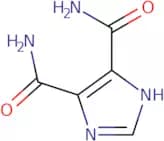
CAS:<p>Acetyl-L-tyrosine amide is an analog of L-tyrosine that is used as an active substance in the field of uv absorption. Acetyl-L-tyrosine amide reacts with sodium hydroxide to form a soluble salt, which has been shown to have binding constants that are comparable to those of human serum. This compound also has fluorescence properties and can be used for the determination of neutral pH. The reaction products formed between acetyl-L-tyrosine amide and sodium hydroxide are hydrolyzed by acids and yield a molecule with rotameric properties. These rotameric properties can be modeled using a protein model without affecting the stability or function of the protein.</p>Formula:C11H14N2O3Purity:Min. 95%Color and Shape:PowderMolecular weight:222.24 g/mol1H-Imidazole-4,5-dicarboxamide
CAS:<p>1H-Imidazole-4,5-dicarboxamide is a detergent composition that contains antimicrobial agents. It has been shown to inhibit the growth of resistant mutants in vitro and is active against a broad spectrum of bacteria. Hydrogen bonding interactions between 1H-imidazole-4,5-dicarboxamide and the amide group on the cell membrane surface are thought to be responsible for its activity. This compound also inhibits nuclear DNA synthesis by binding to the enzyme topoisomerase II, which is necessary for DNA replication. The molecular weight of 1H-imidazole-4,5-dicarboxamide makes it useful as an analytical reagent in gas chromatography.</p>Formula:C5H6N4O2Purity:Min. 95%Color and Shape:PowderMolecular weight:154.13 g/mol3-(4-Hydroxyphenyl)propionamide
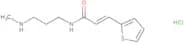
CAS:<p>3-(4-Hydroxyphenyl)propionamide is a heparinoid that is found in exudates, such as urine and saliva. It has significant cytotoxicity against the cell line Hepg2. 3-(4-Hydroxyphenyl)propionamide inhibits protein synthesis by binding to lectins and stabilizing them on the surface of the cells. This stabilizing effect blocks the lectin-carbohydrate interaction that leads to cellular activation and inflammation. 3-(4-Hydroxyphenyl)propionamide also has an anti-aging effect, which may be due to its ability to enhance chloride ion flow in biological tissues.</p>Formula:C9H11NO2Purity:Min. 95%Color and Shape:PowderMolecular weight:165.19 g/mol(E)-N-(3-Methylaminopropyl)-2-thiopheneacrylamide hydrochloride
CAS:<p>(E)-N-(3-Methylaminopropyl)-2-thiopheneacrylamide hydrochloride is a high quality, reagent, complex compound, useful intermediate, fine chemical. It has CAS No. 1449108-90-0 and is used as a research chemical and building block in the synthesis of other compounds. (E)-N-(3-Methylaminopropyl)-2-thiopheneacrylamide hydrochloride can be used as a versatile building block in organic synthesis reactions and is an important reaction component for the preparation of speciality chemicals.</p>Formula:C11H17N2OSClPurity:Min. 95%Color and Shape:White PowderMolecular weight:260.78 g/molAvenanthramide C
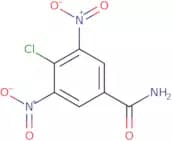
CAS:<p>Avenanthramide C is a potent polyphenolic compound that is isolated from the bark of the plant, Avena sativa. It has been shown to be an effective chemotherapeutic treatment for breast cancer and leukemia cells in vitro. Avenanthramide C has a hydroxyl group at its 6th carbon position and is a member of the class of compounds called avenanthramides. The biological properties of this compound have been examined using skin cells and it has been shown to exhibit significant activity against DNA polymerase, DNA binding activity, and enzyme activities. This compound also exhibits chemoattractant protein-like activity, which may be due to its ability to bind with high affinity to specific receptors on leukocytes.</p>Formula:C16H13NO6Purity:Min. 95%Color and Shape:PowderMolecular weight:315.28 g/mol4-Chloro-3,5-dinitrobenzamide
CAS:<p>4-Chloro-3,5-dinitrobenzamide is a bifunctional molecule that contains a chlorine atom. It has been found to react with dipolar solutes as well as vicinal dioxan arylation. The nucleophilic amide group is also labile and can be hydrolyzed by strong acids or bases. The electron lone pair of the chlorine atom in 4-chloro-3,5-dinitrobenzamide can be used for electrophilic substitution reactions with aromatic rings or amines. This molecule has been found to undergo an arylation reaction with imidazole in the presence of dioxan solvent at room temperature.</p>Formula:C7H4ClN3O5Purity:Min. 95%Molecular weight:245.58 g/molClofenamide
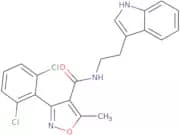
CAS:<p>Clofenamide is a drug that is used to treat insulin resistance. It is an at1 receptor antagonist that blocks the action of histamine, which stimulates the release of insulin from the pancreas. Clofenamide has been shown to reduce systolic blood pressure in patients with autoimmune diseases and cardiac hypertrophy. It is also used for treating infectious diseases, such as pneumonia and tuberculosis. Clofenamide reduces inflammation by inhibiting inflammatory enzymes, such as butyric acid. This drug has been found to have anticancer activity in cell-based studies by inhibiting cellular proliferation and inducing apoptosis in cancer cells.</p>Formula:C6H7ClN2O4S2Purity:Min. 95%Color and Shape:Slightly Yellow PowderMolecular weight:270.72 g/mol(3-(2,6-dichlorophenyl)-5-methylisoxazol-4-yl)-N-(2-indol-3-ylethyl)formamide
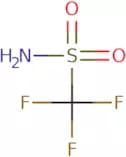
CAS:<p>Please enquire for more information about (3-(2,6-dichlorophenyl)-5-methylisoxazol-4-yl)-N-(2-indol-3-ylethyl)formamide including the price, delivery time and more detailed product information at the technical inquiry form on this page</p>Purity:Min. 95%Trifluoromethanesulfonamide
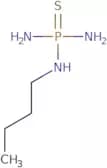
CAS:<p>Trifluoromethanesulfonamide is a strong acid that has been shown to inhibit the proteolytic activity of human secretase. It binds to a specific site on the enzyme and prevents it from cleaving the substrate. This inhibition slows down the progression of Alzheimer's disease, Parkinson's disease, and other related disorders. Trifluoromethanesulfonamide has also been shown to bind to metal hydroxides, such as iron hydroxide, which may be due to its ability to form hydrogen bonds with these metals. Structural analysis reveals that trifluoromethanesulfonamide contains a pyrazole ring and two chlorine atoms, one in the para position and one in the meta position.</p>Formula:CH2F3NO2SColor and Shape:PowderMolecular weight:149.09 g/molN-(n-Butyl)thiophosphoric triamide
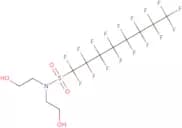
CAS:<p>N-(n-Butyl)thiophosphoric triamide is a triamide herbicide that inhibits the plant enzyme fatty acid synthase. It has been shown to inhibit the uptake of glycol ethers, such as glycol esters, into plants by acting on the glycol ester hydroxyl group. This chemical also inhibits the synthesis of fatty acids in plants and reduces lipid content in perennial ryegrass and solanum tuberosum. N-(n-Butyl)thiophosphoric triamide also inhibits nitrous oxide emissions from wastewater treatment plants.</p>Formula:C4H14N3PSPurity:Min. 95%Color and Shape:White PowderMolecular weight:167.21 g/molHeptadecafluoro-N,N-Bis(2-Hydroxyethyl)Octanesulphonamide
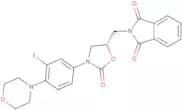
CAS:Controlled Product<p>Heptadecafluoro-N,N-Bis(2-Hydroxyethyl)Octanesulphonamide is a lubricant that is used in the manufacture of polyester films. It is insoluble and has excellent compressive properties. This compound is soluble in both organic solvents and water, and can be applied as a transfer agent or to obviate the need for a separate lubricant. Heptadecafluoro-N,N-Bis(2-Hydroxyethyl)Octanesulphonamide is an inorganic material that does not react with other materials. It also has good deformation resistance and low hardness. The particle size of this compound is between 5 and 10 microns.</p>Formula:C12H10F17NO4SPurity:Min. 95%Molecular weight:587.25 g/molDeacetamide linezolid phthalimide
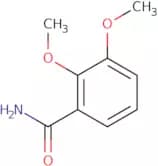
CAS:<p>Deacetamide linezolid phthalimide is a chemical compound that is used as an intermediate in the synthesis of a variety of pharmaceuticals. It has been shown to be useful for the production of a number of compounds, including antibiotics, anti-inflammatory agents, and anticancer drugs. The substance has been shown to be effective in the treatment of bacterial infections and was first discovered in research chemicals. This compound also has a high quality and is used as a reagent for chemical reactions.</p>Formula:C22H20FN3O5Purity:Min. 95%Color and Shape:Slightly Yellow PowderMolecular weight:425.41 g/mol2-Veratramide
CAS:<p>2-Veratramide is a drug that belongs to the group of amides. It is a highly soluble, water-soluble and lipophilic molecule. The molecular modeling study revealed that it has a hydroxyl group in its structure and a hydrogen bond with the intramolecular hydrogen atom. 2-Veratramide has been observed to inhibit protein synthesis and cellular proliferation by binding to cancer cells or inflammatory cells. It also binds to dopamine receptors, inhibiting uptake of dopamine and subsequent activation of downstream signaling pathways. 2-Veratramide is an inhibitor of nitric oxide synthase (NOS), which plays an important role in inflammation, vascular tone, neurotransmission, and cell proliferation.<br>2-Veratramide inhibits NOS by competitively binding to the heme moiety at the active site of the enzyme, thereby blocking access to substrate arginine.</p>Formula:C9H11NO3Purity:Min. 97%Color and Shape:PowderMolecular weight:181.19 g/mol3-Iodobenzamide
CAS:<p>3-Iodobenzamide is a metalloporphyrin that is used as a research tool. It has been shown to inhibit the tyrosine kinase activity of the BCR-ABL protein and to induce apoptosis in chronic myeloid leukemia cells. 3-Iodobenzamide binds to the dopamine D2 receptor, which leads to inhibition of adenylate cyclase and decreased levels of cAMP. The binding affinity of 3-iodobenzamide for dopamine receptors and its ability to inhibit cAMP production make it an ideal candidate for use in studies on striatal membrane preparations and homogenates.</p>Formula:C7H6INOPurity:Min. 95%Color and Shape:PowderMolecular weight:247.03 g/molPigment Orange 36
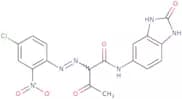
CAS:<p>Pigment Orange 36 is an organic pigment with a light-emitting property. It is soluble in organic solvents, such as benzene and chloroform, but insoluble in water. Pigment Orange 36 has a polycyclic aromatic hydrocarbon structure with ester linkages between the aliphatic hydrocarbon and aromatic hydrocarbon moieties. The molecule consists of two sections: one section is soluble in organic solvents and the other section is soluble in water. The particle size of Pigment Orange 36 ranges from 0.1 to 1 micron in diameter, and it emits light when excited by UV radiation or visible light.</p>Formula:C17H13ClN6O5Purity:Min. 95%Molecular weight:416.8 g/mol2-Phthalimidoyl-N-(methylsulfonyl)propanamide
<p>2-Phthalimidoyl-N-(methylsulfonyl)propanamide is a fine chemical that is used as a building block for research chemicals. It is a versatile intermediate that can be used as a reaction component. 2-Phthalimidoyl-N-(methylsulfonyl)propanamide has been shown to have high quality and can be used as a reagent in the synthesis of complex compounds.</p>Formula:C12H12N2O5SMolecular weight:296.30 g/mol2,3-Diaminobenzamide
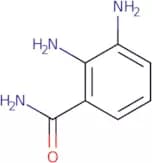
CAS:<p>2,3-Diaminobenzamide is a synthetic aromatic compound that is used as a radiation stabilizer. It is also an effective antimicrobial agent with reactive properties against bacteria and fungi. 2,3-Diaminobenzamide has been shown to have anti-cancer properties and can be used to treat inflammatory diseases such as rheumatoid arthritis or ulcerative colitis. The intramolecular hydrogen bond between the amide group and the benzene ring in 2,3-diaminobenzamide contributes to its stability and biological activity.</p>Formula:C7H9N3OPurity:Min. 95%Color and Shape:PowderMolecular weight:151.17 g/molLacosamide
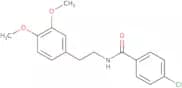
CAS:Controlled Product<p>Lacosamide is a drug that is used for the treatment of epilepsy. It has been shown to inhibit neuronal death in vitro and in animal models, and has been extensively studied for its potential benefits in the treatment of bowel disease. The mechanism of action for lacosamide involves inhibition of the transport of neurotransmitters from the synaptic cleft by binding to the neuronal sodium channels and increasing their recovery rate. Lacosamide has also been found to affect energy metabolism by inhibiting the activity of mitochondrial enzymes such as matrix effect and complex I/III.</p>Formula:C13H18N2O3Purity:Min. 98 Area-%Color and Shape:PowderMolecular weight:250.29 g/molN-(2-(3,4-dimethoxyphenyl)ethyl)(4-chlorophenyl)formamide
CAS:Controlled Product<p>Please enquire for more information about N-(2-(3,4-dimethoxyphenyl)ethyl)(4-chlorophenyl)formamide including the price, delivery time and more detailed product information at the technical inquiry form on this page</p>Purity:Min. 95%2-Chloro-N-(4-chlorophenyl)propanamide
CAS:<p>2-Chloro-N-(4-chlorophenyl)propanamide is an acetanilide that is used as a research chemical in the preparation of other compounds. It also has been used to synthesize chloroacetanilides and chloroanilides. 2-Chloro-N-(4-chlorophenyl)propanamide can be prepared by reacting 4-chloroaniline with acetic anhydride and potassium chloride in a basic solution. The reaction will take place at room temperature, but will produce a greater yield when heated to 40°C for 1 hour. This compound can be used as a starting material for the synthesis of other compounds, such as chlorinated analogues of acetaminophen (paracetamol).</p>Formula:C9H9Cl2NOPurity:Min. 95%Molecular weight:218.08 g/molN,N-Dimethylmorpholine-4-carboxamide
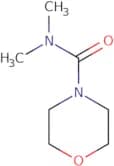
CAS:<p>Dimethylmorpholine-4-carboxamide (DMMC) is an unsymmetrical, synthetic carbamate that has antiviral properties. The antiviral properties of DMMC are due to its ability to inhibit the synthesis of viral proteins by binding to a site on the enzyme RNA polymerase and blocking the formation of a functional enzyme. This agent also has been shown to inhibit the production of nitric oxide in k562 cells. DMMC is marketed for use as an insecticide, but it has not been approved for this use. In crystallography studies, DMMC was found to have high yield and low melting point.</p>Formula:C7H14N2O2Purity:Min. 95%Color and Shape:Colorless PowderMolecular weight:158.2 g/mol2,2,2-Trifluoro-n-phenylacetamide
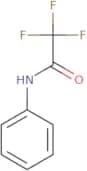
CAS:<p>2,2,2-Trifluoro-n-phenylacetamide is a functionalized trifluoroacetic acid. It is inactive and can be used for diagnostic purposes. 2,2,2-Trifluoro-n-phenylacetamide reacts with amines to form the corresponding deuterium isotope labeled amine. The heterocyclic amines that are formed react with diazonium salt to produce an enolate anion that reacts with chloride to form the corresponding carboxylic acid derivative. The proton of the carboxylic acid leaves as a protonated ammonium ion, which is stable in alkaline solutions. Amides have a negative charge on the nitrogen atom due to its electron withdrawing properties.</p>Formula:C8H6F3NOPurity:Min. 95%Color and Shape:PowderMolecular weight:189.13 g/mol(3-(2,6-dichlorophenyl)-5-methylisoxazol-4-yl)-N-(4-(2-pyridylthio)phenyl)formamide
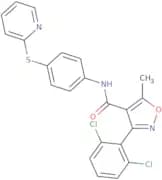
CAS:<p>Please enquire for more information about (3-(2,6-dichlorophenyl)-5-methylisoxazol-4-yl)-N-(4-(2-pyridylthio)phenyl)formamide including the price, delivery time and more detailed product information at the technical inquiry form on this page</p>Purity:Min. 95%4-[2-[(3-Ethyl-4-methyl-2-oxo-3-pyrrolin-1-yl)carboxamido]ethyl]benzenesulfonamide
CAS:<p>Metformin is an antidiabetic drug that is used to treat type 2 diabetes. It works by increasing insulin sensitivity and decreasing glucose production in the liver. Metformin does not cause low blood sugar in people with diabetes, but it can lower blood sugar in those without the condition. Metformin is available as metformin hydrochloride and has a molecular weight of 314.5 g/mol. Metformin is excreted primarily through the kidneys, with less than 10% of a dose being excreted unchanged in the urine. Excipients include acetonitrile, which is used as an organic solvent for liquid drug products; impurities may be present due to incomplete synthesis or purification processes; and animal studies are performed to assess safety and efficacy of drugs that may have adverse effects on humans.<br>Metformin has been shown to decrease blood sugar levels in animals through its antidiabetic potential, but there are no studies showing its effect on humans with type</p>Formula:C16H21N3O4SPurity:Min. 95%Color and Shape:White PowderMolecular weight:351.42 g/molN-(5-Chloro-2-hydroxyphenyl)-2-chloropropanamide
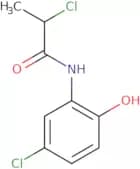
CAS:<p>Please enquire for more information about N-(5-Chloro-2-hydroxyphenyl)-2-chloropropanamide including the price, delivery time and more detailed product information at the technical inquiry form on this page</p>Purity:Min. 95%Acetamide
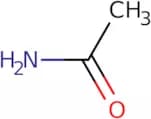
CAS:<p>Acetamide is an acyclic nucleoside phosphonate with a basic structure. Acetamide is metabolized to the corresponding ester hydrochloride, which has been shown to inhibit the polymerase chain reaction. This inhibition may be due to the effector proteins that are inactivated by acetamide, or it could be due to radiation-induced changes in the amide bond of the enzyme. Acetamide and its ester hydrochloride have been shown to inhibit skin cancer cells and carcinoma cell lines.</p>Formula:C2H5NOColor and Shape:Colorless Clear LiquidMolecular weight:59.07 g/mol4-Hydroperoxy cyclophosphamide
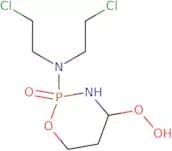
CAS:<p>4-Hydroperoxycyclophosphamide (4-HPPC) is a cytotoxic agent with anti-cancer properties. It is a prodrug that is converted to 4-hydroxycyclophosphamide, the active form of the drug, by hydrolases in cells. The cytotoxicity of 4-HPPC has been demonstrated using a model system of human erythrocytes and HL60 cells. This drug also has an effect on tumor growth and metastasis, as well as on bowel disease. Rats treated with 4-HPPC showed decreased levels of blood glucose, increased glutathione peroxidase activity, and a decrease in the number of colonic tumors after only one dose. The low-dose group had improved mitochondrial membrane potential and an increase in cell factor receptor activity. These results indicate that 4-HPPC may be a useful anti-cancer compound for treating various types of cancer including colon cancer.</p>Formula:C7H15Cl2N2O4PPurity:Min. 95%Color and Shape:PowderMolecular weight:293.08 g/molDodeca 2E,4E,8Z,10E,Z-tetraenoic acid isobutylamide - ca. 10 mg/ml acetonitrile solution
CAS:<p>Dodeca 2E,4E,8Z,10E,Z-tetraenoic acid isobutylamide (DETBA) is a versatile building block that is used in the synthesis of natural products and pharmaceuticals. DETBA can be used as a reaction component in organic synthesis to form complex compounds such as polyesters, polyamides, polyurethanes, and polyimides. It also has high quality and can be used in research or speciality chemical applications.</p>Formula:C16H25NOPurity:Min. 96 Area-%Color and Shape:Clear LiquidMolecular weight:247.38 g/mol2-Chloro-N-(1,5-dimethyl-3-oxo-2-phenyl-2,3-dihydro-1H-pyrazol-4-yl)acetamide
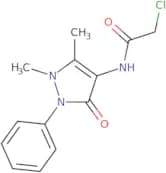
CAS:<p>2-Chloro-N-(1,5-dimethyl-3-oxo-2-phenyl-2,3-dihydro-1H-pyrazol-4-yl)acetamide (CPA) is a chemical compound that belongs to the class of phenyl pyrazoles. It has a thermal stability and is soluble in organic solvents. CPA crystallizes in the monoclinic system with the space group P21/c, with the following unit cell parameters: a = 8.943(4) Å, b = 7.878(3) Å, c = 17.834(6) Å, α = 90°, β = 112° and γ = 90°. In this crystal structure, there are two molecules of chloride per molecule of CPA. The crystal x ray diffraction pattern showed that this compound forms dimers in solution at room temperature and can be dissolved</p>Formula:C13H14ClN3O2Purity:Min. 95%Molecular weight:279.72 g/mol2-Amino-5-methylbenzamide
CAS:<p>2-Amino-5-methylbenzamide (2AMB) is a potent inhibitor of the enzyme dihydropyrimidine dehydrogenase and is used in cancer research for its ability to inhibit tumor cell line growth. 2AMB has been shown to inhibit the synthesis of DNA, RNA, and protein in various human cell lines. The mechanism of this inhibition is not well understood, but it may be due to its ability to inhibit the activity of synthetases involved in nucleotide biosynthesis or by inhibiting the reaction system that converts hydration into ATP.</p>Formula:C8H10N2OPurity:Min. 95%Color and Shape:PowderMolecular weight:150.18 g/mol(4-Chlorophenyl)(piperazin-1-yl)methanone
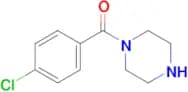
CAS:Formula:C11H13ClN2OPurity:97%Color and Shape:SolidMolecular weight:224.69Fmoc-Asn-OH
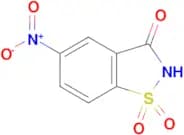
CAS:<p>M03351 - Fmoc-Asn-OH</p>Formula:C19H18N2O5Purity:97%Color and Shape:SolidMolecular weight:354.3621,2-BENZISOTHIAZOL-3(2H)-ONE, 5-NITRO-, 1,1-DIOXIDE
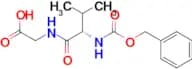
CAS:Formula:C7H4N2O5SPurity:97%Molecular weight:228.18(S)-2-(5-Amino-2-(((benzyloxy)carbonyl)amino)-5-oxopentanamido)acetic acid
CAS:Formula:C15H19N3O6Purity:98%Molecular weight:337.3322-Amino-1-piperidin-1-yl-ethanone hydrochloride
CAS:Formula:C7H15ClN2OPurity:98%Color and Shape:CrystallineMolecular weight:178.66(2S,3S)-3-methyl-2-[2-({[2-(trimethylsilyl)ethoxy]carbonyl}amino)acetamido]pentanoic acid
CAS:Purity:97%Molecular weight:332.4719849N1-(5-Chloropyridin-2-yl)-N2-((1S,2R,4S)-4-(dimethylcarbamoyl)-2-(methylsulfonamido)cyclohexyl)oxalamide (Edoxaban Impurity)
Purity:98%Molecular weight:445.92(3-Fluoro-4-(methylcarbamoyl)phenyl)boronic acid
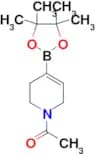
CAS:Formula:C8H9BFNO3Purity:97%Color and Shape:SolidMolecular weight:196.971-(4-(4,4,5,5-Tetramethyl-1,3,2-dioxaborolan-2-yl)-5,6-dihydropyridin-1(2H)-yl)ethanone
CAS:Formula:C13H22BNO3Purity:95%Color and Shape:SolidMolecular weight:251.137-Methoxy-2,3,4,5-tetrahydro-1H-benzo[c]azepin-1-one
CAS:Formula:C11H13NO2Purity:98%Molecular weight:191.23(2,5-dioxopyrrolidin-1-yl) 3-[2-[2-[3-(2,5-dioxopyrrol-1-yl)propanoylamino]ethoxy]ethoxy]propanoate
CAS:Purity:95%Color and Shape:SolidMolecular weight:425.39401254-formylbenzamide
CAS:Formula:C8H7NO2Purity:95%Color and Shape:Solid, Light grey powderMolecular weight:149.149(R)-2-Aminobutanamide hydrochloride
CAS:Formula:C4H11ClN2OPurity:95%Color and Shape:SolidMolecular weight:138.62,2,2-TRIFLUORO-1-(PIPERAZIN-1-YL)ETHANONE HCL
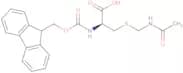
CAS:Formula:C6H10ClF3N2OPurity:95%Molecular weight:218.6Fmoc-D-Cys(Acm)-OH
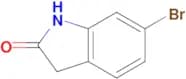
CAS:<p>M06217 - Fmoc-D-Cys(Acm)-OH</p>Formula:C21H22N2O5SPurity:95%Color and Shape:SolidMolecular weight:414.486-Bromooxindole
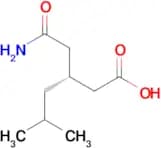
CAS:Formula:C8H6BrNOPurity:97%Color and Shape:Solid, Brown powderMolecular weight:212.046R-(-)-3-(Carbamoylmethyl)-5-methylhexanoic acid
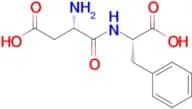
CAS:Formula:C9H17NO3Purity:95%Color and Shape:SolidMolecular weight:187.239(S)-3-Amino-4-(((S)-1-carboxy-2-phenylethyl)amino)-4-oxobutanoic acid
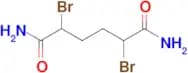
CAS:Formula:C13H16N2O5Purity:95%Color and Shape:Solid, Crystalline PowderMolecular weight:280.282,5-Dibromohexanediamide
CAS:Formula:C6H10Br2N2O2Purity:97%Color and Shape:No data available.Molecular weight:301.9661-(2-Chloro-benzoyl)-piperidine-4-carboxylic acid
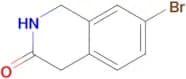
CAS:Formula:C13H14ClNO3Purity:98%Molecular weight:267.717-Bromo-1,2-dihydroisoquinolin-3(4H)-one
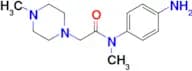
CAS:Formula:C9H8BrNOPurity:97%Color and Shape:Solid, No data available.Molecular weight:226.073N-(4-Aminophenyl)-N-methyl-2-(4-methylpiperazin-1-yl)acetamide
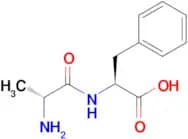
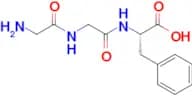
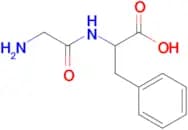
CAS:Formula:C14H22N4OPurity:95%Color and Shape:SolidMolecular weight:262.357(S)-2-(2-(2-Aminoacetamido)acetamido)-3-phenylpropanoic acid
CAS:Formula:C13H17N3O4Purity:95%Color and Shape:SolidMolecular weight:279.296(4-Ethynylphenyl)(morpholino)methanone
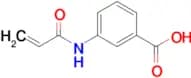
CAS:Formula:C13H13NO2Purity:98%Color and Shape:SolidMolecular weight:215.2523-[(2,2-dimethylpropanoyl)amino]-2-methylbenzoic acid
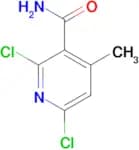
CAS:Formula:C13H17NO3Purity:98%Molecular weight:235.2832,6-Dichloro-4-methylnicotinamide
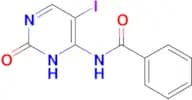
CAS:Formula:C7H6Cl2N2OPurity:95%Color and Shape:SolidMolecular weight:205.04N-(5-METHYL-2-OXO-2,3-DIHYDROPYRIMIDIN-4-YL)BENZAMIDE
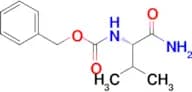
CAS:Formula:C12H11N3O2Purity:98%Color and Shape:Liquid, No data available.Molecular weight:229.239(S)-Benzyl (1-amino-3-methyl-1-oxobutan-2-yl)carbamate
CAS:Formula:C13H18N2O3Purity:98%Color and Shape:SolidMolecular weight:250.298N-[4-Chloro-2-methoxy-5-(1-methylcyclopropyl)phenyl]acetamide
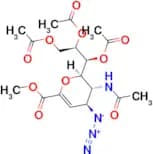
CAS:Purity:98%Molecular weight:253.7299957(1S,2R)-1-((2R,3R,4S)-3-Acetamido-4-azido-6-(methoxycarbonyl)-3,4-dihydro-2H-pyran-2-yl)propane-1,2,3-triyl triacetate
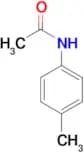
CAS:Purity:98%Molecular weight:456.4084-Methylacetanilide
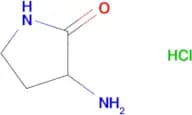
CAS:Formula:C9H11NOPurity:98%Color and Shape:Solid, Crystalline Powder or PowderMolecular weight:149.1933-AMINOPYRROLIDIN-2-ONE HYDROCHLORIDE
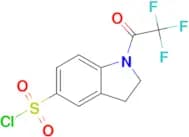
CAS:Formula:C4H9ClN2OPurity:95%Color and Shape:SolidMolecular weight:136.581-(2,2,2-Trifluoroacetyl)indoline-5-sulfonyl chloride
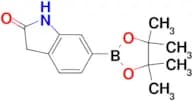
CAS:Formula:C10H7ClF3NO3SPurity:98%Molecular weight:313.686-(4,4,5,5-Tetramethyl-1,3,2-dioxaborolan-2-yl)indolin-2-one
CAS:Formula:C14H18BNO3Purity:97%Color and Shape:SolidMolecular weight:259.11(R,E)-N-(1-(naphthalen-1-yl)ethyl)-3-(3-(trifluoromethyl)phenyl)acrylamide
CAS:Purity:96%Molecular weight:369.38699341-(3,5-dimethylbenzyl)-2-piperazinone hydrochloride
CAS:Formula:C13H19ClN2OPurity:97%Color and Shape:SolidMolecular weight:254.76N,N’-[(1R,2R)-1,2-Diphenyl-1,2-ethanediyl]bis[2-diphenylphosphinobenzamide]
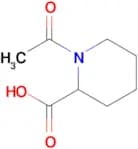
CAS:Purity:95%Color and Shape:SolidMolecular weight:788.8679811-Acetyl-piperidine-2-carboxylic acid
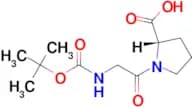
CAS:Formula:C8H13NO3Purity:98%Color and Shape:SolidMolecular weight:171.196Boc-Gly-Pro
CAS:Formula:C12H20N2O5Purity:95%Color and Shape:Solid, White to off-white powderMolecular weight:272.3014-(2-Oxo-pyrrolidin-1-yl)-benzenesulfonyl chloride
CAS:Formula:C10H10ClNO3SPurity:95%Color and Shape:SolidMolecular weight:259.7N-(1,3-Dioxo-1,3-dihydroisobenzofuran-4-yl)acetamide
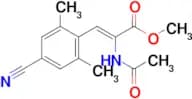
CAS:Formula:C10H7NO4Purity:95%Color and Shape:SolidMolecular weight:205.169(Z)-methyl 2-acetamido-3-(4-cyano-2,6-dimethylphenyl)acrylate
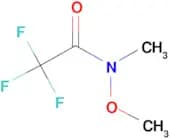
CAS:Purity:98%Molecular weight:272.3039856N-Methoxy-N-methyltrifluoroacetamide
CAS:Formula:C4H6F3NO2Purity:97%Color and Shape:LiquidMolecular weight:157.092N-(6-Bromo-1,3-dimethyl-2-oxo-2,3-dihydro-1H-benzo[d]imidazol-5-yl)-2,2,2-trifluoroacetamide
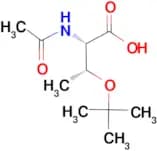
CAS:Purity:95%Molecular weight:352.1109924(2S,3R)-2-Acetamido-3-(tert-butoxy)butanoic acid
CAS:Formula:C10H19NO4Purity:95%Color and Shape:SolidMolecular weight:217.265(2-Fluoro-5-(methylcarbamoyl)phenyl)boronic acid
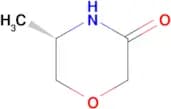
CAS:Formula:C8H9BFNO3Purity:98%Molecular weight:196.97(S)-5-Methylmorpholin-3-one
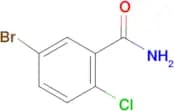
CAS:Formula:C5H9NO2Purity:97%Color and Shape:SolidMolecular weight:115.1325-Bromo-2-chlorobenzamide
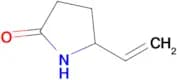
CAS:Formula:C7H5BrClNOPurity:98%Color and Shape:SolidMolecular weight:234.485-Vinylpyrrolidin-2-one
CAS:Formula:C6H9NOPurity:95%(stabilized with TBC)Color and Shape:LiquidMolecular weight:111.1445,7-Difluoro-1,3-dihydroindol-2-one
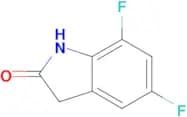
CAS:Formula:C8H5F2NOPurity:90%Color and Shape:SolidMolecular weight:169.1316-(4,4,5,5-Tetramethyl-1,3,2-dioxaborolan-2-yl)-3,4-dihydroisoquinolin-1(2H)-one
CAS:Purity:97%Color and Shape:SolidMolecular weight:273.1400146N-(2-(2-(2-(2-Aminoethoxy)ethoxy)ethoxy)ethyl)-5-((3aS,4S,6aR)-2-oxohexahydro-1H-thieno[3,4-d]imidazol-4-yl)pentanamide
CAS:Purity:97%Color and Shape:SolidMolecular weight:418.5499878(S)-methyl 2-((tert-butoxycarbonyl)amino)-3-(4-carbamoyl-2,6-dimethylphenyl)propanoate
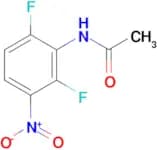
CAS:Purity:98%Molecular weight:350.4150085N-(2,6-Difluoro-3-nitrophenyl)acetamide
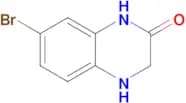
CAS:Formula:C8H6F2N2O3Purity:95%Color and Shape:SolidMolecular weight:216.1447-Bromo-3,4-dihydroquinoxalin-2(1H)-one
CAS:Formula:C8H7BrN2OPurity:96%Color and Shape:SolidMolecular weight:227.0615-Amino-2-methylisoindolin-1-one
CAS:Formula:C9H10N2OPurity:97%Color and Shape:SolidMolecular weight:162.192
![13,4-diaza-5-(tert-butyl)-2-hydroxy-7-oxotricyclo[6.4.0.0<2,6>]dodeca-1(8),4,9,11-tetraene-3-carbo…](/_next/image/?url=https%3A%2Fstatic.cymitquimica.com%2Fproducts%2F3D%2Fthumb-webp%2FFD169872.webp&w=3840&q=75)



![N-Ethylheptadecafluoro-N-[3-(Trimethoxysilyl)Propyl]Octanesulphonamide](/_next/image/?url=https%3A%2Fstatic.cymitquimica.com%2Fproducts%2F3D%2Fthumb-webp%2FFE98932.webp&w=3840&q=75)
![N-[4-[1-(2-Fluorobenzyl)-3-butyl-2,6-dixo-2,3,6,7-tetrahydro-1H-purin-8-ylmethyl]phenyl]acetamide](/_next/image/?url=https%3A%2Fstatic.cymitquimica.com%2Fproducts%2F3D%2Fthumb-webp%2FFF23426.webp&w=3840&q=75)
![N-[4-(2-Hydrazino-2-oxoethoxy)phenyl]acetamide](/_next/image/?url=https%3A%2Fstatic.cymitquimica.com%2Fproducts%2F3D%2Fthumb-webp%2FFH131261.webp&w=3840&q=75)


![N-[2-Iodoethyl]trifluoroacetamide](/_next/image/?url=https%3A%2Fstatic.cymitquimica.com%2Fproducts%2F3D%2Fthumb-webp%2FFI52744.webp&w=3840&q=75)

![4-Methyl-N-[3-(Trifluoromethyl)Phenyl]Benzenesulfonamide](/_next/image/?url=https%3A%2Fstatic.cymitquimica.com%2Fproducts%2F3D%2Fthumb-webp%2FFM94658.webp&w=3840&q=75)


![2-Cyano-N-[2-(3,4-dimethoxyphenyl)ethyl]acetamide](/_next/image/?url=https%3A%2Fstatic.cymitquimica.com%2Fproducts%2F3D%2Fthumb-webp%2FFC131318.webp&w=3840&q=75)
![N-[3-(3-Dimethylamino-1-oxo-2-propenyl)phenyl]-N-ethylacetamide](/_next/image/?url=https%3A%2Fstatic.cymitquimica.com%2Fproducts%2F3D%2Fthumb-webp%2FFD70834.webp&w=3840&q=75)


![N-[4-[[(1-Methylethyl)amino]acetyl]phenyl]-methanesulfonamide monohydrochloride](/_next/image/?url=https%3A%2Fstatic.cymitquimica.com%2Fproducts%2F3D%2Fthumb-webp%2FFI150565.webp&w=3840&q=75)








![4-[2-[(3-Ethyl-4-methyl-2-oxo-3-pyrrolin-1-yl)carboxamido]ethyl]benzenesulfonamide](/_next/image/?url=https%3A%2Fstatic.cymitquimica.com%2Fproducts%2F3D%2Fthumb-webp%2FFE23124.webp&w=3840&q=75)


![6-Methyl-2H-benzo[b][1,4]oxazin-3(4H)-one](/_next/image/?url=https%3A%2Fstatic.cymitquimica.com%2Fproducts%2F10%2Fthumb-webp%2FF604401.webp&w=3840&q=75)



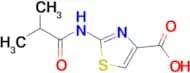


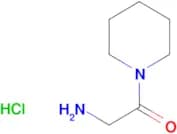
![(2S,3S)-3-methyl-2-[2-({[2-(trimethylsilyl)ethoxy]carbonyl}amino)acetamido]pentanoic acid](/_next/image/?url=https%3A%2Fstatic.cymitquimica.com%2Fproducts%2F10%2Fthumb-webp%2FF616161.webp&w=3840&q=75)

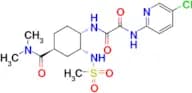
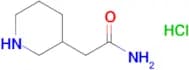

![2,7-Diazaspiro[4.4]nonan-3-one](/_next/image/?url=https%3A%2Fstatic.cymitquimica.com%2Fproducts%2F10%2Fthumb-webp%2FF320380.webp&w=3840&q=75)
![7-Methoxy-2,3,4,5-tetrahydro-1H-benzo[c]azepin-1-one](/_next/image/?url=https%3A%2Fstatic.cymitquimica.com%2Fproducts%2F10%2Fthumb-webp%2FF449724.webp&w=3840&q=75)
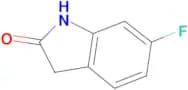
![(2,5-dioxopyrrolidin-1-yl) 3-[2-[2-[3-(2,5-dioxopyrrol-1-yl)propanoylamino]ethoxy]ethoxy]propanoate](/_next/image/?url=https%3A%2Fstatic.cymitquimica.com%2Fproducts%2F10%2Fthumb-webp%2FF863963.webp&w=3840&q=75)
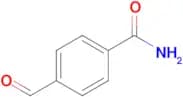
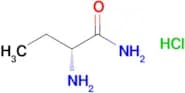
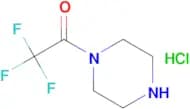

![5-Bromo-N-methyl-1H-pyrrolo[2,3-b]pyridine-3-carboxamide](/_next/image/?url=https%3A%2Fstatic.cymitquimica.com%2Fproducts%2F10%2Fthumb-webp%2FF787869.webp&w=3840&q=75)




![3-[(2,2-dimethylpropanoyl)amino]-2-methylbenzoic acid](/_next/image/?url=https%3A%2Fstatic.cymitquimica.com%2Fproducts%2F10%2Fthumb-webp%2FF314540.webp&w=3840&q=75)

![5-Bromo-1′-methylspiro[indoline-3,4′-piperidin]-2-one](/_next/image/?url=https%3A%2Fstatic.cymitquimica.com%2Fproducts%2F10%2Fthumb-webp%2FF612425.webp&w=3840&q=75)
![N-[4-Chloro-2-methoxy-5-(1-methylcyclopropyl)phenyl]acetamide](/_next/image/?url=https%3A%2Fstatic.cymitquimica.com%2Fproducts%2F10%2Fthumb-webp%2FF790344.webp&w=3840&q=75)
![7-Bromo-2,3-dihydro-4H-benzo[e][1,3]thiazin-4-one 1,1-dioxide](/_next/image/?url=https%3A%2Fstatic.cymitquimica.com%2Fproducts%2F10%2Fthumb-webp%2FF981821.webp&w=3840&q=75)
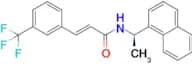
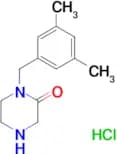
![N,N’-[(1R,2R)-1,2-Diphenyl-1,2-ethanediyl]bis[2-diphenylphosphinobenzamide]](/_next/image/?url=https%3A%2Fstatic.cymitquimica.com%2Fproducts%2F10%2Fthumb-webp%2FF605011.webp&w=3840&q=75)
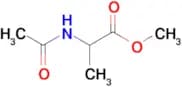
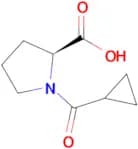




![N-(6-Bromo-1,3-dimethyl-2-oxo-2,3-dihydro-1H-benzo[d]imidazol-5-yl)-2,2,2-trifluoroacetamide](/_next/image/?url=https%3A%2Fstatic.cymitquimica.com%2Fproducts%2F10%2Fthumb-webp%2FF610022.webp&w=3840&q=75)
![N-[(1S,2S)-2-({2-[(2-methylpropane-2-sulfinyl)amino]-3,4-dioxocyclobut-1-en-1-yl}amino)-1,2-diphen…](/_next/image/?url=https%3A%2Fstatic.cymitquimica.com%2Fproducts%2F10%2Fthumb-webp%2FF979766.webp&w=3840&q=75)


![N-(2-(2-(2-(2-Aminoethoxy)ethoxy)ethoxy)ethyl)-5-((3aS,4S,6aR)-2-oxohexahydro-1H-thieno[3,4-d]imid…](/_next/image/?url=https%3A%2Fstatic.cymitquimica.com%2Fproducts%2F10%2Fthumb-webp%2FF869390.webp&w=3840&q=75)