Carboxylic Acids
Carboxylic acids are organic molecules characterized by having a carboxyl-type functional group (-COOH). These acids are fundamental in various chemical reactions, including esterification, amidation, and decarboxylation. Carboxylic acids are widely used in the production of pharmaceuticals, polymers, and agrochemicals. In this section, you can find a large number of carboxylic acids ready to be used. At CymitQuimica, we provide a broad range of high-quality carboxylic acids to support your research and industrial applications.
Found 12453 products of "Carboxylic Acids"
Sort by
Purity (%)
0
100
|
0
|
50
|
90
|
95
|
100
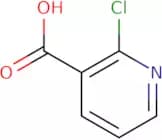
2-Chloronicotinic acid
CAS:<p>2-Chloronicotinic acid is a chemical compound that belongs to the group of phosphorus compounds. It is a colorless liquid that is soluble in water and has a pungent odor. 2-Chloronicotinic acid can be found in wastewater treatment, as it binds strongly to phosphorus compounds. It also participates in the Suzuki coupling reaction with various organometallic catalysts, such as palladium and nickel, to produce amides and n-oxides. 2-Chloronicotinic acid inhibits the growth of Pseudomonas aeruginosa and other bacteria by binding to the bacterial ribosome and inhibiting protein synthesis. 2-Chloronicotinic acid has been shown to inhibit prostaglandin synthesis, which may be due to its ability to bind nonsteroidal anti-inflammatory drugs (NSAIDs) by hydrogen bonding at their active site.</p>Formula:C6H4ClNO2Purity:Min. 95%Color and Shape:PowderMolecular weight:157.55 g/molR-(-)-Arundic acid
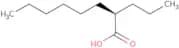
CAS:<p>R-(-)-Arundic acid is a chiral compound, which is a derivative of arundic acid specifically designed for enantiomeric purity. It is sourced through synthetic organic chemistry processes, allowing for precise control over its stereochemistry. The mode of action of R-(-)-Arundic acid involves the inhibition of astrocyte activation by modulating the synthesis of certain cytokines and inflammatory mediators. This mechanism provides a neuroprotective effect, making it a valuable tool in the study of neurodegenerative diseases and brain injuries.</p>Formula:C11H22O2Purity:Min. 98 Area-%Color and Shape:Clear Viscous LiquidMolecular weight:186.29 g/mol3,5-Di-tert-Butyl-4-hydroxybenzoic acid methyl ester
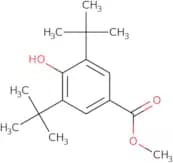
CAS:<p>3,5-Di-tert-Butyl-4-hydroxybenzoic acid methyl ester is a chemical that belongs to the group of low molecular weight solvents. It is used as an intermediate in organic synthesis and as a solvent for paints, lacquers, and varnishes. 3,5-Di-tert-Butyl-4-hydroxybenzoic acid methyl ester has been found to be resistant to radiation and ultraviolet light. This chemical has also been shown to have no mutagenic effects on calf thymus DNA.</p>Formula:C16H24O3Purity:Min. 95%Color and Shape:PowderMolecular weight:264.36 g/molDiphenylmethane-4,4'-dicarboxylic acid
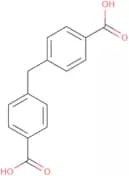
CAS:<p>Diphenylmethane-4,4'-dicarboxylic acid is a synthetic diphenylmethane compound that has fluorescent properties. It also has anti-tumor activity and can be used to treat cancer. Diphenylmethane-4,4'-dicarboxylic acid has been shown to inhibit the growth of tumor cells in vitro by binding to the receptor site on the cell membrane and blocking the release of certain substances. This drug also has an isothermic process that is used for encapsulation. The oxidation products of diphenylmethane-4,4'-dicarboxylic acid are medicines and dyestuffs.</p>Formula:C15H12O4Purity:Min. 90%Color and Shape:PowderMolecular weight:256.25 g/molTrimethyl phosphonoacetate
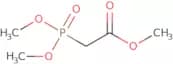
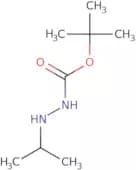
CAS:<p>Trimethyl phosphonoacetate is an organic compound that is used as a reagent in the synthesis of other compounds. It can be prepared by a variety of methods including the reaction of trifluoroacetic acid with sodium carbonate and ammonia, or by the reaction of methyl chloride with trimethyl phosphite. Trimethyl phosphonoacetate is a precursor to many pharmaceuticals, including adenosine receptor antagonists and some anti-cancer drugs. Trimethyl phosphonoacetate has been shown to have beneficial effects on metabolic disorders such as chronic bronchitis and congestive heart failure.</p>Formula:C5H11O5PPurity:Min. 95%Color and Shape:Clear LiquidMolecular weight:182.11 g/moltert-Butyl 2-isopropylhydrazinecarboxylate
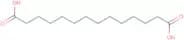
CAS:<p>tert-Butyl 2-isopropylhydrazinecarboxylate is a high quality chemical that has been used as a reagent, useful intermediate, speciality chemical, and research chemicals. It has been shown to be an excellent building block for the synthesis of complex compounds. This chemical has also been used as a reaction component in the synthesis of fine chemicals and other useful compounds.</p>Formula:C8H18N2O2Purity:Min. 95%Color and Shape:White PowderMolecular weight:174.24 g/molTetradecanedioic acid
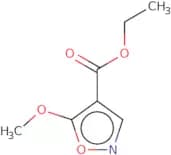
CAS:<p>Tetradecanedioic acid is a fatty acid that has been used in detergent compositions to inhibit the activity of enzymes such as lipase and protease. It is a potent antagonist for these enzymes, with an IC50 of 0.1 mM, and it also inhibits the formation of malonic acid from succinic acid. Tetradecanedioic acid has been shown to be stable in the presence of potassium dichromate, hydroxyl groups, disulfide bonds, and acids. The compound forms stable complexes with other molecules because of its ability to form intramolecular hydrogen bonds. Tetradecanedioic acid can form stable complexes with nitrogen atoms due to its chemical stability.</p>Formula:C14H26O4Purity:Min. 95%Molecular weight:258.35 g/mol5-Methoxyisoxazole-4-carboxylic acid ethyl ester
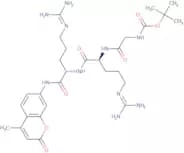
CAS:<p>5-Methoxyisoxazole-4-carboxylic acid ethyl ester is a fine chemical that has been used as a reagent, speciality chemical, and complex building block. It is also useful as a versatile intermediate for the synthesis of other organic compounds. 5-Methoxyisoxazole-4-carboxylic acid ethyl ester has been shown to react with alcohols and amines to form ethers and amides respectively. The compound can be used in the synthesis of polymers and pharmaceutical intermediates. 5-Methoxyisoxazole-4-carboxylic acid ethyl ester has a molecular weight of 210.24 g/mol and CAS No. 1314983-30-6.</p>Formula:C7H9NO4Purity:Min. 95%Molecular weight:171.15 g/molBoc-Gly-Arg-Arg-AMC acetate salt
CAS:<p>Boc-Gly-Arg-Arg-AMC acetate salt is a protease inhibitor that inhibits the activity of serine proteases. This protein is a potent and selective inhibitor of the NS3 protease from hepatitis C virus, which is responsible for the cleavage of polyproteins into mature proteins. Boc-Gly-Arg-Arg-AMC acetate salt has been shown to be effective in transfection experiments and polymerase chain reaction, as well as in inhibiting the activity of soybean trypsin and mammalian tissue proteases.</p>Formula:C29H44N10O7•(C2H4O2)xPurity:Min. 98 Area-%Color and Shape:PowderMolecular weight:644.72 g/mol5-[(3aR,6S,6aS)-2,5,5-trioxo-1,3,3a,4,6,6a-hexahydrothieno[3,4-d]imidazol-6-yl]pentanoic acid
CAS:<p>The compound 5-[(3aR,6S,6aS)-2,5,5-trioxo-1,3,3a,4,6,6a-hexahydrothieno[3,4-d]imidazol-6-yl]pentanoic acid (TIPA) is a diagnostic marker for the diagnosis of urinary tract infections. The compound is present in urine and can be detected with an antibody response. TIPA is excreted by human kidneys in a circadian pattern and has a maximum concentration at pH 7.0. This compound is taken up by bacteria in the urinary tract and its presence can be used to diagnose UTI. TIPA also binds to biotin and polyclonal antibodies that are used for immunohistochemical assays.</p>Formula:C10H16N2O5SPurity:Min. 95%Color and Shape:White To Off-White SolidMolecular weight:276.31 g/molDelicious peptide (bovine) trifluoroacetate
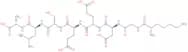
CAS:<p>Delicious peptide (bovine) trifluoroacetate is a polymerase chain reaction probe that is complementary to the 3' end of the human insulin gene. When used in a polymerase chain reaction, it amplifies the DNA sequences at the 3' end of the gene. The product of this amplification has been shown to inhibit genetic disorders such as metabolic disorders, iron homeostasis, and leukemia. This agent also inhibits acidic fibroblast proliferation and pluripotent cells. This drug has been shown to have a molecular docking analysis with pharmacological agents and may be helpful in treatments for various diseases.</p>Formula:C34H57N9O16•(C2HF3O2)xPurity:Min. 95 Area-%Color and Shape:PowderMolecular weight:847.87 g/mol2-Fluorobenzoic acid
CAS:<p>2-Fluorobenzoic acid is an organic compound that is used as a pharmaceutical intermediate. It has been shown to be effective in treating autoimmune diseases, such as lupus and rheumatoid arthritis, by inhibiting the production of inflammatory cytokines. 2-Fluorobenzoic acid is synthesized from hydrogen fluoride and sodium citrate in the presence of water vapor. X-ray diffraction data have shown that this reaction occurs in a complex with nitrogen atoms and group p2 water molecules. The product formed is an acid complex with benzoate. This compound inhibits wst-1 activity, which can lead to mitochondrial membrane potential loss.</p>Formula:C7H5FO2Purity:Min. 95%Color and Shape:PowderMolecular weight:140.11 g/molL-Aspartic acid b-methyl ester hydrochloride
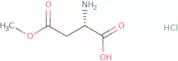
CAS:<p>L-Aspartic acid b-methyl ester hydrochloride is a high quality, versatile building block that can be used as a reaction component in the synthesis of complex compounds. L-Aspartic acid b-methyl ester hydrochloride is a useful scaffold for the preparation of novel fine chemicals and research chemicals with potential uses as pharmaceuticals, pesticides, and agricultural chemicals. It can also be used as an intermediate in the preparation of some natural products or industrial chemicals. L-Aspartic acid b-methyl ester hydrochloride has a CAS number of 16856-13-6.</p>Formula:C5H9NO4·HClColor and Shape:White PowderMolecular weight:183.59 g/molPhorbol-12-myristate-13-acetate
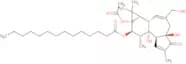
CAS:<p>Phorbol-12-myristate-13-acetate is a phorbol ester that inhibits the activity of protein kinase C. It binds to the response element on DNA and blocks RNA synthesis, leading to cell death. Phorbol 12-myristate 13-acetate has been shown to inhibit the proliferation of human squamous cells in culture, which may be caused by its ability to inhibit the cell cycle. This drug also has been shown to inhibit the production of cytokines such as interleukin-1β and tumor necrosis factor α (TNFα) in human polymorphonuclear leukocytes (PMNLs).</p>Formula:C36H56O8Purity:Min. 98 Area-%Color and Shape:White PowderMolecular weight:616.83 g/mol4-(4-Ethoxyphenyl)-2-indol-3-yl-4-oxobutanoic acid
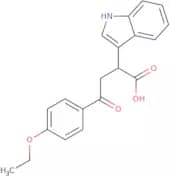
CAS:<p>Please enquire for more information about 4-(4-Ethoxyphenyl)-2-indol-3-yl-4-oxobutanoic acid including the price, delivery time and more detailed product information at the technical inquiry form on this page</p>Purity:Min. 90%Dimethyl 4,4'-biphenyldicarboxylate
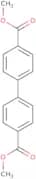
CAS:<p>Dimethyl 4,4'-biphenyldicarboxylate is a chemical that has been used to study chronic viral hepatitis. It is known to have an effect on the nuclear DNA and signal pathways, which are involved in the regulation of energy metabolism. Dimethyl 4,4'-biphenyldicarboxylate has been shown to have hepatoprotective properties by protecting against hepatic steatosis and hepatocarcinogenesis in mice.</p>Formula:C16H14O4Purity:Min. 95%Color and Shape:PowderMolecular weight:270.28 g/moltrans-3-Octenoic acid
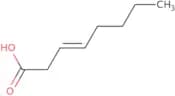
CAS:<p>Trans-3-octenoic acid is a conjugate of estradiol and caproic acid. It can be prepared by reacting estradiol with sodium octanoate in the presence of chlorine. Trans-3-octenoic acid has been shown to have anticancer activity when administered to rats. Trans-3-octenoic acid also has behavioral responses that are pheromonal in nature, leading to an increase in human urine production when it is present. The oxidation products of trans-3-octenoic acid are detected by high performance liquid chromatography (HPLC).</p>Formula:C8H14O2Purity:90%Color and Shape:Clear LiquidMolecular weight:142.2 g/molCaesium trifluoroacetate
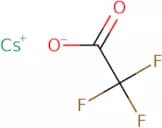
CAS:<p>Caesium trifluoroacetate is a polymerase chain reaction (PCR) reagent that is used to detect and quantify the presence of DNA or RNA. It can be used for the detection of DNA in water vapor, for the estimation of the number of bacteria in wastewater treatment, or to measure the amount of active drug in plasma samples. Caesium trifluoroacetate is a salt that consists of one molecule each of caesium trifluoroacetate and sodium trifluoroacetate. The ester hydrochloride form has an antiinflammatory effect, which may be due to its ability to inhibit prostaglandin synthesis.</p>Formula:C2CsF3O2Purity:ReportedMolecular weight:245.92 g/molL-Malic acid disodium salt monohydrate
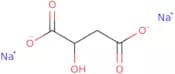
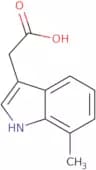
CAS:<p>L-Malic acid disodium salt monohydrate is a versatile building block that can be used in the production of research chemicals, reagents and speciality chemicals. It is also a useful building block for the synthesis of complex compounds with high quality. L-Malic acid disodium salt monohydrate has been used as a reagent in organic syntheses, as well as in the production of pharmaceuticals. In addition, it is an intermediate for the synthesis of polymers and other materials. The CAS number for L-Malic acid disodium salt monohydrate is 207511-06-6.</p>Formula:C4H4O5Na2·H2OPurity:Min. 95%Color and Shape:PowderMolecular weight:196.07 g/mol7-Methylindole-3-acetic acid
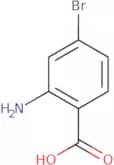
CAS:<p>7-Methylindole-3-acetic acid is a metabolite of indomethacin. It is excreted in the urine and has been found to be present in the tissues of monkeys. 7-Methylindole-3-acetic acid is excreted by the kidneys and it is not known how much of this compound is reabsorbed into the body. 7-Methylindole-3-acetic acid can be metabolized to form other metabolites, including 2,4,5,6 tetrahydropyridine (2,4,5,6 THP), which has been shown to produce DNA damage in rats. The metabolites are then excreted from the body through urination and feces.</p>Formula:C11H11NO2Purity:Min. 95%Molecular weight:189.21 g/mol2-Amino-4-bromobenzoic acid
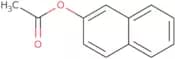
CAS:<p>2-Amino-4-bromobenzoic acid is a molecule that has an acidic carboxylic group and two aromatic amino groups. It has a hydroxyl group and a fluorescence that can be activated or deactivated by ultraviolet light. 2-Amino-4-bromobenzoic acid is used in the synthesis of certain organic compounds. This molecule can be synthesized from other molecules, such as phenol, aminobenzene, and nitrobenzene. The reaction time for this chemical species is dependent on the catalytic agent used during the reaction process. A variety of chemical species are produced when 2-Amino-4-bromobenzoic acid is synthesized, including hydrogen bromide, ammonia, nitrogen gas, and water vapor. The population of 2-Amino-4-bromobenzoic acid is unknown because it is not abundant in nature.</p>Formula:C7H6BrNO2Purity:Min. 95%Color and Shape:Yellow PowderMolecular weight:216.03 g/molβ-Naphthylacetate
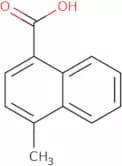
CAS:<p>Beta-naphthylacetate is a chemical that is used in the synthesis of pharmaceuticals and pesticides. It is an ester of naphthalene and acetic acid. Beta-naphthylacetate has been shown to inhibit the enzyme activity of hydrogen fluoride, which is used in the production of polyester fibers. Beta-naphthylacetate has also been shown to have anti-inflammatory properties by inhibiting prostaglandin synthesis. This chemical also has epoxidase activity, which makes it useful in the conversion of dl-alpha-tocopherol to vitamin E. Beta-naphthylacetate is soluble in water and can be made into solid dispersions or cationic surfactant solutions with high concentrations of beta-naphthylacetate, making it useful for tissue culture. The optimum pH for beta-naphthylacetate is between 7 and 8, while the optimum temperature range is between 25</p>Formula:C12H10O2Purity:Min. 95%Color and Shape:White PowderMolecular weight:186.21 g/mol4-Methyl-1-naphthoic acid
CAS:<p>4-Methyl-1-naphthoic acid (4MN) is a chemical that belongs to the group of diene compounds. It is a precursor in the biosynthesis of naphthoquinones and can be used for the preparation of aziridines and amides. 4MN has shown inhibitory properties against tumor cells and has been used as an experimental anticancer drug. The antineoplastic activity of 4MN may be due to its ability to interfere with DNA replication and cell division.</p>Formula:C12H10O2Purity:Min. 95%Color and Shape:White PowderMolecular weight:186.21 g/mol2,4-Dihydroxycinnamic acid
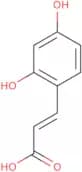
CAS:<p>2,4-Dihydroxycinnamic acid (2,4-DHCA) is a naturally occurring compound that is synthesized by the shikimate pathway. 2,4-DHCA has been shown to inhibit the growth of influenza virus in cell culture. 2,4-DHCA may provide protection from influenza in humans and animals by inhibiting the release of inflammatory cytokines such as tumor necrosis factor and interleukin-1 from cells. This anti-inflammatory effect has been observed in animal models for various inflammatory diseases including arthritis and asthma.</p>Formula:C9H8O4Purity:Min. 95%Color and Shape:PowderMolecular weight:180.16 g/molTetraethylammonium acetate tetrahydrate
CAS:<p>Tetraethylammonium acetate tetrahydrate (TEAT) is a trifluoroacetic acid salt that is used as a cyclase inhibitor. TEAT inhibits the activity of cyclases, which are enzymes that catalyze the formation of cyclic AMP (cAMP). This inhibition prevents the activation of protein kinases and subsequent phosphorylation of cytosolic proteins. TEAT has been shown to inhibit human serum albumin binding, transport properties, and fluorescence detector response in vitro. It also binds to DNA as a hydrogen-bond acceptor and can be used in enzymatic assays for DNA polymerase chain reaction.</p>Formula:C10H23NO2·4H2OColor and Shape:PowderMolecular weight:261.36 g/mol4-Pentenoic acid
CAS:<p>4-Pentenoic acid is a fatty acid that is not found in the human body. It has been shown to have acute toxicities including liver lesions and zirconium oxide poisoning in rats. 4-Pentenoic acid has been used as a molecular probe in molecular docking analysis studies to explore protein-ligand interactions. 4-Pentenoic acid also inhibits the energy metabolism of cells by inhibiting ATP production, which can lead to cell death. The inhibition of ATP levels is irreversible due to the kinetic energy that 4-pentenoic acid releases when it binds with ATP, which prevents the binding of adenosine diphosphate (ADP) to ATP synthase. This process is reversible for other fatty acids because they do not release kinetic energy upon binding with ATP and ADP.</p>Formula:C5H8O2Purity:Min. 95%Color and Shape:Clear LiquidMolecular weight:100.12 g/mol3-(Bromomethyl)phenoxyacetic acid
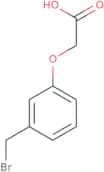
CAS:<p>3-(Bromomethyl)phenoxyacetic acid is a versatile building block that has been used as a reagent for the synthesis of complex compounds. It has also been used in the synthesis of research chemicals, such as 3-bromophenoxyacetic acid, and in the preparation of useful scaffolds. This product is high quality and can be used as an intermediate in the production of pharmaceuticals or other specialty chemicals. The CAS number for this compound is 136645-25-5.</p>Formula:C9H9BrO3Purity:Min. 90%Color and Shape:PowderMolecular weight:245.07 g/mol4-Ethyl-5-methylthiophene-3-carboxylic acid
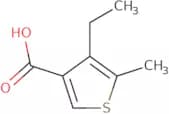
CAS:<p>4-Ethyl-5-methylthiophene-3-carboxylic acid is a chemical compound that can be used as an intermediate for the synthesis of other compounds. It is also a building block and a versatile building block in organic synthesis, with many applications in research and industry. This compound has a CAS number of 884497-34-1 and is classified as a speciality chemical.</p>Formula:C8H10O2SPurity:Min. 95%Color and Shape:PowderMolecular weight:170.23 g/mol(3-Aminomethyl)benzoic acid methyl ester HCl
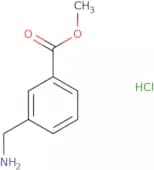
CAS:<p>3-Aminomethylbenzoic acid methyl ester HCl is a fine chemical that is used as a reagent for the synthesis of other compounds. It is also a versatile building block, which can be used to make many different compounds. 3-Aminomethylbenzoic acid methyl ester HCl has been demonstrated to be a useful intermediate in the synthesis of various pharmaceuticals, such as metoclopramide and clozapine. 3-Aminomethylbenzoic acid methyl ester HCl is also a useful scaffold for research chemicals, such as 4-amino-N-(2-hydroxyethyl)benzenesulfonamide or N-[3-(aminomethyl)phenyl]acetamide.</p>Formula:C9H11NO2·HClPurity:Min. 95%Color and Shape:PowderMolecular weight:201.65 g/molSyringic acid hydrazide
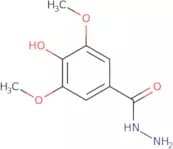
CAS:<p>Syringic acid hydrazide is a heterocyclic molecule with anticancer activity. It has been shown to inhibit the growth of cancer cells, both in vitro and in vivo. Syringic acid hydrazide is a chlorinating agent that reacts with p-hydroxybenzoic acid to form an intermediate that binds to active site residues on the cancer cell's DNA. This binding prevents the synthesis of DNA, leading to cell death. Syringic acid hydrazide does not affect uninfected plants or cultivars resistant to Fusarium oxysporum f., as it does not bind to their chlorophyll molecules.</p>Formula:C9H12N2O4Purity:Min. 95%Color and Shape:PowderMolecular weight:212.2 g/mol2,3-Diphospho-D-glyceric acid pentasodium salt
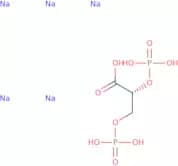
CAS:<p>2,3-Diphospho-D-glyceric acid pentasodium salt is a pyridine complex that is found in nature as a constant. It is also synthesized by humans and can be formed in the laboratory. 2,3-Diphospho-D-glyceric acid pentasodium salt is reactive and has been shown to be useful for producing radical species. This compound has been analysed in the human body at physiological concentrations and has been shown to interact with endogenous molecules such as lipids. The interaction of this compound with lipids could be due to its ability to form emulsions.</p>Formula:C3H3Na5O10P2Purity:Min. 95%Color and Shape:PowderMolecular weight:375.95 g/molBoc-(2S,4S)-4-amino-1-Fmoc-pyrrolidine-2-carboxylic acid
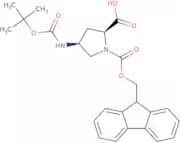
CAS:<p>Useful chiral building block</p>Formula:C25H28N2O6Purity:Min. 95%Molecular weight:452.5 g/mol2-((4-(2-Furylcarbonyl)piperazinyl)carbonyl)cyclohexanecarboxylic acid
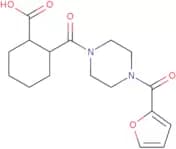
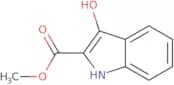
CAS:<p>Please enquire for more information about 2-((4-(2-Furylcarbonyl)piperazinyl)carbonyl)cyclohexanecarboxylic acid including the price, delivery time and more detailed product information at the technical inquiry form on this page</p>Formula:C17H22N2O5Purity:Min. 95%Color and Shape:PowderMolecular weight:334.37 g/mol3-Hydroxyindole-2-carboxylic acid methyl ester
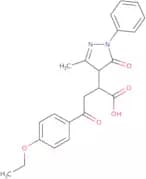
CAS:<p>3-Hydroxyindole-2-carboxylic acid methyl ester, an organic compound with CAS number [31827-04-0], is classified as an indole derivative - a type of heterocyclic organic compound. It has potential applications as a building block in organic synthesis as well as other areas such as in pharmaceutical and agrochemical industries due to its biological activity.</p>Formula:C10H9NO3Purity:Min. 95%Color and Shape:PowderMolecular weight:191.18 g/mol4-(4-Ethoxyphenyl)-2-(3-methyl-5-oxo-1-phenyl(2-pyrazolin-4-yl))-4-oxobutanoic acid
CAS:<p>Please enquire for more information about 4-(4-Ethoxyphenyl)-2-(3-methyl-5-oxo-1-phenyl(2-pyrazolin-4-yl))-4-oxobutanoic acid including the price, delivery time and more detailed product information at the technical inquiry form on this page</p>Purity:Min. 95%Bis(4-Nitrophenyl)phosphoric acid sodium
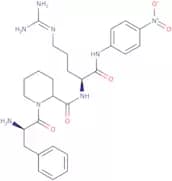
CAS:<p>Bis(4-nitrophenyl)phosphoric acid sodium is a synthetic compound that has been used as an antibiotic. It is a nitro group donor and may be oxidized to p-nitrophenol phosphate. Bis(4-nitrophenyl)phosphoric acid sodium inhibits bacterial growth by binding to the 30S ribosomal subunit, which prevents protein synthesis and cell division. The rate constant of this reaction has been determined using x-ray diffraction data obtained on crystals of the product with signal peptide. Bis(4-nitrophenyl)phosphoric acid sodium also has biochemical properties, such as pyrazinoic acid formation and polymerase chain reactions, which have been reported in recombinant cytochrome P450s from rat liver microsomes. The disulfide bond coordination geometry and mechanism of the reaction are still unknown but it is thought that the reaction proceeds through a single electron transfer mechanism.</p>Formula:C12H9N2O8P·NaPurity:Min. 95%Color and Shape:White PowderMolecular weight:363.17 g/molH-D-Phe-Homopro-Arg-pNA·diacetate
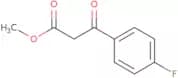
CAS:<p>H-D-Phe-Homopro-Arg-pNA·diacetate is a versatile building block that can be used as a reaction component or a reagent. It is a useful scaffold for the preparation of biologically active compounds due to its high quality and versatility. It has been shown to be useful in the synthesis of complex compounds, such as peptides, antibiotics, and anti-cancer agents. This chemical is also an intermediate in the production of drugs. H-D-Phe-Homopro-Arg-pNA·diacetate is not listed on the U.S. Environmental Protection Agency TSCA Chemical Substance Inventory and has no known potential health effects at this time.</p>Formula:C27H36N8O5·2C2H4O2Purity:Min. 95%Color and Shape:PowderMolecular weight:672.73 g/molMethyl 4-fluorobenzoylacetate
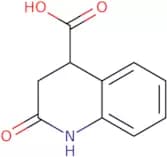
CAS:<p>Methyl 4-fluorobenzoylacetate is a prenyl compound that can be used as an anti-oxidant, hepatoprotective, and regulatory agent. The prenyl group in this molecule is responsible for its antioxidant activity. It also has been shown to have hepatoprotective properties in experimental animals with liver injuries. Methyl 4-fluorobenzoylacetate is used as a synthetic intermediate in the synthesis of coumarin derivatives and phenylcoumarins. This molecule may also have anti-inflammatory properties, which are due to its ability to inhibit cyclooxygenase enzymes. Methyl 4-fluorobenzoylacetate is also an antibacterial agent and has been shown to be a potent inhibitor of bacterial DNA gyrase and topoisomerase IV, which maintain the integrity of bacterial DNA. In addition, methyl 4-fluorobenzoylacetate has anticoagulant</p>Formula:C10H9FO3Purity:Min. 85%Color and Shape:Colourless To Pale Yellow LiquidMolecular weight:196.18 g/mol2-Oxo-1,2,3,4-tetrahydroquinoline-4-carboxylic acid
CAS:<p>2-Oxo-1,2,3,4-tetrahydroquinoline-4-carboxylic acid is a carboxylic acid that is an intermediate in the chemical synthesis of 2H and 3H tetrahydroquinolines. It can be synthesized by the oxidation of 2-(N,N-dimethylamino)benzaldehyde with hydrogen peroxide in methanol. The compound has been used to label animals for use in mass spectrometry studies and as a reactant in electron and nuclear magnetic resonance (NMR) spectroscopy experiments. In addition, 2-oxo-1,2,3,4-tetrahydroquinoline-4-carboxylic acid has been used to study equilibrium and reversible reactions as well as to identify the abundances of different spectral peaks. 2-Oxo-1,2,3,4-tetrahydroquinoline-4</p>Formula:C10H9NO3Purity:Min. 95%Molecular weight:191.18 g/mol7-Chloro-4-hydroxyquinoline-3-carboxylic acid
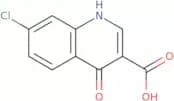
CAS:<p>7-Chloro-4-hydroxyquinoline-3-carboxylic acid is a chemical compound that has antioxidative activity and is used in the production of various organic substances. It is synthesized by reacting ammonium nitrate with a hydroxy group, an organic solvent, and phenoxy. The resulting product can be heated to form 7-chloro-4-hydroxyquinoline, which undergoes a series of reactions to produce 7-chloro-4-(2,2,2,-trichloroethoxy)quinoline. This reaction system produces a quinoline derivative that has been shown to be expressed at high levels in phosphatidylcholine (PC) and alpha-tocopherol (a vitamin E derivative). The final product is then purified by triethyl orthoformate (TEO), which removes the sulfoxide group.</p>Formula:C10H6ClNO3Purity:Min. 95%Color and Shape:PowderMolecular weight:223.61 g/mol2-Methoxy-4-nitrobenzoic acid
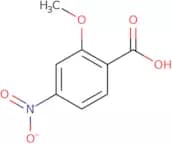
CAS:<p>Please enquire for more information about 2-Methoxy-4-nitrobenzoic acid including the price, delivery time and more detailed product information at the technical inquiry form on this page</p>Formula:C8H7NO5Purity:Min. 95%Molecular weight:197.14 g/mol3-(4-Bromophenyl)propionic acid
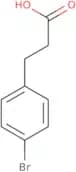
CAS:<p>3-(4-Bromophenyl)propionic acid is a potent linker that is synthesized from trifluoromethanesulfonic acid by the reaction of bromine and 4-bromobenzene. 3-(4-Bromophenyl)propionic acid inhibits the biosynthesis of fatty acids by inhibiting the enzyme fatty acid synthase. 3-(4-Bromophenyl)propionic acid has been shown to be an effective inhibitor of cellular growth in glioma cells. It also decreases blood pressure through inhibition of angiotensin II receptors.</p>Formula:C9H9BrO2Purity:Min. 95%Color and Shape:PowderMolecular weight:229.07 g/molOpiorphin
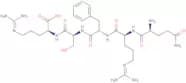
CAS:<p>Opiorphin is a naturally occurring peptide, which is derived from human bodily secretions, particularly from saliva. It acts as an endogenous inhibitor of enkephalin-degrading enzymes, thus enhancing the activity of endogenous opioid peptides by preventing their breakdown. This stabilization of enkephalins contributes to the body's natural pain regulation processes.</p>Formula:C29H48N12O8Purity:Min. 95%Color and Shape:PowderMolecular weight:692.77 g/molLithocholic acid
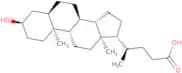
CAS:Controlled Product<p>Bile acid derivative; fat solubilizer</p>Formula:C24H40O3Color and Shape:White Off-White PowderMolecular weight:376.57 g/mol(3,5-Dimethylphenyl)acetic acid
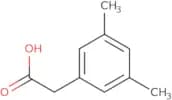
CAS:<p>3,5-Dimethylphenyl)acetic acid is an organic compound with the chemical formula CH3C(O)CH2CH2CO2H. It is a white solid that is insoluble in water and has a boiling point of 300°C. 3,5-Dimethylphenyl)acetic acid was first synthesized by reacting mesitylene with benzene in the presence of alkoxides. The yield of this reaction is high at 75%. This non-peptide, equilibrium compound has been shown to have affinity for 5HT6 receptors and can be used as a lead compound in screening.</p>Formula:C10H12O2Purity:Min. 95%Color and Shape:White PowderMolecular weight:164.2 g/mol3,5-Diiodo-4-hydroxyphenylpropionic acid
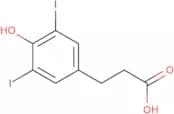
CAS:<p>3,5-Diiodo-4-hydroxyphenylpropionic acid (DIPPA) is a nucleophilic compound that inhibits the catechol-O-methyltransferase enzyme and is used to treat cardiac disease. It has been shown to improve ventricular function in congestive heart failure patients. DIPPA binds to the hydroxyl group of the enzyme's active site and competitively inhibits the binding of catechol or o-methoxybenzaldehyde. This prevents the methylation of catecholamines, which are important for cardiac function. The mechanism of action for DIPPA is similar to that of other drugs that have been found to be effective in treating congestive heart failure such as propranolol or amiodarone.</p>Formula:C9H8I2O3Molecular weight:417.97 g/mol5-Pyridin-4-yl-1H-pyrazole-3-carboxylic acid
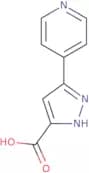
CAS:<p>5-Pyridin-4-yl-1H-pyrazole-3-carboxylic acid is a white crystalline solid. It is soluble in water, methanol and ethanol. The molecular weight of 5-Pyridin-4-yl-1H-pyrazole-3 carboxylic acid is 177.17 g/mol. This compound has been found to have an elemental composition of C, H, N and O with a calculated density of 1.62 g/cm3 in the form of a single crystal x ray diffraction pattern. 5-Pyridin 4 yl 1H pyrazole 3 carboxylic acid has synergistic effects with other drugs used for chemotherapy such as cisplatin and doxorubicin against cancer cells.</p>Formula:C9H7N3O2Purity:Min. 95%Color and Shape:PowderMolecular weight:189.17 g/mol(4-Methoxyphenyl)acetic acid
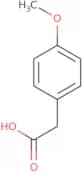
CAS:<p>4-Methoxybenzoic acid is a chemical compound that belongs to the group of phenylacetic acids. It is an organic acid with a carboxylic acid group and a hydroxyl group. 4-Methoxybenzoic acid is used as an intermediate in the synthesis of other compounds, such as 3-methoxyphenylacetic acid and dihydroconiferyl alcohol. 4-Methoxybenzoic acid has been shown to inhibit the growth of breast cancer cells by inducing apoptosis. This effect was found to be increased when combined with tamoxifen (a drug used for the treatment of breast cancer). The mechanism of action is not clear but may involve hydrogen bond formation between 4-methoxybenzoic acid and tamoxifen, leading to increased uptake into cells.</p>Formula:C9H10O3Purity:Min. 95%Color and Shape:White PowderMolecular weight:166.17 g/mol3,3',5-Triiodo thyroacetic acid
CAS:<p>3,3',5-Triiodo thyroacetic acid is a synthetic thyroid hormone that acts as a thyroid hormone receptor agonist. It binds to the thyroid hormone receptor, leading to the activation of other transcription factors and increased synthesis of proteins. 3,3',5-Triiodo thyroacetic acid has been shown to increase the metabolic rate in rats by increasing the expression of epidermal growth factor in skin cells and signal transduction in nerve cells. This drug also causes an increase in transcriptional regulation and protein synthesis. 3,3',5-Triiodo thyroacetic acid does not have any known side effects or toxicity.</p>Formula:C14H9I3O4Purity:Min. 95%Color and Shape:White Off-White PowderMolecular weight:621.93 g/mol2-Ethoxycinnamic acid
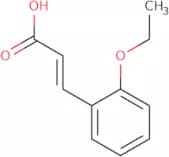
CAS:<p>2-Ethoxycinnamic acid is a metastable molecule that has been obtained by an asymmetric synthesis. It is unreactive, and its reaction products are polyvalent. 2-Ethoxycinnamic acid can be analyzed using analytical methods such as flow system, functional theory, and gas chromatography. 2-Ethoxycinnamic acid has been used in the preparation of cinnamates, which are used in perfumes and flavors. Polymorphs of this molecule have also been observed in crystalline form. There are two different forms of the molecule: α-form and β-form. The α-form is more stable than the β-form because it has a hydrogen bond with the methyl group on the left side of the molecule.</p>Formula:C11H12O3Purity:Min. 95%Color and Shape:PowderMolecular weight:192.21 g/mol2-Chloro-2-methylpropionic acid
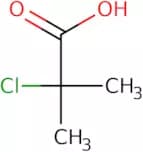
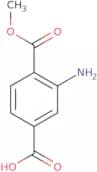
CAS:<p>2-Chloro-2-methylpropionic acid (MCPA) is a chemical compound that belongs to the group of organic compounds called acyl chlorides. It is used in industry for the production of acrylic acid and polyacrylic acid, as well as in the production of herbicides. MCPA is produced by reacting an alkali metal with 2-chloroethanol and thioacetic acid. This reaction can be catalyzed by a variety of compounds, including palladium chloride, nickel chloride, and titanium tetrachloride. The high yield of this reaction makes it suitable for commercial use. MCPA also has been shown to stimulate cell growth through its inhibition of monomers from polymerization into polymers.</p>Formula:C4H7ClO2Purity:Min. 95%Color and Shape:PowderMolecular weight:122.55 g/mol3-Amino-4-carbomethoxybenzoic acid
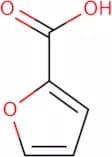
CAS:<p>3-Amino-4-carbomethoxybenzoic acid is a compound that has not yet been labeled with a function. It has been shown to be an intermediate in the synthesis of polymers, such as polyamides and polyesters. 3-Amino-4-carbomethoxybenzoic acid is involved in biological functions related to butyric acid, which is a metabolite of the amino acids phenylalanine and tyrosine, or from the degradation of proteins. It is also used as a precursor for amines and may be an intermediate in the synthesis of glycoconjugates. The compound was found to have anticancer properties when used in combination with other drugs, such as doxorubicin and etoposide. Furthermore, it was found to have anti-inflammatory activities by inhibiting prostaglandin synthesis.</p>Formula:C9H9NO4Purity:Min. 95%Color and Shape:PowderMolecular weight:195.17 g/mol2-Furoic acid
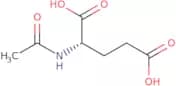
CAS:<p>2-Furoic acid is a compound that belongs to group P2 of the picolinic acid family. It has been shown to have synergistic effects with picolinic acid and a number of other compounds, including sodium fusidate, in inhibiting the growth of Escherichia coli and Staphylococcus aureus. 2-Furoic acid has been identified as a potential drug target for hypertension and may be used as an antihypertensive agent. This compound can be prepared by mixing hydrazine with 2-furoic acid chloride in water or ethanol at room temperature. The product can then be purified using column chromatography or recrystallized from methanol. The mechanism of this reaction is not yet known but it may involve the formation of dehydroascorbic acid by dehydration.</p>Formula:C5H4O3Purity:Min. 95%Color and Shape:PowderMolecular weight:112.08 g/molN-Acetyl-L-glutamic acid
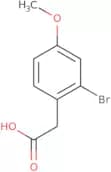
CAS:<p>N-Acetylglutamic acid is a biologically active compound that is found in the cells. It is a product of the urea cycle and has been shown to inhibit the activity of enzymes such as ester hydrochloride synthetase, which catalyzes the conversion of arginine and citrulline to ornithine and carbamoyl phosphate. N-Acetylglutamic acid also plays an important role in cellular physiology, such as transcriptional regulation and protein synthesis. Deficiency can lead to glutamate accumulation and neurological disorders such as epilepsy. The biochemical properties of N-acetylglutamic acid are still not well known, but it has been shown to react with ammonia to form glutamine.</p>Formula:C7H11NO5Purity:Min 98%Color and Shape:White PowderMolecular weight:189.17 g/mol2-(2-Bromo-4-methoxyphenyl)acetic acid
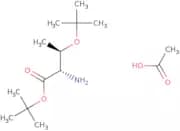
CAS:<p>2-(2-Bromo-4-methoxyphenyl)acetic acid is a versatile building block that is used as a research chemical, reaction component, and reagent. It is also used as a speciality chemical and complex compound. This compound has the CAS number 66916-99-2.</p>Formula:C9H9BrO3Color and Shape:SolidMolecular weight:245.07 g/molO-tert-Butyl-L-threonine tert-butyl ester acetate
CAS:Controlled Product<p>O-tert-Butyl-L-threonine tert-butyl ester acetate salt is a crystalline solid that can be prepared by reacting threonine with an acid catalyst in the presence of volatile solvents such as isobutylene. It can also be prepared by reacting threonine with an acid catalyst in the presence of organic solvents such as dioxane. The tert-butyl ester acetate salt can be synthesized from O-tert-butyl L-threonine and acetate using superacid catalysts such as sulfuric acid. This process is simplified by using solvents such as dioxane, which are less corrosive than water or ethanol.</p>Formula:C14H29NO5Purity:Min. 95%Color and Shape:PowderMolecular weight:291.38 g/molEtomidate
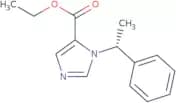
CAS:Controlled Product<p>Etomidate is a potent, non-competitive, centrally acting α-adrenergic receptor agonist that has been used as a diagnostic agent and anesthetic. It is also used in the treatment of diabetic neuropathy. Etomidate binds to the α-adrenergic receptors on the presynaptic membrane and blocks the release of norepinephrine. This prevents nerve impulses from being transmitted to the muscle cells, leading to relaxation of muscles. Etomidate also inhibits locomotor activity by inhibiting postsynaptic neurons in the spinal cord that are responsive to acetylcholine. Etomidate is not active against polymorphonuclear leucocytes or water vapor. The risk group for etomidate includes patients who have had intubations, those with systolic pressures greater than 120 mmHg, and those with heart rates greater than 100 beats per minute. The mechanism of action for etomidate is thought to be through formation of stable complexes with nitrogen atoms.</p>Formula:C14H16N2O2Purity:Min. 95%Color and Shape:PowderMolecular weight:244.29 g/mol3-(4-Hydroxyphenyl)propionic acid
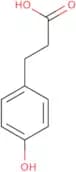
CAS:<p>Potential antioxidant; pharmaceutical intermediate</p>Formula:C9H10O3Purity:Min. 99 Area-%Color and Shape:PowderMolecular weight:166.17 g/mol3-Fluoro-5-hydroxy-4-methylbenzoic acid methyl ester
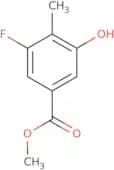
CAS:<p>3-Fluoro-5-hydroxy-4-methylbenzoic acid methyl ester is a high quality, versatile building block. It is used as a reagent and as a speciality chemical in the research laboratory. This compound is also an intermediate for the synthesis of other chemicals. 3-Fluoro-5-hydroxy-4-methylbenzoic acid methyl ester can be used in the synthesis of complex compounds that are useful scaffolds for drug development.</p>Formula:C9H9FO3Color and Shape:PowderMolecular weight:184.16 g/molm-Phenoxybenzyl 3-(2,2-dichlorovinyl)-2,2-dimethylcyclopropanecarboxylate
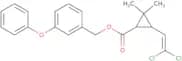
CAS:<p>m-Phenoxybenzyl 3-(2,2-dichlorovinyl)-2,2-dimethylcyclopropanecarboxylate is a chemical pesticide that is used to control pests. It inhibits the enzyme activity of the polymerase chain reaction and prevents production of DNA. m-Phenoxybenzyl 3-(2,2-dichlorovinyl)-2,2-dimethylcyclopropanecarboxylate has been shown to be effective against infectious diseases such as malaria and herpes. This product also acts as a substrate for Pgp and glycol ethers. The phase transition temperature of this product is at -11 °C. Treatment with sodium citrate or anhydrous sodium can also be used to produce m-phenoxybenzyl 3-(2,2-dichlorovinyl)- 2,2-dimethylcyclopropanecarboxylate.</p>Formula:C21H20Cl2O3Purity:Min. 95%Molecular weight:391.29 g/mol5-Fluoro-2-nitrobenzoic acid
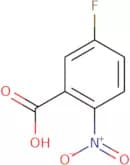
CAS:<p>5-Fluoro-2-nitrobenzoic acid is a phosphotungstic acid and an anti-inflammatory agent. It has been shown to exhibit apoptotic activity in vitro, which may be due to its ability to induce the release of cytochrome c from mitochondria. 5-Fluoro-2-nitrobenzoic acid has also been shown to inhibit the production of inflammatory cytokines such as tumor necrosis factor alpha (TNFα), interleukin 1β (IL1β) and IL6 in vitro. Its pharmacokinetic properties have been studied in rats and mice, with an oral bioavailability of 100%. The drug has also been shown to cross the blood brain barrier, with a high degree of uptake into the brain tissue.</p>Formula:C7H4FNO4Purity:Min. 95%Color and Shape:PowderMolecular weight:185.11 g/mol4-Chloro-3,5-dinitrobenzoic acid
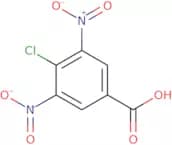
CAS:<p>4-Chloro-3,5-dinitrobenzoic acid is a redox potential chemical that has been shown to be reactive in the presence of nucleophiles. The toxicological studies on this chemical have focused on its hemolytic activity and conformational properties. 4-Chloro-3,5-dinitrobenzoic acid is a molecule with neutral ph and can react with lysine residues in proteins, which may lead to the release of caproic acid and nitrite ions. This chemical also has protease activity and can undergo transfer reactions with other molecules.</p>Formula:C7H3ClN2O6Purity:Min. 90%Color and Shape:PowderMolecular weight:246.56 g/molL-Glutamic acid
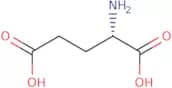
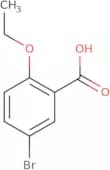
CAS:<p>Amino acid; neurotransmitter; flavor enhancer</p>Formula:C5H9NO4Color and Shape:Off-White Clear LiquidMolecular weight:147.13 g/mol5-Bromo-2-ethoxybenzoic acid
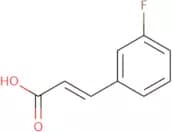
CAS:<p>5-Bromo-2-ethoxybenzoic acid is a versatile building block that can be used as a reagent, speciality chemical, or a useful scaffold. It is used in the synthesis of complex compounds that include pharmaceuticals, agrochemicals, and research chemicals. 5-Bromo-2-ethoxybenzoic acid is also a useful intermediate and reaction component in organic synthesis. This compound has high quality and is listed on the Chemical Abstract Service (CAS) registry number 60783-90-6.</p>Formula:C9H9BrO3Purity:Min. 95%Color and Shape:SolidMolecular weight:245.07 g/mol3-Fluorocinnamic acid
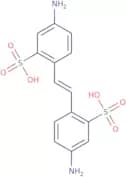
CAS:<p>3-Fluorocinnamic acid is an organic compound that belongs to the class of amides. It reacts with metal ions such as copper, silver, or gold. 3-Fluorocinnamic acid has a constant boiling point and can be used in the preparation of cinnamic acid derivatives. 3-Fluorocinnamic acid also has redox potential and is used as a substrate in enzyme preparations. 3-Fluorocinnamic acid can be synthesized by hydrolysis of malonic acid and metal salts with hydrochloric acid, which then reacts with triticum aestivum. The product is purified by recrystallization from water. This compound inhibits the reaction that converts lactose into glucose and galactose, leading to the production of lactic acid from milk.</p>Formula:C9H7FO2Purity:Min. 98 Area-%Color and Shape:PowderMolecular weight:166.15 g/mol4,4'-Diaminostilbene-2,2'-disulfonic acid
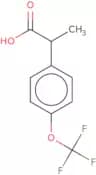
CAS:<p>4,4'-Diaminostilbene-2,2'-disulfonic acid (DAIDS) is a fluorescent dye that can be used to measure the activity of mitochondrial enzymes. It is a substrate for polymerase chain reaction and can be used as a cell viability assay. DAIDS has been shown to cause mitochondrial membrane depolarization and cytosolic calcium release in prostate cancer cells. This compound also inhibits the proliferation of human liver cells and has been proposed as a potential analytical method for wastewater samples. The anhydrous sodium form of DAIDS has been shown to increase the rate of metabolism by up to 30% in rats with body mass index greater than 25 kg/m^2.</p>Formula:C14H14N2O6S2Purity:Min. 95%Color and Shape:SolidMolecular weight:370.4 g/mol2-(4-Trifluoromethoxyphenyl)propionic acid
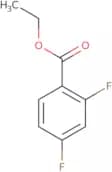
CAS:<p>Please enquire for more information about 2-(4-Trifluoromethoxyphenyl)propionic acid including the price, delivery time and more detailed product information at the technical inquiry form on this page</p>Formula:C10H9F3O3Purity:Min. 95%Molecular weight:234.17 g/mol2,4-Difluorobenzoic acid ethyl ester
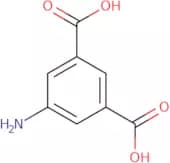
CAS:<p>C9H8F2O2 2,4-Difluorobenzoic acid ethyl ester is a drug that inhibits the growth of protozoan parasites in the intestine. It has been shown to be effective against coccidiosis and grignard reagent, an antifungal drug. C9H8F2O2 2,4-Difluorobenzoic acid ethyl ester is a fungicide that inhibits the synthesis of RNA by binding to the cgmp-dependent protein (cyclic guanosine monophosphate) in protozoa, preventing protein synthesis and causing cell death. Magnesium chloride and chloride ions are required for this reaction to take place.</p>Formula:C9H8F2O2Purity:Min. 95%Color and Shape:Clear LiquidMolecular weight:186.16 g/mol5-Aminoisophthalic acid
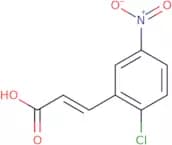
CAS:<p>5-Aminoisophthalic acid is a molecule that belongs to the group of compounds classified as p2, which are characterized by a hydrogen bond. The molecule is synthesized from n-dimethylformamide and glycol ester. It can be used in the synthesis of other compounds, such as 5-aminoisophthalic acid, which has been shown to have hemolytic activity. FTIR spectroscopy analysis reveals that the structure of 5-aminoisophthalic acid has nitrogen atoms in its side chain. This molecule also has an ultraviolet absorption range of about 225 nm to about 300 nm and shows strong absorption bands at around 290 nm and 350 nm.</p>Formula:C8H7NO4Purity:Min. 95%Color and Shape:PowderMolecular weight:181.15 g/mol2-Chloro-5-nitrocinnamic acid
CAS:<p>2-Chloro-5-nitrocinnamic acid is a plant growth regulator that inhibits the root development of plants by interfering with the synthesis of 3-chlorocinnamic acid, which is a precursor in the biosynthesis of lignin. 2-Chloro-5-nitrocinnamic acid inhibits the enzyme cinnamoyl CoA reductase, which catalyzes the first step in this biosynthetic pathway. This compound also has shown to be a strong inhibitor of ester derivatives and pesticides, such as carbaryl and dichlorvos.</p>Formula:C9H6ClNO4Purity:Min. 95%Color and Shape:PowderMolecular weight:227.6 g/molAc-Lys-AMC acetate salt
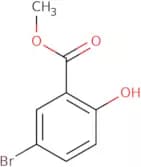
CAS:<p>Ac-Lys-AMC acetate salt is a fine chemical that is used as a building block in biological research. It is a versatile building block that can be used in the synthesis of complex compounds, and as a reaction component for the production of useful intermediates. Ac-Lys-AMC acetate salt is also used as a reagent in the detection of nucleic acids.</p>Formula:C18H23N3O4•C2H4O2Purity:Min. 98 Area-%Color and Shape:PowderMolecular weight:405.44 g/mol5-Bromosalicylic acid methyl ester
CAS:<p>5-Bromosalicylic acid methyl ester is a hydroxylated bromo derivative of salicylic acid. It is a synthetic chemical that has been shown to be stable in various conditions and reactive with other compounds. 5-Bromosalicylic acid methyl ester has been shown to inhibit the activity of cholinergic receptors, which are involved in regulation of heart rate and contractions. This compound also binds to fatty acids and hydrogen bonds with functional groups on biomolecules.</p>Formula:C8H7BrO3Purity:Min. 98 Area-%Color and Shape:PowderMolecular weight:231.04 g/mol(2-Iodocyclohexyl)carbamic acid ethyl ester
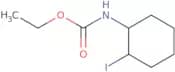
CAS:<p>(2-Iodocyclohexyl)carbamic acid ethyl ester is a fine chemical that can be used as a building block, reagent, or speciality chemical in research. It is soluble in organic solvents and can be used as a reaction component, useful intermediate, or useful scaffold. This compound has been shown to react with various groups including amines, alcohols, phenols and thiols.</p>Formula:C9H16INO2Purity:Min. 95%Color and Shape:PowderMolecular weight:297.13 g/molDiethyl iminodiacetate
CAS:<p>Diethyl iminodiacetate is a reactive chemical that is used in the polymerization of plastics, paints, and other products. It reacts with the carbonyl group of unsaturated fatty acid to form an ester. This reaction also occurs in biological systems where it can inhibit the activity of enzymes. Diethyl iminodiacetate has been shown to inhibit the growth of bacteria by inhibiting their ability to synthesize proteins. The protonated form of diethyl iminodiacetate is a potent radiation-protective agent for use in veterinary and human medicine. The nitrogen atoms on the compound are responsible for its dendritic structure.</p>Formula:C8H15NO4Purity:Min. 95%Color and Shape:Colorless Clear LiquidMolecular weight:189.21 g/mol(Asn(4-aminobutyl)1·7·23,Gln(4-aminobutyl)3·11·22)-Amyloid b-Protein (1-40) trifluoroacetate salt
<p>Please enquire for more information about (Asn(4-aminobutyl)1·7·23,Gln(4-aminobutyl)3·11·22)-Amyloid b-Protein (1-40) trifluoroacetate salt including the price, delivery time and more detailed product information at the technical inquiry form on this page</p>Formula:C218H355N65O52SPurity:Min. 95%Molecular weight:4,750.62 g/mol7-Azido-heptanoic acid
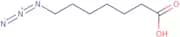
CAS:<p>7-Azido-heptanoic acid is an analog of the heptanoyl group. It has been shown to inhibit cancer cell growth and induce apoptosis in a variety of human tumor cells. This compound is used for the selective activation of anticancer drugs, as well as for the prevention of photodynamic damage to healthy tissue. 7-Azido-heptanoic acid can be conjugated with biomolecules such as proteins or peptides to form a bifunctional molecule that can function both as an acceptor and a donor. It also binds to streptavidin, which has been shown to have anticancer activity in mice.</p>Formula:C7H13N3O2Purity:Min. 95%Color and Shape:Colorless Clear LiquidMolecular weight:171.2 g/molDL-Isocitric acid trisodium
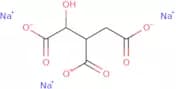
CAS:<p>DL-Isocitric acid trisodium salt hydrate is a nutrient solution that is used to provide energy for bacterial growth. DL-Isocitric acid trisodium salt hydrate provides sodium citrate, sodium succinate, and sodium carbonate which are essential for the metabolism of fatty acids. It also stabilizes chemical compounds and can be used as an alternative to the use of antibiotics. DL-Isocitric acid trisodium salt hydrate has been shown to inhibit enzyme activity in bacteria by binding to the active site of enzymes, inhibiting protein synthesis and cell division. The addition of colloidal gold particles can enhance its effectiveness in preventing bacterial growth.</p>Formula:C6H8O7•Na3Purity:Min. 95%Color and Shape:PowderMolecular weight:261.09 g/mol(2-Aminophenyl)boronic acid hydrochloride
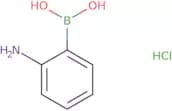
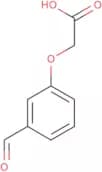
CAS:<p>(2-Aminophenyl)boronic acid hydrochloride is an analytical reagent that is used in the cross-coupling reaction between aryl bromides and organoboron compounds. It has been synthesized from 2-aminophenylboronic acid, which can be produced by the alkylation of phenol with 3-bromoquinoline. This compound has been shown to have antimalarial activity against the human malaria parasite Plasmodium falciparum in vitro. (2-Aminophenyl)boronic acid hydrochloride has also been shown to have a high intestinal absorption rate when given orally to rats. In vivo studies are needed to determine whether this chemical is safe for humans.</p>Formula:C6H9BClNO2Purity:Min. 95%Color and Shape:PowderMolecular weight:173.41 g/mol3-Formylphenoxyacetic acid
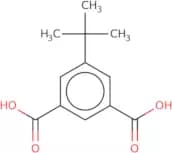
CAS:<p>3-Formylphenoxyacetic acid is an antibacterial drug that has a high specificity for staphylococcus. This compound is used as a reference compound in the analytical method to measure the antibacterial activity of other compounds. 3-Formylphenoxyacetic acid inhibits bacterial growth by binding to the enzyme ribonucleotide reductase and blocking DNA synthesis. It also reacts with formazans, which are redox indicators that are formed when bacteria are metabolized by aerobic conditions. The presence of these formazans can be detected using a simple colorimetric assay on tissues or bovine serum. 3-Formylphenoxyacetic acid is not active against methicillin-resistant staphylococci, but it works well against heterologous strains such as Salmonella typhimurium and Staphylococcus epidermidis.</p>Formula:C9H8O4Purity:Min. 95%Color and Shape:Off-White PowderMolecular weight:180.16 g/mol5-tert-Butyl-isophthalic acid
CAS:<p>5-tert-Butyl-isophthalic acid is a chemical compound that is used in the production of various chemicals and pharmaceuticals. It is a versatile building block, a useful intermediate, and a reagent for producing other compounds. 5-tert-Butyl-isophthalic acid has been found to be useful as a starting material or reaction component in the synthesis of many different compounds, such as amino acids, peptides, vitamins, hormones, drugs and dyes. 5-tert-Butyl-isophthalic acid is also used to produce complex compounds with high purity. This chemical is listed by CAS number 2359-09-3 and can be purchased from Sigma Aldrich.br> br>br></p>Formula:C12H14O4Purity:Min. 95%Color and Shape:PowderMolecular weight:222.24 g/mol5α-Pregnan-3β-ol-20-one 3β-acetate
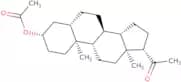
CAS:Controlled Product<p>5α-Pregnan-3β-ol-20-one 3β-acetate is a synthetic steroid that is used to treat various neurological disorders, including dystonias, depression, and dyskinesias. It is an agonist of the GABA receptor and has been shown to have antidepressant effects in hamsters. 5α-Pregnan-3β-ol-20-one 3β-acetate has also been shown to have antiaggressive effects in mice and to decrease hormone levels in animals. The drug has been found to be safe for use in humans and does not affect fertility. 5α-Pregnan-3β-ol-20-one 3βacetate has been shown to be effective only when administered at high doses, which may be due to its poor oral bioavailability.</p>Formula:C23H36O3Purity:Min. 95%Color and Shape:White PowderMolecular weight:360.53 g/molTungstosilicic acid hydrate
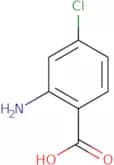
CAS:<p>Tungstosilicic acid hydrate is an alkanoic acid that has a chemical formula of ZrO(OH)(SO)2. It is insoluble in water and reacts with hydrogen fluoride to form tungsten hexafluoride. Tungstosilicic acid hydrate is used as a catalyst in wastewater treatment, and also has biological properties that can be used for the synthesis of esters. The chemical stability of tungstosilicic acid hydrate is high, and it has been shown to be an excellent catalyst for the hydrogenation of alkenes. Tungstosilicic acid hydrate does not react with protonated amines or amides, which makes it a good candidate for catalyzing reactions involving these functional groups.</p>Formula:H4O40SiW12·xH2OPurity:(%) Min. 80%Color and Shape:PowderMolecular weight:2,878.17 g/mol4-Chloroanthranilic acid
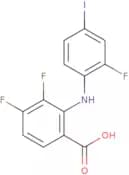
CAS:<p>4-Chloroanthranilic acid is an inorganic acid that has antimicrobial properties. It is a bound form of anthranilic acid, which is not water soluble and can be easily absorbed by the skin. 4-Chloroanthranilic acid is used as an antibiotic in topical preparations because it has been shown to have inhibitory effects on the growth of P. aeruginosa, epidermal growth factor, and nitrogen atoms. 4-Chloroanthranilic acid also has coordination complex with copper and inhibits the growth of bacteria by inhibiting the production of bacterial cell wall synthesis enzymes.</p>Formula:C7H6ClNO2Purity:Min. 95%Color and Shape:Off-White PowderMolecular weight:171.58 g/mol2-(2-Fluoro-4-iodoanilino)-3,4-difluorobenzoic acid
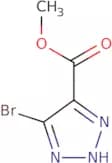
CAS:<p>2-(2-Fluoro-4-iodoanilino)-3,4-difluorobenzoic acid is a potent and selective allosteric antagonist of the adenosine A2A receptor. It has been shown to reduce blood pressure in rats and mice. 2-(2-Fluoro-4-iodoanilino)-3,4-difluorobenzoic acid has also been shown to increase levels of endogenous adenosine by modulating the activity of adenosine deaminase. This drug has been tested in humans with hypertension and was found to be safe and well tolerated at doses between 25mg and 300mg per day.</p>Formula:C13H7F3INO2Purity:Min. 98%Color and Shape:White PowderMolecular weight:393.1 g/molMethyl 5-bromo-1H-1,2,3-triazole-4-carboxylate
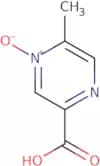
CAS:<p>Methyl 5-bromo-1H-1,2,3-triazole-4-carboxylate is a versatile building block and research chemical that is used in the synthesis of complex compounds. It can be used as an intermediate in the synthesis of pharmaceuticals and other chemicals. Methyl 5-bromo-1H-1,2,3-triazole-4-carboxylate is a high quality reagent and scaffold for organic chemistry. This compound reacts with alcohols to form boronic esters or boronates. It also reacts with amines to form nitrile derivatives.</p>Formula:C4H4BrN3O2Purity:Min. 95%Color and Shape:White PowderMolecular weight:206 g/mol5-Methylpyrazine-2-carboxylic acid 4-oxide
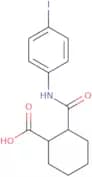
CAS:<p>Niacin receptor 1 (NIACR1) antagonist; lipid lowering</p>Formula:C6H6N2O3Purity:Min. 98 Area-%Color and Shape:PowderMolecular weight:154.12 g/mol2-(N-(4-iodophenyl)carbamoyl)cyclohexanecarboxylic acid
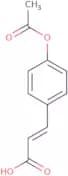
CAS:<p>Please enquire for more information about 2-(N-(4-iodophenyl)carbamoyl)cyclohexanecarboxylic acid including the price, delivery time and more detailed product information at the technical inquiry form on this page</p>Formula:C14H16INO3Purity:Min. 95%Color and Shape:PowderMolecular weight:373.19 g/mol4-Acetoxycinnamic acid
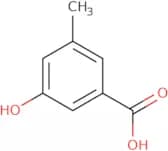
CAS:<p>4-Acetoxycinnamic acid is a staphylococcal bactericide that inhibits bacterial growth and is active against many gram-positive bacteria, including Staphylococcus aureus. It is also active against many gram-negative bacteria, such as Escherichia coli and Pseudomonas aeruginosa. 4-Acetoxycinnamic acid has been shown to inhibit the growth of Staphylococcus aureus in an in vitro experiment by interfering with membrane permeability and inhibiting lipid synthesis. 4-Acetoxycinnamic acid has been shown to have antimicrobial activity against gram-positive and gram-negative bacteria, including methicillin resistant S. aureus (MRSA).</p>Formula:C11H10O4Purity:Min. 97 Area-%Color and Shape:PowderMolecular weight:206.19 g/mol3-Hydroxy-5-methylbenzoic acid
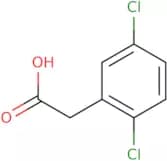
CAS:<p>3-Hydroxy-5-methylbenzoic acid is a gentisate oxidation product that is obtained from the degradation of 3-hydroxybenzoic acid. Gentisate is synthesized by Pseudomonas fluorescens, which belongs to the genus Pseudomonas. This product has been shown to inhibit the growth of Pseudomonas aeruginosa and other fluorescent pseudomonads, but not other bacteria such as Escherichia coli and Staphylococcus aureus. The mechanism of this inhibition may be due to the production of reactive oxygen species (ROS) by these organisms. 3-Hydroxy-5-methylbenzoic acid can also act as an antioxidant in alkaline conditions by reducing 2,5-dihydroxybenzoic acid to benzoic acid. It has also been shown to be a fluorescent product that can be used for unambiguous identification of Pseudomonas fluorescens isolates and</p>Formula:C8H8O3Purity:Min. 95%Color and Shape:PowderMolecular weight:152.15 g/mol(2,5-Dichlorophenyl)acetic acid
CAS:<p>2,5-Dichlorophenylacetic acid is an electrophilic compound that reacts with nucleophiles such as alcohols, amines, and thiols. It is used in the synthesis of pharmaceuticals and other organic compounds. 2,5-Dichlorophenylacetic acid has been shown to be a substrate for oxidation by autoxidation. This substance also undergoes sequence reactions with nucleophiles.</p>Formula:C8H6Cl2O2Purity:Min. 95%Color and Shape:PowderMolecular weight:205.04 g/mol2-Amino-5-iodobenzoic acid ethyl ester
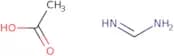
CAS:<p>2-Amino-5-iodobenzoic acid ethyl ester is a chemical reagent that is used to prepare 2-chloro-5-iodobenzoic acid. It can be prepared by the hydrolysis of 2,4,6-trinitrobenzene with an aqueous solution of sodium hydroxide. The iodination reaction proceeds in two steps: (1) chlorination of methyl anthranilate with chlorine and (2) addition of the resultant product to 2,4,6-trinitrobenzene. In the first step, methyl anthranilate reacts with chlorine to form 2-chloro-5-iodobenzoic acid ethyl ester and hydrogen chloride gas. In the second step, this product reacts with 2,4,6-trinitrobenzene to form 2-amino 5 -iodobenzoic acid ethyl ester and nitrogen gas</p>Formula:C9H10INO2Purity:Min. 95%Color and Shape:PowderMolecular weight:291.09 g/molFormamidine acetate
CAS:Controlled Product<p>Formamidine acetate is an anti-tuberculosis drug that belongs to the class of aminoglycosides. It has been shown to have a potent cytotoxic effect on malignant brain cells in vitro. Formamidine acetate inhibits bacterial growth by binding to DNA-dependent RNA polymerase, thereby preventing transcription and replication. The high frequency of human activity has been shown using a patch-clamp technique on human erythrocytes. This active form is metabolized through a number of metabolic transformations, including hydrolysis by esterases or glucuronidases, oxidation by cytochrome P450 enzymes, reduction by glutathione reductase, or conjugation with glucuronic acid. Formamidine acetate also specifically binds to markers expressed at high levels in Mycobacterium tuberculosis strains (e.g., ESX-1 secretion system protein) and inhibits cell growth in culture.</p>Formula:C2H4O2•CH4N2Purity:Min. 95%Color and Shape:Off-White Clear LiquidMolecular weight:104.11 g/mol1-[[6-(2,5-Dihydro-2,5-dioxo-1H-pyrrol-1-yl)-1-oxohexyl]oxy]-2,5-dioxo-3-pyrrolidinesulfonic acid sodium salt
CAS:<p>1-[[6-(2,5-Dihydro-2,5-dioxo-1H-pyrrol-1-yl)-1-oxohexyl]oxy]-2,5-dioxo-3-pyrrolidinesulfonic acid sodium salt is an antibody response enhancer that binds to the Fc receptor of monocytes and macrophages. This binding activates the cells and increases their ability to produce antibodies against infectious agents. This product is used in the treatment of a variety of infections caused by viruses and bacteria. It has been shown to be effective for the treatment of influenza virus infection and other viral diseases such as HIV. The product also contains epidermal growth factor (EGF) which stimulates cell proliferation and differentiation in skin tissue. Antiinfective effects are achieved through inhibition of protein synthesis by silver ions or growth factors such as erythropoietin or photoelectron. This product also inhibits prostaglandin</p>Formula:C14H15N2NaO9SPurity:Min. 95%Color and Shape:SolidMolecular weight:410.33 g/mol4-Fluoro-2-hydroxybenzoic acid methyl ester
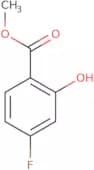
CAS:<p>4-Fluoro-2-hydroxybenzoic acid methyl ester is a chemical compound that is used as a synthetic intermediate in the synthesis of drugs. 4-Fluoro-2-hydroxybenzoic acid methyl ester can be prepared by reductive amination of an acyl chloride with an amine, followed by reaction with methanol. This chemical intermediate is used in the synthesis of the BCL-2 inhibitor venetoclax, which inhibits cell growth and induces apoptosis in lymphoma cells. 4-Fluoro-2-hydroxybenzoic acid methyl ester also has been shown to inhibit the activity of amidating enzymes and transferases, suggesting it may have potential as an anti-inflammatory drug.</p>Formula:C8H7FO3Purity:Min. 95%Color and Shape:PowderMolecular weight:170.14 g/mol1-(2-Hydroxyethyl)-1H-pyrazole-5-carboxylic acid
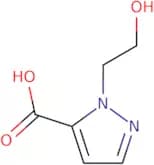
CAS:<p>1-(2-Hydroxyethyl)-1H-pyrazole-5-carboxylic acid is a fine chemical that can be used as a building block for research chemicals, a reagent for speciality chemicals, and a versatile scaffold for the synthesis of complex compounds. It is also used as an intermediate or synthetic building block in reactions with other molecules. 1-(2-Hydroxyethyl)-1H-pyrazole-5 carboxylic acid has been shown to have high quality and reacts well with many other molecules.</p>Formula:C6H8N2O3Purity:Min. 95%Color and Shape:SolidMolecular weight:156.14 g/molVanillic acid hydrazide
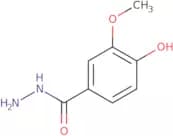
CAS:<p>Vanillic acid hydrazide is a multinuclear compound with condensation products. It has been shown to have antibacterial, anticancer and skeleton-related properties. Vanillic acid hydrazide is able to bind to the 4-hydroxybenzoic acid and introduce it into the cell in order to inhibit the synthesis of fatty acids. This compound also inhibits the growth of cancer cells by preventing their proliferation and proliferation by binding to DNA. Vanillic acid hydrazide may also bind to fatty acids on cell membranes, which would lead to a decrease in membrane fluidity and increase in membrane permeability, leading to cell death.</p>Formula:C8H10N2O3Purity:Min. 95%Color and Shape:PowderMolecular weight:182.18 g/mol(4-Hydroxymethylphenyl)acetic acid methyl ester
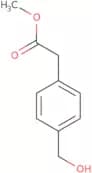
CAS:<p>(4-Hydroxymethylphenyl)acetic acid methyl ester is a fine chemical, useful building block, research chemicals and reagent. It is also a speciality chemical with CAS No. 155380-11-3. This compound can be used as a versatile building block for chemical synthesis, or as a reaction component for the synthesis of complex compounds. The high quality of this compound makes it suitable for use as an intermediate in the synthesis of other chemical compounds. (4-Hydroxymethylphenyl)acetic acid methyl ester is also a useful scaffold for the formation of new molecules or materials such as polymers.</p>Formula:C10H12O3Purity:Min. 95%Molecular weight:180.2 g/mol9-Methyluric acid
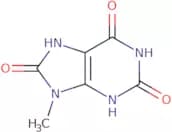
CAS:Controlled Product<p>9-Methyluric acid is a purine derivative that is used as a diagnostic agent in clinical chemistry. The oxidation of methylxanthines by lipid peroxides produces 9-methyluric acid. This reaction can be detected using chromatographic methods, and the amount of 9-methyluric acid present can be quantified electrochemically. It has been shown that flavus bacteria produce methyluric acid when they are grown on agar plates containing methanol. The pH optimum for 9-methyluric acid production is pH 8.5, and it has been shown that the electrochemical method is sensitive to protonation.</p>Formula:C6H6N4O3Purity:Min. 95%Color and Shape:PowderMolecular weight:182.14 g/mol2,4-Dihydroxybenzoic acid hydrazide
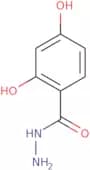
CAS:<p>2,4-Dihydroxybenzoic acid hydrazide is an antibiotic that inhibits the growth of bacteria by binding to the enzyme chorismate synthase and blocking the synthesis of folate. It has been shown to have bactericidal activity against Chlamydia, a sexually transmitted disease caused by this bacteria. 2,4-Dihydroxybenzoic acid hydrazide is a protonated form of 2,4-dihydroxyphenylacetic acid, which is a molecule found in humans and other mammals. This drug may be useful for treating herpes simplex virus and inhibiting the spread of HIV.</p>Formula:C7H8N2O3Purity:Min. 95%Molecular weight:168.15 g/mol4-Hydroxymandelic acid monohydrate
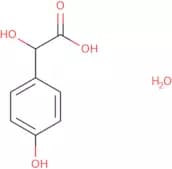
CAS:<p>4-Hydroxymandelic acid monohydrate is a chiral, herbicidal compound synthesized from mandelic acid and formaldehyde. It is often used as a coating additive in the synthesis of elastomers. 4-Hydroxymandelic acid monohydrate has been shown to have an interaction with elastomers by changing the flow rate of the elastomer and its parameters. The enantiomer of this compound is 2-hydroxymandelic acid monohydrate.</p>Formula:C8H8O4•H2OPurity:(%) Min. 95%Color and Shape:White PowderMolecular weight:186.16 g/mol

![5-[(3aR,6S,6aS)-2,5,5-trioxo-1,3,3a,4,6,6a-hexahydrothieno[3,4-d]imidazol-6-yl]pentanoic acid](/_next/image/?url=https%3A%2Fstatic.cymitquimica.com%2Fproducts%2F3D%2Fthumb-webp%2FFB64039.webp&w=3840&q=75)










![1-[[6-(2,5-Dihydro-2,5-dioxo-1H-pyrrol-1-yl)-1-oxohexyl]oxy]-2,5-dioxo-3-pyrrolidinesulfonic acid …](/_next/image/?url=https%3A%2Fstatic.cymitquimica.com%2Fproducts%2F3D%2Fthumb-webp%2FFD24987.webp&w=3840&q=75)