Carboxylic Acids
Carboxylic acids are organic molecules characterized by having a carboxyl-type functional group (-COOH). These acids are fundamental in various chemical reactions, including esterification, amidation, and decarboxylation. Carboxylic acids are widely used in the production of pharmaceuticals, polymers, and agrochemicals. In this section, you can find a large number of carboxylic acids ready to be used. At CymitQuimica, we provide a broad range of high-quality carboxylic acids to support your research and industrial applications.
Found 12453 products of "Carboxylic Acids"
Sort by
Purity (%)
0
100
|
0
|
50
|
90
|
95
|
100
Tetracosactide acetate
CAS:Controlled Product<p>Synthetic peptide; adrenocorticotropic hormone</p>Formula:C136H210N40O31S•(C2H4O2)xPurity:Min. 97 Area-%Color and Shape:PowderMolecular weight:2,933.44 g/mol3-((4-Benzylpiperazinyl)carbonyl)pyridine-2-carboxylic acid
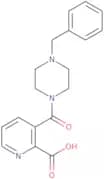
CAS:Controlled Product<p>Please enquire for more information about 3-((4-Benzylpiperazinyl)carbonyl)pyridine-2-carboxylic acid including the price, delivery time and more detailed product information at the technical inquiry form on this page</p>Formula:C18H19N3O3Purity:Min. 95%Color and Shape:PowderMolecular weight:325.36 g/molIndole-3-acetic acid hydrazide
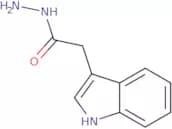
CAS:<p>Indole-3-acetic acid hydrazide is a molecule that has been shown to inhibit the activity of enzymes such as phosphofructokinase, pyruvate kinase, and lactate dehydrogenase. The compound also inhibits hemolytic activity by binding to the red blood cell membrane and inhibiting the enzyme NADH oxidoreductase. Indole-3-acetic acid hydrazide has been shown to bind to divinylbenzene with a hydrogen bond. The compound is also able to inhibit fatty acid synthesis through its interaction with the fatty acid synthase enzyme. In addition, indole-3-acetic acid hydrazide can be used as an inhibitor of SplA2 in cells.</p>Formula:C10H11N3OPurity:Min. 95%Color and Shape:PowderMolecular weight:189.21 g/molDiphenylacetic acid
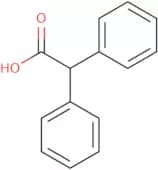
CAS:<p>Diphenylacetic acid is a chiral compound that has been shown to inhibit the synthesis of prostaglandin E2 (PGE2) and other inflammatory mediators, which play a role in autoimmune diseases. The synthesis of these mediators is dependent on the enzyme cyclooxygenase-1 (COX-1). Diphenylacetic acid inhibits COX-1 by forming an acyl ester with arachidonic acid, which blocks the formation of PGE2. This drug also inhibits COX-2 and leukotriene A4 hydrolase, which are enzymes involved in inflammation. Diphenylacetic acid has been shown to be effective in inhibiting the detrusor muscle contractions that cause urinary incontinence.</p>Formula:C14H12O2Purity:Min. 95%Color and Shape:PowderMolecular weight:212.24 g/mol(S)-2-Hydroxybutyric acid
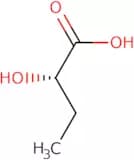
CAS:<p>(S)-2-Hydroxybutyric acid is a substrate molecule for the enzyme malate dehydrogenase, which catalyzes the conversion of (S)-2-hydroxybutyric acid to propionate and carbon dioxide. This reaction is important in energy production when glycolysis is unable to meet the body's energy requirements. The (S)-2-hydroxybutyric acid can be used as an analytical method for determining insulin resistance by measuring its concentration in urine samples. The logistic regression model was used to predict the probability that a cancer patient would respond positively to treatment with (S)-2-hydroxybutyric acid. Hydroxyl groups are found on both enantiomers of (S)-2-hydroxybutyric acid. In order to determine which enantiomer may have more therapeutic potential, researchers must prepare a sample for analysis and identify which enantiomer is present.</p>Formula:C4H8O3Purity:Min. 97 Area-%Color and Shape:Colorless PowderMolecular weight:104.1 g/molN-Nitroso-N-methyl-4-aminobutyric acid
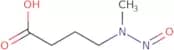
CAS:<p>N-Nitroso-N-methyl-4-aminobutyric acid (NMBA) is a solid with a low melting point which has been identified as a potentially carcinogenic component of both tobacco and tobacco smoke. NMBA is also one of a number of nitrosamine impurities which have been found to be present in angiotensin II receptor blocker (ARB) drugs used to treat high blood pressure.</p>Formula:C5H10N2O3Purity:Min. 98 Area-%Color and Shape:Slightly Yellow PowderMolecular weight:146.14 g/mol(3-Benzyl-4-oxo-3,4-dihydrophthalazin-1-yl)acetic acid
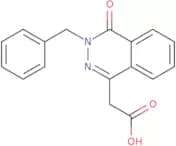
CAS:<p>3-Benzyl-4-oxo-3,4-dihydrophthalazin-1-yl)acetic acid is a chemical substance that can be used in the synthesis of pharmaceuticals. This chemical has a variety of uses as a reagent and is considered to be of high quality. It is useful in the synthesis of speciality chemicals, versatile building blocks and fine chemicals. 3-Benzyl-4-oxo-3,4-dihydrophthalazin-1-yl)acetic acid can be used as a reaction component for complex compounds or as an intermediate for the synthesis of other compounds.</p>Formula:C17H14N2O3Purity:Min. 95%Color and Shape:PowderMolecular weight:294.3 g/molEthyl 2-tolylacetate
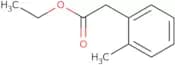
CAS:<p>Ethyl 2-tolylacetate is a colorless liquid with a fruity odor. It is used as an intermediate in the synthesis of other organic compounds, such as pharmaceuticals and agrochemicals. This compound can be prepared by the reductive coupling of ethyl bromoacetate with toluene via palladium catalysis or by the cross-coupling of ethyl bromoacetate with 2-chloropropiophenone. The regiospecificity of this reaction was found to depend on the nature of the nucleophile and the boronic acid used in the reaction. Ethyl 2-tolylacetate is also used for peptide synthesis and as an ligand for sulphoxides.</p>Formula:C11H14O2Purity:Min. 95%Color and Shape:Clear LiquidMolecular weight:178.23 g/mol3-(N-(4-Acetylphenyl)carbamoyl)pyridine-2-carboxylic acid
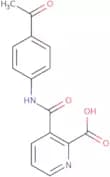
CAS:<p>Please enquire for more information about 3-(N-(4-Acetylphenyl)carbamoyl)pyridine-2-carboxylic acid including the price, delivery time and more detailed product information at the technical inquiry form on this page</p>Formula:C15H12N2O4Purity:Min. 95%Color and Shape:PowderMolecular weight:284.27 g/molTrimesic acid
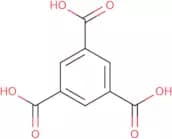
CAS:<p>Trimesic acid is a chemical compound that belongs to the family of pyrazoles. It is stable in water and has a low surface tension. Trimesic acid has been used as a model for developing new drugs for human serum, which is difficult to study due to its complexity. The x-ray crystal structures of trimesic acid have been determined and show that it has three hydrogen bond interactions with the amine group of an amino acid residue on the protein surface, as well as two intermolecular hydrogen bonds with water molecules. Trimesic acid also shows permeation through a membrane made from human serum albumin, which makes it useful as a drug delivery agent.</p>Formula:C9H6O6Purity:Min. 95%Color and Shape:PowderMolecular weight:210.14 g/mol1,3-Acetonedicarboxylic acid
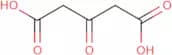
CAS:<p>1,3-Acetonedicarboxylic acid is a crystalline solid that belongs to the group of carboxylic acids. 1,3-Acetonedicarboxylic acid interacts with its receptor by binding to a hydroxyl group and two hydrogen atoms. It has been shown that 1,3-acetonedicarboxylic acid can inhibit HIV infection in vitro by preventing the virus from attaching to cells. It also inhibits malonic acid oxidation and citric acid cycle enzymes in rat liver mitochondria. The synthesis of 1,3-acetonedicarboxylic acid can be achieved through different methods:<br><br>1) By reacting sodium carbonate with malonic acid <br>2) By reacting hydrogen fluoride with malonic acid <br>3) By reacting sodium carbonate with citric acid (malonic ester) and then hydrolyzing it <br>4) By reacting sodium carbonate with malonitrile and then hydro</p>Formula:C5H6O5Purity:Min. 95%Color and Shape:PowderMolecular weight:146.1 g/mol5-Fluoroindole-3-acetic acid
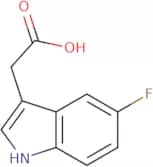
CAS:<p>5-Fluoroindole-3-acetic acid is a fluorine-containing drug that inhibits the transport of indoleacetic acid (IAA), an auxin, in the peo-iaa system. It has been shown to inhibit cancer cell growth and induce apoptosis in a variety of tumour cells. 5-Fluoroindole-3-acetic acid can be used as a chemotherapeutic agent for cancers such as bladder, breast, and prostate cancers. This drug also activates enzymatic reactions by introducing fluorine atoms into reaction sites.</p>Formula:C10H8FNO2Color and Shape:PowderMolecular weight:193.17 g/mol5-Fluoroorotic acid hydrate
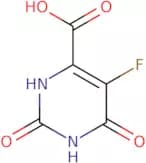
CAS:<p>Selection reagent for orotidine 5'-phosphate decarboxylase mutants</p>Formula:C5H3FN2O4·xH2OPurity:(%) Min. 97%Color and Shape:Off-White Yellow PowderMolecular weight:174.09 g/mol4-Mercaptomethyl dipicolinic acid
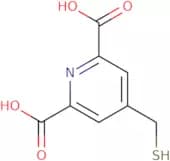
CAS:<p>4-Mercaptomethyl dipicolinic acid is a polymerized, bifunctional molecule that can be used as a luminescent probe to study the structure and dynamics of proteins. It has been shown to bind to lanthanide ions and has fluorescence properties. 4-Mercaptomethyl dipicolinic acid can be synthesized by a method involving the reaction of mercaptoethanol with sodium dithiocarbamate and copper(II) sulfate in an aqueous solution. This reaction produces two molecules of 4-mercaptomethyl dipicolinic acid for every one molecule of mercaptoethanol used, which then reacts with two molecules of 2,4-dinitrophenol in an aqueous solution. The resulting product is then purified by recrystallization from hot water. The conformational properties of 4-mercaptomethyl dipicolinic acid are dependent on temperature, pH,</p>Formula:C8H7NO4SPurity:Min. 95%Color and Shape:PowderMolecular weight:213.21 g/molL-Glutamic acid 5-tert-butyl ester
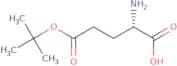
CAS:<p>L-glutamic acid 5-tert-butyl ester (L-GTE) is an amino acid that is classified as a heterocyclic amide. It can be synthesized by the condensation of L-glutamic acid and N-(2-aminoethyl)-N'-(2-propenyl)carbodimide with the tert-butylester of dihydrobenzoin. The protonation of L-GTE with sodium hydroxide produces the corresponding salt, L-glutamic acid 5-(N,N'-dimethylamino)propyl ester. This compound can be used for the synthesis of various amines by reacting it with primary amines in different sequences. L-GTE has also been shown to have antioxidant properties, which may be due to its ability to scavenge hydrogen sulfate radicals.</p>Formula:C9H17NO4Purity:Min. 98 Area-%Color and Shape:White PowderMolecular weight:203.24 g/molrac trans-3-amino-1-oxyl-2,2,5,5-tetramethylpyrrolidine-4-carboxylic acid
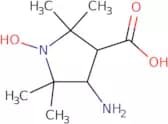
CAS:<p>Rac-trans-3-amino-1-oxyl-2,2,5,5-tetramethylpyrrolidine 4-carboxylic acid (rac TAT) is an axial chiral compound. It has a molecular weight of 246.36 and the empirical formula C11H19N3O4. Rac TAT is soluble in water and alcohols. Rac TAT crystallizes as a racemic mixture of enantiomers (Rac=50% + 50%). Rac TAT has been used as a probe for cyclic secondary amines with high resolution. Rac TAT also shows high selectivity for β-amino acids over α-amino acids. The configuration of the molecule is determined by the configuration of the biphenyl substituents at C4 and C5. Rac TAT can be synthesized from racemic trans 3 amino 1 oxyl 2 2 5 5 tetramethyl pyrrolidin 4</p>Formula:C9H17N2O3Purity:Min. 95%Color and Shape:PowderMolecular weight:201.24 g/mol4-Chloromandelic acid
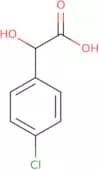
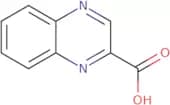
CAS:<p>4-Chloromandelic acid is an organic compound that is an important intermediate in the synthesis of pharmaceuticals and other organic compounds. It can be used as a ligand to form complexes with transition metals, such as Mo(VI), which are used to catalyze hydrogenation reactions. 4-Chloromandelic acid binds to the substrate binding site on the enzyme through hydrogen bonding interactions. This binding causes a conformational change in the enzyme that inhibits its activity. The kinetic data for 4-chloromandelic acid was determined using trifluoroacetic acid as the solvent and supercritical carbon dioxide as the antisolvent. The enantiomer of 4-chloromandelic acid was identified by analytical methods, including gas chromatography and mass spectroscopy.</p>Formula:C8H7ClO3Purity:Min. 95%Color and Shape:PowderMolecular weight:186.59 g/mol2-Quinoxalinecarboxylic acid
CAS:<p>2-Quinoxalinecarboxylic acid is a monoclonal antibody that binds to fatty acids. It has been shown to be effective in treating solid tumours, autoimmune diseases, and cyclic peptide-induced genotoxicity in biological studies. The compound is stable at physiological pH and can be used for the detection of hydrochloric acid using electrochemical impedance spectroscopy.</p>Formula:C9H6N2O2Purity:Min. 95%Color and Shape:PowderMolecular weight:174.16 g/mol2-Chlorophenylphenyl-aminomethanesulphonic acid sodium salt
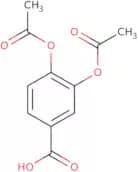
CAS:<p>2-Chlorophenylphenyl-aminomethanesulphonic acid sodium salt is a fine chemical that is a useful building block in research and development. It can be used as a reagent, a CAS No. 132141-36-7, or as a speciality chemical. This compound has been used as an intermediate in the synthesis of complex compounds. It also acts as a versatile building block for various reactions and has been used as a scaffold for the synthesis of new compounds.</p>Formula:C13H11ClNO3S·NaPurity:Min. 95%Molecular weight:319.74 g/mol3,4-Diacetoxybenzoic acid
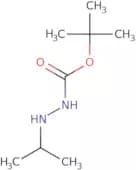
CAS:<p>3,4-Diacetoxybenzoic acid is a tetronic acid that can be synthesized from protocatechuic acid. It has potent inhibitory activity against lipoxygenase, which is an enzyme responsible for the production of leukotrienes and other lipid compounds in the human body. 3,4-Diacetoxybenzoic acid inhibits fatty acid synthesis by inhibiting the enzyme acyl-CoA synthetase. This compound also has been shown to inhibit the growth of bacteria such as Pseudomonas aeruginosa and Trichophyton mentagrophytes, which are both associated with skin infections. 3,4-Diacetoxybenzoic acid may also have anti-inflammatory properties due to its ability to inhibit prostaglandin synthesis.</p>Formula:C11H10O6Purity:Min. 95%Color and Shape:PowderMolecular weight:238.19 g/moltert-Butyl 2-isopropylhydrazinecarboxylate
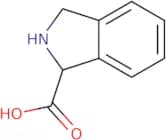
CAS:<p>tert-Butyl 2-isopropylhydrazinecarboxylate is a high quality chemical that has been used as a reagent, useful intermediate, speciality chemical, and research chemicals. It has been shown to be an excellent building block for the synthesis of complex compounds. This chemical has also been used as a reaction component in the synthesis of fine chemicals and other useful compounds.</p>Formula:C8H18N2O2Purity:Min. 95%Color and Shape:White PowderMolecular weight:174.24 g/mol2,3-Dihydro-1H-isoindole-1-carboxylic acid
CAS:<p>2,3-Dihydro-1H-isoindole-1-carboxylic acid is an acidic molecule that can be found in high concentrations in the blood. It is also a metabolite of isoindolines, which are an important class of drugs used to treat chronic hypertension. 2,3-Dihydro-1H-isoindole-1-carboxylic acid belongs to the group of structural formula categorized as an enolate; this group is a type of enzyme inhibitor that blocks enzymes involved in the production of cholesterol. 2,3-Dihydro-1H-isoindole-1-carboxylic acid has been shown to inhibit the activity of two enzymes: cytochrome P450 and sterol C5 reductase. The mechanism behind this inhibition is homologous with other known inhibitors such as 3-(2′,4′dichlorophenyl)acrylic acid (methaz</p>Formula:C9H9NO2Purity:Min. 97 Area-%Color and Shape:PowderMolecular weight:163.17 g/mol2-Bromo-2-methylpropionic acid
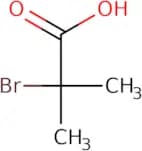
CAS:<p>2-Bromo-2-methylpropionic acid is a chemical compound that is used to stabilize nanoparticles. It also has covalent interactions with the surface of the nanoparticles, which helps to stabilize them and prevent aggregation. 2-Bromo-2-methylpropionic acid can be modified with polymers or other molecules that can help to stabilize the particles. This stabilizer is also able to create magnetic nanoparticles by using a strategy called "magnetic stabilization". In this method, the stabilizer can react with the metal ions in solution and form a stable complex, which will then coat the particles of interest. The stabilizer can also be used to circumvent mesoporous materials, such as silica gel, by coating them with a polymer layer.</p>Formula:C4H7BrO2Purity:Min. 95%Color and Shape:White Clear LiquidMolecular weight:167 g/mol3-[2-(Benzoyloxy)phenyl)propionic acid
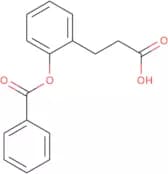
CAS:<p>3-[2-(Benzoyloxy)phenyl]propionic acid is a fine chemical that is useful for the synthesis of a wide range of chemicals. It is used as a versatile building block, intermediate and reagent in organic chemistry. This compound has CAS number 59725-59-6 and is soluble in water. 3-[2-(Benzoyloxy)phenyl]propionic acid can be synthesized from benzaldehyde, phenylacetic acid and propionic anhydride in the presence of sodium acetate.</p>Formula:C16H14O4Purity:Min. 95%Color and Shape:PowderMolecular weight:270.28 g/mol3-(4-Hydroxyphenyl)propionic acid
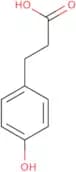
CAS:<p>Potential antioxidant; pharmaceutical intermediate</p>Formula:C9H10O3Purity:Min. 99 Area-%Color and Shape:PowderMolecular weight:166.17 g/mol4,6-Dichloro-1H-indole-2-carboxylic acid ethyl ester
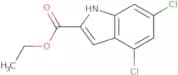
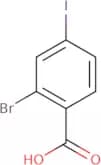
CAS:<p>4,6-Dichloro-1H-indole-2-carboxylic acid ethyl ester is a synthetic compound that functions as an agonist of the indole 2 receptor. It has been shown to have affinity for cortical and brain membranes, with a greater affinity for acidic regions of the membrane. 4,6-Dichloro-1H-indole-2-carboxylic acid ethyl ester is also capable of binding to the indole 2 receptor and activating it. The carboxyl group in this compound is substituted with benzene rings, which are connected by a moiety containing two carboxylic groups. 4,6-Dichloro-1H-indole-2-carboxylic acid ethyl ester was synthesised from 1H -indole acetic acid and chloroethane in four steps.</p>Formula:C11H9Cl2NO2Purity:Min. 95%Color and Shape:SolidMolecular weight:258.1 g/mol2-Bromo-4-iodobenzoic acid
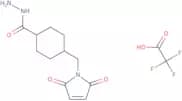
CAS:<p>2-Bromo-4-iodobenzoic acid is a high quality, versatile building block that is used as an intermediate in the synthesis of many fine chemicals and speciality chemicals. It has been found to be useful in the preparation of various pharmaceuticals and agrochemicals, as well as research chemicals. This compound is also a useful scaffold for the synthesis of complex compounds with biological activity. 2-Bromo-4-iodobenzoic acid has been used as a reagent in organic synthesis, and can be used to generate new chemical reaction components for use in laboratory experiments.</p>Formula:C7H4BrIO2Purity:Min. 95%Color and Shape:PowderMolecular weight:326.91 g/mol4-(Maleimidomethyl)cyclohexane-1-carboxyl-hydrazide trifluoroacetic acid
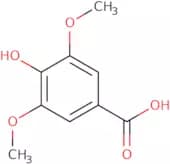
CAS:<p>4-(Maleimidomethyl)cyclohexane-1-carboxyl-hydrazide trifluoroacetic acid is a versatile building block that is useful as a reagent and scaffold in many chemical reactions. It is used in the synthesis of complex compounds, research chemicals, and speciality chemicals. 4-(Maleimidomethyl)cyclohexane-1-carboxyl-hydrazide trifluoroacetic acid has been shown to be a high quality compound with uses as a reaction component and useful scaffold.</p>Formula:C12H17N3O3·CF3CO2HPurity:Min. 95%Color and Shape:White PowderMolecular weight:365.31 g/molSyringic acid
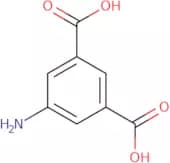
CAS:<p>Syringic acid is a phenolic acid that is found in the bark of the syringa tree (Lilac). It has been used in traditional Chinese medicine preparations to treat conditions such as skin problems and convulsions. Syringic acid is an intermediate in the biosynthesis of hydroxybenzoic acid, which is used as an analytical marker for plant identification. Syringic acid can be extracted from plants using subcritical water extraction or acetate extract. The sample preparation involves preparing samples of plant tissue by grinding them into a powder, followed by extraction with organic solvents. The final step is to purify the extract using column chromatography or recrystallization techniques.</p>Formula:C9H10O5Purity:Min. 98 Area-%Color and Shape:PowderMolecular weight:198.17 g/mol5-Aminoisophthalic acid
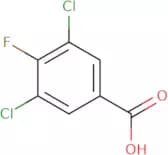
CAS:<p>5-Aminoisophthalic acid is a molecule that belongs to the group of compounds classified as p2, which are characterized by a hydrogen bond. The molecule is synthesized from n-dimethylformamide and glycol ester. It can be used in the synthesis of other compounds, such as 5-aminoisophthalic acid, which has been shown to have hemolytic activity. FTIR spectroscopy analysis reveals that the structure of 5-aminoisophthalic acid has nitrogen atoms in its side chain. This molecule also has an ultraviolet absorption range of about 225 nm to about 300 nm and shows strong absorption bands at around 290 nm and 350 nm.</p>Formula:C8H7NO4Purity:Min. 95%Color and Shape:PowderMolecular weight:181.15 g/mol3,5-Dichloro-4-fluorobenzoic acid
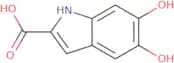
CAS:<p>3,5-Dichloro-4-fluorobenzoic acid is a chemical that belongs to the class of reagents. It reacts with an amine to form a urea and a dioxane derivative. 3,5-Dichloro-4-fluorobenzoic acid is used in the research and development of new drugs as a useful scaffold for novel compounds. It can be used as an intermediate or building block in the synthesis of complex molecules. This chemical also has speciality uses as a fine chemical, such as for use in cosmetics or cleaning products.</p>Formula:C7H3Cl2FO2Purity:Min. 95%Color and Shape:PowderMolecular weight:209 g/mol5,6-Dihydroxy-1H-indole-2-carboxylic acid
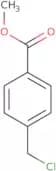
CAS:<p>5,6-Dihydroxy-1H-indole-2-carboxylic acid (5,6 DHICA) is a photosensitizing agent with a long detection time. It has been used in the treatment of cervical cancer and skin cancer. 5,6 DHICA is an inhibitor of tyrosinase, which is responsible for the synthesis of melanin. 5,6 DHICA prevents the conversion of dopachrome to eumelanin by binding to the active site of tyrosinase and inhibiting its activity. This makes it an important drug for the treatment of hyperpigmentation disorders such as vitiligo and melasma.</p>Formula:C9H7NO4Purity:Min. 95%Color and Shape:PowderMolecular weight:193.16 g/mol4-(Chloromethyl)benzoic acid methyl ester
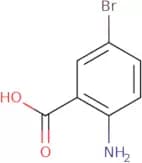
CAS:<p>4-(Chloromethyl)benzoic acid methyl ester is a synthetic compound that inhibits the DPP-IV enzyme, which is involved in the breakdown of the incretin hormones glucagon-like peptide-1 (GLP-1) and glucose-dependent insulinotropic polypeptide (GIP). Its structure consists of a benzene ring with a chloromethyl group on one side and an ester group on the other. 4-(Chloromethyl)benzoic acid methyl ester has been shown to be more potent than other known DPP-IV inhibitors. It has also been shown to have genotoxic impurities and chronic treatment effects, such as cancer.</p>Formula:C9H9ClO2Purity:Min. 95%Color and Shape:PowderMolecular weight:184.62 g/mol2-Amino-5-bromobenzoic acid
CAS:<p>2-Amino-5-bromobenzoic acid is a chemical compound that is used to synthesize other pharmaceuticals. It has been shown to have potent antiinflammatory activity and inhibit the growth of certain types of cancer cells. 2-Amino-5-bromobenzoic acid also has antiviral properties, and it inhibits the replication of human immunodeficiency virus type 1 (HIV-1) in cell culture. This drug has been shown to be effective against herpes simplex virus type 1 (HSV-1), varicella zoster virus (VZV), and cytomegalovirus (CMV). 2-Amino-5-bromobenzoic acid is poorly soluble in water; therefore, it can be administered intravenously as a prodrug. The absorption of this drug is dependent on pH levels, with higher concentrations found in acidic environments.</p>Formula:C7H6BrNO2Purity:Min. 95%Color and Shape:PowderMolecular weight:216.03 g/mol4-Chlorophenylacetic acid
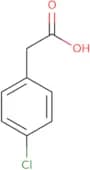
CAS:<p>4-Chlorophenylacetic acid is a fatty acid that reacts with hydroxyl groups to form reaction intermediates. It has been used in antiestrogen therapy as it is able to inhibit the activity of estrogen. It has also been used in polymeric matrices to control the release of silver ions for the treatment of cancer. 4-Chlorophenylacetic acid is synthesized by acylation of phenylacetic acid with chloroacetyl chloride in the presence of hydrochloric acid and sephadex g-100. 4-Chlorophenylacetic acid has been shown to inhibit tumor growth in animal models, which may be due to its ability to induce apoptosis.</p>Formula:C8H7ClO2Purity:Min. 97.5 Area-%Color and Shape:White PowderMolecular weight:170.59 g/molH-Pro-Phe-Arg-AMC acetate salt
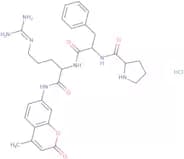
CAS:<p>Fluorogenic substrate targeting pancreatic and urinary Kallikrein</p>Formula:C30H37N7O5·C2HF3O2Purity:Min. 95%Color and Shape:White Off-White PowderMolecular weight:575.66 g/mol2-Oxo-2H-pyran-5-carboxylic acid methyl ester
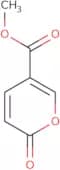
CAS:<p>2-Oxo-2H-pyran-5-carboxylic acid methyl ester is an activated form of 2-oxopyran. It reacts with nucleophiles, such as malic acid, to form ethyl esters. This reaction is an example of the Friedel-Crafts reaction, which is a type of electrophilic aromatic substitution. The rate of this reaction depends on the activation energies and fluorescence properties of the reactants. The mechanism for this reaction is that the double bond in the carbonyl group is ruptured by attacking nucleophiles, resulting in a release of hydrogen gas and formation of carboxylic acid derivatives. The product can be isolated using a solvent extraction technique or purified using column chromatography.</p>Formula:C7H6O4Purity:Min. 98 Area-%Color and Shape:PowderMolecular weight:154.12 g/mol4-Bromo-2-hydroxybenzoic acid
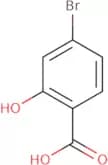
CAS:<p>4-Bromo-2-hydroxybenzoic acid is a viscometric, anticancer drug that is used in the treatment of cancer. It inhibits the production of dioxane and cyclic peptide, which are important for cancer cell proliferation. 4-Bromo-2-hydroxybenzoic acid has also been shown to have antimycobacterial activity against Mycobacterium tuberculosis and antitubercular activity against Mycobacterium avium complex. This drug has a potent inhibitory effect on u87 cells and has a significant antitumor activity. The mechanism of action involves inhibiting the synthesis of p-hydroxybenzoic acid by hydrogen peroxide in the oxidation of salicylic acid.</p>Formula:C7H5BrO3Purity:Min. 95 Area-%Color and Shape:PowderMolecular weight:217.02 g/mol2-Methoxycinnamic acid methyl ester
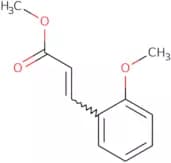
CAS:<p>2-Methoxycinnamic acid methyl ester is a monomer that can be used in the synthesis of magnetic nanoparticles. It has been shown to have high activity and can be used at temperatures between 20°C and 40°C. This reagent is also soluble in organic solvents, making it easy to purify. The size of the particles can be controlled by changing the diameter of the monomer, which can be determined using various techniques such as magnetic separation, filtration, or centrifugation. 2-Methoxycinnamic acid methyl ester was found to have a mesoporous structure when synthesized using an organometallic technique. This reagent is suitable for use in analytical methods such as gas chromatography-mass spectrometry (GC-MS) or liquid chromatography-mass spectrometry (LC-MS).</p>Formula:C11H12O3Purity:Min. 95%Color and Shape:PowderMolecular weight:192.21 g/mol2,3-Dichlorocinnamic acid
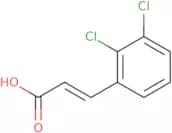
CAS:<p>2,3-Dichlorocinnamic acid is an organic compound that can be synthesized in a multistep process involving the reaction of pyridine with sulfuryl chloride. This reaction forms 2,3-dichloropropiophenone and 2,3-dichloroacetophenone. The latter compound is converted to the desired product by reacting it with thionyl chloride. The final step involves hydrolysis of the ester group to form 2,3-dichlorocinnamic acid.<br>2,3-Dichlorocinnamic acid can also be synthesized from phenylpropiolic acid and chlorosulfuric acid or from methyl propiolate and chlorosulfuric acid. <br>2,3-Dichlorocinnamic acid is a white crystalline solid that melts at 155°C and boils at 287°C. It is soluble in water and has a low yield due to</p>Formula:C9H6Cl2O2Purity:Min. 95%Molecular weight:217.05 g/molAnthraquinone-2,7-disulfonic acid disodium salt - 80%
CAS:<p>Anthraquinone-2,7-disulfonic acid disodium salt, 2,7-AQDS, is an anthraquinone sulfonate used for many different purposes, such as, desulfurizing agent for removing oil in refinery and as an intermediate for dyes or decolorization agent. In addition, anthraquinone-2,7-disulfonic salt or 2,7-AQDS is frequently used in electrochemistry, as a redox mediator. For example, in aqueous organic redox flow batteries (AORFB), anthraquinone-2,7-disulfonic acid disodium salt (2,7-AQDS) plays a role in increasing the capacity and the performance of these types of batteries.</p>Formula:C14H6O8S2·2NaPurity:Min. 80 Area-%Color and Shape:Red Purple PowderMolecular weight:412.3 g/molDL-Aspartic acid
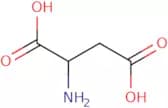
CAS:<p>Aspartic acid is an amino acid that belongs to the group of aspartates. It is synthesized in the human body and used in biochemical reactions. Aspartic acid has been shown to play a role in cancer, bowel disease, and fibrosis. The chemical properties of aspartic acid have been studied using various model systems such as polymerase chain reaction (PCR) and p-nitrophenyl phosphate assay. Aspartic acid is a substrate for the enzyme asparaginase, which converts it into asparagine, another amino acid that can be used by the body.</p>Formula:C4H7NO4Color and Shape:White Off-White PowderMolecular weight:133.1 g/mol4-Phenylbutyric acid
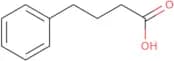
CAS:<p>4-Phenylbutyric acid is a prophylactic antibiotic that has minimal toxicity. It has been shown to significantly up-regulate protein synthesis in kidney cells and to have neural cell protective effects. 4-Phenylbutyric acid also inhibits the production of dextran sulfate, which may be useful for the treatment of liver injury. This compound has been tested as an investigational agent for squamous cell carcinoma and other cancers.</p>Formula:C10H12O2Purity:Min. 98%Color and Shape:White PowderMolecular weight:164.2 g/mol2,2-Dimethyl-3-phenylpropanoic acid
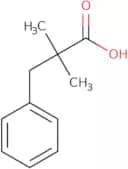
CAS:<p>2,2-Dimethyl-3-phenylpropanoic acid is a luteolytic agent that belongs to the group of phenylacetic acids. It has been shown to inhibit progesterone synthesis and induce regression of the estrous cycle in rats. 2,2-Dimethyl-3-phenylpropanoic acid is also able to bind with cytochrome P450 enzymes, which are involved in the metabolism of many drugs. This binding may lead to increased plasma concentrations of other drugs that are metabolized by cytochrome P450 enzymes, such as erythromycin and methyldopa.</p>Formula:C11H14O2Purity:Min. 95%Color and Shape:SolidMolecular weight:178.23 g/molPolylactic acid - MW 40,000~80,000
CAS:<p>Polylactic acid is a polymer that has been used as a suture and in tissue engineering. It is synthesized by the polymerization of lactic acid, which is derived from renewable resources such as cornstarch, potatoes, and sugar beets. Polylactic acid has been shown to be effective against squamous carcinoma cells and colorectal adenocarcinoma cells. The mechanism of action for polylactic acid is not fully understood but it may have an effect on mitochondrial membrane potential, blood sampling, multivariate logistic regression, antibacterial efficacy, enzyme activities and transcriptional regulation. This polymer may also inhibit the growth of bacteria through the inhibition of glycol ethers or benzalkonium chloride.</p>Color and Shape:White Powder5,10-Methylene-5,6,7,8-tetrahydrofolic acid - mixture of diastereomers
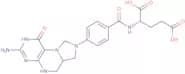
CAS:<p>5,10-Methylene-5,6,7,8-tetrahydrofolic acid is a molecule that is found in cells. It is an essential cofactor for many biological processes. The folate form of 5,10-methylene-5,6,7,8-tetrahydrofolic acid (5MTHF) can be synthesized by the enzyme methylenetetrahydrofolate reductase. This enzyme uses N5,N10-methenyltetrahydrofolate as a substrate and converts it to 5MTHF. The enzyme activity of methylenetetrahydrofolate reductase can be inhibited by methotrexate. In this case 5MTHF will not be produced and the body's supply of folate will decrease. The structural analysis of 5MTHF has been performed using titration calorimetry and x-ray crystallography.</p>Formula:C20H23N7O6Purity:80%MinColor and Shape:PowderMolecular weight:457.44 g/mol3-Nitrophthalic acid
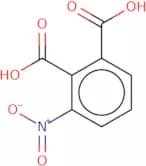
CAS:<p>3-Nitrophthalic acid is an organic compound that has been used in biological studies. It has been shown to bind to DNA and RNA, which may be due to hydrogen bonding interactions with the nitrogen atoms. 3-Nitrophthalic acid is synthesized by reacting sodium carbonate with trifluoroacetic acid, resulting in a carboxylate group. This compound has photochemical properties and can be used as a photosensitizer for the treatment of certain forms of cancer. 3-Nitrophthalic acid reacts with oxygen and generates singlet oxygen, which results in cellular damage.</p>Formula:C8H5NO6Purity:Min. 95%Color and Shape:PowderMolecular weight:211.13 g/molSolriamfetol
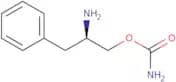
CAS:Controlled Product<p>Solriamfetol is a drug that belongs to the class of psychostimulants. It is used as an adjunct in the treatment of major depressive disorder, and has been shown to be clinically relevant in patients with major depression. Solriamfetol has been shown to have long-term efficacy and stable doses, which may be due to its chemical stability. It also has dose-dependent effects on dopamine release in the striatum, which can lead to increased symptoms of depression. The drug has also been shown to increase cardiac rate, even at stable doses and does not affect renal function. This may be because solriamfetol does not undergo oxidative injury or cause decreased glomerular filtration rate (GFR).</p>Formula:C10H14N2O2Purity:Min. 95%Color and Shape:PowderMolecular weight:194.23 g/mol2-(4-Hydroxy-3-iodophenyl)acetic acid
CAS:<p>2-(4-Hydroxy-3-iodophenyl)acetic acid is a versatile building block that is used in the production of fine chemicals and research chemicals. Cas No. 19039-15-7, it is a high quality reagent that can be used as a speciality chemical or building block for more complex compounds. This compound can be used as an intermediate in organic synthesis and as a reaction component for organic reactions. It is also a useful scaffold for synthesizing other organic compounds.</p>Formula:C8H7IO3Purity:Min. 95%Color and Shape:PowderMolecular weight:278.04 g/mol3-Bromo-4-methoxyphenylacetic acid ethyl ester
CAS:<p>3-Bromo-4-methoxyphenylacetic acid ethyl ester is a versatile building block that can be used to synthesize a variety of compounds. It is also a useful intermediate for research chemicals and pharmaceuticals. 3-Bromo-4-methoxyphenylacetic acid ethyl ester is a fine chemical with high quality and can be used as a reagent or speciality chemical. As a reaction component, this product makes an excellent scaffold for complex compounds.</p>Formula:C11H13BrO3Purity:Min. 95%Color and Shape:Clear LiquidMolecular weight:273.12 g/molAllyl P,P-diethylphosphonoacetate
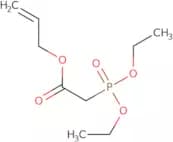
CAS:<p>Allyl P,P-diethylphosphonoacetate is a synthetic organic solvent that is soluble in water. It has an expressed form and an active methylene group. Allyl P,P-diethylphosphonoacetate is used in the synthesis of linear polymers through the addition of fluorine to the carbonyl group. The average particle diameter is 1 nm and it has a hydroxyl group.</p>Formula:C9H17O5PPurity:Min. 95%Color and Shape:Clear LiquidMolecular weight:236.2 g/mol4-Aminophthalic acid
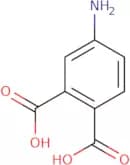
CAS:<p>4-Aminophthalic acid is a dibutyl ester of 4-aminophenol. It is used as a substrate for the production of monoclonal antibodies (MABs) to amines or acylation reactions with fatty acids. The MABs can be used in immunoassays to measure the presence of amines and acylated fatty acids in blood samples. The reaction between 4-aminophthalic acid and p-hydroxybenzoic acid forms an ester that can be detected by magnetic resonance spectroscopy, which makes it useful for detecting p-hydroxybenzoic acid levels in urine samples.</p>Formula:C8H7NO4Purity:Min. 95%Color and Shape:Grey SolidMolecular weight:181.15 g/mol3-(2,5-Dimethylbenzoyl)-acrylic acid
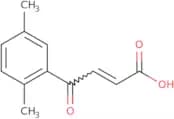
CAS:<p>3-(2,5-Dimethylbenzoyl)-acrylic acid is a reactive component and reagent that is used in the synthesis of molecular building blocks. It can also be used as a versatile building block for complex compounds, such as pharmaceutical intermediates. 3-(2,5-Dimethylbenzoyl)-acrylic acid has a CAS number of 15254-22-5. This chemical is considered to be high quality and is useful in research laboratories and speciality chemical suppliers.</p>Formula:C12H12O3Purity:Min. 95%Molecular weight:204.22 g/molL-Aspartic acid sodium salt monohydrate
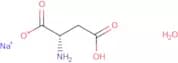
CAS:<p>L-Aspartic acid sodium salt monohydrate is a sodium carbonate salt of L-aspartic acid that has been shown to inhibit the growth of leishmania in vitro. It may also be effective against other protozoa and amoeba, including Entamoeba histolytica and Naegleria fowleri. L-Aspartic acid sodium salt monohydrate inhibits acid formation by inhibiting the enzyme carbonate synthetase. This compound also has potential as a drug target for infantile lysosomal storage disease due to its ability to activate glutamate, which is an amino acid that is deficient in this condition. The surface methodology used for this study was titration calorimetry, which can be used to measure the thermodynamic properties of activated carboxylates.</p>Formula:C4H6NO4Na·H2OColor and Shape:White Off-White Clear LiquidMolecular weight:173.1 g/mol3-Fluoro-4-methoxycinnamic acid
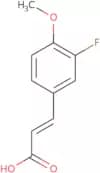
CAS:<p>3-Fluoro-4-methoxycinnamic acid is a template for the synthesis of azido compounds. Azide is a versatile functional group that can be used in many chemical reactions. 3-Fluoro-4-methoxycinnamic acid can be used to synthesize various azido products by reacting with hydrogen gas and an appropriate nucleophile, such as acrylic acid or ammonia. This reaction is called the "hydrogenating" reaction because it involves the addition of hydrogen. The target product can be synthesized by adding an appropriate electrophile, such as sodium azide, to the starting material in a solvent such as methylene chloride.</p>Formula:C10H9FO3Purity:Min. 95%Color and Shape:PowderMolecular weight:196.18 g/mol10-Formyl-5,6,7,8- tetrahydro folic acid disodium
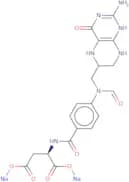
CAS:<p>10-Formyl-5,6,7,8-tetrahydrofolate disodium (10FHFTD) is a fine chemical that is useful as a building block for research chemicals. 10FHFTD has been described as a versatile building block for the synthesis of complex compounds. It is also a useful intermediate in the synthesis of biologically active natural products and pharmaceuticals. This compound can be used as a reagent or speciality chemical. 10FHFTD has CAS number 914800-65-0 and is commercially available at high quality.</p>Formula:C20H21N7Na2O7Purity:(%) Min. 60%Color and Shape:Brown Slightly Brown PowderMolecular weight:517.4 g/mol3-(4-tert-Butylbenzoyl)acrylic acid
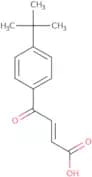
CAS:<p>Please enquire for more information about 3-(4-tert-Butylbenzoyl)acrylic acid including the price, delivery time and more detailed product information at the technical inquiry form on this page</p>Formula:C14H16O3Purity:Min. 95%Color and Shape:PowderMolecular weight:232.28 g/mol3-(Difluoromethoxy)-2,4,5-trifluorobenzoic acid
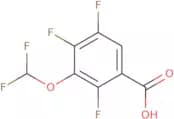
CAS:<p>3-(Difluoromethoxy)-2,4,5-trifluorobenzoic acid is an antibacterial drug that belongs to the class of fluoroquinolones. It inhibits bacterial growth by binding to DNA gyrase and topoisomerase IV enzymes in bacteria. 3-(Difluoromethoxy)-2,4,5-trifluorobenzoic acid has been shown to be active against a wide variety of bacteria and is used as a treatment for urinary tract infections and skin infections. 3-(Difluoromethoxy)-2,4,5-trifluorobenzoic acid can also be used in combination with other antibiotics such as tetrabutyl ammonium chloride to enhance their effects.</p>Formula:C8H3F5O3Purity:Min. 95%Color and Shape:SolidMolecular weight:242.1 g/molKulonic acid
CAS:Controlled Product<p>Kulonin is a plant extract that is used for the treatment of cancer. It has potent antitumor activity and can inhibit the growth of human lung cancer cells, SGC-7901 cells. Kulonin was shown to have antioxidant properties in an oxygenated environment, which may be due to its ability to scavenge reactive oxygen species and inhibit lipid peroxidation. This compound also has a nutritional value and is able to cross the blood-brain barrier, making it a potential candidate for treating brain tumors.</p>Purity:Min. 95%Azidopalmitic acid
CAS:<p>Azidopalmitic acid is a synthetic fatty acid that is used in the detection of cellular DNA. It can be detected using methods such as tritiated, expressed, or myristic azide. Azidopalmitic acid has also been shown to be compatible with polymerase chain reaction (PCR) and immobilized metal ion affinity chromatography (IMAC). This molecule is useful for conjugates that are radiolabeled with [3H]azidoacetyl palmitate and [14C]azidoacetyl palmitate. Azidopalmitic acid has been synthetically produced by reacting malonic acid with sodium azide. This compound is also reusable, which makes it an ideal way to label nucleotides during PCR reactions.</p>Formula:C16H31N3O2Purity:Min. 95%Color and Shape:White PowderMolecular weight:297.44 g/molEthyl 3-pyRidylacetate
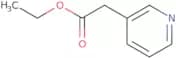
CAS:<p>Ethyl 3-pyRidylacetate is a chiral compound that is used in asymmetric synthesis. It is formed by the reaction of methides with base catalysts. The nmr spectrum of this compound shows three distinct signals, which correspond to the three possible stereoisomers: enolate, trisubstituted, and nucleophilic. These signals are due to the different methylene groups on the molecule. The active methylene group is responsible for alkylation reactions and carbon disulphide formation.</p>Formula:C9H11NO2Purity:Min. 95%Color and Shape:Clear LiquidMolecular weight:165.19 g/molFmoc-9-aminononanoic acid
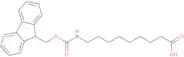
CAS:<p>Fmoc-9-aminononanoic acid is a versatile building block that can be used in the synthesis of complex compounds. This compound has been shown to be useful for the production of speciality chemicals and research chemicals, as well as for the preparation of reagents and reaction components. Fmoc-9-aminononanoic acid is also a high quality intermediate with a wide range of applications. It can be used as an electrophile or nucleophile in organic synthesis reactions, or it can be used as a scaffold to prepare more complicated molecules.</p>Formula:C24H29NO4Purity:Min. 98 Area-%Color and Shape:PowderMolecular weight:395.49 g/molSPDP
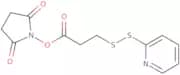
CAS:<p>SPDP is a pyridyldithiol linker that forms reversible disulfide bonds with thiols. It allows the controlled release of biomolecules in reductive environments.</p>Formula:C12H12N2O4S2Purity:Min. 95%Color and Shape:PowderMolecular weight:312.37 g/mol2-[(2,4-Dimethylphenyl)amino]nicotinic acid
CAS:<p>Please enquire for more information about 2-[(2,4-Dimethylphenyl)amino]nicotinic acid including the price, delivery time and more detailed product information at the technical inquiry form on this page</p>Formula:C14H14N2O2Purity:Min. 95%Color and Shape:PowderMolecular weight:242.27 g/molBenzophenone-2,4'-dicarboxylic acid
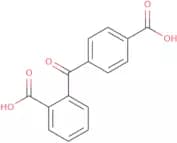
CAS:<p>Benzophenone-2,4'-dicarboxylic acid is a ligand that has been shown to have anion selectivity. It is an organic molecule that can be used in devices such as optical switches and sensors. Benzophenone-2,4'-dicarboxylic acid has been shown to have high fluorescence intensity and it is able to emit light. Benzophenone-2,4'-dicarboxylic acid can be used for the development of novel sensors for both organic and inorganic ions, as well as for ion-exchange membranes. The compound was also found to be luminescent with a bright emission peak at 559 nm, which makes it a promising candidate for fluorescent displays. Benzophenone-2,4'-dicarboxylic acid is also able to form coordinated water molecules when placed in contact with water. This coordinated water molecule may act as a ligand by binding to metal ions or other lig</p>Formula:C15H10O5Purity:Min. 95%Color and Shape:PowderMolecular weight:270.24 g/molZinc pentamethylenedithiocarbamate
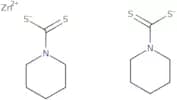
CAS:<p>Zinc pentamethylenedithiocarbamate is an analytical reagent for the determination of fatty acid, viscosity, and cross-linking agent. It is also used as a synthetic, inorganic, organosilicon, piperidine derivative. Zinc pentamethylenedithiocarbamate is a molecule that consists of two divalent hydrocarbons: zinc diethyldithiocarbamate and organosilicon. The molecular weight of zinc pentamethylenedithiocarbamate is 476.6 g/mol.</p>Formula:C12H20N2S4ZnPurity:(%) Min. 95%Color and Shape:PowderMolecular weight:385.94 g/mol3,4-Difluoro-2-methoxybenzoic acid
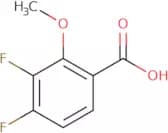
CAS:<p>3,4-Difluoro-2-methoxybenzoic acid is a chemical compound that can be used as a reaction component or reagent. It is also a useful scaffold for organic synthesis of complex compounds and can be used as a building block to produce fine chemicals. 3,4-Difluoro-2-methoxybenzoic acid has the CAS number 875664-52-1 and is listed under the chemical name 3,4-difluoro-2-methoxybenzoic acid.</p>Formula:C8H6F2O3Purity:Min. 95%Color and Shape:PowderMolecular weight:188.13 g/molEthyl N,N-diphenylcarbamate
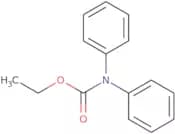
CAS:<p>Ethyl N,N-diphenylcarbamate is a monomer that belongs to the aromatic hydrocarbon family. It has a ph optimum of 7.0 and is soluble in organic solvents such as chloroform or acetone. The chemical's kinetic constants have been determined by thermally induced displacement of sodium nitrate from an insoluble polymer and by infrared spectroscopy at a frequency of 10 cm-1. Ethyl N,N-diphenylcarbamate can be used for the production of polymers with functionalities such as geranyl in the presence of an enzyme.</p>Formula:C15H15NO2Purity:Min. 95%Color and Shape:White Off-White PowderMolecular weight:241.29 g/mol2-Bromo-4-hydroxyphenylacetic acid
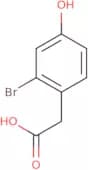
CAS:<p>2-Bromo-4-hydroxyphenylacetic acid (2-BHPAA) is a phenolic hydroxyl compound that is synthesized from acrylic acid. It has been used in the synthesis of other compounds, such as 4-hydroxybenzoic acid, 2-[2-(2,6-dichlorophenoxy)ethoxy]phenol, and 3,4-dihydroxyphenylacetic acid. 2-BHPAA can be synthesized by dehydrogenative bromination of phenol with bromine and acetic acid in an organic solvent. The yield of this reaction is typically high because the product does not contain any functional groups that can act as a catalyst for competing reactions.</p>Formula:C8H7BrO3Purity:Min. 95%Color and Shape:PowderMolecular weight:231.04 g/molNeuropeptide W-23 (human)
CAS:<p>Neuropeptide W-23 (human) is an antibody that recognizes the neuropeptide receptor, specifically the Neuropeptide Y receptor 1. The antibody binds to the Npy1 receptor and inhibits its activity. Neuropeptide W-23 (human) can be used as a research tool in cell biology and pharmacology studies.</p>Formula:C119H183N35O28SPurity:Min. 95%Molecular weight:2,584.01 g/mol2,3-Difluoro-5-methylbenzoic acid
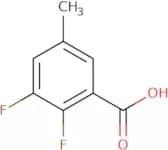
CAS:<p>2,3-Difluoro-5-methylbenzoic acid is a versatile building block that can be used as a reagent in organic chemistry. It is a useful intermediate for the synthesis of more complex compounds. The compound is also a useful scaffold for the preparation of new chemical entities for research purposes.</p>Formula:C8H6F2O2Purity:Min. 95%Color and Shape:PowderMolecular weight:172.13 g/mol7-Methoxycoumarin-3-carboxylicacid
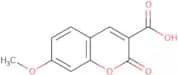
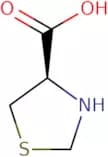
CAS:<p>7-Methoxycoumarin-3-carboxylic acid (MC) is a potent inhibitor of metalloendopeptidases and cyclic peptide receptors. MC has been shown to inhibit protein synthesis, leading to apoptotic cell death. It has also been reported to have anti-inflammatory properties, which may be due to its inhibition of prostaglandin synthesis. The fluorophore 7-methoxycoumarin is derived from the natural product coumarin and can be used as a fluorescent probe for hydrogen bonding in molecular modeling studies.</p>Formula:C11H8O5Purity:Min. 95%Color and Shape:PowderMolecular weight:220.18 g/molL(-)-Thiazolidine-4-carboxylic acid
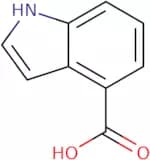
CAS:<p>L(-)-Thiazolidine-4-carboxylic acid is a proline derivative that inhibits the enzyme cyclase, which is involved in the production of cAMP. It is also an antioxidant and has been shown to protect against oxidative damage induced by reactive oxygen species (ROS) in fetal bovine tissues. L(-)-Thiazolidine-4-carboxylic acid has been shown to inhibit the activity of other enzymes, such as α1 subunit, which are involved in energy metabolism. The enzyme activities of L(-)-thiazolidine-4-carboxylic acid have been shown to be high in E. coli K-12 cells and in plants. L(-)-Thiazolidine-4-carboxylic acid can also be used as a plant growth regulator and has been shown to inhibit the elongation of plant roots.</p>Formula:C4H7NO2SPurity:Min. 95%Color and Shape:PowderMolecular weight:133.17 g/molIndole-4-carboxylic acid
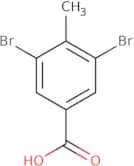
CAS:<p>Indole-4-Carboxylic acid is a molecule that belongs to the group of indole carboxylic acids. It is an organic compound that has a dipole moment and isomers. Indole-4-carboxylic acid can be synthesized by the saponification of indole-7-carboxylic acid, which has two functional groups: a hydroxy group and an amide group. The molecule has a chemical structure with an amide bond between the carboxyl and amino groups at one end, which forms a protonated amide. This protonated amide also has two orientations: trans and cis. The trans orientation is found in human cytochrome P450 and other proteins, while the cis orientation is found in enzymes such as tryptophan synthase, indoleamine 2,3 dioxygenase, or tyrosine hydroxylase.</p>Formula:C9H7NO2Purity:Min. 98 Area-%Color and Shape:PowderMolecular weight:161.16 g/mol3,5-Dibromo-4-methylbenzoic acid
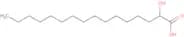
CAS:<p>3,5-Dibromo-4-methylbenzoic acid is a high quality compound that is a useful intermediate in the synthesis of complex compounds. It has been used as a reagent in various chemical reactions and as a building block for the synthesis of other compounds. This compound may also be used as a speciality chemical or research chemical. 3,5-Dibromo-4-methylbenzoic acid can be used to synthesize many different types of compounds, including those with diverse functional groups.</p>Formula:C8H6Br2O2Purity:Min. 95%Color and Shape:PowderMolecular weight:293.94 g/molDL-α-Hydroxypalmitic acid
CAS:<p>Palmitic acid is a fatty acid that is found in animal and vegetable fats. It is also an important component of the cell membrane. Palmitic acid has been shown to inhibit the growth of bacteria by interfering with the synthesis of cell membranes, which are largely composed of lipids. Palmitic acid has been shown to be active against Gram-positive bacteria, including Bacillus subtilis and Staphylococcus epidermidis, as well as Gram-negative bacteria such as Salmonella enterica Serovar Typhi and Escherichia coli O157:H7. Palmitic acid can be used to produce monolayers for use in magnetic resonance spectroscopy. These monolayers have been shown to have an effect on the rate at which glucose is transported across the surface of the membrane. Palmitic acid also inhibits glucosylceramide production in ganoderma lucidum, a type of fungus that causes plant diseases, by blocking</p>Formula:C16H32O3Purity:Min. 98 Area-%Color and Shape:PowderMolecular weight:272.42 g/mol5-Chloroindole-3-carboxylic acid
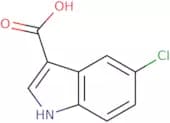
CAS:<p>5-Chloroindole-3-Carboxylic Acid is a ring system that is a dimer of two indole rings and one carboxyl group. It has the ability to form hydrogen bonds with itself, which allows it to stack together in an orderly manner. The carboxyl group on the 5-chloroindole-3-carboxylic acid molecule can form hydrogen bonds with water molecules due to its electronegativity. This property enables 5-chloroindole-3-carboxylic acid molecules to be soluble in water, which is why it is used for water treatment and as a corrosion inhibitor.</p>Formula:C9H6ClNO2Purity:Min. 95%Molecular weight:195.6 g/mol2,2-Dimethylglutaric acid
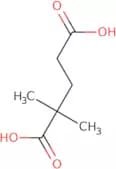
CAS:<p>2,2-Dimethylglutaric acid is a reactive, aliphatic hydrocarbon with a carbonyl group. It is an intermediate in the metabolism of fatty acids and may be formed by the hydrogenation of 2,2-dimethylsuccinic acid. This compound has been used as a film-forming polymer in detergent compositions and may also be used in biological samples to detect light emission. 2,2-Dimethylglutaric acid reacts with ethylene diamine to form malonic acid and x-ray crystal structures have been obtained for this compound. Pyrimidine compounds are formed when 2,2-dimethylglutaric acid reacts with ammonia or amines.</p>Formula:C7H12O4Color and Shape:White Off-White PowderMolecular weight:160.17 g/molCrotonic acid
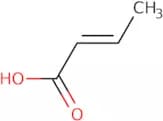
CAS:<p>Crotonic acid is a metabolite of crotonaldehyde, which is found in cigarette smoke. Crotonic acid has been shown to have agonist binding site activity and inhibitory properties on the enzyme that synthesizes gamma-aminobutyric acid (GABA), an important neurotransmitter. It also has inhibitory effects on other enzymes such as fatty acid synthase, which makes it an antimicrobial agent. Crotonic acid also inhibits the growth of bacteria by binding to hydroxyl groups on their cell walls, which are important for maintaining their structure. Crotonic acid has been shown to have anti-inflammatory properties in mice and rats.</p>Formula:C4H6O2Purity:Min. 98 Area-%Color and Shape:PowderMolecular weight:86.09 g/mol5-Doxyl stearic acid
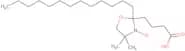
CAS:<p>5-Doxyl stearic acid is an agonist of the G protein coupled receptor. It has been shown to activate energy metabolism in human neutrophils and HL-60 cells, as well as guanine nucleotide binding and transmembrane transport. 5-Doxyl stearic acid was found to have no significant effect on the regulation of cellular membrane fluidity or on the permeability of biological membranes. It also has no significant effects on human erythrocytes, human serum, or human plasma. This compound is a cyclic peptide with a magnesium salt that can be used for fluorescent probe studies and has been used to develop a model system for studying G protein coupled receptors.</p>Formula:C22H42NO4Color and Shape:Yellow PowderMolecular weight:384.57 g/mol2,3-Dihydroxy-1-piperidinecarboxylic acid phenylmethyl ester
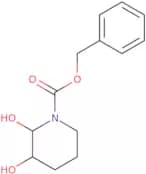
CAS:<p>2,3-Dihydroxy-1-piperidinecarboxylic acid phenylmethyl ester is a useful scaffold for making complex compounds. It is a reagent that can be used in reactions to make fine chemicals and a useful building block for the synthesis of complex compounds. It is also a useful intermediate in organic chemistry, with CAS No. 473436-50-9, and it is a versatile building block which can be used to synthesize many different types of chemical products.</p>Formula:C13H17NO4Purity:Min. 95%Color and Shape:Clear LiquidMolecular weight:251.28 g/molHydrocinnamic acid N-hydroxysuccinimide ester
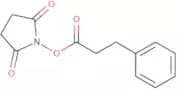
CAS:<p>Please enquire for more information about Hydrocinnamic acid N-hydroxysuccinimide ester including the price, delivery time and more detailed product information at the technical inquiry form on this page</p>Formula:C13H13NO4Purity:Min. 95%Color and Shape:PowderMolecular weight:247.25 g/mol4-Ketopimelic acid
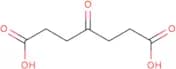
CAS:<p>4-Ketopimelic acid is an organic compound with the chemical formula CH3COOH. It is a polycarboxylic acid, which means it has two carboxyl groups. 4-Ketopimelic acid is produced by the dehydration of pimelic acid and is used as a clinical agent for the treatment of corynebacterium. 4-Ketopimelic acid can be synthesized by solid-phase synthesis or electrochemical methods. The latter method involves oxidation of 4-ketohexanoic acid and reduction of methyl ethyl ketone, which gives 4-ketopimelic acid. This compound can also be synthesized from diacids, such as succinic anhydride and maleic anhydride, or chromobacterium violaceum.</p>Formula:C7H10O5Purity:Min. 95%Color and Shape:White PowderMolecular weight:174.15 g/molDiphenylmethane-4,4'-dicarboxylic acid
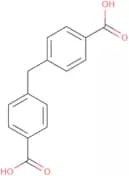
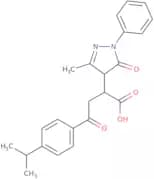
CAS:<p>Diphenylmethane-4,4'-dicarboxylic acid is a synthetic diphenylmethane compound that has fluorescent properties. It also has anti-tumor activity and can be used to treat cancer. Diphenylmethane-4,4'-dicarboxylic acid has been shown to inhibit the growth of tumor cells in vitro by binding to the receptor site on the cell membrane and blocking the release of certain substances. This drug also has an isothermic process that is used for encapsulation. The oxidation products of diphenylmethane-4,4'-dicarboxylic acid are medicines and dyestuffs.</p>Formula:C15H12O4Purity:Min. 90%Color and Shape:PowderMolecular weight:256.25 g/mol4-(4-(Isopropyl)phenyl)-2-(3-methyl-5-oxo-1-phenyl(2-pyrazolin-4-yl))-4-oxobutanoic acid
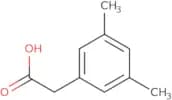
CAS:<p>Please enquire for more information about 4-(4-(Isopropyl)phenyl)-2-(3-methyl-5-oxo-1-phenyl(2-pyrazolin-4-yl))-4-oxobutanoic acid including the price, delivery time and more detailed product information at the technical inquiry form on this page</p>Formula:C23H24N2O4Purity:Min. 95%Color and Shape:PowderMolecular weight:392.45 g/mol(3,5-Dimethylphenyl)acetic acid
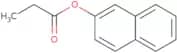
CAS:<p>3,5-Dimethylphenyl)acetic acid is an organic compound with the chemical formula CH3C(O)CH2CH2CO2H. It is a white solid that is insoluble in water and has a boiling point of 300°C. 3,5-Dimethylphenyl)acetic acid was first synthesized by reacting mesitylene with benzene in the presence of alkoxides. The yield of this reaction is high at 75%. This non-peptide, equilibrium compound has been shown to have affinity for 5HT6 receptors and can be used as a lead compound in screening.</p>Formula:C10H12O2Purity:Min. 95%Color and Shape:White PowderMolecular weight:164.2 g/molPropionic acid 2-naphthyl ester
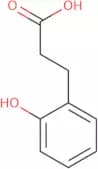
CAS:<p>Propionic acid 2-naphthyl ester is an antibiotic that is produced by Rhodobacter sphaeroides and belongs to the class of carboxylate phosphatase inhibitors. It is a potent inhibitor of acid phosphatases, which are enzymes found in many bacteria, fungi, and plants. It has been shown to inhibit the growth of various types of cancer cells, including melanoma and lung cancer cells. Propionic acid 2-naphthyl ester also binds to antigen-presenting cells and induces the production of cytokines such as IL-6, IL-8, IL-10, and TNF-α. This compound also inhibits cholinesterases in the blood plasma and brain tissue.</p>Formula:C13H12O2Purity:Min. 90%Color and Shape:PowderMolecular weight:200.23 g/mol3-(2-Hydroxyphenyl)propionic acid
CAS:<p>3-(2-Hydroxyphenyl)propionic acid (HPPA) is an inorganic acid that is found in microbial metabolism. HPPA has been shown to inhibit the growth of bacteria by reacting with the hydroxyl group on the enzyme's active site, thus irreversibly inhibiting enzymatic activity. HPPA can be used as an alternative to other inorganic acids such as p-hydroxybenzoic acid and malonic acid due to its ability to scavenge anion radicals. This inhibition of enzyme activity can be used in wastewater treatment to remove organic compounds from industrial waste streams. It also has been shown to have anti-cancer properties against human breast cancer cells, which may be due to its ability to induce cell death through apoptosis and/or necrosis.</p>Formula:C9H10O3Purity:Min. 95%Color and Shape:White PowderMolecular weight:166.17 g/mol4-Amino-3-pyridinecarboxylic acid
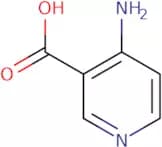
CAS:<p>4-Amino-3-pyridinecarboxylic acid (4APC) is a histidine amino acid. It is an intermediate in the synthesis of 6-aminonicotinic acid, which is an intermediate in the synthesis of nicotinamide, an important vitamin. 4APC has been used as a chemical probe to elucidate the transfer mechanism of amines to histidine. The active methylene group on 4APC can be easily detected by high-throughput analysis using liquid chromatography with fluorescence detection. The 3-aminoisonicotinic acid product can be detected by nmr spectra and electron microscope imaging. A synthetic route for 4APC involves ammonolysis followed by fluorescence resonance energy transfer.</p>Formula:C6H6N2O2Purity:Min. 95%Color and Shape:Brown PowderMolecular weight:138.12 g/molH-Phe-Met-Arg-Phe-NH2 acetate
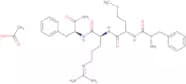
CAS:Controlled Product<p>H-Phe-Met-Arg-Phe-NH2 acetate is a high quality reagent that is useful in the synthesis of complex compounds. It can be used as an intermediate for the production of fine chemicals and speciality chemicals, as well as being a versatile building block in the synthesis of organic compounds. H-Phe-Met-Arg-Phe-NH2 acetate can also be used to make research chemicals or reaction components.</p>Formula:C29H42N8O4S•(C2H4O2)xPurity:Min. 95%Color and Shape:PowderMolecular weight:598.76 g/molBoldenone 17-acetate
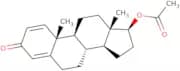
CAS:Controlled Product<p>Boldenone 17-acetate is a synthetic anabolic steroid that has been used in the past to increase muscle mass and appetite. It is a prodrug that converts to boldenone, its active form, with the help of enzymes called esterases. Boldenone 17-acetate binds to the androgen receptor and exerts its effects by increasing protein synthesis, nitrogen retention, and bone density. This drug has a matrix effect that can be seen in chromatographic profiles after sample preparation. The detection time for this drug is typically less than 3 hours.</p>Formula:C21H28O3Purity:Min. 95%Color and Shape:SolidMolecular weight:328.45 g/molSuberic acid monomethyl ester
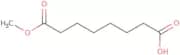
CAS:<p>Suberic acid monomethyl ester is a fatty acid that has potent inhibitory activity against tumor formation. It is an inhibitor of histone deacetylase (HDAC) enzymes, which are important for the regulation of gene expression. Suberic acid monomethyl ester has been shown to have potent inhibitory effects on tumor growth and the development of cancerous cells in animal studies. This agent may be useful for inhibiting the production of acid in tumors and preventing cancer-induced cell death. Suberic acid monomethyl ester has been found to bind to hydroxyl groups and interacts with other molecules that contain hydroxy groups, such as proteins or DNA bases.</p>Formula:C9H16O4Purity:Min. 95%Color and Shape:PowderMolecular weight:188.22 g/mol2-Bromo-3-fluorobenzoic acid
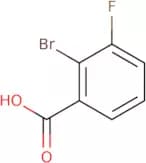
CAS:<p>2-Bromo-3-fluorobenzoic acid is a chemical compound that can be synthesized by the reduction of nitrobenzene with ammonium chloride. This reaction is regioselective, giving predominantly 2-bromo-3-fluorobenzoic acid. The reaction proceeds via a nucleophilic substitution mechanism and the product is formed in high yield. A second route for the synthesis of 2-bromo-3-fluorobenzoic acid involves the deamination of trifluorotoluene to produce hypophosphorous acid, which reacts with sulfuric acid to give 2-bromo-3-fluorobenzoic acid. The bromine atom in this molecule has a high nucleophilicity and reacts readily with electrophiles such as ammonia and amines.</p>Formula:C7H4BrFO2Purity:Min. 95%Color and Shape:PowderMolecular weight:219.01 g/molSDF-1α (human) trifluoroacetate salt
CAS:<p>Please enquire for more information about SDF-1alpha (human) trifluoroacetate salt including the price, delivery time and more detailed product information at the technical inquiry form on this page</p>Formula:C356H578N106O93S4Purity:Min. 95%Molecular weight:7,959.32 g/mol3-Benzyloxy-4-methoxybenzoic acid
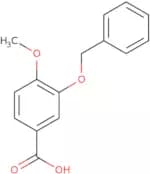
CAS:<p>3-Benzyloxy-4-methoxybenzoic acid is a natural product that was isolated as a yellow crystalline powder from the needles of the tree Kirkia. It can be used as a radical and has been shown to have frameworks with galanthamine. 3-Benzyloxy-4-methoxybenzoic acid has been shown to be an inhibitor of protein synthesis in cells, which may be due to its ability to inhibit the activity of ribosomes and protein synthesis.</p>Formula:C15H14O4Purity:Min. 95%Molecular weight:258.27 g/molIralukast
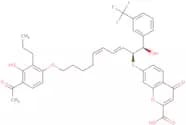
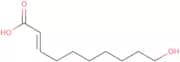
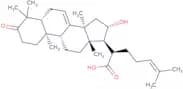
CAS:<p>Iralukast is a leukotriene receptor antagonist that blocks the bronchoconstrictor response. It is used in the treatment of bronchial asthma, chronic obstructive pulmonary disease, and bowel diseases such as ulcerative colitis. Iralukast is not absorbed into the bloodstream and therefore does not inhibit the production of the inflammatory mediators that are responsible for these diseases. Iralukast binds to receptors on cells lining the airways, preventing activation of cells by leukotrienes, which are released by mast cells in response to an allergen or irritant. This binding prevents the release of inflammatory mediators from mast cells and reduces bronchial reactivity. Iralukast also has been shown to inhibit the enzyme activity of phospholipase A2 (PLA2), which has been implicated in inflammatory bowel disease.</p>Formula:C38H37F3O8SPurity:Min. 95%Molecular weight:710.21612trans-10-Hydroxy-2-decenoic acid
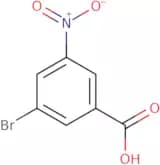
CAS:<p>Trans-10-hydroxy-2-decenoic acid is a naturally occurring fatty acid that is found in the human body. It has been shown to have a number of biological activities, including the ability to inhibit the production of gamma-aminobutyric acid (GABA). The trans-10-hydroxy-2-decenoic acid is also thought to be involved in autoimmunity and neurotrophic factors. Trans-10-hydroxy-2-decenoic acid has been used as a precursor for the synthesis of other compounds and as an analytical method. Trans-10-hydroxy 2 decenoic acid can be synthesized by reacting malonic acid with hydroxyl group and ammonia.</p>Formula:C10H18O3Purity:Min. 95%Color and Shape:White PowderMolecular weight:186.25 g/mol3-Bromo-5-nitrobenzoic acid
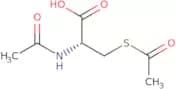
CAS:<p>3-Bromo-5-nitrobenzoic acid is a cancer drug that inhibits the proliferation of cancer cells by binding to amines, which are protonated at physiological pH. This binding leads to an electronic interaction between the bromine atom and the electron cloud of the amine group. The bromine atom is then more attracted to the nucleus, causing it to emit a photon of light. This process is called fluorescence and can be used for imaging cancer cells. 3-Bromo-5-nitrobenzoic acid also has potent antiproliferative activity against cancer cells, which may be due to its ability to bind ligands on target proteins in the cell membrane. It can also lead to apoptosis by interfering with the formation of supramolecular complexes or inhibiting protein synthesis.</p>Formula:C7H4BrNO4Purity:Min. 95%Color and Shape:PowderMolecular weight:246.02 g/mol(2R)-2-Acetamido-3-acetylsulfanyl-propanoic acid
CAS:<p>2-Acetamido-3-acetylsulfanylpropanoic acid is a pharmaceutical preparation that has been shown to have antitumor activity in cell lines derived from human breast, colon, lung, and prostate cancer. It has been shown to inhibit the growth of tumour cells by inducing apoptosis. The mechanism of action may be due to its ability to bind with fatty alcohols and hydroxyapatite in the acidic environment of cancer cells. This binding prevents the formation of fatty acid radicals and cancerous substances. 2-Acetamido-3-acetylsulfanylpropanoic acid also has anticancer activity when it is used on cell lines derived from human colorectal carcinoma.</p>Formula:C7H11NO4SPurity:Min. 95 Area-%Color and Shape:White Off-White PowderMolecular weight:205.23 g/molD-Gluconic acid zinc (II) salt
CAS:<p>D-Gluconic acid zinc salt is an inorganic compound that is used to treat deficiencies of D-gluconate. It is a salt of zinc and D-gluconic acid, which is a natural metabolite found in the human body. This compound can be used to maintain healthy levels of D-gluconate in the tissues and help control symptoms related to deficiencies. The efficiency of this method has been demonstrated by an in vitro test on human femur cells. A profile analysis showed that D-gluconic acid zinc salt was able to minimize the severity of symptoms associated with deficiencies caused by gluconate deficiency, such as tissue sensitivity and bone degradation.</p>Formula:C12H22O14ZnPurity:Min. 95%Color and Shape:White PowderMolecular weight:455.68 g/mol







![2-[(2,4-Dimethylphenyl)amino]nicotinic acid](/_next/image/?url=https%3A%2Fstatic.cymitquimica.com%2Fproducts%2F3D%2Fthumb-webp%2FFD136109.webp&w=3840&q=75)