Carboxylic Acids
Carboxylic acids are organic molecules characterized by having a carboxyl-type functional group (-COOH). These acids are fundamental in various chemical reactions, including esterification, amidation, and decarboxylation. Carboxylic acids are widely used in the production of pharmaceuticals, polymers, and agrochemicals. In this section, you can find a large number of carboxylic acids ready to be used. At CymitQuimica, we provide a broad range of high-quality carboxylic acids to support your research and industrial applications.
Found 12453 products of "Carboxylic Acids"
Sort by
Purity (%)
0
100
|
0
|
50
|
90
|
95
|
100
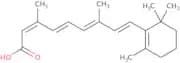
13-cis-Retinoic acid
CAS:Controlled Product<p>An endogenous retinoic acid receptor (RAR) agonist that upregulates forkhead box class O (FoxO) transcription factor. Suppresses activity and proliferation of sebaceous glands. Used for treating nodulocystic acne. Induces differentiation, neurite outgrowth and inhibits proliferation of neuroblastoma cells. A potential chemopreventive agent in non-small cell lung cancer, head and neck squamous cell carcinoma and neuroblastoma.</p>Formula:C20H28O2Purity:Min. 97 Area-%Color and Shape:Yellow PowderMolecular weight:300.44 g/molBiotin-PEG4-propionic acid
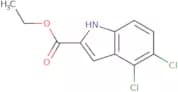
CAS:<p>Biotin-PEG4-propionic acid is a PEG compound with two different functional groups (also known as heterobifunctional). Unlike homobifunctional PEG compounds (same functional group on both ends), this type of compounds are more versatile as have two different anchor points. Biotin-PEG4-propionic acid is used as a linker and spacer to add a PEG moiety, via pegylation (a bioconjugation technique) to proteins, peptides, oligonucleotides, small molecules and nanoparticles.</p>Formula:C21H37N3O8SPurity:Min. 95%Color and Shape:PowderMolecular weight:491.6 g/molEthyl 4,5-dichloro-1H-indole-2-carboxylate
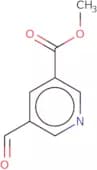
CAS:<p>Ethyl 4,5-dichloro-1H-indole-2-carboxylate is an organic chemical compound that is a reaction component, reagent, and useful scaffold in the synthesis of pharmaceuticals. It has been shown to have high quality and be a versatile building block for the synthesis of complex compounds. This chemical can be used as a speciality chemical or research chemical.</p>Formula:C11H9Cl2NO2Purity:Min. 95%Color and Shape:White PowderMolecular weight:258.1 g/mol5-Formyl nicotinic acid methyl ester
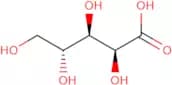
CAS:<p>5-Formyl nicotinic acid methyl ester (5-FNA) is a derivative of nicotinic acid that is used in research to measure the level of nicotine in urine. The affinity of 5-FNA for nicotine is much stronger than the affinity of acetone. 5-FNA is detectable in urine samples from humans and animals, and it can be used to study the health effects of tobacco use. It has also been used for toxicology research on animals and detection methods for tobacco use among humans. 5-FNA binds to nicotine receptors on cells and antibodies are produced against these receptors. The antibodies can be detected by an immunosorbant assay or radioimmunoassay, which are two techniques that are often used in 5-FNA studies.</p>Formula:C8H7NO3Purity:(%) Min. 98%Color and Shape:PowderMolecular weight:165.15 g/molArabic acid
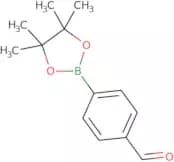
CAS:<p>Arabinose is a hexose sugar that is the principal constituent of the pentosan polysaccharide arabinogalactan. Arabinose has been shown to inhibit the oxidation of glycol by an oxidation catalyst, such as copper, nickel or palladium. Arabinose also inhibits the activity of target enzymes with a high affinity for nitrogen atoms, such as glycol ether hydrolase and galactosyl-transferase. The optimum pH for Arabinose is 7.0 with a range from 6.5 to 8.5. When heated in water, Arabinose decomposes at around 180°C and can be used as a model system to study enzymatic reactions. Arabinose is an organic compound that is found in plants and animals and belongs to the group of sugars. It has been shown to inhibit oxidation catalysts like copper, nickel or palladium and has also been proven effective against enzymes that are sensitive to nitrogen atoms such as</p>Formula:C5H10O6Color and Shape:White PowderMolecular weight:166.13 g/mol4-Formylphenylboronic acid pinacol cyclic ester
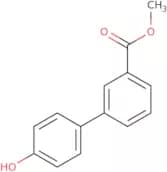
CAS:<p>4-Formylphenylboronic acid pinacol cyclic ester is a boronic ester that can be used in cross-coupling reactions. It reacts with a variety of halides and metal surfaces, including palladium. 4-Formylphenylboronic acid pinacol cyclic ester has been shown to be a useful model system for the synthesis of conjugates and has been used in clinical development as a fluorophore for cancer diagnosis. The photophysical properties of 4-Formylphenylboronic acid pinacol cyclic ester have been studied extensively and the chromophore is sensitive to changes in the environment. The boronic acids are responsible for the reactivity of 4-Formylphenylboronic acid pinacol cyclic ester, which undergoes an oxidative addition reaction mechanism.</p>Formula:C13H17BO3Color and Shape:PowderMolecular weight:232.08 g/molMethyl 3-(4-hydroxyphenyl)benzoate
CAS:<p>Please enquire for more information about Methyl 3-(4-hydroxyphenyl)benzoate including the price, delivery time and more detailed product information at the technical inquiry form on this page</p>Formula:C14H12O3Purity:Min. 95%Color and Shape:PowderMolecular weight:228.24 g/mol4-tert-Butoxybenzoic acid
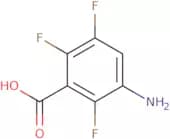
CAS:<p>4-tert-Butoxybenzoic acid is a linker that is used in the synthesis of ruthenium complexes. It is used in stepwise solid-phase synthesis, where it can be used as an alkylating agent to introduce a tertiary butyl group onto the molecule. This type of reaction is often used to produce biomolecules, such as proteins and peptides. The 4-tert-butoxybenzoic acid has been shown to inhibit the growth of glioblastoma cells by alkylation and may also have anti-inflammatory properties.</p>Formula:C11H14O3Purity:Min. 95%Color and Shape:White SolidMolecular weight:194.23 g/mol3-Amino-2,5,6-trifluorobenzoic acid
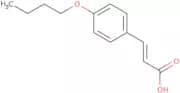
CAS:<p>3-Amino-2,5,6-trifluorobenzoic acid is a pharmaceutical agent that can be used in the synthesis of dyestuffs and as a matrix for laser desorption/ionization (LDI) mass spectrometry. 3-Amino-2,5,6-trifluorobenzoic acid has been shown to form crystals that are insoluble in water or organic solvents. The crystal morphology was determined by using XRD and FTIR. 3-Amino-2,5,6-trifluorobenzoic acid also has high concentrations of impurities such as 2,4,6-trichloroaniline and 2-(3,4 dichlorophenyl) ethyl amine.</p>Formula:C7H4F3NO2Purity:Min. 95%Color and Shape:PowderMolecular weight:191.11 g/mol4-N-Butoxycinnamic acid
CAS:<p>4-N-Butoxycinnamic acid is a chemical compound with the molecular formula CH3(CH2)7COCH=CH(COOH). It belongs to the group of cinnamic acid derivatives, which are organic compounds that may be synthesized by condensation of malonic acid and benzene. 4-N-Butoxycinnamic acid has been shown to have anti-inflammatory properties in animal models. This compound inhibits inflammatory cytokines and their signaling pathways, thereby preventing the translocation of neutrophils into inflamed tissues.</p>Formula:C13H16O3Purity:Min. 95%Molecular weight:220.26 g/mol2-(2,5-Dimethylbenzoyl)-acrylic acid
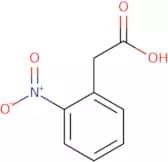
<p>2-(2,5-Dimethylbenzoyl)-acrylic acid is an organic compound that is classified as a fine chemical. It is used as a building block for the synthesis of other compounds and has also been used in research to identify the structure of natural products. 2-(2,5-Dimethylbenzoyl)-acrylic acid has been identified as a useful intermediate in the synthesis of complex compounds. This product can be used in the production of pharmaceuticals and pesticides because it provides a versatile scaffold for synthetic chemistry.</p>Purity:Min. 95%2-Nitrophenylacetic acid
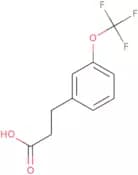
CAS:<p>2-Nitrophenylacetic acid is a synthetic product that has been studied by electrochemical techniques. It is soluble in human serum and can be detected by a chromatographic method. The cationic surfactant, oxindole, chloride, and optimal reaction conditions are known for the solute. 2-Nitrophenylacetic acid is a pharmaceutical drug that can be cleaved into nitro and carboxylate products with hydrochloric acid and β-unsaturated ketone as cleavage products.</p>Formula:C8H7NO4Purity:Min. 98 Area-%Color and Shape:PowderMolecular weight:181.15 g/mol3-(Trifluoromethoxy)hydrocinnamic acid
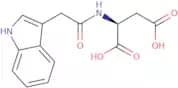
CAS:<p>3-(Trifluoromethoxy)hydrocinnamic acid is a useful building block that is used in the synthesis of many organic compounds. It has been used as a reagent and as a speciality chemical, and is also a versatile building block for the synthesis of complex compounds. 3-(Trifluoromethoxy)hydrocinnamic acid can be synthesized from cinnamic acid, which is available commercially and can be obtained by reacting benzaldehyde with nitric acid. 3-(Trifluoromethoxy)hydrocinnamic acid has CAS No. 168833-77-0 and can be found under the name 2,4-dichloro-3-(trifluoromethoxy)benzene.</p>Formula:C10H9F3O3Purity:Min. 98 Area-%Color and Shape:Clear LiquidMolecular weight:234.17 g/molIndole-3-acetyl-L-aspartic acid
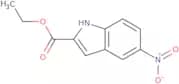
CAS:<p>Indole-3-acetyl-L-aspartic acid, also known as 3IAA or IAA, is a naturally occurring amino acid. It is used in the study of plant physiology and serves as a substrate for ATP synthesis. 3IAA is synthesized from tryptophan by the enzyme indole acetyltransferase. The kinetic data obtained with 3IAA can be used to compare the effects of light exposure on ATP levels in plants. Indole-3-acetyl-L-aspartic acid inhibits cell growth and induces apoptosis, which may be due to its ability to inhibit protein synthesis by preventing RNA and DNA synthesis. This compound has been shown to have surface membrane inhibiting properties, which may be due to its ability to cross the plasma membrane.</p>Formula:C14H14N2O5Purity:Min. 95%Color and Shape:White PowderMolecular weight:290.27 g/molEthyl 5-Nitroindole-2-Carboxylate
CAS:<p>Ethyl 5-Nitroindole-2-Carboxylate is a precursor to the anti-HIV drug Delavirdine. It is synthesized by condensation of ethyl pyruvate and urea derivative in the presence of thionyl chloride. This compound can be used as an intermediate in the synthesis of other compounds such as ethyl ester and ethyl pyruvate. The chemical reaction is carried out at room temperature using a chlorinated solvent such as methylene chloride or chloroform. Ethyl 5-nitroindole-2-carboxylate can also be used for the synthesis of other drugs, including antitumor agents.</p>Formula:C11H10N2O4Purity:Min. 95%Color and Shape:PowderMolecular weight:234.21 g/molDehydroeburicoic acid
CAS:Controlled Product<p>Dehydroeburicoic acid is a natural compound that has been shown to inhibit the growth of cancer cells. It also inhibits the production of alcohols by horse liver, which may be useful in reducing the risk of developing Alzheimer's disease. Dehydroeburicoic acid is a white crystalline powder that has a chemical structure similar to lanostane, which is an inhibitor of phellinus. This compound was isolated from antrodia camphorata, a medicinal mushroom used in traditional Chinese medicine for the treatment of skin conditions and as an antibacterial agent. Dehydroeburicoic acid is also found in other natural products including medicines and healthcare products.</p>Formula:C31H48O3Purity:Min. 98 Area-%Color and Shape:White PowderMolecular weight:468.71 g/molGonadorelin acetate
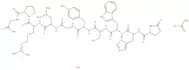
CAS:<p>Gonadorelin acetate is a synthetic peptide agonist, which is an analog of the naturally occurring gonadotropin-releasing hormone (GnRH). It is derived from a synthetic process designed to mimic the structure and function of endogenous GnRH. Gonadorelin acetate functions by stimulating the anterior pituitary gland to release two critical hormones: luteinizing hormone (LH) and follicle-stimulating hormone (FSH). These hormones play a pivotal role in regulating reproductive processes, including ovulation and spermatogenesis.</p>Formula:C55H75N17O13·xC2H4O2Purity:Min. 98 Area-%Color and Shape:White PowderMolecular weight:1182.29L-Glutamic acid diethyl ester HCl
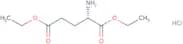
CAS:<p>L-glutamic acid diethyl ester hydrochloride (GDE) is an experimental drug that inhibits the activity of glutamic acid decarboxylase, an enzyme that catalyses the production of glutamate. GDE has been shown to decrease locomotor activity in rats and to cause neuronal death in cerebellar Purkinje neurons. It also has low potency as a neurotransmitter. L-Glutamic acid diethyl ester hydrochloride has been shown to be effective against autoimmune diseases and metabolic disorders, although it did not show significant effects on pharmacokinetic properties or glutamate levels in experimental models.</p>Formula:C9H17NO4·HClPurity:Min. 95%Color and Shape:PowderMolecular weight:239.7 g/molHomogentisic acid
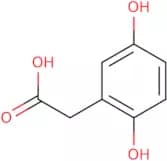
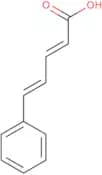
CAS:<p>Precursor of melanine synthesis in bacteria</p>Formula:C8H8O4Purity:Min 96%Color and Shape:White PowderMolecular weight:168.15 g/mol5-Phenylpenta-2,4-dienoic acid
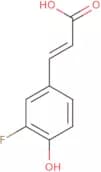
CAS:<p>5-Phenylpenta-2,4-dienoic acid is a high-potency inhibitor of tyrosine kinases. It has been shown to have an inhibitory effect on cancer cells in both squamous and non-squamous cell lines. This compound has been shown to inhibit the proliferation of cancer cells by arresting cell cycle progression at the G1 phase, which leads to the inhibition of DNA synthesis. 5-Phenylpenta-2,4-dienoic acid is also able to block the activation of transcription factors that are involved in tumorigenesis. In addition, this compound inhibits the proliferation of cancer cells by arresting cell cycle progression at the G1 phase, leading to inhibition of DNA synthesis. The molecular modeling study suggests that this compound may be able to bind with tyrosine kinase receptors on the surface of tumor cells and block their activity. The chemical structure of 5-phenylpenta-2,4-dien</p>Formula:C11H10O2Purity:Min. 95%Color and Shape:PowderMolecular weight:174.2 g/mol3-Fluoro-4-hydroxycinnamic acid
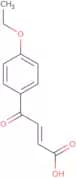
CAS:<p>3-Fluoro-4-hydroxycinnamic acid is a phenol that is an intermediate in the biocatalytic conversion of pyruvate to phenols. It has been shown to be a good candidate for use in organic synthesis, due to its ability to catalyze the reaction between benzene and hydrogen peroxide. 3-Fluoro-4-hydroxycinnamic acid also has potential applications in science and catalysis.</p>Formula:C9H7FO3Color and Shape:PowderMolecular weight:182.15 g/mol3-(4-Ethoxybenzoyl)acrylic acid
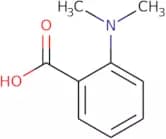
CAS:<p>3-(4-Ethoxybenzoyl)acrylic acid is a chemical that belongs to the group of reagents. It can be used in research involving organic synthesis as a building block and as an intermediate. 3-(4-Ethoxybenzoyl)acrylic acid can also be used to synthesize complex compounds or fine chemicals. The product is high quality, easy to use, and has many uses. This compound is a versatile building block that can be used to make many different compounds.</p>Formula:C12H12O4Purity:Min. 95%Color and Shape:PowderMolecular weight:220.22 g/mol2-Dimethylaminobenzoic acid
CAS:<p>2-Dimethylaminobenzoic acid (2DMB) is a chemical compound that is used as an amide. It has optical properties and can be used to study the hydrogen bond. 2DMB is also used in ultrasonic imaging and can be found in hydatid cysts, procumbens, anthranilic, proton and specific antibody. 2DMB is also used as a homogeneous catalyst for the synthesis of various chemical compounds including cancer drugs.</p>Formula:C9H11NO2Purity:Min. 95%Color and Shape:PowderMolecular weight:165.19 g/mol3-Methoxy-2-methylbenzoic acid
CAS:<p>3-Methoxy-2-methylbenzoic acid is a diazotization agent that is used to produce bromoethane. It is also used as an initiator in the synthesis of dimethylformamide and tetrahydrofuran. 3-Methoxy-2-methylbenzoic acid can be recycled and is used to synthesize methylbenzene, chloroanisole, and grignard reaction products such as chlorobenzene and low yield. 3-Methoxy-2-methylbenzoic acid has been shown to have a high yield for these reactions in comparison to other diazotization agents.</p>Formula:C9H10O3Purity:Min. 95%Color and Shape:White PowderMolecular weight:166.17 g/molOleic acid - EP
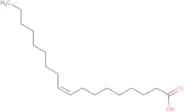
CAS:<p>Oleic acid is a naturally occurring monounsaturated fatty acid (C18:1, cis-9-octadecenoic acid) widely used as an excipient in pharmaceutical formulations. Due to its amphiphilic and lipophilic properties, oleic acid is an important drug excipient primarily used to enhance the solubility and bioavailability of poorly water-soluble drugs. As a fatty acid, it is widely used in cosmeceuticals as it acts as a solubilizer in lipid-based systems, an emulsifier in creams and ointments, and a penetration enhancer in transdermal patches, aiding drug absorption through the skin.</p>Formula:C18H34O2Purity:Min. 95%Color and Shape:Colorless Clear LiquidMolecular weight:282.46 g/molHippuric acid
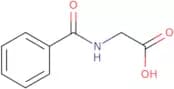
CAS:<p>Hippuric acid is a metabolite of benzoate that is excreted in urine. It can be detected as a marker for bowel disease and cancer, as well as being an indicator of the metabolic effects due to electrochemical impedance spectroscopy. Hippuric acid is also a substrate for the enzyme hippurate hydroxylase, which converts it to benzoate. The biological samples used in this study were from patients with carcinoid syndrome, who have high levels of hippuric acid in their urine due to increased production by tumor cells.</p>Formula:C9H9NO3Purity:Min. 95%Color and Shape:PowderMolecular weight:179.17 g/mol2,5-Dimethylcinnamic acid
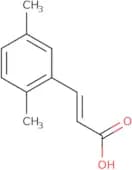
CAS:<p>2,5-Dimethylcinnamic acid is a versatile building block that can be used as a reactant in organic synthesis. This compound has been shown to have high quality and is useful for research purposes and as a speciality chemical. 2,5-Dimethylcinnamic acid can be used as a reagent or reaction component in the preparation of other compounds. It also serves as an important intermediate to synthesize complex molecules. This compound has many applications and is often used as a building block for pharmaceuticals, agrochemicals, and fine chemicals.</p>Formula:C11H12O2Purity:Min. 95%Molecular weight:176.21 g/molPiperazinophenylacetic acid benzylamide hydrochloride
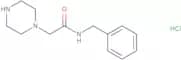
CAS:<p>Piperazinophenylacetic acid benzylamide hydrochloride is a versatile building block that can be used in the synthesis of complex compounds for research and development. It is a reagent for the preparation of speciality chemicals and also a useful intermediate for the synthesis of reaction components. Piperazinophenylacetic acid benzylamide hydrochloride is a high quality, commercially available chemical that can be used as a scaffold for the preparation of new chemical compounds.</p>Formula:C13H19N3O•HClPurity:Min. 95%Color and Shape:PowderMolecular weight:269.77 g/mol2,5-Thiophenedicarboxylic acid
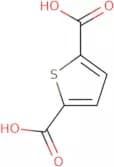
CAS:<p>2,5-Thiophenedicarboxylic acid is an inorganic acid that is a potent inhibitor of the enzyme 2-aminoterephthalic acid (TPA) hydrolase. 2,5-Thiophenedicarboxylic acid has shown antiinflammatory activity and can be used for treating skin cancer. It has been found to inhibit the production of nitric oxide and prostaglandin E2 by inhibiting TPA hydrolase, which is required for the conversion of TPA to its active form. This inhibition causes a reduction in inflammation as well as an anticancer effect. The molecular docking analysis revealed that 2,5-thiophenedicarboxylic acid binds to the active site of TPA hydrolase with high affinity. X-ray crystal structures have revealed coordination geometry between 2,5-thiophenedicarboxylic acid and TPA hydrolase. The fluorescence probe showed that</p>Formula:C6H4O4SPurity:Min. 95%Color and Shape:White PowderMolecular weight:172.16 g/mol4-Chloro-(α-phenyl)-cinnamic acid
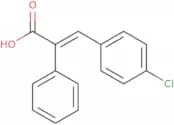
CAS:<p>4-Chloro-(alpha-phenyl)-cinnamic acid is a fine chemical that is useful as a building block for research chemicals, reagents and speciality chemicals. It is also a versatile intermediate for the synthesis of complex compounds and a useful scaffold for the synthesis of high quality products. This compound can be used in reactions such as Friedel-Crafts acylation, nitration, amination, esterification and cyclization.</p>Formula:C15H11ClO2Purity:Min. 95%Color and Shape:PowderMolecular weight:258.7 g/mol4,4' -Dihydroxy-3,3'-biphenyldicarboxylic acid
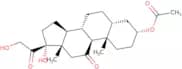
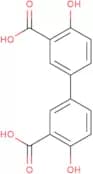
CAS:<p>4,4'-Dihydroxy-3,3'-biphenyldicarboxylic acid is a fine chemical that is used as a building block in the synthesis of pharmaceuticals and other organic compounds. It has been shown to be an effective reagent for the synthesis of 4-hydroxypyridine derivatives. 4,4'-Dihydroxy-3,3'-biphenyldicarboxylic acid can also be used as a reaction component for the preparation of complex compounds such as 2-aminopyridines and 2-aminopyrimidines. This compound is also useful as an intermediate in the synthesis of polymers and other versatile scaffolds. The CAS number for this compound is 13987-45-6.</p>Formula:C14H10O6Purity:Min. 96 Area-%Color and Shape:PowderMolecular weight:274.23 g/mol11-Deoxy-17-hydrocorticosterone 21-acetate
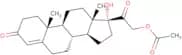
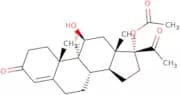
CAS:Controlled Product<p>11-Deoxy-17-hydrocorticosterone 21-acetate is a steroid hormone that is produced in the zona fasciculata of the adrenal cortex. It has been shown to have immunoactive effects and can be used to treat inflammatory conditions such as colitis. 11-Deoxy-17-hydrocorticosterone 21-acetate has also been shown to have antiinflammatory properties, which may be due to its inhibition of cytokine production. The drug is metabolized by cytochrome P450 enzymes, including CYP3A4 and CYP2C8, and bovine serum albumin. This drug also binds to serum albumin, which prevents it from being eliminated from the body, prolonging its half life in the bloodstream.</p>Formula:C23H32O5Purity:Min. 95%Color and Shape:White PowderMolecular weight:388.5 g/molMeclofenamic acid sodium salt
CAS:<p>Meclofenamic acid is a non-steroidal anti-inflammatory drug that is used to treat pain and inflammation. It inhibits the production of prostaglandin, which is a natural chemical produced by the body that causes pain, fever, and inflammation. Meclofenamic acid sodium salt can be administered orally or topically. The drug has been shown to reduce disease activity in patients with rheumatoid arthritis and other inflammatory conditions. Meclofenamic acid sodium salt is also used for the treatment of gouty arthritis, osteoarthritis, ankylosing spondylitis, and dysmenorrhea. Meclofenamic acid sodium salt has been shown to have cardiac effects such as bradycardia and heart blockage when taken at high doses over a long period of time.</p>Formula:C14H10Cl2NNaO2Purity:Min. 95%Color and Shape:White PowderMolecular weight:318.13 g/molBenzo[b]thiophene-2-carboxylic acid
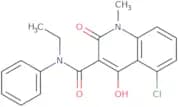
CAS:<p>A raw material for use in pharma, dye and organic synthesis industries.</p>Formula:C9H6O2SPurity:Min. 95%Color and Shape:PowderMolecular weight:178.21 g/mol5-Chloro-4-hydroxy-1-methyl-2-oxo-1,2-dihydro-quinoline-3-carboxylic acid ethyl-phenyl-amide
CAS:<p>Laquinimod is an immunomodulator drug that inhibits the activity of the immune system. It binds to toll-like receptor 7, which is a protein on the surface of certain cells that responds to infection and inflammation. Laquinimod has been shown to inhibit neurodegeneration in vitro, which may be due to its ability to bind with neuronal death receptors and block the inflammatory response. Laquinimod also inhibits bowel disease by reducing inflammation and controlling immunity in the intestinal tract. Laquinimod has been shown to have long-term efficacy when administered at physiological levels. This drug is chemically stable, even after exposure to light.</p>Formula:C19H17ClN2O3Purity:Min. 95%Color and Shape:White PowderMolecular weight:356.8 g/mol2-Methoxycinnamic acid
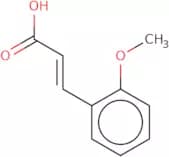
CAS:<p>2-Methoxycinnamic acid is a fine chemical that is used as a building block for research chemicals, pharmaceuticals, and other products. It is a versatile building block that can be used in the synthesis of complex compounds with diverse structures. 2-Methoxycinnamic acid is also an intermediate for the production of cinnamates, which are useful in the production of synthetic dyes.</p>Formula:C10H10O3Purity:Min. 95%Color and Shape:White PowderMolecular weight:178.18 g/molThiophene-2-glyoxylic acid
CAS:<p>Thiophene-2-glyoxylic acid is a reactive metabolite of thiophene that is formed from the environmental degradation of this compound. Thiophene-2-glyoxylic acid reacts with halides to form an electrophilic intermediate. This intermediate can react with a variety of nucleophiles, including the drug metabolites, leading to the formation of new compounds. Thiophene-2-glyoxylic acid has been shown to enhance the fluorescence properties of some organic compounds. It also has been shown to inhibit the metabolism of some drugs that are conjugated with acids and can be detected in plasma by mass spectrometry.</p>Formula:C6H4O3SPurity:Min. 95%Color and Shape:PowderMolecular weight:156.16 g/molFlugestone 17-acetate
CAS:Controlled Product<p>Flugestone 17-acetate is a synthetic hormone that is used in the treatment of inflammatory bowel disease, as well as other inflammatory diseases. Flugestone 17-acetate is a prodrug of estradiol benzoate, which binds to the estrogen receptors in target tissues. It has been shown to be effective in treating infertility and metabolic disorders. Flugestone 17-acetate is also used to treat ovarian activity, such as estrus and fertility, and can be used for the prevention of autoimmune diseases such as chorionic or follicular growth.</p>Formula:C23H31FO5Purity:Min. 95%Color and Shape:White Yellow PowderMolecular weight:406.49 g/molHydroxocobalamin acetate
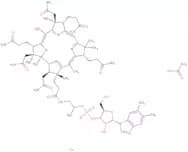
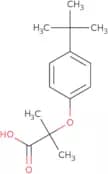
CAS:<p>Hydroxocobalamin acetate is a water-soluble form of hydroxocobalamin, a vitamin B12 prodrug. It is an insoluble polymer that dissolves slowly in an acidic environment. Hydroxocobalamin acetate has been shown to inhibit the growth of human carcinoma cells in culture and can be used as a test compound for anticancer drugs. Hydroxocobalamin acetate is also used as a mouth rinse agent to prevent or treat dental cavities. In addition, it can be used to relieve the symptoms of gastroesophageal reflux disease (GERD) by reducing the acidity of gastric contents. This drug has been shown to stimulate vasoactive intestinal polypeptide release from enterochromaffin cells and can be used for the treatment of irritable bowel syndrome (IBS). Hydroxocobalamin acetate is poorly soluble in neutral pH environments and should not be given orally.</p>Formula:C64H91CoN13O16PPurity:Min. 90 Area-%Color and Shape:Red PowderMolecular weight:1,388.39 g/mol2-(4-tert-Butylphenoxy)-2-methylpropanoic acid
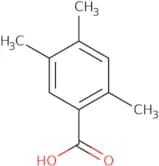
CAS:<p>2-(4-tert-Butylphenoxy)-2-methylpropanoic acid is a versatile building block and reagent for the synthesis of complex compounds. It has been used in research as a possible treatment for inflammatory diseases, including asthma and rheumatoid arthritis. This product is also a useful scaffold for the development of new drugs. 2-(4-tert-Butylphenoxy)-2-methylpropanoic acid has been shown to have antiviral properties against human immunodeficiency virus (HIV) and hepatitis C virus (HCV).</p>Formula:C14H20O3Purity:Min. 95%Color and Shape:PowderMolecular weight:236.31 g/mol2,4,5-Trimethylbenzoic acid
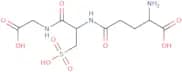
CAS:<p>2,4,5-Trimethylbenzoic acid is a white crystalline solid that is soluble in water. It is used as an analytical reagent and oxidation catalyst. 2,4,5-Trimethylbenzoic acid can be found in polymer films and inorganic acids. The oxidation products of 2,4,5-Trimethylbenzoic acid are known to have antioxidant properties. The compound can be found as an oxidant or an activator in organic synthesis reactions. 2,4,5-Trimethylbenzoic acid has been used as a starting material for the synthesis of acyl halides and carboxylates. It also has been used to synthesize fatty acids from unsaturated hydrocarbons.</p>Formula:C10H12O2Purity:Min. 95%Color and Shape:PowderMolecular weight:164.2 g/molGlutathionesulfonic acid
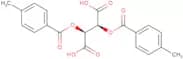
CAS:<p>Glutathionesulfonic acid is a thiolate that can be synthesized by the reaction of iodoacetic acid with glutathione. This compound is used for the analysis of acids, using a liquid chromatography method and fluorescence analysis to detect the oxidation of aliphatic hydrocarbons. Glutathionesulfonic acid is also used as a target enzyme in biomimetic studies, where it reacts with metal surfaces to form an irreversible bond. It has been shown to have sublethal doses when combined with amino acids, which may be due to its ability to form disulfide bonds.</p>Formula:C10H17N3O9SPurity:Min. 95%Color and Shape:PowderMolecular weight:355.32 g/mol(+)-O,O'-Di-p-toluoyl-D-tartaric acid
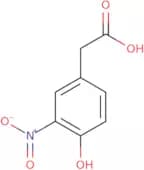
CAS:<p>(+)-O,O'-Di-p-toluoyl-D-tartaric acid is a potent and selective ligand for the dopamine D2 receptor. It was first synthesized in 1968 and has been extensively studied for its interactions with dopamine receptors. (+)-O,O'-Di-p-toluoyl-D-tartaric acid has been shown to be an orthosteric agonist at the D2 receptor, meaning it binds directly to the receptor in the absence of any other compounds. It binds to the extracellular site of the receptor, with a binding affinity that is 10 times more potent than that of apomorphine. The compound has been shown to have antidepressant effects when administered systemically, as well as in animal models of depression. This activity may be due to its ability to selectively activate dopamine D2 receptors in regions such as the prefrontal cortex.</p>Formula:C20H18O8Purity:Min. 95%Color and Shape:PowderMolecular weight:386.35 g/mol4-Hydroxy-3-nitrophenylacetic acid
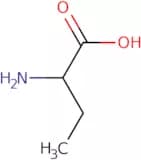
CAS:<p>4-Hydroxy-3-nitrophenylacetic acid is a metabolite of caproic acid in the mouse. It is also an analytical marker for caproic acid in human serum and a biochemical marker for 4-hydroxybenzoic acid in human urine. The affinity of 4-hydroxy-3-nitrophenylacetic acid to antibodies has been shown by its ability to be titrated calorimetrically with antibodies, which are used as a model system. The antibody response has been studied by immunizing mice with 4-hydroxybenzoic acid, which resulted in the production of antibodies that had the same reactivity as those against 4-hydoxy-3-nitrophenylacetic acid. The reaction mechanism of hydrolysis of 4-hydroxybenzoic acid by monoclonal antibodies has been proposed and was supported by the results obtained from titration calorimetry experiments.</p>Formula:C8H7NO5Purity:Min. 95%Color and Shape:Off-White PowderMolecular weight:197.14 g/molDL-Aminobutyric acid
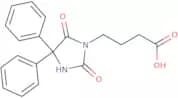
CAS:<p>DL-Aminobutyric acid is an analog of amino acids and a potent inhibitor of protease activity. It has been shown to inhibit the proteolytic activity of amyloid protein in human serum, most likely by competitive inhibition. DL-Aminobutyric acid also inhibits the enzyme activities that are responsible for the production of ammonia from amino acids. DL-Aminobutyric acid is an analyte in blood sampling and has a pH optimum of 8.0. It has been shown to have inhibitory properties on bacteria strains including Staphylococcus aureus and Streptococcus pneumoniae, but not Mycobacterium tuberculosis or Escherichia coli.</p>Formula:C4H9NO2Purity:Min 97%Color and Shape:PowderMolecular weight:103.12 g/mol5,5-Diphenylhydantoin-3-butyric acid
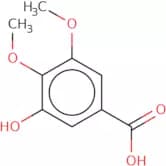
CAS:<p>5,5-Diphenylhydantoin-3-butyric acid is a drug that is classified as a hydantoin derivative. It has been shown to be an active compound in the treatment of human brain tumors. This drug has also been found to be detectable in human serum and urine by means of electrochemical immunoassay.</p>Formula:C19H18N2O4Purity:Min. 95%Color and Shape:PowderMolecular weight:338.36 g/mol5-Hydroxyveratric acid
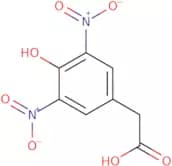
CAS:<p>5-Hydroxyveratric acid is a chemical compound that belongs to the group of useful building blocks and can be used as a research reagent, speciality chemical, or high quality intermediate. It is a versatile building block that can be used in reactions involving carboxylic acids, amides, alcohols, and thiols. 5-Hydroxyveratric acid is also a useful scaffold for the synthesis of complex organic molecules. CAS No. 1916-08-1</p>Formula:C9H10O5Purity:Min. 98 Area-%Color and Shape:White Off-White PowderMolecular weight:198.17 g/mol3,5-Dinitro-4-hydroxyphenylacetic acid
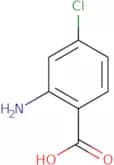
CAS:<p>3,5-Dinitro-4-hydroxyphenylacetic acid is a conjugate that consists of an antigen and a carrier molecule. It is used to enhance the immune response by stimulating T cells which are responsible for the production of antibodies. The conjugate is also known to have cytotoxic effects on the surface of cancer cells in vitro. 3,5-Dinitro-4-hydroxyphenylacetic acid has been shown to be effective in immunizing mice against the antigen ovalbumin, which is often used as a model antigen in immunology research. This conjugate has been shown to promote mitogenesis, or cell division, in spleen cells isolated from immunized mice.</p>Formula:C8H6N2O7Purity:Min. 95%Molecular weight:242.14 g/mol4-Chloroanthranilic acid
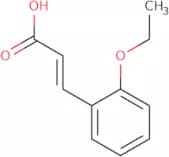
CAS:<p>4-Chloroanthranilic acid is an inorganic acid that has antimicrobial properties. It is a bound form of anthranilic acid, which is not water soluble and can be easily absorbed by the skin. 4-Chloroanthranilic acid is used as an antibiotic in topical preparations because it has been shown to have inhibitory effects on the growth of P. aeruginosa, epidermal growth factor, and nitrogen atoms. 4-Chloroanthranilic acid also has coordination complex with copper and inhibits the growth of bacteria by inhibiting the production of bacterial cell wall synthesis enzymes.</p>Formula:C7H6ClNO2Purity:Min. 95%Color and Shape:Off-White PowderMolecular weight:171.58 g/mol2-Ethoxycinnamic acid
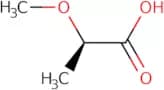
CAS:<p>2-Ethoxycinnamic acid is a metastable molecule that has been obtained by an asymmetric synthesis. It is unreactive, and its reaction products are polyvalent. 2-Ethoxycinnamic acid can be analyzed using analytical methods such as flow system, functional theory, and gas chromatography. 2-Ethoxycinnamic acid has been used in the preparation of cinnamates, which are used in perfumes and flavors. Polymorphs of this molecule have also been observed in crystalline form. There are two different forms of the molecule: α-form and β-form. The α-form is more stable than the β-form because it has a hydrogen bond with the methyl group on the left side of the molecule.</p>Formula:C11H12O3Purity:Min. 95%Color and Shape:PowderMolecular weight:192.21 g/mol(R)-(+)-2-Methoxypropionic acid
CAS:<p>(R)-(+)-2-Methoxypropionic acid is a derivatization agent that is used to label branched-chain amino acids. It has been shown to react with l-rhamnose, which is found in glycoproteins and polysaccharides.</p>Formula:C4H8O3Purity:Min. 95%Color and Shape:Clear Colourless To Pale Yellow LiquidMolecular weight:104.1 g/mol(S)-(+)-Citramalic acid
CAS:<p>Citramalic acid is a high quality, fine chemical that can be used as a reagent or building block. It can also be used in the synthesis of complex compounds and is an important intermediate for pharmaceuticals, agrochemicals, and other specialty chemicals. Citramalic acid has many uses, including as a versatile building block for organic synthesis. Citramalic acid is a reaction component that can be used to produce research chemicals with various applications.</p>Formula:C5H8O5Color and Shape:PowderMolecular weight:148.11 g/mol4-Cyanocinnamic acid
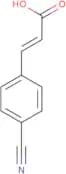
CAS:<p>4-Cyanocinnamic acid is a fatty acid that has been shown to be a substrate for the bacterial enzyme cinnamate 4-hydroxylase. The molecular weight of this compound is 136.16 g/mol, and it has a constant boiling point of 206°C. It can be synthesized from phenylacetic acid and p-coumaric acid using a transesterification reaction. This compound is reactive with carbonyl groups, which makes it useful in the detection of gram-positive bacteria by fluorescent probes or fluorescent dyes. 4-Cyanocinnamic acid is unreactive with esters of carboxylic acids, such as methyl esters, making it useful for the determination of fatty acids in isolates.</p>Formula:C10H7NO2Purity:Min. 95%Color and Shape:PowderMolecular weight:173.17 g/mol4-(Trifluoromethyl)mandelic acid
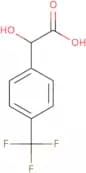
CAS:<p>4-(Trifluoromethyl)mandelic acid (4-TFA) is a metabolite of the drug mandelic acid. It is a thermodynamically stable, stereospecific, and highly polar compound that can be easily purified by column chromatography. 4-TFA has been shown to have analytical methods in common with mandelic acid, including fluorine analysis and regression. The chemical properties of 4-TFA are similar to those of other aldehydes. It also has enantiomeric purity and can be analysed using gas chromatography-mass spectrometry in urine samples.</p>Formula:C9H7F3O3Purity:Min. 95%Color and Shape:PowderMolecular weight:220.15 g/mol2-Ketopimelic acid
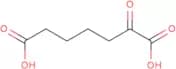
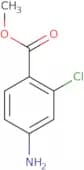
CAS:<p>2-Ketopimelic acid is a fatty acid that is produced by the catalysis of 2-ketoglutarate. It is found in the mitochondrial matrix and in the biosynthesis of fatty acids. The wild-type strain of E. coli has been shown to produce 2-ketopimelic acid during aerobic growth on glucose, while mutant strains did not synthesize this compound. The production of 2-ketopimelic acid requires a functional acyl carrier protein (ACP) and an active enoyl reductase (ER). The biosynthesis of 2-ketopimelic acid can be catalysed by dehydrogenase enzymes such as enoyl reductase, which are involved in the conversion of 3-oxoacyl CoA into 3-hydroxyacyl CoA.<br>2-Ketopimelic acid may also play a role in tuberculosis, as it has been detected in human protein using reaction monitoring techniques</p>Formula:C7H10O5Purity:Min. 95%Color and Shape:PowderMolecular weight:174.15 g/mol4-Amino-2-chlorobenzoic acid methyl ester
CAS:<p>4-Amino-2-chlorobenzoic acid methyl ester (4ACBME) is a chemical compound that has been used in the treatment of autoimmune diseases. It acts as an immunoreceptor and regulatory molecule by binding to specific receptors on the surface of lymphocytes, which are cells that play a central role in the immune system. 4ACBME also inhibits the production of inflammatory molecules, such as TNF-α, IL-1β, IL-6 and IL-8. The regression of tissue inflammation was observed in animal models after 4ACBME treatment. This compound has been shown to have no genotoxic impurities in vitro studies and its molecular descriptors are consistent with those found for other immunoreceptors.</p>Formula:C8H8ClNO2Purity:Min. 95%Color and Shape:White PowderMolecular weight:185.61 g/mol5-Formylsalicylic acid
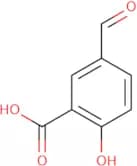
CAS:<p>5-Formylsalicylic acid is a molecule that has the chemical formula HOOC-(CH2)4-COOH. It is an organic acid that is derived from 5-nitrosalicylic acid, which is prepared by reacting sodium carbonate with hydroxybenzoic acid in the presence of ethylene diamine. This compound has been shown to have the ability to form hydrogen bonds with other molecules and itself. 5-Formylsalicylic acid can be synthesized by reacting sodium hydroxide with hydrogen chloride gas in a neutral pH environment. The surface methodology for this compound was determined to be gravimetric analysis, while it exhibits intermolecular hydrogen bonding interactions and matrix effects. Hydrogen bonding interactions are formed through nitrogen atoms and carboxylate groups on the surface of the molecule.</p>Formula:C8H6O4Purity:Min. 95%Color and Shape:PowderMolecular weight:166.13 g/molGlutaric acid
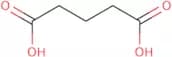
CAS:<p>Glutaric acid is a dinucleotide phosphate that exists in two forms: the alpha form, which has a high phase transition temperature and is insoluble in water; and the beta form, which has a low phase transition temperature and is soluble in water. Glutaric acid can be used as an analytical reagent to identify the type of nucleotides present in samples. It can also be used as an experimental solvent for other compounds that are not soluble in water. The toxicity of glutaric acid has been studied extensively and found to be low. This compound does not appear to have any adverse effects on human health or animals at doses up to 1g/kg body weight. Glutaric acid has been shown to have anti-infectious properties by inhibiting the growth of bacteria, fungi, and viruses. The effectiveness of glutaric acid against infectious diseases appears to depend on its ability to block protein synthesis by inhibiting enzymes such as glutathione reductase</p>Formula:C5H8O4Purity:Min. 99 Area-%Color and Shape:White PowderMolecular weight:132.11 g/molUsnic acid
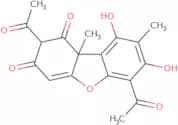
CAS:<p>Usnic acid is a natural compound with significant cytotoxicity. It has been shown to have matrix effects in the environment and oxidative injury on cells. Usnic acid is a component of the herb goldenseal, and has been shown to have pharmacological activities against infectious diseases, such as pandemic influenza. The optical sensor of usnic acid is used as an indicator for environmental pollution and microbial growth.</p>Formula:C18H16O7Purity:Min. 95%Color and Shape:White PowderMolecular weight:344.32 g/mol2,2-Difluoro-2-[1,1,2,2-tetrafluoro-2-(trifluoromethoxy)ethoxy]acetic acid
CAS:<p>2,2-Difluoro-2-[1,1,2,2-tetrafluoro-2-(trifluoromethoxy)ethoxy]-acetic acid is a fluorinated compound that can be used as an adsorbent for organic compounds. It is a highly selective material and has high adsorption capacity. The adsorption equilibrium data for 2,2-difluoro-2-[1,1,2,2-tetrafluoro-2-(trifluoromethoxy)ethoxy]-acetic acid are given in the table below. Table: Adsorption Equilibrium Data Temperature (°C) Pressure (kPa) Vapor Pressure (Pa) Equilibrium Vapor Pressure (Pa) Adsorption Capacity (%) 0 0.001 0.0008 0.0012 100</p>Formula:C5HF9O4Purity:Min. 95%Color and Shape:Clear LiquidMolecular weight:296.04 g/molEthyl 2-amino-4,5,6,7-tetrahydro-1-benzothiophene-3-carboxylate
CAS:<p>Ethyl 2-amino-4,5,6,7-tetrahydro-1-benzothiophene-3-carboxylate is an antibacterial agent that inhibits the growth of bacteria by binding to amines and metal ions. It also has in vitro anticancer activity against cancer cells. Ethyl 2-amino-4,5,6,7-tetrahydro-1-benzothiophene-3-carboxylate has been shown to have antiinflammatory activity in rats.</p>Formula:C11H15SNO2Purity:Min. 95%Color and Shape:PowderMolecular weight:225.31 g/mol3,5-Dihydroxyphenylacetic acid
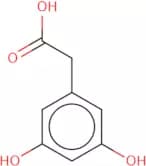
CAS:<p>3,5-Dihydroxyphenylacetic acid is a versatile building block that can be used to synthesize complex molecules. 3,5-Dihydroxyphenylacetic acid is a reagent in organic chemistry and has been used in the synthesis of novel drugs, among other applications. This chemical has been shown to be useful as a building block for the synthesis of high-quality compounds. 3,5-Dihydroxyphenylacetic acid can be used as an intermediate for the synthesis of pharmaceuticals or other chemicals. It is also a useful scaffold for the production of new molecules with desired properties.</p>Formula:C8H8O4Purity:Min. 95%Color and Shape:PowderMolecular weight:168.15 g/mol3-(Difluoromethoxy)-2,4,5-trifluorobenzoic acid
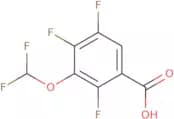
CAS:<p>3-(Difluoromethoxy)-2,4,5-trifluorobenzoic acid is an antibacterial drug that belongs to the class of fluoroquinolones. It inhibits bacterial growth by binding to DNA gyrase and topoisomerase IV enzymes in bacteria. 3-(Difluoromethoxy)-2,4,5-trifluorobenzoic acid has been shown to be active against a wide variety of bacteria and is used as a treatment for urinary tract infections and skin infections. 3-(Difluoromethoxy)-2,4,5-trifluorobenzoic acid can also be used in combination with other antibiotics such as tetrabutyl ammonium chloride to enhance their effects.</p>Formula:C8H3F5O3Purity:Min. 95%Color and Shape:SolidMolecular weight:242.1 g/molTetrakis[N-phthaloyl-(R)-tert-leucinato]dirhodium bis(ethyl acetate) adduct
CAS:<p>Tetrakis[N-phthaloyl-(R)-tert-leucinato]dirhodium bis(ethyl acetate) adduct is a reagent that is used in organic synthesis and research. It has been shown to be useful as a scaffold for the synthesis of complex compounds, such as polymers. Tetrakis[N-phthaloyl-(R)-tert-leucinato]dirhodium bis(ethyl acetate) adduct can be used as an intermediate in the production of fine chemicals and speciality chemicals, as well as a versatile building block for the synthesis of diverse chemical compounds.</p>Formula:C56H56N4O16Rh2·C8H16O4Purity:Min. 95%Color and Shape:Yellow To Brown To Dark Green SolidMolecular weight:1423.08trans-10-Hydroxy-2-decenoic acid
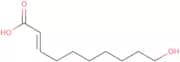
CAS:<p>Trans-10-hydroxy-2-decenoic acid is a naturally occurring fatty acid that is found in the human body. It has been shown to have a number of biological activities, including the ability to inhibit the production of gamma-aminobutyric acid (GABA). The trans-10-hydroxy-2-decenoic acid is also thought to be involved in autoimmunity and neurotrophic factors. Trans-10-hydroxy-2-decenoic acid has been used as a precursor for the synthesis of other compounds and as an analytical method. Trans-10-hydroxy 2 decenoic acid can be synthesized by reacting malonic acid with hydroxyl group and ammonia.</p>Formula:C10H18O3Purity:Min. 95%Color and Shape:White PowderMolecular weight:186.25 g/mol3,5-Dinitro-4-methylbenzoic acid
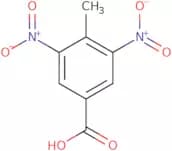
CAS:<p>3,5-Dinitro-4-methylbenzoic acid is a compound that can be used in the synthesis of many organic compounds. It is an important reagent for the preparation of nitroarenes and it is also used as a precursor to other organic compounds. 3,5-Dinitro-4-methylbenzoic acid has been shown to have a hydrogen bond with malonic acid and can form an asymmetric hydrogen bond with the hydroxyl group of protonated water. 3,5-Dinitro-4-methylbenzoic acid has three different resonance structures and its x-ray diffraction data show that it has a cavity shape. This molecule can be found in the nmr spectra at around 8.3 ppm and its kinetic constants are given as k1 = 0.01 s−1 and k2 = 0.06 s−1 for the two reactions. 3,5-Dinitro-4-methylben</p>Formula:C8H6N2O6Purity:Min. 95%Color and Shape:PowderMolecular weight:226.14 g/mol2-[N-[(3,5-Difluorophenyl)carbamoylamino]-C-methylcarbonimidoyl]pyridine-3-carboxylic acid
CAS:<p>2-[N-[(3,5-Difluorophenyl)carbamoylamino]-C-methylcarbonimidoyl]pyridine-3-carboxylic acid (2FPC) is a potent herbicide that inhibits the fatty acid synthase enzyme and blocks cellular energy production. Fatty acid synthase is an important enzyme in the synthesis of essential fatty acids and this inhibition can lead to a number of health complications. 2FPC also inhibits epidermal growth factor receptor (EGFR) and glucocorticoid receptors, which can lead to autoimmune diseases. The compound has been shown to produce neurotoxic effects in animals and humans, including optical sensor activation and cation channel modulation.<br>2FPC is used as a herbicide to control weeds such as knapweed. It is also used as an anti-inflammatory agent in the treatment of rheumatoid arthritis.</p>Formula:C15H12F2N4O3Purity:Min. 97 Area-%Color and Shape:PowderMolecular weight:334.28 g/molAbiraterone acetate
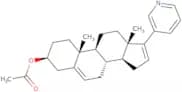
CAS:Controlled Product<p>CYP17 enzyme inhibitor</p>Formula:C26H33NO2Purity:Min. 98 Area-%Color and Shape:PowderMolecular weight:391.55 g/mol3-Cysteinylacetaminophen trifluoroacetic acid salt
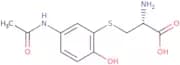
CAS:<p>Acetaminophen is a common pain reliever and fever reducer. It is available over-the-counter in many countries. Acetaminophen is a member of the class of drugs known as analgesic, antipyretic, and anti-inflammatory drugs (APAP). The drug has been shown to be effective for acute pain relief, but not for chronic pain. Acetaminophen has also been found to be an effective analgesic when taken at high doses (above 1000 mg per day) for more than one week. In vivo studies have shown that acetaminophen inhibits mitochondrial membrane potential in hk-2 cells and cd-1 mice. This inhibition leads to apoptosis and cell death. Acetaminophen is not associated with serious side effects when used at the recommended dose, although it can lead to liver damage if taken in large quantities or on a prolonged basis.</p>Formula:C11H14N2O4S·xC2HO2F3Purity:(%) Min. 95%Color and Shape:Brown PowderMolecular weight:270.31 g/molComenic acid
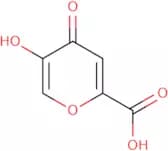
CAS:<p>Comenic acid is a metal chelate that is used as a model system to study the effects of disulfide bonds on signal pathways. It has been shown to reduce neuronal death in a tissue culture model. Comenic acid binds to glutamate, which leads to hydroxylation, and formaldehyde production. This reaction produces sodium salts and cyclic peptides that are toxic to cells. The mechanism of action of comenic acid is not well understood, but it may be due to metal chelation properties and the formation of reactive oxygen species, such as superoxide anion or hydrogen peroxide. Comenic acid also has a protective effect against seizures in mice with epilepsy and magnesium salt can decrease the concentration of this compound in the blood stream.</p>Formula:C6H4O5Purity:Min. 95%Color and Shape:PowderMolecular weight:156.09 g/molGhrelin trifluoroacetate
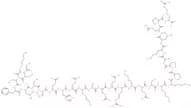
CAS:<p>Ghrelin is a peptide hormone that regulates appetite and has been shown to have potent anti-cachectic effects in animal models. It is thought to be an important regulator of body weight, insulin resistance, and metabolism. Ghrelin is synthesized in the stomach and released into the bloodstream when the stomach is empty. Ghrelin binds to ghrelin receptors in the hypothalamus, which stimulate growth hormone release from the pituitary gland. This hormone also binds to other cells in the hypothalamus, such as neurons that produce orexin, which may account for its effects on sleep patterns. Ghrelin has been shown to inhibit tumor growth by suppressing angiogenesis and inducing apoptosis. The molecular weight of ghrelin is 3497 Da. The sequence of ghrelin consists of 28 amino acids: Gly-Ser-Ser(octanoyl)-Phe-Leu-Ser-Pro-Glu-His-Gln-Lys-Ala</p>Formula:C147H245N45O42•(C2HO2F3)xPurity:Min. 95 Area-%Color and Shape:PowderMolecular weight:3,314.8 g/molGanoderic acid A
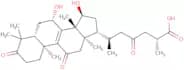
CAS:Controlled Product<p>Ganoderic acid A is a natural compound that is found in the mushroom Ganoderma lucidum. It has been shown to inhibit the proliferation of HL-60 cells, which are commonly used as a model system for human leukemia. The mechanism of action of Ganoderic acid A is not yet fully understood, but it may be due to its ability to inhibit the activation of signal pathways and Ca2+ release from the endoplasmic reticulum. This activity is synergistic with other compounds such as ganoderic acid B and ganoderol B. Ganoderic acid A has been shown to have cytotoxicity against HL-60 cells through a novel analytical method. It is also able to inhibit the growth of various cancers including lung, breast, prostate, and pancreatic cancer cells.</p>Formula:C30H44O7Purity:Min. 95%Color and Shape:White PowderMolecular weight:516.67 g/molD-(+)-Phenyllactic acid
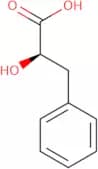
CAS:<p>D-(+)-phenyllactic acid is a pharmaceutical drug that is used to catalyze the asymmetric synthesis of chiral compounds. It is an enantiomer of L-phenyllactic acid, and it has been shown to be effective in the treatment of patients with breast cancer. D-(+)-phenyllactic acid can also be used to catalyze the formation of taxol, a clinical drug which has been shown to inhibit tumor growth. D-(+)-phenyllactic acid binds to the active site of catalase, an enzyme that breaks down hydrogen peroxide in cells. The reaction mechanism for catalysis by D-(+)-phenyllactic acid is not well understood, but it may involve monocarboxylic acids such as formic or acetic acids.</p>Formula:C9H10O3Purity:Min. 95%Color and Shape:White PowderMolecular weight:166.17 g/mol2-Sulphoterephthalic monosodium
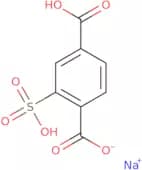
CAS:<p>2-Sulphoterephthalic monosodium (2-SPM) is a zirconium oxide that is synthesized by reacting 5-hydroxymethylfurfural with hydrochloric acid in the presence of 2-aminoterephthalic acid. It has been shown to be an efficient catalyst for the synthesis of 5-hmf from glucose in aqueous media. This product also exhibits strong protonation properties and can be used as a hydrogen bonding donor. The fluorescence properties of 2-SPM have also been studied, which may lead to its potential use as a supramolecular fluorescent probe.</p>Formula:C8H5NaO7SPurity:Min. 95%Color and Shape:White PowderMolecular weight:268.18 g/molEthyl 5-Methyl-2-oxo-2,3-dihydro-1H-imidazole-4-carboxylate
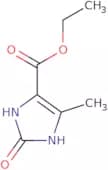
CAS:<p>Please enquire for more information about Ethyl 5-Methyl-2-oxo-2,3-dihydro-1H-imidazole-4-carboxylate including the price, delivery time and more detailed product information at the technical inquiry form on this page</p>Purity:Min. 90%1,2-Dipalmitoyl-sn-glycero-3-phosphatidic acid sodium
CAS:<p>1,2-Dipalmitoyl-sn-glycero-3-phosphatidic acid sodium (DPPA) is a drug substance that has been used in primary culture to study the cell membrane of hepatocytes. This compound is a phospholipid with a cavity at one end and contains two hydroxy groups that can be conjugated to other molecules. It has been shown to be effective against Hepatitis B virus and mesenchymal stromal cells. DPPA has also been used as an adjuvant for gadolinium contrast agents for magnetic resonance imaging. Gadolinium may bind to the hydroxy groups on DPPA, which increases its birefringence and brightness on MRI scans.</p>Formula:C35H69Na2O8PPurity:Min. 98 Area-%Color and Shape:White PowderMolecular weight:694.87 g/molDL-4-Hydroxy-3-methoxymandelic acid
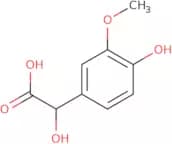
CAS:<p>DL-4-Hydroxy-3-methoxymandelic acid is a metabolite of the catecholamines, norepinephrine and epinephrine. It is found in the blood, urine and cerebrospinal fluid of humans. DL-4-Hydroxy-3-methoxymandelic acid is derived from the amino acid tyrosine. When the body's production of catecholamines exceeds its ability to break them down, these molecules accumulate and are excreted in urine as DL-4-hydroxy-3-methoxymandelic acid or as other metabolites. The concentration of DL-4-hydroxy 3 methoxymandelic acid in urine may be used to diagnose pheochromocytoma or neuroblastoma.</p>Formula:C9H10O5Purity:Min. 95%Color and Shape:White PowderMolecular weight:198.17 g/molFmoc-(R)-3-amino-4-(4-tert-butyl-phenyl)-butyric acid
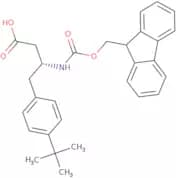
CAS:<p>Fmoc-3-Amino-4-(4-tertbutylphenyl)butyric acid is a versatile building block that can be used in the synthesis of complex compounds. Fmoc-3-Amino-4-(4-tertbutylphenyl)butyric acid is an intermediate for the production of speciality chemicals and reagents. It is also a useful scaffold in chemical reactions, as well as a reaction component. Fmoc-(R)-3-Amino-4-(4-tertbutylphenyl)butyric acid is soluble in ethanol and ether, but insoluble in water.</p>Formula:C29H31NO4Purity:Min. 95%Color and Shape:White To Off-White SolidMolecular weight:457.56 g/molEthyl 5-(4-bromophenyl)-2-phenylpyrrole-3-carboxylate
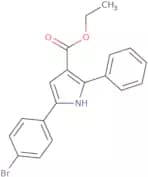
CAS:<p>Please enquire for more information about Ethyl 5-(4-bromophenyl)-2-phenylpyrrole-3-carboxylate including the price, delivery time and more detailed product information at the technical inquiry form on this page</p>Purity:Min. 95%2-Naphthoxyacetic acid
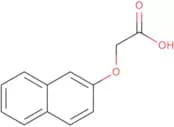
CAS:<p>2-Naphthoxyacetic acid is a chemical compound that has been shown to be a matrix effect agent in the kidney bean extract. It is also used as a nutrient solution in synchronous fluorescence and hydroxyl group. 2-Naphthoxyacetic acid can be used as an analytical method for sodium citrate, dispersive solid-phase extraction, nitrogen atoms, and acid complex. The optical sensor can be used for low light surface methodology. Fluoroacetic acid is a chemical compound that has been shown to have analytical properties similar to 2-Naphthoxyacetic acid.</p>Formula:C12H10O3Purity:Min 98%Color and Shape:PowderMolecular weight:202.21 g/molFolinic acid
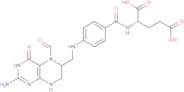
CAS:<p>Folinic acid is a vitamin-B9 that is used as a cofactor for enzymes involved in the synthesis of DNA and RNA. It is also used to diagnose various infectious diseases, with high values found in patients with cancer or autoimmune diseases. Folinic acid has been shown to have dose-dependent effects on mammalian cells, exhibiting toxicities at higher concentrations. Folinic acid can be used to repair damaged DNA by acting as a glycosidase that breaks down the glycosidic bond between the base and sugar.</p>Formula:C20H23N7O7Purity:(%) Min. 97%Color and Shape:White PowderMolecular weight:473.44 g/molAcrylic acid - stabilised with MEHQ
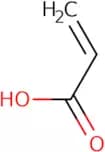
CAS:<p>Acrylic acid is a chemical compound that is naturally found in the environment. It is a colorless liquid with a pungent odor. Acrylic acid has been studied for its antimicrobial properties and has shown high activity against Aerobacter aerogenes. It also has been used as an intermediate in the manufacture of acrylic, acrylate, and methyl ethyl methacrylate. Acrylic acid has been used to produce glycol ethers and other chemicals, such as sodium carbonate and hydrogen bonding interactions. Acrylic acid can be manufactured using the industrial process of neutralization of trifluoroacetic acid with sodium carbonate or sodium hydroxide. The production process is highly dependent on the purity of starting materials, which can cause variations in product quality and chemical stability.</p>Formula:C3H4O2Purity:Min. 95%Color and Shape:PowderMolecular weight:72.06 g/molPyrazine-2-carboxylic acid
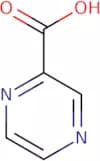
CAS:<p>Pyrazine-2-carboxylic acid is a potent inhibitor of bacterial x-lactamase. It was found that the inhibition of x-lactamase by pyrazine-2-carboxylic acid could be attributed to hydrogen bonding interactions with the active site of the enzyme and a high rate constant for the reaction. The antibacterial efficacy of pyrazine-2-carboxylic acid against wild type Streptococcus pneumoniae and methicillin resistant Staphylococcus aureus (MRSA) was tested and found to be comparable to that of benzylpenicillin. Pyrazine-2-carboxylic acid also has biological properties, such as an inhibitory effect on protein synthesis in bacteria, which may be due to its ability to bind to ribosomes.</p>Formula:C5H4N2O2Purity:Min. 95%Color and Shape:PowderMolecular weight:124.1 g/mol4-Methyl hippuric acid
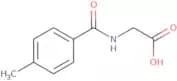
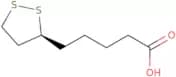
CAS:<p>4-Methyl hippuric acid is a metabolite of benzoic acid, and is excreted in the urine as an end product of phenylalanine metabolism. The matrix effect is a phenomenon that is observed when chromatographic analysis occurs in the presence of impurities or other substances. It can be minimized by using an optimum concentration of hydrochloric acid to extract the analyte from the sample matrix. 4-Methyl hippuric acid can be detected in urine samples by using a chromatographic method and then quantified by measuring its s-phenylmercapturic acid content. This compound has been used as a marker for determining blood pressure and has also been shown to have antihypertensive effects.</p>Formula:C10H11NO3Purity:Min. 95%Color and Shape:PowderMolecular weight:193.2 g/mol(S)-(-)-α-Lipoic acid
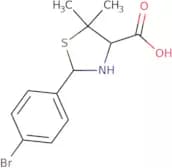
CAS:<p>(S)-(-)-a-Lipoic acid (DLPA) is a reactive, oxidative molecule that has been shown to have antioxidant properties. DLPA is a natural compound found in the human body and is essential for energy metabolism and mitochondrial membrane depolarization. It has been shown to be beneficial in cases of bowel disease and diabetic neuropathy. DLPA has also been shown to be clinically relevant in the treatment of ischemia–reperfusion injury and cisplatin-induced nephrotoxicity, as well as having anti-inflammatory properties. DLPA may also help reduce symptoms of Parkinson's disease and other conditions.</p>Formula:C8H14O2S2Purity:Min. 95%Color and Shape:White PowderMolecular weight:206.33 g/mol2-(4-Bromophenyl)-5,5-dimethyl-1,3-thiazolidine-4-carboxylic acid
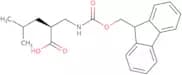
CAS:<p>2-(4-Bromophenyl)-5,5-dimethyl-1,3-thiazolidine-4-carboxylic acid is a fine chemical that can be used as a building block for research chemicals. It can also be used as an intermediate in the synthesis of complex compounds. 2-(4-Bromophenyl)-5,5-dimethyl-1,3-thiazolidine-4-carboxylic acid has been shown to react with various groups including hydroxyls and amines, making it a versatile compound. This compound is synthesized by condensation of 4 bromobenzene with 5,5 dimethyllithium and the subsequent reaction with thiourea. The product is purified by recrystallization from ethanol.</p>Formula:C12H14BrNO2SPurity:Min. 95%Color and Shape:PowderMolecular weight:316.21 g/molFmoc-(S)-2-(aminomethyl)-4-methylpentanoic acid
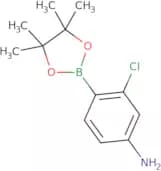
CAS:<p>Fmoc-(S)-2-(aminomethyl)-4-methylpentanoic acid is a proteinogenic amino acid that is used in the production of casein and other dairy products. It is also found in wheat, where it can be converted to the essential amino acid methionine. Fmoc-(S)-2-(aminomethyl)-4-methylpentanoic acid is classified as a high-quality protein because it contains all eight essential amino acids (EAAs). It has been shown that when dietary intakes are low, malnourished children may benefit from increased intake of this amino acid.</p>Formula:C22H25NO4Purity:Area-% Min. 95 Area-%Color and Shape:PowderMolecular weight:367.44 g/mol4-Amino-2-chlorophenylboronic acid pinacol ester
CAS:<p>4-Amino-2-chlorophenylboronic acid pinacol ester is a versatile building block that is used in the synthesis of complex compounds. It can be used as a research chemical, reagent, or speciality chemical depending on the desired use. 4-Amino-2-chlorophenylboronic acid pinacol ester reacts with nucleophiles to form covalent bonds and is also useful as a scaffold for synthesizing other compounds. This compound has been shown to be useful in the synthesis of many different types of chemicals.</p>Formula:C12H17BClNO2Purity:Min. 95%Color and Shape:PowderMolecular weight:253.53 g/molHumic acid
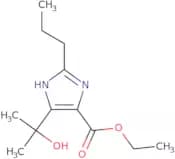
CAS:<p>Humic acid is a complex mixture of organic substances that occurs in the soil and has been shown to exhibit antioxidant, chelating, and antimicrobial activities. Humic acid consists of a mixture of humins, fulvic acids, and other substances that are derived from plant matter. The presence of humic acid in the environment is dependent on the type of plant material it originates from and the conditions under which it was formed. Humic acids have been shown to inhibit oxidative processes by reacting with reactive oxygen species (ROS) such as hydrogen peroxide (H2O2). Humic acid can also be used for wastewater treatment in order to decolorize effluents or remove toxic metals like lead. This process utilizes an acidic complex that is formed by hydrolysis reactions between sodium salts and carbonate.</p>Purity:Min. 95%4-(1-Hydroxy-1-methylethyl)-2-propyl-1H-imidazole-5-carboxylic acid ethyl ester
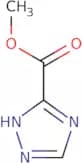
CAS:<p>4-(1-Hydroxy-1-methylethyl)-2-propyl-1H-imidazole-5-carboxylic acid ethyl ester is a synthetic drug with pharmacological properties that are similar to those of the natural product medoxomil. It has been shown to be a potent blocker of the GABA receptor and is used for the treatment of epilepsy. 4-(1-Hydroxy-1-methylethyl)-2-propyl-1H-imidazole-5-carboxylic acid ethyl ester has been shown to be an inhibitor of rat liver microsomes and also has a high affinity for the enzyme cilexetil, which is responsible for the conversion of cilexetil into its active form.</p>Formula:C12H20N2O3Purity:Min. 95%Color and Shape:PowderMolecular weight:240.3 g/molMethyl 1H-1,2,4-triazole-3-carboxylate
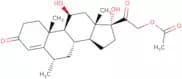
CAS:<p>Methyl 1H-1,2,4-triazole-3-carboxylate is an industrial chemical that is used in the production of diazotization and thiosemicarbazide. It is a coupling agent for the formation of diethyl esters and glycerides. Methyl 1H-1,2,4-triazole-3-carboxylate is also a catalyst for esterification reactions. The reaction mechanism of this compound involves the addition of methanol to formaldehyde to produce methyl formate and water. The esterification reaction occurs when an alcohol reacts with an acid chloride or an acid anhydride to produce an ester and water. This chemical can react with amino acids to produce amines and deamination products. Methyl 1H-1,2,4-triazole-3-carboxylate has been shown to be effective in large scale production reactions due to its high yield</p>Formula:C4H5N3O2Purity:Min. 95%Color and Shape:PowderMolecular weight:127.1 g/mol6a-Methyl hydrocortisone 21-acetate
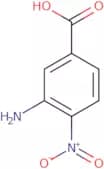
CAS:Controlled Product<p>Hydrocortisone is a corticosteroid that is used to suppress the immune system and reduce inflammation. It has anti-inflammatory, antipyretic, and vasoconstrictive properties. Hydrocortisone is a synthetic form of cortisol, which is produced naturally by the adrenal gland. Hydrocortisone acetate is an ester of hydrocortisone with acetic acid. This drug can be administered orally or topically, depending on the condition being treated. The methyl group in this compound makes it less reactive than natural hydrocortisone.</p>Formula:C24H34O6Purity:Min. 95%Color and Shape:PowderMolecular weight:418.52 g/mol3-Amino-4-nitrobenzoic acid
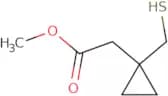
CAS:<p>3-Amino-4-nitrobenzoic acid is a synthetic compound, which has been shown to inhibit the activity of trypanothione reductase. This inhibition of the enzyme causes an increase in the level of intracellular trypanothione, which is then acetylated by ATP sulfurylase and converted to trypanothione. 3-Amino-4-nitrobenzoic acid is also a potent inhibitor of fxa, which is a coagulation factor necessary for blood clotting. The active site of 3-amino-4-nitrobenzoic acid contains two nitroarenes that are responsible for its antithrombotic properties.</p>Formula:C7H6N2O4Purity:Min. 95%Color and Shape:PowderMolecular weight:182.13 g/molMethyl 1-(mercaptomethyl)cyclopropane acetate
CAS:<p>Methyl 1-(mercaptomethyl)cyclopropane acetate is a fine chemical that is used as a reagent, speciality chemical, and intermediate. It has been shown to be a versatile building block for the synthesis of complex compounds. Methyl 1-(mercaptomethyl)cyclopropane acetate reacts with amines to form an amidine derivative. It is also a useful intermediate in the manufacture of herbicides, insecticides, and pharmaceuticals as well as a reaction component in the synthesis of other fine chemicals. CAS No: 152922-73-1</p>Formula:C7H12O2SPurity:Min. 95%Color and Shape:Clear LiquidMolecular weight:160.23 g/molSulfo-SMCC sodium
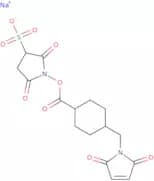
CAS:<p>Crosslinker reacting rapidly with primary amines. It is used as a protein crosslinker where it reacts with cysteine to yield specific conjugates. The cyclohexane bridge confers added stability to the maleimide group making it ideal for maleimide activation of proteins. It is soluble in water and many other aqueous buffers although it is less stable then in DMSO or DMF.</p>Formula:C16H17N2O9SNaPurity:Min. 95 Area-%Color and Shape:White Off-White PowderMolecular weight:436.37 g/mol3-Cyclohexene-1-carboxylic acid
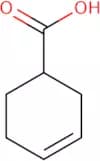
CAS:<p>3-Cyclohexene-1-carboxylic acid is a reactive organic compound with a boiling point of 147°C. It is a solvent that can be used as an acid catalyst in organic synthesis. 3-Cyclohexane-1-carboxylic acid was used to synthesize the stereoisomers of butyl vinyl ether and alkyl phenols. This compound also metabolizes into cyclohexane ring, primary alcohols, halides, fatty acids, and aromatic hydrocarbons.</p>Formula:C7H10O2Purity:Min. 95%Color and Shape:Clear LiquidMolecular weight:126.15 g/mol4-Hydroxy-3-(trifluoromethyl)benzoic acid
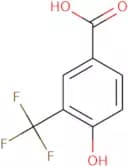
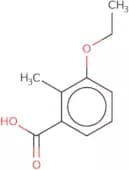
CAS:<p>4-Hydroxy-3-(trifluoromethyl)benzoic acid (4OTFB) is a ligand that binds to the inflammatory response receptor complex. The 4OTFB-ligand complex has been shown to inhibit inflammation in animals and humans, which may be due to its ability to inhibit the production of proinflammatory cytokines and suppress the production of reactive oxygen species (ROS). 4OTFB was found to bind strongly to sew2871, a protein that regulates the inflammatory response. However, it did not bind with any other proteins in the brain tissue extract. This suggests that 4OTFB might not have any adverse effects on brain function.</p>Formula:C8H5F3O3Purity:Min. 95%Color and Shape:PowderMolecular weight:206.12 g/mol3-Ethoxy-2-methylbenzoic acid - 90%
CAS:<p>3-Ethoxy-2-methylbenzoic acid is a white solid that is soluble in organic solvents. It has a molecular weight of 192.3 and an empirical formula of C9H11O3. 3-Ethoxy-2-methylbenzoic acid can be used as a building block for diverse chemical reactions and processes, including the synthesis of pharmaceuticals, pesticides, and other fine chemicals. This compound is also used as a research chemical, reaction component, or speciality chemical in various experiments and projects. 3-Ethoxy-2-methylbenzoic acid provides high quality reagents to scientists for use in research.br>br></p>Formula:C10H12O3Purity:Min. 95%Color and Shape:PowderMolecular weight:180.2 g/molTetrahydrocortisone acetate
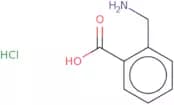
CAS:Controlled Product<p>Tetrahydrocortisone acetate is a high-quality, reagent and complex compound with CAS No. 36623-16-2. It is used as a fine chemical and research chemicals in the production of speciality chemicals. Tetrahydrocortisone acetate can be used as a versatile building block for the synthesis of other compounds in organic chemistry. This compound has been found to be useful for creating new compounds or improving existing ones.</p>Formula:C23H34O6Purity:Min. 95%Molecular weight:406.51 g/mol(3-Aminomethyl)benzoic acid hydrochloride
CAS:<p>(3-Aminomethyl)benzoic acid hydrochloride is a high-quality, versatile compound that can be used as a reagent or scaffold for the synthesis of complex compounds. It is a fine chemical that can be used as an intermediate in organic chemistry and has been shown to be useful in the synthesis of speciality chemicals. The CAS number for this chemical is 876-03-9. This chemical is also a versatile building block for reactions, and has been shown to be an excellent reaction component for research purposes.</p>Formula:C8H9NO2•HClPurity:Min. 95%Color and Shape:PowderMolecular weight:187.62 g/mol





![Benzo[b]thiophene-2-carboxylic acid](/_next/image/?url=https%3A%2Fstatic.cymitquimica.com%2Fproducts%2F3D%2Fthumb-webp%2FFB01173.webp&w=3840&q=75)

![2,2-Difluoro-2-[1,1,2,2-tetrafluoro-2-(trifluoromethoxy)ethoxy]acetic acid](/_next/image/?url=https%3A%2Fstatic.cymitquimica.com%2Fproducts%2F3D%2Fthumb-webp%2FFD99821.webp&w=3840&q=75)

![Tetrakis[N-phthaloyl-(R)-tert-leucinato]dirhodium bis(ethyl acetate) adduct](/_next/image/?url=https%3A%2Fstatic.cymitquimica.com%2Fproducts%2F3D%2Fthumb-webp%2FFT60015.webp&w=3840&q=75)
![2-[N-[(3,5-Difluorophenyl)carbamoylamino]-C-methylcarbonimidoyl]pyridine-3-carboxylic acid](/_next/image/?url=https%3A%2Fstatic.cymitquimica.com%2Fproducts%2F3D%2Fthumb-webp%2FFD101726.webp&w=3840&q=75)