Carboxylic Acids
Carboxylic acids are organic molecules characterized by having a carboxyl-type functional group (-COOH). These acids are fundamental in various chemical reactions, including esterification, amidation, and decarboxylation. Carboxylic acids are widely used in the production of pharmaceuticals, polymers, and agrochemicals. In this section, you can find a large number of carboxylic acids ready to be used. At CymitQuimica, we provide a broad range of high-quality carboxylic acids to support your research and industrial applications.
Found 12453 products of "Carboxylic Acids"
Sort by
Purity (%)
0
100
|
0
|
50
|
90
|
95
|
100
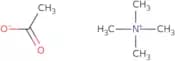
Tetramethylammonium acetate monohydrate
CAS:<p>Tetramethylammonium acetate monohydrate is an on-line, inorganic acid that reacts with other reagents to form hydrogen bonds. Tetramethylammonium acetate monohydrate is used as a reactive solvent for organic solutes and has been used in hydrophilic interaction chromatography to separate fatty acids and phenolic acids. This compound has been shown to be effective in the treatment of chronic bronchitis due to its ability to break down mucus.</p>Formula:C6H15NO2•H2OColor and Shape:White PowderMolecular weight:151.2 g/mol2-(2,5-Dimethylbenzoyl)acrylic acid
<p>2-(2,5-Dimethylbenzoyl)acrylic acid is a compound that can be used as a reaction component or reagent in organic synthesis. It is also a building block for the synthesis of more complex compounds. This chemical has a high purity and can be used as an intermediate in the production of speciality chemicals. 2-(2,5-Dimethylbenzoyl)acrylic acid has CAS number 567-87-1 and is listed under the category of useful building blocks.</p>Purity:Min. 95%8-Chloro-6-oxo-octanoic acid ethyl ester
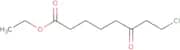
CAS:<p>8-Chloro-6-oxo-octanoic acid ethyl ester is a chiral, thermostable and oxidizing agent that is used as an intermediate in organic synthesis. It is used to produce 8-chloro-6-oxo-octanoic acid ethyl ester, a reactive carbonyl reagent that can be used in the synthesis of amines and amides. This compound has been shown to be effective against wild type strains of E. coli as well as recombinant strains of E. coli. It also has been found to have fungicidal activity against Candida parapsilosis and Paracoccidioides brasiliensis at concentrations of 0.1 mg/mL or less.</p>Formula:C10H17ClO3Purity:Min. 95%Color and Shape:PowderMolecular weight:220.69 g/molHyocholic acid
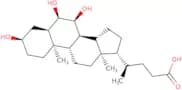
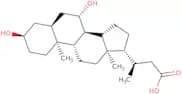
CAS:Controlled Product<p>Hyocholic acid is a bile acid that is a natural compound that has been shown to have cholesterol-lowering effects. It has been shown to inhibit hepatic steatosis and congestive heart failure, as well as bind to the receptor for bile acids, which may lead to physiological effects. The physiological levels of hyocholic acid in the human serum are unknown, but it has been shown to inhibit the activities of hyocholic acid hydrolase and cholesterol 7 alpha-hydroxylase in vitro. This inhibition leads to an accumulation of bile acids and cholesterol in the liver and blood and induces a condition known as hypercholesterolemia.</p>Formula:C24H40O5Purity:Min. 95%Color and Shape:White/Off-White SolidMolecular weight:408.57 g/mol6-Azido-hexanoic acid
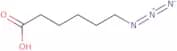
CAS:<p>6-Azido-hexanoic acid is a growth factor that inhibits the binding of TGF-β to its receptor. It has been shown to inhibit the proliferation of cancer cells in vitro and in vivo. 6-Azido-hexanoic acid binds with high affinity to the acidic region of TGF-β, preventing it from binding to its receptor. This molecule also inhibits the activation of the TGF-β receptor complex by decreasing the phosphorylation of Smad 1/5/8. 6-Azido-hexanoic acid has been shown to be effective in pancreatic cancer models and control studies have demonstrated an absence of toxicity or side effects.</p>Formula:C6H11N3O2Purity:Min. 97.0 Area-%Color and Shape:PowderMolecular weight:157.17 g/mol4-Bromo-3-(trifluoromethyl)benzoic acid
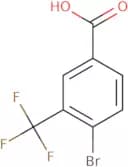
CAS:<p>4-Bromo-3-(trifluoromethyl)benzoic acid is a synthetic molecule that has been used for the synthesis of polymers. It is used in the production of polyketones and polyphenylene, which are monomers for the polymerization process. 4-Bromo-3-(trifluoromethyl)benzoic acid is also used as an electrophile in the acylation step of polycondensation reactions. The biphenylene structure can be synthesized by sequential or simultaneous addition of bromine to phenol with sodium hydroxide or potassium tetrachloroplatinate. This chemical compound can be made into two isomers: 3,4-dibromobenzene dicarboxylic acid and 3,4-dichlorobenzene dicarboxylic acid.</p>Formula:C8H4BrF3O2Purity:Min. 95%Color and Shape:PowderMolecular weight:269.02 g/molEthyl 5-bromoisoxazole-3-carboxylate
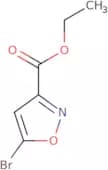
CAS:<p>Ethyl 5-bromoisoxazole-3-carboxylate is a fine chemical that can be used as a versatile building block for research chemicals and pharmaceuticals. It is also a useful intermediate for complex compounds, useful building blocks, and reagents. The CAS number for this compound is 1914946-33-0.</p>Formula:C6H6BrNO3Purity:Min. 95%Color and Shape:PowderMolecular weight:220.02 g/mol2-Nitro-3,4,5-trimethoxybenzoic acid
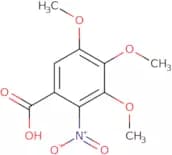
CAS:<p>2-Nitro-3,4,5-trimethoxybenzoic acid (2-NTMB) is a potent anticancer agent that has shown cytotoxic effects in human epidermoid carcinoma cells. It inhibits the growth of cancer cells by interfering with their DNA synthesis and repair. 2-NTMB binds to DNA and blocks the action of enzymes involved in DNA synthesis and repair. This binding leads to cancer cell death through irradiation or by blocking the production of new proteins vital for cell division. 2-NTMB is bioisosteric with combretastatin A4, which means it can be substituted for this drug without significant loss of potency. It also has been shown to be an effective chemotherapeutic agent against breast cancer in mice.</p>Formula:C10H11NO7Purity:Min. 95%Color and Shape:PowderMolecular weight:257.2 g/mol3,4,5-Triethoxybenzoic acid
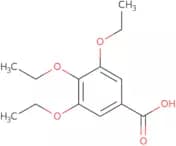
CAS:<p>3,4,5-Triethoxybenzoic acid is a synthetic compound that has been shown to have neurotoxic effects in animal studies. It has been shown to inhibit the dephosphorylation of amyloid fibrils and activation energy for polymerization. 3,4,5-Triethoxybenzoic acid also causes teratogenic effects in animals at high doses. This compound is used as a reagent for the synthesis of amyloid fibrils and has been shown to have an effect on the inhibition of phosphodiesterase activity.</p>Formula:C13H18O5Purity:Min. 95%Color and Shape:PowderMolecular weight:254.28 g/mol2-[(4-Isopropylphenyl)amino]nicotinic acid
CAS:<p>2-[(4-Isopropylphenyl)amino]nicotinic acid is a fine chemical, useful building block, research chemicals, reagent, speciality chemical and a versatile building block. It is an intermediate in organic synthesis and can be used to form many types of compounds. This compound also has many applications in the field of chemistry including use as a reaction component or as a scaffold. 2-[(4-Isopropylphenyl)amino]nicotinic acid is used in the production of pharmaceuticals, pesticides and other industrial chemicals.</p>Formula:C15H16N2O2Purity:Min. 95%Color and Shape:Yellow PowderMolecular weight:256.3 g/mol10,12-Heptacosadiynoic Acid
CAS:<p>10,12-Heptacosadiynoic Acid is a ferrite that can be used as a monomer for the synthesis of magnetic nanoparticles. It has been shown to have an antiproliferative effect on cancer cells and can be used in the diagnosis of various cancers. 10,12-Heptacosadiynoic Acid is also able to interact with optical properties. This property makes it possible to use 10,12-Heptacosadiynoic Acid to detect water on surfaces by introducing a small amount of this compound into the water and looking for any changes in the optical properties.</p>Formula:C27H46O2Purity:Min. 95%Color and Shape:PowderMolecular weight:402.65 g/mol3,5-Dimethoxycinnamic acid methyl ester
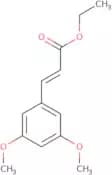
CAS:<p>Please enquire for more information about 3,5-Dimethoxycinnamic acid methyl ester including the price, delivery time and more detailed product information at the technical inquiry form on this page</p>Formula:C12H14O4Purity:Min. 95%Molecular weight:222.24 g/mol2,5-Dibromobenzoic acid
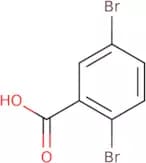
CAS:<p>2,5-Dibromobenzoic acid is an organic compound with the formula HO2CCHBrO2. It is a white solid that dissolves in water and organic solvents. This compound has been shown to inhibit PTP1B (protein tyrosine phosphatase 1B), which is a protein kinase involved in insulin signal transduction. Inhibition of PTP1B by 2,5-dibromobenzoic acid has been shown to lead to decreased cancer cell growth and increased apoptosis without affecting normal cells. This compound also inhibits histone methylation, which may be useful for cancer diagnosis or treatment. In addition, 2,5-dibromobenzoic acid can be used in the synthesis of polymers due to its ability to react with methacrylates or acrylates under free radical polymerization conditions.<br>2,5-Dibromobenzoic acid is a mon</p>Formula:C7H4Br2O2Purity:Min. 95%Color and Shape:PowderMolecular weight:279.91 g/molFusidic acid sodium
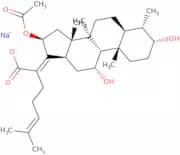
CAS:<p>Inhibitor of protein synthesis; steroid antibiotic</p>Formula:C31H48O6•NaPurity:Min. 95%Color and Shape:PowderMolecular weight:539.7 g/mol3-Methoxy-2-methylbenzoic acid
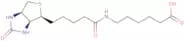
CAS:<p>3-Methoxy-2-methylbenzoic acid is a diazotization agent that is used to produce bromoethane. It is also used as an initiator in the synthesis of dimethylformamide and tetrahydrofuran. 3-Methoxy-2-methylbenzoic acid can be recycled and is used to synthesize methylbenzene, chloroanisole, and grignard reaction products such as chlorobenzene and low yield. 3-Methoxy-2-methylbenzoic acid has been shown to have a high yield for these reactions in comparison to other diazotization agents.</p>Formula:C9H10O3Purity:Min. 95%Color and Shape:White PowderMolecular weight:166.17 g/molBiotin caproic acid
CAS:<p>Podophyllotoxin is a natural product that has been used in the treatment of cancer. Biotin caproic acid is a synthetic analogue of podophyllotoxin and has been shown to have potent antimicrobial activity. Podophyllotoxin is an inhibitor of microtubule polymerization, which leads to cell death. It also induces apoptosis by interacting with dopamine receptors on the cell surface and inhibiting their binding to dopamine. This inhibits dopamine-induced proliferation of cells, leading to cell death. Biotin caproic acid has been shown to have anticancer properties against human cancer cells in vitro. The mechanism of action may be due to binding to the cytochrome P450 enzyme and inhibiting its activity, which affects the metabolism of various drugs and hormones such as dopamine.</p>Formula:C16H27N3O4SPurity:Min. 95%Color and Shape:PowderMolecular weight:357.47 g/molFmoc-(R)-4-amino-5-methylhexanoic acid
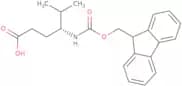
CAS:<p>Fmoc-(R)-4-amino-5-methylhexanoic acid is a versatile building block, useful scaffold, and useful intermediate. It can be used in the synthesis of complex compounds with high quality and purity. Fmoc-(R)-4-amino-5-methylhexanoic acid is also an important reaction component for research chemicals, speciality chemicals, and many other chemical reactions. It can be used as a reagent in organic synthesis.</p>Formula:C22H25NO4Purity:Min. 95%Color and Shape:PowderMolecular weight:367.44 g/mol3-Fluoro-4-hydroxybenzoic acid ethyl ester
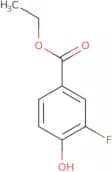
CAS:<p>3-Fluoro-4-hydroxybenzoic acid ethyl ester is a versatile building block that is used as a reagent in organic synthesis. It has the CAS number 56355-21-6. This compound has been shown to be useful for the synthesis of various pharmaceuticals and other complex compounds, such as 3-fluoro-4-(2,2,2-trifluoroethoxy)benzoic acid ethyl ester.</p>Formula:C9H9FO3Purity:Min. 95%Color and Shape:PowderMolecular weight:184.16 g/molL-Glutamic acid gamma-(p-nitroanilide) hydrochloride
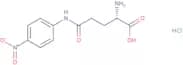
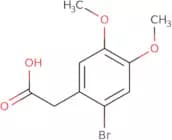
CAS:<p>Please enquire for more information about L-Glutamic acid gamma-(p-nitroanilide) hydrochloride including the price, delivery time and more detailed product information at the technical inquiry form on this page</p>Formula:C11H13N3O5·HClPurity:Min. 95%Color and Shape:SolidMolecular weight:303.7 g/mol2-Bromo-4,5-dimethoxyphenylacetic acid
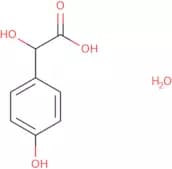
CAS:<p>2-Bromo-4,5-dimethoxyphenylacetic acid is a synthetic compound that has been shown to be effective in the treatment of cancer. It acts by inhibiting the growth and proliferation of cancer cells. 2-Bromo-4,5-dimethoxyphenylacetic acid inhibits cancer cell division by amide formation with DNA, leading to DNA strand breakage. This drug also prevents the growth and proliferation of cancer cells by preventing their division. 2-Bromo-4,5-dimethoxyphenylacetic acid is used as a precursor for other anti-cancer agents that are synthesized from it and have increased potency.</p>Formula:C10H11BrO4Purity:Min. 95%Color and Shape:PowderMolecular weight:275.1 g/mol4-Hydroxymandelic acid monohydrate
CAS:<p>4-Hydroxymandelic acid monohydrate is a chiral, herbicidal compound synthesized from mandelic acid and formaldehyde. It is often used as a coating additive in the synthesis of elastomers. 4-Hydroxymandelic acid monohydrate has been shown to have an interaction with elastomers by changing the flow rate of the elastomer and its parameters. The enantiomer of this compound is 2-hydroxymandelic acid monohydrate.</p>Formula:C8H8O4•H2OPurity:(%) Min. 95%Color and Shape:White PowderMolecular weight:186.16 g/molThionin acetate
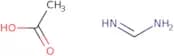
CAS:<p>Thionin acetate is a chemical compound that has been used as an antiseptic and disinfectant. It is the acetate salt of thionin, which is a protein that binds to DNA, RNA, and proteins. Thionin acetate has been shown to have anti-inflammatory effects in mice. It also inhibits the production of antibodies in response to foreign antigens and reduces the severity of allergic reactions. Thionin acetate also inhibits neutrophil adhesion by binding to neutrophils and preventing their activation. This compound has been used in pharmaceutical preparations for treating wounds or burns. Thionin acetate is soluble in water and alcohols but insoluble in ethers or oils. It can be prepared by reaction between ethylene diamine and hydrogen peroxide with a photoelectron generator.br>br><br>Thionin acetate is a dark brown powder that turns purple on exposure to light because it contains ferric iron ions, which react with oxygen</p>Formula:C12H9N3S•C2H4O2Purity:Min. 95%Color and Shape:PowderMolecular weight:287.34 g/molFormamidine acetate
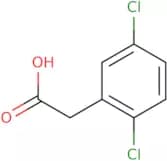
CAS:Controlled Product<p>Formamidine acetate is an anti-tuberculosis drug that belongs to the class of aminoglycosides. It has been shown to have a potent cytotoxic effect on malignant brain cells in vitro. Formamidine acetate inhibits bacterial growth by binding to DNA-dependent RNA polymerase, thereby preventing transcription and replication. The high frequency of human activity has been shown using a patch-clamp technique on human erythrocytes. This active form is metabolized through a number of metabolic transformations, including hydrolysis by esterases or glucuronidases, oxidation by cytochrome P450 enzymes, reduction by glutathione reductase, or conjugation with glucuronic acid. Formamidine acetate also specifically binds to markers expressed at high levels in Mycobacterium tuberculosis strains (e.g., ESX-1 secretion system protein) and inhibits cell growth in culture.</p>Formula:C2H4O2•CH4N2Purity:Min. 95%Color and Shape:Off-White Clear LiquidMolecular weight:104.11 g/mol(2,5-Dichlorophenyl)acetic acid
CAS:<p>2,5-Dichlorophenylacetic acid is an electrophilic compound that reacts with nucleophiles such as alcohols, amines, and thiols. It is used in the synthesis of pharmaceuticals and other organic compounds. 2,5-Dichlorophenylacetic acid has been shown to be a substrate for oxidation by autoxidation. This substance also undergoes sequence reactions with nucleophiles.</p>Formula:C8H6Cl2O2Purity:Min. 95%Color and Shape:PowderMolecular weight:205.04 g/mol4-[2'-(7''-Deazaguanine)ethyl]benzoic acid N-hydroxysuccinimide ester
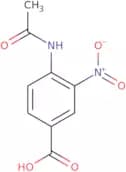
CAS:<p>4-[2'-(7''-Deazaguanine)ethyl]benzoic acid N-hydroxysuccinimide ester is a useful intermediate in the synthesis of 7''-deazaguanine, which is a key building block in the synthesis of DNA. 4-[2'-(7''-Deazaguanine)ethyl]benzoic acid N-hydroxysuccinimide ester is a versatile building block that can be used in the synthesis of complex compounds. It has been shown to react with amines, sulfonyl chlorides, and epoxides to form amides, sulfonamides, and epoxy amines respectively. The CAS number for this compound is 204257-65-8.</p>Formula:C19H17N5O5Purity:Min. 95%Molecular weight:395.37 g/mol4-(Acetylamino)-3-nitrobenzoic acid
CAS:<p>4-(Acetylamino)-3-nitrobenzoic acid (AANBA) is a molecule that inhibits the growth of Mycobacterium tuberculosis and influenza virus. It has been shown to have tuberculostatic activity and is able to adsorb to the cavity of the enzyme protein, preventing access by other molecules. AANBA also has antiviral properties that may be due to its ability to inhibit viral particles from binding with a cell surface receptor or inhibiting the synthesis of viral proteins. AANBA binds to the chloride ion in order to maintain the negative charge of the molecule, which is crucial for its antiviral activity.</p>Formula:C9H8N2O5Purity:Min. 95%Color and Shape:Slightly Yellow PowderMolecular weight:224.17 g/mol5-Bromosalicylic acid methyl ester
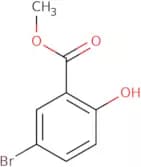
CAS:<p>5-Bromosalicylic acid methyl ester is a hydroxylated bromo derivative of salicylic acid. It is a synthetic chemical that has been shown to be stable in various conditions and reactive with other compounds. 5-Bromosalicylic acid methyl ester has been shown to inhibit the activity of cholinergic receptors, which are involved in regulation of heart rate and contractions. This compound also binds to fatty acids and hydrogen bonds with functional groups on biomolecules.</p>Formula:C8H7BrO3Purity:Min. 98 Area-%Color and Shape:PowderMolecular weight:231.04 g/mol2-Chloro-5-nitrocinnamic acid
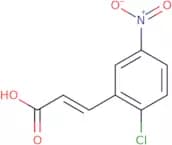
CAS:<p>2-Chloro-5-nitrocinnamic acid is a plant growth regulator that inhibits the root development of plants by interfering with the synthesis of 3-chlorocinnamic acid, which is a precursor in the biosynthesis of lignin. 2-Chloro-5-nitrocinnamic acid inhibits the enzyme cinnamoyl CoA reductase, which catalyzes the first step in this biosynthetic pathway. This compound also has shown to be a strong inhibitor of ester derivatives and pesticides, such as carbaryl and dichlorvos.</p>Formula:C9H6ClNO4Purity:Min. 95%Color and Shape:PowderMolecular weight:227.6 g/molEthyl indole-6-carboxylate
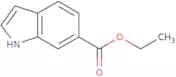
CAS:<p>Ethyl indole-6-carboxylate is a chiral compound with nitrogen atoms. It has a topology and substituents, so it can be substituted in several positions. It also has nitrate, which is an ion that can carry an electric charge. This molecule can form channels and crystals with a single-crystal x-ray diffraction pattern. The hydrocarbon part of the molecule has a crystal system and framework, making it porous. The x-ray diffraction pattern of ethyl indole-6-carboxylate shows its chemistry as well.</p>Formula:C11H11NO2Purity:Min. 95%Molecular weight:189.21 g/molOpiorphin
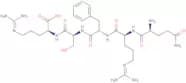
CAS:<p>Opiorphin is a naturally occurring peptide, which is derived from human bodily secretions, particularly from saliva. It acts as an endogenous inhibitor of enkephalin-degrading enzymes, thus enhancing the activity of endogenous opioid peptides by preventing their breakdown. This stabilization of enkephalins contributes to the body's natural pain regulation processes.</p>Formula:C29H48N12O8Purity:Min. 95%Color and Shape:PowderMolecular weight:692.77 g/molMethyl 4-fluorobenzoylacetate
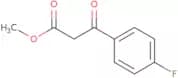
CAS:<p>Methyl 4-fluorobenzoylacetate is a prenyl compound that can be used as an anti-oxidant, hepatoprotective, and regulatory agent. The prenyl group in this molecule is responsible for its antioxidant activity. It also has been shown to have hepatoprotective properties in experimental animals with liver injuries. Methyl 4-fluorobenzoylacetate is used as a synthetic intermediate in the synthesis of coumarin derivatives and phenylcoumarins. This molecule may also have anti-inflammatory properties, which are due to its ability to inhibit cyclooxygenase enzymes. Methyl 4-fluorobenzoylacetate is also an antibacterial agent and has been shown to be a potent inhibitor of bacterial DNA gyrase and topoisomerase IV, which maintain the integrity of bacterial DNA. In addition, methyl 4-fluorobenzoylacetate has anticoagulant</p>Formula:C10H9FO3Purity:Min. 85%Color and Shape:Colourless To Pale Yellow LiquidMolecular weight:196.18 g/molR-(-)-Arundic acid
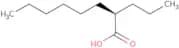
CAS:<p>R-(-)-Arundic acid is a chiral compound, which is a derivative of arundic acid specifically designed for enantiomeric purity. It is sourced through synthetic organic chemistry processes, allowing for precise control over its stereochemistry. The mode of action of R-(-)-Arundic acid involves the inhibition of astrocyte activation by modulating the synthesis of certain cytokines and inflammatory mediators. This mechanism provides a neuroprotective effect, making it a valuable tool in the study of neurodegenerative diseases and brain injuries.</p>Formula:C11H22O2Purity:Min. 98 Area-%Color and Shape:Clear Viscous LiquidMolecular weight:186.29 g/mol2,6-Pyridinedicarboxylic acid
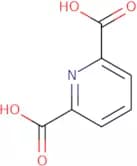
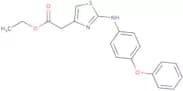
CAS:<p>2,6-Pyridinedicarboxylic acid is a chemical compound that is mainly used as an antimicrobial agent. It binds to DNA by hydrogen bonding interactions and alters the polymerase chain reaction (PCR) process. This leads to inhibition of DNA synthesis and cell death. 2,6-Pyridinedicarboxylic acid has been shown to have synergistic effects when combined with sodium salts. It also inhibits transfer reactions in bacteria, which may be due to its ability to bind to picolinic acid. The structural analysis of 2,6-pyridinedicarboxylic acid showed that it contains a pyridine ring fused with two carboxyl groups. 2,6-Pyridinedicarboxylic acid reacts with picolinic acid in the presence of sodium salts and undergoes a series of reactions leading to the formation of picolinamide, which may explain its inhibitory properties.</p>Formula:C7H5NO4Purity:Min. 95%Color and Shape:PowderMolecular weight:167.12 g/molethyl 2-(4-((4-phenoxyphenyl)amino)-3,5-thiazolyl)acetate
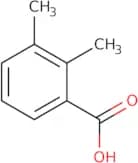
CAS:<p>Please enquire for more information about ethyl 2-(4-((4-phenoxyphenyl)amino)-3,5-thiazolyl)acetate including the price, delivery time and more detailed product information at the technical inquiry form on this page</p>Purity:Min. 95%2,3-Dimethylbenzoic acid
CAS:<p>2,3-Dimethylbenzoic acid is a reagent that is used as a molecular ion in mass spectrometry. It is volatile and can be used to identify carboxylic acids that are aliphatic or oxygenated. 2,3-Dimethylbenzoic acid can also be used to identify methyl groups and the conjugate acid of an ester.</p>Formula:C9H10O2Purity:Min. 95%Color and Shape:PowderMolecular weight:150.17 g/molHomovanillic acid sulfate sodium salt
CAS:<p>Homovanillic acid sulfate sodium salt (HVA) is a metabolite of dopamine that is used to diagnose or monitor diseases related to the central nervous system. The HVA concentration in urine can be determined by colorimetric assay, which has been shown to be useful for identifying patients with Parkinson's disease and other degenerative diseases. HVA is also found in blood plasma and cerebrospinal fluid, as well as in many other body tissues. HVA levels are increased during pregnancy, because it is an intermediate in the biosynthesis of estradiol from testosterone. In addition, concentrations of HVA increase with age, due to decreased clearance rates.</p>Formula:C9H8Na2O7SPurity:Min. 95%Color and Shape:PowderMolecular weight:306.2 g/mol24-Norursodeoxycholic acid
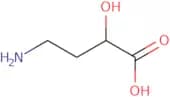
CAS:Controlled Product<p>24-Norursodeoxycholic acid is a synthetic bile acid derivative, which is a modified form derived from natural bile acids. Its primary source is the chemical synthesis of ursodeoxycholic acid analogs. The mode of action involves modulating bile acid composition within the liver, thereby reducing cytotoxicity associated with bile acid accumulation. This modulation helps protect hepatocytes from damage, reducing liver inflammation and fibrosis.</p>Formula:C23H38O4Purity:Min. 95%Color and Shape:PowderMolecular weight:378.55 g/mol2-Hydroxy-4-aminobutanoic acid
CAS:<p>2-Hydroxy-4-aminobutanoic acid is a synthetic compound that has been shown to be a potent antibacterial agent. It is active against both Gram-positive and Gram-negative bacteria, including Pseudomonas aeruginosa, Enterococcus faecalis, Staphylococcus aureus, and Escherichia coli. 2-Hydroxy-4-aminobutanoic acid is also an indole alkaloid that can be produced from the amino acid tryptophan by the enzyme pyridoxal phosphate. This prebiotic is found in tissues of many animals and humans. 2-Hydroxy-4-aminobutanoic acid has been shown to have antiinflammatory properties in human serum.</p>Formula:C4H9NO3Purity:Min. 95 Area-%Color and Shape:PowderMolecular weight:119.12 g/mol5-Phenylpenta-2,4-dienoic acid
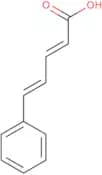
CAS:<p>5-Phenylpenta-2,4-dienoic acid is a high-potency inhibitor of tyrosine kinases. It has been shown to have an inhibitory effect on cancer cells in both squamous and non-squamous cell lines. This compound has been shown to inhibit the proliferation of cancer cells by arresting cell cycle progression at the G1 phase, which leads to the inhibition of DNA synthesis. 5-Phenylpenta-2,4-dienoic acid is also able to block the activation of transcription factors that are involved in tumorigenesis. In addition, this compound inhibits the proliferation of cancer cells by arresting cell cycle progression at the G1 phase, leading to inhibition of DNA synthesis. The molecular modeling study suggests that this compound may be able to bind with tyrosine kinase receptors on the surface of tumor cells and block their activity. The chemical structure of 5-phenylpenta-2,4-dien</p>Formula:C11H10O2Purity:Min. 95%Color and Shape:PowderMolecular weight:174.2 g/molHomogentisic acid
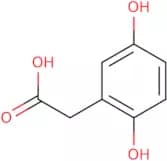
CAS:<p>Precursor of melanine synthesis in bacteria</p>Formula:C8H8O4Purity:Min 96%Color and Shape:White PowderMolecular weight:168.15 g/molMethyl 3-aminothieno[2,3-β]pyridine-2-carboxylate
CAS:<p>Please enquire for more information about Methyl 3-aminothieno[2,3-β]pyridine-2-carboxylate including the price, delivery time and more detailed product information at the technical inquiry form on this page</p>Formula:C9H8N2O2SPurity:Min. 95%Color and Shape:PowderMolecular weight:208.24 g/mol2-Chloro-4-hydroxybenzoic acid monohydrate
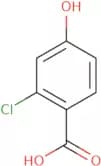
CAS:<p>2-Chloro-4-hydroxybenzoic acid monohydrate is a fine chemical that is used as a building block for research chemicals. It is an important reagent for the synthesis of complex compounds and can be used as a versatile building block for the synthesis of polymers and pharmaceuticals. 2-Chloro-4-hydroxybenzoic acid monohydrate has been used to synthesize a range of novel polymers with potential application in materials science, medicine, and electronics. This compound is also a useful intermediate in organic synthesis reactions and can be used as a scaffold to produce more complex molecules.</p>Formula:C7H5ClO3·H2OPurity:Min. 95%Color and Shape:White PowderMolecular weight:190.58 g/molH-Ala-Phe-Lys-AMC trifluoroacetate salt
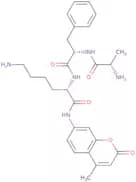
CAS:<p>H-Ala-Phe-Lys-AMC trifluoroacetate salt is a chemical compound that can be used as an intermediate in the synthesis of peptides, peptidomimetics, and other organic compounds. This reagent is a high quality, versatile building block that can be used in the synthesis of complex compounds. H-Ala-Phe-Lys-AMC trifluoroacetate salt is a fine chemical that has been assigned CAS No. 120928-02-1. It is a useful scaffold for the synthesis of novel compounds with potential pharmaceutical value.</p>Formula:C28H35N5O5•C2HF3O2Purity:Min. 95 Area-%Color and Shape:PowderMolecular weight:635.63 g/molValproic acid semisodium
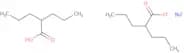
CAS:Controlled Product<p>Valproic acid is a medication used to treat seizures and other conditions. Valproic acid has been shown to be effective in the treatment of metabolic disorders such as hyperammonemia, hypertriglyceridemia, and hypoglycemia. It also has been shown to be an effective treatment for bipolar disorder. Valproic acid does have side-effect profiles that include weight gain, nausea, vomiting, and hair loss. Side effects are more likely to develop when valproic acid is taken with other medications such as erythromycin or divalproex sodium. Valproic acid can cause hypersensitivity syndrome in some patients. In order to avoid this side effect, blood sampling should be done before starting treatment. Valproic acid is metabolized by the liver into the active form, divalproex sodium (divalproex), which then inhibits the enzyme histone deacetylase (HDAC). The inhibition of HDAC leads to an increase in</p>Formula:C8H16O2•Na0Purity:Min. 95%Color and Shape:White to off-white solid.Molecular weight:311.41 g/mol2-Bromo-6-fluorobenzoic acid
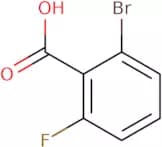
CAS:<p>2-Bromo-6-fluorobenzoic acid is a carboxylate that has been used in the treatment of prostate cancer cells. It is activated by nucleophilic attack to form a reactive intermediate, which then reacts with the fluorine or chlorine substituents on DNA bases. This reaction leads to the replacement of the fluorine or chlorine with bromine, resulting in the formation of a quinazolinone. The substituted nucleotide is then recognized by enzymes, leading to cell death.<br>2-Bromo-6-fluorobenzoic acid has also been shown to be active against other cancer cells, such as lung and breast cancer cells.</p>Formula:C7H4BrFO2Purity:Min. 95%Color and Shape:PowderMolecular weight:219.01 g/mol2-(2,4-Difluorophenoxy)-2-methylpropanoic acid
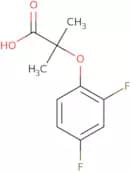
CAS:<p>2-(2,4-Difluorophenoxy)-2-methylpropanoic acid is a versatile building block that can be used in research and development of complex compounds. It has CAS No. 667413-00-5 and is classified as a fine chemical. 2-(2,4-Difluorophenoxy)-2-methylpropanoic acid can be used in the synthesis of useful scaffolds and reaction components. It is also a reagent for use in the synthesis of speciality chemicals. This compound has high quality and is an important intermediate for the production of other compounds.</p>Formula:C10H10F2O3Purity:Min. 95%Color and Shape:PowderMolecular weight:216.18 g/mol3,5-Dibromophenylboronic acid
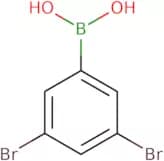
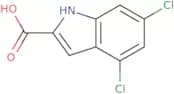
CAS:<p>3,5-Dibromophenylboronic acid is a boronic acid with the chemical formula B(OH)Br. The boron atom in this molecule has a unique electron configuration that allows it to form strong bonds with other atoms and molecules. This reactive compound can be used as a ligand in cross-coupling reactions or to modify an organic molecule by coupling it to another molecule. 3,5-Dibromophenylboronic acid is typically used as a precursor for the synthesis of nanomaterials and can be synthesized from monomers at temperatures ranging from -78°C to 80°C.</p>Formula:C6H5BBr2O2Purity:Min. 95%Molecular weight:279.72 g/mol4,6-Dichloroindole-2-carboxylic acid
CAS:<p>4,6-Dichloroindole-2-carboxylic acid (DCI) is a potential drug candidate for the treatment of neurological disorders. DCI binds to glutamate receptors, which are involved in many neurological diseases. It has been shown to inhibit glutamate dehydrogenase and thus block the production of glutamate from glucose. DCI also prevents neuronal death caused by excessive levels of glutamate and inhibits the activation of N-methyl-D-aspartate (NMDA) receptors. This drug is currently being investigated as a therapy for inflammatory diseases such as multiple sclerosis and Alzheimer's disease. One study has shown that DCI may be useful for treating cerebellar granule cells in a model system. It has been found to inhibit glycogen synthase kinase 3, which is an enzyme involved in signaling pathways that regulate cell growth and survival.</p>Formula:C9H5Cl2NO2Purity:Min. 95%Color and Shape:White PowderMolecular weight:230.05 g/mol2-Fluoro-6-methoxybenzoic acid
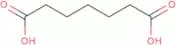
CAS:<p>2-Fluoro-6-methoxybenzoic acid is a monocarboxylic acid that is synthesized from 2,6-dichlorobenzoic acid by a mediated, synthetic sequence. This compound can be used as a substrate for kinetic analyses of the transport of carboxylic acids across cellular membranes. The uptake of 2-fluoro-6-methoxybenzoic acid is expressed in the apical surface membrane of Caco2 cells. Kinetic studies indicate that this compound reacts rapidly with butyllithium to form an enamine intermediate. The enamine intermediate then reacts with either water or methanol to produce a final product, depending on the reaction time.</p>Formula:C8H7FO3Purity:Min. 95%Color and Shape:PowderMolecular weight:170.14 g/molPimelic acid
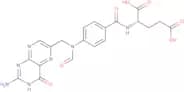
CAS:<p>Pimelic acid is a dicarboxylic acid that has been found to be the precursor of malonic acid in bacteria. It has an acidic nature and significant cytotoxicity, as well as a hydroxyl group that coordinates with nitrogen atoms. Pimelic acid is stable in the presence of water vapor and air, making it difficult to synthesize. These properties have made pimelic acid a topic of interest for polymer compositions. X-ray crystal structures have shown that pimelic acid is composed of six carbons, three nitrogens, one oxygen, and one hydrogen atom.</p>Formula:C7H12O4Color and Shape:PowderMolecular weight:160.17 g/mol10-Formyl folic acid
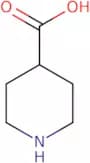
CAS:<p>10-Formyl folic acid is a type of folic acid that is found in the human serum. It can be detected by liquid chromatography-mass spectrometry (LC-MS/MS). 10-Formyl folic acid has been studied for its potential to be used as an early indicator of leukemia, and can also be used to study the effects of matrix effects on chromatographic methods. 10-Formyl folic acid is often used in product research because it has high detection and can be used to detect streptococcus faecalis.</p>Formula:C20H19N7O7Purity:Min. 90 Area-%Color and Shape:PowderMolecular weight:469.41 g/molIsonipecotic acid
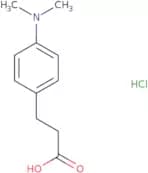
CAS:<p>Isonipecotic acid is a potent antagonist that binds to the response element of the platelet cyclic adenosine monophosphate (cAMP) receptor. This receptor is a regulatory protein that controls the activity of cAMP in cells, including platelets. Isonipecotic acid can be used to treat coronary heart diseases and autoimmune diseases by regulating blood clotting, as well as for treatment of insect resistance and autoimmune diseases. It has been shown to have pharmacokinetic properties that are similar to those of other coumarin derivatives.</p>Formula:C6H11NO2Purity:Min. 95%Color and Shape:White PowderMolecular weight:129.16 g/mol3-(4-Dimethylaminophenyl)propionic acid hydrochloride
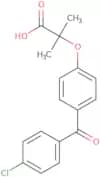
CAS:<p>3-(4-Dimethylaminophenyl)propionic acid hydrochloride is a white crystalline compound that is soluble in water. It has many uses as a building block, reagent, intermediate, or scaffold in organic synthesis due to its versatility and stability. 3-(4-Dimethylaminophenyl)propionic acid hydrochloride can be used as an additive to improve the performance of other substances. In addition, this chemical is a useful building block for the production of research chemicals or speciality chemicals.</p>Formula:C11H15NO2•HClPurity:Min. 95%Molecular weight:229.7 g/molFenofibric acid
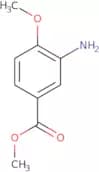
CAS:<p>Fenofibric acid is a fibrate drug. It is used in the treatment of hypercholesterolemia, including combined with statins and other lipid-lowering drugs. Fenofibric acid has been shown to reduce plasma triglycerides and LDL cholesterol levels. It also reduces atherosclerotic plaque formation by suppressing macrophage accumulation in lesions. Fenofibric acid has been shown to inhibit ATP binding cassette transporter A1 (ABCA1) activity, which may contribute to its ability to increase HDL cholesterol levels.</p>Formula:C17H15ClO4Purity:Min. 95%Color and Shape:PowderMolecular weight:318.75 g/mol3-Amino-4-methoxybenzoic acid methyl ester
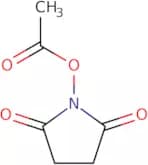
CAS:<p>3-Amino-4-methoxybenzoic acid methyl ester is a modified quinoline derivative that exhibits potent antioxidant activity. It has been shown to inhibit the activation of p38 kinase, which is a proinflammatory enzyme. This leads to decreased levels of inflammatory cytokines and chemokines. 3-Amino-4-methoxybenzoic acid methyl ester also has anti-cancer effects and can be used as an anti-cancer agent in the treatment of cancer, such as lung cancer. It induces apoptosis by inhibiting the synthesis of DNA and proteins. The synthesized drug has been shown to have a chiral center, making it a potential candidate for use in pharmaceuticals.</p>Formula:C9H11NO3Purity:Min. 95%Color and Shape:PowderMolecular weight:181.19 g/molAcetic acid N-hydroxysuccinimide ester
CAS:<p>Acetic acid N-hydroxysuccinimide ester is a reactive compound that reacts with lysine residues in proteins. It is used as an analytical reagent and chemical intermediate. Acetic acid N-hydroxysuccinimide ester reacts with carbonyl groups to form Schiff bases, which are then reacted with amino groups on the protein molecule to form acyl-amino adducts. This reaction can be followed by analysis using high performance liquid chromatography (HPLC) or mass spectroscopy.</p>Formula:C6H7NO4Purity:Min. 97.5 Area-%Color and Shape:White PowderMolecular weight:157.12 g/mol2-Bromo-5-nitrobenzoic acid
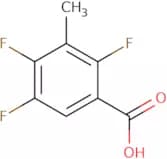
CAS:<p>2-Bromo-5-nitrobenzoic acid is an amine that has been shown to have a potent inhibitory effect on the enzyme fibrinogen, which is needed for blood clotting. It also inhibits other enzymes in the fibrinogen pathway, including those involved in protein synthesis and cellular metabolism. 2-Bromo-5-nitrobenzoic acid has been shown to inhibit cancer cells by blocking their ability to use amino acids as building blocks for new proteins. This drug may be used as a treatment for cancer and other diseases where protein synthesis is critical.</p>Formula:C7H4BrNO4Purity:Min. 95%Color and Shape:PowderMolecular weight:246.02 g/mol3-Methyl-2,4,5-trifluorobenzoic acid
CAS:<p>3-Methyl-2,4,5-trifluorobenzoic acid is a fluoroquinolone antibiotic that inhibits the DNA gyrase and topoisomerase IV. It binds to bacterial 16S ribosomal RNA and inhibits protein synthesis, leading to cell death by inhibiting the production of proteins vital for cell division. 3-Methyl-2,4,5-trifluorobenzoic acid has been shown to be bactericidal in vitro against Gram-negative bacteria such as Escherichia coli and Pseudomonas aeruginosa. This drug also has a target enzyme modification activity with the potential to modify enzymes not usually targeted by fluoroquinolones.</p>Formula:C8H5F3O2Purity:Min. 95%Color and Shape:PowderMolecular weight:190.12 g/molOxonic acid potassium
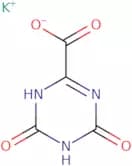
CAS:<p>Oxonic acid potassium is a selectively competitive uricase inhibitor that avoids excretion of uric acid. It also inhibits the activity of orotate phosphoribosyltransferase (OPRT), an enzyme needed for the biosynthesis of pyrimidine nucleotides. Oxonic acid potassium catalyzes the phosphorylation of 5-fluorouracil (FF05372, BF166014) to 5-fluorouridine-5'-monophosphate (NF31487). In certain studies with rats, it has been shown that oxonic accid potassium suppresses the gastrointestinal toxicity of 5-fluorouracil or 5-FU without inhibiting the antitumor activity. Oxonic acid potassium, in combination with other prodrugs, boosts the antitumor activity and has shown positive results to treat gastric, pancreatic, lung, head, neck, and breast carcinomas.</p>Formula:C4H2KN3O4Purity:Min. 98 Area-%Color and Shape:PowderMolecular weight:195.17 g/mol1,2,4-Benzenetricarboxylic acid
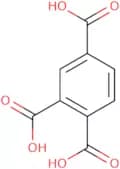
CAS:<p>1,2,4-Benzenetricarboxylic acid is a natural compound that belongs to the group of polyvinyl derivatives. It can be synthesized by reacting trimellitic anhydride with sodium salts in a reaction solution containing trifluoroacetic acid. The compound has been used as a component in analytical methods for determining the purity of polyvinyl chloride (PVC). 1,2,4-Benzenetricarboxylic acid is also known to react with human serum proteins and ester linkages to form carcinogenic compounds. 1,2,4-Benzenetricarboxylic acid reacts rapidly with the film of methyl ethyl ketone to form methyl ethyl benzoate.</p>Formula:C9H6O6Purity:Min. 98 Area-%Color and Shape:White PowderMolecular weight:210.14 g/molFmoc-NH-PEG10-propionic acid
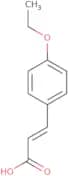
CAS:<p>Fmoc-NH-PEG10-propionic acid is a PEG compound with two different functional groups (also known as heterobifunctional). Unlike homobifunctional PEG compounds (same functional group on both ends), this type of compounds are more versatile as have two different anchor points. Fmoc-NH-PEG10-propionic acid is used as a linker and spacer to add a PEG moiety, via pegylation (a bioconjugation technique) to proteins, peptides, oligonucleotides, small molecules and nanoparticles.</p>Formula:C38H57NO14Purity:Min. 95%Color and Shape:Colorless PowderMolecular weight:751.86 g/mol4-Ethoxycinnamic acid
CAS:<p>4-Ethoxycinnamic acid is a phenolic compound that is found in many plants and fruits. It has been shown to have bioactivities such as anti-inflammatory, anti-allergic, and anticancer activities. 4-Ethoxycinnamic acid has been shown to inhibit tyrosinase activity by interacting with the enzyme's active site. This inhibition reduces the production of melanin, which may be due to its ability to inhibit dopamine oxidation or the conversion of dopachrome into dopaquinone. 4-Ethoxycinnamic acid also inhibits prolyl hydroxylase activity, which can lead to increased collagen synthesis and reduced inflammation.</p>Formula:C11H12O3Purity:Min. 95%Color and Shape:PowderMolecular weight:192.21 g/molBenzyl (4-hydroxyphenyl)acetate
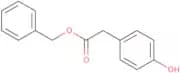
CAS:<p>Benzyl (4-hydroxyphenyl)acetate is a prodrug that is converted to its active form, phenylephrine, in the cytosol. It has been shown to inhibit carbenes and enhance the contractions of muscle cells. Benzyl (4-hydroxyphenyl)acetate has been shown to be effective in reducing blood pressure and normalized blood glucose levels in diabetic mice. The drug has also been shown to have a dose-dependent effect on nerve cells.</p>Formula:C15H14O3Purity:Min. 90 Area-%Color and Shape:PowderMolecular weight:242.27 g/molMycophenolic acid
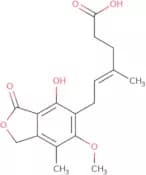
CAS:<p>Mycophenolic acid is a guanosine monophosphate synthesis pathway blocker. It selectively inhibits inosine monophosphate dehydrogenase (IMPDH) which blocks the conversion of inosine-5-phosphate and xanthine-5-phosphate to guanosine-5-phosphate. This drug inhibits de novo purine biosynthesis. Mycophenolic acid is an immunosuppressant metabolite present in drug formulations that are used to prevent rejections after organ transplants. It has also shown to have antibacterial and antifungal properties.</p>Formula:C17H20O6Purity:Min. 95%Color and Shape:PowderMolecular weight:320.34 g/molD-(+)-Camphoric acid
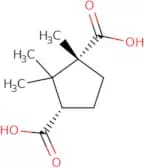
CAS:<p>D-(+)-Camphoric acid is a chiral compound that has been synthesized and studied for its anticancer activity. It was found to be effective against cancer cells in the presence of metal cations, such as copper, nickel, and zinc. D-(+)-Camphoric acid can be used as a test compound to investigate the mechanism of action of drugs that target the lysosomal membrane. It is also useful in determining homochirality by x-ray diffraction studies. This compound has been shown to have an adsorption kinetic behaviour that is dependent on pH and ionic strength, which can be determined by luminescence experiments. D-(+)-Camphoric acid is an enantiopure chemical with a reaction time of 5 minutes at room temperature and is available in crystalline form. The crystal x-ray diffraction data for this compound has been published and it exhibits anticancer activity.</p>Formula:C10H16O4Color and Shape:White PowderMolecular weight:200.23 g/mol5-Methyl-[1,3,4]oxadiazole-2-carboxylic acid, potassium salt
CAS:<p>5-Methyl-[1,3,4]oxadiazole-2-carboxylic acid, potassium salt (5-MOC) is a multistage laser treatment that can be used to treat pigmentation. 5-MOC inhibits the production of melanin in the skin by inhibiting tyrosinase activity. This drug also has been shown to reduce hyperpigmentation by reducing the number of pigment cells. 5-MOC is delivered using an electron microscopic technique and is packaged in a capsule for oral administration. The colorimeter sensor detects the amount of light reflected from the skin surface and converts it into a color value. The sensor measures the amount of light that reflects back from areas with pigmentation problems and determines whether or not they are treated correctly.</p>Formula:C4H3N2O3·KPurity:Min. 95%Color and Shape:PowderMolecular weight:166.18 g/mol5-Bromothiophene-2-carboxylic acid methyl ester
CAS:<p>5-Bromothiophene-2-carboxylic acid methyl ester is an alkene that is used in the synthesis of molybdenum trioxide and other polyhalogenated compounds. It can be prepared by alkylation of 5-bromothiophene with ethyl bromoacetate in the presence of carbon tetrachloride and a halide, such as bromine. The use of photophysical optimization has been shown to significantly improve the yield of this reaction. The reactive nature of 5-bromothiophene-2-carboxylic acid methyl ester makes it suitable for use in organic synthesis. This compound has been shown to have a positive effect on bone mass, which may be due to its ability to inhibit osteoclasts, reducing the activity of these cells that break down bone tissue.</p>Formula:C6H5BrO2SPurity:Min. 95%Color and Shape:PowderMolecular weight:221.07 g/molHepcidin-25 (human) trifluoroacetate salt
CAS:<p>Please enquire for more information about Hepcidin-25 (human) trifluoroacetate salt including the price, delivery time and more detailed product information at the technical inquiry form on this page</p>Formula:C113H170N34O31S9·C2HF3O2Purity:Min. 95 Area-%Color and Shape:PowderMolecular weight:2,903.38 g/molDirect Red 16
CAS:<p>Direct Red 16 is a dye that reacts with acids to form an intensely red compound. It is used in research and as a reagent for the production of other dyes. Direct Red 16 is also used as a building block in the synthesis of complex molecules, such as pharmaceuticals and dyes.</p>Formula:C26H17N5Na2O8S2Purity:Min. 95%Molecular weight:639.57 g/molDL-Mandelic acid
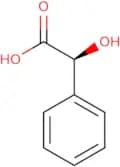
CAS:Controlled Product<p>Antibacterial treatment for urinary tract infections; keratolytic</p>Formula:C8H8O3Purity:Min. 97.0 Area-%Color and Shape:White PowderMolecular weight:152.15 g/mol2-Oxo-1,2,3,4-tetrahydroquinoline-4-carboxylic acid
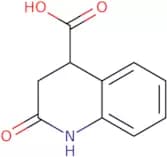
CAS:<p>2-Oxo-1,2,3,4-tetrahydroquinoline-4-carboxylic acid is a carboxylic acid that is an intermediate in the chemical synthesis of 2H and 3H tetrahydroquinolines. It can be synthesized by the oxidation of 2-(N,N-dimethylamino)benzaldehyde with hydrogen peroxide in methanol. The compound has been used to label animals for use in mass spectrometry studies and as a reactant in electron and nuclear magnetic resonance (NMR) spectroscopy experiments. In addition, 2-oxo-1,2,3,4-tetrahydroquinoline-4-carboxylic acid has been used to study equilibrium and reversible reactions as well as to identify the abundances of different spectral peaks. 2-Oxo-1,2,3,4-tetrahydroquinoline-4</p>Formula:C10H9NO3Purity:Min. 95%Molecular weight:191.18 g/mol4-Hydroxy-3-nitrobenzoic acid ethyl ester
CAS:<p>4-Hydroxy-3-nitrobenzoic acid ethyl ester is a small molecule that binds to DNA and RNA. It is cytotoxic, inhibiting cell growth in the presence of amides, nucleosides, or nucleotides. 4-Hydroxy-3-nitrobenzoic acid ethyl ester also inhibits the proliferation of cancer cells in culture. This drug has been shown to be effective against pancreatic cancer, ovarian cancer, and glioblastoma cells. The structure of this compound was elucidated by spectral analysis of its NMR and mass spectra data. It has yielded a 2780% increase in glioblastoma cell line growth rates when compared to control cells.</p>Formula:C9H9NO5Purity:Min. 95%Color and Shape:PowderMolecular weight:211.17 g/mol5-Methoxyisoxazole-4-carboxylic acid ethyl ester
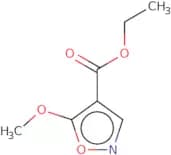
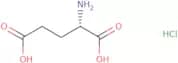
CAS:<p>5-Methoxyisoxazole-4-carboxylic acid ethyl ester is a fine chemical that has been used as a reagent, speciality chemical, and complex building block. It is also useful as a versatile intermediate for the synthesis of other organic compounds. 5-Methoxyisoxazole-4-carboxylic acid ethyl ester has been shown to react with alcohols and amines to form ethers and amides respectively. The compound can be used in the synthesis of polymers and pharmaceutical intermediates. 5-Methoxyisoxazole-4-carboxylic acid ethyl ester has a molecular weight of 210.24 g/mol and CAS No. 1314983-30-6.</p>Formula:C7H9NO4Purity:Min. 95%Molecular weight:171.15 g/molL-(+)-Glutamic acid HCl
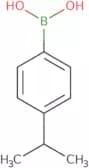
CAS:<p>L-(+)-Glutamic acid HCl is a monosodium salt that belongs to the group of water-soluble organic acids. It has been used as a food additive and in wastewater treatment, as well as for the production of polymers and pharmaceuticals. Glutamate can be converted to glutamic acid by hydrolysis with sodium hydroxide or other strong bases. Glutamic acid is an important biochemical precursor in the synthesis of proteins, peptides, and nucleic acids. It also functions as a neurotransmitter in the central nervous system. L-(+)-glutamic acid HCl has been shown to induce apoptosis in human HL-60 cells by increasing reactive oxygen species (ROS) levels and activating caspase-3 activity in these cells. The crystalline cellulose used in this study was obtained from cellulose powder (Avicel PH101).</p>Formula:C5H9NO4·HClPurity:Min. 95%Color and Shape:White PowderMolecular weight:183.59 g/mol4-Isopropylphenylboronic acid
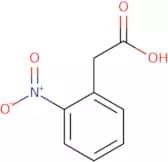
CAS:<p>4-Isopropylphenylboronic acid is a chiral organic chemical that is used as a Grignard reagent. It is an optically pure compound that can be isolated by recrystallization. The optical purity of 4-isopropylphenylboronic acid has been confirmed by the red shift observed in its IR spectrum. This compound undergoes nucleophilic substitution reactions, and it also catalyses the hydrostannylation of styrene with phenyllithium or butyllithium. The synthesis of this molecule requires relatively mild reaction conditions, and it can be obtained in high yield.</p>Formula:C9H13BO2Purity:Min. 95%Color and Shape:PowderMolecular weight:164.01 g/mol2-Nitrophenylacetic acid
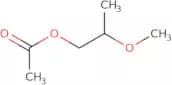
CAS:<p>2-Nitrophenylacetic acid is a synthetic product that has been studied by electrochemical techniques. It is soluble in human serum and can be detected by a chromatographic method. The cationic surfactant, oxindole, chloride, and optimal reaction conditions are known for the solute. 2-Nitrophenylacetic acid is a pharmaceutical drug that can be cleaved into nitro and carboxylate products with hydrochloric acid and β-unsaturated ketone as cleavage products.</p>Formula:C8H7NO4Purity:Min. 98 Area-%Color and Shape:PowderMolecular weight:181.15 g/mol2-Methoxypropyl acetate
CAS:<p>2-Methoxypropyl acetate is a cross-linking agent that is used in water treatment. It is used as an additive to deionized water and can be found in high concentrations in wastewater. 2-Methoxypropyl acetate reacts with xylene to produce light emission, which makes it suitable for use as a chemical marker. The optimum dose of 2-methoxypropyl acetate ranges from 0.025% to 0.2%. 2-Methoxypropyl acetate has been shown to be toxic when injected into rats at doses of 100 mg/kg body weight, but not at doses of 25 mg/kg body weight or less. This compound was also shown to cause protrusion and necrosis of the nasal septum in rats after administration at doses of 500 mg/kg body weight.</p>Formula:C6H12O3Purity:Min. 95%Color and Shape:Colourless LiquidMolecular weight:132.16 g/mol4-Maleimidobutyric acid N-succinimidyl ester
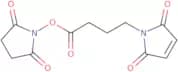
CAS:<p>4-Maleimidobutyric acid N-succinimidyl ester is a maleimide compound that can be used as an antimicrobial. It has been shown to have the ability to bind to toll-like receptors, which are proteins found on cells that play a role in immune responses. 4-Maleimidobutyric acid N-succinimidyl ester has been shown to inhibit the growth of bacteria by binding to DNA and crosslinking it. The drug also inhibits protein synthesis and enzyme activities in bacteria.<br>4-Maleimidobutyric acid N-succinimidyl ester has not been tested for its effects on humans, but it has been shown to be nontoxic in animal studies. This drug may cause cell lysis and thermal expansion, which means that it may be useful in the study of axonal growth and toxicity studies.</p>Formula:C12H12N2O6Purity:Min. 98 Area-%Color and Shape:PowderMolecular weight:280.23 g/molLithospermic acid
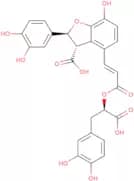
CAS:<p>Lithospermic acid is a natural product that belongs to the family of benzoquinones. It has been shown to inhibit the growth of cells by binding to their DNA polymerase and preventing it from synthesizing DNA. Lithospermic acid also binds to the surface of cells and inhibits cell cycle progression. This product is used in coronary heart disease treatment due to its ability to inhibit oxidative injury and improve lipid metabolism. Lithospermic acid inhibits cyclin D2, which is an important protein for tumor formation. The drug has also been shown to have anti-inflammatory effects in rat models of colitis and arthritis</p>Formula:C27H22O12Purity:Min. 95%Color and Shape:Slightly Brown PowderMolecular weight:538.46 g/mol4-Formylphenylboronic acid pinacol cyclic ester
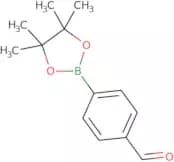
CAS:<p>4-Formylphenylboronic acid pinacol cyclic ester is a boronic ester that can be used in cross-coupling reactions. It reacts with a variety of halides and metal surfaces, including palladium. 4-Formylphenylboronic acid pinacol cyclic ester has been shown to be a useful model system for the synthesis of conjugates and has been used in clinical development as a fluorophore for cancer diagnosis. The photophysical properties of 4-Formylphenylboronic acid pinacol cyclic ester have been studied extensively and the chromophore is sensitive to changes in the environment. The boronic acids are responsible for the reactivity of 4-Formylphenylboronic acid pinacol cyclic ester, which undergoes an oxidative addition reaction mechanism.</p>Formula:C13H17BO3Color and Shape:PowderMolecular weight:232.08 g/mol4-Benzyloxy-3-methoxybenzoic acid
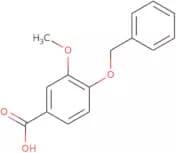
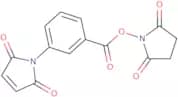
CAS:<p>4-Benzyloxy-3-methoxybenzoic acid is an isomeric compound that is decarboxylated to 4-hydroxy-3-methoxybenzoic acid. It has been shown to inhibit tumor growth and induce apoptosis in HCT116 human lung cancer cells. The mechanism of action may be due to the inhibition of amine synthesis by vanillyl alcohol and oxygenated metabolites.</p>Formula:C15H14O4Purity:Min. 90%Molecular weight:258.27 g/mol3-N-Maleimidobenzoic acid N-succinimidyl ester
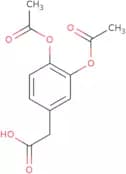
CAS:<p>3-N-Maleimidobenzoic acid N-succinimidyl ester is a potent inhibitor of the enzyme aromatase, the enzyme responsible for the conversion of androgens to estrogens. 3-N-Maleimidobenzoic acid N-succinimidyl ester binds covalently to the active site of aromatase, thereby inhibiting its activity. This drug also has been shown to be effective in reducing the production of blood group antigens in rats. 3-N-Maleimidobenzoic acid N-succinimidyl ester binds to homologous proteins, such as albumins and hemoglobins, and inhibits their function. The drug can be used as an immunogen to produce antibodies against these proteins. Toxicity studies have been conducted with this drug in rats and mice with no observed adverse effects at doses up to 500 mg/kg.</p>Formula:C15H10N2O6Purity:Min. 97 Area-%Color and Shape:PowderMolecular weight:314.25 g/mol3,4-Diacetoxyphenylacetic acid
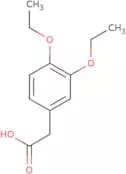
CAS:<p>3,4-Diacetoxyphenylacetic acid is a white crystalline solid. It is soluble in water, ethanol and acetone. This chemical is a useful building block for the synthesis of a wide range of compounds including pharmaceuticals, pesticides and agrochemicals. 3,4-Diacetoxyphenylacetic acid has been used as a reagent for the synthesis of various complex compounds such as anti-inflammatory drugs and antibiotics. 3,4-Diacetoxyphenylacetic acid can be used as a versatile building block in the synthesis of many different compounds with high purity and quality.</p>Formula:C12H12O6Purity:Min. 95%Molecular weight:252.22 g/mol3,4-Diethoxyphenylacetic acid
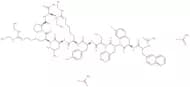
CAS:<p>3,4-Diethoxyphenylacetic acid is a synthetic compound that has been shown to be an inhibitor of multidrug resistance (MDR) efflux pumps. It is also a substrate for membrane sulfotransferases, which are enzymes that catalyze the transfer of sulfate from 3,4-diethoxyphenylacetic acid to other compounds. The addition of 3,4-diethoxyphenylacetic acid to cultured human cells has been shown to inhibit the activity of p-glycoprotein and therefore increase the uptake of drugs such as acetonitrile and aluminium.</p>Formula:C12H16O4Purity:Min. 95%Color and Shape:PowderMolecular weight:224.25 g/molGanirelix acetate
CAS:Controlled Product<p>Ganirelix acetate is a synthetic, non-steroidal, anti-hormonal agent of the gonadotropin releasing hormone (GnRH) receptor antagonist class. It is used in research as a building block for fine chemical and pharmaceutical synthesis. Ganirelix acetate has been shown to be useful in the synthesis of drugs that target the GnRH receptor or other receptors with high affinity for GnRH. This compound can act as an intermediate in many chemical reactions and is also a versatile scaffold for drug design.</p>Formula:C80H113ClN18O13•(C2H4O2)2Purity:Min. 95%Color and Shape:White PowderMolecular weight:1,690.42 g/mol4-Bromo-2-fluorobenzoic acid
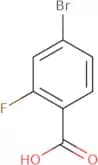
CAS:<p>4-Bromo-2-fluorobenzoic acid is an organic solvent that is used in the introduction of 2-aminoisobutyric acid. The reaction solution is typically heated and contains a small amount of either chloride, sulfoxide, or both. Various analytical methods can be used to determine the yield of the acylation reaction. 4-Bromo-2-fluorobenzoic acid's ligand can be converted to an acid chloride with a Grignard reagent and then reacted with carboxylate to form an ester. This ester reacts with amines to form amides, which are used as pharmaceuticals and intermediates for various other reactions. 4-Bromo-2-fluorobenzoic acid inhibits bacterial growth by binding to glutamine synthetase, thereby inhibiting protein synthesis.</p>Formula:C7H4BrFO2Purity:Min. 95%Color and Shape:PowderMolecular weight:219.01 g/molDOTA-(Tyr3)-Octreotate acetate salt
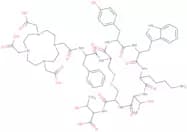
CAS:Controlled Product<p>Octreotate is a radiopharmaceutical that is synthesized by reacting DOTA-Tyr3 with octreotide acetate. Octreotate, also known as dotatate, is used in nuclear medicine to treat neuroendocrine tumours. This drug has a high yield and can be reliably prepared using cassettes and computerised equipment to create germanium-68 labelled octreotate. The radionuclide emits positrons and gamma rays, which are used for imaging neuroendocrine tumours in the brain or other organs. Octreotate is a synthetic analogue of the natural hormone octreotide, which binds to receptors on the cell surface and prevents the release of hormones from cells. This may be due to its ability to inhibit protein synthesis by inhibiting rRNA synthesis.</p>Formula:C65H90N14O19S2Purity:Min. 95 Area-%Color and Shape:White Slightly Yellow PowderMolecular weight:1,435.63 g/molDodeca 2E,4E,8Z,10E,Z-tetraenoic acid isobutylamide - ca. 10 mg/ml acetonitrile solution
CAS:<p>Dodeca 2E,4E,8Z,10E,Z-tetraenoic acid isobutylamide (DETBA) is a versatile building block that is used in the synthesis of natural products and pharmaceuticals. DETBA can be used as a reaction component in organic synthesis to form complex compounds such as polyesters, polyamides, polyurethanes, and polyimides. It also has high quality and can be used in research or speciality chemical applications.</p>Formula:C16H25NOPurity:Min. 96 Area-%Color and Shape:Clear LiquidMolecular weight:247.38 g/mol(3-Formyl-1-indolyl)acetic acid
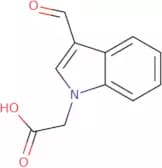
CAS:<p>(3-Formyl-1-indolyl)acetic acid is a small molecule that has been shown to inhibit the activity of various enzymes, including acetylcholinesterase (AChE), butyrylcholinesterase (BChE), and histamine N-methyltransferase (HNMT). The crystal structure of (3-formyl-1-indolyl)acetic acid was determined by X-ray crystallography. The active conformation of the molecule was found to be a nonplanar chair conformation with a hydrogen bond acceptor at C8. This conformation is stabilized by a hydrogen bond donor at C7, which also creates an additional hydrogen bond acceptor at O2. These interactions stabilize the molecule in its active form. The docking studies showed that the ligand binds to AChE with high affinity, while binding to BChE and HNMT with lower affinity. The inhibition effects on these</p>Formula:C11H9NO3Purity:Min. 95%Color and Shape:Off-White PowderMolecular weight:203.19 g/mol3-Chloro-4-nitrobenzoic acid
CAS:<p>3-Chloro-4-nitrobenzoic acid (3CNB) is an amine that has been shown to be a 5-HT1A receptor agonist. It has been used in animal models of anxiety, depression and schizophrenia. 3CNB is able to activate the 5-HT1A receptor, which is involved in the regulation of anxiety, mood and other behaviors. The activation energies for the binding of 3CNB to the 5-HT1A receptor are calculated to be 8.3 kcal/mol and 9.2 kcal/mol at pH 7.0 and 10 respectively. A clinical study found that this agent was effective in treating trichomonas vaginalis infections as well as reducing symptoms of irritable bowel syndrome. In vivo studies have revealed that 3CNB is capable of inducing a sustained increase in extracellular serotonin levels in rat brain tissue with a half life of 2 hours. Kinetic studies have also shown that nitro groups enhance</p>Formula:C7H4ClNO4Purity:Min. 98 Area-%Color and Shape:PowderMolecular weight:201.56 g/molMethyl cyclohexene-1-carboxylate
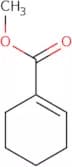
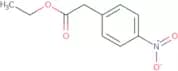
CAS:<p>Methyl cyclohexene-1-carboxylate is a functional group that is used in catalytic asymmetric synthesis. It has been shown to be a useful reactant for the synthesis of cyclopentenone, and it can also be used to synthesize isomers of methyl cyclopentane-1-carboxylate. Methyl cyclohexene-1-carboxylate reacts with organotin compounds to form five-membered rings and vinyl acetate. This compound is an asymmetric synthon that produces yields of up to 97%. Methyl cyclohexene-1-carboxylate can also undergo amide formation with ammonia or an amine, producing an alkene.</p>Formula:C8H12O2Purity:Min. 95%Color and Shape:Clear LiquidMolecular weight:140.18 g/molEthyl (4-nitrophenyl)acetate
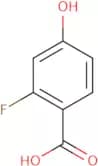
CAS:<p>Ethyl (4-nitrophenyl)acetate is a molecule that has been used in biological studies as an active substance for its antibacterial properties. It has been shown to have minimal inhibitory concentration (MIC) of 0.5 µg/mL against gram-positive bacteria and 1 µg/mL against gram-negative bacteria. The molecule is also the main active methylene in the ethyl ester. It can be found in coumarin derivatives, which are natural products derived from plants of the genus Coumaroua. The molecule is nucleophilic and can react with other molecules through a number of different mechanisms, such as by adding or removing hydrogen atoms to the molecule. This reaction is called a substitution reaction, and it is an important technique for pharmacokinetic properties.</p>Formula:C10H11NO4Purity:Min. 95%Color and Shape:PowderMolecular weight:209.2 g/mol2-Fluoro-4-hydroxybenzoic acid
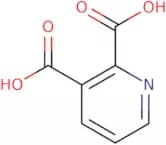
CAS:<p>The 2-fluoro-4-hydroxybenzoic acid (2F4HB) is a naturally occurring substance that has been synthesized by the process of carbon source. It is a member of the class of compounds known as flavonoids, which are found in plants and have many functions such as being an antioxidant, having anti-inflammatory properties, and being a precursor to vitamin K. The 2F4HB has been shown to have antimicrobial activity against various bacterial species including C. parapsilosis and B. cereus, with inhibitory effects on cell growth. This compound also has been shown to have birefringence properties under polarized light microscopy. It may be used as a fluorescent dye to study the structure of polymers or other organic substances that can be dissolved in water or organic solvents. The 2F4HB also shows potential as an electron spin resonance agent for magnetic resonance spectroscopy because it can act as a free radical scavenger</p>Formula:C7H5FO3Purity:Min. 95%Molecular weight:156.11 g/mol2,3-Pyridinedicarboxylic acid
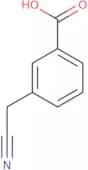
CAS:<p>2,3-Pyridinedicarboxylic acid is a metabolite of glutamate and quinolinate. It has been shown to inhibit mitochondrial membrane potential, which may lead to neuronal death. 2,3-Pyridinedicarboxylic acid is also an inhibitor of the enzyme activities of the group P2 synthetases. The compound can act as a pharmacological agent against infectious diseases such as malaria and tuberculosis.</p>Formula:C7H5NO4Purity:Min. 98 Area-%Color and Shape:White PowderMolecular weight:167.12 g/mol3-(Cyanomethyl)benzoic acid
CAS:<p>3-(Cyanomethyl)benzoic acid is a useful building block that is used as a reagent in the production of pharmaceuticals and research chemicals. It is also used as a speciality chemical and as a high-quality fine chemical. This compound has versatile uses, including reactions with other chemicals to form complex compounds, and can be used as a reaction component or an intermediate in the synthesis of other chemicals. 3-(Cyanomethyl)benzoic acid has no known toxicity and its CAS number is 5689-33-8.</p>Formula:C9H7NO2Purity:Min. 95%Color and Shape:PowderMolecular weight:161.16 g/mol4-Hydroxy-3-methoxybenzoic acid ethyl ester
CAS:<p>4-Hydroxy-3-methoxybenzoic acid ethyl ester is a synthetic compound that is converted to protocatechuic acid, an antioxidant found in wine. It has been shown to have antioxidative properties in inflammatory bowel disease by inhibiting the formation of reactive oxygen species. Protocatechuic acid also inhibits the growth of bacterial strains such as Listeria monocytogenes and Bacillus cereus, which are often resistant to antibiotics. The mechanism of action is not well understood, but it may be due to its ability to inhibit the production of p-hydroxybenzoic acid, a precursor for bacterial cell wall synthesis. Protocatechuic acid also has anti-inflammatory properties and can be used as a bioactive phenolic in topical preparations such as creams or ointments.</p>Formula:C10H12O4Purity:Min. 95%Color and Shape:PowderMolecular weight:196.2 g/mol(2S,6R)-2,6-Diaminoheptanedioic acid
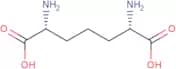
CAS:<p>(2S,6R)-2,6-Diaminoheptanedioic acid is an antimicrobial agent that inhibits bacterial growth by binding to the Toll-like receptor 2 (TLR2) and Toll-like receptor 4 (TLR4). It has been shown to inhibit the production of IL-12 in a dose-dependent manner. The crystal structure of the complex between (2S,6R)-2,6-diaminoheptanedioic acid and TLR4 reveals that this compound binds to TLR4 at the interface between its extracellular domain and transmembrane domain, which disrupts the interaction between TLR4 and its ligands. This compound also inhibits calcium uptake by gram-positive bacteria such as Staphylococcus aureus and Enterococcus faecalis. (2S,6R)-2,6-Diaminoheptanedioic acid may be used for wastewater treatment because it</p>Formula:C7H14N2O4Purity:Min. 95%Color and Shape:White PowderMolecular weight:190.2 g/molCHES
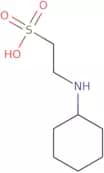
CAS:<p>2-(N-Cyclohexylamino)ethanesulfonic acid, also known as CHES, is a biological cyclohexylamino buffer with an optimal pH range of 8.6-10.0 and a pKa of 9.5. It has poor metal ion coordination and is suitable for applications above physiological pH.</p>Formula:C8H17NO3SPurity:(Titration) 98.0 To 102.0%Color and Shape:PowderMolecular weight:207.29 g/mol3-(2,6,6-Trimethyl-4-oxo-5,6,7-trihydroindolyl)benzoic acid
CAS:<p>Please enquire for more information about 3-(2,6,6-Trimethyl-4-oxo-5,6,7-trihydroindolyl)benzoic acid including the price, delivery time and more detailed product information at the technical inquiry form on this page</p>Formula:C18H19NO3Purity:Min. 95%Color and Shape:PowderMolecular weight:297.35 g/molp-Coumaric acid 4-O-sulfate disodium
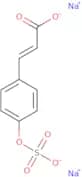
CAS:<p>p-Coumaric acid 4-O-sulfate disodium salt is a high quality, reagent, complex compound. It is an intermediate in the synthesis of pyridoxal 5′-phosphate and may be used as a building block for the synthesis of other compounds. It is also a speciality chemical that may be used as a reaction component in organic synthesis.</p>Formula:C9H8O6S•Na2Purity:95%MinColor and Shape:PowderMolecular weight:290.2 g/mol

![2-[(4-Isopropylphenyl)amino]nicotinic acid](/_next/image/?url=https%3A%2Fstatic.cymitquimica.com%2Fproducts%2F3D%2Fthumb-webp%2FFI136104.webp&w=3840&q=75)



![4-[2'-(7''-Deazaguanine)ethyl]benzoic acid N-hydroxysuccinimide ester](/_next/image/?url=https%3A%2Fstatic.cymitquimica.com%2Fproducts%2F3D%2Fthumb-webp%2FFD20837.webp&w=3840&q=75)

![Methyl 3-aminothieno[2,3-β]pyridine-2-carboxylate](/_next/image/?url=https%3A%2Fstatic.cymitquimica.com%2Fproducts%2F3D%2Fthumb-webp%2FFM57205.webp&w=3840&q=75)



![5-Methyl-[1,3,4]oxadiazole-2-carboxylic acid, potassium salt](/_next/image/?url=https%3A%2Fstatic.cymitquimica.com%2Fproducts%2F3D%2Fthumb-webp%2FFM56554.webp&w=3840&q=75)