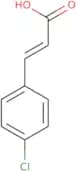
Carboxylic Acids
Carboxylic acids are organic molecules characterized by having a carboxyl-type functional group (-COOH). These acids are fundamental in various chemical reactions, including esterification, amidation, and decarboxylation. Carboxylic acids are widely used in the production of pharmaceuticals, polymers, and agrochemicals. In this section, you can find a large number of carboxylic acids ready to be used. At CymitQuimica, we provide a broad range of high-quality carboxylic acids to support your research and industrial applications.
Found 12453 products of "Carboxylic Acids"
Sort by
Purity (%)
0
100
|
0
|
50
|
90
|
95
|
100
2-Bromocinnamic acid
CAS:<p>2-Bromocinnamic acid is a synthetic compound that inhibits the reactions of arylating agents with tissues. It has cytotoxic activity and can be used in the treatment of alzheimer's disease. The synthesis of 2-bromocinnamic acid begins with anhydrous acetonitrile, which is heated to form an anhydrous salt. This salt is then dissolved in water and treated with potassium iodide and sodium nitrite. The resultant mixture undergoes a series of reactions to produce 2-bromocinnamic acid, including the addition of molybdenum as a catalyst. The reaction also produces byproducts that are removed by extraction or distillation. Finally, it undergoes a chromophore change from yellow to red in the presence of air due to oxidation by atmospheric oxygen.</p>Formula:C9H7BrO2Purity:Min. 95%Molecular weight:227.05 g/molUrsocholic acid
CAS:Controlled Product<p>Ursocholic acid is a bile acid that is used in the treatment of pediatric bowel disease. Ursocholic acid reduces the formation of cholesterol gallstones and its use has been shown to improve the symptoms of congestive heart failure. The mechanism of action for ursocholic acid is not fully understood but it has been shown to increase the amount of serum bile acids and reduce the amount of hydroxyl group in bile acids. Ursocholic acid also increases cell lysis by interacting with hydrophobic regions on the surface of cells. There are high concentrations of ursocholic acid found in human feces, which may be due to its hydrophobic effect. Ursocholic acid also inhibits HIV infection by binding to gp120, preventing gp120 from binding to CD4 receptors on T-cells.</p>Formula:C24H40O5Purity:Min. 95%Color and Shape:PowderMolecular weight:408.57 g/mol4-Bromocinnamic acid
CAS:<p>4-Bromocinnamic acid is a plant metabolite that is found in the leaves of plants belonging to the family Capparaceae. It can be extracted from these leaves using methanol as a solvent and then purified by column chromatography. 4-Bromocinnamic acid has been shown to have antitumor properties and has been studied in a model system for prostate cancer cells. This molecule also has the ability to hydrogen bond with other molecules, including dopamine, which is important for its anti-cancer activity.</p>Formula:C9H7BrO2Purity:Min. 95%Color and Shape:PowderMolecular weight:227.05 g/mol3-Methoxyanthranilic acid hydrochloride
CAS:<p>3-Methoxyanthranilic acid hydrochloride is a synthetic, monosubstituted, hydrochloric acid salt of 3-methoxyanthranilic acid and the hydrochloride. It is a colorless crystalline solid that melts at 166 degrees Celsius. 3-Methoxyanthranilic acid hydrochloride is used as an intermediate in the synthesis of caprolactam, which is then used to produce polyamide fibers. The melting point of 3-Methoxyanthranilic acid hydrochloride can be used to identify other compounds with similar structures. This compound has been shown to have antihistamine effects and may be useful for treating allergies or asthma.</p>Formula:C8H9NO3•HClPurity:Min. 95%Color and Shape:PowderMolecular weight:203.62 g/mol3-Bodipy-propanoic acid methyl ester
CAS:<p>3-Bodipy-propanoic acid methyl ester is a fluorescent probe that binds to the endoplasmic reticulum. It has been used in cancer diagnosis, as well as for the detection of chloride and ligand binding. 3-BPA has been shown to be a useful tool in the study of protein synthesis and cell binding. This compound is unmodified and has a broad spectrum of applications.</p>Formula:C15H17BF2N2O2Purity:Min. 95%Molecular weight:306.12 g/mol1-Hydroxycyclopropanecarboxylic acid methyl ester
CAS:1-Hydroxycyclopropanecarboxylic acid methyl ester is a potent inhibitor of phosphorylation. It binds to the ATP and ADP molecules, preventing them from binding to the phosphoryl transferase enzyme. This inhibits the phosphorylation of glucose, leading to an accumulation of phosphoglycolate and pyruvate in cells. 1-Hydroxycyclopropanecarboxylic acid methyl ester has been shown to be a potent inhibitor of cyclopropane-fatty acid synthase, which is involved in synthesis of fatty acids for energy storage. The diethyl succinate derivative is also known as ethylene dibromide. Condensation reactions between this compound and carboxylic acids produce diethyl succinates that are used as plasticizers in polymers such as polyvinyl chloride (PVC).Formula:C5H8O3Purity:Min. 95%Molecular weight:116.12 g/mol2-Chloro-4,6-difluorobenzoic acid
CAS:<p>2-Chloro-4,6-difluorobenzoic acid is the product of a reaction between 2-chloro-4,6-difluoroaniline and 4,6-dichlorobenzonitrile. It is used as a building block in the synthesis of pharmaceuticals and other specialty chemicals. 2-Chloro-4,6-difluorobenzoic acid is also used as a reagent in organic synthesis reactions. This chemical is soluble in water and has a boiling point of 190°C. 2CDFBA is found in CAS No. 1242339-67-8 and can be stored at room temperature.</p>Formula:C7H3ClF2O2Purity:Min. 95%Color and Shape:PowderMolecular weight:192.55 g/mol4-Bromo-2-hydroxybenzoic acid methyl ester
CAS:<p>4-Bromo-2-hydroxybenzoic acid methyl ester is a versatile building block that can be used as a research chemical, reagent, or speciality chemical. It is a high quality, versatile compound that can be used in the synthesis of complex compounds. CAS No. 22717-56-2 is an intermediate for the synthesis of other compounds and has been shown to be a useful scaffold for organic chemistry.</p>Formula:C8H7BrO3Purity:Min. 95%Color and Shape:PowderMolecular weight:231.04 g/molO-Isopropyl ethylthiocarbamate
CAS:<p>O-Isopropyl ethylthiocarbamate (IPET) is a reactive oxygen species that is used as a substrate film in electrophotographic printing. IPET is also used to inhibit the growth of cancer cells, which may be due to its ability to inhibit the activity of lp-pla2. The target cell for IPET is the receptor subtype P2X7 and it has been shown to be synergistic with sodium sulfide and polarizers. IPET binds to divalent hydrocarbons that are found in pyrite, which can cause an increase in oxidative stress and apoptosis by activating p38 mitogen-activated protein kinase. This chemical has been shown to have anti-inflammatory effects.</p>Formula:C6H13NOSPurity:Min. 95%Color and Shape:Yellow To Dark Brown LiquidMolecular weight:147.24 g/molMethyl 4-methoxyacetoacetate
CAS:<p>Methyl 4-methoxyacetoacetate is a synthetic chemical compound that can be used in the synthesis of other substances. It has been shown to react with diacetates and produce hydroxy compounds during the reaction system. The reaction rate is dependent on the temperature and concentration of the reactants, as well as the presence of a catalyst such as hydrochloric acid. Methyl 4-methoxyacetoacetate has also been shown to form crystals when heated at constant temperature, which have been analyzed by X-ray diffraction. These crystals are composed of 2 molecules of methyl 4-methoxyacetoacetate that are held together through hydrogen bonding.</p>Formula:C6H10O4Purity:Min. 95%Color and Shape:Colorless Clear LiquidMolecular weight:146.14 g/molFluticasone 17b-carboxylic acid
CAS:Controlled Product<p>Fluticasone 17b-carboxylic acid is a high quality reagent that is a useful intermediate for the synthesis of complex compounds. It can also be used as a fine chemical and research chemical. Fluticasone 17b-carboxylic acid is an important building block for the synthesis of speciality chemicals, such as anti-inflammatory drugs, and has been used in the synthesis of various other compounds. The versatility of fluticasone 17b-carboxylic acid makes it a valuable scaffold for the design and synthesis of new compounds.</p>Formula:C21H26F2O5Purity:Min. 95%Color and Shape:White PowderMolecular weight:396.42 g/mol3-Bromophenylacetic acid
CAS:<p>3-Bromophenylacetic acid is a metabolic disorder that belongs to the group of substances that have hydrogen bond. It is a receptor binding substance and can be used as an analog. 3-Bromophenylacetic acid has been shown to inhibit the CB1 receptor, which is involved in the regulation of appetite and pain perception. This compound has also been shown to have an inhibitory effect on cb1 receptor, which may be due to its ability to act as a solute in vitro. 3-Bromophenylacetic acid has been shown to be an efficient method for phase liquid chromatography when it is combined with proton exchange resin and solutes.</p>Formula:C8H7BrO2Purity:Min. 95%Color and Shape:PowderMolecular weight:215.04 g/mol7-Oxo cholesterol 3-acetate
CAS:Controlled Product<p>7-Oxo cholesterol 3-acetate is a cocatalyst for the oxidation of organic compounds. It is used to catalyze the oxidation of alcohols, carboxylic acids, and other organic compounds with hydrogen peroxide. 7-Oxo cholesterol 3-acetate has been shown to be a low energy catalyst that can be used in mild conditions. This compound has been shown to produce diacetyl, which is an important reaction product in the synthesis of vitamin D3 (cholecalciferol). 7-Oxo cholesterol 3-acetate has also been isolated from adipose tissue and shown to have anti-inflammatory properties.</p>Formula:C29H46O3Purity:Min. 95%Color and Shape:PowderMolecular weight:442.67 g/mol3-Amino-2-methylbenzoic acid
CAS:<p>3-Amino-2-methylbenzoic acid is an organic compound that belongs to the group of heterocyclic compounds. 3-Amino-2-methylbenzoic acid has been shown to inhibit the transport properties of nanotubes and may be used in the development of new materials for drug delivery. It also has potential as a therapeutic agent for the treatment of cancer, diabetes, and bacterial infections. This molecule is unsymmetrical with six hydrogen bonding interactions and three functional groups. The 3-amino group can form an intermolecular hydrogen bond with a proton donor and the two methyl groups can form intramolecular hydrogen bonds with each other.</p>Formula:C8H9NO2Purity:Min. 95%Color and Shape:PowderMolecular weight:151.16 g/mol3-(2-Ethoxyphenyl)propionic acid
CAS:<p>3-(2-Ethoxyphenyl)propionic acid is a versatile building block that can be used as a reagent, speciality chemical, or useful scaffold in the synthesis of complex compounds. 3-(2-Ethoxyphenyl)propionic acid has been shown to have high quality and is a useful intermediate in the synthesis of fine chemicals. This compound has been used as a reactant in organic reactions such as Michael addition and Diels-Alder reactions.</p>Formula:C11H14O3Purity:Min. 95%Molecular weight:194.23 g/molEthylenediaminetetraacetic acid disodium salt
CAS:<p>Ethylenediaminetetraacetic acid disodium salt (EDTA-2Na) is a water-soluble chelating agent that forms a complex with metal ions. EDTA-2Na has been shown to be an effective inhibitor of the polymerase chain reaction (PCR), which is a technique to amplify DNA. EDTA-2Na can be used as a fluorescence probe in biological samples and can also be used in the analysis of reaction solutions. It has been shown to have lubricity properties and can be used as an injection solution for bowel disease. EDTA-2Na is also used in wastewater treatment, where it binds heavy metals and prevents them from being reabsorbed into the environment. The optimum concentration of EDTA-2Na is 1 mM at pH 7.0, with a range from 0.1 mM to 10 mM.</p>Formula:C10H14N2Na2O8Purity:Min. 95%Color and Shape:PowderMolecular weight:336.21 g/molEthacrynic acid
CAS:Controlled Product<p>Ethacrynic acid is a non-competitive, reversible inhibitor of the Na+/K+-ATPase. It has been shown to be effective against cancer tissues and infectious diseases such as malaria, tuberculosis, and leishmaniasis. Ethacrynic acid inhibits 2,4-dichlorobenzoic acid (2,4-DCBA)-induced tumor growth in mice by inducing apoptosis in human leukemia cells. Ethacrynic acid also inhibits mitochondrial membrane potential and cellular physiology by decreasing the activity of enzymes which are involved in energy metabolism.</p>Formula:C13H12Cl2O4Purity:Min. 95%Color and Shape:White PowderMolecular weight:303.14 g/molGinkgolic acid (C17:1)
CAS:<p>Ginkgolic acid is a monomer of the ginkgolides, which are antimicrobial agents. It is an analytical method for detecting the concentration of ginkgolic acid in a sample. Ginkgolic acid has been shown to cause genotoxic potential in vitro and its use as a medicine should be limited. Ginkgolic acid may also inhibit organic anion transporters as well as organic acids such as chlorogenic acids and 1,3-dicaffeoylquinic acid. Ginkgo extract contains high concentrations of ginkgolic acid, which can be reduced by removing alcohol residues from the extract through distillation or boiling.</p>Formula:C24H38O3Purity:Min. 95 Area-%Color and Shape:White PowderMolecular weight:374.56 g/mol3-Chloro-4-hydroxyphenylacetic acid.
CAS:<p>3-Chloro-4-hydroxyphenylacetic acid is an organic compound that has a chemical structure that includes a phenyl group substituted with a chlorine atom. 3-Chloro-4-hydroxyphenylacetic acid is an intermediate in the synthesis of many drugs, and it is used to make the monosodium salt, which is a common form of this drug. 3-Chloro-4-hydroxyphenylacetic acid is one of the chemicals that has been shown to have physiological effects on humans and other animals. The most notable effect for humans is that it can be converted into cancerous cells by radiation. In addition, 3-chloro-4-hydroxyphenylacetic acid has been shown to have chemotherapeutic properties against prostate cancer cells and infectious diseases such as HIV and herpes simplex virus type 1 (HSV1). This chemical also exhibits immunomodulatory properties when administered system</p>Formula:C8H7ClO3Purity:Min. 98%Color and Shape:PowderMolecular weight:186.59 g/molTertiapin-Q trifluoroacetate salt
CAS:<p>A peptide found in honey bee venom; Potassium channel inhibitor</p>Formula:C106H175N35O24S4Purity:Min. 95%Molecular weight:2,452.01 g/molZinc pentamethylenedithiocarbamate
CAS:<p>Zinc pentamethylenedithiocarbamate is an analytical reagent for the determination of fatty acid, viscosity, and cross-linking agent. It is also used as a synthetic, inorganic, organosilicon, piperidine derivative. Zinc pentamethylenedithiocarbamate is a molecule that consists of two divalent hydrocarbons: zinc diethyldithiocarbamate and organosilicon. The molecular weight of zinc pentamethylenedithiocarbamate is 476.6 g/mol.</p>Formula:C12H20N2S4ZnPurity:(%) Min. 95%Color and Shape:PowderMolecular weight:385.94 g/molD-(+)-Phenyllactic acid
CAS:<p>D-(+)-phenyllactic acid is a pharmaceutical drug that is used to catalyze the asymmetric synthesis of chiral compounds. It is an enantiomer of L-phenyllactic acid, and it has been shown to be effective in the treatment of patients with breast cancer. D-(+)-phenyllactic acid can also be used to catalyze the formation of taxol, a clinical drug which has been shown to inhibit tumor growth. D-(+)-phenyllactic acid binds to the active site of catalase, an enzyme that breaks down hydrogen peroxide in cells. The reaction mechanism for catalysis by D-(+)-phenyllactic acid is not well understood, but it may involve monocarboxylic acids such as formic or acetic acids.</p>Formula:C9H10O3Purity:Min. 95%Color and Shape:White PowderMolecular weight:166.17 g/mol2-Bromo-5-fluorobenzoic acid
CAS:<p>2-Bromo-5-fluorobenzoic acid is a polymerase inhibitor that inhibits the activity of the HIV-1 reverse transcriptase by competitive inhibition. It prevents the synthesis of viral DNA by binding to the RNA template and preventing chain elongation. This drug has been shown to be an effective treatment for some types of cancer, such as lung cancer, because it is not easily metabolized and can therefore reach high concentrations in tissues where it is needed. 2-Bromo-5-fluorobenzoic acid is synthesized from 5-(2′-bromophenoxy)benzothiazole and 2,3,4,5,6-pentafluorobenzoyl chloride in three steps. The synthesis involves bromination of benzothiazole with NBS followed by reaction with 4-fluoroaniline to give the intermediate which is then reacted with pentafluorobenzoyl chloride. This compound</p>Formula:C7H4BrFO2Purity:Min. 95%Color and Shape:PowderMolecular weight:219.01 g/mol2-Oxo-3-benzothiazolacetic acid
CAS:<p>2-Oxo-3-benzothiazolacetic acid is a fine chemical and building block that has been used as an intermediate in the synthesis of a variety of complex compounds. It can be used in research as a reaction component, and is useful in the manufacture of speciality chemicals. This compound has many uses, including as a reagent for organic syntheses and as a building block for other chemicals. 2-Oxo-3-benzothiazolacetic acid is also known to have high purity, making it an excellent quality reagent.</p>Formula:C9H7NO3SPurity:Min. 95 Area-%Color and Shape:PowderMolecular weight:209.22 g/mol3-(3-Ethoxyphenyl)propionic acid
CAS:<p>3-(3-Ethoxyphenyl)propionic acid is a useful building block in organic chemistry. It is used as a reagent in the synthesis of various pharmaceuticals, pesticides, and other chemicals. 3-(3-Ethoxyphenyl)propionic acid is also an intermediate in the production of 3-ethoxybenzoic acid and its derivatives.</p>Formula:C11H14O3Purity:Min. 95%Color and Shape:PowderMolecular weight:194.23 g/mol1,2-Dipalmitoyl-sn-glycero-3-phosphatidic acid sodium
CAS:1,2-Dipalmitoyl-sn-glycero-3-phosphatidic acid sodium (DPPA) is a drug substance that has been used in primary culture to study the cell membrane of hepatocytes. This compound is a phospholipid with a cavity at one end and contains two hydroxy groups that can be conjugated to other molecules. It has been shown to be effective against Hepatitis B virus and mesenchymal stromal cells. DPPA has also been used as an adjuvant for gadolinium contrast agents for magnetic resonance imaging. Gadolinium may bind to the hydroxy groups on DPPA, which increases its birefringence and brightness on MRI scans.Formula:C35H69Na2O8PPurity:Min. 98 Area-%Color and Shape:White PowderMolecular weight:694.87 g/molDihydro caffeic acid 3-O-sulfate sodium salt
CAS:<p>Dihydro caffeic acid 3-O-sulfate sodium salt is a flavonol that is found in plants. It has been shown to have antioxidant properties and may be effective in the treatment of diseases associated with oxidative stress, such as diabetes mellitus and cancer. Dihydrocaffeic acid 3-O-sulfate sodium salt has also been shown to inhibit the growth of bacteria by modulating the production of nitric oxide. This agent has been quantified in human urine, which provides evidence for its potential use as a biomarker for disease risk due to its association with phenolic metabolites.</p>Formula:C9H8Na2O7SPurity:Min. 95%Color and Shape:White Off-White PowderMolecular weight:306.2 g/mol16-Dehydropregnenolone acetate
CAS:Controlled Product<p>16-Dehydropregnenolone acetate is a synthetic compound that can be used in wastewater treatment. It reacts with phosphorus pentoxide to form an insoluble solid product. 16-Dehydropregnenolone acetate has been shown to inhibit the growth of human prostate cancer cells and breast cancer cells in vitro and in vivo. 16-Dehydropregnenolone acetate is also a specific agonist for the progesterone receptor, which may be due to its ability to bind to the stereospecific (S) binding site on this receptor. The optimum concentration for 16-dehydropregnanediol is 10 mM and it requires the presence of phosphotungstic acid for maximum activity. This substance has biological properties that are similar to those of natural progesterones, but it does not have any estrogenic properties.</p>Formula:C23H32O3Purity:Min. 95%Color and Shape:PowderMolecular weight:356.5 g/mol23-Hydroxybetulinic acid
CAS:<p>23-Hydroxybetulinic acid is a saponin that belongs to the group of polysaccharides. It is obtained from Curcuma aromatica, which is an edible plant also known as turmeric. 23-Hydroxybetulinic acid has been shown to have a low bioavailability, with plasma concentrations reached after 2 hours. This compound has been used in the preparation of medicines for the treatment of liver diseases, such as cirrhosis and hepatitis. Pharmacokinetic modeling has been done on both animals and humans. The results show that the metabolic pathways for 23-hydroxybetulinic acid are catalysed by beta-elemonic acid and that its absorption is facilitated by acidic conditions. 23-Hydroxybetulinic acid can be found in plasma samples after sample preparation using analytical methods such as HPLC or GC/MS.</p>Formula:C30H48O4Purity:Min. 95%Color and Shape:PowderMolecular weight:472.7 g/mol(3-Hydroxyphenyl)acetic acid methyl ester
CAS:<p>(3-Hydroxyphenyl)acetic acid methyl ester is an allosteric inhibitor of the serotonin transporter (SERT), which is a target enzyme for many drugs. It has inhibitory activity against 5-HT1A receptors, and other targets that have not yet been elucidated. This compound has been shown to react with coumarin derivatives to form reaction products. The molecular modelling of this drug shows that its uptake is inhibited by the presence of acids, such as hydrochloric acid, in the environment. The rate of reaction between (3-hydroxyphenyl)acetic acid methyl ester and serotonin has been determined experimentally using kinetic data. Molecular modeling predicts that this compound will bind tightly to the SERT protein via hydrogen bonding interactions with amino acids in the binding site.</p>Formula:C9H10O3Purity:Min. 95%Color and Shape:Colorless PowderMolecular weight:166.17 g/mol3-(2-Carboxyphenyl)propionic acid
CAS:<p>3-(2-Carboxyphenyl)propionic acid is a chemical compound that belongs to the group of phytoalexins. It is a synthetic compound that is used as a raw material for the synthesis of various pharmaceuticals and other organic compounds. 3-(2-Carboxyphenyl)propionic acid has shown luminescence properties, which may be due to its oxidation products. The isoquinoline alkaloids present in this compound are responsible for its anti-inflammatory effects. 3-(2-Carboxyphenyl)propionic acid can also be found in conjugates with chloride or other organic acids, such as diazide, which inhibit bacterial growth and increase the solubility of this substance.</p>Formula:C10H10O4Purity:Min. 95%Color and Shape:White/Off-White SolidMolecular weight:194.18 g/mol(all-Z)-6,9,12,15,18-Heneicosapentaenoic acid ethyl ester 98%, 10mg/ml ethanol solution
CAS:<p>(all-Z)-6,9,12,15,18-Heneicosapentaenoic acid ethyl ester 98% is a quaternary ammonium salt that is useful as a reaction component or reagent. It has been shown to be a useful scaffold for the synthesis of complex compounds with high quality. This chemical can also be used as a building block for the synthesis of speciality chemicals and versatile building blocks. This compound is highly reactive and can be used in reactions with other chemicals to form more complex compounds. (all-Z)-6,9,12,15,18-Heneicosapentaenoic acid ethyl ester 98% has CAS No. 131775-86-5 and is soluble in ethanol solution at 10mg/ml.</p>Formula:C23H36O2Purity:Min. 98 Area-%Color and Shape:Clear LiquidMolecular weight:344.53 g/molDiethylene glycol diacetate
CAS:<p>Diethylene glycol diacetate is a coagulating agent that is used in the production of polyester fibers. It reacts with fatty acids and forms ester compounds, which are then polymerized and cross-linked to form a film. The acetylation of the hydroxyl group on the molecule provides an additional degree of polymerization, thereby increasing the molecular weight of the product. The reaction vessel used for this process is typically heated at a temperature between 180°C and 220°C to promote polymerization. This polymer film can be made into filaments by extruding it through a spinnerette or die head. The filament may be cut into small particles before being placed in a section, which is then processed as desired.</p>Formula:C8H14O5Purity:Min. 95%Color and Shape:Colorless Clear LiquidMolecular weight:190.19 g/mol3-(4-Fluorobenzoyl)-6-Methoxy-2-Methyl-1H-Indole-1-Acetic Acid
CAS:Controlled Product<p>3-(4-Fluorobenzoyl)-6-Methoxy-2-Methyl-1H-Indole-1-Acetic Acid is a prodrug that is metabolized to 6-fluoro-3,4 dioxo tamoxifen in the liver. It has been shown to have anticholinergic, cytosolic calcium and c1-4 alkyl properties. 3-(4-Fluorobenzoyl)-6-Methoxy-2-Methylindole Acetic Acid also has a basic group, cyclopentane ring, and pyridine ring.</p>Formula:C19H16FNO4Purity:Min. 95%Molecular weight:341.33 g/mol6-Chloro-7-methylchromone-2-carboxylic acid
CAS:<p>6-Chloro-7-methylchromone-2-carboxylic acid is a fine chemical that has been used as a versatile building block for the synthesis of complex compounds. It has been shown to be an effective reaction component in the synthesis of 1,4-benzoquinones and N'-acylhydrazones. 6-Chloro-7-methylchromone-2-carboxylic acid is also a useful intermediate in the preparation of other chemicals, such as pharmaceuticals and pesticides. This compound can be used as an additive to improve the quality of high purity reagents.</p>Formula:C11H7ClO4Purity:Min. 95%Molecular weight:238.62 g/mol3-Bromo-4-fluorocinnamic acid
CAS:<p>3-Bromo-4-fluorocinnamic acid is a useful intermediate that reacts with amines to form 3-bromo-4-fluoroaniline, which is used as a building block in the synthesis of pharmaceuticals, agrochemicals, and other organic compounds.</p>Formula:C9H6BrFO2Purity:Min. 95%Color and Shape:PowderMolecular weight:245.05 g/mol3,5-Dimethoxycinnamic acid
CAS:<p>3,5-Dimethoxycinnamic acid is a compound that belongs to the class of cinnamic acid derivatives. It is a synthetic substance obtained by demethylation of 3,5-dimethoxybenzoic acid. This substance has been shown to have an antifungal activity in vitro against filamentous fungi and many other microorganisms. The antimicrobial effect can be explained by the presence of functional groups such as hydroxyl and methoxyl on the aromatic ring. Hydroxide solution can be used as an analytical reagent for determining the formation rate of this compound.</p>Formula:C11H12O4Purity:Min. 95%Color and Shape:PowderMolecular weight:208.21 g/mol3-Acetylphenylboronic acid
CAS:<p>3-Acetylphenylboronic acid is a functional group with an acetyl group substituted for the hydroxyl group of phenol. 3-Acetylphenylboronic acid has been shown to inhibit cholinesterase through competitive inhibition. It also binds to the endocannabinoid receptor CB1 and competes with anandamide, which is a natural ligand of this receptor. 3-Acetylphenylboronic acid may be used as a replacement for fatty acids in carbon nanotubes because it has the same basic structure but does not react with oxygen or other chemicals. 3-Acetylphenylboronic acid also reacts with metal ions such as copper and zinc, which may be due to its electron withdrawing ability.</p>Formula:C8H9BO3Purity:Min. 98 Area-%Color and Shape:White Slightly Yellow PowderMolecular weight:163.97 g/mol4-Methoxy-3-nitrobenzoic acid
CAS:<p>4-Methoxy-3-nitrobenzoic acid is a hydroxybenzoic acid, and belongs to the group of heterocyclic compounds. It is a preactivated hydroxybenzoate that can be used in the synthesis of griseoluteic acid with chloride as an electron donor. Griseoluteic acid has inhibitory activities on isolated yield. This compound also has potent antitumor activity, which may be due to its ability to inhibit DNA synthesis and protein synthesis by binding to DNA polymerase and ribosomes respectively. Preparative high performance liquid chromatography (HPLC) using this compound is possible with marine microorganisms as the stationary phase. The x-ray absorption spectrum shows that 4-methoxy-3-nitrobenzoic acid has potential for use as a contrast agent for x-rays in imaging tissues.</p>Formula:C8H7NO5Purity:Min. 98 Area-%Color and Shape:PowderMolecular weight:197.14 g/mol5-Amino-2-fluorobenzoic acid
CAS:<p>5-Amino-2-fluorobenzoic acid (5AFBA) is a synthetic aniline that is used as a fluoroquinolone antibiotic. 5AFBA inhibits the synthesis of trehalose, which is vital for bacterial growth. This drug also has been shown to be active against Mycobacterium tuberculosis and Mycobacterium avium complex. 5AFBA has also been shown to have antifungal properties, inhibiting the synthesis of ergosterol in the fungal cell membrane. 5AFBA can be modified by alkylation with geranyl groups or N-methylation at the amino group. These modifications have been shown to increase its antibacterial activity against Pseudomonas aeruginosa.</p>Formula:C7H6FNO2Color and Shape:PowderMolecular weight:155.13 g/mol(S)-BoroLeu-(+)-pinanediol-trifluoroacetate
CAS:<p>(S)-BoroLeu-(+)-pinanediol-trifluoroacetate is a useful scaffold, building block, and intermediate for the synthesis of complex compounds. It is a high quality reagent that can be used in research chemicals and speciality chemicals. (S)-BoroLeu-(+)-pinanediol-trifluoroacetate is a versatile building block because it can be used as a reaction component in the synthesis of fine chemicals and as an intermediate in the synthesis of other reagents. CAS No. 477254-69-6</p>Formula:C15H28BNO2·C2HF3O2Purity:Min. 95%Color and Shape:PowderMolecular weight:379.22 g/molS,S'-Bis(a,a'-dimethyl-a''-acetic acid)trithiocarbonate
CAS:<p>Bis(trithiocarbonate)s are a group of compounds that are used as reagents, intermediates and building blocks in organic synthesis. They are also used for the preparation of certain pharmaceuticals. Bis(trithiocarbonate)s can be used as a versatile building block for chemical synthesis. It is also an intermediate in the synthesis of various pharmaceuticals, including but not limited to piroxicam and penicillin.</p>Formula:C9H14O4S3Purity:Min. 95 Area-%Color and Shape:Yellow PowderMolecular weight:282.4 g/molAllyl P,P-diethylphosphonoacetate
CAS:<p>Allyl P,P-diethylphosphonoacetate is a synthetic organic solvent that is soluble in water. It has an expressed form and an active methylene group. Allyl P,P-diethylphosphonoacetate is used in the synthesis of linear polymers through the addition of fluorine to the carbonyl group. The average particle diameter is 1 nm and it has a hydroxyl group.</p>Formula:C9H17O5PPurity:Min. 95%Color and Shape:Clear LiquidMolecular weight:236.2 g/mol2-Ethylheptanoic acid
CAS:<p>2-Ethylheptanoic acid is a vasodilator that is used to treat hypertension. It is an enantiomer of the more common 2-ethylhexanoic acid and has been shown to have pressor effects in vitro by inhibiting the enzyme angiotensin converting enzyme (ACE). 2-Ethylheptanoic acid may be useful in the treatment of congestive heart failure because it prevents the accumulation of bradykinin, which can lead to renal dysfunction. The elimination rate of 2-ethylheptanoic acid may be reduced by hepatic impairment, so this drug should not be used if there is evidence of liver disease.<br>2-Ethylheptanoic acid has been found to increase glomerular filtration rate and capillary permeability in humans with chronic kidney disease. This drug also has diacid properties and can act as an ester hydrochloride when administered orally.</p>Formula:C9H18O2Purity:Min. 95%Color and Shape:Colorless Slightly Yellow Clear LiquidMolecular weight:158.24 g/mol4-Bromo-3,5-dimethylbenzoic acid
CAS:4-Bromo-3,5-dimethylbenzoic acid is an organic compound that is used as a linker in the synthesis of new architectures. It is a nutrient that can be used to produce functionalized IL-2 receptors for use as feedstock in labeling and biosynthesis. X-ray crystallography has been used to study 4-bromo-3,5-dimethylbenzoic acid’s structural properties, which include conjugates with radiolabeling and organometallic compounds. The structural studies show how 4-bromo-3,5-dimethylbenzoic acid interacts with bacterial cellulose to form supramolecular structures.Formula:C9H9BrO2Purity:Min. 95%Color and Shape:White Off-White PowderMolecular weight:229.07 g/molEthyl 2-(4-((5-chloro-2-methoxyphenyl)amino)-3,5-thiazolyl)acetate
CAS:<p>Please enquire for more information about Ethyl 2-(4-((5-chloro-2-methoxyphenyl)amino)-3,5-thiazolyl)acetate including the price, delivery time and more detailed product information at the technical inquiry form on this page</p>Purity:Min. 95%4-(1-Hydroxy-1-methylethyl)-2-propyl-1H-imidazole-5-carboxylic acid ethyl ester
CAS:<p>4-(1-Hydroxy-1-methylethyl)-2-propyl-1H-imidazole-5-carboxylic acid ethyl ester is a synthetic drug with pharmacological properties that are similar to those of the natural product medoxomil. It has been shown to be a potent blocker of the GABA receptor and is used for the treatment of epilepsy. 4-(1-Hydroxy-1-methylethyl)-2-propyl-1H-imidazole-5-carboxylic acid ethyl ester has been shown to be an inhibitor of rat liver microsomes and also has a high affinity for the enzyme cilexetil, which is responsible for the conversion of cilexetil into its active form.</p>Formula:C12H20N2O3Purity:Min. 95%Color and Shape:PowderMolecular weight:240.3 g/mol2,5-Dichloroterephthalic acid
CAS:<p>2,5-Dichloroterephthalic acid is a luminescent chemical that has been shown to be able to act as a probe for transcription-polymerase chain reactions. It can be used as a luminescent probe to detect hydrogen bond interactions by measuring the amount of light emitted by the compound. 2,5-Dichloroterephthalic acid has an ether linkages and is stable in many solvents, including organic solvents and water. The reaction time for this compound is fast and it emits a green light when it reacts with oxygen.</p>Formula:C8H4Cl2O4Purity:Min. 95%Color and Shape:PowderMolecular weight:235.02 g/molMono(2-ethylhexyl) terephthalate
CAS:<p>Please enquire for more information about Mono(2-ethylhexyl) terephthalate including the price, delivery time and more detailed product information at the technical inquiry form on this page</p>Formula:C16H22O4Purity:Min. 95%Color and Shape:PowderMolecular weight:278.34 g/mol3,5-Dibromoanthranilic acid
CAS:<p>3,5-Dibromoanthranilic acid is an anthranilic acid derivative that has been the subject of a number of chemical studies. The compound possesses the functional groups found in many other aromatic compounds and isomers. It can be used as a precursor to make other chemicals, such as dyes. 3,5-Dibromoanthranilic acid has been shown to have antitumour activity and cytotoxic potency. It also binds to DNA and inhibits RNA synthesis, which leads to cell death by inhibiting protein synthesis. This compound has been found in urine samples with concentrations of up to 0.2 mg/L, suggesting that it may be metabolized in the body.</p>Formula:C7H5Br2NO2Purity:Min. 95%Color and Shape:PowderMolecular weight:294.93 g/molFmoc-(S)-3-amino-3-(2-nitrophenyl)propionic acid
CAS:<p>Please enquire for more information about Fmoc-(S)-3-amino-3-(2-nitrophenyl)propionic acid including the price, delivery time and more detailed product information at the technical inquiry form on this page</p>Formula:C24H20N2O6Purity:Min. 95%Color and Shape:White PowderMolecular weight:432.43 g/molGanoderic acid B
CAS:Controlled Product<p>Ganoderic acid B is a fatty acid that can be extracted from the mushroom Ganoderma lucidum. It has been shown to inhibit acetylcholinesterase and butyrylcholinesterase, which are enzymes involved in neurotransmission. This compound also inhibits the production of nitric oxide, prostaglandins, and leukotrienes by inhibiting the activation of phospholipases A2 and cyclooxygenases. In addition, it has been shown to have anti-inflammatory effects and may be used for the treatment of symptoms such as dry eye syndrome, lacrimal gland inflammation, or chronic asthma. Ganoderic acid B can be found in some dietary supplements or food products as an ingredient.</p>Formula:C30H44O7Purity:Min. 95%Color and Shape:White PowderMolecular weight:516.67 g/mol5-Hydroxyaloin a 6'-o-acetate
CAS:<p>5-Hydroxyaloin A 6'-O-acetate is a naturally occurring polysubstituted anthraquinone glycoside, which is derived primarily from Aloe species. It is synthesized through biosynthetic pathways in the Aloe vera plant, where anthraquinones are acetylated to enhance their biological activity. This compound is known for its potential bioactive properties, including anti-inflammatory and antioxidant activities, which are attributed to its ability to modulate various biochemical pathways.</p>Formula:C23H24O11Purity:Min. 95%Molecular weight:476.43 g/mol5-Formyl nicotinic acid methyl ester
CAS:<p>5-Formyl nicotinic acid methyl ester (5-FNA) is a derivative of nicotinic acid that is used in research to measure the level of nicotine in urine. The affinity of 5-FNA for nicotine is much stronger than the affinity of acetone. 5-FNA is detectable in urine samples from humans and animals, and it can be used to study the health effects of tobacco use. It has also been used for toxicology research on animals and detection methods for tobacco use among humans. 5-FNA binds to nicotine receptors on cells and antibodies are produced against these receptors. The antibodies can be detected by an immunosorbant assay or radioimmunoassay, which are two techniques that are often used in 5-FNA studies.</p>Formula:C8H7NO3Purity:(%) Min. 98%Color and Shape:PowderMolecular weight:165.15 g/molBiotin-PEG4-propionic acid
CAS:<p>Biotin-PEG4-propionic acid is a PEG compound with two different functional groups (also known as heterobifunctional). Unlike homobifunctional PEG compounds (same functional group on both ends), this type of compounds are more versatile as have two different anchor points. Biotin-PEG4-propionic acid is used as a linker and spacer to add a PEG moiety, via pegylation (a bioconjugation technique) to proteins, peptides, oligonucleotides, small molecules and nanoparticles.</p>Formula:C21H37N3O8SPurity:Min. 95%Color and Shape:PowderMolecular weight:491.6 g/mol1-[4-Methyl-6-(trifluoromethyl)pyrimidin-2-yl]piperidine-3-carboxylic acid
CAS:<p>1-[4-Methyl-6-(trifluoromethyl)pyrimidin-2-yl]piperidine-3-carboxylic acid is a reagent that is used as a complex compound, as a useful intermediate, and as a fine chemical. It has been used in the manufacture of pharmaceuticals, agrochemicals, dyes, and pigments. It also has many applications in research such as its use as a building block for organic synthesis or to synthesize other compounds with potential uses in medicine.</p>Formula:C12H14F3N3O2Purity:Min. 95%Color and Shape:PowderMolecular weight:289.25 g/molIndole-7-carboxylic acid
CAS:<p>Indole-7-carboxylic acid is a tetrahydropyridine that can be prepared by formylation of indole-7-carboxylic acid with formaldehyde and hydroxylamine. It is also the reaction product of dimethoxybenzene and cyanoindole in the presence of a base. Indole-7-carboxylic acid has been used in the synthesis of several drugs, including metronidazole and nitrofurantoin.</p>Formula:C9H7NO2Purity:Min. 95%Molecular weight:161.16 g/molL-2,4-Diaminobutyric acid dihydrochloride
CAS:<p>L-2,4-Diaminobutyric acid, dihydrochloride is a chemical compound that is a non-protein amino acid. It is used in the production of gamma-aminobutyric acid (GABA) and has been shown to be able to penetrate the blood-brain barrier. However, it also has many other health effects such as increasing fatty acids in the brain and decreasing GABA uptake. L-2,4-Diaminobutyric acid, dihydrochloride can be used for diagnostic purposes or animal health.</p>Formula:C4H10N2O2•(HCl)2Purity:Min. 95%Color and Shape:White to off-white solid.Molecular weight:191.06 g/mol3-Chloro-2,4,5-trifluorobenzoic acid
CAS:<p>3-Chloro-2,4,5-trifluorobenzoic acid (3CTBA) is a synthetic fluoroquinolone antibiotic that has been shown to be active against gram-negative bacteria. 3CTBA inhibits the production of chloride ions in the cytoplasm of bacteria by inhibiting the enzyme chlorate reductase. 3CTBA is also effective against Mycobacterium tuberculosis and Mycobacterium avium complex. The safety profile of this drug is good, with few side effects in humans and no adverse reactions in animals. Many industrial processes have been established for the synthesis of 3CTBA, which results in a high reaction yield. This drug can be synthesized from inexpensive starting materials using a straightforward and efficient process.</p>Formula:C7H2ClF3O2Purity:Min. 95%Color and Shape:PowderMolecular weight:210.54 g/molGlyoxylic acid methyl ester dimethyl acetal
CAS:<p>Glyoxylic acid methyl ester dimethyl acetal is a synthetic chemical that is used as a control agent in the production of pharmaceutical preparations. It has been shown to inhibit the replication of syncytial viruses, including the human respiratory syncytial virus (RSV). Glyoxylic acid methyl ester dimethyl acetal binds to methoxy groups and coagulation factors, which may be responsible for its anti-coagulation properties. The optical properties of this compound are similar to those of glyoxylate. This chemical has also been shown to have an effect on blood pressure.</p>Formula:C5H10O4Purity:Min. 95%Color and Shape:Clear LiquidMolecular weight:134.13 g/mol4-Toluene-sulfinic acid sodium salt, anhydrous
CAS:<p>4-Toluene-sulfinic acid sodium salt is a sulfamic acid that is used as a cross-linking agent in the synthesis of organic polymers. It is commonly used in the synthesis of poly(methyl methacrylate) and other alkyd resins. 4-Toluene-sulfinic acid sodium salt can be used to detect hydrogen chloride gas by the reaction with sulfur dioxide to form 4-toluene sulfonic acid. This method provides a sensitive detection system, which is useful for detecting small quantities of hydrogen chloride gas. The optimal reaction conditions are between pH 5 and 7 and at room temperature. 4-Toluene-sulfinic acid sodium salt also has been shown to form an efficient method for synthesizing diphenyl ethers with unsymmetrical substitutions.</p>Formula:C7H7NaO2SPurity:Min. 95%Color and Shape:PowderMolecular weight:178.19 g/mol3,4,5-Tribromobenzoic acid methyl ester
CAS:<p>3,4,5-Tribromobenzoic acid methyl ester is a versatile building block for organic synthesis. It is a boron compound with the chemical formula C6H3Br3O2. It has been shown to be useful as a reagent, reaction component, and intermediate in organic synthesis. 3,4,5-Tribromobenzoic acid methyl ester is a complex compound that can be used as a speciality chemical or fine chemical.</p>Formula:C8H5Br3O2Purity:Min. 95%Color and Shape:PowderMolecular weight:372.84 g/mol2-Chloroethanesulfonic acid sodium hydrate
CAS:<p>2-Chloroethanesulfonic acid sodium hydrate is a chemical compound that belongs to the class of primary amines. It has a strong tendency to adsorb on surfaces, which can be seen in its FTIR spectra. 2-Chloroethanesulfonic acid sodium hydrate is a white crystalline solid and is insoluble in water. This compound has been found to have a high reactivity with metal ions, such as Na+, K+, Ca2+, and Mg2+. 2-Chloroethanesulfonic acid sodium hydrate reacts slowly with chloropropane, but more quickly with chloroacetic acid. The reaction time depends on the concentration of the reactants and the temperature at which it is heated.</p>Formula:C2H4ClO3SNa·H2OPurity:Min. 98%Color and Shape:White PowderMolecular weight:184.58 g/mol1,3-Thiazole-4-carboxylic acid
CAS:<p>1,3-Thiazole-4-carboxylic acid is a chemical compound that has many applications in the research field. It is a reactant in organic chemistry and can be used as a building block for complex compounds. 1,3-Thiazole-4-carboxylic acid also serves as an intermediate for the production of pharmaceuticals and fine chemicals. This chemical is not listed on the Chemical Abstract Service (CAS) registry, but it is available for purchase from Chemical Solutions at low cost.</p>Formula:C4H3NO2SPurity:Min. 95%Color and Shape:PowderMolecular weight:129.14 g/molLinaclotide acetate
CAS:Controlled Product<p>Linaclotide acetate is a medication used for the treatment of chronic constipation and irritable bowel syndrome with constipation. It belongs to the class of drugs called guanylate cyclase C agonists, which are compounds that stimulate guanylate cyclase in cells and increase the levels of intracellular messenger cyclic guanosine monophosphate (cGMP). Linaclotide is a selective agonist for guanylate cyclase-C receptors on intestinal smooth muscle cells. It also has been shown to have an effect on mitochondrial membrane potential, as well as improve mitochondrial function. This drug has also been shown to be effective against long-term efficacy and pharmacological treatment in patients with bowel diseases.</p>Formula:C59H79N15O21S6•C2H4O2Purity:Min. 95%Color and Shape:PowderMolecular weight:1,586.8 g/mol2-Bromophenylacetic acid
CAS:<p>2-Bromophenylacetic acid is a potent inhibitor of the human enzyme COX-2. It has been shown to have anticancer activity, which may be due to its ability to inhibit cellular proliferation and induce apoptosis in cancer cells. This compound has been tested in a variety of experimental models, including chromatographic assays and striatal membrane preparations, with promising results. 2-Bromophenylacetic acid also has potent inhibitory activity on the human enzyme COX-2 and can be used as a dietary supplement for anticancer therapy.<br>COX-2 inhibitors are usually administered as ethyl esters or solutes in order to prevent degradation by esterases or glucuronidases. The 2-bromophenyl group is electron donating and this may increase the reactivity of the carbon adjacent to it and lead to an acylation reaction with nucleophilic groups such as thiols or amines.</p>Formula:C8H7BrO2Purity:Min. 95%Color and Shape:White PowderMolecular weight:215.04 g/mol7-Aminodesacetoxycephalosporanic acid
CAS:<p>7-Aminodesacetoxycephalosporanic acid is a chemical compound that is used for wastewater treatment as a biocatalyst. It has been shown to have group P2 activity and can be used in the treatment of corynebacterium glutamicum. 7-Adca has been found to bind to the magnesium salt, which leads to control analysis and kinetic studies. The reactions are initiated by the addition of an electron donor, such as penicillin, which results in a transfer reaction. The nitrogen atoms are substituted with hydrogen atoms, which produces a fatty acid intermediate. This intermediate reacts with nitrogen atoms from another molecule of 7-Adca or 7-adca to form an amide bond. The amide bond is then hydrolyzed in water to produce 7-aminodesacetoxycephalosporanic acid and ammonia.</p>Formula:C8H10N2O3SPurity:Min. 95%Color and Shape:White PowderMolecular weight:214.24 g/molDihydroallocortisone acetate
CAS:Controlled Product<p>Dihydroallocortisone acetate is a reaction component that is used as a reagent in organic synthesis. It can be used as a building block for the synthesis of corticosteroids. This chemical has been shown to have high quality and is useful as a research chemical or speciality chemical. Dihydroallocortisone acetate is also a versatile building block, which can be used as an intermediate or building block in complex compounds. This chemical also has CAS number 3751-02-8.</p>Formula:C23H32O6Purity:Min. 95%Color and Shape:White Clear LiquidMolecular weight:404.5 g/mol4-Bromo-3,5-dihydroxybenzoic acid
CAS:<p>4-Bromo-3,5-dihydroxybenzoic acid (4BDHB) is a cyclopentyl hydroxyl group that is found in the brain. It is a metabolite of 4-hydroxybiphenyl and has been shown to bind to the CB2 receptor. 4BDHB has been shown to have antiinflammatory effects by inhibiting microglia activation. The structural analysis of this compound shows that it has functionalities such as hydrogen bond donor, hydrogen bond acceptor, and amide. 4BDHB also has a biphenyl backbone with two diazonium salt moieties on either side. This molecule can be synthesized using an intramolecular hydrogen shift reaction between phenol and nitrosobenzene.</p>Formula:C7H5BrO4Purity:Min. 98.0%Color and Shape:PowderMolecular weight:233.02 g/mol2-Quinoxalinecarboxylic acid
CAS:<p>2-Quinoxalinecarboxylic acid is a monoclonal antibody that binds to fatty acids. It has been shown to be effective in treating solid tumours, autoimmune diseases, and cyclic peptide-induced genotoxicity in biological studies. The compound is stable at physiological pH and can be used for the detection of hydrochloric acid using electrochemical impedance spectroscopy.</p>Formula:C9H6N2O2Purity:Min. 95%Color and Shape:PowderMolecular weight:174.16 g/mol1,4,7,10-Tetraazacyclododecane-1,4,7,10-tetraacetic acid
CAS:<p>1,4,7,10-Tetraazacyclododecane-1,4,7,10-tetraacetic acid (DOTA) is a metal chelator or radioligand that is used for the diagnosis of cancer. DOTA, as other analogous compounds such as NOTA, TETA and DTPA, has a high affinity for gadolinium and binds to integrin receptors on the surface of cancer cells. It can then be detected by nuclear magnetic resonance spectroscopy or computed tomography. This agent is also used in conjunction with other drugs to treat certain cancers. The most common use of DOTA is as a component of chemotherapy drugs such as docetaxel and cisplatin. DOTA has been shown to be biocompatible with human serum and metabolic response studies have been conducted in animals without any serious side effects. DOTA has shown to be an effective anti-cancer drug for solid tumors in animals and humans with minimal toxicity due to its coordination geometry.</p>Formula:C16H28N4O8Purity:Min. 95%Color and Shape:White PowderMolecular weight:404.42 g/mol17alpha-Hydroxypregnenolone 3,17-diacetate
CAS:Controlled Product<p>17alpha-Hydroxypregnenolone 3,17-diacetate is a fine chemical that can be used as a versatile building block in the synthesis of complex compounds. It is typically used as a reagent or speciality chemical for research purposes, but it also has applications in the production of pharmaceuticals, cosmetics, and other products. This compound has been shown to have high purity and is an excellent reaction component for the synthesis of new scaffolds.</p>Formula:C25H36O5Purity:Min. 95%Color and Shape:PowderMolecular weight:416.55 g/molEthyl phenothiazine-2-carbamate
CAS:<p>Ethyl phenothiazine-2-carbamate is a versatile building block that can be used in the synthesis of complex compounds. It has a CAS number of 37711-29-8 and is soluble in organic solvents such as ethanol, acetone, and chloroform. Ethyl phenothiazine-2-carbamate can be used for research and to make reagents and speciality chemicals. This compound is useful in the synthesis of high quality chemical products like pharmaceuticals, agrochemicals, cosmetics, and flavors. It can also be used as an intermediate or scaffold in organic syntheses.</p>Formula:C15H14N2O2SPurity:Min. 95%Molecular weight:286.35 g/molN-Nitroso-N-methyl-4-aminobutyric acid
CAS:<p>N-Nitroso-N-methyl-4-aminobutyric acid (NMBA) is a solid with a low melting point which has been identified as a potentially carcinogenic component of both tobacco and tobacco smoke. NMBA is also one of a number of nitrosamine impurities which have been found to be present in angiotensin II receptor blocker (ARB) drugs used to treat high blood pressure.</p>Formula:C5H10N2O3Purity:Min. 98 Area-%Color and Shape:Slightly Yellow PowderMolecular weight:146.14 g/molMethyl 5-bromo-1H-1,2,3-triazole-4-carboxylate
CAS:<p>Methyl 5-bromo-1H-1,2,3-triazole-4-carboxylate is a versatile building block and research chemical that is used in the synthesis of complex compounds. It can be used as an intermediate in the synthesis of pharmaceuticals and other chemicals. Methyl 5-bromo-1H-1,2,3-triazole-4-carboxylate is a high quality reagent and scaffold for organic chemistry. This compound reacts with alcohols to form boronic esters or boronates. It also reacts with amines to form nitrile derivatives.</p>Formula:C4H4BrN3O2Purity:Min. 95%Color and Shape:White PowderMolecular weight:206 g/mol1-tert-Butyl 3-methyl piperazine-1,3-dicarboxylate
CAS:<p>1-tert-Butyl 3-methyl piperazine-1,3-dicarboxylate is a reaction component with a high quality and versatile building block. It is used as a reagent in research chemicals and speciality chemical synthesis. This product also has many uses in the production of complex compounds and fine chemicals. 1-tert-Butyl 3-methyl piperazine-1,3-dicarboxylate can be used as an intermediate in the production of other chemicals or as a building block for more complicated compounds. CAS No. 129799-08-2</p>Formula:C11H20N2O4Purity:Min. 98%Color and Shape:PowderMolecular weight:244.29 g/molBiotinyl-(Cys1,Lys(biotinyl)18)-Calcitonin (human) trifluoroacetate salt
CAS:<p>Please enquire for more information about Biotinyl-(Cys1,Lys(biotinyl)18)-Calcitonin (human) trifluoroacetate salt including the price, delivery time and more detailed product information at the technical inquiry form on this page</p>Formula:C171H254N44O49S5Purity:Min. 95%Molecular weight:3,870.44 g/molα-Methylhydrocinnamic acid
CAS:<p>Alpha-methylhydrocinnamic acid (AMHA) is a synthetic enantiomer of 2-phenylbutyric acid, which has been shown to inhibit the growth of k562 cells. It is also a substrate for fatty acid synthase and may play an important role in fatty acid metabolism. AMHA has been shown to inhibit the production of reactive oxygen species by phagocytic cells exposed to ionizing radiation, which may be due to its ability to scavenge hydroxyl radicals. The effect of AMHA on hematopoietic cells, including neutrophils and bone marrow cells, has not yet been determined.</p>Formula:C10H12O2Purity:Min. 95%Color and Shape:White Clear LiquidMolecular weight:164.2 g/mol2-Aminoterephthalic acid
CAS:<p>2-Aminoterephthalic acid is a sulfa drug that has a skeleton containing two nitrogen atoms. It is a white, crystalline powder and can be dissolved in water. 2-Aminoterephthalic acid is used as an intermediate for the preparation of other sulfa drugs. The detection limit of this compound was determined to be 0.5 mg/L with the use of a chemiluminescence method and fluorescence probe. This compound reacts with acid to form an acid complex that can be detected by plasma mass spectrometry or electrochemical impedance spectroscopy.</p>Formula:C8H7NO4Purity:Min. 97 Area-%Color and Shape:White PowderMolecular weight:181.15 g/mol2-Bromo-4-nitrobenzoic acid
CAS:<p>2-Bromo-4-nitrobenzoic acid is a peptidomimetic that binds to farnesyltransferase and inhibits the enzyme activity. This drug is currently in preclinical development for the treatment of cancer. Preliminary studies have shown that 2-bromo-4-nitrobenzoic acid is able to inhibit tumor growth, which may be due to its inhibition of protein prenylation. This drug also has a low cell membrane permeability, which means it can only enter cells when they are actively taking up molecules from their surroundings. The lack of labelling on this drug means that it is not possible to detect its presence in vivo with positron emission tomography (PET) scans.</p>Formula:C7H4BrNO4Purity:Min. 95%Color and Shape:PowderMolecular weight:246.02 g/mol3-Phosphoglyceric acid barium
CAS:<p>Please enquire for more information about 3-Phosphoglyceric acid barium including the price, delivery time and more detailed product information at the technical inquiry form on this page</p>Formula:C3H7O7P•BaPurity:Min. 95%Molecular weight:323.38 g/mol4-(4-Propylphenyl)benzoic acid
CAS:<p>4-(4-Propylphenyl)benzoic acid is a high quality, reagent and complex compound that is useful as an intermediate or fine chemical in the synthesis of speciality chemicals. It is also a versatile building block for the synthesis of organic compounds. 4-(4-Propylphenyl)benzoic acid can be used as a reaction component to synthesize other compounds. CAS No. 88038-94-2</p>Formula:C16H16O2Purity:Min. 95%Color and Shape:PowderMolecular weight:240.3 g/molCyano-3-phenoxybenzyl 3-(2,2-dichloroethenyl)-2,2-dimethylcyclopropanecarboxylate
CAS:<p>Cypermethrin is an insecticide that belongs to the family of chemical pesticides. It is used in agriculture and in public health to control malaria-transmitting mosquitoes, head lice, and scabies mites. Cypermethrin disrupts the insect nervous system by inhibiting the function of synapses between nerves, resulting in paralysis and death. The compound also affects signal pathways that regulate locomotor activity and enzyme activities. Cypermethrin has been shown to have a high resistance to degradation by glycol ethers such as ethylene glycol monomethyl ether acetate (EGMEA). It has an optimum concentration of 0.01 ppm for mosquito control and 0.1 ppm for lice control. The analytical method involves liquid chromatography with sodium citrate as an ion-pairing agent and a linear calibration curve using a standard curve generated from known concentrations of cypermethrin.</p>Formula:C22H19Cl2NO3Purity:Min. 95%Color and Shape:Colorless Clear LiquidMolecular weight:416.3 g/mol6-Fluoro-2-(2'-fluorobiphenyl-4-yl)-3-methylquinoline-4-carboxylic acid
CAS:<p>Brequinar sodium is a drug that belongs to the class of quinoline carboxylic acid derivatives. It has been shown to be effective in the treatment of infectious diseases and bowel disease. Brequinar sodium inhibits bacterial growth by binding to DNA-dependent RNA polymerase, thereby preventing transcription and replication. The high frequency of human activity has been shown using a patch-clamp technique on human erythrocytes. This active form is metabolized through a number of metabolic transformations, including hydrolysis by esterases or glucuronidases, oxidation by cytochrome P450 enzymes, reduction by glutathione reductase, or conjugation with glucuronic acid. Brequinar also specifically binds to markers expressed at high levels in Mycobacterium tuberculosis strains (e.g., ESX-1 secretion system protein) and inhibits cell growth in culture.</p>Formula:C23H15F2NO2Purity:Min. 97 Area-%Color and Shape:White/Off-White SolidMolecular weight:375.37 g/mol2-Aminoisobutyric acid
CAS:<p>2-Aminoisobutyric acid (2-AIBA) is a natural compound that has been shown to have significant cytotoxicity against cancer cells. It is also thermodynamically stable and has a low toxicity in normal cells. 2-AIBA is able to cross the blood-brain barrier and can be taken up by the trigeminal nerve. It has been found to have lactogenic effects on the mammary gland, which may be due to its ability to increase prolactin levels. 2-AIBA has been shown to significantly inhibit radiation induced apoptosis in a model system of human papillary muscle cells. The uptake of 2-AIBA was found to be dependent on its ester hydrochloride form, with titration calorimetry being used for this study.</p>Formula:C4H9NO2Purity:Min. 95%Color and Shape:PowderMolecular weight:103.12 g/molKojic acid
CAS:<p>Fungal metabolite; tyrosinase inhibitor; food additive</p>Formula:C6H6O4Purity:Min. 98 Area-%Color and Shape:White Off-White PowderMolecular weight:142.11 g/mol2-(4-Nonylphenoxy)acetic acid
CAS:<p>2-(4-Nonylphenoxy)acetic acid is the main metabolite of nonylphenol, a polycyclic aromatic hydrocarbon. It has been shown to have an antioxidant effect and protect cells against oxidative damage. 2-(4-Nonylphenoxy)acetic acid also inhibits the growth of cultured cancer cells. This compound has been detected in human serum, breast milk, and urine samples from humans in the United States and Europe. 2-(4-Nonylphenoxy)acetic acid is used as a chemical substance in detergents, paints, coatings, dyes, and textile processing.END></p>Formula:C17H26O3Purity:Min. 95%Color and Shape:Clear LiquidMolecular weight:278.39 g/mol5-Formyl-2-thiopheneboronic acid pinacol ester
CAS:<p>5-Formyl-2-thiopheneboronic acid pinacol ester is a boron derivative ester that serves as a Suzuki coupling building block. It is a highly versatile building block that can be used in the synthesis of various organic compounds. This compound has been widely used in the pharmaceutical industry for the development of new drugs and other bioactive molecules. Its unique structure makes it an ideal starting material for the synthesis of complex molecules with diverse biological activities. As a key intermediate in organic synthesis, 5-Formyl-2-thiopheneboronic acid pinacol ester has become an important tool for chemists working in drug discovery, materials science, and other fields. With its exceptional reactivity and versatility, this compound is an essential building block for any chemist's toolkit.</p>Formula:C11H15BO3SPurity:Min. 95%Color and Shape:PowderMolecular weight:238.11 g/mol(±)-Jasmonic acid
CAS:<p>(±)-Jasmonic acid is a cyclopentane carboxylic acid that is found in plants, animals, and microorganisms. Jasmonic acid has been shown to have both biotic and abiotic effects on plants. It can act as an anti-biotic by inhibiting bacterial growth or as a hormone by stimulating plant defenses against herbivores or pathogens. Jasmonic acid also has a role in plant development by regulating cell division and differentiation.</p>Formula:C12H18O3Purity:Min. 95%Color and Shape:Clear LiquidMolecular weight:210.27 g/mol3,4-Methylenedioxycinnamic acid
CAS:<p>3,4-Methylenedioxycinnamic acid is a nucleophilic reagent that has been used for the synthesis of polymers and pharmaceuticals. It has been shown to react with electron-rich aromatic compounds such as anilines and phenols to form cinnamates. The compound is also a ligand for metal ions. 3,4-Methylenedioxycinnamic acid has been analysed by vibrational spectroscopy and thermodynamic parameters have been determined using hydration reactions. The carboxylate group on the molecule can be protonated or deprotonated depending on the pH of the solution.</p>Formula:C10H8O4Purity:Min. 95%Color and Shape:PowderMolecular weight:192.17 g/molHeptanoic acid
CAS:<p>Heptanoic acid is a fatty acid that is used in the manufacture of film coatings. It can also be found in congestive heart failure medication, where it acts as a vasodilator. Methyl myristate and caproic acid are esters of heptanoic acid. Heptanoic acid has been demonstrated to have pharmacological properties such as anti-inflammatory, anti-arrhythmic, and anti-obesity effects. This compound has been shown to have a matrix effect on analytical methods such as thin layer chromatography (TLC) and high performance liquid chromatography (HPLC). The solubility of heptanoic acid in human serum has been studied. Heptanoic acid is also an experimental agent for bowel disease and eye disorders, although it does not dissolve well in water or sodium citrate.</p>Formula:C7H14O2Purity:Min. 98%Color and Shape:Clear LiquidMolecular weight:130.18 g/mol2,5-Dimethylbenzoic acid methyl ester
CAS:<p>2,5-Dimethylbenzoic acid methyl ester is an organic compound that belongs to the class of diketones. It is a crystalline solid with a melting point of about 120 °C. The compound is used for the synthesis of other chemicals and as a precursor to pharmaceuticals. 2,5-Dimethylbenzoic acid methyl ester can be produced by photocycloaddition, which involves uv irradiation and heat. This reaction produces two isomers: trans-2,5-dimethylbenzoic acid methyl ester and cis-2,5-dimethylbenzoic acid methyl ester. Trans-2,5-dimethylbenzoic acid methyl ester has been shown to undergo conformational change when heated to 120 °C, while cis-2,5-dimethylbenzoic acid methyl ester does not show this effect.</p>Formula:C10H12O2Purity:Min. 95 Area-%Color and Shape:PowderMolecular weight:164.2 g/mol2,5-Dibromoterephthalic acid
CAS:<p>2,5-Dibromoterephthalic acid is a compound that belongs to the group of dibromoterephthalic acid. The molecule has a supramolecular structure and contains water molecules. 2,5-Dibromoterephthalic acid can be oxidized to form the redox potential and is soluble in water. It has been shown that 2,5-Dibromoterephthalic acid can be absorbed by plants and animals through the skin or through the respiratory system. This compound has been used as an element analysis reagent for chlorine and carboxylates. 2,5-Dibromoterephthalic acid reacts with trifluoroacetic acid to form diethyl ester and hydrogen bond.</p>Formula:C8H4Br2O4Purity:Min. 95%Color and Shape:PowderMolecular weight:323.92 g/mol2-Bromo-6-fluorobenzoic acid ethyl ester
CAS:<p>2-Bromo-6-fluorobenzoic acid ethyl ester is a chemical that reacts with other chemicals to form new substances. It is a useful scaffold for complex compounds and can be used as a building block for fine chemicals, pharmaceuticals, agrochemicals, and other organic compounds. 2-Bromo-6-fluorobenzoic acid ethyl ester is also a versatile building block or intermediate in the synthesis of many different substances.</p>Formula:C9H8BrFO2Purity:Min. 90%Color and Shape:PowderMolecular weight:247.06 g/molMethylboronic acid
CAS:<p>Methylboronic acid is a cyclic peptide that can be found in plants. It was first discovered as an antimicrobial agent in the 1980s and has since been used to treat infectious diseases. Methylboronic acid reacts with oxygen nucleophiles such as penicillin-binding proteins, leading to their inhibition and subsequent death of bacteria. This compound also has potential for use in treating autoimmune diseases and inflammatory bowel disease due to its ability to inhibit the production of cytokines and other inflammatory mediators.</p>Formula:CH5BO2Purity:Min. 95%Color and Shape:PowderMolecular weight:59.86 g/mol4-Amino-2-methylbenzoic acid ethyl ester
CAS:<p>4-Amino-2-methylbenzoic acid ethyl ester is a versatile building block that can be used in the synthesis of complex compounds. It has been shown to have a number of useful applications, such as in the synthesis of pharmaceuticals, research chemicals, and speciality chemicals. 4-Amino-2-methylbenzoic acid ethyl ester is also an important reagent for the production of high quality pharmaceuticals and intermediates. This chemical is also a useful scaffold for organic reactions.</p>Formula:C10H13NO2Purity:Min. 95%Molecular weight:179.22 g/moltert-Butyl ((1S,2R)-2-aminocyclopentyl)carbamate
CAS:<p>tert-Butyl ((1S,2R)-2-aminocyclopentyl)carbamate is a fine chemical with versatile uses as a building block in the synthesis of more complex compounds. It is used as an intermediate in the production of pharmaceuticals and research chemicals. This compound has a CAS number of 445479-01-6. The tert-butyl group can be removed from this molecule in order to form a variety of different building blocks. Tert-butyl ((1S,2R)-2-aminocyclopentyl)carbamate is a high quality reagent that can be used for many reactions, such as amination, amidation, and carbamoylation.</p>Formula:C10H20N2O2Purity:Min. 95%Color and Shape:PowderMolecular weight:200.28 g/molTaurocholic acid sodium salt hydrate
CAS:<p>Taurocholic acid sodium salt hydrate is a potential biomarker for inflammatory bowel disease. It is a chemical that is produced by the liver and stored in the gallbladder. It can be found in the bile, which is made from cholesterol and secreted into the small intestine with fat-soluble substances. Taurocholic acid sodium salt hydrate has been shown to induce necrotic cell death in vitro, which may be due to its ability to activate nuclear factor κB (NF-κB), leading to increased production of cytokines such as tumor necrosis factor-α (TNF-α). The bioavailability of taurocholic acid sodium salt hydrate has been shown to be greater than that of other bile acids in vivo. This bile acid also has protective effects against bacterial translocation because it chaperones bacterial cells and prevents them from attaching to the epithelial cells lining the intestines. Taurocholic acid sodium salt hyd</p>Formula:C26H44NNaO7S·xH2OPurity:Min. 97 Area-%Color and Shape:White Off-White PowderMolecular weight:537.69 g/mol3-(3,5-Dimethoxy-4-hydroxyphenyl)-propionic acid
CAS:<p>3-(3,5-dimethoxy-4-hydroxyphenyl)-propionic acid (3DMP) is a phenolic compound that is the major metabolite of sinalbin. It has been shown to be a bioactive compound with anti-inflammatory and antiatherosclerotic properties. 3DMP has also been found to have anti-cancer and anti-microbial activities. 3DMP is catabolized in the liver by cytochrome P450. This process produces metabolites including 3,5-dimethoxybenzoic acid, which can be excreted in urine samples. The physiological effects of 3DMP are mediated through binding to ABC transporters as well as G protein coupled receptors on cells such as BV2 microglial cells.</p>Formula:C11H14O5Purity:Min. 95%Color and Shape:White PowderMolecular weight:226.23 g/mol2,3,5-Triiodobenzoic acid
CAS:<p>Inhibitor of auxin transport in plants</p>Formula:C7H3I3O2Purity:Min. 98 Area-%Color and Shape:PowderMolecular weight:499.81 g/mol3-(N-Morpholino)-2-hydroxypropanesulfonic acid sodium salt
CAS:<p>3-(N-Morpholino)-2-hydroxypropanesulfonic acid sodium salt is a buffer that is used to maintain the pH of a solution. It has been found to be a potential biomarker for bladder cancer, with an increased concentration seen in urine samples and chloride ions as well as inorganic acids. The reaction vessel must be filled with 3N sodium hydroxide solution and heated to dissolve the 3-(N-morpholino) 2-hydroxypropanesulfonic acid sodium salt.</p>Formula:C7H14NO5SNaPurity:Min. 95%Color and Shape:PowderMolecular weight:247.25 g/molDihydro ferulic acid 4-O-sulfate sodium salt
CAS:Dihydroferulic acid is a chlorogenic acid that has been shown to have anti-inflammatory properties in vitro and in vivo. Dihydroferulic acid has been shown to inhibit the production of pro-inflammatory cytokines, such as tumor necrosis factor alpha (TNF-α) and interleukin 10 (IL-10), in monocytic cells. This compound also inhibits the activation of toll-like receptor 4 (TLR4) and TLR2, which are receptors on immune cells that bind to bacterial lipopolysaccharides. Dihydroferulic acid has been found to be present in human urine samples, suggesting it is absorbed from dietary sources. It can also be found in wine and tea, where it may contribute to the positive health effects seen with these beverages. Protocatechuic acid is a phenolic compound with similar activity as dihydroferulic acid.Formula:C10H10Na2O7SPurity:Min. 95%Color and Shape:PowderMolecular weight:320.23 g/mol2,5-Dihydroxybenzenesulfonic acid N-ethylethanamine
CAS:<p>2,5-Dihydroxybenzenesulfonic acid N-ethylethanamine is a drug that has been used to treat muscle spasms. It is a potassium salt of 2,5-dihydroxybenzenesulfonic acid, which is the active form of the drug. The mechanism of this drug is not fully understood but it may act by relaxing smooth muscles in the bladder. This drug has been shown to be effective in combination therapy with sodium ferulate and sodium salts (sodium chloride and sodium bicarbonate) for treating muscle spasms caused by urinary tract infections.<br>Fluorescence measurements are used for analytical determinations because of their high sensitivity and low cost, as well as the ability to provide results quickly. The synchronous fluorescence technique enables rapid quantification of both free and protein bound 2,5-dihydroxybenzenesulfonic acid N-ethylethanamine in urine samples due to its high sensitivity.</p>Formula:C10H17NO5SPurity:Min. 95%Color and Shape:White PowderMolecular weight:263.31 g/molBradykinin triacetate trihydrate
CAS:<p>Bradykinin is a naturally occurring peptide hormone that has been found to have a wide variety of uses. It can be used as a fine chemical, useful scaffold, versatile building block, and useful intermediate in the synthesis of complex compounds. Bradykinin can also act as a reaction component for the synthesis of speciality chemicals, such as pharmaceuticals and research chemicals. Bradykinin is used in the manufacture of medicines for high blood pressure and pain relief, among other things. It is also used in research studies to study the effects of drugs on cell cultures and animals.</p>Formula:C50H73N15O11•(C2H4O2)3•(H2O)3Purity:Min. 95%Color and Shape:PowderMolecular weight:1,294.41 g/mol4-Chlorosulfonylphenylacetic acid
CAS:<p>4-Chlorosulfonylphenylacetic acid is a synthetic chemical that inhibits the production of inflammatory mediators. It has been shown to inhibit LPS-induced macrophage activation and inhibitory activity in vitro. 4-Chlorosulfonylphenylacetic acid has been synthesized by the reaction of phenylacetic acid with chlorosulfonic acid. The synthesis of 4-chlorosulfonylphenylacetic acid is shown in Scheme 1 below.</p>Formula:C8H7ClO4SPurity:Min. 95%Color and Shape:White PowderMolecular weight:234.66 g/mol2-(2,5-Dimethylbenzoyl)acrylic acid
<p>2-(2,5-Dimethylbenzoyl)acrylic acid is a compound that can be used as a reaction component or reagent in organic synthesis. It is also a building block for the synthesis of more complex compounds. This chemical has a high purity and can be used as an intermediate in the production of speciality chemicals. 2-(2,5-Dimethylbenzoyl)acrylic acid has CAS number 567-87-1 and is listed under the category of useful building blocks.</p>Purity:Min. 95%8-Chloro-6-oxo-octanoic acid ethyl ester
CAS:<p>8-Chloro-6-oxo-octanoic acid ethyl ester is a chiral, thermostable and oxidizing agent that is used as an intermediate in organic synthesis. It is used to produce 8-chloro-6-oxo-octanoic acid ethyl ester, a reactive carbonyl reagent that can be used in the synthesis of amines and amides. This compound has been shown to be effective against wild type strains of E. coli as well as recombinant strains of E. coli. It also has been found to have fungicidal activity against Candida parapsilosis and Paracoccidioides brasiliensis at concentrations of 0.1 mg/mL or less.</p>Formula:C10H17ClO3Purity:Min. 95%Color and Shape:PowderMolecular weight:220.69 g/molEthyl 5-bromoisoxazole-3-carboxylate
CAS:<p>Ethyl 5-bromoisoxazole-3-carboxylate is a fine chemical that can be used as a versatile building block for research chemicals and pharmaceuticals. It is also a useful intermediate for complex compounds, useful building blocks, and reagents. The CAS number for this compound is 1914946-33-0.</p>Formula:C6H6BrNO3Purity:Min. 95%Color and Shape:PowderMolecular weight:220.02 g/molCarbonic acid ammonium zirconium salt
CAS:<p>Carbonic acid ammonium zirconium salt is a high quality, complex compound that is used as a reagent and an intermediate. It has been shown to be useful in the synthesis of fine chemicals and speciality chemicals. Carbonic acid ammonium zirconium salt can also be used as a building block for research chemicals and versatile building blocks.</p>Formula:CH2O3·xH3N·xZrPurity:Min. 95%Color and Shape:Colorless Clear LiquidDiethyl 3,4-furandicarboxylate
CAS:<p>Diethyl 3,4-furandicarboxylate is a chemical compound that is used as an antiproliferative drug in cancer therapy. It is synthesized by the thermal isomerization of diethyl acetylenedicarboxylate. The product has been shown to inhibit the growth of human cancer cells and has antibacterial activity against Gram-positive bacteria. Diethyl 3,4-furandicarboxylate also inhibits the synthesis of DNA and RNA by binding to the enzyme ribonucleotide reductase. Its cytostatic effects are due to its ability to inhibit cellular proliferation by inhibiting protein synthesis.</p>Formula:C10H12O5Purity:Min. 95%Color and Shape:Clear LiquidMolecular weight:212.2 g/molZ-Sulindac sulphide
CAS:<p>(Z)-5-Fluoro-2-methyl-1-[p-(methylthio)benzylidene]indene-3-acetic acid is a potent inhibitor of protein synthesis. It has been shown to inhibit the activity of sulindac sulfide, a cyclase inhibitor and nonsteroidal anti-inflammatory agent, in human polymorphonuclear leukocytes and cancer cells. (Z)-5-Fluoro-2-methyl-1-[p-(methylthio)benzylidene]indene-3-acetic acid also inhibits the mitochondrial membrane potential and reduces the growth of cancer cells by inhibiting proteins that are involved in cell proliferation.</p>Formula:C20H17FO2SPurity:Min. 95%Color and Shape:PowderMolecular weight:340.41 g/molFusaric acid
CAS:<p>Fusaric acid is a metabolite of the natural product fusarin. It is formed by the enzymatic hydroxylation of dopamine and has been shown to inhibit the production of picolinic acid, which is involved in the synthesis of NAD. Fusaric acid also inhibits tetracycline resistance in colorectal adenocarcinoma cells, leading to cell death. Fusaric acid has also been found to be effective against squamous carcinoma cells and thermal expansion in titration calorimetry experiments. The structural analysis of this compound showed that it has a planar geometry with a number of hydrogen bonding interactions.<br>FUSARIC ACID:<br>Fusaric acid is an inhibitor of dopamine β-hydroxylase (DBH) that was first isolated from fusarin, a natural product produced by some fungi species. It binds reversibly to DBH and blocks its activity, preventing the conversion of</p>Formula:C10H13NO2Color and Shape:Off-White PowderMolecular weight:179.22 g/mol6-Chlorochromone-2-carboxylic acid
CAS:<p>6-Chlorochromone-2-carboxylic acid is a synthetic carboxylic acid that is a reagent in organic synthesis. It has been used to synthesize a number of new compounds, including substituted carboxylic acids and nitro compounds. The discovery of 6-chlorochromone-2-carboxylic acid was made possible by optimizing the reaction parameters, such as substituent and reaction time. This compound is cost effective and can be obtained from chromones.</p>Formula:C10H5ClO4Purity:Min. 95%Color and Shape:PowderMolecular weight:224.6 g/molEthyl 5-chloroindole-2-carboxylate
CAS:<p>Ethyl 5-chloroindole-2-carboxylate is a pro-apoptotic agent that has been shown to inhibit the replication of HIV. It inhibits the reverse transcriptase and DNA polymerases in the virus, which prevents it from being replicated. Ethyl 5-chloroindole-2-carboxylate also induces apoptosis by alkylating the cysteine residues on the host cell's proteins. This drug is not active against other viruses, such as herpes simplex virus type 1 (HSV1). It has been shown to be an analog for cannabidiol (CBD), which binds to cannabinoid receptors CB1 and CB2.</p>Formula:C11H10ClNO2Purity:Min. 95%Color and Shape:PowderMolecular weight:223.66 g/mol5-Fluorosalicylic acid
CAS:<p>5-Fluorosalicylic acid is a nonsteroidal anti-inflammatory drug that belongs to the group of 5-substituted salicylates. It has a strong affinity for human serum and can be used as an indicator in the determination of blood glucose. 5-Fluorosalicylic acid also binds to p-nitrophenyl phosphate with high affinity, which is involved in the regulation of cellular energy metabolism and plays a role in the production of ATP. The drug has been shown to form stable complexes with coumarin derivatives, which may have an effect on enzyme activities by modifying their conformational properties. 5-Fluorosalicylic acid has been shown to interact with other drugs, such as acetaminophen or ibuprofen, which may increase the risk of adverse effects.</p>Formula:C7H5FO3Purity:Min. 95%Color and Shape:SolidMolecular weight:156.11 g/molIsonicotinic acid
CAS:<p>Isonicotinic acid is an intramolecular hydrogen compound that has been shown to have antimicrobial activity. It has the ability to bind to the surface of bacteria and inhibit their growth by forming a complex with water vapor. Isonicotinic acid also inhibits the growth of subcutaneous tumors in mice and is believed to have anti-inflammatory properties. Isonicotinic acid may be a non-toxic agent for the treatment of bacterial infections because it does not react with human serum or cause hemolysis.</p>Formula:C6H5NO2Purity:Min. 98.5 %Color and Shape:PowderMolecular weight:123.11 g/mol2-Dimethylaminobenzoic acid
CAS:<p>2-Dimethylaminobenzoic acid (2DMB) is a chemical compound that is used as an amide. It has optical properties and can be used to study the hydrogen bond. 2DMB is also used in ultrasonic imaging and can be found in hydatid cysts, procumbens, anthranilic, proton and specific antibody. 2DMB is also used as a homogeneous catalyst for the synthesis of various chemical compounds including cancer drugs.</p>Formula:C9H11NO2Purity:Min. 95%Color and Shape:PowderMolecular weight:165.19 g/mol3-(4-Ethoxybenzoyl)acrylic acid
CAS:<p>3-(4-Ethoxybenzoyl)acrylic acid is a chemical that belongs to the group of reagents. It can be used in research involving organic synthesis as a building block and as an intermediate. 3-(4-Ethoxybenzoyl)acrylic acid can also be used to synthesize complex compounds or fine chemicals. The product is high quality, easy to use, and has many uses. This compound is a versatile building block that can be used to make many different compounds.</p>Formula:C12H12O4Purity:Min. 95%Color and Shape:PowderMolecular weight:220.22 g/mol3-Fluoro-4-hydroxycinnamic acid
CAS:<p>3-Fluoro-4-hydroxycinnamic acid is a phenol that is an intermediate in the biocatalytic conversion of pyruvate to phenols. It has been shown to be a good candidate for use in organic synthesis, due to its ability to catalyze the reaction between benzene and hydrogen peroxide. 3-Fluoro-4-hydroxycinnamic acid also has potential applications in science and catalysis.</p>Formula:C9H7FO3Color and Shape:PowderMolecular weight:182.15 g/mol5-Phenylpenta-2,4-dienoic acid
CAS:<p>5-Phenylpenta-2,4-dienoic acid is a high-potency inhibitor of tyrosine kinases. It has been shown to have an inhibitory effect on cancer cells in both squamous and non-squamous cell lines. This compound has been shown to inhibit the proliferation of cancer cells by arresting cell cycle progression at the G1 phase, which leads to the inhibition of DNA synthesis. 5-Phenylpenta-2,4-dienoic acid is also able to block the activation of transcription factors that are involved in tumorigenesis. In addition, this compound inhibits the proliferation of cancer cells by arresting cell cycle progression at the G1 phase, leading to inhibition of DNA synthesis. The molecular modeling study suggests that this compound may be able to bind with tyrosine kinase receptors on the surface of tumor cells and block their activity. The chemical structure of 5-phenylpenta-2,4-dien</p>Formula:C11H10O2Purity:Min. 95%Color and Shape:PowderMolecular weight:174.2 g/molHomogentisic acid
CAS:<p>Precursor of melanine synthesis in bacteria</p>Formula:C8H8O4Purity:Min 96%Color and Shape:White PowderMolecular weight:168.15 g/mol3,5-Difluoro-4-methoxybenzoic acid
CAS:<p>3,5-Difluoro-4-methoxybenzoic acid is a chemical compound that is used as both a starting material and an intermediate in organic synthesis. It can be obtained from the reaction of 2,4-difluoro-3-methoxybenzoyl chloride with 3,5-dimethoxyaniline. 3,5-Difluoro-4-methoxybenzoic acid has been shown to be useful as a building block in the synthesis of other compounds with potent antibiotic activity such as fluoroquinolones. This compound is also used to synthesize aminomethylcyclohexane and methylaminomethylcyclohexane, which are useful in the manufacture of pesticides.</p>Formula:C8H6F2O3Purity:Min. 95%Color and Shape:PowderMolecular weight:188.13 g/molAnecortave acetate
CAS:Controlled Product<p>Anecortave acetate is a steroid that has been shown to inhibit angiogenesis and has been approved for the treatment of proliferative diabetic retinopathy. It is a prodrug that undergoes enzymatic cleavage by esterases to release the active form, acetate. This drug is found in high concentrations in the sclera, which could be related to its ability to inhibit angiogenesis. Anecortave acetate inhibits viral replication and inflammation by binding to receptors on cells with these functions. Anecortave acetate also binds to monoclonal antibodies that are used as imaging agents for angiography and fluorescein angiography studies. The anti-angiogenic properties of this drug have been studied using pharmacokinetics studies, animal toxicity studies, and chemical biology approaches.</p>Formula:C23H30O5Purity:Min. 96 Area-%Color and Shape:White Off-White PowderMolecular weight:386.48 g/mol1,4-Phenylenediacetic acid
CAS:<p>1,4-Phenylenediacetic acid is an organic compound that has been used as a fungicide. It is an aromatic carboxylic acid that binds to the receptor site of the fungal cell wall and inhibits its growth. The molecule has a special coordination geometry with the hydrogen atom in the carboxylate group positioned close to one of the phenyl rings. This causes intramolecular hydrogen bonding interactions between the carboxylate group and the phenolic hydroxyl groups on adjacent molecules, which stabilizes it. 1,4-Phenylenediacetic acid also exhibits strong hydrogen bonding interactions with other molecules such as malonic acid due to its diphenyl ether group.</p>Formula:C10H10O4Purity:Min. 95%Color and Shape:PowderMolecular weight:194.18 g/molGonadorelin acetate
CAS:<p>Gonadorelin acetate is a synthetic peptide agonist, which is an analog of the naturally occurring gonadotropin-releasing hormone (GnRH). It is derived from a synthetic process designed to mimic the structure and function of endogenous GnRH. Gonadorelin acetate functions by stimulating the anterior pituitary gland to release two critical hormones: luteinizing hormone (LH) and follicle-stimulating hormone (FSH). These hormones play a pivotal role in regulating reproductive processes, including ovulation and spermatogenesis.</p>Formula:C55H75N17O13·xC2H4O2Purity:Min. 98 Area-%Color and Shape:White PowderMolecular weight:1182.293,4-Diethoxyphenylacetic acid
CAS:<p>3,4-Diethoxyphenylacetic acid is a synthetic compound that has been shown to be an inhibitor of multidrug resistance (MDR) efflux pumps. It is also a substrate for membrane sulfotransferases, which are enzymes that catalyze the transfer of sulfate from 3,4-diethoxyphenylacetic acid to other compounds. The addition of 3,4-diethoxyphenylacetic acid to cultured human cells has been shown to inhibit the activity of p-glycoprotein and therefore increase the uptake of drugs such as acetonitrile and aluminium.</p>Formula:C12H16O4Purity:Min. 95%Color and Shape:PowderMolecular weight:224.25 g/mol(S)-(+)-2-Phenylpropionic acid
CAS:<p>(S)-(+)-2-Phenylpropionic acid is an organic solvent that is catalyzed by a hydroxy group. It has been shown to be active against bacterial strains in the presence of borohydride reduction and immobilized on polystyrene beads. The enzyme activities were stereoselectively inhibited in the presence of (R)-(-)2-phenylpropionic acid, which is an enantiomer of (S)-(+)2-phenylpropionic acid. This inhibition may be due to the ability of this compound to form a more stable radical coupling with fatty acids such as oleic acid. The reaction temperature can affect the stereoselectivity, with higher temperatures favoring (R)-(-)2-phenylpropionic acid.</p>Formula:C9H10O2Purity:Min. 98 Area-%Color and Shape:Clear LiquidMolecular weight:150.17 g/mol2,4-Dihydroxybutanoic acid calcium
<p>2,4-Dihydroxybutanoic acid calcium is a versatile building block that can be used as a reagent or speciality chemical in research. It has many uses as a building block for complex compounds, such as pharmaceuticals and agrochemicals. 2,4-Dihydroxybutanoic acid calcium is also an important intermediate for reactions to produce useful scaffolds. This product is of high quality and can be used in many applications.</p>Formula:(C4H7O4)2•CaPurity:(¹H-Nmr) Min. 95 Area-%Color and Shape:White PowderMolecular weight:278.27 g/mol7-Keto abiraterone acetate
<p>7-Keto abiraterone acetate is a chemical compound that is used as a reagent in organic chemistry. It reacts with various electrophiles to form useful scaffolds for the synthesis of complex compounds. 7-Keto abiraterone acetate is a versatile building block, which can be used as a starting material or intermediate in the synthesis of many speciality chemicals. It has been reported to react with other reagents such as diazomethane and ethyl chloroformate to form good quality products. The CAS number for 7-keto abiraterone acetate is 383482-35-5.</p>Formula:C26H31NO3Purity:Min. 97 Area-%Color and Shape:PowderMolecular weight:405.53 g/mol2,4-Dichlorophenylacetic acid
CAS:<p>2,4-Dichlorophenylacetic acid is a metabolite of 2,4-dichlorophenoxyacetic acid. It has been used as an analytical marker for the latter compound in urine samples. The metabolic rate of 2,4-DPA is related to the concentration of pyridoxine hydrochloride in plant tissue. This chemical reacts with light to form 2,4-dichlorobenzoic acid and undergoes photochemical reactions.</p>Formula:C8H6Cl2O2Purity:Min. 95%Color and Shape:PowderMolecular weight:205.04 g/mol(2E)-3-Methyl-2-hexenoic acid
CAS:<p>(2E)-3-Methyl-2-hexenoic acid is a fatty acid that is metabolized by the liver to 3-hydroxy-3-methylhexanoic acid. This compound has been shown to be effective in the treatment of chronic schizophrenia, with clinical studies showing that it may be more effective than other anti-schizophrenia drugs. (2E)-3-Methyl-2-hexenoic acid has also been shown to have antibiotic properties against bacteria such as Staphylococcus aureus, Streptococcus pneumoniae and Pseudomonas aeruginosa. It has also been shown to be effective in treating infectious diseases such as malaria and tuberculosis. (2E)-3-Methyl-2-hexenoic acid binds to bacterial enzymes, inhibiting their function and preventing them from replicating DNA. This binding prevents the formation of an antibiotic inhibitor complex with the enzyme cell wall synthesis that is required for cell wall biosynthesis</p>Formula:C7H12O2Purity:Min. 95 Area-%Color and Shape:White PowderMolecular weight:128.17 g/mol4,5-Dimethoxy-2-nitrocinnamic acid
CAS:<p>4,5-Dimethoxy-2-nitrocinnamic acid is a versatile building block that can be used as a reagent or speciality chemical. It is useful for the synthesis of complex compounds, and can be used as a reaction component or scaffold in organic chemistry. 4,5-Dimethoxy-2-nitrocinnamic acid is a high quality intermediate with CAS No. 20567-38-8.</p>Formula:C11H11NO6Purity:Min. 95%Molecular weight:253.21 g/mol6-Bromoindole-2-carboxylic acid
CAS:<p>6-Bromoindole-2-carboxylic acid is a useful building block that can be used in the synthesis of complex compounds. This chemical is also a versatile intermediate for research chemicals and pharmaceuticals. 6-Bromoindole-2-carboxylic acid is often used as a reaction component for organic syntheses, such as the manufacture of reagents and other specialty chemicals.</p>Formula:C9H6BrNO2Purity:Min. 95%Color and Shape:PowderMolecular weight:240.05 g/molGallic acid monohydrate
CAS:<p>Gallic acid monohydrate is a natural phenolic compound present in plants, such as oak and sumac. It has been shown to have anticarcinogenic properties in animal models of cancer. Gallic acid monohydrate inhibits the growth of tumor cells by binding to the DNA of tumor cells and inhibiting the synthesis of RNA and proteins. It also possesses antioxidant properties, which may be due to its ability to scavenge free radicals. Gallic acid monohydrate is soluble in water, but not in organic solvents such as ether or chloroform. It exists as two crystalline polymorphs: one anhydrous form that occurs at room temperature and a hydrated form that appears when heated above 40 degrees Celsius. In vitro assays have shown that gallic acid monohydrate is stable when exposed to heat, light, and pH changes.END></p>Formula:C7H8O6Purity:Min. 95%Color and Shape:White PowderMolecular weight:188.13 g/molImidazo[1,2-α]pyridin-3-yl-boronic acid pinacol ester
CAS:<p>Imidazo[1,2-a]pyridin-3-yl-boronic acid pinacol ester is a reagent that is used as an intermediate in the synthesis of complex compounds. The compound has been shown to be useful for research purposes and can be used as a building block in the synthesis of chemical compounds. Imidazo[1,2-a]pyridin-3-yl-boronic acid pinacol ester has an CAS number of 1238337-02-4 and is a versatile building block that can be used to synthesize speciality chemicals.</p>Formula:C13H17BN2O2Purity:Min. 95%Color and Shape:PowderMolecular weight:244.1 g/mol[(1-Methyl-1H-indol-5-yl)methyl]amine acetate
CAS:<p>[(1-Methyl-1H-indol-5-yl)methyl]amine acetate is a versatile building block that can be used in the preparation of a wide range of chemicals. This compound has been shown to react with a variety of reagents, such as phenyliodine diacetate and chloroacetic acid to give various products. [(1-Methyl-1H-indol-5-yl)methyl]amine acetate also reacts with potassium hydroxide (KOH) to produce indole. It is an important intermediate in the synthesis of other chemical compounds and has been reported in more than 200 scientific publications. The chemical formula for [(1-Methyl-1H-indol-5-yl)methyl]amine acetate is C13H14N2O4.</p>Formula:C10H12N2·C2H4O2Purity:Min. 95%Color and Shape:White PowderMolecular weight:220.27 g/molcis-2-Amino-1-cyclohexane-carboxylic acid
CAS:<p>Cis-2-Amino-1-cyclohexane-carboxylic acid (ACCA) is a β-amino acid that binds to peptides and cyclohexane rings. ACCA has been shown to have high resistance against denaturation, which may be due to its ability to form hydrogen bonds with water molecules. It also has an analog, cis-2-(aminomethyl)cyclohexanol (CAMCH), which is used in the treatment of Gram-positive bacterial infections. ACCA can be found in glycopeptide antibiotics such as vancomycin and teicoplanin, which are used for the treatment of resistant bacteria including methicillin resistant Staphylococcus aureus (MRSA).</p>Formula:C7H13NO2Purity:Min. 95%Color and Shape:PowderMolecular weight:143.18 g/mol2-Amino-4-fluorobenzoic acid
CAS:<p>2-Amino-4-fluorobenzoic acid is a nitrogenous heterocyclic compound. It is an analog of the epidermal growth factor (EGF), which can bind to the EGF receptor and stimulate cell growth and differentiation. 2-Amino-4-fluorobenzoic acid has been shown to have anticancer activity in vitro, as well as in vivo. The synthetic process for this compound involves nitrous acid, hydrochloric acid, and frequency reactions. This product is used industrially for the preparation of other compounds.</p>Formula:C7H6FNO2Purity:Min. 95%Color and Shape:PowderMolecular weight:155.13 g/mol5-Chloro-2-methylbenzoic acid
CAS:<p>5-Chloro-2-methylbenzoic acid (CAS No. 7499-06-1) is a fine chemical that is used as a versatile building block for the production of various organic and inorganic compounds. This compound is also used as an intermediate in the synthesis of pharmaceuticals and other organic chemicals, such as polymers and pigments. 5-Chloro-2-methylbenzoic acid has been shown to have high reactivity with many types of functional groups, making it a valuable research chemical. This compound can be used to synthesize complex compounds with a variety of applications, such as pharmaceuticals, dyes, and pesticides.</p>Formula:C8H7ClO2Purity:Min. 95%Color and Shape:PowderMolecular weight:170.59 g/mol4-(2-Bromoethyl)-benzoic acid
CAS:<p>4-(2-Bromoethyl)-benzoic acid is a carboxylic acid that has been shown to be optimal for the treatment of Staphylococcus aureus. The experimental studies have been performed in vitro and in vivo, on both bacteria and animal models. 4-(2-Bromoethyl)-benzoic acid is active against staphylococcal infections, including those caused by methicillin resistant strains. 4-(2-Bromoethyl)-benzoic acid has also been shown to be effective against other bacterial species, such as Escherichia coli, Pseudomonas aeruginosa and Klebsiella pneumoniae. This compound inhibits the growth of bacteria by blocking the synthesis of proteins needed for cell division.</p>Formula:C9H9BrO2Purity:Min. 95%Color and Shape:PowderMolecular weight:229.07 g/mol3-Methoxy-4-t-Butyl-Benzoic acid
CAS:<p>3-Methoxy-4-t-Butyl-Benzoic acid is a building block that can be used in the synthesis of a variety of organic compounds. This chemical has been used as a reagent, as well as in research and development. It is also used to synthesize complex compounds and may be used as a versatile building block or intermediate for reactions.</p>Formula:C12H16O3Purity:Min. 95%Molecular weight:208.25 g/mol3-N-Maleimidobenzoic acid N-succinimidyl ester
CAS:<p>3-N-Maleimidobenzoic acid N-succinimidyl ester is a potent inhibitor of the enzyme aromatase, the enzyme responsible for the conversion of androgens to estrogens. 3-N-Maleimidobenzoic acid N-succinimidyl ester binds covalently to the active site of aromatase, thereby inhibiting its activity. This drug also has been shown to be effective in reducing the production of blood group antigens in rats. 3-N-Maleimidobenzoic acid N-succinimidyl ester binds to homologous proteins, such as albumins and hemoglobins, and inhibits their function. The drug can be used as an immunogen to produce antibodies against these proteins. Toxicity studies have been conducted with this drug in rats and mice with no observed adverse effects at doses up to 500 mg/kg.</p>Formula:C15H10N2O6Purity:Min. 97 Area-%Color and Shape:PowderMolecular weight:314.25 g/molcis-Norbornene-exo-2,3-dicarboxylic anhydride
CAS:<p>Cis-Norbornene-exo-2,3-dicarboxylic anhydride is a reactive compound that is used as a precursor in the production of other chemicals. It can be used as an oxidation catalyst for organic synthesis reactions and has been shown to have high reactivity with hydroxyl groups under acidic conditions. Cis-Norbornene-exo-2,3-dicarboxylic anhydride reacts with calcium stearate to form a variety of products including aromatic hydrocarbons and boron nitride. The solubility data for cis-Norbornene-exo-2,3-dicarboxylic anhydride in human serum is available. The quantum theory predicts that cis-Norbornene-exo-2,3-dicarboxylic anhydride will undergo cationic polymerization in an acidic environment. This product also reacts with fatty acids to produce al</p>Formula:C9H8O3Purity:Min. 95%Color and Shape:White PowderMolecular weight:164.16 g/mol3,5-di-tert-Butyl-4-hydroxybenzoic acid
CAS:<p>3,5-di-tert-Butyl-4-hydroxybenzoic acid (BHT) is an organic compound that is used as a preservative in food and has been shown to inhibit the production of fatty acids in the body. BHT is extracted from a variety of sources including hydrochloric acid, ultrasonic extraction, and synthetic methods. It is typically purified by a process that involves the use of deionized water and an organic solvent such as methanol or hexane. BHT can be found in urine samples and fatty alcohols. The human metabolism of BHT includes biliary secretion, which demonstrates its potential for use in treating gallstones.</p>Formula:C15H22O3Purity:Min. 95%Color and Shape:PowderMolecular weight:250.33 g/molDihydroxyfumaric acid hydrate
CAS:<p>Dihydroxyfumaric acid hydrate is a deuterated chemical that can be used in spectrometry as a deuteration agent to study the effect of deuteration on the vibrational and reactive properties of molecules. It is also used in medicine as an immobilization reagent for enzymes and antibodies. Dihydroxyfumaric acid hydrate has been shown to have prebiotic activity in food composition, inhibiting glycolaldehyde and protocatechuic acid. This chemical may also serve as a recycled molecule for other applications.</p>Formula:C4H4O6·xH2OPurity:Min. 95%Color and Shape:PowderMolecular weight:148.07 g/mol4-[[(2-Amino-1,2-dicyanoethenyl)imino]methyl]benzoic acid
CAS:Please enquire for more information about 4-[[(2-Amino-1,2-dicyanoethenyl)imino]methyl]benzoic acid including the price, delivery time and more detailed product information at the technical inquiry form on this pageFormula:C12H8N4O2Purity:Min. 95%Color and Shape:PowderMolecular weight:240.22 g/mol2-(2,4-Dichlorophenoxy)-2-methylpropanoic acid
CAS:<p>2,4-Dichlorophenoxyacetic acid is a plant growth regulator that inhibits the transfer of auxin from the shoot to the root. It does this by preventing synthesis of 2,4-dichlorophenoxyacetic acid (2,4-D) and its conversion to 2,4-dichlorophenoxypropionic acid (2,4-DP). The 2,4-D then binds to the auxin transport proteins in the plasma membrane and prevents their passage through the cell wall. The mechanism of action of 2,4-D is not well understood but it is thought that it may inhibit or interfere with indoleacetic acid production or metabolism. Auxins are also mediators of plant physiology and play a role in many processes such as phototropism and phytochrome sensitivity.<br>2,4-D has been shown to block photosynthesis and respiration in plants by inhibiting chlorophyll synthesis. Indoleacetic acid</p>Formula:C10H10Cl2O3Purity:Min. 95%Color and Shape:Clear LiquidMolecular weight:249.09 g/mol1H-Indoline-3-carboxylic acid
CAS:<p>1H-Indoline-3-carboxylic acid is a molecule with the chemical formula C8H6N2O2. It is an aromatic carboxylic acid and one of the three enantiopure isomers of indoline. 1H-Indoline-3-carboxylic acid has two tautomers, cis (cis) and trans (trans). The stereoisomer cis is found in nature, while trans can be synthesized. 1H-Indoline-3-carboxylic acid can be cleaved to form phenylacetic acid and benzoic acid in reactions catalyzed by acids at high temperatures. Kinetic studies have shown that 1H-indoline-3-carboxylic acid undergoes biotransformation to form methylbenzene, ethylbenzene, propylbenzene, butylbenzene, pentylbenzene and hexylbenzene.</p>Formula:C9H9NO2Purity:Min. 95%Color and Shape:PowderMolecular weight:163.17 g/mol5-Butanoic acid 1,3-benzodioxole
CAS:Controlled Product<p>5-Butanoic acid 1,3-benzodioxole is a chemical compound that has been used as a versatile building block in organic synthesis. It is also an intermediate in the production of pharmaceuticals and other chemicals. 5-Butanoic acid 1,3-benzodioxole is classified as a useful scaffold for the synthesis of complex compounds. This chemical can be used to produce high quality reagents and research chemicals. 5-Butanoic acid 1,3-benzodioxole has not been evaluated by the FDA for safety or efficacy.</p>Formula:C11H12O4Purity:Min. 95%Color and Shape:PowderMolecular weight:208.21 g/mol4-Hydroxy-3-nitrophenylacetic acid
CAS:<p>4-Hydroxy-3-nitrophenylacetic acid is a metabolite of caproic acid in the mouse. It is also an analytical marker for caproic acid in human serum and a biochemical marker for 4-hydroxybenzoic acid in human urine. The affinity of 4-hydroxy-3-nitrophenylacetic acid to antibodies has been shown by its ability to be titrated calorimetrically with antibodies, which are used as a model system. The antibody response has been studied by immunizing mice with 4-hydroxybenzoic acid, which resulted in the production of antibodies that had the same reactivity as those against 4-hydoxy-3-nitrophenylacetic acid. The reaction mechanism of hydrolysis of 4-hydroxybenzoic acid by monoclonal antibodies has been proposed and was supported by the results obtained from titration calorimetry experiments.</p>Formula:C8H7NO5Purity:Min. 95%Color and Shape:Off-White PowderMolecular weight:197.14 g/mol2-Methoxyphenylacetic acid
CAS:<p>2-Methoxyphenylacetic acid is a chromatographic and synthetic chemical that is used as an antisolvent. It is a carboxylic acid with a phosphate group, which can be used for sphingosine kinase reactions. 2-Methoxyphenylacetic acid has been shown to be catalysed by hydrochloric acid and naphthenic acids to produce reaction products that are insoluble in organic solvents. 2-Methoxyphenylacetic acid is stable at neutral pH, but it reacts with water to form hydrogen chloride gas at high temperatures. This chemical has been found in the plasma concentrations of cancer patients who have undergone chemotherapy treatment.</p>Formula:C9H10O3Purity:Min. 95%Color and Shape:White PowderMolecular weight:166.17 g/mol2-[(2,4-Dimethylphenyl)amino]nicotinic acid
CAS:<p>Please enquire for more information about 2-[(2,4-Dimethylphenyl)amino]nicotinic acid including the price, delivery time and more detailed product information at the technical inquiry form on this page</p>Formula:C14H14N2O2Purity:Min. 95%Color and Shape:PowderMolecular weight:242.27 g/mol2-Amino-3-fluorobenzoic acid
CAS:<p>2-Amino-3-fluorobenzoic acid is a covid-19 pandemic anti-infective agent that has been shown to modulate the nicotinic acetylcholine receptor. It has been shown to be effective in preventing the spread of influenza A (H1N1) and other flu strains, as well as the related H5N1 avian flu. 2-Amino-3-fluorobenzoic acid is an organofluorine compound with a five membered ring and fluorine atom in the para position. 2-Amino-3-fluorobenzoic acid binds to the ligand binding site of the acetylcholine receptor, which is found on nerve cells. The drug competitively inhibits acetylcholine's binding to this site, preventing activation of the receptor and blocking transmission of nerve impulses across synapses. This prevents muscle contraction, leading to paralysis and death from respiratory</p>Formula:C7H6FNO2Purity:Min. 95%Color and Shape:PowderMolecular weight:155.13 g/molIndole-4-carboxylic acid
CAS:<p>Indole-4-Carboxylic acid is a molecule that belongs to the group of indole carboxylic acids. It is an organic compound that has a dipole moment and isomers. Indole-4-carboxylic acid can be synthesized by the saponification of indole-7-carboxylic acid, which has two functional groups: a hydroxy group and an amide group. The molecule has a chemical structure with an amide bond between the carboxyl and amino groups at one end, which forms a protonated amide. This protonated amide also has two orientations: trans and cis. The trans orientation is found in human cytochrome P450 and other proteins, while the cis orientation is found in enzymes such as tryptophan synthase, indoleamine 2,3 dioxygenase, or tyrosine hydroxylase.</p>Formula:C9H7NO2Purity:Min. 98 Area-%Color and Shape:PowderMolecular weight:161.16 g/mol3-Amino-3-methylbutanoic acid
CAS:<p>3-Amino-3-methylbutanoic acid is a carbonaceous compound that can be synthesized from b-alanine and perchloroethylene. It is used in the manufacture of butanoic acid, which is an important industrial chemical. 3-Amino-3-methylbutanoic acid has been shown to exist as four isomers, each with a different molecular weight. The isomers are produced by a synthetic process involving the reaction of b-alanine and perchloroethylene. In an amination reaction, the compounds are heated in the presence of ammonia gas or ammonium chloride to form 3-amino-3-methylbutanoic acid.</p>Formula:C5H11NO2Purity:Min 95%Color and Shape:PowderMolecular weight:117.15 g/molEthyl 2-bromo-4-methylthiazole-5-carboxylate
CAS:<p>Ethyl 2-bromo-4-methylthiazole-5-carboxylate is an organic compound that is used as a catalyst in the bromination of organic compounds. The brominating agent (Br) is bonded to the ethyl ester through its Br atom, which has a Lewis acidity greater than that of the methyl ester. This makes it a better electrophile and allows it to react with electron rich groups on other molecules more readily. Ethyl 2-bromo-4-methylthiazole-5-carboxylate can also be used as a brominating agent in the production of ethyl bromide from alcohols and phenols.</p>Formula:C7H8BrNO2SPurity:Min. 95%Molecular weight:250.11 g/molZanamivir amine triacetate methyl ester
CAS:<p>Anti-viral; neuraminidase inhibitor; effective agains influenza A and B viruses</p>Formula:C18H26N2O10Purity:Min. 95%Color and Shape:Yellow PowderMolecular weight:430.41 g/mol2-Benzyl-1,2,3,4-tetrahydro-isoquinoline-3-carboxylic acid
CAS:<p>2-Benzyl-1,2,3,4-tetrahydroisoquinoline-3-carboxylic acid is a versatile building block that can be used in the synthesis of fine chemicals and pharmaceuticals. It is used as a precursor to other compounds such as 2-benzylisoquinoline and 2-(2'-benzyloxy)benzoic acid. It is also used as a reagent for various research purposes.</p>Formula:C17H17NO2Purity:Min. 95%Color and Shape:PowderMolecular weight:267.32 g/mol2-(4-Trifluoromethoxyphenyl)propionic acid
CAS:<p>Please enquire for more information about 2-(4-Trifluoromethoxyphenyl)propionic acid including the price, delivery time and more detailed product information at the technical inquiry form on this page</p>Formula:C10H9F3O3Purity:Min. 95%Molecular weight:234.17 g/mol3,5-Dihydroxybenzoic acid ethyl ester
CAS:<p>3,5-Dihydroxybenzoic acid ethyl ester (3,5-DHBA) is a compound that inhibits the growth of cancer cells by binding to the active site of serine protease. It has been shown to inhibit the activity of two enzymes that are involved in phosphatase and hydroxylation reactions. 3,5-DHBA is also a photophysical reagent for palladium complexes which have been used for the treatment of cancers. This compound also binds to oxadiazole, a substance found in plants that may have anticancer properties. The synthesis of 3,5-DHBA has been studied extensively and it has been shown to be synthesized from hydroxybenzoic acid and carbinols.</p>Formula:C9H10O4Purity:90%Color and Shape:PowderMolecular weight:182.17 g/mol3,3-Diphenylpropionic acid
CAS:<p>3,3-Diphenylpropionic acid is a synthetic compound that is used to treat high blood pressure. It is an ester of hydrochloric acid and 3,3-diphenylpropionic acid. 3,3-Diphenylpropionic acid lowers blood pressure by inhibiting the activity of angiotensin II, which causes constriction and shrinking of the blood vessels. The safety profile for this drug has been evaluated in a number of studies in which it was shown that there were no significant adverse effects on the heart or other organs. This drug also has a beneficial effect on diabetic neuropathy and metabolic rate. 3,3-Diphenylpropionic acid is not active against bacteria or fungi but has been shown to be effective against amines by binding to them and preventing their interaction with DNA.</p>Formula:C15H14O2Purity:Min. 95%Color and Shape:White PowderMolecular weight:226.27 g/mol2,3-Dimethoxyphenylboronic acid
CAS:<p>2,3-Dimethoxyphenylboronic acid is a synthetic molecule that contains a boronic acid group. This compound has been shown to interact with histones H3 and L6. It has also been shown to modify lysine residues on the histone H3 protein by methylation. In addition, 2,3-dimethoxyphenylboronic acid interacts with other molecules in a way that changes their conformation and this interaction can be studied using vibrational spectroscopy. Organic chemists may use 2,3-dimethoxyphenylboronic acid as a ligand for biological targets or as a means of modifying proteins.</p>Formula:C8H11BO4Purity:Min. 95%Color and Shape:PowderMolecular weight:181.98 g/mol1,5-Naphthalenedisulfonic acid tetrahydrate
CAS:<p>1,5-Naphthalenedisulfonic acid tetrahydrate is an acidic molecule that has been observed in the form of nanodots. It has a molecular weight of 212.2g/mol and a water solubility of 0.01g/L at 20°C. 1,5-Naphthalenedisulfonic acid tetrahydrate is soluble in ethanol and methanol, but insoluble in acetone, diethyl ether, ethyl acetate, and chloroform. 1,5-Naphthalenedisulfonic acid tetrahydrate is a hydrogen bond acceptor and donor in its interactions with other molecules. It interacts synergistically with 3,5-dinitrosalicylic acid to produce a red coloration when dissolved in water or alcohols.</p>Formula:C10H6(SO3H)2•(H2O)4Purity:Min. 95%Color and Shape:PowderMolecular weight:360.36 g/molSodium 2-(3,3-bis(4-(dimethylamino)phenyl)ureido)acetate
CAS:<p>Please enquire for more information about Sodium 2-(3,3-bis(4-(dimethylamino)phenyl)ureido)acetate including the price, delivery time and more detailed product information at the technical inquiry form on this page</p>Formula:C19H23N4NaO3Purity:Min. 95%Molecular weight:378.4 g/molAmmoniumdithiocarbamate
CAS:<p>Ammoniumdithiocarbamate is a group p2 compound that reacts with hydrochloric acid to form a dithiocarbamic acid. This reaction is reversible and an equilibrium between the two compounds exists. Ammoniumdithiocarbamate can be used to synthesize nucleophilic substitutions, which are used in many industrial applications. The reactivity of ammoniumdithiocarbamate is increased by the presence of amp-activated protein, which increases hydrogen bonding interactions with the dithiocarbamic acid. Ammoniumdithiocarbamate has been shown in animal studies to inhibit inflammatory diseases and lung damage caused by carbon disulphide.</p>Formula:CH6N2S2Purity:Min. 95%Color and Shape:PowderMolecular weight:110.2 g/mol4-Chlorobenzoic acid
CAS:<p>4-Chlorobenzoic acid is a dehalogenase that removes chlorinated organic compounds from water. It has been shown to be effective in removing the following: trichloroethene, tetrachloroethene, and dichloroethene. 4-Chlorobenzoic acid is a member of the group P2 dehalogenases and has been shown to have an affinity for aromatic substrates like benzoate. This enzyme is an integral part of wastewater treatment systems as it prevents the accumulation of toxic chlorine-containing chemicals in soil and groundwater.</p>Formula:C7H5ClO2Purity:Min. 95%Color and Shape:PowderMolecular weight:156.57 g/mol3-(4-Ethoxyphenyl)propionic acid
CAS:<p>3-(4-Ethoxyphenyl)propionic acid is a speciality chemical that is used in the production of other complex chemicals. It has been shown to be a useful intermediate in the production of pharmaceuticals, fine chemicals, and agrochemicals. 3-(4-Ethoxyphenyl)propionic acid is also a versatile building block for use in organic synthesis. It has been shown to be a useful building block for the synthesis of natural products, such as antibiotics and natural products with antiviral properties. This compound can also be used as an effective reagent for research purposes. 3-(4-Ethoxyphenyl)propionic acid is a high quality chemical with CAS number 4919-34-0.</p>Formula:C11H14O3Purity:Min. 95%Color and Shape:PowderMolecular weight:194.23 g/mol4-Bromo-2,6-pyridinedicarboxylic acid ethyl ester
CAS:<p>4-Bromo-2,6-pyridinedicarboxylic acid ethyl ester is a luminescent compound that emits light in the visible region of the spectrum. It can be used as a ligand for polymerized monolayers or as a bifunctional covalent coupling agent. The carboxylate group on 4-Bromo-2,6-pyridinedicarboxylic acid ethyl ester interacts with lanthanide metal ions to produce luminescence. This chemical also has low frequency emission and can be used for supramolecular interactions.</p>Formula:C11H12BrNO4Purity:Min. 95%Molecular weight:302.12 g/molPhenylboronic acid
CAS:<p>Phenylboronic acid is a natural compound that has been shown to inhibit the growth of squamous carcinoma cells. The optical sensor can be used to measure the amount of phenylboronic acid in a solution. The sensor is made from a thin film of colloidal gold, which changes color in response to phenylboronic acid. This method of detection is not as accurate as other methods and can only be used with low concentrations. Phenylboronic acid has been shown to have anti-inflammatory properties, which may be due to its ability to inhibit toll-like receptor 4 and toll-like receptor 6 signaling pathways.</p>Formula:C6H7BO2Purity:Min. 95%Color and Shape:White PowderMolecular weight:121.93 g/mol2,3-Dichlorocinnamic acid
CAS:<p>2,3-Dichlorocinnamic acid is an organic compound that can be synthesized in a multistep process involving the reaction of pyridine with sulfuryl chloride. This reaction forms 2,3-dichloropropiophenone and 2,3-dichloroacetophenone. The latter compound is converted to the desired product by reacting it with thionyl chloride. The final step involves hydrolysis of the ester group to form 2,3-dichlorocinnamic acid.<br>2,3-Dichlorocinnamic acid can also be synthesized from phenylpropiolic acid and chlorosulfuric acid or from methyl propiolate and chlorosulfuric acid. <br>2,3-Dichlorocinnamic acid is a white crystalline solid that melts at 155°C and boils at 287°C. It is soluble in water and has a low yield due to</p>Formula:C9H6Cl2O2Purity:Min. 95%Molecular weight:217.05 g/mol5-Bromo-2-methoxycinnamic acid
CAS:<p>5-Bromo-2-methoxycinnamic acid is a fine chemical that is used as a scaffold, versatile building block, and useful intermediate. It has been shown to be a useful reaction component in the preparation of complex compounds. 5-Bromo-2-methoxycinnamic acid can also be used as a speciality chemical or reagent. This compound has high quality and is an important research chemical.</p>Formula:C10H9BrO3Purity:Min. 95%Color and Shape:PowderMolecular weight:257.08 g/mol3-Acetylcoumaric acid
CAS:<p>3-Acetylcoumaric acid is a fine chemical that can be used as a building block to synthesize other chemicals. It is also a reagent and speciality chemical. 3-Acetylcoumaric acid is used in the synthesis of complex compounds and as an intermediate for the synthesis of other chemicals. CAS No.: 20375-42-2</p>Formula:C11H10OPurity:Min. 95%Color and Shape:PowderMolecular weight:158.2 g/molVinyl carbamate
CAS:<p>Vinyl carbamate is a reactive chemical that is carcinogenic in animals. It can be synthesized by reacting vinyl chloride with anhydrous ammonia at high temperature and pressure. Vinyl carbamate is used in the synthesis of polymers, such as epidermal growth factor and hydroxyl group-containing proteins. It also has been used to prepare monoclonal antibodies against the cd-1 mouse lymphoma cell line. However, it should not be used at low doses due to its carcinogenic potential. The carcinogenic effects of vinyl carbamate have been observed in mice after administration of a single dose (2 mg/kg) or repeated doses (0.3 mg/kg per day for 5 days).</p>Formula:C3H5NO2Purity:Min. 95%Color and Shape:White To Off-White SolidMolecular weight:87.08 g/mol4-(Hydroxymethyl)phenylacetic acid
CAS:<p>4-(Hydroxymethyl)phenylacetic acid is an intermediate in the biosynthetic pathway of phenylpropanoids. It is a metabolite of several flavonoids and is found in plants, animals, and humans. 4-(Hydroxymethyl)phenylacetic acid has been shown to have a high concentration in human serum and plasma with low toxicity. This metabolite has been shown to be stable when complexed with collagen or other proteins, which may be due to its insolubility. 4-(Hydroxymethyl)phenylacetic acid can also be biotransformed by microflora into other metabolites such as 4-hydroxybenzoic acid, which is a precursor of salicylic acid.</p>Formula:C9H10O3Purity:Min. 95%Color and Shape:White PowderMolecular weight:166.17 g/molIndole-5-carboxylic acid
CAS:<p>Indole-5-carboxylic acid is a chemical species that contains a heterocyclic ring with five atoms, one of which is a carboxyl group. It is an intermediate in the biosynthesis of tryptophan and histidine in the body. Indole-5-carboxylic acid has been used as a ligand to immobilize copper, nickel, palladium, and platinum on conductive supports. It has also been used for the structural analysis of dopamine by hybridization experiments and for the detection of mismatched hydrogen bonding interactions. This compound can be detected using FT-IR spectroscopy or electrochemical impedance spectroscopy.</p>Formula:C9H7NO2Purity:Min. 95%Color and Shape:PowderMolecular weight:161.16 g/molPoly(acrylic acid) solution
CAS:<p>Poly(acrylic acid) solution is a polymer that is used in water treatment. It has been shown to be effective in removing sulfate and carbonates from water. Poly(acrylic acid) solution has a molecular weight of about 10,000 Daltons and a number average molecular weight of about 4,000 Daltons. This solution is supersaturated with poly(acrylic acid) but it does not form crystals because it crystallizes at high temperature and pressure. The polymers are adsorbed onto the surface of the particles in the water and then can form crystals when the polymers are forced to nucleate by lowering the temperature or increasing the force applied to them.</p>Formula:(C3H4O2)xColor and Shape:Colorless Clear Liquid3,5-Difluoro-4-hydroxybenzoic acid
CAS:<p>3,5-Difluoro-4-hydroxybenzoic acid is a fluorotyrosine analog that has been shown to be metabolized by tyrosinase and to inhibit the enzymatic synthesis of l-tyrosine. It has also been shown to react with the fluoride ion and to form difluorotyrosines. These reactions are catalyzed by an enzyme on the electrode surface. The fluorotyrosines can then undergo biochemical reactions, such as electron transfer and oxidation, leading to a change in pH or current. This process is similar to that of other protein synthesis inhibitors, such as ascorbic acid and tyrosine. 3,5-Difluoro-4-hydroxybenzoic acid may be used in the treatment of hyperpigmentation disorders or skin cancer caused by exposure to ultraviolet light.</p>Formula:C7H4F2O3Purity:Min. 95%Color and Shape:PowderMolecular weight:174.1 g/molBenzenesulfonic acid, 4-methyl-2-(3-pyridinylmethylene)hydrazide
CAS:Please enquire for more information about Benzenesulfonic acid, 4-methyl-2-(3-pyridinylmethylene)hydrazide including the price, delivery time and more detailed product information at the technical inquiry form on this pagePurity:Min. 95%2-Methoxycinnamic acid methyl ester
CAS:<p>2-Methoxycinnamic acid methyl ester is a monomer that can be used in the synthesis of magnetic nanoparticles. It has been shown to have high activity and can be used at temperatures between 20°C and 40°C. This reagent is also soluble in organic solvents, making it easy to purify. The size of the particles can be controlled by changing the diameter of the monomer, which can be determined using various techniques such as magnetic separation, filtration, or centrifugation. 2-Methoxycinnamic acid methyl ester was found to have a mesoporous structure when synthesized using an organometallic technique. This reagent is suitable for use in analytical methods such as gas chromatography-mass spectrometry (GC-MS) or liquid chromatography-mass spectrometry (LC-MS).</p>Formula:C11H12O3Purity:Min. 95%Color and Shape:PowderMolecular weight:192.21 g/molComenic acid
CAS:<p>Comenic acid is a metal chelate that is used as a model system to study the effects of disulfide bonds on signal pathways. It has been shown to reduce neuronal death in a tissue culture model. Comenic acid binds to glutamate, which leads to hydroxylation, and formaldehyde production. This reaction produces sodium salts and cyclic peptides that are toxic to cells. The mechanism of action of comenic acid is not well understood, but it may be due to metal chelation properties and the formation of reactive oxygen species, such as superoxide anion or hydrogen peroxide. Comenic acid also has a protective effect against seizures in mice with epilepsy and magnesium salt can decrease the concentration of this compound in the blood stream.</p>Formula:C6H4O5Purity:Min. 95%Color and Shape:PowderMolecular weight:156.09 g/mol2-Hydroxy-3-methylbutyric acid
CAS:<p>2-Hydroxy-3-methylbutyric acid is an intermediate in the microbial metabolism of hydrogen fluoride and caproic acid. It can be used as a diagnostic for probiotic bacteria. 2-Hydroxy-3-methylbutyric acid has been shown to cause cell lysis, which may be due to its ability to act as a polymerase chain reaction (PCR) enhancer. The activity index of 2-hydroxy-3-methylbutyric acid is higher than that of other organic acids, such as 3,4-dimethoxybenzoic acid and ferulic acid.</p>Formula:C5H10O3Purity:Min. 95%Color and Shape:PowderMolecular weight:118.13 g/mol5(6)-Carboxyfluorescein diacetate N-succinimidyl ester
CAS:<p>5(6)-Carboxyfluorescein diacetate N-succinimidyl ester is a high quality chemical that is used as an intermediate in the synthesis of fluorescein, a complex compound. It is also useful as a reagent and building block in the synthesis of other compounds. 5(6)-Carboxyfluorescein diacetate N-succinimidyl ester is soluble in water and can be used to make fine chemicals, such as speciality chemicals and research chemicals. The chemical is also versatile and can be used as a reaction component for synthesizing other compounds.</p>Formula:C29H19NO11Purity:Min. 95%Color and Shape:White PowderMolecular weight:557.46 g/mol2-Amino-4-bromobenzoic acid
CAS:<p>2-Amino-4-bromobenzoic acid is a molecule that has an acidic carboxylic group and two aromatic amino groups. It has a hydroxyl group and a fluorescence that can be activated or deactivated by ultraviolet light. 2-Amino-4-bromobenzoic acid is used in the synthesis of certain organic compounds. This molecule can be synthesized from other molecules, such as phenol, aminobenzene, and nitrobenzene. The reaction time for this chemical species is dependent on the catalytic agent used during the reaction process. A variety of chemical species are produced when 2-Amino-4-bromobenzoic acid is synthesized, including hydrogen bromide, ammonia, nitrogen gas, and water vapor. The population of 2-Amino-4-bromobenzoic acid is unknown because it is not abundant in nature.</p>Formula:C7H6BrNO2Purity:Min. 95%Color and Shape:Yellow PowderMolecular weight:216.03 g/molL-Malic acid disodium salt monohydrate
CAS:<p>L-Malic acid disodium salt monohydrate is a versatile building block that can be used in the production of research chemicals, reagents and speciality chemicals. It is also a useful building block for the synthesis of complex compounds with high quality. L-Malic acid disodium salt monohydrate has been used as a reagent in organic syntheses, as well as in the production of pharmaceuticals. In addition, it is an intermediate for the synthesis of polymers and other materials. The CAS number for L-Malic acid disodium salt monohydrate is 207511-06-6.</p>Formula:C4H4O5Na2·H2OPurity:Min. 95%Color and Shape:PowderMolecular weight:196.07 g/mol3,4-Dimethoxy-2-methylcinnamic acid
CAS:<p>3,4-Dimethoxy-2-methylcinnamic acid is a fine chemical that can be used as a building block to produce complex compounds. It is also an intermediate in the synthesis of chemicals such as cinnamyl alcohol, cinnamaldehyde, and 2-methyl-3-(4'-methoxyphenyl)propanoic acid. This compound is useful for research purposes as it has been shown to be an effective reaction component in organic reactions. 3,4-Dimethoxy-2-methylcinnamic acid is a high quality reagent with CAS No. 868562-26-9.</p>Formula:C12H14O4Purity:Min. 95%Color and Shape:PowderMolecular weight:222.24 g/mol11-Azido-3,6,9-trioxaundecanoic acid
CAS:<p>11-Azido-3,6,9-trioxaundecanoic acid is a glycan that is expressed by cancer cells. Cancer cells are able to produce 11-azido-3,6,9-trioxaundecanoic acid in response to a variety of stimuli. The compound has been shown to be an immunogenic antigen for the generation of antibodies against cancer cells. Lectins can be used to detect glycosylated proteins and glycoconjugates on cell surfaces and can also be used to immobilize them. Immobilized lectins have been used as an alternative method of detecting glycolipids and glycoconjugates on cell surfaces with high sensitivity and specificity. This glycan has been conjugated with cetuximab to target colon cancer cells. Cetuximab is a monoclonal antibody that binds specifically to the epidermal growth factor receptor (EGFR) found on the surface of many colorectal</p>Formula:C8H15N3O5Purity:(¹H-Nmr) Min. 95 Area-%Color and Shape:Clear LiquidMolecular weight:233.22 g/mol(3-Oxo-1,2-benzisothiazol-2(3H)-yl)acetic acid
CAS:<p>(3-Oxo-1,2-benzisothiazol-2(3H)-yl)acetic acid is a speciality chemical that can be used as an intermediate in the synthesis of other chemicals. It is also a useful component in research and development of new drugs. The compound has been shown to react with various molecules to form adducts with different functional groups. (3-Oxo-1,2-benzisothiazol-2(3H)-yl)acetic acid is soluble in most organic solvents and can be stored at room temperature for up to one year. The compound has been found to have a high purity level and is sold in a variety of grades for different purposes.</p>Formula:C9H7NO3SPurity:Min. 95%Color and Shape:White PowderMolecular weight:209.22 g/mol2,6-Dichloropyridine-3-carboxylic acid
CAS:2,6-Dichloropyridine-3-carboxylic acid is an inhibitor of histone deacetylase (HDAC), and it has been shown to be effective in treating autoimmune diseases, cancer, inflammatory diseases, and other disorders. This drug binds to the catalytic site of HDACs and blocks the removal of acetyl groups from lysine residues on histones. 2,6-Dichloropyridine-3-carboxylic acid has been shown to inhibit the glutamate receptor subtype that is responsible for pain transmission in mice. This drug also has anti-inflammatory properties due to its alkylthio group that can disrupt protein–protein interactions. 2,6-Dichloropyridine-3-carboxylic acid is a cavity inhibitor that binds to a cavity formed by two amides on proteins.Formula:C6H3Cl2NO2Purity:Min. 95%Color and Shape:PowderMolecular weight:192 g/molEthyl 5-(4-bromophenyl)-2-phenylpyrrole-3-carboxylate
CAS:<p>Please enquire for more information about Ethyl 5-(4-bromophenyl)-2-phenylpyrrole-3-carboxylate including the price, delivery time and more detailed product information at the technical inquiry form on this page</p>Purity:Min. 95%[1,1'-Bicyclohexyl]-1-carboxylic acid
CAS:1,1'-Bicyclohexyl]-1-carboxylic acid (BCX) is a metal salt that is soluble in water. BCX has a quadratic structure and is a cyclohexanecarboxylic acid derivative. It can be made by the reaction between formic acid and chloride. BCX is used as an anti-diarrheal agent for the treatment of chronic diarrhea. It has been shown to have high entrapment efficiency and high efficiency when synthesized with dicyclomine. This technique uses formic acid as the solvent, which reacts with chloride to produce BCX.Formula:C13H22O2Purity:Min. 98 Area-%Color and Shape:PowderMolecular weight:210.31 g/mol2-Amino-3-methoxybenzoic acid hydrochloride
CAS:<p>2-Amino-3-methoxybenzoic acid hydrochloride is a synthetic monosubstituted hydroxy analog of the natural alkaloids, which are substituted with an amino group. It is produced by the demethylation of 2-amino-3-hydroxypyridine and reacts with caprolactam to form 2,6-dihydroxybenzaldehyde. It has been used in the synthesis of methoxyanthranilic acid, which is a synthetic analogue of anthranilic acid. Hydrochloric acid can be added to 2-amino-3-methoxybenzoic acid hydrochloride to produce 2,6-dihydroxybenzoyl chloride. This compound also undergoes condensation reactions with methoxyanthranilic acid to form 2,6-dimethoxybenzaldehyde.</p>Formula:C8H9NO3•HClPurity:Min. 95%Color and Shape:PowderMolecular weight:203.62 g/mol4-Amino-2-nitrobenzoic acid
CAS:<p>4-Amino-2-nitrobenzoic acid is a chemical compound that can be found in human urine. It belongs to the group of amides and is an acidic substance. The pH optimum for 4-Amino-2-nitrobenzoic acid is between 1 and 2. This compound can be hydrolyzed by acidic conditions, forming an amide derivative. The uptake of 4-Amino-2-nitrobenzoic acid in humans and animals depends on the glomerular filtration rate, which influences how much of the compound will be excreted by the kidneys. The uptake also depends on the acetylation status of the compound, which is determined by its metabolism with phosphatase enzymes. Organic acids are also present in human urine, which may result in the formation of 4-Amino-2-nitrobenzoic acid as well as other compounds with similar structures.</p>Formula:C7H6N2O4Purity:Min. 95%Color and Shape:SolidMolecular weight:182.13 g/molPyrazine-2-carboxylic acid
CAS:<p>Pyrazine-2-carboxylic acid is a potent inhibitor of bacterial x-lactamase. It was found that the inhibition of x-lactamase by pyrazine-2-carboxylic acid could be attributed to hydrogen bonding interactions with the active site of the enzyme and a high rate constant for the reaction. The antibacterial efficacy of pyrazine-2-carboxylic acid against wild type Streptococcus pneumoniae and methicillin resistant Staphylococcus aureus (MRSA) was tested and found to be comparable to that of benzylpenicillin. Pyrazine-2-carboxylic acid also has biological properties, such as an inhibitory effect on protein synthesis in bacteria, which may be due to its ability to bind to ribosomes.</p>Formula:C5H4N2O2Purity:Min. 95%Color and Shape:PowderMolecular weight:124.1 g/molFmoc-(S)-2-(aminomethyl)-4-methylpentanoic acid
CAS:<p>Fmoc-(S)-2-(aminomethyl)-4-methylpentanoic acid is a proteinogenic amino acid that is used in the production of casein and other dairy products. It is also found in wheat, where it can be converted to the essential amino acid methionine. Fmoc-(S)-2-(aminomethyl)-4-methylpentanoic acid is classified as a high-quality protein because it contains all eight essential amino acids (EAAs). It has been shown that when dietary intakes are low, malnourished children may benefit from increased intake of this amino acid.</p>Formula:C22H25NO4Purity:Area-% Min. 95 Area-%Color and Shape:PowderMolecular weight:367.44 g/mol5-Amino-4-oxopentanoic acid benzyl ester hydrochloride
CAS:<p>Please enquire for more information about 5-Amino-4-oxopentanoic acid benzyl ester hydrochloride including the price, delivery time and more detailed product information at the technical inquiry form on this page</p>Formula:C12H15NO3·HClPurity:Min. 97%Color and Shape:PowderMolecular weight:257.71 g/mol4-Amino-2-chlorophenylboronic acid pinacol ester
CAS:<p>4-Amino-2-chlorophenylboronic acid pinacol ester is a versatile building block that is used in the synthesis of complex compounds. It can be used as a research chemical, reagent, or speciality chemical depending on the desired use. 4-Amino-2-chlorophenylboronic acid pinacol ester reacts with nucleophiles to form covalent bonds and is also useful as a scaffold for synthesizing other compounds. This compound has been shown to be useful in the synthesis of many different types of chemicals.</p>Formula:C12H17BClNO2Purity:Min. 95%Color and Shape:PowderMolecular weight:253.53 g/mol5-Benzyloxyindole-3-acetic acid
CAS:<p>5-Benzyloxyindole-3-acetic acid is a synthetic chemical that is used as a plant growth regulator. It inhibits the uptake of other plant nutrients, such as nitrates and phosphate ions by roots, which leads to decreased plant growth. This compound also has an inhibitory effect on membranes and morphology. The inhibition of membrane transport can lead to cell death, which can be seen in the case of plants treated with this chemical. 5-Benzyloxyindole-3-acetic acid has been shown to affect the response pathway of plants at temperatures between c1-c3 degrees Celsius.</p>Formula:C17H15NO3Purity:Min. 95%Color and Shape:PowderMolecular weight:281.31 g/mol4-Aminoacetanilide-3-sulfonic acid
CAS:<p>4-Aminoacetanilide-3-sulfonic acid is a chemical compound with the molecular formula, C6H7NO4S. It is a white crystalline solid that is soluble in water and readily soluble in organic solvents such as ethanol, acetone and DMF. This product is used as a building block for other compounds. It can be synthesized from the reaction of 4-aminobenzenesulfonyl chloride with sodium sulfite and it has been used as an intermediate in organic synthesis. The CAS Registry Number for this compound is 96-78-6.</p>Formula:C8H10N2O4SPurity:Min. 95%Color and Shape:Pale Pink To Violet SolidMolecular weight:230.24 g/molAcetrizoic acid
CAS:<p>Acetrizoic acid is a metabolic disorder that affects the hydroxyl group in human serum. It is used as an injection solution for the diagnosis of conditions such as protein synthesis, enhancement and radiation. Acetrizoic acid has been shown to have clinical relevance in situations where it can be used as a diagnostic agent for women with drug reactions. The compound has also been shown to have therapeutic value in cell culture experiments on rat liver microsomes. Acetrizoic acid has been shown to enhance protein synthesis in these cells by inhibiting the activity of cytochrome P450 enzymes.</p>Formula:C9H6I3NO3Purity:Min. 98 Area-%Color and Shape:PowderMolecular weight:556.86 g/mol4-Chlorocinnamic acid
CAS:<p>4-Chlorocinnamic acid is a malonic acid derivative and one of the cinnamic acid derivatives that has been shown to inhibit many chemical reactions. It inhibits the production of tyrosinase, which is an enzyme that catalyzes the conversion of tyrosinase to 4-hydroxycinnamic acid. 4-Chlorocinnamic acid also inhibits the growth of Candida glabrata in vitro. The effect on candida is due to its ability to inhibit the production of hydroxyl group and aromatic hydrocarbon, both of which are required for candida's survival. 4-Chlorocinnamic acid binds with aryl halide and neutral ph, preventing it from reacting with other substances.</p>Formula:C9H7ClO2Purity:Min. 95%Color and Shape:PowderMolecular weight:182.6 g/mol
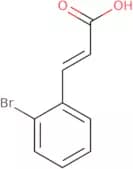

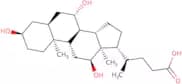
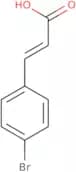
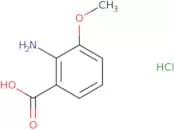
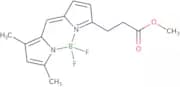
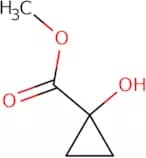
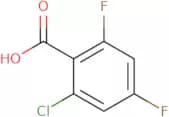
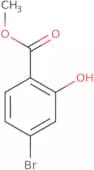
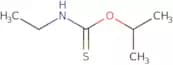
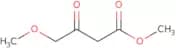
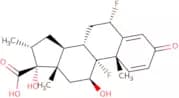
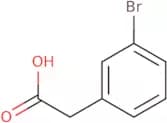
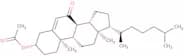
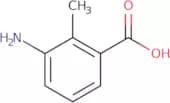
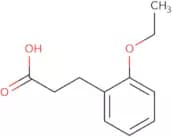
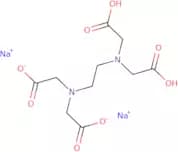

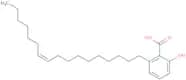
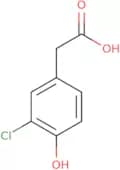

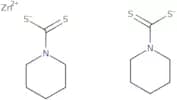
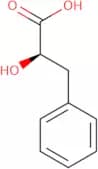
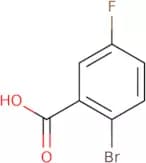
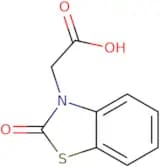
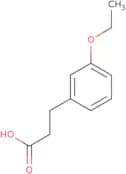

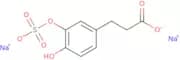
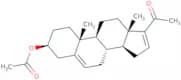
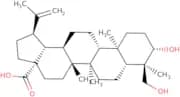
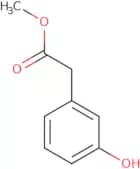

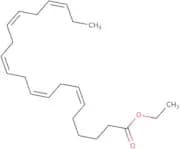
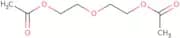
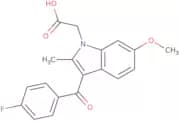
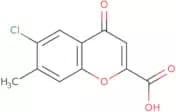
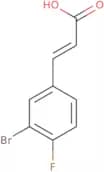
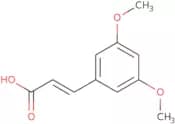
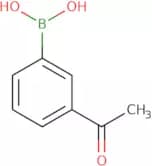
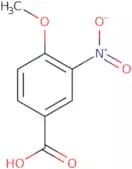
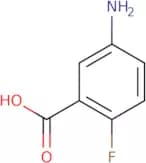
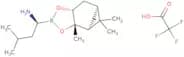
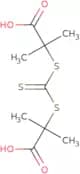
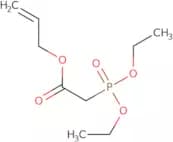
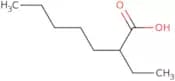
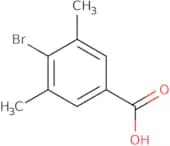
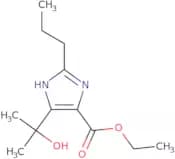
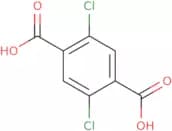
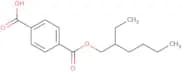
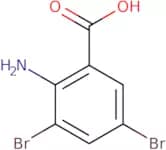
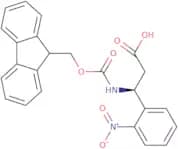
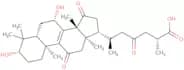
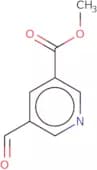

![1-[4-Methyl-6-(trifluoromethyl)pyrimidin-2-yl]piperidine-3-carboxylic acid](/_next/image/?url=https%3A%2Fstatic.cymitquimica.com%2Fproducts%2F3D%2Fthumb-webp%2FFM129640.webp&w=3840&q=75)
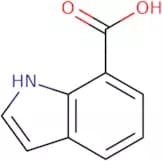
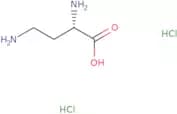
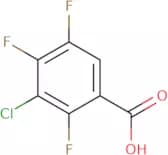
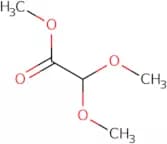
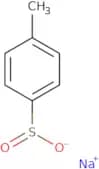
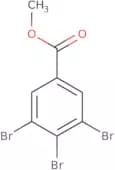

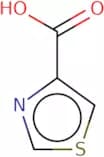
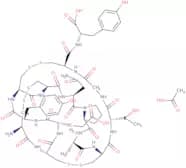
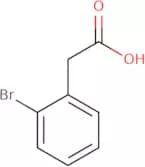

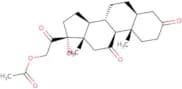
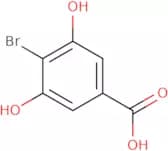
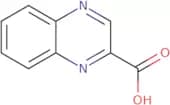
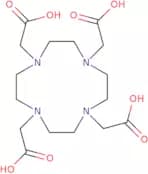
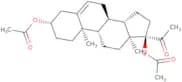
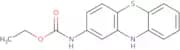
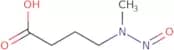
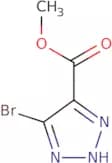
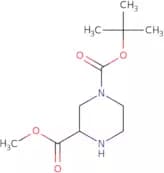
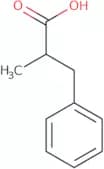
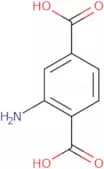
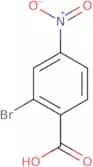
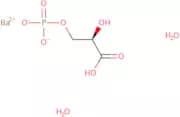
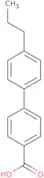
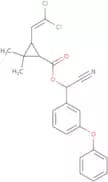
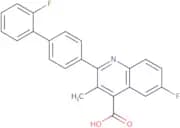
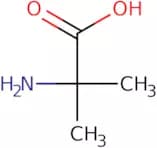
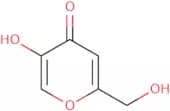
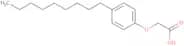
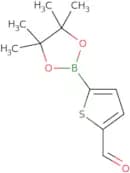
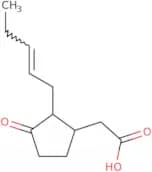
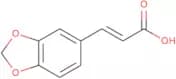
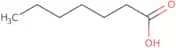
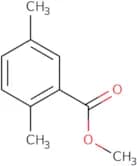
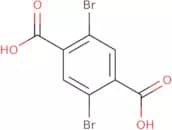
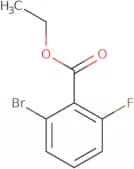
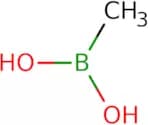
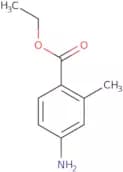
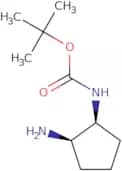
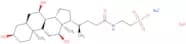
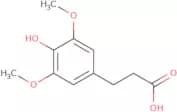
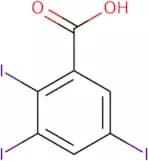
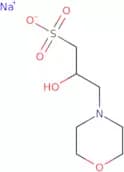
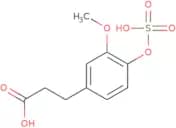

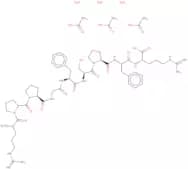
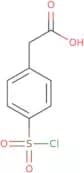
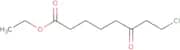
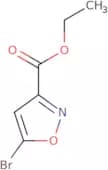
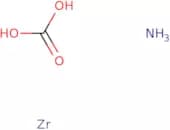
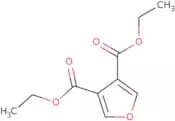
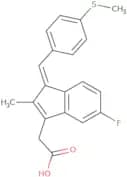
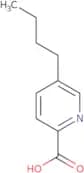
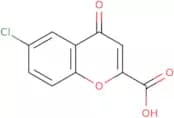
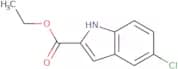
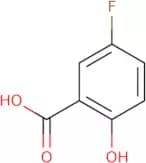
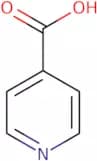
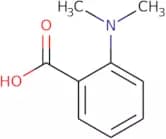
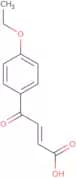
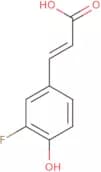
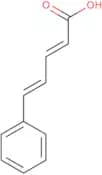
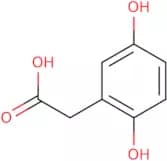
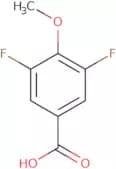
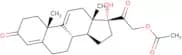
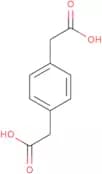
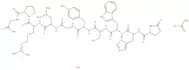
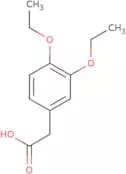
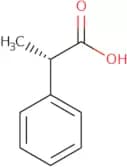

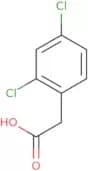
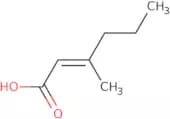

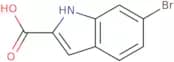
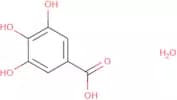
![Imidazo[1,2-α]pyridin-3-yl-boronic acid pinacol ester](/_next/image/?url=https%3A%2Fstatic.cymitquimica.com%2Fproducts%2F3D%2Fthumb-webp%2FFI51745.webp&w=3840&q=75)
![[(1-Methyl-1H-indol-5-yl)methyl]amine acetate](/_next/image/?url=https%3A%2Fstatic.cymitquimica.com%2Fproducts%2F3D%2Fthumb-webp%2FFM124972.webp&w=3840&q=75)

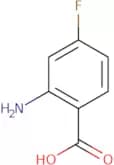
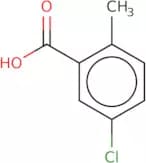
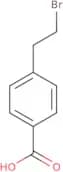
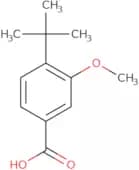
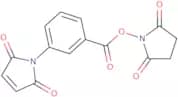
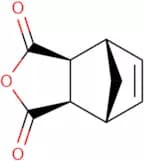
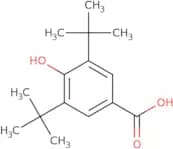
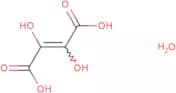
![4-[[(2-Amino-1,2-dicyanoethenyl)imino]methyl]benzoic acid](/_next/image/?url=https%3A%2Fstatic.cymitquimica.com%2Fproducts%2F3D%2Fthumb-webp%2FFA169005.webp&w=3840&q=75)
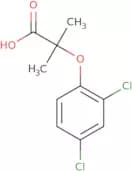
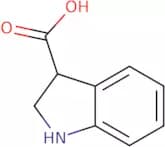
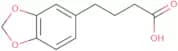
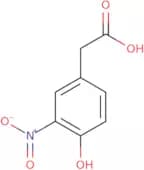
![2-[(2,4-Dimethylphenyl)amino]nicotinic acid](/_next/image/?url=https%3A%2Fstatic.cymitquimica.com%2Fproducts%2F3D%2Fthumb-webp%2FFD136109.webp&w=3840&q=75)
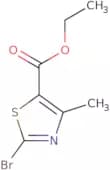
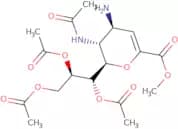
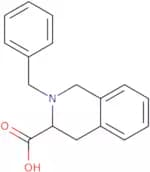
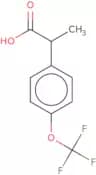
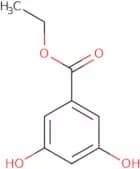
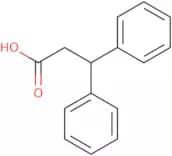

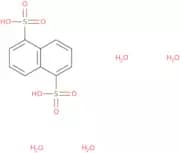
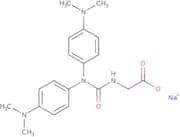
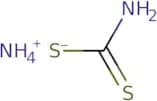
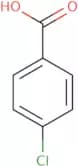
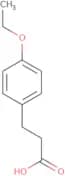
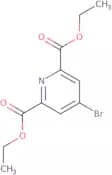
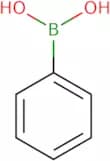
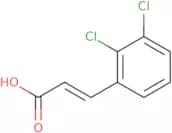

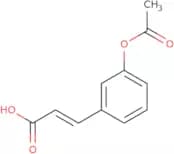
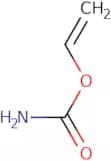
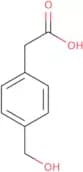
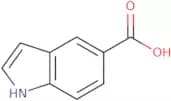
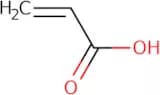
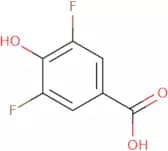


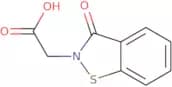
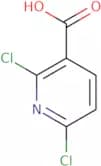
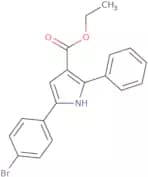
![[1,1'-Bicyclohexyl]-1-carboxylic acid](/_next/image/?url=https%3A%2Fstatic.cymitquimica.com%2Fproducts%2F3D%2Fthumb-webp%2FFB139039.webp&w=3840&q=75)