Carboxylic Acids
Carboxylic acids are organic molecules characterized by having a carboxyl-type functional group (-COOH). These acids are fundamental in various chemical reactions, including esterification, amidation, and decarboxylation. Carboxylic acids are widely used in the production of pharmaceuticals, polymers, and agrochemicals. In this section, you can find a large number of carboxylic acids ready to be used. At CymitQuimica, we provide a broad range of high-quality carboxylic acids to support your research and industrial applications.
Found 12453 products of "Carboxylic Acids"
Sort by
Purity (%)
0
100
|
0
|
50
|
90
|
95
|
100
1-N-Boc-pyrrolidine-3-(S)-methylcarboxylate
CAS:<p>Please enquire for more information about 1-N-Boc-pyrrolidine-3-(S)-methylcarboxylate including the price, delivery time and more detailed product information at the technical inquiry form on this page</p>Formula:C11H19NO4Purity:Min. 95%Molecular weight:229.27 g/molEthyl bromodifluoroacetate
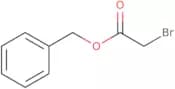
CAS:<p>Ethyl bromodifluoroacetate is a chemical substance that reacts with amines in the presence of copper to form a copper complex. It is used as an intermediate in the synthesis of organic compounds, such as pharmaceuticals. Ethyl bromodifluoroacetate is also used as a catalyst for cross-coupling reactions of organic molecules. This reaction requires low energy and can be performed under mild conditions. The asymmetric synthesis of ethyl bromodifluoroacetate requires few steps and only uses inexpensive starting materials. The carbonyl group is chemically stable, making it difficult to decompose or oxidize. However, hydrogen fluoride will react with ethyl bromodifluoroacetate and cause it to decompose into its elements, fluorine and carbon dioxide gas. In addition, nucleophilic attack by halides can lead to the formation of ethyl bromodifluoroacetate from other substances. Control agents are necessary</p>Formula:C4H5BrF2O2Purity:Min. 95%Color and Shape:Colourless LiquidMolecular weight:202.98 g/mol3-Aminopicolinic acid
CAS:<p>3-Aminopicolinic acid is a carboxylate that can be found in the cytosol, mitochondria, and nucleus of cells. It is an efficient method for the synthesis of picolinic acid from 3-aminopyridine-2-carboxylic acid. The synthesis of picolinic acid has been shown to have structural analogs to molecules involved in nucleotide metabolism such as single-stranded DNA, mitochondrial DNA, and mitochondrial RNA. 3-Aminopicolinic acid has been shown to increase renal blood flow by stabilizing complexes with chloride and phosphoenolpyruvate. This compound also enhances the renal excretion of picolinic acid. 3-Desacetylcefotaxime potassium Tilmicosin Gatifloxacin 3-Aminopicolinic acid</p>Formula:C6H6N2O2Purity:Min. 95 Area-%Color and Shape:Yellow PowderMolecular weight:138.12 g/mol2,5-Diphenyl-2H-pyrazole-3-carboxylic acid
CAS:Controlled Product<p>Please enquire for more information about 2,5-Diphenyl-2H-pyrazole-3-carboxylic acid including the price, delivery time and more detailed product information at the technical inquiry form on this page</p>Formula:C16H12N2O2Purity:Min. 95%Molecular weight:264.28 g/mol1,3,5-Naphthalene trisulfonic acid
CAS:<p>1,3,5-Naphthalene trisulfonic acid is an organic compound that is the product of the sulfonation of naphthalene. It has been shown to inhibit the activity of 3β-hydroxysteroid dehydrogenase and 17β-hydroxysteroid dehydrogenase, enzymes involved in steroidogenesis. The maximal response was observed at a concentration of 500 μM with a detection time of 30 minutes. Xenopus oocytes were used for expression and chloride currents were recorded as an indicator for enzyme activity. Concentration-response curves were generated with organic solvents such as methanol and dimethyl sulfoxide (DMSO). 1,3,5-Naphthalene trisulfonic acid also inhibits the oxidative activities of some enzymes such as lipoxygenase and cyclooxygenase.</p>Formula:C10H8O9S3Purity:Min. 95%Molecular weight:368.36 g/mol4-Amino-2-methylphenylboronic acid, pinacol ester
CAS:<p>Please enquire for more information about 4-Amino-2-methylphenylboronic acid, pinacol ester including the price, delivery time and more detailed product information at the technical inquiry form on this page</p>Formula:C13H20BNO2Purity:Min. 95%Molecular weight:233.11 g/molN10-Methyl pteroic acid
CAS:<p>N10-Methyl pteroic acid is a novel immunosuppressant that inhibits T-cell proliferation and promotes regression of inflammatory bowel disease. It has been shown to be effective in treating cancer patients, with the terminal half-life being approximately 20 hours. N10-Methyl pteroic acid is a potent inhibitor of human acute lymphoblastic leukemia cells. It can also be used as an immunosuppressant for organ transplantation, with desorption from gels using matrix-assisted laser desorption/ionization time-of-flight mass spectrometry (MALDI TOF MS) and bioanalytical methods such as high performance liquid chromatography (HPLC).</p>Formula:C15H14N6O3Purity:Min. 95%Molecular weight:326.31 g/mol3,5-difluoro-4-formylbenzoic Acid
CAS:<p>3,5-Difluoro-4-formylbenzoic acid is a sulfamic acid derivative that is used as a catalyst in the synthesis of aldehydes. The catalytic activity of 3,5-difluoro-4-formylbenzoic acid is due to its ability to be oxidized by air and light to give an active form. It also has other uses in the synthesis of dihydropyrans and regioselectivity studies.</p>Formula:C8H4F2O3Purity:Min. 95%Molecular weight:186.11 g/mol1,1'-Bicyclo[1,1,1]pentane-1,3-dicarboxylic acid monomethyl ester
CAS:<p>1,1'-Bicyclo[1,1,1]pentane-1,3-dicarboxylic acid monomethyl ester is a chemical compound used in research and as a building block for complex compounds. It is a high quality and versatile compound that has a wide range of uses in the production of fine chemicals. This compound is an intermediate for the synthesis of 1,4-benzodioxan. CAS No. 83249-10-9</p>Formula:C8H10O4Purity:Min. 95%Color and Shape:White PowderMolecular weight:170.16 g/molMAGE-3 Antigen (271-279) (human) trifluoroacetate salt
CAS:<p>ALPHA FACTOR SIGNALING PEPTIDE</p>Formula:C53H79N13O10Purity:Min. 95%Molecular weight:1,058.28 g/molα-Amino-2H-tetrazole-5-acetic acid
CAS:<p>Alpha-amino-2H-tetrazole-5-acetic acid (AAT) is a neurotoxin that inhibits glutamate receptors and causes neuronal cell death. It also decreases heart function in rats by inhibiting the cardiac sodium channel. AAT has been shown to be effective for inducing neuronal death in Xenopus oocytes, as well as decreasing the expression of certain receptor protein, such as NMDA and AMPA receptor subtypes. AAT is also known to cause apoptosis, which may be due to its inhibition of receptor function.</p>Formula:C3H5N5O2Purity:Min. 95%Color and Shape:Light (Or Pale) Green To Green SolidMolecular weight:143.1 g/mol3-(1-Methyl-1H-indol-3-yl)propanoic acid
CAS:Controlled Product<p>3-(1-Methyl-1H-indol-3-yl)propanoic acid is a potent inhibitor of serine protease. It has been shown to have no effect on fetal heart rate, but can cause bladder cancer in transgenic animals. 3-(1-Methyl-1H-indol-3-yl)propanoic acid blocks the interaction between mammalian cells and bladder cancer cells, which may be due to its ability to block the activation of serine protease in response to thymidylate. This compound also inhibits DNA synthesis and cell growth. It is highly toxic for tumor cells and normal cells, but less so for normal tissues. It also modifies the regulatory domain of cancer cells, making it possible for 3-(1-Methyl-1H-indol-3-yl)propanoic acid to modify cancer cell activity by configuring it with a different regulatory domain that regulates the expression of proteins involved in cancer development.</p>Formula:C12H13NO2Purity:Min. 95%Molecular weight:203.24 g/mol3-Hydroxy-4-amino-butyric acid
CAS:Controlled Product<p>3-Hydroxy-4-amino-butyric acid is a synthetase that catalyzes the formation of 3-hydroxy-4 amino butyric acid from 3-hydroxy butyric acid and ammonia. This reaction occurs in the presence of chloride ions, ethyl bromoacetate and butyric acid. The isolated yield of this reaction is 47%. The product can be converted to 3-amino butyric acid by dehydrating it with hydrochloric acid. 3-Hydroxy-4 amino butyric acid has been shown to have anticancer properties in vitro. It also has been shown to have antiinflammatory properties, which may be due to its ability to inhibit the production of prostaglandin E2, an inflammatory mediator.</p>Formula:C4H9NO3Purity:Min. 95%Color and Shape:PowderMolecular weight:119.12 g/mol3-Isopropylisoxazole-5-carboxylic acid
CAS:<p>3-Isopropylisoxazole-5-carboxylic acid (3IPA) is an inhibitor of voltage-gated calcium channels. It has been shown to be effective in the treatment of neuropathic pain by reducing the excitability of neurons. 3IPA exhibits its analgesic properties through its binding to the t-type calcium channel, which is responsible for regulating the flow of calcium ions into cells. 3IPA also reduces neuronal excitability by inhibiting voltage-gated potassium channels and glutamate release. 3IPA may be a potential therapeutic agent for neuropathic pain, as it provides a novel approach to treating this type of pain.</p>Formula:C7H9NO3Purity:Min. 95%Molecular weight:155.15 g/molEthyl 3-{[(1E)-(dimethylamino)methylene]amino}-5-methoxy-1-methyl-1H-indole-2-carboxylate
CAS:Controlled Product<p>Please enquire for more information about Ethyl 3-{[(1E)-(dimethylamino)methylene]amino}-5-methoxy-1-methyl-1H-indole-2-carboxylate including the price, delivery time and more detailed product information at the technical inquiry form on this page</p>Formula:C16H21N3O3Purity:Min. 95%Molecular weight:303.36 g/molN-Succinimdyl-N-methylcarbamate
CAS:<p>N-Succinimdyl-N-methylcarbamate is a reactive, antimicrobial agent that inhibits the activity of an enzyme in the cycle of cellular respiration. It binds to the active site of the enzyme, preventing it from functioning. N-Succinimdyl-N-methylcarbamate has been shown to inhibit hepatitis by inducing apoptosis. The drug has a phase transition temperature of approximately -6°C and is stable at higher temperatures. N-Succinimdyl-N-methylcarbamate has been shown to have an inhibitory effect on cyclic peptides, including those found in bacteria such as Helicobacter pylori and Chlamydia trachomatis.</p>Formula:C6H8N2O4Purity:Min. 95%Molecular weight:172.14 g/molAmoxicillin dimer tri-sodium salt (penicilloic acid form) - mixture of diastereomers
<p>Please enquire for more information about Amoxicillin dimer tri-sodium salt (penicilloic acid form) - mixture of diastereomers including the price, delivery time and more detailed product information at the technical inquiry form on this page</p>Formula:C32H27N6Na3O11S2Purity:Min. 95%Molecular weight:804.69 g/molEthyl tert-butylacetate
CAS:<p>Ethyl tert-butylacetate is an organic compound with the formula CH3COOC2H5. It is a colorless liquid that is soluble in water, acetone, and ether. The product has a fruity odor and is used as a solvent in perfumes, paints, and varnishes. This material can also be used to synthesize pyridinium chlorides. Ethyl tert-butylacetate reacts with magnesium to produce ethyl magnesium bromide and hydrogen gas.</p>Formula:C8H16O2Purity:Min. 95%Molecular weight:144.21 g/mol1-Benzyl-5-methyl-1H-1,2,3-triazole-4-carboxylic acid
CAS:<p>1-Benzyl-5-methyl-1H-1,2,3-triazole-4-carboxylic acid is a compound with an esterified hydroxyl group in the form of an acetylacetone. It can be used as a monohydrate or dihydrate and it is stabilized by hydrogen bonding. 1-Benzyl-5-methyl-1H-1,2,3-triazole-4-carboxylic acid has been studied as a potential drug for cancer treatment because it is active against tumor cells and has little toxicity to normal cells.</p>Formula:C11H11N3O2Purity:Min. 95%Molecular weight:217.22 g/mol2-Amino-4,6-difluorobenzoic acid
CAS:<p>Please enquire for more information about 2-Amino-4,6-difluorobenzoic acid including the price, delivery time and more detailed product information at the technical inquiry form on this page</p>Formula:C7H5F2NO2Purity:Min. 95%Molecular weight:173.12 g/molSinapic acid acyl-β-D-glucoside
CAS:<p>a functionalised glucoside</p>Formula:C17H22O10Purity:Min. 95%Molecular weight:386.35 g/mol4-(Butylamino)benzoic acid
CAS:<p>4-(Butylamino)benzoic acid is a non-steroidal anti-inflammatory drug (NSAID) that has been used to treat pain. It is a prodrug, which is metabolized in the liver to 4-(butylamino)-phenylacetic acid, its active form. The 4-(butylamino)benzoic acid molecule has a hydrophobic effect and binds to chloride ions. This binding inhibits the production of prostaglandins, which are mediators of pain. 4-(Butylamino)benzoic acid also reduces the activity of plasma cells that produce antibodies and increases the activity of lymphocytes and platelets, leading to an increase in immunoglobulin levels.</p>Formula:C11H15NO2Purity:Min. 95%Color and Shape:PowderMolecular weight:193.24 g/mol4-Pyridazinecarboxylic acid
CAS:<p>4-Pyridazinecarboxylic acid is a salt that contains sodium. It is a white crystalline solid that is soluble in water, ethanol, and acetone. It has been shown to be effective against Leishmania species and Cryptococcus neoformans. 4-Pyridazinecarboxylic acid inhibits the growth of these fungi by binding to their cell membrane and inhibiting protein synthesis. 4-Pyridazinecarboxylic acid forms coordination complexes with metal ions that are involved in electron transfer reactions during the oxidative phosphorylation process. This leads to a decrease in ATP production and an increase in reactive oxygen species (ROS), which disrupts the function of macrophages and other phagocytic cells, leading to immunosuppression.</p>Formula:C5H4N2O2Purity:Min. 95%Molecular weight:124.1 g/molGanoderic acid S
CAS:Controlled Product<p>Ganoderic acid S is a triterpenoid compound that has been shown to inhibit the growth of human cancer cells in vitro. It contains a carbonyl group and an hydroxyl group, which are reactive molecules that can form covalent bonds with proteins and other molecules. Ganoderic acid S also has anti-inflammatory properties and can inhibit the release of growth factors, such as monoclonal antibodies, from immune cells. In addition, it inhibits the production of mitochondrial enzymes, such as hydroxylases and oxidases, by binding to the heme moiety in their active site.<br>Ganoderic acid S is found in rhizoma gastrodiae (a type of mushroom), which has been used for centuries in traditional Chinese medicine to treat various conditions. The populations of mice given ganoderic acid S orally for three months showed increased life span and reduced tumor incidence.</p>Purity:Min. 95%4-(2-Hydroxyethyl)-1H-pyrrole-3-carboxylic acid
CAS:<p>Please enquire for more information about 4-(2-Hydroxyethyl)-1H-pyrrole-3-carboxylic acid including the price, delivery time and more detailed product information at the technical inquiry form on this page</p>Formula:C7H9NO3Purity:Min. 95 Area-%Color and Shape:PowderMolecular weight:155.15 g/mol4-Bromobenzenesulfonic acid
CAS:<p>4-Bromobenzenesulfonic acid is a chemical used in the synthesis of organic molecules. It is an intermediate in the production of cyclopropylboronic acid, which is used as a building block in various organic syntheses. 4-Bromobenzenesulfonic acid can be prepared by reacting pyridine with acetic anhydride and then adding sodium carbonate to remove water. This reaction produces a molecule with two acid groups that are nucleophilic and can react with carboxylic acids to form esters. The yield for this reaction is high and it does not require any special equipment or conditions. This chemical is also used as a linker for other compounds during synthesis reactions, such as diazonium salts or dioxane. 4-Bromobenzenesulfonic acid reacts with triethylphosphite to give disulfides, which are important for protein structure.</p>Formula:C6H7BO5SPurity:Min. 95%Molecular weight:201.99 g/mol4-(2-Chlorophenyl)-9-methyl-6H-thieno[3,2-f][1,2,4]triazolo[4,3-a][1,4]diazepine-2-propanoic acid methyl ester
CAS:Controlled Product<p>Please enquire for more information about 4-(2-Chlorophenyl)-9-methyl-6H-thieno[3,2-f][1,2,4]triazolo[4,3-a][1,4]diazepine-2-propanoic acid methyl ester including the price, delivery time and more detailed product information at the technical inquiry form on this page</p>Formula:C19H17ClN4O2SPurity:Min. 95%Molecular weight:400.88 g/molTert-butyl(8-anti)-3-azabicyclo[3.2.1]oct-8-ylcarbamate
CAS:<p>Tert-butyl(8-anti)-3-azabicyclo[3.2.1]oct-8-ylcarbamate (tBAA) is a heterocycle that has been modified to enhance its pharmacokinetic properties. Tert-butyl(8-anti)-3-azabicyclo[3.2.1]oct-8-ylcarbamate was designed to be metabolically stable and have a high bioavailability and isosteric properties with phosphatidylinositol, which it uses as a substrate in the catalytic cycle. This modification also increased tBAA's stability in vivo, leading to an increase in efficacy. The covalent attachment of the phenyl ring on the tertiary amine nitrogen of tBAA provides additional protection against hepatic metabolism by CYP450 enzymes, making it more potent than other compounds with similar structures that are not covalently attached to the amine group.</p>Formula:C12H22N2O2Purity:Min. 95%Molecular weight:226.32 g/molMedronic acid
CAS:<p>Medronic acid is a drug that is used for the treatment of chronic bowel disease. Medronic acid is a prodrug, which is converted to its active form, meclofenamic acid, by esterases in the bowel. Medronic acid has been shown to inhibit the activity of 5-lipoxygenase and cyclooxygenase-2 enzymes, and thereby reduce inflammation. It also decreases the production of prostaglandins and leukotrienes in humans. Medronic acid has been shown to be an effective treatment for bone cancer with no significant side effects. Medronic acid has been shown to inhibit the activity of 5-lipoxygenase and cyclooxygenase-2 enzymes, and thereby reduce inflammation. It also decreases the production of prostaglandins and leukotrienes in humans. Medronic acid has been shown to be an effective treatment for bone cancer with no significant side effects.</p>Formula:CH6O6P2Purity:Min. 95%Color and Shape:White PowderMolecular weight:176 g/molTetrahydro-a-(1-naphthalenylmethyl)-2-furanpropanoic Acid 2-(Diethylamino)ethyl Ester
CAS:Controlled Product<p>Tetrahydro-a-(1-naphthalenylmethyl)-2-furanpropanoic Acid 2-(Diethylamino)ethyl Ester is a fatty acid analog that has antimicrobial properties. It is used in the treatment of bone cancer, and can be used to diagnose and treat other diseases such as glomerular filtration rate, receptor binding, and malonic acid. Tetrahydro-a-(1-naphthalenylmethyl)-2-furanpropanoic Acid 2-(Diethylamino)ethyl Ester binds to receptors on cells, which leads to an increase in the amount of monoamine neurotransmitters released by the cells.</p>Formula:C24H33NO3Purity:Min. 95%Molecular weight:383.52 g/mol2,5-Bis(2,2,2-trifluoroethoxy)benzoic acid
CAS:<p>Please enquire for more information about 2,5-Bis(2,2,2-trifluoroethoxy)benzoic acid including the price, delivery time and more detailed product information at the technical inquiry form on this page</p>Formula:C11H8F6O4Purity:Min. 95%Color and Shape:PowderMolecular weight:318.17 g/mol(Asp371)-Tyrosinase (369-377) (human) acetate salt
CAS:<p>Tyrosinase protein:<br>Peptide Tyrosinase (Asp371) – HLA-A*0201 (YMDGTMSQV) is a human tyrosinase-derived (369-377) peptide by posttranslational conversion of the sequence YMNGTMSQV. Tyrosinase is an oxidase membrane-bound protein. Tyrosinase play a key role in the melanin synthesis pathway. Tyrosinase is presented on the surface of HLA-A*02:01 melanomas and also expressed in melanocytes. Tyrosinase has been still suggested to be a tumor antigen and might be implicated in improvement of immunotherapeutic strategies such as for efficient anticancer vaccine development.<br>Applications of Peptide Tyrosinase (Asp371) – HLA-A*0201 (YMDGTMSQV):<br>Peptide Tyrosinase (Asp371) – HLA-A*0201 (YMDGTMSQV) is used to stimulate specific cytotoxic T lymphocytes (CTL) in PBMCs and then to analyze CTL response especially the cytokine production by ELISPOT assay. Peptide Tyrosinase (Asp371) – HLA-A*0201 (YMDGTMSQV) is also involved in experimental therapies of metastatic melanoma by allogeneic hematopoietic stem cell transplantation. In fact, cytotoxic T cells were generated from peripherical blood mononuclear cells (PBMCs) of HLA-A*02:01 healthy donors after being stimulated by injection of Asp371 antigen (2). This strategy raises issues which concern the graft versus tumor (GvT) effect and graft versus host disease (GvHD).</p>Formula:C42H66N10O16S2Purity:Min. 95%Molecular weight:1,031.16 g/mol6-Deschloro-4-chloro cyproterone acetate
CAS:Controlled Product<p>Please enquire for more information about 6-Deschloro-4-chloro cyproterone acetate including the price, delivery time and more detailed product information at the technical inquiry form on this page</p>Formula:C24H29ClO4Purity:Min. 95%Molecular weight:416.94 g/mol2-Methylnicotinic acid methyl ester
CAS:<p>2-Methylnicotinic acid methyl ester is a synthetic chemical compound that belongs to the isomer family. It has been used in the synthesis of cocaine and isomers, as well as in the modification of drugs. 2-Methylnicotinic acid methyl ester can be synthesised from 2-methylpyridine and formaldehyde via the method of methylmagnesium iodide. 2-Methylnicotinic acid methyl ester has been shown to be a potent inhibitor of human platelet aggregation, which may be due to its structural similarity to nicotine.</p>Formula:C8H9NO2Purity:Min. 95%Color and Shape:PowderMolecular weight:151.16 g/molGlutaconic acid
CAS:<p>Glutaconic acid is a carboxylic acid that inhibits the production of malonic acid by inhibiting the activity of the enzyme succinate dehydrogenase. This inhibition leads to the accumulation of ethylmalonic acid, which can be detected in urine. Glutaconic acid is used as a diagnostic test for diseases such as diabetic neuropathy and infectious diseases such as malaria. It also has inhibitory properties on glutamate-induced neuronal death, making it a potential therapeutic agent for conditions such as amyotrophic lateral sclerosis and Parkinson's disease.</p>Formula:C5H6O4Purity:Min. 95%Molecular weight:130.1 g/mol1,1-Bis(1,1-dimethylethyl) (3R)-3-[[(9H-fluoren-9-ylmethoxy)carbonyl]amino]-1,1,3-propanetricarboxylate
CAS:<p>Please enquire for more information about 1,1-Bis(1,1-dimethylethyl) (3R)-3-[[(9H-fluoren-9-ylmethoxy)carbonyl]amino]-1,1,3-propanetricarboxylate including the price, delivery time and more detailed product information at the technical inquiry form on this page</p>Formula:C29H35NO8Purity:Min. 95%Molecular weight:525.59 g/mol(2S)-2-(1H-Tetrazol-1-yl)propanoic acid
CAS:<p>Please enquire for more information about (2S)-2-(1H-Tetrazol-1-yl)propanoic acid including the price, delivery time and more detailed product information at the technical inquiry form on this page</p>Formula:C4H6N4O2Purity:Min. 95%Molecular weight:142.12 g/molZiconotide acetate
CAS:Controlled Product<p>Ziconotide acetate is a polymer conjugate of ziconotide and goserelin acetate. It is used to treat severe chronic pain in patients who have not responded to other treatments, such as opioids or local anesthetics. Ziconotide acetate is administered by injection into the intrathecal space, where it acts on nerve cells in the dorsal horn of the spinal cord. The drug is slowly released from the polymer conjugate over time, which effectively reduces its irritant effects. It also has low solubility in water, which helps reduce its rate of clearance from the body. The active substances in this drug are ziconotide and goserelin acetate, both of which have been shown to be effective for treating chronic pain. Ziconotide acetate has also been shown to cause a decrease in blood levels of cholesterol and lipoproteins, although this effect may be due to goserelin acetate rather than ziconotide itself.</p>Formula:C102H172N36O32S7C2H4O2Purity:Min. 95%Molecular weight:2,699.19 g/molγ-Oxo-3-pyridinebutyric acid
CAS:<p>Gamma-oxo-3-pyridinebutyric acid (GOBA) is a non-protein amino acid that has been shown to be involved in the development of cancer. GOBA was found to be present in urine samples from patients with liver cancer and breast cancer, as well as in healthy individuals. GOBA is also present in rat liver microsomes and human liver, where it is converted into gamma-aminobutyric acid (GABA). This conversion may be due to GOBA's hydroxy group that can be oxidized by cytochrome P450 enzymes. The biological activity of GOBA appears to depend on its carboxyl group, which can form a complex with molybdenum. This complex inhibits the activity of the protein polymerase chain reaction, leading to a decrease in transcriptional regulation. In animal experiments, GOBA has been shown to inhibit tumor growth and induce cell cycle arrest by inhibiting the expression of cyclin D1 at the</p>Formula:C9H9NO3Purity:Min. 95%Color and Shape:PowderMolecular weight:179.17 g/mol21-Hydroxy-pregna-1,4,16-triene-3,11,20-trione 21-acetate
CAS:Controlled Product<p>Please enquire for more information about 21-Hydroxy-pregna-1,4,16-triene-3,11,20-trione 21-acetate including the price, delivery time and more detailed product information at the technical inquiry form on this page</p>Formula:C23H26O5Purity:Min. 95%Molecular weight:382.45 g/mol5-Chlorofuran-2-carboxylic acid
CAS:<p>5-Chlorofuran-2-carboxylic acid is an unlabeled compound that has been found in the chloroacetate fraction of a crude extract of leaves from the plant Garcinia hombroniana. The compound was evaluated for its potential as a bioactive molecule using acetylation, which led to the formation of 5-chlorofuran-2-carboxylic acid methyl ester. This compound was then analysed for its chemical properties, including sequences and parameters. 5-Chlorofuran-2-carboxylic acid methyl ester had no effects on the growth rate of Escherichia coli, but did inhibit the activity of some enzymes involved in DNA replication and repair. Furan, an anion found in 5-chlorofuran-2-carboxylic acid methyl ester, is also present in many other compounds such as 2,4,6 trichlorophenol and 2,5 dichlorophenol</p>Formula:C5H3ClO3Purity:Min. 95%Molecular weight:146.53 g/mol3,4-Dimethylbenzoic acid
CAS:<p>3,4-Dimethylbenzoic acid is a benzoate compound that is produced by bacteria. It has been shown to have a viscosity of 0.05 cP at 25°C and a melting point of 181°C. It also has the molecular formula C9H11O2, which consists of two carbons, 11 hydrogens, and one oxygen atom. 3,4-Dimethylbenzoic acid is found in urine samples as a metabolite of p-hydroxybenzoic acid (p-OHBA). This compound also has photochemical properties and can be used for analytical determination of urinary p-OHBA levels. 3,4-Dimethylbenzoic acid is not active against bacterial pathogens such as Staphylococcus aureus or Salmonella enterica serovar Typhimurium. However, it does show some activity against Pseudomonas aeruginosa and Escherichia coli.</p>Formula:C9H10O2Purity:Min. 98 Area-%Color and Shape:PowderMolecular weight:150.17 g/mol5-(3-Hydroxyphenyl)isoxazole-3-carboxylic acid
CAS:<p>Please enquire for more information about 5-(3-Hydroxyphenyl)isoxazole-3-carboxylic acid including the price, delivery time and more detailed product information at the technical inquiry form on this page</p>Formula:C10H7NO4Purity:Min. 95%Molecular weight:205.17 g/molTolfenamic Acid
CAS:<p>Tolfenamic acid is a non-steroidal anti-inflammatory drug that has been shown to inhibit the MCL-1 protein, which is involved in the regulation of programmed cell death. It has been used for the treatment of bowel disease and can be given orally or rectally. Tolfenamic acid may be effective against inflammatory bowel diseases such as ulcerative colitis and Crohn's disease. Tolfenamic acid binds to anionic sites on the matrix of cartilage and inhibits the production of prostaglandin E2 by inhibiting cyclooxygenase activity. Tolfenamic acid has also been shown to reduce pain by inhibiting the enzyme COX-2, which is associated with inflammation. The drug also has a strong effect on human polymorphonuclear leukocytes (PMN).</p>Formula:C14H12ClNO2Purity:Min. 97%Color and Shape:PowderMolecular weight:261.7 g/molPolyoxyethylated 12-hydroxystearic acid
CAS:<p>Polyoxyethylated 12-hydroxystearic acid is a surface active agent that is used as an adjuvant in pharmaceutical preparations. Polyoxyethylated 12-hydoxystearic acid has been shown to have antimicrobial properties, which are due to its ability to disrupt the lipid membrane of bacteria and fungi. This agent also has a protective effect against the cytotoxicity of trifluoroacetic acid, which is often used in cell culture studies. Polyoxyethylated 12-hydoxystearic acid also has potential applications in cancer therapy because it can be conjugated with anticancer drugs to form liposome nanoparticles, which may allow for more efficient delivery of these drugs into cancer cells.</p>Color and Shape:Off-White Powder4-Bromo-pyridine-2-carboxylic acid
CAS:<p>4-Bromo-pyridine-2-carboxylic acid is a metabotropic glutamate receptor antagonist that inhibits the neurotransmitter glutamate. It has been shown to have antibacterial activity against Staphylococcus aureus and anti-inflammatory properties against the fungus Candida albicans. The drug is orally bioavailable, which means it can be taken by mouth, and has a pharmacokinetic profile that increases its bioavailability. This means that 4-Bromo-pyridine-2-carboxylic acid is an inhibitor of deoxycytidine kinase and may be used as an antifungal agent.</p>Formula:C6H4BrNO2Purity:Min. 95%Color and Shape:White To Light (Or Pale) Grey SolidMolecular weight:202.01 g/mol4-Phenoxyphenylboronic acid
CAS:<p>4-Phenoxyphenylboronic acid is a chemical inhibitor of protein kinase. It binds to the ATP binding site of the enzyme and prevents ATP from binding, thereby inhibiting the phosphorylation of proteins. This inhibition blocks the activation of downstream pathways that are involved in cell proliferation, leading to apoptotic cell death. 4-Phenoxyphenylboronic acid has been shown to inhibit growth of human cancer cells in vitro. This molecule also inhibits root formation and plant growth, which may be due to its ability to selectively inhibit protein kinases found in plant cells.</p>Formula:C12H11BO3Purity:Min. 95%Molecular weight:214.02 g/mol2-Fluoro-3-(trifluoromethyl)benzoic acid
CAS:<p>2-Fluoro-3-(trifluoromethyl)benzoic acid is an amide that has been shown to inhibit the growth of Huh-7 human hepatoma cells, which express ABCA1. This compound has been shown to bind to and inhibit the activity of the enzyme acid hydrazide. It has also been shown to be active against methoxy functional assays and macrophage cell lines.</p>Formula:C8H4F4O2Purity:Min. 95%Molecular weight:208.11 g/mol3-(3,5-Dimethyl-1H-pyrazol-1-yl)-2-methylpropanoic acid
CAS:Controlled Product<p>Please enquire for more information about 3-(3,5-Dimethyl-1H-pyrazol-1-yl)-2-methylpropanoic acid including the price, delivery time and more detailed product information at the technical inquiry form on this page</p>Formula:C9H14N2O2Purity:Min. 95%Molecular weight:182.22 g/mol1-(4-Bromophenyl)-3-phenyl-1H-pyrazole-5-carboxylic acid
CAS:Controlled Product<p>Please enquire for more information about 1-(4-Bromophenyl)-3-phenyl-1H-pyrazole-5-carboxylic acid including the price, delivery time and more detailed product information at the technical inquiry form on this page</p>Formula:C16H11BrN2O2Purity:Min. 95%Color and Shape:PowderMolecular weight:343.17 g/mol(R)-3-Amino-butyric acid methyl ester
CAS:<p>Please enquire for more information about (R)-3-Amino-butyric acid methyl ester including the price, delivery time and more detailed product information at the technical inquiry form on this page</p>Formula:C5H11NO2Purity:Min. 95%Molecular weight:117.15 g/molPiperazine-2-carboxylic acid methyl esterdihydrochloride
CAS:<p>Piperazine-2-carboxylic acid methyl ester (PPCM) is a chemical compound that is used as an intermediate in the production of ethylenediamine and piperazine-2-carboxylic acid dihydrochloride. It is a white crystalline solid that can be synthesized by reacting ethylene diamine with piperazine-2-carboxylic acid. PPCM has been shown to inhibit the growth of bacteria, yeast, and fungi by inhibiting protein synthesis. This chemical also inhibits the production of proteins essential for respiration and cell wall formation.</p>Formula:C6H14Cl2N2O2Purity:Min. 95%Molecular weight:217.09 g/molMethyl 4-(benzyloxy)-1-methyl-1H-indole-2-carboxylate
CAS:Controlled Product<p>Please enquire for more information about Methyl 4-(benzyloxy)-1-methyl-1H-indole-2-carboxylate including the price, delivery time and more detailed product information at the technical inquiry form on this page</p>Formula:C18H17NO3Purity:Min. 95%Molecular weight:295.33 g/mol1-Cyclohexyl-5-oxopyrrolidine-3-carboxylic acid
CAS:<p>Please enquire for more information about 1-Cyclohexyl-5-oxopyrrolidine-3-carboxylic acid including the price, delivery time and more detailed product information at the technical inquiry form on this page</p>Formula:C11H17NO3Purity:Min. 95%Molecular weight:211.26 g/mol4,4-Difluorpentanoic acid
CAS:<p>4,4-Difluorpentanoic acid is an intermediate in the synthesis of amantadine hydrochloride. It is also used as a food additive to inhibit proteolytic enzymes and to produce alkyl esters. 4,4-Difluorpentanoic acid can be used as a competitive inhibitor of serine proteases and cysteine proteases. The compound binds reversibly to the active site of these enzymes and inhibits their activity by competing with the natural substrate for binding. This compound is often used in combination with other protease inhibitors such as phenylmethanesulfonyl fluoride or N-phenylmaleimide.</p>Formula:C5H8F2O2Purity:Min. 95%Molecular weight:138.11 g/molMethyl 3-bromoindole-6-carboxylate
CAS:<p>Please enquire for more information about Methyl 3-bromoindole-6-carboxylate including the price, delivery time and more detailed product information at the technical inquiry form on this page</p>Formula:C10H8BrNO2Purity:Min. 95%Molecular weight:254.08 g/mol5β-Cholanic acid
CAS:Controlled Product<p>5beta-Cholanic acid is a fatty acid that is the product of cholesterol metabolism. It has been shown to inhibit tumor growth by binding to ATP-binding cassette transporter and blocking the transport of tumor cells. 5beta-Cholanic acid also inhibits HIV infection by interfering with the virus's ability to bind and enter host cells. 5beta-Cholanic acid may also be used as a treatment for autoimmune diseases such as multiple sclerosis, rheumatoid arthritis, ulcerative colitis and Crohn's disease. This compound has been shown to inhibit mitochondrial membrane potential and induce apoptosis in prostate cancer cells in vitro. The mechanism of action for this compound is not well understood but it may be due to its ability to decrease ATP levels in mitochondria or interfere with the production of bile acids from cholesterol by inhibiting hydroxylation reactions.</p>Formula:C24H40O2Purity:Min. 95%Color and Shape:PowderMolecular weight:360.57 g/mol5-Octanoylsalicylic acid
CAS:<p>5-Octanoylsalicylic acid is an anti-inflammatory and antioxidant agent that has been shown to have skin-conditioning properties. It has been found to be effective in the treatment of skin diseases, such as erythema, scaling, and itching, due to its ability to inhibit tyrosinase activity. 5-Octanoylsalicylic acid has also been shown to increase cellular proliferation and lymphocyte transformation in vitro. This compound is a precursor of all-trans-retinoic acid (a form of vitamin A), which is used for the treatment of acne. 5-Octanoylsalicylic acid can be synthesized from methyl ethyl ketone and potassium dichromate by a Friedel-Crafts reaction. It is also found in fruits such as apples, bananas, peaches, and oranges. Animal studies have shown that chronic oral administration may lead to a decrease in dehydroascorbic acid levels and an increased risk</p>Formula:C15H20O4Purity:Min. 95%Molecular weight:264.32 g/mol2,1,3-Benzoxadiazole-5-carboxylic acid
CAS:<p>2,1,3-Benzoxadiazole-5-carboxylic acid is a functional theory that is an agonist of the opioid receptors. It is also a quaternary ammonium salt that has been shown to cause respiratory depression and death in mice. This drug is used as an anion in pentobarbital sodium, which has been linked to overdoses. 2,1,3-Benzoxadiazole-5-carboxylic acid can be activated by membrane proteins and other agents to increase its energy efficiency. It can also enhance the effect of molecules such as coulombic forces and depression.</p>Formula:C7H4N2O3Purity:Min. 95%Molecular weight:164.12 g/mol3-Thienylmalonic acid
CAS:<p>3-Thienylmalonic acid is a template molecule that is used in kinetic studies of receptor binding reactions. It is a white solid with a molecular weight of 170.07 g/mol and an empirical formula of CHOS. 3-Thienylmalonic acid has been shown to be effective for corrosion inhibition, as it reacts with chloride ions to form a complex that does not allow the metal surface to corrode. This process can be done in a pH range from 1 to 14 and the reaction solution is colorless, odorless, and stable at room temperature. 3-Thienylmalonic acid also has photocatalytic activity, which allows it to degrade organic molecules such as malonic acid or human serum proteins. The compound can also be used as an electrochemical impedance spectroscopy (EIS) probe for wastewater treatment or chloride solutions.</p>Purity:Min. 95%Boc-D-glutamic acid-γ-tert-butyl ester
CAS:<p>Please enquire for more information about Boc-D-glutamic acid-gamma-tert-butyl ester including the price, delivery time and more detailed product information at the technical inquiry form on this page</p>Formula:C14H25NO6Purity:Min. 95%Molecular weight:303.35 g/molMethyl3-iodothiophene-2-carboxylate
CAS:<p>Methyl3-iodothiophene-2-carboxylate is a chemical compound that is involved in the biosynthesis of eicosanoids. It can be synthesized by the cyclization of the corresponding lactam to produce an intermediate, which is then converted to methyl3-iodothiophene-2-carboxylate by hydrolysis or reduction. This compound has been shown to inhibit malaria parasites such as Plasmodium falciparum and Plasmodium vivax. Methyl3-iodothiophene-2-carboxylate also inhibits the growth of bacteria such as Staphylococcus aureus and Bacillus subtilis. The mechanism of action is believed to be due to its ability to inhibit protein synthesis by binding with ribosomes in prokaryotic cells.END></p>Formula:C6H5IO2SPurity:Min. 95%Molecular weight:268.07 g/moltert-Butyl 4-(6-aminopyridin-3-yl)piperazine-1-carboxylate
CAS:<p>tert-Butyl 4-(6-aminopyridin-3-yl)piperazine-1-carboxylate is an organic compound that can be synthesized by the reduction of 5-bromo-2-nitro pyridine with a palladium catalyst. It has been shown to inhibit the growth of cancer cells in vitro and in vivo, and is being investigated as a potential treatment for breast cancer.</p>Formula:C14H22N4O2Purity:Min. 95%Molecular weight:278.35 g/mol(4-Aminophenyl)boronic acid pinacol ester
CAS:<p>(4-Aminophenyl)boronic acid pinacol ester is a semiconducting material that can be used in thin film devices. It has been shown to be a good candidate for transistor and device applications due to its high yield, low cost, and high stability. This compound can also be used to modify the structure of other compounds through substitution reactions. (4-Aminophenyl)boronic acid pinacol ester has been synthesized from inexpensive starting materials, such as triphenylamine and amines.</p>Formula:C12H18BNO2Purity:Min. 95%Color and Shape:White PowderMolecular weight:219.09 g/mol5,6-Epoxy-13-cis retinoic acid
CAS:<p>5,6-Epoxy-13-cis retinoic acid (5,6-ER) is the most active metabolite of all-trans-retinoic acid. 5,6-ER binds to the nuclear receptor and acts as a transcription factor. It has been shown to inhibit the growth of several cancer cell lines in vitro, including T47D cells. 5,6-ER also has antacid properties and can be used for the treatment of inflammatory bowel disease. 5,6-ER is found in low concentrations in plasma and tissues and accumulates in high concentrations in rat liver microsomes. The major metabolic pathway includes hydrolysis by trifluoroacetic acid which produces 5,6 epoxyretinoyl coenzyme A (5,6 epoxyretinoyl CoA). This compound is then converted to 5,6 epoxyretinol by an unknown mechanism.</p>Formula:C20H28O3Purity:Min. 95%Molecular weight:316.43 g/mol(6-Hydroxy-2-methyl-4-oxoquinazolin-3(4H)-yl)acetic acid
CAS:Controlled Product<p>Please enquire for more information about (6-Hydroxy-2-methyl-4-oxoquinazolin-3(4H)-yl)acetic acid including the price, delivery time and more detailed product information at the technical inquiry form on this page</p>Formula:C11H10N2O4Purity:Min. 95%Molecular weight:234.21 g/molTriphenyl acetic acid
CAS:<p>Intermediate in the synthesis of vilanterol</p>Formula:C20H16O2Purity:Min. 95%Molecular weight:288.34 g/molEthyl 1-N-Boc-3-oxopiperidine-4-carboxylate
CAS:<p>Please enquire for more information about Ethyl 1-N-Boc-3-oxopiperidine-4-carboxylate including the price, delivery time and more detailed product information at the technical inquiry form on this page</p>Formula:C13H21NO5Purity:Min. 95%Molecular weight:271.31 g/molDimethylaminoacetic acid hydrazide dihydrochloride
CAS:<p>Please enquire for more information about Dimethylaminoacetic acid hydrazide dihydrochloride including the price, delivery time and more detailed product information at the technical inquiry form on this page</p>Purity:Min. 95%4-(Hydroxymethyl)phenylboronic acid
CAS:<p>4-(Hydroxymethyl)phenylboronic acid is an organic compound that has been identified as a reactive, fatty acid. It has shown antibacterial efficacy against gram-positive and gram-negative bacteria in the presence of nanogels. 4-(Hydroxymethyl)phenylboronic acid is also a cross-linking agent that can be used to form hydrogels for tissue engineering applications. This chemical is being studied as a potential treatment for inflammatory bowel disease and diabetes mellitus. 4-(Hydroxymethyl)phenylboronic acid has been shown to have anti-cancer properties by inhibiting the proliferation of cancer cells and inducing apoptosis. The molecule also undergoes structural analysis using confocal microscopy.</p>Formula:C7H9BO3Molecular weight:151.96 g/molSpiro[2.3]hexane-1-carboxylic acid
CAS:<p>Please enquire for more information about Spiro[2.3]hexane-1-carboxylic acid including the price, delivery time and more detailed product information at the technical inquiry form on this page</p>Formula:C7H10O2Purity:Min. 95%Molecular weight:126.15 g/molPiperidinium acetate
CAS:Controlled Product<p>Piperidinium acetate is a photochemical agent that has been used in the photochemical oxidation of organic compounds. It is also used as a catalyst for the oxidative coupling of piperidinium salts with sodium salts to form piperidine. Piperidinium acetate can be used for the treatment of metabolic disorders, such as lactic acidosis and hyperglycemia, and autoimmune diseases such as rheumatoid arthritis and systemic lupus erythematosus. This compound is also known to cause allergic symptoms and anhydrous sodium may be generated in the process.</p>Formula:C5H11N·C2H4O2Purity:Min. 95%Color and Shape:PowderMolecular weight:145.20 g/molFerroceneacetic acid
CAS:Controlled Product<p>Ferroceneacetic acid is a compound that has been shown to have chemiluminescent properties. It is a potent reductant and oxidant, which means that it can reduce or oxidize other compounds. Ferroceneacetic acid is also an active enzyme, and its redox potential changes depending on the concentration of ferrocene in the solution. Ferroceneacetic acid can be used as a model system for analytical chemistry and electrochemistry.</p>Formula:C12H12FeO2Purity:Min. 95%Color and Shape:PowderMolecular weight:244.07 g/mol2-Methyl-3-(4-methyl-1H-pyrazol-1-yl)propanoic acid
CAS:Controlled Product<p>Please enquire for more information about 2-Methyl-3-(4-methyl-1H-pyrazol-1-yl)propanoic acid including the price, delivery time and more detailed product information at the technical inquiry form on this page</p>Formula:C8H12N2O2Purity:Min. 95%Molecular weight:168.19 g/mol(E)-8-Methyl-6-nonenoic acid - predominantly trans
CAS:<p>(E)-8-Methyl-6-nonenoic acid is a fatty acid that is found in the acetate extract of Capsicum annuum. It is an analog of the natural compound (E)-8-methyl-6-nonenal, which has been shown to have anticancer properties. The synthesis of this compound has been achieved using a novel approach based on enzymatic reactions and chemical transformations. This compound has been shown to have potential anticancer activity against human prostate cancer cells in vitro and to inhibit the growth of triticum aestivum seeds.</p>Formula:C10H18O2Purity:Min. 95%Molecular weight:170.25 g/mol4-(4-Nitrophenoxy)butanoic acid
CAS:Controlled Product<p>Please enquire for more information about 4-(4-Nitrophenoxy)butanoic acid including the price, delivery time and more detailed product information at the technical inquiry form on this page</p>Formula:C10H11NO5Purity:Min. 95%Molecular weight:225.2 g/mol(Des-Gly10,D-Ala6,Pro-NHEt 9)-LHRH acetate salt
CAS:Controlled Product<p>Des-Gly10,D-Ala6,Pro-NHEt 9)-LHRH acetate salt Pyr-His-Trp-Ser-Tyr-D-Ala-Leu-Arg-Pro-NHEt acetate (DGPRP) is a drug that is used to treat endometriosis. It is an agonist of the LHRH receptor and inhibits body formation by preventing the release of gonadotropin hormones. DGPRP has been shown to inhibit cell proliferation in cancer tissues and may be useful for the treatment of leukemia. This drug has also been shown to be biocompatible with polymer scaffolds and can be synthesized using methods such as solid phase peptide synthesis.</p>Formula:C56H78N16O12•xC2H4O2Purity:Min. 95%Molecular weight:1,167.32 g/molMorpholin-4-yl-acetic acid
CAS:<p>Morpholin-4-yl-acetic acid is a water-soluble drug that has been used for the treatment of infectious diseases, such as hepatitis and malaria. It can be detected using a number of analytical methods, including gas chromatography, mass spectroscopy, and nuclear magnetic resonance. Morpholin-4-yl-acetic acid has also been used in the treatment of autoimmune diseases and cancer. It is a pharmacological agent with a variety of biological effects, including antiinflammatory activities. Morpholin-4-yl-acetic acid binds to protein kinase C (PKC) receptors and inhibits the activity of PKC enzymes by interfering with their ability to bind to phospholipids on the outside of cells. This binding prevents the formation of an enzyme complex with the cell membrane that is required for signal transduction pathways. Morpholin-4-yl-acetic acid also has hydroxyl group that can react with inorganic acids to form salts or esters.</p>Formula:C6H11NO3Purity:Min. 95%Color and Shape:Off-White PowderMolecular weight:145.16 g/mol1-[2-(Methoxycarbonyl)phenyl]-5-oxopyrrolidine-3-carboxylic acid
CAS:<p>Please enquire for more information about 1-[2-(Methoxycarbonyl)phenyl]-5-oxopyrrolidine-3-carboxylic acid including the price, delivery time and more detailed product information at the technical inquiry form on this page</p>Formula:C13H13NO5Purity:Min. 95%Molecular weight:263.25 g/molTricosafluorododecanoic Acid
CAS:<p>Tricosafluorododecanoic Acid (TCDA) is a potent cytotoxic agent that has been shown to be effective in killing cancer cells. TCDA is a strong inducer of apoptosis and necrosis, which are processes that cause the death of cells. TCDA also induces cell cycle arrest by binding to mitochondrial membranes and inhibiting the flow of ions across the membrane, leading to a loss of mitochondrial membrane potential. This leads to an accumulation of intracellular calcium and activates signal pathways that activate the cell's death program. TCDA has been shown to have significant cytotoxicity against human breast cancer cells, with little toxicity against healthy human erythrocytes. TCDA is not active against bacteria or fungi, but it is highly toxic to certain protozoans such as Plasmodium falciparum. TCDA can be used as an effective treatment for cancer in combination with radiation therapy because it enhances the therapeutic effects of radiation on tum</p>Formula:C12HF23O2Purity:Min. 95%Molecular weight:614.1 g/mol2-[4-(2-Methylpropenyl)phenyl]propionic acid
CAS:<p>2-[4-(2-Methylpropenyl)phenyl]propionic acid is an analgesic and antipyretic agent. It has been shown to have antiinflammatory properties, which are mediated through inhibition of prostaglandin synthesis. This agent binds to the enzyme cyclooxygenase and inhibits the biosynthesis of prostaglandins that are responsible for inflammation. 2-[4-(2-Methylpropenyl)phenyl]propionic acid also has optical antipyretic activity, which may be due to its ability to inhibit the release of prostaglandins from arachidonic acid in the hypothalamus. The optical antipyretic activity is most likely due to the enantiomers that this drug contains. 2-[4-(2-Methylpropenyl)phenyl]propionic acid has a pharmacologic profile that includes analgesic and antipyretic activities.END>></p>Formula:C13H16O2Purity:Min. 95%Color and Shape:PowderMolecular weight:204.26 g/molPyridine-3-sulfonic acid
CAS:<p>Pyridine-3-sulfonic acid is a reactive molecule that can exist in two forms. It reacts with iron oxides to form pyridine-3-sulfonic acid amide and reacts with picolinic acid to form pyridine-3-sulfonic acid phosphoric acid complex. Pyridine 3 sulfonic acid is an intermediate in the synthesis of picolinic acid and is involved in the genetic mechanisms of bacteria. It has been shown to be effective at concentrations of 10 mM or higher when used in tissue culture experiments. The optimum concentration for the reaction varies depending on the reactant and its environment, which is why experimentation should be conducted before using it as a reagent.</p>Formula:C5H5NO3SPurity:Min. 95%Molecular weight:159.16 g/mol1-(4-Methoxyphenyl)-7-oxo-6-(4-(2-oxopiperidin-1-yl)phenyl)-4,5,6,7-tetrahydro-1H-pyrazolo[3,4-c]pyridine-3-carboxylic acid
CAS:<p>Apixaban is a novel, orally active, and selective factor Xa inhibitor. It is the first oral anticoagulant that has been developed to inhibit both free and clot-bound thrombin. Apixaban binds reversibly to the active site of factor Xa and inhibits factor Xa-mediated conversion of prothrombin to thrombin, resulting in an increased concentration of prothrombin in blood. Apixaban also inhibits the activity of thrombin-activated protein C (APC) that degrades fibrin clots by proteolytic cleavage of fibrinogen. This drug has a crystalline form with a particle size between 10 and 100 μm.</p>Formula:C25H24N4O5Purity:Min. 95%Molecular weight:460.48 g/mol1-(2-Naphthylsulfonyl)piperidine-4-carboxylic acid
CAS:<p>Please enquire for more information about 1-(2-Naphthylsulfonyl)piperidine-4-carboxylic acid including the price, delivery time and more detailed product information at the technical inquiry form on this page</p>Formula:C16H17NO4SPurity:Min. 95%Molecular weight:319.38 g/mol2-Phenylisobutyric acid
CAS:<p>2-Phenylisobutyric acid is a colorless to white crystalline solid with a molecular weight of 218.29 g/mol and a melting point of 120-122 °C. It is soluble in water, but not in alcohol or ether. 2-Phenylisobutyric acid is used as an intermediate for pharmaceutical preparations and as a reagent for organic synthesis. It is also used to produce thiomorpholine, which has been shown to have anti-inflammatory properties and can be used in the treatment of bowel disease. Thiomorpholine reacts with acylation agents such as phosphorus pentachloride to form esters that are useful pharmaceuticals, including corticosteroids. 2-Phenylisobutyric acid has been shown to inhibit insulin resistance by reacting with reactive sites on the insulin receptor, thus preventing the binding of insulin molecules to their receptors on cells.</p>Formula:C10H12O2Purity:Min. 95%Color and Shape:White to off-white solid.Molecular weight:164.2 g/molNonadecafluorodecanoic acid
CAS:<p>Nonadecafluorodecanoic acid (NDFA) is a fatty acid that has been shown to be an effective solvent for wastewater treatment. This product has been found to have a matrix effect on mouse tumor cells, as well as enzyme activities in vitro. NDFA has also been shown to have acute toxicities in mice and genotoxic activity in vitro. NDFA is not carcinogenic and does not react with DNA, but does cause mutagenic effects such as single-stranded breaks, double-stranded breaks, or cross-linkages between DNA strands. The molecular weight of NDFA is 216 g/mol and the melting point is -52°C. It can be detected by electrochemical detector at concentrations of 0.1 ppm and by optical sensor at concentrations of 1 ppm. The analytical method used for NDFA quantification is gas chromatography/mass spectrometry (GC/MS).</p>Formula:C10HF19O2Purity:Min. 95%Color and Shape:PowderMolecular weight:514.08 g/molEthyl 5-fluoroindole-2-carboxylate
CAS:<p>Ethyl 5-fluoroindole-2-carboxylate is a cytotoxic compound that belongs to the class of organic compounds called aryl rings. It has been shown to inhibit tumor growth in vitro and in vivo through the inhibition of protein synthesis. The molecular docking studies have shown that this compound binds to the enzyme SMMC-7721 cell, which is involved in DNA transcription and replication. It also inhibits activity of other enzymes, such as kinases and phosphatases, which are involved in cellular processes such as proliferation and differentiation. Ethyl 5-fluoroindole-2-carboxylate may be used for the treatment of blood cancer or monosugar diseases, such as diabetes mellitus or hyperlipidemia.</p>Formula:C11H10FNO2Purity:Min. 95%Molecular weight:207.2 g/molBoc-trans-1,2-aminocyclohex-4-ene carboxylic acid
CAS:<p>Please enquire for more information about Boc-trans-1,2-aminocyclohex-4-ene carboxylic acid including the price, delivery time and more detailed product information at the technical inquiry form on this page</p>Formula:C12H19NO4Purity:Min. 95%Molecular weight:241.28 g/mol3-Methylglutaric acid
CAS:<p>3-Methylglutaric acid is an organic compound that belongs to the group of alkanocarboxylic acids. It has been shown to reduce the formation of malonic acid, which can be toxic to the heart and cause congestive heart failure. 3-Methylglutaric acid also inhibits oxidation catalysts and increases the production of energy in cells by providing electrons. The kinetic data for 3-methylglutaric acid have been determined using a gas chromatography technique on a high-temperature conversion reactor at a pH of 7.0 with a concentration of 0.1 M potassium phosphate buffer (pH 7) and a temperature of 70°C. 3-Methylglutaric acid has been shown to inhibit monoclonal antibody cationic polymerization, which may be due to its reactive nature and its ability to donate hydrogen ions or electrons.</p>Formula:C6H10O4Purity:Min. 95%Molecular weight:146.14 g/molNicotinuric acid
CAS:<p>Nicotinuric acid is an endogenous metabolite of nicotinic acid, which is a cofactor for the enzyme that catalyzes the conversion of phosphoenolpyruvate to pyruvate. Nicotinuric acid has been shown to be a potential biomarker for human pharmacokinetics. It has been shown to be involved in energy metabolism and may play a role in the pathogenesis of atherosclerotic cardiovascular disease. Nicotinuric acid is also a product of the enzymatic degradation of pyrrolidinecarboxylic acid, which is found in papillary muscle cells and penicillin-binding protein. The formation of nicotinuric acid can be inhibited by nicotinic acid, pyrazinoic acid, or by inhibitors of lc-ms/ms method.</p>Formula:C8H8N2O3Purity:Min. 95%Molecular weight:180.16 g/mol3-[(Dimethylamino)methyl]benzoic acid hydrochloride
CAS:<p>Please enquire for more information about 3-[(Dimethylamino)methyl]benzoic acid hydrochloride including the price, delivery time and more detailed product information at the technical inquiry form on this page</p>Formula:C10H13NO2Purity:Min. 95%Molecular weight:179.22 g/molcis-4-(Hydroxymethyl)cyclohexanecarboxylicacid
CAS:<p>cis-4-(Hydroxymethyl)cyclohexanecarboxylicacid is a metabolite of chorismate, an intermediate in the biosynthesis of aromatic amino acids. It has been shown to have immunosuppressive activity and can be used to treat neurodegenerative diseases like cancer. cis-4-(Hydroxymethyl)cyclohexanecarboxylicacid is produced by stepwise conversion from 3-hydroxybenzoic acid with the use of organic solvents. The final product is purified by preparative chromatography and its molecular weight is determined by mass spectrometry. This compound has also been found to have anticancer properties due to its ability to inhibit protein synthesis in tumor cells.</p>Formula:C8H14O3Purity:Min. 95%Molecular weight:158.19 g/mol17-Hydroxy-19-nor-17alpha-pregna-4,6-dien-20-yn-3-one acetate
CAS:<p>Please enquire for more information about 17-Hydroxy-19-nor-17alpha-pregna-4,6-dien-20-yn-3-one acetate including the price, delivery time and more detailed product information at the technical inquiry form on this page</p>Formula:C22H26O3Purity:Min. 95%Color and Shape:Off-white to pale yellowsolid.Molecular weight:338.44 g/mol2,3-Diketogulonic acid potassium
CAS:<p>Please enquire for more information about 2,3-Diketogulonic acid potassium including the price, delivery time and more detailed product information at the technical inquiry form on this page</p>Formula:C6H7KO7Purity:Min. 95%Color and Shape:SolidMolecular weight:230.21 g/mol(1-Chloroisoquinolin-4-yl)boronic acid
CAS:<p>Please enquire for more information about (1-Chloroisoquinolin-4-yl)boronic acid including the price, delivery time and more detailed product information at the technical inquiry form on this page</p>Formula:C9H7BClNO2Purity:Min. 95%Molecular weight:207.42 g/mol2,5-Pyridinedicarboxylic acid
CAS:<p>2,5-Pyridinedicarboxylic acid is a white crystalline solid that is soluble in water and alcohol. It has been shown to be an effective catalyst for the oxidation of hydrocarbons. 2,5-Pyridinedicarboxylic acid also binds with metal hydroxides and forms hydrogen bonding interactions. This compound may be used as a catalyst in the production of nitric acid from ammonia, or in the manufacture of picolinic acid. 2,5-Pyridinedicarboxylic acid has a pK value of 7.4 and an optimum pH of 7. 2,5-Pyridinedicarboxylic acid can also react with sodium salts to form a n-oxide that coordinates with nitrogen atoms to give coordination geometry in which each atom is bonded to four other atoms (e.g., square planar). The molecular formula for this compound is C6H4N2O</p>Formula:C7H5NO4Purity:Min. 95%Molecular weight:167.12 g/mol4-Methoxy-4-oxobutanoic acid
CAS:<p>Succinic acid monomethyl ester (SAMME) is an antimicrobial agent that inhibits the enzyme activities of succinate dehydrogenase, producing mitochondrial membrane depolarization and neuronal death. SAMME has been shown to be effective in treating syncytial virus infection and solid tumours, although it has not been studied in depth. The biological sample used for this study was water vapor, which is a substrate molecule for the enzyme succinic acid semialdehyde dehydrogenase (SASD). This enzyme converts SAMME to succinic acid, which can then inhibit phosphofructokinase-1 or pyruvate kinase, leading to cellular necrosis.</p>Formula:C5H8O4Purity:Min. 95%Molecular weight:132.11 g/molHyodeoxycholic acid sodium salt
CAS:Controlled Product<p>Hyodeoxycholic acid sodium salt is a nonsteroidal anti-inflammatory drug that belongs to the class of hyodeoxycholic acids. It is an inhibitor of the enzyme activities that are involved in the synthesis of prostaglandins from arachidonic acid. Hyodeoxycholic acid sodium salt has been shown to inhibit the activity of enzymes such as cyclooxygenase, lipoxygenase, and 5-lipoxigenase. This inhibition leads to decreased production of inflammatory prostaglandins, which are responsible for inflammation and pain. Hyodeoxycholic acid sodium salt also has neurotrophic effects that may be due to its ability to stimulate NGF synthesis by neurons in vitro.</p>Formula:C24H39NaO4Purity:Min. 95%Molecular weight:414.55 g/mol4-bromo-2,5-difluorobenzoic Acid
CAS:<p>4-Bromo-2,5-difluorobenzoic acid is a potent inhibitor of isoforms CYP2C9 and CYP2D6. It is an acidic drug with a pKa of 3.8, which makes it ionizable in biological fluids. 4-Bromo-2,5-difluorobenzoic acid inhibits the activity of CYP2C9 and CYP2D6 by binding to the pharmacophore region of these enzymes. 4-Bromo-2,5-difluorobenzoic acid also has an isosteric functionality that increases its selectivity for CYP2C9 and CYP2D6 over other cytochrome P450 isoforms. The functional groups on 4-bromo-2,5-difluorobenzoic acid are part of the inhibitor's nature that make it selective for these two cytochrome</p>Formula:C7H3BrF2O2Purity:Min. 95%Molecular weight:237 g/mol3-Methyl-2-oxo-2,3-dihydro-1H-benzo[d]imidazole-4-carboxylic acid
CAS:<p>Please enquire for more information about 3-Methyl-2-oxo-2,3-dihydro-1H-benzo[d]imidazole-4-carboxylic acid including the price, delivery time and more detailed product information at the technical inquiry form on this page</p>Formula:C9H8N2O3Purity:Min. 95%Molecular weight:192.17 g/mol2-Chloro-4-fluoropyridine-5-boronic acid, pinacol ester
CAS:<p>Please enquire for more information about 2-Chloro-4-fluoropyridine-5-boronic acid, pinacol ester including the price, delivery time and more detailed product information at the technical inquiry form on this page</p>Formula:C11H14BClFNO2Purity:Min. 95%Molecular weight:257.5 g/mol3-Isoquinolinecarboxylic acid
CAS:<p>3-Isoquinolinecarboxylic acid is a molecule with a reactive group that can form cyclic structures. It has been shown that 3-Isoquinolinecarboxylic acid is an apoptotic agent in human macrophages and induces the release of picolinic acid from these cells. This molecule also has a high affinity for α7 nicotinic acetylcholine receptors, which are present on the surface of nerve cells. 3-Isoquinolinecarboxylic acid can be synthesized by condensing picolinic acid, an aromatic aminoacid, with an appropriate amine. The synthesis of this heterocycle is catalyzed by an enzyme called quinolinate synthase. The product of this reaction is oxidized to form 3-isoquinolyl carboxylic acid. The final step in the synthesis involves the oxidative cleavage of a disulfide bond using hydrogen peroxide, yielding 3-isoquinoly</p>Formula:C10H7NO2Purity:Min. 95%Molecular weight:173.17 g/mol3-(6-Chloro-1-methyl-1H-benzimidazol-2-yl)propanoic acid
CAS:Controlled Product<p>Please enquire for more information about 3-(6-Chloro-1-methyl-1H-benzimidazol-2-yl)propanoic acid including the price, delivery time and more detailed product information at the technical inquiry form on this page</p>Formula:C11H11ClN2O2Purity:Min. 95%Molecular weight:238.67 g/mol5-Norbornene-2-carboxylic acid
CAS:<p>5-Norbornene-2-carboxylic acid is a reactive, carbonyl compound that has been used in metathesis reactions. In these reactions, the 5-norbornene-2-carboxylic acid reacts with sodium carbonate to form a mixture of hydroxy methyl and fluorine groups. The 5-norbornene-2-carboxylic acid can be prepared by reacting phenol with anhydrous hydrogen fluoride in the presence of sodium carbonate. This reaction produces a mixture of 5-norbornene-2 carboxylic acids, but also includes isomeric mixtures that are not useful as starting materials for synthesis. The 5-norbornene -2 carboxylic acid can also be synthesized from aliphatic hydrocarbons such as propylene or ethylene. It is important to note that the 5 - norborenene 2 carboxylic acid does not have any aromatic rings and is therefore</p>Formula:C8H10O2Purity:Min. 95%Color and Shape:Clear LiquidMolecular weight:138.16 g/moltert-Butyl 4-azidopiperidine-1-carboxylate
CAS:<p>Please enquire for more information about tert-Butyl 4-azidopiperidine-1-carboxylate including the price, delivery time and more detailed product information at the technical inquiry form on this page</p>Formula:C10H18N4O2Purity:Min. 95%Molecular weight:226.28 g/mol3-Maleimidopropionic acid hydrazonium trifluoroacetate
CAS:<p>Please enquire for more information about 3-Maleimidopropionic acid hydrazonium trifluoroacetate including the price, delivery time and more detailed product information at the technical inquiry form on this page</p>Formula:C7H9N3O3·CHF3CO2Purity:Min. 95%Molecular weight:297.19 g/molEthylene glycol monomethyl ether acetate
CAS:<p>Ethylene glycol monomethyl ether acetate (EMEA) is a solvent that is used for the extraction of organic compounds in the laboratory. It can be used to extract fatty acids from animal tissue or to isolate DNA from blood samples. EMEA is also used as a solvent in analytical methods such as gas chromatography and high-performance liquid chromatography. This compound is mainly used as an inorganic acid, but it can also be used as a nitrogen source for some chemical reactions. EMEA reacts with light exposure, which makes it a potent inducer of chemical reactions. The hydrolysis reaction of EMEA by hydrochloric acid yields glycol ethers and diethyl succinate.</p>Formula:C5H10O3Purity:Min. 95%Molecular weight:118.13 g/mol(4-Chloro-3-(methoxycarbonyl)phenyl)boronic acid
CAS:<p>Please enquire for more information about (4-Chloro-3-(methoxycarbonyl)phenyl)boronic acid including the price, delivery time and more detailed product information at the technical inquiry form on this page</p>Formula:C8H8BClO4Purity:Min. 95%Molecular weight:214.41 g/mol5-Bromo-3-methylthiophene-2-carboxylic acid
CAS:<p>5-bromo-3-methylthiophene-2-carboxylic acid (5BmtCA) is a potential therapeutic that has been shown to have the same estrogenic activity as estradiol. It may be used for the treatment of osteoporosis and other conditions associated with estrogen deficiency, including resorption and bone loss. 5BmtCA is an amide with two phenyl groups at the C3 position, which are bioisosteres of the sulfur in estradiol. The substitutions on these phenyl groups can be changed to produce analogs with different properties. For example, 5BmtCA may be substituted with a ketone group at position C3 to produce the corresponding ketone analog 5BmtCK. This compound would be expected to have reduced bone resorption activity relative to 5BmtCA.</p>Formula:C6H5BrO2SPurity:Min. 95%Color and Shape:PowderMolecular weight:221.07 g/mol4-(Piperazinomethyl)benzoic acid, dihydrochloride
CAS:Controlled Product<p>Please enquire for more information about 4-(Piperazinomethyl)benzoic acid, dihydrochloride including the price, delivery time and more detailed product information at the technical inquiry form on this page</p>Formula:C12H18Cl2N2O2Purity:Min. 95%Molecular weight:293.19 g/mol4-Mercaptobutyric acid
CAS:<p>4-Mercaptobutyric acid is a 3-mercaptopropionic acid, which is an intermediate in the biosynthesis of fatty acids. It is a chemical ligation agent that can be used for the synthesis of polymers and pharmaceuticals. 4-Mercaptobutyric acid can also be used to produce butyrolactone, which has been shown to have anticonvulsant properties. The chemical's photochemical properties make it useful for the production of dyes and fluorescent compounds. 4-Mercaptobutyric acid has been shown to inhibit fatty acid synthesis in Sprague-Dawley rats. The compound also possesses anti-inflammatory properties, which may be due to its ability to inhibit the release of prostaglandin E2 (PGE2) from cells.</p>Formula:C4H8O2SPurity:90%MinColor and Shape:Colorless PowderMolecular weight:120.17 g/mol(9b,11b)-Epoxy fluorometholone acetate
CAS:<p>Please enquire for more information about (9b,11b)-Epoxy fluorometholone acetate including the price, delivery time and more detailed product information at the technical inquiry form on this page</p>Formula:C24H30O5Purity:Min. 95%Molecular weight:398.49 g/mol3-(4-Oxopiperidine-1-carbonyl)phenylboronic acid
CAS:Controlled Product<p>Please enquire for more information about 3-(4-Oxopiperidine-1-carbonyl)phenylboronic acid including the price, delivery time and more detailed product information at the technical inquiry form on this page</p>Formula:C12H14BNO4Purity:Min. 95%Molecular weight:247.05 g/molTaraxeryl acetate
CAS:Controlled Product<p>Taraxeryl acetate is a fatty acid that is found in the extract of Curcuma aromatica (turmeric). It has been shown to inhibit cervical cancer cells in tissue culture. Taraxeryl acetate inhibits the growth of Streptococcus faecalis by binding to its ribosomal RNA and inhibiting protein synthesis. Toxicological studies on rats have shown that this compound does not have any harmful effects on physiological functions. This molecule has also been shown to be an inhibitor for protocatechuic acid, which is a chemical structure involved in the cycle analysis of curcuminoids. In addition, taraxeryl acetate has been used as an active ingredient in Chinese medicine preparations for the treatment of symptoms related to herpes simplex virus infections.</p>Purity:Min. 95%Methyl 5-bromo-1H-pyrazole-3-carboxylate
CAS:<p>Please enquire for more information about Methyl 5-bromo-1H-pyrazole-3-carboxylate including the price, delivery time and more detailed product information at the technical inquiry form on this page</p>Formula:C5H5BrN2O2Purity:Min. 95%Molecular weight:205.01 g/molDibromoisocyanuric acid
CAS:<p>Dibromoisocyanuric Acid is an intermediate in the metabolism of fatty acids. It has been shown to inhibit fatty acid synthesis by inhibiting the transfer reactions of fatty acids from their acyl coenzyme A ester to carnitine, which is necessary for transport across the mitochondrial membrane. Dibromoisocyanuric Acid also inhibits monoclonal antibody production by monocytes and macrophages. Dibromoisocyanuric Acid may be used as a tumor suppressor in mice with tumors because it reduces gamma-aminobutyric acid levels, leading to increased locomotor activity and decreased body mass index.</p>Formula:C3HBr2N3O3Purity:Min. 95%Color and Shape:PowderMolecular weight:286.87 g/molPyrimidine-5-carboxylic acid
CAS:<p>Pyrimidine-5-carboxylic acid is a synthetic, nucleophilic pyrimidine compound that is used in the laboratory for the synthesis of other compounds. It has been shown to inhibit the growth of Leishmania and Staphylococcus bacteria. Pyrimidine-5-carboxylic acid binds to the malonic acid moiety of phosphoenolpyruvate carboxykinase and inhibits its activity, leading to a reduction in cellular respiration. This drug also has clinical development potential as an analgesic with modulating properties.</p>Formula:C5H4N2O2Purity:Min. 95%Molecular weight:124.1 g/molAc-Lys(Ac)-D-Ala-D-lactic acid
CAS:<p>Please enquire for more information about Ac-Lys(Ac)-D-Ala-D-lactic acid including the price, delivery time and more detailed product information at the technical inquiry form on this page</p>Formula:C16H27N3O7Purity:Min. 95%Molecular weight:373.4 g/mol3,5-Di-(tert-butyl)benzoic acid
CAS:<p>3,5-Di-(tert-butyl)benzoic acid (3,5-DTBA) is a polynuclear organic solvent that is used as an additive in polymers, plastics, and rubbers. 3,5-DTBA has potent antiproliferative effects on cells and can be used to inhibit the growth of cancer cells. This compound also stabilizes terephthalic acid from oxidation and prevents the formation of amide products. 3,5-DTBA is synthesized from benzoic acid by reacting with methylene chloride in the presence of a catalyst such as aluminum chloride or zinc chloride.</p>Formula:C15H22O2Purity:Min. 95%Molecular weight:234.33 g/mol5,5'-Thiodisalicylic Acid
CAS:<p>5,5'-Thiodisalicylic Acid is a reactive functional group with a silver ion. This compound has a hydrochloric acid and hydroxy group that react to form a hydroxyl group with the proton. It also has a nitrogen atom, which can be found in the reactive acidic hydroxyl group of 5,5'-thiodisalicylic acid. The fatty acids are viscosity and carbonyl groups. 5,5'-Thiodisalicylic Acid is an organic compound that reacts with chloride to form patterns.</p>Purity:Min. 95%(5-Chloropyridin-3-yl)boronic acid
CAS:<p>Please enquire for more information about (5-Chloropyridin-3-yl)boronic acid including the price, delivery time and more detailed product information at the technical inquiry form on this page</p>Formula:C5H5BClNO2Purity:Min. 95%Molecular weight:157.36 g/mol3,4-Dihydro-1H-isochromene-1-carboxylic acid
CAS:<p>3,4-Dihydro-1H-isochromene-1-carboxylic acid is a pyridine derivative that has been used as an intermediate in the synthesis of other compounds. 3,4-Dihydro-1H-isochromene-1-carboxylic acid is a weak acid that can be prepared by the reaction of 3,4-dihydroisoquinoline with chloroform and hydrochloric acid. It is also synthesized from 1,4 benzodioxane and phenylacetic acid. This compound has been used to prepare amides, amidines, and ureas. 3,4-Dihydroisoquinoline is also used as a precursor for the synthesis of pyridinium salts.</p>Formula:C10H10O3Purity:Min. 95%Molecular weight:178.18 g/mol3-{[(3,4-Dichlorophenyl)amino]carbonyl}bicyclo[2.2.1]hept-5-ene-2-carboxylic acid
CAS:<p>Please enquire for more information about 3-{[(3,4-Dichlorophenyl)amino]carbonyl}bicyclo[2.2.1]hept-5-ene-2-carboxylic acid including the price, delivery time and more detailed product information at the technical inquiry form on this page</p>Formula:C15H13Cl2NO3Purity:Min. 95%Molecular weight:326.17 g/mol4-Methylcyclohex-3-ene-1-carboxylic acid
CAS:<p>4-Methylcyclohex-3-ene-1-carboxylic acid is an anionic compound that is used in the preparation of perfumes. This substance has been shown to have a cycloaddition reaction with nonionic detergents and isoprene, catalyzing the oxidation of terephthalic acid to ethylene. 4-Methylcyclohex-3-ene-1-carboxylic acid can also be used as a medicinal agent for aromatization or as a catalyst for the production of aldehydes.</p>Formula:C8H12O2Purity:Min. 95%Color and Shape:White PowderMolecular weight:140.18 g/mol(R)-(-)-a-[[(4-Ethyl-2,3-dioxo-1-piperazinyl)carbonyl]amino]benzeneacetic Acid
CAS:<p>(R)-(-)-a-[[(4-Ethyl-2,3-dioxo-1-piperazinyl)carbonyl]amino]benzeneacetic Acid is an inhibitor of the enzyme histamine N-methyltransferase (HNMT), which is responsible for the synthesis of histamine. The inhibition of HNMT leads to a decrease in histamine levels and therefore has been used as a treatment for chronic prostatitis, lacrimal gland, and energy efficiency. Histamine N-methyltransferase also participates in the regulation of apoptosis by methylating proapoptotic proteins like Bax, so inhibition can lead to an increase in apoptosis. This chemical is also able to bind with chloride ions and form diphenyl ethers through a reaction solution, which are known to have anticancer properties.</p>Formula:C15H17N3O5Purity:Min. 98 Area-%Color and Shape:PowderMolecular weight:319.31 g/mol3-(3-Amino-1H-1,2,4-triazol-5-yl)propanoic acid
CAS:<p>Aminoguanidine is a selective inhibitor of the enzyme succinic dehydrogenase, which catalyzes the conversion of succinic acid to fumarate. Aminoguanidine is used in the treatment of diabetic complications and other conditions that result from high levels of blood glucose in order to lower the levels of blood sugar. The drug is administered orally or intravenously as aminoguanidine hydrochloride, which is converted to aminoguanidine in the body. Aminoguanidine can also be synthesized by reacting succinic anhydride with guanidine hydrochloride in a regioselective reaction. This synthesis yields quantitatively aminoguanidine, with little or no formation of guanidine. The product can be purified by washing with alkali and recrystallizing it from water. X-ray diffraction studies have shown that aminoguanidine hydrochloride exists as zwitterions in solution at physiological pH values.</p>Formula:C5H8N4O2Purity:Min. 95%Molecular weight:156.14 g/mol6-(Methoxycarbonyl)spiro[3.3]heptane-2-carboxylic acid
CAS:<p>Please enquire for more information about 6-(Methoxycarbonyl)spiro[3.3]heptane-2-carboxylic acid including the price, delivery time and more detailed product information at the technical inquiry form on this page</p>Formula:C10H14O4Purity:Min. 95%Molecular weight:198.22 g/mol3-Mercaptopropionic acid
CAS:<p>3-Mercaptopropionic acid is a byproduct of the metabolic process where glutamate, a major excitatory neurotransmitter in the brain, is broken down into 3-mercaptopropionic acid and pyruvic acid. It is known to have synergic effects with other compounds such as fluorescence probes. 3-Mercaptopropionic acid also reacts with glycol ethers to form stable 3-mercaptopropionate esters. This reaction is catalyzed by enzymes such as alcohol dehydrogenase and acetyltransferases. The enzyme activity can be measured using an electrochemical detector. 3-Mercaptopropionic acid can be found in human serum, wastewater treatment plants, and chlorophyll A. It has been shown to inhibit the production of glutathione reductase in human erythrocytes when exposed to light. This inhibition may be due to its ability to induce oxidative stress or damage cell membranes through its protonation properties.</p>Formula:C3H6O2SPurity:Min. 98 Area-%Color and Shape:Clear LiquidMolecular weight:106.14 g/molBis(perfluorohexyl)phosphinic acid sodium salt
CAS:<p>Please enquire for more information about Bis(perfluorohexyl)phosphinic acid sodium salt including the price, delivery time and more detailed product information at the technical inquiry form on this page</p>Formula:C12F26NaO2PPurity:Min. 95%Molecular weight:724.05 g/mol4-(Difluoromethoxy)phenylboronic acid
CAS:<p>Please enquire for more information about 4-(Difluoromethoxy)phenylboronic acid including the price, delivery time and more detailed product information at the technical inquiry form on this page</p>Formula:C7H7BF2O3Purity:Min. 95%Molecular weight:187.94 g/molEthanesulfonic acid - 70% aqueous solution
CAS:<p>Ethanesulfonic acid is a highly reactive and readily available chemical that has been investigated for the treatment of cancer. It has shown to be effective as an adjuvant in the treatment of bowel disease and radiation therapy. Ethanesulfonic acid is also used as an antimicrobial agent and disinfectant. This chemical can be used to produce polymers with glycol ethers, coumarin derivatives, and dextran sulfate for use in biological samples such as blood or urine. Ethanesulfonic acid is a potent inhibitor of the polymerase chain reaction (PCR). The inhibition of PCR may be due to its ability to inhibit enzyme activities involved in DNA synthesis, including dinucleotide phosphate enzymes and glycol-ether-sensitive enzymes.</p>Formula:C2H6O3SPurity:Min. 95%Color and Shape:Colourless To Pale Yellow Clear LiquidMolecular weight:110.13 g/moltert-Butyl 6-(aminomethyl)-1,4-oxazepane-4-carboxylate
CAS:<p>Please enquire for more information about tert-Butyl 6-(aminomethyl)-1,4-oxazepane-4-carboxylate including the price, delivery time and more detailed product information at the technical inquiry form on this page</p>Formula:C11H22N2O3Purity:Min. 95%Molecular weight:230.3 g/molCyclopiazonic acid
CAS:<p>Cyclopiazonic acid is a sesquiterpene lactone that inhibits the transcription activator-binding site in the promoter region of c-myc and c-jun. Cyclopiazonic acid also inhibits protein synthesis by preventing phosphorylation of dinucleotide phosphate, which leads to an increase in intracellular calcium levels. This compound also has a cytotoxic effect on HL60 cells, which may be due to its ability to inhibit the production of secretases. Cyclopiazonic acid's effects on pluripotent cells have not been well studied, but it is known to have pharmacological properties that are similar to other compounds that are being studied for their potential anti-cancer effects.</p>Formula:C20H20N2O3Purity:Min. 95%Color and Shape:PowderMolecular weight:336.39 g/mol3,4-Dihydroisoquinolin-2(1H)-ylacetic acid
CAS:<p>3,4-Dihydroisoquinolin-2(1H)-ylacetic acid is a chemical compound with the molecular formula of C8H11NO2. It is a useful scaffold for the synthesis of complex compounds and research chemicals. 3,4-Dihydroisoquinolin-2(1H)-ylacetic acid is also a versatile building block for the preparation of fine chemicals. It is used as a reaction component in many organic reactions and can be used as a speciality chemical or reagent due to its high quality.</p>Formula:C11H13NO2Purity:Min. 95%Color and Shape:PowderMolecular weight:191.23 g/molMethyl 4,5-dimethoxy-1-methyl-1H-indole-2-carboxylate
CAS:Controlled Product<p>Please enquire for more information about Methyl 4,5-dimethoxy-1-methyl-1H-indole-2-carboxylate including the price, delivery time and more detailed product information at the technical inquiry form on this page</p>Formula:C13H15NO4Purity:Min. 95%Molecular weight:249.26 g/mol6a-Ethyl-chenodeoxycholic acid
CAS:Controlled Product<p>Please enquire for more information about 6a-Ethyl-chenodeoxycholic acid including the price, delivery time and more detailed product information at the technical inquiry form on this page</p>Formula:C26H44O4Purity:Min. 95%Color and Shape:SolidMolecular weight:420.63 g/molMethyl 2-pyridylacetate
CAS:<p>Methyl 2-pyridylacetate is a reactive compound that can be used as a reagent for trifluoromethylthiolation of terminal alkynes. This compound has been shown to react with anilines and form isomers, including the acid form. The reaction rate of the methyl 2-pyridylacetate with pyridine compounds is slow, but it reacts quickly with thionyl chloride and hydrochloric acid. Methyl 2-pyridylacetate also reacts with nucleophiles such as methyl anthranilate to form the corresponding quinolizine derivatives.</p>Formula:C8H9NO2Purity:Min. 95%Molecular weight:151.16 g/mol3-Keto-4-etiocholenic acid methylester
CAS:Controlled Product<p>3-Keto-4-etiocholenic acid methylester is a chemical that has been shown to have insecticidal properties. 3-Keto-4-etiocholenic acid methylester binds to odorant receptors on the antennae of insects and causes an excitatory response. It can be used as a potential environmental pollutant, as well as an insecticide or repellent. 3-Keto-4-etiocholenic acid methylester binds with high affinity to olfactory receptors in the antennae of insects and has been shown to cause excitation when it comes into contact with these receptors. This compound can be used for screening for new materials with similar odorant binding properties, for research purposes, and also as a biosensor for pollution detection. 3-Keto-4-etiocholenic acid methylester has been shown to react with various substances such as oxygen, nitric oxide, nitrous oxide, sulfur dioxide and</p>Formula:C21H30O3Purity:Min. 95%Molecular weight:330.46 g/molEthyl 2-ethylacetoacetate
CAS:<p>Ethyl 2-ethylacetoacetate is a carbonyl compound that belongs to the supramolecular class of chromenones. The molecule has an x-ray diffraction pattern that is characteristic of a ring structure. It can be synthesized by an efficient method involving the reaction of ethyl benzoylacetate with a halide in the presence of acid catalyst. The reactants are isolated in high yield and structural analysis shows the presence of a methylene group and an ethyl group on opposite sides of the ring, which are bonded to each other through an acetoacetate group. This chromenone also displays photochemical properties and can be used as a substrate for functional theory studies.</p>Formula:C8H14O3Purity:Min. 95%Molecular weight:158.19 g/mol2-Thiazoleacetic acid
CAS:<p>2-Thiazoleacetic acid is a heterocyclic compound that can bind to iron and is an efficient ligand for the virus. It has been used as a linker in the synthesis of biologically active methylene compounds. 2-Thiazoleacetic acid also has anti-inflammatory properties and is used to treat inflammatory diseases. The compound reacts with hydrochloric acid, forming an acetic acid derivative. This reaction is catalyzed by metal ions such as Fe2+ or Hg2+. 2-Thiazoleacetic acid can be synthesized from two molecules of formaldehyde, two molecules of hydrogen cyanide, and two molecules of hydroxamic acids.</p>Formula:C5H5NO2SPurity:Min. 95%Molecular weight:143.16 g/mol2-(1-(tert-Butoxycarbonyl)azetidin-3-yl)acetic acid
CAS:<p>Please enquire for more information about 2-(1-(tert-Butoxycarbonyl)azetidin-3-yl)acetic acid including the price, delivery time and more detailed product information at the technical inquiry form on this page</p>Formula:C10H17NO4Purity:Min. 95%Molecular weight:215.25 g/mol2-(Benzimidazolylthio) acetic acid
CAS:<p>2-(Benzimidazolylthio) acetic acid is a ligand that can be used as an antihelminthic. It can also be used to produce luminescent substances, inorganic salts and heterocycles. 2-(Benzimidazolylthio) acetic acid reacts with nucleophiles by nucleophilic attack, cleaving the bond and releasing the atom or group. 2-(Benzimidazolylthio) acetic acid has been used to synthesize condensation products with irradiation. This chemical has been shown to have antimicrobial properties against bacteria and fungi.</p>Formula:C9H8N2O2SPurity:Min. 95%Color and Shape:PowderMolecular weight:208.24 g/mol5-Cyanopyridine-2-carboxylic acid
CAS:<p>5-Cyanopyridine-2-carboxylic acid is a small molecule that has been found to have significant biological activity in a number of different areas, including neurotherapeutics. It is the result of a scalable synthesis and is soluble in water. The molecule has two chiral centers and can exist as four different stereoisomers (enantiomers). In vitro studies show that 5-cyanopyridine-2-carboxylic acid inhibits fatty acid uptake by blocking the proton pump, which transports lipids into cells. This compound also binds to the cytosolic protein pyrazine 2-carboxylic acid receptor 1 (PYZR1), which may provide an explanation for its effects on fatty acid uptake.</p>Formula:C7H4N2O2Purity:Min. 95%Molecular weight:148.12 g/mol7-Aminoheptanoic acid
CAS:<p>7-Aminoheptanoic acid is a fatty acid that contains a hydroxyl group on the seventh carbon of its chain. This compound has been shown to bind to and activate the receptor GPR120. It is also used in the synthesis of pharmaceuticals, such as anti-inflammatory agents, and in analytical methods for detecting peptides. 7-Aminoheptanoic acid can be synthesized by reacting hydrochloric acid with an amine or amide, followed by reaction with an ester hydrochloride. The compound can be purified using preparative high performance liquid chromatography (HPLC).</p>Formula:C7H15NO2Purity:Min. 95%Molecular weight:145.2 g/mol4-(1-Isopropyl-1H-indol-3-yl)butanoic acid
CAS:Controlled Product<p>Please enquire for more information about 4-(1-Isopropyl-1H-indol-3-yl)butanoic acid including the price, delivery time and more detailed product information at the technical inquiry form on this page</p>Formula:C15H19NO2Purity:Min. 95%Molecular weight:245.32 g/mol4-(1H-Pyrazol-1-yl)butanoic acid
CAS:<p>Please enquire for more information about 4-(1H-Pyrazol-1-yl)butanoic acid including the price, delivery time and more detailed product information at the technical inquiry form on this page</p>Formula:C7H10N2O2Purity:Min. 95%Molecular weight:154.17 g/mol7,7-Azo-3-a,12-a-dihydroxytaurocholanic acid sodium salt
CAS:<p>Please enquire for more information about 7,7-Azo-3-a,12-a-dihydroxytaurocholanic acid sodium salt including the price, delivery time and more detailed product information at the technical inquiry form on this page</p>Formula:C26H42N3NaO6SPurity:Min. 95%Molecular weight:547.68 g/mol1-(tert-Butoxycarbonyl)-4-methylpiperidine-4-carboxylic acid
CAS:<p>Please enquire for more information about 1-(tert-Butoxycarbonyl)-4-methylpiperidine-4-carboxylic acid including the price, delivery time and more detailed product information at the technical inquiry form on this page</p>Formula:C12H21NO4Purity:Min. 95%Molecular weight:243.3 g/mol(-)-trans-1,2-Cyclohexanedicarboxylic Anhydride
CAS:Controlled Product<p>(-)-trans-1,2-Cyclohexanedicarboxylic Anhydride is a macrocyclic molecule that can be used to synthesize glutaric anhydride. This compound is an analogue of the succinic anhydride and 1,2-cyclohexanedicarboxylic anhydride. (-)-trans-1,2-Cyclohexanedicarboxylic Anhydride has been shown to catalyze the hydrogenation of epoxides. It also has been shown to be a potential precursor for the synthesis of pyrrolizidine alkaloids.</p>Formula:C8H10O3Purity:Min. 95%Molecular weight:154.16 g/molH-Gly-Phe-Gly-aldehyde semicarbazone acetate salt
CAS:<p>Please enquire for more information about H-Gly-Phe-Gly-aldehyde semicarbazone acetate salt including the price, delivery time and more detailed product information at the technical inquiry form on this page</p>Formula:C14H20N6O3Purity:Min. 95%Molecular weight:320.35 g/mol[2-(4-Chlorophenyl)-1,3-thiazol-4-yl]acetic acid
CAS:<p>[2-(4-Chlorophenyl)-1,3-thiazol-4-yl]acetic acid is a potent antimicrobial agent that inhibits the growth of bacteria by binding to the 50S ribosomal subunit. It has shown antiinflammatory properties in animal models of bowel disease, skin cancer, and autoimmune diseases. This drug has also been shown to have no observable toxicity in humans at doses up to 5000 mg/day for 28 days. The drug binds to a number of enzymes including reactive oxygen species (ROS) scavengers and metabolic enzymes. There are no known drug interactions with this drug and it can be used safely with other nonsteroidal antiinflammatory drugs (NSAIDs).</p>Formula:C11H8ClNO2SPurity:Min. 95%Molecular weight:253.71 g/molMethyl 1H-indazole-3-carboxylate
CAS:Controlled Product<p>Methyl 1H-indazole-3-carboxylate is a synthetic cannabinoid that is structurally related to the natural cannabinoid, anandamide. It has been shown to be a potent activator of the CB2 receptor and to inhibit spontaneous activity in mice. Methyl 1H-indazole-3-carboxylate also binds to CB1 receptors and has potential use as a cancer therapy due to its ability to induce apoptosis. This compound is illegal in many countries, including the United States and Canada, where it is classified as a Schedule I drug.</p>Formula:C9H8N2O2Purity:Min. 95%Molecular weight:176.17 g/mol(5-Fluoro-2-methyl-1H-inden-3-yl)acetic acid
CAS:<p>(5-Fluoro-2-methyl-1H-inden-3-yl)acetic acid (FMIAA) is a phase transfer catalyst that catalyses the condensation of alkyl esters. It can be used in the condensation of aromatic and aliphatic aldehydes in liquid phase with potassium as a reagent and organic solvent. The FMIAA is then removed by dehydrating the product, leaving it in solid form. FMIAA has been shown to be effective for the synthesis of a wide range of compounds, including pharmaceuticals such as cyclopentanone, aminomethylpiperidine, and 4-aminoquinoline.</p>Formula:C12H11FO2Purity:Min. 95%Molecular weight:206.21 g/mol2-Aminopyrimidine-5-boronic acid pinacol ester
CAS:<p>2-Aminopyrimidine-5-boronic acid pinacol ester is a boronic acid derivative that has been shown to inhibit the activity of protein kinase C. This compound is also an effective linker for cross-coupling reactions and has a low reactivity with nucleophiles, which makes it safer than other boronic acids. 2-Aminopyrimidine-5-boronic acid pinacol ester has been shown to be potent against cancer cells in vitro and in vivo and synthetic cells. 2-Aminopyrimidine-5-boronic acid pinacol ester inhibits the growth of cancer cells by binding to the ATP site on protein kinase C, thereby inhibiting its function.</p>Formula:C10H16BN3O2Purity:Min. 95 Area-%Color and Shape:PowderMolecular weight:221.06 g/mol2-Bromo-3-thiophenecarboxylic acid
CAS:<p>2-Bromo-3-thiophenecarboxylic acid (BTPC) is a synthetic drug that is used as an analog of sildenafil, which is a PDE5 inhibitor. BTPC has been shown to be a more potent and selective inhibitor of cGMP hydrolysis than sildenafil. It has also been shown to be capable of inhibiting the growth of human lung cancer cells in vitro. BTPC has not yet been tested in vivo, but may offer advantages over other PDE5 inhibitors due to its increased potency and selectivity.</p>Formula:C5H3BrO2SPurity:Min. 97 Area-%Color and Shape:PowderMolecular weight:207.05 g/mol1-(4-Isopropylphenyl)-5-oxopyrrolidine-3-carboxylic acid
CAS:<p>Please enquire for more information about 1-(4-Isopropylphenyl)-5-oxopyrrolidine-3-carboxylic acid including the price, delivery time and more detailed product information at the technical inquiry form on this page</p>Formula:C14H17NO3Purity:Min. 95%Molecular weight:247.29 g/mol4-Amino-3-(trifluoromethoxy)benzoic acid
CAS:<p>Please enquire for more information about 4-Amino-3-(trifluoromethoxy)benzoic acid including the price, delivery time and more detailed product information at the technical inquiry form on this page</p>Formula:C8H6F3NO3Purity:Min. 95%Molecular weight:221.13 g/mol3,6-Dichlorobenzo[b]thiophene-2-carboxylic acid
CAS:<p>3,6-Dichlorobenzo[b]thiophene-2-carboxylic acid is an extracellular metabolite that is involved in the metabolism of muscle. It is produced as a byproduct of the reaction catalyzed by dehydrogenase, which converts 3,6-dichlorobenzo[b]thiophene to 2-carboxybenzothiophene. This compound has been shown to inhibit the enzyme histidine carboxylate synthetase, which is involved in branched-chain amino acid synthesis. The enzyme can be inhibited by either a wild type or an analog of 3,6-dichlorobenzo[b]thiophene-2-carboxylic acid.</p>Formula:C9H4Cl2O2SPurity:Min. 95%Molecular weight:247.1 g/mol2-(4-Bromophenyl)succinic acid
CAS:<p>Please enquire for more information about 2-(4-Bromophenyl)succinic acid including the price, delivery time and more detailed product information at the technical inquiry form on this page</p>Formula:C10H9BrO4Purity:Min. 95%Molecular weight:273.08 g/molN-Nitroso-N-methyl-4-aminobutyric acid methyl ester
CAS:<p>Please enquire for more information about N-Nitroso-N-methyl-4-aminobutyric acid methyl ester including the price, delivery time and more detailed product information at the technical inquiry form on this page</p>Formula:C6H12N2O3Purity:Min. 95%Molecular weight:160.17 g/molEthylcyclobutanecarboxylate
CAS:<p>Ethylcyclobutanecarboxylate is an organic compound that is used as a drug for the treatment of cancer. It has been shown to inhibit cholesterol ester transfer and has been used in the treatment of pancreatitis, autoimmune diseases, dyslipoproteinemia, and inflammatory diseases. This drug has been shown to reduce insulin resistance and can be used as a treatment for diabetes-associated complications. Ethylcyclobutanecarboxylate is also metabolized into a pharmacologically active form by cb2 receptor. The biological samples that have been studied include plasma and urine; however, it can also be detected in other types of tissue such as brain, stomach, and kidney.</p>Formula:C7H12O2Purity:Min. 95%Molecular weight:128.17 g/mol3-(Bromomethyl)benzoic acid
CAS:<p>3-(Bromomethyl)benzoic acid is a quaternary ammonium salt that has been shown to be an ampk activator. It has been used in the synthesis of mesoporous materials and for the synthesis of sulfoxides, oxindoles, and carboxylic acids. 3-(Bromomethyl)benzoic acid has also been used as a calibrant for nonlinear regression analysis, due to its conformational properties.</p>Formula:C8H7BrO2Purity:Min. 95%Molecular weight:215.04 g/molOxazepam acetate
CAS:Controlled Product<p>Oxazepam acetate is a chiral drug that has enantiomeric forms. Oxazepam acetate is converted to the corresponding lorazepam by hydrolysis of the acetate ester group. This drug is an analytical method for determining the concentration of oxazepam in human serum and rat liver microsomes. It also has a stereoselective effect on nucleophilic attack, which means it only reacts with one of two possible sites in the molecule. Oxazepam acetate can be used to treat insomnia, anxiety, and seizure disorders.</p>Formula:C17H13ClN2O3Purity:Min. 95%Molecular weight:328.75 g/mol1-(3-Chloro-2-methylphenyl)-5-oxopyrrolidine-3-carboxylic acid
CAS:<p>Please enquire for more information about 1-(3-Chloro-2-methylphenyl)-5-oxopyrrolidine-3-carboxylic acid including the price, delivery time and more detailed product information at the technical inquiry form on this page</p>Formula:C12H12ClNO3Purity:Min. 95%Molecular weight:253.68 g/mol1-[2-(5-Fluoro-1H-indol-3-yl)ethyl]-5-oxopyrrolidine-3-carboxylic acid
CAS:Controlled Product<p>Please enquire for more information about 1-[2-(5-Fluoro-1H-indol-3-yl)ethyl]-5-oxopyrrolidine-3-carboxylic acid including the price, delivery time and more detailed product information at the technical inquiry form on this page</p>Formula:C15H15FN2O3Purity:Min. 95%Molecular weight:290.29 g/mol1-(Benzyloxy)-6-oxo-1,6-dihydropyridine-2-carboxylic acid
CAS:<p>Please enquire for more information about 1-(Benzyloxy)-6-oxo-1,6-dihydropyridine-2-carboxylic acid including the price, delivery time and more detailed product information at the technical inquiry form on this page</p>Formula:C13H11NO4Purity:Min. 95%Color and Shape:PowderMolecular weight:245.23 g/mol4-(Ethoxycarbonyl)phenylboronic acid
CAS:<p>4-(Ethoxycarbonyl)phenylboronic acid is a potential use for picric acid detection. It has been shown to be a chemosensor with an electrochemical impedance spectroscopy response that is sensitive to chloride ions. 4-(Ethoxycarbonyl)phenylboronic acid can be used as a linker in multigram-scale synthesis of aryl halides, and its reaction mechanism has been elucidated by crystal x-ray diffraction. The synthesis of this compound is scalable and involves the formation of an apical carboxylate from ethoxycarbonyl phenyl boronic acid and an aryl halide.</p>Formula:C9H11BO4Purity:Min. 95%Color and Shape:PowderMolecular weight:193.99 g/mol(4S,6S)-6-(Cyanomethyl)-2,2-dimethyl-1,3-dioxane-4-acetic acid tert-butyl ester
CAS:<p>Please enquire for more information about (4S,6S)-6-(Cyanomethyl)-2,2-dimethyl-1,3-dioxane-4-acetic acid tert-butyl ester including the price, delivery time and more detailed product information at the technical inquiry form on this page</p>Formula:C14H23NO4Purity:Min. 95%Molecular weight:269.34 g/mol1-Benzylindole-3-Carboxylic Acid
CAS:Controlled Product<p>1-Benzylindole-3-carboxylic acid is a bioactive molecule that has been shown to inhibit the activity of histamine, which is a neurotransmitter involved in inflammatory reactions. 1-Benzylindole-3-carboxylic acid has an affinity ligand for binding to the H1 receptor and can be used as an antihistaminic agent. It also has antihistaminic effects by inhibiting the release of histamine from mast cells and basophils, which are two types of white blood cells that are involved in allergic reactions. The pharmacophore model for 1-benzylindole-3-carboxylic acid suggests that it could be used as an antihistamine or anticholinergic.</p>Formula:C16H13NO2Purity:Min. 95%Molecular weight:251.28 g/mol(R)-Tetrahydrofuran-3-carboxylic acid
CAS:<p>Please enquire for more information about (R)-Tetrahydrofuran-3-carboxylic acid including the price, delivery time and more detailed product information at the technical inquiry form on this page</p>Formula:C5H8O3Purity:Min. 95%Molecular weight:116.12 g/mol3,7-Dihydroxy-5-cholestenoic acid
CAS:Controlled Product<p>Please enquire for more information about 3,7-Dihydroxy-5-cholestenoic acid including the price, delivery time and more detailed product information at the technical inquiry form on this page</p>Formula:C27H44O4Purity:Min. 95%Molecular weight:432.64 g/molZoledronic acid trihydrate
CAS:<p>Farnesyl pyrophosphate synthase inhibitor; hepatic de novo lipogenesis inhibitor</p>Formula:C5H16N2O10P2Purity:Min. 95%Molecular weight:326.14 g/mol3-[1-(2-Methoxyethyl)-1H-indol-3-yl]propanoic acid
CAS:Controlled Product<p>Please enquire for more information about 3-[1-(2-Methoxyethyl)-1H-indol-3-yl]propanoic acid including the price, delivery time and more detailed product information at the technical inquiry form on this page</p>Formula:C14H17NO3Purity:Min. 95%Molecular weight:247.29 g/mol3-(Methylsulfonyl)propanoic acid
CAS:<p>3-(Methylsulfonyl)propanoic acid is a polynucleotide that is used in sequencing reactions. It has been shown to bind to the protein Smegmatis and increase the rate of the polymer composition. 3-(Methylsulfonyl)propanoic acid has also been shown to have a structural similarity with porins, which are proteins that form pores in cell membranes for ion transport. 3-methylsulfanylpropanoic acid binds to porins by coordinating geometry, allowing it to be transported into cells. The 6-Fluoro-3-indoxyl-beta-D-galactopyranoside is an antituberculosis drug that belongs to the class of rifamycins. Rifapentine inhibits bacterial growth by binding to DNA-dependent RNA polymerase, thereby preventing transcription and replication. The high frequency of human activity has been shown using a patch-clamp technique on human ery</p>Formula:C4H8O4SPurity:Min. 95%Molecular weight:152.17 g/mol3-Cyclopropylpropanoic acid
CAS:<p>3-Cyclopropylpropanoic acid is a synthetic derivative of oxalyl chloride. It has been shown to inhibit the growth of viruses, notably influenza A virus and human immunodeficiency virus (HIV), in cell culture. 3-Cyclopropylpropanoic acid also inhibits the g1 phase of the cell cycle. In addition, it has been shown to inhibit skin cancer and cardiovascular diseases in humans.</p>Formula:C6H10O2Purity:95%NmrMolecular weight:114.14 g/mol1,4-Piperidinedicarboxylic acid, 4-aMino-, 1-(1,1-diMethylethyl) 4-ethyl ester
CAS:<p>Please enquire for more information about 1,4-Piperidinedicarboxylic acid, 4-aMino-, 1-(1,1-diMethylethyl) 4-ethyl ester including the price, delivery time and more detailed product information at the technical inquiry form on this page</p>Formula:C13H25N2O4Purity:Min. 95%Molecular weight:273.35 g/mol2-Methyl pentanoic acid
CAS:<p>2-Methyl pentanoic acid is a coordination complex that is synthesized by the condensation of propionyl chloride and 2-methylpentanoyl chloride. It has been shown to have anticancer activity against human cervical cancer cells, inhibiting the growth of cells in culture. The mechanism of action may be due to its ability to inhibit the production of mitochondrial proteins, leading to cell death. 2-Methyl pentanoic acid also has a strong affinity for fatty acids and can be used as an inhibitor of fatty acid synthase, which is an enzyme that catalyzes the synthesis of long chain fatty acids in mitochondria. 2-Methyl pentanoic acid can also be used as a treatment for seizures caused by divalproex sodium and isovaleric acid. It inhibits the production of 3-hydroxyisovaleric acid, which is responsible for these seizures, through competitive inhibition with valine at the 3 position on the enzyme's active site.</p>Formula:C6H12O2Purity:Min. 95%Color and Shape:Clear LiquidMolecular weight:116.16 g/mol3-(2-Oxo-imidazolidin-1-yl)benzoic acid
CAS:<p>Please enquire for more information about 3-(2-Oxo-imidazolidin-1-yl)benzoic acid including the price, delivery time and more detailed product information at the technical inquiry form on this page</p>Formula:C10H10N2O3Purity:Min. 95%Molecular weight:206.2 g/moltert-Butyl 3-(cyclopropylamino)azetidine-1-carboxylate
CAS:<p>Please enquire for more information about tert-Butyl 3-(cyclopropylamino)azetidine-1-carboxylate including the price, delivery time and more detailed product information at the technical inquiry form on this page</p>Formula:C11H20N2O2Purity:Min. 95%Molecular weight:212.29 g/moltert-Butyl 4,7-diazaspiro[2.5]octane-7-carboxylate
CAS:<p>Please enquire for more information about tert-Butyl 4,7-diazaspiro[2.5]octane-7-carboxylate including the price, delivery time and more detailed product information at the technical inquiry form on this page</p>Purity:Min. 95%Tridecanedioic Acid
CAS:<p>Tridecanedioic Acid is a polycarboxylic acid that has reactive functional groups. It is used in detergent compositions as an inhibitor of the formation of soaps and hard water deposits. Tridecanedioic acid has been shown to inhibit pancreatitis, which may be due to its ability to inhibit the conversion of fatty acids into prostaglandins. Tridecanedioic acid also has anti-cancer properties, which have been shown in animal studies. In addition, it has broad-spectrum antimicrobial activity against gram-positive bacteria, such as Clostridium perfringens and Staphylococcus aureus. This compound inhibits protein synthesis by inhibiting enzymes belonging to the cytochrome P450 family.</p>Formula:C13H24O4Purity:Min. 95%Molecular weight:244.33 g/mol(S)-(-)-3-(Benzoylthio)-2-methylpropanoic acid
CAS:<p>Please enquire for more information about (S)-(-)-3-(Benzoylthio)-2-methylpropanoic acid including the price, delivery time and more detailed product information at the technical inquiry form on this page</p>Formula:C11H12O3SPurity:Min. 95%Molecular weight:224.28 g/mol(3a,5b,12a)-3,12-Dihydroxy-7-oxocholan-24-oic acid methyl ester
CAS:Controlled Product<p>(3a,5b,12a)-3,12-Dihydroxy-7-oxocholan-24-oic acid methyl ester is an organic compound that belongs to the family of bile acids. It is synthesized in the liver by a series of reactions involving the conversion of cholesterol. The synthesis of this compound has been studied by x-ray analysis on single crystals and by various electron diffraction methods. This study revealed that the molecule is electron deficient and binds well to chloroform. (3a,5b,12a)-3,12-Dihydroxy-7-oxocholan-24-oic acid methyl ester has also been shown to have a constant molecular weight with a molecular formula of C37H64O4.</p>Formula:C25H40O5Purity:Min. 95%Molecular weight:420.58 g/mol1-[2-(1H-Indol-3-yl)ethyl]-2,5-dimethyl-1H-pyrrole-3-carboxylic acid
CAS:Controlled Product<p>Please enquire for more information about 1-[2-(1H-Indol-3-yl)ethyl]-2,5-dimethyl-1H-pyrrole-3-carboxylic acid including the price, delivery time and more detailed product information at the technical inquiry form on this page</p>Formula:C17H18N2O2Purity:Min. 95%Molecular weight:282.34 g/molEthanesulfonic acid
CAS:<p>Ethanesulfonic acid is a free radical scavenger that has been shown to have anti-inflammatory properties. It also has the ability to inhibit lipid peroxidation and prevent the formation of reactive oxygen species in biological samples. Ethanesulfonic acid is used as a solvent for liposomal formulations, which are drugs enclosed in a phospholipid film. Liposomal formulations have been shown to be useful for the treatment of bowel diseases such as inflammatory bowel disease. Ethanesulfonic acid may also be used in treating autoimmune diseases, cancer, influenza virus, and guanine nucleotide-binding proteins.</p>Formula:C2H6O3SPurity:Min. 95%Color and Shape:Colourless To Yellow To Brown LiquidMolecular weight:110.13 g/mol1-(4-Fluorophenyl)-5-methyl-1H-pyrazole-4-carboxylic acid
CAS:<p>Please enquire for more information about 1-(4-Fluorophenyl)-5-methyl-1H-pyrazole-4-carboxylic acid including the price, delivery time and more detailed product information at the technical inquiry form on this page</p>Formula:C11H9FN2O2Purity:Min. 95%Molecular weight:220.2 g/moltert-Butyl 4-{[(methylsulfonyl)oxy]methyl}piperidine-1-carboxylate
CAS:<p>Please enquire for more information about tert-Butyl 4-{[(methylsulfonyl)oxy]methyl}piperidine-1-carboxylate including the price, delivery time and more detailed product information at the technical inquiry form on this page</p>Formula:C12H23NO5SPurity:Min. 95%Molecular weight:293.38 g/moltert-Butyl 4-(2-methoxy-2-oxoethyl)piperazine-1-carboxylate
CAS:<p>Please enquire for more information about tert-Butyl 4-(2-methoxy-2-oxoethyl)piperazine-1-carboxylate including the price, delivery time and more detailed product information at the technical inquiry form on this page</p>Formula:C12H22N2O4Purity:Min. 95%Molecular weight:258.31 g/molMethyl 2,4-dichloropyrimidine-6-carboxylate
CAS:<p>Please enquire for more information about Methyl 2,4-dichloropyrimidine-6-carboxylate including the price, delivery time and more detailed product information at the technical inquiry form on this page</p>Formula:C6H4Cl2N2O2Purity:Min. 95%Color and Shape:Off-White To Yellow SolidMolecular weight:207.01 g/mol5-Oxo-1-(pyridin-3-ylmethyl)pyrrolidine-3-carboxylic acid
CAS:<p>Please enquire for more information about 5-Oxo-1-(pyridin-3-ylmethyl)pyrrolidine-3-carboxylic acid including the price, delivery time and more detailed product information at the technical inquiry form on this page</p>Formula:C11H12N2O3Purity:Min. 95%Molecular weight:220.22 g/molN-α-Trityl-Nβ-Fmoc-L-2,3-diaminopropionic acid
CAS:<p>Please enquire for more information about N-alpha-Trityl-Nbeta-Fmoc-L-2,3-diaminopropionic acid including the price, delivery time and more detailed product information at the technical inquiry form on this page</p>Formula:C37H32N2O4Purity:Min. 95%Molecular weight:568.66 g/molEthyl 1-benzyl-3-(4-bromophenyl)-1H-pyrazole-5-carboxylate
CAS:Controlled Product<p>Please enquire for more information about Ethyl 1-benzyl-3-(4-bromophenyl)-1H-pyrazole-5-carboxylate including the price, delivery time and more detailed product information at the technical inquiry form on this page</p>Formula:C19H17BrN2O2Purity:Min. 95%Molecular weight:385.25 g/mol4-Amino-3,5-difluorobenzoic Acid
CAS:<p>4-Amino-3,5-difluorobenzoic Acid is a chemical compound that is used to manufacture dyes and pharmaceuticals. It is prepared by the reaction of dimethyl formamide with bromobenzoate and hydrobromic acid. The reaction product is decompressed to remove the toxic hydrogen cyanide gas and then reacted with sodium borohydride in liquid ammonia. This process yields 4-amino-3,5-difluorobenzoic acid which can be purified by recrystallization from water or chloroform.</p>Formula:C7H5F2NO2Purity:Min. 95%Molecular weight:173.12 g/mol4-Methoxy retinoic acid
CAS:<p>Please enquire for more information about 4-Methoxy retinoic acid including the price, delivery time and more detailed product information at the technical inquiry form on this page</p>Formula:C21H30O3Purity:Min. 95%Molecular weight:330.46 g/molβ-CIT-FP
CAS:Controlled Product<p>Methyl (1R,2S,3S)-8-(3-Fluoropropyl)-3-(4-Iodophenyl)-8-Azabicyclo[3.2.1]Octane-2-Carboxylate is a potent dopamine receptor agonist with a high affinity for the D2 and D3 receptors in the brain. It has been shown to have antiparkinsonian effects in animal models of Parkinson's disease by increasing dopamine levels in the prefrontal cortex and striatum. This drug has also been shown to be effective in clinical studies for the diagnosis of Parkinson's disease. Methyl (1R,2S,3S)-8-(3-Fluoropropyl)-3-(4-Iodophenyl)-8-Azabicyclo[3.2.1]Octane-2-Carboxylate binds to both dopamine and serotonin receptors, which may account for its therapeutic effects on Parkinson</p>Formula:C18H23FINO2Purity:Min. 95%Molecular weight:431.28 g/mol1-(4-Bromophenyl)-3-(4-chlorophenyl)-1H-pyrazole-5-carboxylic acid
CAS:Controlled Product<p>Please enquire for more information about 1-(4-Bromophenyl)-3-(4-chlorophenyl)-1H-pyrazole-5-carboxylic acid including the price, delivery time and more detailed product information at the technical inquiry form on this page</p>Formula:C16H10BrClN2O2Purity:Min. 95%Molecular weight:377.62 g/mol3,6-Dioxaoctanedioic acid
CAS:<p>3,6-Dioxaoctanedioic acid is a functional group that can be found in nature and has been studied for its potential to inhibit cancer cell growth. 3,6-Dioxaoctanedioic acid is a magnesium salt that is used as an experimental drug to treat bronchial asthma. It works by interfering with the function of serine protease enzymes. In addition, this compound has been shown to have particle size and transport properties that are suitable for inhalation therapy. These properties make it an effective drug for treatment of respiratory diseases such as asthma or chronic obstructive pulmonary disease.</p>Formula:C6H10O6Purity:90%MinMolecular weight:178.14 g/molGuanidinoacetic acid
CAS:<p>Guanidinoacetic acid is a metabolite of creatine and is formed by reaction with the amino acid arginine. It is also synthesized from guanidinoacetate, which is derived from the oxidation of arginine. Guanidinoacetic acid can be found in human serum and eye disorders such as glaucoma. The analytical method for guanidinoacetic acid involves the conversion of guanidine to guanidinoacetic acid using nitrous acid, followed by gas chromatographic separation of the products. The concentration of guanidinoacetic acid in human serum has been shown to have an inverse relationship with body mass index (BMI). This means that people with a higher BMI have lower levels of guanidinoacetic acids in their blood than those who are thinner. Guanidinoacetate has also been shown to increase energy metabolism and inhibit glycolysis in humans.</p>Formula:C3H7N3O2Purity:Min. 95%Molecular weight:117.11 g/mol4-[(4-Acetylphenyl)amino]-4-oxobutanoic acid
CAS:<p>Please enquire for more information about 4-[(4-Acetylphenyl)amino]-4-oxobutanoic acid including the price, delivery time and more detailed product information at the technical inquiry form on this page</p>Formula:C12H13NO4Purity:Min. 95%Molecular weight:235.24 g/molBenzyl bromoacetate
CAS:<p>Benzyl bromoacetate is a bicyclic heterocycle that is metabolized by the enzyme benzyl alcohol dehydrogenase. The resulting metabolites are then converted to methyl benzoate and benzyl alcohol. It has been shown to inhibit prostate cancer cells and basic fibroblasts, which may be due to its ability to inhibit enzymes involved in fatty acid synthesis. Benzyl bromoacetate also has therapeutic effects on autoimmune diseases such as bowel disease, which may be due to its ability to reduce inflammation and suppress the immune system.</p>Formula:C9H9BrO2Purity:Min. 95%Color and Shape:Clear Colourless To Light (Or Pale) Yellow LiquidMolecular weight:229.07 g/mol
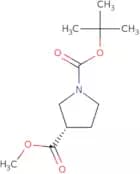


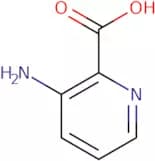
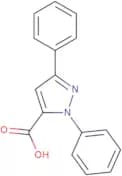
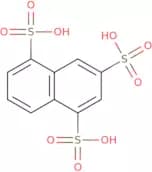
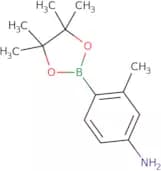
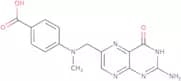
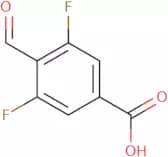
![1,1'-Bicyclo[1,1,1]pentane-1,3-dicarboxylic acid monomethyl ester](/_next/image/?url=https%3A%2Fstatic.cymitquimica.com%2Fproducts%2F3D%2Fthumb-webp%2FFB33677.webp&w=3840&q=75)
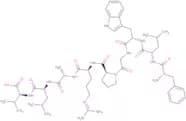
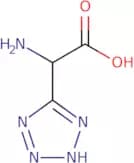
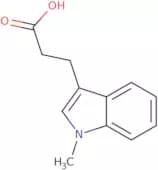
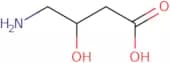
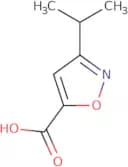
![Ethyl 3-{[(1E)-(dimethylamino)methylene]amino}-5-methoxy-1-methyl-1H-indole-2-carboxylate](/_next/image/?url=https%3A%2Fstatic.cymitquimica.com%2Fproducts%2F3D%2Fthumb-webp%2FFE123273.webp&w=3840&q=75)
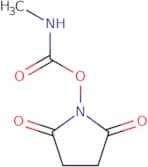

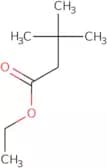
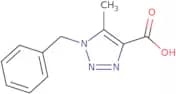
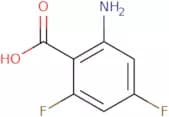
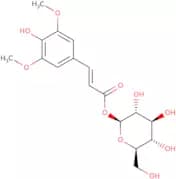
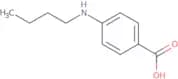
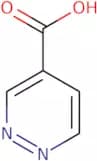
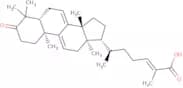
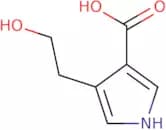
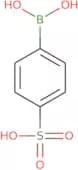
![4-(2-Chlorophenyl)-9-methyl-6H-thieno[3,2-f][1,2,4]triazolo[4,3-a][1,4]diazepine-2-propanoic acid …](/_next/image/?url=https%3A%2Fstatic.cymitquimica.com%2Fproducts%2F3D%2Fthumb-webp%2FFC20337.webp&w=3840&q=75)
![Tert-butyl(8-anti)-3-azabicyclo[3.2.1]oct-8-ylcarbamate](/_next/image/?url=https%3A%2Fstatic.cymitquimica.com%2Fproducts%2F3D%2Fthumb-webp%2FFT167890.webp&w=3840&q=75)
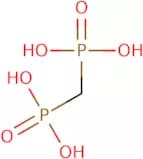
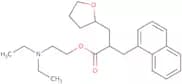
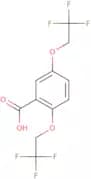
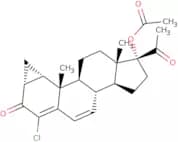
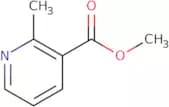
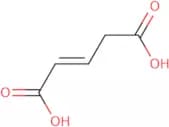
![1,1-Bis(1,1-dimethylethyl) (3R)-3-[[(9H-fluoren-9-ylmethoxy)carbonyl]amino]-1,1,3-propanetricarbox…](/_next/image/?url=https%3A%2Fstatic.cymitquimica.com%2Fproducts%2F3D%2Fthumb-webp%2FFF47880.webp&w=3840&q=75)
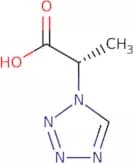
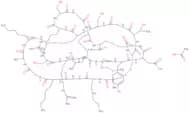

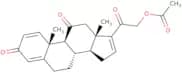
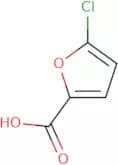
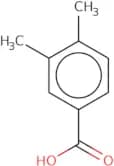
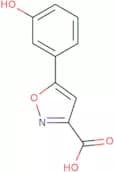
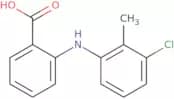

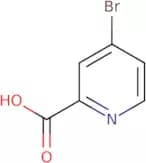

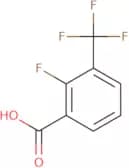
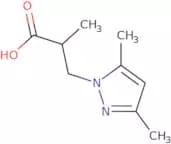
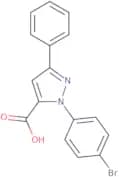
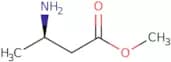
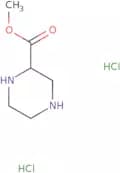

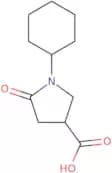
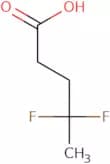
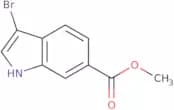
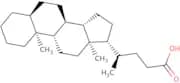
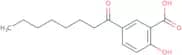
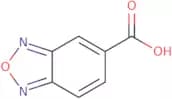

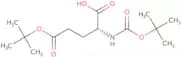

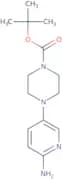
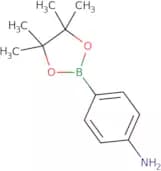
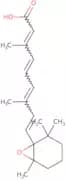
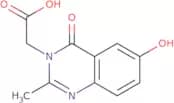
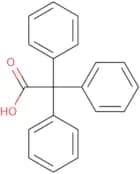
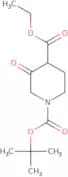
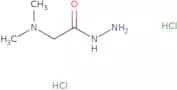
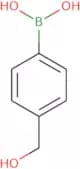
![Spiro[2.3]hexane-1-carboxylic acid](/_next/image/?url=https%3A%2Fstatic.cymitquimica.com%2Fproducts%2F3D%2Fthumb-webp%2FFS167675.webp&w=3840&q=75)


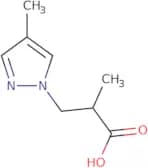
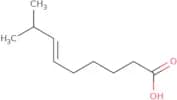
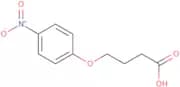
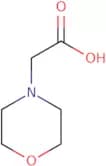
![1-[2-(Methoxycarbonyl)phenyl]-5-oxopyrrolidine-3-carboxylic acid](/_next/image/?url=https%3A%2Fstatic.cymitquimica.com%2Fproducts%2F3D%2Fthumb-webp%2FFM123736.webp&w=3840&q=75)
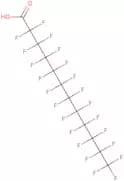
![2-[4-(2-Methylpropenyl)phenyl]propionic acid](/_next/image/?url=https%3A%2Fstatic.cymitquimica.com%2Fproducts%2F3D%2Fthumb-webp%2FFM25939.webp&w=3840&q=75)
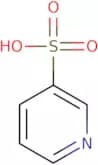
![1-(4-Methoxyphenyl)-7-oxo-6-(4-(2-oxopiperidin-1-yl)phenyl)-4,5,6,7-tetrahydro-1H-pyrazolo[3,4-c]p…](/_next/image/?url=https%3A%2Fstatic.cymitquimica.com%2Fproducts%2F3D%2Fthumb-webp%2FFM155764.webp&w=3840&q=75)
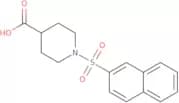
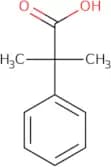
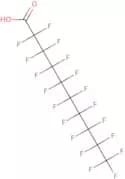
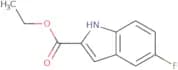
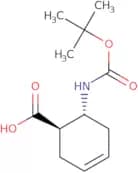
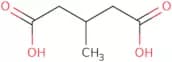
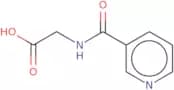
![3-[(Dimethylamino)methyl]benzoic acid hydrochloride](/_next/image/?url=https%3A%2Fstatic.cymitquimica.com%2Fproducts%2F3D%2Fthumb-webp%2FFD124093.webp&w=3840&q=75)
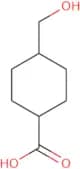
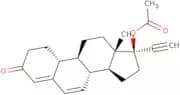
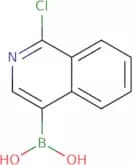
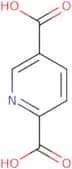
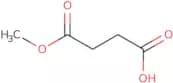
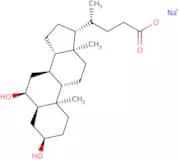
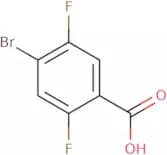
![3-Methyl-2-oxo-2,3-dihydro-1H-benzo[d]imidazole-4-carboxylic acid](/_next/image/?url=https%3A%2Fstatic.cymitquimica.com%2Fproducts%2F3D%2Fthumb-webp%2FFM143449.webp&w=3840&q=75)
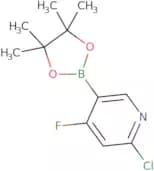
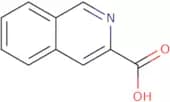

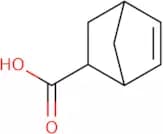
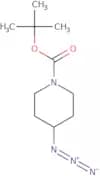
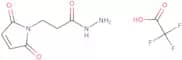
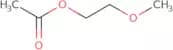
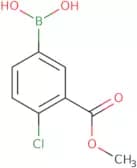
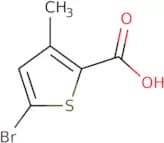
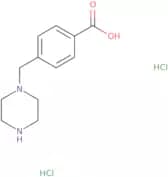
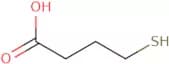
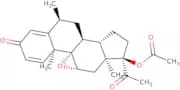
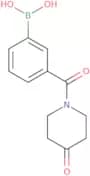
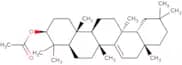
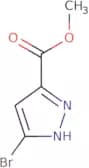
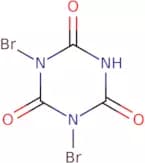
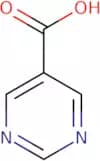
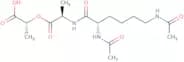
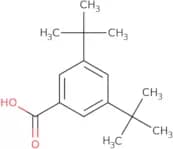
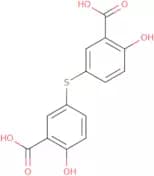

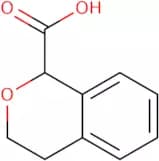
![3-{[(3,4-Dichlorophenyl)amino]carbonyl}bicyclo[2.2.1]hept-5-ene-2-carboxylic acid](/_next/image/?url=https%3A%2Fstatic.cymitquimica.com%2Fproducts%2F3D%2Fthumb-webp%2FFD136060.webp&w=3840&q=75)
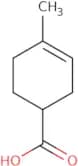
![(R)-(-)-a-[[(4-Ethyl-2,3-dioxo-1-piperazinyl)carbonyl]amino]benzeneacetic Acid](/_next/image/?url=https%3A%2Fstatic.cymitquimica.com%2Fproducts%2F3D%2Fthumb-webp%2FFE60111.webp&w=3840&q=75)
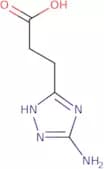
![6-(Methoxycarbonyl)spiro[3.3]heptane-2-carboxylic acid](/_next/image/?url=https%3A%2Fstatic.cymitquimica.com%2Fproducts%2F3D%2Fthumb-webp%2FFM161396.webp&w=3840&q=75)
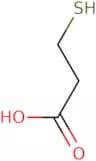
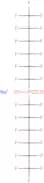
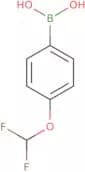
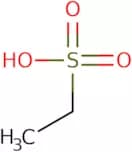
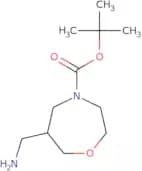


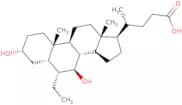
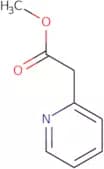
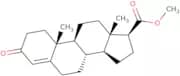
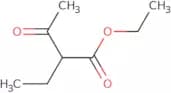
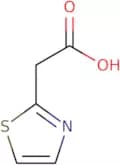
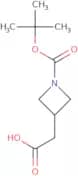
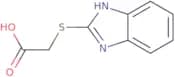
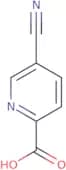
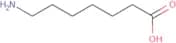
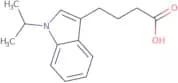
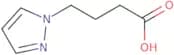

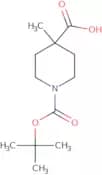

![[2-(4-Chlorophenyl)-1,3-thiazol-4-yl]acetic acid](/_next/image/?url=https%3A%2Fstatic.cymitquimica.com%2Fproducts%2F3D%2Fthumb-webp%2FFC124498.webp&w=3840&q=75)
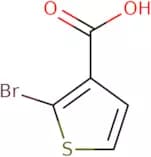


![3,6-Dichlorobenzo[b]thiophene-2-carboxylic acid](/_next/image/?url=https%3A%2Fstatic.cymitquimica.com%2Fproducts%2F3D%2Fthumb-webp%2FFD57151.webp&w=3840&q=75)
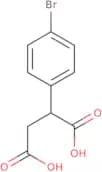
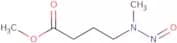
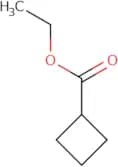
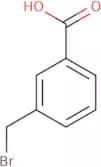
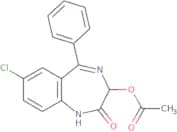
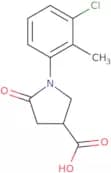
![1-[2-(5-Fluoro-1H-indol-3-yl)ethyl]-5-oxopyrrolidine-3-carboxylic acid](/_next/image/?url=https%3A%2Fstatic.cymitquimica.com%2Fproducts%2F3D%2Fthumb-webp%2FFF119448.webp&w=3840&q=75)

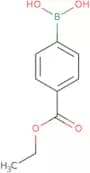
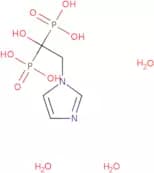
![3-[1-(2-Methoxyethyl)-1H-indol-3-yl]propanoic acid](/_next/image/?url=https%3A%2Fstatic.cymitquimica.com%2Fproducts%2F3D%2Fthumb-webp%2FFM135770.webp&w=3840&q=75)
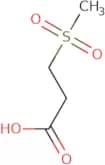
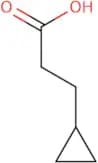
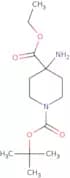
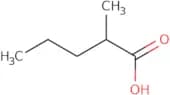
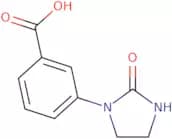
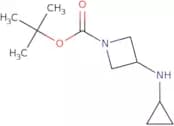
![tert-Butyl 4,7-diazaspiro[2.5]octane-7-carboxylate](/_next/image/?url=https%3A%2Fstatic.cymitquimica.com%2Fproducts%2F3D%2Fthumb-webp%2FFB141975.webp&w=3840&q=75)

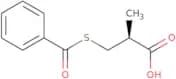
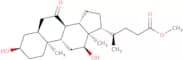
![1-[2-(1H-Indol-3-yl)ethyl]-2,5-dimethyl-1H-pyrrole-3-carboxylic acid](/_next/image/?url=https%3A%2Fstatic.cymitquimica.com%2Fproducts%2F3D%2Fthumb-webp%2FFI117604.webp&w=3840&q=75)
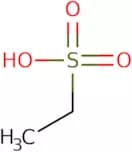
![tert-Butyl 4-{[(methylsulfonyl)oxy]methyl}piperidine-1-carboxylate](/_next/image/?url=https%3A%2Fstatic.cymitquimica.com%2Fproducts%2F3D%2Fthumb-webp%2FFB122853.webp&w=3840&q=75)
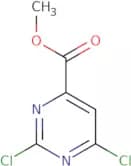

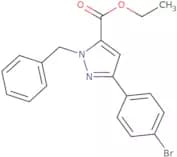

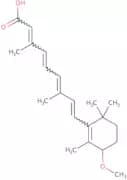
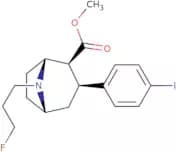
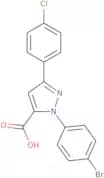
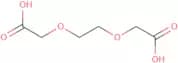
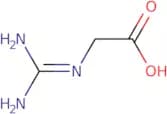
![4-[(4-Acetylphenyl)amino]-4-oxobutanoic acid](/_next/image/?url=https%3A%2Fstatic.cymitquimica.com%2Fproducts%2F3D%2Fthumb-webp%2FFA114593.webp&w=3840&q=75)