Flavonoids
Subcategories of "Flavonoids"
- Anthocyanidins(46 products)
- Anthocyanin(46 products)
- Catechin(88 products)
- Chalcones(237 products)
- Pterocarpan(28 products)
Found 2410 products of "Flavonoids"
Dehydroequol
CAS:Dehydroequol is a dietary supplement ingredient, which is a metabolite of the soy isoflavone daidzein. It is produced through the biotransformation by certain gut bacteria that convert daidzein into equol compounds, specifically the dehydrogenated form. This compound is noted for its estrogenic activity, acting primarily as a selective estrogen receptor modulator (SERM). Dehydroequol binds to estrogen receptors with a preference for the beta subtype, exerting moderate estrogenic effects.
Formula:C15H12O3Purity:Min. 95%Molecular weight:240.25 g/molRotenone
CAS:Rotenone is a naturally occurring insecticide and piscicide, which is derived from the roots of several tropical and subtropical plant species, primarily from the Leguminosae family. Its primary source includes plants such as *Derris* and *Lonchocarpus*. Rotenone works by inhibiting cellular respiration. Specifically, it interferes with the mitochondrial electron transport chain by binding to complex I, blocking the production of ATP and ultimately leading to cell death.
Formula:C23H22O6Purity:Min. 98 Area-%Color and Shape:Beige PowderMolecular weight:394.42 g/molRef: 3D-FR65511
Discontinued product3'-Hydroxy-5'-prenylbiochanin A
CAS:3'-Hydroxy-5'-prenylbiochanin A is a prenylated isoflavone, which is a type of naturally occurring polyphenolic compound. It is predominantly sourced from various plant species, particularly those belonging to the Fabaceae family, such as legumes and soy. These compounds are often found in the plant's roots, stems, and leaves and play crucial roles in plant defense mechanisms.
Formula:C21H20O6Purity:Min. 95%Molecular weight:368.38 g/molIcariin
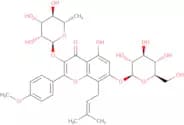
CAS:Icariin is a bioactive flavonoid compound, which is primarily derived from plants in the genus Epimedium, commonly known as Horny Goat Weed. This compound is a prenylated flavonol glycoside that is found in varying concentrations depending on the specific species of Epimedium used. Icariin exerts its effects through multiple biochemical pathways, most notably by inhibiting phosphodiesterase type 5 (PDE5), which leads to an increase in nitric oxide levels and the subsequent vasodilation of blood vessels.
Formula:C33H40O15Purity:Min. 95%Color and Shape:Slightly Yellow PowderMolecular weight:676.66 g/molRef: 3D-MI08119
Discontinued product(±)-Naringenin
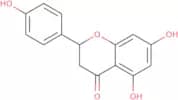
CAS:Inhibits CYP3A4 and Shad 3 transcription; antioxidant; anti-tumor
Formula:C15H12O5Purity:Min. 98 Area-%Color and Shape:Brown White PowderMolecular weight:272.25 g/molTaxifolin 3-O-rhamnoside
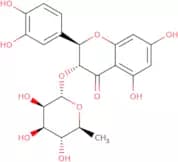
CAS:Taxifolin 3-O-rhamnoside is a natural flavonoid glycoside, which is primarily sourced from certain plant species, including members of the Pinaceae family. This compound is recognized for its unique chemical structure, comprising taxifolin attached to a rhamnose sugar moiety. Its mode of action predominantly involves the scavenging of free radicals, thanks to its potent antioxidant properties. Taxifolin 3-O-rhamnoside exhibits the ability to neutralize reactive oxygen species, thereby contributing to the protection of cellular components from oxidative stress.
Formula:C21H22O11Purity:Min. 95%Color and Shape:PowderMolecular weight:450.39 g/molRef: 3D-FT65587
Discontinued product7,2'-Dihydroxy-4',5'-dimethoxyisoflavone
CAS:7,2'-Dihydroxy-4',5'-dimethoxyisoflavone is a naturally occurring isoflavone, which is a type of flavonoid commonly found in various plants. Isoflavones are primarily sourced from legumes and are prevalent in dietary phytoestrogens. The mode of action of this compound involves modulation of cellular pathways due to its antioxidant properties and potential to interact with estrogen receptors. Such interactions may influence gene expression and cell proliferation in specific tissue types.
Formula:C17H14O6Purity:Min. 95%Color and Shape:PowderMolecular weight:314.29 g/molCirsimaritin
CAS:Cirsimaritin is a natural product that is classified as a flavonoid, which is derived from various plants, particularly those belonging to the Asteraceae family. As a plant metabolite, Cirsimaritin plays a significant role in the plant’s own defense mechanisms against microbial infections and environmental stressors.
Formula:C17H14O6Purity:Min. 98 Area-%Color and Shape:Yellow PowderMolecular weight:314.29 g/molRef: 3D-FC69723
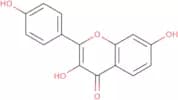
Discontinued product3,7,4'-Trihydroxyflavone
CAS:3,7,4'-Trihydroxyflavone is a flavonoid compound, which is a naturally occurring polyphenolic phytochemical. These compounds are commonly sourced from various plants, where they are present in fruits, vegetables, and certain herbs. Flavonoids such as 3,7,4'-Trihydroxyflavone are known for their role in plant pigmentation and protection against environmental stressors.
Formula:C15H10O5Purity:Min. 95%Color and Shape:PowderMolecular weight:270.24 g/molRef: 3D-FT67599
Discontinued product6,4'-Dimethoxyflavanone
6,4'-Dimethoxyflavanone is a flavanone derivative, which is a type of organic compound belonging to the larger class of flavonoids. These compounds are primarily sourced from natural products, frequently occurring in various plant species. Flavonoids are known for their diverse bioactive properties, which can include antioxidant, anti-inflammatory, and potential anticancer activities. The mode of action for 6,4'-Dimethoxyflavanone typically involves interacting with cellular pathways to modulate enzyme activities or signaling processes, potentially influencing oxidative stress and cellular proliferation.
Formula:C17H16O4Purity:Min. 95%Molecular weight:284.31 g/molRef: 3D-XD182832
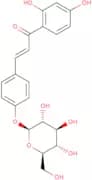
Discontinued productNeoisoliquiritin
CAS:Neoisoliquiritin is a bioactive flavonoid glycoside, which is a derivative of isoliquiritin. It is primarily sourced from the roots of Glycyrrhiza species, commonly known as licorice plants. This compound is formed through the natural modifications of flavonoids within the plant, involving glycosylation processes that enhance its solubility and stability.
Formula:C21H11O9Purity:Min. 95%Color and Shape:PowderMolecular weight:418.39 g/molRef: 3D-FN74246
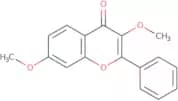
Discontinued product3,7-Dimethoxyflavone
CAS:3,7-Dimethoxyflavone is a naturally occurring flavone, which is a type of polyphenolic compound. It is sourced from various plant species, notably those within the genus *Kaempferia*, and can also be synthesized in laboratory settings. The compound is characterized by its distinct chemical structure, featuring methoxy groups at the 3 and 7 positions on the flavone backbone.
Formula:C17H14O4Purity:Min. 95%Color and Shape:PowderMolecular weight:282.29 g/molScutellarein
CAS:Scutellarein is a flavonoid compound, which is derived from plants such as Scutellaria baicalensis (commonly known as Chinese skullcap). This flavonoid exists naturally in certain herbs and plays a significant role in traditional medicine practices. It is extracted from the aerial parts of these plants through various processing techniques, focusing on its bioactive potential.
Formula:C15H10O6Purity:Min. 95%Color and Shape:Yellow PowderMolecular weight:286.24 g/mol3'-Hydroxy-3,5,7,8,4'-pentamethoxyflavone
CAS:3'-Hydroxy-3,5,7,8,4'-pentamethoxyflavone is a specialized flavonoid compound, which is typically derived from various plant sources. This compound is part of the flavone subclass of flavonoids, known for their wide presence in the plant kingdom, contributing to the plant's pigmentation and offering various physiological benefits. The mode of action for 3'-Hydroxy-3,5,7,8,4'-pentamethoxyflavone primarily involves antioxidant activity, where it functions to neutralize free radicals and reduce oxidative stress within biological systems. This property is crucial in mitigating cellular damage, thus playing a role in the prevention of various degenerative diseases.
Formula:C20H20O8Purity:Min. 95%Molecular weight:388.37 g/mol3'-Prenylbiochanin A
CAS:3'-Prenylbiochanin A is a prenylated isoflavone, which is a type of natural compound often derived from plants such as those in the Fabaceae family. Its unique structure incorporates a prenyl group, which is a 5-carbon isoprene unit, added to the biochanin A framework. This structural modification can significantly influence the compound's biological activity by enhancing its lipophilicity and bioavailability in cellular environments.
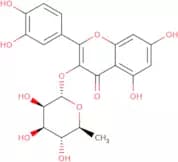
Formula:C21H20O5Purity:Min. 95%Molecular weight:352.38 g/molQuercetin 3-α-L-rhamnoside
CAS:Quercetin 3-α-L-rhamnoside is a flavonoid compound, which is a plant-derived product with rich biological activity. It is primarily sourced from various fruits and vegetables, where it occurs naturally as a glycoside. The mode of action involves its capability to modulate oxidative stress and inflammation through interactions with several cellular pathways, primarily by acting as an antioxidant and modulating enzyme activity related to reactive oxygen species.
Formula:C21H20O11Purity:Min. 95%Color and Shape:White PowderMolecular weight:448.38 g/molRef: 3D-MQ08116
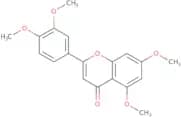
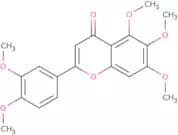
Discontinued product3',4',5,7-Tetramethoxyflavone
CAS:3',4',5,7-Tetramethoxyflavone is a polyphenolic compound, which is a specific type of flavonoid. It is derived from various plant sources, where it occurs naturally as part of the plant's defense mechanism against environmental stressors. This compound exerts its activity through various biochemical pathways, including modulation of enzyme activities and interference with cellular signaling pathways. Studies suggest it may inhibit certain enzymes involved in inflammation and oxidative stress, thereby playing a potential role in therapeutic applications.
Formula:C19H18O6Purity:Min. 95%Color and Shape:White PowderMolecular weight:342.34 g/molLotisoflavan
CAS:Phytoalexin isolated from the fungus-inoculated leaflets of Lotus angustissimus
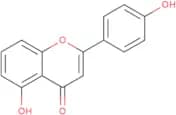
Formula:C17H18O5Purity:Min. 95%Color and Shape:PowderMolecular weight:302.32 g/mol4',5-Dihydroxyflavone
CAS:4',5-Dihydroxyflavone is a naturally occurring flavone, which is a type of polyphenolic compound. It is derived from various plant sources, particularly those rich in flavonoids, such as certain fruits, vegetables, and herbal extracts. The compound's mode of action primarily involves its ability to act as an antioxidant, scavenging free radicals and reducing oxidative stress in biological systems. This antioxidant activity is often linked to neuroprotective properties, as it may help mitigate damage to neurons caused by oxidative stress.
Formula:C15H10O4Purity:Min. 98%Color and Shape:PowderMolecular weight:254.24 g/molRef: 3D-FD66316
Discontinued productIriskashmirianin
CAS:Iriskashmirianin is a naturally occurring flavonoid derivative, which is isolated from specific plant sources. It belongs to the broader class of flavonoids, compounds known for their bioactive properties. The mode of action of Iriskashmirianin involves its interaction with cellular pathways, where it functions primarily as an antioxidant and anti-inflammatory agent. It neutralizes free radicals and modulates inflammatory responses by influencing various signaling pathways at the molecular level.
Formula:C18H14O7Purity:Min. 95%Molecular weight:342.3 g/mol3',4'-Dihydroxyflavanone
3',4'-Dihydroxyflavanone is a type of flavonoid, which is a class of polyphenolic compounds known for diverse biological activities. This compound is primarily sourced from various plants, where it plays a role in plant defense mechanisms due to its antioxidant properties. The mode of action of 3',4'-Dihydroxyflavanone involves the scavenging of free radicals, thereby mitigating oxidative stress at the cellular level. This activity is facilitated by its dihydroxy structure, which allows it to donate hydrogen atoms to neutralize reactive oxygen species.
Formula:C15H10O4Purity:Min. 95%Molecular weight:254.24 g/molIsoneorautenol
CAS:Isoneorautenol is a synthetic compound, which is derived from complex organic synthesis processes. Its unique chemical structure allows it to interact specifically with certain molecular targets, making it an intriguing candidate for various biological and chemical applications. The mode of action of Isoneorautenol involves the modulation of specific biochemical pathways, potentially influencing cellular behavior and function.
Formula:C20H18O4Purity:Min. 95%Color and Shape:PowderMolecular weight:322.35 g/mol7,8-Dibenzyloxy-4'-methoxyisoflavone
CAS:7,8-Dibenzyloxy-4'-methoxyisoflavone is a synthetic isoflavone derivative, which is a type of organic compound often studied for its potential pharmacological properties. Isoflavones are primarily sourced from certain leguminous plants, where they are naturally occurring phytoestrogens and have been associated with various biological activities.
Formula:C30H24O5Purity:Min. 95%Molecular weight:464.51 g/molNaringenin trimethyl ether
CAS:Naringenin trimethyl ether is a flavonoid compound, which is typically derived from citrus fruits and other plant sources. This compound is part of the larger class of polyphenolic compounds known as flavonoids, which are prominent for their presence in various plant species, contributing to a variety of physiological activities.
Formula:C18H18O5Purity:Min. 95%Color and Shape:PowderMolecular weight:314.33 g/molRef: 3D-XN161726
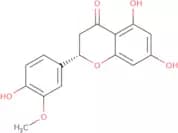
Discontinued product3'-Methoxy-5,7,4'-trihydroxyflavanone
CAS:3'-Methoxy-5,7,4'-trihydroxyflavanone is a flavanone compound, which is a type of flavonoid commonly found in various plants. Flavanones are known for their diverse biological activities and are part of the polyphenol family. This particular compound is often sourced from natural plant extracts, such as those of fruits and herbs, which are rich in flavonoids.
Formula:C16H14O6Purity:Min. 97 Area-%Color and Shape:PowderMolecular weight:302.28 g/molRef: 3D-FM65712
Discontinued product4'-Hydroxy-3'-methoxyflavanone
CAS:4'-Hydroxy-3'-Methoxyflavanone is a flavanone, which is a type of polyphenolic compound. It is extracted from various plant sources, particularly those belonging to the citrus family. The compound displays a characteristic structural arrangement that includes an aromatic ring with hydroxy and methoxy substituents, imparting unique bioactive properties.
Formula:C16H14O4Purity:Min. 95%Molecular weight:270.28 g/molRef: 3D-XH182835
Discontinued product3,7,8,3',4'-Pentahydroxyflavone
CAS:3,7,8,3',4'-Pentahydroxyflavone is a naturally occurring flavonoid, which is commonly found in plants and contributes to their defensive mechanisms. This compound is sourced from a variety of plant materials, where it acts as a potent antioxidant by scavenging free radicals and inhibiting oxidative stress pathways.
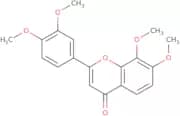
Formula:C15H10O7Purity:Min. 95%Color and Shape:PowderMolecular weight:302.24 g/mol3',4',7,8-Tetramethoxyflavone
CAS:3',4',7,8-Tetramethoxyflavone is a naturally occurring flavonoid, which is a type of polyphenolic compound. It is predominantly found in various plant species, where it serves vital roles in the plant's defense mechanisms and contributes to its pigmentation. This compound is characterized by its methoxy groups attached to its flavonoid backbone, which influence its bioactivity and solubility.
Formula:C19H18O6Purity:Min. 95%Color and Shape:PowderMolecular weight:342.34 g/molRef: 3D-FT66134
Discontinued productPodocarpusflavone A
CAS:Podocarpusflavone A is a flavonoid compound, which is a type of polyphenolic molecule. It is isolated from the Podocarpus genus, a source known for yielding bioactive phytochemicals. The mode of action of Podocarpusflavone A involves modulation of various cellular signaling pathways, including antioxidative and anti-inflammatory mechanisms, which can influence cell proliferation and apoptosis.
Formula:C31H20O10Purity:Min. 95%Color and Shape:PowderMolecular weight:552.48 g/molRef: 3D-FP74971
Discontinued product3,5,7-Trihydroxy-4'-methoxyflavone
CAS:3,5,7-Trihydroxy-4'-methoxyflavone is a flavonoid compound, which is naturally occurring in various plants. These bioactive compounds are part of a larger group known as flavones, prevalent in many fruits, vegetables, and certain herbs. Flavonoids such as 3,5,7-Trihydroxy-4'-methoxyflavone are synthesized through the plant's secondary metabolic pathways, typically as a response to environmental stressors or as part of normal growth processes.
Formula:C16H12O6Purity:Min. 95%Color and Shape:PowderMolecular weight:300.26 g/molRef: 3D-FT66491
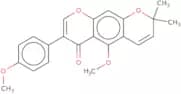
Discontinued productAlpinumisoflavone dimethyl ether
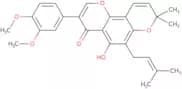
CAS:Alpinumisoflavone dimethyl ether is a naturally occurring isoflavonoid, which is a type of phytochemical compound. It is derived from the plant family Leguminosae, particularly found in some species of the genus Millettia. This compound acts primarily through the modulation of cellular pathways associated with inflammation and cell proliferation, often involving the inhibition of specific kinases and signaling molecules that are active in both cancerous and inflammatory processes.
Formula:C22H20O5Purity:Min. 95%Molecular weight:364.39 g/molVestitol
CAS:Vestitol is a naturally occurring flavonoid, which is a bioactive compound derived from various plant species. As a flavonoid, vestitol is synthesized by plants during their metabolic processes and is found predominantly in legumes such as red clover. Its biochemical mode of action includes modulation of reactive oxygen species (ROS) and interactions with cellular signaling pathways that regulate oxidative stress. By scavenging free radicals, vestitol contributes to the protection of cellular structures and biomolecules from oxidative damage.
Formula:C16H16O4Purity:Min. 95%Color and Shape:White Off-White PowderMolecular weight:272.3 g/molLupinisoflavone D
CAS:Lupinisoflavone D is a bioactive isoflavone compound, which is derived from natural plant sources, specifically belonging to the lupin species. This compound is meticulously extracted and characterized through advanced chromatographic and spectroscopic techniques, commonly sourced from Lupinus albus or other related legumes, where it is naturally present in small quantities.
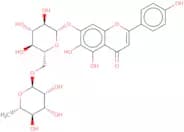
Formula:C20H18O7Purity:Min. 95%Molecular weight:370.35 g/molScutellarein 7-O-rutinoside
CAS:Scutellarein 7-O-rutinoside is a flavonoid glycoside, which is a type of organic compound found predominantly in various plant species. This compound is mainly extracted from plants such as Scutellaria and Verbena, known for their rich flavonoid content. Its mode of action involves modulating various cellular pathways due to its antioxidant properties, which can scavenge free radicals and reduce oxidative stress in biological systems.
Formula:C27H30O15Purity:Min. 95%Molecular weight:594.52 g/molSinensetin
CAS:Sinensetin is a polymethoxyflavone, which is a type of flavonoid compound. It is predominantly sourced from citrus peels, particularly those of oranges. The compound exhibits multiple biological activities, primarily through its mode of action that involves modulating inflammatory pathways and oxidative stress responses. Sinensetin achieves this by inhibiting pro-inflammatory cytokines and enzymes such as cyclooxygenase, thereby reducing inflammation processes at the cellular level.
Formula:C20H20O7Purity:Min. 95%Color and Shape:PowderMolecular weight:372.37 g/molRef: 3D-FS65393
Discontinued product6-Hydroxy-5,7,4'-trimethoxyflavone
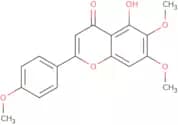
CAS:6-Hydroxy-5,7,4'-trimethoxyflavone is a methoxylated flavone, which is a type of polyphenolic compound. It is derived from various natural sources, including certain plant species where flavonoids are abundant. This compound features distinct methoxy and hydroxyl groups that contribute to its biochemical activity.
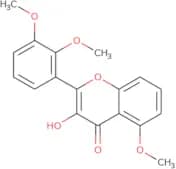
Formula:C18H16O6Purity:Min. 95%Molecular weight:328.32 g/mol3-Hydroxy-5,2',3'-trimethoxyflavone
CAS:3-Hydroxy-5,2',3'-trimethoxyflavone is a naturally occurring flavone, which is a type of polyphenolic compound found in various plants. This compound is derived from natural sources and is often isolated from specific plant species such as certain herbs and fruits. The mode of action of 3-Hydroxy-5,2',3'-trimethoxyflavone often involves interaction with biological pathways at the cellular level, potentially including antioxidant activity, modulation of enzyme function, and influence on signal transduction pathways.
Formula:C18H16O6Purity:Min. 95%Molecular weight:328.32 g/molRef: 3D-XH183011
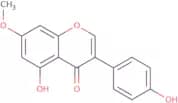
Discontinued productPrunetin
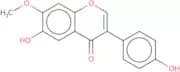
CAS:Prunetin is a naturally occurring isoflavone, which is an organic compound derived from plant sources. It is primarily found in legumes and other plant materials where it naturally occurs as part of the plant's phytochemical arsenal. The mode of action of prunetin involves modulating various biochemical pathways, including acting as an antioxidant, influencing estrogenic activity, and affecting cellular signaling pathways. Its biochemical properties allow it to interact with multiple cellular targets, leading to its diverse biological activities.
Formula:C16H12O5Purity:Min. 95%Color and Shape:Slightly Brown PowderMolecular weight:284.26 g/molKaempferol 7-O-neohesperidoside
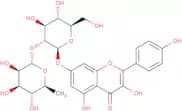
CAS:Kaempferol 7-O-neohesperidoside is a flavonoid glycoside, which is commonly derived from various plant sources, including fruits, vegetables, and certain herbs. This compound is part of the broader flavonoid family, known for their bioactive properties, and can be extracted using advanced chromatographic techniques.
Formula:C27H30O15Purity:Min. 95 Area-%Color and Shape:PowderMolecular weight:594.52 g/molPinocembrin 7-O-beta-D-glucoside
CAS:Pinocembrin 7-O-beta-D-glucoside is a flavonoid glucoside, which is a specialized type of plant secondary metabolite. This compound is primarily sourced from the plant genus *Eremurus*. The mode of action of Pinocembrin 7-O-beta-D-glucoside involves its interaction with various biological pathways, where it exhibits antioxidant, anti-inflammatory, and neuroprotective properties. It functions by modulating oxidative stress and reducing inflammation, which contributes to its protective roles in cellular systems.
Formula:C21H22O9Purity:Min. 95%Color and Shape:SolidMolecular weight:418.39 g/molNeohesperidin
CAS:Neohesperidin is a flavonoid-based natural sweetener, which is derived from the bitter orange and other citrus fruits. The mode of action of neohesperidin involves its conversion into neohesperidin dihydrochalcone (NHDC), which is an intensely sweet compound. This transformation occurs through hydrogenation, enhancing its sweetening properties. As a sweetener, NHDC exhibits around 1,500 to 1,800 times the sweetness of sucrose depending on the concentration and pH of the medium.
Formula:C28H34O15Purity:Min. 95 Area-%Color and Shape:White PowderMolecular weight:610.56 g/molalpha-Naphthoflavanol
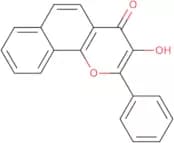
CAS:**Alpha-Naphthoflavanol** is a synthetic compound, which is categorized as a flavanol derivative. It is synthesized from the naphthalene compound, a polycyclic aromatic hydrocarbon, through a series of chemical reactions involving hydroxylation and other functional group modifications. This compound is designed to specifically interfere with biological pathways by acting as an inhibitor or modulator in cellular processes.
Formula:C19H12O3Purity:Min. 95%Molecular weight:288.30 g/molRef: 3D-FN66404
Discontinued product7-Benzyloxy-4'-methoxyisoflavone
CAS:7-Benzyloxy-4'-methoxyisoflavone is a synthetic isoflavone derivative, which is meticulously designed with specific substituents to enhance its bioactivity. This compound is derived from isoflavones, a class of naturally occurring polyphenolic compounds found predominantly in soy products and other plants. Isoflavones are known for their diverse biological activities, including antioxidant and anti-inflammatory properties.
Formula:C23H18O4Purity:Min. 95%Molecular weight:358.39 g/molCladrin-7-O-glucoside
CAS:Cladrin-7-O-glucoside is a flavonoid glycoside, which is a type of secondary metabolite commonly found in various plants. This compound is derived from natural sources, particularly plants belonging to the genus Cleome. Flavonoid glycosides are known for having a sugar molecule attached to a flavonoid backbone, which influences their solubility and bioavailability.
Formula:C23H24O10Purity:Min. 95%Molecular weight:460.43 g/molDihydrorobinetin
CAS:Dihydrorobinetin is a flavonoid derivative, which is a naturally occurring compound found in certain plant sources. It belongs to the larger group of polyphenolic compounds known for their diverse biological activities. Dihydrorobinetin is primarily extracted from plants such as locust trees, where it occurs as a secondary metabolite.
Formula:C15H12O7Purity:Min. 95%Color and Shape:PowderMolecular weight:304.25 g/mol3,7,8,4'-Tetrahydroxyflavone
CAS:3,7,8,4'-Tetrahydroxyflavone is a naturally occurring flavonoid, which is a type of secondary metabolite commonly found in various plants. It is derived from botanical sources like fruits, vegetables, and certain herbs. This compound has gained attention due to its potential biological activities linked to its structural properties, specifically the presence of multiple hydroxyl groups that contribute to its antioxidant capacity.
Formula:C15H10O6Purity:Min. 95%Color and Shape:PowderMolecular weight:286.24 g/molRef: 3D-FT67101
Discontinued productGossypetin-7-glucoside
CAS:Gossypetin-7-glucoside is a flavonoid glycoside, which is a naturally occurring compound found primarily in plants. This substance is derived from the flavonoid gossypetin, which is a member of the flavonoid class of polyphenolic secondary metabolites in plants, predominantly sourced from cotton plants. The mode of action of gossypetin-7-glucoside is largely attributed to its antioxidant properties. It acts by scavenging free radicals, thereby reducing oxidative stress and potentially mitigating cellular damage.
Formula:C21H20O13Purity:(%) Min. 95%Color and Shape:PowderMolecular weight:480.38 g/molKaempferol-3-glucoside-7-rhamnoside
CAS:Kaempferol-3-glucoside-7-rhamnoside is a flavonoid glycoside, which is a natural compound found in several plant species, including tea, broccoli, and propolis. It is synthesized through glycosylation, where sugar moieties are enzymatically attached to the kaempferol backbone. This compound is known for its potent antioxidant activity, capable of scavenging free radicals and protecting cells from oxidative stress.
Formula:C27H30O15Purity:Min. 95%Color and Shape:PowderMolecular weight:594.52 g/molIsoflavan
CAS:Isoflavan is a naturally occurring isoflavonoid derivative, which is primarily sourced from soybeans and other legumes. These compounds are secondary metabolites found in the plant kingdom, notable for their structural similarity to estrogens. Isoflavans act as phytoestrogens, binding to estrogen receptors and exerting both estrogenic and antiestrogenic effects depending on the presence of endogenous hormones. They exhibit a multifaceted mode of action, encompassing antioxidant activities by neutralizing free radicals and modulating oxidative stress pathways.
Formula:C15H14OPurity:Min. 95%Molecular weight:210.27 g/molKakkatin
CAS:Kakkatin is a natural antimicrobial agent, which is derived from specific plant extracts known for their inherent bioactive properties. It functions by disrupting the cellular membranes of pathogenic microorganisms, leading to their subsequent inactivation. This mode of action is attributed to its unique phytochemical constituents, which interact with microbial cell structures to inhibit growth and proliferation.
Formula:C16H12O5Purity:Min. 95%Molecular weight:284.26 g/molRef: 3D-FK65369
Discontinued productSalvigenin
CAS:Salvigenin is a flavone compound, which is found in various species of the Salvia plant. It is a naturally occurring phytochemical characterized by its potential to modulate biological pathways. Salvigenin primarily acts by interacting with biochemical pathways, exhibiting antioxidant and anti-inflammatory activities. These activities are thought to result from its ability to modulate enzyme activity, influence signaling pathways, and scavenge free radicals.
Formula:C18H16O6Purity:Min. 95%Color and Shape:Off-White PowderMolecular weight:328.32 g/molFicifolinol
CAS:Ficifolinol is a bioactive compound, which is a naturally occurring phenolic compound derived from the plant genus *Eucalyptus*, particularly from the species known for their rich bioactive profiles. Ficifolinol acts primarily through its antioxidant mechanisms, scavenging free radicals and inhibiting oxidative stress, thereby contributing to cellular protection and stability.
Formula:C25H28O4Purity:Min. 95%Molecular weight:392.49 g/molSwertisin
CAS:Swertisin is a naturally occurring flavonoid, which is extracted primarily from medicinal plants like Swertia and Enicostemma species. This compound is a C-glycosyl flavone, found in various herbs traditionally used in different cultural medicinal practices. The mode of action of Swertisin involves its interaction with cellular pathways, leading to anti-inflammatory, antioxidant, and potential anti-diabetic effects. These bioactivities are primarily mediated through modulation of enzyme activity and gene expression related to oxidative stress and inflammation.
Formula:C22H22O10Purity:Min. 98 Area-%Color and Shape:PowderMolecular weight:446.4 g/molRef: 3D-FS74200
Discontinued productIsoliquiritin
CAS:Isoliquiritin is a bioactive compound, specifically a flavonoid, which is derived from the roots of Glycyrrhiza glabra, commonly known as licorice. It possesses diverse pharmacological properties with multiple modes of action, notably influencing pathways involved in oxidative stress and inflammation. Isoliquiritin acts as an antioxidant, scavenging free radicals and reducing oxidative damage at the cellular level. Additionally, it exhibits anti-inflammatory effects by modulating the expression of inflammatory cytokines and inhibiting specific signaling pathways like NF-κB.Formula:C21H22O9Purity:Min. 95%Color and Shape:PowderMolecular weight:418.39 g/molRef: 3D-FN42767
Discontinued product5,7,8,4'-Tetramethoxyflavone
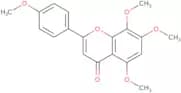
CAS:5,7,8,4'-Tetramethoxyflavone is a naturally occurring flavone, which is a type of plant-derived polyphenolic compound. It is found in various plants, particularly those belonging to the genus Scutellaria. The compound acts primarily by modulating various cellular signaling pathways, including those involved in inflammation, apoptosis, and oxidative stress. Through its interaction with these pathways, it exhibits potential anti-inflammatory, antioxidant, and anti-cancer properties.
Formula:C19H18O6Purity:Min. 95%Color and Shape:White PowderMolecular weight:342.34 g/molRef: 3D-FT65329
Discontinued productRhamnetin 3-rhamnoside
CAS:Rhamnetin 3-rhamnoside is a flavonoid glycoside, which is a type of polyphenolic compound typically found in plants. It is primarily derived from natural sources such as fruits, vegetables, and certain medicinal plants, where it often contributes to the plant's natural defense mechanisms. The compound acts as a potent antioxidant due to its capability to scavenge free radicals, thereby protecting cells from oxidative stress and potential damage.
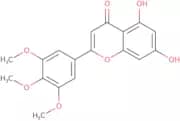
Formula:C22H22O11Purity:Min. 95%Molecular weight:462.4 g/molTricin 4'-methyl ether
CAS:Tricin 4'-methyl ether is a bioactive flavonoid, which is a phytochemical compound primarily derived from various plant sources such as rice, wheat, and maize. This compound is known for its antioxidant properties due to its phenolic structure, which allows it to scavenge free radicals and reduce oxidative stress. Additionally, Tricin 4'-methyl ether exhibits potential anti-inflammatory effects by modulating the activity of specific enzymes and pathways involved in inflammation.
Formula:C18H16O7Purity:Min. 95%Color and Shape:PowderMolecular weight:344.32 g/molEucomol
CAS:Eucomol is a synthetic compound derived from plant-based sources, designed as an antioxidant agent. It functions by scavenging reactive oxygen species (ROS), thereby reducing oxidative stress in biological systems. Eucomol's mode of action involves donating electrons to neutralize free radicals, which prevents cellular damage and maintains cellular homeostasis.
Formula:C17H16O6Purity:Min. 95%Molecular weight:316.31 g/mol3,7,8,4'-Tetramethoxyflavone
CAS:3,7,8,4'-Tetramethoxyflavone is a naturally occurring flavonoid, which is derived from various plant sources, including certain traditional medicinal herbs. Flavonoids like this one are noted for their diverse biological activities and potential therapeutic applications.
Formula:C19H18O6Purity:Min. 95%Molecular weight:342.34 g/molRef: 3D-XT183008
Discontinued productOrobol
CAS:Please enquire for more information about Orobol including the price, delivery time and more detailed product information at the technical inquiry form on this page
Formula:C15H10O6Purity:Min. 95%Color and Shape:Yellow PowderMolecular weight:286.24 g/mol5-Hydroxy-3',3,4',5',7-pentamethoxyflavone
CAS:5-Hydroxy-3',3,4',5',7-pentamethoxyflavone is a naturally occurring flavone, which is a type of flavonoid found primarily in plants. These compounds often serve as plant secondary metabolites, with potential roles in various physiological and ecological functions. This particular flavone is primarily derived from certain species within the plant kingdom, where it acts as part of the plant’s defense mechanism against pathogens and herbivores.
Formula:C20H20O8Purity:Min. 95%Color and Shape:PowderMolecular weight:388.37 g/molRef: 3D-FH66128
Discontinued productEriodictyol - 90%
CAS:Eriodictyol - 90% is a highly purified flavonoid, specifically a flavanone, commonly derived from the Eriodictyon californicum plant, also known as yerba santa. This compound, noted for its significant antioxidant properties, interacts with cellular signaling pathways by modulating oxidative stress and inhibiting inflammatory enzymes. Eriodictyol achieves these effects primarily through its ability to scavenge free radicals and modulate the activity of various kinases and transcription factors involved in the inflammatory response.
Formula:C15H12O6Purity:Min. 95%Color and Shape:White PowderMolecular weight:288.25 g/molRef: 3D-FE65017
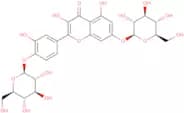
Discontinued productQuercetin-7,4'-diglucoside
CAS:Quercetin-7,4'-diglucoside is a flavonoid glycoside, which is a bioactive compound derived from various plants, particularly in fruits, vegetables, and certain leaves. It functions through its ability to modulate cellular pathways related to oxidative stress and inflammation, acting as a potent antioxidant and anti-inflammatory agent. These modes of action are primarily attributed to its capacity to scavenge free radicals and attenuate the expression of pro-inflammatory cytokines by interfering with signaling pathways, such as NF-κB and MAPK.
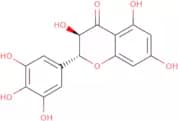
Formula:C27H30O17Purity:Min. 90%Color and Shape:Clear LiquidMolecular weight:626.52 g/molDihydromyricetin
CAS:Dihydromyricetin is a flavonoid compound, which is derived from the tree Hovenia dulcis. This plant, commonly known as the Japanese raisin tree, serves as the primary natural source for this bioactive substance. The mode of action of dihydromyricetin involves modulation of neurotransmitter receptors, particularly GABA_A receptors, wherein it contributes to alleviating alcohol-induced neuroinhibition. Additionally, it enhances the liver's ability to metabolize alcohol and reduces oxidative stress by acting as an antioxidant.
Formula:C15H12O8Purity:Min. 95%Color and Shape:PowderMolecular weight:320.25 g/molRef: 3D-FD65613
Discontinued productQuercetin-3-arabinofuranoside
CAS:Quercetin-3-arabinofuranoside is a flavonoid, a type of plant-derived polyphenolic compound. It is sourced from various plant species, particularly fruits, vegetables, and grains, where it functions as a secondary metabolite. This compound acts primarily through antioxidant mechanisms, neutralizing free radicals and reducing oxidative stress in biological systems. Additionally, it may interact with various cellular signaling pathways, modulating enzyme activities and gene expression.
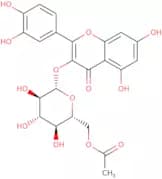
Formula:C20H20O11Purity:Min. 95%Molecular weight:436.37 g/molQuercetin-3-O-beta-D-glucopyranosyl-6-acetate
CAS:Quercetin-3-O-beta-D-glucopyranosyl-6-acetate is a glycosylated flavonoid compound, which is a naturally occurring plant metabolite. This compound is predominantly sourced from various plant species, where it acts as a secondary metabolite contributing to plant defense mechanisms. The mode of action of Quercetin-3-O-beta-D-glucopyranosyl-6-acetate involves its ability to function as an antioxidant, scavenging free radicals and reducing oxidative stress in biological systems. Additionally, its glycosylated structure may enhance its solubility and stability, facilitating better bioavailability compared to non-glycosylated counterparts.Formula:C23H22O13Purity:Min. 95%Color and Shape:PowderMolecular weight:506.41 g/molRef: 3D-FQ65444
Discontinued product7,8-Dihydroxyflavanone
CAS:7,8-Dihydroxyflavanone is a naturally occurring flavonoid compound, which is typically sourced from various plant species. This compound is structurally characterized by two hydroxyl groups, which are crucial for its biochemical activity. Its mode of action primarily involves the modulation of cellular signaling pathways, including those related to oxidative stress and enzyme inhibition. By interfering with these pathways, 7,8-Dihydroxyflavanone exerts antioxidant and possibly anti-inflammatory effects.
Purity:Min. 95%Ref: 3D-XD178082
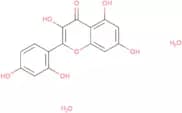
Discontinued productMorin hydrate
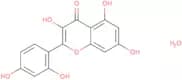
CAS:Morin hydrate is a flavonoid compound, which is a naturally occurring substance found primarily in the members of the Moraceae family, such as morus or mulberry and other fruits. It possesses significant antioxidant activity, which is achieved through its ability to scavenge free radicals and inhibit oxidative stress pathways. This mechanism of action is primarily due to its capacity to donate hydrogen atoms, thereby neutralizing unstable and reactive oxidative species.
Formula:C15H10O7·xH2OPurity:Min. 95%Color and Shape:PowderMolecular weight:302.24 g/molPomiferin-3',4'-dimethylether
CAS:Pomiferin-3',4'-dimethylether is a natural flavonoid compound, which is isolated from plants such as the Osage orange (Maclura pomifera). This compound is derived through meticulous extraction techniques that preserve its bioactive properties.
Formula:C27H28O6Purity:Min. 95%Molecular weight:448.51 g/molDihydrogenistein - decarboxy-dihydroxygenistein mixture
Dihydrogenistein - decarboxy-dihydroxygenistein mixture is a synthetic biochemical compound, which is derived from the modification of isoflavonoid structures primarily sourced from plants. This mixture represents a complex amalgamation of two chemically altered forms of natural phytoestrogens. It functions by interacting with various cellular pathways, potentially influencing gene expression and signaling mechanisms through selective modulation of estrogen receptors and related enzymatic activities.Purity:Min. 95%3',4',7-Trimethoxyflavone
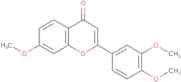
CAS:3',4',7-Trimethoxyflavone is a bioactive flavonoid compound, which is predominantly sourced from certain plant species, including those within the genus Kaempferia. This compound is part of the larger class of flavonoids known for their diverse biological activities. Its mode of action primarily involves modulating various cellular pathways, including signaling pathways related to inflammation, angiogenesis, and apoptosis. Recent studies suggest its potential as an inhibitor of specific enzymes and receptors, enabling its role in reducing oxidative stress and modulating immune responses.
Formula:C18H16O5Purity:Min. 95%Molecular weight:312.32 g/molRef: 3D-FT66360
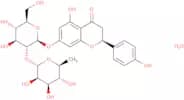
Discontinued productNaringin dihydrate
CAS:Naringin dihydrate is a flavonoid glycoside, which is a bioactive compound found primarily in citrus fruits, especially grapefruits and oranges. It acts as a potent antioxidant and anti-inflammatory agent, which functions by scavenging free radicals and modulating signaling pathways involved in oxidative stress and inflammation.
Formula:C27H32O14·2H2OPurity:Min. 95%Molecular weight:616.57 g/molKazinol B
CAS:Kazinol B is an isoprenylated flavonoid, which is a secondary metabolite derived from plants, predominantly found in members of the Moraceae family. It is synthesized through the plant's natural biochemical pathways, involving the modification of basic flavonoid structures via prenylation, resulting in increased lipophilicity and potential bioactivity.
Formula:C25H28O4Purity:Min. 95%Molecular weight:392.49 g/molRef: 3D-FK159345
Discontinued productSideritoflavone
CAS:Sideritoflavone is a flavonoid compound, which is a type of secondary metabolite derived from the *Sideritis* plant species. These plants, commonly found in the Mediterranean region, are traditionally used in herbal remedies. The compound is known for its potential biological and pharmacological activities, which stem from its interaction with various biochemical pathways.
Formula:C18H16O8Purity:Min. 95%Molecular weight:360.31 g/molErythrinin A
CAS:Erythrinin A is an alkaloid compound, which is an isolated bioactive substance derived from the Erythrina plant species. This compound is primarily sourced from the beans and bark of Erythrina plants, which are native to tropical and subtropical regions. Erythrinin A exhibits its mode of action by interacting with neurotransmitter systems within the central nervous system, possessing properties that may influence receptors such as GABA and others related to neuromodulation.
Formula:C20H16O4Purity:Min. 95%Molecular weight:320.34 g/molDatiscin
CAS:Datiscin is a flavonoid glycoside, which is a type of naturally occurring compound found in plants. It is derived from various botanical sources, notably within the Datisca genus. These compounds are characterized by a flavonoid core structure bonded to sugar moieties. The mode of action of Datiscin primarily involves its interaction with free radicals and reactive oxygen species, suggesting potential antioxidative properties. This mechanism can help mitigate oxidative stress within biological systems.
Formula:C27H30O15Purity:Min. 95%Molecular weight:594.52 g/molRef: 3D-FD145484
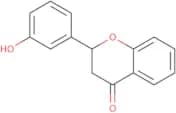
Discontinued product3'-Hydroxyflavanone
CAS:3'-Hydroxyflavanone is a naturally occurring flavanone, which is a type of polyphenolic compound found in various plants and fruits. Known for its presence in citrus fruits and certain herbal sources, 3'-Hydroxyflavanone is characterized by its unique structural configuration, featuring a hydroxyl group that is crucial for its bioactivity.
Formula:C15H12O3Purity:Min. 95%Molecular weight:240.26 g/molRef: 3D-SDA49665
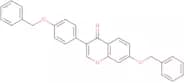
Discontinued product7,4'-Dibenzyl daidzein
CAS:7,4'-Dibenzyl daidzein is a synthetic isoflavonoid, derived from the modification of natural isoflavones commonly found in soy products. These isoflavones are known for their estrogenic activity and potential therapeutic benefits. The source of inspiration for this compound lies in natural phytoestrogens, which exhibit significant interaction with human estrogen receptors. This synthetic analog is designed to enhance specific bioactivities beyond those of its natural counterparts.
Formula:C29H22O4Purity:Min. 95%Molecular weight:434.48 g/molRef: 3D-FD21537
Discontinued productIsomucronulatol
CAS:Isomucronulatol is a naturally occurring flavonoid compound, which is a secondary metabolite sourced primarily from various plant species. It exhibits significant antioxidant activity by scavenging free radicals and reducing oxidative stress, which can damage cellular components such as lipids, proteins, and DNA. Additionally, Isomucronulatol demonstrates anti-inflammatory effects by modulating signaling pathways involved in the inflammatory response, thereby reducing the production of pro-inflammatory cytokines.
Formula:C17H18O5Purity:Min. 95%Color and Shape:PowderMolecular weight:302.32 g/mol3',5,5',7-Tetrahydroxyflavanone
CAS:3',5,5',7-Tetrahydroxyflavanone is a flavonoid compound, which is a type of naturally occurring polyphenolic. It is primarily derived from certain plants, often found in those with known medicinal properties. Flavonoids are secondary metabolites in plants and play crucial roles in various biological activities.
Formula:C15H12O6Purity:Min. 95%Molecular weight:288.25 g/molRef: 3D-KGA43610
Discontinued product6-Prenylquercetin
CAS:6-Prenylquercetin is a prenylated flavonoid, which is a type of natural compound known for its diverse biological activities. This compound is derived from the prenylation of quercetin, a flavonoid commonly found in fruits and vegetables, particularly in onions, apples, and berries. The addition of a prenyl group to quercetin alters its physicochemical properties, enhancing its bioavailability and specific biological interactions.
Purity:Min. 95%(S)-4',7-Dimethyl equol
CAS:(S)-4',7-Dimethyl equol is an isoflavandiol, which is a metabolite of the soy isoflavone daidzein. It is produced in the human gut by bacterial metabolism, provided the individual has the appropriate intestinal microbiota capable of this transformation. The compound exhibits estrogenic activity, primarily due to its structural similarity to the endogenous hormone 17β-estradiol, allowing it to bind to estrogen receptors.
Formula:C17H18O3Purity:Min. 95%Molecular weight:270.32 g/molRef: 3D-FD22249
Discontinued productProtogenkwanin 4'-glucoside
CAS:Protogenkwanin 4'-glucoside is a flavonoid glucoside, which is a naturally occurring compound derived from various plant sources, particularly known to be present in certain medicinal herbs used in traditional medicine. As a flavonoid glucoside, it interacts with biological systems primarily through its antioxidant properties, which help in scavenging free radicals and reducing oxidative stress. This mode of action is crucial in mitigating cell damage and inflammation.
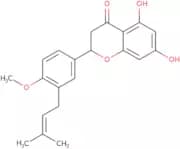
Formula:C22H24O11Purity:Min. 95%Molecular weight:464.42 g/mol5,7,3'-Trihydroxy-4'-methoxy-8-prenylflavanone
CAS:5,7,3'-Trihydroxy-4'-methoxy-8-prenylflavanone is a prenylated flavanone, which is often isolated from various plant sources, particularly those in the Fabaceae family. The compound belongs to a class of naturally occurring polyphenolic compounds that have drawn interest for their diverse biological activities. It is characterized by the presence of a prenyl group and multiple hydroxy and methoxy functional groups, contributing to its unique chemical properties.Formula:C21H22O6Purity:Min. 95%Molecular weight:370.4 g/molRef: 3D-TAC14015
Discontinued productEuchrestaflavanone A
CAS:Euchrestaflavanone A is a naturally occurring flavanone, which is a type of polyphenolic compound. It is sourced from plants, specifically derived from the roots of Euchresta formosana, a species used traditionally in herbal medicine. The mode of action of Euchrestaflavanone A involves its interaction with various molecular pathways, influencing antioxidant activity and modulating enzyme function. It exhibits bioactive properties, including anti-inflammatory, antioxidant, and potential anticancer effects.
Formula:C25H28O5Purity:Min. 95%Molecular weight:408.50 g/molRef: 3D-FDA51005
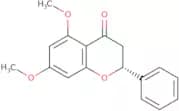
Discontinued product(2R)-5,7-Dimethoxyflavanone
CAS:(2R)-5,7-Dimethoxyflavanone is a natural flavonoid, which is a type of polyphenolic compound. It is derived from various plant sources, commonly found in fruits, vegetables, and certain medicinal herbs. Its structure includes a flavanone backbone with methoxy groups at specific positions, which modulate its biological activity.
Formula:C17H16O4Purity:Min. 95%Molecular weight:284.31 g/molRef: 3D-CBC18885
Discontinued product7-Methoxyflavanone
CAS:7-Methoxyflavanone is a bioactive compound, specifically a methoxylated flavanone, which is derived from various plant sources. This compound plays a role in the modulation of several biological pathways due to its structural attributes. As a flavanone, it is known to interact with various cellular mechanisms including enzyme inhibition, receptor binding, and antioxidant activity. These interactions result in diverse pharmacological effects, such as anti-inflammatory and neuroprotective properties.
Formula:C16H14O3Purity:Min. 95%Color and Shape:PowderMolecular weight:254.28 g/molRef: 3D-FM68084
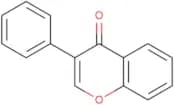
Discontinued productIsoflavone - 98%
CAS:Isoflavone - 98% is a highly purified chemical compound from the class of phytoestrogens, which is naturally sourced from legumes, particularly soybeans. It exhibits a structural similarity to estrogen, which allows it to modulate estrogen receptors in the body. This capability enables it to exert both estrogenic and anti-estrogenic effects depending on the physiological environment.
Purity:Min. 95%Rhusflavanone
CAS:Rhusflavanone is a flavanone compound, which is a type of polyphenolic molecule found in certain medicinal plants. It is derived primarily from the Rhus genus, known for its rich content of bioactive compounds. The mode of action of Rhusflavanone involves the modulation of inflammatory pathways, as it exhibits inhibition of pro-inflammatory enzymes such as cyclooxygenase (COX) and lipoxygenase (LOX). Additionally, it shows potential in scavenging free radicals, contributing to its antioxidant capabilities.
Formula:C30H22O10Purity:Min. 95%Molecular weight:542.5 g/molRef: 3D-DCA06072
Discontinued productMorin dihydrate
CAS:Morin dihydrate is a flavonoid compound, which is a type of polyphenolic molecule. It is primarily sourced from the Moraceae family of plants, including mulberry leaves and certain fruits. As a flavonoid, Morin exerts its biochemical effects mainly through its capacity to scavenge free radicals, thus exhibiting significant antioxidant activity. This mode of action is attributed to its structure, which allows it to donate electrons and neutralize reactive oxygen species, consequently reducing oxidative stress at the cellular level.
Purity:Min. 95%6,2',4'-Trimethoxyflavone
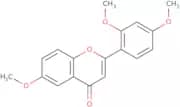
CAS:6,2',4'-Trimethoxyflavone is a flavonoid compound, which is a type of phytochemical found in various plant species. It is derived from natural sources, including certain medicinal herbs and plants known for their bioactive properties. This specific flavone is characterized by its three methoxy groups attached at distinct positions on the flavonoid backbone, which confer unique chemical properties and biological activities.
Formula:C18H16O5Purity:Min. 95%Molecular weight:312.32 g/mol8-Prenylpinocembrin
CAS:8-Prenylpinocembrin is a specialized flavonoid compound, which is a part of the prenylflavonoid class. It is derived from natural sources, primarily plants within the Fabaceae family and propolis from honeybees. The compound is characterized by its prenyl group attached to the flavonoid pinocembrin, enhancing its biological activity through increased lipophilicity and membrane permeability.
Formula:C20H20O4Purity:Min. 95%Molecular weight:324.37 g/molRhamnetin-3-rutinoside
CAS:Rhamnetin-3-rutinoside is a specialized bioflavonoid, a type of plant-derived polyphenolic compound. It is typically sourced from various plant species, where it naturally occurs as part of the plant’s secondary metabolites. This compound functions primarily as an antioxidant, where its mode of action involves scavenging free radicals and stabilizing reactive oxygen species, thereby protecting cells from oxidative stress.
Formula:C28H32O16Purity:Min. 95%Molecular weight:624.54 g/molPrunetin-4'-glucoside
CAS:Prunetin-4'-glucoside is a specialized flavonoid compound, categorized as a glucoside, which is derived from natural plant sources. This glycosylated form of prunetin is found in various plants and serves as part of the plant's defense mechanism. Its mode of action involves antioxidative properties that neutralize free radicals, thus protecting cellular structures from oxidative damage. This mechanism is crucial as oxidative stress is implicated in numerous diseases.
Formula:C22H22O10Purity:Min. 95%Molecular weight:446.4 g/mol4'-o-Methyllicoflavanone
CAS:4'-O-Methyllicoflavanone is a flavonoid compound, which is a naturally occurring chemical typically found in various plants. It belongs to a class of secondary metabolites known for their wide array of biological activities. The source of 4'-O-Methyllicoflavanone is primarily from plant species, where it serves as a part of the plant’s defense mechanism against environmental stressors and pathogens.
Formula:C21H22O5Purity:Min. 95%Molecular weight:354.4 g/molRef: 3D-NRB75313
Discontinued productGenistein-5,4'-dimethyl ether
CAS:Genistein-5,4'-dimethyl ether is a methylated isoflavone, which is a naturally occurring compound primarily extracted from various plant sources, particularly legumes. This bioactive compound is a derivative of the well-known isoflavone genistein, with methyl groups added at specific positions on the aromatic ring structure, altering its chemical properties and biological activity.
Formula:C17H14O5Purity:Min. 95%Molecular weight:298.29 g/molSinocrassoside C1
CAS:Sinocrassoside C1 is a cycloartane triterpenoid, which is a class of chemical compounds. It is derived from the plant genus Sinocrassula, known for its traditional medicinal applications. The mode of action of Sinocrassoside C1 involves interactions with specific cellular targets, potentially influencing signal transduction pathways and modulating enzyme activities. These interactions may account for its reported bioactivities, including anti-inflammatory, anti-tumor, and neuroprotective effects.
Formula:C27H30O16Purity:Min. 95%Molecular weight:610.52 g/molQuercetin 3-O-rutinoside-7-O-glucoside
CAS:Quercetin 3-O-rutinoside-7-O-glucoside is a flavonoid derivative, which is a specialized plant metabolite known for its diverse bioactive properties. Extracted primarily from plant sources, this compound is a glycoside derivative of quercetin, a well-known flavonoid found abundantly in fruits and vegetables. The specific glycosylation at the 3-O-rutinoside and 7-O-glucoside positions enhances its solubility and bioavailability compared to its aglycone form.
Formula:C33H40O21Purity:Min. 95%Molecular weight:772.66 g/molRef: 3D-XQ172648
Discontinued product2',5,7-Trihydroxy-8-methoxyflavanone
CAS:2',5,7-Trihydroxy-8-methoxyflavanone is a polyphenolic flavanone compound, which is a type of flavonoid. It is sourced primarily from plant materials, particularly those rich in flavonoid content, such as specific fruits, vegetables, and herbs. This compound exerts its effects primarily through its antioxidant properties, where it functions by scavenging free radicals and inhibiting oxidative stress within biological systems.
Formula:C16H14O6Purity:Min. 95%Molecular weight:302.28 g/molRef: 3D-MEA40871
Discontinued product2,3-Dehydrokievitone
CAS:2,3-Dehydrokievitone is a phytoalexin, which is a naturally occurring antimicrobial compound. It is derived from leguminous plants, such as those in the Fabaceae family. Phytoalexins are synthesized de novo by plants in response to pathogen attack, and 2,3-Dehydrokievitone plays a role in the plant’s defense mechanisms.
Formula:C20H18O6Purity:Min. 95%Molecular weight:354.35 g/molRef: 3D-XD161868
Discontinued product