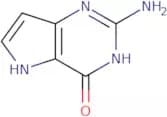
Backbone Sugars and Nucleobases
Backbone sugars and nucleobases are essential components of nucleic acids such as DNA and RNA. The backbone consists of sugar and phosphate groups, while nucleobases form the genetic code through base pairing. These compounds are crucial in the study of genetics and molecular biology. At CymitQuimica, you can find a variety of backbone sugars and nucleobases for research and laboratory use.
Found 1000 products of "Backbone Sugars and Nucleobases"
Sort by
Purity (%)
0
100
|
0
|
50
|
90
|
95
|
100
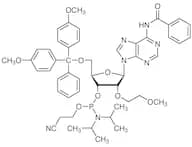
DMT-2'-O-MOE-rA(Bz) Phosphoramidite
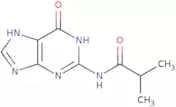
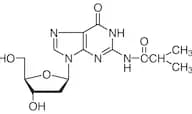
CAS:Formula:C50H58N7O9PPurity:>95.0%(qNMR)Color and Shape:White to Light yellow powder to crystalMolecular weight:932.03N2-Isobutyryl-2'-deoxyguanosine
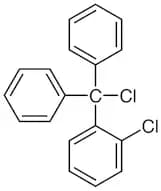
CAS:Formula:C14H19N5O5Purity:>98.0%(HPLC)(N)Color and Shape:White to Almost white powder to crystalMolecular weight:337.342-Chlorotrityl Chloride
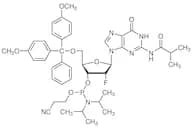
CAS:Formula:C19H14Cl2Purity:>98.0%(HPLC)Color and Shape:White to Light yellow to Light orange powder to crystalMolecular weight:313.22DMT-2'-Fluoro-dG(Ib) Phosphoramidite
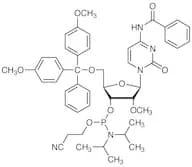
CAS:Formula:C44H53FN7O8PPurity:>95.0%(qNMR)Color and Shape:White to Light yellow powder to crystalMolecular weight:857.92DMT-2'-O-methyl-rC(Bz) Phosphoramidite
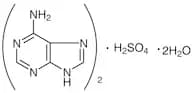
CAS:Formula:C47H54N5O9PPurity:>98.0%(HPLC)Color and Shape:White to Light yellow powder to crystalMolecular weight:863.95Adenine Sulfate Dihydrate
CAS:Formula:(C5H5N5)2·H2SO4·2H2OPurity:>98.0%(T)(HPLC)Color and Shape:White to Light yellow powder to crystalineMolecular weight:404.364-Chloro-1H-pyrrolo[2,3-b]pyridine
CAS:Formula:C7H5ClN2Purity:>97.0%(GC)(T)Color and Shape:Light yellow to Brown powder to crystalMolecular weight:152.58N2-Methylguanosine
CAS:Formula:C11H15N5O5Purity:>95.0%(HPLC)(qNMR)Color and Shape:White to Light yellow powder to crystalMolecular weight:297.27Dimenhydrinate
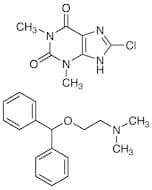
CAS:Formula:C17H21NO·C7H7ClN4O2Purity:>95.0%(T)(HPLC)Color and Shape:White to Light yellow powder to crystalMolecular weight:469.97DMT-2'-O-methyl-rA(Bz) Phosphoramidite
CAS:Formula:C48H54N7O8PPurity:>98.0%(HPLC)Color and Shape:White to Light yellow powder to crystalMolecular weight:887.973-Iodo-1H-pyrazolo[3,4-d]pyrimidin-4-amine
CAS:Formula:C5H4IN5Purity:>98.0%(T)(HPLC)Color and Shape:White to Light yellow to Light orange powder to crystalMolecular weight:261.03DFHO
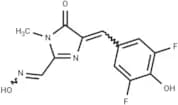
CAS:<p>DFHO is a Corn homologous ligand that fluoresces yellow upon excitation and is used to image RNA in living cells.</p>Formula:C12H9F2N3O3Purity:99.8%Color and Shape:SolidMolecular weight:281.21Diethyl Chlorothiophosphate
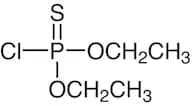
CAS:Formula:C4H10ClO2PSPurity:>97.0%(GC)(T)Color and Shape:Colorless to Red to Green clear liquidMolecular weight:188.615-Nitro-1H-benzimidazol-3-ium Trifluoromethanesulfonate
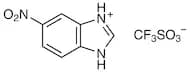
CAS:Formula:C8H6F3N3O5SPurity:>98.0%(T)(HPLC)Color and Shape:White to Light yellow powder to crystalMolecular weight:313.213-Methyl-1H-pyrazolo[3,4-b]pyridin-5-amine
CAS:Formula:C7H8N4Purity:>90.0%(qNMR)Color and Shape:White to Brown powder to crystalMolecular weight:148.175-Methoxyuridine-5'-triphosphate Sodium Salt (ca. 85mM in Water) [for transcription] [for Molecular Biology]
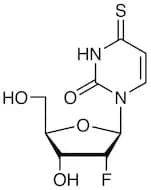
CAS:Formula:C10H17N2O16P3·xNaPurity:min. 95.0 area%(HPLC)Color and Shape:Colorless to Almost colorlessclear liquid2'-Deoxy-2'-fluoro-4-thiouridine
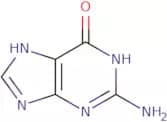
CAS:Formula:C9H11FN2O4SPurity:>95.0%(HPLC)(qNMR)Color and Shape:White to Yellow powder to crystalMolecular weight:262.26Guanine
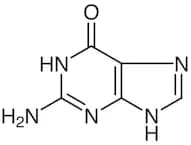
CAS:Formula:C5H5N5OPurity:>98.0%(T)(HPLC)Color and Shape:White to Light yellow powder to crystalMolecular weight:151.136-Aminouracil
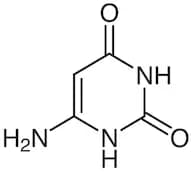
CAS:Formula:C4H5N3O2Purity:>98.0%(T)(HPLC)Color and Shape:White to Yellow powder to crystalMolecular weight:127.108-Hydroxyguanosine
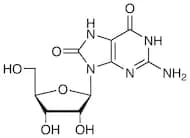
CAS:Formula:C10H13N5O6Purity:>90.0%(T)Color and Shape:White to Almost white powder to crystalMolecular weight:299.24Isoguanine
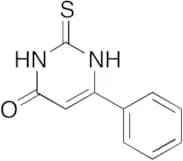
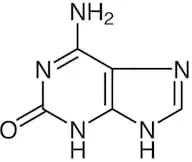
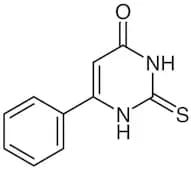
CAS:Formula:C5H5N5OPurity:>98.0%(HPLC)Color and Shape:White to Light yellow to Light orange powder to crystalMolecular weight:151.136-Phenyl-2-thiouracil
CAS:Formula:C10H8N2OSPurity:>98.0%(T)(HPLC)Color and Shape:White to Orange to Green powder to crystalMolecular weight:204.251,3-Dichloro-1,1,3,3-tetraisopropyldisiloxane [Hydroxyl Protecting Agent]
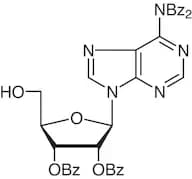
CAS:Formula:C12H28Cl2OSi2Purity:>97.0%(GC)Color and Shape:Colorless to Almost colorless clear liquidMolecular weight:315.43N6-Dibenzoyladenosine 2',3'-Dibenzoate
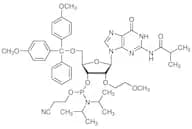
CAS:Formula:C38H29N5O8Purity:>98.0%(T)(HPLC)Color and Shape:White to Almost white powder to crystalMolecular weight:683.68DMT-2'-O-MOE-rG(Ib) Phosphoramidite
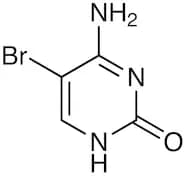
CAS:Formula:C47H60N7O10PPurity:>95.0%(qNMR)Color and Shape:White to Light yellow powder to crystalMolecular weight:914.015-Bromocytosine
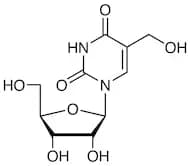
CAS:Formula:C4H4BrN3OPurity:>98.0%(HPLC)Color and Shape:White to Orange to Green powder to crystalineMolecular weight:190.005-(Hydroxymethyl)uridine
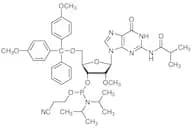
CAS:Formula:C10H14N2O7Purity:>98.0%(T)(HPLC)Color and Shape:White to Light yellow powder to crystalMolecular weight:274.23DMT-2'-O-methyl-rG(Ib) Phosphoramidite
CAS:Formula:C45H56N7O9PPurity:>98.0%(HPLC)Color and Shape:White to Light yellow powder to crystalMolecular weight:869.962-Cyanoethyl [6-(2,2,2-Trifluoroacetamido)hexyl] Diisopropylphosphoramidite
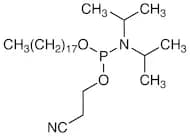
CAS:Formula:C17H31F3N3O3PPurity:>95.0%(T)(qNMR)Color and Shape:Colorless to Light yellow clear liquidMolecular weight:413.425'-Stearyl Phosphoramidite
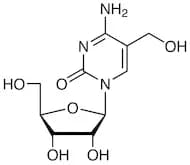
CAS:Formula:C27H55N2O2PPurity:>95.0%(GC)(qNMR)Color and Shape:Colorless to Light yellow clear liquidMolecular weight:470.725-(Hydroxymethyl)cytidine
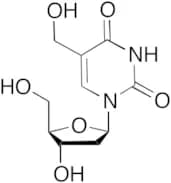
CAS:Formula:C10H15N3O6Purity:>95.0%(HPLC)Color and Shape:White to Light yellow powder to crystalMolecular weight:273.252'-Deoxy-5-(hydroxymethyl)uridine
CAS:Formula:C10H14N2O6Purity:>98.0%(T)(HPLC)Color and Shape:White to Light yellow powder to crystalMolecular weight:258.235H-Pyrrolo[3,2-d]pyrimidin-4-amine
CAS:Formula:C6H6N4Purity:>95.0%(T)(HPLC)Color and Shape:White to Light gray to Light yellow powder to crystalMolecular weight:134.144-Thiouridine
CAS:Formula:C9H12N2O5SPurity:>95.0%(qNMR)Color and Shape:White to Light yellow powder to crystalMolecular weight:260.26DMT-2'-Fluoro-dU Phosphoramidite
CAS:Formula:C39H46FN4O8PPurity:>98.0%(HPLC)Color and Shape:White to Light yellow powder to crystalMolecular weight:748.79Orotic Acid
CAS:Formula:C5H4N2O4Purity:>95.0%(T)(HPLC)Color and Shape:White to Light yellow powder to crystalMolecular weight:156.10N,N-Dimethyl-N'-(3-thioxo-3H-1,2,4-dithiazol-5-yl)formimidamide
CAS:Formula:C5H7N3S3Purity:>99.0%(HPLC)Color and Shape:Light yellow to Yellow powder to crystalMolecular weight:205.312-Cyanoethyl Hex-5-yn-1-yl Diisopropylphosphoramidite
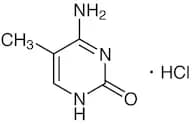
CAS:Formula:C15H27N2O2PPurity:>95.0%(T)(qNMR)Color and Shape:Colorless to Light yellow clear liquidMolecular weight:298.375-Methylcytosine Hydrochloride
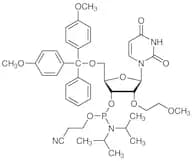
CAS:Formula:C5H7N3O·HClPurity:>98.0%(HPLC)(N)Color and Shape:White to Almost white powder to crystalMolecular weight:161.59DMT-2'-O-MOE-rU Phosphoramidite
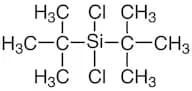
CAS:Formula:C42H53N4O10PPurity:>95.0%(qNMR)Color and Shape:White to Light yellow powder to crystalMolecular weight:804.88Di-tert-butyldichlorosilane
CAS:Formula:C8H18Cl2SiPurity:>95.0%(GC)Color and Shape:Colorless to Light yellow clear liquidMolecular weight:213.222-Cyanoethyl [6-[[(4-Methoxyphenyl)diphenylmethyl]amino]hexyl] Diisopropylphosphoramidite
CAS:Formula:C35H48N3O3PPurity:>95.0%(HPLC)(qNMR)Color and Shape:Colorless to Light yellow clear liquidMolecular weight:589.762-Cyanoethyl 6-[(Triphenylmethyl)thio]hexyl N,N-Bis(1-methylethyl)phosphoramidite
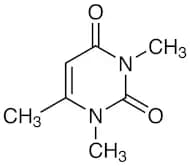
CAS:Formula:C34H45N2O2PSPurity:>95.0%(HPLC)(qNMR)Color and Shape:Colorless to Light yellow clear liquidMolecular weight:576.781,3,6-Trimethylpyrimidine-2,4(1H,3H)-dione
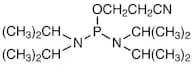
CAS:Formula:C7H10N2O2Purity:>98.0%(HPLC)(qNMR)Color and Shape:White to Light yellow powder to crystalMolecular weight:154.172-Cyanoethyl N,N,N',N'-Tetraisopropylphosphordiamidite
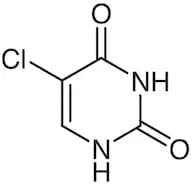
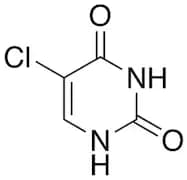
CAS:Formula:C15H32N3OPPurity:>95.0%(GC)(T)Color and Shape:Colorless to Light orange to Yellow clear liquidMolecular weight:301.415-Chlorouracil
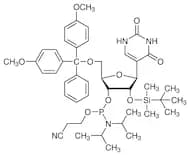
CAS:Formula:C4H3ClN2O2Purity:>98.0%(T)(HPLC)Color and Shape:White to Light yellow powder to crystalMolecular weight:146.53DMT-2'-O-TBDMS-pseudouridine Phosphoramidite
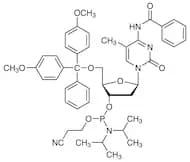
CAS:Formula:C45H61N4O9PSiPurity:>93.0%(HPLC)(qNMR)Color and Shape:White to Light yellow powder to crystalMolecular weight:861.06DMT-5-Me-dC(Bz) Phosphoramidite
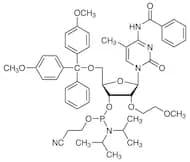
CAS:Formula:C47H54N5O8PPurity:>95.0%(HPLC)Color and Shape:White to Yellow powder to crystalMolecular weight:847.95DMT-2'-O-MOE-5-Me-rC(Bz) Phosphoramidite
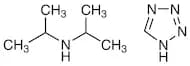
CAS:Formula:C50H60N5O10PPurity:>95.0%(HPLC)(qNMR)Color and Shape:White to Yellow powder to crystalMolecular weight:922.03Diisopropylammonium Tetrazol-1-ide
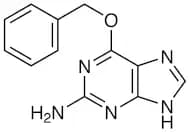
CAS:Formula:C6H15N·CH2N4Purity:>98.0%(T)(HPLC)Color and Shape:White to Light yellow powder to crystalMolecular weight:171.25O6-Benzylguanine
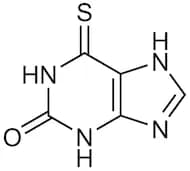
CAS:Formula:C12H11N5OPurity:>98.0%(T)(HPLC)Color and Shape:White to Light yellow powder to crystalMolecular weight:241.256-Thioxanthine
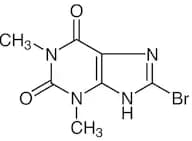
CAS:Formula:C5H4N4OSPurity:>95.0%(qNMR)Color and Shape:White to Light yellow to Light orange powder to crystalMolecular weight:168.178-Bromotheophylline
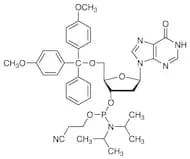
CAS:Formula:C7H7BrN4O2Purity:>98.0%(T)(HPLC)Color and Shape:White to Almost white powder to crystalMolecular weight:259.06DMT-dI Phosphoramidite
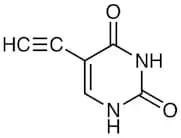
CAS:Formula:C40H47N6O7PPurity:>95.0%(HPLC)(qNMR)Color and Shape:White to Light yellow powder to crystalMolecular weight:754.825-Ethynyluracil
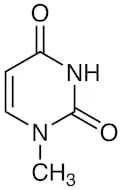
CAS:Formula:C6H4N2O2Purity:>97.0%(T)(HPLC)Color and Shape:White to Light yellow to Light orange powder to crystalMolecular weight:136.111-Methyluracil
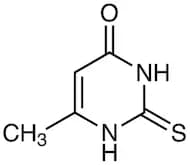
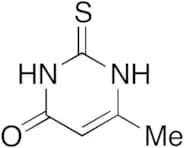
CAS:Formula:C5H6N2O2Purity:>98.0%(GC)Color and Shape:White to Light yellow powder to crystalMolecular weight:126.126-Methyl-2-thiouracil
CAS:Formula:C5H6N2OSPurity:>98.0%(T)Color and Shape:White to Almost white powder to crystalMolecular weight:142.182-Aminopurine
CAS:Formula:C5H5N5Purity:>98.0%(T)(HPLC)Color and Shape:White to Light yellow powder to crystalMolecular weight:135.132-Nitrobenzyl Bromide
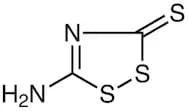
CAS:Formula:C7H6BrNO2Purity:>98.0%(GC)Color and Shape:White to Light orange to Pale yellow green powder to crystalMolecular weight:216.03Xanthane Hydride
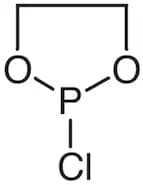
CAS:Formula:C2H2N2S3Purity:>96.0%(HPLC)Color and Shape:Light yellow to Brown powder to crystalMolecular weight:150.232-Chloro-1,3,2-dioxaphospholane
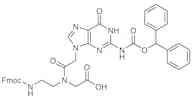
CAS:Formula:C2H4ClO2PPurity:>97.0%(GC)Color and Shape:Colorless to Yellow clear liquidMolecular weight:126.48Fmoc-PNA-G(Bhoc)-OH
CAS:Formula:C40H35N7O8Purity:>98.0%(HPLC)(qNMR)Color and Shape:White to Light yellow powder to crystalMolecular weight:741.76Pyronin Y
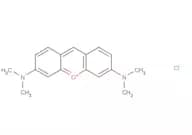
CAS:<p>Pyronin Y (Pyronine G) is an intercalating cationic dye that shows specificity towards RNA.</p>Formula:C17H19ClN2OPurity:81.56%Color and Shape:Dark Green To Brown CrystalsMolecular weight:302.81,8-Diazafluoren-9-one
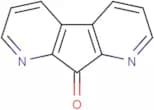
CAS:<p>1,8-Diazafluoren-9-one (DFO) is used to find fingerprints on porous surfaces.</p>Formula:C11H6N2OPurity:98.81% - 99.91%Color and Shape:Yellow PowderMolecular weight:182.18O6-Benzylguanine
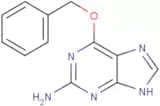
CAS:<p>O6-Benzylguanine is a guanine analog with antineoplastic activity,and is a potent O6-alkylguanine DNA alkyltransferase (AGT) inactivator.</p>Formula:C12H11N5OPurity:98.9%Color and Shape:Solid CrystallineMolecular weight:241.25Guanine
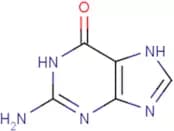
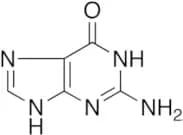
CAS:<p>Guanine (2-Aminohypoxanthine) is a purine base that is a constituent of nucleotides occurring in nucleic acids.</p>Formula:C5H5N5OPurity:99.89%Color and Shape:Several Desmotropic Forms; Usually Amorphous SolidMolecular weight:151.13DMG-PEG 2000
CAS:<p>DMG-PEG2000 (DMG-PEG2000) can be used for the preparation of lipid nanoparticles for oral delivery of plasmid DNA in vivo. High-Quality, Low-Cost!</p>Formula:(C2H4O)nC32H62O5Purity:≥98% - ≥98%Color and Shape:SolidMolecular weight:25266-ROX
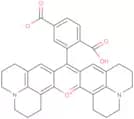
CAS:<p>6-ROX (6-Carboxy-X-rhodamine) is a fluorescent oligonucleotide marker and acts as an acceptor molecule coupled to 5-FAM as the donor in FRET imaging with</p>Formula:C33H30N2O5Purity:98.33%Color and Shape:SolidMolecular weight:534.65-FAM SE
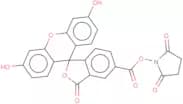
CAS:<p>5-FAM SE, a single-isomer green fluorophore, labels peptides, proteins, nucleotides.</p>Formula:C25H15NO9Purity:96.19% - 98.49%Color and Shape:Yellow To Orange SolidMolecular weight:473.392'-Deoxyguanosine 5'-triphosphate Trisodium Salt
CAS:Formula:C10H13N5O13P3·3NaMolecular weight:504.16 3 22.99Dabcyl acid
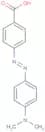
CAS:<p>Dabcyl acid (DABCYL) is the original dark fluorescence quencher.</p>Formula:C15H15N3O2Purity:99.27%Color and Shape:SolidMolecular weight:269.32-Deoxy-D-Ribose 5-Phosphate-13C5 Disodium Salt
CAS:Formula:C5H9O7P2·2NaMolecular weight:217.06 2*22.995-Hydroxymethyl-2’-deoxyuridine
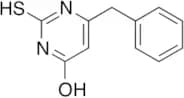
CAS:Controlled Product<p>Stability Hygroscopic<br>Applications 5-Hydroxymethyl-2’-deoxyuridine acts as a biomarker for the diagnosis for oxidative stress in humans. Used as a diagnostic to for propensitiy for the development of breast cancer.<br>References McAnulty, L. et al.: App. Physiol. Nutr. Metab., 36, 976 (2011); Djuric Z. et al.: Cancer Epidemiol. Biomarkers. Prev., 10, 147 (2001); Frenkel, K. et al.: 7, 49, (1998);<br></p>Formula:C10H14N2O6Color and Shape:White To Off-WhiteMolecular weight:258.2286-Benzyl-2-thiouracil
CAS:Controlled Product<p>Applications 6-Benzyl-2-thiouracil (cas# 6336-50-1) is a useful research chemical.<br></p>Formula:C11H10N2OSColor and Shape:Off-WhiteMolecular weight:218.275,6-Dimethylthiouracil
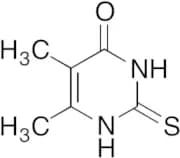
CAS:<p>Applications 5,6-Dimethylthiouracil is a heterocyclic building block.<br></p>Formula:C6H8N2OSColor and Shape:Off-WhiteMolecular weight:156.215-Chlorouracil
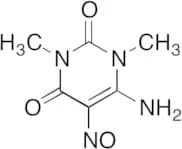
CAS:Controlled Product<p>Impurity Fluorouracil EP Impurity E<br>Applications Used for the experimental and clinical treatment of neoplastic and viral diseases. Fluorouracil EP Impurity E.<br>References Yu, H., et al.: J. Biol. Chem., 268, 15935 (1993), Staleva, L., et al.: Mutat. Res., 370, 81(1996), Harris, V., et al.: J. Mol. Biol., 326, 1389 (2003)<br></p>Formula:C4H3ClN2O2Color and Shape:NeatMolecular weight:146.534-Amino-1,3-dimethyl-5-nitrosouracil x-H2O
CAS:Controlled Product<p>Applications 4-Amino-1,3-dimethyl-5-nitrosouracil is a useful building block for organic synthesis.<br></p>Formula:C6H8N4O3Color and Shape:NeatMolecular weight:184.15N2-Acetylguanine
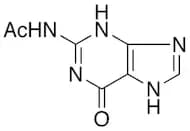
CAS:Controlled Product<p>Applications Protected guanine<br>References Tretyakova, N., et al.: Chem. Res. Toxicol., 20, 284 (2007), Rana, S., et al.: Bioorg. Med. Chem. Lett., 19, 670 (2009),<br></p>Formula:C7H7N5O2Color and Shape:NeatMolecular weight:193.166-Phenyl-2-thiouracil
CAS:<p>Applications 6-Phenyl-2-thiouracil is a reagent used in the synthesis of antifungal agents.<br>References Gullapelli, K. et al.: Int. J. Pharm. Biol. Sci., 4, 59 (2014);<br></p>Formula:C10H8N2OSColor and Shape:Off-WhiteMolecular weight:204.2482-Thiouridine
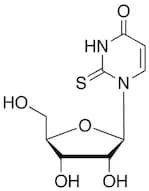
CAS:Controlled Product<p>Applications Modified nucleotide, essential for normal cell growth in some bacterial species. This compound is also able to chelate several metal ions.<br>References Ikeuchi, Y., et al.: Mol. Cell, 21, 97 (2006), Odani, A., et al.: J. Inorg. Biochem., 101, 727 (2007), Wohlgamuth-Benedum, J., et al.: J. Biol. Chem., 284, 23947 (2009),<br></p>Formula:C9H12N2O5SColor and Shape:NeatMolecular weight:260.274-Thiouracil
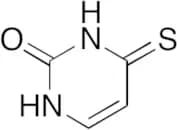
CAS:<p>Applications 4-Thiouracil is a derivative of Uracil (U801000), which is a nitrogenous base in RNA nucleic acid. 4-Thiouracil is used for tagging in cell type-specific RNA isolation from intact complex tissues.<br>References Miller, M., et al.: Nat. Methods, 6, 439 (2009); Seth, P., et al.: J. Med. Chem., 53, 8309 (2010); Cui, H., et al.: Eur. J. Med. Chem., 45, 5140 (2010);<br></p>Formula:C4H4N2OSColor and Shape:NeatMolecular weight:128.152N2,9-Diacetylguanine
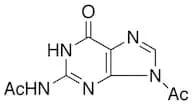
CAS:Controlled Product<p>Impurity Acicclovir EP Impurity L<br>Applications N2,9-Diacetylguanine (Acicclovir EP Impurity L) is used to synthesize acyclic analogues of deoxyguanosine.<br>References Martin, J. C., et al.: J Med Chem. 26, 759 (1983)<br></p>Formula:C9H9N5O3Color and Shape:NeatMolecular weight:235.205,6-Dihydro Thymine
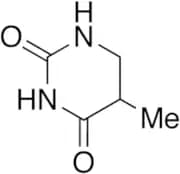
CAS:Controlled Product<p>Applications 5,6-Dihydrothymine is a derivative of Thymine, a nucleobase in the nucleic acid of DNA . 5,6-Dihydrothymine is a radiolysis product of DNA.<br>References Hubbard, K. et al.: Biochemistry, 28, 4382 (1989); Cadet, J. et al.: Int. J. Rad. Biol. Rel. Stud. Phys. Chem. Med., 39, 119 (1981);<br></p>Formula:C5H8N2O2Color and Shape:NeatMolecular weight:128.13Guanidinoacetic Acid
CAS:<p>Applications Guanidinoacetic Acid is an important marker for renal failure, in kidney transplantation, and for the renal metabolic activity.<br>References Zugno, A., et al.: Neurochem. Res., 33, 1804 (2008), Debray, F., et al.: Neurol., 71, 44 (2008), da Silva, R., et al.: Am. J. Physiol., 296, E256 (2009),<br></p>Formula:C3H7N3O2Color and Shape:WhiteMolecular weight:117.116-O-Methyl Guanosine
CAS:Controlled Product<p>Applications A guanine derivative that acts as modulators of GTPases and modulator-resistant enzymes; used in drug design and target validation.<br>References Goth-Goldstein, R., et al.: Cancer Res., 40, 2623 (1980), Nakabeppu, Y., et al.: J. Biol. Chem., 259, 13723 (1984), Modrich, P., et al.: Science, 266, 1959 (1994),<br></p>Formula:C11H15N5O5Color and Shape:WhiteMolecular weight:297.276-Methyl-2-thiouracil
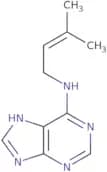
CAS:Controlled Product<p>Applications 6-Methyl-2-thiouracil is a derivative of methylthiouracil (M330710), a competitive inhibitor of Nitric Oxide Synthase (NOS). Potential anti-inflammatory agent.<br>References Palumbo, A. et al.: Biochem. Bioph. Res. Co. 282, 793(2001), Ku, S. et al.: Toxicol. App. Pharmacol., 288, 374 (2015);<br></p>Formula:C5H6N2OSColor and Shape:WhiteMolecular weight:142.18N6-(2-Isopentenyl)adenine
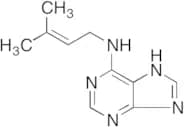
CAS:Controlled Product<p>Applications N6-(2-Isopentenyl)adenine can be used in biological study for cytokinins stimulated expression of stress-related proteins and transcripts in Arabidopsis thaliana with isopentenyltransferase overexpression.<br>References Skalak, J., et al.: J. Exp. Bot., 67, 2861-2873 (2016)<br></p>Formula:C10H13N5Color and Shape:White To Off-WhiteMolecular weight:203.245-Formyl Uracil
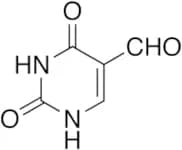
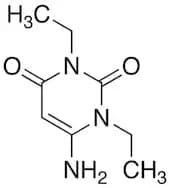
CAS:Controlled Product<p>Applications Nucleoside derivatives of 5-substituted uracil have been explored for their potential application as anti-viral agents and in the treatment of tumors.<br>References Ressner, E.C., et al.: J. Med. Chem., 19, 1, 194 (1976)<br></p>Formula:C5H4N2O3Color and Shape:NeatMolecular weight:140.101,3-Diethyl-6-aminouracil
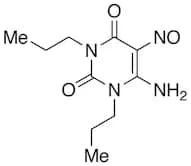
CAS:Controlled Product<p>Applications 1,3-Diethyl-6-aminouracil (cas# 41740-15-2) is a compound useful in organic synthesis.<br></p>Formula:C8H13N3O2Color and Shape:NeatMolecular weight:183.216-Amino-1,3-dipropyl-5-nitrosouracil
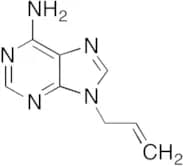
CAS:Controlled Product<p>Stability Stable at RT<br>Applications An intermediate used for the sythesis of xanthine derivatives.<br>References Daly, J.W., et al.: J. Med. Chem., 28, 487 (1985), Erickson, R.H., et al.: J. Med. Chem., 34, 3405 (1991),<br></p>Formula:C10H16N4O3Color and Shape:NeatMolecular weight:240.269-(2-Propenyl)adenine
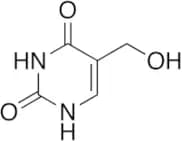
CAS:Controlled Product<p>Applications 9-(2-Propenyl)adenine is an N-substituted purine used in the preparation of mesityl dihydroisoxazolyl homo-N-nucleosides.<br>References Thalassitis, A. et al.: Bioorg. Med. Chem. Lett., 19, 6433 (2009); Chiacchio, U. et al.: Tetrahedron, 60, 441 (2004)<br></p>Formula:C8H9N5Color and Shape:NeatMolecular weight:175.195-Hydroxymethyluracil
CAS:Controlled Product<p>Applications 5-Hydroxymethyluracil (cas# 4433-40-3) is a compound useful in organic synthesis.<br></p>Formula:C5H6N2O3Color and Shape:NeatMolecular weight:142.11N-Succinyl-5-aminoimidazole-4-carboxamide Ribose 5’-Phosphate
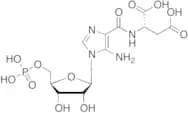
CAS:<p>Applications N-Succinyl-5-aminoimidazole-4-carboxamide Ribose 5’-Phosphate is a metabolite of Purine. Since adenosine is a potent inhibitor of neuronal function, depressing the release of several excitatory transmitters and causing direct hyperpolarization of neurons, it was possible that the symptoms seen in adenylosuccinate lyase (ASase) deficient patients could reflect an interference of succinylpurines with neurotransmission.<br>References Gollub, E.G., et al.: J. Bacteriol., 78, 320 (1959), Srivastava, P.C., et al.: J. Med. Chem., 17, 1207 (1974),<br></p>Formula:C13H19N4O12PColor and Shape:NeatMolecular weight:454.28Thymine
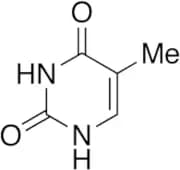
CAS:Controlled Product<p>Impurity Zidovudine EP Impurity C<br>Applications Thymine (Zidovudine EP Impurity C) is a nitrogenous base component in the nucleic acid of DNA.<br>References Keum, Y., et al.: App. Microbiol. Biotechnol., 80, 863 (2008); Redzic, Z., et al.: Neurochem. Res., 34, 566 (2009); Lanevskij, K., et al.: J. Pharm. Sci., 98, 122 (2009); Rajendar, B., et al.: Bioorg. Med. Chem., 17, 351 (2009);<br></p>Formula:C5H6N2O2Color and Shape:WhiteMolecular weight:126.11Adenine Hemisulfate
CAS:Controlled Product<p>Stability Hygroscopic<br>Applications Adenine Hemisulfate can be one of the factors that influence in vitro growth and shoot multiplication of pomegranate. It can be used in biological study along with varied levels of sucrose, light intensity, and MS medium hydrogen ion concentration where those factors can all significantly influence multiplication and growth of Punica granatum shoots.<br>References Singh, P., & Patel, R., M.: Bioscan, 9, 1031-1035 (2014)<br></p>Formula:C5H5N5·SO4H2Color and Shape:NeatMolecular weight:368.332-Thiouracil
CAS:<p>Applications Reagent used in the preparation of Antithyroid agents.<br>References Toropov, A., et al.: Eur. J. Med. Chem., 45, 3581 (2010), Daniels, C., et al>.: J. Bacteriol., 192, 2169 (2010), Castillo-Garit, J., et al.: Eur. J. Pharm. Sci., 39, 30 (2010),<br></p>Formula:C4H4N2OSColor and Shape:ColourlessMolecular weight:128.152,3’-Anhydrothymidine
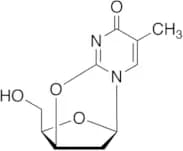
CAS:Controlled Product<p>Applications An intermediate in the preparation of thymidine derivatives<br>References el Kouni, M., et al.: Biochem. Pharmacol., 51, 1687 (1996),<br></p>Formula:C10H12N2O4Color and Shape:NeatMolecular weight:224.219-Benzyladenine
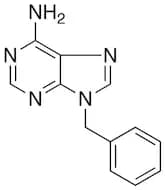
CAS:Controlled Product<p>Applications A useful intermediate in the synthesis of 1-substituted adenines.<br>References Laufer, S., et al.: J. Med. Chem., 48, 710 (2005), Lambertucci, C., et al.: Bioorg. Med. Chem., 17, 2812 (2009),<br></p>Formula:C12H11N5Color and Shape:NeatMolecular weight:225.256-Amino-5-1,3-dimethyl-5-(formamido)uracil
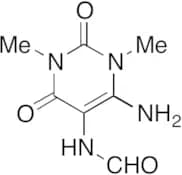
CAS:Controlled Product<p>Applications 6-Amino-5-1,3-dimethyl-5-(formamido)uracil is a substitued uracilic metabolite of methylxanthine and is also a metabolite of Theophylline (T343850). 6-Amino-5-1,3-dimethyl-5-(formamido)uracil has been used for the synthesis of 8-arylaminotheophyllines.<br>References Peri, G., et. al.: Toxicol. Lett., 18, 133 (1983); Celardo, A., et. al.: Eur. J. Drug Metab. Ph., 10, 279 (1985); Senga, K., et. al.: J. Heterocyclic Chem., 15, 641 (1978)<br></p>Formula:C7H10N4O3Color and Shape:NeatMolecular weight:198.18Guanine
CAS:<p>Impurity Aciclovir EP Impurity B<br>Applications Guanine is one of the five nucleobases incorporated into biological nucleic acids. Guanine, along with adenine and cytosine, is present in both DNA and RNA, whereas thymine is usually seen only in DNA, and uracil only in RNA. Aciclovir EP Impurity B.<br>References Geslain, R., et al.: J. Biol. Chem., 284, 27760 (2009); Manini, P., et al.: Toxicol. Lett., 190, 41 (2009); Gong, B., et al.: Biochem., 48, 11961 (2009); Sugimoto, M., et al.: J. Agric. Food Chem., 58, 374 (2010);<br></p>Formula:C5H5N5OColor and Shape:White To Off-WhiteMolecular weight:151.132-Chloroinosine 3',4',6'-triacetate
CAS:<p>2-Chloroinosine 3',4',6'-triacetate is a reagent, useful intermediate, fine chemical, and speciality chemical. It is used as an important building block in organic synthesis. 2-Chloroinosine 3',4',6'-triacetate can be used as a versatile building block for the synthesis of many other compounds. The high quality and usefulness of this compound make it a good choice for research chemicals.</p>Formula:C16H17ClN4O8Purity:Min. 95%Color and Shape:White to pale yellow solid.Molecular weight:428.78 g/molN9-Benzyladenine
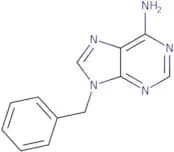
CAS:<p>N9-Benzyladenine is a drug that regulates the activity of adenosine receptors. It is an endogenous substance found in plants and animals, but can also be synthesized chemically. N9-Benzyladenine has been shown to inhibit protein synthesis by binding to cyclic nucleotide phosphodiesterases, resulting in the accumulation of cyclic AMP and activation of adenylate cyclase. This leads to an increase in intracellular cAMP levels that is mediated by Gs protein coupled receptors. N9-Benzyladenine has been shown to have anti-inflammatory properties, which may be due to its ability to inhibit the release of tumor necrosis factor-α (TNF-α).</p>Formula:C12H11N5Purity:Min. 95%Color and Shape:PowderMolecular weight:225.25 g/mol8-Aminopurine
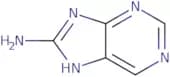
CAS:<p>8-Aminopurine is an aminopurine that is used as a research tool in magnetic resonance spectroscopy. The proton magnetic resonance spectrum of 8-aminopurine shows two characteristic peaks at 3.0 and 4.2 ppm, which are assigned to the aminopurine tautomers (3-HPA, 4-HPA). The kinetic stability of 8-aminopurine in water is pH dependent and has been shown to be strongly dependent on the presence of aldehyde oxidase (AO) activity. AO activity can be inhibited by the addition of dimethylformamide or other non-specific inhibitors such as 2,6-dichloroisonicotinic acid.</p>Formula:C5H5N5Purity:Min. 95%Color and Shape:White PowderMolecular weight:135.13 g/mol6-Chlorouracil
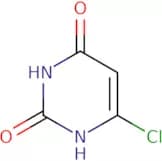
CAS:<p>Intermediate in the synthesis of alogliptin</p>Formula:C4H3ClN2O2Color and Shape:White Slightly Yellow PowderMolecular weight:146.53 g/mol5-Hydroxymethyluridine
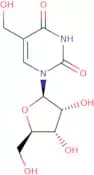
CAS:<p>5-Hydroxymethyluridine is a nucleoside that is synthesized from uridine. It has shown to be effective in the treatment of inflammatory diseases, such as rheumatoid arthritis, and also has antiviral activity against herpes simplex virus. 5-Hydroxymethyluridine has been shown to have a high affinity for hydrophilic interaction chromatography (HIC) and can be used to purify glycosylases. This compound can also inhibit the formation of cancer cells by inhibiting the transcriptional activity of RNA polymerase II. 5-Hydroxymethyluridine has been found to demethylate DNA while maintaining its ability to bind with DNA-dependent RNA polymerase II. This process is catalyzed by glycosylases and hydroxylases that are found in the body.</p>Formula:C10H14N2O7Purity:Min. 95%Color and Shape:PowderMolecular weight:274.23 g/mol3’-Deoxy-3’-fluoro-6-azauridine
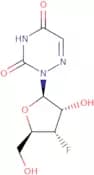
CAS:<p>Please enquire for more information about 3’-Deoxy-3’-fluoro-6-azauridine including the price, delivery time and more detailed product information at the technical inquiry form on this page</p>Purity:Min. 95%5-Methylcytosine
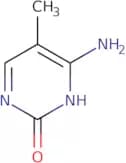
CAS:<p>5-Methylcytosine is a nucleic acid that is found in the DNA and RNA of the cell. It is an important component of methylation, which is the process by which a methyl group is added to a molecule. This process can lead to cellular transformation, a process that can cause cancer. 5-Methylcytosine has also been shown as a molecular pathogenesis factor in infectious diseases such as HIV and herpes simplex virus type 1. The presence of 5-methylcytosine in nuclear DNA has been detected by analytical techniques such as gas chromatography/mass spectrometry (GC/MS). There are many analytical methods, including GC/MS, that can be used to detect 5-methylcytosine in cellular nuclei.</p>Formula:C5H7N3OPurity:Min. 95%Color and Shape:PowderMolecular weight:125.13 g/molAdenine hydrochloride
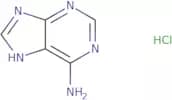
CAS:<p>Purine nucleobase; component of nucleic acids and coenzymes</p>Formula:C5H6ClN5Purity:Min. 98 Area-%Color and Shape:Off-White PowderMolecular weight:171.59 g/molXanthine sodium salt monohydrate
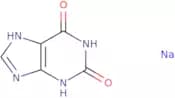
CAS:<p>Xanthine sodium salt monohydrate is a dietary supplement that is used to treat metabolic disorders such as hyperuricemia and gout. It also has antiviral effects against herpes simplex virus-1 (HSV-1) and type-2 (HSV-2). Xanthine sodium salt monohydrate inhibits the production of viral DNA polymerase, which causes cell death by inhibiting the synthesis of proteins vital for cell division. Xanthine sodium salt monohydrate can be used to inhibit the growth of cancer cells in vitro. The mechanism of action is not yet fully understood, but it is thought that xanthine may inhibit phosphodiesterase activity or have a direct effect on the cell membrane.</p>Formula:C5H3N4NaO2•H2OPurity:Min. 95 Area-%Color and Shape:PowderMolecular weight:192.11 g/molN6-Ethenoadenine
CAS:<p>N6-Ethenoadenine is a nucleoside that is generated during DNA repair. It is formed by the enzymatic activity of the enzyme N6-adenosyltransferase in the presence of ATP and S-adenosylmethionine. It has been shown to be a potent inducer of DNA damage and mutagenesis, as well as an inhibitor of polymerase chain reaction (PCR) and DNA replication. N6-Ethenoadenine is also an agonist for P2Y receptors, which are important in chemical biology. This nucleoside may serve as a potential biomarker for genotoxic events, such as chemotherapy treatments or exposure to ionizing radiation.</p>Formula:C7H5N5Purity:Min. 95%Color and Shape:White PowderMolecular weight:159.15 g/mol3’-Deoxy-5-fluorouridine
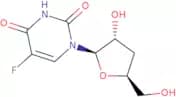
CAS:<p>3’-Deoxy-5-fluorouridine is a synthetic compound that is used as an anticancer drug. It has been shown to induce apoptosis in cancer cells through the modulation of polymerase, synthetase and other enzymes involved in DNA synthesis. 3’-Deoxy-5-fluorouridine also inhibits the activity of viral thymidylate synthase, which prevents the conversion of deoxyuridine triphosphate (dUTP) to thymidylate monophosphate (dTMP), preventing DNA replication and cell division. This chemical can be synthesized by reacting uracil with trifluoroacetic acid followed by saponification.</p>Purity:Min. 95%3-Methyluracil
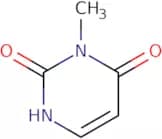
CAS:<p>3-Methyluracil is a molecule with the molecular formula CH3CHO. It has a protonated form, which is NH2CH2COOH, and an unprotonated form, which is NHCH2COOH. The protonation of 3-methyluracil can be seen in the hydrogen bonding between the two molecules. 3-Methyluracil is found in clinical studies as an effective treatment for obesity. It also has been shown to have nucleobase sequence specificity and can be used to detect adenosine in RNA sequences. 3-Methyluracil is a nucleophilic base that can bond with hydroxide ions from water or other protic solvents. This reaction results in the molecule becoming more acidic, which can be seen by the decrease in pH level when it comes into contact with hydrochloric acid.</p>Formula:C5H6N2O2Purity:Min. 95 Area-%Color and Shape:White Off-White PowderMolecular weight:126.11 g/molN2-Isobutyrylguanine
CAS:<p>N2-Isobutyrylguanine is a nucleobase that is synthesized by the activation of formyl group. It has been shown to be an effective inhibitor of RNA synthesis in vitro and in vivo, with a potency similar to that of guanine. The solid-phase synthesis method for N2-Isobutyrylguanine was developed by the use of chloride as a reactive agent. This nucleobase has also been used as monomers to prepare polymers and sulfoxides, which are insoluble polymers with enhanced solubility. N2-Isobutyrylguanine can be obtained by reacting phosphite with tautomers or by using molecular modeling methods.</p>Formula:C9H11N5O2Purity:Min. 95%Color and Shape:PowderMolecular weight:221.22 g/mol3’-β-Azido-2’,3’-dideoxy-5-fluorouridine
CAS:<p>Please enquire for more information about 3’-beta-Azido-2’,3’-dideoxy-5-fluorouridine including the price, delivery time and more detailed product information at the technical inquiry form on this page</p>Purity:Min. 95%N2-Boc-guanine-9-acetic acid
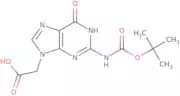
CAS:<p>N2-Boc-guanine-9-acetic acid is a versatile building block that is used as a reagent, speciality chemical and intermediate in the synthesis of complex compounds. It has shown high quality, high purity and usefulness as an intermediate in the synthesis of organic molecules. This compound can be used to generate large quantities of guanine derivatives which are important building blocks for many types of research chemicals. N2-Boc-guanine-9-acetic acid is also useful as a reaction component or scaffold in organic syntheses.</p>Formula:C12H15N5O5Purity:Min. 95 Area-%Color and Shape:White Off-White PowderMolecular weight:309.28 g/mol7-Cyano-7-deaza-2’-deoxyguanosine
CAS:<p>7-Cyano-7-deaza-2’-deoxyguanosine is a pyrrole nucleoside analog that has been shown to inhibit the replication of herpes simplex virus type 1 and 2 in human cell lines. 7-Cyano-7-deaza-2’-deoxyguanosine is a synthetic nucleoside analog that is structurally similar to deoxyadenosine, but with a cyanide group instead of an oxygen atom. This compound has been shown to have the same biochemical properties as deoxyadenosine, including inhibiting the incorporation of uridine into RNA and DNA. In addition, 7-Cyano-7-deaza-2’-deoxyguanosine inhibits the synthesis of proteins from amino acids by competitive inhibition of ribonucleotide reductase, which catalyzes the conversion of ribonucleotides to deoxyribonucleotides. The enzyme's function</p>Formula:C12H13N5O4Purity:Min. 95%Color and Shape:PowderMolecular weight:291.26 g/mol3-Benzyladenine
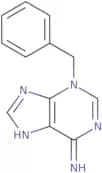
CAS:<p>3-Benzyladenine is an alkylating agent that has been shown to inhibit the growth of certain bacteria. It has been used as a marker for epidemiological studies and in the production of monoclonal antibodies. 3-Benzyladenine binds to DNA by methylating the N7 position of guanine, which blocks DNA replication and transcription. 3-Benzyladenine also inhibits chloride transport in cells with a diet high in protein and prevents the growth of bacteria through hydrophobic interactions with cell membranes. The bactericidal activity of 3-benzyladenine can be increased by deuteration or base excision, which selectively destroys bacterial DNA.</p>Formula:C12H11N5Purity:Min. 95%Color and Shape:PowderMolecular weight:225.25 g/mol3’-β-Amino-2’,3’-dideoxy-5-fluorouridine
CAS:<p>Please enquire for more information about 3’-beta-Amino-2’,3’-dideoxy-5-fluorouridine including the price, delivery time and more detailed product information at the technical inquiry form on this page</p>Purity:Min. 95%Guanine
CAS:<p>Guanine is a purine base that is found in the DNA and RNA of all living cells. It plays an important role as a component of the nucleic acid molecule, where it is paired with cytosine. Guanine is involved in many chemical reactions and biological processes, including protein synthesis and cell division. The lack of guanine can lead to deficiency symptoms such as hemolytic anemia or erythrocyte cytoplasmic inclusion bodies. Guanine has been shown to have chemiluminescent properties, which can be used to detect its presence in samples containing DNA or RNA. This reaction occurs when guanine reacts with hydrogen peroxide (H2O2) to form guanidine (HN=C(NH2)NH2). The reaction produces excited states that emit light at a wavelength of 395 nm when they return to their ground state. Guanidine also has electrochemical impedance spectroscopy properties, which can be used for analytical purposes</p>Formula:C5H5N5OPurity:Min. 98 Area-%Color and Shape:PowderMolecular weight:151.13 g/molN6-(2-Isopentenyl)adenine
CAS:<p>N6-(2-Isopentenyl)adenine is a component of some nucleic acid molecules and can be synthesized from adenosine. It is used in vitro as a matrix effect to enhance the production of enzymes that are involved in the synthesis of amino acids, peptides, and proteins. N6-(2-Isopentenyl)adenine has been shown to stimulate the activity of enzymes such as urease, glucose oxidase, and horseradish peroxidase. This compound has been found to inhibit the replication of infectious agents by binding to DNA or RNA. The enzyme activities that are stimulated by this substance are important for the synthesis of essential biochemical compounds such as proteins and amino acids. In addition, it has been shown that N6-(2-Isopentenyl)adenine can inhibit autoimmune diseases and cytokinin.</p>Formula:C10H13N5Purity:Min. 95%Color and Shape:White PowderMolecular weight:203.24 g/mol3’-Azido-3’-deoxy-5-fluorouridine
CAS:<p>Please enquire for more information about 3’-Azido-3’-deoxy-5-fluorouridine including the price, delivery time and more detailed product information at the technical inquiry form on this page</p>Purity:Min. 95%5-Ethyluracil
CAS:<p>5-Ethyluracil is a nucleobase that is structurally similar to thymine. It inhibits the replication of human mitochondrial DNA and herpes simplex virus type-1 (HSV-1) by binding with the viral nucleic acid. 5-Ethyluracil has been shown to be an effective antiviral agent in clinical trials, where it was found to inhibit the replication of HSV-1 in both HIV-positive and HIV-negative patients. 5-Ethyluracil has also been shown to have an inhibitory effect on mammalian cells and has been used for treatment of certain types of cancer. This drug's low energy makes it useful as a topical analgesic. The glycosidic bond makes this drug water soluble, which allows for its use as an antiseptic or disinfectant. 5-Ethyluracil is metabolized by hydrochloric acid, which produces urate, ammonia, and carbon dioxide. This drug can be</p>Formula:C6H8N2O2Purity:Min. 95%Color and Shape:PowderMolecular weight:140.14 g/mol2-Thioxanthine
CAS:<p>2-Thioxanthine is a hydrated form of xanthine, which is a purine base that occurs in all living cells. This compound has been shown to be able to inhibit the growth of resistant mutants and the formation of atherosclerotic lesions in mice. 2-Thioxanthine also inhibits the transfer reactions that are required for bacterial DNA synthesis. The stability of 2-thioxanthine can be increased by forming stable complexes with hydrochloric acid and by reducing the pH to less than 7. 2-Thioxanthine has been shown to have genotoxic effects on mouse liver cells and human fibroblasts, as well as pharmacological properties against cardiovascular disease.</p>Formula:C5H4N4OSPurity:Min. 95%Color and Shape:PowderMolecular weight:168.18 g/mol2,6-Diaminopurine hemisulfate
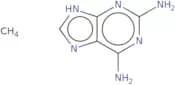
CAS:<p>2,6-Diaminopurine hemisulfate salt is a fine chemical that can be used as a building block for research chemicals, reagents, and specialty chemicals. It has been shown to be useful in the synthesis of various types of complex compounds. 2,6-Diaminopurine hemisulfate salt is also versatile in the sense that it can be used as an intermediate in reactions or as a scaffold for chemical synthesis. This product has CAS number 69369-16-0.</p>Formula:C5H6N6•(H2O4S)0Purity:Min. 95%Color and Shape:PowderMolecular weight:398.36 g/mol5,6-Diamino-1,3-dipropyluracil
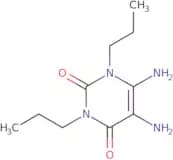
CAS:<p>5,6-Diamino-1,3-dipropyluracil (DAU) is a synthetic drug that acts as an adenosine receptor antagonist. DAU binds to the adenosine receptors in the brain and inhibits the binding of adenosine, which may result in an anti-congestive effect. DAU has been found to be a potent inhibitor of the A2A adenosine receptor at nanomolar concentrations. This inhibition may be due to its ability to form covalent bonds with the receptor or its affinity for or blocking of agonist binding sites on the receptor. It also has been shown to have affinity for dopamine receptors, although it is not yet known if this activity contributes to its anti-congestive effects.</p>Formula:C10H18N4O2Purity:Area-% Min. 95 Area-%Color and Shape:PowderMolecular weight:226.28 g/mol9-Deazaguanine
CAS:<p>9-Deazaguanine is an analog of guanine, which has inhibitory properties. It reacts with the hydrogen bond of the enzyme and prevents its reaction with a substrate. 9-Deazaguanine binds to the target enzymes trifluoroacetic acid (TFA) and hydrogen bond interactions with water molecules. The reaction mechanism is based on the competitive inhibition of TFA, which is an important enzyme in DNA synthesis. 9-Deazaguanine inhibits the growth of k562 cells by inhibiting protein synthesis at specific sites in the ribosome. 9-Deazaguanine also shows inhibitory properties against autoimmune diseases and infectious diseases because it inhibits immune system reactions that are mediated by antibodies and T cells.</p>Formula:C6H6N4OPurity:Min. 95%Color and Shape:PowderMolecular weight:150.14 g/mol

![4-Chloro-1H-pyrrolo[2,3-b]pyridine](/_next/image/?url=https%3A%2Fstatic.cymitquimica.com%2Fproducts%2F3B%2Fthumb-webp%2FC2470.webp&w=3840&q=75)


![3-Iodo-1H-pyrazolo[3,4-d]pyrimidin-4-amine](/_next/image/?url=https%3A%2Fstatic.cymitquimica.com%2Fproducts%2F3B%2Fthumb-webp%2FI0941.webp&w=3840&q=75)

![3-Methyl-1H-pyrazolo[3,4-b]pyridin-5-amine](/_next/image/?url=https%3A%2Fstatic.cymitquimica.com%2Fproducts%2F3B%2Fthumb-webp%2FM3809.webp&w=3840&q=75)
![5-Methoxyuridine-5'-triphosphate Sodium Salt (ca. 85mM in Water) [for transcription] [for Molecula…](/_next/image/?url=https%3A%2Fstatic.cymitquimica.com%2Fproducts%2F3B%2Fthumb-webp%2FM3584.webp&w=3840&q=75)
![1,3-Dichloro-1,1,3,3-tetraisopropyldisiloxane [Hydroxyl Protecting Agent]](/_next/image/?url=https%3A%2Fstatic.cymitquimica.com%2Fproducts%2F3B%2Fthumb-webp%2FD1608.webp&w=3840&q=75)
![2-Cyanoethyl [6-(2,2,2-Trifluoroacetamido)hexyl] Diisopropylphosphoramidite](/_next/image/?url=https%3A%2Fstatic.cymitquimica.com%2Fproducts%2F3B%2Fthumb-webp%2FC4023.webp&w=3840&q=75)
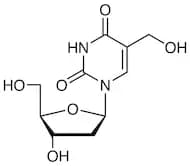
![5H-Pyrrolo[3,2-d]pyrimidin-4-amine](/_next/image/?url=https%3A%2Fstatic.cymitquimica.com%2Fproducts%2F3B%2Fthumb-webp%2FP2930.webp&w=3840&q=75)

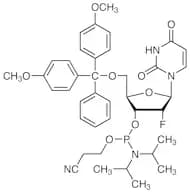
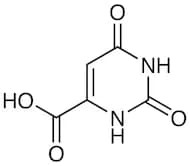

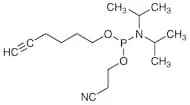
![2-Cyanoethyl [6-[[(4-Methoxyphenyl)diphenylmethyl]amino]hexyl] Diisopropylphosphoramidite](/_next/image/?url=https%3A%2Fstatic.cymitquimica.com%2Fproducts%2F3B%2Fthumb-webp%2FC4055.webp&w=3840&q=75)
![2-Cyanoethyl 6-[(Triphenylmethyl)thio]hexyl N,N-Bis(1-methylethyl)phosphoramidite](/_next/image/?url=https%3A%2Fstatic.cymitquimica.com%2Fproducts%2F3B%2Fthumb-webp%2FC4045.webp&w=3840&q=75)