Monosaccharides
Subcategories of "Monosaccharides"
- Alloses(11 products)
- Arabinoses(21 products)
- Erythroses(11 products)
- Fructoses(9 products)
- Fucoses(36 products)
- Galactosamine(41 products)
- Galactose(262 products)
- Glucoses(365 products)
- Glucuronic Acids(52 products)
- Glyco-substrates for Enzyme(78 products)
- Guloses(6 products)
- Idoses(4 products)
- Inositols(15 products)
- Lyxoses(4 products)
- Mannoses(65 products)
- O-Glycans(48 products)
- Psicoses(3 products)
- Rhamnoses(10 products)
- Riboses(61 products)
- Sialic Acids(100 products)
- Sorboses(4 products)
- Sugars(174 products)
- Tagatoses(4 products)
- Taloses(8 products)
- Xyloses(20 products)
Found 6137 products of "Monosaccharides"
Benzyl 2-acetamido-2-deoxy-b-D-glucopyranoside
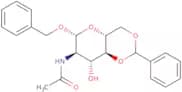
CAS:The family of sporadically occurring benzyl 2-acetamido-2-deoxy-b-D-glucopyranoside is characterized by chromosome terminal deletions, cytogenetic abnormalities, and phenotypes. The sporadically occurring benzyl 2-acetamido-2-deoxy-b-D-glucopyranoside is a member of the glucosamine family. It is characterized by chromosome terminal deletions, cytogenetic abnormalities, and phenotypes.Formula:C15H21NO6Purity:Min. 95%Color and Shape:White PowderMolecular weight:311.33 g/mol4-Acetamidophenyl-2,3,4-tri-O-acetyl-β-D-glucuronide methyl ester
CAS:4-Acetamidophenyl-2,3,4-tri-O-acetyl-b-D-glucuronide methyl ester is a modified sugar with a saccharide at the 2' position and an acetamidophenol group at the 4' position. It can be used in a variety of synthetic methods, such as the Click modification and glycosylation. This product is custom synthesized and has high purity, making it a good choice for many research applications.Formula:C21H25NO11Purity:Min. 95%Molecular weight:467.42 g/mol6-Chloro-6-deoxy-D-altrose
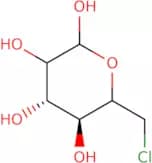
6-Chloro-6-deoxy-D-altrose is a modification of the 6-deoxy -D-altrose. It is an oligosaccharide, carbohydrate complex carbohydrate, which is synthesized using custom synthesis. The CAS No. for this product is 8863-07-8. This product has a high purity and methylation and glycosylation can be done to it. It has a molecular weight of 565.25 and its chemical formula is C12H24O11F2Na2. The molecular formula can be written as C12H22O11F2Na2 with the molecular weight being 565.25 g/mol.Formula:C6H11ClO5Purity:Min. 95%Molecular weight:198.6 g/molCiclopirox-D11 D-glucuronide
CAS:Controlled ProductCiclopirox-D11 D-glucuronide is a custom synthesis that has been modified by fluorination, methylation, and click modification. It is a monosaccharide that has been synthesized from glucose and contains a glycosylation site. This compound is also an oligosaccharide with saccharide subunits. It has been shown to be effective against fungi such as Trichophyton rubrum, Microsporum canis, and Epidermophyton floccosum. Ciclopirox-D11 D-glucuronide binds to the fungal cell wall by covalent bonding to the chitin in the fungal cell wall. This compound also inhibits the growth of bacteria such as Staphylococcus aureus and Clostridium perfringens by inhibiting protein synthesis due to its ability to bind to ribosomes.Formula:C18H14NO8D11Purity:Min. 95%Molecular weight:394.47 g/mol2,3:5,6-Di-O-isopropylidene-D-mannonic acid-1,4-lactone
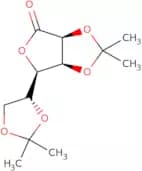
CAS:2,3:5,6-Di-O-isopropylidene-D-mannonic acid-1,4-lactone is an analogue of the furanoid compound mannonic acid. It is a lactone that can be hydrolyzed to carboxylic acids with acidic conditions. This compound has been shown to be a good target molecule for efficient syntheses of alcohols and thiols. The configurations at the stereocenters are analogous to those found in other furanoids. The high yields and yields of this molecule make it an efficient target molecule for synthesis.Formula:C12H18O6Purity:Min. 95%Color and Shape:PowderMolecular weight:258.27 g/molUDP-Gal 2Na
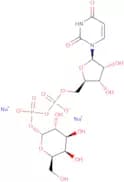
CAS:UDP-a-D-galactose disodium salt (UDP-Gal) is a sugar-nucleotide substrate of galactosyltransferases. It’s used as the donor of galactose in the biosyntheses of glycoproteins and glycolipids. Its low cellular content is also hypothetically linked to the defective galactosylation in galactosemia.
Formula:C15H22N2O17P2·2NaPurity:Min. 95 Area-%Color and Shape:PowderMolecular weight:610.27 g/mol1-Chloro-2-deoxy-3,5-di-O-p-nitrobenzoyl-D-ribofuranose
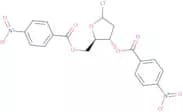
CAS:1-Chloro-2-deoxy-3,5-di-O-p-nitrobenzoyl-D-ribofuranose is a fluorinated sugar that can be used as a probe for the study of glycosylation and methylation reactions. It is also a complex carbohydrate with an Oligosaccharide modification. It is available for custom synthesis and has high purity. This product can be methylated, glycosylated, or modified using Click chemistry. 1-Chloro-2-deoxy-3,5-di-O-p nitrobenzoyl D ribofuranose is also an oligosaccharide sugar that contains one Monosaccharide unit.Formula:C19H15ClN2O9Purity:Min. 95%Color and Shape:White to beige solid.Molecular weight:450.78 g/molL-Lyxonic acid potassium
CAS:L-Lyxonic acid potassium salt is a synthetic, fluorinated sugar that can be modified with a variety of functional groups. It is an excellent starting material for the synthesis of glycosylations, oligosaccharides, and sugar derivatives. L-Lyxonic acid potassium salt is typically used as a sugar substitute in food products. L-Lyxonic acid potassium salt is also used in the synthesis of complex carbohydrates and saccharides. L-Lyxonic acid potassium salt has been modified to include Click chemistry or other modifications to improve its properties.Formula:C5H9KO6Purity:Min. 95%Color and Shape:PowderMolecular weight:204.22 g/molMethyl 2,3,4-tri-O-benzyl-6-O-tert-butyldiphenylsilyl-a-D-glucopyranoside
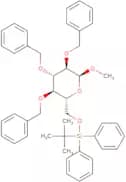
CAS:Methyl 2,3,4-tri-O-benzyl-6-O-tert-butyldiphenylsilyl-a-D-glucopyranoside is a synthetic oligosaccharide that is used as an intermediate in the synthesis of complex carbohydrates. It has a high purity and is custom synthesized to meet the needs of the customer. This product can be fluorinated, glycosylated, and methylated to produce desired modifications. It may also be used for Click chemistry modifications. Methyl 2,3,4-tri-O-benzyl-6-O-tert-butyldiphenylsilyl-a -D -glucopyranoside is an important sugar building block for complex carbohydrate synthesis.Formula:C44H50O6SiPurity:Min. 95%Molecular weight:702.97 g/molFebuxostat-acyl-β-D-glucuronide
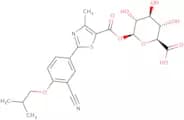
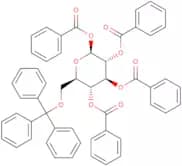
CAS:Febuxostat is a drug that inhibits the enzyme xanthine oxidase, which is involved in the production of uric acid. The chronic use of this drug can lead to a decrease in serum uric acid levels, which is associated with lowering of blood pressure and prevention of kidney stones. Febuxostat has been shown to be effective in patients with polyarticular rheumatoid arthritis and allopurinol-induced gout. Side effects may include gastrointestinal discomfort, low dose-related hypertension, and cardiovascular complications. Febuxostat interacts with colchicine and other drugs that are metabolized through cytochrome P450 enzymes. This interaction may reduce the effectiveness of these drugs or increase their toxicity.Formula:C22H24N2O9SPurity:Min. 95%Color and Shape:PowderMolecular weight:492.5 g/mol1,2,3,4-Tetra-O-benzoyl-6-O-trityl-b-D-glucopyranose
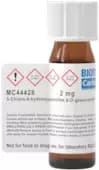
CAS:1,2,3,4-Tetra-O-benzoyl-6-O-trityl-b-D-glucopyranose is a custom synthesis that can be used for methylation and Click modification. This compound is an oligosaccharide consisting of sugar molecules linked by glycosidic bonds. It is a polysaccharide with a saccharide repeating unit composed of monosaccharides. The carbohydrate chain contains 1,2,3,4 tetra O benzoyl groups and 6 O trityl groups. This product has a high purity and can be used in the synthesis of other compounds. 1,2,3,4 Tetra O benzoyl 6 O trityl b D glucopyranose (1) was synthesized from 4-(2'-hydroxyethyl)benzaldehyde (2), 4-(2'-hydroxyethyl)benzoic acid (3),Formula:C53H42O10Purity:Min. 95%Molecular weight:838.89 g/mol5-Chloro-8-hydroxyquinoline b-D-glucuronide
CAS:Chromogenic substrate targeting beta-glucuronidase
Formula:C15H14ClNO7Purity:Min. 98 Area-%Color and Shape:White PowderMolecular weight:355.73 g/molDiacetone-D-glucose
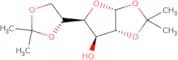
CAS:1,2:5,6-Di-O-isopropylidene-alpha-D-glucofuranose, also known as diacetone-D-glucose (DAG), is a partially protected D-glucose sugar locked in the furanose form with isopropylidene protecting groups on the 1,2 and 5,6 positions. The unprotected 3 position is ready for a variety of chemical manipulations, such as alkylation, acylation or stereo-inversion. An orthogonal protecting group could be added to the 3 position to allow deprotection of an isopropylidene and therefore manipulations of the other hydroxyl groups. Diacetone-D-glucose has been used to make fluorinated hexopyranose glycolysis inhibitors useful in the treatment of brain tumours.
Formula:C12H20O6Purity:Min. 98 Area-%Color and Shape:White Off-White PowderMolecular weight:260.28 g/mol2-Acetamido-2-deoxy-a-D-galactopyranosyl serine
CAS:2-Acetamido-2-deoxy-a-D-galactopyranosyl serine (2AGPS) is a naturally occurring glycosaminoglycan. It has been shown to inhibit the growth of cancer cells and to reduce the size of mouse tumors in vivo. This compound also inhibits viral replication in vitro, and its antiviral properties have been shown to work on several different types of viruses, including herpes simplex virus type 1, human cytomegalovirus, and influenza A virus. 2AGPS is also a potent inducer of toll-like receptor 4 signaling pathways in macrophages and dendritic cells. 2AGPS can be synthesized by using a polymerase chain reaction (PCR) technique with synthetic oligosaccharides as a template.Formula:C11H20N2O8Purity:Min. 90 Area-%Color and Shape:Off-White Yellow PowderMolecular weight:308.29 g/molD-Erythrulose - Aqueous solution
CAS:D-Erythrulose is a sugar that can be synthesized from the chemical structures of glycolaldehyde and carbonyl group. It can also be produced by hydrolysis of erythritol, which is found in plant cell walls. D-Erythrulose has been used as an alternative to glucose for fermentation processes because it does not inhibit the growth of most bacteria. D-Erythrulose has been shown to increase ATP levels in Escherichia coli K-12 cells and to affect the activities of enzymes involved in glycolysis, such as glyceraldehyde 3-phosphate dehydrogenase, phosphoglycerate kinase, and enolase. The metabolic pathways that produce D-erythrulose are found in many organisms, including Corynebacterium glutamicum, Brucella melitensis, and Brucella suis.Formula:C4H8O4Purity:Min. 95%Color and Shape:Colorless PowderMolecular weight:120.1 g/mol2,3,5-Tri-O-benzoyl-1-O-(4-nitrobenzoyl)-D-ribofuranose
CAS:2,3,5-Tri-O-benzoyl-1-O-(4-nitrobenzoyl)-D-ribofuranose is a custom synthesis of an oligosaccharide. It is used in the synthesis of polysaccharides and glycosylations. This compound has been modified with methylation and fluorination reactions. It has CAS No. 108392-15-0 and is available in high purity.Formula:C33H25NO11Purity:Min. 95%Color and Shape:PowderMolecular weight:611.55 g/mol1,2,3,4-Tetra-O-pivaloyl-6-O-triisopropylsilyl-b-D-glucopyranose
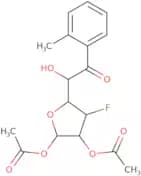
1,2,3,4-Tetra-O-pivaloyl-6-O-triisopropylsilyl-b-D-glucopyranose is a high purity custom synthesis sugar. It has been modified with fluorination and glycosylation. The CAS number for this product is 8071-79-8. Synthetic modification of the sugar to form an oligosaccharide or monosaccharide can also be performed. This product is a complex carbohydrate that contains saccharides in the form of a sugar molecule linked together by glycosidic bonds.Formula:C35H64O10SiPurity:Min. 95%Molecular weight:672.98 g/mol1,2-Di-O-acetyl-3-deoxy-3-fluoro-5-O-toluoyl-a-D-ribofuranose
CAS:1,2-Di-O-acetyl-3-deoxy-3-fluoro-5-O-toluoyl-a-D-ribofuranose is a fluorinated sugar molecule. It is a methylated saccharide that has been modified with click chemistry and glycosylation. The modified sugar can be used to synthesize a variety of complex carbohydrates including oligosaccharides and polysaccharides. This product is available in high purity with CAS No. 1884324-99-5.Purity:Min. 95%2,4-O-Benzylidene-D-Threose
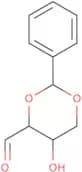
CAS:2,4-O-Benzylidene-D-Threose is a chemical compound that is used as a reagent in the synthesis of glycosphingolipids. It is prepared by the Wittig reaction of 2,4-dibromobenzaldehyde with potassium azide and phytosphingosine. The compound has also been used as a tool in biological studies to study the biosynthesis of glycosphingolipids. This product can react with carbinols to produce acetylides or diphosphate esters. 2,4-O-Benzylidene-D-Threose can be used as a reagent for the synthesis of methylmagnesium chloride, which is a Grignard reagent.Purity:Min. 95%1,2-Dideoxy-5-O-DMT-D-ribose
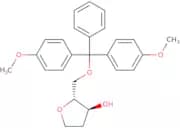
CAS:1,2-Dideoxy-5-O-DMT-D-ribose is a methylation inhibitor that inhibits the transfer of a methyl group from S-adenosylmethionine to a substrate. This modification can be found in many biological systems, including DNA and RNA. It is also used as an intermediate in the synthesis of other compounds such as oligosaccharides and polysaccharides. 1,2-Dideoxy-5-O-DMT-D-ribose has been shown to inhibit the growth of bacteria by inhibiting bacterial cell wall synthesis. It is believed to work by binding to glycosidic bonds in bacterial cell walls, preventing the formation of new bonds and therefore inhibiting cell wall biosynthesis.
1,2 - Dideoxy - 5 - O - DMT - D - ribose can be used for fluorination reactions with various types of compounds, including sugars and other complex carbohydrates.Formula:C26H28O5Purity:Min. 97 Area-%Color and Shape:White PowderMolecular weight:420.5 g/mol2-Chloro-2-deoxy-D-glucose
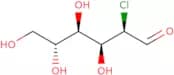
CAS:2-Chloro-2-deoxy-D-glucose (2CDG) is a chemical compound that has been shown to be an effective inhibitor of hypoxic tumor growth. 2CDG inhibits the production of fatty acids, which are required for cell proliferation and survival. It also has inhibitory properties on the chromatographic system and can be used as a detector in electrochemical methods. The detection of 2CDG in blood serum is used as a diagnostic tool for cancer, with a sensitivity and specificity of up to 100%. This compound has shown promising results for the treatment of hypertension and diabetes.
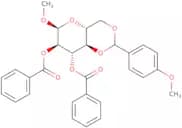
Formula:C6H11ClO5Purity:Min. 95%Color and Shape:White PowderMolecular weight:198.6 g/molMethyl 2,3-di-O-benzoyl-4,6-O-(4-methoxybenzylidene)-a-D-mannopyranoside
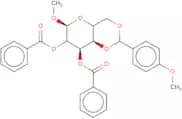
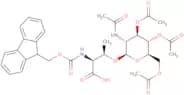
Methyl 2,3-di-O-benzoyl-4,6-O-(4-methoxybenzylidene)-a-D-mannopyranoside is a glycosylation product of the polysaccharide mannan. It is an oligosaccharide with a molecular weight of about 675 Da and a degree of polymerization of about ten. The monosaccharide units are D-glucose, D-mannose and D-galactose. Methyl 2,3-di-O-benzoyl-4,6-O-(4methoxybenzylidene)-a -D -mannopyranoside can be synthesized by the Click reaction in combination with fluorination or saccharification. Methyl 2,3 -di -O -benzoyl -4 ,6 O ( 4 methoxybenzylidene) a -D manFormula:C29H28O9Purity:Min. 95%Molecular weight:520.54 g/mol2-Acetamido-3,4,6-tri-O-acetyl-2-deoxy-β-D-glucopyranosyl-Fmoc threonine
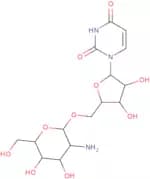
CAS:Custom synthesis, Modification, Fluorination, Methylation, Monosaccharide, CAS No. 160168-40-1, Click modification, Oligosaccharide, Synthetic, saccharide, Polysaccharide, Glycosylation, sugarFormula:C33H38N2O13Purity:Min. 95 Area-%Molecular weight:670.66 g/mol5'-O-(2-Amino-2-deoxy-b-D-glucopyranosyl)-uridine
CAS:5'-O-(2-Amino-2-deoxy-b-D-glucopyranosyl)-uridine is a carbohydrate that is synthesized from uridine and 5'-amino-2,3,4,6-tetra-O-(2-deoxy-b-D-glucopyranosyl)uridine. It has a high purity and can be custom synthesized to meet your specifications. Carbohydrates are saccharides that are composed of monosaccharides linked by glycosidic bonds. They are often used as energy sources for living organisms and play an important role in the immune system. 5'-O-(2-Amino-2-deoxy-b-D - glucopyranosyl)-uridine can be methylated at the 2' position or glycosylated at either the 2' or 3' position. It is also a complex carbohydrate that can be modified with fluorFormula:C15H23N3O10Purity:Min. 95%Molecular weight:405.36 g/molEthyl 2,3-di-O-benzoyl-4,6-O-benzylidene-b-D-thioglucopyranoside
Ethyl 2,3-di-O-benzoyl-4,6-O-benzylidene-b-D-thioglucopyranoside is a modified sugar that is used as an intermediate in the synthesis of saccharides and oligosaccharides. It is synthesized by a modification of the Knorr reaction. This product has been shown to be high purity and can be custom synthesized with a variety of functional groups, such as fluorination. Ethyl 2,3-di-O-benzoyl-4,6-O-benzylidene-b-D-thioglucopyranoside is also available in CAS No. 11764719.Formula:C29H28O7SPurity:Min. 95%Color and Shape:White To Off-White SolidMolecular weight:520.59 g/molIsopropyl-a-D-thiomannopyranoside
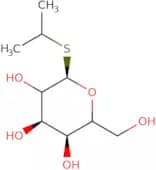
CAS:Isopropyl-a-D-thiomannopyranoside is a custom synthesis that is a methylated oligosaccharide. It has been modified by click chemistry to introduce an acetate group at the C4 position of the mannose residue. This product may be used in the preparation of polysaccharides, saccharides and carbohydrates. Isopropyl-a-D-thiomannopyranoside is a white solid that is soluble in methanol and ethanol but insoluble in water. It has been shown to have high purity and high chemical stability.Formula:C9H18O5SPurity:Min. 95%Molecular weight:238.3 g/molMethyl 2,3-di-O-benzoyl-4,6-O-(4-methoxybenzylidene)-a-D-glucopyranoside
CAS:Methyl 2,3-di-O-benzoyl-4,6-O-(4-methoxybenzylidene)-a-D-glucopyranoside is a synthetic carbohydrate. The chemical name is methyl 2,3-di-O-benzoyl-4,6--O-(4--methoxybenzylidene) -a -D--glucopyranoside. It is a white or off white powder that is soluble in water and methanol. This product can be used as a monosaccharide for glycosylation or polysaccharide for saccharide modification.Formula:C29H28O9Purity:Min. 95%Molecular weight:520.54 g/mol2-Acetamido-2,6-dideoxy-L-mannose
2-Acetamido-2,6-dideoxy-L-mannose is a deoxyhexose that is found in lipopolysaccharides from Gram-negative bacteria. 2-Acetamido-2,6-dideoxy-L-mannose is the only hexose that can be used for O antigen synthesis, which makes it an important component of LPS and O antigens. It has been sequenced in many organisms including animals, plants, and bacteria. 2-Acetamido-2,6-dideoxy-L-mannose may be involved in the translocation of bacteria across the gut epithelium into the bloodstream. The monosaccharide also plays a role in serogrouping and serotyping of bacteria.Purity:Min. 95%1,2:4,5-Di-O-cyclohexylidene-b-D-fructopyranose
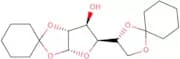
CAS:1,2:4,5-Di-O-cyclohexylidene-b-D-fructopyranose is a modification of the natural carbohydrate 1,2:4,5-di-O-isopropylidene-b-D-fructopyranose. It is an oligosaccharide composed of three units of b-D-fructofuranose linked by α-(1,2) and β-(1,4) glycosidic bonds. The methylation and glycosylation of this saccharide can be customized to produce a wide range of products with different properties. 1,2:4,5 Di O cyclohexylidene b D fructopyranose can be used in applications such as pharmaceuticals and agrochemicals.
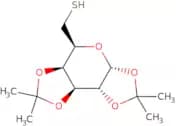
The molecular formula for this compound is C10H14O8 and its CAS number is 18608-92-9.Formula:C18H28O6Purity:Min. 95%Molecular weight:340.41 g/mol1,2:3,4-Di-O-isopropylidene-6-thio-a-D-galactopyranose
CAS:1,2:3,4-Di-O-isopropylidene-6-thio-a-D-galactopyranose is a synthetic oligosaccharide that contains a fluorinated sugar. It has been used for the synthesis of glycoproteins and polysaccharides. This product is custom synthesized and can be modified to your specifications. It is typically used in the production of polysaccharides or glycoproteins. This product has a high purity and CAS No. 16714-07-1.Formula:C12H20O5SPurity:Min. 95%Color and Shape:Clear LiquidMolecular weight:276.35 g/mol2-Amino-2-deoxy-D-fucose
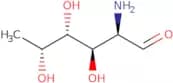
CAS:2-Amino-2-deoxy-D-fucose is a sugar molecule that is found in the cell wall of bacteria, including Staphylococcus aureus. It may be used to treat microbial infections by binding to bacterial cell walls and causing them to lose their ability to adhere to host cells. This sugar molecule may also be effective against Pseudomonas aeruginosa. 2-Amino-2-deoxy-D-fucose has been shown to inhibit the growth of P. aeruginosa in vitro by inhibiting the synthesis of fatty acids and increasing the production of hydrogen fluoride, which leads to cell death.Formula:C6H13NO4Purity:Min. 95%Molecular weight:163.17 g/molD-Gluconic acid manganese salt
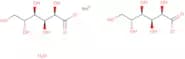
CAS:D-Gluconic acid manganese salt (DGM) is a glycol ether that is used as an antimicrobial agent in the treatment of infectious diseases. It binds to the metal ions in bacterial cell walls and disrupts their function. DGM has been shown to inhibit enzymes such as phosphoglucoisomerase, glucose-6-phosphate dehydrogenase, and pyruvate kinase. DGM also has covalent linkages that may be involved in its antimicrobial activity. The structure of DGM has been determined by X-ray diffraction data and electrochemical impedance spectroscopy, which show that it belongs to group p2.
Formula:C6H11O7·MnPurity:Min. 98%Color and Shape:PowderMolecular weight:445.24 g/mol1-O-(trans-3-Hydroxycotinine)-b-D-glucuronide ammonium salt
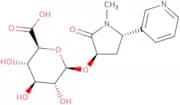
CAS:The glucuronidation of 1-O-(trans-3-hydroxycotinine)-b-D-glucuronide ammonium salt is mediated by the enzyme UDP-glucuronosyltransferase. This reaction is catalyzed by the transfer of a glucuronic acid residue from UDP-glucuronic acid to a hydroxyl group on the side chain of 1-O-(trans-3-hydroxycotinine)-b-D-glucuronide ammonium salt. The kinetic analysis of human urine samples has shown that this reaction is significant. This metabolite can be detected in urine samples using next generation sequencing and its concentration can be used as an indicator for the consumption of tobacco or nicotine containing products. Epidemiological studies have shown that this metabolite has significant effects on cancer risk. Genotyping and genotype studies have shown that this metabolite is responsible for genetic polymorphisms that are associated with increased cancer risk.
Formula:C16H20N2O8•(NH3)xPurity:Min. 97%Color and Shape:White PowderMolecular weight:368.34 g/molBenzyl 2-acetamido-4,6-O-benzylidene-2-deoxy-β-D-glucopyranoside
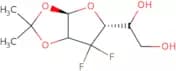
CAS:This product is a computational, experimental, and acoustic expansion of benzyl 2-acetamido-4,6-O-benzylidene-2-deoxy-b-D-glucopyranoside. It is used as an additive to motorcycle fuel, with the purpose of preventing engine knock. The experiment was conducted by measuring the pressure levels in a cylinder at different temperatures. The results showed that the highest pressure level was obtained when the temperature was increased to 220 degrees Celsius and the pressure level decreased when it was lowered to 200 degrees Celsius.Formula:C22H25NO6Purity:Min. 95%Color and Shape:White to off-white solid.Molecular weight:399.44 g/mol3-Deoxy-3,3-difluoro-1,2-O-Di-O-isopropylidene-a-D-glucofuranose
3-Deoxy-3,3-difluoro-1,2-O-Di-O-isopropylidene-a-D-glucofuranose is an alpha, beta unsaturated carbonyl sugar. It can be used as a building block to synthesize oligosaccharides or glycosylations. It has been shown that 3DG reacts with the amino group of proteins and peptides leading to the formation of methylated sugars. This compound can also be used to modify saccharides such as by converting them into click or substitution derivatives. 3DG is readily available in high purity and is stable under a variety of conditions.Formula:C9H14F2O5Purity:Min. 95%Molecular weight:240.2 g/mol1-O-Benzyl-2,3:4,6-di-O-isopropylidene-a-L-sorbofuranoside
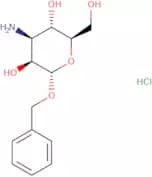
1-O-Benzyl-2,3:4,6-di-O-isopropylidene-a-L-sorbofuranoside is an oligosaccharide that is used for the synthesis of saccharides and polysaccharides. It has a molecular weight of 296.1 g/mol and a CAS number of 257874-01-8. The product can be synthesized from 1,2,3,4,6,-O-isopropylidene sorbitol and benzaldehyde via methylation and click modification. This product is also used in the fluorination of complex carbohydrates. 1,2,3,4,6,-O-isopropylidene sorbitol can be modified by various methods to produce different products with different properties. It has a purity level of ≥98% (HPLC) and is made up of one monosaccharide sugar unit with a single reactiveFormula:C19H26O6Purity:Min. 95%Molecular weight:350.41 g/molBenzyl 3-amino-3-deoxy-a-D-mannopyranoside HCl
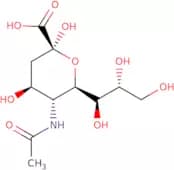
CAS:Benzyl 3-amino-3-deoxy-a-D-mannopyranoside HCl is a high purity, custom synthesized, synthetic carbohydrate. It has been modified with fluorination and glycosylation. Modification of the carbohydrate is done by methylation or oligosaccharide addition. This product is a complex carbohydrate that has been synthesized from monosaccharides and saccharides. The carbohydrates are saccharide chains composed of carbon, hydrogen, and oxygen atoms in a straight or branched chain. Carbohydrates can be classified according to their number of sugar units: mono-, di-, tri-, tetra-, penta-, hexa-, hepta-, octa-, nona-.Formula:C13H19NO5·HClPurity:Min. 95%Color and Shape:PowderMolecular weight:305.75 g/molN-Acetylneuraminic acid dihydrate
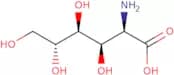
CAS:N-Acetylneuraminic acid dihydrate, also known as sialic acid dehydrate or Neu5Ac dehydrate, is often present in the terminal chains of many oligosaccharides and has a cellular recognition function (Varki and Schauer, 2009). Together with its non-hydrated form, N-acetylneuraminic acid and derivatives function as neurotransmitters and are involved in many post-translational protein modifications. N-acetylneuraminic acids are present on the surface of the vertebrate cells and can interact with pathogens, such as, bacteria and viruses. Recent scientific studies have revealed that the spike glycoprotein of the SARS-COV 2 coronavirus, responsible of the COVID-19, shows a high affinity to N-acetylneuranimic acid (Baker, 2020).Formula:C11H19NO9·2H2OPurity:Min. 95%Color and Shape:PowderMolecular weight:345.3 g/molD-Glucosaminic acid
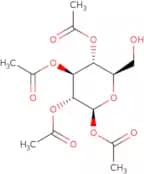
CAS:D-Glucosaminic acid is a monosaccharide that is found in many glycosaminoglycans. It has been shown to have synergistic effects when combined with malonic acid and hydroxyl group. D-Glucosaminic acid can be used for wastewater treatment, as it is able to form stable complexes with the anionic groups of cell walls. D-Glucosaminic acid also shows antibacterial activity against bacterial strains, including Mycoplasma pneumoniae and Streptococcus pyogenes. The wild-type strain of Escherichia coli is not inhibited by this compound.Formula:C6H13NO6Purity:Min. 96 Area-%Color and Shape:White Off-White PowderMolecular weight:195.17 g/mol1,2,3,4-Tetra-O-acetyl-β-D-glucopyranose
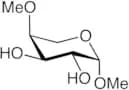
CAS:Building block for the 6-O-modification of Glc, including 6-O-glycosylationsFormula:C14H20O10Purity:Min. 98 Area-%Color and Shape:PowderMolecular weight:348.3 g/molMethyl 4-O-methyl-β-L-arabinopyranoside
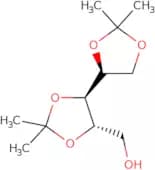
CAS:Methyl 4-O-methyl-β-L-arabinopyranoside is an L-arabinose analogueFormula:C7H14O5Purity:Min. 95%Color and Shape:PowderMolecular weight:178.18 g/mol2,3:4,5-Di-O-isopropylidene-L-arabitol
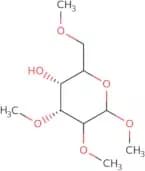
CAS:2,3:4,5-Di-O-isopropylidene-L-arabitol is a modification of an oligosaccharide in which the hydroxyl group at position 4 on the D-ribose moiety has been replaced with an isopropylidene group. The synthesis of 2,3:4,5-Di-O-isopropylidene-L-arabitol can be achieved by methylation and fluorination of L-arabinose. This compound is used in glycosylations and polysaccharide syntheses. 2,3:4,5-Di-O-isopropylidene-L--arabitol is also found as a natural constituent of many plants. 2,3:4,5--Di--O--isopropylidene--L--arabitol is chemically described as α-(1→6)-D--glucopFormula:C11H20O5Purity:Min. 95%Color and Shape:PowderMolecular weight:232.27 g/mol1,2,3,6-Tetra-O-methyl-D-glucopyranoside
Tetra-O-methylglucose is a sugar that has four methyl groups at the 1,2,3,6 positions. It is a custom synthesis for research purposes and it has not been found in nature. Tetra-O-methylglucose can be synthesized by the fluorination of glucose followed by glycosylation with an acetylating agent and finally methylation with an alkylating agent. Tetra-O-methylglucose has not been used as a food additive or pharmaceutical product.Formula:C10H20O6Purity:Min. 95%Molecular weight:236.26 g/molL-Arabinose
CAS:The aldopentose L-arabinose (Ara) is, after xylose, the second most abundant pentose in nature. It is found in plant cell walls as a component of polysaccharides, including: hemicelluloses, pectin, arabinogalactan-protein complexes and in exudate plant gums, such as: Gum Arabic (Feher, 2018). L-Arabinopyranose is an important component of the mycobacterial cell wall and is involved in the synthesis of arabinogalactan and lipoarabinomannan, which suggests that it can modulate cell wall permeability and drug resistance. Mycobacterium smegmatis is a useful tool for research into Mycobacteria due to it being a "fast grower" and non-pathogenic (Zhou, 2019).Formula:C5H10O5Purity:Min. 99 Area-%Color and Shape:White PowderMolecular weight:150.13 g/molHexahydro- 1, 2, 8- trihydroxy- [1S- (1a, 2a, 8a, 8ab) ]-5(1H) -indolizinone
CAS:Hexahydro-1,2,8-trihydroxy-[1S-(1a,2a,8a,8ab)]-5(1H)-indolizinone is a custom synthesis of a complex carbohydrate. It is an Oligosaccharide and Polysaccharide. The saccharide Methylation and Glycosylation are the Modification of this molecule. This product has CAS No. 96625-36-4 and Click modification is Carbohydrate sugar. This product is highly pure with Fluorination SyntheticFormula:C8H13NO4Purity:Min. 95%Molecular weight:187.19 g/molα-Chloralose
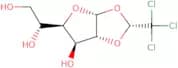
CAS:Anesthetic used in laboratory animal studies; pesticideFormula:C8H11Cl3O6Purity:Min. 95%Color and Shape:PowderMolecular weight:309.53 g/mol1,2,3,4-Tetra-O-benzoyl-6-O-tert-butyldiphenylsilyl-a-D-mannopyranose
CAS:1,2,3,4-Tetra-O-benzoyl-6-O-tert-butyldiphenylsilyl-a-D-mannopyranose is a custom synthesis. It is a fluorinated monosaccharide that can be used as a glycosylation or polysaccharide modification reagent. This product has been modified with methyl groups at the 2 and 3 positions of the phenolic ring and tetra-(1,2,3,4)-benzoate groups at the 4 position. The purity of this product is >98%.Formula:C40H42O10SiPurity:Min. 95%Molecular weight:710.86 g/mol3-Deoxy-3-fluoro-D-xylofuranose, Aqueous solution
CAS:3-Deoxy-3-fluoro-D-xylofuranose - Aqueous solution is a substrate for the enzyme glucose isomerase. This enzyme catalyses the isomerisation of 3-deoxy-3-fluoro-D-xylofuranose to D-ribose in aqueous solution. The immobilised glucose isomerase can be used as an alternative to the free form, which has been shown to have low yields and high levels of product inhibition.Formula:C5H9FO4Purity:Min. 95%Color and Shape:Yellow PowderMolecular weight:152.12 g/molb-D-Glucose - 85%
CAS:Glycol ethers are compounds that are used as solvents and plasticizers. They have been shown to inhibit the activity of enzymes, such as glucose-6-phosphate dehydrogenase, which is involved in the conversion of glucose to phosphate. Glycol ethers also promote sugar transport by inhibiting the sodium-dependent glucose transporter (SGLT). This transport mechanism is important for maintaining normal blood sugar levels and preventing diabetic neuropathy. Glycol ethers are also anti-diabetic agents that can increase insulin sensitivity by stimulating insulin release from pancreatic beta cells and improving the response of peripheral tissues to insulin stimulation.
Formula:C6H12O6Purity:Min. 95%Color and Shape:White PowderMolecular weight:180.16 g/molmyo-Inositol 1,3,4,5,6-pentakisphosphate decasodium salt
CAS:Myo-inositol 1,3,4,5,6-pentakisphosphate decasodium salt is a complex carbohydrate that has been modified with fluorine. This modification has been shown to increase the solubility of myo-inositol 1,3,4,5,6-pentakisphosphate decasodium salt in organic solvents. Myo-inositol 1,3,4,5,6-pentakisphosphate decasodium salt is used in the synthesis of oligosaccharides and polysaccharides. It also serves as a substrate for methylation and glycosylation reactions. The synthesis of this compound can be achieved by a Click reaction.Formula:C6H17O21P5·10NaPurity:Min. 95%Color and Shape:PowderMolecular weight:809.95 g/molCaffeic acid 3-O-b-D-glucopyranoside
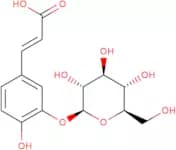
CAS:Caffeic acid 3-O-b-D-glucopyranoside is a naturally occurring phenolic compound found in plants. It is a white to off-white powder that is soluble in methanol, ethanol, and water. Caffeic acid 3-O-b-D-glucopyranoside has been shown to have antioxidant properties by increasing the mitochondrial membrane potential in erythrocytes and reducing free radicals. It also may have anticancer activity due to its ability to inhibit tumor growth in vivo studies.Formula:C15H18O9Purity:Min. 98 Area-%Color and Shape:Off-White PowderMolecular weight:342.3 g/mol4-N-Trifluoroacetamidophenyl 2-azido-2-deoxy-a-D-galactopyranoside
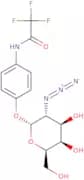
CAS:4-N-Trifluoroacetamidophenyl 2-azido-2-deoxy-a-D-galactopyranoside is a custom synthesis. It is a complex carbohydrate that can be modified with glycosylation, methylation, and fluorination. The chemical formula for 4-N-Trifluoroacetamidophenyl 2-azido-2-deoxy-a-D-galactopyranoside is C12H22FN3O8. The CAS number for 4Ntrifluoroacetamidophenyl 2azido2deoxyadgalactopyranose is 2104260323. This product has high purity and is synthetic.Formula:C14H15F3N4O6Purity:Min. 95%Molecular weight:392.29 g/molD-myo-Inositol 1,4,5-triphosphate sodium salt
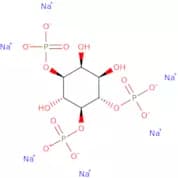
CAS:D-myo-Inositol 1,4,5-triphosphate sodium salt is a diacylglycerol that is involved in intracellular signaling. It is synthesized by the hydrolysis of phosphatidylinositol 4,5-bisphosphate and dephosphorylation of inositol 1,4,5-trisphosphate. D-myo-Inositol 1,4,5-triphosphate sodium salt has been shown to be a potent agonist at the ryanodine receptor and can protect against neuronal death induced by glutamate or NMDA. It also has been shown to have beneficial effects on bowel disease and cytosolic Ca2+ levels.Formula:C6H9Na6O15P3Purity:Min. 95%Color and Shape:Orange To Red SolidMolecular weight:551.99 g/molCotinine-N-b-glucuronide-D3
Controlled ProductCotinine-N-b-glucuronide-D3 is a modification of the natural product cotinine, which is a methylated form of nicotine and can be synthesized from the plant Nicotiana tabacum. Cotinine-N-b-glucuronide-D3 is a complex carbohydrate that has been custom synthesized for the purpose of modifying an oligosaccharide. This modification will allow for the synthesis of high purity monosaccharides. Cotinine has been shown to have antiinflammatory properties, which may be due to its inhibition of prostaglandin synthesis.Formula:C16H17N2O7D3Purity:Min. 95%Molecular weight:355.36 g/mol3-Deoxy-D-fructose
CAS:3-Deoxy-D-fructose is a neutral sugar that is found in the human liver and has been shown to be metabolized by cells in the target tissue. 3-Deoxy-D-fructose is used as a marker for diabetic patients, as it is present in high quantities in their blood plasma. 3-Deoxy-D-fructose can be detected with liquid chromatography coupled with mass spectrometry (LC/MS) methods. It has been shown to induce necrotic cell death, which may be due to its ability to produce reactive oxygen species. 3-Deoxy-D-fructose also inhibits protein synthesis by inhibiting the activity of polymerase chain reaction and hydroxylation reactions.
Formula:C6H12O5Purity:Min. 95%Color and Shape:Off-White Beige PowderMolecular weight:164.16 g/mol1,2,3,4-Tetra-O-benzoyl-6-O-triisopropylsilyl-b-D-glucopyranose
1,2,3,4-Tetra-O-benzoyl-6-O-triisopropylsilyl-b-D-glucopyranose is a synthetic compound that belongs to the class of carbohydrates. It is a high purity custom synthesis that can be modified with fluorination, glycosylation, methylation, and modification. This product has CAS number 541087-49-0. 1,2,3,4-Tetra-O-benzoyl-6-O-triisopropylsilyl-b -D -glucopyranose is used in the synthesis of oligosaccharides and monosaccharides.Formula:C46H54O10SiPurity:Min. 95%Molecular weight:795.02 g/molMethyl 2,3-di-O-benzoyl-4,6-O-(4-methoxybenzylidene)-a-D-galactopyranoside
Methyl 2,3-di-O-benzoyl-4,6-O-(4-methoxybenzylidene)-a-D-galactopyranoside is a fluorinated and methylated synthetic carbohydrate. It is an oligosaccharide that is synthesized from galactose and glucose by glycosylation and click modification. Methyl 2,3-di-O-benzoyl-4,6-O-(4-methoxybenzylidene)-a-D-galactopyranoside has CAS number: 6079410.Formula:C29H28O9Purity:Min. 95%Molecular weight:520.54 g/molN-Butyldeoxygalactonojirimycin
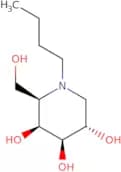
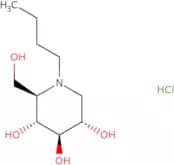
CAS:Competitive inhibitor of glucosylceramidase (GlcCer), which catalyses the first step in glycosphingolipid (GSL) synthesis. This compound is a promising candidate for substrate reduction therapy in Sandhoff disease, where it decreases the rate of GSL biosynthesis and counterbalances the impaired rate of ganglioside catabolism.
Formula:C10H21NO4Purity:Min. 95%Color and Shape:PowderMolecular weight:219.28 g/molN-Butyldeoxynojirimycin hydrochloride
CAS:Competitive inhibitor of ceramide-glycosyltransferase used for substrate reduction therapy in lysosomal storage disorders. It inhibits glucosylceramide synthase, which catalyses the initial step in glycosphingolipid biosynthetic pathway. This compound delays the onset of symptoms in type 1 Gaucher disease, Sandhoff disease and Tay-Sachs disease. It also reduces brain abnormalities in mucolipidosis type IV.
Formula:C10H21NO4•HClPurity:Min. 95%Color and Shape:PowderMolecular weight:255.74 g/moln-Octyl-β-D-glucopyranoside
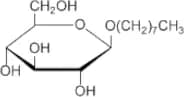
CAS:Octyl-beta-D-glucopyranoside is an alkylglycoside non-ionic detergent and is one of the most commonly used in membrane protein isolation. As it is uncharged, it is unlikely to cause protein denaturation or refolding issues, allowing for the isolation of intact macromolecular complexes without affecting protein-protein interactions. Octyl-beta-D-glucopyranoside, also known as octylglucoside or OG, forms small, uniformed micelles and has an aggregation number of between 27-100. It is readily dialyzable from membrane protein preparations due to its high Critical Micelle Concentration (CMC) of 18-20mM. Octyl-beta-D-glucopyranoside has similar uses and properties to that of another frequently used surfactant, Octyl-beta-D-thioglucopyranoside.Formula:C14H28O6Molecular weight:292.38 g/mol4,6-O-(4-Methoxybenzylidene)-1,2,3-tri-O-pivaloyl-b-D-glucopyranose
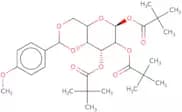
4,6-O-(4-Methoxybenzylidene)-1,2,3-tri-O-pivaloyl-b-D-glucopyranose is a Glycosylation compound that has been modified with methyl groups on the 4 and 6 carbons of the sugar. It is a complex carbohydrate that has been fluorinated at the C5 position. This product is available for custom synthesis in quantities of 10g or more. The CAS number for this compound is 13357007.Formula:C29H42O10Purity:Min. 95%Molecular weight:550.65 g/mol2,3,4,6-Tetra-O-pivaloyl-b-D-galactopyranosyl amine
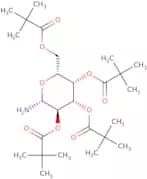
CAS:2,3,4,6-Tetra-O-pivaloyl-b-D-galactopyranosyl amine is a glycosylated monosaccharide with four pivaloyl groups. It is an important component of the glycoconjugate family and has been used in research as a model for glycoprotein synthesis. This compound is synthesized from 2,3,4,6-tetra-O-pivaloylglucose through the use of Click chemistry and fluorination. The 2,3,4,6-Tetra-O-pivaloylglucose can be modified to produce a variety of sugar derivatives including methylated sugars and polysaccharides. This product is custom synthesized to meet customer specifications. 2,3,4,6-Tetra-O-pivaloylglucose can be obtained by reacting 2 equivalents of triacetinFormula:C26H45NO9Purity:Min. 95%Color and Shape:PowderMolecular weight:515.64 g/molD-Galactose-6-O-sulphate sodium
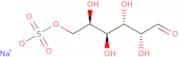
CAS:D-Galactose-6-O-sulphate sodium salt is used as a diagnostic agent to measure the level of galactose in blood and tissues. The enzyme that hydrolyzes D-galactose-6-O-sulphate, galactose oxidase, is present in leukocytes and chorionic villi. The enzymatic assay for this chemical is based on the reaction between D-galactose and sulfite to form D-galactosulfonic acid. This reaction is catalysed by a sulphatase enzyme. A fluorimetric method can be used to measure the formation of D-galactosulfonic acid.Formula:C6H11O9SNaPurity:Min. 95%Color and Shape:White PowderMolecular weight:282.2 g/molMethyl 4,6-O-benzylidene-2-benzyloxycarbonylamino-2-deoxy-a-D-glucopyranose
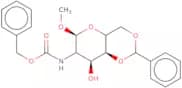
CAS:Methyl 4,6-O-benzylidene-2-benzyloxycarbonylamino-2-deoxy-a-D-glucopyranose is a custom synthesized compound. It is a polysaccharide that is modified with fluorine and methyl groups. The chemical structure of this compound includes a glucose molecule with an amino group at the C1 position and an acetyl group at the C4 position. This modification increases the solubility and stability of this compound. Methyl 4,6-O-benzylidene-2-benzyloxycarbonylamino-2-deoxy--A D glucopyranose has been used in research as a model for glycosylation.Formula:C22H25NO7Purity:Min. 95%Molecular weight:415.44 g/molGDP-L-fucose disodium - low endotoxin grade
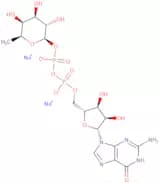
CAS:GDP-L-fucose is a natural fucosyl donor and substrate for fucosyltransferases (FUT) that catalyses the fucosylation of, for example, human milk oligosaccharides or glycoproteins. GDP-L-fucose is widely used in (chemo)enzymatic synthesis of glycans. Cymit Quimicaesis of GDP-L-fucose, a nucleotide sugar consisting of an L-fucose that is β-glycosidically linked to the nucleotide guanosine diphosphate (GDP), is achieved either through de novo synthesis via GDP-mannose or through a salvage pathway from free fucose. Fucosylation is catalysed by fucosyltransferases (~ 13 FUT genes have been identified in the human genome to date) to generate α-1,2, α-1,3, α-1-4 and α-1-6 linkages of fucose to other sugars, as well as direct linkages to peptides, with release of GDP (Lairson, 2008).Formula:C16H23N5O15P2Na2Purity:Min. 95%Color and Shape:White PowderMolecular weight:633.31 g/mol2-Acetamido-1,3,4,6-tetra-O-benzyl-2-deoxy-a-D-glucopyranoside
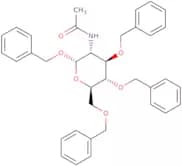
CAS:2-Acetamido-1,3,4,6-tetra-O-benzyl-2-deoxy-a-D-glucopyranoside is a modification of the natural carbohydrate. It is an oligosaccharide synthesized with custom synthesis. The synthetic process involves the methylation and glycosylation of the monosaccharides. Fluorination and saccharide linkages are also used in the production of this compound. 2-Acetamido-1,3,4,6-tetra-O-benzyl-2-deoxyglucopyranoside can be used as a building block for complex carbohydrates or as a research reagent for glycobiology.Formula:C36H39NO6Purity:Min. 95 Area-%Color and Shape:PowderMolecular weight:581.7 g/molN-Acetyl-D-glucosamine - plant source
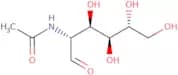
CAS:N-acetyl D-glucosamine (GlcNAc) is an aldohexose (2-acetamido-2-deoxyglucose) in which the hydroxyl group at position 2 is replaced by NHAc (Collins, 2006). N-acetyl D-glucosamine forms the exoskeletons of molluscs and insects as the building block of the polysaccharide chitin (Rudrapatnam, 2003). N-acetyl D-glucosamine is a key component of N- and O-linked glycans, present in glycolipids and the glycosaminoglycan hyaluronic acid (Fallacara, 2018). A recent study has suggested that N-acetyl D-glucosamine may have therapeutic potential for COVID-19 as it affects the spike protein-ACE2 receptor interaction during the infection with SARS-CoV-2 virus (Baysal, 2021).Formula:C8H15NO6Purity:Min. 98 Area-%Color and Shape:PowderMolecular weight:221.21 g/molN-[2-(4'-Methoxyphenylacetonitrile)]-2,3,4,6-tetra-O-pivaloyl-D-glucopyranoside
N-[2-(4'-Methoxyphenylacetonitrile)]-2,3,4,6-tetra-O-pivaloyl-D-glucopyranoside is a custom synthesis of a carbohydrate. It is a synthetic saccharide that is modified by fluorination and methylation. This compound has high purity and can be custom synthesized to order.
Formula:C35H52N2O10Purity:Min. 95%Molecular weight:660.79 g/mol1-Amino-2,5-anhydro-D-glucitol
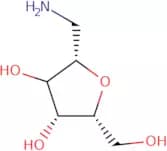
CAS:1-Amino-2,5-anhydro-D-glucitol is a synthetic monosaccharide with the chemical formula C6H12O6. It is often used in custom synthesis and click modification of polysaccharides and oligosaccharides. The fluorination of this compound can be done to obtain a fluorinated 1-amino-2,5-anhydro-D-glucitol. 1AADG can also be modified at its methyl group to produce N,N'-diacetylmethylenecyclohexane carboxamide (CAS No. 2166517-07). This product has been shown to inhibit the growth of bacteria such as Clostridium perfringens and Mycobacterium tuberculosis.Formula:C6H13NO4Purity:Min. 95%Molecular weight:163.17 g/molHyacinthacine B3
CAS:Hyacinthacine B3 is a compound that was synthesized by the Sharpless asymmetric dihydroxylation of polyhydroxylated aldehyde. It has inhibitory activities against nitrogen atoms and amines, which are important for the synthesis of proteins. The compounds with petasis amines have been shown to be effective in the treatment of influenza A virus.Formula:C9H17NO4Purity:Min. 95%Molecular weight:203.24 g/mol2-C-Methyl-L-ribono-1,4-lactone
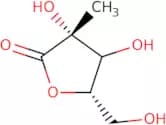
CAS:2-C-Methyl-L-ribono-1,4-lactone is a crystallized carbohydrate that contains the enantiomers L and D. It is a chiral molecule with two asymmetric carbon atoms. The L form has a higher yield than the D form and can be synthesized from l-arabinose, dimethylamine, and isomerisation. This compound is also present in ketoses such as d-xylose and 1-deoxy-d-ribulose. 2CMLR1L4L acts as an inhibitor of the enzyme d-galactose dehydrogenase, which catalyzes the conversion of d-galactose to d-glucose. Cyanide can bind to this compound to form cyanohydrin adducts, which are toxic to cells.Formula:C5H10O5Purity:Min. 95%Molecular weight:150.13 g/mol2-Amino-2-deoxy-glucitol
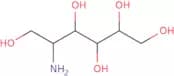
CAS:2-Amino-2-deoxy-glucitol is a kinetic inhibitor of the enzyme glycogen phosphorylase, which catalyzes the rate-limiting step in glycogenolysis. It binds to the enzyme and blocks access to the active site by an amide group, thus inhibiting the phosphorylation of glucose residues. This prevents the breakdown of glycogen and leads to increased levels of blood sugar. 2-Amino-2-deoxy-glucitol is used as a treatment for pertussis (whooping cough) and as an adjunct therapy during insulin shock therapy for diabetic ketoacidosis. The drug has also been shown to bind to histidine residues on the enzyme and inhibit its activity.Formula:C6H15NO5Purity:Min. 95%Molecular weight:181.19 g/molmeso-Erythritol
CAS:Used in culture medium to differentiate bacteria on the basis of carbohydrate fermentation abilities.Formula:C4H10O4Purity:Min. 98.0 Area-%Molecular weight:122.12 g/mol2-Acetamido-2-deoxy-D-lyxojirimycin
CAS:2-Acetamido-2-deoxy-D-lyxojirimycin is a carbohydrate that is modified by fluorination, methylation, glycosylation, and click modification. The compound is a synthetic monosaccharide that is used in the synthesis of complex carbohydrates. 2-Acetamido-2-deoxy-D-lyxojirimycin has CAS number 1207673-74-2 and can be custom synthesized to meet your requirements for purity and quality.Formula:C7H14N2O3Purity:Min. 95%Molecular weight:174.2 g/molMethyl 7,8,9-Tri-O-acetyl-5-N,4-O-carbonyl-3,5-dideoxy-2-S-phenyl-2-thio-D-glycero-b-D-galacto-2-nonulopyranosylonate
CAS:Methyl 7,8,9-Tri-O-acetyl-5-N,4-O-carbonyl-3,5-dideoxy-2-S-phenyl-2-thio-D-glycero -b-(1→4)-D-(1→3)-galacto-(1→4)-2-[N-[(1R,2R)-2-(methoxyimino)ethoxy]acetamido]-nonulopyranosylonate is a synthetic carbohydrate. It has been modified with methylation at position 7 and 8 of the sugar and click modification. Methyl 7,8,9 -triacetyl 5 -N, 4 -O carbonyl 3 , 5 -dideoxy 2 -S phenyl 2 -thiophenediol glycero b D galacto 2 nonulopyranoside is a complex carbohydrate.Formula:C23H27NO11SPurity:Min. 95%Molecular weight:525.53 g/molEthyl 2-acetamido-3,4,6-tri-O-acetyl-2-deoxy-β-D-glucopyranoside
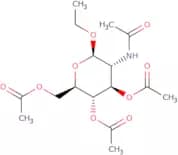
CAS:Ethyl 2-acetamido-3,4,6-tri-O-acetyl-2-deoxy-b-D-glucopyranoside is a compound with a molecular mass of 536.35 Da. It is an inhibitor of the enzyme catalase and has been shown to bind to monoclonal antibodies that are specific for human vascular endothelial growth factor (VEGF). This inhibition prevents the binding of VEGF to its receptor, which blocks the activation of the VEGF pathway. Ethyl 2-acetamido-3,4,6-tri-O-acetyl-2-deoxy--b D glucopyranoside has also been shown to inhibit HIV replication in vitro.Formula:C16H25NO9Purity:Min. 95%Color and Shape:White To Off-White SolidMolecular weight:375.37 g/molN-[2-(2'-Fluorobenzylacetonitrile)]-2,3,4,6-tetra-O-pivaloyl-b-D-glucopyranoside
2,3,4,6-Tetra-O-pivaloyl-β-D-glucopyranoside is a carbohydrate modified with fluorination and methylation. It is also a synthetic oligosaccharide that has been glycosylated. This product can be custom synthesized to meet your needs. We offer high purity and custom synthesis for this product.Formula:C34H49FN2O9Purity:Min. 95%Molecular weight:648.76 g/molOctyl D-glucuronic acid
CAS:Octyl D-glucuronic acid is a glycosylation agent that can be used to modify the surface of proteins and polymers. It is an oligosaccharide that contains eight glucose molecules linked by beta 1-4 glycosidic bonds. Octyl D-glucuronic acid has been shown to have a high purity, with no detectable impurities or contaminants. The modification of proteins and polymers with this molecule has been shown to increase their stability and resistance to environmental factors such as moisture, heat, pH changes, and light exposure. It also increases the hydrophilicity of the modified material and can be used for click chemistry reactions using azide or alkyne functional groups. Octyl D-glucuronic acid is commercially available from Sigma Aldrich in different grades: Technical Grade (TG), Analytical Grade (AG), Pharmaceutical Grade (PG).Formula:C14H26O7Purity:Min. 95%Color and Shape:PowderMolecular weight:306.36 g/mol1,2:5,6-Di-O-cyclohexylidene-α-D-glucofuranose
CAS:1,2:5,6-Di-O-cyclohexylidene-a-D-glucofuranose is a synthetic sugar which is used as a starting material for the synthesis of oligosaccharides and polysaccharides. This chemical is also used in the modification of glycosylation and carbohydrate. It can be used to synthesize high purity sugars, including monosaccharides and oligosaccharides. 1,2:5,6-Di-O-cyclohexylidene-a-D-glucofuranose is not fluorescent under UV light.Formula:C18H28O6Purity:Min. 95%Color and Shape:White PowderMolecular weight:340.41 g/molCarrageenan
CAS:Carageenan is a mixture of gelling sulphated galactans extracted from red algae (typically Euchuma cottonii, Euchuma spinosum Mastocarpus stellata and Chondrus crispus). The structure of all carrageenans consists of a strictly alternating masked repeating unit of 1,3 linked α-D-galactose and 1,4 linked β-D-galactose with variable proportions of sulphate. The α-linked galactose residue occurs as α-3-6-anhydro-2-sulphate. The images were kindly provided by Prof Mike Guiry from Cork who runs ‘The Seaweed Site’.Color and Shape:White PowderMethyl 4,6-O-benzylidene-2-deoxy-a-D-glucpyranosid-3-ulose
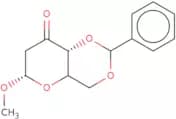
CAS:Methyl 4,6-O-benzylidene-2-deoxy-a-D-glucpyranosid-3-ulose is a custom synthesis of a complex carbohydrate. It is an Oligosaccharide with a Polysaccharide backbone. The modification of the saccharide is Methylation and Glycosylation. Click chemistry was used to introduce fluorine atoms into the sugar ring. The Carbohydrate is a sugar, which is a chemical compound that consists of carbon, hydrogen and oxygen atoms. It has high purity and fluoroination at the C1 position. This synthetic product can be used in various applications such as food additives, pharmaceuticals, or agrochemicals.Formula:C14H16O5Purity:Min. 95%Molecular weight:264.27 g/molN-Azidoacetylmannosamine
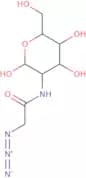
CAS:N-Azidoacetylmannosamine, also called ManNAz and 2-[(2-azidoacetyl)amino]-2-deoxy-D-mannose, is a click reagent for metabolic labelling of ManNAc. The azide is able to react with an alkyne in a 1,3-dipolar cycloaddition reaction (click chemistry) to enable linking to a fluorescent probe or a biotin. N-Azidoacetylmannosamine has been used in the chemical modification of glycoproteins to improve their in vivo efficacy and to label them for detection.Formula:C8H14N4O6Purity:Min. 90%Color and Shape:White PowderMolecular weight:262.22 g/molMethyl 2,3-di-O-methyl-α-D-xylofuranoside
CAS:A useful xylose building blockFormula:C8H16O5Purity:Min. 95%Color and Shape:PowderMolecular weight:192.21 g/mol3-Deoxy-3-fluoro-D-galactose
CAS:Please enquire for more information about 3-Deoxy-3-fluoro-D-galactose including the price, delivery time and more detailed product information at the technical inquiry form on this pageFormula:C6H11FO5Purity:Min. 95%Color and Shape:PowderMolecular weight:182.15 g/molChloramphenicol 1-O-β-D-galactopyranoside
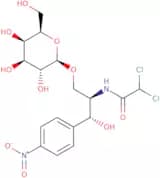
CAS:Chloramphenicol 1-O-b-D-galactopyranoside is an antibiotic that binds to the 50S ribosomal subunit and inhibits bacterial protein synthesis. It is a modified form of chloramphenicol, which has been chemically altered to make it more soluble in water. Chloramphenicol 1-O-b-D-galactopyranoside can be used for the treatment of infections caused by bacteria such as Mycobacterium avium complex, Clostridium perfringens, or Staphylococcus aureus. This drug is also used to protect against meningitis caused by H. influenzae type b and other Gram negative bacteria. Chloramphenicol 1-O-b-D-galactopyranoside is also used for the prevention of disease recurrence in patients with superficial bladder cancer who have had a partial cystectomy and are at high risk for tumor recurrenceFormula:C17H22N2O10Cl2Purity:Min. 95%Color and Shape:PowderMolecular weight:485.27 g/molN-Acetyl-5-bromo-3-indoxyl-2,3,4-tri-O-acetyl-β-D-glucuronic acid methyl ester
CAS:N-Acetyl-5-bromo-3-indoxyl-2,3,4-tri-O-acetyl-b-D-glucuronic acid methyl ester is a custom synthesis of an acetylated bromoglycoside. This compound is a synthetic modification of the natural product and has been shown to be effective against various bacteria. The synthesis of this compound can be achieved by the click reaction with methyl 2,2'-dithiopropionate and 5,5'-dimethoxytrityl chloride in the presence of trimethylsulfonium iodide. N—Acetyl—5—bromo—3—indoxyl—2,3,4—tri—O—acetyl--b--D--glucuronic acid methyl ester is also a monosaccharide sugar that is a carbohydrate with a high purity and modifies proteins at their active site. It also has
Formula:C23H24BrNO11Purity:Min. 95%Molecular weight:570.34 g/mol2,3-Diaza-1,1,4,4-tetraphenyl-trans- butadiene
2,3-Diaza-1,1,4,4-tetraphenyl-trans-butadiene is a synthetic compound that can be used as a methylating agent. This compound has been shown to be an effective sugar donor for the synthesis of complex carbohydrates with high purity. 2,3-Diaza-1,1,4,4-tetraphenyl-trans-butadiene is also useful for click modification and glycosylation.Purity:Min. 95%Methyl 6-O-tert-butyldimethylsilyl-2,3-O-isopropylidene-α-D-lyxo-hexopyranosid-4-ulose
Methyl 6-O-tert-butyldimethylsilyl-2,3-O-isopropylidene-alpha-D-lyxo-hexopyranosid-4-ulose is a fluorinated sugar that can be used for the synthesis of oligosaccharides and carbohydrates. This sugar has been custom synthesized and has been modified with methylation and click chemistry. The CAS number for this product is 93558-18-7.Purity:Min. 95%1,2,3,5,6-Penta-O-acetyl-D-galactofuranose
CAS:1,2,3,5,6-Penta-O-acetyl-D-galactofuranose is a condensation product of a 4-methylumbelliferone with the anomeric form of D-galactose. It is a white crystalline solid that can be obtained in yields up to 200 g per multigram of reactants. This compound has been shown to react with chloride ion and zinc chloride at elevated temperatures to yield the corresponding chloride or zinc salt. The crystal structure of this compound has been studied by x-ray diffraction and found to have an anomeric configuration and a space group P2(1)22(1). Carbohydrates are polyhydroxyaldehydes or polyhydroxyketones containing at least one hemiacetal or hemiketal group in their structure. The general formula for carbohydrates is (Cx(H2O)y)z where x is usually 2 or 3, y isFormula:C16H22O11Purity:Min. 95%Color and Shape:PowderMolecular weight:390.4 g/mol1-O-Acetyl-3,5-bis(4-chlorobenzoyl)-2-deoxy-D-ribose
CAS:1-O-Acetyl-3,5-bis(4-chlorobenzoyl)-2-deoxy-D-ribose is a methylated saccharide that can be synthesized from D-ribose and 4-(chloromethyl)benzaldehyde. It has been used for the modification of polysaccharides with click chemistry to produce oligosaccharides. This compound has also been used in the synthesis of glycosyls such as N,N'-diacetylchitobiose and N,N'-diacetylchitotriose. 1-O-Acetyl 3,5 bis (4 chlorobenzoyl)-2 deoxy D ribose is an Oligosaccharide that is soluble in water and is stable at high temperatures. The purity of this compound exceeds 99% and it's CAS number is 1207459-15-1.Formula:C21H18Cl2O7Purity:(%) Min. 95%Color and Shape:White PowderMolecular weight:453.27 g/molD-Galactose non-animal origin
CAS:D-Galactose is a monosaccharide that is found in the cells of plants and animals. It can be synthesized from D-glucose by adding a D-galactose molecule to the alpha carbon of an existing glucose molecule. The resulting bond is called a glycosidic linkage. This process is called glycosylation. Glycosylation occurs when a sugar molecule reacts with another molecule, such as an amino acid, lipid, or nucleotide, to form what is known as a glycoside linkage. In this case, the sugar is D-galactose and the other molecules are either amino acids or lipids. The reaction between D-galactose and other molecules often results in polysaccharides and complex carbohydrates such as cellulose, chitin, and glycogen.
Methylation of D-galactose can produce methyl galactoside (CAS No. 1881-42-7), whichFormula:C6H12O6Purity:Min. 98 Area-%Molecular weight:180.16 g/molADP-D-glucose disodium salt
CAS:ADP-D-glucose disodium salt is a synthetic saccharide with the chemical formula C6H14N2O8. It is used as a building block for the synthesis of complex carbohydrates, such as polysaccharides and oligosaccharides. ADP-D-glucose disodium salt can be modified to create methylated, glycosylated, and fluorinated derivatives. These modifications allow ADP-D-glucose disodium salt to be used in Click chemistry and other advanced applications.br>br>ADP-D-glucose disodium salt is also known by its CAS number 102129-65-7.br>br> br>br>Formula:C16H23N5O15P2·2NaPurity:Min. 95%Color and Shape:PowderMolecular weight:633.31 g/mol6-Azido-6-deoxy-L-galactose
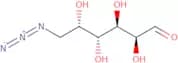
CAS:6-Azido-6-deoxy-L-galactose is an analog of the natural L-galactose. It has been shown to inhibit the growth and survival of a number of human pathogens, including those that cause tuberculosis, staphylococcal infections, and meningitis. 6-Azido-6-deoxygalactose is reactive with cellular structures and glycoconjugates, which may have contributed to its antimicrobial activity in tissue culture. 6A6DG blocks fatty acid synthesis by inhibiting enzymes called acyltransferases. It also inhibits glycolysis by interfering with the conversion of glucose into glycogen through inhibition of glycogen synthase kinase 3β (GSK3β), which leads to decreased levels of ATP in cells. This compound also inhibits glutaminase activity in the brain, leading to impaired neurotransmitter release and subsequent neuronal cell death.Formula:C6H11N3O5Purity:Min. 95%Color and Shape:White PowderMolecular weight:205.17 g/mol2-C-(Hydroxymethyl)-2,3-O-isopropylidene-L-lyxono-1.4-lactone
2-C-(Hydroxymethyl)-2,3-O-isopropylidene-L-lyxono-1.4-lactone is a synthetic modification of the oligosaccharide, 2,3-O-isopropylidene L-lyxonic acid lactone. It is a white to off-white crystalline powder that is soluble in water. This product has been custom synthesized and can be used as a monosaccharide or methylated in the glycosylation step. The CAS number for this product is 72893-21-6 and it has a molecular weight of 252.24 g/mol.Purity:Min. 95%2,3-O-Isopropylidene-D-lyxofuranose
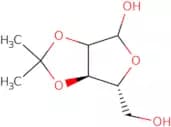
CAS:2,3-O-Isopropylidene-D-lyxofuranose is a synthetic disaccharide that is used as an antiinflammatory agent. It has been shown to inhibit the production of e-selectin, a protein that mediates inflammation by binding to cells in the vicinity of the site of injury. This compound has also been shown to inhibit diacetate formation from oxocarbenium ions and glycosidic linkage formation. 2,3-O-Isopropylidene-D-lyxofuranose may be synthesized via a Wittig reaction with phytosphingosine or wittig reaction with acetone.Formula:C8H14O5Purity:Min. 98 Area-%Color and Shape:White PowderMolecular weight:190.19 g/mol3,4-O-(1',1',3',3'-Tetraisopropyl-1,3-disiloxanediyl)-L-rhamnal
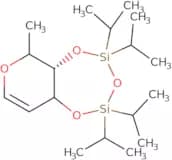
CAS:3,4-O-(1',1',3',3'-Tetraisopropyl-1,3-disiloxanediyl)-L-rhamnal is a synthetic sugar that is used as a building block for the synthesis of glycoproteins and other polymers. It can be methylated to give 3,4-O-(1',1',3',3'-tetramethyl-1,3-disiloxanediyl)-L-rhamnal, which is an inhibitor of protein glycosylation. 3,4-O-(1',1',3',3'-Tetraisopropyl-1,3-disiloxanediyl)-L-rhamnal has been fluorinated to give 3,4-O-(2'-fluoroethylidene) -L-rhamnal and used in Click chemistry reactions.Formula:C18H36O4Si2Purity:Min. 95%Molecular weight:372.65 g/molMethyl 2,3,4-tri-O-benzoyl-6-O-trityl-a-D-glucopyranoside
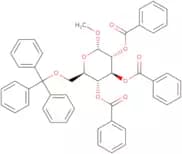
CAS:Methyl 2,3,4-tri-O-benzoyl-6-O-trityl-a-D-glucopyranoside is a synthetic compound that has been modified. This modification includes the addition of fluorine at the 6th carbon on the right side of the molecule. The methylation and tritylation of the molecule have also been performed to create a new product with a better stability. Methyl 2,3,4-tri-O-benzoyl-6-O-trityl-aDglucopyranoside can be used as a monosaccharide or oligosaccharide in glycosylation reactions. It can also be used as an intermediate in the synthesis of complex carbohydrate molecules.Formula:C47H40O9Purity:Min. 95%Molecular weight:748.84 g/mol3,6-Dideoxy-3,6-imino-1,2-O-isopropylidene-a-D-glucofuranose
3,6-Dideoxy-3,6-imino-1,2-O-isopropylidene-a-D-glucofuranose is an oligosaccharide that has been modified to contain fluorine. This sugar is a complex carbohydrate that can be custom synthesized for use in glycosylation reactions. It can be used to modify polysaccharides and has been shown to have a high purity.Purity:Min. 95%N-Methyl-L-glucosamine
CAS:N-Methyl-L-glucosamine is a monosaccharide that is used as a building block for glycosaminoglycans. It can be synthesized by the enzyme glucoamylase from glucose and UDP-N-acetylglucosamine, or supplied exogenously as a dietary supplement. N-Methyl-L-glucosamine is stable in the presence of light and resistant to microbial degradation. This agent has been shown to be effective in inhibiting skin cancer in mice when combined with other agents such as hydroquinone, retinoic acid, and tretinoin. N-Methyl-L-glucosamine has been shown to have antiangiogenic properties on tubule cells, which may be due to its ability to inhibit the production of vascular endothelial growth factor (VEGF) in these cells.Formula:C7H15NO5Purity:Min. 95%Molecular weight:193.2 g/molDucheside A pentaacetate
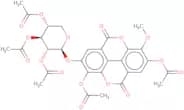
Ducheside A pentaacetate is a fluorescent sugar that can be used as a fluorescent probe to study the glycosylation of proteins. This compound has been shown to be effective in inhibiting the growth of Gram-positive bacteria such as Mycobacterium tuberculosis, Clostridium perfringens, and Streptococcus pyogenes. Ducheside A pentaacetate is synthesized from duchesidin I and an acetyl group, which is then fluorinated with N-fluorobenzenesulfonamide. The product can be modified through methylation or click chemistry reactions. Ducheside A pentaacetate is soluble in water and has a molecular weight of 585.5 g/mol. It has CAS number 314965-07-8 and purity greater than 99%.Purity:Min. 95%







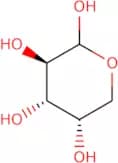
![Hexahydro- 1, 2, 8- trihydroxy- [1S- (1a, 2a, 8a, 8ab) ]-5(1H) -indolizinone](/_next/image/?url=https%3A%2Fstatic.cymitquimica.com%2Fproducts%2F3D%2Fthumb-webp%2FMH163920.webp&w=3840&q=75)




![N-[2-(4'-Methoxyphenylacetonitrile)]-2,3,4,6-tetra-O-pivaloyl-D-glucopyranoside](/_next/image/?url=https%3A%2Fstatic.cymitquimica.com%2Fproducts%2F3D%2Fthumb-webp%2FMM08496.webp&w=3840&q=75)

![N-[2-(2'-Fluorobenzylacetonitrile)]-2,3,4,6-tetra-O-pivaloyl-b-D-glucopyranoside](/_next/image/?url=https%3A%2Fstatic.cymitquimica.com%2Fproducts%2F3D%2Fthumb-webp%2FMF08492.webp&w=3840&q=75)