Monosaccharides
Monosaccharides are the simplest form of carbohydrates and serve as fundamental building blocks for more complex sugars and polysaccharides. These single sugar molecules play critical roles in energy metabolism, cellular communication, and structural components of cells. In this section, you will find a wide variety of monosaccharides essential for research in biochemistry, molecular biology, and glycoscience. These compounds are crucial for studying metabolic pathways, glycosylation processes, and developing therapeutic agents. At CymitQuimica, we offer high-quality monosaccharides to support your research needs, ensuring precision and reliability in your scientific investigations.
Subcategories of "Monosaccharides"
- Alloses(11 products)
- Arabinoses(21 products)
- Erythroses(11 products)
- Fructoses(9 products)
- Fucoses(36 products)
- Galactosamine(41 products)
- Galactose(260 products)
- Glucoses(365 products)
- Glucuronic Acids(51 products)
- Glyco-substrates for Enzyme(77 products)
- Guloses(6 products)
- Idoses(4 products)
- Inositols(15 products)
- Lyxoses(4 products)
- Mannoses(65 products)
- O-Glycans(48 products)
- Psicoses(3 products)
- Rhamnoses(10 products)
- Riboses(61 products)
- Sialic Acids(100 products)
- Sorboses(4 products)
- Sugars(173 products)
- Tagatoses(4 products)
- Taloses(8 products)
- Xyloses(20 products)
Show 17 more subcategories
Found 6088 products of "Monosaccharides"
Sort by
Purity (%)
0
100
|
0
|
50
|
90
|
95
|
100
1-O-Acetyl-2,3,5-tri-O-benzoyl-4-thio-b-D-ribofuranose
CAS:<p>1-O-Acetyl-2,3,5-tri-O-benzoyl-4-thio-b-D-ribofuranose is a carbohydrate that has been modified with acetylation and benzoylation. This chemical has not been reported in the literature and is available for custom synthesis to order. 1-O-Acetyl-2,3,5-tri-O-benzoyl -4--thio--b--D--ribofuranose is a white solid that can be used as a monosaccharide or glycosylation building block for the synthesis of oligosaccharides, polysaccharides, or other saccharide derivatives. It also has high purity and is available for fluorination.</p>Formula:C28H24O8SPurity:Min. 95%Molecular weight:520.55 g/mol3-O-Toluoyl decitabine
CAS:<p>3-O-Toluoyl decitabine is a synthetic, high purity drug that is custom synthesized to order. The synthesis of 3-O-Toluoyl decitabine involves the modification of sugar molecules with fluorination, glycosylation, and methylation. This compound has CAS No. 183016-21-9 and is used in the treatment of cancer by inhibiting ribonucleic acid (RNA) synthesis. 3-O-Toluoyl decitabine inhibits RNA polymerase II and III, which are enzymes that catalyze the transcription of DNA into RNA. It also inhibits protein kinase C, which leads to cell death and tumor shrinkage.</p>Formula:C16H18N4O5Purity:Min. 95%Molecular weight:346.34 g/molCladinose
CAS:<p>Cladinose is a natural compound that has been shown to have potent inhibitory properties against microorganisms, such as bacteria and fungi. Cladinose has been shown to inhibit the growth of bacteria by reacting with the ribosomes of cells in the bacterial cytoplasm. It inhibits bacterial protein synthesis by binding to the ribosomal RNA and blocking access to the mRNA template. Cladinose also inhibits fungal growth by inhibiting ergosterol biosynthesis, which prevents fungal cell membrane formation. Cladinose has been shown to have antiinflammatory activity in mice with induced inflammation. This is due to its ability to bind to cyclooxygenase-2 (COX-2) and prevent its activation, thereby preventing prostaglandin synthesis.</p>Formula:C8H16O4Purity:Min. 95%Molecular weight:176.21 g/mol(S,S)-(-)-1,4-Dimethoxy-2,3-butanediol
CAS:<p>(S,S)-(-)-1,4-Dimethoxy-2,3-butanediol is an organic compound with the chemical formula CH(OCH)CHOH. This colorless liquid is a chiral molecule that can exist in two enantiomeric forms. The asymmetric carbon atom (C-1) is of high stereoselectivity and has been shown to undergo nucleophilic attack by a wide variety of nucleophiles. The reaction product can be either the corresponding enolate or enolates depending on whether the nucleophile is a base or acid. In addition, this compound yields a stereoselective synthesis of chiral products when reacted with carbonyls.</p>Formula:C6H14O4Purity:Min. 95%Molecular weight:150.17 g/molD-Galactose-BSA
<p>D-Galactose-BSA is a modified carbohydrate that is synthesized by the selective substitution of the hydroxyl group on the beta-carbon of D-galactose. This modification enhances the binding affinity of D-galactose to bovine serum albumin (BSA), which is used as a carrier protein for many biological assays. The fluorination step in this synthesis creates reactive sites on the molecule, which are then available for chemical modifications such as methylation or glycosylation. D-Galactose-BSA can be custom synthesized to meet your specifications for purity, stability, and activity.</p>Color and Shape:White Powder5-O-Trityl-D-ribose
CAS:<p>5-O-Trityl-D-ribose is a sugar derivative that is used in the chemical synthesis of pharmaceuticals, natural products, and other compounds. It is an important intermediate in the synthesis of various nucleosides and nucleotides.</p>Purity:Min. 95%Luteolin 7,3'-di-O-glucuronide
CAS:<p>Luteolin 7,3'-di-O-glucuronide is a flavonoid that is structurally similar to luteolin. It has been characterized by deglycosylation and the technique of fluitans. The deglycosylation step was carried out using glycosidase from liverwort, which cleaves the glycosidic linkage between the sugar and the aglycone. Luteolin 7,3'-di-O-glucuronide has been found in Chrysoeriol and Fluitans, which are flavonoid glycosides from Liverwort. Luteolin 7,3'-di-O-glucuronide also exhibits antiplatelet activity due to its ability to inhibit platelet aggregation and thrombus formation.</p>Formula:C27H26O18Purity:Min. 95%Color and Shape:PowderMolecular weight:638.48 g/molInositol nicotinate
CAS:<p>Inositol nicotinate is a combination of two substances, inositol and nicotinate. It is used to reduce the risk of heart disease by lowering low-density lipoprotein-cholesterol (LDL) levels. Inositol nicotinate has been shown to increase the surface area of mitochondria, which may be due to its ability to inhibit the release of fatty acids from fat cells. Inositol nicotinate also increases magnesium levels in cells and induces mitochondrial functions. This drug has been tested in cell culture for its effects on skin cells and found that it can reduce the amount of x-linked adrenoleukodystrophy protein (XALD), a substance that accumulates in patients with X-linked adrenoleukodystrophy, an inherited disorder that causes progressive damage to the nervous system. The drugs also have been shown to have beneficial effects on cholesterol metabolism, reducing LDL cholesterol levels, as well as inhibiting platelet aggregation.</p>Formula:C42H30N6O12Purity:Min. 95%Color and Shape:White PowderMolecular weight:810.72 g/molo-Methoxytopolin-9-glucoside
CAS:<p>O-Methoxytopolin-9-glucoside is a sugar that is used in the synthesis of glycoproteins, glycosaminoglycans, and glycoconjugates. It can be used as a fluorinated sugar probe to study glycosylation. This compound has been synthesized with a variety of modifications such as methylation, fluorination, and click chemistry. O-Methoxytopolin-9-glucoside is an oligosaccharide with a monosaccharide at its reducing end. The saccharides are linked through beta 1→4 glycosidic bonds with alpha 1→2 glycosidic bonds at their other ends.<br>O-Methoxytopolin-9-glucoside has been shown to be stable under acidic conditions and can act as both an antioxidant and prooxidant depending on the pH level.</p>Formula:C19H23N5O6Purity:Min. 95%Molecular weight:417.42 g/molLosartan N1-glucuronide
CAS:<p>Losartan N1-glucuronide is a glucuronidated metabolite of losartan that is produced naturally in the human body. It is converted from losartan by the enzyme UDP-glucuronosyltransferase, which is found in humans and other animals. The rate of glucuronidation varies between individuals and is determined by genetic factors. Losartan N1-glucuronide has shown to be an effective inhibitor of angiotensin II, with an IC50 value of 1.4 μM. This inhibition can be reversed by dobutamine or recombinant human UGT2B7 enzyme, which are both competitive inhibitors of the enzyme UGT2B7. Magnetic resonance spectroscopy has been used to study the kinetic properties of this inhibitor and its effect on dobutamine-induced changes in cardiac function.</p>Formula:C28H31ClN6O7Purity:Min. 95%Molecular weight:599.03 g/molD-[6,6'-2H2]Glucose
CAS:Controlled Product<p>D-[6,6'-2H2]Glucose is a carbohydrate that is present in many foods and also produced by the cells of the human body. It can be used as a biomarker for cancer cells because it is taken up by malignant cells at a higher rate than normal cells. D-[6,6'-2H2]Glucose is often used to assess the response of patients to chemotherapy treatment. The uptake of D-[6,6'-2H2]Glucose by malignant cells can be measured using vibrational spectroscopy or chromatographic science. The deformation of glucose molecules can be quantified using nuclear magnetic resonance (NMR) spectroscopy and this data can then be used to estimate the degree of glycolysis in specific tissues.</p>Formula:C6D2H10O6Purity:Min. 95%Molecular weight:182.17 g/mol1-Deoxy-D-glucitol
CAS:<p>1-Deoxy-D-glucitol is a sugar alcohol that is a reduction product of glucose. It can be produced by the reduction of glucose 6-phosphate in muscle cells. The enzyme dehydrogenase catalyzes this reaction, which is influenced by the presence of gemini surfactants such as DMSO. 1-Deoxy-D-glucitol has been shown to have anti-fungal properties against Aspergillus parasiticus and other organisms. This activity may be due to its ability to inhibit phosphofructokinase, hexokinases, or other enzymes that are involved in the metabolism of glucose by these organisms.</p>Formula:C6H14O5Purity:Min. 95%Molecular weight:166.17 g/molAmiprilose
CAS:<p>Amiprilose is a nonsteroidal anti-inflammatory drug that inhibits the production of IL-2. Amiprilose has been shown to inhibit IL-17a, which is an inflammatory cytokine, in skin cells and mononuclear cells. It also inhibits cell proliferation by binding to the il-2 receptor on muscle cells. Amiprilose has been shown to be effective as a pharmacological agent for treating autoimmune diseases such as rheumatoid arthritis and psoriasis.</p>Formula:C14H27NOPurity:Min. 95%Molecular weight:225.37 g/molColitose
CAS:<p>Colitose is a sugar that has antimicrobial properties. It is a monosaccharide, which means it contains six carbon molecules. Colitose has been shown to inhibit bacterial growth and to prevent the development of resistant mutants in human serum. Colitose has also been shown to have therapeutic potential for infectious diseases such as bowel disease and other inflammatory bowel diseases. The structural analysis of colitose revealed that it contains terminal residues at the end of each chain, which are composed of glucose, galactose, and mannose. The glycan chains are linked together by alpha-1,6-glycosidic bonds. These terminal residues serve as a receptor for Toll-like receptors (TLRs), which are found on cells in the bowel wall and help regulate inflammation.</p>Formula:C6H12O4Purity:Min. 95%Color and Shape:PowderMolecular weight:148.16 g/molα-D-Glucosamine 1-phosphate
CAS:<p>α-D-Glucosamine 1-phosphate is a methylated and glycosylated carbohydrate that is synthesized from glucose. It can be used as a building block for the synthesis of polysaccharides, such as chitin and cellulose. α-D-Glucosamine 1-phosphate can also be modified by fluorination to produce an active form with potent anticancer activity.</p>Formula:C6H14NO8PPurity:Min. 95%Molecular weight:259.15 g/molL-Glucuronic acid sodium salt
CAS:<p>L-Glucuronic acid sodium salt is a natural product that is used as an excipient and additive in pharmaceuticals. L-Glucuronic acid sodium salt is the sodium salt of L-glucuronic acid, which is a natural compound found in plants, animals and humans. It is used as a protective agent for drugs because it can be easily metabolized by the liver and has low toxicity. L-Glucuronic acid sodium salt inhibits the uptake of radioactive isotopes into cells, which may be due to its ability to bind to cytosolic proteins. The binding of L-glucuronic acid sodium salt to these proteins blocks the binding sites for radioactive isotopes on these proteins. This inhibition leads to reduced uptake of radioactive isotopes by cells.</p>Formula:C6H9NaO7Purity:Min. 95%Molecular weight:216.12 g/molTopiramate dimer impurity
CAS:<p>Topiramate dimer impurity is a Glycosylation, Oligosaccharide, sugar, Synthetic, Fluorination, Custom synthesis, Methylation, Monosaccharide that is custom synthesized and is available as a high purity and complex carbohydrate. It has a CAS No. 35405-70-0 and is available in Click modification. This product is used to modify polysaccharides or saccharides by click chemistry reactions.</p>Formula:C24H39NO13SPurity:Min. 95%Molecular weight:581.63 g/molN-Valinyl-1-deoxy-D-glucitol
CAS:<p>N-Valinyl-1-deoxy-D-glucitol is an inhibitor of protein glycosylation. It prevents the formation of N-glycans on proteins by inhibiting the addition of glucose from UDP-glucose to proteins. This leads to a reduction in the total carbohydrate content of cell membranes and other glycoconjugates. N-Valinyl-1-deoxy-D-glucitol has been shown to be useful for reducing blood sugar levels in diabetic patients, as well as decreasing serum concentrations of hemoglobins and serum albumin in these patients. The use of N-Valinyl-1-deoxy-D-glucitol has also been shown to reduce glycosylation of human albumin, leading to an increase in its solubility. This drug can be used as a control substance for antihuman IgG polyclonal antibody assays.</p>Formula:C11H23NO7Purity:Min. 95%Molecular weight:281.3 g/molCaffeoyl L-arabinofuranoside
<p>Caffeoyl L-arabinofuranoside is a methylated saccharide that has been modified with fluorine and is used as a synthetic sugar. It can be used in the synthesis of complex carbohydrates. Caffeoyl L-arabinofuranoside has CAS No. 748-04-6 and can be custom synthesized to your specifications. It is available in high purity at 98% or higher and can be synthesized with a variety of modifications, including Click modification, Modification, Oligosaccharide, Glycosylation, Carbohydrate, Synthetic, and Fluorination.</p>Purity:Min. 95%Fosinoprilat acyl-b-D-glucuronide
CAS:<p>Fosinoprilat acyl-b-D-glucuronide is a modified fosinoprilat which is an orally active, potent and long lasting inhibitor of angiotensin-converting enzyme (ACE) with a high degree of selectivity for ACE. It has been shown to be effective in the treatment of hypertension, congestive heart failure, and diabetic nephropathy. Fosinoprilat acyl-b-D-glucuronide has been synthesized by click modification from L-fosinoprilat. The carbohydrate moiety is attached to the methyl group of the amine group on the saccharide backbone. This drug exhibits low toxicity and good stability in vivo.</p>Formula:C29H42NO11PPurity:Min. 95%Molecular weight:611.62 g/mol6-O-Benzoyl-3-O-triisopropylsilyl-D-galactal
<p>This is a synthetic sugar that can be custom synthesized based on the customer's specifications. 6-O-Benzoyl-3-O-triisopropylsilyl-D-galactal is a monosaccharide and an oligosaccharide that can be modified with a click modification, methylation, and glycosylation. It is a complex carbohydrate that has been shown to have anti-inflammatory properties. The glycosylation of this sugar can also be customized for specific purposes. This product has CAS number 132702-24-2 and is available at 95% purity or higher.</p>Formula:C22H34O5SiPurity:Min. 95%Molecular weight:406.59 g/molUDP-D-galactosamine disodium salt
CAS:<p>UDP-D-galactosamine disodium salt is a type of sugar that is a substrate for UDP-glucuronosyltransferase (UGT), which catalyzes the transfer of galactose from UDP-D-galactose to other molecules. The product of this reaction is UDP-D-galacturonic acid. It is produced in the liver, where it participates in the synthesis of glycoproteins, glycolipids, and glycosaminoglycans. In addition, it can be found in the distal tubule of the kidney and in leukemia cells. The histological analysis of rat liver tissue showed that UDP-D-galactosamine disodium salt is present in hepatocytes. This sugar also helps with protein synthesis and activates uridine, which can be used as a carbon source. Histological analysis also revealed that UDP-D-galactosamine disodium salt plays an important role in glucose metabolism, as well as</p>Formula:C15H23N3O16P2Na2Purity:Min. 95%Color and Shape:PowderMolecular weight:609.28 g/molIsofagomine hydrochloride
CAS:<p>Inhibitor of lysosomal acid β-glucosidase (GlcCerase/glucocerebrosidase) with IC50 in nanomolar range for wildtype and mutant enzyme. It behaves as pharmacological chaperon by binding to instable GlcCerase active site at neutral pH values and facilitating the protein folding. In acidic lysosomes, isofagomine gets release from the enzyme active site. This results in increased levels of functional glucocerebrosidase and brings therapeutic benefits to patients with Gaucher disease.</p>Formula:C6H13NO3·HClPurity:Min. 95%Color and Shape:PowderMolecular weight:183.63 g/mol1,6:3,4-Dianhydro-b-D-altropyranose
CAS:<p>1,6:3,4-Dianhydro-b-D-altropyranose is a sugar that has been modified by methylation. It is a white powder with a melting point of 197°C. This product can be used as an intermediate in the synthesis of saccharides and polysaccharides. It can also be used as an intermediate for glycosylations and fluorinations. 1,6:3,4-Dianhydro-b-D-altropyranose is available in high purity and custom synthesis options.</p>Formula:C6H8O4Purity:Min. 95%Molecular weight:144.13 g/molGlycosaminoglycan related oligosaccharides
<p>Glycosaminoglycan related oligosaccharides are a family of complex carbohydrates that are found in the extracellular matrix. They consist of a monosaccharide, methylation, and glycosylation. Glycosaminoglycan related oligosaccharides have been shown to be effective in modifying cells, as well as in inhibiting bacterial growth. The fluorination of glycosaminoglycan related oligosaccharides has been shown to increase the stability and inhibit bacterial growth.</p>Purity:Min. 95%Sodium L-rhamnonate
CAS:<p>Sodium L-rhamnonate is an organic compound that is a monosaccharide with the molecular formula CHONa. It can be synthesized from D-ribose, which is a pentose sugar, and rhamnose, which is a hexose sugar. Sodium L-rhamnonate has been used in click chemistry to modify oligosaccharides and glycosylate proteins. This compound also has applications in pharmaceuticals and as a food additive.</p>Formula:C6H11NaO6Purity:Min. 95%Molecular weight:202.14 g/molNaloxone 3-β-D-glucuronide
CAS:Controlled Product<p>Please enquire for more information about Naloxone 3-β-D-glucuronide including the price, delivery time and more detailed product information at the technical inquiry form on this page</p>Formula:C25H29NO10Purity:Min. 95%Molecular weight:503.51 g/mol2-Bromoethyl 2,3,4,6-tetra-O-acetyl-b-D-glucopyranoside
CAS:<p>2-Bromoethyl 2,3,4,6-tetra-O-acetyl-b-D-glucopyranoside is a modified form of D-(+)-glucose. The modification has been accomplished through the use of a click chemistry reaction with an azide and alkyne. This product is offered for custom synthesis and can be used in glycosylation reactions.</p>Formula:C16H23BrO10Purity:Min. 95%Molecular weight:455.25 g/molBenzyl b-D-xylopyranoside
CAS:<p>Benzyl b-D-xylopyranoside is an inorganic compound that is used as a radioactive tracer to study the movement of fluid and macromolecules in the apical membrane of the chondrocyte. It was shown to be effective in preventing the formation of tissue-damaging acute phase proteins when administered at a time point corresponding to the onset of an acute inflammatory response. Benzyl b-D-xylopyranoside has also been shown to have regulatory effects on untreated control cells, but not on untreated control cells. This drug inhibits biosynthesis of GAGs, which are molecules that provide structural support for cells and tissues. The mechanism by which benzyl b-D-xylopyranoside exerts its effect is not yet known.</p>Formula:C12H16O5Purity:Min. 95%Molecular weight:240.25 g/molPentaric acid
CAS:<p>Pentaric acid is a crystalline, monocarboxylic acid with a hydroxyl group. It is used as an inhibitor of corrosion in metal and as a disinfectant. Pentaric acid can be found in urine samples and has been shown to be an effective inhibitor of the enzymatic reaction that produces azobenzene, which is associated with the development of bladder cancer. This compound also inhibits the growth of bacteria. Pentaric acid is used as an additive in some detergents and soaps because it can inhibit the growth of bacteria on surfaces. <br>Pentaric acid was first synthesized by German chemist Otto Wohlert in 1834. Hydrogen ions are released when pentaric acid dissolves in water, lowering the pH level and causing corrosion to metal surfaces. The corrosion inhibition properties of pentaric acid have been known since its discovery, but its anti-bacterial properties were not discovered until recently when researchers found that pentar</p>Formula:C5H8O7Purity:Min. 95%Molecular weight:180.11 g/molMethyl a-D-mannofuranoside
CAS:<p>Methyl a-D-mannofuranoside is a synthetic sugar that has been modified by the addition of fluorine at C-1 and methylation at C-2. This modification provides the compound with desired physical properties, such as increased stability and solubility. Methyl a-D-mannofuranoside can be used in the synthesis of oligosaccharides, which are complex carbohydrates consisting of three to ten monosaccharides linked together by glycosidic bonds. It is also used for click chemistry modifications.</p>Formula:C7H14O6Purity:Min. 95%Molecular weight:194.18 g/molL-Idaric acid 1,4-lactone
CAS:<p>L-Idaric acid 1,4-lactone is a synthetic glycosylidic sugar that can be modified with fluorine compounds to create a variety of derivatives. It is used as a monomer in the synthesis of oligosaccharides, polysaccharides, and complex carbohydrates. L-Idaric acid 1,4-lactone can also be synthesized from methyl erythritol tetraacetate and glycerol in the presence of acetic anhydride.</p>Formula:C6H8O7Purity:Min. 98%Color and Shape:White PowderMolecular weight:192.12 g/mol3-Amino-2,3-dideoxy-D-myo-inositol
CAS:<p>3-Amino-2,3-dideoxy-D-myo-inositol (3ADMI) is a gene product that belongs to the class of chemical biology. It is an actuator that has been shown to be able to bind and activate enzymes. 3ADMI is used as a substrate in the calibration of enzyme kinetics and as an analog for aminoglycosides. The conjugates of 3ADMI have been shown to prevent viral replication by inhibiting the synthesis of DNA or RNA.</p>Formula:C6H13NO4Purity:Min. 95%Color and Shape:White/Off-White SolidMolecular weight:163.17 g/mol3,4,6-Tri-O-acetyl-2-azido-2-deoxy-a-D-galactopyranosyl bromide - stabilised with 2% CaCO3
CAS:<p>3,4,6-Tri-O-acetyl-2-azido-2-deoxy-a-D-galactopyranosyl bromide - stabilised with 2% CaCO3 is a complex carbohydrate that is synthesized from 3,4,6-tri-O-acetylgalactose and 2-(bromoethyl) azide. This modification has been used to produce an oligosaccharide for use in the synthesis of glycoproteins. The modification was also used in the synthesis of a polysaccharide that is used as a reagent for the methylation of saccharides.</p>Formula:C12H16BrN3O7Purity:Min. 95%Molecular weight:394.18 g/mol1,2,3,4-Tetra-O-acetyl-D-xylopyranose
CAS:<p>1,2,3,4-Tetra-O-acetyl-D-xylopyranose is a molecule that is derived from D-xylose. It has been shown to inhibit the growth of fungi such as T. rubrum and L. candidum by acetylation of l-threonine at the C2 position. This molecule can be recycled and its inhibitory activity can be increased through acetylation of the hydroxymethyl group on the C4 position. The mechanism of inhibition is not known but it may be due to steric hindrance or peracylation.</p>Formula:C13H18O9Purity:Min. 95%Molecular weight:318.28 g/mol1,2,3,4-Tetra-O-acetyl-D-fucopyranose
<p>1,2,3,4-Tetra-O-acetyl-D-fucopyranose is a glycosylation agent that can be used in the synthesis of complex carbohydrates or in the modification of natural polysaccharides. It can be fluorinated to produce 1,2,3,4-tetra-O-fluoro-D-fucopyranose or modified with a click reagent to produce 1,2,3,4-tetra-[5-(N'-diethylamino)pentyl]-D-fucopyranose. The CAS number for this product is 109712-63-7. This product is available for custom synthesis and is sold at a purity of >99%.</p>Purity:Min. 95%Clofibric acid acyl-b-D-glucuronide
CAS:<p>Clofibric acid acyl-b-D-glucuronide is a reactive chemical species that has been shown to have genotoxic effects. It binds to DNA and forms covalent adducts, leading to mutations in the DNA sequence. Clofibric acid acyl-b-D-glucuronide is a metabolite of clofibrate, which is used for the treatment of hyperlipidemia and atherosclerosis. This metabolite can be detected in human blood, serum, and liver samples by GC/MS, with a limit of detection of 0.1 ng/mL (0.0003 µg/L).</p>Formula:C16H19ClO9Purity:Min. 95%Molecular weight:390.77 g/molMirabegron N-glucuronide
CAS:<p>Mirabegron is a drug that is used to treat overactive bladder. Mirabegron N-glucuronide is the major metabolite of mirabegron, which has been shown to be excreted in urine. This metabolite can be detected using a validated assay and can be measured using a mass spectrometer. The concentration of mirabegron N-glucuronide in the blood sample was measured at various timepoints after administration of mirabegron. Pharmacokinetic studies were performed in humans and human liver tissue, giving information on how long it takes for the drug to reach its maximum concentration in the body and how long it stays there before being eliminated.</p>Purity:Min. 95%3-Deoxy-3-fluoro-D-myo-inositol
CAS:<p>3-Deoxy-3-fluoro-D-myo-inositol, also known as myo-inositol 3-O-(2'-deoxy) (dFMI), is a natural product found in the brain that has been shown to selectively inhibit the growth of trophozoites. It can bind to nonselective cations and block intracellular Ca2+ channels. This causes an increase in cytosolic Ca2+ concentration, which activates a cytosolic Ca2+ signal cascade. These effects show that dFMI is capable of inhibiting the growth of trophozoites by blocking the function of Ca2+ channels and increasing cytosolic Ca2+.</p>Formula:C6H11FO5Purity:Min. 95%Molecular weight:182.15 g/mol2-Deoxy-D-ribose-anilide
CAS:<p>2-Deoxy-D-ribose-anilide is a fluorinated monosaccharide that is used as a synthetic building block for the synthesis of oligosaccharides, polysaccharides, and other complex carbohydrates. This compound has been modified with methyl groups and click chemistry to form new types of sugars. 2-Deoxy-D-ribose-anilide is also available in high purity and can be used for glycosylation reactions.</p>Formula:C11H15NO3Purity:Min. 95%Color and Shape:Off-White To Light (Or Pale) Yellow SolidMolecular weight:209.24 g/mol1,4:3,6-Dianhydro- 2- O- methyl-D- glucitol
CAS:<p>1,4:3,6-Dianhydro-2-O-methyl-D-glucitol is a modified sugar that belongs to the group of carbohydrates. It is synthesized by the modification of 1,4:3,6-dianhydro-2,5-diO-methyl D glucitol with methyl iodide and sodium methoxide. The compound is used in pharmaceuticals as an excipient and in cosmetics as a moisturizer. It has been shown to be effective against influenza A virus.</p>Formula:C7H12O4Purity:Min. 95%Molecular weight:160.17 g/molD-Gluconic acid sodium salt
CAS:<p>D-Gluconic acid sodium salt - USP grade is a biochemical reagent that is used in the synthesis of nucleotides and various other biomolecules. It is also used as an antimicrobial agent, with broad-spectrum activity against bacteria, fungi, and viruses. In addition to its antimicrobial activity, D-gluconic acid has been shown to inhibit carcinoma cell lines in vitro. This inhibition may be due to the inhibition of enzymes involved in phosphorylation reactions such as adenylate kinase, glyceraldehyde 3-phosphate dehydrogenase (GAPDH) and hexokinase. X-ray diffraction data on wild-type strains of E. coli have shown that D-gluconic acid binds to the enzyme phosphogluconate dehydrogenase (PGD), which catalyzes a reaction between D-gluconic acid and NAD+ or NADP+. The matrix effect for this reaction was</p>Formula:C6H11NaO7Purity:Min. 95%Molecular weight:218.14 g/mol1,3-O-Benzylidene-L-arabitol
CAS:<p>1,3-O-Benzylidene-L-arabitol is an enantiomer of arabinitol. It has been shown to have cytotoxic effects on cultured human leukemia cells, but the mechanism of action is unclear. 1,3-O-Benzylidene-L-arabitol may inhibit glycosylation by inhibiting the formation of a key enzyme that catalyzes the transfer of glucose to serine in glycosphingolipids and glycosylation. 1,3-O-Benzylidene-L-arabitol also inhibits the synthesis of erythrosphingosine and psychosine by blocking galactosyl transferase.</p>Formula:C12H16O5Purity:Min. 95%Molecular weight:240.26 g/mola-D-Galactofuranosyl nitromethane
CAS:<p>a-D-Galactofuranosyl nitromethane is a sugar with a galactose (galactosyl) and a nitro group. It is used as a starting material for the synthesis of other glycosides, such as the synthesis of 3-indoxyl-6-fluoro β-D-galactopyranoside. This compound is also used for the synthesis of saccharides with fluorinated or methylated groups.<br>a-D-Galactofuranosyl nitromethane has CAS number 81812-46-6 and can be synthesized from 2,4,5,7 trichloroacetophenone and 1,2,3,4 benzene tetracarboxylic acid in the presence of sodium ethoxide.</p>Formula:C7H14NO7Purity:Min. 95%Molecular weight:224.19 g/molThiamine galactoside
CAS:<p>Thiamine galactoside is a custom synthesis of a monosaccharide. It is modified with fluorination, methylation and saccharide. The resulting product has a molecular weight of 578.08 g/mol and the chemical formula C24H34N6O18S2.</p>Formula:C18H27O6N4S·C2H3O2Purity:Min. 95%Molecular weight:486.54 g/molNicotine-N-b-D-glucuronide hydrate
CAS:<p>Nicotine-N-b-D-glucuronide hydrate is a metabolite of nicotine that is excreted in the urine as an organic anion. It has been shown to have anticancer activity against a variety of human cancer cell lines, including lung, stomach, colon, and prostate. Nicotine-N-b-D-glucuronide hydrate has also been shown to inhibit protein synthesis in vitro by interfering with the ability of cells to import amino acids such as tryptophan and phenylalanine. The same study also showed that this metabolite can cause symptoms similar to those caused by nicotine withdrawal.</p>Formula:C16H22N2O6·xH2OPurity:Min. 95%Molecular weight:338.36 g/mol(R)-Naproxen acyl-b-D-glucuronide benzyl ester
<p>(R)-Naproxen acyl-b-D-glucuronide benzyl ester is a custom-synthesized molecule. The synthesis of this compound is accomplished by the modification of naproxen, which is a commercially available drug. The fluorination and methylation steps are accomplished to provide a more potent drug. This compound exhibits anti-inflammatory properties that may be due to its inhibition of prostaglandin synthesis.</p>Formula:C27H28O9Purity:Min. 95%Molecular weight:496.51 g/mol5-Azido-5-deoxy-L-altrofuranose
<p>5-Azido-5-deoxy-L-altrofuranose is a synthetic, fluorinated monosaccharide. It is a modification of the sugar molecule with the addition of a methyl group at the 5th carbon in the furanose ring. The complex carbohydrate is synthesized by glycosylation and polysaccharide synthesis. It can be used for click chemistry modifications to other molecules.</p>Formula:C6H11N3O5Purity:Min. 95%Molecular weight:205.17 g/molFenofibryl b-D-glucuronide
CAS:<p>Fenofibryl b-D-glucuronide is a potential anticancer drug that has been shown to inhibit growth and induce apoptosis in human liver cancer cells. Fenofibryl b-D-glucuronide is also known to have the ability to react with covalent adducts, which may be due to its reactive nature. It is not currently known how this compound interacts with other drugs or how it affects body mass index in humans.</p>Formula:C23H23ClO10Purity:Min. 95%Molecular weight:494.88 g/mol6-Azido-6-deoxy-D-mannose
CAS:<p>6-Azido-6-deoxy-D-mannose is a hexose sugar that has been implicated in the binding of lectins to glycoclusters. Lectins are carbohydrate binding proteins found on the surface of cells and some viruses, which bind to specific carbohydrates via their sugar moieties. This process is called lectinosis and it is sometimes used as a form of immune evasion by pathogens. 6-Azido-6-deoxy-D-mannose can be used as a linker to attach affinity ligands or affinity tags to glycoclusters, which are clusters of glycoconjugates that have an important biological function. 6AoDM also has anti-microbial properties, making it an opportunistic pathogen.</p>Formula:C6H11N3O5Purity:Min. 95%Molecular weight:205.17 g/mol1,2,3,5-Tetra-o-acetyl-D-xylofuranose
CAS:<p>1,2,3,5-Tetra-o-acetyl-D-xylofuranose is a fatty acid that is found in human red blood cells. It is used as a biochemical marker to diagnose the activity index of fatty acids in the red cell membrane. The activity index can be used to determine whether an individual has metabolic disorders such as hepatic steatosis or lc-ms/ms method. 1,2,3,5-Tetra-o-acetyl-D-xylofuranose also has antimicrobial effects against bacteria and fungi and can be used for the treatment of infectious diseases.</p>Formula:C13H18O9Purity:Min. 95%Molecular weight:318.28 g/molp-Coumaroyl-b-D-glucose
CAS:<p>P-Coumaroyl-b-D-glucose is a flavanone that belongs to the class of flavonoids. It is an intermediate in the synthesis of many other flavonoids, such as apigenin, labiatae, and rhamnetin. P-Coumaroyl-b-D-glucose has been shown to downregulate the expression of genes encoding proteins involved in the biosynthesis of proanthocyanidins and anthocyanins. This compound also induces apoptosis by binding to the mitochondria membrane and increasing reactive oxygen species production. P-Coumaroyl-b-D-glucose can be used as a marker for phenylpropanoid metabolism in plants.</p>Formula:C15H18O8Purity:Min. 95%Color and Shape:White PowderMolecular weight:326.3 g/mol1,2,3,4-Tetra-O-benzoyl-a-D-glucuronide methyl ester
CAS:<p>1,2,3,4-Tetra-O-benzoyl-a-D-glucuronide methyl ester is a synthetic compound that belongs to the class of complex carbohydrates. It has been custom synthesized and modified using glycosylation, methylation, and click chemistry. It is composed of one monosaccharide and four oligosaccharides linked together by O-glycosidic bonds. The carbohydrate moiety contains a benzoyl group attached to the 1 position on the glucose molecule through an ether linkage. This product is available in high purity (≥ 99%) at CAS No. 201789-32-4.</p>Formula:C35H28O11Purity:Min. 95%Molecular weight:624.59 g/molDaunorubicin
CAS:<p>Anthracycline antibiotic with potent anti-tumoral activity. The compound interferes with DNA replication and RNA transcription since it intercalates between the base pairs of nucleic acids. It also inhibits the topoisomerase II, proteasome and generates free radicals, which leads to cell death of treated cells. Moreover, daunorubicin triggers apoptosis trough the stimulation of ceramide synthesis. It has been used as chemotherapy agent for the treatment of myeloid leukaemia (AML) and acute lymphocytic leukaemia (ALL).</p>Formula:C27H29NO10Purity:Min. 95%Molecular weight:527.52 g/molL-Fucose-BSA
<p>L-fucose conjugated to BSA. Molecular weight of Glycoconjugate (MALDI) is approx 70Da.Average sugar residues per protein molecule is > 7.</p>Purity:Min. 95%Color and Shape:PowderLaninamivir
CAS:<p>Laninamivir is an antiviral drug that inhibits the neuraminidase activity of influenza A and B viruses. It is a prodrug that is activated by esterases to form the active metabolite laninamivir carboxylate, which inhibits virus replication. Laninamivir has been shown to be effective against oseltamivir-resistant mutants and has been used in combination with oseltamivir as a treatment for pandemic influenza. Laninamivir has also been studied in pediatric patients with influenza-like symptoms, with significant reductions in symptom severity, duration of symptoms, and viral load.</p>Formula:C13H22N4O7Purity:Min. 95%Color and Shape:PowderMolecular weight:346.34 g/molN-Acetyl-D-[UL-13C6]glucosamine
CAS:<p>N-Acetyl-D-[UL-13C6]glucosamine is a complex carbohydrate that contains a sugar at the end of a glycosidic bond. This product is modified with methylation, glycosylation, and fluorination. It has CAS No. 127959-06-2, High purity, and is custom synthesized for your specific needs.</p>Formula:C6C2H15NO6Purity:Min. 95%Molecular weight:227.21 g/mol17-b-Estradiol-d3 3-b-D-glucuronide
<p>17-b-Estradiol-d3 3-b-D-glucuronide is a custom synthesis of a complex carbohydrate. It has CAS No. and is a modification of the saccharides, methylation, glycosylation and click modification. This compound is fluorinated for high purity and synthetic.</p>Formula:C24H29D3O8Purity:Min. 95%Molecular weight:451.52 g/molEthyl D-thioglucuronide
CAS:<p>Ethyl D-thioglucuronide is a modification of an oligosaccharide, carbohydrate, complex carbohydrate or sugar. It can be synthesized by custom synthesis or by synthetic methods. The product is highly pure and monosaccharide methylated. The product can be glycosylated, polysaccharide, sugar fluorinated and saccharides click modified.</p>Formula:C8H14O6SPurity:Min. 95%Color and Shape:Off-White PowderMolecular weight:238.26 g/molAllyl 4,6-O-benzylidene-a-L-glucopyranoside
<p>Allyl 4,6-O-benzylidene-a-L-glucopyranoside is a glycosylation agent that is used in the synthesis of oligosaccharides. It is a synthetic compound that can be modified to produce complex carbohydrates. Allyl 4,6-O-benzylidene-a-L-glucopyranoside has been shown to be effective for the fluorination and methylation of sugar chains. It also has high purity and CAS number, which makes it an excellent choice for custom synthesis.</p>Purity:Min. 95%3,4,5,6-Tetra-O-acetyl-D-myo-inositol
CAS:<p>3,4,5,6-Tetra-O-acetyl-D-myo-inositol is a carbohydrate that can be used as a monosaccharide or an oligosaccharide. It is produced by the modification of inositol with acetate and fluoride. The compound has been shown to have anti-inflammatory properties and can be used as a drug target for treating inflammation. 3,4,5,6-Tetra-O-acetyl-D-myo-inositol is also methylated and glycosylated.</p>Formula:C14H20O10Purity:Min. 95%Molecular weight:348.3 g/molMethyl L-rhamnopyranoside
CAS:<p>Methyl L-rhamnopyranoside is a sugar that is the product of the reaction between l-rhamnose and acetone. This compound has been used as a chiral building block for the synthesis of other sugars, such as D-arabinose and D-lyxose. The yield of this reaction depends on the concentration of potassium thioacetate and temperature. This compound can be obtained in two forms: (1) anomeric form, which is an intermediate in the synthesis of carbohydrates and (2) crystalline form, which is a white solid with melting point at 157.3°C. The anomeric form has a stereogenic center at carbon atom 3, whereas the crystalline form does not have any stereogenic centers. Methyl L-rhamnopyranoside also reacts with chlorination reagents to produce chlorinated derivatives, such as 2-chloro-3-(3′,4′-dimeth</p>Formula:C7H14O5Purity:Min. 95%Color and Shape:PowderMolecular weight:178.18 g/molKifunensine diacetonide
CAS:<p>Kifunensine diacetonide is a modification of the natural oligosaccharide kifunensine. It is a complex carbohydrate with a high degree of purity, and is synthesized from a monosaccharide methylated and glycosylated with an oxygen-containing group. Kifunensine diacetonide has been shown to have anti-inflammatory effects in mice, which may be due to its ability to inhibit the production of prostaglandins. The molecular weight ranges from 500 to 1000 Daltons.</p>Formula:C14H20N2O6Purity:Min. 95%Color and Shape:PowderMolecular weight:312.32 g/molEntacapone 3-b-D-glucuronide
CAS:Controlled Product<p>Entacapone 3-b-D-glucuronide is a product of the human UDP-glucuronosyltransferase enzyme. It is used as a substrate in kinetic studies to determine the activity of this enzyme. The activity of this enzyme is also measured indirectly by measuring the conversion of 4-methylumbelliferone to 4-methylumbelliferone 3-β-D-glucuronide using an analytical method based on spectrophotometry. Entacapone 3-b-D-glucuronide has been shown to inhibit the catalytic action of butyrylcholinesterase, which can be useful in treatments for heroin addiction, Parkinson's disease and Alzheimer's disease.</p>Formula:C20H23N3O11Purity:Min. 95%Molecular weight:481.41 g/mol2-Acetamido-1,3,6-tri-O-acetyl-2,4-dideoxy-4-fluoro-D-glucopyranose
CAS:<p>2-Acetamido-1,3,6-tri-O-acetyl-2,4-dideoxy-4-fluoro-D-glucopyranose is a high purity synthetic glycosylate with a custom synthesis. It is an oligosaccharide that has been modified for fluorination and methylation. This product is used as an intermediate in the production of complex carbohydrates.</p>Formula:C14H20FNO8Purity:Min. 95%Color and Shape:PowderMolecular weight:349.31 g/molD-Galacturono-6,3-lactone
CAS:<p>D-Galacturono-6,3-lactone is a fatty acid that is part of the glucuronolactone family and has been shown to have anti-obesity effects in vitro. D-Galacturono-6,3-lactone has been synthesized from sodium citrate and hydrochloric acid in the presence of magnesium salt, and the product was purified by crystallization. It has also been shown to inhibit aminotransferase activity and increase locomotor activity. D-Galacturono-6,3-lactone has a ph optimum of 4.5, which can be determined by an analytical method involving the measurement of hydrogen ion concentration.</p>Purity:Min. 95%2-Acetamido-2-deoxy-D-glucopyranosyl serine
CAS:<p>2-Acetamido-2-deoxy-D-glucopyranosyl serine is a compound that belongs to the class of coumarins and monosaccharides. It contains a nitro group and a heterocycle, making it a unique and versatile molecule. This compound has been studied for its various properties, including its interaction with liver microsomes and its ability to undergo crystallization. Additionally, 2-Acetamido-2-deoxy-D-glucopyranosyl serine has shown promising effects on TGF-beta activation and has been found to inhibit aldehyde formation in trichloroacetic acid solutions. This compound also exhibits interactions with other molecules such as pyrazine, ofloxacin, and famotidine. Its diverse characteristics make it an intriguing compound for further research and potential applications in various fields.</p>Formula:C11H20N2O8Purity:Min. 95%Color and Shape:White PowderMolecular weight:308.29 g/molD-Gluconic acid sodium salt
CAS:<p>D-Gluconic acid sodium salt is a glycol ether that is used as an injection solution. It has been shown to have antibacterial efficacy against wild-type strains of bacteria such as Escherichia coli, Pseudomonas aeruginosa, and Staphylococcus aureus. The in vitro antimicrobial action of D-gluconic acid sodium salt was found to be due to its ability to inhibit bacterial growth by interfering with the synthesis of DNA. D-Gluconic acid sodium salt also has been shown to have antihypertensive effects in rats through the inhibition of angiotensin II type 1 receptor (AT1) signaling pathway and erythrocyte proliferation. This drug also has been shown to bind benzalkonium chloride and x-ray diffraction data show that it is crystalline in nature. The analytical method for determining the concentration of D-gluconic acid sodium salt is by electrochemical impedance</p>Formula:C6H11NaO7Purity:Min. 95%Color and Shape:White PowderMolecular weight:218.14 g/molD-Glucoheptono-1,4-lactone
CAS:<p>Please enquire for more information about D-Glucoheptono-1,4-lactone including the price, delivery time and more detailed product information at the technical inquiry form on this page</p>Formula:C7H12O7Purity:Min. 95%Molecular weight:208.17 g/molD-Glucose-6-phosphate barium hepthydrate
CAS:<p>D-Glucose-6-phosphate barium salt is a custom synthesis that is prepared by modification of D-glucose with phosphoric acid, fluorination, methylation, and monosaccharide. This compound is a synthetic carbohydrate that belongs to the category of oligosaccharides and polysaccharides. It has a molecular weight of 583.12 g/mol and an empirical formula of C7H8O10P2Ba. The CAS number for this compound is 150400-00-3.</p>Formula:C6H11BaO9P•(H2O)7Purity:Min. 95%Color and Shape:PowderMolecular weight:521.55 g/mol5-Thio-L-fucose
CAS:<p>5-Thio-L-fucose is a sugar that is found in a variety of tissues and organs. It has been shown to inhibit the antibody-dependent cellular cytotoxicity (ADCC) by binding to the Fc portion of IgG antibodies, which are used to target and destroy cancer cells. 5-Thio-L-fucose has also been shown to modulate the effector functions of natural killer cells and enhance the glycan profile of dendritic cells. It may be useful as a supplement for patients undergoing chemotherapy or radiation therapy, where it may help inhibit the growth of tumor cells. 5-Thio-L-fucose inhibits ADCC activity by binding to IgG antibodies, preventing them from attaching to immune cells, which would otherwise act as effectors in destroying tumor cells. This inhibition can be reversed with a competitive inhibitor such as D-arabinose.</p>Formula:C6H12O4SPurity:Min. 95%Molecular weight:180.22 g/mol2-Acetamido-3,4,6-tri-O-acetyl-1-O-[(N-Cbz-aminoethoxy)ethoxy]-2-deoxy-β-D-galactopyranose
CAS:<p>2-Acetamido-3,4,6-tri-O-acetyl-1-O-[(N-Cbz-aminoethoxy)ethoxy]-2-deoxy-b-D-galactopyranose is a custom synthesis of a complex carbohydrate. It is a polysaccharide that contains fluorine and has been modified with methylation, glycosylation, click modification, and polysaccharide modifications. 2-Acetamido-3,4,6-tri-O -acetyl -1 -O-[(N -Cbz -aminoethoxy)ethoxy] -2 deoxy b D galactopyranose is also known as CAS No. 1261568 35 7 and it's molecular weight is 546.81 g/mol.</p>Formula:C26H36N2O12Purity:Min. 95%Molecular weight:568.57 g/mol4-Methoxyphenyl 3-O-allyl-b-D-galactopyranoside
CAS:<p>4-Methoxyphenyl 3-O-allyl-b-D-galactopyranoside is an antigen that is found on the surface of chronic lymphocytic leukemia cells. It is a highly reactive antibody that has been shown to be able to induce monoclonal antibody production in animals and humans. The antigen was first discovered in tissues from patients with chronic lymphocytic leukemia, but it has also been identified in tissues from other animals, including rabbits, rats, guinea pigs, and mice. 4MP3AG binds to the CD20 surface antigen on B cells. This binding leads to a conformational change in the antigen and exposes a new epitope on the molecule for binding by antibodies. The resulting antibodies are then used as diagnostic tools for chronic lymphocytic leukemia.</p>Formula:C16H22O7Purity:Min. 95%Color and Shape:PowderMolecular weight:326.34 g/mol2,3,4,6-Tetra-O-benzyl-5-thio-D-glucono-1,5-lactone
CAS:<p>2,3,4,6-Tetra-O-benzyl-5-thio-D-glucono-1,5-lactone is a complex carbohydrate that can be modified with methylation and glycosylation. It is a saccharide that can be modified by fluorination and click modification. This compound is synthesized by the polymerization of allose in the presence of an enzyme to produce 2,3,4,6-tetra-O-(benzyloxymethyl)-5-thio--D--glucono--1,5--lactone.</p>Formula:C34H34O5SPurity:Min. 95%Molecular weight:554.7 g/molD-Fructose-1,6-diphosphate trisodium
CAS:<p>D-Fructose-1,6-diphosphate trisodium salt (D-FDP) is an ATP precursor that is used to study the effects of D-FDP on energy metabolism in rat cardiomyocytes. The results from this study showed that D-FDP increased ATP levels and inhibited the accumulation of intracellular lactate. This compound also inhibits ventricular myocardial hypertrophy induced by pressure overload in animal experiments. In addition, D-FDP has been shown to inhibit the polymerase chain reaction (PCR) process and to be active at a concentration of 25 mM.</p>Formula:C6H14O12P2•Na3Purity:Min. 99 Area-%Color and Shape:PowderMolecular weight:409.09 g/mol2,3,4,6-Tetra-O-benzoyl-a-D-mannopyranosyl trichloroacetimidate
CAS:<p>Glycosyl-donor for syntheses of mannosyl-glycoconjugates</p>Formula:C36H28Cl3NO10Purity:Min. 95%Color and Shape:White PowderMolecular weight:740.98 g/molMefenamic acid-acyl-b-D-glucuronide
CAS:<p>Mefenamic acid-acyl-b-D-glucuronide is a synthetic drug that binds to albumin and human serum albumin. It has been shown to irreversibly inhibit human UDP-glucuronosyltransferase, an enzyme in the human liver that catalyzes the addition of glucuronic acid to drugs and other xenobiotics. Mefenamic acid-acyl-b-D-glucuronide has also been shown to inhibit the activity of a wide range of enzymes in humans, including isoenzyme UGT1A6, which is found in the liver and kidney. This drug has been studied as a potential treatment for pain and inflammation in humans.</p>Formula:C21H23NO8Purity:Min. 95%Color and Shape:White To Off-White SolidMolecular weight:417.41 g/molBenzyl 2-acetamido-2-deoxy-α-D-glucopyranoside
CAS:<p>Benzyl 2-acetamido-2-deoxy-α-D-glucopyranoside is a synthetic compound with a molecular weight of 342.45 g/mol. It is a white to pale yellow crystalline solid that is soluble in water and methanol. The chemical formula for this compound is C12H14N2O6 and its structural formula is represented as CH2(COOCH3)COOC8H11O6. The CAS number for this compound is 13343-62-9, and the IUPAC name for it is benzyl 2-(2-acetamido)-2,3,4,5,6-pentaacetoxy αDglucopyranoside. This compound has been used in methylation reactions and click chemistry applications due to its ability to form stable carbonyl bonds with other molecules. Benzyl 2-(2-acetamido)-2,3,4,5,6</p>Formula:C15H21NO6Purity:Min. 98 Area-%Color and Shape:White PowderMolecular weight:311.33 g/molb-D-Galactopyranosyl nitromethane
CAS:<p>b-D-Galactopyranosyl nitromethane is a high purity sugar with various modifications. It is custom synthesized to order and is available in various purity grades. This sugar can be modified by fluorination, glycosylation, methylation, or modification with oligosaccharides or monosaccharides. The CAS number for this sugar is 81846-64-2. b-D-Galactopyranosyl nitromethane High purity, Custom synthesis, sugar, Click modification, Fluorination, Glycosylation, Synthetic, Methylation, Modification, Oligosaccharide, Monosaccharide CAS No. 81846-64-2</p>Formula:C7H13NO7Purity:Min. 95%Molecular weight:223.2 g/molN-Acetyl-D-glucosamine-3-6-di-O-sulfate sodium
CAS:<p>N-Acetyl-D-glucosamine-3-6-di-O-sulfate sodium salt is a synthetic oligosaccharide. It is a fluorinated glycosylic acid glycosidase, an enzyme that catalyzes the hydrolysis of beta-(1,2)-glycosidic linkages in polysaccharides. This product can be custom synthesized to meet your specifications and can be modified with methylation or click modification for your specific needs.</p>Formula:C8H15NO12S2•Na2Purity:(13C-Nmr Spectrum) Min. 95%Color and Shape:White PowderMolecular weight:427.32 g/molMethyl 1-C-[4-chloro-3-[[4-[[(3S)-tetrahydro-3-furanyl]oxy]phenyl]methyl]phenyl]-a-D-glucopyranoside
CAS:<p>Intermediate in the synthesis of empagliflozin</p>Formula:C24H29ClO8Purity:Min. 95%Molecular weight:480.94 g/molFerulic acid acyl-b-D-glucoside
CAS:<p>Ferulic acid acyl-b-D-glucoside is a flavonoid compound that has been shown to have antioxidant properties. It is found in plants and can be synthesized by the enzyme phenylalanine ammonia-lyase. Ferulic acid acyl-b-D-glucoside is insoluble in water, but soluble in organic solvents such as ethanol and acetone. The chemical composition of ferulic acid acyl-b-D-glucoside is not well understood, but it has been shown to contain chalcone, chlorogenic acids, aldehydes, celosianin, and betanidin.</p>Purity:Min. 95%2,4-Dinitrophenyl 3,4,6-tri-O-acetyl-2-deoxy-2-fluoro-b-D-galactoside
CAS:<p>2,4-Dinitrophenyl 3,4,6-tri-O-acetyl-2-deoxy-2-fluoro-b-D-galactoside is a glycosidase inhibitor that is used in the validation of β-glucosidases. It has been shown to inhibit the activity of a number of glycosidases, including α-, β-, and γ-. 2,4-Dinitrophenyl 3,4,6-tri-O-acetyl -2 -deoxy -2 -fluoro -b D galactoside inhibits the hydrolysis of oligosaccharides containing a terminal α-- or β--glucose moiety to produce smaller sugars. This compound can be used as an acceptor for spectrophotometric assays and as an analytical standard for measuring the degree of polymerization (DP) of oligosaccharides. The rate of its reaction with gly</p>Formula:C18H19FN2O12Purity:Min. 95%Color and Shape:PowderMolecular weight:474.35 g/mol2,3,4,6-Tetra-O-acetyl-a-D-mannopyranosyl chloride
CAS:<p>2,3,4,6-Tetra-O-acetyl-a-D-mannopyranosyl chloride is a carbohydrate that has been modified by fluorination. It is used as an ingredient in the synthesis of saccharides and oligosaccharides. This product is synthesized by the reaction of 2,3,4,6-tetra-O-acetylmannose with chlorodifluoromethane in the presence of a base.</p>Formula:C14H19ClO9Purity:Min. 95%Color and Shape:PowderMolecular weight:366.75 g/mol4-C-[[(Methylsulfonyl)oxy]methyl]-3-O-benzyl-1,2-di-O-acetyl 5-methanesulfonate D-erythro-pentofuranose
CAS:<p>Methyl 4-C-[[(methylsulfonyl)oxy]methyl]-3-O-benzyl-1,2-di-O-acetyl 5-methanesulfonate D-erythro-pentofuranose is a methylated saccharide used in the synthesis of LNA amidites</p>Formula:C19H26O12S2Purity:Min. 95%Color and Shape:PowderMolecular weight:510.53 g/molMethyl 2-azido-3,4,6-tri-O-acetyl-2-deoxy-b-D-mannopyranoside
CAS:<p>Methyl 2-azido-3,4,6-tri-O-acetyl-2-deoxy-bD mannoside is a custom synthesis that can be modified to suit the needs of the customer. It is an oligosaccharide and polysaccharide that has been modified with methylation and glycosylation. This product has CAS No. 97604-59-6 and is available for purchase in high purity with a purity level of at least 95%. Methyl 2-azido-3,4,6-triO acetyl -2 deoxy b D mannoside has been fluorinated to create a synthetic sugar.</p>Formula:C13H19N3O8Purity:Min. 95%Color and Shape:White PowderMolecular weight:345.31 g/molb-D-Glucopyranosyl nitromethane
CAS:<p>b-D-Glucopyranosyl nitromethane is a precursor for the synthesis of glyco-peptides</p>Formula:C7H13NO7Purity:Min. 95%Color and Shape:PowderMolecular weight:223.18 g/mol1,2,3,4-Tetra-O-benzyl-6-O-trityl-a-D-mannopyranose
CAS:<p>1,2,3,4-Tetra-O-benzyl-6-O-trityl-a-D-mannopyranose is a methylated form of mannopyranose. It can be custom synthesized and modified with various functional groups to produce a wide range of saccharide derivatives and oligosaccharides. The 1,2,3,4-tetra-O-benzyl group is commonly used for glycosylation reactions because it can be easily removed by acid hydrolysis. The methylation of the sugar molecule also increases its stability and prevents further reactions from occurring. This product is available in high purity and has been fluorinated on one or more hydroxyl groups to make it resistant to hydrolysis.</p>Formula:C53H50O6Purity:Min. 95%Color and Shape:White PowderMolecular weight:782.96 g/mol1,2,3,4-Tetra-O-acetyl-β-D-glucuronide methyl ester
CAS:<p>Building block for chemical modification of GlcU, including glucuronylation</p>Formula:C15H20O11Purity:Min. 97 Area-%Color and Shape:PowderMolecular weight:376.31 g/mol2,5-Anhydro-1,3-O-isopropylidene-6-O-trityl-D-glucitol
CAS:<p>2,5-Anhydro-1,3-O-isopropylidene-6-O-trityl-D-glucitol is a complex carbohydrate that is synthesized by the modification of glucose. This product has been modified with methylation and glycosylation.<br>2,5-Anhydro-1,3-O-isopropylidene-6-O-trityl--D--glucitol is a white powder that is soluble in water and ethanol. <br>It can be used for fluoroquinolone resistance studies, which are important for developing new antibiotics to combat bacterial infections.</p>Formula:C28H30O5Purity:Min. 95%Molecular weight:446.53 g/mol1,3,4,6-Tetra-O-acetyl-2-azido-2-deoxy-D-galactopyranose
CAS:<p>1,3,4,6-Tetra-O-acetyl-2-azido-2-deoxy-D-galactopyranose is a carbohydrate that has been shown to bind to the lectin domain of the human insulin receptor. This binding is thought to modulate the activity of this protein. The carbohydrate has also been shown to inhibit the uptake of galactose by pancreatic beta cells in vitro. 1,3,4,6-Tetra-O-acetyl-2-azido-2-deoxy-D-galactopyranose is postulated to have anti cancer properties and may be used as a blocker for tumor growth.</p>Formula:C14H19N3O9Purity:Min. 95%Color and Shape:White PowderMolecular weight:373.32 g/molL-Lyxosamine HCl
<p>L-Lyxosamine HCl is a synthetic monosaccharide that has been modified to contain a fluorine atom. L-Lyxosamine HCl is a methyl donor in the Methylation reaction and can be used as an intermediate for the synthesis of oligosaccharides and polysaccharides. This product is available in high purity, with an average yield of 97%. The CAS No. for this product is 590-81-6.</p>Formula:C5H10NO4HClPurity:Min. 95%Molecular weight:184.6 g/mol2-Benzamido-2-deoxy-D-glucopyranose
CAS:<p>2-Benzamido-2-deoxy-D-glucopyranose is a synthetic, inexpensive, and non-toxic compound that has antibiotic properties. It is used as a reagent for the sulfonylating of aromatic rings and as an intermediate in the synthesis of other compounds. 2-Benzamido-2-deoxy-D-glucopyranose can be radiolabeled with carbon or fluorine atoms to form a resonance labeled probe that can be used in magnetic resonance spectroscopy.</p>Formula:C13H17NO6Purity:Min. 95%Color and Shape:White PowderMolecular weight:283.28 g/molIrbesartan N-b-D-glucuronide
CAS:<p>Irbesartan N-b-D-glucuronide is a complex carbohydrate that is a synthetic saccharide. It is an intermediate in the synthesis of irbesartan, which is an angiotensin II receptor antagonist. Irbesartan N-b-D-glucuronide has been shown to have antihypertensive properties, inhibiting the activity of the renin-angiotensin system and increasing blood flow to the kidneys. It also inhibits the growth of cancer cells. This compound can be custom synthesized for your specific needs and purities can be controlled to meet your specifications.</p>Formula:C31H36N6O7Purity:Min. 98 Area-%Color and Shape:White PowderMolecular weight:604.65 g/mola-Galactosylceramide
CAS:<p>Ligand for human and mouse NKT cells</p>Formula:C50H99NO9Purity:Min. 95 Area-%Color and Shape:White Slightly Yellow PowderMolecular weight:858.32 g/molN-(Formylamidino)-N-b-D-ribofuranosylurea
CAS:<p>Please enquire for more information about N-(Formylamidino)-N-b-D-ribofuranosylurea including the price, delivery time and more detailed product information at the technical inquiry form on this page</p>Formula:C8H14N4O6Purity:Min. 95%Molecular weight:262.22 g/molβ-Galactosylceramide, from bovine brain
CAS:<p>Inducer of cytochine and chemochine production in blood cells</p>Purity:Min. 95%Color and Shape:White PowderMolecular weight:c.a. 750Pseudaminic acid
<p>Pseudaminic acid is a sugar molecule that is found in the cell walls of bacteria, where it provides structural support. It is synthesized enzymatically by transferring the terminal hydroxyl group from glucose-1-phosphate to glycerol-3-phosphate. Pseudaminic acid can be chemoenzymatically synthesized in a scalable manner and has been shown to inhibit the growth of infectious bacteria in biological studies. Structural studies have revealed that pseudaminic acid contains an hydroxyl group and two glycosidic bonds, which are formed between the carbon atom at position C2 and C6 of glucose. This molecule also has an ester linkage between C1 and C2 of mannose. Pseudaminic acid is biosynthesized through a series of reactions that involve phosphorylation, dephosphorylation, and oxidation. This molecule also participates in protein glycosylation as well as water molecules that hydrogen bond</p>Formula:C13H22N2O8Purity:Min. 95%Color and Shape:PowderMolecular weight:334.32 g/mol3-Azido-3-deoxy-1,2-O-isopropylidene-a-D-ribofuranose
CAS:<p>3-Azido-3-deoxy-1,2-O-isopropylidene-a-D-ribofuranose is a synthetic carbohydrate that contains fluorine and is used as a glycosylation and methylation reagent. It has been shown to react with various saccharides, including glucose, maltose, lactose, sucrose, and cellobiose. In addition to its use in glycosylation reactions, 3-azido-3-deoxy-1,2-O-isopropylidene -a D ribofuranose can be used for click chemistry. This reagent is available in high purity and is synthesized from the natural sugar ribofuranose.</p>Purity:Min. 95%N-Propionyl-D-glucosamine
CAS:<p>N-Propionyl-D-glucosamine is a sugar used in the synthesis of peptidoglycan, a structural component of bacterial cell walls. N-Propionyl-D-glucosamine is synthesized from formaldehyde and propionic acid. It is used as an antibiotic to treat bacterial infections caused by Gram-positive bacteria such as streptococci and staphylococci. N-Propionyl-D-glucosamine has also been shown to have anti-fungal properties against Candida albicans and Saccharomyces cerevisiae. The biosynthesis of this compound takes place through phosphorylation of the amide group on the sugar residue, which is catalyzed by a number of enzymes including phosphotransacetylase, acetate kinase, and phosphoenolpyruvate synthase. This process requires ATP, phosphate ions, ammonium ion, and water molecules.</p>Formula:C9H17NO6Purity:Min. 95%Color and Shape:White PowderMolecular weight:235.23 g/mol2,3-O-Isopropylidene-L-glyceraldehyde - 50% DCM solution
CAS:<p>2,3-O-Isopropylidene-L-glyceraldehyde (2,3-OIPA) is a synthetic compound that was developed as an alternative to paraformaldehyde for the synthesis of enantiopure compounds. It has been used in metathesis reactions and catalysed the conversion of β-unsaturated ketones to enantiopure products. 2,3-OIPA also has significant cytotoxic activity against a range of human cancer cell lines. This compound can be used in asymmetric syntheses to produce chiral molecules with a high degree of optical purity.</p>Formula:C6H10O3Purity:Min. 95%Color and Shape:Colorless PowderMolecular weight:130.14 g/molD-Fructose 1-phosphate barium salt trihydrate
CAS:<p>D-Fructose 1-phosphate barium salt trihydrate is a custom synthesis, high purity sugar. It has been modified with fluorination, glycosylation, and methylation. D-Fructose 1-phosphate barium salt trihydrate is made from the modification of various sugars such as oligosaccharides and monosaccharides to form complex carbohydrates. It can be used for Click modification or in the synthesis of glycoconjugates. D-Fructose 1-phosphate barium salt trihydrate is also known as saccharide.</p>Formula:C6H11BaO9P·3H2OPurity:Min. 95%Color and Shape:Yellow PowderMolecular weight:449.49 g/molBenzyl 2,3-O-isopropylidene-α-D-mannofuranoside
CAS:<p>Benzyl 2,3-O-isopropylidene-a-D-mannofuranoside is a fluorinated monosaccharide that is synthesized using glycosylation and polysaccharide modification. This product has a CAS number of 20689-03-6 and can be used for complex carbohydrate synthesis. It has been shown to have high purity.</p>Formula:C16H22O6Purity:Min. 95%Color and Shape:PowderMolecular weight:310.34 g/molMethyl b-D-fructofuranoside
CAS:<p>Methyl b-D-fructofuranoside is a chemical compound that is used in the production of esters and fatty acids. Methyl b-D-fructofuranoside is produced by a dehydration reaction between two molecules of acetone. The product of this reaction, methyl b-D-fructopyranoside, can be broken down into two molecules of acetone and one molecule each of methyl alcohol and carbon dioxide. This process is called alkylation. Furanocoumarin derivatives are often found in plants such as asperulosidic acid and quinquefasciatus. These compounds are found in many species of plant, but they are most concentrated in the roots of these plants because they are more metabolically active there than other parts of the plant. Environmental pollution can lead to high concentrations of furanocoumarins in plants, which can have toxic effects on organisms that come into contact with them.</p>Formula:C7H14O6Purity:Min. 98 Area-%Color and Shape:Clear LiquidMolecular weight:194.18 g/molRef: 3D-MM15655
2mg420.00€5mg662.00€10mg885.00€25mg607.00€50mg863.00€100mg1,084.00€250mg1,896.00€500mg2,639.00€2,3,4,6-Tetra-O-benzyl-D-galactono-1,5-lactone
CAS:<p>2,3,4,6-Tetra-O-benzyl-D-galactono-1,5-lactone is an aldehyde that has been synthesized from tert-butyl bromoacetate and ethynyl acetate in the presence of cesium carbonate. It is an exocyclic aldehyde that forms a cyclic ester with glycine. The synthetic pathway was stereoselective because the exocyclic double bond was only formed on one face of the molecule. This product can be used as an intermediate for the synthesis of glycine analogues and glycines.</p>Formula:C34H34O6Purity:Min. 95%Molecular weight:538.63 g/molD-Gluconic acid potassium salt
CAS:<p>D-Gluconic acid potassium salt is a glycol ether with biochemical properties that can be used to synthesize covalent linkages. It has been shown to have antimicrobial properties in wild-type strains of Escherichia coli and Salmonella typhimurium. D-Gluconic acid potassium salt has been shown to exhibit inhibitory effects on the synthesis of DNA, RNA, and protein, as well as enzyme activities. The matrix effect is an analytical method that measures the inhibition of bacterial growth in agar plates. Electrochemical impedance spectroscopy (EIS) is a technique that measures changes in electrical resistance when bacteria are placed on an electrode surface. This technique has been used to show that D-gluconic acid potassium salt exhibits inhibitory effects against group P2 enzymes, such as polymerase chain reaction (PCR), which is used for DNA replication and amplification.</p>Formula:C6H11KO7Purity:Min. 95%Molecular weight:234.25 g/molα-D-Thiomannose sodium
CAS:<p>A thio-sugar</p>Formula:C6H11O5SNaPurity:Min. 95 Area-%Color and Shape:White PowderMolecular weight:218.21 g/mol5-Deoxy-D-ribose
CAS:<p>5-Deoxy-D-ribose is a molecule that is an intermediate in the shikimate pathway, which produces the aromatic amino acids. 5-Deoxy-D-ribose can be synthesized from D-ribose and shikimic acid. The biosynthesis of 5-deoxy-D-ribose is catalyzed by the enzyme ribose 5'-phosphate kinase, which converts ribose 5'-phosphate to 5-deoxy--D--ribose phosphate. This reaction requires ATP as a source of energy, and it is inhibited by phosphoribosyl pyrophosphate (PRPP). The asymmetric synthesis of 5-deoxy--D--ribose has been achieved with a chiral Lewis acid catalyst. The molecular structure of 5-deoxy--D--ribose has been determined by NMR spectroscopy. Shikimate pathways are present in mammalian cells, but not in plants or bacteria.</p>Formula:C5H10O4Purity:Min. 95 Area-%Color and Shape:Orange Clear LiquidMolecular weight:134.13 g/molN-Benzoyl-D-glucosamine
CAS:<p>Lectins are carbohydrate-binding proteins that can be classified into different types based on their specificities for glycan structures. One of the most common types is the N-acetyl-D-glucosamine (NAG) lectin, which binds to oligomers of NAG and related sugars. Lectins are used to activate cells and induce cell death. The dodecyl NAG lectin has been shown to bind to glucocerebrosides in a reductively irreversible manner and has been used as a model for such interactions. This lectin is also inexpensively produced from a synthetic benzylidene acetal, which can be made from commercially available materials. It has been shown that this lectin binds to polyacrylamide gels in an SDS-polyacrylamide gel electrophoresis, with a pH optimum at 7.0 and an amino acid composition that includes glutamic acid, glutamine, asparagine, ser</p>Formula:C13H17NO6Purity:Min. 95%Color and Shape:White PowderMolecular weight:283.28 g/mol1,2,3,4-Tetra-O-acetyl-D-glucuronide methyl ester
CAS:<p>1,2,3,4-Tetra-O-acetyl-D-glucuronide methyl ester is a lactone that can be used as a precursor for the synthesis of various types of compounds. The chemical structure was determined by high-resolution x-ray diffraction to be a planar molecule with two conformations: one where the four acetyl groups are on different sides and another where they are all on the same side. The latter conformation is more stable due to the dihedral angle between the hydroxyl group and carbonyl group. This compound is an intermediate in synthesizing 2-(4'-hydroxybenzoyl)-1,2,3,4-tetra-O-acetyl-.alpha.-D-.beta.-D glucopyranoside methyl ester by reacting with 3-(3'-azido)benzaldehyde. The single crystal x-ray diffraction study revealed that this compound has a conformation</p>Formula:C15H20O11Purity:Min. 97 Area-%Color and Shape:White PowderMolecular weight:376.31 g/molNystatin A3
CAS:<p>8,9-Dideoxy-28,29-dihydro-7,10-dihydroxy-35-O-(2,6-dideoxy-L-ribo-hexopyranosyl)amphotericin B is an antifungal drug that belongs to the class of polyene macrolides. It is a potent inhibitor of Candida albicans and Candida glabrata. This compound has been shown to have synergistic effects when used in combination with nystatin against C. albicans. 8,9-Dideoxy-28,29-dihydro-7,10-dihydroxy-35O-(2,6 - dideoxy - L - ribo - hexopyranosyl)amphotericin B also inhibits toll like receptor 4 (TLR4), which is responsible for the induction of inflammatory cytokines such as IL1B and IL8</p>Formula:C53H85NO20Purity:Min. 95%Molecular weight:1,056.24 g/molD-Arabinose-5-phosphate
CAS:<p>D-Arabinose-5-phosphate is an intermediate in the pentose phosphate pathway. It is synthesized from D-xylulose-5-phosphate by xylitol dehydrogenase. D-Arabinose-5-phosphate inhibits the enzyme xylitol dehydrogenase, which converts xylulose to d-xylulose, and thus prevents the formation of 5-hydroxyisoxazole phosphate, a precursor to the synthesis of NADPH. In this way, it blocks the synthesis of NADPH, which is essential for aerobic metabolism. This inhibition leads to a decrease in ATP production and consequently cell death.</p>Formula:C5H11O8PPurity:Min. 95%Molecular weight:230.11 g/molD-Fructose-1,6-diphosphate dibarium
CAS:<p>D-Fructose-1,6-diphosphate dibarium salt is a synthetic sugar that is used in the synthesis of oligosaccharides and polysaccharides. This compound can be custom synthesized to meet your specifications. D-Fructose-1,6-diphosphate dibarium salt has been shown to be soluble in water, ethanol, acetone, and chloroform. D-Fructose-1,6-diphosphate dibarium salt is a fluorinated carbohydrate with a purity of 99%. It can be modified with methylation or click modification for further applications.</p>Formula:C6H14O12P2•(Ba)2Purity:Min. 95%Color and Shape:PowderMolecular weight:614.75 g/molUDP-b-L-arabinofuranose
CAS:<p>UDP-b-L-arabinofuranose is a custom synthesis product that is used to modify polysaccharides. It is a high purity sugar nucleotide. UDP-b-L-arabinofuranose has CAS number 331001-44-6.</p>Formula:C14H22N2O16P2Purity:Min. 95%Color and Shape:PowderMolecular weight:536.28 g/molβ-Rutinose
CAS:<p>Beta-rutinose is a potent kinase inhibitor that has shown anti-tumor activity in Chinese hamster ovary (CHO) cells. It inhibits the activity of cyclin-dependent kinases, which are essential for cell division and proliferation. Beta-rutinose has been shown to induce apoptosis in human cancer cells, making it a promising candidate for anticancer therapy. This compound is an analog of rutin, a flavonoid found in many plants, and has been shown to have potent anticancer effects in vitro and in vivo. Beta-rutinose inhibits the growth of cancer cells by blocking the activity of specific kinases involved in tumor progression, making it an attractive target for developing new cancer therapies. Additionally, this compound has been found to be effective at reducing protein levels associated with cancer cell growth and proliferation.</p>Formula:C12H22O10Purity:Min. 95%Molecular weight:326.3 g/molPhenyl 3,4,6-tri-O-acetyl-2-deoxy-2-phthalimido-b-D-glucopyranoside
CAS:<p>Phenyl 3,4,6-tri-O-acetyl-2-deoxy-2-phthalimido-b-D-glucopyranoside is a fluorinated synthetic monosaccharide that has been synthesized to serve as a glycosylation and polysaccharide modification agent. Phenyl 3,4,6-tri-O-acetyl-2-deoxy-2--phthalimido--b--D--glucopyranoside is an effective methylation agent for the synthesis of complex carbohydrates. It can be used for click modifications on the sugar moiety of oligosaccharides and polysaccharides. Phenyl 3,4,6 -tri -O -acetyl -2 -deoxy -2 -phthalimido -b -D--glucopyranoside is soluble in water as well as many organic solvents. The CAS No. 120498 97 7 is assigned to</p>Formula:C26H25NO10Purity:Min. 95%Molecular weight:511.48 g/molMethyl 2-deoxy-5-O-toluoyl-L-ribofuranoside
CAS:<p>Methyl 2-deoxy-5-O-toluoyl-L-ribofuranoside is a high purity, custom synthesis, methylated, Glycosylation and Oligosaccharide. It has CAS No. 676598-19-9 and is Glycosylated and Methylated. This complex carbohydrate is a synthetic, monosaccharide or saccharide that can be modified with fluorination, Click modification or glycosylation.</p>Formula:C14H18O5Purity:Min. 95%Color and Shape:Brown oil.Molecular weight:266.3 g/mol2-Deoxy-2-fluoro-D-fucose
<p>2-Deoxy-2-fluoro-D-fucose is a custom synthesis, which is a complex carbohydrate. It has CAS No. and polysaccharide modification and can be methylated, glycosylated, or fluorinated. The molecular weight of this product is high purity and it can be used as a sugar or carbohydrate. Click modification is possible with 2-deoxy-2 fluoro-D-fucose.</p>Formula:C6H11FO4Purity:Min. 95%Color and Shape:PowderMolecular weight:166.15 g/molMethyl 5-acetamido-4,7,8,9-tetra-O-acetyl-2,6-anhydro-3,5-dideoxy-D-glycero-D-galacto-non-2-enonate
CAS:<p>Methyl 5-acetamido-4,7,8,9-tetra-O-acetyl-2,6-anhydro-3,5-dideoxy-D-glycero-D-galacto-non-2-enonate is a synthetic oligosaccharide that is used in the synthesis of glycosides. The carbohydrate has been modified to include fluorination and glycosylation. This product can be custom synthesized to meet your specifications.</p>Formula:C20H27NO12Purity:Min. 95%Color and Shape:White To Off-White SolidMolecular weight:473.43 g/mol2,3,4,6-Tetra-O-acetyl-a-D-mannopyranosyl azide
CAS:<p>2,3,4,6-Tetra-O-acetyl-a-D-mannopyranosyl azide is a crystalline solid that can be obtained by heating 2,3,4,6-tetra-O-acetyl-a-D-mannopyranose with sodium azide. This compound has been used in the x-ray crystallographic technique for obtaining electron density maps. The x ray data collected from this compound showed the distinct difference between the electron density of the atoms and their surroundings.</p>Formula:C14H19N3O9Color and Shape:PowderMolecular weight:373.32 g/molMycophenolic acid acyl-b-D-glucoside
CAS:<p>Metabolite of Mycophenolic acid</p>Formula:C23H30O11Purity:Min. 95%Molecular weight:482.48 g/mol2,3,4,6-Tetra-O-acetyl-D-mannopyranose
CAS:<p>2,3,4,6-Tetra-O-acetyl-D-mannopyranose is a stereoselective technique used for the production of trisaccharides. It is also an acetylated form of D-mannopyranose that is obtained by acetylation of D-mannopyranose with acetic anhydride in the presence of hydrochloric acid or pyridine. The compound can be obtained as either levorotatory or dextrorotatory isomers depending on whether the hydroxyl group or carbonyl group are in the axial position. 2,3,4,6-Tetra-O-acetyl-D-mannopyranose can be used as a substrate for enzyme preparations to produce aminoglycoside antibiotics such as hygromycin A. Acetylation increases the solubility and stability of this drug and reduces its toxicity to humans</p>Formula:C14H20O10Purity:Min. 98 Area-%Color and Shape:White PowderMolecular weight:348.3 g/mol3,4,6-Tri-O-acetyl-1,2-O-ethoxyethylidene-β-D-mannopyranose
CAS:<p>3,4,6-Tri-O-acetyl-1,2-O-ethoxyethylidene-b-D-mannopyranose is a synthetic monosaccharide that is used as a substrate for the production of various oligosaccharides and polysaccharides. This substance can be fluorinated to produce 3,4,6-tri-O-(3′,5′ -difluoro) acetyl-1,2:5′,6′ -di(O—ethoxyethylidene)-b-D mannopyranose. It has been shown that methylation of the C1 position in this compound results in a variety of different compounds with different properties. In addition to its use as a substrate in organic synthesis, 3,4,6 triacetyl 1,2:5', 6'-di(O—ethoxyethylidene)-b D mannopyranose is also</p>Formula:C16H24O10Purity:Min. 95%Molecular weight:376.36 g/molN-5-Carboxypentyl-1-deoxygalactonojirimycin
CAS:<p>N-5-Carboxypentyl-1-deoxygalactonojirimycin is an inhibitor of glycolipid hydrolase and a potential drug for the treatment of lysosomal storage disorders. N-5-Carboxypentyl-1-deoxygalactonojirimycin is derived from the natural product galactonojirimycin, which has been shown to inhibit glycolipid hydrolase in vitro. The compound was developed by modifying the peptide sequence to increase its affinity for the enzyme. N-5-Carboxypentyl-1-deoxygalactonojirimycin displays a higher affinity for glycolipid hydrolase than galactonojirimycin, and it also has a greater inhibitory effect on this enzyme.<br>N-5-Carboxypentyl-1-deoxygalactonojirimycin is</p>Formula:C12H23NO6Purity:Min. 95%Color and Shape:White PowderMolecular weight:277.31 g/mol1,2,3-Tri-O-benzoyl-α-L-fucopyranose
CAS:<p>1,2,3-Tri-O-benzoyl-a-L-fucopyranose is a synthetic, fluorinated monosaccharide that can be synthesized from D-glucose in two steps. It is a useful building block for the synthesis of oligosaccharides and polysaccharides with different glycosylation patterns. This compound has been shown to react with methyl iodide to form 1,2,3-triiodo-a-L-fucopyranose. It has also been used as a click modification reagent for carbohydrates.</p>Formula:C27H24O8Purity:Min. 95%Molecular weight:476.47 g/molOctanoyl b-D-glucosylamine
CAS:<p>Octanoyl b-D-glucosylamine is a synthetic compound that has been designed for use in the synthesis of complex carbohydrates. It is an octanoyl derivative of D-glucosamine, which is a sugar. This compound can be used for the modification of saccharides and polysaccharides, as well as sugars. It has been shown to be resistant to glycosylation and fluorination reactions.</p>Formula:C14H27NO6Purity:Min. 95%Molecular weight:305.37 g/molCornuside
CAS:<p>Cornuside is a natural compound that is found in the fruits of Cornus. It is a dihydrochalcone, which has been shown to have hypoglycemic effects and inhibit the activity of 5-hmf. Cornuside also inhibits the enzyme activities involved in energy metabolism, such as glucose-6-phosphate dehydrogenase and hexokinase. It has also been shown to have genotoxic properties and induce DNA damage. Cornuside may be useful for treating diabetes or cancer, but further research needs to be done before this can be confirmed.</p>Formula:C24H30O14Purity:Min. 95%Color and Shape:PowderMolecular weight:542.49 g/mola-D-Glucoheptonic acid calcium salt hydrate
CAS:<p>a-D-Glucoheptonic acid calcium salt hydrate is a modification of a glycosylation reaction that is typically used in the synthesis of oligosaccharides. The modification is called Click chemistry, and it occurs through a copper-catalyzed reaction between an azide and an alkyne. This type of modification can be used to produce complex carbohydrates by linking together different monosaccharides or polysaccharides. It is also used for the production of high-purity monosaccharides and polysaccharides with custom syntheses. The methylation, glycosylation, fluorination, and saccharide modifications are all variations on this process.</p>Formula:C14H26CaO16·xH2OColor and Shape:White PowderMolecular weight:490.42 g/molMethyl 2-deoxy-L-ribofuranoside
CAS:<p>Methyl 2-deoxy-L-ribofuranoside is an intermediate in the synthesis of l-arabinose. It can be obtained by the reaction of methyl 2,3-dideoxy-D-ribofuranoside with pivaloyl chloride. The antiviral activity of this compound has been shown by its ability to inhibit the replication of influenza A virus. Methyl 2-deoxy-L-ribofuranoside is a fluorinating agent that can be used for the synthesis of oligosaccharides and nucleosides. This intermediate also serves as a substrate for a number of organic reactions, including regioselective and stereoselective chlorination.</p>Formula:C6H12O4Purity:Min. 95%Color and Shape:PowderMolecular weight:148.16 g/molBacillithiol trifluoroacetic acid salt
CAS:<p>Bacillithiol (BSH) is a low molecular weight thiol molecule produced in Bacilli, which is also found in Firmicutes bacteria. It plays an important role in maintaining the balance of reactive oxygen species within cells and detoxifying certain harmful compounds. It is the α-anomeric glycoside of L-cysteinyl-D-glucosamine with L-malic acid and it seems to have antioxidant properties. Bacillithiol plays an important role in bacterial redox homeostasis and plays an important role in the detoxification of electrophiles as it is a cofactor for FosB (thiol transferase). <br>This is the salt form (trifluoroacetic acid salt, TFA) of Bacillithiol.</p>Formula:C13H22N2O10S·CF3CO2HPurity:Min. 95 Area-%Color and Shape:Colorless Clear LiquidMolecular weight:512.41 g/mol1,3,4,6-Tetra-O-galloyl glucose
CAS:<p>Tetra-O-galloyl glucose is a pentagalloyl glucose that is found in the Chinese herb Paeonia lactiflora. It has been shown to inhibit the replication of hepatitis B virus, and can be used for the treatment of hepatitis B infection. Tetra-O-galloyl glucose also has anti-inflammatory activities, which may be due to its ability to inhibit prostaglandin synthesis.</p>Formula:C34H28O22Purity:Min. 95%Molecular weight:788.57 g/molOnitin 2'-O-glucoside
CAS:<p>Onitin 2'-O-glucoside is a sugar that is custom synthesized and purified. It is a modification of oligosaccharides, complex carbohydrates, and polysaccharides. Onitin 2'-O-glucoside is an Oligosaccharide Carbohydrate which can be used in the synthesis of high purity monosaccharides and methylations. It also has the ability to form glycosylation with saccharides, such as glucose or fructose. This product can also be fluorinated to produce saccharides that are water soluble.</p>Purity:Min. 95%2,5-Dideoxy-2,5-imino-D-glucitol
CAS:<p>2,5-Dideoxy-2,5-imino-D-glucitol is a potent inhibitor of glycosidases. It has been shown to have significant antifungal activity against Candida albicans in the caco-2 cell model system. 2,5-Dideoxy-2,5-imino-D-glucitol inhibits β-(1→3)-glycosidase activity by binding to the active site of the enzyme and preventing substrate hydrolysis. The compound is also an enantiopure and asymmetric synthesis. This drug has been shown to be a model system for studying glycosidase inhibition.</p>Formula:C6H13NO4Purity:Min. 95%Molecular weight:163.17 g/mol6-Deoxy-6-iodo-D-glucose
CAS:<p>6-Deoxy-6-iodo-D-glucose is a glucose analog that can be used as a bypassed substrate for the study of d-glucose metabolism in diabetic patients. 6-Deoxy-6-iodo-D-glucose has been shown to be an acceptable substrate for animal cells and can be used for the study of glucose uptake in the pancreas. This analog does not require insulin for uptake, which may help to elucidate the role of insulin resistance in diabetes. The use of 6-deoxy-6-[18F]fluoroethyl D-[1,2]-glucose ([18F]FDG) as an optical imaging agent has also been studied.</p>Formula:C6H11IO5Purity:Min. 95 Area-%Color and Shape:PowderMolecular weight:290.05 g/mol1-Deoxy-1-nitro-L-glucitol
CAS:<p>1-Deoxy-1-nitro-L-glucitol is a potent apoptosis-inducing compound that has shown promising results in cancer research. It is an analog of vanillin and nintedanib, two well-known cancer cell inhibitors. 1-Deoxy-1-nitro-L-glucitol has been shown to inhibit the activity of several kinases, including those involved in tumor growth and progression. In addition, it has been found to be effective against various types of cancer cells, including Chinese hamster ovary cells and human bladder cancer cells. This compound also exhibits synergistic effects with other anti-cancer drugs such as glimepiride and apomorphine. The presence of 1-Deoxy-1-nitro-L-glucitol in urine may serve as a potential biomarker for the diagnosis and monitoring of certain cancers.</p>Formula:C6H13NO7Purity:Min. 95%Molecular weight:211.17 g/molN-Oleoyl-N-methyltaurine sodium salt
CAS:<p>N-Oleoyl-N-Methyltaurine sodium salt is a glycol ether that has been shown to be an effective transport inhibitor for fatty acids. It inhibits the growth of bacteria and fungi by interfering with the cell membrane lipid synthesis. N-Oleoyl-N-Methyltaurine sodium salt also has anti-inflammatory properties, which may be due to its ability to inhibit prostaglandin synthesis.</p>Formula:C21H40NO4S·NaPurity:Min. 30.00%Molecular weight:425.6 g/mol2-Deoxy-D-glucono-1,5-lactone
CAS:<p>2-Deoxy-D-glucono-1,5-lactone is a crystalline compound that is isolated from the hydrolysis of D-gluconic acid. This compound has been found to be a diastereoisomeric product with a lactone ring and an epimerization process. It can also be synthesized by reacting epichlorohydrin with potassium hydroxide in the presence of a hydroxy group. 2DG is an elimination product of 2-deoxyglucose and has been shown to have antihyperglycemic effects due to its ability to inhibit glucose synthesis in the liver and muscle cells. This compound also inhibits protein synthesis in bacteria, which may lead to cell death.</p>Formula:C6H10O5Purity:Min. 95%Molecular weight:162.14 g/molGlucosamine L-5-methyltetrahydrofolate
CAS:<p>Please enquire for more information about Glucosamine L-5-methyltetrahydrofolate including the price, delivery time and more detailed product information at the technical inquiry form on this page</p>Formula:C20H25N7O6•(C6H13NO5)2Purity:Min. 95%Molecular weight:817.8 g/mol1,6-Di-O-galloyl-b-D-glucopyranose
CAS:<p>1,6-Di-O-galloyl-β-D-glucopyranose is a plant active compound that has been shown to have insecticidal and antifungal properties. It is also an inhibitor of serine proteases. 1,6-Di-O-galloyl-β-D-glucopyranose may be used to control the spread of human immunodeficiency virus (HIV) in humans. In an in vitro study, 1,6-di galloyl β-D glucopyranose was found to inhibit HIV by binding to the viral envelope gp120 protein and preventing it from attaching to CD4 receptor sites on T cells. This inhibition prevents the virus from entering the cell and infecting it. 1,6 - di - O - galloyl - β - D - glucopyranose also inhibits HIV by blocking its entry into the host cell through interaction with gp41 protein on the</p>Formula:C20H20O5Purity:Min. 95%Molecular weight:340.37 g/molAtorvastatin acyl-b-D-glucuronide
CAS:<p>Atorvastatin acyl-b-D-glucuronide is a synthetic compound that has been modified with fluorine and methyl groups. It is a glycosylated molecule with a carbohydrate moiety. It has been shown to be active against Saccharide-producing bacteria, such as the genus Clostridium, which are responsible for the production of polysaccharides and glycans.</p>Formula:C39H45FN2O11Purity:90%MinMolecular weight:736.8 g/molForodesine
CAS:<p>Forodesine is a purine nucleoside that inhibits the nucleoside phosphorylase enzyme and prevents the synthesis of purines. It has minimal toxicity and is effective against intracellular targets such as mitochondria, which are important for apoptosis induction. Forodesine also inhibits the mcl-1 protein, which is an inhibitor of t-cell lymphomas. This drug has been shown to be effective in animal models of human lymphoma and leukemia.</p>Formula:C11H14N4O4Purity:Min. 95%Color and Shape:PowderMolecular weight:266.25 g/mol11a-Hydroxy progesterone b-D-glucuronide
CAS:<p>11a-Hydroxy progesterone b-D-glucuronide is a fluorinated steroid that is synthesized with high purity. It has been modified with methylation and glycosylation. 11a-Hydroxy progesterone b-D-glucuronide is a complex carbohydrate, which consists of saccharides in the form of oligosaccharides. The sugar in 11a-hydroxy progesterone b-D-glucuronide is a monosaccharide, which can be modified with fluorination or click chemistry to create a new compound. This product has CAS No. 77710-64-6 and can be custom synthesized to meet your specifications.</p>Formula:C27H38O9Purity:Min. 95%Color and Shape:PowderMolecular weight:506.59 g/molDipyridamole di-O-b-D-glucuronide
CAS:<p>Dipyridamole di-O-b-D-glucuronide is a fluorinated oligosaccharide that has been synthesized using the click chemistry reaction. It is a monosaccharide that has been glycosylated and modified with methyl groups to produce a high purity product. The carbohydrate consists of one or more sugar units linked by glycosidic bonds. Carbohydrates are classified by their number of sugar units and by the presence of other chemical groups such as phosphate, sulfate, or hydroxyl. This product is also used in the synthesis of complex carbohydrates and polysaccharides.</p>Formula:C36H56N8O16Purity:Min. 95%Molecular weight:856.87 g/mol3-Acetamido-3,6-dideoxy-D-galactose
CAS:<p>3-Acetamido-3,6-dideoxy-D-galactose is a monosaccharide with two functional groups. It has been shown to be bifunctional and can act as a glycosyl donor or acceptor. 3-Acetamido-3,6-dideoxy-D-galactose was isolated from the type strain of Streptomyces venezuelae. It is also found in fatty acids and some strains of bacteria, such as Bacillus megaterium. The biological properties of 3-acetamido--3,6-dideoxy--D--galactose have been studied using monoclonal antibodies, magnetic resonance spectroscopy (MRS), and 13C nuclear magnetic resonance spectroscopy (NMR).</p>Formula:C8H15NO5Purity:Min. 95%Color and Shape:PowderMolecular weight:205.21 g/mol2,5-Anhydro-D-glucitol-1,6-diphosphate
CAS:<p>2,5-Anhydro-D-glucitol-1,6-diphosphate is a cell signaling molecule that is involved in the regulation of glycolysis and the phosphofructokinase enzyme. It binds to platelets and regulates platelet aggregation. This enzyme has been shown to be a potential drug target for cancer. Cancer cells have been found to contain higher concentrations of 2,5-Anhydro-D-glucitol-1,6-diphosphate than their normal counterparts. The increased concentration of this enzyme in cancer cells is due to an allosteric change in the enzyme’s activity. The increased activity leads to a more rapid metabolism of glucose, which provides energy for tumor growth and metastasis. This enzyme can be used as a marker for malignancy in human diseases such as breast cancer or prostate cancer.</p>Formula:C6H14O11P2Purity:Min. 98%Color and Shape:Clear LiquidMolecular weight:324.12 g/molD-Sedoheptulose
CAS:<p>D-Sedoheptulose is a sugar that is a member of the pentoses. It has been shown to have a ph optimum of 4.5 and oxidizing potential of -0.18 V. It is also an important intermediate in carbohydrate metabolism and can be used as an energy source by cells. D-Sedoheptulose plays a role in transcriptional regulation and cellular physiology, as well as being involved in the production of acyl chains and disulfide bonds for proteins. D-Sedoheptulose has also been found to have synergic effects with other sugars such as glucose, sucrose, or fructose, which may be due to its ability to act as an inducer of reductive enzymes such as glucose-6-phosphate dehydrogenase (G6PD).</p>Formula:C7H14O7Purity:Min. 95%Color and Shape:PowderMolecular weight:210.18 g/molα-D-Mannopyranosyl amine
CAS:<p>a-D-Mannopyranosyl amine is a synthetic product that is used as a sugar donor in glycosylation reactions. It can be custom synthesized to suit the needs of the customer. The chemical structure contains a methyl group and an oxygen atom, which are both in their highest oxidation state. This product is not intended for use as a food additive or dietary supplement.</p>Formula:C6H13NO5Purity:Min. 95%Molecular weight:179.17 g/molGlycosylceramide - from plant origin
CAS:<p>Glucosylceramide (Glc-Cer) is the common precursor in the biosynthesis of most glycosphingolipids, with exception of some Gal-Cer derivatives, such as, GM4. Glucosylceramide consists of a glucosyl moiety which is β-O-glycosydically linked to ceramide, which itself, consists of the long-chain aminoalcohol sphingosine and a fatty acid. Glucosylceramide (also called glucocerebroside) is synthesised enzymatically, by the glucosylceramide synthase-catalysed with the addition of a glucose residue to ceramide. Glucosylceramide is involved in the regulation of various cellular events and also serves as a main constituent in liposome formulations.</p>Formula:C40H75NO9Purity:Min. 95%Molecular weight:714.02 g/molCorchoionoside C
CAS:<p>Corchoionoside C is a natural compound classified as an iridoid glycoside. This compound is isolated from various plant species, particularly those within the Boraginaceae family. The mode of action of Corchoionoside C involves modulation of biological pathways, likely through its interaction with cellular enzymes and receptors, contributing to its potential therapeutic effects.</p>Purity:Min. 98%2-Aminophenyl β-D-glucuronide hydrochloride
CAS:<p>2-Aminophenyl b-D-glucuronide HCl is a custom synthesis chemical. It is a white to pale yellow crystalline powder. This compound has a molecular weight of 363.2 and it's chemical formula is C8H10N2O7Glucuronic acid. 2-Aminophenyl b-D-glucuronide HCl is used in the modification of oligosaccharides, polysaccharides, saccharides, carbohydrates, fluorination and complex carbohydrate. The purity of this chemical is high and it can be modified with monosaccharide or sugar.</p>Formula:C12H15NO7•HClPurity:Min. 95%Molecular weight:321.71 g/mol4-Methoxyphenyl 4,6-O-benzylidene-2-deoxy-2-phthalimido-β-D-glucopyranoside
CAS:<p>4-Methoxyphenyl 4,6-O-benzylidene-2-deoxy-2-phthalimido-b-D-glucopyranoside is an organic compound with the formula C13H14N4O8. It is a white solid that is soluble in water, methanol and ethanol. The compound has been synthesized using Click chemistry, fluorination, glycosylation, and methylation of the sugar. It has also been modified with an oligosaccharide and monosaccharide to form a complex carbohydrate.</p>Formula:C28H25NO8Purity:Min. 98 Area-%Color and Shape:PowderMolecular weight:503.51 g/mol4-Nitrobenzyl β-D-thiogalactopyranoside
CAS:<p>4-Nitrobenzyl b-D-thiogalactopyranoside is a synthetic glycosylation agent that can be used for the modification of saccharides and oligosaccharides. The product is available in different purity grades, custom synthesis, and custom modifications.</p>Formula:C13H17NO7SPurity:Min. 95%Molecular weight:331.34 g/mol1,2,3,4,6-Penta-O-acetyl-D-galactopyranose
CAS:<p>1,2,3,4,6-Penta-O-acetyl-D-galactopyranose is an analog of the natural pentoses that binds to the mitochondrial membrane and inhibits the production of pro-inflammatory cytokines. This drug has been shown to inhibit the binding of lysophosphatidic acid (LPA) to its receptor by substituting for LPA in this binding site. 1,2,3,4,6-Penta-O-acetyl-D-galactopyranose also inhibits the expression of proinflammatory cytokines such as interleukin 6 (IL6) and IL1β in a dose dependent manner. This drug is also capable of inhibiting phosphotungstic acid from binding to a monolayer surface and can be used as a glycopolymer for cell culture. It has been shown that 1,2,3,4,6-Penta-O-acetyl</p>Formula:C16H22O11Purity:Min. 95%Color and Shape:PowderMolecular weight:390.34 g/mol3,6’-Disinapoyl sucrose
CAS:<p>3,6’-Disinapoyl sucrose is a saponin that has been shown to be neuroprotective and antidepressant. It is also able to increase the absorption of drugs in the gastrointestinal tract. 3,6’-Disinapoyl sucrose was found to have neurotrophic effects on neurons and inhibit glutamate-induced excitotoxicity. 3,6’-Disinapoyl sucrose has been shown to inhibit the mineralocorticoid receptor in vitro and may be useful as an antihypertensive agent. 3,6’-Disinapoyl sucrose can be used for clinical use in the treatment of depression and other neurological disorders such as Alzheimer's disease.</p>Formula:C34H42O19Purity:Min. 95%Color and Shape:PowderMolecular weight:754.69 g/molD-Mannose tablets
CAS:<p>Please enquire for more information about D-Mannose tablets including the price, delivery time and more detailed product information at the technical inquiry form on this page</p>Formula:C6H12O6Purity:Min. 95%Color and Shape:PowderMolecular weight:180.16 g/mola-D-Glucose
CAS:<p>Glucose is a monosaccharide that is an important source of energy for the human body. It is a simple sugar found in many carbohydrates and is the main form of fuel used by the brain. Glucose is also used as a chemical building block for polysaccharides such as glycogen, cellulose, and chitin. The hypoglycemic effect of glucose can be observed when blood glucose levels are below 70 mg/dL. This effect can be due to its ability to increase the production of insulin or decrease the rate of gluconeogenesis in liver cells. It also has been shown to have an inhibitory effect on some viruses and bacteria, which may be due to its ability to inhibit transcription activators or polymerase chain reactions.</p>Formula:C6H12O6Purity:Min. 96 Area-%Color and Shape:White PowderMolecular weight:180.16 g/molN-Acetyl-2,7-anhydro-a-neuraminic acid
CAS:<p>N-Acetyl-2,7-anhydro-a-neuraminic acid is a synthetic derivative of a naturally occurring sugar that is found in the human brain and other tissues. It has been proposed as a potential drug for the treatment of inflammatory bowel disease due to its ability to inhibit the growth of cells in the colon and prevent inflammation. N-Acetyl-2,7-anhydro-a-neuraminic acid has been shown to have antiinflammatory properties by inhibiting the synthesis of proinflammatory cytokines. This compound binds to an enzyme called galactosamine kinase, which is involved in making certain proteins that are necessary for inflammation. The chemical structure of N-Acetyl-2,7-anhydro-a-neuraminic acid was determined through structural analysis and carbon source titration calorimetry. Magnetic resonance spectroscopy showed that this compound reacts with water molecules and chemical ionization revealed that it</p>Formula:C11H17NO8Purity:Min. 95%Molecular weight:291.25 g/mol4-Methoxyphenyl β-D-galactopyranoside
CAS:<p>4-Methoxyphenyl b-D-galactopyranoside is a custom synthesis of a sugar with an active methyl group. It is synthesized by the Click modification of 4-hydroxyphenyl b-D-galactopyranoside and has been fluorinated. The glycosylation process has been carried out using glycone as a precursor to modify the monosaccharide and oligosaccharide. This product has a CAS number of 3150-20-7 and is considered a synthetic compound.</p>Formula:C13H18O7Purity:Min. 95%Color and Shape:PowderMolecular weight:286.28 g/mol1,4:3,6-Dianhydro-L-iditol
CAS:<p>1,4:3,6-Dianhydro-L-iditol is a synthetic compound that is used in pharmaceutical preparations and tissue culture. It has been shown to inhibit the growth of bacteria such as Staphylococcus aureus and Mycobacterium tuberculosis in vitro assays. The synthesis of 1,4:3,6-dianhydro-L-iditol involves intramolecular hydrogenation of fatty acids with alkanoic acids and the use of solid catalysts.</p>Formula:C6H10O4Purity:Min. 95%Molecular weight:146.14 g/mol1,3,4,6-Tetra-O-acetyl-2-O-benzyl-a-D-mannopyranose
CAS:<p>1,3,4,6-Tetra-O-acetyl-2-O-benzyl-a-D-mannopyranose (1) is a high purity monosaccharide that can be custom synthesized to meet the needs of your research. 1 is a synthetic compound that is fluorinated and glycosylated. It has been shown to be an efficient methylation and modification agent for saccharide synthesis. It also acts as a building block for oligosaccharides and complex carbohydrates.</p>Formula:C21H26O10Purity:Min. 95%Molecular weight:438.43 g/molD-Glucosamine-3,4,6-tri-O-sulphate trisodium salt
CAS:<p>D-Glucosamine-3,4,6-tri-O-sulphate trisodium salt is a high purity and custom synthesis of D-glucosamine. It is a sugar with click modification and fluorination. It has CAS No. 157297-03-5 and it is synthesized from glycosylation, methylation, and modification. It has a molecular weight of 517.85 g/mol and the chemical formula C9H14N2O12S3NaO6. Glucosamine is an oligosaccharide that can be found in many complex carbohydrates such as chitin or cellulose.</p>Formula:C6H10NO14S3Na3Purity:Min. 95%Color and Shape:PowderMolecular weight:485.31 g/molValidamine
CAS:<p>Inhibitor of alpha-glucosidase</p>Formula:C7H15NO4Purity:Min. 95%Color and Shape:PowderMolecular weight:177.2 g/mol6-Phosphogluconic acid trisodium
CAS:<p>6-Phosphogluconic acid trisodium is a synthetic, non-natural glycosylation product that is used as a building block in the synthesis of complex carbohydrates. It can be fluorinated or methylated, and modified with a click reaction to produce various derivatives. The compound has been shown to have high purity and is readily available from commercial suppliers.</p>Formula:C6H13O10P•Na3Purity:Min. 95%Molecular weight:345.1 g/mol2-N-Chloroacetyl-2-deoxy-D-glucosamine
CAS:<p>2-N-Chloroacetyl-2-deoxy-D-glucosamine is a high purity synthetic molecule that is custom synthesized to meet your needs. This product is a sugar with the following Click modification, fluorination, glycosylation, and methylation. 2-N-Chloroacetyl-2-deoxy-D-glucosamine has CAS No. 1334320-67-0. The molecular weight of this compound is 514.25 g/mol. This product can be used in the synthesis of oligosaccharides and monosaccharides as well as saccharides, which are complex carbohydrates.</p>Formula:C8H14ClNO6Purity:Min. 95%Color and Shape:PowderMolecular weight:255.65 g/mol1,2,3-Tri-O-methyl-D-glucopyranoside
CAS:<p>1,2,3-Tri-O-methyl-D-glucopyranoside is a custom synthesis and modification of the natural product 1,2,3-tri-O-methyl-D-mannopyranoside. The compound was synthesized by fluorination of the 3' hydroxyl group followed by methylation of the 2', 3' hydroxyl groups to form a triol. This sugar was then glycosylated with D-glucose to produce an oligosaccharide. 1,2,3 - Tri -O - methyl - D - glucopyranoside is a natural product that can be found in plants such as barley and wheat. It has been shown to have antiinflammatory properties.</p>Formula:C9H18O6Purity:Min. 95%Molecular weight:222.24 g/molDiosmetin-7-O-b-D-glucopyranoside
CAS:<p>Diosmetin-7-O-b-D-glucopyranoside is a coumarin derivative that is found in the root of the Chinese herb Dioscorea tinctoria. It has been shown to have anti-inflammatory effects by inhibiting the expression of inflammatory genes, and it also has antioxidant properties. The chemical structure of diosmetin has been shown to be similar to protocatechuic acid, an important phenolic acid that can be found in wine and vinegar. Diosmetin has also been shown to inhibit mitochondrial apoptosis, which may contribute to its anti-cancer effects. Diosmetin has been shown to increase postprandial blood glucose levels in rats fed a high fat diet, and this effect may be due to its ability to inhibit peroxisome proliferator-activated receptor gamma (PPARγ) activity.</p>Formula:C22H22O11Purity:Min. 95%Color and Shape:PowderMolecular weight:462.4 g/mol5-azido-5-deoxy-D-arabinose
CAS:<p>5-azido-5-deoxy-D-arabinose is a compound derived from Aquilaria sinensis that has various biological activities. It has been shown to modulate transmembrane conductance by interacting with fatty acid-binding proteins and divalent metal ions. Additionally, it can regulate the activity of potassium channels, which play a crucial role in cellular function. 5-azido-5-deoxy-D-arabinose is known for its reactive properties and can form covalent adducts with nucleophilic residues in proteins, affecting their structure and function. This compound has also been studied for its potential therapeutic applications, such as enhancing the delivery of iron sucrose through electrode-based systems or improving the bioavailability of drugs like ketorolac or creatine. Furthermore, 5-azido-5-deoxy-D-arabinose exhibits interesting carbohydrate chemistry, making it a valuable tool for carbohydrate synthesis and modification. Its diverse characteristics and unique properties make it an intriguing compound for further</p>Formula:C5H9N3O4Purity:Min. 95%D-Glucose-6-phosphate dipotassium salt hydrate
CAS:<p>Glucose 6-phosphatase substrate</p>Formula:C6H11O9PK2·H2OPurity:Min. 95%Molecular weight:354.33 g/mol6-Chloro-6-deoxy-D-mannose
CAS:<p>6-Chloro-6-deoxy-D-mannose is a naturally occurring sugar that is found in the spermatozoa of many animals. It is a mannose derivative that has been shown to be an inhibitor of the enzyme glyceraldehyde 3-phosphate dehydrogenase, which plays an important role in energy metabolism and isomerization of 6-phosphate to glucose-1 phosphate. This property may be responsible for its contraceptive effects. The drug also inhibits phosphoglucomutase and enhances the transfer of glucose from the liver to other tissues, increasing blood glucose concentrations. 6-Chloro-6 deoxy mannose also has antifertility effects in rats by inhibiting transfer of spermatozoa through the female reproductive tract.</p>Formula:C6H11ClO5Purity:Min. 95%Color and Shape:White Off-White PowderMolecular weight:198.6 g/molβ-Estradiol 3-(β-D-glucuronide) 17-sulfate dipotassium
CAS:<p>β-Estradiol 3-(β-D-glucuronide) 17-sulfate dipotassium is a synthetic, nonsteroidal estrogen with a high affinity for the human estrogen receptor. It is used in the treatment of various types of breast cancer and as hormone replacement therapy. β-Estradiol 3-(β-D-glucuronide) 17-sulfate dipotassium is a part of the drug class selective estrogen receptor modulators (SERMs). The compound has been shown to have antiestrogenic activity through its ability to compete with estradiol for binding to the estrogen receptor. This compound also has some antiandrogenic effects and can inhibit sex hormone binding globulin (SHBG), leading to increased levels of free testosterone in blood plasma.</p>Formula:C24H32O11S•K2Purity:Min. 95%Molecular weight:606.77 g/molN-Acetylmuramic acid 6-phosphate
CAS:<p>N-Acetylmuramic acid 6-phosphate is a molecule that belongs to the class of compounds known as nucleotide phosphates. It is an intermediate in the biosynthesis of peptidoglycan, which is a major component of bacterial cell walls. N-Acetylmuramic acid 6-phosphate is synthesized from ATP and N-acetylmuramic acid by hydrolysis. The reaction mechanism for this transformation involves an imine intermediate, which can be formed through the action of two molecules of ATP and one molecule of N-acetylmuramic acid. This reaction is catalyzed by an enzyme called heterocyst. The enzyme kinetics for this transformation are influenced by many factors, including temperature, pH, and substrate concentration.</p>Formula:C11H20NO11PPurity:Min. 95%Molecular weight:373.25 g/molD-glucosyl--1,1' N-oleoyl-D-erythro-sphingosine
CAS:<p>D-glucosyl--1,1' N-oleoyl-D-erythro-sphingosine is a synthetic oligosaccharide with a fluorinated alpha-hydroxy group and a methylated nitrogen atom. It is also a complex carbohydrate that has been modified by glycosylation and polysaccharide modification. D-glucosyl--1,1' N-oleoyl-D-erythro-sphingosine can be used in custom synthesis, click modification, methylation, and sugar modification. This product has high purity and can be used in the synthesis of drugs or other chemical compounds.</p>Formula:C42H79NO8Purity:Min. 95%Molecular weight:726.08 g/molD-Galactono-1,5-lactone
CAS:<p>D-Galactono-1,5-lactone is a sugar with the chemical formula HOOC-(CHOH)CO-(CHOH)COOH. It is a colorless to white crystalline solid that has a sweet taste. D-Galactono-1,5-lactone is naturally found in some fruits and vegetables such as apples, carrots, potatoes, and pumpkin. D-Galactono-1,5-lactone can be synthesized by reacting glycerol with an acid chloride in the presence of a base. This reaction generates the lactone ring via addition of water to the double bond between carbons 1 and 5 of glycerol. The lactone ring is then opened by hydrolysis to form D-galactonic acid which can be converted into D-galactonolactone by adding an enolate salt generated from an alcohol.</p>Formula:C6H10O6Purity:Min. 95%Molecular weight:178.14 g/molMethyl 2-deoxy-2-fluoro-β-D-glucopyranoside
CAS:<p>Methyl 2-deoxy-2-fluoro-b-D-glucopyranoside is a synthetic glycosylation product that is prepared by monosaccharide and polysaccharide modification. This fluorinated sugar has high purity and is easy to handle. It can be used in the synthesis of oligosaccharides, sugar chains, and other complex carbohydrate molecules. The CAS number for Methyl 2-deoxy-2-fluoro-b-D-glucopyranoside is 39110–58–2.</p>Formula:C7H13FO5Purity:Min. 95%Molecular weight:196.17 g/molMethyl 2,3,6-tri-O-benzyl-α-D-galactopyranoside
CAS:<p>Methyl 2,3,6-tri-O-benzyl-a-D-galactopyranoside is a carbohydrate that belongs to the class of saccharides. It is a sugar with a glycosidic linkage that has been fluorinated at the 3 position. Methyl 2,3,6-tri-O-benzyl-a-D-galactopyranoside is a synthetic chemical created by modification of an existing carbohydrate using methylation and glycosylation reactions. It's CAS number is 5569749 and it has been synthesized for use in research. Methyl 2,3,6-tri-O-benzyl-a-D-galactopyranoside is not approved for use in food applications and should be handled with caution.</p>Formula:C28H32O6Purity:Min. 95%Molecular weight:464.55 g/molLauryl glucoside
CAS:<p>Lauryl glucoside is a cationic surfactant that has been used in pharmaceutical preparations for the treatment of bacterial vaginosis. Lauryl glucoside is a non-irritating, low-toxicity compound that is effective against most Gram-positive and Gram-negative bacteria. It has been shown to be an effective antimicrobial agent with an adsorption mechanism based on hydrogen bonding. This agent also has been shown to have skin cancer prevention properties, as it is able to inhibit the proliferation of human skin cells. Lauryl glucoside can also cause allergic reactions or sensitization in some individuals, while diamine tetraacetic acid (DTA) may be used as a stabilizer in products containing lauryl glucoside.</p>Purity:Min. 95%b-L-Arabinose-1-phosphate potassium
<p>b-L-Arabinose-1-phosphate potassium is a sugar that is used in the synthesis of oligosaccharides and polysaccharides. It can be used as an anti-inflammatory agent.</p>Formula:C5H9O8P·2KPurity:Min. 95%Molecular weight:306.29 g/mol2,4-O-Benzylidene-L-xylose
CAS:<p>2,4-O-Benzylidene-L-xylose is a white crystalline powder with a melting point of about 125°C. It is an acetate salt that can be used in the synthesis of many natural products. It has been shown to inhibit HMG-CoA reductase and is used in the treatment of hypercholesterolemia. The reaction mechanism for this compound is not well understood, but it is believed to involve an acid catalyst and an organic solvent. The yield for this compound is low and it requires a long reaction time due to its high reactivity.</p>Formula:C12H14O5Purity:Min. 95%Molecular weight:238.24 g/molGDP-L-[1-13C]fucose disodium salt
CAS:<p>Labelled substrate for fucosyltransferase</p>Purity:Min. 95%Ethyl 2-acetamido-3,4,6-tri-O-acetyl-2-deoxy-a-D-thioglucopyranoside
CAS:<p>Ethyl 2-acetamido-3,4,6-tri-O-acetyl-2-deoxy-a-D-thioglucopyranoside is a sugar derived from the condensation of two molecules of acetamide with three molecules of glucose. It is a synthetic compound that has been modified by fluorination, methylation, and monosaccharide synthesis. This product has been shown to be effective against bacteria and fungi in laboratory studies.</p>Formula:C16H25NO8SPurity:Min. 95%Color and Shape:White To Off-White SolidMolecular weight:391.44 g/molCoumaric acid 4-O-glucoside
CAS:<p>Coumaric acid 4-O-glucoside is a compound that is found in plants and can be extracted from flaxseed. It has been shown to have antioxidative activity, especially in the prevention of oxidation of fatty acids. Coumaric acid 4-O-glucoside has also been shown to inhibit the synthesis of n-3 fatty acids and secoisolariciresinol, as well as to regulate the biosynthesis of these lipids. The efficient method for preparing this compound is by hydrolysis of coumaroyl ester linkages using hydrochloric acid in methanol. Coumaric acid 4-O-glucoside was synthesized by reacting methyl acetoacetate with sodium hydroxide and hydrochloric acid in methanol at a temperature range of 0°C to 25°C. This reaction was followed by purification using phase liquid chromatography.</p>Formula:C15H18O8Purity:Min. 95%Molecular weight:326.3 g/molL-Sorbose-1-phosphate disodium
CAS:<p>A sugar phosphate. Typically supplied as the sodium salt.</p>Formula:C6H13O9P•Na2Purity:Min. 95%Molecular weight:306.10 g/molFulvestrant 17-b-D-glucuronide
CAS:<p>Fulvestrant 17-b-D-glucuronide is a synthetic, high purity, custom synthesis of fulvestrant. It is modified with click chemistry and contains saccharides and oligosaccharides. Fulvestrant 17-b-D-glucuronide is used in the treatment of hormone receptor positive breast cancer in postmenopausal women who have been previously treated with an aromatase inhibitor.</p>Formula:C38H55F5O9SPurity:Min. 95%Molecular weight:782.9 g/molMethyl a-D-arabinofuranoside
CAS:<p>Methyl a-D-arabinofuranoside is an inhibitor of the enzyme D-arabinonolactate synthase, which is involved in the synthesis of arabinose from D-ribulose. It can be used for the diagnosis and treatment of pediatric patients with high activity index values in their blood. This drug has been shown to inhibit transcriptional regulation in human erythrocytes and to have structural similarities to the natural substrate. Methyl a-D-arabinofuranoside has also been shown to inhibit the activities of enzymes involved in cellular respiration, protein synthesis, and DNA replication. This inhibition leads to cell death by apoptosis or necrosis. The group P2 methyl a-D-arabinofuranoside (MAA) was tested as a potential analytical method for wastewater treatment; it was found that MAA could be used as an effective tool for removing organic matter from wastewater.</p>Formula:C6H12O5Purity:Min. 98 Area-%Color and Shape:Colorless Clear LiquidMolecular weight:164.16 g/mol2-Keto-D-gluconic acid
CAS:<p>2-Keto-D-gluconic acid is a naturally occurring compound that can be synthesized from sodium carbonate and 2-keto-d-gluconic acid. 2-Keto-D-gluconic acid has been shown to have antimicrobial properties against many bacterial strains, including its ability to inhibit the growth of wild type strains of Staphylococcus aureus, Streptococcus pneumoniae, Escherichia coli, and Pseudomonas aeruginosa. It has also been shown to have antiinflammatory properties. The synthesis of 2-keto-D-gluconic acid requires optimization of the process with respect to the monoclonal antibody surface methodology used.</p>Formula:C6H10O7Purity:Min. 95%Color and Shape:PowderMolecular weight:194.14 g/molDesertomycin A
CAS:<p>Please enquire for more information about Desertomycin A including the price, delivery time and more detailed product information at the technical inquiry form on this page</p>Formula:C61H109NO21Purity:Min. 95%Molecular weight:1,192.51 g/mol1,2-O-Isopropylidene-b-L-lyxofuranose
CAS:<p>1,2-O-Isopropylidene-b-L-lyxofuranose is a protected L-lyxose</p>Formula:C8H14O5Purity:Min. 95%Molecular weight:190.19 g/molZearalenone 14-glucuronide
CAS:<p>Zearalenone 14-glucuronide is a custom synthesis. It is a complex carbohydrate, which is an oligosaccharide that has been modified by methylation and glycosylation. Zearalenone 14-glucuronide is a polysaccharide with a saccharide backbone and various modifications at the ends of the sugar chains. This product has been fluorinated to provide high purity.</p>Formula:C24H30O11Purity:(%) Min. 95%Color and Shape:PowderMolecular weight:494.49 g/mol2-Methacryloxyethyl D-glucopyranoside - 25-50% in aqueous solution containing 200 ppm MEHQ inhibitor
CAS:<p>alpha/beta mixture - ratio of mixture can be variable</p>Formula:C12H20O8Purity:Min. 95%Color and Shape:Yellow PowderMolecular weight:292.3 g/mol2,4-O-Benzylidene-D-glucitol
CAS:<p>2,4-O-Benzylidene-D-glucitol is a partially protected glucitol</p>Formula:C13H18O6Purity:Min. 95%Molecular weight:270.3 g/mol4-Chloro-4-deoxy-D-galactose
CAS:<p>4-Chloro-4-deoxy-D-galactose is a high resistance carbon source that has been shown to be a more efficient method for the detection of organometallic molecules. 4-Chloro-4-deoxy-D-galactose can be synthesized from deionized water and an organometallic molecule. The compound was found to be effective in detecting liver cancer cells using a chemometric technique. This synthetic molecule also has a high detection limit and is an analytical method for detecting human liver metabolites.</p>Purity:Min. 95%5-(Galactosylhydroxy)-L-lysine
CAS:<p>5-(Galactosylhydroxy)-L-lysine is a metabolite that is found in human urine and serum. It is a basic compound with a hydroxyl group, which can be used as a biomarker for metabolic disorders and pharmacological treatments. 5-(Galactosylhydroxy)-L-lysine has been shown to have the potential to be used as a treatment for protein synthesis disorders. The mechanism of this reaction is still unknown, but it has been found that the optimum pH for this reaction is between 7 and 8.</p>Formula:C12H24N2O8Purity:Min. 95%Color and Shape:Off-White To Light Brown SolidMolecular weight:324.33 g/molN-Acetyl-D-[UL-13C6,15N]glucosamine
CAS:<p>N-Acetyl-D-[U-13C6,15N]glucosamine is a custom synthesis of an oligosaccharide. It is a methylated form of glucosamine and has been modified with 13C 6, 15N atoms. N-Acetyl-D-[U-13C6,15N]glucosamine is used in the study of complex carbohydrate structures and can be used for the production of polysaccharides. This chemical contains a single monosaccharide sugar that can be easily modified with fluorine to produce complex carbohydrates for research purposes. The purity level of this chemical is greater than 99%.</p>Purity:Min. 95%6-Deoxy-D-gulose
<p>6-Deoxy-D-gulose is a non-metabolizable sugar molecule that is used by bacteria to synthesize the acetonides, which are used as antibiotics. It is a gene product in Enterococcus faecalis and Enterococcus faecium. 6-Deoxy-D-gulose is transferred from the donor bacterium to the recipient bacterium via an acetonide flippase. The 6-deoxy-D-gulose synthase enzyme converts the precursor D-galactonate into 6-deoxy D-gulose, which is then converted into acetonides. This process occurs in gram negative bacteria such as E. coli K12 and Salmonella enterica serovar Typhimurium.</p>Purity:Min. 95%1-Amino-1-deoxy-D-mannitol
CAS:<p>1-Amino-1-deoxy-D-mannitol (1ADM) is a substance that has been used in the treatment of pediatric pneumonia. 1ADM is an active substance, which can be used for pharmaceutical preparations. It is a matrix polymer with micron size particles and minimal concentration. The reaction mechanism of this substance is not yet clear. Eugenol, hydrogen fluoride, and genes expression are also used for pharmaceutical preparations in the form of eugenol and hydrogen fluoride as raw materials. The average particle diameter of 1ADM is homogeneous catalysts and gene expression.</p>Purity:Min. 95%D-[UL-13C6]cFructose 1-phosphate disodium salt
<p>D-[UL-13C6]cFructose 1-phosphate disodium salt is a synthetic compound that can be used for methylation, saccharide, Polysaccharide, Click modification and Modification. It can also be used for Glycosylation and Carbohydrate synthesis. This product is soluble in water and has a purity level of >98%. It is stable against heat and pH changes.</p>Purity:Min. 95%2,3-O-Isopropylidene-b-D-ribofuranosylamine p-toluenesulphonate salt
CAS:<p>2,3-O-Isopropylidene-b-D-ribofuranosylamine p-toluenesulphonate salt is an organic chemical that is a methylated sugar. It can be used in the synthesis of saccharides, polysaccharides, and oligosaccharides. This product is available for custom synthesis with a minimum order quantity of 10 grams and purity of >99%. CAS No. 29836-10-0</p>Formula:C8H15NO4·C7H8O3SPurity:Min. 95%Color and Shape:White PowderMolecular weight:361.41 g/molEthyl D-glucopyranoside
CAS:<p>Ethyl D-glucopyranoside is a reaction product that contains the fatty acid erythritol and inulin. It can be used as a control agent to test for urinary tract infections, as well as being an active enzyme that inhibits microbial growth. Ethyl D-glucopyranoside has been shown to have an inhibitory effect on microbes, with a crystalline cellulose carrier having the best inhibitory effect. This substance is also used in detergent compositions to prevent microbial growth and maintain cleaning efficiency.</p>Formula:C8H16O6Purity:Min. 95%Molecular weight:208.21 g/mol1,3,5-Tri-O-benzoyl-2-keto-α-D-ribofuranose
CAS:<p>1,3,5-Tri-O-benzoyl-2-keto-a-D-ribofuranose (TOBR) is a high purity compound that can be custom synthesized to your specifications. The 1,3,5-trioxane ring is an important structural feature of TOBR. This modification has been shown to improve the stability and water solubility of the product. TOBR is an Oligosaccharide with a sugar or saccharide at the end of a Glycosylation chain. It is also classified as a Polysaccharide because it contains more than one saccharide unit and/or more than one type of sugar. To modify this product with Click chemistry, please contact us and we will send you instructions on how to proceed with this modification.</p>Formula:C26H20O8Purity:Min. 95%Molecular weight:460.43 g/molBlumenol C glucoside
CAS:<p>Blumenol C glucoside is a natural compound that is found in plants. It has been found to have an apoptotic effect on cancer cells and may be used as a chemotherapeutic agent. Blumenol C glucoside has been shown to induce apoptosis in many cell types, including human carcinoma cells, by inhibiting the mitochondrial membrane potential. It also induces apoptosis by down-regulating Bcl-2 and up-regulating Bax proteins. The induction of apoptosis by Blumenol C glucoside is mediated through an increase in the release of cytochrome c from the mitochondria into the cytosol. In addition, it inhibits the expression of proinflammatory cytokines such as IL-1β and IL-6. This compound also induces apoptosis in normal human prostate epithelial cells and mouse colon epithelial cells without affecting normal human lung epithelial cells or mouse lung epithelial cells. A transcriptomic analysis revealed that Blumenol</p>Formula:C19H32O7Purity:Min. 95%Color and Shape:PowderMolecular weight:372.45 g/mol
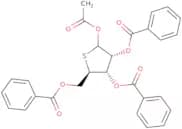


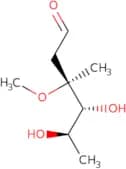
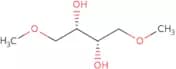


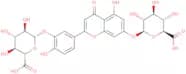
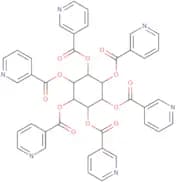

![D-[6,6'-2H2]Glucose](/_next/image/?url=https%3A%2Fstatic.cymitquimica.com%2Fproducts%2F3D%2Fthumb-webp%2FMG74985.webp&w=3840&q=75)

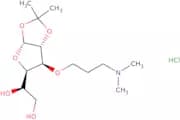
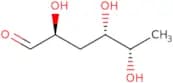

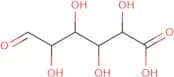


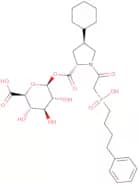
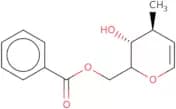

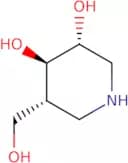




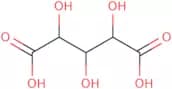

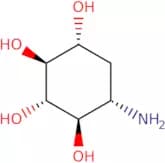
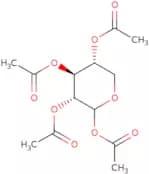


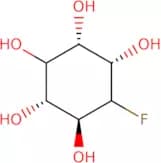
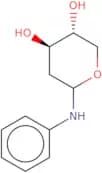

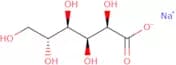

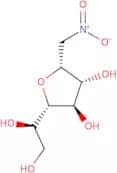
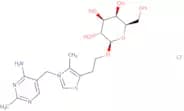
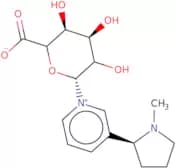


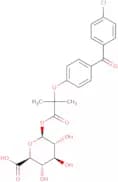

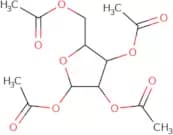
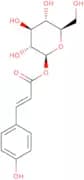
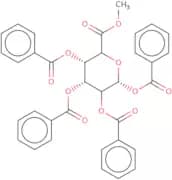
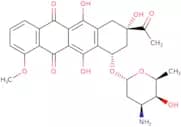

![N-Acetyl-D-[UL-13C6]glucosamine](/_next/image/?url=https%3A%2Fstatic.cymitquimica.com%2Fproducts%2F3D%2Fthumb-webp%2FMA44797.webp&w=3840&q=75)
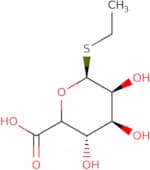

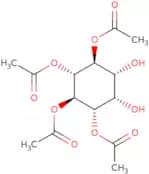


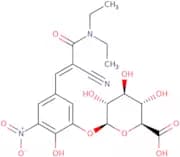
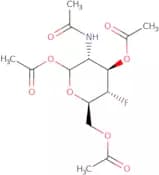
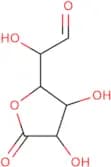


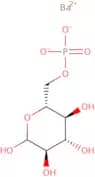

![2-Acetamido-3,4,6-tri-O-acetyl-1-O-[(N-Cbz-aminoethoxy)ethoxy]-2-deoxy-β-D-galactopyranose](/_next/image/?url=https%3A%2Fstatic.cymitquimica.com%2Fproducts%2F3D%2Fthumb-webp%2FMA137616.webp&w=3840&q=75)
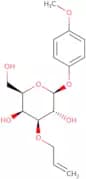
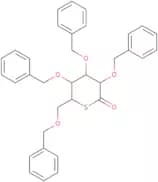


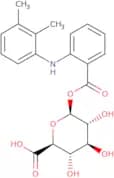
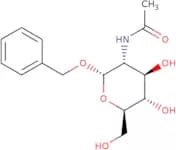

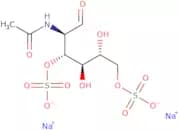
![Methyl 1-C-[4-chloro-3-[[4-[[(3S)-tetrahydro-3-furanyl]oxy]phenyl]methyl]phenyl]-a-D-glucopyranosi…](/_next/image/?url=https%3A%2Fstatic.cymitquimica.com%2Fproducts%2F3D%2Fthumb-webp%2FMM137435.webp&w=3840&q=75)

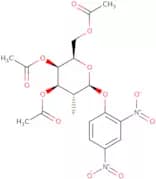
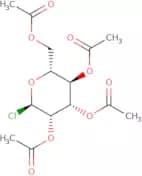
![4-C-[[(Methylsulfonyl)oxy]methyl]-3-O-benzyl-1,2-di-O-acetyl 5-methanesulfonate D-erythro-pentofur…](/_next/image/?url=https%3A%2Fstatic.cymitquimica.com%2Fproducts%2F3D%2Fthumb-webp%2FMM76880.webp&w=3840&q=75)
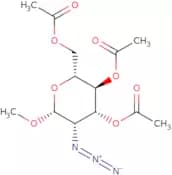

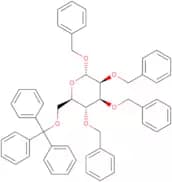

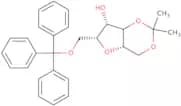


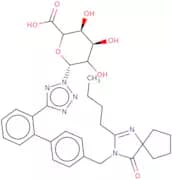



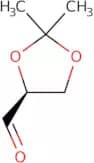
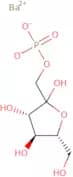
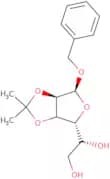
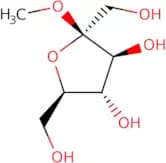
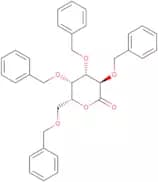
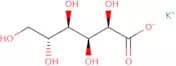
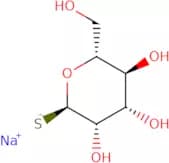


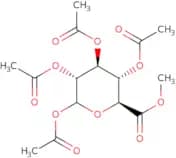

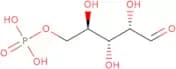

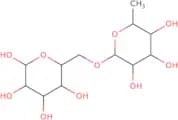
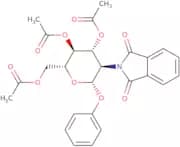
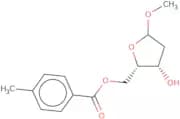


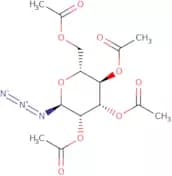

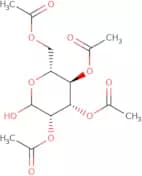
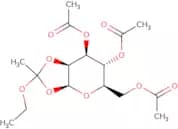
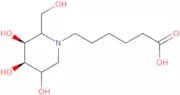
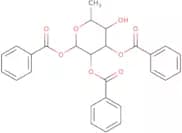
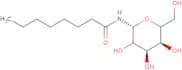
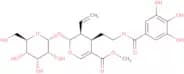

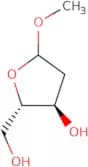


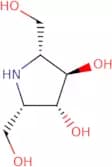
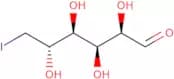


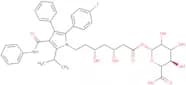


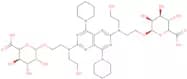
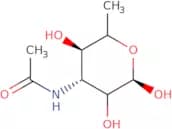

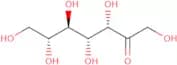


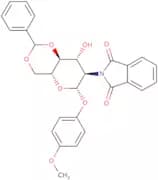


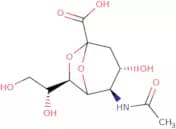
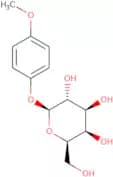
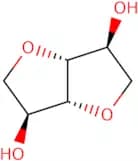


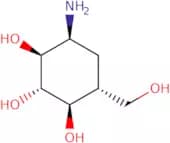

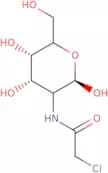




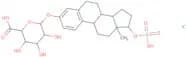
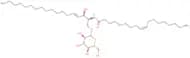

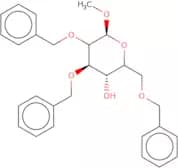


![GDP-L-[1-13C]fucose disodium salt](/_next/image/?url=https%3A%2Fstatic.cymitquimica.com%2Fproducts%2F3D%2Fthumb-webp%2FMG170098.webp&w=3840&q=75)
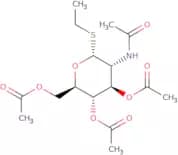
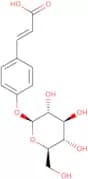
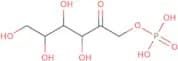
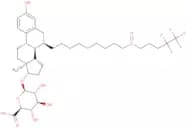
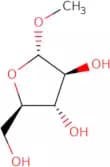
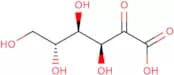


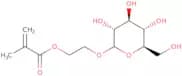
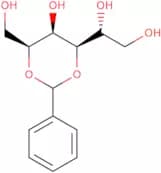

![N-Acetyl-D-[UL-13C6,15N]glucosamine](/_next/image/?url=https%3A%2Fstatic.cymitquimica.com%2Fproducts%2F3D%2Fthumb-webp%2FMA15631.webp&w=3840&q=75)
![D-[UL-13C6]cFructose 1-phosphate disodium salt](/_next/image/?url=https%3A%2Fstatic.cymitquimica.com%2Fproducts%2F3D%2Fthumb-webp%2FMF167930.webp&w=3840&q=75)