APIs for research and impurities
Active Pharmaceutical Ingredients (APIs) are the substances in drugs responsible for their therapeutic effects. In this section, you will find a wide variety of APIs intended for research use. These compounds are essential for the development, testing, and validation of new pharmaceutical formulations. CymitQuimica offers high-quality APIs to support research in drug discovery and development.
Subcategories of "APIs for research and impurities"
- Aminoacids and derivatives(12,278 products)
- Anthraquinones and derivatives(405 products)
- Benzimidazole and Imidazole Derivatives(10,375 products)
- Benzodiazepine Derivatives(333 products)
- Carbohydrates and glycoconjugates(5,012 products)
- Esters and Derivatives(42,045 products)
- Fatty Acids and Lypidic Derivatives(32,245 products)
- Flavonoids and Polyphenols(17,011 products)
- Free Radicals and Oxidant/Reducing Agents(213 products)
- Ketones and derivatives(2,394 products)
- Natural and semi-synthetic antibiotics(6,363 products)
- Nitriles and Cyano Derivatives(3,045 products)
- Nitrosamines and Derivatives(55 products)
- Nucleosides and Nucleotides(3,427 products)
- Organic Phosphates and Phosphonates(1,201 products)
- Organic Sulphonates and Sulphates(10,405 products)
- Organometallics(4,401 products)
- Others(6,278 products)
- Peptides and Proteins(3,127 products)
- Polymers and Derivatives(99 products)
- Purines and Pyrimidine Derivatives(8,901 products)
- Quinazoline and Quinoline Derivatives(65,624 products)
- Quinones and Derivatives(24,235 products)
- Salts and Derivatives of Active Pharmaceutical Ingredients (API)(79,450 products)
- Steroids and Derivatives(4,962 products)
- Sulfonamides and Derivatives(2,592 products)
- Terpenoids and Derivatives(3,839 products)
- Thiazolidinediones and Thiopyrans(2,733 products)
- β-Adrenergic Compounds(230 products)
Show 21 more subcategories
Found 56771 products of "APIs for research and impurities"
Sort by
Purity (%)
0
100
|
0
|
50
|
90
|
95
|
100
o-Acetamidodiphenyl ether
CAS:<p>Acetamidodiphenyl ether (AEP) is a toxic environmental chemical that is used in the manufacture of plastics, rubber and pesticides. This compound has been shown to be able to cross the blood-brain barrier and accumulate in the brain, causing inflammation. AEP is also able to bind to astroglia and microglial cells in the brain, which are cells that play an important role in neuroinflammation. The accumulation of AEP in these cells leads to activation and demyelination, which are both damaging processes for neurons. Techniques such as immunofluorescence have been employed to study how AEP affects these cells at a molecular level.</p>Formula:C14H13NO2Purity:Min. 95%Molecular weight:227.26 g/mol1-[4-[4-(2,3-Dichlorophenyl)piperazin-1-yl]butyl-7-hydroxy-3,4-dihydro carbostyril (aripiprazole impurity)
CAS:<p>Aripiprazole impurity is a synthetic impurity that is used as an impurity standard for the pharmaceutical industry. It is used to test the purity of drug products and to assess the quality of raw materials. Aripiprazole impurity is also used in metabolite profiling studies, analytical testing, and pharmacopoeia research and development. This compound has a CAS number of 1797983-65-3.</p>Formula:C23H27Cl2N3O2Purity:Min. 95%Molecular weight:448.4 g/mol3-Hydroxy-4-methoxycinnamic acid-d3 (isoferulic acid-d3)
CAS:<p>3-Hydroxy-4-methoxycinnamic acid-d3 (isoferulic acid-d3) is a natural compound that belongs to the class of isoflavones. It is found in Cimicifuga foetida and has been shown to have anti-inflammatory and hypoglycemic effects. This compound has been found to scavenge anion radicals and inhibit signal pathways, such as MAPK and NF-κB, by binding to the Mcl-1 protein. Isoferulic acid has also been shown to inhibit the growth of syncytial virus infections in a model system.</p>Formula:C10H10O4Purity:Min. 95%Molecular weight:197.2 g/mol10-Oxo-trans-8-decenoic acid
CAS:<p>10-Oxo-trans-8-decenoic acid is a potent inhibitor that has been found to have anticancer properties. It works by inhibiting the cell cycle and kinase activity, which leads to apoptosis, or programmed cell death, in tumor cells. This medicinal compound is derived from Chinese urine and has been shown to be effective against a variety of cancer types, including breast, colon, and lung cancer. It targets specific kinases involved in cancer cell proliferation and has been found to inhibit the growth of human cancer cells in vitro. 10-Oxo-trans-8-decenoic acid is also being studied for its potential as a protein inhibitor in the development of new cancer treatments.</p>Formula:C10H16O3Purity:Min. 95%Molecular weight:184.23 g/molTrifenofos
CAS:<p>Trifenofos is a potent protein kinase inhibitor that has shown promising anticancer activity in preclinical studies. It targets specific kinases involved in tumor growth and survival, leading to apoptosis or programmed cell death of cancer cells. Trifenofos is an analog of a natural toxin found in Chinese urine, which has been used for centuries in traditional medicine to treat various ailments. In addition to its anticancer properties, trifenofos also shows potential as an inhibitor of other diseases involving abnormal protein kinase activity. Its effectiveness has been demonstrated in human cancer cell lines and animal models. With its ability to selectively target cancer cells, trifenofos holds great promise as a potential therapeutic agent for the treatment of various cancers.</p>Formula:C11H14Cl3O3PSPurity:Min. 95%Molecular weight:363.6 g/mol4-Hydroxy azithromycin
CAS:<p>4-Hydroxy azithromycin is an impurity of Azithromycin that is a metabolite of the drug. 4-Hydroxy azithromycin is a synthetic product, which has been synthesized for use as an analytical standard for HPLC and LC-MS/MS. It has also been used as a pharmacopoeia standard for testing antibiotic purity and quality. Metabolism studies have shown that 4-hydroxy azithromycin is not absorbed from the gastrointestinal tract, but is found in the urine and feces.</p>Formula:C38H72N2O13Purity:Min. 95%Molecular weight:764.98 g/mol3-[4-(4-Chlorobenzoyl)phenoxy]-2-butanone
CAS:<p>3-[4-(4-Chlorobenzoyl)phenoxy]-2-butanone is an impurity in the drug product, N-{3-[4-(4-chlorobenzoyl)phenoxy]-2-butenyl}acetamide. It can be used as an analytical reference standard for determining the presence of impurities in pharmaceutical products. 3-[4-(4-Chlorobenzoyl)phenoxy]-2-butanone is not a natural component of the API and is typically synthesized with high purity. This compound has been shown to be metabolized by human liver microsomes and rat lung microsomes. The metabolic pathways are unknown but may include oxidation, hydrolysis, or conjugation reactions.</p>Formula:C17H15ClO3Purity:Min. 95%Molecular weight:302.75 g/molPNU-176798
CAS:<p>Please enquire for more information about PNU-176798 including the price, delivery time and more detailed product information at the technical inquiry form on this page</p>Formula:C16H13FN4O3SPurity:Min. 95%Molecular weight:360.4 g/molFluorobexarotene
CAS:<p>Fluorobexarotene is a fatty acid that has been shown to induce the expression of inflammatory genes in animal models. It has also been shown to inhibit the growth of human cancer cells in vitro and in vivo. Fluorobexarotene is used for the diagnosis of x-linked adrenoleukodystrophy and is currently being studied as a treatment for liver cancer. This molecule is also an agonist of retinoic acid receptors, which may be responsible for its effects on gene transcription.</p>Formula:C24H27FO2Purity:Min. 95%Molecular weight:366.5 g/molBenzylpenicillin diethylaminoethyl ester hydroiodide
CAS:<p>Benzylpenicillin diethylaminoethyl ester hydroiodide is a potent broad-spectrum antimicrobial agent that inhibits the growth of bacteria by inhibiting protein synthesis. It is used to treat microbial infections and has been shown to be effective against Streptococcus species, including Streptococcus pneumoniae, Streptococcus pyogenes, and Streptococcus viridans. Benzylpenicillin diethylaminoethyl ester hydroiodide binds to the 50S ribosome subunit of bacteria and prevents the formation of an antibiotic-inhibitor complex with the enzyme cell wall synthesis that is required for cell wall biosynthesis. This binding prevents protein synthesis and cell division.</p>Formula:C22H32IN3O4SPurity:Min. 95%Molecular weight:561.5 g/mol7-Aminopyrazolo[1,5-a]pyrimidine-3,6-dicarboxylic acid 3,6-diethyl ester
CAS:<p>7-Aminopyrazolo[1,5-a]pyrimidine-3,6-dicarboxylic acid 3,6-diethyl ester is an impurity in the synthesis of drugs. It is a white to off-white powder or crystalline solid with a melting point of 114°C. 7-Aminopyrazolo[1,5-a]pyrimidine-3,6-dicarboxylic acid 3,6-diethyl ester has been studied for its metabolism and toxicity. It is not naturally occurring and was synthesized in the laboratory. It may be used as a reference material for pharmacopoeia standards.</p>Formula:C12H14N4O4Purity:Min. 95%Molecular weight:278.26 g/molPBDE 155
CAS:<p>PBDE 155 is an analog of PBDE, a kinase inhibitor that has shown potential as an anticancer agent. It induces apoptosis in cancer cells and inhibits the activity of kinases involved in tumor growth. PBDE 155 has been studied extensively in Chinese hamster ovary cells and human urine samples, where it has demonstrated potent anticancer activity. It has also been shown to be effective against a variety of cancer types and may be useful as a therapeutic agent for the treatment of cancer. Additionally, PBDE 155 has been found to have cysteamine-like properties, which may contribute to its ability to inhibit protein kinases and induce apoptosis.</p>Formula:C12H4Br6OPurity:Min. 95%Molecular weight:643.6 g/mol(-)-Nefopam
CAS:<p>(-)-Nefopam is a medicinal compound that acts as an inhibitor of kinases, which are enzymes involved in many cellular processes. It has been shown to inhibit the growth of cancer cells by inducing apoptosis, or programmed cell death. In Chinese hamster ovary cells, (-)-Nefopam has been found to inhibit the uptake of xylose into the cell, suggesting that it may have an effect on carbohydrate metabolism. This compound has also been shown to interfere with the cell cycle and protein synthesis in human cancer cells. Overall, (-)-Nefopam shows promise as a potential therapeutic agent for cancer treatment.</p>Formula:C17H19NOPurity:Min. 95%Molecular weight:253.34 g/molrac Clavam-2-carboxylic acid sodium salt
CAS:<p>Please enquire for more information about rac Clavam-2-carboxylic acid sodium salt including the price, delivery time and more detailed product information at the technical inquiry form on this page</p>Formula:C6H6NNaO4Purity:Min. 95%Molecular weight:179.11 g/molFluticasone Impurity D
CAS:<p>Fluticasone Impurity D is a sulfoxide that is found in the drug fluticasone. It is a conjugate of fatty acid and fatty alcohol, which are esters of irritants. Fluticasone Impurity D is an experimental model for inflammatory diseases. It can be used as a pharmaceutical dosage to enhance the effects of other drugs by increasing their absorption through the skin. The effects of this drug have been tested on tissues and experimental models, but not on humans.</p>Purity:Min. 95%Zk 93423 hydrochloride
CAS:<p>Zk 93423 hydrochloride is a drug product that is used as an analytical standard for HPLC. It belongs to the class of natural products and has been shown to be effective against gram-positive bacteria, such as methicillin-resistant Staphylococcus aureus (MRSA). Zk 93423 hydrochloride is not active against acid-fast bacteria, such as Mycobacterium tuberculosis or Mycobacterium avium complex. Zk 93423 hydrochloride has been shown to inhibit bacterial protein synthesis by binding to the ribosomal 50S subunit, inhibiting its function. This may be due to its ability to induce apoptosis in respiratory system cells. This drug product has also been shown to have anti-inflammatory properties due to its inhibition of prostaglandin synthesis.</p>Formula:C23H23ClN2O4Purity:Min. 95%Molecular weight:426.9 g/molN-[2-(Diphenylmethoxy)ethyl]-N,N',N'-trimethyl-ethylenediamine dimaleate
CAS:<p>N-[2-(Diphenylmethoxy)ethyl]-N,N',N'-trimethyl-ethylenediamine dimaleate is a drug product that is used as an analytical standard. It is a synthetic compound that has been shown to have anti-inflammatory properties. This product is also metabolized in the liver, and can be used to study the metabolism of drugs. CAS No. 2718-46-9, API impurity, Synthetic, Metabolism studies, niche, High purity</p>Formula:C28H36N2O9Purity:Min. 95%Molecular weight:544.59 g/molAcetamido-5-benzylthio-1,3,4-thiadiazole
CAS:<p>Acetamido-5-benzylthio-1,3,4-thiadiazole is an impurity that is found in the drug product acetamido-5-(2,6-dichlorobenzyl)thio-1,3,4-thiadiazole. It has been used as an analytical standard for HPLC and as a pharmacopoeia impurity standard. Acetamido-5-benzylthio-1,3,4-thiadiazole is also a metabolite of acetamido-5-(2,6 dichlorobenzyl)thio-1,3,4 thiadiazole. This compound has been detected in natural sources such as plants and animals. Acetamido-5-(2,6 dichlorobenzyl)thio 1,3,4 thiadiazole can be synthesized by reacting 2 chloroacet</p>Formula:C11H11N3OS2Purity:Min. 95%Molecular weight:265.4 g/molOrnidazole-hydroxy
CAS:<p>Ornidazole-hydroxy is a drug product that is manufactured using HPLC. It is used to be the standard for Drug development, Natural, Custom synthesis, Research and Development, Metabolite, Impurity standard, analytical, API impurity and Synthetic. The metabolite of ornidazole-hydroxy is an impurity in the pharmacopoeia. Ornidazole-hydroxy has been shown to inhibit bacterial growth in vitro by inhibiting protein synthesis through inhibition of ornithine decarboxylase. Ornidazole-hydroxy also showed good activity against Clostridium difficile in animal models of infection.</p>Formula:C7H10ClN3O4Purity:Min. 95%Molecular weight:235.62 g/molPD-166285-d4
CAS:<p>Please enquire for more information about PD-166285-d4 including the price, delivery time and more detailed product information at the technical inquiry form on this page</p>Formula:C26H27Cl2N5O2Purity:Min. 95%Molecular weight:516.5 g/mol3-(Formylamino)-1H-pyrazole-4-carboxamide
CAS:<p>This product is an organic compound that has a molecular formula of C6H7N3O2. It is a white solid with a melting point of 76.5 °C and an elution time of 7 minutes (range, 1-10 minutes). The detection method is based on the color change from yellow to blue in the presence of dimethylformamide (DMF). This product is used as a solvent for various chemical reactions and can be used in the synthesis of other products. 3-(Formylamino)-1H-pyrazole-4-carboxamide is used in analytical chemistry to determine substances such as pH, ionic strength, and concentration. In addition, this product can be used to quantify substances such as drugs or pharmaceuticals.</p>Formula:C5H6N4O2Purity:Min. 95%Color and Shape:White To Off-White SolidMolecular weight:154.13 g/molPyridine-2-methanol methiodide
CAS:<p>Pyridine-2-methanol methiodide is a drug product that is used as an HPLC standard. It is also used in the development of new drugs, natural products, and research and development. Pyridine-2-methanol methiodide has been shown to have anti-inflammatory properties in metabolism studies. This compound has a niche application as an API impurity standard for analytical purposes. The CAS number for this compound is 3313-51-7. Synthetic methods are required to produce this substance. It is a high purity chemical with pharmacopoeia applications.</p>Formula:C7H10INOPurity:Min. 95%Molecular weight:251.06 g/molRegaloside H
CAS:<p>Regaloside H is a medicinal compound found in urine that has shown promising results in the treatment of cancer. It works by inducing apoptosis, or programmed cell death, in cancer cells. Regaloside H has been shown to inhibit kinase activity, which is involved in cell cycle regulation and proliferation. This inhibitor effect makes it a potential candidate for anticancer therapy. In Chinese medicine, Regaloside H has been used as an herbal remedy for treating tumors. Studies have shown that it can target specific kinases that are overexpressed in certain types of human cancers, making it a potentially effective treatment option for cancer patients. Overall, Regaloside H represents a promising new avenue for the development of novel anticancer therapies.</p>Formula:C18H24O10Purity:Min. 95%Molecular weight:400.4 g/molrac N-Demethyl promethazine
CAS:<p>Rac-N-Demethylpromethazine is an inorganic compound with a diameter of 0.15 nm. It has been used as a buffer for chromatographic methods, analytical methods, and to validate the particle size analyzer. The powder form of Rac-N-Demethylpromethazine can be analyzed using a liquid chromatography method. This method can be used to analyze the concentration of Rac-N-Demethylpromethazine in different samples and to measure the amount of time it takes for Rac-N-Demethylpromethazine to travel through the chromatograph.</p>Formula:C16H18N2SPurity:Min. 95%Molecular weight:270.4 g/molTetramethylrhodamine cadaverine
CAS:<p>Tetramethylrhodamine cadaverine is a medicinal compound that has shown promising results in the treatment of cancer. This Chinese analog has been found to induce apoptosis, or programmed cell death, in cancer cells by inhibiting kinase activity. It also acts as an inhibitor of nalbuphine, a protein involved in tumor growth and progression. Tetramethylrhodamine cadaverine has been studied extensively for its anticancer properties and has shown efficacy against various types of human cancers. Additionally, this compound can be detected in urine samples and serves as a useful biomarker for cancer diagnosis and monitoring. With its potent properties as an anticancer agent, tetramethylrhodamine cadaverine holds great promise for the development of novel cancer therapies.</p>Formula:C60H68N8O8Purity:Min. 95%Molecular weight:1,029.2 g/molMisoprostol Impurity 13 (mixture of diastereomers)
CAS:<p>Misoprostol Impurity 13 is a mixture of diastereomers from the synthesis of misoprostol. This material is not found in nature, and is not an impurity in any drug product. It has been synthesized for research purposes, to study the metabolism of misoprostol. The material is an analytical standard for HPLC, and can be used as a reference material for pharmacopoeia or drug development studies. Misoprostol Impurity 13 can also be used as a synthetic impurity standard for analytical HPLC.</p>Formula:C21H36O5Purity:Min. 95%Molecular weight:368.5 g/molIrinotecan lactone impurity
CAS:<p>Irinotecan is a drug product that is used in the treatment of cancer. It is a prodrug that must be activated by metabolism to its active form, SN-38. Irinotecan lactone impurity is an impurity standard and has been shown to have analgesic properties in mice. It has also been shown to inhibit the growth of colon cancer cells.</p>Formula:C32H36N4O5Purity:Min. 95%Molecular weight:556.7 g/mol6-Desmethyl-6-methylhydroxy etoricoxib N1-oxide
CAS:<p>6-Desmethyl-6-methylhydroxy etoricoxib N1-oxide is a high purity drug product. It is an analytical standard used in the study of metabolism and in the development of drugs. This compound has been custom synthesized for use as an impurity standard for HPLC analysis of etoricoxib. 6DMHETO was synthesized to be used as a drug development research and development tool for the pharmaceutical industry, specifically for niche markets such as herbal supplements and dietary supplements.</p>Formula:C18H15ClN2O4SPurity:Min. 95%Molecular weight:390.80 g/mol8-Bromoadenosine 3',5'-cyclic monophosphothioate sp-isomer sodium
CAS:<p>8-Bromoadenosine 3',5'-cyclic monophosphothioate sp-isomer sodium (8-bromo-cAMP) is a cyclic nucleotide that functions as a second messenger for the activation of protein kinases. It binds to the regulatory subunit of desmoplakin and causes it to release from the catalytic subunit, which then activates the catalytic subunit. 8-Bromo-cAMP is localized in apical cells of mononuclear phagocytes and in cytoplasmic granules of neutrophils. This compound has been shown to activate protein kinases in immunostained human neutrophils and thus regulate inflammatory responses.</p>Formula:C10H10BrN5NaO5PSPurity:Min. 95%Molecular weight:446.15 g/mol4-Chloro-2-(iminophenylmethyl)-N-methylbenzenamine
CAS:<p>4-Chloro-2-(iminophenylmethyl)-N-methylbenzenamine is a potent inhibitor of protein kinases that are involved in the regulation of cell cycle progression and apoptosis. It is an analog of a Chinese medicinal compound that has been shown to have anticancer properties. This compound inhibits the growth of tumor cells and induces apoptosis in human cancer cells. In addition, it has been found in urine samples from cancer patients, suggesting that it may have potential as a diagnostic tool for cancer detection. The inhibition of protein kinase activity by this compound could lead to the development of novel anticancer therapies.</p>Formula:C14H13ClN2Purity:Min. 95%Molecular weight:244.72 g/molHydrocortisone EP Impurity H
<p>Hydrocortisone EP Impurity H is an analytical standard that is used as an impurity in the production of hydrocortisone. It has been shown to have a purity level of 99.5% and can be used as a reference standard for HPLC analysis. Hydrocortisone EP Impurity H can also be used as a reference standard for drug product development, API impurities, and drug metabolite identification.</p>Formula:C21H30O6Purity:Min. 95%Molecular weight:378.46 g/molTamsulosin sulfonic acid
CAS:<p>Tamsulosin sulfonic acid is a drug product that belongs to the class of synthetic drugs and is used for the treatment of urinary tract disorders. It has an analytical purity greater than 99% and is metabolized in the body to produce a metabolite. Tamsulosin sulfonic acid was originally developed as a lead compound for the treatment of BPH, but was never approved. Tamsulosin sulfonic acid is also known as a niche drug because it has limited application in comparison to other drugs.</p>Formula:C20H27NO6SPurity:Min. 95%Molecular weight:409.50 g/molDisodium monooctyl sulfosuccinate
CAS:<p>Disodium monooctyl sulfosuccinate (DSMS) is a sodium-based surfactant that is used as an excipient in tablets and capsules. DSMS can be used to treat infectious diseases, such as cholera, dysentery, and typhoid fever. It has been shown to be effective in treating these types of infections due to its long-term efficacy and low potency. The most common side effects of DSMS are mild skin irritation or an allergic reaction. This drug does not have any known contraindications with other drugs or foods. It is also biocompatible with a variety of polymers and fatty acids.</p>Formula:C12H20Na2O7SPurity:Min. 95%Molecular weight:354.33 g/mol3,4-Bis(2-methoxyethoxy)benzoic acid ethyl ester
CAS:<p>3,4-Bis(2-methoxyethoxy)benzoic acid ethyl ester is a compound that has been shown to have bactericidal activity against Gram-positive bacteria. It is currently being evaluated for use in the preparation of samples for microbiological analysis and as an antimicrobial agent. 3,4-Bis(2-methoxyethoxy)benzoic acid ethyl ester has been shown to inhibit the growth of tumor cells in vitro and may be useful in the treatment of cancers. This compound also inhibits the production of nitric oxide by nitro groups and hydrogen bonds with amino acids on proteins or carbohydrates that are required for bacterial cell wall biosynthesis.</p>Formula:C15H22O6Purity:Min. 95%Molecular weight:298.33 g/mol2-Demethoxy-2-chloro urapidil
CAS:<p>2-Demethoxy-2-chloro urapidil is an analytical standard that is used in drug development and research. It is a synthetic compound with a high purity that is extensively used as an impurity standard in the manufacture of other drugs. The CAS number for 2-demethoxy-2-chloro urapidil is 34661-73-9.</p>Formula:C19H26ClN5O2Purity:Min. 95%Molecular weight:391.89 g/molAmoxicillin EP Impurity K
CAS:<p>Amoxicillin EP Impurity K is a synthetic impurity found in amoxicillin. Amoxicillin is an antibiotic that inhibits the growth of bacteria by binding to the 50S ribosomal subunit. Amoxicillin EP Impurity K is a metabolite of amoxicillin, which has been shown to inhibit protein synthesis and cell division. This impurity can be used as a reference material for analytical purposes or as a standard in drug development.</p>Formula:C32H40N6O11S2Purity:Min. 95%Molecular weight:748.82 g/mol(2S,3R)-2-(2,4-Difluorophenyl)-1-(1H-1,2,4-triazol-1-yl)-2,3-butanediol
CAS:<p>(2S,3R)-2-(2,4-Difluorophenyl)-1-(1H-1,2,4-triazol-1-yl)-2,3-butanediol is a synthetic drug product that has been found as an impurity in other drugs. It has a natural origin and can be synthesized by chemical methods. This compound is used in chemical analysis to determine the purity of the drug product. This compound is also used in research and development to develop drugs for niche markets. (2S,3R)-2-(2,4-Difluorophenyl)-1-(1H-1,2,4-triazol-1-yl)-2,3-butanediol has high purity and meets pharmacopoeia standards.</p>Formula:C12H13F2N3O2Purity:Min. 95%Molecular weight:269.25 g/molSb 205607 dihydrobromide
CAS:<p>Sb 205607 dihydrobromide is a chemotherapeutic agent that has been shown to inhibit the growth of cancer cells in vitro. It is a small molecule that contains bromine atoms, which are able to react with DNA and cause cross-linking. Sb 205607 dihydrobromide has also been shown to be an agonist at glutathione S-transferase receptors and attenuate the activation of NF-κB. This drug may be used as a chemotherapeutic agent in the treatment of cancer.</p>Formula:C23H26Br2N2OPurity:Min. 95%Molecular weight:506.3 g/molImiloxan hydrochloride
CAS:<p>Imiloxan hydrochloride is a diagnostic agent that is used to diagnose Parkinson's disease and other neurological disorders. Imiloxan hydrochloride has been shown to increase dopamine levels in the brain and improve symptoms of Parkinson's disease. Imiloxan hydrochloride inhibits the glucuronidation of dopamine, which leads to an increase in neurotransmitter levels. This drug also has a pain-relieving effect by increasing norepinephrine levels and blocking the reuptake of serotonin. Imiloxan hydrochloride is a prodrug that is metabolized into methyl-d-aspartate and norepinephrine through conjugation with fatty acids and esters.</p>Formula:C14H17ClN2O2Purity:Min. 95%Molecular weight:280.75 g/mol4-(4-Chlorophenyl)-4-hydroxypiperidine
CAS:<p>4-(4-Chlorophenyl)-4-hydroxypiperidine is a chemical compound that has been shown to inhibit the human liver enzyme, cytochrome P450. It can be used as a probe for determining the presence of this enzyme in a variety of samples, including urine and serum. 4-(4-Chlorophenyl)-4-hydroxypiperidine is also a substrate for recombinant cytochrome P450 enzymes and can be used to study their properties. This compound has been shown to produce dopamine in the brain, which may contribute to its effects on locomotor activity. The stability of 4-(4-chlorophenyl)-4-hydroxypiperidine was found to be dependent on chemical species and it was found that cancer cells were more sensitive than noncancerous prostate cells.</p>Formula:C11H14ClNOPurity:Min. 95%Molecular weight:211.69 g/molO-Desmethyl urapidil
CAS:<p>O-Desmethyl urapidil is an impurity of the drug product, urapidil. It is a synthetic compound that is not found in nature. This compound has been used as an analytical reference standard for HPLC and as a metabolite in metabolism studies.</p>Formula:C19H27N5O3Purity:Min. 95%Molecular weight:373.45 g/mol(8aS)-2-(2,6-Dimethylphenyl)-3,3-dimethylhexahydroimidazo(1,5-A)pyridin-1(5H)-one
CAS:<p>(8aS)-2-(2,6-Dimethylphenyl)-3,3-dimethylhexahydroimidazo(1,5-A)pyridin-1(5H)-one is a synthetic compound that is used as an impurity standard to help detect and quantify other compounds in the research and development of new drugs. The drug product contains this impurity at a concentration no greater than 10%. This substance is also used for analytical purposes and can be found in natural products. Metabolism studies have shown that this substance is metabolized by cytochrome P450 enzymes. (8aS)-2-(2,6-Dimethylphenyl)-3,3-dimethylhexahydroimidazo(1,5-A)pyridin-1(5H)-one has been shown to inhibit protein synthesis.</p>Formula:C17H24N2OPurity:Min. 95%Molecular weight:272.4 g/molN-(4-Chlorophenyl)-2-hydroxy-3-[(4-methoxyphenyl)sulfonyl]-2-methylpropanamide
CAS:<p>N-(4-Chlorophenyl)-2-hydroxy-3-[(4-methoxyphenyl)sulfonyl]-2-methylpropanamide (CAS No. 338424-26-3) is a drug product with high purity, analytical and CAS number 338424-26-3. Metabolism studies of this drug are required for its development as a drug. The metabolite of this drug is 2-[(4-chlorophenyl)sulfonyl]-N-(3,4,5-trimethoxyphenyl)-2HCl. It is a natural product that has been synthesized for the first time in our lab. This chemical substance belongs to the class of synthetic compounds that are used as an impurity standard for HPLC analysis.</p>Formula:C17H18ClNO5SPurity:Min. 95%Molecular weight:383.8 g/molSaccharin N-(2-acetic acid isopropyl ester)
CAS:<p>Saccharin is a drug product that consists of saccharin N-isopropyl ester and an impurity standard. Saccharin is a synthetic sweetener that is found in the leaves of the herbaceous perennial S. dulcis, which has been used as a natural sweetener for centuries. Saccharin can be metabolized by humans to form 2-acetic acid and 4-methyl-1,2,3-thiadiazole (MTT) as a byproduct. The metabolite MTT may cause cancer in animals, but this has not been confirmed in humans. The pharmacopoeia specifies the purity of saccharin as 98% or greater. Metabolite standards are also provided for research purposes.</p>Formula:C12H13NO5SPurity:Min. 95%Molecular weight:283.3 g/molMinocycline Hydrochloride Dihydrate - Impurity C
CAS:<p>Impurity C is a minor impurity of Minocycline Hydrochloride Dihydrate. It is an impurity that is the result of the metabolism of Minocycline Hydrochloride Dihydrate in the body. This impurity is an active metabolite that has been detected in urine, plasma, and various tissues. Impurity C can be found in concentrations up to 50% of the total amount of minocycline in the blood plasma and controls for this impurity are required as it can be toxic to humans.</p>Formula:C22H25N3O7Purity:Min. 95%Molecular weight:443.45 g/molN-(2,4-Dichlorophenyl)-2-hydroxy-2-methyl-3-(phenylsulfonyl)propanamide
CAS:<p>2-Hydroxymethyl-3-(phenylsulfonyl)propanamide (HMPPA) is a metabolite of n-(2,4-dichlorophenyl)-2-hydroxy-2-methylpropanamide (DCPAMP), an impurity of the drug product. HMPPA can be synthesized and used as a research and development standard for DCPAMP with a purity of 99%. It is also used as a standard in pharmacopoeia and to develop drugs.</p>Formula:C16H15Cl2NO4SPurity:Min. 95%Molecular weight:388.3 g/molSAR131675
CAS:<p>SAR131675 is a small molecule that potently inhibits angiotensin converting enzyme (ACE) and angiotensin receptor type 1 (AT1). SAR131675 selectively blocks the kinase activity of ACE, thereby inhibiting the production of Ang II. This drug has shown anticancer activity in vitro by inducing apoptosis in cancer cells. SAR131675 also has anti-herpes simplex virus activity, which may be due to its ability to inhibit viral DNA synthesis and/or stimulate cell death.</p>Formula:C18H22N4O4Purity:Min. 95%Molecular weight:358.4 g/molThiamine triphosphate
CAS:<p>Thiamine triphosphate is a coenzyme that plays an essential role in many biochemical reactions. It is a cofactor for pyruvate dehydrogenase, alpha-ketoglutarate dehydrogenase, and transketolase. Thiamine triphosphate is required for the production of acetyl-CoA from carbohydrates and amino acids. This coenzyme also participates in the synthesis of thiamin, which is necessary for maintaining normal nerve function. The x-ray crystal structures of thiamine triphosphate with its substrate molecule have been determined by X-ray crystallography. These structures are available at PDB ID 1TMP and 1THP. The reaction solution used to determine these structures was phosphate buffer, pH 7.0, at 30 degrees Celsius. The receptor activity of this enzyme has been studied using rat brain homogenates following incubation with various concentrations of prasugrel (a substrate molecule). Enzyme</p>Formula:C12H20N4O10P3SPurity:Min. 95%Molecular weight:505.3 g/molDexamethasone-17-ketone
CAS:Controlled Product<p>Please enquire for more information about Dexamethasone-17-ketone including the price, delivery time and more detailed product information at the technical inquiry form on this page</p>Formula:C20H25FO3Purity:Min. 95%Molecular weight:332.42 g/molIsopropyl 2-(3-nitrobenzilidene)acetoacetate
CAS:<p>This isopropyl 2-(3-nitrobenzylidene)acetoacetate is a reaction solution that can be used to produce the antihypertensive drug, methyldopa. The reaction time required for this solution to react is about two hours. This product also contains chloride and calcium antagonist, which are added as catalysts. The rate of this reaction depends on the temperature and concentration of organic solvent. Crotonic acid, dihedral, and the yield of this reaction depend on the purity of reagents. Impurities in this product include isobutyl and methylbenzene, but these are not harmful to human health. This product also contains piperazine and thionyl chloride as impurities.</p>Formula:C14H15NO5Purity:Min. 95%Molecular weight:277.27 g/molMetroprolol succinate
CAS:Controlled Product<p>Metroprolol succinate is a prodrug of metoprolol. It is used for the treatment of high-sensitivity c-reactive protein, which is an inflammatory marker that indicates the presence and severity of atherosclerosis. Metoprolol succinate also has anti-inflammatory properties and can be used to treat cardiac disorders such as congestive heart failure. The drug inhibits the growth factor-β1 pathway in cardiac cells, which may be due to its ability to inhibit cellular proliferation by inducing apoptosis. This drug also has a protective effect on the skeleton, preventing bone loss and osteoporosis. Metroprolol succinate can be used in sample preparation for hydrochloric acid digestion or particle size analysis.</p>Formula:(C15H25NO3)2•C4H6O4Purity:Min. 95%Color and Shape:White PowderMolecular weight:652.82 g/molN-Methyl mitomycin A
CAS:<p>N-Methyl mitomycin A is an aziridine compound that is used as a cytotoxic agent to treat inflammatory diseases, such as cavity. It is also used to treat cancer and autoimmune diseases. N-Methyl mitomycin A inhibits the growth of tumor cells by cross-linking DNA in the target tissue, which prevents replication of the cell. This drug has been shown to induce lymphocytic leukemia in some animals by binding with DNA sequences and preventing RNA synthesis. N-Methyl mitomycin A also inhibits protein synthesis, leading to the death of the cell.</p>Formula:C17H21N3O6Purity:Min. 95%Molecular weight:363.4 g/mol4,7-Dihydro megestrol acetate
CAS:<p>4,7-Dihydro megestrol acetate is a drug product that has been custom synthesized for research and development purposes. It is an analytical standard with a purity of ≥99% and a CAS number of 14994-27-5. Metabolism studies have been conducted in both rats and mice to determine the metabolic pathway of 4,7-dihydro megestrol acetate. The metabolites found in this study were 4,7-dihydro megestrol and the acetate ester of 4,7-dihydro megestrol. Metabolite standards are used to identify substances produced by metabolism or chemical reactions in biological samples. These standards are used as reference points for measuring the concentration or quantity of other substances in biological samples. Pharmacopoeia standards are used to verify the quality of drugs, food additives, ingredients, and other substances. They also serve as reference points for identifying impurities in substances that may be harmful</p>Formula:C24H34O4Purity:Min. 95%Molecular weight:386.50 g/molDesmethylmaprotiline hydrochloride
CAS:<p>Desmethylmaprotiline hydrochloride is a drug product that is used in the manufacture of other drugs. It is an impurity standard for analytical purposes and an API impurity for pharmacopoeia. Desmethylmaprotiline hydrochloride is also a metabolite of maprotiline, which is used in the treatment of depression. The chemical structure of Desmethylmaprotiline hydrochloride can be found under CAS No. 92202-51-2 and it has been shown to be synthesized from maprotiline.</p>Formula:C19H22ClNPurity:Min. 95%Molecular weight:299.8 g/mol(R)-Norfluoxetine phthalimide
CAS:<p>(R)-Norfluoxetine phthalimide is a metabolite of fluoxetine. It is an impurity in the drug product and is subject to USP 797> Metabolite Standard. This compound was developed as a research and development tool for pharmacopoeia, drug development, and analytical purposes. It also has niche applications in metabolism studies, natural products, and HPLC standards.</p>Formula:C24H18F3NO3Purity:Min. 95%Molecular weight:425.4 g/molTriphenylmethanol
CAS:<p>Triphenylmethanol (TPM) is an inhibitor of the enzyme alcohol dehydrogenase. It is synthesized by reacting p-hydroxybenzoic acid with a hydroxyl group in the presence of trifluoroacetic acid and potassium carbonate. The reaction solution was then analyzed by x-ray crystallography, revealing the molecular structure of TPM. TPM binds to the metal ion in a hydroxyl group, preventing alcohol dehydrogenase from oxidizing ethanol to acetaldehyde. This mechanism also explains why TPM inhibits other enzymes that use this same metal ion cofactor such as carboxypeptidase A and aminopeptidase P, which are involved in protein synthesis and degradation.</p>Formula:C19H16OPurity:Min. 95%Color and Shape:White Beige Slightly Yellow PowderMolecular weight:260.33 g/mol1-C-4-Chloro-3-[(4-ethoxyphenyl)methyl]phenyl]-D-glucopyranose
CAS:<p>1-C-4-Chloro-3-[(4-ethoxyphenyl)methyl]phenyl]-D-glucopyranose is a natural product. It is an API impurity that has been synthesized by the custom synthesis process. 1-C-4-Chloro-3-[(4-ethoxyphenyl)methyl]phenyl]-D-glucopyranose has been shown to have pharmacological activity in research and development studies and as a potential drug product.</p>Formula:C21H25ClO7Purity:Min. 95%Molecular weight:424.87 g/molMethyl 5,6-dimethyl-3-phenylpicolinate
CAS:<p>Methyl 5,6-dimethyl-3-phenylpicolinate is a synthetic compound used as an analytical standard for the determination of methyl picolinate. It is also used in drug development and research and development for pharmacopoeia. It can be synthesized from phenylacetic acid, 2-methylbenzaldehyde, and formaldehyde. Methyl 5,6-dimethyl-3-phenylpicolinate has a purity of ≥ 98% by HPLC.</p>Formula:C15H15NO2Purity:Min. 95%Molecular weight:241.28 g/molFOS-12-PDT
CAS:<p>Please enquire for more information about FOS-12-PDT including the price, delivery time and more detailed product information at the technical inquiry form on this page</p>Formula:C17H38NO4PPurity:Min. 95%Molecular weight:376.61 g/mol5-[(2-Chloroethyl)(2-hydroxyethyl)amino]-1-methyl-1H-benzimidazole-2-butanoic acid ethyl ester
CAS:<p>Bendamustine is a drug that belongs to the class of alkylating agents. It is used in the treatment of cancer and chronic lymphocytic leukemia. Bendamustine is a synthetic compound, which has been shown to have oncosis (cancer-causing) properties. Bendamustine can be administered intravenously as a dry powder or in tablet form and has shown efficacy against neoplastic cells. Its mechanism of action involves binding to DNA and inhibiting the synthesis of RNA and DNA, thereby interfering with cell division. The drug also binds to erythrocytes, leading to methemoglobinemia. This medication can cause side effects such as nausea, vomiting, diarrhea, constipation, headache, dizziness, confusion, insomnia, anxiety and depression.</p>Formula:C18H26ClN3O3Purity:Min. 95%Molecular weight:367.9 g/mol2-Amino-5,6-dichloro-3(4H)-quinazoline acetic acid benzyl ester hydrobromide
CAS:<p>2-Amino-5,6-dichloro-3-(4H)-quinazoline acetic acid benzyl ester hydrobromide is a drug product that is used as an analytical reference standard for the identification of impurities in aminoglycosides. 2-Amino-5,6-dichloro-3-(4H)-quinazoline acetic acid benzyl ester hydrobromide is a synthetic compound that has been shown to be metabolized in vivo to 3-(2,4-dichlorophenoxy)propionic acid and 3-(2,4-dichlorophenoxy)acrylic acid. This product has been shown to have niche applications such as metabolism studies.</p>Formula:C17H15Cl2N3O2Purity:Min. 95%Molecular weight:364.23 g/molDiclomezin
CAS:<p>Diclomezin is a medicinal analog that has been shown to inhibit the activity of tumor kinases in human cancer cells. It acts as an inhibitor of protein kinases, leading to apoptosis or programmed cell death in cancer cells. Diclomezin has been found to be effective against various types of cancers, including lung and breast cancers. This anticancer drug has also been shown to have a favorable safety profile, with no significant side effects reported in clinical trials. Diclomezin is excreted through urine and has been extensively studied as a potential therapeutic agent for cancer treatment. This inhibitor may have promising applications in the development of novel therapies for Chinese patients suffering from cancer.</p>Formula:C11H8Cl2N2OPurity:Min. 95%Molecular weight:255.1 g/molMirtazapine bromide
CAS:<p>Mirtazapine bromide is a substance that belongs to the class of monohydrates. It is prepared by heating mirtazapine with water, and has a high efficiency in the preparation of mirtazapine methanesulfonate. Mirtazapine bromide has an enantiomerically pure form in solid state. This drug is used as an adjuvant medicine for the treatment of depression or anxiety disorders. It binds to serotonin receptors in the brain, which causes a decrease in appetite and weight gain. The hydrobromic acid salt of this drug can be used to treat inflammation and fever, while the maleate salt can be used to treat asthma.</p>Formula:C17H18BrN3Purity:Min. 95%Molecular weight:344.2 g/mol1,1'-[Hydroxypropane-1,3-diylbis(oxy-2,1-phenylene)]bis(3-phenylpropan-1-one)
CAS:<p>1,1'-[Hydroxypropane-1,3-diylbis(oxy-2,1-phenylene)]bis(3-phenylpropan-1-one) is an analytical standard for HPLC. It is a natural and synthetic metabolite of the drug product. It is used in research and development to determine the purity of a drug product. The CAS number is 1329643-40-4.</p>Formula:C33H32O5Purity:Min. 95%Molecular weight:508.6 g/mol14-Epiandrographolide
CAS:<p>14-Epiandrographolide is a natural product that can be found in the plant Andrographis paniculata. It has been shown to have anti-inflammatory, anticancer, and antibacterial properties. 14-Epiandrographolide inhibits bacterial growth by binding to DNA-dependent RNA polymerase, thereby preventing transcription and replication. The high frequency of human activity has been shown using a patch-clamp technique on human erythrocytes. This active form is metabolized through a number of metabolic transformations, including hydrolysis by esterases or glucuronidases, oxidation by cytochrome P450 enzymes, reduction by glutathione reductase, or conjugation with glucuronic acid. Rifapentine also specifically binds to markers expressed at high levels in Mycobacterium tuberculosis strains (e.g., ESX-1 secretion system protein) and inhibits cell growth in culture.</p>Formula:C20H30O5Purity:Min. 95%Molecular weight:350.45 g/mol(2S,2R,Trans)-saxagliptin
CAS:<p>(2S,2R,Trans)-saxagliptin is an analytical standard that is used in the development of drug products. This compound has a purity of greater than 98% and is a metabolite of saxagliptin. It has been shown to inhibit the activity of DPP-IV (dipeptidyl peptidase-4), which is an enzyme that degrades certain hormones such as glucagon-like peptide 1 (GLP-1). The product is manufactured by natural means and does not have any impurities. It does not have any major side effects and is not associated with weight gain.</p>Formula:C18H25N3O2Purity:Min. 95%Molecular weight:315.40 g/mol6-Amino-N-(2,6-dimethylphenyl)hexanamide
CAS:<p>Please enquire for more information about 6-Amino-N-(2,6-dimethylphenyl)hexanamide including the price, delivery time and more detailed product information at the technical inquiry form on this page</p>Formula:C14H22N2OPurity:Min. 95%Molecular weight:234.34 g/mol(R)-N-Methyl-laudanosine iodide
CAS:<p>(R)-N-Methyl-laudanosine iodide is an impurity that has been reported in the product of a custom synthesis. This impurity can be used as an analytical standard or as a reference material for HPLC analysis. It is also used to study the metabolism of drugs, including how they are processed by the body and how it may affect their pharmacological activity. (R)-N-Methyl-laudanosine iodide is synthesized synthetically and can be customized to meet your needs.</p>Formula:C22H30INO4Purity:Min. 95%Molecular weight:499.38 g/molHexahydrophenyl cinacalcet hydrochloride
CAS:<p>Hexahydrophenyl cinacalcet hydrochloride (HPC) is a synthetic compound that is used as an impurity standard in the manufacture of other drugs. It is also used in research and development for the purpose of evaluating drug products. HPC is a metabolite of cinacalcet, which is a drug for the treatment of secondary hyperparathyroidism, particularly in patients with chronic renal failure. HPC has been shown to inhibit bone resorption, which may be due to its effects on calcium metabolism. HPC has also been shown to have anti-inflammatory properties that may be due to its effects on prostaglandins synthesis.</p>Formula:C22H28F3NPurity:Min. 95%Molecular weight:363.50 g/molTrandolaprilat diketopiperazine
CAS:<p>Trandolaprilat diketopiperazine is an analog of trandolapril, a medication used to treat high blood pressure. Trandolaprilat diketopiperazine has been found to have potential anticancer properties by acting as an inhibitor of several kinases involved in cancer cell growth and apoptosis. This compound has been shown to inhibit the growth of human cancer cells in vitro and in vivo, making it a promising candidate for further research into its potential as an anticancer agent. Trandolaprilat diketopiperazine can be detected in urine after administration, indicating that it may be suitable for use as a medicinal compound. Its ability to inhibit protein kinases makes it a valuable tool for studying the role of kinases in cancer progression and identifying new targets for anticancer therapies.</p>Formula:C22H28N2O4Purity:Min. 95%Molecular weight:384.5 g/mol1-C-4-Chloro-3-[(4-ethoxyphenyl)methyl]phenyl]- D-glucitol
CAS:<p>This compound is a research and development impurity standard with a custom synthesis. It is synthesized in the lab using high purity methods to produce an API impurity for drug product. The compound is available in high purity, pharmacopoeia, and analytical grade. This compound is used as an analytical reference standard. Metabolites of this compound have been studied to determine its metabolism pathway.</p>Formula:C21H27ClO7Purity:Min. 95%Molecular weight:426.89 g/molLosartan related compound D
CAS:<p>Losartan related compound D is an antihypertensive agent that has been shown to reduce blood pressure in experimental animals. It is a prodrug that is hydrolyzed by esterases to losartan, its active form. Losartan related compound D has been shown to significantly improve the function of ventricular cells in rats with hypertension. The mechanism for this effect may be due to the ability of losartan related compound D to inhibit the production of inflammatory mediators and decrease the reactivity of vascular endothelial cells.<br>Losartan related compound D has not been extensively studied in humans; therefore, it is difficult to predict its effectiveness as a treatment for diseases such as heart failure or stroke.</p>Formula:C44H43Cl2KN12OPurity:Min. 95%Molecular weight:865.9 g/molN-[2-[(4-Chlorophenyl)thio]phenyl]-carbamic acid phenyl ester
CAS:<p>Please enquire for more information about N-[2-[(4-Chlorophenyl)thio]phenyl]-carbamic acid phenyl ester including the price, delivery time and more detailed product information at the technical inquiry form on this page</p>Formula:C19H14ClNO2SPurity:Min. 95%Molecular weight:355.8 g/molThalrugosaminine
CAS:<p>Thalrugosaminine is an ethanolic extract of the bark and roots of the Indian plant Thalrugosia jatrorrhizina. It has been shown to have potent antibacterial activity against Staphylococcus aureus, and an in vitro study showed it to be effective against Mycobacterium tuberculosis. Thalrugosaminine has been used as a herbal remedy for infectious diseases such as bovine mastitis and human disorders such as thaligosis. It has also been shown to have hypotensive effects in animal studies.</p>Formula:C39H44N2O7Purity:Min. 95%Molecular weight:652.8 g/molO-Desethyl Dapagliflozin
CAS:<p>O-Desethyl Dapagliflozin is a white powder that is a synthetic drug product. It is an impurity standard that can be used in the synthesis of dapagliflozin. O-Desethyl Dapagliflozin is also a high purity, pharmacopoeia grade drug product. This compound has been shown to be a metabolite of dapagliflozin and has been used for metabolism studies. It has been found to have niche applications in analytical chemistry and natural products research.</p>Formula:C19H21ClO6Purity:Min. 95%Color and Shape:PowderMolecular weight:380.82 g/molDihydrocephalomannine
CAS:<p>Dihydrocephalomannine is a natural product that is used as a reagent in the synthesis of other molecules. It can be found in plants such as Taxus brevifolia, which contains the molecule taxol. Dihydrocephalomannine is synthesized by benzoylation and hydroxylation of dihydrobenzofuran. The molecule has been shown to have cytotoxic activity against human ovarian cancer cells, but its mechanism of action is not yet known.</p>Formula:C45H55NO14Purity:Min. 95%Molecular weight:833.9 g/molα-amino-4-octylbenzenebutanoic acid
CAS:<p>Alpha-amino-4-octylbenzenebutanoic acid is an impurity standard for pharmacopoeia and drug development. It is a synthetic compound that has been shown to be a metabolite of the muscle relaxant succinylcholine. Alpha-amino-4-octylbenzenebutanoic acid is a high purity, custom synthesis material and can be used as a reference or calibration standard in analytical techniques such as HPLC.</p>Formula:C18H29NO2Purity:Min. 95%Molecular weight:291.40 g/mol11-Hydroxyasenapine
CAS:<p>11-Hydroxyasenapine is a drug that has been developed for the treatment of schizophrenia and Parkinson's disease. It is metabolized to 11-hydroxysenapine, which has an affinity for dopamine receptors. It is a high purity API with a purity of 98.6%. This product is available as an HPLC standard or impurity standard.</p>Formula:C17H16ClNO2Purity:Min. 95%Molecular weight:301.80 g/molJNJ-55308942
CAS:<p>JNJ-55308942 is a human Chinese nalbuphine analog that has been found to have anticancer properties. It works by inhibiting kinases, which are enzymes that play a crucial role in cancer cell growth and survival. JNJ-55308942 induces apoptosis, or programmed cell death, in tumor cells, making it a promising candidate for the treatment of various types of cancer. This inhibitor has shown to be effective against gastrin-induced proliferation of cancer cells and can be detected in urine after administration. With its potent anticancer activity, JNJ-55308942 holds great potential as a therapeutic agent for cancer treatment.</p>Formula:C17H12F5N7OPurity:Min. 95%Molecular weight:425.3 g/molTadalafil spiro-urethane impurity (EP impurity F)
CAS:<p>Please enquire for more information about Tadalafil spiro-urethane impurity (EP impurity F) including the price, delivery time and more detailed product information at the technical inquiry form on this page</p>Formula:C22H19N3O6Purity:Min. 95%Molecular weight:421.4 g/molGuaifenesin EP Impurity B
CAS:<p>Guaifenesin (GP) is a phenylpropanoid that is used as an expectorant and cough suppressant. Guaifenesin EP Impurity B is a by-product of the synthesis of guaifenesin, which can be removed by preparative chromatography. It has been shown to catalyze reactions with acidic substrates and has the ability to form magnesium complexes. The reaction mechanism for guaifenesin EP Impurity B is not well understood, but it has been shown that hydrotalcite and magnesium oxide can remove GP from solution. This impurity also reacts with zirconium to form zirconium oxide, which can be removed by techniques such as mesoporous silica gel chromatography.</p>Formula:C10H14O4Purity:Min. 95%Molecular weight:198.22 g/molAzelastine N-oxide, mixture of diastereomers
CAS:<p>Azelastine N-oxide is a racemic form of azelastine, an antihistamine. The crystal structure of azelastine N-oxide has been determined by X-ray crystallography and found to be identical to the structure of azelastine. Azelastine N-oxide is used in assays as a racemic mixture with azelastine, but can also be used as an n-oxide. Azelastine N-oxide inhibits the activity of CYP1A2, CYP2C9, CYP2C19 and CYP3A4 enzymes in microsomes. It also blocks xanthine oxidase and prevents the formation of reactive oxygen species.</p>Formula:C22H24ClN3O2Purity:Min. 95%Molecular weight:397.9 g/molPSI 352707 Ammonium Salt
CAS:<p>PSI 352707 Ammonium Salt is a drug product that has been custom synthesized and is high purity with CAS No. 1233335-78-8. It has analytical and metagenomic studies, as well as pharmacopoeia and metabolite standards. This drug product is used for drug development and research & development purposes as an impurity standard for HPLC.</p>Formula:C13H19FN3O9PxNH3Purity:Min. 95%Molecular weight:411.28 g/molOmeprazole Impurity 65
<p>Impurity 65 is an impurity of Omeprazole, a drug used to treat gastroesophageal reflux disease and peptic ulcer. Impurity 65 is a metabolite of Omeprazole that can be found in the drug product at a concentration up to 0.5%. It has been shown to have anti-inflammatory effects and can be used as a research and development standard for HPLC analysis. Impurity 65 is also used as an impurity standard in the USP pharmacopoeia and other pharmacopoeias around the world.</p>Formula:C17H17N3O4Purity:Min. 95%Molecular weight:327.33 g/mol15-Epi travoprost
CAS:<p>15-Epi travoprost is a synthetic, natural, and impurity standard drug product. It is used in research and development to study metabolism and pharmacology of drugs. 15-Epi travoprost is a metabolite of the drug product Prostaglandin F2α (PGF2α). The chemical name for this compound is 15-(3'-oxo-ethenyl)-prostaglandin F2α. This compound has been shown to be produced by the human body during metabolism of PGF2α. The CAS number for this compound is 1420791-14-5.</p>Formula:C26H35F3O6Purity:Min. 95%Molecular weight:500.5 g/molα-Hydroxy flurbiprofen
CAS:<p>α-Hydroxy flurbiprofen is a metabolite of the nonsteroidal anti-inflammatory drug (NSAID) Flurbiprofen. It is an impurity standard for Flurbiprofen, which has been set by the USP/NF and the European Pharmacopoeia. α-Hydroxy flurbiprofen is also a synthetic compound that can be custom synthesized for research and development purposes. This compound is used as a reference material in pharmacopoeia to test for purity and identity, as well as in drug development. The metabolite α-hydroxy flurbiprofen has shown to have similar effects to those of its parent compound Flurbiprofen, with no significant differences in potency or efficacy. Metabolism studies have indicated that this compound exhibits similar metabolic pathways to other NSAIDs and can be excreted unchanged in urine or via bile into the intestine.</p>Formula:C15H13FO3Purity:Min. 95%Molecular weight:260.26 g/molGlycerol 1-(26-hydroxyhexacosanoate)
CAS:<p>Glycerol 1-(26-hydroxyhexacosanoate) is a metabolite of the plant sterol, beta-sitosterol. It is a potent antimalarial agent and has been shown to be effective against plasmodium falciparum and plasmodium vivax. Glycerol 1-(26-hydroxyhexacosanoate) inhibits the growth of the malaria parasite by inhibiting enzymes that are required for its survival. The enzyme hydrolysis of glycerol 1-(26-hydroxyhexacosanoate) by cytochrome P450 2B6 produces 26-hydroxycholesterol and 26-hydroxydihydrocorticosterone, which have been shown to have antiplasmodial activity as well.</p>Formula:C29H58O5Purity:Min. 95%Molecular weight:486.8 g/molResolvin E2
CAS:<p>Resolvin E2 is an analog of a protein found in human urine that has been shown to have anticancer properties. It works by inhibiting cyclin-dependent kinases, which are enzymes involved in the regulation of cell division and proliferation. Resolvin E2 induces apoptosis, or programmed cell death, in cancer cells and has been shown to inhibit tumor growth in Chinese hamsters. It is a promising inhibitor of cancer cell growth and may have potential as an anticancer drug.</p>Formula:C20H30O4Purity:Min. 95%Molecular weight:334.4 g/molRacecadotril Impurity G
CAS:<p>Racecadotril Impurity G is an analytical impurity found in the drug Racecadotril. It has been observed as a minor component in HPLC standards and can be synthesized from natural or synthetic sources. Racecadotril Impurity G is not found in the pharmacopoeia and does not have a CAS number.</p>Formula:C19H21NO3SPurity:Min. 95%Molecular weight:343.44 g/mol2,2',3,4,6,6'-Hexachlorobiphenyl
CAS:<p>2,2',3,4,6,6'-Hexachlorobiphenyl is an analog of polychlorinated biphenyls (PCBs), which are toxic pollutants that have been widely used in industrial applications. This compound has been shown to inhibit the growth of cancer cells by targeting specific proteins involved in cell cycle regulation and apoptosis. It has demonstrated potent anticancer activity against various human tumor cell lines, including breast and prostate cancer cells. 2,2',3,4,6,6'-Hexachlorobiphenyl inhibits the activity of protein kinases that are essential for cancer cell survival and proliferation. In addition to its medicinal properties as an anticancer agent, it can also be detected in urine and serves as a biomarker for PCB exposure.</p>Formula:C12H4Cl6Purity:Min. 95%Molecular weight:360.9 g/mol2-Acetoxy-1,4-naphthoquinone
CAS:<p>2-Acetoxy-1,4-naphthoquinone is a potent inhibitor of kinases and has shown to have anticancer properties. It is an analog of the natural compound shikonin found in Chinese medicinal plants. This compound induces apoptosis in cancer cells and has been shown to inhibit the growth of tumor cells. 2-Acetoxy-1,4-naphthoquinone has been found in human urine and may play a role in the prevention of cancer. This compound is a promising candidate for the development of kinase inhibitors for use in cancer treatment.</p>Formula:C12H8O4Purity:Min. 95%Molecular weight:216.19 g/mol(+)-o-Desmethyl-N,N-bisdesmethyl tramadol
CAS:<p>(+)-o-Desmethyl-N,N-bisdesmethyl tramadol is a synthetic opioid analgesic. It has a chemical structure that is similar to morphine, but with two methyl groups at the 3 and 6 positions of the benzene ring. (+)-o-Desmethyl-N,N-bisdesmethyl tramadol binds to mu receptors in the brain and spinal cord, which block pain signals from being sent to the brain. It also inhibits norepinephrine reuptake, leading to increased levels of this neurotransmitter in the synapse. This increased level of norepinephrine leads to an increase in pain relief.</p>Formula:C13H19NO2Purity:Min. 95%Molecular weight:221.29 g/molEsmolol isopropyl amine hydrochloride
CAS:<p>Esmolol is a drug product that has been developed for the treatment of cardiac arrhythmias. It is an ester prodrug of esmolol, which is metabolized by hydrolysis to produce esmolol. Esmolol isopropyl amine hydrochloride (ESA) is an analytical standard used as a reference compound in HPLC methods. ESA is an impurity standard for API esmolol and CAS number 83356-59-6. Research on ESA has shown that it undergoes rapid metabolism to form metabolites that are detectable in plasma. Metabolism studies have shown that this drug has niche applications in the field of pharmacopoeia and high purity pharmaceuticals.</p>Formula:C18H28N2O3·HClPurity:Min. 95%Molecular weight:322.44 g/molHydroxythio acetildenafil
CAS:<p>Hydroxythio acetildenafil is a synthetic drug product with CAS No. 1159977-47-5. It is used as an analytical standard for the examination of Metabolism studies, Natural, API impurity, Custom synthesis, Impurity standard, and Synthetic drugs. Hydroxythio acetildenafil can be custom synthesized in order to meet the needs of Drug development, Research and Development, niche markets, and High purity requirements. This product is also used as an HPLC standard in pharmacopoeia.</p>Formula:C25H34N6O3SPurity:Min. 95%Molecular weight:498.6 g/molDha-paclitaxel
CAS:<p>Dha-paclitaxel is a synthetic, natural, and pharmacopoeia impurity standard. It is used as an analytical reference in HPLC to measure paclitaxel content. Dha-paclitaxel may be present in the drug product as a metabolite of paclitaxel. This impurity can be found in the urine or feces of patients who have received paclitaxel therapy.</p>Formula:C69H81NO15Purity:Min. 95%Molecular weight:1,164.40 g/molN-[(3-Trifluoromethyl)phenyl)propyl] cinacalcet HCl
CAS:<p>N-[(3-Trifluoromethyl)phenyl)propyl] cinacalcet HCl is an analytical standard that is used as a HPLC impurity standard and an impurity in the synthesis of pharmaceutical drugs. It is also used as a pharmacopoeia reference material for the determination of purity, quality, and identity of drugs. This compound has been assigned a CAS number of 1271930-15-4 (free base). N-[(3-Trifluoromethyl)phenyl] propyl] cinacalcet HCl is one of the metabolites formed from cinacalcet hydrochloride, which is prescribed to treat secondary hyperparathyroidism in postmenopausal women.</p>Formula:C32H31F6N·HClPurity:Min. 95%Molecular weight:580.05 g/molNitromifene citrate
CAS:<p>Nitromifene citrate is a nonsteroidal drug that inhibits the enzyme fatty acid synthase, thereby preventing the production of prostaglandins. It has been shown to inhibit tumor growth in mice and to be effective against autoimmune diseases, such as rheumatoid arthritis and multiple sclerosis. Nitromifene citrate also binds to neurokinin-1 receptor and inhibits tissue culture granulosa cells. This drug has been shown to have clinical significance in the treatment of breast cancer. Nitromifene citrate is metabolized by the liver and is taken up into the brain where it can affect brain functions, such as emotional behavior or memory. Nitromifene citrate is synthesized by cultured cells in vitro and has been used for research purposes in vivo.</p>Formula:C33H36N2O11Purity:Min. 95%Molecular weight:636.6 g/mol(1R,2S,6R,7S)-4-[[(1R,2S)-2-[[4-(1,2-Benzothiazol-3-yl)piperazin-1-yl]methyl]cyclohexyl]methyl]-4-azatricyclo[5.2.1.02,6]decane-3,5- dione
CAS:Controlled Product<p>(1R,2S,6R,7S)-4-[[(1R,2S)-2-[[4-(1,2-Benzothiazol-3-yl)piperazin-1-yl]methyl]cyclohexyl]methyl]-4-azatricyclo[5.2.1.02,6]decane-3,5- dione is a drug product for use in human and animal health. It is an analytical standard that has been synthesized from natural starting materials by the custom synthesis process. The impurities present are within the limits of the pharmacopoeia and it is used in HPLC as an impurity standard for this compound. It has been developed to research and develop niche drugs in drug development and research studies.</p>Formula:C28H36N4O2SPurity:Min. 95%Molecular weight:492.7 g/mol17-Deoxyprednisolone
CAS:Controlled Product<p>17-Deoxyprednisolone is a synthetic glucocorticoid that binds to the mineralocorticoid receptor, which is found in cells of the adrenal gland and other tissues. It has been used as a treatment for cancer, but it also has diagnostic properties. 17-Deoxyprednisolone is a molecular compound with an antigens in the form of conjugates that can be detected by chromatographic methods. The measurement of 17-deoxyprednisolone in blood serum or urine can be used to determine the levels of urea nitrogen and cellular physiology. 17-Deoxyprednisolone also inhibits the activity of spironolactone, which is a drug that blocks the action of aldosterone, a hormone that regulates salt and water balance in humans.</p>Formula:C21H28O4Purity:Min. 95%Molecular weight:344.44 g/mol4’-Chloro clomiphene citrate
CAS:Controlled Product<p>4’-Chloro clomiphene citrate is a drug product that is used as an analytical standard and impurity in the pharmaceutical industry. This compound is a natural metabolite of clomiphene, and is found in urine, serum, liver, and brain tissue. 4’-Chloro clomiphene citrate has been shown to have anti-inflammatory properties.</p>Formula:C32H35Cl2NO8Purity:Min. 95%Molecular weight:632.5 g/molFluticasone propionate dithioacid
<p>Fluticasone propionate dithioacid is a synthetic corticosteroid that has anti-inflammatory and anti-allergic effects. It binds to the glucocorticoid receptor, which prevents the release of inflammatory mediators. Fluticasone propionate dithioacid is used in research and development, as well as for custom synthesis and drug product development. This compound has been shown to have high purity and is often used as a pharmacopoeia or drug development standard. Metabolism studies have also been conducted on this compound.</p>Formula:C24H30F2O4S2Purity:Min. 95%Molecular weight:484.62 g/molMicafungin Metabolite M1
CAS:<p>Micafungin Metabolite M1 is a metabolite of Micafungin. It is an impurity in the drug product and is not active. Micafungin Metabolite M1 has been proposed as a pharmacopoeia reference standard for HPLC quantification of Micafungin.</p>Formula:C56H71N9O20Purity:Min. 95%Molecular weight:1,190.21 g/molTrap 101
CAS:<p>Trap 101 is a potent anticancer agent that is derived from xylose. This compound has been shown to induce apoptosis in cancer cells by inhibiting kinases, which are enzymes that play a key role in tumor growth and progression. Trap 101 specifically targets Chinese hamster ovary cells and human cancer cell lines, making it a promising candidate for the treatment of various cancers. In addition, Trap 101 acts as a kinase inhibitor and has been shown to be effective against several types of tumors. This compound can be detected in urine samples, making it an attractive candidate for non-invasive diagnostic tests for cancer patients. Overall, Trap 101 holds great potential as a novel therapeutic agent for cancer treatment.</p>Formula:C24H36ClN3O2Purity:Min. 95%Molecular weight:434 g/molMangostin-d3
CAS:<p>Please enquire for more information about Mangostin-d3 including the price, delivery time and more detailed product information at the technical inquiry form on this page</p>Formula:C24H26O6Purity:Min. 95%Molecular weight:413.5 g/molAC-263093
CAS:<p>AC-263093 is a medicinal compound that acts as an inhibitor of apoptosis, which is the natural process of programmed cell death. It has been shown to be effective in inhibiting tumor growth by targeting specific kinases and proteins involved in the cell cycle. AC-263093 works by blocking the activity of certain kinases, which are enzymes that regulate various cellular processes. This inhibition leads to the disruption of cancer cell growth and division, ultimately resulting in cell death. This compound has demonstrated anticancer properties and has been tested on various human cancer cell lines with positive results. Its potential as an effective treatment for cancer makes it a promising candidate for further research and development.</p>Formula:C8H8Br2N4Purity:Min. 95%Molecular weight:319.98 g/molPZ-II-029
CAS:<p>PZ-II-029 is an analog of a Chinese medicinal compound that has shown promising results in the treatment of cancer. This compound has been found to induce apoptosis (programmed cell death) and arrest the cell cycle in human cancer cells. PZ-II-029 is an inhibitor of a protein kinase, which plays a critical role in the growth and proliferation of tumor cells. This potent anticancer agent has been shown to be effective against various types of tumors and may have potential for use in combination with other cancer treatments. PZ-II-029 is derived from urine and is part of a new class of kinase inhibitors that hold great promise for the future of cancer therapy.</p>Formula:C18H15N3O3Purity:Min. 95%Molecular weight:321.3 g/molDec-poc pmpa
CAS:<p>Dec-poc pmpa is an oral prodrug that exhibits potent antiviral activity against HIV. It is rapidly converted to its active form, tenofovir alafenamide hemifumarate, in the presence of hydrochloric acid. Dec-poc pmpa has excellent pharmacokinetic properties, resulting in sustained plasma levels and enhanced bioavailability compared to other pharmaceutical preparations of tenofovir. This prodrug undergoes a phase transfer reaction in the body, allowing for efficient conversion to the active antiretroviral agent. Additionally, Dec-poc pmpa has been formulated to minimize impurities and contains an acid-binding agent to reduce potential renal biomarkers associated with tenofovir administration. Its mechanism of action involves inhibiting viral replication by targeting adenine residues in viral DNA synthesis.</p>Formula:C22H32N5O14PPurity:Min. 95%Molecular weight:621.5 g/molCefmetazole diphenylmethyl ester
CAS:<p>Cefmetazole diphenylmethyl ester is an analog of the antibiotic cefmetazole that has shown promising anticancer activity. It has been found to induce apoptosis in human cancer cells and inhibit the activity of various kinases, which are involved in the regulation of cell cycle and proliferation. Cefmetazole diphenylmethyl ester acts as a potent inhibitor of protein kinases, making it a promising candidate for the development of new medicinal drugs for cancer treatment. This compound has also been found to be excreted in urine, suggesting its potential use as a diagnostic tool for detecting tumors. Overall, cefmetazole diphenylmethyl ester shows great potential as an effective inhibitor of cancer cell growth and proliferation.</p>Formula:C28H27N7O5S3Purity:Min. 95%Molecular weight:637.8 g/mol(E)-3-{6-(4-Toluoyl-2-pyridyl}-acrylic acid
CAS:<p>Please enquire for more information about (E)-3-{6-(4-Toluoyl-2-pyridyl}-acrylic acid including the price, delivery time and more detailed product information at the technical inquiry form on this page</p>Formula:C16H13NO3Purity:Min. 95%Molecular weight:267.28 g/molSuspensolide
CAS:<p>Suspensolide is a medicinal compound that has been shown to have potent anticancer properties. It is an analog of a protein found in Chinese medicine and acts as a kinase inhibitor, blocking the activity of enzymes involved in cancer cell growth and proliferation. Suspensolide induces apoptosis, or programmed cell death, in human cancer cells and has shown promising results as a potential treatment for various types of tumors. This compound can be detected in urine samples and has the potential to become an important tool in cancer therapy.</p>Formula:C12H18O2Purity:Min. 95%Molecular weight:194.27 g/molrac Methotrimeprazine maleate salt
CAS:Controlled Product<p>Rac Methotrimeprazine maleate salt is a potent cancer drug that targets kinases, enzymes involved in regulating cell growth and division. It has been shown to be effective against various types of cancer cells, including those that are resistant to other forms of chemotherapy. Rac Methotrimeprazine maleate salt works by inhibiting the activity of these kinases, which prevents cancer cells from replicating and undergoing apoptosis. This drug is an analog of astaxanthin, a natural compound found in Chinese herbal medicine, and it has been shown to have similar effects on cancer cells. Rac Methotrimeprazine maleate salt is excreted primarily through urine and has minimal side effects compared to other cancer drugs such as methotrexate. This inhibitor is a promising new treatment option for patients with various types of tumors.</p>Formula:C23H28N2O5SPurity:Min. 95%Molecular weight:444.5 g/molParitaprevir
CAS:<p>Paritaprevir is a medicinal compound that acts as an inhibitor of protein kinases. It has been shown to be effective against various types of cancer cells, including those found in the urine and tumors. Paritaprevir is an analog of a Chinese anticancer compound and has been shown to induce apoptosis in human cancer cells. This potent kinase inhibitor selectively targets specific kinases involved in cancer cell proliferation, making it a promising candidate for the treatment of cancer. Its ability to inhibit kinases also makes it an attractive therapeutic option for other diseases that involve aberrant kinase activity.</p>Formula:C40H43N7O7SPurity:Min. 95%Molecular weight:765.9 g/molα-Hydroxy-cyclohexanemethanesulfonic acid sodium salt
CAS:<p>Please enquire for more information about α-Hydroxy-cyclohexanemethanesulfonic acid sodium salt including the price, delivery time and more detailed product information at the technical inquiry form on this page</p>Formula:C7H14NaO4SPurity:Min. 95%Molecular weight:217.24 g/mol2-(2,5-Dichlorophenyl)benzo[D]oxazol-5-amine
CAS:<p>Please enquire for more information about 2-(2,5-Dichlorophenyl)benzo[D]oxazol-5-amine including the price, delivery time and more detailed product information at the technical inquiry form on this page</p>Formula:C13H8Cl2N2OPurity:Min. 95%Molecular weight:279.12 g/molMedimeform
CAS:<p>Medimeform is an anticancer drug that targets cancer cells by inhibiting the activity of kinases, which are enzymes that regulate various cellular processes. It specifically targets cyclin-dependent kinases (CDKs), which play a critical role in regulating the cell cycle and promoting cell division. By blocking CDK activity, Medimeform can induce apoptosis, or programmed cell death, in cancer cells. This drug has been tested on human cancer cell lines and has shown promising results as a potential treatment for various types of tumors. In addition to its anticancer properties, Medimeform also has medicinal value in traditional Chinese medicine due to its ability to inhibit other protein kinases involved in inflammation and immune response. Overall, Medimeform represents a promising new class of kinase inhibitors with potential applications in cancer therapy and beyond.</p>Formula:C11H16N2•HClPurity:Min. 95%Molecular weight:212.72 g/mol(3-Fluoro-4-morpholin-4-ylphenyl)carbamic acid methyl ester
CAS:<p>Please enquire for more information about (3-Fluoro-4-morpholin-4-ylphenyl)carbamic acid methyl ester including the price, delivery time and more detailed product information at the technical inquiry form on this page</p>Formula:C12H15FN2O3Purity:Min. 95%Molecular weight:254.26 g/molGW300657X
CAS:<p>GW300657X is an indirubin analog that has been shown to act as a potent inhibitor of tumor growth in Chinese hamster ovary cells. It has also demonstrated anticancer activity in human cancer cell lines by inducing apoptosis, or programmed cell death. GW300657X targets kinases and proteins involved in the regulation of cell division and proliferation, making it a promising candidate for cancer treatment. This compound can be detected in urine after administration, indicating its potential for clinical use. As a kinase inhibitor, GW300657X shows great potential in the development of new cancer therapies.</p>Formula:C21H18N6O4SPurity:Min. 95%Molecular weight:450.5 g/molCDC25B-IN-1
CAS:<p>Please enquire for more information about CDC25B-IN-1 including the price, delivery time and more detailed product information at the technical inquiry form on this page</p>Formula:C20H19NO3Purity:Min. 95%Molecular weight:321.4 g/mol(R)-Cy-BINAP
CAS:<p>Please enquire for more information about (R)-Cy-BINAP including the price, delivery time and more detailed product information at the technical inquiry form on this page</p>Formula:C44H56P2Purity:Min. 95%Molecular weight:646.9 g/mol(S)-Cy-BINAP
CAS:<p>Please enquire for more information about (S)-Cy-BINAP including the price, delivery time and more detailed product information at the technical inquiry form on this page</p>Formula:C44H56P2Purity:Min. 95%Molecular weight:646.9 g/molUSP7-IN-3
CAS:<p>Please enquire for more information about USP7-IN-3 including the price, delivery time and more detailed product information at the technical inquiry form on this page</p>Formula:C29H31F3N6O3Purity:Min. 95%Molecular weight:568.6 g/molFluorindine
CAS:<p>Fluorindine is a medicinal compound that has shown promise in inhibiting the growth of cancer cells. It works by targeting specific kinases involved in cell cycle regulation and inducing apoptosis, or programmed cell death, in tumor cells. Fluorindine has been tested on human and Chinese hamster cells and has shown potent anticancer activity. It also acts as an inhibitor of nintedanib, a protein kinase inhibitor that is used to treat certain types of cancer. In addition, Fluorindine has been found to have potential for use as an anticancer drug due to its ability to inhibit the activity of apomorphine, a protein involved in cancer cell growth. Overall, Fluorindine has promising potential as a novel therapeutic agent for the treatment of cancer.</p>Formula:C5H4FInPurity:Min. 95%Molecular weight:197.9 g/molEurycomanol
CAS:<p>Eurycomanol is a potent anticancer compound that has been extensively studied for its medicinal properties. It is an analog of the Chinese herb Tongkat Ali, which has traditionally been used to treat a variety of ailments. Eurycomanol works by inhibiting specific kinases and proteins that are involved in cancer cell growth and proliferation. This inhibition leads to apoptosis, or programmed cell death, in tumor cells. Eurycomanol has been shown to be effective against a range of human cancers and cancer cell lines, making it a promising candidate for future cancer treatments. Additionally, eurycomanol can be detected in urine samples, making it a potential biomarker for cancer diagnosis and monitoring.</p>Formula:C20H26O9Purity:Min. 95%Molecular weight:410.4 g/molThymine-d4
CAS:<p>Thymine-d4 is a medicinal compound that has been found to be an effective inhibitor of cancer cell growth. It is a deuterated analog of thymine, which is a pyrimidine base found in DNA. Thymine-d4 has been shown to induce apoptosis in Chinese hamster ovary (CHO) cells and other cancer cell lines. It is an anticancer agent that works by inhibiting protein kinases, which are enzymes involved in the regulation of cell growth and division. Thymine-d4 has also been detected in human urine, suggesting that it may have potential as a diagnostic marker for certain cancers. This inhibitor has shown promising results in preclinical studies as a potential therapeutic agent for the treatment of tumors.</p>Formula:C5H6N2O2Purity:Min. 95%Molecular weight:130.14 g/mol2-Azahypoxanthine sodium salt
CAS:<p>2-Azahypoxanthine sodium salt is a compound with a unique set of characteristics. It has been extensively studied and its properties have been thoroughly analyzed. The mass spectrum of 2-Azahypoxanthine sodium salt reveals its molecular structure and provides valuable information about its composition.</p>Formula:C4H2N5NaOPurity:Min. 95%Molecular weight:159.08 g/mol(E/Z)-Trelnarizine dihydrochloride
CAS:<p>Please enquire for more information about (E/Z)-Trelnarizine dihydrochloride including the price, delivery time and more detailed product information at the technical inquiry form on this page</p>Formula:C28H32Cl2F2N2O2Purity:Min. 95%Molecular weight:537.5 g/mol2,3,4-Trihydroxybenzaldehyde 2-benzylhydrazone
CAS:<p>Please enquire for more information about 2,3,4-Trihydroxybenzaldehyde 2-benzylhydrazone including the price, delivery time and more detailed product information at the technical inquiry form on this page</p>Formula:C14H14N2O3Purity:Min. 95%Molecular weight:258.27 g/mol5-Hydroxydeferasirox
CAS:<p>Please enquire for more information about 5-Hydroxydeferasirox including the price, delivery time and more detailed product information at the technical inquiry form on this page</p>Formula:C21H15N3O5Purity:Min. 95%Molecular weight:389.4 g/molGemcitabine diphosphate triethylamine salt
CAS:<p>Gemcitabine diphosphate triethylamine salt is an inhibitor that has been shown to be effective in the treatment of various forms of cancer. It works by inhibiting the activity of kinases, which are enzymes involved in the regulation of cell growth and division. Gemcitabine diphosphate triethylamine salt is a prodrug that is converted to its active form, gemcitabine, in vivo. This drug has been shown to inhibit the uptake of xylose by cancer cells, leading to decreased protein synthesis and induction of apoptosis. In addition, it has been found to be effective against human and Chinese medicinal tumor cells. Gemcitabine diphosphate triethylamine salt is a promising treatment option for patients with cancer who have not responded well to traditional chemotherapy or radiation therapy.</p>Formula:C9H13F2N3O10P2Purity:Min. 95%Molecular weight:423.16 g/mol16α-Methyl clobetasone butyrate
CAS:Controlled Product<p>Please enquire for more information about 16α-Methyl clobetasone butyrate including the price, delivery time and more detailed product information at the technical inquiry form on this page</p>Formula:C26H32ClFO5Purity:Min. 95%Molecular weight:479 g/mol2-[(1-Hydroxy-1-propyl)butyl]-6-methoxynaphthalene
CAS:<p>2-[(1-Hydroxy-1-propyl)butyl]-6-methoxynaphthalene is a versatile compound that has various applications in different industries. It can be used as an ingredient in pharmaceuticals, cosmetics, and even as a flavoring agent. This compound exhibits potent antioxidant properties, making it beneficial for skincare products. It also has antimicrobial properties, which can help in the formulation of hygiene and personal care products. Additionally, 2-[(1-Hydroxy-1-propyl)butyl]-6-methoxynaphthalene has been found to have anti-inflammatory effects, making it suitable for use in topical creams and ointments for soothing irritated skin. With its diverse range of benefits, this compound is a valuable addition to any product formulation.</p>Formula:C18H24O2Purity:Min. 95%Molecular weight:272.4 g/molCDK4/6-IN-2
CAS:<p>CDK4/6-IN-2 is an analog of a potent and selective CDK4/6 inhibitor that has shown promising anticancer activity. It works by inhibiting the activity of CDK4 and CDK6 kinases, which are involved in cell cycle progression and cancer cell growth. This inhibitor has been shown to induce apoptosis in human tumor cells, making it a potential candidate for cancer treatment. CDK4/6-IN-2 has been synthesized from urine samples of Chinese medicinal plants and has been extensively studied for its pharmacological properties. It is a highly specific protein kinase inhibitor that shows excellent potency against various types of cancer cells.</p>Formula:C27H32F2N8Purity:Min. 95%Molecular weight:506.6 g/molBinedaline
CAS:<p>Binedaline is a potent anticancer drug that targets human kinases, which are proteins involved in cell signaling pathways. It is an analog of a medicinal compound found in Chinese urine and has been shown to induce apoptosis (programmed cell death) in tumor cells. Binedaline works by inhibiting kinases, which play a critical role in the growth and survival of cancer cells. By blocking these kinases, Binedaline prevents the cancer cells from proliferating and induces their death. This drug is a promising candidate for the treatment of various types of cancer and has shown great potential as a kinase inhibitor.</p>Formula:C19H23N3Purity:Min. 95%Molecular weight:293.4 g/molPregabalin impurity PD 0312236 and Pregabalin impurity PD 0312237 (mixture of tautomeric isomers)
CAS:<p>Lactose conjugate degradation product of pregabalin</p>Formula:C20H35NO11Purity:Min. 95%Molecular weight:465.49 g/mol2-Methyl-Celecoxib
CAS:<p>CAS No. 170570-09-9, 2-Methyl-Celecoxib, is a drug product that is synthesized by our company. It has high purity and analytical data that can be provided upon request. Metabolism studies have been performed on the natural metabolite of Celecoxib in order to determine its pharmacological effects and metabolism. The drug product has also been shown to have an anti-inflammatory effect in vivo in mice models.<br>2-Methyl-Celecoxib is a synthetic compound which is used as a reference standard for HPLC analysis of other compounds in research and development or for impurity standards in the pharmaceutical industry.</p>Formula:C18H16F3N3O2SPurity:Min. 95%Molecular weight:395.4 g/molSeco everolimus B
CAS:<p>Seco everolimus B is a drug product that has not been approved by the FDA. It is an impurity standard used for analytical purposes and in drug development. It is a synthetic, natural, and pharmacopoeia-grade impurity. The CAS number of this product is 769905-89-7. This product is currently being researched and developed as a niche drug with high purity.</p>Formula:C53H85NO15Purity:Min. 95%Molecular weight:976.24 g/molDonepezil benzyl bromide (donepezil impurity)
CAS:<p>Donepezil benzyl bromide is a by-product of donepezil hydrochloride, which is an industrially important drug used to treat Alzheimer's disease. It has been shown to be more efficient than its hydrochloride form. Donepezil benzyl bromide is a crystalline substance that is insoluble in water and soluble in organic solvents such as acetone or ethanol. The compound can be purified through recrystallization from an appropriate solvent.</p>Formula:C31H36BrNO3Purity:Min. 95%Molecular weight:550.53 g/molButyric difluocortolone
CAS:Controlled Product<p>Butyric difluocortolone is a research and development, impurity standard, custom synthesis, drug product, synthetic, high purity, pharmacopoeia, drug development, and CAS No. 61633-73-6. It has the following characteristics: Metabolite, niche analytical; Natural; Metabolism studies HPLC standard.</p>Purity:Min. 95%2- (Diethylboryl)pyridine
CAS:<p>2- (Diethylboryl)pyridine is a custom synthesis drug product that is used in research and development for the treatment of cancer. 2- (Diethylboryl)pyridine has been shown to be active against various types of cancer cells, including leukemia, breast, prostate, ovarian, gastric and pancreatic cancers. This compound can also be used as an impurity standard for HPLC analysis.</p>Formula:C9H14BNPurity:Min. 95%Molecular weight:147.03 g/molN-Formyl Saxagliptin
<p>N-Formyl Saxagliptin is an analytical standard for HPLC. It is used as a drug development and API impurity in the pharmaceutical industry. It was synthesized by reacting formaldehyde with the amino acid L-glutamic acid, followed by purification to remove any other contaminants. The CAS number for this chemical is 57847-82-0.</p>Purity:Min. 95%Ampicillin desoxocarboxylic acid-[(R)-(phenyl-d5)glycine]
CAS:<p>Ampicillin desoxocarboxylic acid-[(R)-(phenyl-d5)glycine] is an analytical standard for HPLC. It has the CAS number 1207726-28-0 and is available in various quantities. The impurity of this standard is determined by the HPLC chromatogram and can be found in the USP and EP. This product is a drug product that has niche application, meaning it's not a common pharmaceutical ingredient. It can be used as a metabolite or impurity standard for pharmacopoeia purposes. Custom synthesis and natural are also possible options for purchase.</p>Formula:C24H26N4O5SPurity:Min. 95%Molecular weight:482.6 g/molSydowinin B
CAS:<p>Sydowinin B is a metabolite of the drug product, Sydowinin. It is an impurity in the API that can be generated during the synthesis of Sydowinin. Sydowinin B is intentionally created as a standard for HPLC analysis and as a reference material for other research and development studies. The purity of this compound is greater than 99% with less than 0.5% water content, making it suitable for use as a pharmacopoeia grade reagent.</p>Formula:C16H12O7Purity:Min. 95%Molecular weight:316.26 g/molN-Isopropylnoradrenochrome
CAS:<p>N-Isopropylnoradrenochrome is used as a fluorescent substrate for hydroxylamine. It has also been shown to be a useful catalyst for the synthesis of alkali metal hydrazides and to have hypotensive properties. N-Isopropylnoradrenochrome has been used in the synthesis of pharmaceutical preparations, such as migraine prophylaxis, and yields an hydrazone when irradiated with light.</p>Formula:C11H13NO3Purity:Min. 95%Molecular weight:207.23 g/mol(R,R)-Dihydro bupropion hydrochloride
CAS:Controlled Product<p>(R,R)-Dihydro bupropion hydrochloride is a synthetic compound that has been developed for the treatment of depression and nicotine addiction. This drug is metabolized by liver enzymes to form two metabolites: (S,S)-dihydro bupropion and (R,S)-hydroxybupropion. The pharmacopoeia defines the purity of this product as > 98%, with an impurity standard of 1%. This compound is not found in nature. It is available as a research and development grade product or as a custom synthesis upon request.</p>Formula:C13H21Cl2NOPurity:Min. 95%Molecular weight:278.22 g/mol(1-Ethyl-1-methylpropyl)benzene
CAS:<p>(1-Ethyl-1-methylpropyl)benzene is an impurity of some drugs. It is a metabolite of the drug, and can be found in urine or blood samples as a result of its excretion from the body. (1-Ethyl-1-methylpropyl)benzene is used as an analytical standard for HPLC analysis. This chemical is not on the USP list of impurities, but it is listed on the pharmacopoeia. The CAS number for (1-Ethyl-1-methylpropyl)benzene is 1985-97-3.</p>Formula:C12H18Purity:Min. 95%Molecular weight:162.27 g/mol3,4-Dihydro-7-(3’carboxy)propoxy-2(1H)-quinolinone
CAS:Controlled Product<p>Please enquire for more information about 3,4-Dihydro-7-(3’carboxy)propoxy-2(1H)-quinolinone including the price, delivery time and more detailed product information at the technical inquiry form on this page</p>Formula:C13H15NO4Purity:Min. 95%Color and Shape:PowderMolecular weight:249.26 g/mol4-(Diethylboranyl) pyridine
CAS:<p>4-(Diethylboranyl)pyridine is a nucleophilic, anticoagulant drug. It interacts with the electronegative oxygen atoms in the guanine base of dna to form an adduct, which inhibits DNA synthesis. The hexameric cavity of 4-(Diethylboranyl)pyridine contains boron and nitrogen atoms, which are important for its activity. 4-(Diethylboranyl)pyridine also has antibacterial effects against gram-positive bacteria by inhibiting bacterial protein synthesis. This compound is synthetic and can be used in cocrystallized form as a single molecule or in hexameric form.</p>Formula:C9H14BNPurity:Min. 95%Molecular weight:147.03 g/molMethyl 2-sulfinobenzoate
CAS:<p>Methyl 2-sulfinobenzoate (MSB) is an analytical, research and development, and drug development impurity that is used as an API impurity and HPLC standard. It is a metabolite of sulfadiazine, which belongs to the family of drugs known as sulfonamides. MSB has been shown to have pharmacopoeia activity for the treatment of bacterial infections. It is a natural product found in plants, such as garlic and onion, or it can be synthesized from benzene and sulfur chloride.</p>Formula:C8H8O4SPurity:Min. 95%Molecular weight:200.21 g/molMeclofenamate sodium hydrate
CAS:<p>Meclofenamate sodium hydrate is a non-steroidal anti-inflammatory drug that inhibits cyclooxygenase, lipoxygenase, and phospholipase A 2 . It has been shown to be effective in the treatment of many diseases such as rheumatoid arthritis, osteoarthritis, ankylosing spondylitis, and gout. Meclofenamate sodium hydrate is a potent inducer of polymorphonuclear leucocytes, which are cells involved in the inflammatory response. It also reduces the production of prostaglandins and leukotrienes by inhibiting cyclooxygenase and lipoxygenase enzymes. This agent is very potent in inhibiting diphosphatidylinositol 4-kinase (DPP IV), which is involved in the degradation of glucocorticoids.</p>Formula:C14H12Cl2NNaO3Purity:Min. 95%Molecular weight:336.1 g/molo-Desphenyl sofosbuvir
CAS:<p>o-Desphenyl sofosbuvir is a drug product that has been custom synthesized for research purposes. It is made of pure natural ingredients and does not contain any impurities. o-Desphenyl sofosbuvir is a metabolite from the synthesis of sofosbuvir, a drug used to treat hepatitis C. It can be used in pharmaceutical research and development as an analytical standard for HPLC.</p>Formula:C16H25FN3O9PPurity:Min. 95%Molecular weight:453.36 g/molCalcipotriol EP Impurity I
<p>Calcipotriol EP Impurity I is a metabolite of calcipotriol which acts as a natural, synthetic and analytical standard for the compound. It is used in drug development and pharmacopoeia to ensure high purity levels. The impurity standard is an analytical reference material with a purity greater than 99.5% and contains no more than 10% of any other impurity.</p>Formula:C27H40O3Purity:Min. 95%Molecular weight:412.6 g/molDeschloro-4,4’-dichloro clomiphene citrate
CAS:Controlled Product<p>Deschloro-4,4’-dichloro clomiphene citrate is a drug product with CAS No. 117884-83-0 and a purity of 99.9%. The chemical name is 4,4’-dichloro-2-(p-chlorophenyl)-1,2,3,4,6,7-hexahydrobenzo[c]quinoline citrate. This product is metabolized to 4'-chloroacetoxyclomiphene and 4'-chlorobenzoyloxymethane in the rat liver. HPLC analyses show that the impurity standard has a purity of 98.5% and an analytical purity of 99.8%.</p>Formula:C32H35Cl2NO8Purity:Min. 95%Molecular weight:632.5 g/molApigenin 5-o-β-D-glucuronide
CAS:<p>Apigenin 5-o-β-D-glucuronide is a natural compound derived from the Chinese herb scutellaria baicalensis. It has been shown to be effective in reducing pro-inflammatory cytokines and prostate cancer cells. Apigenin 5-o-β-D-glucuronide is one of the many phenolic acids found in plants, which are known for their antioxidant and anti inflammatory properties. The plant metabolizes apigenin 5-o-β-D-glucuronide by conjugating it with glucuronic acid, forming the glucuronide conjugate. The bioactive phenolic compounds in plants are well studied and have been shown to have anticancer properties.</p>Formula:C21H18O11Purity:Min. 95%Molecular weight:446.36 g/molDaunorubicin EP impurity B
<p>Please enquire for more information about Daunorubicin EP impurity B including the price, delivery time and more detailed product information at the technical inquiry form on this page</p>Formula:C27H31NO10Purity:Min. 95%Molecular weight:529.54 g/molAtorvastatin lactam lactone
CAS:<p>Atorvastatin lactam lactone is a synthetic drug product that has been used in the research and development of atorvastatin. It is an impurity standard for atorvastatin and has been shown to be the major metabolite of atorvastatin. Atorvastatin lactam lactone is a white powder with a melting point of 122-124°C, soluble in ethanol and acetone, but insoluble in water. This substance is not found naturally in any plants or animals, but it can be synthesized by reacting 3-hydroxyatorvastatin (3HA) with lithium hydroxide.</p>Formula:C33H31FN2O5Purity:Min. 95%Molecular weight:554.60 g/mol(2S,2R,Cis)-saxagliptin
CAS:<p>(2S,2R,Cis)-saxagliptin is a drug product that has been developed for the treatment of type II diabetes. It is an orally active DPP-4 inhibitor that inhibits the degradation of GLP-1 and GIP and lowers blood glucose levels in patients with type II diabetes mellitus. It binds to the serine/threonine protein phosphatase catalytic site of DPP-4. (2S,2R,Cis)-saxagliptin can be used as a standard for HPLC analysis and as a research and development compound in the study of its metabolism. This drug product is not on the World Health Organization's list of essential medicines. (2S,2R,Cis)-saxagliptin is also not on the United States Pharmacopeia’s list of approved drugs.</p>Formula:C18H25N3O2Purity:Min. 95%Molecular weight:315.40 g/molcis-Tadalafil
CAS:<p>Cis-Tadalafil is a potent inhibitor of phosphodiesterase 5, which is used to treat erectile dysfunction (ED) and primary pulmonary hypertension (PPH). It works by increasing blood flow to the penis, allowing men with ED to achieve and maintain an erection. Cis-Tadalafil is also used to treat symptoms of prostatic hyperplasia (enlarged prostate) in men. This drug has been shown to be effective in treating PPH by reducing pulmonary arterial pressure and improving exercise capacity. Cis-Tadalafil belongs to the carboline class of drugs and is a phosphodiesterase 5 inhibitor that selectively inhibits cGMP-specific phosphodiesterase type 5 (PDE5). This drug has been shown to be highly effective in treating both ED and PPH with minimal side effects.</p>Formula:C22H19N3O4Purity:Min. 95%Color and Shape:White/Off-White SolidMolecular weight:389.4 g/molDerquantel
CAS:<p>nicotinic acetylcholine receptor antagonist</p>Formula:C28H37N3O4Purity:98%Color and Shape:SolidMolecular weight:479.61(S)-4-(2-Methylpropyl)-2-pyrrolidinone
CAS:Controlled Product<p>(S)-4-(2-Methylpropyl)-2-pyrrolidinone is a lactam that has been synthesized in the laboratory. It is an organic solvent that is used in the synthesis of other compounds. The compound has a potential for producing impurities, such as isopropyl and phosphite, during synthesis. (S)-4-(2-Methylpropyl)-2-pyrrolidinone can be synthesized by reacting 2-methylpropionic acid with one equivalent of methylamine. This reaction takes place in an organic solvent and requires kinetic control to avoid side reactions.</p>Formula:C8H15NOPurity:Min. 95%Color and Shape:PowderMolecular weight:141.21 g/molepi-Glycochenodeoxycholic Acid Sodium Salt-d7
CAS:Controlled Product<p>Applications epi-Glycochenodeoxycholic Acid Sodium Salt-d7 is a labelled epimer analogue of Glycochenodeoxycholic Acid Sodium Salt (G641255), which is a bile salt formed in the liver from chenodeoxycholate and glycine. It acts as a detergent to solubilize fats for absorption and is itself absorbed. It is a cholagogue and choleretic.<br>References Ollila, F., et al.: Langmuir, 17, 7107 (2001); Uekama, K., et al.: Chem. Pharm. Bull., 52, 900 (2004); Tongiani, S., et al.: J. Pharm. Sci., 94, 2380 (2005);<br></p>Formula:C26D7H35NNaO5Color and Shape:NeatMolecular weight:478.6483,5-Diiodo-4’-O-methyl Thyroacetic Acid Ethyl Ester
CAS:<p>Applications 3,5-Diiodo-4’-O-methyl Thyroacetic Acid Ethyl Ester is a derivative of 3,5-Diiodo Thyroacetic Acid (D455140), the acetic acid analog of Thyroxine (T425601). It is a reactant in the preparation of bifunctional thyrointegrin inhibitors, thyroxine (T425601) and triiodothyronine (T795380).<br>References Bridoux, A. et al.: J. Enz. Inh. Med. Chem., 26, 871 (2011); Wilkinson, J.: Biochem. J., 63, 601 (1956); Wilkinson, J.: Chem. Ind., 1352 (1955)<br></p>Formula:C17H16I2O4Color and Shape:White SolidMolecular weight:538.124-Deschloro-2-Chloro Chlorhexidine Hydrochloride
Controlled ProductFormula:C22H30Cl2N10·x(HCl)Color and Shape:NeatMolecular weight:505.45 + x(36.46)Rotogotine EP impurity G
CAS:<p>Rotogotine EP impurity G is an impurity of rotogotine EP. The compound is a synthetic material and has no known natural sources. Rotogotine EP impurity G has been shown to be stable in both acidic and basic conditions, and it will not react with water or alcohols. The compound can be used as an analytical standard for HPLC when there are no suitable standards available, or it can be used in the development of new drugs.</p>Formula:C22H25NOS2Purity:Min. 95%Color and Shape:PowderMolecular weight:383.6 g/molDesfluoro ezetimibe
CAS:<p>Desfluoro ezetimibe is a synthetic cholesterol-lowering drug that inhibits intestinal cholesterol absorption. It is chemically synthesized, and the process includes the introduction of fluorine at the 3-position of the C-ring. Desfluoro ezetimibe is not metabolized in humans, but it may be subject to oxidative degradation. The product is also subject to oxidation by light and air, which may result in formation of impurities. The drug substance has been validated as well as its isomers and efficiencies in mass spectrometry detection.</p>Formula:C24H22FNO3Purity:Min. 95%Color and Shape:White To Off-White SolidMolecular weight:391.43 g/mol6-Oxo simvastatin
CAS:<p>6-Oxo simvastatin is a homolog of the cholesterol synthesis inhibitor simvastatin. It inhibits the enzyme HMG-CoA reductase, which is involved in the production of cholesterol. 6-Oxo simvastatin can be extracted from microbial cultures and has been shown to inhibit microbial transformation of 3-hydroxy-3-methylglutaryl coenzyme A (HMG CoA) into mevalonic acid during growth. 6-Oxo simvastatin has been shown to have potent inhibitory effects on HMG CoA reductase in subspecies that are resistant to other inhibitors such as lovastatin and pravastatin.</p>Formula:C25H36O6Purity:Min. 95%Molecular weight:432.5 g/molFR 901464
CAS:<p>FR 901464 is a cytotoxic compound that inhibits the activity of the mammalian splicing factor receptor (SFRS2), which is involved in the splicing process. The active form of FR 901464 binds to SFRS2 and prevents it from binding to other proteins, thereby inhibiting the formation of functional complexes. This leads to an increase in the production of proteins that are not targeted for degradation and a decrease in the production of proteins targeted for degradation. This drug also has anti-inflammatory properties by inhibiting epidermal growth factor (EGF) and its receptor, EGF-R. It also has antimicrobial effects against some bacteria by inhibiting bacterial growth factors such as amide or conjugates.</p>Formula:C27H41NO8Purity:Min. 95%Molecular weight:507.6 g/mol(3α,5β,7α,22E)-3,7-Dihydroxychol-22-en-24-oic acid
CAS:<p>Please enquire for more information about (3α,5β,7α,22E)-3,7-Dihydroxychol-22-en-24-oic acid including the price, delivery time and more detailed product information at the technical inquiry form on this page</p>Formula:C24H38O4Purity:Min. 95%Molecular weight:390.56 g/molSumatriptan EP Impurity A
CAS:<p>Sumatriptan EP Impurity A is a metabolite of sumatriptan, a drug product that is used for the treatment of migraine headaches. Sumatriptan EP Impurity A is a natural metabolite of sumatriptan and has been found to be an analytical impurity in the drug product. It has been shown to have anti-inflammatory properties and may be useful for treating arthritis. This impurity can also be synthesized by chemical synthesis or recombinant DNA technology.</p>Formula:C27H37N5O2SPurity:Min. 95%Molecular weight:495.68 g/molAzaperone-d4
CAS:<p>Azaperone-d4 is an analog of Azaperone, a potent antipsychotic drug. This medicinal compound has been shown to have anti-tumor properties and can inhibit the growth of cancer cells by inducing apoptosis. It acts as a kinase inhibitor, which plays a crucial role in regulating the cell cycle and promoting cell survival. Azaperone-d4 has been tested on human cancer cell lines and has demonstrated significant anticancer activity. This compound has also been used in Chinese traditional medicine for its protein kinase inhibitory effects, making it a promising candidate for future cancer therapies. Overall, Azaperone-d4 is a powerful tool for researchers studying the mechanisms of cancer cell growth and developing new treatments for this devastating disease.</p>Formula:C19H22FN3OPurity:Min. 95%Molecular weight:331.4 g/mol3β-Hydroxy pravastatin lactone
CAS:<p>3Beta-Hydroxy pravastatin lactone is a synthetic compound that is the primary metabolite of pravastatin. It has been shown to decrease cholesterol levels in the blood and to be an analytical standard for HPLC. 3Beta-Hydroxy pravastatin lactone has also been shown to have anti-inflammatory properties, which may be due to its inhibition of prostaglandin synthesis.</p>Formula:C23H34O6Purity:Min. 95%Molecular weight:406.50 g/molPravastatin impurity A
CAS:<p>Pravastatin impurity A is a synthetic impurity found in the drug product pravastatin. It is not listed as an impurity in the pharmacopoeia and has no CAS number assigned to it. This impurity is a yellow crystalline solid. It has been shown to be metabolized by cytochrome P450 3A4/5, CYP2C8, CYP2C9, and CYP3A4 isoforms with half-lives of 1.6 hours, 2.2 hours, 3.7 hours, and 6.1 hours respectively.</p>Formula:C23H36O7Purity:Min. 95%Molecular weight:424.5 g/molN-Desmethyl atracurium besylate
CAS:<p>Please enquire for more information about N-Desmethyl atracurium besylate including the price, delivery time and more detailed product information at the technical inquiry form on this page</p>Formula:C58H74N2O15SPurity:Min. 95%Molecular weight:1,071.3 g/mol2'-Deoxy-2',2'-difluorouridine
CAS:<p>Gemcitabine metabolite</p>Formula:C9H10F2N2O5Purity:Min. 95%Color and Shape:White PowderMolecular weight:264.19 g/molMethyl 2-deoxy-D-ribopyranoside
CAS:<p>Methyl 2-deoxy-D-ribopyranoside (2DDR) is a natural compound that can be found as an impurity in some pharmaceuticals. The chemical structure of 2DDR is similar to 6-fluoro-3-indoxyl beta-D-galactopyranoside, which is used to treat tuberculosis. The metabolism of 2DDR has been studied, and it has been found that this metabolite is excreted in the urine unchanged or conjugated with glucuronic acid. This product can be used for drug development and research and development. It can also be used as an impurity standard for HPLC analysis or as a custom synthesis for niche applications.</p>Formula:C6H12O4Purity:Min. 95%Color and Shape:PowderMolecular weight:148.16 g/molMabuterol-d9
CAS:<p>Please enquire for more information about Mabuterol-d9 including the price, delivery time and more detailed product information at the technical inquiry form on this page</p>Formula:C13H18ClF3N2OPurity:Min. 95%Molecular weight:319.8 g/molGlycopyrrolate related B
CAS:Controlled Product<p>Glycopyrrolate related B is a drug product that belongs to the class of drugs for research and development. It is a natural metabolite of glycopyrrolate and is used as an analytical standard. The metabolite can also be used as a synthetic intermediate or impurity standard in pharmaceutical production. It has been shown that glycopyrrolate related B has niche applications in drug development and metabolism studies. Glycopyrrolate related B is not found in the pharmacopeia, but it can be synthesized by reacting the corresponding amine with pyrrole-2-carboxaldehyde.</p>Formula:C18H26ClNO3Purity:Min. 95%Molecular weight:339.9 g/molAmoxicillin EP Impurity D
CAS:<p>Amoxicillin EP Impurity D is a metabolite of amoxicillin that is generated through the metabolism of the drug by enzymes in the body. It is excreted in urine and can be detected using enzyme activities in urine samples. Amoxicillin-clavulanic acid, a combination preparation containing amoxicillin and clavulanic acid, has been shown to have high levels of resistance to infectious diseases. Wastewater treatment plants that are not equipped with ionotropic gelation systems may release this substance into the environment, which may lead to antimicrobial resistance. Amoxicillin EP Impurity D is also used as a pharmacological agent for treating bacterial infections and may be combined with other antibiotics or absorption enhancers to increase its effectiveness.</p>Formula:C16H21N3O6SPurity:Min. 95%Molecular weight:383.42 g/molMelphalan dimer
CAS:<p>Melphalan dimer is an anticancer drug that belongs to the class of kinase inhibitors. It works by inhibiting kinases, which are enzymes that play a critical role in cancer cell growth and survival. This medicinal compound has been shown to induce apoptosis or programmed cell death in human cancer cells. The analog of melphalan dimer has also been found in urine protein, indicating its potential as a biomarker for cancer diagnosis and treatment. Melphalan dimer is effective against various types of tumors, including Chinese hamster ovary cells and human melanoma cells. Its potent anticancer activity makes it a promising candidate for cancer therapy.</p>Formula:C26H35Cl3N4O4Purity:Min. 95%Molecular weight:573.9 g/mol5''''-Methyl-apixaban
CAS:<p>5''''-Methyl-apixaban is a drug product that is synthesized in the laboratory. It has been shown to be metabolized by cytochrome P450 enzymes, which are found in the liver, and eliminated by glucuronidation. This compound has been shown to have antiplatelet activity and is used for the prevention of stroke in patients with atrial fibrillation who cannot tolerate warfarin or those who need a higher dose of warfarin than can be achieved with standard doses. 5''''-Methyl-apixaban also inhibits platelet aggregation, leading to decreased blood clot formation. 5''''-Methyl-apixaban has been shown to have a number of metabolites including apixaban, which is formed through oxidation; apixanone, which is formed through hydrolysis; and apixanol, which is formed through conjugation with glucuronic acid. Apixanone has been shown to have more potent antiplatelet activity</p>Formula:C26H27N5O4Purity:Min. 95%Molecular weight:473.5 g/molAztreonam Impurity F
CAS:<p>Aztreonam Impurity F is an impurity of the drug aztreonam. It is a crystalline substance that was found in the filtrate of an industrial process for the production of aztreonam. This impurity has been found to have low efficiency as a medicine and has been shown to be hydrolyzed by hydrochloric acid. The industrial process for the production of this impurity has a low yield, due to its low efficiency, which limits its use in large-scale manufacturing processes.</p>Formula:C15H21N5O8S2Purity:Min. 95%Molecular weight:463.5 g/molIsopropyl 2-hydroxy-2-phenylacetate
CAS:<p>Isopropyl 2-hydroxy-2-phenylacetate is an inorganic acid that is used as a solvent and as a reagent for sample preparation. It has been shown to be able to dissolve hydroxy methyl cellulose, which is a common component of membranes. In addition, it can be used as an electrospray ionization source and has been shown to have a phase transition temperature of -24 degrees Celsius. Isopropyl 2-hydroxy-2-phenylacetate has also been shown to inhibit the action of cholic acid on kinetics in high-performance liquid chromatography. This chemical compound also contains an ethyl group, which may be due to its derivation from acetone.</p>Formula:C11H14O3Purity:Min. 95%Molecular weight:194.23 g/molSar-[D-Phe8]-des-Arg9-bradykinin
CAS:<p>Sar-[D-Phe8]-des-Arg9-bradykinin is a selective Bradykinin B1 receptor agonist that exhibits resistance to aminopeptidase cleavage. This peptide plays a crucial role in various physiological processes, including inflammation, pain perception, and angiogenesis. Sar-[D-Phe8]-des-Arg9-bradykinin has been shown to have potent hypotensive effects and can stimulate the release of prostaglandins and nitric oxide. It is resistant to endopeptidase cleavage, making it an ideal candidate for therapeutic applications. Additionally, this peptide has been found to possess antibacterial properties against certain bacteria strains. Sar-[D-Phe8]-des-Arg9-bradykinin is available in pure form with minimal impurities, ensuring its efficacy and safety for use in research and medical applications.</p>Formula:C47H66N12O11Purity:Min. 95%Molecular weight:975.1 g/molAcarbose Impurity E
CAS:<p>Acarbose Impurity E is an impurity found in acarbose. It is a natural, API impurity and is a synthetic impurity standard. Acarbose Impurity E has been used in drug development research and development, as well as in the HPLC analysis of acarbose to generate a pharmacopoeia-grade purity standard.</p>Purity:Min. 95%Linagliptin impurity G
CAS:<p>Linagliptin impurity G is an impurity in the drug product Linagliptin. It is a natural substance and its CAS number is 668270-11-9. Impurity G can be synthesized from L-phenylalanine and cyclohexane carboxaldehyde in a two step process. The first step involves the reaction of L-phenylalanine with cyclohexane carboxaldehyde to yield methylcyclohexanecarboxylate, which then undergoes hydrolysis to give phenylcyclohexanol. In the second step, phenylcyclohexanol reacts with hydrochloric acid to produce phenylcyclohexanone, which is then oxidized with hydrogen peroxide to yield impurity G. Impurity G can also be found in the pharmacopoeia as a high purity HPLC standard for linagliptin.</p>Formula:C25H28N8O2Purity:Min. 95%Color and Shape:PowderMolecular weight:472.54 g/molApixaban Impurity 1
CAS:<p>Apixaban Impurity 1 is an impurity found in Apixaban, a drug used for the prevention of stroke. It is produced by condensation of 2-aminopyridine and 3-hydroxybenzaldehyde in ethanol with sodium hydroxide as a catalyst. The reaction proceeds via amination of the pyridine ring followed by transesterification. The yield of this impurity is low at about 4%.</p>Purity:Min. 95%Rifaximin EP Impurity H
CAS:<p>Rifaximin Impurity H is a research and development product that is available for custom synthesis. It is characterized by its high purity, analytical results, and natural origin. Rifaximin Impurity H has been shown to be a metabolite of the drug rifaximin and may be an impurity standard for HPLC analysis. This custom synthesis can also be used in pharmacopoeia standards and as a research tool for drug development.</p>Formula:C43H51N3O12Purity:Min. 95%Molecular weight:801.88 g/molDehydro simvastatin
CAS:<p>Dehydro simvastatin is a high-yielding, efficient, and selective synthesis of simvastatin. It is prepared from the commercially available (2S)-2-[(1E,3R)-3-hydroxybut-1-enyl]oxirane using a three-component reaction with chlorotrimethylsilane and sodium chloride to yield the desired product in good yields. The reaction can be performed in a variety of solvents including dichloromethane, chloroform, tetrahydrofuran, or methanol. Dehydro simvastatin has been used for pharmaceutical formulations as an active ingredient of HMG CoA reductase inhibitors. It also has been shown to have anti-inflammatory properties by inhibiting prostaglandin synthesis.</p>Formula:C25H36O4Purity:Min. 95%Color and Shape:Colorless PowderMolecular weight:400.55 g/mol3-Dimethylaminopropyl-2-benzylaminobenzoate hydrochloride
CAS:<p>3-Dimethylaminopropyl-2-benzylaminobenzoate hydrochloride is a versatile compound with various characteristics and applications. It has been found to have diverse effects on different biological processes. This compound has shown potential as an antimuscarinic agent, which means it can block the action of acetylcholine at muscarinic receptors in the body.</p>Formula:C19H25ClN2O2Purity:Min. 95%Molecular weight:348.9 g/molMeropenem EP impurity A
CAS:<p>Meropenem EP impurity A is a heterocyclic nitro compound that is used to treat various infectious diseases. Meropenem EP impurity A is an inhibitor of the toll-like receptor, which is a protein that recognizes and binds to bacterial lipopolysaccharide and mediates inflammation. This drug may be effective in treating colorectal carcinoma, autoimmune diseases, chronic bronchitis, cancer, and other inflammatory diseases. Meropenem EP impurity A also has anti-cancer properties due to its structural similarity with the chemotherapeutic agent 5-fluorouracil. Meropenem EP impurity A inhibits the synthesis of proteins by binding to the aminoacyl-tRNA synthetase enzyme and blocking the production of proteins vital for cell division.</p>Formula:C17H27N3OS6Purity:95%NmrColor and Shape:PowderMolecular weight:401.5 g/molPimozide N-oxide
CAS:<p>Pimozide N-oxide is a drug product that can be custom synthesized. It is a high purity, analytical standard that is metabolized by the liver to produce pimozide. Pimozide N-oxide is a metabolite of pimozide and has been used in pharmacopoeia to determine the purity of pimozide. The compound has also been extensively studied for use in drug development, as well as research and development. Pimozide N-oxide is not an impurity standard and is not a research or HPLC standard.</p>Formula:C28H29F2N3O2Purity:Min. 95%Molecular weight:477.50 g/molSitagliptin monohydrochloride monohydrate
CAS:<p>Sitagliptin monohydrochloride monohydrate is an inhibitor of dipeptidyl peptidase-4 (DPP-4), which is responsible for the degradation of incretin hormones. It is used in the treatment of type 2 diabetes mellitus, as it increases insulin secretion and reduces blood glucose levels. Recent studies have shown that Sitagliptin has anticancer properties, as it induces apoptosis in cancer cells. It also inhibits protein kinases, which are involved in tumor growth and metastasis. Capsaicin, a compound found in chili peppers, has been shown to enhance the anticancer activity of Sitagliptin in Chinese hamster ovary cells. The drug is excreted primarily through urine and has a low potential for drug interactions with other kinase inhibitors. Overall, Sitagliptin monohydrochloride monohydrate shows great promise as both a diabetes medication and an anticancer agent.</p>Formula:C16H18ClF6N5O2Purity:Min. 95%Color and Shape:PowderMolecular weight:461.79 g/molRuxolitinib Impurity 5
CAS:<p>Ruxolitinib is a drug product that belongs to the class of small molecule drugs. It is an impurity standard for HPLC and other analytical techniques. Ruxolitinib Impurity 5 is a synthetic drug product, which has been custom synthesized for research and development purposes. This impurity standard is used as a pharmacopoeia in high-purity form.</p>Formula:C23H32N6OSiPurity:Min. 95%Molecular weight:436.6 g/mol6-Pterinyl folic acid
CAS:<p>6-Pterinyl folic acid is a chemical reagent that is used in the synthesis of pteridine derivatives. It is also used to prepare sulfates and esters of folic acid. 6-Pterinyl folic acid can be synthesized by reacting glutamic anhydride with trifluoroacetic acid and dimethylformamide. It reacts with sulfate ions to produce 6-pterinyl sulfate, which can then be hydrolyzed to release 6-pterinyl folic acid. The reagent can be used in the manufacture of fluoroquinolones, antibiotics that are used to treat a variety of bacterial infections including tuberculosis.</p>Formula:C26H24N12O7Purity:Min. 95%Molecular weight:616.55 g/molCefdinir impurity F
CAS:<p>Cefdinir impurity F is an impurity of cefdinir that has been identified in some batches. It is a triethylamine derivative and has been found to be ultralow. Cefdinir impurity F has been studied for its use in laboratories.</p>Formula:C13H11N3O6SPurity:Min. 95%Molecular weight:337.31 g/molN-[4-Cyano-3-(trifluoromethyl)phenyl]-2-methyloxirane-2-carboxamide
CAS:<p>N-[4-Cyano-3-(trifluoromethyl)phenyl]-2-methyloxirane-2-carboxamide (NUOX) is a potential anticancer agent that has been shown to have an acidic pKa of 5.8 and to be active against cancer cells in the same way as bicalutamide, which is a known antiandrogen. NUOX has been shown to increase the number of cavities in polybenzimidazole (PBI) films by enhancing the rate of oxidation. NUOX also inhibits the growth of human cancer cells by binding sulfide groups on proteins and DNA, inhibiting cellular respiration. NUOX is not water soluble, so it must be dissolved in solvents such as acetonitrile or chloroform before administration.</p>Formula:C12H9F3N2O2Purity:Min. 95%Color and Shape:White PowderMolecular weight:270.21 g/molAtorvastatin tert-butyl ester
CAS:<p>Atorvastatin tert-butyl ester is an acid that is used to treat high cholesterol. It is a synthetic statin that inhibits the enzyme HMG-CoA reductase and blocks the production of cholesterol in the liver. This drug is administered orally, as a tablet or capsule, or in liquid form as a suspension. The drug has a bitter taste and evaporation may occur if it comes into contact with skin or clothes. Atorvastatin tert-butyl ester may be found in polymorphic forms (including dihydropyridine, dihydrospirocyclopentane, and dihydrobenzoquinoline). These forms are inactive, but can be activated by exposure to light or heat. These reactions produce an acidic compound that can react with other compounds to form new compounds.</p>Formula:C37H43FN2O5Purity:Min. 95%Color and Shape:White PowderMolecular weight:614.75 g/molN-Boc Linagliptin
CAS:<p>N-Boc Linagliptin is a drug product that is an analytical standard. It is a synthetic, impurity free API with high purity and pharmacopoeia grade. The CAS No. 668273-75-4 denotes this compound as an N-Boc protected form of Linagliptin. This compound has been developed for its potential use in the treatment of type 2 diabetes mellitus, obesity and related disorders.</p>Formula:C30H36N8O4Purity:Min. 95%Molecular weight:572.66 g/molVildagliptin related compound F
CAS:<p>Vildagliptin related compound F (VRCF) is a drug product that has been custom synthesized. VRCF is a high purity, analytical standard. It is metabolized in the body and can be used as a research and development standard to study the metabolism of vildagliptin. VRCF is a natural metabolite that has been identified as an impurity in the drug product Vildagliptin. VRCF has not been recognized by the USP or EP for use as an impurity standard. CAS no: 1789703-36-1</p>Formula:C17H24N2O3Purity:Min. 95%Color and Shape:PowderMolecular weight:304.4 g/molPramipexole EP Impurity C
CAS:<p>Pramipexole EP Impurity C is a synthetic impurity that is used as an impurity standard in the manufacture of Pramipexole EP. It is also used as a research and development tool for drug product, custom synthesis, CAS No. 1973461-14-1, and analytical studies. This compound has been shown to be a metabolite of Pramipexole EP and may have pharmacological properties. Pramipexole EP Impurity C has been found to inhibit the growth of certain bacteria, such as methicillin-resistant Staphylococcus aureus (MRSA) isolates.</p>Formula:C20H32N6S2Purity:Min. 95%Dapagliflozin Impurity 26
CAS:<p>Dapagliflozin Impurity 26 is an impurity that is found in the chemical analysis of Dapagliflozin. It is a metabolite, which is not present in the drug product and does not have any biological activity. Dapagliflozin Impurity 26 has been shown to be a high purity, analytical standard for HPLC and can be used as an API impurity for drug development. This compound can also be synthesized by natural or synthetic means.</p>Purity:Min. 95%
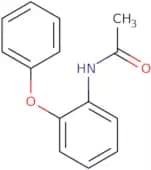

![1-[4-[4-(2,3-Dichlorophenyl)piperazin-1-yl]butyl-7-hydroxy-3,4-dihydro carbostyril (aripiprazole i…](/_next/image/?url=https%3A%2Fstatic.cymitquimica.com%2Fproducts%2F3D%2Fthumb-webp%2FXWC98365.webp&w=3840&q=75)
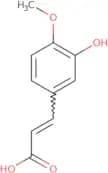
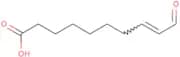
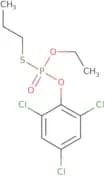
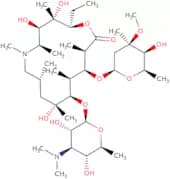
![3-[4-(4-Chlorobenzoyl)phenoxy]-2-butanone](/_next/image/?url=https%3A%2Fstatic.cymitquimica.com%2Fproducts%2F3D%2Fthumb-webp%2FIC20198.webp&w=3840&q=75)
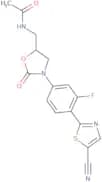

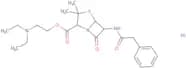
![7-Aminopyrazolo[1,5-a]pyrimidine-3,6-dicarboxylic acid 3,6-diethyl ester](/_next/image/?url=https%3A%2Fstatic.cymitquimica.com%2Fproducts%2F3D%2Fthumb-webp%2FTBA02467.webp&w=3840&q=75)
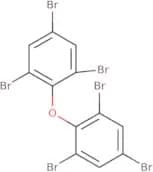
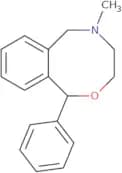


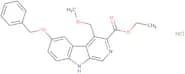
![N-[2-(Diphenylmethoxy)ethyl]-N,N',N'-trimethyl-ethylenediamine dimaleate](/_next/image/?url=https%3A%2Fstatic.cymitquimica.com%2Fproducts%2F3D%2Fthumb-webp%2FCAA71846.webp&w=3840&q=75)
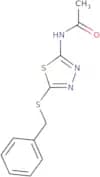
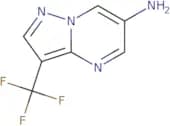
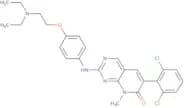
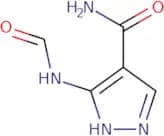
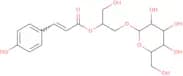
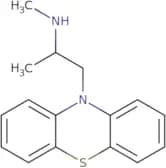
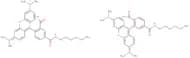
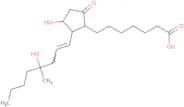
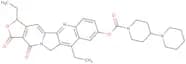
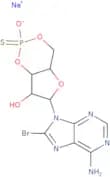
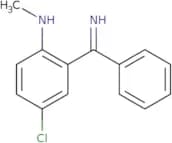
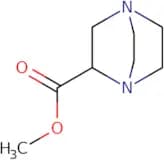
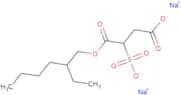
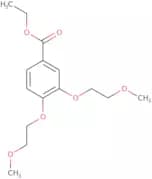
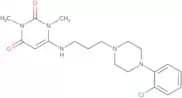


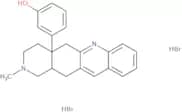
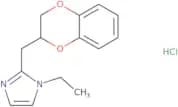
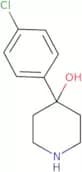
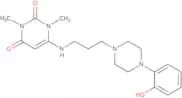
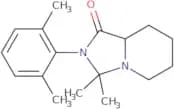
![N-(4-Chlorophenyl)-2-hydroxy-3-[(4-methoxyphenyl)sulfonyl]-2-methylpropanamide](/_next/image/?url=https%3A%2Fstatic.cymitquimica.com%2Fproducts%2F3D%2Fthumb-webp%2FNNA42426.webp&w=3840&q=75)
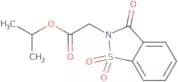
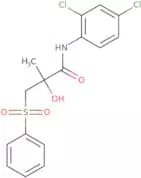
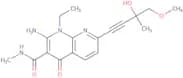
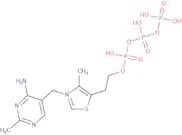

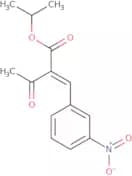
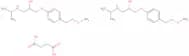
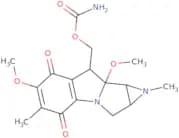
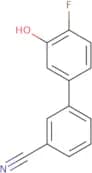
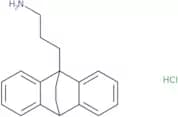
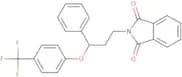
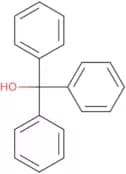
![1-C-4-Chloro-3-[(4-ethoxyphenyl)methyl]phenyl]-D-glucopyranose](/_next/image/?url=https%3A%2Fstatic.cymitquimica.com%2Fproducts%2F3D%2Fthumb-webp%2FIC181108.webp&w=3840&q=75)

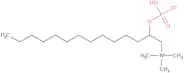
![5-[(2-Chloroethyl)(2-hydroxyethyl)amino]-1-methyl-1H-benzimidazole-2-butanoic acid ethyl ester](/_next/image/?url=https%3A%2Fstatic.cymitquimica.com%2Fproducts%2F3D%2Fthumb-webp%2FYKB22495.webp&w=3840&q=75)
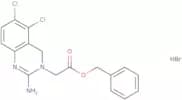
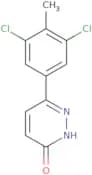
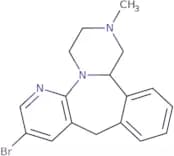
![1,1'-[Hydroxypropane-1,3-diylbis(oxy-2,1-phenylene)]bis(3-phenylpropan-1-one)](/_next/image/?url=https%3A%2Fstatic.cymitquimica.com%2Fproducts%2F3D%2Fthumb-webp%2FIH63819.webp&w=3840&q=75)
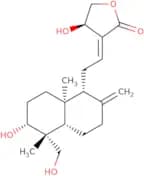
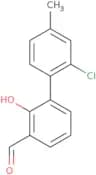

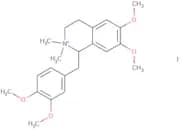
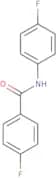
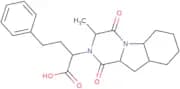
![1-C-4-Chloro-3-[(4-ethoxyphenyl)methyl]phenyl]- D-glucitol](/_next/image/?url=https%3A%2Fstatic.cymitquimica.com%2Fproducts%2F3D%2Fthumb-webp%2FIC181107.webp&w=3840&q=75)
![N-[2-[(4-Chlorophenyl)thio]phenyl]-carbamic acid phenyl ester](/_next/image/?url=https%3A%2Fstatic.cymitquimica.com%2Fproducts%2F3D%2Fthumb-webp%2FULC63674.webp&w=3840&q=75)
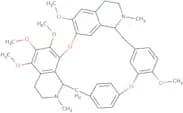
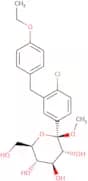

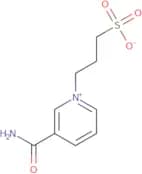
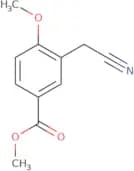
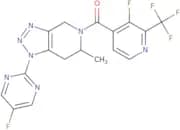

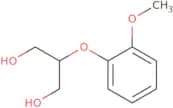
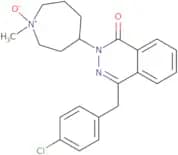
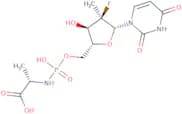

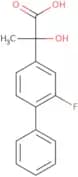
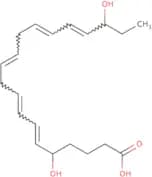
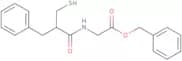
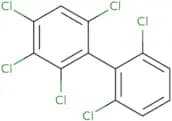

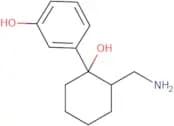
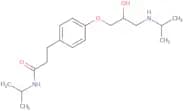
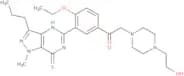

![N-[(3-Trifluoromethyl)phenyl)propyl] cinacalcet HCl](/_next/image/?url=https%3A%2Fstatic.cymitquimica.com%2Fproducts%2F3D%2Fthumb-webp%2FIT106469.webp&w=3840&q=75)
![(1R,2S,6R,7S)-4-[[(1R,2S)-2-[[4-(1,2-Benzothiazol-3-yl)piperazin-1-yl]methyl]cyclohexyl]methyl]-4-…](/_next/image/?url=https%3A%2Fstatic.cymitquimica.com%2Fproducts%2F3D%2Fthumb-webp%2FUHA86182.webp&w=3840&q=75)
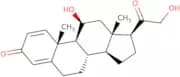
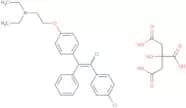
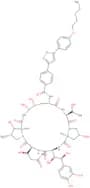
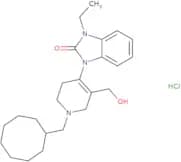
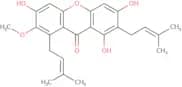
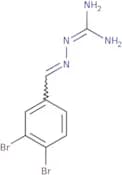
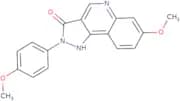
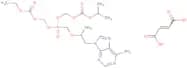
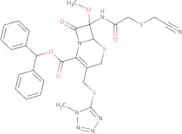
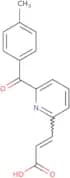
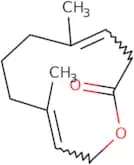
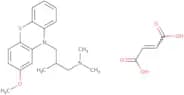

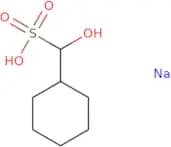
![2-(2,5-Dichlorophenyl)benzo[D]oxazol-5-amine](/_next/image/?url=https%3A%2Fstatic.cymitquimica.com%2Fproducts%2F3D%2Fthumb-webp%2FTLA73784.webp&w=3840&q=75)
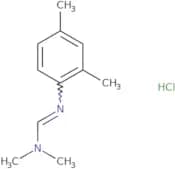
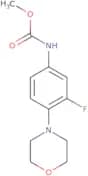
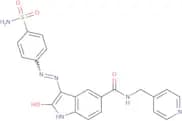
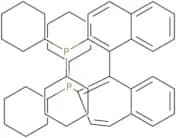
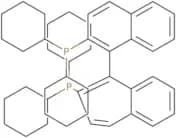

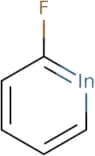
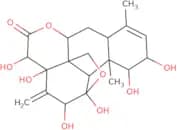
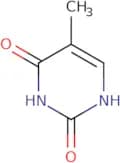
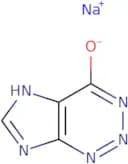
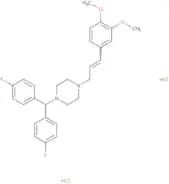
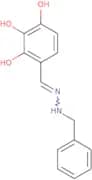
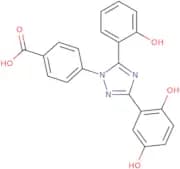
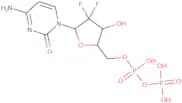
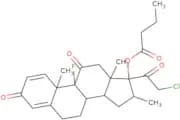
![2-[(1-Hydroxy-1-propyl)butyl]-6-methoxynaphthalene](/_next/image/?url=https%3A%2Fstatic.cymitquimica.com%2Fproducts%2F3D%2Fthumb-webp%2FYWC01482.webp&w=3840&q=75)
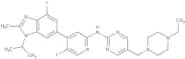
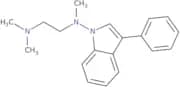
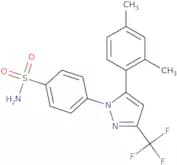

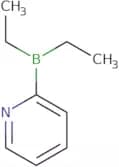
![Ampicillin desoxocarboxylic acid-[(R)-(phenyl-d5)glycine]](/_next/image/?url=https%3A%2Fstatic.cymitquimica.com%2Fproducts%2F3D%2Fthumb-webp%2FHYB72628.webp&w=3840&q=75)
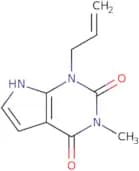
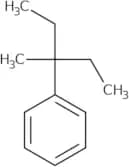
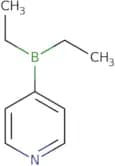
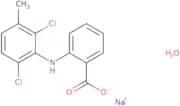
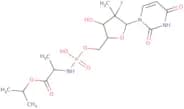
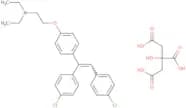
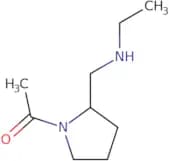
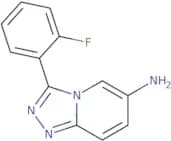
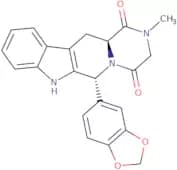


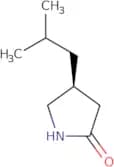
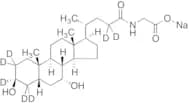

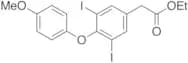
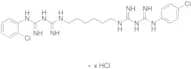
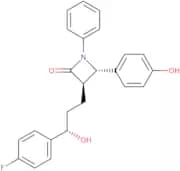
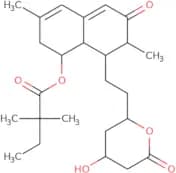
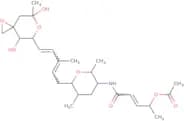
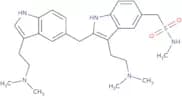
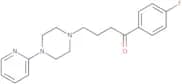
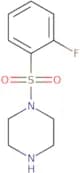
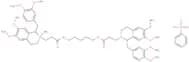
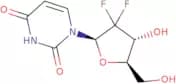
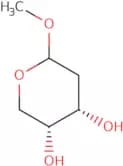
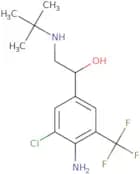
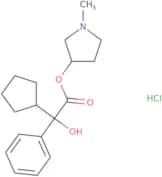
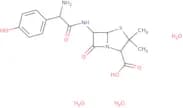
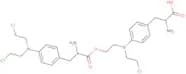
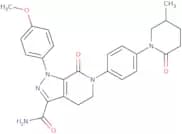

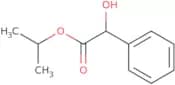
![Sar-[D-Phe8]-des-Arg9-bradykinin](/_next/image/?url=https%3A%2Fstatic.cymitquimica.com%2Fproducts%2F3D%2Fthumb-webp%2FBFA95988.webp&w=3840&q=75)
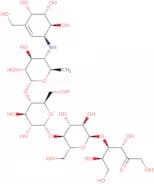
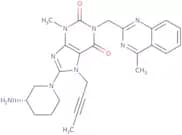
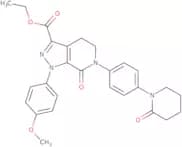
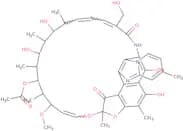
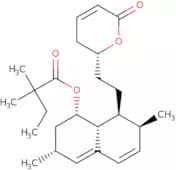
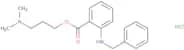
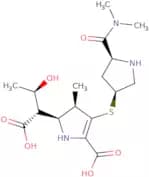
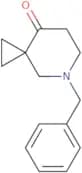
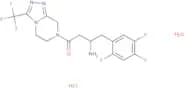

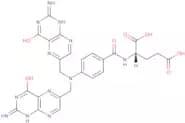
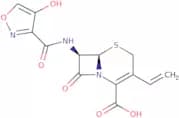
![N-[4-Cyano-3-(trifluoromethyl)phenyl]-2-methyloxirane-2-carboxamide](/_next/image/?url=https%3A%2Fstatic.cymitquimica.com%2Fproducts%2F3D%2Fthumb-webp%2FIC58274.webp&w=3840&q=75)