Amino Acids (AA)
Amino acids (AAs) are the fundamental building blocks of proteins, playing a crucial role in various biological processes. These organic compounds are essential for protein synthesis, metabolic pathways, and cell signaling. In this category, you will find a comprehensive range of amino acids, including essential, non-essential, and modified forms, which are vital for research in biochemistry, molecular biology, and nutritional sciences. At CymitQuimica, we provide high-quality amino acids to support your research and development needs, ensuring accuracy and reliability in your experimental outcomes.
Subcategories of "Amino Acids (AA)"
- Amino Acid Derivatives(3,955 products)
- Amino Acid and Amino Acid Related Compounds(3,464 products)
- Amino Acids with Oxygen or Sulphur(168 products)
- Boc- Amino Acids(351 products)
- Fmoc Amino Acids(1,710 products)
Found 38247 products of "Amino Acids (AA)"
Sort by
Purity (%)
0
100
|
0
|
50
|
90
|
95
|
100
Fmoc-Lys(Boc)-Wang resin (100-200 mesh)
<p>Please enquire for more information about Fmoc-Lys(Boc)-Wang resin (100-200 mesh) including the price, delivery time and more detailed product information at the technical inquiry form on this page</p>Purity:Min. 95%PAR-2 (1-6) amide (human) (scrambled) trifluoroacetate salt
CAS:<p>Please enquire for more information about PAR-2 (1-6) amide (human) (scrambled) trifluoroacetate salt including the price, delivery time and more detailed product information at the technical inquiry form on this page</p>Formula:C28H54N8O7Purity:Min. 95%Molecular weight:614.78 g/mol(Des-Gly10,D-His(Bzl)6,Pro-NHEt 9)-LHRH acetate
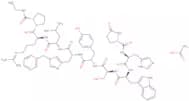
CAS:Controlled Product<p>Des-Gly10,D-His(Bzl)6,Pro-NHEt 9)-LHRH acetate salt Pyr-His-Trp-Ser-Tyr-D-His(Bzl)-Leu-Arg-Pro-NHEt acetate salt is a long acting analog of LHRH. It is a biocompatible polymeric drug that has been shown to have long term efficacy in treating various autoimmune diseases and infections. The drug's efficacy may be due to its ability to bind to the specific receptors on the surface of cells that are involved in the immune response. DesGly10,D-His(Bzl)6,ProNHEt9)-LHRH acetate salt Pyr His Trp Ser Tyr D His(Bzl)-Leu Arg Pro NHEt acetate salt is an analog of LHRH and has been shown to be effective in treating cancer and allergic symptoms as well.</p>Formula:C66H86N18O12•(C2H4O2)xPurity:Min. 95%Molecular weight:1,323.5 g/molSuc-Ala-Ala-Val-pNA
CAS:<p>Suc-Ala-Ala-Val-pNA (Suc-AAV-pNA) is a specific substrate for human and rat neutrophil elastases.</p>Formula:C21H29N5O8Purity:Min. 95%Molecular weight:479.48 g/molH-Ile-Pro-OH
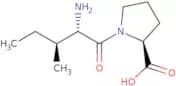
CAS:<p>H-Ile-Pro-OH is an amino acid that is a constituent of sphingolipids, which are important for the metabolism of lipids and other biological substances. H-Ile-Pro-OH can be found in casein as well as oxidation products of casein. It has been used in diagnostic tests to measure levels of hippuric acid in plasma samples. The dietary intake of H-Ile-Pro-OH can be determined by measuring the concentration of this amino acid in plasma samples. Synthetic H-Ile-Pro-OH can also be used for studies on the metabolism of tryptophan. This amino acid has been shown to inhibit chloride ion transport across the cell membrane and fatty acid synthesis, as well as proteolysis and protein degradation by pancreatic enzymes.</p>Formula:C11H20N2O3Purity:Min. 95%Molecular weight:228.29 g/mol4-Amino-5-methoxy-2-methylbenzenesulfonic acid
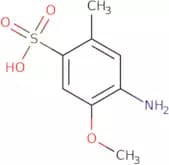
CAS:<p>4-Amino-5-methoxy-2-methylbenzenesulfonic acid is a compound that has been used as an additive to analytical reagents in order to improve their sensitivity. This compound is used as the sodium salt, which is water soluble and has a high degree of reproducibility. 4-Amino-5-methoxy-2-methylbenzenesulfonic acid has also been used for the validation of analytical methods, including calibration and cytotoxicity testing. The validation procedure includes colorants, spectra analysis, impurities, and solvents.</p>Formula:C8H11NO4SPurity:Min. 95%Color and Shape:PowderMolecular weight:217.24 g/mol(Des-Gly10,D-Trp6,Pro-NHEt 9)-LHRH (sea bream)
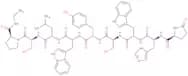
CAS:<p>Please enquire for more information about (Des-Gly10,D-Trp6,Pro-NHEt 9)-LHRH (sea bream) including the price, delivery time and more detailed product information at the technical inquiry form on this page</p>Formula:C61H76N14O13Purity:Min. 95%Molecular weight:1,213.34 g/mol(D-Arg0, Hyp 3,Igl5,D-Igl7, Oic 8)-Bradykinin trifluoroacetate salt
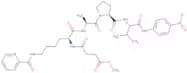
CAS:<p>Please enquire for more information about (D-Arg0, Hyp 3,Igl5,D-Igl7, Oic 8)-Bradykinin trifluoroacetate salt including the price, delivery time and more detailed product information at the technical inquiry form on this page</p>Formula:C64H95N19O13Purity:Min. 95%Molecular weight:1,338.56 g/molMeOSuc-Lys(2-picolinoyl)-Ala-Pro-Val-pNA
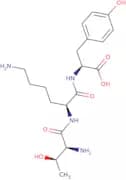
CAS:<p>Please enquire for more information about MeOSuc-Lys(2-picolinoyl)-Ala-Pro-Val-pNA including the price, delivery time and more detailed product information at the technical inquiry form on this page</p>Formula:C36H48N8O10Purity:Min. 95%Molecular weight:752.81 g/molH-Thr-Lys-Tyr-OH
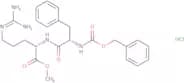
CAS:<p>H-Thr-Lys-Tyr-OH is a synthetic peptide that has been used in the research of antigen, antibody and sequence. The intramolecular bond between the amino acids H-Thr-Lys-Tyr-OH has been shown to be stable up to pH 8.5 and alkaline conditions, making it suitable for use in a variety of different experiments. This peptide has also been used as an immunogen to generate antibodies against specific antigens or as a probe for sequence analysis.</p>Formula:C19H30N4O6Purity:Min. 95%Molecular weight:410.46 g/molZ-Phe-Arg-OMe·HCl
CAS:<p>Please enquire for more information about Z-Phe-Arg-OMe·HCl including the price, delivery time and more detailed product information at the technical inquiry form on this page</p>Formula:C24H31N5O5·HClPurity:Min. 95%Molecular weight:505.99 g/molNeuromedin U-23 (rat) trifluoroacetate salt
CAS:<p>Neuromedin U-23 (rat) is a peptide that belongs to the family of tachykinins, which are small neuropeptides that act as neurotransmitters in the central nervous system. It is a potent stimulator of intestinal motility and has been shown to have protective effects against oxidative stress in cells. Neuromedin U-23 (rat) shares sequence similarity with human neuromedin N-19 and binds to the same receptors in the brain, suggesting it may have similar physiological effects. This peptide has been shown to inhibit tumor cell growth by inducing apoptosis, but it does not appear to have any effect on healthy cells.</p>Formula:C124H180N34O31Purity:Min. 95%Molecular weight:2,642.97 g/molOvokinin trifluoroacetate salt
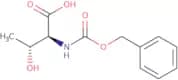
CAS:<p>Please enquire for more information about Ovokinin trifluoroacetate salt including the price, delivery time and more detailed product information at the technical inquiry form on this page</p>Formula:C48H67N13O11Purity:Min. 95%Molecular weight:1,002.13 g/molZ-L-Thr-OH
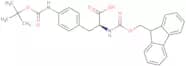
CAS:<p>Z-L-Thr-OH is a synthetic peptide that contains the amino acid sequence of l-threonine. It is an amide with a carbamic acid and chloride functional group. The monomers are linked by ring-opening reactions, which are sequences of reactions in which the bond between two adjacent carbon atoms is broken and then immediately formed again with the addition of another molecule. Z-L-Thr-OH has been shown to hydrolyze leukocytes and inhibit bacterial growth in vitro. In vivo studies have also shown that Z-L-Thr-OH inhibits neutrophil recruitment, degranulation, and oxidative burst in response to chemoattractants or bacteria. This peptide has also been shown to be effective against methicillin resistant Staphylococcus aureus (MRSA) and other clinically significant pathogens.</p>Formula:C12H15NO5Purity:Min. 95%Color and Shape:PowderMolecular weight:253.25 g/molFmoc-4-(Boc-amino)-L-phenylalanine
CAS:<p>Fmoc-4-(Boc-amino)-L-phenylalanine is a useful building block, which is used in the synthesis of complex compounds and research chemicals. It is also a reaction component in the synthesis of compounds. Fmoc-4-(Boc-amino)-L-phenylalanine has CAS No. 174132-31-1 and can be used as a versatile building block to produce high quality reagents.</p>Formula:C29H30N2O6Purity:Min. 98 Area-%Color and Shape:SolidMolecular weight:502.56 g/molSaposin C (15-32) (rat)
CAS:<p>Please enquire for more information about Saposin C (15-32) (rat) including the price, delivery time and more detailed product information at the technical inquiry form on this page</p>Formula:C89H155N21O29Purity:Min. 95%Molecular weight:1,983.31 g/molEndothelin-3 (human, mouse, rabbit, rat) acetate
CAS:<p>Acetate salt</p>Formula:C121H168N26O33S4•(C2H4O2)xPurity:Min. 95%Molecular weight:2,643.05 g/molH-D-Leu-Thr-Arg-pNA acetate salt
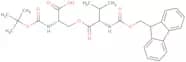
CAS:<p>Please enquire for more information about H-D-Leu-Thr-Arg-pNA acetate salt including the price, delivery time and more detailed product information at the technical inquiry form on this page</p>Formula:C22H36N8O6Purity:Min. 95%Molecular weight:508.57 g/molBoc-Ser(Val-Fmoc)-OH
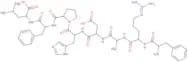
CAS:<p>Boc-Ser(Val-Fmoc)-OH is a biomolecule that is used for the synthesis of peptides. It has been shown to be an efficient synthetic method for the synthesis of peptides and isopeptides. The use of this biomolecule in peptide synthesis allows for the production of large quantities of peptides without racemization or epimerization that can occur with other methods. This synthetic method provides a means to produce both amino acid and dipeptide sequences, as well as the incorporation of non-natural amino acids.</p>Formula:C28H34N2O8Purity:Min. 95%Molecular weight:526.58 g/mol([ring-D5]Phe8)-Angiotensin II acetate salt
CAS:<p>Please enquire for more information about ([ring-D5]Phe8)-Angiotensin II acetate salt including the price, delivery time and more detailed product information at the technical inquiry form on this page</p>Formula:C50H66D5N13O12Purity:Min. 95%Molecular weight:1,051.21 g/mol(Des-Gly10,D-Ser4,D-Ser(tBu)6,Pro-NHEt 9)-LHRH acetate salt
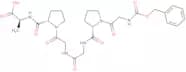
<p>Please enquire for more information about (Des-Gly10,D-Ser4,D-Ser(tBu)6,Pro-NHEt 9)-LHRH acetate salt including the price, delivery time and more detailed product information at the technical inquiry form on this page</p>Formula:C60H86N16O13Purity:Min. 95%Molecular weight:1,239.42 g/molZ-Gly-Pro-Gly-Gly-Pro-Ala-OH
CAS:<p>Z-Gly-Pro-Gly-Gly-Pro-Ala-OH is a synthetic substrate. It is used in tissue culture to measure collagenase activity, as well as in skin cells to measure the activity of v. anguillarum. The optimum pH for this substrate is 5.5 and it has been shown to be stable in high salt environments. This substrate also reacts with human liver granulosa cells and has been shown to have neutral pH properties. Z-Gly-Pro-Gly-Gly-Pro-Ala-OH is an enzyme substrate that is involved in many different enzyme activities including protein synthesis and hydrogen bonding.</p>Formula:C27H36N6O9Purity:Min. 95%Molecular weight:588.61 g/molBoc-Ala-Gly-OH
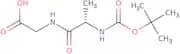
CAS:<p>Boc-Ala-Gly-OH is a synthetic chemotactic peptide. It was originally synthesized in the form of an N-terminal amide and conjugated to a variety of carrier proteins, including bovine serum albumin, ovalbumin, thyroglobulin, and keyhole limpet hemocyanin. Boc-Ala-Gly-OH has been shown to stimulate the growth of various cell types including platelets and erythrocytes, as well as to inhibit tumor growth.</p>Formula:C10H18N2O5Purity:Min. 95%Molecular weight:246.26 g/molN-2-Ethoxyethyl-Val-Ala-anilide
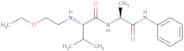
CAS:<p>Please enquire for more information about N-2-Ethoxyethyl-Val-Ala-anilide including the price, delivery time and more detailed product information at the technical inquiry form on this page</p>Formula:C18H29N3O3Purity:Min. 95%Molecular weight:335.44 g/molFmoc-Nle-Nle-OH
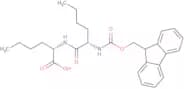
CAS:<p>Please enquire for more information about Fmoc-Nle-Nle-OH including the price, delivery time and more detailed product information at the technical inquiry form on this page</p>Formula:C27H34N2O5Purity:Min. 95%Molecular weight:466.57 g/molH-D-Val-2-chlorotrityl resin (200-400 mesh)
<p>Please enquire for more information about H-D-Val-2-chlorotrityl resin (200-400 mesh) including the price, delivery time and more detailed product information at the technical inquiry form on this page</p>Purity:Min. 95%Suc-Ala-Pro-pNA
CAS:<p>Suc-Ala-Pro-pNA is a glycoprotein that has been shown to have a number of different functions. It is an inhibitor of tissue culture, and it has been shown to inhibit the growth of cervical cancer cells by binding to epidermal growth factor (EGF). It also inhibits peptide hormones such as prolactin and insulin, which can lead to breast cancer. Suc-Ala-Pro-pNA may be clinically relevant for treatment of carcinoma cell lines due to its ability to bind platinum-based chemotherapy drugs. This protein has been shown to be expressed on the surface of mammary carcinoma cells, where it acts as a receptor for the monoclonal antibody mcf7. The protein's function as a surface glycoprotein means that it can act as a marker for cancerous tumors in the body.</p>Formula:C18H22N4O7Purity:Min. 95%Molecular weight:406.39 g/molBoc-Leu-Lys-Arg-AMC hydrochloride salt
CAS:<p>Boc-Leu-Lys-Arg-AMC is a synthetic substrate that has been used in a number of clinical studies to identify the serine proteases that are involved in autoimmune diseases. It is a synthetic peptide composed of the amino acid sequence found in soybean trypsin. The peptide was shown to have high salt tolerance and was able to be hydrolyzed by polyclonal antibodies with specificity for amyloid protein, suggesting it may be useful as a biochemical marker for Alzheimer's disease. Boc-Leu-Lys-Arg-AMC has also been shown to be an efficient substrate for collagenase, which is an enzyme that breaks down collagen and causes tissue damage. This property makes this compound useful as a proteolytic agent for the removal of unwanted scar tissue or other lesions from diseased organs. Boc-Leu-Lys-Arg-AMC also has an optimum pH level of 7.5 and is active against influenza</p>Formula:C33H52N8O7Purity:Min. 95%Molecular weight:672.82 g/molH-Gly-Sar-Sar-OH
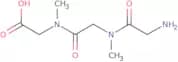
CAS:<p>H-Gly-Sar-Sar-OH is an amide that is a prodrug for the antibiotic Glycylcycline. This drug has been shown to inhibit peptidases and transport in caco-2 cells, as well as to have affinity for intestinal peptidases. H-Gly-Sar-Sar-OH has also been shown to be able to penetrate the cell membrane and inhibit peptidase activity in extracellular space. The bond cleavage of this drug has been rationalized by comparing it with other bioisosteres.</p>Formula:C8H15N3O4Purity:Min. 95%Molecular weight:217.22 g/molAc-Gly-Pro-AFC
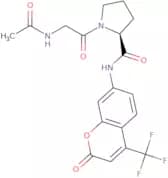
CAS:<p>Ac-Gly-Pro-AFC is a dipeptidyl peptidase inhibitor that inhibits the action of protein-degrading enzymes called peptidases. Ac-Gly-Pro-AFC has been shown to be effective in treating diabetes by inhibiting the activity of fibroblast activation protein, which is involved in the development of diabetes. Ac-Gly-Pro-AFC also has an inhibitory effect on the enzyme connect, which is involved in cellular proliferation and differentiation. Clinical trials have been conducted to evaluate the efficacy of this drug for treatment of diabetic nephropathy with promising results. Ac-Gly-Pro-AFC has also been shown to have a beneficial effect on collagen synthesis and inhibition of proinflammatory cytokine release from activated macrophages.</p>Formula:C19H18F3N3O5Purity:Min. 95%Molecular weight:425.36 g/mol4-Chloro-2-iodo-phenol
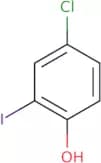
CAS:<p>Please enquire for more information about 4-Chloro-2-iodo-phenol including the price, delivery time and more detailed product information at the technical inquiry form on this page</p>Formula:C6H4ClIOPurity:Min. 95%Molecular weight:254.45 g/molZ-Arg-Arg-Arg-4MbetaNA acetate salt
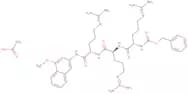
CAS:Controlled Product<p>Please enquire for more information about Z-Arg-Arg-Arg-4MbetaNA acetate salt including the price, delivery time and more detailed product information at the technical inquiry form on this page</p>Formula:C37H53N13O6Purity:Min. 95%Molecular weight:775.9 g/molZ-Ala-Glu-OH
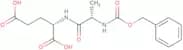
CAS:<p>Z-Ala-Glu-OH is an amino acid with a glutamate residue. It is a synthetic amino acid that has been shown to have excitotoxic effects in the brain. The mechanism of action is thought to involve the activation of ionotropic glutamate receptors and the inhibition of voltage-gated potassium channels, leading to neuronal cell death. This compound has been found to be a sweetener in biochemical reactions. Z-Ala-Glu-OH was shown to undergo proteolytic degradation, which may be due to aminopeptidases present in the gut or enzyme preparations used during digestion. This amino acid was also shown to have neurodegenerative properties when given orally to mealworms, as well as profiles that are similar to those found in humans with neurodegenerative diseases such as Alzheimer's disease and amyotrophic lateral sclerosis.</p>Formula:C16H20N2O7Purity:Min. 95%Color and Shape:PowderMolecular weight:352.34 g/molH-Phe-Gly-Phe-Gly-OH
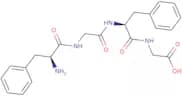
CAS:<p>H-Phe-Gly-Phe-Gly-OH is a neutral, uv absorbing molecule. It can be found as a tetrapeptide sequence and in the form of isomers. H-Phe-Gly-Phe-Gly-OH is also known as Ileahexocin. The chemical ionization and matrix assisted laser desorption/ionization techniques have been used to detect this molecule in different matrices. H-Phe-Gly-Phe-Gly-OH has been shown to inhibit fatty acid synthesis, which may be due to its inhibition of the enzyme acetyl coenzyme A carboxylase (ACC). This molecule has also been shown to inhibit tripeptide synthesis, which may be due to its inhibition of the enzyme dipeptidyl peptidase IV (DPIV).</p>Formula:C22H26N4O5Purity:Min. 95%Color and Shape:PowderMolecular weight:426.47 g/molCholecystokinin Octapeptide (2-8) (desulfated)
CAS:<p>Please enquire for more information about Cholecystokinin Octapeptide (2-8) (desulfated) including the price, delivery time and more detailed product information at the technical inquiry form on this page</p>Formula:C45H57N9O10S2Purity:Min. 95%Molecular weight:948.12 g/molFmoc-Asp(OtBu)-Wang resin (200-400 mesh)
<p>Please enquire for more information about Fmoc-Asp(OtBu)-Wang resin (200-400 mesh) including the price, delivery time and more detailed product information at the technical inquiry form on this page</p>Purity:Min. 95%MeOSuc-Ala-Ala-Pro-Val-AMC
CAS:<p>MeOSuc-Ala-Ala-Pro-Val-AMC is a serine protease inhibitor that has been shown to inhibit neutrophil elastase and human trypsin. It has been shown to be effective in the treatment of inflammatory diseases such as hepatitis, colitis, and Crohn's disease. MeOSuc-Ala-Ala-Pro-Val-AMC also inhibits coagulation and can be used as an anticoagulant. This drug is one of the few drugs that have been shown to inhibit both trypsin and elastase with equal potency.</p>Formula:C31H41N5O9Purity:Min. 95%Molecular weight:627.69 g/molNeuropeptide AF (human) trifluoroacetate salt
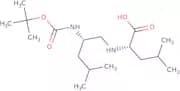
CAS:<p>Neuropeptide AF is a peptide that is synthesized in the brain and has been shown to have a wide range of biological activities. It has been shown to block growth factor-β1, activate the ryanodine receptor, and cause neuronal death. Neuropeptide AF also activates the polymerase chain reaction (PCR) and can be used as a potential biomarker for Alzheimer's disease. Neuropeptide AF has been shown to decrease body mass index and improve long-term efficacy in patients with chronic heart disease. There is also evidence that Neuropeptide AF binds calcium ions, which may play a role in structural heart disease or cardiac function.</p>Formula:C90H132N26O25Purity:Min. 95%Molecular weight:1,978.17 g/molBoc-Leu-psi(CH2NH)Leu-OH
CAS:<p>Please enquire for more information about Boc-Leu-psi(CH2NH)Leu-OH including the price, delivery time and more detailed product information at the technical inquiry form on this page</p>Formula:C17H34N2O4Purity:Min. 95%Molecular weight:330.46 g/molBiotinyl-pTH (1-34) (human) trifluoroacetate salt
CAS:<p>Please enquire for more information about Biotinyl-pTH (1-34) (human) trifluoroacetate salt including the price, delivery time and more detailed product information at the technical inquiry form on this page</p>Formula:C191H305N57O53S3Purity:Min. 95%Molecular weight:4,344.02 g/mol(D-Arg1,D-Trp5·7·9,Leu11)-Substance P
CAS:<p>Substance P is a potent inhibitor of lung cancer cells, which may be due to its ability to signal through the cell membrane. It inhibits the growth of lung cancer cells by inhibiting signal transduction, leading to decreased cell proliferation and increased apoptosis. This product also has strong anti-inflammatory properties that can be used for the treatment of inflammatory diseases such as asthma.</p>Formula:C81H110N20O12Purity:Min. 95%Molecular weight:1,555.87 g/mol(Deamino-Cys1,b-(3-pyridyl)-D-Ala2,Arg8)-Vasopressin trifluoroacetate salt
CAS:<p>DDAVP is an analogue of vasopressin, which belongs to the class of inositol phosphates. It is a potent agonist for the V1 receptor and has a higher affinity for this receptor than vasopressin. DDAVP also has antagonist properties at the V2 receptor. The biological activity of DDAVP is mediated by its ability to increase phospholipase A2 activity and cause the release of arachidonic acid from membrane phospholipids. This activation causes an increase in prostaglandin synthesis, leading to increased vascular permeability and hypotension. DDAVP may also have antidiuretic effects due to its antagonism of oxytocin receptors.</p>Formula:C45H63N15O11S2Purity:Min. 95%Molecular weight:1,054.21 g/molMyelin Basic Protein (85-99) Peptide Antagonist trifluoroacetate salt
CAS:<p>Please enquire for more information about Myelin Basic Protein (85-99) Peptide Antagonist trifluoroacetate salt including the price, delivery time and more detailed product information at the technical inquiry form on this page</p>Formula:C70H114N18O21Purity:Min. 95%Molecular weight:1,543.76 g/mol2-[(5-Bromo-2-methylphenyl)methyl]-5-(4-fluorophenyl)thiophe
CAS:<p>Intermediate in the synthesis of canagliflozin</p>Formula:C18H14BrFSPurity:Min. 95%Molecular weight:361.27 g/mol4-Fluoro-3-methylnitrobenzene
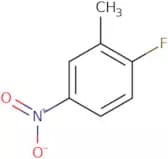
CAS:<p>4-Fluoro-3-methylnitrobenzene is a carbazole that is used as a pesticide. It has been shown to be effective against typhimurium and other bacteria. The mechanism of action of this compound may involve nitrenium ion formation, which is an intermediate in the reaction of ammonium nitrate with calcium carbonate. 4-Fluoro-3-methylnitrobenzene has two isomers: 4-fluoro-3-methylnitrobenzoic acid and 4-fluoronitrobenzoic acid, but only the former reacts with ammonium nitrate. The reaction time for this compound to form carcinogenic nitrosamines can vary from about one day to several months. Chemical shift data for this compound reveal its radical mechanism, which explains its low efficiency. This compound also has optical properties that can cause fluorescence or phosphorescence when exposed to ultraviolet light or laser beams, respectively.</p>Formula:C7H6FNO2Purity:Min. 95%Molecular weight:155.13 g/molFmoc-L-Lys(Alloc)-OH
CAS:<p>Fmoc-L-Lys(Alloc)-OH is a peptide that consists of an amino acid sequence that is a variant of the human insulin molecule. The peptide has been modified to incorporate a pegyl group, which increases the serum stability of this drug and prevents enzymatic degradation. This compound has been tested in vitro by binding to nuclear DNA and inhibiting receptor binding. Fmoc-L-Lys(Alloc)-OH has also shown anticancer effects in vivo with tumor xenografts and apoptosis protein expression in human serum, as well as an increase in serine protease activity.</p>Formula:C25H28N2O6Purity:Min. 98 Area-%Color and Shape:PowderMolecular weight:452.5 g/molH-Ala-Phe-Ala-OH
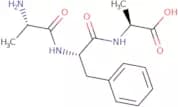
CAS:<p>H-Ala-Phe-Ala-OH is a peptidomimetic that has been shown to have hydrogen bonding interactions with caco-2 cells. It also has the ability to form micelles and x-ray diffraction data show that the molecule has a right handed helical conformation. This compound was synthesized by reacting H-Ala-Phe with H-Gly-Gly in an amino acid condensation reaction, followed by hydrolysis of the amide bonds. The bioisosteres for this compound are tripeptides, which are amino acids linked by peptide bonds. The interaction of this compound with caco-2 cells is thought to be due to the hydrogen bonding interactions between this molecule and the hydroxyl groups on the cell surface.</p>Formula:C15H21N3O4Purity:Min. 95%Molecular weight:307.35 g/molH-Met-Lys-OH formiate salt
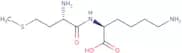
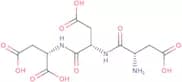
CAS:<p>H-Met-Lys-OH formiate salt is an industrial chemical that can be used in the preparation of pharmaceutical preparations. It has been shown to have a potential to lower blood pressure and reduce the risk of cardiovascular diseases. H-Met-Lys-OH formiate salt is a lysine derivative that contains two amino acid residues, namely lysine and methionine. H-Met-Lys-OH formiate salt can be used as a therapeutic agent for prostate cancer by targeting tp53 mutations and radical prostatectomy. It can also be used as an antibacterial agent against gram-negative bacteria, such as Escherichia coli (E. coli).</p>Formula:C11H23N3O3SPurity:Min. 95%Molecular weight:277.38 g/molH-Asp-Asn-Gln-OH
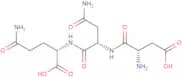
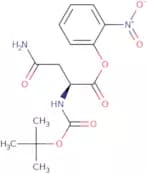
CAS:<p>H-Asp-Asn-Gln-OH is a basic amino acid that is cleaved by endopeptidase to form H-Asp, H-Asn, and H-Gln. It is also cleaved by serine proteases to form the amino acid residues of arginyl, aspartyl, and glutamyl. The residue sequence can be determined through hplc analyses of microsomal proteins. This amino acid has been shown to have a regulatory effect on the metabolism of other amino acids in rat liver cells. Asparaginyl and glutamyl are essential for the synthesis of proproteins.</p>Formula:C13H21N5O8Purity:Min. 95%Molecular weight:375.33 g/molBoc-Asn-o-nitrophenyl ester
CAS:<p>Please enquire for more information about Boc-Asn-o-nitrophenyl ester including the price, delivery time and more detailed product information at the technical inquiry form on this page</p>Formula:C15H19N3O7Purity:Min. 95%Molecular weight:353.33 g/molAxltide trifluoroacetate salt
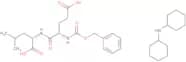
CAS:<p>Please enquire for more information about Axltide trifluoroacetate salt including the price, delivery time and more detailed product information at the technical inquiry form on this page</p>Formula:C63H107N19O20S2Purity:Min. 95%Molecular weight:1,514.77 g/molZ-Glu-Leu-OH·DCHA
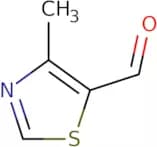
CAS:Controlled Product<p>Please enquire for more information about Z-Glu-Leu-OH·DCHA including the price, delivery time and more detailed product information at the technical inquiry form on this page</p>Formula:C19H26N2O7·C12H23NPurity:Min. 95%Molecular weight:575.74 g/mol4-Methyl-5-formylthiazole
CAS:<p>4-Methyl-5-formylthiazole is a synthetic molecule with in vitro antifungal activity. It has been shown to inhibit the growth of Candida albicans and Aspergillus niger, two species of fungi that are responsible for the majority of opportunistic infections in immunocompromised patients. 4-Methyl-5-formylthiazole is a nucleophilic molecule that undergoes electrophilic substitution reactions, which makes it an efficient method for generating antifungal agents. The synthesis of this compound can be achieved through the condensation of methyl formate and thiourea, followed by treatment with chloride ion to produce the desired product. 4-Methyl-5-formylthiazole is also fluorescent and has electron deficient properties, which makes it useful for diagnosis and molecular modelling.</p>Formula:C5H5NOSPurity:Min. 95%Molecular weight:127.17 g/molBrain Injury Derived Neurotrophic Peptide
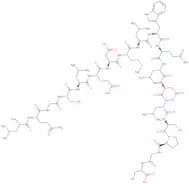
CAS:<p>Brain Injury Derived Neurotrophic Peptide H-Glu-Ala-Leu-Glu-Leu-Ala-Arg-Gly-Ala-Ile-Phe-Gln-Ala-NH2 is a growth factor that has been shown to have antiinflammatory and immunosuppressive effects in autoimmune diseases. It also has the ability to bind to peptides, proteins, and particle surfaces. This peptide has been shown to be effective against cancer cells by inhibiting tumor growth and increasing the effectiveness of radiation therapy. Brain Injury Derived Neurotrophic Peptide H-Glu-Ala-Leu-Glu-Leu-Ala Arg Gly Ala Ile Phe Gln Ala NH2 is also an immunosuppressant that can reduce inflammation caused by infectious diseases such as HIV/AIDS.</p>Formula:C62H102N18O18Purity:Min. 95%Molecular weight:1,387.58 g/molBoc-Thionoleu-1-(6-nitro)benzotriazolide
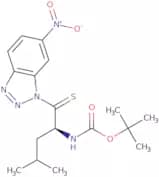
CAS:<p>Please enquire for more information about Boc-Thionoleu-1-(6-nitro)benzotriazolide including the price, delivery time and more detailed product information at the technical inquiry form on this page</p>Formula:C17H23N5O4SPurity:Min. 95%Molecular weight:393.46 g/molH-β-Ala-Leu-OH
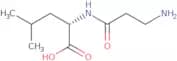
CAS:<p>Please enquire for more information about H-beta-Ala-Leu-OH including the price, delivery time and more detailed product information at the technical inquiry form on this page</p>Formula:C9H18N2O3Purity:Min. 95%Molecular weight:202.25 g/molFmoc-α-Me-Ser(tBu)-OH
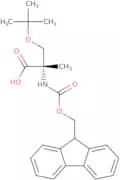
CAS:<p>Please enquire for more information about Fmoc-α-Me-Ser(tBu)-OH including the price, delivery time and more detailed product information at the technical inquiry form on this page</p>Formula:C23H27NO5Purity:Min. 95%Color and Shape:White PowderMolecular weight:397.46 g/molBz-D-Thr-OMe
CAS:<p>Bz-D-Thr-OMe is a synthetic peptide with an amino acid sequence of Bz-D-Thr-OH. It has the chemical formula C14H24N2O4S and a molecular weight of 288.4 g/mol. This peptide reacts selectively with the n-terminal amino and carboxylic acids in peptides, cleaving the peptide bonds between these residues to produce free amino acids.</p>Formula:C12H15NO4Purity:Min. 95%Molecular weight:237.25 g/molLeptin tifluoroacetic acid (150-167)
CAS:<p>Leptin tifluoroacetic acid (150-167) is a diagnostic agent that can be used to measure leptin in vivo. Leptin tifluoroacetic acid (150-167) is an agonist for the leptin receptor, which has been shown to have effects on locomotor activity, body weight and body mass index in animals. Leptin tifluoroacetic acid (150-167) has also been shown to have anti-inflammatory properties and may be of use in the treatment of bowel diseases such as inflammatory bowel disease or bowel disease. Leptin tifluoroacetic acid (150-167) binds with high affinity to human fat cells, allowing it to be used as a marker for fat cell differentiation and energy metabolism. The main function of leptin is regulation of food intake and energy expenditure by acting on receptors in the brain, liver, muscle and other tissues.</p>Formula:C87H138N22O28S2•(CF3CO2H)xPurity:Min. 95%Molecular weight:2,004.29 g/molFmoc-Gly-(Dmb)Gly-OH
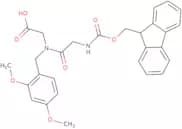
CAS:<p>Fmoc-Gly-(Dmb)Gly-OH is a synthetic peptide that modulates cellular activity. It encompasses a wide range of activities, such as cancer cell growth and restenosis, fibroid tumors and bowel disease. Fmoc-Gly-(Dmb)Gly-OH has been shown to be an effective chemotherapeutic agent in the treatment of age-related macular degeneration and retinopathy. It also inhibits inflammatory bowel disease and infarction by restricting the production of inflammatory cytokines, such as TNFα, IL1β, and IL6. Fmoc-Gly-(Dmb)Gly-OH can be used to treat endometriosis by inhibiting angiogenesis in the uterus.</p>Formula:C28H28N2O7Purity:Min. 95%Molecular weight:504.53 g/mol2-Cyclohexyl-2-hydroxy-phenylacetic acid
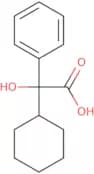
CAS:<p>2-Cyclohexyl-2-hydroxy-phenylacetic acid is a potent inhibitor of the cholinergic muscarinic receptors. It has been used as an anticholinergic drug and in pharmaceutical preparations for the treatment of inflammatory diseases. 2-Cyclohexyl-2-hydroxy-phenylacetic acid is used to treat urinary incontinence, although it can also cause constipation. Side effects of 2-cyclohexyl-2-hydroxy phenylacetic acid include headache, drowsiness, dry mouth, and blurred vision. 2 CPHPA is an inorganic acid that reacts with phosphorus pentachloride to form an organic phosphate ester called pentachlorophosphoric acid (PCPA). This reaction can be reversed by adding hydrochloric acid. The PCPA salt of 2 CPHPA is called diethylamine salt.</p>Formula:C14H18O3Purity:Min. 95%Molecular weight:234.29 g/molIndole-3-acetic-L-alanine
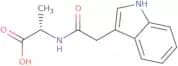
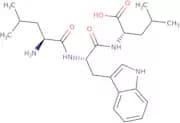
CAS:<p>Indole-3-acetic-L-alanine is a plant hormone that regulates root formation and transport. It is found in all plants, but the concentration varies depending on the plant, tissue type, and growth conditions. It has been shown to regulate root formation in triticum aestivum by inhibiting auxin transport to the roots. Indole-3-acetic acid also inhibits auxin transport to the shoot apex, leading to increased branching in triticum aestivum. This compound is hydrolyzed by root cell enzymes into indole-3-acetate and L-alanine. Genetic mechanisms underlying this phenomenon are not well understood at this time.</p>Formula:C13H14N2O3Purity:Min. 95%Color and Shape:PowderMolecular weight:246.26 g/molH-Leu-Trp-Leu-OH
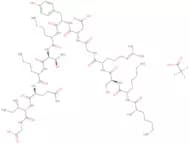
CAS:<p>H-Leu-Trp-Leu-OH is a tryptophan protease that has been shown to have aminopeptidase activity. It can be used in the treatment of intestinal inflammation, as well as other conditions where it is desirable to reduce the concentration of amino acid precursors. The oxidation products of H-Leu-Trp-Leu-OH are antigenic and can be used for the detection of this enzyme in biological fluids. Hplc analysis can identify tripeptides formed by H-Leu-Trp-Leu-OH, which are then cleaved by other enzymes. This process creates a radioactive product that can be detected using radiation or microscopy. Immunoaffinity chromatography is also able to isolate H-Leu-Trp-Leu-OH from biological fluids. Monoclonal antibodies against this enzyme have been shown to inhibit ectoenzymes such as lipases and phospholip</p>Formula:C23H34N4O4Purity:Min. 95%Molecular weight:430.54 g/molH-Glu-Glu-Lys-Leu-Ile-Val-Val-Ala-Phe-OH trifluoroacetate salt
CAS:<p>Please enquire for more information about H-Glu-Glu-Lys-Leu-Ile-Val-Val-Ala-Phe-OH trifluoroacetate salt including the price, delivery time and more detailed product information at the technical inquiry form on this page</p>Formula:C50H82N10O14Purity:Min. 95%Molecular weight:1,047.25 g/mol(Pyr 3)-Amyloid b-Protein (3-40) trifluoroacetate salt
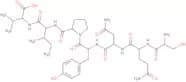
CAS:<p>Please enquire for more information about (Pyr 3)-Amyloid b-Protein (3-40) trifluoroacetate salt including the price, delivery time and more detailed product information at the technical inquiry form on this page</p>Formula:C187H283N51O53SPurity:Min. 95%Molecular weight:4,125.63 g/molH-Ser-Gln-Asn-Tyr-Pro-Ile-Val-OH
CAS:<p>Please enquire for more information about H-Ser-Gln-Asn-Tyr-Pro-Ile-Val-OH including the price, delivery time and more detailed product information at the technical inquiry form on this page</p>Formula:C37H57N9O12Purity:Min. 95%Molecular weight:819.9 g/mol(Sar 1,Ile4·8)-Angiotensin II trifluoroacetate salt
CAS:<p>Please enquire for more information about (Sar 1,Ile4·8)-Angiotensin II trifluoroacetate salt including the price, delivery time and more detailed product information at the technical inquiry form on this page</p>Formula:C43H75N13O9Purity:Min. 95%Molecular weight:918.14 g/molCyclo(-Met-Met)
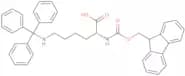
CAS:<p>Cyclo(-Met-Met) is a cyclic peptide that has been shown to inhibit the proliferation of cancer cells. Cyclo(-Met-Met) binds to the active site of an enzyme and reversibly inhibits its activity. The amide bond in this peptide can be hydrolyzed by hydroxyl ion or catalysed by hydroxyl ion. In this study, cyclo(-Met-Met) was found to inhibit the growth of cancer cells in a dose-dependent manner.</p>Formula:C10H18N2O2S2Purity:Min. 95%Molecular weight:262.39 g/molFmoc-D-Lys(Trt)-OH
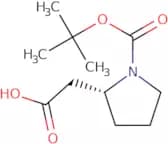
CAS:<p>Please enquire for more information about Fmoc-D-Lys(Trt)-OH including the price, delivery time and more detailed product information at the technical inquiry form on this page</p>Formula:C40H38N2O4Purity:Min. 95%Molecular weight:610.74 g/molN-Boc-D-b-homoproline
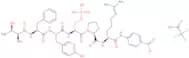
CAS:<p>Please enquire for more information about N-Boc-D-b-homoproline including the price, delivery time and more detailed product information at the technical inquiry form on this page</p>Formula:C11H19NO4Purity:Min. 95%Molecular weight:229.27 g/molH-Trp-Phe-Tyr-Ser(PO3H2)-Pro-Arg-pNA trifluoroacetate salt
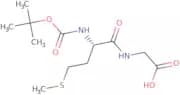
CAS:<p>Please enquire for more information about H-Trp-Phe-Tyr-Ser(PO3H2)-Pro-Arg-pNA trifluoroacetate salt including the price, delivery time and more detailed product information at the technical inquiry form on this page</p>Formula:C49H59N12O13PPurity:Min. 95%Molecular weight:1,055.04 g/molBoc-Met-Gly-OH
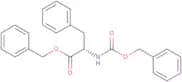
CAS:<p>Boc-Met-Gly-OH is an ester that can be synthesized by the reaction of Boc-glycine and methanol in aqueous sodium hydroxide. The product is soluble in organic solvents, such as dichloromethane, chloroform, and diethyl ether. Monitoring of this reaction yields the acid residues. The ester also has hydrophilic properties due to its amino group and methylene side chain. This compound can be used as a catalyst for reactions involving chloride or hydrophobic amino groups. It is not active for reactions with hydrophilic amino acids or immobilized catalysts.</p>Formula:C12H22N2O5SPurity:Min. 95%Molecular weight:306.38 g/molZ-Phe-OBzl
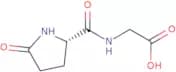
CAS:<p>Z-Phe-OBzl is an opioid drug that has been used as a research tool for studying the effects of opioid drugs on the nervous system. Z-Phe-OBzl is a synthetic peptide with a high affinity for opioid receptors. It has been shown to be a potent natural product antagonist and endogenous agonist, which may be useful in the treatment of pain. The oral bioavailability of Z-Phe-OBzl has also been reported to be greater than 90%.</p>Formula:C24H23NO4Purity:Min. 95%Molecular weight:389.44 g/molPyr-Gly-OH
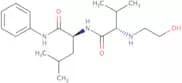
CAS:<p>Pyr-Gly-OH is a metabolite of the amino acid glutamate. It has been shown that this metabolite is formed by a non-enzymatic dehydration of glutamate. This compound has been shown to be effective in treating bowel disease and cancer, as well as stimulating the production of fibrinogen in the blood. Pyr-Gly-OH has also been found to have anti-inflammatory effects and an increased effect on glutamic receptors.</p>Formula:C7H10N2O4Purity:Min. 95%Molecular weight:186.17 g/molN-2-Hydroxyethyl-Val-Leu-anilide
CAS:<p>Please enquire for more information about N-2-Hydroxyethyl-Val-Leu-anilide including the price, delivery time and more detailed product information at the technical inquiry form on this page</p>Formula:C19H31N3O3Purity:Min. 95%Molecular weight:349.47 g/molFmoc-D-Gln(Mtt)-OH
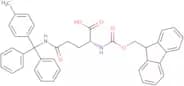
CAS:<p>Fmoc-D-Gln(Mtt)-OH is a chiral, homologous protonated amino acid that has been synthesized. The configuration of the proton has not yet been determined and postulated as either R or S. The reagent can be used to probe the configuration of the proton by determining its chemical shift in a series of experiments. This compound is synthesized from D-glucamine and Mtt, which are both commercially available compounds. Fmoc-D-Gln(Mtt)-OH is easily soluble in organic solvents, such as ethanol, methanol, and dichloromethane. It is also stable under acidic conditions.</p>Formula:C40H36N2O5Purity:Min. 95%Molecular weight:624.72 g/mol2,9-Bis(2-Phenylethyl)anthra(2,1,9-def:6,5,10-d'e'f')diisoquinoline-1,3,8,10(2H,9H)-tetrone
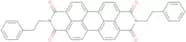
CAS:<p>2,9-Bis(2-phenylethyl)anthraquinone (BPAQ) is a synthetic compound that is used as an fluorescent probe to study biological processes. BPAQ binds to peptides and inhibits their binding to the surface of cells. This property has been used in diagnostic tests for stenosis, infantum, and other conditions. BPAQ has also been shown to inhibit HIV-1 replication in human cells by binding to the HIV-1 envelope protein gp120 and blocking its interaction with CD4 receptors on host cells. The discovery of the antiviral activity of BPAQ was based on its ability to inhibit leishmania growth in animals.</p>Formula:C40H26N2O4Purity:Min. 95%Color and Shape:PowderMolecular weight:598.65 g/molProcathepsin B (26-50) (rat)
CAS:<p>Please enquire for more information about Procathepsin B (26-50) (rat) including the price, delivery time and more detailed product information at the technical inquiry form on this page</p>Formula:C123H198N34O33SPurity:Min. 95%Molecular weight:2,713.16 g/molCionin
CAS:<p>Cionin is a synthetic peptide that binds to the pancreatic enzyme receptor. It has been shown to inhibit the growth of ascidian and stimulates the secretion of growth factors in vitro. Cionin also has a physiological effect on inflammatory diseases, such as ovary. Cionin is composed of three amino acids: H-Asn-Tyr(SO3H)-Tyr(SO3H)-Gly-Trp-Met-Asp-Phe-NH2. The first two amino acids are sulfated tyrosine residues, which may be responsible for its biological activity.</p>Formula:C53H63N11O19S3Purity:Min. 95%Molecular weight:1,254.33 g/molZ-Gly-Pro-Phe-Pro-Leu-OH
CAS:<p>Please enquire for more information about Z-Gly-Pro-Phe-Pro-Leu-OH including the price, delivery time and more detailed product information at the technical inquiry form on this page</p>Formula:C35H45N5O8Purity:Min. 95%Molecular weight:663.76 g/molFmoc-ε-aminocaproic acid-Wang resin (200-400 mesh)
<p>Please enquire for more information about Fmoc-epsilon-aminocaproic acid-Wang resin (200-400 mesh) including the price, delivery time and more detailed product information at the technical inquiry form on this page</p>Purity:Min. 95%MCH-Gene-Overprinted-Polypeptide-14 (rat)
CAS:<p>Please enquire for more information about MCH-Gene-Overprinted-Polypeptide-14 (rat) including the price, delivery time and more detailed product information at the technical inquiry form on this page</p>Formula:C80H132N22O18S3Purity:Min. 95%Molecular weight:1,786.24 g/mol(Asn10,Leu11,D-Trp12)-pTH-Related Protein (7-34) amide (human, mouse, rat)
CAS:<p>Please enquire for more information about (Asn10,Leu11,D-Trp12)-pTH-Related Protein (7-34) amide (human, mouse, rat) including the price, delivery time and more detailed product information at the technical inquiry form on this page</p>Formula:C162H254N50O36Purity:Min. 95%Molecular weight:3,478.07 g/molHepcidin-24 (human) trifluoroacetate salt
<p>Please enquire for more information about Hepcidin-24 (human) trifluoroacetate salt including the price, delivery time and more detailed product information at the technical inquiry form on this page</p>Formula:C109H165N33O28S9Purity:Min. 95%Molecular weight:2,674.28 g/molGRF (bovine) trifluoroacetate salt
CAS:<p>Growth hormone-releasing factor (GRF) or GHRH (growth hormone-releasing hormone).Binds to the growth hormone-releasing hormone receptor (GHRH-R), causing growth hormone secretion.porcine: H-YADAIFTNSYRKVLGQLSARKLLQDIMSRQQGERNQEQGARVRL-NH2bovine: H-YADAIFTNSYRKVLGQLSARKLLQDIMNRQQGERNQEQGAKVRL-NH2ovine: H-YADAIFTNSYRKILGQLSARKLLQDIMNRQQGERNQEQGAKVRL-NH2human: H-YADAIFTNSYRKVLGQLSARKLLQDIMSRQQGESNQERGARARL-NH2</p>Formula:C220H366N72O66SPurity:Min. 95%Molecular weight:5,107.77 g/molKisspeptin-54 (27-54) (human) trifluoroacetate salt
CAS:<p>Please enquire for more information about Kisspeptin-54 (27-54) (human) trifluoroacetate salt including the price, delivery time and more detailed product information at the technical inquiry form on this page</p>Formula:C149H226N42O39Purity:Min. 95%Molecular weight:3,229.65 g/molH-Asp-Asp-Asp-OH
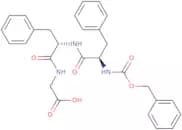
CAS:<p>H-Asp-Asp-Asp-OH is a peptide that has been shown to disrupt the cytosol and cause apoptosis. It can also induce proteolytic maturation and modulate autocatalytic functions. H-Asp-Asp-Asp-OH induces apoptosis by activating caspase 9 and caspase 3, which cleaves poly (ADP ribose) polymerase (PARP). This leads to DNA fragmentation, chromatin condensation, nuclear fragmentation, cell shrinkage, membrane blebbing, and nuclear pyknosis. H-Asp-Asp-Asp-OH binds to the regulatory domain of caspase 9 and prevents it from being activated. The peptide also activates caspase 8 by binding to its regulatory domain, which then activates caspases 3 and 7. H-Asp-Asp-Asp-OH also stimulates the release of granzyme B from cytot</p>Formula:C12H17N3O10Purity:Min. 95%Molecular weight:363.28 g/molZ-D-Phe-Phe-Gly-OH
CAS:<p>Z-D-Phe-Phe-Gly-OH is a lysosomal carboxypeptidase that hydrolyzes peptides at the C terminus of proteins. It has a wide substrate specificity and can hydrolyze Z-D-Phe-Phe-Gly, Z-Arg-Lys, and L-Arg. This enzyme has been shown to have ion exchange chromatography activity. The elution profile for this enzyme on a sephadex G-100 column was found to have an optimum pH of 7.5 and elutes at a salt concentration of 0.5M NaCl. Carboxypeptidases are enzymes that cleave at the C terminus of proteins to produce smaller peptides or amino acids. They are involved in digestion, blood clotting, and cell signaling processes.</p>Formula:C28H29N3O6Purity:Min. 95%Color and Shape:White Off-White PowderMolecular weight:503.55 g/molBoc-Pro-PAM resin (200-400 mesh)
<p>Please enquire for more information about Boc-Pro-PAM resin (200-400 mesh) including the price, delivery time and more detailed product information at the technical inquiry form on this page</p>Purity:Min. 95%Biotinyl-Obestatin (rat) trifluoroacetate salt
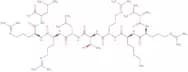
CAS:<p>Please enquire for more information about Biotinyl-Obestatin (rat) trifluoroacetate salt including the price, delivery time and more detailed product information at the technical inquiry form on this page</p>Formula:C124H188N36O33SPurity:Min. 95%Molecular weight:2,743.11 g/molH-Val-Arg-Lys-Arg-Thr-Leu-Arg-Arg-Leu-OH
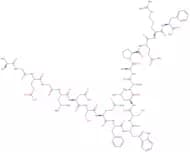
CAS:<p>H-Val-Arg-Lys-Arg-Thr-Leu-Arg-Arg-Leu (HVLAHR) is a synthetic peptide that has been shown to have antiinflammatory properties. The peptide binds to the epidermal growth factor receptor (EGFR) and inhibits the production of proinflammatory cytokines and chemokines, such as IL1α, IL6, IL8, and TNFα. HVLAHR also binds to calmodulin and inhibits protein kinase C (PKC) activity. It has been shown that this peptide has neuroprotective effects in vitro by binding to neurogranin and inhibiting protein phosphorylation. HVLAHR can be used as a model organism in vitro to study protein kinase activity.</p>Formula:C51H100N22O11Purity:Min. 95%Molecular weight:1,197.48 g/molHIV-1 tat Protein (1-9)
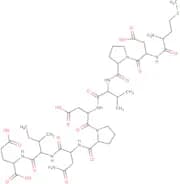
CAS:<p>Tat is a protein from the human immunodeficiency virus type 1 (HIV-1) that is responsible for the regulation of viral gene expression. Tat binds to a cellular receptor, CD4, and enters the cell. The Tat protein forms a ternary complex with transcription factors and RNA polymerase II. This complex then binds to promoter regions of HIV genes and initiates transcription. Tat has been postulated to modulate immune functions such as chemokine production, T-cell activation, and macrophage activation. The HIV-1 tat Protein (1-9) H-Met-Asp-Pro-Val-Asp-Pro-Asn-Ile-Glu-OH has been shown to have an effect on the immune system by affecting chemokines and other immune functions.</p>Formula:C43H68N10O17SPurity:Min. 95%Molecular weight:1,029.12 g/molAc-Phe-Glu-Trp-Thr-Pro-Gly-Trp-Tyr-Gln-L-azetidine-2-carbonyl-Tyr-Ala-Leu-Pro-Leu-NH2
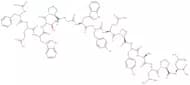
CAS:<p>The peptide Ac-Phe-Glu-Trp-Thr-Pro-Gly-Trp-Tyr-Gln-L-azetidine-2-carbonyl-Tyr-Ala-Leu-Pro-Leu (AFGP) is a small molecule that has been shown to be effective in the prophylaxis and treatment of infectious diseases. AFGP is used as an excipient in intravenous solutions, such as antibiotics, vaccines, and other injectable drugs. It also functions as a diluent for lyophilized products. In addition to its use in the pharmaceutical industry, AFGP is also used as an excipient for vaccine preparations and other injectable drugs. AFGP has been shown to reduce the symptoms of inflammatory diseases, such as asthma and rheumatoid arthritis. This peptide has also been shown to have antiinflammatory and antifibrotic properties.</p>Formula:C96H123N19O22Purity:Min. 95%Molecular weight:1,895.12 g/mol3-Bromo-2-methylaniline
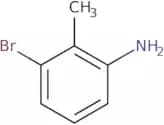
CAS:<p>3-Bromo-2-methylaniline is a six membered, planar, planar conformation with a dihedral angle of 120°. The molecule has two dimers that are connected by hydrogen bonds. It has a crystal structure that is made up of molecules arranged in a hexagonal grid. The molecule is made up of three atoms: one carbon atom, one nitrogen atom, and one bromine atom. The three atoms are arranged in the following order: bromine, carbon, nitrogen.</p>Formula:C7H8BrNPurity:Min. 95%Color and Shape:Clear Colourless To Yellow To Brown Or Red-BrownMolecular weight:186.05 g/molmPEG9-OH
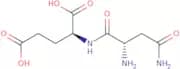
CAS:<p>mPEG9-OH is a PEG polymer categorised as monofunctional (OH-PEG-X). Used as a linker, mPEG9-OH is used to attached PEG to proteins, peptides, oligonucleotides, nanoparticles and small molecules via pegylation, a bioconjugation technique.</p>Formula:C19H40O10Purity:Min. 95%Molecular weight:428.51 g/molH-Asn-Glu-OH
CAS:<p>H-Asn-Glu-OH is a reversed-phase high-performance liquid chromatography (RP-HPLC) stationary phase that has been used for the analysis of glutamic acid. It has been shown to be resistant to hydrogen fluoride and other organic solvents, and does not contain any detectable impurities. H-Asn-Glu-OH is made up of amino acids, such as glutamic acid, which can be detected by reverse phase HPLC.</p>Formula:C9H15N3O6Purity:Min. 95%Molecular weight:261.23 g/molMca-(Asn670,Leu671)-Amyloid β/A4 Protein Precursor770 (669-674)-Lys(Dnp)
CAS:<p>Please enquire for more information about Mca-(Asn670,Leu671)-Amyloid beta/A4 Protein Precursor770 (669-674)-Lys(Dnp) including the price, delivery time and more detailed product information at the technical inquiry form on this page</p>Formula:C51H67N11O21Purity:Min. 95%Molecular weight:1,170.14 g/molBoc-Cys(SEt)-OH·DCHA
CAS:Controlled Product<p>Please enquire for more information about Boc-Cys(SEt)-OH·DCHA including the price, delivery time and more detailed product information at the technical inquiry form on this page</p>Formula:C10H19NO4S2·C12H23NPurity:Min. 95%Color and Shape:White/Off-White SolidMolecular weight:462.71H-Lys-Pro-OH hydrochloride salt
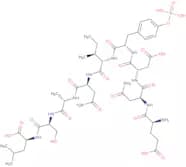
CAS:<p>H-Lys-Pro-OH hydrochloride salt is a monoclonal antibody that is used to treat psychotic disorders. It blocks the binding of gamma-aminobutyric acid (GABA) to its receptor, which reduces neuronal activity and has a calming effect on the central nervous system. H-Lys-Pro-OH hydrochloride salt also inhibits the phosphatase enzyme and prevents it from breaking down phosphotungstic acid, which is used in this process. The antibody also binds to the analog of gamma aminobutyric acid, preventing it from binding with its receptor. H-Lys-Pro-OH hydrochloride salt may be advantageous in treating kidney fibrosis because it prevents cell proliferation and growth in tissue cultures by inhibiting enzymes involved in collagen synthesis. H-Lys-Pro-OH hydrochloride salt may also be useful as an antitumor agent because it inhibits tumor growth by blocking uptake and replication of DNA.</p>Formula:C11H21N3O3Purity:Min. 95%Molecular weight:243.3 g/molH-Glu-Asn-Asp-Tyr(PO3H2)-Ile-Asn-Ala-Ser-Leu-OH
CAS:<p>Please enquire for more information about H-Glu-Asn-Asp-Tyr(PO3H2)-Ile-Asn-Ala-Ser-Leu-OH including the price, delivery time and more detailed product information at the technical inquiry form on this page</p>Formula:C44H68N11O21PPurity:Min. 95%Molecular weight:1,118.05 g/mol








![([ring-D5]Phe8)-Angiotensin II acetate salt](/_next/image/?url=https%3A%2Fstatic.cymitquimica.com%2Fproducts%2F3D%2Fthumb-webp%2FFR110025.webp&w=3840&q=75)






![2-[(5-Bromo-2-methylphenyl)methyl]-5-(4-fluorophenyl)thiophe](/_next/image/?url=https%3A%2Fstatic.cymitquimica.com%2Fproducts%2F3D%2Fthumb-webp%2FFB97141.webp&w=3840&q=75)