Amino Acids (AA)
Amino acids (AAs) are the fundamental building blocks of proteins, playing a crucial role in various biological processes. These organic compounds are essential for protein synthesis, metabolic pathways, and cell signaling. In this category, you will find a comprehensive range of amino acids, including essential, non-essential, and modified forms, which are vital for research in biochemistry, molecular biology, and nutritional sciences. At CymitQuimica, we provide high-quality amino acids to support your research and development needs, ensuring accuracy and reliability in your experimental outcomes.
Subcategories of "Amino Acids (AA)"
- Amino Acid Derivatives(3,955 products)
- Amino Acid and Amino Acid Related Compounds(3,464 products)
- Amino Acids with Oxygen or Sulphur(168 products)
- Boc- Amino Acids(351 products)
- Fmoc Amino Acids(1,710 products)
Found 38247 products of "Amino Acids (AA)"
Sort by
Purity (%)
0
100
|
0
|
50
|
90
|
95
|
100
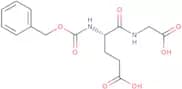
Z-Glu-Gly-OH
CAS:<p>Z-Glu-Gly-OH is a cysteine donor for the chemical cross-linking of keratin proteins. Follicle cells are a major source of keratin, and glutamic acid is the most abundant amino acid in these cells. Glutamine is also abundant in keratins, and may be responsible for the cornified layer. Cysteine is used to cross-link the structural proteins, while glutamic acid and glutamine are involved in cross-linking the fibre and residue. Cross-linking results in an insoluble protein matrix that provides strength to skin.</p>Formula:C15H18N2O7Purity:Min. 95%Molecular weight:338.31 g/mol4,6-Dichloro-2-methylnicotinic acid
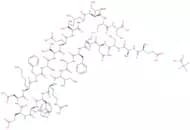
CAS:<p>Please enquire for more information about 4,6-Dichloro-2-methylnicotinic acid including the price, delivery time and more detailed product information at the technical inquiry form on this page</p>Purity:Min. 95%Neuropeptide Y-Lys(biotinyl) (free acid) (human, rat) trifluoroacetate salt
<p>Please enquire for more information about Neuropeptide Y-Lys(biotinyl) (free acid) (human, rat) trifluoroacetate salt including the price, delivery time and more detailed product information at the technical inquiry form on this page</p>Formula:C205H310N58O61S2Purity:Min. 95%Molecular weight:4,627.14 g/mol5-Iodo-2-methoxybenzyl alcohol
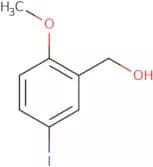
CAS:<p>5-Iodo-2-methoxybenzyl alcohol (5IMB) is a conjugate that inhibits tubulin polymerization and mitochondrial membrane integrity. It has significant inhibitory effects on colchicine-induced apoptosis in colon cancer cells, inducing apoptotic cell death by the activation of caspase 3 and annexin. 5IMB also has an inhibitory effect on mitochondria, leading to mitochondrial membrane depolarization and apoptotic cell death. This conjugate also induces the death of human cancer cells, specifically mcf-7, which are involved in tumour growth and metastasis. The mechanism of action for 5IMB is through its ability to induce mitochondrial membrane depolarization, leading to apoptotic cell death.</p>Formula:C8H9O2IPurity:Min. 95%Molecular weight:264.06 g/molH-Arg-Arg-Arg-OH acetate salt
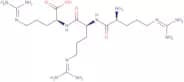
CAS:<p>H-Arg-Arg-Arg-OH acetate salt is a polycarboxylic acid that is found in human immunoglobulins. It has been used as a synthetic substrate for the study of radiation enhancement. H-Arg-Arg-Arg-OH acetate salt is also an allergen and can cause allergic reactions, such as itching and swelling. This compound can be used to study the neutral pH, chemical reactions, protein synthesis, and the hydroxyl group.</p>Formula:C18H38N12O4Purity:Min. 95%Molecular weight:486.57 g/molFmoc-Tyr-Ala-diazomethylketone
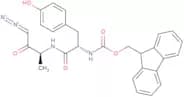
CAS:<p>Please enquire for more information about Fmoc-Tyr-Ala-diazomethylketone including the price, delivery time and more detailed product information at the technical inquiry form on this page</p>Formula:C28H26N4O5Purity:Min. 95%Molecular weight:498.53 g/mol(Ala13)-Apelin-13 (human, bovine, mouse, rat) acetate salt
CAS:<p>Apelin-13 is a peptide hormone that is secreted from the stomach and small intestine. It may have analgesic effects through its interaction with μ-opioid receptors, which are also activated by morphine. Apelin-13 has been shown to increase locomotor activity in rats, suggesting it can potentiate the antinociceptive effect of morphine.</p>Formula:C63H107N23O16S·xC2H4O2Purity:Min. 95%Molecular weight:1,474.74 g/molZ-Gly-Ala-His-AMC
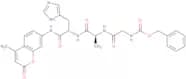
CAS:<p>Please enquire for more information about Z-Gly-Ala-His-AMC including the price, delivery time and more detailed product information at the technical inquiry form on this page</p>Formula:C29H30N6O7Purity:Min. 95%Molecular weight:574.58 g/molFmoc-Asn(Trt)-Wang resin (100-200 mesh)
<p>Please enquire for more information about Fmoc-Asn(Trt)-Wang resin (100-200 mesh) including the price, delivery time and more detailed product information at the technical inquiry form on this page</p>Purity:Min. 95%H-Trp-Ser-OH
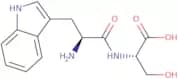
CAS:<p>H-Trp-Ser-OH is a synthetic fatty acid that has been shown to inhibit the growth of tumor cells. It was found to have an effect on insulin sensitivity in mice, suggesting it may have potential for treatment of diabetes. H-Trp-Ser-OH also inhibits the production of IL-6 and TNF-α in cultured human monocytes, which may be due to its ability to induce apoptosis. The effects of this compound on cancer are not yet known.</p>Formula:C14H17N3O4Purity:Min. 95%Molecular weight:291.3 g/mol(Cys0)-Amyloid b-Protein (1-40) trifluoroacetate salt
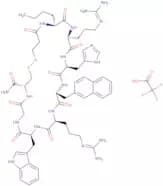
CAS:<p>Please enquire for more information about (Cys0)-Amyloid b-Protein (1-40) trifluoroacetate salt including the price, delivery time and more detailed product information at the technical inquiry form on this page</p>Formula:C197H300N54O59S2Purity:Min. 95%Molecular weight:4,432.95 g/molBoc-Lys(Z)-Lys(Z)-Lys(Z)-Lys(Z)-OBzl
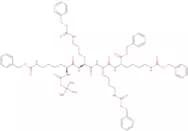
CAS:<p>Please enquire for more information about Boc-Lys(Z)-Lys(Z)-Lys(Z)-Lys(Z)-OBzl including the price, delivery time and more detailed product information at the technical inquiry form on this page</p>Formula:C68H88N8O15Purity:Min. 95%Molecular weight:1,257.47 g/molNeuromedin S (human) trifluoroacetate salt
<p>Please enquire for more information about Neuromedin S (human) trifluoroacetate salt including the price, delivery time and more detailed product information at the technical inquiry form on this page</p>Formula:C173H265N53O44Purity:Min. 95%Molecular weight:3,791.29 g/mol2-(4-Methyl-2-phenyl-1-piperazinyl)-3-pyridinemethanol
CAS:<p>2-(4-Methyl-2-phenyl-1-piperazinyl)-3-pyridinemethanol is an impurity in hexane that is generated during the reaction of pyridine with acetonitrile. The impurity is removed by crystallizing it from methanol. 2-(4-Methyl-2-phenyl-1-piperazinyl)-3-pyridinemethanol has a high efficiency, and can be used to synthesize hexamethyldisiloxane. This product can be used as a metal catalyst for reactions involving alkali metals or metal halides. It can also be used as an alcohol solvent, but not hydrogenated.</p>Formula:C17H21N3OPurity:Min. 95%Color and Shape:White to off white powderMolecular weight:283.37 g/molH-Tyr(SO3H)-OH sodium salt
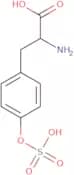
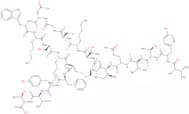
CAS:<p>Please enquire for more information about H-Tyr(SO3H)-OH sodium salt including the price, delivery time and more detailed product information at the technical inquiry form on this page</p>Formula:C9H11NO6SPurity:Min. 95%Molecular weight:261.25 g/molLeech Osmoregulatory Factor
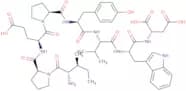
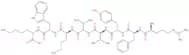
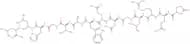
CAS:<p>Leech Osmoregulatory Factor H-Ile-Pro-Glu-Pro-Tyr-Val-Trp-Asp-OH (LOF) is a polyunsaturated peptide that regulates osmotic pressure. It has been purified from the leech Hirudo medicinalis and can be used in diagnosis or treatment of eye disorders, such as diabetic neuropathy, or in the treatment of diseases associated with high blood viscosity. LOF binds to the surface of cells and induces changes in cell shape. The binding of LOF to receptors on the cell membrane triggers receptor binding and subsequent activation of ion channels. This leads to an increase in water permeability across the cell membrane and increases the glomerular filtration rate. LOF also binds to monoclonal antibodies that are specific for eye disorders or other conditions associated with high blood viscosity, which may be useful for diagnosis or treatment.</p>Formula:C50H67N9O14Purity:Min. 95%Molecular weight:1,018.12 g/molLHRH (sea bream)
CAS:<p>Please enquire for more information about LHRH (sea bream) including the price, delivery time and more detailed product information at the technical inquiry form on this page</p>Formula:C52H68N14O14Purity:Min. 95%Molecular weight:1,113.18 g/molH-Cys-Thr-Thr-His-Trp-Gly-Phe-Thr-Leu-Cys-OH (Disulfide bond)
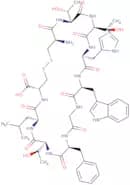
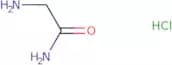
CAS:<p>Disulfide bond is a protein that regulates muscle cell assembly and interactions. Disulfide bonds are formed by the oxidation of two cysteine molecules, which can be found in the extracellular matrix (ECM). The protein is an important regulator of metalloproteinases, which are enzymes that regulate ECM turnover. When disulfide bond lacks, it causes a deficiency in collagen production. Disulfide bond also has interactions with MMP-2, which plays a role in the regulation of arteriosclerosis and genetic disorders such as muscular dystrophy.</p>Formula:C52H71N13O14S2Purity:Min. 95%Molecular weight:1,166.33 g/molGlycinamide hydrochloride
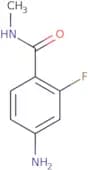
CAS:<p>Glycinamide hydrochloride is an inhibitor that binds to the glycine-binding site of the protein synthetase and inhibits the formation of glycinamide ribonucleotide. It has been shown to inhibit human glycinamide ribonucleotide synthetase in vitro. Glycinamide hydrochloride is also a glycinamide amide, which was synthesized by linking two molecules of glycine with an amide bond. This molecule is cross-linked with a macrogel, forming a hydrogel. The hydrogel can be used in biomedical applications, such as tissue engineering and drug delivery systems.</p>Formula:C2H7ClN2OColor and Shape:White PowderMolecular weight:110.54 g/molN-Methyl-2-fluoro-4-aminobenzamide
CAS:<p>N-Methyl-2-fluoro-4-aminobenzamide is a toxic compound that is commonly used as a reagent in chemical synthesis and research. It has been studied for its potential use in medicine, particularly in the treatment of castration-resistant prostate cancer. N-Methyl-2-fluoro-4-aminobenzamide acts as a nucleophilic agent, participating in reactions that involve the addition of an acyl group to a target molecule. Its stable formyl group allows for efficient reaction yields and reliable results. However, due to its toxic nature, caution must be exercised when handling this compound.</p>Formula:C8H9FN2OPurity:Min. 95%Molecular weight:168.17 g/molH-Pro-Phe-Thr-Arg-Asn-Tyr-Tyr-Val-Arg-Ala-Val-Leu-His-Leu-OH
CAS:<p>Please enquire for more information about H-Pro-Phe-Thr-Arg-Asn-Tyr-Tyr-Val-Arg-Ala-Val-Leu-His-Leu-OH including the price, delivery time and more detailed product information at the technical inquiry form on this page</p>Formula:C83H125N23O19Purity:Min. 95%Molecular weight:1,749.02 g/molInsulin B (22-25)
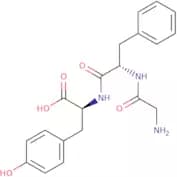
CAS:<p>Please enquire for more information about Insulin B (22-25) including the price, delivery time and more detailed product information at the technical inquiry form on this page</p>Formula:C26H35N7O5Purity:Min. 95%Molecular weight:525.6 g/molH-Gly-Phe-Tyr-OH
CAS:<p>H-Gly-Phe-Tyr-OH is a water soluble polymer that can be conjugated to drugs. The polymer is composed of methacrylamide and Gly, Phe, and Tyr residues. This polymer is used in the treatment of cancer by conjugating a drug to the polymer to make it water soluble. H-Gly-Phe-Tyr-OH can also be used as a polymeric carrier for docetaxel or gemcitabine.</p>Formula:C20H23N3O5Purity:Min. 95%Molecular weight:385.41 g/molH-Asp-Ala-His-Lys-OH
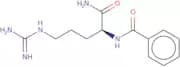
CAS:<p>Please enquire for more information about H-Asp-Ala-His-Lys-OH including the price, delivery time and more detailed product information at the technical inquiry form on this page</p>Formula:C19H31N7O7Purity:Min. 95%Molecular weight:469.49 g/molN-α-Benzoyl-L-argininamide
CAS:<p>N-alpha-Benzoyl-L-argininamide is a synthetic compound that is used as an enzyme inhibitor. It binds to the active site of proteases, thereby inhibiting their activity. This drug has been shown to inhibit the activities of phosphodiesterase and phosphatase enzymes in vitro. N-alpha-Benzoyl-L-argininamide also inhibits the proteolytic degradation of hippuric acid and casein in vitro. The binding affinity for this drug is due to its structural similarity with substrates such as glutamate and rhizosphere exudates.</p>Formula:C13H19N5O2Purity:Min 98%Color and Shape:White PowderMolecular weight:277.32 g/mol1-Oleoyl-3-palmitoyl-rac-glycero-2-phosphoethanolamine
CAS:<p>Please enquire for more information about 1-Oleoyl-3-palmitoyl-rac-glycero-2-phosphoethanolamine including the price, delivery time and more detailed product information at the technical inquiry form on this page</p>Formula:C39H76NO8PPurity:Min. 95%Molecular weight:718 g/mol(Cys(Acm)2·7)-a-CGRP (human) trifluoroacetate salt
CAS:<p>Please enquire for more information about (Cys(Acm)2·7)-a-CGRP (human) trifluoroacetate salt including the price, delivery time and more detailed product information at the technical inquiry form on this page</p>Formula:C169H279N53O51S2Purity:Min. 95%Molecular weight:3,933.48 g/molACTH (4-10) trifluoroacetate salt
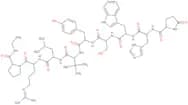
CAS:<p>ACTH (4-10) trifluoroacetate salt is a cholinergic agent that belongs to the class of neurotransmitters. It is synthesized from the naturally occurring hormone ACTH, which is released by the anterior pituitary gland in response to a variety of stimuli. This compound has been shown to have physiological effects on various organs, including adipose tissue and locomotor activity. It also shows neuroprotective effects in animal models and has neurotrophic properties. The therapeutic potential of this compound for brain functions is currently being explored.</p>Formula:C44H59N13O10SPurity:Min. 95%Molecular weight:962.09 g/mol(Des-Gly10,tBu-D-Gly6,Pro-NHEt 9)-LHRH trifluoroacetate
CAS:<p>(Des-Gly10, tBu-D-Gly6,Pro-NHEt 9)-LHRH trifluoroacetate salt Pyr-His-Trp-Ser-Tyr-tBu-D-Gly-Leu-Arg-Pro-NHEt trifluoroacetate salt is a synthetic hormone that is the active form of luteinizing hormone releasing hormone (LHRH), a gonadotropin releasing hormone (GnRH). It has been used in the diagnosis and treatment of prostate cancer. The drug is also used to treat endometriosis and other conditions. It can be administered by injection or as an intranasal spray. The drug inhibits follicular growth and fertility by downregulating estradiol benzoate production.</p>Formula:C59H84N16O12•(C2HF3O2)xPurity:Min. 95%Color and Shape:PowderMolecular weight:1,209.4 g/molAc-Pro-Leu-Gly-[(S)-2-mercapto-4-methyl-pentanoyl]-Leu-Gly-OEt
CAS:<p>Please enquire for more information about Ac-Pro-Leu-Gly-[(S)-2-mercapto-4-methyl-pentanoyl]-Leu-Gly-OEt including the price, delivery time and more detailed product information at the technical inquiry form on this page</p>Formula:C31H53N5O8SPurity:Min. 95%Molecular weight:655.85 g/molH-Gly-Gly-Lys-Arg-OH acetate salt
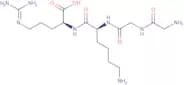
CAS:<p>The H-Gly-Gly-Lys-Arg-OH acetate salt is a diagnostic agent that belongs to the group of active analogues. It is an analogue of sialin, a compound that has been shown to be involved in the molecular pathogenesis of cancer tissues. Sialic acid is an important component of many glycoproteins and glycolipids found in the human body. This compound is metabolized by sialidase enzymes, which are present in various tissues and organs such as the brain, kidney, liver, and plasma. The H-Gly-Gly-Lys-Arg-OH acetate salt inhibits these enzymes by binding to them and preventing their action. This drug also inhibits ATP dependent transport systems for neuronal cells.</p>Formula:C16H32N8O5Purity:Min. 95%Molecular weight:416.48 g/molBombesin (8-14) acetate salt
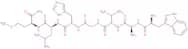
CAS:<p>Bombesin (8-14) acetate salt H-Trp-Ala-Val-Gly-His-Leu-Met-NH2 acetate salt is a bifunctional peptide that has been shown to inhibit the growth of prostate cancer cells. Bombesin (8-14) acetate salt H-Trp-Ala-Val-Gly-His-Leu-Met-NH2 acetate salt also has antiinflammatory properties and is used in treating inflammatory diseases. It inhibits collagen synthesis and fibrinogen activation, which may be important in the treatment of autoimmune diseases such as rheumatoid arthritis. Bombesin (8 14) acetate salt H Trp Ala Val Gly His Leu Met NH2 Acetate Salt has been shown to have no effect on healthy tissues when administered systemically.</p>Formula:C38H57N11O7SPurity:Min. 95%Molecular weight:812 g/mol(Leu13)-Motilin (human, porcine) trifluoroacetate salt
CAS:<p>Motilin is a gastrointestinal hormone that stimulates gastric motility and the release of pancreatic enzymes. It is also used to treat postoperative ileus, abdominal pain, and gastroduodenal ulcers. Motilin is administered nasogastrically to stimulate the movement of food through the stomach and intestines. The trifluoroacetate salt form is used in this application because it has a longer duration of action than other salts.</p>Formula:C121H190N34O35Purity:Min. 95%Molecular weight:2,681.01 g/molAc-Glu-pNA
CAS:<p>Ac-Glu-pNA is a synthetic substrate that is used in protease assays. Its amino acid sequence contains reactive groups, such as the carboxy terminal, that are cleaved by proteases. Ac-Glu-pNA has been shown to be a good substrate for thermophilic and licheniformis proteases and has been reported to be stable at neutral pH values.</p>Formula:C13H15N3O6Purity:Min. 95%Molecular weight:309.27 g/molZ-Gly-Pro-Ala-OH
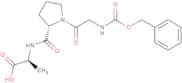
CAS:<p>Z-Gly-Pro-Ala-OH is a peptidase that hydrolyzes the terminal amino acids from the N-terminal of peptides and proteins. It is used as a drug therapy for neurodegenerative diseases. Z-Gly-Pro-Ala-OH has an acidic active site and can be synthesized in an on-line process. It can be monitored using a number of techniques, including monitoring by bovine serum, kinetic analysis, and analytical methods. The optimum pH for this enzyme is 5.5 to 7.0.</p>Formula:C18H23N3O6Purity:Min. 95%Molecular weight:377.39 g/mol(Pyr 6,Pro9)-Substance P (6-11)
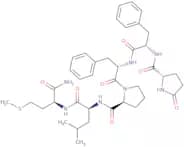
CAS:<p>(Pyr 6,Pro 9)-Substance P (6-11) Pyr-Phe-Phe-Pro-Leu-Met-NH2 is a peptide that has been shown to have locomotor activity in rats, receptor activity, and physiological effects. This peptide binds to the κ opioid receptor and the neurokinin 1 receptor. It was found to have antimicrobial properties against gram positive bacteria and gram negative bacteria. In addition, it has been shown to be an inhibitor of fatty acid synthesis. This molecule also has been studied for its ability to treat metabolic disorders by inhibiting malonic acid production in animals.</p>Formula:C39H53N7O7SPurity:Min. 95%Molecular weight:763.95 g/molH-Leu-allyl ester·p-tosylate
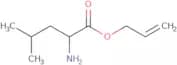
CAS:<p>H-Leu-allyl ester·p-tosylate is an amide with immobilized amino groups. It is an optically active compound that can be cumulated and used for biomolecular chemistry. H-Leu-allyl ester·p-tosylate has been shown to inhibit the growth of fungi by inhibiting the synthesis of tenuazonic acid, a mycotoxin that is found in contaminated grains.</p>Formula:C9H17NO2C7H8O3SPurity:Min. 95%Molecular weight:343.44 g/molH-Asp-β-Ala-OH
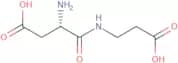
CAS:<p>Please enquire for more information about H-Asp-beta-Ala-OH including the price, delivery time and more detailed product information at the technical inquiry form on this page</p>Formula:C7H12N2O5Purity:Min. 90 Area-%Color and Shape:PowderMolecular weight:204.18 g/molSapecin
CAS:<p>Sapecin is an antimicrobial peptide, which is derived from the hemolymph of the silk moth (Bombyx mori) with potent bactericidal action. The source of Sapecin is the immune system of the silk moth, where it acts as a natural defense mechanism against microbial infections. Its mode of action involves disrupting bacterial cell membranes, leading to cell lysis and death. The peptide achieves this by inserting itself into the lipid bilayer, creating pores that compromise the structural integrity of the membrane.</p>Formula:C164H266N58O52S6Purity:Min. 95%Molecular weight:4,074.62 g/molZ-D-Arg(Z)2-OH
CAS:<p>Please enquire for more information about Z-D-Arg(Z)2-OH including the price, delivery time and more detailed product information at the technical inquiry form on this page</p>Formula:C30H32N4O8Purity:Min. 95%Molecular weight:576.6 g/molBoc-Glu(OBzl)-PAM resin (200-400 mesh)
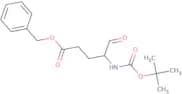
<p>Please enquire for more information about Boc-Glu(OBzl)-PAM resin (200-400 mesh) including the price, delivery time and more detailed product information at the technical inquiry form on this page</p>Purity:Min. 95%2-Amino-5-methoxypyridine
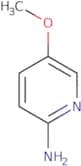
CAS:<p>2-Amino-5-methoxypyridine (2AM5MP) is a synthetic compound that is used to study the nicotinic acetylcholine receptor. It has been shown that 2AM5MP can be used as an agonist for the nicotinic acetylcholine receptor, which may be due to its ability to act as a substrate for amine oxidase. This compound has been shown to have anti-cancer properties and fluoresce when exposed to positron emission tomography (PET) scans. The anti-cancer effects of 2AM5MP are thought to be due to its ability to inhibit cancer cell proliferation and induce cancer cell apoptosis.</p>Formula:C6H8N2OPurity:Min. 95%Molecular weight:124.14 g/molH-Glu-His-bNA
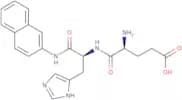
CAS:<p>Please enquire for more information about H-Glu-His-bNA including the price, delivery time and more detailed product information at the technical inquiry form on this page</p>Formula:C21H23N5O4Purity:Min. 95%Molecular weight:409.44 g/molBz-DL-Arg-AMC·HCl
CAS:<p>Please enquire for more information about Bz-DL-Arg-AMC·HCl including the price, delivery time and more detailed product information at the technical inquiry form on this page</p>Formula:C23H25N5O4·HClPurity:Min. 95%Molecular weight:471.94 g/molH-Asp-Trp-OH
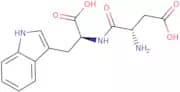
CAS:<p>H-Asp-Trp-OH is a peptide that has been shown to have antioxidative activity and neuroprotective effects. It has also been shown to be a reactive compound that can interact with other molecules, such as thiobarbituric acid. H-Asp-Trp-OH has been shown to increase the number of neurons in the brain and may be helpful in reducing neuronal damage by apoptotic cell death. This peptide also has potential use in treating neurodegenerative diseases, such as Alzheimer's disease.</p>Formula:C15H17N3O5Purity:Min. 95%Molecular weight:319.31 g/molAc-Leu-Val-Phe-aldehyde
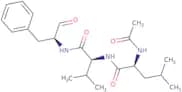
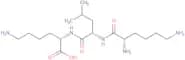
CAS:<p>Ac-Leu-Val-Phe-aldehyde is a synthetic compound that inhibits the catalytic activity of carboxyl enzymes. It binds to the catalytic site of the enzyme via a noncovalent interaction with residues on the polypeptide chain, thereby preventing the formation of an active complex with other cofactors such as metal ions, amino acids, and ATP. Ac-Leu-Val-Phe-aldehyde can be used in analytical chemistry for determination of carboxyl groups in organic compounds or for determining protein content in biological samples. Ac-Leu-Val-Phe-aldehyde has also been shown to bind to antibodies which are specific for carboxyl groups.</p>Formula:C22H33N3O4Purity:Min. 95%Molecular weight:403.52 g/molH-Lys-Leu-Lys-OH triacetate salt
CAS:<p>Please enquire for more information about H-Lys-Leu-Lys-OH triacetate salt including the price, delivery time and more detailed product information at the technical inquiry form on this page</p>Formula:C18H37N5O4•3C2H4O2Purity:Min. 95%Molecular weight:567.67 g/molMca-Gly-Lys-Pro-Ile-Leu-Phe-Phe-Arg-Leu-Lys(Dnp)-D-Arg-NH2 trifluoroacetate salt
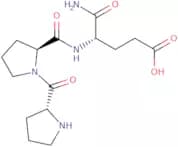
CAS:<p>Please enquire for more information about Mca-Gly-Lys-Pro-Ile-Leu-Phe-Phe-Arg-Leu-Lys(Dnp)-D-Arg-NH2 trifluoroacetate salt including the price, delivery time and more detailed product information at the technical inquiry form on this page</p>Formula:C85H122N22O19Purity:Min. 95%Molecular weight:1,756.02 g/molH-D-Pro-Pro-Glu-NH2 trifluoroacetate salt
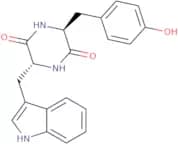
CAS:<p>Please enquire for more information about H-D-Pro-Pro-Glu-NH2 trifluoroacetate salt including the price, delivery time and more detailed product information at the technical inquiry form on this page</p>Formula:C15H24N4O5Purity:Min. 95%Molecular weight:340.38 g/molCyclo(-D-Trp-Tyr)
CAS:<p>Cyclo(-D-Trp-Tyr) is a cyclic peptide that is produced by the fungus Microbispora sp. It has been shown to inhibit the growth of Staphylococcus aureus, as well as other bacteria, fungi and cancer cells. Cyclo(-D-Trp-Tyr) binds to the ribosomal RNA in these cells and inhibits protein synthesis. The peptide does not bind to subtilisin or bgc-823, but does bind to lung fibroblasts and leukemia cells.</p>Formula:C20H19N3O3Purity:Min. 95%Molecular weight:349.38 g/mol(S)-(-)-3-Chloro-1-phenyl-1-propanol
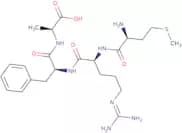
CAS:<p>(S)-(-)-3-Chloro-1-phenyl-1-propanol is an efficient method for the synthesis of chiral propiophenone. It is synthesized by reacting a mixture of borane and tetrahydrofuran with (S)-(-)-3-chloro-1-phenylpropanol. This reaction produces the desired compound in good yield and high diastereoselectivity. The synthesis of this compound has been shown to be useful for the production of antidepressant drugs, such as κ-opioid receptor ligands, which are used to treat depression, anxiety, and chronic pain.</p>Formula:C9H11ClOPurity:Min. 95%Molecular weight:170.64 g/molH-Met-Arg-Phe-Ala-OH
CAS:<p>H-Met-Arg-Phe-Ala-OH is a synthetic peptide that has been shown to be an effective inhibitor of protein synthesis in mammalian cells. It binds to the active site of protein translation machinery, thereby inhibiting the production of proteins vital for cell division. H-Met-Arg-Phe-Ala-OH is stable in aqueous solution and resistant to proteolytic degradation. It also has a high detection sensitivity and can be detected by FTIR spectroscopy, which makes it suitable for use in a variety of applications. H-Met-Arg-Phe-Ala-OH can be used as a tool for studying protein synthesis inhibition or as an antiobiotic agent against cancer cells.</p>Formula:C23H37N7O5SPurity:Min. 95%Molecular weight:523.65 g/mol(Des-Lys38)-M65 trifluoroacetate salt
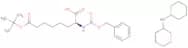
CAS:<p>Please enquire for more information about (Des-Lys38)-M65 trifluoroacetate salt including the price, delivery time and more detailed product information at the technical inquiry form on this page</p>Formula:C199H314N62O60S5Purity:Min. 95%Molecular weight:4,695.33 g/molZ-Asu (OtBu)-OH·DCHA
CAS:Controlled Product<p>Please enquire for more information about Z-Asu (OtBu)-OH·DCHA including the price, delivery time and more detailed product information at the technical inquiry form on this page</p>Formula:C20H29NO6·C12H23NPurity:Min. 95%Molecular weight:560.77 g/molCRAMP-18 (mouse) trifluoroacetate salt
CAS:<p>Please enquire for more information about CRAMP-18 (mouse) trifluoroacetate salt including the price, delivery time and more detailed product information at the technical inquiry form on this page</p>Formula:C101H171N27O24Purity:Min. 95%Molecular weight:2,147.61 g/molAcetyl-(Cys(Acm)33·42)-EGF (33-42) amide (mouse)
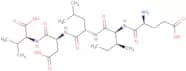
CAS:<p>Please enquire for more information about Acetyl-(Cys(Acm)33·42)-EGF (33-42) amide (mouse) including the price, delivery time and more detailed product information at the technical inquiry form on this page</p>Formula:C51H82N16O17S2Purity:Min. 95%Molecular weight:1,255.43 g/molFibronectin CS-1 Fragment (1978-1982)
CAS:<p>Fibronectin CS-1 Fragment (1978-1982) H-Glu-Ile-Leu-Asp-Val-OH is a heterocyclic peptide that has inhibitory effects on the muscle cells. It inhibits the enzyme guanosine triphosphatase, which is responsible for releasing calcium ions from its intracellular storage site. Fibronectin CS-1 Fragment (1978-1982) H-Glu-Ile-Leu-Asp-Val-OH is an analog of the human protein fibronectin, and it can be used as a synthetic molecule to study how integrin receptors interact with different sequences of amino acids.</p>Formula:C26H45N5O10Purity:Min. 95%Molecular weight:587.66 g/mol4-Formyl-phenyloxymethyl polystyrene resin (200-400 mesh)
<p>4-Formylphenyloxymethyl polystyrene resin (200-400 mesh) is a polymer that can be used in the synthesis of amide, aminoacylation, halides, piperidine, yields, imine, reductive amination and heterocycles. It has been shown to be especially useful for the synthesis of diazepinones. The resin is soluble in solvents such as dichloromethane and ethanol. 4-Formylphenyloxymethyl polystyrene resin can be prepared by reacting styrene with formaldehyde and phenol in a solvent such as tetrahydrofuran or pyridine at a temperature between 0°C and 50°C. This process is usually conducted under an inert atmosphere such as nitrogen or argon gas. The resin is then washed with diethylether followed by benzene to remove residual formaldehyde.</p>Purity:Min. 95%RFRP-3 (rat)
CAS:<p>Please enquire for more information about RFRP-3 (rat) including the price, delivery time and more detailed product information at the technical inquiry form on this page</p>Formula:C88H134N26O25S2Purity:Min. 95%Molecular weight:2,020.3 g/molAstressin trifluoroacetate salt
CAS:<p>Astressin trifluoroacetate salt H-D-Phe-His-Leu-Leu-Arg-Glu-Val-Leu-Glu-Nle-Ala-Arg-Ala-Glu-Gln is a cyclic peptide that has been shown to have biological properties as an inhibitor of cyclases. Astressin has shown efficacy in treating some types of autoimmune diseases and bowel diseases, although it is not effective against all types of these disorders. Astressin also has receptor activity and can induce locomotor activity. This compound has been shown to be an inhibitor of the Toll like receptor 4 (TLR4). In this role, astressin blocks the inflammatory response by preventing the binding of endotoxin to TLR4 receptors on cells.</p>Formula:C161H269N49O42Purity:Min. 95%Molecular weight:3,563.16 g/molHCV-1 e2 Protein (554-569)
CAS:<p>Please enquire for more information about HCV-1 e2 Protein (554-569) including the price, delivery time and more detailed product information at the technical inquiry form on this page</p>Formula:C74H111N19O21S3Purity:Min. 95%Molecular weight:1,698.99 g/molPACAP-38 (28-38) (human, chicken, mouse, ovine, porcine, rat) trifluoroacetate salt
CAS:<p>PACAP-38 (28-38) is a peptide hormone that is produced in the brain and regulates various physiological processes. It has been shown to have effects on intestinal, pancreatic, and lung cells. PACAP-38 (28-38) is a potent antagonist of vasoactive intestinal polypeptide (VIP), which has been implicated in the regulation of gastrointestinal motility and fluid secretion. The peptide also inhibits cancer cell proliferation by activating cell death pathways.</p>Formula:C61H110N24O14Purity:Min. 95%Molecular weight:1,403.68 g/molThrombospondin-1 (1016-1023) (human, bovine, mouse)
CAS:<p>Please enquire for more information about Thrombospondin-1 (1016-1023) (human, bovine, mouse) including the price, delivery time and more detailed product information at the technical inquiry form on this page</p>Formula:C56H81N13O10SPurity:Min. 95%Molecular weight:1,128.39 g/mol(Boc-Tyr1,D-Ala2)-Leu-Enkephalin-Lys Boc-Tyr-D-Ala-Gly-Phe-Leu-Lys-OH
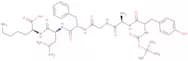
CAS:<p>Please enquire for more information about (Boc-Tyr1,D-Ala2)-Leu-Enkephalin-Lys Boc-Tyr-D-Ala-Gly-Phe-Leu-Lys-OH including the price, delivery time and more detailed product information at the technical inquiry form on this page</p>Formula:C40H59N7O10Purity:Min. 95%Molecular weight:797.94 g/molH-Pro-Pro-Pro-Pro-OH
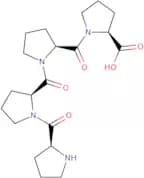
CAS:<p>H-Pro-Pro-Pro-Pro-OH is a proteolytic enzyme that has been shown to have potential applications in drug design. The enzyme is able to cleave proteins, such as albumin, at different sites. It can be used to optimize the design of therapeutic drugs by highlighting the parameters that are important for successful protein cleavage. The enzyme has also been shown to have toxicological properties and interacts with serum albumin. H-Pro-Pro-Pro-Pro-OH is a protease that can be found in human serum.</p>Formula:C20H30N4O5Purity:Min. 95%Molecular weight:406.48 g/mol(3,5-Dibromo-Tyr1)-Leu-Enkephalin
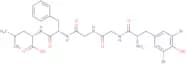
CAS:<p>Please enquire for more information about (3,5-Dibromo-Tyr1)-Leu-Enkephalin including the price, delivery time and more detailed product information at the technical inquiry form on this page</p>Formula:C28H35Br2N5O7Purity:Min. 95%Molecular weight:713.42 g/molH-Met-2-chlorotrityl resin (200-400 mesh) (Low Substitution)
<p>Please enquire for more information about H-Met-2-chlorotrityl resin (200-400 mesh) (Low Substitution) including the price, delivery time and more detailed product information at the technical inquiry form on this page</p>Purity:Min. 95%H-Thr-Phe-OH
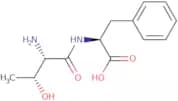
CAS:<p>H-Thr-Phe-OH is a fatty acid which is the substrate for tumor cells. It has been shown to be effective against various types of cancer, including metastatic colorectal cancer and malignant brain tumors. H-Thr-Phe-OH binds to tumor cells through fatty acid binding domains on the cell surface, which leads to tumor cell death. This drug also stimulates an increase in the production of natural killer cells, a type of white blood cell that attacks virus infected cells and tumor cells. The activity index for this drug was measured at 3.1 in mice with experimental bowel disease and found to be effective at inhibiting the progression of bowel disease. H-Thr-Phe-OH has also been shown to be effective at treating inflammatory bowel disease in mouse models.</p>Formula:C13H18N2O4Purity:Min. 95%Color and Shape:PowderMolecular weight:266.29 g/mol(R)-(+)-2-Methyl-CBS-oxazaborolidine
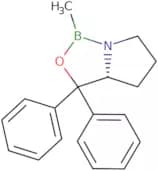
CAS:<p>(R)-(+)-2-Methyl-CBS-oxazaborolidine is a dpp-iv inhibitor that is a β-unsaturated ketone. It has been shown to inhibit the enzyme histone lysine demethylase, which may be involved in the regulation of bone mass. This compound also has a pharmacokinetic profile that is characterized by high oral bioavailability, low plasma protein binding, and rapid metabolism by liver enzymes. The reaction mechanism for this compound is based on the formation of an enolate carbanion. (R)-(+)-2-Methyl-CBS-oxazaborolidine can be synthesized with high stereoselectivity and yields from reactions with simple starting materials. This synthetic route also has a number of advantages over other methods: it does not require any protecting groups, it does not use toxic solvents such as dichloromethane or chloroform, and it can be performed in anhydrous conditions</p>Formula:C18H20BNOPurity:Min. 95%Color and Shape:SolidMolecular weight:277.17 g/molN,N'-Methylenediacrylamide
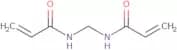
CAS:<p>N,N'-Methylenediacrylamide is a water-soluble compound that has been used as a fluorescent probe for hydrogen bonding. It has been shown to have different phase transition temperatures in different solvents and can be used as an experimental model for studying the effects of temperature on the behavior of water molecules. N,N'-Methylenediacrylamide reacts with hydrochloric acid to form the fatty acid N,N'-methylenebis(3-chloroacrylic acid) under acidic conditions. This reaction is reversible, and the reverse process can be catalyzed by sodium citrate or human serum. When exposed to radiation or surface methodology, it emits light at a wavelength of 350 nm.</p>Formula:C7H10N2O2Purity:Min. 95%Color and Shape:White Clear LiquidMolecular weight:154.17 g/mol2-O-Benzyl-3-O-allyl-sn-glycerol
CAS:<p>Please enquire for more information about 2-O-Benzyl-3-O-allyl-sn-glycerol including the price, delivery time and more detailed product information at the technical inquiry form on this page</p>Formula:C13H18O3Purity:Min. 95%Molecular weight:222.28 g/mol(Cys39)-Tissue Factor (33-53)
CAS:<p>Please enquire for more information about (Cys39)-Tissue Factor (33-53) including the price, delivery time and more detailed product information at the technical inquiry form on this page</p>Formula:C111H166N26O33S2Purity:Min. 95%Molecular weight:2,456.79 g/molAmyloid Bri Protein (1-23) trifluoroacetate salt
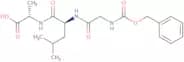
CAS:<p>Please enquire for more information about Amyloid Bri Protein (1-23) trifluoroacetate salt including the price, delivery time and more detailed product information at the technical inquiry form on this page</p>Formula:C116H175N31O35S2Purity:Min. 95%Molecular weight:2,627.95 g/molZ-Gly-Leu-Ala-OH
CAS:<p>The peptide Z-Gly-Leu-Ala-OH is a reactive substance that is generated by the cleavage of casein kinase II. The peptide has been shown to have cytotoxic effects on Hodgkin's lymphoma cells, and also induces apoptosis in these cells. This peptide binds to mitochondria and causes mitochondrial damage, as well as generating reactive oxygen species (ROS) in the cell. ROS generation is dependent on oxygen species.</p>Formula:C19H27N3O6Purity:Min. 95%Molecular weight:393.43 g/molH-Phe-Arg-Arg-OH acetate salt
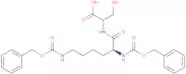
CAS:<p>The H-Phe-Arg-Arg-OH acetate salt is a reversible (acetylcholinesterase inhibitor). It reversibly binds to the enzyme, acetylcholinesterase and blocks the breakdown of acetylcholine, which is an important neurotransmitter. The H-Phe-Arg-Arg-OH acetate salt has been shown to be effective against rat hearts that have been damaged by lysosomal enzymes. This drug can also act as an endogenous buffer in the blood plasma, preventing changes in pH due to acidosis or alkalosis. The H-Phe-Arg-Arg-OH acetate salt is a subcomponent of citrate and myocardial proteins, which are essential for biosynthetic processes in the body. It has been shown to be maximally additive with other drugs that affect cardiac function, such as beta blockers and digitalis glycosides. Proteolysis is maximally inhibited by this drug when it</p>Formula:C21H35N9O4Purity:Min. 95%Molecular weight:477.56 g/molZ-Lys(Z)-Ser-OH
CAS:<p>Please enquire for more information about Z-Lys(Z)-Ser-OH including the price, delivery time and more detailed product information at the technical inquiry form on this page</p>Formula:C25H31N3O8Purity:Min. 95%Molecular weight:501.53 g/molFmoc-D-Thr(tBu)-Wang resin (200-400 mesh)
<p>Please enquire for more information about Fmoc-D-Thr(tBu)-Wang resin (200-400 mesh) including the price, delivery time and more detailed product information at the technical inquiry form on this page</p>Purity:Min. 95%4-Chloro-6-methoxyquinoline
CAS:<p>4-Chloro-6-methoxyquinoline is an inhibitor of bacterial DNA gyrase. It has antibacterial activity against Gram-positive and Gram-negative bacteria, including Staphylococcus aureus, Enterococcus faecalis, and Pseudomonas aeruginosa. 4-Chloro-6-methoxyquinoline is a synthetic compound that was reinvestigated for its antibacterial activity. It has been shown to be effective in the treatment of Staphylococcal infections. The mechanism of action may involve inhibition of topoisomerase II or interference with the synthesis of DNA by binding to the enzyme bacterial DNA gyrase. Quinidine and cinchonidine are quinine derivatives that have been found to inhibit bacterial DNA gyrase. These compounds are found in the bark of Cinchona species, which includes Cinchona ledgeriana, Cinchona officinalis, and Cinchona succirub</p>Formula:C10H8ClNOPurity:Min. 95%Molecular weight:193.02944Biphalin trifluoroacetate salt (
CAS:<p>Biphalin trifluoroacetate salt (H-Tyr-D-Ala-Gly-Phe-NH)2 trifluoroacetate salt is a peptide hormone. It has been shown to be an opioid that binds to the μ and δ opioid receptors and inhibits the production of inflammatory mediators. Biphalin trifluoroacetate salt (H-Tyr-D-Ala-Gly-Phe-NH)2 trifluoroacetate salt has also been shown to have neuroprotective effects. This drug has low potency and can only be used in vivo models. Biphalin trifluoroacetate salt (H-Tyr-D-Ala-Gly-Phe-NH)2 trifluoroacetate salt is not active against skin cancer cells, but does show activity against other types of cancer cells.</p>Formula:C46H56N10O10Purity:Min. 95%Molecular weight:909 g/molFluorescein-6-carbonyl-Leu-Glu(OMe)-Thr-DL-Asp(OMe)-fluoromethylketone
CAS:<p>Please enquire for more information about Fluorescein-6-carbonyl-Leu-Glu(OMe)-Thr-DL-Asp(OMe)-fluoromethylketone including the price, delivery time and more detailed product information at the technical inquiry form on this page</p>Formula:C43H47FN4O15Purity:Min. 95%Molecular weight:878.85 g/molH-D-Phe-Cys-Tyr-D-Trp-Orn-Thr-Pen-Thr-NH2 (Disulfide bond between Cys2 and Pen7)
CAS:<p>H-D-Phe-Cys-Tyr-D-Trp-Orn-Thr-Pen-Thr-NH2 is a neuropeptide that was found in the brain of an amphibian and has been shown to have antinociceptive properties. The peptide has been shown to bind to kappa opioid receptors and δ opioid receptors, which are both involved in pain regulation. H-D-Phe-Cys-Tyr-D-Trp-Orn (HDFYDT) has been shown to be effective in vivo, which may be due to its ability to increase striatal dopamine levels and decrease locomotor activity. HDFYDT also increases gamma aminobutyric acid levels in the brain, which may result in reduced anxiety. HDFYDT is synthesized from two amino acids: histidine and glutamine. This peptide is sensitive to proteolytic enzymes and can be degraded into smaller fragments such</p>Formula:C50H67N11O11S2Purity:Min. 95%Molecular weight:1,062.27 g/mol(Leu13-psi(CH2NH)Leu14)-Bombesin
CAS:<p>Please enquire for more information about (Leu13-psi(CH2NH)Leu14)-Bombesin including the price, delivery time and more detailed product information at the technical inquiry form on this page</p>Formula:C72H114N24O17Purity:Min. 95%Molecular weight:1,587.83 g/mol(D-Trp12,Tyr34)-pTH (7-34) amide (bovine) trifluoroacetate salt
CAS:<p>Please enquire for more information about (D-Trp12,Tyr34)-pTH (7-34) amide (bovine) trifluoroacetate salt including the price, delivery time and more detailed product information at the technical inquiry form on this page</p>Formula:C165H251N49O40S2Purity:Min. 95%Molecular weight:3,625.2 g/molFmoc-N-methyl-O-tert-butyl-L-tyrosine
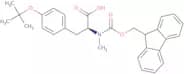
CAS:<p>Fmoc-N-methyl-O-tert-butyl-L-tyrosine is a peptide that mimics the natural substrate serine protease. It has been used to study protein-protein interactions in proteases and their cleavage specificity. This peptide was designed as a peptidomimetic, which is an analog of a protein or peptide. The systematic synthesis of this molecule has been studied extensively and it has been shown that the maximum number of modifications occurs at the N terminus and the minimal number at the C terminus. The residue of this molecule is modified by proteolytic modification, which is a chemical modification that changes the amino acid sequence. Fmoc-N-methyl-O-tert-butyl-L-tyrosine has minimal quantified stability, which means that it can be quantified but not stable for long periods of time.</p>Formula:C29H31NO5Purity:Min. 95%Molecular weight:473.56 g/molSeminal Plasma Inhibin (67-94) (human)
CAS:<p>Please enquire for more information about Seminal Plasma Inhibin (67-94) (human) including the price, delivery time and more detailed product information at the technical inquiry form on this page</p>Formula:C150H240N36O43S2Purity:Min. 95%Molecular weight:3,299.86 g/molAc-Leu-Asp-Gln-Trp-Phe-Gly-NH2
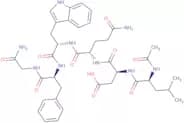
CAS:<p>Ac-Leu-Asp-Gln-Trp-Phe-Gly-NH2 is a peptide that was found to inhibit the activity of vasoactive intestinal peptide (VIP). It binds to VIP with high affinity and competitively inhibits its binding to VIP receptors. Ac-Leu-Asp-Gln-Trp-Phe-Gly-NH2 has an inhibitory effect on the maximal response of VIP in tissues, such as the intestine. This peptide also has an irritant effect on the intestine, which may be due to its competitive inhibition of VIP receptor sites. Ac-Leu-Asp-Gln-Trp-Phe Gly NH2 has been shown to have a concentration response curve for inhibiting the activity of Vip.</p>Formula:C39H51N9O10Purity:Min. 95%Molecular weight:805.88 g/molZ-Trp-Ala-OH
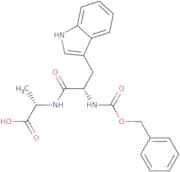
CAS:<p>Z-Trp-Ala-OH is an imidazolide that is used as a potassium supplement. It has the potential to be used in the treatment of epilepsy, but more research is needed to determine its safety and efficacy.</p>Formula:C22H23N3O5Purity:Min. 95%Molecular weight:409.44 g/molH-Leu-Ser-Lys-Leu-OH trifluoroacetate salt
CAS:<p>Please enquire for more information about H-Leu-Ser-Lys-Leu-OH trifluoroacetate salt including the price, delivery time and more detailed product information at the technical inquiry form on this page</p>Formula:C21H41N5O6Purity:Min. 95%Molecular weight:459.58 g/molH-Trp-Tyr-OH TFA Salt
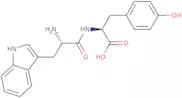
CAS:<p>H-Trp-Tyr-OH TFA salt is a food additive that has been shown to inhibit the oxidation of casein by light. It is an amino acid analog, which is a synthetic compound containing a single amino acid. The H-Trp-Tyr-OH TFA salt has been shown to protect against photooxidation of casein and other proteins in milk. It also inhibits the formation of exciplexes, which are complexes formed between tryptophan and trifluoroacetic acid. The H-Trp-Tyr-OH TFA salt has been shown to be stable at pH values ranging from 2 to 12 and at temperatures up to 300 degrees Celsius. This additive can be used as an emulsifier in food products such as mayonnaise, salad dressing, and margarine.</p>Formula:C22H20N3F3O5Purity:Min. 95%Molecular weight:463.41 g/molAc-Asp-Glu-Asp(EDANS)-Glu-Glu-Abu-L-lactoyl-Ser-Lys(DABCYL)-NH2 ammonium salt
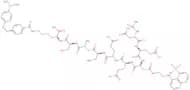
CAS:<p>Please enquire for more information about Ac-Asp-Glu-Asp(EDANS)-Glu-Glu-Abu-L-lactoyl-Ser-Lys(DABCYL)-NH2 ammonium salt including the price, delivery time and more detailed product information at the technical inquiry form on this page</p>Formula:C68H89N15O25SPurity:Min. 95%Molecular weight:1,548.59 g/molH-His-Pro-NH2·2 HBr
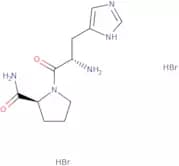
CAS:<p>Please enquire for more information about H-His-Pro-NH2·2 HBr including the price, delivery time and more detailed product information at the technical inquiry form on this page</p>Formula:C11H17N5O2·2HBrPurity:Min. 95%Molecular weight:413.11 g/mol(Deamino-Cys3, Nle 4,Arg5,D-2-Nal 7,Cys11)-a-MSH (3-11) amide trifluoroacetate salt
CAS:<p>Please enquire for more information about (Deamino-Cys3, Nle 4,Arg5,D-2-Nal 7,Cys11)-a-MSH (3-11) amide trifluoroacetate salt including the price, delivery time and more detailed product information at the technical inquiry form on this page</p>Formula:C56H76N18O9S2Purity:Min. 95%Molecular weight:1,209.45 g/molFmoc-p-phenyl-L-phenylalanine
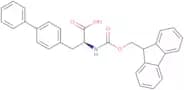
CAS:<p>Fmoc-p-phenyl-L-phenylalanine (FMPP) is a fluorescent probe that can be used to detect and diagnose damage in tissues. It is a small molecule that has been shown to bind to myocytes and cardiac tissues, specifically targeting skeletal and cardiac muscle. FMPP binds to the amino acid phenylalanine, which is found in high concentrations in cardiac tissue. This binding causes an increase in fluorescence, which can be detected by light microscopy or flow cytometry. FMPP has been used to detect damage in heart muscles of mice with dilated cardiomyopathy and also as a probe for myocardial infarctions in humans.</p>Formula:C30H25NO4Purity:Min. 98 Area-%Color and Shape:PowderMolecular weight:463.52 g/molFmoc-Tyr(tBu)-Wang resin (100-200 mesh)
<p>Please enquire for more information about Fmoc-Tyr(tBu)-Wang resin (100-200 mesh) including the price, delivery time and more detailed product information at the technical inquiry form on this page</p>Purity:Min. 95%H-Arg-Phe-NH2 hydrochloride salt
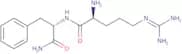
CAS:<p>H-Arg-Phe-NH2 hydrochloride salt (H-RF) is a physiological agent that has been shown to have effects on the response element binding protein. H-RF is a small, water soluble molecule that has been shown to act as an agonist for peptides and cation channels in vitro. The peptides are involved in the regulation of cardiac function and locomotor activity, while the cation channel regulates the opening and closing of potassium channels. The binding of H-RF to these receptors leads to positive changes in energy metabolism, which may be due to its ability to activate ATPase. H-RF also binds strongly to disulfide bonds found in proteins such as peptide hormones and enzymes. These disulfide bonds are important for maintaining protein structure and function.</p>Formula:C15H24N6O2Purity:Min. 95%Molecular weight:320.39 g/mol2-Boc-2,9-Diazaspiro[5.5]undecane hydrochloride
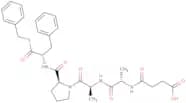
CAS:<p>Please enquire for more information about 2-Boc-2,9-Diazaspiro[5.5]undecane hydrochloride including the price, delivery time and more detailed product information at the technical inquiry form on this page</p>Formula:C14H27ClN2O2Purity:Min. 95%Molecular weight:290.83 g/molSuc-Ala-Ala-Pro-Phe-SBzl
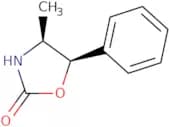
CAS:<p>Suc-Ala-Ala-Pro-Phe-SBzl is a synthetic peptide with a sequence similar to the signal peptide of procarboxypeptidase B2. It has been shown that Suc-Ala-Ala-Pro-Phe-SBzl can be used as a diagnostic tool for pancreatic cancer, because it is found in higher concentrations in the blood of patients with pancreatic cancer. This peptide also has an affinity for metal ions, which allows it to be used as a probe to detect the presence of these ions in solution. Suc-Ala-Ala-Pro-Phe-SBzl binds to human immunoglobulin G (IgG) and can be used in analytical methods that use x ray diffraction data.</p>Formula:C31H38N4O7SPurity:Min. 95%Molecular weight:610.72 g/mol(4S,5R)-4-Methyl-5-phenyloxazolidin-2-one
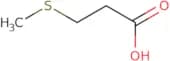
CAS:<p>(4S,5R)-4-Methyl-5-phenyloxazolidin-2-one is an amide that is prepared by the reaction of piperidine and benzyl chloride. It is a chiral compound with (4S,5R) configuration and has a basic hydrolysis. The compound was optimized for its synthesis by using different solvents. This amide has been used in the transfer of methyl groups to different substrates. It also has been used in asymmetric synthesis as a chiral auxiliary for the preparation of enantiopure sulfinyl compounds.</p>Formula:C10H11NO2Purity:Min. 95%Molecular weight:177.2 g/mol3-Methylthiopropionic acid
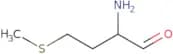
CAS:<p>3-Methylthiopropionic acid is a bacterial metabolite that can serve as an alternative carbon source for the production of amino acids. 3-Methylthiopropionic acid is used to study the effect of matrix on enzyme activities, and has been shown to have protein-binding properties. The compound also serves as a precursor in the synthesis of tiglic acid, which is a lysine precursor. 3-Methylthiopropionic acid has been found to be effective in slowing the growth of cancer cells. It has been shown to inhibit fatty acid synthesis, and may also inhibit methionine synthetase activity and cell proliferation.</p>Formula:C4H8O2SPurity:Min. 95%Color and Shape:Colourless To Pale Yellow LiquidMolecular weight:120.17 g/molH-Lys-Gly-Gly-OH hydrochloride salt
CAS:<p>Histidine is a non-essential amino acid that has been shown to be involved in the regulation of cell growth and differentiation. It is also involved in the biosynthesis of nucleotides, collagen, and carnitine. Kinetic studies on histidine have been done by acetylation of histidine with acetic anhydride and pyridine. The kinetic method used was based on the reaction between histidine and p-nitrophenyl phosphate. The transfer reactions were performed with a strain containing lysine residues which were then adsorbed onto a surface-enhanced Raman spectroscopy (SERS) substrate. These experiments were performed using techniques such as resonance mass spectrometry (RMS), surface-enhanced Raman spectroscopy (SERS), and protonation selective mass spectrometry (PSMS).</p>Formula:C10H20N4O4Purity:Min. 95%Molecular weight:260.29 g/mol









![Ac-Pro-Leu-Gly-[(S)-2-mercapto-4-methyl-pentanoyl]-Leu-Gly-OEt](/_next/image/?url=https%3A%2Fstatic.cymitquimica.com%2Fproducts%2F3D%2Fthumb-webp%2FFA110006.webp&w=3840&q=75)













![2-Boc-2,9-Diazaspiro[5.5]undecane hydrochloride](/_next/image/?url=https%3A%2Fstatic.cymitquimica.com%2Fproducts%2F3D%2Fthumb-webp%2FFB154133.webp&w=3840&q=75)