Amino Acids (AA)
Amino acids (AAs) are the fundamental building blocks of proteins, playing a crucial role in various biological processes. These organic compounds are essential for protein synthesis, metabolic pathways, and cell signaling. In this category, you will find a comprehensive range of amino acids, including essential, non-essential, and modified forms, which are vital for research in biochemistry, molecular biology, and nutritional sciences. At CymitQuimica, we provide high-quality amino acids to support your research and development needs, ensuring accuracy and reliability in your experimental outcomes.
Subcategories of "Amino Acids (AA)"
- Amino Acid Derivatives(3,971 products)
- Amino Acid and Amino Acid Related Compounds(3,477 products)
- Amino Acids with Oxygen or Sulphur(168 products)
- Boc- Amino Acids(351 products)
- Fmoc Amino Acids(1,710 products)
Found 38321 products of "Amino Acids (AA)"
Sort by
Purity (%)
0
100
|
0
|
50
|
90
|
95
|
100
3-Bromo-5-phenyl-1,2,4-oxadiazole
CAS:<p>3-Bromo-5-phenyl-1,2,4-oxadiazole (3BrO) is an organic compound that can be synthesized by coupling a benzoyl chloride with a cyanide salt. 3BrO is also produced in the pyrolysis of benzophenone and 1,2,4-triazole. The fragmentation of 3BrO produces catechol and phenylhydrazine. The deoxygenative coupling reaction of 3BrO with sodium azide produces the explosive compound 2,4,6-trinitrobenzamide. This chemical has been used as the starting material for the synthesis of many other explosives such as RDX and TNT.</p>Formula:C8H5BrN2OPurity:Min. 95%Molecular weight:225.04 g/molH-Asp-Leu-OH
CAS:<p>Please enquire for more information about H-Asp-Leu-OH including the price, delivery time and more detailed product information at the technical inquiry form on this page</p>Formula:C10H18N2O5Purity:Min. 95 Area-%Color and Shape:PowderMolecular weight:246.26 g/molH-Ile-Asn-OH trifluroacetate
CAS:<p>Please enquire for more information about H-Ile-Asn-OH trifluroacetate including the price, delivery time and more detailed product information at the technical inquiry form on this page</p>Formula:C10H19N3O4•(C2HF3O2)xPurity:Min. 95%1-(Boc-amino)-4,9-dioxa-12-dodecanamine
CAS:Controlled Product<p>Please enquire for more information about 1-(Boc-amino)-4,9-dioxa-12-dodecanamine including the price, delivery time and more detailed product information at the technical inquiry form on this page</p>Formula:C15H32N2O4Purity:Min. 95%Molecular weight:304.43 g/mol1-(4-Methoxyphenyl)-3-phenyl-1H-pyrazole-5-carboxylic acid
CAS:Controlled Product<p>Please enquire for more information about 1-(4-Methoxyphenyl)-3-phenyl-1H-pyrazole-5-carboxylic acid including the price, delivery time and more detailed product information at the technical inquiry form on this page</p>Formula:C17H14N2O3Purity:Min. 95%Color and Shape:PowderMolecular weight:294.3 g/mol3-Phenylquinazoline-2,4(1H,3H)-dione
CAS:Controlled Product<p>3-Phenylquinazoline-2,4(1H,3H)-dione is an efficient synthesis of hydrazine. It can be used in the synthesis of other molecules.</p>Formula:C14H10N2O2Purity:Min. 95%Molecular weight:238.24 g/mol(2R)-2-Amino-3-phenylpropionyl amide
CAS:<p>(2R)-2-Amino-3-phenylpropionyl amide is a synthetic cannabinoid that has been shown to bind to the CB2 receptor. It has been found to be an effective analgesic in rat models of inflammatory and neuropathic pain. This drug is also a serine protease inhibitor, with activity against ochrobactrum, an antibiotic-resistant bacteria. (2R)-2-Amino-3-phenylpropionyl amide is also used as a substrate for d-alanine synthesis and has been sequenced. It can form hydrogen bonds with water molecules and chloride ions. (2R)-2-Amino-3-phenylpropionyl amide has been synthesized by Clostridium coli K12 cells and is expected to have similar effects on human cells.</p>Formula:C9H12N2OPurity:Min. 95%Molecular weight:164.2 g/mol4,5-Dehydro-L-leucine
CAS:<p>4,5-Dehydro-L-leucine (DHL) is a chemical compound that can be found naturally in the body. It has been shown to have anticancer properties in vitro and can activate photorhabdus, which are bacteria that infect insects. DHL is also capable of inhibiting acetylation, the process by which proteins are modified with an acetyl group. The ability of DHL to inhibit acetylation may be due to its ability to bind with histone H3 and prevent the acetylation of lysine residues on this protein. DHL has also been shown to inhibit dna replication and induce apoptosis of cancer cells in vitro.</p>Formula:C6H11NO2Purity:Min. 95%Molecular weight:129.16 g/mol2-Amino-4'-methoxyacetophenone hydrochloride
CAS:Controlled Product<p>Please enquire for more information about 2-Amino-4'-methoxyacetophenone hydrochloride including the price, delivery time and more detailed product information at the technical inquiry form on this page</p>Formula:C9H11NO2·HClPurity:Min. 95%Color and Shape:PowderMolecular weight:201.65 g/molH-Gly-Phe-Gly-aldehyde semicarbazone acetate salt
CAS:<p>Please enquire for more information about H-Gly-Phe-Gly-aldehyde semicarbazone acetate salt including the price, delivery time and more detailed product information at the technical inquiry form on this page</p>Formula:C14H20N6O3Purity:Min. 95%Molecular weight:320.35 g/mol1-[2-(5-Methoxy-1H-indol-3-yl)ethyl]-5-oxopyrrolidine-3-carboxylic acid
CAS:Controlled Product<p>Please enquire for more information about 1-[2-(5-Methoxy-1H-indol-3-yl)ethyl]-5-oxopyrrolidine-3-carboxylic acid including the price, delivery time and more detailed product information at the technical inquiry form on this page</p>Formula:C16H18N2O4Purity:Min. 95%Molecular weight:302.33 g/mol4-Ethoxy-3-methoxybenzoic acid
CAS:<p>4-Ethoxy-3-methoxybenzoic acid is a white crystalline solid that belongs to the class of isomers. This compound has been used in biological studies to study the functional theory of bond cleavage, hydroxyl group, and cleavage products. 4-Ethoxy-3-methoxybenzoic acid has also been shown to be a substrate for radical chain reactions, which are initiated by electron transfer from an organic molecule and may produce hydroperoxides or peroxides. The fatty acids found in this chemical react with trichloroacetic acid to form esters and conjugates. These esters are more water soluble than the original fatty acids, making them useful as solvents for organic reactions. 4-Ethoxy-3-methoxybenzoic acid is a precursor for coriolus pigment, which provides coloration for coniferous trees such as pine and spruce.</p>Formula:C10H12O4Purity:Min. 95%Molecular weight:196.2 g/mol4-Methyloctanoic acid
CAS:4-Methyloctanoic acid is a fatty acid that is synthesized from adipose tissue in animals. It can be used as a matrix effect for the production of enantiopure chemical compounds by chemical ionization, and it has been used in magnetic resonance spectroscopy to analyze kinetic data. 4-Methyloctanoic acid has been shown to have a number of biological effects, including an ability to inhibit the growth of type strain bacteria such as Escherichia coli and Staphylococcus aureus. The synthesis pathway for 4-methyloctanoic acid is not known, but it may be derived from hydrogenated octanoic acid.Formula:C9H18O2Purity:Min. 95%Color and Shape:Clear LiquidMolecular weight:158.24 g/mol(S)-(-)-3-(Benzoylthio)-2-methylpropanoic acid
CAS:<p>Please enquire for more information about (S)-(-)-3-(Benzoylthio)-2-methylpropanoic acid including the price, delivery time and more detailed product information at the technical inquiry form on this page</p>Formula:C11H12O3SPurity:Min. 95%Molecular weight:224.28 g/mol(R)-3-Methylmorpholine
CAS:<p>(R)-3-Methylmorpholine is a potent inhibitor of phosphoinositide 3-kinases (PI3Ks) that have been implicated in the development and progression of cancer. It inhibits the PI3Ks at low concentrations, which may result in cell death. This drug also has an anti-inflammatory effect on cancer cells by inhibiting the production of lipids that promote inflammation. The pharmacokinetic properties of (R)-3-methylmorpholine include oral absorption, with a half-life of about 2 hours. In addition, it is well tolerated and does not cause any adverse side effects such as nausea or vomiting.</p>Formula:C5H11NOPurity:Min. 95%Molecular weight:101.15 g/molMethyl 5-chloro-1-methyl-1H-indole-2-carboxylate
CAS:Controlled Product<p>Please enquire for more information about Methyl 5-chloro-1-methyl-1H-indole-2-carboxylate including the price, delivery time and more detailed product information at the technical inquiry form on this page</p>Formula:C11H10ClNO2Purity:Min. 95%Molecular weight:223.66 g/mol2-(2-Methyl-4-nitro-1H-imidazol-1-yl)ethanol
CAS:<p>Please enquire for more information about 2-(2-Methyl-4-nitro-1H-imidazol-1-yl)ethanol including the price, delivery time and more detailed product information at the technical inquiry form on this page</p>Formula:C6H9N3O3Purity:Min. 95%Molecular weight:171.15 g/mol3-Methylglutaric acid
CAS:<p>3-Methylglutaric acid is an organic compound that belongs to the group of alkanocarboxylic acids. It has been shown to reduce the formation of malonic acid, which can be toxic to the heart and cause congestive heart failure. 3-Methylglutaric acid also inhibits oxidation catalysts and increases the production of energy in cells by providing electrons. The kinetic data for 3-methylglutaric acid have been determined using a gas chromatography technique on a high-temperature conversion reactor at a pH of 7.0 with a concentration of 0.1 M potassium phosphate buffer (pH 7) and a temperature of 70°C. 3-Methylglutaric acid has been shown to inhibit monoclonal antibody cationic polymerization, which may be due to its reactive nature and its ability to donate hydrogen ions or electrons.</p>Formula:C6H10O4Purity:Min. 95%Molecular weight:146.14 g/mol3-Benzyl-phenol
CAS:<p>3-Benzyl-phenol is a formaldehyde and aliphatic compound that is used as a chemical intermediate. It can be synthesized from 3-phenylglycine, which is an amino acid with the formula CH(CH)CONH. The hydroxyl group of 3-benzyl-phenol can be converted to a sulphonic or salicylic acid by hydrolysis with hydrochloric acid or salicylic acid respectively. 3-Benzyl phenol also catalyzes the reaction between paraformaldehyde and hexamine in the presence of water, yielding acetaldehyde and hydrogen gas.</p>Purity:Min. 95%3,7,4'-Trihydroxy-5-methoxy-8-prenylflavanone, (2R,3S)-
<p>3,7,4'-Trihydroxy-5-methoxy-8-prenylflavanone, (2R,3S)- is a naturally occurring prenylated flavanone, which is primarily sourced from various plant species. This compound is part of the larger flavonoid family and is often found in certain medicinal plants known for their wide range of therapeutic properties. Its structure comprises a flavanone backbone, modified by hydroxyl, methoxy, and prenyl groups that contribute to its distinctive chemical profile.</p>Purity:Min. 95%N-Allyl-1-phenylcyclohexanamine hydrochloride
CAS:Controlled Product<p>Please enquire for more information about N-Allyl-1-phenylcyclohexanamine hydrochloride including the price, delivery time and more detailed product information at the technical inquiry form on this page</p>Formula:C15H21NPurity:Min. 95%Molecular weight:215.33 g/molFmoc-isothiocyanate
CAS:<p>Fmoc-isothiocyanate is an inhibitor of the enzyme glycogen synthase kinase-3 (GSK-3) and has been shown to be a potential therapeutic agent for inflammatory diseases such as rheumatoid arthritis. Fmoc-isothiocyanate has also been shown to inhibit the production of melanocortin, a growth factor that is associated with cancer cells, and it can be used as an antiviral agent. This compound also inhibits the production of certain inflammatory cytokines and growth factors, which are involved in autoimmune diseases such as hepatitis and trifluoroacetic acid. Fmoc-isothiocyanate inhibits the activity of antifungal agents by inhibiting their ability to bind to fungal cell walls. It is synthesized on a solid support using trifluoroacetic acid as a reagent.</p>Formula:C16H11NO2SPurity:Min. 95%Color and Shape:White To Light (Or Pale) Yellow SolidMolecular weight:281.33 g/mol4-Methyl estradiol
CAS:Controlled Product<p>4-Methyl estradiol is an estrogen that is a naturally occurring metabolite of estradiol. It has been shown to have weak estrogenic effects and may be used in low doses to treat breast cancer. 4-Methyl estradiol binds to the estrogen receptor with high affinity, which leads to its activation and subsequent translocation into the nucleus, where it binds to DNA and regulates gene transcription. The binding of 4-methyl estradiol to the receptor also stimulates the production of other hormones such as progesterone and estrone.</p>Formula:C19H26O2Purity:Min. 95 Area-%Color and Shape:White PowderMolecular weight:286.41 g/molN,N-Diethyl-beta-alanine
CAS:N,N-Diethyl-beta-alanine (DEBA) is a nucleophilic agent that reacts with epoxides. It has been synthesised and structurally studied using X-ray crystallography and electron diffraction techniques. DEBA has shown to have reactive properties and has been used in the synthesis of monoalkyl epoxides. The synthesis of DEBA was first reported by the research team of L1210 leukemia cells. This substance was found to be an effective inhibitor of growth in this cell line, which may be due to its ability to inhibit protein synthesis.Formula:C7H15NO2Purity:Min. 95%Molecular weight:145.2 g/mol(S)-(-)-2-Hydroxy-4-(2-methoxyphenyl)-5,5-dimethyl-1,3,2-dioxaphosphorinane 2-oxide
CAS:<p>(S)-(-)-2-Hydroxy-4-(2-methoxyphenyl)-5,5-dimethyl-1,3,2-dioxaphosphorinane 2-oxide is a crystallization inhibitor. It can be used in the treatment of osteoporosis and to prevent the calcification of prostate tissue. (S)-(-)-2-Hydroxy-4-(2-methoxyphenyl)-5,5-dimethyl-1,3,2-dioxaphosphorinane 2-oxide has been shown to inhibit nucleation and crystal growth by adsorbing to the surfaces of nuclei and inhibiting inhibitor molecules from diffusing into the nucleus. This compound also inhibits the crystallization process by binding to one molecule of phosphate on each phosphate site on a crystal surface. The result is that there are fewer sites available for other molecules to bind, preventing crystal growth.</p>Formula:C12H17O5PPurity:Min. 95%Color and Shape:Slightly Yellow PowderMolecular weight:272.23 g/mol1-Benzyl-5-methyl-1H-1,2,3-triazole-4-carboxylic acid
CAS:<p>1-Benzyl-5-methyl-1H-1,2,3-triazole-4-carboxylic acid is a compound with an esterified hydroxyl group in the form of an acetylacetone. It can be used as a monohydrate or dihydrate and it is stabilized by hydrogen bonding. 1-Benzyl-5-methyl-1H-1,2,3-triazole-4-carboxylic acid has been studied as a potential drug for cancer treatment because it is active against tumor cells and has little toxicity to normal cells.</p>Formula:C11H11N3O2Purity:Min. 95%Molecular weight:217.22 g/mol1-[(2b,3a,5a,16b,17b)-17-Acetyloxy-3-hydroxy-2-(1-piperidinyl)androstan-16-yl]-1-methylpiperidinium bromide
CAS:<p>1-[(2b,3a,5a,16b,17b)-17-Acetyloxy-3-hydroxy-2-(1-piperidinyl)androstan-16-yl]-1-methylpiperidinium bromide is a drug that has been shown to have an inhibitory effect on the neuromuscular system. It is used in clinical doses as a muscle relaxant and anesthetic. The drug binds to the acetylcholine receptor at the neuromuscular junction and blocks nerve impulses by inhibiting acetylcholine release. 1-[(2b,3a,5a,16b,17b)-17-Acetyloxy-3-hydroxy-2-(1-piperidinyl)androstan-16-yl]-1-methylpiperidinium bromide has a long half life and accumulates in the body with repeated administration. This accumulation can lead to</p>Formula:C32H55BrN2O3Purity:Min. 95%Molecular weight:595.69 g/mol2-Methylthio-4-hydroxypyrimidine
CAS:<p>2-Methylthio-4-hydroxypyrimidine is a protonated thione that inhibits the growth of bacteria, including Streptococcus faecalis. It has been shown to have an inhibitory effect on UV absorption and halide ions, such as mercury chloride. 2-Methylthio-4-hydroxypyrimidine is an analog of pyrimidine nucleosides and has a constant and regiospecific synthesis. The compound has also demonstrated antibacterial activity against bacteria, such as Staphylococcus aureus, Enterobacter aerogenes, Pseudomonas aeruginosa, Proteus vulgaris, Salmonella typhimurium, Escherichia coli, and Shigella flexneri.</p>Formula:C5H6N2OSPurity:Min. 95%Molecular weight:142.18 g/molIle-Ile-OH
CAS:<p>Ile-Ile-OH is a zwitterion that is the product of an enzyme serine protease. It has been shown to exhibit serine protease activity against corynebacterium, and it can be used for the production of active enzymes such as corynebacterium glutamicum. Ile-Ile-OH is synthesized from serine and hydrochloric acid in a reaction catalyzed by the enzyme serine protease. The rate of this reaction depends on pH and temperature, which causes the conversion of ile-ile to ile-ole at higher temperatures. Ile-Ile-OH exhibits conformational properties that are similar to those found in natural amino acids, which may be due to its zwitterionic nature. This compound also has protonation properties that have been shown to be important for uptake assays in L6 cells.</p>Formula:C12H24N2O3Purity:Min. 95%Molecular weight:244.33 g/moltert-Butyl (1-methyl-1H-imidazol-5-yl)carbamate
CAS:<p>Please enquire for more information about tert-Butyl (1-methyl-1H-imidazol-5-yl)carbamate including the price, delivery time and more detailed product information at the technical inquiry form on this page</p>Formula:C9H15N3O2Purity:Min. 95%Molecular weight:197.23 g/mol2-Fluoro-5-methoxyaniline
CAS:<p>2-Fluoro-5-methoxyaniline is a high quality reagent that is used as an intermediate in the synthesis of various complex compounds. The CAS number for this chemical is 62257-15-2 and it has been shown to be useful as a building block for the synthesis of fine chemicals, speciality chemicals, and research chemicals with many different uses. It is also a versatile building block that can be used in reactions involving amines, alcohols, thiols, and nitriles. 2-Fluoro-5-methoxyaniline may also be used as a reaction component in organic syntheses.</p>Formula:C7H8FNOPurity:Min. 95%Color and Shape:PowderMolecular weight:141.14 g/mol[2-(5-Fluoro-1-methyl-1H-indol-3-yl)ethyl]amine hydrochloride
CAS:Controlled Product<p>Please enquire for more information about [2-(5-Fluoro-1-methyl-1H-indol-3-yl)ethyl]amine hydrochloride including the price, delivery time and more detailed product information at the technical inquiry form on this page</p>Formula:C11H13FN2·HClPurity:Min. 95%Molecular weight:228.69 g/molFmoc-O-tert-butyl-D-trans-4-hydroxyproline
CAS:<p>Please enquire for more information about Fmoc-O-tert-butyl-D-trans-4-hydroxyproline including the price, delivery time and more detailed product information at the technical inquiry form on this page</p>Formula:C24H27NO5Purity:Min. 98 Area-%Color and Shape:White PowderMolecular weight:409.47 g/molEthyl 3-{[(1E)-(dimethylamino)methylene]amino}-5-methoxy-1-methyl-1H-indole-2-carboxylate
CAS:Controlled Product<p>Please enquire for more information about Ethyl 3-{[(1E)-(dimethylamino)methylene]amino}-5-methoxy-1-methyl-1H-indole-2-carboxylate including the price, delivery time and more detailed product information at the technical inquiry form on this page</p>Formula:C16H21N3O3Purity:Min. 95%Molecular weight:303.36 g/mol1-Methyl-5-(tributylstannyl)-1H-pyrazole
CAS:Controlled ProductPlease enquire for more information about 1-Methyl-5-(tributylstannyl)-1H-pyrazole including the price, delivery time and more detailed product information at the technical inquiry form on this pageFormula:C16H32N2SnPurity:Min. 95%Molecular weight:371.15 g/mol1-Benzyl-4-phenylamino-4-(methoxymethyl)piperidine
CAS:<p>Please enquire for more information about 1-Benzyl-4-phenylamino-4-(methoxymethyl)piperidine including the price, delivery time and more detailed product information at the technical inquiry form on this page</p>Formula:C20H26N2OPurity:Min. 95%Molecular weight:310.43 g/mol4-Methylcatechol
CAS:<p>4-Methylcatechol is a plant compound that has been shown to have neurotrophic and anticarcinogenic properties. It is a natural product that can be found in the bark of the cinchona tree, and it has been used as an additive in skin care products for its antioxidant properties. 4-Methylcatechol has been shown to have anti-inflammatory effects and inhibit the growth of cancer cells in vitro. It also shows potential for the treatment of diabetic neuropathy, due to its ability to inhibit acetylcholine esterase activity. 4-Methylcatechol is a neurotrophic factor that affects cell nuclei and protein synthesis. This compound acts by binding with DNA, preventing DNA polymerase from adding new bases during replication. This effect inhibits RNA synthesis, which leads to cell death after prolonged exposure. In addition, 4-methylcatechol may be carcinogenic when administered orally or topically on skin cells in vivo or when applied ex</p>Formula:C7H8O2Purity:Min. 95%Molecular weight:124.14 g/mol(1S,2S)-(+)-2-Amino-1-phenyl-1,3-propanediol
CAS:<p>(1S,2S)-(+)-2-Amino-1-phenyl-1,3-propanediol is a synthetic compound that has been synthesized and studied as an amide. It has a hydroxy group on the skeleton of the molecule. The enantiomer of this compound is (1R,2R)-(-)-2-amino-1-phenyl-1,3-propanediol. This compound contains two chiral centers and four stereoisomers. These stereoisomers are not mirror images of each other. (1S,2S)-(+)-2-Amino-1-phenyl-1,3-propanediol has been shown to be effective against cryptococcus neoformans in cell culture experiments.</p>Formula:C9H13NO2Purity:Min. 95%Molecular weight:167.21 g/molN-Phenylhydroxylamine
CAS:N-Phenylhydroxylamine is a chemical compound that is used in wastewater treatment. It is a hydrophobic compound that has been shown to irreversibly inhibit the nitrite reductase enzyme, which is responsible for converting nitrite ions into nitrate ions. This reaction mechanism was studied using in vitro assays with picolinic acid and nitrobenzene. N-Phenylhydroxylamine binds to the active site of the enzyme and blocks access by the substrate, preventing it from being converted into its product. The reaction can be reversed by adding hydrogen fluoride, which displaces the N-phenylhydroxylamine molecule from its binding site. N-Phenylhydroxylamine also binds to nitrogen atoms and participates in transfer reactions with other molecules, making it reactive and capable of reacting with other compounds. The sample preparation process should include separating N-phenylhydroxylamine from water samples after extraction because it will react withFormula:C6H7NOPurity:Min. 95%Color and Shape:PowderMolecular weight:109.13 g/mol[(5-Chloro-1-methyl-1H-benzimidazol-2-yl)methyl]amine hydrochloride
CAS:Controlled ProductPlease enquire for more information about [(5-Chloro-1-methyl-1H-benzimidazol-2-yl)methyl]amine hydrochloride including the price, delivery time and more detailed product information at the technical inquiry form on this pageFormula:C9H10ClN3Purity:Min. 95%Molecular weight:195.65 g/molN-Phenyliminodiacetic acid
CAS:<p>N-Phenyliminodiacetic acid (NPD) is an organic acid that functions as a monomer and polymerization initiator in polyanhydrides. It has been shown to function as a redox potential sensor, having a strong response to changes in the environment. NPD has been shown to be sensitive to reactive oxygen species, such as HCl, which can affect its fluorescence properties. This compound is also active against aneurysms and has been used in simulations of these lesions. NPD also chelates with metal ions and can be used in the treatment of heavy metal poisoning.</p>Formula:C10H11NO4Purity:Min. 95%Molecular weight:209.2 g/mol2-Methyl-5-nitropyridin-3-amine
CAS:<p>2-Methyl-5-nitropyridin-3-amine is a heterocyclic compound that is synthesized by the cyclization of 2-methylpyridine with sodium nitrite. The reaction product is hydrolyzed to yield the desired compound, 5-nitropyridine. The synthesis of this compound can be used as a target for organic synthesis.</p>Formula:C6H7N3O2Purity:Min. 95%Molecular weight:153.14 g/mol2-Methylfuran
CAS:<p>2-Methylfuran is a compound that has been used as a catalyst in the synthesis of 2-methylpentane. The presence of nitrogen atoms in the molecule gives it some synergic effect with other catalysts, such as palladium and nickel. 2-Methylfuran can be detected at sensitivities of 10 parts per billion. A kinetic energy of ˜400 kJ/mole and a hydroxyl group give this compound the ability to react with laminar tissue culture cells. 2-Methylfuran is also a solid catalyst for methyl ethyl ketones, which are used in the production of solvents, plastics, and pharmaceuticals. Its transport properties are similar to those of isooctane, making it useful for studies on gas chromatography analysis.</p>Formula:C5H6OPurity:Min. 95%Color and Shape:Clear LiquidMolecular weight:82.1 g/mol2-methyl-3-(tributylstannyl) benzothiophene
CAS:Controlled Product<p>Please enquire for more information about 2-methyl-3-(tributylstannyl) benzothiophene including the price, delivery time and more detailed product information at the technical inquiry form on this page</p>Purity:Min. 95%10-Methoxy iminostilbene
CAS:<p>10-Methoxy iminostilbene is a photophysical that has been shown to be toxic to mouse erythrocytes and to inhibit the DNA polymerase activity of calf thymus. It has also been shown to inhibit the growth of bacteria in an industrial process. 10-Methoxy iminostilbene is insoluble in water and organic solvents, which makes it difficult to purify. 10-Methoxy iminostilbene also has high levels of impurities and is sensitive to hydrochloric acid, methylbenzene, and amines. The functional groups present on this molecule are carbonyl, nitro, hydroxyls, ethers, amides, esters, ketones.</p>Formula:C15H13NOPurity:95%NmrColor and Shape:SolidMolecular weight:223.27 g/molBoc-L-Lys(Me)2-OH
CAS:<p>Please enquire for more information about Boc-L-Lys(Me)2-OH including the price, delivery time and more detailed product information at the technical inquiry form on this page</p>Formula:C13H26N2O4Purity:Min. 95%Molecular weight:274.36 g/mol5-Methyl-L-norleucine
CAS:<p>5-Methyl-L-norleucine is an amide that is a natriuretic and has been shown to have physiological activities. It has been shown to have restenosis and tumor treatment properties, as well as antimicrobial resistance. 5-Methyl-L-norleucine also acts as a cyclic peptide, which may be due to its disulfide bond. This compound is not only effective in treating microbial infections, but it also has anti-inflammatory properties. 5-Methyl-L-norleucine is found in the genus of plants called "Acorus," so it can be used for plant physiology research.</p>Formula:C7H15NO2Purity:Min. 95%Color and Shape:White PowderMolecular weight:145.2 g/molBoc-D-beta-homophenylalanine
CAS:<p>Please enquire for more information about Boc-D-beta-homophenylalanine including the price, delivery time and more detailed product information at the technical inquiry form on this page</p>Formula:C15H21NO4Purity:Min. 95%Molecular weight:279.33 g/mol(2S,3S)-5-[2-(Dimethylamino)ethyl]-3-hydroxy-2-(4-methoxyphenyl)-2,3-dihydro-1,5-benzothiazepin-4-one hydrochloride
CAS:<p>(2S,3S)-5-[2-(Dimethylamino)ethyl]-3-hydroxy-2-(4-methoxyphenyl)-2,3-dihydro-1,5-benzothiazepin-4-one hydrochloride is a racemic mixture of two enantiomers. It is a prodrug that is hydrolyzed to its active form, diltiazem. The drug has been shown to be effective in the treatment of hypertension and angina pectoris. (2S,3S)-5-[2-(Dimethylamino)ethyl]-3-hydroxy-2-(4-methoxyphenyl)-2,3-dihydro-1,5-benzothiazepin-4-one hydrochloride has been shown to inhibit the activity of the enzyme phosphodiesterase which breaks down cyclic AMP. This inhibition results in an increase in levels of</p>Formula:C20H24N2O3S·HClPurity:Min. 95%Molecular weight:408.94 g/mol4-Phenoxy-1-butanol
CAS:Controlled Product<p>4-Phenoxy-1-butanol is a reactive chemical that can be used as a macroinitiator in cationic polymerization. When 4-phenoxy-1-butanol is heated to about 200°C, it undergoes a ring opening reaction to form an alkoxybenzene. This reaction can be followed by kinetic and microscopy techniques. 4-Phenoxy-1-butanol also reacts with amines to produce haloalkyls, which are then alkylated by chloride or proton. Macroinitiators such as 4-phenoxy-1-butanol have been used for the synthesis of polyurethanes with different properties such as thermal stability, water resistance, and adhesion strength.</p>Formula:C10H14O2Purity:Min. 95%Molecular weight:166.22 g/molGly-Ala-OH
CAS:<p>Gly-Ala-OH is a leukocyte antigen that belongs to the group of transcription-polymerase chain reaction (PCR) inhibitors. It has been shown to inhibit the transcription of DNA into RNA by binding to the polymerase, preventing it from adding nucleotides onto the 3’ end of DNA. This inhibition can be seen in experimental solubility data and nmr spectra. Gly-Ala-OH also binds to type strain bacteria, such as Escherichia coli, Bacillus subtilis, Streptococcus pneumoniae, and Staphylococcus aureus. Gly-Ala-OH has been shown to bind with high affinity to ubiquitin ligases. This property may be due to its ability to form hydrogen bonds with these enzymes. Gly-Ala-OH binds more tightly than ATP and is therefore able to stabilize these enzymes for an extended period of time.</p>Formula:C5H10N2O3Purity:Min. 95%Color and Shape:White PowderMolecular weight:146.14 g/mol1-(4-Methoxybenzyl)piperidine-2,4-dione
CAS:<p>Please enquire for more information about 1-(4-Methoxybenzyl)piperidine-2,4-dione including the price, delivery time and more detailed product information at the technical inquiry form on this page</p>Formula:C13H15NO3Purity:Min. 95%Molecular weight:233.26 g/molAc-Cys-Glu-His-D-2-Nal-Arg-Trp-Gly-Cys-Pro-Pro-Lys-Asp-NH2
CAS:<p>Please enquire for more information about Ac-Cys-Glu-His-D-2-Nal-Arg-Trp-Gly-Cys-Pro-Pro-Lys-Asp-NH2 including the price, delivery time and more detailed product information at the technical inquiry form on this page</p>Formula:C71H94N20O17S2Purity:Min. 95%Molecular weight:1,563.76 g/mol1,4-Bis(5-phenyl-2-oxazolyl)benzene
CAS:<p>1,4-Bis(5-phenyl-2-oxazolyl)benzene is a scintillator that emits light when it interacts with radiation. It can be used in the detection of gamma and X-rays. 1,4-Bis(5-phenyl-2-oxazolyl)benzene has an upper phase transition temperature of about 130 C (266 F). This compound is soluble in hydrochloric acid and particle form. The fluorescence emission of this compound depends on the pH; it is most fluorescent at neutral pH or slightly acidic conditions. This material is a useful analytical tool for sample preparation, such as the determination of organic acids and their esters by titration with phenolphthalein or thymol blue indicator. One use of this compound is in the detection of radiation, such as alpha particles and beta particles. 1,4-Bis(5-phenyl-2-oxazolyl</p>Formula:C24H16N2O2Purity:Min. 95%Molecular weight:364.4 g/mol[4-(4-Aminophenoxy)(2-pyridyl)]-N-methylcarboxamide
CAS:4-(4-Aminophenoxy)(2-pyridyl)]-N-methylcarboxamide is a chemical compound that inhibits the growth of cancer cells by binding to the active site of b-raf and blocking its activity. It has been shown in a pharmacokinetics study that 4-(4-aminophenoxy)(2-pyridyl)]-N-methylcarboxamide is absorbed rapidly through the oral administration, excreted in urine, and eliminated rapidly from the body. The optimal reaction for this drug was found to be at pH 7.0 with an ionic strength of 0.1 M (sodium chloride). This drug also has significant inhibitory activities against human cervical carcinoma and breast cancer cell lines (MDA-MB-231).Formula:C13H13N3O2Purity:Min. 95%Color and Shape:Off-White To Beige To Light Brown SolidMolecular weight:243.26 g/molMethyl 3-methoxypicolinate
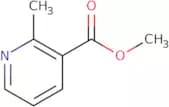
CAS:<p>Please enquire for more information about Methyl 3-methoxypicolinate including the price, delivery time and more detailed product information at the technical inquiry form on this page</p>Purity:Min. 95%4-Methoxybenzene-1,3-diamine sulfate
CAS:Controlled Product<p>4-Methoxybenzene-1,3-diamine sulfate (4MBD) is a chemical substance that inhibits the activity of cytochrome P450 enzymes. It has been shown to inhibit the activity of rat liver microsomal p-450 enzymes, and is used in studies on the effects of chemicals on protein synthesis. When 4MBD is administered to rats at dietary concentrations, it causes an increase in thyroid hormone levels and a decrease in renal function. The enzyme inhibition caused by 4MBD may be due to its ability to acylate amines, which are located near the active site of the enzyme. Linear regression analysis showed that there was a strong correlation between dietary concentrations and the inhibition of protein synthesis caused by 4MBD.</p>Formula:C7H12N2O5SPurity:Min. 95%Molecular weight:236.25 g/molDexamethasone 21-(3-phenylpropionate)
CAS:<p>Dexamethasone 21-(3-phenylpropionate) is a corticosteroid that is used for the treatment of a variety of inflammatory skin conditions. Dexamethasone 21-(3-phenylpropionate) has been shown to be effective in the treatment of cutaneous lesions in mice and rabbits. This drug also has an anti-inflammatory effect, which may be due to its ability to inhibit cytokine production. Dexamethasone 21-(3-phenylpropionate) is not metabolized by liver enzymes and has a long half life, making it more predictable than prednisolone. This medication should not be used during pregnancy or if you are trying to become pregnant, as it may cause abortion or premature birth. It should also not be used by women who are breastfeeding, as it can pass through breast milk and affect the baby.</p>Formula:C31H37FO6Purity:Min. 95%Color and Shape:PowderMolecular weight:524.62 g/mol(±)-3-Methyl-2-oxovaleric acid
CAS:<p>(±)-3-Methyl-2-oxovaleric acid is a fatty acid that is found in the mitochondria of liver cells and other tissues. It is an intermediate in the citric acid cycle and can be converted into acetyl-CoA, which is used for energy production. (±)-3-Methyl-2-oxovaleric acid has been shown to cause necrotic cell death when it binds to the mitochondrial membrane potential and causes a loss of ATP production. This results in a lack of energy for the cell, leading to cell death. (±)-3-Methyl-2-oxovaleric acid has also been shown to inhibit protein synthesis by decreasing uptake and increasing creatine kinase activity. This inhibition leads to decreased body formation and tissue culture growth in vitro. In vivo, (±)-3-Methyl-2-oxovaleric acid causes primary sclerosing cholangitis, a disease characterized by inflammation of bile ducts that</p>Formula:C6H10O3Purity:Min. 95%Color and Shape:White PowderMolecular weight:130.14 g/molBoc-L-Met-MBHA Resin
<p>Please enquire for more information about Boc-L-Met-MBHA Resin including the price, delivery time and more detailed product information at the technical inquiry form on this page</p>Purity:Min. 95%3-Methyl-1H-indazol-5-yl-5-boronic acid
CAS:<p>Please enquire for more information about 3-Methyl-1H-indazol-5-yl-5-boronic acid including the price, delivery time and more detailed product information at the technical inquiry form on this page</p>Formula:C8H9BN2O2Purity:Min. 95%Molecular weight:175.98 g/mol5-(2-Aminopropyl)-2-methoxybenzenesulphonamide
CAS:Controlled Product<p>5-(2-Aminopropyl)-2-methoxybenzenesulphonamide is a trimethyl derivative of the aminopropyl group. It is used as a reagent to introduce hydroxymethyl groups into organic compounds. 5-(2-Aminopropyl)-2-methoxybenzenesulphonamide reacts with hydrochloric acid and an organic solvent in the preparation process. In the Friedel-Crafts reaction, 5-(2-Aminopropyl)-2-methoxybenzenesulphonamide reacts with d-alanine to form an optical isomer, which can be converted to its racemic form by ammonolysis. This compound is also used as a prostatic agent and an amide in the synthesis of benzene and phenoxymethyl alcohols.</p>Formula:C10H16N2O3SPurity:Min. 95%Molecular weight:244.31 g/molZ-NH-PEG3-CH2COOH
CAS:<p>Z-NH-PEG3-CH2COOH is a PEG compound with two different functional groups (also known as heterobifunctional). Unlike homobifunctional PEG compounds (same functional group on both ends), this type of compounds are more versatile as have two different anchor points. Z-NH-PEG3-CH2COOH is used as a linker and spacer to add a PEG moiety, via pegylation (a bioconjugation technique) to proteins, peptides, oligonucleotides, small molecules and nanoparticles.</p>Formula:C16H23NO7Purity:Min. 95%Molecular weight:341.36 g/molb-Glycerophosphoric acid disodium salt tetrahydrate
CAS:<p>Glycerolipid metabolism component</p>Formula:C3H7O6P·2Na·4H2OPurity:Min. 95%Molecular weight:288.1 g/mol1-(4-Methoxy-pyridin-2-yl)-ethanone
CAS:<p>Please enquire for more information about 1-(4-Methoxy-pyridin-2-yl)-ethanone including the price, delivery time and more detailed product information at the technical inquiry form on this page</p>Formula:C8H9NO2Purity:Min. 95%Molecular weight:151.16 g/mol3-(Chloromethyl)-4-methoxybenzaldehyde
CAS:<p>3-(Chloromethyl)-4-methoxybenzaldehyde is a natural product that can be extracted from the rhizomes of the plant. It has been shown to have antibacterial activity in laboratory experiments and has been used in traditional medicine for the treatment of fungus infections. 3-(Chloromethyl)-4-methoxybenzaldehyde is an imidazolylmethyl derivative with a hexane structure. It reacts with hydrochloric acid to form a molecule called chloromethylation, which is also known as an esterification reaction. Piperazine acts as a catalyst in this reaction, increasing its scalability and making it suitable for large-scale production. The compound exhibits radical scavenging activity, which may be due to its ability to donate electrons or hydrogen atoms to free radicals.</p>Formula:C9H9CIO2Purity:Min. 95%Molecular weight:288.08 g/mol3-Methylether-estradiol
CAS:Controlled Product<p>3-Methylether-estradiol is a naturally occurring estrogen that is found in humans and other mammals. It binds to estrogen receptors on the plasma membrane, which stimulates cell growth, protein synthesis, and modulates the immune system. 3-Methylether-estradiol has been shown to inhibit taurocholic acid induced hypertension in rats by blocking the conversion of angiotensin I to angiotensin II. In addition, this compound has been shown to have anti-inflammatory properties and can be used as an antihypertensive agent. 3-Methylether-estradiol has also been shown to increase blood pressure in pregnant rats when given at bolus doses. This drug should not be prescribed for use during pregnancy because it can cause fetal death.</p>Formula:C19H26O2Purity:Min. 95%Molecular weight:286.41 g/mol3-(4'-Methoxy-3'-sulfonamidophenyl)-2-propylamine, hydrochloride
CAS:Controlled Product<p>Please enquire for more information about 3-(4'-Methoxy-3'-sulfonamidophenyl)-2-propylamine, hydrochloride including the price, delivery time and more detailed product information at the technical inquiry form on this page</p>Formula:C10H16N2O3S•HClPurity:Min. 95%Color and Shape:PowderMolecular weight:280.77 g/molD-Valinol
CAS:<p>D-Valinol is a fine chemical that has been used as an intermediate in the synthesis of other chemicals. It is also a versatile building block for organic reactions, such as condensation reactions. D-Valinol is a white solid and has CAS No. 4276-09-9. It can be used as a reagent or catalyst in the synthesis of pharmaceuticals, agrochemicals, and other speciality chemicals. D-Valinol is also useful as an intermediate in the production of high quality research chemicals and speciality chemicals.</p>Formula:C5H13NOPurity:Min. 98.0 Area-%Molecular weight:103.1 g/molEthyl5-acetoxy-6-bromo-2-(bromomethyl)-1-methyl-1H-indole-3-carboxylate
CAS:Controlled Product<p>Ethyl 5-acetoxy-6-bromo-2-(bromomethyl)-1-methyl-1H-indole-3-carboxylate is a chemical compound that has been shown to have anti viral activity in vitro. The structure of the compound suggests that it may inhibit the production of inflammatory cytokines. This drug inhibits the activity of enzymes such as hydroxylases and lipases, which are important for the inflammatory process. Ethyl 5-acetoxy-6-bromo-2-(bromomethyl)-1-methyl-1H-indole-3 carboxylate may be an effective treatment for bowel disease and other inflammatory conditions.</p>Formula:C15H15Br2NO4Purity:Min. 95%Molecular weight:433.09 g/molMethyl 3-(1-methyl-1H-benzimidazol-2-yl)propanoate
CAS:Controlled Product<p>Please enquire for more information about Methyl 3-(1-methyl-1H-benzimidazol-2-yl)propanoate including the price, delivery time and more detailed product information at the technical inquiry form on this page</p>Formula:C12H14N2O2Purity:Min. 95%Molecular weight:218.25 g/molN-(8-Methoxy-4-methylquinazolin-2-yl)guanidine
CAS:<p>Please enquire for more information about N-(8-Methoxy-4-methylquinazolin-2-yl)guanidine including the price, delivery time and more detailed product information at the technical inquiry form on this page</p>Formula:C11H13N5OPurity:Min. 95%Molecular weight:231.25 g/molClovamide
CAS:<p>Clovamide is a bioactive compound, which is a naturally occurring phenolic amide found primarily in certain plant species. This compound is derived from sources such as the leaves of Trifolium pratense (red clover) and certain leguminous plants. With its molecular structure comprising both phenolic acid and amino acid moieties, clovamide exhibits significant antioxidant properties.</p>Formula:C18H17NO7Purity:Area-% Min. 95 Area-%Color and Shape:PowderMolecular weight:359.33 g/mol2,3,4,5-Tetrahydro-5-methyl-1H-pyrido[4,3-b]indol-1-one
CAS:Controlled Product<p>Please enquire for more information about 2,3,4,5-Tetrahydro-5-methyl-1H-pyrido[4,3-b]indol-1-one including the price, delivery time and more detailed product information at the technical inquiry form on this page</p>Formula:C12H12N2OPurity:Min. 95%Molecular weight:200.24 g/molN1-Boc-diethylenetriamine
CAS:<p>N1-Boc-diethylenetriamine is a triamine that can be used as a linker in the synthesis of nucleotides and nucleobases. It has been used to synthesize adenosine triphosphate (ATP) and other nucleotides. A study on the fluorescence intensity of N1-Boc-diethylenetriamine revealed that it has resonance energy transfer interactions with naphthalimide, hydrogen bonding interactions with adenosine, and fluorescence emission from the naphthalimide group.</p>Formula:C9H21N3O2Purity:Min. 95%Color and Shape:Clear LiquidMolecular weight:203.28 g/mol1-Benzyl-3-phenyl-1H-pyrazole-5-carboxylic acid
CAS:Controlled Product<p>Please enquire for more information about 1-Benzyl-3-phenyl-1H-pyrazole-5-carboxylic acid including the price, delivery time and more detailed product information at the technical inquiry form on this page</p>Formula:C17H14N2O2Purity:Min. 95%Molecular weight:278.31 g/mol(R)-(-)-α-Methoxy-α-(trifluoromethyl)phenylacetyl chloride
CAS:<p>(R)-(-)-alpha-Methoxy-alpha-trifluoromethyl-phenylacetyl chloride is an enantiomer that has a chiral center. It is used in the synthesis of metoprolol and bisoprolol, which are drugs that are prescribed to treat hypertension and angina pectoris. The racemate is used in the separation of amines by high performance liquid chromatography (Hplc). This compound also has a hydroxyl group and two fatty acids, which can be identified using a chromatographic method. The compound contains a chloride as well as a transfer group.</p>Formula:C10H8ClF3O2Purity:Min. 95%Color and Shape:Clear LiquidMolecular weight:252.62 g/molrac-cis-1-benzyl-2-methyl-4-(N-propananilido)piperidine
CAS:Controlled ProductRacemic cis-1-benzyl-2-methyl-4-(N-propananilido)piperidine (SBP) is a synthetic opioid analgesic that has been shown to bind to the μ-opioid receptor. It is the racemic form of the more potent S(+)-isomer. SBP is metabolized in vivo by cytochrome P450 2C19 and cytochrome P450 3A5, and its metabolites can be detected in human liver. The metabolism of SBP also produces propanamide as an intermediate. Recreational use of SBP has been reported with adverse effects including nausea, vomiting, headache, and dizziness.Formula:C22H28N2OPurity:Min. 95%Molecular weight:336.47 g/mol5-Bromo-2-methoxyphenethylamine hydrobromide
CAS:Controlled Product<p>Please enquire for more information about 5-Bromo-2-methoxyphenethylamine hydrobromide including the price, delivery time and more detailed product information at the technical inquiry form on this page</p>Formula:C9H13Br2NOPurity:Min. 95%Molecular weight:311.01 g/mol(R)-(-)-Glycidyl nosylate
CAS:<p>(R)-(-)-Glycidyl nosylate is an epoxide that is used in the synthesis of pharmaceuticals. It has shown mutagenic activity and can be used to produce chiral glycidyl compounds. (R)-(-)-Glycidyl nosylate has been evaluated as a potential drug for the treatment of cancer, but was found to have limited pharmacological activity. This compound binds to protein kinases and may inhibit their activity. (R)-(-)-Glycidyl nosylate also possesses aliphatic properties and is an enantiopure molecule. The stereoisomers of glycidyl nosylate are also available, with the most common being (+)glycidylether.</p>Formula:C9H9NO6SPurity:Min. 95%Color and Shape:White PowderMolecular weight:259.24 g/molAcetyl-L-isoleucine
CAS:<p>Acetyl-L-isoleucine is a molecule that has been shown to inhibit the dehydrogenase enzyme. It can be synthesized from acetyl chloride and isomers of L-isoleucine in the presence of a metal catalyst, such as trifluoromethanesulfonic acid. Acetyl-L-isoleucine can also be used in protein synthesis and hydrolysis reactions. The ability of this molecule to bind to metal ions may also account for its antioxidant properties.</p>Formula:C8H15NO3Purity:Min. 95%Molecular weight:173.21 g/mol1-Allyl-3,7-dimethyl-8-phenylxanthine
CAS:Controlled ProductPlease enquire for more information about 1-Allyl-3,7-dimethyl-8-phenylxanthine including the price, delivery time and more detailed product information at the technical inquiry form on this pageFormula:C16H16N4O2Purity:Min. 95%Molecular weight:296.32 g/molMethyl 4-methoxybutanoate
CAS:Controlled Product<p>Methyl 4-methoxybutanoate is a polymorphic amine that has been shown to react with sodium salts, such as sodium methoxide, to form a new class of compounds known as oxetanes. The reaction rate is enhanced by the presence of gamma-valerolactone and the oxetane itself. It has been shown that Methyl 4-methoxybutanoate reacts with organometallic reagents to form enantiopure compounds. The kinetic profile of this compound is not yet well understood.</p>Formula:C6H12O3Purity:Min. 95%Molecular weight:132.16 g/molN-[2-(4-Benzylpiperazin-1-yl)-2-oxoethyl]-N-methylamine
CAS:Controlled Product<p>Please enquire for more information about N-[2-(4-Benzylpiperazin-1-yl)-2-oxoethyl]-N-methylamine including the price, delivery time and more detailed product information at the technical inquiry form on this page</p>Formula:C14H21N3OPurity:Min. 95%Molecular weight:247.34 g/molD,L-Threo-b-hydroxy aspartic acid
CAS:<p>D,L-Threo-b-hydroxy aspartic acid is a stereoselective synthetic amino acid that has been used to study the uptake and hydrolysis of D,L-threo-b-hydroxy aspartic acid by rat brain synaptosomes. It has also been used in the synthesis of an L-alanine analogue with the same stereochemistry at the chiral center. The stereoselective synthesis of this compound is achieved by epimerization reaction using d-alanine as a starting material. Threo bhda has been shown to inhibit glutamate release from neurons and stimulate GABA release in synaptosomes, which may be due to its ability to bind to ion channels. Threo bhda has also been found to inhibit the binding of radioactive thymidine to calf thymus DNA with a high degree of stereoselectivity.</p>Formula:C4H7NO5Purity:Min. 95%Molecular weight:149.1 g/mol5-Methyl-1H-pyrrole-3-carboxylic acid
CAS:<p>Please enquire for more information about 5-Methyl-1H-pyrrole-3-carboxylic acid including the price, delivery time and more detailed product information at the technical inquiry form on this page</p>Formula:C6H7NO2Purity:Min. 95%Molecular weight:125.13 g/mol1-Methyl-1H-imidazole-2-carbohydrazide
CAS:<p>Please enquire for more information about 1-Methyl-1H-imidazole-2-carbohydrazide including the price, delivery time and more detailed product information at the technical inquiry form on this page</p>Formula:C5H8N4OPurity:Min. 95%Molecular weight:140.14 g/molBoc-L-Tyr(Bzl)-Merrifield Resin
<p>Please enquire for more information about Boc-L-Tyr(Bzl)-Merrifield Resin including the price, delivery time and more detailed product information at the technical inquiry form on this page</p>Purity:Min. 95%Boc-L-Cys(Acm)-MBHA Resin
<p>Please enquire for more information about Boc-L-Cys(Acm)-MBHA Resin including the price, delivery time and more detailed product information at the technical inquiry form on this page</p>Purity:Min. 95%N'-(1-Methylazepan-4-yl)benzohydrazine
CAS:<p>Please enquire for more information about N'-(1-Methylazepan-4-yl)benzohydrazine including the price, delivery time and more detailed product information at the technical inquiry form on this page</p>Formula:C14H22ClN3OPurity:Min. 95%Molecular weight:283.8 g/mol4-Bromo-7-methoxy-1H-pyrrolo[2,3-c]pyridine
CAS:<p>Please enquire for more information about 4-Bromo-7-methoxy-1H-pyrrolo[2,3-c]pyridine including the price, delivery time and more detailed product information at the technical inquiry form on this page</p>Purity:Min. 95%17-Methylene-4-androsten-3-one
CAS:Controlled Product<p>17-Methylene-4-androsten-3-one is a natural steroid that belongs to the class of 17,20-lyase. This compound has been reported as an endogenous metabolite in human urine, plasma, and cerebrospinal fluid. It has been detected at low concentrations in the brain and liver. The nmr spectrum of 17-methylene-4-androsten-3-one displays a singlet at δ 3.2 ppm for the C=C double bond, which is characteristic of the A ring.<br>17 methylene 4 androsten 3 one is found in human urine, plasma, and cerebrospinal fluid with a concentration of 0.1 ng/ml. The nmr spectrum displays a singlet at δ 3.2 ppm for the C=C double bond which is characteristic of the A ring.</p>Formula:C20H28OPurity:Min. 95%Molecular weight:284.44 g/molN-(p-Hydroxyphenethyl)-N-(3-hydroxy-4-methoxybenzyl)formamide
CAS:Controlled Product<p>Please enquire for more information about N-(p-Hydroxyphenethyl)-N-(3-hydroxy-4-methoxybenzyl)formamide including the price, delivery time and more detailed product information at the technical inquiry form on this page</p>Formula:C17H19NO4Purity:Min. 95%Molecular weight:301.34 g/mol1-Naphthalenylsulfonyl-Ile-Trp-aldehyde
CAS:<p>1-Naphthalenylsulfonyl-Ile-Trp-aldehyde is a recombinant protein that has protease activity. It is a serine protease that cleaves proteins at the amino acid sequence Ser-Xaa-Gly or Ser-Xaa. The recombinant protein has been shown to have proteolytic activity and can be used in assays to measure the amount of β-catenin, collagen, and growth factor in cells. 1-Naphthalenylsulfonyl-Ile-Trp-aldehyde also binds to monoclonal antibodies and can be used as a neutralizing agent for these proteins. This recombinant protein also has been shown to inhibit the growth of lung fibroblasts.</p>Formula:C27H29N3O4SPurity:Min. 95%Color and Shape:PowderMolecular weight:491.6 g/molN-alpha-Boc-Ngamma-Azido-L-2,4-diaminobutyric acid cyclohexylamine salt
CAS:<p>Please enquire for more information about N-alpha-Boc-Ngamma-Azido-L-2,4-diaminobutyric acid cyclohexylamine salt including the price, delivery time and more detailed product information at the technical inquiry form on this page</p>Formula:C9H16N4O4·C6H13NPurity:Min. 95%Molecular weight:343.42 g/molN-Acetyl-L-leucyl-L-leucyl-L-methioninal
CAS:<p>Inhibitor of cathepsin</p>Formula:C19H35N3O4SPurity:Min. 95%Molecular weight:401.57 g/mol1,2,3,4-Tetrahydro-4,6-dihydroxy-2-methyl-isoquinoline
CAS:<p>1,2,3,4-Tetrahydro-4,6-dihydroxy-2-methyl-isoquinoline is a useful building block in the synthesis of various compounds such as pharmaceuticals and pesticides. It is an intermediate for the preparation of other valuable chemicals such as the antihistamine diphenhydramine, which is used to treat allergies. Tetrahydroisoquinoline can also be used as a reagent to synthesize other chemical compounds. This compound has been used in research as well as commercial applications. Tetrahydroisoquinoline is also a versatile scaffold that can be modified to produce different derivatives with different properties.</p>Formula:C10H13NO2Purity:Min. 95%Color and Shape:White PowderMolecular weight:179.22 g/mol(1R,2R)-Boc-aminocyclopentane carboxylic acid
CAS:<p>(1R,2R)-Boc-aminocyclopentane carboxylic acid (BCPC) is a high quality, reagent, and useful intermediate. It is a versatile building block that can be used as a speciality chemical or research chemical. BCPC has been shown to react with amines to form ureas, with nitriles to form oxazolidines, and with epoxides to form aziridinones.</p>Formula:C11H19NO4Purity:Min. 95%Color and Shape:White PowderMolecular weight:229.27 g/molBoc-(3S)-1,2,3,4-tetrahydroisoquinoline-7-hydroxy-3-carboxylic acid
CAS:<p>Boc-(3S)-1,2,3,4-tetrahydroisoquinoline-7-hydroxy-3-carboxylic acid is a synthetic opioid that is chemically related to morphine. It binds to the δ opioid receptor and has a clinical development in the treatment of pain. The drug has been shown to inhibit the binding of gtpγs, which leads to the suppression of neuronal activity. Boc-(3S)-1,2,3,4-tetrahydroisoquinoline-7-hydroxy-3-carboxylic acid also has low molecular weight and low toxicity.</p>Formula:C15H19NO5Purity:Min. 95%Color and Shape:PowderMolecular weight:293.32 g/molN-Methylaniline
CAS:<p>N-Methylaniline is a chemical compound that is used in the treatment of wastewater. It can be synthesized by reacting acetaldehyde with ammonia and ethyl chloride. The adsorption of N-methylaniline onto a Langmuir monolayer was studied using electrochemical impedance spectroscopy (EIS). The kinetic energy of N-methylaniline molecules was found to be lower than water vapor molecules, which may explain its high detection sensitivity.</p>Formula:C7H9NPurity:Min. 95%Molecular weight:107.15 g/molL-Glutamic acid gamma-tert-butyl ester alpha-amide hydrochloride
CAS:<p>Please enquire for more information about L-Glutamic acid gamma-tert-butyl ester alpha-amide hydrochloride including the price, delivery time and more detailed product information at the technical inquiry form on this page</p>Formula:C9H18N2O3·HClPurity:Min. 95%Molecular weight:238.71 g/molH-Val-His-OH
CAS:<p>H-Val-His-OH is a skin condition that can be treated by an efficient method. The method has been validated and has shown to be effective in the treatment of cryptococcus neoformans, which is a yeast that causes infection in humans. Amino acid analysis of H-Val-His-OH has shown it to be an amination reaction product of histidine and valine. The ph profile was found to be constant at 3.5 and the sample was pretreated with acid before being analyzed using chromatographic methods. This compound may have potential use as a fungicide or antibiotic because it has been found to inhibit oxidases, which are enzymes that break down organic compounds. These results were obtained through testing with erythrocytes from calf thymus DNA and bacterial DNA gyrase, dna topoisomerase, and rna synthesis.</p>Formula:C11H18N4O3Purity:Min. 95%Molecular weight:254.29 g/mol1,1,1-Trichloro-3-(1-methyl-1H-benzimidazol-2-yl)propan-2-ol
CAS:Controlled Product<p>Please enquire for more information about 1,1,1-Trichloro-3-(1-methyl-1H-benzimidazol-2-yl)propan-2-ol including the price, delivery time and more detailed product information at the technical inquiry form on this page</p>Formula:C11H11Cl3N2OPurity:Min. 95%Molecular weight:293.58 g/mol1,2-Dilauroyl-sn-glycero-3-phosphocholine
CAS:The liposome is a spherical lipid bilayer that encloses an aqueous interior. It is used in the treatment of hyperproliferative diseases, such as cancer, and infectious diseases. The lipid bilayer membrane of the liposomes are made up of phospholipids, mostly phosphatidylcholine, with cholesterol or other molecules added to increase stability. The liposome is composed of two layers: the external layer which includes the phosphate head groups and hydrophilic polymers, and the internal layer which includes the hydrophobic fatty acid tails. Liposomes can be manipulated to target specific cells by adding proteins to either side of the membrane. These proteins are called targeting factors and they usually bind to receptors on the surface of cells that have particular features (e.g., CD4+ T-cells). This drug is toxic because it causes significant cytotoxicity when exposed to various types of cells at a concentration greater than 1 mM. There is significantFormula:C32H64NO8PPurity:Min. 95%Molecular weight:621.83 g/mol16-Phenoxy tetranor pgf2alfa cyclopropyl methylamide
CAS:<p>Please enquire for more information about 16-Phenoxy tetranor pgf2alfa cyclopropyl methylamide including the price, delivery time and more detailed product information at the technical inquiry form on this page</p>Formula:C26H37NO5Purity:Min. 95%Molecular weight:443.58 g/mol6-Methylnicotinic acid
CAS:<p>6-Methylnicotinic acid is the major metabolite of nicotine, which is a natural alkaloid. The formation of 6-methylnicotinic acid from nicotine in the body is induced by carbon sources such as glucose and sucrose. This compound has been shown to inhibit herpes simplex virus type 1 replication in tissue culture and animal experiments. 6-Methylnicotinic acid also has an effect on the reaction rate of 2-chloro-6-methylnicotinic acid with hydrogen gas, forming methyl nicotinate, which is an organic acid found in tobacco leaves. 6-Methylnicotinic acid is hydrophilic and can be separated from other compounds using hydrophilic interaction chromatography (HIC).</p>Formula:C7H7NO2Purity:Min. 95%Color and Shape:PowderMolecular weight:137.14 g/mol(3-Methyl-isoxazol-5-yl)methylamine hydrochloride
CAS:<p>Please enquire for more information about (3-Methyl-isoxazol-5-yl)methylamine hydrochloride including the price, delivery time and more detailed product information at the technical inquiry form on this page</p>Formula:C5H8N2O·HClPurity:Min. 95%Molecular weight:148.59 g/mol2-Methoxy-5-methylsulfonylbenzoicacid
CAS:<p>2-Methoxy-5-methylsulfonylbenzoic acid is an organic compound that can be used as a pharmaceutical intermediate. It has been used to synthesize diagnostic agents and drugs such as isradipine and sarpogrelate hydrochloride. 2-Methoxy-5-methylsulfonylbenzoic acid is also used as an intermediate in the synthesis of bortezomib, a drug that inhibits the proteasome. This product contains impurities that may interfere with its use as a pharmaceutical preparation. The flow rate of this product is sensitive to changes in temperature and pressure.</p>Formula:C9H10O5SPurity:Min. 95%Molecular weight:230.24 g/molH-Cys(Trt)-2Cl-Trt Resin
<p>100 - 200 mesh, loading value 0.3-0.8 mmol/gCross linker: 1%</p>Purity:Min. 95%D-Tryptophanol
CAS:Controlled Product<p>D-Tryptophanol is a synthetic, enantiopure, hydroxymethylated tryptamine. It is a maltobionic molecule and it can be prepared by the hydrolysis of L-tryptophan with sodium hydroxide in water. D-Tryptophanol can also be synthesized from 3,4-diaminopyridine in the presence of a base and catalytic amount of copper(II) chloride. The chemical stability of D-tryptophanol has been studied using HPLC methods. Molecular modeling studies have shown that the compound forms hydrogen bonds with its neighboring molecules and has a high affinity for binding to human liver cells. D-Tryptophanol has been found to inhibit cancer cell growth at nanomolar concentrations, making it an attractive candidate for chemotherapeutic drugs. Calixarenes are used as chiral synthons to produce racemic mixtures of D-tryptophanol that could be</p>Formula:C11H14N2OPurity:Min. 95%Molecular weight:190.24 g/mol1-Methyl-2-(piperazin-1-ylcarbonyl)-1H-indole hydrochloride
CAS:Controlled Product<p>Please enquire for more information about 1-Methyl-2-(piperazin-1-ylcarbonyl)-1H-indole hydrochloride including the price, delivery time and more detailed product information at the technical inquiry form on this page</p>Formula:C14H17N3OPurity:Min. 95%Molecular weight:243.3 g/molClobetasol Propionate - Impurity C
CAS:Controlled Product21-Chloro-9-fluoro-11beta,17-dihydroxy-16alpha-methylpregna-1,4-diene-3,20-dione 17-propionate is an ester of ketoconazole and the propionic acid. It is used as a pharmaceutical formulation and has been shown to be stable in an HPLC method. This compound also has an optical isomer that was validated by a stability test. This product has been shown to have antiinflammatory properties and may be used as a topical treatment for skin disorders such as clobetasol propionate.Formula:C25H32ClFO5Purity:Min. 95%Molecular weight:466.97 g/mol2-Methoxyethanamine
CAS:<p>2-Methoxyethanamine is a metabolite of the drug 2-methoxyethanol. It is an amine that can be found in urine samples. Its structure consists of a hydroxyl group, sodium carbonate, and an intramolecular hydrogen. 2-Methoxyethanamine inhibits the production of angiotensin II, which reduces blood pressure. This molecule has antihypertensive activity because it prevents the conversion of angiotensin I to angiotensin II in the kidneys. 2-Methoxyethanamine also has a stepwise mechanism for its synthesis from ethylene diamine and nitrogen atoms. It can be oxidized by hydrochloric acid or reduced by hydrogen bond or amines. The redox potential of this molecule is -0.06 V, which makes it a nucleophilic compound with an amide bond as its conjugate base.</p>Formula:C3H9NOPurity:Min. 95%Color and Shape:Colourless To Yellow Clear LiquidMolecular weight:75.11 g/molDL-Lysine-2-15N dihydrochloride
CAS:<p>Please enquire for more information about DL-Lysine-2-15N dihydrochloride including the price, delivery time and more detailed product information at the technical inquiry form on this page</p>Formula:C6H14NNO2•(HCl)2Purity:Min. 95%Molecular weight:220.1 g/molBoc-N-methylethylenediamine
CAS:<p>Boc-N-methylethylenediamine is an amphiphile that can form micelles and assemble into a bilayer membrane. It has been shown to interact with nucleic acids, such as RNA and DNA, in a complexing process. This product also has the ability to form complexes with cationic species, including sodium ions, through electrostatic interactions. Boc-N-methylethylenediamine has been shown to be effective in the treatment of certain cancers by inhibiting endosomal processes and thereby reducing cancer cell proliferation.</p>Formula:C8H18N2O2Purity:Min. 95%Color and Shape:Clear LiquidMolecular weight:174.24 g/mol5[(R)-(2-Aminopropyl)]-2-methoxybenzenesulfonamide hydrochloride
CAS:Controlled Product<p>Please enquire for more information about 5[(R)-(2-Aminopropyl)]-2-methoxybenzenesulfonamide hydrochloride including the price, delivery time and more detailed product information at the technical inquiry form on this page</p>Formula:C10H17ClN2O3SPurity:Min. 95%Molecular weight:280.77 g/molN-Ethyl-N-[(heptadecafluorooctyl)sulphonyl]glycine
CAS:Controlled Product<p>N-Ethyl-N-[(Heptadecafluorooctyl)sulphonyl]glycine is a high-concentration environmental pollutant that has been detected in the environment and human blood plasma. This chemical is a member of the class of polyfluoroalkyl substances (PFASs), which are used as surfactants in many industrial processes, including the manufacture of paper, textiles, and paints. PFASs are also present in foods such as meat, butter, and eggs. N-Ethyl-N-[(Heptadecafluorooctyl)sulphonyl]glycine has been shown to have trophic effects on invertebrates and can be measured using a triple-quadrupole mass spectrometer with reaction monitoring. This chemical is not suspected to be carcinogenic or toxic to humans because it does not react with DNA or proteins. The health effects of this substance are still</p>Formula:C12H8F17NO4SPurity:Min. 95%Color and Shape:PowderMolecular weight:585.24 g/molNomega-Methyl-5-hydroxytryptamine oxalate salt
CAS:Controlled Product<p>Nomega-Methyl-5-hydroxytryptamine oxalate salt is a drug that belongs to the group of serotonergic drugs. It is used as an antidepressant, and is also used for the treatment of Parkinson's disease. Nomega-Methyl-5-hydroxytryptamine oxalate salt acts by inhibiting the synthesis of serotonin in the brain. This drug can be taken in tablet form or orally dissolved under the tongue (sublingually). The therapeutic effects are observed after 1–2 weeks. Nomega-Methyl-5-hydroxytryptamine oxalate salt has been prospectively evaluated in clinical trials with various populations and shown to be effective in treating depression and Parkinson's disease.</p>Formula:C13H16N2O5Purity:Min. 95%Molecular weight:280.28 g/molBoc-(S)-3-amino-3-(2-methoxyphenyl)propionic acid
CAS:<p>Please enquire for more information about Boc-(S)-3-amino-3-(2-methoxyphenyl)propionic acid including the price, delivery time and more detailed product information at the technical inquiry form on this page</p>Formula:C15H21NO5Purity:Min. 95%Color and Shape:PowderMolecular weight:295.33 g/mol1-Cyclopropyl-7-(2,8-diazabicyclo[4.3.0]non-8-yl)-6-fluoro-8-methoxy-4-oxoquinoline-3-carboxylic acid
CAS:<p>This is a broad-spectrum antibacterial agent that inhibits bacterial DNA gyrase. It is active against atypical bacterial species, such as Chlamydia and Mycoplasma, and has been shown to be effective against certain strains of the methicillin-resistant Staphylococcus aureus (MRSA) bacteria. This drug also inhibits the growth of other bacteria by binding to their DNA. The drug is used in combination with other antibiotics to treat infections caused by Clostridium difficile, Helicobacter pylori, Borrelia burgdorferi, and Salmonella enterica. However, this drug does not work against Pseudomonas aeruginosa or Enterobacteriaceae infections.</p>Formula:C21H24FN3O4Purity:Min. 95%Color and Shape:PowderMolecular weight:401.43 g/molMethyl4-aminomethyl-1-boc-piperidine-4-carboxylate
CAS:<p>Please enquire for more information about Methyl4-aminomethyl-1-boc-piperidine-4-carboxylate including the price, delivery time and more detailed product information at the technical inquiry form on this page</p>Formula:C13H24N2O4Purity:Min. 95%Molecular weight:272.34 g/mol4-Chloro-L-phenylalanine
CAS:<p>4-Chloro-L-phenylalanine is an amino acid that is a precursor for the synthesis of dopamine and other monoamines. It is used to investigate the mechanisms of cancer, Parkinsonism, and other diseases. 4-Chloro-L-phenylalanine has been shown to be a potent pressor in wild-type mice. This compound has also been shown to increase locomotor activity in mice. 4-Chloro-L-phenylalanine has been identified as an endophytic fungus metabolite found in plants. It reacts with sodium hydroxide solution to produce chlorophenols. The enzyme reaction solution can be used to measure the concentrations of 4-chloro-L-phenylalanine in urine samples.</p>Formula:C9H10ClNO2Purity:Min. 95%Color and Shape:White PowderMolecular weight:199.63 g/mol1,1-Bis(1,1-dimethylethyl) (3R)-3-[[(9H-fluoren-9-ylmethoxy)carbonyl]amino]-1,1,3-propanetricarboxylate
CAS:<p>Please enquire for more information about 1,1-Bis(1,1-dimethylethyl) (3R)-3-[[(9H-fluoren-9-ylmethoxy)carbonyl]amino]-1,1,3-propanetricarboxylate including the price, delivery time and more detailed product information at the technical inquiry form on this page</p>Formula:C29H35NO8Purity:Min. 95%Molecular weight:525.59 g/molAcetyl-L-alanine methyl amide
CAS:<p>Acetyl-L-alanine methyl amide is a pharmaceutical drug that is structurally similar to L-lysine. It has been synthesized as a model system for the study of receptor binding and intracellular signaling. Acetyl-L-alanine methyl amide has shown to be reactive and can form intramolecular hydrogen bonds with other molecules in the cell. This drug also reacts with microglia cells, which are responsible for clearing out dead cells and debris in the brain. Acetyl-L-alanine methyl amide is a proton donor, which may cause steric interactions with lysine residues on proteins due to their proximity within the cell. This drug also has an intermolecular hydrogen bond between its two molecules that could lead to an α subunit conformational change within the protein.</p>Formula:C6H12N2O2Purity:Min. 95%Molecular weight:144.17 g/molFmoc-β-azidoalanine
CAS:<p>Fmoc-β-azidoalanine is a cyclic peptide that is synthesized by the Fmoc solid phase peptide synthesis method. It is used as a model for serine proteases, and its ability to bind to other molecules has been shown using molecular modelling and validation. Fmoc-β-azidoalanine has an acidic side chain that can form a disulfide bond with cysteine residues on proteins. This property allows it to be used in crystallography and chemical biology studies. The molecule can also be used in the study of human serum biomolecules.</p>Formula:C18H16N4O4Purity:Min. 98 Area-%Color and Shape:PowderMolecular weight:352.34 g/molbeta-Alaninol 2-chlorotrityl resin
<p>Please enquire for more information about beta-Alaninol 2-chlorotrityl resin including the price, delivery time and more detailed product information at the technical inquiry form on this page</p>Purity:Min. 95%N-Methyl-O-methyl-L-tyrosine hydrochloride
CAS:<p>N-Methyl-O-methyl-L-tyrosine hydrochloride (NMT) is an organic compound that is synthesized from D-alanine. It has been shown to inhibit the production of didemnin, a protein that regulates the cell cycle, in mcf-7 cells. NMT has also been shown to stop the growth of human breast cancer cells and increase the lifespan of mice with cancerous tumors. NMT is a macrocyclic molecule, which means it has a ring structure made up of at least six atoms. The conformation of this molecule may be cyclic or linear.</p>Formula:C11H15NO3·HClPurity:Min. 95%Molecular weight:245.7 g/mol4,5-Dihydro-5a-methoxy D-(-)-norgestrel
CAS:<p>Please enquire for more information about 4,5-Dihydro-5a-methoxy D-(-)-norgestrel including the price, delivery time and more detailed product information at the technical inquiry form on this page</p>Formula:C22H32O3Purity:Min. 95%Molecular weight:344.49 g/mol5-Bromo-1-Methyl-1H-indazol-3-amine
CAS:<p>Please enquire for more information about 5-Bromo-1-Methyl-1H-indazol-3-amine including the price, delivery time and more detailed product information at the technical inquiry form on this page</p>Formula:C8H8BrN3Purity:Min. 95%Molecular weight:226.07 g/mol6-Amino-3-methylquinazolin-4(3H)-one hydrochloride
CAS:Controlled ProductPlease enquire for more information about 6-Amino-3-methylquinazolin-4(3H)-one hydrochloride including the price, delivery time and more detailed product information at the technical inquiry form on this pageFormula:C9H9N3OPurity:Min. 95%Molecular weight:175.19 g/mol3-Methoxy-7a-methyl-estra-2,5(10)-dien-17-one
CAS:Controlled Product<p>Please enquire for more information about 3-Methoxy-7a-methyl-estra-2,5(10)-dien-17-one including the price, delivery time and more detailed product information at the technical inquiry form on this page</p>Formula:C20H28O2Purity:Min. 95%Molecular weight:300.44 g/mol3-Methoxyphenethylamine
CAS:Controlled Product<p>3-Methoxyphenethylamine is a naturally occurring phenethylamine that is found in the human body. It is produced by the enzyme phenylethanolamine N-methyltransferase from dopamine and 3-methoxytyramine. 3-Methoxyphenethylamine can be found in the saliva, but also in the brain, muscle and kidneys. Its presence has been detected in women's breast milk. This compound has been shown to have a significant effect on chloride ion absorption and renal blood flow, as well as on 5-hydroxyindoleacetic acid levels in the urine of patients with Parkinson's disease. The predominant metabolite of 3-methoxyphenethylamine is 3-hydroxymethylphenethylamine (3HMPEA).</p>Formula:C9H13NOPurity:Min. 95%Color and Shape:Colorless Clear LiquidMolecular weight:151.21 g/mol(R)-2-Methylpyrrolidine
CAS:(R)-2-Methylpyrrolidine is a synthetic quaternary ammonium compound that is a reaction yield enhancer. It has been shown to have histamine-lowering effects in vitro and in vivo. The pharmacokinetic properties of (R)-2-Methylpyrrolidine are characterized by moderate distribution and elimination half-life times. It is also active at the h3 receptors, which may be related to its wake-promoting effects. (R)-2-Methylpyrrolidine has been shown to increase the levels of amines in the brain, which may be associated with its antidepressant activity. This drug also has environmental effects such as increasing the absorption of heavy metal ions such as lead and cadmium.Formula:C5H11NPurity:Min. 95%Color and Shape:Clear LiquidMolecular weight:85.15 g/molH-Arg-Gln-OH hydrochloride salt
CAS:<p>H-Arg-Gln-OH is a growth factor that has been shown to be effective in the genetic ablation of mice. This growth factor is taken up by cells via receptor activity and stimulates DNA synthesis and cell division. H-Arg-Gln-OH has been shown to be successful in the treatment of congenital heart disease. The onset latency is site specific and low energy, which means that it can be used for noninvasive treatments.</p>Formula:C11H22N6O4Purity:Min. 95%Molecular weight:302.33 g/mol5-Methyl-1,3-oxazole
CAS:<p>5-Methyl-1,3-oxazole (5MOX) is a chiral molecule that belongs to the class of polyatomic compounds. It has an aldehyde functional group and is used as a precursor for pharmaceuticals, agrochemicals, and other organic compounds. 5MOX can be accessed through dehydration of ethyl acetate or benzene. The compound crystallizes in a different form depending on the temperature at which it is cooled. At room temperature, it forms crystals similar to those of covid-19 pandemic, while at higher temperatures it forms crystals with methyl groups on one side. 5MOX has been shown to inhibit neprilysin, an enzyme that degrades amyloid beta peptide in Alzheimer’s disease patients and mice models. This property makes 5MOX an attractive candidate for treating Alzheimer’s disease.</p>Formula:C4H5NOPurity:Min. 95%Color and Shape:LiquidMolecular weight:83.09 g/mol{2-[(4-Phenylpiperazin-1-yl)carbonyl]phenyl}amine
CAS:Controlled ProductPlease enquire for more information about {2-[(4-Phenylpiperazin-1-yl)carbonyl]phenyl}amine including the price, delivery time and more detailed product information at the technical inquiry form on this pageFormula:C17H19N3OPurity:Min. 95%Molecular weight:281.35 g/mol6-Benzyloxy-5-methoxyindole-2-carboxylic acid
CAS:<p>Please enquire for more information about 6-Benzyloxy-5-methoxyindole-2-carboxylic acid including the price, delivery time and more detailed product information at the technical inquiry form on this page</p>Formula:C17H15NO4Purity:Min. 95%Molecular weight:297.31 g/mol1-Phenylpiperazine
CAS:Controlled Product<p>1-Phenylpiperazine is a piperazine derivative that can bind to the DNA of cervical cancer cells and inhibit their growth. It also has antihypertensive effects. 1-Phenylpiperazine is a white crystalline solid that is soluble in water, ethanol, ether, and chloroform. It binds to the hydrogen chloride ion (HCl) with high affinity and forms an equilibrium mixture with HCl gas. The binding constants of 1-phenylpiperazine to HCl are greater than those for piperazine. This compound has been shown to inhibit tumor cell growth in vitro through its ability to bind to DNA and prevent RNA synthesis. 1-Phenylpiperazine has been shown to have antihypertensive activity in rats by blocking alpha1-adrenergic receptors on vascular smooth muscle cells.br>br><br>In addition, this molecule has been shown to have binding properties for amines which may be due to the presence</p>Formula:C10H14N2Purity:Min. 95%Molecular weight:162.23 g/mol4-Methoxy-N-methylbenzylamine hydrochloride
CAS:<p>Please enquire for more information about 4-Methoxy-N-methylbenzylamine hydrochloride including the price, delivery time and more detailed product information at the technical inquiry form on this page</p>Formula:C9H14NOClPurity:Min. 95%Molecular weight:187.67 g/molEthyl 7-Methoxy-1H-Indazole-3-Carboxylate
CAS:Controlled Product<p>Please enquire for more information about Ethyl 7-Methoxy-1H-Indazole-3-Carboxylate including the price, delivery time and more detailed product information at the technical inquiry form on this page</p>Formula:C11H12N2O3Purity:Min. 95%Molecular weight:220.22 g/mol9-Methyl-b-carboline
CAS:<p>9-Methyl-b-carboline is a phytochemical that belongs to the class of protonated carbon disulphide. It has been shown to inhibit monoamine oxidase and is used in some medications. 9-Methyl-b-carboline has been shown to have physiological function, including growth factor activity and epidermal growth properties. It also inhibits hydroxylase, which is an enzyme that catalyzes the stepwise oxidation of tyrosine and phenylalanine. This compound can be found in plants belonging to the families of Fabaceae, Lamiaceae, and Solanaceae. The compound has been found to act as a secondary messenger in mitochondria by transferring electrons from NADH to coenzyme Q10.</p>Formula:C12H10N2Purity:Min. 98%Color and Shape:Off-White PowderMolecular weight:182.22 g/molR-(-)-Methamphetamine hydrochloride
CAS:Controlled Product<p>Please enquire for more information about R-(-)-Methamphetamine hydrochloride including the price, delivery time and more detailed product information at the technical inquiry form on this page</p>Formula:C10H15N•HClPurity:Min. 95%Color and Shape:PowderMolecular weight:185.69 g/mol3-[4-(2-Chlorophenyl)-9-methyl-6H-thieno[3,2-f][1,2,4]triazolo[4,3-a][1,4]diazepin-2-yl]-2-propyn-1-ol
CAS:Controlled Product<p>Please enquire for more information about 3-[4-(2-Chlorophenyl)-9-methyl-6H-thieno[3,2-f][1,2,4]triazolo[4,3-a][1,4]diazepin-2-yl]-2-propyn-1-ol including the price, delivery time and more detailed product information at the technical inquiry form on this page</p>Formula:C18H13ClN4OSPurity:Min. 95%Molecular weight:368.84 g/mol[(4-Methyl-1H-imidazol-5-yl)methyl]amine hydrochloride
CAS:<p>Please enquire for more information about [(4-Methyl-1H-imidazol-5-yl)methyl]amine hydrochloride including the price, delivery time and more detailed product information at the technical inquiry form on this page</p>Formula:C5H9N3Purity:Min. 95%Molecular weight:111.15 g/mol1-Methyl-1-phenylhydrazine
CAS:<p>1-Methyl-1-phenylhydrazine (MPH) is a chemical crosslinking agent that has been shown to be an efficient method for the production of hydrogels. It is a fast and efficient method for the production of hydrogels, which are three dimensional networks of macromolecules that form strong gels. MPH can react with aminosulfonyl groups on proteins to form a covalent bond, which leads to the formation of stable cross-links in hydrogels. It also has been shown to have immunosuppressive effects and may be used as an active substance in autoimmune diseases.</p>Formula:C7H10N2Purity:Min. 95.0%Molecular weight:122.17 g/molMethyl 4-methylthiazole-5-carboxylate
CAS:<p>Methyl 4-methylthiazole-5-carboxylate (MTMC) is a compound with high chemical and biological activity. MTMC has been shown to inhibit the growth of S. aureus, and also exhibits cytotoxic effects on human cancer A549 cells in vitro. MTMC has been shown to be active against HIV in cell culture and also inhibits the replication of influenza virus. MTMC has significant activity against cancer, and is also effective against immunodeficiencies that are due to viral infection. It can be synthesized by a high-yielding process involving the reaction of methyl 4-nitrobenzoate with thiourea in an organic solvent under reflux conditions. The crystal structure of MTMC was determined by X-ray diffraction methods, revealing that it is centrosymmetric with four molecules present in the asymmetric unit.</p>Purity:Min. 95%4-Methyl mebendazole
CAS:<p>Please enquire for more information about 4-Methyl mebendazole including the price, delivery time and more detailed product information at the technical inquiry form on this page</p>Formula:C17H15N3O3Purity:Min. 95%Molecular weight:309.32 g/mol(1-Methyl-1H-benzimidazol-2-yl)methanol
CAS:Controlled Product<p>1-Methyl-1H-benzimidazol-2-yl)methanol is a mononuclear, ligand anion with a sulfate group. The compound has a molecular weight of 180.07 and its chemical formula is C6H5NOSO3S. It is soluble in water and alcohols, but insoluble in ethers and chloroform. 1-Methyl-1H-benzimidazol-2-yl)methanol reacts with oxygen to form the corresponding peroxide, which has a boiling point of 228°C at 760 mm Hg pressure. This compound also reacts with nitric acid to form the corresponding nitrate salt, which can be precipitated by adding sodium chloride or ammonium chloride.</p>Formula:C9H10N2OPurity:Min. 95%Molecular weight:162.19 g/molZ-NH-PEG12-CH2CH2COOH
<p>Z-NH-PEG12-CH2CH2COOH is a PEG compound with two different functional groups (also known as heterobifunctional). Unlike homobifunctional PEG compounds (same functional group on both ends), this type of compounds are more versatile as have two different anchor points. Z-NH-PEG12-CH2CH2COOH is used as a linker and spacer to add a PEG moiety, via pegylation (a bioconjugation technique) to proteins, peptides, oligonucleotides, small molecules and nanoparticles.</p>Formula:C35H61NO16Purity:Min. 95%Molecular weight:751.86 g/mol(S)-1,2,3,4-Tetrahydro-5-methoxy-N-propyl-2-naphthalenamine hydrochloride
CAS:Controlled Product<p>Please enquire for more information about (S)-1,2,3,4-Tetrahydro-5-methoxy-N-propyl-2-naphthalenamine hydrochloride including the price, delivery time and more detailed product information at the technical inquiry form on this page</p>Formula:C14H22ClNOPurity:Min. 95%Molecular weight:255.78 g/mol1-(Fmoc-amino)-4,9-dioxa-12-dodecanamine·HCl
CAS:Controlled Product<p>Please enquire for more information about 1-(Fmoc-amino)-4,9-dioxa-12-dodecanamine·HCl including the price, delivery time and more detailed product information at the technical inquiry form on this page</p>Formula:C25H34N2O4·HClPurity:Min. 95%Molecular weight:463.01 g/molH-Lys(retro-Glu-H)-OH TFA salt
<p>Please enquire for more information about H-Lys(retro-Glu-H)-OH TFA salt including the price, delivery time and more detailed product information at the technical inquiry form on this page</p>Formula:C11H21N3O5•C2HF3O2Purity:Min. 95%Molecular weight:389.32 g/molDiphenylprolinol
CAS:Controlled Product<p>Diphenylprolinol is a synthetic cannabinoid that is used as an agonist of the CB1 and CB2 receptors in the brain. It has been shown to have high affinity for both the CB1 and CB2 receptors, with Ki values of 0.07 and 0.05 nM respectively. Diphenylprolinol is a full agonist of the CB1 receptor, but only a partial agonist of the CB2 receptor. Diphenylprolinol binds to these receptors in a manner that resembles endocannabinoids, which are endogenous cannabinoids produced by animals. This drug has shown antipsychotic effects through its binding to serotonin reuptake inhibitors and its ability to block dopamine release in the prefrontal cortex. Diphenylprolinol also acts as a potent growth factor by stimulating cell proliferation via activation of protein kinase C (PKC). PKC activation leads to increased levels of intracellular calcium ions (Ca2+) and stimulates growth factor production such as</p>Purity:Min. 95%3-(4--Chloro-phenyl)-7-hydroxy-chromen-4-one
CAS:<p>3-(4-Chloro-phenyl)-7-hydroxy-chromen-4-one is an intermediate that is used in the research of Alzheimer's disease. It coordinates transition metals, such as copper (Cu), zinc (Zn), and nickel (Ni) to form a pharmacophore. This pharmacophore binds with flavones, which are compounds found in plants that have hypotensive and antihypertensive properties. 3-(4-Chloro-phenyl)-7-hydroxy-chromen-4-one has been shown to be an effective inhibitor of angiotensin II type 1 receptors and has a crystalline structure. 3-(4--Chloro---></p>Formula:C15H9ClO3Purity:Min. 95%Molecular weight:272.68 g/mol2-Methyl-5-(tributylstannyl)pyridine
CAS:Controlled Product<p>Please enquire for more information about 2-Methyl-5-(tributylstannyl)pyridine including the price, delivery time and more detailed product information at the technical inquiry form on this page</p>Formula:C18H33NSnPurity:Min. 95%Molecular weight:382.17 g/mol1-Phenylimidazolidin-2-one
CAS:<p>1-Phenylimidazolidin-2-one is a tyrosine kinase inhibitor that belongs to the class of receptor tyrosine kinase inhibitors. It is used in the treatment of hypertension and has been shown to reduce levels of dopamine in the brain. 1-Phenylimidazolidin-2-one binds to tyrosine kinases and blocks their activity, which prevents phosphorylation of proteins involved in neurotransmitter synthesis. This agent also has neuroleptic effects, which may be due to its ability to inhibit dopaminergic receptors.</p>Formula:C9H10N2OPurity:Min. 95%Molecular weight:162.19 g/molZ-dehydroalanine
CAS:<p>Dehydroalanine, also known as Z-dehydroalanine, is an intermediate in the synthesis of a variety of compounds. It has been shown to be an effective catalyst for asymmetric hydrogenation reactions. Dehydroalanine is used in the synthesis of phenyl phosphine, which can be used to catalyze asymmetric hydrogenation reactions. The formation and reactivity of dehydroalanine have been studied using NMR techniques.</p>Formula:C11H11NO4Purity:Min. 95%Molecular weight:221.21 g/mol6-Methoxy-1,2,3,4-tetrahydronaphthalen-2-ylamine
CAS:Controlled ProductPlease enquire for more information about 6-Methoxy-1,2,3,4-tetrahydronaphthalen-2-ylamine including the price, delivery time and more detailed product information at the technical inquiry form on this pageFormula:C11H15NOPurity:Min. 95%Molecular weight:177.24 g/mol2-Phenylpropan-1-amine hydrochloride
CAS:Controlled Product<p>Please enquire for more information about 2-Phenylpropan-1-amine hydrochloride including the price, delivery time and more detailed product information at the technical inquiry form on this page</p>Formula:C9H14ClNPurity:Min. 95%Molecular weight:171.67 g/molDelta9,11-Dehydro-17b-estradiol 17-valerate
CAS:Controlled Product<p>Please enquire for more information about Delta9,11-Dehydro-17b-estradiol 17-valerate including the price, delivery time and more detailed product information at the technical inquiry form on this page</p>Formula:C23H30O3Purity:Min. 96 Area-%Molecular weight:354.48 g/molMethyl 3-formyl-4,6-dimethoxy-1-methyl-1H-indole-2-carboxylate
CAS:Controlled Product<p>Please enquire for more information about Methyl 3-formyl-4,6-dimethoxy-1-methyl-1H-indole-2-carboxylate including the price, delivery time and more detailed product information at the technical inquiry form on this page</p>Formula:C14H15NO5Purity:Min. 95%Molecular weight:277.27 g/mol4-(3-Phenyl-1,2,4-oxadiazol-5-yl)piperidine hydrochloride
CAS:<p>Please enquire for more information about 4-(3-Phenyl-1,2,4-oxadiazol-5-yl)piperidine hydrochloride including the price, delivery time and more detailed product information at the technical inquiry form on this page</p>Formula:C13H15N3OPurity:Min. 95%Molecular weight:229.28 g/mol4-N-Boc-aminocyclohexanone
CAS:<p>4-N-Boc-aminocyclohexanone is a chemical that inhibits the proliferation of cancer cells in vitro. It also has an antiproliferative effect on fibroblast cells, which may be due to its ability to inhibit protein synthesis and induce cell death by apoptosis. 4-N-Boc-aminocyclohexanone can also be used for the preparation of photoresponsive polymers that are used in drug delivery systems. This compound can be prepared by reacting 4-aminocyclohexanol with formaldehyde in the presence of base. This reaction forms a five-membered ring via an amide bond. The amide group is then hydrolyzed to form the corresponding carboxylic acid. The colorimetric method is used to determine the degree of hydrolysis, which is determined by measuring the absorbance at 590 nm. In addition, this compound can be used as a reactive intermediate for other compounds like</p>Formula:C11H19NO3Purity:Min. 95%Color and Shape:White To Light (Or Pale) Yellow SolidMolecular weight:213.27 g/mol1,2-Diamino-2-methylpropane
CAS:<p>Intermediate in the synthesis of anagliptin</p>Formula:C4H12N2Purity:Min. 95%Molecular weight:88.15 g/mol[2-(5-Chloro-1-methyl-1H-benzimidazol-2-yl)ethyl]amine dihydrochloride
CAS:Controlled Product<p>Please enquire for more information about [2-(5-Chloro-1-methyl-1H-benzimidazol-2-yl)ethyl]amine dihydrochloride including the price, delivery time and more detailed product information at the technical inquiry form on this page</p>Formula:C10H12ClN3Purity:Min. 95%Molecular weight:209.68 g/molBz-Gly-Gly-OH
CAS:<p>Bz-Gly-Gly-OH is a peptide that is used in biochemical analyses. It has been shown to bind to amides, fatty acids, and collagen. Bz-Gly-Gly-OH also has the ability to activate human serum and fibroblast proliferation. This peptide can be synthesized by chemical ligation of hippuric acid, malic acid, and carbapenem.</p>Formula:C11H12N2O4Purity:Min. 95%Molecular weight:236.22 g/molZ-L-leucine-N-hydroxysuccinimide ester
CAS:<p>Please enquire for more information about Z-L-leucine-N-hydroxysuccinimide ester including the price, delivery time and more detailed product information at the technical inquiry form on this page</p>Formula:C18H22N2O6Purity:Min. 95%Molecular weight:362.38 g/molZ-NH-PEG6-CH2CH2COOH
<p>Z-NH-PEG6-CH2CH2COOH is a PEG compound with two different functional groups (also known as heterobifunctional). Unlike homobifunctional PEG compounds (same functional group on both ends), this type of compounds are more versatile as have two different anchor points. Z-NH-PEG6-CH2CH2COOH is used as a linker and spacer to add a PEG moiety, via pegylation (a bioconjugation technique) to proteins, peptides, oligonucleotides, small molecules and nanoparticles.</p>Formula:C23H37NO10Purity:Min. 95%Molecular weight:487.54 g/molPro-Gln-OH
CAS:<p>Please enquire for more information about Pro-Gln-OH including the price, delivery time and more detailed product information at the technical inquiry form on this page</p>Formula:C10H17N3O4Purity:Min. 95%Molecular weight:243.26 g/molO-tert-Butyl-L-trans-4-hydroxyproline
CAS:Please enquire for more information about O-tert-Butyl-L-trans-4-hydroxyproline including the price, delivery time and more detailed product information at the technical inquiry form on this pageFormula:C9H17NO3Purity:Min. 95%Molecular weight:187.24 g/mol2-(Chloromethyl)-1-(2-phenylethyl)-1H-benzimidazole
CAS:Controlled Product<p>Please enquire for more information about 2-(Chloromethyl)-1-(2-phenylethyl)-1H-benzimidazole including the price, delivery time and more detailed product information at the technical inquiry form on this page</p>Formula:C16H15ClN2Purity:Min. 95%Molecular weight:270.76 g/mol3a-Methyl-5,6,7,7a-Tetrahydro-4H-Isobenzofuran-1,3-Dione
CAS:Controlled Product<p>3a-Methyl-5,6,7,7a-tetrahydro-4H-isobenzofuran-1,3-dione (MBF) is a reactive epoxy that can be used as a sealant. It has been shown to react with fatty acids and form epoxy esters. MBF also reacts with anhydrides to form polyesters. MBF has also been shown to be a potent inducer of cationic polymerization by reacting with hydroxyl groups on polymers. This reaction is reversible and the methylene groups are cleaved from the polymers to form new bonds with MBF. The resultant product is a cationic polymer that contains the hydroxyl group in place of the methylene group.</p>Formula:C9H12O3Purity:Min. 95%Molecular weight:168.19 g/mol2-Amino-4-(methylamino)-butanoic acid dihydrochloride
CAS:<p>Please enquire for more information about 2-Amino-4-(methylamino)-butanoic acid dihydrochloride including the price, delivery time and more detailed product information at the technical inquiry form on this page</p>Formula:C5H12N2O2•(HCl)2Purity:Min. 95%Molecular weight:205.08 g/molH-Ala-Ile-OH
CAS:<p>H-Ala-Ile-OH is a hydrogen bond donor. It has a hydrophobic side chain and can be used in the synthesis of peptides. H-Ala-Ile-OH is soluble in water and has a molecular weight of 148.14 g/mol. This compound has been shown to have an absorption spectrum at 230 nm, which is characteristic of uridine. The techniques used for its characterization include microscopy, chromatographic techniques, and nmr spectra. Its sequences are also known as acid sequences and have parameters that are important for peptide synthesis.br>br></p>Formula:C9H18N2O3Purity:Min. 95%Molecular weight:202.25 g/mol(4-Phenylpiperazin-1-yl)piperidin-4-yl-methanone dihydrochloride
CAS:Controlled ProductPlease enquire for more information about (4-Phenylpiperazin-1-yl)piperidin-4-yl-methanone dihydrochloride including the price, delivery time and more detailed product information at the technical inquiry form on this pageFormula:C16H25Cl2N3OPurity:Min. 95%Molecular weight:346.29 g/molBoc-L-proline N,O-dimethylhydroxamide
CAS:<p>Please enquire for more information about Boc-L-proline N,O-dimethylhydroxamide including the price, delivery time and more detailed product information at the technical inquiry form on this page</p>Formula:C12H22N2O4Purity:Min. 95%Molecular weight:258.31 g/mol4-Chloro-6-methylnicotinic acid
CAS:<p>4-Chloro-6-methylnicotinic acid (4C6MNA) is a chemical substance that is used in the study of plant leaves and their permeability. This substance has been found to be an excellent indicator of chlorophyll content, as it stains leaf cells with a green color. 4C6MNA is taken up by healthy plant cells and mitochondria, where it binds to the chromophore molecule in the mitochondria. The binding of 4C6MNA to the chromophore molecule leads to the production of fluorescence, which can be detected via microscopy. This substance has been used for laser microbeam studies on natural leaves and tobacco plants.</p>Formula:C7H6CINO2Purity:Min. 95%Molecular weight:275.04 g/mol17,21Dihydroxy-16β-methylpregna-1,4,9(11)-triene-3,20-dione
CAS:Controlled ProductPlease enquire for more information about 17,21Dihydroxy-16beta-methylpregna-1,4,9(11)-triene-3,20-dione including the price, delivery time and more detailed product information at the technical inquiry form on this pageFormula:C22H28O4Purity:Min. 95%Molecular weight:356.46 g/molFmoc-trans-4-(aminomethyl)cyclohexane-1-carboxylic acid
CAS:<p>Fmoc-trans-4-(aminomethyl)cyclohexane-1-carboxylic acid is a synthetic amino acid that has been shown in vitro to inhibit the growth of prostate cancer cells. It is an analog of butyric acid, a naturally occurring fatty acid. Fmoc-trans-4-(aminomethyl)cyclohexane-1-carboxylic acid has been synthesized by solid phase methods and labeled with radiotracers such as indium 111 or technetium 99m. The use of Fmoc-trans-4-(aminomethyl)cyclohexane-1-carboxylic acid in vivo is limited by its short circulating half life, rapid metabolism, and high toxicity.</p>Formula:C23H25NO4Purity:Min. 95%Color and Shape:White SolidMolecular weight:379.45 g/mol(Asp371)-Tyrosinase (369-377) (human) acetate salt
CAS:<p>Tyrosinase protein:<br>Peptide Tyrosinase (Asp371) – HLA-A*0201 (YMDGTMSQV) is a human tyrosinase-derived (369-377) peptide by posttranslational conversion of the sequence YMNGTMSQV. Tyrosinase is an oxidase membrane-bound protein. Tyrosinase play a key role in the melanin synthesis pathway. Tyrosinase is presented on the surface of HLA-A*02:01 melanomas and also expressed in melanocytes. Tyrosinase has been still suggested to be a tumor antigen and might be implicated in improvement of immunotherapeutic strategies such as for efficient anticancer vaccine development.<br>Applications of Peptide Tyrosinase (Asp371) – HLA-A*0201 (YMDGTMSQV):<br>Peptide Tyrosinase (Asp371) – HLA-A*0201 (YMDGTMSQV) is used to stimulate specific cytotoxic T lymphocytes (CTL) in PBMCs and then to analyze CTL response especially the cytokine production by ELISPOT assay. Peptide Tyrosinase (Asp371) – HLA-A*0201 (YMDGTMSQV) is also involved in experimental therapies of metastatic melanoma by allogeneic hematopoietic stem cell transplantation. In fact, cytotoxic T cells were generated from peripherical blood mononuclear cells (PBMCs) of HLA-A*02:01 healthy donors after being stimulated by injection of Asp371 antigen (2). This strategy raises issues which concern the graft versus tumor (GvT) effect and graft versus host disease (GvHD).</p>Formula:C42H66N10O16S2Purity:Min. 95%Molecular weight:1,031.16 g/molL-Valine ethyl ester HCl
CAS:<p>L-Valine ethyl ester HCl is a synthetic cannabinoid that has been shown to bind to the CB2 receptor and inhibit microbial infection. It also blocks the enzyme amine oxidase and nitrite ion, which may have implications for treating metabolic disorders. L-Valine ethyl ester HCl is synthesized by reacting L-valine with ethylene diamine, followed by hydrochloride formation. The compound has been shown to exhibit higher activity than other amino acid esters of hydrochloride (e.g., L-leucine, L-isoleucine).</p>Formula:C7H15NO2·HClPurity:Min. 95%Color and Shape:PowderMolecular weight:181.66 g/molGlutaurine sodium
CAS:<p>Please enquire for more information about Glutaurine sodium including the price, delivery time and more detailed product information at the technical inquiry form on this page</p>Formula:C7H14N2O6S•NaxPurity:Min. 95%Molecular weight:254.26 g/molPyriminobac-methyl
CAS:Controlled Product<p>Pyriminobac-methyl is an herbicide that inhibits the synthesis of fatty acids and benzoate in plants. It has a synergistic effect with other compounds, such as glyphosate, atrazine, and 2,4-Dichlorophenoxyacetic acid. Pyriminobac-methyl is used to control weeds and grasses on pastures, rangelands, and noncropland areas. The compound is applied to plants by spraying the foliage or soil surface. Pyriminobac-methyl is absorbed by plant roots and translocated throughout the plant. The active metabolite inhibits fatty acid synthesis in cells by reacting with a malonic acid molecule in the mitochondrial membrane to form a cyclic diketone that reacts with the enzyme acyl carrier protein. This prevents attachment of acetyl groups to coenzyme A during the Krebs cycle, which blocks fatty acid synthesis.<br>Pyriminobac-methyl also has been shown to inhibit activity</p>Formula:C17H19N3O6Purity:Min. 95%Molecular weight:361.35 g/mol(S)-1,2,3,4,5,6,7,8-Octahydro-1-[(4-methoxyphenyl)methyl]isoquinoline (acetate salt )
CAS:<p>(S)-1,2,3,4,5,6,7,8-Octahydro-1-[(4-methoxyphenyl)methyl]isoquinoline (acetate salt ) is a diphosphine that can be used as a catalyst to produce formic acid from methanol and carbon monoxide. This product is an enantiomer of picric acid and has been shown to be an effective additive in the crystallization of picric acid. The acetate salt is also optically pure.</p>Purity:Min. 95%Ac-Gly-Ala-Lys(Ac)-AMC
CAS:<p>Ac-Gly-Ala-Lys(Ac)-AMC is a fluorescent compound that reacts to the presence of amino acids. It is used as a research chemical, speciality chemical, and versatile building block. Ac-Gly-Ala-Lys(Ac)-AMC has been shown to be useful in the synthesis of complex compounds and fine chemicals.</p>Formula:C25H33N5O7Purity:Min. 98 Area-%Color and Shape:PowderMolecular weight:515.56 g/mol5-Methyl-5-propyl-2-dioxanone
CAS:<p>5-Methyl-5-propyl-2-dioxanone is a polymer that has reactivities similar to those of dioxane. It can be polymerized by an azobenzene catalyze or polymerization. 5-Methyl-5-propyl-2-dioxanone can also be polymerized into an alternating, cyclic structure with moieties of esters. This polymer is chemically inert and insoluble in water.</p>Formula:C8H14O3Purity:Min. 95%Molecular weight:158.19 g/molFmoc-homocyclohexyl-L-alanine
CAS:<p>Please enquire for more information about Fmoc-homocyclohexyl-L-alanine including the price, delivery time and more detailed product information at the technical inquiry form on this page</p>Formula:C25H29NO4Purity:Min. 95%Color and Shape:White PowderMolecular weight:407.5 g/mol2-Methyl-4-chlorophenoxyacetic acid
CAS:<p>2-Methyl-4-chlorophenoxyacetic acid is a sodium salt of 2-methyl-4-chlorophenoxyacetic acid. It is a herbicide that inhibits photosynthesis by disrupting the electron transport chain in chloroplasts. The hydroxyl group on the phenoxy ring is responsible for its herbicidal activity. 2-Methyl-4-chlorophenoxyacetic acid has been shown to cause significant cell death in tissue culture, which may be due to its ability to inhibit enzymes such as acetylcholinesterase, phosphodiesterase, and carboxypeptidase A2. This chemical also has carcinogenic potential, but no toxicological studies have been conducted in humans or animals.</p>Formula:C9H9ClO3Purity:Min. 95%Molecular weight:200.62 g/mol4-Phenyl-4-carbethoxy piperidineHCl
CAS:Controlled Product<p>4-Phenyl-4-carbethoxy piperidineHCl is a germanium compound that can be used as a diagnostic agent to detect the presence of magnesium in the blood. It has been shown to bind to acidic and basic sites on the brain, regulating the functions of these regions. The drug has also been shown to have analgesic properties, as it activates opioid receptors in the brain. 4-Phenyl-4-carbethoxy piperidineHCl binds with high affinity to meperidine and naloxone, which are opioid receptor agonists. It is also able to bind to pentazocine, an opioid receptor antagonist. This drug is not active against molybdenum or thebaine.</p>Formula:C14H20ClNO2Purity:Min. 95%Molecular weight:269.77 g/mol[4-[2-(Diethylamino)ethoxy]-3-iodophenyl][2-(1-hydroxybutyl)-3-benzofuranyl]-methanone
CAS:Controlled Product<p>Please enquire for more information about [4-[2-(Diethylamino)ethoxy]-3-iodophenyl][2-(1-hydroxybutyl)-3-benzofuranyl]-methanone including the price, delivery time and more detailed product information at the technical inquiry form on this page</p>Formula:C25H30INO4Purity:Min. 95%Molecular weight:535.41 g/mol2-Ethyl-2-phenylmalonamide
CAS:<p>2-Ethyl-2-phenylmalonamide (2-EPMA) is a metabolite of primidone that acts as an inhibitor of glutamate dehydrogenase and may be used in the treatment of epilepsy. It has been shown to be effective in treating seizures caused by carbamazepine, phenobarbital, or phenytoin. 2-EPMA is also used to measure enzyme activities in serum, which can be used as a diagnostic tool for liver diseases. 2-EPMA is typically prepared for use as an enzyme inhibitor by diluting it with high salt or human serum. This compound may have carcinogenic potential and should not be administered with single doses greater than 100 mg/kg body weight. 2-EPMA interacts with many other drugs such as phenobarbital, phenytoin, and carbamazepine.</p>Formula:C11H14N2O2Purity:Min. 95%Molecular weight:206.24 g/molN-Methyl picolinamide
CAS:N-Methyl picolinamide is a novel anticancer agent that inhibits the activity of BCR-ABL kinase. It has been shown to be effective against human colon cancer cells (HCT116) and breast cancer cells (MCF-7). N-Methyl picolinamide binds to the ATP binding site of BCR-ABL kinase, inhibiting its enzymatic activity. The compound also binds to annexin II and blocks cell cycle progression at G2/M phase. The chemical structure of N-Methyl picolinamide includes an amide group, which may lead to low bioavailability. This drug has significant inhibitory activities against nitrogen atoms and inhibition constants for both the A and B forms of the enzyme.Formula:C7H8N2OPurity:Min. 95%Color and Shape:Colorless PowderMolecular weight:136.15 g/molCreatine phosphate di(tris) salt
CAS:<p>Creatine phosphate di(tris) salt is a cyclase and rectifier of potassium ion channels. It is a potent activator of calcium ion channels, expressed in the cells of the ng108-15 mouse neuroblastoma line. Creatine phosphate di(tris) salt also potently activates guanylate cyclase and l-type calcium ion channels. This drug has been shown to stimulate prostaglandin synthesis and inhibit the production of prostaglandin E1 in biological chemistry studies. Creatine phosphate di(tris) salt is a cyclase and rectifier of potassium ion channels. It is a potent activator of calcium ion channels, expressed in the cells of the ng108-15 mouse neuroblastoma line. Creatine phosphate di(tris) salt also potently activates guanylate cyclase and l-type calcium ion channels. This drug has been shown to stimulate prostaglandin synthesis and inhibit the production of prostaglandin E1 in</p>Formula:C12H32N5O11PPurity:Min. 95%Molecular weight:453.38 g/molArg-Tyr-OH·AcOH
CAS:<p>Please enquire for more information about Arg-Tyr-OH·AcOH including the price, delivery time and more detailed product information at the technical inquiry form on this page</p>Formula:C15H23N5O4·C2H4O2Purity:Min. 95%Molecular weight:397.43 g/molN-[4-Amino-3-(trifluoromethyl)phenyl]-2-methylpropanamide
CAS:<p>Please enquire for more information about N-[4-Amino-3-(trifluoromethyl)phenyl]-2-methylpropanamide including the price, delivery time and more detailed product information at the technical inquiry form on this page</p>Formula:C11H13F3N2OPurity:Min. 95%Molecular weight:246.23 g/mol1,1'-Methylene bis[theobromine]
CAS:Controlled Product<p>Please enquire for more information about 1,1'-Methylene bis[theobromine] including the price, delivery time and more detailed product information at the technical inquiry form on this page</p>Formula:C15H16N8O4Purity:Min. 95%Molecular weight:372.34 g/molN-Methylphenethylamine
CAS:Controlled Product<p>N-Methylphenethylamine (NMPEA) is a chemical substance that is found in many natural compounds. It can be synthesized by reacting phenethylamine with trifluoroacetic acid and reacts with ionization sources to produce ions detectable in mass spectrometry. NMPEA has been detected in human urine samples and has been shown to have significant interactions with the hepg2 cell line. The uptake of NMPEA into cells is facilitated by amines, which are abundant in heart tissue.</p>Formula:C9H13NPurity:Min. 95%Molecular weight:135.21 g/mol2-Methylnicotinic acid methyl ester
CAS:<p>2-Methylnicotinic acid methyl ester is a synthetic chemical compound that belongs to the isomer family. It has been used in the synthesis of cocaine and isomers, as well as in the modification of drugs. 2-Methylnicotinic acid methyl ester can be synthesised from 2-methylpyridine and formaldehyde via the method of methylmagnesium iodide. 2-Methylnicotinic acid methyl ester has been shown to be a potent inhibitor of human platelet aggregation, which may be due to its structural similarity to nicotine.</p>Formula:C8H9NO2Purity:Min. 95%Color and Shape:PowderMolecular weight:151.16 g/mol4-Bromo-2-methylbenzoic acid
CAS:<p>4-Bromo-2-methylbenzoic acid is a nucleophilic compound that can be used for the synthesis of esters, amides and peptides. It is also an intermediate in the synthesis of 4-bromo-2-methylbenzoic acid methyl ester, which can be used as a cardiac marker. The hydroxylamine group on this molecule reacts with electrophiles such as benzoate to form bromoacetic acid derivatives. This reaction is catalyzed by palladium and other metals. The multidimensional nature of this reaction means it can be used for cross-coupling reactions.</p>Formula:C8H7BrO2Purity:Min. 95%Molecular weight:215.04 g/molN-alpha-Boc-L-tryptophan N-alpha-carboxy anhydride
CAS:<p>The N-alpha-Boc-L-tryptophan N-alpha-carboxy anhydride is a postulated intermediate in the ring opening of the ester of tryptophan. The kinetics of this reaction, which is influenced by the basicity and acidity of the environment, have been studied using techniques such as crystal violet, formamide and radiolabeling.</p>Formula:C17H18N2O5Purity:Min. 95%Molecular weight:330.34 g/mol
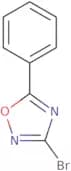

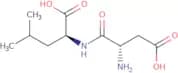


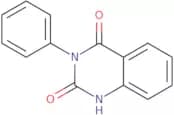

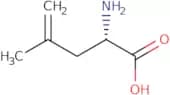
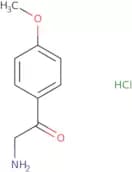
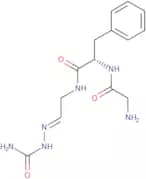
![1-[2-(5-Methoxy-1H-indol-3-yl)ethyl]-5-oxopyrrolidine-3-carboxylic acid](/_next/image/?url=https%3A%2Fstatic.cymitquimica.com%2Fproducts%2F3D%2Fthumb-webp%2FFM119445.webp&w=3840&q=75)
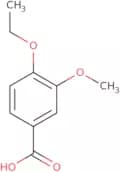
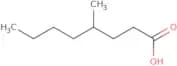
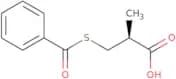


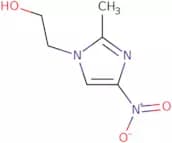
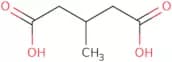
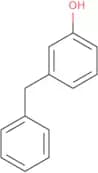

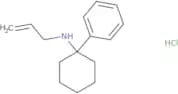
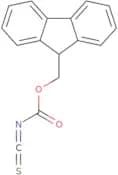
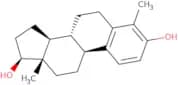
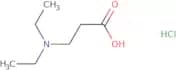
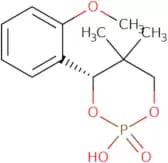
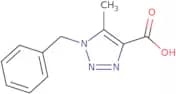
![1-[(2b,3a,5a,16b,17b)-17-Acetyloxy-3-hydroxy-2-(1-piperidinyl)androstan-16-yl]-1-methylpiperidiniu…](/_next/image/?url=https%3A%2Fstatic.cymitquimica.com%2Fproducts%2F3D%2Fthumb-webp%2FFA21131.webp&w=3840&q=75)
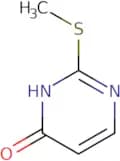

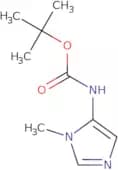

![[2-(5-Fluoro-1-methyl-1H-indol-3-yl)ethyl]amine hydrochloride](/_next/image/?url=https%3A%2Fstatic.cymitquimica.com%2Fproducts%2F3D%2Fthumb-webp%2FFF118334.webp&w=3840&q=75)
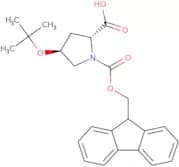
![Ethyl 3-{[(1E)-(dimethylamino)methylene]amino}-5-methoxy-1-methyl-1H-indole-2-carboxylate](/_next/image/?url=https%3A%2Fstatic.cymitquimica.com%2Fproducts%2F3D%2Fthumb-webp%2FFE123273.webp&w=3840&q=75)
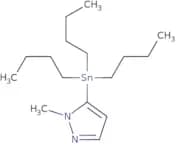
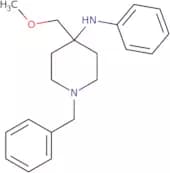
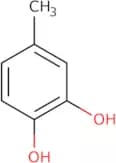
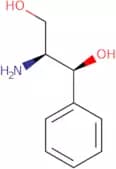
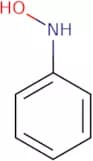
![[(5-Chloro-1-methyl-1H-benzimidazol-2-yl)methyl]amine hydrochloride](/_next/image/?url=https%3A%2Fstatic.cymitquimica.com%2Fproducts%2F3D%2Fthumb-webp%2FFC135791.webp&w=3840&q=75)
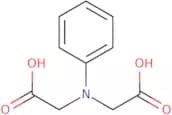
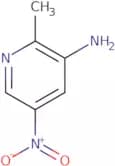
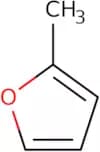

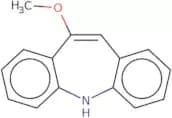
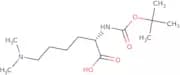

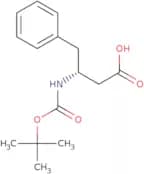
![(2S,3S)-5-[2-(Dimethylamino)ethyl]-3-hydroxy-2-(4-methoxyphenyl)-2,3-dihydro-1,5-benzothiazepin-4-…](/_next/image/?url=https%3A%2Fstatic.cymitquimica.com%2Fproducts%2F3D%2Fthumb-webp%2FFD45531.webp&w=3840&q=75)
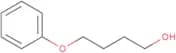
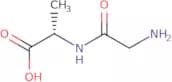
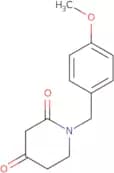
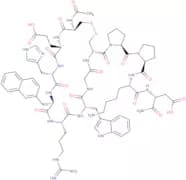
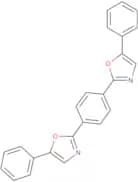
![[4-(4-Aminophenoxy)(2-pyridyl)]-N-methylcarboxamide](/_next/image/?url=https%3A%2Fstatic.cymitquimica.com%2Fproducts%2F3D%2Fthumb-webp%2FFA17813.webp&w=3840&q=75)
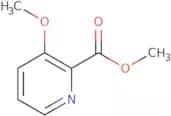

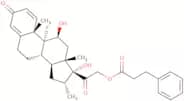
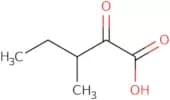
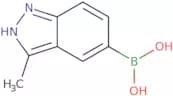

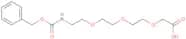
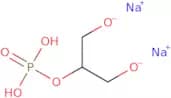
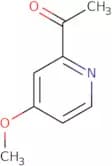

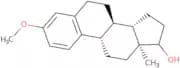
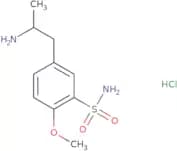

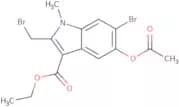

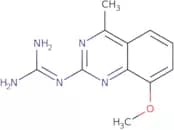
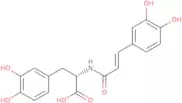
![2,3,4,5-Tetrahydro-5-methyl-1H-pyrido[4,3-b]indol-1-one](/_next/image/?url=https%3A%2Fstatic.cymitquimica.com%2Fproducts%2F3D%2Fthumb-webp%2FFT55655.webp&w=3840&q=75)
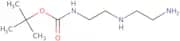
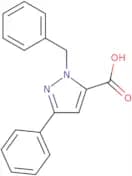
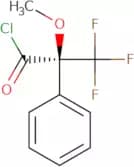
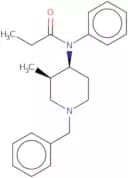
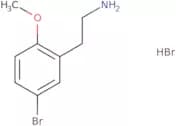
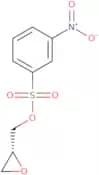
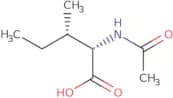
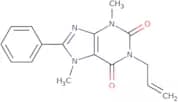
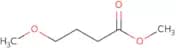
![N-[2-(4-Benzylpiperazin-1-yl)-2-oxoethyl]-N-methylamine](/_next/image/?url=https%3A%2Fstatic.cymitquimica.com%2Fproducts%2F3D%2Fthumb-webp%2FFB117802.webp&w=3840&q=75)
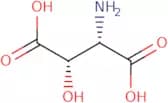

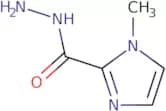
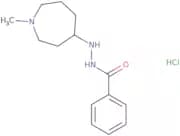
![4-Bromo-7-methoxy-1H-pyrrolo[2,3-c]pyridine](/_next/image/?url=https%3A%2Fstatic.cymitquimica.com%2Fproducts%2F3D%2Fthumb-webp%2FFB141995.webp&w=3840&q=75)
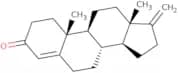
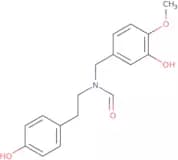
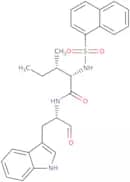
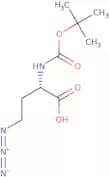
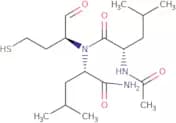
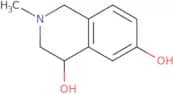

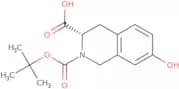
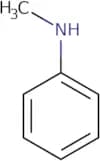

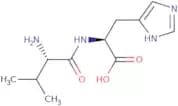
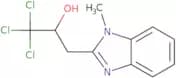
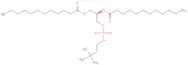

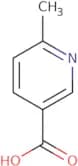
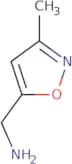
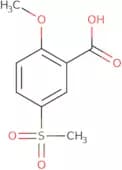
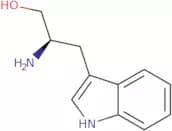
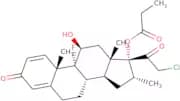
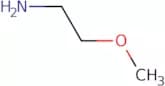
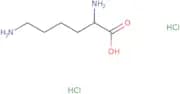

![5[(R)-(2-Aminopropyl)]-2-methoxybenzenesulfonamide hydrochloride](/_next/image/?url=https%3A%2Fstatic.cymitquimica.com%2Fproducts%2F3D%2Fthumb-webp%2FFA17834.webp&w=3840&q=75)
![N-Ethyl-N-[(heptadecafluorooctyl)sulphonyl]glycine](/_next/image/?url=https%3A%2Fstatic.cymitquimica.com%2Fproducts%2F3D%2Fthumb-webp%2FFE91897.webp&w=3840&q=75)

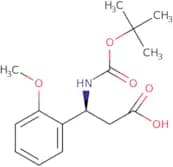
![1-Cyclopropyl-7-(2,8-diazabicyclo[4.3.0]non-8-yl)-6-fluoro-8-methoxy-4-oxoquinoline-3-carboxylic a…](/_next/image/?url=https%3A%2Fstatic.cymitquimica.com%2Fproducts%2F3D%2Fthumb-webp%2FFC102529.webp&w=3840&q=75)
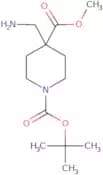
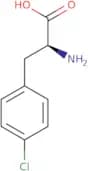
![1,1-Bis(1,1-dimethylethyl) (3R)-3-[[(9H-fluoren-9-ylmethoxy)carbonyl]amino]-1,1,3-propanetricarbox…](/_next/image/?url=https%3A%2Fstatic.cymitquimica.com%2Fproducts%2F3D%2Fthumb-webp%2FFF47880.webp&w=3840&q=75)
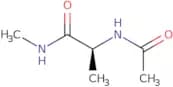


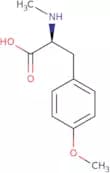
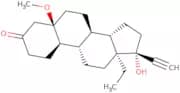

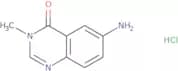
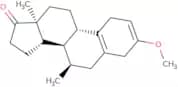
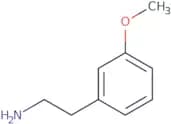
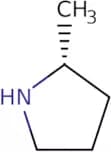
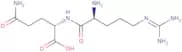
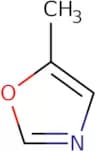
![{2-[(4-Phenylpiperazin-1-yl)carbonyl]phenyl}amine](/_next/image/?url=https%3A%2Fstatic.cymitquimica.com%2Fproducts%2F3D%2Fthumb-webp%2FFP122463.webp&w=3840&q=75)
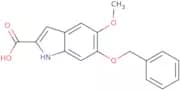
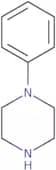
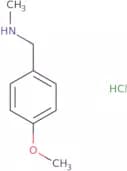
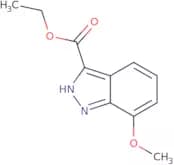
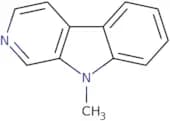
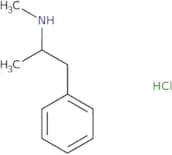
![3-[4-(2-Chlorophenyl)-9-methyl-6H-thieno[3,2-f][1,2,4]triazolo[4,3-a][1,4]diazepin-2-yl]-2-propyn-…](/_next/image/?url=https%3A%2Fstatic.cymitquimica.com%2Fproducts%2F3D%2Fthumb-webp%2FFC20335.webp&w=3840&q=75)
![[(4-Methyl-1H-imidazol-5-yl)methyl]amine hydrochloride](/_next/image/?url=https%3A%2Fstatic.cymitquimica.com%2Fproducts%2F3D%2Fthumb-webp%2FFM125220.webp&w=3840&q=75)

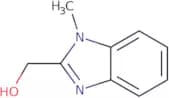

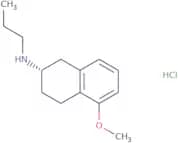
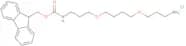
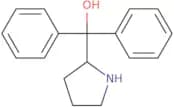
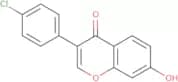

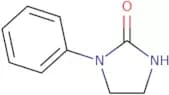
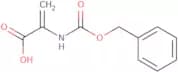
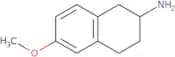
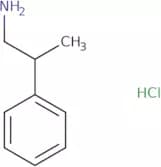


![[2-(5-Chloro-1-methyl-1H-benzimidazol-2-yl)ethyl]amine dihydrochloride](/_next/image/?url=https%3A%2Fstatic.cymitquimica.com%2Fproducts%2F3D%2Fthumb-webp%2FFC135802.webp&w=3840&q=75)
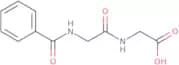
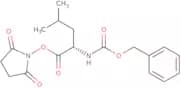
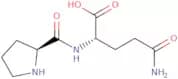
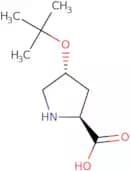

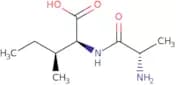
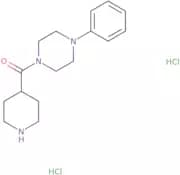
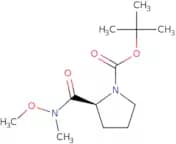
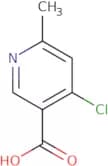
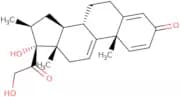
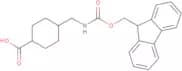

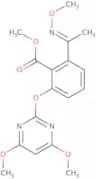
![(S)-1,2,3,4,5,6,7,8-Octahydro-1-[(4-methoxyphenyl)methyl]isoquinoline (acetate salt )](/_next/image/?url=https%3A%2Fstatic.cymitquimica.com%2Fproducts%2F3D%2Fthumb-webp%2FFO29465.webp&w=3840&q=75)
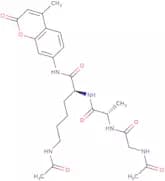
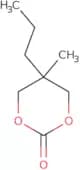
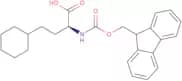
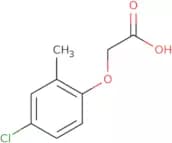
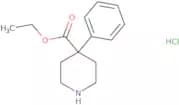
![[4-[2-(Diethylamino)ethoxy]-3-iodophenyl][2-(1-hydroxybutyl)-3-benzofuranyl]-methanone](/_next/image/?url=https%3A%2Fstatic.cymitquimica.com%2Fproducts%2F3D%2Fthumb-webp%2FFD150040.webp&w=3840&q=75)
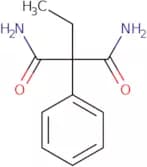
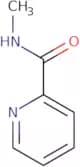
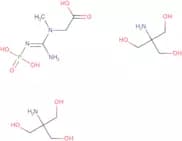
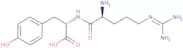
![N-[4-Amino-3-(trifluoromethyl)phenyl]-2-methylpropanamide](/_next/image/?url=https%3A%2Fstatic.cymitquimica.com%2Fproducts%2F3D%2Fthumb-webp%2FFA17485.webp&w=3840&q=75)
![1,1'-Methylene bis[theobromine]](/_next/image/?url=https%3A%2Fstatic.cymitquimica.com%2Fproducts%2F3D%2Fthumb-webp%2FFM25819.webp&w=3840&q=75)