Amino Acids (AA)
Amino acids (AAs) are the fundamental building blocks of proteins, playing a crucial role in various biological processes. These organic compounds are essential for protein synthesis, metabolic pathways, and cell signaling. In this category, you will find a comprehensive range of amino acids, including essential, non-essential, and modified forms, which are vital for research in biochemistry, molecular biology, and nutritional sciences. At CymitQuimica, we provide high-quality amino acids to support your research and development needs, ensuring accuracy and reliability in your experimental outcomes.
Subcategories of "Amino Acids (AA)"
- Amino Acid Derivatives(3,957 products)
- Amino Acid and Amino Acid Related Compounds(3,472 products)
- Amino Acids with Oxygen or Sulphur(168 products)
- Boc- Amino Acids(351 products)
- Fmoc Amino Acids(1,710 products)
Found 38265 products of "Amino Acids (AA)"
Sort by
Purity (%)
0
100
|
0
|
50
|
90
|
95
|
100
1-Butyl-3-methylimidazolium bis(trifluoromethanesulfonyl)imide
CAS:<p>1-Butyl-3-methylimidazolium bis(trifluoromethanesulfonyl)imide (BMIMTFSI) is a cationic electrolyte that is used in a variety of electrochemical applications. BMIMTFSI has been shown to be able to form hydrogen bonds with water and other hydroxyl groups. Hydrogen bonding interactions are important for the ionic conductivity of BMIMTFSI. These interactions allow the formation of an ionic solution in which the ions can conduct electricity. This property of BMIMTFSI makes it useful in electrochemical detectors, such as gas sensors and pH monitors, where it can be used to measure changes in pH or detect gases such as carbon dioxide or ammonia. The frequency shift of this material is due to its ability to undergo an acylation reaction, which is the addition of an acyl group onto a molecule. The activation energies for this process are determined by the chemical interactions between</p>Formula:C10H15F6N3O4S2Purity:Min. 98 Area-%Color and Shape:Clear LiquidMolecular weight:419.37 g/mol5-chloro-1-phenyl-1h-1,2,3,4-tetraazole
CAS:<p>5-Chloro-1-phenyl-1H-1,2,3,4-tetrazole (5CAT) is a dihedral molecule that contains phenyl groups and p-hydroxybenzoic acid. The argon (Ar) functionalities are activated by reaction with hydroxyl group to form the cross-coupling reaction between 5CAT and chloride (Cl). 5CAT has been shown to be a good substrate for 2D Nuclear Magnetic Resonance (NMR), as it has a protonated hydroxyl group. This functional group is also present on the chloro group of the 5CAT molecule. The vibrational analysis from the protonated hydroxyl group can be observed in the spectrum of 5CAT.</p>Formula:C7H5N4ClPurity:Min. 95%Molecular weight:180.59 g/mol1-(2-Methoxyethyl)-1H-indole-3-carboxylic acid
CAS:Controlled Product<p>Please enquire for more information about 1-(2-Methoxyethyl)-1H-indole-3-carboxylic acid including the price, delivery time and more detailed product information at the technical inquiry form on this page</p>Formula:C12H13NO3Purity:Min. 95%Molecular weight:219.24 g/mol[2-(1-Ethyl-1H-indol-3-yl)-1-methylethyl]amine hydrochloride
CAS:Controlled Product<p>Please enquire for more information about [2-(1-Ethyl-1H-indol-3-yl)-1-methylethyl]amine hydrochloride including the price, delivery time and more detailed product information at the technical inquiry form on this page</p>Formula:C13H18N2Purity:Min. 95%Molecular weight:202.3 g/mol2-Hydroxy-4-methylpyrimidine
CAS:<p>2-Hydroxy-4-methylpyrimidine is a heterocyclic compound that is used in the synthesis of other heterocycles. It is prepared by the reaction of methylbenzene and nitrous acid, followed by hydrolysis to form an imine. This compound has been synthesized with various substituents at different positions on the ring and also as a series of homologues. The 2-hydroxy-4-methylpyrimidine molecule has four nitroso groups, which are substituted with methyl groups. X-ray crystallography studies have shown that the molecule can exist in two different forms: one with the methyl groups pointing "homotopically" towards each other and the other with them directed "heterotopically."</p>Formula:C5H6N2OPurity:Min. 95%Molecular weight:110.11 g/molN-[2-(4-Benzylpiperazin-1-yl)-2-oxoethyl]-N-methylamine
CAS:Controlled Product<p>Please enquire for more information about N-[2-(4-Benzylpiperazin-1-yl)-2-oxoethyl]-N-methylamine including the price, delivery time and more detailed product information at the technical inquiry form on this page</p>Formula:C14H21N3OPurity:Min. 95%Molecular weight:247.34 g/mol3-O-Methyl 17a-estradiol
CAS:Controlled Product<p>Please enquire for more information about 3-O-Methyl 17a-estradiol including the price, delivery time and more detailed product information at the technical inquiry form on this page</p>Formula:C19H26O2Purity:Min. 95%Molecular weight:286.41 g/molOctahydro-3-oxo-2,6-methano-2H-quinolizin-8-yl ester
CAS:<p>Dolasetron mesylate is a mesylate of the biologically active form of dolasetron, which is an octahydro-3-oxo-2,6-methano-2H-quinolizin-8-yl ester. Dolasetron has been shown to be effective in the treatment of nausea and vomiting caused by cytotoxic chemotherapy or radiation therapy. It has been approved for use in adults with cancer who have not responded to other treatments. Dolasetron is rapidly absorbed from the gastrointestinal tract and is then distributed throughout the body, including into the brain. The elimination half life of dolasetron mesylate is about 2 hours and it binds to plasma proteins. Dolasetron mesylate specifically binds to serotonin receptors, which are found on cells in the gut. This binding inhibits serotonin induced contraction of bowel smooth muscle cells.</p>Formula:C19H20N2O3Purity:Min. 95%Color and Shape:White To Off-White To Grey SolidMolecular weight:324.37 g/mol3-(2-Aminoethyl)-N-methyl-1H-indole-5-methanesulfonamide
CAS:<p>3-(2-Aminoethyl)-N-methyl-1H-indole-5-methanesulfonamide (AMIS) is an intermediate in the preparation of medicaments. It is a stable process and can be used as an intermediate for other compounds. AMIS is prepared by reacting methanesulfonic acid with methanol and ammonium carbonate, which produces methanesulfonamide, succinic acid and ammonium hydroxide. The reaction liquid is then heated to produce a crystalline solid. The crystals are then recrystallized to yield AMIS as a white solid.</p>Formula:C12H17N3O2SPurity:Min. 95%Color and Shape:Off-White To Beige To Light Brown SolidMolecular weight:267.35 g/mol4-Chloro-6-methylnicotinic acid
CAS:<p>4-Chloro-6-methylnicotinic acid (4C6MNA) is a chemical substance that is used in the study of plant leaves and their permeability. This substance has been found to be an excellent indicator of chlorophyll content, as it stains leaf cells with a green color. 4C6MNA is taken up by healthy plant cells and mitochondria, where it binds to the chromophore molecule in the mitochondria. The binding of 4C6MNA to the chromophore molecule leads to the production of fluorescence, which can be detected via microscopy. This substance has been used for laser microbeam studies on natural leaves and tobacco plants.</p>Formula:C7H6CINO2Purity:Min. 95%Molecular weight:275.04 g/molZ-L-leucine-N-hydroxysuccinimide ester
CAS:<p>Please enquire for more information about Z-L-leucine-N-hydroxysuccinimide ester including the price, delivery time and more detailed product information at the technical inquiry form on this page</p>Formula:C18H22N2O6Purity:Min. 95%Molecular weight:362.38 g/mol8-Chloro-6-(2-fluorophenyl)-1-methyl-4H-imidazo[1,5-a][1,4]benzodiazepine 2,5-dioxidemidazolam 2,5-dioxide
CAS:Controlled ProductPlease enquire for more information about 8-Chloro-6-(2-fluorophenyl)-1-methyl-4H-imidazo[1,5-a][1,4]benzodiazepine 2,5-dioxidemidazolam 2,5-dioxide including the price, delivery time and more detailed product information at the technical inquiry form on this pageFormula:C18H13ClFN3O2Purity:Min. 95%Molecular weight:357.77 g/mol17-Methylene-4-androsten-3-one
CAS:Controlled Product<p>17-Methylene-4-androsten-3-one is a natural steroid that belongs to the class of 17,20-lyase. This compound has been reported as an endogenous metabolite in human urine, plasma, and cerebrospinal fluid. It has been detected at low concentrations in the brain and liver. The nmr spectrum of 17-methylene-4-androsten-3-one displays a singlet at δ 3.2 ppm for the C=C double bond, which is characteristic of the A ring.<br>17 methylene 4 androsten 3 one is found in human urine, plasma, and cerebrospinal fluid with a concentration of 0.1 ng/ml. The nmr spectrum displays a singlet at δ 3.2 ppm for the C=C double bond which is characteristic of the A ring.</p>Formula:C20H28OPurity:Min. 95%Molecular weight:284.44 g/molTris(2-phenylpyridine)iridium
CAS:<p>Tris(2-phenylpyridine)iridium (IrCl) is a coordination compound that is used as a catalyst to initiate cationic polymerization of biphenyl. It is also used as an analytical reagent for determining the content of fatty acids in oils and fats. The steric interactions between the phenyl groups and the electron-rich iridium atoms lead to a high degree of conversion of ethylene oxide to ethylene glycol, which can be observed by UV absorption. The synthesis of IrCl occurs in two steps: first, the reaction of chloroacetone with phenylmagnesium bromide followed by addition of hydrated iridium chloride. The product crystallizes in red needles, which are analyzed using x-ray crystal structures. Analysis using nmr spectroscopy reveals that IrCl contains four nitrogen atoms and three oxygen atoms. Its redox potentials are -0.9 volts for oxidation and +1.3 volts for reduction, making</p>Formula:C33H24IrN3Purity:Min. 98 Area-%Color and Shape:PowderMolecular weight:654.78 g/mol6-Amino-1-methyl-5-nitrosouracil
CAS:<p>6-Amino-1-methyl-5-nitrosouracil is a neutral form of the molecule that has both protonated and unprotonated forms. It is a bidentate ligand that can bind to a metal ion. The nitrogen atom in the molecule is an important part of its structure, as it contains two nitro groups and one amino group. 6-Amino-1-methyl-5-nitrosouracil has been used in techniques such as spectroscopies and dinitroso analysis. The neutral form of the molecule can be converted into its ionic form by adding either chlorine or nitrate ions to it, which causes the nitrogen atoms to be more electronegative. This conversion changes the nature of the compound, making it more acidic. Dehydration also occurs when water molecules are removed from 6-amino 1 methyl 5 nitrosourea, which causes a change in shape and shifts its properties to</p>Formula:C5H6N4O3Purity:Min. 95%Molecular weight:170.13 g/molN-Methyl-DL-phenylalanine methyl ester hydrochloride
CAS:<p>Please enquire for more information about N-Methyl-DL-phenylalanine methyl ester hydrochloride including the price, delivery time and more detailed product information at the technical inquiry form on this page</p>Formula:C11H15NO2·HClPurity:Min. 95%Molecular weight:229.7 g/mol4-(2-Chlorophenyl)-9-methyl-6H-thieno[3,2-f][1,2,4]triazolo[4,3-a][1,4]diazepine-2-propanoic acid methyl ester
CAS:Controlled Product<p>Please enquire for more information about 4-(2-Chlorophenyl)-9-methyl-6H-thieno[3,2-f][1,2,4]triazolo[4,3-a][1,4]diazepine-2-propanoic acid methyl ester including the price, delivery time and more detailed product information at the technical inquiry form on this page</p>Formula:C19H17ClN4O2SPurity:Min. 95%Molecular weight:400.88 g/mol(2S,3S)-5-[2-(Dimethylamino)ethyl]-3-hydroxy-2-(4-methoxyphenyl)-2,3-dihydro-1,5-benzothiazepin-4-one hydrochloride
CAS:<p>(2S,3S)-5-[2-(Dimethylamino)ethyl]-3-hydroxy-2-(4-methoxyphenyl)-2,3-dihydro-1,5-benzothiazepin-4-one hydrochloride is a racemic mixture of two enantiomers. It is a prodrug that is hydrolyzed to its active form, diltiazem. The drug has been shown to be effective in the treatment of hypertension and angina pectoris. (2S,3S)-5-[2-(Dimethylamino)ethyl]-3-hydroxy-2-(4-methoxyphenyl)-2,3-dihydro-1,5-benzothiazepin-4-one hydrochloride has been shown to inhibit the activity of the enzyme phosphodiesterase which breaks down cyclic AMP. This inhibition results in an increase in levels of</p>Formula:C20H24N2O3S·HClPurity:Min. 95%Molecular weight:408.94 g/molN-α-Boc-Nω,ω''-bis-Z-D-arginine
CAS:<p>Please enquire for more information about N-alpha-Boc-Nomega,omega''-bis-Z-D-arginine including the price, delivery time and more detailed product information at the technical inquiry form on this page</p>Formula:C27H34N4O8Purity:Min. 95%Molecular weight:542.58 g/mol[(5-Methyl-1,3-thiazol-2-yl)methyl]amine dihydrochloride
CAS:<p>Please enquire for more information about [(5-Methyl-1,3-thiazol-2-yl)methyl]amine dihydrochloride including the price, delivery time and more detailed product information at the technical inquiry form on this page</p>Formula:C5H8N2SPurity:Min. 95%Molecular weight:128.2 g/mol2-Phenylphenol
CAS:<p>2-Phenylphenol is a ferrocenecarboxylic acid with an anhydrous sodium salt. It reacts with water vapor to produce ferric hydroxide and 2-phenylphenolsodium. 2-Phenylphenol is used as a long-term toxicity test for enzyme activities in liver cells, and has shown to cause liver lesions in rats. The hydrophobic effect of 2-Phenylphenol has been shown to be its inhibition of the binding of inhibitors to enzymes. This chemical is also used in analytical methods for determining the concentration of phenols in water samples.</p>Formula:C12H1OPurity:Min. 95%Molecular weight:161.14 g/mol4-(Benzyloxy)-5-methoxy-2-nitrobenzaldehyde
CAS:<p>4-(Benzyloxy)-5-methoxy-2-nitrobenzaldehyde (BOMBA) is an amide with affinity for microtubules. It has been shown to interact with the microtubule lattice and inhibit the polymerization of tubulin. This leads to a decrease in cell viability and cytotoxicity, as well as a decrease in tumor size. In vivo studies have demonstrated that BOMBA inhibits tumor growth by inducing thrombosis and coagulation, which results in reduced blood flow to the tumor. The mechanism of action of BOMBA is thought to be due to its ability to form sulfamates, which are known for their anti-coagulant activity.</p>Formula:C15H13NO5Purity:Min. 95%Molecular weight:287.27 g/mol4-Chloro-2-methylbenzenesulfonyl chloride
CAS:<p>Please enquire for more information about 4-Chloro-2-methylbenzenesulfonyl chloride including the price, delivery time and more detailed product information at the technical inquiry form on this page</p>Formula:C7H6Cl2O2SPurity:Min. 95%Molecular weight:225.09 g/mol(2E)-1-(2-Hydroxyphenyl)-3-phenyl-2-propen-1-one
CAS:<p>The 2-hydroxyphenyl-3-phenylpropenal (HPPA) is a fatty acid with a hydroxyl group. It has been shown to have anti-inflammatory properties and inhibit the production of TNF-α in mice. HPPA is synthesized by the oxidation of oleic acid, which can be catalyzed by a number of different enzymes such as lipoxygenases, cyclooxygenases, or cytochrome P450s. The synthesis can also be inhibited by other substances such as dibromides or tnf-α. HPPA also has potent inhibitory activity against transcription polymerase chain reaction and protein synthesis. This inhibition is due to its carbonyl group that reacts with the intramolecular hydrogen on the enzyme's active site. The reaction mechanism for this inhibition is similar to that of propranolol, another drug used for treatment of inflammatory diseases.</p>Formula:C15H12O2Purity:Min. 95%Color and Shape:PowderMolecular weight:224.25 g/mol4-Benzyloxy-3-methoxy-N-methylphenethylamine hydrochloride
CAS:Controlled Product<p>Please enquire for more information about 4-Benzyloxy-3-methoxy-N-methylphenethylamine hydrochloride including the price, delivery time and more detailed product information at the technical inquiry form on this page</p>Formula:C17H22ClNO2Purity:Min. 95%Molecular weight:307.81 g/mol(5-Methoxy-1-methyl-1H-benzimidazol-2-yl)methanol
CAS:Controlled Product<p>Please enquire for more information about (5-Methoxy-1-methyl-1H-benzimidazol-2-yl)methanol including the price, delivery time and more detailed product information at the technical inquiry form on this page</p>Formula:C10H12N2O2Purity:Min. 95%Molecular weight:192.21 g/mol(S)-Boc-1-adamantyl-glycine
CAS:<p>(S)-Boc-1-adamantyl-glycine is an amide that has been shown to be effective in wastewater treatment. It is a substrate for mass spectrometry detection, which can be used to determine the concentration of this compound in wastewater. The amide group can form hydrogen bonds with other molecules, which means it can bind to organic matter and remove it from water. This application has been shown to be effective in treating acidic water in the presence of radiation. (S)-Boc-1-adamantyl-glycine also has therapeutic potential for cardiovascular diseases due to its ability to inhibit nitric oxide synthase, as well as its antihypertensive effects.</p>Formula:C17H27NO4Purity:Min. 95%Color and Shape:PowderMolecular weight:309.4 g/molDimethyl-p-phenylenediamine sulfate
CAS:<p>Dimethyl-p-phenylenediamine sulfate (DMPD) is a response element that is involved in the regulation of physiological function and energy metabolism. DMPD is found in prostate cancer cells, which may be due to its ability to regulate the apoptosis pathway. The clinical relevance of DMPD has been shown by a low dose study on rats with myocardial infarcts. Rats were given doses of 0.5, 1, or 2 mg/kg DMPD for 3 weeks before being subjected to an occlusive coronary artery ligation procedure. The results showed that the rats given DMPD had significantly lower systolic blood pressure than those not given DMPD, but there was no difference in diastolic blood pressure.</p>Formula:C8H14N2O4SPurity:Min. 95%Molecular weight:234.27 g/mol2-Valeryl-17'-estradiol 17-valerate
CAS:Controlled Product<p>Please enquire for more information about 2-Valeryl-17'-estradiol 17-valerate including the price, delivery time and more detailed product information at the technical inquiry form on this page</p>Formula:CHOPurity:Min. 95%4-Amino-1-Boc-piperidine-4-carboxamide
CAS:<p>Please enquire for more information about 4-Amino-1-Boc-piperidine-4-carboxamide including the price, delivery time and more detailed product information at the technical inquiry form on this page</p>Formula:C11H21N3O3Purity:Min. 95%Molecular weight:243.3 g/mol(R)-1-Boc-3-ethyl-piperazine
CAS:<p>Please enquire for more information about (R)-1-Boc-3-ethyl-piperazine including the price, delivery time and more detailed product information at the technical inquiry form on this page</p>Formula:C11H22N2O2Purity:Min. 95%Molecular weight:214.3 g/molDL-Lysine-2-15N dihydrochloride
CAS:<p>Please enquire for more information about DL-Lysine-2-15N dihydrochloride including the price, delivery time and more detailed product information at the technical inquiry form on this page</p>Formula:C6H14NNO2•(HCl)2Purity:Min. 95%Molecular weight:220.1 g/molPeptide YY (canine, mouse, porcine, rat)
CAS:<p>Peptide YY (PYY) is a peptide hormone that inhibits gastric emptying and increases intestinal transit time. This peptide can be given as an intubation, perfusion, or intravenous infusion to increase the absorption of nutrients. It also has the potential to reduce body weight in obese people. PYY is a potent activator of protein synthesis and it has been shown to stimulate lipolysis in adipocytes. PYY is found in the ileum and colon, where it may have its effects on appetite suppression and regulation of gastrointestinal motility.</p>Formula:C190H288N54O57Purity:Min. 95%Color and Shape:PowderMolecular weight:4,240.65 g/molBOC-D-Ser-OH
CAS:<p>BOC-D-Ser-OH is a synthetic amino acid with an acetylated serine side chain. It is used in the synthesis of glycosidic bonds. BOC-D-Ser-OH reacts with sodium hydrogen carbonate to form the sodium salt of D-serine, which can be used to produce glycoconjugates or as a model protein. The reaction yield is low and can be improved by adding acetyl groups to the substrate, such as galactose. Glycosidic bonds are formed by transfer reactions between nucleophilic hydroxyl groups on sugar molecules and electrophilic amino groups on proteins. The glycoconjugates produced by this reaction have been shown to have anticancer activity in animal models.</p>Formula:C8H15NO5Purity:Min. 95%Molecular weight:205.21 g/mol3,3'-[1,3-Phenylenebis(oxy)]dipropanoic acid
CAS:<p>Please enquire for more information about 3,3'-[1,3-Phenylenebis(oxy)]dipropanoic acid including the price, delivery time and more detailed product information at the technical inquiry form on this page</p>Formula:C12H14O6Purity:Min. 95%Molecular weight:254.24 g/molZ-NH-PEG6-CH2CH2COOH
<p>Z-NH-PEG6-CH2CH2COOH is a PEG compound with two different functional groups (also known as heterobifunctional). Unlike homobifunctional PEG compounds (same functional group on both ends), this type of compounds are more versatile as have two different anchor points. Z-NH-PEG6-CH2CH2COOH is used as a linker and spacer to add a PEG moiety, via pegylation (a bioconjugation technique) to proteins, peptides, oligonucleotides, small molecules and nanoparticles.</p>Formula:C23H37NO10Purity:Min. 95%Molecular weight:487.54 g/mol2-Iodo-5-methylpyrimidine
CAS:<p>Please enquire for more information about 2-Iodo-5-methylpyrimidine including the price, delivery time and more detailed product information at the technical inquiry form on this page</p>Formula:C5H5IN2Purity:Min. 95%Molecular weight:220.01 g/mol4-Phenoxyphenylboronic acid
CAS:<p>4-Phenoxyphenylboronic acid is a chemical inhibitor of protein kinase. It binds to the ATP binding site of the enzyme and prevents ATP from binding, thereby inhibiting the phosphorylation of proteins. This inhibition blocks the activation of downstream pathways that are involved in cell proliferation, leading to apoptotic cell death. 4-Phenoxyphenylboronic acid has been shown to inhibit growth of human cancer cells in vitro. This molecule also inhibits root formation and plant growth, which may be due to its ability to selectively inhibit protein kinases found in plant cells.</p>Formula:C12H11BO3Purity:Min. 95%Molecular weight:214.02 g/molN-Methyl-L-valine hydrochloride
CAS:<p>N-Methyl-L-valine hydrochloride is a synthetic molecule that binds to the CB2 receptor. It has been shown to have anti-inflammatory effects in mice by reducing the production of inflammatory mediators such as prostaglandins and cytokines. N-Methyl-L-valine hydrochloride has also been shown to reduce inflammation in several mouse models of autoimmune diseases, such as type 1 diabetes, multiple sclerosis, and rheumatoid arthritis. This drug was found to be effective in animal models for these diseases by inhibiting inflammatory mediator release from immune cells.</p>Formula:C6H13NO2·HClPurity:Min. 95%Color and Shape:PowderMolecular weight:167.63 g/mol5-Bromo-3-methoxybenzaldehyde
CAS:<p>5-Bromo-3-methoxybenzaldehyde is a type of growth factor that is synthesized by cancer cells. It has been shown to have anticancer activity when used in conjunction with other drugs. 5-Bromo-3-methoxybenzaldehyde has been shown to inhibit tumor growth in mice, which may be due to its ability to prevent the activation of PD-L1. This compound interacts with a tetranuclear ligand and can be activated by light.</p>Formula:C8H7BrO2Purity:Min. 95%Color and Shape:PowderMolecular weight:215.04 g/molCreatine phosphate di(tris) salt
CAS:<p>Creatine phosphate di(tris) salt is a cyclase and rectifier of potassium ion channels. It is a potent activator of calcium ion channels, expressed in the cells of the ng108-15 mouse neuroblastoma line. Creatine phosphate di(tris) salt also potently activates guanylate cyclase and l-type calcium ion channels. This drug has been shown to stimulate prostaglandin synthesis and inhibit the production of prostaglandin E1 in biological chemistry studies. Creatine phosphate di(tris) salt is a cyclase and rectifier of potassium ion channels. It is a potent activator of calcium ion channels, expressed in the cells of the ng108-15 mouse neuroblastoma line. Creatine phosphate di(tris) salt also potently activates guanylate cyclase and l-type calcium ion channels. This drug has been shown to stimulate prostaglandin synthesis and inhibit the production of prostaglandin E1 in</p>Formula:C12H32N5O11PPurity:Min. 95%Molecular weight:453.38 g/molH-Arg-Pro-OH sulfate salt
CAS:<p>H-Arg-Pro-OH sulfate salt is a synthetic peptide that binds to the receptor for filtrates. It is used to treat skin conditions such as dermatitis, eczema, and psoriasis. H-Arg-Pro-OH sulfate salt has been shown to be effective in inhibiting clostridium from producing proteins. This drug also inhibits the uptake of these proteins by blocking the binding of phosphorylated lysine residues to their receptors on the cell membrane. It has been shown to hydrolyze amide bonds and can be used as a catalyst for bond cleavage reactions.</p>Formula:C11H21N5O3Purity:Min. 95%Color and Shape:PowderMolecular weight:271.32 g/molZ-D-Leu-OH
CAS:<p>Please enquire for more information about Z-D-Leu-OH including the price, delivery time and more detailed product information at the technical inquiry form on this page</p>Formula:C14H19NO4Purity:Min. 95%Molecular weight:265.31 g/molEthyl 7-Methoxy-1H-Indazole-3-Carboxylate
CAS:Controlled Product<p>Please enquire for more information about Ethyl 7-Methoxy-1H-Indazole-3-Carboxylate including the price, delivery time and more detailed product information at the technical inquiry form on this page</p>Formula:C11H12N2O3Purity:Min. 95%Molecular weight:220.22 g/molα-(1,1,2,2,2-Pentafluoroethyl)-ω-[Tetrafluoro(Trifluoromethyl)Ethoxy]-Poly[Oxy[Trifluoro(Trifluoromethyl)-1,2-Ethanediyl]] - Average MW 2000
CAS:Controlled Product<p>Alpha-(1,1,2,2,2-Pentafluoroethyl)-omega-[Tetrafluoro(Trifluoromethyl)Ethoxy]-Poly[Oxy[Trifluoro(Trifluoromethyl)-1,2-Ethanediyl]] - Average MW 2000 (FTFEPA) is a fluorinated compound that is a monofluorophosphate. It is used as an electrolyte in nonaqueous systems. FTFEPA has been shown to be effective in reducing the corrosion of metals such as magnesium and aluminum.</p>Formula:(C3F6O)n•C5F12OPurity:Min. 95%2-Methoxyethanamine
CAS:<p>2-Methoxyethanamine is a metabolite of the drug 2-methoxyethanol. It is an amine that can be found in urine samples. Its structure consists of a hydroxyl group, sodium carbonate, and an intramolecular hydrogen. 2-Methoxyethanamine inhibits the production of angiotensin II, which reduces blood pressure. This molecule has antihypertensive activity because it prevents the conversion of angiotensin I to angiotensin II in the kidneys. 2-Methoxyethanamine also has a stepwise mechanism for its synthesis from ethylene diamine and nitrogen atoms. It can be oxidized by hydrochloric acid or reduced by hydrogen bond or amines. The redox potential of this molecule is -0.06 V, which makes it a nucleophilic compound with an amide bond as its conjugate base.</p>Formula:C3H9NOPurity:Min. 95%Color and Shape:Colourless To Yellow Clear LiquidMolecular weight:75.11 g/molN-Acetyl-S-(1,2-dichloroethenyl)-L-cysteine
CAS:<p>N-Acetyl-S-(1,2-dichloroethenyl)-L-cysteine is a reactive compound that is formed from the metabolism of acetaminophen. It has been shown to cause oxidative injury in the mitochondria of proximal tubule cells. N-Acetyl-S-(1,2-dichloroethenyl)-L-cysteine disrupts mitochondrial membrane potential and causes ATP depletion. It also causes mitochondrial dysfunction by inhibiting respiratory chain activity and lowering cytosolic calcium levels. N-Acetyl-S-(1,2-dichloroethenyl)-L-cysteine has been shown to be toxic in animals and humans. The main analytical method used to detect this compound is the tetrazolium dye assay.</p>Formula:C7H9Cl2NO3SPurity:Min. 95%Molecular weight:258.12 g/molBoc-(3S)-1,2,3,4-tetrahydroisoquinoline-7-hydroxy-3-carboxylic acid
CAS:<p>Boc-(3S)-1,2,3,4-tetrahydroisoquinoline-7-hydroxy-3-carboxylic acid is a synthetic opioid that is chemically related to morphine. It binds to the δ opioid receptor and has a clinical development in the treatment of pain. The drug has been shown to inhibit the binding of gtpγs, which leads to the suppression of neuronal activity. Boc-(3S)-1,2,3,4-tetrahydroisoquinoline-7-hydroxy-3-carboxylic acid also has low molecular weight and low toxicity.</p>Formula:C15H19NO5Purity:Min. 95%Color and Shape:PowderMolecular weight:293.32 g/molMART-1 (26-35) (human) trifluoroacetate salt
CAS:<p>Native Melan-A (26-35) decapeptide derives from the melanocyte lineage-specific protein Melan-A/MART-1, which is expressed in almost 75-100% of primary and metastatic melanomas.<br>The region 26-35 of Melan-A protein acts as an antigenic peptide that is recognized by CD8+ tumor-reactive cytolytic T lymphocytes (CTLs) for designing antigen-specific cancer vaccines1. It has been shown that CD8+ Melan-A-specific CTLs isolated from melanoma patients efficiently lyse the Melan-A-expressing HLA-A*0201+ melanoma cell line. However, CTLs preferentially recognize the Melan-A (26-35) peptide as compared with the Melan-A (27-35) peptide. Moreover, the Melan-A (26-35) A27L analog (ELAGIGILTV) has a higher binding affinity to HLA-A*0201 than the native Melan-A (26-35) peptide (EAAGIGILTV), and consequently displays more potent antigenicity and immunogenicity.<br>It has been reported that the concentration of Melan-A (26-35) A27L analog required to obtain 50% of maximal antigenic activity (EC50) is 0.01nM, whereas that of the native Melan-A (26-35) peptide is 0.25nM1. Therefore, the relative activity of Melan-A (26-35) A27L analog is 25 fold higher than that of the native Melan-A (26-35) peptide.<br>Furthermore, functional competition assay has shown that the concentration of Melan-A (26-35) A27L analog required to achieve 50% inhibition (IC50) of tumor lysis is 2nM, which is 10 fold lower than that of the native Melan-A (26-35) peptide. Regarding peptide stability in human serum, the half-lifes (t1/2) of the native Melan-A (26-35) peptide and the A27L analog are quite similar (45 and 40min, respectively) as measured by HPLC-ESI-MS, but much higher than that of the Melan-A (27-35) nonapeptide (5min).</p>Formula:C42H74N10O14Purity:Min. 95%Molecular weight:943.1 g/molBoc-L-leucine N-hydoxysuccinimide ester
CAS:<p>The Boc-L-leucine N-hydoxysuccinimide ester is a synthetic molecule that is often used as a model for studying the effects of lysine on the activity of glutamic acid. This compound is biodegradable and has been shown to be less toxic than other compounds in its class. The Boc-L-leucine N-hydoxysuccinimide ester has potent inhibitory activity against mammalian cells, which may be due to its ability to inhibit chloride transport across membranes.</p>Formula:C15H24N2O6Purity:Min. 95%Color and Shape:White/Off-White SolidMolecular weight:328.36 g/mol6-Benzyloxy-5-methoxyindole-2-carboxylic acid
CAS:<p>Please enquire for more information about 6-Benzyloxy-5-methoxyindole-2-carboxylic acid including the price, delivery time and more detailed product information at the technical inquiry form on this page</p>Formula:C17H15NO4Purity:Min. 95%Molecular weight:297.31 g/mol2-Methyl-4-(2-methylbenzamido)benzoic acid
CAS:<p>2-Methyl-4-(2-methylbenzamido)benzoic acid is a synthetic drug that has oxidizing properties. It is used as an intermediate in the synthesis of medicines, and can also be used as an intermediate in the synthesis of dyes and pesticides. The structure of this molecule consists of two methyl groups on a benzene ring with two aminobenzoic acid molecules attached to it. This molecule has hydrogen bonds with both aminobenzoic acid groups, one of which has an alkyl group attached to it. 2-Methyl-4-(2-methylbenzamido)benzoic acid crystallizes in the monoclinic system and its molecular weight is 256.24 g/mol.</p>Formula:C16H15NO3Purity:Min. 95%Molecular weight:269.3 g/mol1-Methylhydantoin
CAS:<p>1-Methylhydantoin is a molecule that has been shown to inhibit the production of TNF-α in vivo. It also inhibits the activity of aconitine alkaloids and hydrochloric acid, which are molecules that have been shown to stimulate TNF-α production. 1-Methylhydantoin has a logistic regression coefficient of -0.7 with a p value of 0.0054. 1-Methylhydantoin has been shown to be effective in patients with diabetes mellitus as well as patients with fatty acid metabolism disorders.</p>Formula:C4H6N2O2Purity:Min. 95%Molecular weight:114.1 g/mol3,5-Dibromo-6-methylpyrazin-2-amine
CAS:<p>Please enquire for more information about 3,5-Dibromo-6-methylpyrazin-2-amine including the price, delivery time and more detailed product information at the technical inquiry form on this page</p>Formula:C5H5Br2N3Purity:Min. 95%Molecular weight:266.92 g/molMethyl 4-(benzyloxy)-1-methyl-1H-indole-2-carboxylate
CAS:Controlled Product<p>Please enquire for more information about Methyl 4-(benzyloxy)-1-methyl-1H-indole-2-carboxylate including the price, delivery time and more detailed product information at the technical inquiry form on this page</p>Formula:C18H17NO3Purity:Min. 95%Molecular weight:295.33 g/mol2N-Boc-2',2''-triaminotriethylamine
CAS:<p>Please enquire for more information about 2N-Boc-2',2''-triaminotriethylamine including the price, delivery time and more detailed product information at the technical inquiry form on this page</p>Formula:C11H26N4O2Purity:Min. 95%Color and Shape:Yellow PowderMolecular weight:246.35 g/molN-Me-D-Met-OH
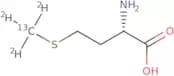
CAS:<p>N-Me-D-Met-OH is a nontoxic, nonprotein amino acid that is used in animal experiments to study the effects of tumorigenesis. It has been shown to be carcinogenic and tumorigenic in rats and mice. N-Me-D-Met-OH causes tumors by binding to arginine and inhibiting the synthesis of glycine and lysine. N-Me-D-Met-OH also inhibits protein synthesis by blocking the conversion of methionine into cysteine. This amino acid analog has been shown to be mutagenic in bacteria, yeast, and plants.</p>Formula:C6H13NO2SPurity:Min. 95%Molecular weight:163.24 g/molD-Valine tert-butyl ester hydrochloride
CAS:<p>Valine is one of the 20 amino acids commonly found in proteins. Valine is a modified form of the amino acid l-valine that has been shown to have anti-inflammatory properties and may be used as a medicine. Valine tert-butyl ester hydrochloride (VTBE) is an alkyl ester that has been shown to inhibit the activity of metalloproteinases, which are enzymes that break down proteins in the body. It has also been shown to have medicinal uses in the diagnosis of diseases such as Parkinson's disease and Alzheimer's disease. VTBE may be activated by tripartite motifs and lead to structural studies on exotoxins.</p>Formula:C9H19NO2•HClPurity:Min. 95%Color and Shape:White PowderMolecular weight:209.71 g/mol8-Ethyl-1,3,4,9-tetrahydro-1-(1-methylethyl)pyrano[3,4-b]indole-1-acetic acid
CAS:<p>Please enquire for more information about 8-Ethyl-1,3,4,9-tetrahydro-1-(1-methylethyl)pyrano[3,4-b]indole-1-acetic acid including the price, delivery time and more detailed product information at the technical inquiry form on this page</p>Formula:C18H23NO3Purity:Min. 95%Color and Shape:SolidMolecular weight:301.38 g/mol1-(2-Aminoethyl)-3-Phenylurea Hydrochloride
CAS:<p>Please enquire for more information about 1-(2-Aminoethyl)-3-Phenylurea Hydrochloride including the price, delivery time and more detailed product information at the technical inquiry form on this page</p>Formula:C9H13N3O·HClPurity:Min. 95%Molecular weight:215.68 g/mol2-Aminomethyl-4-boc-morpholine
CAS:<p>Please enquire for more information about 2-Aminomethyl-4-boc-morpholine including the price, delivery time and more detailed product information at the technical inquiry form on this page</p>Formula:C10H20N2O3Purity:Min. 95%Color and Shape:PowderMolecular weight:216.28 g/mol4-(Aminomethyl)-N-Methylbenzenesulfonamide
CAS:<p>Please enquire for more information about 4-(Aminomethyl)-N-Methylbenzenesulfonamide including the price, delivery time and more detailed product information at the technical inquiry form on this page</p>Formula:C8H12N2O2SPurity:Min. 95%Molecular weight:200.26 g/mol3-Bromo-7-hydroxy-4-methylchromen-2-one
CAS:<p>3-Bromo-7-hydroxy-4-methylchromen-2-one is an organic compound with the molecular formula CHBrNO. It is a colorless solid that is soluble in organic solvents. 3-Bromo-7-hydroxy-4-methylchromen-2-one has shown antiviral activity against the pandemic Covid 19 virus, as well as activity against influenza A and B viruses. This compound also has been shown to be active against methicillin resistant Staphylococcus aureus (MRSA) and Clostridium perfringens. 3BRMCHM2O binds to DNA by covalent binding and inhibits the synthesis of RNA, causing cell death in bacteria. The compound can be accessed through two routes: one involving phenylhydrazine and hydrazines, and another involving ionic liquids and ionic reagents. The reaction time for this reaction is very short (10 minutes</p>Formula:C10H7BrO3Purity:Min. 95%Molecular weight:255.06 g/molClobetasol Propionate - Impurity C
CAS:Controlled Product<p>21-Chloro-9-fluoro-11beta,17-dihydroxy-16alpha-methylpregna-1,4-diene-3,20-dione 17-propionate is an ester of ketoconazole and the propionic acid. It is used as a pharmaceutical formulation and has been shown to be stable in an HPLC method. This compound also has an optical isomer that was validated by a stability test. This product has been shown to have antiinflammatory properties and may be used as a topical treatment for skin disorders such as clobetasol propionate.</p>Formula:C25H32ClFO5Purity:Min. 95%Molecular weight:466.97 g/molS-Aminoethyl-L-cysteine hydrochloride
CAS:<p>S-Aminoethyl-L-cysteine hydrochloride is an amino acid that is used in the diagnosis of metabolic disorders. It has been found to have a high concentration in plasma and can be used to measure the activity of bowel disease. S-Aminoethyl-L-cysteine hydrochloride is also used as a diagnostic marker for inflammatory diseases. It is extensively metabolized by acidic hydrolysis, which results in the release of chloride ions and amines.</p>Formula:C5H12N2O2S·HClPurity:Min. 95%Color and Shape:White PowderMolecular weight:200.69 g/molN-α-Methyl-D-phenylalanine hydrochloride
CAS:<p>N-alpha-Methyl-D-phenylalanine hydrochloride is a synthetic pentapeptide that has been shown to be effective against cyclic diseases. It is a naturally occurring amino acid and an important component of the human body. N-alpha-Methyl-D-phenylalanine hydrochloride has been used in research for the treatment of autoimmune diseases, such as inflammatory bowel disease. This drug is also known to have tumor necrosis factor alpha (TNFα) inhibitory activity.</p>Formula:C10H13NO2·HClPurity:Min. 95%Molecular weight:215.68 g/molBoc-4-(4-fluorophenyl)-piperidine-4-carboxylic acid
CAS:<p>Please enquire for more information about Boc-4-(4-fluorophenyl)-piperidine-4-carboxylic acid including the price, delivery time and more detailed product information at the technical inquiry form on this page</p>Formula:C17H22FNO4Purity:Min. 95%Molecular weight:323.36 g/mol1-Methylcyclopropanol
CAS:<p>1-Methylcyclopropanol is a multigram chemical that can be produced on a large scale. It is an organic compound with the molecular formula CH3CCH2OH. It can be synthesized from monomers such as cyclobutanone, amines, and hydrogen bond by ring-opening polymerization to produce polycyclohexane rings. 1-Methylcyclopropanol has been used in the synthesis of polymers such as poly(1-methylcyclopropane). This chemical has also been investigated for use in laser ablation techniques that remove material from surfaces and in laser cutting techniques that cut materials into shapes. 1-Methylcyclopropanol has been found to react with hypobromous acid to form a diol ether product.</p>Formula:C4H8OPurity:80%MinColor and Shape:Clear LiquidMolecular weight:72.11 g/mol2-Hydroxy-4-methylquinoline
CAS:<p>2-Hydroxy-4-methylquinoline is an organic compound that has a chelate ring. It is soluble in deionized water and reacts with metal ions to form a fluorescent product. The molecule also has antibacterial activity, which may be due to its ability to inhibit the growth of bacteria by acting as a metal ion chelator. 2-Hydroxy-4-methylquinoline can react with halides and ammonium persulfate to form isomeric products, such as 4,5-dihydroxyquinoline, which have been shown to have antimicrobial properties. 2-Hydroxy-4-methylquinoline can also react with phosphorus oxychloride and alkylating agents such as chloroethane or chloroform to form substituted derivatives.</p>Formula:C10H9NOPurity:Min. 95%Color and Shape:PowderMolecular weight:159.18 g/mol3-Methyl-1H-1,2,4-triazole-5-thiol
CAS:<p>3-Methyl-1H-1,2,4-triazole-5-thiol is a coagulant agent that has been shown to be effective in the field of wastewater treatment. 3-Methyl-1H-1,2,4-triazole-5-thiol binds metal ions and prevents them from catalyzing reactions in the filtrate. It also has an inhibitory effect on polymerization reactions by binding to functional groups. 3MTH is used as a coagulant additive in many industries, such as papermaking, textile printing and dyeing, food processing and leather tanning. The use of 3MTH has been shown to reduce the amount of water needed during the production process. This product can also be used for coatings and other applications where it is necessary to prevent corrosion or environmental pollution by metal ions.</p>Formula:C3H5N3SPurity:Min. 95%Molecular weight:115.16 g/molEthyl 3-methyl-3-phenylglycidate
CAS:Controlled Product<p>Ethyl 3-methyl-3-phenylglycidate is a fatty acid ester with a melting point of 119°C. It has a boiling point of 168°C and is soluble in organic solvents. The chemical formula for this compound is C10H14O2. Ethyl 3-methyl-3-phenylglycidate has been shown to have anti-oxidant effects due to its ability to inhibit lipid peroxidation, as well as long term toxicity. However, the compound may be toxic because it contains caproic acid and 3-hydroxy-3-methylhexanoic acid.</p>Formula:C12H14O3Purity:Min. 95%Color and Shape:Clear LiquidMolecular weight:206.24 g/molMethyl 5-bromo-3-methylpicolinate
CAS:<p>Please enquire for more information about Methyl 5-bromo-3-methylpicolinate including the price, delivery time and more detailed product information at the technical inquiry form on this page</p>Formula:C8H8BrNO2Purity:Min. 95%Molecular weight:230.06 g/mol2-Phenyl-1-propene - stabilized with TBC
CAS:<p>2-Phenyl-1-propene stabilized with TBC is a monomer that is used in the production of cationic polymers. This polymer undergoes a free radical polymerization process, which requires a catalyst to initiate the reaction. The most commonly used catalyst for this process is an organometallic compound, such as titanium tetrachloride (TTC) or zirconium tetrachloride (ZTC). The kinetic data of this reaction show that the monomer reacts with two equivalents of TTC or ZTC. The reaction mechanism involves an initial addition reaction between TTC/ZTC and the hydroxyl group on 2-phenyl-1-propene, followed by a subsequent insertion reaction between the methyl ethyl group on 2-phenyl-1-propene and the nitrogen atom on TTC/ZTC. This process produces a stable cationic polymer that can be used in clinical pathology and carcinogenesis studies.</p>Formula:C9H10Purity:Min. 95%Molecular weight:118.18 g/molEthyl 6-methyl-2-thioxo-4-(3,4,5-trimethoxyphenyl)-1,2,3,4-tetrahydropyrimidine-5-carboxylate
CAS:<p>Please enquire for more information about Ethyl 6-methyl-2-thioxo-4-(3,4,5-trimethoxyphenyl)-1,2,3,4-tetrahydropyrimidine-5-carboxylate including the price, delivery time and more detailed product information at the technical inquiry form on this page</p>Formula:C17H22N2O5SPurity:90%MinMolecular weight:366.43 g/molBoc-L-Cys(Acm)-MBHA Resin
<p>Please enquire for more information about Boc-L-Cys(Acm)-MBHA Resin including the price, delivery time and more detailed product information at the technical inquiry form on this page</p>Purity:Min. 95%Benzyl-O-benzyl-serine
CAS:<p>Please enquire for more information about Benzyl-O-benzyl-serine including the price, delivery time and more detailed product information at the technical inquiry form on this page</p>Formula:C17H19NO3Purity:95%NmrMolecular weight:285.34 g/molAcetyl-D-methionine
CAS:<p>Acetyl-D-methionine is a type strain that belongs to the class of amino acids. It is necessary for protein synthesis and can be found in dietary concentrations. Acetyl-D-methionine has been shown to have enzyme activities, such as malonic acid formation and racemase activity, which are dependent on the bacterial strain. Acetyl-D-methionine has been demonstrated to be able to form a chelate with copper ions, which may contribute to its antimicrobial properties. Acetyl-D-methionine has been shown to inhibit the growth of Stenotrophomonas maltophilia in vitro and in vivo. Acetyl-D-methionine also inhibits the growth of Sprague Dawley rats infected with S. maltophilia when administered intravenously or orally.</p>Formula:C7H13NO3SPurity:Min. 95%Molecular weight:191.25 g/mol4-Hydrazino-N-methyl benzene methanesulfonamide, hydrochloride (1:1)
CAS:<p>Please enquire for more information about 4-Hydrazino-N-methyl benzene methanesulfonamide, hydrochloride (1:1) including the price, delivery time and more detailed product information at the technical inquiry form on this page</p>Formula:C8H14ClN3O2SPurity:Min. 95%Molecular weight:251.73 g/mol1-BOC-2,3-Dihydropyrrole-4-boronic acid, pinacol ester
CAS:<p>Please enquire for more information about 1-BOC-2,3-Dihydropyrrole-4-boronic acid, pinacol ester including the price, delivery time and more detailed product information at the technical inquiry form on this page</p>Formula:C15H26BNO4Purity:Min. 95%Molecular weight:295.18 g/molH-Ile-Asn-OH trifluroacetate
CAS:<p>Please enquire for more information about H-Ile-Asn-OH trifluroacetate including the price, delivery time and more detailed product information at the technical inquiry form on this page</p>Formula:C10H19N3O4•(C2HF3O2)xPurity:Min. 95%N-Methyl-2,4-dinitroaniline
CAS:<p>N-Methyl-2,4-dinitroaniline is an organic compound that is used as a chemical intermediate. It is produced by the oxidation of N-methyl-2,4-dinitrophenylhydrazine with trifluoroacetic acid in the presence of amines and acetonitrile. It can be analyzed by gas chromatography for its oxidation products such as aldehydes and acetaldehyde. The sensitivity of this compound is insensitive to temperature and humidity, making it suitable for use in analytical chemistry.</p>Formula:C7H7N3O4Purity:Min. 95%Molecular weight:197.15 g/mol2-Methoxy-4-amino-5-ethylthiobenzoic acid
CAS:<p>Please enquire for more information about 2-Methoxy-4-amino-5-ethylthiobenzoic acid including the price, delivery time and more detailed product information at the technical inquiry form on this page</p>Formula:C10H13NO3SPurity:Min. 95%Molecular weight:227.28 g/mol2,3,3-Trimethyl 5-methoxy indolenine
CAS:<p>2,3,3-Trimethyl 5-methoxy indolenine (TMMI) is a fluorescent probe that has been used in photodynamic therapy. TMMI is chemically stable and has an unsymmetrical heterocycle with optical properties that allow it to be excited by green light at wavelengths of 540 nm. TMMI can be used to image hypoxic regions of the brain. This molecule has also been used as an enhancement agent for neovascularization and angiography. TMMI can be synthesized using mesoporous silica nanoparticles and halogens such as chlorine or bromine.</p>Formula:C12H15NOPurity:Min. 95%Molecular weight:189.25 g/mol4-(Chloromethyl)-5-methyl-1-(triphenylmethyl)-1H-imidazole
CAS:Controlled Product<p>Please enquire for more information about 4-(Chloromethyl)-5-methyl-1-(triphenylmethyl)-1H-imidazole including the price, delivery time and more detailed product information at the technical inquiry form on this page</p>Formula:C24H21ClN2Purity:Min. 95%Molecular weight:372.89 g/molMethyl 4-methoxybutanoate
CAS:Controlled Product<p>Methyl 4-methoxybutanoate is a polymorphic amine that has been shown to react with sodium salts, such as sodium methoxide, to form a new class of compounds known as oxetanes. The reaction rate is enhanced by the presence of gamma-valerolactone and the oxetane itself. It has been shown that Methyl 4-methoxybutanoate reacts with organometallic reagents to form enantiopure compounds. The kinetic profile of this compound is not yet well understood.</p>Formula:C6H12O3Purity:Min. 95%Molecular weight:132.16 g/molL-Methionine sulfoxide
CAS:<p>Methionine sulfoxide is a methionine that has been oxidized to methionine sulfoxide. Methionine sulfoxides are produced through protein oxidation, which is the chemical process of reacting with oxygen in the air or other compounds to form an organic peroxide and superoxide radical. Methionine sulfoxides are found in proteins and are formed as a result of oxidative stress on cells and tissues. The rate constant for the conversion of methionine to methionine sulfoxide is 0.01983 min-1 at pH 7, 25°C. There are two methods of detection: chemiluminescence method and chromatographic analysis. In addition, methionine sulfoxides have natural antioxidant properties that can be used to treat diseases such as Alzheimer's disease and Parkinson's disease, as well as cancer treatments. Methionine sulfoxides have been shown to have a significant effect on wild-type strains of bacteria, reducing their growth rates</p>Formula:C5H11NO3SPurity:Min. 98 Area-%Color and Shape:White PowderMolecular weight:165.21 g/molBoc-L-aspartic acid 4-tert-butyl ester
CAS:<p>Boc-L-aspartic acid 4-tert-butyl ester is a synthetic aminoacylase that is used in the synthesis of ergosterol. It is an efficient and economical reagent for the preparation of esters of aspartic acid, which are used in fungal antifungal agents. Boc-L-aspartic acid 4-tert-butyl ester has been shown to have various physiological functions, including the ability to inhibit ergosterol synthesis by inhibiting the enzyme polymeric ergosterol synthase in fungi. This compound can also be used to synthesize n-substituted aspartates.</p>Formula:C13H23NO6Purity:Min. 95 Area-%Color and Shape:PowderMolecular weight:289.32 g/molZ-NH-PEG3-CH2CH2COOH
<p>Z-NH-PEG3-CH2CH2COOH is a PEG compound with two different functional groups (also known as heterobifunctional). Unlike homobifunctional PEG compounds (same functional group on both ends), this type of compounds are more versatile as have two different anchor points. Z-NH-PEG3-CH2CH2COOH is used as a linker and spacer to add a PEG moiety, via pegylation (a bioconjugation technique) to proteins, peptides, oligonucleotides, small molecules and nanoparticles.</p>Formula:C17H25NO7Purity:Min. 95%Molecular weight:355.38 g/molN-Cbz-L-serine
CAS:<p>N-Cbz-L-serine is a synthetic amino acid that has been shown to have antimicrobial effects. It has been found to inhibit the growth of bacteria, fungi, and protozoa by inhibiting their cell membranes. This amino acid also inhibits the synthesis of phospholipids in bacterial cell walls and may be used as an antimicrobial agent for industrial applications. N-Cbz-L-serine contains both a hydroxy group and a hydroxyl group, which are essential for its antibacterial activity. The fatty acids present in this compound can be either saturated or unsaturated. Multigram quantities of N-Cbz-L-serine have been produced with high purity using asymmetric synthesis methods.</p>Formula:C11H13NO5Purity:Min. 95%Color and Shape:White/Off-White SolidMolecular weight:239.22 g/molH-Pro-AMC hydrobromide salt
CAS:<p>H-Pro-AMC hydrobromide salt is an enzyme that belongs to the family of proteases. H-Pro-AMC hydrobromide salt has been shown to have carboxypeptidase activity, which cleaves peptides at the C terminus of a single amino acid. It has also been shown to interact with other enzymes and proteins, such as recombinant proteins and enzymes from the ubiquitin-proteasome system. This enzyme's ability to cleave peptides at the C terminus of a single amino acid makes it useful for protein sequencing. H-Pro-AMC hydrobromide salt has also been sequenced and found to share homology with other proteases, such as subtilisin E.</p>Formula:C15H16N2O3Purity:Min. 95%Molecular weight:272.3 g/mol2-Bromo-3-methylbutenoic acid methyl ester
CAS:<p>Please enquire for more information about 2-Bromo-3-methylbutenoic acid methyl ester including the price, delivery time and more detailed product information at the technical inquiry form on this page</p>Formula:C6H9BrO2Purity:Min. 95%Molecular weight:193.04 g/molN-Acetyl-D-phenylalanine
CAS:<p>N-Acetyl-D-phenylalanine is a synthetic amino acid that is used as a building block in the synthesis of peptides and proteins. It is produced by the Friedel-Crafts reaction between benzene and acetic anhydride, which results in formation of the molecule with two phenyl groups. N-Acetyl-D-phenylalanine has been shown to react with water molecules to form supramolecular complexes, which may be immobilized for use as catalysts for chemical reactions. The rate of this reaction depends on the concentration of carbon source and substrate concentration.</p>Formula:C11H13NO3Purity:Min. 95%Molecular weight:207.23 g/molN-Methyl-N-[(1-methyl-1H-benzimidazol-2-yl)methyl]amine hydrochloride
CAS:Controlled Product<p>Please enquire for more information about N-Methyl-N-[(1-methyl-1H-benzimidazol-2-yl)methyl]amine hydrochloride including the price, delivery time and more detailed product information at the technical inquiry form on this page</p>Formula:C10H13N3Purity:Min. 95%Molecular weight:175.23 g/mol1-Phenylcyclohexanol
CAS:Controlled Product<p>1-Phenylcyclohexanol (1-PC) is an organic compound that is used as a reagent in the synthesis of other compounds. It is a colorless liquid with a pleasant odor. 1-PC has been shown to have synergic effects when reacted with various types of oxidizing agents, such as magnesium and boron trichloride. The reaction products are cyclohexanol, dehydration, and modifiers. When 1-PC reacts with phenylcyclohexene, it forms the antigen hemiketal.</p>Formula:C12H16OPurity:Min. 95%Molecular weight:176.25 g/mol2,4-Dichloro-6-methyl-Benzenesulfonylchloride
CAS:<p>Please enquire for more information about 2,4-Dichloro-6-methyl-Benzenesulfonylchloride including the price, delivery time and more detailed product information at the technical inquiry form on this page</p>Formula:C7H5Cl3O2SPurity:Min. 95%Molecular weight:259.54 g/mol3-Hydroxy-3-phenylpropanoic acid
CAS:<p>3-Hydroxy-3-phenylpropanoic acid, or 3HPPA, is an intermediate in the synthesis of salicylic acid. It is also an endogenous metabolite found in urine samples and is a product of the metabolism of glucosinolates by hydrolysis. The hydroxyl group on 3HPPA reacts with a carbonyl group to form a Schiff base, which is then hydrolyzed by hydrochloric acid to form hippuric acid. The biosynthesis of 3HPPA occurs through the oxidation of fatty acids with the addition of a hydroxyl group from water.</p>Formula:C9H10O3Purity:Min. 95%Color and Shape:PowderMolecular weight:166.17 g/molS-Methyl thiohexanoate
CAS:<p>S-Methyl thiohexanoate is a fatty acid that is the product of the serine protease activity of the potato tuber. It has been shown to have a transcriptional regulatory effect on carbon source utilization and natural compounds production, which may be due to its ability to alter the phospholipid composition in plant cells. S-Methyl thiohexanoate can inhibit or induce natural compounds production depending on the concentration used. The effects of this compound are mediated by its ability to form hydrogen bonds with hydroxyl groups in phospholipids, altering their configuration and consequently disrupting membrane integrity. S-Methyl thiohexanoate also has been shown to act as an electron donor for covalent polymerization reactions catalyzed by DNA polymerases and reverse transcriptases. This may be due to its ability to form hydrogen bonds with phosphate groups in nucleic acids, altering their configuration and consequently disrupting DNA or RNA synthesis.</p>Formula:C7H14OSPurity:Min. 95%Color and Shape:Clear LiquidMolecular weight:146.25 g/mol4-Methyl-2-hexanamine hydrochloride
CAS:Controlled Product<p>4-Methyl-2-hexanamine hydrochloride is a synthetic amide that is used as a solvent in laboratories. It is a psychoactive substance and has been found to be an inhibitor of serotonin uptake, which may be related to its ability to inhibit the function of the serotonin transporter. The amount of 4-methyl-2-hexanamine hydrochloride absorbed by the body varies depending on how it is taken. When taken orally, 4-methyl-2-hexanamine hydrochloride enters through the digestive tract and reaches high levels in the blood stream. When taken intravenously, it enters the bloodstream directly and can reach higher concentrations in the blood. When inhaled, 4-methyl-2-hexanamine hydrochloride can enter into the lungs at high concentrations and then is absorbed into the bloodstream. 4-Methyl-2-hexanamine hydrochloride also degrades quickly in natural environments due to its biodegradable properties.</p>Formula:C7H18ClNPurity:Min. 95%Color and Shape:PowderMolecular weight:151.68 g/mol1-(2-Methoxybenzyl)piperazine
CAS:Controlled Product<p>1-(2-Methoxybenzyl)piperazine (1-MBP) is a multitarget drug that has been shown to have medicinal properties. It inhibits the cholinergic system, which is involved in memory and cognition, as well as pathways such as the inflammatory response and amyloid production. 1-MBP has been shown to inhibit acetylcholinesterase, an enzyme that breaks down acetylcholine, thus increasing the amount of acetylcholine available for signaling. 1-MBP also inhibits cholinesterase, which increases the amount of acetylcholine in the brain. This drug may have synergistic effects with other drugs for Alzheimer's disease, such as donepezil and tacrine. 1-MBP has been used in optimization studies to find new potential treatments for Alzheimer's disease by targeting different aspects of its pathogenesis.</p>Formula:C12H18N2OPurity:Min. 95%Color and Shape:PowderMolecular weight:206.28 g/molN-α-Nim-Bis-Z-L-histidine
CAS:<p>Please enquire for more information about N-alpha-Nim-Bis-Z-L-histidine including the price, delivery time and more detailed product information at the technical inquiry form on this page</p>Formula:C22H21N3O6Purity:Min. 95%Molecular weight:423.42 g/mol3,4-Dihydro-3-methyl-2(1H)-quinazolinone
CAS:<p>3,4-Dihydro-3-methyl-2(1H)-quinazolinone is an inhibitor of the enzyme carbonic anhydrase. It has been shown to have inhibitory properties against dopamine, which is a neurotransmitter in the brain that plays a role in motor control and cognition. 3,4-Dihydro-3-methyl-2(1H)-quinazolinone has also been shown to be effective in inhibiting chloride yields. This drug has been shown to have pharmacokinetic properties that make it suitable for oral administration. The molecule itself is stable and can be stored at room temperature without decomposition. It can be synthesized in a polymeric matrix or as a free molecule and its stability allows for convenient production at low cost.</p>Formula:C9H10N2OPurity:Min. 95%Color and Shape:PowderMolecular weight:162.19 g/molAc-Gly-Ala-Lys(Ac)-AMC
CAS:<p>Ac-Gly-Ala-Lys(Ac)-AMC is a fluorescent compound that reacts to the presence of amino acids. It is used as a research chemical, speciality chemical, and versatile building block. Ac-Gly-Ala-Lys(Ac)-AMC has been shown to be useful in the synthesis of complex compounds and fine chemicals.</p>Formula:C25H33N5O7Purity:Min. 98 Area-%Color and Shape:PowderMolecular weight:515.56 g/mol4-Phenyl-4-carbethoxy piperidineHCl
CAS:Controlled Product<p>4-Phenyl-4-carbethoxy piperidineHCl is a germanium compound that can be used as a diagnostic agent to detect the presence of magnesium in the blood. It has been shown to bind to acidic and basic sites on the brain, regulating the functions of these regions. The drug has also been shown to have analgesic properties, as it activates opioid receptors in the brain. 4-Phenyl-4-carbethoxy piperidineHCl binds with high affinity to meperidine and naloxone, which are opioid receptor agonists. It is also able to bind to pentazocine, an opioid receptor antagonist. This drug is not active against molybdenum or thebaine.</p>Formula:C14H20ClNO2Purity:Min. 95%Molecular weight:269.77 g/mol5,5'-Dithiobis(1-phenyl-1H-tetrazole)
CAS:<p>5,5'-Dithiobis(1-phenyl-1H-tetrazole) is a corrosion inhibitor that is used in electrochemical methods to study interactions between ions and molecules. It can be used as an inhibitor molecule in the desulfurization of coal. The molecular geometry of 5,5'-dithiobis(1-phenyl-1H-tetrazole) is centrosymmetric with a dihedral angle of 120°. This compound has been shown to have strong interaction with chloride ions. 5,5'-Dithiobis(1-phenyl-1H-tetrazole) is also used to inhibit the corrosion of metals by chlorine atoms.</p>Formula:C14H10N8S2Purity:95%NmrMolecular weight:354.42 g/mol6-O-Methyl codeine
CAS:Controlled Product<p>6-O-Methyl codeine is a drug that belongs to the class of opioid analgesics. It is used to treat severe pain and coughing in patients with infectious diseases, such as pneumonia or bronchitis. 6-O-Methyl codeine may be administered by mouth, intravenously, or intramuscularly. The mechanism of action of this drug is not fully understood, but it has been shown to decrease respiratory rate in some animal studies. 6-O-Methyl codeine also has an effect on the central nervous system and may cause dizziness, drowsiness, nausea, vomiting and constipation. This drug is metabolized through oxidative reactions with oxygenated molecules like fluorine or hydrogenated aromatic hydrocarbons. 6-O-Methyl codeine is a prodrug that can be converted into morphine following cleavage by liver enzymes.</p>Formula:C19H23NO3Purity:Min. 95%Molecular weight:313.39 g/mol1-(2-Methylphenyl)piperazine 2HCl
CAS:Controlled Product<p>1-(2-Methylphenyl)piperazine 2HCl is a cholinergic agent that has been shown to increase the activity of acetylcholine in the brain. It has been used to study the effects of acetylcholine on locomotor activity and memory. 1-(2-Methylphenyl)piperazine 2HCl can be synthesized by reacting piperazine with paraformaldehyde. The synthesis of 1-(2-Methylphenyl)piperazine 2HCl is dependent on the alkyl substituents on the piperazine molecule, as well as whether or not it has an R group.</p>Purity:Min. 95%5-Bromo-3-methylthiophene-2-carboxylic acid
CAS:<p>5-bromo-3-methylthiophene-2-carboxylic acid (5BmtCA) is a potential therapeutic that has been shown to have the same estrogenic activity as estradiol. It may be used for the treatment of osteoporosis and other conditions associated with estrogen deficiency, including resorption and bone loss. 5BmtCA is an amide with two phenyl groups at the C3 position, which are bioisosteres of the sulfur in estradiol. The substitutions on these phenyl groups can be changed to produce analogs with different properties. For example, 5BmtCA may be substituted with a ketone group at position C3 to produce the corresponding ketone analog 5BmtCK. This compound would be expected to have reduced bone resorption activity relative to 5BmtCA.</p>Formula:C6H5BrO2SPurity:Min. 95%Color and Shape:PowderMolecular weight:221.07 g/molMethyl (3S)-3-aminopent-4-ynoate hydrochloride
CAS:<p>Please enquire for more information about Methyl (3S)-3-aminopent-4-ynoate hydrochloride including the price, delivery time and more detailed product information at the technical inquiry form on this page</p>Formula:C6H9NO2•HClPurity:Min. 95%Molecular weight:163.6 g/mol3-Methoxy methamphetamine hydrochloride
CAS:Controlled Product<p>Please enquire for more information about 3-Methoxy methamphetamine hydrochloride including the price, delivery time and more detailed product information at the technical inquiry form on this page</p>Formula:C11H18ClNOPurity:Min. 95%Molecular weight:215.72 g/molFmoc-(S)-3-amino-3-(2-naphthyl)propionic acid
CAS:<p>Please enquire for more information about Fmoc-(S)-3-amino-3-(2-naphthyl)propionic acid including the price, delivery time and more detailed product information at the technical inquiry form on this page</p>Formula:C28H23NO4Purity:Min. 95%Molecular weight:437.49 g/molDL-2-Aminoadipic acid
CAS:<p>DL-2-Aminoadipic acid is a metabolite of the amino acid lysine, which is found in many protein-containing foods. It is also synthesized from glutamate, which is an excitatory neurotransmitter and a major regulator of neuronal function. This compound has been shown to have potential as a biomarker for metabolic disorders. DL-2-Aminoadipic acid has been shown to bind to penicillin-binding proteins (PBPs) in the bacterial cell wall and disrupt its formation, leading to the inhibition of peptidoglycan synthesis. DL-2-Aminoadipic acid may also be involved in regulating gamma-aminobutyric acid (GABA), an inhibitory neurotransmitter that inhibits the release of excitatory neurotransmitters. DL-2-Aminoadipic acid has also been shown to inhibit HIV infection by binding to lysine residues on the virus envelope protein gp120.</p>Formula:C6H11NO4Purity:Min. 95%Color and Shape:White PowderMolecular weight:161.16 g/mol2-(Chloromethyl)-3-(4-methylphenyl)quinazolin-4(3H)-one
CAS:Controlled Product<p>Please enquire for more information about 2-(Chloromethyl)-3-(4-methylphenyl)quinazolin-4(3H)-one including the price, delivery time and more detailed product information at the technical inquiry form on this page</p>Formula:C16H13ClN2OPurity:Min. 95%Molecular weight:284.74 g/mol(R)-(-)-Glycidyl nosylate
CAS:<p>(R)-(-)-Glycidyl nosylate is an epoxide that is used in the synthesis of pharmaceuticals. It has shown mutagenic activity and can be used to produce chiral glycidyl compounds. (R)-(-)-Glycidyl nosylate has been evaluated as a potential drug for the treatment of cancer, but was found to have limited pharmacological activity. This compound binds to protein kinases and may inhibit their activity. (R)-(-)-Glycidyl nosylate also possesses aliphatic properties and is an enantiopure molecule. The stereoisomers of glycidyl nosylate are also available, with the most common being (+)glycidylether.</p>Formula:C9H9NO6SPurity:Min. 95%Color and Shape:White PowderMolecular weight:259.24 g/mol(±)-N-Methyl-p-methoxyamphetamine
CAS:Controlled Product<p>(±)-N-Methyl-p-methoxyamphetamine (MEM) is a synthetic cannabinoid that is used as an ingredient in the manufacture of designer drugs. MEM can be detected by gas chromatography and mass spectrometry, although it is not possible to distinguish MEM from other synthetic cannabinoids by these methods. MEM produces no significant adverse effects on human liver, but may have serious adverse effects on the heart and blood vessels. The drug can be found in urine samples with a chemical ionization detector or electrochemical detector. <br>The analytical method for MEM detection is based on liquid chromatography-tandem mass spectrometry (LC/MS/MS). The LC/MS/MS technique separates and identifies compounds by creating ions through the use of an electric field. This method has been shown to accurately detect MEM, while also eliminating false positives due to its specificity.</p>Formula:C11H17NOPurity:Min. 95%Molecular weight:179.26 g/molFmoc-Asn-OPfp
CAS:<p>Fmoc-Asn-OPfp is an optical probe for the detection of epidermal growth factor (EGF). It has a hydroxyl group attached to a fatty acid with an amino group. The safety profile of Fmoc-Asn-OPfp has been shown in animal tests and it is not toxic to humans. This compound is also a long-term inhibitor of the enzyme that produces EGF, which can be used for the treatment of congenital heart diseases. Fmoc-Asn-OPfp is water soluble, which makes it convenient for use with optical systems such as microscopes. Fmoc-Asn-OPfp may be useful in the diagnosis and treatment of various other conditions, including human immunodeficiency virus (HIV) infection, cancer, and chronic kidney disease.</p>Formula:C25H17N2O5F5Purity:Min. 95%Molecular weight:520.4 g/molJ147
CAS:<p>2,2,2-Trifluoroacetic acid 1-(2,4-dimethylphenyl)-2-[(3-methoxyphenyl)methylene]hydrazide is a neuroprotective drug that belongs to the class of hydrazides. It has been shown to have neurotrophic activity in vitro and in vivo and can be used for the treatment of conditions such as diabetic neuropathy or cancer tissues. 2,2,2-Trifluoroacetic acid 1-(2,4-dimethylphenyl)-2-[(3-methoxyphenyl)methylene]hydrazide also has anti-inflammatory properties and can be used for the treatment of autoimmune diseases. The drug's mechanism of action is not fully understood but is thought to involve monoamine neurotransmitters.</p>Formula:C18H17F3N2O2Purity:Min. 95%Molecular weight:350.34 g/molL-Valine ethyl ester HCl
CAS:<p>L-Valine ethyl ester HCl is a synthetic cannabinoid that has been shown to bind to the CB2 receptor and inhibit microbial infection. It also blocks the enzyme amine oxidase and nitrite ion, which may have implications for treating metabolic disorders. L-Valine ethyl ester HCl is synthesized by reacting L-valine with ethylene diamine, followed by hydrochloride formation. The compound has been shown to exhibit higher activity than other amino acid esters of hydrochloride (e.g., L-leucine, L-isoleucine).</p>Formula:C7H15NO2·HClPurity:Min. 95%Color and Shape:PowderMolecular weight:181.66 g/mol1-Methylindole-3-acetonitrile
CAS:Controlled Product<p>Please enquire for more information about 1-Methylindole-3-acetonitrile including the price, delivery time and more detailed product information at the technical inquiry form on this page</p>Formula:C11H10N2Purity:Min. 95%Molecular weight:170.21 g/mol[4-[2-(Diethylamino)ethoxy]-3-iodophenyl][2-(1-hydroxybutyl)-3-benzofuranyl]-methanone
CAS:Controlled Product<p>Please enquire for more information about [4-[2-(Diethylamino)ethoxy]-3-iodophenyl][2-(1-hydroxybutyl)-3-benzofuranyl]-methanone including the price, delivery time and more detailed product information at the technical inquiry form on this page</p>Formula:C25H30INO4Purity:Min. 95%Molecular weight:535.41 g/mol3-Methylphenethylamine
CAS:Controlled Product<p>3-Methylphenethylamine is a synthetic amine that is used in the production of 3-methylphenethylamine hydrochloride. It has been shown to have a wide range of pharmacological effects, including increasing blood pressure, heart rate, and respiration. This drug also has an antitussive effect and can be used to treat asthma symptoms. 3-Methylphenethylamine can be synthesized by reacting phenylethylamine with formaldehyde and hydrogen chloride gas in the presence of alcohol or sodium hydroxide solution.</p>Formula:C9H13NPurity:Min. 95%Molecular weight:135.21 g/mol1-Methylhexylamine
CAS:Controlled Product<p>1-Methylhexylamine is a chemical compound that has been shown to be an effective treatment for inflammatory bowel disease. It works by activating the H1 receptor, which blocks the production of proinflammatory cytokines and reduces inflammation. 1-Methylhexylamine also has anti-inflammatory effects and can inhibit the growth of bacteria in vitro. This compound can be used as an analog for histamine in sample preparation, where it is used to reduce hydrochloric acid from acidic samples. The uptake of 1-methylhexylamine into cells is pH dependent and can be enhanced by adding sodium citrate or redox potential. 1-Methylhexylamine has been shown to cause symptoms such as headache, nausea, vomiting, dizziness, and depression when it is injected or ingested at high doses. Toxicity studies have shown that this drug may cause liver damage and kidney failure at high doses.</p>Formula:C7H17NPurity:Min. 95%Molecular weight:115.22 g/molD-2,4-Dichlorophenylalanine
CAS:<p>Please enquire for more information about D-2,4-Dichlorophenylalanine including the price, delivery time and more detailed product information at the technical inquiry form on this page</p>Formula:C9H9NO2Cl2Purity:95%NmrMolecular weight:234.08 g/mol1-Methyl-1,3-dihydro-2H-imidazol-2-one
CAS:<p>1-Methyl-1,3-dihydro-2H-imidazol-2-one is a chemical compound with the formula CHN. It has been used as a precursor to other compounds and can be prepared by reaction of methanol with chlorine or chloramine. 1,3-Dihydroimidazole reacts with UV light to generate photoproducts that contain pyrimidine or pyridinium rings. It is also reactive with chloride ion and can be used as a raw material for organic synthesis. 1,3-Dihydroimidazole can also be synthesized from chlorinated methanesulfonate esters.</p>Formula:C4H6N2OPurity:Min. 95%Molecular weight:98.1 g/mol2-(Chloromethyl)-1-methyl-1H-benzimidazole hydrochloride
CAS:Controlled Product<p>2-(Chloromethyl)-1-methyl-1H-benzimidazole hydrochloride (CMMB) is a synthetic compound that inhibits the enzyme tyrosinase, which is responsible for catalyzing the production of melanin. The tetradentate ligand in CMMB binds to the active site of tyrosinase and prevents it from catalyzing reactions. The redox potentials of CMMB make it possible to oxidize and reduce the compound, which allows for an easy synthesis. The dihedral angle between the amine and pyrimidine rings in CMMB provides a biomimetic structure that can be used to synthesize other aromatic compounds.</p>Formula:C9H9ClN2Purity:Min. 95%Molecular weight:180.63 g/mol1-Methyl-1H-benzimidazole-2-carboxylic acid
CAS:Controlled Product<p>1-Methyl-1H-benzimidazole-2-carboxylic acid is a synthetic compound that can be used as an antiprotozoal. It has been shown to have good activity against intestinalis, vaginalis, and intestinalis species. 1-Methyl-1H-benzimidazole-2-carboxylic acid binds to the acetyl groups of the parasite's cell membrane and inhibits the formation of the cytoplasmic membrane. This prevents the parasite from synthesizing ATP, which causes them to die. 1-Methyl-1H-benzimidazole-2-carboxylic acid also has strong activity against Giardia lamblia, which is caused by its ability to inhibit protein synthesis in this organism.</p>Formula:C9H8N2O2Purity:Min. 95%Color and Shape:PowderMolecular weight:176.17 g/mol3-Methyl-1,2,4-triazolo[3,4-a]phthalazine
CAS:<p>3-Methyl-1,2,4-triazolo[3,4-a]phthalazine is a clinical pharmacology agent that can be used to study the effects of drugs on humans. This drug is metabolized in the liver by cytochrome P450 enzymes and glucuronide conjugates are produced. 3-Methyl-1,2,4-triazolo[3,4-a]phthalazine has been shown to have dose-dependent effects on plasma concentrations in rats. It also has a terminal half life of around 5 hours in rat liver microsomes. The metabolites of this drug are formed through oxidation reactions and include 3-(methylcholanthrene) and 3-(methylnitrosourea). These metabolites can be detected by chromatography techniques.</p>Formula:C10H8N4Purity:Min. 95%Molecular weight:184.2 g/mol3-(Dimethylamino)-1-(1-methyl-1H-indol-2-yl)prop-2-en-1-one
CAS:Controlled Product<p>Please enquire for more information about 3-(Dimethylamino)-1-(1-methyl-1H-indol-2-yl)prop-2-en-1-one including the price, delivery time and more detailed product information at the technical inquiry form on this page</p>Formula:C14H16N2OPurity:Min. 95%Molecular weight:228.29 g/molN-α-Z-L-lysine benzyl ester benzenesulfonate salt
CAS:<p>Please enquire for more information about N-alpha-Z-L-lysine benzyl ester benzenesulfonate salt including the price, delivery time and more detailed product information at the technical inquiry form on this page</p>Formula:C27H32N2O7SPurity:Min. 95%Molecular weight:528.62 g/molO-tert-Butyl-D-serine methyl ester hydrochloride
CAS:<p>Please enquire for more information about O-tert-Butyl-D-serine methyl ester hydrochloride including the price, delivery time and more detailed product information at the technical inquiry form on this page</p>Formula:C8H17NO3·HClPurity:Min. 95%Molecular weight:211.69 g/molNω-Methyl-5-hydroxytryptamine oxalate salt
CAS:Controlled Product<p>Nomega-Methyl-5-hydroxytryptamine oxalate salt is a drug that belongs to the group of serotonergic drugs. It is used as an antidepressant, and is also used for the treatment of Parkinson's disease. Nomega-Methyl-5-hydroxytryptamine oxalate salt acts by inhibiting the synthesis of serotonin in the brain. This drug can be taken in tablet form or orally dissolved under the tongue (sublingually). The therapeutic effects are observed after 1–2 weeks. Nomega-Methyl-5-hydroxytryptamine oxalate salt has been prospectively evaluated in clinical trials with various populations and shown to be effective in treating depression and Parkinson's disease.</p>Formula:C13H16N2O5Purity:Min. 95%Molecular weight:280.28 g/mol3-Methyl-1-butanethiol
CAS:<p>3-Methyl-1-butanethiol is a chemical compound that belongs to the class of sulfonic acids. It has been shown to be an effective inhibitor of the formation of sulfonated compounds in urine samples. 3-Methyl-1-butanethiol also possesses a hydroxyl group and chlorine atom, which are responsible for its inhibitory effects on the polymerization initiator. The hydroxyl group is involved in the synthesis of 3-methyl-1-butanol and 3,3′,5′-trimethylhexane by reacting with methanol and ethylene oxide respectively. The chlorine atom acts as a nucleophile in the reaction with sodium chloride to form chloroacetic acid. This chemical compound also contains a divalent magnesium ion that can act as a cocatalyst for polymerization reactions.</p>Formula:C5H12SPurity:Min. 95%Molecular weight:104.21 g/mol2-Amino-3,4-dihydro-7-methoxy-2H-1-naphthalenone, hydrochloride
CAS:Controlled Product<p>Please enquire for more information about 2-Amino-3,4-dihydro-7-methoxy-2H-1-naphthalenone, hydrochloride including the price, delivery time and more detailed product information at the technical inquiry form on this page</p>Formula:C11H14ClNO2Purity:Min. 95%Molecular weight:227.69 g/molDL-6-Hydroxy norleucine
CAS:<p>DL-6-Hydroxy norleucine is a non-essential amino acid that is synthesized by the hydroxylation of leucine. It has been found to be an inhibitor of inflammation, as it can inhibit the production of inflammatory cytokines and prostaglandins. DL-6-Hydroxy norleucine can also activate collagenase, which breaks down connective tissue, and inhibit the formation of lipoprotein particles. This amino acid may be used in the treatment of cancer due to its ability to inhibit cell growth. DL-6-Hydroxy norleucine is toxic when taken orally because it inhibits cytochrome P450 in the liver and increases serum levels of uric acid.</p>Formula:C6H13NO3Purity:Min. 95%Molecular weight:147.17 g/mol2-Amino-5-bromo-N-cyclohexyl-N-methylbenzylamine dihydrochloride
CAS:<p>Please enquire for more information about 2-Amino-5-bromo-N-cyclohexyl-N-methylbenzylamine dihydrochloride including the price, delivery time and more detailed product information at the technical inquiry form on this page</p>Formula:C14H23BrCl2N2Purity:Min. 95%Color and Shape:PowderMolecular weight:370.16 g/mol4-Methylcyclohex-3-ene-1-carboxylic acid
CAS:<p>4-Methylcyclohex-3-ene-1-carboxylic acid is an anionic compound that is used in the preparation of perfumes. This substance has been shown to have a cycloaddition reaction with nonionic detergents and isoprene, catalyzing the oxidation of terephthalic acid to ethylene. 4-Methylcyclohex-3-ene-1-carboxylic acid can also be used as a medicinal agent for aromatization or as a catalyst for the production of aldehydes.</p>Formula:C8H12O2Purity:Min. 95%Color and Shape:White PowderMolecular weight:140.18 g/mol3-Amino-2-methylquinazolin-4(3H)-one
CAS:Controlled Product<p>3-Amino-2-methylquinazolin-4(3H)-one is a bidentate ligand that has been shown to have antibacterial and anticancer activity. The functional theory of the compound is based on its ability to form an imine nitrogen with metal ions such as Fe(II) or Cu(II). 3-Amino-2-methylquinazolin-4(3H)-one is not active against Staphylococcus aureus, but inhibits the growth of other bacteria by binding to their ribosomes and inhibiting protein synthesis. 3-Amino-2-methylquinazolin-4(3H)-one also has in vitro anticancer activity, which may be due to its ability to inhibit DNA synthesis and cell division.</p>Formula:C9H9N3OPurity:Min. 95%Molecular weight:175.19 g/molL-Alaninol-2-chlorotrityl resin
<p>Please enquire for more information about L-Alaninol-2-chlorotrityl resin including the price, delivery time and more detailed product information at the technical inquiry form on this page</p>Purity:Min. 95%Acetyl-L-proline methyl ester
CAS:<p>Acetyl-L-proline methyl ester is a conformationally restricted chiral compound. It is an ester of the amino acid L-proline and acetyl chloride. The conformational restriction in this molecule may be due to the interaction between the amide group and the methyl ester side chain. This chemical is used in collagen production as well as a theoretical model for other molecules with similar structural properties. Acetyl-L-proline methyl ester has been shown to have anti-inflammatory properties, which are thought to be due to its ability to stabilize collagen fibers and inhibit the formation of matrix metalloproteinases.</p>Formula:C8H13NO3Purity:Min. 95%Color and Shape:PowderMolecular weight:171.19 g/mol(Des-Gly77,Des-His78)-Myelin Basic Protein (68-84) (guinea pig)
CAS:<p>Please enquire for more information about (Des-Gly77,Des-His78)-Myelin Basic Protein (68-84) (guinea pig) including the price, delivery time and more detailed product information at the technical inquiry form on this page</p>Formula:C71H113N23O28Purity:Min. 95%Molecular weight:1,736.8 g/mol3-Fluoro-4-methylaniline
CAS:<p>3-Fluoro-4-methylaniline is a synthesized compound that is used to produce anti-cancer agents. It is an amide and has anti-cancer properties. 3-Fluoro-4-methylaniline also binds to DNA and inhibits the synthesis of proteins in cancer cells. The binding constants for ligands are found to be high. 3-Fluoro-4-methylaniline can also bind with DNA through intercalation or hybridization, which prevents transcription of RNA from DNA, thereby inhibiting protein synthesis. This results in cell death by apoptosis.</p>Formula:C7H8FNPurity:Min. 95%Color and Shape:Clear LiquidMolecular weight:125.14 g/molMethyl 3-(aminomethyl)-5-methylhexanoate hydrochloride
CAS:Controlled Product<p>Please enquire for more information about Methyl 3-(aminomethyl)-5-methylhexanoate hydrochloride including the price, delivery time and more detailed product information at the technical inquiry form on this page</p>Purity:Min. 95%1-(4-Bromophenyl)-3-phenyl-1H-pyrazole-5-carboxylic acid
CAS:Controlled Product<p>Please enquire for more information about 1-(4-Bromophenyl)-3-phenyl-1H-pyrazole-5-carboxylic acid including the price, delivery time and more detailed product information at the technical inquiry form on this page</p>Formula:C16H11BrN2O2Purity:Min. 95%Color and Shape:PowderMolecular weight:343.17 g/mol5-Boc-octahydro-pyrrolo[3,4-c]pyridine
CAS:<p>Please enquire for more information about 5-Boc-octahydro-pyrrolo[3,4-c]pyridine including the price, delivery time and more detailed product information at the technical inquiry form on this page</p>Formula:C12H22N2O2Purity:Min. 95%Molecular weight:226.32 g/molN-Methylcarbonyl-2-chloroacetamidrazone
CAS:<p>Please enquire for more information about N-Methylcarbonyl-2-chloroacetamidrazone including the price, delivery time and more detailed product information at the technical inquiry form on this page</p>Formula:C4H8ClN3O2Purity:Min. 95%Molecular weight:165.58 g/molHomoglutathione H-Glu(Cys-b-Ala-OH)-OH
CAS:<p>Homoglutathione is a glutathione analog that contains an extra b-alanine residue. Homoglutathione has been shown to be a potent inhibitor of fatty acid synthesis. It inhibits the activity of the enzyme, acetyl-CoA carboxylase, which catalyzes the conversion of acetyl-CoA to malonyl-CoA. Homoglutathione also binds to and inhibits cytoplasmic proteins, such as glutamine synthetase and glutamate synthase. The binding of homoglutathione to these proteins prevents the formation of the active site by preventing the hydrogen bonding between amino acid residues. This process is important in energy metabolism because it regulates the production of ATP from ADP and phosphate.</p>Formula:C11H19N3O6SPurity:Min. 95%Color and Shape:PowderMolecular weight:321.35 g/mol1-[(1-Methyl-1H-pyrazol-4-yl)methyl]piperazine
CAS:Controlled Product<p>Please enquire for more information about 1-[(1-Methyl-1H-pyrazol-4-yl)methyl]piperazine including the price, delivery time and more detailed product information at the technical inquiry form on this page</p>Formula:C9H16N4Purity:Min. 95%Molecular weight:180.25 g/molN-Nitroso-N-methyl-4-aminobutyric acid methyl ester
CAS:<p>Please enquire for more information about N-Nitroso-N-methyl-4-aminobutyric acid methyl ester including the price, delivery time and more detailed product information at the technical inquiry form on this page</p>Formula:C6H12N2O3Purity:Min. 95%Molecular weight:160.17 g/moltrans-β-Methylstyrene
CAS:<p>Trans-beta-Methylstyrene is an inorganic acid that has been shown to be carcinogenic to animal tissue. It is a reactive compound that can undergo chemical reactions with other substances, such as hydroxyl groups, and can form adducts by reacting with nucleophilic groups. Trans-beta-Methylstyrene can react with human liver DNA and tumor cells in the presence of enzymes. The reactive properties of this compound have been used for analytical methods such as particle ionization and chemical ionization. Trans-beta-Methylstyrene has also been found to inhibit the activity of certain enzymes, including squamous carcinoma, which may be due to its ability to inhibit the production of prostaglandins from arachidonic acid.</p>Formula:C9H10Purity:Min. 95%Molecular weight:118.18 g/mol2-Methylthio-4-hydroxypyrimidine
CAS:<p>2-Methylthio-4-hydroxypyrimidine is a protonated thione that inhibits the growth of bacteria, including Streptococcus faecalis. It has been shown to have an inhibitory effect on UV absorption and halide ions, such as mercury chloride. 2-Methylthio-4-hydroxypyrimidine is an analog of pyrimidine nucleosides and has a constant and regiospecific synthesis. The compound has also demonstrated antibacterial activity against bacteria, such as Staphylococcus aureus, Enterobacter aerogenes, Pseudomonas aeruginosa, Proteus vulgaris, Salmonella typhimurium, Escherichia coli, and Shigella flexneri.</p>Formula:C5H6N2OSPurity:Min. 95%Molecular weight:142.18 g/mol(D-His1)-Exenatide trifluoroacetate salt
CAS:<p>Please enquire for more information about (D-His1)-Exenatide trifluoroacetate salt including the price, delivery time and more detailed product information at the technical inquiry form on this page</p>Formula:C184H282N50O60SPurity:Min. 95%Molecular weight:4,186.57 g/mol4-Bromo-2-methylbenzoic acid
CAS:<p>4-Bromo-2-methylbenzoic acid is a nucleophilic compound that can be used for the synthesis of esters, amides and peptides. It is also an intermediate in the synthesis of 4-bromo-2-methylbenzoic acid methyl ester, which can be used as a cardiac marker. The hydroxylamine group on this molecule reacts with electrophiles such as benzoate to form bromoacetic acid derivatives. This reaction is catalyzed by palladium and other metals. The multidimensional nature of this reaction means it can be used for cross-coupling reactions.</p>Formula:C8H7BrO2Purity:Min. 95%Molecular weight:215.04 g/molN-Boc-3-hydroxypyrrolidine
CAS:<p>N-Boc-3-hydroxypyrrolidine is a synthetic, orally available, broad spectrum antibiotic that inhibits bacterial DNA gyrase and topoisomerase IV. It has been shown to be effective against methicillin-resistant Staphylococcus aureus (MRSA) and resistant strains of other bacteria such as Pseudomonas aeruginosa. N-Boc-3-hydroxypyrrolidine is an amide that binds to the active site of PI3Kδ and inhibits its activity. This inhibition prevents the phosphorylation of Akt, leading to decreased production of inflammatory cytokines and chemokines. N-Boc-3-hydroxypyrrolidine also has immunosuppressive effects on T cells in vitro.</p>Formula:C9H17NO3Purity:Min. 95%Color and Shape:PowderMolecular weight:187.24 g/molEthyl 5-bromo-2-methylnicotinate
CAS:<p>Ethyl 5-bromo-2-methylnicotinate is a crystalline compound that is extracted from the industrial process of synthetic organic solvents. The extraction of this compound can be done using an acetylation reaction with ammonium acetate. This chemical is then recrystallized to produce a large amount of pure product. The average yield for this chemical is around 60%.</p>Purity:Min. 95%1-Boc-4-formyl piperidine
CAS:<p>The functional theory of 1-Boc-4-formyl piperidine (1BP) is that it activates the serine protease, which in turn inhibits the acetylcholine release. It also affects the 5-ht4 receptor, which is an important regulator of neuronal function and amine release. 1BP has been shown to have potent inhibitory activity against reactive molecules, including those that are involved in carcinogenesis. It also has a high affinity for the 5-ht4 receptor and can be used as a 5-ht4 receptor agonist.</p>Formula:C11H19NO3Purity:Min. 95%Color and Shape:PowderMolecular weight:213.27 g/molH-Leu-D-Leu-OH
CAS:<p>H-Leu-D-Leu-OH is a nonproteinogenic amino acid that is used in the biosynthesis of proteins. It is formed from glutamic acid and leucine through an amide bond, and has a protonated amino group. The specificities of H-Leu-D-Leu are not yet known, but it has been shown to have antibacterial activity against Staphylococcus aureus and Streptococcus pyogenes. H-Leu-D-Leu may be transported across the cytoplasm membrane by means of a transport rate that is significantly higher than other amino acids. This amino acid also exhibits significant homology with nanosized molecules.</p>Formula:C12H24N2O3Purity:Min. 95%Molecular weight:244.33 g/mol8-Bromo-2-methylquinoline
CAS:<p>8-Bromo-2-methylquinoline is a naphthalene derivative that has an oxidant function. It can be used as a solvent for chlorobenzene and as a catalyst for the production of bipyridines and piperazine. 8-Bromo-2-methylquinoline is also used as a ligand in the preparation of metal complexes. This compound reacts with methyl groups, chlorine, and halides to form methyl quinolines and dichloromethanes. 8-Bromo-2-methylquinoline may react with fatty acids to form polyunsaturated acid esters or with polyunsaturated fatty acids to form polyethers.</p>Formula:C10H8BrNPurity:Min. 95%Molecular weight:222.08 g/mol4-Methoxyphenethylamine HCl
CAS:Controlled Product<p>4-Methoxyphenethylamine HCl is a chemical that inhibits the activity of the protein tyrosine phosphatase 1B (PTP1B). It has been shown to inhibit the growth of lung fibroblasts and fruit tree cells. 4-Methoxyphenethylamine HCl has also been used in animal experiments to diagnose animals with growth factor-β1 deficiency. It is also used to stain collagen for diagnosis.</p>Formula:C9H13NO·HClPurity:Min. 95%Molecular weight:187.67 g/mol4(5)-Methyl-1H-imidazole-2-carbaldehyde
CAS:<p>Please enquire for more information about 4(5)-Methyl-1H-imidazole-2-carbaldehyde including the price, delivery time and more detailed product information at the technical inquiry form on this page</p>Formula:C5H6N2OPurity:95%NmrMolecular weight:110.11 g/mol2-Methyl-6-benzothiazolecarbonitrile
CAS:<p>2-Methyl-6-benzothiazolecarbonitrile is a heterocyclic compound that is used in the synthesis of benzothiazolium salts. The salt is obtained by reacting 2-methyl-6-(benzothiazole)carbonitrile with hydrochloric acid. It crystallizes in the triclinic system, with a space group P1 and unit cell parameters: a = 8.872 Å, b = 16.926 Å, c = 12.614 Å, β= 121.5°. Elemental analysis shows that it contains C, H and N; 13C NMR spectroscopy shows that the shift values are between −5 and 5 ppm for different substituted benzothiazole rings. The number of nonlinear parameters for this molecule is 3.</p>Formula:C9H6N2SPurity:Min. 95%Molecular weight:174.22 g/mol3-Bromo-2-methylbenzoic acid methyl ester
CAS:<p>3-Bromo-2-methylbenzoic acid methyl ester is a serotonin transporter and reuptake inhibitor. It has selectivities for serotonin, dopamine and norepinephrine transporters. 3-Bromo-2-methylbenzoic acid methyl ester acts as a linker molecule in the synthesis of complex molecules like neurotransmitters. It is also a bifunctional molecule that can act as an antidepressant or anti-anxiety drug by increasing serotonin levels in the brain. 3-Bromo-2-methylbenzoic acid methyl ester’s function as a ligand is to bind to receptors on cells, which may be linked with its effects on depression and anxiety.</p>Formula:C9H9BrO2Purity:Min. 95%Molecular weight:229.07 g/molH-Asp-Val-OH
CAS:<p>Please enquire for more information about H-Asp-Val-OH including the price, delivery time and more detailed product information at the technical inquiry form on this page</p>Formula:C9H16N2O5Purity:Min. 95 Area-%Color and Shape:PowderMolecular weight:232.23 g/molBoc-His(Z)-OH
CAS:<p>Boc-His(Z)-OH is a synthetic product that can be used in the synthesis of polypeptides. Boc-His(Z)-OH is synthesized by solid-phase synthesis on an automated peptide synthesizer. The product is characterized by high-performance liquid chromatography and mass spectrometry techniques. The product has been shown to bind to follitropin, but not to its receptor, and it interacts with the follicle stimulating hormone receptor in mice.</p>Formula:C19H23N3O6Purity:Min. 95%Molecular weight:389.4 g/molL-Proline-β-naphthylamide hydrochloride
CAS:<p>L-proline analogue</p>Formula:C15H16N2O·HClPurity:Min. 95%Molecular weight:276.76 g/molFormyl-DL-Trp-OH
CAS:<p>Formyl-DL-Trp-OH is a hydrophobic, noncompetitive inhibitor of n-acetyl-dl-tryptophan synthase. It has been shown to bind to human albumin and erythrocyte membranes. Formyl-DL-Trp-OH is also an inhibitor of the enzyme amide hydrolysis in the metabolism of tryptophan. This drug can be used as a substrate in clinical chemistry for measuring amide hydrolysis. The binding constants of this compound have been determined using ultraviolet absorption and hydrogen bond measurements. This drug can be used in chromatographic methods to separate n-acetyl-dl-tryptophan from other related compounds in urine samples.</p>Formula:C12H12N2O3Purity:Min. 95%Molecular weight:232.24 g/mol1-Methyl-2-imidazolecarboxaldehyde
CAS:<p>1-Methyl-2-imidazolecarboxaldehyde is a compound that has been studied for its redox potential, which is the measure of the tendency of a molecule to gain or lose electrons. 1-Methyl-2-imidazolecarboxaldehyde has shown to be an excellent candidate as an electrochemical probe. The molecule has also been shown to bind chloride ions in water, forming a tetradentate chelate ring. This type of chelate ring is formed between two nitrogen atoms and four oxygen atoms from the water molecule. The compound forms hydrogen bonds with other molecules in its vicinity, including hepg2 cells and chloride ions.</p>Formula:C5H6N2OPurity:Min. 95%Color and Shape:White To Yellow To Orange Solid Or Liquid (May Vary)Molecular weight:110.11 g/mol[2-(5-Chloro-1H-indol-3-yl)-1-methylethyl]amine hydrochloride
CAS:Controlled Product<p>Please enquire for more information about [2-(5-Chloro-1H-indol-3-yl)-1-methylethyl]amine hydrochloride including the price, delivery time and more detailed product information at the technical inquiry form on this page</p>Formula:C11H13ClN2Purity:Min. 95%Molecular weight:208.69 g/mol(17R)-4-Chloro-5-ethyl-9-fluoro-11b-hydroxy-16b-methylspiro[androsta-1,4-diene-17,2(3H)-furan]-3,3-dione
CAS:<p>Clobetasol propionate is an organic acid with a chemical structure that is stable in pharmaceutical preparations. It is used to treat inflammatory skin disorders such as psoriasis and atopic dermatitis. Clobetasol propionate is an impurity of clobetasol, which has been shown to be chemically stable in preparations. The clobetasol propionate compound has been found to be more potent than other topical corticosteroids for the treatment of plaque psoriasis and atopic dermatitis.</p>Formula:C25H30ClFO4Purity:Min. 95%Molecular weight:448.95 g/molH-Phe-Leu-Glu-Glu-Leu-OH
CAS:<p>H-Phe-Leu-Glu-Glu-Leu-OH is a synthetic vitamin B6 derivative that has been shown to be effective in treating infectious diseases. It inhibits the synthesis of proteins by inhibiting the carboxylase enzyme, which is involved in the reaction mechanism of amino acid metabolism. This drug also has a redox potential that is higher than that of other drugs and can react with coumarin derivatives to form quinones, which can inhibit protein synthesis. H-Phe-Leu-Glu-Glu-Leu-OH has been shown to be more effective than vitamin B6 in preventing stachyose accumulation and increasing body mass index. The drug also has an epoxidase activity that can lead to an increased production of reactive oxygen species, which may have antioxidant properties. H-Phe-Leu-Glu-Glu-Leu OH also contains a signal peptide and decarboxylated form</p>Formula:C31H47N5O10Purity:Min. 95%Molecular weight:649.73 g/mol1,2-Diamino-2-methylpropane
CAS:<p>Intermediate in the synthesis of anagliptin</p>Formula:C4H12N2Purity:Min. 95%Molecular weight:88.15 g/molN-Boc-1,6-diaminohexane hydrochloride
CAS:<p>Please enquire for more information about N-Boc-1,6-diaminohexane hydrochloride including the price, delivery time and more detailed product information at the technical inquiry form on this page</p>Formula:C11H24N2O2•HClPurity:Min. 95%Molecular weight:252.78 g/mol3-Amino-6-hydroxy-2-methylquinazolin-4(3H)-one
CAS:Controlled Product<p>Please enquire for more information about 3-Amino-6-hydroxy-2-methylquinazolin-4(3H)-one including the price, delivery time and more detailed product information at the technical inquiry form on this page</p>Formula:C9H9N3O2Purity:Min. 95%Molecular weight:191.19 g/mol2-Methyl-2-propyl-1,3-propanediol
CAS:<p>Propanediol is a chemical compound that is a diol, or a molecule containing two hydroxyl groups. The propanediol molecule contains two alcohol functional groups. It is an organic solvent with a sweet odor and a slightly viscous consistency. Propanediol can be found in cosmetics, pharmaceuticals, and food products as an inactive ingredient and solute. Propanediol has been shown to have anti-allergic properties in experimental studies. This drug also has the ability to modify the properties of other compounds that are mixed with it, such as glycol esters, which are used in pharmaceuticals and cosmetics. 2-Methyl-2-propyl-1,3-propanediol is soluble in water and readily dissolves in most organic solvents at room temperature. It has been shown to be reactive with oxalyl chloride, forming 2-(2-methylpropyl)oxirane chloride: CH3(CHOH)CH(</p>Formula:C7H16O2Purity:Min. 95%Molecular weight:132.2 g/mol3-Chloro-N-methylpropan-1-amine HCl
CAS:<p>Please enquire for more information about 3-Chloro-N-methylpropan-1-amine HCl including the price, delivery time and more detailed product information at the technical inquiry form on this page</p>Formula:C4H11Cl2NPurity:Min. 95%Molecular weight:144.04 g/mol2-(2-Methoxyphenoxy)ethanol
CAS:<p>2-(2-Methoxyphenoxy)ethanol (2-MPE) is a metabolite of propanediol, which is a precursor in the synthesis of polyurethanes. 2-MPE can be oxidized by monooxygenases to form syringyl and other reactive metabolites. Basic hydrolysis may also produce monomers such as phenols, alcohols, and carboxylic acids. Syringyl is one of the metabolic products of 2-MPE, which has been shown to be resistant to degradation by basidiomycete fungi.</p>Formula:C9H12O3Purity:Min. 95%Molecular weight:168.19 g/molMethyl trans -3-methoxy acrylate
CAS:<p>Methyl trans-3-methoxy acrylate is a reactive monocarboxylic acid. It is used in the synthesis of other compounds, such as polymers and pharmaceuticals. Methyl trans-3-methoxy acrylate reacts with hydrogen chloride to form methyl 3-chloroacrylate and hydrochloric acid, and with trimethyl borate to form methyl 3-bromoacrylate. The reaction mechanism for the formation of methyl 3-bromoacrylate is similar to that for the formation of methyl 3-chloroacrylate. The reaction can be carried out in a steel or glass vessel equipped with a magnetic stirring device and equipped with an electric heating mantle or flame. The activation energies for these reactions are relatively high at 43 kcal/mol (for the metathesis reaction) and 44 kcal/mol (for the reaction with trimethyl borate). This product has been shown to react with propionate</p>Formula:C5H8O3Purity:Min. 95%Color and Shape:Clear LiquidMolecular weight:116.12 g/molL-Histidine hydrochloride
CAS:<p>Please enquire for more information about L-Histidine hydrochloride including the price, delivery time and more detailed product information at the technical inquiry form on this page</p>Formula:C6H9N3O2•HClPurity:Min. 95%Molecular weight:191.62 g/mol(2R)-2-Amino-3-phenylpropionyl amide
CAS:<p>(2R)-2-Amino-3-phenylpropionyl amide is a synthetic cannabinoid that has been shown to bind to the CB2 receptor. It has been found to be an effective analgesic in rat models of inflammatory and neuropathic pain. This drug is also a serine protease inhibitor, with activity against ochrobactrum, an antibiotic-resistant bacteria. (2R)-2-Amino-3-phenylpropionyl amide is also used as a substrate for d-alanine synthesis and has been sequenced. It can form hydrogen bonds with water molecules and chloride ions. (2R)-2-Amino-3-phenylpropionyl amide has been synthesized by Clostridium coli K12 cells and is expected to have similar effects on human cells.</p>Formula:C9H12N2OPurity:Min. 95%Molecular weight:164.2 g/molMethyl 4-methoxy-1-methyl-1H-indole-2-carboxylate
CAS:Controlled Product<p>Please enquire for more information about Methyl 4-methoxy-1-methyl-1H-indole-2-carboxylate including the price, delivery time and more detailed product information at the technical inquiry form on this page</p>Formula:C12H13NO3Purity:Min. 95%Molecular weight:219.24 g/molN,N-Diethyl-p-phenylenediamine oxalate
CAS:<p>N,N-Diethyl-p-phenylenediamine oxalate is an oxidant that is used in the production of sintering materials. It is a salt of diethyloxalate and p-phenylenediamine. The reaction products are mainly chlorine and potassium carbonate. This material can be used to produce ozone, which can be used as an oxidizing agent for other materials. Quantification of N,N-diethyl-p-phenylenediamine oxalate can be done using gas chromatography with electron capture detection or mass spectrometry. Kinetic studies have been conducted to determine the time required for the complete conversion of this material to its oxidation products. This process is responsive to changes in pH and ionic strength, as well as temperature, pressure, and concentration of reactants.</p>Formula:C10H16N2·C2H2O4Purity:Min. 95%Molecular weight:418.53 g/mol9-Fluoro-11b,21-dihydroxy-16a-methylpregna-1,4-diene-3,20-dione
CAS:Controlled Product9-Fluoro-11b,21-dihydroxy-16a-methylpregna-1,4-diene-3,20-dione is a potent antiandrogen that is used to treat alopecia areata and other skin disorders. 9-Fluoro-11b,21-dihydroxy-16a-methylpregna-1,4-diene-3,20-dione has been shown to have an inhibitory effect on the growth of skin tumors in mice. This drug also has a protective effect against chemical stability. It binds to fatty acids and epidermal growth factor (EGF), which may be related to its ability to regulate transcriptional processes and inflammatory skin diseases.Formula:C22H29FO4Purity:Min. 95%Molecular weight:376.46 g/mol2-Methyl-6,7-dihydro-2H-indazol-4(5H)-one
CAS:<p>Please enquire for more information about 2-Methyl-6,7-dihydro-2H-indazol-4(5H)-one including the price, delivery time and more detailed product information at the technical inquiry form on this page</p>Formula:C8H10N2OPurity:Min. 95%Molecular weight:150.18 g/molH-Gly-Lys-Gly-OH
CAS:<p>Gly-Lys-Gly (GLG) is a tripeptide that is added to the amino acid sequence of proteins during posttranslational modification. GLG can be found in the N-terminal region of various proteins, and its presence has been implicated in protein folding and stability. GLG is an important part of the glycine-rich type II collagen, which is found in cartilage. The frequency of GLG in a protein sequence can be used as a measure for expansion. In general, GLG is present at frequencies of about 1% to 2%. GLG has been shown to have strong affinity for hydrogen bonds and it often serves as a hydrogen bond donor or acceptor. It has also been shown to form hydrophobic interactions with other nonpolar amino acids such as phenylalanine, valine, leucine, and methionine. The vibrational spectrum of GLG varies depending on the pH and temperature; it has</p>Formula:C10H20N4O4Purity:Min. 95%Molecular weight:260.29 g/molN-(4-Hydroxyphenyl)-N-methylacetamide
CAS:<p>Please enquire for more information about N-(4-Hydroxyphenyl)-N-methylacetamide including the price, delivery time and more detailed product information at the technical inquiry form on this page</p>Formula:C9H11NO2Purity:Min. 95%Molecular weight:165.19 g/mol1-N-Boc-pyrrolidine-3-(S)-methylcarboxylate
CAS:<p>Please enquire for more information about 1-N-Boc-pyrrolidine-3-(S)-methylcarboxylate including the price, delivery time and more detailed product information at the technical inquiry form on this page</p>Formula:C11H19NO4Purity:Min. 95%Molecular weight:229.27 g/mol2-Bromo-4-methoxybenzaldehyde
CAS:<p>2-Bromo-4-methoxybenzaldehyde is a cyclic, stereoselectively eliminable, acrylate that can be used in the asymmetric synthesis of sulfamidate and lactam. It can also be used to synthesize quinoline derivatives with aluminium chloride. This product has been shown to yield good yields when reacted with functional groups such as halides and nature. 2-Bromo-4-methoxybenzaldehyde is found in biomolecular reactions.</p>Formula:C8H7BrO2Color and Shape:PowderMolecular weight:215.04 g/molTetradecafluoro-2-methylpentane
CAS:Controlled Product<p>Tetradecafluoro-2-methylpentane is a fluorinated hydrocarbon that is used in synthetic chemistry. It has been shown to inhibit the growth of cancer cells and leaves. Tetradecafluoro-2-methylpentane has also been shown to be an anthropogenic emission and may contribute to global warming. The chemical is classified as a cyclic hydrocarbon, which means it contains two or more rings of carbon atoms. Cyclic hydrocarbons are generally toxic because they disrupt normal cellular function through interference with cell membranes, protein synthesis, and DNA replication.</p>Formula:C6F14Purity:Min. 95%Molecular weight:338.04 g/mol(R)-1-Phenylethanol
CAS:<p>(R)-1-Phenylethanol is an organic compound that belongs to the class of aldehydes. It has an optimal redox potential and is used as a reactive intermediate in surface methodology. The kinetic data for this compound have been reported, including its reaction solution, kinetic, and stereoselective properties. (R)-1-Phenylethanol can be used to synthesize aromatic hydrocarbons with acyl chains or amines, using enzymatic reactions. It can also be used as an asymmetric synthesis reagent for the preparation of chiral alcohols and amines.</p>Formula:C8H10OPurity:Min. 95%Color and Shape:Colourless To Yellow LiquidMolecular weight:122.16 g/molBis[(S)-1-phenylethyl]amine
CAS:<p>Bis[(S)-1-phenylethyl]amine (BPEA) is an amide that is used as a synthetic intermediate in the process of alkylating and halogenating amines. BPEA is prepared by reacting phenethylamine with chloroacetic acid and phosphorous trichloride. It has been shown to have high efficiency in this reaction, with little impurities and a high yield. The product of this reaction can be purified using recrystallization or preparative thin-layer chromatography. BPEA is a ligand that contains a stereogenic center, which allows for the preparation of chiral compounds with great stereoselectivity. This synthetic intermediate can be used to prepare organometallic compounds in the presence of a phosphite ligand.</p>Formula:C16H19NPurity:Min. 95%Molecular weight:225.33 g/mol2-Methylfuro[3,2-c]pyridin-4(5H)-one
CAS:<p>Please enquire for more information about 2-Methylfuro[3,2-c]pyridin-4(5H)-one including the price, delivery time and more detailed product information at the technical inquiry form on this page</p>Formula:C8H7NO2Purity:Min. 95%Molecular weight:149.15 g/mol1-(2-Phenylethyl)piperidin-4-amine dihydrochloride
CAS:Controlled Product<p>Please enquire for more information about 1-(2-Phenylethyl)piperidin-4-amine dihydrochloride including the price, delivery time and more detailed product information at the technical inquiry form on this page</p>Formula:C13H20N2Purity:Min. 95%Molecular weight:204.31 g/molH-Leu-Pro-OH hydrochloride
CAS:<p>Please enquire for more information about H-Leu-Pro-OH hydrochloride including the price, delivery time and more detailed product information at the technical inquiry form on this page</p>Formula:C11H20N2O3•HClPurity:Min. 95%Color and Shape:PowderMolecular weight:264.75 g/molMethyl 3-amino-5-fluoro-1-methyl-1H-indole-2-carboxylate
CAS:Controlled Product<p>Please enquire for more information about Methyl 3-amino-5-fluoro-1-methyl-1H-indole-2-carboxylate including the price, delivery time and more detailed product information at the technical inquiry form on this page</p>Formula:C11H11FN2O2Purity:Min. 95%Molecular weight:222.22 g/molL-Phenylalanine b-naphthylamide
CAS:<p>L-Phenylalanine b-naphthylamide is a phenylalanine derivative that can be used as an indicator for the detection of Clostridium, 2-naphthylamine, and other anaerobes. This compound is a chromogenic substrate that reacts with amino groups in amino acids and amides in peptides to form a variety of color products. The condensation of phenylalanine with 2-naphthylamine is catalyzed by enzymes found in clostridia. When L-phenylalanine b-naphthylamide is incubated with tissue from animals or humans, it produces a pink coloration that indicates the presence of clostridia. The aerobic conditions necessary for this reaction are also found in the environment and within the body.</p>Formula:C19H18N2OPurity:Min. 95%Molecular weight:290.36 g/molN-(2-Benzoyl-4-chlorophenyl)-2-chloro-N-methylacetamide
CAS:<p>Please enquire for more information about N-(2-Benzoyl-4-chlorophenyl)-2-chloro-N-methylacetamide including the price, delivery time and more detailed product information at the technical inquiry form on this page</p>Formula:C16H13Cl2NO2Purity:Min. 95%Molecular weight:322.19 g/mol5-Methyl-1,3-oxazole
CAS:<p>5-Methyl-1,3-oxazole (5MOX) is a chiral molecule that belongs to the class of polyatomic compounds. It has an aldehyde functional group and is used as a precursor for pharmaceuticals, agrochemicals, and other organic compounds. 5MOX can be accessed through dehydration of ethyl acetate or benzene. The compound crystallizes in a different form depending on the temperature at which it is cooled. At room temperature, it forms crystals similar to those of covid-19 pandemic, while at higher temperatures it forms crystals with methyl groups on one side. 5MOX has been shown to inhibit neprilysin, an enzyme that degrades amyloid beta peptide in Alzheimer’s disease patients and mice models. This property makes 5MOX an attractive candidate for treating Alzheimer’s disease.</p>Formula:C4H5NOPurity:Min. 95%Color and Shape:LiquidMolecular weight:83.09 g/molN-tert-Butoxycarbonyl-L-isoleucineamide
CAS:<p>Please enquire for more information about N-tert-Butoxycarbonyl-L-isoleucineamide including the price, delivery time and more detailed product information at the technical inquiry form on this page</p>Formula:C11H22N2O3Purity:Min. 95%Color and Shape:SolidMolecular weight:230.3 g/molL-Methionine-methyl-13C,methyl-D3
CAS:Controlled Product<p>Please enquire for more information about L-Methionine-methyl-13C,methyl-D3 including the price, delivery time and more detailed product information at the technical inquiry form on this page</p>Formula:C5H8D3NO2SPurity:Min. 95%Molecular weight:152.23 g/mol4-(4-Methylphenoxy)phenol
CAS:<p>Please enquire for more information about 4-(4-Methylphenoxy)phenol including the price, delivery time and more detailed product information at the technical inquiry form on this page</p>Formula:C13H12O2Purity:Min. 95%Molecular weight:200.23 g/mol4-Methoxyphenylacetylene
CAS:<p>4-Methoxyphenylacetylene is a phosphane that has been extensively studied for its reactivity in cross-coupling reactions with electron-deficient olefins. 4-Methoxyphenylacetylene has been shown to react with chlorides and form an intermediate chloride, which reacts with an olefin to form an ether. X-ray crystal structures of the reaction mechanism have been determined. The transfer mechanism involves nucleophilic attack of chloride on the phosphorus atom followed by elimination of hydrogen chloride from the phosphorus. The reaction product is an ether.</p>Formula:C9H8OPurity:Min. 95%Color and Shape:White Clear LiquidMolecular weight:132.16 g/molFmoc-4-piperidone
CAS:Controlled Product<p>Fmoc-4-piperidone is a chemical compound that is used in analytical chemistry. It has the properties of being non-toxic and soluble in organic solvents. Fmoc-4-piperidone can be used as a matrix for the analysis of proteins, peptides, and amino acids with mass spectrometry. The compound also has the capability to desorb and ionize compounds from surfaces using laser desorption/ionization mass spectrometry.</p>Formula:C20H19NO3Purity:Min. 95%Molecular weight:321.37 g/mol


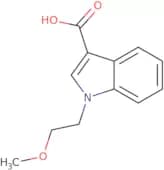
![[2-(1-Ethyl-1H-indol-3-yl)-1-methylethyl]amine hydrochloride](/_next/image/?url=https%3A%2Fstatic.cymitquimica.com%2Fproducts%2F3D%2Fthumb-webp%2FFE123632.webp&w=3840&q=75)
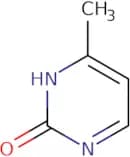
![N-[2-(4-Benzylpiperazin-1-yl)-2-oxoethyl]-N-methylamine](/_next/image/?url=https%3A%2Fstatic.cymitquimica.com%2Fproducts%2F3D%2Fthumb-webp%2FFB117802.webp&w=3840&q=75)
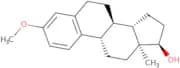
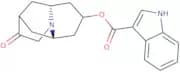
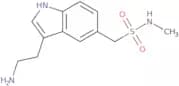
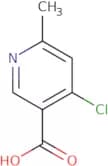
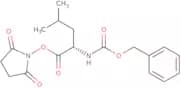
![8-Chloro-6-(2-fluorophenyl)-1-methyl-4H-imidazo[1,5-a][1,4]benzodiazepine 2,5-dioxidemidazolam 2,5…](/_next/image/?url=https%3A%2Fstatic.cymitquimica.com%2Fproducts%2F3D%2Fthumb-webp%2FFC20137.webp&w=3840&q=75)
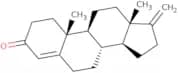
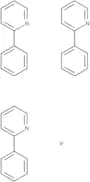
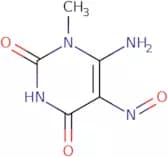
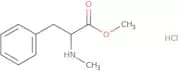
![4-(2-Chlorophenyl)-9-methyl-6H-thieno[3,2-f][1,2,4]triazolo[4,3-a][1,4]diazepine-2-propanoic acid …](/_next/image/?url=https%3A%2Fstatic.cymitquimica.com%2Fproducts%2F3D%2Fthumb-webp%2FFC20337.webp&w=3840&q=75)
![(2S,3S)-5-[2-(Dimethylamino)ethyl]-3-hydroxy-2-(4-methoxyphenyl)-2,3-dihydro-1,5-benzothiazepin-4-…](/_next/image/?url=https%3A%2Fstatic.cymitquimica.com%2Fproducts%2F3D%2Fthumb-webp%2FFD45531.webp&w=3840&q=75)
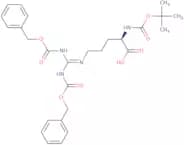
![[(5-Methyl-1,3-thiazol-2-yl)methyl]amine dihydrochloride](/_next/image/?url=https%3A%2Fstatic.cymitquimica.com%2Fproducts%2F3D%2Fthumb-webp%2FFM124184.webp&w=3840&q=75)
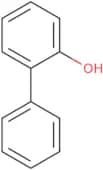

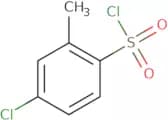
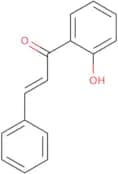


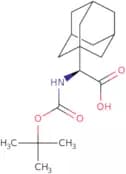
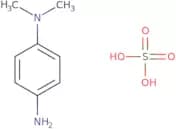
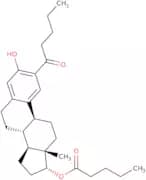
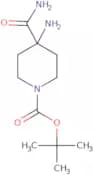
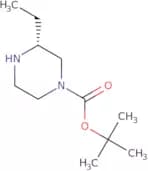
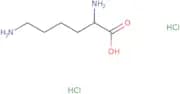
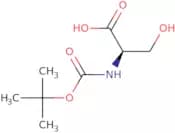
![3,3'-[1,3-Phenylenebis(oxy)]dipropanoic acid](/_next/image/?url=https%3A%2Fstatic.cymitquimica.com%2Fproducts%2F3D%2Fthumb-webp%2FFP131541.webp&w=3840&q=75)
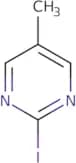

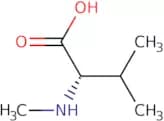
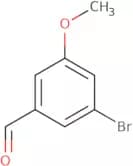
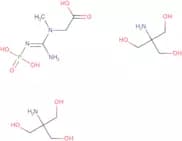

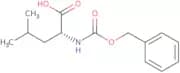
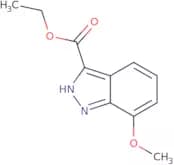
![α-(1,1,2,2,2-Pentafluoroethyl)-ω-[Tetrafluoro(Trifluoromethyl)Ethoxy]-Poly[Oxy[Trifluoro(Trifluoro…](/_next/image/?url=https%3A%2Fstatic.cymitquimica.com%2Fproducts%2F3D%2Fthumb-webp%2FFP103632.webp&w=3840&q=75)
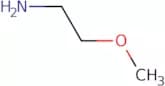
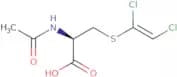
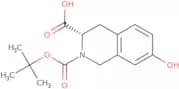
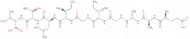
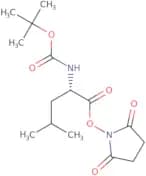
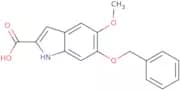
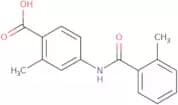

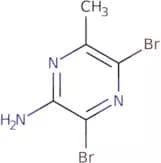


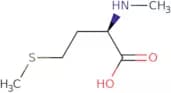
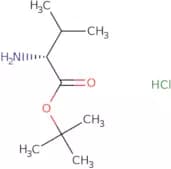
![8-Ethyl-1,3,4,9-tetrahydro-1-(1-methylethyl)pyrano[3,4-b]indole-1-acetic acid](/_next/image/?url=https%3A%2Fstatic.cymitquimica.com%2Fproducts%2F3D%2Fthumb-webp%2FFE160504.webp&w=3840&q=75)

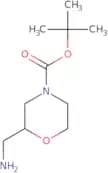
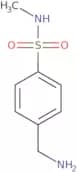
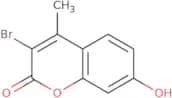
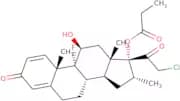
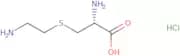
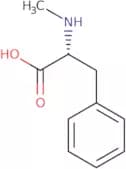
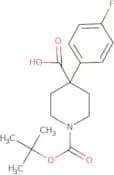
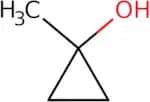
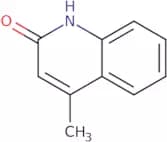
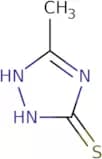

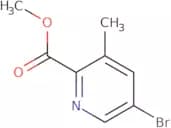
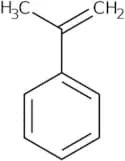
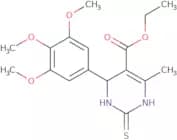
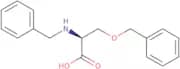
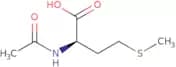
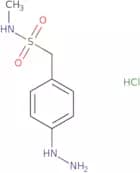
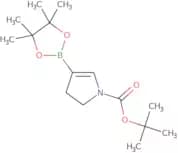

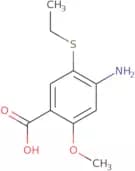

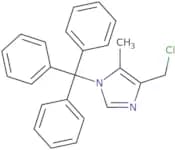
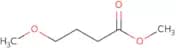
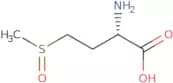

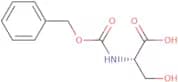
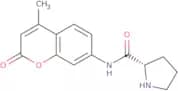
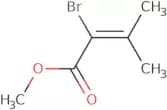
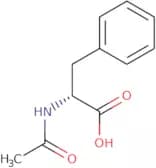
![N-Methyl-N-[(1-methyl-1H-benzimidazol-2-yl)methyl]amine hydrochloride](/_next/image/?url=https%3A%2Fstatic.cymitquimica.com%2Fproducts%2F3D%2Fthumb-webp%2FFM117084.webp&w=3840&q=75)

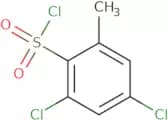
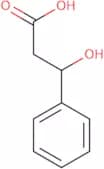
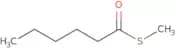
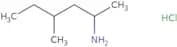
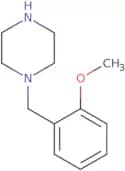

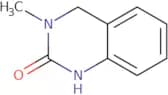
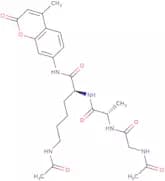
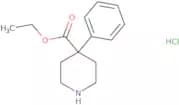
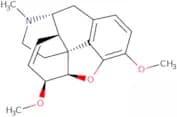
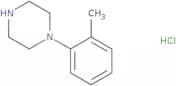
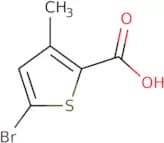


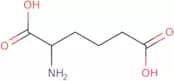
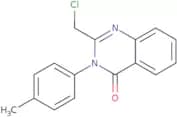
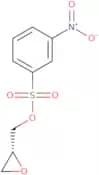

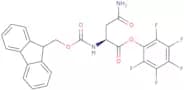
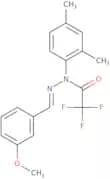

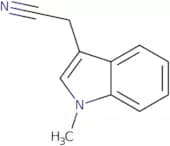
![[4-[2-(Diethylamino)ethoxy]-3-iodophenyl][2-(1-hydroxybutyl)-3-benzofuranyl]-methanone](/_next/image/?url=https%3A%2Fstatic.cymitquimica.com%2Fproducts%2F3D%2Fthumb-webp%2FFD150040.webp&w=3840&q=75)
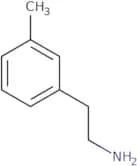
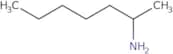
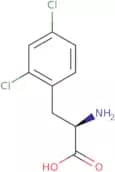

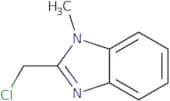
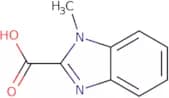
![3-Methyl-1,2,4-triazolo[3,4-a]phthalazine](/_next/image/?url=https%3A%2Fstatic.cymitquimica.com%2Fproducts%2F3D%2Fthumb-webp%2FFM25595.webp&w=3840&q=75)
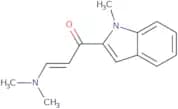
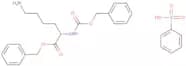


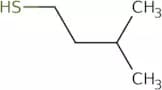
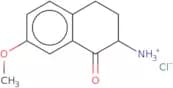
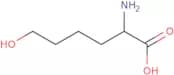
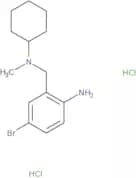
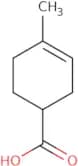
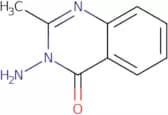
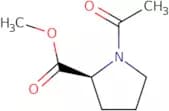
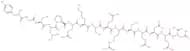
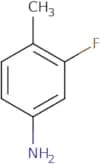
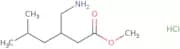
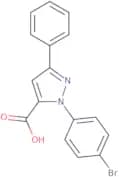
![5-Boc-octahydro-pyrrolo[3,4-c]pyridine](/_next/image/?url=https%3A%2Fstatic.cymitquimica.com%2Fproducts%2F3D%2Fthumb-webp%2FFB147002.webp&w=3840&q=75)
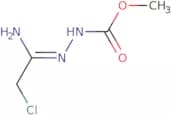
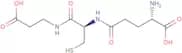
![1-[(1-Methyl-1H-pyrazol-4-yl)methyl]piperazine](/_next/image/?url=https%3A%2Fstatic.cymitquimica.com%2Fproducts%2F3D%2Fthumb-webp%2FFM112287.webp&w=3840&q=75)
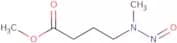
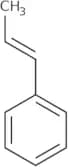
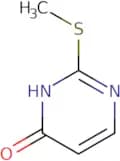
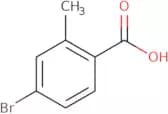
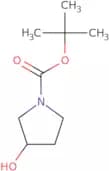
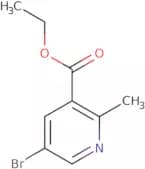
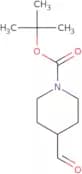
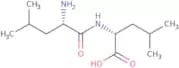

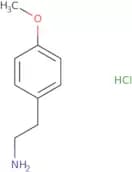
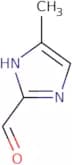
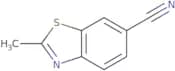

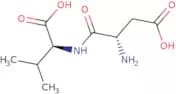
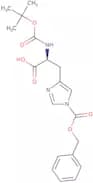
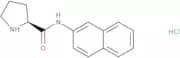
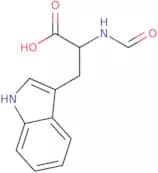
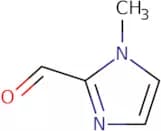
![[2-(5-Chloro-1H-indol-3-yl)-1-methylethyl]amine hydrochloride](/_next/image/?url=https%3A%2Fstatic.cymitquimica.com%2Fproducts%2F3D%2Fthumb-webp%2FFC123633.webp&w=3840&q=75)
![(17R)-4-Chloro-5-ethyl-9-fluoro-11b-hydroxy-16b-methylspiro[androsta-1,4-diene-17,2(3H)-furan]-3,3…](/_next/image/?url=https%3A%2Fstatic.cymitquimica.com%2Fproducts%2F3D%2Fthumb-webp%2FFF103612.webp&w=3840&q=75)
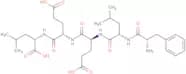


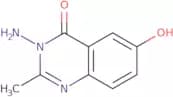
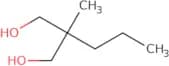

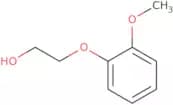
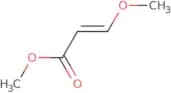

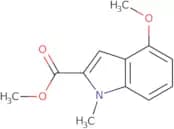
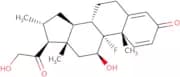
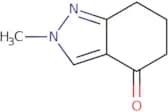
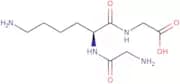
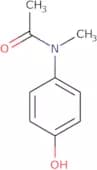
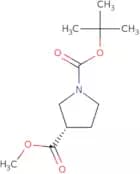
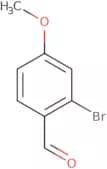

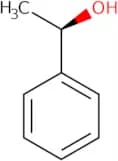
![Bis[(S)-1-phenylethyl]amine](/_next/image/?url=https%3A%2Fstatic.cymitquimica.com%2Fproducts%2F3D%2Fthumb-webp%2FFB168367.webp&w=3840&q=75)
![2-Methylfuro[3,2-c]pyridin-4(5H)-one](/_next/image/?url=https%3A%2Fstatic.cymitquimica.com%2Fproducts%2F3D%2Fthumb-webp%2FFM128133.webp&w=3840&q=75)