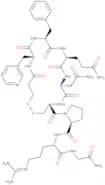
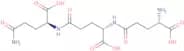
Amino Acids (AA)
Amino acids (AAs) are the fundamental building blocks of proteins, playing a crucial role in various biological processes. These organic compounds are essential for protein synthesis, metabolic pathways, and cell signaling. In this category, you will find a comprehensive range of amino acids, including essential, non-essential, and modified forms, which are vital for research in biochemistry, molecular biology, and nutritional sciences. At CymitQuimica, we provide high-quality amino acids to support your research and development needs, ensuring accuracy and reliability in your experimental outcomes.
Subcategories of "Amino Acids (AA)"
- Amino Acid Derivatives(3,955 products)
- Amino Acid and Amino Acid Related Compounds(3,469 products)
- Amino Acids with Oxygen or Sulphur(168 products)
- Boc- Amino Acids(351 products)
- Fmoc Amino Acids(1,710 products)
Found 38260 products of "Amino Acids (AA)"
Sort by
Purity (%)
0
100
|
0
|
50
|
90
|
95
|
100
rac-N-ethyl-4-methyl cathinone hydrochloride
CAS:Controlled Product<p>Please enquire for more information about rac-N-ethyl-4-methyl cathinone hydrochloride including the price, delivery time and more detailed product information at the technical inquiry form on this page</p>Formula:C12H18ClNOPurity:Min. 95%Molecular weight:227.73 g/molN-(p-Hydroxyphenethyl)-N-(3-hydroxy-4-methoxybenzyl)formamide
CAS:Controlled Product<p>Please enquire for more information about N-(p-Hydroxyphenethyl)-N-(3-hydroxy-4-methoxybenzyl)formamide including the price, delivery time and more detailed product information at the technical inquiry form on this page</p>Formula:C17H19NO4Purity:Min. 95%Molecular weight:301.34 g/molN-[2-(4-Benzylpiperazin-1-yl)-2-oxoethyl]-N-methylamine
CAS:Controlled Product<p>Please enquire for more information about N-[2-(4-Benzylpiperazin-1-yl)-2-oxoethyl]-N-methylamine including the price, delivery time and more detailed product information at the technical inquiry form on this page</p>Formula:C14H21N3OPurity:Min. 95%Molecular weight:247.34 g/molN-(2-Hydroxyethyl)-N-methylguanidine sulfate(2:1)
CAS:<p>N-(2-Hydroxyethyl)-N-methylguanidine sulfate(2:1) is a dietary supplement that is used to increase the amount of creatine in the body. It works by increasing the concentration of creatine in muscle cells, which leads to increased performance and improved physical function. N-(2-Hydroxyethyl)-N-methylguanidine sulfate(2:1) has organoleptic properties that are similar to those of creatine, which makes it an attractive alternative for athletes who are sensitive to its taste. The target enzyme for this supplement is guanidinoacetate methyltransferase (GAMT). N-(2-Hydroxyethyl)-N-methylguanidine sulfate(2:1) is not known to have any adverse side effects and can be taken orally with or without food.</p>Formula:C8H24N6O6SPurity:Min. 95%Molecular weight:332.38 g/mol2,5-Dichloro-4-methoxybenzoic acid
CAS:<p>2,5-Dichloro-4-methoxybenzoic acid is a synthetic herbicide that inhibits the enzyme 5-enolpyruvylshikimate-3-phosphate synthase (EPSPS). This enzyme is necessary for the synthesis of aromatic amino acids. 2,5-Dichloro-4-methoxybenzoic acid is used as a selective herbicide in plants grown in vitro to eliminate weeds. It is also used to control populations of wild plants and grasses. 2,5-Dichloro-4-methoxybenzoic acid has been shown to inhibit the growth of glyphosate resistant weed species by inhibiting EPSPS activity.</p>Purity:Min. 95%N-(2-Cyano-4-oxo-4H-1-benzopyran-8-yl)-4-(4-phenylbutoxy)benzamide
CAS:<p>Please enquire for more information about N-(2-Cyano-4-oxo-4H-1-benzopyran-8-yl)-4-(4-phenylbutoxy)benzamide including the price, delivery time and more detailed product information at the technical inquiry form on this page</p>Formula:C27H22N2O4Purity:Min. 95%Molecular weight:438.47 g/moltrans-2-[3-(4-tert-Butylphenyl)-2-methyl-2-propenylidene]malononitrile
CAS:<p>Trans-2-[3-(4-tert-butylphenyl)-2-methyl-2-propenylidene]malononitrile is a reactive chemical that has been used to study the mechanism of tubular transport. This compound has been shown to be a potential cancer gene therapy agent, as it can stimulate the growth of cells in culture and induce tumor regression in mice. Trans-2-[3-(4-tert-butylphenyl)-2-methyl-2-propenylidene]malononitrile binds to fatty acids and causes them to coordinate with metal ions, which may be responsible for its antitumor properties. Trans-2-[3-(4-tert-butylphenyl)-2-methyl-2-propenylidene]malononitrile also binds to DNA polymerase and transcription factors, inhibiting their function and rendering them incapable of binding RNA polymerase. The sensitivity of this compound</p>Formula:C17H18N2Purity:Min. 95%Molecular weight:250.34 g/molN2-Lauroyl-L-glutamine
CAS:<p>N2-Lauroyl-L-glutamine is a surfactant that is used in skin care products. It is an amphiphilic molecule that has a hydrophilic head and lipophilic tail, which allows it to form micelles. This surfactant can be found as either the L or D isomer, which are mirror images of each other. The L form is more soluble and less hygroscopic than the D form. N2-Lauroyl-L-glutamine also contains fatty acids, polycarboxylic acid, and monomers. In addition to being used in skin care products, this surfactant can be found in cosmetics such as sunscreens and moisturizers. It also has a polymerization initiator function for silicone polymers and polyurethanes.</p>Formula:C17H32N2O4Purity:Min. 95%Color and Shape:White/Off-White SolidMolecular weight:328.45 g/mol(2R,3S)-N-Benzoyl-3-phenyl isoserine ethyl ester
CAS:<p>Please enquire for more information about (2R,3S)-N-Benzoyl-3-phenyl isoserine ethyl ester including the price, delivery time and more detailed product information at the technical inquiry form on this page</p>Formula:C18H19NO4Purity:Min. 95%Molecular weight:313.35 g/mol4-Ethoxy-3-methoxybenzoic acid
CAS:<p>4-Ethoxy-3-methoxybenzoic acid is a white crystalline solid that belongs to the class of isomers. This compound has been used in biological studies to study the functional theory of bond cleavage, hydroxyl group, and cleavage products. 4-Ethoxy-3-methoxybenzoic acid has also been shown to be a substrate for radical chain reactions, which are initiated by electron transfer from an organic molecule and may produce hydroperoxides or peroxides. The fatty acids found in this chemical react with trichloroacetic acid to form esters and conjugates. These esters are more water soluble than the original fatty acids, making them useful as solvents for organic reactions. 4-Ethoxy-3-methoxybenzoic acid is a precursor for coriolus pigment, which provides coloration for coniferous trees such as pine and spruce.</p>Formula:C10H12O4Purity:Min. 95%Molecular weight:196.2 g/molBoc-trans-1,2-aminocyclohex-4-ene carboxylic acid
CAS:<p>Please enquire for more information about Boc-trans-1,2-aminocyclohex-4-ene carboxylic acid including the price, delivery time and more detailed product information at the technical inquiry form on this page</p>Formula:C12H19NO4Purity:Min. 95%Molecular weight:241.28 g/mol(R)-(-)-2-[Hydroxy(diphenyl)methyl]-1-methylpyrrolidine
CAS:Controlled Product<p>Please enquire for more information about (R)-(-)-2-[Hydroxy(diphenyl)methyl]-1-methylpyrrolidine including the price, delivery time and more detailed product information at the technical inquiry form on this page</p>Formula:C18H21NOPurity:Min. 95%Molecular weight:267.37 g/mol2-(Chloromethyl)-3-(4-methylphenyl)quinazolin-4(3H)-one
CAS:Controlled Product<p>Please enquire for more information about 2-(Chloromethyl)-3-(4-methylphenyl)quinazolin-4(3H)-one including the price, delivery time and more detailed product information at the technical inquiry form on this page</p>Formula:C16H13ClN2OPurity:Min. 95%Molecular weight:284.74 g/molFmoc-D-Dap(Alloc)-OH
CAS:<p>Fmoc-D-Dap(Alloc)-OH is a synthetic compound that inhibits bacterial growth. It binds to the lipase active site and prevents hydrolysis of substrates such as c1-6 alkyl, phenoxy, and coumarin derivatives. Fmoc-D-Dap(Alloc)-OH is also an analog of Daptomycin. Fmoc-D-Dap(Alloc)-OH has been shown to inhibit the growth of human cancer cells by inhibiting the activity of cytotoxic heterocyclic amines, which are a class of chemicals that can cause DNA damage. The compound has also been shown to inhibit oxytocin receptor function in vitro, which may be due to its ability to bind with this receptor on the cell surface.</p>Formula:C22H22N2O6Purity:Min. 95%Color and Shape:PowderMolecular weight:410.42 g/molN-(tert-Butoxycarbonyl)glycine N'-methoxy-N'-methylamide
CAS:<p>Please enquire for more information about N-(tert-Butoxycarbonyl)glycine N'-methoxy-N'-methylamide including the price, delivery time and more detailed product information at the technical inquiry form on this page</p>Formula:C9H18N2O4Purity:Min. 95%Molecular weight:218.25 g/molMethyl 4-methoxybutanoate
CAS:Controlled Product<p>Methyl 4-methoxybutanoate is a polymorphic amine that has been shown to react with sodium salts, such as sodium methoxide, to form a new class of compounds known as oxetanes. The reaction rate is enhanced by the presence of gamma-valerolactone and the oxetane itself. It has been shown that Methyl 4-methoxybutanoate reacts with organometallic reagents to form enantiopure compounds. The kinetic profile of this compound is not yet well understood.</p>Formula:C6H12O3Purity:Min. 95%Molecular weight:132.16 g/molEthyl 2-(3-cyano-4-isobutoxyphenyl)-4-methyl-5-thiazolecarboxylate
CAS:<p>Ethyl 2-(3-cyano-4-isobutoxyphenyl)-4-methyl-5-thiazolecarboxylate (ECIT) is a derivative of formyl that has been used as a solvent for industrial and laboratory purposes. ECIT is an amorphous substance with the chemical formula CH3COC6H2CH2COCH=N(C=O)C6H4CN. The compound has been quantified in various solvents, such as n-butyl alcohol and acetonitrile. ECIT is a colorless liquid that boils at 140° C. It has a formyl group and an alkynyl group, which are both reactive groups that can be used to synthesize other compounds. ECIT also contains two stereoisomers: the erythro isomer and the threo isomer. The erythro isomer has the structural formula of CH3COC6H2CH</p>Purity:Min. 95%1,2-O-Dioctadecyl-sn-glycerol
CAS:<p>1,2-O-Dioctadecyl-sn-glycerol is a hydrogenated glycerol that can be used as an advance in synthetic chemistry. It can be hydrogenolyzed to produce choline and cyclic phosphatidylglycerols. The catalytic properties of 1,2-O-dioctadecyl-sn-glycerol are due to its ability to react with chloride or cadmium chloride to form dialkyl glycerols. This product is also used in the synthesis of cadmium.</p>Formula:C39H80O3Purity:Min. 95%Molecular weight:597.05 g/mol2-Amino-3-(4-hydroxy-3-methoxyphenyl)propanoic acid
CAS:Controlled Product<p>2-Amino-3-(4-hydroxy-3-methoxyphenyl)propanoic acid is a metabolite of levodopa in the body. It is formed by oxidation of levodopa via the enzyme catechol-O-methyltransferase (COMT). This compound is used as an analytical reagent to measure levels of levodopa and its metabolites in biological samples. 2-Amino-3-(4-hydroxy-3-methoxyphenyl)propanoic acid can also be used to diagnose Parkinson’s disease, since it is produced in excess when dopamine production decreases due to the degeneration of dopaminergic neurons. The concentration–time curve for this compound can be used to calculate the clearance rate of levodopa from the blood plasma.</p>Formula:C10H13NO4Purity:Min. 95 Area-%Color and Shape:PowderMolecular weight:211.21 g/molDL-2-Aminoadipic acid
CAS:<p>DL-2-Aminoadipic acid is a metabolite of the amino acid lysine, which is found in many protein-containing foods. It is also synthesized from glutamate, which is an excitatory neurotransmitter and a major regulator of neuronal function. This compound has been shown to have potential as a biomarker for metabolic disorders. DL-2-Aminoadipic acid has been shown to bind to penicillin-binding proteins (PBPs) in the bacterial cell wall and disrupt its formation, leading to the inhibition of peptidoglycan synthesis. DL-2-Aminoadipic acid may also be involved in regulating gamma-aminobutyric acid (GABA), an inhibitory neurotransmitter that inhibits the release of excitatory neurotransmitters. DL-2-Aminoadipic acid has also been shown to inhibit HIV infection by binding to lysine residues on the virus envelope protein gp120.</p>Formula:C6H11NO4Purity:Min. 95%Color and Shape:White PowderMolecular weight:161.16 g/mol2-Methyl-6-(trifluoromethyl)nicotinaldehyde
CAS:<p>Please enquire for more information about 2-Methyl-6-(trifluoromethyl)nicotinaldehyde including the price, delivery time and more detailed product information at the technical inquiry form on this page</p>Formula:C8H6F3NOPurity:Min. 95%Molecular weight:189.13 g/mol4-(N-Methylamino)phenylboronic acid pinacol ester
CAS:<p>Please enquire for more information about 4-(N-Methylamino)phenylboronic acid pinacol ester including the price, delivery time and more detailed product information at the technical inquiry form on this page</p>Formula:C13H20BNO2Purity:Min. 95%Molecular weight:233.11 g/molN-Ethyl-4-methoxy amphetamine hydrochloride
CAS:Controlled Product<p>Please enquire for more information about N-Ethyl-4-methoxy amphetamine hydrochloride including the price, delivery time and more detailed product information at the technical inquiry form on this page</p>Formula:C12H20ClNOPurity:Min. 95%Molecular weight:229.75 g/molL-Tyrosine hydrochloride
CAS:<p>L-Tyrosine hydrochloride is a pharmaceutical preparation that has been used clinically in the treatment of infectious diseases, cancer, and autoimmune diseases. Tyrosine is an amino acid with a hydroxyl group on its side chain. Tyrosine can be synthesized from phenylalanine by hydroxylation of the phenolic group and decarboxylation of the carboxylic acid group. It is also a precursor to catecholamines and other important biological molecules. L-Tyrosine hydrochloride is used as an intermediate in the production of monoclonal antibodies for use in cancer research. In addition, it has been shown to be an effective inhibitor of virus replication when combined with ester hydrochloride, which prevents the release of progeny virus particles from infected cells.</p>Formula:C9H11NO3·HClPurity:Min. 95%Molecular weight:217.65 g/mol1-tert-Butyl 3-methyl 1H-indole-1,3-dicarboxylate
CAS:Controlled Product<p>Please enquire for more information about 1-tert-Butyl 3-methyl 1H-indole-1,3-dicarboxylate including the price, delivery time and more detailed product information at the technical inquiry form on this page</p>Formula:C15H17NO4Purity:Min. 95%Molecular weight:275.3 g/mol3-Methyl-1-pentyn-3-ol
CAS:Controlled Product<p>3-Methyl-1-pentyn-3-ol is a chemical that has been shown to have interactive effects on the metabolism of urea nitrogen and low light. 3-Methyl-1-pentyn-3-ol has been shown to produce a depressant effect in animals, which may be due to its ability to inhibit the production of acetylcholine by blocking the enzyme cholinesterase. This chemical has also been shown to react with hydroxyl groups, producing a pharmacological agent. The reaction mechanism for 3-methyl pentynol is via hydrolysis by hydrochloric acid or pentobarbital sodium.</p>Formula:C6H10OPurity:Min. 95%Molecular weight:98.14 g/molProinsulin C-Peptide (55-89) (human)
CAS:<p>Proinsulin C-Peptide is a subunit of insulin. It is produced by proteolytic cleavage of proinsulin and has been used as a diagnostic agent for pancreatic beta cell function. Proinsulin C-Peptide encompasses the amino acids from 55 to 89 in the sequence of insulin. It can be used as a diagnostic agent for type 1 diabetes mellitus, which is characterized by an autoimmune destruction of beta cells, and other diseases such as multiple myeloma and non-Hodgkin's lymphoma that are associated with decreased levels of proinsulin C-Peptide.</p>Formula:C153H259N49O52Purity:Min. 95%Molecular weight:3,616.99 g/mol1-(2-Phenylethyl)piperidin-4-amine dihydrochloride
CAS:Controlled Product<p>Please enquire for more information about 1-(2-Phenylethyl)piperidin-4-amine dihydrochloride including the price, delivery time and more detailed product information at the technical inquiry form on this page</p>Formula:C13H20N2Purity:Min. 95%Molecular weight:204.31 g/molEthyl 5-bromo-2-methylnicotinate
CAS:<p>Ethyl 5-bromo-2-methylnicotinate is a crystalline compound that is extracted from the industrial process of synthetic organic solvents. The extraction of this compound can be done using an acetylation reaction with ammonium acetate. This chemical is then recrystallized to produce a large amount of pure product. The average yield for this chemical is around 60%.</p>Purity:Min. 95%4-Methoxybenzylamine
CAS:<p>4-Methoxybenzylamine is an organic amine that has a redox potential of -0.14 V (vs. SHE) and a pK a of 10.5. It is used in the synthesis of trifluoroacetic acid esters, which are used as pharmaceutical intermediates. 4-Methoxybenzylamine has been shown to be effective in alleviating pain in animal models, and its mechanism of action may be due to inhibition of the enzyme cyclooxygenase. The kinetic data for this reaction were obtained by studying the deuterium isotope effect, which is characterized by a low energy barrier and rapid reaction rate. The hydrolysis step is also important for the reaction mechanism, with protocatechuic acid being an intermediate product. Hydrochloric acid is needed for dehydration of the reactants, while an aryl halide can be used instead in some cases. In these reactions, there are many possible reaction</p>Formula:C8H11NOPurity:Min. 95%Molecular weight:137.18 g/mol1-(5-Chloro-2-methoxybenzyl)piperazine
CAS:Controlled Product<p>Please enquire for more information about 1-(5-Chloro-2-methoxybenzyl)piperazine including the price, delivery time and more detailed product information at the technical inquiry form on this page</p>Formula:C12H17ClN2OPurity:Min. 95%Molecular weight:240.73 g/mol1-[(1-Methyl-1H-pyrazol-4-yl)methyl]piperazine
CAS:Controlled Product<p>Please enquire for more information about 1-[(1-Methyl-1H-pyrazol-4-yl)methyl]piperazine including the price, delivery time and more detailed product information at the technical inquiry form on this page</p>Formula:C9H16N4Purity:Min. 95%Molecular weight:180.25 g/molH-Gly-Phe-Gly-aldehyde semicarbazone acetate salt
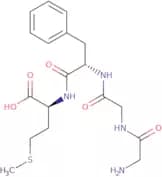
CAS:<p>Please enquire for more information about H-Gly-Phe-Gly-aldehyde semicarbazone acetate salt including the price, delivery time and more detailed product information at the technical inquiry form on this page</p>Formula:C14H20N6O3Purity:Min. 95%Molecular weight:320.35 g/mol6-Chloro-5-methylpyridin-2-amine
CAS:<p>6-Amino-2-chloro-3-methylpyridine is a heteroaromatic compound that belongs to the class of imidazopyridine. It is a monomer used in research, and can be transformed into the cross-coupling reaction with electron irradiation, which provides an efficient method for synthesizing other heteroaromatic compounds. 6-Amino-2-chloro-3-methylpyridine has low ionization potential and can be used as a drug discovery agent.</p>Formula:C6H7ClN2Purity:Min. 95%Molecular weight:142.59 g/mol4-(4-Phenoxybutoxy)-7H-furo[3,2-g]chromen-7-one
CAS:Controlled Product<p>4-(4-Phenoxybutoxy)-7H-furo[3,2-g]chromen-7-one is a chromene derivative. It has been shown to suppress the production of inflammatory cytokines such as tumor necrosis factor and interleukin 4 in vitro. 4-(4-Phenoxybutoxy)-7H-furo[3,2-g]chromen-7-one also inhibits the activity of protein phosphatase 1 (PP1) and PP2B, which are enzymes that regulate the activity of other proteins by dephosphorylating them. The compound also suppresses the production of cytokines in wild type mice by inhibiting macrophages from releasing proinflammatory cytokines. Microglia cells are also suppressed from producing inflammatory mediators. These properties make 4-(4-Phenoxybutoxy)-7H-furo[3,2-g]chromen-7-one an attractive</p>Purity:Min. 95%6-Bromo-4-methoxy-1H-indazole
CAS:<p>Please enquire for more information about 6-Bromo-4-methoxy-1H-indazole including the price, delivery time and more detailed product information at the technical inquiry form on this page</p>Formula:C8H7BrN2OPurity:Min. 95%Molecular weight:227.06 g/molD,L-Alanosine sodium salt
<p>Please enquire for more information about D,L-Alanosine sodium salt including the price, delivery time and more detailed product information at the technical inquiry form on this page</p>Formula:C3H6N3NaO4Purity:Min. 95%Molecular weight:171.09 g/mol3-Amino-6,7-dimethoxy-2-methylquinazolin-4(3H)-one
CAS:Controlled Product<p>Please enquire for more information about 3-Amino-6,7-dimethoxy-2-methylquinazolin-4(3H)-one including the price, delivery time and more detailed product information at the technical inquiry form on this page</p>Formula:C11H13N3O3Purity:Min. 95%Molecular weight:235.24 g/molN-Boc-1,6-diaminohexane hydrochloride
CAS:<p>Please enquire for more information about N-Boc-1,6-diaminohexane hydrochloride including the price, delivery time and more detailed product information at the technical inquiry form on this page</p>Formula:C11H24N2O2•HClPurity:Min. 95%Molecular weight:252.78 g/mol1-(3-Methoxyphenyl)piperazine dihydrochloride
CAS:Controlled Product<p>Please enquire for more information about 1-(3-Methoxyphenyl)piperazine dihydrochloride including the price, delivery time and more detailed product information at the technical inquiry form on this page</p>Formula:C11H18Cl2N2OPurity:Min. 95%Color and Shape:PowderMolecular weight:265.18 g/mol(4-Benzylpiperazin-1-yl)piperidin-4-yl-methanone dihydrochloride
CAS:Controlled Product<p>Please enquire for more information about (4-Benzylpiperazin-1-yl)piperidin-4-yl-methanone dihydrochloride including the price, delivery time and more detailed product information at the technical inquiry form on this page</p>Formula:C17H27Cl2N3OPurity:Min. 95%Molecular weight:360.32 g/mol2-Phenylisobutyric acid
CAS:<p>2-Phenylisobutyric acid is a colorless to white crystalline solid with a molecular weight of 218.29 g/mol and a melting point of 120-122 °C. It is soluble in water, but not in alcohol or ether. 2-Phenylisobutyric acid is used as an intermediate for pharmaceutical preparations and as a reagent for organic synthesis. It is also used to produce thiomorpholine, which has been shown to have anti-inflammatory properties and can be used in the treatment of bowel disease. Thiomorpholine reacts with acylation agents such as phosphorus pentachloride to form esters that are useful pharmaceuticals, including corticosteroids. 2-Phenylisobutyric acid has been shown to inhibit insulin resistance by reacting with reactive sites on the insulin receptor, thus preventing the binding of insulin molecules to their receptors on cells.</p>Formula:C10H12O2Purity:Min. 95%Color and Shape:White to off-white solid.Molecular weight:164.2 g/mol-β-Cyclopentyl-DL-alanine
CAS:<p>-beta-Cyclopentyl-DL-alanine is a potent antagonist of the alpha-1A adrenergic receptor. It has been shown to inhibit the proliferation of prostate cancer cells and t47d cells in an experimental model. -beta-Cyclopentyl-DL-alanine also possesses antiangiogenic properties and inhibits bone cancer growth. This compound has chemical stability, which makes it suitable for use in biological studies or as a pharmaceutical agent.</p>Formula:C8H15NO2Purity:Min. 95%Molecular weight:157.21 g/moltert-Butyl-n-(6-methoxy-3-pyridyl)carbamate
CAS:<p>Please enquire for more information about tert-Butyl-n-(6-methoxy-3-pyridyl)carbamate including the price, delivery time and more detailed product information at the technical inquiry form on this page</p>Formula:C11H16N2O3Purity:Min. 95%Molecular weight:224.26 g/mol10-[2-(1-Methyl-2-piperidinyl)ethyl]-2-(methylthio)-10H-phenothiazine hydrochloride
CAS:Controlled Product<p>The drug, 10-[2-(1-methyl-2-piperidinyl)ethyl]-2-(methylthio)-10H-phenothiazine hydrochloride (CGP 46660), is a competitive antagonist at the human histamine H3 receptor. It has been shown to bind to the histamine H3 receptor in the range of 0.001 to 1 μM and is selective for this receptor over other receptors. CGP 46660 is an optical sensor that can be used in titration calorimetry experiments to measure changes in heat production when it binds to histamine H3 receptors. The drug also has been shown to inhibit guanine nucleotide-binding protein (G protein) signaling pathways and brain functions such as memory formation, learning, and attention span. These effects were demonstrated in humans by measuring EEG activity. The optimum concentration of CGP 46660 for these effects was found to be between 0.01 and 10 μM.</p>Formula:C21H27ClN2S2Purity:Min. 95%Color and Shape:PowderMolecular weight:407.04 g/mol16-Phenoxy tetranor pgf2alfa cyclopropyl methylamide
CAS:<p>Please enquire for more information about 16-Phenoxy tetranor pgf2alfa cyclopropyl methylamide including the price, delivery time and more detailed product information at the technical inquiry form on this page</p>Formula:C26H37NO5Purity:Min. 95%Molecular weight:443.58 g/mol(S)-2-Hydroxy-3-methoxy-3,3-diphenylpropionic acid
CAS:<p>This is a crystalline form of the pyrimidine derivative (S)-2-Hydroxy-3-methoxy-3,3-diphenylpropionic acid. The compound has been shown to have antiplatelet properties and is currently being developed as an antithrombotic agent. In vitro studies have shown that ambrisentan inhibits platelet aggregation, thromboxane synthesis, and leukocyte adhesion. It also reduces the levels of serum cholesterol and triglycerides in patients with chronic heart failure. Ambrisentan has been studied in clinical trials for the treatment of pulmonary hypertension associated with chronic obstructive pulmonary disease (COPD) and idiopathic pulmonary fibrosis (IPF).</p>Formula:C16H16O4Purity:Min. 95%Molecular weight:272.3 g/mol2-Methoxyethanamine
CAS:<p>2-Methoxyethanamine is a metabolite of the drug 2-methoxyethanol. It is an amine that can be found in urine samples. Its structure consists of a hydroxyl group, sodium carbonate, and an intramolecular hydrogen. 2-Methoxyethanamine inhibits the production of angiotensin II, which reduces blood pressure. This molecule has antihypertensive activity because it prevents the conversion of angiotensin I to angiotensin II in the kidneys. 2-Methoxyethanamine also has a stepwise mechanism for its synthesis from ethylene diamine and nitrogen atoms. It can be oxidized by hydrochloric acid or reduced by hydrogen bond or amines. The redox potential of this molecule is -0.06 V, which makes it a nucleophilic compound with an amide bond as its conjugate base.</p>Formula:C3H9NOPurity:Min. 95%Color and Shape:Colourless To Yellow Clear LiquidMolecular weight:75.11 g/molN-α-Z-L-lysine benzyl ester benzenesulfonate salt
CAS:<p>Please enquire for more information about N-alpha-Z-L-lysine benzyl ester benzenesulfonate salt including the price, delivery time and more detailed product information at the technical inquiry form on this page</p>Formula:C27H32N2O7SPurity:Min. 95%Molecular weight:528.62 g/mol1-(2-Methoxybenzyl)piperazine
CAS:Controlled Product<p>1-(2-Methoxybenzyl)piperazine (1-MBP) is a multitarget drug that has been shown to have medicinal properties. It inhibits the cholinergic system, which is involved in memory and cognition, as well as pathways such as the inflammatory response and amyloid production. 1-MBP has been shown to inhibit acetylcholinesterase, an enzyme that breaks down acetylcholine, thus increasing the amount of acetylcholine available for signaling. 1-MBP also inhibits cholinesterase, which increases the amount of acetylcholine in the brain. This drug may have synergistic effects with other drugs for Alzheimer's disease, such as donepezil and tacrine. 1-MBP has been used in optimization studies to find new potential treatments for Alzheimer's disease by targeting different aspects of its pathogenesis.</p>Formula:C12H18N2OPurity:Min. 95%Color and Shape:PowderMolecular weight:206.28 g/mol1,2-Docosahexanoyl-SN-glycero-3-phosphocholine, in Chloroform, 10mg/ml
CAS:<p>Docosahexanoyl-sn-glycero-3-phosphocholine (DHA) is a dietary phospholipid that has been shown to have biological activity in several animal models. DHA is a polyunsaturated fatty acid that can be found in the brain and muscle tissue. DHA is important for maintaining the integrity of cellular membranes, which are biomimetic lipid bilayers. These structures make up the outer layer of cells and allow for communication between cells and other molecules outside of the cell membrane. DHA has been shown to delay neurodegenerative diseases such as Alzheimer's disease by preventing oxidative damage to neurons.</p>Formula:C52H80NO8PPurity:Min. 95%Color and Shape:Clear LiquidMolecular weight:878.17 g/molFmoc-N-Me-Asn(Trt)-OH
CAS:<p>Fmoc-N-Me-Asn(Trt)-OH is a peptidomimetic that mimics the sequence of the serine protease. The Fmoc group on the N-terminal amino acid is used to protect against proteolytic degradation and its methyl ester group confers stability in biological fluids. The Fmoc-N-Me-Asn(Trt)-OH has been shown to have minimal effects on endogenous protein synthesis, while also being quantified with high sensitivity and specificity. This compound has been shown to inhibit protein-protein interactions by acting as a competitive inhibitor of serine proteases.</p>Formula:C39H34N2O5Purity:Min. 95%Color and Shape:PowderMolecular weight:610.7 g/molMethyl 4,5-dimethoxy-1-methyl-1H-indole-2-carboxylate
CAS:Controlled Product<p>Please enquire for more information about Methyl 4,5-dimethoxy-1-methyl-1H-indole-2-carboxylate including the price, delivery time and more detailed product information at the technical inquiry form on this page</p>Formula:C13H15NO4Purity:Min. 95%Molecular weight:249.26 g/mol5-Methylpyridine-2-boronicacid
CAS:<p>Please enquire for more information about 5-Methylpyridine-2-boronicacid including the price, delivery time and more detailed product information at the technical inquiry form on this page</p>Formula:C6H8BNO2Purity:Min. 95%Molecular weight:136.94 g/mol5-Chloro-2-methyl-3-isothiazolone - Active Ingredient >14%, CMI/MI 2.5 - 4.0
CAS:<p>5-Chloro-2-methyl-3-isothiazolone (CMIT) is a highly water-soluble apoptotic agent and preservative with numerous applications. It is used in anti-microbial coatings, latex formulations, hydraulic fracturing fluids, pesticides and cosmetics. CMIT in conjunction with 2-methyl-4-isothiazolin-3-one (MIT) is marketed as Kathon. CMIT is also an allergen. CMIT is active against gram-positive and gram-negative bacteria, yeasts and fungi. CMIT is believed to form mixed disulfides with protein thiol groups which then undergo thiol-disulfide exchange reactions to give mixed protein thiol disulfides leading to cell apoptosis and necrosis.</p>Formula:C4H4ClNOSColor and Shape:Yellow Clear LiquidMolecular weight:149.6 g/mol3-Chloro-2-methyl-1-propene
CAS:<p>3-Chloro-2-methyl-1-propene is a reactive chemical that belongs to the class of organic compounds. It is a chlorocarbon with a hydroxyl group and an alkyl group. 3-Chloro-2-methyl-1-propene can react with other chemicals in solution, which may be due to steric interactions or cationic polymerization. This reaction is catalyzed by a solid catalyst, such as dimethyl fumarate or chloride. The addition of hydrogen fluoride or trifluoroacetic acid will increase the rate of this reaction.</p>Formula:C4H7ClPurity:Min. 95%Color and Shape:PowderMolecular weight:90.55 g/molN-α-Boc-Nω,ω''-bis-Z-D-arginine
CAS:<p>Please enquire for more information about N-alpha-Boc-Nomega,omega''-bis-Z-D-arginine including the price, delivery time and more detailed product information at the technical inquiry form on this page</p>Formula:C27H34N4O8Purity:Min. 95%Molecular weight:542.58 g/molN-Methyl naltrexone bromide
CAS:Controlled Product<p>N-Methyl naltrexone bromide is an opioid antagonist that binds to opioid receptors, preventing the binding of other opioid agonists. It has been shown to be effective in long-term treatment of chronic pain and may be used in combination with opioids for patients with hepatic impairment. The efficacy of N-methyl naltrexone bromide in treating constipation has not been established. This drug should not be used in patients with HIV infection because it may reduce the effectiveness of antiretroviral therapy. The pharmacokinetics and safety profile of this drug have been studied extensively, which showed no serious adverse effects. Histological analysis revealed that N-methyl naltrexone bromide did not affect epithelial mesenchymal cells or the intestinal villi.</p>Formula:C21H26BrNO4Purity:Min. 95%Molecular weight:436.34 g/molN-(1,2,3,4-Tetrahydro-7-methoxy-1-oxo-2-naphthalenyl)propanamide
CAS:Controlled Product<p>Please enquire for more information about N-(1,2,3,4-Tetrahydro-7-methoxy-1-oxo-2-naphthalenyl)propanamide including the price, delivery time and more detailed product information at the technical inquiry form on this page</p>Formula:C14H17NO3Purity:Min. 95%Molecular weight:247.29 g/mol3,3'-[1,3-Phenylenebis(oxy)]dipropanoic acid
CAS:<p>Please enquire for more information about 3,3'-[1,3-Phenylenebis(oxy)]dipropanoic acid including the price, delivery time and more detailed product information at the technical inquiry form on this page</p>Formula:C12H14O6Purity:Min. 95%Molecular weight:254.24 g/mol3-(6-Chloro-1-methyl-1H-benzimidazol-2-yl)propanoic acid
CAS:Controlled Product<p>Please enquire for more information about 3-(6-Chloro-1-methyl-1H-benzimidazol-2-yl)propanoic acid including the price, delivery time and more detailed product information at the technical inquiry form on this page</p>Formula:C11H11ClN2O2Purity:Min. 95%Molecular weight:238.67 g/mol2,5-Dibromo-3-methylthiophene
CAS:<p>2,5-Dibromo-3-methylthiophene is a small molecule that has been shown to have anti-bacterial properties. It reacts with the bacterial cell membrane, disrupting the bacteria's ability to function and causing it to die. 2,5-Dibromo-3-methylthiophene can be used as an antibacterial agent in medicine or cosmetics. The chemical structure of 2,5-dibromo-3-methylthiophene is similar to that of oxadiazole and 5H-[1]benzothiazol[5,4,-d][1,2]oxazole and it has been shown that these compounds can also be used for antibacterial purposes. The anti-bacterial activity of 2,5-dibromo-3-methylthiophene is due to its functional groups which are reactive with metal ions such as Cu(II) and Fe(III).</p>Formula:C5H4Br2SPurity:Min. 95%Molecular weight:255.96 g/mol1-(4-Bromophenyl)-3-phenyl-1H-pyrazole-5-carboxylic acid
CAS:Controlled Product<p>Please enquire for more information about 1-(4-Bromophenyl)-3-phenyl-1H-pyrazole-5-carboxylic acid including the price, delivery time and more detailed product information at the technical inquiry form on this page</p>Formula:C16H11BrN2O2Purity:Min. 95%Color and Shape:PowderMolecular weight:343.17 g/molN-Phenylpropanamide
CAS:<p>N-Phenylpropanamide is a chemical inhibitor that has been shown to have a protective effect against the light-induced degradation of drugs in urine samples. The compound also inhibits the hydrolysis of amides by hydrochloric acid and hydrogen bonds with the receptor binding site on human liver cells. N-Phenylpropanamide has been shown to affect cardiac function, as well as growth factor production.</p>Formula:C9H11NOPurity:Min. 95%Molecular weight:149.19 g/molFmoc-(R,S)-3-amino-N-1-carboxymethyl-2-oxo-5-cyclohexyl-1,4-benzodiazepine
CAS:Controlled Product<p>Please enquire for more information about Fmoc-(R,S)-3-amino-N-1-carboxymethyl-2-oxo-5-cyclohexyl-1,4-benzodiazepine including the price, delivery time and more detailed product information at the technical inquiry form on this page</p>Formula:C32H31N3O5Purity:Min. 95%Molecular weight:537.61 g/molD-Alanine
CAS:<p>D-Alanine is a versatile building block that can be used as a reagent or speciality chemical in research. It is also an important intermediate for the production of other chemicals and useful scaffold for drug design. D-Alanine (CAS No. 338-69-2) is a high quality, fine chemical that can be used as a reaction component to synthesize many complex compounds. D-Alanine is also an important intermediate for the production of other chemicals and useful scaffold for drug design.</p>Formula:C3H7NO2Purity:Min. 98 Area-%Molecular weight:89.09 g/molRef: 3D-A-4200
1kgTo inquire5kgTo inquire10kgTo inquire500gTo inquire2500gTo inquire-Unit-ggTo inquire2,2'-Methylenebis(6-tert-butyl-p-cresol)
CAS:<p>2,2'-Methylenebis(6-tert-butyl-p-cresol) is a phenolic compound that is used as a chemical stabilizer in the production of polyvinyl chloride and polystyrene. It has also been shown to be an effective antioxidant for polypropylene. 2,2'-Methylenebis(6-tert-butyl-p-cresol) has been shown to inhibit skin cancer, bladder cancer, and hemolytic activity in vitro. This product can cause mild skin irritation, but it does not appear to be toxic when ingested orally or applied topically.</p>Formula:C23H32O2Purity:Min. 95%Molecular weight:340.5 g/mol[(4-Methyl-1,3-thiazol-2-yl)methyl]amine dihydrochloride
CAS:<p>Please enquire for more information about [(4-Methyl-1,3-thiazol-2-yl)methyl]amine dihydrochloride including the price, delivery time and more detailed product information at the technical inquiry form on this page</p>Formula:C5H8N2SPurity:Min. 95%Molecular weight:128.2 g/molZ-D-Ser-OH
CAS:<p>Z-D-Ser-OH is a synthetic amino acid. It is a derivative of the natural amino acid serine which has an additional D-aminoacid in the chain. Z-D-Ser-OH can be used as a supplement for various purposes, such as to help maintain muscle mass and to support healthy immune function. This compound has been shown to have antibacterial properties. The synthesis of this compound starts with the condensation of L-serine and DL-alanine, followed by hydrolysis of the resulting imidazolide, acetylation, and formation of the cyclic peptide.</p>Formula:C11H13NO5Purity:Min. 95%Molecular weight:239.22 g/mol11α-Methylandrostan-17β-ol-3-one
CAS:Controlled Product<p>11alpha-Methylandrostan-17beta-ol-3-one is a pharmacological agent that belongs to the group of androgens. It is an oral preparation and has been used in the treatment of infectious diseases, autoimmune diseases, and metabolic disorders. It has also been used as a matrix effect control in biological samples. The biological effects of 11alpha-Methylandrostan-17beta-ol-3-one are mediated by its direct action on cells or through conversion to testosterone or dihydrotestosterone (DHT). These effects include increasing protein synthesis, promoting bone formation, lowering cholesterol levels, stimulating the production of red blood cells, and decreasing fat deposition. The main side effects are acne vulgaris, male pattern baldness, prostate enlargement, increased risk for prostate cancer, and increased risk for developing breast cancer.</p>Formula:C20H32O2Purity:Min. 95%Color and Shape:PowderMolecular weight:304.47 g/molZ-NH-PEG2-CH2COOH
CAS:<p>Z-NH-PEG2-CH2COOH is a PEG compound with two different functional groups (also known as heterobifunctional). Unlike homobifunctional PEG compounds (same functional group on both ends), this type of compounds are more versatile as have two different anchor points. Z-NH-PEG2-CH2COOH is used as a linker and spacer to add a PEG moiety, via pegylation (a bioconjugation technique) to proteins, peptides, oligonucleotides, small molecules and nanoparticles.</p>Formula:C14H19NO6Purity:Min. 95%Molecular weight:297.3 g/mol2-[(2-Methoxyphenoxy)methyl]oxirane
CAS:<p>2-[(2-Methoxyphenoxy)methyl]oxirane is an organic compound that is used in the synthesis of other compounds and in the industrial process. It is also used as a reactant in some catalytic processes, for example, hydroxylation. 2-[(2-Methoxyphenoxy)methyl]oxirane has a hydroxyl group at the end of its structure, which makes it an organic solvent. This compound can be synthesized from chloropropane and sodium hydroxide solution. The viscosity of this compound is low and it has a developable surface. The structural formula for 2-[(2-Methoxyphenoxy)methyl]oxirane is shown below: HNCHCOCHCHOH</p>Formula:C10H12O3Purity:Min. 95%Molecular weight:180.2 g/mol3,7,4'-Trihydroxy-5-methoxy-8-prenylflavanone, (2R,3S)-
<p>3,7,4'-Trihydroxy-5-methoxy-8-prenylflavanone, (2R,3S)- is a naturally occurring prenylated flavanone, which is primarily sourced from various plant species. This compound is part of the larger flavonoid family and is often found in certain medicinal plants known for their wide range of therapeutic properties. Its structure comprises a flavanone backbone, modified by hydroxyl, methoxy, and prenyl groups that contribute to its distinctive chemical profile.</p>Purity:Min. 95%5-(4-Methoxyphenyl)isoxazole-3-carboxaldehyde
CAS:<p>5-(4-Methoxyphenyl)isoxazole-3-carboxaldehyde (5MI) is a broad-spectrum antimicrobial agent that exhibits activity against bacteria and fungi. It has been shown to be active against gram-positive bacteria, including Staphylococcus aureus, as well as Candida albicans and other pathogenic fungi. 5MI is active in the presence of ethanol, but not in the absence of alcohol. In vitro studies show that 5MI inhibits the growth of gram-negative bacteria such as Escherichia coli and Salmonella enterica serovar Typhimurium. 5MI also exhibits antifungal activity against Aspergillus niger and Saccharomyces cerevisiae.</p>Formula:C11H9NO3Purity:Min. 95%Molecular weight:203.19 g/mol3-Amino-5-methylisoxazole
CAS:<p>3-Amino-5-methylisoxazole is a chemical compound that is used in the treatment of wastewater. It belongs to the group of p2, which includes sulfamethoxazole and sulfa drugs. 3-Amino-5-methylisoxazole is activated by multi-walled carbon or fatty acid and has a neutral pH. It has been shown to have significant cytotoxicity against cancer cells and also has antibiotic combinations with other drugs. 3-Amino-5-methylisoxazole is a drug that can be used in chemotherapy, but it may cause drug reactions.</p>Formula:C4H6N2OPurity:Min. 95%Molecular weight:98.1 g/molH-Leu-2-chlorotrityl resin
CAS:<p>Please enquire for more information about H-Leu-2-chlorotrityl resin including the price, delivery time and more detailed product information at the technical inquiry form on this page</p>Purity:Min. 95%3-(4-Methoxyphenyl)pyrazole
CAS:<p>3-(4-Methoxyphenyl)pyrazole is a fungicide that belongs to the group of nitrophenol derivatives. It inhibits the growth of plant pathogenic fungi by inhibiting the synthesis of proteins and nucleic acids. 3-(4-Methoxyphenyl)pyrazole has an inhibitory effect on seed germination and germination, as well as on hydroxymethylation reactions in fungal mycelia. 3-(4-Methoxyphenyl)pyrazole also has bactericidal properties and can be used for controlling bacteria in water systems.</p>Formula:C10H10N2OPurity:Min. 95%Molecular weight:174.2 g/mol(R)-2-((tert-Butoxycarbonyl)amino)-3-methoxypropanoic acid
CAS:<p>(R)-2-((tert-Butoxycarbonyl)amino)-3-methoxypropanoic acid (BAAM) is a potent, orally bioavailable, and pharmacokinetically well-characterized inhibitor of blood coagulation that has been shown to be effective in animal models. BAAM inhibits the activity of tissue factor (TF), an enzyme that initiates the blood coagulation cascade. TF is important for hemostasis because it is activated by contact with blood and tissue factors such as collagen or thrombin. BAAM has shown some promise as a potential treatment for thrombosis, which can lead to heart attacks and strokes.</p>Formula:C9H17NO5Purity:Min. 95%Molecular weight:219.24 g/mol(Asp371)-Tyrosinase (369-377) (human) acetate salt
CAS:<p>Tyrosinase protein:<br>Peptide Tyrosinase (Asp371) – HLA-A*0201 (YMDGTMSQV) is a human tyrosinase-derived (369-377) peptide by posttranslational conversion of the sequence YMNGTMSQV. Tyrosinase is an oxidase membrane-bound protein. Tyrosinase play a key role in the melanin synthesis pathway. Tyrosinase is presented on the surface of HLA-A*02:01 melanomas and also expressed in melanocytes. Tyrosinase has been still suggested to be a tumor antigen and might be implicated in improvement of immunotherapeutic strategies such as for efficient anticancer vaccine development.<br>Applications of Peptide Tyrosinase (Asp371) – HLA-A*0201 (YMDGTMSQV):<br>Peptide Tyrosinase (Asp371) – HLA-A*0201 (YMDGTMSQV) is used to stimulate specific cytotoxic T lymphocytes (CTL) in PBMCs and then to analyze CTL response especially the cytokine production by ELISPOT assay. Peptide Tyrosinase (Asp371) – HLA-A*0201 (YMDGTMSQV) is also involved in experimental therapies of metastatic melanoma by allogeneic hematopoietic stem cell transplantation. In fact, cytotoxic T cells were generated from peripherical blood mononuclear cells (PBMCs) of HLA-A*02:01 healthy donors after being stimulated by injection of Asp371 antigen (2). This strategy raises issues which concern the graft versus tumor (GvT) effect and graft versus host disease (GvHD).</p>Formula:C42H66N10O16S2Purity:Min. 95%Molecular weight:1,031.16 g/molBoc-(S)-3-amino-3-(2-methoxyphenyl)propionic acid
CAS:<p>Please enquire for more information about Boc-(S)-3-amino-3-(2-methoxyphenyl)propionic acid including the price, delivery time and more detailed product information at the technical inquiry form on this page</p>Formula:C15H21NO5Purity:Min. 95%Color and Shape:PowderMolecular weight:295.33 g/mol(1-Methyl-1H-indazol-3-yl)methanamine
CAS:Controlled Product<p>Please enquire for more information about (1-Methyl-1H-indazol-3-yl)methanamine including the price, delivery time and more detailed product information at the technical inquiry form on this page</p>Formula:C9H11N3Purity:Min. 95%Molecular weight:161.2 g/mol2-Bromo-D-phenylalanine
CAS:<p>2-Bromo-D-phenylalanine is a precursor of l-DOPA, which is an amino acid that is used in the synthesis of dopamine. It is also used as a diagnostic agent for bladder cancer, where it is taken up by bladder cells and converted to radioactive 2-bromo-3′-deoxyuridine. This radioactive compound can be detected with a high performance liquid chromatography (HPLC) system. In addition, 2-Bromo-D-phenylalanine has been shown to inhibit the acid transporter in tumor cells, making it useful as an oncologic drug. 2 bromo d phenylalanine inhibits the acid transporter in tumor cells, making it useful as an oncologic drug</p>Formula:C9H10BrNO2Purity:Min. 95%Color and Shape:White To Off-White SolidMolecular weight:244.09 g/mol(S,S')-3-Methyl-1-(2-piperidinophenyl)butylamine, N-acetyl-glutamate salt
CAS:<p>Please enquire for more information about (S,S')-3-Methyl-1-(2-piperidinophenyl)butylamine, N-acetyl-glutamate salt including the price, delivery time and more detailed product information at the technical inquiry form on this page</p>Formula:C23H37N3O5Purity:Min. 95%Molecular weight:435.56 g/molH-Ile-Asn-OH trifluroacetate
CAS:<p>Please enquire for more information about H-Ile-Asn-OH trifluroacetate including the price, delivery time and more detailed product information at the technical inquiry form on this page</p>Formula:C10H19N3O4•(C2HF3O2)xPurity:Min. 95%N-Pyrazinylcarbonyl-L-phenylalanine methyl ester
CAS:<p>Please enquire for more information about N-Pyrazinylcarbonyl-L-phenylalanine methyl ester including the price, delivery time and more detailed product information at the technical inquiry form on this page</p>Formula:C15H15N3O3Purity:Min. 95%Molecular weight:285.3 g/molN-Methyl-N-[(1-methyl-1H-benzimidazol-2-yl)methyl]amine hydrochloride
CAS:Controlled Product<p>Please enquire for more information about N-Methyl-N-[(1-methyl-1H-benzimidazol-2-yl)methyl]amine hydrochloride including the price, delivery time and more detailed product information at the technical inquiry form on this page</p>Formula:C10H13N3Purity:Min. 95%Molecular weight:175.23 g/mol6-Methyl-2-pyridinemethanamine
CAS:<p>6-Methyl-2-pyridinemethanamine is an imine that is used in cancer therapy. It has been shown to have antitumor activity at nanomolar concentrations, which is a very low dose. 6-Methyl-2-pyridinemethanamine is not sensitive to the body's enzymes and does not show any signs of toxicity. This drug also has a pharmacokinetic profile that enhances the uptake of other drugs and can be used for the treatment of cancers that are resistant to chemotherapy. The mechanism of action of 6-methyl-2-pyridinemethanamine is constitutive activation, which means it binds to the constitutively active site on the protein target and inhibits its function.</p>Formula:C7H10N2Purity:Min. 95%Molecular weight:122.17 g/mol1-[(2b,3a,5a,16b,17b)-17-Acetyloxy-3-hydroxy-2-(1-piperidinyl)androstan-16-yl]-1-methylpiperidinium bromide
CAS:<p>1-[(2b,3a,5a,16b,17b)-17-Acetyloxy-3-hydroxy-2-(1-piperidinyl)androstan-16-yl]-1-methylpiperidinium bromide is a drug that has been shown to have an inhibitory effect on the neuromuscular system. It is used in clinical doses as a muscle relaxant and anesthetic. The drug binds to the acetylcholine receptor at the neuromuscular junction and blocks nerve impulses by inhibiting acetylcholine release. 1-[(2b,3a,5a,16b,17b)-17-Acetyloxy-3-hydroxy-2-(1-piperidinyl)androstan-16-yl]-1-methylpiperidinium bromide has a long half life and accumulates in the body with repeated administration. This accumulation can lead to</p>Formula:C32H55BrN2O3Purity:Min. 95%Molecular weight:595.69 g/mol4-Amino-4'-methoxydiphenylamine HCl
CAS:<p>4-Amino-4'-methoxydiphenylamine HCl is a chemical compound that can be used as an analytical tool. It is prepared by the reaction of 4-aminophenol with 4-chloromethylphenol and formaldehyde in the presence of hydrochloric acid. This product has been found to have a potentiodynamic polarization curve that resembles that of a cationic surfactant. The detection methods for this product are electrochemical impedance spectroscopy, microscopy, and chemical reactions.</p>Purity:Min. 95%Molecular weight:250.72 g/mol4-Methyl-1-piperazinecarbonyl chloride hydrochloride
CAS:<p>4-Methyl-1-piperazinecarbonyl chloride hydrochloride is a pyridine derivative that can be used to synthesize various alkyl esters. It is also used as a reagent in organic synthesis. 4-Methyl-1-piperazinecarbonyl chloride hydrochloride is soluble in organic solvents and has a low melting point. This compound can be used for the recrystallization of dibenzoyl, which is an important parameter for this reaction. 4-Methyl-1-piperazinecarbonyl chloride hydrochloride is an anhydrous compound, so it must be stored in a dry place to prevent water from forming crystals. Nonbenzodiazepine drugs are also made with 4-methyl-1-piperazinecarbonyl chloride hydrochloride. The enantiomers (mirror images) of this molecule may have different effects on the body, and this difference can be</p>Formula:C6H11ClN2O•HClPurity:Min. 95%Color and Shape:PowderMolecular weight:199.08 g/molN-Boc-3-hydroxypyrrolidine
CAS:<p>N-Boc-3-hydroxypyrrolidine is a synthetic, orally available, broad spectrum antibiotic that inhibits bacterial DNA gyrase and topoisomerase IV. It has been shown to be effective against methicillin-resistant Staphylococcus aureus (MRSA) and resistant strains of other bacteria such as Pseudomonas aeruginosa. N-Boc-3-hydroxypyrrolidine is an amide that binds to the active site of PI3Kδ and inhibits its activity. This inhibition prevents the phosphorylation of Akt, leading to decreased production of inflammatory cytokines and chemokines. N-Boc-3-hydroxypyrrolidine also has immunosuppressive effects on T cells in vitro.</p>Formula:C9H17NO3Purity:Min. 95%Color and Shape:PowderMolecular weight:187.24 g/mol9-Methyl-b-carboline
CAS:<p>9-Methyl-b-carboline is a phytochemical that belongs to the class of protonated carbon disulphide. It has been shown to inhibit monoamine oxidase and is used in some medications. 9-Methyl-b-carboline has been shown to have physiological function, including growth factor activity and epidermal growth properties. It also inhibits hydroxylase, which is an enzyme that catalyzes the stepwise oxidation of tyrosine and phenylalanine. This compound can be found in plants belonging to the families of Fabaceae, Lamiaceae, and Solanaceae. The compound has been found to act as a secondary messenger in mitochondria by transferring electrons from NADH to coenzyme Q10.</p>Formula:C12H10N2Purity:Min. 98%Color and Shape:Off-White PowderMolecular weight:182.22 g/mol4,5-Dehydro-L-leucine
CAS:<p>4,5-Dehydro-L-leucine (DHL) is a chemical compound that can be found naturally in the body. It has been shown to have anticancer properties in vitro and can activate photorhabdus, which are bacteria that infect insects. DHL is also capable of inhibiting acetylation, the process by which proteins are modified with an acetyl group. The ability of DHL to inhibit acetylation may be due to its ability to bind with histone H3 and prevent the acetylation of lysine residues on this protein. DHL has also been shown to inhibit dna replication and induce apoptosis of cancer cells in vitro.</p>Formula:C6H11NO2Purity:Min. 95%Molecular weight:129.16 g/mol2-Methylbenzyl chloride
CAS:<p>2-Methylbenzyl chloride is a reactive compound that has been shown to have inhibitory properties against cancer cells. It is an aromatic compound that is synthesized by the reaction of benzene and methyl chloride. This chemical appears as a white solid at room temperature. 2-Methylbenzyl chloride has been shown to have antimicrobial properties, which are due to its ability to react with fatty acids. The addition of 2-methylbenzyl chloride to fatty acid esters leads to the formation of hydroxylated derivatives, which are reactive and inhibit the growth of bacteria and fungi. This chemical also reacts with carbon disulphide, hydrogen chloride, and chloride in the presence of light or heat. The metabolic profiles of this chemical have not been well characterized, but it has been shown to be reactive with Mcf-7 cells.br>br> The following product details are for a product called "3DCTKP." br>br</p>Formula:C8H9ClPurity:Min. 95%Color and Shape:Clear LiquidMolecular weight:140.61 g/molL-Phenylalanine b-naphthylamide
CAS:<p>L-Phenylalanine b-naphthylamide is a phenylalanine derivative that can be used as an indicator for the detection of Clostridium, 2-naphthylamine, and other anaerobes. This compound is a chromogenic substrate that reacts with amino groups in amino acids and amides in peptides to form a variety of color products. The condensation of phenylalanine with 2-naphthylamine is catalyzed by enzymes found in clostridia. When L-phenylalanine b-naphthylamide is incubated with tissue from animals or humans, it produces a pink coloration that indicates the presence of clostridia. The aerobic conditions necessary for this reaction are also found in the environment and within the body.</p>Formula:C19H18N2OPurity:Min. 95%Molecular weight:290.36 g/mol2-Methyl butyric acid
CAS:<p>2-Methyl butyric acid is a fatty acid that is produced by the fungus Monascus purpureus. 2-Methyl butyric acid has been shown to inhibit the activity of a number of enzymes in gland cells, including proteases, lipases, and amylases. This effect may be due to its ability to inhibit lipid peroxidation. Further research into the metabolic profiles of 2-methyl butyric acid has shown that it inhibits the activity of enzymes involved in fatty acid synthesis and metabolism, such as tiglic acid synthase and ketoacyl CoA reductase. It also shows some potential as a solid catalyst for kinetic studies.</p>Formula:C5H10O2Purity:Min. 95%Color and Shape:Clear LiquidMolecular weight:102.13 g/molIsovaleryl-Phe-Nle-Sta-Ala-Sta-OH
CAS:<p>Isovaleryl-Phe-Nle-Sta-Ala-Sta-OH (IVAS) is a small molecule that has been shown to be an angiotensin system inhibitor. IVAS blocks the binding site of the angiotensin receptor and prevents the activation of this system. This effect is dose dependent and can be used to treat high blood pressure in humans. IVAS is a long-acting drug and has been shown to be effective in primates as well as humans. The drug is rapidly absorbed from the gastrointestinal tract and eliminated by metabolism, mainly through hydrolysis by esterases or glucuronidases, oxidation by cytochrome P450 enzymes, reduction by glutathione reductase, or conjugation with glucuronic acid. IVAS also specifically binds to markers expressed at high levels in Mycobacterium tuberculosis strains (e.g., ESX-1 secretion system protein) and inhibits cell growth in culture.</p>Formula:C39H65N5O9Purity:Min. 95%Molecular weight:747.96 g/molEthacrynic acid L-cysteine adduct
CAS:<p>Ethacrynic acid L-cysteine adduct (EAC) is a non-competitive inhibitor of phosphatases. It is a β-unsaturated ketone that has been shown to inhibit the phosphatase activity of pepsin and other enzymes. EAC binds to glutathione, forming an inactive covalent bond. The glutathione conjugate is inactivated by incubation with aminopyrine and pepsin, which degrades the glutathione moiety. This leads to the formation of a phosphatase inhibitor that is catalytic and competitive in nature. EAC can be used as a reagent for cell culture media or tissue sections, where it inhibits the activity of phosphatases that might interfere with certain enzymatic reactions.</p>Formula:C16H19Cl2NO6SPurity:Min. 95%Molecular weight:424.3 g/mol2-Bromo-5-methyl-1,3-thiazole
CAS:<p>2-Bromo-5-methyl-1,3-thiazole (2BMT) is a heterocyclic compound that is used as a chemical intermediate for the synthesis of drugs and other organic compounds. 2BMT is synthesized by a two step process from 2-methylbenzothiazole. This compound has been shown to inhibit the enzyme acetylcholinesterase, which produces acetylcholine at nerve endings and in the brain. The monoclonal antibody binding affinity of 2BMT has also been shown to be greater than that of neonicotinoid pesticides.</p>Formula:C4H4BrNSPurity:Min. 95%Molecular weight:178.05 g/molL-b-Homotyrosine hydrochloride
CAS:<p>Please enquire for more information about L-b-Homotyrosine hydrochloride including the price, delivery time and more detailed product information at the technical inquiry form on this page</p>Formula:C10H13NO3·HClPurity:Min. 95%Molecular weight:231.68 g/mol(R)-(-)-α-Methoxy-α-(trifluoromethyl)phenylacetyl chloride
CAS:<p>(R)-(-)-alpha-Methoxy-alpha-trifluoromethyl-phenylacetyl chloride is an enantiomer that has a chiral center. It is used in the synthesis of metoprolol and bisoprolol, which are drugs that are prescribed to treat hypertension and angina pectoris. The racemate is used in the separation of amines by high performance liquid chromatography (Hplc). This compound also has a hydroxyl group and two fatty acids, which can be identified using a chromatographic method. The compound contains a chloride as well as a transfer group.</p>Formula:C10H8ClF3O2Purity:Min. 95%Color and Shape:Clear LiquidMolecular weight:252.62 g/molN-Methyl-O-methyl-L-tyrosine hydrochloride
CAS:<p>N-Methyl-O-methyl-L-tyrosine hydrochloride (NMT) is an organic compound that is synthesized from D-alanine. It has been shown to inhibit the production of didemnin, a protein that regulates the cell cycle, in mcf-7 cells. NMT has also been shown to stop the growth of human breast cancer cells and increase the lifespan of mice with cancerous tumors. NMT is a macrocyclic molecule, which means it has a ring structure made up of at least six atoms. The conformation of this molecule may be cyclic or linear.</p>Formula:C11H15NO3·HClPurity:Min. 95%Molecular weight:245.7 g/molN-Formyl-L-leucine
CAS:<p>N-Formyl-L-leucine, also known as N-formyl-L-leucine amide, is an amino acid that is used in the biosynthesis of formic acid. It is a diastereomer of L-leucine and has been shown to activate metabotropic glutamate receptors, which are involved in the regulation of pain and inflammation. N-Formyl-L-leucine has also been shown to be an endocannabinoid that binds to cannabinoid receptors. This amino acid may be synthesized from glutamate by the enzymes glutamate formyltransferase or formyltetrahydrofolate synthetase. The functional groups on this molecule include a formyl group and a fatty acid group, which are attached at carbons 1 and 2 respectively. Formylation of leucine occurs through the addition of a methylene group to the alpha carbon atom with concomitant elimination of water. A synthase gene for this molecule</p>Formula:C7H13NO3Purity:Min. 95%Molecular weight:159.18 g/molBOC-D-Ser-OH
CAS:<p>BOC-D-Ser-OH is a synthetic amino acid with an acetylated serine side chain. It is used in the synthesis of glycosidic bonds. BOC-D-Ser-OH reacts with sodium hydrogen carbonate to form the sodium salt of D-serine, which can be used to produce glycoconjugates or as a model protein. The reaction yield is low and can be improved by adding acetyl groups to the substrate, such as galactose. Glycosidic bonds are formed by transfer reactions between nucleophilic hydroxyl groups on sugar molecules and electrophilic amino groups on proteins. The glycoconjugates produced by this reaction have been shown to have anticancer activity in animal models.</p>Formula:C8H15NO5Purity:Min. 95%Molecular weight:205.21 g/molBis[(S)-1-phenylethyl]amine
CAS:<p>Bis[(S)-1-phenylethyl]amine (BPEA) is an amide that is used as a synthetic intermediate in the process of alkylating and halogenating amines. BPEA is prepared by reacting phenethylamine with chloroacetic acid and phosphorous trichloride. It has been shown to have high efficiency in this reaction, with little impurities and a high yield. The product of this reaction can be purified using recrystallization or preparative thin-layer chromatography. BPEA is a ligand that contains a stereogenic center, which allows for the preparation of chiral compounds with great stereoselectivity. This synthetic intermediate can be used to prepare organometallic compounds in the presence of a phosphite ligand.</p>Formula:C16H19NPurity:Min. 95%Molecular weight:225.33 g/mol1,4-Bis(5-phenyl-2-oxazolyl)benzene
CAS:<p>1,4-Bis(5-phenyl-2-oxazolyl)benzene is a scintillator that emits light when it interacts with radiation. It can be used in the detection of gamma and X-rays. 1,4-Bis(5-phenyl-2-oxazolyl)benzene has an upper phase transition temperature of about 130 C (266 F). This compound is soluble in hydrochloric acid and particle form. The fluorescence emission of this compound depends on the pH; it is most fluorescent at neutral pH or slightly acidic conditions. This material is a useful analytical tool for sample preparation, such as the determination of organic acids and their esters by titration with phenolphthalein or thymol blue indicator. One use of this compound is in the detection of radiation, such as alpha particles and beta particles. 1,4-Bis(5-phenyl-2-oxazolyl</p>Formula:C24H16N2O2Purity:Min. 95%Molecular weight:364.4 g/mol3-Methyl-1H-indazol-5-yl-5-boronic acid
CAS:<p>Please enquire for more information about 3-Methyl-1H-indazol-5-yl-5-boronic acid including the price, delivery time and more detailed product information at the technical inquiry form on this page</p>Formula:C8H9BN2O2Purity:Min. 95%Molecular weight:175.98 g/molNω-Methyl-5-hydroxytryptamine oxalate salt
CAS:Controlled Product<p>Nomega-Methyl-5-hydroxytryptamine oxalate salt is a drug that belongs to the group of serotonergic drugs. It is used as an antidepressant, and is also used for the treatment of Parkinson's disease. Nomega-Methyl-5-hydroxytryptamine oxalate salt acts by inhibiting the synthesis of serotonin in the brain. This drug can be taken in tablet form or orally dissolved under the tongue (sublingually). The therapeutic effects are observed after 1–2 weeks. Nomega-Methyl-5-hydroxytryptamine oxalate salt has been prospectively evaluated in clinical trials with various populations and shown to be effective in treating depression and Parkinson's disease.</p>Formula:C13H16N2O5Purity:Min. 95%Molecular weight:280.28 g/molN-MethylethylamineHydrochloride
CAS:<p>N-Methylethylamine hydrochloride (MEA) is a cytotoxic agent that inhibits the growth of tumor cells by inhibiting protein synthesis. It is classified as an acyl halide and can be methylated in the liver to form methylamine. MEA has been shown to inhibit the growth of rat liver microsomes when combined with 3-bromopropylamine hydrobromide, hydroxide solution, aminoguanidine, alkylsulfonyl, nitrogen atoms, and carbon source. MEA is also known to inhibit HIV infection in vitro by inhibiting deoxynucleotide triphosphate (dNTP) binding to reverse transcriptase.</p>Formula:C3H9N•HClPurity:Min. 95%Molecular weight:95.57 g/mol4-Chloro-2-methoxy-5-methylaniline
CAS:<p>4-Chloro-2-methoxy-5-methylaniline is a dye molecule that is used in the synthesis of other molecules, such as diketene. It is also used as a solvent, coupling agent, and a dye molecule. This compound can be synthetically prepared by reacting naphthylamine with pyrazolone. The reaction requires catalytic amounts of polyvalent metal salts, such as zinc chloride or iron(III) chloride. The halogenation of 4-chloro-2-methoxy-5-methylaniline to produce 2,4,5-trichlorophenol can be achieved by diazotising the molecule with sodium nitrite and potassium dichromate. 4-Chloro-2-methoxy-5 methylaniline's substituents are methyl groups on the phenyl ring (Cl) and chlorine atoms (C1). Derivatives of this</p>Formula:C8H10ClNOPurity:Min. 95%Molecular weight:171.62 g/molN-(p-Hydroxyphenethyl)-N-(3-hydroxy-4-methoxy)benzylamine
CAS:Controlled Product<p>Narciprimine is a natural product with cytotoxic activity and was first isolated from the Narcissus plant. It is a n-oxide that contains a hydroxyphenethyl group, which is substituted by an oxygen function. This compound has been shown to have biological properties and chemical diversity due to its n-oxide structure. Narciprimine has been shown to inhibit the biosynthesis of narciclasine and haemanthamine, which are alkaloids with cytotoxic activities. The protopine moiety has also been found in narciprimin, but is not present in other related compounds such as narciclasine or haemanthamine. Narciprimin belongs to the chemical class of n-oxides, which are derived from nitrosobenzene derivatives.</p>Formula:C16H19NO3Purity:Min. 95%Color and Shape:PowderMolecular weight:273.33 g/molMethyl 5-bromo-3-methylpicolinate
CAS:<p>Please enquire for more information about Methyl 5-bromo-3-methylpicolinate including the price, delivery time and more detailed product information at the technical inquiry form on this page</p>Formula:C8H8BrNO2Purity:Min. 95%Molecular weight:230.06 g/molH-Leu-D-Leu-OH
CAS:<p>H-Leu-D-Leu-OH is a nonproteinogenic amino acid that is used in the biosynthesis of proteins. It is formed from glutamic acid and leucine through an amide bond, and has a protonated amino group. The specificities of H-Leu-D-Leu are not yet known, but it has been shown to have antibacterial activity against Staphylococcus aureus and Streptococcus pyogenes. H-Leu-D-Leu may be transported across the cytoplasm membrane by means of a transport rate that is significantly higher than other amino acids. This amino acid also exhibits significant homology with nanosized molecules.</p>Formula:C12H24N2O3Purity:Min. 95%Molecular weight:244.33 g/molAcetyl-L-isoleucine
CAS:<p>Acetyl-L-isoleucine is a molecule that has been shown to inhibit the dehydrogenase enzyme. It can be synthesized from acetyl chloride and isomers of L-isoleucine in the presence of a metal catalyst, such as trifluoromethanesulfonic acid. Acetyl-L-isoleucine can also be used in protein synthesis and hydrolysis reactions. The ability of this molecule to bind to metal ions may also account for its antioxidant properties.</p>Formula:C8H15NO3Purity:Min. 95%Molecular weight:173.21 g/mol2-Amino-5-bromo-N-cyclohexyl-N-methylbenzylamine dihydrochloride
CAS:<p>Please enquire for more information about 2-Amino-5-bromo-N-cyclohexyl-N-methylbenzylamine dihydrochloride including the price, delivery time and more detailed product information at the technical inquiry form on this page</p>Formula:C14H23BrCl2N2Purity:Min. 95%Color and Shape:PowderMolecular weight:370.16 g/mol3-Phenyl-1,2,4-oxadiazol-5-ol
CAS:<p>3-Phenyl-1,2,4-oxadiazol-5-ol is a thione that has been shown to be conjugated with DNA and RNA. It is also able to form complexes with metal ions. This compound is spectroscopically active and can be used for the evaluation of biomolecules in vitro. 3-Phenyl-1,2,4-oxadiazol-5-ol can be used as an alternative to ethidium bromide for the detection of nucleic acids in agarose gel electrophoresis. It has been shown to inhibit protein synthesis in bacteria by binding to ribosomes and inhibiting protein synthesis.</p>Formula:C8H6N2O2Purity:Min. 95%Molecular weight:162.15 g/mol8-Chloro-1-methyl-2,3,4,5-tetrahydro-1H-benzo[d]azepine
CAS:Controlled Product<p>8-Chloro-1-methyl-2,3,4,5-tetrahydro-1H-benzo[d]azepine is an antipsychotic drug that is a member of the class of drugs known as serotonin receptor antagonists. It is a synthetic process that has been used to produce antidepressant and antipsychotic drugs. This drug was first synthesized in 1966 by chemists at Smith Kline & French Laboratories as part of a program to develop novel antidepressants. 8-Chloro-1-methyl-2,3,4,5-tetrahydro-1H-benzo[d]azepine is one of the few antipsychotics that does not cause extrapyramidal side effects such as tardive dyskinesia. The enantiomers are active with the (S) form being more potent than the (R) form.</p>Formula:C11H14ClNPurity:Min. 95%Molecular weight:195.69 g/mol5-Methyl-1H-pyrrole-3-carboxylic acid
CAS:<p>Please enquire for more information about 5-Methyl-1H-pyrrole-3-carboxylic acid including the price, delivery time and more detailed product information at the technical inquiry form on this page</p>Formula:C6H7NO2Purity:Min. 95%Molecular weight:125.13 g/molHaloxyfop-P-methyl
CAS:<p>Haloxyfop-P-methyl is a herbicide that inhibits the growth of Gram-positive bacteria by inhibiting protein synthesis. Haloxyfop-P-methyl has been shown to inhibit the production of inflammatory genes in hispidum, an experimental bacterial strain. This herbicide also has an inhibitory effect on testicular cells and animals, which may be due to its ability to interfere with the production of prostaglandins. It is used for weed control in cereals such as triticum aestivum and lc-ms/ms method for plant analysis. The chemical structure of haloxyfop includes a methyl group and two oxyfluorine groups. Haloxyfop-P-methyl is soluble in n-dimethyl formamide (DMF) and fluoresces under UV light.</p>Formula:C16H13ClF3NO4Purity:Min. 95%Color and Shape:Clear LiquidMolecular weight:375.73 g/mol[4-[2-(Diethylamino)ethoxy]-3-iodophenyl][2-(1-hydroxybutyl)-3-benzofuranyl]-methanone
CAS:Controlled Product<p>Please enquire for more information about [4-[2-(Diethylamino)ethoxy]-3-iodophenyl][2-(1-hydroxybutyl)-3-benzofuranyl]-methanone including the price, delivery time and more detailed product information at the technical inquiry form on this page</p>Formula:C25H30INO4Purity:Min. 95%Molecular weight:535.41 g/mol7-Methyluric acid
CAS:Controlled Product<p>7-Methyluric acid is a purine derivative that is excreted in the urine. This compound can be used to measure the metabolic rate of an individual. 7-Methyluric acid reacts with caffeine to produce methylxanthines and uric acid, which are then measured by chromatographic methods. In order to measure the metabolic rate, a known amount of caffeine is given orally to Sprague-Dawley rats for a period of time, followed by measurement of 7-methyluric acid in their urine samples. The results show that the metabolic rate increases linearly with time.</p>Formula:C6H6N4O3Purity:Min. 95%Color and Shape:PowderMolecular weight:182.14 g/molmPEG8-OH
CAS:<p>mPEG8-OH is a PEG polymer categorised as monofunctional (OH-PEG-X). Used as a linker, mPEG8-OH is used to attached PEG to proteins, peptides, oligonucleotides, nanoparticles and small molecules via pegylation, a bioconjugation technique.</p>Formula:C17H36O9Purity:Min. 95%Molecular weight:384.46 g/molMART-1 (26-35) (human) trifluoroacetate salt
CAS:<p>Native Melan-A (26-35) decapeptide derives from the melanocyte lineage-specific protein Melan-A/MART-1, which is expressed in almost 75-100% of primary and metastatic melanomas.<br>The region 26-35 of Melan-A protein acts as an antigenic peptide that is recognized by CD8+ tumor-reactive cytolytic T lymphocytes (CTLs) for designing antigen-specific cancer vaccines1. It has been shown that CD8+ Melan-A-specific CTLs isolated from melanoma patients efficiently lyse the Melan-A-expressing HLA-A*0201+ melanoma cell line. However, CTLs preferentially recognize the Melan-A (26-35) peptide as compared with the Melan-A (27-35) peptide. Moreover, the Melan-A (26-35) A27L analog (ELAGIGILTV) has a higher binding affinity to HLA-A*0201 than the native Melan-A (26-35) peptide (EAAGIGILTV), and consequently displays more potent antigenicity and immunogenicity.<br>It has been reported that the concentration of Melan-A (26-35) A27L analog required to obtain 50% of maximal antigenic activity (EC50) is 0.01nM, whereas that of the native Melan-A (26-35) peptide is 0.25nM1. Therefore, the relative activity of Melan-A (26-35) A27L analog is 25 fold higher than that of the native Melan-A (26-35) peptide.<br>Furthermore, functional competition assay has shown that the concentration of Melan-A (26-35) A27L analog required to achieve 50% inhibition (IC50) of tumor lysis is 2nM, which is 10 fold lower than that of the native Melan-A (26-35) peptide. Regarding peptide stability in human serum, the half-lifes (t1/2) of the native Melan-A (26-35) peptide and the A27L analog are quite similar (45 and 40min, respectively) as measured by HPLC-ESI-MS, but much higher than that of the Melan-A (27-35) nonapeptide (5min).</p>Formula:C42H74N10O14Purity:Min. 95%Molecular weight:943.1 g/molDimethyl (2R,3R)-2,3-O-(1-Phenylethylidene)-L-tartrate
CAS:<p>Please enquire for more information about Dimethyl (2R,3R)-2,3-O-(1-Phenylethylidene)-L-tartrate including the price, delivery time and more detailed product information at the technical inquiry form on this page</p>Formula:C14H16O6Purity:Min. 95%Molecular weight:280.27 g/molMethyl 6-Bromo-1-Methyl-1H-Indole-2-Carboxylate
CAS:Controlled Product<p>Please enquire for more information about Methyl 6-Bromo-1-Methyl-1H-Indole-2-Carboxylate including the price, delivery time and more detailed product information at the technical inquiry form on this page</p>Formula:C11H10BrNO2Purity:Min. 95%Molecular weight:268.11 g/mol4-Phenylphenol
CAS:<p>4-Phenylphenol is a phenolic compound that is used in the synthesis of other compounds. 4-Phenylphenol was found to react with rat liver microsomes and showed a hydroxyl group as its reactive site. 4-Phenylphenol also inhibited the activities of enzymes such as diazonium salt, sodium carbonate, monoclonal antibodies, analytical methods, light emission and p-hydroxybenzoic acid. The reaction mechanism of 4-Phenylphenol involves hydrogen bonding with human serum biphenyl.</p>Formula:C12H10OPurity:Min. 95%Color and Shape:PowderMolecular weight:170.21 g/molFmoc-(R,S)-3-amino-N-1-carboxymethyl-2-oxo-5-phenyl-1,4-benzodiazepine
CAS:Controlled Product<p>Please enquire for more information about Fmoc-(R,S)-3-amino-N-1-carboxymethyl-2-oxo-5-phenyl-1,4-benzodiazepine including the price, delivery time and more detailed product information at the technical inquiry form on this page</p>Formula:C32H25N3O5Purity:Min. 95%Molecular weight:531.56 g/mol4-Iodo-2-methoxypyridine-3-carboxaldehyde
CAS:<p>4-Iodo-2-methoxypyridine-3-carboxaldehyde is a disubstituted compound that has insulin-like properties. It inhibits the activity of the insulin receptor, which may contribute to its insulin-like growth factor effects. This inhibitor also targets the protein kinase, which is responsible for the response of cells to insulin. 4-Iodo-2-methoxypyridine 3 carboxaldehyde has been shown to inhibit IGF1R and malonate ion, and it may have potential as an oral treatment for diabetes.</p>Formula:C7H6INO2Purity:Min. 95%Molecular weight:263.03 g/mol3-Methylcyclopentanone
CAS:<p>3-Methylcyclopentanone is a chiral compound that can be prepared by the asymmetric synthesis of 3-methylpentan-2-one. The chemical analyses of 3-methylcyclopentanone have been found to have a dry weight of 136.19 g/mol, with a molecular formula of C5H7O2. 3-Methylcyclopentanone can be identified by its hydrogen bonding interactions and hydroxyl group (-OH). The photoelectron spectrum shows the presence of an intramolecular hydrogen bond between the -OH group and one of the methyl groups. This intramolecular hydrogen bond is responsible for the high boiling point and low reactivity. This molecule has an a-type configuration, which gives it a higher mass analyzer peak at m/z = 166 than for other configurations, such as b or c. This product description is not complete, please help us improve it by filling in missing details!</p>Formula:C6H10OPurity:Min. 95%Color and Shape:Clear LiquidMolecular weight:98.14 g/molFmoc-O-trityl-L-serine
CAS:<p>Fmoc-O-trityl-L-serine is a synthetic molecule that is not naturally occurring. It has been shown to have inhibitory effects on the growth of cancer cells in vitro and in vivo, but does not affect healthy cells. Fmoc-O-trityl-L-serine binds to the membrane of cancer cells and inhibits protein synthesis by binding to ribosomes. This drug also inhibits cell growth by interfering with the membrane interactions necessary for cellular metabolism. Fmoc-O-trityl-L-serine is toxic to red blood cells, which may be due to its ability to induce hemolysis.</p>Formula:C37H31NO5Purity:Min. 95%Molecular weight:569.65 g/mol1-Methylhexylamine
CAS:Controlled Product<p>1-Methylhexylamine is a chemical compound that has been shown to be an effective treatment for inflammatory bowel disease. It works by activating the H1 receptor, which blocks the production of proinflammatory cytokines and reduces inflammation. 1-Methylhexylamine also has anti-inflammatory effects and can inhibit the growth of bacteria in vitro. This compound can be used as an analog for histamine in sample preparation, where it is used to reduce hydrochloric acid from acidic samples. The uptake of 1-methylhexylamine into cells is pH dependent and can be enhanced by adding sodium citrate or redox potential. 1-Methylhexylamine has been shown to cause symptoms such as headache, nausea, vomiting, dizziness, and depression when it is injected or ingested at high doses. Toxicity studies have shown that this drug may cause liver damage and kidney failure at high doses.</p>Formula:C7H17NPurity:Min. 95%Molecular weight:115.22 g/mol(4-Phenylpiperazin-1-yl)piperidin-4-yl-methanone dihydrochloride
CAS:Controlled Product<p>Please enquire for more information about (4-Phenylpiperazin-1-yl)piperidin-4-yl-methanone dihydrochloride including the price, delivery time and more detailed product information at the technical inquiry form on this page</p>Formula:C16H25Cl2N3OPurity:Min. 95%Molecular weight:346.29 g/molL-5-BromoTryptophan
CAS:<p>L-5-BromoTryptophan (5-BrW) is an analog of the tryptophan (Trp) effector and inhibits the gelation of hemoglobin S.</p>Formula:C11H11BrN2O2Purity:99.86%Color and Shape:SolidMolecular weight:283.12Allylglycine
CAS:<p>Allylglycine is a glutamate decarboxylase inhibitor and a GAMMA-AMINOBUTYRIC ACID antagonist. It is used to induce convulsions in experimental animals.</p>Formula:C5H9NO2Purity:98%Color and Shape:SolidMolecular weight:115.13Alitame
CAS:<p>Alitame is a high-intensity sweetener and sugar substitute widely used in biochemical experiments and drug synthesis research.</p>Formula:C14H25N3O4SPurity:98%Color and Shape:SolidMolecular weight:331.43A 924
CAS:<p>A 924 is an amino acid derivative with antineoplastic activity.</p>Formula:C30H57N7O11Color and Shape:SolidMolecular weight:691.81N-Acetylserine
CAS:<p>N-Acetylserine (N-Acetyl-L-serine) serves as the physiological inducer of cysteine biosynthesis by binding to the CysB apoprotein and stimulating cysJIH</p>Formula:C5H9NO4Purity:99.28%Color and Shape:SolidMolecular weight:147.13MSPG
CAS:<p>mGlu receptor antagonist</p>Formula:C9H11NO5SPurity:98%Color and Shape:SolidMolecular weight:245.25Indoleacetyl phenylalanine
CAS:<p>Indoleacetyl phenylalanine is an indole-acetyl-amino acid involved in regulating auxin activity.</p>Formula:C19H18N2O3Purity:98%Color and Shape:SolidMolecular weight:322.36Fmoc-Phe-Phe-OH
CAS:<p>Fmoc-Phe-Phe-OH is a supramolecular compound that has been synthesized and characterized. It is a carboxylic acid with an amino group at the end of the side chain. Fmoc-Phe-Phe-OH has been shown to be an effective antioxidant, which is due to its ability to regenerate other antioxidants in the body. It also has regenerative properties, as it can be used for cell culture, skin cells, and optical properties. Fmoc-Phe-Phe-OH also has antidiabetic effects, as it can inhibit glucose production by pancreatic beta cells.</p>Formula:C33H30N2O5Purity:Min. 95%Color and Shape:PowderMolecular weight:534.6 g/molN-(α-Linolenoyl) Tyrosine
CAS:<p>Certain chronic neurologic disorders, such as Parkinson's disease, are caused by an insufficiency of the neurotransmitter dopamine secondary to the degeneration</p>Formula:C27H39NO4Color and Shape:SolidMolecular weight:441.6N-α-Tosyl-L-lysine chloromethyl ketone hydrochloride
CAS:<p>N-alpha-Tosyl-L-lysine chloromethyl ketone hydrochloride inhibits trypsin-like proteases and IFN-γ activities.</p>Formula:C14H22Cl2N2O3SPurity:97.44%Color and Shape:PowderMolecular weight:369.31Lombricine
CAS:<p>Lombricine, as a phosphodiester of 2-guanidinoethanol and D-serine in structure, is a phosphagen that is unique to earthworms.</p>Formula:C6H15N4O6PColor and Shape:SolidMolecular weight:270.188-Chloro-1-methyl-6-phenyl-4H-Imidazo[1,5-a][1,4]benzodiazepine
CAS:Controlled Product<p>Please enquire for more information about 8-Chloro-1-methyl-6-phenyl-4H-Imidazo[1,5-a][1,4]benzodiazepine including the price, delivery time and more detailed product information at the technical inquiry form on this page</p>Formula:C18H14ClN3Purity:Min. 95%Molecular weight:307.78 g/molL-4FPG
CAS:<p>L-4FPG is a Glycine derivative, inhibits the neutral amino acid transporters ASCT1 and ASCT2.</p>Formula:C8H8FNO2Purity:99.26%Color and Shape:SolidMolecular weight:169.15Boc-Glu(OBzl)-OSu
CAS:<p>Boc-Glu(OBzl)-OSu can be used for the synthesis of solid phase peptides containing benzyl glutamate residues.</p>Formula:C21H26N2O8Color and Shape:SolidMolecular weight:434.44N-Monoacetylcystine
CAS:<p>N-Monoacetylcystine is a paracetamol poisoning antidote. It is used in the treatment of influenza A virus pandemic.</p>Formula:C8H14N2O5S2Purity:98%Color and Shape:SolidMolecular weight:282.34Thialysine HCl
CAS:<p>Thialysine HCl is a cytotoxic cysteine derivative that inhibits Escherichia coli, acting as a protein synthesis inhibitor and metabolite.</p>Formula:C5H13ClN2O2SColor and Shape:SolidMolecular weight:200.69Fmoc-5-aminopentanoic acid
CAS:<p>Fmoc-5-aminopentanoic acid: alkane, Fmoc-protected amine, carboxyl group, PROTAC linker, deprotects to free amine, forms amides with activators.</p>Formula:C20H21NO4Color and Shape:SolidMolecular weight:339.39N-Oleoyl Leucine
CAS:<p>N-Oleoyl Leucine (Oleoyl-L-leucine) is an N-fatty acyl amino acid present in plasma.</p>Formula:C24H45NO3Purity:98.25%Color and Shape:SolidMolecular weight:395.62γ-Methylleucine
CAS:<p>Gamma-Methylleucine (2-Amino-3-tert-butylpropionic acid) is an auxiliary for copper-catalyzed asymmetric Michael reactions.</p>Formula:C7H15NO2Purity:≥98%Color and Shape:SolidMolecular weight:145.2Statine
CAS:<p>Statine is a protease inhibitor that is active against pepsin and other acid proteases.</p>Formula:C8H17NO3Purity:98%Color and Shape:SolidMolecular weight:175.233,5-Dichloro-4-methylpyridine
CAS:<p>Please enquire for more information about 3,5-Dichloro-4-methylpyridine including the price, delivery time and more detailed product information at the technical inquiry form on this page</p>Formula:C6H5Cl2NPurity:Min. 95%Molecular weight:162.02 g/molCyclo(-D-Ala-Val)
CAS:<p>Please enquire for more information about Cyclo(-D-Ala-Val) including the price, delivery time and more detailed product information at the technical inquiry form on this page</p>Formula:C8H14N2O2Purity:Min. 95%Molecular weight:170.21 g/molAc-Gln-NH2
CAS:<p>Ac-Gln-NH2 is a multifunctional protein that has been covalently immobilized on the surface of a glass fiber. It can be used to immobilize enzymes and other proteins, as well as being able to function as an enzyme itself. Ac-Gln-NH2 has been shown to conjugate with various molecules, including antibodies, DNA, and proteins. The immobilizing process involves cross-linking the protein to the glass surface through a chemical method that uses reagents such as glutaraldehyde or epoxy resin. Immobilization of Ac-Gln-NH2 onto a glass surface allows for easier use in applications such as diagnostics and industrial processes.</p>Formula:C7H13N3O3Purity:Min. 95%Molecular weight:187.2 g/mol([ring-D5]Phe8)-Angiotensin II acetate salt
CAS:<p>Please enquire for more information about ([ring-D5]Phe8)-Angiotensin II acetate salt including the price, delivery time and more detailed product information at the technical inquiry form on this page</p>Formula:C50H66D5N13O12Purity:Min. 95%Molecular weight:1,051.21 g/molFA-Phe-Ala-OH
CAS:<p>F-Phe-Ala-OH is a peptidyl amide that is ionizable at physiological pH. It has a constant and kinetic residue, as well as a hydrophobic, uncharged, and carboxypeptidase activity. F-Phe-Ala-OH catalyzes transpeptidation reactions between the amino acid residues of proteins. This reaction involves the elimination of one water molecule from the peptide bond to form an amine and an imine, which are then hydrolyzed to form the new peptide bond. The optimum pH for this catalysis is acidic.</p>Formula:C19H20N2O5Purity:Min. 95%Molecular weight:356.37 g/mol(Des-Gly10,D-Ser4,D-Ser(tBu)6,Pro-NHEt 9)-LHRH acetate salt
<p>Please enquire for more information about (Des-Gly10,D-Ser4,D-Ser(tBu)6,Pro-NHEt 9)-LHRH acetate salt including the price, delivery time and more detailed product information at the technical inquiry form on this page</p>Formula:C60H86N16O13Purity:Min. 95%Molecular weight:1,239.42 g/molBiotinyl-Somatostatin-14
CAS:<p>Please enquire for more information about Biotinyl-Somatostatin-14 including the price, delivery time and more detailed product information at the technical inquiry form on this page</p>Formula:C86H118N20O21S3Purity:Min. 95%Molecular weight:1,864.18 g/molZ-Gly-Pro-Gly-Gly-Pro-Ala-OH
CAS:<p>Z-Gly-Pro-Gly-Gly-Pro-Ala-OH is a synthetic substrate. It is used in tissue culture to measure collagenase activity, as well as in skin cells to measure the activity of v. anguillarum. The optimum pH for this substrate is 5.5 and it has been shown to be stable in high salt environments. This substrate also reacts with human liver granulosa cells and has been shown to have neutral pH properties. Z-Gly-Pro-Gly-Gly-Pro-Ala-OH is an enzyme substrate that is involved in many different enzyme activities including protein synthesis and hydrogen bonding.</p>Formula:C27H36N6O9Purity:Min. 95%Molecular weight:588.61 g/molBoc-Met-Pro-OH
CAS:<p>Boc-Met-Pro-OH is a peptide that can be synthesized by condensation of the amino acid methanol with the carboxylic acid proline. This reaction yields Boc-Met-Pro-OH, which can be monitored via thin layer chromatography. The side chain on Boc-Met-Pro-OH is analogous to that of cholecystokinin and this class of peptides are derived from the amide bond. Condensation reactions catalyzed by papain or methyl esters result in the formation of an amide bond between two amino acids. These reactions also produce Boc-Met-Pro-OH because it has an amide bond.</p>Formula:C15H26N2O5SPurity:Min. 95%Molecular weight:346.44 g/molN-Me-Abz-Amyloid β/A4 Protein Precursor770 (708-715)-Lys(Dnp)-D-Arg-D-Arg-D-Arg amide trifluoroacetate salt
CAS:<p>Please enquire for more information about N-Me-Abz-Amyloid beta/A4 Protein Precursor770 (708-715)-Lys(Dnp)-D-Arg-D-Arg-D-Arg amide trifluoroacetate salt including the price, delivery time and more detailed product information at the technical inquiry form on this page</p>Formula:C70H116N26O18Purity:Min. 95%Molecular weight:1,609.83 g/molH-Leu-Ser-Phe-OH
CAS:<p>H-Leu-Ser-Phe-OH is a synthetic molecule that is a serine protease. It has been shown to have phosphatase activity, which can be used in the processing of milk proteins. This enzyme can also be used in the production of acid casein and colostrum. The enzyme has been shown to convert aspartic acid into asparagine, which is then converted into aminosugars such as melamine and phenylalanine. H-Leu-Ser-Phe-OH can be used for the treatment of fibrinogen deficiency, with its ability to cleave fibrinogen at the γ site. The enzyme has also been shown to have an effect on blood coagulation by cleaving fibrinogens at the γ site, thus preventing clot formation.</p>Formula:C18H27N3O5Purity:Min. 95%Molecular weight:365.42 g/molNeuropeptide Y (22-36) trifluoroacetate salt
CAS:<p>Please enquire for more information about Neuropeptide Y (22-36) trifluoroacetate salt including the price, delivery time and more detailed product information at the technical inquiry form on this page</p>Formula:C85H139N29O21Purity:Min. 95%Molecular weight:1,903.2 g/molGuanylin (human)
CAS:<p>Please enquire for more information about Guanylin (human) including the price, delivery time and more detailed product information at the technical inquiry form on this page</p>Formula:C58H87N15O21S4Purity:Min. 95%Molecular weight:1,458.66 g/molH-Ala-Pro-4MbetaNA·HCl
CAS:<p>Please enquire for more information about H-Ala-Pro-4MbetaNA·HCl including the price, delivery time and more detailed product information at the technical inquiry form on this page</p>Formula:C19H23N3O3·HClPurity:Min. 95%Molecular weight:377.86 g/molMca-Pro-Leu-Gly-Leu-Glu-Glu-Ala-Dap (Dnp)-NH2 trifluoroacetate salt
CAS:<p>Please enquire for more information about Mca-Pro-Leu-Gly-Leu-Glu-Glu-Ala-Dap (Dnp)-NH2 trifluoroacetate salt including the price, delivery time and more detailed product information at the technical inquiry form on this page</p>Formula:C53H70N12O20Purity:Min. 95%Molecular weight:1,195.19 g/mol((R)-4-Hydroxy-4-methyl-Orn (5-TAMRA)7)-Phalloidin
<p>Please enquire for more information about ((R)-4-Hydroxy-4-methyl-Orn (5-TAMRA)7)-Phalloidin including the price, delivery time and more detailed product information at the technical inquiry form on this page</p>Formula:C60H69N11O14SPurity:Min. 95%Molecular weight:1,200.32 g/mol2,3,5,6-Tetra-methyl-pyrazine
CAS:<p>2,3,5,6-Tetra-methyl-pyrazine is a chemical compound that is structurally similar to ATP. It has been shown to inhibit the mitochondrial membrane potential and induce apoptosis in rat heart cells. 2,3,5,6-Tetra-methyl-pyrazine has also been shown to inhibit ATP synthase activity and increase lactate levels in the presence of glucose. This compound inhibits cyclase activity and increases microdialysis probe signal pathways. 2,3,5,6-Tetra-methyl-pyrazine may be useful for the treatment of myocardial infarcts.</p>Formula:C8H12N2Purity:Min. 95%Molecular weight:136.19 g/molH-Gly-Arg-Ala-Asp-Ser-Pro-OH trifluoroacetate salt
CAS:<p>H-Gly-Arg-Ala-Asp-Ser-Pro-OH trifluoroacetate salt is a peptide that binds to the α5β1 integrin receptor. It has been shown to inhibit the growth of carcinoma cell lines and induce apoptosis in tumor cells by binding to receptors on the surface of cancer cells. H-Gly-Arg-Ala-Asp-Ser-Pro-OH trifluoroacetate salt has also been shown to be effective against damaged tissue, such as adhesions, and promote wound healing by stimulating collagen production. This agent also has genotoxic effects and can cause DNA damage. H-Gly-Arg-Ala-Asp-Ser-Pro -OH trifluoroacetate salt may also have an antiapoptotic effect through its ability to bind with basic proteins, proapoptotic proteins, and epidermal growth factor receptor.</p>Formula:C23H39N9O10Purity:Min. 95%Molecular weight:601.61 g/molAc-Ile-Glu-Thr-Asp-aldehyde (pseudo acid)
CAS:<p>Ac-Ile-Glu-Thr-Asp-aldehyde (pseudo acid) is a neurotrophic factor that plays an important role in the development and function of the nervous system. It stimulates the production of other neurotrophic factors such as NGF, BDNF, and GDNF. This protein has been shown to be involved in a number of autoimmune diseases, including multiple sclerosis and rheumatoid arthritis. Ac-Ile-Glu-Thr-Asp-aldehyde (pseudo acid) is also known to reduce neuronal death by binding to toll receptors on neurons and activating mitogen activated protein kinases. Acetylcholine esterase activity can also be inhibited by this protein. Acetylcholine esterase is responsible for breaking down acetylcholine, which is a neurotransmitter that transmits nerve impulses across the synapses between neurons. The inhibition of this enzyme leads to an increase in acetylcholine levels and increased transmission of</p>Formula:C21H34N4O10Purity:Min. 95%Molecular weight:502.52 g/molZ-Gly-His-OH
CAS:<p>Please enquire for more information about Z-Gly-His-OH including the price, delivery time and more detailed product information at the technical inquiry form on this page</p>Formula:C16H18N4O5Purity:Min. 95%Molecular weight:346.34 g/mol(Val5)-Angiotensin I trifluoroacetate salt
CAS:<p>Angiotensin I is a peptide that belongs to the class of substances called angiotensins. This substance is found in many tissues and organs, including the brain, adrenal gland, and lung. Angiotensin I has been shown to be a pressor agent and also has biochemical effects on amino acid composition. The c-terminal sequence of this substance has been determined by incubating the molecule with pepsin at different pH values. The molecular weight of this substance is 938 Da and it has an amino acid composition of Asp-Arg-Val-Tyr-Val-His-Pro-Phe-His-Leu.</p>Formula:C61H87N17O14Purity:Min. 95%Molecular weight:1,282.45 g/molFmoc-β-Ala-Wang resin (200-400 mesh)
<p>Please enquire for more information about Fmoc-beta-Ala-Wang resin (200-400 mesh) including the price, delivery time and more detailed product information at the technical inquiry form on this page</p>Purity:Min. 95%H-D-Tyr(tBu)-allyl ester·HCl
CAS:<p>Please enquire for more information about H-D-Tyr(tBu)-allyl ester·HCl including the price, delivery time and more detailed product information at the technical inquiry form on this page</p>Formula:C16H23NO3·HClPurity:Min. 95%Molecular weight:313.82 g/molGalanin (1-13)-Spantide I
CAS:<p>Spantide I is a peptide that is a member of the Galanin family. It has been shown to have a proliferative effect on retinal cells in vitro, and may be effective in treating diabetic retinopathy. Spantide I also inhibits the production of pancreatic enzymes and choroidal neovascularization. It is a diagnostic marker for cancer and other diseases, as well as being used in the treatment of hepatitis. The sequences for Spantide I are GG-S-P-A-N-T-I-D-E--I--H--Gly--Trp--Thr--Leu--Asn--Ser--Ala--Gly--Tyr--Leu--Leu---Gly---Pro---D----Arg---Pro-----Lys---Pro-------Gln-------D------Trp------Phe------D------Trp------Leu-------Leu-----NH2</p>Formula:C138H199N35O30Purity:Min. 95%Molecular weight:2,828.27 g/molNeuropeptide AF (human) trifluoroacetate salt
CAS:<p>Neuropeptide AF is a peptide that is synthesized in the brain and has been shown to have a wide range of biological activities. It has been shown to block growth factor-β1, activate the ryanodine receptor, and cause neuronal death. Neuropeptide AF also activates the polymerase chain reaction (PCR) and can be used as a potential biomarker for Alzheimer's disease. Neuropeptide AF has been shown to decrease body mass index and improve long-term efficacy in patients with chronic heart disease. There is also evidence that Neuropeptide AF binds calcium ions, which may play a role in structural heart disease or cardiac function.</p>Formula:C90H132N26O25Purity:Min. 95%Molecular weight:1,978.17 g/molH-Gly-D-Tyr-OH
CAS:<p>Please enquire for more information about H-Gly-D-Tyr-OH including the price, delivery time and more detailed product information at the technical inquiry form on this page</p>Formula:C11H14N2O4Purity:Min. 95%Molecular weight:238.24 g/molBoc-Leu-psi(CH2NH)Leu-OH
CAS:<p>Please enquire for more information about Boc-Leu-psi(CH2NH)Leu-OH including the price, delivery time and more detailed product information at the technical inquiry form on this page</p>Formula:C17H34N2O4Purity:Min. 95%Molecular weight:330.46 g/molHIV (gp120) Antigenic Peptide trifluoroacetate salt
CAS:<p>Please enquire for more information about HIV (gp120) Antigenic Peptide trifluoroacetate salt including the price, delivery time and more detailed product information at the technical inquiry form on this page</p>Formula:C117H211N41O31SPurity:Min. 95%Molecular weight:2,720.25 g/mol(R)-2-Methyl-5-(prop-1-en-2-yl)cyclohex-2-enone
CAS:<p>(R)-2-Methyl-5-(prop-1-en-2-yl)cyclohex-2-enone is an organic compound that has been shown to induce apoptosis in prostate cancer cells. The mechanism of this induction is not yet fully understood, but it may be due to the inhibition of the synthesis of proteins required for cell division. It also had a significant effect on locomotor activity in mice. This compound has been shown to have acute toxicities, and its phase transition temperature is below room temperature. It can be used as a fumigant and an inorganic acid, and it has been proposed as a potential fluorescence probe for natural compounds.</p>Purity:Min. 95%Z-Asp(OtBu)-bromomethylketone
CAS:<p>Please enquire for more information about Z-Asp(OtBu)-bromomethylketone including the price, delivery time and more detailed product information at the technical inquiry form on this page</p>Formula:C17H22BrNO5Purity:Min. 95%Molecular weight:400.26 g/molH-Tyr-Tyr-NH2·HCl
CAS:<p>Please enquire for more information about H-Tyr-Tyr-NH2·HCl including the price, delivery time and more detailed product information at the technical inquiry form on this page</p>Formula:C18H21N3O4·HClPurity:Min. 95%Molecular weight:379.84 g/molFibrinopeptide B (human) trifluoroacetate salt
CAS:<p>Fibrinopeptide B is a fibrinogen-derived peptide that has shown to inhibit the growth of HL-60 cells. It may be active as a receptor antagonist for thrombin and caproic acid. Fibrinopeptide B also inhibits angiogenesis by inhibiting the binding of acidic, basic proteins to the vascular endothelium in atherosclerotic lesions. The biological sample can be obtained from human serum or plasma.</p>Formula:C66H93N19O25Purity:Min. 95%Molecular weight:1,552.56 g/molH-Tyr-His-OH
CAS:<p>H-Tyr-His-OH is a trifluoroacetic acid derivative that is a histidine odorant. It can be used as a substitute for histidine in the detection of blood pressure, due to its ability to bind to nitric oxide and histidine receptors. H-Tyr-His-OH has been shown to have immunological properties, and it has been used as an immunogen in the production of monoclonal antibodies against human erythrocytes. H-Tyr-His-OH is also considered to be a potential biomarker because it can be detected by LC-MS/MS methods.</p>Formula:C15H18N4O4Purity:Min. 95%Molecular weight:318.33 g/molThrombin B-Chain (147-158) (human)
CAS:<p>Please enquire for more information about Thrombin B-Chain (147-158) (human) including the price, delivery time and more detailed product information at the technical inquiry form on this page</p>Formula:C54H84N16O18Purity:Min. 95%Molecular weight:1,245.34 g/molµ-Conotoxin GIIIA
CAS:Controlled Product<p>Conotoxins are peptides that can bind to specific receptors on the surface of cells. Their function is to regulate ion channels and thus affect cellular physiology. Conotoxin GIIIA is a disulfide-bonded peptide with a molecular weight of 5808 Da. It has been shown to inhibit Na+ channel activity in human serum, and may have diagnostic and therapeutic applications for diseases such as epilepsy. The amino acid sequence of conotoxin GIIIA is Arg-Asp-Cys-Cys-Thr-Hyp-Hyp-Lys-Lys-Cys-Lys-Asp-Arg-Gln-Cys (NH2)</p>Formula:C100H170N38O32S6Purity:Min. 95%Molecular weight:2,609.05 g/mol2-[(5-Bromo-2-methylphenyl)methyl]-5-(4-fluorophenyl)thiophe
CAS:<p>Intermediate in the synthesis of canagliflozin</p>Formula:C18H14BrFSPurity:Min. 95%Molecular weight:361.27 g/mol4-Fluoro-3-methylnitrobenzene
CAS:<p>4-Fluoro-3-methylnitrobenzene is a carbazole that is used as a pesticide. It has been shown to be effective against typhimurium and other bacteria. The mechanism of action of this compound may involve nitrenium ion formation, which is an intermediate in the reaction of ammonium nitrate with calcium carbonate. 4-Fluoro-3-methylnitrobenzene has two isomers: 4-fluoro-3-methylnitrobenzoic acid and 4-fluoronitrobenzoic acid, but only the former reacts with ammonium nitrate. The reaction time for this compound to form carcinogenic nitrosamines can vary from about one day to several months. Chemical shift data for this compound reveal its radical mechanism, which explains its low efficiency. This compound also has optical properties that can cause fluorescence or phosphorescence when exposed to ultraviolet light or laser beams, respectively.</p>Formula:C7H6FNO2Purity:Min. 95%Molecular weight:155.13 g/molPAR-3 (1-6) amide (human) trifluoroacetate salt
<p>Please enquire for more information about PAR-3 (1-6) amide (human) trifluoroacetate salt including the price, delivery time and more detailed product information at the technical inquiry form on this page</p>Formula:C29H46N10O7Purity:Min. 95%Molecular weight:646.74 g/molBiotinyl-Tyr-Val-Ala-Asp-chloromethylketone
CAS:<p>Please enquire for more information about Biotinyl-Tyr-Val-Ala-Asp-chloromethylketone including the price, delivery time and more detailed product information at the technical inquiry form on this page</p>Formula:C32H45ClN6O9SPurity:Min. 95%Molecular weight:725.25 g/molFmoc-N-Me-D-Arg(Mtr)-OH
CAS:<p>Please enquire for more information about Fmoc-N-Me-D-Arg(Mtr)-OH including the price, delivery time and more detailed product information at the technical inquiry form on this page</p>Formula:C32H38N4O7SPurity:Min. 95%Molecular weight:622.73 g/molH-Cys(SO3H)-OH sodium salt
CAS:<p>Please enquire for more information about H-Cys(SO3H)-OH sodium salt including the price, delivery time and more detailed product information at the technical inquiry form on this page</p>Formula:C3H7NO5S2·xNaPurity:Min. 98 Area-%Color and Shape:White PowderMolecular weight:201.22 g/molZ-His-Phe-OH
CAS:<p>Please enquire for more information about Z-His-Phe-OH including the price, delivery time and more detailed product information at the technical inquiry form on this page</p>Formula:C23H24N4O5Purity:Min. 95%Molecular weight:436.46 g/mol(Des-Tyr1)-Met-Enkephalin
CAS:<p>Des-Tyr1-Met-Enkephalin H-Gly-Gly-Phe-Met-OH is a peptide that is derived from the endorphin family. It has been shown to have both amnestic and enkephalin effects, which may be due to its antagonistic effect on naloxone. This endogenous peptide has been studied in a dose response curve, with an increase in amnesia and decrease in memory retention as the dose increases. Des-Tyr1-Met-Enkephalin H-Gly-Gly-Phe-Met-OH also binds to receptors at the same sites as other substances such as epinephrine, β endorphin, and behavioral effects are observed.</p>Formula:C18H26N4O5SPurity:Min. 95%Molecular weight:410.49 g/mol1,2-Distearoyl-sn-glycero-3-phosphatidic acid·disodium salt
CAS:<p>Please enquire for more information about 1,2-Distearoyl-sn-glycero-3-phosphatidic acid·disodium salt including the price, delivery time and more detailed product information at the technical inquiry form on this page</p>Formula:C39H75Na2O8PPurity:Min. 95%Molecular weight:748.96 g/molH-Leu-Trp-Met-Arg-Phe-Ala-OH acetate salt
CAS:<p>H-Leu-Trp-Met-Arg-Phe-Ala-OH acetate salt is a synthetic amino acid. It has been shown to be a substrate for peptidases and proteolytic enzymes, including serine protease. H-Leu-Trp-Met-Arg-Phe-Ala-OH acetate salt also has catalytic activity, which leads to the formation of methyl ketones. This product is used as an analytical reagent in the determination of specificities of proteolytic enzymes. It is also used to measure the activity of amyloid protein and peptidases.</p>Formula:C40H58N10O7SPurity:Min. 95%Molecular weight:823.02 g/molBoc-Phe-OBzl
CAS:<p>Please enquire for more information about Boc-Phe-OBzl including the price, delivery time and more detailed product information at the technical inquiry form on this page</p>Formula:C21H25NO4Purity:Min. 95%Molecular weight:355.43 g/mol(Deamino-Cys1,b-(3-pyridyl)-D-Ala2,Arg8)-Vasopressin trifluoroacetate salt
CAS:<p>DDAVP is an analogue of vasopressin, which belongs to the class of inositol phosphates. It is a potent agonist for the V1 receptor and has a higher affinity for this receptor than vasopressin. DDAVP also has antagonist properties at the V2 receptor. The biological activity of DDAVP is mediated by its ability to increase phospholipase A2 activity and cause the release of arachidonic acid from membrane phospholipids. This activation causes an increase in prostaglandin synthesis, leading to increased vascular permeability and hypotension. DDAVP may also have antidiuretic effects due to its antagonism of oxytocin receptors.</p>Formula:C45H63N15O11S2Purity:Min. 95%Molecular weight:1,054.21 g/molH-Glu(Glu(Gln-OH)-OH)-OH
CAS:<p>Please enquire for more information about H-Glu(Glu(Gln-OH)-OH)-OH including the price, delivery time and more detailed product information at the technical inquiry form on this page</p>Formula:C15H24N4O9Purity:Min. 95%Molecular weight:404.37 g/mol
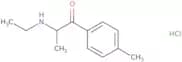

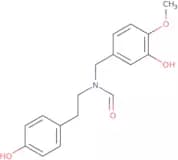
![N-[2-(4-Benzylpiperazin-1-yl)-2-oxoethyl]-N-methylamine](/_next/image/?url=https%3A%2Fstatic.cymitquimica.com%2Fproducts%2F3D%2Fthumb-webp%2FFB117802.webp&w=3840&q=75)


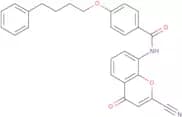
![trans-2-[3-(4-tert-Butylphenyl)-2-methyl-2-propenylidene]malononitrile](/_next/image/?url=https%3A%2Fstatic.cymitquimica.com%2Fproducts%2F3D%2Fthumb-webp%2FFB166374.webp&w=3840&q=75)
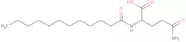
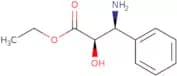
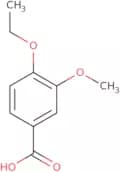
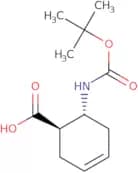
![(R)-(-)-2-[Hydroxy(diphenyl)methyl]-1-methylpyrrolidine](/_next/image/?url=https%3A%2Fstatic.cymitquimica.com%2Fproducts%2F3D%2Fthumb-webp%2FFH59893.webp&w=3840&q=75)
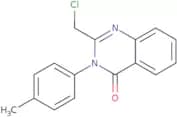
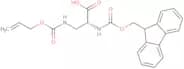

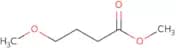
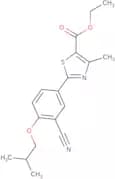

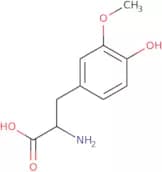
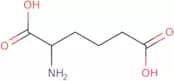
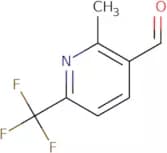
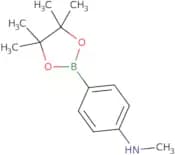
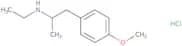
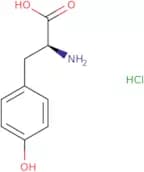

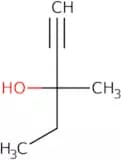

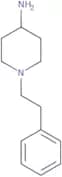
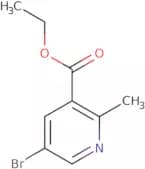

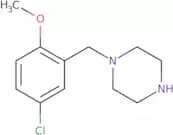
![1-[(1-Methyl-1H-pyrazol-4-yl)methyl]piperazine](/_next/image/?url=https%3A%2Fstatic.cymitquimica.com%2Fproducts%2F3D%2Fthumb-webp%2FFM112287.webp&w=3840&q=75)
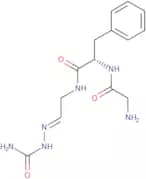
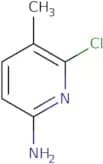
![4-(4-Phenoxybutoxy)-7H-furo[3,2-g]chromen-7-one](/_next/image/?url=https%3A%2Fstatic.cymitquimica.com%2Fproducts%2F3D%2Fthumb-webp%2FFP142327.webp&w=3840&q=75)
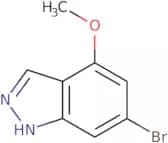
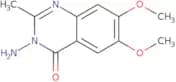

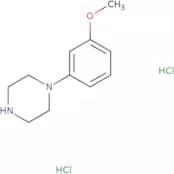
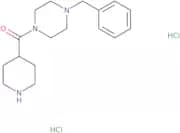
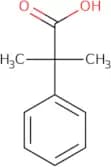
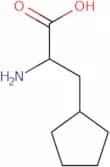
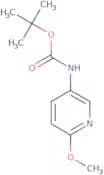
![10-[2-(1-Methyl-2-piperidinyl)ethyl]-2-(methylthio)-10H-phenothiazine hydrochloride](/_next/image/?url=https%3A%2Fstatic.cymitquimica.com%2Fproducts%2F3D%2Fthumb-webp%2FFT28238.webp&w=3840&q=75)

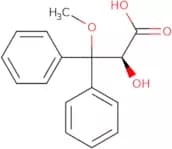
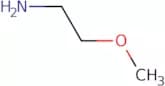
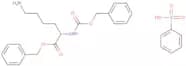
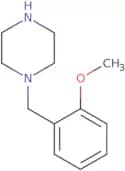
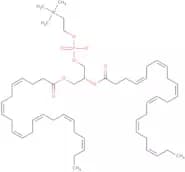
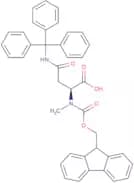

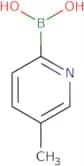
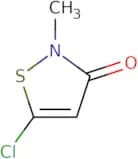
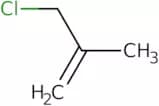
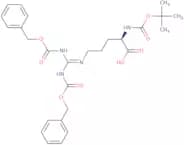
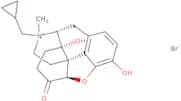

![3,3'-[1,3-Phenylenebis(oxy)]dipropanoic acid](/_next/image/?url=https%3A%2Fstatic.cymitquimica.com%2Fproducts%2F3D%2Fthumb-webp%2FFP131541.webp&w=3840&q=75)

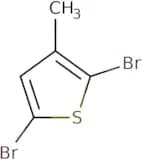
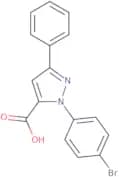
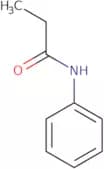
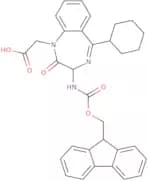

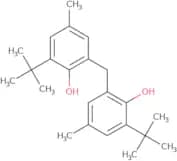
![[(4-Methyl-1,3-thiazol-2-yl)methyl]amine dihydrochloride](/_next/image/?url=https%3A%2Fstatic.cymitquimica.com%2Fproducts%2F3D%2Fthumb-webp%2FFM124176.webp&w=3840&q=75)
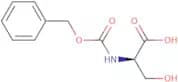
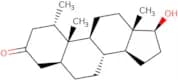

![2-[(2-Methoxyphenoxy)methyl]oxirane](/_next/image/?url=https%3A%2Fstatic.cymitquimica.com%2Fproducts%2F3D%2Fthumb-webp%2FFM25322.webp&w=3840&q=75)

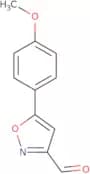
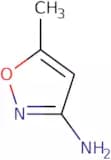


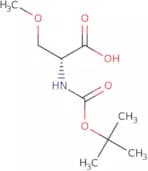
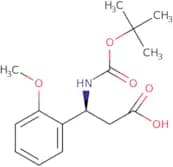
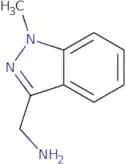
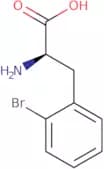
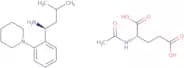

![N-Methyl-N-[(1-methyl-1H-benzimidazol-2-yl)methyl]amine hydrochloride](/_next/image/?url=https%3A%2Fstatic.cymitquimica.com%2Fproducts%2F3D%2Fthumb-webp%2FFM117084.webp&w=3840&q=75)
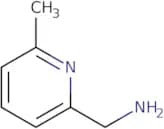
![1-[(2b,3a,5a,16b,17b)-17-Acetyloxy-3-hydroxy-2-(1-piperidinyl)androstan-16-yl]-1-methylpiperidiniu…](/_next/image/?url=https%3A%2Fstatic.cymitquimica.com%2Fproducts%2F3D%2Fthumb-webp%2FFA21131.webp&w=3840&q=75)
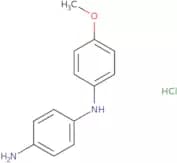
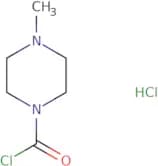
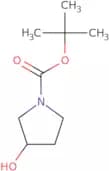
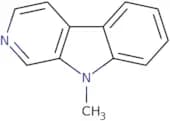
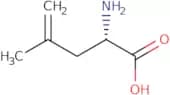
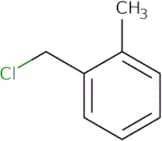
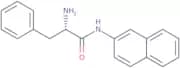
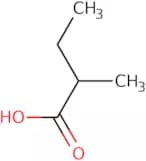
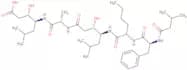
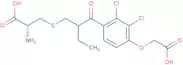
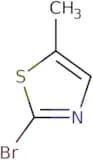
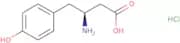
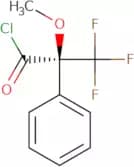
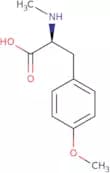
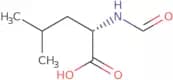
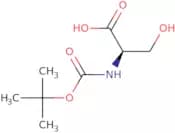
![Bis[(S)-1-phenylethyl]amine](/_next/image/?url=https%3A%2Fstatic.cymitquimica.com%2Fproducts%2F3D%2Fthumb-webp%2FFB168367.webp&w=3840&q=75)
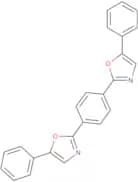
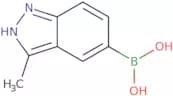


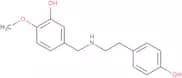
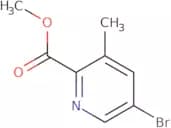
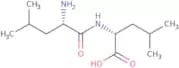
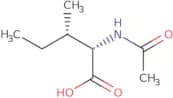
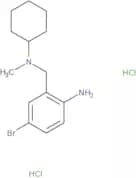
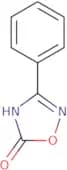
![8-Chloro-1-methyl-2,3,4,5-tetrahydro-1H-benzo[d]azepine](/_next/image/?url=https%3A%2Fstatic.cymitquimica.com%2Fproducts%2F3D%2Fthumb-webp%2FFC148171.webp&w=3840&q=75)

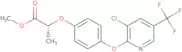
![[4-[2-(Diethylamino)ethoxy]-3-iodophenyl][2-(1-hydroxybutyl)-3-benzofuranyl]-methanone](/_next/image/?url=https%3A%2Fstatic.cymitquimica.com%2Fproducts%2F3D%2Fthumb-webp%2FFD150040.webp&w=3840&q=75)
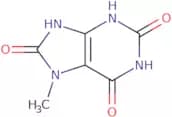

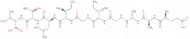
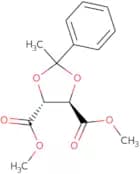
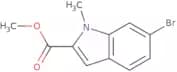
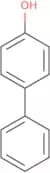
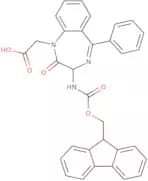
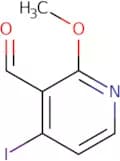
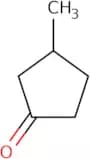
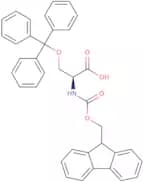
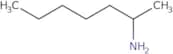
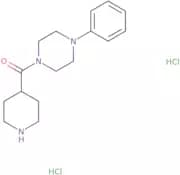
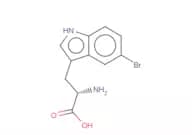




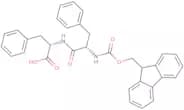
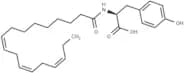

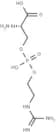
![8-Chloro-1-methyl-6-phenyl-4H-Imidazo[1,5-a][1,4]benzodiazepine](/_next/image/?url=https%3A%2Fstatic.cymitquimica.com%2Fproducts%2F3D%2Fthumb-webp%2FFC159452.webp&w=3840&q=75)

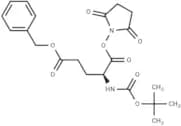
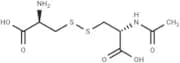
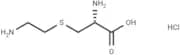


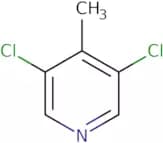


![([ring-D5]Phe8)-Angiotensin II acetate salt](/_next/image/?url=https%3A%2Fstatic.cymitquimica.com%2Fproducts%2F3D%2Fthumb-webp%2FFR110025.webp&w=3840&q=75)
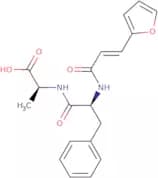


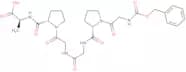
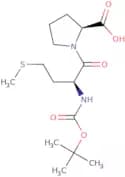
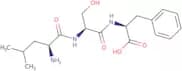
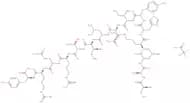
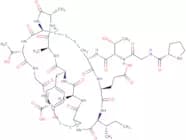
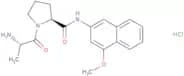
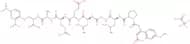

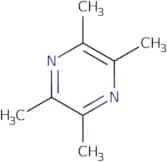
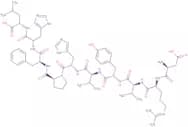

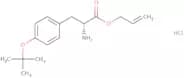
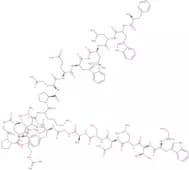
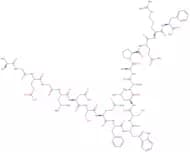

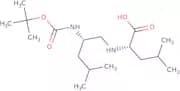
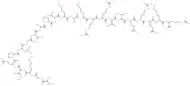
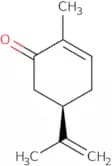
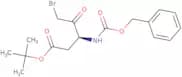
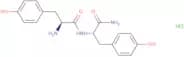

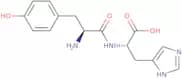
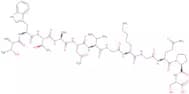
![2-[(5-Bromo-2-methylphenyl)methyl]-5-(4-fluorophenyl)thiophe](/_next/image/?url=https%3A%2Fstatic.cymitquimica.com%2Fproducts%2F3D%2Fthumb-webp%2FFB97141.webp&w=3840&q=75)