Amino Acids (AA)
Amino acids (AAs) are the fundamental building blocks of proteins, playing a crucial role in various biological processes. These organic compounds are essential for protein synthesis, metabolic pathways, and cell signaling. In this category, you will find a comprehensive range of amino acids, including essential, non-essential, and modified forms, which are vital for research in biochemistry, molecular biology, and nutritional sciences. At CymitQuimica, we provide high-quality amino acids to support your research and development needs, ensuring accuracy and reliability in your experimental outcomes.
Subcategories of "Amino Acids (AA)"
- Amino Acid Derivatives(3,957 products)
- Amino Acid and Amino Acid Related Compounds(3,472 products)
- Amino Acids with Oxygen or Sulphur(168 products)
- Boc- Amino Acids(351 products)
- Fmoc Amino Acids(1,710 products)
Found 38265 products of "Amino Acids (AA)"
Sort by
Purity (%)
0
100
|
0
|
50
|
90
|
95
|
100
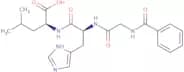
Z-Gly-Phe-Ala-OH
CAS:<p>Please enquire for more information about Z-Gly-Phe-Ala-OH including the price, delivery time and more detailed product information at the technical inquiry form on this page</p>Formula:C22H25N3O6Purity:Min. 95%Molecular weight:427.45 g/molZ-D-Phe-Val-OH
CAS:<p>N-hydroxysuccinimide is a reactive, nucleophilic compound that is used in the synthesis of peptides and other biologically active molecules. It reacts with carboxylic acids to form esters and with amines to form amides. N-hydroxysuccinimide is also used as an additive in organic reactions, such as carbodiimide coupling or benzoin condensation.</p>Formula:C22H26N2O5Purity:Min. 95%Molecular weight:398.45 g/molH-Gly-Gly-Asp-Ala-OH
CAS:<p>Please enquire for more information about H-Gly-Gly-Asp-Ala-OH including the price, delivery time and more detailed product information at the technical inquiry form on this page</p>Formula:C11H18N4O7Purity:Min. 95%Molecular weight:318.28 g/molH-Ala-allyl ester·p-tosylate
CAS:<p>H-Ala-allyl ester·p-tosylate is an organic solvent that has been used to synthesize cyclic peptides and amide derivatives. It is a molecule with a chiral center, which means that it can have two different structures that are mirror images of each other. The enantiomer of H-Ala-allyl ester·p-tosylate is the opposite of L-Ala-allyl ester·p-tosylate in terms of its physical properties and biological activity. Modifications on the side chain such as positioning or modifications can be made to the molecule. Disulfide bonds can also be introduced into the side chain to form linkers for polymerization initiators. Synthesis of H-Ala-allyl ester·p-tosylate requires strong conditions such as heating or irradiation with UV light, which makes it difficult for production.</p>Formula:C6H11NO2·C7H8O3SPurity:Min. 95%Molecular weight:301.36 g/molBoc-(R)-2-methoxyphenylglycine
CAS:<p>Please enquire for more information about Boc-(R)-2-methoxyphenylglycine including the price, delivery time and more detailed product information at the technical inquiry form on this page</p>Formula:C14H19NO5Purity:Min. 95%Molecular weight:281.3 g/molH(-Asn-Pro-Asn-Ala)2-OH
CAS:<p>Please enquire for more information about H(-Asn-Pro-Asn-Ala)2-OH including the price, delivery time and more detailed product information at the technical inquiry form on this page</p>Formula:C32H50N12O13Purity:Min. 95%Molecular weight:810.81 g/molH-Leu-Tyr-Leu-OH
CAS:<p>H-Leu-Tyr-Leu-OH is a molecule that contains a pyrrolidine ring and methyl groups. The molecule is an amino acid, which is one of the twenty that are used to form proteins. It has three terminal residues, which are H, Leu, and Tyr. The crystallographic structure of the compound was determined by x-ray crystallographic studies and it was found to be orthorhombic with a sephadex crystal lattice. The molecular conformation of this compound can be altered through kinetic or equilibrium processes.</p>Formula:C21H33N3O5Purity:Min. 95%Molecular weight:407.5 g/molZ-Gly-Leu-OH
CAS:<p>Z-Gly-Leu-OH is a synthetic peptide that is used as a substrate for proteases. It contains the amino acid sequence Gly-Leu-OH and has been shown to inhibit serine proteases with irreversible inhibition. Z-Gly-Leu-OH inhibits protease activity by binding to the enzyme's active site, which prevents it from catalyzing reactions and stabilizing the product of the reaction. The substrate can be cleaved by a protease in two ways: (1) hydrolysis of the amide bond between Gly and Leu or (2) protonation of the amide bond between Gly and Leu followed by elimination of water. These reactions are reversible because they are dependent on pH. In order to measure enzyme activity using this substrate, it must be conjugated with a fluorescent dye so that fluorescence can be detected following cleavage.</p>Formula:C16H22N2O5Purity:Min. 95%Molecular weight:322.36 g/molIGF-I (1-3)
CAS:<p>IGF-I (1-3) H-Gly-Pro-Glu-OH is a synthetic peptide that has been shown to be effective in treating neuronal death caused by glutamate. It binds to calcium ions and inhibits the activity of gamma-aminobutyric acid, which is an inhibitory neurotransmitter. IGF-I (1-3) H-Gly-Pro-Glu-OH also blocks fatty acid synthesis, leading to necrotic cell death. In vitro assays have shown that this drug can protect against blood group O erythrocytes from pyridoxal phosphate oxidation and protocatechuic acid binding. This drug has also been shown to increase locomotor activity in mice, as well as improve motor function in rats with experimental stroke.<br>IGF-I (1-3) H-Gly-Pro-Glu-OH is synthesized using a polymerase chain reaction technique and consists of amino acids 1 through 3 of</p>Formula:C12H19N3O6Purity:Min. 95%Molecular weight:301.3 g/molH-Pro-His-Phe-OH
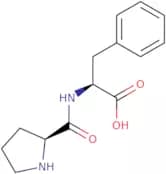
CAS:<p>H-Pro-His-Phe-OH is a proteolytic enzyme that belongs to the group of serine proteases. It is a member of the subtilisin family and has been used in research for its ability to cleave proteins at random. H-Pro-His-Phe-OH has been shown to hydrolyze lactococcal proteinase and other serine proteases, such as trypsin, chymotrypsin, and elastase.</p>Formula:C20H25N5O4Purity:Min. 95%Molecular weight:399.44 g/molAc-Leu-Glu-His-Asp-aldehyde (pseudo acid) trifluoroacetate salt
CAS:<p>Ac-Leu-Glu-His-Asp-aldehyde (pseudo acid) trifluoroacetate salt is a chemical compound that belongs to the group of apoptosis proteins. It has been shown to have anti-inflammatory and neuroprotective effects in primary cells, as well as to induce apoptosis in HL60 cells. Ac-Leu-Glu-His-Asp-aldehyde (pseudo acid) trifluoroacetate salt is also able to inhibit the activation of the caspase pathway by preventing the release of cytochrome c from mitochondria and decreasing the mitochondrial membrane potential. The protein may be used as an agent for skin cancer treatment.</p>Formula:C23H34N6O9Purity:Min. 95%Molecular weight:538.55 g/molH-Pro-Phe-Lys-OH acetate salt
CAS:<p>Please enquire for more information about H-Pro-Phe-Lys-OH acetate salt including the price, delivery time and more detailed product information at the technical inquiry form on this page</p>Formula:C20H30N4O4Purity:Min. 95%Molecular weight:390.48 g/molBis(4-methylphenyl) sulfone
CAS:<p>Bis(4-methylphenyl) sulfone is an industrial chemical used in the manufacture of other chemicals. It is a sulfone that contains a hydroxyl group and a methylating agent. The reaction solution must be anhydrous and contain sodium carbonate, chloride, and methylating agent. The product can be synthesized by the Suzuki coupling reaction between an alkyl halide and an aryl boronic acid. This process requires activation energies of about 40-45 kcal/mol to drive the reaction forward. The hydrochloric acid reacts with the hydroxyl group on the sulfone to form a chlorosulfonic acid intermediate, which reacts with methylene chloride to produce bis(4-methylphenyl) sulfone. The carbonyl group on this intermediate is activated by adding methoxy groups, which are then replaced by chlorine atoms in order to form bis(4-chlorophenyl) sulfone.</p>Formula:C14H14O2SPurity:Min. 95%Molecular weight:246.33 g/mol(D-Pro2,D-Trp6·8, Nle 10)-Neurokinin B
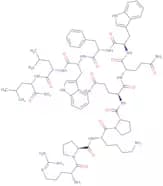
CAS:<p>Please enquire for more information about (D-Pro2,D-Trp6·8, Nle 10)-Neurokinin B including the price, delivery time and more detailed product information at the technical inquiry form on this page</p>Formula:C67H87N15O14Purity:Min. 95%Molecular weight:1,326.5 g/molOsteostatin amide trifluoroacetate
CAS:<p>Please enquire for more information about Osteostatin amide trifluoroacetate including the price, delivery time and more detailed product information at the technical inquiry form on this page</p>Formula:C142H229N43O57•(C2HF3O2)xPurity:Min. 95%Molecular weight:3,450.59 g/molAcetyl-Amylin (8-37) (mouse, rat)
CAS:<p>Please enquire for more information about Acetyl-Amylin (8-37) (mouse, rat) including the price, delivery time and more detailed product information at the technical inquiry form on this page</p>Formula:C142H229N43O44Purity:Min. 95%Molecular weight:3,242.6 g/molGly-Gly-OMe·HCl
CAS:<p>Gly-Gly-OMe·HCl is a diagnostic agent that can be used to diagnose atherosclerotic lesions. It is conjugated to an organic molecule and then radiolabeled. The conjugate can be detected by cyclopentadienyl, which emits gamma rays when it decays. This conjugate has been shown to selectively accumulate in atherosclerotic lesions of the coronary arteries, where it accumulates with a higher concentration than in the surrounding tissue. This product also has gastroprotective effects on the stomach and liver and can reduce lipid levels in hyperlipidaemic patients.</p>Formula:C5H10N2O3•HClPurity:Min. 95 Area-%Color and Shape:Slightly Rose PowderMolecular weight:182.61 g/molSuc-Ala-Ala-Pro-Phe-2,4-difluoroanilide
CAS:<p>Please enquire for more information about Suc-Ala-Ala-Pro-Phe-2,4-difluoroanilide including the price, delivery time and more detailed product information at the technical inquiry form on this page</p>Formula:C30H35F2N5O7Purity:Min. 95%Molecular weight:615.63 g/molL-Cysteine hydrochloride anhydrous
CAS:<p>L-Cysteine hydrochloride anhydrous is an amino acid that is used in the treatment of bowel disease. It is also a precursor for glutathione, which has antioxidant properties and helps maintain iron homeostasis. L-Cysteine hydrochloride anhydrous has been shown to inhibit the oxidation of proteins by reacting with reactive oxygen species (ROS) such as nitric oxide, superoxide, and hydrogen peroxide. This amino acid also interacts with toll-like receptor 4 (TLR4), which may account for its natural anti-inflammatory properties. L-Cysteine hydrochloride anhydrous can be synthesized from cysteine and glutamic acid using a CDNA clone encoding the enzyme cystathionine β-synthase. The synthesis of this amino acid requires a number of biochemical reactions including hydrogen bonding interactions with inhibitor molecules such as dihydrofolate reductase, metalloproteases, and thiored</p>Formula:C3H7NO2S·HClColor and Shape:White Off-White PowderMolecular weight:157.62 g/molBoc-Phe-OBzl
CAS:<p>Please enquire for more information about Boc-Phe-OBzl including the price, delivery time and more detailed product information at the technical inquiry form on this page</p>Formula:C21H25NO4Purity:Min. 95%Molecular weight:355.43 g/mol4-(4-Phenylbutoxy)benzoic acid
CAS:<p>4-(4-Phenylbutoxy)benzoic acid is an organic compound that is produced by the reaction of 4-hydroxybenzoic acid with a Grignard reagent. The 4-hydroxybenzoic acid reacts with magnesium to form magnesium chloride and p-hydroxybenzoic acid, which then reacts with a Grignard reagent to form the desired product. This compound has been used in wastewater treatment and as an intermediate in the synthesis of dyes, perfumes, and pharmaceuticals. 4-(4-Phenylbutoxy)benzoic acid has also been used as a starting material for synthesizing other compounds such as chlorobenzene and p-hydroxybenzoic acid.</p>Formula:C17H18O3Purity:Min. 95%Molecular weight:270.32 g/molLIP2 (human) trifluoroacetate salt
<p>Please enquire for more information about LIP2 (human) trifluoroacetate salt including the price, delivery time and more detailed product information at the technical inquiry form on this page</p>Formula:C184H288N58O58Purity:Min. 95%Molecular weight:4,240.61 g/mol3-Methyldihydrofuran-2,5-dione
CAS:<p>3-Methyldihydrofuran-2,5-dione is a diterpenoid alkaloid found in the plant Dictamnus albus. This compound has been shown to have metal chelating properties and can be used as an asymmetric synthesis intermediate. 3-Methyldihydrofuran-2,5-dione reacts with diazonium salt to form a high resistance molecule that is highly reactive. This chemical reacts with hydroxyl groups, amide groups, or methyl ethyl groups. The structure of this compound consists of nitrogen atoms and anhydride bonds. 3-Methyldihydrofuran-2,5-dione has been shown to exhibit electrochemical impedance spectroscopy (EIS) characteristics similar to those of other molecules that are known to be reactive.</p>Formula:C5H6O3Purity:Min. 95%Molecular weight:114.1 g/molFmoc-D-Tyr(tBu)-Wang resin (200-400 mesh)
<p>Please enquire for more information about Fmoc-D-Tyr(tBu)-Wang resin (200-400 mesh) including the price, delivery time and more detailed product information at the technical inquiry form on this page</p>Purity:Min. 95%(Hyp 474·477,Gln479)-cyclo-a-Fetoprotein (471-479) (human, lowland gorilla)
CAS:<p>Please enquire for more information about (Hyp 474·477,Gln479)-cyclo-a-Fetoprotein (471-479) (human, lowland gorilla) including the price, delivery time and more detailed product information at the technical inquiry form on this page</p>Formula:C40H63N11O16SPurity:Min. 95%Molecular weight:986.06 g/molSuc-Ala-Ala-Pro-Ile-pNA
CAS:<p>Suc-Ala-Ala-Pro-Ile-pNA is an enzyme that belongs to the family of zymogens. It is a tetrapeptide that is synthesized in the cytosol and transported into the lumen of the intestine, where it is cleaved by trypsin to form pepsin A. In humans, this enzyme has been localized to the duodenum and jejunum. Suc-Ala-Ala-Pro-Ile-pNA is activated by trypsin and cleaves proteins at their carboxyl side chains. It also binds to specific residues in proteins, including those with unpaired cysteine residues.</p>Formula:C27H38N6O9Purity:Min. 95%Molecular weight:590.63 g/molAc-Tyr-OEt
CAS:<p>Ac-Tyr-OEt is a synthetic peptide with the amino acid sequence Ac-Tyr-OEt. It is a signal peptide that enhances the efficiency of protein secretion in soybean cells. It binds to hydroxyl groups on sephadex g-100, which may be due to hydrogen bonding between the two. The rate constant for this reaction has been measured at 2.5 x 10^6 M^(-1)s^(-1) and the caproic acid concentration for half-maximal binding has been determined to be 3 mM. Ac-Tyr-OEt also has protease activity, as demonstrated by its ability to hydrolyze carboxypeptidase A at a rate of 1.7 x 10^4 min^(-1).</p>Formula:C13H17NO4Purity:Min. 95%Molecular weight:251.28 g/molAc-Tyr-Phe-OMe
CAS:<p>Please enquire for more information about Ac-Tyr-Phe-OMe including the price, delivery time and more detailed product information at the technical inquiry form on this page</p>Formula:C21H24N2O5Purity:Min. 95%Molecular weight:384.43 g/molFmoc-Val-Wang resin (200-400 mesh)
<p>Please enquire for more information about Fmoc-Val-Wang resin (200-400 mesh) including the price, delivery time and more detailed product information at the technical inquiry form on this page</p>Purity:Min. 95%Suc-Ala-Phe-Lys-AMC acetate
CAS:<p>Suc-Ala-Phe-Lys-AMC acetate salt is a fatty acid that is metabolized by the enzyme plasminogen activator inhibitor 1 (PAI-1) to form AMC. It is used as a marker for PAI-1 activity in plasma, as well as in other extracellular fluids. Suc-Ala-Phe-Lys-AMC acetate salt has been shown to be effective in treating diseases caused by low blood sugar levels, such as diabetes mellitus type 2. Studies have also shown that it can be used to monitor the progress of metabolic disorders such as obesity and type 2 diabetes mellitus.</p>Formula:C32H39N5O8•C2H4O2Purity:Min. 95%Color and Shape:PowderMolecular weight:681.73 g/molH-Gly-Gly-Lys-OH acetate salt
CAS:<p>Please enquire for more information about H-Gly-Gly-Lys-OH acetate salt including the price, delivery time and more detailed product information at the technical inquiry form on this page</p>Formula:C10H20N4O4Purity:Min. 95%Molecular weight:260.29 g/molNectofibrin Hexapeptide (rat)
CAS:<p>Nectofibrin Hexapeptide is a peptide that interacts with the antigen-binding site of an antibody. It has been shown to be able to bind to the ovary cells of rats and may have diagnostic value in autoimmune diseases such as idiopathic thrombocytopenic purpura. The sequence of this molecule is Arg-Gly-Asp, which shows complementarity with the receptor binding site on the ovary cells. This peptide could be used for immunotherapy or diagnostics in autoimmune diseases.</p>Formula:C32H47N7O9Purity:Min. 95%Molecular weight:673.76 g/molAngiotensin II Receptor Ligand Nicotinoyl-Tyr-Lys(Z-Arg)-His-Pro-Ile-OH
CAS:<p>Angiotensin II receptor ligand nicotinoyl-tyrosine-arginine-proline-ile (ANGII) is a peptide that acts as a potent angiotensin II receptor agonist. It can be used to anesthetize rats and cause bradykinin b2 receptor activation. ANGII has been shown to inhibit the growth of several types of tumors, such as human melanoma cells, in animal experiments. This drug also has antiangiogenic properties, which may be due to its ability to induce the production of tumor necrosis factor-α (TNF-α).</p>Formula:C52H69N13O11Purity:Min. 95%Molecular weight:1,052.19 g/mol8-Methylnonanal
CAS:<p>8-Methylnonanal is a fatty acid that has been hydrogenated and sulfonated. It is an unsaturated, straight chain, alpha-methylene-containing molecule with the chemical formula CH3(CH2)4CH=CH(CH2)3COOH. 8-Methylnonanal can be used as an additive in polyolefin production to improve processability. 8-Methylnonanal is used as a reaction system for the synthesis of monomers and polymers. In addition, it reacts with sulfuric acid to produce sulfuric acid esters and alkyl sulfonic acids. This chemical also reacts with fatty acids to form various products such as fatty acid methyl esters (FAMEs).</p>Formula:C10H20OPurity:Min. 95%Molecular weight:156.27 g/molOsteostatin (1-5) (human, bovine, dog, horse, mouse, rabbit, rat) trifluoroacetate salt
CAS:<p>Please enquire for more information about Osteostatin (1-5) (human, bovine, dog, horse, mouse, rabbit, rat) trifluoroacetate salt including the price, delivery time and more detailed product information at the technical inquiry form on this page</p>Formula:C27H41N9O8Purity:Min. 95%Molecular weight:619.67 g/molH-Arg-Arg-Lys-Asp-Leu-His-Asp-Asp-Glu-Glu-Asp-Glu-Ala-Met-Ser-Ile-Thr-Ala-OH
CAS:<p>Please enquire for more information about H-Arg-Arg-Lys-Asp-Leu-His-Asp-Asp-Glu-Glu-Asp-Glu-Ala-Met-Ser-Ile-Thr-Ala-OH including the price, delivery time and more detailed product information at the technical inquiry form on this page</p>Formula:C85H139N27O35SPurity:Min. 95%Molecular weight:2,131.24 g/molBoc-Ala-PAM resin (200-400 mesh)
<p>Please enquire for more information about Boc-Ala-PAM resin (200-400 mesh) including the price, delivery time and more detailed product information at the technical inquiry form on this page</p>Purity:Min. 95%4-[(4-Nitrophenyl)-azo]-phenol
CAS:<p>4-[(4-Nitrophenyl)-azo]-phenol is a molecular compound that has a nitro group, an azo group, and a phenolic hydroxyl group. It's also known as nitrophenyl diazonium salt. 4-[(4-Nitrophenyl)-azo]-phenol is used in the synthesis of other compounds such as dyes and pharmaceuticals. The magnetic resonance spectroscopy and optical microscope techniques were used to study the chemical structure of 4-[(4-Nitrophenyl)-azo]-phenol. The titration method was used to determine the purity of this compound. 4-[(4-Nitrophenyl)-azo]-phenol has been shown to have mesomorphic properties, which are exhibited by its ability to be either solid or liquid at room temperature (25°C). This property may be due to its functional groups that stabilize it in both states.</p>Purity:Min. 95%Neuropeptide Y (2-36) (porcine) trifluoroacetate salt
CAS:<p>Please enquire for more information about Neuropeptide Y (2-36) (porcine) trifluoroacetate salt including the price, delivery time and more detailed product information at the technical inquiry form on this page</p>Formula:C181H278N54O55Purity:Min. 95%Molecular weight:4,090.47 g/molZ-Trp-NH2
CAS:<p>Please enquire for more information about Z-Trp-NH2 including the price, delivery time and more detailed product information at the technical inquiry form on this page</p>Formula:C19H19N3O3Purity:Min. 95%Molecular weight:337.37 g/mol(D-Arg2)-Kyotorphin acetate salt
CAS:<p>(D-Arg2)-Kyotorphin acetate salt H-Tyr-D-Arg-OH acetate salt is a peptide that contains two amino acid residues, D-arginine and L-tyrosine. It has been shown to have analgesic properties in animal models of pain, and is also thought to be involved with bowel disease, congestive heart failure, and platelet aggregation. The biological activity of this peptide has been studied using whole cell recordings in the presence of an experimental model (rat dorsal root ganglion neurons). Kyotorphin acetate salt H-Tyr-D-Arg-OH acetate salt was found to inhibit enzyme activities such as cyclase and phosphodiesterase. This peptide binds to opioid receptors and acts as an electrochemical detector for cyclases, which are enzymes that produce cyclic adenosine monophosphate (cAMP). Kyotorphin acetate salt H-Tyr-D</p>Formula:C15H23N5O4Purity:Min. 95%Molecular weight:337.37 g/molAtrial Natriuretic Factor (3-28) (human, bovine, porcine)
CAS:<p>Please enquire for more information about Atrial Natriuretic Factor (3-28) (human, bovine, porcine) including the price, delivery time and more detailed product information at the technical inquiry form on this page</p>Formula:C118H187N43O36S3Purity:Min. 95%Molecular weight:2,880.21 g/molPACAP-38 (human, mouse, ovine, porcine, rat) trifluoroacetate salt
CAS:<p>PACAP-38 is a peptide that has been shown to have a variety of physiological effects, including the regulation of brain functions and immunological responses. PACAP-38 has been found to bind to toll-like receptor 4 (TLR4) in macrophages and neutrophils, which stimulates the production of proinflammatory cytokines. It also interacts with adenylate cyclase, which leads to an increase in cAMP levels. This may be the mechanism by which PACAP-38 regulates brain functions. The biological function of PACAP-38 is not yet clear but it may act as a signal peptide, regulating protein synthesis and gene expression.</p>Formula:C203H331N63O53SPurity:Min. 95%Molecular weight:4,534.26 g/molFmoc-Asp(OtBu)-Wang resin (100-200 mesh)
<p>Please enquire for more information about Fmoc-Asp(OtBu)-Wang resin (100-200 mesh) including the price, delivery time and more detailed product information at the technical inquiry form on this page</p>Purity:Min. 95%Acetyl-Heme-Binding Protein 1 (1-21) (human) trifluoroacetate salt
CAS:<p>Please enquire for more information about Acetyl-Heme-Binding Protein 1 (1-21) (human) trifluoroacetate salt including the price, delivery time and more detailed product information at the technical inquiry form on this page</p>Formula:C116H176N26O30S2Purity:Min. 95%Molecular weight:2,478.93 g/mol(4-(Methoxycarbonyl)-3-Methylphenyl)boronic acid
CAS:<p>Please enquire for more information about (4-(Methoxycarbonyl)-3-Methylphenyl)boronic acid including the price, delivery time and more detailed product information at the technical inquiry form on this page</p>Formula:C9H11BO4Purity:Min. 95%Molecular weight:193.99 g/molH-Phe-Pro-Arg-OH
CAS:<p>H-Phe-Pro-Arg-OH is an active analogue of the natural amino acid, lysine. It has been shown to inhibit protein synthesis by binding to the lysine residues in proteins. This inhibition blocks the hydrophobic effect that is necessary for proper folding of newly synthesized proteins. Lysine's role in protein synthesis also extends to spermatozoa and blood clotting, which are inhibited by H-Phe-Pro-Arg-OH. The inhibition of lysine residues in human serum fibrinogen and thrombin may lead to a reduction in their ability to form clots. H-Phe-Pro-Arg-OH has also been shown to be an anticoagulant and thermodynamic data supports this conclusion. X ray crystal structures and titration calorimetry have confirmed that this compound binds to lysine residues with high affinity and specificity.</p>Formula:C20H30N6O4Purity:Min. 95%Molecular weight:418.49 g/molZ-Homoarg (Pbf)-OH
CAS:<p>Please enquire for more information about Z-Homoarg (Pbf)-OH including the price, delivery time and more detailed product information at the technical inquiry form on this page</p>Formula:C28H38N4O7SPurity:Min. 95%Molecular weight:574.69 g/molHCV NS4A Protein (22-34) (H strain)
CAS:<p>Please enquire for more information about HCV NS4A Protein (22-34) (H strain) including the price, delivery time and more detailed product information at the technical inquiry form on this page</p>Formula:C59H109N17O15SPurity:Min. 95%Molecular weight:1,328.67 g/molH-Asp(OtBu)-2-chlorotrityl resin (200-400 mesh) (Low Substitution)
<p>Please enquire for more information about H-Asp(OtBu)-2-chlorotrityl resin (200-400 mesh) (Low Substitution) including the price, delivery time and more detailed product information at the technical inquiry form on this page</p>Purity:Min. 95%H-Glu-Glu-Asp-OH
CAS:<p>H-Glu-Glu-Asp-OH is a tripeptide that is a marker for endothelial cell proliferation. This peptide sequence has been shown to promote endothelial cell function, as well as to have atherogenic properties. The hydrolysate of H-Glu-Glu-Asp-OH has been shown to inhibit the growth of endothelial cells and functions in vitro.END><br>END></p>Formula:C14H21N3O10Purity:Min. 95%Molecular weight:391.33 g/molH-Arg-Arg-Arg-Arg-OH trifluoroacetate salt
CAS:<p>Trifluoroacetate salt</p>Formula:C24H50N16O5Purity:Min. 95%Molecular weight:642.76 g/molH-Val-Ser-OH
CAS:<p>L-Threonine is an amino acid that belongs to the branched-chain family of amino acids. It is a nonessential amino acid, meaning that it can be synthesized by the human body. L-Threonine is one of the two amino acids (along with L-Serine) that has a hydroxyl group on the alpha carbon atom. It is also used in certain metabolic pathways such as sphingolipid metabolism and tryptophan metabolism. L-Threonine is used in experimental models for bowel disease and intestinal cancer, but its role in these conditions has not been determined. The molecule can be found in both animal and plant proteins, but most often it occurs in animal sources. The compound can also be found as a component of skin condition treatments or as an additive to shampoos, lotions, and cosmetics.</p>Formula:C8H16N2O4Purity:Min. 95%Molecular weight:204.22 g/molSarafotoxin C trifluoroacetate salt
CAS:<p>Sarafotoxin C is a peptide from the venom of the spider Phoneutria nigriventer that has been shown to have potent inhibitory properties on endothelin-1. Sarafotoxin C is able to block intracellular Ca2+ levels and signal pathways, leading to decreased levels of endothelin-1 as well as other inflammatory mediators. Sarafotoxin C has also been shown to have an anti-inflammatory effect in bowel disease, which may be due to its ability to inhibit the production of cytokines and prostaglandins. The biological properties of sarafotoxin C are related to its inhibition of polymerase chain reaction (PCR) amplification of DNA. This inhibition is due to the binding of sarafotoxin C with endothelin receptors on DNA, which prevents DNA polymerase from attaching. Endothelin-a receptor activity can also be inhibited by sarafotoxin C through enzymatic inactivation. Sarafot</p>Formula:C103H147N27O37S5Purity:Min. 95%Molecular weight:2,515.76 g/molAc-Phe-Trp-OH
CAS:<p>Please enquire for more information about Ac-Phe-Trp-OH including the price, delivery time and more detailed product information at the technical inquiry form on this page</p>Formula:C22H23N3O4Purity:Min. 95%Molecular weight:393.44 g/molFmoc-Tyr(SO3H)-OH barium salt
CAS:<p>Please enquire for more information about Fmoc-Tyr(SO3H)-OH barium salt including the price, delivery time and more detailed product information at the technical inquiry form on this page</p>Formula:C24H21NO8SPurity:Min. 95%Molecular weight:483.49 g/molZ-Pro-Leu-OH
CAS:<p>The compound Z-Pro-Leu-OH is a peptidomimetic that has been shown to be an effective inhibitor of the enzyme l-amino acid oxidase, which catalyzes the oxidation of l-amino acids. This inhibition may be due to the protonation of the substrate and/or solvents in the enzyme active site. The molecule is hydrophobic, making it suitable for use in simulations and theoretical studies. Furthermore, this compound is identifiable by its retention time on high performance liquid chromatography (HPLC) and can be rationalized by its amide group.</p>Formula:C19H26N2O5Purity:Min. 95%Molecular weight:362.42 g/mol(D-Arg0, Hyp 3,D-Phe7)-Bradykinin trifluoroacetate salt
CAS:<p>Bradykinin is a peptide hormone that has been found to act through the bradykinin receptor. It has also been found to be an antagonist of the receptor, as it inhibits the growth of cells that are stimulated by bradykinin. This drug can be used for the treatment of asthma and other inflammatory diseases. The sequence of this drug is D-Arg0, Hyp 3,D-Phe7)-Bradykinin trifluoroacetate salt H-D-Arg-Arg-Pro-Hyp-Gly-Phe-Ser-D-Phe-Phe-Arg-OH trifluoroacetate salt.</p>Formula:C60H87N19O13Purity:Min. 95%Molecular weight:1,282.45 g/molBiotinyl-Amyloid b-Protein (1-42) ammonium salt
CAS:<p>Please enquire for more information about Biotinyl-Amyloid b-Protein (1-42) ammonium salt including the price, delivery time and more detailed product information at the technical inquiry form on this page</p>Formula:C213H325N57O62S2Purity:Min. 95%Molecular weight:4,740.34 g/molAc-Tyr-Val-Lys(biotinyl)-Asp-2,6-dimethylbenzoyloxymethylketone
CAS:<p>Ac-Tyr-Val-Lys(biotinyl)-Asp-2,6-dimethylbenzoyloxymethylketone belongs to a group of active compounds and is a cleavage product of the caspase family. It has been shown to induce apoptosis in kidney cells by cleaving the polymeric form of the protein caspase 3, which is induced by viral infection or bacterial infection. This compound is used for coinfection with HIV and HCV. Ac-Tyr-Val-Lys(biotinyl)-Asp-2,6-dimethylbenzoyloxymethylketone can also be used for detecting apoptosis in other types of cells such as erythrocytes and neutrophils.</p>Formula:C46H63N7O12SPurity:Min. 95%Molecular weight:938.1 g/molAntistasin-Related Peptide
CAS:<p>Please enquire for more information about Antistasin-Related Peptide including the price, delivery time and more detailed product information at the technical inquiry form on this page</p>Formula:C34H57N15O8S2Purity:Min. 95%Molecular weight:868.04 g/molKisspeptin-13 (human) trifluoroacetate salt
CAS:<p>Please enquire for more information about Kisspeptin-13 (human) trifluoroacetate salt including the price, delivery time and more detailed product information at the technical inquiry form on this page</p>Formula:C78H107N21O18Purity:Min. 95%Molecular weight:1,626.81 g/molOsteoblast-Adhesive Peptide
CAS:<p>Please enquire for more information about Osteoblast-Adhesive Peptide including the price, delivery time and more detailed product information at the technical inquiry form on this page</p>Formula:C21H43N11O6Purity:Min. 95%Molecular weight:545.64 g/molCrustacean Cardioactive Peptide
CAS:<p>Crustacean Cardioactive Peptide H-Pro-Phe-Cys-Asn-Ala-Phe-Thr-Gly-Cys-NH2 (Disulfide bond) is a peptide that has been shown to have cardiac and locomotor activity. It also has receptor activity, which is likely due to the presence of an alpha helix in the structure. Crustacean Cardioactive Peptide H-Pro-Phe-Cys-Asn-Ala-Phe-Thr-Gly-Cys (Disulfide bond) has been shown to inhibit voltage dependent calcium channels and stimulate ryanodine receptors. This peptide has been used as a model system for studying heart function, including its effects on cardiac muscle cells, neurons, and biochemical properties.</p>Formula:C42H57N11O11S2Purity:Min. 95%Molecular weight:956.1 g/molPDGF Antagonist
CAS:<p>H-Ala-Asn-Phe-Leu-Val-Trp-Glu-Ile-Val-Arg-Lys-Lys-Pro is a monoclonal antibody that inhibits proliferation of endothelial cells. It binds to PDGF, which is a potent growth factor. This drug has been shown to inhibit the growth of vascular smooth muscle cells in vitro and in vivo by inhibiting cholesterol synthesis. H-Ala-Asn-Phe-Leu-Val-Trp has also been shown to have antagonist effects on basic fibroblast growth factor and cyclic AMP, which are important mediators of choroidal neovascularization and blood vessel formation.</p>Formula:C77H122N20O17Purity:Min. 95%Molecular weight:1,599.92 g/molAcetyl-Exenatide trifluoroacetate salt
CAS:<p>Please enquire for more information about Acetyl-Exenatide trifluoroacetate salt including the price, delivery time and more detailed product information at the technical inquiry form on this page</p>Formula:C186H284N50O61SPurity:Min. 95%Molecular weight:4,228.61 g/mol2-Bromo-6-methylpyridin-3-ol
CAS:<p>2-Bromo-6-methylpyridin-3-ol is a heterocyclic organic compound. It is a pyridine ring with two methyl groups attached to the ring at positions 2 and 6. The bromine atom is at position 3. This is an important intermediate in the Suzuki coupling reaction, which uses it as a starting material for the synthesis of many other compounds. The dieckmann condensation reaction produces this compound from 2,6-dichloropyridine and other reagents. Fluorescent when exposed to UV light, this compound has been used as a probe for chloride ions in solution using mass spectroscopy. This substance also yields dieckmann condensation products with alkynes and chlorine or bromine. 2-Bromo-6-methylpyridin-3-ol can be produced by treating pyridine with methylacrylate in the presence of catalysts such as copper(II)</p>Formula:C6H6BrNOPurity:Min. 95%Molecular weight:188.02 g/mol2,3-Dibromo-N-methylmaleimide
CAS:<p>2,3-Dibromo-N-methylmaleimide is a synthetic compound that can be used as an anticancer agent. It inhibits the proliferation of endothelial cells and induces apoptosis in cancer cells. The molecular structure of 2,3-Dibromo-N-methylmaleimide is similar to bisindolylmaleimides, which are naturally occurring compounds found in plants. 2,3-Dibromo-N-methylmaleimide is synthesized by cross coupling with magnesium and hydroxyl group using a vibrational spectroscopy technique called nmr spectra. This molecule also has amine groups that can be used for drug conjugation or activation.</p>Formula:C5H3Br2NO2Purity:Min. 95%Molecular weight:268.89 g/molH-Ala-Phe-Pro-bNA·HCl
CAS:<p>Please enquire for more information about H-Ala-Phe-Pro-bNA·HCl including the price, delivery time and more detailed product information at the technical inquiry form on this page</p>Formula:C27H30N4O3·HClPurity:Min. 95%Molecular weight:495.01 g/molH-Thr-Val-OH
CAS:<p>The peptidomimetic H-Thr-Val-OH is a synthetic molecule that is hydrophobic. It has been shown to activate epidermal growth factor (EGF) through the transduction of a signal from outside the cell to inside the cell. This activation of EGF leads to increased levels of other molecules, such as cytosolic amide and hydrogen bond, which are important for cell growth. The amino acid sequence of H-Thr-Val-OH resembles that of EGF, allowing it to bind to the same receptor site on cells. This binding activates signalling pathways that lead to increased levels of proteins involved in cell proliferation, migration, and differentiation.</p>Formula:C9H18N2O4Purity:Min. 95%Molecular weight:218.25 g/molMyristoyl-Phe-Ala-Arg-Lys-Gly-Ala-Leu-Arg-Gln-OH trifluoroacetate salt
CAS:<p>Please enquire for more information about Myristoyl-Phe-Ala-Arg-Lys-Gly-Ala-Leu-Arg-Gln-OH trifluoroacetate salt including the price, delivery time and more detailed product information at the technical inquiry form on this page</p>Formula:C60H105N17O12Purity:Min. 95%Molecular weight:1,256.58 g/molAmylin (human) trifluoroacetate salt
CAS:<p>Amylin is a hormone that regulates the release of insulin from the pancreas. Amylin is a protein that consists of 39 amino acids, and in its natural form it is not soluble in water. The amyloid fibrils are insoluble aggregates of proteins that can be found in the brain tissue of patients with Alzheimer's disease. Amylin has been shown to have an entrapment efficiency greater than 96% by using polymeric particles with a diameter less than 50 microns. These particles are able to increase water solubility and nutrient metabolism, as well as improve evaporation rates. They also provide an increased surface area for absorption and pharmacological properties. Amylin has been shown to lower postprandial glycemia when used with insulin in type II diabetes mellitus patients, and may also be an anorectic agent.</p>Formula:C165H261N51O55S2Purity:Min. 95%Molecular weight:3,903.28 g/molFmoc-D-Cys(Mob)-OH
CAS:<p>Please enquire for more information about Fmoc-D-Cys(Mob)-OH including the price, delivery time and more detailed product information at the technical inquiry form on this page</p>Formula:C26H25NO5SPurity:Min. 95%Molecular weight:463.55 g/mol(3-Methyl-2-nitro-3H-imidazol-4-yl)methanol
CAS:<p>3-Methyl-2-nitro-3H-imidazol-4-yl)methanol is a fluorescent probe that can be used to detect hypoxic tumor cells. It has been shown to selectively react with the methylethyl group in Trichomonas vaginalis. 3-Methyl-2-nitro-3H-imidazol-4-yl)methanol is bioreductive and can be activated by nitro groups in proteins, which are found in the active site of enzymes such as bacterial dna gyrase. This probe has been shown to bind to the sn38 position of bacterial DNA, but not mammalian DNA.</p>Formula:C5H7N3O3Purity:Min. 95%Molecular weight:157.13 g/molH-Gly-Lys-OH·HCl
CAS:<p>Please enquire for more information about H-Gly-Lys-OH·HCl including the price, delivery time and more detailed product information at the technical inquiry form on this page</p>Formula:C8H17N3O3·HClPurity:Min. 95%Molecular weight:239.7 g/molZ-His-Ala-OH
CAS:<p>Please enquire for more information about Z-His-Ala-OH including the price, delivery time and more detailed product information at the technical inquiry form on this page</p>Formula:C17H20N4O5Purity:Min. 95%Molecular weight:360.36 g/molBoc-Ala-Merrifield resin (200-400 mesh)
<p>Please enquire for more information about Boc-Ala-Merrifield resin (200-400 mesh) including the price, delivery time and more detailed product information at the technical inquiry form on this page</p>Purity:Min. 95%GLP-1 (7-37) (human, bovine, guinea pig, mouse, rat) acetate salt
CAS:<p>Please enquire for more information about GLP-1 (7-37) (human, bovine, guinea pig, mouse, rat) acetate salt including the price, delivery time and more detailed product information at the technical inquiry form on this page</p>Formula:C151H228N40O47·xC2H4O2Purity:Min. 95%Molecular weight:3,355.67 g/molH-Lys-Phe-Gly-Lys-OH acetate salt
CAS:<p>Please enquire for more information about H-Lys-Phe-Gly-Lys-OH acetate salt including the price, delivery time and more detailed product information at the technical inquiry form on this page</p>Formula:C23H38N6O5Purity:Min. 95%Molecular weight:478.59 g/molPAR-4 (1-6) amide (mouse) trifluoroacetate salt
CAS:<p>PAR-4 (1-6) amide (mouse) trifluoroacetate salt H-Gly-Tyr-Pro-Gly-Lys-Phe-NH2 trifluoroacetate salt is a guanine nucleotide binding protein that belongs to the PAR family of proteins. It is expressed in wild type mice and binds to the cytosolic calcium, which regulates polymerase chain reaction. PAR-4 (1-6) amide (mouse) trifluoroacetate salt H-Gly-Tyr-Pro-Gly-Lys-Phe NH2 trifluoroacetate salt can be used as a potential drug target for epidermal growth factor. It has been shown to activate transcription polymerase chain and transcriptase polymerase chain during transcriptional regulation of messenger RNA.</p>Formula:C33H46N8O7Purity:Min. 95%Molecular weight:666.77 g/molNeuromedin S (rat) trifluoroacetate salt
CAS:<p>Please enquire for more information about Neuromedin S (rat) trifluoroacetate salt including the price, delivery time and more detailed product information at the technical inquiry form on this page</p>Formula:C193H307N57O49SPurity:Min. 95%Molecular weight:4,241.92 g/molFmoc-Ile-Wang resin (100-200 mesh)
<p>Please enquire for more information about Fmoc-Ile-Wang resin (100-200 mesh) including the price, delivery time and more detailed product information at the technical inquiry form on this page</p>Purity:Min. 95%(Des-Gly10,D-His(Bzl)6,D-Leu7,Pro-NHEt 9)-LHRH acetate salt
CAS:Controlled Product<p>Please enquire for more information about (Des-Gly10,D-His(Bzl)6,D-Leu7,Pro-NHEt 9)-LHRH acetate salt including the price, delivery time and more detailed product information at the technical inquiry form on this page</p>Formula:C66H86N18O12Purity:Min. 95%Molecular weight:1,323.5 g/molN-α-Fmoc-Nε-allyloxycarbonyl-D-lysine
CAS:<p>N-alpha-Fmoc-Nepsilon-allyloxycarbonyl-D-lysine is a medicament that is modified with an amino group at the alpha position. It is synthesized by modification of the chain with a ganirelix acetate. N-alpha-Fmoc-Nepsilon-allyloxycarbonyl-D-lysine can be used to produce ganirelix, which inhibits the release of follicle stimulating hormone (FSH). The chemical synthesis of this drug has been shown to be successful in large scale production, and it has been shown to be effective in treating patients with prostate cancer. Impurities in this drug have been found and treated by removing the methyl ester group from the lysine residue.</p>Formula:C25H28N2O6Purity:Min. 95%Molecular weight:452.5 g/molH-Val-4MbNA·HCl
CAS:<p>Please enquire for more information about H-Val-4MbNA·HCl including the price, delivery time and more detailed product information at the technical inquiry form on this page</p>Formula:C16H20N2O2·HClPurity:Min. 95%Molecular weight:308.8 g/molBiotinyl-Atrial Natriuretic Factor (1-28) (human) trifluoroacetate salt
CAS:<p>Please enquire for more information about Biotinyl-Atrial Natriuretic Factor (1-28) (human) trifluoroacetate salt including the price, delivery time and more detailed product information at the technical inquiry form on this page</p>Formula:C137H217N47O41S4Purity:Min. 95%Molecular weight:3,306.75 g/molFmoc-Cys(Acm)-Wang resin (200-400 mesh)
<p>Please enquire for more information about Fmoc-Cys(Acm)-Wang resin (200-400 mesh) including the price, delivery time and more detailed product information at the technical inquiry form on this page</p>Purity:Min. 95%Z-Trp-Phe-OH
CAS:<p>Z-Trp-Phe-OH is a chiral molecule that can be used as a metal ion receptor. It has been shown to interact with zinc ions and form stable complexes in the presence of hydroxyl groups. The formation of these complexes depends on the isomer of Z-Trp-Phe-OH and the pH value. This interaction can be monitored by liquid chromatography and the identification of analytes can be done by means of an appropriate chiral selector.</p>Formula:C28H27N3O5Purity:Min. 95%Molecular weight:485.53 g/mol(Phe7)-Dynorphin A (1-7) acetate salt
CAS:<p>Dynorphin A (1-7) acetate salt is a potent analgesic that has been used to treat pain. It has been shown to be effective in the treatment of laryngitis and other laryngological disorders. Dynorphin A (1-7) acetate salt is a prodrug that is hydrolyzed in vivo to dynorphin A (1-7) by esterases, which can then bind to opioid receptors. This drug has been validated for use as a diagnostic agent in coatings and in algorithms for analysis of polygonal images from laryngoscopy. The dehydrogenase enzymes are added to the coating or algorithm for diagnosis of the presence of vocal cord pathology. Dynorphin A (1-7) acetate salt also shows promising results for analyzing waveforms from laryngoscopy, with the goal of classifying vocal cord pathology.</p>Formula:C43H58N10O9Purity:Min. 95%Molecular weight:858.98 g/molCys-Gly-Lys-Lys-Gly-Amyloid b-Protein (33-40) trifluoroacetate salt
CAS:<p>Please enquire for more information about Cys-Gly-Lys-Lys-Gly-Amyloid b-Protein (33-40) trifluoroacetate salt including the price, delivery time and more detailed product information at the technical inquiry form on this page</p>Formula:C51H93N15O14S2Purity:Min. 95%Molecular weight:1,204.51 g/molZ-Gly-Gly-His-OH
CAS:<p>Z-Gly-Gly-His-OH is a synthetic amino acid that has been shown to bind to metal ions such as copper and zinc. The interaction with the metals may be due to the presence of the carboxyl group on the side chain. Z-Gly-Gly-His-OH is also able to catalyze the hydrolysis of ester bonds in organic solvents, which may be due to its interactions with cations. Z-Gly-Gly-His-OH can also interact with enzymes such as protein kinases, leading to changes in enzyme activity.</p>Formula:C18H21N5O6Purity:Min. 95%Molecular weight:403.39 g/mol12-(Boc-aminooxy)-dodecanoic acid
CAS:<p>Please enquire for more information about 12-(Boc-aminooxy)-dodecanoic acid including the price, delivery time and more detailed product information at the technical inquiry form on this page</p>Formula:C17H33NO5Purity:Min. 95%Molecular weight:331.45 g/molFmoc-Lys(Boc)-Cys(Psi(Dmp,H)pro)-OH
CAS:<p>Please enquire for more information about Fmoc-Lys(Boc)-Cys(Psi(Dmp,H)pro)-OH including the price, delivery time and more detailed product information at the technical inquiry form on this page</p>Formula:C38H45N3O9SPurity:Min. 95%Molecular weight:719.84 g/molGLP-1 (7-36)-Lys(6-FAM) amide (human, bovine, guinea pig, mouse, rat) trifluoroacetate salt
CAS:<p>Please enquire for more information about GLP-1 (7-36)-Lys(6-FAM) amide (human, bovine, guinea pig, mouse, rat) trifluoroacetate salt including the price, delivery time and more detailed product information at the technical inquiry form on this page</p>Formula:C176H248N42O52Purity:Min. 95%Molecular weight:3,784.1 g/molPeptide 46
CAS:<p>Peptide 46 is a synthetic peptide that has been shown to be effective in the treatment of cancer. It binds to an antigen-presenting cell, which presents the peptide to a T-cell receptor on a cytotoxic T-cell. The binding of the peptide to this receptor leads to activation of the cytotoxic T-cell, resulting in killing of cells bearing the peptide sequence. This peptide can also be used as an adjuvant for cancer therapy, as it induces regulatory responses in immune cells. Peptide 46 has been shown to have inhibitory effects on intracellular targets and sequences that are involved in regulating gene expression. It can also bind specifically to DNA sequences and linkers that are found in cancer tissues.</p>Formula:C100H174N40O31Purity:Min. 95%Molecular weight:2,432.7 g/molZ-Ala-Ala-OMe
CAS:<p>Z-Ala-Ala-OMe is a serine protease inhibitor that binds to serine proteases, including chymotrypsin, trypsin, and elastase. The inhibition of these enzymes prevents the hydrolysis of proteins by these enzymes, which can lead to cell death. Z-Ala-Ala-OMe has been shown to inhibit the growth of bacteria in vitro and in animal models. This compound also showed an ability to inhibit the production of phosphite by immobilized subtilisin from Bacillus licheniformis (Bacillus subtilis) with a Km value of 0.5 mM</p>Formula:C15H20N2O5Purity:Min. 95%Molecular weight:308.33 g/molBoc-Homoarg (Et)2-OH (symmetrical) hydrochloride salt
CAS:<p>Please enquire for more information about Boc-Homoarg (Et)2-OH (symmetrical) hydrochloride salt including the price, delivery time and more detailed product information at the technical inquiry form on this page</p>Formula:C16H32N4O4Purity:Min. 95%Molecular weight:344.45 g/molH-Asp-Arg-Val-Tyr-Ile-His-Pro-Phe-His-Leu-Leu-Val-Tyr-Ser-OH
CAS:<p>H-Asp-Arg-Val-Tyr-Ile-His-Pro-Phe-His-Leu-Leu-Val-Tyr-Ser-OH is a synthetic peptide that has been shown to inhibit the production of angiotensin and angiotensinogen by interfering with the binding of its receptor. It has also been shown to inhibit the production of proinflammatory cytokines, such as tumor necrosis factor alpha (TNFα), interleukin 1beta (IL1β), and IL6, in human macrophages. HAVY can also inhibit toll like receptor 4 mediated inflammatory responses in vivo. HAVY is an inhibitor of angiotensin II type 1 receptor activity, which may be useful in treating cardiovascular diseases such as atherosclerotic lesions, hypertension, and bowel disease.</p>Formula:C85H123N21O20Purity:Min. 95%Molecular weight:1,759.02 g/molH-Ala-Ala-OtBu·HCl
CAS:<p>Please enquire for more information about H-Ala-Ala-OtBu·HCl including the price, delivery time and more detailed product information at the technical inquiry form on this page</p>Formula:C10H20N2O3·HClPurity:Min. 95%Molecular weight:252.74 g/molCyclo(-D-Tyr-Arg-Gly-Asp-Cys(carboxymethyl)-OH) sulfoxide
CAS:<p>Please enquire for more information about Cyclo(-D-Tyr-Arg-Gly-Asp-Cys(carboxymethyl)-OH) sulfoxide including the price, delivery time and more detailed product information at the technical inquiry form on this page</p>Formula:C26H36N8O11SPurity:Min. 95%Molecular weight:668.68 g/molTyr-Somatostatin-28
CAS:<p>Please enquire for more information about Tyr-Somatostatin-28 including the price, delivery time and more detailed product information at the technical inquiry form on this page</p>Formula:C146H216N42O41S3Purity:Min. 95%Molecular weight:3,311.73 g/molH-Lys-Lys-bNA acetate salt
CAS:<p>Please enquire for more information about H-Lys-Lys-bNA acetate salt including the price, delivery time and more detailed product information at the technical inquiry form on this page</p>Formula:C22H33N5O2Purity:Min. 95%Molecular weight:399.53 g/molBoc-N-Methyl-γ-aMinobutyric acid
CAS:<p>Please enquire for more information about Boc-N-Methyl-gaMMa-aMinobutyric acid including the price, delivery time and more detailed product information at the technical inquiry form on this page</p>Formula:C10H19NO4Purity:Min. 95%Molecular weight:217.26 g/mol4-Methyl-benzhydrylamine resin (100-200 mesh)·HCl
<p>Please enquire for more information about 4-Methyl-benzhydrylamine resin (100-200 mesh)·HCl including the price, delivery time and more detailed product information at the technical inquiry form on this page</p>Purity:Min. 95%Suc-Phe-Gly-Leu-betaNA
CAS:<p>Suc-Phe-Gly-Leu-betaNA is a synthetic peptide that has been shown to bind to glutathione, an antioxidant. It is used in a method for determining the concentration of antioxidants in a sample by injection into the gas phase. The chemical ionisation (CI) and electrospray ionisation (ESI) are used to produce ions from the peptide. The compounds are then separated using chromatography before being quantified by measuring their mass using a mass spectrometer. This process is repeated until all of the antioxidant has been eluted from the column.</p>Formula:C31H36N4O6Purity:Min. 95%Molecular weight:560.64 g/molFmoc-4,5-dehydro-L-leucine
CAS:<p>Please enquire for more information about Fmoc-4,5-dehydro-L-leucine including the price, delivery time and more detailed product information at the technical inquiry form on this page</p>Formula:C21H21NO4Purity:Min. 95%Color and Shape:PowderMolecular weight:351.4 g/molApelin-36 (1-16) amide (human) trifluoroacetate salt
CAS:<p>Please enquire for more information about Apelin-36 (1-16) amide (human) trifluoroacetate salt including the price, delivery time and more detailed product information at the technical inquiry form on this page</p>Formula:C74H117N27O20Purity:Min. 95%Molecular weight:1,704.89 g/mol(4-((2-Methylphenyl)aminocarbonyl)-aminophenyl)acetyl-Fibronectin CS-1 Fragment (1980-1983)
CAS:<p>Please enquire for more information about (4-((2-Methylphenyl)aminocarbonyl)-aminophenyl)acetyl-Fibronectin CS-1 Fragment (1980-1983) including the price, delivery time and more detailed product information at the technical inquiry form on this page</p>Formula:C36H48N6O9Purity:Min. 95%Molecular weight:708.8 g/molH-[15N]Tyr-OH
CAS:<p>H-[15N]Tyr-OH is a metabolite of tyrosine. It is the conjugate acid of propionic acid, and the conjugate base of 4-hydroxybenzyl. H-[15N]Tyr-OH is a phenylalanine and aromatic amino acid that has an aromatic ring with a phenyl substituent. This metabolite is hydroxy, which means it has one hydroxyl group on the phenyl ring. H-[15N]Tyr-OH binds to daphnia in vivo, causing death. The cause for this may be due to its ability to react with oxygen, forming reactive oxygen species (ROS).</p>Purity:Min. 95%Boc-Phe-Leu-Phe-Leu-Phe-OH
CAS:<p>Boc-Phe-Leu-Phe-Leu-Phe-OH is a cyclase inhibitor that binds to the receptor molecule, which is part of the signaling pathway of chemotactic activity. It has been shown in vitro to inhibit the proliferation of diabetic retinopathy cells and to have chemotactic activity for polymorphonuclear leucocytes. Boc-Phe-Leu-Phe-Leu-Phe-OH is also an antagonist of chelerythrine, which is a potent activator of hl60 cells and a potent inhibitor of microbial infections.</p>Formula:C44H59N5O8Purity:Min. 95%Molecular weight:785.97 g/molBiotinyl-Amyloid b-Protein (1-40) trifluoroacetate salt
CAS:<p>Please enquire for more information about Biotinyl-Amyloid b-Protein (1-40) trifluoroacetate salt including the price, delivery time and more detailed product information at the technical inquiry form on this page</p>Formula:C204H309N55O60S2Purity:Min. 95%Molecular weight:4,556.1 g/molTRH-Gly
CAS:<p>TRH-Gly Pyr-His-Pro-Gly-OH is a synthetic glucocorticoid that binds to the glucocorticoid receptor. It has been shown to be effective in inhibiting tumor growth and reducing the size of tumors in rats. TRH-Gly Pyr-His-Pro-Gly-OH has also been shown to reduce the release of calcium from intracellular stores, inhibit the biosynthesis of messenger RNA, and inhibit DNA synthesis in human tumor cells. It is used to treat patients with cancer and those with chronic obstructive pulmonary disease (COPD).</p>Formula:C18H24N6O6Purity:Min. 95%Molecular weight:420.42 g/molH-Arg-Gly-Asp-Ser-Pro-Ala-Ser-Ser-Lys-Pro-OH
CAS:<p>H-Arg-Gly-Asp-Ser-Pro-Ala-Ser-Ser-Lys-Pro-OH is a peptide that is derived from the sequence of fibronectin. It has been shown to be taken up by urchin cells, which are spherical and have a toroidal shape. This peptide also has modular properties and forms a particle with a pegylated molecule. The amino acid sequence of this peptide is unmodified. H-Arg-Gly-Asp-Ser-Pro-Ala-Ser-Ser-Lys Pro -OH is a synthetic ligand that can be used in the ligation of mesenchyme cells.</p>Formula:C40H68N14O16Purity:Min. 95%Molecular weight:1,001.05 g/mol4-Nitro-D-phenylalanine methyl ester hydrochloride
CAS:<p>Please enquire for more information about 4-Nitro-D-phenylalanine methyl ester hydrochloride including the price, delivery time and more detailed product information at the technical inquiry form on this page</p>Formula:C10H14N2O4·HClPurity:Min. 95%Molecular weight:262.69 g/mol(Arg8,des-Gly-NH29)-Vasopressin
CAS:<p>Vasopressin is a hormone that is released from the posterior pituitary gland and stimulates the release of water from the kidneys. Vasopressin binds to receptors in the kidney tubules and increases water permeability and urine volume. Vasopressin also has been shown to be effective in reducing sensitivity to ionizing radiation, which may be due to its ability to bind with sulfur-containing amino acids such as cysteine and glutathione. The radiolabeled form of vasopressin is used as a tracer for measuring lung function, including volumes of air flow, gas density, and gas volume.</p>Formula:C44H61N13O12S2Purity:Min. 95%Molecular weight:1,028.17 g/molAllatotropin
CAS:<p>Allatotropin is a diagnostic agent that belongs to the class of antimicrobial peptides. It has been shown to have strong activity against Gram-positive and Gram-negative bacteria. Allatotropin inhibits the growth of bacteria by binding to the external membrane, disrupting its integrity. Allatotropin also has been shown to increase gamma-aminobutyric acid levels in brain tissue and galleria mellonella larvae when injected subcutaneously. This may be due to its ability to activate GABA receptors. Allatotropin can be synthesized in vitro by combining β-amino acids with fatty acids and terminal residues, such as lysine, arginine, and glutamine, under conditions that mimic those found in living cells. This synthetic process yields a mixture of allatotropins with varying chain lengths and amino acid sequences.</p>Formula:C65H103N19O17S2Purity:Min. 95%Molecular weight:1,486.76 g/molNFAT Inhibitor trifluoroacetate salt
CAS:<p>NFAT Inhibitor trifluoroacetate salt H-Met-Ala-Gly-Pro-His-Pro-Val-Ile-Val-Ile-Thr-Gly-Pro-His-Glu-Glu (NFAT) is an inhibitor drug that has been shown to inhibit the nuclear factor of activated T cells (NFAT). NFAT is a transcriptional regulator that controls the expression of inflammatory genes in macrophages and other cell types. NFAT inhibitors have been shown to be effective for treating bowel diseases, such as ulcerative colitis and Crohn's disease, by inhibiting the activation of macrophages. NFAT inhibitors are also used in vitro as a tool for studying cellular signaling pathways. The most common type of NFAT inhibitor is fluconazole, which blocks calcineurin activity and prevents the activation of NFAT. However, other types of inhibitors are being developed, including mmp9 activity or</p>Formula:C75H118N20O22SPurity:Min. 95%Molecular weight:1,683.93 g/molH-Lys-Thr-OH hydrochloride salt
CAS:<p>H-Lys-Thr-OH hydrochloride salt is a synthetic amino acid that has been used in the synthesis of a cyclic peptide. The synthesis was achieved by metathesis reactions, which involved the reaction of an acid chloride with a chiral amine to form an ester. H-Lys-Thr-OH hydrochloride salt has been shown to have high binding constants to its targets and can be used as a selective reagent for the synthesis of virus proteins. It is also able to bind to carboxylate groups, which are common in wild type viruses and gene products. This reagent also has cleavage products, which can be used for efficient method for synthesizing cyclic peptides.</p>Formula:C10H21N3O4Purity:Min. 95%Molecular weight:247.29 g/molN-Me-Thr(Bzl)-OH·HCl
CAS:<p>N-Me-Thr(Bzl)-OH·HCl is a soluble, hydroformylation catalyst with alkenyl and sulfonated substituents. It is used as a hydrogenation catalyst in the industrial production of polymers, detergents, and other organic chemicals. It can also be used to catalyze the reduction of carbonyl groups to alcohols in organic synthesis.<br>N-Me-Thr(Bzl)-OH·HCl is insoluble in water and can be converted into an insoluble form by reacting with HCl or NaOH. This product has been shown to have radical properties that allow it to catalyze the hydrogenation of alkenes and alkynes.</p>Formula:C12H17NO3·HClPurity:Min. 95%Molecular weight:259.73 g/molH-Val-Arg-Lys-Arg-Thr-Leu-Arg-Arg-Leu-OH
CAS:<p>H-Val-Arg-Lys-Arg-Thr-Leu-Arg-Arg-Leu (HVLAHR) is a synthetic peptide that has been shown to have antiinflammatory properties. The peptide binds to the epidermal growth factor receptor (EGFR) and inhibits the production of proinflammatory cytokines and chemokines, such as IL1α, IL6, IL8, and TNFα. HVLAHR also binds to calmodulin and inhibits protein kinase C (PKC) activity. It has been shown that this peptide has neuroprotective effects in vitro by binding to neurogranin and inhibiting protein phosphorylation. HVLAHR can be used as a model organism in vitro to study protein kinase activity.</p>Formula:C51H100N22O11Purity:Min. 95%Molecular weight:1,197.48 g/molZ-Asp(OtBu)-bromomethylketone
CAS:<p>Please enquire for more information about Z-Asp(OtBu)-bromomethylketone including the price, delivery time and more detailed product information at the technical inquiry form on this page</p>Formula:C17H22BrNO5Purity:Min. 95%Molecular weight:400.26 g/molHIV (gp120) Antigenic Peptide trifluoroacetate salt
CAS:<p>Please enquire for more information about HIV (gp120) Antigenic Peptide trifluoroacetate salt including the price, delivery time and more detailed product information at the technical inquiry form on this page</p>Formula:C117H211N41O31SPurity:Min. 95%Molecular weight:2,720.25 g/molH-Gly-D-Tyr-OH
CAS:<p>Please enquire for more information about H-Gly-D-Tyr-OH including the price, delivery time and more detailed product information at the technical inquiry form on this page</p>Formula:C11H14N2O4Purity:Min. 95%Molecular weight:238.24 g/molH-Leu-Ala-Pro-OH
CAS:<p>Please enquire for more information about H-Leu-Ala-Pro-OH including the price, delivery time and more detailed product information at the technical inquiry form on this page</p>Formula:C14H25N3O4Purity:Min. 95%Molecular weight:299.37 g/molFmoc-Lys(Adpoc)-OH
CAS:<p>Please enquire for more information about Fmoc-Lys(Adpoc)-OH including the price, delivery time and more detailed product information at the technical inquiry form on this page</p>Formula:C35H44N2O6Purity:Min. 95%Molecular weight:588.73 g/mol(S)-(+)-Glycidyl-4-nitrobenzoate
CAS:<p>Glycidyl-4-nitrobenzoate (GLYNB) is an opioid receptor ligand, which binds to the κ opioid receptor. It has been used in biological testing and has been shown to have affinity for the κ opioid receptor. GLYNB may be a useful tool for investigating the molecular diversity of this receptor and its function in both normal and pathological conditions.</p>Formula:C9H9NO6SPurity:Min. 95%Molecular weight:259.24 g/molMacrophage Inhibitory Peptide
CAS:<p>Macrophage inhibitory peptide H-Thr-Lys-Pro-OH is a human immunoglobulin that has been shown to have antimicrobial activity against a wide range of microbes. It is asymmetric and the side chain at position Thr is protonated, while the corresponding Lys side chain is not. Macrophage inhibitory peptide H-Thr-Lys-Pro-OH binds to the acidic corneal endothelial cells, which are important for maintaining a healthy eye surface. This peptide also activates human macrophages and basic fibroblast cells and inhibits HIV infection in monoclonal antibody mice.</p>Formula:C15H28N4O5Purity:Min. 95%Molecular weight:344.41 g/molFmoc-Cys(StBu)-Wang resin (200-400 mesh)
<p>Please enquire for more information about Fmoc-Cys(StBu)-Wang resin (200-400 mesh) including the price, delivery time and more detailed product information at the technical inquiry form on this page</p>Purity:Min. 95%Met-Lys-Bradykinin
CAS:<p>Met-Lys-Bradykinin is a synthetic peptide with the amino acid sequence Met-Lys-Arg-Pro-Gly-Phe-Ser-Pro-Phe-Arg. It has been shown to have cytosolic Ca2+ release activity, protease activity, and vasodilator activities. The peptide also has binding affinity for human immunoglobulin G (IgG) and is able to form complexes with soybean trypsin.</p>Formula:C61H94N18O13SPurity:Min. 95%Molecular weight:1,319.58 g/molNeuropeptide W-30 (human) trifluoroacetate salt
CAS:<p>Please enquire for more information about Neuropeptide W-30 (human) trifluoroacetate salt including the price, delivery time and more detailed product information at the technical inquiry form on this page</p>Formula:C165H249N49O37SPurity:Min. 95%Molecular weight:3,543.12 g/mol((R)-4-Hydroxy-4-methyl-Orn (5-TAMRA)7)-Phalloidin
<p>Please enquire for more information about ((R)-4-Hydroxy-4-methyl-Orn (5-TAMRA)7)-Phalloidin including the price, delivery time and more detailed product information at the technical inquiry form on this page</p>Formula:C60H69N11O14SPurity:Min. 95%Molecular weight:1,200.32 g/molLeu-Enkephalin amide acetate salt
CAS:<p>Leu-Enkephalin amide acetate salt H-Tyr-Gly-Gly-Phe-Leu-NH2 acetate salt is a peptide that is used as an analgesic and antipyretic drug. It is a synthetic form of endogenous enkephalins, which are natural pain relievers. The chemical stability of Leu-Enkephalin amide acetate salt H-Tyr-Gly-Gly-Phe-Leu-NH2 acetate salt makes it an effective drug for chronic use, and it has been shown to have a low side effect profile. This compound also has been shown to block the synthesis of histamine in vivo, but its bioavailability in vivo is not high due to its rapid degradation by proteases.</p>Formula:C28H38N6O6Purity:Min. 95%Color and Shape:PowderMolecular weight:554.64 g/molMca-Pro-Leu-Gly-Leu-Glu-Glu-Ala-Dap (Dnp)-NH2 trifluoroacetate salt
CAS:<p>Please enquire for more information about Mca-Pro-Leu-Gly-Leu-Glu-Glu-Ala-Dap (Dnp)-NH2 trifluoroacetate salt including the price, delivery time and more detailed product information at the technical inquiry form on this page</p>Formula:C53H70N12O20Purity:Min. 95%Molecular weight:1,195.19 g/mol7α-Methyl-3,3-dimethoxy-5(10)-estrene-17-one
CAS:Controlled Product<p>Please enquire for more information about 7alpha-Methyl-3,3-dimethoxy-5(10)-estrene-17-one including the price, delivery time and more detailed product information at the technical inquiry form on this page</p>Formula:C21H32O3Purity:Min. 95%Color and Shape:PowderMolecular weight:332.48 g/mol1-Methyl-1-cyclohexanecarboxylic acid
CAS:<p>1-Methyl-1-cyclohexanecarboxylic acid is a fatty acid that is present in the conjugates of natural and synthetic oils. It is an unsaturated fatty acid with a cycloalkane ring structure. The synthesis of 1-methyl-1-cyclohexanecarboxylic acid has been shown to be catalyzed by a carboxylase, which converts acetyl CoA into malonyl CoA. This reaction is irreversible and can be used as the first step in the biosynthesis of fatty acids. 1-Methyl-1-cyclohexanecarboxylic acid has been shown to cause cell death in leukemia cells, as well as inhibit epileptic seizures in rats.</p>Formula:C8H14O2Purity:Min. 95%Molecular weight:142.2 g/mol(D-Trp6)-LHR
<p>Please enquire for more information about (D-Trp6)-LHR including the price, delivery time and more detailed product information at the technical inquiry form on this page</p>Formula:C83H115N25O17Purity:Min. 95%Molecular weight:1,734.96 g/molGly-Amyloid b-Protein (15-25)-Gly-ε-aminocaproyl(-Lys)6
CAS:<p>Please enquire for more information about Gly-Amyloid b-Protein (15-25)-Gly-epsilon-aminocaproyl(-Lys)6 including the price, delivery time and more detailed product information at the technical inquiry form on this page</p>Formula:C105H178N28O26Purity:Min. 95%Molecular weight:2,248.71 g/molFITC-Tyr-Val-Ala-Asp-Ala-Pro-Lys(Dnp)-OH (Contains FITC isomer I)
CAS:<p>Please enquire for more information about FITC-Tyr-Val-Ala-Asp-Ala-Pro-Lys(Dnp)-OH (Contains FITC isomer I) including the price, delivery time and more detailed product information at the technical inquiry form on this page</p>Formula:C62H67N11O20SPurity:Min. 95%Molecular weight:1,318.32 g/molH-Arg(Pmc)-2-chlorotrityl resin (200-400 mesh)
<p>Please enquire for more information about H-Arg(Pmc)-2-chlorotrityl resin (200-400 mesh) including the price, delivery time and more detailed product information at the technical inquiry form on this page</p>Purity:Min. 95%Boc-D-His(Boc)-OH benzene solvate
CAS:<p>Please enquire for more information about Boc-D-His(Boc)-OH benzene solvate including the price, delivery time and more detailed product information at the technical inquiry form on this page</p>Formula:C16H25N3O6Purity:Min. 95%Color and Shape:SolidMolecular weight:355.39 g/molCys-Gly-Lys-Lys-Gly-Amyloid b-Protein (35-40) trifluoroacetate salt
CAS:<p>Please enquire for more information about Cys-Gly-Lys-Lys-Gly-Amyloid b-Protein (35-40) trifluoroacetate salt including the price, delivery time and more detailed product information at the technical inquiry form on this page</p>Formula:C43H79N13O12S2Purity:Min. 95%Molecular weight:1,034.3 g/molHistatin-8
CAS:<p>Please enquire for more information about Histatin-8 including the price, delivery time and more detailed product information at the technical inquiry form on this page</p>Formula:C70H99N25O17Purity:Min. 95%Molecular weight:1,562.69 g/molZ-Leu-Tyr-chloromethylketone
CAS:<p>Z-Leu-Tyr-chloromethylketone is a peptide that binds to the reticulum and prevents the release of calcium ions. It is a chloromethyl ketone, which inhibits the L-type calcium channels in cells. Z-Leu-Tyr-chloromethylketone has been shown to block the influx of calcium ions into cytosolic compartments. This process leads to inhibition of protein synthesis and cell death by apoptosis.</p>Formula:C24H29ClN2O5Purity:Min. 95%Molecular weight:460.95 g/molBoc-Ser(Ile-Fmoc)-OH
CAS:<p>Boc-Ser(Ile-Fmoc)-OH is a peptide synthesis reagent that can be used for the efficient and convenient preparation of peptides. It is a synthetic, non-natural amino acid that has been synthesized by the chemists at Pfizer. Boc-Ser(Ile-Fmoc)-OH is an epimer of natural L-serine and has been shown to be more soluble than L-serine making it easier to work with. This reagent can also be used in the synthesis of biomolecules such as proteins and nucleic acids. The chemistry behind this compound has been published in the journal Biomolecular Chemistry.</p>Formula:C29H36N2O8Purity:Min. 95%Molecular weight:540.6 g/molH-Glu(Gly-OH)-OH
CAS:<p>H-Glu(Gly-OH)-OH is a glutamic acid amide. It is used as a diagnostic reagent for the detection of spontaneous activity in cell cultures. H-Glu(Gly-OH)-OH is synthesized by reaction of glutamic acid with glycine and hydrochloric acid, followed by neutralization with sodium hydroxide. The compound can be analyzed using gel permeation chromatography and mass spectrometry methods. The stability of H-Glu(Gly-OH)-OH in solution has been validated by comparing it to other compounds that have similar properties, such as glutamate and glutamine. This compound has been found to be stable in urine samples at concentrations up to 10 mM for 24 hours at room temperature and pH 7.0.</p>Formula:C7H12N2O5Purity:Min. 95%Molecular weight:204.18 g/molH-Gly-Phe-Arg-Gly-Asp-Gly-Gln-OH
CAS:<p>Arg-gly-asp is a synthetic peptide that has been shown to have biological activity in vitro. This peptide is an agonist of the receptor for extracellular matrix proteins, such as fibronectin and vitronectin. It has been shown to reversibly inhibit the binding of fibronectin and vitronectin to immobilized antibody in vitro and also to inhibit endometrial cell proliferation in vivo. Arg-gly-asp was found to be dose-dependent with a maximal effect at 1 microgram/mL.</p>Formula:C30H45N11O11Purity:Min. 95%Molecular weight:735.75 g/molH-Arg-D-Asp-OH
CAS:<p>Please enquire for more information about H-Arg-D-Asp-OH including the price, delivery time and more detailed product information at the technical inquiry form on this page</p>Formula:C10H19N5O5Purity:Min. 95%Molecular weight:289.29 g/molH-Ala-Abu-OH
CAS:<p>Please enquire for more information about H-Ala-Abu-OH including the price, delivery time and more detailed product information at the technical inquiry form on this page</p>Formula:C7H14N2O3Purity:Min. 90%Color and Shape:PowderMolecular weight:174.2 g/molKentsin
CAS:<p>Kentsin H-Thr-Pro-Arg-Lys-OH is a synthetic peptide that is used as a conditioning agent in vitro and in vivo. It was initially developed as an anti-viral to combat HIV, but has been found to possess contraceptive properties. Kentsin H-Thr-Pro-Arg-Lys-OH inhibits the proliferation of human granulosa cells by blocking ovulation and interfering with the regular development of ovarian follicles. It has been shown to be effective against Pim1, a progesterone receptor on granulosa cells. The concentration response curve for Kentsin H-Thr-Pro-Arg Lys OH shows that it can inhibit ovulation at concentrations as low as 1 μM.</p>Formula:C21H40N8O6Purity:Min. 95%Molecular weight:500.59 g/mol(D-Ala6)-LHRH acetate salt Pyr-His-Trp-Ser-Tyr-D-Ala-Leu-Arg-Pro-Gly-NH2 acetate salt
CAS:<p>Please enquire for more information about (D-Ala6)-LHRH acetate salt Pyr-His-Trp-Ser-Tyr-D-Ala-Leu-Arg-Pro-Gly-NH2 acetate salt including the price, delivery time and more detailed product information at the technical inquiry form on this page</p>Formula:C56H77N17O13Purity:Min. 95%Molecular weight:1,196.32 g/molH-Ala-Pro-pNA hydrochloride salt
CAS:<p>H-Ala-Pro-pNA hydrochloride salt is a protease inhibitor that is used as a therapeutic agent for the treatment of hepatitis C. It has been shown to inhibit the activity of serine proteases, such as trypsin and chymotrypsin, by binding to their active site. H-Ala-Pro-pNA hydrochloride salt also inhibits the activity of DPPIV (dipeptidyl peptidase IV), which is an enzyme that cleaves the third amino acid from peptides in some blood cells. H-Ala-Pro-pNA hydrochloride salt has been shown to be effective in preventing diabetic nephropathy in animal models by inhibiting DPPIV activity.<br>H-Ala-Pro-pNA hydrochloride salt can be used to treat chronic hepatitis B and C infections. It binds to virus particles and prevents them from attaching themselves to host cells, thus preventing viral replication.</p>Formula:C14H18N4O4Purity:Min. 95%Molecular weight:306.32 g/mol(Des-Tyr1)-Leu-Enkephalin
CAS:<p>Des-Tyr1-Leu-Enkephalin H-Gly-Gly-Phe-Leu-OH is a synthetic opioid peptide that acts as a neuroprotective agent and has been shown to enhance the expression of nerve growth factor. It also has immunomodulatory effects by interacting with opioid receptors and regulating the production of inflammatory cytokines. Des-Tyr1-Leu-Enkephalin H-Gly-Gly-Phe-Leu-OH binds to opioid receptors in the central nervous system, thereby triggering a response that leads to pain relief and suppression of cough reflexes. This peptide has been shown to be effective in clinical trials for patients with neuropathic pain or postoperative ileus. It also shows promise as an analgesic for cancer patients with chronic pain, although this use is still experimental.</p>Formula:C19H28N4O5Purity:Min. 95%Molecular weight:392.45 g/molH-Gln-Glu-Lys-Gln-Asn-Thr-Val-Ala-Thr-Ala-His-Ala-Gly-Phe-Phe-Leu-Arg-Glu-Asn-Glu-Gly-OH
CAS:<p>Please enquire for more information about H-Gln-Glu-Lys-Gln-Asn-Thr-Val-Ala-Thr-Ala-His-Ala-Gly-Phe-Phe-Leu-Arg-Glu-Asn-Glu-Gly-OH including the price, delivery time and more detailed product information at the technical inquiry form on this page</p>Formula:C101H155N31O34Purity:Min. 95%Molecular weight:2,347.5 g/molGalanin Message Associated Peptide (25-41) amide
CAS:<p>Please enquire for more information about Galanin Message Associated Peptide (25-41) amide including the price, delivery time and more detailed product information at the technical inquiry form on this page</p>Formula:C90H143N21O22SPurity:Min. 95%Molecular weight:1,903.29 g/molN-Boc-glycine
CAS:<p>N-Boc-glycine is a chemical compound used in the synthesis of cyclic peptides. N-Boc-glycine is synthesized by the reaction of glycine with methanol and hydrochloric acid in the presence of an activated form of carbon monoxide. The pharmacokinetic properties of N-Boc-glycine are similar to those for human immunoglobulin, and it can be used as a reference compound for preparative high performance liquid chromatography (HPLC). It has been shown that the nitrogen atoms in N-Boc-glycine are chemically stable, which makes it suitable for asymmetric synthesis. N-Boc-glycine also has potent antagonist effects on biochemical properties such as calcium channel blockade, inhibition of platelet aggregation, and inhibition of neutrophil chemotaxis.</p>Formula:C7H13NO4Purity:Min. 95%Color and Shape:White PowderMolecular weight:175.18 g/molZ-Lys(Boc)-Leu-OMe
CAS:<p>Please enquire for more information about Z-Lys(Boc)-Leu-OMe including the price, delivery time and more detailed product information at the technical inquiry form on this page</p>Formula:C26H41N3O7Purity:Min. 95%Molecular weight:507.62 g/mol(H-Gly-Cys-OH)2 (Disulfide bond)
CAS:<p>Please enquire for more information about (H-Gly-Cys-OH)2 (Disulfide bond) including the price, delivery time and more detailed product information at the technical inquiry form on this page</p>Formula:C10H18N4O6S2Purity:Min. 95%Color and Shape:PowderMolecular weight:354.41 g/mol(Des-Leu9)-Kinetensin
CAS:<p>(Des-Leu9)-Kinetensin H-Ile-Ala-Arg-Arg-His-Pro-Tyr-Phe-OH is an analog of kinetensin, a peptide hormone that stimulates pancreatic exocrine secretions. (Des-Leu9)-Kinetensin H-Ile-Ala-Arg-Arg-His-Pro-Tyr-Phe has been shown to have a specific interaction with the albumin protein, which is the major plasma protein in humans. This peptide can inhibit protein synthesis and may be used as a treatment for chronic renal failure, cystic fibrosis, malignant hypertension, and other conditions. The sequence of this peptide is homologous to the sequence of human kinetensin. Electron microscopic analysis showed that it has a hydrophobic side chain and an amphipathic structure.</p>Formula:C50H74N16O10Purity:Min. 95%Molecular weight:1,059.22 g/molH-Glu(OtBu)-2-chlorotrityl resin (200-400 mesh) (Low Substitution)
<p>Please enquire for more information about H-Glu(OtBu)-2-chlorotrityl resin (200-400 mesh) (Low Substitution) including the price, delivery time and more detailed product information at the technical inquiry form on this page</p>Purity:Min. 95%Neurotensin acetate salt Pyr-Leu-Tyr-Glu-Asn-Lys-Pro-Arg-Arg-Pro-Tyr-Ile-Leu-OH acetate salt
CAS:<p>Neurotensin is a peptide hormone that regulates the release of other hormones and neurotransmitters, such as dopamine. It has been shown to be able to regulate appetite and bowel disease in animal models. Neurotensin acetate salt Pyr-Leu-Tyr-Glu-Asn-Lys-Pro-Arg-Arg-Pro-Tyr-Ile-Leu-OH acetate salt is a neurotensin molecule with an acetate group attached to it. This molecule is completely soluble in water and has been shown to have no effect on energy metabolism or polymerase chain reactions.</p>Formula:C78H121N21O20Purity:Min. 95%Molecular weight:1,672.92 g/mol(R)-Omeprazole
CAS:<p>Omeprazole is a proton pump inhibitor that inhibits gastric acid secretion by binding to the H+/K+ ATPase enzyme in the secretory canaliculi of the parietal cells. Omeprazole has been shown to have a protective effect in animal models against infection with Salmonella enterica serovar Typhimurium, and also protects against ulcers caused by Helicobacter pylori infection. Omeprazole is used as an adjunct treatment for patients with non-infectious gastroesophageal reflux disease (GERD) or active duodenal ulcers. It has also been used for the prevention of stress-related mucosal damage in critically ill patients, although it is not approved for this use. Omeprazole can be administered orally or by injection. When administered orally, omeprazole may cause gastrointestinal side effects such as nausea, abdominal pain, and diarrhea. Omeprazole can interact with other drugs such</p>Formula:C17H19N3O3SPurity:Min. 95%Color and Shape:Off-White PowderMolecular weight:345.42 g/molH-Met-Met-OH
CAS:<p>H-Met-Met-OH is a dietary supplement that has been shown to have a variety of health benefits in animals. It has been shown to increase the production of tnf-α and other fatty acids, which are known to play a role in cellular physiology. H-Met-Met-OH also has the ability to inhibit protein synthesis and this is thought to be due to its transport properties as well as its reaction products. H-Met-Met-OH can be taken orally or given through explants, either orally or by injection.</p>Formula:C10H20N2O3S2Purity:Min. 95%Color and Shape:White PowderMolecular weight:280.41 g/molEndothelin-3 (human, mouse, rabbit, rat) acetate
CAS:<p>Acetate salt</p>Formula:C121H168N26O33S4•(C2H4O2)xPurity:Min. 95%Molecular weight:2,643.05 g/molSubstance P (4-11)
CAS:<p>Substance P (4-11) H-Pro-Gln-Gln-Phe-Phe-Gly-Leu-Met-NH2 is a fluorescent peptide that binds to calcium and chloride ions. It has been shown to have an affinity for both peptide and calmodulin binding. This peptide has also been shown to be highly heat stable and can be used in a wide range of temperatures. The substance P (4-11) sequence is found in porcine, rat, bovine, and human proteins. The amino acid sequence is composed of 4 amino acids: proline, glutamine, phenylalanine, and leucine. This peptide's optimum pH is 7.5 with a temperature range of 35°C to 45°C. It has been shown that the activity of this peptide decreases as the concentration increases. It has also been shown to be susceptible to aminopeptidases at high concentrations or when</p>Formula:C46H67N11O10SPurity:Min. 95%Molecular weight:966.16 g/molpTH (2-34) (human) acetate salt
CAS:<p>Please enquire for more information about pTH (2-34) (human) acetate salt including the price, delivery time and more detailed product information at the technical inquiry form on this page</p>Formula:C178H286N54O49S2Purity:Min. 95%Molecular weight:4,030.64 g/molFmoc-Arg(Z)2-OH
CAS:<p>Please enquire for more information about Fmoc-Arg(Z)2-OH including the price, delivery time and more detailed product information at the technical inquiry form on this page</p>Formula:C37H36N4O8Purity:Min. 95%Molecular weight:664.7 g/molAc-Phe-Gly-pNA
CAS:<p>Ac-Phe-Gly-pNA is a peptidyl prodrug that has been shown to have proteolytic activity against cells of the malignant phenotype. Ac-Phe-Gly-pNA is converted to an active form by serine proteases, which are found on the surface of trophozoites and in cancerous cells. The sequence of Ac-Phe-Gly-pNA is homologous with a protein found in Giardia lamblia, and it has been shown to be active against this parasite. Ac-Phe-Gly-pNA can also be detected with fluorogenic substrates and aminopeptidase activity.</p>Formula:C19H20N4O5Purity:Min. 95%Molecular weight:384.39 g/molMca-Pro-Leu-Gly-Leu-Dap (Dnp)-Ala-Arg-NH2 trifluoroacetate salt
CAS:<p>Please enquire for more information about Mca-Pro-Leu-Gly-Leu-Dap (Dnp)-Ala-Arg-NH2 trifluoroacetate salt including the price, delivery time and more detailed product information at the technical inquiry form on this page</p>Formula:C49H68N14O15Purity:Min. 95%Molecular weight:1,093.15 g/molH-Ser-Asn-OH
CAS:<p>H-Ser-Asn-OH is a fatty acid that belongs to the amide group. It has an inhibitory effect on bacterial membranes, which can be seen in the x-ray crystal structures of H-Ser-Asn-OH cocrystallized with lipids from the bacterial membrane. The inhibition of bacterial membranes is due to its ability to bind strongly to the phospholipid head group and reduce the fluidity of the membrane. H-Ser-Asn-OH has also been shown to have a diagnostic effect on tissues and monolayers in vitro.</p>Formula:C7H13N3O5Purity:Min. 95%Molecular weight:219.2 g/mol(Des-Gly10,D-Trp3,D-Leu6,Pro-NHEt 9)-LHRH trifluoroacetate salt
<p>Please enquire for more information about (Des-Gly10,D-Trp3,D-Leu6,Pro-NHEt 9)-LHRH trifluoroacetate salt including the price, delivery time and more detailed product information at the technical inquiry form on this page</p>Formula:C59H84N16O12Purity:Min. 95%Molecular weight:1,209.4 g/molExendin-4 (1-8) trifluoroacetate salt
CAS:<p>Please enquire for more information about Exendin-4 (1-8) trifluoroacetate salt including the price, delivery time and more detailed product information at the technical inquiry form on this page</p>Formula:C35H51N11O13Purity:Min. 95%Molecular weight:833.85 g/molAc-Lys-Gln-Lys-Leu-Arg-AMC trifluoroacetate salt
CAS:<p>Please enquire for more information about Ac-Lys-Gln-Lys-Leu-Arg-AMC trifluoroacetate salt including the price, delivery time and more detailed product information at the technical inquiry form on this page</p>Formula:C41H66N12O9Purity:Min. 95%Molecular weight:871.04 g/molH-Ser-Val-OH
CAS:<p>H-Ser-Val-OH is a peptide that acts as a serotonin reuptake inhibitor. It has been shown to have antiangiogenic properties, which may be due to its ability to bind with the 5HT2A receptor and inhibit angiogenesis. H-Ser-Val-OH has also been shown to inhibit the growth of tumor cells in culture by binding to the peptide binding site on the growth factor receptor. H-Ser-Val-OH can be used for cancer therapy by increasing radiation sensitivity and inhibiting tumor perfusion.</p>Formula:C8H16N2O4Purity:Min. 95%Molecular weight:204.22 g/molTLQP-21 (mouse, rat) trifluoroacetate salt
CAS:<p>Please enquire for more information about TLQP-21 (mouse, rat) trifluoroacetate salt including the price, delivery time and more detailed product information at the technical inquiry form on this page</p>Formula:C107H170N40O26Purity:Min. 95%Molecular weight:2,432.75 g/molFmoc-Phe-Thr(Psi(Me,Me)pro)-OH
CAS:<p>Please enquire for more information about Fmoc-Phe-Thr(Psi(Me,Me)pro)-OH including the price, delivery time and more detailed product information at the technical inquiry form on this page</p>Formula:C31H32N2O6Purity:Min. 95%Molecular weight:528.6 g/molH-D-Pro-Phe-Arg-chloromethylketone trifluoroacetate salt
CAS:<p>H-D-Pro-Phe-Arg-chloromethylketone trifluoroacetate salt is a polyvalent antivenom that is used in the treatment of snakebites and insect stings. It has been shown to be effective in the treatment of life-threatening envenomations, including bites from cobras and other rattlesnakes. This drug is not active against nonactivated venom, such as those from bees or spiders. H-D-Pro-Phe-Arg-chloromethylketone trifluoroacetate salt binds to the cytolysin, which prevents its activity by inactivating it. The drug also has a vasoconstrictive effect, which limits blood flow to tissues and may reduce tissue damage caused by venom toxins.</p>Formula:C21H31ClN6O3Purity:Min. 95%Molecular weight:450.96 g/molDynorphin A (1-13) amide trifluoroacetate salt
CAS:<p>Please enquire for more information about Dynorphin A (1-13) amide trifluoroacetate salt including the price, delivery time and more detailed product information at the technical inquiry form on this page</p>Formula:C75H127N25O14Purity:Min. 95%Molecular weight:1,602.97 g/molNeuropeptide Y (human, rat) trifluoroacetate salt
CAS:<p>Please enquire for more information about Neuropeptide Y (human, rat) trifluoroacetate salt including the price, delivery time and more detailed product information at the technical inquiry form on this page</p>Formula:C189H285N55O57SPurity:Min. 95%Molecular weight:4,271.69 g/molH-Met-Phe-OH
CAS:<p>H-Met-Phe-OH is a synthetic polymerase chain that has been shown to be effective in treatment trials for various diseases such as ventricular dysfunction, cancer, inflammatory diseases, and virus. H-Met-Phe-OH binds to the DNA template strand and initiates the synthesis of RNA from nucleotide triphosphates. This molecule also has chemotactic activity and can be used as a diagnostic tool for inflammation or cancer. H-Met-Phe-OH can also be used in biological samples to detect viruses or hepatitis B.</p>Formula:C14H20N2O3SPurity:Min. 95%Molecular weight:296.39 g/molFluorescein-6-carbonyl-Ile-Glu(OMe)-Thr-DL-Asp(OMe)-fluoromethylketone
CAS:<p>Please enquire for more information about Fluorescein-6-carbonyl-Ile-Glu(OMe)-Thr-DL-Asp(OMe)-fluoromethylketone including the price, delivery time and more detailed product information at the technical inquiry form on this page</p>Formula:C43H47FN4O15Purity:Min. 95%Molecular weight:878.85 g/molH-Lys-Thr-Glu-Glu-Ile-Ser-Glu-Val-Lys-Met-pNA
CAS:<p>Please enquire for more information about H-Lys-Thr-Glu-Glu-Ile-Ser-Glu-Val-Lys-Met-pNA including the price, delivery time and more detailed product information at the technical inquiry form on this page</p>Formula:C56H92N14O20SPurity:Min. 95%Molecular weight:1,313.48 g/molH-β-Ala-Lys-OH·HCl
CAS:<p>Please enquire for more information about H-beta-Ala-Lys-OH·HCl including the price, delivery time and more detailed product information at the technical inquiry form on this page</p>Formula:C9H19N3O3·HClPurity:Min. 95%Molecular weight:253.73 g/molDansyl-Tyr-Val-Gly-OH trifluoroacetate salt
CAS:<p>Dansyl-Tyr-Val-Gly-OH trifluoroacetate salt is a glyoxylate analog that can be used as a substrate in the kinetic assays for glyoxalase I. The enzyme catalyses the conversion of this compound to Dansylglyoxal, which can be detected by absorbance at 360 nm. The second order rate constant and acidic pH of the reaction have been determined using biophysical experiments and expressed as a function of substrate concentration. Inactivates papilloma virus, which is the virus that causes genital warts, at low concentrations.</p>Formula:C28H34N4O7SPurity:Min. 95%Molecular weight:570.66 g/molFmoc-Tyr(tBu)-Wang resin (200-400 mesh)
<p>Please enquire for more information about Fmoc-Tyr(tBu)-Wang resin (200-400 mesh) including the price, delivery time and more detailed product information at the technical inquiry form on this page</p>Purity:Min. 95%BQ-610 Azepane-1-carbonyl-Leu-D-Trp(For)-D-Trp-OH
CAS:<p>BQ-610 is a novel peptide that has been shown to reduce the severity of mucosal inflammation in animal models of inflammatory bowel disease. It functions by binding to myofibroblasts, which are cells that produce an extracellular matrix and collagen. BQ-610 also blocks signalling pathways that are responsible for the production of TNF-α, MMP-2, and other molecules involved in the pathogenesis of inflammatory bowel disease. BQ-610 is effective at reducing inflammation in animal models of colitis, but not in human colonic epithelial cells or human colonic tissue.</p>Formula:C36H44N6O6Purity:Min. 95%Molecular weight:656.77 g/molMoth Cytochrome C (MCC) Fragment
CAS:<p>Please enquire for more information about Moth Cytochrome C (MCC) Fragment including the price, delivery time and more detailed product information at the technical inquiry form on this page</p>Formula:C78H129N23O26Purity:Min. 95%Molecular weight:1,805 g/mol(S)-1-Phenyl-2-propanol
CAS:<p>(S)-1-Phenyl-2-propanol is a chiral, enantiopure alcohol that is used as a substrate for the preparation of various drugs. It can be prepared by the reduction of (R)-1-phenyl-2-propanol with sodium borohydride. To obtain the desired product, high substrate concentrations are required. Molecular modeling and bioreactor studies have shown that this process can also be carried out in cells. Subtilis sps. were found to be suitable for this process due to their ability to synthesize (S)-1-phenyl-2-propanol from 6-phosphate and l-tert-leucine in a stepwise manner. The use of subtilis sps. may reduce the cost and time needed for production of (S)-1-phenyl-2-propanol because it does not require expensive starting materials or purification steps.END>></p>Formula:C9H12OPurity:Min. 95%Color and Shape:Clear LiquidMolecular weight:136.19 g/mol(Des-Gly10,D-Tyr5,D-His(Bzl)6,Pro-NHEt 9)-LHRH trifluoroacetate salct
CAS:<p>Please enquire for more information about (Des-Gly10,D-Tyr5,D-His(Bzl)6,Pro-NHEt 9)-LHRH trifluoroacetate salct including the price, delivery time and more detailed product information at the technical inquiry form on this page</p>Formula:C66H86N18O12Purity:Min. 95%Molecular weight:1,323.5 g/mol(Pro30,Tyr32,Leu34)-Neuropeptide Y (28-36)
CAS:<p>Please enquire for more information about (Pro30,Tyr32,Leu34)-Neuropeptide Y (28-36) including the price, delivery time and more detailed product information at the technical inquiry form on this page</p>Formula:C57H91N17O12Purity:Min. 95%Molecular weight:1,206.44 g/mol(Cys(Et)2·7)-a-CGRP (human) trifluoroacetate salt
CAS:<p>Please enquire for more information about (Cys(Et)2·7)-a-CGRP (human) trifluoroacetate salt including the price, delivery time and more detailed product information at the technical inquiry form on this page</p>Formula:C167H277N51O49S2Purity:Min. 95%Molecular weight:3,847.43 g/molFmoc-L-Lys(Alloc)-OH
CAS:<p>Fmoc-L-Lys(Alloc)-OH is a peptide that consists of an amino acid sequence that is a variant of the human insulin molecule. The peptide has been modified to incorporate a pegyl group, which increases the serum stability of this drug and prevents enzymatic degradation. This compound has been tested in vitro by binding to nuclear DNA and inhibiting receptor binding. Fmoc-L-Lys(Alloc)-OH has also shown anticancer effects in vivo with tumor xenografts and apoptosis protein expression in human serum, as well as an increase in serine protease activity.</p>Formula:C25H28N2O6Purity:Min. 98 Area-%Color and Shape:PowderMolecular weight:452.5 g/molent-[Amyloid b-Protein (20-16)]-b-Ala-D-Lys(ent-[Amyloid b-Protein (16-20)]) trifluoroacetate salt
CAS:<p>Please enquire for more information about ent-[Amyloid b-Protein (20-16)]-b-Ala-D-Lys(ent-[Amyloid b-Protein (16-20)]) trifluoroacetate salt including the price, delivery time and more detailed product information at the technical inquiry form on this page</p>Formula:C79H119N15O13Purity:Min. 95%Molecular weight:1,486.88 g/molH-Pro-Phe-OH
CAS:<p>H-Pro-Phe-OH is a synthetic peptide that is used in the treatment of high blood pressure. It has been shown to decrease blood pressure by increasing the production of nitric oxide and by decreasing activity of angiotensin converting enzyme, which are factors that have an influence on blood pressure. H-Pro-Phe-OH has been shown to be effective for treating HIV infection and amyloidosis. H-Pro-Phe-OH binds to collagen and increases its production in tissues, which may be responsible for its antihypertensive effects. It also inhibits the growth of bacteria by binding to their cell walls and inhibiting their protein synthesis. The metabolic products of H-Pro-Phe-OH are not yet known, but it is thought that they may contain hydroxyproline or hydroxylysine residues.</p>Formula:C14H18N2O3Purity:Min. 95%Color and Shape:White PowderMolecular weight:262.3 g/mol(D-Arg1,D-Trp7·9,Leu11)-Substance P
CAS:<p>Substance P is a neuropeptide that is involved in the transmission of pain signals from the nerves to the brain. It also has been implicated in inflammatory and autoimmune diseases. Substance P is a potent agonist of the neurokinin-1 receptor, which causes an increase in intracellular calcium ion levels, leading to neuronal excitation. The release of substance P from nerve fibers can be blocked by administration of an analog (e.g., N-acetyl-D-Arg1,D-Trp7·9,Leu11)-substance P H-D-Arg-Pro-Lys-Pro-Gln-Gln-D-Trp-Phe-D-Trp-Leu -Leu -NH2). This compound blocks the activation of substance P receptors with high affinity and specificity.</p>Formula:C75H108N20O13Purity:Min. 95%Molecular weight:1,497.79 g/molFmoc-D-Asn(Mtt)-OH
CAS:<p>Please enquire for more information about Fmoc-D-Asn(Mtt)-OH including the price, delivery time and more detailed product information at the technical inquiry form on this page</p>Formula:C39H34N2O5Purity:Min. 95%Molecular weight:610.7 g/molEthyl 2-(4-hydroxyphenyl)-4-methylthiazole-5-carboxylate
CAS:<p>Ethyl 2-(4-hydroxyphenyl)-4-methylthiazole-5-carboxylate is an anticancer agent that belongs to the class of formamidines. It is synthesized by refluxing ethyl 4-hydroxyphenylacetic acid with hexamethylenetetramine and acetic acid in ethanol. After purification, it is converted to its active form by reacting with hydrochloric acid. Ethyl 2-(4-hydroxyphenyl)-4-methylthiazole-5-carboxylate prevents the growth of cancer cells in culture by preventing DNA synthesis, which prevents RNA and protein synthesis. This agent has also been found to suppress paclitaxel production in cultured human breast cancer cells.</p>Formula:C13H13NO3SPurity:Min. 95%Molecular weight:263.31 g/molDABCYL-TNF-α-EDANS (-4 to +6) (human) trifluoroacetate salt
CAS:<p>DABCYL-TNF-alpha-EDANS (-4 to +6) (human) trifluoroacetate salt is a fine chemical that has been shown to be useful in research. It is a versatile building block for the synthesis of complex compounds and can be used as a reaction component for the synthesis of speciality chemicals. The compound is a high quality reagent, which can be used as an intermediate for the synthesis of other chemical compounds.</p>Formula:C70H104N22O18S·C2HF3O2Purity:Min. 95%Color and Shape:Red SolidMolecular weight:1,687.8 g/molPerfluoro-N-(4-methylcyclohexyl)piperidine
CAS:Controlled Product<p>Perfluoro-N-(4-methylcyclohexyl)piperidine (4-FPP) is a fluorine compound that has been shown to inhibit the enzymatic activity of tyrosine kinases. It is a potent inhibitor of both human and murine tyrosine kinases, but it does not bind to bacterial tyrosine kinase domains. 4-FPP has been used in clinical studies as an anti-cancer drug, although it's clinical relevance remains unclear. It has also been shown to be effective against the influenza virus by inhibiting the synthesis of viral proteins that are involved in replication. The chemical structure of 4-FPP contains a carbonyl group that can react with other compounds through a photochemical process. This reaction is thought to result in the development of new drugs with similar biochemical properties to 4-FPP.</p>Formula:C12F23NPurity:Min. 95%Color and Shape:Clear LiquidMolecular weight:595.1 g/molCathelicidin LL 37
CAS:<p>LL-37 is a potent antimicrobial peptide that has been shown to be effective against cancer cells and is currently being investigated as a potential antineoplastic agent. LL-37 binds to the leukocyte receptor, which leads to chemotaxis, increased expression of p53 and apoptosis. LL-37 also induces apoptotic cell death in epithelial tissues, both in vitro and in vivo. This peptide has been shown to induce death in cancer cells, as well as cell death in other types of cells.</p>Formula:C205H340N60O53Purity:Min. 95%Molecular weight:4,493.27 g/molHippuryl-His-Leu-OH
CAS:<p>Hippuryl-His-Leu-OH is a peptide that inhibits the activity of angiotensin converting enzyme (ACE) at a concentration of 50 μM. It has been shown to inhibit cyclase and other enzymes in vitro. The binding of this compound to ACE prevents the conversion of angiotensin I to angiotensin II, which is a potent vasoconstrictor. Hippuryl-His-Leu-OH also has inhibitory properties against atrial natriuretic peptide (ANP), and can be used as an antihypertensive agent. This drug has been shown to have growth factor β1 activities, and can be used for the treatment of cardiac diseases such as myocardial infarction. Structural analysis shows that this drug binds to the active site of ACE, inhibiting its activity by blocking access to substrate or by altering substrate specificity.</p>Formula:C21H27N5O5Purity:Min. 95%Color and Shape:White PowderMolecular weight:429.47 g/mol


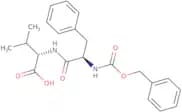
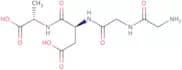

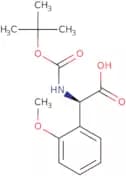
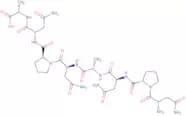
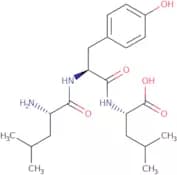
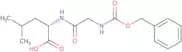

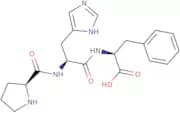
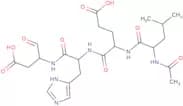
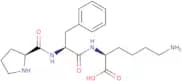



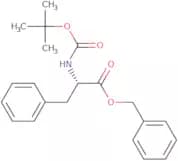
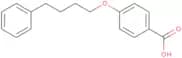
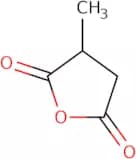

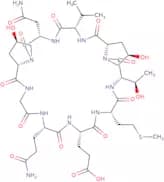

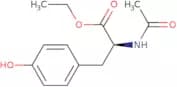
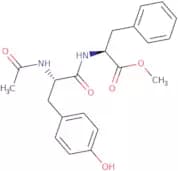

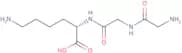
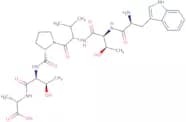
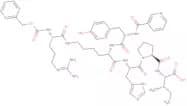
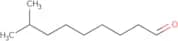


![4-[(4-Nitrophenyl)-azo]-phenol](/_next/image/?url=https%3A%2Fstatic.cymitquimica.com%2Fproducts%2F3D%2Fthumb-webp%2FFN31052.webp&w=3840&q=75)
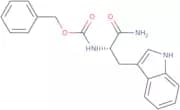
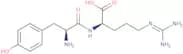


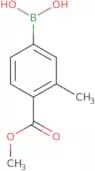

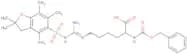

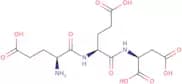
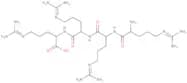
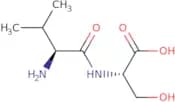

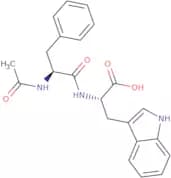
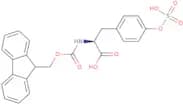
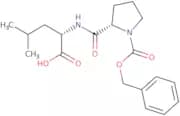


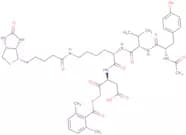
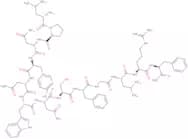


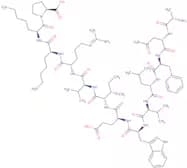

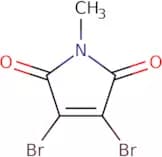
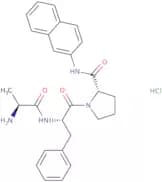
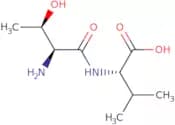


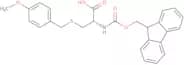
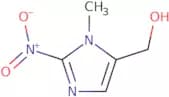
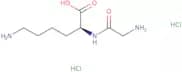
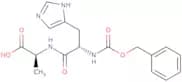


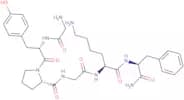
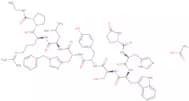
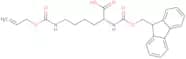
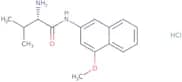

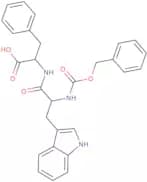
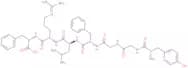
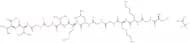
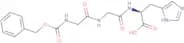

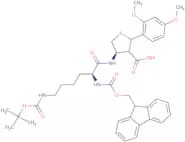

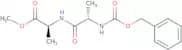
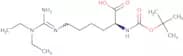
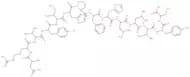
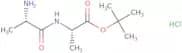


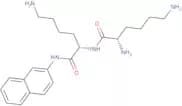
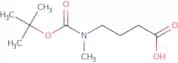
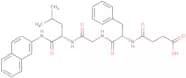
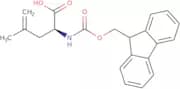
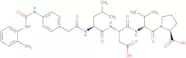
![H-[15N]Tyr-OH](/_next/image/?url=https%3A%2Fstatic.cymitquimica.com%2Fproducts%2F3D%2Fthumb-webp%2FFT107850.webp&w=3840&q=75)
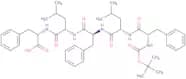
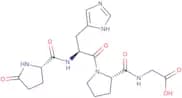
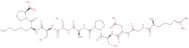
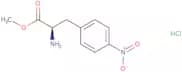
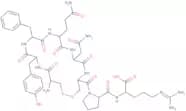

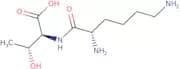
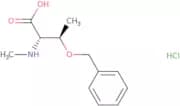
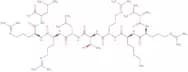
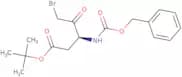

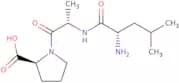

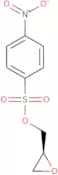
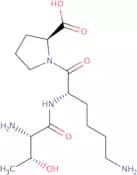


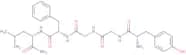
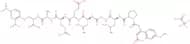
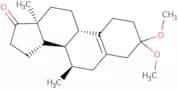

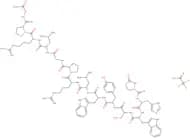
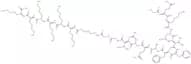
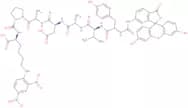
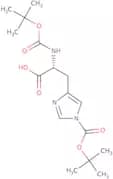
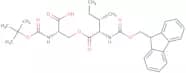

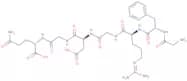
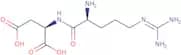
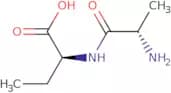
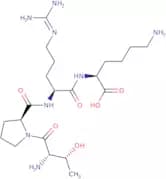
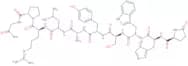


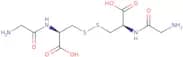


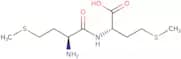

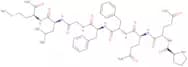
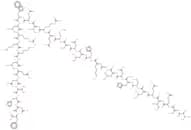
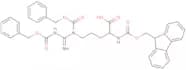

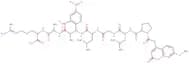
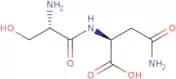


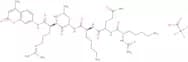
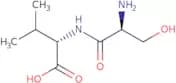
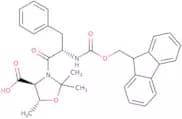
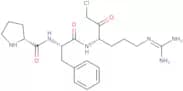

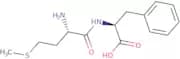
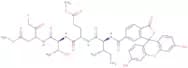

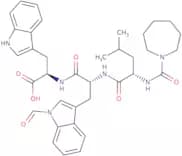
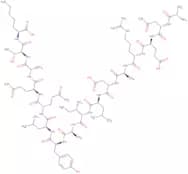
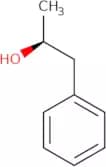
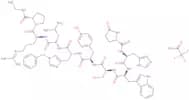


![ent-[Amyloid b-Protein (20-16)]-b-Ala-D-Lys(ent-[Amyloid b-Protein (16-20)]) trifluoroacetate salt](/_next/image/?url=https%3A%2Fstatic.cymitquimica.com%2Fproducts%2F3D%2Fthumb-webp%2FFE109711.webp&w=3840&q=75)