Amino Acids (AA)
Amino acids (AAs) are the fundamental building blocks of proteins, playing a crucial role in various biological processes. These organic compounds are essential for protein synthesis, metabolic pathways, and cell signaling. In this category, you will find a comprehensive range of amino acids, including essential, non-essential, and modified forms, which are vital for research in biochemistry, molecular biology, and nutritional sciences. At CymitQuimica, we provide high-quality amino acids to support your research and development needs, ensuring accuracy and reliability in your experimental outcomes.
Subcategories of "Amino Acids (AA)"
- Amino Acid Derivatives(3,955 products)
- Amino Acid and Amino Acid Related Compounds(3,465 products)
- Amino Acids with Oxygen or Sulphur(168 products)
- Boc- Amino Acids(351 products)
- Fmoc Amino Acids(1,710 products)
Found 38248 products of "Amino Acids (AA)"
Sort by
Purity (%)
0
100
|
0
|
50
|
90
|
95
|
100
4-Iodo-1-methylpyrazole
CAS:<p>4-Iodo-1-methylpyrazole is a reductive agent that is used in organic synthesis. It can be used as a reducing agent for the conversion of aldehydes and ketones to alcohols. 4-Iodo-1-methylpyrazole can be crystallized from diethyl etherate and blood. The product yield from this reaction is high, but it requires an oxidant such as trifluoride or plavix to react with the diacetates. 4-Iodo-1-methylpyrazole can also be synthesized by reacting allylsilanes with iodine gas in the presence of a base. This synthesis method produces 4-iodo-1-methylpyrazole in good yield and with little difficulty.</p>Formula:C4H5IN2Purity:Min. 95%Color and Shape:White To Light (Or Pale) Yellow To Tan SolidMolecular weight:208 g/molSuc-Ala-Gly-Pro-Phe-pNA
CAS:<p>Suc-Ala-Gly-Pro-Phe-pNA is an amide that has been synthesized for the stabilization of proteins, peptides and nucleic acids. It has shown to be effective in preventing isomerization of casein and phosphatase (casein kinase II) by stabilizing the alpha helix structure. Suc-Ala-Gly-Pro-Phe-pNA also prevents fk506 binding to endoplasmic reticulum protein tyrosine kinases and isomerizes tyrosine to phenylalanine. The tetrapeptide sequence has been shown to be similar to sequences found in cellular proteins. This compound is a synthetic analog of the natural amino acid proline and can be used as a substitute in peptides or nucleotide sequences, due to its ability to stabilize these molecules against proteolysis or hydrolysis.</p>Formula:C29H34N6O9Purity:Min. 95%Molecular weight:610.62 g/molFmoc-Pro-DHPP resin (200-400 mesh)
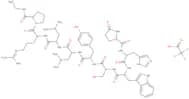
<p>Please enquire for more information about Fmoc-Pro-DHPP resin (200-400 mesh) including the price, delivery time and more detailed product information at the technical inquiry form on this page</p>Purity:Min. 95%Prepro-Neuromedin S (70-103) (human) trifluoroacetate salt
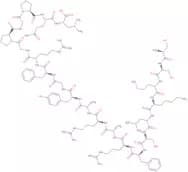
<p>Please enquire for more information about Prepro-Neuromedin S (70-103) (human) trifluoroacetate salt including the price, delivery time and more detailed product information at the technical inquiry form on this page</p>Formula:C180H271N49O44SPurity:Min. 95%Molecular weight:3,857.45 g/mol(Des-Arg9,Leu8)-Bradykinin
CAS:<p>Bradykinin is a peptide hormone that is produced in the body and has been found to be involved in many physiological processes. Bradykinin is formed from the cleavage of a larger protein, kininogen, by the enzyme kallikrein. Bradykinin binds to two types of receptors, B1 and B2. This antibody reacts with both types of receptor. The B2 receptor is found mainly on muscle cells and causes contraction, while the B1 receptor is found mainly on endothelial cells and causes vasodilation. The maximal response of bradykinin occurs when it binds to extracellular receptors. When knockout mice lack either type of bradykinin receptor they have an increased inflammatory response following injection with carrageenan or formaldehyde.</p>Formula:C41H63N11O10Purity:Min. 95%Molecular weight:870.01 g/mol(R)-(+)-3-Chloro-1-phenyl-1-propanol
CAS:<p>(R)-(+)-3-Chloro-1-phenyl-1-propanol is a substrate for the lactamase of bacteria. The immobilized lipase catalyzes the hydrolysis reaction in which the lactam ring is broken, yielding a propiophenone intermediate. This intermediate can be converted to (S)-(+)-3-chloro-1-phenylpropanol by treatment with an alcohol oxidase or by hydrolysis with hydrogen peroxide. The product has been shown to have antidepressant activity and may modulate the dry weight of bacteria. In vivo studies show that this compound has a high concentration in rats and mice, but it is not active in humans.</p>Formula:C9H11ClOPurity:Min. 95%Color and Shape:White To Yellow SolidMolecular weight:170.64 g/mol(Lys(Z)2)-Tuftsin
CAS:<p>Please enquire for more information about (Lys(Z)2)-Tuftsin including the price, delivery time and more detailed product information at the technical inquiry form on this page</p>Formula:C29H46N8O8Purity:Min. 95%Molecular weight:634.72 g/molMyristoyl-Arg-Lys-Arg-Thr-Leu-Arg-Arg-Leu-OH
CAS:<p>Myristoyl-Arg-Lys-Arg-Thr-Leu-Arg-Arg-Leu-OH is a potent inhibitor of protein kinases. It has been shown to have an inhibitory concentration 50% (IC50) of 0.5 μM and inhibits the activity of ATPase in cells. This compound is a synthetic, multidrug protein kinase inhibitor that inhibits the activity of various kinases including adriamycin, atpase, and myristic acid. Myristoyl Arg Lys Arg Thr Leu Arg Arg Leu OH has been shown to be potent and effective against cell resistance to chemotherapy.</p>Formula:C60H117N21O11Purity:Min. 95%Molecular weight:1,308.71 g/molH-Gly-Gly-b-Ala-OH
CAS:<p>Please enquire for more information about H-Gly-Gly-b-Ala-OH including the price, delivery time and more detailed product information at the technical inquiry form on this page</p>Formula:C7H13N3O4Purity:Min. 95%Molecular weight:203.2 g/molH-Gly-Gly-OBzl·p-tosylate
CAS:<p>The product is a neutral amino acid with an aliphatic side-chain. The product has been shown to be stable when diluted, and is not subject to hydrolysis. It can be used as a reagent for peptide synthesis because it does not interfere with the reaction or alter the yield of desired products. The product has been shown to be reliable and produce polypeptides that are chemically identical to those obtained by other methods. It has been found that the product is additive in peptide synthesis reactions, so that it can be substituted for any one of the components without altering the yield of desired products.</p>Formula:C11H14N2O3·C7H8O3SPurity:Min. 95%Molecular weight:394.44 g/molN-Acetyl-[Cys4,10, D-Phe7]-α-Melanocyte Stimulating Hormone Fragment 4-13
CAS:<p>Please enquire for more information about N-Acetyl-[Cys4,10, D-Phe7]-alpha-Melanocyte Stimulating Hormone Fragment 4-13 including the price, delivery time and more detailed product information at the technical inquiry form on this page</p>Formula:C61H86N18O13S2Purity:Min. 95%Molecular weight:1,343.58 g/mol(2-Methoxypropyl)amine hydrochloride
CAS:<p>2-Methoxypropyl)amine hydrochloride (2MPPA) is a versatile building block that can be used in the synthesis of complex compounds. It is a research chemical that is used as a reagent and as a speciality chemical for the production of pharmaceuticals, agrochemicals, and other organic chemicals. 2MPPA can be used as an intermediate in the manufacture of useful scaffolds or useful reaction components. This product has CAS number 70807-90-8 and is of high quality.</p>Formula:C4H11NO·HClPurity:Min. 95%Color and Shape:SolidMolecular weight:125.6 g/molFmoc-Ser(tBu)-Thr(Psi(Me ,Me)pro)-OH
CAS:<p>Please enquire for more information about Fmoc-Ser(tBu)-Thr(Psi(Me ,Me)pro)-OH including the price, delivery time and more detailed product information at the technical inquiry form on this page</p>Formula:C29H36N2O7Purity:Min. 95%Color and Shape:PowderMolecular weight:524.61 g/molProlactin-Releasing Peptide (1-31) (human)
CAS:<p>Please enquire for more information about Prolactin-Releasing Peptide (1-31) (human) including the price, delivery time and more detailed product information at the technical inquiry form on this page</p>Formula:C160H252N56O42SPurity:Min. 95%Molecular weight:3,664.13 g/molTrt-D-Phe-OH·DEA
CAS:<p>Please enquire for more information about Trt-D-Phe-OH·DEA including the price, delivery time and more detailed product information at the technical inquiry form on this page</p>Formula:C28H25NO2·C4H11NPurity:Min. 95%Molecular weight:480.64 g/mol3-Methylpyrazole
CAS:<p>3-Methylpyrazole is a heterocyclic compound that is an analogue of pyrazole. It has been shown to inhibit the growth of prostate cancer cells and may be used as an experimental model for human serum. 3-Methylpyrazole was able to decrease the expression of phosphorylated p38 mitogen-activated protein kinase (MAPK) in LNCaP cells. It also showed selectivity for group P2 protein kinases over group A, B, and C protein kinases. 3-Methylpyrazole is not active against methicillin resistant Staphylococcus aureus.</p>Formula:C4H6N2Purity:Min. 95%Color and Shape:Clear LiquidMolecular weight:82.1 g/molZ-Ala-Glu-OH
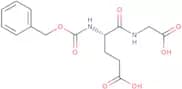
CAS:<p>Z-Ala-Glu-OH is an amino acid with a glutamate residue. It is a synthetic amino acid that has been shown to have excitotoxic effects in the brain. The mechanism of action is thought to involve the activation of ionotropic glutamate receptors and the inhibition of voltage-gated potassium channels, leading to neuronal cell death. This compound has been found to be a sweetener in biochemical reactions. Z-Ala-Glu-OH was shown to undergo proteolytic degradation, which may be due to aminopeptidases present in the gut or enzyme preparations used during digestion. This amino acid was also shown to have neurodegenerative properties when given orally to mealworms, as well as profiles that are similar to those found in humans with neurodegenerative diseases such as Alzheimer's disease and amyotrophic lateral sclerosis.</p>Formula:C16H20N2O7Purity:Min. 95%Color and Shape:PowderMolecular weight:352.34 g/molH-2,5-Diiodo-His-OH·HCl
CAS:<p>Please enquire for more information about H-2,5-Diiodo-His-OH·HCl including the price, delivery time and more detailed product information at the technical inquiry form on this page</p>Formula:C6H7I2N3O2·HClPurity:Min. 95%Molecular weight:443.41 g/molBoc-Val-Pro-Arg-AMC
CAS:<p>Please enquire for more information about Boc-Val-Pro-Arg-AMC including the price, delivery time and more detailed product information at the technical inquiry form on this page</p>Formula:C31H45N7O7Purity:Min. 95%Molecular weight:627.73 g/molZ-Leu-Leu-Nle-aldehyde
CAS:<p>Z-Leu-Leu-Nle (ZLL) is a small molecule that selectively inhibits the activity of the aspartyl protease, BACE1, which is an enzyme that cleaves amyloid precursor protein (APP) to produce amyloid beta peptides. The inhibition of this enzyme has been shown to be effective in preventing or delaying the onset of Alzheimer's disease. ZLL also inhibits estrogen receptor alpha and has antiestrogenic effects in breast cancer cells. This compound induces apoptosis by binding to apoptotic proteins, such as tumor necrosis factor receptor 1, Fas ligand, and TRAIL receptors. It also inhibits cell growth and induces chemoresistance in breast cancer cells.</p>Formula:C26H41N3O5Purity:Min. 95%Molecular weight:475.62 g/molAlloferon 2 trifluoroacetate salt
CAS:<p>Please enquire for more information about Alloferon 2 trifluoroacetate salt including the price, delivery time and more detailed product information at the technical inquiry form on this page</p>Formula:C46H69N19O15Purity:Min. 95%Molecular weight:1,128.16 g/mol(Met(O)27)-Glucagon (1-29) (human, rat, porcine) trifluoroacetate salt
CAS:<p>Please enquire for more information about (Met(O)27)-Glucagon (1-29) (human, rat, porcine) trifluoroacetate salt including the price, delivery time and more detailed product information at the technical inquiry form on this page</p>Formula:C153H225N43O50SPurity:Min. 95%Molecular weight:3,498.75 g/molGAP 27 acetate salt
CAS:<p>GAP 27 is a connexin that is expressed in the cardiac and skin cells. GAP 27 acetate salt H-Ser-Arg-Pro-Thr-Glu-Lys-Thr-Ile-Phe-Ile-Ile-OH acetate salt is made up of a number of amino acids, including serine, arginine, proline, glutamic acid, lysine, threonine and isoleucine. It has been shown to have biological function in vivo models and in vitro assays. GAP 27 acetate salt H-Ser-Arg-Pro-Thr-Glu-Lys-Thr--Ile--Phe--Ile--Ile--OH acetate salt has been shown to be non toxic to the heart and skin cells. This protein also shows growth factor activity when it interacts with toll like receptor 4 (TLR4) on human skin cells.</p>Formula:C60H101N15O17Purity:Min. 95%Molecular weight:1,304.53 g/molBiotinyl-Tyr-Val-Ala-Asp-chloromethylketone
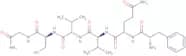
CAS:<p>Please enquire for more information about Biotinyl-Tyr-Val-Ala-Asp-chloromethylketone including the price, delivery time and more detailed product information at the technical inquiry form on this page</p>Formula:C32H45ClN6O9SPurity:Min. 95%Molecular weight:725.25 g/molH-Gln(Trt)-2-chlorotrityl resin (200-400 mesh) (Low Substitution)
<p>Please enquire for more information about H-Gln(Trt)-2-chlorotrityl resin (200-400 mesh) (Low Substitution) including the price, delivery time and more detailed product information at the technical inquiry form on this page</p>Purity:Min. 95%H-Met-Leu-Gly-OH
CAS:<p>H-Met-Leu-Gly-OH is a tetrapeptide that has shown to have neuroprotective effects. It has been shown to be effective in the treatment of catalysis and inflammatory diseases. The peptidase activity of H-Met-Leu-Gly-OH is inhibited by the presence of lysine, arginine, and tryptophan. This inhibitory effect can be reversed by the presence of an acceptor such as histidine or cysteine. H-Met-Leu-Gly-OH also inhibits the production of nitric oxide in microglial cells and lung cells.</p>Formula:C13H25N3O4SPurity:Min. 95%Molecular weight:319.42 g/molH-Arg(NO2)-OBzl p-tosylate salt
CAS:<p>Please enquire for more information about H-Arg(NO2)-OBzl p-tosylate salt including the price, delivery time and more detailed product information at the technical inquiry form on this page</p>Formula:C13H19N5O4·C7H8O3SPurity:Min. 95%Color and Shape:SolidMolecular weight:481.52 g/molBAM-22P (8-22) trifluoroacetate salt
CAS:<p>BAM-22P (8-22) trifluoroacetate salt is a compound that has been shown to be an effective drug for the treatment of pain. It has been shown to have an effect on bone cancer, which can be activated by serotonin. This compound may be beneficial in treating nerve injury and fibrosarcoma cells. BAM-22P (8-22) trifluoroacetate salt is an allosteric modulator of the serotonin receptor and may be used as a treatment for pain in wild-type mice. The molecule is also a serotonin reuptake inhibitor, which prevents the reuptake of serotonin into the presynaptic neuron. This leads to increased levels of serotonin in the synapse and increased pain relief.</p>Formula:C91H127N25O23SPurity:Min. 95%Molecular weight:1,971.2 g/mol(Nle 8·18,Tyr34)-pTH (7-34) amide (bovine)
CAS:<p>Please enquire for more information about (Nle 8·18,Tyr34)-pTH (7-34) amide (bovine) including the price, delivery time and more detailed product information at the technical inquiry form on this page</p>Formula:C158H248N48O49Purity:Min. 95%Molecular weight:3,603.95 g/molH-Ala-Pro-Phe-OH
CAS:<p>Please enquire for more information about H-Ala-Pro-Phe-OH including the price, delivery time and more detailed product information at the technical inquiry form on this page</p>Formula:C17H23N3O4Purity:Min. 95%Molecular weight:333.38 g/molZ-Ala-Arg-Arg-4MbetaNA acetate salt
CAS:<p>Please enquire for more information about Z-Ala-Arg-Arg-4MbetaNA acetate salt including the price, delivery time and more detailed product information at the technical inquiry form on this page</p>Formula:C34H46N10O6Purity:Min. 95%Molecular weight:690.79 g/molAc-muramyl-Thr-D-Glu-NH2
CAS:<p>Muramyl dipeptide (MDP) is a cell-wall constituent of Mycobacterium tuberculosis, which induces an antibody response. Muramyl tripeptide (MTP) is a modified form of MDP that has been used as a vaccine adjuvant. Ac-muramyl-Thr-D-Glu-NH2 is a specific antibody to MDP, which can be reconstituted by mixing with water and sodium chloride. It binds to the influenza virus, enhancing the immune response. The flu virus contains an antigen that stimulates the production of antibodies against influenza virus, and it also contains amphipathic molecules that are responsible for receptor binding and fusion with cells in the respiratory system. Ac-muramyl-Thr-D-Glu-NH2 binds to these molecules and enhances their function by increasing the efficiency of antibody binding. This leads to increased viral clearance from the body and reduced symptoms associated with infection with influenza</p>Formula:C20H34N4O12Purity:Min. 95%Molecular weight:522.5 g/molH-Gly-Tyr-Ala-OH
CAS:<p>H-Gly-Tyr-Ala-OH is a hydrophobic, reactive molecule that has been shown to be unstable in the presence of light and air. This compound is synthesized by the sequence: Gly-Tyr-Ala. It has been found to be an exciplex with the photooxidation product, 2-aminoacetophenone. The molecular weight of H-Gly-Tyr-Ala-OH is constant and can be determined by electrospray mass spectrometry. This molecule has shown to have a strong interaction with ovary tissue and can also produce carboxylate ions in solution.</p>Formula:C14H19N3O5Purity:Min. 95%Molecular weight:309.32 g/molH-Lys-Tyr-OH acetate salt
CAS:<p>H-Lys-Tyr-OH acetate salt (HAT) is a synthetic nonsteroidal anti-inflammatory drug that has been used in the treatment of inflammatory diseases and cancer. HAT is an optical isomer of the naturally occurring amino acid L-lysine. It has been shown to have antioxidative properties and to be active against HIV infection and inflammatory diseases, including diabetes. HAT also has a molecular structure that makes it a potential therapeutic agent for cancer, as well as for women with osteoporosis and other chronic inflammatory conditions.</p>Formula:C15H23N3O4Purity:Min. 95%Molecular weight:309.36 g/molFmoc-His-OMe
CAS:<p>Please enquire for more information about Fmoc-His-OMe including the price, delivery time and more detailed product information at the technical inquiry form on this page</p>Formula:C22H21N3O4Purity:Min. 95%Molecular weight:391.42 g/mol(R)-2-Hydroxy-4-phenylbutyric acid ethyl ester
CAS:<p>(R)-2-Hydroxy-4-phenylbutyric acid ethyl ester is a chiral compound that can be synthesized by an asymmetric synthesis reaction. The compound has been shown to inhibit the enzyme phosphodiesterase, which plays a role in the regulation of cardiac function. (R)-2-Hydroxy-4-phenylbutyric acid ethyl ester has also been shown to induce proliferation of recombinant cells and to bind to monoclonal antibodies against human C5a receptor. It is soluble in organic solvents such as isooctane or pyridine and stable under acidic or basic conditions.</p>Formula:C12H16O3Purity:Min. 95%Color and Shape:LiquidMolecular weight:208.25 g/molSuc-Ala-Gln-Pro-Phe-pNA
CAS:<p>Suc-Ala-Gln-Pro-Phe-pNA is a peptide that is composed of 18 amino acids. This peptide has a molecular weight of 2,812. It has been shown to have biochemical activity in vitro and in vivo. Suc-Ala-Gln-Pro-Phe-pNA is an erythropoietin receptor agonist that has shown homologous sequences with tyrosine kinase receptors and collagen. This protein was expressed in the endoplasmic reticulum, cytosol, and mitochondria of cells. The enzyme phosphatase hydrolyzed the peptide during incubation with calf thymus DNA.</p>Formula:C32H39N7O10Purity:Min. 95%Molecular weight:681.69 g/molH-Gly-Ala-Asp-OH
CAS:<p>H-Gly-Ala-Asp-OH is a pharmacological treatment for bacterial infection. The drug has been shown to be effective in treating the symptoms of bacterial infections, such as fever and headache, in animal models. H-Gly-Ala-Asp-OH binds to the GABA receptor and inhibits the production of GABA, which is an inhibitory neurotransmitter that regulates neuronal activity. This binding prevents the formation of an inhibitor complex with the enzyme decarboxylase that is required for GABA synthesis and thus inhibits protein synthesis and cell division.</p>Formula:C9H15N3O6Purity:Min. 98 Area-%Color and Shape:PowderMolecular weight:261.23 g/mol(Val34)-Amyloid b-Protein (1-40) trifluoroacetate salt
CAS:<p>Please enquire for more information about (Val34)-Amyloid b-Protein (1-40) trifluoroacetate salt including the price, delivery time and more detailed product information at the technical inquiry form on this page</p>Formula:C193H293N53O58SPurity:Min. 95%Molecular weight:4,315.78 g/molBoc-cys(Npys)-oh
CAS:<p>Boc-cys(Npys)-oh is an active substance that inhibits the growth of mouse tumors and has been shown to inhibit a number of different biological processes. It is a cross-linking agent for amino acids and has been shown to have an inhibitory effect on the synthesis of proteins by blocking the formation of disulfide bonds. This compound belongs to the class of chemicals known as sulfonamides, which are used in the treatment of bacterial infections. Boc-cys(Npys)-oh also specifically binds to antigen sites on cells, inhibiting their growth, and can be used as an antitumor agent. The molecule can be chemically linked with other molecules such as trifluoroacetic acid (TFA), resulting in a product with different properties than those found in Boc-cys(Npys)-oh. The chemical ligation process is used to produce subcutaneous tumors in mice that are then treated with hydrogen fluoride (</p>Formula:C13H17N3O6S2Purity:Min. 95%Color and Shape:Off-White PowderMolecular weight:375.42 g/molMeOSuc-Val-Val-Ile-Ala-pNA
CAS:<p>Please enquire for more information about MeOSuc-Val-Val-Ile-Ala-pNA including the price, delivery time and more detailed product information at the technical inquiry form on this page</p>Formula:C30H46N6O9Purity:Min. 95%Molecular weight:634.72 g/mol2-Amino-1-phenylpropan-1-one hydrochloride
CAS:Controlled Product<p>2-Amino-1-phenylpropan-1-one hydrochloride is a chemical compound that can be used as an intermediate in the synthesis of ethyl formate. It is also a pharmaceutical intermediate, which is used to prepare triazine and alicyclic compounds. It has been shown to have potential use in the treatment of prostatic hypertrophy and heterocycle disorders. 2-Amino-1-phenylpropan-1-one hydrochloride has been found to be active in animals and humans and is not toxic to women or animals. This drug has shown no adverse effects on human health at doses up to 10 g/kg body weight.</p>Formula:C9H11NO•HClPurity:Min. 95%Color and Shape:PowderMolecular weight:185.65 g/molH-Arg-Glu-OH
CAS:<p>H-Arg-Glu-OH is a small molecule that is used as a pharmacological agent for the treatment of diabetes. It has been shown to have anti-inflammatory properties, which may be due to its ability to inhibit the production of inflammatory mediators such as prostaglandin E2 and nitric oxide. H-Arg-Glu-OH also induces apoptosis in human monocytes and macrophages by binding to toll-like receptor 4 (TLR4) on the cell surface. This binding activates NFκB and JNK pathways, leading to the induction of apoptosis. H-Arg-Glu-OH binds with high affinity to monoclonal antibodies against glutamic acid and glycine, which are not present in humans. The compound may be toxic at a neutral pH because it is highly reactive due to intramolecular hydrogen bonding between carbonyl oxygens and amide hydrogens.</p>Formula:C11H21N5O5Purity:Min. 95%Molecular weight:303.32 g/molH-Gln(Trt)-2-chlorotrityl resin (200-400 mesh)
<p>Please enquire for more information about H-Gln(Trt)-2-chlorotrityl resin (200-400 mesh) including the price, delivery time and more detailed product information at the technical inquiry form on this page</p>Purity:Min. 95%(Pro3)-Dynorphin A (1-11) amide trifluoroacetate salt
CAS:<p>Please enquire for more information about (Pro3)-Dynorphin A (1-11) amide trifluoroacetate salt including the price, delivery time and more detailed product information at the technical inquiry form on this page</p>Formula:C66H108N22O12Purity:Min. 95%Molecular weight:1,401.7 g/molH-Leu-Trp-Met-Arg-OH
CAS:<p>Histidine is a non-essential amino acid that is found in all living cells. It is a precursor of histamine and can be converted to tryptophan by decarboxylation. Histidine has been found to be essential for growth in some bacteria and yeast, but not in higher plants or animals. The formyl group of histidine can be oxidized to a sulfoxide or reduced to a formyl group. Histidine residues are often found in the protein matrix of proteomic samples, but can also be used as an analyte. The two most common methods for the detection of histidine are matrix-assisted laser desorption/ionization mass spectrometry (MALDI MS) and matrix-assisted laser desorption/ionization time-of-flight mass spectrometry (MALDI TOF MS). These methods allow for the minimization of background interference from other molecules present in the sample, such as tryptophan residues.</p>Formula:C28H44N8O5SPurity:Min. 95%Molecular weight:604.77 g/molH-Gly-Met-Gly-OH
CAS:<p>H-Gly-Met-Gly-OH is an amide containing a sulfoxide group. It is synthesized from the amino acid glycine and the tripeptide Met-Gly-Gly. The synthesis of HMG was first reported by Sato in 1907, although it was not used as a drug until 1983. This drug has potential antitumor activity and inhibits the growth of certain tumor cells. HMG is metabolized by peptidases, which hydrolyze the peptide bond between glycine and Met-Gly-Gly. Hydrolysis of HMG yields glyoxylic acid (H2O2) and the amino acids glycine and methanol. HMG also inhibits the uptake of glucose into cells, which may be related to its antitumor effect. X-ray diffraction studies have shown that HMG has a carboxylate group at C6 that binds to three oxygen atoms, which are present in two</p>Formula:C9H17N3O4SPurity:Min. 95%Molecular weight:263.32 g/molFmoc-Gly-Wang resin (200-400 mesh)
<p>Please enquire for more information about Fmoc-Gly-Wang resin (200-400 mesh) including the price, delivery time and more detailed product information at the technical inquiry form on this page</p>Purity:Min. 95%H-Asp-Pro-Gln-Phe-Tyr-OH hydrochloride salt
CAS:<p>Please enquire for more information about H-Asp-Pro-Gln-Phe-Tyr-OH hydrochloride salt including the price, delivery time and more detailed product information at the technical inquiry form on this page</p>Formula:C32H40N6O10Purity:Min. 95%Molecular weight:668.69 g/molH-Pro-Pro-Pro-OH
CAS:<p>H-Pro-Pro-Pro-OH is a synthetic peptide that inhibits the production of reactive oxygen species (ROS) by acting as an antioxidant. It has been shown to have a protective effect on cells, preventing cell death and promoting cell survival. H-Pro-Pro-Pro-OH also has a significant inhibitory effect on superoxide radical production in nanotubes and photoreceptors. It can be used to prevent the oxidation of α-tocopherol, which is a lipid soluble vitamin found in vegetable oils. The three amino acids in the sequence are hydrolysed to proline, which is an essential amino acid for human metabolism, and two dipeptides with chemical structures similar to those found in natural peptides. The peptide was synthesized from proline, histidine and arginine. This molecule can be detected using polyacrylamide gel electrophoresis and fluorescence microscopy with enhanced optical properties as a chromophore.</p>Formula:C15H23N3O4Purity:Min. 95%Molecular weight:309.36 g/molGM-CSF (17-31)
CAS:<p>Please enquire for more information about GM-CSF (17-31) including the price, delivery time and more detailed product information at the technical inquiry form on this page</p>Formula:C73H129N27O24Purity:Min. 95%Molecular weight:1,768.97 g/molProadrenomedullin (1-20) (human)
CAS:<p>Proadrenomedullin (1-20) is a polypeptide that is found in human plasma. It is a member of the vasoactive intestinal peptide family and has been shown to be involved in the regulation of vascular tone, blood pressure, and blood vessel permeability. Proadrenomedullin (1-20) also inhibits the production of proinflammatory cytokines such as tumor necrosis factor-alpha, interleukin-6, and interleukin-8. This compound has been shown to have antiviral activity against HIV and herpes simplex virus type 1. Proadrenomedullin (1-20) also functions as a growth factor for tumor cells.</p>Formula:C112H178N36O27Purity:Min. 95%Molecular weight:2,460.84 g/molLHRH (free acid) trifluoroacetate salt
CAS:<p>LHRH (free acid) trifluoroacetate salt Pyr-His-Trp-Ser-Tyr-Gly-Leu-Arg-Pro-Gly-OH trifluoroacetate salt is a decapeptide that is the most potent form of the hormone luteinizing hormone releasing hormone (LHRH). It has been shown to bind to surface receptors and activate a G protein, which activates adenyl cyclase. This leads to increased levels of cyclic adenosine monophosphate (cAMP) in cells. LHRH also binds to blood vessels and causes vasodilation. LHRH also binds to pyroglutamic acid, which is an amino acid found in peptides that have affinity for peptidases. This binding causes the release of peptidases from the cell membrane, uncovers receptor sites, and increases cAMP production. LHRH has also been shown to inhibit kidney function</p>Formula:C55H74N16O14Purity:Min. 95%Molecular weight:1,183.28 g/molDABCYL-γ-Abu-Pro-Gln-Gly-Leu-Glu(EDANS)-Ala-Lys-NH2
CAS:<p>Please enquire for more information about DABCYL-gamma-Abu-Pro-Gln-Gly-Leu-Glu(EDANS)-Ala-Lys-NH2 including the price, delivery time and more detailed product information at the technical inquiry form on this page</p>Formula:C63H88N16O14SPurity:Min. 95%Molecular weight:1,325.54 g/mol(Lys3)-Bombesin
CAS:<p>Lys3-Bombesin is a bifunctional peptide that binds to the bombesin receptor and is used in cancer therapy. It is a radiotracer, which can be used for diagnostic imaging and diagnosis of tumors. Lys3-Bombesin has a high affinity for the bombesin receptor subtype B, which is expressed by prostate cancer cells. The peptide can be conjugated to a small molecule, such as a radioactive isotope, and used to deliver it specifically to the tumor site. This compound has been shown to inhibit the growth of human prostate cancer cells in vitro.</p>Formula:C71H110N22O18SPurity:Min. 95%Molecular weight:1,591.84 g/mol(Leu8,D-Trp22,Tyr25)-Somatostatin-28
CAS:<p>Please enquire for more information about (Leu8,D-Trp22,Tyr25)-Somatostatin-28 including the price, delivery time and more detailed product information at the technical inquiry form on this page</p>Formula:C138H209N41O40S2Purity:Min. 95%Molecular weight:3,146.52 g/molSar-Gly-Gly-OH
CAS:<p>Sar-Gly-Gly-OH is a zwitterionic, hydrophobic, and alkylating agent that is used to synthesize hyaluronic acid derivatives. It has been shown to form stable hydrogen bonds with metal ions such as copper (Cu) and zinc (Zn). Sar-Gly-Gly-OH has been used in the synthesis of various hyaluronic acid derivatives. These derivatives are used for the treatment of allergic conjunctivitis, dry eye, and other related conditions. Sar-Gly-Gly-OH also has low molecular weight and functional groups that allow it to react with other chemicals. The reaction products are aromatic hydrocarbons that can be used in techniques such as nuclear magnetic resonance spectroscopy.</p>Formula:C7H13N3O4Purity:Min. 95%Molecular weight:203.2 g/molZ-Homoarg (Pbf)-OH
CAS:<p>Please enquire for more information about Z-Homoarg (Pbf)-OH including the price, delivery time and more detailed product information at the technical inquiry form on this page</p>Formula:C28H38N4O7SPurity:Min. 95%Molecular weight:574.69 g/mol2-Methyl-N-phenyl-5,6-dihydro-1,4-oxathiine-3-carboxamide
CAS:<p>2-Methyl-N-phenyl-5,6-dihydro-1,4-oxathiine-3-carboxamide is a signal molecule that has antimicrobial activity. It inhibits the proliferation of cells and is used as an antifungal agent. 2,5,6-Trimethyloxathiinium ion has been shown to induce apoptosis in human leukemia cells and inhibit the growth of erythrocytes infected with Plasmodium falciparum. This compound also inhibits wild type strains of bacteria and fungi and can be used as a natural fungicide. 2,5,6-Trimethyloxathiinium ion has been found to be effective in treating autoimmune diseases such as diabetes mellitus type II, which may be due to its ability to regulate glucose metabolism and suppress inflammatory responses.</p>Formula:C12H13NO2SPurity:Min. 95%Molecular weight:235.3 g/molH-Glu-Arg-OH acetate salt
CAS:Controlled Product<p>Please enquire for more information about H-Glu-Arg-OH acetate salt including the price, delivery time and more detailed product information at the technical inquiry form on this page</p>Formula:C11H21N5O5Purity:Min. 95%Molecular weight:303.32 g/molBombesin trifluoroacetate salt
CAS:<p>Trifluoroacetate salt</p>Formula:C71H110N24O18SPurity:Min. 95%Molecular weight:1,619.85 g/molEpinecidin-1 trifluoroacetate salt
CAS:<p>Please enquire for more information about Epinecidin-1 trifluoroacetate salt including the price, delivery time and more detailed product information at the technical inquiry form on this page</p>Formula:C114H176N30O21SPurity:Min. 95%Molecular weight:2,334.87 g/molMeOSuc-Ala-Ala-Pro-Val-pNA
CAS:<p>MeOSuc-Ala-Ala-Pro-Val-pNA is specific chromogenic substrate for human elastase.</p>Formula:C27H38N6O9Purity:Min. 95%Molecular weight:590.63 g/molNeuromedin B trifluoroacetate salt
CAS:<p>Neuromedin B is a peptide hormone that is produced by the hypothalamus and regulates many physiological processes such as energy metabolism, appetite, and sleep. Neuromedin B is a member of the family of guanine nucleotide-binding proteins (G proteins) that bind to G protein-coupled receptors on the surface of cells. It has been shown to stimulate calcium release from intracellular stores in response to an increase in cytosolic Ca2+. Neuromedin B has been shown to have anti-inflammatory effects on infectious diseases such as meningitis, sepsis, and tuberculosis, which may be due to its ability to inhibit neutrophil migration. Neuromedin B also stimulates hippocampal formation activity in rats during the rotarod test, which may be due to its effects on dopamine release.</p>Formula:C52H73N15O12SPurity:Min. 95%Molecular weight:1,132.3 g/molAQEE-30 (mouse, rat) trifluoroacetate salt
CAS:<p>Please enquire for more information about AQEE-30 (mouse, rat) trifluoroacetate salt including the price, delivery time and more detailed product information at the technical inquiry form on this page</p>Formula:C156H245N47O56Purity:Min. 95%Molecular weight:3,674.9 g/molDL-Phenylalaninol
CAS:<p>DL-Phenylalaninol is a chemical compound with the molecular formula CHNO. It is a white to pale yellow solid that is soluble in water and methanol, but not in diethyl ether. DL-Phenylalaninol has been synthesized by reacting cycloleucine with l-phenylalaninol. The reaction solution was heated at a temperature of 140°C for six hours, which yielded DL-Phenylalaninol as a hydroxy methyl compound. The synthesis of DL-Phenylalaninol was achieved through an asymmetric synthesis with sodium dodecyl sulfate surfactant. A detection sensitivity of 1 ppm and an enhancement at 260 nm were observed when analyzing the product by high performance liquid chromatography (HPLC).</p>Formula:C9H13NOPurity:Min. 95%Molecular weight:151.21 g/molBoc-Ala-Ala-Asp-pNA
CAS:<p>Boc-Ala-Ala-Asp-pNA is a peptide that has been shown to have cytotoxic activity against the leukemia cell line, basophilic leukemia (BL). It also inhibits hemolytic activity and cytolysin production by staphylococcus. This peptide is expressed in the sequence of Boc-Ala-Ala-Asp and is composed of 20 amino acids. The Boc-Ala sequence has been shown to be involved in apoptosis, while Asp and pNA are responsible for inhibiting hemolytic activity. Functional assays have demonstrated that this peptide has a strong inhibitory effect on the growth of bacteria, including strains of subtilis and hybridization.</p>Formula:C21H29N5O9Purity:Min. 95%Molecular weight:495.48 g/molFmoc-D-proline
CAS:<p>Please enquire for more information about Fmoc-D-proline including the price, delivery time and more detailed product information at the technical inquiry form on this page</p>Formula:C20H19NO4Purity:Min. 95%Molecular weight:337.37 g/molFmoc-His(1-Trt)-Wang resin (200-400 mesh)
<p>Please enquire for more information about Fmoc-His(1-Trt)-Wang resin (200-400 mesh) including the price, delivery time and more detailed product information at the technical inquiry form on this page</p>Purity:Min. 95%IGF-I (24-41)
CAS:<p>Please enquire for more information about IGF-I (24-41) including the price, delivery time and more detailed product information at the technical inquiry form on this page</p>Formula:C88H133N27O28Purity:Min. 95%Molecular weight:2,017.16 g/molBiotinyl-Amyloid b-Protein (1-42) ammonium salt
CAS:<p>Please enquire for more information about Biotinyl-Amyloid b-Protein (1-42) ammonium salt including the price, delivery time and more detailed product information at the technical inquiry form on this page</p>Formula:C213H325N57O62S2Purity:Min. 95%Molecular weight:4,740.34 g/molH-Gly-2-chlorotrityl resin (200-400 mesh) (Low Substitution)
CAS:<p>Please enquire for more information about H-Gly-2-chlorotrityl resin (200-400 mesh) (Low Substitution) including the price, delivery time and more detailed product information at the technical inquiry form on this page</p>Purity:Min. 95%GRF (1-29) amide (human) acetate salt
CAS:<p>Growth hormone-releasing factor (GRF) is a peptide fragment of amino acids 1–2 from GHRH (growth hormone-releasing hormone). This 1-29 region is the shortest fully functional fragment of GHRH. GRF is also known as sermorelin. Sermorelin binds to the growth hormone-releasing hormone receptor (GHRH-R), and acts as a surrogate for GHRH, causing growth hormone secretion.human: H-YADAIFTNSYRKVLGQLSARKLLQDIMSR-NH2rat: H-HADAIFTSSYRR I LGQLYARKLLHEIMNR-NH2</p>Formula:C149H246N44O42SPurity:Min. 95%Molecular weight:3,357.88 g/molH-His-Lys-OH·HBr
CAS:<p>Please enquire for more information about H-His-Lys-OH·HBr including the price, delivery time and more detailed product information at the technical inquiry form on this page</p>Formula:C12H21N5O3·HBrPurity:Min. 95%Molecular weight:364.24 g/molFmoc-Lys(Boc)-Pro-OH
CAS:<p>Fmoc-Lys(Boc)-Pro-OH is a residue that is used in the optimization of peptide synthesis. It is an acid labile protecting group that can be removed by treatment with trichloroacetic acid or hydrogen fluoride. Fmoc-Lys(Boc)-Pro-OH can be used for chemical ligation to other protected amino acids, such as Boc-Lys(Bzl)-OH, to form peptides. The residue has been shown to be useful in systematic optimization of peptide pairings and in the stepwise synthesis of peptides. The residue has also been shown to have a high yield and purity when synthesized by x-ray crystallography.<br>Fmoc-Lys(Boc)-Pro-OH is an amino acid with a molecular weight of 120 Da and consists of two alpha amino acids, L -lysine and L -proline, joined by a peptide bond.</p>Formula:C31H39N3O7Purity:Min. 95%Molecular weight:565.66 g/molAc-α-benzyl-muramyl-Ala-D-Glu(Lys(trans-(3-nitrocinnamoyl))-NH2)-NH2
CAS:<p>Please enquire for more information about Ac-alpha-benzyl-muramyl-Ala-D-Glu(Lys(trans-(3-nitrocinnamoyl))-NH2)-NH2 including the price, delivery time and more detailed product information at the technical inquiry form on this page</p>Formula:C41H56N8O14Purity:Min. 95%Molecular weight:884.93 g/mol(D-Ser4,D-Trp6)-LHRH trifluoroacetate salt
CAS:<p>Please enquire for more information about (D-Ser4,D-Trp6)-LHRH trifluoroacetate salt including the price, delivery time and more detailed product information at the technical inquiry form on this page</p>Formula:C64H82N18O13Purity:Min. 95%Molecular weight:1,311.45 g/molFibronectin Adhesion-Promoting Peptide trifluoroacetate salt
CAS:<p>Fibronectin Adhesion-Promoting Peptide trifluoroacetate salt H-Trp-Gln-Pro-Pro-Arg-Ala-Arg-Ile-OH trifluoroacetate salt (FAP) is a synthetic peptide that promotes fibronectin adhesion. It binds to the amino acid sequence in the C terminal end of fibronectin, which is known to be responsible for binding to actin filaments and growth factors. FAP has been shown to promote wound healing by stimulating the proliferation of corneal epithelial cells in vitro. The mechanism of action of FAP may be due to its ability to bind to chloride ions, which are involved in the regulation of cell proliferation and migration.</p>Formula:C47H74N16O10Purity:Min. 95%Molecular weight:1,023.19 g/mol(Ala2)-Leu-Enkephalin
CAS:<p>Leu-enkephalin is an opioid peptide that is a neurotransmitter in the brain. It is synthesized from the proenkephalin precursor and acts on δ-opioid receptors and kappa-opioid receptors. Leu-enkephalin has been shown to have physiological effects such as analgesia, hypothermia, hyperalgesia, and decreased gastrointestinal motility. Leu-enkephalin also inhibits voltage-dependent calcium channels in neuronal cells by binding to them with high affinity. The binding of leu-enkephalin to these channels affects their function and leads to neuronal death. Disulfide bonds are formed between cysteine residues on leu-enkephalin to stabilize this protein's structure.</p>Formula:C29H39N5O7Purity:Min. 95%Molecular weight:569.65 g/molBiotinyl-BNP-32 (human) trifluoroacetate salt
CAS:<p>Please enquire for more information about Biotinyl-BNP-32 (human) trifluoroacetate salt including the price, delivery time and more detailed product information at the technical inquiry form on this page</p>Formula:C153H258N52O44S5Purity:Min. 95%Molecular weight:3,690.34 g/mol((R)-4-Hydroxy-4-methyl-Orn7)-phalloidin
CAS:<p>Please enquire for more information about ((R)-4-Hydroxy-4-methyl-Orn7)-phalloidin including the price, delivery time and more detailed product information at the technical inquiry form on this page</p>Formula:C35H49N9O10SPurity:Min. 95%Color and Shape:PowderMolecular weight:787.88 g/molOsteocalcin (37-49) (human)
CAS:<p>Please enquire for more information about Osteocalcin (37-49) (human) including the price, delivery time and more detailed product information at the technical inquiry form on this page</p>Formula:C75H104N20O19Purity:Min. 95%Molecular weight:1,589.75 g/molXenopsin-Related Peptide 1 (XP-1) trifluoroacetate salt
CAS:<p>Xenopsin-related peptide 1 (XP-1) is a synthetic peptide that has been shown to bind to the neurotensin receptor. XP-1 is expressed in gastrointestinal tissues and has been found to modulate intestinal motility, as well as glucose homeostasis. It also has immunohistochemical staining for pancreatic tissues and vasoactive intestinal polypeptide, which are both involved in glucose control. XP-1 can reduce high plasma concentrations of glucose by stimulating the pancreas and lowering the release of glucagon from the α cells of the pancreas. The function of XP-1 is not yet fully understood, but it may have potential therapeutic effects on diabetes mellitus type 2.</p>Formula:C51H79N15O9Purity:Min. 95%Molecular weight:1,046.27 g/molAc-Ser-Asp-Lys-Pro-OH
CAS:<p>Ac-Ser-Asp-Lys-Pro-OH is a tetrapeptide that has been shown to stimulate the growth of cells in vitro. It has been found to inhibit the production of interleukin-1β and tumor necrosis factor α, which are cytokines that are involved in inflammation. Ac-Ser-Asp-Lys-Pro-OH stimulates the production of growth factor β1 and collagen, which may be due to its ability to bind to toll like receptor 4 (TLR4). Acetylserotonin has been shown to have antiinflammatory and antifibrotic properties in animal models. Acetylserotonin also inhibits cancer cell growth and reduces drug resistance.</p>Formula:C20H33N5O9Purity:Min. 95%Molecular weight:487.5 g/molH-D-Val-Leu-Arg-pNA·2 AcOH
CAS:<p>H-D-Val-Leu-Arg-pNA·2 AcOH is a kallikrein inhibitor that can be used as a blood pressure lowering agent. It inhibits the enzymatic activity of kallikrein, which is responsible for the conversion of kininogen to bradykinin, and thus prevents the production of natriuretic peptides. H-D-Val-Leu-Arg-pNA·2 AcOH has been shown to decrease blood pressure in animals by inhibiting filtration through the glomerulus and by blocking renin release from juxtaglomerular cells.</p>Formula:C23H38N8O5·2C2H4O2Purity:Min. 95%Molecular weight:626.7 g/molFmoc-D-His(1-Mtt)-OH
CAS:<p>Please enquire for more information about Fmoc-D-His(1-Mtt)-OH including the price, delivery time and more detailed product information at the technical inquiry form on this page</p>Formula:C41H35N3O4Purity:Min. 95%Molecular weight:633.73 g/molNeuropeptide Y (porcine) trifluoroacetate salt
CAS:<p>Neuropeptide Y (porcine) trifluoroacetate salt H-Tyr-Pro-Ser-Lys-Pro-Asp-Asn-Pro-Gly-Glu-Asp-Ala-Pro-Ala-Glu-Asp-Leu -Ala -Arg Tyr Tyr Ser Ala Leu Arg His Tyr Ile Asn Leu Ile Thr Arg Gln Arg Tyr NH2 trifluoroacetate salt is a peroxidase enzyme that is biotinylated and purified from porcine sources. It has been used as an antiserum in the development of a plate sealer.</p>Formula:C190H287N55O57Purity:Min. 95%Molecular weight:4,253.65 g/molBig Endothelin-3 (22-41) amide (human) trifluoroacetate salt
CAS:<p>Please enquire for more information about Big Endothelin-3 (22-41) amide (human) trifluoroacetate salt including the price, delivery time and more detailed product information at the technical inquiry form on this page</p>Formula:C102H156N30O31Purity:Min. 95%Molecular weight:2,298.51 g/molBoc-Gly-Phe-OBzl
CAS:<p>Please enquire for more information about Boc-Gly-Phe-OBzl including the price, delivery time and more detailed product information at the technical inquiry form on this page</p>Formula:C23H28N2O5Purity:Min. 95%Molecular weight:412.48 g/molH-Leu-Leu-NH2·HCl
CAS:<p>Please enquire for more information about H-Leu-Leu-NH2·HCl including the price, delivery time and more detailed product information at the technical inquiry form on this page</p>Formula:C12H25N3O2·HClPurity:Min. 95%Molecular weight:279.81 g/mol(Thr28, Nle 31)-Cholecystokinin-33 (25-33) (sulfated)
CAS:<p>Please enquire for more information about (Thr28, Nle 31)-Cholecystokinin-33 (25-33) (sulfated) including the price, delivery time and more detailed product information at the technical inquiry form on this page</p>Formula:C55H74N14O18SPurity:Min. 95%Molecular weight:1,251.33 g/mol(Asn7)-Amyloid b-Protein (1-40) trifluoroacetate salt
CAS:<p>(Asn7)-Amyloid b-Protein (1-40) trifluoroacetate salt H-Asp-Ala-Glu-Phe-Arg-His-Asn-Ser-Gly-Tyr-Glu-Val-His-His-Gln-Lys<br>The product is a compound that has been shown to inhibit the formation of beta amyloid peptides in the brain. It binds to the beta amyloid peptide and prevents its aggregation, thereby preventing the formation of plaques and inhibiting neuronal cell death. The product contains no detectable levels of trehalose, which makes it ideal for use in brain imaging studies. This product may also be used as a predictive biomarker for Alzheimer's disease because it can be detected in cerebrospinal fluid and plasma.</p>Formula:C194H296N54O57SPurity:Min. 95%Molecular weight:4,328.82 g/molAc-Asp-Arg-Leu-Asp-Ser-OH
CAS:<p>Ac-Asp-Arg-Leu-Asp-Ser-OH is a peptide that has been synthesized to mimic the activity of aspartic acid. It has been shown to have prophylactic and/or therapeutic effects on infectious diseases and autoimmune diseases. Ac-Asp-Arg-Leu-Asp-Ser-OH may be used for the treatment of cancer, inflammatory diseases, and neurodegenerative diseases. Ac-Asp-Arg-Leu-Asp-Ser OH also acts as a cryoprotectant and diluent in drug development.</p>Formula:C25H42N8O12Purity:Min. 95%Molecular weight:646.65 g/mol5-FAM-HIV-1 tat Protein (47-57) trifluoroacetate salt
CAS:<p>Please enquire for more information about 5-FAM-HIV-1 tat Protein (47-57) trifluoroacetate salt including the price, delivery time and more detailed product information at the technical inquiry form on this page</p>Formula:C85H128N32O20Purity:Min. 95%Molecular weight:1,918.13 g/molHippuryl-Phe-Arg-OH
CAS:<p>Hippuryl-Phe-Arg-OH is a potent and selective inhibitor of angiotensin-converting enzyme (ACE) with a long duration of action. It has been shown to be a potentiator of captopril and enalaprilat in the biochemical validation for ACE inhibition. Hippuryl-Phe-Arg-OH has significant inhibitory activity against phosphatases such as carboxypeptidase A, phospholipase A2, and aminopeptidase N.</p>Formula:C24H30N6O5Purity:Min. 95%Molecular weight:482.53 g/molSar-Ala-OH
CAS:<p>Please enquire for more information about Sar-Ala-OH including the price, delivery time and more detailed product information at the technical inquiry form on this page</p>Formula:C6H12N2O3Purity:Min. 95%Molecular weight:160.17 g/molFmoc-L-Lys(Alloc)-OH
CAS:<p>Fmoc-L-Lys(Alloc)-OH is a peptide that consists of an amino acid sequence that is a variant of the human insulin molecule. The peptide has been modified to incorporate a pegyl group, which increases the serum stability of this drug and prevents enzymatic degradation. This compound has been tested in vitro by binding to nuclear DNA and inhibiting receptor binding. Fmoc-L-Lys(Alloc)-OH has also shown anticancer effects in vivo with tumor xenografts and apoptosis protein expression in human serum, as well as an increase in serine protease activity.</p>Formula:C25H28N2O6Purity:Min. 98 Area-%Color and Shape:PowderMolecular weight:452.5 g/molAngiotensin A trifluoroacetate salt
CAS:<p>Angiotensin A trifluoroacetate salt H-Ala-Arg-Val-Tyr-Ile-His-Pro-Phe-OH is a drug that has been shown to be effective in treating chronic kidney disease and heart failure. It is a synthetic peptide that mimics the activity of angiotensin II, an important regulator of blood pressure. Angiotensin A trifluoroacetate salt H-Ala-Arg-Val-Tyr-Ile-His-Pro-Phe-OH binds to the angiotensin receptor, which causes vasoconstriction and increases the release of soluble guanylate cyclase. This drug also inhibits the production of matrix metalloproteinases, which break down collagen and other extracellular proteins.</p>Formula:C49H71N13O10Purity:Min. 95%Molecular weight:1,002.17 g/molLys-Thymic Factor trifluoroacetate salt
CAS:<p>Please enquire for more information about Lys-Thymic Factor trifluoroacetate salt including the price, delivery time and more detailed product information at the technical inquiry form on this page</p>Formula:C39H68N14O17Purity:Min. 95%Molecular weight:1,005.04 g/molH-Ala-Phe-Ala-OH
CAS:<p>H-Ala-Phe-Ala-OH is a peptidomimetic that has been shown to have hydrogen bonding interactions with caco-2 cells. It also has the ability to form micelles and x-ray diffraction data show that the molecule has a right handed helical conformation. This compound was synthesized by reacting H-Ala-Phe with H-Gly-Gly in an amino acid condensation reaction, followed by hydrolysis of the amide bonds. The bioisosteres for this compound are tripeptides, which are amino acids linked by peptide bonds. The interaction of this compound with caco-2 cells is thought to be due to the hydrogen bonding interactions between this molecule and the hydroxyl groups on the cell surface.</p>Formula:C15H21N3O4Purity:Min. 95%Molecular weight:307.35 g/molCyclo(-D-His-Pro)
CAS:<p>Please enquire for more information about Cyclo(-D-His-Pro) including the price, delivery time and more detailed product information at the technical inquiry form on this page</p>Formula:C11H14N4O2Purity:Min. 95%Molecular weight:234.25 g/molLHRH (1-6) amide Pyr-His-Trp-Ser-Tyr-Gly-NH2
CAS:<p>Please enquire for more information about LHRH (1-6) amide Pyr-His-Trp-Ser-Tyr-Gly-NH2 including the price, delivery time and more detailed product information at the technical inquiry form on this page</p>Formula:C36H42N10O9Purity:Min. 95%Molecular weight:758.78 g/mol2-Methoxy-6-picolinic acid
CAS:<p>2-Methoxy-6-picolinic acid (2MPA) is a picolinate that has been shown to be an effective catalyst for the conversion of alcohols into allylic alcohols. 2MPA is able to catalyze the reaction by abstracting hydrogen from the carbonyl group, and then adding it to the adjacent carbon. This reaction can produce peroxide as a byproduct, which is subsequently hydrolyzed to form water and alcohol. The β-unsaturated carbonyl group of 2MPA provides additional stability for this catalytic process.<br>2MPA can also be used as a catalyst in other reactions, such as the oxidation of benzylic alcohols with hydrogen peroxide to form benzylic carbonyl compounds.</p>Formula:C7H7NO3Purity:Min. 95%Color and Shape:PowderMolecular weight:153.14 g/molFmoc-Ser(tBu)-Pro-OH
CAS:<p>Please enquire for more information about Fmoc-Ser(tBu)-Pro-OH including the price, delivery time and more detailed product information at the technical inquiry form on this page</p>Formula:C27H32N2O6Purity:Min. 95%Molecular weight:480.55 g/molAngiotensin II trifluoroacetate salt
CAS:<p>Angiotensin II is a peptide hormone that may act as a neurotransmitter or neuromodulator. It is one of the most important vasoconstrictor and aldosterone-secreting hormones produced by the renin-angiotensin system in mammals. Angiotensin II has been shown to stimulate cardiac contractility, increase vascular resistance, and regulate blood pressure. The effect of Angiotensin II on cardiac contractility is mediated through its binding to a response element in the promoter region of genes encoding for Ca2+ channels. This binding leads to increased Ca2+ influx into cardiac cells and increased myofibrillar Ca2+ sensitivity. Angiotensin II also activates reactive oxygen species (ROS) production, which causes injury to the renal tubular epithelium and induces tubulointerstitial injury in rats with diabetes. It also stimulates squamous cell carcinoma growth by inducing reactive oxygen species (ROS) production and activating signal trans</p>Formula:C50H71N13O12·xC2HF3O2Purity:Min. 95%Molecular weight:1,046.18 g/molH-Gly-Gly-AMC hydrochloride salt
CAS:<p>H-Gly-Gly-AMC is a fluorescent substrate for the detection of protease activity. It can be used in a homogeneous assay to measure the protease activity of cells. The assay provides an accurate measurement of protease activity and the ability to normalize data to account for differences in cell number and protein content. H-Gly-Gly-AMC hydrochloride salt (HGG) is also a fluorogenic substrate for the determination of cell death or damage, which can be measured using aminoluciferin. This assay is based on the release of aminoluciferin from lysed cells, which fluoresces in proportion to the amount released.</p>Formula:C14H15N3O4Purity:Min. 95%Molecular weight:289.29 g/molH-Arg-Asn-NH2 sulfate salt
CAS:<p>Please enquire for more information about H-Arg-Asn-NH2 sulfate salt including the price, delivery time and more detailed product information at the technical inquiry form on this page</p>Formula:C10H21N7O3Purity:Min. 95%Molecular weight:287.32 g/molProcollagen Type I (212-216) H-Lys-Thr-Thr-Lys-Ser-OH
CAS:<p>Procollagen type I (212-216) H-Lys-Thr-Thr-Lys-Ser-OH is a tetrapeptide that is the most abundant component of human skin. It has been shown to have biological properties and can be synthesized in vitro. Procollagen type I (212-216) H-Lys-Thr-Thr-Lys-Ser-OH has an absorption maximum at 265 nm, which makes it suitable for use in uv protection creams. It also has a high chemical stability and can be stored for up to two years without degradation. Procollagen type I (212-216) H-Lys-Thr-Thr-Lys-Ser-OH is used as a substrate in cell culture to study protein synthesis and transcription, or polymerase chain reaction, technique. This peptide also inhibits the activity of proteases such as trypsin and chymotrypsin, making</p>Formula:C23H45N7O9Purity:Min. 95%Color and Shape:White Off-White PowderMolecular weight:563.65 g/molN-α-Trityl-Nε-Fmoc-L-lysine
CAS:<p>N-alpha-Trityl-Nepsilon-Fmoc-L-lysine is a pentapeptide that is used in peptides. It has been shown to have cytotoxicity and permeability, as well as being biologically active. N-alpha-Trityl-Nepsilon-Fmoc-L-lysine has also been used in solid phase synthesis of peptides. This pentapeptide can be synthesized using the Miyaura cross coupling reaction with an ether or Suzuki cross coupling reaction. N-alpha-Trityl-Nepsilon-Fmoc-L-lysine is a bicyclic molecule that can be synthesized on a solid phase.</p>Formula:C40H38N2O4Purity:Min. 95%Molecular weight:610.74 g/mol((R)-4-Hydroxy-4-methyl-Orn (TRITC)7)-Phalloidin
<p>Please enquire for more information about ((R)-4-Hydroxy-4-methyl-Orn (TRITC)7)-Phalloidin including the price, delivery time and more detailed product information at the technical inquiry form on this page</p>Formula:C60H70N12O13S2Purity:Min. 95%Molecular weight:1,231.4 g/molH-Lys-Gly-Gly-Lys-OH acetate salt
CAS:<p>Please enquire for more information about H-Lys-Gly-Gly-Lys-OH acetate salt including the price, delivery time and more detailed product information at the technical inquiry form on this page</p>Formula:C16H32N6O5Purity:Min. 95%Molecular weight:388.46 g/molNeuroendocrine Regulatory Peptide-1 (human) trifluoroacetate salt
CAS:<p>Please enquire for more information about Neuroendocrine Regulatory Peptide-1 (human) trifluoroacetate salt including the price, delivery time and more detailed product information at the technical inquiry form on this page</p>Formula:C113H192N36O39Purity:Min. 95%Molecular weight:2,678.95 g/molFmoc-D-Trp(Boc)-Wang resin (200-400 mesh)
<p>Please enquire for more information about Fmoc-D-Trp(Boc)-Wang resin (200-400 mesh) including the price, delivery time and more detailed product information at the technical inquiry form on this page</p>Purity:Min. 95%H-Asp(Leu-OH)-OH
CAS:<p>H-Asp(Leu-OH)-OH is a bioactive molecule that can induce apoptosis in cancer cells. Mechanistically, this compound induces apoptosis by increasing the amount of reactive oxygen species (ROS) and reducing mitochondrial membrane potential in cancer cells. The anti-cancer activity of H-Asp(Leu-OH)-OH has been shown to be dose dependent and it has been observed to cause vacuolization in kidney cells. Chemical compositions show that H-Asp(Leu-OH)-OH is composed of Aspartic acid, Leucine, and Hydroxyl groups.</p>Formula:C10H18N2O5Purity:Min. 95%Molecular weight:246.26 g/mol(Val4)-Angiotensin III
CAS:<p>Please enquire for more information about (Val4)-Angiotensin III including the price, delivery time and more detailed product information at the technical inquiry form on this page</p>Formula:C45H64N12O9Purity:Min. 95%Molecular weight:917.07 g/mol1b-(4-Fluorophenyl)hexahydro-',7-dihydroxy-7-(1-methylethyl)-1a-phenyl-7a-[(phenylamino)carbonyl]-3H-oxireno[3,4]pyrrolo[2,1-b][1,3] oxazine-3-butanoic Acid
CAS:<p>Please enquire for more information about 1b-(4-Fluorophenyl)hexahydro-',7-dihydroxy-7-(1-methylethyl)-1a-phenyl-7a-[(phenylamino)carbonyl]-3H-oxireno[3,4]pyrrolo[2,1-b][1,3] oxazine-3-butanoic Acid including the price, delivery time and more detailed product information at the technical inquiry form on this page</p>Formula:C33H35FN2O7Purity:Min. 95%Molecular weight:590.64 g/molFmoc-D-Trp(Me)-OH
CAS:Controlled Product<p>Please enquire for more information about Fmoc-D-Trp(Me)-OH including the price, delivery time and more detailed product information at the technical inquiry form on this page</p>Formula:C27H24N2O4Purity:Min. 95%Molecular weight:440.49 g/molPropanedioic acid 1-methyl ester
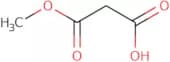
CAS:<p>Propanedioic acid 1-methyl ester (PDM) is a synthetic trifluoroacetic acid ester of the natural fatty acid, propanedioic acid. It has been found to be a potent inhibitor of the enzyme malonic acid decarboxylase in vitro and has also been shown to inhibit the production of prostaglandin E2 in mice with adjuvant arthritis. PDM is used as a diagnostic agent for autoimmune diseases and inflammatory diseases. It is also being studied as an anti-inflammatory drug for use in the treatment of chronic inflammatory conditions such as rheumatoid arthritis, psoriasis, and ulcerative colitis. The mechanism of action is not well understood but may involve inhibition of arachidonic acid metabolism or inhibition of cyclooxygenase enzymes.</p>Formula:C4H6O4Purity:Min. 95%Color and Shape:Colourless To Pale Yellow Clear LiquidMolecular weight:118.09 g/molH-Arg(NO2)-pNA·HBr
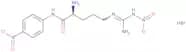
CAS:<p>Please enquire for more information about H-Arg(NO2)-pNA·HBr including the price, delivery time and more detailed product information at the technical inquiry form on this page</p>Formula:C12H17N7O5·HBrPurity:Min. 95%Molecular weight:420.22 g/molFor-Met-Leu-Phe-OMe
CAS:<p>For-Met-Leu-Phe-OMe is a drug that has been shown to have anti-inflammatory properties in human cells. For-Met-Leu-Phe-OMe inhibits the production of inflammatory molecules, such as gamma-aminobutyric acid, and it also blocks the binding of leukotrienes to their receptors. These effects are due to its conformational properties, which allow it to bind to the receptor site and inhibit the binding of other molecules. For-Met-Leu-Phe-OMe has been shown to enhance the release of nucleotide levels and intracellular calcium concentration in vitro. It also binds to receptors on cells, which may be due to its biochemical properties or its analogues with other drugs.</p>Formula:C22H33N3O5SPurity:Min. 95%Molecular weight:451.58 g/molMca-Pro-b-cyclohexyl-Ala-Gly-Nva-His-Ala-Dap (Dnp)-NH2 trifluoroacetate salt
CAS:<p>Please enquire for more information about Mca-Pro-b-cyclohexyl-Ala-Gly-Nva-His-Ala-Dap (Dnp)-NH2 trifluoroacetate salt including the price, delivery time and more detailed product information at the technical inquiry form on this page</p>Formula:C51H65N13O15Purity:Min. 95%Molecular weight:1,100.14 g/molFmoc-Tyr(SO2(ONeopentyl))-OH
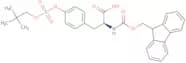
CAS:<p>Please enquire for more information about Fmoc-Tyr(SO2(ONeopentyl))-OH including the price, delivery time and more detailed product information at the technical inquiry form on this page</p>Formula:C29H31NO8SPurity:Min. 95%Molecular weight:553.62 g/molL-Lysyl-L-lysyl-L-lysyl-L-lysyl-L-lysine
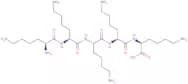
CAS:<p>L-Lysyl-L-lysyl-L-lysyl-L-lysyl-L-lysine (LLLLLL) is an antibacterial agent that belongs to the class of pharmacological agents. LLLLLL has been shown to have antibacterial efficacy against oral pathogens, such as Streptococcus mutans and Porphyromonas gingivalis. LLLLLL binds to the bacterial cell wall by forming a covalent disulfide bond with cysteine residues on the peptidoglycan layer. This prevents cell wall synthesis, leading to cell death by inhibiting protein synthesis. LLLLLL has also been shown to have low toxicity in animal models for long periods of time, with high values in human serum.</p>Formula:C30H62N10O6Purity:Min. 95%Molecular weight:658.88 g/molUrocortin (rat) trifluoroacetate salt
CAS:<p>Trifluoroacetate salt</p>Formula:C206H338N62O64Purity:Min. 95%Molecular weight:4,707.27 g/mol1,2-Dipalmitoyl-sn-glycero-3-phosphocholine
CAS:<p>1,2-Dipalmitoyl-sn-glycero-3-phosphocholine (DPPC) is a sodium salt that has the ability to form surfactant bilayers. DPPC is a model system for studying biochemical reactions and the phase transition of lipid bilayers. This compound has been used to study the effects of various drugs on cell membranes in biochemical research. In addition, DPPC has been shown to have hypoglycemic effects in animal models as well as having an anti-inflammatory effect.</p>Formula:C40H80NO8PPurity:Min. 95 Area-%Color and Shape:PowderMolecular weight:734.04 g/mol(Fmoc-Glu70,Ala71·72,Lys74)-C3a (70-77)
CAS:<p>Please enquire for more information about (Fmoc-Glu70,Ala71·72,Lys74)-C3a (70-77) including the price, delivery time and more detailed product information at the technical inquiry form on this page</p>Formula:C53H80N12O13Purity:Min. 95%Molecular weight:1,093.28 g/molH-Pro-Val-Asp-OH
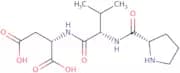
CAS:<p>Please enquire for more information about H-Pro-Val-Asp-OH including the price, delivery time and more detailed product information at the technical inquiry form on this page</p>Formula:C14H23N3O6Purity:Min. 95%Molecular weight:329.35 g/molH-Tyr-Cys-Phe-Ala-Trp-Lys-Thr-Phe-Cys-OH trifluoroacetate salt (Disulfide bond)
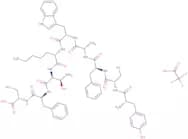
CAS:<p>Please enquire for more information about H-Tyr-Cys-Phe-Ala-Trp-Lys-Thr-Phe-Cys-OH trifluoroacetate salt (Disulfide bond) including the price, delivery time and more detailed product information at the technical inquiry form on this page</p>Formula:C57H71N11O12S2Purity:Min. 95%Molecular weight:1,166.37 g/molDynorphin A (1-7)
CAS:<p>Dynorphin A (1-7) H-Tyr-Gly-Gly-Phe-Leu-Arg-Arg-OH is a peptide that acts as a cryoprotectant. It has been shown in animal models to inhibit the proliferation of cells in culture and to have neuroprotective properties. Dynorphin A (1-7) H-Tyr-Gly-Gly-Phe-Leu-Arg-Arg-OH has also been shown to have antiinflammatory properties in animals, although the exact mechanism of action is not known. This peptide can be used as an excipient in pharmaceutical formulations or as a diluent for lyophilisates.</p>Formula:C40H61N13O9Purity:Min. 95%Molecular weight:867.99 g/molNeuroendocrine Regulatory Peptide-2 (rat) trifluoroacetate salt
<p>Please enquire for more information about Neuroendocrine Regulatory Peptide-2 (rat) trifluoroacetate salt including the price, delivery time and more detailed product information at the technical inquiry form on this page</p>Formula:C175H290N56O59Purity:Min. 95%Molecular weight:4,122.52 g/molH-Val-Val-Val-OH
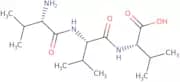
CAS:<p>H-Val-Val-Val-OH is an enantiomer of H-Val-Gly-Thr-Phe, a linear model of the apical region of the Caco2 cell. It is also a monolayer that has hydrogen bonds with other molecules. Molecular modeling shows that H-Val-Val-Val-OH inhibits the uptake of glucose by Caco2 cells. The transport properties of this molecule are not well understood, but it may inhibit glucose transport in the small intestine by binding to glucose transporter 2 (GLUT2). Chromatographic methods have been used to analyze H-Val-Val-Val-OH and its inhibition on growth factor activity.</p>Formula:C15H29N3O4Purity:Min. 95%Molecular weight:315.41 g/molGlutaryl-Ala-Ala-Phe-4MbNA
CAS:<p>Please enquire for more information about Glutaryl-Ala-Ala-Phe-4MbNA including the price, delivery time and more detailed product information at the technical inquiry form on this page</p>Formula:C31H36N4O7Purity:Min. 95%Molecular weight:576.64 g/molKininogen-Based Thrombin Inhibitor
CAS:<p>Please enquire for more information about Kininogen-Based Thrombin Inhibitor including the price, delivery time and more detailed product information at the technical inquiry form on this page</p>Formula:C29H46N8O7SPurity:Min. 95%Molecular weight:650.79 g/molCatestatin (human) trifluoroacetate
CAS:<p>Please enquire for more information about Catestatin (human) trifluoroacetate including the price, delivery time and more detailed product information at the technical inquiry form on this page</p>Formula:C104H164N32O27SPurity:Min. 95%Molecular weight:2,326.68 g/mol(Des-Gly10,D-Tyr5,D-Leu6,Pro-NHEt 9)-LHRH
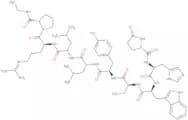
CAS:<p>Please enquire for more information about (Des-Gly10,D-Tyr5,D-Leu6,Pro-NHEt 9)-LHRH including the price, delivery time and more detailed product information at the technical inquiry form on this page</p>Formula:C59H84N16O12Purity:Min. 95%Molecular weight:1,209.4 g/molZ-D-Ala-Phe-OH
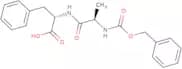
CAS:<p>Please enquire for more information about Z-D-Ala-Phe-OH including the price, delivery time and more detailed product information at the technical inquiry form on this page</p>Formula:C20H22N2O5Purity:Min. 95%Molecular weight:370.4 g/molAc-Cys(dodecyl)-chloromethylketone
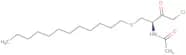
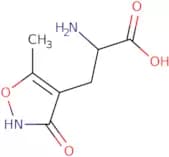
CAS:<p>Please enquire for more information about Ac-Cys(dodecyl)-chloromethylketone including the price, delivery time and more detailed product information at the technical inquiry form on this page</p>Formula:C18H34ClNO2SPurity:Min. 95%Molecular weight:363.99 g/mol(R,S)-α-Amino-3-hydroxy-5-methyl-4-isoxazolepropionic acid hydrobromide
CAS:<p>(R,S)-AMPA is a synthetic analog of the excitatory neurotransmitter glutamate, specifically designed to activate AMPA receptors, a subtype of ionotropic glutamate receptors. These receptors are pivotal in mediating fast synaptic transmission in the central nervous system. (R,S)-AMPA serves as a prototypical agonist for AMPA receptors, facilitating the study of receptor function and synaptic plasticity.</p>Formula:C7H10N2O4•HBrPurity:Min. 95%Molecular weight:267.08 g/molH-Val-Ala-pNA acetate salt
CAS:<p>Please enquire for more information about H-Val-Ala-pNA acetate salt including the price, delivery time and more detailed product information at the technical inquiry form on this page</p>Formula:C14H20N4O4Purity:Min. 95%Molecular weight:308.33 g/molPrepro VIP (81-122) (human) trifluoroacetate salt
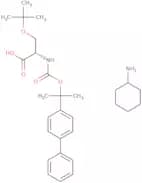
CAS:<p>Please enquire for more information about Prepro VIP (81-122) (human) trifluoroacetate salt including the price, delivery time and more detailed product information at the technical inquiry form on this page</p>Formula:C202H325N53O64SPurity:Min. 95%Molecular weight:4,552.13 g/molBpoc-Ser(tBu)-OH·CHA
CAS:<p>Please enquire for more information about Bpoc-Ser(tBu)-OH·CHA including the price, delivery time and more detailed product information at the technical inquiry form on this page</p>Formula:C23H29NO5·C6H13NPurity:Min. 95%Molecular weight:498.65 g/mol(Des-Gly10,D-His2,D-Ser4,D-Leu6,Pro-NHEt 9)-LHRH trifluoroacetate salt
<p>Please enquire for more information about (Des-Gly10,D-His2,D-Ser4,D-Leu6,Pro-NHEt 9)-LHRH trifluoroacetate salt including the price, delivery time and more detailed product information at the technical inquiry form on this page</p>Formula:C59H84N16O12Purity:Min. 95%Molecular weight:1,209.4 g/mol(d(CH2)51,Tyr(Et)2,Val4,Arg8,des-Gly-NH29)-Vasopressin
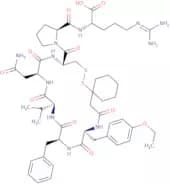
CAS:<p>Please enquire for more information about (d(CH2)51,Tyr(Et)2,Val4,Arg8,des-Gly-NH29)-Vasopressin including the price, delivery time and more detailed product information at the technical inquiry form on this page</p>Formula:C51H73N11O11S2Purity:Min. 95%Molecular weight:1,080.32 g/molAntifreeze Polypeptide 6 (winter flounder) trifluoroacetate salt
CAS:<p>Antifreeze Polypeptide 6 (AFP6) is a protein that belongs to the family of antifreeze proteins. AFP6 binds to ion channels and prevents the flow of ions, which prevents the formation of ice crystals. It also has been shown to interact with other proteins, such as receptors and peptides. This protein has been shown to be a research tool for studying cell biology and pharmacology. The CAS number for AFP6 is 122604-16-4.</p>Formula:C133H225N43O51•xC2HF3O2Purity:Min. 95%Molecular weight:3,242.47 g/molErythropoietin Mimetic Peptide Sequence 20 trifluoroacetate salt
CAS:<p>Please enquire for more information about Erythropoietin Mimetic Peptide Sequence 20 trifluoroacetate salt including the price, delivery time and more detailed product information at the technical inquiry form on this page</p>Formula:C72H99N17O17S2Purity:Min. 95%Molecular weight:1,538.79 g/molHIV (gp120) Fragment (254-274)
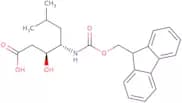
CAS:<p>Please enquire for more information about HIV (gp120) Fragment (254-274) including the price, delivery time and more detailed product information at the technical inquiry form on this page</p>Formula:C95H162N28O30SPurity:Min. 95%Molecular weight:2,208.54 g/molFmoc-(3S,4S)-4-amino-3-hydroxy-6-methylheptanoic acid
CAS:<p>Fmoc-(3S,4S)-4-amino-3-hydroxy-6-methylheptanoic acid is a pharmacokinetic drug that is under investigation for prostate cancer. It has been shown to inhibit the growth of prostate carcinoma cells and reduce the expression of prostate specific antigen (PSA) in vivo. Fmoc-(3S,4S)-4-amino-3-hydroxy-6-methylheptanoic acid has also been used in bioconjugate chemistry to produce a prodrug that can be taken orally. This prodrug is activated by viral proteases in the stomach, leading to an increase in cytotoxicity against HIV virus and other retroviruses. Fmoc-(3S,4S)-4-amino-3-hydroxy-6-methylheptanoic acid has also been shown to inhibit the production of human serum erythropoietin (EPO).</p>Formula:C23H27NO5Purity:Min. 95%Color and Shape:White To Off-White SolidMolecular weight:397.46 g/mol(Dab 9)-Neurotensin (8-13) trifluoroacetate salt
CAS:<p>Please enquire for more information about (Dab 9)-Neurotensin (8-13) trifluoroacetate salt including the price, delivery time and more detailed product information at the technical inquiry form on this page</p>Formula:C36H60N10O8Purity:Min. 95%Molecular weight:760.92 g/molAcetyl-(D-Trp1,4-chloro-D-Phe2,D-Trp3,D-Arg6,D-Ala10)-LHRH
CAS:<p>Please enquire for more information about Acetyl-(D-Trp1,4-chloro-D-Phe2,D-Trp3,D-Arg6,D-Ala10)-LHRH including the price, delivery time and more detailed product information at the technical inquiry form on this page</p>Formula:C71H94ClN19O13Purity:Min. 95%Molecular weight:1,457.08 g/molFmoc-Tyr(tBu)-Wang resin (200-400 mesh)
<p>Please enquire for more information about Fmoc-Tyr(tBu)-Wang resin (200-400 mesh) including the price, delivery time and more detailed product information at the technical inquiry form on this page</p>Purity:Min. 95%Octreotide trifluoroacetate salt (Dimer, Parallel) (
<p>Please enquire for more information about Octreotide trifluoroacetate salt (Dimer, Parallel) ( including the price, delivery time and more detailed product information at the technical inquiry form on this page</p>Formula:C98H132N20O20S4Purity:Min. 95%Molecular weight:2,038.48 g/molOsteoblast Activating Peptide (mouse, rat) trifluoroacetate salt
CAS:<p>Please enquire for more information about Osteoblast Activating Peptide (mouse, rat) trifluoroacetate salt including the price, delivery time and more detailed product information at the technical inquiry form on this page</p>Formula:C120H196N38O37Purity:Min. 95%Molecular weight:2,763.07 g/molAnti-Inflammatory Peptide 2
CAS:<p>Anti-inflammatory peptide 2 (AIP2) is a small peptide that has been shown to have anti-inflammatory activity. AIP2 inhibits the production of inflammatory mediators such as prostaglandins and leukotrienes. The synthesis of AIP2 is regulated by a hydroxyl group, which may be important for its therapeutic use. AIP2 does not have any side effects and can be used in the treatment of inflammation. <br>The active form of AIP2 is generated from the amino acid sequence H-His-Asp-Met-Asn-Lys-Val-Leu-Asp-Leu. It has been shown that this sequence also inhibits protein synthesis, leading to cell death by inhibiting the production of proteins vital for cell division. <br>The molecular weight of AIP2 is 706 Da and it has two disulfide bonds and two ester linkages. The metal chelate was found to bind with</p>Formula:C46H77N13O15SPurity:Min. 95%Molecular weight:1,084.25 g/molNesfatin-1 (30-59) (mouse, rat) trifluoroacetate salt
<p>Please enquire for more information about Nesfatin-1 (30-59) (mouse, rat) trifluoroacetate salt including the price, delivery time and more detailed product information at the technical inquiry form on this page</p>Formula:C167H260N40O54Purity:Min. 95%Molecular weight:3,692.09 g/molH-Ser-Asp-Gly-Arg-Gly-OH
CAS:<p>H-Ser-Asp-Gly-Arg-Gly-OH is a peptide and model system for epidermal growth factor. It has been shown to stimulate epidermal growth and protein synthesis in the skin cells. The peptide has also been shown to inhibit fibrinogen production by monoclonal antibody, which is a biochemical marker of wound healing. H-Ser-Asp-Gly-Arg-Gly-OH analogs have been shown to inhibit the activation of epidermal growth factor receptor and have an inhibitory effect on cell growth.</p>Formula:C17H30N8O9Purity:Min. 95%Molecular weight:490.47 g/molApelin-36 (1-16) amide (human) trifluoroacetate salt
CAS:<p>Please enquire for more information about Apelin-36 (1-16) amide (human) trifluoroacetate salt including the price, delivery time and more detailed product information at the technical inquiry form on this page</p>Formula:C74H117N27O20Purity:Min. 95%Molecular weight:1,704.89 g/molPrepro-Atrial Natriuretic Factor (104-123) (human)
CAS:<p>Prepro-Atrial Natriuretic Factor (104-123) (human) H-Ser-Ser-Asp-Arg-Ser-Ala-Leu-Leu-Lys-Ser-Lys-Leu-Arg-Ala-Leu-Leu -Thr-Ala Pro Arg -OH is a natriuretic peptide hormone that belongs to the family of hormones called atrial natriuretic peptides. It is produced in the heart and has been shown to lower blood pressure by dilating blood vessels. Prepronatrial atrial natriuretic factor can also be used as a marker for colorectal adenocarcinoma, with high levels found in the serum of patients suffering from this disease.</p>Formula:C94H171N31O28Purity:Min. 95%Molecular weight:2,183.56 g/mol(2S)-β-Alanyl-L-prolyl-2,4-diamino-N-(phenylmethyl)butanamideacetate
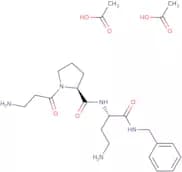
CAS:Controlled Product<p>(2S)-beta-Alanyl-L-prolyl-2,4-diamino-N-(phenylmethyl)butanamideacetate (BAP) is a skin care product that can be applied topically to the skin. BAP is an amino acid derivative that has been shown in clinical studies to hydrate the skin. It acts as a humectant and binds to water molecules, thus increasing the moisture content of the skin. This product also has antioxidant and anti-inflammatory properties, as well as anti-aging effects. BAP is often used in cosmetic products for its film forming properties and ability to form polymeric films on the surface of cells.</p>Formula:C21H33N5O5Purity:Min. 95%Molecular weight:435.52 g/molH-Ala-Ala-Ala-Tyr-Ala-Ala-OH
CAS:<p>Please enquire for more information about H-Ala-Ala-Ala-Tyr-Ala-Ala-OH including the price, delivery time and more detailed product information at the technical inquiry form on this page</p>Formula:C24H36N6O8Purity:Min. 95%Molecular weight:536.58 g/molN2,N6-Bis-cbz-L-lysine
CAS:<p>N2,N6-Bis-cbz-L-lysine is a synthetic acid transporter that is used to inhibit the transport of lysine across the cell membrane. It is an amide, which can be synthesized from lysine and benzoyl chloride. This compound has been shown to have an inhibitory effect on tumor growth in vitro and in vivo. N2,N6-Bis-cbz-L-lysine is active when targeting acidic environments such as tumors. The carbonyl group of this molecule reacts with the hydroxyl group at C4′ on the ribose ring of nucleosides to form a 1,2 diol moiety. This reaction leads to inhibition of DNA synthesis by preventing RNA polymerase from binding to DNA.</p>Formula:C22H26N2O6Purity:Min. 95%Color and Shape:PowderMolecular weight:414.45 g/molBoc-Asp(OcHex)-OSu
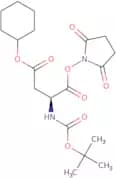
CAS:<p>Please enquire for more information about Boc-Asp(OcHex)-OSu including the price, delivery time and more detailed product information at the technical inquiry form on this page</p>Formula:C19H28N2O8Purity:Min. 95%Molecular weight:412.43 g/mol(Nle 10)-Neurokinin A (4-10)
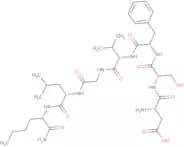
CAS:<p>Please enquire for more information about (Nle 10)-Neurokinin A (4-10) including the price, delivery time and more detailed product information at the technical inquiry form on this page</p>Formula:C35H56N8O10Purity:Min. 95%Molecular weight:748.87 g/molAtrial Natriuretic Factor (3-28) (rat) trifluoroacetate salt
CAS:<p>Natriuretic factor is a peptide hormone that regulates blood pressure. This peptide is encoded by a gene located on chromosome 10 and is made up of 28 amino acids. Natriuretic factor binds to the membrane of mitochondria and zymogen granules, causing them to release their contents into the cytosol. The resulting increase in cytosolic volume causes an increased diastolic pressure, as well as an increased glomerular filtration rate and cardiac output. Natriuretic factors have also been shown to stimulate the production of natriuretic peptides, which are involved in water balance and electrolyte homeostasis.</p>Formula:C119H189N43O36S2Purity:Min. 95%Molecular weight:2,862.17 g/molZ-Gly-Pro-Arg-AMC·HCl
CAS:<p>Please enquire for more information about Z-Gly-Pro-Arg-AMC·HCl including the price, delivery time and more detailed product information at the technical inquiry form on this page</p>Formula:C31H37N7O7·HClPurity:Min. 95%Molecular weight:656.13 g/mol(D-Trp6)-LHRH (2-10) trifluoroacetate salt
CAS:<p>Please enquire for more information about (D-Trp6)-LHRH (2-10) trifluoroacetate salt including the price, delivery time and more detailed product information at the technical inquiry form on this page</p>Formula:C59H77N17O11Purity:Min. 95%Molecular weight:1,200.35 g/mol(His(3-Me)2)-LHRH trifluoroacetate salt
CAS:<p>Please enquire for more information about (His(3-Me)2)-LHRH trifluoroacetate salt including the price, delivery time and more detailed product information at the technical inquiry form on this page</p>Formula:C56H77N17O13·C2HF3O2Purity:Min. 95%Molecular weight:1,310.34 g/mol(H-Cys-Val-OH)2 (Disulfide bond)
CAS:<p>Please enquire for more information about (H-Cys-Val-OH)2 (Disulfide bond) including the price, delivery time and more detailed product information at the technical inquiry form on this page</p>Formula:C16H30N4O6S2Purity:Min. 95%Molecular weight:438.56 g/molAcetyl-ACTH (2-24) (human, bovine, rat) trifluoroacetate salt
CAS:<p>Please enquire for more information about Acetyl-ACTH (2-24) (human, bovine, rat) trifluoroacetate salt including the price, delivery time and more detailed product information at the technical inquiry form on this page</p>Formula:C135H207N39O30SPurity:Min. 95%Molecular weight:2,888.4 g/mol(Sar 1,Val5,Ala8)-Angiotensin II trifluoroacetate salt
CAS:<p>Angiotensin II is a peptide hormone that is also known as angiotensin II trifluoroacetate salt. It has been shown to have cardioprotective effects in vivo and in vitro models. Angiotensin II has been shown to induce follicular growth, inhibit atherosclerotic lesion formation, and improve cardiac function. Angiotensin II can be used to treat patients with congestive heart failure or cardiovascular disease due to its ability to increase blood pressure and the rate of cardiac contractions. The drug also reduces systolic pressure by acting on receptors in the kidneys and vasculature, which are involved in the renin-angiotensin system.</p>Formula:C42H65N13O10•C2HF3O2Purity:Min. 95%Color and Shape:PowderMolecular weight:1,026.07 g/molAc-Ala-Ala-OMe
CAS:<p>Ac-Ala-Ala-OMe is a molecule that has conformational and interaction properties. It is an amide residue found in proteins. The amino acid sequence of Ac-Ala-Ala-OMe contains an elongating residue with a specific profile, which can be used as a molecule to study acylases. Acetamide, the precursor of Ac-Ala-Ala-OMe, is an acid methyl ester that has been shown to interact with chloride ions. When acetamide interacts with chloride ions, it undergoes a shift in its structure and produces the product Ac-Ala-Ala-OMe. This process may be due to solvent effects (i.e., the effect of water).</p>Formula:C9H16N2O4Purity:Min. 95%Molecular weight:216.23 g/molHippuryl-Cys(2-aminoethyl)-OH hydrochloride salt
CAS:<p>Please enquire for more information about Hippuryl-Cys(2-aminoethyl)-OH hydrochloride salt including the price, delivery time and more detailed product information at the technical inquiry form on this page</p>Formula:C14H19N3O4SPurity:Min. 95%Molecular weight:325.38 g/molHTLV-1 Tax (11-19) trifluoroacetate salt
CAS:<p>Please enquire for more information about HTLV-1 Tax (11-19) trifluoroacetate salt including the price, delivery time and more detailed product information at the technical inquiry form on this page</p>Formula:C56H79N9O12Purity:Min. 95%Molecular weight:1,070.28 g/molTIP-39 trifluoroacetate salt
CAS:<p>Please enquire for more information about TIP-39 trifluoroacetate salt including the price, delivery time and more detailed product information at the technical inquiry form on this page</p>Formula:C202H325N61O54SPurity:Min. 95%Molecular weight:4,504.19 g/molBz-Val-Gly-Arg-AMC trifluoroacetate salt
CAS:<p>Bz-Val-Gly-Arg-AMC is a growth factor that activates the extracellular signal-regulated protein kinase (ERK) pathway. The activation of this pathway results in an increase in cellular proliferation and inhibition of tumor growth. Bz-Val-Gly-Arg-AMC has been shown to activate ERK by interacting with VSMCs, which are cells that act as a structural component of blood vessels and play a role in regulating blood flow. This compound also induces phosphorylation of glycogen synthase kinase 3β and inhibits its activity, leading to increased protein synthesis through glycolysis. Bz-Val-Gly-Arg-AMC can be used as an inhibitor to bortezomib, a proteolytic enzyme that is used to treat cancer.</p>Formula:C30H37N7O6Purity:Min. 95%Molecular weight:591.66 g/molFmoc-Tyr(Boc-Nmec)-OH
CAS:<p>Fmoc-Tyr(Boc-Nmec)-OH is a hydrophobic amino acid that can be used in the synthesis of peptides. It is soluble in organic solvents and has been shown to have intramolecular cyclization reaction. Fmoc-Tyr(Boc-Nmec)-OH can be coupled with other amino acids using an amide bond, and has been shown to react with cationic groups such as tyrosine residues. This compound is often used in solid-phase peptide synthesis, where the product is cleaved from the resin by the action of aqueous acid or base before being purified. Fmoc-Tyr(Boc-Nmec)-OH can also be used for neutralizing alkaline conditions during peptide synthesis.</p>Formula:C34H39N3O8Purity:Min. 95%Molecular weight:617.69 g/mol(N-Me-Phe7)-Neurokinin B trifluoroacetate salt
CAS:<p>Please enquire for more information about (N-Me-Phe7)-Neurokinin B trifluoroacetate salt including the price, delivery time and more detailed product information at the technical inquiry form on this page</p>Formula:C60H81N13O14S2Purity:Min. 95%Molecular weight:1,272.5 g/molTyrosinase (243-251) (human) acetate salt
CAS:<p>H-KCDICTDEY-OH peptide, corresponding to amino acids 243-251 of human Tyrosinase. The peptide is supplied as an acetate salt.</p>Formula:C44H68N10O18S2Purity:Min. 95%Molecular weight:1,089.2 g/molVIP Antagonist
CAS:<p>The VIP antagonist is a model system that has been shown to inhibit the activity of VIP in fetal bovine lung. The VIP antagonist has been shown to be effective against a variety of cancers, including colon cancer and prostate cancer. It also inhibits the production of cytosolic Ca2+ in human skin cells and has anti-inflammatory properties. The VIP antagonist's biological properties have been studied extensively, including its ability to induce neuronal death by inhibiting the release of neurotransmitters from neurons in culture.</p>Formula:C154H257N49O40SPurity:Min. 95%Molecular weight:3,467.06 g/molZ-Val-Gly-Gly-OBzl
CAS:<p>Please enquire for more information about Z-Val-Gly-Gly-OBzl including the price, delivery time and more detailed product information at the technical inquiry form on this page</p>Formula:C24H29N3O6Purity:Min. 95%Molecular weight:455.5 g/molZ-Pro-D-Leu-D-Ala-NHOH
CAS:<p>Z-Pro-D-Leu-D-Ala-NHOH is a neutralizing peptide that inhibits the activity of elastase and collagenase. It also has potent inhibitory activities against experimental infection with various microorganisms, including Streptococcus pyogenes, Staphylococcus aureus, and Pseudomonas aeruginosa. This peptide is a molecule consisting of 11 amino acids, which is synthesized in vivo by the host as a response to bacterial infections. Z-Pro-D-Leu-D-Ala-NHOH can be used for pharmaceutical preparations or techniques that require an enzyme inhibitor. The biological function of this peptide is not fully understood but it has been shown to have antiestrogenic effects.</p>Formula:C22H32N4O6Purity:Min. 95%Molecular weight:448.51 g/molN-Benzoyl-N-phenylhydroxylamine
CAS:<p>N-Benzoyl-N-phenylhydroxylamine is a compound that has been shown to be an optimum concentration for the production of molybdenum. It is a model system for the extraction and separation of molybdenum from other metals. The extraction process involves acidification with nitric acid, followed by precipitation with sodium benzoate. N-Benzoyl-N-phenylhydroxylamine is extracted using an electrode and then purified with a metal chelate. This compound has been shown to have synergistic effects when combined with vanadium, which may be due to their similar chemical properties.</p>Formula:C13H11NO2Purity:Min. 95%Molecular weight:213.23 g/molH-Glu-Tyr-OH
CAS:<p>H-Glu-Tyr-OH is an amino acid derivative that has been shown to have anti-cancer properties. It inhibits the growth of cancer cells by binding to the surface of the tumor and inhibiting the production of angiogenic factors. This leads to a decrease in tumor size and an increase in light emission, which can be detected with light exposure. H-Glu-Tyr-OH also inhibits protein synthesis and cell proliferation, leading to death of tumor cells. The mechanism of action for H-Glu-Tyr-OH is through its ability to inhibit DNA topoisomerase I and II, which are enzymes that maintain the integrity of DNA. These enzymes are essential for DNA replication and transcription, so their inhibition results in cell death.</p>Formula:C14H18N2O6Purity:Min. 95%Molecular weight:310.3 g/molH-Gly-Gly-His-Ala-OH
CAS:<p>H-Gly-Gly-His-Ala-OH is a peptide of four amino acids. It has been shown experimentally that the side chain of His is always oriented in the same direction, regardless of the conformation. The proton shift constants and vicinal coupling constants for Gly, Gly and Ala are constant, while His has a variable proton shift constant. The experimental parameters for the molecule have been rationalized by using conformational shifts to explain their variability. For example, the proton shift constants have been found to be dependent on the rotation about an axis perpendicular to the peptide backbone. H-Ala-Gly-Gly-His-OH is a pentapeptide with five amino acids that differs from HGGHAOH by having Ala instead of His at position 1. The vicinal coupling constants are different and so are other experimental parameters.</p>Formula:C13H20N6O5Purity:Min. 95%Molecular weight:340.34 g/moltrans-4-Hydroxy-L-proline methyl ester hydrochloride
CAS:<p>Trans-4-hydroxy-L-proline methyl ester hydrochloride is a matrix metalloproteinase inhibitor. It inhibits the activity of matrix metalloproteinases, which are enzymes that break down collagen and other proteins in the extracellular matrix. The inhibition of these enzymes leads to a decrease in restenosis, which is the recurrence of artery narrowing after angioplasty or stent placement. Trans-4-hydroxy-L-proline methyl ester hydrochloride has been shown to be effective against chemokine receptors, including CCR5 receptor and chemokines such as TNFα. It also inhibits cytokine production by inhibiting signaling pathways that lead to inflammation and cell proliferation.</p>Formula:C6H11NO3·HClColor and Shape:White/Off-White SolidMolecular weight:181.62 g/mol2-Methylthio-cis-zeatin
CAS:<p>2-Methylthio-cis-zeatin is a corynebacterium metabolite that is produced by the oxidative deamination of 2-methylthioadenosine. It can be used as an indicator for the presence of corynebacteria in various plant species and has been found to have physiological functions such as multiple-reaction monitoring, biochemical analysis, and chemical structures. The production of 2-methylthio-cis-zeatin has been detected in tissue culture and explants from plants. Chemical analyses have shown that this metabolite is an impurity or contaminant in some pharmaceuticals and food products. 2-Methylthio-cis-zeatin can be identified using chromatographic methods with a mass spectrometric detection (MS) method, which allows for the identification of its isomers. This metabolite can also be analyzed using chromatographic methods with MS detection, which allows for the identification of its isomers</p>Formula:C11H15N5OSPurity:Min. 95%Molecular weight:265.34 g/molZ-Ala-Phe-OMe
CAS:<p>Z-Ala-Phe-OMe is a model amide that has been used to study the serine protease catalysed hydrolysis of peptides. This compound is a water molecule analogue that is immobilized on an ion exchange resin, which can be used as a support for experiments in catalysis and thermodynamics. Z-Ala-Phe-OMe has shown to be more efficient than other substrates and can be used to study kinetic data and thermodynamic properties.</p>Formula:C21H24N2O5Purity:Min. 95%Molecular weight:384.43 g/molDansyl-Ala-Arg-OH trifluoroacetate salt
CAS:<p>Please enquire for more information about Dansyl-Ala-Arg-OH trifluoroacetate salt including the price, delivery time and more detailed product information at the technical inquiry form on this page</p>Formula:C21H30N6O5SPurity:Min. 95%Molecular weight:478.57 g/molFmoc-Asn(Trt)-Wang resin (200-400 mesh)
<p>Please enquire for more information about Fmoc-Asn(Trt)-Wang resin (200-400 mesh) including the price, delivery time and more detailed product information at the technical inquiry form on this page</p>Purity:Min. 95%Angiotensin I/II (3-8)
CAS:<p>Angiotensin I/II (3-8) H-Val-Tyr-Ile-His-Pro-Phe-OH is a peptide that has physiological effects and is used as a drug. It is an active analogue of the peptide hormone angiotensin II, which regulates blood pressure and fluid volume. Angiotensin I/II (3-8) H-Val-Tyr-Ile-His-Pro-Phe-OH binds to angiotensin receptors and stimulates the release of calcium ions from cytosolic stores in cells, leading to increased muscle contractions and vasoconstriction. This drug may also have effects on dopamine levels in the brain, locomotor activity, and biochemical properties such as enzyme activity or protein binding.br><br>Angiotensin I/II (3-8) H-Val-Tyr-Ile-His Pro Phe OH has been shown to reduce the level of dopamine</p>Formula:C40H54N8O8Purity:Min. 95%Molecular weight:774.91 g/molSecretin (5-27) (porcine)
CAS:<p>Please enquire for more information about Secretin (5-27) (porcine) including the price, delivery time and more detailed product information at the technical inquiry form on this page</p>Formula:C115H200N38O34Purity:Min. 95%Molecular weight:2,659.05 g/molH-Lys(isopropyl)-OH
CAS:<p>Please enquire for more information about H-Lys(isopropyl)-OH including the price, delivery time and more detailed product information at the technical inquiry form on this page</p>Formula:C9H20N2O2Purity:Min. 95%Molecular weight:188.27 g/mol3-Iodo-2-methylbenzoic acid
CAS:<p>3-Iodo-2-methylbenzoic acid is a reagent that is used as an intermediate in the synthesis of complex compounds and fine chemicals. 3-Iodobenzoic acid is classified as a speciality chemical, which means it can be used for research purposes only. 3-Iodo-2-methylbenzoic acid has many uses, including being a versatile building block in chemical reactions and a reaction component in the synthesis of useful scaffolds and building blocks.</p>Formula:C8H7IO2Purity:Min. 95%Color and Shape:SolidMolecular weight:262.04 g/molSuc-Val-Pro-Phe-SBzl
CAS:<p>Suc-Val-Pro-Phe-SBzl is a synthetic subtilisin that has been modified to have an enhanced binding affinity for the enzyme's substrate. The enzyme's specificity and reactivity has been improved by adding a chloromethyl ketone group to the amino acid sequence. Suc-Val-Pro-Phe-SBzl is a serine protease inhibitor and has been shown to inhibit the activity of subtilisins, including subtilisin BPN' and Bacillus amyloliquefaciens subtilisin. It also inhibits peptidases and proteinases, which may be due to its ability to bind to the active site of these enzymes.</p>Formula:C30H37N3O6SPurity:Min. 95%Molecular weight:567.7 g/mol(Pyr 16)-VIP (16-28) (human, mouse, rat)
CAS:<p>Please enquire for more information about (Pyr 16)-VIP (16-28) (human, mouse, rat) including the price, delivery time and more detailed product information at the technical inquiry form on this page</p>Formula:C68H114N18O18SPurity:Min. 95%Molecular weight:1,503.81 g/molFmoc-Arg(Z)2-OH
CAS:<p>Please enquire for more information about Fmoc-Arg(Z)2-OH including the price, delivery time and more detailed product information at the technical inquiry form on this page</p>Formula:C37H36N4O8Purity:Min. 95%Molecular weight:664.7 g/molNeurotensin (8-13)
CAS:<p>Neurotensin is a peptide that regulates the activity of the hypothalamus and pituitary gland. Neurotensin is synthesized from prepro-neurotensin, which is cleaved to produce neurotensin (8-13) H-Arg-Arg-Pro-Tyr-Ile-Leu-OH. It is a member of the tachykinins family of neuropeptides, which are characterized by a conserved disulfide bond. Neurotensin has been shown to increase locomotor activity in mice and rats and may be involved in pain perception. Neurotensin also binds to receptors on nerve cells, including the enkephalin receptor, with high affinity. This binding leads to an inhibition of release of neurotransmitters such as dopamine, serotonin, and acetylcholine by neurons.</p>Formula:C38H64N12O8Purity:Min. 95%Molecular weight:816.99 g/molZ-Phe-Gly-Phe-Gly-OH
CAS:<p>Please enquire for more information about Z-Phe-Gly-Phe-Gly-OH including the price, delivery time and more detailed product information at the technical inquiry form on this page</p>Formula:C30H32N4O7Purity:Min. 95%Molecular weight:560.6 g/molSuc-Ala-Pro-Ala-AMC
CAS:<p>Suc-Ala-Pro-Ala-AMC is a synthetic peptide that is used as a fluorescent substrate to measure the activity of serine proteases. It is used in plant physiology and has been shown to be effective in the treatment of inflammatory diseases. Suc-Ala-Pro-Ala-AMC is an acidic molecule with a pKa of 3.1. This means it can exist as both a zwitterion, with a positive charge on one end and negative charge on the other, or as an ionized molecule with both ends having a negative charge. The zwitterionic form is more stable than the ionized form at low pH levels and will therefore be present at higher concentrations at lower pH values. Suc-Ala-Pro-Ala-AMC shows proteolytic activity against peptidases such as papain, bromelain, trypsin, and chymotrypsin. It also binds to neutroph</p>Formula:C25H30N4O8Purity:Min. 95%Molecular weight:514.53 g/molH-Thr-Asp-OH TFA salt
CAS:<p>Please enquire for more information about H-Thr-Asp-OH TFA salt including the price, delivery time and more detailed product information at the technical inquiry form on this page</p>Formula:C8H14N2O6C2F3HO2Purity:Min. 95%Molecular weight:348.23 g/molZ-Glu-Gly-OH
CAS:<p>Z-Glu-Gly-OH is a cysteine donor for the chemical cross-linking of keratin proteins. Follicle cells are a major source of keratin, and glutamic acid is the most abundant amino acid in these cells. Glutamine is also abundant in keratins, and may be responsible for the cornified layer. Cysteine is used to cross-link the structural proteins, while glutamic acid and glutamine are involved in cross-linking the fibre and residue. Cross-linking results in an insoluble protein matrix that provides strength to skin.</p>Formula:C15H18N2O7Purity:Min. 95%Molecular weight:338.31 g/mol
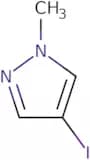

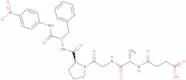


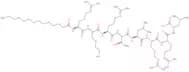
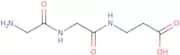
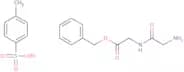
![N-Acetyl-[Cys4,10, D-Phe7]-α-Melanocyte Stimulating Hormone Fragment 4-13](/_next/image/?url=https%3A%2Fstatic.cymitquimica.com%2Fproducts%2F3D%2Fthumb-webp%2FFA110402.webp&w=3840&q=75)
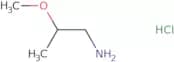
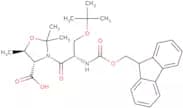
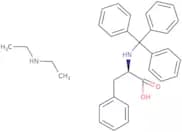
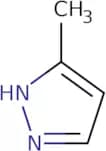
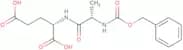
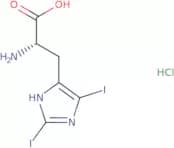

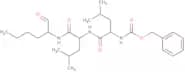


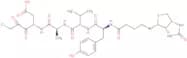
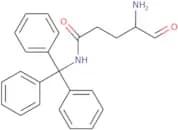
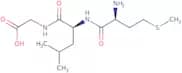
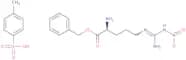
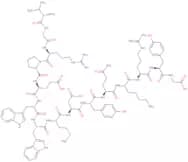

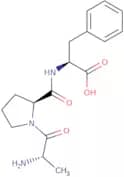
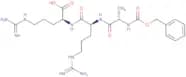
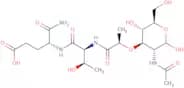
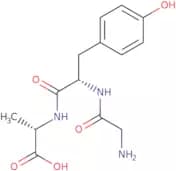
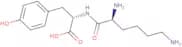

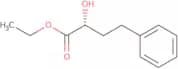
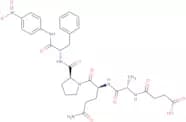


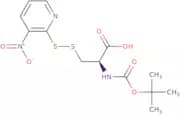
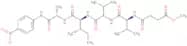
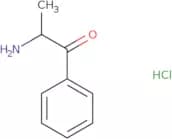
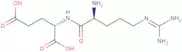

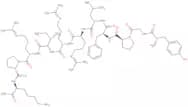

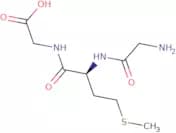
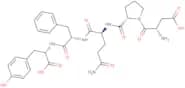

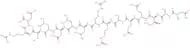


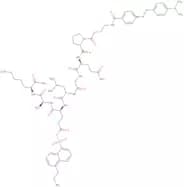


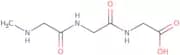
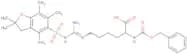
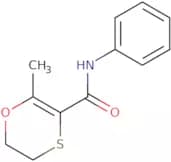


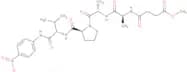

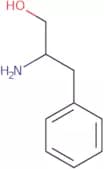
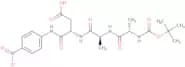
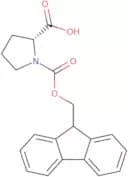


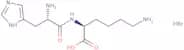
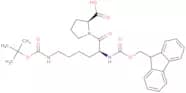
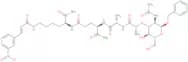
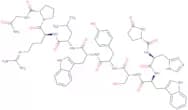
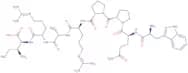


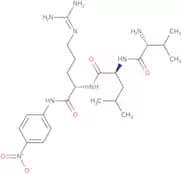


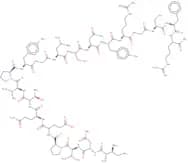

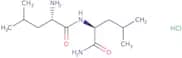



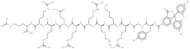
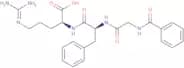
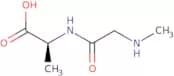

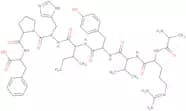

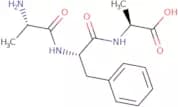
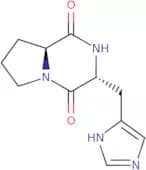
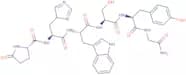
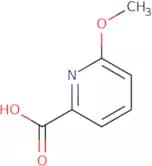
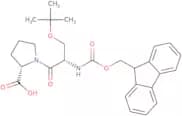

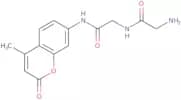
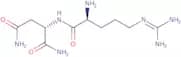
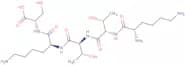
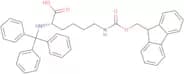



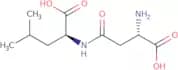

![1b-(4-Fluorophenyl)hexahydro-',7-dihydroxy-7-(1-methylethyl)-1a-phenyl-7a-[(phenylamino)carbonyl]-…](/_next/image/?url=https%3A%2Fstatic.cymitquimica.com%2Fproducts%2F3D%2Fthumb-webp%2FFF171220.webp&w=3840&q=75)