Amino Acids (AA)
Amino acids (AAs) are the fundamental building blocks of proteins, playing a crucial role in various biological processes. These organic compounds are essential for protein synthesis, metabolic pathways, and cell signaling. In this category, you will find a comprehensive range of amino acids, including essential, non-essential, and modified forms, which are vital for research in biochemistry, molecular biology, and nutritional sciences. At CymitQuimica, we provide high-quality amino acids to support your research and development needs, ensuring accuracy and reliability in your experimental outcomes.
Subcategories of "Amino Acids (AA)"
- Amino Acid Derivatives(3,955 products)
- Amino Acid and Amino Acid Related Compounds(3,465 products)
- Amino Acids with Oxygen or Sulphur(168 products)
- Boc- Amino Acids(351 products)
- Fmoc Amino Acids(1,710 products)
Found 38248 products of "Amino Acids (AA)"
Sort by
Purity (%)
0
100
|
0
|
50
|
90
|
95
|
100
(R)-2-Methylmorpholine hydrochloride
CAS:<p>Please enquire for more information about (R)-2-Methylmorpholine hydrochloride including the price, delivery time and more detailed product information at the technical inquiry form on this page</p>Formula:C5H12ClNOPurity:Min. 95%Molecular weight:137.61 g/molFmoc-Ala-Gly-OH
CAS:<p>Fmoc-Ala-Gly-OH is a cell-surface residue that is found on proteins. It is the ligand for a number of protein receptors and has been shown to be involved in factors such as orientation, verotoxin, and neoglycopeptides. Fmoc-Ala-Gly-OH also acts as an inhibitor by binding to glycine and trisaccharide residues. This residue is located at the N-terminal of the protein.</p>Formula:C20H20N2O5Purity:Min. 95%Molecular weight:368.38 g/mol((R)-4-Hydroxy-4-methyl-Orn (TRITC)7)-Phalloidin
<p>Please enquire for more information about ((R)-4-Hydroxy-4-methyl-Orn (TRITC)7)-Phalloidin including the price, delivery time and more detailed product information at the technical inquiry form on this page</p>Formula:C60H70N12O13S2Purity:Min. 95%Molecular weight:1,231.4 g/molH-Trp-Gly-Tyr-OH
CAS:<p>H-Trp-Gly-Tyr-OH is a carbohydrate binding molecule that has been shown to have an anhydrase activity. It also has sequences with homologous enzymes in other organisms, such as multienzyme and chromatographic enzymes. This molecule is soluble in water and insoluble in organic solvents. H-Trp-Gly-Tyr-OH binds to hemicellulosic carbohydrates and catarrhine carbonic anhydrase, which are found only in higher primates. Mutational analysis has shown that the H-Trp-Gly-Tyr-OH protein can be converted into a cyclopentadienyl derivative, which is not found in nature.</p>Formula:C22H24N4O5Purity:Min. 95%Molecular weight:424.45 g/molCholecystokinin Octapeptide (1-6) (desulfated)
CAS:<p>Please enquire for more information about Cholecystokinin Octapeptide (1-6) (desulfated) including the price, delivery time and more detailed product information at the technical inquiry form on this page</p>Formula:C36H47N7O10S2Purity:Min. 95%Molecular weight:801.93 g/mol6-Chloro-2-methylbenzoic acid
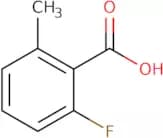
CAS:<p>6-Chloro-2-methylbenzoic acid is a methyl ester that is used in the synthesis of 2-chloro-6-fluorobenzaldehyde. This chemical reacts with hydrogen peroxide to produce chloride and 2,6-dichlorobenzoic acid. The compound can also be synthesized from 2,6-dichlorobenzaldehyde and methoxyethanol. 6CMB has been shown to react with anions such as Cl-, Br-, NO2-, SO3H, and PO3H2 to form organic carboxylates or sulfoxides. It has also been shown to be a byproduct of the reaction between chloral hydrate and potassium permanganate.</p>Formula:C8H7ClO2Purity:90%Color and Shape:PowderMolecular weight:170.59 g/molAc-Ala-Ala-Pro-Ala-AMC
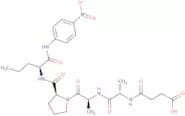
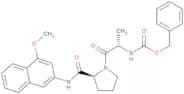
CAS:<p>Ac-Ala-Ala-Pro-Ala-AMC is a substrate for acetylcholinesterase and its structural analogues, including Ac-Ala-Glu-Phe. It has been found to be an isomerase that catalyzes the conversion of L-serine to D-serine in human cells. The enzyme displays a high resolution crystal structure with water molecules bound at the active site. The enzyme is a dimer composed of two identical monomers. The enzyme binds two substrates through hydrogen bonding interactions and then undergoes a conformational change, which releases the products as water molecules are released from the active site.</p>Formula:C26H33N5O7Purity:Min. 95%Molecular weight:527.57 g/molBoc-Gly-Gly-Gly-Lys-OH
CAS:<p>Please enquire for more information about Boc-Gly-Gly-Gly-Lys-OH including the price, delivery time and more detailed product information at the technical inquiry form on this page</p>Formula:C17H31N5O7Purity:Min. 95%Molecular weight:417.46 g/mol(Asn7)-Amyloid b-Protein (1-40) trifluoroacetate salt
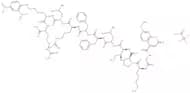
CAS:<p>(Asn7)-Amyloid b-Protein (1-40) trifluoroacetate salt H-Asp-Ala-Glu-Phe-Arg-His-Asn-Ser-Gly-Tyr-Glu-Val-His-His-Gln-Lys<br>The product is a compound that has been shown to inhibit the formation of beta amyloid peptides in the brain. It binds to the beta amyloid peptide and prevents its aggregation, thereby preventing the formation of plaques and inhibiting neuronal cell death. The product contains no detectable levels of trehalose, which makes it ideal for use in brain imaging studies. This product may also be used as a predictive biomarker for Alzheimer's disease because it can be detected in cerebrospinal fluid and plasma.</p>Formula:C194H296N54O57SPurity:Min. 95%Molecular weight:4,328.82 g/molAc-Tyr-Val-Ala-Asp-aldehyde (pseudo acid)
CAS:<p>Ac-Tyr-Val-Ala-Asp-aldehyde is a sesquiterpene lactone that has been shown to have anti-inflammatory properties. It inhibits the inflammatory response by inhibiting the production of pro-inflammatory cytokines and chemokines, such as IL1β, IL6, and TNFα. Ac-Tyr-Val-Ala-Asp-aldehyde also inhibits the activity of cyclooxygenase 2 (COX2) and lipoxygenase (LOX), which are enzymes that produce prostaglandins from arachidonic acid. Acetylsalicylic acid is an example of a drug with similar properties. Acetylsalicylic acid has been shown to inhibit the growth of cancer cells in tissue culture studies and in animal models. This compound may also be used to treat bowel disease, congestive heart failure, or other diseases that are characterized by increased apoptosis.</p>Formula:C23H32N4O8Purity:Min. 95%Molecular weight:492.52 g/molSaposin C (15-32) (rat)
CAS:<p>Please enquire for more information about Saposin C (15-32) (rat) including the price, delivery time and more detailed product information at the technical inquiry form on this page</p>Formula:C89H155N21O29Purity:Min. 95%Molecular weight:1,983.31 g/molMyeloblastin (142-150) (human, mouse) trifluoroacetate salt
CAS:<p>Myeloblastin (142-150) (human, mouse) trifluoroacetate salt HVal-Leu-Gln-Glu-Leu-Asn-Val-Thr-Val-OH trifluoroacetate salt is an antigen that belongs to the class of serine proteinases. It is a soluble recombinant human proteinase that has been shown to have a tumor cell lysis activity in vitro and in vivo. Myeloblastin (142-150) (human, mouse) trifluoroacetate salt HVal-Leu-Gln-Glu-Leu-Asn-Val-Thr Val is also a leukocyte antigen and can be used for the development of cancer vaccines.</p>Formula:C45H79N11O15Purity:Min. 95%Molecular weight:1,014.17 g/molFmoc-Arg(Pbf)-Wang resin (200-400 mesh)
<p>Please enquire for more information about Fmoc-Arg(Pbf)-Wang resin (200-400 mesh) including the price, delivery time and more detailed product information at the technical inquiry form on this page</p>Purity:Min. 95%Bradykinin (1-7) acetate salt
CAS:<p>Bradykinin (1-7) acetate salt H-Arg-Pro-Pro-Gly-Phe-Ser-Pro-OH acetate salt is a synthetic peptide that was designed to simulate the activity of bradykinin. It has been shown to be effective in the treatment of angina pectoris and as an analgesic. This peptide can also be used in the analysis of carboxypeptidase activity, by adding it to homogenates and measuring the reaction products. Bradykinin (1-7) acetate salt H-Arg-Pro-Pro-Gly-Phe-Ser-Pro-OH acetate salt can also be used to analyze salivary glands, activated erythrocytes, and silicon wafers. It is particularly useful for examining morphology and nanowires.</p>Formula:C35H52N10O9Purity:Min. 95%Molecular weight:756.85 g/molFibronectin CS-1 Fragment (1978-1985) trifluoroacetate salt
CAS:<p>Fibronectin CS-1 Fragment (1978-1985) trifluoroacetate salt H-Glu-Ile-Leu-Asp-Val-Pro-Ser-Thr-OH trifluoroacetate salt is a peptidomimetic with peroxidase activity. It has the ability to bind to red blood cells and monoclonal antibodies, which are used in spatially specific immunoassays. Fibronectin CS-1 Fragment (1978-1985) trifluoroacetate salt H-Glu-Ile-Leu-Asp-Val-Pro-Ser-Thr-OH trifluoroacetate salt also has an effect on hyperresponsiveness and can be used as a costimulatory antigen for cancer immunotherapy.</p>Formula:C38H64N8O15Purity:Min. 95%Molecular weight:872.96 g/molH-Lys(retro-Glu-H)-OH
CAS:<p>Please enquire for more information about H-Lys(retro-Glu-H)-OH including the price, delivery time and more detailed product information at the technical inquiry form on this page</p>Formula:C11H21N3O5Purity:Min. 95%Molecular weight:275.3 g/molAc-Lys-Gln-Leu-Arg-AFC trifluoroacetate salt
CAS:<p>Please enquire for more information about Ac-Lys-Gln-Leu-Arg-AFC trifluoroacetate salt including the price, delivery time and more detailed product information at the technical inquiry form on this page</p>Formula:C35H51F3N10O8Purity:Min. 95%Molecular weight:796.84 g/molSar-Gly-Gly-OH
CAS:<p>Sar-Gly-Gly-OH is a zwitterionic, hydrophobic, and alkylating agent that is used to synthesize hyaluronic acid derivatives. It has been shown to form stable hydrogen bonds with metal ions such as copper (Cu) and zinc (Zn). Sar-Gly-Gly-OH has been used in the synthesis of various hyaluronic acid derivatives. These derivatives are used for the treatment of allergic conjunctivitis, dry eye, and other related conditions. Sar-Gly-Gly-OH also has low molecular weight and functional groups that allow it to react with other chemicals. The reaction products are aromatic hydrocarbons that can be used in techniques such as nuclear magnetic resonance spectroscopy.</p>Formula:C7H13N3O4Purity:Min. 95%Molecular weight:203.2 g/molH-Thr-Lys-Tyr-OH
CAS:<p>H-Thr-Lys-Tyr-OH is a synthetic peptide that has been used in the research of antigen, antibody and sequence. The intramolecular bond between the amino acids H-Thr-Lys-Tyr-OH has been shown to be stable up to pH 8.5 and alkaline conditions, making it suitable for use in a variety of different experiments. This peptide has also been used as an immunogen to generate antibodies against specific antigens or as a probe for sequence analysis.</p>Formula:C19H30N4O6Purity:Min. 95%Molecular weight:410.46 g/molH-Gly-Lys-OH·HCl
CAS:<p>Please enquire for more information about H-Gly-Lys-OH·HCl including the price, delivery time and more detailed product information at the technical inquiry form on this page</p>Formula:C8H17N3O3·HClPurity:Min. 95%Molecular weight:239.7 g/molBoc 8-Lys4-Lys2-Lys-b-Ala-PAM resin (200-400 mesh)
CAS:<p>Boc 8-Lys4-Lys2-Lys-b-Ala-PAM resin (200-400 mesh) is a versatile research chemical used in various applications. It contains aminooxyacetic acid, which is commonly used in the synthesis of fatty acids and other organic compounds. This resin is often employed in the purification and separation of target molecules, such as ochratoxin, collagen, synthetic cannabinoids, naphthalene derivatives, fatty acids, steroids, and more. Additionally, it can be utilized as an inhibitor for various enzymes or complexes like arp2/3 complex. The Boc 8-Lys4-Lys2-Lys-b-Ala-PAM resin has also been used in the synthesis of cefazolin sodium, an antibiotic widely used in medical settings. With its high-quality composition and fine particle size (200-400 mesh), this resin offers excellent performance and efficiency for biomass-related studies and other research endeavors.</p>Formula:C45H91N15O9·xC2HF3O2Purity:Min. 95%H-Asn-Arg-Cys-Ser-Gln-Gly-Ser-Cys-Trp-Asn-OH (Disulfide bond)
CAS:<p>Please enquire for more information about H-Asn-Arg-Cys-Ser-Gln-Gly-Ser-Cys-Trp-Asn-OH (Disulfide bond) including the price, delivery time and more detailed product information at the technical inquiry form on this page</p>Formula:C44H65N17O16S2Purity:Min. 95%Molecular weight:1,152.22 g/molLeptin (126-140) (human)
CAS:<p>Please enquire for more information about Leptin (126-140) (human) including the price, delivery time and more detailed product information at the technical inquiry form on this page</p>Formula:C65H103N15O26Purity:Min. 95%Molecular weight:1,510.6 g/molFmoc-Lys(biotinyl)-Wang resin (200-400 mesh)
<p>Please enquire for more information about Fmoc-Lys(biotinyl)-Wang resin (200-400 mesh) including the price, delivery time and more detailed product information at the technical inquiry form on this page</p>Purity:Min. 95%(Des-Gly10,D-His2,D-Leu6,Pro-NHEt 9)-LHRH
CAS:<p>Please enquire for more information about (Des-Gly10,D-His2,D-Leu6,Pro-NHEt 9)-LHRH including the price, delivery time and more detailed product information at the technical inquiry form on this page</p>Formula:C59H84N16O12Purity:Min. 95%Molecular weight:1,209.4 g/mol(Pro3)-Dynorphin A (1-11) amide trifluoroacetate salt
CAS:<p>Please enquire for more information about (Pro3)-Dynorphin A (1-11) amide trifluoroacetate salt including the price, delivery time and more detailed product information at the technical inquiry form on this page</p>Formula:C66H108N22O12Purity:Min. 95%Molecular weight:1,401.7 g/molH-Arg(NO2)-OBzl p-tosylate salt
CAS:<p>Please enquire for more information about H-Arg(NO2)-OBzl p-tosylate salt including the price, delivery time and more detailed product information at the technical inquiry form on this page</p>Formula:C13H19N5O4·C7H8O3SPurity:Min. 95%Color and Shape:SolidMolecular weight:481.52 g/molH-Glu(D-Glu-OH)-OH
CAS:<p>Please enquire for more information about H-Glu(D-Glu-OH)-OH including the price, delivery time and more detailed product information at the technical inquiry form on this page</p>Formula:C10H16N2O7Purity:Min. 95%Molecular weight:276.24 g/mol(Met(O)27)-Glucagon (1-29) (human, rat, porcine) trifluoroacetate salt
CAS:<p>Please enquire for more information about (Met(O)27)-Glucagon (1-29) (human, rat, porcine) trifluoroacetate salt including the price, delivery time and more detailed product information at the technical inquiry form on this page</p>Formula:C153H225N43O50SPurity:Min. 95%Molecular weight:3,498.75 g/molBoc-Val-Pro-Arg-AMC
CAS:<p>Please enquire for more information about Boc-Val-Pro-Arg-AMC including the price, delivery time and more detailed product information at the technical inquiry form on this page</p>Formula:C31H45N7O7Purity:Min. 95%Molecular weight:627.73 g/molFmoc-Leu-Cys(Psi(Dmp,H)pro)-OH
CAS:<p>Please enquire for more information about Fmoc-Leu-Cys(Psi(Dmp,H)pro)-OH including the price, delivery time and more detailed product information at the technical inquiry form on this page</p>Formula:C33H36N2O7SPurity:Min. 95%Molecular weight:604.71 g/mol(Ala1)-PAR-4 (1-6) (mouse) trifluoroacetate salt
CAS:<p>(Ala1)-PAR-4 (1-6) (mouse) trifluoroacetate salt H-Ala-Tyr-Pro-Gly-Lys-Phe-OH trifluoroacetate salt is a potent inhibitor of protein kinase C, and has been shown to inhibit the growth of prostate cancer cells. It also inhibits phosphorylation of epidermal growth factor receptors, which leads to lower levels of epidermal growth factor in the cell. This drug also has antiplatelet effects and may be used as an antiplatelet agent for patients with vascular disease or diabetes.</p>Formula:C34H47N7O8Purity:Min. 95%Molecular weight:681.78 g/molH-D-Arg(Me)-OH acetate salt
CAS:Controlled Product<p>H-D-Arg(Me)-OH is a peptide that has been shown to inhibit the proliferation of cancer cells in culture. It inhibits the growth of tumor cells by blocking the activity of the oxytocin receptor, which regulates cell adhesion and migration. The H-D-Arg(Me)-OH acetate salt has also been shown to promote the differentiation of basophilic leukemia cells into normal myeloid cells. This peptide is used as a control for incubated cell cultures, such as liver cells, and can be used to study protein synthesis.</p>Formula:C7H16N4O2Purity:Min. 95%Molecular weight:188.23 g/molBoc-Phe-Leu-Phe-Leu-Phe-OH
CAS:<p>Boc-Phe-Leu-Phe-Leu-Phe-OH is a cyclase inhibitor that binds to the receptor molecule, which is part of the signaling pathway of chemotactic activity. It has been shown in vitro to inhibit the proliferation of diabetic retinopathy cells and to have chemotactic activity for polymorphonuclear leucocytes. Boc-Phe-Leu-Phe-Leu-Phe-OH is also an antagonist of chelerythrine, which is a potent activator of hl60 cells and a potent inhibitor of microbial infections.</p>Formula:C44H59N5O8Purity:Min. 95%Molecular weight:785.97 g/molLymnaDFamide-1
CAS:<p>LymnaDFamide-1 is a neuropeptide that belongs to the family of c-terminal peptides. It is a dipeptide with a sequence of L-Pro-Tyr-Asp-Arg-Ile-Ser-Asn-Ser-Ala-Phe. This peptide was found in the nervous system of invertebrates, where it is believed to play an important role in the regulation of neurotransmitter release. In mammals, LymnaDFamide has been detected in the brain and in the gallbladder. It may be involved in regulating feeding behavior and gastric motility.</p>Formula:C68H96N18O22Purity:Min. 95%Molecular weight:1,517.6 g/molH-Glu-Glu-OH
CAS:<p>H-Glu-Glu-OH is an organic acid that has proteolytic and gene product properties. It is a hyperactive compound that can be used as a sample preparation reagent for the detection of glutamic acid in proteins. H-Glu-Glu-OH inhibits protein synthesis by binding to ribosomes, which are responsible for the production of proteins in the cell, and prevents their function. Magnetic resonance spectroscopy has been used to investigate the uptake of H-Glu-Glu-OH into mammalian cells and ovarian follicles.</p>Formula:C10H16N2O7Purity:Min. 95 Area-%Color and Shape:White PowderMolecular weight:276.24 g/molH-Trp-Ala-OH
CAS:<p>H-Trp-Ala-OH is a synthetic amino acid that has been used as an analytical reagent. The compound has shown antihypertensive activity in animal studies and can be used to prepare samples for chromatography or spectrophotometry. H-Trp-Ala-OH is soluble in water, but not in ethanol or ether. It has a neutral pH, and the carbonyl group makes it spontaneously fluorescent.</p>Formula:C14H17N3O3Purity:Min. 95%Molecular weight:275.3 g/mol(Nle 8·18,Tyr34)-pTH (7-34) amide (bovine)
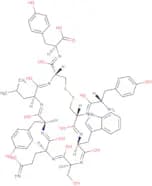
CAS:<p>Please enquire for more information about (Nle 8·18,Tyr34)-pTH (7-34) amide (bovine) including the price, delivery time and more detailed product information at the technical inquiry form on this page</p>Formula:C158H248N48O49Purity:Min. 95%Molecular weight:3,603.95 g/mol6-Methoxy-2,3,4,9-tetrahydro-1H-β-carbolin-1-one
CAS:<p>6-Methoxy-2,3,4,9-tetrahydro-1H-beta-carbolin-1-one is a β-carboline alkaloid that is structurally related to harmaline and tetrahydroharmine. It has been shown to have antidepressant activity in animals. 6-Methoxy-2,3,4,9-tetrahydro-1H-beta-carbolin-1-one was analyzed by GC/MS and found to be present in the leaves of plants from the genus Tetraclinis. 6MHBC was also identified as a metabolite of diazepam in rat urine after administration of a single oral dose of 10 mg/kg diazepam. The observed β carboline metabolite was determined to be 6MHBC.</p>Formula:C12H12N2O2Purity:Min. 95%Molecular weight:216.24 g/molBoc-Glu-OFm
CAS:<p>Please enquire for more information about Boc-Glu-OFm including the price, delivery time and more detailed product information at the technical inquiry form on this page</p>Formula:C24H27NO6Purity:Min. 95%Molecular weight:425.47 g/molDynorphin A (1-8) acetate salt
CAS:<p>Dynorphin A (1-8) acetate salt H-Tyr-Gly-Gly-Phe-Leu-Arg-Arg-Ile-OH acetate salt is a synthetic, nonpeptide opioid agonist. It binds to the delta receptor and inhibits nociception in the central nervous system. This compound has been shown to produce acute phase and subchronic toxicity in rats and has been shown to possess antinociceptive effects in mice. Dynorphin A (1-8) acetate salt H-Tyr-Gly-Gly-Phe-Leu-Arg-Arg-Ile-OH acetate salt has also been shown to antagonize the enzyme inhibitors of phospholipase A2, cyclooxygenase, and lipoxygenase.<br>MECHANISM OF ACTION: Dynorphin A (1–8) is an endogenous peptide that modulates neurotransmission at the</p>Formula:C46H72N14O10Purity:Min. 95%Molecular weight:981.15 g/mol2-(4,5-Dimethoxy-2-(1-((2-methylphenyl)methyl)vinyl)cyclohexyl)ether
CAS:<p>2-(4,5-Dimethoxy-2-(1-((2-methylphenyl)methyl)vinyl)cyclohexyl)ether is a versatile building block for the synthesis of complex compounds. It is also an intermediate in the synthesis of useful scaffolds and reaction components. This compound has a high quality and can be used as a reagent or research chemicals.</p>Formula:C36H50O5Purity:Min. 95%Molecular weight:562.78 g/molH-Pro-Ser-Hyp-Gly-Asp-Trp-OH
CAS:<p>H-Pro-Ser-Hyp-Gly-Asp-Trp-OH is a cyclic hexapeptide with a high activity against platelets. It is an antagonist of the cyclic RGD sequence, which is present in fibrinogen, fibronectin, vitronectin and other proteins. This peptide binds to the n-terminal residue of these proteins and prevents them from binding to their receptors on the surface of platelets. H-Pro-Ser-Hyp-Gly-Asp-Trp-OH has been shown to be specific for human platelets and does not bind to erythrocytes or leukocytes.</p>Formula:C30H39N7O11Purity:Min. 95%Molecular weight:673.67 g/molH-Gly-Gly-Met-OH
CAS:<p>H-Gly-Gly-Met-OH is a hydrophobic amino acid with a decelerated reaction. It has been shown to modulate the growth of organisms, such as Staphylococcus aureus and Streptococcus pneumoniae. This molecule also has aspirin-like activity against S. aureus and can be used for cavity prevention. H-Gly-Gly-Met-OH is effective in inhibiting the growth of S. aureus, but not against Streptococcus pneumoniae. The test organism used in this study was Escherichia coli K12. H-Gly-Gly-Met-OH has been shown to have sequences that are similar to those found in kinetically slow peptides and tripeptides, which may explain its stability when encapsulated in liposomes for oral administration.</p>Formula:C9H17N3O4SPurity:Min. 95%Molecular weight:263.32 g/molH-Ser-Phe-NH2·HCl
CAS:<p>Please enquire for more information about H-Ser-Phe-NH2·HCl including the price, delivery time and more detailed product information at the technical inquiry form on this page</p>Formula:C12H17N3O3·HClPurity:Min. 95%Molecular weight:287.74 g/molH-Val-Tyr-Val-OH
CAS:<p>H-Val-Tyr-Val-OH is a water soluble polymer that has a sulfamic acid group and a hydroxyl group. The polymer film is used as an additive for cellulose acetate, which is used in the manufacture of films, lacquers, and adhesives. H-Val-Tyr-Val-OH increases the solubility of the cellulose acetate in hydrochloric acid and reduces its tendency to dissolve in water. H-Val-Tyr-Val-OH also has a high degree of uv absorption. Constant techniques are used for analytical chemistry, such as gas chromatography and nuclear magnetic resonance spectroscopy, to study the surface properties of micelles formed from H-Val-Tyr-Val-OH.</p>Formula:C19H29N3O5Purity:Min. 95%Molecular weight:379.45 g/molH-Met-Gly-OH
CAS:<p>H-Met-Gly-OH is a radical scavenger that has been shown to have potent antioxidant properties. It is an amide with two nitrogen atoms and can be used as a marker protein in human serum, where it binds to fatty acids and inhibits the formation of free radicals. H-Met-Gly-OH has been shown to chelate metal ions such as copper, iron, and zinc. The uptake of these metal ions by the human body may cause genotoxic effects or other toxic reactions, which can be prevented by using H-Met-Gly-OH as a chelating agent. This compound also has broad spectrum antimicrobial activity against microbes that are resistant to many antibiotics.</p>Formula:C7H14N2O3SPurity:Min. 95%Molecular weight:206.26 g/molLeu-Enkephalin amide acetate salt
CAS:<p>Leu-Enkephalin amide acetate salt H-Tyr-Gly-Gly-Phe-Leu-NH2 acetate salt is a peptide that is used as an analgesic and antipyretic drug. It is a synthetic form of endogenous enkephalins, which are natural pain relievers. The chemical stability of Leu-Enkephalin amide acetate salt H-Tyr-Gly-Gly-Phe-Leu-NH2 acetate salt makes it an effective drug for chronic use, and it has been shown to have a low side effect profile. This compound also has been shown to block the synthesis of histamine in vivo, but its bioavailability in vivo is not high due to its rapid degradation by proteases.</p>Formula:C28H38N6O6Purity:Min. 95%Color and Shape:PowderMolecular weight:554.64 g/molH-His-Phe-OH
CAS:<p>H-His-Phe-OH is a polypeptide that is used in the diagnosis of chronic kidney disease. It is synthesized by the chemical reaction between histidine and phenylalanine. H-His-Phe-OH has been shown to have a molecular weight of 4,000 Da, with a diameter of 5 nm. The binding constants for this molecule are 3.5 x 10^6 M^(-1), and its stability in biological fluids has been shown to be greater than 100 hours at pH 7.4, 37°C.</p>Formula:C15H18N4O3Purity:Min. 95%Molecular weight:302.33 g/molBoc-Phe-D-Leu-Phe-D-Leu-Phe-OH
CAS:<p>Polymyxin B is a cationic detergent that binds to bacterial membranes and destroys the cell wall. Polymyxin B has been shown to be a potent antagonist of spermatozoa and microglia, which are cells that maintain the homeostasis of the central nervous system. It also has been shown to be an inhibitor of chemotaxis in polymorphonuclear leucocytes (PMN), which are white blood cells that participate in inflammatory processes. Polymyxin B has been shown to have chemotactic activity for PMN and inhibit protein synthesis in mitochondria. This compound also inhibits chelerythrine, a cyclase inhibitor that is used as an antineoplastic agent.</p>Formula:C44H59N5O8Purity:Min. 95%Molecular weight:785.97 g/molHIV (gp120) Fragment (308-331)
CAS:<p>HIV is a type of virus that causes AIDS. HIV infects the cells of the human immune system, destroying them and making the body vulnerable to infections from other types of viruses and bacteria. The gp120 protein is an envelope glycoprotein that mediates binding to the CD4 receptor on host T-helper cells and induces fusion of viral and cellular membranes. The gp120 protein has been studied using a variety of methods, including neutralizing antibody binding experiments, enzyme-linked immunosorbent assays (ELISA), Western blotting, peptide mapping, and density lipoprotein binding assays. This fragment contains residues 308-331 in a human immunodeficiency virus (HIV) type 1 gp120 protein.</p>Formula:C114H199N41O31Purity:Min. 95%Molecular weight:2,640.06 g/molTos-Gly-Pro-OH
CAS:<p>Tos-Gly-Pro-OH is a fluorescent histone deacetylase (HDAC) inhibitor. It has been validated as a competitive inhibitor of HDACs by using a fluorescence assay to detect the deacetylated form of 7-amino-4-methylcoumarin. Tos-Gly-Pro-OH is used in the treatment of malignant tumors, such as leukemia and lymphoma, by inhibiting HDACs that are responsible for cellular proliferation. In addition, Tos-Gly-Pro-OH may be useful in the treatment of diseases caused by bacterial infection because it inhibits bacterial HDACs that are responsible for protein synthesis and chemotaxis. This drug also inhibits trypsin activity and can be used as an alternative to nonisotopic solvents for peptide synthesis.</p>Formula:C14H18N2O5SPurity:Min. 95%Molecular weight:326.37 g/molH-Arg-Tyr-NH2·2 HCl
CAS:<p>Please enquire for more information about H-Arg-Tyr-NH2·2 HCl including the price, delivery time and more detailed product information at the technical inquiry form on this page</p>Formula:C15H24N6O3·2HClPurity:Min. 95%Molecular weight:409.31 g/molBoc-Gly-Merrifield resin (200-400 mesh)
<p>Please enquire for more information about Boc-Gly-Merrifield resin (200-400 mesh) including the price, delivery time and more detailed product information at the technical inquiry form on this page</p>Purity:Min. 95%pTH (1-31) amide (human)
CAS:<p>pTH (1-31) amide is a polymer conjugate that is used to treat osteoporosis. It has been shown to be effective in reducing the risk of fracture and increasing bone mineral density in animals. The compound binds to the extracellular domain of the estrogen receptor, altering its conformation and preventing it from interacting with other proteins in the nucleus. pTH (1-31) amide has also been shown to reduce blood pressure in animals by inhibiting angiotensin-converting enzyme. Clinical data on this drug are limited, but it has been well tolerated so far.</p>Formula:C162H270N50O46S2Purity:Min. 95%Molecular weight:3,718.32 g/mol4-Methoxy-3-(trifluoromethyl)benzoic acid
CAS:<p>4-Methoxy-3-(trifluoromethyl)benzoic acid is a useful scaffold that can be used as a building block for the synthesis of complex compounds. It has been shown to react with various reagents and is a versatile building block that can be used in organic synthesis. 4-Methoxy-3-(trifluoromethyl)benzoic acid is a high quality chemical and has been classified as speciality chemicals. This product is also known by the CAS number 213598-09-5.</p>Formula:C9H7F3O3Purity:Min. 98 Area-%Color and Shape:PowderMolecular weight:220.15 g/molH-Lys-Asn-Asn-Gln-Lys-Ser-Glu-Pro-Leu-Ile-Gly-Arg-Lys-Lys-Thr-OH
CAS:<p>Please enquire for more information about H-Lys-Asn-Asn-Gln-Lys-Ser-Glu-Pro-Leu-Ile-Gly-Arg-Lys-Lys-Thr-OH including the price, delivery time and more detailed product information at the technical inquiry form on this page</p>Formula:C74H133N25O23Purity:Min. 95%Molecular weight:1,741 g/molType A Allatostatin I
CAS:<p>Type A Allatostatin I is a fatty acid that is synthesized in the liver and binds to the G protein-coupled receptor, alpha-MSH. Allatostatin I inhibits fatty acid synthesis and has been shown to have a protective effect on hepatic steatosis caused by methanol solvent exposure. It also has insecticidal properties which may be due to its ability to inhibit chitin synthesis in insects. Moreover, Type A Allatostatin I has shown ecological effects as an inhibitor of polymerase chain reactions (PCRs) for DNA replication. This compound also inhibits RNA synthesis in vitro at physiological levels. Type A Allatostatin I has been shown to be an endogenous factor that plays a role in obesity and diabetes, as well as its pathogenic mechanism.</p>Formula:C61H94N18O16Purity:Min. 95%Molecular weight:1,335.51 g/molFmoc-Gly-Pro-Hyp-OH
CAS:<p>Fmoc-Gly-Pro-Hyp-OH is a synthetic single-stranded amide with a stepwise hydrogen bond. The synthesis of this compound starts with the creation of an ester by reacting an acid and alcohol in the presence of catalysts. The ester is then reacted with a primary amine to form an amide, which can be hydrolyzed to release the desired product. This synthetic process has been used for the production of collagen and cyclic peptides. Fmoc-Gly-Pro-Hyp-OH has been modified to include modifications such as alkene and modifications such as strategies, synthons, and isosteres.</p>Formula:C27H29N3O7Purity:Min. 95%Molecular weight:507.54 g/molH-Gly-Glu-Gly-OH trifluoroacetic acid
CAS:<p>H-Gly-Glu-Gly-OH trifluoroacetic acid is a dilute buffer solution of amino acids. It has been used to study the thermodynamic stability of polypeptides and their sensitivity to acidic conditions. Experiments have shown that H-Gly-Glu-Gly-OH trifluoroacetic acid is more stable than glycine, glutamic acid, histidine, aspartic acid, or aspartyl. This compound is an amino acid with a high concentration of glutamic acid.</p>Formula:C9H15N3O6•(CF3CO2H)xPurity:Min. 95%Molecular weight:261.23 g/molGalanin Message Associated Peptide (25-41) amide
CAS:<p>Please enquire for more information about Galanin Message Associated Peptide (25-41) amide including the price, delivery time and more detailed product information at the technical inquiry form on this page</p>Formula:C90H143N21O22SPurity:Min. 95%Molecular weight:1,903.29 g/molZ-Lys(Boc)-Leu-OMe
CAS:<p>Please enquire for more information about Z-Lys(Boc)-Leu-OMe including the price, delivery time and more detailed product information at the technical inquiry form on this page</p>Formula:C26H41N3O7Purity:Min. 95%Molecular weight:507.62 g/mol(Des-Leu9)-Kinetensin
CAS:<p>(Des-Leu9)-Kinetensin H-Ile-Ala-Arg-Arg-His-Pro-Tyr-Phe-OH is an analog of kinetensin, a peptide hormone that stimulates pancreatic exocrine secretions. (Des-Leu9)-Kinetensin H-Ile-Ala-Arg-Arg-His-Pro-Tyr-Phe has been shown to have a specific interaction with the albumin protein, which is the major plasma protein in humans. This peptide can inhibit protein synthesis and may be used as a treatment for chronic renal failure, cystic fibrosis, malignant hypertension, and other conditions. The sequence of this peptide is homologous to the sequence of human kinetensin. Electron microscopic analysis showed that it has a hydrophobic side chain and an amphipathic structure.</p>Formula:C50H74N16O10Purity:Min. 95%Molecular weight:1,059.22 g/molCaspase-3/7 Inhibitor II Ac-Asp-Asn-Leu-Asp-aldehyde (pseudo acid)
CAS:<p>Caspase-3/7 Inhibitor II Ac-Asp-Asn-Leu-Asp-aldehyde (pseudo acid) is a peptide inhibitor of caspases. It blocks the activation of these proteases and their subsequent cleavage of substrates in the apoptotic pathway. This drug has potent inhibitory activity against caspases 3, 7, 8, 9, and 10. Caspase-3/7 Inhibitor II Ac-Asp-Asn-Leu-Asp-aldehyde (pseudo acid) specifically interacts with the active site and inhibits the enzyme by binding to an aspartic acid residue at position D197 in human caspase 3. Caspase 3/7 Inhibitor II Ac-Asp-Asn-Leu-Asp-aldehyde (pseudo acid) is localized to mitochondria and binds to acetyldeviceine (acDEV), a substrate for caspases</p>Formula:C20H31N5O10Purity:Min. 95%Molecular weight:501.49 g/molNeurotensin acetate salt Pyr-Leu-Tyr-Glu-Asn-Lys-Pro-Arg-Arg-Pro-Tyr-Ile-Leu-OH acetate salt
CAS:<p>Neurotensin is a peptide hormone that regulates the release of other hormones and neurotransmitters, such as dopamine. It has been shown to be able to regulate appetite and bowel disease in animal models. Neurotensin acetate salt Pyr-Leu-Tyr-Glu-Asn-Lys-Pro-Arg-Arg-Pro-Tyr-Ile-Leu-OH acetate salt is a neurotensin molecule with an acetate group attached to it. This molecule is completely soluble in water and has been shown to have no effect on energy metabolism or polymerase chain reactions.</p>Formula:C78H121N21O20Purity:Min. 95%Molecular weight:1,672.92 g/molGalanin Message Associated Peptide (16-41) amide
CAS:<p>Please enquire for more information about Galanin Message Associated Peptide (16-41) amide including the price, delivery time and more detailed product information at the technical inquiry form on this page</p>Formula:C134H219N35O37SPurity:Min. 95%Molecular weight:2,944.45 g/molAmyloid Precursor Frameshift Mutant C-Terminal Peptide trifluoroacetate salt
CAS:<p>Please enquire for more information about Amyloid Precursor Frameshift Mutant C-Terminal Peptide trifluoroacetate salt including the price, delivery time and more detailed product information at the technical inquiry form on this page</p>Formula:C44H81N17O16Purity:Min. 95%Molecular weight:1,104.22 g/molH-Lys(2-chloro-Z)-OBzl·HCl
CAS:<p>Please enquire for more information about H-Lys(2-chloro-Z)-OBzl·HCl including the price, delivery time and more detailed product information at the technical inquiry form on this page</p>Formula:C21H25ClN2O4·HClPurity:Min. 95%Molecular weight:441.35 g/mol8-Methylnonanal
CAS:<p>8-Methylnonanal is a fatty acid that has been hydrogenated and sulfonated. It is an unsaturated, straight chain, alpha-methylene-containing molecule with the chemical formula CH3(CH2)4CH=CH(CH2)3COOH. 8-Methylnonanal can be used as an additive in polyolefin production to improve processability. 8-Methylnonanal is used as a reaction system for the synthesis of monomers and polymers. In addition, it reacts with sulfuric acid to produce sulfuric acid esters and alkyl sulfonic acids. This chemical also reacts with fatty acids to form various products such as fatty acid methyl esters (FAMEs).</p>Formula:C10H20OPurity:Min. 95%Molecular weight:156.27 g/molCyclo(-Ala-Gln)
CAS:<p>Cyclo(-Ala-Gln) is a cyclic dipeptide that is used in the bioscience industry for analytical purposes. It can be analyzed using liquid chromatography mass spectrometry. Cyclo(-Ala-Gln) is a bioactive molecule that has been shown to inhibit the growth of bacteria, such as Staphylococcus aureus and E. coli. It also has an effect on cancer cells and has been shown to have anti-inflammatory properties.</p>Formula:C8H13N3O3Purity:Min. 95%Molecular weight:199.21 g/molGalanin Message Associated Peptide (44-59) amide
CAS:<p>Please enquire for more information about Galanin Message Associated Peptide (44-59) amide including the price, delivery time and more detailed product information at the technical inquiry form on this page</p>Formula:C61H100N18O25Purity:Min. 95%Molecular weight:1,485.55 g/molH-Leu-Val-Tyr-AMC
CAS:<p>H-Leu-Val-Tyr-AMC is a model compound that belongs to the group of sulfonamides. It is synthesized and used as a chymotrypsin-like protease inhibitor. H-Leu-Val-Tyr-AMC has been shown to inhibit the activity of chymotrypsin, a serine protease, by binding to its active site. This inhibition leads to an increase in the time required for digestion of proteins and peptides, which may be due to the steric hindrance created by the bulky H-Leu-Val-Tyr. H-Leu-Val-Tyr amide also has antiinflammatory properties, which are thought to be caused by its ability to inhibit prostaglandin synthesis.</p>Formula:C30H38N4O6Purity:Min. 95%Molecular weight:550.65 g/mol3-(2R,3S)-Phenylisoserine
CAS:<p>3-(2R,3S)-Phenylisoserine is a chiral enantiomer that can be used in organic synthesis. It is a reactive compound and has the ability to form amide bonds with other compounds. 3-(2R,3S)-Phenylisoserine is also able to react with nitro groups and form an oxime. It is not soluble in water but it is soluble in organic solvents like acetone or methanol. 3-(2R,3S)-Phenylisoserine can be synthesized by the enzymatic methods of benzyloxymethyl hydrazine and hydrochloric acid.</p>Formula:C9H11NO3Purity:Min. 95%Color and Shape:PowderMolecular weight:181.19 g/mol(D-Trp6)-LHRH (1-6) amide
CAS:<p>Please enquire for more information about (D-Trp6)-LHRH (1-6) amide including the price, delivery time and more detailed product information at the technical inquiry form on this page</p>Formula:C45H49N11O9Purity:Min. 95%Molecular weight:887.94 g/mol(Des-Gly10,D-His2,D-His(Bzl)6,Pro-NHEt 9)-LHRH
CAS:<p>Please enquire for more information about (Des-Gly10,D-His2,D-His(Bzl)6,Pro-NHEt 9)-LHRH including the price, delivery time and more detailed product information at the technical inquiry form on this page</p>Formula:C66H86N18O12Purity:Min. 95%Molecular weight:1,323.5 g/molpTH (53-84) (human)
CAS:<p>Please enquire for more information about pTH (53-84) (human) including the price, delivery time and more detailed product information at the technical inquiry form on this page</p>Formula:C149H253N43O54Purity:Min. 95%Molecular weight:3,510.86 g/molFmoc-Ile-OH
CAS:<p>Fmoc-Ile-OH is a cyclic peptide that has shown cytotoxic activity against cultured human brain cells. It is also an inhibitor of dipeptidyl peptidase IV (DPP-IV) and inhibits the breakdown of proteins in the brain, such as insulin. Fmoc-Ile-OH binds to the active site of DPP-IV and prevents it from binding to its substrate, thereby inhibiting the enzyme's activity. The inhibition of DPP-IV leads to increased levels of protein in the brain, which may be beneficial for people with Alzheimer's disease. Fmoc-Ile-OH is synthesized on a solid phase by coupling an amino acid with a protected carboxylic acid to yield a protected amide. This product can be used as an encapsulating agent for atosiban, a drug that is used to treat preterm labor.END>></p>Formula:C21H23NO4Purity:Min. 98 Area-%Color and Shape:White Off-White PowderMolecular weight:353.41 g/molAc-α-benzyl-muramyl-Ala-D-Glu(Lys(trans-(3-nitrocinnamoyl))-NH2)-NH2
CAS:<p>Please enquire for more information about Ac-alpha-benzyl-muramyl-Ala-D-Glu(Lys(trans-(3-nitrocinnamoyl))-NH2)-NH2 including the price, delivery time and more detailed product information at the technical inquiry form on this page</p>Formula:C41H56N8O14Purity:Min. 95%Molecular weight:884.93 g/molTyr-(D-Dab 4,Arg5,D-Trp8)-cyclo-Somatostatin-14 (4-11) trifluoroacetate salt
CAS:<p>Please enquire for more information about Tyr-(D-Dab 4,Arg5,D-Trp8)-cyclo-Somatostatin-14 (4-11) trifluoroacetate salt including the price, delivery time and more detailed product information at the technical inquiry form on this page</p>Formula:C67H85N15O11Purity:Min. 95%Molecular weight:1,276.49 g/molH-Phe-Pro-bNA·HCl
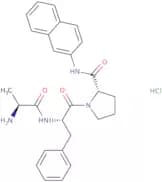
CAS:<p>Please enquire for more information about H-Phe-Pro-bNA·HCl including the price, delivery time and more detailed product information at the technical inquiry form on this page</p>Formula:C24H25N3O2·HClPurity:Min. 95%Molecular weight:423.93 g/molAdipokinetic Hormone G (Gryllus bimaculatus)
CAS:<p>Adipokinetic hormone G is a peptide found in the hemolymph of Gryllus bimaculatus, a species of cricket. It has been shown to have anti-lipemic and antilipaemic effects in animal models. Adipokinetic hormone G can be detected by bioassay and matrix-assisted laser desorption/ionization (MALDI) mass spectrometry.</p>Formula:C43H57N11O12Purity:Min. 95%Molecular weight:919.98 g/molBoc-D-Cys(NPys)-OH
CAS:<p>Please enquire for more information about Boc-D-Cys(NPys)-OH including the price, delivery time and more detailed product information at the technical inquiry form on this page</p>Formula:C13H17N3O6S2Purity:Min. 95%Molecular weight:375.42 g/mol(D-His2,D-Trp6)-LHRH trifluoroacetate salt
CAS:<p>Please enquire for more information about (D-His2,D-Trp6)-LHRH trifluoroacetate salt including the price, delivery time and more detailed product information at the technical inquiry form on this page</p>Formula:C64H82N18O13Purity:Min. 95%Molecular weight:1,311.45 g/molMet-Enkephalin acetate salt
CAS:<p>Please enquire for more information about Met-Enkephalin acetate salt including the price, delivery time and more detailed product information at the technical inquiry form on this page</p>Formula:C27H35N5O7S·xC2H4O2Purity:Min. 95%Molecular weight:573.66 g/molOxyntomodulin (human, mouse, rat) trifluoroacetate salt
CAS:<p>Please enquire for more information about Oxyntomodulin (human, mouse, rat) trifluoroacetate salt including the price, delivery time and more detailed product information at the technical inquiry form on this page</p>Formula:C192H295N61O60SPurity:Min. 95%Molecular weight:4,449.84 g/molGliadorphin-7 trifluoroacetate salt
CAS:<p>Gliadorphin is a peptide that occurs in cow's milk. It has been shown to be effective against bacterial translocation, which is the passage of bacteria from the gut into other parts of the body. Gliadorphin also has a safety profile, with no observed adverse effects in animal studies and dietary trials. The biological samples used for this study were casein and urine samples. The antibodies used were polyclonal antibodies and Gliadorphin was tested for its ability to bind to bacterial proteins in vivo. Hydration may be necessary for optimal absorption of gliadorphin, as dehydration can affect immune reaction. Gliadorphin does not have any known side effects or drug interactions, but it should not be used by people with an allergy to casein or those who are allergic to mammalian serine proteases (such as trypsin).</p>Formula:C43H57N9O11Purity:Min. 95%Molecular weight:875.97 g/mol(Des-Gly10,D-Trp6,Pro-NHEt 9)-LHRH (sea bream)
CAS:<p>Please enquire for more information about (Des-Gly10,D-Trp6,Pro-NHEt 9)-LHRH (sea bream) including the price, delivery time and more detailed product information at the technical inquiry form on this page</p>Formula:C61H76N14O13Purity:Min. 95%Molecular weight:1,213.34 g/mol(D-Phe12, Nle 21·38)-CRF (12-41) (human, rat) trifluoroacetate salt
CAS:<p>Please enquire for more information about (D-Phe12, Nle 21·38)-CRF (12-41) (human, rat) trifluoroacetate salt including the price, delivery time and more detailed product information at the technical inquiry form on this page</p>Formula:C158H265N49O43Purity:Min. 95%Molecular weight:3,539.1 g/mol4-Fluoro-2-methoxy-5-nitroaniline
CAS:<p>Intermediate in the synthesis of osimertinib (AZD9291)</p>Formula:C7H7FN2O3Purity:Min. 95%Molecular weight:186.14 g/molFmoc-Ala-Cys(Psi(Me ,Me)pro)-OH
<p>Please enquire for more information about Fmoc-Ala-Cys(Psi(Me ,Me)pro)-OH including the price, delivery time and more detailed product information at the technical inquiry form on this page</p>Formula:C24H26N2O5SPurity:Min. 95%Molecular weight:454.54 g/molAc-Lys-Ala-bNA
CAS:<p>Please enquire for more information about Ac-Lys-Ala-bNA including the price, delivery time and more detailed product information at the technical inquiry form on this page</p>Formula:C21H28N4O3Purity:Min. 95%Molecular weight:384.47 g/mol(Deamino-Cys1,b-(3-pyridyl)-D-Ala2,Arg8)-Vasopressin trifluoroacetate salt
CAS:<p>DDAVP is an analogue of vasopressin, which belongs to the class of inositol phosphates. It is a potent agonist for the V1 receptor and has a higher affinity for this receptor than vasopressin. DDAVP also has antagonist properties at the V2 receptor. The biological activity of DDAVP is mediated by its ability to increase phospholipase A2 activity and cause the release of arachidonic acid from membrane phospholipids. This activation causes an increase in prostaglandin synthesis, leading to increased vascular permeability and hypotension. DDAVP may also have antidiuretic effects due to its antagonism of oxytocin receptors.</p>Formula:C45H63N15O11S2Purity:Min. 95%Molecular weight:1,054.21 g/molAF-16 trifluoroacetate salt
CAS:<p>AF-16 trifluoroacetate salt is a synthetic peptide, which is derived from chemical synthesis with tailored modifications to enhance its stability and efficacy. This compound acts by specifically binding to target receptors or proteins, facilitating the study of biochemical pathways and mechanisms at the molecular level. It is particularly used in biological and biochemical research settings to probe cellular processes, offering insights into protein interactions and signaling pathways.</p>Formula:C71H119N25O25SPurity:Min. 95%Molecular weight:1,754.92 g/molHIV-1 gag Protein p24 (65-73) (isolates MAL/U455) trifluoroacetate salt
CAS:<p>Please enquire for more information about HIV-1 gag Protein p24 (65-73) (isolates MAL/U455) trifluoroacetate salt including the price, delivery time and more detailed product information at the technical inquiry form on this page</p>Formula:C44H79N11O14S2Purity:Min. 95%Molecular weight:1,050.3 g/molH-Lys-Gly-Glu-OH
CAS:<p>H-Lys-Gly-Glu-OH is a peptide that binds to epidermal growth factor, increasing the production of new cells. This molecule has been shown to inhibit the growth of viruses, such as herpes simplex virus, and matrix metalloproteinase. This peptide also interacts with toll-like receptor 4, which is a protein that recognizes lipopolysaccharides in Gram-negative bacteria. Titration calorimetry has shown that H-Lys-Gly-Glu-OH has an effect on epidermal growth factor, which may be due to its effects on fatty acid metabolism or growth factors.</p>Formula:C13H24N4O6Purity:Min. 95%Molecular weight:332.35 g/molProadrenomedullin (12-20) (human)
CAS:<p>Please enquire for more information about Proadrenomedullin (12-20) (human) including the price, delivery time and more detailed product information at the technical inquiry form on this page</p>Formula:C56H86N18O11Purity:Min. 95%Molecular weight:1,187.4 g/molGastrin I (rat) trifluoroacetate salt
CAS:<p>Trifluoroacetate salt</p>Formula:C94H128N22O31S2Purity:Min. 95%Molecular weight:2,126.28 g/molH-Gly-Gly-OBzl·p-tosylate
CAS:<p>The product is a neutral amino acid with an aliphatic side-chain. The product has been shown to be stable when diluted, and is not subject to hydrolysis. It can be used as a reagent for peptide synthesis because it does not interfere with the reaction or alter the yield of desired products. The product has been shown to be reliable and produce polypeptides that are chemically identical to those obtained by other methods. It has been found that the product is additive in peptide synthesis reactions, so that it can be substituted for any one of the components without altering the yield of desired products.</p>Formula:C11H14N2O3·C7H8O3SPurity:Min. 95%Molecular weight:394.44 g/molTrt-D-Phe-OH·DEA
CAS:<p>Please enquire for more information about Trt-D-Phe-OH·DEA including the price, delivery time and more detailed product information at the technical inquiry form on this page</p>Formula:C28H25NO2·C4H11NPurity:Min. 95%Molecular weight:480.64 g/molH-β-Chloro-Ala-NHOH hydrochloride salt
CAS:<p>Please enquire for more information about H-beta-Chloro-Ala-NHOH hydrochloride salt including the price, delivery time and more detailed product information at the technical inquiry form on this page</p>Formula:C3H7ClN2O2Purity:Min. 95%Molecular weight:138.55 g/molBoc-D-Arg(Pmc)-OH
CAS:<p>Boc-D-Arg(Pmc)-OH is a triazole derivative that inhibits the production of proinflammatory cytokines. It is used as a therapeutic for premature infants to reduce the risk of infections, such as sepsis and meningitis. Boc-D-Arg(Pmc)-OH has been shown to inhibit interleukin 1 receptor (IL1R) and IL1β synthesis in human cells. Boc-D-Arg(Pmc)-OH binds to the triazole ring of IL1β, preventing the formation of an enzyme complex that is required for IL1β synthesis. This binding also prevents the formation of an enzyme complex that is required for IL1R synthesis. The conformation of the peptide chain may be important for its activity, with some stereoisomers being more potent than others.</p>Formula:C25H40N4O7SPurity:Min. 95%Molecular weight:540.67 g/molH-2,5-Diiodo-His-OH·HCl
CAS:<p>Please enquire for more information about H-2,5-Diiodo-His-OH·HCl including the price, delivery time and more detailed product information at the technical inquiry form on this page</p>Formula:C6H7I2N3O2·HClPurity:Min. 95%Molecular weight:443.41 g/molGAP 27 acetate salt
CAS:<p>GAP 27 is a connexin that is expressed in the cardiac and skin cells. GAP 27 acetate salt H-Ser-Arg-Pro-Thr-Glu-Lys-Thr-Ile-Phe-Ile-Ile-OH acetate salt is made up of a number of amino acids, including serine, arginine, proline, glutamic acid, lysine, threonine and isoleucine. It has been shown to have biological function in vivo models and in vitro assays. GAP 27 acetate salt H-Ser-Arg-Pro-Thr-Glu-Lys-Thr--Ile--Phe--Ile--Ile--OH acetate salt has been shown to be non toxic to the heart and skin cells. This protein also shows growth factor activity when it interacts with toll like receptor 4 (TLR4) on human skin cells.</p>Formula:C60H101N15O17Purity:Min. 95%Molecular weight:1,304.53 g/mol(Pen 5)-Urotensin II (4-11) (human) trifluoroacetate salt
CAS:<p>Please enquire for more information about (Pen 5)-Urotensin II (4-11) (human) trifluoroacetate salt including the price, delivery time and more detailed product information at the technical inquiry form on this page</p>Formula:C52H68N10O12S2Purity:Min. 95%Molecular weight:1,089.29 g/molH-Gln(Trt)-2-chlorotrityl resin (200-400 mesh) (Low Substitution)
<p>Please enquire for more information about H-Gln(Trt)-2-chlorotrityl resin (200-400 mesh) (Low Substitution) including the price, delivery time and more detailed product information at the technical inquiry form on this page</p>Purity:Min. 95%3-Hydroxy-3-methylglutaric acid
CAS:<p>3-Hydroxy-3-methylglutaric acid is an organic acid that is a valuable intermediate in the chemical production of epidermal growth factor. 3-Hydroxy-3-methylglutaric acid also has been shown to be useful as a reagent for the detection of bacterial strains, including E. coli, Salmonella enterica, and Pseudomonas aeruginosa. The enzyme activities of 3-hydroxy-3-methylglutaric acid are not well understood, but it has been shown to have effects on congestive heart failure and bowel disease. 3-Hydroxy-3-methylglutaric acid may be used in the treatment of inflammatory bowel disease due to its ability to inhibit certain enzymes responsible for inflammation and pain. The long term toxicity and symptoms associated with 3-hydroxy-3-methylglutaric acid have not yet been studied, but it has been shown to have no effect on cardiac function</p>Formula:C6H10O5Purity:Min. 95%Molecular weight:162.14 g/molFluorescein-6-carbonyl-Asp(OMe)-Glu(OMe)-Val-DL-Asp(OMe)-fluoromethylketone
CAS:<p>Please enquire for more information about Fluorescein-6-carbonyl-Asp(OMe)-Glu(OMe)-Val-DL-Asp(OMe)-fluoromethylketone including the price, delivery time and more detailed product information at the technical inquiry form on this page</p>Formula:C43H45FN4O16Purity:Min. 95%Molecular weight:892.83 g/molZ-His(Bzl)-OH
CAS:<p>Please enquire for more information about Z-His(Bzl)-OH including the price, delivery time and more detailed product information at the technical inquiry form on this page</p>Formula:C21H21N3O4Purity:Min. 95%Molecular weight:379.41 g/molOsteocalcin (45-49) (human)
CAS:<p>Please enquire for more information about Osteocalcin (45-49) (human) including the price, delivery time and more detailed product information at the technical inquiry form on this page</p>Formula:C30H39N5O7Purity:Min. 95%Molecular weight:581.66 g/molH-Ala-Ala-Lys-OH hydrochloride salt
CAS:<p>H-Ala-Ala-Lys-OH hydrochloride salt is a tripeptide with a reactive side chain. The protonated form of the molecule can be analyzed by acid analysis, and the ligand can be synthesized in a laboratory. Amino acid analysis has shown that this tripeptide contains lysine residues, which are important for binding to the peptide transporter. This compound is taken up through the intestine and is found in porcine tissue. H-Ala-Ala-Lys-OH hydrochloride salt has been used as a model compound in structural studies of peptide transporters.</p>Formula:C12H24N4O4Purity:Min. 95%Molecular weight:288.34 g/molp60 v-src (137-157)
CAS:<p>Please enquire for more information about p60 v-src (137-157) including the price, delivery time and more detailed product information at the technical inquiry form on this page</p>Formula:C111H168N30O35Purity:Min. 95%Molecular weight:2,482.7 g/molH-Arg-Arg-Lys-Asp-Leu-His-Asp-Asp-Glu-Glu-Asp-Glu-Ala-Met-Ser-Ile-Thr-Ala-OH
CAS:<p>Please enquire for more information about H-Arg-Arg-Lys-Asp-Leu-His-Asp-Asp-Glu-Glu-Asp-Glu-Ala-Met-Ser-Ile-Thr-Ala-OH including the price, delivery time and more detailed product information at the technical inquiry form on this page</p>Formula:C85H139N27O35SPurity:Min. 95%Molecular weight:2,131.24 g/mol(D-Ala3)-Dynorphin A (1-11) amide trifluoroacetate salt
CAS:<p>Please enquire for more information about (D-Ala3)-Dynorphin A (1-11) amide trifluoroacetate salt including the price, delivery time and more detailed product information at the technical inquiry form on this page</p>Formula:C64H106N22O12Purity:Min. 95%Molecular weight:1,375.67 g/molFmoc-4-(Boc-amino)-L-phenylalanine
CAS:<p>Fmoc-4-(Boc-amino)-L-phenylalanine is a useful building block, which is used in the synthesis of complex compounds and research chemicals. It is also a reaction component in the synthesis of compounds. Fmoc-4-(Boc-amino)-L-phenylalanine has CAS No. 174132-31-1 and can be used as a versatile building block to produce high quality reagents.</p>Formula:C29H30N2O6Purity:Min. 98 Area-%Color and Shape:SolidMolecular weight:502.56 g/molAcetyl-ACTH (7-24) (human, bovine, rat) trifluoroacetate salt
CAS:<p>Please enquire for more information about Acetyl-ACTH (7-24) (human, bovine, rat) trifluoroacetate salt including the price, delivery time and more detailed product information at the technical inquiry form on this page</p>Formula:C107H170N32O21Purity:Min. 95%Molecular weight:2,240.7 g/mol(Des-Gly10,D-His(Bzl)6,Pro-NHEt 9)-LHRH acetate
CAS:Controlled Product<p>Des-Gly10,D-His(Bzl)6,Pro-NHEt 9)-LHRH acetate salt Pyr-His-Trp-Ser-Tyr-D-His(Bzl)-Leu-Arg-Pro-NHEt acetate salt is a long acting analog of LHRH. It is a biocompatible polymeric drug that has been shown to have long term efficacy in treating various autoimmune diseases and infections. The drug's efficacy may be due to its ability to bind to the specific receptors on the surface of cells that are involved in the immune response. DesGly10,D-His(Bzl)6,ProNHEt9)-LHRH acetate salt Pyr His Trp Ser Tyr D His(Bzl)-Leu Arg Pro NHEt acetate salt is an analog of LHRH and has been shown to be effective in treating cancer and allergic symptoms as well.</p>Formula:C66H86N18O12•(C2H4O2)xPurity:Min. 95%Molecular weight:1,323.5 g/molFmoc-Leu-Pro-OH
CAS:<p>Fmoc-Leu-Pro-OH is a benzyl ester that can be used in peptide synthesis. It can be used to remove the benzyl protecting group from the amino acids leucine, proline, and hydroxyproline. Fmoc-Leu-Pro-OH is also capable of cleaving dipeptides and octapeptides. The benzyl ester can be deprotected using anisole and accelerates the reaction. This reagent is irreversible, so it cannot be reused.</p>Formula:C26H30N2O5Purity:Min. 95%Molecular weight:450.53 g/molBoc-Tyr(tBu)-OH
CAS:<p>Boc-Tyr(tBu)-OH is a chemical compound that is part of the class of lactams. It has been shown to have antitumor activity in vitro and in vivo, but it has not yet been tested for its cytotoxicity. This compound is synthesized by solid-phase synthesis and contains a disulfide bond, which may contribute to its cytotoxicity. Boc-Tyr(tBu)-OH has also been shown to have high affinity for the alpha 2A adrenergic receptor subtype and other receptors with an isosteric carbonyl group.</p>Formula:C18H27NO5Purity:Min. 95%Color and Shape:PowderMolecular weight:337.41 g/molH-Gly-Arg-Gly-Glu-Ser-Pro-OH
CAS:<p>H-Gly-Arg-Gly-Glu-Ser-Pro-OH is a peptide fragment of collagen that has been used in research to study the effects of this protein on fibrosis, bowel disease, and autoimmune diseases. It has also been found to be able to activate stem cells and is being studied for its application as a cell factor. This peptide fragment inhibits the growth of Candida glabrata by stimulating the production of growth factors such as β1 and colony stimulating factor. It also stimulates the production of integrin receptors, which are important for cell adhesion. H-Gly-Arg-Gly-Glu-Ser-Pro-OH has also been shown to have an antiviral effect in vivo models.</p>Formula:C23H39N9O10Purity:Min. 95%Molecular weight:601.61 g/mol(d(CH2)51,Tyr(Et)2,Val4,Arg8,des-Gly-NH29)-Vasopressin
CAS:<p>Please enquire for more information about (d(CH2)51,Tyr(Et)2,Val4,Arg8,des-Gly-NH29)-Vasopressin including the price, delivery time and more detailed product information at the technical inquiry form on this page</p>Formula:C51H73N11O11S2Purity:Min. 95%Molecular weight:1,080.32 g/molPACAP-38 (28-38) (human, chicken, mouse, ovine, porcine, rat) trifluoroacetate salt
CAS:<p>PACAP-38 (28-38) is a peptide hormone that is produced in the brain and regulates various physiological processes. It has been shown to have effects on intestinal, pancreatic, and lung cells. PACAP-38 (28-38) is a potent antagonist of vasoactive intestinal polypeptide (VIP), which has been implicated in the regulation of gastrointestinal motility and fluid secretion. The peptide also inhibits cancer cell proliferation by activating cell death pathways.</p>Formula:C61H110N24O14Purity:Min. 95%Molecular weight:1,403.68 g/molZ-Gly-Gly-Ala-OH
CAS:<p>Please enquire for more information about Z-Gly-Gly-Ala-OH including the price, delivery time and more detailed product information at the technical inquiry form on this page</p>Formula:C15H19N3O6Purity:Min. 95%Molecular weight:337.33 g/molH-Gly-Arg-Gly-Asp-Ser-OH TFA salt
CAS:<p>H-Gly-Arg-Gly-Asp-Ser-OH TFA salt is a synthetic peptide that is designed to bind to the nuclear factor kappa B (NFκB) and inhibit its activation. NFκB is a transcription factor that regulates gene expression in response to various stimuli, including proinflammatory cytokines, oxidants, and electrophilic compounds. H-Gly-Arg-Gly-Asp-Ser-OH TFA salt has been shown to inhibit NFκB activation in a model system. This molecule also inhibits axonal growth and pluripotent cells differentiation, which may be due to its suppression of the signal peptide. The rate constant for this drug has been measured using polymer compositions and biocompatible polymers.</p>Formula:C17H30N8O9(freebase)Purity:Min. 95%Molecular weight:490.47 g/molAdrenomedullin (26-52) (human)
CAS:<p>Please enquire for more information about Adrenomedullin (26-52) (human) including the price, delivery time and more detailed product information at the technical inquiry form on this page</p>Formula:C139H216N40O42Purity:Min. 95%Molecular weight:3,119.45 g/molKemptamide trifluoroacetate salt
CAS:<p>Kemptamide is a peptide that has been shown to have cytotoxic and anti-proliferative effects on renal cancer cells. It is a synthetic analogue of an endogenous peptide, Lys-Lys-Arg-Pro-Gln-Arg-Ala-Thr-Ser-Asn-Val-Phe, that is found in porcine kidney. Kemptamide’s cytotoxic activity may be due to its ability to inhibit the activity of phosphatases. Kemptamide also has regulatory properties and can modulate the expression of genes that are involved in cell growth and apoptosis. This peptide has been shown to be reactive with kidney cells, which may lead to its therapeutic effect on renal cancer.</p>Formula:C65H112N24O18Purity:Min. 95%Molecular weight:1,517.74 g/molL-Alanine methyl ester HCl
CAS:<p>L-Alanine methyl ester HCl is a compound that is used in wastewater treatment. It has been shown to inhibit the enzyme DPP-IV, which is associated with metabolic disorders. L-Alanine methyl ester HCl also has been shown to have antimicrobial activity against a number of bacteria, including methicillin resistant Staphylococcus aureus (MRSA). L-Alanine methyl ester HCl has been shown to have anti-inflammatory properties and can be used for the treatment of autoimmune diseases. This compound also has a significant effect on biological properties such as phase transition temperature and thermal expansion.</p>Formula:C4H10NO2ClPurity:Min. 95%Color and Shape:White PowderMolecular weight:139.58 g/molH-Gly-Met-Gly-OH
CAS:<p>H-Gly-Met-Gly-OH is an amide containing a sulfoxide group. It is synthesized from the amino acid glycine and the tripeptide Met-Gly-Gly. The synthesis of HMG was first reported by Sato in 1907, although it was not used as a drug until 1983. This drug has potential antitumor activity and inhibits the growth of certain tumor cells. HMG is metabolized by peptidases, which hydrolyze the peptide bond between glycine and Met-Gly-Gly. Hydrolysis of HMG yields glyoxylic acid (H2O2) and the amino acids glycine and methanol. HMG also inhibits the uptake of glucose into cells, which may be related to its antitumor effect. X-ray diffraction studies have shown that HMG has a carboxylate group at C6 that binds to three oxygen atoms, which are present in two</p>Formula:C9H17N3O4SPurity:Min. 95%Molecular weight:263.32 g/molBoc-Phe-Tyr-OH
CAS:<p>Boc-Phe-Tyr-OH is a pancreatic enzyme that has been shown to be stable in the presence of buffers and tissues. It is used for the treatment of cancer and pancreatic diseases, such as cystic fibrosis and diabetes. Boc-Phe-Tyr-OH has been shown to have high uptake rates in caco-2 cells, which are human intestinal cells that are used to study drug transport. This compound also has an inhibitory effect on cell proliferation and DNA synthesis.</p>Formula:C23H28N2O6Purity:Min. 95%Molecular weight:428.48 g/molp-Methoxybenzylmercaptan
CAS:<p>P-Methoxybenzylmercaptan is an inhibitor of protein synthesis. It binds to the active site of the enzyme ribonuclease A, which is involved in the processing of messenger RNA. P-Methoxybenzylmercaptan also inhibits other enzymes such as alkaline phosphatase and esterases. It has been shown to be effective against HIV infection. This compound can be used for chemical ligation reactions and as a cell culture medium additive, as it protects cells from oxidation and provides a more acidic environment. P-Methoxybenzylmercaptan has been shown to bind to amines and is being investigated for its use in drug development.</p>Formula:C8H10OSPurity:Min. 95%Color and Shape:Clear LiquidMolecular weight:154.23 g/molH-Trp-Trp-OH
CAS:<p>H-Trp-Trp-OH is a reaction product of the amino acid tryptophan and various electron donors. The radical form of H-Trp-Trp-OH has been studied using 2D nuclear magnetic resonance (NMR) spectroscopy to determine its structure. In addition, H-Trp-Trp-OH has been used to study the mechanism of protein phosphorylation reactions. This chemical can be prepared from a solution of tryptophan in water and an oxidizing agent such as hydrogen peroxide or sodium hypochlorite. The frequency shift observed for H-Trp-Trp-OH was attributed to the presence of a constant that was found to be 10 Hz/M, indicating that this substance is a radical form. The sample preparation technique used in this experiment consisted of adding an equal volume of acetic acid to an unknown sample and then centrifuging it at 5000 rpm for five minutes before measuring its fluorescence emission.</p>Formula:C22H22N4O3Purity:Min. 95%Molecular weight:390.44 g/molH-Gly-His-Arg-Pro-OH acetate salt
CAS:<p>H-Gly-His-Arg-Pro-OH acetate salt is a synthetic monoclonal antibody that binds to fibrinogen. It has been used in the production of a model protein and as an anticoagulant. H-Gly-His-Arg-Pro-OH acetate salt has been shown to inhibit the growth of tissue plasminogen activator, which is a growth factor for cells involved in blood clotting. This drug also inhibits the release of acetylcholine from nerve cells, which may be due to its ability to bind to plasma proteins.</p>Formula:C19H31N9O5Purity:Min. 95%Molecular weight:465.51 g/molpTH (13-34) (human)
CAS:<p>Please enquire for more information about pTH (13-34) (human) including the price, delivery time and more detailed product information at the technical inquiry form on this page</p>Formula:C125H199N39O33SPurity:Min. 95%Molecular weight:2,808.23 g/molMART-1 (27-35) (human) trifluoroacetate salt
CAS:Controlled Product<p>Please enquire for more information about MART-1 (27-35) (human) trifluoroacetate salt including the price, delivery time and more detailed product information at the technical inquiry form on this page</p>Formula:C37H67N9O11Purity:Min. 95%Molecular weight:813.98 g/mol1-O-Octadecyl-sn-glycero-3-phosphocholine
CAS:<p>Edelfosine is a phospholipid analog that has been shown to inhibit insulin-induced glucose uptake in adipocytes. It is a potent inhibitor of the insulin receptor tyrosine kinase and can also act as an allosteric inhibitor of protein kinase C (PKC). Edelfosine inhibits the growth of mammary carcinomas by inhibiting PKC, which leads to a decrease in cell proliferation. This drug also interacts with sulfonic acids, forming hydrogen bonds, which may be the reason for its high-performance liquid chromatography. The molecular weight of edelfosine is 582.3 g/mol.</p>Formula:C26H56NO6PPurity:Min. 95%Molecular weight:509.7 g/molMethyl 2-amino-5-methylbenzoate
CAS:<p>Methyl 2-amino-5-methylbenzoate is a chemical substance that is a precursor for the synthesis of picolinic acid. It also has an antitumor activity against various cancer cell lines and microcapsules. In addition, methyl 2-amino-5-methylbenzoate can be used as a reagent in the preparation of amines and sample preparation. The chemical reactions of methyl 2-amino-5-methylbenzoate are catalyzed by hydrochloric acid and sulfamoyl chloride. This chemical substance reacts with carbonyl groups to form nitro compounds.</p>Formula:C9H11NO2Purity:Min. 95%Molecular weight:165.19 g/molFmoc-(Dmb)Leu-OH
CAS:<p>Please enquire for more information about Fmoc-(Dmb)Leu-OH including the price, delivery time and more detailed product information at the technical inquiry form on this page</p>Formula:C30H33NO6Purity:Min. 95%Molecular weight:503.59 g/molFA-Asp-Ala-OH
CAS:<p>FA-Asp-Ala-OH is a catalytic, acidic, and hydrophilic molecule. It has been shown to be an activating residue for carboxypeptidases. This molecule can hydrolyze other amino acids in the presence of water. Mutations to the FA-Asp-Ala-OH have been shown to have a profound effect on the kinetic properties of carboxypeptidases. The FA-Asp-Ala-OH residue is also important because it can increase the activity of carboxypeptidases by as much as 3 times as compared to wild type enzymes.</p>Formula:C14H16N2O7Purity:Min. 95%Molecular weight:324.29 g/mol(D-Phe2·6,Pro3)-LHRH trifluoroacetate salt
CAS:<p>Please enquire for more information about (D-Phe2·6,Pro3)-LHRH trifluoroacetate salt including the price, delivery time and more detailed product information at the technical inquiry form on this page</p>Formula:C59H80N14O13Purity:Min. 95%Molecular weight:1,193.35 g/molH-Gln-Glu-OH
CAS:<p>H-Gln-Glu-OH is a pharmacological inhibitor that blocks the epidermal growth factor receptor (EGFR) and inhibits cell proliferation. It has been shown to inhibit endothelial cell proliferation in vitro. H-Gln-Glu-OH also inhibits the tyrosine kinase activity of EGFR, which is necessary for the activation of phospholipase C. This inhibition prevents atherogenic cell functions and has been shown to inhibit the growth of human epidermoid carcinoma in tissue culture.</p>Formula:C10H17N3O6Purity:Min. 95%Molecular weight:275.26 g/molH-Ala-Arg-bNA·2 HCl
CAS:<p>Please enquire for more information about H-Ala-Arg-bNA·2 HCl including the price, delivery time and more detailed product information at the technical inquiry form on this page</p>Formula:C19H26N6O2·2HClPurity:Min. 95%Molecular weight:443.37 g/mol(D-Arg2, Sar 4)-Dermorphin (1-4) trifluoroacetate salt
CAS:<p>Please enquire for more information about (D-Arg2, Sar 4)-Dermorphin (1-4) trifluoroacetate salt including the price, delivery time and more detailed product information at the technical inquiry form on this page</p>Purity:Min. 95%Molecular weight:555.63Proadrenomedullin (1-20) (human)
CAS:<p>Proadrenomedullin (1-20) is a polypeptide that is found in human plasma. It is a member of the vasoactive intestinal peptide family and has been shown to be involved in the regulation of vascular tone, blood pressure, and blood vessel permeability. Proadrenomedullin (1-20) also inhibits the production of proinflammatory cytokines such as tumor necrosis factor-alpha, interleukin-6, and interleukin-8. This compound has been shown to have antiviral activity against HIV and herpes simplex virus type 1. Proadrenomedullin (1-20) also functions as a growth factor for tumor cells.</p>Formula:C112H178N36O27Purity:Min. 95%Molecular weight:2,460.84 g/molZ-Leu-Leu-Glu-bNA
CAS:<p>Z-Leu-Leu-Glu-bNA is a polypeptide that has been shown to activate the cytosolic fatty acid oxidation pathway in Xenopus oocytes. The polypeptide was found to inhibit the activity of enzymes involved in fatty acid synthesis and activation, such as acyl CoA synthetase, lipoyl CoA transferase, and acyl CoA oxidase. Z-Leu-Leu-Glu-bNA also inhibited protein synthesis in Caco2 cells by inhibiting the activity of protein kinase A (PKA) and phosphorylation of protein kinase B (PKB). These effects are mediated by lysine residues and proteolytic cleavage of Z-Leu-Leu-Glu-bNA.</p>Formula:C35H44N4O7Purity:Min. 95%Molecular weight:632.75 g/molH-Leu-Leu-Ala-OH
CAS:<p>Please enquire for more information about H-Leu-Leu-Ala-OH including the price, delivery time and more detailed product information at the technical inquiry form on this page</p>Formula:C15H29N3O4Purity:Min. 95%Molecular weight:315.41 g/mol(D-Lys(nicotinoyl)1,b-(3-pyridyl)-Ala3,3,4-dichloro-D-Phe5,Asn6,D-Trp7·9, Nle 11)-Substance P trifluoroacetate salt
CAS:<p>Substance P is a tachykinin neuropeptide that belongs to the tachykinin family. It is found in the central and peripheral nervous system and has been shown to have an important role in locomotor activity, protein synthesis, receptor activity, and neurotransmitter release. Substance P is also associated with a number of diseases such as infectious diseases, sciatic nerve pain, and vasoactive intestinal peptide (VIP) production. This substance has been used for the diagnosis of neurogenic bladder dysfunction by measuring its effects on urinary bladder contractility.</p>Formula:C86H104Cl2N18O13Purity:Min. 95%Molecular weight:1,668.76 g/molZ-Phe-Leu-OH
CAS:<p>Z-Phe-Leu-OH is a protease inhibitor that belongs to the group of peptidyl-protease inhibitors. It inhibits the activity of a wide range of proteases and is specifically active against carboxypeptidases A and B. Z-Phe-Leu-OH has been shown to be specific for these enzymes, with no inhibitory activity against other proteases such as aminopeptidases, serine proteases, or metalloproteases. The amino acid composition of this protease inhibitor is different from other inhibitors that have been studied in detail. This agent was found to be more effective than phenylmethylsulfonyl fluoride (PMSF) at inhibiting carboxypeptidase A and B.<br>Z-Phe-Leu-OH has been shown to be an acidic compound with a pKa of 5.5; however, it does not react with chloromethyl ketone</p>Formula:C23H28N2O5Purity:Min. 95%Molecular weight:412.48 g/molZ-Asp(ONp)-OBzl
CAS:<p>Z-Asp(ONp)-OBzl is a synthetic compound with minimal side-chain that can be used as a condensation and deprotection reagent in the synthesis of peptides. It functions to selectively cleave the N-terminal amino group from an unprotected peptide. This side chain is not present on natural amino acids and therefore provides selectivity for the N-terminal amino acid. Z-Asp(ONp)-OBzl has been found to be a more controllable and selective alternative to other deprotection reagents such as DBU, DCC, or TFA. The use of this reagent in peptide synthesis has been shown to provide high yields of unblocked chains with minimal side reactions.</p>Formula:C25H22N2O8Purity:Min. 95%Molecular weight:478.45 g/molH-Gly-Gly-Pro-OH
CAS:<p>H-Gly-Gly-Pro-OH is a recombinant polypeptide with affinity for amino acids. It is a positionally defined sequence of amino acids that has been shown to bind to Alzheimer's disease (AD) amyloid peptides and inhibit the formation of beta amyloid fibrils. The N-terminal sequence of this polypeptide is immunogenic, which may be useful for generating antibodies against AD.</p>Formula:C9H15N3O4Purity:Min. 95%Molecular weight:229.23 g/molCarbamoyl-DL-Ala-OH
CAS:<p>Carbamoyl-DL-Ala-OH is a synthetic amino acid that is used as a building block in peptide synthesis. It hydrolyzes and alkylates proteins, forming the corresponding amide and acid. A kinetic study of the hydrolysis of carbamoyl-DL-Ala-OH was conducted using a mutant strain of E. coli, which showed that carbamoyl-DL-Ala-OH hydrolyzed at pH 3.5 to 4.5 and did not form an observable amount of acid at this pH range. The prebiotic activity of carbamoyl DL-ala has been studied in rats and humans, who were given 50 mg of this amino acid per day for 3 weeks. Carbamoyl DL-ala was found to be safe and well tolerated by these subjects, with no significant changes in blood pressure observed in either species.<br>br><br>The subunits of carbamoyl DL-</p>Formula:C4H8N2O3Purity:Min. 95%Molecular weight:132.12 g/molH-Leu-Asn-OH
CAS:<p>H-Leu-Asn-OH is a water-soluble drug that belongs to the group of serotonin reuptake inhibitors. It is a radical prostatectomy drug that has been shown to have disease-modifying effects in patients with benign prostatic hyperplasia. H-Leu-Asn-OH has also been shown to be effective in treating HIV infection and cancer, as well as inhibiting the growth of cancer cells in cell culture. This compound is chemically stable and can be transported across the blood brain barrier. Clinical studies on H-Leu-Asn-OH have found it to be safe for use in humans.</p>Formula:C10H19N3O4Purity:Min. 95%Molecular weight:245.28 g/molFmoc-Pen (Trt)-Wang resin (200-400 mesh)
<p>Please enquire for more information about Fmoc-Pen (Trt)-Wang resin (200-400 mesh) including the price, delivery time and more detailed product information at the technical inquiry form on this page</p>Purity:Min. 95%Fmoc-D-Asn(Mtt)-OH
CAS:<p>Please enquire for more information about Fmoc-D-Asn(Mtt)-OH including the price, delivery time and more detailed product information at the technical inquiry form on this page</p>Formula:C39H34N2O5Purity:Min. 95%Molecular weight:610.7 g/molH-D-Leu-pNA
CAS:<p>Please enquire for more information about H-D-Leu-pNA including the price, delivery time and more detailed product information at the technical inquiry form on this page</p>Formula:C12H17N3O3Purity:Min. 95%Molecular weight:251.28 g/mol(Phe13,Tyr19)-MCH (human, mouse, rat) trifluoroacetate salt
CAS:<p>Please enquire for more information about (Phe13,Tyr19)-MCH (human, mouse, rat) trifluoroacetate salt including the price, delivery time and more detailed product information at the technical inquiry form on this page</p>Formula:C109H160N30O26S4Purity:Min. 95%Molecular weight:2,434.89 g/molBovine Pineal Antireproductive Tripeptide acetate salt
CAS:<p>Bovine pineal antiprogestin tripeptide acetate salt H-Thr-Ser-Lys-OH acetate salt is a molecule that binds to the prolactin receptor. It is a hydroxyl group reactive, carboxy terminal β amino acid analog of prolactin. It has been shown to have inhibitory properties in cancer cells and can be used as a diagnostic agent for tumor growth. This molecule also inhibits the activity of the prolactin receptor with micrometer-sized particles and has diagnostic potential in breast cancer cells.</p>Formula:C13H26N4O6Purity:Min. 95%Molecular weight:334.37 g/molZ-Leu-Gly-OH
CAS:<p>Z-Leu-Gly-OH is a peptide inhibitor of serine proteases. This peptide is a potential inhibitor of trypanosome proteinases, which are enzymes that cleave proteins into smaller pieces. Z-Leu-Gly-OH is a reversible inhibitor of mammalian proteinase and nitrile protease with a high affinity for the target enzyme.</p>Formula:C16H22N2O5Purity:Min. 95%Molecular weight:322.36 g/molAc-Asp-Glu-Val-Asp-aldehyde (pseudo acid)
CAS:<p>Ac-Asp-Glu-Val-Asp-aldehyde (pseudo acid) is a pro-apoptotic protein that belongs to the group of pseudo acids. It is able to induce apoptosis. Ac-Asp-Glu-Val-Asp-aldehyde (pseudo acid) can induce neuronal death by activating caspases and apoptosis pathway, which are involved in the process of programmed cell death. This protein also has anti-inflammatory properties, which may be due to its ability to inhibit cyclase activity. Ac-Asp-Glu-Val-Asp (pseudo acid) has been shown to be present at physiological levels in the brain and heart, where it may play an important role in maintaining cell viability.</p>Formula:C20H30N4O11Purity:Min. 95%Molecular weight:502.47 g/molH-Arg-Gly-Tyr-Ala-Leu-Gly-OH
CAS:<p>H-Arg-Gly-Tyr-Ala-Leu-Gly-OH is a synthetic, competitive inhibitor of the aminopeptidase that cleaves the amino acid Arg from peptide chains. This compound has been shown to inhibit kinases in vitro and block viral replication in cell culture. H-Arg-Gly-Tyr-Ala-Leu-Gly-OH is reversibly inhibited by endogenous aminopeptidases, which have been shown to be involved in the regulation of cell proliferation and apoptosis.</p>Formula:C28H45N9O8Purity:Min. 95%Molecular weight:635.71 g/mol3-(Boc-amino)pyridine
CAS:<p>3-(Boc-amino)pyridine is a glycine derivative with a trigonal, chelate ring. It can be hydrolyzed by acid to form 3-aminopyridine. 3-(Boc-amino)pyridine has been shown to react with trimethyltin chloride to form an intramolecular complex in the presence of alkyllithiums. This reaction proceeds through lithiation and methylation of the carboxyl group of 3-(Boc-amino)pyridine. The interaction between 3-(Boc-amino)pyridine and trimethyltin chloride forms an antiaromatic six membered ring that resembles a benzene molecule.</p>Formula:C10H14N2O2Purity:Min. 95%Molecular weight:194.23 g/molHIV Protease Substrate VIII
CAS:<p>HIV Protease Substrate VIII is a peptide that belongs to the HIV protease family. It is an active site residue of the HIV protease and has been shown to be essential for catalysis. The substrate binds to the aspartyl-proline termini, which are critical in preventing spontaneous hydrolysis of the amide bond. This peptide has also been used as an active analog to study HIV protease activity and as a model for developing new drugs with improved specificity and stability.</p>Formula:C42H66N10O13Purity:Min. 95%Molecular weight:919.03 g/molNecrostatin-1 5-(1
CAS:<p>Necrostatin-1 is a small molecule inhibitor that blocks the NF-κB signaling pathway. Necrostatin-1 is a potent inducer of apoptosis and has been shown to inhibit necroptosis in cell culture. It also blocks the Toll-like receptor 4 (TLR4), which is an important death receptor that causes inflammation. Necrostatin-1 has been found to be effective in reducing injury and death in low doses, but has not been tested for long periods of time or at high doses.</p>Formula:C13H13N3OSPurity:Min. 95%Molecular weight:259.33 g/molBoc-Thionoser(Bzl)-1-(6-nitro)benzotriazolide
CAS:<p>Please enquire for more information about Boc-Thionoser(Bzl)-1-(6-nitro)benzotriazolide including the price, delivery time and more detailed product information at the technical inquiry form on this page</p>Formula:C21H23N5O5SPurity:Min. 95%Molecular weight:457.5 g/molH-Leu-Ser-Lys-Leu-NH2 trifluoroacetate salt
CAS:<p>L-Leu-Ser-Lys-Leu-NH2 is a cyclic peptide with the amino acid sequence H-Leu-Ser-Lys-Leu. It has been shown to have receptor activity and can be used as an experimental model of growth factors. L-Leu-Ser-Lys-Leu was found to stimulate collagen synthesis in a collagen gel, which may be due to its ability to inhibit the release of growth factor β1. L-Leu-Ser Lys Leu also has anti cancer effects by inhibiting the proliferation of malignant brain cells, as well as tubulointerstitial injury and renal cell carcinoma. This compound may also have some use in treating subarachnoid hemorrhage and fetal bovine serum (FBS) for tissue culture.</p>Formula:C21H42N6O5Purity:Min. 95%Molecular weight:458.6 g/molZ-Ile-Leu-aldehyde
CAS:<p>Please enquire for more information about Z-Ile-Leu-aldehyde including the price, delivery time and more detailed product information at the technical inquiry form on this page</p>Formula:C20H30N2O4Purity:Min. 95%Molecular weight:362.46 g/mol(Gln22,Asn23)-Amyloid b-Protein (1-40) trifluoroacetate salt
CAS:<p>Please enquire for more information about (Gln22,Asn23)-Amyloid b-Protein (1-40) trifluoroacetate salt including the price, delivery time and more detailed product information at the technical inquiry form on this page</p>Formula:C194H297N55O56SPurity:Min. 95%Molecular weight:4,327.84 g/molH-Gly-Pro-Gly-NH2·HCl
CAS:<p>Please enquire for more information about H-Gly-Pro-Gly-NH2·HCl including the price, delivery time and more detailed product information at the technical inquiry form on this page</p>Formula:C9H16N4O3·HClPurity:Min. 95%Molecular weight:264.71 g/molBoc-D-Asn-ONp
CAS:<p>Please enquire for more information about Boc-D-Asn-ONp including the price, delivery time and more detailed product information at the technical inquiry form on this page</p>Formula:C15H19N3O7Purity:Min. 95%Molecular weight:353.33 g/molH-Ile-NHOH acetate salt
CAS:<p>H-Ile-NHOH acetate salt is an inhibitor of l-amino acid metabolism. It is a competitive inhibitor of the enzyme L-amino acid oxidase, which catalyzes the conversion of l-amino acids to alpha-keto acids and ammonia. H-Ile-NHOH acetate salt has been shown to inhibit the growth of wild type C. glutamicum in a molecular modeling study. In addition, this compound has been shown to block messenger RNA (mRNA) synthesis in a mutant strain of C. glutamicum that does not have the frameshifting mutation. H-Ile-NHOH acetate salt is also known to be an inhibitor of fatty acid biosynthesis by blocking the activity of acyl carrier protein synthetase and acyl carrier protein reductase.</p>Formula:C6H14N2O2Purity:Min. 95%Molecular weight:146.19 g/molFmoc-Arg(Pmc)-Wang resin (100-200 mesh)
<p>Please enquire for more information about Fmoc-Arg(Pmc)-Wang resin (100-200 mesh) including the price, delivery time and more detailed product information at the technical inquiry form on this page</p>Purity:Min. 95%(H-Cys-4MbNA)2 acetate salt (Disulfide bond)
CAS:<p>Please enquire for more information about (H-Cys-4MbNA)2 acetate salt (Disulfide bond) including the price, delivery time and more detailed product information at the technical inquiry form on this page</p>Formula:C28H30N4O4S2Purity:Min. 95%Molecular weight:550.69 g/molSuc-Ala-Glu-Pro-Phe-AMC
CAS:<p>Please enquire for more information about Suc-Ala-Glu-Pro-Phe-AMC including the price, delivery time and more detailed product information at the technical inquiry form on this page</p>Formula:C36H41N5O11Purity:Min. 95%Molecular weight:719.74 g/mol1-Methyl-1H-imidazole-5-carboxylic acid
CAS:<p>1-Methyl-1H-imidazole-5-carboxylic acid is an amide that is used as a hardener in medicines. It can be synthesized by the reaction of ethyl formate with thionyl chloride and imidazoles. The yield of this product is high, and it can be produced in different stereoisomeric forms. 1-Methyl-1H-imidazole-5-carboxylic acid is used to produce other medicines, such as painkillers, tranquilizers, diuretics, and antibiotics. This product has been shown to have a number of health benefits, including reducing cholesterol levels and blood pressure.</p>Formula:C5H6N2O2Purity:Min. 95%Molecular weight:126.11 g/molBoc-Ser(Leu-Fmoc)-OH
CAS:<p>Boc-Ser(Leu-Fmoc)-OH is a peptide that has been synthesized using the Fmoc strategy. The peptide has been synthesized in an efficient manner and it is an epimer of Boc-Ser(Leu-OH).</p>Formula:C29H36N2O8Purity:Min. 95%Molecular weight:540.6 g/molH-Thr-Arg-Asn-Tyr-Tyr-Val-Arg-Ala-Val-Leu-OH
CAS:<p>Please enquire for more information about H-Thr-Arg-Asn-Tyr-Tyr-Val-Arg-Ala-Val-Leu-OH including the price, delivery time and more detailed product information at the technical inquiry form on this page</p>Formula:C57H91N17O15Purity:Min. 95%Molecular weight:1,254.44 g/molTrypsin-Modulating Oostatic Factor (Neobelliera bullata)
CAS:<p>Proctolin is a peptide hormone that regulates the growth of the ovary. Proctolin has been found to be a proteolytic molecule that specifically cleaves at the carboxy-terminal end of the protein substrate. It also has inhibitory effects on the activity of carboxypeptidase, an enzyme involved in the digestion and absorption of proteins. Proctolin has been shown to modulate biological studies, such as nitrogen atoms and sequences, which may be due to its ability to regulate and stimulate biosynthesis.</p>Formula:C29H46N10O10Purity:Min. 95%Molecular weight:694.74 g/mol2-Methoxy-5-[[(phenylmethyl)sulfonyl]methyl]benzenamine
CAS:<p>3-Amino-4-methoxybenzyl sulphone is a high quality, versatile building block that is used in the synthesis of complex compounds. It is a reagent that can be used for reactions such as the coupling of amines and carboxylic acids. 3-Amino-4-methoxybenzyl sulphone is also useful in the synthesis of pharmaceuticals and speciality chemicals. The compound has been shown to react with other substances, such as thiols and alcohols, to form new materials with interesting properties.</p>Formula:C15H17NO3SPurity:Min. 95%Color and Shape:PowderMolecular weight:291.37 g/mol2-Fluoro-6-methylbenzoic acid
CAS:<p>Please enquire for more information about 2-Fluoro-6-methylbenzoic acid including the price, delivery time and more detailed product information at the technical inquiry form on this page</p>Formula:C8H7FO2Purity:Min. 98 Area-%Color and Shape:White PowderMolecular weight:154.14 g/molH-Gly-Tyr-Ala-OH
CAS:<p>H-Gly-Tyr-Ala-OH is a hydrophobic, reactive molecule that has been shown to be unstable in the presence of light and air. This compound is synthesized by the sequence: Gly-Tyr-Ala. It has been found to be an exciplex with the photooxidation product, 2-aminoacetophenone. The molecular weight of H-Gly-Tyr-Ala-OH is constant and can be determined by electrospray mass spectrometry. This molecule has shown to have a strong interaction with ovary tissue and can also produce carboxylate ions in solution.</p>Formula:C14H19N3O5Purity:Min. 95%Molecular weight:309.32 g/molZ-Phe-Phe-Phe-OH
CAS:<p>Z-Phe-Phe-Phe-OH is an organic solvent that is homogeneous, has low solubility and a high boiling point. The epimerization of this compound can be achieved through the use of experimental methods. Z-Phe-Phe-Phe-OH is used in medicinal solvents as well as fields such as pharmacology and chemistry. This compound also has efficient methods for producing it and yields are detectable. There are also no residues from this compound.</p>Formula:C35H35N3O6Purity:Min. 95%Molecular weight:593.67 g/molL-Cystine dihydrochloride
CAS:<p>L-Cystine dihydrochloride is a chemical compound that is used as an amino acid. It has biological properties that are due to its ability to inhibit pancreatic lipase and l-threonine. L-Cystine dihydrochloride has been shown to have anti-infectious effects against a number of bacterial and viral diseases, including HIV, herpes simplex virus, and influenza. L-Cystine dihydrochloride is also used in cell culture experiments because it can be used to break disulfide bonds in proteins.</p>Formula:C6H14Cl2N2O4S2Purity:Min. 95%Color and Shape:White PowderMolecular weight:313.22 g/molSuc-Ala-Ala-Pro-Nva-pNA
CAS:<p>Suc-Ala-Ala-Pro-Nva-pNA is a tetrapeptide. It is one of the most potent trypsin inhibitors that has been identified to date and it has been shown to inhibit pancreatic trypsin with a potency similar to that of the synthetic inhibitor benzamidine. Suc-Ala-Ala-Pro-Nva-pNA binds to the active site of trypsin, preventing proteolysis of peptides. This inhibition is reversible because it does not bind covalently to any other sites on the enzyme. Suc-Ala-Ala-Pro-Nva-pNA inhibits proteases by binding to their active site and blocking access by the substrate. The binding occurs through noncovalent hydrophobic interactions with amino acids in the active site, including valine, leucine, phenylalanine, and methionine.</p>Formula:C26H36N6O9Purity:Min. 95%Molecular weight:576.6 g/molH-Tyr-Cys-Trp-Ser-Gln-Tyr-Leu-Cys-Tyr-OH trifluoroacetate salt (Disulfide bond)
CAS:<p>Please enquire for more information about H-Tyr-Cys-Trp-Ser-Gln-Tyr-Leu-Cys-Tyr-OH trifluoroacetate salt (Disulfide bond) including the price, delivery time and more detailed product information at the technical inquiry form on this page</p>Formula:C58H71N11O15S2Purity:Min. 95%Molecular weight:1,226.38 g/molZ-Leu-Tyr-NH2
CAS:<p>Please enquire for more information about Z-Leu-Tyr-NH2 including the price, delivery time and more detailed product information at the technical inquiry form on this page</p>Formula:C23H29N3O5Purity:Min. 95%Color and Shape:White/Off-White SolidMolecular weight:427.49 g/molH-Ala-Phe-Pro-bNA·HCl
CAS:<p>Please enquire for more information about H-Ala-Phe-Pro-bNA·HCl including the price, delivery time and more detailed product information at the technical inquiry form on this page</p>Formula:C27H30N4O3·HClPurity:Min. 95%Molecular weight:495.01 g/molH-Leu-allyl ester·p-tosylate
CAS:<p>H-Leu-allyl ester·p-tosylate is an amide with immobilized amino groups. It is an optically active compound that can be cumulated and used for biomolecular chemistry. H-Leu-allyl ester·p-tosylate has been shown to inhibit the growth of fungi by inhibiting the synthesis of tenuazonic acid, a mycotoxin that is found in contaminated grains.</p>Formula:C9H17NO2C7H8O3SPurity:Min. 95%Molecular weight:343.44 g/molMca-Gly-Lys-Pro-Ile-Leu-Phe-Phe-Arg-Leu-Lys(Dnp)-D-Arg-NH2 trifluoroacetate salt
CAS:<p>Please enquire for more information about Mca-Gly-Lys-Pro-Ile-Leu-Phe-Phe-Arg-Leu-Lys(Dnp)-D-Arg-NH2 trifluoroacetate salt including the price, delivery time and more detailed product information at the technical inquiry form on this page</p>Formula:C85H122N22O19Purity:Min. 95%Molecular weight:1,756.02 g/molZ-Ala-Pro-4MbetaNA
CAS:<p>Please enquire for more information about Z-Ala-Pro-4MbetaNA including the price, delivery time and more detailed product information at the technical inquiry form on this page</p>Formula:C27H29N3O5Purity:Min. 95%Molecular weight:475.54 g/mol1-Boc-4-Iodomethyl-Piperidine
CAS:<p>Please enquire for more information about 1-Boc-4-Iodomethyl-Piperidine including the price, delivery time and more detailed product information at the technical inquiry form on this page</p>Formula:C11H20INO2Color and Shape:PowderMolecular weight:325.19 g/molBoc-Thionoleu-1-(6-nitro)benzotriazolide
CAS:<p>Please enquire for more information about Boc-Thionoleu-1-(6-nitro)benzotriazolide including the price, delivery time and more detailed product information at the technical inquiry form on this page</p>Formula:C17H23N5O4SPurity:Min. 95%Molecular weight:393.46 g/molZ-Gly-Gly-Arg-bNA·HCl
CAS:<p>Please enquire for more information about Z-Gly-Gly-Arg-bNA·HCl including the price, delivery time and more detailed product information at the technical inquiry form on this page</p>Formula:C28H33N7O5·HClPurity:Min. 95%Molecular weight:584.07 g/mol3-(4-Methoxybenzoyl)acrylic acid
CAS:<p>Please enquire for more information about 3-(4-Methoxybenzoyl)acrylic acid including the price, delivery time and more detailed product information at the technical inquiry form on this page</p>Formula:C11H10O4Purity:Min. 95%Color and Shape:PowderMolecular weight:206.19 g/molBz-Arg-Gly-Phe-Phe-Pro-4MbetaNA·HCl
CAS:<p>Please enquire for more information about Bz-Arg-Gly-Phe-Phe-Pro-4MbetaNA·HCl including the price, delivery time and more detailed product information at the technical inquiry form on this page</p>Formula:C49H55N9O7·HClPurity:Min. 95%Molecular weight:918.48 g/molZ-Ala-Ala-pNA
CAS:<p>Z-Ala-Ala-pNA is a bifunctional endopeptidase that has regulatory and subtilisin activity. It is used to regulate the production of nitrate in microorganisms such as bacteria and fungi, which can be an important factor in the production of food products. Z-Ala-Ala-pNA is a recombinant enzyme that was developed from a strain of Bacillus subtilis. This enzyme has binding sites for both serine proteinases and sodium nitrate. It degrades proteins by cleaving them at their serine residues, releasing amino acids and peptides from the N-terminus of the protein. The regulatory function of this enzyme is due to its ability to bind to nitrate ions, thereby regulating their concentration in cells.</p>Formula:C20H22N4O6Purity:Min. 95%Molecular weight:414.41 g/mol(Val5)-Angiotensin I trifluoroacetate salt
CAS:<p>Angiotensin I is a peptide that belongs to the class of substances called angiotensins. This substance is found in many tissues and organs, including the brain, adrenal gland, and lung. Angiotensin I has been shown to be a pressor agent and also has biochemical effects on amino acid composition. The c-terminal sequence of this substance has been determined by incubating the molecule with pepsin at different pH values. The molecular weight of this substance is 938 Da and it has an amino acid composition of Asp-Arg-Val-Tyr-Val-His-Pro-Phe-His-Leu.</p>Formula:C61H87N17O14Purity:Min. 95%Molecular weight:1,282.45 g/molZ-Phe-Lys-2,4,6-trimethylbenzoyloxy-methylketone trifluoroacetate salt
CAS:<p>Z-Phe-Lys-2,4,6-trimethylbenzoyloxy-methylketone trifluoroacetate salt is a proteolytic enzyme that has been shown to have bone resorption and tissue destructive properties. It is active against porphyromonas and bactericidal against fibrinogen. Z-Phe-Lys-2,4,6-trimethylbenzoyloxy-methylketone trifluoroacetate salt also inhibits the formation of osteoclasts by inhibiting the uptake and protease activity of extracellular matrix proteins such as fibrinogen. This drug is currently being researched for possible use in the treatment of Alzheimer's Disease.</p>Formula:C34H41N3O6Purity:Min. 95%Molecular weight:587.71 g/mol(Cys39)-Tissue Factor (33-53)
CAS:<p>Please enquire for more information about (Cys39)-Tissue Factor (33-53) including the price, delivery time and more detailed product information at the technical inquiry form on this page</p>Formula:C111H166N26O33S2Purity:Min. 95%Molecular weight:2,456.79 g/mol4-Chloro-6-methoxyquinoline
CAS:<p>4-Chloro-6-methoxyquinoline is an inhibitor of bacterial DNA gyrase. It has antibacterial activity against Gram-positive and Gram-negative bacteria, including Staphylococcus aureus, Enterococcus faecalis, and Pseudomonas aeruginosa. 4-Chloro-6-methoxyquinoline is a synthetic compound that was reinvestigated for its antibacterial activity. It has been shown to be effective in the treatment of Staphylococcal infections. The mechanism of action may involve inhibition of topoisomerase II or interference with the synthesis of DNA by binding to the enzyme bacterial DNA gyrase. Quinidine and cinchonidine are quinine derivatives that have been found to inhibit bacterial DNA gyrase. These compounds are found in the bark of Cinchona species, which includes Cinchona ledgeriana, Cinchona officinalis, and Cinchona succirub</p>Formula:C10H8ClNOPurity:Min. 95%Molecular weight:193.02944(D-Trp12,Tyr34)-pTH (7-34) amide (bovine) trifluoroacetate salt
CAS:<p>Please enquire for more information about (D-Trp12,Tyr34)-pTH (7-34) amide (bovine) trifluoroacetate salt including the price, delivery time and more detailed product information at the technical inquiry form on this page</p>Formula:C165H251N49O40S2Purity:Min. 95%Molecular weight:3,625.2 g/molNeuromedin S (rat) trifluoroacetate salt
CAS:<p>Please enquire for more information about Neuromedin S (rat) trifluoroacetate salt including the price, delivery time and more detailed product information at the technical inquiry form on this page</p>Formula:C193H307N57O49SPurity:Min. 95%Molecular weight:4,241.92 g/molH-Tyr-His-OH
CAS:<p>H-Tyr-His-OH is a trifluoroacetic acid derivative that is a histidine odorant. It can be used as a substitute for histidine in the detection of blood pressure, due to its ability to bind to nitric oxide and histidine receptors. H-Tyr-His-OH has been shown to have immunological properties, and it has been used as an immunogen in the production of monoclonal antibodies against human erythrocytes. H-Tyr-His-OH is also considered to be a potential biomarker because it can be detected by LC-MS/MS methods.</p>Formula:C15H18N4O4Purity:Min. 95%Molecular weight:318.33 g/mol


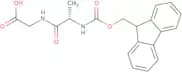

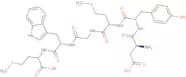








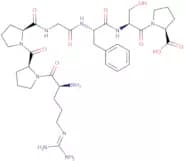

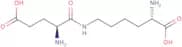
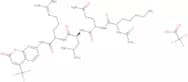
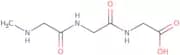
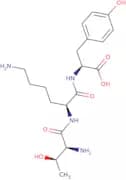
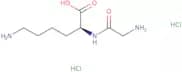

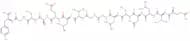
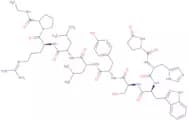
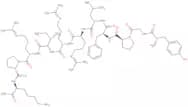
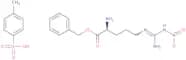
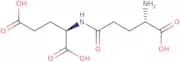

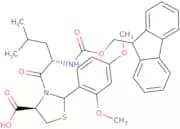
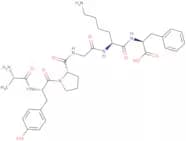

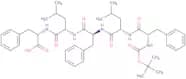

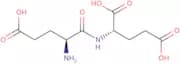
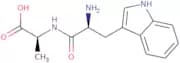


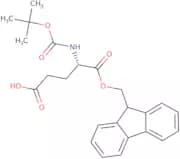
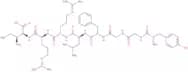
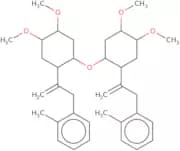
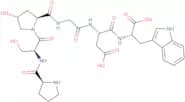


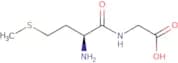
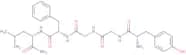
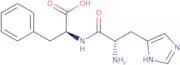

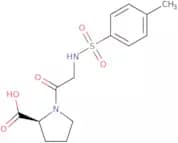
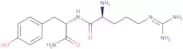
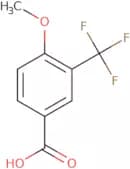

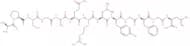
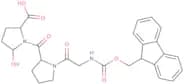


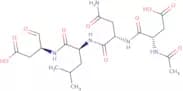

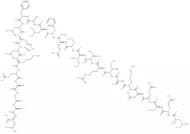
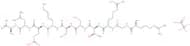
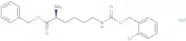
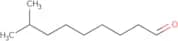

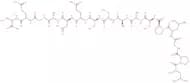
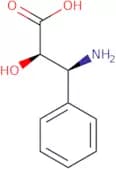
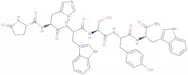
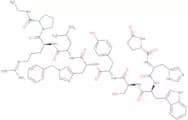


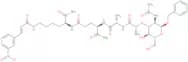
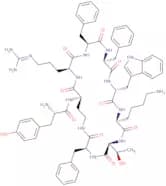
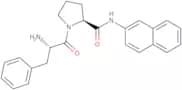


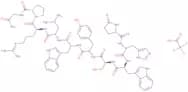


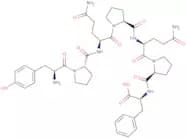
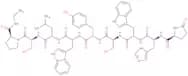



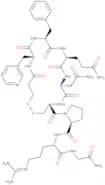

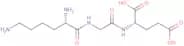
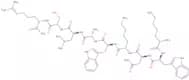
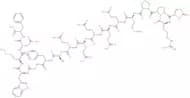
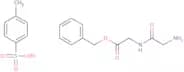
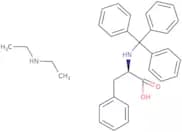
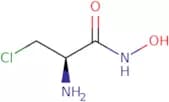
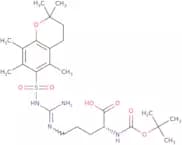
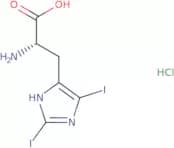

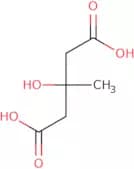
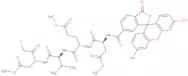
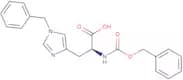
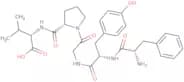
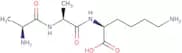


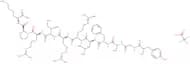
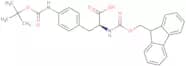

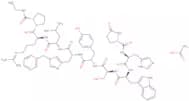
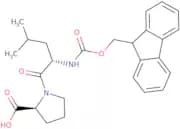


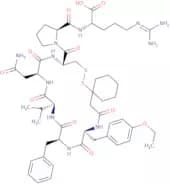
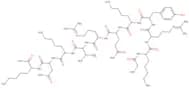

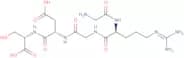
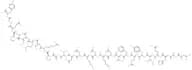
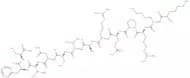
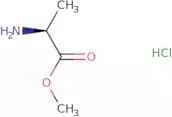
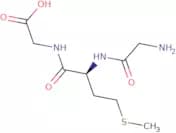
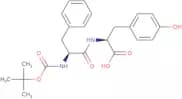





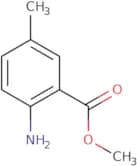
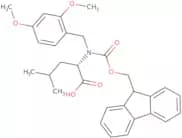
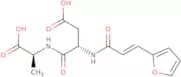

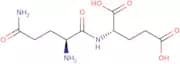


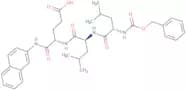
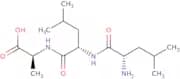
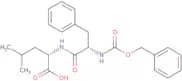
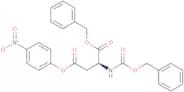
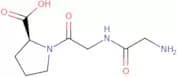
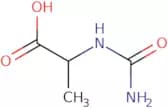
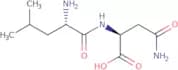
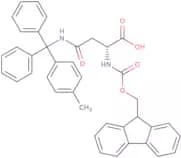
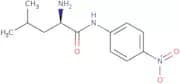
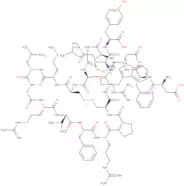

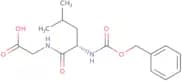
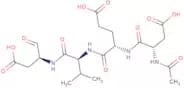
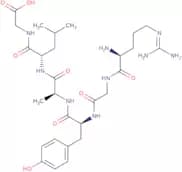
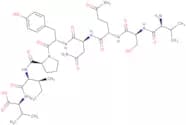

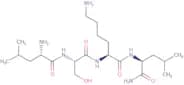
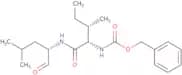

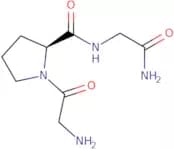
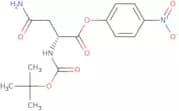


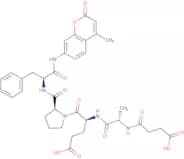
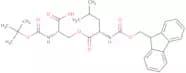
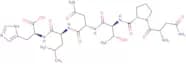
![2-Methoxy-5-[[(phenylmethyl)sulfonyl]methyl]benzenamine](/_next/image/?url=https%3A%2Fstatic.cymitquimica.com%2Fproducts%2F3D%2Fthumb-webp%2FFA70820.webp&w=3840&q=75)