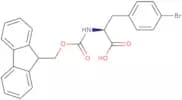
Amino Acids (AA)
Amino acids (AAs) are the fundamental building blocks of proteins, playing a crucial role in various biological processes. These organic compounds are essential for protein synthesis, metabolic pathways, and cell signaling. In this category, you will find a comprehensive range of amino acids, including essential, non-essential, and modified forms, which are vital for research in biochemistry, molecular biology, and nutritional sciences. At CymitQuimica, we provide high-quality amino acids to support your research and development needs, ensuring accuracy and reliability in your experimental outcomes.
Subcategories of "Amino Acids (AA)"
- Amino Acid Derivatives(3,955 products)
- Amino Acid and Amino Acid Related Compounds(3,465 products)
- Amino Acids with Oxygen or Sulphur(168 products)
- Boc- Amino Acids(351 products)
- Fmoc Amino Acids(1,710 products)
Found 38248 products of "Amino Acids (AA)"
Sort by
Purity (%)
0
100
|
0
|
50
|
90
|
95
|
100
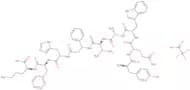
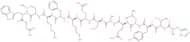
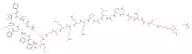
(Asn10,Leu11,D-Trp12)-pTH-Related Protein (7-34) amide (human, mouse, rat)
CAS:<p>Please enquire for more information about (Asn10,Leu11,D-Trp12)-pTH-Related Protein (7-34) amide (human, mouse, rat) including the price, delivery time and more detailed product information at the technical inquiry form on this page</p>Formula:C162H254N50O36Purity:Min. 95%Molecular weight:3,478.07 g/molHepcidin-24 (human) trifluoroacetate salt
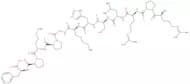
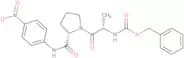
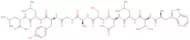
<p>Please enquire for more information about Hepcidin-24 (human) trifluoroacetate salt including the price, delivery time and more detailed product information at the technical inquiry form on this page</p>Formula:C109H165N33O28S9Purity:Min. 95%Molecular weight:2,674.28 g/molZ-Ala-Ala-NH2
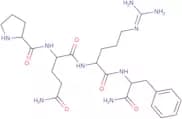
CAS:<p>Z-Ala-Ala-NH2 is a peptide that has been modified. Z-Ala-Ala-NH2 is a hydrolase and has the ability to hydrolyze peptides. It can be used in organic solvents as an unmodified hydrolase, or it can be modified with a nucleophile (such as an amine) to produce an active hydrolase. The unmodified form of Z-Ala-Ala-NH2 has been shown to have high yields and specificity for peptidyl substrates. This modification is also useful for the synthesis of amide bonds in peptides, which are more stable than ester bonds.</p>Formula:C14H19N3O4Purity:Min. 95%Molecular weight:293.32 g/molZ-DL-Lys(Z)-OH
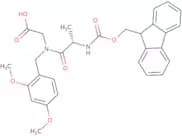
CAS:<p>Please enquire for more information about Z-DL-Lys(Z)-OH including the price, delivery time and more detailed product information at the technical inquiry form on this page</p>Formula:C22H26N2O6Purity:Min. 95%Molecular weight:414.45 g/molGRF (bovine) trifluoroacetate salt
CAS:<p>Growth hormone-releasing factor (GRF) or GHRH (growth hormone-releasing hormone).Binds to the growth hormone-releasing hormone receptor (GHRH-R), causing growth hormone secretion.porcine: H-YADAIFTNSYRKVLGQLSARKLLQDIMSRQQGERNQEQGARVRL-NH2bovine: H-YADAIFTNSYRKVLGQLSARKLLQDIMNRQQGERNQEQGAKVRL-NH2ovine: H-YADAIFTNSYRKILGQLSARKLLQDIMNRQQGERNQEQGAKVRL-NH2human: H-YADAIFTNSYRKVLGQLSARKLLQDIMSRQQGESNQERGARARL-NH2</p>Formula:C220H366N72O66SPurity:Min. 95%Molecular weight:5,107.77 g/molH-Gly-Gly-Arg-OH acetate salt
CAS:<p>Please enquire for more information about H-Gly-Gly-Arg-OH acetate salt including the price, delivery time and more detailed product information at the technical inquiry form on this page</p>Formula:C10H20N6O4Purity:Min. 95%Molecular weight:288.3 g/molH-Ala-Phe-NH2·HCl
CAS:<p>Please enquire for more information about H-Ala-Phe-NH2·HCl including the price, delivery time and more detailed product information at the technical inquiry form on this page</p>Formula:C12H17N3O2·HClPurity:Min. 95%Molecular weight:271.74 g/molKisspeptin-54 (27-54) (human) trifluoroacetate salt
CAS:<p>Please enquire for more information about Kisspeptin-54 (27-54) (human) trifluoroacetate salt including the price, delivery time and more detailed product information at the technical inquiry form on this page</p>Formula:C149H226N42O39Purity:Min. 95%Molecular weight:3,229.65 g/molBoc-His(1-Mts)-OH·DCHA
CAS:Controlled Product<p>Please enquire for more information about Boc-His(1-Mts)-OH·DCHA including the price, delivery time and more detailed product information at the technical inquiry form on this page</p>Formula:C20H27N3O6S·C12H23NPurity:Min. 95%Molecular weight:618.83 g/molH-Pro-Leu-Gly-Gly-OH
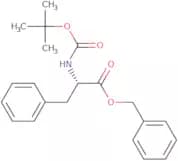
CAS:<p>Please enquire for more information about H-Pro-Leu-Gly-Gly-OH including the price, delivery time and more detailed product information at the technical inquiry form on this page</p>Formula:C15H26N4O5Purity:Min. 95%Molecular weight:342.39 g/molBoc-Phe-Merrifield resin (200-400 mesh)
<p>Please enquire for more information about Boc-Phe-Merrifield resin (200-400 mesh) including the price, delivery time and more detailed product information at the technical inquiry form on this page</p>Purity:Min. 95%Z-Gly-Pro-Arg-4MbNA acetate salt
CAS:Controlled Product<p>Please enquire for more information about Z-Gly-Pro-Arg-4MbNA acetate salt including the price, delivery time and more detailed product information at the technical inquiry form on this page</p>Formula:C32H39N7O6·C2H4O2Purity:Min. 95%Molecular weight:677.75 g/molH-Tyr-Lys-Thr-OH
CAS:<p>Please enquire for more information about H-Tyr-Lys-Thr-OH including the price, delivery time and more detailed product information at the technical inquiry form on this page</p>Formula:C19H30N4O6Purity:Min. 95%Molecular weight:410.46 g/mol(Deamino-Cys3, Nle 4,Arg5,D-2-Nal 7,Cys11)-a-MSH (3-11) amide trifluoroacetate salt
CAS:<p>Please enquire for more information about (Deamino-Cys3, Nle 4,Arg5,D-2-Nal 7,Cys11)-a-MSH (3-11) amide trifluoroacetate salt including the price, delivery time and more detailed product information at the technical inquiry form on this page</p>Formula:C56H76N18O9S2Purity:Min. 95%Molecular weight:1,209.45 g/molAbz-Ala-Phe-Arg-Phe-Ser-Gln-EDDnp trifluoroacetate salt
CAS:<p>Please enquire for more information about Abz-Ala-Phe-Arg-Phe-Ser-Gln-EDDnp trifluoroacetate salt including the price, delivery time and more detailed product information at the technical inquiry form on this page</p>Formula:C50H63N15O13Purity:Min. 95%Molecular weight:1,082.13 g/molAcetyl-Cholecystokinin Octapeptide (2-8) (sulfated)
CAS:<p>Please enquire for more information about Acetyl-Cholecystokinin Octapeptide (2-8) (sulfated) including the price, delivery time and more detailed product information at the technical inquiry form on this page</p>Formula:C47H59N9O14S3Purity:Min. 95%Molecular weight:1,070.22 g/molCathelicidin LL 37
CAS:<p>LL-37 is a potent antimicrobial peptide that has been shown to be effective against cancer cells and is currently being investigated as a potential antineoplastic agent. LL-37 binds to the leukocyte receptor, which leads to chemotaxis, increased expression of p53 and apoptosis. LL-37 also induces apoptotic cell death in epithelial tissues, both in vitro and in vivo. This peptide has been shown to induce death in cancer cells, as well as cell death in other types of cells.</p>Formula:C205H340N60O53Purity:Min. 95%Molecular weight:4,493.27 g/molAc-muramyl-D-Ala-D-Glu-NH2
CAS:<p>Please enquire for more information about Ac-muramyl-D-Ala-D-Glu-NH2 including the price, delivery time and more detailed product information at the technical inquiry form on this page</p>Formula:C19H32N4O11Purity:Min. 95%Molecular weight:492.48 g/molN-Methyl-N-boc-aminopropan-3-ol
CAS:<p>N-Methyl-N-boc-aminopropan-3-ol is a fine chemical with CAS No. 98642-44-5 that is used in the synthesis of complex compounds, as a reagent for research chemicals, and as a speciality chemical. It is also used in the synthesis of versatile building blocks, reaction components and scaffolds. N-Methyl-N-boc-aminopropan-3-ol has a high quality and can be used as a versatile intermediate or a useful scaffold.</p>Formula:C9H19NO3Purity:Min. 95%Color and Shape:Colourless To Pale Yellow LiquidMolecular weight:189.25 g/molH-Gln-Gly-Pro-OH·TFA
CAS:<p>Please enquire for more information about H-Gln-Gly-Pro-OH·TFA including the price, delivery time and more detailed product information at the technical inquiry form on this page</p>Formula:C12H20N4O5·C2HF3O2Purity:Min. 95%Molecular weight:414.33 g/molHirudin (55-65) (sulfated)
CAS:<p>Please enquire for more information about Hirudin (55-65) (sulfated) including the price, delivery time and more detailed product information at the technical inquiry form on this page</p>Formula:C64H90N12O27SPurity:Min. 95%Molecular weight:1,491.53 g/molSuc-Ala-Trp-Pro-Phe-pNA
CAS:<p>Suc-Ala-Trp-Pro-Phe-pNA is a cyclosporine analog that inhibits the activity of protein isomerases. It has been shown to inhibit the phosphatase activity of casein and stabilize peptide bonds in bovine serum albumin. Suc-Ala-Trp-Pro-Phe-pNA can also be used as a substrate for tyrosine kinase and amide bond formation. Suc-Ala-Trp-Pro-Phe-pNA is an inhibitor of FK506 binding to its receptor, which may be due to its ability to compete with tyrosine residues for binding sites. This compound also exhibits stabilization effects on protein structures by inhibiting the degradation of proteins by proteolytic enzymes or other chemical agents.</p>Formula:C38H41N7O9Purity:Min. 95%Molecular weight:739.77 g/molN-Acetyl-[Cys4,10, D-Phe7]-α-Melanocyte Stimulating Hormone Fragment 4-13
CAS:<p>Please enquire for more information about N-Acetyl-[Cys4,10, D-Phe7]-alpha-Melanocyte Stimulating Hormone Fragment 4-13 including the price, delivery time and more detailed product information at the technical inquiry form on this page</p>Formula:C61H86N18O13S2Purity:Min. 95%Molecular weight:1,343.58 g/molDansyl-Ala-Arg-OH trifluoroacetate salt
CAS:<p>Please enquire for more information about Dansyl-Ala-Arg-OH trifluoroacetate salt including the price, delivery time and more detailed product information at the technical inquiry form on this page</p>Formula:C21H30N6O5SPurity:Min. 95%Molecular weight:478.57 g/molUrocortin II (mouse) trifluoroacetate salt
CAS:<p>Please enquire for more information about Urocortin II (mouse) trifluoroacetate salt including the price, delivery time and more detailed product information at the technical inquiry form on this page</p>Formula:C187H320N56O50Purity:Min. 95%Molecular weight:4,152.89 g/mol2-Methylthio-cis-zeatin
CAS:<p>2-Methylthio-cis-zeatin is a corynebacterium metabolite that is produced by the oxidative deamination of 2-methylthioadenosine. It can be used as an indicator for the presence of corynebacteria in various plant species and has been found to have physiological functions such as multiple-reaction monitoring, biochemical analysis, and chemical structures. The production of 2-methylthio-cis-zeatin has been detected in tissue culture and explants from plants. Chemical analyses have shown that this metabolite is an impurity or contaminant in some pharmaceuticals and food products. 2-Methylthio-cis-zeatin can be identified using chromatographic methods with a mass spectrometric detection (MS) method, which allows for the identification of its isomers. This metabolite can also be analyzed using chromatographic methods with MS detection, which allows for the identification of its isomers</p>Formula:C11H15N5OSPurity:Min. 95%Molecular weight:265.34 g/molToxic Shock Syndrome Toxin-1 (TSST-1) (58-78)
CAS:<p>Please enquire for more information about Toxic Shock Syndrome Toxin-1 (TSST-1) (58-78) including the price, delivery time and more detailed product information at the technical inquiry form on this page</p>Formula:C98H171N33O35Purity:Min. 95%Molecular weight:2,371.61 g/molH-D-Arg-Gly-Asp-Trp-OH
CAS:<p>H-D-Arg-Gly-Asp-Trp-OH is a cyclic peptide that has been shown to bind to staphylococcal cells, inhibiting their growth. The peptide was found to have proton binding and membrane interactions. This drug has shown efficacy in biological samples such as collagen and fibrinogen. H-D-Arg-Gly-Asp-Trp-OH also can be activated by a disulfide bond. It has been found to bind with monoclonal antibodies and model systems.</p>Formula:C23H32N8O7Purity:Min. 95%Molecular weight:532.55 g/molH-Ala-Ala-OtBu·HCl
CAS:<p>Please enquire for more information about H-Ala-Ala-OtBu·HCl including the price, delivery time and more detailed product information at the technical inquiry form on this page</p>Formula:C10H20N2O3·HClPurity:Min. 95%Molecular weight:252.74 g/molH-Glu-Tyr-OH
CAS:<p>H-Glu-Tyr-OH is an amino acid derivative that has been shown to have anti-cancer properties. It inhibits the growth of cancer cells by binding to the surface of the tumor and inhibiting the production of angiogenic factors. This leads to a decrease in tumor size and an increase in light emission, which can be detected with light exposure. H-Glu-Tyr-OH also inhibits protein synthesis and cell proliferation, leading to death of tumor cells. The mechanism of action for H-Glu-Tyr-OH is through its ability to inhibit DNA topoisomerase I and II, which are enzymes that maintain the integrity of DNA. These enzymes are essential for DNA replication and transcription, so their inhibition results in cell death.</p>Formula:C14H18N2O6Purity:Min. 95%Molecular weight:310.3 g/molTyr-Somatostatin-28
CAS:<p>Please enquire for more information about Tyr-Somatostatin-28 including the price, delivery time and more detailed product information at the technical inquiry form on this page</p>Formula:C146H216N42O41S3Purity:Min. 95%Molecular weight:3,311.73 g/molH-Trp(Boc)-2-chlorotrityl resin (100-200 mesh)
<p>Please enquire for more information about H-Trp(Boc)-2-chlorotrityl resin (100-200 mesh) including the price, delivery time and more detailed product information at the technical inquiry form on this page</p>Purity:Min. 95%(Z-Asp-Glu-Val-Asp)2-Rhodamine 110
CAS:<p>Fluorogenic dye targeting caspase 3</p>Formula:C72H78N10O27Purity:Min. 95%Molecular weight:1,515.44 g/molAc-Leu-Glu-His-Asp-AMC trifluoroacetate salt
CAS:<p>Ac-Leu-Glu-His-Asp-AMC trifluoroacetate salt is a synthetic peptide that is derived from the amino acid sequence of caspases. Ac-Leu-Glu-His-Asp-AMC trifluoroacetate salt induces apoptosis in insect and E. coli cells by protease activity, which leads to cell death. The sequence of this peptide is found in Drosophila melanogaster and has been shown to induce apoptosis in insect cells. Caspases are enzymes that regulate apoptosis and play a key role in cell death.</p>Formula:C33H41N7O11Purity:Min. 95%Molecular weight:711.72 g/molBz-Arg-Gly-Phe-Phe-Pro-4MbetaNA·HCl
CAS:<p>Please enquire for more information about Bz-Arg-Gly-Phe-Phe-Pro-4MbetaNA·HCl including the price, delivery time and more detailed product information at the technical inquiry form on this page</p>Formula:C49H55N9O7·HClPurity:Min. 95%Molecular weight:918.48 g/mol(Tyr4,D-Phe12)-Bombesin
CAS:<p>Please enquire for more information about (Tyr4,D-Phe12)-Bombesin including the price, delivery time and more detailed product information at the technical inquiry form on this page</p>Formula:C77H110N22O19SPurity:Min. 95%Molecular weight:1,679.9 g/molN-Tritylglycine
CAS:<p>N-Tritylglycine is an acidic amino acid that can be protonated in a highly acidic environment. It has been shown to inhibit the growth of tumor tissue by inducing apoptosis and inhibiting protein synthesis. N-Tritylglycine is used as a reagent for analytical chemistry, where it is used to detect amines such as histamine and serotonin. N-Tritylglycine also has been shown to be potent inhibitor of kinesin.</p>Formula:C21H19NO2Purity:Min. 95%Molecular weight:317.38 g/molZ-Ile-Glu(OMe)-Thr-DL-Asp(OMe)-fluoromethylketone
CAS:<p>Z-Ile-Glu(OMe)-Thr-DL-Asp(OMe)-fluoromethylketone is an apoptosis inducer that belongs to the category of small molecules. It has been shown to induce apoptosis in cells by binding to DNA and inhibiting transcription, leading to DNA fragmentation and the activation of caspase-8. Z-Ile-Glu(OMe)-Thr-DL-Asp(OMe)-fluoromethylketone has also been shown to have a synergistic effect on cells when combined with other potent inducers of apoptosis. This drug binds to toll receptors (TLR) and IL2 receptors, which are important for cell signaling pathways.</p>Formula:C30H43FN4O11Purity:Min. 95%Molecular weight:654.68 g/molFmoc-Orn (Boc)-Wang resin (200-400 mesh)
<p>Please enquire for more information about Fmoc-Orn (Boc)-Wang resin (200-400 mesh) including the price, delivery time and more detailed product information at the technical inquiry form on this page</p>Purity:Min. 95%4-Fluoro-2-methoxyphenol
CAS:<p>4-Fluoro-2-methoxyphenol is a fluorinating agent that is used in the manufacture of pharmaceuticals, plastics and pesticides. It has been shown to induce apoptosis in cultured cells by upregulating reactive oxygen species (ROS) and increasing mitochondrial membrane permeability, as well as inhibiting cellular physiology. 4-Fluoro-2-methoxyphenol also inhibits the production of ATP and may be toxic to cells by interfering with dinucleotide phosphate.</p>Formula:C7H7FO2Purity:Min. 95%Color and Shape:Clear LiquidMolecular weight:142.13 g/mol(Deamino-Cys1,Leu4,Lys8)-Vasopressin trifluoroacetate salt
CAS:<p>Vasopressin is a hormone that belongs to the family of peptide hormones. Vasopressin has been shown to be localized in many tissues, including the brain, where it acts as a neurotransmitter and neuromodulator. Vasopressin is released by the paraventricular nucleus of the hypothalamus and stored in the posterior pituitary gland, from which it is released into the circulation when needed. Vasopressin binds to V1 receptors and causes an increase in cytosolic calcium levels through activation of voltage-gated calcium channels. It also stimulates cell growth and proliferation through activation of tyrosine kinase receptors on cells.</p>Formula:C47H67N11O11S2Purity:Min. 95%Molecular weight:1,026.23 g/molFmoc-Tyr(Et)-OH
CAS:<p>Please enquire for more information about Fmoc-Tyr(Et)-OH including the price, delivery time and more detailed product information at the technical inquiry form on this page</p>Formula:C26H25NO5Purity:Min. 95%Molecular weight:431.48 g/molPolyphemusin II-Derived Peptide
CAS:<p>Polyphemusin II-derived peptide H-Arg-Arg-2-Nal-Cys-Tyr-Arg-Lys-D-Lys-Pro-Tyr-Arg-Cit (PIIH) is a cyclic polypeptide with a disulfide bond. PIIH binds to the alpha4beta1 integrin receptor, which is involved in the adhesion of leukocytes to endothelial cells and the migration of monocytes and lymphocytes. PIIH has been shown to be a potent inhibitor of chemokine binding to cxcr4, an important regulator of inflammatory response in mouse tumor models. PIIH also inhibits hiv infection as it inhibits the release of virus from infected cells. This pharmacological effect is mediated by its ability to bind HIV gp120 and block gp120 binding to CD4 receptors on target cells.</p>Formula:C90H141N33O18S2Purity:Min. 95%Molecular weight:2,037.43 g/molH-Val-Leu-Ser-Glu-Gly-OH
CAS:<p>H-Val-Leu-Ser-Glu-Gly-OH is a polypeptide that is hydrophobic and has carboxypeptidase activity. It hydrolyzes anions, such as the penicillin G, which has been shown to have a high affinity for this enzyme. H-Val-Leu-Ser-Glu-Gly-OH has also been shown to interact with other proteins through hydrophobic interactions. When used in high concentrations, it can be used to filter out substances that are hydrophobic. It can also be used to hydrolyze anions and divalent ions, such as copper and zinc.</p>Formula:C21H37N5O9Purity:Min. 95%Molecular weight:503.55 g/molAF-2
CAS:<p>AF-2 is a potent, selective and competitive antagonist at the nicotinic acetylcholine receptor (nAChR). AF-2 binds to the extracellular domains of the nAChR and prevents agonists from binding. It has been shown to inhibit acetylcholine release in isolated heart preparations with high affinity and selectivity. The drug has been tested as an anthelmintic against Caenorhabditis elegans and found to be effective. AF-2 is a cholinergic compound that binds to ganglia, leading to a biphasic response. It also has significant effects on the central nervous system, inhibiting both nicotinic and muscarinic acetylcholine receptors.<br>AF-2 is sequenced according to the following formula: <br>H-Lys-His-Glu-Tyr-Leu-Arg-Phe <br>NH2</p>Formula:C47H70N14O10Purity:Min. 95%Molecular weight:991.15 g/molOvokinin trifluoroacetate salt
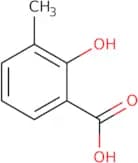
CAS:<p>Please enquire for more information about Ovokinin trifluoroacetate salt including the price, delivery time and more detailed product information at the technical inquiry form on this page</p>Formula:C48H67N13O11Purity:Min. 95%Molecular weight:1,002.13 g/mol2-Hydroxy-5-[(4-{[(6-methoxypyridazin-3-yl)amino]sulfonyl}phenyl)diazenyl]benzoic acid
CAS:<p>Used in treatment of nonspecific ulcerative colitis</p>Formula:C18H15N5O6SPurity:Min. 95%Color and Shape:PowderMolecular weight:429.41 g/mol1-Boc-1-methylhydrazine
CAS:<p>1-Boc-1-methylhydrazine is a molecule that is used as a chemical intermediate for pharmaceuticals. It has been shown to inhibit the proteasome pathway by targeting the ubiquitin-proteasome system, which is involved in protein degradation and cell growth regulation. 1-Boc-1-methylhydrazine has synergistic effects when combined with other inhibitors of the ubiquitin proteasome system, such as anamorelin. It was found to be effective at inhibiting the growth of k562 cells but not normal cells, suggesting that it may have therapeutic applications for inflammatory bowel disease.</p>Formula:C6H14N2O2Purity:Min. 95%Molecular weight:146.19 g/molH-Leu-Ala-Pro-OH
CAS:<p>Please enquire for more information about H-Leu-Ala-Pro-OH including the price, delivery time and more detailed product information at the technical inquiry form on this page</p>Formula:C14H25N3O4Purity:Min. 95%Molecular weight:299.37 g/molN-Methoxymethyl-N-(trimethylsilylmethyl)benzylamine
CAS:<p>N-Methoxymethyl-N-(trimethylsilylmethyl)benzylamine is a chiral, electron deficient reagent that reacts with aldehydes and boronic esters to form products with high chemical yields. This compound can be used as a catalyst for acylation reactions, such as the synthesis of p-nitrophenol. N-Methoxymethyl-N-(trimethylsilylmethyl)benzylamine is synthesized by the reaction of trifluoroacetic acid and an amine, followed by chloroformate displacement. The product is then reacted with acylating agents in the presence of catalysts.</p>Formula:C13H23NOSiPurity:Min. 95%Color and Shape:Clear Colourless To Pale Yellow LiquidMolecular weight:237.41 g/molBicine
CAS:<p>Bicine, also known as N,N-Bis(2-hydroxyethyl)glycine, is a Bis(2-hydroxyethyl) amine buffer with an optimal pH range of 7.6-9.0 and a pKa of 8.26. This buffering agent forms metal complexes and is used in crystallization and enzymatic studies.</p>Formula:C6H13NO4Purity:Min. 95%Color and Shape:White SolidMolecular weight:163.17 g/mol(Ala6,D-Trp8,L-alaninol15)-Galanin (1-15)
CAS:<p>Please enquire for more information about (Ala6,D-Trp8,L-alaninol15)-Galanin (1-15) including the price, delivery time and more detailed product information at the technical inquiry form on this page</p>Formula:C81H114N20O18Purity:Min. 95%Molecular weight:1,655.9 g/molZ-Asp(OMe)-Gln-Met-DL-Asp(OMe)-fluoromethylketone
CAS:<p>Z-Asp(OMe)-Gln-Met-DL-Asp(OMe)-fluoromethylketone is a mitochondria-targeting compound that has been shown to have neuroprotective and anti-inflammatory properties. It binds to the ATP synthase in the mitochondrial membrane, inhibiting ATP production and causing cell death by apoptosis. ZAFMK also inhibits kinases such as protein kinase 3β (PK3β) and caspase 9, which are involved in inflammation and apoptosis. ZAFMK has been shown to be effective against various diseases such as multiple sclerosis, Alzheimer's disease, Parkinson's disease, amyotrophic lateral sclerosis, Huntington's disease, and stroke.</p>Formula:C29H40FN5O11SPurity:Min. 95%Molecular weight:685.72 g/molEndothelin-1 (human, bovine, dog, mouse, porcine, rat) acetate
CAS:<p>Endothelin-1 (ET-1) is a peptide that is produced by the endothelium. ET-1 is involved in numerous biological processes, including vasoconstriction, inflammation, and cell proliferation. Endothelin-1 (human ET-1) acetate salt H-Cys-Ser-Cys-Ser-Ser-Leu-Met-Asp-Lys-(Glu)-Cys-(Val)-Tyr-(Phe)-Cys-(His)-Leu -Asp(-Ile)-Ile(-Trp)) acetate salt is a recombinant protein that has been shown to significantly upregulate the production of endothelin in primary pulmonary hypertension. It also plays an important role in bowel disease, where it may be involved in the development of chronic inflammatory bowel disease.</p>Formula:C109H159N25O32S5•(C2H4O2)xPurity:Min. 95%Molecular weight:2,491.91 g/molOsteostatin (human) trifluoroacetate salt
CAS:<p>Osteostatin is a recombinant human protein that inhibits bone growth by binding to and neutralizing the effect of forskolin. Osteostatin also has an inhibitory effect on cancer cells, as it inhibits mitochondrial pathways and prevents the activation of factor receptors. Osteostatin blocks the synthesis of cAMP, which is necessary for cell proliferation in cancer cells. The inhibition of cAMP levels leads to a decrease in the production of proteins that stimulate bone growth, such as runx2.</p>Formula:C142H228N42O58Purity:Min. 95%Molecular weight:3,451.58 g/molFmoc-Lys(Adpoc)-OH
CAS:<p>Please enquire for more information about Fmoc-Lys(Adpoc)-OH including the price, delivery time and more detailed product information at the technical inquiry form on this page</p>Formula:C35H44N2O6Purity:Min. 95%Molecular weight:588.73 g/molPAR-4 (1-6) (mouse) trifluoroacetate salt
CAS:<p>Please enquire for more information about PAR-4 (1-6) (mouse) trifluoroacetate salt including the price, delivery time and more detailed product information at the technical inquiry form on this page</p>Formula:C33H45N7O8Purity:Min. 95%Molecular weight:667.75 g/molDynorphin A (porcine 1-13) - acetate salt
CAS:<p>Dynorphin A (1-13) H-Tyr-Gly-Gly-Phe-Leu-Arg-Arg-Ile-Arg-Pro-Lys-Leu-Lys is a peptide that is found in the brain and spinal cord. It is an agonist of opioid receptors, which are involved in pain relief, as well as motor control. Dynorphin A (1-13) H has been shown to inhibit acetylcholine release, which may be due to its ability to bind to kappa opioid receptors. Dynorphin A (1-13) H is also known to bind to κ opioid receptors, where it inhibits locomotor activity and induces analgesia.</p>Formula:C75H126N24O15Purity:Min. 95%Color and Shape:PowderMolecular weight:1,603.96 g/molpTH (44-68) (human)
CAS:<p>Please enquire for more information about pTH (44-68) (human) including the price, delivery time and more detailed product information at the technical inquiry form on this page</p>Formula:C117H199N41O41Purity:Min. 95%Molecular weight:2,836.08 g/molOsteocalcin (37-49) (human)
CAS:<p>Please enquire for more information about Osteocalcin (37-49) (human) including the price, delivery time and more detailed product information at the technical inquiry form on this page</p>Formula:C75H104N20O19Purity:Min. 95%Molecular weight:1,589.75 g/molcis-4-Hydroxy-D-proline
CAS:<p>Cis-4-Hydroxy-D-proline is a metabolite of the amino acid proline. It has been shown to have beneficial effects on heart function in vitro and in vivo, as well as on collagen synthesis. Cis-4-Hydroxy-D-proline was also shown to inhibit herpes simplex virus replication and to induce apoptosis in hepatocyte-like cells. The affinity constants for cis-4-Hydroxy-D-proline were determined by ph assays, kinetic data, and structural analysis. The optimum pH for cis-4-Hydroxy D proline is 8.0 and the hydroxyl group makes this molecule more soluble in water than other molecules with a similar chemical structure.</p>Formula:C5H9NO3Purity:Min. 95%Color and Shape:White PowderMolecular weight:131.13 g/mol1-O-Hexadecyl-sn-glycerol
CAS:<p>1-O-Hexadecyl-sn-glycerol is a glycol ether that is used as a surfactant and emulsifier in cosmetic products. It has been shown to have minimal toxicity, and to not be carcinogenic or teratogenic. 1-O-Hexadecyl-sn-glycerol has been shown to increase the stability of proteins in rat liver microsomes, and it also prevents the hydrolysis of carbohydrates. The surface glycoprotein adsorbed by 1-O-Hexadecyl-sn-glycerol may play an important role in the binding of monoclonal antibodies. This compound affects cellular calcium levels, with high concentrations resulting in increased cytosolic calcium concentrations. Zirconium oxide can replace calcium ions in 1-O-Hexadecyl-sn-glycerol for this purpose, although this substitution reduces enzyme activity.</p>Formula:C19H40O3Purity:Min. 95%Molecular weight:316.52 g/molH-Phe-Ala-Arg-Lys-Gly-Ala-Leu-Arg-Gln-OH
CAS:<p>Please enquire for more information about H-Phe-Ala-Arg-Lys-Gly-Ala-Leu-Arg-Gln-OH including the price, delivery time and more detailed product information at the technical inquiry form on this page</p>Formula:C46H79N17O11Purity:Min. 95%Molecular weight:1,046.23 g/molFmoc-Homoarg (Z)2-OH
CAS:<p>Please enquire for more information about Fmoc-Homoarg (Z)2-OH including the price, delivery time and more detailed product information at the technical inquiry form on this page</p>Formula:C38H38N4O8Purity:Min. 95%Molecular weight:678.73 g/molGlutaryl-Phe-bNA
CAS:<p>Please enquire for more information about Glutaryl-Phe-bNA including the price, delivery time and more detailed product information at the technical inquiry form on this page</p>Formula:C24H24N2O4Purity:Min. 99 Area-%Molecular weight:404.46 g/mol2-Methyl-N-phenyl-5,6-dihydro-1,4-oxathiine-3-carboxamide
CAS:<p>2-Methyl-N-phenyl-5,6-dihydro-1,4-oxathiine-3-carboxamide is a signal molecule that has antimicrobial activity. It inhibits the proliferation of cells and is used as an antifungal agent. 2,5,6-Trimethyloxathiinium ion has been shown to induce apoptosis in human leukemia cells and inhibit the growth of erythrocytes infected with Plasmodium falciparum. This compound also inhibits wild type strains of bacteria and fungi and can be used as a natural fungicide. 2,5,6-Trimethyloxathiinium ion has been found to be effective in treating autoimmune diseases such as diabetes mellitus type II, which may be due to its ability to regulate glucose metabolism and suppress inflammatory responses.</p>Formula:C12H13NO2SPurity:Min. 95%Molecular weight:235.3 g/molCharacteristic MSH-Tetrapeptide
CAS:<p>The melanocortin-4 receptor (MC4R) is a G protein-coupled receptor that mediates the protective and cytoprotective activities of endogenous melanocortins. This receptor has been shown to be an important target for neuroprotective agents. The MC4R is expressed in the central nervous system, peripheral nervous system, and other tissues where it may have a role in regulating energy homeostasis. The N-terminal amino acid sequence of the human MC4R ligand is H-His-Phe-Arg-Trp-OH. This peptide has been shown to have potent agonist potency at the MC4R with a Kd of 0.2 nM and an EC50 of 2 nM.</p>Formula:C32H40N10O5Purity:Min. 95%Molecular weight:644.72 g/molLHRH (free acid) trifluoroacetate salt
CAS:<p>LHRH (free acid) trifluoroacetate salt Pyr-His-Trp-Ser-Tyr-Gly-Leu-Arg-Pro-Gly-OH trifluoroacetate salt is a decapeptide that is the most potent form of the hormone luteinizing hormone releasing hormone (LHRH). It has been shown to bind to surface receptors and activate a G protein, which activates adenyl cyclase. This leads to increased levels of cyclic adenosine monophosphate (cAMP) in cells. LHRH also binds to blood vessels and causes vasodilation. LHRH also binds to pyroglutamic acid, which is an amino acid found in peptides that have affinity for peptidases. This binding causes the release of peptidases from the cell membrane, uncovers receptor sites, and increases cAMP production. LHRH has also been shown to inhibit kidney function</p>Formula:C55H74N16O14Purity:Min. 95%Molecular weight:1,183.28 g/molH-Gly-Arg-pNA·2 HCl
CAS:<p>Please enquire for more information about H-Gly-Arg-pNA·2 HCl including the price, delivery time and more detailed product information at the technical inquiry form on this page</p>Formula:C14H21N7O4·2HClPurity:Min. 95%Molecular weight:424.28 g/mol1-O-Octadecyl-sn-glycerol
CAS:<p>1-O-Octadecyl-sn-glycerol (1ODG) is a dietary lipid that is absorbed by the gastrointestinal tract and transported to the liver. It is used in cell culture as a substitute for lipids that are not available or cannot be used for experiments. 1ODG is also found in human lung and colon tissues, where it may act as a growth factor. 1ODG has been shown to inhibit herpes simplex virus type I (HSV-1) replication in cultured cells by increasing intracellular calcium levels and inhibiting viral DNA synthesis. It can also increase fatty acid synthesis and induce cellular proliferation of tissue culture cells, such as lung fibroblasts.</p>Formula:C21H44O3Purity:Min. 95%Molecular weight:344.57 g/molGM-CSF (17-31)
CAS:<p>Please enquire for more information about GM-CSF (17-31) including the price, delivery time and more detailed product information at the technical inquiry form on this page</p>Formula:C73H129N27O24Purity:Min. 95%Molecular weight:1,768.97 g/mol(Ala1·3·11·15)-Endothelin-1 trifluoroacetate salt
CAS:<p>(Ala1·3·11·15)-Endothelin-1 trifluoroacetate salt H-Ala-Ser-Ala-Ser-Ser-Leu-Met-Asp-Lys-Glu-Ala-Val-Tyr-Phe-Ala-His-Leu) is a phorbol ester, which is an analog of endothelin. It has been shown to inhibit the production of proinflammatory cytokines and chemokines in vitro and in vivo. This compound also inhibits the migration and proliferation of vascular endothelial cells, which may be due to its ability to suppress Ca2+ concentration. (Ala1·3·11·15)-Endothelin -1 trifluoroacetate salt H-) can also be used as a fluorescent marker for immunohistochemical studies on tissues such as vessels and gastrointestinal tissues. The localization of this drug can be observed by microscopy techniques such as</p>Formula:C109H163N25O32SPurity:Min. 95%Molecular weight:2,367.68 g/molH-Asp-Pro-Gln-Phe-Tyr-OH hydrochloride salt
CAS:<p>Please enquire for more information about H-Asp-Pro-Gln-Phe-Tyr-OH hydrochloride salt including the price, delivery time and more detailed product information at the technical inquiry form on this page</p>Formula:C32H40N6O10Purity:Min. 95%Molecular weight:668.69 g/molBoc-cys(Npys)-oh
CAS:<p>Boc-cys(Npys)-oh is an active substance that inhibits the growth of mouse tumors and has been shown to inhibit a number of different biological processes. It is a cross-linking agent for amino acids and has been shown to have an inhibitory effect on the synthesis of proteins by blocking the formation of disulfide bonds. This compound belongs to the class of chemicals known as sulfonamides, which are used in the treatment of bacterial infections. Boc-cys(Npys)-oh also specifically binds to antigen sites on cells, inhibiting their growth, and can be used as an antitumor agent. The molecule can be chemically linked with other molecules such as trifluoroacetic acid (TFA), resulting in a product with different properties than those found in Boc-cys(Npys)-oh. The chemical ligation process is used to produce subcutaneous tumors in mice that are then treated with hydrogen fluoride (</p>Formula:C13H17N3O6S2Purity:Min. 95%Color and Shape:Off-White PowderMolecular weight:375.42 g/mol(Des-Asp187,Met186)-Melanocyte Protein PMEL 17 (185-193) (human, bovine, mouse) trifluoroacetate salt
CAS:<p>Please enquire for more information about (Des-Asp187,Met186)-Melanocyte Protein PMEL 17 (185-193) (human, bovine, mouse) trifluoroacetate salt including the price, delivery time and more detailed product information at the technical inquiry form on this page</p>Formula:C43H69N9O11SPurity:Min. 95%Molecular weight:920.13 g/mol(Cys18)-Atrial Natriuretic Factor (4-18) amide (mouse, rabbit, rat) trifluoroacetate salt
CAS:<p>Please enquire for more information about (Cys18)-Atrial Natriuretic Factor (4-18) amide (mouse, rabbit, rat) trifluoroacetate salt including the price, delivery time and more detailed product information at the technical inquiry form on this page</p>Formula:C64H107N25O19S2Purity:Min. 95%Molecular weight:1,594.82 g/mol(D-Pro4,D-Trp7·9·10)-Substance P (4-11)
CAS:<p>Substance P is a neuropeptide that is found in the central nervous system. It is also found in the gastrointestinal tract and plays a role in the regulation of smooth muscle contraction. Substance P has been shown to be involved in inflammatory responses, immune responses, and regulation of water and electrolyte balance. The maximal response of substance P occurs at concentrations between 0.1 to 1 nM and its inhibitory effect on the apical Ca2+ response occurs at concentrations between 10-100 nM. In addition, substance P has been shown to have an excitatory effect on 5-HT7 receptors with subunit composition GluN1/GluN2A/GluN2B/GluN3A/5-HT7(H).</p>Formula:C62H74N14O10SPurity:Min. 95%Molecular weight:1,207.41 g/molCalcium-Like Peptide 3 trifluoroacetate salt
CAS:<p>Please enquire for more information about Calcium-Like Peptide 3 trifluoroacetate salt including the price, delivery time and more detailed product information at the technical inquiry form on this page</p>Formula:C44H68N10O9Purity:Min. 95%Molecular weight:881.07 g/molEndotoxin Inhibitor
CAS:<p>Endotoxin inhibitor H-Lys-Thr-Lys-Cys-Lys-Phe-Leu-Lys-Lys-Cys-OH is a natural disulfide bond that inhibits cytosolic Ca2+ release and bacterial translocation. It has been shown to decrease the production of tumor necrosis factor alpha (TNFα) in vitro, which may be due to its effects on protein synthesis. It also has antimicrobial activity against bacteria such as Clostridium perfringens, Mycobacterium tuberculosis, and Mycobacterium avium complex. Endotoxin inhibitor H-Lys-Thr-Lys-Cys-Lys-Phe-Leu-Lys-- Lys -Cys -OH binds to the ribosomal RNA of bacteria, inhibiting protein synthesis by binding to the peptidyl transferase center</p>Formula:C55H97N15O12S2Purity:Min. 95%Molecular weight:1,224.58 g/molH-Gln-Gly-OH
CAS:<p>H-Gln-Gly-OH is a proteolytic enzyme that cleaves peptide bonds in proteins. It is an enzyme that is involved in inflammatory diseases, as it has been shown to inhibit the production of messenger RNA (mRNA) and protein synthesis. H-Gln-Gly-OH also has anti-inflammatory properties. It has been shown to inhibit the production of amines from the amino acid arginine, which may be linked to its anti-inflammatory effects. This enzyme does not have a specific role in human metabolism and is found in human liver and other tissues. The structural analysis of this enzyme reveals that it contains a carbonyl group and an amide group with acidic properties. H-Gln-Gly-OH has been implicated in autoimmune diseases and infectious diseases, as it has been found in Streptococcus pyogenes, Mycoplasma pneumoniae, Borrelia burgdorferi, Coxiella burnetii</p>Formula:C7H13N3O4Purity:Min. 95%Molecular weight:203.2 g/molH-Ala-His-OH
CAS:<p>H-Ala-His-OH is a dietary supplement that contains histidine and alanine. Histidine is an amino acid involved in protein synthesis, which is a process that produces proteins from amino acids. H-Ala-His-OH has shown to inhibit chemical reactions involving histidine, such as the conversion of histidine to urocanic acid by bacterial enzymes. The uptake of H-Ala-His-OH has been shown to be increased by creatine supplementation, which may be due to the ability of creatine to increase cellular energy levels. Magnetic resonance spectroscopy (MRS) analysis has shown that H-Ala-His-OH increases glutamine levels in the brain. This may be due to its ability to cross the blood brain barrier and affect glutamate transport through the blood brain barrier.</p>Formula:C9H14N4O3Purity:Min. 95%Molecular weight:226.23 g/molSuc-Ala-Ala-Pro-Abu-pNA trifluoroacetate salt
CAS:<p>Please enquire for more information about Suc-Ala-Ala-Pro-Abu-pNA trifluoroacetate salt including the price, delivery time and more detailed product information at the technical inquiry form on this page</p>Formula:C25H34N6O9Purity:Min. 95%Molecular weight:562.57 g/molSuc-Ala-Glu-Pro-Phe-AMC
CAS:<p>Please enquire for more information about Suc-Ala-Glu-Pro-Phe-AMC including the price, delivery time and more detailed product information at the technical inquiry form on this page</p>Formula:C36H41N5O11Purity:Min. 95%Molecular weight:719.74 g/molBiotinyl-Neuromedin S (human) trifluoroacetate salt
CAS:<p>Please enquire for more information about Biotinyl-Neuromedin S (human) trifluoroacetate salt including the price, delivery time and more detailed product information at the technical inquiry form on this page</p>Formula:C183H279N55O46SPurity:Min. 95%Molecular weight:4,017.58 g/molN-((RS)-2-Hydroxy-2-phenyl-ethyl)-Val-Leu-anilide
CAS:<p>Please enquire for more information about N-((RS)-2-Hydroxy-2-phenyl-ethyl)-Val-Leu-anilide including the price, delivery time and more detailed product information at the technical inquiry form on this page</p>Formula:C25H35N3O3Purity:Min. 95%Molecular weight:425.56 g/molPyr-Arg-Thr-Lys-Arg-AMC trifluoroacetate salt
CAS:<p>Please enquire for more information about Pyr-Arg-Thr-Lys-Arg-AMC trifluoroacetate salt including the price, delivery time and more detailed product information at the technical inquiry form on this page</p>Formula:C37H57N13O9Purity:Min. 95%Molecular weight:827.93 g/molAcetyl-GRP (20-26) (human, porcine, canine) trifluoroacetate salt
CAS:<p>Acetyl-GRP (20-26) (human, porcine, canine) trifluoroacetate salt Ac-His-Trp-Ala-Val-Gly-His-Leu-NH2 trifluoroacetate salt is a prophylactic and/or therapeutic compound that has been shown to be effective in the treatment of a number of different diseases. This compound has been shown to have neuroprotective and antiinflammatory effects, as well as being an effective treatment for autoimmune disorders. Acetyl-GRP (20-26) (human, porcine, canine) trifluoroacetate salt Ac-His-Trp-Ala-Val-Gly-His-Leu NH2 trifluoroacetate salt also has the potential to be used as a prophylactic or therapeutic agent against cancer, fibrotic disease, and inflammatory disease.</p>Formula:C41H57N13O8Purity:Min. 95%Molecular weight:859.97 g/molLys(Dabsyl)-(Asn670,Leu671)-Amyloid β/A4 Protein Precursor770 (667-676)-Gln-Lucifer Yellow ammonium salt
CAS:<p>Please enquire for more information about Lys(Dabsyl)-(Asn670,Leu671)-Amyloid beta/A4 Protein Precursor770 (667-676)-Gln-Lucifer Yellow ammonium salt including the price, delivery time and more detailed product information at the technical inquiry form on this page</p>Formula:C89H122N24O31S3Purity:Min. 95%Molecular weight:2,120.26 g/molZ-Phe-Cit-AMC
CAS:<p>Z-Phe-Cit-AMC is a fluorescent substrate for the enzymes cysteine and peptide aminopeptidases. It has been synthesized by conjugating 7-amino-4-methylcoumarin with L-phenylalanine. The product is useful in assays to measure the activity of these enzymes, which are involved in protein digestion and wound healing. Z-Phe-Cit-AMC can be hydrolyzed by bromelain, ficin, or papain and it can be used as a substrate for enzyme reactions.</p>Formula:C33H35N5O7Purity:Min. 95%Molecular weight:613.66 g/molAc-3,5-dinitro-Tyr-OH
CAS:<p>Please enquire for more information about Ac-3,5-dinitro-Tyr-OH including the price, delivery time and more detailed product information at the technical inquiry form on this page</p>Formula:C11H11N3O8Purity:Min. 95%Molecular weight:313.22 g/molSarafotoxin A
CAS:<p>Sarafotoxin A is a low potency β-amino acid analog that inhibits the inflammatory activity of endothelin-A. It has been shown to inhibit the production of reactive oxygen species, which may be due to its inhibition of fatty acid synthesis. Sarafotoxin A also has diagnostic properties and can be used in the diagnosis of inflammatory diseases.</p>Formula:C105H156N28O34S5Purity:Min. 95%Molecular weight:2,514.86 g/molH-Arg-Ala-OH acetate salt
CAS:<p>H-Arg-Ala-OH acetate salt (HAA) is a histidine analogue that has been found to have physiological function as an endogenous substrate for serine protease. HAA acts as a competitive inhibitor of the serine protease enzyme by binding to the active site serine in the active site. The molecule is a disulfide bond and can be synthesized by the microorganism Corynebacterium glutamicum. This salt was extracted from yellowtail and found to inhibit corynebacterium glutamicum. X-ray absorption studies showed that the molecule contains a single amino acid, which is an analog of histidine.</p>Formula:C9H19N5O3Purity:Min. 95%Molecular weight:245.28 g/molWRW4
CAS:<p>Please enquire for more information about WRW4 including the price, delivery time and more detailed product information at the technical inquiry form on this page</p>Formula:C61H65N15O6Purity:Min. 95%Molecular weight:1,104.27 g/molBoc-Leu-Ser-Thr-Arg-AMC trifluoroacetate salt
CAS:<p>Boc-Leu-Ser-Thr-Arg-AMC trifluoroacetate salt is a synthetic substrate that is used in enzyme assays. The hydrolysis of the peptidyl ester bond by the enzyme results in release of AMC and an unstable intermediate, which reacts with AMC to form a stable fluorescent product. This product can be detected using various chromatographic techniques. Boc-Leu-Ser-Thr-Arg-AMC trifluoroacetate salt has been shown to be an effective anticoagulant for blood clotting and it is also used as a second order rate constant in the determination of coagulation factors.</p>Formula:C34H52N8O10Purity:Min. 95%Molecular weight:732.82 g/mol(d(CH2)51,D-Ile2,Ile4,Arg8,Ala-NH29)-Vasopressin b-Mercapto-b,b-cyclopentamethylene-propionyl-D-Ile-Phe-Ile-Asn-Cys-Pro-Arg-Ala-NH2 (Disulfide bond)
CAS:<p>Please enquire for more information about (d(CH2)51,D-Ile2,Ile4,Arg8,Ala-NH29)-Vasopressin b-Mercapto-b,b-cyclopentamethylene-propionyl-D-Ile-Phe-Ile-Asn-Cys-Pro-Arg-Ala-NH2 (Disulfide bond) including the price, delivery time and more detailed product information at the technical inquiry form on this page</p>Formula:C50H79N13O10S2Purity:Min. 95%Molecular weight:1,086.38 g/molNesfatin-1 (30-59) (human) trifluoroacetate salt
<p>Please enquire for more information about Nesfatin-1 (30-59) (human) trifluoroacetate salt including the price, delivery time and more detailed product information at the technical inquiry form on this page</p>Formula:C167H263N41O54Purity:Min. 95%Molecular weight:3,709.12 g/molBoc-15-amino-4,7,10,13-tetraoxapentadecanoic acid
CAS:<p>Boc-15-amino-4,7,10,13-tetraoxapentadecanoic acid is a PEG compound with two different functional groups (also known as heterobifunctional). Unlike homobifunctional PEG compounds (same functional group on both ends), this type of compounds are more versatile as have two different anchor points. Boc-15-amino-4,7,10,13-tetraoxapentadecanoic acid is used as a linker and spacer to add a PEG moiety, via pegylation (a bioconjugation technique) to proteins, peptides, oligonucleotides, small molecules and nanoparticles.</p>Formula:C16H31NO8Purity:Min. 95%Molecular weight:365.42 g/molH-Lys-Lys-Lys-Trp-Lys-Lys-Lys-OH acetate salt
CAS:Controlled Product<p>Please enquire for more information about H-Lys-Lys-Lys-Trp-Lys-Lys-Lys-OH acetate salt including the price, delivery time and more detailed product information at the technical inquiry form on this page</p>Formula:C47H84N18O8Purity:Min. 95%Molecular weight:1,029.29 g/molMca-Gly-Ala-Lys(Ac)-Arg-His-Arg-Lys-Val-NH2 trifluoroacetate salt
CAS:<p>Please enquire for more information about Mca-Gly-Ala-Lys(Ac)-Arg-His-Arg-Lys-Val-NH2 trifluoroacetate salt including the price, delivery time and more detailed product information at the technical inquiry form on this page</p>Formula:C54H85N19O13Purity:Min. 95%Molecular weight:1,208.37 g/mol8-Boc-3,8-diaza-bicyclo[3.2.1]octane
CAS:<p>8-Boc-3,8-diaza-bicyclo[3.2.1]octane is a functional group that can be used in the preparation of pharmaceutical preparations. It is insoluble in water and soluble in organic solvents. This compound has been shown to be effective in the treatment of neurodegenerative diseases such as Alzheimer's disease and Parkinson's disease. 8-Boc-3,8-diaza-bicyclo[3.2.1]octane has also been shown to have protective effects against sae-cd induced cytotoxicity by upregulating the expression of antiapoptotic proteins Bcl2 and Bclxl, which are important for neuronal cell survival.</p>Formula:C11H20N2O2Purity:Min. 95%Molecular weight:212.29 g/molIGF-II (33-40)
CAS:<p>This is a synthetic IGF-II peptide fragment (33-40) that has been immunized with an antiserum against the human growth hormone. It is used to measure the level of IGF-II in blood or serum. The immunizing antiserum cross-reacts with IgF-I and can also be used as a control for deficiency.</p>Formula:C38H74N20O12Purity:Min. 95%Molecular weight:1,003.12 g/molN-α,ε-bis-Z-L-Lysine N-hydroxysuccinimide ester
CAS:<p>N-alpha,epsilon-bis-Z-L-Lysine N-hydroxysuccinimide ester is a methyl ester of the amino acid Lysine. This drug has been shown to have antinociceptive effects in animal models and may be useful for the treatment of inflammatory pain. The active conformation of this drug is dependent on the presence of hydroxybenzimidazole (HOBt). In the absence of HOBt, the compound does not have any activity. Acetylation or amidation may also affect its activity. The reaction with nitric acid yields a nitro derivative, which can be reduced back to the original compound by catalytic hydrogenation using palladium on carbon. A carboxylic acid group at the amino terminus can be converted to an amide or amido group by treatment with an appropriate reagent such as acetonitrile. This drug binds to a catalytic site on</p>Formula:C26H29N3O8Purity:Min. 95%Color and Shape:White Off-White PowderMolecular weight:511.52 g/molTIPP
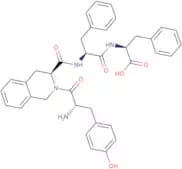
CAS:<p>TIPP is a peptide that belongs to the group of chemokines. It has been shown to have receptor binding activity and to stimulate the release of pro-inflammatory cytokines in cancer cells. TIPP interacts with membranes by forming hydrogen bonds with carbonyl groups and hydroxyl groups, which are located in the membrane. This results in a low energy barrier for intramolecular hydrogen transfer, making it a suitable candidate for drug design. TIPP also interacts with receptors, such as δ receptors, which may contribute to its anti-cancer properties.</p>Formula:C37H38N4O6Purity:Min. 95%Molecular weight:634.72 g/molFmoc-N-methyl-L-leucine
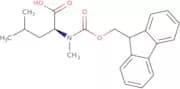
CAS:<p>Please enquire for more information about Fmoc-N-methyl-L-leucine including the price, delivery time and more detailed product information at the technical inquiry form on this page</p>Formula:C22H25NO4Purity:Min. 95%Color and Shape:PowderMolecular weight:367.44 g/molFGF acidic I (102-111) (bovine brain)
CAS:<p>Please enquire for more information about FGF acidic I (102-111) (bovine brain) including the price, delivery time and more detailed product information at the technical inquiry form on this page</p>Formula:C59H82N16O13Purity:Min. 95%Molecular weight:1,223.38 g/molFormyl-LHRH (2-10) trifluoroacetate salt
CAS:<p>Please enquire for more information about Formyl-LHRH (2-10) trifluoroacetate salt including the price, delivery time and more detailed product information at the technical inquiry form on this page</p>Formula:C51H70N16O12Purity:Min. 95%Molecular weight:1,099.2 g/mol(D-Arg1,D-Phe5,D-Trp7·9,Leu11)-Substance P
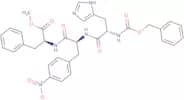
CAS:<p>Substance P is a neuropeptide that binds to the tachykinin receptor NK1. It has potent anti-inflammatory and mitogenic activities, which are mediated through its binding to the NK1 receptor. Substance P can stimulate lung cancer cells to proliferate and inhibit their apoptosis, which may be due to an autocrine mechanism. In addition, it has been shown that substance P can potentiate the growth of some cancers such as colon cancer in vitro and in vivo by increasing DNA synthesis and cell proliferation. This peptide also has a dose-dependent effect on cell growth, with high doses inhibiting cell proliferation at higher levels than low doses.</p>Formula:C79H109N19O12Purity:Min. 95%Molecular weight:1,516.83 g/molZ-His-p-nitro-Phe-Phe-OMe
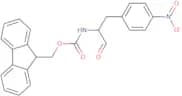
CAS:<p>Please enquire for more information about Z-His-p-nitro-Phe-Phe-OMe including the price, delivery time and more detailed product information at the technical inquiry form on this page</p>Formula:C33H34N6O8Purity:Min. 95%Molecular weight:642.66 g/molFmoc-p-nitro-Phe-Wang resin (200-400 mesh)
<p>Please enquire for more information about Fmoc-p-nitro-Phe-Wang resin (200-400 mesh) including the price, delivery time and more detailed product information at the technical inquiry form on this page</p>Purity:Min. 95%Neuromedin N trifluoroacetate salt
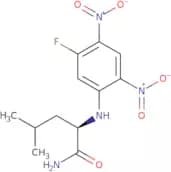
CAS:<p>Neuromedin N trifluoroacetate salt is a neurotrophin that regulates the growth and differentiation of nerve cells. It has been shown to increase locomotor activity in rats and to activate the receptor for neurotrophins. Neuromedin N trifluoroacetate salt also binds to response elements in DNA and can also modulate camp levels, cytosolic calcium, and protein kinase C levels in cells. This molecule has been shown to have antinociceptive properties by inhibiting the pain-causing action of substance P on sensory neurons. It is possible that this drug may be used as a growth factor or as a messenger RNA (mRNA) in fatty acid synthesis.</p>Formula:C38H63N7O8Purity:Min. 95%Molecular weight:745.95 g/molNα-(5-fluoro-2,4-dinitrophenyl)-D-leucinamide
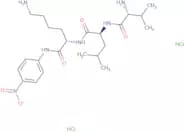
CAS:<p>Nalpha-(5-fluoro-2,4-dinitrophenyl)-D-leucinamide is a chemical compound that inhibits the activity of proteases. It has been shown to inhibit leukemia cells and actinomycetes. This chemical binds to the active site of proteases, inhibiting the hydrolysis of peptides by blocking the access of water molecules to the reactive site. In addition, Nalpha-(5-fluoro-2,4-dinitrophenyl)-D-leucinamide can also be used as a fluorescent probe for protease activity in analytical methods. The product research on this compound has shown that it is a potent inhibitor of cyclic peptide synthetases and can be used as an anti-inflammatory agent.</p>Formula:C12H15FN4O5Purity:Min. 95%Color and Shape:Off-White To Yellow SolidMolecular weight:314.27 g/molH-D-Val-Leu-Lys-pNA·2 HCl
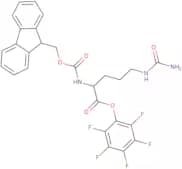
CAS:<p>D-Val-Leu-Lys-p-nitroanilide is a selective colorimetric substrate for plasmin used to determine plasmin formation from plasminogen in amidolytic activity assays and plasminogen activating assays. Plasmin is a plasma serine protease whose main role is to dissolve fibrin blood clots. After cleavage by plasmin, the protease activity is quantified by the release of p-nitroaniline (pNA) from the substrate.</p>Formula:C23H38N6O5·2HClPurity:Min. 95%Molecular weight:551.51 g/molFmoc-Cit-OPfp
CAS:<p>Please enquire for more information about Fmoc-Cit-OPfp including the price, delivery time and more detailed product information at the technical inquiry form on this page</p>Formula:C27H22F5N3O5Purity:Min. 95%Molecular weight:563.47 g/molH-Asp-Phe-NH2
CAS:<p>H-Asp-Phe-NH2 is a carboxy terminal amide of angiotensin, which is a peptide hormone. It is an analog of angiotensin II, which has been shown to have a number of therapeutic effects in the treatment of infectious diseases and cancer. H-Asp-Phe-NH2 has been shown to activate the angiotensin system by binding to serine protease, thereby regulating blood pressure and body fluid levels. This drug also has anti-inflammatory properties that may be due to its ability to inhibit prostaglandin synthesis. The optimal pH for this chemical reaction is 7.5. Structural studies on this compound have revealed that it can form hydrogen bonds with amino acids in proteins and tissues such as cysteine, histidine, and lysine.</p>Formula:C13H17N3O4Purity:Min. 95%Molecular weight:279.29 g/mol(3-(4-Azidophenyl)propionyl1,D-Tyr(Me)2,Arg6,Arg8,Tyr-NH29)-Vasopressin trifluoroacetate salt
CAS:<p>Please enquire for more information about (3-(4-Azidophenyl)propionyl1,D-Tyr(Me)2,Arg6,Arg8,Tyr-NH29)-Vasopressin trifluoroacetate salt including the price, delivery time and more detailed product information at the technical inquiry form on this page</p>Formula:C63H84N20O13Purity:Min. 95%Molecular weight:1,329.47 g/mol(D-Tyr6,betaPhe11,Phe13, Nle 14)-Bombesin (6-14) (free acid) trifluoroacetate salt
CAS:<p>Please enquire for more information about (D-Tyr6,betaPhe11,Phe13, Nle 14)-Bombesin (6-14) (free acid) trifluoroacetate salt including the price, delivery time and more detailed product information at the technical inquiry form on this page</p>Formula:C63H79N13O12Purity:Min. 95%Molecular weight:1,210.38 g/molH-Cys(Bzl)-AMC
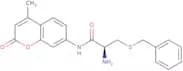
CAS:<p>H-Cys(Bzl)-AMC is a mesocosm study that measures the effects of nutrient additions on coastal ecosystems. Collaboratively, academics and stakeholders work to analyze datasets from these experiments to diagnose the impacts of nutrient inputs on coastal systems. This exploratory initiative will help stakeholders understand the impacts of nutrient inputs on their ecosystems in order to make better decisions about how they manage their natural resources.</p>Formula:C20H20N2O3SPurity:Min. 95%Molecular weight:368.45 g/molH-Arg-D-Asp-OH
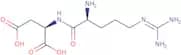
CAS:<p>Please enquire for more information about H-Arg-D-Asp-OH including the price, delivery time and more detailed product information at the technical inquiry form on this page</p>Formula:C10H19N5O5Purity:Min. 95%Molecular weight:289.29 g/molBoc-Ser(Ile-Fmoc)-OH
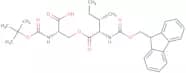
CAS:<p>Boc-Ser(Ile-Fmoc)-OH is a peptide synthesis reagent that can be used for the efficient and convenient preparation of peptides. It is a synthetic, non-natural amino acid that has been synthesized by the chemists at Pfizer. Boc-Ser(Ile-Fmoc)-OH is an epimer of natural L-serine and has been shown to be more soluble than L-serine making it easier to work with. This reagent can also be used in the synthesis of biomolecules such as proteins and nucleic acids. The chemistry behind this compound has been published in the journal Biomolecular Chemistry.</p>Formula:C29H36N2O8Purity:Min. 95%Molecular weight:540.6 g/molpTH (53-84) (human)
CAS:<p>Please enquire for more information about pTH (53-84) (human) including the price, delivery time and more detailed product information at the technical inquiry form on this page</p>Formula:C149H253N43O54Purity:Min. 95%Molecular weight:3,510.86 g/molBiotinyl-LL-37 amide trifluoroacetate salt
CAS:<p>Please enquire for more information about Biotinyl-LL-37 amide trifluoroacetate salt including the price, delivery time and more detailed product information at the technical inquiry form on this page</p>Formula:C215H355N63O54SPurity:Min. 95%Molecular weight:4,718.58 g/molStresscopin-Related Peptide (human)
CAS:<p>Please enquire for more information about Stresscopin-Related Peptide (human) including the price, delivery time and more detailed product information at the technical inquiry form on this page</p>Formula:C205H358N68O57Purity:Min. 95%Molecular weight:4,687.46 g/mol(Val6,Ala7)-Kemptide
CAS:<p>Please enquire for more information about (Val6,Ala7)-Kemptide including the price, delivery time and more detailed product information at the technical inquiry form on this page</p>Formula:C32H61N13O9Purity:Min. 95%Molecular weight:771.91 g/molAcetyl-Angiotensin I Ac-Asp-Arg-Val-Tyr-Ile-His-Pro-Phe-His-Leu-OH
CAS:<p>Please enquire for more information about Acetyl-Angiotensin I Ac-Asp-Arg-Val-Tyr-Ile-His-Pro-Phe-His-Leu-OH including the price, delivery time and more detailed product information at the technical inquiry form on this page</p>Formula:C64H91N17O15Purity:Min. 95%Molecular weight:1,338.51 g/molAcetyl-(3,4-dehydro-Pro1,4-fluoro-D-Phe2,D-Trp3·6)-LHRH trifluoroacetate salt
CAS:<p>Please enquire for more information about Acetyl-(3,4-dehydro-Pro1,4-fluoro-D-Phe2,D-Trp3·6)-LHRH trifluoroacetate salt including the price, delivery time and more detailed product information at the technical inquiry form on this page</p>Formula:C69H85FN16O13Purity:Min. 95%Molecular weight:1,365.51 g/molZ-Ala-Ala-pNA
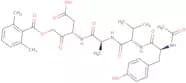
CAS:<p>Z-Ala-Ala-pNA is a bifunctional endopeptidase that has regulatory and subtilisin activity. It is used to regulate the production of nitrate in microorganisms such as bacteria and fungi, which can be an important factor in the production of food products. Z-Ala-Ala-pNA is a recombinant enzyme that was developed from a strain of Bacillus subtilis. This enzyme has binding sites for both serine proteinases and sodium nitrate. It degrades proteins by cleaving them at their serine residues, releasing amino acids and peptides from the N-terminus of the protein. The regulatory function of this enzyme is due to its ability to bind to nitrate ions, thereby regulating their concentration in cells.</p>Formula:C20H22N4O6Purity:Min. 95%Molecular weight:414.41 g/molAc-Tyr-Val-Ala-Asp-2,6-dimethylbenzoyloxymethylketone
CAS:<p>Ac-Tyr-Val-Ala-Asp-2,6-dimethylbenzoyloxymethylketone is a potent transcriptional regulator that can be used to treat breast cancer. Ac-Tyr-Val-Ala-Asp-2,6-dimethylbenzoyloxymethylketone binds to estrogen receptor and prevents the binding of estrogen to its receptor. This leads to the death of cancer cells by inhibiting the function of bcl family proteins. Acetylation of this compound at C8, C10, and C17 positions increases its potency in vivo. In addition, Acetylated TAVADM can inhibit pancreatic cancer cell growth by activating signal transducer and activator of transcription 3 (STAT3) and inhibiting the activity of bcl family proteins such as BCL2 and BCLXL. Acetylated TAVADM has also been shown to have antiapoptotic</p>Formula:C33H42N4O10Purity:Min. 95%Molecular weight:654.71 g/molHSV-1-amide UL 26 Open Reading Frame (242-255)
CAS:<p>Please enquire for more information about HSV-1-amide UL 26 Open Reading Frame (242-255) including the price, delivery time and more detailed product information at the technical inquiry form on this page</p>Formula:C80H117N21O20SPurity:Min. 95%Molecular weight:1,724.98 g/molH-Ala-Ala-pNA hydrochloride salt
CAS:<p>Please enquire for more information about H-Ala-Ala-pNA hydrochloride salt including the price, delivery time and more detailed product information at the technical inquiry form on this page</p>Formula:C12H16N4O4Purity:Min. 95%Molecular weight:280.28 g/molApelin-12 (human, bovine, mouse, rat)
CAS:<p>Apelin-12 is a peptide hormone that belongs to the group of apelin family. It is an endogenous agonist for the apelin receptor and has been shown to affect metabolic and cardiovascular regulation. Apelin-12 has been found to increase systolic blood pressure, which may be due to its ability to inhibit the synthesis of nitric oxide in the heart. It also exhibits anti-inflammatory properties, which have been shown in vivo using a model of colitis induced by dextran sulfate sodium (DSS). The biological properties of this hormone are not yet fully understood. However, it is known that it has effects on cardiac contractility and myocardial infarct size in vivo. Further investigation into this protein's role in inflammatory diseases and metabolic disorders may lead to new treatments for these conditions.</p>Formula:C64H103N21O14SPurity:Min. 95%Molecular weight:1,422.7 g/molAc-Thr-Leu-Asn-Phe-OH
CAS:<p>Ac-Thr-Leu-Asn-Phe-OH is a tetrapeptide that is synthesized from the amino acid sequence of human immunodeficiency virus (HIV) protease. It has been shown to inhibit HIV protease and prevent the cleavage of polypeptides, thereby preventing viral replication. The peptide is synthesized by reacting aspartyl with L-leucine in the presence of N,N′-dicyclohexylcarbodiimide and pyridine. Ac-Thr-Leu-Asn-Phe-OH was found to be resistant to proteases and has a constant molecular weight.</p>Formula:C25H37N5O8Purity:Min. 95%Molecular weight:535.59 g/molNeuropeptide FF (5-8) acetate salt
CAS:<p>Please enquire for more information about Neuropeptide FF (5-8) acetate salt including the price, delivery time and more detailed product information at the technical inquiry form on this page</p>Formula:C25H39N9O5Purity:Min. 95%Molecular weight:545.63 g/molFmoc-Ala-(Dmb)Gly-OH
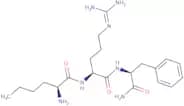
CAS:<p>Please enquire for more information about Fmoc-Ala-(Dmb)Gly-OH including the price, delivery time and more detailed product information at the technical inquiry form on this page</p>Formula:C29H30N2O7Purity:Min. 95%Molecular weight:518.56 g/molH-Nle-Arg-Phe-NH2 acetate salt
CAS:<p>Please enquire for more information about H-Nle-Arg-Phe-NH2 acetate salt including the price, delivery time and more detailed product information at the technical inquiry form on this page</p>Formula:C21H35N7O3Purity:Min. 95%Molecular weight:433.55 g/mol(Des-Gly10,His(Bzl)6,Pro-NHEt 9)-LHRH
CAS:<p>Please enquire for more information about (Des-Gly10,His(Bzl)6,Pro-NHEt 9)-LHRH including the price, delivery time and more detailed product information at the technical inquiry form on this page</p>Formula:C66H86N18O12Purity:Min. 95%Molecular weight:1,323.5 g/molH-Glu(OtBu)-2-chlorotrityl resin (200-400 mesh) (Low Substitution)
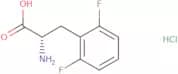
<p>Please enquire for more information about H-Glu(OtBu)-2-chlorotrityl resin (200-400 mesh) (Low Substitution) including the price, delivery time and more detailed product information at the technical inquiry form on this page</p>Purity:Min. 95%H-2,6-Difluoro-Phe-OH·HCl
CAS:<p>Please enquire for more information about H-2,6-Difluoro-Phe-OH·HCl including the price, delivery time and more detailed product information at the technical inquiry form on this page</p>Formula:C9H9F2NO2·HClPurity:Min. 95%Molecular weight:237.63 g/molDynorphin A (1-9)
CAS:<p>Dynorphin A (1-9) H-Tyr-Gly-Gly-Phe-Leu-Arg-Arg-Ile-Arg-OH is a substrate binding inhibitor that blocks potassium channels. Dynorphin A (1-9) H-Tyr-Gly-Gly-Phe-Leu Arg Arg Ile Arg OH binds to the d -alanine site of the potassium channel and inhibits glutamate release from presynaptic terminals. Dynorphin A (1 9) H Tyr Gly Gly Phe Leu Arg Arg Ile Arg OH has been shown to be a potent inhibitor of aminopeptidase activity in vitro, which may be due to its affinity for the substrate binding site on the enzyme. Its inhibition of aminopeptidase activity may lead to an increase in opioid peptides such as dynorphins and enkephalins. Dynorphin A (1 9) H Tyr Gly Gly Phe</p>Formula:C52H84N18O11Purity:Min. 95%Molecular weight:1,137.34 g/molH-Cit-AMC trifluoroacetate salt
CAS:<p>Please enquire for more information about H-Cit-AMC trifluoroacetate salt including the price, delivery time and more detailed product information at the technical inquiry form on this page</p>Formula:C16H20N4O4Purity:Min. 95%Molecular weight:332.35 g/molExendin-4 (3-39)
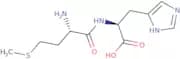
CAS:<p>Please enquire for more information about Exendin-4 (3-39) including the price, delivery time and more detailed product information at the technical inquiry form on this page</p>Formula:C176H272N46O58SPurity:Min. 95%Color and Shape:PowderMolecular weight:3,992.38 g/molH-Met-His-OH
CAS:<p>H-Met-His-OH is a metabolite of methionine, which has been shown to have insulin sensitizing effects. H-Met-His-OH is produced from the reaction of methionine with hydrochloric acid and water molecule. This compound has been shown to modulate glucose metabolism by increasing insulin sensitivity in diabetic rats. It has also been shown to be able to increase estradiol levels in female mice, which may be due to its ability to inhibit protein synthesis. H-Met-His-OH also binds to histidine residues on the protein surface and may regulate protein kinetics via an unidentate mechanism.</p>Formula:C11H18N4O3SPurity:Min. 95%Molecular weight:286.35 g/molMART-1 (27-35) (human) trifluoroacetate salt
CAS:Controlled Product<p>Please enquire for more information about MART-1 (27-35) (human) trifluoroacetate salt including the price, delivery time and more detailed product information at the technical inquiry form on this page</p>Formula:C37H67N9O11Purity:Min. 95%Molecular weight:813.98 g/molZ-Ala-Pro-pNA
CAS:<p>Z-Ala-Pro-pNA is a serine protease that cleaves peptide bonds in proteins. It has been shown to be active against a number of organisms, including Pyrococcus furiosus and Porcine pancreatic extracts, as well as specificities such as amino acid residues and oligopeptidases. Z-Ala-Pro-pNA may have uses in the food industry by acting on proteins that are found in meat products.</p>Formula:C22H24N4O6Purity:Min. 95%Molecular weight:440.45 g/molBiotinyl-Atrial Natriuretic Factor (1-28) (human) trifluoroacetate salt
CAS:<p>Please enquire for more information about Biotinyl-Atrial Natriuretic Factor (1-28) (human) trifluoroacetate salt including the price, delivery time and more detailed product information at the technical inquiry form on this page</p>Formula:C137H217N47O41S4Purity:Min. 95%Molecular weight:3,306.75 g/molAngiotensin I/II (4-8)
CAS:<p>Angiotensin I/II (4-8) H-Tyr-Ile-His-Pro-Phe-OH is a peptide that contains the sequence of angiotensin I and II. It has been shown to have proton transport properties, which may be related to its sequence. The amino acid sequence of this peptide is similar to other pentapeptides such as insulin and vasopressin. This peptide has been linked to a vector that can cross the blood brain barrier, allowing it to act on the central nervous system.</p>Formula:C35H45N7O7Purity:Min. 95%Molecular weight:675.77 g/mol1-O-Octadecyl-sn-glycero-3-phosphocholine
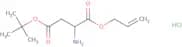
CAS:<p>Edelfosine is a phospholipid analog that has been shown to inhibit insulin-induced glucose uptake in adipocytes. It is a potent inhibitor of the insulin receptor tyrosine kinase and can also act as an allosteric inhibitor of protein kinase C (PKC). Edelfosine inhibits the growth of mammary carcinomas by inhibiting PKC, which leads to a decrease in cell proliferation. This drug also interacts with sulfonic acids, forming hydrogen bonds, which may be the reason for its high-performance liquid chromatography. The molecular weight of edelfosine is 582.3 g/mol.</p>Formula:C26H56NO6PPurity:Min. 95%Molecular weight:509.7 g/molH-D-Asp(OtBu)-allyl ester·HCl
CAS:<p>Please enquire for more information about H-D-Asp(OtBu)-allyl ester·HCl including the price, delivery time and more detailed product information at the technical inquiry form on this page</p>Formula:C11H19NO4·HClPurity:Min. 95%Molecular weight:265.73 g/molFmoc-Trp(Boc)-Thr(Psi(Me,Me)pro)-OH
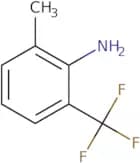
CAS:<p>Please enquire for more information about Fmoc-Trp(Boc)-Thr(Psi(Me,Me)pro)-OH including the price, delivery time and more detailed product information at the technical inquiry form on this page</p>Formula:C38H41N3O8Purity:Min. 95%Molecular weight:667.75 g/mol2-methyl-6-(trifluoromethyl)aniline
CAS:<p>2-Methyl-6-(trifluoromethyl)aniline is a colorless, oily liquid with a sulfurous odor. It is soluble in water and alcohol. The reaction rate of 2-methyl-6-(trifluoromethyl)aniline with sulfoxides is faster than that of benzyl anilines, but slower than that of anilino derivatives. The addition of hydrophobic groups to the 2-methyl-6-(trifluoromethyl)aniline molecule increases the reaction rate. 2-Methyl-6-(trifluoromethyl)aniline can be used as an anesthetic agent because it is a potent inhibitor of nerve conduction in sciatic nerves. It also has been shown to be effective in desulfurizing propylene, which is important for the production of polypropylene plastics and synthetic rubber. 2-Methyl-6-(triflu</p>Formula:C8H8F3NPurity:Min. 95%Molecular weight:175.15 g/molFmoc-Ile-Thr(Psi(Me ,Me)pro)-OH
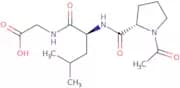
CAS:<p>Please enquire for more information about Fmoc-Ile-Thr(Psi(Me ,Me)pro)-OH including the price, delivery time and more detailed product information at the technical inquiry form on this page</p>Formula:C28H34N2O6Purity:Min. 95%Molecular weight:494.58 g/molAc-Pro-Leu-Gly-OH
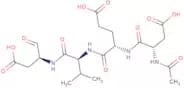
CAS:<p>Ac-Pro-Leu-Gly-OH is a synthetic peptide that has been shown to be an effective crosslinker for thiols. Ac-Pro-Leu-Gly-OH is a water soluble, acidic peptide and can be used in biological systems as a crosslinker.</p>Formula:C15H25N3O5Purity:Min. 95%Molecular weight:327.38 g/molAc-Asp-Glu-Val-Asp-aldehyde (pseudo acid)
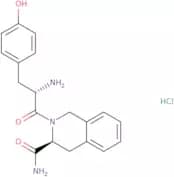
CAS:<p>Ac-Asp-Glu-Val-Asp-aldehyde (pseudo acid) is a pro-apoptotic protein that belongs to the group of pseudo acids. It is able to induce apoptosis. Ac-Asp-Glu-Val-Asp-aldehyde (pseudo acid) can induce neuronal death by activating caspases and apoptosis pathway, which are involved in the process of programmed cell death. This protein also has anti-inflammatory properties, which may be due to its ability to inhibit cyclase activity. Ac-Asp-Glu-Val-Asp (pseudo acid) has been shown to be present at physiological levels in the brain and heart, where it may play an important role in maintaining cell viability.</p>Formula:C20H30N4O11Purity:Min. 95%Molecular weight:502.47 g/molH-Tyr-L-1,2,3,4-tetrahydroisoquinoline-3-carboxamide·HCl
CAS:<p>H-Tyr-L-1,2,3,4-tetrahydroisoquinoline-3-carboxamide·HCl is a monoclinic crystalline compound. It has a molecular weight of 607.14 and contains the dipeptide Tyr-Lys in its structure. H-Tyr-L-1,2,3,4-tetrahydroisoquinoline-3-carboxamide·HCl crystallizes in the P21/c space group and has an asymmetric unit cell with dimensions a=8.851 Å, b=7.965 Å and c=5.98 Å. This compound has been shown to have antibacterial properties against methicillin resistant Staphylococcus aureus (MRSA) isolates and Clostridium perfringens strains by inhibiting bacterial protein synthesis through inhibition of peptidyl transferase activity.</p>Formula:C19H21N3O3·HClPurity:Min. 95%Molecular weight:375.85 g/mol(Des-octanoyl)-Ghrelin (human) acetate salt
CAS:<p>Acetate salt</p>Formula:C141H235N47O41·xC2H4O2Purity:Min. 95%Molecular weight:3,244.67 g/molBoc-D-His(3-Bom)-OH
CAS:<p>Please enquire for more information about Boc-D-His(3-Bom)-OH including the price, delivery time and more detailed product information at the technical inquiry form on this page</p>Formula:C19H25N3O5Purity:Min. 95%Molecular weight:375.42 g/molMCH (salmon) trifluoroacetate salt
CAS:<p>Trifluoroacetate salt</p>Formula:C89H139N27O24S4Purity:Min. 95%Molecular weight:2,099.49 g/molH-Trp-Met-OH
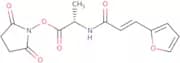
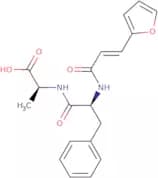
CAS:<p>The molecular formula for H-Trp-Met-OH is CHNOS. It is a neutral, solubilized, imino amide residue of L-phenylalanine. The compound has not been identified but it is presumed to be an azide or sulfate ester of tyrosine. This compound was isolated from the membranes of bacteria and peptidases break it down into other amino acids with the exception of lysine. The yield from this reaction is unknown.</p>Formula:C16H21N3O3SPurity:Min. 95%Molecular weight:335.42 g/molFA-Ala-OSu
CAS:<p>Please enquire for more information about FA-Ala-OSu including the price, delivery time and more detailed product information at the technical inquiry form on this page</p>Formula:C14H14N2O6Purity:Min. 95%Molecular weight:306.27 g/molNazumamide A
CAS:<p>Nazumamide A is a cyclic peptide with inhibitory activity against serine proteases. It binds to the active site of thrombin and inhibits its action, thereby inhibiting the fibrinogen degradation in blood. Nazumamide A is also found to have neuroprotective properties, which may be due to its ability to inhibit nitric oxide production by binding to the enzyme nitric oxide synthase. It has been shown to have anti-inflammatory activities and can be used for the treatment of inflammation-associated diseases such as asthma and arthritis. Nazumamide A is a nonribosomal peptide that does not require any cofactors for synthesis.</p>Formula:C28H43N7O8Purity:Min. 95%Molecular weight:605.68 g/molLeu-Leu-OMe·HCl
CAS:<p>Leu-Leu-OMe·HCl is a reagent that is used as a reaction component. It is soluble in water and has a pH of 2.0. Leu-Leu-OMe·HCl is also useful for the synthesis of building blocks and fine chemicals with versatile applications, such as bioactive compounds and pharmaceuticals. This chemical has been shown to react with other molecules to form a variety of complex compounds, making it useful for research purposes. This compound can be used as an intermediate in the synthesis of many different products, including pharmaceuticals, pesticides, and insecticides.</p>Formula:C13H26N2O3·HClPurity:Min. 95%Color and Shape:PowderMolecular weight:294.82 g/molUrechistachykinin I
CAS:<p>Urechistachykinin I is a diagnostic agent that has been used to detect the presence of bacteria in human serum. It is a peptide analog that is derived from the amino acid sequence of urechistachykinin and has been shown to have receptor activity for inflammatory diseases. The urechistachykinin I molecule can be conjugated with an antibody or other reactive molecule, which allows for its detection in biological fluids. <br>Urechistachykinin I has been shown to inhibit the growth of stenotrophomonas maltophilia, and can be used as a diagnostic agent for this bacterial infection.</p>Formula:C50H85N19O14Purity:Min. 95%Molecular weight:1,176.33 g/molH-Cys(4-methoxytrityl)-2-chlorotrityl resin (200-400 mesh)
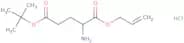
<p>Please enquire for more information about H-Cys(4-methoxytrityl)-2-chlorotrityl resin (200-400 mesh) including the price, delivery time and more detailed product information at the technical inquiry form on this page</p>Purity:Min. 95%H-Glu(OtBu)-allyl ester·HCl
CAS:<p>Please enquire for more information about H-Glu(OtBu)-allyl ester·HCl including the price, delivery time and more detailed product information at the technical inquiry form on this page</p>Formula:C12H21NO4·HClPurity:Min. 95%Molecular weight:279.76 g/molFA-Lys-Ala-OH
CAS:<p>FA-Lys-Ala-OH is a mutant enzyme that has an expressed constitutive mutation. It is a mutational variant of the wild type enzyme with an additive kinetic effect. The kinetic constants for this mutant were determined and correlated to determine the determinants of the mutations. This mutant has uncharged substitutions in its carboxypeptidase B active site, which changes its pH optimum from acidic to neutral values.</p>Formula:C16H23N3O5Purity:Min. 95%Molecular weight:337.37 g/molFmoc-Phe-Wang resin (200-400 mesh)
<p>Please enquire for more information about Fmoc-Phe-Wang resin (200-400 mesh) including the price, delivery time and more detailed product information at the technical inquiry form on this page</p>Purity:Min. 95%H-Arg(NO2)-pNA·HBr
CAS:<p>Please enquire for more information about H-Arg(NO2)-pNA·HBr including the price, delivery time and more detailed product information at the technical inquiry form on this page</p>Formula:C12H17N7O5·HBrPurity:Min. 95%Molecular weight:420.22 g/mol(Gln22)-Amyloid b-Protein (1-40) trifluoroacetate salt
CAS:Controlled Product<p>Please enquire for more information about (Gln22)-Amyloid b-Protein (1-40) trifluoroacetate salt including the price, delivery time and more detailed product information at the technical inquiry form on this page</p>Formula:C194H296N54O57SPurity:Min. 95%Molecular weight:4,328.82 g/molAcetyl-(Ala11·15)-Endothelin-1 (6-21)
CAS:<p>Acetyl-(Ala11·15)-Endothelin-1 (6-21) Ac-Leu-Met-Asp-Lys-Glu-Ala-Val-Tyr-Phe-Ala-His-Leu-Asp-Ile-Ile<br>TrpOH is a recombinant peptide that is a potent endothelin receptor antagonist. It binds to the endothelin receptor, blocking the binding of endothelin and preventing activation of the receptor. Acetyl-(Ala11·15)-Endothelin (6–21) Ac has been shown to inhibit atrial natriuretic peptide levels and reduce blood pressure in experimental models. This drug also prevents balloon injury by blocking the binding of endothelin to its receptors and inhibits growth factor β1, which is an important mediator in pulmonary hypertension. The mechanism of action for this drug is not fully understood, but it may work through inhibiting</p>Formula:C96H140N20O25SPurity:Min. 95%Molecular weight:2,006.32 g/molGalanin (1-13)-Mastoparan
CAS:<p>Galanin is a peptide that is part of the galaninergic system. It is involved in the regulation of insulin resistance, pain sensation, and chronic bronchitis. Galanin has been found to inhibit ATP-sensitive K+ channels and to have an inhibitory effect on ryanodine receptors. This inhibition leads to an increase in cytosolic Ca2+. Galanin also inhibits the release of inflammatory cytokines such as IL-1β, IL-6, and TNF-α. The biological properties of galanin are not fully understood and it may be associated with cancer and autoimmune diseases.</p>Formula:C133H222N34O32Purity:Min. 95%Molecular weight:2,809.4 g/molH-Gly-Gly-Arg-anilide acetate salt
CAS:<p>Please enquire for more information about H-Gly-Gly-Arg-anilide acetate salt including the price, delivery time and more detailed product information at the technical inquiry form on this page</p>Formula:C16H25N7O3Purity:Min. 95%Molecular weight:363.42 g/molMethylenedi-p-phenyl diisocyanate
CAS:<p>Methylenedi-p-phenyl diisocyanate (MDI) is a glycol ether, which is a potent inducer of allergic reactions. It can be found in polyurethane foam insulation and in the production of diphenyl and diisocyanate. MDI has been shown to cause asthma, skin inflammation, and other respiratory problems. MDI is highly toxic to aquatic life and can cause long term effects on fish populations. The toxicity of MDI depends on the concentration and duration of exposure, as well as the species that it is administered to. High concentration exposure for a short period of time will result in death by respiratory failure or cardiac arrest. Longer exposure at lower concentrations may lead to liver, kidney, lung damage or cancerous tumor development.</p>Formula:C15H10N2O2Purity:Min. 95%Molecular weight:250.25 g/molPeptide WE-14
CAS:<p>Peptide WE-14 H-Trp-Ser-Lys-Met-Asp-Gln-Leu-Ala-Lys-Glu-Leu-Thr-Ala-Glu is a tetradecapeptide that is a candidate for the diagnosis of pancreatic cancer. It has been shown to localize to the pancreas and other tissues in immunohistochemical studies. This peptide was found to be present in chromaffin cells and ileal tissue, which are associated with pancreatic cancer. Peptide WE14 H Trp Ser Lys Met Asp Gln Leu Ala Lys Glu Leu Thr Ala Glu also binds to markers expressed at high levels in pancreatic cancers such as insulinoma, endocrine tumor, and neuroendocrine tumor.</p>Formula:C72H116N18O24SPurity:Min. 95%Molecular weight:1,649.86 g/molH-Glu-Ala-Gly-Asp-Asp-Ile-Val-Pro-Cys-Ser-Met-Ser-Tyr-Thr-Trp-Thr-Gly-Ala-OH
CAS:<p>H-Glu-Ala-Gly-Asp-Asp-Ile-Val-Pro-Cys-Ser-Met-Ser-Tyr-Thr-Trp-Thr-Gly-Ala is a peptide that is synthesized and expressed in the laboratory. It has been shown to have a constant amino acid sequence, which can be used as a control for protein studies. This peptide is unreactive with surrounding environments and does not undergo photochemical reactions. HAGGS has also been shown to be thermostable, yielding high yields of protein from it. The reactive nature of this peptide makes it unsuitable for use in solvents other than water or buffers containing water. HAGGS has been shown to have proteolytic activity against the hepatitis virus, HIV, and influenza virus. This peptide's fluorescence emission maxima is at 270 nm, which allows it to be observed under UV light.</p>Formula:C81H119N19O30S2Purity:Min. 95%Molecular weight:1,903.05 g/molH-Ile-Glu-OH
CAS:<p>Please enquire for more information about H-Ile-Glu-OH including the price, delivery time and more detailed product information at the technical inquiry form on this page</p>Formula:C11H20N2O5Purity:Min. 95 Area-%Color and Shape:PowderMolecular weight:260.29 g/molFmoc-Asp-OAll
CAS:<p>Fmoc-Asp-OAll is a cyclic peptide that has been shown to be active against human cancer cell lines in vitro. Fmoc-Asp-OAll binds to integrin receptors, inhibiting the prostaglandin synthesis pathway and thus reducing inflammation. It also inhibits the activity of enzymes that are involved in inflammatory responses. Fmoc-Asp-OAll is synthesized on solid phase by chemical ligation.</p>Formula:C22H21NO6Purity:Min. 95%Color and Shape:PowderMolecular weight:395.41 g/molPAR-2 (1-6) amide (human) trifluoroacetate salt
CAS:<p>PAR-2 (1-6) amide (human) trifluoroacetate salt H-Ser-Leu-Ile-Gly-Lys-Val-NH2 trifluoroacetate salt is a protease inhibitor that inhibits the activity of PAR2, a protein receptor. PAR2 is implicated in cancer and inflammation. It has been shown to inhibit growth factor signaling, as well as activate toll-like receptor 4 and other inflammatory pathways. PAR2 inhibition has also been studied in vivo and found to be effective in treating wild type mice with melanoma cells. In vitro studies have shown that PAR2 inhibition by PAR 2 (1-6) amide (human) trifluoroacetate salt H-Ser-Leu-Ile-Gly-Lys-Val NH2 trifluoroacetate salt blocks the production of tumour necrosis factor alpha and interleukin 6.</p>Formula:C28H54N8O7Purity:Min. 95%Molecular weight:614.78 g/molZ-Asp(ONp)-OBzl
CAS:<p>Z-Asp(ONp)-OBzl is a synthetic compound with minimal side-chain that can be used as a condensation and deprotection reagent in the synthesis of peptides. It functions to selectively cleave the N-terminal amino group from an unprotected peptide. This side chain is not present on natural amino acids and therefore provides selectivity for the N-terminal amino acid. Z-Asp(ONp)-OBzl has been found to be a more controllable and selective alternative to other deprotection reagents such as DBU, DCC, or TFA. The use of this reagent in peptide synthesis has been shown to provide high yields of unblocked chains with minimal side reactions.</p>Formula:C25H22N2O8Purity:Min. 95%Molecular weight:478.45 g/molZ-Leu-Gly-OH
CAS:<p>Z-Leu-Gly-OH is a peptide inhibitor of serine proteases. This peptide is a potential inhibitor of trypanosome proteinases, which are enzymes that cleave proteins into smaller pieces. Z-Leu-Gly-OH is a reversible inhibitor of mammalian proteinase and nitrile protease with a high affinity for the target enzyme.</p>Formula:C16H22N2O5Purity:Min. 95%Molecular weight:322.36 g/molBoc-Pen (NPys)-OH
CAS:<p>Please enquire for more information about Boc-Pen (NPys)-OH including the price, delivery time and more detailed product information at the technical inquiry form on this page</p>Formula:C15H21N3O6S2Purity:Min. 95%Molecular weight:403.48 g/mol3-Methylsalicylic acid
CAS:<p>3-Methylsalicylic acid is a naturally occurring carboxylate that has been shown to be an inhibitor of the hydrogenation of polyunsaturated fatty acids. 3-Methylsalicylic acid inhibits the binding of benzyl groups to intramolecular hydrogen and hydroxyl groups, which are required for the formation of a covalent bond. The antiproliferative effect of 3-methylsalicylic acid on cancer cells is due to its ability to inhibit protein synthesis by blocking the enzyme carboxylase. 3-Methylsalicylic acid also has anti-inflammatory properties and can be used as an antiseptic and analgesic.</p>Formula:C8H8O3Purity:Min. 95%Color and Shape:White PowderMolecular weight:152.15 g/molBoc-Phe-OBzl
CAS:<p>Please enquire for more information about Boc-Phe-OBzl including the price, delivery time and more detailed product information at the technical inquiry form on this page</p>Formula:C21H25NO4Purity:Min. 95%Molecular weight:355.43 g/molAc-His-His-Gly-His-OH
CAS:<p>Ac-His-His-Gly-His-OH is a lysine ligand with an acetyl group and two histidine residues. Acetylation of the hydroxyl group on the lysine residue is necessary for binding to metal ions, such as protonation. This molecule has been shown to have five different protonation states at neutral pH. The protonated form has been found to be more soluble in water than the deprotonated form. Acetylation of both lysines in the molecule leads to hydrolytic cleavage of the amide bond, which causes it to become insoluble in water. Acetylation also alters chemical properties, such as changes in color; for example, this molecule exhibits dichroism when viewed under polarized light.</p>Formula:C22H28N10O6Purity:Min. 95%Molecular weight:528.52 g/molGlycoprotein IIb Fragment (300-312)
CAS:<p>Glycoprotein IIb fragment (300-312) is a fragment of the glycoprotein IIb that is a potent inhibitor of the binding of fibrinogen to platelets. It has been used in immunoassays to detect and quantify glycoprotein IIb or its fragments in human serum, plasma, or urine. This fragment contains amino acids 300-312 and has an affinity for fibrinogen with a Kd value of 2.4 x 10^-6 M. The sequence of this fragment is H-Gly-Asp-Gly-Arg-His-Asp-Leu-Leu-Val-Gly-Ala-Pro.</p>Formula:C57H94N18O18Purity:Min. 95%Molecular weight:1,319.47 g/molOsteostatin (1-5) amide (human, bovine, dog, horse, mouse, rabbit, rat) trifluoroacetate salt
CAS:<p>Please enquire for more information about Osteostatin (1-5) amide (human, bovine, dog, horse, mouse, rabbit, rat) trifluoroacetate salt including the price, delivery time and more detailed product information at the technical inquiry form on this page</p>Formula:C27H42N10O7Purity:Min. 95%Molecular weight:618.69 g/molBiotinyl-(Leu8,D-Trp22,Tyr25)-Somatostatin-28 trifluoroacetate salt
CAS:<p>Please enquire for more information about Biotinyl-(Leu8,D-Trp22,Tyr25)-Somatostatin-28 trifluoroacetate salt including the price, delivery time and more detailed product information at the technical inquiry form on this page</p>Formula:C148H223N43O42S3Purity:Min. 95%Molecular weight:3,372.82 g/molAc-Arg-Phe-Met-Trp-Met-Arg-NH2
CAS:<p>Ac-Arg-Phe-Met-Trp-Met-Arg-NH2 is a synthetic peptide that binds to the opioid receptors, which are found in many areas of the body, including the brain and peripheral nervous system. Ac-Arg-Phe-Met-Trp-Met-Arg-NH2 has been shown to bind to the mu receptor with an affinity of ˜1 nM. It has also been shown to have antiinflammatory and anticancer properties. Ac-Arg-Phe-Met-Trp-Met -Arg NH2 has also been found in some cases to be effective against neurodegenerative diseases such as Alzheimer's disease. Ac Arg Phe Met Trp Met Arg NH2 is often used as a diluent for peptides and proteins because it does not cause aggregation.</p>Formula:C44H66N14O7S2Purity:Min. 95%Molecular weight:967.22 g/molPhenylac-Leu-Asp-Phe-D-Pro-NH2
CAS:<p>Phenylac-Leu-Asp-Phe-D-Pro-NH2 is a molecule that inhibits the inflammatory response by binding to the active site of proteinase 3. It has been shown to be effective in treating bowel disease, such as Crohn's disease, and also shows potential for use in other inflammatory diseases, including autoimmune diseases and blood disorders. Phenylac-Leu-Asp-Phe-D-Pro-NH2 is an inhibitor of proprotein convertase 3 (PC3) and has been shown to inhibit the activity of PC3 in vitro. This inhibition leads to reduced production of inflammatory cytokines and decreased inflammation in animal models. Clinical studies have demonstrated that phenylacetic acid ester derivatives are safe for use in humans.</p>Formula:C32H41N5O7Purity:Min. 95%Molecular weight:607.7 g/molGalanin (2-11) amide trifluoroacetate salt
CAS:<p>Galanin (2-11) amide trifluoroacetate salt H-Trp-Thr-Leu-Asn-Ser-Ala-Gly-Tyr-Leu-Leu is a galanin analog and a ligand for the galanin receptor 1. It has affinity for the receptors in the brain, which are involved in cognition, and is used to study Alzheimer's disease. Galanin (2-11) amide trifluoroacetate salt H-Trp-Thr-Leu-Asn-Ser -Ala -Gly -Tyr -Leu -Leu is a member of the family of neuropeptides and neuromodulators that regulate nerve injury and alzheimer's disease.</p>Formula:C54H81N13O14Purity:Min. 95%Molecular weight:1,136.3 g/molFmoc-Cys(tBu)-Wang resin (200-400 mesh)
<p>Please enquire for more information about Fmoc-Cys(tBu)-Wang resin (200-400 mesh) including the price, delivery time and more detailed product information at the technical inquiry form on this page</p>Purity:Min. 95%Fmoc-D-Arg(Pbf)-Wang resin (200-400 mesh)
<p>Please enquire for more information about Fmoc-D-Arg(Pbf)-Wang resin (200-400 mesh) including the price, delivery time and more detailed product information at the technical inquiry form on this page</p>Purity:Min. 95%FA-Phe-Ala-OH
CAS:<p>F-Phe-Ala-OH is a peptidyl amide that is ionizable at physiological pH. It has a constant and kinetic residue, as well as a hydrophobic, uncharged, and carboxypeptidase activity. F-Phe-Ala-OH catalyzes transpeptidation reactions between the amino acid residues of proteins. This reaction involves the elimination of one water molecule from the peptide bond to form an amine and an imine, which are then hydrolyzed to form the new peptide bond. The optimum pH for this catalysis is acidic.</p>Formula:C19H20N2O5Purity:Min. 95%Molecular weight:356.37 g/molBradykinin (2-9) acetate salt
CAS:<p>Acetate salt</p>Formula:C44H61N11O10Purity:Min. 95%Molecular weight:904.02 g/mol4-Bromo-1-methyl-1H-imidazole
CAS:<p>4-Bromo-1-methyl-1H-imidazole is an organic compound that belongs to the group of imidazoles. It is a chiral molecule with two stereoisomers, 4-bromo-1H-imidazole and 1H-imidazole. This compound can be synthesized by reacting ethyl formate with α-amino acid and chlorides in the presence of magnesium, followed by reduction with lithium aluminum hydride. The yield of this reaction is low, so it is not used in industrial processes. The imidazoles are important for their pharmacological activity as they are a class of drugs such as nitrofurantoin or griseofulvin. The dinitrate derivatives are also important for their metallation reactions and use in organic synthesis.</p>Formula:C4H5BrN2Purity:Min. 95%Molecular weight:161 g/molTyrosinase (206-214) (human) acetate salt
CAS:<p>H-AFLPWHRLF-OH peptide, corresponding to amino acids 206-214 of human Tyrosinase. The peptide is supplied as an acetate salt.</p>Formula:C61H83N15O10Purity:Min. 95%Molecular weight:1,186.41 g/molIL-6 (88-121) (human)
CAS:<p>Please enquire for more information about IL-6 (88-121) (human) including the price, delivery time and more detailed product information at the technical inquiry form on this page</p>Formula:C179H281N45O58SPurity:Min. 95%Molecular weight:4,023.48 g/molFmoc-Lys(Boc)-Ser(Psi(Me ,Me)pro)-OH
CAS:<p>Please enquire for more information about Fmoc-Lys(Boc)-Ser(Psi(Me ,Me)pro)-OH including the price, delivery time and more detailed product information at the technical inquiry form on this page</p>Formula:C32H41N3O8Purity:Min. 95%Molecular weight:595.68 g/molDL-Alanine ethyl ester hydrochloride
CAS:<p>DL-Alanine ethyl ester hydrochloride is a byproduct of the reaction between ethylene and amines. It can be produced through the addition of l-phenylalanine to acetonitrile. This compound is an organic ester that has been shown to have a variety of reactions with metal ions, such as aluminium, l-glutamic acid, and primary amines. The product can be used in thermodynamic data for reaction systems involving DL-alanine ethyl ester hydrochloride.</p>Formula:C5H11NO2·HClPurity:Min. 95%Color and Shape:White To Off-White SolidMolecular weight:153.61 g/molBiotinyl-Tyr-Val-Ala-Asp-chloromethylketone
CAS:<p>Please enquire for more information about Biotinyl-Tyr-Val-Ala-Asp-chloromethylketone including the price, delivery time and more detailed product information at the technical inquiry form on this page</p>Formula:C32H45ClN6O9SPurity:Min. 95%Molecular weight:725.25 g/molFMoc-L-4-BroMophenylalanine
CAS:<p>FMoc-L-4-BroMophenylalanine is a cell culture substrate that is used to study the interaction between peptides and hydrogels. It can be used as a fluorescent probe in peptide binding assays as well as for studies of protein folding. This product has been shown to be efficient at inducing gelation with other amino acids, such as aspartic acid, glycine, and arginine. FMoc-L-4-BroMophenylalanine also has potential applications for use in classifying peptides based on their charge and size.</p>Formula:C24H20BrNO4Purity:Min. 95%Molecular weight:466.32 g/molZ-Pro-Met-OH
CAS:<p>Z-Pro-Met-OH is a potent inhibitor of protein kinases. It has been shown to be resistant to peptidyl and sulphonium activation and also inhibits trypsin and other proteases. Z-Pro-Met-OH is a chloromethane derivative that is both an inhibitor of protein kinases and a substrate for the enzyme, which generates a constant concentration of product in the presence of enzyme. Z-Pro-Met-OH is more sensitive than other inhibitors tested to date, with the exception of staurosporine. It has sequence similarity to mammalian proteins, but lacks homology with any known protein.</p>Formula:C18H24N2O5SPurity:Min. 95%Molecular weight:380.46 g/mol


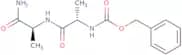
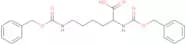

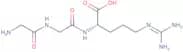

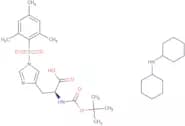
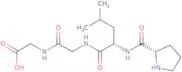
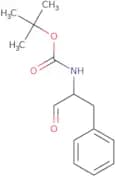
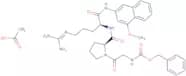
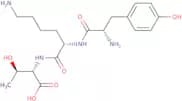
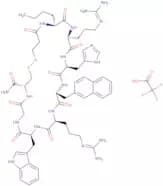
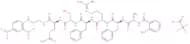
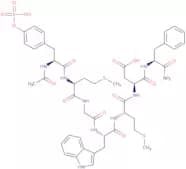
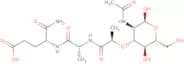
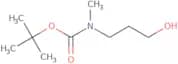
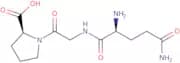

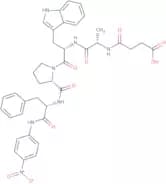
![N-Acetyl-[Cys4,10, D-Phe7]-α-Melanocyte Stimulating Hormone Fragment 4-13](/_next/image/?url=https%3A%2Fstatic.cymitquimica.com%2Fproducts%2F3D%2Fthumb-webp%2FFA110402.webp&w=3840&q=75)
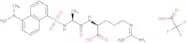
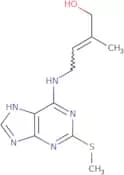
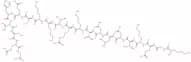
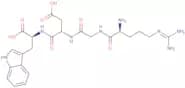
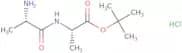
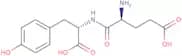

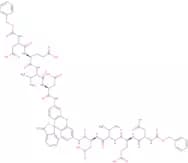
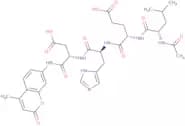
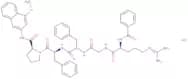

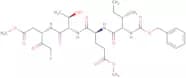
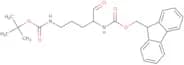

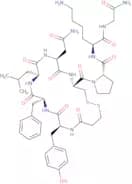
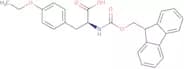
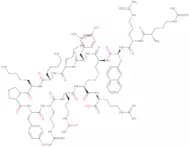


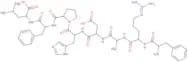
![2-Hydroxy-5-[(4-{[(6-methoxypyridazin-3-yl)amino]sulfonyl}phenyl)diazenyl]benzoic acid](/_next/image/?url=https%3A%2Fstatic.cymitquimica.com%2Fproducts%2F3D%2Fthumb-webp%2FFH134950.webp&w=3840&q=75)
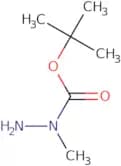
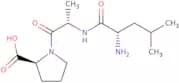

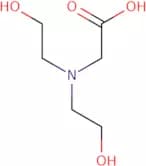


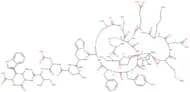


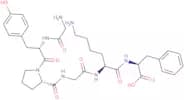

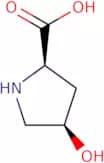


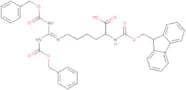

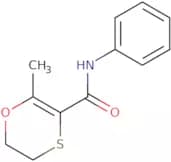



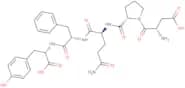
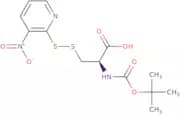
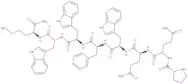
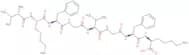
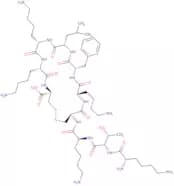
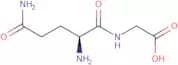

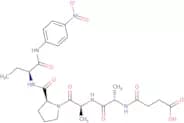
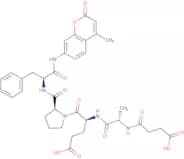
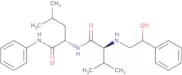

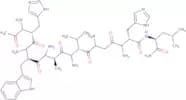

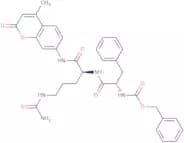
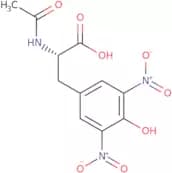

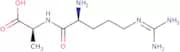
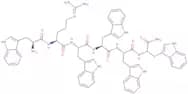

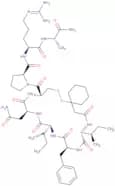


![8-Boc-3,8-diaza-bicyclo[3.2.1]octane](/_next/image/?url=https%3A%2Fstatic.cymitquimica.com%2Fproducts%2F3D%2Fthumb-webp%2FFB29382.webp&w=3840&q=75)