Amino Acids (AA)
Amino acids (AAs) are the fundamental building blocks of proteins, playing a crucial role in various biological processes. These organic compounds are essential for protein synthesis, metabolic pathways, and cell signaling. In this category, you will find a comprehensive range of amino acids, including essential, non-essential, and modified forms, which are vital for research in biochemistry, molecular biology, and nutritional sciences. At CymitQuimica, we provide high-quality amino acids to support your research and development needs, ensuring accuracy and reliability in your experimental outcomes.
Subcategories of "Amino Acids (AA)"
- Amino Acid Derivatives(3,955 products)
- Amino Acid and Amino Acid Related Compounds(3,464 products)
- Amino Acids with Oxygen or Sulphur(168 products)
- Boc- Amino Acids(351 products)
- Fmoc Amino Acids(1,710 products)
Found 38247 products of "Amino Acids (AA)"
Sort by
Purity (%)
0
100
|
0
|
50
|
90
|
95
|
100
Boc-Pro-Leu-Val-OMe
CAS:<p>Boc-Pro-Leu-Val-OMe is a peptide analog of Dolastatin 10 which has been shown to inhibit the production of ATP in mitochondria. The compound binds to the active site of bacterial topoisomerase IV, and this binding prevents the enzyme from cleaving DNA. Boc-Pro-Leu-Val-OMe is a small molecule that has an intramolecular structure, and it interacts with DNA to form a stable complex.</p>Formula:C22H39N3O6Purity:Min. 95%Molecular weight:441.56 g/molSuc-Ala-Phe-Pro-Phe-pNA
CAS:<p>Suc-Ala-Phe-Pro-Phe-pNA is a recombinant isomerase that has been shown to be an immunosuppressive agent. It is able to catalyze the conversion of cyclosporin A into its two inactive forms, as well as the conversion of cyclophilins A and B into their corresponding inactive forms. The enzyme has also been shown to have chaperone activity. Suc-Ala-Phe-Pro-Phe-pNA has been expressed in Escherichia coli and purified from inclusion bodies using an affinity column with immobilized recombinant cyclophilin A and B. The enzyme's activity was measured by catalysis of the conversion of pNPP, a substrate analogue, into pNPPdG, which can be detected spectrophotometrically at a wavelength of 340 nm. Suc-Ala-Phe-Pro-Phe-pNA shows exponential growth in the presence of</p>Formula:C36H40N6O9Purity:Min. 95%Molecular weight:700.74 g/molH-Lys(Z)-AMC·HCl
CAS:<p>Please enquire for more information about H-Lys(Z)-AMC·HCl including the price, delivery time and more detailed product information at the technical inquiry form on this page</p>Formula:C24H27N3O5·HClPurity:Min. 95%Molecular weight:473.95 g/molBoc-Met-Gly-OH
CAS:<p>Boc-Met-Gly-OH is an ester that can be synthesized by the reaction of Boc-glycine and methanol in aqueous sodium hydroxide. The product is soluble in organic solvents, such as dichloromethane, chloroform, and diethyl ether. Monitoring of this reaction yields the acid residues. The ester also has hydrophilic properties due to its amino group and methylene side chain. This compound can be used as a catalyst for reactions involving chloride or hydrophobic amino groups. It is not active for reactions with hydrophilic amino acids or immobilized catalysts.</p>Formula:C12H22N2O5SPurity:Min. 95%Molecular weight:306.38 g/molH-Ala-Pro-Val-EDANS
CAS:<p>Please enquire for more information about H-Ala-Pro-Val-EDANS including the price, delivery time and more detailed product information at the technical inquiry form on this page</p>Formula:C25H35N5O6SPurity:Min. 95%Molecular weight:533.64 g/molAc-Glu-Glu-Val-Val-Ala-Cys-pNA
CAS:<p>Please enquire for more information about Ac-Glu-Glu-Val-Val-Ala-Cys-pNA including the price, delivery time and more detailed product information at the technical inquiry form on this page</p>Formula:C34H50N8O13SPurity:Min. 95%Molecular weight:810.87 g/molBoc-Gly-PAM resin (200-400 mesh)
<p>Please enquire for more information about Boc-Gly-PAM resin (200-400 mesh) including the price, delivery time and more detailed product information at the technical inquiry form on this page</p>Purity:Min. 95%H-Pro-His-Leu-OH
CAS:<p>H-Pro-His-Leu-OH is a tripeptide with a sequence of L-proline, H-histidine, and D-leucine. It is an experimental substrate for peptide transporters and has been shown to be taken up by E. coli. This peptide is specific for Borrelia burgdorferi, the organism that causes Lyme disease.</p>Formula:C17H27N5O4Purity:Min. 95%Molecular weight:365.43 g/molHippuryl-Phe-Arg-OH
CAS:<p>Hippuryl-Phe-Arg-OH is a potent and selective inhibitor of angiotensin-converting enzyme (ACE) with a long duration of action. It has been shown to be a potentiator of captopril and enalaprilat in the biochemical validation for ACE inhibition. Hippuryl-Phe-Arg-OH has significant inhibitory activity against phosphatases such as carboxypeptidase A, phospholipase A2, and aminopeptidase N.</p>Formula:C24H30N6O5Purity:Min. 95%Molecular weight:482.53 g/molAc-Ala-Pro-Ala-pNA
CAS:<p>Ac-Ala-Pro-Ala-pNA is a transition-state analog inhibitor of serine proteases. In the catalytic cleft, Ac-Ala-Pro-Ala-pNA mimics the carbonyl group and minimizes the active site serine. The hydroxyl group in this compound is responsible for its transition state buildup that leads to hydrolytic reactions. Acetal formation can be observed as an intermediate step in this reaction. Acetal formation occurs when a hydroxylic oxygen atom reacts with a terminal alkoxy or thiohydroxylic carbon atom on the reactant molecule. This reaction is catalyzed by enzymes such as alcohol dehydrogenase, acetaldehyde dehydrogenase, and acetyl transferase.</p>Formula:C19H25N5O6Purity:Min. 95%Molecular weight:419.43 g/molH-Asp-Asn-Gln-OH
CAS:<p>H-Asp-Asn-Gln-OH is a basic amino acid that is cleaved by endopeptidase to form H-Asp, H-Asn, and H-Gln. It is also cleaved by serine proteases to form the amino acid residues of arginyl, aspartyl, and glutamyl. The residue sequence can be determined through hplc analyses of microsomal proteins. This amino acid has been shown to have a regulatory effect on the metabolism of other amino acids in rat liver cells. Asparaginyl and glutamyl are essential for the synthesis of proproteins.</p>Formula:C13H21N5O8Purity:Min. 95%Molecular weight:375.33 g/molHIV Protease Substrate III-B (Native Sequence)
CAS:<p>Please enquire for more information about HIV Protease Substrate III-B (Native Sequence) including the price, delivery time and more detailed product information at the technical inquiry form on this page</p>Formula:C51H90N18O14SPurity:Min. 95%Molecular weight:1,211.44 g/mol(Des-His1,Glu9)-Glucagon (1-29) amide (human, rat, porcine)
CAS:<p>Please enquire for more information about (Des-His1,Glu9)-Glucagon (1-29) amide (human, rat, porcine) including the price, delivery time and more detailed product information at the technical inquiry form on this page</p>Formula:C148H221N41O47SPurity:Min. 95%Molecular weight:3,358.65 g/mol4-Methyl-5-formylthiazole
CAS:<p>4-Methyl-5-formylthiazole is a synthetic molecule with in vitro antifungal activity. It has been shown to inhibit the growth of Candida albicans and Aspergillus niger, two species of fungi that are responsible for the majority of opportunistic infections in immunocompromised patients. 4-Methyl-5-formylthiazole is a nucleophilic molecule that undergoes electrophilic substitution reactions, which makes it an efficient method for generating antifungal agents. The synthesis of this compound can be achieved through the condensation of methyl formate and thiourea, followed by treatment with chloride ion to produce the desired product. 4-Methyl-5-formylthiazole is also fluorescent and has electron deficient properties, which makes it useful for diagnosis and molecular modelling.</p>Formula:C5H5NOSPurity:Min. 95%Molecular weight:127.17 g/molZ-Arg-AMC hydrochloride salt
CAS:<p>Z-Arg-AMC hydrochloride salt is a proteolytic agent that inhibits serine proteases. It can be used to study the biological function of proteases and as a tool in the kinetic analysis of protease activity. Z-Arg-AMC hydrochloride salt has been shown to inhibit trypsin, chymotrypsin, and elastase enzymes at nanomolar concentrations. This compound also inhibits human pathogens such as enterovirus 71 and herpes simplex virus type 1, which are associated with severe disease symptoms. The structural analysis of Z-Arg-AMC hydrochloride salt has shown it to be a racemic mixture of L-Arginine and D-Arginine with an average molecular weight of 313.5 Da.</p>Formula:C24H27N5O5Purity:Min. 95%Molecular weight:465.5 g/molPz-Pro-Leu-Gly-Pro-D-Arg-OH trifluoroacetate salt
CAS:<p>Pz-Pro-Leu-Gly-Pro-D-Arg-OH trifluoroacetate salt is a synthetic substrate that can be used for the synthesis of cyclic peptides. It has been shown to act as a competitive inhibitor of the serine protease, chymotrypsin, and cytochalasin B. Pz-Pro-Leu-Gly-Pro-D-Arg is a soluble substrate that can be used in tissue culture experiments with caco2 cells. This compound also has high solubility and is stable at pH values between 5 and 12. The optimum pH for this compound is 8.</p>Formula:C38H52N10O8Purity:Min. 95%Molecular weight:776.88 g/molH-Met-Ser-OH
CAS:<p>H-Met-Ser-OH is a dihedral molecule that has an amino acid composition of H, Met, Ser, and OH. It is acidic and has efficiencies in polarizability and acceptor. The dipole moment of the molecule is hydrogen bonding interactions with sequences. The vibrational frequencies are computationally predicted by computational methods. The sulfate fractionation was used to determine the percent of H-Met-Ser-OH in human liver tissue.</p>Formula:C8H16N2O4SPurity:Min. 95%Molecular weight:236.29 g/molpTH (28-48) (human) trifluoroacetate salt
CAS:<p>Please enquire for more information about pTH (28-48) (human) trifluoroacetate salt including the price, delivery time and more detailed product information at the technical inquiry form on this page</p>Formula:C95H150N28O29Purity:Min. 95%Molecular weight:2,148.38 g/molH-Asp(His-OH)-OH
CAS:<p>Please enquire for more information about H-Asp(His-OH)-OH including the price, delivery time and more detailed product information at the technical inquiry form on this page</p>Formula:C10H14N4O5Purity:Min. 95%Color and Shape:SolidMolecular weight:270.24 g/molACTH (34-39)
CAS:<p>Please enquire for more information about ACTH (34-39) including the price, delivery time and more detailed product information at the technical inquiry form on this page</p>Formula:C37H50N6O9Purity:Min. 95%Molecular weight:722.83 g/molZ-Phe-OBzl
CAS:<p>Z-Phe-OBzl is an opioid drug that has been used as a research tool for studying the effects of opioid drugs on the nervous system. Z-Phe-OBzl is a synthetic peptide with a high affinity for opioid receptors. It has been shown to be a potent natural product antagonist and endogenous agonist, which may be useful in the treatment of pain. The oral bioavailability of Z-Phe-OBzl has also been reported to be greater than 90%.</p>Formula:C24H23NO4Purity:Min. 95%Molecular weight:389.44 g/mol2-Fluoro-6-methylbenzoic acid
CAS:<p>Please enquire for more information about 2-Fluoro-6-methylbenzoic acid including the price, delivery time and more detailed product information at the technical inquiry form on this page</p>Formula:C8H7FO2Purity:Min. 98 Area-%Color and Shape:White PowderMolecular weight:154.14 g/molFA-Arg-Leu-OH
CAS:<p>Please enquire for more information about FA-Arg-Leu-OH including the price, delivery time and more detailed product information at the technical inquiry form on this page</p>Formula:C19H29N5O5Purity:Min. 95%Molecular weight:407.46 g/molα-Phellandrene
CAS:<p>Alpha-Phellandrene is a type of monoterpene that has been shown to have antioxidant properties. Alpha-Phellandrene is also known to inhibit the herpes simplex virus. In addition, alpha-Phellandrene has been shown to be a lipid and fatty acid oxidation inhibitor. Alpha-Phellandrene has been studied as an analgesic and anticonvulsant drug in animal models for pain relief and epilepsy treatment. Alpha-Phellandrene has also been studied for its ability to inhibit the production of prostaglandins by human liver cells. This terpene can be found in many plants, including thyme, lemon balm, peppermint, lavender and basil. The main chemical structure of alpha-Phellandrene is a bicyclic monoterpene with two isoprenyl units linked to a cyclohexane ring. It belongs to the group of monoterpenes which are derived from geranylgeranyl py</p>Formula:C10H16Purity:Min. 75%Color and Shape:Clear LiquidMolecular weight:136.23 g/molFA-Phe-Ala-OH
CAS:<p>F-Phe-Ala-OH is a peptidyl amide that is ionizable at physiological pH. It has a constant and kinetic residue, as well as a hydrophobic, uncharged, and carboxypeptidase activity. F-Phe-Ala-OH catalyzes transpeptidation reactions between the amino acid residues of proteins. This reaction involves the elimination of one water molecule from the peptide bond to form an amine and an imine, which are then hydrolyzed to form the new peptide bond. The optimum pH for this catalysis is acidic.</p>Formula:C19H20N2O5Purity:Min. 95%Molecular weight:356.37 g/molH-Leu-Trp-Leu-OH
CAS:<p>H-Leu-Trp-Leu-OH is a tryptophan protease that has been shown to have aminopeptidase activity. It can be used in the treatment of intestinal inflammation, as well as other conditions where it is desirable to reduce the concentration of amino acid precursors. The oxidation products of H-Leu-Trp-Leu-OH are antigenic and can be used for the detection of this enzyme in biological fluids. Hplc analysis can identify tripeptides formed by H-Leu-Trp-Leu-OH, which are then cleaved by other enzymes. This process creates a radioactive product that can be detected using radiation or microscopy. Immunoaffinity chromatography is also able to isolate H-Leu-Trp-Leu-OH from biological fluids. Monoclonal antibodies against this enzyme have been shown to inhibit ectoenzymes such as lipases and phospholip</p>Formula:C23H34N4O4Purity:Min. 95%Molecular weight:430.54 g/mol3-(2,6-Dichlorophenyl)-5-methylisoxazole-4-carbonyl chloride
CAS:<p>3-(2,6-Dichlorophenyl)-5-methylisoxazole-4-carbonyl chloride is a chlorinated, thermosetting emulsifier that is used in the production of pressure sensitive adhesives. This compound has a high viscosity and is used as a retardant and an emulsifier. It is also used as a trichloride to produce vinyl chloride monomer. 3-(2,6-Dichlorophenyl)-5-methylisoxazole-4-carbonyl chloride inhibits the growth of bacteria by acting as an antimicrobial agent. The mechanism of action for this compound is not fully understood but it has been shown to inhibit protein synthesis in bacteria.</p>Formula:C11H6Cl3NO2Purity:Min. 95%Molecular weight:290.53 g/mol1,2-Dilauroyl-sn-glycero-3-phosphoethanolamine
CAS:<p>1,2-Dilauroyl-sn-glycero-3-phosphoethanolamine (DLPE) is a lipid molecule that can induce phase transition in aqueous solutions. DLPE is an active ingredient in nonsteroidal anti-inflammatory drugs and has been shown to inhibit the activity of enzymes such as cyclooxygenase and lipoxygenase. DLPE also inhibits the growth of infectious organisms such as Escherichia coli and HIV by inhibiting receptor activity. DLPE binds to receptors on the surface of cells, which prevents these cells from releasing inflammatory cytokines.</p>Formula:C29H58NO8PPurity:Min. 95%Color and Shape:PowderMolecular weight:579.75 g/molH-Phe-2-chlorotrityl resin (200-400 mesh) (Low Substitution)
<p>Please enquire for more information about H-Phe-2-chlorotrityl resin (200-400 mesh) (Low Substitution) including the price, delivery time and more detailed product information at the technical inquiry form on this page</p>Purity:Min. 95%N-Boc-L-pyroglutamic acid ethyl ester
CAS:<p>N-Boc-L-pyroglutamic acid ethyl ester is a chiral building block that can be used for the preparation of amides. It is a good activating agent and is used to synthesize amide bonds from carboxylic acids. N-Boc-L-pyroglutamic acid ethyl ester can be used to synthesize sulfoxides and piperidines, which are ligands. It is also an amido, stereoselective and DPP-4 inhibitor. This chemical simplifies catalysis reactions by replacing the use of toxic solvents.</p>Formula:C12H19NO5Purity:Min. 95%Molecular weight:257.28 g/mol1,2-Dihydro-1-Methyl-5-(Trifluoromethyl)-3H-Pyrazol-3-One
CAS:<p>Please enquire for more information about 1,2-Dihydro-1-Methyl-5-(Trifluoromethyl)-3H-Pyrazol-3-One including the price, delivery time and more detailed product information at the technical inquiry form on this page</p>Formula:C5H5F3N2OPurity:Min. 95%Molecular weight:166.1 g/molH-Ser-Gln-Asn-Tyr-Pro-Ile-Val-OH
CAS:<p>Please enquire for more information about H-Ser-Gln-Asn-Tyr-Pro-Ile-Val-OH including the price, delivery time and more detailed product information at the technical inquiry form on this page</p>Formula:C37H57N9O12Purity:Min. 95%Molecular weight:819.9 g/molOM99-2trifluoroacetate salt
CAS:<p>Please enquire for more information about OM99-2trifluoroacetate salt including the price, delivery time and more detailed product information at the technical inquiry form on this page</p>Formula:C41H64N8O14Purity:Min. 95%Molecular weight:892.99 g/molFmoc-[D4]Ala-OH
CAS:Controlled Product<p>Please enquire for more information about Fmoc-[D4]Ala-OH including the price, delivery time and more detailed product information at the technical inquiry form on this page</p>Formula:C18H13D4NO4Purity:Min. 95%Color and Shape:PowderMolecular weight:315.35 g/molN-2-Hydroxyethyl-Val-Leu-anilide
CAS:<p>Please enquire for more information about N-2-Hydroxyethyl-Val-Leu-anilide including the price, delivery time and more detailed product information at the technical inquiry form on this page</p>Formula:C19H31N3O3Purity:Min. 95%Molecular weight:349.47 g/molTIMP-2 (145-168) (human, bovine) trifluoroacetate salt
<p>Please enquire for more information about TIMP-2 (145-168) (human, bovine) trifluoroacetate salt including the price, delivery time and more detailed product information at the technical inquiry form on this page</p>Formula:C131H189N33O35S3Purity:Min. 95%Molecular weight:2,882.3 g/molAc-Cys(dodecyl)-chloromethylketone
CAS:<p>Please enquire for more information about Ac-Cys(dodecyl)-chloromethylketone including the price, delivery time and more detailed product information at the technical inquiry form on this page</p>Formula:C18H34ClNO2SPurity:Min. 95%Molecular weight:363.99 g/molH-Arg-Gly-OH·HCl
CAS:<p>Please enquire for more information about H-Arg-Gly-OH·HCl including the price, delivery time and more detailed product information at the technical inquiry form on this page</p>Formula:C8H17N5O3·HClPurity:Min. 95%Molecular weight:267.71 g/molBoc-N-Me-D-Tyr-OH·DCHA
CAS:Controlled Product<p>Please enquire for more information about Boc-N-Me-D-Tyr-OH·DCHA including the price, delivery time and more detailed product information at the technical inquiry form on this page</p>Formula:C15H21NO5·C12H23NPurity:Min. 95%Molecular weight:476.65 g/mol(Pro34)-Neuropeptide Y (porcine) trifluoroacetate salt
CAS:<p>Please enquire for more information about (Pro34)-Neuropeptide Y (porcine) trifluoroacetate salt including the price, delivery time and more detailed product information at the technical inquiry form on this page</p>Formula:C190H286N54O56Purity:Min. 95%Molecular weight:4,222.63 g/molH-Trp-Phe-Tyr-Ser(PO3H2)-Pro-Arg-pNA trifluoroacetate salt
CAS:<p>Please enquire for more information about H-Trp-Phe-Tyr-Ser(PO3H2)-Pro-Arg-pNA trifluoroacetate salt including the price, delivery time and more detailed product information at the technical inquiry form on this page</p>Formula:C49H59N12O13PPurity:Min. 95%Molecular weight:1,055.04 g/molSuc-Phe-Ala-Ala-Phe-pNA
CAS:<p>Suc-Phe-Ala-Ala-Phe-pNA is a serine protease with natriuretic properties. It has been shown to have high salt and pH optima and to be reactive at physiological pH. Suc-Phe-Ala-Ala-Phe-pNA has been sequenced and found to have a carboxy terminal reactive site. There are eight cysteine residues in the amino acid sequence of this protease, four of which are in the reactive site. This protease also has vasoactive intestinal peptide (VIP) activity, which is involved in inflammatory diseases.</p>Formula:C34H38N6O9Purity:Min. 95%Molecular weight:674.7 g/molPerisulfakinin
CAS:<p>Perisulfakinin (PSK) is a cyclic peptide that has been isolated from the venom of the fly Phera insolita. PSK has a high affinity for protease activity and can be used as an inhibitor of proteases in control experiments. PSK is also an activator of cation channels and may be used as a neurotransmitter or neuromodulator in insects. The PSK peptide is present in dipteran species and can be seen by electron microscopy in their abdominal ganglia. PSK also activates Ca2+ influx into cells, which can lead to cell death. The PSK peptide is converted to cleavage products by enzymes, with bioassays being one way to measure these products.</p>Formula:C64H86N18O22S2Purity:Min. 95%Molecular weight:1,523.61 g/molH-Arg-Arg-Leu-Ile-Glu-Asp-Asn-Glu-Tyr-Thr-Ala-Arg-Gly-OH
CAS:<p>H-Arg-Arg-Leu-Ile-Glu-Asp-Asn-Glu-Tyr-Thr-Ala-Arg-Gly-OH is a synthetic peptide that has been shown to have a homologous sequence with the amino acid sequence of a primary tumor. This peptide has strong binding affinity to tyrosine kinase, which is an enzyme involved in cellular signal transduction. H-Arg-Arg-Leu-Ile-Glu-Asp-Asn Glu Tyr Thr Ala Arg Gly OH has been shown to inhibit the growth of tumors and can be used as an analytical method for identifying carcinoma cells in vitro. HAAGLTEIGDATASNTTAHARGLTRALAGRGGYOH is also a potential drug for cardiovascular diseases, as it can be taken up intracellularly and may inhibit the proliferation of vascular smooth muscle cells.</p>Formula:C66H109N23O23Purity:Min. 95%Molecular weight:1,592.71 g/molH-Ala-Pro-Ala-OH
CAS:<p>H-Ala-Pro-Ala-OH is a fluorescent amino acid residue that can be used to study the structures of proteins. This amino acid is derived from histidine, and its fluorescence intensity increases when it binds to tryptophan residues near the active site of an enzyme. H-Ala-Pro-Ala-OH has been used for the structural analysis of mutant enzymes that have been engineered to show differences in substrate binding sites. This molecule also has a fluorogenic substrate, which can be used as a replacement for traditional substrates in order to highlight specific regions of a protein or enzyme. The quantum theory was used to calculate the x-ray diffraction data, which were then analyzed using software programs such as MOLMOL and XPLOR. These datasets were then used to create molecular models of H-Ala-Pro-Ala-OH.</p>Formula:C11H19N3O4Purity:Min. 95%Molecular weight:257.29 g/molBoc-Ala-Merrifield resin (200-400 mesh)
<p>Please enquire for more information about Boc-Ala-Merrifield resin (200-400 mesh) including the price, delivery time and more detailed product information at the technical inquiry form on this page</p>Purity:Min. 95%Z-Tyr-Val-Ala-Asp-chloromethylketone
CAS:<p>Z-Tyr-Val-Ala-Asp-chloromethylketone is a fluorescent probe that can be used for the detection of phosphatidic acid. It is also an apoptosis inducer, which means that it promotes cell death. Z-Tyr-Val-Ala-Asp-chloromethylketone induces apoptosis by binding to the kinases and causing their activation, leading to phosphatidic acid production. This process is activated by the presence of ethylene, which binds to Z-Tyr-Val-Ala-Asp chloromethylketone and stabilizes its structure.</p>Formula:C30H37ClN4O9Purity:Min. 95%Molecular weight:633.09 g/mol3-Methoxybenzyl chloride
CAS:<p>3-Methoxybenzyl chloride is a polymer conjugate that has the chemical formula C6H5CH2ClO. It reacts with hydroxy groups to form ester bonds. The compound was synthesized by reacting 3-methoxybenzyl chloride with hydrochloric acid in vitro, and the resulting product was found to have antimicrobial properties. In vivo studies have shown that this compound binds to receptors in rat striatal tissue. 3-Methoxybenzyl chloride also showed fluorescence properties when exposed to ultraviolet light and can be used for molecular modeling. Titration calorimetry has been used to study the thermal stability of this polymer conjugate.</p>Formula:C8H9ClOPurity:Min. 95%Molecular weight:156.61 g/molPAR-4 (1-6) amide (mouse) trifluoroacetate salt
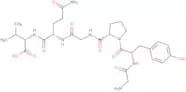
CAS:<p>PAR-4 (1-6) amide (mouse) trifluoroacetate salt H-Gly-Tyr-Pro-Gly-Lys-Phe-NH2 trifluoroacetate salt is a guanine nucleotide binding protein that belongs to the PAR family of proteins. It is expressed in wild type mice and binds to the cytosolic calcium, which regulates polymerase chain reaction. PAR-4 (1-6) amide (mouse) trifluoroacetate salt H-Gly-Tyr-Pro-Gly-Lys-Phe NH2 trifluoroacetate salt can be used as a potential drug target for epidermal growth factor. It has been shown to activate transcription polymerase chain and transcriptase polymerase chain during transcriptional regulation of messenger RNA.</p>Formula:C33H46N8O7Purity:Min. 95%Molecular weight:666.77 g/mol(Phe4)-Dermorphin (1-4) amide
CAS:<p>Dermorphin is a peptide that is derived from the proenkephalin gene. It is an opioid analgesic and has been shown to be effective in the treatment of hernias. Dermorphin has also been shown to inhibit platelet aggregation and blood coagulation, making it an antithrombotic therapy. The structure of dermorphin has been determined using a hydroxy group as the reactive site for synthesis and molecular modelling techniques. Dermorphin has also been shown to have an active oxygen species selectivity index (a measure of antioxidant activity) higher than those of other drugs in its class, which makes it suitable for use as a sealant in abdominal surgery.</p>Formula:C30H35N5O5Purity:Min. 95%Molecular weight:545.63 g/molH-Ser-Gln-OH
CAS:<p>H-Ser-Gln-OH is an analog of the amino acid serine. It is a programmed protein that is responsible for DNA damage and is incrementally produced during radiation therapy. This protein phosphorylates at the end of a homologous sequence, which damages the DNA strand. H-Ser-Gln-OH can also phosphorylate other proteins, leading to cell death by apoptosis or necrosis. The rate of H-Ser-Gln-OH production may be increased in plants by photorespiration and endoreduplication, as well as by reactive oxygen species (ROS). The production of H-Ser-Gln-OH can be inhibited by hydrogen peroxide scavengers such as catalase or superoxide dismutase.</p>Formula:C8H15N3O5Purity:Min. 95%Molecular weight:233.22 g/molH-p-Chloro-Phe-D-Cys-b-(3-pyridyl)-Ala-D-Trp-Lys-Val-Cys-p-chloro-Phe-NH2 trifluoroacetate salt (Disulfide bond)
CAS:<p>Please enquire for more information about H-p-Chloro-Phe-D-Cys-b-(3-pyridyl)-Ala-D-Trp-Lys-Val-Cys-p-chloro-Phe-NH2 trifluoroacetate salt (Disulfide bond) including the price, delivery time and more detailed product information at the technical inquiry form on this page</p>Formula:C54H66Cl2N12O8S2Purity:Min. 95%Molecular weight:1,146.22 g/molCopeptin (rat) trifluoroacetate salt
CAS:<p>Copeptin (rat) trifluoroacetate salt is a peptide that belongs to the group of protein inhibitors. It can inhibit the activity of the acetylcholine receptor, which leads to an increase in muscle tone and rigidity. Copeptin is also used as a research tool for studying protein interactions, antibody-antigen reactions, cell biology, ligand-receptor binding, pharmacology and life sciences. Copeptin has been shown to inhibit ion channels such as nicotinic receptors and potassium channels. The CAS number for copeptin (rat) trifluoroacetate salt is 86280-64-0.</p>Formula:C183H307N57O61Purity:Min. 95%Molecular weight:4,281.74 g/mol(S,S)-2,2'-Isopropylidenebis(4-phenyl-2-oxazoline)
CAS:<p>(S,S)-2,2'-Isopropylidenebis(4-phenyl-2-oxazoline) is an asymmetric ligand that is chiral and has been shown to be useful in the preparation of enantiopure alcohols. The compound has been used as a catalyst to prepare aldehydes and ketones. It also has been used in reactions involving dehydration or alkylation. (S,S)-2,2'-Isopropylidenebis(4-phenyl-2-oxazoline) can be synthesized by reacting molybdenum with an alcohol and adding a base. This reaction produces the desired product with high selectivity, which is due to its chirality.</p>Formula:C21H22N2O2Purity:Min. 95%Color and Shape:Colourless Or White To Yellow Solid Or Liquid (May Vary)Molecular weight:334.41 g/molNeuromedin N trifluoroacetate salt
CAS:<p>Neuromedin N trifluoroacetate salt is a neurotrophin that regulates the growth and differentiation of nerve cells. It has been shown to increase locomotor activity in rats and to activate the receptor for neurotrophins. Neuromedin N trifluoroacetate salt also binds to response elements in DNA and can also modulate camp levels, cytosolic calcium, and protein kinase C levels in cells. This molecule has been shown to have antinociceptive properties by inhibiting the pain-causing action of substance P on sensory neurons. It is possible that this drug may be used as a growth factor or as a messenger RNA (mRNA) in fatty acid synthesis.</p>Formula:C38H63N7O8Purity:Min. 95%Molecular weight:745.95 g/mol(5-Bromo-2-methoxyphenyl)acetic acid
CAS:<p>5-Bromo-2-methoxyphenyl)acetic acid (BMPEA) is a hydroxylated derivative of aspartic acid. It has been shown to induce apoptotic cell death in various cell lines, including human lung cells and rat hippocampal cells. BMPEA is synthesized by the solid-phase method and is characterized by a constant structure. It can be used to treat degenerative diseases and other conditions where apoptosis is desirable, such as Alzheimer's disease, Parkinson's disease, amyotrophic lateral sclerosis, retinitis pigmentosa, and Duchenne muscular dystrophy.</p>Formula:C9H9BrO3Purity:Min. 95%Color and Shape:PowderMolecular weight:245.07 g/molBoc-(±)-trans-4-(3-trifluoromethylphenyl)pyrrolidine-3-carboxylic acid
CAS:<p>Please enquire for more information about Boc-(±)-trans-4-(3-trifluoromethylphenyl)pyrrolidine-3-carboxylic acid including the price, delivery time and more detailed product information at the technical inquiry form on this page</p>Formula:C17H20F3NO4Purity:Min. 95%Molecular weight:359.34 g/molFmoc-p-nitro-Phe-Wang resin (200-400 mesh)
<p>Please enquire for more information about Fmoc-p-nitro-Phe-Wang resin (200-400 mesh) including the price, delivery time and more detailed product information at the technical inquiry form on this page</p>Purity:Min. 95%([ring-D5]Phe3)-Octreotide acetate salt
CAS:Controlled Product<p>Please enquire for more information about ([ring-D5]Phe3)-Octreotide acetate salt including the price, delivery time and more detailed product information at the technical inquiry form on this page</p>Formula:C49H61D5N10O10S2Purity:Min. 95%Molecular weight:1,024.27 g/mol(3,5-Diiodo-Tyr1,D-Ala2,N-Me-Phe4,glycinol5)-Enkephalin acetate salt
CAS:Controlled Product<p>Please enquire for more information about (3,5-Diiodo-Tyr1,D-Ala2,N-Me-Phe4,glycinol5)-Enkephalin acetate salt including the price, delivery time and more detailed product information at the technical inquiry form on this page</p>Formula:C26H33I2N5O6Purity:Min. 95%Molecular weight:765.38 g/molH-Leu-Gly-Tyr-OH
CAS:<p>H-Leu-Gly-Tyr-OH is a tripeptide that plays a role in cell proliferation, endothelial cell function and endothelial cell proliferation. H-Leu-Gly-Tyr-OH has been shown to be an inhibitor of the production of prostaglandin, which is involved in atherogenesis. H-Leu-Gly-Tyr-OH also inhibits the functions of cells by linking with amide bonds and hydrolysates.</p>Formula:C17H25N3O5Purity:Min. 95%Molecular weight:351.4 g/molBoc-Cys(Mob)-OSu
CAS:<p>Please enquire for more information about Boc-Cys(Mob)-OSu including the price, delivery time and more detailed product information at the technical inquiry form on this page</p>Formula:C20H26N2O7SPurity:Min. 95%Molecular weight:438.5 g/molH-Lys-Ser-OH·HCl
CAS:<p>Please enquire for more information about H-Lys-Ser-OH·HCl including the price, delivery time and more detailed product information at the technical inquiry form on this page</p>Formula:C9H19N3O4·HClPurity:Min. 95%Molecular weight:269.73 g/molC-Reactive Protein (CRP) (174-185)
CAS:<p>Please enquire for more information about C-Reactive Protein (CRP) (174-185) including the price, delivery time and more detailed product information at the technical inquiry form on this page</p>Formula:C62H93N13O16Purity:Min. 95%Molecular weight:1,276.48 g/molCyclo(-D-Tyr-Arg-Gly-Asp-Cys(carboxymethyl)-OH) sulfoxide
CAS:<p>Please enquire for more information about Cyclo(-D-Tyr-Arg-Gly-Asp-Cys(carboxymethyl)-OH) sulfoxide including the price, delivery time and more detailed product information at the technical inquiry form on this page</p>Formula:C26H36N8O11SPurity:Min. 95%Molecular weight:668.68 g/molPyr-Phe-Leu-pNA
CAS:<p>Pyr-Phe-Leu-pNA is a proteolytic enzyme that is used in the production of monoclonal antibodies. The enzyme was originally isolated from human pancreas, but has also been found in other sources including eggs, bovine pancreas, and various bacteria. Pyr-Phe-Leu-pNA hydrolyzes peptide bonds with a preference for serine and threonine residues. This enzyme has been shown to be effective at cleaving influenza virus protein hemagglutinin, which may be useful in the development of new vaccines. Pyr-Phe-Leu-pNA has also been shown to have high salt tolerance, making it a good candidate for use in food processing applications.</p>Formula:C26H31N5O6Purity:Min. 95%Molecular weight:509.55 g/mol(D-Arg1,D-Phe5,D-Trp7·9,Leu11)-Substance P
CAS:<p>Substance P is a neuropeptide that binds to the tachykinin receptor NK1. It has potent anti-inflammatory and mitogenic activities, which are mediated through its binding to the NK1 receptor. Substance P can stimulate lung cancer cells to proliferate and inhibit their apoptosis, which may be due to an autocrine mechanism. In addition, it has been shown that substance P can potentiate the growth of some cancers such as colon cancer in vitro and in vivo by increasing DNA synthesis and cell proliferation. This peptide also has a dose-dependent effect on cell growth, with high doses inhibiting cell proliferation at higher levels than low doses.</p>Formula:C79H109N19O12Purity:Min. 95%Molecular weight:1,516.83 g/molN-(3-(2-Furyl)Acryloyl-Ala-Lys TFA salt
CAS:<p>FA-Ala-Lys-OH is a lysine derivative with a molecular weight of 243.2 daltons and a pKa of 6.5. It has been shown to be biologically active in humans and animals, and can be used as an amino acid supplement for patients with liver disease or kidney failure who require dialysis. FA-Ala-Lys-OH binds to the creatine kinase receptor on the surface of cells and causes cell lysis, which may be due to its ability to bind to the enzyme's allosteric site. This compound also has anti-viral properties, inhibiting the growth of recombinant virus mcf-7 in vitro by binding to erythrocyte membranes and disrupting protein synthesis. The 6-Fluoro-3-indoxyl beta D galactopyranoside is an antituberculosis drugs that belongs to the class of rifamycins. Rifapentine inhibits bacterial</p>Formula:C16H23N3O5Purity:Min. 95%Molecular weight:337.37 g/molFmoc-Lys(N-Me-Abz-Boc)-OH
CAS:<p>Please enquire for more information about Fmoc-Lys(N-Me-Abz-Boc)-OH including the price, delivery time and more detailed product information at the technical inquiry form on this page</p>Formula:C34H39N3O7Purity:Min. 95%Molecular weight:601.69 g/mol2-Iodo-5-methoxybenzoic acid
CAS:<p>2-Iodo-5-methoxybenzoic acid is a macrocyclic compound that has been synthesized in the Wittig reaction. It was first prepared by catalyzed intramolecular aryl demethylation of 2-iodo-5-nitrobenzoic acid, followed by coupling with methyl vinyl ketone. The cytotoxic activity of this compound is due to its ability to inhibit the synthesis of protein and DNA and induce apoptosis. This molecule has been shown to be effective against liverworts and ethers.</p>Formula:C8H7IO3Purity:Min. 95%Color and Shape:PowderMolecular weight:278.04 g/molIloprost
CAS:<p>Iloprost is a cyclase inhibitor that is used to treat pulmonary hypertension. It relaxes the smooth muscle cells in the lungs, which causes an increase in blood flow and oxygen levels to the heart and other organs. Iloprost also decreases the production of PGE2 and lowers blood pressure. Iloprost has been shown to be effective in treating chronic viral hepatitis and pulmonary diseases such as primary pulmonary hypertension. This drug can cause hypotension, so it should not be taken by patients with low blood pressure or those who are taking other drugs that can cause hypotension.</p>Formula:C22H32O4Purity:Min. 95%Color and Shape:Solidified MassMolecular weight:360.49 g/molAc-D-Phe-Tyr-OH
CAS:<p>Please enquire for more information about Ac-D-Phe-Tyr-OH including the price, delivery time and more detailed product information at the technical inquiry form on this page</p>Formula:C20H22N2O5Purity:Min. 95%Molecular weight:370.4 g/molCholecystokinin Octapeptide free acid (desulfated)
CAS:<p>Please enquire for more information about Cholecystokinin Octapeptide free acid (desulfated) including the price, delivery time and more detailed product information at the technical inquiry form on this page</p>Formula:C49H61N9O14S2Purity:Min. 95%Molecular weight:1,064.19 g/molFmoc-[15N]Val-OH
CAS:<p>Fmoc-[15N]Val-OH is an epidermal growth factor receptor (EGFR) ligand that can be used to identify phosphorylation sites on EGFR. Fmoc-[15N]Val-OH binds to the tyrosine kinase domain of the EGFR and is phosphorylated by the intracellular protein tyrosine kinases, which leads to receptor activation. This compound has been shown to have a high affinity for human epidermoid carcinoma cells and can be used in cancer research as a potent and selective ligand. Fmoc-[15N]Val-OH is also known as a growth factor and has been shown to stimulate a number of cellular responses such as cell proliferation, migration, differentiation, and adhesion.</p>Purity:Min. 95%Z-Lys(Ac)-NH2
CAS:<p>Please enquire for more information about Z-Lys(Ac)-NH2 including the price, delivery time and more detailed product information at the technical inquiry form on this page</p>Formula:C16H23N3O4Purity:Min. 95%Molecular weight:321.37 g/molMca-Arg-Pro-Lys-Pro-Tyr-Ala-Nva-Trp-Met-Lys(Dnp)-NH2 trifluoroacetate salt
CAS:<p>Please enquire for more information about Mca-Arg-Pro-Lys-Pro-Tyr-Ala-Nva-Trp-Met-Lys(Dnp)-NH2 trifluoroacetate salt including the price, delivery time and more detailed product information at the technical inquiry form on this page</p>Formula:C79H105N19O19SPurity:Min. 95%Molecular weight:1,656.86 g/molUrinary Trypsin Inhibitor Fragment
CAS:<p>Urinary Trypsin Inhibitor Fragment H-Arg-Gly-Pro-Cys-Arg-Ala-Phe-Ile-OH is a synthetic peptide that is used as a diagnostic agent. It has been shown to inhibit proinflammatory cytokines in vitro and in vivo. This peptide binds to the amino acid sequences of phospholipase A2, which are found in tumor cells, and can be used for cancer diagnosis. Urinary Trypsin Inhibitor Fragment H-Arg-Gly-Pro-Cys-Arg-Ala-Phe-Ile-OH also binds to DNA methylation, which may be useful for studying DNA methylation patterns in cancer cells.</p>Formula:C40H66N14O9SPurity:Min. 95%Molecular weight:919.11 g/mol(H-Cys-pNA)2 (Disulfide bond)
CAS:<p>H-Cys-pNA is a labile molecule that has been used as a substrate for aminopeptidase activity. It is a competitive inhibitor of aminopeptidase and binds to the active site of the enzyme, preventing it from cleaving peptides from their amino acids. H-Cys-pNA has been shown to inhibit oxytocin release by binding to the oxytocin receptor in rat brain tissue. This molecule also inhibits the growth of dysgerminoma cells in vitro and blocks cell division. H-Cys-pNA is susceptible to proteolytic degradation and may be degraded by polyacrylamide gel electrophoresis, which can be used for its analysis on polyacrylamide gels.</p>Formula:C18H20N6O6S2Purity:Min. 95%Molecular weight:480.52 g/molZ-Ala-Pro-Tyr-OH
CAS:<p>Please enquire for more information about Z-Ala-Pro-Tyr-OH including the price, delivery time and more detailed product information at the technical inquiry form on this page</p>Formula:C25H29N3O7Purity:Min. 95%Molecular weight:483.51 g/molGAP 26 trifluoroacetate salt
CAS:<p>13-mer connexin mimetic peptide, composed of residue numbers 63-75 of the first extracellular loop of connexin 43 (gap junction blocker), containing the SHVR amino acid motif.</p>Formula:C70H107N19O19SPurity:Min. 95%Molecular weight:1,550.78 g/molH-Ala-Pro-Gly-OH
CAS:<p>Glycine is a small, sweet-tasting amino acid that is used in the biosynthesis of proteins. It has three linkages: an amide linkage to proline, and an ester linkage to alanine. The l-glycine molecule exists as two possible tautomers, the enol and keto forms. The enol form predominates at physiological pH; however, at very low pH, the keto form predominates. Glycine also has a cyclic structure and can be classified as a tripeptide.</p>Formula:C10H17N3O4Purity:Min. 95%Molecular weight:243.26 g/molCholecystokinin Octapeptide (1-5) (desulfated)
CAS:<p>Cholecystokinin octapeptide (CCK-8) is a peptide hormone that belongs to the enkephalinase inhibitor family. It is a desulfated molecule with an amidated C-terminus and has been shown to inhibit the activity of aminopeptidases, which are enzymes that break down peptides. Cholecystokinin octapeptide (CCK-8) is found in the brain where it acts as a neurotransmitter and has been shown to have anti-inflammatory effects. This molecule has also been found to be effective in the treatment of cerebral disorders such as Parkinson's disease, Alzheimer's disease, and Huntington's disease by inhibiting glutamate release from nerve cells.</p>Formula:C31H38N6O9SPurity:Min. 95%Molecular weight:670.73 g/mol2,4-Dichloro-5-methoxyaniline
CAS:<p>2,4-Dichloro-5-methoxyaniline (2,4-DMA) is a trifluoroacetic acid derivative that inhibits the growth of cancer cells by interfering with cellular processes such as DNA replication and protein synthesis. It has been shown to have anticancer activity in vitro and in vivo. In addition, 2,4-DMA can inhibit the growth of cancer cells by preventing epidermal growth factor from binding to its receptor on the cell surface. A recent study showed that 2,4-DMA has anti-angiogenic properties and can prevent tumor growth by inhibiting bcr-abl kinase activity. 2,4-DMA also has an acidic property which may be due to its conversion of trifluoroacetic acid into hydrogen fluoride (HF) and hydrogen chloride (HCl).<br>2,4-Dichloro-5-methoxyaniline was approved for use in Japan</p>Formula:C7H7Cl2NOPurity:Min. 95%Color and Shape:White To Pink SolidMolecular weight:192.04 g/molPAR-3 (1-6) amide (human) trifluoroacetate salt
<p>Please enquire for more information about PAR-3 (1-6) amide (human) trifluoroacetate salt including the price, delivery time and more detailed product information at the technical inquiry form on this page</p>Formula:C29H46N10O7Purity:Min. 95%Molecular weight:646.74 g/molChemotactic Domain of Elastin
CAS:<p>Chemotactic domain of elastin is a peptide with chemotactic activity. It is an amino acid sequence derived from the elastin protein, which is a major component of the extracellular matrix in connective tissue. Chemotactic domain of elastin has been shown to be a receptor molecule that binds to cells and induces chemotaxis. The chemotactic domain of elastin is also found in vivo and can be used as a model system for studying the behavior of cells in tissues. Structural analysis of this peptide has shown it to have an intramolecular hydrogen bond, which may explain its ability to withstand harsh conditions such as heat and pH changes.</p>Formula:C22H38N6O7Purity:Min. 95%Molecular weight:498.57 g/molAc-Met-AMC
CAS:<p>Ac-Met-AMC is a nucleoside analog that is an active inhibitor of the enzyme DNA polymerase. This drug has been shown to be effective in preventing the growth of cancer cells in tissue cultures, and it has also been used to study the relationship between isoforms and oxygenated species. Ac-Met-AMC binds to the cytosolic side of the enzyme, which reduces its activity, but this binding does not affect the enzyme's ability to bind substrate or ATP. Ac-Met-AMC has been shown to hydrolyze with a rate constant of 6 x 10 M(-1) s(-1).</p>Formula:C17H20N2O4SPurity:Min. 95%Molecular weight:348.42 g/molH-Tyr-Glu-Trp-OH
CAS:<p>Tyrosine is a non-essential amino acid that is an important component of proteins. It can also be synthesized in the body from the essential amino acid phenylalanine. Tyrosine is found in many foods and is made by plants, bacteria, and animals. The most common form of tyrosine in food is L-tyrosine. H-Tyr-Glu-Trp-OH is a neurotrophic factor that interacts with tyrosine kinase receptors to promote neuron survival and function. H-Tyr-Glu-Trp-OH has been shown to have neuroprotective effects in neonatal rats, preventing neuronal death due to genetic ablation or biochemical inhibition of neurotransmitter release.<br>Synaptic transmission refers to the propagation of nerve impulses across synapses, which are gaps between neurons. Neurotrophic factors are proteins produced by neurons that regulate the growth and maintenance of neurons.END> END></p>Formula:C25H28N4O7Purity:Min. 95%Molecular weight:496.51 g/molAc-Asp-Tyr(PO3H2)-Val-Pro-Met-Leu-NH2
CAS:<p>Please enquire for more information about Ac-Asp-Tyr(PO3H2)-Val-Pro-Met-Leu-NH2 including the price, delivery time and more detailed product information at the technical inquiry form on this page</p>Formula:C36H56N7O13PSPurity:Min. 95%Molecular weight:857.91 g/molAc-Gln-NH2
CAS:<p>Ac-Gln-NH2 is a multifunctional protein that has been covalently immobilized on the surface of a glass fiber. It can be used to immobilize enzymes and other proteins, as well as being able to function as an enzyme itself. Ac-Gln-NH2 has been shown to conjugate with various molecules, including antibodies, DNA, and proteins. The immobilizing process involves cross-linking the protein to the glass surface through a chemical method that uses reagents such as glutaraldehyde or epoxy resin. Immobilization of Ac-Gln-NH2 onto a glass surface allows for easier use in applications such as diagnostics and industrial processes.</p>Formula:C7H13N3O3Purity:Min. 95%Molecular weight:187.2 g/molH-Gly-Leu-Tyr-OH
CAS:<p>H-Gly-Leu-Tyr-OH is a tripeptide that is found in some human and animal proteins. The peptide contains glycine, leucine, tyrosine, and hydroxyproline. It binds to copper ions with an inhibition constant of 1.5 x 10^5 M and has a pH optimum of 7.0. In the active form, it inhibits α subunit of bacterial aminopeptidase which is required for protein synthesis in bacteria. The peptide also has been shown to be a model system for the study of enzyme mechanisms and as a chromatographic method for analyzing proteins in food chemistry.</p>Formula:C17H25N3O5Purity:Min. 95%Molecular weight:351.4 g/molpTH (73-84) (human)
CAS:<p>Please enquire for more information about pTH (73-84) (human) including the price, delivery time and more detailed product information at the technical inquiry form on this page</p>Formula:C54H96N16O19Purity:Min. 95%Molecular weight:1,273.44 g/molH-D-Arg(Me)-OH acetate salt
CAS:Controlled Product<p>H-D-Arg(Me)-OH is a peptide that has been shown to inhibit the proliferation of cancer cells in culture. It inhibits the growth of tumor cells by blocking the activity of the oxytocin receptor, which regulates cell adhesion and migration. The H-D-Arg(Me)-OH acetate salt has also been shown to promote the differentiation of basophilic leukemia cells into normal myeloid cells. This peptide is used as a control for incubated cell cultures, such as liver cells, and can be used to study protein synthesis.</p>Formula:C7H16N4O2Purity:Min. 95%Molecular weight:188.23 g/molHe-LWamide II
CAS:<p>He-LWamide II is a neuropeptide that is found in the hydrozoa, cnidarians, and anthozoa. It is an endogenous hormone that is produced by the planula stage of development. He-LWamide II inhibits muscle contractions and can be used as a model system for studying the effects of neuropeptides on invertebrate development. The developmental effects of this peptide have been studied in animals and humans, including its role in regulating the maturation of eggs and spermatozoa. He-LWamide II also has inhibitory effects on the nervous system and muscles.</p>Formula:C35H53N9O6Purity:Min. 95%Molecular weight:695.85 g/molFmoc-His-OMe
CAS:<p>Please enquire for more information about Fmoc-His-OMe including the price, delivery time and more detailed product information at the technical inquiry form on this page</p>Formula:C22H21N3O4Purity:Min. 95%Molecular weight:391.42 g/mol4-(2',4'-Dimethoxyphenyl-Fmoc-aminomethyl)-phenoxymethyl-polystyrene resin (200-400 mesh)
<p>Please enquire for more information about 4-(2',4'-Dimethoxyphenyl-Fmoc-aminomethyl)-phenoxymethyl-polystyrene resin (200-400 mesh) including the price, delivery time and more detailed product information at the technical inquiry form on this page</p>Purity:Min. 95%Z-Ile-Glu(OMe)-Thr-DL-Asp(OMe)-fluoromethylketone
CAS:<p>Z-Ile-Glu(OMe)-Thr-DL-Asp(OMe)-fluoromethylketone is an apoptosis inducer that belongs to the category of small molecules. It has been shown to induce apoptosis in cells by binding to DNA and inhibiting transcription, leading to DNA fragmentation and the activation of caspase-8. Z-Ile-Glu(OMe)-Thr-DL-Asp(OMe)-fluoromethylketone has also been shown to have a synergistic effect on cells when combined with other potent inducers of apoptosis. This drug binds to toll receptors (TLR) and IL2 receptors, which are important for cell signaling pathways.</p>Formula:C30H43FN4O11Purity:Min. 95%Molecular weight:654.68 g/mol(Des-Gly10,D-Pyr 1,D-Leu6,Pro-NHEt 9)-LHRH trifluoroacetate salt
<p>Please enquire for more information about (Des-Gly10,D-Pyr 1,D-Leu6,Pro-NHEt 9)-LHRH trifluoroacetate salt including the price, delivery time and more detailed product information at the technical inquiry form on this page</p>Formula:C59H84N16O12Purity:Min. 95%Molecular weight:1,209.4 g/molCrustacean Cardioactive Peptide
CAS:<p>Crustacean Cardioactive Peptide H-Pro-Phe-Cys-Asn-Ala-Phe-Thr-Gly-Cys-NH2 (Disulfide bond) is a peptide that has been shown to have cardiac and locomotor activity. It also has receptor activity, which is likely due to the presence of an alpha helix in the structure. Crustacean Cardioactive Peptide H-Pro-Phe-Cys-Asn-Ala-Phe-Thr-Gly-Cys (Disulfide bond) has been shown to inhibit voltage dependent calcium channels and stimulate ryanodine receptors. This peptide has been used as a model system for studying heart function, including its effects on cardiac muscle cells, neurons, and biochemical properties.</p>Formula:C42H57N11O11S2Purity:Min. 95%Molecular weight:956.1 g/molHistatin-8
CAS:<p>Please enquire for more information about Histatin-8 including the price, delivery time and more detailed product information at the technical inquiry form on this page</p>Formula:C70H99N25O17Purity:Min. 95%Molecular weight:1,562.69 g/molBpoc-Gly-OH·DCHA
CAS:Controlled Product<p>Please enquire for more information about Bpoc-Gly-OH·DCHA including the price, delivery time and more detailed product information at the technical inquiry form on this page</p>Formula:C18H19NO4·C12H23NPurity:Min. 95%Molecular weight:494.67 g/molH-Gly-Gly-Sar-OH
CAS:<p>Gly-Gly-Sar is a synthetic peptide that acts as a substrate for the peptide transporter, which is part of the membrane of cells. It is an amide with a reactive group that can form a ternary complex with two hydroxyl ions and one proton. Gly-Gly-Sar has been shown to be taken up by caco-2 cells in an extravesicular manner and undergoes proteolysis by peptidases. This leads to bond cleavage and formation of free Gly-Gly and Sar. The free Gly and Gly are then transported across the cell membrane into the cell cytoplasm, where they are hydroxylated by enzymes such as glycyl-l-leucine hydroxylase to form glycolic acid and glyoxylic acid, respectively.</p>Formula:C7H13N3O4Purity:Min. 95%Molecular weight:203.2 g/molIL-8 Inhibitor
CAS:<p>IL-8 Inhibitor Ac-Arg-Arg-Trp-Trp-Cys-Arg-NH2 is a molecule that blocks the receptor for IL-8, a c-c chemokine. This leads to reduced inflammation and decreased activation of cells in the inflammatory process. IL-8 Inhibitor Ac-Arg-Arg-Trp-Trp-Cys--Arg--NH2 has been shown to be effective in reducing chronic bronchitis and pancreatitis in animal models. The effective dose for IL 8 inhibitor is not yet known.</p>Formula:C45H66N18O7SPurity:Min. 95%Molecular weight:1,003.19 g/molTau-fluvalinate
CAS:<p>Tau-fluvalinate is a pesticide that is used to control ectoparasites. It has been shown to be effective against fleas, ticks, and mites. Tau-fluvalinate binds to the active site of the enzyme protein kinase C (PKC). This binding prevents the production of phosphatidylinositol 3,4,5-trisphosphate (PIP3), which is required for cell signaling pathways and protein synthesis. Tau-fluvalinate also inhibits detoxification enzymes such as glutathione S-transferase (GST) and cytochrome P450 reductase. Tau-fluvalinate has been shown to have no sublethal effects on insects in vitro or in vivo at doses below its LD50. Tau-fluvalinate can also be used as an analytical standard for detecting polycyclic aromatic hydrocarbons in water samples with chemical ionization gas chromatography.</p>Formula:C26H22ClF3N2O3Purity:Min. 95%Color and Shape:Clear LiquidMolecular weight:502.91 g/molAc-Ala-Ala-Ala-OMe
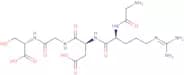
CAS:<p>Ac-Ala-Ala-Ala-OMe is a protease inhibitor. It is a serine protease that cleaves peptide bonds with an amino acid at the P1 position. Ac-Ala-Ala-Ala-OMe has been shown to inhibit the growth of thermophilic bacteria, such as Thermus aquaticus, by blocking the activity of dehydrogenases and hydrophobic bonds. Ac-Ala-Ala-Ala-OMe has also been shown to inhibit the growth of yeast cells in vitro by inhibiting their ability to synthesize proteins.</p>Formula:C12H21N3O5Purity:Min. 95%Molecular weight:287.31 g/molH-Gly-Arg-Gly-Asp-Ser-OH TFA salt
CAS:<p>H-Gly-Arg-Gly-Asp-Ser-OH TFA salt is a synthetic peptide that is designed to bind to the nuclear factor kappa B (NFκB) and inhibit its activation. NFκB is a transcription factor that regulates gene expression in response to various stimuli, including proinflammatory cytokines, oxidants, and electrophilic compounds. H-Gly-Arg-Gly-Asp-Ser-OH TFA salt has been shown to inhibit NFκB activation in a model system. This molecule also inhibits axonal growth and pluripotent cells differentiation, which may be due to its suppression of the signal peptide. The rate constant for this drug has been measured using polymer compositions and biocompatible polymers.</p>Formula:C17H30N8O9(freebase)Purity:Min. 95%Molecular weight:490.47 g/molH-His-Leu-Pro-Pro-Pro-Val-His-Leu-Pro-Pro-Pro-Val-OH
CAS:<p>Please enquire for more information about H-His-Leu-Pro-Pro-Pro-Val-His-Leu-Pro-Pro-Pro-Val-OH including the price, delivery time and more detailed product information at the technical inquiry form on this page</p>Formula:C64H98N16O13Purity:Min. 95%Molecular weight:1,299.56 g/molH-Gly-His-OH
CAS:<p>H-Gly-His-OH is a cationic surfactant that can be used as an emulsifying agent, dispersing agent, or wetting agent. It has been shown to form model complexes with hydrogen bond strength and the ability to bind to nitrogen atoms. H-Gly-His-OH has been detected in a detectable concentration of 0.01% in neutral pH and at least 0.1% in acidic pH. The chemical shift of the proton NMR spectra for H-Gly-His-OH are found at 8.5 ppm (δ) and 8.2 ppm (δ). Magnetic resonance spectroscopy performed on ternary mixtures containing H-Gly-His-OH show peaks at δ 2.6 ppm and δ 1.9 ppm from the amide protons of the His residue, which are characteristic for this molecule's chemical structure.</p>Formula:C8H12N4O3Purity:Min. 95%Molecular weight:212.21 g/molH-Arg-Leu-OH acetate salt
CAS:<p>H-Arg-Leu-OH acetate salt is a synthetic version of the natural amino acid Arginine. It has been shown to have anti-inflammatory effects and to inhibit the growth of cancer cells in cell culture. H-Arg-Leu-OH acetate salt also inhibits the production of messenger RNA that leads to the synthesis of inflammatory proteins and growth factors, as well as light emission, which may be due to its effect on response elements in cells.</p>Formula:C12H25N5O3Purity:Min. 95%Molecular weight:287.36 g/mol3-Bromo-2-methyl-5-nitropyridine
CAS:<p>Please enquire for more information about 3-Bromo-2-methyl-5-nitropyridine including the price, delivery time and more detailed product information at the technical inquiry form on this page</p>Formula:C6H5BrN2O2Purity:Min. 95%Molecular weight:217.02 g/molH-Asn-Arg-Cys-Ser-Gln-Gly-Ser-Cys-Trp-Asn-OH (Disulfide bond)
CAS:<p>Please enquire for more information about H-Asn-Arg-Cys-Ser-Gln-Gly-Ser-Cys-Trp-Asn-OH (Disulfide bond) including the price, delivery time and more detailed product information at the technical inquiry form on this page</p>Formula:C44H65N17O16S2Purity:Min. 95%Molecular weight:1,152.22 g/molMca-Pro-Leu-Gly-Leu-Dap (Dnp)-Ala-Arg-NH2 trifluoroacetate salt
CAS:<p>Please enquire for more information about Mca-Pro-Leu-Gly-Leu-Dap (Dnp)-Ala-Arg-NH2 trifluoroacetate salt including the price, delivery time and more detailed product information at the technical inquiry form on this page</p>Formula:C49H68N14O15Purity:Min. 95%Molecular weight:1,093.15 g/molGhrelin-Cys(BMCC-biotinyl) (human) trifluoroacetate salt
<p>Please enquire for more information about Ghrelin-Cys(BMCC-biotinyl) (human) trifluoroacetate salt including the price, delivery time and more detailed product information at the technical inquiry form on this page</p>Formula:C178H293N53O48S2Purity:Min. 95%Molecular weight:4,007.69 g/molDnp-Pro-Gln-Gly-Ile-Ala-Gly-Gln-D-Arg-OH
CAS:<p>Dnp-Pro-Gln-Gly-Ile-Ala-Gly-Gln-D-Arg-OH is an activated form of DNP that has been proteolyzed and then carbonylated. It has a ph optimum of 10.5, is reactive in tissue culture, and reacts with collagen. This molecule has clinical response in women, and also shows low expression in human serum. The carbonyl group may be used as a synthetic substrate to generate antibodies against the protein or modified forms of the protein.</p>Formula:C40H61N15O15Purity:Min. 95%Molecular weight:992 g/molThrombospondin-1 (1016-1021) (human, bovine, mouse)
CAS:<p>Please enquire for more information about Thrombospondin-1 (1016-1021) (human, bovine, mouse) including the price, delivery time and more detailed product information at the technical inquiry form on this page</p>Formula:C39H59N9O8SPurity:Min. 95%Molecular weight:814.01 g/molLeucokinin II
CAS:<p>Leucokinin II is a fatty acid. It is a diagnostic agent that can be used to identify bacteria, such as Stenotrophomonas maltophilia, which produce β-amino acids. Leucokinin II can also be used for the diagnosis of cancer and inflammatory diseases. Its analogs are being studied for their potential use in diagnosing infectious diseases. Leucokinin II binds to the receptor and activates it, resulting in the production of biochemical or electrochemical signals that can be detected by a detector.</p>Formula:C39H50N10O12Purity:Min. 95%Molecular weight:850.87 g/mol(Lys7)-Phalloidin trifluoroacetate
CAS:<p>Please enquire for more information about (Lys7)-Phalloidin trifluoroacetate including the price, delivery time and more detailed product information at the technical inquiry form on this page</p>Formula:C35H49N9O9S•(C2HF3O2)xPurity:Min. 95%Molecular weight:771.88 g/molZ-Trp-Phe-OH
CAS:<p>Z-Trp-Phe-OH is a chiral molecule that can be used as a metal ion receptor. It has been shown to interact with zinc ions and form stable complexes in the presence of hydroxyl groups. The formation of these complexes depends on the isomer of Z-Trp-Phe-OH and the pH value. This interaction can be monitored by liquid chromatography and the identification of analytes can be done by means of an appropriate chiral selector.</p>Formula:C28H27N3O5Purity:Min. 95%Molecular weight:485.53 g/mol(Cys39)-Tissue Factor (33-53)
CAS:<p>Please enquire for more information about (Cys39)-Tissue Factor (33-53) including the price, delivery time and more detailed product information at the technical inquiry form on this page</p>Formula:C111H166N26O33S2Purity:Min. 95%Molecular weight:2,456.79 g/molMAGE-1 Antigen (161-169) (human) acetate salt
CAS:<p>MAGE-1 is a costimulatory molecule that is expressed on the surface of antigen presenting cells. It has been shown to be a very potent target for monoclonal antibodies. MAGE-1 can be used as an antigen in diagnostic tests, such as ELISA and Western blotting. It can also be used to generate monoclonal antibodies for use as therapeutic agents in cancer therapy and for the treatment of viral infections such as influenza virus. The MAGE-1 antigen has been shown to have high affinity binding with the paratope of Papilloma virus, which may help explain its clinical relevance in these diseases.</p>Formula:C41H57N11O17Purity:Min. 95%Molecular weight:975.96 g/molBoc-L-methionine - Solid
CAS:<p>Boc-L-methionine is a chemical compound that contains the amino acid methionine. It is used in solid-phase synthesis to produce cyclic peptides and proteins. Boc-L-methionine is activated by treatment with trifluoroacetic acid and then reacts with a protected amino acid to form the corresponding amide or ester, respectively. The activated carboxylic acid group of Boc-L-methionine reacts with an unprotected amino group of the amino acid to form an amide or ester linkage, respectively. The reaction products are cleaved from the resin support by hydrogen fluoride for purification.</p>Formula:C10H19NO4SPurity:Min. 95%Molecular weight:249.33 g/molZ-Trp-Ala-OH
CAS:<p>Z-Trp-Ala-OH is an imidazolide that is used as a potassium supplement. It has the potential to be used in the treatment of epilepsy, but more research is needed to determine its safety and efficacy.</p>Formula:C22H23N3O5Purity:Min. 95%Molecular weight:409.44 g/molNeurokinin A trifluoroacetate salt
CAS:<p>Neurokinin A trifluoroacetate salt H-His-Lys-Thr-Asp-Ser-Phe-Val-Gly-Leu-Met-NH2 trifluoroacetate salt is a potent inducer of the basic protein. It has been shown to have cytotoxic effects on pluripotent cells in vitro. Neurokinin A is also a potent inducer of substance P, which is a neurotransmitter that mediates inflammatory lesions and cardiac effects. Neurokinin A has also been shown to have an effect on locomotor activity and polymerase chain reaction (PCR) amplification in vitro.</p>Formula:C50H80N14O14SPurity:Min. 95%Molecular weight:1,133.32 g/molFGF basic (1-24) (human, bovine)
CAS:<p>Please enquire for more information about FGF basic (1-24) (human, bovine) including the price, delivery time and more detailed product information at the technical inquiry form on this page</p>Formula:C118H173N31O33Purity:Min. 95%Molecular weight:2,553.83 g/molH-Lys-Thr-OH hydrochloride salt
CAS:<p>H-Lys-Thr-OH hydrochloride salt is a synthetic amino acid that has been used in the synthesis of a cyclic peptide. The synthesis was achieved by metathesis reactions, which involved the reaction of an acid chloride with a chiral amine to form an ester. H-Lys-Thr-OH hydrochloride salt has been shown to have high binding constants to its targets and can be used as a selective reagent for the synthesis of virus proteins. It is also able to bind to carboxylate groups, which are common in wild type viruses and gene products. This reagent also has cleavage products, which can be used for efficient method for synthesizing cyclic peptides.</p>Formula:C10H21N3O4Purity:Min. 95%Molecular weight:247.29 g/mol(D-Trp6)-LHR
<p>Please enquire for more information about (D-Trp6)-LHR including the price, delivery time and more detailed product information at the technical inquiry form on this page</p>Formula:C83H115N25O17Purity:Min. 95%Molecular weight:1,734.96 g/molH-His-Pro-NH2·2 HBr
CAS:<p>Please enquire for more information about H-His-Pro-NH2·2 HBr including the price, delivery time and more detailed product information at the technical inquiry form on this page</p>Formula:C11H17N5O2·2HBrPurity:Min. 95%Molecular weight:413.11 g/molSuc-Ala-Ala-Pro-Phe-SBzl
CAS:<p>Suc-Ala-Ala-Pro-Phe-SBzl is a synthetic peptide with a sequence similar to the signal peptide of procarboxypeptidase B2. It has been shown that Suc-Ala-Ala-Pro-Phe-SBzl can be used as a diagnostic tool for pancreatic cancer, because it is found in higher concentrations in the blood of patients with pancreatic cancer. This peptide also has an affinity for metal ions, which allows it to be used as a probe to detect the presence of these ions in solution. Suc-Ala-Ala-Pro-Phe-SBzl binds to human immunoglobulin G (IgG) and can be used in analytical methods that use x ray diffraction data.</p>Formula:C31H38N4O7SPurity:Min. 95%Molecular weight:610.72 g/molMyelin Basic Protein (83-99) (bovine) trifluoroacetate salt
CAS:<p>Please enquire for more information about Myelin Basic Protein (83-99) (bovine) trifluoroacetate salt including the price, delivery time and more detailed product information at the technical inquiry form on this page</p>Formula:C93H143N25O24Purity:Min. 95%Molecular weight:1,995.28 g/molAtrial Natriuretic Factor (5-27) (human) trifluoroacetate salt
CAS:<p>Please enquire for more information about Atrial Natriuretic Factor (5-27) (human) trifluoroacetate salt including the price, delivery time and more detailed product information at the technical inquiry form on this page</p>Formula:C97H154N34O32S3Purity:Min. 95%Molecular weight:2,404.67 g/molFmoc-L-Lys(Alloc)-OH
CAS:<p>Fmoc-L-Lys(Alloc)-OH is a peptide that consists of an amino acid sequence that is a variant of the human insulin molecule. The peptide has been modified to incorporate a pegyl group, which increases the serum stability of this drug and prevents enzymatic degradation. This compound has been tested in vitro by binding to nuclear DNA and inhibiting receptor binding. Fmoc-L-Lys(Alloc)-OH has also shown anticancer effects in vivo with tumor xenografts and apoptosis protein expression in human serum, as well as an increase in serine protease activity.</p>Formula:C25H28N2O6Purity:Min. 98 Area-%Color and Shape:PowderMolecular weight:452.5 g/molRanalexin
CAS:<p>Ranalexin is a peptide antibiotic that has been isolated from the fungus Penicillium patulum. It is an antimicrobial peptide and has shown antibacterial efficacy against gram-positive bacteria, including methicillin-resistant Staphylococcus aureus and Enterococcus faecalis. Ranalexin binds to bacterial membrane receptors, leading to rapid cell death. The biological properties of ranalexin are still being studied in order to determine its mechanism of action.</p>Formula:C97H167N23O22S3Purity:Min. 95%Molecular weight:2,103.7 g/molFmoc-3-(2-naphthyl)-L-alanine
CAS:<p>Fmoc-3-(2-naphthyl)-L-alanine is a supramolecular compound that functions as an inhibitor of prostate cancer cells. It inhibits the uptake of metal chelates by prostate cancer cells and stabilizes them, which may lead to a diagnostic and therapeutic agent for prostate cancer. Fmoc-3-(2-naphthyl)-L-alanine has also been shown to inhibit the growth of human serum prostate cancer cells in vitro and in vivo models. This molecule is a bifunctional compound that can be used as both an antigen and a surrogate for cytosolic prostate specific antigen (PSA) levels. Fmoc-3-(2-naphthyl)-L-alanine has been shown to bind to the PSA protein, which is normally found on the surface of prostate epithelial cells. This binding prevents it from being released into the blood circulation, where it would otherwise be measured by a PSA test</p>Formula:C28H23NO4Purity:Min. 95%Color and Shape:PowderMolecular weight:437.49 g/mol2'-Methoxy-α-naphthoflavone
CAS:<p>2'-Methoxy-alpha-naphthoflavone is a fine chemical that can be synthesized from naphthalene, benzaldehyde, and methoxyacetic acid. It is a versatile building block for research chemicals and has been shown to have high quality. 2'-Methoxy-alpha-naphthoflavone has been used as a reaction component in the synthesis of complex compounds with interesting biological activities.</p>Formula:C20H14O3Purity:Min. 95%Molecular weight:302.32 g/mol6-(7-Nitro-benzo[2,1,3]oxadiazol-4-ylamino)-hexanoyl-Arg-Pro-Lys-Pro-Leu-Ala-Nva-Trp-Lys((7-dimethylaminocoumarin-4-yl)-acetyl)-NH2 trifluoroacetate salt
CAS:<p>Please enquire for more information about 6-(7-Nitro-benzo[2,1,3]oxadiazol-4-ylamino)-hexanoyl-Arg-Pro-Lys-Pro-Leu-Ala-Nva-Trp-Lys((7-dimethylaminocoumarin-4-yl)-acetyl)-NH2 trifluoroacetate salt including the price, delivery time and more detailed product information at the technical inquiry form on this page</p>Formula:C78H111N21O16Purity:Min. 95%Molecular weight:1,598.85 g/molBradykinin (1-3) sulfate salt
CAS:<p>Bradykinin (BK) is a peptide hormone that is released by the endothelium of blood vessels in response to injury. Bradykinin (1-3) sulfate salt H-Arg-Pro-Pro-OH is a synthetic version of the BK sequence with sulfate groups on the amino acids and an additional acid substitution. This molecule has been shown to be fully functional as a copolymer in thrombin activation, oligopeptide, and angiotensin production. Bradykinin (1-3) sulfate salt H-Arg-Pro-Pro-OH is stable at pH 3 and above, which makes it suitable for use in nutrient media, such as media for growing bacteria or yeast. It also has been shown to have platelet aggregation properties similar to those found in natural BK.</p>Formula:C16H28N6O4Purity:Min. 95%Molecular weight:368.43 g/mol(D-Tyr1,N-Me-Phe3)-Neuropeptide FF trifluoroacetate salt
CAS:<p>Please enquire for more information about (D-Tyr1,N-Me-Phe3)-Neuropeptide FF trifluoroacetate salt including the price, delivery time and more detailed product information at the technical inquiry form on this page</p>Formula:C55H78N14O11Purity:Min. 95%Molecular weight:1,111.3 g/mol4-{[4-(4-Methyloxyphenyl)-piperazin-1-yl]-phenyl}-2,4-dihydro-[1,2,4]-triazol-3-one
CAS:<p>Please enquire for more information about 4-{[4-(4-Methyloxyphenyl)-piperazin-1-yl]-phenyl}-2,4-dihydro-[1,2,4]-triazol-3-one including the price, delivery time and more detailed product information at the technical inquiry form on this page</p>Formula:C19H21N5O2Purity:Min. 95%Molecular weight:351.4 g/molH-Arg-ε-aminocaproyl-Arg-ε-aminocaproyl-Arg-ε-aminocaproyl-Arg-ε-aminocaproyl-Arg-ε-aminocaproyl-Arg-e psilon-aminocaproyl-Arg-OH trifluoroacetate salt
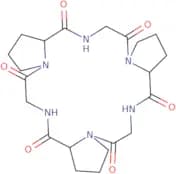
CAS:<p>Please enquire for more information about H-Arg-epsilon-aminocaproyl-Arg-epsilon-aminocaproyl-Arg-epsilon-aminocaproyl-Arg-epsilon-aminocaproyl-Arg-epsilon-aminocaproyl-Arg-e psilon-aminocaproyl-Arg-OH trifluoroacetate salt including the price, delivery time and more detailed product information at the technical inquiry form on this page</p>Formula:C78H152N34O14Purity:Min. 95%Molecular weight:1,790.26 g/molCyclo(-Pro-Gly)3
CAS:<p>Please enquire for more information about Cyclo(-Pro-Gly)3 including the price, delivery time and more detailed product information at the technical inquiry form on this page</p>Formula:C21H30N6O6Purity:Min. 95%Molecular weight:462.5 g/molH-Gly-Arg-Asp-Gly-Ser-OH
CAS:<p>A monoclonal antibody is a type of antibody produced by a single clone of B cells. Monoclonal antibodies are created by injecting mice with a protein, and then harvesting the antibody-producing cells from the mouse's spleen or lymph nodes. These cells are then fused with cancer cells to form hybridoma cells that produce the desired antibodies. Monoclonal antibodies are used in vitro assays to detect certain molecules, such as matrix molecules, growth factors and polysialic acid. They can also be used for in vivo diagnostic purposes, such as detecting urothelial carcinoma in mammals or human lymphocytes on the surface of lymphocytes.</p>Formula:C17H30N8O9Purity:Min. 95%Molecular weight:490.47 g/molBoc-β-Ala-PAM resin (200-400 mesh)
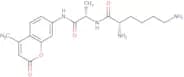
<p>Please enquire for more information about Boc-beta-Ala-PAM resin (200-400 mesh) including the price, delivery time and more detailed product information at the technical inquiry form on this page</p>Purity:Min. 95%H-Lys-Ala-AMC hydrochloride salt
CAS:<p>Please enquire for more information about H-Lys-Ala-AMC hydrochloride salt including the price, delivery time and more detailed product information at the technical inquiry form on this page</p>Formula:C19H26N4O4Purity:Min. 95%Molecular weight:374.43 g/molBig Endothelin-1 (human)
CAS:<p>Please enquire for more information about Big Endothelin-1 (human) including the price, delivery time and more detailed product information at the technical inquiry form on this page</p>Formula:C189H282N48O56S5Purity:Min. 95%Molecular weight:4,282.88 g/molBoc-Asp(OcHex)-PAM resin (200-400 mesh)
<p>Please enquire for more information about Boc-Asp(OcHex)-PAM resin (200-400 mesh) including the price, delivery time and more detailed product information at the technical inquiry form on this page</p>Purity:Min. 95%(2-(2-Methoxyethoxy)ethoxy)acetic acid
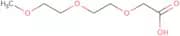
CAS:<p>2-(2-Methoxyethoxy)ethoxy)acetic acid (MEAA) is a cell stabilizer that can be used in the treatment of cancer, diabetes, and other diseases. MEAA has been shown to inhibit the growth of cells by binding to and stabilizing the cytoskeleton through inhibition of protein synthesis. It also prevents the activation of pro-inflammatory cytokines and reactive oxygen species. MEAA's magnetic resonance spectroscopy properties have been studied in detail and it has been shown to bind well with silver ions. MEAA has also been shown to have high cytotoxicity when combined with laser ablation therapy.</p>Formula:C7H14O5Purity:90%Color and Shape:Clear LiquidMolecular weight:178.18 g/molPAR-4 (1-6) (human) trifluoroacetate salt
CAS:<p>Please enquire for more information about PAR-4 (1-6) (human) trifluoroacetate salt including the price, delivery time and more detailed product information at the technical inquiry form on this page</p>Formula:C28H41N7O9Purity:Min. 95%Molecular weight:619.67 g/molGRF (human) acetate salt
CAS:<p>Growth hormone-releasing factor (GRF) or GHRH (growth hormone-releasing hormone).Binds to the growth hormone-releasing hormone receptor (GHRH-R), causing growth hormone secretion.porcine: H-YADAIFTNSYRKVLGQLSARKLLQDIMSRQQGERNQEQGARVRL-NH2bovine: H-YADAIFTNSYRKVLGQLSARKLLQDIMNRQQGERNQEQGAKVRL-NH2ovine: H-YADAIFTNSYRKILGQLSARKLLQDIMNRQQGERNQEQGAKVRL-NH2human: H-YADAIFTNSYRKVLGQLSARKLLQDIMSRQQGESNQERGARARL-NH2</p>Formula:C215H358N72O66SPurity:Min. 98 Area-%Color and Shape:PowderMolecular weight:5,039.65 g/molBradykinin-Like Neuropeptide (Aplysia californica) trifluoroacetate salt
CAS:<p>Please enquire for more information about Bradykinin-Like Neuropeptide (Aplysia californica) trifluoroacetate salt including the price, delivery time and more detailed product information at the technical inquiry form on this page</p>Formula:C53H98N24O14SPurity:Min. 95%Molecular weight:1,327.56 g/molAc-Asp-Arg-Val-Tyr-Ile-His-Pro-Phe-His-Leu-Leu-Val-Tyr-Ser-OH
CAS:<p>Please enquire for more information about Ac-Asp-Arg-Val-Tyr-Ile-His-Pro-Phe-His-Leu-Leu-Val-Tyr-Ser-OH including the price, delivery time and more detailed product information at the technical inquiry form on this page</p>Formula:C87H125N21O21Purity:Min. 95%Molecular weight:1,801.05 g/mol(D-Trp6)-LHRH (2-10) trifluoroacetate salt
CAS:<p>Please enquire for more information about (D-Trp6)-LHRH (2-10) trifluoroacetate salt including the price, delivery time and more detailed product information at the technical inquiry form on this page</p>Formula:C59H77N17O11Purity:Min. 95%Molecular weight:1,200.35 g/molSuc-Val-Pro-Phe-SBzl
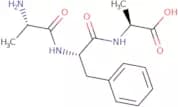
CAS:<p>Suc-Val-Pro-Phe-SBzl is a synthetic subtilisin that has been modified to have an enhanced binding affinity for the enzyme's substrate. The enzyme's specificity and reactivity has been improved by adding a chloromethyl ketone group to the amino acid sequence. Suc-Val-Pro-Phe-SBzl is a serine protease inhibitor and has been shown to inhibit the activity of subtilisins, including subtilisin BPN' and Bacillus amyloliquefaciens subtilisin. It also inhibits peptidases and proteinases, which may be due to its ability to bind to the active site of these enzymes.</p>Formula:C30H37N3O6SPurity:Min. 95%Molecular weight:567.7 g/molH-Ala-Phe-Ala-OH
CAS:<p>H-Ala-Phe-Ala-OH is a peptidomimetic that has been shown to have hydrogen bonding interactions with caco-2 cells. It also has the ability to form micelles and x-ray diffraction data show that the molecule has a right handed helical conformation. This compound was synthesized by reacting H-Ala-Phe with H-Gly-Gly in an amino acid condensation reaction, followed by hydrolysis of the amide bonds. The bioisosteres for this compound are tripeptides, which are amino acids linked by peptide bonds. The interaction of this compound with caco-2 cells is thought to be due to the hydrogen bonding interactions between this molecule and the hydroxyl groups on the cell surface.</p>Formula:C15H21N3O4Purity:Min. 95%Molecular weight:307.35 g/molApelin-36 (human)
CAS:<p>Apelin-36 is a human apelin protein. It is involved in the regulation of appetite and energy expenditure. Apelin-36 has been shown to be an independent predictor of body mass index and insulin resistance in women with polycystic ovary syndrome. Apelin-36 is also an indicator of the risk for cardiovascular disease, stroke, and type 2 diabetes mellitus. This molecule can be measured using a Western blot assay method on ovary homogenates. The level of apelin-36 can be used as a diagnostic tool for determining insulin resistance and overweight status.</p>Formula:C184H297N69O43SPurity:Min. 95%Molecular weight:4,195.83 g/molFmoc-Thr(tBu)-Wang resin (200-400 mesh)
<p>Please enquire for more information about Fmoc-Thr(tBu)-Wang resin (200-400 mesh) including the price, delivery time and more detailed product information at the technical inquiry form on this page</p>Purity:Min. 95%Amyloid β-Protein (1-40) (scrambled) trifluoroacetate salt
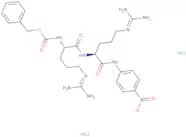
CAS:<p>Please enquire for more information about Amyloid beta-Protein (1-40) (scrambled) trifluoroacetate salt including the price, delivery time and more detailed product information at the technical inquiry form on this page</p>Formula:C194H295N53O58SPurity:Min. 95%Molecular weight:4,329.81 g/molZ-Arg-Arg-pNA·2 HCl
CAS:<p>Please enquire for more information about Z-Arg-Arg-pNA·2 HCl including the price, delivery time and more detailed product information at the technical inquiry form on this page</p>Formula:C26H36N10O6·2HClPurity:Min. 95%Molecular weight:657.55 g/mol(Leu31,Pro34)-Neuropeptide Y (13-36) (human, rat)
CAS:<p>Please enquire for more information about (Leu31,Pro34)-Neuropeptide Y (13-36) (human, rat) including the price, delivery time and more detailed product information at the technical inquiry form on this page</p>Formula:C134H206N39O35SPurity:Min. 95%Molecular weight:2,955.38 g/molH-Gly-D-Val-OH
CAS:<p>H-Gly-D-Val-OH is a nonpolar amino acid that belongs to the group of amino acids. It is one of the 20 standard amino acids used by living cells and is found in proteins. The nitrogen atoms are located at the corners of a rectangle and are involved in hydrogen bonding. H-Gly-D-Val-OH is a component of fatty acids, which are molecules that form an important part of the human diet. Fatty acids are taken up by cells through endocytosis and metabolized within the cell cytoplasm by catabolism or anabolism. H-Gly-D-Val-OH has been shown to have kinetic properties in vitro and can be used as a ternary complex forming agent with glycine and D,L-valine when mixed with water. H Gly D Val OH also acts as a cyclic peptide, which can be synthesized from H Gly D Val OH with the help of</p>Formula:C7H14N2O3Purity:Min. 95%Molecular weight:174.2 g/molZ-Ile-Trp-OH
CAS:<p>Please enquire for more information about Z-Ile-Trp-OH including the price, delivery time and more detailed product information at the technical inquiry form on this page</p>Formula:C25H29N3O5Purity:Min. 95%Molecular weight:451.51 g/molAcetyl-Hirudin (55-65) (desulfated) Ac-Asp-Phe-Glu-Glu-Ile-Pro-Glu-Glu-Tyr-Leu-Gln-OH
CAS:<p>Please enquire for more information about Acetyl-Hirudin (55-65) (desulfated) Ac-Asp-Phe-Glu-Glu-Ile-Pro-Glu-Glu-Tyr-Leu-Gln-OH including the price, delivery time and more detailed product information at the technical inquiry form on this page</p>Formula:C66H92N12O25Purity:Min. 95%Molecular weight:1,453.5 g/molZ-Trp-Leu-OH
CAS:<p>Please enquire for more information about Z-Trp-Leu-OH including the price, delivery time and more detailed product information at the technical inquiry form on this page</p>Formula:C25H29N3O5Purity:Min. 95%Molecular weight:451.51 g/molNe-Z-L-lysine tert-butyl ester hydrochloride
CAS:<p>Ne-Z-L-lysine tert-butyl ester hydrochloride is a multidrug that inhibits the activity of the P-glycoprotein (Pgp) transporter. This drug is an antigen that can be used as a marker for cytostatic drugs, and it can be used in radionuclide localization. Ne-Z-L-lysine tert-butyl ester hydrochloride has been shown to have cytostatic effects on malignant cells, but its cytotoxicity varies depending on the type of cancer cell. Ne-Z-L-lysine tert-butyl ester hydrochloride has also been shown to be degradable and to possess conjugates with antibodies, which makes it useful for treating some types of cancers. Ne-Z-L-lysine tert-butyl ester hydrochloride is not active against resistant cells such as those expressing Pgp or MRP1 proteins.</p>Formula:C18H28N2O4·HClPurity:Min. 95%Color and Shape:White PowderMolecular weight:372.89 g/molZ-Pro-Leu-Gly-NHOH
CAS:<p>Z-Pro-Leu-Gly-NHOH is a proteolytic enzyme that hydrolyzes collagen, an extracellular matrix protein. It is used in the workstation to extract proteins from biological samples such as mesenteric tissue or holothuria. The immobilized enzyme is prepared and stored on the workstation. The sample is then extracted by adding hydroxamic acids in a liquified state and separating the mixture using size exclusion chromatography. The proteolytic activity of Z-Pro-Leu-Gly-NHOH can be measured by its ability to hydrolyze collagen under alkaline conditions.</p>Formula:C21H30N4O6Purity:Min. 95%Molecular weight:434.49 g/molMet-Enkephalin-Arg acetate salt
CAS:<p>Please enquire for more information about Met-Enkephalin-Arg acetate salt including the price, delivery time and more detailed product information at the technical inquiry form on this page</p>Formula:C33H47N9O8SPurity:Min. 95%Molecular weight:729.85 g/mol(D-Ser6,Azagly10)-LHRH acetate salt
CAS:<p>Please enquire for more information about (D-Ser6,Azagly10)-LHRH acetate salt including the price, delivery time and more detailed product information at the technical inquiry form on this page</p>Formula:C55H76N18O14Purity:Min. 95%Molecular weight:1,213.3 g/molAcetyl-Amylin (8-37) (human)
CAS:<p>Please enquire for more information about Acetyl-Amylin (8-37) (human) including the price, delivery time and more detailed product information at the technical inquiry form on this page</p>Formula:C140H218N42O46Purity:Min. 95%Molecular weight:3,225.48 g/molAc-Asp-Glu-Val-Asp-chloromethylketone trifluoroacetate salt
CAS:<p>Ac-Asp-Glu-Val-Asp-chloromethylketone trifluoroacetate salt is a basic protein. It inhibits the neuronal death induced by dopamine and its derivatives, which is caused by overactivation of the mitochondrial membrane potential and release of cytochrome c from mitochondria to cytosol. This compound also inhibits the activation of toll-like receptor 4 (TLR4) and nuclear factor κB (NF-κB) signaling pathways in neuronal cells. Ac-Asp-Glu-Val-Asp-chloromethylketone trifluoroacetate salt has been shown to have antiinflammatory effects when applied topically on skin wounds. The molecule has been used as a model system for studying the molecular mechanism of epidermal growth factor (EGF) activation in hybridoma cell lines and primary cells.</p>Formula:C21H31ClN4O11Purity:Min. 95%Molecular weight:550.94 g/molH-Val-Leu-Ser-Glu-Gly-OH
CAS:<p>H-Val-Leu-Ser-Glu-Gly-OH is a polypeptide that is hydrophobic and has carboxypeptidase activity. It hydrolyzes anions, such as the penicillin G, which has been shown to have a high affinity for this enzyme. H-Val-Leu-Ser-Glu-Gly-OH has also been shown to interact with other proteins through hydrophobic interactions. When used in high concentrations, it can be used to filter out substances that are hydrophobic. It can also be used to hydrolyze anions and divalent ions, such as copper and zinc.</p>Formula:C21H37N5O9Purity:Min. 95%Molecular weight:503.55 g/mol(E)-2-(Aminomethyl)-N,N-diethyl-1-phenylcyclopropanecarboxamideHydrochloride
CAS:Controlled Product<p>Levomilnacipran is a serotonin-norepinephrine reuptake inhibitor (SNRI) that is used for the treatment of major depressive disorder and fibromyalgia. It has been shown to have antidepressant effects in patients with major depressive disorder and fibromyalgia. Levomilnacipran inhibits the reuptake of serotonin and norepinephrine by blocking the transporter proteins in these neurotransmitter pathways, increasing their availability to interact with receptors in the brain. Levomilnacipran also has been found to inhibit aminotransferase activity, which may be responsible for its hepatotoxicity.</p>Formula:C15H23ClN2OPurity:Min. 95%Molecular weight:282.81 g/molH-Ala-His-Ala-OH acetate salt
CAS:<p>Please enquire for more information about H-Ala-His-Ala-OH acetate salt including the price, delivery time and more detailed product information at the technical inquiry form on this page</p>Formula:C12H19N5O4Purity:Min. 95%Molecular weight:297.31 g/molDABCYL-(Asn670,Leu671)-Amyloid b/A4 Protein Precursor770 (661-675)-EDANS ammonium salt
CAS:<p>Please enquire for more information about DABCYL-(Asn670,Leu671)-Amyloid b/A4 Protein Precursor770 (661-675)-EDANS ammonium salt including the price, delivery time and more detailed product information at the technical inquiry form on this page</p>Formula:C103H146N22O32SPurity:Min. 95%Molecular weight:2,236.46 g/molDABCYL-Arg-Gly-Val-Val-Asn-Ala-OH
CAS:<p>Please enquire for more information about DABCYL-Arg-Gly-Val-Val-Asn-Ala-OH including the price, delivery time and more detailed product information at the technical inquiry form on this page</p>Formula:C40H59N13O9Purity:Min. 95%Molecular weight:865.98 g/molSar-Pro-OH
CAS:<p>Please enquire for more information about Sar-Pro-OH including the price, delivery time and more detailed product information at the technical inquiry form on this page</p>Formula:C8H14N2O3Purity:Min. 95%Molecular weight:186.21 g/molConantokin G (free acid)
CAS:<p>Please enquire for more information about Conantokin G (free acid) including the price, delivery time and more detailed product information at the technical inquiry form on this page</p>Formula:C88H137N25O45Purity:Min. 95%Molecular weight:2,265.17 g/molH-Gln-Gly-OH
CAS:<p>H-Gln-Gly-OH is a proteolytic enzyme that cleaves peptide bonds in proteins. It is an enzyme that is involved in inflammatory diseases, as it has been shown to inhibit the production of messenger RNA (mRNA) and protein synthesis. H-Gln-Gly-OH also has anti-inflammatory properties. It has been shown to inhibit the production of amines from the amino acid arginine, which may be linked to its anti-inflammatory effects. This enzyme does not have a specific role in human metabolism and is found in human liver and other tissues. The structural analysis of this enzyme reveals that it contains a carbonyl group and an amide group with acidic properties. H-Gln-Gly-OH has been implicated in autoimmune diseases and infectious diseases, as it has been found in Streptococcus pyogenes, Mycoplasma pneumoniae, Borrelia burgdorferi, Coxiella burnetii</p>Formula:C7H13N3O4Purity:Min. 95%Molecular weight:203.2 g/molZ-Ala-Gly-Gly-OH
CAS:<p>Z-Ala-Gly-Gly-OH is a hydrophobic amino acid that can be used in the treatment of cancers. It has been shown to interact with residues on lysine and aspartic acid, which may be due to its acidic properties. This compound is also able to bind metal ions such as copper and zinc, which may contribute to its anticancer potential. Z-Ala-Gly-Gly-OH also acts as a ligand for anticancer drugs such as carbonyl group or hydroxyl radicals.</p>Formula:C15H19N3O6Purity:Min. 95%Molecular weight:337.33 g/mol1-Methylbiguanide hyrdochloride
CAS:<p>1-Methylbiguanide hydrochloride is a pharmaceutical drug that has been shown to be an antidiabetic agent. It is a white crystalline powder with a melting point of about 180°C and a solubility in water of about 1 g/L. 1-Methylbiguanide hydrochloride is used for treating diabetes mellitus type 2, which is caused by insulin resistance. The drug works by stimulating the release of insulin from the pancreas and increasing the rate at which glucose enters cells. Studies have shown that 1-methylbiguanide hydrochloride has low biodegradability, but it can be removed from wastewater using an activated carbon column or hydrophilic interaction chromatography. 1-Methylbiguanide hyrdochloride has been shown to be safe for humans and may not cause side effects in people with kidney disease who take it as prescribed. This drug also does not interact with other medications, such as warfarin</p>Formula:C3H9N5·HClPurity:Min. 95%Molecular weight:151.6 g/molPneumadin (human)
CAS:<p>Please enquire for more information about Pneumadin (human) including the price, delivery time and more detailed product information at the technical inquiry form on this page</p>Formula:C41H70N12O14Purity:Min. 95%Molecular weight:955.07 g/mol(D-Trp32)-Neuropeptide Y (porcine) trifluoroacetate salt
CAS:<p>Please enquire for more information about (D-Trp32)-Neuropeptide Y (porcine) trifluoroacetate salt including the price, delivery time and more detailed product information at the technical inquiry form on this page</p>Formula:C197H290N56O56Purity:Min. 95%Molecular weight:4,338.75 g/molAmylin (8-37) (human) trifluoroacetate salt
CAS:<p>Please enquire for more information about Amylin (8-37) (human) trifluoroacetate salt including the price, delivery time and more detailed product information at the technical inquiry form on this page</p>Formula:C138H216N42O45Purity:Min. 95%Molecular weight:3,183.45 g/mol(Des-Pyr 1,D-Ser(tBu)6,Azagly10)-LHRH acetate salt
CAS:Controlled Product<p>Please enquire for more information about (Des-Pyr 1,D-Ser(tBu)6,Azagly10)-LHRH acetate salt including the price, delivery time and more detailed product information at the technical inquiry form on this page</p>Formula:C54H79N17O12Purity:Min. 95%Molecular weight:1,158.31 g/molH-Asp-Arg-Gly-Asp-Ser-OH
CAS:<p>H-Asp-Arg-Gly-Asp-Ser-OH is an amide with a molecular weight of 456.5 and a purity of 99.2%. This compound has been shown to inhibit tumor cell growth in vitro and in vivo, as well as the metastasis of tumor cells. H-Asp-Arg-Gly-Asp-Ser-OH is also capable of inhibiting tumor cells that are resistant to conventional anti cancer drugs such as 5FU, cisplatin, and doxorubicin.</p>Formula:C19H32N8O11Purity:Min. 95%Molecular weight:548.5 g/mol5-Phenylisoxazole-3-carboxylic acid
CAS:<p>5-Phenylisoxazole-3-carboxylic acid is a phenoxy compound that has been shown to inhibit the growth of tuberculosis bacteria. This drug binds to the postsynaptic potential in the cell membrane and inhibits the effector proteins from interacting with the receptor, preventing neurotransmitter release. The molecular modeling study showed that 5-Phenylisoxazole-3-carboxylic acid interacts with ethyl esters and rifampin, which inhibits xanthine oxidase. Xanthine oxidase inhibitors are used as a treatment for gout and hyperuricemia. 5-Phenylisoxazole-3-carboxylic acid also has fluorimetric properties, which can be used to measure its concentration in biological samples such as urine or plasma. Nitro groups in this drug make it susceptible to oxidation by nitric oxide, which can be monitored using nmr spectra.</p>Formula:C10H7NO3Purity:Min. 95%Molecular weight:189.17 g/molH-Lys-Met-OH formiate salt
CAS:<p>Please enquire for more information about H-Lys-Met-OH formiate salt including the price, delivery time and more detailed product information at the technical inquiry form on this page</p>Formula:C11H23N3O3SPurity:Min. 95%Molecular weight:277.38 g/molH-Thr-Val-OH
CAS:<p>The peptidomimetic H-Thr-Val-OH is a synthetic molecule that is hydrophobic. It has been shown to activate epidermal growth factor (EGF) through the transduction of a signal from outside the cell to inside the cell. This activation of EGF leads to increased levels of other molecules, such as cytosolic amide and hydrogen bond, which are important for cell growth. The amino acid sequence of H-Thr-Val-OH resembles that of EGF, allowing it to bind to the same receptor site on cells. This binding activates signalling pathways that lead to increased levels of proteins involved in cell proliferation, migration, and differentiation.</p>Formula:C9H18N2O4Purity:Min. 95%Molecular weight:218.25 g/mol3-Phenyl-1-adamantane carboxylic acid
CAS:<p>3-Phenyl-1-adamantane carboxylic acid is a thioester that can be used in the synthesis of anti-fungal and antiviral agents. 3-Phenyl-1-adamantane carboxylic acid has been shown to have anti-viral activity against herpes simplex virus type 1 (HSV-1) and type 2 (HSV-2). It also has anthelmintic properties, which may be due to its ability to inhibit the growth of parasitic worms. 3PCA can also be used in the synthesis of cyclic anthelmintics, which are drugs that treat worm infestations.</p>Formula:C17H20O2Purity:Min. 95%Color and Shape:White Off-White PowderMolecular weight:256.34 g/molpTH-Related Protein (1-16) (human, mouse, rat)
CAS:<p>Please enquire for more information about pTH-Related Protein (1-16) (human, mouse, rat) including the price, delivery time and more detailed product information at the technical inquiry form on this page</p>Formula:C77H128N24O25Purity:Min. 95%Molecular weight:1,789.99 g/mol(3-(4-Azidophenyl)propionyl1,D-Tyr(Me)2,Arg6,Arg8,Tyr-NH29)-Vasopressin trifluoroacetate salt
CAS:<p>Please enquire for more information about (3-(4-Azidophenyl)propionyl1,D-Tyr(Me)2,Arg6,Arg8,Tyr-NH29)-Vasopressin trifluoroacetate salt including the price, delivery time and more detailed product information at the technical inquiry form on this page</p>Formula:C63H84N20O13Purity:Min. 95%Molecular weight:1,329.47 g/molH-Tyr-Tyr-Tyr-OMe
CAS:<p>H-Tyr-Tyr-Tyr-OMe is a chiral, fluorinated, enantiomeric molecule that is synthesized by the reaction of an aryloxybenzene with tetrahydropyran and chlorine. This product has been used in asymmetric synthesis as a building block for pyrazole derivatives. It has also been used to produce alcohols and dialkylamino compounds.</p>Formula:C28H31N3O7Purity:Min. 95%Molecular weight:521.56 g/molH-p-Chloro-Phe-D-Cys-b-(3-pyridyl)-Ala-D-Trp-N-Me-Lys-Thr-Cys-2-Nal-NH2 trifluoroacetate salt (Disulfide bond)
CAS:<p>Please enquire for more information about H-p-Chloro-Phe-D-Cys-b-(3-pyridyl)-Ala-D-Trp-N-Me-Lys-Thr-Cys-2-Nal-NH2 trifluoroacetate salt (Disulfide bond) including the price, delivery time and more detailed product information at the technical inquiry form on this page</p>Formula:C58H69ClN12O9S2Purity:Min. 95%Molecular weight:1,177.83 g/molH-Phe-Phe-Phe-OH
CAS:<p>H-Phe-Phe-Phe-OH is a molecule that belongs to the class of imidazolidinones. It is synthesized by reacting an amide with an imine. This synthetic molecule has been shown to have antihypertensive effects in a model system for hypertension. H-Phe-Phe-Phe-OH does not have any isomeric forms, but it can be present as different isotopic forms. The constant of this molecule is 2.5 kcal/mol and the molecular weight is 226 g/mol.br> <br>br><br>The molecules are represented by 3D structures, which show their spatial arrangements and interactions with other atoms in space. These structures can be calculated using molecular modeling techniques such as computational chemistry or quantum mechanics.br><br>br><br>Molecular modeling techniques have allowed researchers to design new molecules, predict their properties and evaluate their potential applications in medicine and other fields.</p>Formula:C27H29N3O4Purity:Min. 95%Molecular weight:459.54 g/molZ-Phe-Cit-AMC
CAS:<p>Z-Phe-Cit-AMC is a fluorescent substrate for the enzymes cysteine and peptide aminopeptidases. It has been synthesized by conjugating 7-amino-4-methylcoumarin with L-phenylalanine. The product is useful in assays to measure the activity of these enzymes, which are involved in protein digestion and wound healing. Z-Phe-Cit-AMC can be hydrolyzed by bromelain, ficin, or papain and it can be used as a substrate for enzyme reactions.</p>Formula:C33H35N5O7Purity:Min. 95%Molecular weight:613.66 g/molBoc-Arg(Tos)-Merrifield resin (200-400 mesh)
<p>Please enquire for more information about Boc-Arg(Tos)-Merrifield resin (200-400 mesh) including the price, delivery time and more detailed product information at the technical inquiry form on this page</p>Purity:Min. 95%(Des-Thr5)-Glucagon trifluoroacetate salt
CAS:<p>Please enquire for more information about (Des-Thr5)-Glucagon trifluoroacetate salt including the price, delivery time and more detailed product information at the technical inquiry form on this page</p>Formula:C149H218N42O47SPurity:Min. 95%Molecular weight:3,381.65 g/molH-Lys(acetimidoyl)-OH
CAS:<p>Lysine acetimidate is a reactive compound that can be activated by the addition of an acid. Lysine acetimidate is a potent activator of macrophages and other inflammatory cells. It has been used in experimental models to study bowel disease and repair mechanisms. In these models, lysine acetimidate has shown to have anti-inflammatory effects, which may be due to its ability to decrease the production of pro-inflammatory cytokines by immune cells. The metabolic disorder caused by lysine acetimidate is still being studied. Lysine acetimidate also has immunomodulatory effects, as it can inhibit the synthesis of epidermal growth factor (EGF) in lung cells and cause damage to alveolar type II cells in the lung.</p>Formula:C8H17N3O2Purity:Min. 95%Molecular weight:187.24 g/molH-Cit-AMC trifluoroacetate salt
CAS:<p>Please enquire for more information about H-Cit-AMC trifluoroacetate salt including the price, delivery time and more detailed product information at the technical inquiry form on this page</p>Formula:C16H20N4O4Purity:Min. 95%Molecular weight:332.35 g/molD-Tryptophan methyl ester hydrochloride
CAS:<p>D-Tryptophan is an amino acid that is naturally produced by the human body and is also found in certain foods such as bananas, oats, and turkey. D-Tryptophan methyl ester hydrochloride is a synthetic form of this amino acid. It has been shown to inhibit cell growth and may have other physiological effects such as regulating mood or sleep patterns. This drug binds to the cavity of enzymes involved in the synthesis of proteins and nucleic acids, which prevents them from carrying out their normal functions. The binding constants for D-tryptophan methyl ester hydrochloride with these enzymes are stronger than those for natural d-tryptophan. The reaction solution was studied using UV absorption spectroscopy and showed that glycol ethers were more effective solvents than piperonal, which allowed for asymmetric synthesis. Molecular docking analysis has shown that D-tryptophan methyl ester hydrochloride binds to the enzyme cavity more tightly than</p>Formula:C12H14N2O2•HClPurity:Min. 95%Color and Shape:PowderMolecular weight:254.71 g/molZ-Gly-Pro-bNA
CAS:<p>Z-Gly-Pro-bNA is a peptide that has been synthesized using recombinant DNA technology. It is a carboxyl peptidase inhibitor, which inhibits the enzyme aspartic proteases and metalloendopeptidases. Z-Gly-Pro-bNA has a specific substrate, namely tetrathionate, and it is efficient in hydrolyzing carboxyl groups. This inhibition of the catalytic activity of these enzymes leads to an increase in proline and calcitonin levels. The optimum pH for this reaction is 8.5 to 9.5 and the optimum concentration is 50 to 300 μM.</p>Formula:C25H25N3O4Purity:Min. 95%Molecular weight:431.48 g/molMca-Pro-Leu-Gly-Pro-D-Lys(Dnp)-OH
CAS:<p>Please enquire for more information about Mca-Pro-Leu-Gly-Pro-D-Lys(Dnp)-OH including the price, delivery time and more detailed product information at the technical inquiry form on this page</p>Formula:C42H52N8O14Purity:Min. 95%Molecular weight:892.91 g/molOsteostatin (1-5) amide (human, bovine, dog, horse, mouse, rabbit, rat) trifluoroacetate salt
CAS:<p>Please enquire for more information about Osteostatin (1-5) amide (human, bovine, dog, horse, mouse, rabbit, rat) trifluoroacetate salt including the price, delivery time and more detailed product information at the technical inquiry form on this page</p>Formula:C27H42N10O7Purity:Min. 95%Molecular weight:618.69 g/mol


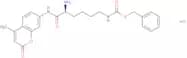
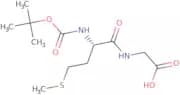


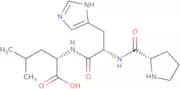
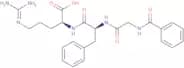
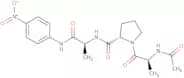
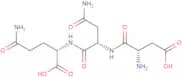

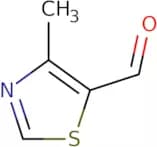


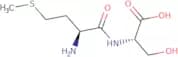
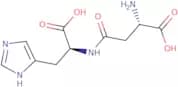
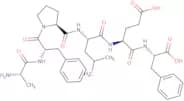
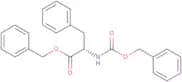
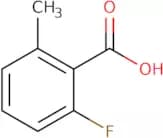

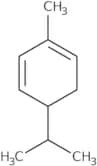
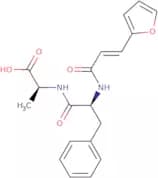
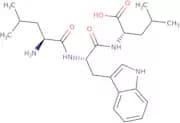

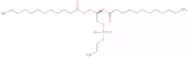
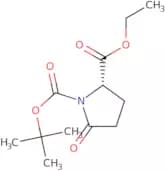
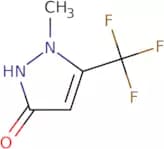
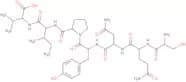
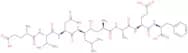
![Fmoc-[D4]Ala-OH](/_next/image/?url=https%3A%2Fstatic.cymitquimica.com%2Fproducts%2F3D%2Fthumb-webp%2FFF111394.webp&w=3840&q=75)
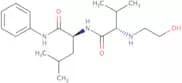
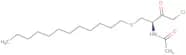
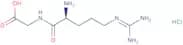


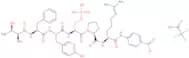
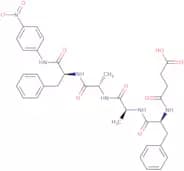
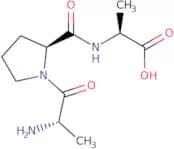
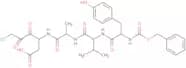
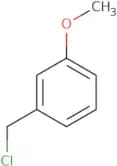
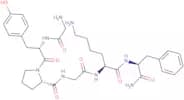

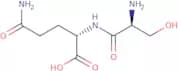

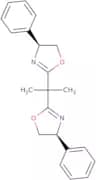

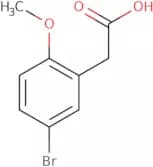
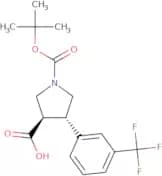
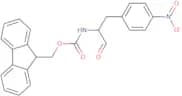
![([ring-D5]Phe3)-Octreotide acetate salt](/_next/image/?url=https%3A%2Fstatic.cymitquimica.com%2Fproducts%2F3D%2Fthumb-webp%2FFR110015.webp&w=3840&q=75)
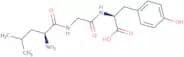
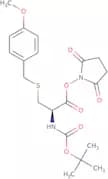
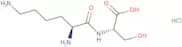


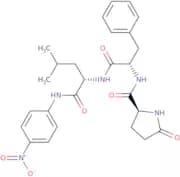
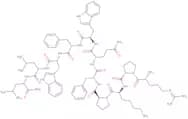
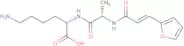
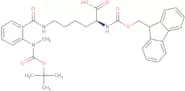

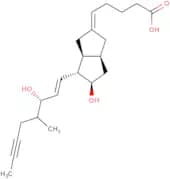
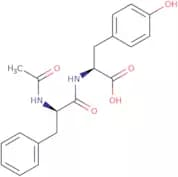
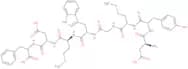
![Fmoc-[15N]Val-OH](/_next/image/?url=https%3A%2Fstatic.cymitquimica.com%2Fproducts%2F3D%2Fthumb-webp%2FFF111322.webp&w=3840&q=75)
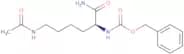
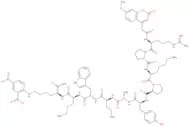
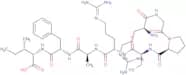
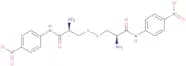
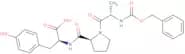
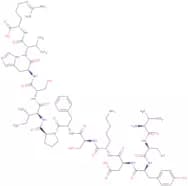


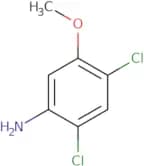


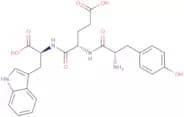


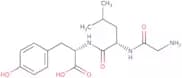


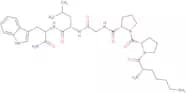


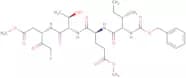



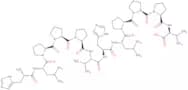
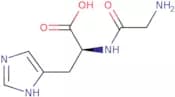
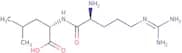
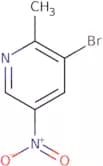

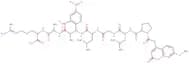
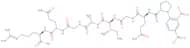
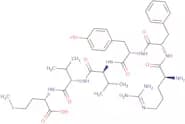

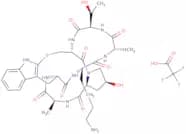
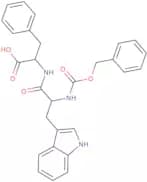

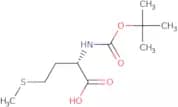
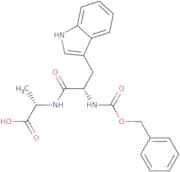


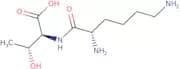
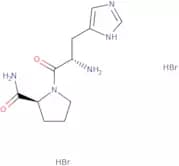
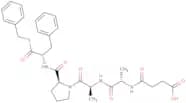
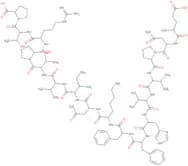

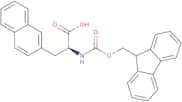
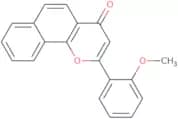
![6-(7-Nitro-benzo[2,1,3]oxadiazol-4-ylamino)-hexanoyl-Arg-Pro-Lys-Pro-Leu-Ala-Nva-Trp-Lys((7-dimeth…](/_next/image/?url=https%3A%2Fstatic.cymitquimica.com%2Fproducts%2F3D%2Fthumb-webp%2FFN110943.webp&w=3840&q=75)
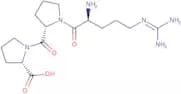
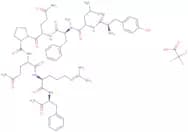
![4-{[4-(4-Methyloxyphenyl)-piperazin-1-yl]-phenyl}-2,4-dihydro-[1,2,4]-triazol-3-one](/_next/image/?url=https%3A%2Fstatic.cymitquimica.com%2Fproducts%2F3D%2Fthumb-webp%2FFM25920.webp&w=3840&q=75)