Amino Acids (AA)
Amino acids (AAs) are the fundamental building blocks of proteins, playing a crucial role in various biological processes. These organic compounds are essential for protein synthesis, metabolic pathways, and cell signaling. In this category, you will find a comprehensive range of amino acids, including essential, non-essential, and modified forms, which are vital for research in biochemistry, molecular biology, and nutritional sciences. At CymitQuimica, we provide high-quality amino acids to support your research and development needs, ensuring accuracy and reliability in your experimental outcomes.
Subcategories of "Amino Acids (AA)"
- Amino Acid Derivatives(3,955 products)
- Amino Acid and Amino Acid Related Compounds(3,436 products)
- Amino Acids with Oxygen or Sulphur(168 products)
- Boc- Amino Acids(351 products)
- Fmoc Amino Acids(1,710 products)
Found 38216 products of "Amino Acids (AA)"
Sort by
Purity (%)
0
100
|
0
|
50
|
90
|
95
|
100
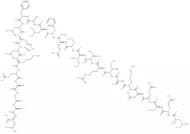
HCV-1 e2 Protein (554-569)
CAS:<p>Please enquire for more information about HCV-1 e2 Protein (554-569) including the price, delivery time and more detailed product information at the technical inquiry form on this page</p>Formula:C74H111N19O21S3Purity:Min. 95%Molecular weight:1,698.99 g/molL-Cysteine hydrochloride anhydrous
CAS:<p>L-Cysteine hydrochloride anhydrous is an amino acid that is used in the treatment of bowel disease. It is also a precursor for glutathione, which has antioxidant properties and helps maintain iron homeostasis. L-Cysteine hydrochloride anhydrous has been shown to inhibit the oxidation of proteins by reacting with reactive oxygen species (ROS) such as nitric oxide, superoxide, and hydrogen peroxide. This amino acid also interacts with toll-like receptor 4 (TLR4), which may account for its natural anti-inflammatory properties. L-Cysteine hydrochloride anhydrous can be synthesized from cysteine and glutamic acid using a CDNA clone encoding the enzyme cystathionine β-synthase. The synthesis of this amino acid requires a number of biochemical reactions including hydrogen bonding interactions with inhibitor molecules such as dihydrofolate reductase, metalloproteases, and thiored</p>Formula:C3H7NO2S·HClColor and Shape:White Off-White PowderMolecular weight:157.62 g/molN,N'-Methylenediacrylamide
CAS:<p>N,N'-Methylenediacrylamide is a water-soluble compound that has been used as a fluorescent probe for hydrogen bonding. It has been shown to have different phase transition temperatures in different solvents and can be used as an experimental model for studying the effects of temperature on the behavior of water molecules. N,N'-Methylenediacrylamide reacts with hydrochloric acid to form the fatty acid N,N'-methylenebis(3-chloroacrylic acid) under acidic conditions. This reaction is reversible, and the reverse process can be catalyzed by sodium citrate or human serum. When exposed to radiation or surface methodology, it emits light at a wavelength of 350 nm.</p>Formula:C7H10N2O2Purity:Min. 95%Color and Shape:White Clear LiquidMolecular weight:154.17 g/molN-Tritylglycine
CAS:<p>N-Tritylglycine is an acidic amino acid that can be protonated in a highly acidic environment. It has been shown to inhibit the growth of tumor tissue by inducing apoptosis and inhibiting protein synthesis. N-Tritylglycine is used as a reagent for analytical chemistry, where it is used to detect amines such as histamine and serotonin. N-Tritylglycine also has been shown to be potent inhibitor of kinesin.</p>Formula:C21H19NO2Purity:Min. 95%Molecular weight:317.38 g/molLys-Lys-IRS-1 (891-902) (dephosphorylated) (human) trifluoroacetate salt
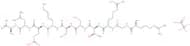
CAS:<p>Please enquire for more information about Lys-Lys-IRS-1 (891-902) (dephosphorylated) (human) trifluoroacetate salt including the price, delivery time and more detailed product information at the technical inquiry form on this page</p>Formula:C73H114N18O22Purity:Min. 95%Molecular weight:1,595.79 g/molH-His-Pro-NH2·2 HBr
CAS:<p>Please enquire for more information about H-His-Pro-NH2·2 HBr including the price, delivery time and more detailed product information at the technical inquiry form on this page</p>Formula:C11H17N5O2·2HBrPurity:Min. 95%Molecular weight:413.11 g/molH-β-Ala-Ala-OH
CAS:<p>Please enquire for more information about H-beta-Ala-Ala-OH including the price, delivery time and more detailed product information at the technical inquiry form on this page</p>Formula:C6H12N2O3Purity:Min. 95%Molecular weight:160.17 g/molH-D-Met-Met-OH
CAS:<p>H-D-Met-Met-OH is a synthetic compound, which is an optical isomer of DL-methionine. It has been shown to have the same biochemical and dietary concentrations as DL-methionine. H-D-Met-Met-OH has also been shown to have a linear response in bioassays, assays and other biochemical pathways. The thermodynamic properties of this compound are also similar to those of DL-methionine, although it is not as stable. This compound can be used as a substitute for DL-methionine because it has an identical chemical structure and can be converted into L -methionine by the enzyme methioninase.</p>Formula:C10H20N2O3S2Purity:Min. 95%Molecular weight:280.41 g/molBiotinyl-ε-aminocaproyl-Tyr(PO3H2)-Glu-Glu-Ile-OH
CAS:<p>Please enquire for more information about Biotinyl-epsilon-aminocaproyl-Tyr(PO3H2)-Glu-Glu-Ile-OH including the price, delivery time and more detailed product information at the technical inquiry form on this page</p>Formula:C41H62N7O16PSPurity:Min. 95%Molecular weight:972.01 g/molSyntide 2 trifluoroacetate salt
CAS:<p>Syntide 2 is a diacylglycerol, which has been found to have a number of biochemical properties. It is an activator of protein kinase C and has been shown to be reactive in vitro assays. Syntide 2 has also been found to activate the light chain kinase in plant physiology. This compound has also been shown to promote neuronal death and may have a role in transcriptional regulation. Syntide 2 is used as a model system for studying the physiological function of α subunit-containing proteins.</p>Formula:C68H122N20O18Purity:Min. 95%Molecular weight:1,507.82 g/molH-Arg-ε-aminocaproyl-Arg-ε-aminocaproyl-Arg-ε-aminocaproyl-Arg-ε-aminocaproyl-Arg-ε-aminocaproyl-Arg-e psilon-aminocaproyl-Arg-OH trifluoroacetate salt
CAS:<p>Please enquire for more information about H-Arg-epsilon-aminocaproyl-Arg-epsilon-aminocaproyl-Arg-epsilon-aminocaproyl-Arg-epsilon-aminocaproyl-Arg-epsilon-aminocaproyl-Arg-e psilon-aminocaproyl-Arg-OH trifluoroacetate salt including the price, delivery time and more detailed product information at the technical inquiry form on this page</p>Formula:C78H152N34O14Purity:Min. 95%Molecular weight:1,790.26 g/molSuc-Phe-Leu-Phe-SBzl
CAS:<p>Suc-Phe-Leu-Phe-SBzl is a protease inhibitor that blocks the activity of serine proteases and inhibits protein synthesis. It has been shown to be active against a number of proteases, such as trypsin, chymotrypsin, elastase, and cathepsin G. Suc-Phe-Leu-Phe-SBzl has been reported to inhibit the activity of serine proteases at low concentrations but not at high concentrations. This drug also has a potent effect on cellular organelles such as mitochondria and lysosomes. The enzyme inhibition property of Suc-Phe-Leu-Phe-SBzl is due to its ability to bind strongly to proteins with hydrophobic amino acid residues in their active site.</p>Formula:C35H41N3O6SPurity:Min. 95%Molecular weight:631.78 g/mol(Lys7)-Phalloidin trifluoroacetate
CAS:<p>Please enquire for more information about (Lys7)-Phalloidin trifluoroacetate including the price, delivery time and more detailed product information at the technical inquiry form on this page</p>Formula:C35H49N9O9S•(C2HF3O2)xPurity:Min. 95%Molecular weight:771.88 g/molH-Phe-Met-OH
CAS:<p>H-Phe-Met-OH is a postulated, synthetic, odorant binding molecule that has been reported to have high specificity for leukemia cells. H-Phe-Met-OH binds specifically to the surface of leukemia cells and stabilizes them. It also potentiates the effect of other drugs used in leukemia therapy. These properties make it an ideal candidate for developing new treatments for leukemias.</p>Formula:C14H20N2O3SPurity:Min. 95%Molecular weight:296.39 g/mol(Lauroyl-Cys-Tyr-Gly(-Glu-Glu-Asn-Val)6-OH)2 (Disulfide bond)
CAS:<p>Please enquire for more information about (Lauroyl-Cys-Tyr-Gly(-Glu-Glu-Asn-Val)6-OH)2 (Disulfide bond) including the price, delivery time and more detailed product information at the technical inquiry form on this page</p>Formula:C280H428N66O120S2Purity:Min. 95%Molecular weight:6,702.9 g/molBursin (avian)
CAS:<p>Bursin is a vaccine that is used to prevent the infection of avian influenza in chickens. It has been shown to stimulate antibody production and increase the immune response in chickens. Bursin consists of an amino terminal, carboxy terminal, and a peptide sequence that binds to receptors on the surface of cells. Peptides such as bursin are used for sample preparation or expression plasmids in tissue culture experiments. Bursin also has calcium-binding properties and can be used as a histochemical stain for skin cells. The hydroxyl group on the side chain is important for its function.</p>Formula:C14H25N7O3Purity:Min. 95%Molecular weight:339.39 g/mol(Sar 1,Gly8)-Angiotensin II
CAS:<p>Please enquire for more information about (Sar 1,Gly8)-Angiotensin II including the price, delivery time and more detailed product information at the technical inquiry form on this page</p>Formula:C42H65N13O10Purity:Min. 95%Molecular weight:912.05 g/molZ-Gly-Ser-OH
CAS:<p>Z-Gly-Ser-OH is a peptidase that hydrolyzes glycoproteins. It is found in a number of microorganisms and has been isolated from the bacterium, Bacillus subtilis. Z-Gly-Ser-OH hydrolyzes β-galactosidase substrates with the most common acceptor being lactose. This enzyme also has an o-glycosylation activity with a preference for n-substituted glycans. Z-Gly-Ser-OH is able to cleave lactose as well as other sugars, such as maltose, cellobiose, and sucrose.</p>Formula:C13H16N2O6Purity:Min. 95%Molecular weight:296.28 g/molFmoc-Arg(Pmc)-Wang resin (200-400 mesh)
<p>Please enquire for more information about Fmoc-Arg(Pmc)-Wang resin (200-400 mesh) including the price, delivery time and more detailed product information at the technical inquiry form on this page</p>Purity:Min. 95%H-Ile-NHOH acetate salt
CAS:<p>H-Ile-NHOH acetate salt is an inhibitor of l-amino acid metabolism. It is a competitive inhibitor of the enzyme L-amino acid oxidase, which catalyzes the conversion of l-amino acids to alpha-keto acids and ammonia. H-Ile-NHOH acetate salt has been shown to inhibit the growth of wild type C. glutamicum in a molecular modeling study. In addition, this compound has been shown to block messenger RNA (mRNA) synthesis in a mutant strain of C. glutamicum that does not have the frameshifting mutation. H-Ile-NHOH acetate salt is also known to be an inhibitor of fatty acid biosynthesis by blocking the activity of acyl carrier protein synthetase and acyl carrier protein reductase.</p>Formula:C6H14N2O2Purity:Min. 95%Molecular weight:146.19 g/molH-D-Leu-Tyr-OH
CAS:<p>H-D-Leu-Tyr-OH is a biochemically reactive compound that can undergo a number of reactions with other substrates. It is an amide that is converted to the tripeptides, H-D-leu-tyr and H-D-Phe-Lys, by hydrolysis in the liver. It is also converted to the condensation products, H-D-leu and H2NCH2COOH, by hydrochloric acid or metal ions. The formation rate of this compound depends on its concentration. The rate of reaction increases with increased substrate concentrations. This compound has an acidic pH and binds to a bidentate ligand, histidine.</p>Formula:C15H22N2O4Purity:Min. 95%Molecular weight:294.35 g/molOrcokinin
CAS:<p>Orcokinin H-Asn-Phe-Asp-Glu-Ile-Asp-Arg-Ser-Gly-Phe-Gly-Phe is a peptide that was synthesized in the laboratory. It has been shown to have receptor activity and to stimulate locomotor activity in experimental models. Orcokinin H is a member of the family of peptide hormones that are present in mammals. The peptide sequence contains six amino acids, four of which are hydrophobic and two polar, with a single hydroxyl group. These features make this molecule an excellent candidate for use as a model system for studying amyloid protein aggregation and its physiological function.</p>Formula:C67H92N18O23Purity:Min. 95%Molecular weight:1,517.55 g/mol(H-Cys-betaNA)2·2 HCl (Disulfide bond)
CAS:<p>Please enquire for more information about (H-Cys-betaNA)2·2 HCl (Disulfide bond) including the price, delivery time and more detailed product information at the technical inquiry form on this page</p>Formula:C26H26N4O2S2·2HClPurity:Min. 95%Molecular weight:563.56 g/molEndothelin-1 (11-21) trifluoroacetate salt
CAS:<p>Endothelin-1 (11-21) trifluoroacetate salt H-Cys-Val-Tyr-Phe-Cys-His-Leu-Asp-Ile-Ile-Trp is a peptide that is derived from endothelin. It has been shown to have an inhibitory effect on insulin stimulated glucose uptake in Sprague Dawley rats. This peptide has also been shown to bind to the endothelin receptor and act as a nonselective agonist. Endothelin 1 (11–21) trifluoroacetate salt H-Cys Val Tyr Phe Cys His Leu Asp Ile Ile Trp, when incubated with cells, had a maximal response at micron concentrations.</p>Formula:C68H92N14O15S2Purity:Min. 95%Molecular weight:1,409.68 g/mol1,3-Bis(methoxycarbonyl)-2-methyl-2-thiopseudourea
CAS:<p>1,3-Bis(methoxycarbonyl)-2-methyl-2-thiopseudourea (BMTC) is a novel anticancer agent that has been synthesized to be water soluble and also has significant cytotoxicity. BMTC is believed to exert its anticancer activity by binding to the colchicine binding site on tubulin which is involved in microtubule dynamics. The antitubulin effect of BMTC results in inhibition of cell division and growth. BMTC also inhibits cancer cell proliferation and migration. It has shown significant cytotoxicity against human prostate cancer cells and ovarian cancer cells, as well as inhibiting tumor xenografts in mice.</p>Formula:C6H10N2O4SPurity:Min. 95%Color and Shape:White PowderMolecular weight:206.22 g/molFor-Nle-Leu-Phe-OH
CAS:<p>Nle-Leu-Phe-OH is a potent colony-stimulating factor that binds to the receptor on the surface of cells and stimulates the production of white blood cells. Nle-Leu-Phe-OH has been shown to induce actin filament formation, which is necessary for cell movement. It also induces cytosolic calcium release and enhances protein synthesis. Nle-Leu-Phe-OH also binds to phosphatase and inhibits its activity, which may be due to a conformational change in the enzyme. This process is necessary for the synthesis of DNA and other proteins from amino acids. Nle-Leu-Phe-OH also causes an increase in the uptake of Ca2+ ions by cells.</p>Formula:C22H33N3O5Purity:Min. 95%Molecular weight:419.51 g/molPAR-2 (1-6) (mouse, rat) trifluoroacetate salt
CAS:<p>Please enquire for more information about PAR-2 (1-6) (mouse, rat) trifluoroacetate salt including the price, delivery time and more detailed product information at the technical inquiry form on this page</p>Formula:C29H55N9O8Purity:Min. 95%Molecular weight:657.8 g/molH-Arg-Lys-Gly-Asp-Ile-Lys-Ser-Tyr-pNA
CAS:<p>Please enquire for more information about H-Arg-Lys-Gly-Asp-Ile-Lys-Ser-Tyr-pNA including the price, delivery time and more detailed product information at the technical inquiry form on this page</p>Formula:C48H75N15O14Purity:Min. 95%Molecular weight:1,086.2 g/molL-Tyrosine dipotassium
CAS:<p>L-Tyrosine dipotassium salt is a high quality, reagent, complex compound, useful intermediate and fine chemical. It is a useful scaffold that can be used in the synthesis of various important natural products. L-Tyrosine dipotassium salt is a versatile building block that has been widely applied in research on the development of new drugs, such as antiviral agents and antibiotics. L-Tyrosine dipotassium salt can act as a reaction component for many organic reactions. It also has applications in many areas such as medicine, food production, and environmental protection.</p>Formula:C9H11NO3•K2Purity:Min. 95%Molecular weight:259.39 g/molH-Lys-Val-OH hydrochloride salt
CAS:<p>H-Lys-Val-OH hydrochloride salt is a polymerase chain that has been synthesized from the amino acid lysine. It is an optical sensor that can be used to detect and quantify proteins. H-Lys-Val-OH hydrochloride salt binds to DNA in the cell nucleus and is sensitive to the concentration of adenosine triphosphate (ATP) in cells. This nucleotide plays an important role in cellular energy production. The binding constants for H-Lys-Val-OH hydrochloride salt are determined from the fluorescence emission spectrum, which changes with different concentrations of ATP. The method can be used to measure glomerular filtration rates and can be used as a low energy radiation source for cervical cancer treatment.</p>Formula:C11H23N3O3Purity:Min. 95%Molecular weight:245.32 g/molH-Leu-Ser-Ala-Leu-OH
CAS:<p>H-Leu-Ser-Ala-Leu-OH is a chemical compound that has been shown to bind to 5-HT1B receptors. This receptor belongs to the 5HT1 family of serotonin receptors, which are G protein coupled receptors. The 5HT1B receptor has been shown to have a role in locomotor activity and dopamine release. HLSALLOH is also a specific antibody that reacts with the 5HT1B receptor in rats. The location of this receptor is on the dorsal raphe nucleus and other parts of the brainstem. HLSALLOH has a pH optimum of 6.0 and can be used as an immunogen for polyclonal antibodies against 5HT1B receptors.</p>Formula:C18H34N4O6Purity:Min. 95%Molecular weight:402.49 g/molH-Glu-Ala-Gly-Asp-Asp-Ile-Val-Pro-Cys-Ser-Met-Ser-Tyr-Thr-Trp-Thr-Gly-Ala-OH
CAS:<p>H-Glu-Ala-Gly-Asp-Asp-Ile-Val-Pro-Cys-Ser-Met-Ser-Tyr-Thr-Trp-Thr-Gly-Ala is a peptide that is synthesized and expressed in the laboratory. It has been shown to have a constant amino acid sequence, which can be used as a control for protein studies. This peptide is unreactive with surrounding environments and does not undergo photochemical reactions. HAGGS has also been shown to be thermostable, yielding high yields of protein from it. The reactive nature of this peptide makes it unsuitable for use in solvents other than water or buffers containing water. HAGGS has been shown to have proteolytic activity against the hepatitis virus, HIV, and influenza virus. This peptide's fluorescence emission maxima is at 270 nm, which allows it to be observed under UV light.</p>Formula:C81H119N19O30S2Purity:Min. 95%Molecular weight:1,903.05 g/molOsteocalcin (7-19) (human)
CAS:<p>Please enquire for more information about Osteocalcin (7-19) (human) including the price, delivery time and more detailed product information at the technical inquiry form on this page</p>Formula:C65H98N16O19Purity:Min. 95%Molecular weight:1,407.57 g/molBoc-Phe-D-Leu-Phe-D-Leu-Phe-OH
CAS:<p>Polymyxin B is a cationic detergent that binds to bacterial membranes and destroys the cell wall. Polymyxin B has been shown to be a potent antagonist of spermatozoa and microglia, which are cells that maintain the homeostasis of the central nervous system. It also has been shown to be an inhibitor of chemotaxis in polymorphonuclear leucocytes (PMN), which are white blood cells that participate in inflammatory processes. Polymyxin B has been shown to have chemotactic activity for PMN and inhibit protein synthesis in mitochondria. This compound also inhibits chelerythrine, a cyclase inhibitor that is used as an antineoplastic agent.</p>Formula:C44H59N5O8Purity:Min. 95%Molecular weight:785.97 g/molHIV (gp120) Fragment (308-331)
CAS:<p>HIV is a type of virus that causes AIDS. HIV infects the cells of the human immune system, destroying them and making the body vulnerable to infections from other types of viruses and bacteria. The gp120 protein is an envelope glycoprotein that mediates binding to the CD4 receptor on host T-helper cells and induces fusion of viral and cellular membranes. The gp120 protein has been studied using a variety of methods, including neutralizing antibody binding experiments, enzyme-linked immunosorbent assays (ELISA), Western blotting, peptide mapping, and density lipoprotein binding assays. This fragment contains residues 308-331 in a human immunodeficiency virus (HIV) type 1 gp120 protein.</p>Formula:C114H199N41O31Purity:Min. 95%Molecular weight:2,640.06 g/molHIV-1 rev Protein (34-50)
CAS:<p>Please enquire for more information about HIV-1 rev Protein (34-50) including the price, delivery time and more detailed product information at the technical inquiry form on this page</p>Formula:C97H173N51O24Purity:Min. 95%Molecular weight:2,437.74 g/molStaphylococcus Aureus Protein A (SpA)-Derived Peptide
CAS:<p>Please enquire for more information about Staphylococcus Aureus Protein A (SpA)-Derived Peptide including the price, delivery time and more detailed product information at the technical inquiry form on this page</p>Formula:C68H118N20O22Purity:Min. 95%Molecular weight:1,567.79 g/molH-Ala-Ala-Pro-Ala-OH
CAS:<p>H-Ala-Ala-Pro-Ala-OH is a tetrapeptide that inhibits elastase, an enzyme that breaks down elastin. This compound has been shown to have anti-elastolytic activity in vitro and in vivo. H-Ala-Ala-Pro-Ala-OH was administered intraperitoneally to hamsters with induced emphysema, resulting in a decrease of elastin abnormalities and improvement of the ultrastructure of the lungs. It also improves pancreatic morphology and function in porcine pancreatitis models.</p>Formula:C14H24N4O5Purity:Min. 95%Molecular weight:328.36 g/molDABCYL-γ-Abu-Pro-Gln-Gly-Leu-Glu(EDANS)-Ala-Lys-NH2
CAS:<p>Please enquire for more information about DABCYL-gamma-Abu-Pro-Gln-Gly-Leu-Glu(EDANS)-Ala-Lys-NH2 including the price, delivery time and more detailed product information at the technical inquiry form on this page</p>Formula:C63H88N16O14SPurity:Min. 95%Molecular weight:1,325.54 g/molBz-Asn-Gly-Thr-NH2
CAS:<p>Please enquire for more information about Bz-Asn-Gly-Thr-NH2 including the price, delivery time and more detailed product information at the technical inquiry form on this page</p>Formula:C17H23N5O6Purity:Min. 95%Molecular weight:393.39 g/molH-Gly-Gly-Met-OH
CAS:<p>H-Gly-Gly-Met-OH is a hydrophobic amino acid with a decelerated reaction. It has been shown to modulate the growth of organisms, such as Staphylococcus aureus and Streptococcus pneumoniae. This molecule also has aspirin-like activity against S. aureus and can be used for cavity prevention. H-Gly-Gly-Met-OH is effective in inhibiting the growth of S. aureus, but not against Streptococcus pneumoniae. The test organism used in this study was Escherichia coli K12. H-Gly-Gly-Met-OH has been shown to have sequences that are similar to those found in kinetically slow peptides and tripeptides, which may explain its stability when encapsulated in liposomes for oral administration.</p>Formula:C9H17N3O4SPurity:Min. 95%Molecular weight:263.32 g/molDynorphin A (1-8) acetate salt
CAS:<p>Dynorphin A (1-8) acetate salt H-Tyr-Gly-Gly-Phe-Leu-Arg-Arg-Ile-OH acetate salt is a synthetic, nonpeptide opioid agonist. It binds to the delta receptor and inhibits nociception in the central nervous system. This compound has been shown to produce acute phase and subchronic toxicity in rats and has been shown to possess antinociceptive effects in mice. Dynorphin A (1-8) acetate salt H-Tyr-Gly-Gly-Phe-Leu-Arg-Arg-Ile-OH acetate salt has also been shown to antagonize the enzyme inhibitors of phospholipase A2, cyclooxygenase, and lipoxygenase.<br>MECHANISM OF ACTION: Dynorphin A (1–8) is an endogenous peptide that modulates neurotransmission at the</p>Formula:C46H72N14O10Purity:Min. 95%Molecular weight:981.15 g/molFA-Lys-Ala-OH
CAS:<p>FA-Lys-Ala-OH is a mutant enzyme that has an expressed constitutive mutation. It is a mutational variant of the wild type enzyme with an additive kinetic effect. The kinetic constants for this mutant were determined and correlated to determine the determinants of the mutations. This mutant has uncharged substitutions in its carboxypeptidase B active site, which changes its pH optimum from acidic to neutral values.</p>Formula:C16H23N3O5Purity:Min. 95%Molecular weight:337.37 g/molZ-Gly-Ala-OH
CAS:<p>Z-Gly-Ala-OH is an amide that is synthesized by the solid-phase synthesis of a protected amino acid. The amino acid sequence was determined by sequencing the product and comparing it to the amino acid composition of known glycyl-amides. The enzyme active site was found to be located on the side chain of Gly, which is a polar residue. This catalytic site is only occupied in one orientation, with Ala occupying the opposite side chain position. The yields for this reaction are very high and are not affected by changes in temperature or pH. Z-Gly-Ala-OH has a chiral center at position 3 and can exist as two enantiomers, Z-(+)-glycylalanine and its mirror image, Z-(−)-glycylalanine.</p>Formula:C13H16N2O5Purity:Min. 95%Molecular weight:280.28 g/molNeural-Cadherin (76-85) amide (chicken)
CAS:<p>Please enquire for more information about Neural-Cadherin (76-85) amide (chicken) including the price, delivery time and more detailed product information at the technical inquiry form on this page</p>Formula:C44H75N17O13Purity:Min. 95%Molecular weight:1,050.17 g/molAc-3,5-dinitro-Tyr-OEt
CAS:<p>Please enquire for more information about Ac-3,5-dinitro-Tyr-OEt including the price, delivery time and more detailed product information at the technical inquiry form on this page</p>Formula:C13H15N3O8Purity:Min. 95%Molecular weight:341.27 g/molBoc-Gln-Ala-Arg-AMC·HCl
CAS:<p>Please enquire for more information about Boc-Gln-Ala-Arg-AMC·HCl including the price, delivery time and more detailed product information at the technical inquiry form on this page</p>Formula:C29H42N8O8·HClPurity:Min. 95%Molecular weight:667.15 g/molH-Glu-Glu-OH
CAS:<p>H-Glu-Glu-OH is an organic acid that has proteolytic and gene product properties. It is a hyperactive compound that can be used as a sample preparation reagent for the detection of glutamic acid in proteins. H-Glu-Glu-OH inhibits protein synthesis by binding to ribosomes, which are responsible for the production of proteins in the cell, and prevents their function. Magnetic resonance spectroscopy has been used to investigate the uptake of H-Glu-Glu-OH into mammalian cells and ovarian follicles.</p>Formula:C10H16N2O7Purity:Min. 95 Area-%Color and Shape:White PowderMolecular weight:276.24 g/mol4-Biphenylac-Cys(Me)-D-Arg-Phe-(2-phenylethyl)amide
CAS:<p>4-Biphenylac-Cys(Me)-D-Arg-Phe-(2-phenylethyl)amide is a tetrapeptide that has been shown to have antihypertensive properties. This drug binds to the regulatory proteins of the renin angiotensin system and blocks the production of angiotensin II, which decreases blood pressure. 4-Biphenylac-Cys(Me)-D-Arg-Phe-(2-phenylethyl)amide has also shown to be an effective treatment for skin care products, especially those used for inflammatory skin diseases. 4-Biphenylac-Cys(Me)-D-Arg-Phe-(2-phenylethyl)amide has been shown to be a potent inhibitor of serine proteases and can inhibit cellular proliferation and induce apoptosis in cancer cells.</p>Formula:C41H49N7O4SPurity:Min. 95%Molecular weight:735.94 g/molN-Benzoyl-(2R,3S)-3-amino-2-hydroxy-3-phenyl-propionicacid
CAS:<p>N-Benzoyl-(2R,3S)-3-amino-2-hydroxy-3-phenylpropionic acid (BAPA) is a substance that is used in the manufacture of various drugs. It is also a potent anticancer drug that can be used for the treatment of cancer. BAPA has been shown to be an effective chemotherapeutic agent against many types of cancer cells. This drug is synthesized through an asymmetric synthesis process and has been shown to have potent cytotoxic effects against cancer cells with low levels of glutathione peroxide reductase. BAPA also inhibits the growth of bacteria by hydrolyzing or oxidizing proteins or by binding to DNA and RNA.</p>Formula:C16H15NO4Purity:Min. 95%Molecular weight:285.29 g/molCyclo(-Pro-Thr)
CAS:<p>Cyclo(-Pro-Thr) is a cyclic peptide that is derived from the amino acid sequence of serotonin. Cyclo(-Pro-Thr) has been detected in human urine, and it is possible that this compound may be formed by the hydrolysis of serotonin by enzymes such as pipecolate oxidase. The presence of cyclo(-Pro-Thr) in human urine has been correlated with the occurrence of stomach ulcers, which are caused by substances such as famotidine and other proton pump inhibitors. Cyclo(-Pro-Thr) has also been found to inhibit the production of gamma-aminobutyric acid (GABA), which is an important neurotransmitter for controlling muscle tone, blood pressure, and anxiety.</p>Formula:C9H14N2O3Purity:Min. 95%Molecular weight:198.22 g/mol1-Methylbiguanide sulfate
CAS:<p>Please enquire for more information about 1-Methylbiguanide sulfate including the price, delivery time and more detailed product information at the technical inquiry form on this page</p>Formula:C4H8N8H2SO4Purity:Min. 95%Molecular weight:266.24 g/mol(Lys7)-Dermorphin acetate salt
CAS:Controlled Product<p>Please enquire for more information about (Lys7)-Dermorphin acetate salt including the price, delivery time and more detailed product information at the technical inquiry form on this page</p>Formula:C43H57N9O9Purity:Min. 95%Molecular weight:843.97 g/mol4-Methoxyphenyl boronic acid
CAS:<p>4-Methoxyphenyl boronic acid is a molecule with a hydroxyl group and a boronic acid. It is synthesized by reacting biphenyl with trifluoroacetic acid in the presence of sodium carbonate and palladium-catalyzed coupling. 4-Methoxyphenyl boronic acid has shown to bind to the receptor for fatty acids, which may be due to its structural similarity to p-hydroxybenzoic acid. The protonated form of this molecule has been shown to react with an electrophilic carbon atom and an electron-deficient alkyl or vinyl halide, resulting in ring formation. This reaction is known as the Suzuki coupling reaction.</p>Formula:C7H9BO3Purity:Min. 95%Color and Shape:PowderMolecular weight:151.96 g/molMca-Lys-Pro-Leu-Gly-Leu-Dap (Dnp)-Ala-Arg-NH2 trifluoroacetate salt
CAS:<p>Please enquire for more information about Mca-Lys-Pro-Leu-Gly-Leu-Dap (Dnp)-Ala-Arg-NH2 trifluoroacetate salt including the price, delivery time and more detailed product information at the technical inquiry form on this page</p>Formula:C55H80N16O16Purity:Min. 95%Molecular weight:1,221.32 g/mol(H-Asp-Glu-Val-Asp)2-Rhodamine 110 trifluoroacetate salt
CAS:<p>Please enquire for more information about (H-Asp-Glu-Val-Asp)2-Rhodamine 110 trifluoroacetate salt including the price, delivery time and more detailed product information at the technical inquiry form on this page</p>Formula:C56H66N10O23Purity:Min. 95%Molecular weight:1,247.18 g/molAc-Tyr-Val-Ala-Asp-aldehyde (pseudo acid)
CAS:<p>Ac-Tyr-Val-Ala-Asp-aldehyde is a sesquiterpene lactone that has been shown to have anti-inflammatory properties. It inhibits the inflammatory response by inhibiting the production of pro-inflammatory cytokines and chemokines, such as IL1β, IL6, and TNFα. Ac-Tyr-Val-Ala-Asp-aldehyde also inhibits the activity of cyclooxygenase 2 (COX2) and lipoxygenase (LOX), which are enzymes that produce prostaglandins from arachidonic acid. Acetylsalicylic acid is an example of a drug with similar properties. Acetylsalicylic acid has been shown to inhibit the growth of cancer cells in tissue culture studies and in animal models. This compound may also be used to treat bowel disease, congestive heart failure, or other diseases that are characterized by increased apoptosis.</p>Formula:C23H32N4O8Purity:Min. 95%Molecular weight:492.52 g/molGLP-2 (1-34) (human) trifluoroacetate salt
CAS:<p>Structure/Function: human; Trifluoroacetate salt</p>Formula:C171H266N48O56SPurity:Min. 95%Molecular weight:3,922.3 g/molAc-Asp-Arg-Leu-Asp-Ser-OH
CAS:<p>Ac-Asp-Arg-Leu-Asp-Ser-OH is a peptide that has been synthesized to mimic the activity of aspartic acid. It has been shown to have prophylactic and/or therapeutic effects on infectious diseases and autoimmune diseases. Ac-Asp-Arg-Leu-Asp-Ser-OH may be used for the treatment of cancer, inflammatory diseases, and neurodegenerative diseases. Ac-Asp-Arg-Leu-Asp-Ser OH also acts as a cryoprotectant and diluent in drug development.</p>Formula:C25H42N8O12Purity:Min. 95%Molecular weight:646.65 g/molDABCYL-Glu-Arg-Nle-Phe-Leu-Ser-Phe-Pro-EDANS trifluoroacetate salt
CAS:<p>Please enquire for more information about DABCYL-Glu-Arg-Nle-Phe-Leu-Ser-Phe-Pro-EDANS trifluoroacetate salt including the price, delivery time and more detailed product information at the technical inquiry form on this page</p>Formula:C76H98N16O15SPurity:Min. 95%Molecular weight:1,507.76 g/molLysine(succinyl)-OH
CAS:<p>Lysine(succinyl)-OH, also known as N6-(3-carboxypropanoyl)-L-lysine, is a research chemical that falls under the category of amino acids. It is a derivative of lysine and has been widely used in various research studies. Lysine(succinyl)-OH is commonly used as a substrate for dehydrogenase enzymes and has been found to play a role in metabolic pathways. In addition to its research applications, Lysine(succinyl)-OH has also shown potential benefits for external use. It has been found to have moisturizing properties that can help improve the appearance of dry or damaged cuticles. Its succinyl group enhances its ability to penetrate the skin, providing deep hydration and nourishment. Lysine(succinyl)-OH is encoded by specific genes and expressed in various organisms. Its presence in different biological systems suggests its significance in cellular processes. In addition to its use as a</p>Formula:C10H18N2O5Purity:Min. 95%Color and Shape:PowderMolecular weight:246.26 g/molBradykinin (1-5) trifluoroacetate salt
CAS:<p>Bradykinin (1-5) trifluoroacetate salt H-Arg-Pro-Pro-Gly-Phe-OH is a peptide that has been shown to have anti-cancer properties. The effect of Bradykinin (1-5) trifluoroacetate salt H-Arg-Pro-Pro-Gly-Phe-OH on prostate cancer cells was studied in vitro by measuring the extent of cell growth. The results showed a dose dependent decrease in tumor growth rate, suggesting that this peptide may be useful as an adjuvant therapy for prostate cancer. Bradykinin (1-5) trifluoroacetate salt H-Arg-Pro-Pro-Gly-Phe has also been shown to inhibit diabetic nephropathy and reduce proteinuria in diabetic patients. This peptide may also be used to diagnose prostate cancer because it binds to the thrombin receptor, which is present on cancer cells but not</p>Formula:C27H40N8O6Purity:Min. 95%Molecular weight:572.66 g/molFibronectin Fragment (1376-1380) trifluoroacetate salt
CAS:<p>Please enquire for more information about Fibronectin Fragment (1376-1380) trifluoroacetate salt including the price, delivery time and more detailed product information at the technical inquiry form on this page</p>Formula:C24H39N11O8Purity:Min. 95%Molecular weight:609.64 g/mol5-Methylpyrimidine-2-carboxylic acid
CAS:<p>Please enquire for more information about 5-Methylpyrimidine-2-carboxylic acid including the price, delivery time and more detailed product information at the technical inquiry form on this page</p>Formula:C6H6N2O2Purity:Min. 95%Molecular weight:138.12 g/molAtrial Natriuretic Factor (3-28) (rat) trifluoroacetate salt
CAS:<p>Natriuretic factor is a peptide hormone that regulates blood pressure. This peptide is encoded by a gene located on chromosome 10 and is made up of 28 amino acids. Natriuretic factor binds to the membrane of mitochondria and zymogen granules, causing them to release their contents into the cytosol. The resulting increase in cytosolic volume causes an increased diastolic pressure, as well as an increased glomerular filtration rate and cardiac output. Natriuretic factors have also been shown to stimulate the production of natriuretic peptides, which are involved in water balance and electrolyte homeostasis.</p>Formula:C119H189N43O36S2Purity:Min. 95%Molecular weight:2,862.17 g/molZ-Gly-Pro-Arg-AMC·HCl
CAS:<p>Please enquire for more information about Z-Gly-Pro-Arg-AMC·HCl including the price, delivery time and more detailed product information at the technical inquiry form on this page</p>Formula:C31H37N7O7·HClPurity:Min. 95%Molecular weight:656.13 g/mol(D-Arg2,Lys4)-Dermorphin (1-4) amide
CAS:<p>Dermorphin is a neuropeptide that has been shown to reduce cortisol levels in badgers and has been shown to have biological activity in vitro. Dermorphin also has a number of pharmacokinetic properties, including water solubility, lipid solubility, and oral bioavailability. The drug binds to δ receptors and inhibits the enzyme activities of rat liver microsomes. Dermorphin is used as an analgesic for bowel disease, such as inflammatory bowel disease or hypogaea. Dermorphin has antinociceptive properties (pain-relieving).</p>Formula:C30H45N9O5Purity:Min. 95%Molecular weight:611.74 g/molBoc-Phe-PAM resin (200-400 mesh)
<p>Please enquire for more information about Boc-Phe-PAM resin (200-400 mesh) including the price, delivery time and more detailed product information at the technical inquiry form on this page</p>Purity:Min. 95%Tyr-α-CGRP (human) trifluoroacetate salt
CAS:<p>Please enquire for more information about Tyr-alpha-CGRP (human) trifluoroacetate salt including the price, delivery time and more detailed product information at the technical inquiry form on this page</p>Formula:C172H276N52O51S2Purity:Min. 95%Molecular weight:3,952.48 g/molMet(O)14-Exenatide trifluoroacetate salt
CAS:<p>Please enquire for more information about Met(O)14-Exenatide trifluoroacetate salt including the price, delivery time and more detailed product information at the technical inquiry form on this page</p>Formula:C184H282N50O61SPurity:Min. 95%Molecular weight:4,202.57 g/mol4-Nitro-D-phenylalanine methyl ester hydrochloride
CAS:<p>Please enquire for more information about 4-Nitro-D-phenylalanine methyl ester hydrochloride including the price, delivery time and more detailed product information at the technical inquiry form on this page</p>Formula:C10H14N2O4·HClPurity:Min. 95%Molecular weight:262.69 g/molN-(Fmoc-5-amino-3-oxa-pentyl)succinamic acid
CAS:<p>N-(Fmoc-5-amino-3-oxa-pentyl)succinamic acid is a high quality chemical that is used as an intermediate in the production of pharmaceuticals and other fine chemicals. It is also a reagent for use in peptide synthesis. N-(Fmoc-5-amino-3-oxa-pentyl)succinamic acid has a CAS No. 669073-62-5 and can be used as a useful scaffold for the production of complex compounds. This compound is also useful for research purposes, due to its versatility as a building block with speciality chemical applications.</p>Formula:C23H26N2O6Purity:Min. 95%Molecular weight:426.46 g/molH-Glu-Ala-Leu-Phe-Gln-pNA trifluoroacetate salt
CAS:<p>Please enquire for more information about H-Glu-Ala-Leu-Phe-Gln-pNA trifluoroacetate salt including the price, delivery time and more detailed product information at the technical inquiry form on this page</p>Formula:C34H46N8O10Purity:Min. 95%Molecular weight:726.78 g/mol(N-Me-Phe7)-Neurokinin B trifluoroacetate salt
CAS:<p>Please enquire for more information about (N-Me-Phe7)-Neurokinin B trifluoroacetate salt including the price, delivery time and more detailed product information at the technical inquiry form on this page</p>Formula:C60H81N13O14S2Purity:Min. 95%Molecular weight:1,272.5 g/mol(Glu1)-Fibrinopeptide B (human)
CAS:<p>Fibrinopeptide B (FPB) is a protein fragment of the blood clotting process. It is a member of the group of fibrinopeptides, which are formed by proteolytic cleavage of the precursor prothrombin. FPB is a low molecular weight peptide with an amino acid sequence that contains tryptophan and arginine residues, which are susceptible to oxidation by radiation. The presence of FPB in plasma can be used as an indicator for exposure to ionizing radiation. Matrix-assisted laser desorption/ionization (MALDI) mass spectrometry has been used to identify and quantify FPB in human plasma samples. This technique has also been applied to monitor the proteomic profile of activated platelets with high sensitivity using matrix molecules such as glycerol, ethylene glycol, and formamide as matrices for MALDI analysis.</p>Formula:C66H95N19O26Purity:Min. 95%Molecular weight:1,570.57 g/molZ-Val-Leu-Arg-4MbNA·HCl
CAS:<p>Please enquire for more information about Z-Val-Leu-Arg-4MbNA·HCl including the price, delivery time and more detailed product information at the technical inquiry form on this page</p>Formula:C36H49N7O6·HClPurity:Min. 95%Molecular weight:712.28 g/molH-Lys-Gly-Asp-Ser-OH trifluoroacetate salt
CAS:<p>Please enquire for more information about H-Lys-Gly-Asp-Ser-OH trifluoroacetate salt including the price, delivery time and more detailed product information at the technical inquiry form on this page</p>Formula:C15H27N5O8Purity:Min. 95%Molecular weight:405.4 g/mol4-Abz-Gly-Pro-D-Leu-D-Ala-NHOH trifluoroacetate salt
CAS:<p>4-Abz-Gly-Pro-D-Leu-D-Ala-NHOH trifluoroacetate salt is a synthetic, hydroxamic acid that inhibits the activity of collagenase, gelatinase and stromelysin. It also has inhibitory activities against metalloproteinases, such as matrix metalloproteinases and serine proteinases. 4-Abz-Gly-Pro-D-Leu-D-Ala-NHOH trifluoroacetate salt has been shown to inhibit the production of proinflammatory cytokines in human skin fibroblasts. This agent also induces the production of granulocytes in vitro.</p>Formula:C23H34N6O6Purity:Min. 95%Molecular weight:490.55 g/mol(Nle 35)-Amyloid b-Protein (1-40) ammonium salt
CAS:<p>Please enquire for more information about (Nle 35)-Amyloid b-Protein (1-40) ammonium salt including the price, delivery time and more detailed product information at the technical inquiry form on this page</p>Formula:C195H297N53O58Purity:Min. 95%Molecular weight:4,311.77 g/molACTH (11-24)
CAS:<p>ACTH is a hormone that belongs to the class of endogenous peptides. It is synthesized and secreted by the anterior pituitary gland in response to adrenocorticotropic hormone (ACTH) from the hypothalamus. ACTH has a high affinity for cells with receptors for ACTH and has been shown to stimulate cyclase activity, leading to increased production of cAMP. ACTH also binds to membranes and micelles, which are lipid bilayers with hydrophobic regions. The binding of ACTH at these sites alters the physical properties of these structures by increasing their permeability or solubility. This leads to changes in their functions, including modulation of membrane-bound enzymes such as adenylate cyclase activity.</p>Formula:C77H134N24O16Purity:Min. 95%Molecular weight:1,652.04 g/molBoc-Ala-Ala-Pro-Ala-pNA
CAS:<p>Boc-Ala-Ala-Pro-Ala-pNA is a synthetic peptide analog of the amino acid sequence Pro-Gly-Arg. It has been shown to inhibit the proliferation of prostate cancer cells, as well as to inhibit tumor growth in animals. This peptide also inhibits protease activity in subtilisin and has been used to study the inhibition of angiogenesis by endothelial cell proliferation. The peptide is an inhibitor of ion exchange and has been used to study the effects of fatty acids on carcinoma cell lines. Boc-Ala-Ala-Pro-Ala-pNA has also been shown to be active against other animal cells and could be used for research purposes.</p>Formula:C25H36N6O8Purity:Min. 95%Molecular weight:548.59 g/mol(Tyr36)-pTH-Related Protein (1-36) amide (chicken)
CAS:<p>Please enquire for more information about (Tyr36)-pTH-Related Protein (1-36) amide (chicken) including the price, delivery time and more detailed product information at the technical inquiry form on this page</p>Formula:C184H301N57O55Purity:Min. 95%Molecular weight:4,191.71 g/mol(Des-octanoyl)-Ghrelin (human) trifluoroacetate salt
CAS:<p>Trifluoroacetate salt</p>Formula:C141H235N47O41Purity:Min. 95%Molecular weight:3,244.67 g/mol6-Diazo-5-oxo-L-norleucine
CAS:<p>Inhibitor of hexosamine biosynthetic pathway</p>Formula:C6H9N3O3Purity:Min. 95%Color and Shape:Slightly Yellow PowderMolecular weight:171.15 g/molMastoparan 17 (free acid)
CAS:<p>Please enquire for more information about Mastoparan 17 (free acid) including the price, delivery time and more detailed product information at the technical inquiry form on this page</p>Formula:C70H131N19O16Purity:Min. 95%Molecular weight:1,494.91 g/molH-Lys-Gly-Trp-Lys-OtBu acetate salt
CAS:<p>The acetate salt of H-Lys-Gly-Trp-Lys is a peptide that has been modified with an acetyl group. The acetate salt is neutral and does not react with other compounds. This compound is a superoxide scavenger and can be used to prevent the formation of reactive oxygen species in biological systems.</p>Formula:C29H47N7O5Purity:Min. 95%Molecular weight:573.73 g/molFmoc-Thr(tBu)-Wang resin (100-200 mesh)
<p>Please enquire for more information about Fmoc-Thr(tBu)-Wang resin (100-200 mesh) including the price, delivery time and more detailed product information at the technical inquiry form on this page</p>Purity:Min. 95%RVG-9R trifluoroacetate salt
CAS:<p>Please enquire for more information about RVG-9R trifluoroacetate salt including the price, delivery time and more detailed product information at the technical inquiry form on this page</p>Formula:C201H334N82O55S2Purity:Min. 95%Molecular weight:4,843.45 g/molH-Lys-Gly-Gly-OH hydrochloride salt
CAS:<p>Histidine is a non-essential amino acid that has been shown to be involved in the regulation of cell growth and differentiation. It is also involved in the biosynthesis of nucleotides, collagen, and carnitine. Kinetic studies on histidine have been done by acetylation of histidine with acetic anhydride and pyridine. The kinetic method used was based on the reaction between histidine and p-nitrophenyl phosphate. The transfer reactions were performed with a strain containing lysine residues which were then adsorbed onto a surface-enhanced Raman spectroscopy (SERS) substrate. These experiments were performed using techniques such as resonance mass spectrometry (RMS), surface-enhanced Raman spectroscopy (SERS), and protonation selective mass spectrometry (PSMS).</p>Formula:C10H20N4O4Purity:Min. 95%Molecular weight:260.29 g/molFmoc-Tyr(tBu)-Wang resin (100-200 mesh)
<p>Please enquire for more information about Fmoc-Tyr(tBu)-Wang resin (100-200 mesh) including the price, delivery time and more detailed product information at the technical inquiry form on this page</p>Purity:Min. 95%1-t-Boc-piperidine-4-spiro-5'-[1',3'-bis-t-boc]-hydantoin
CAS:<p>Please enquire for more information about 1-t-Boc-piperidine-4-spiro-5'-[1',3'-bis-t-boc]-hydantoin including the price, delivery time and more detailed product information at the technical inquiry form on this page</p>Formula:C22H35N3O8Purity:Min. 95%Molecular weight:469.53 g/molH-Trp-Tyr-OH TFA Salt
CAS:<p>H-Trp-Tyr-OH TFA salt is a food additive that has been shown to inhibit the oxidation of casein by light. It is an amino acid analog, which is a synthetic compound containing a single amino acid. The H-Trp-Tyr-OH TFA salt has been shown to protect against photooxidation of casein and other proteins in milk. It also inhibits the formation of exciplexes, which are complexes formed between tryptophan and trifluoroacetic acid. The H-Trp-Tyr-OH TFA salt has been shown to be stable at pH values ranging from 2 to 12 and at temperatures up to 300 degrees Celsius. This additive can be used as an emulsifier in food products such as mayonnaise, salad dressing, and margarine.</p>Formula:C22H20N3F3O5Purity:Min. 95%Molecular weight:463.41 g/molAc-Leu-Asp-Gln-Trp-Phe-Gly-NH2
CAS:<p>Ac-Leu-Asp-Gln-Trp-Phe-Gly-NH2 is a peptide that was found to inhibit the activity of vasoactive intestinal peptide (VIP). It binds to VIP with high affinity and competitively inhibits its binding to VIP receptors. Ac-Leu-Asp-Gln-Trp-Phe-Gly-NH2 has an inhibitory effect on the maximal response of VIP in tissues, such as the intestine. This peptide also has an irritant effect on the intestine, which may be due to its competitive inhibition of VIP receptor sites. Ac-Leu-Asp-Gln-Trp-Phe Gly NH2 has been shown to have a concentration response curve for inhibiting the activity of Vip.</p>Formula:C39H51N9O10Purity:Min. 95%Molecular weight:805.88 g/molSeminal Plasma Inhibin (67-94) (human)
CAS:<p>Please enquire for more information about Seminal Plasma Inhibin (67-94) (human) including the price, delivery time and more detailed product information at the technical inquiry form on this page</p>Formula:C150H240N36O43S2Purity:Min. 95%Molecular weight:3,299.86 g/molH-D-Phe-Cys-Tyr-D-Trp-Orn-Thr-Pen-Thr-NH2 (Disulfide bond between Cys2 and Pen7)
CAS:<p>H-D-Phe-Cys-Tyr-D-Trp-Orn-Thr-Pen-Thr-NH2 is a neuropeptide that was found in the brain of an amphibian and has been shown to have antinociceptive properties. The peptide has been shown to bind to kappa opioid receptors and δ opioid receptors, which are both involved in pain regulation. H-D-Phe-Cys-Tyr-D-Trp-Orn (HDFYDT) has been shown to be effective in vivo, which may be due to its ability to increase striatal dopamine levels and decrease locomotor activity. HDFYDT also increases gamma aminobutyric acid levels in the brain, which may result in reduced anxiety. HDFYDT is synthesized from two amino acids: histidine and glutamine. This peptide is sensitive to proteolytic enzymes and can be degraded into smaller fragments such</p>Formula:C50H67N11O11S2Purity:Min. 95%Molecular weight:1,062.27 g/molFluorescein-6-carbonyl-Leu-Glu(OMe)-Thr-DL-Asp(OMe)-fluoromethylketone
CAS:<p>Please enquire for more information about Fluorescein-6-carbonyl-Leu-Glu(OMe)-Thr-DL-Asp(OMe)-fluoromethylketone including the price, delivery time and more detailed product information at the technical inquiry form on this page</p>Formula:C43H47FN4O15Purity:Min. 95%Molecular weight:878.85 g/molH-Thr-Phe-OH
CAS:<p>H-Thr-Phe-OH is a fatty acid which is the substrate for tumor cells. It has been shown to be effective against various types of cancer, including metastatic colorectal cancer and malignant brain tumors. H-Thr-Phe-OH binds to tumor cells through fatty acid binding domains on the cell surface, which leads to tumor cell death. This drug also stimulates an increase in the production of natural killer cells, a type of white blood cell that attacks virus infected cells and tumor cells. The activity index for this drug was measured at 3.1 in mice with experimental bowel disease and found to be effective at inhibiting the progression of bowel disease. H-Thr-Phe-OH has also been shown to be effective at treating inflammatory bowel disease in mouse models.</p>Formula:C13H18N2O4Purity:Min. 95%Color and Shape:PowderMolecular weight:266.29 g/molAc-Trp-Glu-His-Asp-aldehyde (pseudo acid)
CAS:<p>Ac-Trp-Glu-His-Asp-aldehyde is a tetrapeptide that has been shown to inhibit the activity of caspases. Caspases are proteases that play an important role in cell death by inducing apoptosis and necrosis. The structure of the Ac-Trp-Glu-His-Asp-aldehyde was determined by X-ray crystallography, revealing a hydrophobic molecule with a pseudo acid residue. This compound binds to peptides and blocks the binding site for caspase substrates, which prevents their activation. Acetylation of this compound also increases its hydrophobicity, making it more likely to bind to other molecules such as proteins or lipids.</p>Formula:C28H33N7O9Purity:Min. 95%Molecular weight:611.6 g/molBz-DL-Arg-AMC·HCl
CAS:<p>Please enquire for more information about Bz-DL-Arg-AMC·HCl including the price, delivery time and more detailed product information at the technical inquiry form on this page</p>Formula:C23H25N5O4·HClPurity:Min. 95%Molecular weight:471.94 g/molPhe-Leu-OH
CAS:<p>Phe-Leu-OH is an enzyme that has been found to be involved in the synthesis of meningococcal disease. In addition, it has been shown to have diagnostic potential for the detection of this disease. The enzyme is expressed on the surface of meningococci and produces a protein antigen which can be detected by the presence of antibodies in patient serum. Phe-Leu-OH is also involved in the synthesis of Phe-Leu amide, which may inhibit binding of inhibitor molecules to membrane channels. This activity may be related to its ability to cause a decrease in ion flow across cell membranes.</p>Formula:C15H22N2O3Purity:Min. 95%Color and Shape:PowderMolecular weight:278.35 g/mol(Leu13)-Motilin (human, porcine) trifluoroacetate salt
CAS:<p>Motilin is a gastrointestinal hormone that stimulates gastric motility and the release of pancreatic enzymes. It is also used to treat postoperative ileus, abdominal pain, and gastroduodenal ulcers. Motilin is administered nasogastrically to stimulate the movement of food through the stomach and intestines. The trifluoroacetate salt form is used in this application because it has a longer duration of action than other salts.</p>Formula:C121H190N34O35Purity:Min. 95%Molecular weight:2,681.01 g/molLHRH (sea bream)
CAS:<p>Please enquire for more information about LHRH (sea bream) including the price, delivery time and more detailed product information at the technical inquiry form on this page</p>Formula:C52H68N14O14Purity:Min. 95%Molecular weight:1,113.18 g/mol(H-Cys-Phe-OH)2 (Disulfide bond)
CAS:<p>Please enquire for more information about (H-Cys-Phe-OH)2 (Disulfide bond) including the price, delivery time and more detailed product information at the technical inquiry form on this page</p>Formula:C24H30N4O6S2Purity:Min. 95%Molecular weight:534.65 g/molLeech Osmoregulatory Factor
CAS:<p>Leech Osmoregulatory Factor H-Ile-Pro-Glu-Pro-Tyr-Val-Trp-Asp-OH (LOF) is a polyunsaturated peptide that regulates osmotic pressure. It has been purified from the leech Hirudo medicinalis and can be used in diagnosis or treatment of eye disorders, such as diabetic neuropathy, or in the treatment of diseases associated with high blood viscosity. LOF binds to the surface of cells and induces changes in cell shape. The binding of LOF to receptors on the cell membrane triggers receptor binding and subsequent activation of ion channels. This leads to an increase in water permeability across the cell membrane and increases the glomerular filtration rate. LOF also binds to monoclonal antibodies that are specific for eye disorders or other conditions associated with high blood viscosity, which may be useful for diagnosis or treatment.</p>Formula:C50H67N9O14Purity:Min. 95%Molecular weight:1,018.12 g/mol(Cys0)-Amyloid b-Protein (1-40) trifluoroacetate salt
CAS:<p>Please enquire for more information about (Cys0)-Amyloid b-Protein (1-40) trifluoroacetate salt including the price, delivery time and more detailed product information at the technical inquiry form on this page</p>Formula:C197H300N54O59S2Purity:Min. 95%Molecular weight:4,432.95 g/molH-Gly-DL-Abu-OH
CAS:<p>Please enquire for more information about H-Gly-DL-Abu-OH including the price, delivery time and more detailed product information at the technical inquiry form on this page</p>Formula:C6H12N2O3Purity:Min. 95%Molecular weight:160.17 g/molH-Tyr-Ser-NH2·HCl
CAS:<p>Please enquire for more information about H-Tyr-Ser-NH2·HCl including the price, delivery time and more detailed product information at the technical inquiry form on this page</p>Formula:C12H17N3O4·HClPurity:Min. 95%Molecular weight:303.74 g/mol(Ala13)-Apelin-13 (human, bovine, mouse, rat) acetate salt
CAS:<p>Apelin-13 is a peptide hormone that is secreted from the stomach and small intestine. It may have analgesic effects through its interaction with μ-opioid receptors, which are also activated by morphine. Apelin-13 has been shown to increase locomotor activity in rats, suggesting it can potentiate the antinociceptive effect of morphine.</p>Formula:C63H107N23O16S·xC2H4O2Purity:Min. 95%Molecular weight:1,474.74 g/molH-Pro-His-Leu-OH
CAS:<p>H-Pro-His-Leu-OH is a tripeptide with a sequence of L-proline, H-histidine, and D-leucine. It is an experimental substrate for peptide transporters and has been shown to be taken up by E. coli. This peptide is specific for Borrelia burgdorferi, the organism that causes Lyme disease.</p>Formula:C17H27N5O4Purity:Min. 95%Molecular weight:365.43 g/molH-Ala-Phe-Pro-OH
CAS:<p>Please enquire for more information about H-Ala-Phe-Pro-OH including the price, delivery time and more detailed product information at the technical inquiry form on this page</p>Formula:C17H23N3O4Purity:Min. 95%Molecular weight:333.38 g/molVIP (6-28) (human, mouse, rat) trifluoroacetate salt
CAS:<p>VIP (6-28) (human, mouse, rat) trifluoroacetate salt H-Phe-Thr-Asp-Asn-Tyr-Thr-Arg-Leu-Arg-Lys-Gln-Met-Ala-Val-Lys -Lys-Tyr-Leu is a prophylactic agent that is used to prevent the development of intestinal peptide induced myocardial fibrosis. It has been shown to reduce the incidence and severity of cardiovascular diseases. VIP (6/28) has a vasoactive effect on the intestines and may also have an effect on the cardiovascular system.</p>Formula:C126H207N37O34SPurity:Min. 95%Molecular weight:2,816.29 g/mol(Deamino-Cys1,b-(3-pyridyl)-D-Ala2,Arg8)-Vasopressin trifluoroacetate salt
CAS:<p>DDAVP is an analogue of vasopressin, which belongs to the class of inositol phosphates. It is a potent agonist for the V1 receptor and has a higher affinity for this receptor than vasopressin. DDAVP also has antagonist properties at the V2 receptor. The biological activity of DDAVP is mediated by its ability to increase phospholipase A2 activity and cause the release of arachidonic acid from membrane phospholipids. This activation causes an increase in prostaglandin synthesis, leading to increased vascular permeability and hypotension. DDAVP may also have antidiuretic effects due to its antagonism of oxytocin receptors.</p>Formula:C45H63N15O11S2Purity:Min. 95%Molecular weight:1,054.21 g/molBiotinyl-pTH (44-68) (human) trifluoroacetate salt
CAS:<p>Please enquire for more information about Biotinyl-pTH (44-68) (human) trifluoroacetate salt including the price, delivery time and more detailed product information at the technical inquiry form on this page</p>Formula:C127H213N43O43SPurity:Min. 95%Molecular weight:3,062.38 g/molCyclo(-D-His-Pro)
CAS:<p>Please enquire for more information about Cyclo(-D-His-Pro) including the price, delivery time and more detailed product information at the technical inquiry form on this page</p>Formula:C11H14N4O2Purity:Min. 95%Molecular weight:234.25 g/molCrustacean Cardioactive Peptide
CAS:<p>Crustacean Cardioactive Peptide H-Pro-Phe-Cys-Asn-Ala-Phe-Thr-Gly-Cys-NH2 (Disulfide bond) is a peptide that has been shown to have cardiac and locomotor activity. It also has receptor activity, which is likely due to the presence of an alpha helix in the structure. Crustacean Cardioactive Peptide H-Pro-Phe-Cys-Asn-Ala-Phe-Thr-Gly-Cys (Disulfide bond) has been shown to inhibit voltage dependent calcium channels and stimulate ryanodine receptors. This peptide has been used as a model system for studying heart function, including its effects on cardiac muscle cells, neurons, and biochemical properties.</p>Formula:C42H57N11O11S2Purity:Min. 95%Molecular weight:956.1 g/mol(Des-octanoyl)-Ghrelin (human) acetate salt
CAS:<p>Acetate salt</p>Formula:C141H235N47O41·xC2H4O2Purity:Min. 95%Molecular weight:3,244.67 g/molAmyloid β-Protein (1-42) hydrochloride salt
CAS:<p>Key subunit of extracellular plaques found in the brains of patients with Alzheimer's disease; Hydrochloride salt</p>Formula:C203H311N55O60SPurity:Min. 95%Molecular weight:4,514.04 g/molZ-Phe-Phe-diazomethylketone
CAS:<p>Z-Phe-Phe-diazomethylketone is a cathepsin inhibitor that has been shown to inhibit the proteolytic activity of various enzymes, including serine proteases and thrombotic thrombocytopenic. This compound inhibits the growth of Leishmania parasites in cell culture and has been shown to have a high affinity for carboxy terminal and proximal tubules. Z-Phe-Phe-diazomethylketone has a neutral pH, with an optimum at 7.0, which may be due to its ability to bind to proteins or other components of cells without affecting their functions.</p>Formula:C27H26N4O4Purity:Min. 95%Molecular weight:470.52 g/molOsteoblast Activating Peptide (human) trifluoroacetate salt
<p>Please enquire for more information about Osteoblast Activating Peptide (human) trifluoroacetate salt including the price, delivery time and more detailed product information at the technical inquiry form on this page</p>Formula:C120H196N38O37SPurity:Min. 95%Molecular weight:2,795.14 g/molTyr-Bradykinin
CAS:<p>Bradykinin is a peptide with a variety of physiological effects. It is formed by the cleavage of kininogen by kallikrein, and it is involved in the regulation of vascular tone and blood pressure, as well as responses to pain and inflammation. Bradykinin stimulates the release of histamine from mast cells, which causes an inflammatory response. Bradykinin also has been shown to stimulate the release of leukotrienes, prostaglandins, and cytokines from human lung tissue. The interaction between bradykinin and its receptors has been studied extensively using in vitro assays. The conformational changes in this peptide have been characterized by spectroscopic studies such as nuclear magnetic resonance (NMR) and circular dichroism (CD). In addition, bradykinin can be detected using luminescence techniques such as chemiluminescence or bioluminescence. Studies have shown that micromolar concentrations of bradykinin</p>Formula:C59H82N16O13Purity:Min. 95%Molecular weight:1,223.38 g/molBoc-N-Me-D-Tyr-OH·DCHA
CAS:Controlled Product<p>Please enquire for more information about Boc-N-Me-D-Tyr-OH·DCHA including the price, delivery time and more detailed product information at the technical inquiry form on this page</p>Formula:C15H21NO5·C12H23NPurity:Min. 95%Molecular weight:476.65 g/molPoly(D,L-lactide-co-glycolide) - lactide: glycolide (75:25), average MW 50000 to 75000
CAS:<p>Poly (D,L-lactide-co-glycolide) is a synthetic polymer that consists of 75% lactide and 25% glycolide. It has been used in the treatment of incisional hernia, which is a type of hernia that occurs when an organ protrudes through an incision made in the abdominal wall. Poly (D,L-lactide-co-glycolide) has also been used to prevent neuronal death in experimental animals. Histological analysis of the subcutaneous tissue showed significantly less neuronal death with poly (D,L-lactide-co-glycolide). This polymer has also been shown to be effective for women with rectocele and was found to be safe for use in this population. Poly (D,L-lactide-co-glycolide) is a synthetic polymer consisting primarily of 75% lactides and 25% glycolides. This polymer has been used as an</p>Formula:C3H4O2xC2H2O2yPurity:Min. 95%Color and Shape:White Powder(Deamino-Phe19,D-Ala24,D-Pro26-psi(CH2NH)Phe27)-GRP (19-27) (human, porcine, canine) trifluoroacetate salt
CAS:<p>Please enquire for more information about (Deamino-Phe19,D-Ala24,D-Pro26-psi(CH2NH)Phe27)-GRP (19-27) (human, porcine, canine) trifluoroacetate salt including the price, delivery time and more detailed product information at the technical inquiry form on this page</p>Formula:C57H72N14O8Purity:Min. 95%Molecular weight:1,081.27 g/molMca-Pro-Leu-Gly-Pro-D-Lys(Dnp)-OH
CAS:<p>Please enquire for more information about Mca-Pro-Leu-Gly-Pro-D-Lys(Dnp)-OH including the price, delivery time and more detailed product information at the technical inquiry form on this page</p>Formula:C42H52N8O14Purity:Min. 95%Molecular weight:892.91 g/molPrion Protein (106-126) (human) (scrambled) trifluoroacetate salt
CAS:<p>Please enquire for more information about Prion Protein (106-126) (human) (scrambled) trifluoroacetate salt including the price, delivery time and more detailed product information at the technical inquiry form on this page</p>Formula:C80H138N26O24S2Purity:Min. 95%Molecular weight:1,912.24 g/mol(Leu31,Pro34)-Neuropeptide Y (13-36) (human, rat)
CAS:<p>Please enquire for more information about (Leu31,Pro34)-Neuropeptide Y (13-36) (human, rat) including the price, delivery time and more detailed product information at the technical inquiry form on this page</p>Formula:C134H206N39O35SPurity:Min. 95%Molecular weight:2,955.38 g/molH-D-Phe-Ala-OH
CAS:<p>3-Hydroxy-4-phenylbutyrate (H-D-Phe-Ala) is a fatty acid that is metabolized by the liver. It has been shown to be a potent inhibitor of the enzyme 3-hydroxyacyl coenzyme A dehydrogenase, which catalyzes the first step in fatty acid metabolism. H-D-Phe-Ala also inhibits the production of hormones such as insulin and glucagon and may be used to treat diabetes. This compound may also be useful for preventing or treating liver disease caused by alcohol abuse or other causes, due to its ability to inhibit enzymes that break down proteins in the cell. The addition of H-D-Phe-Ala has been shown to prevent formation of toxic metabolites in rats given an experimental drug, phenacetin, which can lead to kidney damage.</p>Formula:C12H16N2O3Purity:Min. 95%Molecular weight:236.27 g/mol1-Methyl-3-phenyl-piperazine
CAS:<p>1-Methyl-3-phenylpiperazine is a molecule with the chemical formula C6H14N2. It is an amide that belongs to the group of hexanes. 1-Methyl-3-phenylpiperazine is a colorless liquid with a strong ammonia odor and an irritating effect on skin. The molecule has been tested in vivo and found to be irritants when applied to the skin of rabbits, and can cause severe irritation when injected into the eyes of rabbits or rats. 1-Methyl-3-phenylpiperazine is not soluble in water but can be dissolved in ethanolamine, dimethyl sulfoxide, acetone, or chloroform.</p>Formula:C11H16N2Purity:Min. 95%Color and Shape:PowderMolecular weight:176.26 g/mol(Leu31,Pro34)-Peptide YY (human) trifluoroacetate salt
CAS:<p>Please enquire for more information about (Leu31,Pro34)-Peptide YY (human) trifluoroacetate salt including the price, delivery time and more detailed product information at the technical inquiry form on this page</p>Formula:C195H296N54O56Purity:Min. 95%Molecular weight:4,292.77 g/mol(Des-Gly10,D-Tyr5,D-Ser(tBu)6,Pro-NHEt 9)-LHRH acetate salt
CAS:Controlled Product<p>Please enquire for more information about (Des-Gly10,D-Tyr5,D-Ser(tBu)6,Pro-NHEt 9)-LHRH acetate salt including the price, delivery time and more detailed product information at the technical inquiry form on this page</p>Formula:C60H86N16O13Purity:Min. 95%Molecular weight:1,239.42 g/molEthyl 2-(4-hydroxyphenyl)-4-methylthiazole-5-carboxylate
CAS:<p>Ethyl 2-(4-hydroxyphenyl)-4-methylthiazole-5-carboxylate is an anticancer agent that belongs to the class of formamidines. It is synthesized by refluxing ethyl 4-hydroxyphenylacetic acid with hexamethylenetetramine and acetic acid in ethanol. After purification, it is converted to its active form by reacting with hydrochloric acid. Ethyl 2-(4-hydroxyphenyl)-4-methylthiazole-5-carboxylate prevents the growth of cancer cells in culture by preventing DNA synthesis, which prevents RNA and protein synthesis. This agent has also been found to suppress paclitaxel production in cultured human breast cancer cells.</p>Formula:C13H13NO3SPurity:Min. 95%Molecular weight:263.31 g/molH-Met-Ala-OH formiate salt
CAS:<p>Please enquire for more information about H-Met-Ala-OH formiate salt including the price, delivery time and more detailed product information at the technical inquiry form on this page</p>Formula:C8H16N2O3SPurity:Min. 95%Molecular weight:220.29 g/mol(D-Trp6)-LHR
<p>Please enquire for more information about (D-Trp6)-LHR including the price, delivery time and more detailed product information at the technical inquiry form on this page</p>Formula:C83H115N25O17Purity:Min. 95%Molecular weight:1,734.96 g/molBoc-D-Pro-Gly-OH
CAS:<p>Please enquire for more information about Boc-D-Pro-Gly-OH including the price, delivery time and more detailed product information at the technical inquiry form on this page</p>Formula:C12H20N2O5Purity:Min. 95%Molecular weight:272.3 g/molFmoc-Lys(N3)-OH
CAS:<p>Fmoc-Lys(N3)-OH is a glutamic acid molecule with a specific lysine and histidine residue. It has been shown to be cytotoxic in vitro, specifically targeting cancer cells. Fmoc-Lys(N3)-OH can be conjugated to vancomycin or other molecules that are not normally cell permeable for the treatment of neurodegenerative diseases. The divalent nature of this molecule allows it to cross the blood-brain barrier. Solid phase synthesis is used to produce this compound, which is then purified by chromatography and characterized by mass spectrometry.</p>Formula:C21H22N4O4Purity:Min. 95%Molecular weight:394.42 g/molH-Asp(OtBu)-2-chlorotrityl resin (200-400 mesh)
<p>Please enquire for more information about H-Asp(OtBu)-2-chlorotrityl resin (200-400 mesh) including the price, delivery time and more detailed product information at the technical inquiry form on this page</p>Purity:Min. 95%1-Boc-4-aminoindole
CAS:<p>Please enquire for more information about 1-Boc-4-aminoindole including the price, delivery time and more detailed product information at the technical inquiry form on this page</p>Formula:C13H16N2O2Purity:Min. 95%Molecular weight:232.28 g/mol(Des-Gly10,D-Pyr 1,D-Ser(tBu)6,Pro-NHEt 9)-LHRH acetate salt
Controlled Product<p>Please enquire for more information about (Des-Gly10,D-Pyr 1,D-Ser(tBu)6,Pro-NHEt 9)-LHRH acetate salt including the price, delivery time and more detailed product information at the technical inquiry form on this page</p>Formula:C60H86N16O13Purity:Min. 95%Molecular weight:1,239.42 g/molFmoc-[ring-D5]Phe-OH
CAS:Controlled Product<p>Please enquire for more information about Fmoc-[ring-D5]Phe-OH including the price, delivery time and more detailed product information at the technical inquiry form on this page</p>Formula:C24H16D5NO4Purity:Min. 95%Molecular weight:392.46 g/molN-Methyl-DL-alanine
CAS:<p>N-Methyl-DL-alanine is an amino acid that is also known as d-alanine. It is a precursor for the synthesis of other amino acids such as histidine, methionine, and arginine. N-Methyl-DL-alanine is found in the mitochondria of cells and plays a role in energy metabolism. It has been shown to be taken up by cells through an active transport process and can act as a competitive inhibitor of mitochondrial uptake. At physiological concentrations, N-methyl DL-alanine inhibits fatty acid oxidation by decreasing the activity of carnitine palmitoyltransferase I (CPT I) and enhancing lipid accumulation in the liver. N-Methyl DL-alanine has been shown to inhibit cycloleucin A production by acting as an inhibitor of fatty acid synthase (FAS).</p>Formula:C4H9NO2Purity:Min. 95%Color and Shape:White PowderMolecular weight:103.12 g/molZ-Gly-Glu-OH
CAS:<p>Please enquire for more information about Z-Gly-Glu-OH including the price, delivery time and more detailed product information at the technical inquiry form on this page</p>Formula:C15H18N2O7Purity:Min. 95%Molecular weight:338.31 g/molH-Phe-2-chlorotrityl resin (200-400 mesh)
<p>Please enquire for more information about H-Phe-2-chlorotrityl resin (200-400 mesh) including the price, delivery time and more detailed product information at the technical inquiry form on this page</p>Purity:Min. 95%Suc-Ala-Ala-Pro-Nva-pNA
CAS:<p>Suc-Ala-Ala-Pro-Nva-pNA is a tetrapeptide. It is one of the most potent trypsin inhibitors that has been identified to date and it has been shown to inhibit pancreatic trypsin with a potency similar to that of the synthetic inhibitor benzamidine. Suc-Ala-Ala-Pro-Nva-pNA binds to the active site of trypsin, preventing proteolysis of peptides. This inhibition is reversible because it does not bind covalently to any other sites on the enzyme. Suc-Ala-Ala-Pro-Nva-pNA inhibits proteases by binding to their active site and blocking access by the substrate. The binding occurs through noncovalent hydrophobic interactions with amino acids in the active site, including valine, leucine, phenylalanine, and methionine.</p>Formula:C26H36N6O9Purity:Min. 95%Molecular weight:576.6 g/molH-Gly-Glu-pNA
CAS:<p>H-Gly-Glu-pNA is a reactive atypical synthetic peptide. It is a serine protease inhibitor that has been shown to inhibit the activity of chymotrypsin, trypsin and elastase. H-Gly-Glu-pNA binds to the active site of these enzymes and inactivates them by binding to their catalytic residue. The maximal inhibition of H-Gly-Glu-pNA occurs at neutral pH and its activity can be inhibited by carboxylic acids such as lactic acid, which have a high affinity for the hydroxyl group on the pNA side chain.</p>Formula:C13H16N4O6Purity:Min. 95%Molecular weight:324.29 g/molAF-2
CAS:<p>AF-2 is a potent, selective and competitive antagonist at the nicotinic acetylcholine receptor (nAChR). AF-2 binds to the extracellular domains of the nAChR and prevents agonists from binding. It has been shown to inhibit acetylcholine release in isolated heart preparations with high affinity and selectivity. The drug has been tested as an anthelmintic against Caenorhabditis elegans and found to be effective. AF-2 is a cholinergic compound that binds to ganglia, leading to a biphasic response. It also has significant effects on the central nervous system, inhibiting both nicotinic and muscarinic acetylcholine receptors.<br>AF-2 is sequenced according to the following formula: <br>H-Lys-His-Glu-Tyr-Leu-Arg-Phe <br>NH2</p>Formula:C47H70N14O10Purity:Min. 95%Molecular weight:991.15 g/molZ-Gly-Pro-Leu-Gly-Pro-OH
CAS:<p>Z-Gly-Pro-Leu-Gly-Pro-OH is a synthetic peptide that is hydrophobic and has a sequence of amino acids. It can be used as a substrate for proteolytic enzymes. Z-Gly-Pro-Leu-Gly-Pro-OH has been shown to have collagenase activity in human liver and porcine tissues, but not in the presence of chloromethyl ketone. The neutral pH is important for this reaction because it increases the solubility of the substrate. This product is also soluble in water, making it easier to use in experiments.</p>Formula:C28H39N5O8Purity:Min. 95%Molecular weight:573.64 g/molNeuropeptide VF (124-131) (human) trifluoroacetate salt
CAS:<p>Neuropeptide VF (124-131) (human) trifluoroacetate salt H-Val-Pro-Asn-Leu-Pro-Gln-Arg-Phe-NH2 trifluoroacetate salt is a peptide that is synthesized in the hypothalamus and is involved in the regulation of gonadotropin secretion. It has been shown to inhibit cell growth in vitro and to have an inhibitory effect on cancer cells. This peptide also binds to receptors α, adenohypophyseal, cellular, testicular, vasoactive intestinal peptide, messenger RNA, estradiol benzoate, cancer, and progesterone receptor.</p>Formula:C45H72N14O10Purity:Min. 95%Molecular weight:969.14 g/molH-Gly-Gly-Gly-Gly-Gly-NH2·HBr
CAS:<p>Please enquire for more information about H-Gly-Gly-Gly-Gly-Gly-NH2·HBr including the price, delivery time and more detailed product information at the technical inquiry form on this page</p>Formula:C10H18N6O5·HBrPurity:Min. 95%Molecular weight:383.2 g/molH-Lys-Thr-OH hydrochloride salt
CAS:<p>H-Lys-Thr-OH hydrochloride salt is a synthetic amino acid that has been used in the synthesis of a cyclic peptide. The synthesis was achieved by metathesis reactions, which involved the reaction of an acid chloride with a chiral amine to form an ester. H-Lys-Thr-OH hydrochloride salt has been shown to have high binding constants to its targets and can be used as a selective reagent for the synthesis of virus proteins. It is also able to bind to carboxylate groups, which are common in wild type viruses and gene products. This reagent also has cleavage products, which can be used for efficient method for synthesizing cyclic peptides.</p>Formula:C10H21N3O4Purity:Min. 95%Molecular weight:247.29 g/molZ-Pro-D-Leu-D-Ala-NHOH
CAS:<p>Z-Pro-D-Leu-D-Ala-NHOH is a neutralizing peptide that inhibits the activity of elastase and collagenase. It also has potent inhibitory activities against experimental infection with various microorganisms, including Streptococcus pyogenes, Staphylococcus aureus, and Pseudomonas aeruginosa. This peptide is a molecule consisting of 11 amino acids, which is synthesized in vivo by the host as a response to bacterial infections. Z-Pro-D-Leu-D-Ala-NHOH can be used for pharmaceutical preparations or techniques that require an enzyme inhibitor. The biological function of this peptide is not fully understood but it has been shown to have antiestrogenic effects.</p>Formula:C22H32N4O6Purity:Min. 95%Molecular weight:448.51 g/molSuc-Ala-His-Pro-Phe-pNA
CAS:<p>Suc-Ala-His-Pro-Phe-pNA is an amide that binds to the casein kinase II, phosphatase, and inhibits cellular growth. The biochemical and cell specific activity of this drug target has been shown using biochemical and cellular assays. Suc-Ala-His-Pro-Phe-pNA has potent inhibitory activity against the enzyme phosphatase, which is a drug target for many diseases such as cancer. This compound also inhibits fk506 binding to endoplasmic reticulum protein FKBP12, which is a drug target for immunosuppressive therapy in organ transplantation. Suc-Ala-His-Pro-Phe-pNA has been shown to have high protease activity towards peptidyl substrates.</p>Formula:C33H38N8O9Purity:Min. 95%Molecular weight:690.7 g/molHIV-1 gag Protein p24 (65-73) (isolates MAL/U455) trifluoroacetate salt
CAS:<p>Please enquire for more information about HIV-1 gag Protein p24 (65-73) (isolates MAL/U455) trifluoroacetate salt including the price, delivery time and more detailed product information at the technical inquiry form on this page</p>Formula:C44H79N11O14S2Purity:Min. 95%Molecular weight:1,050.3 g/molFor-Met-Val-OH
CAS:<p>For-Met-Val-OH is a synthetic molecule that has been shown to inhibit the growth of bacteria by binding to the ribosomal subunit, thereby inhibiting protein synthesis. This compound was synthesized in vitro and has been shown to be effective against single-stranded DNA. For-Met-Val-OH can also bind to the template strand of DNA and inhibit the synthesis of RNA. It binds to functional genes and inhibits their function in a similar manner as natural substrates. This inhibition may be due to inhibition of protein synthesis or other unknown mechanisms. The structure of For-Met-Val-OH is similar to hydroxamic acids, which are known for their antibacterial properties.</p>Formula:C11H20N2O4SPurity:Min. 95%Molecular weight:276.35 g/molProtein Kinase P34 (cd2) Substrate trifluoroacetate salt
CAS:<p>H-ADAQHATPPKKKRKVEDPKDF-OH peptide, which can act as a substrate of Protein Kinase P34 (cd2). The peptide is supplied as a trifluoroacetate salt.</p>Formula:C106H172N32O32Purity:Min. 95%Molecular weight:2,406.7 g/molH-Phe-Phe-Phe-OH
CAS:<p>H-Phe-Phe-Phe-OH is a molecule that belongs to the class of imidazolidinones. It is synthesized by reacting an amide with an imine. This synthetic molecule has been shown to have antihypertensive effects in a model system for hypertension. H-Phe-Phe-Phe-OH does not have any isomeric forms, but it can be present as different isotopic forms. The constant of this molecule is 2.5 kcal/mol and the molecular weight is 226 g/mol.br> <br>br><br>The molecules are represented by 3D structures, which show their spatial arrangements and interactions with other atoms in space. These structures can be calculated using molecular modeling techniques such as computational chemistry or quantum mechanics.br><br>br><br>Molecular modeling techniques have allowed researchers to design new molecules, predict their properties and evaluate their potential applications in medicine and other fields.</p>Formula:C27H29N3O4Purity:Min. 95%Molecular weight:459.54 g/molH-Ser-Leu-Ser-Leu-Ser-Pro-Gly-OH trifluoroacetate salt
CAS:<p>Please enquire for more information about H-Ser-Leu-Ser-Leu-Ser-Pro-Gly-OH trifluoroacetate salt including the price, delivery time and more detailed product information at the technical inquiry form on this page</p>Formula:C28H49N7O11Purity:Min. 95%Molecular weight:659.73 g/molBoc-Arg(Tos)-Merrifield resin (200-400 mesh)
<p>Please enquire for more information about Boc-Arg(Tos)-Merrifield resin (200-400 mesh) including the price, delivery time and more detailed product information at the technical inquiry form on this page</p>Purity:Min. 95%H-Glu-Tyr-Glu-OH
CAS:<p>Please enquire for more information about H-Glu-Tyr-Glu-OH including the price, delivery time and more detailed product information at the technical inquiry form on this page</p>Formula:C19H25N3O9Purity:Min. 95%Molecular weight:439.42 g/mol2-Chloro-6-methoxypyridine
CAS:<p>2-Chloro-6-methoxypyridine (2CMP) is a potent antagonist that binds to copper chloride, inhibiting its ability to activate aryl chlorides. This chemical has been shown to have anti-angiogenic effects in human cancer cells and can be used for the treatment of cancer. 2CMP has also been shown to be effective at blocking angiogenesis in mice with breast cancer. 2CMP is synthesized through an asymmetric synthesis process, which involves the use of a dipole and molecular docking analysis.</p>Formula:C6H6ClNOPurity:Min. 95%Color and Shape:Clear LiquidMolecular weight:143.57 g/molAc-Tyr-Val-Ala-Asp-2,6-dimethylbenzoyloxymethylketone
CAS:<p>Ac-Tyr-Val-Ala-Asp-2,6-dimethylbenzoyloxymethylketone is a potent transcriptional regulator that can be used to treat breast cancer. Ac-Tyr-Val-Ala-Asp-2,6-dimethylbenzoyloxymethylketone binds to estrogen receptor and prevents the binding of estrogen to its receptor. This leads to the death of cancer cells by inhibiting the function of bcl family proteins. Acetylation of this compound at C8, C10, and C17 positions increases its potency in vivo. In addition, Acetylated TAVADM can inhibit pancreatic cancer cell growth by activating signal transducer and activator of transcription 3 (STAT3) and inhibiting the activity of bcl family proteins such as BCL2 and BCLXL. Acetylated TAVADM has also been shown to have antiapoptotic</p>Formula:C33H42N4O10Purity:Min. 95%Molecular weight:654.71 g/molBoc-(R)-3-Amino-4-(2,4,5-trifluorophenyl)butanoic acid
CAS:<p>Intermediate in the synthesis of sitagliptin</p>Formula:C15H18F3NO4Purity:Min. 95%Molecular weight:333.3 g/molH-Ala-Ala-pNA hydrochloride salt
CAS:<p>Please enquire for more information about H-Ala-Ala-pNA hydrochloride salt including the price, delivery time and more detailed product information at the technical inquiry form on this page</p>Formula:C12H16N4O4Purity:Min. 95%Molecular weight:280.28 g/mol(Ile3)-Pressinoic acid
CAS:<p>Ile3-pressinoic acid is an amide that is structurally similar to gamma-aminobutyric acid. It has dose-dependent effects on fatty acid synthesis and redox potential. Ile3-pressinoic acid is a leishmania molecule that can be used as a diagnostic agent for the disease, as well as a potential treatment in cell culture and animal models. It also has been shown to have receptor activity on peptide hormones, including oxytocin receptors.</p>Formula:C30H44N8O10S2Purity:Min. 95%Molecular weight:740.85 g/molD-Tryptophan methyl ester hydrochloride
CAS:<p>D-Tryptophan is an amino acid that is naturally produced by the human body and is also found in certain foods such as bananas, oats, and turkey. D-Tryptophan methyl ester hydrochloride is a synthetic form of this amino acid. It has been shown to inhibit cell growth and may have other physiological effects such as regulating mood or sleep patterns. This drug binds to the cavity of enzymes involved in the synthesis of proteins and nucleic acids, which prevents them from carrying out their normal functions. The binding constants for D-tryptophan methyl ester hydrochloride with these enzymes are stronger than those for natural d-tryptophan. The reaction solution was studied using UV absorption spectroscopy and showed that glycol ethers were more effective solvents than piperonal, which allowed for asymmetric synthesis. Molecular docking analysis has shown that D-tryptophan methyl ester hydrochloride binds to the enzyme cavity more tightly than</p>Formula:C12H14N2O2•HClPurity:Min. 95%Color and Shape:PowderMolecular weight:254.71 g/mol2-Methyl-3-(3,4-methylenediOxyphenyl)prOpanal
CAS:Controlled Product<p>2-Methyl-3-(3,4-methylenedioxyphenyl)propionaldehyde (2MMPP) is a minor constituent of piperonal. It has been shown to be a potent inhibitor of intracellular calcium levels in humans and rat prostate cancer cells. The mechanism of action is thought to be through an interaction with fatty acid receptors and alterations in cytosolic calcium levels. 2MMPP has been found to act as an odorant binding agent that binds to the olfactory receptor OR5AN1 and alters its function. 2-Methyl-3-(3,4-methylenedioxyphenyl)propionaldehyde has also been shown to have high electrochemical impedance spectroscopy values, which may indicate its ability to remove organic contaminants from wastewater treatment systems.</p>Formula:C11H12O3Purity:Min. 95%Color and Shape:Clear LiquidMolecular weight:192.21 g/molH-Ser-Phe-NH2·HCl
CAS:<p>Please enquire for more information about H-Ser-Phe-NH2·HCl including the price, delivery time and more detailed product information at the technical inquiry form on this page</p>Formula:C12H17N3O3·HClPurity:Min. 95%Molecular weight:287.74 g/molFmoc-Cys(StBu)-Wang resin (200-400 mesh)
<p>Please enquire for more information about Fmoc-Cys(StBu)-Wang resin (200-400 mesh) including the price, delivery time and more detailed product information at the technical inquiry form on this page</p>Purity:Min. 95%Z-Gly-Pro-bNA
CAS:<p>Z-Gly-Pro-bNA is a peptide that has been synthesized using recombinant DNA technology. It is a carboxyl peptidase inhibitor, which inhibits the enzyme aspartic proteases and metalloendopeptidases. Z-Gly-Pro-bNA has a specific substrate, namely tetrathionate, and it is efficient in hydrolyzing carboxyl groups. This inhibition of the catalytic activity of these enzymes leads to an increase in proline and calcitonin levels. The optimum pH for this reaction is 8.5 to 9.5 and the optimum concentration is 50 to 300 μM.</p>Formula:C25H25N3O4Purity:Min. 95%Molecular weight:431.48 g/molH-Arg-Gly-OH·HCl
CAS:<p>Please enquire for more information about H-Arg-Gly-OH·HCl including the price, delivery time and more detailed product information at the technical inquiry form on this page</p>Formula:C8H17N5O3·HClPurity:Min. 95%Molecular weight:267.71 g/molBiotinyl-Substance P trifluoroacetate salt
CAS:<p>Biotinyl-Substance P trifluoroacetate salt Biotinyl-Arg-Pro-Lys-Pro-Gln-Gln-Phe-Phe-Gly-Leu-Met-NH2 trifluoroacetate salt is a biotin conjugated Substance P analog. It is designed to bind to the amino acid sequences in the brain that are responsible for controlling and regulating pain. The drug's amino acid sequence was designed by accessing databases of amino acid sequences from all known organisms. The drug is administered as a sequence of cassettes, each containing an acid molecule that can be transferred to cells through nucleotide transfer.</p>Formula:C73H112N20O15S2Purity:Min. 95%Molecular weight:1,573.93 g/molAngiotensin I-Converting Enzyme (ACE) Inactivator Cyanoac-Phe-Phe-OH
CAS:<p>Cyanoac-Phe-Phe-OH is a hydrolytic enzyme that irreversibly inactivates the ACE enzyme. It acts as an inhibitor of angiotensin-converting enzyme and inhibits the conversion of angiotensin I to angiotensin II, which is involved in blood pressure regulation. Cyanoac-Phe-Phe-OH has been shown to be more potent than captopril, another ACE inhibitor. It also has a longer half life and greater selectivity for ACE over other serine proteases.</p>Formula:C21H21N3O4Purity:Min. 95%Molecular weight:379.41 g/molFmoc-N-Me-D-Arg(Mtr)-OH
CAS:<p>Please enquire for more information about Fmoc-N-Me-D-Arg(Mtr)-OH including the price, delivery time and more detailed product information at the technical inquiry form on this page</p>Formula:C32H38N4O7SPurity:Min. 95%Molecular weight:622.73 g/molH-Tyr-Ser-Phe-Val-His-His-Gly-Phe-Phe-Asn-Phe-Arg-Val-Ser-Trp-Arg-Glu-Met-Leu-Ala-OH
CAS:<p>Please enquire for more information about H-Tyr-Ser-Phe-Val-His-His-Gly-Phe-Phe-Asn-Phe-Arg-Val-Ser-Trp-Arg-Glu-Met-Leu-Ala-OH including the price, delivery time and more detailed product information at the technical inquiry form on this page</p>Formula:C121H164N32O27SPurity:Min. 95%Molecular weight:2,530.86 g/molPAR-2 (1-6) amide (human) trifluoroacetate salt
CAS:<p>PAR-2 (1-6) amide (human) trifluoroacetate salt H-Ser-Leu-Ile-Gly-Lys-Val-NH2 trifluoroacetate salt is a protease inhibitor that inhibits the activity of PAR2, a protein receptor. PAR2 is implicated in cancer and inflammation. It has been shown to inhibit growth factor signaling, as well as activate toll-like receptor 4 and other inflammatory pathways. PAR2 inhibition has also been studied in vivo and found to be effective in treating wild type mice with melanoma cells. In vitro studies have shown that PAR2 inhibition by PAR 2 (1-6) amide (human) trifluoroacetate salt H-Ser-Leu-Ile-Gly-Lys-Val NH2 trifluoroacetate salt blocks the production of tumour necrosis factor alpha and interleukin 6.</p>Formula:C28H54N8O7Purity:Min. 95%Molecular weight:614.78 g/mol(D-Phe2·6,Pro3)-LHRH trifluoroacetate salt
CAS:<p>Please enquire for more information about (D-Phe2·6,Pro3)-LHRH trifluoroacetate salt including the price, delivery time and more detailed product information at the technical inquiry form on this page</p>Formula:C59H80N14O13Purity:Min. 95%Molecular weight:1,193.35 g/mol3,5-Diiodo-4-methoxybenzhydrazide
CAS:<p>3,5-Diiodo-4-methoxybenzhydrazide is a high quality chemical that is useful in the preparation of complex compounds. This compound has been shown to be an excellent reagent and useful intermediate for the synthesis of various fine chemicals. It has been used as a precursor for the production of the antiviral drug Tamiflu, among other pharmaceuticals. 3,5-Diiodo-4-methoxybenzhydrazide is also a versatile building block that can be used in research or as a reaction component in organic synthesis.</p>Formula:C8H8I2N2O2Purity:Min. 95%Color and Shape:PowderMolecular weight:417.97 g/molH-Asp-AMC
CAS:<p>Please enquire for more information about H-Asp-AMC including the price, delivery time and more detailed product information at the technical inquiry form on this page</p>Formula:C14H14N2O5Purity:Min. 95%Color and Shape:PowderMolecular weight:290.27 g/molpTH (44-68) (human)
CAS:<p>Please enquire for more information about pTH (44-68) (human) including the price, delivery time and more detailed product information at the technical inquiry form on this page</p>Formula:C117H199N41O41Purity:Min. 95%Molecular weight:2,836.08 g/mol1-{[5-(Cyclopropylcarbonyl)-1-methyl-4,5,6,7-tetrahydro-1H-pyrazolo[4,3-c]pyridin-3-yl]carbonyl}piperidine-4-carboxylic acid
CAS:<p>Please enquire for more information about 1-{[5-(Cyclopropylcarbonyl)-1-methyl-4,5,6,7-tetrahydro-1H-pyrazolo[4,3-c]pyridin-3-yl]carbonyl}piperidine-4-carboxylic acid including the price, delivery time and more detailed product information at the technical inquiry form on this page</p>Formula:C18H24N4O4Purity:Min. 95%Molecular weight:360.41 g/molDibenzoyl-(-)-p-methoxy-L-tartaric acid
CAS:<p>Dibenzoyl-(-)-p-methoxy-L-tartaric acid is a chiral compound that has been extracted from plants and synthesized. It has a bitter taste and can be used as an enantiomer to treat schistosomiasis, a disease caused by parasitic flatworms. Dibenzoyl-(-)-p-methoxy-L-tartaric acid can be used as an enantiomer to treat schistosomiasis, which is caused by parasitic flatworms. The chemical is an anionic β-cyclodextrin derivative that binds to the parasites in the host's body and prevents them from releasing eggs into the water supply. This chemical also has pharmacological properties, such as antiinflammatory activities.</p>Formula:C20H18O10Purity:Min. 95%Color and Shape:White PowderMolecular weight:418.35 g/molTos-Gly-Pro-OH
CAS:<p>Tos-Gly-Pro-OH is a fluorescent histone deacetylase (HDAC) inhibitor. It has been validated as a competitive inhibitor of HDACs by using a fluorescence assay to detect the deacetylated form of 7-amino-4-methylcoumarin. Tos-Gly-Pro-OH is used in the treatment of malignant tumors, such as leukemia and lymphoma, by inhibiting HDACs that are responsible for cellular proliferation. In addition, Tos-Gly-Pro-OH may be useful in the treatment of diseases caused by bacterial infection because it inhibits bacterial HDACs that are responsible for protein synthesis and chemotaxis. This drug also inhibits trypsin activity and can be used as an alternative to nonisotopic solvents for peptide synthesis.</p>Formula:C14H18N2O5SPurity:Min. 95%Molecular weight:326.37 g/molL-Alanine methyl ester HCl
CAS:<p>L-Alanine methyl ester HCl is a compound that is used in wastewater treatment. It has been shown to inhibit the enzyme DPP-IV, which is associated with metabolic disorders. L-Alanine methyl ester HCl also has been shown to have antimicrobial activity against a number of bacteria, including methicillin resistant Staphylococcus aureus (MRSA). L-Alanine methyl ester HCl has been shown to have anti-inflammatory properties and can be used for the treatment of autoimmune diseases. This compound also has a significant effect on biological properties such as phase transition temperature and thermal expansion.</p>Formula:C4H10NO2ClPurity:Min. 95%Color and Shape:White PowderMolecular weight:139.58 g/molH-Arg-Phe-OH acetate salt
CAS:<p>H-Arg-Phe-OH Acetate Salt is a peptide that has the amino acids H, Arg, Phe and OH. It is a stable complex with amines and is effective in reducing blood pressure. The binding constants are high, which means that it can be used as an antihypertensive agent. A study on the haemodynamic effects of H-Arg-Phe-OH Acetate Salt showed that it could inhibit the release of noradrenaline levels in the body. The reaction mechanism for H-Arg-Phe-OH Acetate Salt is functional groups plus fatty acids; kidney bean is one of its sources.</p>Formula:C15H23N5O3Purity:Min. 95%Molecular weight:321.38 g/molBoc-D-Arg(Pmc)-OH
CAS:<p>Boc-D-Arg(Pmc)-OH is a triazole derivative that inhibits the production of proinflammatory cytokines. It is used as a therapeutic for premature infants to reduce the risk of infections, such as sepsis and meningitis. Boc-D-Arg(Pmc)-OH has been shown to inhibit interleukin 1 receptor (IL1R) and IL1β synthesis in human cells. Boc-D-Arg(Pmc)-OH binds to the triazole ring of IL1β, preventing the formation of an enzyme complex that is required for IL1β synthesis. This binding also prevents the formation of an enzyme complex that is required for IL1R synthesis. The conformation of the peptide chain may be important for its activity, with some stereoisomers being more potent than others.</p>Formula:C25H40N4O7SPurity:Min. 95%Molecular weight:540.67 g/molH-Gly-Phe-Ser-OH
CAS:<p>H-Gly-Phe-Ser-OH is a substrate for thermolysin, an enzyme that catalyzes the hydrolysis of peptides to amino acids. It is modified by glycerol, which influences its affinity and nature. The residue can be either modified or unmodified with a specific chain length. The modifications of the residue are important in determining the specificity of the enzyme. H-Gly-Phe-Ser-OH has a high degree of hydrophobicity, which influences the catalytic reaction. This substrate can be used to determine enzyme specificity because it is not cleaved by enzymes such as trypsin and chymotrypsin.</p>Formula:C14H19N3O5Purity:Min. 95%Molecular weight:309.32 g/mol4-Iodo-1-methyl-1H-imidazole
CAS:<p>4-Iodo-1-methyl-1H-imidazole is a trifluoroethylamine that inhibits the activity of tyrosine kinases. It binds to the active site of tyrosine kinase and prevents the binding of ATP, preventing phosphorylation and activation of downstream substrates. 4-Iodo-1-methyl-1H-imidazole has been shown to inhibit the proliferation of tumor xenografts in mice, as well as inhibiting headgroup binding and cellular proliferation in vitro. This agent also has a nanomolar range and high selectivity for protein kinases, which may make it suitable for therapeutic purposes.</p>Formula:C4H5IN2Purity:Min. 95%Molecular weight:208 g/molFmoc-Gln(1-adamantyl)-OH
CAS:<p>Please enquire for more information about Fmoc-Gln(1-adamantyl)-OH including the price, delivery time and more detailed product information at the technical inquiry form on this page</p>Formula:C30H34N2O5Purity:Min. 95%Molecular weight:502.6 g/molFITC-b-Ala-Amyloid b-Protein (1-42) ammonium salt
CAS:<p>Please enquire for more information about FITC-b-Ala-Amyloid b-Protein (1-42) ammonium salt including the price, delivery time and more detailed product information at the technical inquiry form on this page</p>Formula:C227H327N57O66S2Purity:Min. 95%Molecular weight:4,974.5 g/molFA-Phe-Val-NH2
CAS:<p>Please enquire for more information about FA-Phe-Val-NH2 including the price, delivery time and more detailed product information at the technical inquiry form on this page</p>Formula:C21H25N3O4Purity:Min. 95%Molecular weight:383.44 g/molH-Gly-Ala-Hyp-OH
CAS:<p>Please enquire for more information about H-Gly-Ala-Hyp-OH including the price, delivery time and more detailed product information at the technical inquiry form on this page</p>Formula:C10H17N3O5Purity:Min. 95%Molecular weight:259.26 g/molGalanin Message Associated Peptide (25-41) amide
CAS:<p>Please enquire for more information about Galanin Message Associated Peptide (25-41) amide including the price, delivery time and more detailed product information at the technical inquiry form on this page</p>Formula:C90H143N21O22SPurity:Min. 95%Molecular weight:1,903.29 g/molZ-Lys(Boc)-Leu-OMe
CAS:<p>Please enquire for more information about Z-Lys(Boc)-Leu-OMe including the price, delivery time and more detailed product information at the technical inquiry form on this page</p>Formula:C26H41N3O7Purity:Min. 95%Molecular weight:507.62 g/molZ-Trp-Val-OH trifluoroacetic acid
CAS:<p>Please enquire for more information about Z-Trp-Val-OH trifluoroacetic acid including the price, delivery time and more detailed product information at the technical inquiry form on this page</p>Formula:C24H27N3O5•CF3CO2HPurity:Min. 95%Molecular weight:437.49 g/mol(Des-Leu9)-Kinetensin
CAS:<p>(Des-Leu9)-Kinetensin H-Ile-Ala-Arg-Arg-His-Pro-Tyr-Phe-OH is an analog of kinetensin, a peptide hormone that stimulates pancreatic exocrine secretions. (Des-Leu9)-Kinetensin H-Ile-Ala-Arg-Arg-His-Pro-Tyr-Phe has been shown to have a specific interaction with the albumin protein, which is the major plasma protein in humans. This peptide can inhibit protein synthesis and may be used as a treatment for chronic renal failure, cystic fibrosis, malignant hypertension, and other conditions. The sequence of this peptide is homologous to the sequence of human kinetensin. Electron microscopic analysis showed that it has a hydrophobic side chain and an amphipathic structure.</p>Formula:C50H74N16O10Purity:Min. 95%Molecular weight:1,059.22 g/molNeurotensin acetate salt Pyr-Leu-Tyr-Glu-Asn-Lys-Pro-Arg-Arg-Pro-Tyr-Ile-Leu-OH acetate salt
CAS:<p>Neurotensin is a peptide hormone that regulates the release of other hormones and neurotransmitters, such as dopamine. It has been shown to be able to regulate appetite and bowel disease in animal models. Neurotensin acetate salt Pyr-Leu-Tyr-Glu-Asn-Lys-Pro-Arg-Arg-Pro-Tyr-Ile-Leu-OH acetate salt is a neurotensin molecule with an acetate group attached to it. This molecule is completely soluble in water and has been shown to have no effect on energy metabolism or polymerase chain reactions.</p>Formula:C78H121N21O20Purity:Min. 95%Molecular weight:1,672.92 g/molH-Tyr-betaNA
CAS:<p>H-Tyr-betaNA is a synthetic substrate that has been used to study the binding activities of natural and synthetic opioid compounds. H-Tyr-betaNA binds to δ opioid receptors and inhibits the release of neurotransmitters such as acetylcholine, histamine, and serotonin. It also binds to δ-opioid receptors, which are involved in mediating pain responses. This compound has been shown to be an inhibitor of antinociceptive responses in rats, but it is not yet known whether it can cross the blood brain barrier. The pharmacokinetic properties of H-Tyr-betaNA have not been fully elucidated; however, it has been shown to be stable at neutral ph.</p>Formula:C19H18N2O2Purity:Min. 95%Molecular weight:306.36 g/molGalanin Message Associated Peptide (16-41) amide
CAS:<p>Please enquire for more information about Galanin Message Associated Peptide (16-41) amide including the price, delivery time and more detailed product information at the technical inquiry form on this page</p>Formula:C134H219N35O37SPurity:Min. 95%Molecular weight:2,944.45 g/molAmyloid Precursor Frameshift Mutant C-Terminal Peptide trifluoroacetate salt
CAS:<p>Please enquire for more information about Amyloid Precursor Frameshift Mutant C-Terminal Peptide trifluoroacetate salt including the price, delivery time and more detailed product information at the technical inquiry form on this page</p>Formula:C44H81N17O16Purity:Min. 95%Molecular weight:1,104.22 g/molH-Leu-NHOH·TFA
CAS:<p>H-Leu-NHOH·TFA is a histidine analogue that is used as a catalyst. It has been shown to be an effective inhibitor of corynebacteria, and can be used in the synthesis of fatty acids, which are important for cell membrane production. H-Leu-NHOH·TFA also binds to the enzyme synthetase and inhibits its activity, which blocks the conversion of ammonia and amino acids into polypeptides. This inhibition prevents bacterial growth. H-Leu-NHOH·TFA is active at acidic pH levels, with a maximum activity at pH 4.0. The optimum temperature for this compound is 50°C, but it will still work at temperatures up to 60°C.</p>Formula:C6H14N2O2·C2HF3O2Purity:Min. 95%Color and Shape:PowderMolecular weight:260.21 g/mol(D-Trp6)-LHRH (free acid) trifluoroacetate salt
CAS:<p>Please enquire for more information about (D-Trp6)-LHRH (free acid) trifluoroacetate salt including the price, delivery time and more detailed product information at the technical inquiry form on this page</p>Formula:C64H81N17O14Purity:Min. 95%Molecular weight:1,312.43 g/mol
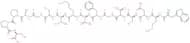


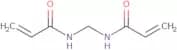

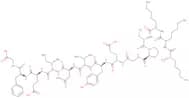
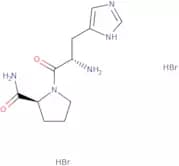
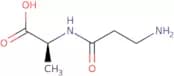
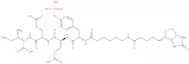

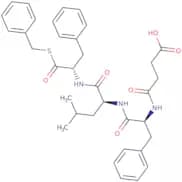
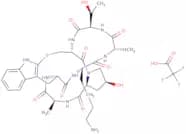
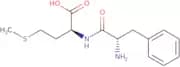

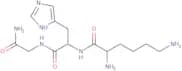

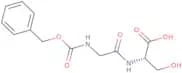


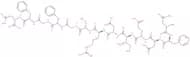

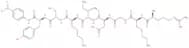
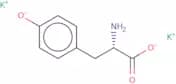
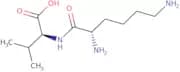
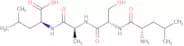
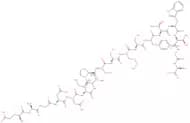
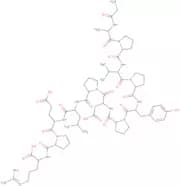

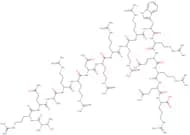
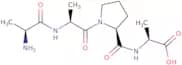
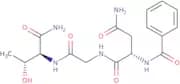

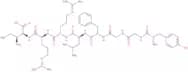

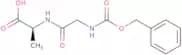
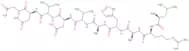
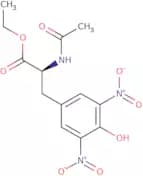
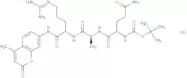
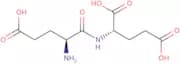
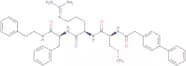
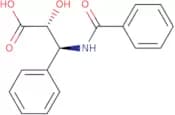
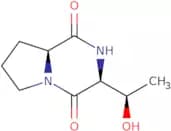
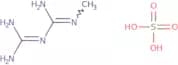
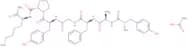
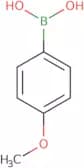
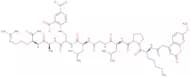
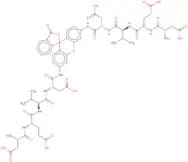


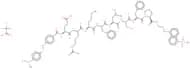

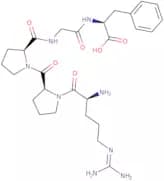

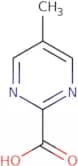
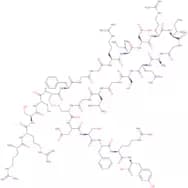

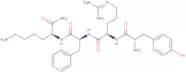

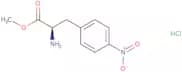
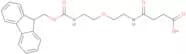

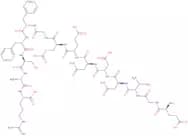

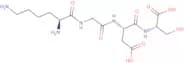
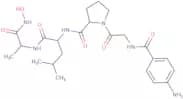
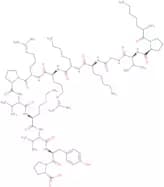


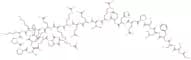


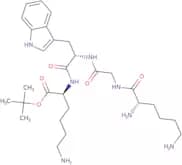


![1-t-Boc-piperidine-4-spiro-5'-[1',3'-bis-t-boc]-hydantoin](/_next/image/?url=https%3A%2Fstatic.cymitquimica.com%2Fproducts%2F3D%2Fthumb-webp%2FFB18981.webp&w=3840&q=75)
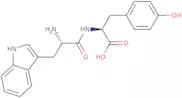
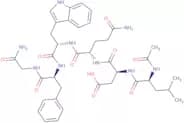
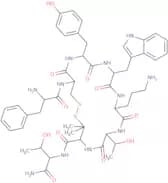
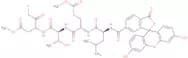
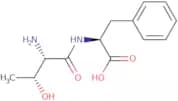
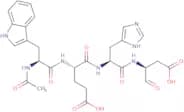

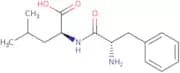



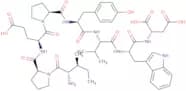


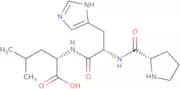


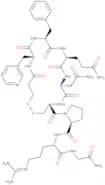
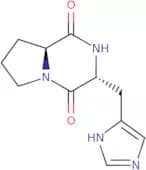


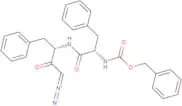

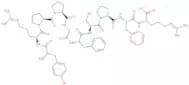

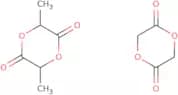
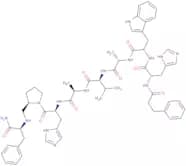
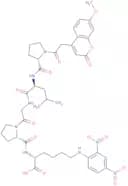
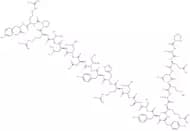
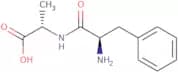
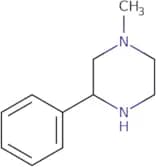
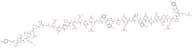
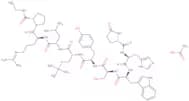

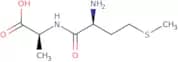
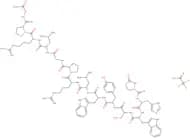
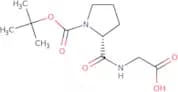

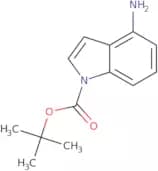
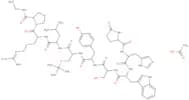
![Fmoc-[ring-D5]Phe-OH](/_next/image/?url=https%3A%2Fstatic.cymitquimica.com%2Fproducts%2F3D%2Fthumb-webp%2FFF111391.webp&w=3840&q=75)
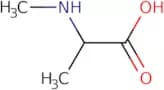
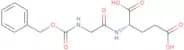
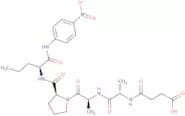


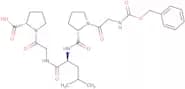
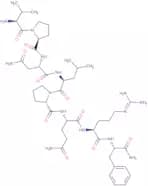

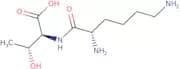

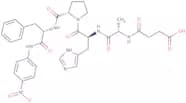

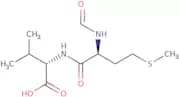
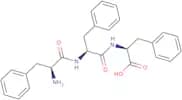


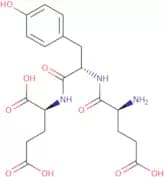

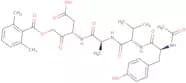
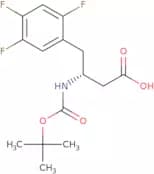

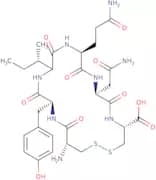

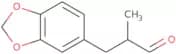


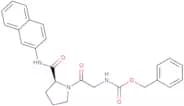
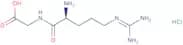
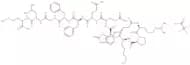


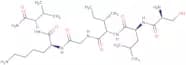

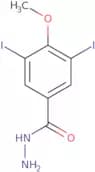

![1-{[5-(Cyclopropylcarbonyl)-1-methyl-4,5,6,7-tetrahydro-1H-pyrazolo[4,3-c]pyridin-3-yl]carbonyl}pi…](/_next/image/?url=https%3A%2Fstatic.cymitquimica.com%2Fproducts%2F3D%2Fthumb-webp%2FFC119596.webp&w=3840&q=75)