Enzyme Modulators
Subcategories of "Enzyme Modulators"
Found 693 products of "Enzyme Modulators"
AG 120
CAS:Inhibits isocitrate dehydrogenase 1 (IDH-1) harbouring a gain of function mutation at R132, which causes impaired cellular differentiation via epigenetic modulation. By inhibiting mutant IDH1, synthesis of oncometabolite 2-hydroxyglutarate is reduced. This compound therefore has therapeutic potential in solid and haematological malignancies, such as acute myeloid leukemia (AML).
Formula:C28H22ClF3N6O3Purity:Min. 95%Color and Shape:White To Off-White SolidMolecular weight:582.96 g/molRef: 3D-FA145491
Discontinued productTideglusib
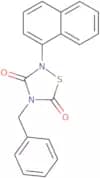
CAS:An irreversible GSK-3β inhibitor that reduces phosphorylation of tau proteins, protects from neuronal loss and has cognitive and behavioural benefits in murine models. Studied for its potential as a therapeutic agent in Alzheimer’s disease and other neurodegenerative diseases. Tideglusib was also shown to inhibit the main protease Mpro from the SARS-CoV-2 virus with IC50 of 1.55 μM.
Formula:C19H14N2O2SPurity:Min. 95%Color and Shape:White To Off-White SolidMolecular weight:334.39 g/molRivastigmine tartrate - Bio-X ™
CAS:Controlled ProductRivastigmine is a cholinergic agent that is used in the treatment of dementia in Parkinson’s and Alzheimer’s disease. This drug is a carbamate derivative that binds to and inactivates cholinesterase such as acetylcholinesterase and butyrylcholinesterase. This leads to an increase concentration of acetylcholine at cholinergic synapse.Formula:C14H22N2O2•C4H6O6Purity:Min. 95%Color and Shape:PowderMolecular weight:400.42 g/molRasagiline mesylate
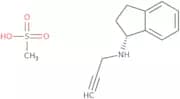
CAS:Controlled ProductMonoamine oxidase-B inhibitor; anti-parkinsonian; neuroprotective
Formula:C12H13N•CH4O3SPurity:Min. 95%Color and Shape:PowderMolecular weight:267.35 g/molRef: 3D-FR15445
Discontinued productDAPT
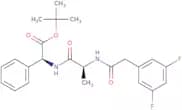
CAS:Inhibitor of proteaseγâsecretase, which allows to modulate of the activity of γâsecretase substrates Notch, E-cadherin, ErbB4, and amyloid precursor protein (APP). The compound can inhibit the growth of tongue carcinoma cells by arresting cell cycle in G0–G1 phase, modulate the activity of Notch1 receptor and Caspase-3 protease and induce apoptosis. It was also demonstrated that this inhibitor reduces the levels of β-amyloid peptide in the brain of mice model for Alzheimer’s disease. This compound also enhances the neuronal differentiation embryonic cells.
Formula:C23H26O4N2F2Purity:Min. 95%Color and Shape:White PowderMolecular weight:432.46 g/molOprozomib
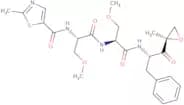
CAS:Proteosome inhibitor; pro-apoptotic; has anti-myeloma activity
Formula:C25H32N4O7SPurity:Min. 95%Color and Shape:White To Off-White SolidMolecular weight:532.61 g/molRef: 3D-FO65113
Discontinued productAMG 458
CAS:A potent and selective c-Met inhibitor. Anti-tumour activity demonstrated in xenograft models in vivo. Forms a thioether conjugate by reacting with thiol groups in proteins. Non-small-cell lung carcinoma (NSCLC) tumour cells that overexpress c-MET have increased sensitivity to AMG458.
Formula:C30H29N5O5Purity:Min. 98 Area-%Color and Shape:PowderMolecular weight:539.58 g/molRef: 3D-FA64937
Discontinued productA 485
CAS:Histone acetyltransferase inhibitor of p300/CBP; anti-proliferative
Formula:C25H24F4N4O5Purity:Min. 95%Color and Shape:PowderMolecular weight:536.48 g/molRef: 3D-BA166476
Discontinued productXAV 939
CAS:Inhibits tankyrase (TNKS1 and TNKS2 with IC50 values of 11 and 4 nM respectively), by binding to the catalytic poly-ADP-ribose polymerase (PARP) domain. This stabilizes cytoplasmic protein Axin, mediating β-catenin depletion and thereby suppresses Wnt signalling pathway. XAV 939 has anti-proliferative and pro-apoptotic effects on neuroblastoma and colorectal cancer cells.
Formula:C14H11F3N2OSPurity:Min. 95%Molecular weight:312.31 g/molRef: 3D-FX28737
Discontinued productFludarabine triphosphate trisodium
CAS:Fludarabine triphosphate trisodium is a nucleotide analog, which is a type of chemotherapy agent derived from purine nucleosides. This compound is the active metabolite of fludarabine, sourced from synthetic chemistry designed to mimic naturally occurring nucleotides involved in DNA replication. The mode of action involves its incorporation into the DNA strand during replication, where it effectively inhibits DNA polymerase and ribonucleotide reductase. This disruption impairs DNA synthesis, leading to apoptosis or programmed cell death, particularly in rapidly dividing cancer cells.
Formula:C10H15FN5O13P3·Na3Purity:Min. 95%Color and Shape:White PowderMolecular weight:594.14 g/molRef: 3D-FA103525
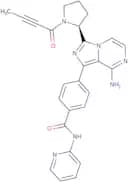
Discontinued productAcalabrutinib
CAS:Inhibitor of the Bruton tyrosine kinase
Formula:C26H23N7O2Purity:Min. 98 Area-%Color and Shape:SolidMolecular weight:465.51 g/molRef: 3D-FA138815
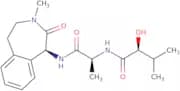
Discontinued productSemagacestat
CAS:γ-secretase inhibitor; inhibits notch signaling
Formula:C19H27O4N3Purity:Min. 95%Molecular weight:361.44 g/molRef: 3D-FS34135
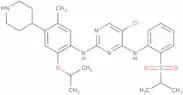
Discontinued productCeritinib
CAS:ALK receptor tyrosine kinase inhibitor
Formula:C28H36ClN5O3SPurity:Min. 95%Color and Shape:PowderMolecular weight:558.14 g/molRef: 3D-FC61431
Discontinued productLY 2886721 - Bio-X ™
CAS:This product is part of our Bio-X ™ Range. These products are aimed at life science researchers who need high quality ready-to-use products for assay development, screening or other R&D work. With a solubility datasheet and convenient vials, all of our Bio-X ™ products are in stock across our global warehouses for rapid delivery and ease of use.
Formula:C18H16F2N4O2SPurity:Min. 95%Color and Shape:PowderMolecular weight:390.41 g/molCA3
CAS:Inhibits YAP/Tead transcriptional activity. Has anti-tumour effects on oesophageal adenocarcinoma with therapeutic potential in combination with 5-FU. Involved in ferroptosis, mediated by iron-dependent ROS.
Formula:C23H27N3O5S2Purity:Min. 95%Color and Shape:White Off-White PowderMolecular weight:489.61 g/molXMU MP 2
CAS:BRK tyrosine kinase (PTK6) inhibitor; anti-proliferative in breast cancer cells
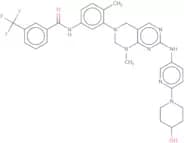
Formula:C32H33F3N8O2Purity:Min. 95%Color and Shape:PowderMolecular weight:618.65 g/molR-(-)-Arundic acid
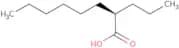
CAS:R-(-)-Arundic acid is a chiral compound, which is a derivative of arundic acid specifically designed for enantiomeric purity. It is sourced through synthetic organic chemistry processes, allowing for precise control over its stereochemistry. The mode of action of R-(-)-Arundic acid involves the inhibition of astrocyte activation by modulating the synthesis of certain cytokines and inflammatory mediators. This mechanism provides a neuroprotective effect, making it a valuable tool in the study of neurodegenerative diseases and brain injuries.
Formula:C11H22O2Purity:Min. 98 Area-%Color and Shape:Clear Viscous LiquidMolecular weight:186.29 g/molRef: 3D-FA17995
Discontinued productTirofiban HCl monohydrate - Bio-X ™
CAS:Tirofiban is a platelet aggregation inhibitor drug that is used for the prevention of thrombotic events in acute coronary syndrome. This drug is an antagonist of fibrinogen and inhibits it from binding to the glycoprotein IIb/IIIa receptor. As a result of this, Tirofiban blocks the blood from clotting during a cardiovascular event.Formula:C22H36N2O5S•HCl•H2OPurity:Min. 95%Color and Shape:PowderMolecular weight:495.07 g/molMLi-2
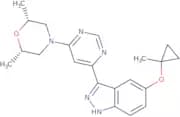
CAS:A brain-penetrant inhibitor of leucin-rich repeat kinase 2 (LRRK2) with IC50 = 0.76 nM and anti-parkinsonian activity. Gain-of-function mutations in LRRK2 gene lead to increased familial and idiopathic risk of developing the disease. The inhibitors of the kinase activity have therapeutic potential against Parkinson’s disease.
Formula:C21H25N5O2Purity:Min. 98 Area-%Color and Shape:PowderMolecular weight:379.46 g/molRef: 3D-FD157083
Discontinued productSaxagliptin monohydrate
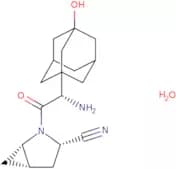
CAS:Dipeptidyl peptidase-4 inhibitor; anti-diabetic agent
Formula:C18H25N3O2•H2OPurity:Min. 95%Color and Shape:PowderMolecular weight:333.43 g/molDoxycycline hyclate - Bio-X ™
CAS:Doxycycline is a tetracycline antibiotic that is used to treat a range of bacterial infections. It is a broad-spectrum antibiotic. This drug inhibits bacterial protein synthesis by binding to its 30S prokaryotic ribosomal subunit. It also inhibits the production of essential proteins required for the bacterial to survive.Formula:C22H24N2O8•HCl•(C2H6O)0•(H2O)0Purity:Min. 95 Area-%Color and Shape:PowderMolecular weight:512.94 g/molOlaparib - Bio-X ™
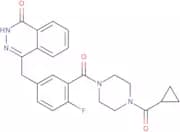
CAS:Olaparib is a small molecule inhibitor of DNA polymerase and topoisomerase, which are enzymes that maintain the integrity of DNA. Olaparib inhibits the proliferation of cancer cells by preventing the synthesis of DNA, RNA, and proteins. Olaparib has been shown to be effective against breast cancer tissues in mouse models. It also has minimal toxicity in humans and has been shown to inhibit the growth of diseased cells with significant cytotoxicity.
Formula:C24H23FN4O3Purity:Min. 95%Color and Shape:SolidMolecular weight:434.46 g/molAG 490
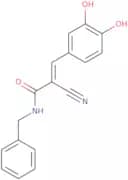
CAS:A tyrosine kinase inhibitor with potent activity against EGFR, STAT3, JAK3/STAT, JAK3/AP-1 and JAK3/MAPK. Suppresses IL-2 signaling pathway, inhibits T-cell growth and activation of JAK3, AP-1, STAT, MAPK. Has anti-proliferative and anti-invasive effect on cancer cells.
Formula:C17H14N2O3Purity:Min. 95%Color and Shape:Yellow PowderMolecular weight:294.3 g/molStaurosporine
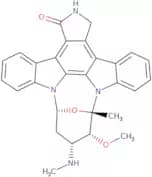
CAS:Controlled ProductInhibitor of protein kinases; induces apoptosis; anti-cancer
Formula:C28H26N4O3Purity:Min. 98 Area-%Color and Shape:Off-White PowderMolecular weight:466.53 g/molA 922500
CAS:Inhibits human and mouse diacylglycerol O-acyltransferase 1 (DGAT-1) with IC50 values of 9 and 22 nM, respectively. Selective for DGAT-1 over DGAT-2 (IC50 = 53 µM), acyl coenzyme A transferase (IC50 = 296 µM) and other acyltransferases. Reduces plasma and liver triglycerides, FFA, chylomicron secretion and increases HDL cholesterol in vivo.
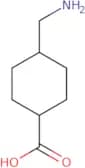
Formula:C26H24N2O4Purity:Min. 95%Molecular weight:428.48 g/molTranexamic acid
CAS:Ligand of plasminogen; used for bleeding control
Formula:C8H15NO2Purity:Min. 95%Color and Shape:White PowderMolecular weight:157.21 g/molRef: 3D-FT29666
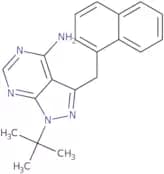
Discontinued product1-NM-PP1
CAS:1-NM-PP1, also known as 1NM-PP1, is an inhibitor of the Src kinase. Studies have shown that 1-NM-PP1 inhibits analog-sensitive kinases (as-kinases) characterised by a small amino acid as gatekeeper of the ATP binding site. Tested to prevent parasitic infections, 1-NM-PP1 inhibited the Toxoplasma gondii life cycle when used at a higher concentration than 500 nM.
Formula:C20H21N5Purity:Min. 95%Color and Shape:PowderMolecular weight:331.1797Ref: 3D-FA10330
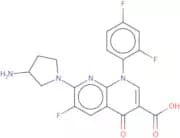
Discontinued productTosufloxacin toluenesulfonate
CAS:Inhibitor of DNA replication; inhibitor of theophylline and caffeine metabolismFormula:C19H15F3N4O3·C7H8O3SPurity:Min. 95%Color and Shape:PowderMolecular weight:576.55 g/molRef: 3D-FT67485
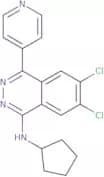
Discontinued productA 196
CAS:Selective inhibitor histone methyltransferases SUV420H1 and SUV420H2 (IC50 values = 25 nM and 144 nM, respectively). Reduces histone H4K20me2 and H4K20me3 expression whilst increasing H4K20me1 global expression. Inhibits formation of p53-binding protein 1 (53BP1) foci upon ionizing radiation and reduces NHEJ-mediated DNA-break repair.
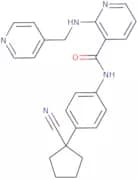
Formula:C18H16Cl2N4Purity:Min. 95%Color and Shape:SolidMolecular weight:359.25 g/molApatinib
CAS:Apatinib, also known as rivoceranib, is an inhibitor of the vascular endothelial growth factor receptor 2 (VEGFR2) tyrosine kinase. Apatinib targets VEGFR2 with its action and has proven to have strong anti-tumor effects in human cancers. In studies in mice, apatinib acted as an Inhibitor of VEGFR2 and played an antiangiogenic effect. Apatinib has been suggested for the treatment of ischemia-induced proliferative retinopathy and neovascular age-related macular degeneration.
Formula:C24H23N5OPurity:Min. 95%Color and Shape:PowderMolecular weight:397.47 g/molRef: 3D-BA175030
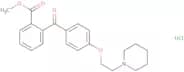
Discontinued productPitofenone hydrochloride
CAS:Inhibits acetylcholinesterase (AChE); antispasmodic agent
Formula:C22H25NO4·ClHPurity:Min. 95%Molecular weight:403.9 g/molRef: 3D-FP65135
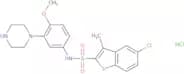
Discontinued productSB 271046 hydrochloride
CAS:5-HT6 serotonin receptor antagonist; anti-convulsant
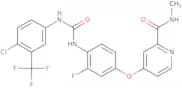
Formula:C20H22CIN3O3S2·HClPurity:Min. 95%Molecular weight:591.91 g/molRegorafenib
CAS:Multi-kinase inhibitor; inhibits epoxide hydrolase; antineoplastic
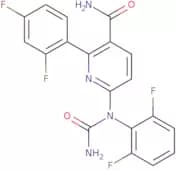
Formula:C21H15ClF4N4O3Purity:Min. 95%Color and Shape:White PowderMolecular weight:482.82 g/molRef: 3D-FR16116
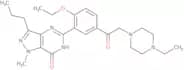
Discontinued productAcetildenafil
CAS:Synthetic phosphodiesterase inhibitor
Formula:C25H34N6O3Purity:Min. 95 Area-%Color and Shape:White PowderMolecular weight:466.58 g/molCCT 241533 hydrochloride
CAS:Potent and specific inhibitor of checkpoint kinase CHK2 with IC50 of 3 nM. CCT 241533 binds to the ATP pocket of CHK2 and shows minimal cross-reactivity against related kinases. CCT 241533 blocked the activity of CHK2 and impaired DNA repair in response to DNA damage in human tumoral cell lines. The compound did not potentiate genotoxicity of several genotoxic compounds but it did potentiate the cytotoxicity of a PARP inhibitor olaparib.
Formula:C23H27FN4O4•HClPurity:Min. 95%Molecular weight:478.94 g/molRef: 3D-FC104262
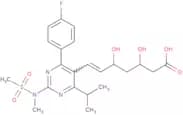
Discontinued product(3R,5R)-Rosuvastatin sodium salt
CAS:Inhibitor of HMG-CoA reductase
Formula:C22H27FN3O6S·NaPurity:Min. 95%Molecular weight:503.52 g/molRef: 3D-FR27759
Discontinued productFedratinib
CAS:JAK2 inhibitor with potential antineoplastic activity
Formula:C27H36N6O3SPurity:Min. 95%Molecular weight:524.68 g/molRef: 3D-FD151499
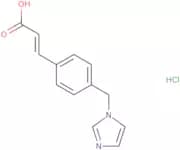
Discontinued productOzagrel HCl - Bio-X ™
CAS:Ozagrel is an antiplatelet agent that is also a thromboxane A2 synthetase inhibitor. It is used for the treatment of bronchial asthma and cerebral ischemia. It blocks platelet aggregation and reduces hypersensitivity of bronchial muscles.Formula:C13H12N2O2·HClPurity:Min. 95%Color and Shape:PowderMolecular weight:264.71 g/molConcanamycin A
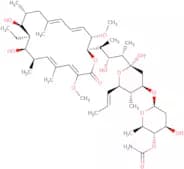
CAS:Inhibitor of vacuolar ATP-ases
Formula:C46H75NO14Purity:Min. 95%Color and Shape:PowderMolecular weight:866.09 g/molRef: 3D-BC162715
Discontinued productBIBF 1202
CAS:BIBF 1202 is a potent inhibitor of phospholipase A2, prostaglandin synthase and cyclooxygenase-2. It inhibits the production of arachidonic acid from membrane phospholipids and is used in cancer research. BIBF 1202 has been shown to have anti-tumour activity in a number of animal models, including human liver cancer cells. This molecule has also been shown to inhibit the activation of nuclear factor kappa B (NF-κB), which is involved in carcinogenesis.
Formula:C30H31N5O4Purity:Min. 95%Molecular weight:525.6 g/molVX 702
CAS:p38 MAP kinase antagonist
Formula:C19H12F4N4O2Purity:Min. 95%Color and Shape:SolidMolecular weight:404.32 g/molAtorvastatin sodium
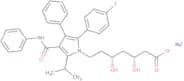
CAS:HMG-CoA reductase antagonist
Formula:C33H35FN2O5•NaPurity:Min. 95%Color and Shape:PowderMolecular weight:581.63 g/molH-9 hydrochloride
CAS:H-9 hydrochloride is a selective protein kinase inhibitor, which is synthetically derived. It primarily inhibits cyclic nucleotide-dependent protein kinases, including protein kinase A (PKA) and protein kinase G (PKG), along with myosin light chain kinase (MLCK). The mode of action involves competitive inhibition at the ATP binding site of these kinases, thereby impacting phosphorylation pathways crucial for multiple physiological functions. The selective inhibition by H-9 hydrochloride allows for detailed exploration of kinase-mediated signaling pathways in cellular biology. Moreover, it is extensively utilized in studies involving cell motility, smooth muscle contraction, and signal transduction. The relevance of H-9 hydrochloride in academic research lies in its ability to provide insights into kinase activity modulation and its ensuing effects on cellular dynamics. This compound serves as an invaluable tool for scientists aiming to elucidate the complex role of protein kinases in health and disease, enabling the development of innovative therapeutic strategies.
Formula:C11H14ClN3O2SPurity:Min. 95%Color and Shape:White To Off-White SolidMolecular weight:287.77 g/mol