Organic Halides
In this category, you can find organic molecules containing one or more halogen atoms in their structure. These organic halides include brominated, iodinated, chlorinated, and cyclic halide compounds. Organic halides are widely used in organic synthesis, pharmaceuticals, agrochemicals, and materials science due to their reactivity and ability to undergo a variety of chemical transformations. At CymitQuimica, we offer a comprehensive selection of high-quality organic halides to support your research and industrial applications, ensuring reliable and effective performance in your synthetic and analytical projects.
Subcategories of "Organic Halides"
Found 20440 products of "Organic Halides"
Sort by
Purity (%)
0
100
|
0
|
50
|
90
|
95
|
100
Bis[2-(perfluorodecyl)ethyl] Phosphate
CAS:<p>Applications Fluoro phosphates useful as surfactants, surface treating agents, leveling agents.<br></p>Formula:C24H9F42O4PColor and Shape:NeatMolecular weight:1190.234-[2,2-Dichloro-1-(4-hydroxyphenyl)ethenyl]phenol
CAS:Controlled Product<p>Applications 4-[2,2-dichloro-1-(4-hydroxyphenyl)ethenyl]phenol (cas# 14868-03-2) is a useful research chemical.<br></p>Formula:C14H10Cl2O2Color and Shape:NeatMolecular weight:281.134Bis(2-chloroethyl)aminophosphoric Dichloride
CAS:Controlled Product<p>Applications An intermediate for the synthesis of antitumor drugs used in chemotherapy<br>References Foster, A.B., et al.: J. Med. Chem., 24, 1399 (1981), Sorsa, M., et al.: Mutat. Res. Genet. Toxicol., 204, 465 (1988),<br></p>Formula:C4H8Cl4NOPColor and Shape:NeatMolecular weight:258.905-Amino-2-chlorobenzotrifluoride
CAS:<p>Applications 5-Amino-2-chlorobenzotrifluoride is a compound useful in organic synthesis. It also performs a radioprotective activity against ionizing radiations.<br>References Blickenstaff, R. T., et al.: J. Pharm. Sci., 83, 219 (1994); Kumari, P., et al.: Org. Biomol. Chem., 16, 2049 (2018)<br></p>Formula:C7H5ClF3NColor and Shape:NeatMolecular weight:195.574-Chloromethylbenzophenone
CAS:Controlled Product<p>Applications 4-Chloromethylbenzophenone (cas# 42728-62-1) is a compound useful in organic synthesis.<br></p>Formula:C14H11ClOColor and Shape:NeatMolecular weight:230.692-[(4-Fluorobenzyl)amino]ethanol (>90%)
CAS:Controlled Product<p>Applications 2-[(4-fluorobenzyl)amino]ethanol (cas# 22116-33-2) is a useful research chemical.<br></p>Formula:C9H12FNOPurity:>90%Color and Shape:NeatMolecular weight:169.1963-Chloro-1-propanol
CAS:Controlled Product<p>Applications Chloropropanols have mutagenic and carcinogenic properties. The 3-monochloropropanol (3-MCPD) is the main chloropropanol found in hydrolyzates of vegetable protein (HVP) made by acid hydrolysis.<br> Not a dangerous good if item is equal to or less than 1g/ml and there is less than 100g/ml in the package<br>References Crews, C., et al.: Food Addit. Contam., 18, 271 (2001), Hamlet, C., et al.: Food Addit. Contam., 19, 15 (2002), Weisshaar, R., et al.: Eur. J. Lipid Sci. Technol., 112, 158 (2010),<br></p>Formula:C3H7ClOColor and Shape:NeatMolecular weight:94.543-(Trifluoromethyl)benzenepropanal
CAS:Controlled Product<p>Applications 3-(Trifluoromethyl)benzenepropanal (cas# 21172-41-8) is a compound useful in organic synthesis.<br></p>Formula:C10H9F3OColor and Shape:NeatMolecular weight:202.173-Chloropropiophenone
CAS:<p>Applications 3-Chloropropiophenone is an impurity of Fluoxetine (F597100).<br>References Wirth, D.D. et al.: Chromatographia, 46, 511 (1997); Lacroix, P.M. et al.: J. AOAC Int., 78, 334 (1995);<br></p>Formula:C9H9ClOColor and Shape:Off White SolidMolecular weight:168.62023,4,5-Trichloronitrobenzene
CAS:Controlled ProductFormula:C6H2Cl3NO2Color and Shape:Light Orange ColourMolecular weight:226.44tert-Butyl 4-Aminobutanoate Hydrochloride
CAS:Controlled Product<p>Applications Tert-butyl 4-Aminobutanoate Hydrochloride is used as a substance in the prevention of drug-induced memory impairement by immunopharmacotherapy.<br>References Treweek, J. B., et al.: J. Med. Chem., 51, 6866 (2008)<br></p>Formula:C8H17NO2·HCiColor and Shape:NeatMolecular weight:159.23 + 36.46Diamino-5-phenylthiazole Hydrobromide
CAS:Controlled Product<p>Applications Diamino-5-phenylthiazole Hydrobromide is an phenylthiazole derivative used in the preparation of antiallergic and antiinflammatory agents.<br> Not a dangerous good if item is equal to or less than 1g/ml and there is less than 100g/ml in the package<br>References Ban, M. et al.: Bioorg. Med. Chem., 6, 1069 (1998);<br></p>Formula:C9H9N3S·BrHColor and Shape:NeatMolecular weight:272.163-Acetyl-3-chlorodihydrofuranone
CAS:Controlled Product<p>Applications 3-Acetyl-3-chlorodihydrofuranone (cas# 2986-00-7) is a compound useful in organic synthesis.<br>References Litvak, M., et al.: Pharm. Chem. J., 39, 500 (2005), Thomas, A., et al.: Bioorg. Med. Chem. Lett., 18, 2206 (2008),<br></p>Formula:C6H7ClO3Color and Shape:NeatMolecular weight:162.57Benzylamine Hydrochloride
CAS:Controlled Product<p>Applications Benzylamine Hydrochloride (cas# 3287-99-8) is a useful research chemical.<br></p>Formula:C7H9N·(HCl)Color and Shape:NeatMolecular weight:107.15 + (36.46)3,4,5-Trichlorocatechol
CAS:Controlled Product<p>Applications 3,4,5-Trichlorocatechol has found to be toxic to marine algal.<br>References Ertuerk, M.D., et. al.: J. Mol. Graph. Model., 38, 90 (2012)<br></p>Formula:C6H3Cl3O2Color and Shape:Off-WhiteMolecular weight:213.45Fluorobenzene
CAS:Controlled Product<p>Applications Fluorobenzene, is an aryl fluorinated building block used in various chemical synthesis. Fluorobenzene is a useful solvent for highly reactive species.<br> Not a dangerous good if item is equal to or less than 1g/ml and there is less than 100g/ml in the package<br>References Flood, D. T., Org. Synth.; Coll., 2, 295 (1943); Perutz, R. N., et al.: Compeh. Organometallic Chem., 1, 725 (2007);<br></p>Formula:C6H5FColor and Shape:NeatMolecular weight:96.102-Chloro-1,3-thiazole-5-carboxylic Acid
CAS:<p>Applications 2-Chloro-5-thiazolecarboxylic Acid (C411465) was studied as one of the metabolites of thiamethoxam, clothianidin, and dinotefuran in mice.<br>References Ford, K., et al.: Chem. Res. Toxicol., 19, 1549 (2006);<br></p>Formula:C4H2ClNO2SColor and Shape:NeatMolecular weight:163.582Phenyl N-(2-Chloro-4-hydroxyphenyl)carbamate
CAS:Controlled Product<p>Applications Phenyl N-(2-Chloro-4-hydroxyphenyl)carbamate is a reagent used in the prepartion of quinoline-carboxamide compounds including Lenvatinib (L329400), an orally active inhibitor of multiple receptor tyrosine kinases including VEGF, FGF and SCF receptors.<br>References Wang, N. et al.: Faming Zhuanli Shenqing (2017), CN 106632033 A 20170510.<br></p>Formula:C13H10ClNO3Color and Shape:NeatMolecular weight:263.684,5-Dichlorophthalic Anhydride
CAS:Controlled Product<p>Stability Moisture Sensitive<br>Applications 4,5-Dichlorophthalic anhydride<br></p>Formula:C8H2Cl2O3Color and Shape:NeatMolecular weight:217.014-Chloro-3-nitrobenzotrifluoride
CAS:<p>Applications 4-Chloro-3-nitrobenzotrifluoride is a chemical reagent used in chemical synthesis such as trifluoromethoxylated aniline derivatives.<br>References Hojczyk, K. et al.: Angew. Chem. Int. Ed., 53, 14559 (2014);<br></p>Formula:C7H3ClF3NO2Color and Shape:Light YellowMolecular weight:225.552,4'-Dichlorobenzophenone
CAS:Controlled Product<p>Applications 2,4'-Dichlorobenzophenone is used in the synthesis of triarylcarbinol analogs of fenarimol as potent inhibitors of Trypanosoma cruzi. It can also be used to prepare fatty acid amide hydrolase inhibitors.<br>References Keenan, M., et al.: J. Med. Chem., 55, 4189 (2012); Roughley, S., et al.: Bioorg. Med. Chem. Lett., 22, 901 (2012)<br></p>Formula:C13H8Cl2OColor and Shape:Off-WhiteMolecular weight:251.111,1-Dichloro-1-(difluoromethoxy)-2,2,2-trifluoroethane
CAS:<p>Applications 1,1-Dichloro-1-(difluoromethoxy)-2,2,2-trifluoroethane is a polyhalogenated methyl ethyl ether with anesthetic properties.<br>References Sewell, J., Sear, J.: Anesth. Analg., 102, 764 (2006); Trogdon, G., et al.: J. Mol. Model., 13, 313 (2007); Abraham, M., et al.: J. Pharm. Sci., 97, 2373 (2008);<br></p>Formula:C3HCl2F5OColor and Shape:NeatMolecular weight:218.94(1R,3S)-3-Aminocyclopentanol Hydrochloride
CAS:Controlled Product<p>Applications (1R,3S)-3-Aminocyclopentanol Hydrochloride is used to for the preparation of 6-Aminopyridin-3-ylthiazoles as a method of treating or ameliorating a syndrome, disorder or disease related rheumatoid arthritis or psoriasis.<br>References Goldberg, S., et al.: PCT Int. Appl., 793pp (2017)<br></p>Formula:C5H11NO·ClHColor and Shape:NeatMolecular weight:137.614,6-Dichloronicotinic acid
CAS:Controlled Product<p>Applications 4,6-Dichloronicotinic acid<br></p>Formula:C6H3Cl2NO2Color and Shape:NeatMolecular weight:192.04'-(Trifluoromethyl)-3-biphenylcarboxylic Acid
CAS:<p>Applications 4'-(Trifluoromethyl)-3-biphenylcarboxylic Acid functions as a reagent in the scalable development of GPR40 receptor agonist AMG 837. A potential antidiabetic agent.<br>References Houze, J. B., et al.; Bioorg. Med. Chem. Lett., 22, 1267 (2012); Walker, S. D., et al.: Org. Process Res. Dev., 15, 570 (2011)<br></p>Formula:C14H9F3O2Color and Shape:NeatMolecular weight:266.215Iodoacetonitrile
CAS:Controlled Product<p>Stability Light Sensitive<br>Applications Iodoacetonitrile (cas# 624-75-9) is a useful research chemical.<br> Not a dangerous good if item is equal to or less than 1g/ml and there is less than 100g/ml in the package<br></p>Formula:C2H2NIColor and Shape:NeatMolecular weight:166.945-Acetyl-3-chloroiminodibenzyl
CAS:Controlled ProductFormula:C16H14ClNOColor and Shape:WhiteMolecular weight:271.744'-Chloropropiophenone
CAS:Controlled Product<p>Applications 4-Chloropropiophenone is a useful synthetic intermediate. It can be used to prepare 4-Chloro Cathinone. It can also be used to synthesize bupropion (B689625) analogs.<br>References Carroll, F., et al.: J. Med. Chem., 52, 6768 (2009)<br></p>Formula:C9H9ClOColor and Shape:NeatMolecular weight:168.622-Amino-N-[2-(5-methoxy-1H-indol-3-yl)ethyl]acetamide hydrochloride
CAS:2-Amino-N-[2-(5-methoxy-1H-indol-3-yl)ethyl]acetamide hydrochloride is a magnetic compound that has been shown to be an effective cancer antigen. It is a derivative of the amino acid sequence of α,β-unsaturated fatty acids and can be used as a dietary supplement. 2-Amino-N-[2-(5-methoxy-1H-indol-3-yl)ethyl]acetamide hydrochloride has been shown to bind to fatty acid receptors on the surface of antigen presenting cells (APCs). It also activates the immune system by activating APCs, which leads to the production of cytokines and chemokines. This compound has also been shown to stimulate T cells in culture, leading to activation and proliferation of tumor cells.Formula:C13H17N3O2·HClPurity:Min. 95%Color and Shape:PowderMolecular weight:283.75 g/molTrityl chloride
CAS:<p>Trityl chloride is an organic compound that has high chemical stability. It is mainly used as a reagent in organic synthesis and polymer chemistry. Trityl chloride reacts with alkanoic acids to form esters by the reaction of the acid chloride with alcohols. Trityl chloride reacts with trifluoroacetic acid to form carboxylic acid chlorides, which are often used as chiral synthons in asymmetric synthesis. The coordination geometry of the trityl ligand is octahedral and it binds to metal cations through three oxygen atoms and two adjacent nitrogen atoms. The polymer compositions can be chiral due to the presence of chiral trityl groups, which can lead to different physical properties such as solubility or melting point.</p>Formula:C19H15ClPurity:(¹H-Nmr) Min. 95 Area-%Color and Shape:White PowderMolecular weight:278.78 g/mol4-(Bromomethyl)pyridine hydrobromide
CAS:<p>4-Bromomethylpyridine hydrobromide is a carboxylate that has the molecular formula C5H6BrN. It has been shown to be a potent inhibitor of Leishmania, the protozoan parasite that causes leishmaniasis. The molecular structure of 4-bromomethylpyridine hydrobromide may be derived from pyridinium or phosphate groups. This molecule has been synthesized using electrochemical methods in which the oxidation catalyst is protonated on a platinum electrode and reacts with methylpyridine to form 4-bromomethylpyridine. This synthetic pathway also produces nucleobases such as thymine, cytosine, and uracil, which are used for DNA synthesis and repair.</p>Formula:C6H6BrN•HBrPurity:(%) Min. 85%Color and Shape:PowderMolecular weight:252.93 g/mol4-Bromothiazole
CAS:<p>4-Bromothiazole is an organic compound that belongs to the group of reactive, nucleophilic substances. It is a nucleophile that reacts with electrophiles such as allyl halides to form new compounds. 4-Bromothiazole has been shown to be a potent antagonist of the metabotropic glutamate receptor and may be beneficial in treating neurodegeneration.</p>Formula:C3H2BrNSPurity:Min. 95%Color and Shape:Colorless Clear LiquidMolecular weight:164.02 g/mol1-Butyl-3-methylimidazolium hexafluorophosphate
CAS:1-Butyl-3-methylimidazolium hexafluorophosphate is an ionic liquid that is soluble in water. It has been used as a coagulant in wastewater treatment and to remove heavy metals from wastewater. 1-Butyl-3-methylimidazolium hexafluorophosphate has been shown to have photochemical properties, which may be due to its ability to absorb light at wavelengths of 300 nm or more. The hydroxyl group on the butyl side chain of this ionic liquid can bind with a hydrogen atom in water. The hydrogen bonding interactions between the hydroxyl group and the hydrogen atom allow for high values of constant pressure. Methyl ethyl ketone (MEK) is a polar solvent that can dissolve this ionic liquid.Formula:C8H15F6N2PPurity:Min. 98 Area-%Color and Shape:Clear LiquidMolecular weight:284.18 g/mol1-(4-Bromophenyl)-4-methylpiperazine
CAS:Controlled ProductPlease enquire for more information about 1-(4-Bromophenyl)-4-methylpiperazine including the price, delivery time and more detailed product information at the technical inquiry form on this pageFormula:C11H15BrN2Purity:Min. 95%Color and Shape:PowderMolecular weight:255.15 g/mol1-Pyrazin-2-ylpiperidin-4-amine dihydrochloride
CAS:1-Pyrazin-2-ylpiperidin-4-amine dihydrochloride is a fine chemical that is used as an intermediate for the synthesis of research chemicals, speciality chemicals and other complex compounds. This compound has been shown to be useful in the synthesis of a variety of building blocks, including pharmaceuticals and agrochemicals. It can be used in reactions with a wide range of reagents and catalysts, which makes it an excellent starting point for new product development.Formula:C9H14N4·2HClPurity:Min. 95%Color and Shape:PowderMolecular weight:251.16 g/molProlintane hydrochloride
CAS:Controlled Product<p>Prolintane hydrochloride is a drug that has been shown to inhibit the activity of enzymes in the inflammatory and immune responses. It also inhibits the uptake of caffeine, which may be due to its ability to bind with the toll-like receptor (TLR) and CB2 receptor. Prolintane hydrochloride has been used to treat bowel disease, depression, and autoimmune diseases such as rheumatoid arthritis. This drug has a depressant effect on the central nervous system, which may lead to symptoms such as drowsiness and fatigue. The drug is metabolized through a synthetic pathway that involves N-deacetylation by acetyltransferase enzymes. Prolintane hydrochloride also inhibits inflammatory bowel disease by reducing cytokine production in mice with colitis.</p>Purity:Min. 95%5-Fluoro-2-methylphenylhydrazine hydrochloride
CAS:5-Fluoro-2-methylphenylhydrazine hydrochloride is a crystalline solid that is soluble in water. It is used as a reagent in organic synthesis, but it also has application as an intermediate in the production of calcium hydroxide and calcium fluoride. 5-Fluoro-2-methylphenylhydrazine hydrochloride reacts with methacrylate to produce an ultrafine powder, which can be difficult to hydrate because of its high molecular weight. The hydration reaction requires the addition of large amounts of water and heat. This process can be accelerated by adding a solution of calcium ions or calcium hydroxide to the reaction mixture. Hydrogen fluoride gas (HF) may also be generated during this process. Crystallization occurs when the solids are heated or placed in contact with a nonpolar solvent such as hexane.Formula:C7H9FN2•HClPurity:Min. 95%Color and Shape:PowderMolecular weight:176.62 g/mol2-Fluoro-3-methylbenzoic acid methyl ester
CAS:<p>2-Fluoro-3-methylbenzoic acid methyl ester is a small molecule that has been shown to possess 5-HT3 receptor antagonist activity in the range of nanomolar potencies. This drug has also been shown to be orally active in mice. The physicochemical properties of 2-fluoro-3-methylbenzoic acid methyl ester include a melting point of 155.5° C, solubility in methanol and acetone, and a molecular weight of 168.2 g/mol.<br>2-Fluoro-3-methylbenzoic acid methyl ester is being developed as a targeted agent for the treatment of bowel syndrome, which is characterized by abdominal pain, nausea and diarrhea.</p>Formula:C9H9FO2Purity:Min. 95%Color and Shape:Clear LiquidMolecular weight:168.16 g/molIodoquinol
CAS:Iodoquinol is a quinoline derivative that has been shown to have antifungal properties in vitro. It is used to treat bowel disease and infectious diseases, such as malaria and tuberculosis. Iodoquinol has also been shown to reduce the incidence of autoimmune diseases by inhibiting the production of pro-inflammatory cytokines. The mechanism of action for this drug is not well understood, but it is believed that it reacts with DNA and may inhibit the synthesis of proteins. It has also been shown to cause genotoxic effects in a model system by binding covalently to DNA, as well as benzalkonium chlorideFormula:C9H5I2NOPurity:Min. 95%Color and Shape:Yellow PowderMolecular weight:396.95 g/molEthyl 3-iodobenzoate
CAS:<p>Ethyl 3-iodobenzoate (EIB) is a catalytic reagent that is used in the synthesis of terminal alkynes. It has been shown to be highly reactive with chloride and transmetallates to form ethyl 3-chlorobenzoate. The reaction time between EIB and chloride can be decreased by adding magnesium to the reaction mixture. This reagent also reacts with thymic acid, a synthon for many thiols, forming ethyl 3-thiophenoate. Ethyl 3-iodobenzoate can also act as an affinity label for halides and heterocycles.</p>Formula:C9H9IO2Purity:Min. 95%Color and Shape:Clear LiquidMolecular weight:276.07 g/molFmoc-3-chloro-L-tyrosine
CAS:<p>Fmoc-3-chloro-L-tyrosine is a fine chemical that belongs to the class of versatile building blocks. It is a reagent and speciality chemical that is used in the synthesis of complex compounds. Fmoc-3-chloro-L-tyrosine can be used as a useful scaffold to produce high quality and versatile building blocks, which are useful for research purposes. Fmoc-3-chloro-L-tyrosine has CAS No. 478183-58-3, which shows its high quality and usefulness.</p>Formula:C24H20ClNO5Purity:Min. 95%Color and Shape:White PowderMolecular weight:437.87 g/molChlorpromazine
CAS:Controlled Product<p>Dopamine receptor antagonist; antipsychotic; inhibitor of HSP27</p>Formula:C17H19ClN2SPurity:Min. 95%Molecular weight:318.86 g/mol4-Bromomandelic acid
CAS:<p>4-Bromomandelic acid is a chemical with the molecular formula CHBrO. It is an acid that can be found in the form of a solution at room temperature. It is soluble in water and alcohols, but not in ether or chloroform. 4-Bromomandelic acid is used as a reagent for the identification of carbohydrates and other organic compounds by phase chromatography. 4-Bromomandelic acid can be recycled from triticum aestivum (wheat) straw by washing with hydrochloric acid to remove impurities. The purified product can then be crystallized from trifluoroacetic acid or acetic anhydride, followed by backpressure to remove excess solvent. It has been shown that binding constants for metal ions are increased in the presence of p-hydroxybenzoic acid or biphenyl, which has led to its use as a catalyst for reactions involving these substances.</p>Formula:C8H7BrO3Purity:Min. 95%Color and Shape:PowderMolecular weight:231.04 g/mol2,5-Dichlorophenylthiourea
CAS:Please enquire for more information about 2,5-Dichlorophenylthiourea including the price, delivery time and more detailed product information at the technical inquiry form on this pagePurity:Min. 95%Tris(4,7-diphenyl-1,10-phenanthroline)ruthenium bis(hexafluorophosphate)
CAS:Tris(4,7-diphenyl-1,10-phenanthroline)ruthenium bis(hexafluorophosphate) is a fluorescent dye that can be used to measure oxygen concentration. It has been shown to inhibit the transfer of oxygen at low concentrations. Tris(4,7-diphenyl-1,10-phenanthroline)ruthenium bis(hexafluorophosphate) is used as a calibration standard for the measurement of oxygen concentration in liquids by fluorescence.Formula:C72H48N6Ru·2F6PPurity:(¹H-Nmr) Min. 95 Area-%Color and Shape:Orange PowderMolecular weight:1,388.19 g/mol2,2-Bis(4-carboxyphenyl)hexafluoropropane
CAS:<p>2,2-Bis(4-carboxyphenyl)hexafluoropropane is a sulfonated derivative of hexafluoropropylene. It is a proton-containing compound that has been studied as a possible replacement for chlorofluorocarbons in refrigeration and insulation. The thermal expansion coefficient and the supramolecular properties of 2,2-bis(4-carboxyphenyl)hexafluoropropane have been investigated by structural analysis. This substance is also soluble in diethyl ether, which can be used to extract it from the reaction mixture. It has high uptake and gel permeation chromatography (GPC) retention times, as well as viscosity and FTIR spectroscopy absorption bands at 2900 cm−1 and 3300 cm−1. The luminescent properties of 2,2-bis(4-carboxyphenyl)hexafluoroprop</p>Formula:C17H10F6O4Purity:Min. 98 Area-%Color and Shape:White PowderMolecular weight:392.25 g/mol4-Deschloro-4-bromo dapagliflozin
CAS:<p>Please enquire for more information about 4-Deschloro-4-bromo dapagliflozin including the price, delivery time and more detailed product information at the technical inquiry form on this page</p>Formula:C21H25BrO6Purity:Min. 95%Color and Shape:PowderMolecular weight:453.32 g/molFlutropium bromide
CAS:Flutropium bromide is an analog of the drug pergolide mesylate. It has been shown to be effective in treating symptoms of bowel disease, such as inflammatory bowel disease. Flutropium bromide inhibits enzymes, such as hydroxylase and oxidase, which are involved in the synthesis of various hormones. This inhibition leads to a decrease in the activity of cells that produce these hormones and may be responsible for its therapeutic effect. Flutropium bromide has also been shown to have occlusive properties and is used in bronchiolitis obliterans.Formula:C24H29BrFNO3Purity:Min. 95%Molecular weight:478.39 g/molArachidoyl-DL-carnitine chloride
CAS:Please enquire for more information about Arachidoyl-DL-carnitine chloride including the price, delivery time and more detailed product information at the technical inquiry form on this pageFormula:C27H52ClNO3Purity:Min. 95%Molecular weight:474.16 g/mol2-Amino-5-chloro-2'-fluorobenzophenone
CAS:<p>2-Amino-5-chloro-2'-fluorobenzophenone is a phenoxazine that has been used as an analytical reagent. It is also a fluorescent compound and an anxiolytic drug. 2-Amino-5-chloro-2'-fluorobenzophenone can be found in urine samples, where it may be the result of biotransformation by bacteria in the intestine or chemical reactions with nicotine or hydrochloric acid. The molecular electrostatic potentials for 2-amino-5-chloro-2'-fluorobenzophenone are calculated from vibrational spectra and the crystal x-ray diffraction pattern of its crystals. The chromatographic conditions for 2-amino-5-chloro-2'-fluorobenzophenone are determined by clinical chemistry and biodegradability, which is assessed using nmr spectra.</p>Formula:C13H9ClFNOPurity:Min. 95%Color and Shape:PowderMolecular weight:249.67 g/mol(3,5-dichlorophenyl)(4-(3-nitrophenyl)(2,5-thiazolyl))amine
CAS:Please enquire for more information about (3,5-dichlorophenyl)(4-(3-nitrophenyl)(2,5-thiazolyl))amine including the price, delivery time and more detailed product information at the technical inquiry form on this pagePurity:Min. 95%2,4,5-Trifluoroaniline
CAS:2,4,5-Trifluoroaniline (TFAA) is a synthetic chemical that belongs to the class of electrophiles. It is a hydrogenation reduction product of 2,4,5-trichloroaniline and is used as an antibacterial agent. TFAA inhibits bacterial growth by reacting with thiols in proteins and nucleic acids. This compound has shown efficiencies on the order of 99% against gram positive bacteria and 95% against gram negative bacteria. TFAA also has been shown to inhibit the production of hydrogen sulfide in Escherichia coli and Pseudomonas aeruginosa. The biological properties of TFAA are due to its ability to bind to copper ions and undergo reductive elimination or substitution reactions. The crystal structure of TFAA has been determined using x-ray diffraction techniques. In this work, it was found that TFAA adopts a planar geometry with D2d symmetry at room temperature and meltsFormula:C6H4F3NPurity:Min. 95%Color and Shape:PowderMolecular weight:147.10 g/mol2-(2,3-Dichlorophenyl)-2-guanidinyliminoacetonitrile
CAS:2-(2,3-Dichlorophenyl)-2-guanidinyliminoacetonitrile (2,3-DCPP) is a high quality reagent that is used in the preparation of complex compounds. It is also an intermediate in the synthesis of fine chemicals and useful scaffold and building block for research chemical. 2,3-DCPP has been shown to react with a variety of functional groups including amines, alcohols, thiols, carboxylic acids, organometallic reagents and many others. It is also a versatile building block for the synthesis of chemical substances such as pharmaceuticals, agrochemicals or dyes.Formula:C9H7Cl2N5Purity:Min. 95%Color and Shape:White PowderMolecular weight:256.09 g/mol2,3-Dibromo-1,4-diphenylbutane
CAS:2,3-Dibromo-1,4-diphenylbutane (2,3-DBPB) is a high quality reagent that can be used as an intermediate for the synthesis of complex compounds. It is a useful building block and scaffold in organic chemistry. 2,3-DBPB is also used in fine chemicals and research chemicals synthesis. The CAS number is 93342-77-9.Formula:C16H16Br2Purity:Min. 95%Molecular weight:368.11 g/mol2,4,6-Trifluorophenylacetic acid
CAS:<p>2,4,6-Trifluorophenylacetic acid is a fluorinated phenylacetic acid that has been shown to inhibit the growth of the fungus Botrytis cinerea. It does this by disrupting the conformation of microtubules and inhibiting cell division. This compound has been synthesized in analogy with other known phenylacetic acids and its structure was confirmed through single-crystal x-ray diffraction studies. The heteroaryl groups on 2,4,6-Trifluorophenylacetic acid disrupt the microtubule polymerization process by binding to tubulin subunits. The fluorine atom also binds to the pyridine ring in this molecule to form an electron-deficient heterocycle.</p>Formula:C8H5F3O2Purity:Min. 95%Color and Shape:White PowderMolecular weight:190.12 g/molBromazine hydrochloride
CAS:Controlled Product<p>Bromazine hydrochloride is an anti-infective agent that belongs to the group of metal hydroxides. It is a biocompatible polymer with particle size (1.0–2.0 μm) that is used in the treatment of infectious diseases, such as malaria and tuberculosis. Bromazine hydrochloride inhibits the activity of Toll-like receptor (TLR) and has shown significant interactions with other anti-infective agents, such as sodium citrate and tricyclic antidepressant drugs. The mechanism of action for bromazine hydrochloride is not fully understood, but it may be due to its hydroxyl group and receptor activity.</p>Formula:C17H21BrClNOPurity:Min. 95%Color and Shape:PowderMolecular weight:370.71 g/mol[3-Chloro-4-(4-isobutyrylpiperazin-1-yl)phenyl]amine
CAS:<p>3-Chloro-4-(4-isobutyrylpiperazin-1-yl)phenyl]amine is a fine chemical that can be used in the production of medicines, research chemicals, and other speciality chemicals. It has been shown to be a versatile building block with a wide range of uses. 3-Chloro-4-(4-isobutyrylpiperazin-1-yl)phenyl]amine can be used as an intermediate in organic synthesis or as a reagent to generate other chemicals. This compound is also useful as a reaction component for the production of new compounds.</p>Formula:C14H20ClN3OPurity:Min. 95%Color and Shape:PowderMolecular weight:281.78 g/mol2-Bromo-6-nicotinic acid methyl ester
CAS:<p>2-Bromo-6-nicotinic acid methyl ester is a monomer that is used in vivo as a reactive probe. It undergoes a thermally induced reaction with sodium carbonate to form picolinic acid and 2,6-dibromonicotinic acid. The picolinic acid can be converted to its fluorescent analog, which has been shown to be useful for the detection of tumors in mice. This compound also reacts with metal ions such as copper and zinc, which allows it to act as a ligand for metal complexes.</p>Formula:C7H6BrNO2Purity:Min. 95%Color and Shape:PowderMolecular weight:216.03 g/molN-Fmoc-5-fluoro-L-tryptophan
CAS:N-Fmoc-5-fluoro-L-tryptophan is a biologically active form of tryptophan that has been shown to have potent effects on the cardiovascular system. It is used as a tool for studying the function of angiotensin, collagen, and microstructural elements in the heart and lungs. N-Fmoc-5-fluoro-L-tryptophan has been shown to synergize with other heterocycles, maximizing its biological properties. This chemical is also effective at inducing muscle contraction in rats. N-Fmoc-5-fluoro-L-tryptophan binds to cardiothoracic proteins, causing changes in their structure that lead to increased muscle contractility. The covalent bond between this compound and the protein can be cleaved by enzymes such as proteases or nucleases, which can be useful for studying the interactions of drugs with these proteins.Formula:C26H21FN2O4Purity:Min. 98 Area-%Color and Shape:White PowderMolecular weight:444.45 g/molDL-Eleagnin hydrochloride
CAS:DL-Eleagnin hydrochloride is a high quality chemical that is used as a reagent, reaction component, and building block in the synthesis of complex compounds. It is an important intermediate for the synthesis of fine chemicals. This compound has versatile uses and can be used as a useful scaffold or building block. DL-Eleagnin hydrochloride is soluble in water, alcohols, ethers, chloroform, acetone, and benzene.Formula:C12H14N2•HClPurity:Min. 98 Area-%Molecular weight:222.71 g/mol1-palmitoyl-2-(10-(4-((trifluoromethyl)diazirinyl)phenyl)-8-oxadecanoyl)-sn-glycero-3-phosphocholine
CAS:1-palmitoyl-2-(10-(4-((trifluoromethyl)diazirinyl)phenyl)-8-oxadecanoyl)-sn-glycero-3-phosphocholine (PPC) is a liposome that induces necrotic cell death. It binds to the mitochondria and inhibits adenine nucleotide translocation, leading to the loss of mitochondrial membrane potential and the release of cytosolic calcium. This leads to activation of proapoptotic proteins, such as Bax and Bak, which initiates caspase-independent apoptosis. PPC also induces light emission from phospholipid hydroperoxide decomposition, which can be used as a biomarker for cellular physiology.Formula:C41H68TF3N3O9PPurity:Min. 95%Molecular weight:837.98 g/molSDF-1α (human) trifluoroacetate salt
CAS:<p>Please enquire for more information about SDF-1alpha (human) trifluoroacetate salt including the price, delivery time and more detailed product information at the technical inquiry form on this page</p>Formula:C356H578N106O93S4Purity:Min. 95%Molecular weight:7,959.32 g/mol3,4-Dimethoxybenzyl bromide
CAS:<p>3,4-Dimethoxybenzyl bromide is an organic compound that is used in the synthesis of isoquinoline alkaloids. This chemical has been found to have anticancer activity against human colon cancer cells (HCT116) and low energy properties. The asymmetric synthesis of 3,4-dimethoxybenzyl bromide can be achieved through a Grignard reaction with phenylmagnesium bromide. A linker can be used to attach 3,4-dimethoxybenzyl bromide to other chemicals such as biphenyls or amines.</p>Formula:C9H11BrO2Purity:Min. 95 Area-%Color and Shape:White PowderMolecular weight:231.09 g/mol4-Bromo-7-methylisatin
CAS:<p>4-Bromo-7-methylisatin is a chemical compound that is used as a reagent, reaction component, and building block in organic chemistry. 4-Bromo-7-methylisatin is an important intermediate for the synthesis of other compounds and has been shown to have versatile applications in the synthesis of complex compounds. It has also been used as a speciality chemical in research applications and as a fine chemical.</p>Formula:C9H6BrNO2Purity:Min. 95%Color and Shape:PowderMolecular weight:240.05 g/molMethyl nonafluorobutyl ether - mixture of isomer
CAS:Methyl Nonafluorobutyl Ether (MFBE) is a fluorinated ether that has a basic structure. It is an intermediate in the reaction of glycol ethers with hydrogen fluoride. MFBE is chemically stable and does not react with water or other solvents, but it can be decomposed by reacting with boron nitride and film-forming polymers. MFBE is used in chemical analysis as a carrier gas for mass spectroscopy and as a solvent for organic compounds. It also has high water permeability, which makes it useful for sample preparation when using liquid chromatography.Formula:C5H3F9OPurity:Min. 98 Area-%Color and Shape:Colorless Clear LiquidMolecular weight:250.06 g/mol2,4-Dichlorobenzonitrile
CAS:<p>2,4-Dichlorobenzonitrile is an organic compound that belongs to the group of functional groups. It has a nitrile functional group, which can react with other compounds to form an amide or a urea. 2,4-Dichlorobenzonitrile has been used in the synthesis of other compounds and is also used as a nutrient solution in plant experiments. The diameter of this molecule is around 1.5 nm. This chemical has structural isomers and metal ion complexes. 2,4-Dichlorobenzonitrile is a reactive molecule that reacts with argon gas and radiation from the sun or other sources in order to produce molecules with vibrational frequencies. These vibrations are measured using a spectrometer. 2,4-Dichlorobenzonitrile may have phytotoxic properties due to its ability to inhibit chlorophyll production in plants when it reacts with dimethylformamide (DMF).</p>Formula:C7H3Cl2NPurity:Min. 95%Color and Shape:PowderMolecular weight:172.01 g/mol2-Chloro-4-hydroxybenzaldehyde
CAS:2-Chloro-4-hydroxybenzaldehyde is a potent competitive inhibitor of serine proteases, including thrombin. It also has an anticoagulant effect and can be used as an anti-cancer agent. 2-Chloro-4-hydroxybenzaldehyde has been shown to have a strong affinity for the progesterone receptor, which is a protein that regulates the activity of progesterone in cells. 2-Chloro-4-hydroxybenzaldehyde also binds to the formyl group of phenols and quinones, which leads to its use as an antioxidant in various applications. This compound is found in environmental pollution, where it can chelate metal ions such as chloride and lead.Formula:C7H5ClO2Purity:Min. 95%Color and Shape:PowderMolecular weight:156.57 g/mol1,1'-Dichloroferrocene
CAS:1,1'-Dichloroferrocene is a molecule that belongs to the group of benzenes and has a gaseous form. It has potential energy and is an optical active compound. 1,1'-Dichloroferrin can be found in synchrotron radiation and it's optical absorption is dipole. The ligand for 1,1'-dichloroferrocene is ferrocene. This molecule transfers energy through radiation and optical excitation. The parameters for bromoferrocene are similar to those of 1,1'-dichloroferrin except that it does not have the same steric properties.Formula:C10H8Cl2FePurity:Min. 95%Color and Shape:Off-White To Dark Yellow SolidMolecular weight:254.92 g/molN-Ethyl-N-nitroso-1-[3-(trifluoromethyl)phenyl]-2-propanamine
CAS:Usnic acid is a dietary supplement that has been shown to have beneficial effects on the liver, including hepatoprotective and anti-inflammatory properties. Usnic acid prevents mitochondrial membrane potential from decreasing, leading to an increase in adenine nucleotide content and improved mitochondrial function. Usnic acid also reverses the inhibition of monoamine neurotransmitters caused by chemical ionization and pharmacologic agents such as acetaminophen. Usnic acid also has been shown to be effective against hepatitis A virus (HAV) infection in CD-1 mice.Formula:C12H15F3N2OPurity:Min. 95%Color and Shape:Clear LiquidMolecular weight:260.26 g/mol[2-[(8S,10S,11S,13S,14S,16R,17S)-9-Fluoro-11,16,17-Trihydroxy-10,13-Dimethyl-3-Oxo-1,2,6,7,8,11,12,14,15,16-Decahydrocyclopenta[a]Ph enanthren-17-Yl]-2-Oxoethyl] Propanoate
CAS:Controlled Product<p>(8S,10S,11S,13S,14S,16R,17S)-9-fluoro-11,16,17-trihydroxy-10,13-dimethyl-3-oxo-1,2,6,7,8,11,12,14,-15,-16-decahydrocyclopenta[a]phenanthren-17-yl]-2-oxoethyl propanoate is a pesticide that is classified as a pyrethroid. It has been shown to be an insecticide that binds to cholinergic receptors in the nerve synapses of insects and disrupts transmission of nerve impulses. This allows the insect's nervous system to recover from the initial attack. The molecule has also been shown to bind to other proteins that have been identified as targets for pesticide interaction.</p>Formula:C24H33FO7Purity:Min. 95%Molecular weight:452.51 g/mol[1-(Azepan-1-ylcarbonyl)propyl]amine hydrochloride
CAS:Controlled ProductPlease enquire for more information about [1-(Azepan-1-ylcarbonyl)propyl]amine hydrochloride including the price, delivery time and more detailed product information at the technical inquiry form on this pageFormula:C10H20N2OPurity:Min. 95%Molecular weight:184.28 g/mol3’,5’-Bis-O-benzoyl-2’-deoxy-2’-fluoro-β-D-arabino-6-azidouridine
CAS:Please enquire for more information about 3’,5’-Bis-O-benzoyl-2’-deoxy-2’-fluoro-beta-D-arabino-6-azidouridine including the price, delivery time and more detailed product information at the technical inquiry form on this pagePurity:Min. 95%1-(3-Fluorophenyl)-2-nitroethene
CAS:1-(3-Fluorophenyl)-2-nitroethene is a high quality reagent, complex compound, with CAS No. 705-84-0. It is used as an intermediate in the synthesis of pharmaceuticals and fine chemicals. This compound is one of the most useful scaffolds for organic synthesis due to its versatility in reactions. 1-(3-Fluorophenyl)-2-nitroethene is a versatile building block that can be used in many different reactions, such as the formation of amides, esters, and lactams.Formula:C8H6FNO2Purity:Min. 95%Color and Shape:PowderMolecular weight:167.14 g/mol2-Bromo-5-methoxybenzaldehyde
CAS:<p>2-Bromo-5-methoxybenzaldehyde is an organic compound that is used as a synthetic intermediate. It has been shown to be a substrate for the acid transporter SLC26A2, which transports it into cells. This compound has also been found in low levels in human tissues and fluids, where it may play a role in the development of cancer. 2-Bromo-5-methoxybenzaldehyde has been shown to inhibit the growth of cancer cells by uv absorption and terminal alkynes. The anticancer activity of this compound is due to its ability to react with functional groups such as benzyl groups and other alkyl groups.</p>Formula:C8H7BrO2Purity:Min. 95%Color and Shape:PowderMolecular weight:215.04 g/mol4-Bromo-3-nitroaniline
CAS:<p>4-Bromo-3-nitroaniline is a white crystalline solid. It has a molecular weight of 256.38 and it has a molar mass of 314.6 g/mol. This chemical belongs to the group of aromatic compounds, which are organic compounds that contain at least one benzene ring, and are often used in the production of dyes and perfumes. 4-Bromo-3-nitroaniline can be synthesized by nitrating an aromatic compound containing an amino group, such as 1,4-diaminobenzene (1). Nitration is the process whereby nitric acid reacts with an organic compound to produce nitrates, which can be further reacted to produce a variety of other organic molecules with different properties. The molecular structure of 4-bromo-3-nitroaniline consists of two methyl groups (-CH3) bonded to each end of the molecule's central carbon atom (-C),</p>Formula:C6H5BrN2O2Purity:Min. 95%Color and Shape:PowderMolecular weight:217.02 g/molAmantadine hydrochloride
CAS:Controlled ProductNMDA receptor antagonist; anti-viral; anti-ParkinsonianFormula:C10H17N·HClPurity:Min. 95%Color and Shape:PowderMolecular weight:187.71 g/mol4-Bromophenacyl bromide
CAS:4-Bromophenacyl bromide is an inhibitor of phospholipase A2. It inhibits the enzyme phospholipase A2, which is responsible for the release of arachidonic acid from membrane phospholipids. This product has been shown to inhibit the growth of cancer cells in vitro and in vivo. 4-Bromophenacyl bromide also inhibits human phospholipase A2 and is used as a research tool to study this enzyme's function.Formula:C8H6Br2OPurity:Min. 95%Color and Shape:White PowderMolecular weight:277.94 g/mol(3-Benzyloxy-phenyl)hydrazine hydrochloride
CAS:<p>3-Benzyloxy-phenyl)hydrazine hydrochloride is a chemical used in the synthesis of other organic compounds. It is a versatile building block that can be used in the preparation of complex compounds and useful intermediates. 3-Benzyloxy-phenyl)hydrazine hydrochloride is an excellent reagent for reactions involving electron-deficient alkenes, alkynes, and cyclic ethers. This compound also has applications as a pharmaceutical intermediate and as an analytical reference standard for chemical analyses.</p>Formula:C13H14N2O·HClPurity:Min. 95%Color and Shape:PowderMolecular weight:250.72 g/mol(3R)-Hydroxymethylmorpholine
CAS:<p>(3R)-Hydroxymethylmorpholine is a versatile building block and useful intermediate that is used in research to produce complex compounds. It can be used as a reaction component and fine chemical in the synthesis of high-quality reagents. CAS No. 211053-49-5.</p>Formula:C5H11NO2Purity:Min. 95%Color and Shape:White PowderMolecular weight:117.15 g/molN-[(S)-(2,3,4,5,6-Pentafluorophenoxy)phenoxyphosphinyl]-L-alanine 1-methylethyl ester
CAS:Intermediate in the synthesis of sofosbubirFormula:C18H17F5NO5PPurity:Min. 97 Area-%Color and Shape:White PowderMolecular weight:453.3 g/molAzepan-4-one hydrochloride
CAS:<p>Azepan-4-one hydrochloride is a versatile building block that can be used as a precursor to many other compounds. It is an important reagent in organic synthesis and is also used as a reactant in the preparation of complex compounds. Azepan-4-one hydrochloride has been shown to be useful for the synthesis of valuable research chemicals, such as thiophene and benzothiophene derivatives. It is also an intermediate in the production of high quality pharmaceuticals, such as anti-cancer drugs and antibiotics. Azepan-4-one hydrochloride is a useful scaffold for the design of new compounds with desired properties.BR><br>Azepan-4-one hydrochloride can be used as an intermediate for pharmaceuticals, speciality chemicals, and research chemicals.BR><br>Azepan-4-one hydrochloride can be converted into other products by using it as a building block or reagent in organic synthesis.BR</p>Formula:C6H11NO•HClPurity:Min. 95%Color and Shape:PowderMolecular weight:149.62 g/mol2-Fluoro-4-methoxyphenylacetone
CAS:<p>2-Fluoro-4-methoxyphenylacetone is a high quality chemical that can be used as a reagent, complex compound, and useful intermediate. It is also a fine chemical and speciality chemical with CAS No. 16817-46-2. This product can be used as a reaction component for diverse synthetic reactions in research and development of various types of pharmaceuticals and fine chemicals. It is also versatile building block for the synthesis of valuable products.</p>Formula:C10H11FO2Purity:Min. 95%Molecular weight:182.19 g/mol3'-Fluoro-4'-methoxy-β-methyl-β-nitrostyrene
CAS:3'-Fluoro-4'-methoxy-beta-methyl-beta-nitrostyrene is a reactive building block that can be used in the synthesis of many different compounds. It is a fine chemical and a reagent which is useful in organic chemistry. 3'-Fluoro-4'-methoxy-beta-methyl-beta-nitrostyrene is used as a reaction component for the synthesis of many different compounds, including pharmaceuticals, agrochemicals, and other specialty chemicals. It has CAS number 1023717-11-4 and can be used as an intermediate compound or building block for the production of complex compounds.Formula:C10H10FNO3Purity:Min. 95%Color and Shape:PowderMolecular weight:211.19 g/molMethyl 2-(chloromethyl)acrylate
CAS:Methyl 2-(chloromethyl)acrylate is a monomer for polymerization. It is a low molecular weight compound with an average molecular weight of 120. Methyl 2-(chloromethyl)acrylate is produced by the oxidation of methoxyethane, which is then chlorinated to produce methyl 2-(chloromethyl)acrylate. The main use of this monomer is as a co-monomer in the production of poly(methyl methacrylate), which is also known as plexiglass or acrylic glass.Formula:C5H7ClO2Purity:Min. 94.5 Area-%Color and Shape:Colorless Clear LiquidMolecular weight:134.56 g/molCyclo(-Arg-Gly-Asp-D-Tyr-Lys) trifluoroacetate salt
CAS:Cyclo(-Arg-Gly-Asp-D-Tyr-Lys) trifluoroacetate salt is a reagent that is used in organic synthesis as a building block to create complex compounds. It is also useful for research purposes, as it can be used to produce high quality products. Cyclo(-Arg-Gly-Asp-D-Tyr-Lys) trifluoroacetate salt is a chemical with CAS No. 217099-14-4 and has the chemical formula C17H21N3O2F3.Formula:C27H41N9O8Purity:Min. 95%Color and Shape:White SolidMolecular weight:619.67 g/molAluminium phthalocyanine chloride
CAS:Aluminium phthalocyanine chloride (APC) is a photosensitizer that has been used in experimental squamous cell carcinoma. It has been shown to activate oxygen species, which can react with DNA and lead to the formation of reactive oxygen species. APC is cytotoxic to cells in culture and causes the inhibition of DNA synthesis. It has also been shown to be more effective at killing cervical carcinoma cells than squamous cell carcinoma cells.Formula:C32H16AlClN8Purity:Min. 95%Color and Shape:PowderMolecular weight:574.96 g/molPotassium chloride
CAS:Potassium chloride is a salt that prevents and treats low blood potassium levels. It is used in the treatment of hypokalemia, which can result from kidney disease, diuretic use, or gastrointestinal loss. Potassium chloride is also used to prevent and treat high blood potassium levels that can result from some medicines, such as heparin or diuretics. Common side effects of potassium chloride include nausea, vomiting, stomach pain, diarrhea, skin rash, and muscle weakness.Formula:KClPurity:(Titration) Min. 99.0%Color and Shape:White Clear LiquidMolecular weight:74.55 g/mol2-Chlorotrityl chloride
CAS:<p>2-Chlorotrityl chloride is a chemical compound that is synthesized by the reaction of phosphorus pentachloride and chloroform. It is a versatile building block for organic synthesis, which can be used to synthesize many different types of compounds in a single reaction. The hydroxyl group on 2-chlorotrityl chloride reacts with disulfide bonds to form thioethers, while the chlorine atom undergoes substitution reactions. 2-Chlorotrityl chloride is used in the synthesis of serine protease inhibitors and antimicrobial peptides. It also has significant cytotoxicity in biological cells, which may be due to its ability to affect cell membranes or inhibit protein synthesis.</p>Formula:C19H14Cl2Purity:Min. 98 Area-%Color and Shape:White PowderMolecular weight:313.22 g/mol3-Bromo-5-chloro-2-hydroxybenzaldehyde
CAS:<p>3-Bromo-5-chloro-2-hydroxybenzaldehyde is a molecule that contains nitrogen atoms. It has coordination geometry and a chelate ring. 3-Bromo-5-chloro-2-hydroxybenzaldehyde also has electrochemical properties, which can be studied by cyclic voltammetry. This molecule is a copper complex that exhibits fluorescence properties and dihedral angles. The magnetic resonance spectrum of 3-bromo-5-chloro-2 hydroxybenzaldehyde displays hydrogen bonding interactions and an imine nitrogen. 3BChBrOH also absorbs light at wavelengths of 280 nm (max) and 240 nm (min).</p>Formula:C7H4BrClO2Purity:Min. 95%Color and Shape:PowderMolecular weight:235.46 g/molH-Gly-Arg-AMC hydrochloride salt
CAS:<p>H-Gly-Arg-AMC hydrochloride salt is a substrate for the enzymes cathepsins B, H, and L. This compound has been used to measure protease activity in cell culture and as a diagnostic substrate for peptidases. The enzyme reaction can be monitored by measuring changes in the fluorescence of the product at 340 nm. The pH optimum for this enzyme is 7.4.</p>Formula:C18H24N6O4•HClPurity:Min. 98 Area-%Color and Shape:PowderMolecular weight:424.88 g/mol2-Chloro-N-(2-fluorophenyl)propanamide
CAS:Please enquire for more information about 2-Chloro-N-(2-fluorophenyl)propanamide including the price, delivery time and more detailed product information at the technical inquiry form on this pageFormula:C9H9ClFNOPurity:Min. 95%Molecular weight:201.63 g/mol5-Bromovanillin
CAS:<p>5-Bromovanillin is an antimicrobial agent that inhibits the growth of bacteria by binding to the enzyme vanillin. It is used as a natural compound, in which it can be found in plants and fruits such as Eugenia caryophyllata and Vanilla planifolia. 5-Bromovanillin has been shown to have a potent inhibitory effect on bacterial growth. The inhibitory effect of this compound is due to its ability to coordinate with the vanillin molecule, forming a complex that blocks the reaction mechanism of the enzyme. This complex also reacts with p-hydroxybenzoic acid, which disrupts the cell membrane and causes leakage of cellular contents. 5-Bromovanillin has been studied using surface methodology and electrochemical impedance spectroscopy (EIS). These studies demonstrated that 5-bromovanillin has a high affinity for methanol solvent and inhibitor molecules, which may contribute to its antimicrobial activity.</p>Formula:C8H7BrO3Purity:Min. 95%Color and Shape:Yellow PowderMolecular weight:231.04 g/mol6-Amino-1-hexanethiol hydrochloride
CAS:6-Amino-1-hexanethiol hydrochloride is a monolayer with an affinity for basic proteins, such as theophylline. The binding of 6-aminohexanethiol hydrochloride to theophylline has been shown to be linear and specific in electrochemical methods. 6-Aminohexanethiol hydrochloride immobilized on a surface binds theophylline with high affinity. This compound was also found to bind phosphatidylcholine, which is a major component of biological membranes. It has been demonstrated that 6-aminohexanethiol hydrochloride can be used as a functional group for immobilizing biomolecules on surfaces.Formula:C6H15NS•HClPurity:Min. 95%Color and Shape:PowderMolecular weight:169.72 g/mol7-Fluorooxindole
CAS:7-Fluorooxindole is an alkylating agent that can be used in the synthesis of oxindoles. This compound can be prepared by aldol condensation reaction with butyllithium, followed by alkylation with bromides or iodides. The use of 7-fluorooxindole and its derivatives has been optimized to yield high yields. The optimal conditions for this reaction are deprotonation with an organometallic reagent, such as butyllithium, followed by alkylation with bromides or iodides.Formula:C8H6FNOPurity:Min. 95%Color and Shape:SolidMolecular weight:151.14 g/mol2-Bromo-4-methoxyaniline hydrochloride
CAS:2-Bromo-4-methoxyaniline hydrochloride is a high quality, reagent that is used as a useful intermediate in the production of fine chemicals. This compound has been shown to be a useful scaffold for the synthesis of speciality chemicals and research chemicals. It also functions as an excellent building block for versatile chemical reactions. 2-Bromo-4-methoxyaniline hydrochloride can be used as a reaction component in the preparation of compounds with diverse functional groups.Formula:C7H8BrNO·ClHPurity:Min. 95%Color and Shape:White PowderMolecular weight:238.51 g/mol1-(4-Iodobenzyl)piperazine
CAS:Controlled Product1-(4-Iodobenzyl)piperazine is a molecule that acts on the localization, interaction, and uptake of other molecules. It has been shown to interact with murine melanoma cells and inhibit their growth. The mechanism of action is not yet known. 1-(4-Iodobenzyl)piperazine also inhibits the uptake of radioiodinated benzylpiperazine, which is a molecule used as a tracer to study the kidney's function. The drug has been shown to be taken up by malignant tumor cells in mice, but not by normal tissues. This may be due to its ability to interfere with the cell membrane or its ability to transport water across the membrane.Formula:C11H15IN2Purity:Min. 95%Color and Shape:PowderMolecular weight:302.15 g/mol3-Amino-4-fluorobenzoic acid ethyl ester
CAS:<p>3-Amino-4-fluorobenzoic acid ethyl ester is a linker that is used to attach a drug molecule to the tautomycin, an analgesic. It has been shown to have nontoxic properties in animals and does not react with intestinal contents. The 3-Amino-4-fluorobenzoic acid ethyl ester also reacts with azide, phosphatase, and hydrocarbons. It is stable in the presence of aromatic hydrocarbons and can be used as a photolabeling agent for introducing a fluorescent group into a molecule.</p>Formula:C9H10FNO2Purity:Min. 95%Color and Shape:PowderMolecular weight:183.18 g/mol3-Fluoro-2-methoxybenzoic acid
CAS:<p>3-Fluoro-2-methoxybenzoic acid is a chemical compound that is used as a reaction component, reagent, and building block for fine chemicals. It is a versatile intermediate that is useful in the preparation of complex compounds. 3-Fluoro-2-methoxybenzoic acid has been used to synthesize pharmaceuticals, including antipsychotics and anticonvulsants, as well as dyes and pesticides. 3-Fluoro-2-methoxybenzoic acid belongs to the speciality chemical category and can be used in research labs or other specialized settings.<br>3-Fluoro-2-methoxybenzoic acid has CAS No. 106428-05-1.</p>Formula:C8H7FO3Purity:Min. 95%Color and Shape:PowderMolecular weight:170.14 g/molH-Tyr-Arg-Gly-Asp-Ser-OH trifluoroacetate
CAS:<p>H-Tyr-Arg-Gly-Asp-Ser-OH trifluoroacetate salt is a peptide that belongs to the class of amides. It is an inhibitor of the growth factor, TGFβ1, and it has been shown to have a high affinity for human serum albumin. H-Tyr-Arg-Gly-Asp-Ser-OH trifluoroacetate salt has been shown to inhibit the growth of cells in culture; this may be due to its ability to bind to proteins, such as collagen and cell culture media. H-Tyr-Arg-Gly-Asp-Ser-OH trifluoroacetate salt has also been shown to have biological properties that are similar to those of human immunoglobulin.</p>Formula:C24H36N8O10•C2HF3O2Purity:Min. 95%Color and Shape:White/Off-White SolidMolecular weight:710.61 g/mol4-[(7-Chloro-4-quinolinyl)amino]-1-pentanol
CAS:4-[(7-Chloro-4-quinolinyl)amino]-1-pentanol (QLT) is a drug that has been shown to be effective against both healthy volunteers and malaria patients. It is a prodrug that is metabolized by the liver into 7-chloroquinalone, which inhibits the growth of plasmodium falciparum. QLT has been shown to be safe and well tolerated in studies with healthy volunteers, and it does not appear to cause significant adverse effects. QLT also has an effect on T cells, which may be due to its ability to inhibit protein synthesis and cell division.Formula:C14H17ClN2OPurity:Min. 95%Color and Shape:Yellow SolidMolecular weight:264.75 g/mol2-Chloro-N,N-diphenylacetamide
CAS:<p>2-Chloro-N,N-diphenylacetamide is a functional theory that has been shown to have antimicrobial activity against mammalian cells. It is an acetamide derivative with a formyl group and two chloro substituents. 2-Chloro-N,N-diphenylacetamide inhibits the growth of Mycobacterium tuberculosis by binding to the ribosomal protein P0, which inhibits the production of proteins vital for cell division. This drug also has antifungal properties, inhibiting the synthesis of ergosterol in filamentous fungi such as Candida albicans.<br>2-Chloro-N,N-diphenylacetamide is also known to inhibit the growth of other bacteria by binding to their ribosomes and interfering with protein synthesis. This drug may also be active against viruses due to its ability to bind chloride ions.</p>Formula:C14H12ClNOPurity:Min. 95%Molecular weight:245.7 g/mol[1,1'-Bis(diphenylphosphino)ferrocene]-dichloropalladium (II)
CAS:Controlled Product[1,1'-Bis(diphenylphosphino)ferrocene]-dichloropalladium (II) is a catalyst used in cross-coupling reactions. It has been shown to be an efficient catalyst for the synthesis of substituted benzene derivatives. The presence of substituents on the benzene ring influences its reactivity and selectivity with respect to other substrates. In addition, it can be used as a photochemical source of ferrocenium ions, which are useful intermediates in organic synthesis. This compound is also used to simulate the reaction mechanisms of thiophene and triazine compounds.Formula:C34H28Cl2FeP2PdPurity:Min. 95%Color and Shape:Red PowderMolecular weight:731.7 g/mol2-(4-Chlorophenyl)thiazole-4-carbaldehyde
CAS:<p>Please enquire for more information about 2-(4-Chlorophenyl)thiazole-4-carbaldehyde including the price, delivery time and more detailed product information at the technical inquiry form on this page</p>Formula:C10H6ClNOSPurity:Min. 95%Color and Shape:PowderMolecular weight:223.68 g/mol(-)-Scopolamine N-butyl bromide
CAS:<p>(-)-Scopolamine N-butyl bromide is an anti-cholinergic drug that is used for the diagnosis and treatment of bowel diseases. It has been shown to be effective in two different animal models of bowel disease, one of which was induced by dextran sulfate sodium. (-)-Scopolamine N-butyl bromide has been shown to decrease motility and increase tone in the colon, as well as reduce the severity of diarrhea in animals with experimental colitis. It also has a sedative effect on the gastrointestinal tract that may be due to its ability to bind to acetylcholine receptors.</p>Formula:C21H30NO4BrPurity:Min. 98 Area-%Color and Shape:White PowderMolecular weight:440.37 g/mol4-(5-Methyl-1,3,4-oxadiazol-2-yl)piperidine dihydrochloride
CAS:4-(5-Methyl-1,3,4-oxadiazol-2-yl)piperidine dihydrochloride is a fine chemical that is a useful building block for research chemicals and speciality chemicals. It is also a versatile intermediate for the synthesis of complex compounds with diverse structures. In addition, 4-(5-methyl-1,3,4-oxadiazol-2-yl)piperidine dihydrochloride can be used as a reagent in the synthesis of pharmaceuticals or other organic compounds. This compound has been assigned CAS No. 1993195-75-7 and its molecular formula is C9H12N2O2.Formula:C8H13N3O·2HClPurity:Min. 95 Area-%Color and Shape:PowderMolecular weight:240.13 g/mol2-Iodo-4-nitrotoluene
CAS:2-Iodo-4-nitrotoluene is an analytical reagent that is used in chromatographic methods for the separation of copper complexes. It reacts with copper to form a copper complex, which can be detected by UV spectroscopy. 2-Iodo-4-nitrotoluene has been used as a reagent for the detection of antimalarial activity and also as a reagent for determining the presence of amines. The technique involves reacting 2-iodo-4-nitrotoluene with ammonia or an amine, forming a nitrosoamine that can be detected by nmr spectra. This chemical is reusable and yields high purity products, making it an ideal choice for techniques involving solvents.Formula:C7H6INO2Purity:Min. 95%Color and Shape:PowderMolecular weight:263.03 g/molTetrabromobisphenol S
CAS:Tetrabromobisphenols (TBB) are skin conditioners that are used in the cosmetic industry. They are derived from fatty acids and have a structural formula of C10H8Br4. TBBs have a fluorine atom at their central position and have been shown to react with bacterial strains and produce reaction products, such as hydrogen chloride, calcium carbonate, and carbonic acid. TBBs form hydrogen bonds with the membrane system of cells and affect physiological functions. TBBs are able to penetrate the skin and enter the bloodstream, which can lead to toxic side effects in humans.Formula:C12H6Br4O4SPurity:Min. 95%Color and Shape:PowderMolecular weight:565.86 g/mol(1R,2S,3S,5S)-3-(4-Iodophenyl)-8-methyl-8-azabicyclo[3.2.1]octane-2-carboxylicacid methyl ester
CAS:Controlled Product(1R,2S,3S,5S)-3-(4-Iodophenyl)-8-methyl-8-azabicyclo[3.2.1]octane-2-carboxylicacid methyl ester is a molecule that has been shown to be effective in lowering the symptoms of Parkinson's disease. It also prevents the uptake of dopamine and serotonin in the brain by binding to dopamine and serotonin transporters on the cell membrane. This drug has been shown to be safe at doses up to 100 mg/kg/day in rats, but has not been tested in humans. The drug is stable in neutral pH environments and does not degrade upon exposure to light or oxygen.Formula:C16H20INO2Purity:Min. 95%Molecular weight:385.24 g/mol4-Chloro-2-(trifluoromethyl)benzyl alcohol
CAS:4-Chloro-2-(trifluoromethyl)benzyl alcohol is a human body signal that is emitted by elements in the human body when irradiated. It has been shown to be a good marker for monitoring the effects of radiation on humans. The emission of 4-Chloro-2-(trifluoromethyl)benzyl alcohol can be detected by mass spectrometry.Formula:C8H6ClF3OPurity:Min. 95%Color and Shape:PowderMolecular weight:210.58 g/molNaftopidil dihydrochloride
CAS:<p>α1-adrenoceptor antagonist</p>Formula:C24H28N2O3•(HCl)2Purity:Min. 95%Color and Shape:Solid.Molecular weight:465.41 g/molEthyl 2-bromoisovalerate
CAS:Ethyl 2-bromoisovalerate is a chemical compound that is used as a vector for DNA. It has been proposed to be used as a means of introducing genes into bacteria, since it can be easily hydrolyzed by lipases. Ethyl 2-bromoisovalerate has been shown to provide efficient transformation rates in E. coli and other Gram-negative bacteria. This chemical compound also has the ability to form racemic mixtures with acrylic acid and thus can be used for the synthesis of optically pure products. The recombinant DNA sequences are synthesized from the desired amino acid sequence using this vector, which is then transformed into cells capable of expressing the protein product.Formula:C7H13BrO2Purity:Min. 95%Color and Shape:Clear LiquidMolecular weight:209.08 g/mol1,1,1,2,2,3,3,4,4-Nonafluoro-4-(1,1,2,2,3,3,4,4,4-Nonafluorobutoxy)Butane
CAS:Controlled Product<p>1,1,1,2,2,3,3,4,4-Nonafluoro-4-(1,1,2,2,3,3-hexafluorobutoxy)butane is a reactive acyl halide. It is used as a fluorine source in the production of polymers and coatings with amines. It can also be used as a polymerization initiator in the synthesis of primary amino compounds. This chemical has been shown to be nonpolar and insoluble in water. It is not flammable or explosive.</p>Formula:C8F18OPurity:Min. 95%Molecular weight:454.06 g/mol5,6-Dichloroisatin
CAS:<p>5,6-Dichloroisatin is an electron-deficient molecule that can be synthesized by the reaction of isatin with dichloroacetic acid in the presence of a base. This compound has been shown to have regiospecificity and yields depending on the conditions used during its synthesis. 5,6-Dichloroisatin is a precursor for many compounds including isatins and other intermediates.</p>Formula:C8H3Cl2NO2Purity:Min. 95%Molecular weight:216.02 g/mol(R)-(+)-3,3'-Dibromo-5,5',6,6',7,7',8,8'-octahydro-1,1'-bi-2,2'-naphthalenediol
CAS:(R)-(+)-3,3'-Dibromo-5,5',6,6',7,7',8,8'-octahydro-1,1'-bi-2,2'-naphthalenediol is a synthetic compound that is used as a ligand for asymmetric catalysis. It is an optically active compound and can be used in catalytic reactions to produce compounds that are not available through other methods. (R)-(+)-3,3'-Dibromo-5,5',6,6',7,7',8,8'-octahydro-1,1'-bi-2,2'-naphthalenediol is a reactive compound and can be used as a ligand in Diels-Alder reactions. The synthesis of this product can be achieved with high yield by using the synthetic method described.Formula:C20H20Br2O2Purity:Min. 98 Area-%Color and Shape:White PowderMolecular weight:452.18 g/mol2,6-Dichloropyridine-3-carboxylic acid
CAS:2,6-Dichloropyridine-3-carboxylic acid is an inhibitor of histone deacetylase (HDAC), and it has been shown to be effective in treating autoimmune diseases, cancer, inflammatory diseases, and other disorders. This drug binds to the catalytic site of HDACs and blocks the removal of acetyl groups from lysine residues on histones. 2,6-Dichloropyridine-3-carboxylic acid has been shown to inhibit the glutamate receptor subtype that is responsible for pain transmission in mice. This drug also has anti-inflammatory properties due to its alkylthio group that can disrupt protein–protein interactions. 2,6-Dichloropyridine-3-carboxylic acid is a cavity inhibitor that binds to a cavity formed by two amides on proteins.Formula:C6H3Cl2NO2Purity:Min. 95%Color and Shape:PowderMolecular weight:192 g/mol1-Palmitoyl-2-ω-(2-Diazo-3,3,3-Trifluoropropionyloxy)Lauroyl-Sn-Glycero-3-Phosphocholine
CAS:1-Palmitoyl-2-omega-(2-Diazo-3,3,3-Trifluoropropionyloxy)Lauroyl-Sn-Glycero-3-Phosphocholine is a potential therapy for pulmonary fibrosis. It is an admixture of two phospholipids containing the fatty acid palmitic acid and omega-(2,3,3,3,-trifluoroethoxy)acetyl lauroylglycerophosphocholine. The molecule is activated by carbon monoxide (CO), which converts it to a form that can be taken up by cells. CO has been shown to inhibit the growth of cells in culture and in animal models of pulmonary fibrosis. Treatment with the molecule also inhibits production of galacturonic acid and oligosaccharides from lysophosphatidylethanolamine and its derivatives.Formula:C39H71F3N3O10PPurity:Min. 95%Molecular weight:829.96 g/mol2-(4-Bromophenyl)-5-phenyl-1,3,4-oxadiazole
CAS:<p>2-(4-Bromophenyl)-5-phenyl-1,3,4-oxadiazole is a fluorescent and x-ray active molecule. It is a cross-coupled compound that can be used in devices for photophysical applications such as fluorescence and x-ray detection. This compound has been shown to have efficiencies of up to 90% for the detection of excitation light at 295 nm. 2-(4-Bromophenyl)-5-phenyl-1,3,4-oxadiazole has also been used in the preparation of high performance liquid phase extraction columns with good results. The reaction time and irradiation are important factors when considering this molecule for use in photophysical applications.</p>Formula:C14H9BrN2OPurity:Min. 95%Color and Shape:PowderMolecular weight:301.14 g/mol2-Cyano-5-fluorobenzoic acid ethyl ester
CAS:2-Cyano-5-fluorobenzoic acid ethyl ester is a chemical compound with the formula C6H4(COOCH2)2FO. The compound is an intermediate in the synthesis of other chemicals, such as pharmaceuticals. It is also used as a building block in other syntheses. 2-Cyano-5-fluorobenzoic acid ethyl ester has been assigned CAS No. 1260751-65-2 and is useful in organic synthesis because it is a versatile building block, complex compound, and fine chemical.Formula:C10H8FNO2Purity:Min. 95%Molecular weight:193.17 g/mol4-Nitro-L-phenylalanine methyl ester hydrochloride
CAS:<p>4-Nitro-L-phenylalanine methyl ester hydrochloride is a 4-nitrophenyl derivative of L-phenylalanine. It is a useful building block, reagent, or scaffold in organic synthesis. This compound finds use as a precursor to other derivatives and it has been used in the preparation of complex compounds. 4-Nitro-L-phenylalanine methyl ester hydrochloride is also used as a reaction component for the synthesis of different organic compounds and as a useful intermediate.</p>Formula:C10H13N2O4ClPurity:Min. 98 Area-%Color and Shape:White PowderMolecular weight:260.67 g/molL-Alanine 4-nitroanilide hydrochloride
CAS:L-alanine 4-nitroanilide hydrochloride (H-Ala-pNAHCl) functions as a substrate for L-alanine aminopeptidase, an enzyme found in bacterial cell walls that catalyzes the cleavage of L-alanine from peptides. Notably, significant activity of L-alanine aminopeptidase is specific to gram-negative microbes. Thus, the utilization of H-Ala-pNAHCl can provide evidence for distinguishing between gram-positive and gram-negative organisms. When acted upon by L-alanine aminopeptide, it undergoes cleavage into L-alanine and 4-nitroanine, with the latter compound causing bacterial suspensions to exhibit a yellow coloration.Formula:C9H11N3O3•HClPurity:Min. 95%Color and Shape:PowderMolecular weight:245.66 g/mol7-Fluoroisatin
CAS:<p>7-Fluoroisatin is a crystalline compound that can exist as two different polymorphs. The metastable form of 7-fluoroisatin has been shown to have low energy vibrations and hydrogen bonding interactions, which are responsible for the intermolecular hydrogen bonding. 7-Fluoroisatin also has a tautomeric form that exists as a hydrochloride salt, which is not stable in the solid state. The protonated form of 7-fluoroisatin has been shown to be an excellent hydrogen bond acceptor, with the ability to stabilize long range interactions.</p>Formula:C8H4FNO2Purity:Min. 95%Color and Shape:SolidMolecular weight:165.12 g/mol3-Nitro-4-chlorobenzaldehyde
CAS:<p>3-Nitro-4-chlorobenzaldehyde is a copper complex that has been used in the study of molecular interactions. The molecule has been studied by a number of techniques, including binding experiments, vibrational spectroscopy, and light emission. 3-Nitro-4-chlorobenzaldehyde has shown bacteriostatic activity against Escherichia coli and Bacillus subtilis. This compound also appears to have potential as a drug target due to its ability to inhibit the growth of Pseudomonas aeruginosa. 3-Nitro-4-chlorobenzaldehyde may be useful in the treatment of industrial processes involving nitric acid.</p>Formula:C7H4ClNO3Purity:Min. 95%Color and Shape:White PowderMolecular weight:185.56 g/mol2-Bromo-4-nitrotoluene
CAS:<p>2-Bromo-4-nitrotoluene (2BNT) is a mononitro substituted aromatic compound and a potent inhibitor of protein synthesis. It has been shown to have antimalarial activity, but it is not known to what extent the inhibition of protein synthesis contributes to its anti-malarial activity. 2-Bromo-4-nitrotoluene is also used in the preparation of imatinib, an anticancer drug that inhibits the growth of certain types of cancer cells. It can also be used as an inhibitor in vibrational spectroscopy.</p>Formula:C7H6BrNO2Purity:Min. 97.5%Color and Shape:PowderMolecular weight:216.03 g/mol4-Amino-3-chlorobenzoic acid
CAS:<p>4-Amino-3-chlorobenzoic acid is a white solid with a molecular weight of 170.1 g/mol, melting point of 158.5°C and boiling point of 267°C. It has the molecular formula C6H5ClNO2 and the IUPAC name 4-(aminomethyl)-3-chlorobenzoic acid. The chemical structure of this compound is shown in Figure 1.</p>Formula:C7H6ClNO2Purity:Min. 95%Color and Shape:PowderMolecular weight:171.58 g/molPhenylphosphorodichloridite
CAS:<p>Phenylphosphorodichloridite is a solid catalyst that is used in the production of polymers. It has been shown to inhibit the synthesis of glycogen, which is an important energy storage molecule, and phosphorous acid, which may play a role in the regulation of glycolysis. The antiviral effect of phenylphosphorodichloridite has been demonstrated by its ability to inhibit influenza virus replication. This agent also inhibits the production of proteins necessary for viral replication, such as covid-19 pandemic. Phenylphosphorodichloridite shows light resistance and can be used for organic synthesis in the presence of oxygen and light.</p>Formula:C6H5Cl2OPPurity:Min. 95%Color and Shape:Colorless Clear LiquidMolecular weight:194.98 g/mol(4-Bromophenyl)cyclopropylmethanone
CAS:<p>(4-Bromophenyl)cyclopropylmethanone is a cyclopropane derivative that can be synthesized from 4-bromobenzaldehyde and cyclopropylmagnesium bromide. It is an important precursor to fluoroquinolones in the pharmaceutical industry, as well as to other derivatives used in the synthesis of antihistamines and antimalarial drugs. This compound has been shown to have biomolecular mediated intramolecular cyclopropane ring formation and pentacyclic cyclopropane ring formation.</p>Formula:C10H9BrOPurity:Min. 95%Color and Shape:PowderMolecular weight:225.09 g/molPrilocaine hydrochloride
CAS:<p>Sodium channel blocker</p>Formula:C13H20N2O•HClPurity:Min. 95%Color and Shape:PowderMolecular weight:256.77 g/molGlutaryl-Gly-Arg-AMC hydrochloride salt
CAS:<p>Glutaryl-Gly-Arg-AMC hydrochloride salt is a high quality, fine chemical reagent that is useful as a building block, scaffold or intermediate. It has been used in the synthesis of other complex compounds and has been shown to have potential for use in drug discovery research. Glutaryl-Gly-Arg-AMC hydrochloride salt is a versatile building block that can be used in reactions that require the presence of an amine group, such as peptide coupling. This reagent can also be used to modify the functional groups on small molecules, such as aldehydes and carboxylic acids. Glutaryl-Gly-Arg-AMC hydrochloride salt is also useful as a reaction component in the synthesis of speciality chemicals, such as pharmaceuticals and agrochemicals.</p>Formula:C23H30N6O7•HClPurity:Min. 95 Area-%Color and Shape:PowderMolecular weight:538.98 g/molACTH(1-39) trifluoroacetate
CAS:<p>ACTH(1-39) trifluoroacetate is a synthetic form of ACTH that is used for the diagnosis of autoimmune diseases and bowel disease. It is also used to assess the function of the adrenal gland in cases of suspected Cushing's syndrome. The blood sampling procedure involves withdrawing a small amount of blood from the patient and adding ACTH(1-39) trifluoroacetate to it, which causes an increase in cortisol concentration. ACTH(1-39) trifluoroacetate binds to corticotropin receptors on cells in the body, causing them to release basic proteins that are responsible for inflammation. This drug may be a potential biomarker for metabolic disorders such as obesity. It has been shown to have anti-inflammatory properties and can be used as a nonsteroidal anti-inflammatory drug (NSAID).</p>Formula:C207H308N56O58SPurity:Min. 98 Area-%Color and Shape:PowderMolecular weight:4,541.07 g/mol1,2-Dichloro-1,2,3,3-tetrafluoropropane
CAS:Controlled Product<p>1,2-Dichloro-1,2,3,3-tetrafluoropropane (1,2-DCE) is an aromatic hydrocarbon that is used in the manufacturing of polyurethane and other products. 1,2-DCE is a colorless gas with a sweet odor. It has been shown to be carcinogenic in animal studies. It can be found as a liquid or solid at room temperature and has a high vapor pressure. The gas is soluble in water and most organic solvents. The liquid form boils at -10°C and freezes at -30°C. 1,2-DCE can be detected by infrared spectroscopy due to its absorption bands at 3270 cm-1 and 3300 cm-1.</p>Formula:C3H2Cl2F4Purity:Min. 95%Molecular weight:184.95 g/molEthyl 3,5-dichloro-4-hydroxybenzoate
CAS:<p>Ethyl 3,5-dichloro-4-hydroxybenzoate is a reactant in organic synthesis. It is a byproduct of the chlorination of ethyl acetate and reacts with potassium chloride to yield 3,5-dichloro-4-hydroxybenzoic acid. This reaction is catalyzed by alkali metal hydroxides or alkali metal carbonates. The esters of this acid are used as raw materials for the production of pesticides, herbicides, and pharmaceuticals. The chloride can be hydrolyzed to produce 3,5-dichloro-4-hydroxybenzoic acid.</p>Formula:C9H8Cl2O3Purity:Min. 95%Color and Shape:PowderMolecular weight:235.06 g/mol5,7-Dibromo-8-hydroxyquinoline
CAS:<p>5,7-Dibromo-8-hydroxyquinoline is a cytotoxic agent that has been shown to inhibit the growth of xenograft tumor cells. It was found to be effective in inhibiting the mitochondrial membrane potential and decrease the rate of cell proliferation. 5,7-Dibromo-8-hydroxyquinoline also showed significant cytotoxicity against carcinoma cell lines, with no effect on normal human fibroblast cells. The drug is an organophosphate compound that inhibits fatty acid synthesis by binding to an enzyme involved in fatty acid biosynthesis. This inhibition causes diarrhoea and sodium salt loss. 5,7-Dibromo-8-hydroxyquinoline can be extracted from hydrochloric acid through a solvent extraction process.</p>Formula:C9H5Br2NOPurity:Min. 95%Color and Shape:PowderMolecular weight:302.95 g/mol3-Bromo-5-isopropyl-1,2,4-oxadiazole
CAS:3-Bromo-5-isopropyl-1,2,4-oxadiazole is a radiocarbon that was first detected in the atmosphere of Earth in the 1960s. It is produced by natural processes and is emitted into the atmosphere by human activities. 3-Bromo-5-isopropyl-1,2,4-oxadiazole has been found to be present in humans and other animals, as well as plants and soil. This compound has been detected in different parts of China and has been shown to be related to human activities. The evolution of 3-bromo-5-isopropyl-1,2,4 oxadiazole can be analysed using semantic approaches such as ideology sampling or repairing. Factors that may affect the production of 3-bromo 5 isopropyl 1 2 4 oxadiazole include climate change and technological development.Formula:C5H7BrN2OPurity:Min. 95%Color and Shape:Colorless PowderMolecular weight:191.03 g/mol6-Fluoro L-DOPA hydrobromide salt
CAS:Our 6-Fluoro L-DOPA hydrobromide salt is a high quality research chemical that is used as a building block for complex compounds. It can be used as a versatile building block and useful intermediate, and has been shown to have many applications in the production of pharmaceuticals, dyes, pesticides, and other products. It has speciality chemical status and its CAS No. is 154051-94-2.Formula:C9H11BrFNO4Purity:(By%Carbon) Min. 97%Color and Shape:PowderMolecular weight:296.09 g/mol[2-(Pyridin-2-ylthio)ethyl]amine dihydrochloride
CAS:<p>2-(Pyridin-2-ylthio)ethyl]amine dihydrochloride is a chemical compound that has been used as a research reagent. It reacts with other compounds to produce new substances, and it can be used as a building block for more complex compounds. 2-(Pyridin-2-ylthio)ethyl]amine dihydrochloride is soluble in water and organic solvents such as acetone and ethanol, making it useful for reactions that require both types of solvents. This product also has CAS No. 40379-31-5, which means it is listed on the Chemical Abstracts Service registry. 2-(Pyridin-2-ylthio)ethyl]amine dihydrochloride has an interesting chemical structure that makes it a versatile building block or intermediate for many different reactions.</p>Formula:C7H10N2S•(HCl)2Purity:Min. 95%Color and Shape:PowderMolecular weight:227.15 g/mol2-[(2,6-Dibromo-4-methylphenyl)amino]acetohydrazide
CAS:2-[(2,6-Dibromo-4-methylphenyl)amino]acetohydrazide is a chemical compound that is used as a building block for the synthesis of diverse heterocyclic compounds. 2-[(2,6-Dibromo-4-methylphenyl)amino]acetohydrazide is prepared from 2,6-dibromo-4-methylbenzaldehyde and acetohydrazide in the presence of triethylamine. The compound has been reported to be a useful scaffold for the synthesis of various heterocycles. The following are some examples of its applications: 1. Fine chemical 2. Useful building block 3. Research chemicals 4. Reagent 5. CAS No. 882760-46-5 6. Speciality chemical 7. High quality 8. Complex compound 9. Versatile building blockFormula:C9H11Br2N3OPurity:Min. 95%Color and Shape:White PowderMolecular weight:337.01 g/mol4'-(3,4-Difluorophenoxy)benzaldehyde
CAS:4'-(3,4-Difluorophenoxy)benzaldehyde is an organic compound that yields a bright yellow color. It is used in the replication of DNA and RNA in the laboratory. This compound has been shown to interact with environmental conditions and significant effects have been observed for cultivars of wheat.Formula:C13H8F2O2Purity:Min. 95%Molecular weight:234.2 g/mol2-Chloro-N-(1,5-dimethyl-3-oxo-2-phenyl-2,3-dihydro-1H-pyrazol-4-yl)acetamide
CAS:2-Chloro-N-(1,5-dimethyl-3-oxo-2-phenyl-2,3-dihydro-1H-pyrazol-4-yl)acetamide (CPA) is a chemical compound that belongs to the class of phenyl pyrazoles. It has a thermal stability and is soluble in organic solvents. CPA crystallizes in the monoclinic system with the space group P21/c, with the following unit cell parameters: a = 8.943(4) Å, b = 7.878(3) Å, c = 17.834(6) Å, α = 90°, β = 112° and γ = 90°. In this crystal structure, there are two molecules of chloride per molecule of CPA. The crystal x ray diffraction pattern showed that this compound forms dimers in solution at room temperature and can be dissolvedFormula:C13H14ClN3O2Purity:Min. 95%Molecular weight:279.72 g/molN-(4-Fluorophenyl)(5-methyl-3-phenylisoxazol-4-yl)formamide
CAS:<p>Please enquire for more information about N-(4-Fluorophenyl)(5-methyl-3-phenylisoxazol-4-yl)formamide including the price, delivery time and more detailed product information at the technical inquiry form on this page</p>Formula:C17H13FN2O2Purity:Min. 95%Color and Shape:PowderMolecular weight:296.3 g/mol2-Bromo-5-chloroanisole
CAS:<p>2-Bromo-5-chloroanisole is a high quality chemical that is used as an intermediate in the synthesis of other chemicals, such as ethyl bromoacetate. It is also a useful building block for the synthesis of complex compounds. 2-Bromo-5-chloroanisole has been used as a reagent to study the effect of electron density on the reactivity of nitrobenzene and its derivatives. This chemical has also been found to be a useful scaffold for drug discovery research. 2-Bromo-5-chloroanisole can be used as a speciality chemical in research and development, or it can be used as a reaction component for other chemical reactions.</p>Formula:C7H6BrClOPurity:Min. 95%Molecular weight:221.48 g/mol4-Chloro-7-methyl-7H-pyrrolo[2,3-d]pyrimidine
CAS:4-Chloro-7-methyl-7H-pyrrolo[2,3-d]pyrimidine is a versatile building block for the synthesis of complex compounds. It can be used as a reagent in organic synthesis and has been shown to react with a range of functional groups including alcohols, amines, carboxylic acids, sulfonic acid esters and nitriles. 4-Chloro-7-methylpyrrolo[2,3-d]pyrimidine is an intermediate that can be used to synthesize other specialty chemicals such as pharmaceuticals.Formula:C7H6ClN3Purity:Min. 95 Area-%Color and Shape:PowderMolecular weight:167.6 g/molN-α-Tosyl-L-lysine chloromethyl ketone HCl
CAS:N-alpha-Tosyl-L-lysine chloromethyl ketone HCl is a chemical compound that binds to DNA. It has been shown to induce neuronal death and caspase-independent cell death in HL60 cells. The compound can also be used as a biochemical probe to study the apoptosis pathway. N-alpha-Tosyl-L-lysine chloromethyl ketone HCl is currently being investigated as an antiinflammatory agent for chronic coughs due to its ability to inhibit proteases.Formula:C14H21ClN2O3S·HClPurity:Min. 95%Color and Shape:PowderMolecular weight:369.31 g/mol2-(Trifluoromethyl)phenylhydrazine hydrochloride
CAS:2-(Trifluoromethyl)phenylhydrazine hydrochloride is a carbamic acid derivative that is used in the synthesis of other compounds. 2-(Trifluoromethyl)phenylhydrazine hydrochloride can be used to make carboxylic acids and their derivatives, such as esters, amides, and anhydrides. It also reacts with hydrogen fluoride to form trifluoroacetic acid and hydrogen gas. This compound is an isomerizing agent that converts alkyl halides into their corresponding carbonyls. Hydrogen fluoride reacts with 2-(trifluoromethyl)phenylhydrazine hydrochloride to form trifluoroacetic acid and hydrogen gas.Formula:C7H7F3N2•HClPurity:Min. 95%Color and Shape:PowderMolecular weight:212.6 g/mol(6S)-5,6,7,8-Tetrahydro-6-[propyl[2-(2-thienyl)ethyl]amino]-1-naphthalenol hydrochloride
CAS:Controlled Product(6S)-5,6,7,8-Tetrahydro-6-[propyl[2-(2-thienyl)ethyl]amino]-1-naphthalenol hydrochloride is a reagent that can be used as an intermediate for the synthesis of many complex compounds. It is a useful building block for the synthesis of pharmaceuticals with speciality chemicals and research chemicals. This compound has been shown to be a versatile building block in the synthesis of natural products, pharmaceuticals and other organic molecules. (6S)-5,6,7,8-Tetrahydro-6-[propyl[2-(2-thienyl)ethyl]amino]-1-naphthalenol hydrochloride is also a reaction component that can be used to synthesize many chemical substances with different functional groups.Formula:C19H26ClNOSPurity:Min. 95%Color and Shape:White PowderMolecular weight:351.93 g/mol4-(2-Bromoethyl)-acetophenone technical
CAS:4-(2-Bromoethyl)-acetophenone is a fine chemical that is useful as a scaffold for the synthesis of complex compounds. It is also used in research chemicals, reaction components, and other speciality chemicals. It has CAS No. 40422-73-9 and can be found in high quality form.Formula:C10H11BrOPurity:Min. 75 Area-%Color and Shape:PowderMolecular weight:227.1 g/mol3'-Fluoro-4'-methoxyacetophenone
CAS:3'-Fluoro-4'-methoxyacetophenone is a chalcone that has been shown to have vibrational frequencies of 3.1, 3.2, and 3.3 cm-1. The conformation of this molecule is in the cis form with a 2,6-diisopropylphenyl group on the cyclohexane ring. This molecule has two functional groups: a hydroxyl and a methoxy group. These molecules are soluble in organic solvents such as benzene and chloroform, but not in water or ethanol due to their high polarity. The crystal structure of this molecule was determined by x-ray diffraction experiments at room temperature and found to be monoclinic with space group C2/c with lattice constants a = 5.853 Å, b = 12.638 Å, c = 6.225 Å and β = 120° ± 10° at 25 °CFormula:C9H9FO2Purity:Min. 95%Color and Shape:PowderMolecular weight:168.16 g/mol3,5-Difluoro-4-(trifluoromethyl)acetophenone
CAS:3,5-Difluoro-4-(trifluoromethyl)acetophenone is a high quality chemical that is used as a reagent in organic synthesis and as a building block for the synthesis of other compounds. It has been shown to be an effective intermediate in the production of fine chemicals and speciality chemicals. This compound can also be used as a building block for the synthesis of useful scaffolds or useful building blocks. 3,5-Difluoro-4-(trifluoromethyl)acetophenone is versatile and can react with various functional groups.Formula:C9H5F5OPurity:Min. 95%Molecular weight:224.13 g/molApraclonidine hydrochloride
CAS:<p>α2-adrenoceptor agonist; anti-glaucoma agent</p>Formula:C9H11Cl3N4Purity:Min. 95%Color and Shape:White Beige PowderMolecular weight:281.57 g/molFerrocenium Tetrafluoroborate
CAS:Ferrocenium tetrafluoroborate is a chiral, unreactive compound that is synthesized through the reaction of ferrocene and tetrafluoroboric acid. Ferrocenium tetrafluoroborate is a kinetic polymer that can be used as a linker in the synthesis of polymeric materials. This compound has been shown to catalyze the epoxidation of aliphatic alcohols to yield epoxides. Ferrocenium tetrafluoroborate has also been shown to catalyze the epoxidation of cyclic olefins, such as 1-octene. Ferrocenium tetrafluoroborate is an achiral catalyst and does not change during the course of the reaction.Formula:C10H2BF4FeColor and Shape:Brown PowderMolecular weight:264.77 g/mol4-Bromobutan-1-amine hydrobromide
CAS:<p>4-Bromobutan-1-amine hydrobromide is a microtubule stabilizer that blocks the polymerization of tubulin and prevents cell division. It is activated by protonation and can be used to probe for cisplatin sensitivity. 4-Bromobutan-1-amine hydrobromide has been shown to have a high degree of specificity for cancer cells in culture, as well as sensitivity in animal models. This drug also has an excellent safety profile in humans and is an FDA approved chemotherapeutic agent.</p>Formula:C4H11Br2NPurity:Min. 95%Color and Shape:PowderMolecular weight:232.94 g/mol3-Ethyl 1-adamantanamine hydrochloride
CAS:3-Ethyl 1-adamantanamine hydrochloride is a versatile building block that is used as a research chemical. It is a reagent and speciality chemical, as well as an intermediate in the production of other compounds. 3-Ethyl 1-adamantanamine hydrochloride can be used as a high quality building block for the synthesis of other compounds. It has been shown to be useful in the synthesis of complex compounds.Formula:C12H21N•HClPurity:Min. 95%Color and Shape:White PowderMolecular weight:215.76 g/mol2-Bromo-5-chlorobenzoic acid methyl ester
CAS:2-Bromo-5-chlorobenzoic acid methyl ester is a chemical compound that is a component of the perborate oxidant. This chemical reacts with hydrogen peroxide to produce water, oxygen, and 2-bromo-5-chlorobenzoic acid. It can also be used in cyclisation reactions to synthesise heterocyclic compounds. The reaction mechanism for this process involves the formation of an unstable intermediate that spontaneously breaks down into two bromine atoms and one carbon atom. This process is catalyzed by metal ions such as copper, silver, and zinc. 2-Bromo-5-chlorobenzoic acid methyl ester has been used as an intermediate in the synthesis of homologues of ribonucleotide reductase.Formula:C8H6BrClO2Purity:Min. 95%Color and Shape:PowderMolecular weight:249.49 g/molChloroplatinic acid hexahydrate
CAS:Chloroplatinic acid hexahydrate is a chemical compound that is used to synthesize other chemicals, such as pharmaceuticals. It has a melting point of 810 degrees Celsius and a boiling point of 927 degrees Celsius. Chloroplatinic acid hexahydrate is soluble in water and reacts with copper chloride to form chloroplatinic acid monohydrate. It can be converted to hydrogen bonding interactions by adding hydroxyl groups or molecules, and it has been shown to have magnetic resonance spectroscopy properties.Formula:H2PtCl6·6H2OColor and Shape:Brown Orange PowderMolecular weight:517.91 g/molNomega-(2,2,4,6,7-Pentamethyldihydrobenzofuran-5-sulfonyl)-L-arginine methyl ester hydrochloride
CAS:<p>Nomega-(2,2,4,6,7-Pentamethyldihydrobenzofuran-5-sulfonyl)-L-arginine methyl ester hydrochloride is a versatile building block for the preparation of complex compounds. It is a reagent for research chemicals and speciality chemicals. Nomega-(2,2,4,6,7-Pentamethyldihydrobenzofuran-5-sulfonyl)-L-arginine methyl ester hydrochloride can be used as a high quality and useful intermediate in organic synthesis or as a reaction component in various chemical reactions. This compound has been shown to be useful as a scaffold in the design of new drugs.</p>Formula:C20H32N4O5S·HClPurity:Min. 95%Color and Shape:PowderMolecular weight:477.02 g/molN-Boc-2-bromoethylamine
CAS:N-Boc-2-bromoethylamine is a chemical compound that is used as a gadolinium chelate. This molecule has been shown to be chemically stable and can be easily synthesized in high yield, which makes it an ideal candidate for use in cell culture experiments. The reaction solution of N-Boc-2-bromoethylamine with serine proteases, such as trypsin and chymotrypsin, has been shown to result in the formation of peptides with amide bonds at the C terminus. This process is called a "Michael addition." The 2-nitroimidazole group of N-Boc-2-bromoethylamine is potent inhibitor of protein kinases and has been shown to inhibit hypoxic tumor growth by inhibiting the uptake of glucose by cancer cells. It also has antimicrobial properties, acting as an affinity ligand for binding to bacterial or fungal cells.Formula:C7H14BrNO2Purity:Min. 95%Color and Shape:PowderMolecular weight:224.1 g/mol4-Bromo-3-fluorobenzylamine hydrochloride
CAS:4-Bromo-3-fluorobenzylamine hydrochloride (4BFBAH) is a compound that has been used in the past as a chemical intermediate. It is now being studied for use in boosting and stratigraphic research. This compound can be produced by reacting 4-bromo-3-fluorobenzoic acid with ammonia, and it has been shown to have waterlogging properties. 4BFBAH has also been shown to be useful in the analysis of infrastructures and socioeconomic conditions.Formula:C7H8BrClFNPurity:Min. 95%Color and Shape:PowderMolecular weight:240.5 g/mol1,1,2-Tribromo-1,2-Difluoroethane
CAS:Controlled Product<p>1,1,2-Tribromo-1,2-Difluoroethane is a gaseous chemical that is soluble in salt solution. It can be solubilized in organic solvents such as ethers, chloroform, and carbon tetrachloride. The compound hydrolyzes at high temperatures and thermally decomposes at temperatures above 100°C. It also reacts with water to release hydrogen bromide and hydrogen fluoride gas. This chemical has been shown to inhibit the growth of many bacteria by inhibiting protein synthesis. 1,1,2-Tribromo-1,2-Difluoroethane is used as an industrial solvent and can be injected into the body or introduced into the body by other methods such as inhalation or ingestion. 1,1,2-Tribromo-1,2-Difluoroethane is hydrophobic and has a molecular weight of about 186 grams</p>Formula:C2HBr3F2Purity:Min. 95%Molecular weight:302.74 g/mol6-Chloro-7-methylchromone-2-carboxylic acid
CAS:<p>6-Chloro-7-methylchromone-2-carboxylic acid is a fine chemical that has been used as a versatile building block for the synthesis of complex compounds. It has been shown to be an effective reaction component in the synthesis of 1,4-benzoquinones and N'-acylhydrazones. 6-Chloro-7-methylchromone-2-carboxylic acid is also a useful intermediate in the preparation of other chemicals, such as pharmaceuticals and pesticides. This compound can be used as an additive to improve the quality of high purity reagents.</p>Formula:C11H7ClO4Purity:Min. 95%Molecular weight:238.62 g/molN-(4-(4-bromophenyl)-2,5-thiazolyl)hexanamide
CAS:Please enquire for more information about N-(4-(4-bromophenyl)-2,5-thiazolyl)hexanamide including the price, delivery time and more detailed product information at the technical inquiry form on this pagePurity:Min. 95%Cyclopentyl bromide
CAS:<p>Cyclopentyl bromide is a cyclic hydrocarbon, which has a nitrogen atom in its ring. It is also an activator of the Toll-like receptor and can be used for the treatment of infectious diseases. Cyclopentyl bromide can be synthesized by reacting cyclopentanol with bromine in the presence of a base. This synthesis method is known to produce a number of side products, including alcohols and other organic compounds. Cyclopentyl bromide has been shown to have pharmacokinetic properties that are similar to those observed with other related drugs. It binds to the Toll-like receptor on macrophages and neutrophils, which leads to an increase in locomotor activity. Cyclopentyl bromide also has been found to have antidepressant effects due to its ability to bind with dopamine receptors and inhibit monoamine oxidase activity.</p>Formula:C5H9BrPurity:Min. 95%Color and Shape:Colorless Clear LiquidMolecular weight:149.03 g/mol4-Bromo-2-fluoro-5-nitroacetanilide
CAS:<p>4-Bromo-2-fluoro-5-nitroacetanilide is a versatile building block that has been used in the synthesis of complex compounds. It is a reagent which can be used in the research and development of pharmaceuticals, agricultural chemicals, and other specialty chemicals. 4-Bromo-2-fluoro-5-nitroacetanilide is also a useful building block for synthesis of other chemical compounds. This compound has been shown to have high quality for use in organic synthesis and as a reaction component for the preparation of useful scaffolds. This compound is also useful as an intermediate in organic reactions. CAS No. 95635-46-4</p>Formula:C8H6BrFN2O3Purity:Min. 95%Color and Shape:PowderMolecular weight:277.05 g/mol2,6-Dichloropyrimidine-4-carboxylic acid
CAS:2,6-Dichloropyrimidine-4-carboxylic acid is a pyrimidine that can be used as a starting material for the synthesis of other compounds. It is an intermediate in the manufacture of anilines and pyrimidines. 2,6-Dichloropyrimidine-4-carboxylic acid is also used in the production of dyes and agrochemicals.Formula:C5H2Cl2N2O2Purity:Min. 95%Color and Shape:White PowderMolecular weight:192.99 g/mol[1-(Azepan-1-ylcarbonyl)butyl]amine hydrochloride
CAS:Controlled Product<p>Please enquire for more information about [1-(Azepan-1-ylcarbonyl)butyl]amine hydrochloride including the price, delivery time and more detailed product information at the technical inquiry form on this page</p>Formula:C11H22N2OPurity:Min. 95%Molecular weight:198.31 g/mol5-Chloroindole-3-acetic acid
CAS:<p>5-Chloroindole-3-acetic acid (5CI3A) is a compound that belongs to the indole class of compounds. It is structurally similar to the amino acid tryptophan, which makes it a good template molecule for the synthesis of other indoles. 5CI3A is mainly found in plants and bacteria, where it acts as an auxin. In plants, 5CI3A stimulates cell elongation and leaf growth by interacting with plant hormones such as auxins and gibberellins. This compound also binds to serum albumin, which may be responsible for its low toxicity in humans. 5CI3A has been shown to inhibit the activity of human serum albumin by forming hydrogen bonds with it. This inhibition reduces the binding affinity of 5CI3A for other proteins in serum, making it less likely to interact with them than if there were no binding competition.</p>Formula:C10H8ClNO2Color and Shape:PowderMolecular weight:209.63 g/molCarboxymethoxyamine hemihydrochloride
CAS:Carboxymethoxyamine hemihydrochloride (CMAH) is a gamma-aminobutyric acid analogue that has inhibitory properties. It is used in the treatment of syncytial virus infections and has been shown to reduce the severity of symptoms, as well as shorten the course of the disease. CMAH binds to the receptors in cells that are sensitive to gamma-aminobutyric acid. This binding inhibits uptake of calcium ions into cells, thereby reducing intracellular Ca2+ levels and inhibiting synaptic transmission. CMAH also has an effect on aminotransferase activity, which may be due to its ability to inhibit protein synthesis or dephosphorylate proteins.Formula:C2H5NO3HClColor and Shape:White PowderMolecular weight:109.3 g/mol4-(Bromomethyl)biphenyl
CAS:<p>4-(Bromomethyl)biphenyl is a biphenyl with a linear response to light. It has been shown to have high activity in hydrocarbon solvents, and can be used as a transfer agent. The reaction mechanism of 4-(Bromomethyl)biphenyl involves an alkoxycarbonyl group that reacts with an electron-deficient aromatic ring and the bromide ion (Br-) to produce the final product. The nmr spectra of this compound show the presence of hydrophilic compounds. 4-(Bromomethyl)biphenyl can be detected by liquid chromatography.</p>Formula:C13H11BrPurity:Min. 95%Color and Shape:PowderMolecular weight:247.13 g/mol2-Chloro-5-nitrobenzonitrile
CAS:2-Chloro-5-nitrobenzonitrile (2C5N) is a chemical compound that is used in the synthesis of other chemicals. 2C5N has been shown to inhibit the replication of poliovirus, but does not affect the replication of rhinovirus or adenovirus. This compound inhibits the production of pro-inflammatory cytokines and interferon gamma in human macrophages by interfering with the diazonium salt reaction. 2C5N also has a high affinity for aromatic hydrocarbons, which may be due to its ability to act as a monoclonal antibody in affinity chromatography. The molecule's vibrational spectrum consists of stretching bands at 1725 cm-1 and 1375 cm-1, which are typical for an aromatic hydrocarbon. 2C5N can be administered orally, although it is more commonly used as an intermediate in organic synthesis reactions involving aromatic hydrocarbons.Formula:C7H3ClN2O2Purity:Min. 95%Color and Shape:PowderMolecular weight:182.56 g/mol5-Chloro-2-nitrobenzonitrile
CAS:5-Chloro-2-nitrobenzonitrile is a nucleophilic compound that inhibits bacterial growth by means of an attack on the sulfhydryl group. 5-Chloro-2-nitrobenzonitrile has shown antibacterial activity against Streptococcus faecalis and Staphylococcus aureus. This drug also has anti-inflammatory properties, which may be due to its ability to inhibit prostaglandin synthesis. The molecule has been shown to bind to chloride ions and sulfinyl groups, as well as being able to form a stable complex with erythrocytes in vitro (X-ray crystal structures). 5-Chloro-2-nitrobenzonitrile is structurally similar to fluoroquinolones and cephalosporins, which have been shown to have an oral bioavailability of 100%.Formula:C7H3ClN2O2Purity:Min. 95%Molecular weight:182.56 g/molN-(4-(4,5-dichloroimidazolyl)phenyl)(2-chloro(3-pyridyl))formamide
CAS:Please enquire for more information about N-(4-(4,5-dichloroimidazolyl)phenyl)(2-chloro(3-pyridyl))formamide including the price, delivery time and more detailed product information at the technical inquiry form on this pagePurity:Min. 95%2-Chloro-3-nitrobenzoic acid methyl ester
CAS:2-Chloro-3-nitrobenzoic acid methyl ester is a chemical compound that has been shown to inhibit the activity of serotonin. The compound binds to the 5-HT3 receptor on the enteric neurons and inhibits the release of serotonin in the bowel, which is one of the two major sites of action for this drug. This inhibition leads to reduced motility and decreased secretion in the bowel, which helps relieve symptoms in patients with irritable bowel syndrome (IBS). It has also been shown that 2-chloro-3-nitrobenzoic acid methyl ester is able to inhibit the production of serotonin from tryptophan by inhibiting an enzyme called aromatic amino acid decarboxylase. 2-Chloro-3-nitrobenzoic acid methyl ester has a high affinity for both rat and human 5ht3 receptors. The kinetics and thermodynamics of this reaction have been studied using methanol as aFormula:C8H6ClNO4Purity:Min. 95%Color and Shape:PowderMolecular weight:215.59 g/mol4-Morpholinylacetic acid hydrochloride
CAS:<p>4-Morpholinylacetic acid hydrochloride is a fluorescent probe that is used to study the interaction between extracellular proteins and cells. It can be detected in tissues by fluorescence microscopy and has been tested on animal tissues. The linker group allows for the encapsulation of the probe into mesoporous silica particles that can be recovered from biological fluids and analyzed using analytical methods. 4-Morpholinylacetic acid hydrochloride is not acidic, which means it does not interact with DNA or RNA. The fluorescent properties of this compound allow for easy detection in tissues and microenvironments where other probes may not be detectable.</p>Formula:C6H11NO3•HClPurity:Min. 95%Molecular weight:181.62 g/mol3-Fluoro-5-methylpyridine
CAS:3-Fluoro-5-methylpyridine is a fine chemical, useful building block and research chemical. It is a versatile building block that can be used as a reaction component or as an intermediate in the synthesis of various other organic compounds. 3-Fluoro-5-methylpyridine is also a reagent for the preparation of pharmaceuticals and agrochemicals. This compound can be used in the synthesis of complex compounds with high quality and purity, such as inorganic salts, metal complexes and organometallic compounds. 3-Fluoro-5-methylpyridine has CAS No. 407-21-6 and has been assigned to category 1B by the European Union's classification system (EU CLP).Formula:C6H6FNPurity:Min. 95%Molecular weight:111.12 g/mol6-Chloro-2-fluoropyridine-3-boronic acid
CAS:6-Chloro-2-fluoropyridine-3-boronic acid is a versatile building block for the synthesis of complex compounds, which can be used as a reagent in research or as a speciality chemical. This compound can be used as an intermediate, reaction component, or scaffold to synthesize other more complex structures. 6-Chloro-2-fluoropyridine-3-boronic acid is available in high quality and has CAS No. 1256345-66-0.Formula:C5H4BClFNO2Purity:Min. 95%Color and Shape:Light (Or Pale) Orange SolidMolecular weight:175.35 g/mol3,5-Dichlorophenylhydrazine hydrochloride
CAS:3,5-Dichlorophenylhydrazine hydrochloride is a chemical compound that can be used in the synthesis of other chemical compounds. 3,5-Dichlorophenylhydrazine hydrochloride is a versatile building block for the preparation of complex chemicals such as pharmaceuticals and agrochemicals. It has been shown to form a high quality reagent that is useful for research purposes. 3,5-Dichlorophenylhydrazine hydrochloride can be used as a reaction component or an intermediate in organic synthesis reactions. The CAS Registry Number for this chemical is 63352-99-8.Formula:C6H6Cl2N2•HClPurity:Min. 95%Molecular weight:213.49 g/mol1,1'-Dioctadecyl-3,3,3',3'-tetramethylindodicarbocyanine perchlorate
CAS:1,1'-Dioctadecyl-3,3,3',3'-tetramethylindodicarbocyanine perchlorate (DiI) is a useful scaffold for the synthesis of complex compounds. It is a high-quality research chemical that is used in the synthesis of speciality chemicals and fine chemicals. DiI reacts with diazonium salts to produce blue or red fluorescent compounds. This compound can be used as a reagent for the production of amino acids or amines. It also reacts with other organic compounds to form complexes. The CAS number for DiI is 127274-91-3.Formula:C61H99N2•ClO4Purity:Min. 95%Color and Shape:Red To Brown SolidMolecular weight:959.9 g/molDichlorodiethylsilane
CAS:Dichlorodiethylsilane is an aromatic hydrocarbon that is a colorless liquid with a pungent odor. It has been used as a chemical intermediate and in the synthesis of dyes, pharmaceuticals, and other organic chemicals. Dichlorodiethylsilane reacts with hydrogen fluoride to form hydrogen chloride and dichloroethane. The reaction products are acidic due to the presence of hydroxyl groups, which react with water vapor to form hydrochloric acid and alcohols. Dichlorodiethylsilane reacts with nucleophiles such as chlorides or hydroxides to form ether linkages. This compound also reacts with c1-c4 haloalkyls to form chlorinated alkyl groups. Dichlorodiethylsilane is soluble in water, but not in ether or benzene. It is stable at room temperature but decomposes when heated to temperatures above 200°C (392°F).Formula:C4H10Cl2SiPurity:Min. 95%Color and Shape:PowderMolecular weight:157.11 g/mol2-Fluorobenzhydrazide
CAS:2-Fluorobenzhydrazide is an antibacterial agent that belongs to the group of phthaloyl compounds. It has been shown to be active against Gram-positive bacteria and Mycobacterium tuberculosis. The crystal structure of 2-fluorobenzhydrazide shows a hydrogen bond with the chloride ion and a strong interaction with the benzodiazepine binding site. The hydroxyl group on the benzene ring may play a role in radical scavenging activity, which is a common property of quinolones. 2-Fluorobenzhydrazide has been shown to be stable in water and organic solvents, with antibacterial activity against Gram-positive and acid-fast bacteria.Formula:C7H7FN2OPurity:Min. 95%Color and Shape:PowderMolecular weight:154.14 g/mol5-Amino-2-bromobenzoic acid
CAS:5-Amino-2-bromobenzoic acid is an organic compound that is used in the manufacture of other chemicals. It is a white crystalline solid with a melting point of 133°C, and it has a molecular weight of 222.27 g/mol. This chemical has been shown to be mutagenic, and it may also cause adverse effects on the liver, kidneys, stomach, and skin when taken orally or applied to the skin. 5-Amino-2-bromobenzoic acid is found in many products that are used for industrial purposes such as dyes, rubber chemicals, textile chemicals, pesticides, and herbicides. The chemical can be found in products that are sold in hardware stores and supermarkets.Formula:C7H6BrNO2Purity:Min. 95%Color and Shape:PowderMolecular weight:216.03 g/mol2-Bromo-5-(trifluoromethyl)benzylamine hydrochloride
CAS:2-Bromo-5-(trifluoromethyl)benzylamine hydrochloride is a fine chemical with CAS No. 1214331-01-7 that has been used as a building block in the synthesis of various complex compounds, such as pharmaceuticals and agrochemicals. 2-Bromo-5-(trifluoromethyl)benzylamine hydrochloride is also a versatile building block for the preparation of useful intermediates and scaffolds.Formula:C8H7BrF3N•HClPurity:Min. 95%Molecular weight:290.51 g/mol4-(Trifluoromethyl)mandelic acid
CAS:4-(Trifluoromethyl)mandelic acid (4-TFA) is a metabolite of the drug mandelic acid. It is a thermodynamically stable, stereospecific, and highly polar compound that can be easily purified by column chromatography. 4-TFA has been shown to have analytical methods in common with mandelic acid, including fluorine analysis and regression. The chemical properties of 4-TFA are similar to those of other aldehydes. It also has enantiomeric purity and can be analysed using gas chromatography-mass spectrometry in urine samples.Formula:C9H7F3O3Purity:Min. 95%Color and Shape:PowderMolecular weight:220.15 g/mol1-Butyl-3-methylimidazolium bromide
CAS:<p>1-Butyl-3-methylimidazolium bromide is an ionic liquid that has been shown to be a good solvent for cellulose. It is also biocompatible and can be used as a polymer matrix for copper chloride. 1-Butyl-3-methylimidazolium bromide has been shown to be a good model system for studying the interaction between ions and water vapor in liquids. It has been observed that 1-butyl-3-methylimidazolium bromide undergoes hydrogen bonding interactions with water molecules, which may provide the driving force for its solvation of cellulose.</p>Formula:C8H15BrN2Purity:(¹H-Nmr) Min. 95 Area-%Color and Shape:PowderMolecular weight:219.12 g/molDodecyltrimethylammonium chloride
CAS:Dodecyltrimethylammonium chloride is a surfactant that belongs to the group of cationic surfactants. It has been shown to be effective as an adsorbent for phosphate ions in micelles. Dodecyltrimethylammonium chloride has also been shown to act as a detergent in solutions, and can be used as a cleaning agent. It is commonly used as a surfactant in various industrial processes, such as the production of glycol ethers. The chemical structure of dodecyltrimethylammonium chloride consists of dodecanol and trimethylamine (CH3(CH2)12N(CH3)(OH)3).Formula:C15H34NClPurity:Min. 95%Color and Shape:PowderMolecular weight:263.89 g/mol1-Chloro-2,2,3-Trifluoropropane
CAS:Controlled Product<p>1-Chloro-2,2,3-trifluoropropane is a chemical compound that belongs to the group of chlorinating agents. It is a preparative agent for chlorine and hydrochloric acid. 1-Chloro-2,2,3-trifluoropropane has been used in thermoelectric applications as an intermediate in the production of hydrogen fluoride. It has also been used as a reagent for producing fluorine gas or hydrofluoric acid. This chemical is also used in preparative methods to produce diode lasers or monofluorides.</p>Formula:C3H4ClF3Purity:Min. 95%Molecular weight:132.51 g/mol5-Hydroxy propafenone hydrochloride
CAS:5-Hydroxy propafenone hydrochloride is a drug transporter that has been shown to inhibit the activity of the human organic anion transporting polypeptide (OATP) 1B1 and 1B3. It has been shown to have clinical response in patients with atrial fibrillation. 5-Hydroxy propafenone hydrochloride is eliminated by both renal and hepatic routes, with a terminal half-life of about 10 hours. The compound is also extensively metabolized in humans and its pharmacokinetic properties are well characterized. In vitro studies have demonstrated that this compound has no significant interactions with other drugs used in medical practice. 5-Hydroxy propafenone hydrochloride can be detected in human serum and urine using LC-MS/MS methods. It can also be detected in yeast cells using immunoblotting techniques, which may be utilized for analytical purposes.Formula:C21H28ClNO4Purity:Min. 95%Color and Shape:PowderMolecular weight:393.9 g/molDoxepin hydrochloride
CAS:Controlled ProductHistamine receptor H1 antagonist; tricyclic antidepressantFormula:C19H22ClNOPurity:Min. 95%Color and Shape:PowderMolecular weight:315.84 g/mol4-(4-Chloro-3-nitrobenzyl)pyridine
CAS:<p>Ai Product Descriptions 50 Creative</p>Formula:C12H9ClN2O2Purity:Min. 95%Color and Shape:PowderMolecular weight:248.66 g/mol2-Bromo-4,5-difluorotoluene
CAS:<p>2-Bromo-4,5-difluorotoluene is a versatile building block that can be used in the synthesis of complex compounds. It is also used as a reagent and speciality chemical. 2-Bromo-4,5-difluorotoluene has been shown to have high quality as a building block for research chemicals, useful scaffold for organic synthesis, and good reactivity. This compound can be used in the synthesis of various pharmaceuticals, pesticides, and polymers.</p>Formula:C7H5BrF2Purity:Min. 95%Molecular weight:207.02 g/molHydrazine hydrochloride
CAS:Controlled Product<p>Hydrazine hydrochloride is an antimicrobial agent that belongs to the group of hydrazines. It is a fatty acid that has been esterified with hydrochloric acid and hydrogen fluoride to form the corresponding ester hydrochloride. Hydrazine hydrochloride has shown to be effective against a variety of microorganisms. The antimicrobial activity of this drug may be due to its ability to inhibit fatty acid synthesis by binding to the active site of the enzyme, acyl-CoA:malonyl-CoA acyltransferase (MCT). Hydrazine hydrochloride also inhibits the production of pyrazoles, which are compounds that are known to induce autoimmune diseases in mice.</p>Formula:N2H4·HClPurity:min 98%Color and Shape:White PowderMolecular weight:68.51 g/mol3-Fluoro-4-nitrotoluene
CAS:<p>3-Fluoro-4-nitrotoluene is a chemical that belongs to the class of nitro compounds. It is used as an intermediate for the synthesis of beta-cyclodextrin, which is a cyclic oligosaccharide that has been found to be effective in inhibiting influenza virus. 3-Fluoro-4-nitrotoluene can be produced through the reaction of formaldehyde with sodium nitrate and hydrofluoric acid in a liquid phase. This reaction takes place at room temperature and produces a yield of about 50%. The production of this compound is also efficient and inexpensive.</p>Formula:C7H6FNO2Purity:Min. 95%Color and Shape:PowderMolecular weight:155.13 g/mol2-Amino-4'-fluoroacetophenone hydrochloride
CAS:Controlled Product2-Amino-4'-fluoroacetophenone hydrochloride is a fine chemical with a versatile building block. It is an intermediate used in research and a reaction component for the synthesis of complex compounds. 2-Amino-4'-fluoroacetophenone hydrochloride can be used as a reagent in the synthesis of pharmaceuticals or other useful chemicals. Its CAS number is 456-00-8.Formula:C8H9ClFNOPurity:Min. 95%Molecular weight:189.61 g/molDiphenylacetyl chloride
CAS:Diphenylacetyl chloride is a synthetic amide which has been used in the treatment of cancer. It is also used in the treatment of autoimmune diseases, such as rheumatoid arthritis and multiple sclerosis. This drug has been shown to be effective in transferring reactions in the synthesis of natural products, such as amides, ureas, and hydroxylamines. In addition, it has been found that this compound can be used to synthesize a number of carbohydrates, including glycosides and saccharides. Diphenylacetyl chloride can also react with hydroxyl groups or anilines to form acylation products. The mechanism by which this drug works is not well understood but it is thought that it may inhibit the production of oxytocin receptor proteins.Formula:C14H11ClOPurity:Min. 90 Area-%Color and Shape:White To Yellow SolidMolecular weight:230.69 g/mol1,1,2,2,3,3,4,4,5,5,6,6,7,7,8,8,8-Heptadecafluoro-N-methyloctane-1-sulfonamide
CAS:Controlled Product<p>1,1,2,2,3,3,4,4,5,5,6,6,7,7,8,8-heptadecafluoro-N-methyloctane-1-sulfonamide is a perfluorinated sulfonate that is used as a surfactant in wastewater treatment and to package food. This compound is not water soluble and requires an organic solvent to dissolve it. It has been shown that the use of 1HFAFMS can reduce the amount of phosphates in packaging materials by up to 50%. 1HFAFMS also has been found to be safe for humans and does not accumulate in the environment. It does not bioaccumulate and is rapidly excreted through urine.</p>Formula:C9H4F17NO2SPurity:Min. 95%Color and Shape:PowderMolecular weight:513.17 g/mol6-Chloro-7-hydroxycoumarin
CAS:6-Chloro-7-hydroxycoumarin is a fluorescent molecule that can be used for the diagnosis of bacterial infections. It has been shown to bind to the β-lactamase enzyme and show a fluorescence resonance with the acceptor molecule in biological studies. 6-Chloro-7-hydroxycoumarin has also been shown to have an inhibitory effect on the growth of organisms such as fungi, bacteria, and viruses, which may be due to its ability to inhibit protein synthesis and cell division through chemoenzymatic reactions. 6-Chloro-7-hydroxycoumarin also has antifungal activity against polygonum persulfate.Formula:C9H5ClO3Purity:Min. 95%Color and Shape:White To Off-White SolidMolecular weight:196.59 g/mol2-Chloromethyl-3-methyl-4-(2,2,2-trifluoroethoxy)pyridine, hydrochloride
CAS:<p>Please enquire for more information about 2-Chloromethyl-3-methyl-4-(2,2,2-trifluoroethoxy)pyridine, hydrochloride including the price, delivery time and more detailed product information at the technical inquiry form on this page</p>Formula:C9H10Cl2F3NOPurity:Min. 95%Molecular weight:276.08 g/molEthyl 5-(4-bromophenyl)-2-phenylpyrrole-3-carboxylate
CAS:Please enquire for more information about Ethyl 5-(4-bromophenyl)-2-phenylpyrrole-3-carboxylate including the price, delivery time and more detailed product information at the technical inquiry form on this pagePurity:Min. 95%Boc-Dap-OtBu hydrochloride salt
CAS:Boc-Dap-OtBu hydrochloride salt is a chemical that is synthesized by anhydride and trifluoroacetic acid. It can be used in the laboratory for protein visualization, as well as to detect proteins using LC-MS. The presence of trifluoroacetic acid makes the Boc-Dap-OtBu hydrochloride salt fluorescent, which makes it possible to visualize the reaction products under UV light. This chemical is often used in fluorescence spectrometry to identify amino acids and other compounds.Formula:C12H24N2O4Purity:Min. 95%Color and Shape:PowderMolecular weight:260.33 g/mol2,4-Dichloro-3-nitrophenol
CAS:2,4-Dichloro-3-nitrophenol is a synthetic chemical that is used as an intermediate in the synthesis of chloroamines. It is a derivative of phenol and has a chlorine atom on the 2 position. The alcohol group on the 4 position and the chlorine atom on the 3 position are both substituted with chlorine atoms. 2,4-Dichloro-3-nitrophenol has been shown to be effective for the synthesis of chloroamines resistant to nitro groups. This chemical has been shown to be resistant to amines and thus can be used for immobilization purposes. Furthermore, it can be used as an intermediate for chemists who work with organic chemistry due to its ability to undergo reactions with alcohols and phenols.Formula:C6H3Cl2NO3Purity:Min. 95%Color and Shape:White Clear LiquidMolecular weight:208 g/molTrazodone hydrochloride
CAS:Controlled Product<p>Trazodone is an antidepressant that acts as a serotonin reuptake inhibitor. It has been shown to be effective in the treatment of depression and anxiety, and is also used to treat other conditions such as insomnia, chronic pain, and cancer-related symptoms. Trazodone is thought to have anti-inflammatory effects in some cases due to its ability to inhibit prostaglandin synthesis. Trazodone has a number of drug interactions, including with sedatives and other antidepressants. It can also cause drowsiness and dizziness, which may increase the risk for accidents or falls. Trazodone hydrochloride can be taken with food if stomach upset occurs.</p>Formula:C19H23Cl2N5OPurity:Min. 97 Area-%Color and Shape:White PowderMolecular weight:408.32 g/mol4'-Fluoro-1'-acetonaphthone
CAS:4'-Fluoro-1'-acetonaphthone is a synthetic fluorinated derivative of 1-phenyl-1,2-propanedione. It has been used as a ligand in the study of interactions between substances and shift parameters. The fluoro substituent on the ring may be difficult to synthesize because it requires high temperatures and pressure. 4'-Fluoro-1'-acetonaphthone has been used in organic synthesis as a component in photocycloadditions with chloroform or benzoyl chloride to form substituted benzoic acids.Formula:C12H9FOPurity:Min. 95%Molecular weight:188.2 g/mol6-Chlorogramine
CAS:6-Chlorogramine is a chemical compound with the molecular formula CHN. It is a colorless liquid that is soluble in organic solvents, such as dimethylformamide and chloroform. 6-Chlorogramine can be used as a source of dimethylamine, which is used for the production of various amines. This compound also reacts with formaldehyde to produce cyanide.Formula:C11H13ClN2Purity:Min. 95%Molecular weight:208.69 g/mol
![Bis[2-(perfluorodecyl)ethyl] Phosphate](/_next/image/?url=https%3A%2Fstatic.cymitquimica.com%2Fproducts%2FTR%2Fthumb-webp%2FB516280.webp&w=3840&q=75)

![4-[2,2-Dichloro-1-(4-hydroxyphenyl)ethenyl]phenol](/_next/image/?url=https%3A%2Fstatic.cymitquimica.com%2Fproducts%2FTR%2Fthumb-webp%2FD438908.webp&w=3840&q=75)

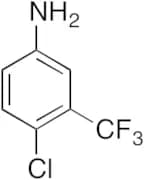
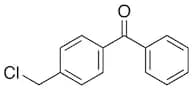
![2-[(4-Fluorobenzyl)amino]ethanol (>90%)](/_next/image/?url=https%3A%2Fstatic.cymitquimica.com%2Fproducts%2FTR%2Fthumb-webp%2FB434993.webp&w=3840&q=75)


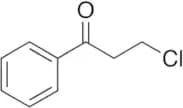
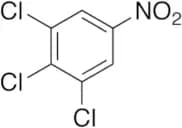
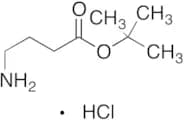
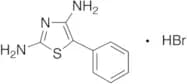
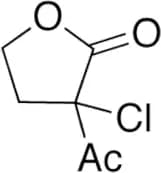
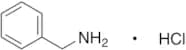
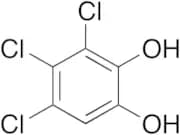
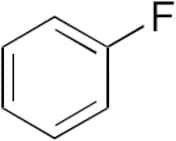
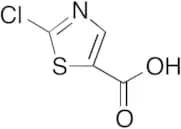
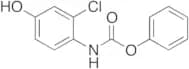
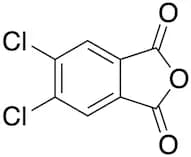
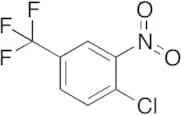
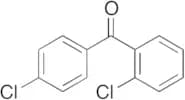
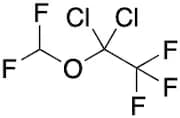
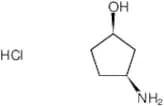
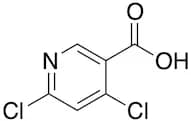
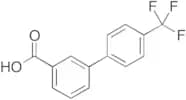

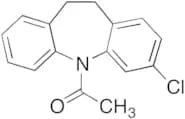
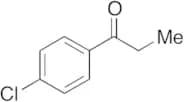
![2-Amino-N-[2-(5-methoxy-1H-indol-3-yl)ethyl]acetamide hydrochloride](/_next/image/?url=https%3A%2Fstatic.cymitquimica.com%2Fproducts%2F3D%2Fthumb-webp%2FFA116384.webp&w=3840&q=75)

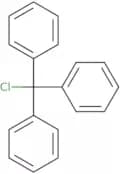
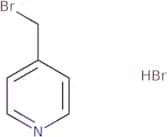
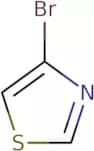
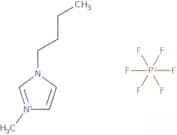

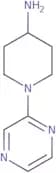

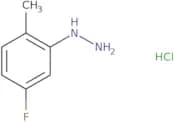

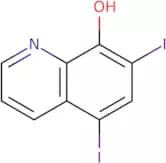
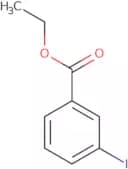

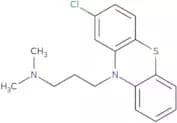
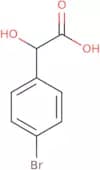
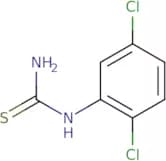

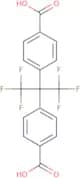
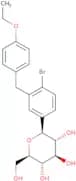
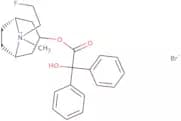
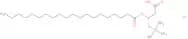
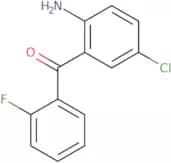
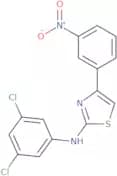
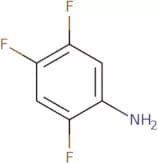
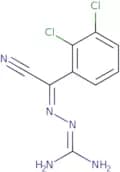
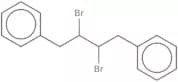

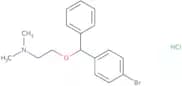
![[3-Chloro-4-(4-isobutyrylpiperazin-1-yl)phenyl]amine](/_next/image/?url=https%3A%2Fstatic.cymitquimica.com%2Fproducts%2F3D%2Fthumb-webp%2FFC134207.webp&w=3840&q=75)
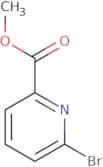
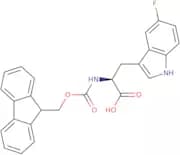
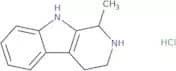
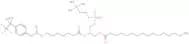

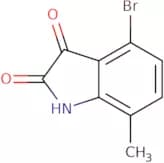
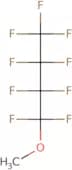
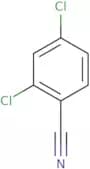

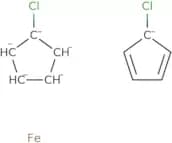
![N-Ethyl-N-nitroso-1-[3-(trifluoromethyl)phenyl]-2-propanamine](/_next/image/?url=https%3A%2Fstatic.cymitquimica.com%2Fproducts%2F3D%2Fthumb-webp%2FFE96581.webp&w=3840&q=75)
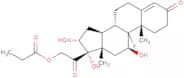
![[1-(Azepan-1-ylcarbonyl)propyl]amine hydrochloride](/_next/image/?url=https%3A%2Fstatic.cymitquimica.com%2Fproducts%2F3D%2Fthumb-webp%2FFA130671.webp&w=3840&q=75)
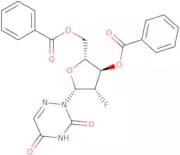
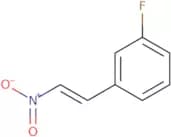
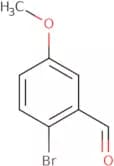
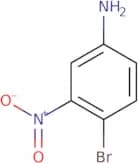
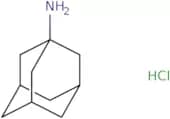
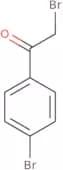

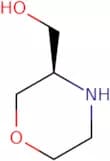
![N-[(S)-(2,3,4,5,6-Pentafluorophenoxy)phenoxyphosphinyl]-L-alanine 1-methylethyl ester](/_next/image/?url=https%3A%2Fstatic.cymitquimica.com%2Fproducts%2F3D%2Fthumb-webp%2FFP59695.webp&w=3840&q=75)
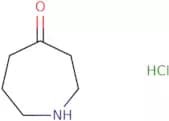
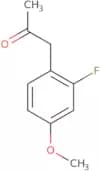
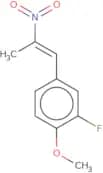
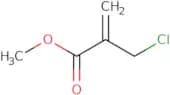
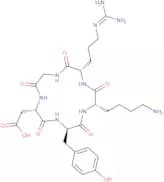
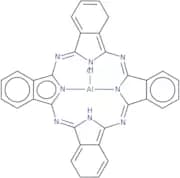

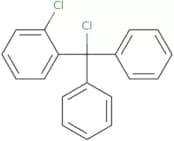
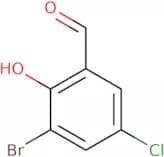
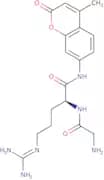
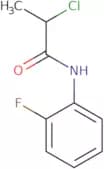
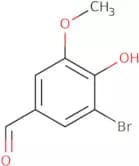

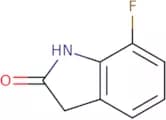
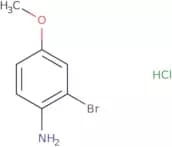
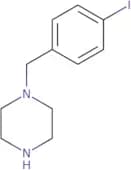
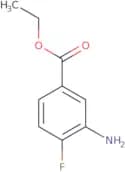
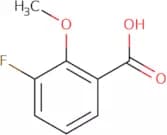
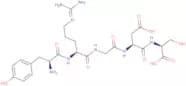
![4-[(7-Chloro-4-quinolinyl)amino]-1-pentanol](/_next/image/?url=https%3A%2Fstatic.cymitquimica.com%2Fproducts%2F3D%2Fthumb-webp%2FFC20107.webp&w=3840&q=75)
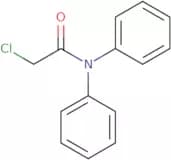
![[1,1'-Bis(diphenylphosphino)ferrocene]-dichloropalladium (II)](/_next/image/?url=https%3A%2Fstatic.cymitquimica.com%2Fproducts%2F3D%2Fthumb-webp%2FFB13964.webp&w=3840&q=75)
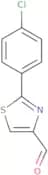

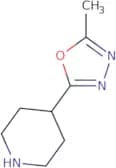
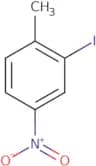
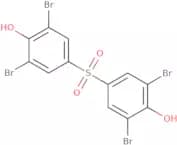
![(1R,2S,3S,5S)-3-(4-Iodophenyl)-8-methyl-8-azabicyclo[3.2.1]octane-2-carboxylicacid methyl ester](/_next/image/?url=https%3A%2Fstatic.cymitquimica.com%2Fproducts%2F3D%2Fthumb-webp%2FFI76761.webp&w=3840&q=75)
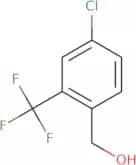
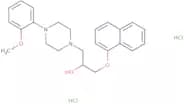

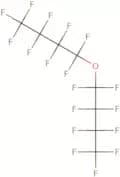
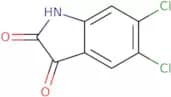

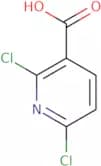
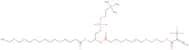
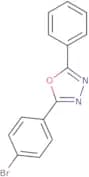
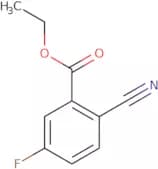
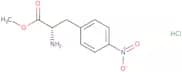


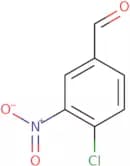
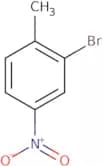
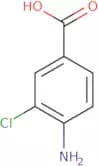
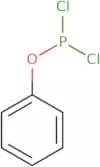
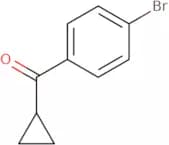
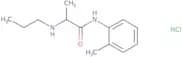
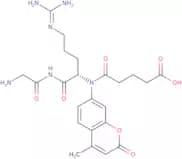
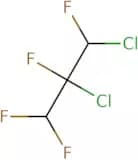
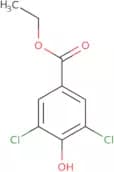
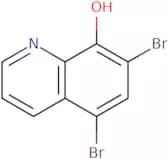
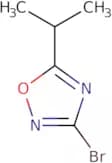
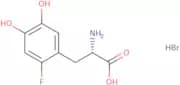
![[2-(Pyridin-2-ylthio)ethyl]amine dihydrochloride](/_next/image/?url=https%3A%2Fstatic.cymitquimica.com%2Fproducts%2F3D%2Fthumb-webp%2FFP121658.webp&w=3840&q=75)
![2-[(2,6-Dibromo-4-methylphenyl)amino]acetohydrazide](/_next/image/?url=https%3A%2Fstatic.cymitquimica.com%2Fproducts%2F3D%2Fthumb-webp%2FFD115486.webp&w=3840&q=75)
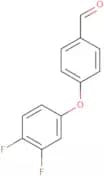
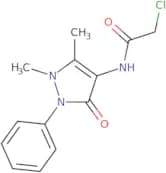
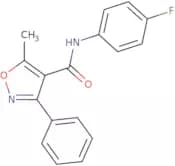
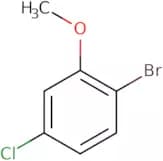
![4-Chloro-7-methyl-7H-pyrrolo[2,3-d]pyrimidine](/_next/image/?url=https%3A%2Fstatic.cymitquimica.com%2Fproducts%2F3D%2Fthumb-webp%2FFC140698.webp&w=3840&q=75)
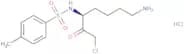
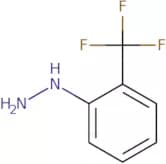
![(6S)-5,6,7,8-Tetrahydro-6-[propyl[2-(2-thienyl)ethyl]amino]-1-naphthalenol hydrochloride](/_next/image/?url=https%3A%2Fstatic.cymitquimica.com%2Fproducts%2F3D%2Fthumb-webp%2FFT27763.webp&w=3840&q=75)
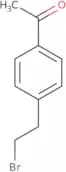

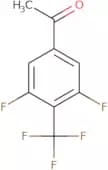
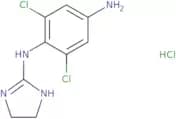
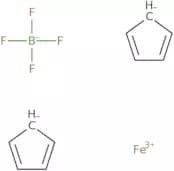

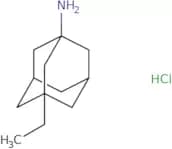
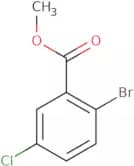

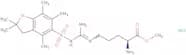
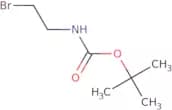
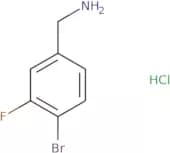
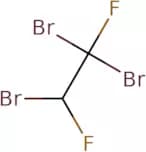
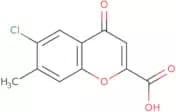

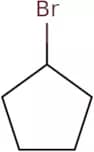
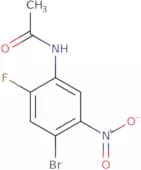
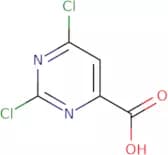
![[1-(Azepan-1-ylcarbonyl)butyl]amine hydrochloride](/_next/image/?url=https%3A%2Fstatic.cymitquimica.com%2Fproducts%2F3D%2Fthumb-webp%2FFA130693.webp&w=3840&q=75)