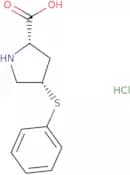
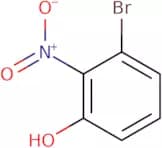
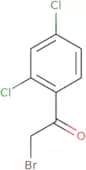
Organic Halides
Subcategories of "Organic Halides"
Found 20442 products of "Organic Halides"
N-(p-Hydroxyphenethyl)-N-(2-bromo-5-hydroxy-4-methoxybenzyl)formamide
CAS:Controlled ProductN-(p-Hydroxyphenethyl)-N-(2-bromo-5-hydroxy-4-methoxybenzyl)formamide is an anticancer drug that belongs to the class of phenethyl derivatives. It is a radiosensitizer that inhibits DNA and RNA synthesis, leading to cancer cell death. The drug has been shown to have a chiral center and two enantiomers, with the (S)-enantiomer being more active than the (R)-enantiomer. N-(p-Hydroxyphenethyl)-N-(2-bromo-5-hydroxy-4-methoxybenzyl)formamide has been shown to be effective in animal models for brain tumors and breast cancer cells. It has also been shown to be effective against leukemia cells, which are resistant to other treatments. N-(p-Hydroxyphenethyl)-N-(2-bromo-5-hydroxy-4Formula:C17H18BrNO4Purity:Min. 95%Molecular weight:380.23 g/molBis(2,2,2-trifluoroethyl) ether
CAS:Bis(2,2,2-trifluoroethyl) ether is a potent inducer of monoamine neurotransmitters. It has been shown to induce the release of gamma-aminobutyric acid (GABA) from cells in culture and to have a physiological effect on GABAergic neurons. Bis(2,2,2-trifluoroethyl) ether binds to the α1 subunit of GABA receptors and increases the rate at which chloride ions enter the cell. This results in an increase in potassium ion levels outside the cell, leading to hyperpolarization and blockade of neural activity. Bis(2,2,2-trifluoroethyl) ether also inhibits locomotor activity.Formula:C4H4F6OPurity:Min. 95%Molecular weight:182.06 g/molBis(methyldiphenylphosphine)palladium(II) Dichloride
CAS:Controlled ProductBis(methyldiphenylphosphine)palladium(II) chloride is an aryl halide catalyst that is used in the preparation of aryl chlorides. It can be used for the synthesis of pharmaceuticals, agrochemicals, perfumes and other chemical compounds. This catalyst has been shown to be effective in the presence of chloride as well as aryl halides. The reaction can be performed in either the presence or absence of solvent. Methyldiphenylphosphine is soluble in organic solvents such as ether, benzene, and toluene.Formula:C26H26Cl2P2PdPurity:Min. 95%Molecular weight:577.76 g/mol3,5-Dinitrobenzylchloride
CAS:3,5-Dinitrobenzylchloride is a chemical compound that belongs to the family of phenylchloroformates. It is an aminoacylated derivative of subtilisin and was synthesized by reacting 3,5-dinitrobenzyl chloride with glutamate in methanol. The reaction yielded a mixture of two products: one with an aminoacyl group at the C-terminal end and the other without. The latter product contains a carbonyl group at the C-terminal end instead. 3,5-Dinitrobenzylchloride has been used as a reagent for detection of proteins with high sensitivity by gel electrophoresis. It also has thermal expansion properties that are greater than those of chromatography columns, which makes it useful in supramolecular chemistry or spectrometric analysis where these properties may be advantageous. 3,5-Dinitrobenzylchloride is not effective against methyl ketonesFormula:C7H5ClN2O4Purity:Min. 95%Molecular weight:216.58 g/mol3,6-Dichlorobenzo[b]thiophene-2-carboxylic acid
CAS:3,6-Dichlorobenzo[b]thiophene-2-carboxylic acid is an extracellular metabolite that is involved in the metabolism of muscle. It is produced as a byproduct of the reaction catalyzed by dehydrogenase, which converts 3,6-dichlorobenzo[b]thiophene to 2-carboxybenzothiophene. This compound has been shown to inhibit the enzyme histidine carboxylate synthetase, which is involved in branched-chain amino acid synthesis. The enzyme can be inhibited by either a wild type or an analog of 3,6-dichlorobenzo[b]thiophene-2-carboxylic acid.Formula:C9H4Cl2O2SPurity:Min. 95%Molecular weight:247.1 g/mol4-(2-Chloroethyl)-1-(triphenylmethyl)-1H-imidazole
CAS:Controlled ProductPlease enquire for more information about 4-(2-Chloroethyl)-1-(triphenylmethyl)-1H-imidazole including the price, delivery time and more detailed product information at the technical inquiry form on this pageFormula:C24H21ClN2Purity:Min. 95%Molecular weight:372.89 g/mol4-Chloro-1h-pyrazol-3-amine
CAS:Please enquire for more information about 4-Chloro-1h-pyrazol-3-amine including the price, delivery time and more detailed product information at the technical inquiry form on this pageFormula:C3H4ClN3Purity:Min. 95%Molecular weight:117.54 g/molBromoacetic acid
CAS:Bromoacetic acid is a brominated carboxylic acid that has been shown to bind to response elements and inhibit the synthesis of proteins. It has been shown to inhibit the growth of bacteria in human serum at concentrations of 1-5 mM. Bromoacetic acid also binds to metals, such as copper and zinc, and inhibits their activity. This compound has also been shown to have anti-inflammatory properties in experimental models. Bromoacetic acid is not toxic in rats, but it may cause myocardial infarction in humans.Formula:C2H3BrO2Purity:Min. 95%Color and Shape:Clear LiquidMolecular weight:138.95 g/mol17b-Acetoxy-2a-bromo-5a-androstanone
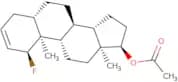
CAS:Controlled Product17b-Acetoxy-2a-bromo-5a-androstanone is a chemical that belongs to the class of hydroxysteroids. It is a potent aromatization agent and has been shown to increase the production of estradiol in human placental tissue. 17b-Acetoxy-2a-bromo-5a-androstanone also has been shown to be a potent inhibitor of bacterial growth, with an MIC90 of 0.1 micrograms per milliliter.Formula:C21H31BrO3Purity:Min. 95%Molecular weight:411.37 g/mol2-Cyclopentyl-4-chlorophenol
CAS:2-Cyclopentyl-4-chlorophenol is a synthetic fatty acid that is used as an antiviral agent. It inhibits the synthesis of fatty acids by inhibiting the conversion of 2,4-dienoyl CoA to 3-hydroxyacyl CoA. 2-Cyclopentyl-4-chlorophenol has been shown to be effective against a number of test organisms, including bacteria such as staphylococcus and virus such as herpes simplex virus. 2-Cyclopentyl-4-chlorophenol inhibits viral protein synthesis by blocking the action of host enzymes required for this process. The target cell for this drug is the host cell infected with a virus. This drug also has antihelminthic properties and can be used to treat parasitic infections caused by schistosoma haematobium and clonorchis sinensis worms. 2CPCP's structural formula is shown below:Formula:C11H13ClOPurity:Min. 95%Molecular weight:196.67 g/molBis[2-(perfluorooctyl)ethyl] phosphate
CAS:Controlled ProductBis[2-(perfluorooctyl)ethyl] phosphate is a perfluorinated compound that can be used as an alternative to polyvinyl chloride in the manufacture of children's toys and other consumer products. It has been shown to have no health effects on humans, unlike other perfluorinated compounds, in a study where human serum was analyzed. Bis[2-(perfluorooctyl)ethyl] phosphate also has a high affinity for polyfluoroalkyl substances (PFASs) and can be used in analytical methods for their detection. The optimised extraction procedure is simple and rapid, using ultrasonic extraction with no need for any organic solvents. Recoveries are high (>99%) and the method does not require any volatile solvents.Formula:C20H9F34O4PPurity:Min. 95%Molecular weight:990.2 g/molMagnesium bromide diethyl etherate
CAS:Controlled ProductMagnesium bromide diethyl etherate is a magnesium salt of diethyl etherate, which is used in the preparation of caproic acid. It has been shown to be an efficient method for the synthesis of acyl halides through the reaction of aromatic hydrocarbons and chloride. The product has high melting point and is a cyclohexane ring. Magnesium bromide diethyl etherate can also be used for muscle cell proliferation and acrylate encapsulation. This product's reaction products are primary alcohols, which are useful in the production of polyurethane, polyesters, and polyamides.Formula:Br2Mg·C4H10OPurity:Min. 95%Molecular weight:258.23 g/mol1-Bromo-2,4,5-trifluorobenzene
CAS:1-Bromo-2,4,5-trifluorobenzene is a liquid crystal that can be used to synthesize amides in an asymmetric synthesis. It has been shown to react with nucleophiles such as β-amino acids or chloride ions to form an amide. This compound is also thermally stable and can be stored at room temperature. The structural formula of 1-bromo-2,4,5-trifluorobenzene is C6H3BrF3. Functional groups present on this molecule include a bromine atom (Br), three hydrogen atoms (H) and two fluorine atoms (F).Formula:C6H2BrF3Purity:Min. 95%Molecular weight:210.98 g/mol4-Bromophenylacetylene
CAS:4-Bromophenylacetylene is a molecule that can be activated by nucleophilic attack, which is the process of reacting with a nucleophile. It is used in clinical studies to determine the activity of pancreatic lipase in humans and animals. 4-Bromophenylacetylene has been shown to have a high degree of regiospecificity, meaning that it only reacts with certain carbon atoms on the molecule, and not all of them. This allows for selective reactions to take place. 4-Bromophenylacetylene also reacts with amines, which are organic molecules containing nitrogen and hydrogen, through an X-ray absorption process. X-ray absorption is defined as an x-ray photon being absorbed by an electron in a molecule, causing the electron to change its energy level and state. The energy level and state changes are characterized by x-ray emission spectroscopy (XES).Formula:C8H5BrPurity:Min. 95%Molecular weight:181.03 g/mol6-Chloro-3,4-dihydro-3-(a-methylbenzyl)-2H-1,2,4-benzothiadiazine-7-sulfonamide 1,1-dioxide
CAS:6-Chloro-3,4-dihydro-3-(a-methylbenzyl)-2H-1,2,4-benzothiadiazine-7-sulfonamide 1,1-dioxide is an active metabolite of the drug benzbromarone. It is primarily administered as a diuretic to treat high blood pressure and congestive heart failure. The pharmacodynamics of this drug are related to its ability to inhibit the activity of sodium channels in vascular smooth muscle cells and thereby reduce the force of contraction and relax the vessel wall. 6CBDMTD has shown an increase in glomerular filtration rate in patients with congestive heart failure. This drug also decreases the plasma concentration of fatty acids by inhibiting the formation of lipoprotein particles. 6CBDMTD has been shown to be effective at lowering diastolic and systolic blood pressure levels in patients with hypertension.Formula:C15H16ClN3O4S2Purity:Min. 95%Molecular weight:401.89 g/mol(S)-(+)-Epichlorohydrin
CAS:(S)-(+)-Epichlorohydrin is a chlorohydrin that is used as an industrial chemical. It can be synthesized by reacting benzyl chloride with sodium hydroxide in the presence of water. The reaction mechanism for this process involves nucleophilic addition of the chlorine atom to the carbonyl group, followed by protonation and elimination of hydrogen chloride. The stereoselective synthesis of (S)-(+)-epichlorohydrin is based on asymmetric induction by enantiomers of the reactant. This product has been shown to have a constant pressure kinetic study at 0.1 M in acetonitrile and 0.2 M in dichloromethane with a turnover number of 1.4 × 10 mol/L/s, which is comparable to other synthetic methods for epichlorohydrin. Pharmacokinetic data for this product has been shown to show good bioavailability in rats, with a half-life of 0.Formula:C3H5ClOPurity:Min. 95%Color and Shape:Colorless PowderMolecular weight:92.52 g/molEthyl 6-bromo-5-hydroxy-1-methyl-2-(phenylsulfanylmethyl)indole-3-carboxylate
CAS:Controlled ProductPlease enquire for more information about Ethyl 6-bromo-5-hydroxy-1-methyl-2-(phenylsulfanylmethyl)indole-3-carboxylate including the price, delivery time and more detailed product information at the technical inquiry form on this pagePurity:Min. 95%Iodoethane-d5
CAS:Controlled ProductIodoethane-d5 is a chromatographic reagent that is used for the determination of bond cleavage reactions. The reaction yield for bond cleavage reactions with iodoethane-d5 has been determined to be approximately 50%. Iodoethane-d5 is used in magnetic resonance spectroscopy, where it has been shown to be an effective probe for the measurement of proton and resonance mass. Iodoethane-d5 can also be used as a pharmacokinetic marker. It has been found that iodoethane-d5 is better than ethane at calculating pharmacokinetic parameters such as volume of distribution and clearance.Formula:CD3CD2IPurity:Min. 95%Color and Shape:Colourless LiquidMolecular weight:160.99 g/mol(4-Fluoro-3-Nitrophenyl)Acetonitrile
CAS:4-Fluoro-3-nitrophenylacetonitrile is a monomer that can be synthesised from the reaction of carbamic acid and diphenyl ether. It is chiral, stereoselective and nucleophilic. 4-Fluoro-3-nitrophenylacetonitrile can also be synthesised by reacting fluoroacetamide with sodium cyanide in water, forming the corresponding amide, which reacts with acetonitrile to form the nitro compound. The anti-cancer properties of 4-fluoro-3 nitrophenylacetonitrile have been studied in vitro and in vivo. This substance has been shown to inhibit growth of cancer cells and induce apoptosis. In addition, this substance has been used as a synthetic strategy for dihydroisoquinolines, which are important for their anti-cancer properties.
Formula:C8H5FN2O2Purity:Min. 95%Molecular weight:180.14 g/mol2-Bromo-6-chloropyridine
CAS:2-Bromo-6-chloropyridine is a synthetic, nucleophilic bidentate ligand that is used in the synthesis of vismodegib. It inhibits the growth of cancer cells by inhibiting a pathway that regulates cell division and differentiation. 2-Bromo-6-chloropyridine can be used as a cross-coupling agent for the synthesis of other chemicals. This chemical has pharmacokinetic properties and pharmacokinetic properties and can inhibit chloride channels, which may have an inhibitory effect on cancer cells. 2-Bromo-6-chloropyridine is also an effective inhibitor of nucleophilic substitutions, which are involved in many biological processes, such as DNA replication and protein synthesis.Formula:C5H3BrClNPurity:Min. 95%Molecular weight:192.44 g/molHydroxyzine dihydrochloride
CAS:Controlled ProductHydroxyzine is an antihistamine drug that produces its therapeutic effects by blocking the action of histamine - a chemical involved in allergic reactions. This medication also has a sedative effect and can be used to treat anxiety disorders. Hydroxyzine has been shown to block the physiological effects of adrenaline, which may lead to its use as a treatment for allergies. It has also been shown to inhibit skin tests in humans when administered at a dose of 25-50mg/kg. Hydroxyzine pamoate is an ester prodrug of hydroxyzine with improved absorption and distribution after oral administration. The most common symptoms associated with this drug are itching, hives, and swelling. Idiopathic urticaria is a type of urticaria (hives) that is not caused by an allergy or another underlying medical condition.Formula:C21H29Cl3N2O2Purity:Min. 95%Molecular weight:447.83 g/mol2-Bromo-4'-nitroacetophenone
CAS:2-Bromo-4'-nitroacetophenone is a chemical compound that has been shown to be active in enzyme inhibition experiments. It has been found to inhibit the activity of histidine decarboxylase, which catalyzes the conversion of histidine to histamine, and uv absorption. 2-Bromo-4'-nitroacetophenone binds to the active site of P450 enzymes, inhibiting their catalytic activity. This compound also inhibits fatty acid oxidation by binding to fatty acid hydroxylase and hydrogen bonds with tyrosine residues in proteins. 2-Bromo-4'-nitroacetophenone is structurally similar to 2-bromoacetophenone, which has been shown to have antihistaminic properties.Formula:C8H6BrNO3Purity:Min. 95%Color and Shape:PowderMolecular weight:244.04 g/mol9,9-Bis(2-ethylhexyl)fluorene-2,7-bis(boronic acidpinacolester)
CAS:Please enquire for more information about 9,9-Bis(2-ethylhexyl)fluorene-2,7-bis(boronic acidpinacolester) including the price, delivery time and more detailed product information at the technical inquiry form on this page
Formula:C41H64B2O4Purity:Min. 95%Molecular weight:642.57 g/mol(2,4-Dichlorophenyl)acetone
CAS:(2,4-Dichlorophenyl)acetone is a substance that can be found in lichens. The natural occurrence of this substance has been shown by the use of chromatography technique on plates. (2,4-Dichlorophenyl)acetone is also used as a screening agent for lichens.Formula:C9H8Cl2OPurity:Min. 95%Color and Shape:Off-White PowderMolecular weight:203.06 g/molO-(2,3,4,5,6-Pentafluorobenzyl)formaldoxime
CAS:Please enquire for more information about O-(2,3,4,5,6-Pentafluorobenzyl)formaldoxime including the price, delivery time and more detailed product information at the technical inquiry form on this page
Formula:C8H4F5NOPurity:Min. 95%Molecular weight:225.12 g/mol4-Cyano-2-fluorobenzyl bromide
CAS:4-Cyano-2-fluorobenzyl bromide is a methyl ester that can be used as a reagent for the synthesis of chiral α-amino acids. It can also be used as an enantioselective methylating agent for the synthesis of γ-secretase inhibitors. The methodology for the convergent synthesis of this compound includes alkylation with glycine followed by an enantioselective hydrolysis, which results in optically pure 4-cyano-2-fluorobenzyl bromide.
Formula:C8H5BrFNPurity:Min. 95%Color and Shape:PowderMolecular weight:214.03 g/mol1,3-Bis(2,6-diisopropylphenyl)imidazolium chloride
CAS:1,3-Bis(2,6-diisopropylphenyl)imidazolium chloride is an organic compound that is used as a solvent. It was originally synthesized by reacting triethyl orthoformate with 2,6-diisopropylaniline. This reaction formed the corresponding imidazolium salt. The synthesis of this compound was later improved by using ring-opening polymerization of glycolide and furfural. 1,3-Bis(2,6-diisopropylphenyl)imidazolium chloride is mainly used to extract estradiol from urine samples in clinical laboratories.Formula:C27H37ClN2Purity:Min. 95%Color and Shape:White PowderMolecular weight:425.05 g/mol2,6-Dibromo-3-nitropyridine
CAS:2,6-Dibromo-3-nitropyridine is a chemical compound that has been shown to inhibit serine protease activity. The compound was shown to be an inhibitor of the enzyme trypsin, and showed some activity against a number of other proteases. 2,6-Dibromo-3-nitropyridine has also been shown to inhibit nucleophilic alkylation of DNA bases by 2,6-dichloroquinoxaline. 2,6-Dibromo-3-nitropyridine is a targeted inhibitor that binds to the active site of the enzyme and prevents the formation of an enzyme-substrate complex. This inhibition leads to a decrease in the production of proteins essential for cell division.Formula:C5H2Br2N2O2Purity:Min. 95%Molecular weight:281.89 g/mol2-Methyl-4-chlorophenoxyacetic acid
CAS:2-Methyl-4-chlorophenoxyacetic acid is a sodium salt of 2-methyl-4-chlorophenoxyacetic acid. It is a herbicide that inhibits photosynthesis by disrupting the electron transport chain in chloroplasts. The hydroxyl group on the phenoxy ring is responsible for its herbicidal activity. 2-Methyl-4-chlorophenoxyacetic acid has been shown to cause significant cell death in tissue culture, which may be due to its ability to inhibit enzymes such as acetylcholinesterase, phosphodiesterase, and carboxypeptidase A2. This chemical also has carcinogenic potential, but no toxicological studies have been conducted in humans or animals.Formula:C9H9ClO3Purity:Min. 95%Molecular weight:200.62 g/molgamma-Butyrobetaine hydrochloride
CAS:Gamma-butyrobetaine hydrochloride (GBB) is a metabolite of gamma-butyrobetaine, which is found in the human body. GBB is synthesized from lysine and methionine through an enzymatic pathway that starts with the conversion of lysine to homocysteine. GBB is then converted to gamma-butyrobetaine by methylating the hydroxyl group on its terminal carbon. GBB can be found in urine samples as well as in carnitine and fatty acid metabolism. It has been shown to have an inhibitory effect on creatine kinase and can be used to diagnose metabolic disorders such as carnitine deficiency or prognosis following a heart attack.Formula:C7H16ClNO2Purity:Min. 95%Color and Shape:PowderMolecular weight:181.66 g/mol5-Bromo-2-iodoanisole
CAS:Please enquire for more information about 5-Bromo-2-iodoanisole including the price, delivery time and more detailed product information at the technical inquiry form on this pageFormula:C7H6BrIOPurity:Min. 95%Molecular weight:312.93 g/mol5-chloro-1-phenyl-1h-1,2,3,4-tetraazole
CAS:5-Chloro-1-phenyl-1H-1,2,3,4-tetrazole (5CAT) is a dihedral molecule that contains phenyl groups and p-hydroxybenzoic acid. The argon (Ar) functionalities are activated by reaction with hydroxyl group to form the cross-coupling reaction between 5CAT and chloride (Cl). 5CAT has been shown to be a good substrate for 2D Nuclear Magnetic Resonance (NMR), as it has a protonated hydroxyl group. This functional group is also present on the chloro group of the 5CAT molecule. The vibrational analysis from the protonated hydroxyl group can be observed in the spectrum of 5CAT.
Formula:C7H5N4ClPurity:Min. 95%Molecular weight:180.59 g/mol5-(2-Chlorophenyl)-2-oxo-2,3-dihydro-1H-1,4-benzodiazepine
CAS:Controlled ProductPhenazepam is a benzodiazepine with hypnotic and anxiolytic properties. It is used in the treatment of anxiety disorders, insomnia, and muscle spasms. Phenazepam has a higher potency than other benzodiazepines, but it has a shorter half-life and duration of action. The synthesis of phenazepam involves the reaction of 5-(2-chlorophenyl)-1,3-dihydro-2H-1,4-benzodiazepin-2-one with 4-(aminosulfonyl)piperidine. This substance is a crystalline solid that has an anxiolytic effect by increasing the activity of GABA receptors in the brain.Formula:C15H11ClN2OPurity:Min. 95%Molecular weight:270.71 g/mol5-Bromo-2,2-difluoro-1,3-benzodioxole
CAS:5-Bromo-2,2-difluoro-1,3-benzodioxole is an industrial chemical that can be used in the production of cuprous cyanide. It is made by reacting methanol with hydrogen fluoride and catalysts. The product yield is high and the reaction process is efficient. 5-Bromo-2,2-difluoro-1,3-benzodioxole can be used to produce 1-4c alkyl cyanides by esterification. The catalyst for this reaction is typically a fluoride salt or a metallic salt such as zinc chloride or ferric chloride. This chemical can also be used to produce cyanide from hydrogen cyanide or hydrocyanic acid. The large scale process flow for this chemical involves use of a catalyst, such as sodium hydroxide, potassium hydroxide, or calcium oxide.Formula:C7H3BrF2O2Purity:Min. 95%Molecular weight:237 g/mol3-Chloro-6-isopropylpyridazine
CAS:Please enquire for more information about 3-Chloro-6-isopropylpyridazine including the price, delivery time and more detailed product information at the technical inquiry form on this pageFormula:C7H9ClN2Purity:Min. 95%Molecular weight:156.61 g/mol1-(2,4-Dichlorophenyl)piperazine
CAS:Controlled Product1-(2,4-Dichlorophenyl)piperazine is a reuptake inhibitor of the monoamine neurotransmitters serotonin, dopamine, and norepinephrine. It blocks the reuptake of these neurotransmitters by binding to their transporters in the presynaptic neuron. 1-(2,4-Dichlorophenyl)piperazine also has inhibitory activity against carboxamides and docking inhibitors. This drug can be used in treatment of depression and anxiety disorders.Formula:C10H12Cl2N2Purity:Min. 95%Molecular weight:231.12 g/mol(-)-Ecgonine hydrochloride
CAS:Controlled Product(-)-Ecgonine hydrochloride is a benzoyl ester that is used as an analytical reagent. It is a precursor in the synthesis of cocaine and other drugs. Ecgonine hydrochloride can be extracted from plant sources, such as coca leaves or khat leaves, by acid-base extraction. It has been shown to have toxic effects on human serum and the liver, which may be due to its structural similarity to cocaine.Formula:C9H16ClNO3Purity:Min. 95%Molecular weight:221.68 g/molMethyl 2,6-dichloroisonicotinate
CAS:Methyl 2,6-dichloroisonicotinate is an electron-deficient compound that can be used as a cross-coupling agent in organic synthesis. It is used as a labeling agent for metal ions and has been shown to have antibacterial activity. The antibacterial activity of methyl 2,6-dichloroisonicotinate may be due to its ability to inhibit bacterial DNA gyrase. This compound also exhibits synergistic effects with other substances such as pyridine ring and coordination geometry.Formula:C7H5Cl2NO2Purity:Min. 95%Molecular weight:206.03 g/mol[2-(5-Chloro-1H-indol-3-yl)-1-methylethyl]amine hydrochloride
CAS:Controlled ProductPlease enquire for more information about [2-(5-Chloro-1H-indol-3-yl)-1-methylethyl]amine hydrochloride including the price, delivery time and more detailed product information at the technical inquiry form on this pageFormula:C11H13ClN2Purity:Min. 95%Molecular weight:208.69 g/mol[1-(4-Chlorobenzyl)-1H-benzimidazol-2-yl]methanol
CAS:Controlled ProductPlease enquire for more information about [1-(4-Chlorobenzyl)-1H-benzimidazol-2-yl]methanol including the price, delivery time and more detailed product information at the technical inquiry form on this page
Formula:C15H13ClN2OPurity:Min. 95%Molecular weight:272.73 g/molTetra-n-butylphosphonium bromide
CAS:Tetra-n-butylphosphonium bromide is an ionic glycol ester with a tetra-n-butyl group. It reacts with trifluoroacetic acid to produce the corresponding acid complex of phosphonic acid, which is soluble in water. The reaction mechanism is as follows: RCOOH + P(OR)3 → RCOO− + OP(OR)2 + H+ The activity index for this compound has been found to be high. This means that the molecule is more likely to react than others. Tetra-n-butylphosphonium bromide has also been shown to have biological properties such as being able to inhibit the growth of bacteria and fungi.Formula:C16H36BrPPurity:Min. 95%Color and Shape:PowderMolecular weight:339.33 g/mol2,6-Dichlorophenol
CAS:2,6-Dichlorophenol is a hydrogen-bond inhibitor that inhibits the reaction of receptors with their specific treatment. It has been shown to have an inhibitory effect on the light-induced activation of receptor cells and to inhibit the reaction mechanism of analytical methods. 2,6-Dichlorophenol has also been shown to be effective in synchronous fluorescence spectroscopy as a probe for detecting hydrogen bonds in biological samples. The chemical structure of 2,6-dichlorophenol is C6H4Cl2O. It is soluble in water and reacts with acids to form hydrogen chloride gas and 2,6-dichlorophenol hydrochloride (C6H3Cl2O).Formula:C6H4Cl2OPurity:Min. 95%Color and Shape:White PowderMolecular weight:163 g/mol1,1,2,2,3,3,3-Heptafluoro-n,n-bis(1,1,2,2,3,3,3-heptafluoropropyl)-1-propanamine
CAS:Controlled Product1,1,2,2,3,3,3-Heptafluoro-n,n-bis(1,1,2,2,3,3-heptafluoropropyl)-1-propanamine (HFIP) is a fluorinated compound that is used as a solvent for hydrogen fluoride and water vapor. HFIP has been shown to be toxic to the liver cells of rats. It also causes lesions in the liver of the isolated heart. The monoclonal antibody against HFIP has been shown to reduce the transport properties of this solvent to tissues and reduce light emission from this compound. HFIP is not chemically reactive with other chemicals at room temperature and has excellent chemical stability in light exposure.Formula:C9F21NPurity:Min. 90 Area-%Color and Shape:Colorless PowderMolecular weight:521.07 g/mol5-Chloro-1H-imidazo[4,5-b]pyridin-2(3H)-one
CAS:5-Chloro-1H-imidazo[4,5-b]pyridin-2(3H)-one is a chemical compound that is used in analytical chemistry as an insecticide. It has been shown to cause genotoxic activity in weevils exposed to light. The compound has also been shown to have long term efficacy in plants and toxicity studies on animals. 5-Chloro-1H-imidazo[4,5-b]pyridin-2(3H)-one is metabolized by detoxification enzymes and excreted through the urine.Purity:Min. 95%6-(2-Bromoethyl)-1,3-dimethyl-1H-pyrrolo[3,4-d]pyrimidine-2,4(3H,6H)-dione
CAS:Controlled ProductPlease enquire for more information about 6-(2-Bromoethyl)-1,3-dimethyl-1H-pyrrolo[3,4-d]pyrimidine-2,4(3H,6H)-dione including the price, delivery time and more detailed product information at the technical inquiry form on this pageFormula:C10H12BrN3O2Purity:Min. 95%Molecular weight:286.13 g/molDichloroacetyl chloride
CAS:Dichloroacetyl chloride is a reactive chlorine compound that is used in the synthesis of pharmaceuticals, dyes, and pesticides. It reacts with hydrochloric acid to produce hydrochloric acid and dichloroacetic acid. Dichloroacetyl chloride can react with zirconium oxide to produce chlorides and zirconates. This reaction can be conducted at room temperature. The reaction mechanism for this reaction is not well understood; however, it has been shown that the hydroxyl group on the dichloroacetyl chloride molecule plays a significant role in this process. The phase transition temperature of dichloroacetyl chloride is -60°C. This compound has physiological activities such as reducing inflammation and fighting autoimmune diseases.Formula:C2HCl3OPurity:Min. 95%Molecular weight:147.39 g/molDichlorotriphenylphosphorane
CAS:Dichlorotriphenylphosphorane is a chemical compound that has been used as an alternative to chloroform in the preparation of fatty acids. It is also used in the preparation of 2-pentenoic acid, which is an anti-inflammatory compound. The chemical stability of dichlorotriphenylphosphorane has been found to be comparable to that of amide compounds. It has also been shown to have mild anti-inflammatory properties and can be used as a potential therapeutic agent for autoimmune diseases such as multiple sclerosis, rheumatoid arthritis, and type 1 diabetes mellitus. Dichlorotriphenylphosphorane is also commonly used in the chemiluminescence method.
Formula:C18H15Cl2PPurity:Min. 95%Color and Shape:PowderMolecular weight:333.19 g/mol(R,S)-Z-3-Amino-7-chloro-2-oxo-5-phenyl-1,4-benzodiazepine
CAS:Controlled ProductPlease enquire for more information about (R,S)-Z-3-Amino-7-chloro-2-oxo-5-phenyl-1,4-benzodiazepine including the price, delivery time and more detailed product information at the technical inquiry form on this page
Formula:C23H18ClN3O3Purity:Min. 95%Molecular weight:419.86 g/mol(-)-B-Chlorodiisopinocampheylborane, 60% in Hexane, ca. 1.7mol/L
CAS:(-)-B-Chlorodiisopinocampheylborane is a carbonyl group that can be used for asymmetric synthesis. It was synthesized from the reaction of chlorodiisopinocampheylborane with butyllithium and allyl bromide, followed by aqueous workup. The enantiomers were separated through thin layer chromatography on silica gel plates with hexane as the eluent. The resolution of racemic latanoprost lactol was achieved in the same manner. (-)-B-Chlorodiisopinocampheylborane is also a diketone that can be prepared from para-chloroacetophenone and sodium hydroxide in ethanol. This diketone undergoes an intramolecular cyclization to produce noradrenaline (norepinephrine) and hydrochloric acid, which can then be converted into dioxolanes or other products.Formula:C20H34BClPurity:Min. 95%Color and Shape:Clear LiquidMolecular weight:320.75 g/moltrans-Chlordan
CAS:Controlled ProductTrans-Chlordan is a sodium salt that has been used for analytical purposes in wastewater treatment. It has also been found to have anti-inflammatory properties when given orally, inhibiting the production of cytokine IL-10 in rats. Trans-Chlordan has shown inhibitory properties against enzyme activities, such as lipoxygenase, cyclooxygenase, and 5-lipoxygenase. This compound also displays long-term toxicity and an antibody response in rats. Trans-Chlordan is structurally related to other compounds such as chlordane and lindane by way of its chemical backbone. Trans-Chlordan's effects on liver cells are very similar to those of other chemicals that are known to cause chronic oral toxicity or chemical pesticide poisoning.
Formula:C10H6Cl8Purity:Min. 95%Color and Shape:PowderMolecular weight:409.78 g/molFerric chloride hexahydrate
CAS:Ferric chloride hexahydrate is a chemical compound that has the formula FeCl3·6H2O. It is composed of iron, chlorine, and water. Ferric chloride hexahydrate is used in wastewater treatment to remove organic compounds from the water. Ferric chloride hexahydrate reacts with sodium carbonate to form sodium citrate and ferrous chloride: FeCl3 + Na2CO3 → Fe(CO)2 + NaCl + 3H2O The reaction between ferric chloride hexahydrate and potassium dichromate produces the following products: FeCl3 + K2CrO4 → FeCrO4 + 2KCl In addition, ferric chloride hexahydrate can be used as an oxidizing agent in organic synthesis. The reaction mechanism for this process occurs when ferric chloride hexahydrate is mixed with a fatty acid such as octanoic acid: FeCl3 + C8H18
Formula:Cl3Fe·6H2OPurity:Min. 95%Color and Shape:Yellow PowderMolecular weight:270.29 g/molN-Trifluoroacetyl (R)-amphetamine
CAS:Controlled ProductPlease enquire for more information about N-Trifluoroacetyl (R)-amphetamine including the price, delivery time and more detailed product information at the technical inquiry form on this pageFormula:C11H12F3NOPurity:Min. 95%Molecular weight:231.21 g/mol1,3-Bis(3,3,3-trifluoropropyl)-1,1,3,3-tetramethyldisilazane
CAS:1,3-Bis(3,3,3-trifluoropropyl)-1,1,3,3-tetramethyldisilazane is a dielectric with a low dielectric constant and high hydrophobicity. It can be used as a self-assembled monolayer for reducing the contact angle on hydrophobic surfaces. 1,3-Bis(3,3,3-trifluoropropyl)-1,1,3,3-tetramethyldisilazane has been used in transistors to increase the conductivity of pentacene monolayer.Formula:C10H21F6NSi2Purity:94%MinMolecular weight:325.44 g/molProlintane hydrochloride
CAS:Controlled ProductProlintane hydrochloride is a drug that has been shown to inhibit the activity of enzymes in the inflammatory and immune responses. It also inhibits the uptake of caffeine, which may be due to its ability to bind with the toll-like receptor (TLR) and CB2 receptor. Prolintane hydrochloride has been used to treat bowel disease, depression, and autoimmune diseases such as rheumatoid arthritis. This drug has a depressant effect on the central nervous system, which may lead to symptoms such as drowsiness and fatigue. The drug is metabolized through a synthetic pathway that involves N-deacetylation by acetyltransferase enzymes. Prolintane hydrochloride also inhibits inflammatory bowel disease by reducing cytokine production in mice with colitis.
Purity:Min. 95%2,3-Dichlorophenyl isocyanate
CAS:2,3-Dichlorophenyl isocyanate is a diphenyl ether that has been used as an intermediate in the synthesis of other chemicals. It can be absorbed through the skin and may cause toxic effects to the gastrointestinal tract, such as ulceration, hemorrhage, and perforation. 2,3-Dichlorophenyl isocyanate is metabolized by cytochrome P450 enzymes to a reactive metabolite that causes damage to cells in the lungs. This compound also binds to chemokine receptors on inflammatory cells and blocks their ability to stimulate inflammatory reactions. This activity may be partially responsible for its antiinflammatory properties.Formula:C7H3Cl2NOPurity:Min. 95%Color and Shape:Clear LiquidMolecular weight:188.01 g/mol3',5'-Dibromo-2'-hydroxyacetophenone
CAS:Please enquire for more information about 3',5'-Dibromo-2'-hydroxyacetophenone including the price, delivery time and more detailed product information at the technical inquiry form on this pageFormula:C8H6Br2O2Purity:Min. 95%Molecular weight:293.94 g/mol2-(Trifluoromethoxy)benzyl bromide
CAS:2-(Trifluoromethoxy)benzyl bromide is a computational study of ionic liquids with substitutions. The viscosity of the liquid was found to be dependent on the size of the substituent and the number of substitutions. The compound was found to be selective for one isomer over another due to its different structural features. Experimental studies have shown that 2-(trifluoromethoxy)benzyl bromide has high permeability in ionic liquids, which is a desired property in ionic liquids. Advances in this field have led to new compounds and more knowledge about the properties of ionic liquids.
Purity:Min. 95%o-Fluorobenzyl amine
CAS:o-Fluorobenzyl amine (o-FA) is an inhibitor of the HIV integrase enzyme. It forms a covalent bond with the active site of the enzyme and has been shown to be effective in inhibiting HIV replication in vitro. Impurities such as chloride, water molecule, hydrogen bond, and fluorine can be found in o-FA. o-FA has been shown to inhibit monoamine oxidase and may have other biological properties. o-FA also has an intramolecular hydrogen bond that is stabilized by a dihedral angle. The low energy of this compound makes it difficult to detect by chromatographic methods or spectrometry.Formula:C7H8FNPurity:Min. 95%Color and Shape:Clear LiquidMolecular weight:125.14 g/mol2-Chloropropionyl chloride
CAS:2-Chloropropionyl chloride is a phase-transition catalyst that has been shown to be a solid catalyst for the detection of hydroxyl groups in organic solvents. It has been used as an extractant for acetate from soybean lipoxygenase and as a fluorescence probe for copper chloride. 2-Chloropropionyl chloride is also an acylation agent, which can be used in reactions with malonic acid to produce 2,4-dichlorobenzene. This chemical is moderately acidic and hydrolyzes readily in water to form hydrochloric acid and propionic acid.
Formula:C3H4Cl2OPurity:Min. 95%Molecular weight:126.97 g/mol2-Phenylpropan-1-amine hydrochloride
CAS:Controlled ProductPlease enquire for more information about 2-Phenylpropan-1-amine hydrochloride including the price, delivery time and more detailed product information at the technical inquiry form on this pageFormula:C9H14ClNPurity:Min. 95%Molecular weight:171.67 g/molLead dibromide
CAS:Lead dibromide is a non-radioactive catalyst that can be used in the organic synthesis of pharmaceuticals and other organic compounds. It is typically used as an oxidizing agent for the formation of carbon-carbon bonds. The electron microscopic study of lead dibromide reveals the presence of small, crystalline particles with a diameter of about 0.2 microns. Lead dibromide is soluble in allylation, n-dimethyl formamide, and trifluoroacetic acid and insoluble in water or polar solvents. This compound has been found to stabilize reactive intermediates in organic reactions, such as those involving ketones, epoxides, and nitriles.Formula:PbBr2Purity:Min. 95%Molecular weight:367.01 g/mol2-Chloro-4,6-dimethoxypyrimidine
CAS:2-Chloro-4,6-dimethoxypyrimidine is a synthetic compound that is a triazolopyrimidine derivative. It has been shown to have significant antifungal activity against cryptococcus neoformans in toxicity studies. 2-Chloro-4,6-dimethoxypyrimidine is an amine that can be used as a fungicide or pesticide due to its toxicity and effectiveness against fungi. 2-Chloro-4,6-dimethoxypyrimidine has a molecular weight of 196 and contains three functional groups: chlorine, hydrogen chloride, and pyridinium. This compound also has the ability to form covalent bonds with organic molecules such as chloromethyl groups on proteins.
Formula:C6H7ClN2O2Purity:Min. 95%Color and Shape:Off-White To Yellow SolidMolecular weight:174.58 g/mol1-Acetyl-3-(acetyloxy)-7-chloro-5-(2-chlorophenyl)-1,3-dihydro-2H-1,4-benzodiazepin-2-one
CAS:Controlled ProductPlease enquire for more information about 1-Acetyl-3-(acetyloxy)-7-chloro-5-(2-chlorophenyl)-1,3-dihydro-2H-1,4-benzodiazepin-2-one including the price, delivery time and more detailed product information at the technical inquiry form on this page
Formula:C19H14Cl2N2O4Purity:Min. 95%Molecular weight:405.23 g/mol5-Chloro-2-Fluorobenzotrifluoride
CAS:Please enquire for more information about 5-Chloro-2-Fluorobenzotrifluoride including the price, delivery time and more detailed product information at the technical inquiry form on this pageFormula:C7H3ClF4Purity:Min. 95%Color and Shape:Clear LiquidMolecular weight:198.55 g/mol4-(4-Bromophenoxy)butanoic acid
CAS:Controlled ProductPlease enquire for more information about 4-(4-Bromophenoxy)butanoic acid including the price, delivery time and more detailed product information at the technical inquiry form on this pageFormula:C10H11BrO3Purity:Min. 95%Molecular weight:259.1 g/mol5-Chloro-2-(ethylsulfonyl)pyrimidine-4-carboxylic acid
CAS:Please enquire for more information about 5-Chloro-2-(ethylsulfonyl)pyrimidine-4-carboxylic acid including the price, delivery time and more detailed product information at the technical inquiry form on this pageFormula:C7H7ClN2O4SPurity:Min. 95%Molecular weight:250.66 g/mol9-Iodo-1,2-carbarone
CAS:Controlled ProductPlease enquire for more information about 9-Iodo-1,2-carbarone including the price, delivery time and more detailed product information at the technical inquiry form on this pageFormula:IC2B10H11Purity:Min. 95%Molecular weight:2,431.11 g/molClobetasol Propionate - Impurity C
CAS:Controlled Product21-Chloro-9-fluoro-11beta,17-dihydroxy-16alpha-methylpregna-1,4-diene-3,20-dione 17-propionate is an ester of ketoconazole and the propionic acid. It is used as a pharmaceutical formulation and has been shown to be stable in an HPLC method. This compound also has an optical isomer that was validated by a stability test. This product has been shown to have antiinflammatory properties and may be used as a topical treatment for skin disorders such as clobetasol propionate.Formula:C25H32ClFO5Purity:Min. 95%Molecular weight:466.97 g/molTetrabutylammonium hexafluorophosphate
CAS:Tetrabutylammonium hexafluorophosphate is a chemical reagent that is used in organic synthesis. It is a strong Lewis acid that reacts with substrates to form adducts. Tetrabutylammonium hexafluorophosphate reacts with trifluoroacetic acid, ethylene diamine, and hydrogen fluoride to produce the salt tetrabutylammonium hexafluorophosphate dihydrate (TBAPF). The reaction proceeds through an ionic intermediate that involves the abstraction of a proton from the substrate by the tetrabutylammonium cation followed by nucleophilic attack on the anion by water. Tetrabutylammonium hexafluorophosphate dihydrate can be formed via this mechanism as well as through a simple salt metathesis reaction between TBAPF and sodium carbonate. This reagent has been shown to form crystals of good quality forFormula:C16H36F6NPPurity:Min. 98.0%Color and Shape:PowderMolecular weight:387.43 g/mol4-Chloro-3-(trifluoromethoxy)aniline
CAS:Please enquire for more information about 4-Chloro-3-(trifluoromethoxy)aniline including the price, delivery time and more detailed product information at the technical inquiry form on this pageFormula:C7H5ClF3NOPurity:Min. 95%Color and Shape:Clear LiquidMolecular weight:211.57 g/mol4-Chloro-3-(trifluoromethyl)phenyl isocyanate
CAS:4-Chloro-3-(trifluoromethyl)phenyl isocyanate (4CTFPI) is a phenoxy that has significant antiproliferative activity and can be used to treat cancer. It can inhibit the growth of tumor cells by suppressing the production of growth factors and binding to the receptor for these factors, which leads to inhibition of cell division. 4CTFPI also inhibits tumor growth through its ability to induce apoptosis in cancer cells. 4CTFPI has been shown to have antitumor effects on sarcoma cells in vitro and in vivo with a low toxicity profile. This compound is not active against bacterial infections or fungi, but it does not show any carcinogenic effects.Formula:C8H3ClF3NOPurity:Min. 95%Color and Shape:PowderMolecular weight:221.56 g/mol2-Chloro-1-(5-methoxy-1,2-dimethyl-1H-indol-3-yl)ethanone
CAS:Controlled ProductPlease enquire for more information about 2-Chloro-1-(5-methoxy-1,2-dimethyl-1H-indol-3-yl)ethanone including the price, delivery time and more detailed product information at the technical inquiry form on this pageFormula:C13H14ClNO2Purity:Min. 95%Molecular weight:251.71 g/mol1-(2-chloro-6-fluorophenyl)ethanone
CAS:Please enquire for more information about 1-(2-chloro-6-fluorophenyl)ethanone including the price, delivery time and more detailed product information at the technical inquiry form on this page
Formula:C8H6ClFOPurity:Min. 95%Molecular weight:172.58 g/mol3-Amino-5-bromobenzonitrile
CAS:Please enquire for more information about 3-Amino-5-bromobenzonitrile including the price, delivery time and more detailed product information at the technical inquiry form on this pageFormula:C7H5BrN2Purity:Min. 95%Molecular weight:197.03 g/mol[2-(Methylsulfinyl)ethyl]amine hydrobromide
CAS:Please enquire for more information about [2-(Methylsulfinyl)ethyl]amine hydrobromide including the price, delivery time and more detailed product information at the technical inquiry form on this pageFormula:C3H9NOSPurity:90%MinMolecular weight:107.18 g/mol4-Fluorotropacocaine
CAS:Controlled Product4-Fluorotropacocaine is a synthetic, serotonergic compound that has been shown to have similar effects in the brain as diazepam. 4-Fluorotropacocaine has been postulated to be a supplement and is thought to have neuroprotective properties. It binds to serotonin receptors and inhibits the reuptake of serotonin by neurons. This inhibition causes an increase in the level of serotonin in the synaptic cleft, which can lead to symptoms such as nausea, vomiting, and headache. 4-Fluorotropacocaine may also inhibit dopamine reuptake leading to symptoms such as hallucinations, delusions, and confusion. Structural analogs of 4-fluorotropacocaine are often used in research studies because they can be synthesized with various substitutions on the benzene ring.Formula:C15H18FNO2Purity:Min. 95%Molecular weight:263.31 g/mol6-Bromo-1H-indazol-3-yl-amine
CAS:6-Bromo-1H-indazol-3-yl-amine is an indazole derivative that has shown anti-cancer effects in vitro and in vivo. 6-Bromo-1H-indazol-3-yl-amine inhibits the proliferation of cancer cells, which may be due to its inhibition of cell cycle progression at the G2/M phase. It also inhibits the growth of tumor cells by inducing apoptosis. The drug's mechanism of action is not yet fully understood, but it has been shown to inhibit the activity of axitinib, a tyrosine kinase inhibitor. This drug has also shown anti-proliferative activities with acid catalysts and supramolecular systems. In addition, 6-bromo 1H indazol 3 yl amine contains functional groups such as nitro and pyrrole groups.Formula:C7H6BrN3Purity:Min. 95%Molecular weight:212.05 g/mol4-Iodo-2-methoxypyridine-3-carboxaldehyde
CAS:4-Iodo-2-methoxypyridine-3-carboxaldehyde is a disubstituted compound that has insulin-like properties. It inhibits the activity of the insulin receptor, which may contribute to its insulin-like growth factor effects. This inhibitor also targets the protein kinase, which is responsible for the response of cells to insulin. 4-Iodo-2-methoxypyridine 3 carboxaldehyde has been shown to inhibit IGF1R and malonate ion, and it may have potential as an oral treatment for diabetes.Formula:C7H6INO2Purity:Min. 95%Molecular weight:263.03 g/mol4-Bromo-7-methoxy-1H-pyrrolo[2,3-c]pyridine
CAS:Please enquire for more information about 4-Bromo-7-methoxy-1H-pyrrolo[2,3-c]pyridine including the price, delivery time and more detailed product information at the technical inquiry form on this page
Purity:Min. 95%Heptadecafluorooctanesulfonic acid potassium
CAS:Please enquire for more information about Heptadecafluorooctanesulfonic acid potassium including the price, delivery time and more detailed product information at the technical inquiry form on this page
Formula:C8HF17O3S•KPurity:Min. 95%Color and Shape:PowderMolecular weight:539.23 g/mol9,12-Diiodo-1,2-carborane
CAS:Controlled ProductPlease enquire for more information about 9,12-Diiodo-1,2-carborane including the price, delivery time and more detailed product information at the technical inquiry form on this pageFormula:I2C2B10H10Purity:Min. 95%Molecular weight:396.02 g/mol3'-Chloro-biphenyl-4-carboxylic acid
CAS:Please enquire for more information about 3'-Chloro-biphenyl-4-carboxylic acid including the price, delivery time and more detailed product information at the technical inquiry form on this pagePurity:Min. 95%Zipeprol dihydrochloride
CAS:Controlled ProductZipeproldihydrochloride is a drug that belongs to the class of quinolones. It has been shown to have a high bioavailability in vivo, and it is rapidly absorbed through the gastrointestinal tract. Zipeproldihydrochloride has been shown to have antiviral and antibacterial properties in vitro. In vivo studies have shown that Zipeproldihydrochloride can be used for the treatment of autoimmune diseases and infectious diseases. The drug inhibits the activity of fatty acid synthase, which is an enzyme involved in synthesizing fatty acids from acetyl-CoA.Formula:C23H34Cl2N2O3Purity:Min. 95%Molecular weight:457.43 g/mol5-(5-Chloro-1-methyl-1H-benzimidazol-2-yl)pentanoic acid
CAS:Controlled ProductPlease enquire for more information about 5-(5-Chloro-1-methyl-1H-benzimidazol-2-yl)pentanoic acid including the price, delivery time and more detailed product information at the technical inquiry form on this page
Formula:C13H15ClN2O2Purity:Min. 95%Molecular weight:266.72 g/molEthyl 2-chloropropionate
CAS:Ethyl 2-chloropropionate is an organic compound that is used in the synthesis of other compounds. It is a colorless liquid with a characteristic smell. Ethyl 2-chloropropionate has been shown to be a nucleophilic, aromatic hydrocarbon that reacts with electrophiles such as copper chloride and ethyl formate. This reaction forms the corresponding chloroethanol and methylformate. The reaction of ethyl 2-chloropropionate with diphenyl ether produces a chloroethyl ether derivative. This product can inhibit some enzymes, including epoxide hydrolase, which plays an important role in the metabolism of drugs such as ibuprofen and diclofenac. The kinetic behavior of this compound has been studied using enzyme inhibition and molecular modeling techniques.Formula:C5H9ClO2Purity:Min. 95%Molecular weight:136.58 g/mol2-Bromo-3-methylbutenoic acid methyl ester
CAS:Please enquire for more information about 2-Bromo-3-methylbutenoic acid methyl ester including the price, delivery time and more detailed product information at the technical inquiry form on this pageFormula:C6H9BrO2Purity:Min. 95%Molecular weight:193.04 g/mol[1,1'-Bis(diphenylphosphino)ferrocene]-dichloropalladium (II) dichloromethane complex
CAS:Controlled Product1,1'-Bis(diphenylphosphino)ferrocene]-dichloropalladium (II) dichloromethane complex is a fine chemical that is used as a scaffold for the synthesis of other compounds. It can be used as a building block to make other chemicals or as an intermediate in chemical reactions. It is also a versatile research chemical and is used to make speciality chemicals. 1,1'-Bis(diphenylphosphino)ferrocene]-dichloropalladium (II) dichloromethane complex has high quality and is a useful building block for making other compounds.Formula:C35H30Cl4P2PdFePurity:Min. 95%Color and Shape:Red PowderMolecular weight:816.64 g/mol4-Chlorophenylacetylene
CAS:4-Chlorophenylacetylene is a compound that is created by the reaction of chloroform and acetylene. The reaction yield can be increased by using a catalytic amount of silicon, which increases the rate of hydration. Terminal alkynes react with 4-chlorophenylacetylene to form polymers, which are insoluble in most solvents. 4-Chlorophenylacetylene has been shown to have inhibitory activity against the growth of bacteria and fungi when tested in model species such as Escherichia coli and Saccharomyces cerevisiae.Formula:C8H5ClPurity:Min. 95%Color and Shape:PowderMolecular weight:136.58 g/mol2-(5-Chloro-1H-indol-2-yl)acetic acid
CAS:Please enquire for more information about 2-(5-Chloro-1H-indol-2-yl)acetic acid including the price, delivery time and more detailed product information at the technical inquiry form on this pageFormula:C10H8CINO2Purity:Min. 95%Molecular weight:313.09 g/mol2,5-Dibromo-3-methylthiophene
CAS:2,5-Dibromo-3-methylthiophene is a small molecule that has been shown to have anti-bacterial properties. It reacts with the bacterial cell membrane, disrupting the bacteria's ability to function and causing it to die. 2,5-Dibromo-3-methylthiophene can be used as an antibacterial agent in medicine or cosmetics. The chemical structure of 2,5-dibromo-3-methylthiophene is similar to that of oxadiazole and 5H-[1]benzothiazol[5,4,-d][1,2]oxazole and it has been shown that these compounds can also be used for antibacterial purposes. The anti-bacterial activity of 2,5-dibromo-3-methylthiophene is due to its functional groups which are reactive with metal ions such as Cu(II) and Fe(III).Formula:C5H4Br2SPurity:Min. 95%Molecular weight:255.96 g/mol(S)-Esmolol hydrochloride
CAS:Controlled Product(S)-Esmolol hydrochloride is an optical isomer of esmolol that is used to treat cardiac arrhythmias. It has a low affinity for beta-adrenergic receptors and has been shown to have a profile of antiarrhythmic effects. The drug also has the ability to block potassium channels, which may be due to its structural similarity to propanolol. (S)-Esmolol hydrochloride can be synthesized from the reaction of ethyl chloroformate with potassium phosphate in alkaline conditions. This optical isomer of esmolol is used as a probe for determining the stereochemistry of other compounds.Formula:C16H25NO4•HClPurity:Min. 95%Molecular weight:331.83 g/molEthyl 4,6-dichloronicotinate
CAS:Ethyl 4,6-dichloronicotinate (EDCN) is a hybrid drug that can be used as a clinical drug for the treatment of cancers. EDCN has been shown to have an antiproliferative effect in hematopoietic cells and tumor cells. It is also able to inhibit tyrosine kinase activity and cellular proliferation by inducing apoptosis. EDCN has been shown to be a potent inhibitor of cancer cell growth in vitro and in vivo, with IC50 values ranging from 1 to 10 μM. This drug is active against leukemia, lymphoma, breast cancer, prostate cancer, colorectal cancer, and other cancers that are sensitive to inhibition by tyrosine kinase inhibitors. EDCN binds reversibly to DNA with high affinity and specificity through hydrogen bonding interactions between the nucleobases on its aromatic ring system and the purine bases on dsDNA. This binding inhibits transcription by blocking access of RNA polymerase II to DNA templatesFormula:C8H7Cl2NO2Purity:Min. 95%Molecular weight:220.05 g/molACTH (2-24) (human, bovine, rat) trifluoroacetate salt
CAS:Please enquire for more information about ACTH (2-24) (human, bovine, rat) trifluoroacetate salt including the price, delivery time and more detailed product information at the technical inquiry form on this page
Formula:C133H205N39O29SPurity:Min. 95%Molecular weight:2,846.36 g/molMethyl 2-amino-4,6-dichloropyridine-3-carboxylate
CAS:Please enquire for more information about Methyl 2-amino-4,6-dichloropyridine-3-carboxylate including the price, delivery time and more detailed product information at the technical inquiry form on this pageFormula:C7H6Cl2N2O2Purity:Min. 95%Molecular weight:221.04 g/mol2-Hydroxy-4-(trifluoromethyl)benzaldehyde
CAS:2-Hydroxy-4-(trifluoromethyl)benzaldehyde is an analgesic and anti-inflammatory agent that belongs to the pyrazole family. It has shown analgesic and anti-inflammatory effects in animal studies. 2-Hydroxy-4-(trifluoromethyl)benzaldehyde has been shown to be a potent inhibitor of cyclooxygenase (COX), which is responsible for prostaglandin synthesis, and as such, may have potential as a treatment for inflammatory conditions such as rheumatoid arthritis. This drug also inhibits the production of nitric oxide, which is involved in vasodilation and increased blood flow. 2-Hydroxy-4-(trifluoromethyl)benzaldehyde has been demonstrated to inhibit COX enzymes by forming a covalent bond with active site serine residues on the enzyme. The docked complex shows hydrogen bonding interactions between the hydroxyl group of 2
Formula:C8H5F3O2Purity:Min. 95%Molecular weight:190.12 g/mol2-(2-Propyl-1H-benzimidazol-1-yl)butanoic acid hydrochloride
CAS:Controlled ProductPlease enquire for more information about 2-(2-Propyl-1H-benzimidazol-1-yl)butanoic acid hydrochloride including the price, delivery time and more detailed product information at the technical inquiry form on this pageFormula:C14H18N2O2Purity:Min. 95%Molecular weight:246.31 g/mol2-Chloro-3-iodopyridine
CAS:2-Chloro-3-iodopyridine is an efficient method for the synthesis of various 2-chloro-3-iodopyridines. The reaction is catalyzed by triphosgene, a reagent that is also used in the synthesis of other important heterocycles. In this process, triphosgene reacts with a broad range of primary amines to form chloronitroso derivatives. These compounds are then used to synthesize 2-chloro-3-iodopyridines by reaction with pyridine. The reaction can be run at temperatures as low as -78°C, which has led to its use in bladder cancer research and some other reactions involving aminations or furopyridines.Formula:C5H3ClINPurity:Min. 95%Molecular weight:239.44 g/mol5-Fluoro-2-formylbenzoic acid
CAS:Please enquire for more information about 5-Fluoro-2-formylbenzoic acid including the price, delivery time and more detailed product information at the technical inquiry form on this pageFormula:C8H5FO3Purity:Min. 95%Molecular weight:168.12 g/molLithium 1,1,2,2,3,3-Hexafluoropropane-1,3-disulfonimide
CAS:Lithium 1,1,2,2,3,3-hexafluoropropane-1,3-disulfonimide is a compound of lithium and fluorine. It is an additive that can be used in the manufacture of polymers and other materials. Lithium 1,1,2,2,3,3-hexafluoropropane-1,3-disulfonimide has been shown to act as a transition metal ion catalyst for the oxidation of fluoride to form hydrogen gas. This compound has also been shown to promote the formation of layered films made up of transition metals such as nickel oxide. Lithium 1,1,2,2,3,3-hexafluoropropane-1Formula:C3F6LiNO4S2Purity:Min. 95%Molecular weight:299.1 g/mol1,2-Dichloro-2-Iodo-1,1,2-Trifluoroethane
CAS:Tetrafluoroethane, also known as Freon-12, is a chlorofluorocarbon that has been identified as a potent greenhouse gas. Tetrafluoroethane is a byproduct of the industrial production of fluorochemicals, and its disposal in landfill sites has led to soil contamination. 1,2-Dichloro-2-iodo-1,1,2-trifluoroethane (CIF) is a halogenated hydrocarbon that can be synthesized from tetrafluoroethane using an electrochemical process. CIF is used as a catalyst for telomerization reactions such as the synthesis of polyethylene terephthalate (PET). The efficiency of this reaction increases with higher temperatures and lower potentials. This is due to the increased ionization energy which leads to more efficient electron transfer. The reaction mechanism for the telomerization of furan with ethylene glycol with CIF as catalyst at highFormula:C2Cl2F3IPurity:Min. 95%Molecular weight:278.83 g/molCyclopropanesulfonyl chloride
CAS:Cyclopropanesulfonyl chloride (CPSC) is a bicyclic heterocycle that has been shown to have potent inhibitory activity against the human pathogens hepatitis B virus, dengue virus, and influenza A virus. CPSC inhibits the NS3 protease of these viruses by forming hydrogen bonding interactions with the nucleophilic nitrogen atom of the enzyme and also by competing with a chloride ion for binding to the chlorine atom on the enzyme. It also inhibits HIV-1 infection in cell culture experiments. CPSC has been found to be effective in preventing inflammation caused by cytokines, such as interleukin-1β, tumor necrosis factor-α, and prostaglandin E2. The inhibition of inflammatory cytokines may be due to its ability to bind glucocorticoid receptors.
Formula:C3H5ClO2SPurity:Min. 99.0%Color and Shape:Clear LiquidMolecular weight:140.59 g/mol4-Chlorobutanal dimethyl acetal
CAS:4-Chlorobutanal dimethyl acetal is a compound that can be used as a reagent for the synthesis of enantiopure, functionalized pyridinium salts. The compound can be synthesized in a one-step process by the ring-opening of 4-chlorobutyraldehyde with dimethoxyethane in the presence of an acidic catalyst, such as hydrochloric acid. The reaction proceeds via an intramolecular hydrogen bond between the carbonyl group and the hydroxyl group on the ether oxygen atom. This process provides an isolated yield of 75%. The conjugates are obtained by reacting 4-chlorobutanal dimethyl acetal with different chlorides or other functional groups.Formula:C6H13ClO2Purity:Min. 95%Molecular weight:152.62 g/mol5-Amino-2-(trifluoromethyl)isonicotinic acid
CAS:Please enquire for more information about 5-Amino-2-(trifluoromethyl)isonicotinic acid including the price, delivery time and more detailed product information at the technical inquiry form on this pageFormula:C7H5F3N2O2Purity:Min. 95%Molecular weight:206.12 g/mol4-Iodotoluenedifluoride
CAS:4-Iodotoluenedifluoride is a molecule that can be produced by the Friedel-Crafts reaction of iodotoluene with sulfoxides. It has been shown to be a bioactive molecule and an efficient method for the stereoselective synthesis of sulfoxides. 4-Iodotoluenedifluoride is also used in the synthesis of phenoxy compounds, which have been shown to have anti-inflammatory properties. The phenoxy group can be replaced with fluorine, which increases the lipophilicity of these molecules and makes them useful for lipid lowering drugs. These molecules are also capable of inhibiting cholesterol biosynthesis and increasing density lipoprotein (HDL).Formula:C7H7F2IPurity:Min. 95%Molecular weight:256.03 g/molTrioctyltin chloride
CAS:Trioctyltin chloride is a polymer that is synthesized by the reaction of two equivalents of tributyltin chloride with fatty acids. Trioctyltin chloride is reactive and can be extracted from a variety of sources using a variety of solvents. It has been used to extract chloride ions from mesenchymal stromal cells, which are cells that are involved in tissue repair. The trioctyltin chloride polymer can be used as an analytical method for 3β-hydroxysteroid dehydrogenase, which catalyzes the conversion of 3β-hydroxysteroids into 3-keto steroids. This reaction is reversible and it produces hydrogen ions as a product. The hydrogen ions cause the polymer to undergo ring-opening reactions, leading to the formation of polymeric matrixes on solid surfaces. These matrices have been used in membrane systems as well as in microextraction experiments for solid phase extraction with gas chromatography (SPE).Formula:C24H51ClSnPurity:Min. 95%Molecular weight:493.82 g/molrac 2-palmitoyl-3-chloropropanediol
CAS:Please enquire for more information about rac 2-palmitoyl-3-chloropropanediol including the price, delivery time and more detailed product information at the technical inquiry form on this page
Formula:C19H37ClO3Purity:Min. 95%Molecular weight:348.95 g/molArachidonoyl chloride
CAS:Arachidonoyl chloride is a chemical compound that belongs to the group of amides. It is used in biological studies for receptor binding and enzyme activities. Arachidonoyl chloride has been shown to inhibit insulin sensitivity by inhibiting the phosphorylation of tyrosine residues on insulin receptors, which are necessary for glucose transport into cells. The acyl chain of arachidonoyl chloride has a polyunsaturated fatty acid structure with two double bonds, which is important for its activity on the 2-arachidonoylglycerol (2-AG) pathway. The activation energy of arachidonoyl chloride is not yet known.
Formula:C20H31ClOPurity:Min. 95%Molecular weight:322.91 g/mol5-Chloro-2-pentanone
CAS:5-Chloro-2-pentanone is a reactive, unsaturated ketone. It is a colorless liquid with a pungent odor. 5-Chloro-2-pentanone can be used in the synthesis of other organic compounds, such as covid-19 pandemic. The reaction of carbonyl groups with hydrogen chloride and chlorine atom to form hydrochloric acid and chlorocarbons is an example of a reaction that 5-chloro-2-pentanone can take part in. When 5-chloro-2-pentanone reacts with hydrogen chloride (HCl) and chlorine atom (Cl), the reaction products are hydrochloric acid (HCl) and chlorocarbons. This process is called nucleophilic attack and proceeds as follows: 5CH=C(CH)COH + HCl + Cl → CH=C(CH)COCl + H+ + Cl 5CH=CFormula:C5H9ClOPurity:Min. 95%Color and Shape:Clear LiquidMolecular weight:120.58 g/mol(R)-(-)-α-Methoxy-α-(trifluoromethyl)phenylacetyl chloride
CAS:(R)-(-)-alpha-Methoxy-alpha-trifluoromethyl-phenylacetyl chloride is an enantiomer that has a chiral center. It is used in the synthesis of metoprolol and bisoprolol, which are drugs that are prescribed to treat hypertension and angina pectoris. The racemate is used in the separation of amines by high performance liquid chromatography (Hplc). This compound also has a hydroxyl group and two fatty acids, which can be identified using a chromatographic method. The compound contains a chloride as well as a transfer group.Formula:C10H8ClF3O2Purity:Min. 95%Color and Shape:Clear LiquidMolecular weight:252.62 g/molEtoxeridine hydrochloride
CAS:Controlled ProductPlease enquire for more information about Etoxeridine hydrochloride including the price, delivery time and more detailed product information at the technical inquiry form on this pageFormula:C18H28ClNO4Purity:Min. 95%Molecular weight:357.87 g/mol2,2,2-Trifluoroethyl Formate
CAS:2,2,2-Trifluoroethyl Formate is an organic compound that can be used as a fuel in diesel engines. It is a colorless liquid with a boiling point of -14.5°C and a molecular weight of 60.06 g/mol. 2,2,2-Trifluoroethyl Formate is not soluble in water and has very low solubility in other organic solvents. This compound has been shown to have antiviral and antibacterial properties against hepatitis C virus and infectious diseases such as tuberculosis and malaria. 2,2,2-Trifluoroethyl Formate also has the ability to inhibit the activity of enzymes such as ns3 protease and amines oxidases. The vibrational spectra show that the molecule’s structure includes at least one β-unsaturated ketone moiety with an acyclic bond on the second carbon from the end of the chain (C2). This structure also containsFormula:C3H3F3O2Purity:Min. 95%Molecular weight:128.05 g/molLithium tetrachloroaluminate
CAS:Lithium tetrachloroaluminate is a compound that consists of lithium, copper, and aluminum. It has an average particle diameter of about 1 micrometer. Lithium tetrachloroaluminate can be used as a catalyst for the reduction of inorganic and organic solutes. This compound is soluble in water and organic solvents, which may be due to its ionic nature. Lithium tetrachloroaluminate can be used as a rechargeable battery electrode material because it has a high capacity for storing lithium ions. The reaction with chloride ions produces chlorine gas, which is corrosive and toxic under certain conditions.
Formula:LiAlCl4Purity:(%) Min. 98%Color and Shape:White PowderMolecular weight:175.73 g/mol1-bromo-2,3,5-trifluorobenzene
CAS:1-bromo-2,3,5-trifluorobenzene (1,2,3-BTFB) is a chemical substance that is used for bromination. It has been shown to be a selective agent for the removal of nitrogen compounds in wastewater. 1,2,3-BTFB can be used to remove pollutants from the environment without causing an increase in pollution levels. It can also be used as a diazotizing agent and a high selectivity reagent.
Formula:C6H2BrF3Purity:Min. 95%Molecular weight:210.98 g/mol3-(Fluorosulphonyl)Benzoic Acid
CAS:3-(Fluorosulphonyl)benzoic acid is a potent anti-cancer drug that belongs to the class of natural products. It has been shown to exhibit anti-cancer activity against carcinoma cell lines. 3-(Fluorosulphonyl)benzoic acid inhibits DNA replication, RNA synthesis and protein synthesis by binding to the ribosome. This compound may also have chemopreventive effects on colorectal cancer through its ability to induce apoptosis in cancer cells. 3-(Fluorosulphonyl)benzoic acid is an analog of the natural product alkaloid cytisine, which is found in tobacco plants and has been used for centuries as a smoking cessation aid.Formula:C7H5FO4SPurity:Min. 95%Molecular weight:204.18 g/molSemicarbazide-13C,15N2 Hydrochloride
CAS:Please enquire for more information about Semicarbazide-13C,15N2 Hydrochloride including the price, delivery time and more detailed product information at the technical inquiry form on this pageFormula:CH5NN2O·HClPurity:Min. 95%Molecular weight:114.56 g/mol21-Amino-17-hydroxyprogesteroneHydrochloride
CAS:Controlled Product21-Amino-17-hydroxyprogesteroneHydrochloride is a synthetic corticosteroid that is used to suppress the immune system in patients with severe allergies and those who have had an organ transplant. It binds to receptors on the surface of lymphocytes, preventing them from producing antibodies. It also inhibits the production of white blood cells by interfering with DNA synthesis and protein synthesis. 21-Amino-17-hydroxyprogesteroneHydrochloride is used to treat conditions such as sepsis, rheumatoid arthritis, lupus erythematosus, and myasthenia gravis. The medication is administered by injection into muscle or vein.
Formula:C21H32ClNO3Purity:Min. 95%Molecular weight:381.94 g/mol4,6-Dichloroisatin
CAS:4,6-Dichloroisatin is a pro-apoptotic compound that is synthesized from amino acids. It has been shown to have anticancer activity in human liver cancer cells, which may be due to its ability to induce apoptosis. 4,6-Dichloroisatin has also been shown to inhibit the production of electron transport chain proteins in the mitochondria by binding to their regulatory sites and inhibiting their phosphorylation. This inhibition of electron transport chain proteins leads to an accumulation of electrons that can react with molecular oxygen and produce reactive oxygen species (ROS). ROS are known for their ability to cause DNA damage and cell death through oxidative stress.Formula:C8H3Cl2NO2Purity:Min. 95%Molecular weight:216.02 g/molEthanesulfonyl chloride
CAS:Ethanesulfonyl chloride is a potent inhibitor of acetylcholinesterase, and has been used in the treatment of bowel disease. It is also an inhibitor of toll-like receptor 4 (TLR4) and TLR2/6 heterodimers, which are involved in inflammatory bowel disease. This drug inhibits the synthesis of nitric oxide, which contributes to its anti-inflammatory activity. Nitro groups on ethane sulfonyl chloride react with hydroxyl groups on proteins to form covalent bonds. These reactions are irreversible and lead to inhibition or destruction of the target enzyme. The mechanism by which this drug inhibits the signaling pathways that cause autoimmune diseases is not yet known.Formula:C2H5ClO2SPurity:Min. 95%Color and Shape:Clear LiquidMolecular weight:128.58 g/molN-(1H-Indol-4-ylmethyl)-N-[2-(4-methoxyphenyl)ethyl]amine hydrochloride
CAS:Controlled ProductPlease enquire for more information about N-(1H-Indol-4-ylmethyl)-N-[2-(4-methoxyphenyl)ethyl]amine hydrochloride including the price, delivery time and more detailed product information at the technical inquiry form on this pageFormula:C18H20N2OPurity:Min. 95%Molecular weight:280.36 g/mol5-Bromo-3-chloro-1H-indazole
CAS:Please enquire for more information about 5-Bromo-3-chloro-1H-indazole including the price, delivery time and more detailed product information at the technical inquiry form on this pageFormula:C7H4BrClN2Purity:Min. 95%Molecular weight:231.48 g/mol2-Bromo-4-methyl-1,3-thiazole
CAS:2-Bromo-4-methyl-1,3-thiazole is a diazotization agent that reacts with nitrogen and forms a terminal nitro group. This reaction system is used in the formation of diazo compounds and the synthesis of dyes. 2-Bromo-4-methyl-1,3-thiazole can be used to generate nitrogen oxide, which is a precursor for the manufacture of various types of nitro compounds. It also reacts with metal oxides to produce metal nitrates.Purity:Min. 95%4-bromo-2,5-difluorobenzoic Acid
CAS:4-Bromo-2,5-difluorobenzoic acid is a potent inhibitor of isoforms CYP2C9 and CYP2D6. It is an acidic drug with a pKa of 3.8, which makes it ionizable in biological fluids. 4-Bromo-2,5-difluorobenzoic acid inhibits the activity of CYP2C9 and CYP2D6 by binding to the pharmacophore region of these enzymes. 4-Bromo-2,5-difluorobenzoic acid also has an isosteric functionality that increases its selectivity for CYP2C9 and CYP2D6 over other cytochrome P450 isoforms. The functional groups on 4-bromo-2,5-difluorobenzoic acid are part of the inhibitor's nature that make it selective for these two cytochromeFormula:C7H3BrF2O2Purity:Min. 95%Molecular weight:237 g/mol1-(4-Trifluoromethylbenzyl)piperazine
CAS:Controlled ProductPiperazine is a nitrogenous organic compound with a six-membered ring. It has been shown to be an inhibitor of some viruses, including influenza virus, herpes virus, and human immunodeficiency virus type 1 (HIV-1). Piperazine has been shown to inhibit the replication of both RNA and DNA viruses in vitro. This drug also inhibits the replication of hepatitis B virus in vitro and has been shown to have an inhibitory effect on the replication of HIV-1 in vitro. Piperazine is not active against RNA or DNA viruses that use only reverse transcriptase for viral replication. The chemical structure of piperazine is similar to that of amines, which are known to have antiviral properties. Piperazine can be synthesized from benzaldehyde and ammonia by reaction with hydrochloric acid and sodium nitrate.
Formula:C12H15F3N2Purity:Min. 95%Molecular weight:244.26 g/mol(2-Chloro-4-nitrophenyl)methanol
CAS:Please enquire for more information about (2-Chloro-4-nitrophenyl)methanol including the price, delivery time and more detailed product information at the technical inquiry form on this pageFormula:C7H6ClNO3Purity:Min. 95%Color and Shape:PowderMolecular weight:187.58 g/mol4'-Chloroacetophenone
CAS:4'-Chloroacetophenone is a chemical substance that is used in the synthesis of other substances. It has been shown to be an effective tool for cell-specific reactions, such as methyl ketones and benzaldehyde. 4'-Chloroacetophenone reacts with hydrochloric acid and palladium complexes to produce electron reduction, which leads to the activation of methyl ketones. This reaction provides a method for synthesizing molecules with a carbonyl group. The isolated yield of this reaction is dependent on the reaction solution temperature and concentration. The mechanism of this reaction appears to be Suzuki coupling reaction.Formula:C8H7ClOPurity:Min. 95%Color and Shape:Clear Colourless To Pale Yellow LiquidMolecular weight:154.59 g/mol1-Benzyl-4-bromo-3,5-dimethyl-1H-pyrazole hydrochloride
CAS:Controlled ProductPlease enquire for more information about 1-Benzyl-4-bromo-3,5-dimethyl-1H-pyrazole hydrochloride including the price, delivery time and more detailed product information at the technical inquiry form on this pageFormula:C12H13BrN2Purity:Min. 95%Molecular weight:265.15 g/mol7-Chloro-5-(2-fluorophenyl)-2-methylamino-3H-1,4-benzodiazepine
CAS:Controlled ProductPlease enquire for more information about 7-Chloro-5-(2-fluorophenyl)-2-methylamino-3H-1,4-benzodiazepine including the price, delivery time and more detailed product information at the technical inquiry form on this pageFormula:C16H13ClFN3Purity:Min. 95%Molecular weight:301.75 g/mol2-[(4-fluorophenyl)methyl]-4,4,5,5-tetramethyl-1,3,2-dioxabo
CAS:2-[(4-fluorophenyl)methyl]-4,4,5,5-tetramethyl-1,3,2-dioxaborolane is a chemical compound with the molecular formula C10H14FNO. It can be synthesized by Suzuki cross-coupling of 4-fluorobenzaldehyde and resorcinol. This process is catalyzed by palladium acetate and copper iodide in an organic solvent such as ethanol. The reaction is followed by acidification to remove the catalyst and the product is extracted with dichloromethane. 2-[(4-fluorophenyl)methyl]-4,4,5,5-tetramethyl-1,3,2-dioxaborolane has been shown to have affinity for Grp94. This affinity may be due to its ability to modify proteins in cancer cells or its regioselectivity due to its susceptibility to hydrolysis at theFormula:C13H18BFO2Purity:Min. 95%Molecular weight:236.09 g/molDichloro(1,5-cyclooctadiene)palladium(II)
CAS:Controlled ProductDichloro(1,5-cyclooctadiene)palladium(II) is a stable metal complex in which the chlorine atom is coordinated to two benzyl groups and one palladium atom. The chloride ion is coordinated to the palladium atom through a strong coordinate bond. The chloride ion is also coordinated to the two benzyl groups by weaker coordinate bonds. In the presence of sodium carbonate, hydrogen chloride and nitrogen gas, dichloro(1,5-cyclooctadiene)palladium(II) reacts with hydrogen chloride to form stable complexes that are soluble in water. These complexes can be used as catalysts for organic reactions because they are able to transfer hydrogen atoms between molecules without breaking covalent bonds. Dichloro(1,5-cyclooctadiene)palladium(II) has been shown to have antibacterial activity against Staphylococcus aureus and Pseudomonas aeruginosaFormula:C8H12Cl2PdPurity:Min. 98%Molecular weight:285.51 g/molChromonar hydrochloride
CAS:Chromonar hydrochloride is a non-steroidal anti-inflammatory drug that is used to treat the symptoms of bowel disease. It relieves pain and reduces inflammation by blocking the production of prostaglandins. Chromonar hydrochloride may also be used to reduce blood pressure and relieve chest pain caused by heart disease. It has been shown to have cardioprotective effects in experimental models. Chromonar hydrochloride is metabolized by cytochrome P450 enzymes, which are involved in the synthesis of proteins, as well as other enzymes that maintain the integrity of DNA and RNA molecules. Chromonar hydrochloride can also cause an allergic reaction if taken with nitrous oxide.Formula:C20H28ClNO5Purity:Min. 95%Molecular weight:397.89 g/molChlorosulfonyl isocyanate
CAS:Chlorosulfonyl isocyanate (CSI) is a chemical compound that is used in the manufacture of other chemicals. CSI has antimicrobial properties and can be used to inhibit the growth of bacteria and fungi. It also has an inhibitory effect on some microorganisms by interfering with their cell walls by reacting with sulfamoyl chloride in the cell wall, which leads to the formation of a sulfonamide group. CSI has been shown to have low water permeability and stability, which makes it ideal for use as a preservative against bacteria and fungi. The mechanism of action of CSI involves the reaction between its hydroxyl group with hydrogen fluoride, which leads to an intermediate amide, then an isocyanate. This reaction proceeds via an intramolecular hydrogen bonding mechanism that results in a high-energy intermediate that reacts with molecular oxygen, producing carbon dioxide and water.
Formula:CClNO3SPurity:Min. 95%Color and Shape:Colorless Clear LiquidMolecular weight:141.53 g/mol(4-Carboxybutyl)triphenylphosphonium bromide
CAS:(4-Carboxybutyl)triphenylphosphonium bromide (CTBP) is a chemical compound that is used as a mosquito oviposition inhibitor. CTBP is derived from tetrazole, an organic compound that has been shown to have insecticidal properties. The mechanism of action of CTBP may be due to its reactive nature and ability to form toxic reaction products with an alkanoic acid. This effect has been demonstrated in the mitochondria of mosquitoes, leading to death by interference with energy production. CTBP can also be detected at low levels, making it suitable for use as a pesticide. It has been shown to have no effect on mammals or other vertebrates, which makes it safe for humans and animals alike.Formula:C23H24BrO2PPurity:Min. 95%Color and Shape:Off-White PowderMolecular weight:443.31 g/mol(R)-De(carboxymethoxy) cetirizine acetic acid hydrochloride
CAS:Please enquire for more information about (R)-De(carboxymethoxy) cetirizine acetic acid hydrochloride including the price, delivery time and more detailed product information at the technical inquiry form on this pageFormula:C19H22Cl2N2O2Purity:Min. 95%Molecular weight:381.3 g/mol3-Cyano-1-azetidinesulfonyl chloride
CAS:Please enquire for more information about 3-Cyano-1-azetidinesulfonyl chloride including the price, delivery time and more detailed product information at the technical inquiry form on this page
Formula:C4H5ClN2O2SPurity:Min. 95%Molecular weight:180.61 g/molMethyl 2,6-difluoronicotinate
CAS:Methyl 2,6-difluoronicotinate is a regioselective dopamine receptor antagonist. It is a carboxylic acid that reacts with esters to form a nucleophilic anion. Methyl 2,6-difluoronicotinate has been shown to be an effective dopamine D2 receptor antagonist in rats and monkeys. This drug was also able to inhibit the binding of dopamine to the D3 receptor in rat striatal synaptosomes. The regioselectivity of this drug allows for preferential binding at the D2 receptor over other sites such as the D1 or D4 receptors.Formula:C7H5F2NO2Purity:Min. 95%Molecular weight:173.12 g/molChlormadinol acetate
CAS:Controlled ProductChlormadinol acetate is a stable complex of a fatty acid and an antibiotic that is used to treat infections caused by bacteria. It has been shown to have high resistance to antimicrobial agents, including amoxicillin-clavulanic acid, tetracycline, and multidrug efflux pumps. Chlormadinol acetate has also been shown to inhibit the growth of certain cancer cells in vitro and in vivo using gene therapy. This drug also inhibits bacterial protein synthesis by binding to the 30S ribosomal subunit and preventing the formation of a functional 70S ribosome. Chlormadinol acetate has been shown to be clinically relevant in mice when used with amoxicillin-clavulanic acid or tetracycline.Formula:C23H31ClO4Purity:Min. 95%Molecular weight:406.94 g/molMethyl 2-fluoroacetate
CAS:Methyl 2-fluoroacetate is a nucleophilic drug that has been shown to cause conformational changes in the target protein. It has been shown to be water-soluble, and can be used as a probe for studying biological processes. Methyl 2-fluoroacetate has been shown to be effective against papillary muscle, and is a potential drug for treating cardiac conditions. The mechanism of action of methyl 2-fluoroacetate is not well understood, but it is thought to involve the formation of an alkoxy radical. The molecular structure of methyl 2-fluoroacetate was studied using vibrational spectroscopy and nuclear magnetic resonance (NMR) spectra. This drug was also found to inhibit the growth of tissue culture cells at low concentrations, which may indicate that it can affect cell function.
Formula:C3H5FO2Purity:Min. 95%Molecular weight:92.07 g/mol4-Bromo-D-beta-homophenylalanine hydrochloride
CAS:Please enquire for more information about 4-Bromo-D-beta-homophenylalanine hydrochloride including the price, delivery time and more detailed product information at the technical inquiry form on this pageFormula:C10H12BrNO2·HClPurity:Min. 95%Molecular weight:294.57 g/mol4-Hydrazino-N-methyl benzene methanesulfonamide, hydrochloride (1:1)
CAS:Please enquire for more information about 4-Hydrazino-N-methyl benzene methanesulfonamide, hydrochloride (1:1) including the price, delivery time and more detailed product information at the technical inquiry form on this pageFormula:C8H14ClN3O2SPurity:Min. 95%Molecular weight:251.73 g/mol1-(2-Fluorobenzyl)piperazine
CAS:Controlled Product1-(2-Fluorobenzyl)piperazine (1FP) is an inhibitor of cholinesterase, which is an enzyme that breaks down the neurotransmitter acetylcholine. It binds to the active site of the enzyme and prevents it from functioning. 1FP has a high affinity for benzylpiperazine (BZP), but lower affinity for phenylpiperazine (PP). The conformational kinetic study showed that 1FP inhibits BZP more effectively than PP. This is due to the fact that 1FP has a higher dihedral angle, making it more likely to bind in the active site of BZP.
Purity:Min. 95%7-(Difluoromethyl)-5-methyl[1,2,4]triazolo[1,5-a]pyrimidine-2-carboxylic acid
CAS:Please enquire for more information about 7-(Difluoromethyl)-5-methyl[1,2,4]triazolo[1,5-a]pyrimidine-2-carboxylic acid including the price, delivery time and more detailed product information at the technical inquiry form on this pageFormula:C8H6F2N4O2Purity:Min. 95%Molecular weight:228.16 g/mol1-Chloro-3,5-dimethyl adamantane
CAS:1-Chloro-3,5-dimethyl adamantane is a chemical compound that is used as a solvent in the synthesis of other compounds. It is created by hydrolyzing acetonitrile with hydrochloric acid and catalytic reduction with chlorine. This process can be done on an industrial scale, leading to the production of thousands of pounds per day. 1-Chloro-3,5-dimethyl adamantane itself is not toxic to humans or animals, but it has been shown to cause environmental pollution when mixed with salt during the reaction. The use of formamide as a solvent instead of acetonitrile can reduce this risk. !-- -->Formula:C12H19CIPurity:Min. 95%Molecular weight:302.19 g/molDeschloro-1,2-dihydro-2-oxo clomiphene HCl
CAS:Controlled ProductPlease enquire for more information about Deschloro-1,2-dihydro-2-oxo clomiphene HCl including the price, delivery time and more detailed product information at the technical inquiry form on this pageFormula:C26H30ClNO2Purity:Min. 95%Molecular weight:423.97 g/molDichloro(methyl)octadecylsilane
CAS:Dichloro(methyl)octadecylsilane is a liquid that is used to coat the inside of tubes in chromatographic columns. The coating ensures that the stationary phase (the material on which the analyte travels) remains stationary and is not carried away with the mobile phase. It has been shown to be effective at removing hydrogen chloride from water and can be used as a fabricating agent for coatings. Dichloro(methyl)octadecylsilane is used in analytical chemistry, where it has been shown to have a number of uses including being able to remove hydroxy groups from molecules and electron microscopy, where it can be used as a coating for nonpolar solvents.Purity:Min. 95%1-Benzyl-2-(chloromethyl)-1H-imidazole hydrochloride
CAS:Controlled ProductPlease enquire for more information about 1-Benzyl-2-(chloromethyl)-1H-imidazole hydrochloride including the price, delivery time and more detailed product information at the technical inquiry form on this pageFormula:C11H11ClN2Purity:Min. 95%Molecular weight:206.67 g/mol3-Methoxy methamphetamine hydrochloride
CAS:Controlled ProductPlease enquire for more information about 3-Methoxy methamphetamine hydrochloride including the price, delivery time and more detailed product information at the technical inquiry form on this pageFormula:C11H18ClNOPurity:Min. 95%Molecular weight:215.72 g/mol(6a,11b,16a)-21-(Acetyloxy)-9-bromo-6-fluoro-11-hydroxy-16-methyl-pregna-1,4-diene-3,20-dione
CAS:Controlled ProductPlease enquire for more information about (6a,11b,16a)-21-(Acetyloxy)-9-bromo-6-fluoro-11-hydroxy-16-methyl-pregna-1,4-diene-3,20-dione including the price, delivery time and more detailed product information at the technical inquiry form on this pageFormula:C24H30BrFO5Purity:Min. 95%Molecular weight:497.39 g/mol2,2-(Bromoethyl)thiophene
CAS:Oripavine is a naturally occurring alkaloid that can be synthesized from 2,2-bromoethane and potassium carbonate. It has been used for the treatment of Parkinson's disease. Oripavine is an intermediate in the synthesis of rotigotine, a dopamine agonist used to treat Parkinson's disease. The reaction mechanism involves the addition of bromine to 2,2-bromoethane followed by hydrochloric acid treatment to form oripavine. The reaction proceeds with the formation of hydrogen chloride and potassium bromide. The product can then be reacted with a Grignard reagent or allyl group to produce rotigotine.Formula:C6H7BrSPurity:Min. 95%Molecular weight:191.09 g/molCesium bromide
CAS:Cesium bromide is a chemical compound that has a high melting point. It is used as an ionic liquid and as a salt in analytical chemistry. Cesium bromide can be used to measure the thermal expansion of materials or to measure the hydrogen bond strength between two molecules. Cesium bromide is also used in membrane systems for water purification, and it can be used for radiation treatment of cancer cells. Cesium bromide can be found in wastewater treatment plants where it helps to remove halides and other contaminants from water vapor, providing kinetic energy to do so. Cesium bromide is also used as an analytical method for measuring hydrochloric acid, uv absorption, or chelate rings.Formula:CsBrPurity:Min. 95%Molecular weight:212.81 g/mol2-(3-Bromophenyl)propanoic acid
CAS:Please enquire for more information about 2-(3-Bromophenyl)propanoic acid including the price, delivery time and more detailed product information at the technical inquiry form on this pageFormula:C9H9BrO2Purity:Min. 95%Molecular weight:229.07 g/molPentafluoroaniline
CAS:Pentafluoroaniline is a pentavalent nitrogen-containing compound that is used in the synthesis of diazonium salts. It reacts with hydrogen fluoride to form a copper complex, which is a strong nucleophile. Pentafluoroaniline forms intramolecular hydrogen bonds between its nitrogen atoms and nonpolar solvent molecules. It binds to cholesterol esterase and inhibits the enzyme's function, thereby inhibiting the production of prostaglandins and leukotrienes. Pentafluoroaniline also has an inhibitory effect on proliferation by binding to amines in cells, preventing their activation by phospholipase A2 enzymes.
Formula:C6F5NH2Purity:Min. 95%Molecular weight:183.08 g/molO-tert-Butyl-L-threonine 2-chlorotrityl resin
Please enquire for more information about O-tert-Butyl-L-threonine 2-chlorotrityl resin including the price, delivery time and more detailed product information at the technical inquiry form on this pagePurity:Min. 95%(3-Chloropropyl)diphenylsulfonium tetrafluoroborate
CAS:Please enquire for more information about (3-Chloropropyl)diphenylsulfonium tetrafluoroborate including the price, delivery time and more detailed product information at the technical inquiry form on this pageFormula:C15H16ClS•BF4Purity:Min. 95%Molecular weight:350.61 g/mol(5-bromo-2-fluorophenyl)boronic Acid
CAS:5-Bromo-2-fluorophenyl)boronic acid is a synthetic chemical that is used in the synthesis of pharmaceuticals and pesticides. This compound is an inhibitor of bace1, which is an enzyme involved in the production of amyloid beta peptide (Aβ) and other proteins implicated in Alzheimer's disease. 5-Bromo-2-fluorophenyl)boronic acid has been shown to be effective at reducing Aβ levels in mice with Alzheimer's disease. It also inhibits pyrethroid, a pesticide that is used on crops to control insects, by binding to the active site of the enzyme. 5-Bromo-2-fluorophenyl)boronic acid has been evaluated for use as a cancer treatment, but these studies have not been completed.Formula:C6H5BBrFO2Purity:Min. 95%Molecular weight:218.82 g/mol2,6-Dimethoxybenzoyl Chloride
CAS:2,6-Dimethoxybenzoyl chloride is a halide that is used in the synthesis of other compounds. It can be synthesized by the reaction of methoxy groups with demethylation and regiospecific chlorination. This compound has been used to synthesize other substances, such as 2-chloro-2′,6′-diethoxybenzophenone. 2,6-Dimethoxybenzoyl chloride also has enzymatic activity that can be catalyzed by chromatographic science. The chloride ion is the most common anion found in living cells and it is involved in a variety of reactions. Dimethoxybenzamido and tribromide are two types of organic compounds that contain chlorine.
Formula:C9H9ClO3Purity:Min. 95%Molecular weight:200.62 g/mol(4-Phenylpiperazin-1-yl)piperidin-4-yl-methanone dihydrochloride
CAS:Controlled ProductPlease enquire for more information about (4-Phenylpiperazin-1-yl)piperidin-4-yl-methanone dihydrochloride including the price, delivery time and more detailed product information at the technical inquiry form on this pageFormula:C16H25Cl2N3OPurity:Min. 95%Molecular weight:346.29 g/mol3,5-Dibromopyrazin-2-amine
CAS:3,5-Dibromopyrazin-2-amine is a triethyl orthoformate derivative that reacts with formamide to form 3,5-dibromopyrazine. The reaction time is typically less than 10 minutes and the yield is high. The product can be stored in a dry, inert atmosphere for up to 3 months without degradation. The compound has been shown to inhibit cyclic nucleotide phosphodiesterase (PDE) enzymes and cancer cells in vitro.
Formula:C4H3Br2N3Purity:Min. 95%Color and Shape:White To Yellow To Orange SolidMolecular weight:252.89 g/molChloranilic acid
CAS:Chloranilic acid is a thermally unstable compound that undergoes a number of reactions with the addition of heat. It reacts with nitrogen atoms to form amides, nitriles, and nitro compounds. Chloranilic acid also reacts with polymerases to form stable complexes. The proton at the center of the chloranilic acid molecule is lost when it forms an acid complex. This reaction occurs in aqueous solution as well as in biological systems, where it is used for hydrogen bonding interactions. The stable complexes that are formed by chloranilic acid have been shown to have biological properties such as antimicrobial activity, antiviral activity, and antifungal activity.Formula:C6H2Cl2O4Purity:Min. 95%Color and Shape:Orange To Red SolidMolecular weight:208.98 g/molPhenadoxone hydrochloride
CAS:Controlled ProductPhenadoxone hydrochloride is a synthetic opioid drug with excitatory effects that is structurally related to meperidine. It has been used as an analgesic and antitussive, but is now rarely prescribed due to the high risk of addiction. Phenadoxone hydrochloride is a haloalkyl drug, which means it contains one or more halogen atoms in its chemical structure. These compounds are known to cause physical dependence and withdrawal symptoms when discontinued after prolonged use. Side effects may include nausea, vomiting, dizziness, headache, blurred vision, constipation, dry mouth and urinary retention. The most efficient method of synthesis involves the reaction of dimethylformamide with phenol and formaldehyde in a ring-opening reaction to form dipipanone. Dipipanone is then converted into phenadoxone hydrochloride by reacting with nitroethane and sodium hydroxide in the presence of hydrogen chloride gas.
Formula:C23H30ClNO2Purity:Min. 95%Molecular weight:387.94 g/mol(2-{2-[2-(2-Aminoethyl)-4,5-dimethoxybenzyl]-4,5-dimethoxyphenyl}ethyl)amine dihydrochloride
CAS:Controlled ProductPlease enquire for more information about (2-{2-[2-(2-Aminoethyl)-4,5-dimethoxybenzyl]-4,5-dimethoxyphenyl}ethyl)amine dihydrochloride including the price, delivery time and more detailed product information at the technical inquiry form on this pageFormula:C21H30N2O4Purity:Min. 95%Molecular weight:374.47 g/mol6-Bromo-1H-pyrrolo[3,2-c]pyridine
CAS:Pyrroloquinoline quinones are a class of naturally occurring bioactive natural products that have been isolated from plants and fungi. Pyrroloquinoline quinone is an important intermediate in the synthesis of many other biologically active natural products. The pyrrole ring is synthesized by two different methods: (1) the oxidation of 2-pyridone, or (2) the reaction of methyl 4-hydroxypyrimidine-2-carboxylate with methylamine. Synthesis can be accomplished through a number of synthetic strategies, including bioorganic chemistry, organic chemistry, and synthetic strategies. The mechanisms for each step in the synthesis are discussed in detail below.Formula:C7H5BrN2Purity:Min. 95%Color and Shape:SolidMolecular weight:197.03 g/mol5-Bromo-1-methyl-3-(trifluoromethyl)-1H-1,2,4-triazole
CAS:Please enquire for more information about 5-Bromo-1-methyl-3-(trifluoromethyl)-1H-1,2,4-triazole including the price, delivery time and more detailed product information at the technical inquiry form on this pageFormula:C4H3BrF3N3Purity:Min. 95%Molecular weight:229.99 g/mol3-(4-Chlorophenyl)quinazoline-2,4(1H,3H)-dione
CAS:Controlled ProductPlease enquire for more information about 3-(4-Chlorophenyl)quinazoline-2,4(1H,3H)-dione including the price, delivery time and more detailed product information at the technical inquiry form on this pageFormula:C14H9ClN2O2Purity:Min. 95%Molecular weight:272.69 g/mol4-Hydroxy-N-(2-Piperidinylmethyl)-2,5-Bis(2,2,2-Trifluoroethoxy)Benzamide
CAS:Please enquire for more information about 4-Hydroxy-N-(2-Piperidinylmethyl)-2,5-Bis(2,2,2-Trifluoroethoxy)Benzamide including the price, delivery time and more detailed product information at the technical inquiry form on this pageFormula:C17H20F6N2O4Purity:Min. 95%Molecular weight:430.34 g/molIodobenzene
CAS:Iodobenzene is a reactive chemical that can be used as a starting material for the synthesis of other chemicals. Iodobenzene reacts with sodium carbonate to produce trifluoroacetic acid and sodium iodide. Iodobenzene can also react with hydroxyl groups in the presence of palladium-catalyzed coupling reactions to form a reactive intermediate, which is then oxidized by hydrogen peroxide to form iodine. This reaction mechanism is important in the production of pharmaceuticals, dyes, and pesticides. Iodobenzene also has antiinflammatory activity that may be due to its ability to inhibit leukocyte migration into inflamed tissue by altering the expression of inflammatory cytokines and chemokines.Formula:C6H5IPurity:Min. 95%Molecular weight:204.01 g/mol2-(4-Fluorophenyl)-5-[(5-iodo-2-methylphenyl)methyl]thiophene
CAS:Intermediate in the synthesis of canagliflozinFormula:C18H14FISPurity:Min. 95%Molecular weight:408.27 g/mol6-Fluoro-3-(4-piperidinyl)-1,2-benzisoxazole
CAS:6-Fluoro-3-(4-piperidinyl)-1,2-benzisoxazole is a drug candidate that belongs to a new class of atypical antipsychotics. It has been synthesized using an efficient method and was found to bind to the m1 receptor with high affinity. 6-Fluoro-3-(4-piperidinyl)-1,2-benzisoxazole has shown efficacy in vitro studies against 5HT1a receptors and in vivo studies against fibroblast cells. This drug is also effective against serotonin levels, which may be due to its ability to inhibit the reuptake of serotonin by blocking the serotonin transporter.Formula:C12H13FN2OPurity:Min. 95%Color and Shape:PowderMolecular weight:220.24 g/molMethyl 3-(2,2-dichlorovinyl)-2,2-dimethylcyclopropanecarboxylate
CAS:Methyl 3-(2,2-dichlorovinyl)-2,2-dimethylcyclopropanecarboxylate is a pyrethroid insecticide. It is formulated as an emulsifiable concentrate and applied to the soil surface or injected into the root zone of plants. This insecticide is also used in combination with other pesticides to provide broad spectrum control of insect pests. Methyl 3-(2,2-dichlorovinyl)-2,2-dimethylcyclopropanecarboxylate is chemically synthesized from 2,3-dihydro-1,3-benzodioxole and chloroacetic acid. The mechanism of action for this pesticide is not well understood but may be due to its ability to inhibit hydrolase enzymes. This product also has a low toxicity on mammals and birds that are exposed orally or through inhalation at high concentrations.
Formula:C9H12Cl2O2Purity:Min. 95%Color and Shape:LiquidMolecular weight:223.1 g/mol6-Fluorescein isothiocyanate
CAS:Please enquire for more information about 6-Fluorescein isothiocyanate including the price, delivery time and more detailed product information at the technical inquiry form on this pageFormula:C21H11NO5SPurity:Min. 95%Color and Shape:PowderMolecular weight:389.38 g/mol4-[(4-Methyl-1H-pyrazol-1-yl)methyl]piperidine dihydrochloride
CAS:Controlled ProductPlease enquire for more information about 4-[(4-Methyl-1H-pyrazol-1-yl)methyl]piperidine dihydrochloride including the price, delivery time and more detailed product information at the technical inquiry form on this pageFormula:C10H17N3Purity:Min. 95%Molecular weight:179.26 g/mol2,5-Dichloropyrazine
CAS:2,5-Dichloropyrazine is a ligand that binds to the bromodomain of a protein and causes it to deform. The bromodomain contains a metal ion at its core and is an important component of many proteins that regulate gene expression. 2,5-Dichloropyrazine has been shown to bind to the metal ion in the bromodomain of some proteins and cause them to deform. This deformation results in changes in the shape of the protein's DNA-binding site, which can alter the way it regulates gene expression. 2,5-Dichloropyrazine also interacts with hexamethylenetetramine (HMT) to form anions and chlorinating agents. These interactions may be responsible for 2,5-dichloropyrazine's high yield.
Formula:C4H2Cl2N2Purity:Min. 95%Color and Shape:Clear LiquidMolecular weight:148.98 g/mol2,5-Dimethoxy-4-methylamphetamine hydrochloride
CAS:Controlled Product2,5-Dimethoxy-4-methylamphetamine hydrochloride is a molecule that belongs to the class of phenethylamines. It has a serotonergic activity and can be used in the treatment of depression. This drug also affects the dopaminergic system and 5-HT2 receptors. 2,5-Dimethoxy-4-methylamphetamine hydrochloride is an agonist for 5HT1A receptors and an antagonist for 5HT2A and 5HT2C receptors. It has been shown to have a significant effect on locomotor activity in humans. The effects of this drug are dose dependent, with high doses leading to hallucinogenic effects.
Formula:C12H20ClNO2Purity:Min. 95%Molecular weight:245.75 g/mol3-Dechloro sertraline hydrochloride
CAS:Please enquire for more information about 3-Dechloro sertraline hydrochloride including the price, delivery time and more detailed product information at the technical inquiry form on this pageFormula:C17H19Cl2NPurity:Min. 95%Molecular weight:308.24 g/mol1-iodo-3-(trifluoromethyl)benzene
CAS:1-Iodo-3-(trifluoromethyl)benzene is a reagent used in cross-coupling reactions to form carbon-carbon and carbon-heteroatom bonds. It is soluble in organic solvents, such as benzene and tetrahydrofuran. 1-Iodo-3-(trifluoromethyl)benzene can be used as an organic fluorophore or as an electrophilic halogenating agent. The reaction of 1-iodo-3-(trifluoromethyl)benzene with sodium methoxide yields the corresponding iodonium salt, which has been shown to react with aldehydes, ketones, esters, thiols, and amines to give substituted products. The reaction rate depends on the temperature and the nature of the substrate. 1-Iodo-3-(trifluoromethyl)benzene can also be
Formula:C7H4F3IPurity:Min. 95%Molecular weight:272.01 g/molRuthenium(III) chloride trihydrate
CAS:Ruthenium(III) chloride trihydrate is a ruthenium carbonyl that is used as an oxidation catalyst. It has been used to prepare diagnostic agents for the detection of hydrochloric acid, sodium carbonate, or pharmaceutical preparations. The mechanism of the reaction was studied using potassium dichromate as an oxidant and the transfer reactions were determined by high-resolution electron microscopy. Ruthenium(III) chloride trihydrate is also a matrix effect reagent that has been used in conjunction with water vapor.Formula:RuCl3·3H2OPurity:Min. 95%Color and Shape:PowderMolecular weight:261.47 g/molN-Methyl-1-(3,4,5-trimethoxyphenyl)methanamine hydrochloride
CAS:Controlled ProductPlease enquire for more information about N-Methyl-1-(3,4,5-trimethoxyphenyl)methanamine hydrochloride including the price, delivery time and more detailed product information at the technical inquiry form on this pageFormula:C11H17NO3Purity:Min. 95%Molecular weight:211.26 g/mola,a-Diphenyl-2-pyridinemethanol hydrochloride
CAS:Controlled ProductPlease enquire for more information about a,a-Diphenyl-2-pyridinemethanol hydrochloride including the price, delivery time and more detailed product information at the technical inquiry form on this pageFormula:C18H16ClNOPurity:Min. 95%Molecular weight:297.78 g/moltert-Butyl 4-(2-bromophenyl)piperazine-1-carboxylate
CAS:Controlled ProductPlease enquire for more information about tert-Butyl 4-(2-bromophenyl)piperazine-1-carboxylate including the price, delivery time and more detailed product information at the technical inquiry form on this pagePurity:Min. 95%Butropium bromide
CAS:Butropium bromide is a biocompatible polymer that is used as an occlusive dressing for wounds. It is made of polyethylene and silicone elastomer, which are both highly resistant to water vapor and reactive chemicals. Butropium bromide has been shown to have high resistance against radiation, allergic reactions, and leukocyte antigen. The particle size of butropium bromide ranges from 0.3-0.5 microns in diameter; the material is soft and flexible with an elastic recoil.Formula:C28H38BrNO4Purity:Min. 95%Molecular weight:532.51 g/mol5-Chlorothiophene-2-carbonyl chloride
CAS:Intermediate in the synthesis of rivaroxabanFormula:C5H2Cl2OSPurity:Min. 95%Color and Shape:Clear LiquidMolecular weight:181.04 g/molQuaternary ammonium compounds, bis(hydroxyethyl) methyltallow alkyl, chlorides, salts with bentonite
CAS:Please enquire for more information about Quaternary ammonium compounds, bis(hydroxyethyl) methyltallow alkyl, chlorides, salts with bentonite including the price, delivery time and more detailed product information at the technical inquiry form on this page
Purity:Min. 95%L-Tryptophanamide hydrochloride
CAS:L-Tryptophanamide hydrochloride is a fluorescent compound that belongs to the amides. It has been shown to have invertase activity and be hydrated in both isooctane and water. L-Tryptophanamide hydrochloride also has an anxiolytic effect on mice, which may be due to its ability to inhibit the production of serotonin at synapses by blocking the enzyme tryptophan hydroxylase. The drug is used for the treatment of anxiety disorders, including generalized anxiety disorder (GAD) and posttraumatic stress disorder (PTSD). This drug has a molecular profile that can be detected by fluorescence spectrometry, with an enhancement factor of 1.5-2.5.
Formula:C11H14ClN3OPurity:Min. 95%Molecular weight:239.7 g/mol2,6-Dichlorophenylacetic acid
CAS:2,6-Dichlorophenylacetic acid is an inhibitor of the enzyme acetylcholinesterase. It has been shown to be effective in a number of functional assays and is efficient at inhibiting the uptake of 2,6-dichlorobenzoic acid in cells. The inhibition of this enzyme by 2,6-dichlorophenylacetic acid may be due to its protonation and binding to the active site. This binding prevents the release of the acetylcholine molecule that has been bound to the enzyme's active site. This results in increased levels of acetylcholine in the synaptic cleft, leading to an increase in neurotransmitter activity, which can have a variety of effects on neuronal function. 2,6-Dichlorophenylacetic acid also inhibits cell proliferation and induces apoptosis (programmed cell death) in Caco-2 cells by inhibiting protein synthesis.Formula:C8H6Cl2O2Purity:Min. 95%Color and Shape:White Off-White PowderMolecular weight:205.04 g/mol4-Chloro-2-phenylquinazoline
CAS:4-Chloro-2-phenylquinazoline is a ligand that inhibits the growth of bacteria by binding to their DNA. It has a molecular weight of 242.6 g/mol, and can be synthesized in two steps from 2-phenylaniline and o-chloroacetophenone. The pharmacokinetic properties of this compound have been studied using magnetic nanoparticles. 4-Chloro-2-phenylquinazoline has been shown to inhibit cancer cells and also has anti-inflammatory properties, which may be due to its ability to inhibit prostaglandin synthesis. This ligand binds to the nitrogen nucleophiles on the bacterial cell wall (e.g., trichophyton mentagrophytes) and prevents them from reacting with chlorine atoms in the environment, thus inhibiting bacterial growth.Formula:C14H9ClN2Purity:Min. 95%Color and Shape:White PowderMolecular weight:240.69 g/molHeptafluorobutyric anhydride
CAS:Heptafluorobutyric anhydride (HFBA) is a chemical compound that can be used as a reagent in analytical methods. It is used to prepare derivatives of amines, such as ethyl heptafluorobutyric acid, which are used in plant physiology studies. HFBA has been found to be useful for the detection of gamma-aminobutyric acid (GABA) and amines in wastewater samples by plasma mass spectrometry. The derivative of the molecule, 3-heptafluoropropionic acid, can be used as an antimicrobial agent against bacteria and fungi. The hydroxyl group on the molecule allows it to penetrate fatty acids and water molecules with high permeability. HFBA is also used as a reagent for preparing monoclonal antibodies by conjugating it with bovine serum albumin.Formula:C8F14O3Color and Shape:Clear LiquidMolecular weight:410.06 g/mol1-(3-Chlorobenzyl)piperazine
CAS:Controlled Product1-(3-Chlorobenzyl)piperazine (1CBPZ) is a selective and reversible inhibitor of ns3 protease, which plays an important role in plant resistance. 1CBPZ was found to be effective in controlling the growth of certain bacteria. It also has been shown to be useful for the prevention of liver lesions caused by casein in rats. 1CBPZ has optical properties that are sensitive to boron nitride and can be used as a control analysis for experiments involving this material. This chemical has been shown to inhibit the reaction mechanism of ns3 protease and is being used as an experimental model for studying this enzyme. The detection time for 1CBPZ is 3 hours, which makes it more energy efficient than other compounds.Formula:C11H15ClN2Purity:Min. 95%Molecular weight:210.7 g/mol4,16a-Dibromoestrone
CAS:Controlled Product4,16a-Dibromoestrone is a brominated triol that is synthesized by the reductive borohydride reduction of estriol. The reduction of estriol with sodium borohydride in methanol yields 4,16a-dibromoestrone in high yield. The conversion from estriol to 4,16a-dibromoestrone can be performed using either palladium or chloride. This product has been shown to be an efficient reductive agent for the synthesis of methyl esters from carboxylic acids. This product also undergoes glucuronidation.Formula:C18H20Br2O2Purity:Min. 95%Molecular weight:428.16 g/mol(2-(Bromomethyl)phenyl)methanol
CAS:(2-(Bromomethyl)phenyl)methanol is an acceptor of a palladium complex. It is used in the synthesis of amides and other functional groups, as well as in catalysis. 2-(Bromomethyl)phenyl)methanol can be quaternized with methyl iodide to form a bromoalkylamine. The reaction proceeds via an amide group on the bromoalkylamine and a hydrogen atom from the alkyl halide. This process is known as "supramolecular" or "intermolecular" hydrogen bonding. It has been found that 2-(Bromomethyl)phenyl)methanol forms complexes with palladium through intermolecular hydrogen bonding, which are more stable than those formed by other ligands such as phosphines and cyanides.Formula:C8H9BrOPurity:95%NmrMolecular weight:201.06 g/molrac-cis despropionyl mefentanyl N-trifluoroacetate
CAS:Controlled ProductPlease enquire for more information about rac-cis despropionyl mefentanyl N-trifluoroacetate including the price, delivery time and more detailed product information at the technical inquiry form on this pageFormula:C22H25F3N2OPurity:Min. 95%Molecular weight:390.44 g/mol(1-Fluorovinyl)methyldiphenylsilane
CAS:1-Fluorovinylmethyldiphenylsilane is a reactive, cross-coupling reagent that is used to synthesize organofluorine compounds. It reacts with nucleophiles such as sulfoxides, peroxides, halides, and amines to form an organofluorine compound. The nucleophile can be either in the presence or absence of hydrogen peroxide as a catalyst. The product of this reaction can be a sulfoxide, peroxide, or amine. 1-Fluorovinylmethyldiphenylsilane has been shown to react with nitro groups and iodides to form organofluorine compounds. 1-Fluorovinylmethyldiphenylsilane is soluble in organic solvents such as hexane and chloroform. This reagent should not be stored in metal containers because it will react with them spontaneously.Formula:C15H15FSiPurity:Min. 95%Molecular weight:242.36 g/molMethyl (2S)-2-methylpyrrolidine-2-carboxylate hydrochloride
CAS:Please enquire for more information about Methyl (2S)-2-methylpyrrolidine-2-carboxylate hydrochloride including the price, delivery time and more detailed product information at the technical inquiry form on this pageFormula:C7H13NO2•HClPurity:Min. 95%Molecular weight:179.64 g/molBromodimethylsulfonium bromide
CAS:Bromodimethylsulfonium bromide is a chemical that has been used as a diagnostic agent in the diagnosis of leukemia. It is also used for the treatment of cancer, although it has shown to be ineffective against some resistant mutants. Bromodimethylsulfonium bromide is an unsymmetrical ion with one proton and one bromine atom. It reacts with amines to form an alkylammonium cation, which in turn reacts with nucleophiles such as water or alcohols to form a glycosidic bond. This reaction is responsible for the tissue culture growth inhibition seen in cells treated with this compound. Bromodimethylsulfonium bromide also inhibits fatty acid synthesis by preventing the enzyme acyl-CoA synthase from functioning properly, which leads to decreased levels of cellular energy production. Bromodimethylsulfonium bromide's fluorescence properties can be observed in tissue culture
Formula:C2H6Br2SPurity:Min. 95%Molecular weight:221.94 g/mol1-Fluoro-5a-androst-2-en-17b-ol acetate
CAS:Controlled ProductPlease enquire for more information about 1-Fluoro-5a-androst-2-en-17b-ol acetate including the price, delivery time and more detailed product information at the technical inquiry form on this pageFormula:C20H28FO2Purity:Min. 95%Molecular weight:319.43 g/mol5-Chloro-2-methyl-3-isothiazolone - Active Ingredient >14%, CMI/MI 2.5 - 4.0
CAS:5-Chloro-2-methyl-3-isothiazolone (CMIT) is a highly water-soluble apoptotic agent and preservative with numerous applications. It is used in anti-microbial coatings, latex formulations, hydraulic fracturing fluids, pesticides and cosmetics. CMIT in conjunction with 2-methyl-4-isothiazolin-3-one (MIT) is marketed as Kathon. CMIT is also an allergen. CMIT is active against gram-positive and gram-negative bacteria, yeasts and fungi. CMIT is believed to form mixed disulfides with protein thiol groups which then undergo thiol-disulfide exchange reactions to give mixed protein thiol disulfides leading to cell apoptosis and necrosis.
Formula:C4H4ClNOSColor and Shape:Yellow Clear LiquidMolecular weight:149.6 g/mol(R,S)-1,3,4,5-Tetrahydro-5-phenyl-2H-1,4-benzodiazepin-2-one hydrochloride
CAS:Controlled ProductPlease enquire for more information about (R,S)-1,3,4,5-Tetrahydro-5-phenyl-2H-1,4-benzodiazepin-2-one hydrochloride including the price, delivery time and more detailed product information at the technical inquiry form on this pageFormula:C15H14N2O·HClPurity:Min. 95%Molecular weight:274.75 g/mol3-(4--Chloro-phenyl)-7-hydroxy-chromen-4-one
CAS:3-(4-Chloro-phenyl)-7-hydroxy-chromen-4-one is an intermediate that is used in the research of Alzheimer's disease. It coordinates transition metals, such as copper (Cu), zinc (Zn), and nickel (Ni) to form a pharmacophore. This pharmacophore binds with flavones, which are compounds found in plants that have hypotensive and antihypertensive properties. 3-(4-Chloro-phenyl)-7-hydroxy-chromen-4-one has been shown to be an effective inhibitor of angiotensin II type 1 receptors and has a crystalline structure. 3-(4--Chloro--->Formula:C15H9ClO3Purity:Min. 95%Molecular weight:272.68 g/mol2-(1,3-Dioxolan-2-yl)ethyltriphenylphosphonium Bromide
CAS:Please enquire for more information about 2-(1,3-Dioxolan-2-yl)ethyltriphenylphosphonium Bromide including the price, delivery time and more detailed product information at the technical inquiry form on this pageFormula:C23H24BrO2PPurity:Min. 95%Molecular weight:443.31 g/molcis-4-Phenylthio-L-prolineHydrochloride
CAS:Zofenopril calcium is a potassium-containing salt of zofenopril, a prodrug that is hydrolyzed in vivo to the active form, 4-phenylthio-L-proline. Zofenopril calcium is used as an antihypertensive agent and has a low incidence of adverse effects. It inhibits the enzyme angiotensin converting enzyme (ACE) in the renin-angiotensin system, which results in decreased levels of angiotensin II and subsequent vasodilation.
Formula:C11H14ClNO2SPurity:Min. 95%Molecular weight:259.75 g/mol3-Bromo-2-nitrophenol
CAS:3-Bromo-2-nitrophenol (3-BNP) is a brominating agent that can be used in the synthesis of a variety of compounds. It is prepared by the refluxing of 3-bromo-2-nitrobenzene with lithium chloride, followed by treatment with trifluoromethanesulfonic anhydride to yield 3-bromo-2-(trifluoromethyl)phenoxyacetic acid. The product can also be obtained from 2,4,6-trinitrophenol and NBS. 3-BNP has shown chemoselectivity for chlorides relative to iodides or fluorides. The yields are higher when it is used in coupling reactions and permutations with lithium or magnesium.Formula:C6H4BrNO3Purity:Min. 95%Molecular weight:218 g/mol2-Bromo-2',4'-dichloroacetophenone
CAS:2-Bromo-2',4'-dichloroacetophenone (2BDCA) is a drug that belongs to the class of active substances. 2BDCA has potent inhibitory activity against erythrocytes and is used in the treatment of leukaemia. 2BDCA is also an optical probe, which can be used to detect phosphate groups and dihedral angles in biological systems. It can be used as a fluorescent probe for biological systems, such as cells or proteins, and has been shown to be effective on red blood cells. 2BDCA binds to these molecules by hydrogen bonding and exhibits optical properties through fluorescence resonance energy transfer.Formula:C8H5BrCl2OPurity:Min. 95%Color and Shape:Clear LiquidMolecular weight:267.93 g/mol
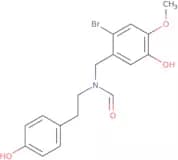

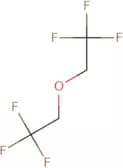
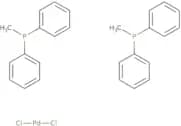

![3,6-Dichlorobenzo[b]thiophene-2-carboxylic acid](/_next/image/?url=https%3A%2Fstatic.cymitquimica.com%2Fproducts%2F3D%2Fthumb-webp%2FFD57151.webp&w=3840&q=75)
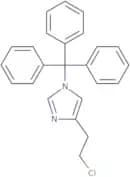
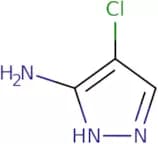
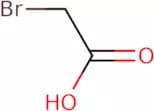
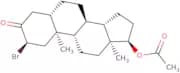
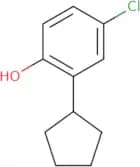
![Bis[2-(perfluorooctyl)ethyl] phosphate](/_next/image/?url=https%3A%2Fstatic.cymitquimica.com%2Fproducts%2F3D%2Fthumb-webp%2FFB18790.webp&w=3840&q=75)
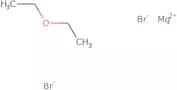
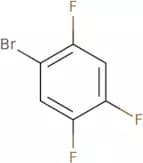
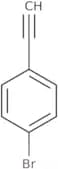
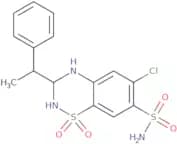
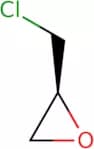
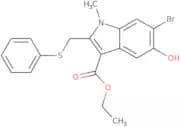

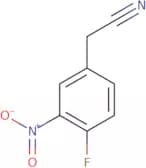
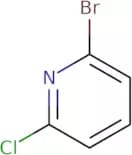
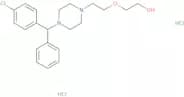

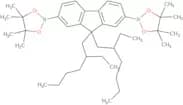
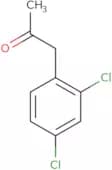
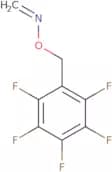
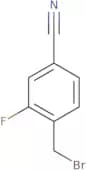
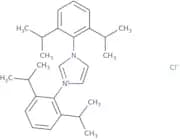

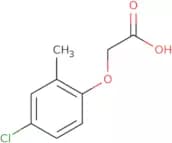

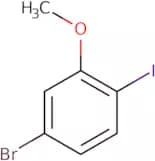

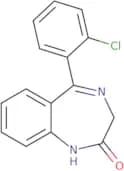
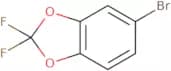
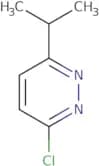
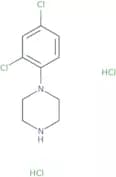
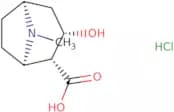
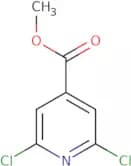
![[2-(5-Chloro-1H-indol-3-yl)-1-methylethyl]amine hydrochloride](/_next/image/?url=https%3A%2Fstatic.cymitquimica.com%2Fproducts%2F3D%2Fthumb-webp%2FFC123633.webp&w=3840&q=75)
![[1-(4-Chlorobenzyl)-1H-benzimidazol-2-yl]methanol](/_next/image/?url=https%3A%2Fstatic.cymitquimica.com%2Fproducts%2F3D%2Fthumb-webp%2FFC135813.webp&w=3840&q=75)
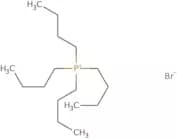
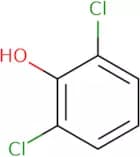

![5-Chloro-1H-imidazo[4,5-b]pyridin-2(3H)-one](/_next/image/?url=https%3A%2Fstatic.cymitquimica.com%2Fproducts%2F3D%2Fthumb-webp%2FFC142316.webp&w=3840&q=75)
![6-(2-Bromoethyl)-1,3-dimethyl-1H-pyrrolo[3,4-d]pyrimidine-2,4(3H,6H)-dione](/_next/image/?url=https%3A%2Fstatic.cymitquimica.com%2Fproducts%2F3D%2Fthumb-webp%2FFB117220.webp&w=3840&q=75)
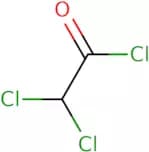
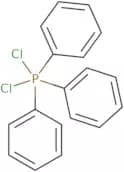

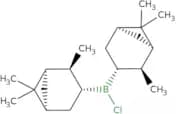
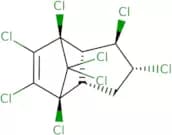
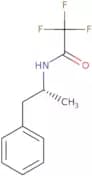
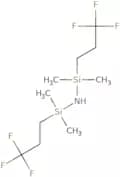

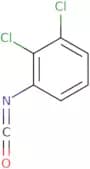
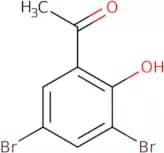
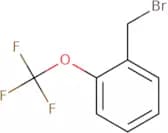
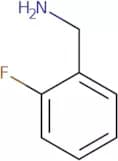
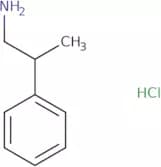


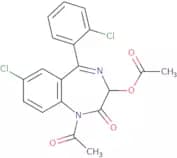
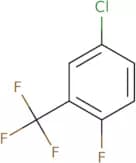
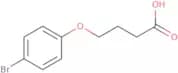

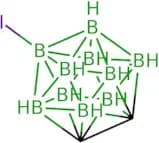
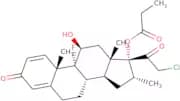
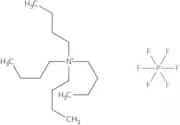
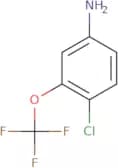
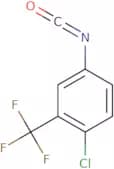


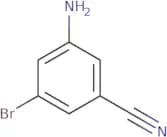
![[2-(Methylsulfinyl)ethyl]amine hydrobromide](/_next/image/?url=https%3A%2Fstatic.cymitquimica.com%2Fproducts%2F3D%2Fthumb-webp%2FFM121339.webp&w=3840&q=75)
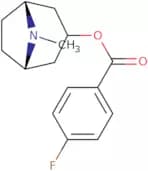
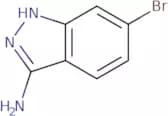
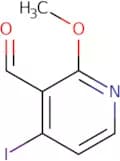
![4-Bromo-7-methoxy-1H-pyrrolo[2,3-c]pyridine](/_next/image/?url=https%3A%2Fstatic.cymitquimica.com%2Fproducts%2F3D%2Fthumb-webp%2FFB141995.webp&w=3840&q=75)
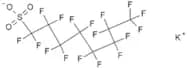

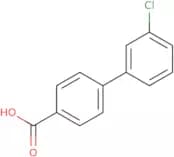

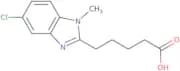
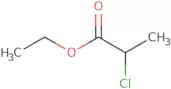
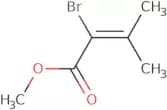
![[1,1'-Bis(diphenylphosphino)ferrocene]-dichloropalladium (II) dichloromethane complex](/_next/image/?url=https%3A%2Fstatic.cymitquimica.com%2Fproducts%2F3D%2Fthumb-webp%2FFB31909.webp&w=3840&q=75)
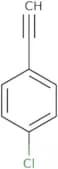
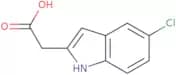
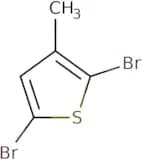
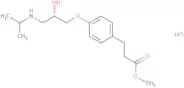
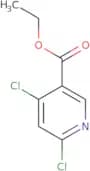
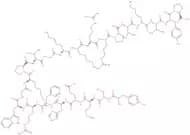

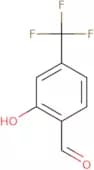
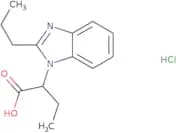

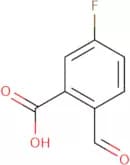
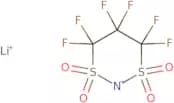
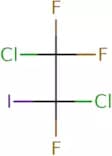
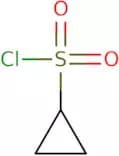
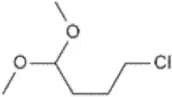
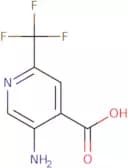

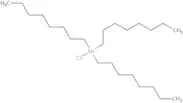

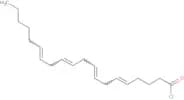
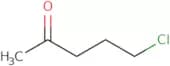
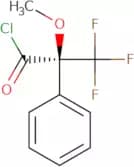
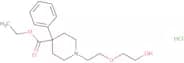
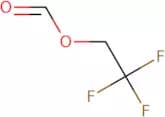
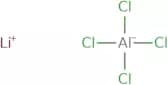
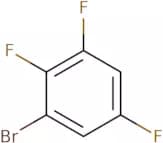
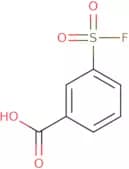
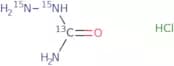
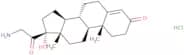
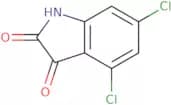
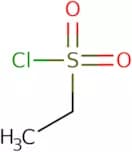
![N-(1H-Indol-4-ylmethyl)-N-[2-(4-methoxyphenyl)ethyl]amine hydrochloride](/_next/image/?url=https%3A%2Fstatic.cymitquimica.com%2Fproducts%2F3D%2Fthumb-webp%2FFI116235.webp&w=3840&q=75)
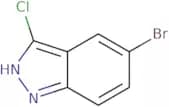
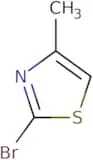
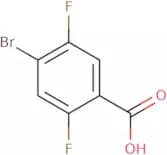
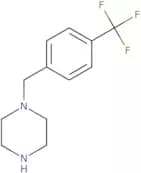
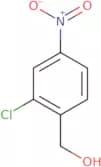
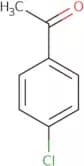
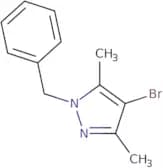
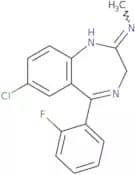
![2-[(4-fluorophenyl)methyl]-4,4,5,5-tetramethyl-1,3,2-dioxabo](/_next/image/?url=https%3A%2Fstatic.cymitquimica.com%2Fproducts%2F3D%2Fthumb-webp%2FFF105786.webp&w=3840&q=75)
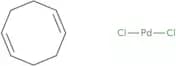
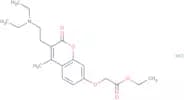
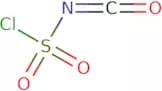

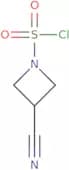
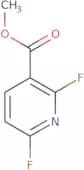
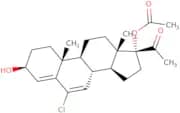
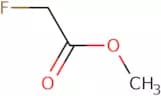

![7-(Difluoromethyl)-5-methyl[1,2,4]triazolo[1,5-a]pyrimidine-2-carboxylic acid](/_next/image/?url=https%3A%2Fstatic.cymitquimica.com%2Fproducts%2F3D%2Fthumb-webp%2FFD119953.webp&w=3840&q=75)




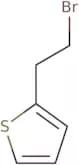
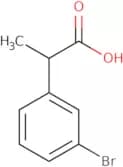
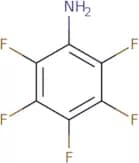
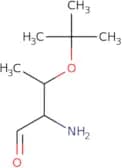
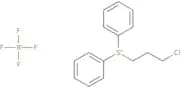
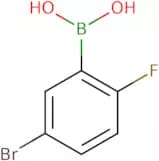
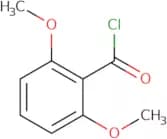
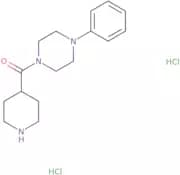

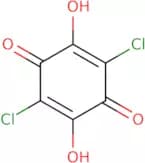
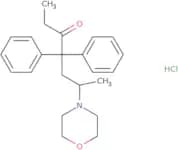
![(2-{2-[2-(2-Aminoethyl)-4,5-dimethoxybenzyl]-4,5-dimethoxyphenyl}ethyl)amine dihydrochloride](/_next/image/?url=https%3A%2Fstatic.cymitquimica.com%2Fproducts%2F3D%2Fthumb-webp%2FFA135464.webp&w=3840&q=75)
![6-Bromo-1H-pyrrolo[3,2-c]pyridine](/_next/image/?url=https%3A%2Fstatic.cymitquimica.com%2Fproducts%2F3D%2Fthumb-webp%2FFB141720.webp&w=3840&q=75)
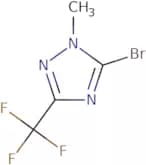
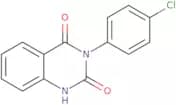

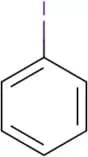
![2-(4-Fluorophenyl)-5-[(5-iodo-2-methylphenyl)methyl]thiophene](/_next/image/?url=https%3A%2Fstatic.cymitquimica.com%2Fproducts%2F3D%2Fthumb-webp%2FFF34928.webp&w=3840&q=75)
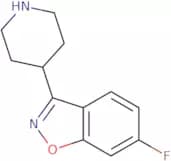
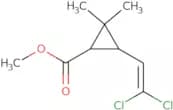
![4-[(4-Methyl-1H-pyrazol-1-yl)methyl]piperidine dihydrochloride](/_next/image/?url=https%3A%2Fstatic.cymitquimica.com%2Fproducts%2F3D%2Fthumb-webp%2FFM122832.webp&w=3840&q=75)