Organic Halides
In this category, you can find organic molecules containing one or more halogen atoms in their structure. These organic halides include brominated, iodinated, chlorinated, and cyclic halide compounds. Organic halides are widely used in organic synthesis, pharmaceuticals, agrochemicals, and materials science due to their reactivity and ability to undergo a variety of chemical transformations. At CymitQuimica, we offer a comprehensive selection of high-quality organic halides to support your research and industrial applications, ensuring reliable and effective performance in your synthetic and analytical projects.
Subcategories of "Organic Halides"
Found 20437 products of "Organic Halides"
Sort by
Purity (%)
0
100
|
0
|
50
|
90
|
95
|
100
Methyl 3-(bromomethyl)cyclobutanecarboxylate
CAS:Controlled Product<p>Applications Methyl 3-(bromomethyl)cyclobutanecarboxylate (cas# 89892-95-5) is a useful research chemical.<br></p>Formula:C7H11O2BrColor and Shape:NeatMolecular weight:207.072,3,4,5,6-Pentabromoaniline
CAS:Controlled ProductFormula:C6H2Br5NColor and Shape:NeatMolecular weight:487.607(2,3-Dichloro-4-oxyphenyl)-2-thienylmethanone
CAS:Controlled Product<p>Applications (2,3-Dichloro-4-oxyphenyl)-2-thienylmethanone (cas# 40180-03-8) is a compound useful in organic synthesis.<br></p>Formula:C11H6Cl2O2SColor and Shape:NeatMolecular weight:273.14(Diacetoxyiodo)benzene
CAS:<p>Stability Light and Moisture sensitive<br>Applications (Diacetoxyiodo)benzene is a hypervalent iodine reagent that is used in conjunction with catalytic amount of sodium azide in acetonitrile, which enables oxidative decarboxylation of 2-aryl carboxylic acid into the corresponding aldehydes, ketones and nitriles.<br>References Telvekar, V.N., et al.: Synlett., 2778 (2012); Liu, W.B., et al.: Beilstein. J. Org. Chem., 8, 244 (2012);<br></p>Formula:C10H11IO4Color and Shape:White SolidMolecular weight:322.1Methyl Adipoyl Chloride
CAS:Controlled Product<p>Applications Methyl adipoyl chloride is a reagent that is used for improved heme-mimetics based on BAY 58-2667 (cinaciguat) and their effects on soluble guanylyl cyclase (sGC) activity.<br> Not a dangerous good if item is equal to or less than 1g/ml and there is less than 100g/ml in the package<br>References von Wantoch Rekowski, M., et al.: J. Med. Chem., 56, 8948 (2013);<br></p>Formula:C7H11ClO3Color and Shape:NeatMolecular weight:178.61Ethyl 6-(4-Chlorophenoxy)hexanoate
CAS:Controlled Product<p>Applications Ethyl 6-(4-chlorophenoxy)hexanoate is used as an intermediate in the preparation of (aryl)-N-(oxooxazolidinyl)-amides as potent quorum-sensing inhibitors of Pseudomonas aeruginosa.<br>References Jiang, K., et al.: Eur. J. Med. Chem., 194, 112252 (2020);<br></p>Formula:C14H19O3ClColor and Shape:NeatMolecular weight:270.755-Bromo-2-furansulfonyl chloride
CAS:Controlled ProductFormula:C4H2BrClO3SColor and Shape:NeatMolecular weight:245.4794-Chloro-7-nitro-2,1,3-benzothiadiazole
CAS:Controlled Product<p>Applications 4-Chloro-7-nitro-2,1,3-benzothiadiazole (cas# 2207-29-6) is a useful research chemical.<br></p>Formula:C6H2N3O2SClColor and Shape:NeatMolecular weight:215.623-Bromo-N-(3-chloropropyl)benzenesulfonamide
CAS:Controlled Product<p>Applications 3-Bromo-N-(3-chloropropyl)benzenesulfonamide<br></p>Formula:C9H11BrClNO2SColor and Shape:NeatMolecular weight:312.612,6-Dimethylbenzyl bromide
CAS:Controlled Product<p>Stability Unstable in DMSO, Methanol<br>Applications 2,6-Dimethylbenzyl Bromide is a reactant used in the synthesis of spinosyns which display insecticidal activity. Also used in the preparation of pyridazine derivatives as glutamate transporter EAAT2 activators.<br>References Oliver, M. P. et al.: J. Agric. Food. Chem., 63, 5571 (2015); Xing, X. et al.: Bioorg. Med. Chem. Lett., 21, 5774 (2011);<br></p>Formula:C9H11BrColor and Shape:NeatMolecular weight:199.092-Bromo-3,4-difluoro-1-(trifluoromethyl)-benzene
CAS:Controlled ProductFormula:C7H2BrF5Color and Shape:NeatMolecular weight:260.9872,3,4,6-Tetra-O-benzoyl-α-D-mannopyranosyl Trichloroacetimidate
CAS:Controlled ProductFormula:C36H28Cl3NO10Color and Shape:NeatMolecular weight:740.9671,4-Bis(iodomethyl)benzene
CAS:Controlled ProductFormula:C8H8I2Color and Shape:NeatMolecular weight:357.958N-(2-Chloroethyl)-N-(2-hydroxyethyl) Methylamine Picrate
CAS:Controlled ProductFormula:C5H12ClNO•C6H3N3O7Color and Shape:NeatMolecular weight:137.61+(229.10)2-Amino-4-trifluoromethoxyphenylboronic acid pinacol ester
CAS:Controlled Product<p>Applications 2-Amino-4-trifluoromethoxyphenylboronic acid pinacol ester<br></p>Formula:C13H17BF3NO3Color and Shape:NeatMolecular weight:303.095-Bromoisothiazole
CAS:Controlled ProductFormula:C3H2BrNSColor and Shape:NeatMolecular weight:164.0244-Amino-3-isothiazolecarboxylic Acid Hydrochloride
CAS:Controlled ProductFormula:C4H4N2O2S·HClColor and Shape:NeatMolecular weight:180.613(1R)-4-Bromo-2,3-dihydro-1H-inden-1-amine Hydrochloride
CAS:Controlled Product<p>Applications (1R)-4-Bromo-2,3-dihydro-1H-inden-1-amine is used to prepare sphingosine 1 phosphate receptor modulators useful in treatment of S1P1-associated diseases.<br>References Boehm, M., et al.: PCT Int. Appl., WO 2012158550 A2 20121122 (2012)<br></p>Formula:C9H10BrN·HClColor and Shape:NeatMolecular weight:248.55methyl 2,4-dichlorothiazole-5-carboxylate
CAS:Controlled Product<p>Applications methyl 2,4-dichlorothiazole-5-carboxylate (cas# 861708-66-9) is a useful research chemical.<br></p>Formula:C5H3NO2SCl2Color and Shape:NeatMolecular weight:212.055,5-Dibromobarbituric Acid
CAS:Controlled Product<p>Stability Moisture Sensitive<br>Applications 5,5-Dibromobarbituric Acid (cas# 511-67-1) is a useful research chemical.<br> Not a dangerous good if item is equal to or less than 1g/ml and there is less than 100g/ml in the package<br></p>Formula:C4H2Br2N2O3Color and Shape:NeatMolecular weight:285.881,2,4-Tribromo-2,3-dimethylbutane
CAS:Controlled Product<p>Stability Light Sensitive<br>Applications 1,2,4-Tribromo-2,3-dimethylbutane is a compound useful in organic synthesis.<br></p>Formula:C6H11Br3Color and Shape:NeatMolecular weight:322.86(1R,3S)-3-(4-Bromophenyl)cyclopentanamine
CAS:Controlled Product<p>Applications (1R,3S)-3-(4-Bromophenyl)cyclopentanamine is used in the synthesis of pharmaceutical agents.<br></p>Formula:C11H14BrNColor and Shape:NeatMolecular weight:240.142-(Bromomethyl)-1,3-dioxolane
CAS:Controlled ProductFormula:C4H7BrO2Color and Shape:NeatMolecular weight:167.03-Amino-1,1,1-trifluoropropan-2-ol
CAS:Controlled Product<p>Applications 3-Amino-1,1,1-trifluoropropan-2-ol<br></p>Formula:C3H6F3NOColor and Shape:NeatMolecular weight:129.082,4-Dichloro-7-nitroquinazoline
CAS:Controlled ProductFormula:C8H3Cl2N3O2Color and Shape:NeatMolecular weight:244.034,4'-Dichlorobenzhydrol
CAS:Controlled Product<p>Applications 4,4'-Dichlorobenzhydrol is used as a dummy template for the synthesis of molecularly imprinted liquid magnetic microspheres.<br>References Qiao, F., et al.: J. Sep. Sci., 39, 1310-1315 (2016)<br></p>Formula:C13H10Cl2OColor and Shape:NeatMolecular weight:253.125-Iodo-2-aminoindane
CAS:Controlled Product<p>Applications 5-Iodo-2-aminoindane<br></p>Formula:C9H10INColor and Shape:NeatMolecular weight:259.09tert-Butyl (5-Chloro-2-fluoro-3-(4,4,5,5-tetramethyl-1,3,2-dioxaborolan-2-yl) Phenyl Carbamate
CAS:Controlled Product<p>Applications tert-Butyl (5-Chloro-2-fluoro-3-(4,4,5,5-tetramethyl-1,3,2-dioxaborolan-2-yl)phenyl)carbamate is used as a reactant in the synthesis of BRAF-kinase inhibitors.<br>References Repik, Alexey E., et al.: PCT Int. Appl., WO 2017146604 A1 20170831 (2017)<br></p>Formula:C17H24BClFNO4Color and Shape:NeatMolecular weight:371.6395-(Aminomethyl)-2,3-dihydro-1H-inden-1-one Hydrochloride
CAS:Controlled Product<p>Applications 5-(Aminomethyl)-2,3-dihydro-1H-inden-1-one Hydrochloride is a useful research chemical for organic synthesis.<br></p>Formula:C10H11NO•(HCl)Color and Shape:NeatMolecular weight:197.060744-Nitrobenzoyl Chloride
CAS:<p>Applications 4-Nitrobenzoyl Chloride is used inorganic syntheses such as Michael additions. Also used in the synthesis of polysubstituted furanonaphthoquinoines.<br> Not a dangerous good if item is equal to or less than 1g/ml and there is less than 100g/ml in the package<br>References Zhong, J. et al.: Catal. Comm., 32, 18 (2013); Wu, Z. et al.: Org. Biomol. Chem., 11, 828 (2013);<br></p>Formula:C7H4ClNO3Color and Shape:NeatMolecular weight:185.56(5-Bromo-6-quinoxalinyl)cyanamide
CAS:Controlled ProductFormula:C9H4BrN4NaColor and Shape:NeatMolecular weight:271.051-(4-Chlorophenyl)-2-mercaptoethanone
CAS:Controlled ProductFormula:C8H7ClOSColor and Shape:NeatMolecular weight:186.6593-Fluoro-4-phenylphenol
CAS:Controlled Product<p>Applications 3-Fluoro-4-phenylphenol (cas# 477860-13-2) is a useful research chemical.<br> Not a dangerous good if item is equal to or less than 1g/ml and there is less than 100g/ml in the package<br></p>Formula:C12H9FOColor and Shape:NeatMolecular weight:188.20N-(3-Bromopropyl)phthalimide
CAS:Controlled Product<p>Applications N-(3-Bromopropyl)phthalimide is used in synthesis of several organic compounds including that of flavonoid derivatives which act as selective ABCC1 modulators with potential use as pharmacological tools for investigation of the role of ABCC1. It is also used in the synthesis of Hederagenin which is a triterpene template for the development of new antitumor compounds.<br>References Obreque, B., et al.: Eur. J. Med. Chem., 109, 124 (2016); Rodriguez-Hernandez, D., et al.: Eur. J. Med. Chem., 105, 57 (2015);<br></p>Formula:C11H10BrNO2Color and Shape:NeatMolecular weight:268.11Dichloracetal Chloride-3C2
CAS:Controlled ProductFormula:C2HCl3OColor and Shape:NeatMolecular weight:145.9093Chloromethanesulfonyl Chloride
CAS:Controlled Product<p>Applications Chloromethanesulfonyl Chloride is a very useful intermediate for organic synthesis. It enhances citric acid production by Aspergillus niger NCIM-1696 and increases the yield of citric acid. It also functions as a useful intermediate for pharmaceutical synthesis.<br>References Mahato, J., et al.: J. Chemtracks, 16, 245 (2014); Shealy, Y. F., et al.: J. Med. Chem., 26, 1168 (1983); Johnson, J. K., et al.: ACS Med. Chem. Lett., 7, 785 (2016)<br></p>Formula:CH2Cl2O2SColor and Shape:NeatMolecular weight:149.0Methyl 2-chloro-6-nitrobenzoate
CAS:Controlled Product<p>Applications Methyl 2-chloro-6-nitrobenzoate<br></p>Formula:C8H6ClNO4Color and Shape:NeatMolecular weight:215.59[5-Chloro-2-(cyclopropylmethyl)phenyl]-hydrazine
CAS:Controlled ProductFormula:C10H13ClN2Color and Shape:NeatMolecular weight:196.6771,5-Diiodo-3-oxopentane
CAS:Controlled Product<p>Applications 1,5-Diiodo-3-oxopentane (cas# 34270-90-1) is a compound useful in organic synthesis.<br></p>Formula:C4H8I2OColor and Shape:NeatMolecular weight:325.91Aminoacetonitrile Hydrochloride
CAS:Controlled Product<p>Applications Aminoacetonitrile is a useful synthetic intermediate. It is a reagent used to synthesize dipeptide nitriles as reversible and potent cathepsin S inhibitors. It can also used to prepare substituted cyclic ureas as possible HIV protease inhibitors.<br>References Ward, Y., et al.: J. Med. Chem., 45, 5471 (2002); Wilkerson, W., et al.: J. Med. Chem., 40, 4079 (1997)<br></p>Formula:C2H5ClN2Color and Shape:White To Off-WhiteMolecular weight:92.531-(3-Bromopropyl)adamantane
CAS:Controlled ProductFormula:C13H21BrColor and Shape:NeatMolecular weight:257.215-[3-(Trifluoromethoxy)phenyl-2-Furancarboxylic Acid
CAS:Controlled Product<p>Applications 5-[3-(Trifluoromethoxy)phenyl-2-Furancarboxylic Acid is the structural analogue of 5-[2-(Trifluoromethoxy)phenyl]-2-furancarboxylic Acid (T790925), a reactant used in the preparation of (phenyl)-N-[(mercapto)(pyrrolyl)triazolyl]furancarboxamide and (phenoxy)-N-[(mercapto)(pyrrolyl)triazolyl]acetamide derivatives as herbicides.<br>References Xue, S., Lu, C.: Youji Huaxue, 28, 1083 (2008)<br></p>Formula:C12H7F3O4Color and Shape:NeatMolecular weight:272.18Isoindolin-5-ol Hydrobromide
CAS:Controlled ProductFormula:C8H9NO·(HBr)Color and Shape:NeatMolecular weight:216.072,3-Dibromopropene
CAS:Controlled Product<p>Applications 2,3-Dibromopropene is used in preparation of Quaternary Ammonium Salt derivatives for use as Trimethylamine production inhibitors.Also, used in preparation of Boron containing compounds as Phosphodiesterase PDE4 inhibitors.<br>References Nudel, K., et al.:PCT Int. Appl., (2020); Strohbach, Joseph W., et al.: PCT Int. Appl., (2020);<br></p>Formula:C3H4Br2Color and Shape:NeatMolecular weight:199.872-Hydroxy-5-chloro-N-(5-bromo-2-thiadiazolyl)benzamide
Controlled ProductFormula:C9H5BrClN3O2SColor and Shape:NeatMolecular weight:334.577(alphaS)-α-(Aminomethyl)-4-Fluoro-Benzenemethanol
CAS:Controlled ProductFormula:C8H10FNOColor and Shape:NeatMolecular weight:155.1691,3,5-Tribromobenzene
CAS:Controlled Product<p>Applications 1,3,5-Tribromobenzene, is a reagent that can be used in the preparation of different inhibitors. It is also a substituted Bromobenzene, a general reagent in palladium-catalyzed reactions and in the synthesis of Grignard reagents.<br>References Miyaura, N. et al.: Synth. Commun., 11, 513 (1981); Nahm, S. et al.: Tetra. Lett., 22, 3815 (1981);<br></p>Formula:C6H3Br3Color and Shape:NeatMolecular weight:314.80(2Z)-7-Chloro-2-[[[(1S)-2,2-dimethylcyclopropyl]carbonyl]amino]-2-heptenoic Acid
CAS:Controlled Product<p>Stability Hygroscopic<br>Applications (2Z)-7-Chloro-2-[[[(1S)-2,2-dimethylcyclopropyl]carbonyl]amino]-2-heptenoic Acid is a reagent used in the preparation of Cilastatin (C441105), prevents renal metabolism of penem and carbapenem antibiotics by specific and reversible dehydropeptidase I inhibition. Antibacterial adjunct.<br>References Finlay, K.R., et al.: Invest. Ophthalmol. Visual Sci., 24, 1147 (1983), Norrby, S.R., et al.: Antimicrob. Agents Chemother., 23, 300 (1983), Washburn, D.E., et al.: J. Antimicrob. Chemother., 12, 39 (1983),<br></p>Formula:C13H20ClNO3Color and Shape:NeatMolecular weight:273.764-Chloro-2(imino(phenyl)methyl)aniline
CAS:Controlled ProductFormula:C13H11ClN2Color and Shape:NeatMolecular weight:230.693Di-tert-butyl ChloromethylPhosphate (stabilized with K2CO3)
CAS:Controlled Product<p>Stability Moisture Sensitive<br>Applications Di-tert-butyl chloromethyl phosphate (cas# 229625-50-7) is a useful research chemical.<br></p>Formula:C9H20ClO4PColor and Shape:NeatMolecular weight:258.6795N-(2,6-Dimethylphenyl)-2,2-dichloroacetamide
CAS:<p>Stability Hygrscopic<br>Applications N-(2,6-Dimethylphenyl)-2,2-dichloroacetamide is an intermediate used to prepare Ranolazine (R122500), an antianginal agent.<br>References Aalla, S., et al.: Org. Proc. Res. Dev.,16, 748 (2012)<br></p>Formula:C10H11Cl2NOColor and Shape:White To Light YellowMolecular weight:232.112,6-Difluorobenzyl chloride
CAS:Controlled Product<p>Applications 2,6-Difluorobenzyl chloride<br></p>Formula:C7H5ClF2Color and Shape:NeatMolecular weight:162.561-(4-Bromophenyl)ethane-1,2-diol
CAS:Controlled Product<p>Applications 1-(4-Bromophenyl)ethane-1,2-diol is used as a reactant in the regioselective palladium-catalyzed O,S rearrangement of cyclic thiocarbonates.<br>References Mahy, William, et al.: Euro. J. of Org. Chem., 2017(43), 6441-6444 (2017)<br></p>Formula:C8H9BrO2Color and Shape:NeatMolecular weight:217.06[2-Amino-5-(methyloxy)phenyl](4-chlorophenyl)methanone
CAS:Controlled ProductFormula:C14H12ClNO2Color and Shape:NeatMolecular weight:261.704Methyl 4-(trifluoromethoxy)benzoate
CAS:Controlled Product<p>Applications Methyl 4-(trifluoromethoxy)benzoate<br></p>Formula:C9H7F3O3Color and Shape:NeatMolecular weight:220.154-Fluorobenzyl Bromide
CAS:Controlled Product<p>Applications 4-Fluorobenzyl Bromide is a substituted benzyl bromide reagent used in the preparation of wide range of biologically active compounds such as bronchodialators, neurochemicals and antibacterials.<br> Not a dangerous good if item is equal to or less than 1g/ml and there is less than 100g/ml in the package<br>References Hardtmann, G.E. et al.: J. Med. Chem., 18, 447 (1975); Bartl, V. et al.: Coll. Czechoslov. Chem. Comm., 45, 3182 (1980);<br></p>Formula:C7H6BrFColor and Shape:NeatMolecular weight:189.02(3,3-Difluorocyclobutyl)methanamine Hydrochloride
CAS:Controlled Product<p>Applications (3,3-Difluorocyclobutyl)methanamine hydrochloride (cas# 1159813-93-0) is a useful research chemical.<br></p>Formula:C5H9NF2•HClColor and Shape:NeatMolecular weight:121.13 + (36.46)2,4,5-Trichloroaniline
CAS:Controlled Product<p>Applications 2,4,5-Trichloroaniline is a chlorinated aniline used in the preparation of azo dyes, insecticides, herbicides as well as in antiviral agents.<br> Not a dangerous good if item is equal to or less than 1g/ml and there is less than 100g/ml in the package<br>References Kreutzberger, A. et al.: Arch. Pharm., 320, 37 (1987); Lee, K.S. et al.: Han. Nong. Hakh., 22, 109 (1979); Peters, A.T. et al.: Dyes Pigm., 30, 291 (1996);<br></p>Formula:C6H4Cl3NColor and Shape:NeatMolecular weight:196.462-Heptyl Chloroformate
CAS:Controlled Product<p>Stability Reactive to Moisture<br>Applications 2-Heptyl Chloroformate is a potential impurity in the synthesis of Dabigatran Etexilate Mesylate (D100150); a nonpeptide and direct thrombin inhibitor. Antithrombotic.<br> Not a dangerous good if item is equal to or less than 1g/ml and there is less than 100g/ml in the package<br>References Zheng, Y., et al.: Org. Process Res. Dev., 18, 744 (2014); Hauel, N., et al.: J. Med. Chem., 45, 1757 (2002); Mungall, D., et al.: Curr. Opin. Invest. Drugs, 3, 095 (2002); Stangier, J., et al.: J. Clin. Pharmacol., 45, 555 (2005)<br></p>Formula:C8H15ClO2Color and Shape:NeatMolecular weight:178.662-Fluoro-5-(trifluoromethyl)aniline
CAS:Controlled Product<p>Applications 2-Fluoro-5-(trifluoromethyl)aniline has been used as a reactant for the synthesis of 5,6,7-trimethoxy-N-phenyl(ethyl)-4-aminoquinazoline derivatives with anticancer activities.<br>References Zhang, Y., et. al.: Eur. J. Med. Chem., 66, 335 (2013)<br></p>Formula:C7H5F4NColor and Shape:NeatMolecular weight:179.11(R)-Ethyl 4-Chloro-3-hydroxybutanoate (~90%)
CAS:Controlled Product<p>Applications (R)-Ethyl 4-chloro-3-hydroxybutanoate is used in biological studies for asymmetric reduction of ethyl 4-chloro-3-oxobutanoate to ethyl (R)-4-chloro-3-hydroxybutanoate with two co-existing, recombinant Escherichia coli strains.<br>References Liu, Y., et al.: Biotech. Lett., 27, 119 (2005);<br></p>Formula:C6H11ClO3Purity:~90%Color and Shape:NeatMolecular weight:166.67-Fluoro-2,3,4,5-tetrahydro-1H-3-benzazepine
CAS:Controlled Product<p>Applications 7-Fluoro-2,3,4,5-tetrahydro-1H-3-benzazepine is a metabolite of Lorcaserine (L469890), which is a novel selective 5-HT2C-receptor agonist for the treatment of obesity.<br>References Pauli, M., et al.: Formulary, 45, 180 (2010), Ioannides-Demos, L.L., et al.: J. Obesity, 18, 179674 (2011),<br></p>Formula:C10H12FNColor and Shape:NeatMolecular weight:165.2071,4-Bis(bromomethyl)-2,5-diiodobenzene
CAS:Controlled ProductFormula:C8H6Br2I2Color and Shape:NeatMolecular weight:638.7274,8,12-Trimethyl-3,7,11-tridecatrienoyl Chloride
CAS:Controlled ProductFormula:C16H25ClOColor and Shape:NeatMolecular weight:268.8222-Acetoxyisobutyryl Bromide
CAS:Controlled Product<p>Applications 2-Acetoxyisobutyryl Bromide is used as a reagent in the preparation of didehydro-dideoxyinosine phosphoramidate produgs which have anticancer activity.<br> Not a dangerous good if item is equal to or less than 1g/ml and there is less than 100g/ml in the package<br>References Borek, W., et al.: Nucleos. Nucleot. Nucl., 33, 507 (2014)<br></p>Formula:C6H9BrO3Purity:>85%Color and Shape:NeatMolecular weight:209.04(1-(Fluoromethyl)cyclopropyl)methanol
CAS:Controlled ProductFormula:C5H9FOColor and Shape:NeatMolecular weight:104.123p-Toluenesulfonic Acid 3-(3-Trifluoromethylphenyl)propyl Ester
CAS:Controlled ProductFormula:C17H17F3O3SColor and Shape:NeatMolecular weight:358.3752-Bromoethyl Acetate
CAS:Controlled Product<p>Applications 2-Bromoethyl Acetate, is a versatile building block used in the synthesis of chemical compounds.<br> Not a dangerous good if item is equal to or less than 1g/ml and there is less than 100g/ml in the package<br></p>Formula:C4H7BrO2Color and Shape:NeatMolecular weight:167.01,1,1,2,2-Pentafluoro-4-iodobutane
CAS:Controlled Product<p>Applications 1,1,1,2,2-Pentafluoro-4-iodobutane is a reactant in the synthesis of fluorous imidazolium chloride ionic liquids with the ability to dissolve cellulose.<br> Not a dangerous good if item is equal to or less than 1g/ml and there is less than 100g/ml in the package<br>References Caes, B.R., et. al.: Green Chem., 13, 2719 (2011)<br></p>Formula:C4H4F5IColor and Shape:NeatMolecular weight:273.97Bromomethyl Methyl Ether
CAS:Controlled Product<p>Applications Bromomethyl Methyl Ether acts as a reagent in the synthesis and evaluation of hydroxymethyl-aminocyclitols as glycosidase inhibitors, preparation of pyridine derivatives for minimizing CYP2C9 inhibition for cancer therapy. Also a reagent in the discovery of GBT 440, an orally bioavailable R state stabilizer of sickle cell Hb.<br> Not a dangerous good if item is equal to or less than 1g/ml and there is less than 100g/ml in the package<br>References Trapero, A., et al.: J. Org. Chem., 80, 3512 (2015); Zak, M., et al.: J. Med. Chem., 59, 8345 (2016); Metcalf, B.; et al.: ACS Med. Chem. Lett., 8, 321 (2017)<br></p>Formula:C2H5BrOColor and Shape:NeatMolecular weight:124.969,9-Dimethyl-9H-fluorene-2-carbonitrile
CAS:Controlled ProductFormula:C16H13NColor and Shape:NeatMolecular weight:219.28tert-Butyl 2-(4-(Bromomethyl)phenyl)acetate
CAS:Controlled Product<p>Applications tert-butyl 2-(4-(bromomethyl)phenyl)acetate (cas# 77292-91-2) is a useful research chemical.<br></p>Formula:C13H17BrO2Color and Shape:NeatMolecular weight:285.18Trimethyl Bromoorthoacetate
CAS:Controlled Product<p>Applications Trimethyl Bromoorthoacetate is an intermediate in the synthesis of 3,6-Bis(2-hydroxyethyl)-2-pyrazinepropanoic Acid (B444100), an impurity of Clavulanic Acid (C563750).<br>References Zupke, C., et al.: Biotechnol. Prog., 10, 489 (1994), Finlay, J., et al.: J .Antimicrob. Chemother., 52, 18 (2003),<br></p>Formula:C5H11BrO3Color and Shape:NeatMolecular weight:199.04Methyl 2-Chloro-6-(trifluoromethyl)nicotinate
CAS:Controlled Product<p>Applications Methyl 2-Chloro-6-(trifluoromethyl)nicotinate (cas# 1073129-57-3) is a useful research chemical.<br></p>Formula:C8H5NO2F3ClColor and Shape:NeatMolecular weight:239.58Ethyl Bromodifluoroacetate
CAS:Controlled Product<p>Applications Ethyl bromodifluoroacetate is a fluorinated compound commonly used in Reformatsky reactions to synthesize difluoro-beta-lactams. Ethyl bromodifluoroacetate is also used as a reagent to synthesize a gallic acid derivative that exhibits plant growth promoting activity.<br> Not a dangerous good if item is equal to or less than 1g/ml and there is less than 100g/ml in the package<br>References Konas, D., et al.: Synthesis, 2002, 2616 (2002); Negi, A., et al.: Bioorg. Med. Chem. Lett., 15, 1243 (2005); Tarui, A., et al.: Heterocycles, 73, 203 (2007)<br></p>Formula:C4H5BrF2O2Color and Shape:NeatMolecular weight:202.98N1-(3,4-Dichlorophenyl)-1,3-propanediamine
CAS:Controlled Product<p>Applications N1-(3,4-Dichlorophenyl)-1,3-propanediamine is a compound being used in the synthesis of novel amide-based biaryl complexes which can act as allosteric binding site antagonists of NR1A/NR2B NMDA receptors.<br>References Mosley, C.A., et al.: Bioorg. Med. Chem. Lett., 17, 6463-6480 (2009)<br></p>Formula:C9H12Cl2N2Color and Shape:NeatMolecular weight:219.1115-(Chloromethyl)-3-[1-(4-chlorophenyl)cyclopropyl]-1,2,4-oxadiazole
CAS:Controlled Product<p>Applications 5-(Chloromethyl)-3-[1-(4-chlorophenyl)cyclopropyl]-1,2,4-oxadiazole is an intermediate used to prepare substituted oxadiazole analogs as calcium channel antagonists.<br>References Cai, C., et al.: PCT Int. Appl., WO 2008117148 A1 20081002 (2008)<br></p>Formula:C12H10Cl2N2OColor and Shape:NeatMolecular weight:269.133-(trifluoromethyl)-2,5-dihydrothiophene 1,1-Dioxide
CAS:Controlled Product<p>Applications 3-(trifluoromethyl)-2,5-dihydrothiophene 1,1-Dioxide has applications as research reagent<br>References Dmowski, W., et al.: J. Fluorine Chem., 87, 179 (1998)<br></p>Formula:C5H5F3O2SColor and Shape:NeatMolecular weight:186.1522-Amino-6-fluoroisonicotinic Acid
CAS:Controlled ProductFormula:C6H5FN2O2Color and Shape:NeatMolecular weight:156.1141-Pyrenemethylamine Hydrochloride
CAS:Controlled Product<p>Applications 1-Pyrenemethylamine Hydrochloride is used for labelling of various biomolecules. It is used as a reactant in self-assembling vancomycin-pyrene derivatives as hydrogel with potential medical applications. Also used in the preparation of 25,27-bis(ethylacetoethoxy)-26,28-dipropyloxycalix[4]arene.<br>References Xing, B., et al.: J. Am. Chem. Soc., 124, 14846 (2002); Kim, S., et al.: J. Am. Chem. Soc., 126, 16499 (2004);<br></p>Formula:C17H13N·HClColor and Shape:NeatMolecular weight:231.29+(36.46)2-Chloro-N-[4-chloro-2-[(hydroxyimino)phenylmethyl]phenyl]acetamide
CAS:Controlled Product<p>Applications 2-Chloro-N-[4-chloro-2-[(hydroxyimino)phenylmethyl]phenyl]acetamide is used in the preparation and antioxidant activity of Quinazoline (Q670100) and 1,4-diazepine derivatives.<br>References Sharma, P., et al.: J. Pharm. Res., (Mohali, India) (2014), 8(10), 1355-1363<br></p>Formula:C15H12Cl2N2O2Color and Shape:NeatMolecular weight:323.17α-Bromostyrene (~90%, ~1% Hydroquinone as stabilizer)
CAS:Controlled Product<p>Applications (1-Bromoethenyl)-benzene is a useful synthetic intermediate. It is a reactant used to synthesize Potassium (1-Phenylcyclopropyl)trifluoroborate (P698400). It can also be used in the synthesis of substituted cyclopentenones.<br>References Zhang, L., et al.: J. Am. Chem. Soc., 128, 1442 (2006)<br></p>Formula:C8H7BrColor and Shape:NeatMolecular weight:183.054-Chloro-1,2-dimethylbenzene
CAS:Controlled Product<p>Applications 4-chloro-1,2-dimethylbenzene (cas# 615-60-1) is a useful research chemical.<br></p>Formula:C8H9ClColor and Shape:ColourlessMolecular weight:140.61N-(2-Acetyl-1-benzofuran-3-yl)-2-chloroacetamide
CAS:Controlled Product<p>Applications N-(2-acetyl-1-benzofuran-3-yl)-2-chloroacetamide (cas# 855715-46-7) is a useful research chemical.<br></p>Formula:C12H10NO3ClColor and Shape:NeatMolecular weight:251.662-Chloro-N-(9,10-dioxo-9,10-dihydroanthracen-2-yl)acetamide
CAS:Controlled ProductFormula:C16H10ClNO3Color and Shape:NeatMolecular weight:299.7092-Amino-3-bromo-5-chlorobenzoic Acid
CAS:Controlled Product<p>Applications 2-Amino-3-bromo-5-chlorobenzoic Acid is used as a starting material in the synthesis of a series of 3-(2-(2-methoxyphenyl)-2-oxoethyl) quinazolinone derivatives, which showed anticoccidial activity against Eimeria tenella in chicken.<br>References Ye, Changwen., et al.: Pestic. Biochem. Phys., 97(3), 194-198 (2010)<br></p>Formula:C7H5BrClNO2Color and Shape:NeatMolecular weight:250.484-Fluoro-3,5-dimethylaniline
CAS:Controlled ProductFormula:C8H10FNColor and Shape:NeatMolecular weight:139.172-[(2-Fluorophenyl)sulfanyl]acetic Acid
CAS:Controlled Product<p>Applications 2-[(2-fluorophenyl)sulfanyl]acetic acid (cas# 705-02-2) is used in the preparation of phenylsulfanylalkylcarboxylic acid compositions, useful for the delivery of active agents.<br>References Wang, N. F., et al.: PCT Int. Appl. 118 pp. (2008)<br></p>Formula:C8H7FO2SColor and Shape:NeatMolecular weight:186.2035-Bromopentyl Acetate
CAS:Controlled Product<p>Applications 5-Bromopentyl Acetate is used to model the toxicity of haloesters on marine bacterium such as Vibrio fischeri.<br>References Cornin, M.T.D, et. al.: SAR QSAR Environ. Res., 11, 301 (2000)<br></p>Formula:C7H13BrO2Color and Shape:NeatMolecular weight:209.083,5-Difluoroisonicotinonitrile
CAS:Controlled Product<p>Applications 3,5-Difluoroisonicotinonitrile (cas# 1214377-09-9) is a useful research chemical.<br></p>Formula:C6H2F2N2Color and Shape:NeatMolecular weight:140.09Dimethylthiocarbamoyl Chloride
CAS:Controlled Product<p>Applications Dimethylthiocarbamoyl Chloride is used as a reagent in the synthesis of Fluticasone Propionate (F599500); an anti-allergic, anti-asthmatic, and anti-inflammatory agent.<br> Not a dangerous good if item is equal to or less than 1g/ml and there is less than 100g/ml in the package<br>References Meltzer, E.O., et al.: J. Allergy Clin. Immunol., 86, 221 (1990); Mitchison, H.C., et al.: Gut, 32, 260 (1991); Phillipps, G.H., et al.: J. Med. Chem., 37, 3717 (1994)<br></p>Formula:C3H6ClNSColor and Shape:NeatMolecular weight:123.6Ethyl (Z)-3-(Dimethylcarbamoylamino)-4,4,4-trifluoro-but-2-enoate
CAS:Controlled Product<p>Applications Ethyl (Z)-3-(Dimethylcarbamoylamino)-4,4,4-trifluoro-but-2-enoate is an intermediate in the synthesis of Tiafenacil (T436300), which is a uracil herbicide used as a pesticide for the prevention and control of plants.<br>References Peng, X., et al. Faming Zhuanli Shenqing, 68pp Patent 2018 CODEN:CNXXEV<br></p>Formula:C9H13F3N2O3Color and Shape:NeatMolecular weight:254.2064-Chlorobenzyl Chloride (~90%)
CAS:Controlled Product<p>Stability Moisture Sensitive<br>Applications 4-Chlorobenzyl Chloride is a benzylchloride derivative used in the preparation of various biologically active compounds such as bronchodilators and antibacterial agents.<br> Not a dangerous good if item is equal to or less than 1g/ml and there is less than 100g/ml in the package<br>References Adams, M. et al.: Synth. Comm., 29, 2419 (1999); Foroumadi, A. et al.: Arch. Pharm. Res., 30, 138 (2007);<br></p>Formula:C7H6Cl2Purity:~90%Color and Shape:NeatMolecular weight:161.031-Amino-3-phenyl-2-propanone Hydrochloride (1:1)
CAS:Controlled ProductFormula:C9H11NO·HClColor and Shape:NeatMolecular weight:185.6512-Bromo-1-(2-ethoxyphenyl)ethanone
CAS:Controlled Product<p>Applications 2-Bromo-1-(2-ethoxyphenyl)ethanone is used as a reagent in the preparation of aroylfurans and aroylthiophenes which are used in the treatment of neoplastic and autoimmune diseases.<br>References Eberle, M., et al.: Preparation of aroylfurans and aroylthiophenes for treating neoplastic and autoimmune diseases, WO Patent 2005061476, Jul 7, 2005;<br></p>Formula:C10H11BrO2Color and Shape:NeatMolecular weight:243.0972-Amino-3,3,3-trifluoro-1-propanol
CAS:Controlled ProductFormula:C3H6F3NOColor and Shape:NeatMolecular weight:129.0814-Dimethylaminobut-2-ynoic Acid Hydrochloride
CAS:Controlled Product<p>Applications 4-Dimethylaminobut-2-ynoic Acid Hydrochloride, is used as a reactant in the synthesis of quinazoline derivatives such as (2Z)-Afatinib (A355305) which may be used in the treatment of some cancers.<br>References Tsou, H., et. al.: J. Med. Chem., 44, 2719 (2001)<br></p>Formula:C6H9NO2•HClColor and Shape:NeatMolecular weight:163.6Methyl 7-Chloro-2,3,4a,5-tetrahydroindeno[1,2-e][1,3,4]oxadiazine-4a-carboxylate
CAS:Controlled ProductFormula:C12H11ClN2O3Color and Shape:NeatMolecular weight:266.683-(2-Chlorophenyl)-3-oxopropanoic Acid
CAS:Controlled ProductFormula:C9H7ClO3Color and Shape:NeatMolecular weight:198.603(2,6-Dichlorophenyl)methanamine
CAS:Controlled Product<p>Applications (2,6-Dichlorophenyl)methanamine was one of the reactants used in making a library of highly selective and potent G protein-coupled receptor kinase 2 inhibitors.<br>References Waldschmidt, Helen V, et al.: J. of Med. Chem., 59(8), 3793-3807 (2016).<br></p>Formula:C7H7Cl2NColor and Shape:NeatMolecular weight:176.044-Fluorobenzonitrile
CAS:Controlled Product<p>Applications 4-Fluorobenzonitrile is used in the synthesis of flurenones, pharmaceutical prerequisites, as well as opiod receptor antagonists.<br> Not a dangerous good if item is equal to or less than 1g/ml and there is less than 100g/ml in the package<br>References Wan, J. et al.: Org. Lett., 15, 2742 (2013); Kormos, C. et al.: J. Med. Chem., 56, 4551 (2013);<br></p>Formula:C7H4FNColor and Shape:NeatMolecular weight:121.112,5-Bis(trifluoromethyl)aniline
CAS:Controlled Product<p>Applications 2,5-Bis(trifluoromethyl)aniline is a haloalkul substituted aniline used in the preparation of anti-benign prostatic hyperplasia drug, Dutasteride (D735000).<br>References Liang, Y. et al.: Jil. Dax. Xueb. Lixeub., 45, 1035 (2007);<br></p>Formula:C8H5F6NColor and Shape:ColourlessMolecular weight:229.12Cyclopropylhydrazine Dihydrochloride
CAS:Controlled Product<p>Applications Cyclopropylhydrazine Dihydrochloride, is a building block used in preparation of more complex compound.<br></p>Formula:C3H8N2·2HClColor and Shape:NeatMolecular weight:108.045433,5-Diamino-4-chlorobenzonitrile
CAS:Controlled Product<p>Applications 3,5-Diamino-4-chlorobenzonitrile is used in the preparation of glycolic amide derivatives as allergy inhibitors and antiinflammatory agents<br>References Ban, M., et al.: Bioorg. Med. Chem., 6, 1069 (1998); Takasugi, H. et al.: J. Antibio., 36, 846 (1983); Ban, M. et al.: Bioorg. Med. Chem., 6, 1069 (1998);<br></p>Formula:C7H6ClN3Color and Shape:NeatMolecular weight:167.61-Chloro-3-(3,5-dimethylphenoxy)-2-propanol
CAS:Controlled Product<p>Applications 1-Chloro-3-(3,5-dimethylphenoxy)-2-propanol is an intermediate used in the synthesis of 1-Amino-3-(3,5-dimethylphenoxy)-2-propanol (A607300), which is a degradation product of Metaxalone (M225850); a muscle relaxant used to relax muscles and relieve pain.<br>References Rao, R.N., et al.: Biomed. Chromatogr., 27, 1733 (2013)<br></p>Formula:C11H15ClO2Color and Shape:NeatMolecular weight:214.6893-Cyclohexyl-N-(3,5-dichlorophenyl)-2-(1,1-dioxo-1λ6-thiomorpholin-4-yl)propanamide
CAS:Controlled ProductFormula:C19H26Cl2N2O3SColor and Shape:NeatMolecular weight:433.392(1,3-Dioxolan-2-ylmethyl)triphenylphosphonium Bromide
CAS:Controlled Product<p>Applications (1,3-Dioxolan-2-ylmethyl)triphenylphosphonium Bromide is used as a reactant in the synthesis of ketolides methyloxoerythromycins with antibacterial activity as highly potent against macrolide-resistant and susceptible respiratory pathogens.<br>References Agouridas, C., et al.: J. Med. Chem., 41, 4080 (1998);<br></p>Formula:C22H22O2P·BrColor and Shape:NeatMolecular weight:349.38+(79.90)2-(2,4-Difluorophenyl)-1,2,3-propanetriol
CAS:<p>Applications 2-(2,4-Difluorophenyl)-1,2,3-propanetriol is used as a reagent in the synthesis of glycerol derivatives as intermediates for antifungal phenyltriazolylpropanediol derivatives. Also an impurity of the antifungal agent Fluconazole (F421000).<br>References Richard, K. et al.: Antimicrob. Ag. Chemother., 27, 832 (1985); Yasohara, Y., et al.: PCT Int. Appl. WO 9528374 A1 19951026. Oct 26, 1995<br></p>Formula:C9H10F2O3Color and Shape:NeatMolecular weight:204.175-Iodocytidine
CAS:Controlled Product<p>Applications 5-Iodocytidine is an intermediate for research in the field of nucleic acids and nucleic acid-protein interactions<br></p>Formula:C9H12IN3O5Color and Shape:NeatMolecular weight:369.112-(3-Bromo-4-(trifluoromethoxy)phenyl)-2,2-difluoroacetic acid
CAS:Controlled Product<p>Applications 2-(3-Bromo-4-(trifluoromethoxy)phenyl)-2,2-difluoroacetic acid<br></p>Formula:C9H4BrF5O3Color and Shape:NeatMolecular weight:335.02Trimethylstearylammonium Chloride
CAS:Controlled Product<p>Applications TRIMETHYLSTEARYLAMMONIUM CHLORIDE (cas# 112-03-8) is a useful research chemical.<br></p>Formula:C21H46N·ClColor and Shape:NeatMolecular weight:348.05N-[4-Cyano-3-(trifluoromethyl)phenyl]-2-oxopropanamide
CAS:Controlled Product<p>Applications N-[4-Cyano-3-(trifluoromethyl)phenyl]-2-oxopropanamide (cas# 87310-69-8) is a compound useful in organic synthesis.<br></p>Formula:C11H7F3N2O2Color and Shape:NeatMolecular weight:256.182,6-Diiodophenol
CAS:Controlled Product<p>Applications 2,6-Diiodophenol is a useful reactant in organic synthesis.<br>References Gebara, Karimi S., et al.: Tetrahedron Let., 52(22), 2849-2852 (2011);Lv, Chunjie, et al.: Org. Let., 20(7), 1919-1923 (2018)<br></p>Formula:C6H4I2OColor and Shape:NeatMolecular weight:345.902-Amino-1-(4-morpholinyl)-ethanone Hydrochloride
CAS:Controlled Product<p>Applications 2-Amino-1-(4-morpholinyl)-ethanone Hydrochloride (cas# 24152-96-3) is a useful research chemical.<br></p>Formula:C6H12N2O2·HClColor and Shape:NeatMolecular weight:180.633-Amino-2,2-difluoropropan-1-ol
CAS:Controlled ProductFormula:C3H7F2NOColor and Shape:NeatMolecular weight:111.091[4-(2,2,2-Trifluoroethoxy)phenyl]hydrazine Hydrochloride
CAS:Controlled ProductFormula:C8H9F3N2O·HClColor and Shape:NeatMolecular weight:242.626MART-1 (26-35) (human) trifluoroacetate salt
CAS:<p>Native Melan-A (26-35) decapeptide derives from the melanocyte lineage-specific protein Melan-A/MART-1, which is expressed in almost 75-100% of primary and metastatic melanomas.<br>The region 26-35 of Melan-A protein acts as an antigenic peptide that is recognized by CD8+ tumor-reactive cytolytic T lymphocytes (CTLs) for designing antigen-specific cancer vaccines1. It has been shown that CD8+ Melan-A-specific CTLs isolated from melanoma patients efficiently lyse the Melan-A-expressing HLA-A*0201+ melanoma cell line. However, CTLs preferentially recognize the Melan-A (26-35) peptide as compared with the Melan-A (27-35) peptide. Moreover, the Melan-A (26-35) A27L analog (ELAGIGILTV) has a higher binding affinity to HLA-A*0201 than the native Melan-A (26-35) peptide (EAAGIGILTV), and consequently displays more potent antigenicity and immunogenicity.<br>It has been reported that the concentration of Melan-A (26-35) A27L analog required to obtain 50% of maximal antigenic activity (EC50) is 0.01nM, whereas that of the native Melan-A (26-35) peptide is 0.25nM1. Therefore, the relative activity of Melan-A (26-35) A27L analog is 25 fold higher than that of the native Melan-A (26-35) peptide.<br>Furthermore, functional competition assay has shown that the concentration of Melan-A (26-35) A27L analog required to achieve 50% inhibition (IC50) of tumor lysis is 2nM, which is 10 fold lower than that of the native Melan-A (26-35) peptide. Regarding peptide stability in human serum, the half-lifes (t1/2) of the native Melan-A (26-35) peptide and the A27L analog are quite similar (45 and 40min, respectively) as measured by HPLC-ESI-MS, but much higher than that of the Melan-A (27-35) nonapeptide (5min).</p>Formula:C42H74N10O14Purity:Min. 95%Molecular weight:943.1 g/mol2-(4-Fluoro-benzyl)pyrrolidine
CAS:Controlled Product<p>Please enquire for more information about 2-(4-Fluoro-benzyl)pyrrolidine including the price, delivery time and more detailed product information at the technical inquiry form on this page</p>Formula:C11H14FNPurity:Min. 95%Molecular weight:179.23 g/molN-[4-Amino-3-(trifluoromethyl)phenyl]-2-methylpropanamide
CAS:<p>Please enquire for more information about N-[4-Amino-3-(trifluoromethyl)phenyl]-2-methylpropanamide including the price, delivery time and more detailed product information at the technical inquiry form on this page</p>Formula:C11H13F3N2OPurity:Min. 95%Molecular weight:246.23 g/mol(R)-2-Chloromandelic acid
CAS:<p>(R)-2-Chloromandelic acid is an organic compound with the formula CHClCOH. It is a mandelonitrile, which is a benzene ring fused to a nitrile. It has an optimal reaction at acidic pH and in organic solvents and is enantiopure. The cell lysis of Escherichia coli can be achieved by this compound, as seen through the use of acid dehydrogenase. (R)-2-Chloromandelic acid has been shown to inhibit platelet aggregation, making it an antiplatelet agent. This product can be synthesized using methods such as the enantioselective synthesis of clopidogrel or the asymmetric synthesis of D-mandelic acid methyl ester. The isolated yield for (R)-2-Chloromandelic acid is about 45%.</p>Formula:C8H7ClO3Purity:Min. 95%Color and Shape:SolidMolecular weight:186.59 g/mol4-Bromoisoquinoline
CAS:<p>4-Bromoisoquinoline is an aryl halide that can be used in the cross-coupling reaction with other aryl halides. It has been shown to have anticancer activity and to inhibit the growth of tumour cell lines in vitro. This compound is also efficient for inhibiting leukemia cells. 4-Bromoisoquinoline has been shown to have an inhibitory effect on cancer cells through the inhibition of DNA synthesis and RNA transcription, as well as by inducing apoptosis. The mechanism of action may be due to its ability to bind to aromatic hydrocarbons and halides, which leads to thermodynamic changes and vibrational energy transfer.</p>Formula:C9H6BrNPurity:Min. 95%Molecular weight:208.05 g/mol4-Fluoro-3-nitropyridine
CAS:<p>4-Fluoro-3-nitropyridine is a reactive chemical that can react with alcohols, amines, and amino acids. It has been shown to have absorption spectra in the ultraviolet region of the light spectrum. 4-Fluoro-3-nitropyridine is also a pyridine derivative.</p>Formula:C5H3FN2O2Purity:Min. 95%Color and Shape:Off-White PowderMolecular weight:142.09 g/molBromoform - Stabilized with ethanol
CAS:<p>Bromoform is a colorless, sweet-smelling liquid that was formerly used as an industrial solvent and disinfectant. Bromoform is a potent liver toxin and has been implicated in the development of liver cancer. In animal studies, bromoform causes significant genotoxic effects, including DNA single-strand breaks and chromosomal aberrations. Bromoform also inhibits the activity of enzymes involved in lipid metabolism, which may be due to its ability to bind to proteins in the cell membrane and alter their function. Bromoform is absorbed through the lungs or gastrointestinal tract after inhalation or ingestion. It undergoes rapid metabolism by oxidation followed by conjugation with glutathione, which renders it non-toxic and allows for its elimination from the body.</p>Formula:CHBr3Purity:Min. 95%Color and Shape:Clear LiquidMolecular weight:252.73 g/mol1-Bromo-3-ethylbenzene
CAS:<p>1-Bromo-3-ethylbenzene (1BEB) is a trifluoroacetic acid that is used as a reagent in the analysis of urine samples. It reacts with glutathione to form a fluorescent product, which can be detected by fluorescence spectroscopy. 1BEB reacts with methyl groups in the sample to produce an intermediate compound that can be measured by liquid chromatography-mass spectrometry (LC/MS). The reaction time for this process depends on the temperature and other conditions such as pH. LC/MS has been shown to be more accurate than kinetic measurements for the determination of 1BEB concentrations in urine because it takes into account the chemical reactions that take place during the analysis. In addition, methylbenzenes are also formed during this process, which can be analysed using gas chromatography-mass spectrometry (GC/MS). GC/MS has been shown to be more accurate than LC/MS methods for evaluating</p>Formula:C8H9BrPurity:Min. 95%Molecular weight:185.06 g/mol(5-Carboxypentyl)triphenylphosphonium bromide
CAS:<p>5-Carboxypentyl)triphenylphosphonium bromide (5CPPBr) is an activated form of the drug taxol. It is a potent anticancer agent that binds to microtubules and stabilizes them. This prevents the microtubules from dissociating, which disrupts the cell’s ability to divide. 5CPPBr also has high uptake in cells and mitochondria, which are important sites for anticancer activity. The drug has shown efficacy in humans and animals, with few side effects. 5CPPBr has been shown to inhibit tumor growth by inducing apoptosis and inhibiting angiogenesis. Further research is needed on its effect on human morphology and hyaluronic acid production.</p>Formula:C24H26BrO2PPurity:Min. 95%Molecular weight:457.34 g/mol3-fluoro-5-(trifluoromethyl)benzonitrile
CAS:<p>Please enquire for more information about 3-fluoro-5-(trifluoromethyl)benzonitrile including the price, delivery time and more detailed product information at the technical inquiry form on this page</p>Formula:C8H3F4NPurity:Min. 95%Molecular weight:189.11 g/molLithium difluoro(oxalato)borate
CAS:<p>Lithium difluoro(oxalato)borate is an electron-microscopic corrosion inhibitor that belongs to the class of ester compounds. It is a solid compound that has been shown to be efficacious against oxidation products. The efficiency of this compound is dependent on the concentration and purity of lithium difluoro(oxalato)borate and the type of metal, such as steel or aluminum. Lithium difluoro(oxalato)borate can be used in rechargeable batteries, due to its transport properties, high salt tolerance, and low self-discharge rate. This compound has been shown to have functional groups that are capable of interacting with hydrogen fluoride in an organic solution.</p>Formula:C2BF2O4•LiPurity:Min. 95%Molecular weight:143.77 g/molTrifluoromethanesulfonyl chloride
CAS:<p>Trifluoromethanesulfonyl chloride is a reactive chemical that reacts with nucleophilic groups in biological molecules. It is used for the treatment of infectious diseases and metabolic disorders. Trifluoromethanesulfonyl chloride has been shown to have receptor activity against various microorganisms, including resistant strains. Structural analysis has shown that the active form of trifluoromethanesulfonyl chloride binds to malonic acid and other coumarin derivatives. This binding prevents the formation of hydrogen bonds, which would otherwise stabilize the molecule, leading to its degradation. Trifluoromethanesulfonyl chloride also reacts with magnesium salt to produce trifluoroacetic acid, which is an organic solvent that can be used as a reaction medium or a reagent in organic synthesis.</p>Formula:CClF3O2SPurity:Min. 95%Molecular weight:168.52 g/mol2-(4-Bromo-benzyl)-pyrrolidine
CAS:Controlled Product<p>Please enquire for more information about 2-(4-Bromo-benzyl)-pyrrolidine including the price, delivery time and more detailed product information at the technical inquiry form on this page</p>Formula:C11H14BrNPurity:Min. 95%Molecular weight:240.14 g/mol(Oc-6-21)-(4-Aminophenyl)Pentafluoro-Sulfur
CAS:<p>(Oc-6-21)-(4-Aminophenyl)Pentafluoro-Sulfur is a synthetic chemical that has the molecular formula of CF5SO2NH. It is a five membered heterocycle with an affinity for chloride ions. The compound was synthesized using phenacyl chloride and chlorosulfonyl fluoride in a one step synthesis. This chemical has shown to be an analog of serotonin with hydrogen bonding capabilities. (Oc-6-21)-(4-Aminophenyl)Pentafluoro-Sulfur can act as both a sensor and an electroneutral chlorine ionophore.</p>Formula:C6H6F5NSPurity:Min. 95%Molecular weight:219.18 g/mol4-(2,4-Difluorobenzoyl)piperidine hydrochloride
CAS:<p>Iloperidone is a white to off-white crystalline powder that is soluble in water and alcohol. It is used as an antipsychotic drug and belongs to the class of benzamides. Iloperidone has been shown to be effective for schizophrenia, bipolar disorder, and major depressive disorder. The chemical name for iloperidone hydrochloride is 4-(2,4-Difluorobenzoyl)piperidine hydrochloride. This drug also has a high affinity for serotonin 5-HT2A receptors in the brain, which may contribute to its therapeutic effects.</p>Formula:C12H14ClF2NOPurity:Min. 95%Color and Shape:PowderMolecular weight:261.7 g/mol(5-Fluoro-2-methyl-1H-inden-3-yl)acetic acid
CAS:<p>(5-Fluoro-2-methyl-1H-inden-3-yl)acetic acid (FMIAA) is a phase transfer catalyst that catalyses the condensation of alkyl esters. It can be used in the condensation of aromatic and aliphatic aldehydes in liquid phase with potassium as a reagent and organic solvent. The FMIAA is then removed by dehydrating the product, leaving it in solid form. FMIAA has been shown to be effective for the synthesis of a wide range of compounds, including pharmaceuticals such as cyclopentanone, aminomethylpiperidine, and 4-aminoquinoline.</p>Formula:C12H11FO2Purity:Min. 95%Molecular weight:206.21 g/molH-Arg-Gln-OH hydrochloride salt
CAS:<p>H-Arg-Gln-OH is a growth factor that has been shown to be effective in the genetic ablation of mice. This growth factor is taken up by cells via receptor activity and stimulates DNA synthesis and cell division. H-Arg-Gln-OH has been shown to be successful in the treatment of congenital heart disease. The onset latency is site specific and low energy, which means that it can be used for noninvasive treatments.</p>Formula:C11H22N6O4Purity:Min. 95%Molecular weight:302.33 g/molN-Chlorosuccinimide
CAS:<p>Chlorinating agents are used in the production of pharmaceutical preparations and other chemical products. They react with amines to form diazonium salts, which can then be reduced to azo compounds. N-Chlorosuccinimide is a chlorinating agent that reacts with amines to form diazonium salts. It is used primarily as an injection solution for the treatment of trichomoniasis and other sexually transmitted diseases, but it also has been used in the preparation of pharmaceutical preparations. The reaction mechanism for N-chlorosuccinimide is not well understood, but it may involve a free radical intermediate or electron transfer from the chlorine atom to the carbon atom. Diazonium salts are formed by the reaction between an amine and an acid chloride. The addition of sodium hydroxide produces the corresponding azo compound. The reaction mechanism for N-chlorosuccinimide is not well understood, but it may involve a free radical intermediate or</p>Formula:C4H4ClNO2Purity:Min. 95%Color and Shape:White PowderMolecular weight:133.53 g/molTifluadom hydrochloride
CAS:Controlled Product<p>Tifluadom hydrochloride is an analogue of the drug adomol. It is a conformationally restricted derivative of 2-methyl-5,6-dihydro-2H-1,3,4-thiadiazin-4(5H)-one 1,1-dioxide that acts as a competitive inhibitor of acetylcholine esterase (AChE). The seven membered ring in this molecule has two conformations: one with the ketone on the left side and one with the methyl ketone on the left side. In its keto form, tifluadom hydrochloride is more potent than adomol because it binds to AChE more tightly. Tifluadom hydrochloride is also more soluble and less toxic than adomol.</p>Formula:C22H21ClFN3OSPurity:Min. 95%Molecular weight:429.94 g/mol6-Chloro-benzofuran-3-one
CAS:<p>6-Chloro-benzofuran-3-one is an organic compound that is used in the synthesis of other chemical compounds. It is a useful scaffold for the construction of complex molecules and may be used as a reagent or reaction component in organic chemistry. This product has CAS number 3260-78-4, and is also known as 6-chlorobenzofuranone.</p>Formula:C8H5ClO2Purity:Min. 98%Color and Shape:PowderMolecular weight:168.58 g/mol4-(Trifluoromethyl)cyclohexanone
CAS:<p>4-(Trifluoromethyl)cyclohexanone is a reagent that is used in the synthesis of cyclohexanones, which are used to produce diazo compounds. In this process, the 4-trifluoromethyl group reacts with an aldehyde to form a cyclic intermediate, which then reacts with nitroethane to give the desired product. This compound has been shown experimentally to have a diastereoselection of about 75% for the formation of one stereoisomer over another.</p>Formula:C7H9F3OPurity:Min. 95%Molecular weight:166.14 g/mol5-Bromo-2-iodoanisole
CAS:<p>Please enquire for more information about 5-Bromo-2-iodoanisole including the price, delivery time and more detailed product information at the technical inquiry form on this page</p>Formula:C7H6BrIOPurity:Min. 95%Molecular weight:312.93 g/molIodosulfuron-methyl sodium
CAS:<p>Iodosulfuron-methyl sodium is a herbicide that inhibits the activity of lipid-metabolizing enzymes in plants. It inhibits the action of phosphatases, which are enzymes that catalyze hydrolysis of phosphoric acid esters, and can be used to control weeds. Iodosulfuron-methyl sodium has been shown to have synergistic interactions with other herbicides, such as 2,4-D or dicamba. The effective dose for this product varies depending on the plant species and type of soil.</p>Formula:C14H13IN5NaO6SPurity:Min. 90 Area-%Color and Shape:White Off-White PowderMolecular weight:529.24 g/mol2-Bromo-3-thiophenecarboxylic acid
CAS:<p>2-Bromo-3-thiophenecarboxylic acid (BTPC) is a synthetic drug that is used as an analog of sildenafil, which is a PDE5 inhibitor. BTPC has been shown to be a more potent and selective inhibitor of cGMP hydrolysis than sildenafil. It has also been shown to be capable of inhibiting the growth of human lung cancer cells in vitro. BTPC has not yet been tested in vivo, but may offer advantages over other PDE5 inhibitors due to its increased potency and selectivity.</p>Formula:C5H3BrO2SPurity:Min. 97 Area-%Color and Shape:PowderMolecular weight:207.05 g/molN,α-Dimethyl-2-thiopheneethanamine hydrochloride
CAS:Controlled Product<p>Methiopropamine is a synthetic psychoactive substance that has been associated with long-term health effects. It is used recreationally for its stimulant properties, such as increased alertness and wakefulness. Methiopropamine may cause paranoia and delusions, as well as other long-term effects. The drug can be detected in the urine for up to five days after ingestion. Methiopropamine is an amphetamine analogue of cathinone, which is a naturally occurring substance found in the khat plant. It is classified by the DEA as a Schedule I controlled substance in the United States.</p>Formula:C8H14ClNSPurity:Min. 95%Molecular weight:191.72 g/mol1H-Undecafluoropentane
CAS:<p>1H-Undecafluoropentane is a reactive amide that selectively targets prostate cancer cells. It has been shown to have synergistic antitumor effects in combination with docetaxel. The mechanism of action for 1H-Undecafluoropentane is not yet known, but it has been speculated that it may be due to its ability to induce ferroptosis, an iron-dependent form of cell death. In addition, 1H-Undecafluoropentane has been shown to induce metabolic reprogramming in prostate cancer cells, which may lead to the production of reactive oxygen species (ROS) and subsequent cell death. 1H-Undecafluoropentane can also disrupt the microenvironment of prostate cancer cells by decreasing the pH and eliminating the presence of peroxides.</p>Formula:C5HF11Purity:Min. 95%Molecular weight:270.04 g/mol2-(tert-Butylamino)propiophenone hydrochloride
CAS:Controlled Product<p>Please enquire for more information about 2-(tert-Butylamino)propiophenone hydrochloride including the price, delivery time and more detailed product information at the technical inquiry form on this page</p>Formula:C13H20ClNOPurity:Min. 95%Molecular weight:241.76 g/mol3-(3-Chlorophenyl)quinazoline-2,4(1H,3H)-dione
CAS:Controlled Product<p>Please enquire for more information about 3-(3-Chlorophenyl)quinazoline-2,4(1H,3H)-dione including the price, delivery time and more detailed product information at the technical inquiry form on this page</p>Formula:C14H9ClN2O2Purity:Min. 95%Molecular weight:272.69 g/mol9-Chloro-11β,17,21-trihydroxy-16β-methylpregna-1,4-diene-3,20-dione 17-valerate
CAS:Controlled Product<p>Prednisolone is a synthetic corticosteroid that is used in the treatment of a number of lung diseases, including asthma. Prednisolone is used to decrease the inflammation and swelling around the airways and lungs. Prednisolone is used to treat certain skin conditions, such as eczema and dermatitis. This drug also decreases the activity of the immune system by inhibiting production of substances that cause inflammation. The onset of action for prednisolone is typically one day with a duration of up to two weeks. It has been shown to be more effective when taken orally than when applied topically. It may be taken with or without food and can be given as an oral or an intravenous dose. Prednisolone tablets must be dissolved in water before they are placed under the tongue (sublingual). The tablets will dissolve quickly under the tongue, releasing prednisolone into your bloodstream. Enteric-coated tablets should not be crushed or chewed</p>Formula:C27H37ClO6Purity:Min. 95%Molecular weight:493.03 g/molCyclopropylacetyl chloride
CAS:<p>Cyclopropylacetyl chloride is a reactive chemical that is used in the synthesis of pharmaceuticals and agrochemicals. Cyclopropylacetyl chloride binds to glutamate receptors, which are associated with a variety of neurological disorders, including cancer and inflammatory bowel disease. It also inhibits the cb2 receptor, which has been shown to be involved in inflammatory bowel disease. Cyclopropylacetyl chloride has been shown to cause insulin resistance and amide formation, which can lead to diabetes-induced neuropathy. In addition, carbonyl groups have been shown to induce bowel diseases such as ulcerative colitis and Crohn's disease.</p>Formula:C5H7ClOPurity:Min. 95%Molecular weight:118.56 g/mol4-Bromo-2-fluoro-1,1'-biphenyl
CAS:<p>4-Bromo-2-fluoro-1,1'-biphenyl is a chemical compound that is used for the synthesis of biphenyl. It reacts with an ethyl acetate and sodium bicarbonate to produce the desired product. 4-Bromo-2-fluoro-1,1'-biphenyl has been shown to be stable in acidic conditions, but susceptible to hydrolysis in basic environments. This compound can be synthesized by the Suzuki coupling reaction between aryl halides and organometallic compounds. The chloride groups on 4-bromo-2-fluoro-1,1'-biphenyl are good leaving groups during the cross coupling reaction, which are easily replaced by other functional groups.</p>Formula:C12H8BrFPurity:Min. 95%Color and Shape:PowderMolecular weight:251.09 g/molNonafluoro-4-hydroxybiphenyl
CAS:<p>Please enquire for more information about Nonafluoro-4-hydroxybiphenyl including the price, delivery time and more detailed product information at the technical inquiry form on this page</p>Formula:C12HF9OPurity:Min. 95%Molecular weight:332.12 g/mol5-Fluoro-2-Indanamine
CAS:Controlled Product<p>Please enquire for more information about 5-Fluoro-2-Indanamine including the price, delivery time and more detailed product information at the technical inquiry form on this page</p>Formula:C9H10FNPurity:Min. 95%Molecular weight:151.18 g/mol3-Maleimidopropionic acid hydrazonium trifluoroacetate
CAS:<p>Please enquire for more information about 3-Maleimidopropionic acid hydrazonium trifluoroacetate including the price, delivery time and more detailed product information at the technical inquiry form on this page</p>Formula:C7H9N3O3·CHF3CO2Purity:Min. 95%Molecular weight:297.19 g/molN-Bromoacetamide
CAS:<p>N-Bromoacetamide is a reactive chemical that can react with the sodium channel to produce a postulated effect. It has been shown to inhibit the kinetics of the sodium channel in whole-cell voltage clamp experiments. This inhibition is reversible and does not depend on the pH of the solution. Bromoacetamide has been shown to have an irreversible inhibition on potassium channels, which may be due to its ability to form covalent bonds with sulfhydryl groups. Bromoacetamide also inhibits voltage-gated calcium channels, but at a slower rate than it does for sodium channels. N-Bromoacetamide has been shown to be effective in pharmacological treatments for epilepsy, myasthenia gravis, and multiple sclerosis.</p>Formula:C2H4BrNOPurity:Min. 95%Color and Shape:PowderMolecular weight:137.96 g/mol2-Chloro-N-1-naphthylacetamide
CAS:<p>2-Chloro-N-1-naphthylacetamide is a synthetic organic compound that belongs to the class of sulfur compounds. It is used in the synthesis of other compounds and has been shown to be a potent inhibitor of hydroxylapatite and sulfate hydrolysis. The reaction mechanism for this compound’s inhibition of sulfate hydrolysis is not known, but it may be due to its ability to act as an electron donor or acceptor. 2-Chloro-N-1-naphthylacetamide also has carcinogenic properties, with some studies suggesting that it can cause liver cancer in rodents.</p>Formula:C12H10ClNOPurity:Min. 95%Molecular weight:219.67 g/molDesmethyl-8-bromo dragonfly hydrochloride
CAS:Controlled Product<p>Desmethyl-8-bromo dragonfly hydrochloride is a recreational drug that is a benzofuran derivative. It acts as a serotonin receptor agonist, with high potency for 5HT1A receptors and with an affinity for histamine H1 receptors. Desmethyl-8-bromo dragonfly hydrochloride has been shown to be addictive in humans, and the behavioral effects of this drug include increased motor activity and decreased anxiety.</p>Formula:C12H15BrClNO2Purity:Min. 95%Molecular weight:320.61 g/mol5-(Bromomethyl)-3-phenylisoxazole
CAS:<p>5-(Bromomethyl)-3-phenylisoxazole is a methoxy-bromo analog of fluoroquinolones. It has the same mode of action as fluoroquinolones, binding to DNA and inhibiting bacterial topoisomerases (DNA gyrase and topoisomerase IV). The affinity of 5-(Bromomethyl)-3-phenylisoxazole for these enzymes is greater than that of the parent compound, which may account for its increased potency. 5-(Bromomethyl)-3-phenylisoxazole is synthesized by reacting biphenyl with a mixture of bromoethane and methyl iodide in an organic solvent.</p>Formula:C10H8BrNOPurity:Min. 95%Molecular weight:238.08 g/molMethyl3-iodothiophene-2-carboxylate
CAS:<p>Methyl3-iodothiophene-2-carboxylate is a chemical compound that is involved in the biosynthesis of eicosanoids. It can be synthesized by the cyclization of the corresponding lactam to produce an intermediate, which is then converted to methyl3-iodothiophene-2-carboxylate by hydrolysis or reduction. This compound has been shown to inhibit malaria parasites such as Plasmodium falciparum and Plasmodium vivax. Methyl3-iodothiophene-2-carboxylate also inhibits the growth of bacteria such as Staphylococcus aureus and Bacillus subtilis. The mechanism of action is believed to be due to its ability to inhibit protein synthesis by binding with ribosomes in prokaryotic cells.END></p>Formula:C6H5IO2SPurity:Min. 95%Molecular weight:268.07 g/mol2,4-Dichloro-5-trifluoromethylpyrimidine
CAS:<p>2,4-Dichloro-5-trifluoromethylpyrimidine is a synthetic compound that can be used as an additive in plastics and cellulose. It is also used to produce 2,4-dichloro-5-(trifluoromethyl)pyrimidine, which has been shown to inhibit the growth of cancer cells. The methylating properties of 2,4-dichloro-5-(trifluoromethyl)pyrimidine have been shown to be useful for the production of amines. This chemical can also be used as a solvent due to its low boiling point.</p>Formula:C5HCl2F3N2Purity:Min. 95%Color and Shape:Clear Colourless To Pale Yellow To Brown LiquidMolecular weight:216.98 g/mol3,4-Methylenedioxy amphetamine hydrochloride
CAS:Controlled Product<p>3,4-Methylenedioxy amphetamine hydrochloride is an enantiomer of methylenedioxyamphetamine. It is a synthetic molecule that has been used as a drug and chemical intermediate. 3,4-MDA has not been detected in any natural products. 3,4-MDA is not soluble in water but is soluble in most organic solvents and oils. 3,4-MDA can be made into a non-polymeric form by adding acid to the molecule. The impurities are typically related to the solvent used during synthesis and include unreacted starting materials, side products from chemical reactions, and traces of other chemicals such as acetyl derivatives or polymers. 3,4-MDA can be assayed using high performance liquid chromatography (HPLC) with fluorescent detection; however, due to the impurities present in this substance it may be difficult to obtain a reliable result. There are two polymorphs for 3,4-MDA:</p>Formula:C10H14ClNO2Purity:Min. 95%Color and Shape:PowderMolecular weight:215.68 g/mol4-(Trifluoromethyl)-5-(tributylstannyl)pyrazole
CAS:Controlled Product<p>Please enquire for more information about 4-(Trifluoromethyl)-5-(tributylstannyl)pyrazole including the price, delivery time and more detailed product information at the technical inquiry form on this page</p>Formula:C16H29F3N2SnPurity:Min. 95%Molecular weight:425.12 g/mol5-Bromo-2,3-dihydro-1H-inden-2-amine hydrobromide
CAS:Controlled Product<p>Please enquire for more information about 5-Bromo-2,3-dihydro-1H-inden-2-amine hydrobromide including the price, delivery time and more detailed product information at the technical inquiry form on this page</p>Formula:C9H10BrN·HBrPurity:Min. 95%Molecular weight:293 g/mol2,6-Dibromophenol
CAS:<p>2,6-Dibromophenol is a chemical compound that is used as an analytical reagent in the determination of bromide ion concentrations. It can be prepared by the debromination of 2-bromophenols using hydrochloric acid and heating to 150°C. This reaction mechanism is best described by kinetic data and a model system. The reaction product of this process is 2,6-dibromo-3-hydroxyphenol. This compound has been shown to have a higher dry weight in strains with high levels of hydroxy group activity.</p>Formula:C6H4Br2OPurity:Min. 95%Molecular weight:251.9 g/molHeptadecafluorononanoic acid
CAS:<p>Heptadecafluorononanoic acid is a long-chain fatty acid that has been used as a building block in the synthesis of polymers. It has been shown to have an effect on locomotor activity and thermal expansion in human serum, as well as on maternal blood. Heptadecafluorononanoic acid has also been found to be effective for the treatment of hepatic steatosis and may have long-term efficacy. This compound is also able to bind with receptors, which can contribute to its biological properties. Heptadecafluorononanoic acid has been shown to inhibit geriatric patients' reaction solution. The analytical method for heptadecafluorononanoic acid consists of gas chromatography with flame ionization detection (GC-FID).</p>Formula:C9HF17O2Purity:Min. 95%Color and Shape:PowderMolecular weight:464.08 g/mol5-Amino-2-chloropyridine-4-carboxylic acid
CAS:<p>5-Amino-2-chloropyridine-4-carboxylic acid is a potent tyrosine kinase inhibitor. It inhibits the activation of EGFR, which may be due to its binding to the ATP-binding pocket in EGFR. 5-Amino-2-chloropyridine-4-carboxylic acid has been shown to inhibit cancer cell growth and induce apoptosis in vitro. This drug has also been shown to have potent anticancer activity in vivo, as well as inhibitory effect on tumor growth in xenograft models of human cancer cells. In addition, it inhibits the production of formamidine acetate, a precursor for histamine synthesis. 5-Amino-2-chloropyridine-4-carboxylic acid binds to formamide and formamidine acetate with high affinity and therefore inhibits histamine synthesis.</p>Formula:C6H5ClN2O2Purity:Min. 95%Color and Shape:White PowderMolecular weight:172.57 g/mol1-(3-Chlorophenyl)-4-(3-chloropropyl)piperazine Hydrochloride
CAS:Controlled Product<p>1-(3-Chlorophenyl)-4-(3-chloropropyl)piperazine Hydrochloride is an antidepressant that belongs to the class of nefazodone. It is a prodrug, which is hydrolyzed to nefazodone in the liver. It has been shown to have a high affinity for serotonin receptors and as such may be useful for the treatment of depression. 1-(3-Chlorophenyl)-4-(3-chloropropyl)piperazine Hydrochloride also has anticonvulsant properties, which may be due to its inhibition of neuronal excitability by blocking sodium channels in the brain.</p>Formula:C13H18Cl2N2·HClPurity:Min. 95%Molecular weight:309.66 g/molD-Valine tert-butyl ester hydrochloride
CAS:<p>Valine is one of the 20 amino acids commonly found in proteins. Valine is a modified form of the amino acid l-valine that has been shown to have anti-inflammatory properties and may be used as a medicine. Valine tert-butyl ester hydrochloride (VTBE) is an alkyl ester that has been shown to inhibit the activity of metalloproteinases, which are enzymes that break down proteins in the body. It has also been shown to have medicinal uses in the diagnosis of diseases such as Parkinson's disease and Alzheimer's disease. VTBE may be activated by tripartite motifs and lead to structural studies on exotoxins.</p>Formula:C9H19NO2•HClPurity:Min. 95%Color and Shape:White PowderMolecular weight:209.71 g/mol2-Chloro-1,3,2-dioxaphospholane-2-oxide
CAS:<p>2-Chloro-1,3,2-dioxaphospholane-2-oxide is a reactive compound that has inhibitory properties. It is used in the synthesis of biocompatible polymers and can be used as a phase transition temperature regulator. This molecule has been studied using FTIR spectroscopy and in vitro assays. It has also been shown to react with fatty acids to form a molecule with low energy. 2-Chloro-1,3,2-dioxaphospholane-2-oxide reacts with hydrogen chloride to form benzyl groups, which may be due to its nucleophilic attack on the chlorine atom. 2CPDO is an organic compound that is part of the molecule class known as phospholanes.</p>Formula:C2H4ClO3PPurity:Min. 95%Molecular weight:142.48 g/mol1-(2,5-Dichlorophenyl)piperazinedihydrochloride
CAS:Controlled Product<p>Please enquire for more information about 1-(2,5-Dichlorophenyl)piperazinedihydrochloride including the price, delivery time and more detailed product information at the technical inquiry form on this page</p>Formula:C10H14Cl4N2Purity:Min. 95%Molecular weight:304.04 g/mol4-Bromo-2-chloro-1-ethenyl-benzene
CAS:<p>Please enquire for more information about 4-Bromo-2-chloro-1-ethenyl-benzene including the price, delivery time and more detailed product information at the technical inquiry form on this page</p>Formula:C8H6BrClPurity:Min. 95%Molecular weight:217.49 g/mol4,4''-Dibromo-p-terphenyl
CAS:<p>4,4''-Dibromo-p-terphenyl is a polycyclic aromatic hydrocarbon that has been synthesized as a nanomaterial. This material has been studied by XPS and microscopy as well as by kinetic experiments. The energetics of the reaction have been studied using photoelectron spectroscopy. 4,4''-Dibromo-p-terphenyl dehalogenates organometallic compounds at a rate that can be calculated using rate equations. The mechanistic study of the reaction was done through synthesizing 4,4''-Dibromo-p-terphenyl.</p>Purity:Min. 95%Sulfamoyl chloride
CAS:<p>Sulfamoyl chloride is a reactive chemical that can be used in the synthesis of sulfonamides. It is often used as an intermediate in the synthesis of antibiotics and sulfonamides. Sulfamoyl chloride is also a potent antimicrobial agent that has been shown to have antiviral and anticancer activities, as well as being an irreversible inhibitor of the enzyme DNA gyrase. Sulfamoyl chloride is a reversible inhibitor of the enzyme topoisomerase II and has been shown to have anti-inflammatory properties. This chemical binds to dna duplexes through covalent bonds, preventing replication and transcription, which leads to cell death by inhibiting protein synthesis.</p>Formula:ClH2NO2SPurity:Min. 95%Color and Shape:PowderMolecular weight:115.54 g/molBenzo[k]fluoranthene
CAS:Controlled Product<p>Benzo[k]fluoranthene is a polycyclic aromatic hydrocarbon that is used as an optical sensor for transcriptional regulation. It has been shown to activate the transcription factor NF-κB, which induces expression of inflammatory genes in cells. Benzo[k]fluoranthene can be used to measure changes in gene expression and protein levels. The antibody response to benzo[k]fluoranthene was studied using a kinetic data analysis method. Benzo[k]fluoranthene has also been shown to induce genotoxic effects in liver cells and human hepatoma cell line HepG2. This compound also causes light emission when it is excited with light, which can be measured with synchronous fluorescence.</p>Formula:C20H12Purity:Min. 95%Color and Shape:SolidMolecular weight:252.31 g/molTrifluoro acetic anhydride
CAS:<p>Trifluoro acetic anhydride is a chemical compound that is used in the laboratory as a model system to study antimicrobial agents and the reaction mechanism of these compounds. It has been shown to have receptor activity against infectious diseases and enzyme activities against bacterial growth. Trifluoroacetic anhydride has also been shown to inhibit plasma mass spectrometry, which may be due to its ability to react with water vapor. The chemical inhibitor can be recovered and reused for other experiments.</p>Formula:C4F6O3Purity:Min. 95%Color and Shape:Colorless Clear LiquidMolecular weight:210.03 g/mol5-Bromo-1-Methyl-1H-indazol-3-amine
CAS:<p>Please enquire for more information about 5-Bromo-1-Methyl-1H-indazol-3-amine including the price, delivery time and more detailed product information at the technical inquiry form on this page</p>Formula:C8H8BrN3Purity:Min. 95%Molecular weight:226.07 g/molBoc-D-aspartic acid β-9-fluorenylmethyl ester
CAS:<p>Please enquire for more information about Boc-D-aspartic acid beta-9-fluorenylmethyl ester including the price, delivery time and more detailed product information at the technical inquiry form on this page</p>Formula:C23H25NO6Purity:Min. 95%Molecular weight:411.45 g/mol8-Bromo-2-methylquinoline
CAS:<p>8-Bromo-2-methylquinoline is a naphthalene derivative that has an oxidant function. It can be used as a solvent for chlorobenzene and as a catalyst for the production of bipyridines and piperazine. 8-Bromo-2-methylquinoline is also used as a ligand in the preparation of metal complexes. This compound reacts with methyl groups, chlorine, and halides to form methyl quinolines and dichloromethanes. 8-Bromo-2-methylquinoline may react with fatty acids to form polyunsaturated acid esters or with polyunsaturated fatty acids to form polyethers.</p>Formula:C10H8BrNPurity:Min. 95%Molecular weight:222.08 g/molAcridine orange hydrochloride hydrate
CAS:<p>Acridine orange hydrochloride hydrate is a fine chemical that can be used as a reagent or building block in research and other chemical reactions. It is used as a speciality chemical with CAS number 1704465-79-1. Acridine orange hydrochloride hydrate has versatile applications and is used as a reaction component or intermediate. Acridine orange hydrochloride hydrate is also useful as a scaffold to make complex compounds.</p>Formula:C17H19N3·HCl·xH2OPurity:Min. 98 Area-%Color and Shape:Orange PowderMolecular weight:301.81Fluoropentachloroethane
CAS:Controlled Product<p>Fluoropentachloroethane is a reactive compound that reacts with water to form hydrofluoric acid and pentachloroethane. It is used in the production of other compounds, such as solvents, refrigerants and pesticides. Fluoropentachloroethane is also used as an extracting agent in organic chemistry and has been shown to be effective at removing heavy metals from contaminated water. The chemical has a vapor pressure of 1.6 mmHg at 20 degrees Celsius and a density of 1.598 g/mL, which makes it easier to transport by land or air than heavier chemicals such as tetrachloroethylene. Fluoropentachloroethane can be evaporated using diode laser technology when the temperature is above its boiling point of 65 degrees Celsius.</p>Formula:C2Cl5FPurity:Min. 95%Color and Shape:SolidMolecular weight:220.28 g/mol3-Hydroxyazetidine hydrochloride
CAS:<p>3-Hydroxyazetidine hydrochloride is an amide that interacts with hydrogen bonding. It is used as a drug for the treatment of hypertension and edema, especially in patients with long-term diseases such as autoimmune diseases. 3-Hydroxyazetidine hydrochloride inhibits the production of fatty acids and chloride ions, thereby reducing the amount of sodium ions in the body. 3-Hydroxyazetidine hydrochloride has been shown to be effective in treating high blood pressure and edema by inhibiting the enzyme regulatory protein phosphatase 2A.</p>Formula:C3H7NO·HClPurity:Min. 97 Area-%Color and Shape:White Yellow PowderMolecular weight:109.55 g/mol3-Bromo-5-phenyl-1,2,4-oxadiazole
CAS:<p>3-Bromo-5-phenyl-1,2,4-oxadiazole (3BrO) is an organic compound that can be synthesized by coupling a benzoyl chloride with a cyanide salt. 3BrO is also produced in the pyrolysis of benzophenone and 1,2,4-triazole. The fragmentation of 3BrO produces catechol and phenylhydrazine. The deoxygenative coupling reaction of 3BrO with sodium azide produces the explosive compound 2,4,6-trinitrobenzamide. This chemical has been used as the starting material for the synthesis of many other explosives such as RDX and TNT.</p>Formula:C8H5BrN2OPurity:Min. 95%Molecular weight:225.04 g/mol4-Fluoro bupropion
CAS:Controlled Product<p>Please enquire for more information about 4-Fluoro bupropion including the price, delivery time and more detailed product information at the technical inquiry form on this page</p>Formula:C13H18FNOPurity:Min. 95%Molecular weight:223.29 g/molCyclopropanecarboxylic acid chloride
CAS:<p>Cyclopropanecarboxylic acid chloride is an organic compound with a molecular formula of C3H6Cl2O. It belongs to the group of carboxylic acids and has a pyrazole ring, which is a potential drug target. Cyclopropanecarboxylic acid chloride has been found to be active against infectious diseases such as herpes, influenza, and Ebola. The mechanism of action for this compound is not yet fully understood but it has been shown to have an effect on growth factors and kinetic data.</p>Formula:C4H5ClOPurity:Min. 95%Molecular weight:104.53 g/mol(4-Bromophenyl)methanesulfonyl chloride
CAS:<p>Please enquire for more information about (4-Bromophenyl)methanesulfonyl chloride including the price, delivery time and more detailed product information at the technical inquiry form on this page</p>Formula:C7H6BrClO2SPurity:Min. 95%Molecular weight:269.54 g/mol3,4-Dichlorophenylmagnesium bromide - 0.5M solution in tetrahydrofuran
CAS:<p>3,4-Dichlorophenylmagnesium bromide - 0.5M solution in tetrahydrofuran is a chemical reagent that is used to produce methyl compounds. It is often used in the production of chlorinated compounds by substitution of chlorine atoms for hydrogen atoms on the carbon chain. 3,4-Dichlorophenylmagnesium bromide - 0.5M solution in tetrahydrofuran has a molecular structure that includes an electronegative chloro group and a titanium ligand. Acid catalysts are often used with this chemical to promote the reaction between the magnesium and halide ions, which produces methylation products. This may be done through x-ray analysis to determine the progress of the reaction.</p>Formula:C6H3BrCl2MgPurity:Min. 95%Color and Shape:Clear LiquidMolecular weight:250.2 g/molBoc-4-(4-fluorophenyl)-piperidine-4-carboxylic acid
CAS:<p>Please enquire for more information about Boc-4-(4-fluorophenyl)-piperidine-4-carboxylic acid including the price, delivery time and more detailed product information at the technical inquiry form on this page</p>Formula:C17H22FNO4Purity:Min. 95%Molecular weight:323.36 g/mol2-Amino-3,4-dihydro-7-methoxy-2H-1-naphthalenone, hydrochloride
CAS:Controlled Product<p>Please enquire for more information about 2-Amino-3,4-dihydro-7-methoxy-2H-1-naphthalenone, hydrochloride including the price, delivery time and more detailed product information at the technical inquiry form on this page</p>Formula:C11H14ClNO2Purity:Min. 95%Molecular weight:227.69 g/mol3-Amino-2,3-dihydro-1λ6-thiophene-1,1-dione hydrochloride
CAS:<p>Please enquire for more information about 3-Amino-2,3-dihydro-1λ6-thiophene-1,1-dione hydrochloride including the price, delivery time and more detailed product information at the technical inquiry form on this page</p>Formula:C4H7NO2S•HClPurity:Min. 95%Molecular weight:169.63 g/mol7-Chlorothieno[3,2-B]Pyridine
CAS:<p>7-Chlorothieno[3,2-B]pyridine is a nucleophilic compound that is used as an inhibitor of the tyrosine kinase enzyme. It binds to the ATP binding site and blocks the enzymatic activity of the enzyme, preventing cell proliferation. 7-Chlorothieno[3,2-B]pyridine has been shown to inhibit growth in tumour cell lines and has been shown to be effective against tyrosine kinase receptor positive cancer cells. This drug also shows a cytotoxic activity against tumour cells in vivo, which may be due to its ability to inhibit factor receptor and receptor tyrosine.</p>Formula:C7H4ClNSPurity:Min. 95%Molecular weight:169.63 g/mol2-Chloropropionyl chloride
CAS:<p>2-Chloropropionyl chloride is a phase-transition catalyst that has been shown to be a solid catalyst for the detection of hydroxyl groups in organic solvents. It has been used as an extractant for acetate from soybean lipoxygenase and as a fluorescence probe for copper chloride. 2-Chloropropionyl chloride is also an acylation agent, which can be used in reactions with malonic acid to produce 2,4-dichlorobenzene. This chemical is moderately acidic and hydrolyzes readily in water to form hydrochloric acid and propionic acid.</p>Formula:C3H4Cl2OPurity:Min. 95%Molecular weight:126.97 g/mol1,3-Thiazol-5-ylmethylamineHydrochloride
CAS:<p>Please enquire for more information about 1,3-Thiazol-5-ylmethylamineHydrochloride including the price, delivery time and more detailed product information at the technical inquiry form on this page</p>Formula:C4H7ClN2SPurity:Min. 95%Molecular weight:150.63 g/molEthyl 1-benzyl-3-(4-bromophenyl)-1H-pyrazole-5-carboxylate
CAS:Controlled Product<p>Please enquire for more information about Ethyl 1-benzyl-3-(4-bromophenyl)-1H-pyrazole-5-carboxylate including the price, delivery time and more detailed product information at the technical inquiry form on this page</p>Formula:C19H17BrN2O2Purity:Min. 95%Molecular weight:385.25 g/molEthyl 4-chloroacetoacetate
CAS:<p>Ethyl 4-chloroacetoacetate is a chiral organic compound that is synthesized by the asymmetric synthesis of ethyl chloroacetate. This reaction is performed in an organic solution, using sodium salts as the solvent. The expression plasmid and logarithmic growth phase are needed for the enzyme catalysis and stereoselective reactions. The reaction solution is recombined with hydrochloric acid and chiral compound to produce high yields of ethyl 4-chloroacetoacetate.</p>Formula:C6H9ClO3Purity:Min. 95%Color and Shape:Colorless Clear LiquidMolecular weight:164.59 g/molCaramiphen hydrochloride
CAS:Controlled Product<p>Caramiphen hydrochloride is a cholinergic drug that binds to acetylcholine receptors. It is used as an anti-inflammatory agent and for the treatment of ulcerative colitis, Crohn's disease, and postoperative ileus. Caramiphen hydrochloride can be administered orally or intravenously, with a maximum dose of 2 g per day. The most common side effect is diarrhea. Caramiphen hydrochloride has an inhibitory effect on voltage-gated sodium channels and stabilizes neuronal membranes by inhibiting the depolarization process. This drug also has a chloride channel blocking effect.</p>Formula:C18H27NO2·HClPurity:Min. 95%Copper hexafluorosilicate
CAS:<p>Copper hexafluorosilicate is a peroxide, which is used to produce reactive oxygen species. It has been shown to adsorb copper ions from solutions, and it can be used in texturing applications. Copper hexafluorosilicate is an ionic complex of copper and fluorosilicic acid. It is a hydrogenated form of the salt, a mixture of copper oxide and hydroxyl group. The complex is formed by the reaction of silver ions with ruthenium, which are then reduced to form a sulfate solution. This process produces metal-based particles that have potential applications in the treatment of silver-resistant bacteria or as catalysts for organic reactions.</p>Formula:CuF6SiPurity:Min. 95%Color and Shape:Blue PowderMolecular weight:205.62 g/mol1-(2-Methoxylphenyl)-piperazine monohydrobromide
CAS:Controlled Product<p>Please enquire for more information about 1-(2-Methoxylphenyl)-piperazine monohydrobromide including the price, delivery time and more detailed product information at the technical inquiry form on this page</p>Purity:Min. 95%3-Bromopropionamide
CAS:<p>3-Bromopropionamide is an antibacterial agent that inhibits bacterial growth by blocking the synthesis of proteins. It is a synthetic amide with significant antibacterial activity against S. aureus. 3-Bromopropionamide has been shown to be effective against drug-resistant bacteria, including those that are resistant to metalloid salts or alkylene compounds. This substance also has psychomimetic effects and may be useful for studying the kinetics of protein synthesis in cells. 3-Bromopropionamide can be used as a linker to attach other molecules to proteins, which could allow them to penetrate cell membranes more easily.</p>Formula:C3H6ONBrPurity:Min. 95%Color and Shape:PowderMolecular weight:151.99 g/molMethyl 4-amino-2-fluorobenzoate
CAS:<p>Please enquire for more information about Methyl 4-amino-2-fluorobenzoate including the price, delivery time and more detailed product information at the technical inquiry form on this page</p>Formula:C8H8FNO2Purity:Min. 95%Molecular weight:169.15 g/mol4-Bromo-2-fluorophenylisothiocyanate
CAS:<p>Please enquire for more information about 4-Bromo-2-fluorophenylisothiocyanate including the price, delivery time and more detailed product information at the technical inquiry form on this page</p>Formula:C7H3BrFNSPurity:Min. 95%Color and Shape:PowderMolecular weight:232.07 g/mol2-Bromo-N,N-dimethylisonicotinamide
CAS:<p>Please enquire for more information about 2-Bromo-N,N-dimethylisonicotinamide including the price, delivery time and more detailed product information at the technical inquiry form on this page</p>Formula:C8H9BrN2OPurity:Min. 95%Molecular weight:229.07 g/molN,N-Dimethyl-2-chloroacetamide
CAS:<p>N,N-Dimethyl-2-chloroacetamide is a chlorinated organic compound that has a reaction rate of 1.4 × 10^6. It is used as a treatment for acrylonitrile poisoning, and it is also used in the synthesis of thienopyridine and cetirizine. N,N-Dimethyl-2-chloroacetamide reacts with an amine to produce an amide; this reaction takes place in an organic solvent with a dicarboxylate, such as ethyl acetate or butyl acetate. This reaction produces a solution that is colorless to pale yellow. The time required for the reaction to complete depends on the concentration of reactants and the type of solvent used.</p>Formula:C4H8ClNOPurity:Min. 95%Molecular weight:121.57 g/mol
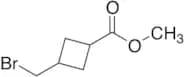


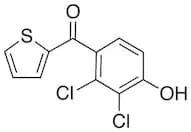

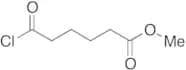


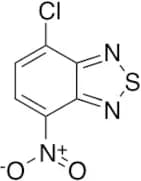
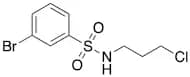
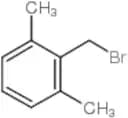

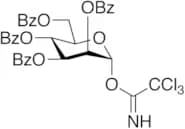
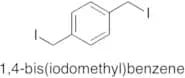
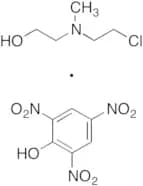
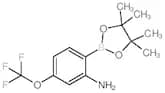
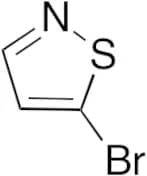
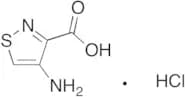
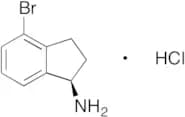
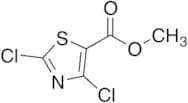
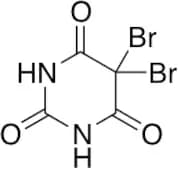
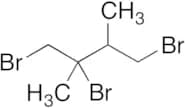

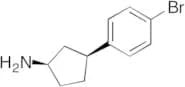
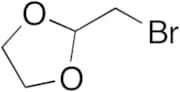
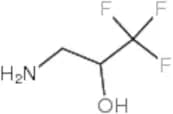
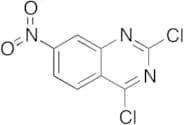
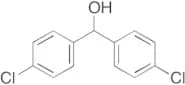

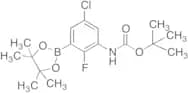
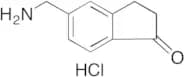
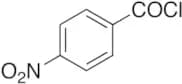
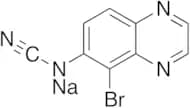
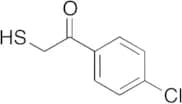

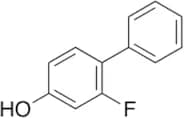

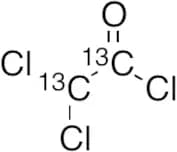
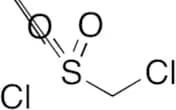

![[5-Chloro-2-(cyclopropylmethyl)phenyl]-hydrazine](/_next/image/?url=https%3A%2Fstatic.cymitquimica.com%2Fproducts%2FTR%2Fthumb-webp%2FC585535.webp&w=3840&q=75)
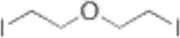

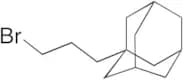
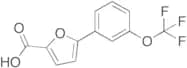
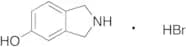
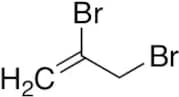
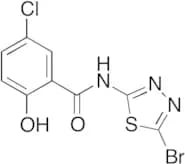
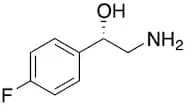

![(2Z)-7-Chloro-2-[[[(1S)-2,2-dimethylcyclopropyl]carbonyl]amino]-2-heptenoic Acid](/_next/image/?url=https%3A%2Fstatic.cymitquimica.com%2Fproducts%2FTR%2Fthumb-webp%2FC368515.webp&w=3840&q=75)
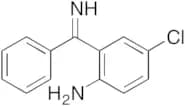
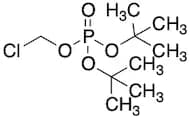

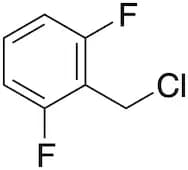
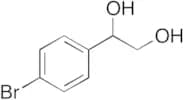
methanone](/_next/image/?url=https%3A%2Fstatic.cymitquimica.com%2Fproducts%2FTR%2Fthumb-webp%2FA617035.webp&w=3840&q=75)
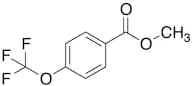
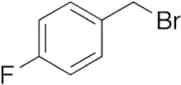
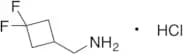
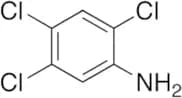

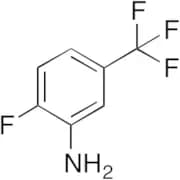
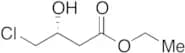
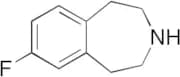
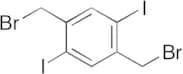
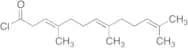
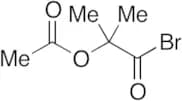
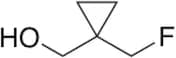
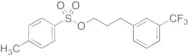
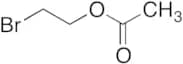
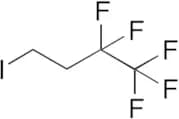
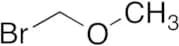
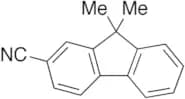

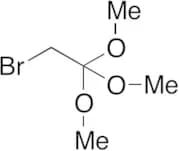
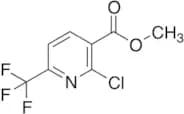
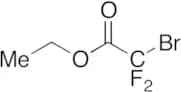

![5-(Chloromethyl)-3-[1-(4-chlorophenyl)cyclopropyl]-1,2,4-oxadiazole](/_next/image/?url=https%3A%2Fstatic.cymitquimica.com%2Fproducts%2FTR%2Fthumb-webp%2FC368600.webp&w=3840&q=75)
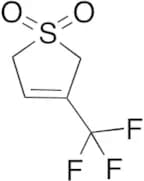
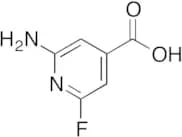
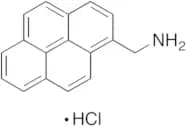
![2-Chloro-N-[4-chloro-2-[(hydroxyimino)phenylmethyl]phenyl]acetamide](/_next/image/?url=https%3A%2Fstatic.cymitquimica.com%2Fproducts%2FTR%2Fthumb-webp%2FC364115.webp&w=3840&q=75)


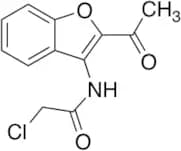
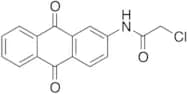
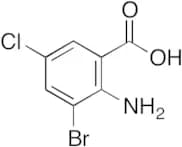
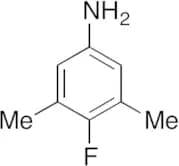
![2-[(2-Fluorophenyl)sulfanyl]acetic Acid](/_next/image/?url=https%3A%2Fstatic.cymitquimica.com%2Fproducts%2FTR%2Fthumb-webp%2FF589910.webp&w=3840&q=75)

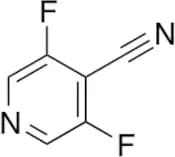

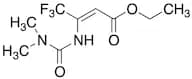
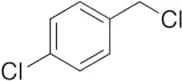
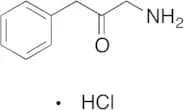
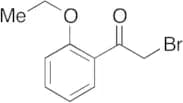
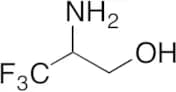
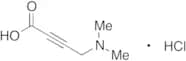
![Methyl 7-Chloro-2,3,4a,5-tetrahydroindeno[1,2-e][1,3,4]oxadiazine-4a-carboxylate](/_next/image/?url=https%3A%2Fstatic.cymitquimica.com%2Fproducts%2FTR%2Fthumb-webp%2FM223845.webp&w=3840&q=75)
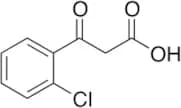
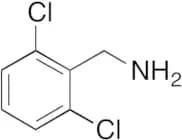
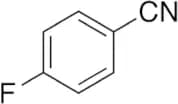
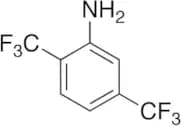
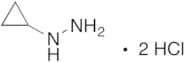
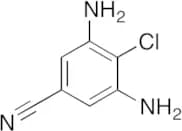

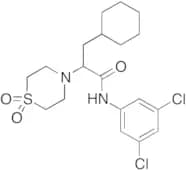
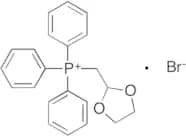
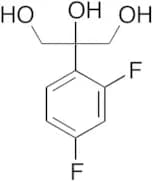
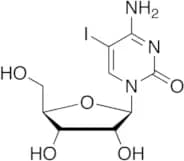
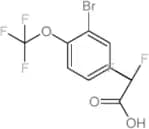

![N-[4-Cyano-3-(trifluoromethyl)phenyl]-2-oxopropanamide](/_next/image/?url=https%3A%2Fstatic.cymitquimica.com%2Fproducts%2FTR%2Fthumb-webp%2FC982160.webp&w=3840&q=75)
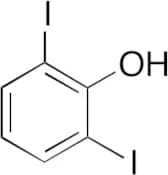
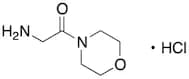
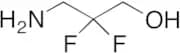
![[4-(2,2,2-Trifluoroethoxy)phenyl]hydrazine Hydrochloride](/_next/image/?url=https%3A%2Fstatic.cymitquimica.com%2Fproducts%2FTR%2Fthumb-webp%2FT790180.webp&w=3840&q=75)
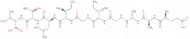

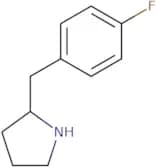
![N-[4-Amino-3-(trifluoromethyl)phenyl]-2-methylpropanamide](/_next/image/?url=https%3A%2Fstatic.cymitquimica.com%2Fproducts%2F3D%2Fthumb-webp%2FFA17485.webp&w=3840&q=75)
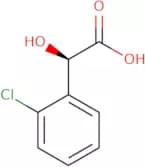

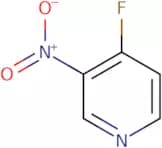
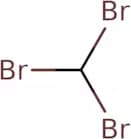
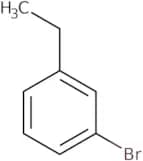
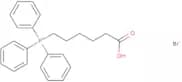

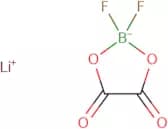
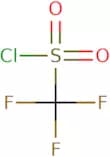
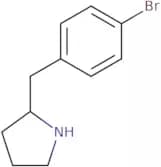
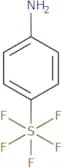

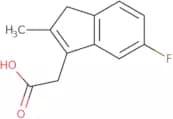
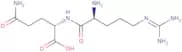


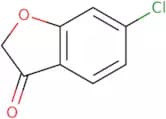
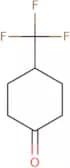
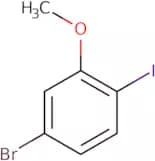

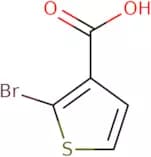
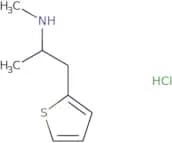
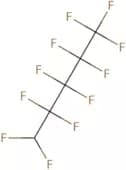
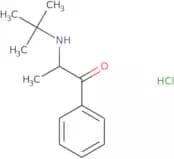
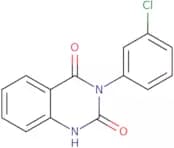

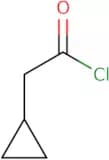
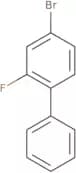
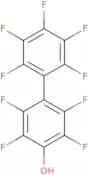
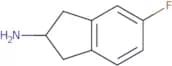
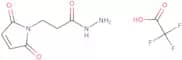
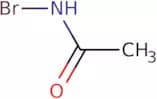
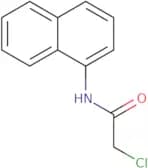
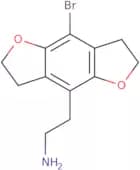
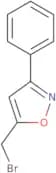

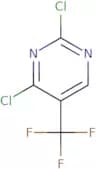
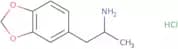
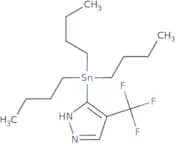
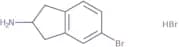
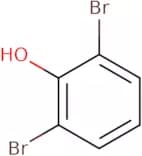
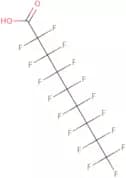
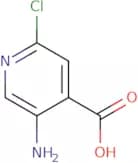
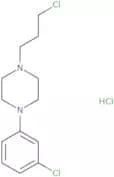
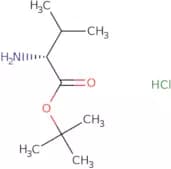
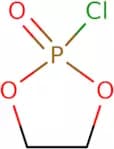
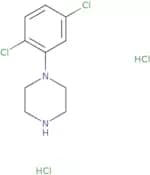
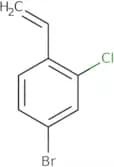

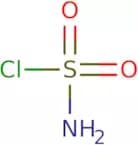
![Benzo[k]fluoranthene](/_next/image/?url=https%3A%2Fstatic.cymitquimica.com%2Fproducts%2F3D%2Fthumb-webp%2FFB157375.webp&w=3840&q=75)
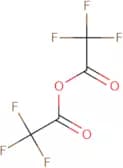

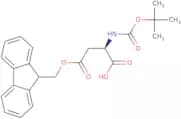


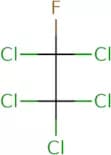
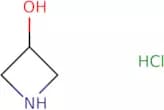
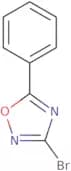
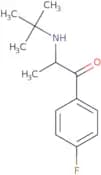

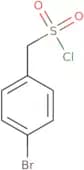
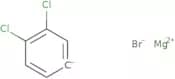
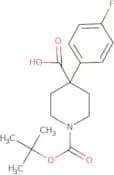
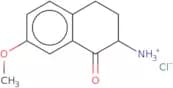
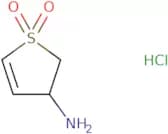
![7-Chlorothieno[3,2-B]Pyridine](/_next/image/?url=https%3A%2Fstatic.cymitquimica.com%2Fproducts%2F3D%2Fthumb-webp%2FFC53344.webp&w=3840&q=75)