Antibiotics
Antibiotics are compounds designed to destroy or inhibit the growth of various microorganisms, playing a crucial role in treating infections and preventing the spread of diseases. This category offers a diverse range of active ingredients specifically for research in the biochemical field. These compounds are essential tools in studying bacterial mechanisms, resistance patterns, and the development of new therapeutic agents. Researchers can explore a wide variety of antibiotics to understand their effects, optimize their use, and develop novel treatments to combat emerging microbial threats. The availability of such a broad spectrum of antibiotics supports advanced research and innovation in microbiology and pharmaceutical sciences.
Subcategories of "Antibiotics"
- Macrolide Antibiotics(26 products)
- Steroidal Antibiotics(31 products)
- Tetracycline Antibiotics(20 products)
- β-Lactam Antibiotics(11 products)
Found 4099 products of "Antibiotics"
Sort by
Purity (%)
0
100
|
0
|
50
|
90
|
95
|
100
Paromomycin Sulfate (PRM)
CAS:Formula:C23H45N5O14·H2SO4Color and Shape:White to off-white, PowderMolecular weight:713.17Sodium DL-Mandelate extrapure, 99%
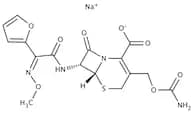
CAS:Formula:C8H7NaO3Purity:min. 99%Color and Shape:White, Crystalline Powder, Clear, ColourlessMolecular weight:174.13Cefuroxime Sodium Salt, 86-100%
CAS:Formula:C16H15N4NaO8SPurity:86% - 100%Color and Shape:White to faint yellow to beige, Powder, Clear, Colourless to faint yellow to yellow- brownMolecular weight:446.37Ciprofloxacin Hydrochloride Hydrate (CPFX), 98-102%
CAS:Formula:C17H18FN3O3·HCl·xH20Purity:98% - 102%Color and Shape:Pale yellow, Crystalline powder, Clear, Pale yellowMolecular weight:367.80 (anhydrous)Thiamphenicol (TMP), 98%
CAS:Formula:C12H15Cl2NO5SPurity:min. 98%Color and Shape:White to off white, Crystalline powderMolecular weight:356.22Cefixime Trihydrate (CFX), 95-101%
CAS:Formula:C16H15N5O7S2·3H2OPurity:95 - 101%Color and Shape:White to light yellow, Powder, Clear, Colourless to pale yellowMolecular weight:507.50Erythromycin for tissue culture
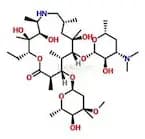
CAS:Formula:C37H67NO13Color and Shape:White to off - white, Hygroscopic powder, Clear, ColourlessMolecular weight:733.93Azaerythromycin (AZAE)
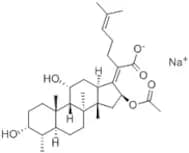
CAS:Formula:C37H30N2O12Color and Shape:White, Crystalline powderMolecular weight:734.96Sodium Fucidate (Na-FC), 97.5%
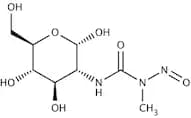
CAS:Formula:C31H47O6NaPurity:min. 97.5%Color and Shape:White to off White, Crystalline powder, ClearMolecular weight:538.70Streptozotocin (STZ) extrapure, 98%
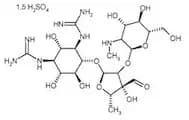
CAS:Formula:C8H15N3O7Purity:min. 98%Color and Shape:White to off-white to pale yellow, Crystalline powderMolecular weight:265.22Streptomycin Sulphate (STM)
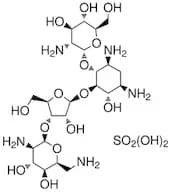
CAS:Formula:(C21H39N7O12)2·3H2SO4Color and Shape:White to off - white, Crystalline powder, Clear, Pale yellowMolecular weight:1457.38Bacitracin (BCT) ex. Bacillus Licheniformis
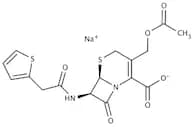
CAS:Formula:C66H103N17O16SColor and Shape:White to off - white, Powder, ClearMolecular weight:1422.72Cephalothin Sodium Salt (CF), 97%
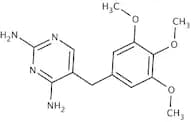
CAS:Formula:C16H15N2NaO6S2Purity:min. 97%Color and Shape:White to off-white, Crystalline powderMolecular weight:418.42Trimethoprim (TMP), 98.5%
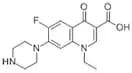
CAS:Formula:C14H18N4O3Purity:min. 98.5%Color and Shape:White to Off-white, Crystalline powderMolecular weight:290.32Norfloxacin (NFX), 98%
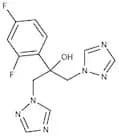
CAS:Formula:C16H18FN3O3Purity:min. 98%Color and Shape:Off-white to pale yellow, Crystalline powderMolecular weight:319.33Fluconazole (FLC), 98%
CAS:Formula:C13H12F2N6OPurity:min. 98%Color and Shape:White to almost white, Hygroscopic powderMolecular weight:306.27Ursodeoxycholic Acid (UDCS) extrapure, 99%
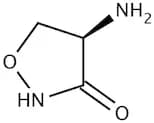
CAS:Formula:C24H40O4Purity:min. 99.5%Color and Shape:White to off-white, Crystalline powder, Clear, Colourless to pale yellowMolecular weight:392.57D-Cycloserine (D-CSR), 98%
CAS:Formula:C3H6N2O2Purity:min. 98%Color and Shape:White to pale yellow, Powder, Clear, Colorless to pale yellow to Light pinkMolecular weight:102.09Alexidine Dihydrochloride extrapure, 96%
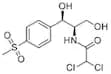
CAS:Formula:C25H58C12N10Purity:min.96%Color and Shape:White to off-white, PowderMolecular weight:581.73Chloramphenicol (CFP) ExiPlus, Multi-Compendial, 98.0-102%
CAS:Formula:C11H12Cl2N2O5Purity:98.0-102%Color and Shape:White to pale yellow, Crystalline powder or fine crystals, ClearMolecular weight:323.1L-(+)-Ampicillin
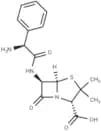
CAS:L-(+)-Ampicillin is an isomer of Ampicillin. Ampicillin is a β-lactam antibiotic used for treating bacterial infections.Formula:C16H19N3O4SPurity:98%Color and Shape:SolidMolecular weight:349.40Tauroxicum
CAS:Tauroxicum (Taurox) is formulated by COBAT to reduce fatigue and improve quality of life.Formula:C31H46N8O5Purity:>99.99%Color and Shape:SolidMolecular weight:610.764-Epitetracycline hydrochloride
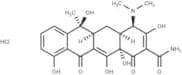
CAS:Epitetracycline is an epimer of the antibiotic tetracycline . Epimers of tetracycline form without catalysis and are considered degradation products. Epitetracycline has decreased activity as an antibiotic or a Tet repressor effector but may have stronger toxic effects in animals.Formula:C22H25ClN2O8Color and Shape:SolidMolecular weight:480.90Tebipenem
CAS:Tebipenem is an orally available carbapenem antibiotic. It displays broad-spectrum activity against Gram-positive and -negative bacteria.Formula:C16H21N3O4S2Purity:98% - 99.77%Color and Shape:SolidMolecular weight:383.49Lincomycin-B
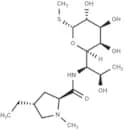
CAS:Lincomycin-B is a lincosamide antibiotic isolated from the actinomycete Streptomyces lincolnensis.Formula:C17H32N2O6SPurity:98%Color and Shape:SolidMolecular weight:392.51Myriocin
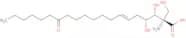
CAS:<p>Myriocin is a potent fungal metabolite that is an inhibitor of sphingolipid biosynthesis. It is originally sourced from the ascomycete fungus *Isaria* sinclairii. Myriocin functions by specifically inhibiting serine palmitoyltransferase, the key enzyme in the de novo sphingolipid biosynthesis pathway, effectively reducing the production of ceramides and sphingomyelins. This mechanism of action makes Myriocin a significant tool in the study of sphingolipid metabolism and signaling pathways.</p>Formula:C21H39NO6Purity:Min. 95%Color and Shape:PowderMolecular weight:401.54 g/molN4Py
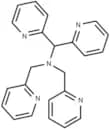
CAS:<p>N4Py is a good synthetic mimic of the Bleomycins (BLMs), which are a family of natural antibiotics used clinically in the treatment of certain cancers.</p>Formula:C23H21N5Purity:98%Color and Shape:SolidMolecular weight:367.45Desacetylcephalothin sodium
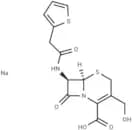
CAS:Deacetylcephalothin Sodium Salt is an impurity in the synthesis of Cefalonium. It used as a long-acting intramammary cerate for the infusion of dairy cows.Formula:C14H14N2NaO5S2Color and Shape:SolidMolecular weight:377.38L-Azatyrosine
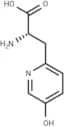
CAS:L-Azatyrosine from Streptomyces chibaensis is an antitumor antibiotic reversing Ras-transformed cell behavior.Formula:C8H10N2O3Color and Shape:SolidMolecular weight:182.179Ionomycin calcium
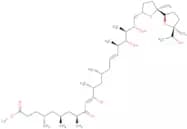
CAS:<p>Ionomycin calcium is a potent calcium ionophore, which is derived from natural sources such as certain Streptomyces species. Its primary mode of action involves facilitating the translocation of calcium ions (Ca^2+) across biological membranes, specifically transporting them from external environments or intracellular stores into the cytoplasm. This action significantly elevates intracellular calcium levels.</p>Formula:C41H70O9•CaPurity:Min. 95%Molecular weight:747.07 g/molSinafloxacin Mesylate
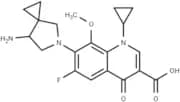
CAS:Sinafloxacin Mesylate is a quinolone antibiotic potentially for the treatment of bacterial infections.Formula:C20H22FN3O4Purity:98%Color and Shape:SolidMolecular weight:387.40Actinomycin V
CAS:<p>An analogue of Actinomycin D and an antitumor agent. Due to lower hepatotoxicity, Actinomycin V is more often used than Actynomycin D in chemotherapy and shows great efficiency against human breast cancer cells.</p>Formula:C62H84N12O17Purity:Min. 95%Color and Shape:PowderMolecular weight:1,269.4 g/molIonomycin calcium
CAS:<p>Ionomycin calcium (SQ23377 calcium) is an effective and selective calcium ionophore, exhibiting high specificity for calcium ions. Cost-effective and quality-assured.</p>Formula:C41H70CaO9Purity:98% - 98.11%Color and Shape:SolidMolecular weight:747.07Azaserine
CAS:<p>Azaserine (CI-337) is a tumor-inhibiting antibiotic isolated from a species of Streptomyces and functions as an inhibitor of glutamine amidotransferase.</p>Formula:C5H7N3O4Purity:98% - 99.84%Color and Shape:SolidMolecular weight:173.13N-MOM-Cefditoren Pivoxil
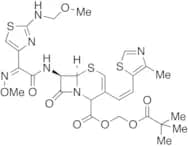
Controlled Product<p>Applications N-MOM-Cefditoren Pivoxil is a derivative of Cefditoren Pivoxil (C242700), an antibacterial, third generation cephalosporin.<br>References Sakagami, K., et al.: J. Antibiot., 43, 1047 (1990), Felmingham, D., Drugs Exp. Clin. Res., 20, 127 (1994), Iwai, N., et al.: Jpn. J. Antibiot., 47, 181 (1994)<br></p>Formula:C27H32N6O8S3Color and Shape:NeatMolecular weight:664.77D,L-Alanosine Sodium Salt
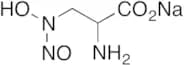
CAS:Controlled Product<p>Stability Hygroscopic<br>Applications D,L-Alanosine is an antibiotic substance from the fermentation of Streptomyces alanosinicus. An experimental insect reproduction inhibitor.<br>References Gale, et al.: Biochem. Pharmacol., 17, 363 (1968); Kenaga, E.E.: J. Econ. Entomol., 62, 1006 (1969); Matsumoto, S., et al.: Agric. Biol. Chem., 48, 827 (1984)<br></p>Formula:C3H6N3NaO4Color and Shape:NeatMolecular weight:171.09A 54556A (~90%)
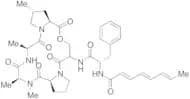
CAS:Controlled ProductFormula:C38H50N6O8Purity:~90%Color and Shape:NeatMolecular weight:718.84(17α)-Hydroxy-6α,17a-dimethyl-D-homoandrost-4-ene-3,17-dione 17-Acetate
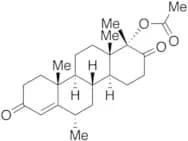
Controlled Product<p>Applications (17α)-Hydroxy-6α,17a-dimethyl-D-homoandrost-4-ene-3,17-dione 17-Acetate is an impurity of Medroxyprogesterone 17-Acetate (M203560).<br></p>Formula:C24H34O4Color and Shape:NeatMolecular weight:386.535-Hydroxyhexanoic Acid Sodium Salt
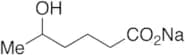
CAS:Controlled Product<p>Stability Hygroscopic<br>Applications A new constituent of bacterial polyhydroxyalkanoic acids.<br>References Bollard, M., et al.: Toxicol. Appl. Pharmacol., 204, 135 (2005), Slupsky, C., et al.: Anal. Chem., 79, 6995 (2007),<br></p>Formula:C6H11NaO3Color and Shape:NeatMolecular weight:154.142,3-Bis[(acetyloxy)methyl]-1-oxoquinoxalin-1-ium-4(1H)-olate
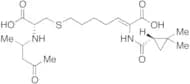
CAS:Controlled Product<p>Applications 2,3-Bis[(acetyloxy)methyl]-1-oxoquinoxalin-1-ium-4(1H)-olate is an antibiotic.<br>References Marrero-Ponce, Yovani, et al.: Bioorg. & Med. Chem., 13(8), 2881-2899 (2005)<br></p>Formula:C14H14N2O6Color and Shape:NeatMolecular weight:306.27(Z)-7-(((2R)-2-Carboxy-2-((4-oxopentan-2-yl)amino)ethyl)thio)-2-((S)-2,2-dimethylcyclopropanecarboxamido)hept-2-enoic Acid (>90%)
Controlled Product<p>Applications (Z)-7-(((2R)-2-Carboxy-2-((4-oxopentan-2-yl)amino)ethyl)thio)-2-((S)-2,2-dimethylcyclopropanecarboxamido)hept-2-enoic Acid is an impurity of Cilastatin (C441100), prevents renal metabolism of penem and carbapenem antibiotics by specific and reversible dehydropeptidase I inhibition. Antibacterial adjunct.<br>References Finlay, K.R., et al.: Invest. Ophthalmol. Visual Sci., 24, 1147 (1983), Norrby, S.R., et al.: Antimicrob. Agents Chemother., 23, 300 (1983), Washburn, D.E., et al.: J. Antimicrob. Chemother., 12, 39 (1983),<br></p>Formula:C21H34N2O6SPurity:>90%Color and Shape:NeatMolecular weight:442.57Furazabol (1mg/ml in Acetonitrile)
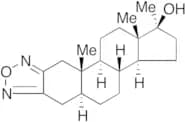
CAS:Controlled ProductFormula:C20H30N2O2Color and Shape:Single SolutionMolecular weight:330.46Methylthymol Blue Sodium Salt
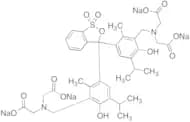
CAS:Controlled Product<p>Applications Methylthymol Blue Sodium Salt is a thymol containing organic dye.<br></p>Formula:C37H40N2Na4O13SColor and Shape:NeatMolecular weight:844.74(S)-(-)-Ofloxacin-d3 (N-methyl-d3)
CAS:Controlled Product<p>Applications (S)-(-)-Ofloxacin-d3 (N-methyl-d3) (CAS# 2208780-63-4) is a useful isotopically labeled research compound.<br></p>Formula:C18H17D3FN3O4Color and Shape:NeatMolecular weight:364.39Clindamycin-2,3-diphosphate
<p>Clindamycin-2,3-diphosphate is a biochemical compound, which is derived from the antibiotic clindamycin, sourced through chemical modification to include diphosphate groups. Its mode of action involves inhibiting bacterial protein synthesis by binding to the 50S ribosomal subunit, thus interfering with peptide chain initiation and elongation. This disruption effectively halts bacterial growth, particularly in Gram-positive bacteria, and is crucial in combatting infections resistant to other antibiotics.</p>Formula:C18H35ClN2O11P2SPurity:Min. 95%Molecular weight:584.94 g/molCeftobiprole medocaril
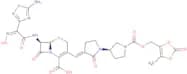
CAS:<p>Ceftobiprole medocaril is a prodrug of the cephalosporin class, which is a beta-lactam antibiotic. It is synthetically derived, designed to combat Gram-positive and Gram-negative bacteria. The mode of action involves binding to penicillin-binding proteins (PBPs), crucial for bacterial cell wall synthesis, ultimately leading to bacterial cell lysis and death.</p>Formula:C26H26N8O11S2Purity:Min. 95%Molecular weight:690.66 g/molCefteram
CAS:<p>Cefteram is a third-generation cephalosporin antibiotic, which is synthesized through chemical processes starting from cephalosporin C, a compound derived from the fungus Acremonium. As a cephalosporin, it functions by inhibiting bacterial cell wall synthesis. This is achieved through the binding to penicillin-binding proteins (PBPs), which are critical in the formation of the bacterial cell wall. By disrupting this process, Cefteram leads to the lysis and death of the bacteria.</p>Formula:C16H17N9O5S2Purity:Min. 95%Color and Shape:White To Off-White SolidMolecular weight:479.5 g/molCefoxitin EP impurity B
Cefoxitin EP impurity B is a chemical reference standard, which is derived from the synthesis and purification processes involved in producing Cefoxitin. As an impurity standard, its primary role is to serve as a benchmark for quality control in pharmaceutical formulations. The mode of action of Cefoxitin EP impurity B involves the structural analysis and quantification of impurity levels, ensuring that the primary pharmaceutical products meet necessary safety and efficacy criteria.Formula:C16H17N3O7S2Purity:Min. 95%Molecular weight:427.45 g/molSarecycline
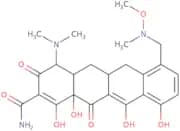
CAS:<p>Sarecycline is a tetracycline-class antibiotic, which is derived from naturally occurring tetracycline antibiotics. Its mode of action involves inhibition of bacterial protein synthesis by binding to the 30S ribosomal subunit, thereby preventing the addition of amino acids to nascent peptide chains. This specific mechanism disrupts bacterial growth, making Sarecycline effective against certain strains of bacteria implicated in dermatological conditions.</p>Formula:C24H29N3O8Purity:Min. 95 Area-%Molecular weight:487.5 g/molPotassium clavulanate - 1:1 mixture with cellulose, Antibiotic for Culture Media Use Only
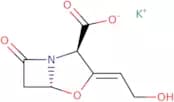
CAS:Potassium clavulanate is a beta-lactamase inhibitor and an antibacterial agent. The presence of potassium clavulanate in culture media inhibits the activity of beta-lactamases, which are enzymes that confer resistance to penicillin and other beta-lactam antibiotics. It also has been shown to be active against bacterial infections such as tuberculosis, sepsis, and pneumonia, where it can inhibit the growth of bacteria by interfering with their ability to form cell walls.Formula:C8H8KNO5Purity:Min. 95.0 Area-%Molecular weight:237.25 g/mol25-O-Deacetyl rifabutin
CAS:<p>25-O-Deacetyl rifabutin is an antibiotic derivative, which is sourced from the semi-synthetic modification of rifabutin, a compound originally derived from the fermentation of the bacterium Amycolatopsis mediterranei. This derivative works by inhibiting bacterial RNA synthesis. It achieves this by specifically targeting the DNA-dependent RNA polymerase enzyme, which is essential for bacterial transcription. The mechanism involves binding to the beta-subunit of the polymerase, thereby blocking the elongation of the RNA chain, which ultimately leads to the death of the bacterial cell.</p>Formula:C44H60N4O10Purity:Min. 95%Color and Shape:Purple PowderMolecular weight:804.97 g/molColistin sulfate, Antibiotic for Culture Media Use Only
CAS:<p>Antibacterial agent with the ability to permeate bacterial membranes and cause cell death. Colistin is a cationic peptide also known as polymyxin E. Colistin is effective in multidrug resistant Gram-positive bacteria such as P. aeruginosa, A. baumannii and K. pneumoniae.</p>Formula:C53H102N16O17SMolecular weight:1,266.73 g/molRef: 3D-Q-200890
1kgTo inquire5kgTo inquire10kgTo inquire25kgTo inquire2500gTo inquire-Unit-kgkgTo inquireTrovafloxacin mesylate
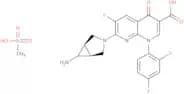
CAS:<p>Trovafloxacin mesylate is a synthetic antibiotic belonging to the fluoroquinolone class, which is derived from chemical synthesis processes rather than natural sources. The mode of action of trovafloxacin mesylate involves the inhibition of bacterial enzymes DNA gyrase and topoisomerase IV. These enzymes are essential for DNA replication, repair, and transcription within the bacterial cell. By inhibiting these enzymes, trovafloxacin mesylate disrupts bacterial DNA processes, leading to cell death and exerting its antibacterial effects.</p>Formula:C21H19F3N4O6SPurity:Min. 95%Molecular weight:512.46 g/molCefonicid
CAS:<p>Cefonicid is a semisynthetic cephalosporin antibiotic, which is derived from the naturally occurring compound cephalosporin C, obtained from the mold *Cephalosporium acremonium*. Its mode of action involves inhibiting bacterial cell wall synthesis by binding to penicillin-binding proteins, leading to cell lysis and death, thereby exhibiting bactericidal activity.</p>Formula:C18H16N6O8S3Purity:Min. 95%Molecular weight:540.55 g/molGeneticin Disulfate (G418), Antibiotic for Culture Media Use Only
CAS:Geneticin is very efficient against gram-negative bacteria, however it is not applied for treating infections due to high renal toxicity. Geneticin and its resistance genes found application in the selection of transgenic cell lines including yeasts such as P. pastoris and S. serevisiae, other eukaryotic cell lines such as CHO or HEK293, but also plant cells and bacterial cells.Formula:C20H44N4O18S2Purity:Min. 97.0 Area-%Molecular weight:692.71 g/molTobramycin, Antibiotic for Culture Media Use Only
CAS:Controlled ProductTobramycin is used to treat severe infections with gram-negative bacteria and it is often applied in combination with beta-lactams. It has similar antimicrobial effects to gentamicin and is effective against all Enterobacteriacae, but more effective than gentamicin against P. aeruginosa, which is why it is often used for gentamicin-resistant strains, especially in the case of cystic fibrosis.Formula:C18H37N5O9Purity:Min. 97 Area-%Molecular weight:467.51 g/molRef: 3D-Q-201837
10gTo inquire25gTo inquire50gTo inquire100gTo inquire250gTo inquire-Unit-ggTo inquireOligomycin B
CAS:<p>Oligomycin B is an antibiotic compound, which is derived from Streptomyces species. It is an inhibitor of the mitochondrial ATP synthase complex, specifically targeting the F₀ subunit of ATP synthase. This action obstructs the proton channel, preventing the flow of protons across the mitochondrial membrane. As a result, Oligomycin B effectively halts ATP synthesis by oxidative phosphorylation, which is crucial for the survival of aerobic organisms.</p>Formula:C45H72O12Purity:Min. 95%Color and Shape:PowderMolecular weight:805.05 g/molPeplomycin sulfate
CAS:<p>Peplomycin sulfate is an anticancer antibiotic, which is a derivative of the bleomycin family of glycopeptide antibiotics produced by the bacterium *Streptomyces verticillus*. This antibiotic operates through a mode of action that involves the induction of DNA strand breaks by forming a complex with iron and oxygen, leading to the generation of free radicals. These radicals cleave DNA strands, thereby inhibiting DNA synthesis and inducing apoptosis in cancerous cells.</p>Formula:C61H90N18O25S3Purity:Min. 95%Molecular weight:1,571.67 g/mol1,3''-Di-HABA kanamycin A
CAS:<p>1,3''-Di-HABA kanamycin A is a chemically modified antibiotic derivative. It is derived from kanamycin A, a well-known aminoglycoside antibiotic that is originally sourced from the bacterium *Streptomyces kanamyceticus*. The modification with 1,3''-Di-HABA alters its pharmacodynamic properties, potentially influencing its specificity and interaction with biological targets.</p>Formula:C26H50N6O15Purity:Min. 95%Molecular weight:686.71 g/mol3'-N-Desmethyl-3'-N-tosyl azithromycin
CAS:<p>3'-N-Desmethyl-3'-N-tosyl azithromycin is a semi-synthetic macrolide antibiotic analog, which is a derivative of azithromycin, a well-known member of the macrolide class of antibiotics. This compound is synthesized through chemical modifications of the parent molecule, azithromycin, to potentially enhance its pharmacokinetic and pharmacodynamic properties.</p>Formula:C44H76N2O14SPurity:Min. 95%Molecular weight:889.15 g/molCefadroxil monohydrate, Antibiotic for Culture Media Use Only
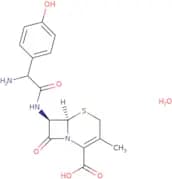
CAS:Cefadroxil is a broad-spectrum bactericidal antibiotic that belongs to the cephalosporin family. It is a semi-synthetic penicillin and inhibits bacterial cell wall synthesis through binding to one or more of the penicillin-binding proteins (PBPs). Cefadroxil monohydrate is used as an antibiotic for culture media and has been proven to be effective against methicillin-resistant Staphylococcus aureus (MRSA). In addition, the drug has been shown to have no significant effect on blood tests or microscopic studies.Formula:C16H19N3O6SPurity:Min. 97.0 Area-%Molecular weight:381.40 g/molL-Carnitine fumarate
CAS:<p>L-Carnitine fumarate is a compound that functions as a dietary supplement, which is synthesized by combining L-carnitine, an amino acid derivative naturally found in the body, with fumaric acid. This product is primarily sourced from fermentation or chemical synthesis processes to produce L-carnitine, which is then reacted with fumaric acid to form the fumarate salt. This combination enhances the stability and bioavailability of L-carnitine.</p>Formula:C7H15NO3·C4H4O4Purity:Min. 95%Molecular weight:277.27 g/molChlortetracycline-13C-d3 hydrochloride
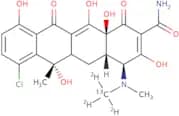
Controlled Product<p>Chlortetracycline-13C-d3 hydrochloride is a stable isotope-labeled antibiotic with action on bacterial protein synthesis inhibition and is used for research in bacterial resistance and analytical studies.</p>Formula:C2113CH21D3Cl2N2O8Color and Shape:PowderMolecular weight:519.35 g/molPanipenem
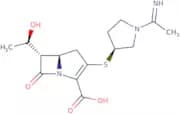
CAS:Panipenem is a carbapenem antibiotic, which is a type of beta-lactam antibiotic derived from thienamycin. It functions by inhibiting penicillin-binding proteins (PBPs), which are essential for bacterial cell wall synthesis. This inhibition disrupts the cell wall construction, leading to cell lysis and death, thereby demonstrating strong bactericidal activity.Formula:C15H21N3O4SPurity:Min. 95%Molecular weight:339.41 g/molVincristine
CAS:Vincristine, a microtubule disruptor, inhibits mitosis in cancer cells, useful in leukemia research.Formula:C46H56N4O10Purity:98.46% - >99.99%Color and Shape:SolidMolecular weight:824.96Chlortetracycline
CAS:<p>Chlortetracycline is a tetracycline antibiotic, which is derived from the bacterium *Streptomyces aureofaciens*. It functions by inhibiting protein synthesis through binding to the 30S ribosomal subunit, thereby preventing the attachment of aminoacyl-tRNA to the mRNA-ribosome complex. This mechanism effectively impedes the growth and replication of both gram-positive and gram-negative bacteria.</p>Formula:C22H23ClN2O8Purity:Min. 95%Molecular weight:478.88 g/molKanamycin C
CAS:<p>Inhibitor of protein synthesis; aminoglycoside</p>Formula:C18H36N4O11Purity:Min. 95%Molecular weight:484.5 g/molClindamycin sulfoxide
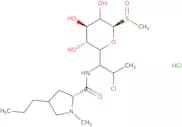
CAS:<p>Clindamycin sulfoxide is a potent metabolite of the lincosamide antibiotic clindamycin, which is derived from the fermentation product of *Streptomyces lincolnensis*. This compound acts by inhibiting bacterial protein synthesis through binding to the 50S ribosomal subunit, thereby interfering with the translocation steps in protein elongation. The mechanism effectively suppresses the growth of a broad range of Gram-positive bacteria, including *Staphylococcus aureus*, *Streptococcus pneumoniae*, and anaerobic microorganisms.</p>Formula:C18H33ClN2O6SPurity:Min. 95%Molecular weight:440.98 g/molPorfiromycin
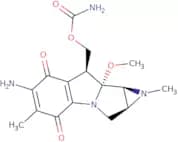
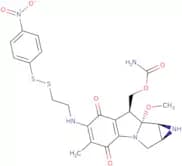
CAS:<p>Porfiromycin is an antineoplastic antibiotic with action on DNA alkylation and cross-linking and is used for research on cancer treatment, particularly for hypoxic tumors.</p>Formula:C16H20N4O5Purity:Min. 95 Area-%Color and Shape:PowderMolecular weight:348.35 g/molStreptidine
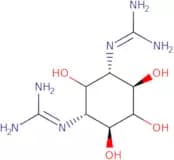
CAS:<p>Streptidine is an amino cyclitol, which is a component of certain aminoglycoside antibiotics. This compound originates from the actinomycete *Streptomyces griseus*, a soil bacterium known for its ability to produce a variety of antibiotics. Streptidine plays a crucial role in the mechanism of aminoglycosides by contributing to the binding affinity of these antibiotics to the bacterial ribosome.</p>Formula:C8H18N6O4Purity:Min. 95%Molecular weight:262.13895Cefodizime
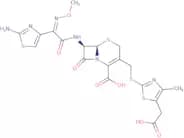
CAS:<p>Cefodizime is a third-generation cephalosporin antibiotic, which is derived from the fungus Acremonium. It exerts its bactericidal effects by inhibiting bacterial cell wall synthesis. This action is achieved through binding to penicillin-binding proteins (PBPs), leading to the interruption of peptidoglycan cross-linking essential for the bacterial cell wall integrity. The breakdown of cell wall synthesis results in the lysis and death of the bacterial cell.</p>Purity:Min. 95%Decoyinine
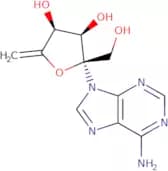
CAS:Decoyinine is an antibiotic compound, which is derived from the bacterium *Streptomyces hygroscopicus*. Its mode of action involves the inhibition of guanine nucleotide synthesis. By targeting the biosynthesis pathway of nucleotides, Decoyinine effectively impedes the growth and proliferation of bacterial cells.Formula:C11H13N5O4Purity:Min. 95%Molecular weight:279.25 g/molCefquinome sulfate
CAS:<p>Cefquinome sulfate is a cephalosporin antibiotic, which is a synthetic, broad-spectrum antimicrobial agent. It is derived from the beta-lactam family, specifically designed to combat Gram-positive and Gram-negative bacterial pathogens. The mode of action involves inhibiting bacterial cell wall synthesis. It achieves this by binding to penicillin-binding proteins (PBPs) within the bacterial cell wall, ultimately leading to cell lysis and death due to the interruption of necessary cell wall components.</p>Formula:C23H26N6O9S3Purity:Min. 95%Color and Shape:White To Light (Or Pale) Yellow To Beige To Light Brown SolidMolecular weight:626.69 g/molDicloxacillin sodium salt
CAS:<p>Dicloxacillin is a penicillin antibiotic that is used to treat bacterial infections of the gastrointestinal tract, skin, and urinary tract. It binds to the penicillin-binding proteins in bacterial cell walls by competitive inhibition. Dicloxacillin inhibits bacterial growth by binding to the enzyme cell wall synthesis that is required for cell wall biosynthesis, inhibiting protein synthesis and cell division. This drug also has a toxic effect on respiratory system cells, which may be due to its ability to induce apoptosis. Dicloxacillin sodium salt is available as tablets for oral administration or as an intravenous solution for injection. It can interact with other drugs, such as benzalkonium chloride and matrix effect; it also has analytical methods such as chromatographic analysis and rate constant.</p>Formula:C19H17Cl2N3O5S·NaPurity:Min. 95%Molecular weight:493.32 g/molNafcilllin sodium monohydrate
CAS:<p>Nafcillin sodium monohydrate is a beta-lactam antibiotic, which is derived from the penicillin class of antimicrobials. It is specifically a semi-synthetic penicillin and is commonly sourced through chemical synthesis to enhance its stability and spectrum of activity. Nafcillin primarily exerts its bactericidal effects by inhibiting bacterial cell wall synthesis. It achieves this through its strong affinity for penicillin-binding proteins (PBPs), which are essential for maintaining the bacterial cell wall structure. By disrupting the formation of peptidoglycan cross-links, nafcillin effectively weakens the bacterial cell wall, leading to cell lysis and death, especially in gram-positive bacteria such as Staphylococcus aureus, including methicillin-sensitive strains (MSSA).</p>Formula:C21H21N2O5SNa·H2OPurity:Min. 95%Color and Shape:White to off-white solid.Molecular weight:454.47 g/molCefacetrile sodium
CAS:<p>Cefacetrile sodium is a broad-spectrum antibiotic belonging to the cephalosporin class. It is a semi-synthetic derivative sourced from cephalosporin C, a naturally occurring compound derived from the Acremonium fungus. Its mode of action involves the inhibition of bacterial cell wall synthesis. This occurs by binding to penicillin-binding proteins within the bacterial cell membrane, ultimately leading to cell lysis and death due to the inability to synthesize peptidoglycan, a critical component of the bacterial cell wall.</p>Formula:C13H13N3NaO6SPurity:Min. 95%Molecular weight:362.31 g/molTigecycline hydrate
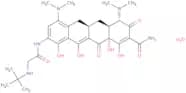
CAS:<p>Inhibitor of protein synthesis; glycylcycline class</p>Formula:C29H39N5O8Purity:Min. 95%Molecular weight:585.65 g/molVirginiamycin M1
CAS:<p>Inhibitor of protein synthesis; streptogramin</p>Formula:C28H35N3O7Purity:Min. 95%Molecular weight:525.59 g/molSulfadiazine
CAS:<p>Sulfadiazine is a sulfonamide antibiotic with action on bacterial folate synthesis inhibition and is used for treating toxoplasmosis and urinary tract infections.</p>Formula:C10H10N4O2SPurity:Min. 95%Color and Shape:PowderMolecular weight:250.28 g/molLoracarbef monohydrate
CAS:<p>Loracarbef monohydrate is a synthetic antibiotic, which is derived from carbacephem compounds with a mode of action that involves inhibiting bacterial cell wall synthesis. This is achieved by binding to penicillin-binding proteins, thereby blocking the cross-linking of peptidoglycan chains which are crucial for bacterial cell wall structural integrity.</p>Formula:C16H16ClN3O4·H2OPurity:Min. 95%Molecular weight:367.78 g/mol3'-N-Desmethyl-3'-N-formyl azithromycin
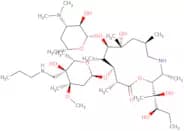
CAS:3'-N-Desmethyl-3'-N-formyl azithromycin is a semi-synthetic macrolide antibiotic, derived from the well-known azithromycin. It is created through structural modification, where the 3'-N-demethylated and 3'-N-formyl groups enhance its pharmacokinetic properties and potentially improve its antimicrobial efficacy.Formula:C38H70N2O13Purity:Min. 95%Molecular weight:762.97 g/molTulathromycin B - 95%
CAS:<p>Inhibitor of protein synthesis; macrolide class</p>Formula:C41H79N3O12Purity:Min. 95%Molecular weight:806.08 g/molCefazolin, Antibiotic for Culture Media Use Only
CAS:Cefazolin is a semi-synthetic, non-beta lactam antibiotic used for the treatment of a variety of bacterial infections. It inhibits cell wall synthesis by binding to one or more of penicillin-binding proteins (PBPs), which are bacterial transpeptidases that crosslink peptidoglycan strands. Cefazolin binds to PBPs present on the surface of all Gram-negative bacteria as well as many Gram-positive bacteria. It is not effective against methicillin-resistant staphylococcus and MRSA unless combined with another antibiotic such as vancomycin or flucloxacillin. A study showed that cefazolin can decrease inflammation and tumor necrosis factor-beta levels in pregnant women with systemic inflammatory disease. It has been tested in the development of an anti-inflammatory agent for use in patients with autoimmune diseases such as rheumatoid arthritis and lupus erythe.Formula:C14H14N8O4S3Molecular weight:454.51 g/molPhleomycin
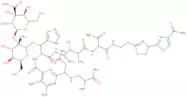
CAS:<p>Phleomycin is an antibiotic, which is derived from the bacterium *Streptomyces verticillus*. Its mode of action involves binding to DNA and inducing breaks by generating free radicals in the presence of oxygen and ferrous ions, leading to cell death. Phleomycin is prominently used in molecular biology applications as a selective agent in the generation of stable transfectants. It is particularly effective in selecting for cells that have integrated vectors conferring resistance, such as the Sh ble gene used in yeast, plant, and mammalian cell systems. Due to its potent DNA-cleaving ability, Phleomycin is valuable in studies requiring stringent selection pressure. Researchers commonly utilize it in experiments focusing on genetic modification and cellular resistance development.</p>Formula:C51H75N17O21S2Purity:Min. 95%Molecular weight:1,326.38 g/molCyclosporin L
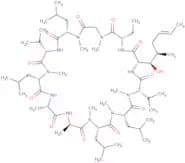
CAS:<p>Cyclosporin L is an immunosuppressive agent, which is a cyclic polypeptide derived from the soil fungus Tolypocladium inflatum. It primarily functions by inhibiting the activity of calcineurin, a key phosphatase involved in the activation of T-cells. This inhibition prevents the transcription of interleukin-2 and other cytokines critical for T-cell proliferation.</p>Formula:C61H109N11O12Purity:90%MinMolecular weight:1,188.59 g/mol7-Descarbamoyl 17-amino geldanamycin
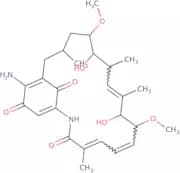
CAS:7-Descarbamoyl 17-amino geldanamycin is a semi-synthetic derivative of the benzoquinone ansamycin antibiotic geldanamycin, which is naturally produced by the bacterium *Streptomyces hygroscopicus*. As an inhibitor of the Heat Shock Protein 90 (Hsp90), it targets this molecular chaperone crucial for the stability and function of numerous oncoproteins. By inhibiting Hsp90, 7-Descarbamoyl 17-amino geldanamycin disrupts protein folding processes, leading to the degradation of client proteins and subsequent disruption of cell signaling pathways involved in tumor growth and survival.Formula:C27H38N2O7Purity:Min. 95%Molecular weight:502.6 g/molTridehydro pirlimycin
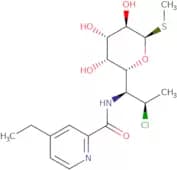
CAS:<p>Tridehydro pirlimycin is an antibiotic compound, which is a synthetic derivative with origins in the lincosamide family. It is characterized by its ability to inhibit bacterial protein synthesis by binding to the 50S ribosomal subunit, leading to a bacteriostatic effect. The compound is primarily developed for its use in veterinary medicine, particularly in the treatment and management of bacterial infections in animals.</p>Formula:C17H25ClN2O5SPurity:Min. 95%Molecular weight:404.91 g/molErythromycin B
CAS:<p>Erythromycin B is a semisynthetic macrolide antibiotic, which is derived from the actinomycete *Saccharopolyspora erythraea*. Its mode of action involves inhibiting bacterial protein synthesis by binding to the 50S ribosomal subunit. This interference with protein synthesis effectively hampers bacterial growth, making it a potent bacteriostatic agent.</p>Formula:C37H67NO12Purity:90%NmrMolecular weight:717.93 g/molPC 190723
CAS:<p>PC 190723 is a synthetic chemical compound, which is derived through targeted chemical synthesis processes involving precise organic reactions. Its mode of action involves disrupting cellular division by inhibiting specific protein functions essential for the mitotic process. This molecular interaction results in potent effects on cell division, making it a valuable tool for studying cellular mechanics and developing therapeutic strategies.</p>Formula:C14H8ClF2N3O2SPurity:Min. 95%Molecular weight:355.75 g/molDeacetylanisomycin
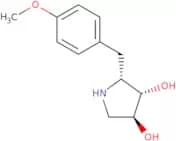
CAS:<p>Deacetylanisomycin is a bacterial metabolite, which is derived from the soil bacterium Streptomyces griseolus. It acts as an inhibitor of protein synthesis by binding to the 60S ribosomal subunit, thus interfering with peptide bond formation during translation. This mode of action is key to its effectiveness in studying the mechanisms of protein synthesis interruption.</p>Formula:C12H17NO3Purity:Min. 95%Color and Shape:White To Off-White SolidMolecular weight:223.27 g/mol6'-N-Cbz-kanamycin A
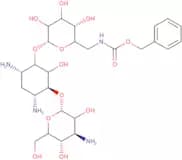
CAS:<p>6'-N-Cbz-kanamycin A is a semi-synthetic aminoglycoside antibiotic derivative, specifically a Cbz (carbobenzyloxy) protected form of kanamycin A. It is derived from the natural product kanamycin, which is an antibiotic obtained from the bacterium *Streptomyces kanamyceticus*. The modification involves the introduction of a protective Cbz group at the 6' position, which can improve solubility, stability, or enable further chemical modifications.</p>Formula:C26H42N4O13Purity:Min. 95%Molecular weight:618.63 g/mol4-Epitetracycline hydrochloride
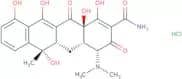
CAS:<p>4-Epitetracycline hydrochloride is a tetracycline antibiotic derivative, which is a secondary metabolite derived from bacterial sources, particularly Streptomyces species. It functions primarily by inhibiting protein synthesis in bacteria through binding to the 30S ribosomal subunit, preventing the attachment of aminoacyl-tRNA to the RNA-ribosome complex. This action hinders bacterial growth by interfering with vital processes necessary for bacterial survival and replication.</p>Formula:C22H25ClN2O8Purity:Min. 95%Color and Shape:PowderMolecular weight:480.9 g/molTropodithietic acid
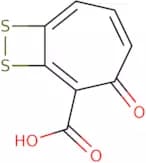
CAS:<p>Tropodithietic acid is a bioactive compound, which is a potent antibacterial agent derived from certain marine bacteria, including the genus Phaeobacter. This antibiotic is characterized by its ability to disrupt quorum sensing, a mechanism that bacteria use for communication and coordination of group behaviors, including virulence. By interfering with this process, tropodithietic acid impedes bacterial colonization and biofilm formation, effectively inhibiting pathogenic activity.</p>Purity:Min. 95%Finafloxacin
CAS:Finafloxacin is a fluoroquinolone antibacterial agent, which is a synthetic compound derived from the quinolone family. It functions through the inhibition of bacterial DNA gyrase and topoisomerase IV, crucial enzymes in the replication, transcription, and repair of bacterial DNA. This mechanism leads to the prevention of bacterial cell division and ultimately results in cell death.Formula:C20H19FN4O4Purity:Min. 95%Molecular weight:398.39 g/molLysostaphin, from staphylococcus staphylolyticus
CAS:<p>Lysostaphin, from Staphylococcus staphylolyticus is a zinc metalloenzyme with action on bacterial cell walls by cleaving polyglycine cross-links and is used for treating staphylococcal infections and in research applications.</p>Purity:Min. 95%Color and Shape:PowderCeftaroline fosamil acetate
CAS:<p>Cephalosporin antibiotic active against gram-positive bacteria including MRSA</p>Formula:C24H25N8O10PS4Purity:Min. 98 Area-%Molecular weight:744.74 g/mol8-Fluoro erythromycin
CAS:<p>8-Fluoro erythromycin is a synthetic derivative of the macrolide antibiotic erythromycin. It is derived from the fermentation of *Streptomyces erythraeus*, a species known for producing erythromycin, which is chemically modified to include a fluorine atom at the eighth position. This modification enhances its pharmacokinetic properties, improving its stability and bioavailability compared to the parent compound.</p>Formula:C37H66FNO13Purity:Min. 95%Molecular weight:751.92 g/molNigericin sodium
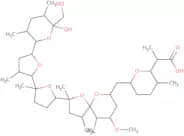
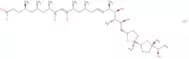
CAS:<p>Nigericin transports cations across the membrane of the cell and it is used to study anion transport. It can be used as a buffer to control pH value inside of the cell.</p>Formula:C40H67NaO11Purity:Min. 95%Molecular weight:746.94 g/mol










![2,3-Bis[(acetyloxy)methyl]-1-oxoquinoxalin-1-ium-4(1H)-olate](/_next/image/?url=https%3A%2Fstatic.cymitquimica.com%2Fproducts%2FTR%2Fthumb-webp%2FB325620.webp&w=3840&q=75)