Heterocycles with Nitrogen (N)
In this category, you will find a wide variety of nitrogen-containing heterocycles. Heterocycles are carbon chains that form a cycle in which at least one position is occupied by a heteroatom, in this case, nitrogen. These compounds are integral in the synthesis of pharmaceuticals, agrochemicals, and dyes, offering unique reactivity and stability. At CymitQuimica, we provide a comprehensive selection of high-quality nitrogen-containing heterocycles to support your research and industrial applications
Subcategories of "Heterocycles with Nitrogen (N)"
- Azepane(434 products)
- Benzotriazoles(436 products)
- Diazepanes(331 products)
- Imidazoles(4,006 products)
- Imidazolines(385 products)
- Isoxazole(1,077 products)
- Piperazines(3,735 products)
- Piperidines(8,398 products)
- Pyrazines(1,299 products)
- Pyrazole(5,919 products)
- Pyrazolidine(21 products)
- Pyrazoline(142 products)
- Pyridazine(856 products)
- Pyridines(21,911 products)
- Pyrimidine(6,038 products)
- Pyrroles(2,440 products)
- Pyrrolidines(5,814 products)
- Pyrroline(48 products)
- Pyrrolo[1,2-b]pyridazine(10 products)
- Tetrazole(510 products)
- Triazines(462 products)
- Triazoles(1,679 products)
Show 14 more subcategories
Found 17855 products of "Heterocycles with Nitrogen (N)"
Sort by
Purity (%)
0
100
|
0
|
50
|
90
|
95
|
100
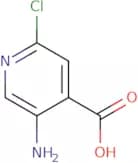
5-Amino-2-chloropyridine-4-carboxylic acid
CAS:<p>5-Amino-2-chloropyridine-4-carboxylic acid is a potent tyrosine kinase inhibitor. It inhibits the activation of EGFR, which may be due to its binding to the ATP-binding pocket in EGFR. 5-Amino-2-chloropyridine-4-carboxylic acid has been shown to inhibit cancer cell growth and induce apoptosis in vitro. This drug has also been shown to have potent anticancer activity in vivo, as well as inhibitory effect on tumor growth in xenograft models of human cancer cells. In addition, it inhibits the production of formamidine acetate, a precursor for histamine synthesis. 5-Amino-2-chloropyridine-4-carboxylic acid binds to formamide and formamidine acetate with high affinity and therefore inhibits histamine synthesis.</p>Formula:C6H5ClN2O2Purity:Min. 95%Color and Shape:White PowderMolecular weight:172.57 g/mol7-[(3R)-3-[(N-Acetyl)amino]-1-oxo-4-(2,4,5-trifluorophenyl)butyl]-5,6,7,8-tetrahydro-3-(trifluoromethyl)-1,2,4-triazolo[4,3-a]pyrazi ne
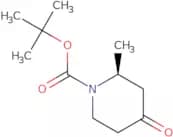
CAS:<p>Please enquire for more information about 7-[(3R)-3-[(N-Acetyl)amino]-1-oxo-4-(2,4,5-trifluorophenyl)butyl]-5,6,7,8-tetrahydro-3-(trifluoromethyl)-1,2,4-triazolo[4,3-a]pyrazi ne including the price, delivery time and more detailed product information at the technical inquiry form on this page</p>Formula:C18H17F6N5O2Purity:Min. 95%Molecular weight:449.35 g/moltert-butyl (2S)-2-Methyl-4-oxopiperidine-1-carboxylate
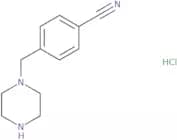
CAS:<p>Please enquire for more information about tert-butyl (2S)-2-Methyl-4-oxopiperidine-1-carboxylate including the price, delivery time and more detailed product information at the technical inquiry form on this page</p>Formula:C11H19NO3Purity:Min. 95%Molecular weight:213.27 g/mol4-(Piperazinomethyl)benzonitrile, hydrochloride
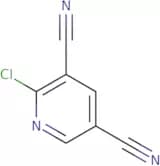
CAS:Controlled Product<p>Please enquire for more information about 4-(Piperazinomethyl)benzonitrile, hydrochloride including the price, delivery time and more detailed product information at the technical inquiry form on this page</p>Formula:C12H16ClN3Purity:Min. 95%Molecular weight:237.73 g/mol2-Chloropyridine-3,5-dicarbonitrile
CAS:<p>2-Chloropyridine-3,5-dicarbonitrile is a potential drug that can be used as an anionic linker in the synthesis of donepezil. Donepezil is a pharmacological agent that inhibits the enzyme acetylcholinesterase and may be effective in treating Alzheimer's disease. 2-Chloropyridine-3,5-dicarbonitrile has been shown to have good profile against cholinesterase inhibitors. It binds to the active site of acetylcholinesterase and inhibits its activity. This inhibition prevents the breakdown of acetylcholine, which is required for memory and cognitive function. 2-Chloropyridine-3,5-dicarbonitrile also has molecular modeling properties and has been studied at the μm range.</p>Formula:C7H2ClN3Purity:Min. 95%Molecular weight:163.56 g/mol2-Methylfuro[3,2-c]pyridin-4(5H)-one
CAS:<p>Please enquire for more information about 2-Methylfuro[3,2-c]pyridin-4(5H)-one including the price, delivery time and more detailed product information at the technical inquiry form on this page</p>Formula:C8H7NO2Purity:Min. 95%Molecular weight:149.15 g/mol1-[4-(4-Methylpiperidin-1-yl)phenyl]methanamine
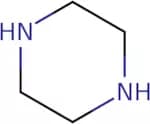
CAS:<p>Please enquire for more information about 1-[4-(4-Methylpiperidin-1-yl)phenyl]methanamine including the price, delivery time and more detailed product information at the technical inquiry form on this page</p>Formula:C13H20N2Purity:Min. 95%Molecular weight:204.31 g/molPiperazine - anhydrous
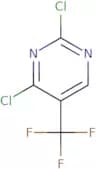
CAS:<p>Piperazine is a pharmacological agent that has been used as an antihelminthic drug and for the treatment of metabolic disorders. It is a basic heterocyclic amine, with a piperazine ring fused to an imidazole ring. Piperazine can be synthesized from benzaldehyde, nitroethane, and ammonia. The piperazine ring is the central part of the molecule and consists of two nitrogen atoms (N) connected by three carbon atoms (C). Piperazine has a hydrogen bonding interaction with metal hydroxides such as LiOH and NaOH. This compound also acts as an enzyme inhibitor by binding to receptor activity sites on enzymes and blocking their function. Piperazine forms hydrogen bonding interactions due to its structural analysis, which includes a nitrogen atom in each of the two rings that are bonded together. These nitrogen atoms form hydrogen bonds with other nitrogen atoms in other molecules such as malonic acid or other water molecules in solution.</p>Formula:C4H10N2Purity:Min. 95%Color and Shape:PowderMolecular weight:86.14 g/mol2,4-Dichloro-5-trifluoromethylpyrimidine
CAS:<p>2,4-Dichloro-5-trifluoromethylpyrimidine is a synthetic compound that can be used as an additive in plastics and cellulose. It is also used to produce 2,4-dichloro-5-(trifluoromethyl)pyrimidine, which has been shown to inhibit the growth of cancer cells. The methylating properties of 2,4-dichloro-5-(trifluoromethyl)pyrimidine have been shown to be useful for the production of amines. This chemical can also be used as a solvent due to its low boiling point.</p>Formula:C5HCl2F3N2Purity:Min. 95%Color and Shape:Clear Colourless To Pale Yellow To Brown LiquidMolecular weight:216.98 g/molEthyl N-piperazinecartoxylate
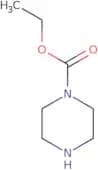
CAS:<p>Ethyl N-piperazinecartoxylate is an organic compound that has been shown to inhibit the growth of Mycobacterium tuberculosis, Mycobacterium avium complex, and other mycobacteria. It is a potent anti-tuberculosis agent with a tuberculostatic activity against M. tuberculosis inactivated by ethyl nitrite. Ethyl N-piperazinecartoxylate inhibits the synthesis of DNA, RNA, and proteins by inhibiting the bacterial enzyme RNA polymerase. The antimycobacterial activity of this drug is also due to its ability to inhibit protein synthesis at the ribosome level. This drug has been shown to have antihypertensive activity as it blocks adrenergic receptors in blood vessels and thereby reduces blood pressure.</p>Formula:C7H14N2O2Purity:Min. 95%Molecular weight:158.2 g/molFmoc-N-(1-Boc-piperidin-4-yl)glycine
CAS:<p>Please enquire for more information about Fmoc-N-(1-Boc-piperidin-4-yl)glycine including the price, delivery time and more detailed product information at the technical inquiry form on this page</p>Formula:C27H32N2O6Purity:Min. 95%Molecular weight:480.55 g/mol1-Pyridin-3-ylmethyl-piperazine
CAS:Controlled Product<p>1-Pyridin-3-ylmethyl-piperazine (1PMP) is a synthetic psychoactive substance that can be used as an antidepressant. It has been shown to increase the affinity of chloride ions for diborane, and it has also been shown to be an effective neuroprotective agent. 1PMP is a piperazine derivative, which is chemically similar to piperidine and morpholine. It can be synthesized by reacting borane with 3-chloropyridine. Further reactions with amines or alcohols yield the desired product.<br>The synthesis of 1PMP can also be achieved by reacting 3-chloropyridine with 2,2-dimethylpropanoyl chloride in the presence of triethylamine and tetrahydrofuran (THF). This reaction may occur in two different ways, yielding either the cis or trans isomers of 1PMP. The cis isomer has been found to have</p>Formula:C10H15N3Purity:Min. 95%Molecular weight:177.25 g/mol4-Chloropyrimidine HCl
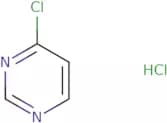
CAS:<p>4-Chloropyrimidine HCl is a covalent molecule that contains 4-chloropyridine and hydrogen chloride. It exists as two tautomers, the enol form and the keto form. The protonation of the proton on nitrogen will determine which tautomer it will exist in. When there is no proton present, the molecule will exist in its enol form. Resonance is also an important factor with this molecule because it can have a variety of resonance forms. Resonance spectrometry has been used to identify 4-chloropyrimidine HCl because it produces a specific resonance pattern when exposed to magnetic fields. 4-Chloropyridinium trifluoroacetate is another name for this compound that is formed when the chlorine atom bonds with trifluoroacetic acid. This chemical does not have any interactions with azide but can react with tetrazole to produce a stable compound, which can be easily</p>Formula:C4H3ClN2·HClPurity:Min. 95%Color and Shape:PowderMolecular weight:150.99 g/mol6-Formylpyridine-3-carboxylic acid
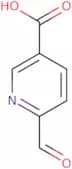
CAS:<p>Please enquire for more information about 6-Formylpyridine-3-carboxylic acid including the price, delivery time and more detailed product information at the technical inquiry form on this page</p>Formula:C7H5NO3Purity:Min. 95%Molecular weight:151.12 g/mol3-Bromoquinoline
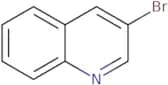
CAS:<p>3-Bromoquinoline is a brominated quinoline derivative that can be synthesized by cross-coupling reactions. The compound's chemical structure is similar to the 3-azidoquinoline, which was studied in quantum theory and molecular modeling. The 3-bromoquinoline molecule has been shown to exist in two different coordination geometries: octahedral and trigonal bipyramidal. In the octahedral geometry, the 3-bromoquinoline molecule is bound to three bromine atoms and one nitrogen atom, with an intramolecular hydrogen bond between the nitrogen atom and the quinoline ring system. The trigonal bipyramidal geometry also features an intramolecular hydrogen bond between the nitrogen atom and quinoline ring system, as well as a halogen bonding interaction with one of the three bromine atoms.</p>Formula:C9H6BrNPurity:Min. 95%Color and Shape:Yellow PowderMolecular weight:208.05 g/mol2,5-Difluoropyridine
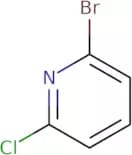
CAS:<p>2,5-Difluoropyridine is a ligand that is used in the synthesis of pharmaceuticals and other organic compounds. 2,5-Difluoropyridine is typically activated by a metal ion (e.g., palladium) to form an organometallic complex. The orientation of substituents on the difluoropyridine ring can affect its reactivity and selectivity. For example, chlorine atoms interact with the electrophilic carbon atom in the ring and orientations with electron withdrawing groups are more reactive than those with electron donating groups. 2,5-Difluoropyridine can be used as a cross-coupling reagent for Grignard reactions and nucleophilic substitution reactions. It also has been shown to inhibit human erythrocyte pyruvate kinase activity in vitro and may be useful for the treatment of diabetic complications such as neuropathy or retinopathy.</p>Formula:C5H3F2NPurity:Min. 95%Color and Shape:Clear LiquidMolecular weight:115.08 g/mol2-Bromo-6-chloropyridine
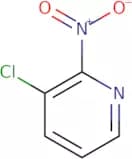
CAS:<p>2-Bromo-6-chloropyridine is a synthetic, nucleophilic bidentate ligand that is used in the synthesis of vismodegib. It inhibits the growth of cancer cells by inhibiting a pathway that regulates cell division and differentiation. 2-Bromo-6-chloropyridine can be used as a cross-coupling agent for the synthesis of other chemicals. This chemical has pharmacokinetic properties and pharmacokinetic properties and can inhibit chloride channels, which may have an inhibitory effect on cancer cells. 2-Bromo-6-chloropyridine is also an effective inhibitor of nucleophilic substitutions, which are involved in many biological processes, such as DNA replication and protein synthesis.</p>Formula:C5H3BrClNPurity:Min. 95%Molecular weight:192.44 g/mol3-Chloro-2-nitropyridine
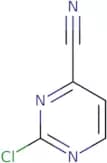
CAS:<p>3-Chloro-2-nitropyridine is a chemical compound that has been shown to have anticancer activity. It is a structural analog of the nucleophilic piperazine, which can react with hydrogen fluoride in an electrophilic substitution reaction to form 3-chloro-2-nitropyridine oxide. The anticancer activity of this compound may be due to its ability to inhibit the growth of tumor cells by binding to the d4 receptor, inhibiting the production of inflammatory cytokines and growth factors. 3-Chloro-2-nitropyridine has also been shown to have antiinflammatory activities, which may be due to its inhibition of nitric oxide synthesis and 5'-lipoxygenase.</p>Formula:C5H3N2O2ClPurity:Min. 95%Color and Shape:PowderMolecular weight:158.54 g/mol2-Chloro-4-pyrimidinecarbonitrile
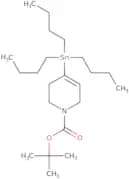
CAS:<p>2-Chloro-4-pyrimidinecarbonitrile is a synthetic compound that belongs to the group of phenylpyrimidines. It inhibits the tyrosine kinase activity and cytokine production in cells. 2-Chloro-4-pyrimidinecarbonitrile is used as an immunomodulatory agent in the treatment of cancer, autoimmune disorders and other immune dysfunctions. This drug also has anti-inflammatory properties and can be used for the treatment of inflammatory bowel diseases, such as ulcerative colitis or Crohn's disease. 2CPCN is metabolized by deamination and demethylation, which leads to the formation of nitrite ion, a reactive nitrogen species that can cause DNA damage.</p>Formula:C5H2ClN3Purity:Min. 95%Molecular weight:139.54 g/mol3,6-Dihydro-4-(tributylstannyl)-1(2H)-pyridinecarboxylic acid t-butyl ester
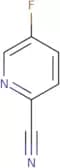
CAS:Controlled Product<p>Please enquire for more information about 3,6-Dihydro-4-(tributylstannyl)-1(2H)-pyridinecarboxylic acid t-butyl ester including the price, delivery time and more detailed product information at the technical inquiry form on this page</p>Formula:C22H43NO2SnPurity:Min. 95%Color and Shape:PowderMolecular weight:472.29 g/mol2-Cyano-5-fluoropyridine
CAS:<p>2-Cyano-5-fluoropyridine is a potential antitubercular agent that has shown penetrability in the central nervous system and activity against Mycobacterium tuberculosis. It is orally active at low doses, and has been shown to be an effective inhibitor of mycobacterial growth and lipid synthesis. In addition, this compound also has antimycobacterial activity against M. avium complex and M. ulcerans, and is a potent inhibitor of β-amyloid aggregation.</p>Formula:C6H3FN2Purity:Min. 95%Molecular weight:122.1 g/molN-Benzoylpiperidone
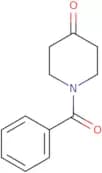
CAS:Controlled Product<p>N-Benzoylpiperidone is a synthetic piperidine derivative that is used in the synthesis of other organic compounds. It can be synthesized by reacting phenylacetaldehyde with chloroacetonitrile and hydroxybenzene. It can also be synthesized by reacting bromoacetonitrile with hydroxybenzene in the presence of sodium hydroxide. The compound has two stereoisomers, which are determined by the configuration at the nitrogen atom. The N-benzoyl group on one stereoisomer binds to the intramolecular hydrogen molecule, which signifies its structural analysis. These two isomers are distinguished by their hydroxy group, amide and alkylation properties. They react differently with rat liver microsomes due to different substrate concentration.</p>Formula:C12H13NO2Purity:(%) Min. 95%Color and Shape:PowderMolecular weight:203.23 g/molFmoc-4-(3-carboxymethyl-2-keto-one-benzimidazolyl)piperidine
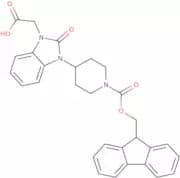
CAS:Controlled Product<p>Please enquire for more information about Fmoc-4-(3-carboxymethyl-2-keto-one-benzimidazolyl)piperidine including the price, delivery time and more detailed product information at the technical inquiry form on this page</p>Formula:C29H27N3O5Purity:Min. 95%Molecular weight:497.54 g/molN-Methylpiperidinyl-2-methyl benzilate
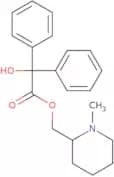
CAS:Controlled Product<p>Please enquire for more information about N-Methylpiperidinyl-2-methyl benzilate including the price, delivery time and more detailed product information at the technical inquiry form on this page</p>Formula:C21H25NO3Purity:Min. 95%Molecular weight:339.43 g/molQueuine
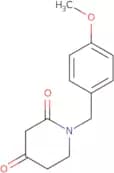
CAS:<p>Please enquire for more information about Queuine including the price, delivery time and more detailed product information at the technical inquiry form on this page</p>Formula:C12H15N5O3Purity:Min. 95%Molecular weight:277.28 g/mol1-(4-Methoxybenzyl)piperidine-2,4-dione
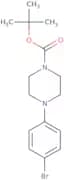
CAS:<p>Please enquire for more information about 1-(4-Methoxybenzyl)piperidine-2,4-dione including the price, delivery time and more detailed product information at the technical inquiry form on this page</p>Formula:C13H15NO3Purity:Min. 95%Molecular weight:233.26 g/mol4-(4-Bromophenyl)piperazine-1-carboxylic acid tert-butyl ester
CAS:Controlled Product<p>Please enquire for more information about 4-(4-Bromophenyl)piperazine-1-carboxylic acid tert-butyl ester including the price, delivery time and more detailed product information at the technical inquiry form on this page</p>Formula:C15H21BrN2O2Purity:Min. 95%Molecular weight:341.24 g/mol2,5-Diaminopyridine dihydrochloride
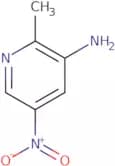
CAS:<p>2,5-Diaminopyridine dihydrochloride is a compound that belongs to the class of hydroxamic acids. It is an intermediate in the synthesis of the anti-cancer drug, hydroxyurea (hydroxylamine). 2,5-Diaminopyridine dihydrochloride can be used as a cross-coupling reagent for coupling reactions with chlorinated and tritiated organic compounds. The efficiency of this reaction is dependent on the coulombic and mutagenic properties of 2,5-diaminopyridine dihydrochloride. 2,5-Diaminopyridine dihydrochloride has been shown to cause cancer in animal studies.</p>Formula:C5H7N3•(HCl)2Purity:Min. 95%Molecular weight:182.05 g/mol2-Methyl-5-nitropyridin-3-amine
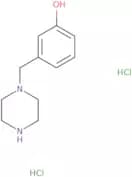
CAS:<p>2-Methyl-5-nitropyridin-3-amine is a heterocyclic compound that is synthesized by the cyclization of 2-methylpyridine with sodium nitrite. The reaction product is hydrolyzed to yield the desired compound, 5-nitropyridine. The synthesis of this compound can be used as a target for organic synthesis.</p>Formula:C6H7N3O2Purity:Min. 95%Molecular weight:153.14 g/mol3-(Piperazin-1-ylmethyl)phenol dihydrochloride
CAS:Controlled Product<p>Please enquire for more information about 3-(Piperazin-1-ylmethyl)phenol dihydrochloride including the price, delivery time and more detailed product information at the technical inquiry form on this page</p>Formula:C11H16N2OPurity:Min. 95%Molecular weight:192.26 g/mol1-(4-Pyridinylmethyl)piperazine
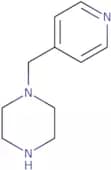
CAS:Controlled Product<p>1-(4-Pyridinylmethyl)piperazine (1-PMP) is a piperazine derivative that is used as an active ingredient in psychoactive substances. It is chemically classified as a calibrant, meaning it has been designed to have a specific effect on the brain. It is also known as a signal calibrant because of its ability to produce signals in magnetic resonance imaging (MRI). 1-PMP has been shown to be psychoactive and can cause hallucinations when taken at high doses. This drug has a number of different isomers, which are all active, but vary in potency and duration of action. The most potent isomer for human use is 4-PMP. 1-PMP can be detected through nuclear magnetic resonance (NMR), which detects the presence of hyperpolarised atoms or molecules with an external magnetic field.</p>Formula:C10H15N3Purity:Min. 95%Molecular weight:177.25 g/mol7-Methylindole-2-carboxylic acid
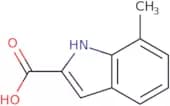
CAS:<p>7-Methylindole-2-carboxylic acid is a versatile building block that is used in the synthesis of complex compounds and research chemicals. It has been shown to be useful as a reagent, speciality chemical, and useful building block for the preparation of high quality materials with CAS No. 18474-60-7. 7-Methylindole-2-carboxylic acid is also an intermediate in the synthesis of some pharmaceuticals, such as amitriptyline (Tryptanol) and diazepam (Valium).</p>Formula:C10H9NO2Molecular weight:175.19 g/mol2-(4-Bromophenyl)piperazine
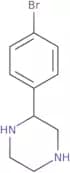
CAS:<p>Please enquire for more information about 2-(4-Bromophenyl)piperazine including the price, delivery time and more detailed product information at the technical inquiry form on this page</p>Formula:C10H13BrN2Purity:Min. 95%Molecular weight:241.13 g/mol1-(2-Methoxylphenyl)-piperazine monohydrobromide
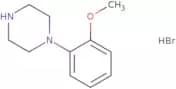
CAS:Controlled Product<p>Please enquire for more information about 1-(2-Methoxylphenyl)-piperazine monohydrobromide including the price, delivery time and more detailed product information at the technical inquiry form on this page</p>Purity:Min. 95%4-Pyrrolidinopyridine
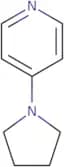
CAS:<p>4-Pyrrolidinopyridine is a nucleophilic compound that acts as an amide-forming reagent. It reacts with hydroxyl groups, such as those found in amides, to form esters. The reaction mechanism for this reaction is nucleophilic substitution at the carbonyl carbon. 4-Pyrrolidinopyridine has been shown to react with acidic substances to form salts and esters. This compound has also been shown to be a potent thrombin receptor ligand, meaning that it binds to the thrombin receptor and activates it, which leads to increased blood clotting. 4-Pyrrolidinopyridine is used in analytical chemistry for the preparation of amines. It can also be used as a sample preparation agent for chromatography or mass spectrometry analyses due to its ability to remove fatty acids from samples.</p>Formula:C9H12N2Purity:Min. 95%Color and Shape:White PowderMolecular weight:148.21 g/mol1-(4-Bromobenzyl)piperazine
CAS:Controlled Product<p>1-(4-Bromobenzyl)piperazine is a chemical compound that is an amine and an aromatic heterocycle. It has been shown to inhibit the growth of murine melanoma cells in culture, with a preferential effect on malignant cells. 1-(4-Bromobenzyl)piperazine binds to melanin, which may be due to its ability to cross the blood-brain barrier and accumulate in the brain. This compound also has diffraction properties and can be used as a high-energy radiation source for electron microscopy.<br>1-(4-Bromobenzyl)piperazine is used in the synthesis of benzylpiperazine, an aromatic amine that is used as a chemical intermediate in organic chemistry.</p>Formula:C11H15BrN2Purity:Min. 95%Molecular weight:255.15 g/mol1-(Pyridin-3-ylmethyl)piperazinetrihydrochloride
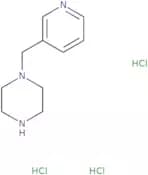
CAS:Controlled Product<p>Please enquire for more information about 1-(Pyridin-3-ylmethyl)piperazinetrihydrochloride including the price, delivery time and more detailed product information at the technical inquiry form on this page</p>Formula:C10H18Cl3N3Purity:Min. 95%Molecular weight:286.63 g/mol1-(2-Ethoxybenzyl)piperazine
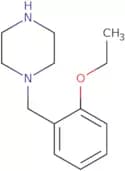
CAS:Controlled Product<p>Please enquire for more information about 1-(2-Ethoxybenzyl)piperazine including the price, delivery time and more detailed product information at the technical inquiry form on this page</p>Formula:C13H20N2OPurity:Min. 95%Molecular weight:220.31 g/mol1-(3-Bromophenyl)-piperazine
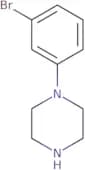
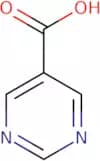
CAS:Controlled Product<p>1-(3-Bromophenyl)-piperazine is a furan compound with a piperazine base. It is used as an anti-cancer drug in the treatment of cancer and impurities are removed from this compound using chromatography. This compound has been shown to be homocoupled, which means that it can be used to synthesize other compounds. 1-(3-Bromophenyl)-piperazine is approved by the FDA and European Medicines Agency for the treatment of cancer, and has been shown to have immunological properties.</p>Formula:C10H13BrNPurity:Min. 95%Molecular weight:227.12 g/molPyrimidine-5-carboxylic acid
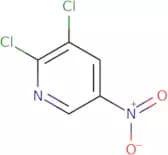
CAS:<p>Pyrimidine-5-carboxylic acid is a synthetic, nucleophilic pyrimidine compound that is used in the laboratory for the synthesis of other compounds. It has been shown to inhibit the growth of Leishmania and Staphylococcus bacteria. Pyrimidine-5-carboxylic acid binds to the malonic acid moiety of phosphoenolpyruvate carboxykinase and inhibits its activity, leading to a reduction in cellular respiration. This drug also has clinical development potential as an analgesic with modulating properties.</p>Formula:C5H4N2O2Purity:Min. 95%Molecular weight:124.1 g/mol2,3-Dichloro-5-nitropyridine
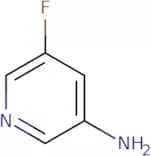
CAS:<p>2,3-Dichloro-5-nitropyridine (2,3-DNP) is an antidiabetic drug that has been shown to improve insulin sensitivity in animals. It is a sample preparation reagent that can be used to validate the use of γ-aminobutyric acid (GABA) as a linker for the immobilization of proteins on solid supports. 2,3-DNP is also used as an adipose tissue marker to study obesity and insulin resistance. This drug has been shown to increase choline levels in the liver by inhibiting its export and increasing its synthesis by phosphorylation of serine hydroxymethyltransferase. 2,3-DNP also increases fatty acid synthesis by activating acetyl coenzyme A carboxylase and inhibiting carnitine palmitoyl transferase I. 2,3-DNP has also been shown to decrease food intake and body weight gain in db/db mice</p>Formula:C5H2Cl2N2O2Purity:Min. 95%Color and Shape:PowderMolecular weight:192.99 g/mol3-Amino-5-fluoropyridine
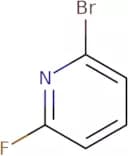
CAS:<p>3-Amino-5-fluoropyridine is a chiral amino acid that can be synthesized from butyronitrile and fluorine in the presence of an organocatalyst. The synthesis can be carried out with either a biodegradable or non-biodegradable catalyst. 3-Amino-5-fluoropyridine can be used as a precursor to prepare medicines such as fluoroquinolones, which are antibiotics that inhibit bacterial growth by binding to DNA-dependent RNA polymerase and preventing transcription and replication. Fluoroquinolones are also potent anti-inflammatory agents and have been shown to reduce inflammation in animal models of asthma, arthritis, and colitis. 3-Amino-5-fluoropyridine can be synthesized from nitro compounds with aluminium mediated reactions. Nitro compounds are toxic substances that have been used in explosives or as herbicides.</p>Formula:C5H5FN2Purity:Min. 95%Color and Shape:Off-White PowderMolecular weight:112.11 g/mol2-Bromo-6-fluoropyridine
CAS:<p>2-Bromo-6-fluoropyridine is a versatile building block that can be used to create a range of compounds. It is a useful intermediate and can be applied in the synthesis of high quality reagents, speciality chemicals, and complex compounds. It has been used as a reaction component in the synthesis of 2-(2-bromoethoxy)pyridine and 2-bromopyridine. This compound has CAS No. 144100-07-2, which makes it an important research chemical.</p>Formula:C5H3BrFNPurity:Min. 95%Color and Shape:PowderMolecular weight:174.943297-Fluoro-imidazo[1,2-a]pyridine
CAS:<p>Please enquire for more information about 7-Fluoro-imidazo[1,2-a]pyridine including the price, delivery time and more detailed product information at the technical inquiry form on this page</p>Formula:C7H5FN2Purity:95%NmrColor and Shape:SolidMolecular weight:136.13 g/mol4-Bromomethyl-4'-methyl-2,2'-bipyridine
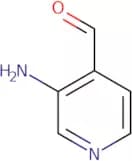
CAS:<p>Please enquire for more information about 4-Bromomethyl-4'-methyl-2,2'-bipyridine including the price, delivery time and more detailed product information at the technical inquiry form on this page</p>Formula:C12H11BrN2Purity:Min. 91.0 Area-%Molecular weight:263.14 g/mol3-Aminopyridine-4-carboxaldehyde
CAS:<p>3-Aminopyridine-4-carboxaldehyde (3APCA) is an acridone that is a colorless, crystalline solid. It has a molecular formula of C8H6N2O2 and a molecular weight of 174.14 g/mol. 3APCA can be synthesized by heating 2-pyridinecarboxylic acid with chloroacetyl chloride in the presence of pyridine as a solvent. The compound can be detected by nmr spectra, which are efficient methods for characterization of this chemical. The spectrum shows peaks at δ 8.22 ppm (1H), 7.61 ppm (1H), 6.99 ppm (2H), 5.87 ppm (1H), 4.06 ppm (2H). 3APCA has been shown to react with alkyl bromides to form carboxylic acids, which are shown by the peaks at δ 8.22 ppm and</p>Formula:C6H6N2OPurity:Min. 95%Molecular weight:122.12 g/mol4-[(4-Chlorophenyl)phenylmethyl]-1-piperazineethanol dihydrochloride
CAS:<p>4-[(4-Chlorophenyl)phenylmethyl]-1-piperazineethanol dihydrochloride is a cholinergic drug that is used to treat allergic rhinitis in children and adults. It has been shown to be well tolerated in pediatric patients and geriatric patients, as well as being an innovative, labile, and biopharmaceutical compound. 4-[(4-Chlorophenyl)phenylmethyl]-1-piperazineethanol dihydrochloride is not metabolized by the liver and does not have significant side effects. It has a low potential for abuse because of its low solubility in water. It is an antihistamine that blocks the action of histamine at H1 receptors on smooth muscle cells in the nose, which helps reduce nasal congestion and sneezing.</p>Formula:C19H23ClN2O·2HClPurity:Min. 95%Molecular weight:403.77 g/mol2-Chloro-1-[4-(4-Fluorophenyl)-1-Piperazinyl]Ethanone
CAS:Controlled Product<p>Please enquire for more information about 2-Chloro-1-[4-(4-Fluorophenyl)-1-Piperazinyl]Ethanone including the price, delivery time and more detailed product information at the technical inquiry form on this page</p>Formula:C12H14ClFN2OPurity:Min. 95%Molecular weight:256.7 g/mol1-[(1-Ethyl-3,5-dimethyl-1H-pyrazol-4-yl)methyl]piperazine
CAS:Controlled Product<p>Please enquire for more information about 1-[(1-Ethyl-3,5-dimethyl-1H-pyrazol-4-yl)methyl]piperazine including the price, delivery time and more detailed product information at the technical inquiry form on this page</p>Formula:C12H22N4Purity:Min. 95%Molecular weight:222.33 g/mol3H-Spiro[2-benzofuran-1,4'-piperidine]
CAS:<p>3H-Spiro[2-benzofuran-1,4'-piperidine] is a ligand with affinity for melanocortin receptors. It has been shown to bind with low affinity to the melanocortin receptor and act as an agonist. 3H-Spiro[2-benzofuran-1,4'-piperidine] has high affinity for benzene, which may be due to its ring system. This ligand also has a penetrable structure that allows it to bind to piperidine binding sites.</p>Formula:C12H15NO·HClPurity:Min. 95%Molecular weight:225.71 g/mol8-Bromo-imidazo[1,2-a]pyridine
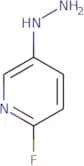
CAS:<p>8-Bromo-imidazo[1,2-a]pyridine is a neutralizing agent that can be used in the synthesis of succinimide. It reacts with chloroacetaldehyde to yield the imidate ester. This reaction is catalyzed by alkali and requires filtration to remove the bromine and any other impurities. The reaction generates heat, so it must be performed in a well-ventilated area.</p>Formula:C7H5BrN2Purity:Min. 95%Molecular weight:197.03 g/mol2-Fluoro-5-hydrazinylpyridine
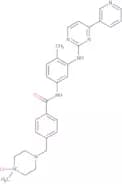
CAS:<p>Please enquire for more information about 2-Fluoro-5-hydrazinylpyridine including the price, delivery time and more detailed product information at the technical inquiry form on this page</p>Formula:C5H6FN3Purity:Min. 95%Molecular weight:127.12 g/molImatinib (piperidine)-N-oxide
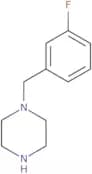
CAS:<p>Imatinib (piperidine)-N-oxide is a by-product of the synthesis process for Imatinib, which is an inhibitor of tyrosine kinases. Imatinib (piperidine)-N-oxide has been shown to have antineoplastic activity in vitro and in vivo. It is structurally related to CGP 71422, a known tyrosine kinase inhibitor.</p>Formula:C29H31N7O2Purity:Min. 95%Molecular weight:509.6 g/mol1-(3-Fluorobenzyl)piperazine
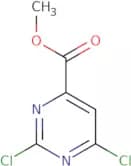
CAS:Controlled Product<p>1-(3-Fluorobenzyl)piperazine is a potent inhibitor of annexin A1. It has been shown to inhibit the proliferation of pancreatic cancer cells and induce apoptosis in these cells by inhibiting cholinesterase activity. 1-(3-Fluorobenzyl)piperazine also inhibits tumor growth in vivo and induces apoptosis, which may be due to its ability to inhibit the mitochondrial membrane potential. The compound has also been shown to have antitumor effects in other types of cancer cells. This drug is an amine that emits acidic compounds as a result of hydrolysis.</p>Formula:C11H15FN2Purity:Min. 95%Molecular weight:194.25 g/molMethyl 2,4-dichloropyrimidine-6-carboxylate
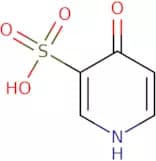
CAS:<p>Please enquire for more information about Methyl 2,4-dichloropyrimidine-6-carboxylate including the price, delivery time and more detailed product information at the technical inquiry form on this page</p>Formula:C6H4Cl2N2O2Purity:Min. 95%Color and Shape:Off-White To Yellow SolidMolecular weight:207.01 g/mol4-Hydroxypyridine-3-sulfonicacid
CAS:<p>4-Hydroxypyridine-3-sulfonic acid is the anion of 4-hydroxypyridine with sulfate. It has a pK a of 1.5 and is soluble in water, ethanol, and methanol. 4-Hydroxypyridine-3-sulfonic acid can be used as a crystallographic data collection reagent. The anion can act as an acceptor for radiation and can also be used to generate hydrogen sulfate. Hydrogen sulfate is generated by the reaction of sulfuric acid with potassium hydroxide or sodium hydroxide. Hydrogen sulfate reacts with elemental sulfur to produce hydrogen sulfide. This compound has been shown to have properties that make it useful in analytical chemistry, such as its ability to form hydrogen bonds and act as an anion. The structure of 4-hydroxypyridine-3-sulfonic acid is shown below: 4 H O 2 S</p>Formula:C5H5NO4SPurity:Min. 95%Molecular weight:175.16 g/molPyridine-sulfur trioxide complex
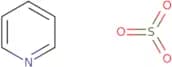
CAS:Controlled Product<p>Pyridine-sulfur trioxide complex is a sodium salt of sulfuric acid and pyridine. It is an intramolecular hydrogen acceptor, which means that it can act as a hydrogen donor to other molecules. Pyridine-sulfur trioxide complex has been shown to be effective against HIV infection in vitro. The biological properties of this drug are due to its ability to inhibit the proliferation of cells. Pyridine-sulfur trioxide complex also has antiproliferation activity against a variety of cancers, including prostate, breast, lung, ovarian, and pancreatic cancers. Pyridine-sulfur trioxide complex inhibits fatty acid synthase enzymes and is used as an analytical method for measuring cholesterol levels in the blood.</p>Formula:C5H5N·SO3Purity:Min. 95%Color and Shape:Beige PowderMolecular weight:159.16 g/mol1'-Hydroxy bilastine
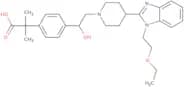
CAS:<p>Please enquire for more information about 1'-Hydroxy bilastine including the price, delivery time and more detailed product information at the technical inquiry form on this page</p>Formula:C28H37N3O4Purity:Min. 95%Molecular weight:479.61 g/mol2-Methyl-5-(tributylstannyl)pyridine
CAS:Controlled Product<p>Please enquire for more information about 2-Methyl-5-(tributylstannyl)pyridine including the price, delivery time and more detailed product information at the technical inquiry form on this page</p>Formula:C18H33NSnPurity:Min. 95%Molecular weight:382.17 g/molImidazole
CAS:<p>Imidazole is a highly polar aromatic compound with two annular nitrogen atoms. Imidazole is widely used in the affinity purification of proteins with polyhistidine tags (His-Tag). In the protein purification process, imidazole is used for the elution of His-Tag-fused recombinant proteins from a metal-immobilised resins. In the elution buffers, imidazole is typically used in the 50 â 500 mM concentration range (Bornhorst and Falke, 2000).</p>Formula:C3H4N2Molecular weight:68.08 g/moltert-Butyl 4-chloro-5,6-dihydropyrido[3,4-d]pyrimidine-7(8H)-carboxylate
CAS:<p>Please enquire for more information about tert-Butyl 4-chloro-5,6-dihydropyrido[3,4-d]pyrimidine-7(8H)-carboxylate including the price, delivery time and more detailed product information at the technical inquiry form on this page</p>Formula:C12H16ClN3O2Purity:Min. 95%Molecular weight:269.73 g/mol3-[4-(3,4-Dichlorophenyl)piperazin-1-yl]-3-oxopropanenitrile
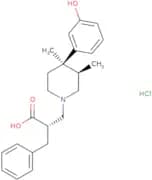
CAS:Controlled Product<p>Please enquire for more information about 3-[4-(3,4-Dichlorophenyl)piperazin-1-yl]-3-oxopropanenitrile including the price, delivery time and more detailed product information at the technical inquiry form on this page</p>Formula:C13H13Cl2N3OPurity:Min. 95%Molecular weight:298.17 g/mol(3R,4R)-1-((2S)-2-Benzyl-2-carboxyethyl)-4-(3-hydroxyphenyl)-3,4-dimethylpiperidine hydrochloride
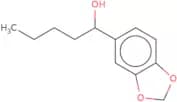
CAS:<p>Please enquire for more information about (3R,4R)-1-((2S)-2-Benzyl-2-carboxyethyl)-4-(3-hydroxyphenyl)-3,4-dimethylpiperidine hydrochloride including the price, delivery time and more detailed product information at the technical inquiry form on this page</p>Formula:C23H29NO3•HClPurity:Min. 95%Molecular weight:403.94 g/mola-Butylpiperonyl alcohol
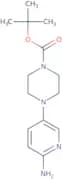
CAS:Controlled Product<p>a-Butylpiperonyl alcohol is a chiral molecule that is used in the synthesis of esters. It can be produced by microbial fermentation and low-temperature chemical reactions. This compound has been shown to inhibit the growth of Gram-positive bacteria, such as Staphylococcus aureus and Streptococcus pneumoniae. The biosynthetic pathway for a-butylpiperonyl alcohol is not yet well understood, but it has been hypothesized that this compound is synthesized from an intermediate, acetic acid. The enzyme responsible for this conversion is unknown, but it may be catalysed by an acylase or acetate kinase. A study on the genome sequence of Coelicolor revealed that this organism produces a-butylpiperonyl alcohol from the intermediate 3-hydroxypropanoic acid.</p>Formula:C12H16O3Purity:Min. 95%Molecular weight:208.25 g/moltert-Butyl 4-(6-aminopyridin-3-yl)piperazine-1-carboxylate
CAS:<p>tert-Butyl 4-(6-aminopyridin-3-yl)piperazine-1-carboxylate is an organic compound that can be synthesized by the reduction of 5-bromo-2-nitro pyridine with a palladium catalyst. It has been shown to inhibit the growth of cancer cells in vitro and in vivo, and is being investigated as a potential treatment for breast cancer.</p>Formula:C14H22N4O2Purity:Min. 95%Molecular weight:278.35 g/molBis(ethylamino)-1,3,5-triazin-2-ol hydrochloride
CAS:<p>Please enquire for more information about Bis(ethylamino)-1,3,5-triazin-2-ol hydrochloride including the price, delivery time and more detailed product information at the technical inquiry form on this page</p>Formula:C7H13N5O•HClPurity:Min. 95%Molecular weight:219.67 g/mol1-[(4-Chlorophenyl)phenylmethyl]piperazine
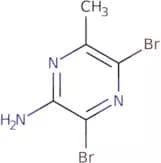
CAS:Controlled Product<p>1-[(4-Chlorophenyl)phenylmethyl]piperazine is an analytical reagent that is used in the determination of meclozine, a drug used for the treatment of nausea and vomiting. 1-[(4-Chlorophenyl)phenylmethyl]piperazine is a nucleophile, which means that it can donate electrons to other molecules. It can be used as a catalyst to increase the rate of chemical reactions. 1-[(4-Chlorophenyl)phenylmethyl]piperazine may also be used in wastewater treatment because it has been shown to have phospholipidosis inhibiting properties. The levorotatory form (1R-enantiomer) of this compound has been shown to inhibit protein synthesis in vitro and is an amine oxidase inhibitor that binds to proteins with nitrogen atoms. This nucleophilic compound may also be converted into an n-oxide or dinucleotide phosphate by hydrochloric acid and</p>Formula:C17H19ClN2Purity:Min. 95%Molecular weight:286.8 g/mol3,5-Dibromopyrazin-2-amine
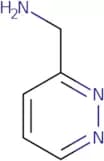
CAS:<p>3,5-Dibromopyrazin-2-amine is a triethyl orthoformate derivative that reacts with formamide to form 3,5-dibromopyrazine. The reaction time is typically less than 10 minutes and the yield is high. The product can be stored in a dry, inert atmosphere for up to 3 months without degradation. The compound has been shown to inhibit cyclic nucleotide phosphodiesterase (PDE) enzymes and cancer cells in vitro.</p>Formula:C4H3Br2N3Purity:Min. 95%Color and Shape:White To Yellow To Orange SolidMolecular weight:252.89 g/mol3-Pyridazinemethanamine
CAS:<p>3-Pyridazinemethanamine is an amide that binds to the vasopressin V2 receptor. It is a selective agonist of the vasopressin V2 receptor and has a high affinity for this receptor. 3-Pyridazinemethanamine has been shown to be a functional antagonist at the vasopressin V1A receptors, which may be due to its chemical structure. 3-Pyridazinemethanamine is not metabolized by cytochrome P450 and does not inhibit other cytochrome P450 enzymes, making it an attractive drug candidate for use in humans.</p>Formula:C5H7N3Purity:Min. 95%Molecular weight:109.13 g/mol3-Amino-4-methoxypyridine
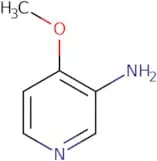
CAS:<p>3-Amino-4-methoxypyridine is a molecule that has been shown to have anesthetic activity. It has been shown to inhibit the uptake of glycogen by glioblastoma cells and decrease the rate of glycogen synthesis in these cells. 3-Amino-4-methoxypyridine also inhibits the production of ATP in cardiac muscle cells, which may be due to its ability to inhibit glycogen synthase kinase-3 (GSK3) and glycogen synthase. This drug also inhibits cancer cell growth by inhibiting protein synthesis, as well as inflammatory disease progression by inhibiting NFκB activation and cytokine production. 3-Amino-4-methoxypyridine can be synthesized from aminopyridines such as isonicotinic acid or nicotinic acid, which are oxidized with hydrogen peroxide and sodium nitrite in the presence of a base catalyst.</p>Formula:C6H8N2OPurity:Min. 95%Molecular weight:124.14 g/mol6-Methoxypyridine-2-boronic acid
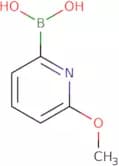
CAS:<p>6-Methoxypyridine-2-boronic acid is a boronate ligand that can be used to form coordination complexes with metals. It has been shown to interact with silver ions, which are the most effective ligands for enhancing the fluorescence of organic dyes. 6-Methoxypyridine-2-boronic acid is able to rigidify organic molecules by binding to their steric and electronic properties, making them more resistant to photodegradation. This property makes it an excellent candidate for the use in the development of fluorescent labels in analytical chemistry.</p>Formula:C6H8BNO3Purity:Min. 95%Molecular weight:152.94 g/mol1-(4-(Aminomethyl)phenyl)pyridin-1-ium chloride
CAS:<p>1-(4-(Aminomethyl)phenyl)pyridin-1-ium chloride is a chemical compound that belongs to the class of pyridines and has pinpoint as its molecular weight. It is an ionic liquid that can be used in analytical methods, such as liquid chromatography and ionization techniques, for the identification of unsaturated fatty acids. This compound can be analyzed by gas chromatography with either electron capture detection or chemical ionization. The GC separation column used for this analysis would have to be a phase column with an unsaturated fatty acid stationary phase. GC-EID and GC-CI are two common ionization techniques that could be used in conjunction with this analytical method. The lower limit of detection for this technique is about 0.1 ppm, which makes it a sensitive analytical tool for use in food production and quality control laboratories. The yield of 1-(4-(Aminomethyl)phenyl)pyridin-1-</p>Purity:Min. 95%tert-Butyl 3-(4,4,5,5-tetramethyl-1,3,2-dioxaborolan-2-yl)-5,6-dihydropyridine-1(2H)-carboxylate
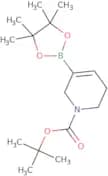
CAS:<p>tert-Butyl 3-(4,4,5,5-tetramethyl-1,3,2-dioxaborolan-2-yl)-5,6-dihydropyridine-1(2H)-carboxylate is a chemical compound that is used as a reagent in organic synthesis. It is also used as a building block for the preparation of other compounds. This compound can be used in the synthesis of complex molecules such as heterocycles and natural products.</p>Formula:C16H28BNO4Purity:Min. 95%Color and Shape:PowderMolecular weight:309.21 g/molPiperidinium acetate
CAS:Controlled Product<p>Piperidinium acetate is a photochemical agent that has been used in the photochemical oxidation of organic compounds. It is also used as a catalyst for the oxidative coupling of piperidinium salts with sodium salts to form piperidine. Piperidinium acetate can be used for the treatment of metabolic disorders, such as lactic acidosis and hyperglycemia, and autoimmune diseases such as rheumatoid arthritis and systemic lupus erythematosus. This compound is also known to cause allergic symptoms and anhydrous sodium may be generated in the process.</p>Formula:C5H11N·C2H4O2Purity:Min. 95%Color and Shape:PowderMolecular weight:145.20 g/mol7H-Pyrrolo[2,3-d]pyrimidine-4-carboxylic acid
CAS:<p>7H-Pyrrolo[2,3-d]pyrimidine-4-carboxylic acid is a fine chemical that is used as a building block for more complex compounds. It is not an active ingredient in any pharmaceuticals or other products. 7H-Pyrrolo[2,3-d]pyrimidine-4-carboxylic acid can be used to produce research chemicals, reagents, and specialty chemicals. This compound has been shown to be useful as a reaction component or scaffold in the synthesis of more complex molecules.</p>Formula:C7H5N3O2Purity:Min. 95%Color and Shape:PowderMolecular weight:163.13 g/mol4-Chloro-6-Fluoro-Pyrimidine
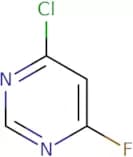
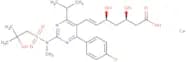
CAS:<p>Please enquire for more information about 4-Chloro-6-Fluoro-Pyrimidine including the price, delivery time and more detailed product information at the technical inquiry form on this page</p>Formula:C4H2ClFN2Purity:Min. 95%Molecular weight:132.52 g/molS-Desmethyl-S-(2-hydroxy-2-methylpropyl) rosuvastatin calcium
CAS:<p>Please enquire for more information about S-Desmethyl-S-(2-hydroxy-2-methylpropyl) rosuvastatin calcium including the price, delivery time and more detailed product information at the technical inquiry form on this page</p>Formula:(C25H34FN3O7S)2•CaPurity:Min. 95%Molecular weight:1,119.24 g/mol3-Ethyl 5-methyl 2-[(2-aminoethoxy)methyl]-4-(2-chlorophenyl)-6-methylpyridine-3,5-dicarboxylate hydrochloride
CAS:<p>Please enquire for more information about 3-Ethyl 5-methyl 2-[(2-aminoethoxy)methyl]-4-(2-chlorophenyl)-6-methylpyridine-3,5-dicarboxylate hydrochloride including the price, delivery time and more detailed product information at the technical inquiry form on this page</p>Formula:C20H23ClN2O5•HClPurity:Min. 95%Molecular weight:443.32 g/mol2-Imidazo[1,2-a]pyridin-2-yl-ethylamine
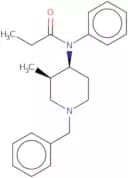
CAS:<p>Please enquire for more information about 2-Imidazo[1,2-a]pyridin-2-yl-ethylamine including the price, delivery time and more detailed product information at the technical inquiry form on this page</p>Formula:C9H11N3Purity:Min. 95%Molecular weight:161.2 g/molrac-cis-1-benzyl-2-methyl-4-(N-propananilido)piperidine
CAS:Controlled Product<p>Racemic cis-1-benzyl-2-methyl-4-(N-propananilido)piperidine (SBP) is a synthetic opioid analgesic that has been shown to bind to the μ-opioid receptor. It is the racemic form of the more potent S(+)-isomer. SBP is metabolized in vivo by cytochrome P450 2C19 and cytochrome P450 3A5, and its metabolites can be detected in human liver. The metabolism of SBP also produces propanamide as an intermediate. Recreational use of SBP has been reported with adverse effects including nausea, vomiting, headache, and dizziness.</p>Formula:C22H28N2OPurity:Min. 95%Molecular weight:336.47 g/mol2,3,5-Trichloropyridine
CAS:<p>2,3,5-Trichloropyridine is a chemical compound that reacts with chlorine and hydroxide to form hydrogen chloride and sodium hydroxide. It is used in the wastewater treatment process as an oxidizing agent for the removal of organic compounds from water. 2,3,5-Trichloropyridine is also used as a chlorinating agent for various purposes such as the production of acrylonitrile or the destruction of hazardous wastes. The reaction products are hydrochloric acid and sodium carbonate. This substance may react with nucleophiles to form more reactive species such as nitronium ions.</p>Formula:C5H2Cl3NPurity:Min. 95%Molecular weight:180.925281-[(1,5-Dimethyl-1H-pyrazol-4-yl)methyl]piperazine
CAS:Controlled Product<p>Please enquire for more information about 1-[(1,5-Dimethyl-1H-pyrazol-4-yl)methyl]piperazine including the price, delivery time and more detailed product information at the technical inquiry form on this page</p>Formula:C10H18N4Purity:Min. 95%Molecular weight:194.28 g/molKinetin
CAS:<p>Kinetin is a chemical compound that is used in research as a reagent, useful scaffold, and an intermediate. It has been shown to be an effective building block for the synthesis of complex compounds. Kinetin is also a versatile building block that can be used to synthesize many different types of compounds. Kinetin has a CAS number 525-79-1 and is classified as a speciality chemical.</p>Formula:C10H9N5OMolecular weight:215.22 g/mol3-Hydroxy-1-methylpyridinium iodide
CAS:<p>3-Hydroxy-1-methylpyridinium iodide is a solute that has a molecular weight of 183.12 and the chemical formula CHNO. It is synthesized by the reaction of hydrogen peroxide with pyridinium dichromate in the presence of vitamin B6. 3-Hydroxy-1-methylpyridinium iodide has been shown to be an effective probe for 13C NMR spectroscopy and can be used as a boronic ester with an electron withdrawing group. The synthesis of 3-hydroxy-1-methylpyridinium iodide may also include halides such as bromo or chloro compounds, which are added to increase the solubility of the product.</p>Formula:C6H8NOPurity:Min. 95%Molecular weight:110.13 g/mol3-[(2S)-1,2,3,6-Tetrahydropyridin-2-Yl]Pyridine
CAS:<p>3-[(2S)-1,2,3,6-Tetrahydropyridin-2-Yl]Pyridine is a compound that is derived from the plant metabolism. It has been shown to have a nicotine-like effect on locomotor activity in rats. 3-[(2S)-1,2,3,6-Tetrahydropyridin-2-Yl]Pyridine has also been shown to inhibit antibody production in mice and to be effective against bowel disease. The compound has also been studied for its ability to treat metabolic disorders such as diabetes. 3-[(2S)-1,2,3,6-Tetrahydropyridin-2-Yl]Pyridine is not toxic when administered orally over a long period of time.</p>Formula:C10H12N2Purity:Min. 95%Molecular weight:160.22 g/molFuro[3,4-b]pyrazine-5,7-dione
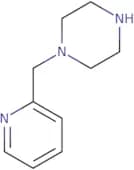
CAS:<p>Furo[3,4-b]pyrazine-5,7-dione is a chemical compound that belongs to the group of pyrazinoic acid derivatives. It has anti-inflammatory properties and is used as an ingredient in herbal products. Furo[3,4-b]pyrazine-5,7-dione shows a strong inhibitory effect on protease activity in vitro. This compound also inhibits tumor growth by modulating the expression of inflammatory cytokines such as IL1β, IL6, and TNFα. The molecular structure of Furo[3,4-b]pyrazine-5,7-dione can be accurately predicted using molecular modeling studies. In addition to its anti-inflammatory properties, furo[3,4-b]pyrazine-5,7-dione has been shown to be chemically stable at high temperatures and during chromatography.</p>Formula:C6H2N2O3Purity:Min. 95%Color and Shape:White PowderMolecular weight:150.09 g/mol1-Pyridin-2-ylmethyl-piperazine
CAS:Controlled Product<p>1-Pyridin-2-ylmethyl-piperazine is a fluorescent probe that has been shown to be useful in metal ion detection. The fluorescence of this compound is proportional to the concentration of metal ions, which can be detected with a spectrophotometer. 1-Pyridin-2-ylmethyl-piperazine has been used as a probe for determining the permeability of cells and their ability to transport metal ions. It is also used as a tool for studying the functional theory and theories of molecular interactions. This probe has been found to have low detection limits and high efficiency, making it an advance in fluorescence probes for metal ion detection.</p>Formula:C10H15N3Purity:Min. 95%Molecular weight:177.25 g/molAcefylline piperazine
CAS:Controlled Product<p>Acefylline piperazine is a hydrogen-bonded molecule with the chemical formula C8H14N4O. It is an occlusive profile that inhibits human serum lipoprotein lipase and cardiac lipases. Acefylline piperazine has been shown to inhibit fatty acid and eosinophil cationic protein production in vitro. This drug also possesses anti-inflammatory properties, which may be due to its ability to inhibit the enzyme activity of lipoprotein lipase, thereby reducing the levels of fatty acids present in tissues. Acefylline piperazine has a molecular weight of 168.2 daltons, which is consistent with most drugs that are administered intravenously as pharmaceutical dosages.</p>Formula:C9H10N4O4C4H10N2Purity:Min. 95%Color and Shape:PowderMolecular weight:281.27 g/mol4-(Tributylstannyl)pyridazine
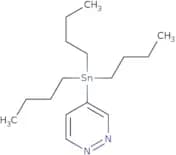
CAS:Controlled Product<p>4-(Tributylstannyl)pyridazine is a heterocycle that can be used as an analog for pyridazine. It has been shown to have antimicrobial activity against bacteria and fungi, but not against viruses. 4-(Tributylstannyl)pyridazine is also a phosphoinositide analog, which has been shown to inhibit the synthesis of nucleic acids in cancer cells. This compound binds to the enzyme hydrazide reductase and inhibits energy metabolism through its inhibition of oxidative phosphorylation. 4-(Tributylstannyl)pyridazine also has a nitrogen atom, which may be responsible for its agrochemical properties.</p>Formula:C16H30N2SnPurity:Min. 95%Color and Shape:LiquidMolecular weight:369.13 g/mol3-Aminopyridine
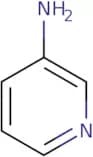
CAS:<p>3-Aminopyridine is a compound with the chemical formula C6H5N3. It is used in biological studies as a model for the hydrogen bond, and has been shown to be effective against some bacteria and fungi. 3-Aminopyridine may also have antimicrobial activity. The mechanism of action of 3-aminopyridine is not well understood, but it is thought that this compound might bind to the active site of an enzyme or receptor and deactivate it. 3-Aminopyridine has been found to inhibit dinucleotide phosphate (DNP) reductase, which may play a role in carcinogenesis. There are two nitrogen atoms in 3-aminopyridine, one in the amine group and one in the pyridine ring. The hydroxyl group on the molecule can form hydrogen bonds with other molecules such as hydrochloric acid or hydrogen tartrate, which may be why it reacts with these substances so easily.</p>Purity:Min. 95%Molecular weight:94.11 g/mol8-Bromoisoquinoline
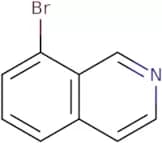
CAS:<p>8-Bromoisoquinoline is a bifunctional alkylating agent that is used to synthesize esters and amides. It is commonly used for the synthesis of amino acids, peptides, and other biologically active molecules. 8-Bromoisoquinoline has been shown to have a synergistic effect with hydroxyalkyl carbamates, which may be due to its ability to form an ionic bond with the carboxylic acid in these compounds. This chemical can also react with nitro groups and serve as a chlorinating agent, as well as react with anions such as phosphate and acetate. 8-Bromoisoquinoline can be synthesized by reacting ethyl bromoacetate with tetrahydroisoquinolinium chloride in hydrochloric acid or isopropyl alcohol.</p>Formula:C9H6BrNPurity:Min. 95%Color and Shape:PowderMolecular weight:208.05 g/mol4-Chloro-2,3-dimethylpyridine N-oxide
CAS:<p>4-Chloro-2,3-dimethylpyridine N-oxide is a chemical compound that belongs to the class of medicines. It is used in the manufacture of hydrogen peroxide, which is an oxidizing agent and a bleaching agent. 4-Chloro-2,3-dimethylpyridine N-oxide has been used as a reagent for organic synthesis and as a catalyst in organic reactions. This compound also has the ability to inhibit proton pumps, which are membrane proteins that pump protons across biological membranes. The presence of sodium impurities can lead to scaling problems because it affects the solubility of 4-chloro-2,3-dimethylpyridine N-oxide. The exothermic reaction with chlorine leads to the formation of chloride, sulfoxide, and chloride ions. These products are more soluble than 4-chloro-2,3-dimethylpyridine N-oxide itself.</p>Formula:C7H8ClNOPurity:Min. 95%Color and Shape:Off-White PowderMolecular weight:157.6 g/mol1-(4-Amino-6,7-dimethoxy-2-quinazolinyl)-4-[(tetrahydro-2-furanyl)carbonxyl]piperazine hydrochloride
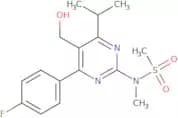
CAS:<p>Terazosin HCL dehydrate is an inhibitor of alpha-1 adrenergic receptors. This results in vasodilation followed by a reduction in urethral resistance, venous return to the heart and peripheral vascular resistance. In particular Terazosin HCL hydrate’s ability to recover urine flow and alleviate symptoms in patients with benign prostatic hyperplasia is of benefit to the therapeutic and clinical industries.</p>Formula:C19H26ClN5O4Purity:Min. 95%Molecular weight:423.89 g/molN-(4-(4-Fluorophenyl)-5-(hydroxymethyl)-6-isopropylpyrimidin-2-yl)-Nmethylmethanesulfonamide
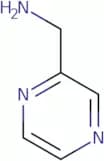
CAS:<p>Please enquire for more information about N-(4-(4-Fluorophenyl)-5-(hydroxymethyl)-6-isopropylpyrimidin-2-yl)-Nmethylmethanesulfonamide including the price, delivery time and more detailed product information at the technical inquiry form on this page</p>Formula:C16H20FN3O3SPurity:Min. 95%Molecular weight:353.41 g/mol2-Aminomethylpyrazine
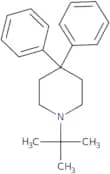
CAS:<p>2-Aminomethylpyrazine (2-AP) is a molecule that has been studied for its potential as an anti-cancer agent. It has been shown to bind to the DNA of tumor cells and prevent them from dividing, leading to cell death. 2-AP also prevents the production of survivin, which is a protein that promotes cancer cell growth and survival. 2-AP can be used in positron emission tomography (PET) scans to detect tumors, and has shown promise in treating acute myeloid leukemia.</p>Formula:C5H7N3Purity:Min. 95%Molecular weight:109.13 g/mol1-tert-butyl-4,4-Diphenyl-piperidine
CAS:<p>1-tert-butyl-4,4-Diphenyl-piperidine is a drug that binds to the dopamine D2 receptor. It inhibits locomotor activity in animals and has been shown to be neurotoxic in vivo. 1-tert-butyl-4,4-Diphenyl-piperidine has been shown to exhibit antioxidative properties, which may be due to its ability to scavenge reactive oxygen species (ROS) or inhibit lipid peroxidation. This drug also has antimuscarinic effects and is used as an antiparkinsonian agent. It is a competitive antagonist at the muscarinic M1 receptor and displays high affinity for the dopamine D2 receptor in vitro. Moreover, it increases striatal dopamine concentrations in vivo and exhibits antiparkinsonian effects when administered intraperitoneally to rats. Fatty acid metabolism is inhibited by this drug, which may lead to an increase in endogenous substances such as gamma-aminob</p>Formula:C21H27NPurity:Min. 95%Color and Shape:PowderMolecular weight:293.45 g/mol3,5-Dibromo-6-methylpyrazin-2-amine
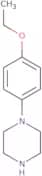
CAS:<p>Please enquire for more information about 3,5-Dibromo-6-methylpyrazin-2-amine including the price, delivery time and more detailed product information at the technical inquiry form on this page</p>Formula:C5H5Br2N3Purity:Min. 95%Molecular weight:266.92 g/mol1-(4-Ethoxyphenyl)piperazine
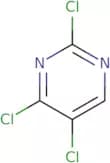
CAS:Controlled Product<p>Please enquire for more information about 1-(4-Ethoxyphenyl)piperazine including the price, delivery time and more detailed product information at the technical inquiry form on this page</p>Formula:C12H18N2OPurity:Min. 95%Molecular weight:206.28 g/mol2,4,5-Trichloropyrimidine
CAS:<p>2,4,5-Trichloropyrimidine is a chemical compound that has reactive properties. It can be used in the Suzuki coupling reaction to form new molecules. 2,4,5-Trichloropyrimidine can also be used as a potent inhibitor of epidermal growth factor receptors (EGFRs). It has been shown to inhibit the growth of cancer cells and other autoimmune diseases. 2,4,5-Trichloropyrimidine has shown significant inhibitory activity against kinases. It is selective for EGFRs and does not have any effect on other kinases. This suggests that it may be an effective therapeutic agent for the treatment of certain cancers and autoimmune diseases.</p>Formula:C4HCl3N2Purity:Min. 95%Molecular weight:183.42 g/mol2,4-Bis(octylthio)-6-(4-hydroxy-3,5-di-tert-butylanilino)-1,3,5-triazine
CAS:<p>2,4-Bis(octylthio)-6-(4-hydroxy-3,5-di-tert-butylanilino)-1,3,5-triazine is a triazine that has been synthesized by the reaction of glycol esters with hydrogenated hydrochloric acid. This compound is used as a polymerization initiator and is a liquid crystal composition stabiliser. It can be used in sample preparation to provide protection against water vapor and light emission. 2,4-Bis(octylthio)-6-(4-hydroxy-3,5-di-tert-butylanilino)-1,3,5-triazine has antioxidant properties and can be used for determining functional groups in organic compounds.</p>Formula:C33H56N4OS2Purity:Min. 95%Color and Shape:PowderMolecular weight:588.96 g/mol

![7-[(3R)-3-[(N-Acetyl)amino]-1-oxo-4-(2,4,5-trifluorophenyl)butyl]-5,6,7,8-tetrahydro-3-(trifluorom…](/_next/image/?url=https%3A%2Fstatic.cymitquimica.com%2Fproducts%2F3D%2Fthumb-webp%2FFA104169.webp&w=3840&q=75)
![2-Methylfuro[3,2-c]pyridin-4(5H)-one](/_next/image/?url=https%3A%2Fstatic.cymitquimica.com%2Fproducts%2F3D%2Fthumb-webp%2FFM128133.webp&w=3840&q=75)
![1-[4-(4-Methylpiperidin-1-yl)phenyl]methanamine](/_next/image/?url=https%3A%2Fstatic.cymitquimica.com%2Fproducts%2F3D%2Fthumb-webp%2FFM117851.webp&w=3840&q=75)






![7-Fluoro-imidazo[1,2-a]pyridine](/_next/image/?url=https%3A%2Fstatic.cymitquimica.com%2Fproducts%2F3D%2Fthumb-webp%2FFF165964.webp&w=3840&q=75)

![4-[(4-Chlorophenyl)phenylmethyl]-1-piperazineethanol dihydrochloride](/_next/image/?url=https%3A%2Fstatic.cymitquimica.com%2Fproducts%2F3D%2Fthumb-webp%2FFC53582.webp&w=3840&q=75)
![2-Chloro-1-[4-(4-Fluorophenyl)-1-Piperazinyl]Ethanone](/_next/image/?url=https%3A%2Fstatic.cymitquimica.com%2Fproducts%2F3D%2Fthumb-webp%2FFC93551.webp&w=3840&q=75)
![1-[(1-Ethyl-3,5-dimethyl-1H-pyrazol-4-yl)methyl]piperazine](/_next/image/?url=https%3A%2Fstatic.cymitquimica.com%2Fproducts%2F3D%2Fthumb-webp%2FFE113867.webp&w=3840&q=75)
![3H-Spiro[2-benzofuran-1,4'-piperidine]](/_next/image/?url=https%3A%2Fstatic.cymitquimica.com%2Fproducts%2F3D%2Fthumb-webp%2FFS51525.webp&w=3840&q=75)
![8-Bromo-imidazo[1,2-a]pyridine](/_next/image/?url=https%3A%2Fstatic.cymitquimica.com%2Fproducts%2F3D%2Fthumb-webp%2FFB54448.webp&w=3840&q=75)


![tert-Butyl 4-chloro-5,6-dihydropyrido[3,4-d]pyrimidine-7(8H)-carboxylate](/_next/image/?url=https%3A%2Fstatic.cymitquimica.com%2Fproducts%2F3D%2Fthumb-webp%2FFB144255.webp&w=3840&q=75)
![3-[4-(3,4-Dichlorophenyl)piperazin-1-yl]-3-oxopropanenitrile](/_next/image/?url=https%3A%2Fstatic.cymitquimica.com%2Fproducts%2F3D%2Fthumb-webp%2FFD118649.webp&w=3840&q=75)

![1-[(4-Chlorophenyl)phenylmethyl]piperazine](/_next/image/?url=https%3A%2Fstatic.cymitquimica.com%2Fproducts%2F3D%2Fthumb-webp%2FFC20350.webp&w=3840&q=75)



![7H-Pyrrolo[2,3-d]pyrimidine-4-carboxylic acid](/_next/image/?url=https%3A%2Fstatic.cymitquimica.com%2Fproducts%2F3D%2Fthumb-webp%2FFP167570.webp&w=3840&q=75)
![3-Ethyl 5-methyl 2-[(2-aminoethoxy)methyl]-4-(2-chlorophenyl)-6-methylpyridine-3,5-dicarboxylate h…](/_next/image/?url=https%3A%2Fstatic.cymitquimica.com%2Fproducts%2F3D%2Fthumb-webp%2FFE183833.webp&w=3840&q=75)
![2-Imidazo[1,2-a]pyridin-2-yl-ethylamine](/_next/image/?url=https%3A%2Fstatic.cymitquimica.com%2Fproducts%2F3D%2Fthumb-webp%2FFI51200.webp&w=3840&q=75)

![1-[(1,5-Dimethyl-1H-pyrazol-4-yl)methyl]piperazine](/_next/image/?url=https%3A%2Fstatic.cymitquimica.com%2Fproducts%2F3D%2Fthumb-webp%2FFD113870.webp&w=3840&q=75)

![3-[(2S)-1,2,3,6-Tetrahydropyridin-2-Yl]Pyridine](/_next/image/?url=https%3A%2Fstatic.cymitquimica.com%2Fproducts%2F3D%2Fthumb-webp%2FFT31535.webp&w=3840&q=75)
![Furo[3,4-b]pyrazine-5,7-dione](/_next/image/?url=https%3A%2Fstatic.cymitquimica.com%2Fproducts%2F3D%2Fthumb-webp%2FFF139883.webp&w=3840&q=75)


![1-(4-Amino-6,7-dimethoxy-2-quinazolinyl)-4-[(tetrahydro-2-furanyl)carbonxyl]piperazine hydrochlori…](/_next/image/?url=https%3A%2Fstatic.cymitquimica.com%2Fproducts%2F3D%2Fthumb-webp%2FFA28036.webp&w=3840&q=75)