Building Blocks
This section contains fundamental products for the synthesis of organic and biological compounds. Building blocks are the essential starting materials used to construct complex molecules through various chemical reactions. They play a critical role in drug discovery, material science, and chemical research. At CymitQuimica, we offer a diverse range of high-quality building blocks to support your innovative research and industrial projects, ensuring you have the essential components for successful synthesis.
Subcategories of "Building Blocks"
- Boronic Acids & Boronic Acid Derivatives(5,756 products)
- Chiral Building Blocks(1,242 products)
- Hydrocarbon Building Blocks(6,093 products)
- Organic Building Blocks(60,534 products)
Found 195534 products of "Building Blocks"
Sort by
Purity (%)
0
100
|
0
|
50
|
90
|
95
|
100
N-Boc-glycine
CAS:<p>N-Boc-glycine is a chemical compound used in the synthesis of cyclic peptides. N-Boc-glycine is synthesized by the reaction of glycine with methanol and hydrochloric acid in the presence of an activated form of carbon monoxide. The pharmacokinetic properties of N-Boc-glycine are similar to those for human immunoglobulin, and it can be used as a reference compound for preparative high performance liquid chromatography (HPLC). It has been shown that the nitrogen atoms in N-Boc-glycine are chemically stable, which makes it suitable for asymmetric synthesis. N-Boc-glycine also has potent antagonist effects on biochemical properties such as calcium channel blockade, inhibition of platelet aggregation, and inhibition of neutrophil chemotaxis.</p>Formula:C7H13NO4Purity:Min. 95%Color and Shape:White PowderMolecular weight:175.18 g/molBoc-Tyr(tBu)-OH
CAS:<p>Boc-Tyr(tBu)-OH is a chemical compound that is part of the class of lactams. It has been shown to have antitumor activity in vitro and in vivo, but it has not yet been tested for its cytotoxicity. This compound is synthesized by solid-phase synthesis and contains a disulfide bond, which may contribute to its cytotoxicity. Boc-Tyr(tBu)-OH has also been shown to have high affinity for the alpha 2A adrenergic receptor subtype and other receptors with an isosteric carbonyl group.</p>Formula:C18H27NO5Purity:Min. 95%Color and Shape:PowderMolecular weight:337.41 g/mol2-Benzyloxyethanol
CAS:<p>Please enquire for more information about 2-Benzyloxyethanol including the price, delivery time and more detailed product information at the technical inquiry form on this page</p>Formula:C9H12O2Purity:Min. 95%Color and Shape:Colorless Clear LiquidMolecular weight:152.19 g/molγ-L-Glutamyl-α-naphthylamide monohydrate
CAS:<p>Gamma-L-glutamyl-alpha-naphthylamide is an enzyme that catalyzes the conversion of L-glutamic acid to L-glutamate. It is expressed in red blood cells, human liver, and human serum. Gamma-L-glutamyl-alpha-naphthylamide has been shown to have various specificities for different tissues and isoenzymes. This enzyme also has immunoassay procedures that are used to detect it in tissues or cells. These assays use monoclonal antibodies or solubilized gamma-L-glutamyl-alpha-naphthylamide molecules as detection agents.</p>Formula:C15H16N2O3•H2OPurity:Min. 95%Color and Shape:PowderMolecular weight:290.31 g/mol4,6-Dichloro-5-fluoronicotinic Acid
CAS:<p>Versatile small molecule scaffold</p>Formula:C6H2Cl2FNO2Purity:Min. 95%Molecular weight:209.99 g/mol2-{[2-(2,6-Dioxopiperidin-3-yl)-1-oxo-2,3-dihydro-1H-isoindol-4-yl]oxy}acetic acid
CAS:<p>Versatile small molecule scaffold</p>Formula:C15H14N2O6Purity:Min. 95%Molecular weight:318.28 g/mol5-Methoxy-N1-methylbenzene-1,2-diamine
CAS:<p>Versatile small molecule scaffold</p>Formula:C8H12N2OPurity:Min. 95%Molecular weight:152.19 g/molMethyl 2-(2-amino-5-ethyl-1,3-thiazol-4-yl)acetate
CAS:<p>Versatile small molecule scaffold</p>Formula:C8H12N2O2SPurity:Min. 95%Molecular weight:200.26 g/molFmoc-Tyr(Et)-OH
CAS:<p>Please enquire for more information about Fmoc-Tyr(Et)-OH including the price, delivery time and more detailed product information at the technical inquiry form on this page</p>Formula:C26H25NO5Purity:Min. 95%Molecular weight:431.48 g/mol2-Fluoro-3-pyridineboronic acid
CAS:<p>2-Fluoro-3-pyridineboronic acid is an amide that can be used as a catalyst for transfer reactions. It forms a complex with copper chloride and isohexane, which is then heated to produce the desired product. 2-Fluoro-3-pyridineboronic acid has been used in analytical methods such as constant pressure and methyl ethyl method. This compound also has high resistance to water vapor, hexane, and organic solvents. 2-Fluoro-3-pyridineboronic acid has been shown to inhibit the MCL-1 protein, which plays a role in regulating apoptosis. It can be used as a potential therapeutic agent against infectious diseases such as tuberculosis and HIV/AIDS due to its ability to inhibit MCL-1 protein expression.</p>Formula:C5H5NO2BFPurity:Min. 95%Color and Shape:White PowderMolecular weight:140.91 g/mol2-Fluoropyridine-5-carboxaldehyde
CAS:<p>2-Fluoropyridine-5-carboxaldehyde is a reactive chemical that can be used as an acceptor in organic synthesis. It has been shown to have antibacterial properties, and is also a synthon for the production of prosthetic groups. 2-Fluoropyridine-5-carboxaldehyde reacts with dopamine to form diphenyl ethers, which are used as labels for immunoassays. This chemical can be catalysed and has been shown to be resistant to catalysis. 2-Fluoropyridine-5-carboxaldehyde can also be used in the synthesis of cycloalkanes.</p>Formula:C6H4FNOPurity:Min. 95%Molecular weight:125.1 g/mol4-Fluoro-2-methoxy-5-nitroaniline
CAS:<p>Intermediate in the synthesis of osimertinib (AZD9291)</p>Formula:C7H7FN2O3Purity:Min. 95%Molecular weight:186.14 g/molFmoc-N-methylglycine
CAS:<p>Fmoc-N-methylglycine is a modified form of the amino acid glycine, which has been modified to include a reactive group that can be used to link other molecules. This molecule has gram-negative bacterial activity and exhibits potent antibacterial activity against many gram-positive bacteria. Fmoc-N-methylglycine is also an antimicrobial peptide with binding constants in the nanomolar range. It is also an agent that binds to serotonin, which may explain its effects on mood and sleep. Fmoc-N-methylglycine can be synthesized using stepwise solid phase synthesis methods or by conjugation with other molecules.</p>Formula:C18H17NO4Purity:Min. 95%Molecular weight:311.33 g/molFmoc-L-aspartic acid β-allyl ester
CAS:<p>Fmoc-L-aspartic acid beta-allyl ester is a specific interaction between an amide and an enzyme target. It has been shown to have anti-inflammatory properties by inhibiting the activity of COX-2, which inhibits the production of prostaglandins. Fmoc-L-aspartic acid beta-allyl ester is a cyclic peptide with a lactam ring system that has been synthesized in a stepwise manner on a solid phase. This molecule interacts with cell line A549 and blocks the proliferation of cancer cells. Fmoc-L-aspartic acid beta-allyl ester also contains a disulfide bond that stabilizes its structure.</p>Formula:C22H21NO6Purity:Min. 95%Molecular weight:395.41 g/mol1H-Indol-2-ylmethanol
CAS:<p>1H-Indol-2-ylmethanol is a model compound for the synthesis of bioactive molecules. It is used in biological studies as an inhibitor of chronic lymphocytic leukemia, heart disease, and inflammatory pain. The nitro group on 1H-Indol-2-ylmethanol has been shown to activate various enzymes involved in the inflammatory response. The hydroxy group on 1H-Indol-2-ylmethanol has been shown to inhibit cyclooxygenase (COX) enzymes, which are responsible for the production of prostaglandins that cause inflammation.</p>Formula:C9H9NOPurity:Min. 95%Color and Shape:PowderMolecular weight:147.17 g/molα-Ketoglutaric acid disodium dihydrate
CAS:<p>α-Ketoglutaric acid (α-KGA) is a natural metabolite of glucose and is an intermediate in the citric acid cycle. α-KGA has been shown to have powerful anti-cancer properties, which may be due to its ability to inhibit glucose uptake and metabolism in tumor cells. α-KGA has also been shown to reduce locomotor activity, which may be due to its ability to induce transcriptional regulation of genes that are involved in glucose regulation. In addition, α-KGA has been shown to regulate fatty acid synthesis by inhibiting acetyl CoA carboxylase, which is an enzyme that catalyzes the production of malonyl CoA.</p>Formula:C5H4Na2O5•(H2O)2Purity:Min. 95%Color and Shape:PowderMolecular weight:226.09 g/molMethyl 2-Bromo-5-iodobenzoate
CAS:<p>Please enquire for more information about Methyl 2-Bromo-5-iodobenzoate including the price, delivery time and more detailed product information at the technical inquiry form on this page</p>Formula:C8H8BrIO2Purity:Min. 95%Molecular weight:340.94 g/molMCPA 2-ethylhexyl ester
CAS:<p>Please enquire for more information about MCPA 2-ethylhexyl ester including the price, delivery time and more detailed product information at the technical inquiry form on this page</p>Formula:C17H25ClO3Purity:Min. 95%Molecular weight:312.83 g/mol2-Mercapto-N-methylbenzamide
CAS:<p>2-Mercapto-N-methylbenzamide is a synthetic compound that has been shown to have inhibitory activities against activated brain cells and cell lines. This drug has been used in the synthesis of axitinib, a cancer drug that inhibits cellular growth. 2-Mercapto-N-methylbenzamide is also used as a preservative in cosmetics and can be found in carbonated drinks and foods. It has been shown to inhibit the production of serotonin in microbicidal reactions by inhibiting the enzyme hydroxymethyl transferase, which catalyzes the conversion of 5-hydroxytryptophan to serotonin. It also prevents the reaction products from being formed by reacting with hypoxanthine, xanthine, and phosphoribosyl pyrophosphate (PRPP). 2-Mercapto-N-methylbenzamide also reacts with plasma samples to form ethylmercaptoacetate, which is then oxidized to merc</p>Formula:C8H9NOSPurity:Min. 95%Color and Shape:White PowderMolecular weight:167.23 g/molN-Nitroso ramipril
<p>Please enquire for more information about N-Nitroso ramipril including the price, delivery time and more detailed product information at the technical inquiry form on this page</p>Formula:C23H31N3O6Purity:Min. 95%Color and Shape:PowderMolecular weight:445.51 g/molN-Nitroso hydrochlorothiazide
CAS:<p>Please enquire for more information about N-Nitroso hydrochlorothiazide including the price, delivery time and more detailed product information at the technical inquiry form on this page</p>Formula:C7H7ClN4O5S2Purity:Min. 95%Molecular weight:326.74 g/mol3-Pyridineboronic acid
CAS:<p>3-Pyridineboronic acid is an antimicrobial agent that is used to treat bacterial and fungal infections. 3-Pyridineboronic acid is a prodrug that is metabolized to its active form, pyridinium boronate. This drug has been shown to be effective in the treatment of hypoxic tumors in mice, which are resistant to other anticancer drugs. 3-Pyridineboronic acid also has acidic properties and can be used as an antiseptic for the treatment of skin and eye infections. It can also be used as a hydrogen bonding partner when combined with halides, such as chloride or bromide ions. The drug binds to human serum proteins and forms an acidic complex that prevents bacterial growth by inhibiting protein synthesis. 3-Pyridineboronic acid also inhibits prostate cancer cells by competitively inhibiting the enzyme 4-pyridinylboronic acid reductase (4PBAR).</p>Formula:C5H6BNO2Purity:Min. 95%Molecular weight:122.92 g/mol1,3-Propanediol
CAS:<p>aliphatic diol. It has been shown to have an inhibitory effect on bacterial growth</p>Formula:C3H8O2Purity:Min. 95%Color and Shape:Colorless Clear LiquidMolecular weight:76.09 g/mol2-Pyridineboronic acid
CAS:<p>2-Pyridineboronic acid is a chemical compound that belongs to the group of quinoline derivatives. It is used in pharmaceutical preparations, including as an intermediate for the synthesis of other compounds. 2-Pyridineboronic acid has been shown to have antiproliferative effects on cancer cells and has been found to be active against nicotinic acetylcholine receptors (NAR). The compound also inhibits lipid kinase activity, which is involved in the production of phosphatidylcholine and phosphatidylethanolamine from phosphatidylserine. 2-Pyridineboronic acid can react with hydrochloric acid and electrochemical impedance spectroscopy to produce a solution that has a detection time of about 10 minutes.</p>Formula:C5H6BNO2Purity:Min. 95%Molecular weight:122.92 g/molProp-1-en-2-ylboronic acid
CAS:<p>Prop-1-en-2-ylboronic acid is a chemical compound that belongs to the group of aromatic hydrocarbons. It is used in pharmaceutical preparations as a monomer and as a chiral building block for the synthesis of oxazolidinones, which are used in medicinal chemistry as protein inhibitors against cancers. Prop-1-en-2-ylboronic acid is also used as a reagent in preparative high performance liquid chromatography. This chemical has shown maximal response against colorectal carcinoma cells and has been shown to be an inhibitor of cholesterol ester transfer.</p>Formula:C3H7BO2Purity:90%MinMolecular weight:85.9 g/mol4-Bromo-2,5-dimethoxybenzaldehyde
CAS:<p>4-Bromo-2,5-dimethoxybenzaldehyde is a nucleophilic compound that can act as an iminium. It is used in the synthesis of chalcones, which are aromatic compounds that have been found to have anticancer properties. 4-Bromo-2,5-dimethoxybenzaldehyde has two isomers: 2,4-dimethoxybenzaldehyde and 2,5-dimethoxybenzaldehyde. The separation of these compounds can be achieved using chromatography with a silica gel column. This process can be done on both the mixture of the two isomers or on one specific isomer. The synthetic pathway for this product begins with benzylpiperazine and piperazine. These two molecules react to form 3,4-dichlorobenzylpiperazine, which reacts with dimethoxybenzyl chloride to form 4-bromo-2,5-dim</p>Formula:C9H9BrO3Purity:Min. 95%Molecular weight:245.07 g/molFerrocenylmethyl methacrylate
CAS:<p>Ferrocenylmethyl methacrylate is a reactive, irreversible oxidation agent. It is used in the synthesis of hydroxylated polymers and redox-active biological sensors. Ferrocenylmethyl methacrylate has been used as a component in polymerization reactions to produce polymers with recording potential. It has also been used for the detection of cancer cells and for the diagnosis of prostate cancer.</p>Formula:C15H16FeO2Purity:Min. 95%Molecular weight:284.13 g/mol2-(2-Bromophenyl)-2-hydroxyacetic acid
CAS:<p>2-Bromophenyl-2-hydroxyacetic acid is a ligand that binds to the ethylene receptor in plants and can be used as a monomer for the polymerization of polyethylene. It has been shown that 2-bromophenyl-2-hydroxyacetic acid can also be used as an initiator for the polymerization of β-cyclodextrin. This compound has also been shown to be an analyte in gas chromatography, which is used to separate compounds based on their chemical properties. The use of this compound as a tethering agent has also been investigated with copolymerization reactions in order to create more stable polymers. 2-Bromophenyl-2-hydroxyacetic acid has been found to inhibit nonsteroidal antiinflammatory drugs and may have potential applications for chiral synthesis, such as mandelic acid production.</p>Formula:C8H7BrO3Purity:Min. 95%Molecular weight:231.04 g/moltert-Butyl (3S,5S)-3-amino-5-fluoropiperidine-1-carboxylate
CAS:<p>Versatile small molecule scaffold</p>Formula:C10H19FN2O2Purity:Min. 95%Molecular weight:218.27 g/molDi(1-adamantyl)chlorophosphine
CAS:<p>Di(1-adamantyl)chlorophosphine is a bifunctional ligand that can be used for the palladium-catalyzed coupling of aryl chlorides and amines. Di(1-adamantyl)chlorophosphine is synthesized from adamantane, phosphorous pentachloride, and anhydrous ammonia in the presence of catalytic amounts of palladium. Di(1-adamantyl)chlorophosphine is immobilized on silica gel to prevent hydrolysis. This ligand reacts with primary amines to form iminophosphoranes, which can then be reacted with aryl chlorides to form aryl chloroamines.</p>Formula:C20H30ClPPurity:Min. 95%Molecular weight:336.88 g/mol6,7-dihydro-5h-pyrrolo[3,4-d]pyrimidin-2-amine 2hcl
CAS:<p>Versatile small molecule scaffold</p>Formula:C6H10Cl2N4Purity:Min. 95%Molecular weight:209.07 g/mol3-Bromo-2-nitrobenzaldehyde
CAS:<p>3-Bromo-2-nitrobenzaldehyde is an organic chemical compound used in the synthesis of other chemical compounds. It is a colorless liquid that can be easily synthesized using potassium permanganate, tetrahydrofuran, acetone and hydrochloric acid. The chemical reaction is carried out by reacting potassium permanganate with hydrochloric acid to form potassium chloride and manganese dioxide. The manganese dioxide then reacts with acetone to produce 3-bromo-2-nitrobenzaldehyde. This synthetic method for producing 3-bromo-2-nitrobenzaldehyde uses less hazardous chemicals than the traditional method.</p>Formula:C7H4BrNO3Purity:Min. 95%Molecular weight:230.02 g/mol4-Chloro-2-hydroxy-6-methylphenylboronic acid
CAS:<p>Versatile small molecule scaffold</p>Formula:C7H8BClO3Purity:Min. 95%Molecular weight:186.4 g/mol4-Bromopyridine-2,3-diamine
CAS:<p>Versatile small molecule scaffold</p>Formula:C5H6N3BrPurity:Min. 95%Molecular weight:188.02 g/molBenzyl N,N,N',N'-Tetraisopropylphosphorodiamidite
CAS:<p>Benzyl N,N,N',N'-tetraisopropylphosphorodiamidite is a reagent that reacts with hydroxybenzyl amine to form an ester. This product is used for the synthesis of phosphoramidites and benzyl esters. It is also used as a catalyst for the synthesis of diesters.</p>Formula:C19H35N2OPPurity:Min. 95%Molecular weight:338.48 g/mol8-Bromo-1-chloroisoquinoline
CAS:<p>Versatile small molecule scaffold</p>Formula:C9H5BrClNPurity:Min. 95%Molecular weight:242.5 g/molMito-TEMPO
CAS:<p>Mito-TEMPO is a mitochondrial-targeted antioxidant that scavenges reactive oxygen species (ROS) and protects against oxidative injury. It has been shown to be effective in reducing oxidative damage in the heart and liver, as well as in models of neuronal death. Mito-TEMPO is also a potent inhibitor of lipid peroxidation and is able to prevent the formation of aldehydes. This drug has minimal toxicity, which may be due to its ability to accumulate in mitochondria without disrupting mitochondrial functions. Mito-TEMPO has been tested on healthy individuals with no observed side effects.</p>Formula:C29H35ClN2O2PPurity:Min. 95%Molecular weight:510.03 g/mol5-(2-Aminoethyl)thiophene-2-sulfonamide hydrochloride
CAS:<p>Versatile small molecule scaffold</p>Formula:C6H11ClN2O2S2Purity:Min. 95%Molecular weight:242.8 g/mol6-Oxa-2-azaspiro[3.4]octane HCl
CAS:<p>Versatile small molecule scaffold</p>Formula:C6H12ClNOPurity:Min. 95%Molecular weight:149.62 g/mol8-Chloroisoquinolin-5-amine
CAS:<p>Versatile small molecule scaffold</p>Formula:C9H7ClN2Purity:Min. 95%Molecular weight:178.62 g/mol3-Methoxythiophene-2-carbaldehyde
CAS:<p>3-Methoxythiophene-2-carbaldehyde is a ligand that has been shown to form a stable complex with potassium chloride. This compound is also reactive, and can be stabilized in the reaction vessel. In the presence of sulfate ions, 3-methoxythiophene-2-carbaldehyde will react to form a phosphotungstic acid precipitate. The dehydrated salt can be recrystallized by adding phosphotungstic acid, which stabilizes the product.</p>Formula:C6H6O2SPurity:Min. 95%Molecular weight:142.18 g/mol3-Ethynylbenzenesulfonamide
CAS:<p>3-Ethynylbenzenesulfonamide is a synthetic, hydrophobic, antimicrobial compound that disrupts the cell membrane. It has been shown to be effective against both mammalian and microbial cells. The antimicrobial use of this compound is still under study, but it may provide an alternative to the current antibiotics. 3-Ethynylbenzenesulfonamide is amphipathic in nature and has an extremely large expansion ratio. This molecule is also hydrophobic, which may help with its ability to penetrate the cell membrane. Antimicrobial compounds are designed to inhibit or kill microorganisms such as bacteria or fungi by disrupting their cellular membranes. They work by interacting with specific targets on the surface of the target organism and producing a lethal effect on its function. 3-Ethynylbenzenesulfonamide interacts with proteins found on bacterial membranes called porins, resulting in a loss of osmotic stability and then permeability through the bilayer. This leads</p>Formula:C8H7NO2SPurity:Min. 95%Molecular weight:181.21 g/mol1-Bromo-3,3-difluorocyclobutane
CAS:<p>Versatile small molecule scaffold</p>Formula:C4H5BrF2Purity:Min. 95%Molecular weight:170.98 g/mol(2,3-Dihydrobenzo[b][1,4]dioxin-5-yl)boronic acid
CAS:<p>Versatile small molecule scaffold</p>Formula:C8H9BO4Purity:Min. 95%Molecular weight:179.97 g/mol7-Chloro-5-nitro-1H-indazole
CAS:<p>Versatile small molecule scaffold</p>Formula:C7H4ClN3O2Purity:Min. 95%Molecular weight:197.58 g/molDoxazosin
CAS:<p>Doxazosin is a research chemical that has shown potential in various fields. It is a water-soluble compound that has been studied for its effects on microcystins, cytidine, and vitamins. Doxazosin has also been found to have aldehyde and particulate properties, making it a versatile compound for different applications. In the field of medicine, Doxazosin has been researched for its potential in treating certain conditions. Studies have shown that Doxazosin can interact with 1-hydroxy-2-naphthoic acid and glutamate, which are important molecules involved in various biological processes. Additionally, Doxazosin has shown promising results in inhibiting the growth of e. cloacae bacteria, making it a potential candidate for antibacterial treatments. Furthermore, Doxazosin has been studied in the field of chemistry due to its unique properties. It can undergo derivatization reactions with fatty acids and z</p>Formula:C23H25N5O5Purity:Min. 95%Molecular weight:451.48 g/mol2-(Oxan-4-yloxy)ethan-1-ol
CAS:<p>Versatile small molecule scaffold</p>Formula:C7H14O3Purity:Min. 95%Molecular weight:146.18 g/mol3-Dimethylamino-1-pyridin-3-yl-propenone
CAS:<p>Versatile small molecule scaffold</p>Formula:C10H12N2OPurity:Min. 95%Molecular weight:176.22 g/moltert-Butyl 5-(4,4,5,5-tetramethyl-1,3,2-dioxaborolan-2-yl)-3,4-dihydropyridine-1(2h)-carboxylate
CAS:<p>Versatile small molecule scaffold</p>Formula:C16H28BNO4Purity:Min. 95%Molecular weight:309.21 g/mol2-amino-5-cyano-3-methylbenzoic acid
CAS:<p>2-Amino-5-cyano-3-methylbenzoic acid is a diester of methylamine. It is an acid ester that has been used in the synthesis of other compounds. 2-Amino-5-cyano-3-methylbenzoic acid is an intermediate in the synthesis of some pharmaceuticals, such as carbamazepine and methylphenidate. This compound has not been shown to have any biological activity.</p>Formula:C9H8N2O2Purity:Min. 95%Molecular weight:176.18 g/moltert-Butyl 4-amino-4-(aminomethyl)piperidine-1-carboxylate
CAS:<p>Versatile small molecule scaffold</p>Formula:C11H23N3O2Purity:Min. 95%Molecular weight:229.32 g/mol3-(3-Bromopropyl)thiophene
CAS:<p>Versatile small molecule scaffold</p>Formula:C7H9BrSPurity:Min. 95%Molecular weight:205.12 g/mol2-Bromocyclopentanone
CAS:<p>2-Bromocyclopentanone is an organic molecule that is used in the synthesis of epoxides. It is also a potential precursor for the synthesis of polymers, dyes, and pharmaceuticals. 2-Bromocyclopentanone has been shown to undergo photolysis when irradiated with ultraviolet light or through chemical reaction with acetonitrile. This product has two conformers with different rotational barriers and corresponding spectral properties. The two conformers can be distinguished by their ultraviolet spectra. The synthetic methods for 2-bromocyclopentanone involve halogenation followed by hydrolysis to yield bromoacetic acid, which is then converted to the desired product by acylation or alkylation.</p>Formula:C5H7BrOPurity:Min. 95%Molecular weight:163.01 g/moltert-butyl (2-amino-2-methylpropyl)carbamate
CAS:<p>Versatile small molecule scaffold</p>Formula:C9H20N2O2Purity:Min. 95%Molecular weight:188.27 g/mol3-Ethyl-4-methyl-pyrrole-2,5-dione
CAS:<p>3-Ethyl-4-methylpyrrole-2,5-dione is a chlorophyll analog. It has been found to be an electron donor in photosystem II of the chlorobium reaction center. The compound was prepared by evaporation of a solution of chlorobenzene and ethyl acetoacetate in carbon tetrachloride with the aid of a vacuum pump. 3-Ethyl-4-methylpyrrole-2,5-dione has also been used as a reagent for the preparation of phycocyanin from Spirulina platensis, which is an important component of blue algae. The compound reacts with phenoxy and furyl groups under acidic conditions to produce carboxylate and calcium carbonate, respectively. Oxidation products are formed in reactions with ethyl group and other organic compounds under alkaline conditions.</p>Formula:C7H9NO2Purity:Min. 95%Molecular weight:139.15 g/mol4-Chloro-1H-pyrazolo[3,4-b]pyridine-3-carboxylic acid
CAS:<p>Versatile small molecule scaffold</p>Formula:C7H4ClN3O2Purity:Min. 95%Molecular weight:197.58 g/mol3-bromo-5-chloro-2-fluorobenzaldehyde
CAS:<p>Versatile small molecule scaffold</p>Formula:C7H3BrClFOPurity:Min. 95%Molecular weight:237.5 g/mol5-Bromo-7-methylquinoxaline
CAS:<p>Versatile small molecule scaffold</p>Formula:C9H7BrN2Purity:Min. 95%Molecular weight:223.07 g/mol1-tert-butyl 2-methyl (2R,4S)-4-aminopyrrolidine-1,2-dicarboxylate hydrochloride
CAS:<p>Versatile small molecule scaffold</p>Formula:C11H21ClN2O4Purity:Min. 95%Molecular weight:280.7 g/mol3-aminopyrrolidin-2-one hcl
CAS:<p>3-Aminopyrrolidin-2-one hcl is an antibiotic that is used to treat tuberculosis. It inhibits the enzyme transacylase, which catalyses the conversion of L-lysine into L-pipecolic acid in bacteria. This antibiotic has been shown to be effective against Mycobacterium tuberculosis and Mycobacterium avium complex. 3-Aminopyrrolidin-2-one hcl has a broad spectrum of activity against gram positive and gram negative bacteria, but it is not active against acid-fast bacteria.</p>Formula:C4H9ClN2OPurity:Min. 95%Molecular weight:136.58 g/molMethyl 2-(5-bromothiophen-2-yl)acetate
CAS:<p>Versatile small molecule scaffold</p>Formula:C7H7BrO2SPurity:Min. 95%Molecular weight:235.1 g/molMethyl 3-bromopyrrole-2-carboxylate
CAS:<p>Versatile small molecule scaffold</p>Formula:C6H6BrNO2Purity:Min. 95%Molecular weight:204.02 g/mol4-(1H-Pyrazol-4-yl)-7-((2-(trimethylsilyl)ethoxy)methyl)-7H-pyrrolo[2,3-d]pyrimidine
CAS:<p>4-(1H-Pyrazol-4-yl)-7-((2-(trimethylsilyl)ethoxy)methyl)-7H-pyrrolo[2,3-d]pyrimidine is a synthetic compound that can be used to discriminate between the left and right hands of the body. It has been shown to have a high affinity for the enzyme kinases with an IC50 of 0.5 μM. 4-(1H-Pyrazol-4-yl)-7-((2-(trimethylsilyl)ethoxy)methyl)-7H-pyrrolo[2,3-d]pyrimidine has been used as a tool in elucidating the mechanism of action of these enzymes by measuring their kinase activity and identifying their substrate specificity. It also has applications in inflammatory diseases as it shifts immune cells from a proinflammatory state to an antiinflammatory state.</p>Formula:C15H21N5OSiPurity:Min. 95%Molecular weight:315.45 g/mol3,3-Diethoxypropan-1-amine
CAS:<p>3,3-Diethoxypropan-1-amine is a synthetic drug that reversibly inhibits the growth of bacteria. It has been shown to be effective against methicillin resistant strains of Staphylococcus aureus and Clostridium perfringens, with no detectable activity against acid-fast bacteria such as Mycobacterium tuberculosis or Mycobacterium avium complex. 3,3-Diethoxypropan-1-amine is a heterobifunctional compound that binds to epidermal growth factor with high affinity. 3,3-Diethoxypropan-1-amine can also bind to collagen and liposomal formulations, which may be useful for the treatment of wounds. This drug has been shown to inhibit δ opioid receptors in mice and rats, which is thought to contribute to its analgesic effects.</p>Formula:C7H17NO2Purity:Min. 95%Molecular weight:147.22 g/molEthyl 2-(pyrimidin-4-yl)acetate
CAS:<p>Versatile small molecule scaffold</p>Formula:C8H10N2O2Purity:Min. 95%Molecular weight:166.18 g/mol2-[(6-Chloro-3,4-dihydro-3-methyl-2,4-dioxo-1(2H)-pyrimidinyl)methyl]-benzonitrile
CAS:<p>2-[(6-Chloro-3,4-dihydro-3-methyl-2,4-dioxo-1(2H)-pyrimidinyl)methyl]-benzonitrile is an antibacterial agent that belongs to the group of nitro compounds. It inhibits bacterial growth by blocking the synthesis of proteins and DNA. 2-[(6-Chloro-3,4-dihydro-3-methyl-2,4-dioxo-1(2H)-pyrimidinyl)methyl]-benzonitrile has been shown to be active against a wide range of bacteria including Gram positive and Gram negative organisms. This compound also exhibits metal ion chelating properties and can be used for the removal of heavy metals from water. The square planar geometry of 2-[(6-Chloro-3,4-(dihydro)-3-(methyl)-2,4-(dioxo)-1</p>Formula:C13H10ClN3O2Purity:Min. 95%Molecular weight:275.69 g/mol3-(4-Hydroxyphenyl)hex-4-ynoic acid
CAS:<p>Versatile small molecule scaffold</p>Formula:C12H12O3Purity:Min. 95%Molecular weight:204.22 g/molN-Carbethoxy-4-hydroxypiperidine
CAS:<p>N-Carbethoxy-4-hydroxypiperidine is a drug substance that is a h1 receptor antagonist. It is used as an antihistamine to treat the symptoms of hay fever and other allergic reactions. N-Carbethoxy-4-hydroxypiperidine is available in two enantiomers, or mirror images, which are labelled S and R. The R enantiomer is more potent than the S enantiomer for inhibiting histamine h1 receptors. This drug has been shown to inhibit the growth of tuberculosis bacteria in cell culture and animal models, but not against Mycobacterium avium complex. N-Carbethoxy-4-hydroxypiperidine has also been shown to have significant antibacterial activity against Clostridium perfringens with minimal toxicity in mice.</p>Formula:C8H15NO3Purity:Min. 95%Molecular weight:173.21 g/molMethyl 2-(2-methoxypyridin-4-yl)acetate
CAS:<p>Versatile small molecule scaffold</p>Formula:C9H11NO3Purity:Min. 95%Molecular weight:181.19 g/mol(1R)-2-Chloro-1-(2,4-dichlorophenyl)ethan-1-ol
CAS:<p>(1R)-2-Chloro-1-(2,4-dichlorophenyl)ethan-1-ol is a substrate for acetylation that is used in the synthesis of enantiopure alcohols. It has been shown to be an inhibitor of alcohol dehydrogenases and hydrophobic alcohols. (1R)-2-Chloro-1-(2,4-dichlorophenyl)ethan-1-ol has also been found to be active against fungi such as Penicillium chrysogenum and Cryptococcus neoformans. This compound is stereoselective when used as an antifungal agent, which means it will only inhibit one enantiomer of a molecule.</p>Formula:C8H7OCl3Purity:Min. 95%Molecular weight:225.49 g/moltert-butyl 3-(aminomethyl)-3-hydroxypyrrolidine-1-carboxylate
CAS:<p>Versatile small molecule scaffold</p>Formula:C10H20N2O3Purity:Min. 95%Molecular weight:216.3 g/mol2-(4-Methoxyphenyl)ethyl bromide
CAS:<p>2-(4-Methoxyphenyl)ethyl bromide is an adenosine receptor antagonist that can be used in cancer treatment. It has been shown to inhibit the growth of cancer cells by blocking the binding of adenosine to its receptors and inhibiting phosphodiesterase, which is an enzyme that breaks down the key cellular messenger, cyclic AMP (cAMP). 2-(4-Methoxyphenyl)ethyl bromide also inhibits the production of aphanorphine, a morphine analogue that has been shown to stimulate endoplasmic reticulum stress and apoptosis in cancer cells. This compound has been synthesised and tested on animal models with promising results.</p>Formula:C9H11BrOPurity:Min. 95%Molecular weight:215.09 g/mol2-(4-Carboxy-phenyl)-pyrrolidine-1-carboxylic acid tert-butyl ester
CAS:<p>Versatile small molecule scaffold</p>Formula:C16H21NO4Purity:Min. 95%Molecular weight:291.34 g/mol4-(4-Methylpiperazin-1-yl)-2-(trifluoromethyl)aniline
CAS:<p>Versatile small molecule scaffold</p>Formula:C12H16N3F3Purity:Min. 95%Molecular weight:259.27 g/molcis-6-Boc-octahydropyrrolo[3,4-b]morpholine
CAS:<p>Versatile small molecule scaffold</p>Formula:C11H20N2O3Purity:Min. 95%Molecular weight:228.29 g/mol(6-Methoxy-pyridin-2-yl)-methanol
CAS:<p>Versatile small molecule scaffold</p>Formula:C7H9NO2Purity:Min. 95%Molecular weight:139.16 g/mol(1R,8S,9s)-Bicyclo[6.1.0]non-4-yn-9-ylmethanol
CAS:<p>(1R,8S,9s)-Bicyclo[6.1.0]non-4-yn-9-ylmethanol is a congener that belongs to the class of monoclonal antibodies. It is a degradable and photophysical agent that enhances ionotropic gelation and proton exchange in an acidic environment. This agent has been shown to react with nucleophilic groups, such as amines and thiols, and has fluorescence properties that are sensitive to pH changes. The reactive nature of this compound makes it useful for the localization of model proteins in analytical chemistry experiments.</p>Formula:C10H14OPurity:Min. 95%Molecular weight:150.22 g/mol1-(4-Chloro-3-fluorophenyl)ethan-1-amine HCl
CAS:<p>Versatile small molecule scaffold</p>Formula:C8H10Cl2FNPurity:Min. 95%Molecular weight:210.08 g/molMethyl 1-methyl-4-oxocyclohexanecarboxylate
CAS:<p>Versatile small molecule scaffold</p>Formula:C9H14O3Purity:Min. 95%Molecular weight:170.21 g/mol[2'-(Amino-ºN)[1,1'-biphenyl]-2-yl-C][[3,6-dimethoxy-2',4',6'-tris(1-methylethyl)[1,1'-biphenyl]-2-yl]bis(1,1-dimethylethyl)phosphin e-ºP](methanesulfonato-ºO)palladium (tBuBrettPhos Pd G3)
CAS:<p>The chemical is a palladium-based complex that inhibits the activity of α4β7 integrin. It has been shown to be effective in prophylaxis and treatment of inflammatory diseases, such as autoimmune diseases, and other conditions, such as congenital disorders. The compound has been shown to inhibit the growth of plants by causing phytotoxic effects.</p>Formula:C44H62NO5PPdSPurity:Min. 95%Molecular weight:854.43 g/molMethyl 4-chloropyrimidine-2-carboxylate
CAS:<p>Versatile small molecule scaffold</p>Formula:C6H5ClN2O2Purity:Min. 95%Molecular weight:172.57 g/mol2-Hydroxyethyl benzoate
CAS:<p>2-Hydroxyethyl benzoate is a model system that has been used to study the mechanism of hydrolysis of an ester with a hydroxyl group. The reaction products are a metal hydroxide and a chloride ion. 2-Hydroxyethyl benzoate is an antimicrobial agent that has shown activity against bacteria, fungi, and protozoa. It is thought to work by reacting with fatty acids in the cell membrane, leading to disruption of the membrane and leakage of cellular contents. It also reacts with chloride ions to form hydroxybenzoic acid and water molecules. The activation energy for this reaction was found to be around 19 kJ mol−1.</p>Formula:C9H10O3Purity:Min. 95%Molecular weight:166.17 g/mol2-Ethyl-4-methyl-1-pentanol
CAS:<p>2-Ethyl-4-methyl-1-pentanol is a solvent that has been used in industrial applications such as wastewater treatment and chemical compositions. It is also a structural isomer of 2-ethylhexanol. 2-Ethyl-4-methyl-1-pentanol is soluble in water and has been shown to have toxic effects on test animals at high doses. However, it does not cause any acute toxicities in rats at lower doses. The use of this solvent may be limited by its potential carcinogenicity and toxicity to the liver and kidneys.</p>Formula:C8H18OPurity:Min. 95%Color and Shape:Clear LiquidMolecular weight:130.23 g/mol2-Ethyl-4-methylpentanoic acid
CAS:<p>2-Ethyl-4-methylpentanoic acid is an organic compound that can be found in vivo. It is a postoperative amide, which is used to reduce pain and inflammation. It has been shown to have anti-inflammatory effects in mice with allergic conjunctivitis. 2-Ethyl-4-methylpentanoic acid has also been shown to inhibit the proliferation of endothelial cells and increase ulceration in mice fed a high-fat diet. The compound binds to the CB2 receptor, inhibiting the production of matrix metalloproteinases, which are enzymes that break down collagen and cartilage. This drug also inhibits the production of nitric oxide and prostaglandin E2 by binding to the COX2 enzyme, which leads to reduced nasal congestion.br>br></p>Formula:C8H16O2Purity:Min. 95%Molecular weight:144.21 g/mol2-(2-(3-Aminopropoxy)ethoxy)ethan-1-ol
CAS:<p>Versatile small molecule scaffold</p>Formula:C7H17NO3Purity:Min. 95%Molecular weight:163.21 g/mol(R)-3-Phenylbutyric Acid
CAS:<p>Versatile small molecule scaffold</p>Formula:C10H12O2Purity:Min. 95%Molecular weight:164.2 g/mol4-(3-Aminopropyl)aniline
CAS:<p>Versatile small molecule scaffold</p>Formula:C9H14N2Purity:Min. 95%Molecular weight:150.22 g/molPyridazin-4-ylmethanol
CAS:<p>Versatile small molecule scaffold</p>Formula:C5H6N2OPurity:Min. 95%Molecular weight:110.11 g/mol4-Bromo-2-ethyliodobenzene
CAS:<p>Versatile small molecule scaffold</p>Formula:C8H8BrIPurity:Min. 95%Molecular weight:310.96 g/mol3,4-Dichloro-5-fluorobromobenzene
CAS:<p>Versatile small molecule scaffold</p>Formula:C6H2BrCl2FPurity:Min. 95%Molecular weight:243.88 g/mol3-Bromo-5-fluoro-2-iodotoluene
CAS:<p>Versatile small molecule scaffold</p>Formula:C7H5BrFIPurity:Min. 95%Molecular weight:314.92 g/mol1,3-Dibenzylurea
CAS:<p>1,3-Dibenzylurea is an organic molecule that has been used as a model system for the study of chemical reactions. This compound has been shown to have inhibitory properties against pain in animal studies and has been used to treat bowel disease. 1,3-Dibenzylurea can inhibit the inflammatory response by preventing the oxidative carbonylation of proteins. It also inhibits the production of inflammatory cytokines and chemokines in vitro. Nucleophilic attack by amines on the carbonyl group is a possible reaction pathway for this molecule.</p>Formula:C15H16N2OPurity:Min. 95%Molecular weight:240.3 g/mol(2-Chloropyridin-3-yl)acetic acid
CAS:<p>Versatile small molecule scaffold</p>Formula:C7H6ClNO2Purity:Min. 95%Molecular weight:171.6 g/mol1-[4-(Propan-2-yl)phenyl]ethan-1-ol
CAS:<p>Versatile small molecule scaffold</p>Formula:C11H16OPurity:Min. 95%Molecular weight:164.24 g/molMonomethyl Glutarate
CAS:<p>Monomethyl glutarate is a monomer for the synthesis of polymers. It has been used in the past as a precursor for the production of polyacrylic acid and its copolymers. Monomethyl glutarate is synthesized by the reaction of hydrochloric acid, high salt, and an expression plasmid containing glutarate dehydrogenase. This compound is also used as a reagent in kinetic studies of fatty acids and glutaric acid. Monomethyl glutarate is an acidic compound with a pKa value of 3.5 at 25°C. It is rapidly hydrolyzed in water to form monomethyl glutarate acid, which has a pKa value of 2.4 at 25°C. Monomethyl glutarate can be ingested orally or applied topically due to its low energy requirements for hydrolysis in water.</p>Formula:C6H10O4Purity:Min. 95%Molecular weight:146.14 g/mol2,4-Dichloroimidazo[2,1-F][1,2,4]triazine
CAS:<p>Versatile small molecule scaffold</p>Formula:C5H2Cl2N4Purity:Min. 95%Molecular weight:189 g/molBis(3,5-bis(trifluoromethyl)phenyl)(2²,6²-bis(isopropoxy)-3,6-dimethoxybiphenyl-2-yl)phosphine
CAS:<p>Versatile small molecule scaffold</p>Formula:C36H31F12O4PPurity:Min. 95%Molecular weight:786.58 g/moltert-Butyl 7-bromoheptanoate
CAS:<p>Versatile small molecule scaffold</p>Formula:C11H21BrO2Purity:Min. 95%Molecular weight:265.19 g/molN-Boc Palbociclib-d4
CAS:<p>Versatile small molecule scaffold</p>Formula:C29H33D4N7O4Purity:Min. 95%Molecular weight:551.67 g/mol4-hydroxy-5-methoxy-2-nitrobenzaldehyde
CAS:<p>4-Hydroxy-5-methoxy-2-nitrobenzaldehyde (4HMN) is a proton donor that can be used as a crosslinking agent. It is an acidic compound that binds to the substrate, usually via hydrogen bonds. 4HMN has been shown to have good binding affinity for tumour cell lines and can be used as a crosslinking agent in bioconjugation reactions. It is also a reversible chemical reaction, which means it can be hydrolyzed under certain conditions. 4HMN has been shown to be capable of enhancing the rate of enzymatic reactions by acting as a cofactor or coenzyme, such as degradable enzymes and enzymes with low turnover rates. The kinetic process of these reactions are measured by fluorescence techniques and gel permeation chromatography.</p>Formula:C8H7NO5Purity:Min. 95%Color and Shape:PowderMolecular weight:197.1 g/mol6-Iodo-1-hexyne
CAS:<p>Versatile small molecule scaffold</p>Formula:C6H9IPurity:Min. 95%Molecular weight:208.04 g/mol2-Oxohexanoic acid
CAS:<p>2-Oxohexanoic acid (2-OHBA) is a fatty acid that is synthesized from the amino acids lysine and methionine. It is involved in mitochondrial metabolism and has been found to be necessary for spermatozoa motility. 2-OHBA has been shown to inhibit the activity of glutamate dehydrogenase, an enzyme that catalyzes the conversion of glutamate to α-ketoglutarate, which is required for energy production. This inhibition leads to a decrease in ATP levels, which may cause a variety of symptoms, including fatigue and weight loss. Furthermore, 2-OHBA inhibits protein synthesis by blocking the incorporation of amino acids into proteins. The inhibition of this process can lead to high ammonia levels in the blood and accumulation of other nitrogenous wastes in tissues such as liver or muscle tissue. Analysis of urine samples has shown that 2-OHBA is excreted unchanged in urine.</p>Formula:C6H10O3Purity:Min. 95%Molecular weight:130.14 g/mol(1H-Indazol-4-yl)acetic acid
CAS:<p>(1H-Indazol-4-yl)acetic acid is a cation that has been shown to have pharmacological activity. It is hydrolyzable and is used as an anti-inflammatory agent. This compound also decarboxylates and hydrolyzes, which are processes that produce carboxyl and fluoro groups. (1H-Indazol-4-yl)acetic acid has been shown to be an anti-inflammatory agent, with effects against inflammation in the central nervous system. This drug also inhibits the production of inflammatory cytokines, including tumor necrosis factor alpha (TNFα), interleukin 1β (IL1β), and IL6.</p>Formula:C9H8N2O2Purity:Min. 95%Molecular weight:176.17 g/mol5-Bromopyridine-3-thiol
CAS:<p>Versatile small molecule scaffold</p>Formula:C5H4BrNSPurity:Min. 95%Molecular weight:190.06 g/molMethyl 3,3-bis(methylthio)-2-cyanoacrylate
CAS:<p>Methyl 3,3-bis(methylthio)-2-cyanoacrylate is a diphenyl ether that is used as a bactericide. It has been shown to be effective against both Gram-positive and Gram-negative bacteria. Methyl 3,3-bis(methylthio)-2-cyanoacrylate is synthesized by the reaction of malonate with dimethylamine chloride in the presence of hydrochloric acid salt in order to produce chloride ions. The reaction is then heated, which causes the methyl 3,3-bis(methylthio)-2-cyanoacrylate to form. This compound is soluble in organic solvents such as formic acid and can be purified by recrystallization or by distillation.</p>Formula:C7H9NO2S2Purity:Min. 95%Molecular weight:203.28 g/mol3-iodo-5-(trifluoromethyl)benzoic acid
CAS:<p>Versatile small molecule scaffold</p>Formula:C8H4F3IO2Purity:Min. 95%Molecular weight:316 g/mol2-(2-Azidoethoxy)acetic Acid
CAS:<p>2-(2-Azidoethoxy)acetic Acid is a hydrophobic antibacterial agent that can be used to inhibit bacterial growth by disrupting the cell membrane. It has been shown to inhibit the growth of Staphylococcus aureus and Escherichia coli, which may be due to its ability to bind to the glutathione moiety in the bacterial cell membrane. 2-(2-Azidoethoxy)acetic Acid has been shown to have antimicrobial activity against both Gram-positive and Gram-negative bacteria in vitro. This compound is also able to cross the cell membrane, inhibiting bacterial replication in vivo.</p>Formula:C4H7N3O3Purity:Min. 95%Molecular weight:145.12 g/molAdamantane
CAS:<p>Adamantane is a potent antiviral drug for the treatment of influenza. It is an oxidation catalyst that also has biological properties, such as a potent antitumor activity and potent antiviral resistance. Adamantane has been used to treat many human pathogens, including viruses, fungi and bacteria. Adamantane is a skeleton-like structure with four carbons and six hydrogen atoms that can be oxidized to adamantane oxide or reduced to adamantane alcohol. The adamantane molecule binds to the viral protein at a site called the toll-like receptor. This binding prevents viral replication by inhibiting mRNA synthesis in the virus.</p>Formula:C10H16Purity:Min. 95%Color and Shape:White Off-White PowderMolecular weight:136.23 g/mol2-Amino-6-chloropurine
CAS:<p>2-Amino-6-chloropurine is a nucleophilic substituent that is used in the synthesis of 2-amino-6-chloropurine. It reacts with hydroxyl groups to form a palladium-catalyzed coupling reaction solution, which is then treated with hydrochloric acid and trifluoroacetic acid. The product is purified by crystallization and recrystallization. This compound has potent antitumor activity against carcinoma cell lines, but it has not been shown to have any effect against Mycobacterium tuberculosis.</p>Formula:C5H4ClN5Purity:Min. 95%Color and Shape:Off-White PowderMolecular weight:169.57 g/mol2-Aminoimidazole sulfate
CAS:<p>2-Aminoimidazole sulfate is a chemical compound that is used as a transfection reagent. It has been shown to have high transfection efficiency with low cytotoxicity. The diameter of the molecule is in the range of 2 - 3 nm, which allows it to be taken up by cells and thus be active in them. This chemical can be dehydrogenated to form imidazole-2-sulfonic acid, which may interact with other molecules. There have been many advances in this area, including modifications and gaseous forms of the molecule. Research into the interactions of this compound with other chemicals and their effects on cellular uptake are ongoing.</p>Formula:C3H5N3•(H2O4S)0Purity:Min. 95%Color and Shape:Off-White PowderMolecular weight:264.26 g/mol(R)-(-)-3-Amino-3-phenylpropionic acid
CAS:<p>(R)-(-)-3-Amino-3-phenylpropionic acid is a hydrogenated, stereoselective β-amino acid that is involved in the biosynthesis of animal health. The enzyme acylase catalyzes this reaction by binding with chiral pyridoxal phosphate to form an acylation product. The stereospecificity of the reaction is determined by whether the enzyme has a preference for L or D amino acids. Acylases are found in organisms such as mammals and bacteria.</p>Formula:C9H11NO2Purity:Min. 95%Color and Shape:PowderMolecular weight:165.19 g/mol4-Acetylimidazole
CAS:<p>4-Acetylimidazole is a histidine analogue that has been shown to have anticancer activity in breast cancer cells. It can react with amines and form imidazoles. The hydroxyl group on the 4-position of the imidazole ring is able to undergo dehydration, which leads to the formation of a chloride ion. This reaction mechanism is reversible and can be used in organic synthesis. 4-Acetylimidazole can also act as an h2 receptor antagonist, although it does not bind to the zwitterionic site of the h2 receptor. NMR spectra show that 4-acetylimidazole exists as a zwitterion in water solution, but becomes a monovalent ion when dissolved in an organic solvent such as methanol or acetone. 4-Acetylimidazole is chemically stable and does not react with poloxamer.</p>Formula:C5H6N2OPurity:Min. 95%Color and Shape:Yellow PowderMolecular weight:110.11 g/molCyclobutanesulfonyl chloride
CAS:<p>Cyclobutanesulfonyl chloride is a reagent that is used for the synthesis of 1-6-alkylcyclobutanes. It can be used to synthesize heterocyclic compounds, including those with high optical purity. Cyclobutanesulfonyl chloride has been shown to have antiviral and antiproliferative properties. It has also been shown to exhibit anticancer activity in vitro and in vivo. The mechanism of action for this compound is unclear, but it may inhibit protein synthesis by attacking the amino acid methionine in proteins or by inhibiting DNA replication.</p>Formula:C4H7ClO2SPurity:Min. 95%Color and Shape:Clear LiquidMolecular weight:154.62 g/mol(3S)-3- [4- [(2-Chlorophenyl) methyl] phenoxy] tetrahydrofuran
CAS:<p>Please enquire for more information about (3S)-3- [4- [(2-Chlorophenyl) methyl] phenoxy] tetrahydrofuran including the price, delivery time and more detailed product information at the technical inquiry form on this page</p>Purity:Min. 95%Chlorpheniramine N-oxide
CAS:<p>Please enquire for more information about Chlorpheniramine N-oxide including the price, delivery time and more detailed product information at the technical inquiry form on this page</p>Formula:C16H19ClN2OPurity:Min. 95%Molecular weight:290.79 g/mol6-(Chloromethyl)pteridine-2,4-diamine monohydrochloride
CAS:<p>Please enquire for more information about 6-(Chloromethyl)pteridine-2,4-diamine monohydrochloride including the price, delivery time and more detailed product information at the technical inquiry form on this page</p>Formula:C7H7ClN6•HClPurity:Min. 95%Molecular weight:247.08 g/molCyanidin 3-O-rutinoside
CAS:<p>Please enquire for more information about Cyanidin 3-O-rutinoside including the price, delivery time and more detailed product information at the technical inquiry form on this page</p>Formula:C27H31O15Purity:Min. 95%Molecular weight:595.53 g/molCoproporphyrin III
CAS:<p>Please enquire for more information about Coproporphyrin III including the price, delivery time and more detailed product information at the technical inquiry form on this page</p>Formula:C36H38N4O8Purity:Min. 95%Molecular weight:654.71 g/mol4-Chloro-N-[2-(1,2-dihydro-2-oxo-4-quinolinyl)ethyl]benzamide
CAS:<p>Please enquire for more information about 4-Chloro-N-[2-(1,2-dihydro-2-oxo-4-quinolinyl)ethyl]benzamide including the price, delivery time and more detailed product information at the technical inquiry form on this page</p>Formula:C18H15ClN2O2Purity:Min. 95%Molecular weight:326.78 g/mol(αR)-α-(2-Chlorophenyl)-2H-tetrazole-2-ethanol
CAS:<p>Please enquire for more information about (αR)-α-(2-Chlorophenyl)-2H-tetrazole-2-ethanol including the price, delivery time and more detailed product information at the technical inquiry form on this page</p>Formula:C9H9ClN4OPurity:Min. 95%Molecular weight:224.65 g/molD-Carnosine trifluoroacetate
CAS:<p>Please enquire for more information about D-Carnosine trifluoroacetate including the price, delivery time and more detailed product information at the technical inquiry form on this page</p>Formula:C9H14N4O3•(C2HF3O2)xPurity:Min. 95%N-[2-[(2S)-2-Cyano-4,4-difluoro-1-pyrrolidinyl]-2-oxoethyl]-6-[methyl[3-(1-piperazinyl)propyl]amino]-4-quinolinecarboxamide trifluor oacetate
CAS:<p>Please enquire for more information about N-[2-[(2S)-2-Cyano-4,4-difluoro-1-pyrrolidinyl]-2-oxoethyl]-6-[methyl[3-(1-piperazinyl)propyl]amino]-4-quinolinecarboxamide trifluor oacetate including the price, delivery time and more detailed product information at the technical inquiry form on this page</p>Formula:C25H31F2N7O2•(C2HF3O2)xPurity:Min. 95%Molecular weight:499.56 g/mol2,5-Dibromo-3-aminopyrazine
CAS:<p>2,5-Dibromo-3-aminopyrazine is an experimental drug with anticancer activity. It has been shown to have a high affinity for DNA and inhibit the growth of tumor cells in vivo. 2,5-Dibromo-3-aminopyrazine has undergone stability tests in vivo and in vitro and also completed clinical trials. This drug binds to DNA and inhibits the enzyme protein kinase C, leading to suppression of cellular proliferation. The pharmacokinetics of this drug were evaluated by measuring the concentration of 2,5-dibromo-3-aminopyrazine in plasma after oral administration to mice. This study found that the maximum concentration was achieved at 1 hour post dose and that there was a decrease in concentration over time. The drug has been shown to bind to the dimethoxybenzene metabolic pathway, which is involved in regulating cell proliferation.<br>2,5-Dibromo-3-aminopyrazine</p>Formula:C4H3Br2N3Purity:Min. 95%Color and Shape:PowderMolecular weight:252.89 g/mol4,4'-Diamino-2,2'-bipyridine
CAS:<p>4,4'-Diamino-2,2'-bipyridine (DABP) is a redox-active compound that is synthesized to be used as a single-stranded DNA probe. It has been shown to have high affinity for nucleic acids and can be used in many applications including the detection of mutations in human ovarian carcinoma cells. DABP can also be used as a model protein for studying interactions with other biomolecules. The immobilization of DABP on an electrode surface allows for the study of its electrochemical properties. This includes the correlation between the redox potential and luminescence intensity and the dependence on pH or ionic strength. DABP can also be used to detect oxygen concentration or ATP levels in mitochondria through its ability to absorb light at wavelengths from 400 nm to 800 nm which is then converted into light at lower wavelengths by uv irradiation.</p>Formula:C10H10N4Purity:Min. 97 Area-%Color and Shape:White PowderMolecular weight:186.21 g/mol2,4-Diamino-5-nitropyrimidine
CAS:<p>2,4-Diamino-5-nitropyrimidine is a synthetic molecule that belongs to the class of heterocyclic amines. It has been shown to be a potent antiproliferative agent and has been found to inhibit hepg2 cell growth in vitro. This compound was also found to inhibit cancer cells, including mcf-7. 2,4-Diamino-5-nitropyrimidine binds nucleophilic sites on proteins and inhibits enzymes involved in DNA synthesis. The inhibition of these enzymes leads to cell death by preventing the production of new proteins needed for cell division.</p>Formula:C4H5N5O2Purity:Min. 95%Color and Shape:Off-White To Yellow SolidMolecular weight:155.12 g/mol4,6-Dichloro-5-nitropyrimidine
CAS:<p>4,6-Dichloro-5-nitropyrimidine is an intermediate in the synthesis of Tenofovir, a nucleophilic drug that inhibits HIV. It is produced by the reaction of chloride with amines and nitro compounds in the presence of ammonium chloride. 4,6-Dichloro-5-nitropyrimidine has been shown to have anticancer activity against human lymphocytes and other cancer cells. It can also be used for the treatment of AIDS. The biological properties of this compound are dose dependent and are dependent on the size of chlorine atoms attached to nitrogen atoms.</p>Formula:C4HCl2N3O2Purity:Min. 95%Color and Shape:Yellow PowderMolecular weight:193.98 g/mol2,4-Dibromothiazole
CAS:<p>2,4-Dibromothiazole is a nicotinic acetylcholine receptor (nAChR) antagonist which selectively blocks the binding of acetylcholine to nAChRs. It has been shown to be effective in treating inflammatory bowel disease by inhibiting the production of inflammatory mediators. This drug also has anti-inflammatory effects and can be used for the treatment of autoimmune diseases such as Crohn's disease. 2,4-Dibromothiazole also has low energy properties and is used in palladium complexes for cross-coupling reactions. It can also be used as a cancer chemotherapeutic agent and as a cardiac drug.</p>Formula:C3HBr2NSPurity:Min. 95%Color and Shape:White PowderMolecular weight:242.92 g/molDiiodomethane
CAS:<p>Diiodomethane is a chemical compound with the molecular formula CHI. It is a colorless gas that can be obtained by reacting methyl ethyl and hydroxyl group in the presence of an oxidant such as boron nitride. Diiodomethane has been used as a substrate film for n-dimethyl formamide and reaction solution, which have been studied using spectroscopic data. The product of this reaction is water vapor that leaves the system due to its low boiling point. Reaction mechanism for this process is thought to be due to the kinetic energy of the particles that collide and produce diiodomethane molecules.</p>Formula:CH2I2Purity:Min. 95%Color and Shape:Yellow Clear LiquidMolecular weight:267.84 g/molrac-Demiditraz
CAS:<p>Please enquire for more information about rac-Demiditraz including the price, delivery time and more detailed product information at the technical inquiry form on this page</p>Formula:C13H16N2Purity:Min. 95%Molecular weight:200.28 g/molDeschloro amlodipine maleate
CAS:<p>Please enquire for more information about Deschloro amlodipine maleate including the price, delivery time and more detailed product information at the technical inquiry form on this page</p>Formula:C20H26N2O5•C4H4O4Purity:Min. 95%Molecular weight:490.5 g/mol3-(cis-4-(2-(4-(2,3-Dichlorophenyl)piperazin-1-yl)ethyl)cyclohexyl)-1,1-dimethylurea
CAS:<p>Please enquire for more information about 3-(cis-4-(2-(4-(2,3-Dichlorophenyl)piperazin-1-yl)ethyl)cyclohexyl)-1,1-dimethylurea including the price, delivery time and more detailed product information at the technical inquiry form on this page</p>Formula:C21H32Cl2N4OPurity:Min. 95%Molecular weight:427.41 g/mol4,5-Dihydro-2-methyl-4-thiazolecarboxylic acid trifluoroacetate
CAS:<p>Please enquire for more information about 4,5-Dihydro-2-methyl-4-thiazolecarboxylic acid trifluoroacetate including the price, delivery time and more detailed product information at the technical inquiry form on this page</p>Formula:C5H7NO2S•(C2HF3O2)xPurity:Min. 95%6,7-Dichloro-1-cyclopropyl-1,4-dihydro-4-oxo-3-quinolinecarboxylic acid
CAS:<p>Please enquire for more information about 6,7-Dichloro-1-cyclopropyl-1,4-dihydro-4-oxo-3-quinolinecarboxylic acid including the price, delivery time and more detailed product information at the technical inquiry form on this page</p>Formula:C13H9Cl2NO3Purity:Min. 95%Molecular weight:298.12 g/mol4,5-Dihydro-1H-imidazol-2-amine hydrochloride
CAS:<p>Please enquire for more information about 4,5-Dihydro-1H-imidazol-2-amine hydrochloride including the price, delivery time and more detailed product information at the technical inquiry form on this page</p>Formula:C3H7N3•HClPurity:Min. 95%Molecular weight:121.57 g/mol4-Desmethyl-2-methyl celecoxib
CAS:<p>Please enquire for more information about 4-Desmethyl-2-methyl celecoxib including the price, delivery time and more detailed product information at the technical inquiry form on this page</p>Formula:C17H14F3N3O2SPurity:Min. 95%Molecular weight:381.4 g/molDomperidone N-oxide
CAS:<p>Please enquire for more information about Domperidone N-oxide including the price, delivery time and more detailed product information at the technical inquiry form on this page</p>Formula:C22H24ClN5O3Purity:Min. 95%Molecular weight:441.91 g/molDepropyl rotigotine hydrochloride
CAS:<p>Please enquire for more information about Depropyl rotigotine hydrochloride including the price, delivery time and more detailed product information at the technical inquiry form on this page</p>Formula:C16H19NOS•(HCl)xPurity:Min. 95%1-[3-(Dimethylamino)propyl]-1-(4-fluorophenyl)-1,3-dihydro-3-oxo-5-isobenzofurancarbonitrile
CAS:<p>Please enquire for more information about 1-[3-(Dimethylamino)propyl]-1-(4-fluorophenyl)-1,3-dihydro-3-oxo-5-isobenzofurancarbonitrile including the price, delivery time and more detailed product information at the technical inquiry form on this page</p>Formula:C20H19FN2O2Purity:Min. 95%Molecular weight:338.38 g/mol2,5-Dimethyl-1,4-benzenediamine
CAS:<p>2,5-Dimethyl-1,4-benzenediamine is an amine that is used as a reagent in organic synthesis. It is also used to derivatize other molecules and as a precursor to other compounds. 2,5-Dimethyl-1,4-benzenediamine has been shown to be a good nucleophile and can react with electrophiles such as difluoride and the metal ion Ag(I). The reaction rate of 2,5-dimethyl-1,4-benzenediamine can be determined using high performance liquid chromatography or electrospray ionization. This compound can be synthesized from phenylmagnesium bromide and methyl iodide in the presence of aluminium chloride. It is possible to immobilize 2,5-dimethyl-1,4-benzenediamine on mesoporous silica by attaching it to the surface of the porous material with aminop</p>Formula:C8H12N2Purity:Min. 95%Color and Shape:Beige To Brown SolidMolecular weight:136.19 g/mol3,5-Dimethylbenzaldehyde
CAS:<p>3,5-Dimethylbenzaldehyde is an organic compound that is a colorless liquid. It has a chemical formula of C9H12O2 and is classified as an aldehyde. 3,5-Dimethylbenzaldehyde can be synthesized by the reaction of isopropyl palmitate with xylene in the presence of carbon as a source. The reaction time required for this synthesis is approximately one day. The major products of this reaction are 3,5-dimethylbenzaldehyde and 2-methylbutanal. This reaction mechanism can also be used to determine the concentration of urinary metabolites in human urine samples. Analysis of these samples requires an organic solvent such as hexane or dichloromethane. Kinetic data was collected from the rate at which zinc powder reacts with 3,5-dimethylbenzaldehyde over time at different concentrations. A kinetic experiment was conducted using c–h bond activation to produce 3,5-dimethoxy</p>Formula:C9H10OPurity:Min. 95%Color and Shape:Colorless Clear LiquidMolecular weight:134.18 g/mol3,4-Difluoro-1H-Pyrrole
CAS:<p>3,4-Difluoro-1H-Pyrrole is a neutral compound with a molecular weight of 136.17 g/mol. It has the chemical formula C6H3F2N and it can be found in reactions involving the congener and coordination chemistry. 3,4-Difluoro-1H-Pyrrole is an intermediate in organic synthesis that is used as starting material for other organic compounds such as pharmaceuticals and agrochemicals. The redox potential of 3,4-Difluoro-1H-Pyrrole is -0.42 V for the reaction with chloride solution and its basicity is 0.89 mM at 25°C. This molecule has been studied by X-ray crystallography and by titration calorimetry for hydrogen bonding interactions.</p>Formula:C4H3F2NPurity:Min. 95%Molecular weight:103.07 g/mol3-Boc-3-azabicyclo[3.2.1]octan-8-amine
CAS:<p>Versatile small molecule scaffold</p>Formula:C12H22N2O2Purity:Min. 95%Molecular weight:226.32 g/mol2,2-Dimethylbut-3-enoic acid
CAS:<p>2,2-Dimethylbut-3-enoic acid is a bioactive compound that is used to synthesize other compounds. It has been shown to have a number of functions, such as being an electrolyte and having an electron deficient group in its structure. 2,2-Dimethylbut-3-enoic acid reacts with electrophilic functional groups at high temperatures to form allylation products. This reaction is called cheletropic and has been shown to be reversible.</p>Formula:C6H10O2Purity:Min. 95%Molecular weight:114.14 g/mol6-Quinolinecarboxylic acid, 4-chloro-7-methoxy-, methyl ester
CAS:<p>Versatile small molecule scaffold</p>Formula:C12H10ClNO3Purity:Min. 95%Molecular weight:251.67 g/mol(S)-2-Methylpiperidine hydrochloride
CAS:<p>(S)-2-Methylpiperidine hydrochloride is a synthetic reagent that can be used in asymmetric synthesis. It is a homochiral amide that can be used as a reagent for the efficient preparation of β-unsaturated piperidines. (S)-2-Methylpiperidine hydrochloride can be synthesized from a Grignard reaction with an aldehyde, which is an important chemical reaction in organic chemistry.</p>Formula:C6H14ClNPurity:Min. 95%Molecular weight:135.64 g/mol4-(Isopropylamino)butanol
CAS:<p>4-(Isopropylamino)butanol is a colorless liquid with an alkaline reaction. It reacts easily with acids and is soluble in water. The boiling point of this substance is 242°C. In the presence of ammonium chloride, the solution becomes acidic. 4-(Isopropylamino)butanol is used as a solvent for paints, varnishes, and lacquers.</p>Formula:C7H17NOPurity:Min. 95%Molecular weight:131.22 g/mol5-Ketohexanenitrile
CAS:<p>5-Ketohexanenitrile is a liquid that is used in the production of medicine. The compound has been shown to be an effective inhibitor of the enzyme, dehydrogenase, which catalyzes the conversion of 5-ketohexanoic acid to hexadecanoic acid. This reaction is important for the oxidation of fatty acids and can be found in all living organisms. 5-Ketohexanenitrile has also been shown to inhibit the enzyme, hydrogen peroxide oxidase, which catalyzes the conversion of hydrogen peroxide to water and oxygen gas. 5-Ketohexanenitrile is also an intermediate in acrylonitrile production. It can be produced by vaporizing hexadecanoic acid with a catalyst such as trimethylpyridine or acetic acid. 5-Ketohexanenitrile can exist as two isomers: cis and trans. It is a primary amine that reacts with alkali metals such as</p>Formula:C6H9NOPurity:Min. 95%Molecular weight:111.14 g/molCbznh-PEG3-OH
CAS:<p>Cbznh-PEG3-OH is a pegylation product that belongs to the family of PEG products. It is a derivative of Cbz-NH-PEG5-OH and Cbz-N-PEG5-OH, which are carboxybenzyl amido PEG compounds. Pegylation is the process of attaching polyethylene glycol (PEG) chains to molecules, such as proteins or drugs, to enhance their stability, solubility, and bioavailability. Cbznh-PEG3-OH can be used in various applications, including drug delivery systems, diagnostics, and biotechnology. Its unique chemical structure allows for precise control over the size and properties of the PEG chains, making it a versatile tool in the field of biomedical research.</p>Formula:C14H21NO5Purity:Min. 95%Molecular weight:283.32 g/moltert-Butyl 6-amino-3-azabicyclo[3.1.0]hexane-3-carboxylate
CAS:<p>Please enquire for more information about tert-Butyl 6-amino-3-azabicyclo[3.1.0]hexane-3-carboxylate including the price, delivery time and more detailed product information at the technical inquiry form on this page</p>Formula:C10H18N2O2Purity:Min. 95%Molecular weight:198.26 g/mol1-Methyl-1,2,4-triazole
CAS:<p>1-Methyl-1,2,4-triazole is a molecule containing nitrogen atoms. It can be used as a monomer in the preparation of polymers or materials. 1-Methyl-1,2,4-triazole has been shown to be effective for the equilibration of mixtures of organic compounds in analytical methods and matrix effect studies. The reaction vessel must be unsymmetrical to prevent the polymer from sticking to it and causing potential problems with the separation process.</p>Formula:C3H5N3Purity:Min. 98%Color and Shape:Clear LiquidMolecular weight:83.09 g/molN-Me-D-Ala-OMe·HCl
CAS:<p>Please enquire for more information about N-Me-D-Ala-OMe·HCl including the price, delivery time and more detailed product information at the technical inquiry form on this page</p>Formula:C5H11NO2·HClPurity:Min. 95%Molecular weight:153.61 g/molSodium 4-hydroxybenzenesulfonate dihydrate
CAS:<p>Sodium 4-hydroxybenzenesulfonate dihydrate is a hydrogenated compound with reactive properties. It is used in the production of optical materials and is used to produce hydrogen peroxide, which is a strong oxidizing agent. Sodium 4-hydroxybenzenesulfonate dihydrate has been shown to react with calcium ions to form calcium sulfinates. The luminescence property of this compound can be enhanced by mixing it with other compounds such as x-ray diffraction study, functional groups, or hydrogen peroxide. The reaction time for the formation of sodium 4-hydroxybenzenesulfonate dihydrate can be shortened by adding anions such as sulfamic acid.</p>Formula:C6H5NaO4S·2H2OPurity:Min. 95%Color and Shape:White To Off-White SolidMolecular weight:232.19 g/mol1-Trityl-1H-imidazole-4-carbaldehyde
CAS:<p>1-Trityl-1H-imidazole-4-carbaldehyde is a phosphorane that has been synthesized in the laboratory. It is an organometallic compound with a chloroformate ligand and a mononuclear, dimethylformamide complex. 1-Trityl-1H-imidazole-4-carbaldehyde has shown to be an electrophile and binds to receptor sites with high affinity. This may be due to its ability to form hydrogen bonds with the receptor site, which often occurs for pharmacokinetic profiles.</p>Formula:C23H18N2OPurity:Min. 95%Molecular weight:338.4 g/molL-Tyrosine ethyl ester hydrochloride
CAS:<p>L-Tyrosine ethyl ester hydrochloride is a non-protein amino acid that inhibits the activity of metalloproteases, which are enzymes that break down proteins. It has been shown to be effective against bowel disease and cancer by inhibiting the release of inflammatory cytokines. L-Tyrosine ethyl ester hydrochloride also has anti-inflammatory properties and can be used in the treatment of depression and liver cirrhosis. This drug is an inhibitor of hydroxylase, which is an enzyme involved in the synthesis of melanin. It is a structural analogue to L-DOPA, which is used for Parkinson's disease. L-Tyrosine ethyl ester hydrochloride has been shown to have antihypertensive effects and can be used as a diuretic agent.</p>Formula:C11H15NO3·HClPurity:Min. 95%Color and Shape:PowderMolecular weight:245.7 g/mol2,5-Diethoxyterephthalohydrazide
CAS:<p>2,5-Diethoxyterephthalohydrazide is an organic compound that has been used for the synthesis of linkers with various functional groups. It is a reactive intermediate in the synthesis of amines and compounds containing amine functional groups. 2,5-Diethoxyterephthalohydrazide has been shown to be stable under environmental conditions and can be used as a linker in organic solvents such as amines, alcohols or esters. This compound has also been shown to exhibit photocatalytic activity when irradiated by UV light. Techniques such as analytical chemistry and techniques can be used to characterize this compound's reactivity and stability.</p>Formula:C12H18N4O4Purity:Min. 95%Molecular weight:282.3 g/molMethyl 4-fluorothiophene-2-carboxylate
CAS:<p>Methyl 4-fluorothiophene-2-carboxylate is a fluorinated organic compound that is used as a model compound in polymer chemistry. It has been used to synthesize polymers with stepwise fluorination and diketopyrrolopyrrole moieties. This molecule also has optoelectronic properties and can be converted to a conjugated, monofluorinated, or difluorinated form by the addition of electron-withdrawing groups such as nitro or cyano groups. Methyl 4-fluorothiophene-2-carboxylate is an acceptor for electron transfer reactions.</p>Formula:C6H5FO2SPurity:Min. 95%Molecular weight:160.16 g/mol2-Methoxy-benzenesulfonic acid
CAS:<p>2-Methoxy-benzenesulfonic acid is a synthetic chemical compound that is used in the production of polymers and other ester compounds. It can be produced by reacting benzenesulfonyl chloride with methanol in the presence of a strong acid catalyst. 2-Methoxy-benzenesulfonic acid reacts with radiation to produce reactive oxygen species that are capable of damaging cellular structures. The molecule contains an intramolecular hydrogen bond, which stabilizes the structure and helps to form hydrogen bonds with other molecules. 2-Methoxy-benzenesulfonic acid also has a hydroxyl group, which allows it to function as an acidic compound that can react with water and cause inflammation. This functional group also makes it soluble in water, allowing it to penetrate tissue structures.</p>Formula:C7H8O4SPurity:Min. 95%Molecular weight:188.2 g/mol3-Methoxy-benzenesulfonic acid
CAS:<p>Versatile small molecule scaffold</p>Formula:C7H8O4SPurity:Min. 95%Molecular weight:188.2 g/mol2-Cyclopropylphenol
CAS:<p>2-Cyclopropylphenol is a hydrogen chloride derivative of 2-cyclohexen-1-one. It has been shown to have high affinity for the α receptor, which is a functional group in the integrin receptor that mediates cell adhesion. 2-Cyclopropylphenol has been shown to be effective for the treatment of hepatitis. 2-Cyclopropylphenol also forms an organometallic complex with platinum, which can be used as an anticancer agent and shows good antiviral activity against hepatitis C virus (HCV). The molecular modeling of this compound was done by using quantum chemical calculations and NMR spectra. The synthesis of this compound was developed from benzene and ethynylbenzene. The photochemical properties of this compound were investigated by methane monooxygenase reconstitution studies.</p>Formula:C9H10OPurity:Min. 95%Molecular weight:134.18 g/mol(2,2-Difluoroethyl)hydrazine hydrochloride
CAS:<p>Versatile small molecule scaffold</p>Formula:C2H7ClF2N2Purity:Min. 95%Molecular weight:132.54 g/mol4-{[(tert-butoxy)carbonyl]amino}-4-methylpentanoic acid
CAS:<p>Versatile small molecule scaffold</p>Formula:C11H21NO4Purity:Min. 95%Molecular weight:231.3 g/mol5-Chloroquinoline-2-carboxylic acid
CAS:<p>Versatile small molecule scaffold</p>Formula:C10H6ClNO2Purity:Min. 95%Molecular weight:207.61 g/mol2-Fluoro-N-methylpyridine-4-carboxamide
CAS:<p>Versatile small molecule scaffold</p>Formula:C7H7FN2OPurity:Min. 95%Molecular weight:154.14 g/mol(S)-2-Bromobutyric acid
CAS:<p>(S)-2-Bromobutyric acid is a chiral compound. It is an enantiomer of the biologically inactive (R)-2-bromobutyric acid. The (S)-enantiomer has been shown to exhibit biological activity, with a kinetic and detectable activity that are similar to those of the parent molecule. This compound can be used as a precursor for pharmaceuticals, such as antibiotics, which would be useful in cases where bacteria have developed resistance to existing antibiotics. The dehalogenase enzyme catalyzes the hydrolysis of halogenated aromatic compounds in a way that produces an alcohol and hydrogen bromide. This reaction can be detected by changes in the chemical properties of the environment or by detecting changes in the optical rotation or fluorescence of the product.</p>Formula:C4H7BrO2Purity:Min. 95%Molecular weight:167 g/mol4-{[(tert-butoxy)carbonyl]amino}bicyclo[2.2.2]octane-1-carboxylic acid
CAS:<p>Versatile small molecule scaffold</p>Formula:C14H23NO4Purity:Min. 95%Molecular weight:269.3 g/moltert-Butyl 3-bromo-1,4,6,7-tetrahydro-5H-pyrazolo[4,3-c]pyridine-5-carboxylate
CAS:<p>Versatile small molecule scaffold</p>Formula:C11H16BrN3O2Purity:Min. 95%Molecular weight:302.17 g/mol2,6-Dichloro-4-fluorobenzoic acid
CAS:<p>Versatile small molecule scaffold</p>Formula:C7H3Cl2FO2Purity:Min. 95%Molecular weight:209 g/moltert-Butyl 3-(piperidin-3-yl)azetidine-1-carboxylate
CAS:<p>Versatile small molecule scaffold</p>Formula:C13H24N2O2Purity:Min. 95%Molecular weight:240.35 g/mol4-Methoxy-3-(methoxymethyl)butan-1-ol
CAS:<p>Versatile small molecule scaffold</p>Formula:C7H16O3Purity:Min. 95%Molecular weight:148.2 g/mol(1R,4R)-2-Oxa-5-azabicyclo[2.2.1]heptane hydrochloride
CAS:<p>Versatile small molecule scaffold</p>Formula:C5H9NO·HClPurity:Min. 95%Molecular weight:135.59 g/mol2,4,6-trichloropyridine-3-carbonitrile
CAS:<p>Versatile small molecule scaffold</p>Formula:C6HCl3N2Purity:Min. 95%Molecular weight:207.4 g/mol[(Trimethylsilyl)ethynyl]boronic acid, pinacol ester
CAS:<p>Versatile small molecule scaffold</p>Formula:C11H21BO2SiPurity:Min. 95%Molecular weight:224.2 g/moltert-Butyl 1,5-diazocane-1-carboxylate
CAS:<p>Versatile small molecule scaffold</p>Formula:C11H22N2O2Purity:Min. 95%Molecular weight:214.3 g/mol1-(Boc-L-tert-leucinyl)-(4R)-4-hydroxy-L-proline
CAS:<p>Versatile small molecule scaffold</p>Formula:C16H28N2O6Purity:Min. 95%Molecular weight:344.4 g/mol2-(Bromomethyl)-6-fluorobenzonitrile
CAS:<p>Versatile small molecule scaffold</p>Formula:C8H5BrFNPurity:Min. 95%Molecular weight:214.04 g/mol4-Amino-2,6-dimethoxypyrimidine
CAS:<p>4-Amino-2,6-dimethoxypyrimidine is an organic compound that has been shown to be a methylating agent. It reacts with the hydrogen chloride present in seawater to form methyl chloride and hydrochloric acid. 4-Amino-2,6-dimethoxypyrimidine also interacts with hydrogen bonds and forms hydrogen bonds with other molecules. The molecular modeling study revealed that this compound is soluble in mineral acids such as sulfuric acid and hydrochloric acid. The solubility data also showed that 4-amino-2,6-dimethoxypyrimidine is soluble in water but not in chlorinated water. This drug has shown significant antifungal activity against Cryptococcus neoformans and Gram-negative organisms such as Escherichia coli, Salmonella typhi, Pseudomonas aeruginosa, Klebsiella pneumoniae, Proteus mirabilis, Enterobacter</p>Formula:C6H9N3O2Purity:Min. 95%Molecular weight:155.15 g/molMethyl 3-oxocyclohexanecarboxylate
CAS:<p>Methyl 3-oxocyclohexanecarboxylate is a chiral molecule that belongs to the class of β-unsaturated ketones. It has been shown to interact with enzymes from horse liver, dehydrogenase and carbanion. Methyl 3-oxocyclohexanecarboxylate is unreactive under most conditions and does not react with other molecules. The compound can be used as a starting material for the synthesis of olefinic compounds.</p>Formula:C8H12O3Purity:Min. 95%Molecular weight:156.18 g/mol3-chloro-4-cyanobenzoic acid
CAS:<p>Versatile small molecule scaffold</p>Formula:C8H4ClNO2Purity:Min. 95%Molecular weight:181.58 g/mol1,4-Cubanedicarboxylic acid
CAS:<p>1,4-Cubanedicarboxylic acid is an organic compound that is a diacid. It has been shown to be an inhibitor of chloride secretion in the intestine, and can also decrease the rate at which hydrogen ions are released into the intestinal lumen. 1,4-Cubanedicarboxylic acid is also a cross-linking agent that can be used in organic solvents for large-scale synthesis. The optical properties of 1,4-cubanedicarboxylic acid have been studied using FTIR spectroscopy. This agent has been found to react with intramolecular hydrogen to form a six membered ring.</p>Formula:C10H8O4Purity:Min. 95%Molecular weight:192.17 g/molThiophen-3-ylmethanamine hydrochloride
CAS:<p>Versatile small molecule scaffold</p>Formula:C5H8ClNSPurity:Min. 95%Molecular weight:149.64 g/molMethyl 2-cyano-5-fluorobenzoate
CAS:<p>Versatile small molecule scaffold</p>Formula:C9H6FNO2Purity:Min. 95%Molecular weight:179.15 g/mol1-[(tert-butoxy)carbonyl]-5,5-difluoropiperidine-3-carboxylic acid
CAS:<p>Versatile small molecule scaffold</p>Formula:C11H17F2NO4Purity:Min. 95%Molecular weight:265.3 g/mol5'-Bromo-2'-hydroxyacetophenone
CAS:<p>5'-Bromo-2'-hydroxyacetophenone is a chemical that is used as a substrate in the preparation of other chemicals. The reaction solution contains 5'-bromo-2'-hydroxyacetophenone, nitrogen atoms, and a biological sample. This substrate reacts with trifluoroacetic acid to form an intramolecular hydrogen bond. The magnetic resonance spectrum of this product reveals the presence of two carbon atoms, three hydrogen atoms, and one oxygen atom. The resulting chemical structure is that of 2-Aminobenzamide.</p>Formula:C8H7BrO2Purity:Min. 95%Color and Shape:White PowderMolecular weight:215.04 g/mol2-(Prop-2-ynyloxy)acetic acid
CAS:<p>Versatile small molecule scaffold</p>Formula:C5H6O3Purity:Min. 95%Molecular weight:114.1 g/mol4-Bromo-1-fluoro-2-nitrobenzene
CAS:<p>4-Bromo-1-fluoro-2-nitrobenzene is a boron trifluoride compound that reacts with sulfuric acid to form the target product, 4-bromo-2-fluorobenzenesulfonic acid. It is used in the production of dyes and pharmaceuticals. The reaction is conducted at a temperature of 60°C in a reaction time of 8 hours. The repeatability of this process was found to be high, with a relative standard deviation (RSD) of 2.5% and an RSD for peak area of 3%. Experiments have been conducted to optimize the reaction conditions and determine the optimum reaction time and target product yield. A sulfuric acid concentration of 1M has been found to produce the highest yield, while maintaining the lowest RSD values.</p>Formula:C6H3BrFNO2Purity:Min. 98%Molecular weight:220 g/moltert-Butyl 4-hydroxy-1-oxa-7-azaspiro[4.4]nonane-7-carboxylate
CAS:<p>Versatile small molecule scaffold</p>Formula:C12H21NO4Purity:Min. 95%Molecular weight:243.3 g/mol6-Bromo-1-methyl-2,3-dihydro-1H-indazol-3-one
CAS:<p>Versatile small molecule scaffold</p>Formula:C8H7BrN2OPurity:Min. 95%Molecular weight:227.06 g/mol1,4-Benzenedicarboxylic acid, monoethyl ester
CAS:<p>1,4-Benzenedicarboxylic acid, monoethyl ester (1,4-BDE) is a monomer that is used in the manufacture of polycarbonates and other plastics. 1,4-BDE is also used as a solvent for xylene and butanol. It has been shown to be useful in the production of polyester fibers. The monomer can be synthesized by reacting ethylene with terephthalic acid or dimethyl terephthalate (DMT). This reaction produces 1,4-BDE and methanol as byproducts. The process is carried out at temperatures of 250 °C to 300 °C and under atmospheric pressure. The purified product can be isolated using distillation or extraction with organic solvents such as benzene or butanol. The reaction can be carried out in the presence of ruthenium, which acts as a catalyst.</p>Formula:C10H10O4Purity:Min. 95%Color and Shape:White PowderMolecular weight:194.18 g/mol2-Chloro-2-(chlorodifluoromethoxy)-1,1,1-trifluoroethane
CAS:<p>2-Chloro-2-(chlorodifluoromethoxy)-1,1,1-trifluoroethane (HFC-152a) is a chemical compound that belongs to the group of chlorofluorocarbons. It has been used as a refrigerant and aerosol propellant. HFC-152a is an azeotrope with methyl ethyl ketone and ethyl ketone. It has also been reported to have properties as an ether, acetone, and difluoromethyl.</p>Formula:C3HCl2F5OPurity:Min. 95%Molecular weight:218.94 g/mol3,3,5-Trimethylcyclohexanone
CAS:<p>3,3,5-Trimethylcyclohexanone is an intermediate in the synthesis of polymers and polyesters. This compound is a reactive hydrogenation product which can be used to produce polymers with desired properties. The unsaturated side chain of 3,3,5-trimethylcyclohexanone reacts with borohydride to form a ketal. After being converted to the corresponding acid chloride, the 3,3,5-trimethylcyclohexanone can be used for the synthesis of polyesters. This compound has also been shown to be an effective catalyst for producing β-unsaturated ketones from aldehydes and dienes.</p>Formula:C9H16OPurity:Min. 95%Color and Shape:Clear LiquidMolecular weight:140.23 g/molN-(4-Aminophenyl)-N-methyl-2-(4-methylpiperazin-1-yl)acetamide
CAS:<p>N-(4-Aminophenyl)-N-methyl-2-(4-methylpiperazin-1-yl)acetamide is an environmental and industrial chemical that is used as a formate, benzoate, and methyl benzoate intermediate. It reacts with nitric acid to form N-(4-aminophenyl)-N-methyl-2-(4-nitrophenoxy)acetamide (NPA). NPA has been shown to have antiangiogenic properties. NPA inhibits the proliferation of endothelial cells by interfering with the cell cycle and inducing apoptosis.</p>Formula:C14H22N4OPurity:Min. 95%Molecular weight:262.35 g/molMethacryloxypropyl terminated polydimethylsiloxanes
CAS:<p>MW 20,000 - 30,000</p>Formula:C20H40O6Si3Purity:Min. 95%Molecular weight:460.8 g/moltert-Butyl (2S)-2-formylmorpholine-4-carboxylate
CAS:<p>Versatile small molecule scaffold</p>Formula:C10H17NO4Purity:Min. 95%Molecular weight:215.25 g/mol5-Methyl-3-oxo-hexanoic acid methyl ester
CAS:<p>Versatile small molecule scaffold</p>Formula:C8H14O3Purity:Min. 95%Molecular weight:158.2 g/moltert-Butyl 3-bromobenzylcarbamate
CAS:<p>Versatile small molecule scaffold</p>Formula:C12H16BrNO2Purity:Min. 95%Molecular weight:286.16 g/mol2,4-Dichloropyrido [2,3-D] pyrimidine
CAS:<p>2,4-Dichloropyrido [2,3-D] pyrimidine is a regioselective chlorination agent that can be used for the synthesis of various organic compounds. It is often used in cross-coupling reactions to form carbon-carbon bonds. 2,4-Dichloropyrido [2,3-D] pyrimidine has been shown to give high yields and is selective for disubstituted or monosubstituted substrates. This compound is also useful for the functionalization of C-H bonds via palladium-catalyzed coupling reactions.</p>Formula:C7H3Cl2N3Purity:Min. 95%Color and Shape:White PowderMolecular weight:200.02 g/mol4-Bromo-2-(hydroxymethyl)benzyl alcohol
CAS:<p>Versatile small molecule scaffold</p>Formula:C8H9BrO2Purity:Min. 95%Molecular weight:217.06 g/molN-(2,6-Dimethylphenyl)-2-({[(2,6-dimethylphenyl)carbamoyl]methyl}amino)acetamide
CAS:<p>2,6-Dimethylphenylacetic acid is a hydrogen phosphate that is soluble in solvents such as acetonitrile. It has been used in the synthesis of lidocaine with high sensitivity and specificity. It can be used to detect phosphoric compounds, which are often present in pharmaceuticals and food supplements. This compound has also been shown to have a solvent effect on the conditions of the reaction, making it a useful additive for optimizing processes. The main impurities of this compound are 2-methylbenzoic acid and benzoic acid.</p>Formula:C20H25N3O2Purity:Min. 95%Molecular weight:339.4 g/mol4,6-Dimethoxysalicylaldehyde
CAS:<p>4,6-Dimethoxysalicylaldehyde is a protonated molecule with a cyclohexane ring and 4 hydroxyl groups. Its chemical formula is C6H8O3. The compound has low bioavailability due to the presence of an intramolecular hydrogen bond that causes high redox potential. There are two amines on the aromatic ring which can coordinate with metal ions to form a complex. This compound's structural analysis has been conducted using X-ray crystallography, NMR spectroscopy, and IR spectroscopy. The structure of 4,6-dimethoxysalicylaldehyde is unsymmetrical due to the presence of two asymmetric carbon atoms in the molecule. It forms hydrogen bonds with other molecules due to its hydroxyl group and intramolecular hydrogen bond. Hydrogen bonding interactions occur between this compound and other molecules including water, alcohols, ammonia, amines, and carboxylic acids.</p>Formula:C9H10O4Purity:Min. 95%Color and Shape:Off-White PowderMolecular weight:182.17 g/mol5-Bromo-3,3-dimethyl-2,3-dihydro-1H-indol-2-one
CAS:<p>Versatile small molecule scaffold</p>Formula:C10H10NOBrPurity:Min. 95%Molecular weight:240.09 g/mol


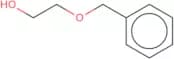


![2-{[2-(2,6-Dioxopiperidin-3-yl)-1-oxo-2,3-dihydro-1H-isoindol-4-yl]oxy}acetic acid](/_next/image/?url=https%3A%2Fstatic.cymitquimica.com%2Fproducts%2F3D%2Fthumb-webp%2FEPD97616.webp&w=3840&q=75)
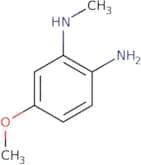

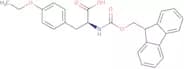
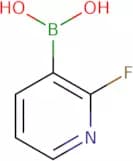


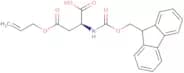


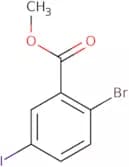
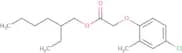
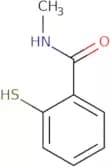
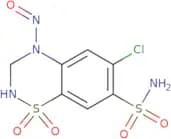

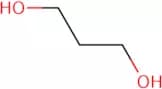
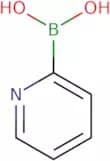
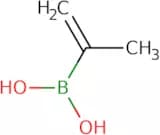
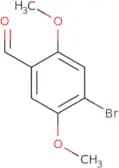
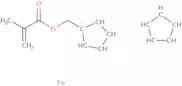
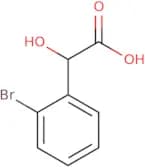
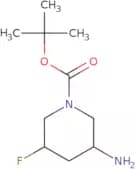
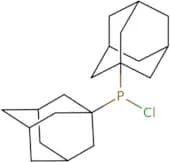
![6,7-dihydro-5h-pyrrolo[3,4-d]pyrimidin-2-amine 2hcl](/_next/image/?url=https%3A%2Fstatic.cymitquimica.com%2Fproducts%2F3D%2Fthumb-webp%2FHGA32752.webp&w=3840&q=75)
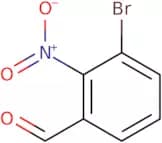


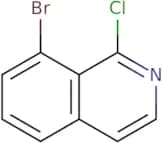


![6-Oxa-2-azaspiro[3.4]octane HCl](/_next/image/?url=https%3A%2Fstatic.cymitquimica.com%2Fproducts%2F3D%2Fthumb-webp%2FJEC65612.webp&w=3840&q=75)

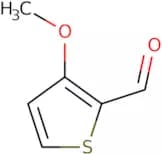
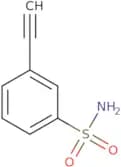

![(2,3-Dihydrobenzo[b][1,4]dioxin-5-yl)boronic acid](/_next/image/?url=https%3A%2Fstatic.cymitquimica.com%2Fproducts%2F3D%2Fthumb-webp%2FZUA76988.webp&w=3840&q=75)

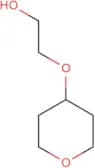


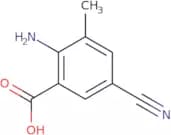


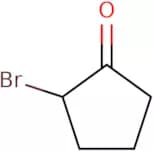

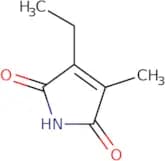
![4-Chloro-1H-pyrazolo[3,4-b]pyridine-3-carboxylic acid](/_next/image/?url=https%3A%2Fstatic.cymitquimica.com%2Fproducts%2F3D%2Fthumb-webp%2FULD13261.webp&w=3840&q=75)
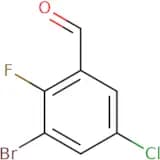
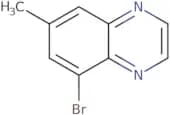

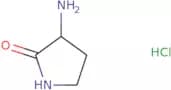
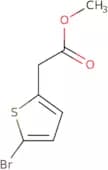

![4-(1H-Pyrazol-4-yl)-7-((2-(trimethylsilyl)ethoxy)methyl)-7H-pyrrolo[2,3-d]pyrimidine](/_next/image/?url=https%3A%2Fstatic.cymitquimica.com%2Fproducts%2F3D%2Fthumb-webp%2FRMB68527.webp&w=3840&q=75)

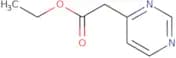
![2-[(6-Chloro-3,4-dihydro-3-methyl-2,4-dioxo-1(2H)-pyrimidinyl)methyl]-benzonitrile](/_next/image/?url=https%3A%2Fstatic.cymitquimica.com%2Fproducts%2F3D%2Fthumb-webp%2FQJB75896.webp&w=3840&q=75)


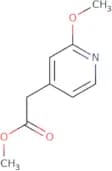

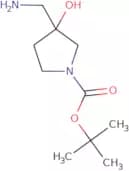


![cis-6-Boc-octahydropyrrolo[3,4-b]morpholine](/_next/image/?url=https%3A%2Fstatic.cymitquimica.com%2Fproducts%2F3D%2Fthumb-webp%2FNFA02702.webp&w=3840&q=75)

![(1R,8S,9s)-Bicyclo[6.1.0]non-4-yn-9-ylmethanol](/_next/image/?url=https%3A%2Fstatic.cymitquimica.com%2Fproducts%2F3D%2Fthumb-webp%2FNAC16690.webp&w=3840&q=75)


![[2'-(Amino-ºN)[1,1'-biphenyl]-2-yl-C][[3,6-dimethoxy-2',4',6'-tris(1-methylethyl)[1,1'-biphenyl]-2…](/_next/image/?url=https%3A%2Fstatic.cymitquimica.com%2Fproducts%2F3D%2Fthumb-webp%2FLLC47372.webp&w=3840&q=75)
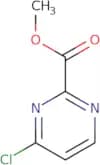
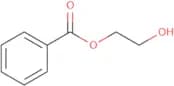



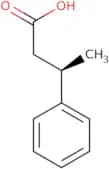


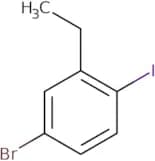
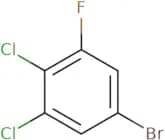
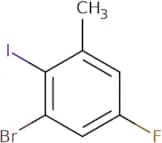
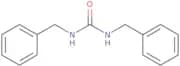
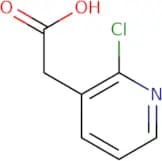
![1-[4-(Propan-2-yl)phenyl]ethan-1-ol](/_next/image/?url=https%3A%2Fstatic.cymitquimica.com%2Fproducts%2F3D%2Fthumb-webp%2FBAA47510.webp&w=3840&q=75)
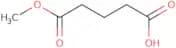
![2,4-Dichloroimidazo[2,1-F][1,2,4]triazine](/_next/image/?url=https%3A%2Fstatic.cymitquimica.com%2Fproducts%2F3D%2Fthumb-webp%2FKXC70089.webp&w=3840&q=75)
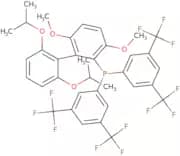
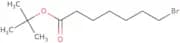

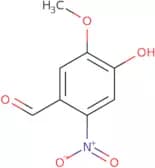
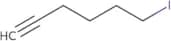

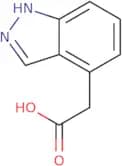
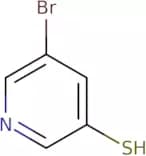
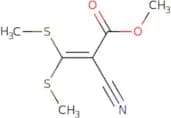

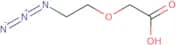

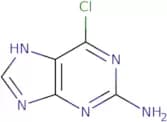
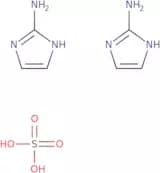

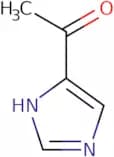

![(3S)-3- [4- [(2-Chlorophenyl) methyl] phenoxy] tetrahydrofuran](/_next/image/?url=https%3A%2Fstatic.cymitquimica.com%2Fproducts%2F3D%2Fthumb-webp%2FFC181171.webp&w=3840&q=75)


![4-Chloro-N-[2-(1,2-dihydro-2-oxo-4-quinolinyl)ethyl]benzamide](/_next/image/?url=https%3A%2Fstatic.cymitquimica.com%2Fproducts%2F3D%2Fthumb-webp%2FFC184071.webp&w=3840&q=75)

![N-[2-[(2S)-2-Cyano-4,4-difluoro-1-pyrrolidinyl]-2-oxoethyl]-6-[methyl[3-(1-piperazinyl)propyl]amin…](/_next/image/?url=https%3A%2Fstatic.cymitquimica.com%2Fproducts%2F3D%2Fthumb-webp%2FFC184139.webp&w=3840&q=75)
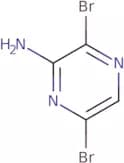
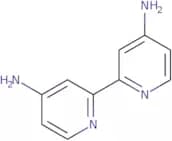
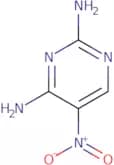
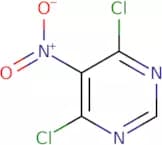
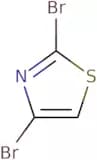



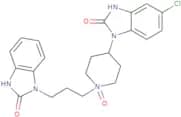
![1-[3-(Dimethylamino)propyl]-1-(4-fluorophenyl)-1,3-dihydro-3-oxo-5-isobenzofurancarbonitrile](/_next/image/?url=https%3A%2Fstatic.cymitquimica.com%2Fproducts%2F3D%2Fthumb-webp%2FFD184085.webp&w=3840&q=75)

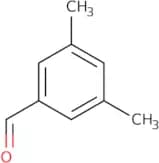

![3-Boc-3-azabicyclo[3.2.1]octan-8-amine](/_next/image/?url=https%3A%2Fstatic.cymitquimica.com%2Fproducts%2F3D%2Fthumb-webp%2FFDC76351.webp&w=3840&q=75)
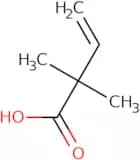


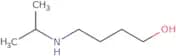
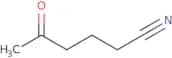

![tert-Butyl 6-amino-3-azabicyclo[3.1.0]hexane-3-carboxylate](/_next/image/?url=https%3A%2Fstatic.cymitquimica.com%2Fproducts%2F3D%2Fthumb-webp%2FFM161190.webp&w=3840&q=75)

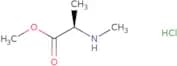


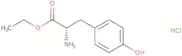

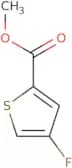


![4-{[(tert-butoxy)carbonyl]amino}-4-methylpentanoic acid](/_next/image/?url=https%3A%2Fstatic.cymitquimica.com%2Fproducts%2F3D%2Fthumb-webp%2FZZB37240.webp&w=3840&q=75)
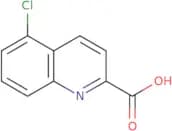
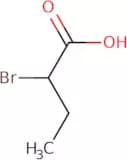
![4-{[(tert-butoxy)carbonyl]amino}bicyclo[2.2.2]octane-1-carboxylic acid](/_next/image/?url=https%3A%2Fstatic.cymitquimica.com%2Fproducts%2F3D%2Fthumb-webp%2FNJB30476.webp&w=3840&q=75)
![tert-Butyl 3-bromo-1,4,6,7-tetrahydro-5H-pyrazolo[4,3-c]pyridine-5-carboxylate](/_next/image/?url=https%3A%2Fstatic.cymitquimica.com%2Fproducts%2F3D%2Fthumb-webp%2FLCD42906.webp&w=3840&q=75)


![(1R,4R)-2-Oxa-5-azabicyclo[2.2.1]heptane hydrochloride](/_next/image/?url=https%3A%2Fstatic.cymitquimica.com%2Fproducts%2F3D%2Fthumb-webp%2FBZA51579.webp&w=3840&q=75)
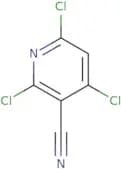
![[(Trimethylsilyl)ethynyl]boronic acid, pinacol ester](/_next/image/?url=https%3A%2Fstatic.cymitquimica.com%2Fproducts%2F3D%2Fthumb-webp%2FJGA08746.webp&w=3840&q=75)
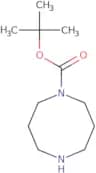
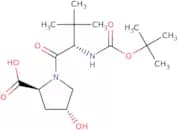

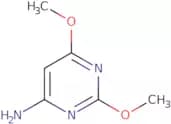


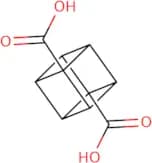

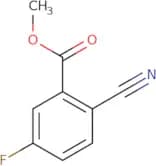
![1-[(tert-butoxy)carbonyl]-5,5-difluoropiperidine-3-carboxylic acid](/_next/image/?url=https%3A%2Fstatic.cymitquimica.com%2Fproducts%2F3D%2Fthumb-webp%2FFAC66686.webp&w=3840&q=75)
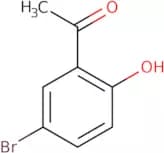
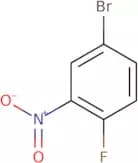
![tert-Butyl 4-hydroxy-1-oxa-7-azaspiro[4.4]nonane-7-carboxylate](/_next/image/?url=https%3A%2Fstatic.cymitquimica.com%2Fproducts%2F3D%2Fthumb-webp%2FXXC50503.webp&w=3840&q=75)

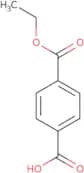
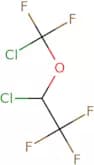


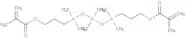

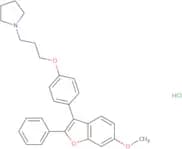

![2,4-Dichloropyrido [2,3-D] pyrimidine](/_next/image/?url=https%3A%2Fstatic.cymitquimica.com%2Fproducts%2F3D%2Fthumb-webp%2FFD31600.webp&w=3840&q=75)

![N-(2,6-Dimethylphenyl)-2-({[(2,6-dimethylphenyl)carbamoyl]methyl}amino)acetamide](/_next/image/?url=https%3A%2Fstatic.cymitquimica.com%2Fproducts%2F3D%2Fthumb-webp%2FVEB79807.webp&w=3840&q=75)