Amines
Amines are a set of molecules containing an amino functional group (derived from ammonia). This category includes amines at any level of substitution : primary, secondary, tertiary, and ammonium salts. Amines are fundamental in organic synthesis and are widely used in pharmaceuticals, agrochemicals, and materials science. At CymitQuimica, we provide a comprehensive selection of amines to meet your research and industrial needs. Our range ensures access to various amines for diverse chemical processes and innovative research.
Subcategories of "Amines"
- Nitrosamines(2,606 products)
- Primary Amines(30,805 products)
- Quaternary Ammonium Cations and Salts(1,099 products)
- Secondary Amines(20,809 products)
- Tertiary Amines(17,111 products)
Found 8777 products of "Amines"
Sort by
Purity (%)
0
100
|
0
|
50
|
90
|
95
|
100
Ethyl (2Z)-2-[(Acetyloxy)imino]-2-amino-acetic Acid Ester
CAS:Controlled Product<p>Applications Ethyl (2Z)-2-[(Acetyloxy)imino]-2-amino-acetic Acid Ester is an intermediate used in the synthesis of N-(2-Hydroxyethyl)-5-methyl-1,2,4-oxadiazole-3-carboxamide (H942278), which is a photolysis product of Metronidazole (M338880), an antibiotic.<br>References Moore, Douglas E., et al.: Radiation Phy. and Chem., 36(4), 547-50 (1990)<br></p>Formula:C6H10N2O4Color and Shape:NeatMolecular weight:174.1553-[(3-Aminophenyl)amino]benzonitrile
CAS:Controlled Product<p>Applications 3-[(3-aminophenyl)amino]benzonitrile (cas# 1147094-81-2) is a useful research chemical.<br></p>Formula:C13H11N3Color and Shape:NeatMolecular weight:209.2465-((tert-Butoxycarbonyl)amino)tetrahydro-2H-pyran-2-carboxylic Acid
CAS:Controlled ProductFormula:C11H19NO5Color and Shape:NeatMolecular weight:245.2722-Aminomethyl-4-aminophenol
CAS:Controlled ProductFormula:C7H10N2OColor and Shape:NeatMolecular weight:138.1672-(methylamino)benzene-1-sulfonamide
CAS:Controlled Product<p>Applications 2-(methylamino)benzene-1-sulfonamide (cas# 21639-28-1) is a useful research chemical.<br></p>Formula:C7H10N2O2SColor and Shape:NeatMolecular weight:186.233-Amino-4-isothiazolecarboxylic Acid
CAS:Controlled ProductFormula:C4H4N2O2SColor and Shape:NeatMolecular weight:144.152Benzyltributylammonium Chloride
CAS:Controlled Product<p>Applications Benzyltributylammonium Chloride (cas# 23616-79-7) is a useful research chemical.<br></p>Formula:C19H34ClNColor and Shape:NeatMolecular weight:311.93[2-(Dimethylamino)ethyl](propan-2-yl)amine
CAS:Controlled ProductFormula:C7H18N2·x(HCl)Color and Shape:NeatMolecular weight:130.234-[(1,1-Dioxidobenzo[d]isothiazol-3-yl)(methyl)amino]phenyl Acrylate
CAS:Controlled ProductFormula:C17H14N2O4SColor and Shape:NeatMolecular weight:342.374-Amino-1,3-benzenedisulfonic Acid (>90%)
CAS:Controlled Product<p>Applications 4-Amino-1,3-benzenedisulfonic Acid is used as a reagent in the synthesis of arylazopyridoxal phosphate and phosphonate derivatives as P2 receptor antagonists.<br>References Kim, Y., et al.: Drug Develop. Res., 45, 52 (1998)<br></p>Formula:C6H7NO6S2Purity:>90%Color and Shape:NeatMolecular weight:253.25Ethyl 5-amino-1-benzofuran-2-carboxylate
CAS:Controlled Product<p>Applications Ethyl 5-amino-1-benzofuran-2-carboxylate is used as an synthetic intermediate in the preparation of indolebutylpiperazines, a class of dual 5-HT1A receptor agonists and serotonin reuptake inhibitors. Ethyl 5-amino-1-benzofuran-2-carboxylate was also used as a potential radiolabelled analog for melanoma imaging and targeted radiotherapy.<br>References Chezal, J.M., et al.: J. Medn. Chem., 51, 3133 (2008); Heinrich, T., et al.: J. Medn. Chem., 47, 4684 (2004);<br></p>Formula:C11H11NO3Color and Shape:NeatMolecular weight:205.211-Phenyl-3-Azetidinamine Dihydrochloride
CAS:Controlled ProductFormula:C9H14Cl2N2Color and Shape:NeatMolecular weight:184.6661-Amino-3-(3-(3,5-dimethylphenoxy)-2-hydroxypropoxy)propan-2-ol
Controlled ProductFormula:C14H23NO4Color and Shape:NeatMolecular weight:269.337Bis(3-chloropropyl)amine Hydrochloride
CAS:Controlled Product<p>Stability Hygroscopic<br>Applications Bis(3-chloropropyl)amine Hydrochloride is used in silica studies, and is grafted onto a silica support to evaluate CO2 adsorption.<br>References Yoo, C. et al.: Ind. Eng. Chem. Res., 59, 7061 (2020);<br></p>Formula:C6H13NCl2·HClColor and Shape:NeatMolecular weight:206.543-Aminocyclopentanol
CAS:Controlled ProductFormula:C5H11NOColor and Shape:NeatMolecular weight:101.147Ethyldibutylamine
CAS:Controlled Product<p>Applications Ethyldibutylamine is a useful reagent for organic synthesis.<br></p>Formula:C10H23NColor and Shape:NeatMolecular weight:157.2963-[Ethyl[(4-sulfophenyl)methyl]amino]benzenesulfonic Acid
CAS:Controlled ProductFormula:C15H17NO6S2Color and Shape:WhiteMolecular weight:371.429Tetramethylammonium Tetrafluoroborate
CAS:Controlled Product<p>Applications Tetramethylammonium Tetrafluoroborate (cas# 661-36-9) is a useful research chemical.<br></p>Formula:C4H12BF4NColor and Shape:NeatMolecular weight:160.95Methyl (2S)-2-Aminobutanoate
CAS:Controlled Product<p>Applications Methyl (2S)-2-Aminobutanoate is a general chemical reagent used in the synthesis of methylsulphonamide based small molecule legumain inhibitors.<br>References Ness, K. et al.: Bioorg. Med. Chem. Lett., 26, 413 (2016);<br></p>Formula:C5H11NO2Color and Shape:NeatMolecular weight:117.146Cycloheptylmethylamine
CAS:Controlled ProductFormula:C8H17N·ClHColor and Shape:NeatMolecular weight:163.688Trimethylphenylammonium Tribromide
CAS:Controlled Product<p>Applications Trimethylphenylammonium tribromide is a brominating agent, and is also used as an oxidizing agent in the preparation of disulfides and sulfoxides from thiols and sulfides.<br> Not a dangerous good if item is equal to or less than 1g/ml and there is less than 100g/ml in the package<br>References Ghorbani-Choghamarani, A., et al.: Phosphorus Sulfur, 186, 1665 (2011); Gonzalez, A., et al.: Phytochemistry, 12, 1113 (1973)<br></p>Formula:C9H14Br3NColor and Shape:NeatMolecular weight:375.93Methyl 4-aminosalicylate
CAS:Controlled Product<p>Applications Methyl 4-aminosalicylate<br></p>Formula:C8H9NO3Color and Shape:NeatMolecular weight:167.162-Dimethylaminoethyl Benzilate
CAS:Controlled Product<p>Applications 2-Dimethylaminoethyl Benzilate is an intermediate in the synthesis of Propinox (P771500), an antispasmodic agent used in the treatment of moderate to severe colic pain of biliary origin.<br> Not a dangerous good if item is equal to or less than 1g/ml and there is less than 100g/ml in the package<br>References Mishra, R., et al.: Pharma. Chemica., 2, 185 (2010);<br></p>Formula:C18H21NO3Color and Shape:NeatMolecular weight:299.36Methyl 2-amino-4-bromo-5-chlorobenzoate
CAS:Controlled ProductFormula:C8H7BrClNO2Color and Shape:Neattert-Octylamine
CAS:Controlled Product<p>Impurity Potassium Clavulanate EP Impurity K<br>Applications tert-Octylamine (Potassium Clavulanate EP Impurity K) is used in the synthesis of aminomethyltetracycline dericatives as novel antibacterial agents. Also used in the preparation of carbonyl or sulfonylpyrrolidine containing uracil derivatives which have potent effect in the inhibitoon of deoxyuridine triphosphatase inhibitors.<br> Not a dangerous good if item is equal to or less than 1g/ml and there is less than 100g/ml in the package<br>References Clark, R. et al.: J. Med. Chem., 56, 8112 (2013); Miyakoshi, H. et al.: J. Med. Chem., 55, 2960 (2012);<br></p>Formula:C8H19NColor and Shape:NeatMolecular weight:129.24α-[[(1,1-Dimethylethoxy)carbonyl]amino]-2-fluoro-4-hydroxybenzeneacetic Acid
CAS:Controlled ProductFormula:C13H16FNO5Color and Shape:NeatMolecular weight:285.27N,N'-Bis(salicylidene)ethylenediamine
CAS:Controlled Product<p>Applications N,N'-Bis(salicylidene)ethylenediamine is a common chelating ligand that is used in coordination chemistry. In particular it was used to form a new zinc(salen) nano complex which possess strong photoluminescence properties. Also used to form iron complexes which may possess anticancer properties.<br>References Mohammadikish, M., et al.: J. Cryst. Growth., 431, 39 (2015); Wani, W., et al.: New J. Chem., 40, 1063 (2016);<br></p>Formula:C16H16N2O2Color and Shape:NeatMolecular weight:268.312-Furfurylamine
CAS:Controlled Product<p>Stability Volatile<br>Applications 2-Furfurylamine is used in the synthesis of 2-Amino-N-(2-furylmethyl)propanamide, as a novel alanylglycine equivalent synthesized by bacilysin synthetase.<br> Not a dangerous good if item is equal to or less than 1g/ml and there is less than 100g/ml in the package<br>References Mah, R., et al.: Appl. Microbiol., 15, 866 (1967), Faber, K., et al.: Pure Appl. Chem., 69, 1613 (1997), Marahiel, M., et al.: Chem. Biol. 4, 561 (1997),<br></p>Formula:C5H7NOColor and Shape:NeatMolecular weight:97.123,4-Diaminobenzonitrile
CAS:Controlled Product<p>Stability Store in freezer at -20°C<br>Applications A synthetic intermediate<br></p>Formula:C7H7N3Color and Shape:NeatMolecular weight:133.157-Azagramine
CAS:Controlled Product<p>Applications 7-Azaindole derivative<br>References Showell, G., et al.: Bioorg. Med. Chem., 6, 1 (1998), Huang, Y., et al.: Bioorg. Med. Chem. Lett., 11, 1375 (2001),<br></p>Formula:C10H13N3Color and Shape:NeatMolecular weight:175.236-Methylguanamine
CAS:Controlled Product<p>Stability Hygroscopic<br>Applications 6-Methylguanamine has been used as a catalyst when complexed with riboflavin tetraacetate in soft gel materials.<br>References Bachl, j., et. al.: J. Mater. Chem., 1, 4577 (2013)<br></p>Formula:C4H7N5Color and Shape:NeatMolecular weight:125.132(1-Aminoethyl)phosphonic Acid
CAS:Controlled ProductFormula:C2H8NO3PColor and Shape:NeatMolecular weight:125.064Amino-peg1-t-butyl Ester
CAS:Controlled Product<p>Applications Amino-peg1-t-butyl Ester is a reagent used in the preparation of β2 adrenergic receptor agonists and muscarinic receptor activity antagonists.<br>References Donald, D. K., et al.: PCT Int. Appl., WO 2011048409 A1 WO2010-GB51751 (2011)<br></p>Formula:C9H19NO3Color and Shape:NeatMolecular weight:189.25N-(p-Fluorophenyl)-hydroxylamine
CAS:Controlled Product<p>Applications N-(p-Fluorophenyl)-hydroxylamine, is a reactant used in various chemical synthesis, such as in preparation of spiro-isoxazoline and spiro-isoxazolidine derivatives of tomentosin.<br>References Zaki, M., et al.: RSC Advances, Vol. 7, Iss 11, P: 6523-6529 (2017);<br></p>Formula:C6H6FNOColor and Shape:NeatMolecular weight:127.1162-Amino-6-oxo-4,5,6,7-tetrahydrobenzothiazole
CAS:Controlled Product<p>Applications 2-Amino-6-oxo-4,5,6,7-tetrahydrobenzothiazole, is an intermediate in the synthesis of pharmaceutical and biologically active compounds including therapeutic agents. It is an intermediate for the synthesis of Pramipexole (P700755).<br>References Schilling, J.C., et al.: Clin. Pharmacol. Ther., 51, 541 (1992), Kieburtz, K., et al.: J. Am. Med. Assoc., 278, 125 (1997)<br></p>Formula:C7H8N2OSColor and Shape:NeatMolecular weight:168.216Methyl (2S)-2-amino-3-[(triphenylmethyl)sulfanyl]propanoate
CAS:Controlled Product<p>Applications Methyl (2S)-2-amino-3-[(triphenylmethyl)sulfanyl]propanoate<br></p>Formula:C23H23NO2SColor and Shape:NeatMolecular weight:377.5(R)-3-Aminoindan-5-ol
CAS:Controlled ProductFormula:C9H11NOColor and Shape:NeatMolecular weight:149.19Tetramethylammonium Hydroxide (25% w/w solution in Water)
CAS:<p>Applications Tetramethylammonium Hydroxide is used to prepare a new family of silicate/aluminosilicate mesoporous molecular sieves.<br> Not a dangerous good if item is equal to or less than 1g/ml and there is less than 100g/ml in the package<br>References Beck, J., et al.: J. Am. Chem. Soc., 114, 10834 (1992).<br></p>Formula:C4H12N·HOColor and Shape:Single SolutionMolecular weight:91.15Diphenyl 2-(Dimethylamino)ethylphosphoric Acid Ester
CAS:Controlled ProductFormula:C16H20NO4PColor and Shape:NeatMolecular weight:321.308(1S,2S)-1,2-Diphenyl-1,2-ethanediamine
CAS:Controlled Product<p>Applications (1S,2S)-1,2-Diphenyl-1,2-ethanediamine (cas# 29841-69-8) is a compound useful in organic synthesis.<br></p>Formula:C14H16N2Color and Shape:NeatMolecular weight:212.292-Amino-4,5-dimethylbenzothiazole
CAS:Controlled ProductFormula:C9H10N2SColor and Shape:NeatMolecular weight:178.2546-(4-Phenylbutoxy)-1-hexanamine
CAS:<p>Applications 6-(4-Phenylbutoxy)-1-hexanamine is an intermediate in the synthesis of salmeterol (S090100), a structural analog of Albuterol (A514500).<br>References Goswami, J., et al.: Tetrahedron. Asym., 12, 3343 (2002);<br></p>Formula:C16H27NOColor and Shape:Off White SolidMolecular weight:249.392-(Phenylamino)nicotinic Acid
CAS:Controlled Product<p>Applications 2-(Phenylamino)nicotinic Acid (cas# 16344-24-4) is a useful research chemical.<br></p>Formula:C12H10N2O2Color and Shape:NeatMolecular weight:214.221-(7-Amino-2,3-dihydro-1,4-benzodioxin-6-yl)ethanone
CAS:Controlled ProductFormula:C10H11NO3Color and Shape:NeatMolecular weight:193.199tert-Butyl 2-(3-Aminophenyl)acetate
CAS:Controlled Product<p>Applications tert-Butyl 2-(3-Aminophenyl)acetate can be used as anti-heparanase to treat diseases and disorders associated with heparanase activity.<br>References Giannini, G., et.al.: PCT Int. Appl., 103, (2018);<br></p>Formula:C12H17NO2Color and Shape:NeatMolecular weight:207.269Methyl 5-(Aminomethyl)furan-2-carboxylate Hydrochloride
CAS:Controlled ProductFormula:C7H9NO3·HClColor and Shape:NeatMolecular weight:191.612Dihydrorhodamine 123
CAS:Controlled ProductFormula:C21H18N2O3Color and Shape:NeatMolecular weight:346.384-Amino-3-hydroxybenzenesulfonamide (may contain up to 20% inorganics)
CAS:Controlled Product<p>Applications 4-amino-3-hydroxybenzenesulfonamide (cas# 3588-76-9) is a useful research chemical.<br></p>Formula:C6H8N2O3SColor and Shape:NeatMolecular weight:188.2042-[3-(Methylsulfonyl)phenyl]ethylamine
CAS:Controlled ProductFormula:C9H13NO2SColor and Shape:NeatMolecular weight:199.272-((tert-Butoxycarbonyl)amino)-2-(hydroxymethyl)-4-(4-octylphenyl)butyl Acetate
CAS:Controlled Product<p>Applications 2-((tert-bButoxycarbonyl)amino)-2-(hydroxymethyl)-4-(4-octylphenyl)butyl Acetate is the intermediate in the synthesis of Mono-O-acetyl Fingolimod TFA (F524600), which is an impurity of Fingolimod (F805000, HCl salt) which is a novel immune modulator that prolongs allograft transplant survival in numberour models by inhibiting lymphocyte emigration from lymphoid organs.<br>References Brinkmann, V., et al.: Transplantation, 72, 764 (2001). Brinkmann, et al.: J. Biol. Chem., 277, 24, 21453 (2002). Mtaloubian, M., et al.: Nature, 427, 355 (2004)<br></p>Formula:C26H43NO5Color and Shape:NeatMolecular weight:449.623N,N,N’-Trimethyl-N'-thioethylethylene Diamine
CAS:Controlled Product<p>Applications An intermediate of Synergistin. Antibacterial.<br></p>Formula:C7H18N2SColor and Shape:NeatMolecular weight:162.2964-(3-Aminopropyl)-N,N-dimethylaniline Hydrochloride
CAS:Controlled Product<p>Applications 4-(3-aminopropyl)-N,N-dimethylaniline (cas# 112103-97-6) is a useful research chemical.<br></p>Formula:C11H18N2·HClColor and Shape:NeatMolecular weight:214.7353-(Cyclopropylcarbamoyl)phenylboronic Acid (>90%)
CAS:Controlled Product<p>Applications 3-(Cyclopropylaminocarbonyl)phenylboronic acid<br></p>Formula:C10H12BNO3Purity:>90%Color and Shape:NeatMolecular weight:205.02[1-(2,4-Dichlorophenyl)cyclohexyl]methanamine Hydrochloride
CAS:Controlled ProductFormula:C13H17Cl2N·HClColor and Shape:NeatMolecular weight:294.6485-chloro-2,1,3-benzoxadiazol-4-amine
CAS:Controlled Product<p>Applications 5-chloro-2,1,3-benzoxadiazol-4-amine (cas# 80277-04-9) is a useful research chemical.<br></p>Formula:C6H4N3OClColor and Shape:NeatMolecular weight:169.56tert-Butyl (2-((4-Aminophenyl)amino)-2-oxoethyl)carbamate
CAS:Controlled Product<p>Applications tert-Butyl (2-((4-Aminophenyl)amino)-2-oxoethyl)carbamate is an intermediate in the synthesis of (E)-2-Formamido-N-(4-((4-(4-hydroxybutyl)phenyl)diazenyl)phenyl)acetamide (F792100), a compound useful in organic synthesis.<br></p>Formula:C13H19N3O3Color and Shape:NeatMolecular weight:265.308(3S)-3-Amino-4-mercapto-1-butanesulfonic Acid
CAS:Controlled ProductFormula:C4H11NO3S2Color and Shape:Off-WhiteMolecular weight:185.265DL-2-Amino-1-pentanol
CAS:Controlled Product<p>Applications DL-2-Amino-1-pentanol is a useful intermediate for organic synthesis. It is used in the preparation of amino-substituted pyrimidine derivatives and other aminoethanethiol derivatives with potential antiradiation properties.<br>References Yoo, K. H., et al.: Korean J. Med. Chem., 9, 83 (1999); Fernandez, S., et al.: Synthesis, 9, 713 (1991)<br></p>Formula:C5H13NOColor and Shape:NeatMolecular weight:103.16Cyclopent-2-en-1-amine Hydrochloride
CAS:Controlled Product<p>Applications cyclopent-2-en-1-amine hydrochloride (cas# 91469-54-4) is a useful research chemical.<br></p>Formula:C5H9N·HClColor and Shape:NeatMolecular weight:119.593N,N-Diethylethylenediamine
CAS:<p>N,N-Diethylethylenediamine (DEEDA) is a nitrosamine with the chemical structure of N 2 H 4 C 2 H 4 NH 2 . It has been shown to have tumor-inhibiting properties. DEEDA has been shown to have a redox potential that is similar to that of glutathione and cysteine, which are important for the reduction of reactive oxygen species in cells. This compound also shows high uptake by primary cells and can be used as a model system to study the effects of nitrogen compounds on copper complexes. The biological properties of DEEDA are related to steric interactions with proteins and other biomolecules.</p>Formula:C6H16N2Purity:Min. 95%Color and Shape:Colorless Clear LiquidMolecular weight:116.2 g/mol(2S,6S)-2-Amino-2-(2-chlorophenyl)-6-hydroxycyclohexan-1-one HCl
CAS:Controlled Product<p>Please enquire for more information about (2S,6S)-2-Amino-2-(2-chlorophenyl)-6-hydroxycyclohexan-1-one HCl including the price, delivery time and more detailed product information at the technical inquiry form on this page</p>Formula:C12H15CI2NO2Purity:Min. 95%Color and Shape:PowderMolecular weight:471.07 g/mol(Oc-6-21)-(4-Aminophenyl)Pentafluoro-Sulfur
CAS:<p>(Oc-6-21)-(4-Aminophenyl)Pentafluoro-Sulfur is a synthetic chemical that has the molecular formula of CF5SO2NH. It is a five membered heterocycle with an affinity for chloride ions. The compound was synthesized using phenacyl chloride and chlorosulfonyl fluoride in a one step synthesis. This chemical has shown to be an analog of serotonin with hydrogen bonding capabilities. (Oc-6-21)-(4-Aminophenyl)Pentafluoro-Sulfur can act as both a sensor and an electroneutral chlorine ionophore.</p>Formula:C6H6F5NSPurity:Min. 95%Molecular weight:219.18 g/mol21-Amino-17-hydroxypregna-1,4-diene-3,11,20-trioneHydrochloride
CAS:Controlled Product<p>Please enquire for more information about 21-Amino-17-hydroxypregna-1,4-diene-3,11,20-trioneHydrochloride including the price, delivery time and more detailed product information at the technical inquiry form on this page</p>Formula:C21H28ClNO4Purity:Min. 95%Molecular weight:393.9 g/mol3-Fluorophenethylamine
CAS:Controlled Product<p>3-Fluorophenethylamine is a fluorinated analog of phenethylamine that binds to the same receptors and has a similar effect on neurotransmitters as the parent compound. 3-Fluorophenethylamine inhibits the production of tumor necrosis factor-α (TNF-α) in vitro, which may be due to its ability to inhibit prostaglandin synthesis by binding to cyclooxygenase. This drug has also been shown to have anti-inflammatory effects that are mediated by inhibition of TNF-α production and activation of nuclear factor kappa B (NFκB) pathways in hippocampal neurons.</p>Formula:C8H10FNPurity:Min. 95%Molecular weight:139.17 g/mol5'-Amino-5'-deoxy-2',3'-O-(1-methylethylidene)-adenosine
CAS:<p>Please enquire for more information about 5'-Amino-5'-deoxy-2',3'-O-(1-methylethylidene)-adenosine including the price, delivery time and more detailed product information at the technical inquiry form on this page</p>Formula:C13H18N6O3Purity:Min. 95%Molecular weight:306.32 g/molN-EthylhydroxylamineHydrochloride
CAS:<p>N-Ethylhydroxylamine hydrochloride is a chemical compound that belongs to the group of biocides. It is used as an antimicrobial agent in medical devices, such as catheters and dialysis membranes. N-Ethylhydroxylamine hydrochloride is also used in cancer research to activate the CCR5 receptor, which is involved in HIV infection. N-Ethylhydroxylamine hydrochloride has been shown to have biological properties in humans and animals and has a high degree of chemical stability. The compound can be synthesized from sodium carbonate and ethyl alcohol. The synthesis involves the addition of ethylene oxide to ethanolamine followed by hydrogenation with a catalyst. N-Ethylhydroxylamine hydrochloride is soluble in water, methanol, and acetone. This chemical compound binds to proteins in the human body, resulting in an increase of acidity in urine samples when tested using a plate test. It also has</p>Formula:C2H8ClNOPurity:Min. 95%Molecular weight:97.54 g/mol1-(Methylamino)adamantane
CAS:<p>1-(Methylamino)adamantane is a dopamine receptor ligand that has been shown to be neuroprotective in rodent models of ischemia-reperfusion injury. 1-(Methylamino)adamantane exhibits high affinity for the D2 subtype, with potency and efficacy that are comparable to those of dopamine. It also acts as an agonist at the D1 and D3 receptors, although it displays weaker binding affinity than dopamine. The neuroprotective effects of 1-(methylamino)adamantane have been demonstrated in wild-type mice following ischemia-reperfusion injury, but not in animals with a mutant form of the gene encoding dopamine receptors. These findings suggest that 1-(methylamino)adamantane may be able to provide protection against ischemia-reperfusion injury by acting on downstream pathways such as protein kinase C or nitric oxide synthase.</p>Formula:C11H19NPurity:Min. 95%Molecular weight:165.28 g/mol3-Methoxy methamphetamine hydrochloride
CAS:Controlled Product<p>Please enquire for more information about 3-Methoxy methamphetamine hydrochloride including the price, delivery time and more detailed product information at the technical inquiry form on this page</p>Formula:C11H18ClNOPurity:Min. 95%Molecular weight:215.72 g/molHydroxylamine hydrochloride
CAS:<p>Hydroxylamine HCl is a chemical compound that has been shown to exhibit anti-inflammatory properties. It is a nitrosobenzene derivative with the molecular formula NH2OH, and it is also known as hydroxylamine salt or hydroxylamine sulfate. Hydroxylamine HCl has been used in pharmaceutical preparations for the treatment of inflammatory bowel diseases such as ulcerative colitis and Crohn's disease. This drug inhibits the production of inflammatory cytokines by binding to the receptor sites on cells in the body. Hydroxylamine HCl binds to the herpes simplex virus (HSV) and inhibits viral replication, which may be due to its ability to inhibit protein synthesis at an early stage of HSV infection. This drug also binds to CD-1 mouse liver cells and blocks cellular respiration, leading to cell death.</p>Formula:ClH4NOPurity:Min. 95%Color and Shape:PowderMolecular weight:69.49 g/mol2-(Methylmercapto)-ethylamine
CAS:<p>2-(Methylmercapto)-ethylamine is a chemical that is used in the synthesis of the ruthenium complex, which is used to detect and destroy cancer stem cells. 2-(Methylmercapto)-ethylamine has been shown to be toxicologically safe in animal studies. 2-(Methylmercapto)-ethylamine can react with aziridine and pyrite to form nanogels, which are structures that have potential applications in drug delivery. The optical properties of 2-(methylmercapto) ethylamine are sensitive to its environment, especially pH. 2- (Methylmercapto) Ethylamine can bind to the pleuromutilin derivatives, which are active against infectious diseases such as tuberculosis.</p>Formula:C3H9NSPurity:Min. 95%Molecular weight:91.18 g/mol4,6-Diaminobenzene-1,3-dicarboxylic acid
CAS:<p>4,6-Diaminobenzene-1,3-dicarboxylic acid is an inorganic copper compound that is used as a copper salt. It has been shown to be effective as a chelating agent for the treatment of copper toxicity. 4,6-Diaminobenzene-1,3-dicarboxylic acid binds to metal ions and forms a complex with them. This complex can then be excreted from the body through urine or bile.</p>Formula:C8H8N2O4Purity:Min. 95%Molecular weight:196.16 g/mol(1R,2R)-Boc-aminocyclopentane carboxylic acid
CAS:<p>(1R,2R)-Boc-aminocyclopentane carboxylic acid (BCPC) is a high quality, reagent, and useful intermediate. It is a versatile building block that can be used as a speciality chemical or research chemical. BCPC has been shown to react with amines to form ureas, with nitriles to form oxazolidines, and with epoxides to form aziridinones.</p>Formula:C11H19NO4Purity:Min. 95%Color and Shape:White PowderMolecular weight:229.27 g/mol(R)-(-)-a-[[(4-Ethyl-2,3-dioxo-1-piperazinyl)carbonyl]amino]benzeneacetic Acid
CAS:<p>(R)-(-)-a-[[(4-Ethyl-2,3-dioxo-1-piperazinyl)carbonyl]amino]benzeneacetic Acid is an inhibitor of the enzyme histamine N-methyltransferase (HNMT), which is responsible for the synthesis of histamine. The inhibition of HNMT leads to a decrease in histamine levels and therefore has been used as a treatment for chronic prostatitis, lacrimal gland, and energy efficiency. Histamine N-methyltransferase also participates in the regulation of apoptosis by methylating proapoptotic proteins like Bax, so inhibition can lead to an increase in apoptosis. This chemical is also able to bind with chloride ions and form diphenyl ethers through a reaction solution, which are known to have anticancer properties.</p>Formula:C15H17N3O5Purity:Min. 98 Area-%Color and Shape:PowderMolecular weight:319.31 g/mol6-Amino-1,3,5-triazine-2,4-diol
CAS:<p>6-Amino-1,3,5-triazine-2,4-diol is a chemical that is soluble in water and has been shown to be an effective inhibitor of cyanuric acid degradation. It has been used in wastewater treatment and as a model system for the study of melamine and cyanuric acid interactions. 6-Amino-1,3,5-triazine-2,4-diol binds to cyanuric acid by forming a complex with it. This prevents the formation of reactive intermediates that lead to the degradation of cyanuric acid. 6-Amino-1,3,5-triazine-2,4-diol also inhibits the oxidation catalyst activity of sodium carbonate at pH 8.5. The toxicity of this chemical has been studied in rats and was found to be low.</p>Formula:C3H4N4O2Purity:Min. 95%Molecular weight:128.09 g/mol1,4-Bis[4-(di-p-tolylamino)styryl]benzene
CAS:<p>1,4-Bis[4-(di-p-tolylamino)styryl]benzene is a fluorescent organic semiconductor that has high efficiency and can be used in electronic devices. The benzene molecule has two electron donating groups, which provide an acceptor site for the exciton formed by the electron transfer between donor and acceptor. This process is called fluorescence or phosphorescence, which is the emission of light following absorption of energy. 1,4-Bis[4-(di-p-tolylamino)styryl]benzene emits blue light when excited by an electron beam with a frequency of 300 nm and a current density of 10 mA/cm2. This device shows high efficiencies up to 60% at room temperature and up to 70% at 100°C.</p>Formula:C50H44N2Purity:Min. 95%Molecular weight:672.9 g/mol1-(Boc-amino)-4,9-dioxa-12-dodecanamine
CAS:Controlled Product<p>Please enquire for more information about 1-(Boc-amino)-4,9-dioxa-12-dodecanamine including the price, delivery time and more detailed product information at the technical inquiry form on this page</p>Formula:C15H32N2O4Purity:Min. 95%Molecular weight:304.43 g/molN-Methylphenethylamine
CAS:Controlled Product<p>N-Methylphenethylamine (NMPEA) is a chemical substance that is found in many natural compounds. It can be synthesized by reacting phenethylamine with trifluoroacetic acid and reacts with ionization sources to produce ions detectable in mass spectrometry. NMPEA has been detected in human urine samples and has been shown to have significant interactions with the hepg2 cell line. The uptake of NMPEA into cells is facilitated by amines, which are abundant in heart tissue.</p>Formula:C9H13NPurity:Min. 95%Molecular weight:135.21 g/mol3-[(Dimethylamino)methyl]benzoic acid hydrochloride
CAS:<p>Please enquire for more information about 3-[(Dimethylamino)methyl]benzoic acid hydrochloride including the price, delivery time and more detailed product information at the technical inquiry form on this page</p>Formula:C10H13NO2Purity:Min. 95%Molecular weight:179.22 g/molDehydroevodiamine
CAS:<p>Dehydroevodiamine is a plant-derived indole alkaloid, which is extracted from the fruit of the Evodia rutaecarpa plant. This compound is garnering scientific interest due to its potential neuroprotective properties. The mode of action of dehydroevodiamine is multifaceted, involving the modulation of neurotransmitter systems, particularly the enhancement of cholinergic function, as well as antioxidant effects that mitigate oxidative stress.</p>Purity:Min. 95%4-Chlorobenzylamine
CAS:<p>4-Chlorobenzylamine is a chemical that is used as an intermediate in the synthesis of other compounds. It has low bioavailability, which may be due to its reactive site. The chemical can be characterized using nmr spectra and potent inhibitory activity. 4-Chlorobenzylamine has been found to react with nitrogen atoms, and this reaction is highly acidic. FT-IR spectroscopy can also be used to characterize this compound. Intermolecular hydrogen bonding and hydroxyl group are two of the major interactions of 4-chlorobenzylamine with other molecules. This chemical reacts with serine protease, glyoxal, and other substances in a manner that depends on the molecule's structure.</p>Formula:C7H8ClNPurity:Min. 95%Molecular weight:141.6 g/molDemethyl benzydamine hydrochloride
CAS:Controlled Product<p>Please enquire for more information about Demethyl benzydamine hydrochloride including the price, delivery time and more detailed product information at the technical inquiry form on this page</p>Formula:C18H22ClN3OPurity:Min. 95%Molecular weight:331.84 g/mol[1-Methyl-2-(7-methyl-1H-indol-3-yl)ethyl]amine hydrochloride
CAS:Controlled Product<p>Please enquire for more information about [1-Methyl-2-(7-methyl-1H-indol-3-yl)ethyl]amine hydrochloride including the price, delivery time and more detailed product information at the technical inquiry form on this page</p>Formula:C12H16N2Purity:Min. 95%Molecular weight:188.27 g/mol4-Amino-3,5-difluorobenzoic Acid
CAS:<p>4-Amino-3,5-difluorobenzoic Acid is a chemical compound that is used to manufacture dyes and pharmaceuticals. It is prepared by the reaction of dimethyl formamide with bromobenzoate and hydrobromic acid. The reaction product is decompressed to remove the toxic hydrogen cyanide gas and then reacted with sodium borohydride in liquid ammonia. This process yields 4-amino-3,5-difluorobenzoic acid which can be purified by recrystallization from water or chloroform.</p>Formula:C7H5F2NO2Purity:Min. 95%Molecular weight:173.12 g/mol8-[(2-Hydroxyethyl)(methyl)amino]-1,3,9-trimethyl-3,9-dihydro-1H-purine-2,6-dione
CAS:Controlled Product<p>Please enquire for more information about 8-[(2-Hydroxyethyl)(methyl)amino]-1,3,9-trimethyl-3,9-dihydro-1H-purine-2,6-dione including the price, delivery time and more detailed product information at the technical inquiry form on this page</p>Formula:C11H17N5O3Purity:Min. 95%Molecular weight:267.28 g/molMethylamine thiocyanate
CAS:Controlled Product<p>Methylamine thiocyanate is a chemical compound that is used in the production of silicone rubber. It can be synthesized by the reaction of methylamine and nitrous acid with a base such as sodium hydroxide or potassium hydroxide. Methylamine thiocyanate has been shown to have synergistic effects with a number of other chemicals, including hydrocarbons, silicates, and perovskites. This compound has also been shown to have a morphology that is dependent on the type of solvent it is mixed in, which can alter its commercialization potential. Methylamine thiocyanate has also been shown to interact with organic solvents and hydrogen bonds.BR>BR>Methylamine thiocyanate undergoes hydrolysis when exposed to water or acids such as hydrochloric acid or sodium hydroxide solution.</p>Formula:C2H6N2SPurity:Min. 95%Molecular weight:90.15 g/mol(2H-Tetrazol-5-yl)methylamine
CAS:<p>(2H-Tetrazol-5-yl)methylamine is a sweetener that has been used as an analog of saccharin. It is not approved for use in the United States. The sweetness of (2H-tetrazol-5-yl)methylamine is due to its interaction with sodium ions, which make it a sodium salt. This compound is not sweet by itself but it does have optical properties that can be used to measure the concentration of sodium ions in solution. The chemical structure of (2H-tetrazol-5-yl)methylamine consists of a tetrazole group, an amine group and two methyl groups.</p>Formula:C2H5N5Purity:Min. 95%Molecular weight:99.09 g/mol5-Iodo-2-aminoindane
CAS:Controlled Product<p>5-Iodo-2-aminoindane is a chemical pesticide that belongs to the group of diallyl trisulfide. It is used for the control of fruit pests such as Drosophila, Ceratitis capitata, and Rhagoletis pomonella. 5-Iodo-2-aminoindane has been shown to inhibit the growth of these pests through in vitro assay. The synthetic cannabinoid activity of 5-iodo-2-aminoindane may be due to its ability to inhibit fatty acid uptake by binding to the fatty acid transporter protein at the cell membrane.</p>Formula:C9H10INPurity:Min. 95%Molecular weight:259.09 g/mol3,5-Dibromopyrazin-2-amine
CAS:<p>3,5-Dibromopyrazin-2-amine is a triethyl orthoformate derivative that reacts with formamide to form 3,5-dibromopyrazine. The reaction time is typically less than 10 minutes and the yield is high. The product can be stored in a dry, inert atmosphere for up to 3 months without degradation. The compound has been shown to inhibit cyclic nucleotide phosphodiesterase (PDE) enzymes and cancer cells in vitro.</p>Formula:C4H3Br2N3Purity:Min. 95%Color and Shape:White To Yellow To Orange SolidMolecular weight:252.89 g/mol2,6-Diamino-5-hydroxy-3-(phenylazo)pyridine
CAS:<p>2,6-Diamino-5-hydroxy-3-(phenylazo)pyridine is a versatile chemical substance that has various applications in different industries. It can be used as a dianhydride to create high-performance polymers or as an electrode material for batteries and fuel cells. This compound is also used in the production of lacosamide, a medication used to treat epilepsy. In addition to its industrial uses, 2,6-Diamino-5-hydroxy-3-(phenylazo)pyridine is also utilized in research laboratories as a reagent or marker. It is commonly used in aerosol compositions for testing purposes and in the analysis of toxicological samples. Researchers also rely on this compound for dispersive solid-phase extraction techniques and for studying photodegradation processes. Furthermore, 2,6-Diamino-5-hydroxy-3-(phenylazo)pyridine has shown potential in the development of polymeric compositions with</p>Formula:C11H11N5OPurity:Min. 95%Molecular weight:229.24 g/mol2-Chloroethylamine hydrochloride
CAS:<p>2-Chloroethylamine hydrochloride is a chemical compound that has a hydroxyl group, which is an epoxide. It reacts with itself to form aziridine and amines, which are genotoxic compounds. 2-Chloroethylamine hydrochloride is used as an analytical method for the determination of the concentration of epoxides in air samples and can be produced by reacting chlorine with ethylamine. The reaction mechanism for this process is not well understood but it may involve coordination geometry and particle formation. This chemical compound can also be found in pharmaceutical drugs designed to treat cancer or heart disease.</p>Formula:C2H6ClN•HClPurity:Min. 95%Color and Shape:PowderMolecular weight:115.99 g/mol2-(Dimethylamino)ethanol
CAS:Controlled Product<p>2-(Dimethylamino)ethanol is a colorless liquid that has a molecular weight of 78.1 g/mol and a boiling point of 176.1 °C. It can be found in many household products as well as cosmetics, pharmaceuticals, and chemical manufacturing. 2-(Dimethylamino)ethanol is a precursor to acetaldehyde and acetic acid, which are important intermediates in the production of polymers such as nylon. It can also be used to synthesize other chemicals such as dimethylformamide, ethylene glycol, and methyl methacrylate. This chemical reacts with calcium to form insoluble calcium 2-(dimethylamino)ethanolate (Ca(DMAE)). This reaction is reversible and the equilibrium can be shifted by changing the pH or adding another reactant such as hydrogen peroxide or hydroxide ions.</p>Formula:C4H11NOPurity:Min. 95%Color and Shape:Clear LiquidMolecular weight:89.14 g/molTetramethylrhodamine isothiocyanate - mixed isomers
CAS:<p>Tetramethylrhodamine isothiocyanate - mixed isomers (TMR-MI) is a fluorescent probe that can be used to study the interactions between cells and particles. TMR-MI binds to DNA and RNA molecules and has been used as a model system for studying enzyme inhibition. TMR-MI has also been shown to inhibit bowel disease in animal models, but it is not specific to any one cell type. This compound has been used extensively in biomedical research, including studies of autoimmune diseases, cancer, and tissue culture. It has also been used as a marker for detecting reactive oxygen species in laser ablation experiments in mitochondria. TMR-MI can be used to enhance the detection sensitivity of analytical chemistry measurements.</p>Formula:C25H21N3O3SPurity:Min. 95%Color and Shape:PowderMolecular weight:443.52 g/mol1H-Indene-1-methanamine, 2,3-dihydro-
CAS:<p>Indene-1-methanamine is a drug that has been used for the treatment of neurologic disorders and is an ester of aliphatic hydrocarbons. It has been shown to have antidepressant effects in animal models, which may be due to its ability to bind to 5-HT1A receptors. Indene-1-methanamine also has antimicrobial properties and can be used for treating bladder infections as well as cancer. This drug binds to the quinolizine site on bacterial DNA gyrase, which inhibits DNA synthesis and leads to cell death.</p>Formula:C10H13N·HClPurity:90%MinMolecular weight:183.68 g/molDiethylaminosulfur trifluoride
CAS:<p>Diethylaminosulfur trifluoride (DAST) is a reactive chemical that can be used as a methylating agent. It reacts with the hydroxyl group of carotenoids, including β-carotene, to produce x-ray crystal structures with the alcohol methanol solvent. DAST also reacts with 6alkyl and methyl glycosides, such as sucrose, producing a hydroxy derivative. DAST has been shown to have carcinogenic properties in tumor cell lines and is able to induce apoptosis in these cells by damaging their DNA. The use of DAST for cancer treatment can be done through laser ablation or injection into tumors.</p>Formula:C4H10F3NSPurity:(1H-Nmr) Min. 95%Color and Shape:Clear LiquidMolecular weight:161.19 g/mol3-Amino-6-fluoro-2-methylquinazolin-4(3H)-one
CAS:Controlled Product<p>Please enquire for more information about 3-Amino-6-fluoro-2-methylquinazolin-4(3H)-one including the price, delivery time and more detailed product information at the technical inquiry form on this page</p>Formula:C9H8FN3OPurity:Min. 95%Molecular weight:193.18 g/mol(2-{2-[2-(2-Aminoethyl)-4,5-dimethoxybenzyl]-4,5-dimethoxyphenyl}ethyl)amine dihydrochloride
CAS:Controlled Product<p>Please enquire for more information about (2-{2-[2-(2-Aminoethyl)-4,5-dimethoxybenzyl]-4,5-dimethoxyphenyl}ethyl)amine dihydrochloride including the price, delivery time and more detailed product information at the technical inquiry form on this page</p>Formula:C21H30N2O4Purity:Min. 95%Molecular weight:374.47 g/molN-Phenylhydroxylamine
CAS:<p>N-Phenylhydroxylamine is a chemical compound that is used in wastewater treatment. It is a hydrophobic compound that has been shown to irreversibly inhibit the nitrite reductase enzyme, which is responsible for converting nitrite ions into nitrate ions. This reaction mechanism was studied using in vitro assays with picolinic acid and nitrobenzene. N-Phenylhydroxylamine binds to the active site of the enzyme and blocks access by the substrate, preventing it from being converted into its product. The reaction can be reversed by adding hydrogen fluoride, which displaces the N-phenylhydroxylamine molecule from its binding site. N-Phenylhydroxylamine also binds to nitrogen atoms and participates in transfer reactions with other molecules, making it reactive and capable of reacting with other compounds. The sample preparation process should include separating N-phenylhydroxylamine from water samples after extraction because it will react with</p>Formula:C6H7NOPurity:Min. 95%Color and Shape:PowderMolecular weight:109.13 g/mol2-(Diethylamino)ethyl acrylate
CAS:Controlled Product<p>2-(Diethylamino)ethyl acrylate is a reactive, film-forming polymer that can be used as a cross-linking agent or additive to coat surfaces and films. It is used in the production of cellulose films and as a protective coating for paper and textile fabrics. 2-(Diethylamino)ethyl acrylate is also used in the manufacture of reactive functional groups by reacting with hydrochloric acid to form diethyl chloroacetate. This chemical is used to make particle films for cell culture. The optimum concentration for 2-(diethylamino)ethyl acrylate is between 0.1% and 1%.</p>Formula:C9H17NO2Purity:Min. 95%Color and Shape:Colourless To Brown LiquidMolecular weight:171.24 g/mol(1R,2R)-1-Amino-2-benzyloxycyclopentane
CAS:<p>(1R,2R)-1-Amino-2-benzyloxycyclopentane is achiral. It is a synthetic chemical that has been used as an initiator for polymerization of amines and hexafluoroisopropanol. The synthesis of this compound can be achieved through a chiral technique known as interfacial polymerization. (1R,2R)-1-Amino-2-benzyloxycyclopentane is an initiator for the production of polymers with alternating helical chains. This process relies on the presence of achiral molecules to initiate the polymerization process.</p>Formula:C12H17NOPurity:Min. 95%Color and Shape:Clear LiquidMolecular weight:191.27 g/mol(R)-2-((tert-Butoxycarbonyl)amino)-3-methoxypropanoic acid
CAS:<p>(R)-2-((tert-Butoxycarbonyl)amino)-3-methoxypropanoic acid (BAAM) is a potent, orally bioavailable, and pharmacokinetically well-characterized inhibitor of blood coagulation that has been shown to be effective in animal models. BAAM inhibits the activity of tissue factor (TF), an enzyme that initiates the blood coagulation cascade. TF is important for hemostasis because it is activated by contact with blood and tissue factors such as collagen or thrombin. BAAM has shown some promise as a potential treatment for thrombosis, which can lead to heart attacks and strokes.</p>Formula:C9H17NO5Purity:Min. 95%Molecular weight:219.24 g/molAmmonium carbonate
CAS:<p>Ammonium carbonate is an inorganic salt that consists of ammonium ion and carbonate ion. It is a white crystalline solid with a molecular weight of about 166.4 g/mol. Ammonium carbonate is soluble in water, alcohol, acetone, and other organic solvents. It has been used as a buffer solution for pH adjustment and as a source of ammonium ions in analytical chemistry. Ammonium carbonate can be formed by the reaction of sodium carbonate with ammonia gas or liquid ammonia, or the reaction of sodium bicarbonate with ammonia gas or liquid ammonia. The thermal expansion coefficient of ammonium carbonate is higher than those of sodium salts such as sodium chloride and potassium chloride. Electrochemical impedance spectroscopy (EIS) measurements have shown that the reactivity between ammonium carbonate and plasma mass spectrometry is high due to its high values on the electric spectrum graph at low frequencies (1 kHz).</p>Formula:CH8N2O3Purity:Min. 95%Color and Shape:White SolidMolecular weight:96.09 g/mol2-Chloro-3,4-dimethoxyphenethylamine HCl
CAS:Controlled Product<p>2-Chloro-3,4-dimethoxyphenethylamine is an intermediate in the synthesis of zepines. It can be synthesized by reduction of borohydride with 2-chloro-1,2,3,4-tetrahydrobenzaldehyde.</p>Purity:Min. 95%[2-(1-Ethyl-1H-indol-3-yl)-1-methylethyl]amine hydrochloride
CAS:Controlled Product<p>Please enquire for more information about [2-(1-Ethyl-1H-indol-3-yl)-1-methylethyl]amine hydrochloride including the price, delivery time and more detailed product information at the technical inquiry form on this page</p>Formula:C13H18N2Purity:Min. 95%Molecular weight:202.3 g/mol6-Bromo-1,2,3,4-tetrahydronaphthalen-2-ylamine hydrochloride
CAS:Controlled Product<p>Please enquire for more information about 6-Bromo-1,2,3,4-tetrahydronaphthalen-2-ylamine hydrochloride including the price, delivery time and more detailed product information at the technical inquiry form on this page</p>Formula:C10H12BrN·HClPurity:Min. 95%Molecular weight:262.57 g/molrac benzodioxole-5-butanamine hydrochloride
CAS:Controlled Product<p>Racemic benzodioxole-5-butanamine hydrochloride (RAC) is a pharmacologic agent that has been shown to bind to dopamine receptors, thereby activating them. It has been shown to be an effective treatment for depression and other mental illnesses. Racemic benzodioxole-5-butanamine hydrochloride is also used in analytical toxicology as a chromatographic standard. This compound has been synthesized using the asymmetric synthesis of primary amines. RAC is also an enantiomer and can exist in two forms: (+)-RAC and (-)-RAC, which are mirror images of each other. The (+) form of racemic benzodioxole-5-butanamine hydrochloride is the more active form, with greater binding affinity for dopamine receptors than the (-) form.</p>Formula:C11H16ClNO2Purity:Min. 95%Molecular weight:229.7 g/mol(R)-(-)-2-Amino-1-butanol
CAS:<p>(R)-(-)-2-Amino-1-butanol is an organic compound that is used as a reagent in the synthesis of pharmaceuticals. It has antimycobacterial properties and can be used to treat tuberculosis. The mechanism for its antimycobacterial activity is not fully understood, but it may involve copper complex formation with the mycobacteria. The chloride ion may also play a role in this process by binding to the copper complex and increasing its solubility in water. This compound may react with aminothiols from the host cell, leading to degradation of DNA, RNA, and proteins. (R)-(-)-2-Amino-1-butanol has been shown to have cytotoxic effects on colorectal adenocarcinoma cells and human lung cancer cells in culture. It also inhibits human colon carcinoma cells in culture through the production of organic acids such as formic acid and acetic acid.</p>Formula:C4H11NOPurity:Min. 95%Molecular weight:89.14 g/molN-Butyl nor scopolamine hydrochloride
CAS:<p>Please enquire for more information about N-Butyl nor scopolamine hydrochloride including the price, delivery time and more detailed product information at the technical inquiry form on this page</p>Formula:C20H28ClNO4Purity:Min. 95%Molecular weight:381.89 g/mol[1,2,4]Triazolo[1,5-a]pyrimidin-7-amine
CAS:<p>[1,2,4]Triazolo[1,5-a]pyrimidin-7-amine is a competitive inhibitor of tumor growth. It has been shown to inhibit the synthesis of DNA and RNA by binding to the N7 nitrogen atom in the nucleotide base. The compound also has a trifluoromethyl group that can be used as an assay for enzymatic activity. [1,2,4]Triazolo[1,5-a]pyrimidin-7-amine can be synthesized from 2-(3'-hydroxypropoxy)phenylamine by reaction with hydroxylamine and formaldehyde in the presence of sodium cyanide. This drug inhibits tumor growth in vitro and in vivo and is active against infectious diseases such as hepatitis B virus (HBV).</p>Formula:C5H5N5Purity:Min. 95%Molecular weight:135.13 g/mol2-Picolylamine
CAS:<p>2-Picolylamine is a biologically active compound that is structurally related to the amino acid lysine. It is a weak base that reacts with acids to produce picolines, which are intermediates in the reaction mechanism. 2-Picolylamine has been shown to have toxicological properties and was found to be lethal to the rat at doses of 250 mg/kg. The molecular weight of 2-picolylamine is 88.06 g/mol, and its chemical formula is C9H14N2O2. The product's anti-tuberculosis drugs prevent bacterial growth by binding to DNA-dependent RNA polymerase, thereby preventing transcription and replication. The high frequency of human activity has been shown using a patch-clamp technique on human erythrocytes. This active form is metabolized through a number of metabolic transformations, including hydrolysis by esterases or glucuronidases, oxidation by cytochrome P450 enzymes</p>Formula:C6H8N2Purity:Min. 95%Molecular weight:108.14 g/mol5[(R)-(2-Aminopropyl)]-2-methoxybenzenesulfonamide hydrochloride
CAS:Controlled Product<p>Please enquire for more information about 5[(R)-(2-Aminopropyl)]-2-methoxybenzenesulfonamide hydrochloride including the price, delivery time and more detailed product information at the technical inquiry form on this page</p>Formula:C10H17ClN2O3SPurity:Min. 95%Molecular weight:280.77 g/mol3-Aminomethylphthalide hydrochloride
CAS:<p>Please enquire for more information about 3-Aminomethylphthalide hydrochloride including the price, delivery time and more detailed product information at the technical inquiry form on this page</p>Formula:C9H9NO2•HClPurity:Min. 95%Color and Shape:PowderMolecular weight:199.63 g/molPoly(2-hydroxypropyldimethylammonium chloride)
CAS:Controlled Product<p>Poly(2-Hydroxypropyl Dimethylammonium Chloride) is a polymer that has been shown to inhibit the growth of bacteria by forming stable complexes with chloride ions. Its application include water treatment.</p>Formula:(C5H12ClNO)nPurity:Min. 95%Color and Shape:Clear Liquid(2-Cyclohexyl-1-methylethyl)methylamine
CAS:Controlled Product<p>2-Cyclohexyl-1-methylethyl)methylamine is a monoethyl ether of (2-cyclohexyl-1-methylethyl)amine. It is used as a nasal decongestant and has been shown to be effective against respiratory disorders such as bronchitis, sinusitis, and allergies. The drug can also be used for the diagnosis and prognosis of congestive heart failure. 2-Cyclohexyl-1-methylethyl)methylamine has been shown to bind to calcium ions in the nasal mucosa, thereby inhibiting the production of inflammatory mediators such as prostaglandins and leukotrienes. This drug also has an inhibitory effect on receptor activity for histamine, which leads to relief from allergic symptoms by reducing inflammation in the nose.</p>Formula:C10H22BrNPurity:Min. 95%Molecular weight:236.19 g/mol4'-Methyl aminorex
CAS:Controlled Product<p>Please enquire for more information about 4'-Methyl aminorex including the price, delivery time and more detailed product information at the technical inquiry form on this page</p>Formula:C10H12N2OPurity:Min. 95%Molecular weight:176.22 g/molDicyclohexylamine
CAS:Controlled Product<p>Dicyclohexylamine is a trifluoromethanesulfonic acid (TFSA) scavenger that inhibits HIV infection by blocking the reaction solution. TFSA is a by-product of the industrial production of solanum tuberosum, and has been shown to inhibit plant enzyme activity. Dicyclohexylamine has been shown to be an effective inhibitor of enzymes such as phosphodiesterase, lipases, and proteases in detergent compositions. It also inhibits the activity of a number of enzymes in organic solutions and chemical reactions.</p>Formula:C12H23NPurity:Min. 98%Color and Shape:Colorless Clear LiquidMolecular weight:181.32 g/mol1H-Pyrrolo[2,3-b]pyridin-5-ylamine
CAS:<p>1H-Pyrrolo[2,3-b]pyridin-5-ylamine is a heterocycle that can be synthesized by cyclization of pyrrole with an alkyne. The microwave irradiation of the reaction mixture leads to selective formation of 1-(2-hydroxyphenyl)pyrrolo[2,3-b]pyridine. This heterocycle can be used in the synthesis of other heterocycles and pharmaceuticals.</p>Purity:Min. 95%2-(2-Fluoro-3,4-dimethoxyphenyl)ethanamine
CAS:Controlled Product<p>Please enquire for more information about 2-(2-Fluoro-3,4-dimethoxyphenyl)ethanamine including the price, delivery time and more detailed product information at the technical inquiry form on this page</p>Formula:C10H14FNO2Purity:Min. 95%Molecular weight:199.22 g/molN-Methyl-1-(3,4,5-trimethoxyphenyl)methanamine hydrochloride
CAS:Controlled Product<p>Please enquire for more information about N-Methyl-1-(3,4,5-trimethoxyphenyl)methanamine hydrochloride including the price, delivery time and more detailed product information at the technical inquiry form on this page</p>Formula:C11H17NO3Purity:Min. 95%Molecular weight:211.26 g/molN,N'-Diisopropylethylenediamine
CAS:<p>N,N'-Diisopropylethylenediamine is a light-resistant, microprocessor-grade ligand that binds to imatinib. It is used in the synthesis of acrylonitrile and potassium clavulanate. N,N'-Diisopropylethylenediamine has been shown to bind to copper ions and bortezomib, which are drugs used for the treatment of cancer. This chemical may be an organic solvent that can cross-link proteins and prevent them from unfolding.</p>Formula:C8H20N2Purity:Min. 95%Molecular weight:144.26 g/molTetrabutylammonium hexafluorophosphate
CAS:<p>Tetrabutylammonium hexafluorophosphate is a chemical reagent that is used in organic synthesis. It is a strong Lewis acid that reacts with substrates to form adducts. Tetrabutylammonium hexafluorophosphate reacts with trifluoroacetic acid, ethylene diamine, and hydrogen fluoride to produce the salt tetrabutylammonium hexafluorophosphate dihydrate (TBAPF). The reaction proceeds through an ionic intermediate that involves the abstraction of a proton from the substrate by the tetrabutylammonium cation followed by nucleophilic attack on the anion by water. Tetrabutylammonium hexafluorophosphate dihydrate can be formed via this mechanism as well as through a simple salt metathesis reaction between TBAPF and sodium carbonate. This reagent has been shown to form crystals of good quality for</p>Formula:C16H36F6NPPurity:Min. 98.0%Color and Shape:PowderMolecular weight:387.43 g/mol2-Diethylaminoethyl 1-cyclohexylcyclohexane-1-carboxylate hydrochloride
CAS:<p>2-Diethylaminoethyl 1-cyclohexylcyclohexane-1-carboxylate hydrochloride is a methyltransferase inhibitor that blocks the synthesis of monoethyl ether, which is used to synthesize dicyclomine. It has been shown to be effective in vitro against biological samples such as rat liver and blood cells. 2-Diethylaminoethyl 1-cyclohexylcyclohexane-1-carboxylate hydrochloride also has been shown to have a pharmacological effect on rats with bowel disease, congestive heart failure, and crystalline cellulose. The chemical structure of 2-Diethylaminoethyl 1-cyclohexylcyclohexane-1-carboxylate hydrochloride is similar to that of phosphorus pentoxide, which makes it difficult for this drug to cross the blood brain barrier.</p>Formula:C19H36ClNO2Purity:Min. 95%Molecular weight:345.95 g/molEltrombopag olamine
CAS:<p>Eltrombopag olamine is an orally active drug that belongs to the class of thiazolidinones. It has been used for the treatment of thrombocytopenia in patients with chronic liver disease and myelodysplastic syndrome. Eltrombopag olamine inhibits platelet aggregation by binding to glycoprotein IIb/IIIa receptors on the surface of platelets. The drug is a prodrug that is metabolized in vivo to its active form, eltrombopag. This conversion is catalysed by CYP3A4 and CYP2D6 enzymes and can be inhibited by drugs that inhibit these enzymes, such as trifluoroacetic acid and hydroxyl group-containing compounds. Eltrombopag olamine binds to erythrocytes, which may be due to its ability to form intramolecular hydrogen bonds with nitrogen atoms. The synthesis of elt</p>Formula:C25H22N4O4•(C2H7NO)2Purity:Min. 95%Color and Shape:PowderMolecular weight:564.63 g/mol2-Methylaminoethanol
CAS:<p>2-Methylaminoethanol is a colorless, water-soluble liquid. It is an alkanolamine that has a dipole moment of 1.8 debye. 2-Methylaminoethanol can be synthesized by reacting potassium dichromate with ethanolamine in the presence of borohydride and ammonia. The reaction yield for this process is about 50%. 2-Methylaminoethanol reacts with maleic acid to form maleate salt. Maleate salt molecules have two amine groups attached to a carbonyl group, which are used as raw materials for the production of various other chemicals like nylon 11, nylon 12, and polyethylene terephthalate (PET). Maleates also serve as intermediates in the manufacture of esters and nitrites from alcohols and phenols. 2-Methylaminoethanol has been shown to cause blood pressure reduction in mammals due to its ability to inhibit vasoconstriction caused by</p>Formula:C3H9NOPurity:Min. 95%Color and Shape:Clear LiquidMolecular weight:75.11 g/molDiisopropylamine
CAS:Controlled Product<p>Diisopropylamine is a tertiary amine and a component of trifluoroacetic acid. It is an amide with physiological effects that are not well understood. The diisopropylamine molecule has been shown to undergo transfer reactions, which may be due to steric interactions between the intramolecular hydrogen and nitrogen atoms. Trifluoroacetic acid can be found in reaction solution, such as in the formation of diazo compounds or as an intermediate in the reaction of ethyl acetate and sodium hypochlorite. Diisopropylamine is metabolized through dehydrogenative reactions, which involve the conversion of a group from one part of a molecule to another by removal of hydrogen atoms. This process generates reactive oxygen species and free radicals that may lead to oxidative stress in cells.</p>Formula:C6H15NPurity:Min. 95%Color and Shape:Clear LiquidMolecular weight:101.19 g/molN-Propyl-N-isopropylamine
CAS:<p>N-Propyl-N-isopropylamine is a beta-blocker that is used in the treatment of hypertension. It has potent inhibition of the enzyme transaminase, which is involved in the metabolism of amino acids and branched chain amino acids. N-Propyl-N-isopropylamine inhibits the synthesis of catecholamines, such as adrenaline, noradrenaline, and dopamine. Beta blockers are also used to treat angina pectoris and heart failure. Beta blockers work by blocking beta receptors in the sympathetic nervous system, thereby decreasing cardiac output and blood pressure. The drug can be administered orally or intravenously to achieve its desired effects. This drug is also catalytic with a low toxicity profile that makes it suitable for wastewater treatment.</p>Formula:C6H15NPurity:Min. 95%Molecular weight:101.19 g/molN-(p-Hydroxyphenethyl)-N-(3-hydroxy-4-methoxy)benzylamine
CAS:Controlled Product<p>Narciprimine is a natural product with cytotoxic activity and was first isolated from the Narcissus plant. It is a n-oxide that contains a hydroxyphenethyl group, which is substituted by an oxygen function. This compound has been shown to have biological properties and chemical diversity due to its n-oxide structure. Narciprimine has been shown to inhibit the biosynthesis of narciclasine and haemanthamine, which are alkaloids with cytotoxic activities. The protopine moiety has also been found in narciprimin, but is not present in other related compounds such as narciclasine or haemanthamine. Narciprimin belongs to the chemical class of n-oxides, which are derived from nitrosobenzene derivatives.</p>Formula:C16H19NO3Purity:Min. 95%Color and Shape:PowderMolecular weight:273.33 g/mol2-Aminopyrimidine-5-boronic acid pinacol ester
CAS:<p>2-Aminopyrimidine-5-boronic acid pinacol ester is a boronic acid derivative that has been shown to inhibit the activity of protein kinase C. This compound is also an effective linker for cross-coupling reactions and has a low reactivity with nucleophiles, which makes it safer than other boronic acids. 2-Aminopyrimidine-5-boronic acid pinacol ester has been shown to be potent against cancer cells in vitro and in vivo and synthetic cells. 2-Aminopyrimidine-5-boronic acid pinacol ester inhibits the growth of cancer cells by binding to the ATP site on protein kinase C, thereby inhibiting its function.</p>Formula:C10H16BN3O2Purity:Min. 95 Area-%Color and Shape:PowderMolecular weight:221.06 g/mol(7S)-7-Amino-1,2,3,10-tetramethoxy-6,7-dihydro-5H-benzo[g]heptalen-9-one
CAS:<p>(7S)-7-Amino-1,2,3,10-tetramethoxy-6,7-dihydro-5H-benzo[g]heptalen-9-one is a hydroxylated analog of demecolcine. It has been shown to be an effective antimicrobial agent with proteolytic and hypoglycemic effects in mice. 7SATM is able to inhibit the activity of human macrophages. This drug has also been shown to have diagnostic potential by binding to a monoclonal antibody that recognizes the myeloperoxidase enzyme on the surface of neutrophils.</p>Formula:C20H23NO5Purity:Min. 95 Area-%Color and Shape:Slightly Yellow PowderMolecular weight:357.4 g/molEthyl 7-aminoheptanoate hydrochloride
CAS:<p>Ethyl 7-aminoheptanoate hydrochloride is an antibiotic that belongs to the class of esters. It has been shown to inhibit the growth of bacteria in vitro, which is attributed to its ability to inhibit protein synthesis. This drug has been used as a chemical manipulator in animal experiments. Ethyl 7-aminoheptanoate hydrochloride binds to the ribosomal RNA of bacteria and prevents amino acid incorporation into proteins, which leads to cell death. The endpoint of this experiment was determined by counting the number of rotations on a rotator after treatment with ethyl 7-aminoheptanoate hydrochloride or saline solution. Treatment with ethyl 7-aminoheptanoate hydrochloride resulted in an increase in the number of rotations, which is indicative of bacterial death.</p>Formula:C9H20ClNO2Purity:Min. 95%Molecular weight:209.71 g/molN-(Aminocarbonyl)aspartic acid
CAS:<p>N-Aminocarbonyl-L-aspartic acid (NACD) is a molecule that is found in urine samples. It can be used as a biomarker to detect cancer, HIV infection, and many other diseases. The presence of NACD has been correlated with the development of acidosis, which is characterized by an increase in the pH of body fluids. The following are a few examples of how this product might be described on an eCommerce site: Rifapentine is an anti-tuberculosis drug that belongs to the class of rifamycins. It is the most active of the rifamycins for the treatment of tuberculosis. Rifapentine inhibits bacterial growth by binding to DNA-dependent RNA polymerase, thereby preventing transcription and replication. The high frequency of human activity has been shown using a patch-clamp technique on human erythrocytes. This active form is metabolized through</p>Formula:C5H8N2O5Purity:Min. 95%Color and Shape:PowderMolecular weight:176.13 g/mol4-(2-Aminoethyl)benzene sulfonamide
CAS:<p>4-(2-Aminoethyl)benzene sulfonamide is a small-molecule drug that inhibits the activity of proteases, including serine and cysteine proteases. It has been shown to inhibit the growth of human renal cell cancer cells, as well as subcutaneous tumors in mice. 4-(2-Aminoethyl)benzene sulfonamide also inhibits the proliferation of Hl-60 cells and shows antitumor activity in a mouse model system. This drug is an inhibitor of prostaglandin endoperoxide synthase (PGHS), which is involved in tumorigenesis by causing inflammation and oxidative stress. 4-(2-Aminoethyl)benzene sulfonamide has been shown to be effective for treating colorectal adenocarcinoma, with no significant side effects on other organs.</p>Formula:C8H12N2O2SPurity:Min. 95%Molecular weight:200.26 g/molN,N'-Bis(2-hydroxyethyl)propane-1,3-diamine
CAS:<p>Please enquire for more information about N,N'-Bis(2-hydroxyethyl)propane-1,3-diamine including the price, delivery time and more detailed product information at the technical inquiry form on this page</p>Formula:C7H18N2O2Purity:Min. 95%Molecular weight:162.23 g/mol2-(Chloromethoxyethyl)trimethyl silane - stabilized with ca. 0.1% Diisopropylethylamine
CAS:<p>Silyl protecting group for alcohols; reagent for introducing protected C atom</p>Formula:C6H15ClOSiPurity:Min. 95%Color and Shape:Colorless Clear LiquidMolecular weight:166.72 g/mol2-(2-Aminoethyl)-1,3-dioxolane
CAS:<p>2-(2-Aminoethyl)-1,3-dioxolane is a model membrane used to study the transport of hydrazides across membranes. It is also a vector for the study of supramolecular polymers and has been shown to be activated by aldehydes. 2-(2-Aminoethyl)-1,3-dioxolane has biological activity against human cells and has been used as a screening agent for hydrazide drugs. This compound can be used to study transport efficiency and functionality in vitro.</p>Formula:C5H11NO2Purity:Min. 95%Color and Shape:Clear LiquidMolecular weight:117.15 g/mol(R)-(-)-2-Aminoheptane
CAS:Controlled Product<p>(R)-(-)-2-Aminoheptane is a lipase inhibitor that can be used as an immobilized or soluble protein. This compound has been shown to inhibit monoamine oxidase, which is an enzyme that breaks down neurotransmitters in the brain, and helps maintain their levels. (R)-(-)-2-Aminoheptane also inhibits electron ionization, and can be used to study the chemical properties of amines.</p>Formula:C7H17NPurity:Min. 95%Color and Shape:Clear LiquidMolecular weight:115.22 g/mol3-(2-Chlorophenyl)-1,2-oxazol-5-amine
CAS:<p>Please enquire for more information about 3-(2-Chlorophenyl)-1,2-oxazol-5-amine including the price, delivery time and more detailed product information at the technical inquiry form on this page</p>Formula:C9H7ClN2OPurity:Min. 95%Molecular weight:194.62 g/mol1-(4-Ethylphenyl)ethanamine
CAS:<p>Please enquire for more information about 1-(4-Ethylphenyl)ethanamine including the price, delivery time and more detailed product information at the technical inquiry form on this page</p>Formula:C10H15NPurity:Min. 95%Molecular weight:149.23 g/molQuaternary ammonium compounds, bis(hydroxyethyl) methyltallow alkyl, chlorides, salts with bentonite
CAS:<p>Please enquire for more information about Quaternary ammonium compounds, bis(hydroxyethyl) methyltallow alkyl, chlorides, salts with bentonite including the price, delivery time and more detailed product information at the technical inquiry form on this page</p>Purity:Min. 95%2-Amino-5,6-dichlorobenzothiazole
CAS:<p>2-Amino-5,6-dichlorobenzothiazole is an aminobenzothiazole derivative that has been shown to have antibacterial activity. It is a hydrophobic molecule with a skeleton consisting of alternating amines and carboxylic acids. 2-Amino-5,6-dichlorobenzothiazole binds to the fatty acid ester component of bacterial cell walls by hydrogen bonding or ionic interactions, disrupting the integrity of the cell wall and inhibiting the growth of bacteria. 2-Amino-5,6-dichlorobenzothiazole can be used to decolorize dyes and textiles that have been stained by oily materials. It is also used as a surfactant in personal care products such as shampoos and conditioners.</p>Formula:C7H4Cl2N2SPurity:Min. 95%Molecular weight:219.09 g/mol7-Amino-4-(trifluoromethyl)coumarin
CAS:<p>7-Amino-4-(trifluoromethyl)coumarin is a coumarin derivative that has been used as a fluorescence probe for the study of enzyme activities. It can be used as a potential biomarker for autoimmune diseases, and has also been shown to have tyrosine kinase domain binding activity. 7-Amino-4-(trifluoromethyl)coumarin can bind to the hydroxyl group in tyrosine residues with high affinity, and binds to the nitrogen atoms in protein kinases with low affinity. This compound is able to form intermolecular hydrogen bonds and steric interactions with peptide hormones.</p>Formula:C10H6F3NO2Purity:Min. 95%Molecular weight:229.16 g/molN-α-Trityl-Nβ-Fmoc-L-2,3-diaminopropionic acid
CAS:<p>Please enquire for more information about N-alpha-Trityl-Nbeta-Fmoc-L-2,3-diaminopropionic acid including the price, delivery time and more detailed product information at the technical inquiry form on this page</p>Formula:C37H32N2O4Purity:Min. 95%Molecular weight:568.66 g/molN-(2-Hydroxyethyl)ethylenediamine
CAS:<p>N-(2-Hydroxyethyl)ethylenediamine is a chemical compound that belongs to the group of p2. It has been used for the treatment of wastewater and is also an inhibitor of blood coagulation. N-(2-Hydroxyethyl)ethylenediamine contains hydrogen bonding interactions, which lead to its high adsorption capacity for metals such as mercury and cadmium. This chemical inhibits reactions by binding to substrate molecules, such as metal ions or oxygen, thereby preventing them from participating in reactions. It has been shown that N-(2-Hydroxyethyl)ethylenediamine binds to transition metal ions with a higher affinity than other compounds, including ethylenediaminetetraacetic acid (EDTA). The reaction mechanism of this compound is not yet fully understood.</p>Formula:C4H12N2OPurity:Min. 95%Color and Shape:Colorless Clear LiquidMolecular weight:104.15 g/molrac-8-hydroxy-2-dipropylaminotetralin hydrobromide
CAS:Controlled Product<p>Rac-8-hydroxy-2-dipropylaminotetralin hydrobromide is a potent 5-HT agonist that has been shown to inhibit the release of prolactin in the serum of rats. Rac-8-hydroxy-2-dipropylaminotetralin hydrobromide was found to be an antagonist of 5HT receptors, with a potency comparable to that of 8-OHDPAT and WAY 100635. Rac rac8-hydroxy-2-dipropylaminotetralin hydrobromide also inhibits locomotor activity induced by the 5HT1A agonist 8OHDPAT. Experiments in vivo have shown that rac rac8-hydroxy-2-dipropylaminotetralin hydrobromide binds to benzodiazepine binding sites and has a low affinity for dopamine receptors. It also blocks cholinergic transmission in the brain, which may explain its</p>Formula:C16H26BrNOPurity:Min. 95%Molecular weight:328.29 g/mol(N,N-Dimethyl)methyleneammonium iodide
CAS:<p>(N,N-Dimethyl)methyleneammonium iodide is a potent antagonist for the histamine H2 receptor that has been shown to inhibit gastric acid secretion. It is an enantiopure compound that can be prepared by asymmetric synthesis using palladium complexes. The methylene group in this molecule is activated with hydroxylamine and acrylates, which are then reacted with ethyl diazoacetate and amines to produce (N,N-dimethyl)methyleneammonium iodide. (N,N-Dimethyl)methyleneammonium iodide is a potent antagonist at the histamine H2 receptor, where it can inhibit gastric acid secretion and reduce stomach ulcers. It also has been shown to have anti-inflammatory effects.</p>Formula:C3H8INMolecular weight:185.01 g/mol4-Chlorophenyl 2-aminobenzoate
CAS:Controlled Product<p>Please enquire for more information about 4-Chlorophenyl 2-aminobenzoate including the price, delivery time and more detailed product information at the technical inquiry form on this page</p>Formula:C13H10ClNO2Purity:Min. 95%Molecular weight:247.68 g/mol3,5-Dibromo-6-methylpyrazin-2-amine
CAS:<p>Please enquire for more information about 3,5-Dibromo-6-methylpyrazin-2-amine including the price, delivery time and more detailed product information at the technical inquiry form on this page</p>Formula:C5H5Br2N3Purity:Min. 95%Molecular weight:266.92 g/mol4-amino[1,1'-biphenyl]-3-carboxylic acid
CAS:<p>Please enquire for more information about 4-amino[1,1'-biphenyl]-3-carboxylic acid including the price, delivery time and more detailed product information at the technical inquiry form on this page</p>Formula:C13H11O2NPurity:Min. 95%Molecular weight:213.23 g/mol2-Amino-6-chloropyrazine
CAS:<p>2-Amino-6-chloropyrazine (2ACP) is an inhibitor that binds to the active site on human protein kinase C (PKC). It has been shown to inhibit PKC by hydrogen bonding with the hydroxide ion, which blocks its catalytic activity. 2ACP has been studied for its potential use in treating cancer and for inhibiting amine oxidases, which are enzymes associated with inflammation and chronic obstructive pulmonary disease. The inhibition of these enzymes may help to reduce stenosis in the lungs or other organs. 2ACP also has been shown to have antimycobacterial activity against Mycobacterium tuberculosis, M. avium complex, and M. leprae by inhibiting DNA synthesis and RNA synthesis. 2ACP inhibits the kinase receptor on the cell membrane that phosphorylates a water molecule into a chlorine atom, which then reacts with hydrogen peroxide to form free radicals that can kill bacteria</p>Formula:C4H4ClN3Purity:Min. 95%Molecular weight:129.55 g/mol3-Aminobiphenyl
CAS:<p>3-Aminobiphenyl is a biphenyl compound that is used in the production of dyes and pesticides. It has been detected in human urine samples using an analytical method based on chemical ionization. 3-Aminobiphenyl can be detoxified by conjugation with glutathione, but the conjugation process can be inhibited by the presence of amines such as caffeine, which competitively bind to glutathione. 3-Aminobiphenyl may also cause cancer, but there is no evidence for this theory at present.</p>Formula:C12H11NPurity:Min. 95%Molecular weight:169.22 g/mol4-Fluorophenethylamine
CAS:Controlled Product<p>4-Fluorophenethylamine is a fluorinated amine with the chemical formula C8H11FO. It is a 5-HT agonist and has been shown to have affinity constants for the CB2 receptor. 4-Fluorophenethylamine has been shown to be an uptake inhibitor of amines, as well as being a hydrogen bond donor.</p>Formula:C8H10FNPurity:Min. 95%Color and Shape:Clear LiquidMolecular weight:139.17 g/mol[(1-Ethyl-1H-benzimidazol-2-yl)methyl]amine dihydrochloride
CAS:Controlled Product<p>Please enquire for more information about [(1-Ethyl-1H-benzimidazol-2-yl)methyl]amine dihydrochloride including the price, delivery time and more detailed product information at the technical inquiry form on this page</p>Formula:C10H13N3Purity:Min. 95%Molecular weight:175.23 g/molDansyl ethylenediamine
CAS:<p>Dansyl ethylenediamine is a fluorescent probe that binds to peptides containing an amino acid with a free sulfhydryl group. It is used in the study of biological samples, such as tissue culture and blood cells, for detecting amines. Dansyl ethylenediamine has been shown to bind to α1-acid glycoprotein, which is present in human plasma and increases in concentration during congestive heart failure. This compound also exhibits conformational properties that make it ideal for analytical chemistry techniques such as high performance liquid chromatography (HPLC) and gas chromatography (GC).</p>Formula:C14H19N3O2SPurity:Min. 95%Color and Shape:Off-White PowderMolecular weight:293.39 g/mol2-Methyltryptamine
CAS:Controlled Product<p>2-Methyltryptamine is a tryptamine derivative that binds to the 5-HT2 receptors in the brain and blocks the action of serotonin. It has been proposed as a possible treatment for human immunodeficiency, but more research is needed to determine its efficacy. 2-Methyltryptamine acts as an agonist at 5-HT2 receptors and can be used in plate tests to detect histones deacetylase activity.</p>Formula:C11H14N2Color and Shape:Slightly Yellow PowderMolecular weight:174.24 g/mol2- (4-Bromophenoxy) - N, N- diethylethanamine
CAS:Controlled Product<p>Please enquire for more information about 2- (4-Bromophenoxy) - N, N- diethylethanamine including the price, delivery time and more detailed product information at the technical inquiry form on this page</p>Formula:C12H18BrNOPurity:Min. 95%Molecular weight:272.18 g/mol6-Chloro-5-methylpyridin-2-amine
CAS:<p>6-Amino-2-chloro-3-methylpyridine is a heteroaromatic compound that belongs to the class of imidazopyridine. It is a monomer used in research, and can be transformed into the cross-coupling reaction with electron irradiation, which provides an efficient method for synthesizing other heteroaromatic compounds. 6-Amino-2-chloro-3-methylpyridine has low ionization potential and can be used as a drug discovery agent.</p>Formula:C6H7ClN2Purity:Min. 95%Molecular weight:142.59 g/mol2-Amino-7-(2,3,4-trimethoxyphenyl)-7,8-dihydroquinazolin-5(6H)-one
CAS:Controlled Product<p>Please enquire for more information about 2-Amino-7-(2,3,4-trimethoxyphenyl)-7,8-dihydroquinazolin-5(6H)-one including the price, delivery time and more detailed product information at the technical inquiry form on this page</p>Formula:C17H19N3O4Purity:Min. 95%Molecular weight:329.35 g/mol2-Methoxyethanamine
CAS:<p>2-Methoxyethanamine is a metabolite of the drug 2-methoxyethanol. It is an amine that can be found in urine samples. Its structure consists of a hydroxyl group, sodium carbonate, and an intramolecular hydrogen. 2-Methoxyethanamine inhibits the production of angiotensin II, which reduces blood pressure. This molecule has antihypertensive activity because it prevents the conversion of angiotensin I to angiotensin II in the kidneys. 2-Methoxyethanamine also has a stepwise mechanism for its synthesis from ethylene diamine and nitrogen atoms. It can be oxidized by hydrochloric acid or reduced by hydrogen bond or amines. The redox potential of this molecule is -0.06 V, which makes it a nucleophilic compound with an amide bond as its conjugate base.</p>Formula:C3H9NOPurity:Min. 95%Color and Shape:Colourless To Yellow Clear LiquidMolecular weight:75.11 g/mol3-(Cholamidopropyl)-1,1-dimethamine
CAS:Controlled Product<p>Please enquire for more information about 3-(Cholamidopropyl)-1,1-dimethamine including the price, delivery time and more detailed product information at the technical inquiry form on this page</p>Formula:C29H52N2O4Purity:Min. 95%Molecular weight:492.73 g/mol21-Amino-17-hydroxyprogesteroneHydrochloride
CAS:Controlled Product<p>21-Amino-17-hydroxyprogesteroneHydrochloride is a synthetic corticosteroid that is used to suppress the immune system in patients with severe allergies and those who have had an organ transplant. It binds to receptors on the surface of lymphocytes, preventing them from producing antibodies. It also inhibits the production of white blood cells by interfering with DNA synthesis and protein synthesis. 21-Amino-17-hydroxyprogesteroneHydrochloride is used to treat conditions such as sepsis, rheumatoid arthritis, lupus erythematosus, and myasthenia gravis. The medication is administered by injection into muscle or vein.</p>Formula:C21H32ClNO3Purity:Min. 95%Molecular weight:381.94 g/molCyclopentylamine
CAS:<p>Cyclopentylamine is a chemical compound with the molecular formula C9H14N. It is an organic amine that has the chemical properties of both a primary and secondary amine. Cyclopentylamine can be synthesized from cyclopentanone and ammonia, which are reacted in the presence of hydrochloric acid as a catalyst. Cyclopentylamine has been shown to inhibit DPP-IV, an enzyme that breaks down proteins in the intestines. This may contribute to its anti-inflammatory effects. It has also been shown to have anti-inflammatory effects by inhibiting production of prostaglandins, which are substances involved in inflammation. Cyclopentylamine is used as a starting material for synthesis of other chemical compounds such as pharmaceuticals, pesticides, and herbicides.</p>Formula:C5H11NPurity:Min. 95%Color and Shape:Colorless Clear LiquidMolecular weight:85.15 g/molN-(1H-Indol-4-ylmethyl)-N-[2-(4-methoxyphenyl)ethyl]amine hydrochloride
CAS:Controlled Product<p>Please enquire for more information about N-(1H-Indol-4-ylmethyl)-N-[2-(4-methoxyphenyl)ethyl]amine hydrochloride including the price, delivery time and more detailed product information at the technical inquiry form on this page</p>Formula:C18H20N2OPurity:Min. 95%Molecular weight:280.36 g/mol3-Amino-6,7-dimethoxy-2-methylquinazolin-4(3H)-one
CAS:Controlled Product<p>Please enquire for more information about 3-Amino-6,7-dimethoxy-2-methylquinazolin-4(3H)-one including the price, delivery time and more detailed product information at the technical inquiry form on this page</p>Formula:C11H13N3O3Purity:Min. 95%Molecular weight:235.24 g/mol4-tert-Butylcyclohexanamine
CAS:<p>4-tert-Butylcyclohexanamine is an unsymmetrical compound that is a potent antagonist of the dopamine D2 receptor. It is one of the stereoisomers of 4-tert-butylcyclohexaneamine. This drug has been synthesized by reacting naphthalene with amines and primary alcohols. The compound has optical properties, which may be due to its chiral nature and the presence of two rings in its structure. 4-tert-Butylcyclohexanamine crystallizes from water as needles or plates, depending on the concentration.</p>Formula:C10H21NPurity:Min. 95%Color and Shape:Clear LiquidMolecular weight:155.28 g/molMethscopolamine bromide
CAS:<p>Methscopolamine bromide is a leukotriene receptor antagonist that is used to treat various conditions including bowel diseases and autoimmune diseases. Methscopolamine bromide binds to muscarinic receptors and blocks the action of acetylcholine, which mediates inflammation. Methscopolamine bromide can also be used to treat congestive heart failure. This drug has significant interactions with other medications, including thermal expansion, fatty acid metabolism, or symptoms of bowel disease. The drug should not be taken by patients who have had a stroke or who have asthma. It is contraindicated in patients who are pregnant or breastfeeding.</p>Formula:C18H24BrNO4Purity:Min. 95%Color and Shape:White PowderMolecular weight:398.29 g/mol3-Amino-2-methylpropan-1-ol
CAS:<p>3-Amino-2-methylpropan-1-ol is a reactive chemical that can be used as a reactant in the synthesis of other chemicals. It is an alkanolamine and can be found in small amounts in water vapor. 3-Amino-2-methylpropan-1-ol has been shown to have low energy and it reacts with water vapor to form 3,4-dihydroxybutanal, which is a product that can be converted into other useful chemicals. 3-Amino-2-methylpropan-1-ol also reacts with high energy photons to form new substances, such as 3,4,5,6 tetrahydroxymethylbenzaldehyde. 3Amino - 2 - methylpropan - 1 - ol has been shown to have many uses including the production of low molecular weight polymers and resins for paints and coatings.</p>Formula:C4H11NOPurity:Min. 95%Molecular weight:89.14 g/molAmmonium ferric citrate
CAS:<p>Ammonium ferric citrate is a solution of ammonium ferric citrate, which is a mixture of ammonium and ferric ions. It is used in biological research as a reaction solution for the determination of mitochondrial membrane potential. The chemical composition of the solution is such that it can be used to determine the iron homeostasis in human serum samples and other biological samples. Ammonium ferric citrate reacts with sodium citrate to form a polymerase chain reaction product that generates light signals proportional to the concentration of electron transfer agents in the system. This process can be monitored using an optical sensor or by measuring electrochemical impedance spectroscopy (EIS) data on the solution.</p>Formula:C6H8O7·xFe·xH3NPurity:Min. 95%Color and Shape:PowderZ-(R,S)-3-amino-7-chloro-5-(2-chlorophenyl)-2-oxo-1,4-benzodiazepine
CAS:Controlled Product<p>Please enquire for more information about Z-(R,S)-3-amino-7-chloro-5-(2-chlorophenyl)-2-oxo-1,4-benzodiazepine including the price, delivery time and more detailed product information at the technical inquiry form on this page</p>Formula:C23H17N3O3Cl2Purity:Min. 95%Molecular weight:454.3 g/molSpiroxamine
CAS:<p>Spiroxamine is a glycol ether compound that is used as a pesticide. Spiroxamine inhibits the synthesis of proteins and nucleic acids, which are essential for cellular function. This antibiotic has been shown to have synergistic effects with tebuconazole and prothioconazole in wild-type strains of fungi. It can also be used as an analytical tool to measure protein content in cell lysates by preparative high-performance liquid chromatography (HPLC).</p>Formula:C18H35NO2Purity:Min. 97%Color and Shape:Slightly Yellow Clear LiquidMolecular weight:297.48 g/molN-Desmethyl diphenhydramine hydrochloride
CAS:<p>N-Desmethyl diphenhydramine hydrochloride is a high quality, complex compound with CAS No. 53499-40-4 that can be used as a useful intermediate, speciality chemical, or research chemicals. It is a versatile building block and reaction component.</p>Formula:C16H20ClNOPurity:Min. 95 Area-%Color and Shape:PowderMolecular weight:277.79 g/mol3-(Diethylamino)-1,5-dihydro-2,4,3-benzodioxaphosphepin
CAS:<p>3-(Diethylamino)-1,5-dihydro-2,4,3-benzodioxaphosphepin is a reagent used in the hydrogenolysis of alcohols. It is insoluble in water but soluble in organic solvents. 3-(Diethylamino)-1,5-dihydro-2,4,3-benzodioxaphosphepin has been used to prepare a number of alcohols including pyridinium and polyhydroxy alcohols. The compound has also been shown to be a messenger molecule that can induce transduction when it binds to the receptor protein.</p>Formula:C12H18NO2PPurity:Min. 95%Molecular weight:239.25 g/mol1,1,2,2,3,3,3-Heptafluoro-n,n-bis(1,1,2,2,3,3,3-heptafluoropropyl)-1-propanamine
CAS:Controlled Product<p>1,1,2,2,3,3,3-Heptafluoro-n,n-bis(1,1,2,2,3,3-heptafluoropropyl)-1-propanamine (HFIP) is a fluorinated compound that is used as a solvent for hydrogen fluoride and water vapor. HFIP has been shown to be toxic to the liver cells of rats. It also causes lesions in the liver of the isolated heart. The monoclonal antibody against HFIP has been shown to reduce the transport properties of this solvent to tissues and reduce light emission from this compound. HFIP is not chemically reactive with other chemicals at room temperature and has excellent chemical stability in light exposure.</p>Formula:C9F21NPurity:Min. 90 Area-%Color and Shape:Colorless PowderMolecular weight:521.07 g/mol4-Methylcyclohexylamine
CAS:<p>4-Methylcyclohexylamine is a compound that is used as an inhibitor of the enzyme ornithine decarboxylase. It also has been shown to have anti-inflammatory properties in cell culture and in animal models of inflammatory bowel disease. 4-Methylcyclohexylamine binds to the active site of the enzyme, preventing it from converting ornithine into putrescine. Ornithine decarboxylase inhibitors are a new class of drugs for the treatment of inflammatory bowel disease, which are effective against both ulcerative colitis and Crohn's disease.</p>Formula:C7H15NPurity:Min. 95%Molecular weight:113.2 g/mol4-Fluoro methamphetamine hydrochloride
CAS:Controlled Product<p>4-Fluoro methamphetamine hydrochloride is a psychoactive substance that can be detected by the use of a gas chromatograph. It is a formic acid derivative of methamphetamine, which is found in methanolic solution. The drug is used as an illicit recreational drug and can be used to treat ADHD and narcolepsy. 4-Fluoro methamphetamine hydrochloride is also used as a research chemical. The detection of this substance in urine samples can be done by the use of chromatography, with confirmation by mass spectrometry or gas chromatography-mass spectrometry.</p>Formula:C10H15ClFNPurity:Min. 95%Molecular weight:203.68 g/molN-Ethyl-1-(2-thienyl)cyclohexanamine oxalate
CAS:Controlled Product<p>Please enquire for more information about N-Ethyl-1-(2-thienyl)cyclohexanamine oxalate including the price, delivery time and more detailed product information at the technical inquiry form on this page</p>Formula:C12H19NSPurity:Min. 95%Molecular weight:209.35 g/mol2-Amino-1-(2,3-dihydro-benzofuran-5-yl)-ethanolHydrochloride
CAS:Controlled Product<p>Please enquire for more information about 2-Amino-1-(2,3-dihydro-benzofuran-5-yl)-ethanolHydrochloride including the price, delivery time and more detailed product information at the technical inquiry form on this page</p>Formula:C10H14ClNO2Purity:Min. 95%Molecular weight:215.68 g/mol4-Amino-1H-pyrazole
CAS:<p>4-Amino-1H-pyrazole is a synthetic compound that inhibits the coagulation pathway by inhibiting the synthesis of prothrombin and factor VII. This compound has been shown to be effective in treating autoimmune diseases and cancer. 4-Amino-1H-pyrazole binds to a unique site on the coagulation enzyme, which is not present in other thrombin inhibitors, such as hirudin and heparin. The binding site overlaps with the kinase domain, which inhibits protein synthesis by preventing phosphorylation of key enzymes. In addition, it inhibits wild type strains of bacteria and has been shown to inhibit the growth of cancer cells.</p>Formula:C3H5N3Purity:Min. 95%Molecular weight:83.09 g/molL-2-Aminobutanamide
CAS:<p>L-2-Aminobutanamide is a compound that is used as an industrial preparation and as a reagent in kinetic studies. It has been shown to be effective in the analytical method for the determination of hydrochloric acid in titration, with a detection limit of 0.1%. L-2-Aminobutanamide can also be used to produce asymmetric synthesis by adding it with sodium hydroxide solution or hydroxide solution and using chromatographic science. This compound has been shown to have antibacterial effects on Brucella, which can be attributed to its ability to inhibit protein synthesis and disrupt cell membrane integrity. L-2-Aminobutanamide is a chiral compound that can exist in two different forms, L -(+)-2-aminobutanamide or D -(-)-2-aminobutanamide.</p>Formula:C4H10N2OPurity:Min. 95%Molecular weight:102.14 g/molTris(dimethylaminomethyl)phenol
CAS:<p>Tris(dimethylaminomethyl)phenol (TDAP) is a compound that has been used as an additive in detergents, paints, and sealants. TDAP is a reactive chemical with the potential to cause adverse effects in humans such as allergic reactions and environmental pollution. TDAP is classified as an extremely hazardous substance by the United States Environmental Protection Agency. TDAP can be found in many household products and building materials, including paint and sealants. TDAP can also be found in cosmetics such as shampoos, lotions, and deodorant. TDAP may also be found in some types of food packaging materials. Long-term exposure to TDAP may lead to calcium carbonate deposits on the lungs or kidney stones due to increased levels of boron nitride-induced calcium oxalate crystals in urine.</p>Formula:C15H27N3OPurity:Min. 95%Color and Shape:Clear LiquidMolecular weight:265.39 g/mol4-Amino-2,2'-bipyridine
CAS:<p>Please enquire for more information about 4-Amino-2,2'-bipyridine including the price, delivery time and more detailed product information at the technical inquiry form on this page</p>Formula:C10H9N3Purity:Min. 95%Color and Shape:PowderMolecular weight:171.2 g/mol5-(2-Aminopropyl)-2-methoxybenzenesulphonamide
CAS:Controlled Product<p>5-(2-Aminopropyl)-2-methoxybenzenesulphonamide is a trimethyl derivative of the aminopropyl group. It is used as a reagent to introduce hydroxymethyl groups into organic compounds. 5-(2-Aminopropyl)-2-methoxybenzenesulphonamide reacts with hydrochloric acid and an organic solvent in the preparation process. In the Friedel-Crafts reaction, 5-(2-Aminopropyl)-2-methoxybenzenesulphonamide reacts with d-alanine to form an optical isomer, which can be converted to its racemic form by ammonolysis. This compound is also used as a prostatic agent and an amide in the synthesis of benzene and phenoxymethyl alcohols.</p>Formula:C10H16N2O3SPurity:Min. 95%Molecular weight:244.31 g/molN-[1-(4-Fluorophenyl)propan-2-Yl]-N-methylprop-2-Yn-1-amine
CAS:Controlled Product<p>N-[1-(4-Fluorophenyl)propan-2-Yl]-N-methylprop-2-Yn-1-amine is a synthetic molecule that has been shown to be an inhibitor of the enzyme nitroethane reductase. This drug is also capable of inhibiting the activity of other enzymes and is being investigated for its potential use in the treatment of various types of cancer. N-[1-(4-Fluorophenyl)propan-2-Yl]-N-methylprop-2-Yn-1-amine inhibits nitroethane reductase by binding reversibly to the active site and competitively inhibiting the substrate. The potency of this drug against nitroethane reductase has been shown to be increased by alkylation.br><br>The inhibition of nitroethane reductase by N-[1-(4-fluorophenyl)propan-2-Yl]-</p>Formula:C13H16FNPurity:Min. 95%Molecular weight:205.27 g/mol3-Aminobenzotrifluoride
CAS:<p>3-Aminobenzotrifluoride is a chemical substance that can be used as an intermediate in the synthesis of pharmaceuticals. It is an aryl halide and has been shown to react with hydrogen fluoride, hydrochloric acid, nitrous acid, and trifluoroacetic acid to produce 3-aminobenzotrifluoride derivatives. This product is not readily bioavailable due to its low solubility in water and high lipophilicity. The preparation of 3-aminobenzotrifluoride requires a sample preparation step such as diazonium salt or diphenyl ether. Magnetic resonance spectroscopy has been used to identify the chemical structures of 3-aminobenzotrifluoride derivatives.</p>Formula:C7H6F3NPurity:Min. 95%Color and Shape:Colorless Clear LiquidMolecular weight:161.12 g/mol{2-[(4-Phenylpiperazin-1-yl)carbonyl]phenyl}amine
CAS:Controlled Product<p>Please enquire for more information about {2-[(4-Phenylpiperazin-1-yl)carbonyl]phenyl}amine including the price, delivery time and more detailed product information at the technical inquiry form on this page</p>Formula:C17H19N3OPurity:Min. 95%Molecular weight:281.35 g/molN,N'-Di-(4-methyl-phenyl)-N,N'-diphenyl-1,4-phenylendiamine
CAS:<p>Please enquire for more information about N,N'-Di-(4-methyl-phenyl)-N,N'-diphenyl-1,4-phenylendiamine including the price, delivery time and more detailed product information at the technical inquiry form on this page</p>Formula:C32H28N2Purity:Min. 95%Molecular weight:440.58 g/mol2-(Methyl-2-pyridylamino)ethanol
CAS:<p>2-(Methyl-2-pyridylamino)ethanol (2MPE) is a small molecule that has been studied for its potential use as an inhibitor of the enzyme protein kinase C-alpha. The reaction mechanism of 2MPE with rosiglitazone, a drug used to treat type II diabetes mellitus, has been shown to be nucleophilic and proceeds through an addition-elimination mechanism. The kinetic parameters for this reaction have been determined by studying the effect of temperature on the reaction rate. Density measurements indicate that 2MPE is a low-molecular weight compound with a density of 1.08 g/mL at 25°C and 1 atm pressure. This study also found that microreactors are capable of producing high reaction yields in shorter amounts of time than larger reactors, making them well suited to the synthesis of small molecules such as 2MPE.</p>Formula:C8H12N2OPurity:Min. 95%Molecular weight:152.19 g/mol1-Boc-4-aminopiperidine-4-carboxylic acid
CAS:<p>Please enquire for more information about 1-Boc-4-aminopiperidine-4-carboxylic acid including the price, delivery time and more detailed product information at the technical inquiry form on this page</p>Formula:C11H20N2O4Purity:Min. 95%Color and Shape:White To Beige SolidMolecular weight:244.29 g/mol2-(tert-Butylamino)propiophenone hydrochloride
CAS:Controlled Product<p>Please enquire for more information about 2-(tert-Butylamino)propiophenone hydrochloride including the price, delivery time and more detailed product information at the technical inquiry form on this page</p>Formula:C13H20ClNOPurity:Min. 95%Molecular weight:241.76 g/molN-Trifluoroacetyl (R)-amphetamine
CAS:Controlled Product<p>Please enquire for more information about N-Trifluoroacetyl (R)-amphetamine including the price, delivery time and more detailed product information at the technical inquiry form on this page</p>Formula:C11H12F3NOPurity:Min. 95%Molecular weight:231.21 g/mol[(5-Chloro-1-methyl-1H-benzimidazol-2-yl)methyl]amine hydrochloride
CAS:Controlled Product<p>Please enquire for more information about [(5-Chloro-1-methyl-1H-benzimidazol-2-yl)methyl]amine hydrochloride including the price, delivery time and more detailed product information at the technical inquiry form on this page</p>Formula:C9H10ClN3Purity:Min. 95%Molecular weight:195.65 g/molN-Allyl-1-phenylcyclohexanamine hydrochloride
CAS:Controlled Product<p>Please enquire for more information about N-Allyl-1-phenylcyclohexanamine hydrochloride including the price, delivery time and more detailed product information at the technical inquiry form on this page</p>Formula:C15H21NPurity:Min. 95%Molecular weight:215.33 g/mol1-[4-(4-Methylpiperidin-1-yl)phenyl]methanamine
CAS:<p>Please enquire for more information about 1-[4-(4-Methylpiperidin-1-yl)phenyl]methanamine including the price, delivery time and more detailed product information at the technical inquiry form on this page</p>Formula:C13H20N2Purity:Min. 95%Molecular weight:204.31 g/molAcetaminophen glutathione disodium salt
CAS:<p>Acetaminophen glutathione disodium salt is a prodrug of acetaminophen, which is a non-opioid analgesic and antipyretic drug. It has been shown to be protective against cisplatin-induced nephrotoxicity in cell culture and in CD-1 mice. Acetaminophen glutathione disodium salt inhibits mitochondrial enzyme activities, including dehydroascorbate reductase, which reduces the formation of reactive oxygen species. Acetaminophen glutathione disodium salt also blocks proximal tubule reabsorption and increases the excretion of drugs or their metabolites by increasing the second-order rate constant.</p>Formula:C18H22N4Na2O8SPurity:Min. 95%Molecular weight:500.43 g/mol(Pyrimidin-4-ylmethyl)amine dihydrochloride
CAS:<p>Pyrimidin-4-ylmethyl)amine dihydrochloride is a drug that belongs to the class of drugs known as kinase inhibitors. Pyrimidin-4-ylmethyl)amine dihydrochloride inhibits the kinase activity of Jak3, which is involved in regulating inflammation and immune response. This inhibitor has been shown to be effective against chronic inflammatory diseases such as asthma, psoriasis, and rheumatoid arthritis. Pyrimidin-4-ylmethyl)amine dihydrochloride has an affinity for ATP binding sites and can be used to regulate kinase activity by competing with ATP for these binding sites.</p>Formula:C5H7N3Purity:Min. 95%Molecular weight:109.13 g/molEthyl 2-(2-Amino-4-thiazolyl)-2-(hydroxyimino)acetate
CAS:<p>Ethyl 2-(2-amino-4-thiazolyl)-2-(hydroxyimino)acetate is a phosphomolybdate antibiotic that is used in the treatment of respiratory tract infections. It binds to the bacterial enzyme, phosphomolybdate oxidase, and inhibits the formation of acid in the body. The reaction solution is recycled and activated with an acid catalyst to increase the yield of acetonitrile. The ion-pair formed by ethyl 2-(2-amino-4-thiazolyl)-2-(hydroxyimino)acetate and sodium carbonate is nucleophilic and reacts with nitrous to produce acetonitrile as a side product.</p>Formula:C7H9N3O3SPurity:Min. 95%Molecular weight:215.23 g/mol[4-[2-(Diethylamino)ethoxy]-3-iodophenyl][2-(1-hydroxybutyl)-3-benzofuranyl]-methanone
CAS:Controlled Product<p>Please enquire for more information about [4-[2-(Diethylamino)ethoxy]-3-iodophenyl][2-(1-hydroxybutyl)-3-benzofuranyl]-methanone including the price, delivery time and more detailed product information at the technical inquiry form on this page</p>Formula:C25H30INO4Purity:Min. 95%Molecular weight:535.41 g/mol2-(Dimethylamino)ethyl methacrylate
CAS:Controlled Product<p>2-(Dimethylamino)ethyl methacrylate is a monomer that belongs to the class of water-soluble acrylic monomers. It is used as a polymerization initiator and in the preparation of hydrogels, which are materials with high water content. 2-(Dimethylamino)ethyl methacrylate copolymers have shown inhibitory properties against bacterial growth, including Staphylococcus aureus and Pseudomonas aeruginosa. The antimicrobial activity of these copolymers may be due to their acidic nature or their ability to form acid complexes with metal ions. Other biological properties include cytotoxicity and significant inhibition of cell proliferation. 2-(Dimethylamino)ethyl methacrylate polymerizes readily at low temperatures, making it useful for sample preparation techniques such as thin layer chromatography (TLC).</p>Formula:C8H15NO2Purity:Min. 95%Color and Shape:Clear LiquidMolecular weight:157.21 g/mol2-Aminoethyl isopropylether
CAS:<p>2-Aminoethyl isopropylether (2-AP) has been shown to have inhibitory effects on the growth of Staphylococcus aureus, Bacillus subtilis and Escherichia coli. It also showed in vitro antifungal activity against Trichophyton mentagrophytes and Candida albicans. 2-AP inhibits the synthesis of unsaturated fatty acids by inhibiting the enzyme enoyl coenzyme A reductase, which is involved in the degradation of fatty acids. 2-AP is metabolized by two pathways: one is through hydrolysis by esterases or glucuronidases, oxidation by cytochrome P450 enzymes, reduction by glutathione reductase, or conjugation with glucuronic acid; the other pathway involves cyclobutanol formation. The cytotoxic effect of 2-AP has been shown to be due to inhibition of protein synthesis and cell division</p>Formula:C5H13NOPurity:Min. 95%Color and Shape:Clear LiquidMolecular weight:103.16 g/mol1-Benzyl-4-phenylamino-4-(methoxymethyl)piperidine
CAS:<p>Please enquire for more information about 1-Benzyl-4-phenylamino-4-(methoxymethyl)piperidine including the price, delivery time and more detailed product information at the technical inquiry form on this page</p>Formula:C20H26N2OPurity:Min. 95%Molecular weight:310.43 g/mol4-Methoxy-N-methylbenzylamine hydrochloride
CAS:<p>Please enquire for more information about 4-Methoxy-N-methylbenzylamine hydrochloride including the price, delivery time and more detailed product information at the technical inquiry form on this page</p>Formula:C9H14NOClPurity:Min. 95%Molecular weight:187.67 g/mol
![Ethyl (2Z)-2-[(Acetyloxy)imino]-2-amino-acetic Acid Ester](/_next/image/?url=https%3A%2Fstatic.cymitquimica.com%2Fproducts%2FTR%2Fthumb-webp%2FE928425.webp&w=3840&q=75)

![3-[(3-Aminophenyl)amino]benzonitrile](/_next/image/?url=https%3A%2Fstatic.cymitquimica.com%2Fproducts%2FTR%2Fthumb-webp%2FA615973.webp&w=3840&q=75)
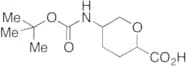
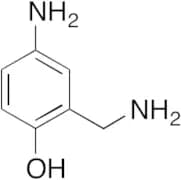
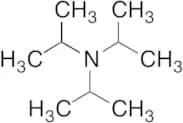
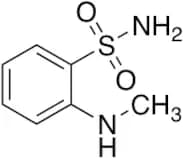
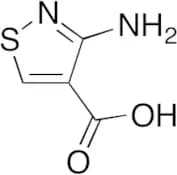

amine](/_next/image/?url=https%3A%2Fstatic.cymitquimica.com%2Fproducts%2FTR%2Fthumb-webp%2FB401860.webp&w=3840&q=75)
![4-[(1,1-Dioxidobenzo[d]isothiazol-3-yl)(methyl)amino]phenyl Acrylate](/_next/image/?url=https%3A%2Fstatic.cymitquimica.com%2Fproducts%2FTR%2Fthumb-webp%2FD486983.webp&w=3840&q=75)
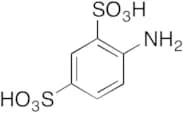
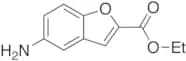
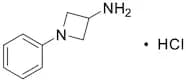
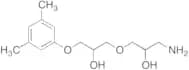


![3-[Ethyl[(4-sulfophenyl)methyl]amino]benzenesulfonic Acid](/_next/image/?url=https%3A%2Fstatic.cymitquimica.com%2Fproducts%2FTR%2Fthumb-webp%2FE925970.webp&w=3840&q=75)
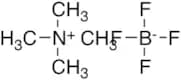
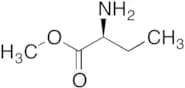
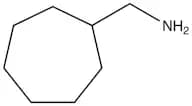
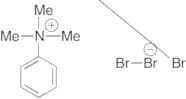
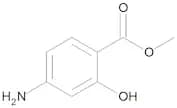


![α-[[(1,1-Dimethylethoxy)carbonyl]amino]-2-fluoro-4-hydroxybenzeneacetic Acid](/_next/image/?url=https%3A%2Fstatic.cymitquimica.com%2Fproducts%2FTR%2Fthumb-webp%2FD472900.webp&w=3840&q=75)
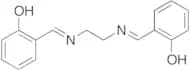
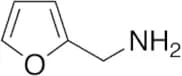
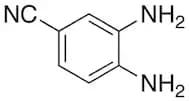

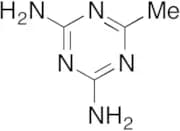

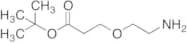
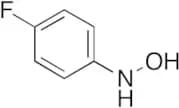

![Methyl (2S)-2-amino-3-[(triphenylmethyl)sulfanyl]propanoate](/_next/image/?url=https%3A%2Fstatic.cymitquimica.com%2Fproducts%2FTR%2Fthumb-webp%2FM331033.webp&w=3840&q=75)

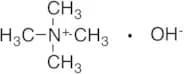
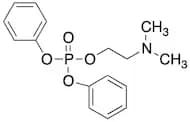
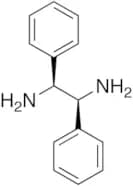
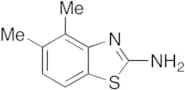

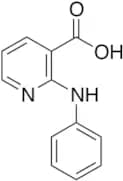
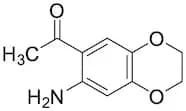
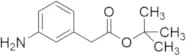
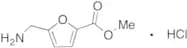

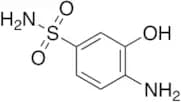
![2-[3-(Methylsulfonyl)phenyl]ethylamine](/_next/image/?url=https%3A%2Fstatic.cymitquimica.com%2Fproducts%2FTR%2Fthumb-webp%2FM354198.webp&w=3840&q=75)
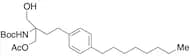
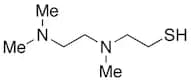

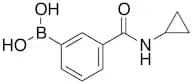
![[1-(2,4-Dichlorophenyl)cyclohexyl]methanamine Hydrochloride](/_next/image/?url=https%3A%2Fstatic.cymitquimica.com%2Fproducts%2FTR%2Fthumb-webp%2FD484158.webp&w=3840&q=75)
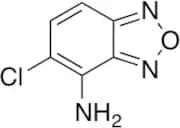


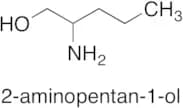
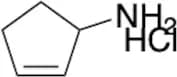
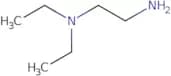

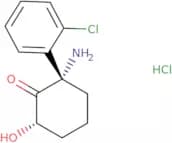
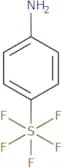
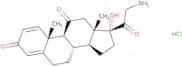
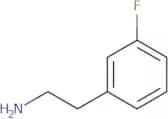
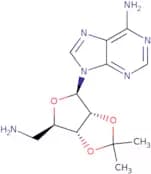

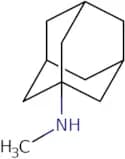


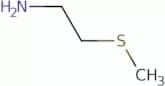


![(R)-(-)-a-[[(4-Ethyl-2,3-dioxo-1-piperazinyl)carbonyl]amino]benzeneacetic Acid](/_next/image/?url=https%3A%2Fstatic.cymitquimica.com%2Fproducts%2F3D%2Fthumb-webp%2FFE60111.webp&w=3840&q=75)
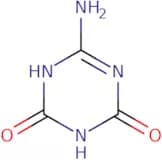
![1,4-Bis[4-(di-p-tolylamino)styryl]benzene](/_next/image/?url=https%3A%2Fstatic.cymitquimica.com%2Fproducts%2F3D%2Fthumb-webp%2FFB75808.webp&w=3840&q=75)


![3-[(Dimethylamino)methyl]benzoic acid hydrochloride](/_next/image/?url=https%3A%2Fstatic.cymitquimica.com%2Fproducts%2F3D%2Fthumb-webp%2FFD124093.webp&w=3840&q=75)

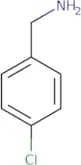

![[1-Methyl-2-(7-methyl-1H-indol-3-yl)ethyl]amine hydrochloride](/_next/image/?url=https%3A%2Fstatic.cymitquimica.com%2Fproducts%2F3D%2Fthumb-webp%2FFM123634.webp&w=3840&q=75)

![8-[(2-Hydroxyethyl)(methyl)amino]-1,3,9-trimethyl-3,9-dihydro-1H-purine-2,6-dione](/_next/image/?url=https%3A%2Fstatic.cymitquimica.com%2Fproducts%2F3D%2Fthumb-webp%2FFH132897.webp&w=3840&q=75)

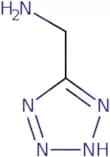


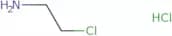
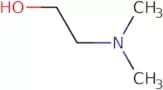

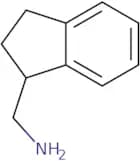
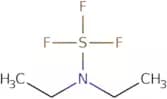
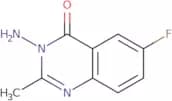
![(2-{2-[2-(2-Aminoethyl)-4,5-dimethoxybenzyl]-4,5-dimethoxyphenyl}ethyl)amine dihydrochloride](/_next/image/?url=https%3A%2Fstatic.cymitquimica.com%2Fproducts%2F3D%2Fthumb-webp%2FFA135464.webp&w=3840&q=75)
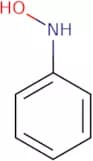
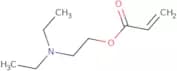
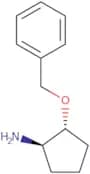
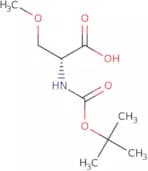
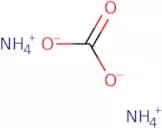

![[2-(1-Ethyl-1H-indol-3-yl)-1-methylethyl]amine hydrochloride](/_next/image/?url=https%3A%2Fstatic.cymitquimica.com%2Fproducts%2F3D%2Fthumb-webp%2FFE123632.webp&w=3840&q=75)
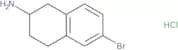
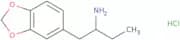
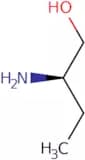
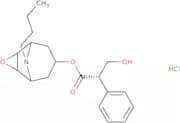
![[1,2,4]Triazolo[1,5-a]pyrimidin-7-amine](/_next/image/?url=https%3A%2Fstatic.cymitquimica.com%2Fproducts%2F3D%2Fthumb-webp%2FFT126840.webp&w=3840&q=75)
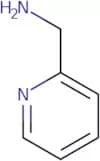
![5[(R)-(2-Aminopropyl)]-2-methoxybenzenesulfonamide hydrochloride](/_next/image/?url=https%3A%2Fstatic.cymitquimica.com%2Fproducts%2F3D%2Fthumb-webp%2FFA17834.webp&w=3840&q=75)
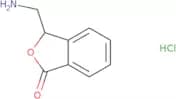
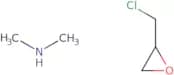


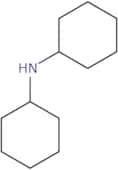
![1H-Pyrrolo[2,3-b]pyridin-5-ylamine](/_next/image/?url=https%3A%2Fstatic.cymitquimica.com%2Fproducts%2F3D%2Fthumb-webp%2FFP143125.webp&w=3840&q=75)
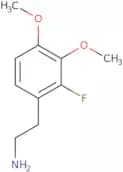


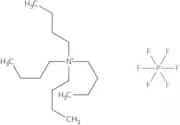
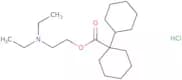
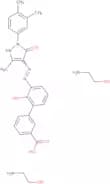


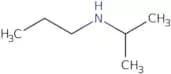
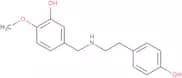
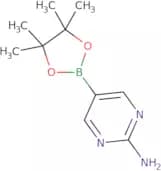
![(7S)-7-Amino-1,2,3,10-tetramethoxy-6,7-dihydro-5H-benzo[g]heptalen-9-one](/_next/image/?url=https%3A%2Fstatic.cymitquimica.com%2Fproducts%2F3D%2Fthumb-webp%2FFA20821.webp&w=3840&q=75)

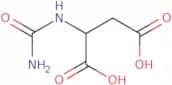
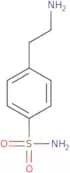

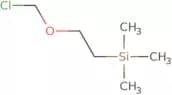
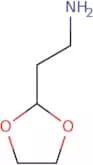
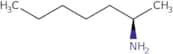
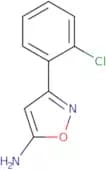


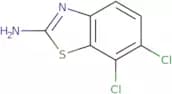

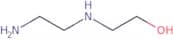
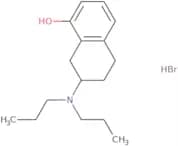
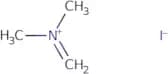
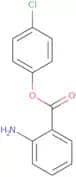
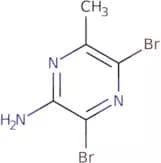
![4-amino[1,1'-biphenyl]-3-carboxylic acid](/_next/image/?url=https%3A%2Fstatic.cymitquimica.com%2Fproducts%2F3D%2Fthumb-webp%2FFA58870.webp&w=3840&q=75)
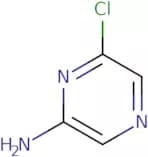
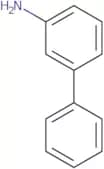
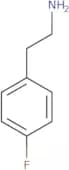
![[(1-Ethyl-1H-benzimidazol-2-yl)methyl]amine dihydrochloride](/_next/image/?url=https%3A%2Fstatic.cymitquimica.com%2Fproducts%2F3D%2Fthumb-webp%2FFE126425.webp&w=3840&q=75)

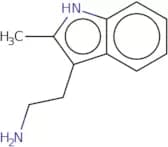
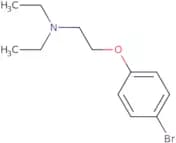
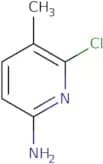

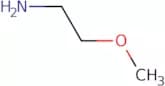
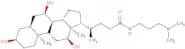
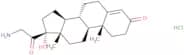
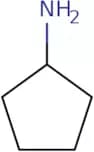
![N-(1H-Indol-4-ylmethyl)-N-[2-(4-methoxyphenyl)ethyl]amine hydrochloride](/_next/image/?url=https%3A%2Fstatic.cymitquimica.com%2Fproducts%2F3D%2Fthumb-webp%2FFI116235.webp&w=3840&q=75)
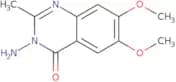
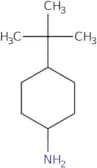
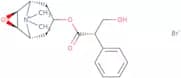
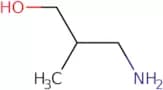

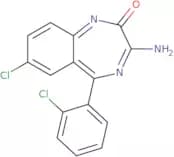
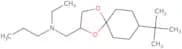
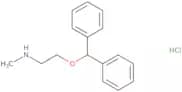


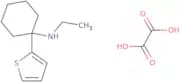
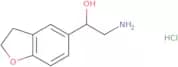
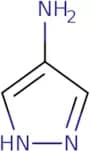
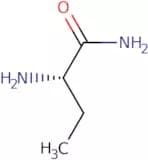
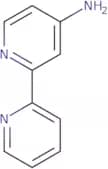

![N-[1-(4-Fluorophenyl)propan-2-Yl]-N-methylprop-2-Yn-1-amine](/_next/image/?url=https%3A%2Fstatic.cymitquimica.com%2Fproducts%2F3D%2Fthumb-webp%2FFF95966.webp&w=3840&q=75)
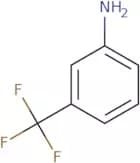
![{2-[(4-Phenylpiperazin-1-yl)carbonyl]phenyl}amine](/_next/image/?url=https%3A%2Fstatic.cymitquimica.com%2Fproducts%2F3D%2Fthumb-webp%2FFP122463.webp&w=3840&q=75)

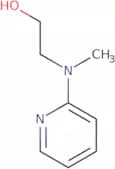

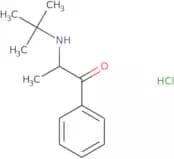
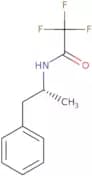
![[(5-Chloro-1-methyl-1H-benzimidazol-2-yl)methyl]amine hydrochloride](/_next/image/?url=https%3A%2Fstatic.cymitquimica.com%2Fproducts%2F3D%2Fthumb-webp%2FFC135791.webp&w=3840&q=75)
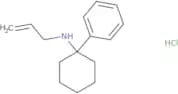
![1-[4-(4-Methylpiperidin-1-yl)phenyl]methanamine](/_next/image/?url=https%3A%2Fstatic.cymitquimica.com%2Fproducts%2F3D%2Fthumb-webp%2FFM117851.webp&w=3840&q=75)
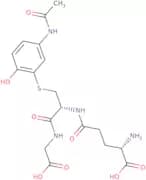

![[4-[2-(Diethylamino)ethoxy]-3-iodophenyl][2-(1-hydroxybutyl)-3-benzofuranyl]-methanone](/_next/image/?url=https%3A%2Fstatic.cymitquimica.com%2Fproducts%2F3D%2Fthumb-webp%2FFD150040.webp&w=3840&q=75)