Amines
Amines are a set of molecules containing an amino functional group (derived from ammonia). This category includes amines at any level of substitution : primary, secondary, tertiary, and ammonium salts. Amines are fundamental in organic synthesis and are widely used in pharmaceuticals, agrochemicals, and materials science. At CymitQuimica, we provide a comprehensive selection of amines to meet your research and industrial needs. Our range ensures access to various amines for diverse chemical processes and innovative research.
Subcategories of "Amines"
- Nitrosamines(2,605 products)
- Primary Amines(30,805 products)
- Quaternary Ammonium Cations and Salts(1,098 products)
- Secondary Amines(20,809 products)
- Tertiary Amines(17,111 products)
Found 8777 products of "Amines"
Sort by
Purity (%)
0
100
|
0
|
50
|
90
|
95
|
100
(2S,3S)-5-[2-(Dimethylamino)ethyl]-3-hydroxy-2-(4-methoxyphenyl)-2,3-dihydro-1,5-benzothiazepin-4-one hydrochloride
CAS:<p>(2S,3S)-5-[2-(Dimethylamino)ethyl]-3-hydroxy-2-(4-methoxyphenyl)-2,3-dihydro-1,5-benzothiazepin-4-one hydrochloride is a racemic mixture of two enantiomers. It is a prodrug that is hydrolyzed to its active form, diltiazem. The drug has been shown to be effective in the treatment of hypertension and angina pectoris. (2S,3S)-5-[2-(Dimethylamino)ethyl]-3-hydroxy-2-(4-methoxyphenyl)-2,3-dihydro-1,5-benzothiazepin-4-one hydrochloride has been shown to inhibit the activity of the enzyme phosphodiesterase which breaks down cyclic AMP. This inhibition results in an increase in levels of</p>Formula:C20H24N2O3S·HClPurity:Min. 95%Molecular weight:408.94 g/mol3-Hydroxy-4-amino-butyric acid
CAS:Controlled Product<p>3-Hydroxy-4-amino-butyric acid is a synthetase that catalyzes the formation of 3-hydroxy-4 amino butyric acid from 3-hydroxy butyric acid and ammonia. This reaction occurs in the presence of chloride ions, ethyl bromoacetate and butyric acid. The isolated yield of this reaction is 47%. The product can be converted to 3-amino butyric acid by dehydrating it with hydrochloric acid. 3-Hydroxy-4 amino butyric acid has been shown to have anticancer properties in vitro. It also has been shown to have antiinflammatory properties, which may be due to its ability to inhibit the production of prostaglandin E2, an inflammatory mediator.</p>Formula:C4H9NO3Purity:Min. 95%Color and Shape:PowderMolecular weight:119.12 g/molN-Nitrosodicyclohexylamine
CAS:<p>N-Nitrosodicyclohexylamine (NDCA) is a chemical that is used as a corrosion inhibitor. The stability of NDCA in the environment has been studied extensively and found to be resistant to many conditions including heat, light, and pH. NDCA is absorbed by the skin or ingested and has been shown to cause genotoxic effects in human lymphocytes. The genotoxic potential of NDCA has also been demonstrated in V79 cells. NDCA reacts with amines to form an intermediate that spontaneously decomposes into nitrosamines, which are carcinogenic. This reaction mechanism was confirmed using analytical methods such as gas chromatography-mass spectrometry (GC-MS).</p>Formula:C12H22N2OPurity:Min. 95%Molecular weight:210.32 g/mol2-(Aminomethyl)-1,3-benzothiazole hydrochloride
CAS:<p>Please enquire for more information about 2-(Aminomethyl)-1,3-benzothiazole hydrochloride including the price, delivery time and more detailed product information at the technical inquiry form on this page</p>Formula:C8H8N2S·HClPurity:Min. 95%Molecular weight:200.69 g/molEthyl 3-{[(1E)-(dimethylamino)methylene]amino}-5-methoxy-1-methyl-1H-indole-2-carboxylate
CAS:Controlled Product<p>Please enquire for more information about Ethyl 3-{[(1E)-(dimethylamino)methylene]amino}-5-methoxy-1-methyl-1H-indole-2-carboxylate including the price, delivery time and more detailed product information at the technical inquiry form on this page</p>Formula:C16H21N3O3Purity:Min. 95%Molecular weight:303.36 g/mol[1-Methyl-2-(7-methyl-1H-indol-3-yl)ethyl]amine hydrochloride
CAS:Controlled Product<p>Please enquire for more information about [1-Methyl-2-(7-methyl-1H-indol-3-yl)ethyl]amine hydrochloride including the price, delivery time and more detailed product information at the technical inquiry form on this page</p>Formula:C12H16N2Purity:Min. 95%Molecular weight:188.27 g/mol5-Amino-3,7-dimethylxanthine
CAS:Controlled Product<p>Please enquire for more information about 5-Amino-3,7-dimethylxanthine including the price, delivery time and more detailed product information at the technical inquiry form on this page</p>Formula:C7H9N5O2Purity:Min. 95%Molecular weight:195.18 g/molBoc-trans-1,2-aminocyclohex-4-ene carboxylic acid
CAS:<p>Please enquire for more information about Boc-trans-1,2-aminocyclohex-4-ene carboxylic acid including the price, delivery time and more detailed product information at the technical inquiry form on this page</p>Formula:C12H19NO4Purity:Min. 95%Molecular weight:241.28 g/molBenzyl 4-aminopiperidine-1-carboxylate
CAS:<p>Please enquire for more information about Benzyl 4-aminopiperidine-1-carboxylate including the price, delivery time and more detailed product information at the technical inquiry form on this page</p>Formula:C13H18N2O2Purity:Min. 95%Color and Shape:PowderMolecular weight:234.29 g/mol4-Chlorobenzylamine
CAS:<p>4-Chlorobenzylamine is a chemical that is used as an intermediate in the synthesis of other compounds. It has low bioavailability, which may be due to its reactive site. The chemical can be characterized using nmr spectra and potent inhibitory activity. 4-Chlorobenzylamine has been found to react with nitrogen atoms, and this reaction is highly acidic. FT-IR spectroscopy can also be used to characterize this compound. Intermolecular hydrogen bonding and hydroxyl group are two of the major interactions of 4-chlorobenzylamine with other molecules. This chemical reacts with serine protease, glyoxal, and other substances in a manner that depends on the molecule's structure.</p>Formula:C7H8ClNPurity:Min. 95%Molecular weight:141.6 g/mol3-Amino-5-(2,3,4-trimethoxyphenyl)cyclohex-2-en-1-one
CAS:Controlled Product<p>Please enquire for more information about 3-Amino-5-(2,3,4-trimethoxyphenyl)cyclohex-2-en-1-one including the price, delivery time and more detailed product information at the technical inquiry form on this page</p>Formula:C15H19NO4Purity:Min. 95%Molecular weight:277.32 g/mol(1S,2R)-2-(2-Benzylamino-1-hydroxyethyl)-6-fluorochromane
CAS:<p>Please enquire for more information about (1S,2R)-2-(2-Benzylamino-1-hydroxyethyl)-6-fluorochromane including the price, delivery time and more detailed product information at the technical inquiry form on this page</p>Formula:C18H20FNO2Purity:Min. 95%Molecular weight:301.36 g/molN-2,3-Dihydro-1H-inden-2-yl-N-propylamine
CAS:Controlled Product<p>Please enquire for more information about N-2,3-Dihydro-1H-inden-2-yl-N-propylamine including the price, delivery time and more detailed product information at the technical inquiry form on this page</p>Formula:C12H17NPurity:Min. 95%Molecular weight:175.27 g/mol3-Methoxybenzene-1,2-diamine
CAS:<p>3-Methoxybenzene-1,2-diamine is a chloride surfactant that is cationic at low concentrations. It is most commonly used as a cross-linking agent in polymers and also has anti-inflammation properties. 3-Methoxybenzene-1,2-diamine is an osmotic agent that binds to water molecules, which prevents the loss of water from cells and increases cell volume. This chemical also has been shown to be an antagonist of 5Ht4 receptors and can be used for the treatment of inflammatory diseases such as asthma. 3-Methoxybenzene-1,2-diamine has been shown to have low toxicity in rats when consumed in dietary concentrations.</p>Purity:Min. 95%N-1-Z-1,2-diaminoethane·HCl
CAS:<p>N-1-Z-1,2-diaminoethane·HCl is a stable isotope of N-1-Z-1,2-diaminoethane. It is used for the analysis of plant tissue to quantify the amount of leaves or other plant parts that are present in a sample. This compound can be used to monitor changes in the level of leaves or other plant parts over time and to measure recovery rates after harvest. N-1-Z-1,2-diaminoethane·HCl is labeled with deuterium (D) in order to be detected by liquid chromatography–mass spectrometry (LC–MS). The quantification of N-1-Z-1,2-diaminoethane·HCl can be monitored using multiple reaction monitoring (MRM). The use of this stable isotope overcomes many problems associated with traditional methods, such as environmental variability and tissue degradation.</p>Formula:C10H14N2O2·HClPurity:Min. 95%Molecular weight:230.69 g/molR-(-)-Methamphetamine hydrochloride
CAS:Controlled Product<p>Please enquire for more information about R-(-)-Methamphetamine hydrochloride including the price, delivery time and more detailed product information at the technical inquiry form on this page</p>Formula:C10H15N•HClPurity:Min. 95%Color and Shape:PowderMolecular weight:185.69 g/mol4-Amino-1-Boc-piperidine-4-carboxamide
CAS:<p>Please enquire for more information about 4-Amino-1-Boc-piperidine-4-carboxamide including the price, delivery time and more detailed product information at the technical inquiry form on this page</p>Formula:C11H21N3O3Purity:Min. 95%Molecular weight:243.3 g/molN-Acetylethylenediamine
CAS:<p>N-Acetylethylenediamine is a chemical compound that belongs to the class of quinoline derivatives. It has been shown to have detergent properties and can be used in the production of protein data, with ft-ir spectroscopy being used as a diagnostic tool for autoimmune diseases and cancer. N-acetylethylenediamine also has an anti-inflammatory effect due to its ability to inhibit the release of reactive oxygen species (ROS). This chemical is also used as a reagent in the synthesis of other compounds, such as hydrochloric acid.</p>Formula:C4H10N2OPurity:Min. 95%Color and Shape:PowderMolecular weight:102.14 g/mol2-(2-Dimethylamino)Ethyl) Pyridine
CAS:<p>2-(2-Dimethylamino)Ethyl) Pyridine is a chemical compound that contains oxygen atoms, hydroxo, and nitrogen atoms. It has a tetranuclear hexahydrate form and the molecular formula C5H7N3O2. 2-(2-Dimethylamino)Ethyl) Pyridine has been shown to have desilylation properties. 2-(2-Dimethylamino)Ethyl) Pyridine binds to group P2 of RNA and represses translation by preventing ribosomal binding to the mRNA strand. This drug is also an x-ray data collection agent in which it is used as a ligand in magnetic resonance imaging (MRI).</p>Formula:C9H14N2Purity:Min. 95%Molecular weight:150.22 g/mol(1,3-Benzodioxol-5-ylmethyl)methylamine hydrochloride
CAS:Controlled Product<p>(1,3-Benzodioxol-5-ylmethyl)methylamine hydrochloride (BZMA) is a drug that has been used in research to study the role of serotonin in psychological effects and as a marker for fingerprinting. BZMA is a synthetic compound that is structurally similar to drugs like amphetamine and MDMA. It is not known to have any recreational use. BZMA can be detected using matrix-assisted laser desorption/ionization mass spectrometry. This technique requires a sample containing less than 1% impurities, which are usually silicon compounds or other ions.</p>Formula:C9H11NO2Purity:Min. 95%Molecular weight:165.19 g/mol1-Boc-amino-3,6,9-trioxaundecanyl-11-bromide
CAS:<p>Please enquire for more information about 1-Boc-amino-3,6,9-trioxaundecanyl-11-bromide including the price, delivery time and more detailed product information at the technical inquiry form on this page</p>Formula:C13H26BrNO5Purity:Min. 95%Molecular weight:356.25 g/mol5-Amino-2-(trifluoromethyl)isonicotinic acid
CAS:<p>Please enquire for more information about 5-Amino-2-(trifluoromethyl)isonicotinic acid including the price, delivery time and more detailed product information at the technical inquiry form on this page</p>Formula:C7H5F3N2O2Purity:Min. 95%Molecular weight:206.12 g/mol5-({[2-(4-Chlorophenyl)-1,3-oxazol-4-yl]methyl}thio)-1,3,4-thiadiazol-2-amine
CAS:<p>Please enquire for more information about 5-({[2-(4-Chlorophenyl)-1,3-oxazol-4-yl]methyl}thio)-1,3,4-thiadiazol-2-amine including the price, delivery time and more detailed product information at the technical inquiry form on this page</p>Formula:C12H9ClN4OS2Purity:Min. 95%Color and Shape:PowderMolecular weight:324.81 g/mol(2-Aminothiophen-3-yl)(4-bromophenyl)methanone
CAS:<p>2-Aminothiophen-3-yl)(4-bromophenyl)methanone is a new compound that is being developed as a potential antiviral agent. Covid-19, the trade name for 2-aminothiophen-3-yl)(4-bromophenyl)methanone, prevents the replication of viruses by binding to their nucleic acids and blocking their ability to produce proteins. Covid-19 has been shown to be effective against both influenza A and B viruses in cellular and animal models. The antiviral activity of Covid-19 is due to its ability to bind to viral nucleic acid, preventing the production of proteins vital for viral replication. This compound has also been shown to have anti-inflammatory properties, which may be due to its ability to inhibit the production of amyloid plaques in mice with Alzheimer's disease.</p>Formula:C11H8BrNOSPurity:Min. 95%Molecular weight:282.16 g/mol1-(Fmoc-amino)-4,9-dioxa-12-dodecanamine·HCl
CAS:Controlled Product<p>Please enquire for more information about 1-(Fmoc-amino)-4,9-dioxa-12-dodecanamine·HCl including the price, delivery time and more detailed product information at the technical inquiry form on this page</p>Formula:C25H34N2O4·HClPurity:Min. 95%Molecular weight:463.01 g/molN-Methyl-5H-dibenzo[a,d]cycloheptene-5-propylamine hydrochloride
CAS:Controlled Product<p>N-Methyl-5H-dibenzo[a,d]cycloheptene-5-propylamine hydrochloride (NMBPD) is a drug with anti-inflammatory properties that belongs to the class of tricyclic antidepressants. It has been shown to have synergistic effects with synthetic matrix in vitro. This drug also has receptor activity and can be used to treat infectious diseases such as HIV and tuberculosis. NMBPD is excreted in the urine, which can lead to kidney fibrosis. The drug is metabolized by α1-acid glycoprotein, which may be related to its potential adverse effects on the liver and kidneys. The analytical method for quantification of NMBPD includes gas chromatography with mass spectrometry detection (GC/MS).</p>Formula:C19H22ClNPurity:Min. 95%Color and Shape:PowderMolecular weight:299.84 g/mol3-Aminophenylsulphur pentafluoride
CAS:<p>3-Aminophenylsulphur pentafluoride is a synthetic chemical compound. It is a ligand with an electron-withdrawing group and has been shown to be a strong oxidizing agent. 3-Aminophenylsulphur pentafluoride reacts with phosphine oxides, yielding phosphines. This reaction can be used for the synthesis of heterocycles that contain phosphorus in their ring system. 3-Aminophenylsulphur pentafluoride also reacts with alkyl halides to produce heterocycles containing sulphur, such as pyridines or thiophenes. The reaction time between 3-aminophenylsulphur pentafluoride and alkyl halides is dependent on the oxidation potential of the alkyl halides, which can be determined by measuring the absorption spectra of the resulting heterocycles. 3-Aminophenylsulf</p>Formula:C6H6F5NSPurity:Min. 95%Molecular weight:219.18 g/mol[(6-Chloro-1-isopropyl-1H-benzimidazol-2-yl)methyl]amine dihydrochloride
CAS:Controlled Product<p>Please enquire for more information about [(6-Chloro-1-isopropyl-1H-benzimidazol-2-yl)methyl]amine dihydrochloride including the price, delivery time and more detailed product information at the technical inquiry form on this page</p>Formula:C11H14ClN3Purity:Min. 95%Molecular weight:223.7 g/molN-EthylhydroxylamineHydrochloride
CAS:<p>N-Ethylhydroxylamine hydrochloride is a chemical compound that belongs to the group of biocides. It is used as an antimicrobial agent in medical devices, such as catheters and dialysis membranes. N-Ethylhydroxylamine hydrochloride is also used in cancer research to activate the CCR5 receptor, which is involved in HIV infection. N-Ethylhydroxylamine hydrochloride has been shown to have biological properties in humans and animals and has a high degree of chemical stability. The compound can be synthesized from sodium carbonate and ethyl alcohol. The synthesis involves the addition of ethylene oxide to ethanolamine followed by hydrogenation with a catalyst. N-Ethylhydroxylamine hydrochloride is soluble in water, methanol, and acetone. This chemical compound binds to proteins in the human body, resulting in an increase of acidity in urine samples when tested using a plate test. It also has</p>Formula:C2H8ClNOPurity:Min. 95%Molecular weight:97.54 g/mol[3-(1-Isopropyl-1H-benzimidazol-2-yl)propyl]amine dihydrochloride
CAS:Controlled Product<p>Please enquire for more information about [3-(1-Isopropyl-1H-benzimidazol-2-yl)propyl]amine dihydrochloride including the price, delivery time and more detailed product information at the technical inquiry form on this page</p>Formula:C13H19N3Purity:Min. 95%Molecular weight:217.31 g/mol3-[(4-Aminopiperidin-1-yl)methyl]phenol
CAS:<p>Please enquire for more information about 3-[(4-Aminopiperidin-1-yl)methyl]phenol including the price, delivery time and more detailed product information at the technical inquiry form on this page</p>Formula:C12H18N2OPurity:Min. 95%Molecular weight:206.28 g/mol1-Isopropyl-1h-pyrazol-5-amine
CAS:<p>1-Isopropyl-1H-pyrazol-5-amine is an organic compound that is a colorless liquid with a strong odor. It has a cyclic structure and is optimized for carboxylates, amines, and heterocyclic amines. 1-Isopropyl-1H-pyrazol-5-amine can be used to synthesize carboxylates, lactones, and esters. The synthesis of isoquinolinones from 1-isopropylpyrazol 5 amine isomeric mixture yields two different pyrazoles in the ratio 3:2 respectively.</p>Formula:C6H11N3Purity:Min. 95%Color and Shape:PowderMolecular weight:125.17 g/mol1-(2-Aminoethyl)-3-Phenylurea Hydrochloride
CAS:<p>Please enquire for more information about 1-(2-Aminoethyl)-3-Phenylurea Hydrochloride including the price, delivery time and more detailed product information at the technical inquiry form on this page</p>Formula:C9H13N3O·HClPurity:Min. 95%Molecular weight:215.68 g/mol4-(N-Methyl-N-nitrosamino)-4-(3-pyridyl)butane-1-ol
CAS:<p>4-(N-Methyl-N-nitrosamino)-4-(3-pyridyl)butane-1-ol is a chemical that can be found in tobacco smoke. It has been shown that chronic exposure to 4-(N-methyl-N-nitrosamino)-4-(3-pyridyl)butane-1-ol causes cancer in rodents, as evidenced by increased rates of tumorigenesis. This chemical also has the ability to inhibit butyric acid formation, which may reduce the risk of colon cancer. The carcinogenic effect of this chemical is due to its ability to react with DNA and form adducts that cause methylation at C8 position on guanine nucleotide (G). These adducts lead to mutations, which can lead to cancer.</p>Formula:C10H15N3O2Purity:Min. 95%Molecular weight:209.25 g/mol2-(Methylmercapto)-ethylamine
CAS:<p>2-(Methylmercapto)-ethylamine is a chemical that is used in the synthesis of the ruthenium complex, which is used to detect and destroy cancer stem cells. 2-(Methylmercapto)-ethylamine has been shown to be toxicologically safe in animal studies. 2-(Methylmercapto)-ethylamine can react with aziridine and pyrite to form nanogels, which are structures that have potential applications in drug delivery. The optical properties of 2-(methylmercapto) ethylamine are sensitive to its environment, especially pH. 2- (Methylmercapto) Ethylamine can bind to the pleuromutilin derivatives, which are active against infectious diseases such as tuberculosis.</p>Formula:C3H9NSPurity:Min. 95%Molecular weight:91.18 g/molTetrahydro-a-(1-naphthalenylmethyl)-2-furanpropanoic Acid 2-(Diethylamino)ethyl Ester
CAS:Controlled Product<p>Tetrahydro-a-(1-naphthalenylmethyl)-2-furanpropanoic Acid 2-(Diethylamino)ethyl Ester is a fatty acid analog that has antimicrobial properties. It is used in the treatment of bone cancer, and can be used to diagnose and treat other diseases such as glomerular filtration rate, receptor binding, and malonic acid. Tetrahydro-a-(1-naphthalenylmethyl)-2-furanpropanoic Acid 2-(Diethylamino)ethyl Ester binds to receptors on cells, which leads to an increase in the amount of monoamine neurotransmitters released by the cells.</p>Formula:C24H33NO3Purity:Min. 95%Molecular weight:383.52 g/mol2-(4-fluorophenyl)-n-methylethanamine
CAS:Controlled Product<p>Please enquire for more information about 2-(4-fluorophenyl)-n-methylethanamine including the price, delivery time and more detailed product information at the technical inquiry form on this page</p>Formula:C9H12FNPurity:Min. 95%Molecular weight:153.2 g/mol4-Amino-3,5-difluorobenzonitrile
CAS:<p>4-Amino-3,5-difluorobenzonitrile is a fine chemical used as a building block in research chemicals, reagent, and speciality chemical. It is versatile and can be used as a reaction component in the synthesis of complex compounds with various applications. CAS No. 110301-23-0 is an important intermediate for the synthesis of organic compounds and pharmaceuticals. 4-Amino-3,5-difluorobenzonitrile is also used as a scaffold for the synthesis of organic compounds.</p>Formula:C7H4F2N2Purity:Min. 95%Color and Shape:PowderMolecular weight:154.12 g/mol[2-(Methylsulfinyl)ethyl]amine hydrobromide
CAS:<p>Please enquire for more information about [2-(Methylsulfinyl)ethyl]amine hydrobromide including the price, delivery time and more detailed product information at the technical inquiry form on this page</p>Formula:C3H9NOSPurity:90%MinMolecular weight:107.18 g/mol3-(3-Amino-1H-1,2,4-triazol-5-yl)propanoic acid
CAS:<p>Aminoguanidine is a selective inhibitor of the enzyme succinic dehydrogenase, which catalyzes the conversion of succinic acid to fumarate. Aminoguanidine is used in the treatment of diabetic complications and other conditions that result from high levels of blood glucose in order to lower the levels of blood sugar. The drug is administered orally or intravenously as aminoguanidine hydrochloride, which is converted to aminoguanidine in the body. Aminoguanidine can also be synthesized by reacting succinic anhydride with guanidine hydrochloride in a regioselective reaction. This synthesis yields quantitatively aminoguanidine, with little or no formation of guanidine. The product can be purified by washing with alkali and recrystallizing it from water. X-ray diffraction studies have shown that aminoguanidine hydrochloride exists as zwitterions in solution at physiological pH values.</p>Formula:C5H8N4O2Purity:Min. 95%Molecular weight:156.14 g/mol7-Methoxy-1,2,3,4-tetrahydronaphthalen-2-ylamine hydrochloride
CAS:Controlled Product<p>Please enquire for more information about 7-Methoxy-1,2,3,4-tetrahydronaphthalen-2-ylamine hydrochloride including the price, delivery time and more detailed product information at the technical inquiry form on this page</p>Formula:C11H15NO•HClPurity:Min. 95%Molecular weight:213.7 g/mol1-(Boc-amino)-4,9-dioxa-12-dodecanamine
CAS:Controlled Product<p>Please enquire for more information about 1-(Boc-amino)-4,9-dioxa-12-dodecanamine including the price, delivery time and more detailed product information at the technical inquiry form on this page</p>Formula:C15H32N2O4Purity:Min. 95%Molecular weight:304.43 g/mol2,5-Diaminopyridine dihydrochloride
CAS:<p>2,5-Diaminopyridine dihydrochloride is a compound that belongs to the class of hydroxamic acids. It is an intermediate in the synthesis of the anti-cancer drug, hydroxyurea (hydroxylamine). 2,5-Diaminopyridine dihydrochloride can be used as a cross-coupling reagent for coupling reactions with chlorinated and tritiated organic compounds. The efficiency of this reaction is dependent on the coulombic and mutagenic properties of 2,5-diaminopyridine dihydrochloride. 2,5-Diaminopyridine dihydrochloride has been shown to cause cancer in animal studies.</p>Formula:C5H7N3•(HCl)2Purity:Min. 95%Molecular weight:182.05 g/mol1,4-Bis[4-(di-p-tolylamino)styryl]benzene
CAS:<p>1,4-Bis[4-(di-p-tolylamino)styryl]benzene is a fluorescent organic semiconductor that has high efficiency and can be used in electronic devices. The benzene molecule has two electron donating groups, which provide an acceptor site for the exciton formed by the electron transfer between donor and acceptor. This process is called fluorescence or phosphorescence, which is the emission of light following absorption of energy. 1,4-Bis[4-(di-p-tolylamino)styryl]benzene emits blue light when excited by an electron beam with a frequency of 300 nm and a current density of 10 mA/cm2. This device shows high efficiencies up to 60% at room temperature and up to 70% at 100°C.</p>Formula:C50H44N2Purity:Min. 95%Molecular weight:672.9 g/mol(S)-1,2,3,4-Tetrahydro-5-methoxy-N-propyl-2-naphthalenamine hydrochloride
CAS:Controlled Product<p>Please enquire for more information about (S)-1,2,3,4-Tetrahydro-5-methoxy-N-propyl-2-naphthalenamine hydrochloride including the price, delivery time and more detailed product information at the technical inquiry form on this page</p>Formula:C14H22ClNOPurity:Min. 95%Molecular weight:255.78 g/mol2-Aminomethyl-4-boc-morpholine
CAS:<p>Please enquire for more information about 2-Aminomethyl-4-boc-morpholine including the price, delivery time and more detailed product information at the technical inquiry form on this page</p>Formula:C10H20N2O3Purity:Min. 95%Color and Shape:PowderMolecular weight:216.28 g/molrac-5,6,7,8-tetrahydro-6-(propylamino)-1-naphthalenol
CAS:Controlled Product<p>Rotigotine is a substance that belongs to the class of active compounds. It has been shown to have optical activity, but this property is not well understood. Rotigotine is a racemic mixture with two enantiomers, which are mirror images of each other. The optical rotation of rac-5,6,7,8-tetrahydro-6-(propylamino)-1-naphthalenol is given as +28°. This property can be determined by measuring the angle of rotation when light passes through the substance in solution in contact with a polarizer and analyzer.</p>Formula:C13H19NOPurity:Min. 95%Molecular weight:205.3 g/molMethyl 4-amino-2-fluorobenzoate
CAS:<p>Please enquire for more information about Methyl 4-amino-2-fluorobenzoate including the price, delivery time and more detailed product information at the technical inquiry form on this page</p>Formula:C8H8FNO2Purity:Min. 95%Molecular weight:169.15 g/mol7-Bromo-[1,2,4]triazolo[1,5-a]pyridin-2-ylamine
CAS:<p>Please enquire for more information about 7-Bromo-[1,2,4]triazolo[1,5-a]pyridin-2-ylamine including the price, delivery time and more detailed product information at the technical inquiry form on this page</p>Formula:C6H5BrN4Purity:Min. 95%Molecular weight:213.03 g/mol12-Amino-1-dodecanoic acid methyl ester hydrochloride salt
CAS:<p>12-Amino-1-dodecanoic acid methyl ester hydrochloride salt (12ADM) has been shown to have immunomodulatory properties. It has a nanomolar range of activity, which is the optimal for an immunosuppressant. 12ADM inhibits the transcriptional activity of human immunodeficiency virus type 1 (HIV-1) and HIV-2, as well as other retroviruses, through interactions with specific RNA sequences in the viral genome. The amide group in this compound is essential for its antiviral activity, and it also interacts with betulinic acid to enhance its cytotoxicity.</p>Formula:C13H28ClNO2Purity:Min. 95%Color and Shape:PowderMolecular weight:265.82 g/mol(1R,2R)-Boc-aminocyclopentane carboxylic acid
CAS:<p>(1R,2R)-Boc-aminocyclopentane carboxylic acid (BCPC) is a high quality, reagent, and useful intermediate. It is a versatile building block that can be used as a speciality chemical or research chemical. BCPC has been shown to react with amines to form ureas, with nitriles to form oxazolidines, and with epoxides to form aziridinones.</p>Formula:C11H19NO4Purity:Min. 95%Color and Shape:White PowderMolecular weight:229.27 g/mol2-Amino-4-picoline
CAS:<p>2-Amino-4-picoline is a protonated nitrogenous base that has a chemical structure of 2-amino-4-picoline. It is used in the titration calorimetry of copper complexes. This compound has been shown to have antiinflammatory activity and can be used for the treatment of inflammatory diseases such as malonic acid and alkanoic acid induced inflammation. 2-Amino-4-picoline is also used in cisplatin induced nephrotoxicity, where it was shown to prevent high values in urine protein excretion and creatinine clearance by preventing oxidative stress and inhibiting the production of reactive oxygen species (ROS). This compound also reacts with hydrochloric acid to form an aminopyridine salt and hydrogen bond with a hydroxyl group.</p>Formula:C6H8N2Purity:Min. 95%Color and Shape:PowderMolecular weight:108.14 g/mol2-(Dimethylaminocarbonyl)ethylboronic acid, pinacol ester
CAS:<p>Please enquire for more information about 2-(Dimethylaminocarbonyl)ethylboronic acid, pinacol ester including the price, delivery time and more detailed product information at the technical inquiry form on this page</p>Formula:C11H22BNO3Purity:Min. 95%Molecular weight:227.11 g/mol2-Hydroxybenzylamine
CAS:<p>2-Hydroxybenzylamine is a dietary supplement that is used to prevent atherosclerosis and cardiovascular disease. It inhibits the oxidation of fatty acids and decreases the production of reactive oxygen species. This drug has been shown to have an effect on cardiac hypertrophy and blood pressure. 2-Hydroxybenzylamine has been shown to reduce the levels of 4-hydroxybutyric acid, malondialdehyde, and reactive oxygen species in cultured cells. These effects may be due to its ability to inhibit the enzyme fatty acid synthase. 2HBA also has a protective effect against oxidative injury by reducing the release of reactive oxygen species from mitochondria in cultured cells.</p>Formula:C7H9NOPurity:Min. 95%Molecular weight:123.15 g/molFmoc-(S)-3-amino-3-(2-naphthyl)propionic acid
CAS:<p>Please enquire for more information about Fmoc-(S)-3-amino-3-(2-naphthyl)propionic acid including the price, delivery time and more detailed product information at the technical inquiry form on this page</p>Formula:C28H23NO4Purity:Min. 95%Molecular weight:437.49 g/mol[(1,5-Dimethyl-1H-benzimidazol-2-yl)methyl]amine
CAS:Controlled Product<p>Please enquire for more information about [(1,5-Dimethyl-1H-benzimidazol-2-yl)methyl]amine including the price, delivery time and more detailed product information at the technical inquiry form on this page</p>Formula:C10H13N3Purity:Min. 95%Molecular weight:175.23 g/mol4-Aminobicyclo[2.2.2]octan-1-ol hydrochloride
CAS:<p>Please enquire for more information about 4-Aminobicyclo[2.2.2]octan-1-ol hydrochloride including the price, delivery time and more detailed product information at the technical inquiry form on this page</p>Formula:C8H15NO•HClPurity:Min. 95%Molecular weight:177.67 g/mol3-Aminopyridine-4-carboxaldehyde
CAS:<p>3-Aminopyridine-4-carboxaldehyde (3APCA) is an acridone that is a colorless, crystalline solid. It has a molecular formula of C8H6N2O2 and a molecular weight of 174.14 g/mol. 3APCA can be synthesized by heating 2-pyridinecarboxylic acid with chloroacetyl chloride in the presence of pyridine as a solvent. The compound can be detected by nmr spectra, which are efficient methods for characterization of this chemical. The spectrum shows peaks at δ 8.22 ppm (1H), 7.61 ppm (1H), 6.99 ppm (2H), 5.87 ppm (1H), 4.06 ppm (2H). 3APCA has been shown to react with alkyl bromides to form carboxylic acids, which are shown by the peaks at δ 8.22 ppm and</p>Formula:C6H6N2OPurity:Min. 95%Molecular weight:122.12 g/mol2-Amino-1-(4-fluorophenyl)-1-propanone
CAS:Controlled Product<p>2-Amino-1-(4-fluorophenyl)-1-propanone (Fluoroamphetamine) is a chemical that binds to the serotonin transporter, which is responsible for the reuptake of serotonin into the presynaptic neuron. Fluoroamphetamine has been shown to lower empathy and increase feelings of reward in animals. This drug has no significant effect on dopamine and noradrenaline levels but does cause an increase in metabolic acidosis. Fluoroamphetamine is most often used by analytical laboratories as a synthetic intermediate, but it can also be used as a strategy to develop specific antidotes against serotonin blockers. Fluoroamphetamine's health effects are similar to those of amphetamine with regards to cardiovascular risks and addictive potential.</p>Formula:C9H10FNOPurity:Min. 95%Molecular weight:167.18 g/mol2-[2-(Dimethylamino)ethyl]-1-indanone
CAS:<p>Please enquire for more information about 2-[2-(Dimethylamino)ethyl]-1-indanone including the price, delivery time and more detailed product information at the technical inquiry form on this page</p>Formula:C13H17NOPurity:Min. 95%Molecular weight:203.28 g/molBoc-1-amino-1-cyclobutane carboxylic acid
CAS:<p>Boc-1-amino-1-cyclobutane carboxylic acid is a synthetic and potent agonist of the androgen receptor. It is an analog of apalutamide, which is a selective antagonist of the androgen receptor. Boc-1-amino-1-cyclobutane carboxylic acid has been shown to have high oral bioavailability, which makes it suitable for oral administration. Boc-1-amino-1-cyclobutane carboxylic acid has been shown to have increased functional activity in cancer cells, which may be due to its ability to inhibit the growth of tumor cells by binding to their androgen receptors. Boc-1-amino-1-cyclobutane carboxylic acid has also been found to have good affinity for the androgen receptor when tested on cultured cells.</p>Formula:C10H17NO4Purity:Min. 95%Color and Shape:White/Off-White SolidMolecular weight:215.25 g/molZ-α-aminoisobutyric acid
CAS:<p>Z-alpha-aminoisobutyric acid is an amide with a conformational pattern that resembles the alpha-helix. It has been shown to inhibit the formation of oligomers, which are aggregates of peptides and proteins, in the gas phase. Z-alpha-aminoisobutyric acid also stabilizes peptides and proteins in aqueous solution by preventing them from forming intramolecular hydrogen bonds. The infrared spectroscopy shows that z-alpha-aminoisobutyric acid is a conformer with a dihedral angle of about 120 degrees.</p>Formula:C12H15NO4Purity:Min. 95%Molecular weight:237.25 g/mol2-Amino-3,7,8-trimethyl-3H-imidazo[4,5-f]quinoxaline
CAS:<p>2-Amino-3,7,8-trimethyl-3H-imidazo[4,5-f]quinoxaline is a synthetic compound that is used as an analytical reagent. It has been shown to inhibit the growth of cancer cells by reacting with amines in the cell nucleus and forming the corresponding quinone. This reaction products then react with alkoxy radical to form reactive oxygen species that induce apoptosis. The use of 2-amino-3,7,8-trimethyl-3H-imidazo[4,5-f]quinoxaline as an analytical reagent has been shown to be effective in the determination of creatine and creatinine levels.</p>Formula:C12H13N5Purity:Min. 95%Molecular weight:227.27 g/mol(S)-1-N-Boc-Propane-1,2-diamine hydrochloride
CAS:<p>Please enquire for more information about (S)-1-N-Boc-Propane-1,2-diamine hydrochloride including the price, delivery time and more detailed product information at the technical inquiry form on this page</p>Formula:C8H19ClN2O2Purity:Min. 95%Molecular weight:210.7 g/molHydroxylamine hydrochloride
CAS:<p>Hydroxylamine HCl is a chemical compound that has been shown to exhibit anti-inflammatory properties. It is a nitrosobenzene derivative with the molecular formula NH2OH, and it is also known as hydroxylamine salt or hydroxylamine sulfate. Hydroxylamine HCl has been used in pharmaceutical preparations for the treatment of inflammatory bowel diseases such as ulcerative colitis and Crohn's disease. This drug inhibits the production of inflammatory cytokines by binding to the receptor sites on cells in the body. Hydroxylamine HCl binds to the herpes simplex virus (HSV) and inhibits viral replication, which may be due to its ability to inhibit protein synthesis at an early stage of HSV infection. This drug also binds to CD-1 mouse liver cells and blocks cellular respiration, leading to cell death.</p>Formula:ClH4NOPurity:Min. 95%Color and Shape:PowderMolecular weight:69.49 g/mol2-Chloroethylamine hydrochloride
CAS:<p>2-Chloroethylamine hydrochloride is a chemical compound that has a hydroxyl group, which is an epoxide. It reacts with itself to form aziridine and amines, which are genotoxic compounds. 2-Chloroethylamine hydrochloride is used as an analytical method for the determination of the concentration of epoxides in air samples and can be produced by reacting chlorine with ethylamine. The reaction mechanism for this process is not well understood but it may involve coordination geometry and particle formation. This chemical compound can also be found in pharmaceutical drugs designed to treat cancer or heart disease.</p>Formula:C2H6ClN•HClPurity:Min. 95%Color and Shape:PowderMolecular weight:115.99 g/mol[2-(1-Isobutyl-1H-benzimidazol-2-yl)ethyl]amine dihydrochloride
CAS:Controlled Product<p>Please enquire for more information about [2-(1-Isobutyl-1H-benzimidazol-2-yl)ethyl]amine dihydrochloride including the price, delivery time and more detailed product information at the technical inquiry form on this page</p>Formula:C13H19N3Purity:Min. 95%Molecular weight:217.31 g/molDidesmethyl sibutramine
CAS:<p>Didesmethyl sibutramine is a drug that has been used to treat obesity. It is an anorectic agent that decreases appetite by affecting the central nervous system. Didesmethyl sibutramine stimulates the release of norepinephrine and dopamine in the brain, which are neurotransmitters that regulate hunger and satiety. This drug also influences the metabolism of fat cells, leading to weight loss. Didesmethyl sibutramine may be prescribed as a combination therapy with other drugs for conditions such as primary pulmonary hypertension, coronary heart disease, congestive heart failure, or experimental models of these diseases. Didesmethyl sibutramine can cause adverse reactions such as insomnia, anxiety, or high blood sugar levels.</p>Formula:C15H22ClNPurity:Min. 98 Area-%Color and Shape:Clear LiquidMolecular weight:251.79 g/molLycopsamine N-oxide
CAS:<p>Lycopsamine N-oxide is a pyrrolizidine alkaloid derivative, which is a naturally occurring compound found in certain plant species, particularly within the Boraginaceae family. This compound is typically produced as a secondary metabolite in these plants. Its mode of action involves metabolic activation in the liver, where enzymes convert it into reactive intermediates capable of binding to cellular macromolecules, ultimately leading to toxic effects.</p>Formula:C15H25NO6Purity:Min. 95%Molecular weight:315.36 g/mol3-Methoxy methamphetamine hydrochloride
CAS:Controlled Product<p>Please enquire for more information about 3-Methoxy methamphetamine hydrochloride including the price, delivery time and more detailed product information at the technical inquiry form on this page</p>Formula:C11H18ClNOPurity:Min. 95%Molecular weight:215.72 g/mol4-[(4-Acetylphenyl)amino]-4-oxobutanoic acid
CAS:<p>Please enquire for more information about 4-[(4-Acetylphenyl)amino]-4-oxobutanoic acid including the price, delivery time and more detailed product information at the technical inquiry form on this page</p>Formula:C12H13NO4Purity:Min. 95%Molecular weight:235.24 g/molBeclotiamine hydrochloride
CAS:<p>Beclotiamine hydrochloride, also known as beclamethasone 17,21-dipropionate, is a synthetic corticosteroid that has anti-inflammatory and anticoccidial properties. It is not active against coccidiosis in piglets. Beclotiamine hydrochloride has been shown to have a prophylactic effect on coccidiosis in piglets by inhibiting the development of the oocysts. The mechanism of action is not fully understood but may involve inhibition of the uptake of pyrophosphate or interference with the conversion of organic phosphates to inorganic phosphate. Beclotiamine hydrochloride can be used for the treatment and prevention of coccidiosis in pigs.</p>Formula:C12H17Cl3N4SPurity:Min. 95%Color and Shape:PowderMolecular weight:355.71 g/mol2-Aminoindane HCl
CAS:Controlled Product<p>2-Aminoindane HCl is a betalamic acid derivative that inhibits the activity of the dopamine receptor. It has been shown to inhibit the binding of dopamine in both rat and human liver, as well as in a model system. 2-Aminoindane HCl is formed by intramolecular hydrogenation of betalamic acid and hydrolysis of the resulting 2-aminoindane acetic acid chloride. The carbonic ester group on the indane ring forms an alkoxy radical with hydrogen chloride in water, which then reacts with a hydroxy group on the indane ring to form 2-aminoindane HCl. This process can be modeled using molecular modeling techniques.</p>Purity:Min. 95%Molecular weight:169.65 g/mol4-Methoxybenzylamine
CAS:<p>4-Methoxybenzylamine is an organic amine that has a redox potential of -0.14 V (vs. SHE) and a pK a of 10.5. It is used in the synthesis of trifluoroacetic acid esters, which are used as pharmaceutical intermediates. 4-Methoxybenzylamine has been shown to be effective in alleviating pain in animal models, and its mechanism of action may be due to inhibition of the enzyme cyclooxygenase. The kinetic data for this reaction were obtained by studying the deuterium isotope effect, which is characterized by a low energy barrier and rapid reaction rate. The hydrolysis step is also important for the reaction mechanism, with protocatechuic acid being an intermediate product. Hydrochloric acid is needed for dehydration of the reactants, while an aryl halide can be used instead in some cases. In these reactions, there are many possible reaction</p>Formula:C8H11NOPurity:Min. 95%Molecular weight:137.18 g/mol1-(4-Amino-6,7-dimethoxy-2-quinazolinyl)-4-[(tetrahydro-2-furanyl)carbonxyl]piperazine hydrochloride
CAS:<p>Terazosin HCL dehydrate is an inhibitor of alpha-1 adrenergic receptors. This results in vasodilation followed by a reduction in urethral resistance, venous return to the heart and peripheral vascular resistance. In particular Terazosin HCL hydrate’s ability to recover urine flow and alleviate symptoms in patients with benign prostatic hyperplasia is of benefit to the therapeutic and clinical industries.</p>Formula:C19H26ClN5O4Purity:Min. 95%Molecular weight:423.89 g/molN-(2-Aminoethyl)-3-aminopropylmethyldimethoxysilane
CAS:<p>N-(2-Aminoethyl)-3-aminopropylmethyldimethoxysilane is an antibacterial agent that inhibits the growth of bacteria by binding to the cell wall, thereby preventing the synthesis of proteins. It is used in dentistry and medicine as a coating for metal surfaces. This compound has been shown to be effective against Escherichia coli and Enterococcus faecalis. The optimum concentration for this compound is 1 mg/mL.</p>Formula:C8H22N2O2SiPurity:Min. 95%Molecular weight:206.36 g/mol[4-(2-Aminopropyl)phenyl]dimethylamine dihydrochloride
CAS:Controlled Product<p>Please enquire for more information about [4-(2-Aminopropyl)phenyl]dimethylamine dihydrochloride including the price, delivery time and more detailed product information at the technical inquiry form on this page</p>Formula:C11H18N2Purity:Min. 95%Molecular weight:178.27 g/molN-Boc (S)-amphetamine
CAS:Controlled Product<p>Please enquire for more information about N-Boc (S)-amphetamine including the price, delivery time and more detailed product information at the technical inquiry form on this page</p>Formula:C14H21NO2Purity:Min. 95%Molecular weight:235.32 g/mol2-Amino-5-bromo-N-cyclohexyl-N-methylbenzylamine dihydrochloride
CAS:<p>Please enquire for more information about 2-Amino-5-bromo-N-cyclohexyl-N-methylbenzylamine dihydrochloride including the price, delivery time and more detailed product information at the technical inquiry form on this page</p>Formula:C14H23BrCl2N2Purity:Min. 95%Color and Shape:PowderMolecular weight:370.16 g/molHistamine
CAS:<p>Endogenous ligand for histamine receptors; neurotransmitterA toxic biogenic amine produced in spoiled and fermented food</p>Formula:C5H9N3Purity:Min. 95%Color and Shape:Yellow PowderMolecular weight:111.15 g/mol1,5-Bis(4-allyldimethylammoniumphenyl)pentan-3-one, dibromide
CAS:<p>1,5-Bis(4-allyldimethylammoniumphenyl)pentan-3-one, dibromide is a reversible inhibitor of acetylcholinesterase. It has been shown to inhibit the enzyme activity in vitro and in vivo. 1,5-Bis(4-allyldimethylammoniumphenyl)pentan-3-one, dibromide has been shown to be an effective inhibitor of nicotinic acetylcholine receptors in model organisms such as Xenopus oocytes and Acetylcholine esterase activated rat pheochromocytoma cells. The molecule also inhibits the phosphorylation of pnitrophenyl phosphate by choline kinase. This inhibiting effect on choline kinase leads to a decrease in the concentration of choline available for neurotransmitter synthesis. Monoclonal antibodies against acetylcholinesterase are used to detect this</p>Formula:C27H38Br2N2OPurity:Min. 95%Molecular weight:566.41 g/mol1-(2-Amino-5-nitrophenyl)ethanone
CAS:<p>Please enquire for more information about 1-(2-Amino-5-nitrophenyl)ethanone including the price, delivery time and more detailed product information at the technical inquiry form on this page</p>Formula:C8H8N2O3Purity:Min. 95%Molecular weight:180.16 g/mol4-Nitro-4'-aminodiphenyl sulfone
CAS:<p>4-Nitro-4'-aminodiphenyl sulfone is a surfactant that is used in a variety of industries, including wastewater treatment and the manufacture of plastics. It has been shown to inhibit the synthesis of fatty acids and other molecules in cells. 4-Nitro-4'-aminodiphenyl sulfone also inhibits the synthesis of regulatory pathways involved in antimicrobial resistance in bacteria such as chlorobium and solanum tuberosum. The inhibition of fatty acid biosynthesis by 4-nitro-4'-aminodiphenyl sulfone may be due to its ability to bind to catalytic sites on enzymes responsible for this process. This binding prevents them from functioning properly, resulting in an accumulation of fatty acid precursors.</p>Formula:C12H10N2O4SPurity:Min. 95%Molecular weight:278.28 g/mol[1,2,4]Triazolo[1,5-a]pyrimidin-7-amine
CAS:<p>[1,2,4]Triazolo[1,5-a]pyrimidin-7-amine is a competitive inhibitor of tumor growth. It has been shown to inhibit the synthesis of DNA and RNA by binding to the N7 nitrogen atom in the nucleotide base. The compound also has a trifluoromethyl group that can be used as an assay for enzymatic activity. [1,2,4]Triazolo[1,5-a]pyrimidin-7-amine can be synthesized from 2-(3'-hydroxypropoxy)phenylamine by reaction with hydroxylamine and formaldehyde in the presence of sodium cyanide. This drug inhibits tumor growth in vitro and in vivo and is active against infectious diseases such as hepatitis B virus (HBV).</p>Formula:C5H5N5Purity:Min. 95%Molecular weight:135.13 g/mol2-Picolylamine
CAS:<p>2-Picolylamine is a biologically active compound that is structurally related to the amino acid lysine. It is a weak base that reacts with acids to produce picolines, which are intermediates in the reaction mechanism. 2-Picolylamine has been shown to have toxicological properties and was found to be lethal to the rat at doses of 250 mg/kg. The molecular weight of 2-picolylamine is 88.06 g/mol, and its chemical formula is C9H14N2O2. The product's anti-tuberculosis drugs prevent bacterial growth by binding to DNA-dependent RNA polymerase, thereby preventing transcription and replication. The high frequency of human activity has been shown using a patch-clamp technique on human erythrocytes. This active form is metabolized through a number of metabolic transformations, including hydrolysis by esterases or glucuronidases, oxidation by cytochrome P450 enzymes</p>Formula:C6H8N2Purity:Min. 95%Molecular weight:108.14 g/mol1-(1,3-Benzodioxol-5-yl)ethanamine
CAS:Controlled Product<p>1-(1,3-Benzodioxol-5-yl)ethanamine is a psychostimulant drug that is structurally related to amphetamine. It has been shown to increase the hatchability of eggs and also to have supersensitivity effects on embryos. The hatchability was increased by pretreatment with 1-(1,3-benzodioxol-5-yl)ethanamine before being incubated with d-amphetamine. The supersensitivity effects were demonstrated by experiments in which the hatchability of eggs was enhanced when they were incubated with various concentrations of this drug. 1-(1,3-Benzodioxol-5-yl)ethanamine has not been shown to have any effect on motility or vocalization in organisms.</p>Formula:C9H11NO2Purity:Min. 95%Molecular weight:165.19 g/mol1-(Methylamino)adamantane
CAS:<p>1-(Methylamino)adamantane is a dopamine receptor ligand that has been shown to be neuroprotective in rodent models of ischemia-reperfusion injury. 1-(Methylamino)adamantane exhibits high affinity for the D2 subtype, with potency and efficacy that are comparable to those of dopamine. It also acts as an agonist at the D1 and D3 receptors, although it displays weaker binding affinity than dopamine. The neuroprotective effects of 1-(methylamino)adamantane have been demonstrated in wild-type mice following ischemia-reperfusion injury, but not in animals with a mutant form of the gene encoding dopamine receptors. These findings suggest that 1-(methylamino)adamantane may be able to provide protection against ischemia-reperfusion injury by acting on downstream pathways such as protein kinase C or nitric oxide synthase.</p>Formula:C11H19NPurity:Min. 95%Molecular weight:165.28 g/mol2-(Dimethylamino)ethyl methacrylate
CAS:Controlled Product<p>2-(Dimethylamino)ethyl methacrylate is a monomer that belongs to the class of water-soluble acrylic monomers. It is used as a polymerization initiator and in the preparation of hydrogels, which are materials with high water content. 2-(Dimethylamino)ethyl methacrylate copolymers have shown inhibitory properties against bacterial growth, including Staphylococcus aureus and Pseudomonas aeruginosa. The antimicrobial activity of these copolymers may be due to their acidic nature or their ability to form acid complexes with metal ions. Other biological properties include cytotoxicity and significant inhibition of cell proliferation. 2-(Dimethylamino)ethyl methacrylate polymerizes readily at low temperatures, making it useful for sample preparation techniques such as thin layer chromatography (TLC).</p>Formula:C8H15NO2Purity:Min. 95%Color and Shape:Clear LiquidMolecular weight:157.21 g/mol(R)-3-Amino-4-(2,4,5-trifluorophenyl)butanoic acid hydrochloride
CAS:<p>Please enquire for more information about (R)-3-Amino-4-(2,4,5-trifluorophenyl)butanoic acid hydrochloride including the price, delivery time and more detailed product information at the technical inquiry form on this page</p>Formula:C10H10F3NO2·HClPurity:Min. 95%Molecular weight:269.65 g/molCysteamine 2-chlorotrityl resin
<p>Cysteamine 2-chlorotrityl resin is a synthetic polymer that is used in peptidomimetic synthesis. It has been shown to inhibit the growth of cancer cells, and has been studied as a potential therapeutic agent for cancer treatment. Cysteamine 2-chlorotrityl resin has also been studied as an adjuvant for immunotherapy strategies against cancers. Cysteamine 2-chlorotrityl resin interacts with the cell membrane, highlighting its diagnostic and therapeutic potentials.</p>Color and Shape:PowderMethyl 3-(aminomethyl)-5-methylhexanoate hydrochloride
CAS:Controlled Product<p>Please enquire for more information about Methyl 3-(aminomethyl)-5-methylhexanoate hydrochloride including the price, delivery time and more detailed product information at the technical inquiry form on this page</p>Purity:Min. 95%N-(p-Hydroxyphenethyl)-N-(3-hydroxy-4-methoxy)benzylamine
CAS:Controlled Product<p>Narciprimine is a natural product with cytotoxic activity and was first isolated from the Narcissus plant. It is a n-oxide that contains a hydroxyphenethyl group, which is substituted by an oxygen function. This compound has been shown to have biological properties and chemical diversity due to its n-oxide structure. Narciprimine has been shown to inhibit the biosynthesis of narciclasine and haemanthamine, which are alkaloids with cytotoxic activities. The protopine moiety has also been found in narciprimin, but is not present in other related compounds such as narciclasine or haemanthamine. Narciprimin belongs to the chemical class of n-oxides, which are derived from nitrosobenzene derivatives.</p>Formula:C16H19NO3Purity:Min. 95%Color and Shape:PowderMolecular weight:273.33 g/molN,N'-Diisopropylethylenediamine
CAS:<p>N,N'-Diisopropylethylenediamine is a light-resistant, microprocessor-grade ligand that binds to imatinib. It is used in the synthesis of acrylonitrile and potassium clavulanate. N,N'-Diisopropylethylenediamine has been shown to bind to copper ions and bortezomib, which are drugs used for the treatment of cancer. This chemical may be an organic solvent that can cross-link proteins and prevent them from unfolding.</p>Formula:C8H20N2Purity:Min. 95%Molecular weight:144.26 g/mol5-(4-Ethoxyphenyl)-1H-pyrazol-3-amine
CAS:<p>Please enquire for more information about 5-(4-Ethoxyphenyl)-1H-pyrazol-3-amine including the price, delivery time and more detailed product information at the technical inquiry form on this page</p>Formula:C11H13N3OPurity:Min. 95%Molecular weight:203.24 g/mol2-Methoxy-4-amino-5-ethylthiobenzoic acid
CAS:<p>Please enquire for more information about 2-Methoxy-4-amino-5-ethylthiobenzoic acid including the price, delivery time and more detailed product information at the technical inquiry form on this page</p>Formula:C10H13NO3SPurity:Min. 95%Molecular weight:227.28 g/mol(2S)-2-Amino-2-[(5S)-3-chloro-4,5-dihydroisoxazol-5-Yl]acetic acid
CAS:<p>(2S)-2-Amino-2-[(5S)-3-chloro-4,5-dihydroisoxazol-5-Yl]acetic acid is an inhibitor of the enzyme glutathione reductase (GR) and cytochrome P450. GR activates glutathione in cells to form a powerful antioxidant that protects against oxidative stress. (2S)-2-Amino-2-[(5S)-3-chloro-4,5-dihydroisoxazol-5-Yl]acetic acid inhibits GR and cytochrome P450 activity, leading to increased oxidative stress and neuronal death. This drug has been shown to have inhibitory properties on bowel disease by reducing the production of proinflammatory cytokines IL1β and TNFα. The compound also exhibits anti tumor response against mouse tumors by inducing apoptosis and inhibiting cell proliferation. The compound targets intracellular targets</p>Formula:C5H7ClN2O3Purity:Min. 95%Color and Shape:White PowderMolecular weight:178.57 g/mol(R)-3-Amino-butyric acid methyl ester
CAS:<p>Please enquire for more information about (R)-3-Amino-butyric acid methyl ester including the price, delivery time and more detailed product information at the technical inquiry form on this page</p>Formula:C5H11NO2Purity:Min. 95%Molecular weight:117.15 g/mol3-(2-Chlorophenyl)-1,2-oxazol-5-amine
CAS:<p>Please enquire for more information about 3-(2-Chlorophenyl)-1,2-oxazol-5-amine including the price, delivery time and more detailed product information at the technical inquiry form on this page</p>Formula:C9H7ClN2OPurity:Min. 95%Molecular weight:194.62 g/molo-Fluorobenzyl amine
CAS:<p>o-Fluorobenzyl amine (o-FA) is an inhibitor of the HIV integrase enzyme. It forms a covalent bond with the active site of the enzyme and has been shown to be effective in inhibiting HIV replication in vitro. Impurities such as chloride, water molecule, hydrogen bond, and fluorine can be found in o-FA. o-FA has been shown to inhibit monoamine oxidase and may have other biological properties. o-FA also has an intramolecular hydrogen bond that is stabilized by a dihedral angle. The low energy of this compound makes it difficult to detect by chromatographic methods or spectrometry.</p>Formula:C7H8FNPurity:Min. 95%Color and Shape:Clear LiquidMolecular weight:125.14 g/molPhenyltrimethylammonium tribromide
CAS:<p>Phenyltrimethylammonium tribromide is a quaternary ammonium compound that is used in combination preparations. It is an inhibitor of the replication of RNA and DNA, and modulates enzyme activity. Phenyltrimethylammonium tribromide has been shown to be a potent inhibitor of nicotinic acetylcholine receptors, which are important for nerve transmission. This drug also has been shown to inhibit the replication of HIV-1 and other viruses in vitro. Phenyltrimethylammonium tribromide can be synthesized by reacting epoxides with benzalkonium chloride or other quaternary ammonia compounds. The structural formula for phenyltrimethylammonium tribromide can be viewed here: br> C8H17N+Br− br> C6H5N+(CH3)3+Br− br></p>Formula:C9H14Br3NPurity:Min. 95%Molecular weight:375.93 g/mol3-Aminopicolinic acid
CAS:<p>3-Aminopicolinic acid is a carboxylate that can be found in the cytosol, mitochondria, and nucleus of cells. It is an efficient method for the synthesis of picolinic acid from 3-aminopyridine-2-carboxylic acid. The synthesis of picolinic acid has been shown to have structural analogs to molecules involved in nucleotide metabolism such as single-stranded DNA, mitochondrial DNA, and mitochondrial RNA. 3-Aminopicolinic acid has been shown to increase renal blood flow by stabilizing complexes with chloride and phosphoenolpyruvate. This compound also enhances the renal excretion of picolinic acid. 3-Desacetylcefotaxime potassium Tilmicosin Gatifloxacin 3-Aminopicolinic acid</p>Formula:C6H6N2O2Purity:Min. 95 Area-%Color and Shape:Yellow PowderMolecular weight:138.12 g/mol3-Amino-5-fluoropyridine
CAS:<p>3-Amino-5-fluoropyridine is a chiral amino acid that can be synthesized from butyronitrile and fluorine in the presence of an organocatalyst. The synthesis can be carried out with either a biodegradable or non-biodegradable catalyst. 3-Amino-5-fluoropyridine can be used as a precursor to prepare medicines such as fluoroquinolones, which are antibiotics that inhibit bacterial growth by binding to DNA-dependent RNA polymerase and preventing transcription and replication. Fluoroquinolones are also potent anti-inflammatory agents and have been shown to reduce inflammation in animal models of asthma, arthritis, and colitis. 3-Amino-5-fluoropyridine can be synthesized from nitro compounds with aluminium mediated reactions. Nitro compounds are toxic substances that have been used in explosives or as herbicides.</p>Formula:C5H5FN2Purity:Min. 95%Color and Shape:Off-White PowderMolecular weight:112.11 g/mol2-Aminomethylpyrazine
CAS:<p>2-Aminomethylpyrazine (2-AP) is a molecule that has been studied for its potential as an anti-cancer agent. It has been shown to bind to the DNA of tumor cells and prevent them from dividing, leading to cell death. 2-AP also prevents the production of survivin, which is a protein that promotes cancer cell growth and survival. 2-AP can be used in positron emission tomography (PET) scans to detect tumors, and has shown promise in treating acute myeloid leukemia.</p>Formula:C5H7N3Purity:Min. 95%Molecular weight:109.13 g/mol5-Amino-3,4-dimethylisoxazole
CAS:<p>5-Amino-3,4-dimethylisoxazole (5AIDMI) is a choline analog that is a substrate for the reaction rate with heterocyclic amines to form carcinogenic compounds. It has been shown to have an inhibitory effect on sulfathiazole uptake and hydrolysis by protonation. 5AIDMI also inhibits the uptake of amines in the brain by oriented molecules and fatty acid dihedrals. 5AIDMI has also been shown to be effective against gamma-aminobutyric acid (GABA) receptors and is used as a research tool for studying GABA receptor function.</p>Formula:C5H8N2OPurity:Min. 95%Molecular weight:112.13 g/molo-Chloramine T
CAS:<p>O-Chloramine T is a chemical compound that is used in the treatment of cancer. It is an endoreduplication agent and has been shown to cause endothelial cell growth and apoptosis in cancer cells. O-Chloramine T binds to the membrane of cancer cells, which leads to a decrease in autocrine activity and cell binding. O-Chloramine T also inhibits endothelial cell growth by inhibiting protein synthesis and blocking the synthesis of DNA and RNA. This drug has been shown to have anti-cancer properties in animal models and hyperosmolarity properties, which may be due to its ability to cause vessels to collapse.</p>Formula:C7H7ClNNaO2SColor and Shape:PowderMolecular weight:227.64 g/molN-[1-(4-Fluorophenyl)propan-2-Yl]-N-methylprop-2-Yn-1-amine
CAS:Controlled Product<p>N-[1-(4-Fluorophenyl)propan-2-Yl]-N-methylprop-2-Yn-1-amine is a synthetic molecule that has been shown to be an inhibitor of the enzyme nitroethane reductase. This drug is also capable of inhibiting the activity of other enzymes and is being investigated for its potential use in the treatment of various types of cancer. N-[1-(4-Fluorophenyl)propan-2-Yl]-N-methylprop-2-Yn-1-amine inhibits nitroethane reductase by binding reversibly to the active site and competitively inhibiting the substrate. The potency of this drug against nitroethane reductase has been shown to be increased by alkylation.br><br>The inhibition of nitroethane reductase by N-[1-(4-fluorophenyl)propan-2-Yl]-</p>Formula:C13H16FNPurity:Min. 95%Molecular weight:205.27 g/molN-Nitroso-N-methyl-4-aminobutyric acid methyl ester
CAS:<p>Please enquire for more information about N-Nitroso-N-methyl-4-aminobutyric acid methyl ester including the price, delivery time and more detailed product information at the technical inquiry form on this page</p>Formula:C6H12N2O3Purity:Min. 95%Molecular weight:160.17 g/mol3-(2-Amino-ethyl)-aniline
CAS:<p>3-(2-Amino-ethyl)-aniline is a covalent tyrosine kinase inhibitor that binds reversibly to the active site of tyrosine kinases. This compound has been optimized for clinical use as a selective and potent inhibitor of the BCR-ABL fusion protein, which is associated with chronic myelogenous leukemia. 3-(2-Amino-ethyl)-aniline has also been shown to inhibit other tyrosine kinases, including those involved in oncogenesis.</p>Formula:C8H12N2Purity:Min. 95%Molecular weight:136.19 g/mol9-[(5-Amino-1,3,4-thiadiazol-2-yl)methyl]-1,3-dimethyl-3,9-dihydro-1H-purine-2,6-dione
CAS:Controlled Product<p>Please enquire for more information about 9-[(5-Amino-1,3,4-thiadiazol-2-yl)methyl]-1,3-dimethyl-3,9-dihydro-1H-purine-2,6-dione including the price, delivery time and more detailed product information at the technical inquiry form on this page</p>Formula:C10H11N7O2SPurity:Min. 95%Molecular weight:293.31 g/mol4-Methoxyphenethylamine HCl
CAS:Controlled Product<p>4-Methoxyphenethylamine HCl is a chemical that inhibits the activity of the protein tyrosine phosphatase 1B (PTP1B). It has been shown to inhibit the growth of lung fibroblasts and fruit tree cells. 4-Methoxyphenethylamine HCl has also been used in animal experiments to diagnose animals with growth factor-β1 deficiency. It is also used to stain collagen for diagnosis.</p>Formula:C9H13NO·HClPurity:Min. 95%Molecular weight:187.67 g/molMethyl 1-aminocyclohexanecarboxylate hydrochloride
CAS:<p>Please enquire for more information about Methyl 1-aminocyclohexanecarboxylate hydrochloride including the price, delivery time and more detailed product information at the technical inquiry form on this page</p>Formula:C8H15NO2Purity:Min. 95%Molecular weight:157.21 g/mol1-[1-(2-Aminoethyl)-1H-indol-3-yl]ethanone oxalate
CAS:Controlled Product<p>Please enquire for more information about 1-[1-(2-Aminoethyl)-1H-indol-3-yl]ethanone oxalate including the price, delivery time and more detailed product information at the technical inquiry form on this page</p>Formula:C12H14N2OPurity:Min. 95%Molecular weight:202.25 g/mol2,5-Dimethoxy-4-(propylsulfanyl)phenethylamine hydrochloride
CAS:Controlled Product<p>Please enquire for more information about 2,5-Dimethoxy-4-(propylsulfanyl)phenethylamine hydrochloride including the price, delivery time and more detailed product information at the technical inquiry form on this page</p>Formula:C13H22ClNO2SPurity:Min. 95%Molecular weight:291.84 g/molHexamethylenetetramine
CAS:Controlled Product<p>Hexamethylenetetramine is a chemical compound that is used in the manufacture of many types of chemicals. It can be found in the wastewater treatment process, where it is used to remove silver ions and heavy metals. Hexamethylenetetramine may also be used as an antidote for methenamine poisoning. Hexamethylenetetramine has been shown to have toxic effects on laboratory animals and humans, although these are not well understood. The substance has been shown to inhibit the polymerase chain reaction in mouse monoclonal antibody studies and may have adverse effects on biochemical composition, including changes in protein synthesis. Hexamethylenetetramine may also cause drug interactions by inhibiting the activity of cytochrome P450 enzymes. This substance can cause serious side effects, such as hematological toxicity, which may lead to death in rare cases.</p>Formula:C6H12N4Purity:Min. 95%Color and Shape:White Clear LiquidMolecular weight:140.19 g/mol4-Fluorophenethylamine
CAS:Controlled Product<p>4-Fluorophenethylamine is a fluorinated amine with the chemical formula C8H11FO. It is a 5-HT agonist and has been shown to have affinity constants for the CB2 receptor. 4-Fluorophenethylamine has been shown to be an uptake inhibitor of amines, as well as being a hydrogen bond donor.</p>Formula:C8H10FNPurity:Min. 95%Color and Shape:Clear LiquidMolecular weight:139.17 g/molDes(isopropylamino) atenolol diol
CAS:<p>Des(isopropylamino) atenolol diol is a synthetic, high-performance liquid chromatography (HPLC) analyte with an absorbance maximum of 254 nm. It is a white/off-white solid that is soluble in water and has a molecular weight of 187.5 g/mol. This compound can be analyzed using multichannel or liquid chromatographic techniques. Des(isopropylamino) atenolol diol can be used to measure the concentration of various compounds, such as impurities, by elution from the column. The elution profile has been shown to be dependent on the type of sample and technique used for analysis.</p>Formula:C11H15NO4Purity:Min. 95%Molecular weight:225.24 g/mol5-(2-Aminopropyl)-2-methoxybenzenesulphonamide
CAS:Controlled Product<p>5-(2-Aminopropyl)-2-methoxybenzenesulphonamide is a trimethyl derivative of the aminopropyl group. It is used as a reagent to introduce hydroxymethyl groups into organic compounds. 5-(2-Aminopropyl)-2-methoxybenzenesulphonamide reacts with hydrochloric acid and an organic solvent in the preparation process. In the Friedel-Crafts reaction, 5-(2-Aminopropyl)-2-methoxybenzenesulphonamide reacts with d-alanine to form an optical isomer, which can be converted to its racemic form by ammonolysis. This compound is also used as a prostatic agent and an amide in the synthesis of benzene and phenoxymethyl alcohols.</p>Formula:C10H16N2O3SPurity:Min. 95%Molecular weight:244.31 g/mol...2-(Dimethylamino)ethylamine
CAS:<p>2-(Dimethylamino)ethylamine is an organic compound that is used in the synthesis of other compounds. It is a colorless, water-soluble liquid that has a fishy odor at lower concentrations and can be detected with a smell threshold of 0.1 ppm. This molecule has redox potentials that are higher than those of fatty acids, which may have physiological functions. 2-(Dimethylamino)ethylamine can also be used to detect diazonium salts by reacting with them to form a blue color. The chemical is found in human serum, fetal bovine serum, and water vapor. 2-(Dimethylamino)ethylamine has been studied for its biological effects on humans and animals as well as its ability to prevent the formation of nitrosamines in meat products.</p>Formula:C4H12N2Purity:Min. 95%Color and Shape:Clear Colourless To Yellow To Light (Or Pale) Red To Green-Yellow LiquidMolecular weight:88.15 g/mol[(1-Ethyl-1H-benzimidazol-2-yl)methyl]amine dihydrochloride
CAS:Controlled Product<p>Please enquire for more information about [(1-Ethyl-1H-benzimidazol-2-yl)methyl]amine dihydrochloride including the price, delivery time and more detailed product information at the technical inquiry form on this page</p>Formula:C10H13N3Purity:Min. 95%Molecular weight:175.23 g/mol4-Aminodiphenylamine
CAS:<p>4-Aminodiphenylamine is a chemical compound that is used as an intermediate in the production of other chemicals. It has been reported to be carcinogenic, so it should be handled with care. The reaction mechanism for this chemical compound is not well-known, but it has been shown that it reacts with hydrogen bonding interactions and can form a complex with nitrogen atoms. 4-Aminodiphenylamine has been shown to have low toxicity in animal studies, and can be synthesized using a variety of methods. This chemical compound also has biological properties that make it useful in the study of body formation and metabolism.</p>Formula:C12H12N2Purity:Min. 95%Color and Shape:PowderMolecular weight:184.24 g/mol4-Methoxybenzene-1,3-diamine sulfate
CAS:Controlled Product<p>4-Methoxybenzene-1,3-diamine sulfate (4MBD) is a chemical substance that inhibits the activity of cytochrome P450 enzymes. It has been shown to inhibit the activity of rat liver microsomal p-450 enzymes, and is used in studies on the effects of chemicals on protein synthesis. When 4MBD is administered to rats at dietary concentrations, it causes an increase in thyroid hormone levels and a decrease in renal function. The enzyme inhibition caused by 4MBD may be due to its ability to acylate amines, which are located near the active site of the enzyme. Linear regression analysis showed that there was a strong correlation between dietary concentrations and the inhibition of protein synthesis caused by 4MBD.</p>Formula:C7H12N2O5SPurity:Min. 95%Molecular weight:236.25 g/mol4-Ethyl-2,5-dimethoxy-benzeneethanamineHydrochloride
CAS:Controlled Product<p>4-Ethyl-2,5-dimethoxy-benzeneethanamineHydrochloride is a metabolic substrate of CYP2D6. It is also an inhibitor of CYP1A2 and CYP3A4. The class of 4-Ethyl-2,5-dimethoxy-benzeneethanamineHydrochloride is not yet known. 4-Ethyl-2,5-dimethoxy-benzeneethanamineHydrochloride has been shown to cause toxicity in animal studies. Toxicity may be due to its inhibition of cytochrome P450 enzymes, which are involved in metabolism and detoxification.</p>Formula:C12H20ClNO2Purity:Min. 95%Molecular weight:245.75 g/molL-2-Aminobutanamide
CAS:<p>L-2-Aminobutanamide is a compound that is used as an industrial preparation and as a reagent in kinetic studies. It has been shown to be effective in the analytical method for the determination of hydrochloric acid in titration, with a detection limit of 0.1%. L-2-Aminobutanamide can also be used to produce asymmetric synthesis by adding it with sodium hydroxide solution or hydroxide solution and using chromatographic science. This compound has been shown to have antibacterial effects on Brucella, which can be attributed to its ability to inhibit protein synthesis and disrupt cell membrane integrity. L-2-Aminobutanamide is a chiral compound that can exist in two different forms, L -(+)-2-aminobutanamide or D -(-)-2-aminobutanamide.</p>Formula:C4H10N2OPurity:Min. 95%Molecular weight:102.14 g/mol1,4-Dichloro 6-carboxytetramethylrhodamine
CAS:<p>1,4-Dichloro 6-carboxytetramethylrhodamine is a rhodamine-class fluorescent dye with excitation/emission wavelengths of 541/568 nm.</p>Formula:C25H20Cl2N2O5Purity:99.99%Color and Shape:SolidMolecular weight:499.34N-[(1S)-1-(Aminocarbonyl)propyl]-4-chlorobutanamide
CAS:<p>Please enquire for more information about N-[(1S)-1-(Aminocarbonyl)propyl]-4-chlorobutanamide including the price, delivery time and more detailed product information at the technical inquiry form on this page</p>Formula:C8H15ClN2O2Purity:Min. 95%Color and Shape:PowderMolecular weight:206.67 g/molPoly(allylamine hydrochloride) - MW 15000
CAS:<p>Allylamine HCl content - max 7%</p>Formula:(C3H7N)x•(HCl)xColor and Shape:Clear Liquid4-[4-(4-Methyloxy-phenyl)-piperazin-1-yl]-phenylamine
CAS:<p>4-Methyloxy-phenyl)-piperazin-1-yl]-phenylamine is an organic compound that has a reactive silicon group. It contains two phenyl groups, one of which is attached to the silicon. This compound exhibits phase equilibrium in water and can be used as a monomer for fabricating inorganic materials with orderly patterns, such as glass and metal oxides. This product also has impurities and can be grown at different rates depending on the conditions, such as temperature. The optical properties of 4-methyloxy-phenyl)-piperazin-1-yl]-phenylamine are dependent on its environment and it has been shown to have exothermic properties when reacting with iron powder.</p>Formula:C17H21N3OPurity:Min. 95%Molecular weight:283.37 g/molDesmethyl sibutramine hydrochloride salt
CAS:<p>Desmethyl sibutramine hydrochloride salt is a pharmaceutical preparation that has been used in the treatment of depression and chronic pain. It is a synthetic drug that increases the level of dopamine in the brain by inhibiting its reuptake. In addition, it has been shown to be effective in the treatment of hyperactivity, diabetic neuropathy, and other amines. Desmethyl sibutramine hydrochloride salt also has an antidepressant effect by decreasing serotonin reuptake.</p>Formula:C16H25Cl2NPurity:Min. 95 Area-%Color and Shape:White PowderMolecular weight:302.28 g/mol2-Bromobenzo[d]thiazol-6-amine
CAS:<p>Please enquire for more information about 2-Bromobenzo[d]thiazol-6-amine including the price, delivery time and more detailed product information at the technical inquiry form on this page</p>Formula:C7H5BrN2SPurity:Min. 95%Molecular weight:229.1 g/molDimethyl-d6-amine HCl
CAS:Controlled Product<p>Dimethyl-d6-amine HCl is a drug that inhibits the growth of cancer cells. It is an inhibitor of epidermal growth factor (EGF), which has been shown to be effective in the treatment of skin cancer. Dimethyl-d6-amine HCl is also effective against some strains of bacteria that are resistant to other antibiotics, such as erythromycin and tetracycline. Dimethyl-d6-amine HCl has been shown to have a suppressive effect on the production of sesquiterpene lactones by dehydrocostus lactone, which may be responsible for its anti-inflammatory properties.</p>Formula:C2H2ClD6NPurity:Min. 95%Color and Shape:White PowderMolecular weight:87.58 g/mol3-[(2-Aminoethyl)dithio]propionic acid
CAS:<p>Dithiobis(3-mercaptopropionate) is an analog of 3-[(2-Aminoethyl)dithio]propionic acid (DTA). It has been used as a cross-linking agent for the synthesis of polymers with acidic pH. Dithiobis(3-mercaptopropionate) is also used for the synthesis of conjugates and bifunctional molecules. Dithiobis(3-mercaptopropionate) can be synthesized by reacting bis(sulfanylmethyl)amine with sodium azide in an acidic solution. The cross-linking reaction will produce a disulfide bond, which is a covalent linkage between two cysteine residues in two different polypeptides or proteins. This crosslink is irreversible, so it cannot be broken down by chemical processes, but can be broken down by enzymatic digestion.</p>Formula:C5H11NO2S2Purity:(%) Min. 95%Color and Shape:PowderMolecular weight:181.28 g/mol3-Nitro-4-[[(tetrahydropyran-4-yl)methyl]amino]benzenesulfonamide
CAS:<p>Please enquire for more information about 3-Nitro-4-[[(tetrahydropyran-4-yl)methyl]amino]benzenesulfonamide including the price, delivery time and more detailed product information at the technical inquiry form on this page</p>Formula:C12H17N3O5SPurity:Min. 95%Molecular weight:315.35 g/mol3-(Boc-amino)pyridine
CAS:<p>3-(Boc-amino)pyridine is a glycine derivative with a trigonal, chelate ring. It can be hydrolyzed by acid to form 3-aminopyridine. 3-(Boc-amino)pyridine has been shown to react with trimethyltin chloride to form an intramolecular complex in the presence of alkyllithiums. This reaction proceeds through lithiation and methylation of the carboxyl group of 3-(Boc-amino)pyridine. The interaction between 3-(Boc-amino)pyridine and trimethyltin chloride forms an antiaromatic six membered ring that resembles a benzene molecule.</p>Formula:C10H14N2O2Purity:Min. 95%Molecular weight:194.23 g/mol4-Amino-3,5,6-trichloropyridine-2-carboxylic acid
CAS:<p>4-Amino-3,5,6-trichloropyridine-2-carboxylic acid (4ATC) is a herbicide that inhibits the activity of pyridoxal phosphate (PLP)-dependent enzymes. 4ATC has been shown to be more toxic to plants than temozolomide and is used in vitro to study the effects of herbicides on cells. It inhibits cell growth and induces apoptosis in human cancer cells. In addition, 4ATC has been shown to inhibit the enzyme activities of group P2 proteins and nucleic acid synthesis. 4ATC also inhibits protein synthesis by inhibiting RNA synthesis in eukaryotic cells. 4ATC is not active against bacteria or fungi.</p>Formula:C6H3Cl3N2O2Purity:Min. 95%Color and Shape:White To Tan SolidMolecular weight:241.46 g/molTritylamine
CAS:<p>Tritylamine is an inorganic acid that is synthesized by the reaction of trifluoroacetic acid with ammonia. It can be used to treat autoimmune diseases, such as rheumatoid arthritis, and has been shown to have a beneficial effect on collagen synthesis. Tritylamine has also been studied as a fluorescent probe for the detection of metal ions in biological systems. Tritylamine has been used in asymmetric synthesis and can also inhibit enzymes that catalyze metabolic reactions.</p>Formula:C19H17NPurity:Min. 98 Area-%Color and Shape:White PowderMolecular weight:259.35 g/molEthyl 4-amino-2-mercaptopyrimidine-5-carboxylate
CAS:<p>Please enquire for more information about Ethyl 4-amino-2-mercaptopyrimidine-5-carboxylate including the price, delivery time and more detailed product information at the technical inquiry form on this page</p>Formula:C7H9N3O2SPurity:Min. 95%Molecular weight:199.23 g/molN'-Nitrosopentyl-(3-picolyl)amine
CAS:<p>N'-Nitrosopentyl-(3-picolyl)amine is a research chemical that can be used as a reaction component, reagent, or intermediate. It is a high quality and versatile building block for the synthesis of complex compounds. N'-Nitrosopentyl-(3-picolyl)amine has been shown to be useful as an intermediate in the synthesis of drugs such as pentoxifylline and lodoxamide, which are used to treat respiratory diseases. This chemical is also used to synthesize other compounds that have speciality applications such as pharmaceuticals and rubber additives.</p>Formula:C11H17N3OPurity:Min. 95%Color and Shape:Off-White To Yellow LiquidMolecular weight:207.27 g/mol4-Amino-3-methoxypyridine
CAS:<p>4-Amino-3-methoxypyridine (4AMMP) is a naturally occurring amino acid that can be found in the nuclei of innervated tissues. It is an inhibitor of the enzyme tyrosine hydroxylase and inhibits the synthesis of catecholamines. The concentration of 4AMMP in blood was measured by radioactivity. This agent has been used for studies on the thalamic nucleus and cortex, as well as for measuring catecholamine levels in tissue homogenates.</p>Formula:C6H8N2OPurity:Min. 95%Molecular weight:124.14 g/molH-Glu-Leu-Asp-[(2R,4S,5S)-5-amino-4-hydroxy-2,7-dimethyl-octanoyl]-Ala-Glu-Phe-OH
CAS:<p>Please enquire for more information about H-Glu-Leu-Asp-[(2R,4S,5S)-5-amino-4-hydroxy-2,7-dimethyl-octanoyl]-Ala-Glu-Phe-OH including the price, delivery time and more detailed product information at the technical inquiry form on this page</p>Formula:C42H65N7O15Purity:Min. 95%Molecular weight:908 g/molN-Methyl-2-fluoro-4-aminobenzamide
CAS:<p>N-Methyl-2-fluoro-4-aminobenzamide is a toxic compound that is commonly used as a reagent in chemical synthesis and research. It has been studied for its potential use in medicine, particularly in the treatment of castration-resistant prostate cancer. N-Methyl-2-fluoro-4-aminobenzamide acts as a nucleophilic agent, participating in reactions that involve the addition of an acyl group to a target molecule. Its stable formyl group allows for efficient reaction yields and reliable results. However, due to its toxic nature, caution must be exercised when handling this compound.</p>Formula:C8H9FN2OPurity:Min. 95%Molecular weight:168.17 g/molBiotinyl-5-aminopentanoyl-Antennapedia Homeobox (43-58) amide trifluoroacetate salt
CAS:<p>Please enquire for more information about Biotinyl-5-aminopentanoyl-Antennapedia Homeobox (43-58) amide trifluoroacetate salt including the price, delivery time and more detailed product information at the technical inquiry form on this page</p>Formula:C119H192N38O22S2Purity:Min. 95%Molecular weight:2,571.17 g/mol2-Amino-1-phenylpropan-1-one hydrochloride
CAS:Controlled Product<p>2-Amino-1-phenylpropan-1-one hydrochloride is a chemical compound that can be used as an intermediate in the synthesis of ethyl formate. It is also a pharmaceutical intermediate, which is used to prepare triazine and alicyclic compounds. It has been shown to have potential use in the treatment of prostatic hypertrophy and heterocycle disorders. 2-Amino-1-phenylpropan-1-one hydrochloride has been found to be active in animals and humans and is not toxic to women or animals. This drug has shown no adverse effects on human health at doses up to 10 g/kg body weight.</p>Formula:C9H11NO•HClPurity:Min. 95%Color and Shape:PowderMolecular weight:185.65 g/mol(Deamino-Pen 1,Val4,D-Arg8)-Vasopressin
CAS:<p>Vasopressin is a peptide hormone that regulates water balance. It is synthesized in the hypothalamus and stored in the posterior pituitary gland, from where it is released when blood pressure falls. Vasopressin binds to V1 receptors in the kidney and vascular smooth muscle cells, causing vasoconstriction and increased blood pressure. Vasopressin also stimulates phosphatidic acid synthesis and hypotension, which are mediated through V2 receptors. Vasopressin has been found to be effective against cardiac arrest and myocardial infarction in animals. This drug has also been shown to stimulate the paraventricular nucleus of the hypothalamus and inhibit sympathetic activity in ganglia.</p>Formula:C48H69N13O11S2Purity:Min. 95%Molecular weight:1,068.27 g/mol(Deamino-Phe19,D-Ala24,D-Pro26-psi(CH2NH)Phe27)-GRP (19-27) (human, porcine, canine) trifluoroacetate salt
CAS:<p>Please enquire for more information about (Deamino-Phe19,D-Ala24,D-Pro26-psi(CH2NH)Phe27)-GRP (19-27) (human, porcine, canine) trifluoroacetate salt including the price, delivery time and more detailed product information at the technical inquiry form on this page</p>Formula:C57H72N14O8Purity:Min. 95%Molecular weight:1,081.27 g/molDidecylamine
CAS:<p>Didecylamine is an amine that can be used as a cross-linking agent in the production of polyurethane foam. It is synthesized from acetaldehyde, which reacts with hydroxyl groups in the presence of sodium carbonate. The reaction product has a carbonyl group and two hydrochloric acid molecules. Didecylamine has been shown to have transport properties and is used in fatty acid synthesis. This compound also has liver cell toxicity and has been shown to cause cross-linking of human liver cells. Didecylamine binds to cationic surfactants, metal chelates, or multi-walled carbon particles by forming hydrogen bonds with their amines. It also undergoes frequency shifts and can be used as an amine reactant for the production of polyurethane foam due to its high boiling point.</p>Formula:C20H43NPurity:Min. 95%Molecular weight:297.56 g/mol(Deamino-Cys1,D-Orn 8)-Vasopressin
CAS:<p>Please enquire for more information about (Deamino-Cys1,D-Orn 8)-Vasopressin including the price, delivery time and more detailed product information at the technical inquiry form on this page</p>Formula:C45H62N12O12S2Purity:Min. 95%Molecular weight:1,027.18 g/mol(4-((2-Methylphenyl)aminocarbonyl)-aminophenyl)acetyl-Fibronectin CS-1 Fragment (1980-1983)
CAS:<p>Please enquire for more information about (4-((2-Methylphenyl)aminocarbonyl)-aminophenyl)acetyl-Fibronectin CS-1 Fragment (1980-1983) including the price, delivery time and more detailed product information at the technical inquiry form on this page</p>Formula:C36H48N6O9Purity:Min. 95%Molecular weight:708.8 g/mol(Deamino-Cys1,b-cyclohexyl-Ala4,Arg8)-Vasopressin trifluoroacetate salt
CAS:<p>Desmopressin is a synthetic analogue of vasopressin, which is used to treat disorders associated with insufficient secretion of vasopressin. It has been shown that desmopressin binds to the vasopressin V2 receptor subtype and stimulates the release of arginine-vasopressin in corticotropin-releasing hormone (CRH)-treated rat pituitary cells. This stimulation was mediated by a residue on the Cys1,b-cyclohexyl residue. The binding of desmopressin to this site was demonstrated in vitro using binding experiments on rat brain synaptosomes. Desmopressin has also been shown to stimulate ovulation in rats and humans, and it has been shown to be effective for treating nocturnal enuresis in children.</p>Formula:C50H71N13O11S2Purity:Min. 95%Molecular weight:1,094.31 g/molZ-L-α-aminobutyric acid
CAS:<p>Z-L-alpha-aminobutyric acid is a homogeneous, optically active, linear phosphinic analogue of alpha-aminobutyric acid. It has been used in the synthesis of phosphinic analogues of cyclosporin and undecapeptides with high yields. The coupling reaction between Z-L-alpha-aminobutyric acid and benzaldehyde was carried out in two steps to produce the desired product. A stepwise condensation between Z-L-alpha-aminobutyric acid and 3,4,5,6 tetrahydropyrimidine was also successful.</p>Formula:C12H15NO4Purity:Min. 98 Area-%Color and Shape:White PowderMolecular weight:237.25 g/mol(Nle 35)-Amyloid b-Protein (1-40) ammonium salt
CAS:<p>Please enquire for more information about (Nle 35)-Amyloid b-Protein (1-40) ammonium salt including the price, delivery time and more detailed product information at the technical inquiry form on this page</p>Formula:C195H297N53O58Purity:Min. 95%Molecular weight:4,311.77 g/molFmoc-ε-aminocaproic acid-Wang resin (200-400 mesh)
<p>Please enquire for more information about Fmoc-epsilon-aminocaproic acid-Wang resin (200-400 mesh) including the price, delivery time and more detailed product information at the technical inquiry form on this page</p>Purity:Min. 95%2-Bromoethylamine hydrobromide
CAS:<p>2-Bromoethylamine HBr is a nonsteroidal anti-inflammatory drug that is used to treat inflammation and pain. It is a prodrug that is hydrolyzed in vivo to its active form, 2-bromoethylamine. The bound form of this drug has been shown to inhibit the development of cell nuclei in the nucleus of cells. This drug also inhibits the production of nitric oxide, which leads to cell death by necrosis. 2-Bromoethylamine HBr has been shown to have an inhibitory effect on the activity of glycol ethers, which are used as solvents for resins in coatings and adhesives. It also has the ability to form body tissue (e.g., papillary) and can be used as an experimental model for studying necrosis.</p>Formula:C2H6BrN•HBrPurity:Min. 95%Color and Shape:White PowderMolecular weight:204.89 g/molBiotinyl-Amyloid b-Protein (1-42) ammonium salt
CAS:<p>Please enquire for more information about Biotinyl-Amyloid b-Protein (1-42) ammonium salt including the price, delivery time and more detailed product information at the technical inquiry form on this page</p>Formula:C213H325N57O62S2Purity:Min. 95%Molecular weight:4,740.34 g/molN-Methyl-N-boc-aminopropan-3-ol
CAS:<p>N-Methyl-N-boc-aminopropan-3-ol is a fine chemical with CAS No. 98642-44-5 that is used in the synthesis of complex compounds, as a reagent for research chemicals, and as a speciality chemical. It is also used in the synthesis of versatile building blocks, reaction components and scaffolds. N-Methyl-N-boc-aminopropan-3-ol has a high quality and can be used as a versatile intermediate or a useful scaffold.</p>Formula:C9H19NO3Purity:Min. 95%Color and Shape:Colourless To Pale Yellow LiquidMolecular weight:189.25 g/mol1-Methylethyl N-((S)-(((1R)-2-(6-amino-9H-purin-9-yl)-1-methylethoxy)methyl)phenoxyphosphinoyl)-L-alaninate
CAS:<p>Tenofovir is a nucleoside analog reverse transcriptase inhibitor that binds to the RNA-dependent polymerase. This compound is used in combination with other antiviral agents for the treatment of HIV-1 infection and for prophylaxis against HIV-1 infection. Tenofovir has been shown to be effective against infections caused by strains of HIV-1, such as the drug resistant virus. Tenofovir is absorbed rapidly after oral administration, with a bioavailability of over 80%. The prodrug fumarate is hydrolyzed to tenofovir in vivo and this conversion occurs more efficiently in acidic conditions. Alafenamide, a prodrug of tenofovir, has been approved by the FDA as an alternative to tenofovir disoproxil fumarate (TDF) for the treatment of HIV-1 infection. Alafenamide is an acyclic nucleoside phosphonate that inhibits viral replication by inhibiting reverse</p>Formula:C46H62N12O14P2Purity:Min. 95%Color and Shape:PowderMolecular weight:1,069 g/molMethyl 2-(2-aminophenyl)acetate
CAS:<p>Methyl 2-(2-aminophenyl)acetate is a synthetic compound that can be activated with nanomolar concentrations of cyanide. It is a potent cytotoxic agent that exhibits minimal activity in the presence of cells. Methyl 2-(2-aminophenyl)acetate has shown to have antiviral and antitumor properties, as well as potential use in cancer therapy. Methyl 2-(2-aminophenyl)acetate is synthesized by reacting an aldehyde group with a primary amine to produce an amide bond. This reaction also produces a linker molecule, which can be used for immobilization. Immobilization occurs when the chemical is bound to an insoluble support or carrier, such as silica gel or glass beads. Immobilization can increase the stability of the reactant, decrease its rate of degradation, and facilitate separation from unreacted components.</p>Formula:C9H11NO2Purity:Min. 95%Molecular weight:165.19 g/molEthyl 2-((tert-butoxycarbonylamino)methyl)thiazole-4-carboxylate
CAS:<p>Please enquire for more information about Ethyl 2-((tert-butoxycarbonylamino)methyl)thiazole-4-carboxylate including the price, delivery time and more detailed product information at the technical inquiry form on this page</p>Formula:C12H18N2O4SPurity:Min. 95%Molecular weight:286.35 g/molTetrabutylammonium nitrite
CAS:<p>Tetrabutylammonium nitrite is a tosylate salt. It reversibly binds to copper ions, forming a copper complex that is activated by the presence of nitroalkanes. The binding of tetrabutylammonium nitrite to glycosidic bonds in sugar residues, such as the hemoglobin molecule, leads to the formation of reactive oxygen species (ROS), which are responsible for cell damage. Tetrabutylammonium nitrite has been shown to reduce infarct size and improve cardiac function in animal models following ischemic reperfusion injury. Tetrabutylammonium nitrite also has antioxidant properties due to its ability to scavenge ROS and protect against oxidative stress.</p>Formula:C16H36N2O2Purity:Min. 95%Color and Shape:White PowderMolecular weight:288.47 g/molN-Methoxymethyl-N-(trimethylsilylmethyl)benzylamine
CAS:<p>N-Methoxymethyl-N-(trimethylsilylmethyl)benzylamine is a chiral, electron deficient reagent that reacts with aldehydes and boronic esters to form products with high chemical yields. This compound can be used as a catalyst for acylation reactions, such as the synthesis of p-nitrophenol. N-Methoxymethyl-N-(trimethylsilylmethyl)benzylamine is synthesized by the reaction of trifluoroacetic acid and an amine, followed by chloroformate displacement. The product is then reacted with acylating agents in the presence of catalysts.</p>Formula:C13H23NOSiPurity:Min. 95%Color and Shape:Clear Colourless To Pale Yellow LiquidMolecular weight:237.41 g/molAmmonium isothiocyanate
CAS:<p>Ammonium thiocyanate is a natural compound that is found in the blood of humans and animals. It binds to an antigen-binding molecule and has been shown to be effective against infectious diseases. Ammonium thiocyanate is toxic, so it should only be administered as a last resort for treatment. The toxicity of ammonium thiocyanate can be reduced by complexing with copper chloride or zirconium oxide. Ammonium thiocyanate has also been shown to have high redox potentials, which are indicative of its ability to donate electrons. These properties make ammonium thiocyanate an ideal candidate for use in electrochemical impedance spectroscopy experiments.</p>Formula:CH4N2SPurity:Min. 95%Color and Shape:PowderMolecular weight:76.12 g/mol2-Aminoacetophenone hydrochloride
CAS:Controlled Product<p>2-Aminoacetophenone hydrochloride is a chemical compound that is used in analytical chemistry as a reagent for the determination of protein and amino acid concentrations. This reagent can be prepared in various forms, depending on the type of analysis being performed. 2-Aminoacetophenone hydrochloride is used to determine the concentration of free amino acids in a sample by binding to it. It can also be used for determining the concentration of bound amino acids by reacting with them with hydrochloric acid. 2-Aminoacetophenone hydrochloride is an excellent substrate for matrix effect, which may cause errors in measurement due to interference from other substances present in the sample. The use of light exposure reduces this problem by removing interfering substances from the sample.</p>Formula:C8H9NO·HClPurity:Min. 95%Color and Shape:PowderMolecular weight:171.62 g/mol4-Aminostyrene
CAS:<p>4-Aminostyrene is a chemical compound that belongs to the class of ethylene diamines. It is a photoelectron acceptor and can be used as a cross-linking agent. 4-Aminostyrene reacts with nitro groups to form polycarboxylic acid amines, which are used in the preparation of model proteins. The use of 4-aminostyrene is limited by its high reactivity with oxygen and light, which leads to degradation.</p>Formula:C8H9NPurity:Min. 95%Color and Shape:Liquid.Molecular weight:119.16 g/molFmoc-4-(neopentyloxysulfonyl)-Abu-OH (S)-2-(Fmoc-amino)-4-neopentyloxysulfonyl-butyric acid
CAS:<p>Please enquire for more information about Fmoc-4-(neopentyloxysulfonyl)-Abu-OH (S)-2-(Fmoc-amino)-4-neopentyloxysulfonyl-butyric acid including the price, delivery time and more detailed product information at the technical inquiry form on this page</p>Formula:C24H29NO7SPurity:Min. 95%Molecular weight:475.56 g/mol(S)-3-Amino-3-(4-chlorophenyl)-propan-1-ol
CAS:<p>Please enquire for more information about (S)-3-Amino-3-(4-chlorophenyl)-propan-1-ol including the price, delivery time and more detailed product information at the technical inquiry form on this page</p>Formula:C9H12ClNOPurity:Min. 95%Molecular weight:185.65 g/mol4-Amino-6-chloro-1,3-benzenedisulfonamide
CAS:<p>4-Amino-6-chloro-1,3-benzenedisulfonamide is a natural substance that has been used in Chinese medicine preparations for the treatment of cardiac problems. It belongs to the class of organic compounds called benzenedisulfonamides. 4-Amino-6-chloro-1,3-benzenedisulfonamide is produced by the bacterial enzyme aminase from amino acid and benzoic acid. The adsorption mechanism of 4-Amino-6-chloro-1,3-benzenedisulfonamide is not fully understood, but it is believed that the benzyl groups are key players in this process. The high affinity of 4-Amino-6-chloro1,3 benzenedisulfonamide to proteins may be due to its ability to form hydrogen bonds with protein side chains, such as serine or threonine residues. 4 Amino</p>Formula:C6H8ClN3O4S2Purity:Min. 95%Color and Shape:White To Light Brown SolidMolecular weight:285.73 g/molAllylamine hydrochloride
CAS:<p>Allylamine HCl is a chemical that belongs to the group of allylamines. It can be used as an analytical method for wastewater treatment because it reacts with sodium salts and forms water-soluble products. Allylamine HCl has been used in the production of microcapsules, which are polymeric particles that contain drugs or other substances. The biological properties of allylamine HCl have been studied, and it has been found to be nontoxic to mice when consumed orally. Allylamine HCl is also toxic to tumor cells and could be effective in cancer therapy. Allylamine HCl has also been shown to inhibit transfer reactions involving water vapor, such as intramolecular hydrogen transfer.</p>Formula:C3H7N•HClPurity:Min. 95%Color and Shape:PowderMolecular weight:93.56 g/mol4-Piperidylacetylaminomethyl resin (200-400 mesh)
<p>Please enquire for more information about 4-Piperidylacetylaminomethyl resin (200-400 mesh) including the price, delivery time and more detailed product information at the technical inquiry form on this page</p>Purity:Min. 95%5-Chloro-2-nitrodiphenylamine
CAS:<p>5-Chloro-2-nitrodiphenylamine is a synthetic dyestuff that belongs to the class of acridones. It can be used as an anti-epileptic drug, although it has not been approved for this use in any country. 5-Chloro-2-nitrodiphenylamine is manufactured by reacting a 6-carboxylic acid with an organic solvent and ammonolysis. This chemical is also known as 6'-chloroacridone and is used in the production of dyes and pigments. The manufacturing process produces impurities such as chloride, which must be removed by evaporation. Nitro groups are introduced during the manufacturing process to improve the dye's stability and color fastness under light exposure.</p>Formula:C12H9ClN2O2Purity:Min. 95%Color and Shape:Orange To Red SolidMolecular weight:248.66 g/molAc-p-amino-Phe-OMe
CAS:<p>Please enquire for more information about Ac-p-amino-Phe-OMe including the price, delivery time and more detailed product information at the technical inquiry form on this page</p>Formula:C12H16N2O3Purity:Min. 95%Molecular weight:236.27 g/mol6-Aminochrysene
CAS:<p>Inhibitor of benzopyrene metabolism</p>Formula:C18H13NPurity:Min. 95%Color and Shape:Slightly Yellow PowderMolecular weight:243.3 g/molL-2,3-Diaminopropionicacid
CAS:<p>L-2,3-Diaminopropionic acid is a diamine with an asymmetric carbon atom. It has been used to synthesize antimicrobial peptides and has also shown hemolytic activity in vitro. L-2,3-Diaminopropionic acid is stable when exposed to water vapor, which may make it useful for the treatment of cancer tissues. This molecule has been shown to have significant cytotoxicity against human leukemia cells and is able to inhibit the growth of various bacteria by inhibiting protein synthesis in the ribosome. L-2,3-Diaminopropionic acid also inhibits the enzyme enolase and reduces the production of ATP in cells.</p>Formula:C3H8N2O2Purity:Min. 95%Molecular weight:104.11 g/mol4-Hydroxybenzylamine
CAS:<p>4-Hydroxybenzylamine is a reactive compound that belongs to the class of amides. It is found in dietary sources and has been shown to have antihypertensive effects. 4-Hydroxybenzylamine is also used as a chemical intermediate in the synthesis of other compounds, such as 4-hydroxybenzoic acid. The mechanism of this reaction involves hydroxylation of the amide nitrogen by an oxidizing agent, such as trifluoroacetic acid, followed by replacement of hydrogen atoms on the carbonyl carbon with a hydroxyl group. The bioavailability of 4-hydroxybenzylamine is low because it is rapidly metabolized in erythrocytes, liver cells, and lung tissue. This metabolite may be responsible for some side effects seen with 4-hydroxybenzylamine therapy, including cardiac arrhythmias and lysinuria.</p>Formula:C7H9NOPurity:Min. 95%Color and Shape:PowderMolecular weight:123.16 g/molN-(2-Aminoethyl)-3-(trimethoxysilyl)propylamine
CAS:<p>N-(2-Aminoethyl)-3-(trimethoxysilyl)propylamine (NAP) is a cationic surfactant that is used as a fluorescent probe to study the binding of proteins to cell surface integrin receptors. The adsorption mechanism is based on the interaction between the hydrophobic parts of the protein and the hydrophobic parts of NAP. This interaction leads to an increase in the concentration of NAP at the interface and thus an increase in fluorescence. NAP has been shown to bind human serum albumin, fatty acids, and monoclonal antibodies with high affinity. It also has been shown to bind to plasma proteins through hydrogen bonding. The optimum concentration for NAP adsorption is 1mM.</p>Formula:C8H22N2O3SiPurity:Min. 95%Molecular weight:222.36 g/molAminocaproic acid
CAS:<p>Aminocaproic acid is a non-specific lysing agent that is used in the treatment of acute blood clots. Aminocaproic acid has minimal toxicity and low-dose effects, and can be used for the treatment of thrombotic disorders. It also has biological properties that are different from those of aminocaproate, which can lead to a more rapid dissolution of the clot. Aminocaproic acid is an organic compound that belongs to the class of dicarboxylic acids. It is synthesized from two molecules of aminoacetic acid by the enzyme aminocaproic acid synthetase. The synthesis occurs in a two-step process: first, caprylic acid reacts with ATP to form aminopropyl-adenylate (APA), followed by hydrolysis by APA lyase to form aminocaproic acid.</p>Formula:C6H13NO2Color and Shape:PowderMolecular weight:131.17 g/molGly-Amyloid b-Protein (15-25)-Gly-ε-aminocaproyl(-Lys)6
CAS:<p>Please enquire for more information about Gly-Amyloid b-Protein (15-25)-Gly-epsilon-aminocaproyl(-Lys)6 including the price, delivery time and more detailed product information at the technical inquiry form on this page</p>Formula:C105H178N28O26Purity:Min. 95%Molecular weight:2,248.71 g/molEthyl 3-(pyridin-2-ylamino)propanoate
CAS:<p>Ethyl 3-(pyridin-2-ylamino)propanoate is a thrombin inhibitor that can be used for the treatment of cancer. Ethyl 3-(pyridin-2-ylamino)propanoate is a reactive, profile compound with electrons and hydrogen bonds. It has been shown to have anticancer activity in vitro and in vivo, inhibiting tumor cell growth by inhibiting DNA synthesis. This molecule also has anti-inflammatory properties, which may be due to its ability to inhibit platelet aggregation.</p>Formula:C10H14N2O2Purity:Min. 95 Area-%Color and Shape:PowderMolecular weight:194.23 g/mol2-[[2-(Dimethylaminomethyl)-1,3-thiazol-4-yl]methylsulfanyl]ethanamine
CAS:<p>2-[[2-(Dimethylaminomethyl)-1,3-Thiazol-4-Yl]Methylsulfanyl]Ethanamine is a compound that exhibits unique characteristics and properties. It has a high viscosity and is commonly used as a plasticizer in polyvinyl materials. The compound contains hydroxyl groups that contribute to its versatility in various applications.<br><br>One notable feature of 2-[[2-(Dimethylaminomethyl)-1,3-Thiazol-4-Yl]Methylsulfanyl]Ethanamine is its ability to interact with TGF-beta (transforming growth factor beta), a protein involved in cell growth and differentiation. This interaction can modulate the signaling pathways regulated by TGF-beta, making it potentially useful in biomedical research.<br><br>The compound also possesses photoreactive properties, particularly when combined with benzoate derivatives. This makes it suitable for use in photoreactions and other light-induced processes.<br><br>Additionally, 2-[[2</p>Formula:C9H17N3S2Purity:Min. 95%Molecular weight:231.38 g/molFITC-b-Ala-Amyloid b-Protein (1-42) ammonium salt
CAS:<p>Please enquire for more information about FITC-b-Ala-Amyloid b-Protein (1-42) ammonium salt including the price, delivery time and more detailed product information at the technical inquiry form on this page</p>Formula:C227H327N57O66S2Purity:Min. 95%Molecular weight:4,974.5 g/molMethyl 3-amino-4-bromo-2-nitrobenzoate
CAS:<p>Please enquire for more information about Methyl 3-amino-4-bromo-2-nitrobenzoate including the price, delivery time and more detailed product information at the technical inquiry form on this page</p>Formula:C8H7BrN2O4Purity:Min. 95%Molecular weight:275.06 g/mol5-(H-Gly-Pro-Gly-Pro-amido)-9-[di-(3-sulfonylpropyl)amino]-benzo[a]phenoxazonium perchlorate
CAS:<p>Please enquire for more information about 5-(H-Gly-Pro-Gly-Pro-amido)-9-[di-(3-sulfonylpropyl)amino]-benzo[a]phenoxazonium perchlorate including the price, delivery time and more detailed product information at the technical inquiry form on this page</p>Formula:C36H42N7O11S2Purity:Min. 95%Molecular weight:812.89 g/mol(Deamino-Cys3, Nle 4,Arg5,D-2-Nal 7,Cys11)-a-MSH (3-11) amide trifluoroacetate salt
CAS:<p>Please enquire for more information about (Deamino-Cys3, Nle 4,Arg5,D-2-Nal 7,Cys11)-a-MSH (3-11) amide trifluoroacetate salt including the price, delivery time and more detailed product information at the technical inquiry form on this page</p>Formula:C56H76N18O9S2Purity:Min. 95%Molecular weight:1,209.45 g/mol3-Amino-5-chloropyrazine-2-carbonitrile
CAS:<p>Please enquire for more information about 3-Amino-5-chloropyrazine-2-carbonitrile including the price, delivery time and more detailed product information at the technical inquiry form on this page</p>Formula:C5H3ClN4Purity:Min. 95%Molecular weight:154.56 g/mol3-Amino-5-tert-butylisoxazole
CAS:<p>3-Amino-5-tert-butylisoxazole is a postulated CB2 receptor agonist. It has been shown to inhibit the hydrolysis of L-3,4-dihydroxyphenylalanine (L-DOPA) in rat brain synaptosomes and to reduce pain in rats with diabetic neuropathy. 3-Amino-5-tert-butylisoxazole is a compound class that inhibits the binding of inhibitor compounds to the enzyme tyrosine hydroxylase. 3-(3'-Amino-5'-tert butylisoxazol)-1,2,4(1H,3H)-triazine reacts with amines and acyl halides to form inhibitors that are less reactive than the parent compound. The reaction products have been characterized using kinetic studies and NMR spectroscopy.</p>Formula:C7H12N2OPurity:Min. 95%Molecular weight:140.18 g/mol4-Dimethylamino antipyrine
CAS:Controlled Product<p>4-Dimethylamino antipyrine is an aminopyrine derivative that has been shown to inhibit the growth of certain bacteria. It has chemiluminescence properties, which are due to its ability to release electrons from electron donor molecules. 4-Dimethylamino antipyrine has been used as a substrate for in vitro assays measuring the activity of enzymes such as growth factor-β1, pge2 levels and hepatic enzyme activities. 4-Dimethylamino antipyrine also has electrochemical impedance spectroscopy (EIS) properties, which allow it to be used in drug interactions studies. The drug can be measured using a sodium salt assay and aminophenazone as a probe molecule. In addition, amidopyrine can be used as a probe molecule for the measurement of 4-dimethylamino antipyrine because they have similar chemical structures.</p>Formula:C13H17N3OPurity:Min. 95%Color and Shape:PowderMolecular weight:231.29 g/mol7-Diethylamino-4-methylcoumarin
CAS:<p>7-Diethylamino-4-methylcoumarin is a fluorescence probe that can be used in applications such as the study of hydrogen bonding interactions. It is excited by laser light and emits a red-shifted fluorescent light. 7-Diethylamino-4-methylcoumarin is a hydroxyl group analogue of coumarin, which has been shown to have physiological effects on the liver cells. The absorption spectrum of 7-Diethylamino-4-methylcoumarin is sensitive to changes in pH and chemical stability. A decrease in pH increases the intensity of the emission while an increase in pH decreases the intensity of the emission. This compound can also be used to label nucleic acids during polymerase chain reactions (PCR) or for sample preparation before analysis using nuclear magnetic resonance spectroscopy (NMR).</p>Formula:C14H17NO2Purity:Min. 98 Area-%Color and Shape:PowderMolecular weight:231.29 g/mol(Cys2)-Neuropeptide Y (1-4)-8-aminooctanoyl-(D-Cys27)-Neuropeptide Y (25-32) trifluoroacetate salt
CAS:<p>Please enquire for more information about (Cys2)-Neuropeptide Y (1-4)-8-aminooctanoyl-(D-Cys27)-Neuropeptide Y (25-32) trifluoroacetate salt including the price, delivery time and more detailed product information at the technical inquiry form on this page</p>Formula:C96H158N32O23S2Purity:Min. 95%Molecular weight:2,192.62 g/mol1,6-Diaminohexane dihydrochloride
CAS:<p>1,6-Diaminohexane dihydrochloride is a chemical that is used in the analytical method for the determination of p-hydroxybenzoic acid. It has also been used to measure fatty acids and anhydrous sodium. The sample preparation required for this chemical includes mixing with water and adding hydroxyl groups. A toxicological study on 1,6-diaminohexane dihydrochloride shows that it has no acute toxicity in rats. However, it does show some signs of toxicity in rabbits and dogs at high doses. Amine compounds are usually very reactive due to the presence of a lone electron pair on nitrogen.</p>Formula:C6H18Cl2N2Purity:Min. 95%Molecular weight:189.13 g/molBoc-epi-statine (3R,4S)-4-(Boc-amino)-3-hydroxy-6-methyl-heptanoic acid
CAS:<p>Please enquire for more information about Boc-epi-statine (3R,4S)-4-(Boc-amino)-3-hydroxy-6-methyl-heptanoic acid including the price, delivery time and more detailed product information at the technical inquiry form on this page</p>Formula:C13H25NO5Purity:Min. 95%Molecular weight:275.34 g/molMca-(Asn670,Leu671)-Amyloid β/A4 Protein Precursor770 (667-674)-Dap (Dnp) ammonium acetate salt
CAS:<p>Please enquire for more information about Mca-(Asn670,Leu671)-Amyloid beta/A4 Protein Precursor770 (667-674)-Dap (Dnp) ammonium acetate salt including the price, delivery time and more detailed product information at the technical inquiry form on this page</p>Formula:C56H73N13O26Purity:Min. 95%Molecular weight:1,344.25 g/mol(Z)-2-(2-Aminothiazol-4-yl)-2-(hydroxyimino)acetic acid
CAS:<p>Please enquire for more information about (Z)-2-(2-Aminothiazol-4-yl)-2-(hydroxyimino)acetic acid including the price, delivery time and more detailed product information at the technical inquiry form on this page</p>Formula:C5H5N3O3SPurity:Min. 95%Molecular weight:187.18 g/mol(2-Bromopyridin-4-yl)methanamine
CAS:<p>Please enquire for more information about (2-Bromopyridin-4-yl)methanamine including the price, delivery time and more detailed product information at the technical inquiry form on this page</p>Purity:Min. 95%OM99-2trifluoroacetate salt
CAS:<p>Please enquire for more information about OM99-2trifluoroacetate salt including the price, delivery time and more detailed product information at the technical inquiry form on this page</p>Formula:C41H64N8O14Purity:Min. 95%Molecular weight:892.99 g/molDABCYL-(Asn670,Leu671)-Amyloid b/A4 Protein Precursor770 (669-674)-EDANS ammonium salt
CAS:<p>Please enquire for more information about DABCYL-(Asn670,Leu671)-Amyloid b/A4 Protein Precursor770 (669-674)-EDANS ammonium salt including the price, delivery time and more detailed product information at the technical inquiry form on this page</p>Formula:C54H70N12O15SPurity:Min. 95%Molecular weight:1,159.27 g/molDL-3-Amino-3-phenylpropionic acid
CAS:<p>DL-3-Amino-3-phenylpropionic acid is an amino acid that is synthesized by the reaction of malonic acid and ethyl ester. This compound is a competitive inhibitor of the enzyme pyruvate carboxylase and inhibits this enzyme in the conversion of pyruvic acid to acetyl CoA, which plays a key role in metabolism. DL-3-Amino-3-phenylpropionic acid has been shown to inhibit the growth of bacteria such as Escherichia coli, Salmonella typhimurium and Staphylococcus aureus. The inhibition of pyruvate carboxylase by DL-3-Amino-3-phenylpropionic acid prevents the production of acetaldehyde from pyruvate, which is toxic to cells.</p>Formula:C9H11NO2Purity:Min. 95%Molecular weight:165.19 g/mol2-Methyl-2H-indazol-5-ylamine
CAS:<p>Please enquire for more information about 2-Methyl-2H-indazol-5-ylamine including the price, delivery time and more detailed product information at the technical inquiry form on this page</p>Formula:C8H9N3Purity:Min. 95%Molecular weight:147.18 g/mol4-Cbz-aminopiperidine
CAS:<p>Please enquire for more information about 4-Cbz-aminopiperidine including the price, delivery time and more detailed product information at the technical inquiry form on this page</p>Formula:C13H18N2O2Purity:Min. 95%Molecular weight:234.29 g/mol(Asn670, Sta671,Val672)-Amyloid b/A4 Protein Precursor770 (662-675) ammonium
CAS:<p>Please enquire for more information about (Asn670, Sta671,Val672)-Amyloid b/A4 Protein Precursor770 (662-675) ammonium including the price, delivery time and more detailed product information at the technical inquiry form on this page</p>Formula:C73H118N16O27•(NH3)xPurity:Min. 95%Molecular weight:1,651.81 g/mol1-Boc-4-aminoindole
CAS:<p>Please enquire for more information about 1-Boc-4-aminoindole including the price, delivery time and more detailed product information at the technical inquiry form on this page</p>Formula:C13H16N2O2Purity:Min. 95%Molecular weight:232.28 g/mol5-Amino-2-methoxy-4-methylpyridine
CAS:<p>5-Amino-2-methoxy-4-methylpyridine is a small molecule that inhibits bromodomains. Bromodomains are protein domains that bind to acetylated lysine residues on histones. 5-Amino-2-methoxy-4-methylpyridine binds to the bromodomain, preventing the acetylated lysine residues from binding with other proteins and inhibiting transcription. This drug has been shown to be effective in treating prostate cancer by interacting with the androgen receptor. 5-Amino-2-methoxy-4-methylpyridine also interacts with ATPase, which may lead to increased levels of ATP production, and has been shown to have antitumor effects in vitro.</p>Formula:C7H10N2OPurity:Min. 95%Molecular weight:138.17 g/mol5-Pyrimidinemethanamine
CAS:<p>5-Pyrimidinemethanamine is a synthetic chemical that belongs to the group of carbonitriles. It is used as an adsorbent and has been shown to be selective for quinoline derivatives. 5-Pyrimidinemethanamine has been shown to have high yield in reactions with trimethyl, enolate, carbonyl, high yields, and vitamin B1. The reaction product can be used at temperatures up to 150 degrees Celsius. This compound can also be prepared by reacting hydrochloric acid with alkali metal temperatures.</p>Formula:C5H7N3Purity:Min. 95%Molecular weight:109.13 g/mol
![(2S,3S)-5-[2-(Dimethylamino)ethyl]-3-hydroxy-2-(4-methoxyphenyl)-2,3-dihydro-1,5-benzothiazepin-4-…](/_next/image/?url=https%3A%2Fstatic.cymitquimica.com%2Fproducts%2F3D%2Fthumb-webp%2FFD45531.webp&w=3840&q=75)

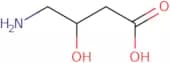


![Ethyl 3-{[(1E)-(dimethylamino)methylene]amino}-5-methoxy-1-methyl-1H-indole-2-carboxylate](/_next/image/?url=https%3A%2Fstatic.cymitquimica.com%2Fproducts%2F3D%2Fthumb-webp%2FFE123273.webp&w=3840&q=75)
![[1-Methyl-2-(7-methyl-1H-indol-3-yl)ethyl]amine hydrochloride](/_next/image/?url=https%3A%2Fstatic.cymitquimica.com%2Fproducts%2F3D%2Fthumb-webp%2FFM123634.webp&w=3840&q=75)
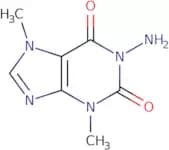
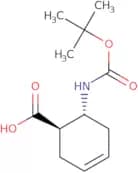
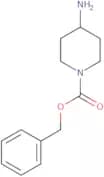
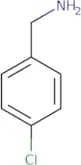
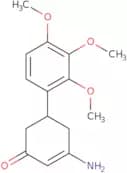
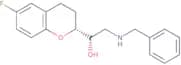
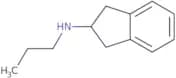

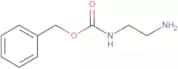
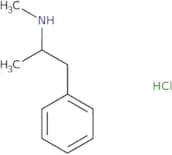
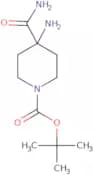
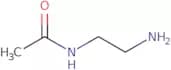
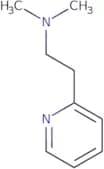
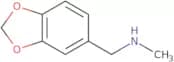

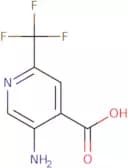
![5-({[2-(4-Chlorophenyl)-1,3-oxazol-4-yl]methyl}thio)-1,3,4-thiadiazol-2-amine](/_next/image/?url=https%3A%2Fstatic.cymitquimica.com%2Fproducts%2F3D%2Fthumb-webp%2FFC122189.webp&w=3840&q=75)
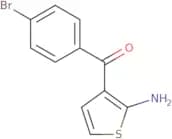
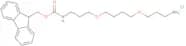
![N-Methyl-5H-dibenzo[a,d]cycloheptene-5-propylamine hydrochloride](/_next/image/?url=https%3A%2Fstatic.cymitquimica.com%2Fproducts%2F3D%2Fthumb-webp%2FFN76683.webp&w=3840&q=75)
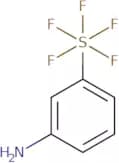
![[(6-Chloro-1-isopropyl-1H-benzimidazol-2-yl)methyl]amine dihydrochloride](/_next/image/?url=https%3A%2Fstatic.cymitquimica.com%2Fproducts%2F3D%2Fthumb-webp%2FFC135800.webp&w=3840&q=75)

![[3-(1-Isopropyl-1H-benzimidazol-2-yl)propyl]amine dihydrochloride](/_next/image/?url=https%3A%2Fstatic.cymitquimica.com%2Fproducts%2F3D%2Fthumb-webp%2FFI126427.webp&w=3840&q=75)
![3-[(4-Aminopiperidin-1-yl)methyl]phenol](/_next/image/?url=https%3A%2Fstatic.cymitquimica.com%2Fproducts%2F3D%2Fthumb-webp%2FFA116167.webp&w=3840&q=75)
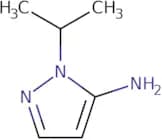

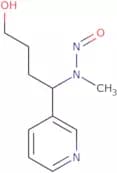
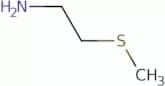
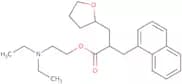

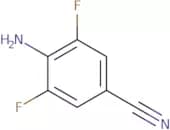
![[2-(Methylsulfinyl)ethyl]amine hydrobromide](/_next/image/?url=https%3A%2Fstatic.cymitquimica.com%2Fproducts%2F3D%2Fthumb-webp%2FFM121339.webp&w=3840&q=75)
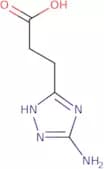
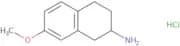


![1,4-Bis[4-(di-p-tolylamino)styryl]benzene](/_next/image/?url=https%3A%2Fstatic.cymitquimica.com%2Fproducts%2F3D%2Fthumb-webp%2FFB75808.webp&w=3840&q=75)
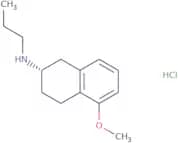
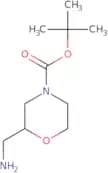
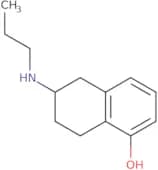
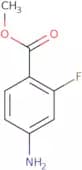
![7-Bromo-[1,2,4]triazolo[1,5-a]pyridin-2-ylamine](/_next/image/?url=https%3A%2Fstatic.cymitquimica.com%2Fproducts%2F3D%2Fthumb-webp%2FFB140382.webp&w=3840&q=75)


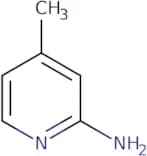


![[(1,5-Dimethyl-1H-benzimidazol-2-yl)methyl]amine](/_next/image/?url=https%3A%2Fstatic.cymitquimica.com%2Fproducts%2F3D%2Fthumb-webp%2FFD135790.webp&w=3840&q=75)
![4-Aminobicyclo[2.2.2]octan-1-ol hydrochloride](/_next/image/?url=https%3A%2Fstatic.cymitquimica.com%2Fproducts%2F3D%2Fthumb-webp%2FFA63102.webp&w=3840&q=75)
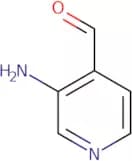
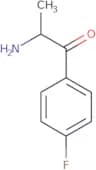
![2-[2-(Dimethylamino)ethyl]-1-indanone](/_next/image/?url=https%3A%2Fstatic.cymitquimica.com%2Fproducts%2F3D%2Fthumb-webp%2FFD22321.webp&w=3840&q=75)
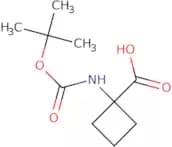

![2-Amino-3,7,8-trimethyl-3H-imidazo[4,5-f]quinoxaline](/_next/image/?url=https%3A%2Fstatic.cymitquimica.com%2Fproducts%2F3D%2Fthumb-webp%2FFA17506.webp&w=3840&q=75)
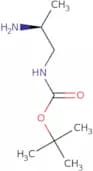

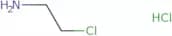
![[2-(1-Isobutyl-1H-benzimidazol-2-yl)ethyl]amine dihydrochloride](/_next/image/?url=https%3A%2Fstatic.cymitquimica.com%2Fproducts%2F3D%2Fthumb-webp%2FFI135795.webp&w=3840&q=75)
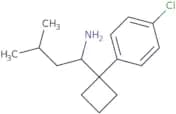
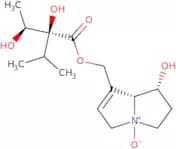

![4-[(4-Acetylphenyl)amino]-4-oxobutanoic acid](/_next/image/?url=https%3A%2Fstatic.cymitquimica.com%2Fproducts%2F3D%2Fthumb-webp%2FFA114593.webp&w=3840&q=75)
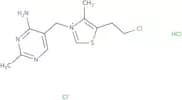
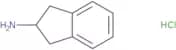

![1-(4-Amino-6,7-dimethoxy-2-quinazolinyl)-4-[(tetrahydro-2-furanyl)carbonxyl]piperazine hydrochlori…](/_next/image/?url=https%3A%2Fstatic.cymitquimica.com%2Fproducts%2F3D%2Fthumb-webp%2FFA28036.webp&w=3840&q=75)

![[4-(2-Aminopropyl)phenyl]dimethylamine dihydrochloride](/_next/image/?url=https%3A%2Fstatic.cymitquimica.com%2Fproducts%2F3D%2Fthumb-webp%2FFA120226.webp&w=3840&q=75)
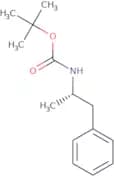
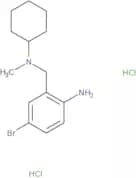
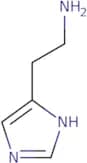
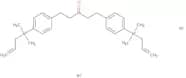
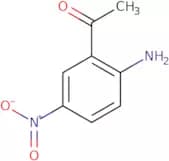
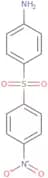
![[1,2,4]Triazolo[1,5-a]pyrimidin-7-amine](/_next/image/?url=https%3A%2Fstatic.cymitquimica.com%2Fproducts%2F3D%2Fthumb-webp%2FFT126840.webp&w=3840&q=75)
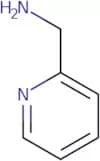
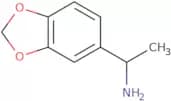
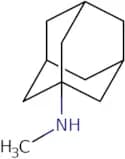

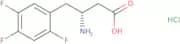
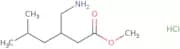
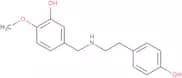

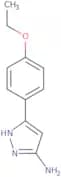
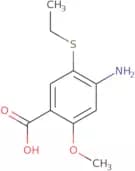
![(2S)-2-Amino-2-[(5S)-3-chloro-4,5-dihydroisoxazol-5-Yl]acetic acid](/_next/image/?url=https%3A%2Fstatic.cymitquimica.com%2Fproducts%2F3D%2Fthumb-webp%2FFA17203.webp&w=3840&q=75)
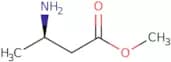
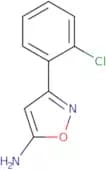
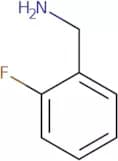
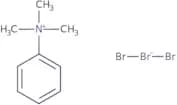
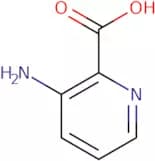
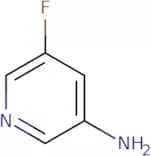
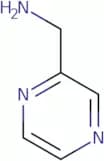


![N-[1-(4-Fluorophenyl)propan-2-Yl]-N-methylprop-2-Yn-1-amine](/_next/image/?url=https%3A%2Fstatic.cymitquimica.com%2Fproducts%2F3D%2Fthumb-webp%2FFF95966.webp&w=3840&q=75)
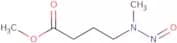
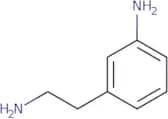
![9-[(5-Amino-1,3,4-thiadiazol-2-yl)methyl]-1,3-dimethyl-3,9-dihydro-1H-purine-2,6-dione](/_next/image/?url=https%3A%2Fstatic.cymitquimica.com%2Fproducts%2F3D%2Fthumb-webp%2FFA125300.webp&w=3840&q=75)
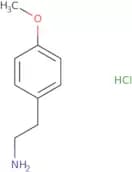

![1-[1-(2-Aminoethyl)-1H-indol-3-yl]ethanone oxalate](/_next/image/?url=https%3A%2Fstatic.cymitquimica.com%2Fproducts%2F3D%2Fthumb-webp%2FFA135415.webp&w=3840&q=75)
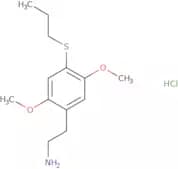
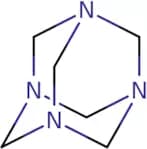
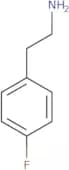
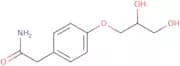


![[(1-Ethyl-1H-benzimidazol-2-yl)methyl]amine dihydrochloride](/_next/image/?url=https%3A%2Fstatic.cymitquimica.com%2Fproducts%2F3D%2Fthumb-webp%2FFE126425.webp&w=3840&q=75)
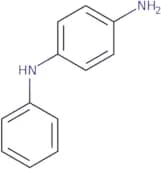

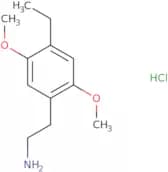
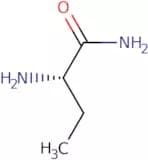
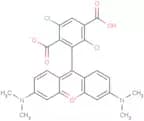

![N-[(1S)-1-(Aminocarbonyl)propyl]-4-chlorobutanamide](/_next/image/?url=https%3A%2Fstatic.cymitquimica.com%2Fproducts%2F3D%2Fthumb-webp%2FFA171302.webp&w=3840&q=75)
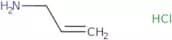
![4-[4-(4-Methyloxy-phenyl)-piperazin-1-yl]-phenylamine](/_next/image/?url=https%3A%2Fstatic.cymitquimica.com%2Fproducts%2F3D%2Fthumb-webp%2FFM25923.webp&w=3840&q=75)
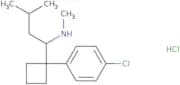
![2-Bromobenzo[d]thiazol-6-amine](/_next/image/?url=https%3A%2Fstatic.cymitquimica.com%2Fproducts%2F3D%2Fthumb-webp%2FFB144124.webp&w=3840&q=75)
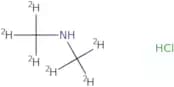
![3-[(2-Aminoethyl)dithio]propionic acid](/_next/image/?url=https%3A%2Fstatic.cymitquimica.com%2Fproducts%2F3D%2Fthumb-webp%2FFA17745.webp&w=3840&q=75)
![3-Nitro-4-[[(tetrahydropyran-4-yl)methyl]amino]benzenesulfonamide](/_next/image/?url=https%3A%2Fstatic.cymitquimica.com%2Fproducts%2F3D%2Fthumb-webp%2FFN145631.webp&w=3840&q=75)
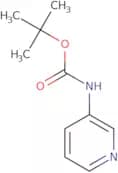
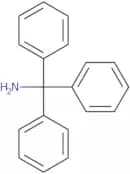

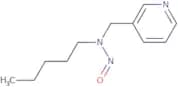
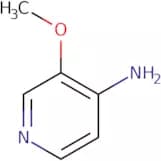
![H-Glu-Leu-Asp-[(2R,4S,5S)-5-amino-4-hydroxy-2,7-dimethyl-octanoyl]-Ala-Glu-Phe-OH](/_next/image/?url=https%3A%2Fstatic.cymitquimica.com%2Fproducts%2F3D%2Fthumb-webp%2FFG111094.webp&w=3840&q=75)
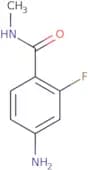
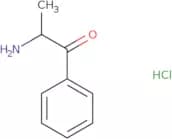
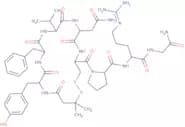
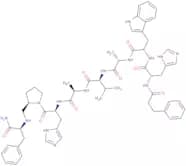

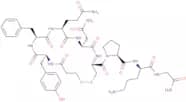
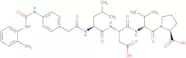
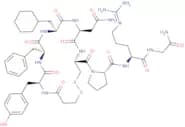
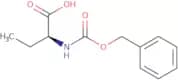

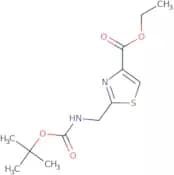
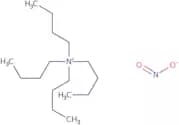


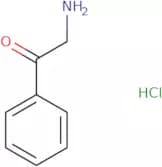
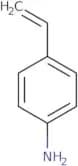

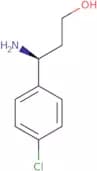
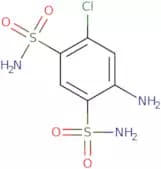
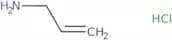

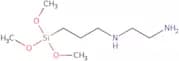

![2-[[2-(Dimethylaminomethyl)-1,3-thiazol-4-yl]methylsulfanyl]ethanamine](/_next/image/?url=https%3A%2Fstatic.cymitquimica.com%2Fproducts%2F3D%2Fthumb-webp%2FFD22345.webp&w=3840&q=75)
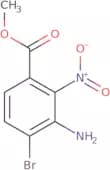
![5-(H-Gly-Pro-Gly-Pro-amido)-9-[di-(3-sulfonylpropyl)amino]-benzo[a]phenoxazonium perchlorate](/_next/image/?url=https%3A%2Fstatic.cymitquimica.com%2Fproducts%2F3D%2Fthumb-webp%2FFG110995.webp&w=3840&q=75)