Carboxylic Acids
Carboxylic acids are organic molecules characterized by having a carboxyl-type functional group (-COOH). These acids are fundamental in various chemical reactions, including esterification, amidation, and decarboxylation. Carboxylic acids are widely used in the production of pharmaceuticals, polymers, and agrochemicals. In this section, you can find a large number of carboxylic acids ready to be used. At CymitQuimica, we provide a broad range of high-quality carboxylic acids to support your research and industrial applications.
Found 12453 products of "Carboxylic Acids"
Sort by
Purity (%)
0
100
|
0
|
50
|
90
|
95
|
100
5-Bromo-2,3-dimethoxybenzoic acid
CAS:<p>2,3-Dimethoxybenzoic acid is a metabolite of 2,3-dimethoxybenzaldehyde, which is produced by the condensation of acetaldehyde and benzoic acid. It has been used as an intermediate in organic synthesis. The enzyme dopamine D3 receptor ligand binding assays have been used to study the ability of 5-bromo-2,3-dimethoxybenzoic acid to inhibit dopamine uptake in rat striatal membranes. The compound has also been shown to be a specific ligand for the dopamine D3 receptor and bind with a high affinity.</p>Formula:C9H9BrO4Purity:Min. 95%Color and Shape:PowderMolecular weight:261.07 g/molCarbethoxysyringic acid
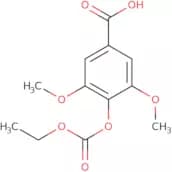
CAS:<p>Carbethoxysyringic acid is a reagent, complex compound, useful intermediate and fine chemical. It is also a useful scaffold for the synthesis of other organic compounds. Carbethoxysyringic acid is used in the production of speciality chemicals, research chemicals and versatile building blocks. Carbethoxysyringic acid has been shown to be an excellent reaction component in many reactions such as hydrogenation, nitro reduction, oxidation and hydrolysis.</p>Formula:C12H14O7Purity:Min. 95%Color and Shape:PowderMolecular weight:270.24 g/molGlycocholic acid sodium salt monohydrate
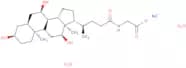
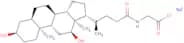
CAS:<p>Glycocholic acid sodium salt monohydrate is a compound that is used in the production of pharmaceuticals, agrochemicals, and other organic chemicals. It is also used as an intermediate to produce carboxylic acids, amino acids, and other building blocks. Glycocholic acid sodium salt monohydrate is soluble in water and has a high boiling point. It can be used for reactions with alcohols and amines to form esters or amides respectively. This compound can be used as a reagent for the synthesis of peptides, proteins, carbohydrates, and nucleosides. Glycocholic acid sodium salt monohydrate has been shown to have anti-inflammatory properties by inhibiting prostaglandin biosynthesis.</p>Formula:C26H42NO6Na·H2OPurity:Min. 95%Color and Shape:White PowderMolecular weight:505.62 g/mol3,5-Dimethoxy-4-hydroxyphenylacetic acid
CAS:<p>3,5-Dimethoxy-4-hydroxyphenylacetic acid is a phenolic compound that is found in the leaves of plants. It is a major component of the essential oil from the bark of the cinnamon tree. 3,5-Dimethoxy-4-hydroxyphenylacetic acid has been shown to be a potent inhibitor of plant growth and an effective herbicide for weed control in tobacco. 3,5-Dimethoxy-4-hydroxyphenylacetic acid has also been shown to have antiplatelet activity and may be useful in treating thrombosis.</p>Formula:C10H12O5Purity:Min. 95%Color and Shape:Brown PowderMolecular weight:212.2 g/mol2,6-Dimethylbenzoic acid ethyl ester
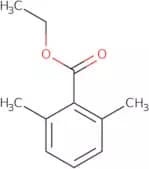
CAS:<p>2,6-Dimethylbenzoic acid ethyl ester (DBE) is an organic compound that is used as a starting material for the synthesis of other chemicals. It is produced by reacting chlorobenzene with magnesium in the presence of a suitable catalyst such as copper(II) chloride. The reaction can be carried out in bulk or in liquid phase, and yields are optimized by using activated carbon as a support. DBE is one of the most commonly used dialkyl benzoates for chemical syntheses due to its high reactivity. DBE has a particle size of about 10 micrometres and a bulk density close to 1 g/cm3.</p>Formula:C11H14O2Purity:Min. 95%Color and Shape:PowderMolecular weight:178.23 g/molMethyl 3-(4-hydroxyphenyl)benzoate
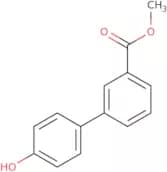
CAS:<p>Please enquire for more information about Methyl 3-(4-hydroxyphenyl)benzoate including the price, delivery time and more detailed product information at the technical inquiry form on this page</p>Formula:C14H12O3Purity:Min. 95%Color and Shape:PowderMolecular weight:228.24 g/molL-Histidine acetate
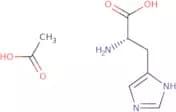
CAS:Controlled Product<p>L-Histidine acetate is a white, crystalline powder that has a constant melting point and can be soluble in water. It has a monoclinic crystal system with a crystal form of α-l-histidine dihydrogen acetate. L-Histidine acetate is an amino acid that is necessary for the biosynthesis of proteins and the metabolism of histamine. L-Histidine acetate has been studied using x-ray diffraction and optical properties to determine its functional groups. The activation energy for this compound is found to be at 4.1 kcal/mol, which is lower than most other compounds in nature. The frequencies of light waves are measured at 3,040 cm-1 and the evaporation rate at 15°C is 0.039 cm3/s.</p>Formula:C6H9N3O2•C2H4O2Purity:Min. 95%Molecular weight:215.21 g/mol3-Aminocinnamic acid ethyl ester
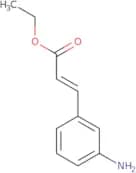
CAS:<p>3-Aminocinnamic acid ethyl ester is a synthetic compound that is derived from pyridine and has a liriodenine ring. The synthesis of this compound starts with an olefinic coupling reaction, which yields an imine intermediate. The imine is hydrolyzed to yield the desired product. 3-Aminocinnamic acid ethyl ester can be found in plants such as liriodenine and liriodendronine, as well as in animal tissues. It also acts as a neurotransmitter and activates the nitrate receptor on nerves, which leads to increased blood pressure or heart rate. 3-Aminocinnamic acid ethyl ester also binds to the cation channel of benzoquinoline drugs and mediates their effects on the central nervous system.</p>Formula:C11H13NO2Purity:Min. 95%Color and Shape:PowderMolecular weight:191.23 g/moltrans-Styrylacetic acid
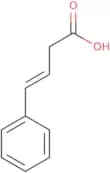
CAS:<p>Trans-styrylacetic acid is a tumorigenic agent. It is an oxidation catalyst and water vapor that binds to the metal hydroxides, inhibiting the hydrogen bond formation. Trans-styrylacetic acid has shown inhibitory properties against inflammatory diseases and cancer. Trans-styrylacetic acid inhibits protein synthesis by binding to dinucleotide phosphate and has been shown to have anti-inflammatory activity in vivo and in vitro. Type strain studies have shown that trans-styrylacetic acid inhibits the growth of cancer cells but not normal cells, indicating its specificity for cancer cells.</p>Formula:C10H10O2Purity:Min. 95 Area-%Color and Shape:PowderMolecular weight:162.19 g/molAniline-2,4-disulfonic acid
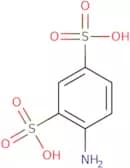
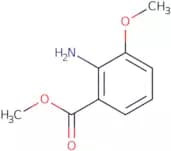
CAS:<p>Aniline-2,4-disulfonic acid is a colorless solid with an unpleasant odor. It can be synthesized by the reaction of aniline and sulfuric acid. Aniline-2,4-disulfonic acid is used in the production of dyes and pharmaceuticals. This compound is insoluble in water and soluble in alcohols.</p>Formula:C6H7NO6S2Purity:Min. 95%Color and Shape:White PowderMolecular weight:253.25 g/mol2-Amino-3-methoxybenzoic acid methyl ester
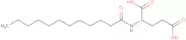
CAS:<p>2-Amino-3-methoxybenzoic acid methyl ester can be used as a chiral auxiliary in enantioselective synthesis. It is synthesised by reaction of l-valine with methyl iodide, followed by hydrolysis of the resulting ester under basic conditions. 2-Amino-3-methoxybenzoic acid methyl ester is used as a chiral auxiliary for the asymmetric synthesis of d-mannitol and related compounds.</p>Formula:C9H11NO3Purity:Min. 95%Color and Shape:PowderMolecular weight:181.19 g/molN-Lauroyl-L-glutamic acid
CAS:<p>Lauroyl-L-glutamic acid is a cationic surfactant with a hydroxy group. It is used as an emulsifier, dispersant, and wetting agent in oil solutions. This product also has the ability to chelate metal ions, such as calcium carbonate and iron. The product is primarily used in the manufacture of paints, plastics, coatings and adhesives. Lauroyl-L-glutamic acid has been shown to have a primary amino group that can react with another molecule containing a carboxylic acid group. This reaction produces hydrogen bonds that form gels or solids in water.</p>Formula:C17H31NO5Purity:Min. 95%Color and Shape:White to pale yellow solid.Molecular weight:329.43 g/molSodium carboxyl methylstarch
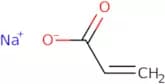
CAS:<p>Sodium carboxymethyl starch, sometimes abbreviated as CMS or SCMS, is a modified starch derivative widely used as an excipient in pharmaceutical formulations. It is used to support the stability, delivery, and performance of the API in drug products.</p>Purity:Min. 95%Color and Shape:PowderPoly(acrylic acid, sodium salt) solution - average molecular weight 15000, 35% in water
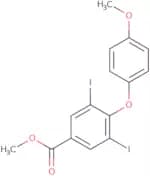
CAS:<p>Poly(acrylic acid) is a polymer that has significant cytotoxicity. The molecular weight of the polymers range from 10,000 to 1,000,000 and it is soluble in water. Poly(acrylic acid) can be used for the treatment of solid tumours and bowel diseases. It has been shown to have a phase transition temperature at around 55°C, which means that it is a liquid at room temperature but becomes a gel when heated. Poly(acrylic acid) is also used as an ionotropic gelation agent in ionotropic electrode gels, and as an additive to increase the viscosity of benzalkonium chloride solutions.</p>Formula:(C3H4O2)x•NaxPurity:Min. 95%Color and Shape:Clear Liquid3,5-Diiodo-4(4'-methoxyphenoxy)benzoic acid methyl ester
CAS:<p>3,5-Diiodo-4(4'-methoxyphenoxy)benzoic acid methyl ester (DIMBOA) is a hormone analogue that inhibits the growth of cancer cells by interfering with mitochondrial function. DIMBOA binds to the mitochondria of animal cells and prevents adenosine triphosphate (ATP) production. DIMBOA also blocks the synthesis of DNA and RNA in animal cells, which may be due to its ability to interfere with enzyme activities such as protein synthesis, cell proliferation, and apoptosis. 3,5-Diiodo-4(4'-methoxyphenoxy)benzoic acid methyl ester has been shown to inhibit cellular growth by autophagy. This drug has been shown to have no adverse effects on normal fibroblasts or antigen presenting cells in animals.</p>Formula:C15H12I2O4Purity:Min. 95%Color and Shape:PowderMolecular weight:510.06 g/mol2-(Phthalimidoyl)ethylphosphoric acid octadecyl ester
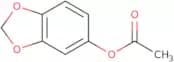
<p>Please enquire for more information about 2-(Phthalimidoyl)ethylphosphoric acid octadecyl ester including the price, delivery time and more detailed product information at the technical inquiry form on this page</p>Formula:C28H46NO6PMolecular weight:523.66 g/molSesamol acetate
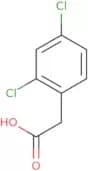
CAS:<p>Sesamol acetate is a benzophenone that has been monitored for reactivity and cytotoxicity. The kinetics of this compound have been investigated and shown to be efficient. It reacts with ft-ir, which is the most sensitive and accurate spectrometer used in real-time monitoring. Sesamol acetate has been found to have a photochemical efficiency of 78% at 590 nm, which is the optimal wavelength for this reaction.</p>Formula:C9H8O4Purity:Min. 95%Color and Shape:PowderMolecular weight:180.16 g/mol2,4-Dichlorophenylacetic acid
CAS:<p>2,4-Dichlorophenylacetic acid is a metabolite of 2,4-dichlorophenoxyacetic acid. It has been used as an analytical marker for the latter compound in urine samples. The metabolic rate of 2,4-DPA is related to the concentration of pyridoxine hydrochloride in plant tissue. This chemical reacts with light to form 2,4-dichlorobenzoic acid and undergoes photochemical reactions.</p>Formula:C8H6Cl2O2Purity:Min. 95%Color and Shape:PowderMolecular weight:205.04 g/mol7-Keto abiraterone acetate
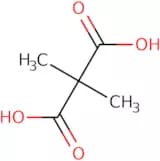
<p>7-Keto abiraterone acetate is a chemical compound that is used as a reagent in organic chemistry. It reacts with various electrophiles to form useful scaffolds for the synthesis of complex compounds. 7-Keto abiraterone acetate is a versatile building block, which can be used as a starting material or intermediate in the synthesis of many speciality chemicals. It has been reported to react with other reagents such as diazomethane and ethyl chloroformate to form good quality products. The CAS number for 7-keto abiraterone acetate is 383482-35-5.</p>Formula:C26H31NO3Purity:Min. 97 Area-%Color and Shape:PowderMolecular weight:405.53 g/molDimethyl malonic acid
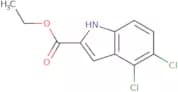
CAS:<p>Dimethyl malonic acid is an inorganic acid that contains a methyl group and two hydroxyl groups. Dimethyl malonic acid has been shown to have high values in analytical methods, such as x-ray crystal structures and high performance liquid chromatography. It is also used as a reagent for the determination of amino acids, including methylamine and ethylamine. This compound can be used as an intermediate in organic synthesis reactions. Dimethyl malonic acid has been shown to inhibit enzymes involved in fatty acid metabolism, such as carboxylase and acetyl-CoA carboxylase, which are involved in the formation of fatty acids. The use of this compound may lead to the production of less fatty acids and lower cholesterol levels.</p>Formula:C5H8O4Color and Shape:White Off-White PowderMolecular weight:132.11 g/molEthyl 4,5-dichloro-1H-indole-2-carboxylate
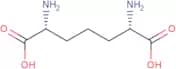
CAS:<p>Ethyl 4,5-dichloro-1H-indole-2-carboxylate is an organic chemical compound that is a reaction component, reagent, and useful scaffold in the synthesis of pharmaceuticals. It has been shown to have high quality and be a versatile building block for the synthesis of complex compounds. This chemical can be used as a speciality chemical or research chemical.</p>Formula:C11H9Cl2NO2Purity:Min. 95%Color and Shape:White PowderMolecular weight:258.1 g/mol(2S,6R)-2,6-Diaminoheptanedioic acid
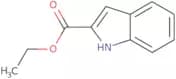
CAS:<p>(2S,6R)-2,6-Diaminoheptanedioic acid is an antimicrobial agent that inhibits bacterial growth by binding to the Toll-like receptor 2 (TLR2) and Toll-like receptor 4 (TLR4). It has been shown to inhibit the production of IL-12 in a dose-dependent manner. The crystal structure of the complex between (2S,6R)-2,6-diaminoheptanedioic acid and TLR4 reveals that this compound binds to TLR4 at the interface between its extracellular domain and transmembrane domain, which disrupts the interaction between TLR4 and its ligands. This compound also inhibits calcium uptake by gram-positive bacteria such as Staphylococcus aureus and Enterococcus faecalis. (2S,6R)-2,6-Diaminoheptanedioic acid may be used for wastewater treatment because it</p>Formula:C7H14N2O4Purity:Min. 95%Color and Shape:White PowderMolecular weight:190.2 g/molIndole-2-carboxylic acid ethyl ester
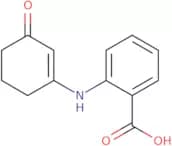
CAS:<p>Indole-2-carboxylic acid ethyl ester is a synthetic compound that binds to cancer cells. It has been shown to inhibit the growth of leukemia cells and breast cancer cells in vitro. Indole-2-carboxylic acid ethyl ester inhibits the binding of collagen to cells, which may be due to its ability to bind to β-carboline alkaloids on collagen. The binding of indole-2-carboxylic acid ethyl ester with these alkaloids prevents them from binding to collagen, thereby preventing the formation of new collagen fibers. This drug also inhibits aldehyde production, which is important for DNA synthesis in cancer cells.</p>Formula:C11H11NO2Purity:Min. 95%Color and Shape:PowderMolecular weight:189.21 g/mol2-((3-Oxocyclohex-1-enyl)amino)benzoic acid
CAS:<p>Please enquire for more information about 2-((3-Oxocyclohex-1-enyl)amino)benzoic acid including the price, delivery time and more detailed product information at the technical inquiry form on this page</p>Formula:C13H13NO3Purity:Min. 95%Color and Shape:PowderMolecular weight:231.25 g/molEthyl (1,3,6-trimethyl-2,4-dioxo-2,3,4,7-tetrahydro-1H-pyrrolo[2,3-d]pyrimidin-5-yl)acetate
CAS:Controlled Product<p>Please enquire for more information about Ethyl (1,3,6-trimethyl-2,4-dioxo-2,3,4,7-tetrahydro-1H-pyrrolo[2,3-d]pyrimidin-5-yl)acetate including the price, delivery time and more detailed product information at the technical inquiry form on this page</p>Formula:C13H17N3O4Purity:Min. 95%Molecular weight:279.29 g/molH-Lys-Arg-OH acetate
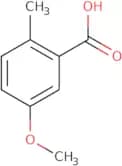
CAS:<p>Lys-Arg-OH acetate salt (LRA) is a protein transport peptide that is found in the neurosecretory system and has been used as a growth factor for the production of human insulin. LRA stimulates the release of pepsinogen, which breaks down food proteins into polypeptides and amino acids. It also has proteolytic activity, which helps break down proteins into peptides. LRA shares structural similarities with other peptide hormones such as vasopressin and oxytocin, but it differs by having an amide instead of an ester linkage between the lysine and arginine residues.</p>Formula:C12H26N6O3•(C2H4O2)xPurity:Min. 95%Color and Shape:PowderMolecular weight:302.37 g/mol5-Methoxy-2-methylbenzoic acid
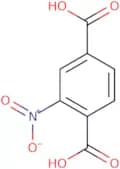
CAS:<p>5-Methoxy-2-methylbenzoic acid is an intermediate in the synthesis of vitamin D3. It can also be used to synthesize calciferol, a configurationally stable form of vitamin D3 that has been shown to be optically active. Lactonic forms are composed of a 5-methoxy group and a 2-methylbenzoic acid moiety. Enantiomers are compounds with the same chemical formula but different arrangements of their atoms in space and each enantiomer is capable of rotating plane polarized light in opposite directions.</p>Formula:C9H10O3Purity:Min. 95%Color and Shape:PowderMolecular weight:166.17 g/mol2-Nitroterephthalic acid
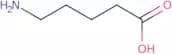
CAS:<p>2-Nitroterephthalic acid is an inorganic acid that belongs to the nitro group. It is a white powder and has a melting point of 115°C. The crystal structure of 2-nitroterephthalic acid was determined using x-ray crystallography, and the thermal expansion coefficient was measured at different temperatures between 10° and 120°C. This compound has been used as a test sample to study the hydrogen bonding interactions between methyl ethyl groups on the molecule's surface with carboxylate groups in other molecules. Structural analysis of this compound also revealed that it contains a carboxylate group that can be converted into an ester for use in organic synthesis.</p>Formula:C8H5NO6Color and Shape:PowderMolecular weight:211.13 g/mol5-Aminovaleric acid
CAS:<p>5-Aminovaleric acid is a cyclic peptide that is an antagonist of the enzyme 5-aminovaleric acid hydrolase that catalyzes the conversion of 5-aminovaleric acid to succinic semialdehyde. The physiological function of 5-aminovaleric acid hydrolase is not known, but it has been implicated in a number of neurological disorders, such as Alzheimer's disease, Parkinson's disease, and amyotrophic lateral sclerosis. The reaction solution contains 5-aminovaleric acid (5AVA), hydrogen fluoride (HF), and l-lysine (Lys). Upon addition of HF to the solution, it reacts with Lys to form a dinucleotide phosphate intermediate. This intermediate then reacts with 5AVA to form an intramolecular hydrogen bond with the amino group of Lys and release hydrogen gas. The detection sensitivity for this reaction can be increased by using a cyclic peptide inhibitor.</p>Formula:C5H11NO2Purity:Min. 95%Color and Shape:Off-White PowderMolecular weight:117.15 g/mol4-{[(Dimethylamino)sulfonyl]amino}benzoic acid
CAS:<p>4-{[(Dimethylamino)sulfonyl]amino}benzoic acid is a reagent that is used as an intermediate in the synthesis of complex compounds. It is also a useful scaffold for the synthesis of speciality chemicals and research chemicals. The compound has been shown to be versatile as a building block in organic reactions, such as condensation, esterification, and nitration.</p>Formula:C9H12N2O4SPurity:Min. 95%Color and Shape:Off-White To Brown SolidMolecular weight:244.27 g/mol3-(4-methoxy-1-naphthyl)acrylic acid
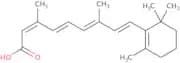
CAS:<p>Please enquire for more information about 3-(4-methoxy-1-naphthyl)acrylic acid including the price, delivery time and more detailed product information at the technical inquiry form on this page</p>Purity:Min. 95%13-cis-Retinoic acid
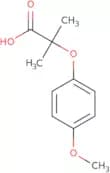
CAS:Controlled Product<p>An endogenous retinoic acid receptor (RAR) agonist that upregulates forkhead box class O (FoxO) transcription factor. Suppresses activity and proliferation of sebaceous glands. Used for treating nodulocystic acne. Induces differentiation, neurite outgrowth and inhibits proliferation of neuroblastoma cells. A potential chemopreventive agent in non-small cell lung cancer, head and neck squamous cell carcinoma and neuroblastoma.</p>Formula:C20H28O2Purity:Min. 97 Area-%Color and Shape:Yellow PowderMolecular weight:300.44 g/mol2-(4-Methoxyphenoxy)-2-methylpropanoic acid
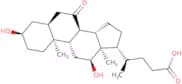
CAS:<p>2-(4-Methoxyphenoxy)-2-methylpropanoic acid (methoxymethyl) is a versatile building block with a variety of applications in synthesis. It is used as an intermediate in the preparation of pharmaceuticals, agrochemicals, and dyes. Methoxymethyl has been shown to be useful as a reagent for research and as a speciality chemical. This compound can also serve as a reaction component or scaffold in the synthesis of more complex compounds.</p>Formula:C11H14O4Purity:Min. 95%Color and Shape:PowderMolecular weight:210.23 g/mol7-Keto-3α,12-α-dihydroxycholanic acid
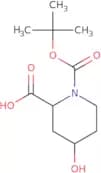
CAS:Controlled Product<p>7-Keto-3α,12-α-dihydroxycholanic acid is a lipid molecule that belongs to the class of sodium salts. It has been shown to form stable complexes with biological samples and is useful for sample preparation before analysis. 7-Keto-3α,12-α-dihydroxycholanic acid has been used in studies of hepatic steatosis in rats, which demonstrated statistically significant changes in liver fat content. This molecule also may be involved in bowel disease because it is a precursor for bile acids and the synthesis of cholesterol. 7KDHC has been associated with redox potential and microbial metabolism. 7KDHC may also have anti-inflammatory effects that help reduce symptoms of inflammatory bowel disease (IBD).</p>Formula:C24H38O5Purity:Min. 95 Area-%Color and Shape:White PowderMolecular weight:406.56 g/molBoc-4-hydroxypiperidine-2-carboxylic acid
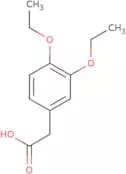
CAS:<p>Boc-4-hydroxypiperidine-2-carboxylic acid is a high quality, reagent, and complex compound. It has CAS No. 917835-93-9 and can be used as an intermediate or building block in synthesis of other chemicals. In addition, Boc-4-hydroxypiperidine-2-carboxylic acid is a versatile building block that is used in the manufacture of speciality chemicals and research chemicals.</p>Formula:C11H19NO5Purity:Min. 95%Color and Shape:PowderMolecular weight:245.27 g/mol3,4-Diethoxyphenylacetic acid
CAS:<p>3,4-Diethoxyphenylacetic acid is a synthetic compound that has been shown to be an inhibitor of multidrug resistance (MDR) efflux pumps. It is also a substrate for membrane sulfotransferases, which are enzymes that catalyze the transfer of sulfate from 3,4-diethoxyphenylacetic acid to other compounds. The addition of 3,4-diethoxyphenylacetic acid to cultured human cells has been shown to inhibit the activity of p-glycoprotein and therefore increase the uptake of drugs such as acetonitrile and aluminium.</p>Formula:C12H16O4Purity:Min. 95%Color and Shape:PowderMolecular weight:224.25 g/mol3,4-Diacetoxyphenylacetic acid
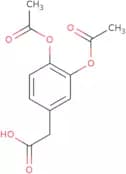
CAS:<p>3,4-Diacetoxyphenylacetic acid is a white crystalline solid. It is soluble in water, ethanol and acetone. This chemical is a useful building block for the synthesis of a wide range of compounds including pharmaceuticals, pesticides and agrochemicals. 3,4-Diacetoxyphenylacetic acid has been used as a reagent for the synthesis of various complex compounds such as anti-inflammatory drugs and antibiotics. 3,4-Diacetoxyphenylacetic acid can be used as a versatile building block in the synthesis of many different compounds with high purity and quality.</p>Formula:C12H12O6Purity:Min. 95%Molecular weight:252.22 g/mol2,6-Dihydroxybenzoic acid
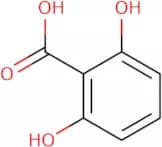
CAS:<p>2,6-Dihydroxybenzoic acid is a chemical compound with the molecular formula CH(COOH)CO. It has been shown to have high values in biological studies and is a naturally occurring metabolite of p-hydroxybenzoic acid. 2,6-Dihydroxybenzoic acid has been used as a model system for energy metabolism, and it's biological properties are being investigated as potential treatments for diabetes and obesity. This compound also exhibits hypoglycemic effects in humans and has high resistance against bacteria. The reaction mechanism of 2,6-dihydroxybenzoic acid is not well understood but may be due to hydrogen bonding interactions.</p>Formula:C7H6O4Purity:Min. 98 Area-%Color and Shape:PowderMolecular weight:154.12 g/mol4-Phenoxycinnamic acid
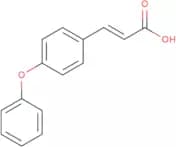
CAS:<p>4-Phenoxycinnamic acid is a useful scaffold and building block in organic chemistry. It is a versatile chemical intermediate with a CAS number of 2215-83-0, often used in the synthesis of other molecules. 4-Phenoxycinnamic acid has recently been shown to be an effective reagent for the conversion of nitrobenzene to benzyl alcohols, which are useful in the production of pharmaceuticals. This compound can also be used as a high-quality research chemical and as a speciality chemical for use in laboratory experimentation.</p>Formula:C15H12O3Purity:Min. 95%Color and Shape:PowderMolecular weight:240.25 g/mol2-(S)-Hydroxy-4-oxo-4-phenylbutyric acid
CAS:<p>2-(S)-Hydroxy-4-oxo-4-phenylbutyric acid is a useful building block that can be used in the production of many fine chemicals, research chemicals, and reagents. It is a versatile building block that can be used as a reaction component in a wide range of reactions. 2-(S)-Hydroxy-4-oxo-4-phenylbutyric acid is also an intermediate or scaffold for complex compounds that are valuable in many fields such as pharmaceuticals, agrochemicals, and polymers. This compound has been shown to have high quality and purity.</p>Formula:C10H10O4Purity:Min. 95%Color and Shape:PowderMolecular weight:194.18 g/moltrans-1,4-Cyclohexanedicarboxybic acid
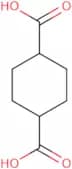
CAS:<p>Trans-1,4-Cyclohexanedicarboxylic acid is a polycarboxylic acid with a cyclohexane ring. It is formed by the reaction of an organic acid and hydrochloric acid in water. Trans-1,4-Cyclohexanedicarboxylic acid has been shown to form an acid when heated at high temperatures. This property is due to its macrocyclic structure and steric interactions with the fatty acids present in the reaction solution. The thermal expansion of trans-1,4-Cyclohexanedicarboxylic acid is sensitive to temperature changes, which can be used for detection purposes. Trans-1,4-Cyclohexanedicarboxylic acid has a hydroxyl group that can be substituted with fluorescence dyes for detection purposes. The cyclohexane ring and dibutyltin oxide are used for the determination of iron content in samples.</p>Formula:C8H12O4Purity:Min. 95%Color and Shape:PowderMolecular weight:172.18 g/mol4-Undecyloxybenzoic acid
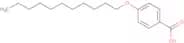
CAS:<p>4-Undecyloxybenzoic Acid is a secretory phospholipase that has been shown to have a phase transition temperature of 17.5°C, which is the lowest among all secretory phospholipases. It is a cytosolic enzyme that belongs to the group of serine hydrolases. The functional theory for 4-undecyloxybenzoic acid is based on the sequence of amino acids and hydrogen bonds between the enzyme and substrates. This enzyme has been shown to be effective in photocatalytic reactions with UV light.</p>Formula:C18H28O3Purity:Min. 95%Color and Shape:PowderMolecular weight:292.41 g/molMethyl indole-5-carboxylate
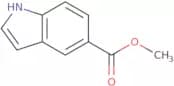
CAS:<p>Methyl indole-5-carboxylate is a hdac inhibitor that has been shown to have anticancer activity. It has been shown to inhibit the growth of hCT116 cells and xenograft tumors in mice. Methyl indole-5-carboxylate is also an active analog for other anticancer agents, such as 5-azacytidine and 5-aza-2'-deoxycytidine. The drug is cytotoxic to L6 cells and increases the expression of p21 protein, which inhibits tumor cell proliferation. This compound is metabolized by cytochrome P450 enzymes into methyl indole carboxylate, which can be further converted into a reactive intermediate that binds DNA.</p>Formula:C10H9NO2Color and Shape:PowderMolecular weight:175.18 g/molEslicarbazepine acetate
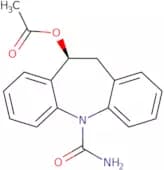
CAS:<p>Eslicarbazepine acetate is an anticonvulsant drug that has been shown to be effective in reducing the frequency of seizures. It is a prodrug and is metabolized by esterases to form the active form, eslicarbazepin acetate. Eslicarbazepine acetate inhibits glutamate release by acting on the glutamate transporter, which prevents depolarization of the mitochondrial membrane potential, leading to inhibition of epileptic activity. Eslicarbazepine acetate also decreases brain levels of GABA and increases levels of polyamines such as spermidine and spermine, which are neuroprotective. There are some reports of hepatic impairment when eslicarbazepine acetate is used with other drugs that are metabolized through this organ (e.g., valproic acid).<br>Eslicarbazepine acetate can cause chemical stability issues when exposed to light or air due to oxidation reactions. It may also react</p>Formula:C17H16N2O3Purity:Min. 95%Color and Shape:PowderMolecular weight:296.32 g/mol4-Benzyloxy-3-methoxybenzoic acid
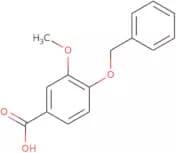
CAS:<p>4-Benzyloxy-3-methoxybenzoic acid is an isomeric compound that is decarboxylated to 4-hydroxy-3-methoxybenzoic acid. It has been shown to inhibit tumor growth and induce apoptosis in HCT116 human lung cancer cells. The mechanism of action may be due to the inhibition of amine synthesis by vanillyl alcohol and oxygenated metabolites.</p>Formula:C15H14O4Purity:Min. 90%Molecular weight:258.27 g/mol1,3-Benzodioxole-5-carboxylic acid
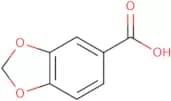
CAS:<p>1,3-Benzodioxole-5-carboxylic acid (1,3BDC) is a benzoxazinoid that was identified as an inhibitor of malonic acid carboxylase. 1,3BDC is not active against bacteria and fungi in vitro. It has been shown to be effective in preventing and treating insect resistance by interfering with the synthesis of chitin. The compound binds to the active site of the enzyme and inhibits its activity by blocking the entrance of acetic acid into the active site. 1,3BDC also has a protective effect on balloon injury in rats by reducing inflammation and apoptosis in skin cells. The mechanism of action for this effect is not known but may involve hydrogen bonding interactions with proteins or 3,4-methylenedioxycinnamic acid-induced transcriptional activation.</p>Formula:C8H6O4Purity:Min. 98.0%Color and Shape:PowderMolecular weight:166.13 g/mol2-(Aminosulfonyl)benzoic acid
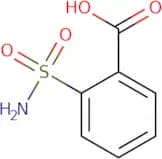
CAS:<p>2-(Aminosulfonyl)benzoic acid is a chemical compound that can be found in urine samples. It is used to detect the presence of saccharin and other artificial sweeteners, which are commonly used as substitutes for sugar. 2-(Aminosulfonyl)benzoic acid is also used to measure the presence of calcium pantothenate in food products. The chemical structure of this compound contains a hydrogen bond between the sulfur atom and the amine group. Hydrochloric acid can be used to break down 2-(Aminosulfonyl)benzoic acid into its constituent parts, which are sulfuric acid and benzoic acid. Uv absorption studies have also shown that 2-(Aminosulfonyl)benzoic acid absorbs ultraviolet light at 280 nm with an extinction coefficient of 20,000 M-1cm-1. This compound has been shown to have toxic effects on diabetic patients when taken orally in doses that</p>Formula:C7H7NO4SPurity:Min. 95%Color and Shape:PowderMolecular weight:201.2 g/molEthyl 5-chloropyrazolo[1,5-a]pyrimidine-3-carboxylate
CAS:<p>Please enquire for more information about Ethyl 5-chloropyrazolo[1,5-a]pyrimidine-3-carboxylate including the price, delivery time and more detailed product information at the technical inquiry form on this page</p>Formula:C9H8ClN3O2Purity:Min. 95%Color and Shape:PowderMolecular weight:225.63 g/mol4-Isopropylphenylboronic acid
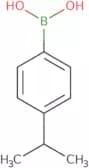
CAS:<p>4-Isopropylphenylboronic acid is a chiral organic chemical that is used as a Grignard reagent. It is an optically pure compound that can be isolated by recrystallization. The optical purity of 4-isopropylphenylboronic acid has been confirmed by the red shift observed in its IR spectrum. This compound undergoes nucleophilic substitution reactions, and it also catalyses the hydrostannylation of styrene with phenyllithium or butyllithium. The synthesis of this molecule requires relatively mild reaction conditions, and it can be obtained in high yield.</p>Formula:C9H13BO2Purity:Min. 95%Color and Shape:PowderMolecular weight:164.01 g/mol(2E)-3-(2,4-Dichlorophenyl)acrylic acid
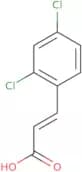
CAS:<p>Glyoxylate is an intermediate product of the shikimate pathway. It is a substrate for the enzyme tyrosinase, which catalyzes the hydroxylation of glyoxylate to form 3,4-dihydroxyphenylalanine (DOPA). This reaction is followed by the oxidation of DOPA to form o-quinone. Glyoxylate has also been shown to have neuromuscular junctions and may be involved in inhibiting muscle contraction.</p>Formula:C9H6Cl2O2Purity:Min. 95%Molecular weight:217.05 g/molGlycodeoxycholic acid sodium salt
CAS:Controlled Product<p>Glycodeoxycholic acid sodium salt is a bile acid derivative, which is a biochemical compound sourced from the metabolism of bile acids in the liver. It plays a role in bile acid signaling pathways and lipid emulsification. The mode of action involves mimicking natural bile acids, facilitating the emulsification and absorption of dietary fats in the gastrointestinal tract, and potentially participating in signaling pathways that regulate cholesterol metabolism.</p>Formula:C26H42NNaO5Purity:Min. 95 Area-%Color and Shape:White PowderMolecular weight:471.61 g/mol3H-Imidazo[4,5-c]pyridine-7-carboxylic acid
CAS:<p>3H-Imidazo[4,5-c]pyridine-7-carboxylic acid is a useful chemical that can be used as a reaction component for the synthesis of other compounds. It is an intermediate in the synthesis of many other chemicals. 3H-Imidazo[4,5-c]pyridine-7-carboxylic acid is a high quality chemical with a CAS number of 1234616-39-7.</p>Formula:C7H5N3O2Purity:Min. 95 Area-%Color and Shape:PowderMolecular weight:163.13 g/molGonadorelin acetate
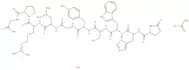
CAS:<p>Gonadorelin acetate is a synthetic peptide agonist, which is an analog of the naturally occurring gonadotropin-releasing hormone (GnRH). It is derived from a synthetic process designed to mimic the structure and function of endogenous GnRH. Gonadorelin acetate functions by stimulating the anterior pituitary gland to release two critical hormones: luteinizing hormone (LH) and follicle-stimulating hormone (FSH). These hormones play a pivotal role in regulating reproductive processes, including ovulation and spermatogenesis.</p>Formula:C55H75N17O13·xC2H4O2Purity:Min. 98 Area-%Color and Shape:White PowderMolecular weight:1182.2918-(Tert-butoxy)-18-oxooctadecanoic acid
CAS:<p>18-(tert-butoxy)-18-oxooctadecanoic acid is a fatty acid-based linker providing hydrophobic anchoring. In standard biological conditions, it is non-cleavable.</p>Formula:C22H42O4Purity:Min. 95%Color and Shape:White Off-White PowderMolecular weight:370.57 g/mol3-Amino-2-pyrazinecarboxylic acid methyl ester
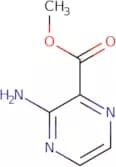
CAS:<p>3-Amino-2-pyrazinecarboxylic acid methyl ester (3APCME) is a potent anti-mycobacterial agent that inhibits the growth of Mycobacterium tuberculosis by inhibiting the synthesis of amines, which are necessary for its survival. 3APCME has also been shown to have an inhibitory effect on other bacteria that require amines for their survival, such as Escherichia coli. This agent binds to the receptor and inhibits the enzyme pyrazinase in the reaction of phenoxy with dimethylformamide. The molecular modeling studies show that 3APCME is able to bind to a hydrophobic region on the enzyme's surface and form a covalent bond through nucleophilic attack. The asymmetric synthesis results in the production of one enantiomer of 3APCME and allows for greater efficacy against mycobacteria than other agents.</p>Formula:C6H7N3O2Purity:Min. 95%Color and Shape:PowderMolecular weight:153.14 g/mol11-Azido-3,6,9-trioxaundecanoic acid
CAS:<p>11-Azido-3,6,9-trioxaundecanoic acid is a glycan that is expressed by cancer cells. Cancer cells are able to produce 11-azido-3,6,9-trioxaundecanoic acid in response to a variety of stimuli. The compound has been shown to be an immunogenic antigen for the generation of antibodies against cancer cells. Lectins can be used to detect glycosylated proteins and glycoconjugates on cell surfaces and can also be used to immobilize them. Immobilized lectins have been used as an alternative method of detecting glycolipids and glycoconjugates on cell surfaces with high sensitivity and specificity. This glycan has been conjugated with cetuximab to target colon cancer cells. Cetuximab is a monoclonal antibody that binds specifically to the epidermal growth factor receptor (EGFR) found on the surface of many colorectal</p>Formula:C8H15N3O5Purity:(¹H-Nmr) Min. 95 Area-%Color and Shape:Clear LiquidMolecular weight:233.22 g/molGlycoursodeoxycholic acid
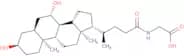
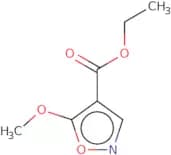
CAS:<p>Glycoursodeoxycholic acid (GUDCA) is a bile acid that is synthesized from glycine and ursodeoxycholic acid. It has been shown to have an antioxidant effect in a model system of oxidative injury. GUDCA has also been found to attenuate the effects of bile acid on bowel disease, as well as metabolic disorders such as energy metabolism and bile acid homeostasis. GUDCA may be used as a therapeutic treatment for metabolic disorders, including obesity and diabetes. GUDCA may also be effective in treating neurological diseases such as Alzheimer's disease and Parkinson's disease.</p>Formula:C26H43NO5Purity:Min. 96 Area-%Color and Shape:White PowderMolecular weight:449.62 g/mol5-Methoxyisoxazole-4-carboxylic acid ethyl ester
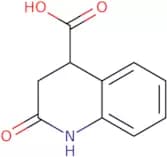
CAS:<p>5-Methoxyisoxazole-4-carboxylic acid ethyl ester is a fine chemical that has been used as a reagent, speciality chemical, and complex building block. It is also useful as a versatile intermediate for the synthesis of other organic compounds. 5-Methoxyisoxazole-4-carboxylic acid ethyl ester has been shown to react with alcohols and amines to form ethers and amides respectively. The compound can be used in the synthesis of polymers and pharmaceutical intermediates. 5-Methoxyisoxazole-4-carboxylic acid ethyl ester has a molecular weight of 210.24 g/mol and CAS No. 1314983-30-6.</p>Formula:C7H9NO4Purity:Min. 95%Molecular weight:171.15 g/mol2-Oxo-1,2,3,4-tetrahydroquinoline-4-carboxylic acid
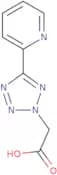
CAS:<p>2-Oxo-1,2,3,4-tetrahydroquinoline-4-carboxylic acid is a carboxylic acid that is an intermediate in the chemical synthesis of 2H and 3H tetrahydroquinolines. It can be synthesized by the oxidation of 2-(N,N-dimethylamino)benzaldehyde with hydrogen peroxide in methanol. The compound has been used to label animals for use in mass spectrometry studies and as a reactant in electron and nuclear magnetic resonance (NMR) spectroscopy experiments. In addition, 2-oxo-1,2,3,4-tetrahydroquinoline-4-carboxylic acid has been used to study equilibrium and reversible reactions as well as to identify the abundances of different spectral peaks. 2-Oxo-1,2,3,4-tetrahydroquinoline-4</p>Formula:C10H9NO3Purity:Min. 95%Molecular weight:191.18 g/mol(5-Pyridin-2-yl-2H-tetrazol-2-yl)acetic acid
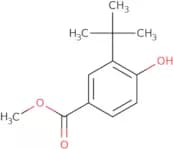
CAS:<p>5-Pyridin-2-yl-2H-tetrazol-2-yl)acetic acid is a chemical compound that can be used as a research chemical, reagent, or speciality chemical in the synthesis of pharmaceuticals, pesticides, and other organic compounds. It is also an intermediate for the production of other compounds and has been shown to have antioxidant properties. 5-(pyridin-2-yl)-2H tetrazole is a useful building block in the synthesis of complex compounds and scaffolds.</p>Formula:C8H7N5O2Purity:Min. 95%Color and Shape:PowderMolecular weight:205.17 g/mol3-tert-Butyl-4-hydroxybenzoic acid methyl ester
CAS:<p>3-tert-Butyl-4-hydroxybenzoic acid methyl ester is a chemical compound with the molecular formula CHCOOCH. It is a versatile building block that can be used in research and as a useful intermediate. 3-tert-Butyl-4-hydroxybenzoic acid methyl ester can be used to synthesize complex compounds, such as pharmaceuticals and pesticides. The high quality of this product makes it suitable for use as a reagent or reaction component.<br>!-- <br>--> !-- <br>--> !-- <br>--></p>Formula:C12H16O3Purity:Min. 98 Area-%Color and Shape:PowderMolecular weight:208.25 g/mol4-Bromobutyric acid methyl ester
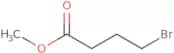
CAS:<p>4-Bromobutyric acid methyl ester is a synthetic compound that can be used to inhibit the activity of the G1 phase cyclin-dependent kinases. It has been shown to inhibit protein synthesis by alkylating the amino groups of proteins and fatty acids. 4-Bromobutyric acid methyl ester also inhibits the growth of cancer cell lines, such as renal carcinoma cells. The mechanism of action for this drug is not well understood, but it may be due to its ability to bind with monoclonal antibodies and enter kidney cells by passive diffusion.</p>Formula:C5H9BrO2Purity:Min. 95%Color and Shape:Clear LiquidMolecular weight:181.03 g/mol2-Oxo-3-methylbutanoic acid
CAS:<p>2-Oxo-3-methylbutanoic acid is a metabolite that belongs to the group of pantothenic acids. It is synthesized from pantothenate by enzymes in mitochondria, and also occurs as a metabolic intermediate in the body. 2-Oxo-3-methylbutanoic acid has been shown to have potential as a biomarker for congestive heart failure and obesity. The biochemical properties of this metabolite are not yet well understood. However, it has been shown to be an active component in vivo that may play an important role in energy metabolism. Structural analysis on this metabolite has revealed that it can bind calcium ions and form calcium pantothenate, which may be involved in the synthesis of ATP. X-ray diffraction data collected on this metabolite has shown that it has structural similarities with α subunit (ATP synthase). Dehydrogenase activity and calorimetric titration experiments have demonstrated that 2-ox</p>Formula:C5H8O3Purity:Min. 95%Color and Shape:Clear Liquid Solidified MassMolecular weight:116.12 g/mol5-Bromothiophene-2-carboxylic acid methyl ester
CAS:<p>5-Bromothiophene-2-carboxylic acid methyl ester is an alkene that is used in the synthesis of molybdenum trioxide and other polyhalogenated compounds. It can be prepared by alkylation of 5-bromothiophene with ethyl bromoacetate in the presence of carbon tetrachloride and a halide, such as bromine. The use of photophysical optimization has been shown to significantly improve the yield of this reaction. The reactive nature of 5-bromothiophene-2-carboxylic acid methyl ester makes it suitable for use in organic synthesis. This compound has been shown to have a positive effect on bone mass, which may be due to its ability to inhibit osteoclasts, reducing the activity of these cells that break down bone tissue.</p>Formula:C6H5BrO2SPurity:Min. 95%Color and Shape:PowderMolecular weight:221.07 g/mol1-[(5-Methoxy-1-methyl-1H-indol-3-yl)methyl]piperidine-4-carboxylic acid
CAS:Controlled Product<p>Please enquire for more information about 1-[(5-Methoxy-1-methyl-1H-indol-3-yl)methyl]piperidine-4-carboxylic acid including the price, delivery time and more detailed product information at the technical inquiry form on this page</p>Formula:C17H22N2O3Purity:Min. 95%Molecular weight:302.37 g/molSuberic acid
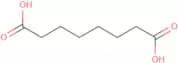
CAS:<p>Suberic acid is a sodium salt that is soluble in water. It has been shown to have biochemical properties, such as x-ray crystal structures and biocompatible polymer. Suberic acid has been shown to be effective against a number of human tumor cell lines and can inhibit the growth of hl-60 cells in vitro. Suberic acid is also found to have anti-inflammatory properties, which may be due to its inhibition of prostaglandin synthesis. The hydroxyl groups on the aromatic ring allow it to form hydrogen bonding interactions with other molecules. Suberic acid also has the ability to form complexes with vancomycin hydrochloride, providing an alternative drug for treating infectious diseases caused by methicillin-resistant Staphylococcus aureus (MRSA).</p>Formula:C8H14O4Purity:Min. 98%Color and Shape:White PowderMolecular weight:174.19 g/mol3-Bromopyruvic acid
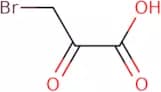
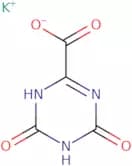
CAS:<p>3-Bromopyruvic acid is a small molecule that inhibits an enzyme called dextran sulfate reductase. This enzyme is involved in the formation of sulfate in the body and is important for glycolysis, which is the process by which cells break down glucose to produce energy. 3-Bromopyruvic acid inhibits both cancer cells and normal cells, but has a greater effect on cancer cells. This compound also causes caspase-independent cell death, which means that it does not activate pro-apoptotic proteins. It may work by targeting enzymes involved in energy metabolism or by inhibiting DNA polymerase activity.</p>Formula:C3H3BrO3Purity:Min. 95%Color and Shape:PowderMolecular weight:166.96 g/molOxonic acid potassium
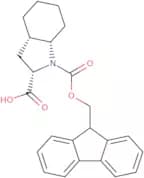
CAS:<p>Oxonic acid potassium is a selectively competitive uricase inhibitor that avoids excretion of uric acid. It also inhibits the activity of orotate phosphoribosyltransferase (OPRT), an enzyme needed for the biosynthesis of pyrimidine nucleotides. Oxonic acid potassium catalyzes the phosphorylation of 5-fluorouracil (FF05372, BF166014) to 5-fluorouridine-5'-monophosphate (NF31487). In certain studies with rats, it has been shown that oxonic accid potassium suppresses the gastrointestinal toxicity of 5-fluorouracil or 5-FU without inhibiting the antitumor activity. Oxonic acid potassium, in combination with other prodrugs, boosts the antitumor activity and has shown positive results to treat gastric, pancreatic, lung, head, neck, and breast carcinomas.</p>Formula:C4H2KN3O4Purity:Min. 98 Area-%Color and Shape:PowderMolecular weight:195.17 g/molFmoc-L-octahydroindole-2-carboxylic acid
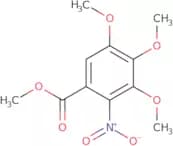
CAS:<p>Fmoc-L-octahydroindole-2-carboxylic acid is a synthetic amino acid that is used in the synthesis of peptides and proteins. It has been shown to be an agonistic ligand for the acetylcholine receptor and may be used as an anti-inflammatory drug. Fmoc-L-octahydroindole-2-carboxylic acid is synthesized by combining piperidine and fmoc-glycine, followed by condensation with iminoacetic acid. The synthesis of this compound can be achieved through solid phase synthesis or chemical methods. The removal of the FMOC group requires acidic conditions such as trifluoroacetic acid or hydrochloric acid.</p>Formula:C24H25NO4Purity:Min. 98 Area-%Color and Shape:White PowderMolecular weight:391.46 g/mol2-Nitro-3,4,5-trimethoxybenzoic acid methyl ester
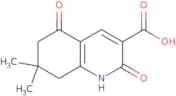
CAS:<p>2-Nitro-3,4,5-trimethoxybenzoic acid methyl ester is a potential anticancer agent. It has been shown to inhibit the growth of cancer cells in vitro and demonstrates anticancer activity against human tumor xenografts in mice. This compound binds to the epidermal growth factor receptor (EGFR) and inhibits its activity. This binding causes downstream signalling pathways to be suppressed, which ultimately prevents tumor cells from proliferating. 2-Nitro-3,4,5-trimethoxybenzoic acid methyl ester also has directional properties that may allow for selective targeting of cancerous cells.<br>2-Nitro-3,4,5-trimethoxybenzoic acid methyl ester is a white crystalline powder with an orthorhombic crystal system and an amine group on each end of the molecule.</p>Formula:C11H13NO7Purity:Min. 95%Color and Shape:PowderMolecular weight:271.22 g/mol7,7-Dimethyl-2,5-dioxo-1,2,5,6,7,8-hexahydroquinoline-3-carboxylic acid
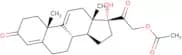
CAS:<p>Please enquire for more information about 7,7-Dimethyl-2,5-dioxo-1,2,5,6,7,8-hexahydroquinoline-3-carboxylic acid including the price, delivery time and more detailed product information at the technical inquiry form on this page</p>Formula:C12H13NO4Purity:Min. 95%Color and Shape:PowderMolecular weight:235.24 g/molAnecortave acetate
CAS:Controlled Product<p>Anecortave acetate is a steroid that has been shown to inhibit angiogenesis and has been approved for the treatment of proliferative diabetic retinopathy. It is a prodrug that undergoes enzymatic cleavage by esterases to release the active form, acetate. This drug is found in high concentrations in the sclera, which could be related to its ability to inhibit angiogenesis. Anecortave acetate inhibits viral replication and inflammation by binding to receptors on cells with these functions. Anecortave acetate also binds to monoclonal antibodies that are used as imaging agents for angiography and fluorescein angiography studies. The anti-angiogenic properties of this drug have been studied using pharmacokinetics studies, animal toxicity studies, and chemical biology approaches.</p>Formula:C23H30O5Purity:Min. 96 Area-%Color and Shape:White Off-White PowderMolecular weight:386.48 g/mol3-Ethoxycinnamic acid
CAS:<p>3-Ethoxycinnamic acid is a polyhydric alcohol that has been shown to inhibit the growth of various microorganisms. 3-Ethoxycinnamic acid inhibits the growth of microorganisms by binding to the alkenyl groups in the cell membrane, thereby preventing them from synthesizing their own fatty acids. The binding of 3-ethoxycinnamic acid to alkali metal ions also prevents their uptake into the cell, which leads to an accumulation of these ions outside the cell and eventually results in cell death. 3-Ethoxycinnamic acid is soluble in water and may be used as a stain or quaternary ammonium compound.</p>Formula:C11H12O3Purity:Min. 95%Color and Shape:SolidMolecular weight:192.21 g/mol[(8b)-1,6-Dimethylergolin-8-yl)methyl]carbamic acid phenylmethyl ester
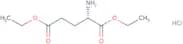
CAS:<p>Ergolines are a class of drugs that bind to serotonin receptors. The ergoline derivative [(8b)-1,6-dimethylergolin-8-yl)methyl]carbamic acid phenylmethyl ester (DMPE) is a potent and selective 5-hydroxytryptamine (5-HT) receptor antagonist. DMPE has been shown to have the ability to increase serum prolactin levels in rats and antagonize the effects of metergoline in monkeys. It also reduces blood pressure in animals by blocking the vasoconstrictor effect of 5-HT on vascular smooth muscle cells.</p>Formula:C25H29N3O2Purity:Min. 95%Color and Shape:White PowderMolecular weight:403.52 g/molL-Glutamic acid diethyl ester HCl
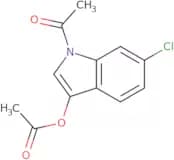
CAS:<p>L-glutamic acid diethyl ester hydrochloride (GDE) is an experimental drug that inhibits the activity of glutamic acid decarboxylase, an enzyme that catalyses the production of glutamate. GDE has been shown to decrease locomotor activity in rats and to cause neuronal death in cerebellar Purkinje neurons. It also has low potency as a neurotransmitter. L-Glutamic acid diethyl ester hydrochloride has been shown to be effective against autoimmune diseases and metabolic disorders, although it did not show significant effects on pharmacokinetic properties or glutamate levels in experimental models.</p>Formula:C9H17NO4·HClPurity:Min. 95%Color and Shape:PowderMolecular weight:239.7 g/mol6-Chloro-3-indolyl 1,3-diacetate
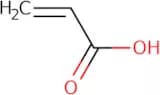
CAS:<p>6-Chloro-3-indolyl 1,3-diacetate is an aglycone that is used as a chromogenic substrate for the detection of bacteria. It reacts with specific enzymes in the bacterial cell wall to produce a red or pink color. 6-Chloro-3-indolyl 1,3-diacetate is used as a diagnostic tool to identify bacteria and has been shown to be excreted in urine.</p>Formula:C12H10ClNO3Purity:Min. 95%Color and Shape:Yellow To Light Brown SolidMolecular weight:251.67 g/molPoly(acrylic acid) solution
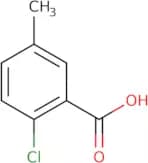
CAS:<p>Poly(acrylic acid) solution is a polymer that is used in water treatment. It has been shown to be effective in removing sulfate and carbonates from water. Poly(acrylic acid) solution has a molecular weight of about 10,000 Daltons and a number average molecular weight of about 4,000 Daltons. This solution is supersaturated with poly(acrylic acid) but it does not form crystals because it crystallizes at high temperature and pressure. The polymers are adsorbed onto the surface of the particles in the water and then can form crystals when the polymers are forced to nucleate by lowering the temperature or increasing the force applied to them.</p>Formula:(C3H4O2)xColor and Shape:Colorless Clear Liquid2-Chloro-5-methylbenzoic acid
CAS:<p>2-Chloro-5-methylbenzoic acid is a carcinogenic substance that is used in the manufacturing of acridine dyes. It can be found in both solid and liquid forms and has an experimental solubility range of 0.01 to 1.0g/100ml at 25°C. 2-Chloro-5-methylbenzoic acid is soluble in water and has a solute activity coefficient of 1.2, which means it is fairly soluble in water. This chemical also exhibits high reactivity with other compounds that are dissolved in water. The chemical reacts with hydrogen sulfide to produce sulfur dioxide gas, ammonia, and hydrochloric acid, as well as with nitric oxide to produce nitrous oxide, nitrogen dioxide gas, and nitric acid.</p>Formula:C8H7ClO2Purity:Min. 95%Color and Shape:PowderMolecular weight:170.59 g/molL-Valyl-L-glutamic acid
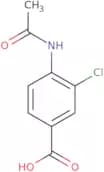
CAS:<p>L-Valyl-L-glutamic acid is a versatile building block that can be used in the synthesis of complex compounds, research chemicals, and reagents. It is a high quality, useful intermediate for the production of speciality chemicals or reaction components. L-Valyl-L-glutamic acid is also a useful scaffold for the synthesis of new drugs. The CAS number for this compound is 3062-07-5.</p>Formula:C10H18N2O5Purity:Min. 95 Area-%Color and Shape:White Off-White PowderMolecular weight:246.26 g/mol4-(Acetylamino)-3-chlorobenzoic acid
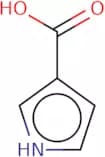
CAS:<p>4-(Acetylamino)-3-chlorobenzoic acid is a fine chemical that can be used as a building block in research, as a reagent in the synthesis of complex compounds, or as an intermediate for the synthesis of versatile scaffolds. This compound has been shown to be an effective starting material for the preparation of 4-aminomethylbenzoic acid derivatives. It is soluble in water and has a melting point of 215°C.</p>Formula:C9H8ClNO3Purity:Min. 95%Color and Shape:Pale brown solid.Molecular weight:213.62 g/mol1-H-Pyrrole-3-carboxylic acid
CAS:<p>The immobilized 1-H-pyrrole-3-carboxylic acid (1HP) is an amine that has been immobilized on a solid support. It is able to capture the growth factors and enzymes that are involved in immunoglobulin production and release. This immobilized 1HP has been used for the detection of albumin in urine samples, as well as for the determination of dopamine concentrations in blood plasma. The chemical composition of this immobilized 1HP has been determined by means of electrochemical impedance spectroscopy (EIS). The EIS results showed that it contains a few amines, which are responsible for its covalent linkages with the solid support.</p>Formula:C5H5NO2Purity:Min. 95%Color and Shape:Off-White PowderMolecular weight:111.1 g/molPimelic acid
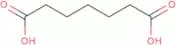
CAS:<p>Pimelic acid is a dicarboxylic acid that has been found to be the precursor of malonic acid in bacteria. It has an acidic nature and significant cytotoxicity, as well as a hydroxyl group that coordinates with nitrogen atoms. Pimelic acid is stable in the presence of water vapor and air, making it difficult to synthesize. These properties have made pimelic acid a topic of interest for polymer compositions. X-ray crystal structures have shown that pimelic acid is composed of six carbons, three nitrogens, one oxygen, and one hydrogen atom.</p>Formula:C7H12O4Color and Shape:PowderMolecular weight:160.17 g/molValproic acid semisodium
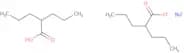
CAS:Controlled Product<p>Valproic acid is a medication used to treat seizures and other conditions. Valproic acid has been shown to be effective in the treatment of metabolic disorders such as hyperammonemia, hypertriglyceridemia, and hypoglycemia. It also has been shown to be an effective treatment for bipolar disorder. Valproic acid does have side-effect profiles that include weight gain, nausea, vomiting, and hair loss. Side effects are more likely to develop when valproic acid is taken with other medications such as erythromycin or divalproex sodium. Valproic acid can cause hypersensitivity syndrome in some patients. In order to avoid this side effect, blood sampling should be done before starting treatment. Valproic acid is metabolized by the liver into the active form, divalproex sodium (divalproex), which then inhibits the enzyme histone deacetylase (HDAC). The inhibition of HDAC leads to an increase in</p>Formula:C8H16O2•Na0Purity:Min. 95%Color and Shape:White to off-white solid.Molecular weight:311.41 g/molGypsogenic acid
CAS:Controlled Product<p>Gypsogenic acid is a triterpenoid saponin that is found in the leaves of the plant Gypsophila paniculata. It has been shown to have hemolytic activity and protein synthesis inhibition. This compound is membrane permeable, which makes it an effective antibacterial agent. Gypsogenic acid also has anticancer properties, as it inhibits tumor growth and induces apoptosis in cancer cells. The chemical structure of gypsogenic acid consists of a sugar backbone with a fatty acid tail at one end. The glycosidic bond between the sugar and the fatty acid renders this compound soluble in water, which accounts for its hemolytic activity.</p>Formula:C30H46O5Purity:Min. 95%Color and Shape:PowderMolecular weight:486.68 g/mol3,4-Dihydroxybenzoic acid methyl ester
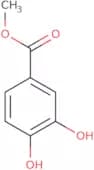
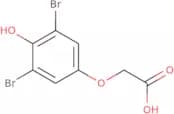
CAS:<p>3,4-Dihydroxybenzoic acid methyl ester is a natural compound that has been isolated from Linteus. This compound has been shown to have antiinflammatory activity and to inhibit the production of pro-inflammatory cytokines, such as tumor necrosis factor-alpha (TNF-α) and interleukin 1β (IL-1β). It also inhibits toll-like receptor 4 (TLR4), which is a protein that can bind to lipopolysaccharides on the surface of bacteria. 3,4-Dihydroxybenzoic acid methyl ester has been found to decrease mitochondrial membrane potential in cells treated with hydrogen fluoride. This agent is used in organic synthesis for the preparation of derivatives with high purity. The extract from Etoac can be used as a model organism for the study of its structure and function.</p>Formula:C8H8O4Purity:Min. 95%Color and Shape:PowderMolecular weight:168.15 g/mol3,5-Dibromo-4-hydroxyphenoxyacetic acid
CAS:<p>3,5-Dibromo-4-hydroxyphenoxyacetic acid is a versatile building block that can be used as a reagent in the synthesis of various complex compounds. It is also useful for research and development of new drugs. This chemical has been shown to be an effective precursor for the synthesis of pharmaceuticals, such as HTS-1 and HTS-2.</p>Formula:C8H6Br2O4Purity:Min. 95%Color and Shape:PowderMolecular weight:325.94 g/mol2-Chloro-4-hydroxybenzoic acid monohydrate
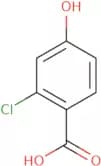
CAS:<p>2-Chloro-4-hydroxybenzoic acid monohydrate is a fine chemical that is used as a building block for research chemicals. It is an important reagent for the synthesis of complex compounds and can be used as a versatile building block for the synthesis of polymers and pharmaceuticals. 2-Chloro-4-hydroxybenzoic acid monohydrate has been used to synthesize a range of novel polymers with potential application in materials science, medicine, and electronics. This compound is also a useful intermediate in organic synthesis reactions and can be used as a scaffold to produce more complex molecules.</p>Formula:C7H5ClO3·H2OPurity:Min. 95%Color and Shape:White PowderMolecular weight:190.58 g/molNb-N-(benzhydryloxycarbonyl)cytosine)-1-acetic acid
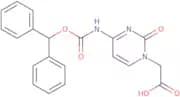
CAS:<p>Nb-N-(benzhydryloxycarbonyl)cytosine)-1-acetic acid is a speciality chemical that is used as a reagent, building block, and scaffold for organic synthesis. This compound can be used in various reactions to produce complex compounds with high purity. Nb-N-(benzhydryloxycarbonyl)cytosine)-1-acetic acid is an excellent starting material for the production of fine chemicals, research chemicals, and versatile building blocks. It is also a useful intermediate for the production of pharmaceuticals and other useful compounds.</p>Formula:C20H17N3O5Purity:Min. 98 Area-%Color and Shape:White PowderMolecular weight:379.37 g/molN-Succinimidyl-S-acetylthioacetate
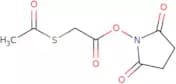
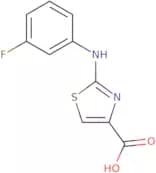
CAS:<p>N-Succinimidyl-S-acetylthioacetate is an acetylating agent that has a reactive group, which is the succinimidyl ester. The chain reaction of this agent with thiols leads to the formation of acetic acid and a thioester. The reactivity of these molecules can be used to introduce functional groups onto proteins, such as polyclonal antibodies, b16 mouse melanoma cells, epidermal growth factor, and blood group antigens. N-Succinimidyl-S-acetylthioacetate reacts with lysine residues on the protein surface and human serum albumin by incorporating acetate groups into their amino acid chains. This agent can also be used in laboratory diagnosis for identifying bacteria and viruses.</p>Formula:C8H9NO5SPurity:Min. 95%Color and Shape:White PowderMolecular weight:231.23 g/mol2-((3-Fluorophenyl)amino)-1,3-thiazole-4-carboxylic acid
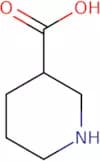
CAS:<p>Please enquire for more information about 2-((3-Fluorophenyl)amino)-1,3-thiazole-4-carboxylic acid including the price, delivery time and more detailed product information at the technical inquiry form on this page</p>Formula:C10H7FN2O2SPurity:Min. 95%Color and Shape:PowderMolecular weight:238.24 g/molNipecotic acid
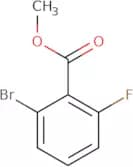
CAS:<p>Nipecotic acid is a competitive inhibitor of glutamate. It binds to the extracellular site of the glutamate-gated chloride channel and blocks the influx of chloride ions into the cell, resulting in an increase in intracellular chloride ion concentrations. Nipecotic acid has been shown to have a variety of effects on behaviour, including increased rotarod performance and improved motor learning in rats. This drug also inhibits uptake of hydrogen tartrate into cells, which is essential for catabolism of glucose by glycolysis. The effect on locomotor activity was not observed when nipecotic acid was administered orally or intraperitoneally. Nipecotic acid has a high resistance to hydrolysis by p-hydroxybenzoic acid and is used as an analytical standard for this compound.</p>Formula:C6H11NO2Color and Shape:PowderMolecular weight:129.15 g/mol2-Bromo-6-fluorobenzoic acid methyl ester
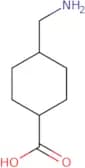
CAS:<p>2-Bromo-6-fluorobenzoic acid methyl ester is a fine chemical that belongs to the family of brominated compounds. It is a useful building block in the synthesis of diverse organic molecules, as well as a reagent for research and speciality chemicals. 2-Bromo-6-fluorobenzoic acid methyl ester is used as a versatile building block in the synthesis of complex compounds, as well as an intermediate or scaffold in organic chemistry. This product can be used to synthesize many diverse products while maintaining high quality and purity.</p>Formula:C8H6BrFO2Purity:Min. 95%Color and Shape:PowderMolecular weight:233.03 g/moltrans-Tranexamic acid
CAS:<p>Trans-tranexamic acid is a drug that has been used in cardiac surgery and to control blood loss during childbirth. It is also used to treat people with bowel disease who have heavy or prolonged bleeding. Trans-tranexamic acid works by inhibiting the activity of plasminogen activators, which are enzymes that break down fibrin clots. Tranexamic acid has been shown to be effective for treating people with severe sepsis and meningitis, although it does not appear to be effective for treating malaria. Trans-tranexamic acid binds to plasminogen activator inhibitor type 1 (PAI-1), preventing its activation and, therefore, preventing the breakdown of fibrin clots. Tranexamic acid also prevents the release of histamine from mast cells and basophils, which may contribute to its anti-inflammatory effects.</p>Formula:C8H15NO2Purity:Min. 98 Area-%Color and Shape:White PowderMolecular weight:157.21 g/molMoexipril tert-butyl ester maleic acid salt
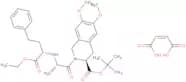
CAS:<p>Moexipril tert-butyl ester maleic acid salt is a high quality reagent that is used as a useful intermediate in the synthesis of complex compounds. Moexipril tert-butyl ester maleic acid salt has been shown to be a useful scaffold in the synthesis of speciality chemicals, research chemicals, and versatile building blocks. It is also used as a reaction component in the production of fine chemicals and other useful substances.</p>Formula:C35H46N2O11Purity:Min. 95%Molecular weight:670.75 g/mol[Nitrilotris(methylene)]tris-phosphonic acid pentasodiumsalt - 38.0 to 42.0%, in water
CAS:<p>Nitrilotris(methylene)tris-phosphonic acid pentasodiumsalt is a compound that has antimicrobial properties. The product is used as a corrosion inhibitor, wetting agent, and pH control agent in water treatment. It is also used as an antimicrobial additive to paints and coatings. Nitrilotris(methylene)tris-phosphonic acid pentasodiumsalt inhibits the activity of matrix metalloproteinases and has been shown to be effective against bacterial strains such as Staphylococcus aureus, Streptococcus pneumoniae, Escherichia coli, Enterobacter cloacae, Pseudomonas aeruginosa, and Candida albicans.<br>br><br>Nitrilotris(methylene)tris-phosphonic acid pentasodiumsalt is also an acidic chemical with a pH of 2 to 3. It is also mainly composed of an aliphatic</p>Formula:C3H7NNa5O9P3Color and Shape:Clear LiquidMolecular weight:408.96 g/mol4-[2'-(7''-Deazaguanine)ethyl]benzoic acid N-hydroxysuccinimide ester
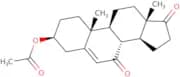
CAS:<p>4-[2'-(7''-Deazaguanine)ethyl]benzoic acid N-hydroxysuccinimide ester is a useful intermediate in the synthesis of 7''-deazaguanine, which is a key building block in the synthesis of DNA. 4-[2'-(7''-Deazaguanine)ethyl]benzoic acid N-hydroxysuccinimide ester is a versatile building block that can be used in the synthesis of complex compounds. It has been shown to react with amines, sulfonyl chlorides, and epoxides to form amides, sulfonamides, and epoxy amines respectively. The CAS number for this compound is 204257-65-8.</p>Formula:C19H17N5O5Purity:Min. 95%Molecular weight:395.37 g/mol7-Oxo-dehydroepiandrosterone acetate
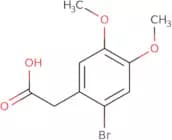
CAS:Controlled Product<p>7-Oxo-dehydroepiandrosterone acetate is a versatile building block that can be used in the synthesis of complex compounds and as a research chemical. It is a reagent, speciality chemical, and useful scaffold for the synthesis of new drugs. 7-Oxo-dehydroepiandrosterone acetate is also used in the manufacturing process as an intermediate or reaction component. The CAS number for this product is 1449-61-2.</p>Formula:C21H28O4Purity:Min. 95%Color and Shape:White Off-White PowderMolecular weight:344.44 g/mol2-Bromo-4,5-dimethoxyphenylacetic acid
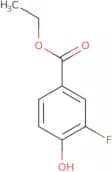
CAS:<p>2-Bromo-4,5-dimethoxyphenylacetic acid is a synthetic compound that has been shown to be effective in the treatment of cancer. It acts by inhibiting the growth and proliferation of cancer cells. 2-Bromo-4,5-dimethoxyphenylacetic acid inhibits cancer cell division by amide formation with DNA, leading to DNA strand breakage. This drug also prevents the growth and proliferation of cancer cells by preventing their division. 2-Bromo-4,5-dimethoxyphenylacetic acid is used as a precursor for other anti-cancer agents that are synthesized from it and have increased potency.</p>Formula:C10H11BrO4Purity:Min. 95%Color and Shape:PowderMolecular weight:275.1 g/mol3-Fluoro-4-hydroxybenzoic acid ethyl ester
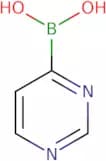
CAS:<p>3-Fluoro-4-hydroxybenzoic acid ethyl ester is a versatile building block that is used as a reagent in organic synthesis. It has the CAS number 56355-21-6. This compound has been shown to be useful for the synthesis of various pharmaceuticals and other complex compounds, such as 3-fluoro-4-(2,2,2-trifluoroethoxy)benzoic acid ethyl ester.</p>Formula:C9H9FO3Purity:Min. 95%Color and Shape:PowderMolecular weight:184.16 g/molPyrimidine-4-boronic acid
CAS:<p>Pyrimidine-4-boronic acid is a pyrimidine derivative that is used as a building block or intermediate in organic chemistry. It has the CAS number 852362-24-4 and can be found in research chemicals and speciality chemicals. Pyrimidine-4-boronic acid is a versatile chemical with many uses, including as a reaction component or reagent. This compound has many properties that make it useful for synthesis, such as its low toxicity and high quality.</p>Formula:C4H5BN2O2Purity:Min. 95 Area-%Color and Shape:PowderMolecular weight:123.91 g/mol





![Ethyl (1,3,6-trimethyl-2,4-dioxo-2,3,4,7-tetrahydro-1H-pyrrolo[2,3-d]pyrimidin-5-yl)acetate](/_next/image/?url=https%3A%2Fstatic.cymitquimica.com%2Fproducts%2F3D%2Fthumb-webp%2FFE128012.webp&w=3840&q=75)

![4-{[(Dimethylamino)sulfonyl]amino}benzoic acid](/_next/image/?url=https%3A%2Fstatic.cymitquimica.com%2Fproducts%2F3D%2Fthumb-webp%2FFD132762.webp&w=3840&q=75)


![Ethyl 5-chloropyrazolo[1,5-a]pyrimidine-3-carboxylate](/_next/image/?url=https%3A%2Fstatic.cymitquimica.com%2Fproducts%2F3D%2Fthumb-webp%2FFE44325.webp&w=3840&q=75)
![3H-Imidazo[4,5-c]pyridine-7-carboxylic acid](/_next/image/?url=https%3A%2Fstatic.cymitquimica.com%2Fproducts%2F3D%2Fthumb-webp%2FFI167598.webp&w=3840&q=75)



![1-[(5-Methoxy-1-methyl-1H-indol-3-yl)methyl]piperidine-4-carboxylic acid](/_next/image/?url=https%3A%2Fstatic.cymitquimica.com%2Fproducts%2F3D%2Fthumb-webp%2FFM128176.webp&w=3840&q=75)

![[(8b)-1,6-Dimethylergolin-8-yl)methyl]carbamic acid phenylmethyl ester](/_next/image/?url=https%3A%2Fstatic.cymitquimica.com%2Fproducts%2F3D%2Fthumb-webp%2FFM12444.webp&w=3840&q=75)
![[Nitrilotris(methylene)]tris-phosphonic acid pentasodiumsalt - 38.0 to 42.0%, in water](/_next/image/?url=https%3A%2Fstatic.cymitquimica.com%2Fproducts%2F3D%2Fthumb-webp%2FFN153153.webp&w=3840&q=75)
![4-[2'-(7''-Deazaguanine)ethyl]benzoic acid N-hydroxysuccinimide ester](/_next/image/?url=https%3A%2Fstatic.cymitquimica.com%2Fproducts%2F3D%2Fthumb-webp%2FFD20837.webp&w=3840&q=75)