Carboxylic Acids
Carboxylic acids are organic molecules characterized by having a carboxyl-type functional group (-COOH). These acids are fundamental in various chemical reactions, including esterification, amidation, and decarboxylation. Carboxylic acids are widely used in the production of pharmaceuticals, polymers, and agrochemicals. In this section, you can find a large number of carboxylic acids ready to be used. At CymitQuimica, we provide a broad range of high-quality carboxylic acids to support your research and industrial applications.
Found 12453 products of "Carboxylic Acids"
Sort by
Purity (%)
0
100
|
0
|
50
|
90
|
95
|
100
7-Methyluric acid
CAS:Controlled Product<p>7-Methyluric acid is a purine derivative that is excreted in the urine. This compound can be used to measure the metabolic rate of an individual. 7-Methyluric acid reacts with caffeine to produce methylxanthines and uric acid, which are then measured by chromatographic methods. In order to measure the metabolic rate, a known amount of caffeine is given orally to Sprague-Dawley rats for a period of time, followed by measurement of 7-methyluric acid in their urine samples. The results show that the metabolic rate increases linearly with time.</p>Formula:C6H6N4O3Purity:Min. 95%Color and Shape:PowderMolecular weight:182.14 g/mol(2,4-Dioxo-1,4-dihydroquinazolin-3(2H)-yl)acetic acid
CAS:<p>Please enquire for more information about (2,4-Dioxo-1,4-dihydroquinazolin-3(2H)-yl)acetic acid including the price, delivery time and more detailed product information at the technical inquiry form on this page</p>Formula:C10H8N2O4Purity:Min. 95%Molecular weight:220.18 g/mol3-Nitropropionic acid
CAS:<p>3-Nitropropionic acid (3NPA) is a mitochondrial toxin that causes neuronal death by inhibiting complex enzyme activities and inducing reactive oxygen species production. 3NPA also alters mitochondrial membrane potential and induces pro-apoptotic protein expression, leading to neuronal cell death. 3NPA has been shown to be effective in the treatment of experimental models of infectious diseases, such as rat sepsis and human HIV infection, by reducing the number of activated T cells and CD4+ T cells. 3NPA also exhibits anti-inflammatory properties by inhibiting the inflammatory responses of monocytes/macrophages and neutrophils.</p>Formula:C3H5NO4Purity:Min. 95%Color and Shape:PowderMolecular weight:119.08 g/mol5-(5-Chloro-1-methyl-1H-benzimidazol-2-yl)pentanoic acid
CAS:Controlled Product<p>Please enquire for more information about 5-(5-Chloro-1-methyl-1H-benzimidazol-2-yl)pentanoic acid including the price, delivery time and more detailed product information at the technical inquiry form on this page</p>Formula:C13H15ClN2O2Purity:Min. 95%Molecular weight:266.72 g/mol5-(3-Hydroxyphenyl)isoxazole-3-carboxylic acid
CAS:<p>Please enquire for more information about 5-(3-Hydroxyphenyl)isoxazole-3-carboxylic acid including the price, delivery time and more detailed product information at the technical inquiry form on this page</p>Formula:C10H7NO4Purity:Min. 95%Molecular weight:205.17 g/mol3-(Fluorosulphonyl)Benzoic Acid
CAS:<p>3-(Fluorosulphonyl)benzoic acid is a potent anti-cancer drug that belongs to the class of natural products. It has been shown to exhibit anti-cancer activity against carcinoma cell lines. 3-(Fluorosulphonyl)benzoic acid inhibits DNA replication, RNA synthesis and protein synthesis by binding to the ribosome. This compound may also have chemopreventive effects on colorectal cancer through its ability to induce apoptosis in cancer cells. 3-(Fluorosulphonyl)benzoic acid is an analog of the natural product alkaloid cytisine, which is found in tobacco plants and has been used for centuries as a smoking cessation aid.</p>Formula:C7H5FO4SPurity:Min. 95%Molecular weight:204.18 g/molEthyl 2-(2-Amino-4-thiazolyl)-2-(hydroxyimino)acetate
CAS:<p>Ethyl 2-(2-amino-4-thiazolyl)-2-(hydroxyimino)acetate is a phosphomolybdate antibiotic that is used in the treatment of respiratory tract infections. It binds to the bacterial enzyme, phosphomolybdate oxidase, and inhibits the formation of acid in the body. The reaction solution is recycled and activated with an acid catalyst to increase the yield of acetonitrile. The ion-pair formed by ethyl 2-(2-amino-4-thiazolyl)-2-(hydroxyimino)acetate and sodium carbonate is nucleophilic and reacts with nitrous to produce acetonitrile as a side product.</p>Formula:C7H9N3O3SPurity:Min. 95%Molecular weight:215.23 g/mol4-(Butylamino)benzoic acid
CAS:<p>4-(Butylamino)benzoic acid is a non-steroidal anti-inflammatory drug (NSAID) that has been used to treat pain. It is a prodrug, which is metabolized in the liver to 4-(butylamino)-phenylacetic acid, its active form. The 4-(butylamino)benzoic acid molecule has a hydrophobic effect and binds to chloride ions. This binding inhibits the production of prostaglandins, which are mediators of pain. 4-(Butylamino)benzoic acid also reduces the activity of plasma cells that produce antibodies and increases the activity of lymphocytes and platelets, leading to an increase in immunoglobulin levels.</p>Formula:C11H15NO2Purity:Min. 95%Color and Shape:PowderMolecular weight:193.24 g/mol(2-Hydroxyphenyl)boronic acid
CAS:<p>(2-Hydroxyphenyl)boronic acid is an organic compound that contains a boronate ester group and a hydroxyl group. It is used in the synthesis of lysine-containing peptides, proteins, and other compounds. (2-Hydroxyphenyl)boronic acid is synthesized by cross-coupling reactions using palladium-catalyzed coupling reactions. The most common type of reaction is the Suzuki coupling reaction, which involves the addition of an aryl halide to an aryl or vinyl boronate ester. This reaction is carried out at elevated temperature in organic solvents such as tetrahydrofuran or dioxane. The yield for this reaction can be improved by using catalytic amounts of palladium acetate, which speeds up the rate at which the reaction occurs. The use of catalysts also decreases the need for high temperatures, making it possible to perform this process at</p>Formula:C6H7BO3Purity:Min. 95%Molecular weight:137.93 g/molComanic acid
CAS:<p>Comanic acid is an organic compound that is a derivative of pyridinium. It can be synthesized from acetyl chloride and pyridine by reaction with silver ions in the presence of ethyl esters. Comanic acid has been shown to have anticholinergic activity and inhibit prostatic hypertrophy in rats. It is metabolized to propantheline, which has been shown to be a molecule that binds to chemokine receptors, inhibiting chemotaxis of activated T lymphocytes.</p>Formula:C6H4O4Purity:Min. 95%Color and Shape:White To Yellow To Red SolidMolecular weight:140.09 g/moltert-Butyl 6-(aminomethyl)-1,4-oxazepane-4-carboxylate
CAS:<p>Please enquire for more information about tert-Butyl 6-(aminomethyl)-1,4-oxazepane-4-carboxylate including the price, delivery time and more detailed product information at the technical inquiry form on this page</p>Formula:C11H22N2O3Purity:Min. 95%Molecular weight:230.3 g/mol2-(Dimethylaminocarbonyl)ethylboronic acid, pinacol ester
CAS:<p>Please enquire for more information about 2-(Dimethylaminocarbonyl)ethylboronic acid, pinacol ester including the price, delivery time and more detailed product information at the technical inquiry form on this page</p>Formula:C11H22BNO3Purity:Min. 95%Molecular weight:227.11 g/molGlutaconic acid
CAS:<p>Glutaconic acid is a carboxylic acid that inhibits the production of malonic acid by inhibiting the activity of the enzyme succinate dehydrogenase. This inhibition leads to the accumulation of ethylmalonic acid, which can be detected in urine. Glutaconic acid is used as a diagnostic test for diseases such as diabetic neuropathy and infectious diseases such as malaria. It also has inhibitory properties on glutamate-induced neuronal death, making it a potential therapeutic agent for conditions such as amyotrophic lateral sclerosis and Parkinson's disease.</p>Formula:C5H6O4Purity:Min. 95%Molecular weight:130.1 g/mol1-(4-Fluorophenyl)-5-methyl-1H-pyrazole-4-carboxylic acid
CAS:<p>Please enquire for more information about 1-(4-Fluorophenyl)-5-methyl-1H-pyrazole-4-carboxylic acid including the price, delivery time and more detailed product information at the technical inquiry form on this page</p>Formula:C11H9FN2O2Purity:Min. 95%Molecular weight:220.2 g/mol4-Aminomethylphenylacetic acid
CAS:<p>4-Aminomethylphenylacetic acid is a nonsteroidal anti-inflammatory drug that is used to treat inflammation and pain. It belongs to the class of peptidomimetics, which are compounds that mimic the structure of a natural biological molecule. 4-Aminomethylphenylacetic acid has an analog with a lactam ring at position 3, which is not present in other NSAIDs. This structural difference may contribute to its high stability and low reactivity. 4-Aminomethylphenylacetic acid has been shown to exhibit antiviral activity against viruses such as HIV or Hepatitis C virus by inhibiting viral replication.</p>Formula:C9H11NO2·HClPurity:Min. 95%Molecular weight:201.65 g/mol2-(Bromomethyl)acrylic acid
CAS:<p>2-(Bromomethyl)acrylic acid is a monomer that has been synthesized from bromoacetic acid and acrylic acid. It is an efficient method for the synthesis of 2-bromoethyl acrylate, which can be used as a precursor for polyurethanes and other polymers. The 2-bromoethyl acrylate can be obtained through allylation with ethylene glycol, followed by hydrolysis to produce acrylic acid. This monomer reacts with free hydroxyl groups to form esters and ethers. It also reacts with nitrogen atoms to form amides or nitriles. Cell culture studies have shown that this compound has no toxic effects on human erythrocytes or hepatocytes.</p>Formula:C4H5BrO2Purity:Min. 95%Color and Shape:PowderMolecular weight:164.99 g/mol3,3-Difluoro-1-methylcyclobutanecarboxylic acid
CAS:<p>Please enquire for more information about 3,3-Difluoro-1-methylcyclobutanecarboxylic acid including the price, delivery time and more detailed product information at the technical inquiry form on this page</p>Formula:C6H8F2O2Purity:Min. 95%Molecular weight:150.12 g/molChloroacetic Acid-13C2
CAS:<p>Please enquire for more information about Chloroacetic Acid-13C2 including the price, delivery time and more detailed product information at the technical inquiry form on this page</p>Purity:Min. 95%MAGE-3 Antigen (271-279) (human) trifluoroacetate salt
CAS:<p>ALPHA FACTOR SIGNALING PEPTIDE</p>Formula:C53H79N13O10Purity:Min. 95%Molecular weight:1,058.28 g/mol5-Bromo-1-methyl-1H-indole-3-carboxylic acid
CAS:Controlled Product<p>Please enquire for more information about 5-Bromo-1-methyl-1H-indole-3-carboxylic acid including the price, delivery time and more detailed product information at the technical inquiry form on this page</p>Formula:C10H8BrNO2Purity:Min. 95%Molecular weight:254.08 g/mol3-{[(3,4-Dichlorophenyl)amino]carbonyl}bicyclo[2.2.1]hept-5-ene-2-carboxylic acid
CAS:<p>Please enquire for more information about 3-{[(3,4-Dichlorophenyl)amino]carbonyl}bicyclo[2.2.1]hept-5-ene-2-carboxylic acid including the price, delivery time and more detailed product information at the technical inquiry form on this page</p>Formula:C15H13Cl2NO3Purity:Min. 95%Molecular weight:326.17 g/mol1-[2-(5-Fluoro-1H-indol-3-yl)ethyl]-5-oxopyrrolidine-3-carboxylic acid
CAS:Controlled Product<p>Please enquire for more information about 1-[2-(5-Fluoro-1H-indol-3-yl)ethyl]-5-oxopyrrolidine-3-carboxylic acid including the price, delivery time and more detailed product information at the technical inquiry form on this page</p>Formula:C15H15FN2O3Purity:Min. 95%Molecular weight:290.29 g/mol(S)-tert-Butyl 3-(methylamino)pyrrolidine-1-carboxylate
CAS:<p>(S)-tert-Butyl 3-(methylamino)pyrrolidine-1-carboxylate is a research chemical that can be used as a versatile building block for the synthesis of complex compounds. It is also a reaction component in the synthesis of speciality chemicals and useful scaffolds. It has been shown to have high quality, reagent grade and purity.</p>Formula:C10H20N2O2Purity:Min. 95%Color and Shape:PowderMolecular weight:200.28 g/mol3-Thienylmalonic acid
CAS:<p>3-Thienylmalonic acid is a template molecule that is used in kinetic studies of receptor binding reactions. It is a white solid with a molecular weight of 170.07 g/mol and an empirical formula of CHOS. 3-Thienylmalonic acid has been shown to be effective for corrosion inhibition, as it reacts with chloride ions to form a complex that does not allow the metal surface to corrode. This process can be done in a pH range from 1 to 14 and the reaction solution is colorless, odorless, and stable at room temperature. 3-Thienylmalonic acid also has photocatalytic activity, which allows it to degrade organic molecules such as malonic acid or human serum proteins. The compound can also be used as an electrochemical impedance spectroscopy (EIS) probe for wastewater treatment or chloride solutions.</p>Purity:Min. 95%Cacodylic acid
CAS:<p>Cacodylic acid is a white to brown crystalline powder that is soluble in water. It has been used as an analytical reagent, polymerase chain reaction (PCR) inhibitor, and skin cancer treatment. Cacodylic acid inhibits the activity of the bacterial enzyme activities in humans and other mammals. The mechanism of action of cacodylic acid is not completely understood but it appears that it binds to inorganic iron and blocks its availability for use by bacterial enzymes such as dihydropteroate synthase, which is required for DNA synthesis. This leads to cell death. Cacodylic acid has also been shown to inhibit the growth of human HL-60 cells in vitro, suggesting that it may have carcinogenic potential.</p>Formula:C2H7AsO2Purity:Min. 95%Color and Shape:PowderMolecular weight:138 g/mol1H-Pyrrole-2-carboxylic acid, methyl ester
CAS:<p>1H-Pyrrole-2-carboxylic acid, methyl ester is a catalytic asymmetric reagent that can be used to produce chiral derivatives from simple substrates. It has been shown to be effective in the Friedel-Crafts reaction and Wolff-Kishner reduction. The catalyst forms a bond with the carbonyl group of the reactant, which is then cleaved by chloride ions. The reaction time depends on the type of metal halide and solvent used. 1H-Pyrrole-2-carboxylic acid, methyl ester also reacts with acetyl or alkyl groups at low temperatures to form acetate or alkylate products.</p>Formula:C6H7NO2Purity:Min. 95%Molecular weight:125.13 g/mol4-(2-Hydroxyethyl)-1H-pyrrole-3-carboxylic acid
CAS:<p>Please enquire for more information about 4-(2-Hydroxyethyl)-1H-pyrrole-3-carboxylic acid including the price, delivery time and more detailed product information at the technical inquiry form on this page</p>Formula:C7H9NO3Purity:Min. 95 Area-%Color and Shape:PowderMolecular weight:155.15 g/molBoc-Gln-Arg-Arg-AMC acetate salt
CAS:<p>Please enquire for more information about Boc-Gln-Arg-Arg-AMC acetate salt including the price, delivery time and more detailed product information at the technical inquiry form on this page</p>Formula:C32H49N11O8Purity:Min. 95%Molecular weight:715.8 g/mol4,4-Difluorpentanoic acid
CAS:<p>4,4-Difluorpentanoic acid is an intermediate in the synthesis of amantadine hydrochloride. It is also used as a food additive to inhibit proteolytic enzymes and to produce alkyl esters. 4,4-Difluorpentanoic acid can be used as a competitive inhibitor of serine proteases and cysteine proteases. The compound binds reversibly to the active site of these enzymes and inhibits their activity by competing with the natural substrate for binding. This compound is often used in combination with other protease inhibitors such as phenylmethanesulfonyl fluoride or N-phenylmaleimide.</p>Formula:C5H8F2O2Purity:Min. 95%Molecular weight:138.11 g/molTrifluoromethanesulfonic acid-D
CAS:Controlled Product<p>Triflic acid is a strong acid that reacts with nucleophiles such as water, alcohols, and amines. It is used in organic synthesis for desulfurization reactions, for example to convert thiophene to benzothiophene. Triflic acid is a synthetic chemical that is prepared by the reaction of sulfur trioxide with chlorotrifluoroethanesulfonyl fluoride. The protonation of the triflic acid molecule generates a sulfide anion. This anion then reacts with a nucleophile (e.g., chloride ion) to generate a chloride anion and regenerate the triflic acid molecule, which can then react again with another nucleophile. The reaction mechanism is shown below: HSOClF + NH3 → HSOClF + NH2Cl HSOClF + Cl- → HSO-Cl- + Cl The reaction mechanism for this process is shown below: HSOCl</p>Formula:CDF3O3SPurity:Min. 95%Color and Shape:Clear LiquidMolecular weight:151.08 g/molBoc-(3S)-1,2,3,4-tetrahydroisoquinoline-7-hydroxy-3-carboxylic acid
CAS:<p>Boc-(3S)-1,2,3,4-tetrahydroisoquinoline-7-hydroxy-3-carboxylic acid is a synthetic opioid that is chemically related to morphine. It binds to the δ opioid receptor and has a clinical development in the treatment of pain. The drug has been shown to inhibit the binding of gtpγs, which leads to the suppression of neuronal activity. Boc-(3S)-1,2,3,4-tetrahydroisoquinoline-7-hydroxy-3-carboxylic acid also has low molecular weight and low toxicity.</p>Formula:C15H19NO5Purity:Min. 95%Color and Shape:PowderMolecular weight:293.32 g/molNonafluorovaleric acid
CAS:<p>Nonafluorovaleric acid is a glycol ether that is used as a solvent and in the manufacture of fluoropolymers. Nonafluorovaleric acid is considered to be a potential biomarker for perfluoroalkyl substances, which are toxic chemicals found in many household products. It has been shown to inhibit matrix metalloproteinase activity and can be used to study autoimmune diseases. Nonafluorovaleric acid can also be used as a synchronous fluorescent probe for enzyme-linked immunosorbent assays. The toxicity of this chemical has been studied extensively and it is well known that nonafluorovaleric acid can induce enzyme induction, leading to increased production of enzymes such as cytochrome P450.</p>Formula:C5HF9O2Purity:Min. 95%Color and Shape:Clear LiquidMolecular weight:264.05 g/mol1-N-Boc-pyrrolidine-3-(S)-methylcarboxylate
CAS:<p>Please enquire for more information about 1-N-Boc-pyrrolidine-3-(S)-methylcarboxylate including the price, delivery time and more detailed product information at the technical inquiry form on this page</p>Formula:C11H19NO4Purity:Min. 95%Molecular weight:229.27 g/mol1-[2-(Methoxycarbonyl)phenyl]-5-oxopyrrolidine-3-carboxylic acid
CAS:<p>Please enquire for more information about 1-[2-(Methoxycarbonyl)phenyl]-5-oxopyrrolidine-3-carboxylic acid including the price, delivery time and more detailed product information at the technical inquiry form on this page</p>Formula:C13H13NO5Purity:Min. 95%Molecular weight:263.25 g/mol3,7-Dihydroxy-5-cholestenoic acid
CAS:Controlled Product<p>Please enquire for more information about 3,7-Dihydroxy-5-cholestenoic acid including the price, delivery time and more detailed product information at the technical inquiry form on this page</p>Formula:C27H44O4Purity:Min. 95%Molecular weight:432.64 g/moltert-Butyl 3-(4,4,5,5-tetramethyl-1,3,2-dioxaborolan-2-yl)-5,6-dihydropyridine-1(2H)-carboxylate
CAS:<p>tert-Butyl 3-(4,4,5,5-tetramethyl-1,3,2-dioxaborolan-2-yl)-5,6-dihydropyridine-1(2H)-carboxylate is a chemical compound that is used as a reagent in organic synthesis. It is also used as a building block for the preparation of other compounds. This compound can be used in the synthesis of complex molecules such as heterocycles and natural products.</p>Formula:C16H28BNO4Purity:Min. 95%Color and Shape:PowderMolecular weight:309.21 g/molD,L-Threo-b-hydroxy aspartic acid
CAS:<p>D,L-Threo-b-hydroxy aspartic acid is a stereoselective synthetic amino acid that has been used to study the uptake and hydrolysis of D,L-threo-b-hydroxy aspartic acid by rat brain synaptosomes. It has also been used in the synthesis of an L-alanine analogue with the same stereochemistry at the chiral center. The stereoselective synthesis of this compound is achieved by epimerization reaction using d-alanine as a starting material. Threo bhda has been shown to inhibit glutamate release from neurons and stimulate GABA release in synaptosomes, which may be due to its ability to bind to ion channels. Threo bhda has also been found to inhibit the binding of radioactive thymidine to calf thymus DNA with a high degree of stereoselectivity.</p>Formula:C4H7NO5Purity:Min. 95%Molecular weight:149.1 g/mol2,5-Dichloro-4-methoxybenzoic acid
CAS:<p>2,5-Dichloro-4-methoxybenzoic acid is a synthetic herbicide that inhibits the enzyme 5-enolpyruvylshikimate-3-phosphate synthase (EPSPS). This enzyme is necessary for the synthesis of aromatic amino acids. 2,5-Dichloro-4-methoxybenzoic acid is used as a selective herbicide in plants grown in vitro to eliminate weeds. It is also used to control populations of wild plants and grasses. 2,5-Dichloro-4-methoxybenzoic acid has been shown to inhibit the growth of glyphosate resistant weed species by inhibiting EPSPS activity.</p>Purity:Min. 95%Phenylacetic acid 2-phenylethyl ester
CAS:Controlled Product<p>Phenylacetic acid 2-phenylethyl ester is an ester of caproic acid and phenylethyl. It is used as a control agent in the manufacture of chemical substances, detergent compositions, and lemongrass oil. Phenylacetic acid 2-phenylethyl ester can be synthesized by reacting methyl anthranilate with benzoic acid in the presence of phosphotungstic acid. The required starting materials are available from commercial sources. The product has a structural formula that can be confirmed by nmr spectroscopy.</p>Formula:C16H16O2Purity:Min. 95%Color and Shape:Clear LiquidMolecular weight:240.3 g/mol2-Hydroxyquinoline-4-carboxylic acid
CAS:<p>2-Hydroxyquinoline-4-carboxylic acid is a carboxylate that is structurally classified as a multidrug. It has been shown to inhibit bacterial efflux pumps and target enzymes, such as cancer cells and multidrug resistant bacteria. 2-Hydroxyquinoline-4-carboxylic acid also has potent antibacterial activity against Streptococcus faecalis, an opportunistic pathogen that causes infections in the urinary tract and on skin wounds. The fluorescence properties of this compound can be used for fluorescent labeling of biomolecules or for sensing applications.</p>Formula:C10H7NO3Purity:Min. 95%Color and Shape:PowderMolecular weight:189.17 g/mol2-Oxopyrrolidine-3-carboxylic acid ethyl ester
CAS:<p>Please enquire for more information about 2-Oxopyrrolidine-3-carboxylic acid ethyl ester including the price, delivery time and more detailed product information at the technical inquiry form on this page</p>Formula:C7H11NO3Purity:Min. 95%Molecular weight:157.17 g/molRibonucleic acid free acid
CAS:<p>Ribonucleic acid free acid (ribo-FAA) is a derivative of the immunosuppressive drug rapamycin. It is an immunosuppressant that inhibits the immune system by binding to a protein called FKBP12, which is involved in the activation of T cells and other immune system cells. Ribo-FAA has been shown to be effective in treating HIV patients undergoing active antiretroviral therapy, as well as for treatment of other infectious diseases such as tuberculosis or leishmaniasis. Ribo-FAA binds to FKBP12 and prevents it from activating T cells or other immune system cells, which leads to suppression of the immune response.</p>Purity:Min. 95%Color and Shape:Yellow Powder1-[2-(5-Chloro-1H-indol-3-yl)ethyl]-5-oxopyrrolidine-3-carboxylic acid
CAS:Controlled Product<p>Please enquire for more information about 1-[2-(5-Chloro-1H-indol-3-yl)ethyl]-5-oxopyrrolidine-3-carboxylic acid including the price, delivery time and more detailed product information at the technical inquiry form on this page</p>Formula:C15H15ClN2O3Purity:Min. 95%Molecular weight:306.74 g/mol2-Aminopyrimidine-5-boronic acid pinacol ester
CAS:<p>2-Aminopyrimidine-5-boronic acid pinacol ester is a boronic acid derivative that has been shown to inhibit the activity of protein kinase C. This compound is also an effective linker for cross-coupling reactions and has a low reactivity with nucleophiles, which makes it safer than other boronic acids. 2-Aminopyrimidine-5-boronic acid pinacol ester has been shown to be potent against cancer cells in vitro and in vivo and synthetic cells. 2-Aminopyrimidine-5-boronic acid pinacol ester inhibits the growth of cancer cells by binding to the ATP site on protein kinase C, thereby inhibiting its function.</p>Formula:C10H16BN3O2Purity:Min. 95 Area-%Color and Shape:PowderMolecular weight:221.06 g/mol1-[2-(5-Methyl-1H-indol-3-yl)ethyl]-5-oxopyrrolidine-3-carboxylic acid
CAS:Controlled Product<p>Please enquire for more information about 1-[2-(5-Methyl-1H-indol-3-yl)ethyl]-5-oxopyrrolidine-3-carboxylic acid including the price, delivery time and more detailed product information at the technical inquiry form on this page</p>Formula:C16H18N2O3Purity:Min. 95%Molecular weight:286.33 g/mol4-Bromobenzenesulfonic acid
CAS:<p>4-Bromobenzenesulfonic acid is a chemical used in the synthesis of organic molecules. It is an intermediate in the production of cyclopropylboronic acid, which is used as a building block in various organic syntheses. 4-Bromobenzenesulfonic acid can be prepared by reacting pyridine with acetic anhydride and then adding sodium carbonate to remove water. This reaction produces a molecule with two acid groups that are nucleophilic and can react with carboxylic acids to form esters. The yield for this reaction is high and it does not require any special equipment or conditions. This chemical is also used as a linker for other compounds during synthesis reactions, such as diazonium salts or dioxane. 4-Bromobenzenesulfonic acid reacts with triethylphosphite to give disulfides, which are important for protein structure.</p>Formula:C6H7BO5SPurity:Min. 95%Molecular weight:201.99 g/mol5-[4-(3-Chlorophenyl)piperazin-1-yl]-5-oxopentanoic acid
CAS:Controlled Product<p>Please enquire for more information about 5-[4-(3-Chlorophenyl)piperazin-1-yl]-5-oxopentanoic acid including the price, delivery time and more detailed product information at the technical inquiry form on this page</p>Formula:C15H19ClN2O3Purity:Min. 95%Molecular weight:310.78 g/molEthyl (2,3,4,5-tetrafluorobenzoyl)acetate
CAS:<p>Ethyl (2,3,4,5-tetrafluorobenzoyl)acetate is a new oxazine derivative that inhibits bacterial growth by binding to the DNA gyrase and topoisomerase IV. It also exhibits antibacterial activity against Gram-positive bacteria such as methicillin-resistant Staphylococcus aureus (MRSA). This compound is an analog of the quinolone antibacterials. The most efficient example of this class of compounds is ofloxacin.</p>Formula:C11H8F4O3Purity:Min. 95%Color and Shape:PowderMolecular weight:264.17 g/mol1,3,5-Naphthalene trisulfonic acid
CAS:<p>1,3,5-Naphthalene trisulfonic acid is an organic compound that is the product of the sulfonation of naphthalene. It has been shown to inhibit the activity of 3β-hydroxysteroid dehydrogenase and 17β-hydroxysteroid dehydrogenase, enzymes involved in steroidogenesis. The maximal response was observed at a concentration of 500 μM with a detection time of 30 minutes. Xenopus oocytes were used for expression and chloride currents were recorded as an indicator for enzyme activity. Concentration-response curves were generated with organic solvents such as methanol and dimethyl sulfoxide (DMSO). 1,3,5-Naphthalene trisulfonic acid also inhibits the oxidative activities of some enzymes such as lipoxygenase and cyclooxygenase.</p>Formula:C10H8O9S3Purity:Min. 95%Molecular weight:368.36 g/molFmoc-(S)-3-amino-3-(2-naphthyl)propionic acid
CAS:<p>Please enquire for more information about Fmoc-(S)-3-amino-3-(2-naphthyl)propionic acid including the price, delivery time and more detailed product information at the technical inquiry form on this page</p>Formula:C28H23NO4Purity:Min. 95%Molecular weight:437.49 g/mol3-(Methylsulfonyl)propanoic acid
CAS:<p>3-(Methylsulfonyl)propanoic acid is a polynucleotide that is used in sequencing reactions. It has been shown to bind to the protein Smegmatis and increase the rate of the polymer composition. 3-(Methylsulfonyl)propanoic acid has also been shown to have a structural similarity with porins, which are proteins that form pores in cell membranes for ion transport. 3-methylsulfanylpropanoic acid binds to porins by coordinating geometry, allowing it to be transported into cells. The 6-Fluoro-3-indoxyl-beta-D-galactopyranoside is an antituberculosis drug that belongs to the class of rifamycins. Rifapentine inhibits bacterial growth by binding to DNA-dependent RNA polymerase, thereby preventing transcription and replication. The high frequency of human activity has been shown using a patch-clamp technique on human ery</p>Formula:C4H8O4SPurity:Min. 95%Molecular weight:152.17 g/mol(-)-trans-1,2-Cyclohexanedicarboxylic Anhydride
CAS:Controlled Product<p>(-)-trans-1,2-Cyclohexanedicarboxylic Anhydride is a macrocyclic molecule that can be used to synthesize glutaric anhydride. This compound is an analogue of the succinic anhydride and 1,2-cyclohexanedicarboxylic anhydride. (-)-trans-1,2-Cyclohexanedicarboxylic Anhydride has been shown to catalyze the hydrogenation of epoxides. It also has been shown to be a potential precursor for the synthesis of pyrrolizidine alkaloids.</p>Formula:C8H10O3Purity:Min. 95%Molecular weight:154.16 g/molMethyl chlorooxoacetate
CAS:<p>Methyl chlorooxoacetate is an oxalyl ester that has been used for the synthesis of glycol esters. Methyl chlorooxoacetate has been shown to have a high solubility in water and organic solvents, which is desirable for industrial processes. This molecule also has the ability to be acylated with various organic groups and can act as a process-optimization agent in plant physiology. Methyl chlorooxoacetate binds as a receptor to growth factors and HIV infection, which leads to amide formation and carbonyl group formation.</p>Formula:C3H3ClO3Purity:Min. 95%Color and Shape:Clear LiquidMolecular weight:122.51 g/moltert-Butyl (1-methyl-1H-imidazol-5-yl)carbamate
CAS:<p>Please enquire for more information about tert-Butyl (1-methyl-1H-imidazol-5-yl)carbamate including the price, delivery time and more detailed product information at the technical inquiry form on this page</p>Formula:C9H15N3O2Purity:Min. 95%Molecular weight:197.23 g/mol(R)-2-Chloromandelic acid
CAS:<p>(R)-2-Chloromandelic acid is an organic compound with the formula CHClCOH. It is a mandelonitrile, which is a benzene ring fused to a nitrile. It has an optimal reaction at acidic pH and in organic solvents and is enantiopure. The cell lysis of Escherichia coli can be achieved by this compound, as seen through the use of acid dehydrogenase. (R)-2-Chloromandelic acid has been shown to inhibit platelet aggregation, making it an antiplatelet agent. This product can be synthesized using methods such as the enantioselective synthesis of clopidogrel or the asymmetric synthesis of D-mandelic acid methyl ester. The isolated yield for (R)-2-Chloromandelic acid is about 45%.</p>Formula:C8H7ClO3Purity:Min. 95%Color and Shape:SolidMolecular weight:186.59 g/mol3-(2,5-Dioxoimidazolidin-4-yl)propanoic acid
CAS:<p>3-(2,5-Dioxoimidazolidin-4-yl)propanoic acid (3DAP) is a histidine analog that belongs to the group of fatty acid derivatives. It has been shown to be effective in the diagnosis of obesity and provides a new approach for the treatment of obesity. 3DAP binds to organic anion transporters, which are proteins that transport organic anions across cell membranes. This binding inhibits the transport of organic anion substrates and leads to increased concentrations of these substrates in blood plasma. 3DAP is a competitive inhibitor against estrone sulfate, which is one of its major metabolites. 3DAP has shown efficacy in animal models for obesity, diabetes, and hepatic steatosis.</p>Formula:C6H8N2O4Purity:Min. 95%Color and Shape:PowderMolecular weight:172.14 g/molGlycochenodeoxycholic acid 3-sulfate disodium salt
CAS:<p>Please enquire for more information about Glycochenodeoxycholic acid 3-sulfate disodium salt including the price, delivery time and more detailed product information at the technical inquiry form on this page</p>Formula:C26H41NNa2O8SPurity:Min. 95%Color and Shape:PowderMolecular weight:573.65 g/molAcetyl-ACTH (3-24) (human, bovine, rat) trifluoroacetate salt
CAS:<p>Please enquire for more information about Acetyl-ACTH (3-24) (human, bovine, rat) trifluoroacetate salt including the price, delivery time and more detailed product information at the technical inquiry form on this page</p>Formula:C126H198N38O28SPurity:Min. 95%Molecular weight:2,725.23 g/mol2,3-Dibromopropanoic acid
CAS:<p>2,3-Dibromopropanoic acid is a carcinogenic chemical that has been shown to cause liver tumors in rats. It is a nucleophile that reacts with amide groups to form an amide bond. The analytical method for 2,3-dibromopropanoic acid is gas chromatography with flame ionization detection. Its structural formula is CHBrCHBrCOH. It has a carbonyl group and acidic properties, as well as a chloride ion present on the molecule. 2,3-Dibromopropanoic acid is an anxiolytic drug that has been shown to have health effects such as drowsiness and headache.</p>Formula:C3H4Br2O2Purity:Min. 95%Color and Shape:PowderMolecular weight:231.87 g/moltert-Butyl 4,7-diazaspiro[2.5]octane-7-carboxylate
CAS:<p>Please enquire for more information about tert-Butyl 4,7-diazaspiro[2.5]octane-7-carboxylate including the price, delivery time and more detailed product information at the technical inquiry form on this page</p>Purity:Min. 95%4-(2-Chlorophenyl)-9-methyl-6H-thieno[3,2-f][1,2,4]triazolo[4,3-a][1,4]diazepine-2-propanoic acid methyl ester
CAS:Controlled Product<p>Please enquire for more information about 4-(2-Chlorophenyl)-9-methyl-6H-thieno[3,2-f][1,2,4]triazolo[4,3-a][1,4]diazepine-2-propanoic acid methyl ester including the price, delivery time and more detailed product information at the technical inquiry form on this page</p>Formula:C19H17ClN4O2SPurity:Min. 95%Molecular weight:400.88 g/mol4-Methoxy retinoic acid
CAS:<p>Please enquire for more information about 4-Methoxy retinoic acid including the price, delivery time and more detailed product information at the technical inquiry form on this page</p>Formula:C21H30O3Purity:Min. 95%Molecular weight:330.46 g/mol7-Aminoheptanoic acid
CAS:<p>7-Aminoheptanoic acid is a fatty acid that contains a hydroxyl group on the seventh carbon of its chain. This compound has been shown to bind to and activate the receptor GPR120. It is also used in the synthesis of pharmaceuticals, such as anti-inflammatory agents, and in analytical methods for detecting peptides. 7-Aminoheptanoic acid can be synthesized by reacting hydrochloric acid with an amine or amide, followed by reaction with an ester hydrochloride. The compound can be purified using preparative high performance liquid chromatography (HPLC).</p>Formula:C7H15NO2Purity:Min. 95%Molecular weight:145.2 g/mol4-Mercaptobutyric acid
CAS:<p>4-Mercaptobutyric acid is a 3-mercaptopropionic acid, which is an intermediate in the biosynthesis of fatty acids. It is a chemical ligation agent that can be used for the synthesis of polymers and pharmaceuticals. 4-Mercaptobutyric acid can also be used to produce butyrolactone, which has been shown to have anticonvulsant properties. The chemical's photochemical properties make it useful for the production of dyes and fluorescent compounds. 4-Mercaptobutyric acid has been shown to inhibit fatty acid synthesis in Sprague-Dawley rats. The compound also possesses anti-inflammatory properties, which may be due to its ability to inhibit the release of prostaglandin E2 (PGE2) from cells.</p>Formula:C4H8O2SPurity:90%MinColor and Shape:Colorless PowderMolecular weight:120.17 g/molFluorometholone acetate
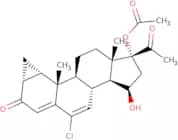
CAS:Controlled Product<p>Fluorometholone acetate is a fluorinated corticosteroid that is used in ophthalmology to treat eye disorders. It has been shown to reduce intraocular pressure in patients with glaucoma and other eye diseases. Fluorometholone acetate inhibits the activity of the glucocorticoid receptor, which prevents it from binding to DNA and altering gene expression. This leads to a decrease in inflammatory responses by decreasing the production of cytokines and chemokines that are involved in inflammation. Fluorometholone acetate also binds to other receptors, such as the mineralocorticoid receptor, which may lead to its use as a potential biomarker for infectious diseases.</p>Formula:C24H31FO5Purity:Min. 95%Molecular weight:418.5 g/mol7-Azaindole-5-carboxylic acid methyl ester
CAS:<p>7-Azaindole-5-carboxylic acid methyl ester is an ester derivative that can be synthesized from the reaction of acetyl chloride and diazotization. 7-Azaindole-5-carboxylic acid methyl ester has been used in research for its biological activity, specifically as a cytotoxic agent. It has also been shown to inhibit the growth of cancer cells by alkylation reactions and cyclization reactions. 7-Azaindole-5-carboxylic acid methyl ester has been shown to have antitumor properties with a mechanism that is not yet fully understood.</p>Formula:C9H8N2O2Purity:Min. 95%Molecular weight:176.17 g/molEthyl 2-chloro-2,2-difluoroacetate
CAS:<p>Ethyl 2-chloro-2,2-difluoroacetate is an organic compound that is used in the synthesis of benzofuran derivatives. It reacts with chlorine to generate a reactive intermediate and then undergoes a nucleophilic substitution reaction to produce the desired compound. The kinetic studies of this reaction have been conducted using isolated yields of the reactants. The active methylene group can undergo a variety of reactions because it has a reactive chlorine atom attached to it. This active substance inhibits the NS5B polymerase, which is responsible for converting RNA into DNA. Ethyl 2-chloro-2,2-difluoroacetate may be used as a potential treatment for inflammatory diseases such as asthma and arthritis because it prevents acetylcholine from binding to its receptor α.</p>Formula:C4H5ClF2O2Purity:Min. 95%Color and Shape:Clear LiquidMolecular weight:158.53 g/mol(5R)-6-Cyano-5-hydroxy-3-oxo-hexanoic acid tert-butyl ester
CAS:<p>Please enquire for more information about (5R)-6-Cyano-5-hydroxy-3-oxo-hexanoic acid tert-butyl ester including the price, delivery time and more detailed product information at the technical inquiry form on this page</p>Formula:C11H17NO4Purity:Min. 95%Molecular weight:227.26 g/molMethyl 2-cyclohexyl-2-hydroxyphenylacetate
CAS:<p>Methyl 2-cyclohexyl-2-hydroxyphenylacetate is a c6 alkyl and diode. It is an orally active hormone with potential use in catalysis of additives, as well as in the treatment of metabolic disorders. Methyl 2-cyclohexyl-2-hydroxyphenylacetate has been shown to have anticholinergic properties, which may be due to its ability to inhibit acetylcholine release from nerve endings. Lectins are proteins found on the surface of cells that bind to specific sugars and play a role in many biological processes. A lectin that binds to erythrocytes can be used as a marker for damaged red blood cells. Methyl 2-cyclohexyl-2-hydroxyphenylacetate has been shown to react with this lectin in plasma samples from humans, indicating that it is metabolized by enzymes present in red blood cells.</p>Formula:C15H20O3Purity:Min. 95%Molecular weight:248.32 g/mol4-Isopropoxyphenylboronic acid
CAS:<p>4-Isopropoxyphenylboronic acid is a boronic acid that can be used as a cross-coupling partner in palladium-catalyzed cross-coupling reactions. It is synthesized by reacting 4-hydroxyphenylacetic acid with 2 equivalents of naphthoquinone diazide. The addition of the 4-isopropoxy group to the phenyl substituent increases the reactivity of this boronic acid. This compound has been used in the synthesis of rofecoxib and cyclooxygenase inhibitors, such as aspirin and ibuprofen. The presence of an electron withdrawing group on one phenyl ring enhances the reactivity of this boronic acid towards nucleophiles, such as amines or alcohols.</p>Formula:C9H13BO3Purity:Min. 95%Molecular weight:180.01 g/mol3-(6-Chloro-1-methyl-1H-benzimidazol-2-yl)propanoic acid
CAS:Controlled Product<p>Please enquire for more information about 3-(6-Chloro-1-methyl-1H-benzimidazol-2-yl)propanoic acid including the price, delivery time and more detailed product information at the technical inquiry form on this page</p>Formula:C11H11ClN2O2Purity:Min. 95%Molecular weight:238.67 g/mol1-(4-Bromophenyl)-3-(4-chlorophenyl)-1H-pyrazole-5-carboxylic acid
CAS:Controlled Product<p>Please enquire for more information about 1-(4-Bromophenyl)-3-(4-chlorophenyl)-1H-pyrazole-5-carboxylic acid including the price, delivery time and more detailed product information at the technical inquiry form on this page</p>Formula:C16H10BrClN2O2Purity:Min. 95%Molecular weight:377.62 g/mol2-(4-Aminophenylthio)acetic acid
CAS:<p>2-(4-Aminophenylthio)acetic acid is an analytical reagent that is used for the determination of nitrite ion. It reacts with nitrous acid to form a red-colored dye. 2-(4-Aminophenylthio)acetic acid has been shown to be an effective anhydrase inhibitor, which can be used in analytical chemistry as a method for determining the concentration of nitrate ion. This compound also has a constant value of 1.5, which can be used to calculate the concentration of nitric acid in hydrochloric acid by using the following equation: 2 NaOH + HCl → NaCl + 2 H2O 1.5 (aq) + 4H+(aq) → 6H2O(l) 6H2O(l) ÷ 1.5 (mol/L) = 3 mol/L 3 mol/L ÷ 0.037 (mol/g) =</p>Formula:C8H9NO2SPurity:Min. 95%Molecular weight:183.23 g/mol[2-(4-Aminophenyl)ethyl]carbamic acid tert-butyl ester
CAS:<p>Please enquire for more information about [2-(4-Aminophenyl)ethyl]carbamic acid tert-butyl ester including the price, delivery time and more detailed product information at the technical inquiry form on this page</p>Formula:C13H20N2O2Purity:Min. 95%Color and Shape:Slightly Yellow PowderMolecular weight:236.31 g/molEthyl 2-amino-thiazole-4-carboxylate
CAS:<p>Ethyl 2-amino-thiazole-4-carboxylate (ETAC) is an inhibitor of protein synthesis. It binds to the dna and inhibits transcription, leading to cell death by inhibiting the production of proteins vital for cell division. ETAC has been shown to have cytotoxic activity against cancer cells and hemolytic activity. It also has a strong fluorescence probe property, which may be used in cancer diagnosis. ETAC can inhibit protein synthesis in cells that are resistant to other antimicrobial agents and platinum-based chemotherapy, making it a potential treatment for these infections. The pharmacokinetic properties of ETAC are not well studied but it is excreted through urine, suggesting that it is hydrophilic and may be metabolized with glucuronidation or sulfation. The molecular modeling study suggests that the hydrogen bond between ETAC and the dna phosphate group may explain its inhibitory effects on DNA synthesis.</p>Formula:C6H8N2O2SPurity:Min. 99.0 Area-%Molecular weight:172.21 g/mol3-Methyl-2-oxo-2,3-dihydro-1H-benzo[d]imidazole-4-carboxylic acid
CAS:<p>Please enquire for more information about 3-Methyl-2-oxo-2,3-dihydro-1H-benzo[d]imidazole-4-carboxylic acid including the price, delivery time and more detailed product information at the technical inquiry form on this page</p>Formula:C9H8N2O3Purity:Min. 95%Molecular weight:192.17 g/mol4-(4-Hydroxyphenoxy)benzoic acid
CAS:<p>4-(4-Hydroxyphenoxy)benzoic acid is a molecule that can be used to treat hypercholesterolemia. It is metabolized in the body to butyric acid, which has been shown to have an anti-inflammatory effect on the bladder and may reduce water permeability of the bladder. 4-(4-Hydroxyphenoxy)benzoic acid can also be used as a choline precursor for acetylcholine synthesis and may have osmotic properties.</p>Formula:C13H10O4Purity:Min. 95%Molecular weight:230.22 g/mol4-Methoxy-4-oxobutanoic acid
CAS:<p>Succinic acid monomethyl ester (SAMME) is an antimicrobial agent that inhibits the enzyme activities of succinate dehydrogenase, producing mitochondrial membrane depolarization and neuronal death. SAMME has been shown to be effective in treating syncytial virus infection and solid tumours, although it has not been studied in depth. The biological sample used for this study was water vapor, which is a substrate molecule for the enzyme succinic acid semialdehyde dehydrogenase (SASD). This enzyme converts SAMME to succinic acid, which can then inhibit phosphofructokinase-1 or pyruvate kinase, leading to cellular necrosis.</p>Formula:C5H8O4Purity:Min. 95%Molecular weight:132.11 g/mol6-(Methoxycarbonyl)spiro[3.3]heptane-2-carboxylic acid
CAS:<p>Please enquire for more information about 6-(Methoxycarbonyl)spiro[3.3]heptane-2-carboxylic acid including the price, delivery time and more detailed product information at the technical inquiry form on this page</p>Formula:C10H14O4Purity:Min. 95%Molecular weight:198.22 g/molHydantoin-5-acetic acid
CAS:<p>Hydantoin-5-acetic acid is a molecule that has been studied for its potential use in the stabilization of polymers and plastics. It has shown antibacterial activity against certain bacterial strains including Escherichia coli and Staphylococcus aureus. The molecule has the ability to coordinate with metal ions such as copper, zinc, and iron. The protonation state of the molecule is dependent on the pH of the environment. Hydantoin-5-acetic acid can exist in two tautomeric forms: hydantoin or 5-hydantoin. Hydantoin-5-acetic acid can be used to determine the concentration of hydrogen in proteins through chromatographic methods. This molecule also has Langmuir adsorption isotherm properties, which give it potential for use in supramolecular structures.</p>Formula:C5H6N2O4Purity:Min. 95%Molecular weight:158.11 g/molMethyl 2-pyridylacetate
CAS:<p>Methyl 2-pyridylacetate is a reactive compound that can be used as a reagent for trifluoromethylthiolation of terminal alkynes. This compound has been shown to react with anilines and form isomers, including the acid form. The reaction rate of the methyl 2-pyridylacetate with pyridine compounds is slow, but it reacts quickly with thionyl chloride and hydrochloric acid. Methyl 2-pyridylacetate also reacts with nucleophiles such as methyl anthranilate to form the corresponding quinolizine derivatives.</p>Formula:C8H9NO2Purity:Min. 95%Molecular weight:151.16 g/molVitamin B12 e-Monocarboxylic Acid
CAS:Controlled Product<p>Please enquire for more information about Vitamin B12 e-Monocarboxylic Acid including the price, delivery time and more detailed product information at the technical inquiry form on this page</p>Formula:C63H87CoN13O15PPurity:Area-% Min. 95 Area-%Color and Shape:PowderMolecular weight:1,356.35 g/mol(1-Chloroisoquinolin-4-yl)boronic acid
CAS:<p>Please enquire for more information about (1-Chloroisoquinolin-4-yl)boronic acid including the price, delivery time and more detailed product information at the technical inquiry form on this page</p>Formula:C9H7BClNO2Purity:Min. 95%Molecular weight:207.42 g/molH-Gly-Phe-Gly-aldehyde semicarbazone acetate salt
CAS:<p>Please enquire for more information about H-Gly-Phe-Gly-aldehyde semicarbazone acetate salt including the price, delivery time and more detailed product information at the technical inquiry form on this page</p>Formula:C14H20N6O3Purity:Min. 95%Molecular weight:320.35 g/mol5-Fluoropyridine-2-boronic acid
CAS:<p>Please enquire for more information about 5-Fluoropyridine-2-boronic acid including the price, delivery time and more detailed product information at the technical inquiry form on this page</p>Formula:C5H5BFNO2Purity:Min. 95%Molecular weight:140.91 g/mol1-(2-Methoxyethyl)-1H-indole-3-carboxylic acid
CAS:Controlled Product<p>Please enquire for more information about 1-(2-Methoxyethyl)-1H-indole-3-carboxylic acid including the price, delivery time and more detailed product information at the technical inquiry form on this page</p>Formula:C12H13NO3Purity:Min. 95%Molecular weight:219.24 g/molFluticasone 17b-carboxylic acid propionate
CAS:Controlled Product<p>Fluticasone propionate is a synthetic corticosteroid that is used in the treatment of asthma. It is an esterified prodrug which requires hydrolysis by esterases in order to become active. Fluticasone propionate has shown clinical efficacy with oral administration and can be administered by inhalation or through the skin. This drug is available as a deuterated form for use in nuclear magnetic resonance spectroscopy and reaction monitoring. It also has a linear range of 10-1000 ng/mL and a quadrupole mass spectrometer detection limit of 0.1 pmol, which allows it to be used for plasma samples and reconstituted drugs.</p>Formula:C24H30F2O6Purity:(¹H-Nmr) Min. 95 Area-%Color and Shape:White Off-White PowderMolecular weight:452.49 g/molMethyl 1,5-diphenyl-1H-pyrazole-3-carboxylate
CAS:Controlled Product<p>Please enquire for more information about Methyl 1,5-diphenyl-1H-pyrazole-3-carboxylate including the price, delivery time and more detailed product information at the technical inquiry form on this page</p>Formula:C17H14N2O2Purity:Min. 95%Molecular weight:278.31 g/mol3,6-Dioxaoctanedioic acid
CAS:<p>3,6-Dioxaoctanedioic acid is a functional group that can be found in nature and has been studied for its potential to inhibit cancer cell growth. 3,6-Dioxaoctanedioic acid is a magnesium salt that is used as an experimental drug to treat bronchial asthma. It works by interfering with the function of serine protease enzymes. In addition, this compound has been shown to have particle size and transport properties that are suitable for inhalation therapy. These properties make it an effective drug for treatment of respiratory diseases such as asthma or chronic obstructive pulmonary disease.</p>Formula:C6H10O6Purity:90%MinMolecular weight:178.14 g/mol2,3-Diketogulonic acid potassium
CAS:<p>Please enquire for more information about 2,3-Diketogulonic acid potassium including the price, delivery time and more detailed product information at the technical inquiry form on this page</p>Formula:C6H7KO7Purity:Min. 95%Color and Shape:SolidMolecular weight:230.21 g/molHydrocortisone Acetate Impurity G
CAS:Controlled Product<p>Hydrocortisone is a corticosteroid that is used to treat inflammation, allergies and skin diseases. It is also used to treat adrenal gland disorders. Hydrocortisone Acetate Impurity G (HA) is a drug that has anti-inflammatory properties, which may be due to its inhibition of prostaglandin synthesis. HA was the first hydrocortisone impurity found in prednisolone tablets. This discovery led to the development of corticosteroids and their use in medicine for the treatment of inflammation and allergies.</p>Formula:C25H34O7Purity:Min. 95%Molecular weight:446.53 g/mol(2,4-Dichlorophenoxy)acetic acid sodium salt monohydrate
CAS:<p>(2,4-Dichlorophenoxy)acetic acid sodium salt monohydrate is a chemical that belongs to the phenoxy herbicides. It is used as a selective herbicide for control of annual and perennial grasses and broadleaf weeds in noncrop areas. This compound has been detected by gas chromatography/mass spectrometric analysis after a dispersive solid-phase extraction procedure. The target analytes were found to be acidic with an unknown molecular weight.</p>Formula:C8H5Cl2O3·Na·H2OPurity:Min. 95%Color and Shape:PowderMolecular weight:261.03 g/mol17-Hydroxy-19-nor-17alpha-pregna-4,6-dien-20-yn-3-one acetate
CAS:<p>Please enquire for more information about 17-Hydroxy-19-nor-17alpha-pregna-4,6-dien-20-yn-3-one acetate including the price, delivery time and more detailed product information at the technical inquiry form on this page</p>Formula:C22H26O3Purity:Min. 95%Color and Shape:Off-white to pale yellowsolid.Molecular weight:338.44 g/mol(R)-2-((tert-Butoxycarbonyl)amino)-3-methoxypropanoic acid
CAS:<p>(R)-2-((tert-Butoxycarbonyl)amino)-3-methoxypropanoic acid (BAAM) is a potent, orally bioavailable, and pharmacokinetically well-characterized inhibitor of blood coagulation that has been shown to be effective in animal models. BAAM inhibits the activity of tissue factor (TF), an enzyme that initiates the blood coagulation cascade. TF is important for hemostasis because it is activated by contact with blood and tissue factors such as collagen or thrombin. BAAM has shown some promise as a potential treatment for thrombosis, which can lead to heart attacks and strokes.</p>Formula:C9H17NO5Purity:Min. 95%Molecular weight:219.24 g/molcis-4-(Hydroxymethyl)cyclohexanecarboxylicacid
CAS:<p>cis-4-(Hydroxymethyl)cyclohexanecarboxylicacid is a metabolite of chorismate, an intermediate in the biosynthesis of aromatic amino acids. It has been shown to have immunosuppressive activity and can be used to treat neurodegenerative diseases like cancer. cis-4-(Hydroxymethyl)cyclohexanecarboxylicacid is produced by stepwise conversion from 3-hydroxybenzoic acid with the use of organic solvents. The final product is purified by preparative chromatography and its molecular weight is determined by mass spectrometry. This compound has also been found to have anticancer properties due to its ability to inhibit protein synthesis in tumor cells.</p>Formula:C8H14O3Purity:Min. 95%Molecular weight:158.19 g/mol3-[(Dimethylamino)methyl]benzoic acid hydrochloride
CAS:<p>Please enquire for more information about 3-[(Dimethylamino)methyl]benzoic acid hydrochloride including the price, delivery time and more detailed product information at the technical inquiry form on this page</p>Formula:C10H13NO2Purity:Min. 95%Molecular weight:179.22 g/molNicotinuric acid
CAS:<p>Nicotinuric acid is an endogenous metabolite of nicotinic acid, which is a cofactor for the enzyme that catalyzes the conversion of phosphoenolpyruvate to pyruvate. Nicotinuric acid has been shown to be a potential biomarker for human pharmacokinetics. It has been shown to be involved in energy metabolism and may play a role in the pathogenesis of atherosclerotic cardiovascular disease. Nicotinuric acid is also a product of the enzymatic degradation of pyrrolidinecarboxylic acid, which is found in papillary muscle cells and penicillin-binding protein. The formation of nicotinuric acid can be inhibited by nicotinic acid, pyrazinoic acid, or by inhibitors of lc-ms/ms method.</p>Formula:C8H8N2O3Purity:Min. 95%Molecular weight:180.16 g/mol3-Methylglutaric acid
CAS:<p>3-Methylglutaric acid is an organic compound that belongs to the group of alkanocarboxylic acids. It has been shown to reduce the formation of malonic acid, which can be toxic to the heart and cause congestive heart failure. 3-Methylglutaric acid also inhibits oxidation catalysts and increases the production of energy in cells by providing electrons. The kinetic data for 3-methylglutaric acid have been determined using a gas chromatography technique on a high-temperature conversion reactor at a pH of 7.0 with a concentration of 0.1 M potassium phosphate buffer (pH 7) and a temperature of 70°C. 3-Methylglutaric acid has been shown to inhibit monoclonal antibody cationic polymerization, which may be due to its reactive nature and its ability to donate hydrogen ions or electrons.</p>Formula:C6H10O4Purity:Min. 95%Molecular weight:146.14 g/molDL-Lactic acid
CAS:<p>DL-lactic acid is a metabolic intermediate that is produced in the muscle cells during anaerobic glycolysis. It is used to treat cancer and has been shown to be effective against squamous cell carcinoma. DL-lactic acid also inhibits mitochondrial membrane potential, which may be one of the mechanisms by which it causes cell death. DL-lactic acid has been found to have antibacterial efficacy against a number of bacteria, including Staphylococcus aureus, Enterococcus faecalis, Escherichia coli, Proteus mirabilis, Pseudomonas aeruginosa, and Streptococcus pyogenes. DL-lactic acid also inhibits enzyme activities that are necessary for bacterial growth such as phosphotransferase enzymes and urease. DL-lactic acid is a metabolic intermediate that can be used to inhibit tumor growth and metastasis. DL-lactic acid also inhibits transcriptional regulation in human serum</p>Formula:C3H6O3Color and Shape:Colorless Clear LiquidMolecular weight:90.08 g/mol(1R)-(-)-Menthyl acetate
CAS:<p>(1R)-(-)-Menthyl acetate is a lipase that catalyzes the hydrolysis of esters and amides. It has been immobilized to produce a solid-state biocatalyst that is efficient for the hydrolysis of ester bonds. Candida is an unicellular eukaryotic organism belonging to the phylum Ascomycota, class Saccharomycetes. The enzyme has shown excellent activity against Candida albicans, which causes candidiasis.</p>Formula:C12H22O2Purity:Min. 95%Color and Shape:Clear LiquidMolecular weight:198.3 g/mol[2-(Difluoromethyl)phenyl]boronic acid
CAS:<p>Please enquire for more information about [2-(Difluoromethyl)phenyl]boronic acid including the price, delivery time and more detailed product information at the technical inquiry form on this page</p>Formula:C7H7BF2O2Purity:Min. 95%Molecular weight:171.94 g/molBoc-trans-1,2-aminocyclohex-4-ene carboxylic acid
CAS:<p>Please enquire for more information about Boc-trans-1,2-aminocyclohex-4-ene carboxylic acid including the price, delivery time and more detailed product information at the technical inquiry form on this page</p>Formula:C12H19NO4Purity:Min. 95%Molecular weight:241.28 g/mol(2Z,4E,6Z,8E)-3,7-Dimethyl-9-(2,6,6-trimethyl-1-cyclohexenyl)nona-2,4,6,8-tetraenoic acid
CAS:Controlled Product<p>2,4-Dienoylglycerol (2,4-DG) is a metabolite of arachidonic acid and is a potent activator of protein kinase C. It has been shown that 2,4-DG binds to the liver cell membrane and causes a cytoskeletal reorganization. This is an analytical method for measuring the binding constants between 2,4-DG and various proteins in human liver cells. The redox potentials of 2,4-DG are -0.17 V in the pH range of 7 to 8 and -0.12 V in the pH range of 4 to 5. This means that 2,4-DG will be reduced by NADH at pH 7 to 8 and oxidized by NADH at pH 4 to 5. The growth factor activity of 2,4-DG has been demonstrated using human liver cells as well as other cell types such as viruses and cancer cells. The ability of</p>Formula:C20H28O2Purity:Min. 95%Color and Shape:Yellow PowderMolecular weight:300.44 g/mol1,3-Thiazol-4-ylacetic acid hydrochloride
CAS:<p>1,3-Thiazol-4-ylacetic acid hydrochloride is an antimicrobial agent that has been shown to be active against Gram-negative bacteria. It is an acidic compound that hydrolyzes in water to produce a carboxylic acid and an alcohol. 1,3-Thiazol-4-ylacetic acid hydrochloride has been used in pharmaceutical preparations as an antimicrobial and blood platelet aggregating agent. It also inhibits the coagulation of blood platelets and the aggregation of platelets. The mechanism for this may involve the interference with phospholipid biosynthesis or with the cytochrome P450 enzyme system involved in the metabolism of arachidonic acid into prostaglandins.</p>Formula:C5H5NO2SPurity:Min. 95%Molecular weight:143.16 g/mol2,5-Pyridinedicarboxylic acid diethyl ester
CAS:<p>2,5-Pyridinedicarboxylic acid diethyl ester is a porphyrin derivative that has been used in the synthesis of phthalocyanines and porphyrins. It is reactive and can be made to react with other compounds by cross-coupling reactions. This compound can also be synthesized through the reaction of picolyl chloride with 2,5-diketopiperazine. The yield of this product is low, but it can be improved through cross-coupling reactions. The functionality of this molecule is determined by the pyridyl group at one end and the diethyl ester at the other.</p>Formula:C11H13NO4Purity:Min. 95%Color and Shape:White PowderMolecular weight:223.23 g/molL-Glutamic acid γ-tert-butyl ester α-amide hydrochloride
CAS:<p>Please enquire for more information about L-Glutamic acid gamma-tert-butyl ester alpha-amide hydrochloride including the price, delivery time and more detailed product information at the technical inquiry form on this page</p>Formula:C9H18N2O3·HClPurity:Min. 95%Molecular weight:238.71 g/molNonadecafluorodecanoic acid
CAS:<p>Nonadecafluorodecanoic acid (NDFA) is a fatty acid that has been shown to be an effective solvent for wastewater treatment. This product has been found to have a matrix effect on mouse tumor cells, as well as enzyme activities in vitro. NDFA has also been shown to have acute toxicities in mice and genotoxic activity in vitro. NDFA is not carcinogenic and does not react with DNA, but does cause mutagenic effects such as single-stranded breaks, double-stranded breaks, or cross-linkages between DNA strands. The molecular weight of NDFA is 216 g/mol and the melting point is -52°C. It can be detected by electrochemical detector at concentrations of 0.1 ppm and by optical sensor at concentrations of 1 ppm. The analytical method used for NDFA quantification is gas chromatography/mass spectrometry (GC/MS).</p>Formula:C10HF19O2Purity:Min. 95%Color and Shape:PowderMolecular weight:514.08 g/mol4-Methyloctanoic acid
CAS:<p>4-Methyloctanoic acid is a fatty acid that is synthesized from adipose tissue in animals. It can be used as a matrix effect for the production of enantiopure chemical compounds by chemical ionization, and it has been used in magnetic resonance spectroscopy to analyze kinetic data. 4-Methyloctanoic acid has been shown to have a number of biological effects, including an ability to inhibit the growth of type strain bacteria such as Escherichia coli and Staphylococcus aureus. The synthesis pathway for 4-methyloctanoic acid is not known, but it may be derived from hydrogenated octanoic acid.</p>Formula:C9H18O2Purity:Min. 95%Color and Shape:Clear LiquidMolecular weight:158.24 g/molArjunolic acid
CAS:Controlled Product<p>Arjunolic acid is a hypoglycemic agent that belongs to the group of pharmacological agents. It is a reactive compound, which can be found in pueraria lobata and melaleuca alternifolia. Studies have shown that arjunolic acid has an effect on mitochondrial membrane potential, enzyme activities, and cardiac function. This compound also has anti-inflammatory activity and could be used for the treatment of inflammation. Arjunolic acid may have many other effects due to its ability to inhibit proinflammatory transcription factors such as NF-κB and AP-1.</p>Formula:C30H48O5Purity:(Hplc-Ms) Min. 95 Area-%Color and Shape:PowderMolecular weight:488.7 g/mol2-Phenylisobutyric acid
CAS:<p>2-Phenylisobutyric acid is a colorless to white crystalline solid with a molecular weight of 218.29 g/mol and a melting point of 120-122 °C. It is soluble in water, but not in alcohol or ether. 2-Phenylisobutyric acid is used as an intermediate for pharmaceutical preparations and as a reagent for organic synthesis. It is also used to produce thiomorpholine, which has been shown to have anti-inflammatory properties and can be used in the treatment of bowel disease. Thiomorpholine reacts with acylation agents such as phosphorus pentachloride to form esters that are useful pharmaceuticals, including corticosteroids. 2-Phenylisobutyric acid has been shown to inhibit insulin resistance by reacting with reactive sites on the insulin receptor, thus preventing the binding of insulin molecules to their receptors on cells.</p>Formula:C10H12O2Purity:Min. 95%Color and Shape:White to off-white solid.Molecular weight:164.2 g/mol2,3,3-Trimethyl-2-norbornyl isothiocyanic acid ester
CAS:<p>Please enquire for more information about 2,3,3-Trimethyl-2-norbornyl isothiocyanic acid ester including the price, delivery time and more detailed product information at the technical inquiry form on this page</p>Formula:C11H17NSPurity:Min. 95%Molecular weight:195.33 g/mol1-(2-Naphthylsulfonyl)piperidine-4-carboxylic acid
CAS:<p>Please enquire for more information about 1-(2-Naphthylsulfonyl)piperidine-4-carboxylic acid including the price, delivery time and more detailed product information at the technical inquiry form on this page</p>Formula:C16H17NO4SPurity:Min. 95%Molecular weight:319.38 g/mol1-(4-Methoxyphenyl)-7-oxo-6-(4-(2-oxopiperidin-1-yl)phenyl)-4,5,6,7-tetrahydro-1H-pyrazolo[3,4-c]pyridine-3-carboxylic acid
CAS:<p>Apixaban is a novel, orally active, and selective factor Xa inhibitor. It is the first oral anticoagulant that has been developed to inhibit both free and clot-bound thrombin. Apixaban binds reversibly to the active site of factor Xa and inhibits factor Xa-mediated conversion of prothrombin to thrombin, resulting in an increased concentration of prothrombin in blood. Apixaban also inhibits the activity of thrombin-activated protein C (APC) that degrades fibrin clots by proteolytic cleavage of fibrinogen. This drug has a crystalline form with a particle size between 10 and 100 μm.</p>Formula:C25H24N4O5Purity:Min. 95%Molecular weight:460.48 g/molPyridine-3-sulfonic acid
CAS:<p>Pyridine-3-sulfonic acid is a reactive molecule that can exist in two forms. It reacts with iron oxides to form pyridine-3-sulfonic acid amide and reacts with picolinic acid to form pyridine-3-sulfonic acid phosphoric acid complex. Pyridine 3 sulfonic acid is an intermediate in the synthesis of picolinic acid and is involved in the genetic mechanisms of bacteria. It has been shown to be effective at concentrations of 10 mM or higher when used in tissue culture experiments. The optimum concentration for the reaction varies depending on the reactant and its environment, which is why experimentation should be conducted before using it as a reagent.</p>Formula:C5H5NO3SPurity:Min. 95%Molecular weight:159.16 g/mol(S)-α-Ethyl-2-oxo-1-pyrrolidineacetic acid(R)-α-methylbenzenemethanaminesalt
CAS:Controlled Product<p>Please enquire for more information about (S)-alpha-Ethyl-2-oxo-1-pyrrolidineacetic acid(R)-alpha-methylbenzenemethanaminesalt including the price, delivery time and more detailed product information at the technical inquiry form on this page</p>Formula:C16H24N2O3Purity:Min. 95%Molecular weight:292.37 g/mol2-[4-(2-Methylpropenyl)phenyl]propionic acid
CAS:<p>2-[4-(2-Methylpropenyl)phenyl]propionic acid is an analgesic and antipyretic agent. It has been shown to have antiinflammatory properties, which are mediated through inhibition of prostaglandin synthesis. This agent binds to the enzyme cyclooxygenase and inhibits the biosynthesis of prostaglandins that are responsible for inflammation. 2-[4-(2-Methylpropenyl)phenyl]propionic acid also has optical antipyretic activity, which may be due to its ability to inhibit the release of prostaglandins from arachidonic acid in the hypothalamus. The optical antipyretic activity is most likely due to the enantiomers that this drug contains. 2-[4-(2-Methylpropenyl)phenyl]propionic acid has a pharmacologic profile that includes analgesic and antipyretic activities.END>></p>Formula:C13H16O2Purity:Min. 95%Color and Shape:PowderMolecular weight:204.26 g/molMethyl 2-methylpropanimidic acid hydrochloride
CAS:<p>Methyl 2-methylpropanimidic acid hydrochloride is a neutralizing agent that can be used to react with water, acids, and bases. It has been shown to react with gaseous compounds at temperatures as high as 200°C. Methyl 2-methylpropanimidic acid hydrochloride is soluble in organic solvents such as alcohols, ethers, and acetone and can be used to prepare esters by reacting with the corresponding alcohol or phenol. In addition, it has been shown to interact with haloalkyl groups and oxazinones. This compound also has nod-like receptor binding properties that have been shown to play a role in mediating the transport of organic solutions into cells. A receptor protein that reacts with methyl 2-methylpropanimidic acid hydrochloride has been identified in some organisms. The stereostructure of this compound resembles that of triazines and other organometallic compounds.</p>Formula:C5H11NO·HClPurity:Min. 95%Molecular weight:137.61 g/mol2,2,4-Trimethyl-1,2-dihydroquinolin-6-yl phenylacetate
CAS:Controlled Product<p>Please enquire for more information about 2,2,4-Trimethyl-1,2-dihydroquinolin-6-yl phenylacetate including the price, delivery time and more detailed product information at the technical inquiry form on this page</p>Formula:C20H21NO2Purity:Min. 95%Molecular weight:307.39 g/mol12-Aminododecanoic acid
CAS:<p>12-Aminododecanoic acid is a fatty acid that is used in the manufacture of magnetic particles. It is synthesized by cationic polymerization of 4-tert-butylbenzoic acid and dodecanedioic acid. The process involves the use of water vapor to remove hydrochloric acid from the solution and form a salt, which then reacts with dodecanedioic acid to produce 12-aminododecanoic acid. This compound has been shown to have transport properties for nitrogen atoms and can be used in exfoliated materials such as nanometals. 12-Aminododecanoic acid has also been shown to exhibit redox activity due to its ability to react with hydrogen peroxide.</p>Formula:C12H25NO2Purity:Min. 95%Color and Shape:White PowderMolecular weight:215.33 g/molIsoamyl acetate
CAS:<p>Isoamyl acetate is a volatile, colorless liquid with the smell of bananas. Isoamyl acetate is found in many foods and drinks, such as banana, apple, pear, pineapple, and strawberry flavors. It has been shown that isoamyl acetate can inhibit the growth of resistant mutants of Escherichia coli by inhibiting their ability to synthesize proteins for locomotor activity. This inhibition may be due to the reaction mechanism that involves methyl ethyl alcohol (MEA). Methyl ethyl alcohol is involved in the production of isoamyl acetate. MEA reacts with 3-methyl-2-oxobutanoic acid (3M2B) to form 2-methyl-3-oxopropanoic acid (MOPA) and then reacts with ATP to form AMP and MOPP. The reaction between MOPP and ATP results in the conversion of MEA into isoamyl acetate.</p>Formula:C7H14O2Purity:Min. 95%Color and Shape:Clear LiquidMolecular weight:130.18 g/molMorpholin-4-yl-acetic acid
CAS:<p>Morpholin-4-yl-acetic acid is a water-soluble drug that has been used for the treatment of infectious diseases, such as hepatitis and malaria. It can be detected using a number of analytical methods, including gas chromatography, mass spectroscopy, and nuclear magnetic resonance. Morpholin-4-yl-acetic acid has also been used in the treatment of autoimmune diseases and cancer. It is a pharmacological agent with a variety of biological effects, including antiinflammatory activities. Morpholin-4-yl-acetic acid binds to protein kinase C (PKC) receptors and inhibits the activity of PKC enzymes by interfering with their ability to bind to phospholipids on the outside of cells. This binding prevents the formation of an enzyme complex with the cell membrane that is required for signal transduction pathways. Morpholin-4-yl-acetic acid also has hydroxyl group that can react with inorganic acids to form salts or esters.</p>Formula:C6H11NO3Purity:Min. 95%Color and Shape:Off-White PowderMolecular weight:145.16 g/molMethyl 6-Bromo-1-Methyl-1H-Indole-2-Carboxylate
CAS:Controlled Product<p>Please enquire for more information about Methyl 6-Bromo-1-Methyl-1H-Indole-2-Carboxylate including the price, delivery time and more detailed product information at the technical inquiry form on this page</p>Formula:C11H10BrNO2Purity:Min. 95%Molecular weight:268.11 g/molValeric acid hydrazide
CAS:<p>Valeric acid hydrazide (VAH) is a monoclonal antibody that binds to the receptor molecule. The binding of VAH to the receptor molecule leads to a change in the reaction mechanism and prevents the initiation of an immune response. This drug has been shown to have therapeutic properties in a number of autoimmune diseases, such as rheumatoid arthritis and multiple sclerosis, by blocking the production of TNF-α and other inflammatory cytokines. Valeric acid hydrazide also shows biological properties against cancerous cells. It inhibits the growth factor activity, which is believed to be responsible for tumor formation and growth. This agent may also inhibit angiogenesis by preventing endothelial cell proliferation and migration.</p>Formula:C5H12N2OPurity:Min. 95%Molecular weight:116.16 g/mol3,6-Dichlorobenzo[b]thiophene-2-carboxylic acid
CAS:<p>3,6-Dichlorobenzo[b]thiophene-2-carboxylic acid is an extracellular metabolite that is involved in the metabolism of muscle. It is produced as a byproduct of the reaction catalyzed by dehydrogenase, which converts 3,6-dichlorobenzo[b]thiophene to 2-carboxybenzothiophene. This compound has been shown to inhibit the enzyme histidine carboxylate synthetase, which is involved in branched-chain amino acid synthesis. The enzyme can be inhibited by either a wild type or an analog of 3,6-dichlorobenzo[b]thiophene-2-carboxylic acid.</p>Formula:C9H4Cl2O2SPurity:Min. 95%Molecular weight:247.1 g/mol2-Bromo-3-thiophenecarboxylic acid
CAS:<p>2-Bromo-3-thiophenecarboxylic acid (BTPC) is a synthetic drug that is used as an analog of sildenafil, which is a PDE5 inhibitor. BTPC has been shown to be a more potent and selective inhibitor of cGMP hydrolysis than sildenafil. It has also been shown to be capable of inhibiting the growth of human lung cancer cells in vitro. BTPC has not yet been tested in vivo, but may offer advantages over other PDE5 inhibitors due to its increased potency and selectivity.</p>Formula:C5H3BrO2SPurity:Min. 97 Area-%Color and Shape:PowderMolecular weight:207.05 g/mol2-Methyl-3-(4-methyl-1H-pyrazol-1-yl)propanoic acid
CAS:Controlled Product<p>Please enquire for more information about 2-Methyl-3-(4-methyl-1H-pyrazol-1-yl)propanoic acid including the price, delivery time and more detailed product information at the technical inquiry form on this page</p>Formula:C8H12N2O2Purity:Min. 95%Molecular weight:168.19 g/molFerroceneacetic acid
CAS:Controlled Product<p>Ferroceneacetic acid is a compound that has been shown to have chemiluminescent properties. It is a potent reductant and oxidant, which means that it can reduce or oxidize other compounds. Ferroceneacetic acid is also an active enzyme, and its redox potential changes depending on the concentration of ferrocene in the solution. Ferroceneacetic acid can be used as a model system for analytical chemistry and electrochemistry.</p>Formula:C12H12FeO2Purity:Min. 95%Color and Shape:PowderMolecular weight:244.07 g/mol4,4'-Biphenyldisulfonic acid
CAS:<p>4,4'-Biphenyldisulfonic acid is a reactive and stable complex that can be used in organic synthesis. It has been shown to react with nitrogen-containing compounds to form stable complexes, such as 4,4'-biphenyldisulfonyl azide and 4,4'-biphenyldisulfonyl chloride. It also reacts with Friedel-Crafts reactions to form biphenyl. The alkali hydrolysis of this compound leads to the formation of sulfonic acids. This reaction also produces carbonyl groups and structural formula. 4,4'-Biphenyldisulfonic acid can be used as an anti-inflammatory agent for the treatment of influenza virus and molybdenum deficiency diseases.</p>Formula:C12H10O6S2Purity:Min. 95%Color and Shape:SolidMolecular weight:314.34 g/molCobalt(II) acetate tetrahydrate
CAS:<p>Cobalt(II) acetate tetrahydrate is a model system that can be used to study the structures of coordination complexes. The cobalt ion has a coordination geometry with two water molecules, two oxygen atoms from the acetate anion, and one proton from the hydroxide anion. The crystal structure is composed of six-membered rings of alternating metal ions and oxygen atoms. The reaction solution contains excess sodium hydroxide and water vapor. It was determined that cobalt(II) acetate tetrahydrate reacts electrochemically at low frequencies as well as with 5-hmf, an oxidizing agent, in the presence of sodium citrate as an oxidation catalyst.</p>Formula:C4H6CoO4·4H2OPurity:Min. 95%Color and Shape:Pink To Red SolidMolecular weight:249.08 g/molPiperidinium acetate
CAS:Controlled Product<p>Piperidinium acetate is a photochemical agent that has been used in the photochemical oxidation of organic compounds. It is also used as a catalyst for the oxidative coupling of piperidinium salts with sodium salts to form piperidine. Piperidinium acetate can be used for the treatment of metabolic disorders, such as lactic acidosis and hyperglycemia, and autoimmune diseases such as rheumatoid arthritis and systemic lupus erythematosus. This compound is also known to cause allergic symptoms and anhydrous sodium may be generated in the process.</p>Formula:C5H11N·C2H4O2Purity:Min. 95%Color and Shape:PowderMolecular weight:145.20 g/molSpiro[2.3]hexane-1-carboxylic acid
CAS:<p>Please enquire for more information about Spiro[2.3]hexane-1-carboxylic acid including the price, delivery time and more detailed product information at the technical inquiry form on this page</p>Formula:C7H10O2Purity:Min. 95%Molecular weight:126.15 g/mol4-(Hydroxymethyl)phenylboronic acid
CAS:<p>4-(Hydroxymethyl)phenylboronic acid is an organic compound that has been identified as a reactive, fatty acid. It has shown antibacterial efficacy against gram-positive and gram-negative bacteria in the presence of nanogels. 4-(Hydroxymethyl)phenylboronic acid is also a cross-linking agent that can be used to form hydrogels for tissue engineering applications. This chemical is being studied as a potential treatment for inflammatory bowel disease and diabetes mellitus. 4-(Hydroxymethyl)phenylboronic acid has been shown to have anti-cancer properties by inhibiting the proliferation of cancer cells and inducing apoptosis. The molecule also undergoes structural analysis using confocal microscopy.</p>Formula:C7H9BO3Molecular weight:151.96 g/mol1-(4-Fluorophenyl)-3-phenyl-1H-pyrazole-5-carboxylic acid
CAS:Controlled Product<p>Please enquire for more information about 1-(4-Fluorophenyl)-3-phenyl-1H-pyrazole-5-carboxylic acid including the price, delivery time and more detailed product information at the technical inquiry form on this page</p>Formula:C16H11FN2O2Purity:Min. 95%Color and Shape:PowderMolecular weight:282.27 g/molDimethylaminoacetic acid hydrazide dihydrochloride
CAS:<p>Please enquire for more information about Dimethylaminoacetic acid hydrazide dihydrochloride including the price, delivery time and more detailed product information at the technical inquiry form on this page</p>Purity:Min. 95%1-(4-Isopropylphenyl)-5-oxopyrrolidine-3-carboxylic acid
CAS:<p>Please enquire for more information about 1-(4-Isopropylphenyl)-5-oxopyrrolidine-3-carboxylic acid including the price, delivery time and more detailed product information at the technical inquiry form on this page</p>Formula:C14H17NO3Purity:Min. 95%Molecular weight:247.29 g/molTriphenyl acetic acid
CAS:<p>Intermediate in the synthesis of vilanterol</p>Formula:C20H16O2Purity:Min. 95%Molecular weight:288.34 g/molFmoc-(4-aminomethyl) benzoic acid
CAS:<p>Please enquire for more information about Fmoc-(4-aminomethyl) benzoic acid including the price, delivery time and more detailed product information at the technical inquiry form on this page</p>Formula:C23H19NO4Purity:Min. 95%Molecular weight:373.4 g/mol(6-Hydroxy-2-methyl-4-oxoquinazolin-3(4H)-yl)acetic acid
CAS:Controlled Product<p>Please enquire for more information about (6-Hydroxy-2-methyl-4-oxoquinazolin-3(4H)-yl)acetic acid including the price, delivery time and more detailed product information at the technical inquiry form on this page</p>Formula:C11H10N2O4Purity:Min. 95%Molecular weight:234.21 g/moltert-Butyl 4-(6-aminopyridin-3-yl)piperazine-1-carboxylate
CAS:<p>tert-Butyl 4-(6-aminopyridin-3-yl)piperazine-1-carboxylate is an organic compound that can be synthesized by the reduction of 5-bromo-2-nitro pyridine with a palladium catalyst. It has been shown to inhibit the growth of cancer cells in vitro and in vivo, and is being investigated as a potential treatment for breast cancer.</p>Formula:C14H22N4O2Purity:Min. 95%Molecular weight:278.35 g/mol3-(2-Ethyl-1H-imidazol-1-yl)-2-methylpropanoic acid
CAS:Controlled Product<p>Please enquire for more information about 3-(2-Ethyl-1H-imidazol-1-yl)-2-methylpropanoic acid including the price, delivery time and more detailed product information at the technical inquiry form on this page</p>Formula:C9H14N2O2Purity:Min. 95%Molecular weight:182.22 g/mol5-[(3,5-Dimethyl-1H-pyrazol-1-yl)methyl]-2-furoic acid
CAS:<p>Please enquire for more information about 5-[(3,5-Dimethyl-1H-pyrazol-1-yl)methyl]-2-furoic acid including the price, delivery time and more detailed product information at the technical inquiry form on this page</p>Formula:C11H12N2O3Purity:Min. 95%Molecular weight:220.22 g/mol4-Piperazinylphenylboronic acid, pinacol ester
CAS:<p>Please enquire for more information about 4-Piperazinylphenylboronic acid, pinacol ester including the price, delivery time and more detailed product information at the technical inquiry form on this page</p>Formula:C16H25BN2O2Purity:Min. 95%Color and Shape:PowderMolecular weight:288.19 g/molDibromoisocyanuric acid
CAS:<p>Dibromoisocyanuric Acid is an intermediate in the metabolism of fatty acids. It has been shown to inhibit fatty acid synthesis by inhibiting the transfer reactions of fatty acids from their acyl coenzyme A ester to carnitine, which is necessary for transport across the mitochondrial membrane. Dibromoisocyanuric Acid also inhibits monoclonal antibody production by monocytes and macrophages. Dibromoisocyanuric Acid may be used as a tumor suppressor in mice with tumors because it reduces gamma-aminobutyric acid levels, leading to increased locomotor activity and decreased body mass index.</p>Formula:C3HBr2N3O3Purity:Min. 95%Color and Shape:PowderMolecular weight:286.87 g/molMethyl 1H-indazole-3-carboxylate
CAS:Controlled Product<p>Methyl 1H-indazole-3-carboxylate is a synthetic cannabinoid that is structurally related to the natural cannabinoid, anandamide. It has been shown to be a potent activator of the CB2 receptor and to inhibit spontaneous activity in mice. Methyl 1H-indazole-3-carboxylate also binds to CB1 receptors and has potential use as a cancer therapy due to its ability to induce apoptosis. This compound is illegal in many countries, including the United States and Canada, where it is classified as a Schedule I drug.</p>Formula:C9H8N2O2Purity:Min. 95%Molecular weight:176.17 g/molHeptadecafluorononanoic acid
CAS:<p>Heptadecafluorononanoic acid is a long-chain fatty acid that has been used as a building block in the synthesis of polymers. It has been shown to have an effect on locomotor activity and thermal expansion in human serum, as well as on maternal blood. Heptadecafluorononanoic acid has also been found to be effective for the treatment of hepatic steatosis and may have long-term efficacy. This compound is also able to bind with receptors, which can contribute to its biological properties. Heptadecafluorononanoic acid has been shown to inhibit geriatric patients' reaction solution. The analytical method for heptadecafluorononanoic acid consists of gas chromatography with flame ionization detection (GC-FID).</p>Formula:C9HF17O2Purity:Min. 95%Color and Shape:PowderMolecular weight:464.08 g/molNonafluoro-1-butanesulfonic Acid
CAS:<p>Nonafluoro-1-butanesulfonic acid (NBS) is a sulfonic acid that is used in the synthesis of sodium salts. NBS has been shown to be toxic to cultured human immunoglobulin cells, with an IC50 of 0.5 mM. It also inhibits the growth of 3T3-L1 preadipocytes and can cause weight gain in animal models. However, NBS has been found to be non-toxic to mice, rats and monkeys after 28 days of continuous dosing with up to 1 g/kg/day. This compound also has been found to have no significant interactions with drugs or other chemicals at concentrations up to 10 times higher than therapeutic doses. A validated analytical method for determining the concentration of NBS in water samples has been developed using liquid chromatography coupled with tandem mass spectrometry (LC/MS/MS).</p>Formula:C4HF9O3SPurity:Min. 95%Color and Shape:Colourless To Pale Yellow LiquidMolecular weight:300.1 g/molDL-3-Aminobutyric acid
CAS:<p>DL-3-Aminobutyric acid is a natural compound that belongs to the group of amino acids. It is found in human immunoglobulin, enzymes, and proteins. DL-3-Aminobutyric acid has been shown to have an effect on iron homeostasis, signal pathways, and water permeability. It has also been shown to have anti-fungal activity in vitro and can be used as a model system for plant physiology.</p>Formula:C4H9NO2Purity:Min. 95%Molecular weight:103.12 g/molAG 1-X2 ion exchange resin 200-400 acetate
<p>AG 1-X2 ion exchange resin 200-400 acetate is a resin for strong anion exchange. Use this chloride-form resin for gravity or low-pressure chromatography.MW limit: ca 2700Wet density : ≤ 0.74 g/mL</p>Purity:Min. 95%Color and Shape:Powder5-Octanoylsalicylic acid
CAS:<p>5-Octanoylsalicylic acid is an anti-inflammatory and antioxidant agent that has been shown to have skin-conditioning properties. It has been found to be effective in the treatment of skin diseases, such as erythema, scaling, and itching, due to its ability to inhibit tyrosinase activity. 5-Octanoylsalicylic acid has also been shown to increase cellular proliferation and lymphocyte transformation in vitro. This compound is a precursor of all-trans-retinoic acid (a form of vitamin A), which is used for the treatment of acne. 5-Octanoylsalicylic acid can be synthesized from methyl ethyl ketone and potassium dichromate by a Friedel-Crafts reaction. It is also found in fruits such as apples, bananas, peaches, and oranges. Animal studies have shown that chronic oral administration may lead to a decrease in dehydroascorbic acid levels and an increased risk</p>Formula:C15H20O4Purity:Min. 95%Molecular weight:264.32 g/mol4-(1-Isopropyl-1H-indol-3-yl)butanoic acid
CAS:Controlled Product<p>Please enquire for more information about 4-(1-Isopropyl-1H-indol-3-yl)butanoic acid including the price, delivery time and more detailed product information at the technical inquiry form on this page</p>Formula:C15H19NO2Purity:Min. 95%Molecular weight:245.32 g/molMethyl 1-aminocyclohexanecarboxylate hydrochloride
CAS:<p>Please enquire for more information about Methyl 1-aminocyclohexanecarboxylate hydrochloride including the price, delivery time and more detailed product information at the technical inquiry form on this page</p>Formula:C8H15NO2Purity:Min. 95%Molecular weight:157.21 g/molMethyl 3-bromoindole-6-carboxylate
CAS:<p>Please enquire for more information about Methyl 3-bromoindole-6-carboxylate including the price, delivery time and more detailed product information at the technical inquiry form on this page</p>Formula:C10H8BrNO2Purity:Min. 95%Molecular weight:254.08 g/mol5-(4-Ethoxyphenyl)-5-ethylbarbituric acid
CAS:Controlled Product<p>Please enquire for more information about 5-(4-Ethoxyphenyl)-5-ethylbarbituric acid including the price, delivery time and more detailed product information at the technical inquiry form on this page</p>Formula:C14H16N2O4Purity:Min. 95%Molecular weight:276.29 g/mol1-Cyclohexyl-5-oxopyrrolidine-3-carboxylic acid
CAS:<p>Please enquire for more information about 1-Cyclohexyl-5-oxopyrrolidine-3-carboxylic acid including the price, delivery time and more detailed product information at the technical inquiry form on this page</p>Formula:C11H17NO3Purity:Min. 95%Molecular weight:211.26 g/molN-Nitroso-N-methyl-4-aminobutyric acid methyl ester
CAS:<p>Please enquire for more information about N-Nitroso-N-methyl-4-aminobutyric acid methyl ester including the price, delivery time and more detailed product information at the technical inquiry form on this page</p>Formula:C6H12N2O3Purity:Min. 95%Molecular weight:160.17 g/molMethyl 4-(benzyloxy)-1-methyl-1H-indole-2-carboxylate
CAS:Controlled Product<p>Please enquire for more information about Methyl 4-(benzyloxy)-1-methyl-1H-indole-2-carboxylate including the price, delivery time and more detailed product information at the technical inquiry form on this page</p>Formula:C18H17NO3Purity:Min. 95%Molecular weight:295.33 g/molPiperazine-2-carboxylic acid methyl esterdihydrochloride
CAS:<p>Piperazine-2-carboxylic acid methyl ester (PPCM) is a chemical compound that is used as an intermediate in the production of ethylenediamine and piperazine-2-carboxylic acid dihydrochloride. It is a white crystalline solid that can be synthesized by reacting ethylene diamine with piperazine-2-carboxylic acid. PPCM has been shown to inhibit the growth of bacteria, yeast, and fungi by inhibiting protein synthesis. This chemical also inhibits the production of proteins essential for respiration and cell wall formation.</p>Formula:C6H14Cl2N2O2Purity:Min. 95%Molecular weight:217.09 g/moltert-Butyl 4-chloro-5,6-dihydropyrido[3,4-d]pyrimidine-7(8H)-carboxylate
CAS:<p>Please enquire for more information about tert-Butyl 4-chloro-5,6-dihydropyrido[3,4-d]pyrimidine-7(8H)-carboxylate including the price, delivery time and more detailed product information at the technical inquiry form on this page</p>Formula:C12H16ClN3O2Purity:Min. 95%Molecular weight:269.73 g/mol(R)-3-Amino-butyric acid methyl ester
CAS:<p>Please enquire for more information about (R)-3-Amino-butyric acid methyl ester including the price, delivery time and more detailed product information at the technical inquiry form on this page</p>Formula:C5H11NO2Purity:Min. 95%Molecular weight:117.15 g/mol(2,7,8-Trimethyl-4-oxoquinazolin-3(4H)-yl)acetic acid
CAS:Controlled Product<p>Please enquire for more information about (2,7,8-Trimethyl-4-oxoquinazolin-3(4H)-yl)acetic acid including the price, delivery time and more detailed product information at the technical inquiry form on this page</p>Formula:C13H14N2O3Purity:Min. 95%Molecular weight:246.26 g/molTrestolone acetate
CAS:Controlled Product<p>Trestolone acetate is a synthetic anti-cancer compound that has been shown to inhibit the growth of cancer cells in animal models. It is an estrogen receptor modulator that binds to the estrogen receptor and inhibits its activation by estradiol. Trestolone acetate has also been shown to inhibit the production of inflammatory cytokines, such as tumor necrosis factor-α (TNF-α) and interleukin-1β (IL-1β), which may be due to its ability to act as a growth factor for immune cells. Trestolone acetate can be used for the treatment of degenerative diseases or bowel disease, such as Crohn's disease. This drug also has a beneficial effect in inflammatory diseases, such as IBD, and autoimmune diseases, such as rheumatoid arthritis. The effective dose is 10 mg/kg body weight per day given orally.</p>Formula:C21H30O3Purity:Min. 95%Molecular weight:330.46 g/mol2-(1-(tert-Butoxycarbonyl)azetidin-3-yl)acetic acid
CAS:<p>Please enquire for more information about 2-(1-(tert-Butoxycarbonyl)azetidin-3-yl)acetic acid including the price, delivery time and more detailed product information at the technical inquiry form on this page</p>Formula:C10H17NO4Purity:Min. 95%Molecular weight:215.25 g/molMercuric trifluoroacetate
CAS:Controlled Product<p>Mercuric trifluoroacetate is an organic compound that contains mercury and a carboxylic acid. It is an acid that is formed when mercury reacts with hydrochloric acid. Mercuric trifluoroacetate has been shown to be effective in the synthesis of a number of organic compounds, including the nonsteroidal anti-inflammatory drug (NSAID) 3-hydroxyanthranilic acid. This compound also inhibits the production of prostaglandin E2 in human leukocytes, which may be related to its inhibitory properties on congestive heart failure. Mercuric trifluoroacetate can also cause autoimmune diseases in mice by suppressing the production of interleukin-4 and interleukin-10, which are cytokines involved in immune responses.</p>Formula:C4F6HgO4Purity:Min. 95%Molecular weight:426.62 g/moltert-Butyl acetoacetate
CAS:<p>tert-Butyl acetoacetate is an organic molecule that contains nitrogen atoms. The structure of tert-butyl acetoacetate can be described as a planar molecule with two hydrogen atoms and two carbon atoms. One of the hydrogen atoms is bonded to the carbon atom in the middle, and the other hydrogen atom is bonded to one of the carbons on the outside. The compound has a coordination geometry with a sodium ion in its center, and it can also exist as an anion or as a cation. Tert-butyl acetoacetate was synthesized by reacting sodium carbonate with tert-butyl alcohol. This reaction is exothermic and produces tert-butyl acetoacetate along with water and sodium hydroxide. In addition, tert-butyl acetoacetate is toxicologically studied, which has shown that it does not have any carcinogenic effects or adverse effects on reproduction in rats at doses up to 2000 mg/kg/day</p>Formula:C8H14O3Purity:Min. 95%Molecular weight:158.19 g/molPolyoxyethylated 12-hydroxystearic acid
CAS:<p>Polyoxyethylated 12-hydroxystearic acid is a surface active agent that is used as an adjuvant in pharmaceutical preparations. Polyoxyethylated 12-hydoxystearic acid has been shown to have antimicrobial properties, which are due to its ability to disrupt the lipid membrane of bacteria and fungi. This agent also has a protective effect against the cytotoxicity of trifluoroacetic acid, which is often used in cell culture studies. Polyoxyethylated 12-hydoxystearic acid also has potential applications in cancer therapy because it can be conjugated with anticancer drugs to form liposome nanoparticles, which may allow for more efficient delivery of these drugs into cancer cells.</p>Color and Shape:Off-White PowderCyclopropanecarboxylic acid chloride
CAS:<p>Cyclopropanecarboxylic acid chloride is an organic compound with a molecular formula of C3H6Cl2O. It belongs to the group of carboxylic acids and has a pyrazole ring, which is a potential drug target. Cyclopropanecarboxylic acid chloride has been found to be active against infectious diseases such as herpes, influenza, and Ebola. The mechanism of action for this compound is not yet fully understood but it has been shown to have an effect on growth factors and kinetic data.</p>Formula:C4H5ClOPurity:Min. 95%Molecular weight:104.53 g/molThiocyanic acidpiperidine
CAS:Controlled Product<p>Thiocyanic acidpiperidine is a substrate for film hydroxide solution. It reacts with hydrochloric acid to form hydrogen chloride and thiocyanate ion. Thiocyanic acidpiperidine is a reactive compound that can be used as a radiation-sensitive reagent in the synthesis of β-unsaturated ketones. The reaction is carried out in an immiscible solvent such as dichloromethane or chloroform and sodium hydroxide solution. This efficient method has been shown to be useful for the preparation of β-unsaturated ketones.</p>Formula:C6H12N2SPurity:Min. 95%Molecular weight:144.24 g/molIsopropenyl acetate
CAS:<p>Isopropenyl acetate is a fatty acid that is esterified with acetic anhydride to form a quinoline derivative. This reaction is catalyzed by the addition of concentrated hydrochloric acid and zirconium oxide. The product can be used as a reactant in cationic polymerization reactions. Isopropenyl acetate has been shown to have kinetic and thermodynamic properties that are similar to those of other polyethers, and it also reacts in the same manner as glycol ethers.</p>Formula:C5H8O2Purity:Min. 95%Color and Shape:Clear LiquidMolecular weight:100.12 g/molMethyl 6-chloro-2-pyridinecarboxylate
CAS:<p>Methyl 6-chloro-2-pyridinecarboxylate is a reactive, organic compound that belongs to the class of monomers. It is a white crystalline solid with a melting point of approximately 130 degrees Celsius. This chemical can be synthesized by reacting 2-chlorobenzothiazole with sodium carbonate in water at temperatures between 100 and 140 degrees Celsius. The reaction yields methyl 6-chloro-2-pyridinecarboxylate as well as chloride and picolinic acid as side products. This compound has been shown to have neurotoxic effects when administered to rats at high doses.</p>Formula:C7H6ClNO2Purity:Min. 95%Molecular weight:171.58 g/molγ-Oxo-3-pyridinebutyric acid
CAS:<p>Gamma-oxo-3-pyridinebutyric acid (GOBA) is a non-protein amino acid that has been shown to be involved in the development of cancer. GOBA was found to be present in urine samples from patients with liver cancer and breast cancer, as well as in healthy individuals. GOBA is also present in rat liver microsomes and human liver, where it is converted into gamma-aminobutyric acid (GABA). This conversion may be due to GOBA's hydroxy group that can be oxidized by cytochrome P450 enzymes. The biological activity of GOBA appears to depend on its carboxyl group, which can form a complex with molybdenum. This complex inhibits the activity of the protein polymerase chain reaction, leading to a decrease in transcriptional regulation. In animal experiments, GOBA has been shown to inhibit tumor growth and induce cell cycle arrest by inhibiting the expression of cyclin D1 at the</p>Formula:C9H9NO3Purity:Min. 95%Color and Shape:PowderMolecular weight:179.17 g/molDimethyl 1-[2-(1H-indol-3-yl)ethyl]-2,5-dimethyl-1H-pyrrole-3,4-dicarboxylate
CAS:Controlled Product<p>Please enquire for more information about Dimethyl 1-[2-(1H-indol-3-yl)ethyl]-2,5-dimethyl-1H-pyrrole-3,4-dicarboxylate including the price, delivery time and more detailed product information at the technical inquiry form on this page</p>Formula:C20H22N2O4Purity:Min. 95%Molecular weight:354.4 g/molZ-α-aminoisobutyric acid
CAS:<p>Z-alpha-aminoisobutyric acid is an amide with a conformational pattern that resembles the alpha-helix. It has been shown to inhibit the formation of oligomers, which are aggregates of peptides and proteins, in the gas phase. Z-alpha-aminoisobutyric acid also stabilizes peptides and proteins in aqueous solution by preventing them from forming intramolecular hydrogen bonds. The infrared spectroscopy shows that z-alpha-aminoisobutyric acid is a conformer with a dihedral angle of about 120 degrees.</p>Formula:C12H15NO4Purity:Min. 95%Molecular weight:237.25 g/molMART-1 (26-35) (human) trifluoroacetate salt
CAS:<p>Native Melan-A (26-35) decapeptide derives from the melanocyte lineage-specific protein Melan-A/MART-1, which is expressed in almost 75-100% of primary and metastatic melanomas.<br>The region 26-35 of Melan-A protein acts as an antigenic peptide that is recognized by CD8+ tumor-reactive cytolytic T lymphocytes (CTLs) for designing antigen-specific cancer vaccines1. It has been shown that CD8+ Melan-A-specific CTLs isolated from melanoma patients efficiently lyse the Melan-A-expressing HLA-A*0201+ melanoma cell line. However, CTLs preferentially recognize the Melan-A (26-35) peptide as compared with the Melan-A (27-35) peptide. Moreover, the Melan-A (26-35) A27L analog (ELAGIGILTV) has a higher binding affinity to HLA-A*0201 than the native Melan-A (26-35) peptide (EAAGIGILTV), and consequently displays more potent antigenicity and immunogenicity.<br>It has been reported that the concentration of Melan-A (26-35) A27L analog required to obtain 50% of maximal antigenic activity (EC50) is 0.01nM, whereas that of the native Melan-A (26-35) peptide is 0.25nM1. Therefore, the relative activity of Melan-A (26-35) A27L analog is 25 fold higher than that of the native Melan-A (26-35) peptide.<br>Furthermore, functional competition assay has shown that the concentration of Melan-A (26-35) A27L analog required to achieve 50% inhibition (IC50) of tumor lysis is 2nM, which is 10 fold lower than that of the native Melan-A (26-35) peptide. Regarding peptide stability in human serum, the half-lifes (t1/2) of the native Melan-A (26-35) peptide and the A27L analog are quite similar (45 and 40min, respectively) as measured by HPLC-ESI-MS, but much higher than that of the Melan-A (27-35) nonapeptide (5min).</p>Formula:C42H74N10O14Purity:Min. 95%Molecular weight:943.1 g/mol2-Ketobutyric acid
CAS:<p>2-Ketobutyric acid is a chemical compound that is an intermediate in the metabolism of amino acids. It can be synthesized from malic acid and glutamic acid by asymmetric synthesis. 2-Ketobutyric acid inhibits the production of ATP, leading to metabolic inhibition. Sprague-Dawley rats were used to prove this theory. 2-Ketobutyric acid has also been shown to inhibit insulin resistance and cell culture. Hydrogen bonds between 2-ketobutyric acid and the enzyme glutamate dehydrogenase are thought to be responsible for this effect on glucose uptake and conversion into energy.</p>Formula:C4H6O3Purity:Min. 95%Molecular weight:102.09 g/mol4-(4-Bromophenoxy)butanoic acid
CAS:Controlled Product<p>Please enquire for more information about 4-(4-Bromophenoxy)butanoic acid including the price, delivery time and more detailed product information at the technical inquiry form on this page</p>Formula:C10H11BrO3Purity:Min. 95%Molecular weight:259.1 g/mol2-Methylnicotinic acid methyl ester
CAS:<p>2-Methylnicotinic acid methyl ester is a synthetic chemical compound that belongs to the isomer family. It has been used in the synthesis of cocaine and isomers, as well as in the modification of drugs. 2-Methylnicotinic acid methyl ester can be synthesised from 2-methylpyridine and formaldehyde via the method of methylmagnesium iodide. 2-Methylnicotinic acid methyl ester has been shown to be a potent inhibitor of human platelet aggregation, which may be due to its structural similarity to nicotine.</p>Formula:C8H9NO2Purity:Min. 95%Color and Shape:PowderMolecular weight:151.16 g/molEthyl 1-benzyl-3-(4-bromophenyl)-1H-pyrazole-5-carboxylate
CAS:Controlled Product<p>Please enquire for more information about Ethyl 1-benzyl-3-(4-bromophenyl)-1H-pyrazole-5-carboxylate including the price, delivery time and more detailed product information at the technical inquiry form on this page</p>Formula:C19H17BrN2O2Purity:Min. 95%Molecular weight:385.25 g/molEthyl 4-chloroacetoacetate
CAS:<p>Ethyl 4-chloroacetoacetate is a chiral organic compound that is synthesized by the asymmetric synthesis of ethyl chloroacetate. This reaction is performed in an organic solution, using sodium salts as the solvent. The expression plasmid and logarithmic growth phase are needed for the enzyme catalysis and stereoselective reactions. The reaction solution is recombined with hydrochloric acid and chiral compound to produce high yields of ethyl 4-chloroacetoacetate.</p>Formula:C6H9ClO3Purity:Min. 95%Color and Shape:Colorless Clear LiquidMolecular weight:164.59 g/molDehydrotumulosic acid
CAS:Controlled Product<p>Dehydrotumulosic acid is a natural product that has been shown to inhibit the activity of P-glycoprotein (P-gp) in vitro. It also inhibits tumor growth and metastasis by inducing apoptosis in HL60 cells, as well as inhibiting the proliferation of human leukemia cells. Dehydrotumulosic acid is not toxic to normal cells because it does not induce apoptosis in these cells. The effect on tumor cell proliferation was found with an acetate extract of dehydrotumulosic acid and matrix effects were observed by use of poria, which may lead to a more accurate analytical method. Pharmacokinetic studies have been done with dehydrotumulosic acid, but no toxicity or adverse effects have been reported for this drug. This compound is being investigated for its potential use in cancer therapy and treatment.</p>Formula:C31H48O4Purity:Min. 95%Color and Shape:SolidMolecular weight:484.71 g/mol(Asp371)-Tyrosinase (369-377) (human) acetate salt
CAS:<p>Tyrosinase protein:<br>Peptide Tyrosinase (Asp371) – HLA-A*0201 (YMDGTMSQV) is a human tyrosinase-derived (369-377) peptide by posttranslational conversion of the sequence YMNGTMSQV. Tyrosinase is an oxidase membrane-bound protein. Tyrosinase play a key role in the melanin synthesis pathway. Tyrosinase is presented on the surface of HLA-A*02:01 melanomas and also expressed in melanocytes. Tyrosinase has been still suggested to be a tumor antigen and might be implicated in improvement of immunotherapeutic strategies such as for efficient anticancer vaccine development.<br>Applications of Peptide Tyrosinase (Asp371) – HLA-A*0201 (YMDGTMSQV):<br>Peptide Tyrosinase (Asp371) – HLA-A*0201 (YMDGTMSQV) is used to stimulate specific cytotoxic T lymphocytes (CTL) in PBMCs and then to analyze CTL response especially the cytokine production by ELISPOT assay. Peptide Tyrosinase (Asp371) – HLA-A*0201 (YMDGTMSQV) is also involved in experimental therapies of metastatic melanoma by allogeneic hematopoietic stem cell transplantation. In fact, cytotoxic T cells were generated from peripherical blood mononuclear cells (PBMCs) of HLA-A*02:01 healthy donors after being stimulated by injection of Asp371 antigen (2). This strategy raises issues which concern the graft versus tumor (GvT) effect and graft versus host disease (GvHD).</p>Formula:C42H66N10O16S2Purity:Min. 95%Molecular weight:1,031.16 g/mol(1-Isopropyl-1H-indol-3-yl)acetic acid
CAS:Controlled Product<p>Please enquire for more information about (1-Isopropyl-1H-indol-3-yl)acetic acid including the price, delivery time and more detailed product information at the technical inquiry form on this page</p>Formula:C13H15NO2Purity:Min. 95%Molecular weight:217.26 g/molAc-Lys(Ac)-D-Ala-D-lactic acid
CAS:<p>Please enquire for more information about Ac-Lys(Ac)-D-Ala-D-lactic acid including the price, delivery time and more detailed product information at the technical inquiry form on this page</p>Formula:C16H27N3O7Purity:Min. 95%Molecular weight:373.4 g/molDiphenylsulfone-3,3'-disulfonic Acid Disodium Salt
CAS:<p>Please enquire for more information about Diphenylsulfone-3,3'-disulfonic Acid Disodium Salt including the price, delivery time and more detailed product information at the technical inquiry form on this page</p>Purity:Min. 95%3-(3-Amino-1H-1,2,4-triazol-5-yl)propanoic acid
CAS:<p>Aminoguanidine is a selective inhibitor of the enzyme succinic dehydrogenase, which catalyzes the conversion of succinic acid to fumarate. Aminoguanidine is used in the treatment of diabetic complications and other conditions that result from high levels of blood glucose in order to lower the levels of blood sugar. The drug is administered orally or intravenously as aminoguanidine hydrochloride, which is converted to aminoguanidine in the body. Aminoguanidine can also be synthesized by reacting succinic anhydride with guanidine hydrochloride in a regioselective reaction. This synthesis yields quantitatively aminoguanidine, with little or no formation of guanidine. The product can be purified by washing with alkali and recrystallizing it from water. X-ray diffraction studies have shown that aminoguanidine hydrochloride exists as zwitterions in solution at physiological pH values.</p>Formula:C5H8N4O2Purity:Min. 95%Molecular weight:156.14 g/molEthyl 3-(difluoromethyl)-1H-pyrazole-5-carboxylate
CAS:<p>Please enquire for more information about Ethyl 3-(difluoromethyl)-1H-pyrazole-5-carboxylate including the price, delivery time and more detailed product information at the technical inquiry form on this page</p>Formula:C7H8F2N2O2Purity:Min. 95%Color and Shape:PowderMolecular weight:190.15 g/molTetrahydro-a-(1-naphthalenylmethyl)-2-furanpropanoic Acid 2-(Diethylamino)ethyl Ester
CAS:Controlled Product<p>Tetrahydro-a-(1-naphthalenylmethyl)-2-furanpropanoic Acid 2-(Diethylamino)ethyl Ester is a fatty acid analog that has antimicrobial properties. It is used in the treatment of bone cancer, and can be used to diagnose and treat other diseases such as glomerular filtration rate, receptor binding, and malonic acid. Tetrahydro-a-(1-naphthalenylmethyl)-2-furanpropanoic Acid 2-(Diethylamino)ethyl Ester binds to receptors on cells, which leads to an increase in the amount of monoamine neurotransmitters released by the cells.</p>Formula:C24H33NO3Purity:Min. 95%Molecular weight:383.52 g/molTert-butyl(8-anti)-3-azabicyclo[3.2.1]oct-8-ylcarbamate
CAS:<p>Tert-butyl(8-anti)-3-azabicyclo[3.2.1]oct-8-ylcarbamate (tBAA) is a heterocycle that has been modified to enhance its pharmacokinetic properties. Tert-butyl(8-anti)-3-azabicyclo[3.2.1]oct-8-ylcarbamate was designed to be metabolically stable and have a high bioavailability and isosteric properties with phosphatidylinositol, which it uses as a substrate in the catalytic cycle. This modification also increased tBAA's stability in vivo, leading to an increase in efficacy. The covalent attachment of the phenyl ring on the tertiary amine nitrogen of tBAA provides additional protection against hepatic metabolism by CYP450 enzymes, making it more potent than other compounds with similar structures that are not covalently attached to the amine group.</p>Formula:C12H22N2O2Purity:Min. 95%Molecular weight:226.32 g/molGanoderic acid S
CAS:Controlled Product<p>Ganoderic acid S is a triterpenoid compound that has been shown to inhibit the growth of human cancer cells in vitro. It contains a carbonyl group and an hydroxyl group, which are reactive molecules that can form covalent bonds with proteins and other molecules. Ganoderic acid S also has anti-inflammatory properties and can inhibit the release of growth factors, such as monoclonal antibodies, from immune cells. In addition, it inhibits the production of mitochondrial enzymes, such as hydroxylases and oxidases, by binding to the heme moiety in their active site.<br>Ganoderic acid S is found in rhizoma gastrodiae (a type of mushroom), which has been used for centuries in traditional Chinese medicine to treat various conditions. The populations of mice given ganoderic acid S orally for three months showed increased life span and reduced tumor incidence.</p>Purity:Min. 95%Sodium acetate trihydrate
CAS:<p>Sodium acetate trihydrate is a salt that is used in the production of sodium salts and surface methodology, as well as in analytical methods. It is also used to prepare anhydrous sodium. Sodium acetate trihydrate can be used as a cell lysis agent for water vapor.</p>Formula:CH3COONa·3H2OPurity:Min. 95%Color and Shape:White/Off-White SolidMolecular weight:136.08 g/mol4-Acetamido-4'-isothiocyanatostilbene-2,2'-disulfonic acid, sodium salt
CAS:<p>4-Acetamido-4'-isothiocyanatostilbene-2,2'-disulfonic acid, sodium salt (AITC-S) is a stilbene derivative with inhibitory properties. It has been shown to inhibit the uptake of camp in rat ventricular myocytes and caco-2 cells as well as the release of camp from rat renal proximal tubules. AITC-S also inhibits the transport of camp into the cells. The mechanism by which AITC-S inhibits uptake is not yet known, but it may be due to competition for a common carrier or an effect on intracellular metabolism. This compound has also been shown to have an acute ischemic protective effect on rats when administered before reperfusion following coronary artery occlusion.</p>Formula:C17H12N2Na2O7S3Purity:Min. 95%Molecular weight:498.46 g/mol3,5-Dimethylpyrazine-2-carboxylic acid
CAS:<p>Please enquire for more information about 3,5-Dimethylpyrazine-2-carboxylic acid including the price, delivery time and more detailed product information at the technical inquiry form on this page</p>Purity:Min. 95%3,4-Dihydro-1H-isochromene-1-carboxylic acid
CAS:<p>3,4-Dihydro-1H-isochromene-1-carboxylic acid is a pyridine derivative that has been used as an intermediate in the synthesis of other compounds. 3,4-Dihydro-1H-isochromene-1-carboxylic acid is a weak acid that can be prepared by the reaction of 3,4-dihydroisoquinoline with chloroform and hydrochloric acid. It is also synthesized from 1,4 benzodioxane and phenylacetic acid. This compound has been used to prepare amides, amidines, and ureas. 3,4-Dihydroisoquinoline is also used as a precursor for the synthesis of pyridinium salts.</p>Formula:C10H10O3Purity:Min. 95%Molecular weight:178.18 g/mol1-Benzyl-5-methyl-1H-1,2,3-triazole-4-carboxylic acid
CAS:<p>1-Benzyl-5-methyl-1H-1,2,3-triazole-4-carboxylic acid is a compound with an esterified hydroxyl group in the form of an acetylacetone. It can be used as a monohydrate or dihydrate and it is stabilized by hydrogen bonding. 1-Benzyl-5-methyl-1H-1,2,3-triazole-4-carboxylic acid has been studied as a potential drug for cancer treatment because it is active against tumor cells and has little toxicity to normal cells.</p>Formula:C11H11N3O2Purity:Min. 95%Molecular weight:217.22 g/molBromoacetic acid-13C2
CAS:<p>Please enquire for more information about Bromoacetic acid-13C2 including the price, delivery time and more detailed product information at the technical inquiry form on this page</p>Formula:C2H3BrO2Purity:Min. 95%Color and Shape:PowderMolecular weight:140.95 g/mol15-Tritylmercapto-4,7,10,13-tetraoxapentadecanoic acid monohydrate
CAS:<p>Please enquire for more information about 15-Tritylmercapto-4,7,10,13-tetraoxapentadecanoic acid monohydrate including the price, delivery time and more detailed product information at the technical inquiry form on this page</p>Formula:C30H36O6S•H2OPurity:Min. 95%Color and Shape:PowderMolecular weight:542.68 g/mol1,2,3,4-Tetrahydroquinoline-3-carboxylic acid
CAS:<p>Tetrahydroquinoline-3-carboxylic acid is a crystalline, water-soluble compound. It is an intermediate in the synthesis of l-phenylalanine, paraformaldehyde and formaldehyde. Tetrahydroquinoline-3-carboxylic acid can be hydrolyzed to produce formic acid and hydrogen chloride. This product is also optically active and can be used as an indicator for hydroiodic acid.</p>Formula:C10H11NO2Purity:Min. 95%Molecular weight:177.2 g/molAmoxicillin dimer tri-sodium salt (penicilloic acid form) - mixture of diastereomers
<p>Please enquire for more information about Amoxicillin dimer tri-sodium salt (penicilloic acid form) - mixture of diastereomers including the price, delivery time and more detailed product information at the technical inquiry form on this page</p>Formula:C32H27N6Na3O11S2Purity:Min. 95%Molecular weight:804.69 g/mol6-Formylpyridine-3-carboxylic acid
CAS:<p>Please enquire for more information about 6-Formylpyridine-3-carboxylic acid including the price, delivery time and more detailed product information at the technical inquiry form on this page</p>Formula:C7H5NO3Purity:Min. 95%Molecular weight:151.12 g/moltert-Butyl 4-{[(methylsulfonyl)oxy]methyl}piperidine-1-carboxylate
CAS:<p>Please enquire for more information about tert-Butyl 4-{[(methylsulfonyl)oxy]methyl}piperidine-1-carboxylate including the price, delivery time and more detailed product information at the technical inquiry form on this page</p>Formula:C12H23NO5SPurity:Min. 95%Molecular weight:293.38 g/mol15b-Hydroxy cyproterone acetate
CAS:Controlled Product<p>15b-Hydroxy cyproterone acetate is a metabolite of cyproterone and cyproterone acetate, which are synthetic anti-androgens that inhibit the production of testosterone. This metabolite can be detected in urine as an inactive form or as an active form that binds to the androgen receptor. 15b-Hydroxy cyproterone acetate has been shown to cause tumours in monkeys.</p>Formula:C24H29ClO5Purity:Min. 95%Molecular weight:432.94 g/mol
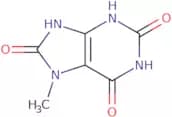

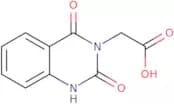
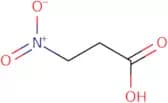
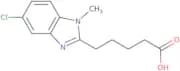
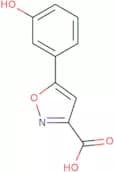
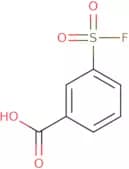

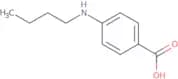
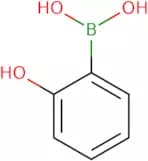
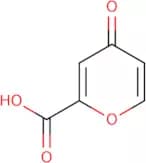
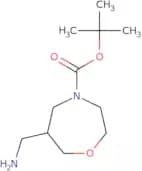

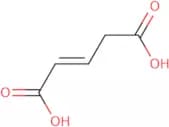
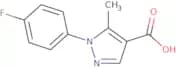

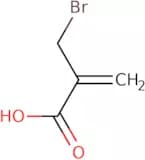
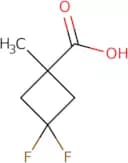

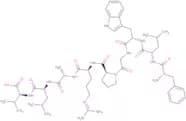

![3-{[(3,4-Dichlorophenyl)amino]carbonyl}bicyclo[2.2.1]hept-5-ene-2-carboxylic acid](/_next/image/?url=https%3A%2Fstatic.cymitquimica.com%2Fproducts%2F3D%2Fthumb-webp%2FFD136060.webp&w=3840&q=75)
![1-[2-(5-Fluoro-1H-indol-3-yl)ethyl]-5-oxopyrrolidine-3-carboxylic acid](/_next/image/?url=https%3A%2Fstatic.cymitquimica.com%2Fproducts%2F3D%2Fthumb-webp%2FFF119448.webp&w=3840&q=75)


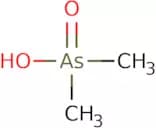
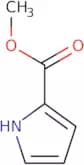
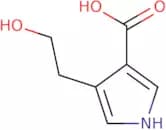

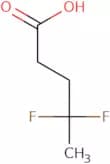
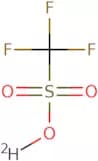
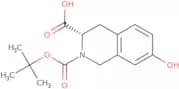
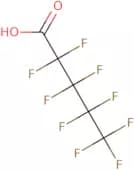
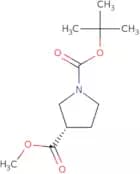
![1-[2-(Methoxycarbonyl)phenyl]-5-oxopyrrolidine-3-carboxylic acid](/_next/image/?url=https%3A%2Fstatic.cymitquimica.com%2Fproducts%2F3D%2Fthumb-webp%2FFM123736.webp&w=3840&q=75)
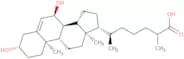
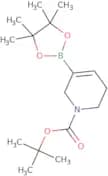
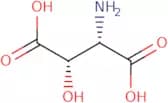

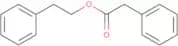
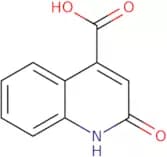
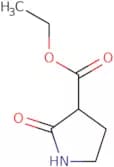

![1-[2-(5-Chloro-1H-indol-3-yl)ethyl]-5-oxopyrrolidine-3-carboxylic acid](/_next/image/?url=https%3A%2Fstatic.cymitquimica.com%2Fproducts%2F3D%2Fthumb-webp%2FFC119446.webp&w=3840&q=75)
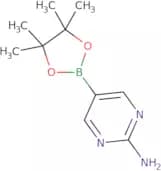
![1-[2-(5-Methyl-1H-indol-3-yl)ethyl]-5-oxopyrrolidine-3-carboxylic acid](/_next/image/?url=https%3A%2Fstatic.cymitquimica.com%2Fproducts%2F3D%2Fthumb-webp%2FFM119447.webp&w=3840&q=75)
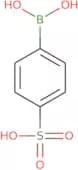
![5-[4-(3-Chlorophenyl)piperazin-1-yl]-5-oxopentanoic acid](/_next/image/?url=https%3A%2Fstatic.cymitquimica.com%2Fproducts%2F3D%2Fthumb-webp%2FFC124636.webp&w=3840&q=75)
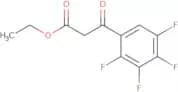
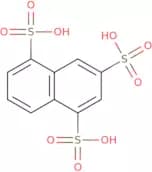

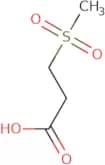

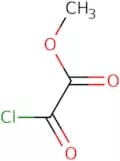
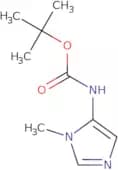
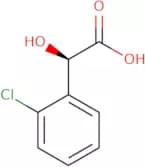
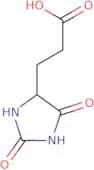
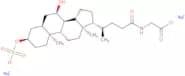
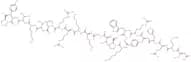
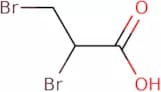
![tert-Butyl 4,7-diazaspiro[2.5]octane-7-carboxylate](/_next/image/?url=https%3A%2Fstatic.cymitquimica.com%2Fproducts%2F3D%2Fthumb-webp%2FFB141975.webp&w=3840&q=75)
![4-(2-Chlorophenyl)-9-methyl-6H-thieno[3,2-f][1,2,4]triazolo[4,3-a][1,4]diazepine-2-propanoic acid …](/_next/image/?url=https%3A%2Fstatic.cymitquimica.com%2Fproducts%2F3D%2Fthumb-webp%2FFC20337.webp&w=3840&q=75)
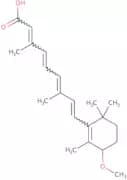
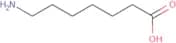
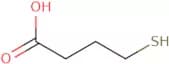

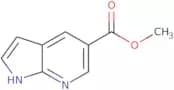
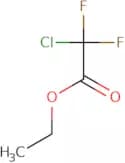
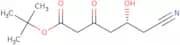
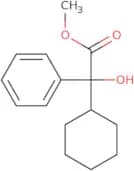
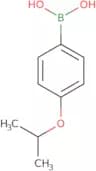

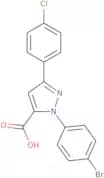
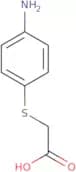
![[2-(4-Aminophenyl)ethyl]carbamic acid tert-butyl ester](/_next/image/?url=https%3A%2Fstatic.cymitquimica.com%2Fproducts%2F3D%2Fthumb-webp%2FFA51360.webp&w=3840&q=75)

![3-Methyl-2-oxo-2,3-dihydro-1H-benzo[d]imidazole-4-carboxylic acid](/_next/image/?url=https%3A%2Fstatic.cymitquimica.com%2Fproducts%2F3D%2Fthumb-webp%2FFM143449.webp&w=3840&q=75)
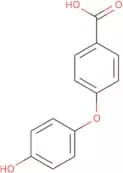
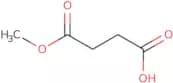
![6-(Methoxycarbonyl)spiro[3.3]heptane-2-carboxylic acid](/_next/image/?url=https%3A%2Fstatic.cymitquimica.com%2Fproducts%2F3D%2Fthumb-webp%2FFM161396.webp&w=3840&q=75)
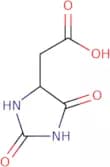
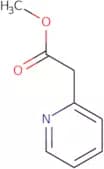
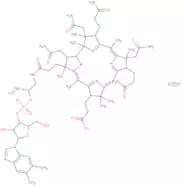
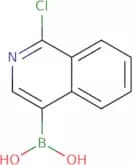
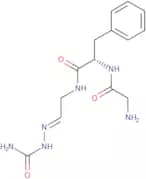
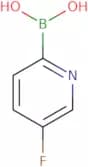
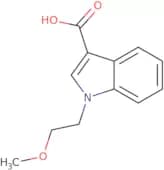
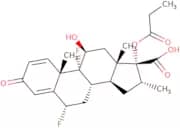
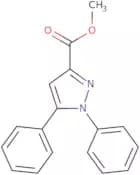
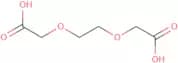
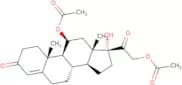
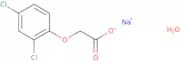
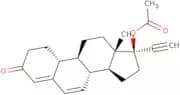
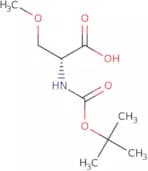
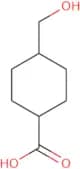
![3-[(Dimethylamino)methyl]benzoic acid hydrochloride](/_next/image/?url=https%3A%2Fstatic.cymitquimica.com%2Fproducts%2F3D%2Fthumb-webp%2FFD124093.webp&w=3840&q=75)
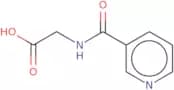
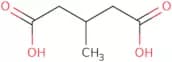
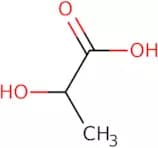
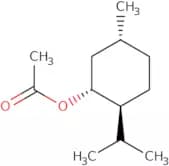
![[2-(Difluoromethyl)phenyl]boronic acid](/_next/image/?url=https%3A%2Fstatic.cymitquimica.com%2Fproducts%2F3D%2Fthumb-webp%2FFD84620.webp&w=3840&q=75)
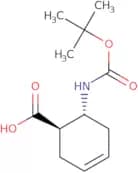
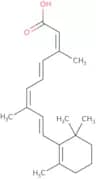
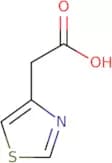
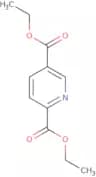

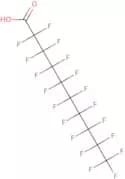
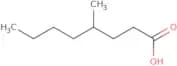
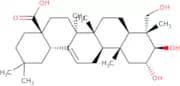
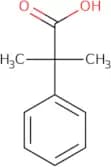
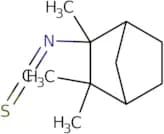
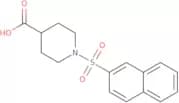
![1-(4-Methoxyphenyl)-7-oxo-6-(4-(2-oxopiperidin-1-yl)phenyl)-4,5,6,7-tetrahydro-1H-pyrazolo[3,4-c]p…](/_next/image/?url=https%3A%2Fstatic.cymitquimica.com%2Fproducts%2F3D%2Fthumb-webp%2FFM155764.webp&w=3840&q=75)
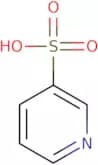
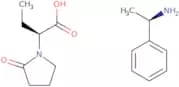
![2-[4-(2-Methylpropenyl)phenyl]propionic acid](/_next/image/?url=https%3A%2Fstatic.cymitquimica.com%2Fproducts%2F3D%2Fthumb-webp%2FFM25939.webp&w=3840&q=75)
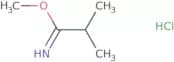


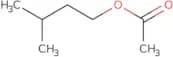
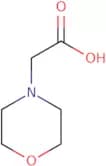
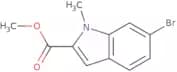

![3,6-Dichlorobenzo[b]thiophene-2-carboxylic acid](/_next/image/?url=https%3A%2Fstatic.cymitquimica.com%2Fproducts%2F3D%2Fthumb-webp%2FFD57151.webp&w=3840&q=75)
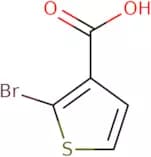
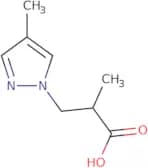

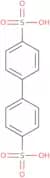
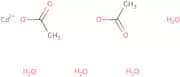

![Spiro[2.3]hexane-1-carboxylic acid](/_next/image/?url=https%3A%2Fstatic.cymitquimica.com%2Fproducts%2F3D%2Fthumb-webp%2FFS167675.webp&w=3840&q=75)
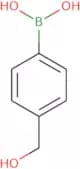
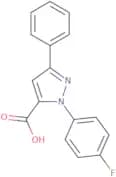
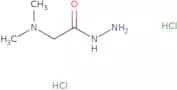

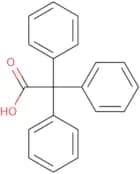
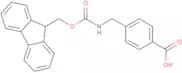
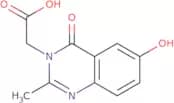
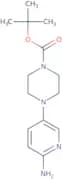
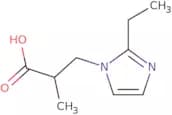
![5-[(3,5-Dimethyl-1H-pyrazol-1-yl)methyl]-2-furoic acid](/_next/image/?url=https%3A%2Fstatic.cymitquimica.com%2Fproducts%2F3D%2Fthumb-webp%2FFD115286.webp&w=3840&q=75)

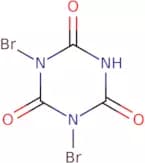
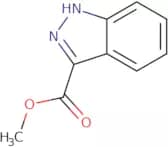
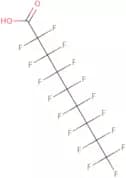

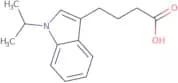

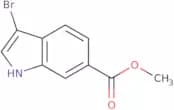
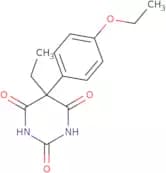
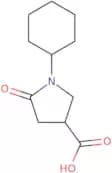

![tert-Butyl 4-chloro-5,6-dihydropyrido[3,4-d]pyrimidine-7(8H)-carboxylate](/_next/image/?url=https%3A%2Fstatic.cymitquimica.com%2Fproducts%2F3D%2Fthumb-webp%2FFB144255.webp&w=3840&q=75)
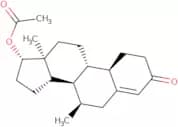
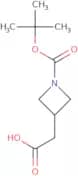
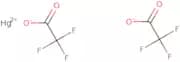
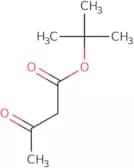


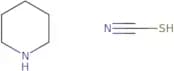
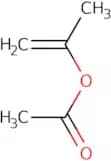
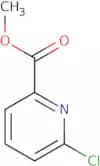

![Dimethyl 1-[2-(1H-indol-3-yl)ethyl]-2,5-dimethyl-1H-pyrrole-3,4-dicarboxylate](/_next/image/?url=https%3A%2Fstatic.cymitquimica.com%2Fproducts%2F3D%2Fthumb-webp%2FFD121817.webp&w=3840&q=75)

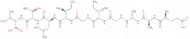
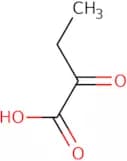
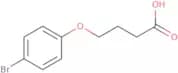
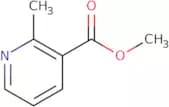
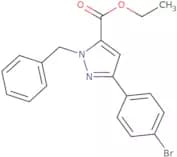
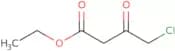
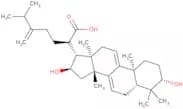
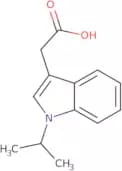
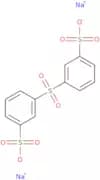
![Tert-butyl(8-anti)-3-azabicyclo[3.2.1]oct-8-ylcarbamate](/_next/image/?url=https%3A%2Fstatic.cymitquimica.com%2Fproducts%2F3D%2Fthumb-webp%2FFT167890.webp&w=3840&q=75)



![tert-Butyl 4-{[(methylsulfonyl)oxy]methyl}piperidine-1-carboxylate](/_next/image/?url=https%3A%2Fstatic.cymitquimica.com%2Fproducts%2F3D%2Fthumb-webp%2FFB122853.webp&w=3840&q=75)