Carboxylic Acids
Carboxylic acids are organic molecules characterized by having a carboxyl-type functional group (-COOH). These acids are fundamental in various chemical reactions, including esterification, amidation, and decarboxylation. Carboxylic acids are widely used in the production of pharmaceuticals, polymers, and agrochemicals. In this section, you can find a large number of carboxylic acids ready to be used. At CymitQuimica, we provide a broad range of high-quality carboxylic acids to support your research and industrial applications.
Found 12453 products of "Carboxylic Acids"
Sort by
Purity (%)
0
100
|
0
|
50
|
90
|
95
|
100
N10-Methyl pteroic acid
CAS:<p>N10-Methyl pteroic acid is a novel immunosuppressant that inhibits T-cell proliferation and promotes regression of inflammatory bowel disease. It has been shown to be effective in treating cancer patients, with the terminal half-life being approximately 20 hours. N10-Methyl pteroic acid is a potent inhibitor of human acute lymphoblastic leukemia cells. It can also be used as an immunosuppressant for organ transplantation, with desorption from gels using matrix-assisted laser desorption/ionization time-of-flight mass spectrometry (MALDI TOF MS) and bioanalytical methods such as high performance liquid chromatography (HPLC).</p>Formula:C15H14N6O3Purity:Min. 95%Molecular weight:326.31 g/moltert-Butyl 4-(2-methoxy-2-oxoethyl)piperazine-1-carboxylate
CAS:<p>Please enquire for more information about tert-Butyl 4-(2-methoxy-2-oxoethyl)piperazine-1-carboxylate including the price, delivery time and more detailed product information at the technical inquiry form on this page</p>Formula:C12H22N2O4Purity:Min. 95%Molecular weight:258.31 g/molN-(Aminocarbonyl)aspartic acid
CAS:<p>N-Aminocarbonyl-L-aspartic acid (NACD) is a molecule that is found in urine samples. It can be used as a biomarker to detect cancer, HIV infection, and many other diseases. The presence of NACD has been correlated with the development of acidosis, which is characterized by an increase in the pH of body fluids. The following are a few examples of how this product might be described on an eCommerce site: Rifapentine is an anti-tuberculosis drug that belongs to the class of rifamycins. It is the most active of the rifamycins for the treatment of tuberculosis. Rifapentine inhibits bacterial growth by binding to DNA-dependent RNA polymerase, thereby preventing transcription and replication. The high frequency of human activity has been shown using a patch-clamp technique on human erythrocytes. This active form is metabolized through</p>Formula:C5H8N2O5Purity:Min. 95%Color and Shape:PowderMolecular weight:176.13 g/mol2-(Dimethylaminocarbonyl)ethylboronic acid, pinacol ester
CAS:<p>Please enquire for more information about 2-(Dimethylaminocarbonyl)ethylboronic acid, pinacol ester including the price, delivery time and more detailed product information at the technical inquiry form on this page</p>Formula:C11H22BNO3Purity:Min. 95%Molecular weight:227.11 g/mol1-Benzyl-3-phenyl-1H-pyrazole-5-carboxylic acid
CAS:Controlled Product<p>Please enquire for more information about 1-Benzyl-3-phenyl-1H-pyrazole-5-carboxylic acid including the price, delivery time and more detailed product information at the technical inquiry form on this page</p>Formula:C17H14N2O2Purity:Min. 95%Molecular weight:278.31 g/mol4-(4-Bromophenoxy)butanoic acid
CAS:Controlled Product<p>Please enquire for more information about 4-(4-Bromophenoxy)butanoic acid including the price, delivery time and more detailed product information at the technical inquiry form on this page</p>Formula:C10H11BrO3Purity:Min. 95%Molecular weight:259.1 g/molDecanoic acid
CAS:<p>Decanoic acid is a saturated fatty acid that has been used as a pharmaceutical agent for the treatment of congestive heart failure. Decanoic acid is also used in the production of glycol ethers and as an intermediate in organic synthesis. The melting point of decanoic acid is between 30 and 35 degrees Celsius, which is lower than the melting points of caproic acid (40 degress) or lauric acid (45 degrees Celsius). Decanoic acid has been shown to reduce blood glucose levels in diabetic mice and rats and has also been shown to have antimicrobial activity against c. glabrata, S. aureus, and E. coli. Decanoic acid may be effective as an adjuvant therapy for melanoma by inducing apoptosis through mitochondrial membrane potential disruption.</p>Formula:C10H20O2Purity:Min. 95%Color and Shape:PowderMolecular weight:172.26 g/molMagnesium acetate tetrahydrate
CAS:<p>Magnesium acetate tetrahydrate is a white crystalline solid that is soluble in water and is used as a nutritional supplement. It is produced by the reaction of magnesium carbonate with an aqueous solution of acetic acid. The particle size varies depending on the synthesis method used. Magnesium acetate tetrahydrate has been shown to be effective for treating diabetes mellitus, as it helps regulate blood sugar levels by promoting insulin release from pancreatic cells and increasing glucose uptake into these cells. This compound also has been found to be effective in reducing hiv infection rates, which may be due to its ability to increase the activity of CD4+ T-cells.</p>Formula:Mg(C2H3O2)2•(H2O)4Purity:Min. 95%Color and Shape:White/Off-White SolidMolecular weight:214.45 g/mol4-(Ethoxycarbonyl)phenylboronic acid
CAS:<p>4-(Ethoxycarbonyl)phenylboronic acid is a potential use for picric acid detection. It has been shown to be a chemosensor with an electrochemical impedance spectroscopy response that is sensitive to chloride ions. 4-(Ethoxycarbonyl)phenylboronic acid can be used as a linker in multigram-scale synthesis of aryl halides, and its reaction mechanism has been elucidated by crystal x-ray diffraction. The synthesis of this compound is scalable and involves the formation of an apical carboxylate from ethoxycarbonyl phenyl boronic acid and an aryl halide.</p>Formula:C9H11BO4Purity:Min. 95%Color and Shape:PowderMolecular weight:193.99 g/mol20-Dehydro cholesterol 3-acetate
CAS:Controlled Product<p>Please enquire for more information about 20-Dehydro cholesterol 3-acetate including the price, delivery time and more detailed product information at the technical inquiry form on this page</p>Formula:C29H46O2Purity:Min. 95%Molecular weight:426.67 g/mol12-Amino-1-dodecanoic acid methyl ester hydrochloride salt
CAS:<p>12-Amino-1-dodecanoic acid methyl ester hydrochloride salt (12ADM) has been shown to have immunomodulatory properties. It has a nanomolar range of activity, which is the optimal for an immunosuppressant. 12ADM inhibits the transcriptional activity of human immunodeficiency virus type 1 (HIV-1) and HIV-2, as well as other retroviruses, through interactions with specific RNA sequences in the viral genome. The amide group in this compound is essential for its antiviral activity, and it also interacts with betulinic acid to enhance its cytotoxicity.</p>Formula:C13H28ClNO2Purity:Min. 95%Color and Shape:PowderMolecular weight:265.82 g/mol1-Benzyl-5-methyl-1H-1,2,3-triazole-4-carboxylic acid
CAS:<p>1-Benzyl-5-methyl-1H-1,2,3-triazole-4-carboxylic acid is a compound with an esterified hydroxyl group in the form of an acetylacetone. It can be used as a monohydrate or dihydrate and it is stabilized by hydrogen bonding. 1-Benzyl-5-methyl-1H-1,2,3-triazole-4-carboxylic acid has been studied as a potential drug for cancer treatment because it is active against tumor cells and has little toxicity to normal cells.</p>Formula:C11H11N3O2Purity:Min. 95%Molecular weight:217.22 g/mol1-Phenyl-1H-pyrrole-2-carboxylic acid
CAS:<p>1-Phenyl-1H-pyrrole-2-carboxylic acid is a heterocyclic compound with a carbonyl group. It is the simplest furan derivative. 1PPC has been shown to react with phosphite and trimethyl phosphite to form an intramolecular cycloaddition product, which is a biomolecular reaction. 1PPC competes with furan for the formation of pyrroles. This study also showed that pyrrole rings can be opened by 1PPC and other carbonyl groups in the presence of base, forming new compounds.</p>Formula:C11H9NO2Purity:Min. 95%Color and Shape:PowderMolecular weight:187.19 g/molBoc-tranexamic acid
CAS:<p>Tranexamic acid is a non-protein amino acid that is used to reduce the risk of blood loss in surgical procedures. It is an inhibitor of plasmin, which is an enzyme that breaks down clots and fibrin. Tranexamic acid binds to the active site of plasmin and blocks its activity, preventing the breakdown of fibrin clots. Tranexamic acid has been shown to be selective for plasmin, as other enzymes such as urokinase are not blocked by this drug. The picolyl group on tranexamic acid interacts with the benzyl group on plasmin and this interaction may be responsible for the selectivity of tranexamic acid for plasmin over other enzymes.</p>Purity:Min. 95%[2-(4-Chlorophenyl)-1,3-thiazol-4-yl]acetic acid
CAS:<p>[2-(4-Chlorophenyl)-1,3-thiazol-4-yl]acetic acid is a potent antimicrobial agent that inhibits the growth of bacteria by binding to the 50S ribosomal subunit. It has shown antiinflammatory properties in animal models of bowel disease, skin cancer, and autoimmune diseases. This drug has also been shown to have no observable toxicity in humans at doses up to 5000 mg/day for 28 days. The drug binds to a number of enzymes including reactive oxygen species (ROS) scavengers and metabolic enzymes. There are no known drug interactions with this drug and it can be used safely with other nonsteroidal antiinflammatory drugs (NSAIDs).</p>Formula:C11H8ClNO2SPurity:Min. 95%Molecular weight:253.71 g/mol2-Methylnicotinic acid methyl ester
CAS:<p>2-Methylnicotinic acid methyl ester is a synthetic chemical compound that belongs to the isomer family. It has been used in the synthesis of cocaine and isomers, as well as in the modification of drugs. 2-Methylnicotinic acid methyl ester can be synthesised from 2-methylpyridine and formaldehyde via the method of methylmagnesium iodide. 2-Methylnicotinic acid methyl ester has been shown to be a potent inhibitor of human platelet aggregation, which may be due to its structural similarity to nicotine.</p>Formula:C8H9NO2Purity:Min. 95%Color and Shape:PowderMolecular weight:151.16 g/molCobalt(II) acetate tetrahydrate
CAS:<p>Cobalt(II) acetate tetrahydrate is a model system that can be used to study the structures of coordination complexes. The cobalt ion has a coordination geometry with two water molecules, two oxygen atoms from the acetate anion, and one proton from the hydroxide anion. The crystal structure is composed of six-membered rings of alternating metal ions and oxygen atoms. The reaction solution contains excess sodium hydroxide and water vapor. It was determined that cobalt(II) acetate tetrahydrate reacts electrochemically at low frequencies as well as with 5-hmf, an oxidizing agent, in the presence of sodium citrate as an oxidation catalyst.</p>Formula:C4H6CoO4·4H2OPurity:Min. 95%Color and Shape:Pink To Red SolidMolecular weight:249.08 g/molN-Hexylboronic acid
CAS:<p>N-Hexylboronic acid is an organometallic compound that has been used as a model system to study the catalytic mechanism of the Suzuki coupling reaction. It has also been shown to be a substrate film for use in the suzuki coupling reaction when combined with Raney nickel, which can be used to synthesize organic compounds. N-Hexylboronic acid has been shown to inhibit the activity of pancreatic lipase, but not cholesterol esterase or cholesterol ester hydrolase. The skeleton of this molecule is made up of six carbon atoms and one boron atom. Hydrogen chloride and aliphatic hydrocarbons are inhibitors of N-hexylboronic acid.</p>Formula:C6H15BO2Purity:Min. 95%Molecular weight:129.99 g/mol(S)-2-Acetoxy-propionic acid
CAS:<p>(S)-2-Acetoxy-propionic acid is a hexyl, enantiopure, and biologically active chemical. It is a pheromone that is secreted by the streptomycetaceae bacterium as part of its mating process. It has been shown to have an inhibitory effect on stingless bees, which are native to Central America and South America. (S)-2-Acetoxy-propionic acid has been found in the mandibular glands of these bees and is believed to play a role in their behavior. This chemical can be synthesized from propionic acid and acetaldehyde or from lactic acid and acetaldehyde. It is also possible to produce it from 2-bromopropanoic acid through the tripropionate pathway. The chemical was first isolated in 1957 by Takaichi Yamashita, who named it for its ability to inhibit bee stings when applied externally. (S)-2-Acetoxy</p>Formula:C5H8O4Purity:Min. 95%Color and Shape:Colorless Clear LiquidMolecular weight:132.11 g/molEthyl 5-chloro-1,3-dimethyl-1H-indole-2-carboxylate
CAS:Controlled Product<p>Please enquire for more information about Ethyl 5-chloro-1,3-dimethyl-1H-indole-2-carboxylate including the price, delivery time and more detailed product information at the technical inquiry form on this page</p>Formula:C13H14ClNO2Purity:Min. 95%Molecular weight:251.71 g/mol4-(2-Chlorophenyl)-9-methyl-6H-thieno[3,2-f][1,2,4]triazolo[4,3-a][1,4]diazepine-2-propanoic acid
CAS:Controlled Product<p>Please enquire for more information about 4-(2-Chlorophenyl)-9-methyl-6H-thieno[3,2-f][1,2,4]triazolo[4,3-a][1,4]diazepine-2-propanoic acid including the price, delivery time and more detailed product information at the technical inquiry form on this page</p>Formula:C18H15ClN4O2SPurity:Min. 95%Molecular weight:386.86 g/molMethyl 2-fluoroacetate
CAS:<p>Methyl 2-fluoroacetate is a nucleophilic drug that has been shown to cause conformational changes in the target protein. It has been shown to be water-soluble, and can be used as a probe for studying biological processes. Methyl 2-fluoroacetate has been shown to be effective against papillary muscle, and is a potential drug for treating cardiac conditions. The mechanism of action of methyl 2-fluoroacetate is not well understood, but it is thought to involve the formation of an alkoxy radical. The molecular structure of methyl 2-fluoroacetate was studied using vibrational spectroscopy and nuclear magnetic resonance (NMR) spectra. This drug was also found to inhibit the growth of tissue culture cells at low concentrations, which may indicate that it can affect cell function.</p>Formula:C3H5FO2Purity:Min. 95%Molecular weight:92.07 g/mol5-Oxo-1-(pyridin-3-ylmethyl)pyrrolidine-3-carboxylic acid
CAS:<p>Please enquire for more information about 5-Oxo-1-(pyridin-3-ylmethyl)pyrrolidine-3-carboxylic acid including the price, delivery time and more detailed product information at the technical inquiry form on this page</p>Formula:C11H12N2O3Purity:Min. 95%Molecular weight:220.22 g/molN,N'-bis-Fmoc-diaminoacetic acid
CAS:<p>Please enquire for more information about N,N'-bis-Fmoc-diaminoacetic acid including the price, delivery time and more detailed product information at the technical inquiry form on this page</p>Formula:C32H26N2O6Purity:Min. 95%Molecular weight:534.56 g/molChlormadinol acetate
CAS:Controlled Product<p>Chlormadinol acetate is a stable complex of a fatty acid and an antibiotic that is used to treat infections caused by bacteria. It has been shown to have high resistance to antimicrobial agents, including amoxicillin-clavulanic acid, tetracycline, and multidrug efflux pumps. Chlormadinol acetate has also been shown to inhibit the growth of certain cancer cells in vitro and in vivo using gene therapy. This drug also inhibits bacterial protein synthesis by binding to the 30S ribosomal subunit and preventing the formation of a functional 70S ribosome. Chlormadinol acetate has been shown to be clinically relevant in mice when used with amoxicillin-clavulanic acid or tetracycline.</p>Formula:C23H31ClO4Purity:Min. 95%Molecular weight:406.94 g/mol4-(Hydroxymethyl)phenylboronic acid
CAS:<p>4-(Hydroxymethyl)phenylboronic acid is an organic compound that has been identified as a reactive, fatty acid. It has shown antibacterial efficacy against gram-positive and gram-negative bacteria in the presence of nanogels. 4-(Hydroxymethyl)phenylboronic acid is also a cross-linking agent that can be used to form hydrogels for tissue engineering applications. This chemical is being studied as a potential treatment for inflammatory bowel disease and diabetes mellitus. 4-(Hydroxymethyl)phenylboronic acid has been shown to have anti-cancer properties by inhibiting the proliferation of cancer cells and inducing apoptosis. The molecule also undergoes structural analysis using confocal microscopy.</p>Formula:C7H9BO3Molecular weight:151.96 g/mol3-(2-Oxo-imidazolidin-1-yl)benzoic acid
CAS:<p>Please enquire for more information about 3-(2-Oxo-imidazolidin-1-yl)benzoic acid including the price, delivery time and more detailed product information at the technical inquiry form on this page</p>Formula:C10H10N2O3Purity:Min. 95%Molecular weight:206.2 g/molEthyl 1-benzyl-3-(4-bromophenyl)-1H-pyrazole-5-carboxylate
CAS:Controlled Product<p>Please enquire for more information about Ethyl 1-benzyl-3-(4-bromophenyl)-1H-pyrazole-5-carboxylate including the price, delivery time and more detailed product information at the technical inquiry form on this page</p>Formula:C19H17BrN2O2Purity:Min. 95%Molecular weight:385.25 g/molD-Glutamic acid α-amide
CAS:<p>D-Glutamic acid alpha-amide is a carbohydrate that has been shown to have antibiotic properties. It can be produced by chemoenzymatic synthesis and is used as an animal feed additive. D-Glutamic acid alpha-amide is a conjugate of D-glutamic acid with either glycine or beta-alanine. The residue of this compound on red blood cells is measured in order to assess the amount of D-glutamic acid alpha-amide that has been ingested. This compound has also been shown to have antigenic properties, which can elicit immune responses when injected into animals. The meningococcal vaccine that contains D-glutamic acid alpha-amide was found to be effective at stimulating an immune response in mice against meningitis caused by gram negative species, such as Neisseria meningitidis.</p>Formula:C5H10N2O3Purity:Min. 95%Color and Shape:PowderMolecular weight:146.14 g/mol1,2,3,4-Tetrahydro-1-naphthoic acid
CAS:<p>Tetrahydro-1-naphthoic acid is a toxic chemical that is used in the synthesis of various organic compounds. It is an organic acid that has a pungent odor and can cause irritation of the nose and throat. When heated, it evolves toxic fumes of hydrogen chloride gas and phosgene. Tetrahydro-1-naphthoic acid reacts with metal hydroxides to form metal tetrahydro-1-naphthoates, which have useful properties as catalysts in organic reactions. Tetrahydro-1-naphthoic acid has been used as a growth regulator in plants and animals. It binds to DNA at the C–H site, preventing protein synthesis and cell division by inhibiting RNA synthesis.</p>Formula:C11H12O2Purity:Min. 95%Molecular weight:176.21 g/mol2-[4-(2-Methylpropenyl)phenyl]propionic acid
CAS:<p>2-[4-(2-Methylpropenyl)phenyl]propionic acid is an analgesic and antipyretic agent. It has been shown to have antiinflammatory properties, which are mediated through inhibition of prostaglandin synthesis. This agent binds to the enzyme cyclooxygenase and inhibits the biosynthesis of prostaglandins that are responsible for inflammation. 2-[4-(2-Methylpropenyl)phenyl]propionic acid also has optical antipyretic activity, which may be due to its ability to inhibit the release of prostaglandins from arachidonic acid in the hypothalamus. The optical antipyretic activity is most likely due to the enantiomers that this drug contains. 2-[4-(2-Methylpropenyl)phenyl]propionic acid has a pharmacologic profile that includes analgesic and antipyretic activities.END>></p>Formula:C13H16O2Purity:Min. 95%Color and Shape:PowderMolecular weight:204.26 g/mol[3-(Trifluoromethyl)-4,5,6,7-tetrahydro-1H-indazol-1-yl]acetic acid
CAS:<p>Please enquire for more information about [3-(Trifluoromethyl)-4,5,6,7-tetrahydro-1H-indazol-1-yl]acetic acid including the price, delivery time and more detailed product information at the technical inquiry form on this page</p>Formula:C10H11F3N2O2Purity:Min. 95%Molecular weight:248.2 g/mol1-tert-Butyl 3-methyl pyrrolidine-1,3-dicarboxylate
CAS:<p>Please enquire for more information about 1-tert-Butyl 3-methyl pyrrolidine-1,3-dicarboxylate including the price, delivery time and more detailed product information at the technical inquiry form on this page</p>Formula:C11H19NO4Purity:Min. 95%Molecular weight:229.27 g/mol6-Chloro-1-methyl-1H-indole-2-carboxylic acid
CAS:<p>Please enquire for more information about 6-Chloro-1-methyl-1H-indole-2-carboxylic acid including the price, delivery time and more detailed product information at the technical inquiry form on this page</p>Formula:C10H8ClNO2Purity:Min. 95%Molecular weight:209.63 g/mol3-Keto-7a,12a-dihydroxy-5a-cholanic acid
CAS:Controlled Product<p>3-Keto-7a,12a-dihydroxy-5a-cholanic acid is a steroid hormone that is synthesized from cholesterol. It is one of the major hormones involved in the regulation of the menstrual cycle and ovulation. The levels of this hormone increase during ovulation, with maximal concentration occurring at midcycle. 3-Keto-7a,12a-dihydroxy-5a-cholanic acid is converted by enzymes into estradiol and testosterone. 3-Keto-7a,12a-dihydroxy-5a-cholanic acid may also be involved in regulating peptide hormones and pheromones.</p>Formula:C24H38O5Purity:Min. 95%Molecular weight:406.56 g/molEthyl 6-bromo-5-hydroxy-1-methyl-2-(phenylsulfanylmethyl)indole-3-carboxylate
CAS:Controlled Product<p>Please enquire for more information about Ethyl 6-bromo-5-hydroxy-1-methyl-2-(phenylsulfanylmethyl)indole-3-carboxylate including the price, delivery time and more detailed product information at the technical inquiry form on this page</p>Purity:Min. 95%1-(4-Fluorophenyl)-3-phenyl-1H-pyrazole-5-carboxylic acid
CAS:Controlled Product<p>Please enquire for more information about 1-(4-Fluorophenyl)-3-phenyl-1H-pyrazole-5-carboxylic acid including the price, delivery time and more detailed product information at the technical inquiry form on this page</p>Formula:C16H11FN2O2Purity:Min. 95%Color and Shape:PowderMolecular weight:282.27 g/molMethyl 1H-imidazole-2-carboxylate
CAS:<p>Please enquire for more information about Methyl 1H-imidazole-2-carboxylate including the price, delivery time and more detailed product information at the technical inquiry form on this page</p>Formula:C5H6N2O2Purity:Min. 95%Molecular weight:126.11 g/mol5-(Aminomethyl)-2-furoic acid hydrochloride
CAS:<p>5-(Aminomethyl)-2-furoic acid hydrochloride is a molecule that belongs to the group of carboxylates. It has a molecular weight of 191.2 g/mol and a chemical formula of CHNO. The structure of 5-(aminomethyl)-2-furoic acid hydrochloride is similar to that of hexamethylenetetramine, a common organic compound with the formula (CH)N(H)CH. 5-(Aminomethyl)-2-furoic acid hydrochloride can be used as an acceptor in hydrogen chloride gas generation reactions, which are used in the synthesis of some pharmaceutical drugs and other organic compounds. The molecule also has potential use in telomerase research because it is structurally similar to natural telomeres. In addition, this molecule has been shown to have anti-inflammatory properties due to its ability to inhibit prostaglandin synthesis.</p>Formula:C6H7NO3Purity:Min. 95%Molecular weight:141.12 g/mol4-[1-(2-Methoxyethyl)-1H-indol-3-yl]butanoic acid
CAS:Controlled Product<p>Please enquire for more information about 4-[1-(2-Methoxyethyl)-1H-indol-3-yl]butanoic acid including the price, delivery time and more detailed product information at the technical inquiry form on this page</p>Formula:C15H19NO3Purity:Min. 95%Molecular weight:261.32 g/mol2-(Benzimidazolylthio) acetic acid
CAS:<p>2-(Benzimidazolylthio) acetic acid is a ligand that can be used as an antihelminthic. It can also be used to produce luminescent substances, inorganic salts and heterocycles. 2-(Benzimidazolylthio) acetic acid reacts with nucleophiles by nucleophilic attack, cleaving the bond and releasing the atom or group. 2-(Benzimidazolylthio) acetic acid has been used to synthesize condensation products with irradiation. This chemical has been shown to have antimicrobial properties against bacteria and fungi.</p>Formula:C9H8N2O2SPurity:Min. 95%Color and Shape:PowderMolecular weight:208.24 g/molGibberellic acid methyl ester
CAS:<p>Gibberellic acid methyl ester is a specialized plant growth regulator, which is synthetically derived from the naturally occurring gibberellins found in plants. These gibberellins are vital phytohormones that regulate various aspects of growth and development in higher plants. Gibberellic acid methyl ester functions by mimicking these natural gibberellins, interacting with plant cellular processes to stimulate and enhance growth. Its mode of action involves promoting cell elongation, division, and differentiation, thereby accelerating plant growth and influencing the lifecycle.</p>Formula:C20H24O6Purity:Min. 95%Molecular weight:360.4 g/mol2-Methyl-4-(2-methylbenzamido)benzoic acid
CAS:<p>2-Methyl-4-(2-methylbenzamido)benzoic acid is a synthetic drug that has oxidizing properties. It is used as an intermediate in the synthesis of medicines, and can also be used as an intermediate in the synthesis of dyes and pesticides. The structure of this molecule consists of two methyl groups on a benzene ring with two aminobenzoic acid molecules attached to it. This molecule has hydrogen bonds with both aminobenzoic acid groups, one of which has an alkyl group attached to it. 2-Methyl-4-(2-methylbenzamido)benzoic acid crystallizes in the monoclinic system and its molecular weight is 256.24 g/mol.</p>Formula:C16H15NO3Purity:Min. 95%Molecular weight:269.3 g/mol2,3-Dibromopropanoic acid
CAS:<p>2,3-Dibromopropanoic acid is a carcinogenic chemical that has been shown to cause liver tumors in rats. It is a nucleophile that reacts with amide groups to form an amide bond. The analytical method for 2,3-dibromopropanoic acid is gas chromatography with flame ionization detection. Its structural formula is CHBrCHBrCOH. It has a carbonyl group and acidic properties, as well as a chloride ion present on the molecule. 2,3-Dibromopropanoic acid is an anxiolytic drug that has been shown to have health effects such as drowsiness and headache.</p>Formula:C3H4Br2O2Purity:Min. 95%Color and Shape:PowderMolecular weight:231.87 g/molVitamin B12 e-Monocarboxylic Acid
CAS:Controlled Product<p>Please enquire for more information about Vitamin B12 e-Monocarboxylic Acid including the price, delivery time and more detailed product information at the technical inquiry form on this page</p>Formula:C63H87CoN13O15PPurity:Area-% Min. 95 Area-%Color and Shape:PowderMolecular weight:1,356.35 g/mol[1-(2-Methoxyethyl)-1H-indol-3-yl]acetic acid
CAS:Controlled Product<p>Please enquire for more information about [1-(2-Methoxyethyl)-1H-indol-3-yl]acetic acid including the price, delivery time and more detailed product information at the technical inquiry form on this page</p>Formula:C13H15NO3Purity:Min. 95%Molecular weight:233.26 g/mol4-{[1-(tert-Butoxycarbonyl)azetidin-3-yl]oxy}benzoic acid
CAS:<p>Please enquire for more information about 4-{[1-(tert-Butoxycarbonyl)azetidin-3-yl]oxy}benzoic acid including the price, delivery time and more detailed product information at the technical inquiry form on this page</p>Formula:C15H19NO5Purity:Min. 95%Molecular weight:293.32 g/mol4-Cyano-2-methylphenylboronic acid, pinacol ester
CAS:<p>Please enquire for more information about 4-Cyano-2-methylphenylboronic acid, pinacol ester including the price, delivery time and more detailed product information at the technical inquiry form on this page</p>Formula:C14H18BNO2Purity:Min. 95%Molecular weight:243.11 g/mol1-(4-Isopropylphenyl)-5-oxopyrrolidine-3-carboxylic acid
CAS:<p>Please enquire for more information about 1-(4-Isopropylphenyl)-5-oxopyrrolidine-3-carboxylic acid including the price, delivery time and more detailed product information at the technical inquiry form on this page</p>Formula:C14H17NO3Purity:Min. 95%Molecular weight:247.29 g/molH-Lys-Phe-Lys-OH acetate salt
CAS:<p>H-Lys-Phe-Lys-OH acetate salt is a dinucleotide that contains two molecules of the amino acids lysine and phenylalanine. The H-Lys-Phe-Lys-OH acetate salt interacts with the monoclonal antibody, which then binds to the tumor cells. This interaction can be measured by an oscilloscope and is used for molecular imaging. The constant value is determined by optimizing the concentration of tripeptides and tetrapeptides in order to produce a fluorescent signal from the fatty acids. The glycosidic bond between the H-Lys-Phe-Lys molecule and its acetate salt allows for fluorescence, which can be measured by a monoclonal antibody.</p>Formula:C21H35N5O4Purity:Min. 95%Molecular weight:421.53 g/molall-trans 5,6-Epoxy retinoic acid
CAS:<p>5,6-Epoxy retinoic acid is a synthetic retinoid that has been shown to have biological properties in tissue culture and rat liver microsomes. It is an agonist of the retinoic acid receptor (RAR) and binds to DNA at the same site as all-trans retinoic acid. 5,6-Epoxyretinoic acid also has effects on gene expression in human serum and inhibits the proliferation of cancer cells by inducing apoptosis. The synthetic retinoid can be used as a novel chemotherapeutic agent for breast cancer or leukemia.</p>Formula:C20H28O3Purity:Min. 95 Area-%Color and Shape:Yellow PowderMolecular weight:316.43 g/mol2-Methyl-3-(2-methyl-1H-imidazol-1-yl)propanoic acid
CAS:Controlled Product<p>Please enquire for more information about 2-Methyl-3-(2-methyl-1H-imidazol-1-yl)propanoic acid including the price, delivery time and more detailed product information at the technical inquiry form on this page</p>Formula:C8H12N2O2Purity:Min. 95%Molecular weight:168.19 g/mol2-Methyl pentanoic acid
CAS:<p>2-Methyl pentanoic acid is a coordination complex that is synthesized by the condensation of propionyl chloride and 2-methylpentanoyl chloride. It has been shown to have anticancer activity against human cervical cancer cells, inhibiting the growth of cells in culture. The mechanism of action may be due to its ability to inhibit the production of mitochondrial proteins, leading to cell death. 2-Methyl pentanoic acid also has a strong affinity for fatty acids and can be used as an inhibitor of fatty acid synthase, which is an enzyme that catalyzes the synthesis of long chain fatty acids in mitochondria. 2-Methyl pentanoic acid can also be used as a treatment for seizures caused by divalproex sodium and isovaleric acid. It inhibits the production of 3-hydroxyisovaleric acid, which is responsible for these seizures, through competitive inhibition with valine at the 3 position on the enzyme's active site.</p>Formula:C6H12O2Purity:Min. 95%Color and Shape:Clear LiquidMolecular weight:116.16 g/mol7H-Pyrrolo[2,3-d]pyrimidine-4-carboxylic acid
CAS:<p>7H-Pyrrolo[2,3-d]pyrimidine-4-carboxylic acid is a fine chemical that is used as a building block for more complex compounds. It is not an active ingredient in any pharmaceuticals or other products. 7H-Pyrrolo[2,3-d]pyrimidine-4-carboxylic acid can be used to produce research chemicals, reagents, and specialty chemicals. This compound has been shown to be useful as a reaction component or scaffold in the synthesis of more complex molecules.</p>Formula:C7H5N3O2Purity:Min. 95%Color and Shape:PowderMolecular weight:163.13 g/mol4-(N-Methylamino)phenylboronic acid pinacol ester
CAS:<p>Please enquire for more information about 4-(N-Methylamino)phenylboronic acid pinacol ester including the price, delivery time and more detailed product information at the technical inquiry form on this page</p>Formula:C13H20BNO2Purity:Min. 95%Molecular weight:233.11 g/mol[2-(3,4-Dimethoxyphenyl)-1,3-thiazol-4-yl]acetic acid
CAS:<p>Please enquire for more information about [2-(3,4-Dimethoxyphenyl)-1,3-thiazol-4-yl]acetic acid including the price, delivery time and more detailed product information at the technical inquiry form on this page</p>Formula:C13H13NO4SPurity:Min. 95%Molecular weight:279.31 g/mol21-Hydroxy-pregna-1,4,16-triene-3,11,20-trione 21-acetate
CAS:Controlled Product<p>Please enquire for more information about 21-Hydroxy-pregna-1,4,16-triene-3,11,20-trione 21-acetate including the price, delivery time and more detailed product information at the technical inquiry form on this page</p>Formula:C23H26O5Purity:Min. 95%Molecular weight:382.45 g/mol16-Deacetyl fusidic acid sodium salt
CAS:Controlled Product<p>Please enquire for more information about 16-Deacetyl fusidic acid sodium salt including the price, delivery time and more detailed product information at the technical inquiry form on this page</p>Formula:C29H45NaO5Purity:Min. 95%Molecular weight:496.65 g/molPhenylacetic acid 2-phenylethyl ester
CAS:Controlled Product<p>Phenylacetic acid 2-phenylethyl ester is an ester of caproic acid and phenylethyl. It is used as a control agent in the manufacture of chemical substances, detergent compositions, and lemongrass oil. Phenylacetic acid 2-phenylethyl ester can be synthesized by reacting methyl anthranilate with benzoic acid in the presence of phosphotungstic acid. The required starting materials are available from commercial sources. The product has a structural formula that can be confirmed by nmr spectroscopy.</p>Formula:C16H16O2Purity:Min. 95%Color and Shape:Clear LiquidMolecular weight:240.3 g/molN-Cbz-L-aspartic acid 1-benzyl ester
CAS:<p>N-Cbz-L-aspartic acid 1-benzyl ester is a synthetic stereoselective allyl group that can be used for biochemical studies. It has been shown to have a role in the repair of damaged DNA and cellular growth. N-Cbz-L-aspartic acid 1-benzyl ester is an adenosine diphosphate (ADP) analog, which acts as an acceptor of ADP and inhibits phosphatases.</p>Formula:C19H19NO6Purity:Min. 95%Color and Shape:PowderMolecular weight:357.36 g/molThioglycolic acid
CAS:<p>Thioglycolic acid is a strong antimicrobial agent that has been shown to be effective against bacteria and fungi. It is used in the preparation of biological samples for titration calorimetry studies. Thioglycolic acid reacts with proteins by forming covalent linkages, which can be identified using laser ablation techniques. The redox potential of thioglycolic acid makes it an ideal candidate for chemiluminescent reactions.</p>Formula:C2H4O2SPurity:95%MinColor and Shape:Colorless Clear LiquidMolecular weight:92.12 g/mol4,6-Diaminobenzene-1,3-dicarboxylic acid
CAS:<p>4,6-Diaminobenzene-1,3-dicarboxylic acid is an inorganic copper compound that is used as a copper salt. It has been shown to be effective as a chelating agent for the treatment of copper toxicity. 4,6-Diaminobenzene-1,3-dicarboxylic acid binds to metal ions and forms a complex with them. This complex can then be excreted from the body through urine or bile.</p>Formula:C8H8N2O4Purity:Min. 95%Molecular weight:196.16 g/mol2-Methyl butyric acid
CAS:<p>2-Methyl butyric acid is a fatty acid that is produced by the fungus Monascus purpureus. 2-Methyl butyric acid has been shown to inhibit the activity of a number of enzymes in gland cells, including proteases, lipases, and amylases. This effect may be due to its ability to inhibit lipid peroxidation. Further research into the metabolic profiles of 2-methyl butyric acid has shown that it inhibits the activity of enzymes involved in fatty acid synthesis and metabolism, such as tiglic acid synthase and ketoacyl CoA reductase. It also shows some potential as a solid catalyst for kinetic studies.</p>Formula:C5H10O2Purity:Min. 95%Color and Shape:Clear LiquidMolecular weight:102.13 g/mol5-[(3,5-Dimethyl-1H-pyrazol-1-yl)methyl]-2-furoic acid
CAS:<p>Please enquire for more information about 5-[(3,5-Dimethyl-1H-pyrazol-1-yl)methyl]-2-furoic acid including the price, delivery time and more detailed product information at the technical inquiry form on this page</p>Formula:C11H12N2O3Purity:Min. 95%Molecular weight:220.22 g/mol4-Piperazinylphenylboronic acid, pinacol ester
CAS:<p>Please enquire for more information about 4-Piperazinylphenylboronic acid, pinacol ester including the price, delivery time and more detailed product information at the technical inquiry form on this page</p>Formula:C16H25BN2O2Purity:Min. 95%Color and Shape:PowderMolecular weight:288.19 g/mol1,2-Benzenedicarboxylic acid 1-(4-hydroxybutyl) ester
CAS:Controlled Product<p>Benzoic acid 1-(4-hydroxybutyl) ester is a metabolite of benzenedicarboxylic acid, which is the active ingredient in some insecticides. Benzoic acid 1-(4-hydroxybutyl) ester is found in amniotic fluid and maternal urine. It is a toxicant to the fetus and can cause severe neurological damage if ingested by a pregnant woman. The toxicological effects are due to its ability to inhibit the synthesis of proteins necessary for cell division and growth, as well as its ability to induce oxidative stress.</p>Formula:C12H14O5Purity:Min. 95%Molecular weight:238.24 g/mol3a,21-Dihydroxy-5a-pregnane-11,20-dione 21-acetate
CAS:Controlled Product<p>3a,21-Dihydroxy-5a-pregnane-11,20-dione 21-acetate is a short-acting intravenous anaesthetic that is used in surgical procedures. It has been shown to have antinociceptive properties and can be used as a potent analgesic. 3a,21-Dihydroxy-5a-pregnane-11,20-dione 21-acetate binds to the alpha1 adrenergic receptor and blocks the release of noradrenaline from nerve terminals in the brain. This prevents the activation of neurons in the spinal cord that transmit pain signals to the brain. The drug also inhibits the action of gamma aminobutyric acid on neurones and increases levels of cortisol concentration in blood plasma. The mechanism by which 3a,21 -dihydroxy 5a pregnane 11,20 dione 21 acetate produces its anaesthetic effects has not yet been elucidated.</p>Formula:C23H34O5Purity:Min. 95%Molecular weight:390.51 g/mol4-(tert-Butoxycarbonyl)thiomorpholine-3-carboxylic acid
CAS:<p>Please enquire for more information about 4-(tert-Butoxycarbonyl)thiomorpholine-3-carboxylic acid including the price, delivery time and more detailed product information at the technical inquiry form on this page</p>Formula:C10H17NO4SPurity:95%NmrMolecular weight:247.31 g/molEthanesulfonic acid, 70% aqueous solution
CAS:<p>Ethanesulfonic acid solution - 70 wt. % in H2O is a monosodium salt that is used as an enzymatic reagent for the determination of bacteria and fungi, as well as for the detection of infectious diseases. It has been shown to be effective against microdialysis probes with a high degree of sensitivity and specificity. Ethanesulfonic acid solution - 70 wt. % in H2O has been shown to have significant physiological effects on various regions of the body, including bowel disease, polymerase chain reaction (PCR), glycol ethers, antimicrobial agents, and radiation. Ethanesulfonic acid solution - 70 wt. % in H2O also inhibits the growth of bacteria by acting as a coumarin derivative that reacts with nucleotides to form dinucleotide phosphate, which blocks DNA synthesis and transcription from RNA templates.</p>Formula:C2H6O3SPurity:(Titration) 68.0 To 72.0%Color and Shape:Clear LiquidMolecular weight:110.13 g/mol(2,4-Dimethylphenyl)boronic acid
CAS:<p>(2,4-Dimethylphenyl)boronic acid is an arylboronic acid that is used in organic synthesis. The boron atom of the 2,4-dimethylphenyl group coordinates with the metal atom in the catalyst to form a stable complex. This allows for a multilayer reaction and fluorescence to occur. The activated fluorine atoms can be used to boost the reaction by adding them to the substrate and increasing the rate of oxidation. Astragalus membranaceus and rapeseed extracts have been shown to increase the rate of oxidation as well as inhibiting the formation of disaccharides. These extracts also have shown anti-inflammatory effects when tested on rats. (2,4-Dimethylphenyl)boronic acid has also been found to interact with dihydroisoquinolines, which are compounds that are structurally similar to morphine and codeine.</p>Formula:C8H11BO2Purity:Min. 95%Molecular weight:149.98 g/mol1-(2-Methoxyethyl)-1H-indole-3-carboxylic acid
CAS:Controlled Product<p>Please enquire for more information about 1-(2-Methoxyethyl)-1H-indole-3-carboxylic acid including the price, delivery time and more detailed product information at the technical inquiry form on this page</p>Formula:C12H13NO3Purity:Min. 95%Molecular weight:219.24 g/mol4-Phenoxybutyric acid
CAS:Controlled Product<p>4-Phenoxybutyric acid is a molecule that is produced by filamentous fungi. It has been shown to inhibit the growth of many bacteria, including Staphylococcus aureus, Salmonella typhimurium, and Enterobacter aerogenes. 4-Phenoxybutyric acid binds to the receptor on the surface of the bacterial cell membrane and prevents it from functioning correctly. It also prevents the production of proteins necessary for growth and survival. This inhibition leads to a loss of energy in the cell, which eventually leads to death. The molecule has been shown to be effective in inhibiting bacteria even if they are resistant to antibiotics. 4-Phenoxybutyric acid has been shown to be more efficient than other methods for microbial biotransformation, such as dispersive solid-phase extraction or liquid-liquid extraction.</p>Formula:C10H12O3Purity:Min. 95%Molecular weight:180.2 g/mol3-(4-Chlorophenyl)glutaric acid
CAS:<p>3-(4-Chlorophenyl)glutaric acid is a subunit of lanthanide complexes. It has been synthesized from cinchona alkaloids and single-crystal x-ray diffraction data obtained in the absence of ligands. 3-(4-Chlorophenyl)glutaric acid is a desymmetrization reagent and has been shown to be an effective ligand for lanthanide complexes. This compound has the potential to form impurities during the synthesis process, which can lead to morphological changes, luminescence, or high-performance liquid chromatography interference.</p>Formula:C11H11ClO4Purity:Min. 95%Molecular weight:242.66 g/molMethyl 1H-indazole-3-carboxylate
CAS:Controlled Product<p>Methyl 1H-indazole-3-carboxylate is a synthetic cannabinoid that is structurally related to the natural cannabinoid, anandamide. It has been shown to be a potent activator of the CB2 receptor and to inhibit spontaneous activity in mice. Methyl 1H-indazole-3-carboxylate also binds to CB1 receptors and has potential use as a cancer therapy due to its ability to induce apoptosis. This compound is illegal in many countries, including the United States and Canada, where it is classified as a Schedule I drug.</p>Formula:C9H8N2O2Purity:Min. 95%Molecular weight:176.17 g/mol1-Cyclohexyl-5-oxopyrrolidine-3-carboxylic acid
CAS:<p>Please enquire for more information about 1-Cyclohexyl-5-oxopyrrolidine-3-carboxylic acid including the price, delivery time and more detailed product information at the technical inquiry form on this page</p>Formula:C11H17NO3Purity:Min. 95%Molecular weight:211.26 g/molBenzyl bromoacetate
CAS:<p>Benzyl bromoacetate is a bicyclic heterocycle that is metabolized by the enzyme benzyl alcohol dehydrogenase. The resulting metabolites are then converted to methyl benzoate and benzyl alcohol. It has been shown to inhibit prostate cancer cells and basic fibroblasts, which may be due to its ability to inhibit enzymes involved in fatty acid synthesis. Benzyl bromoacetate also has therapeutic effects on autoimmune diseases such as bowel disease, which may be due to its ability to reduce inflammation and suppress the immune system.</p>Formula:C9H9BrO2Purity:Min. 95%Color and Shape:Clear Colourless To Light (Or Pale) Yellow LiquidMolecular weight:229.07 g/mol1-(4-Methoxyphenyl)-3-phenyl-1H-pyrazole-5-carboxylic acid
CAS:Controlled Product<p>Please enquire for more information about 1-(4-Methoxyphenyl)-3-phenyl-1H-pyrazole-5-carboxylic acid including the price, delivery time and more detailed product information at the technical inquiry form on this page</p>Formula:C17H14N2O3Purity:Min. 95%Color and Shape:PowderMolecular weight:294.3 g/molEthyl 2-chloroacetoacetate
CAS:<p>Ethyl 2-chloroacetoacetate is an organic compound that is prepared industrially by the chlorination of acetoacetic acid. It has been shown to have antimicrobial activity against human pathogens, such as Staphylococcus aureus and Escherichia coli. The kinetic constants for this reaction are pH dependent and depend on the ionic strength of the solution. Ethyl 2-chloroacetoacetate reacts with hydroxide to form ethyl chlorocarbonate, which is hydrolyzed to give carbon dioxide and hydrogen chloride. The hydrogen bonding interactions between these two molecules are important in the mechanism of this reaction. This reaction also generates a characteristic NMR spectrum in which six peaks can be seen. Ethyl 2-chloroacetoacetate is acidic and hemolytic when dissolved in water, but it does not react with trifluoroacetic acid or low energy radiation.</p>Formula:C6H9ClO3Purity:Min. 95%Color and Shape:Clear LiquidMolecular weight:164.59 g/mol(5-bromo-2-fluorophenyl)boronic Acid
CAS:<p>5-Bromo-2-fluorophenyl)boronic acid is a synthetic chemical that is used in the synthesis of pharmaceuticals and pesticides. This compound is an inhibitor of bace1, which is an enzyme involved in the production of amyloid beta peptide (Aβ) and other proteins implicated in Alzheimer's disease. 5-Bromo-2-fluorophenyl)boronic acid has been shown to be effective at reducing Aβ levels in mice with Alzheimer's disease. It also inhibits pyrethroid, a pesticide that is used on crops to control insects, by binding to the active site of the enzyme. 5-Bromo-2-fluorophenyl)boronic acid has been evaluated for use as a cancer treatment, but these studies have not been completed.</p>Formula:C6H5BBrFO2Purity:Min. 95%Molecular weight:218.82 g/molHyodeoxycholic acid sodium salt
CAS:Controlled Product<p>Hyodeoxycholic acid sodium salt is a nonsteroidal anti-inflammatory drug that belongs to the class of hyodeoxycholic acids. It is an inhibitor of the enzyme activities that are involved in the synthesis of prostaglandins from arachidonic acid. Hyodeoxycholic acid sodium salt has been shown to inhibit the activity of enzymes such as cyclooxygenase, lipoxygenase, and 5-lipoxigenase. This inhibition leads to decreased production of inflammatory prostaglandins, which are responsible for inflammation and pain. Hyodeoxycholic acid sodium salt also has neurotrophic effects that may be due to its ability to stimulate NGF synthesis by neurons in vitro.</p>Formula:C24H39NaO4Purity:Min. 95%Molecular weight:414.55 g/mol3-Thienylmalonic acid
CAS:<p>3-Thienylmalonic acid is a template molecule that is used in kinetic studies of receptor binding reactions. It is a white solid with a molecular weight of 170.07 g/mol and an empirical formula of CHOS. 3-Thienylmalonic acid has been shown to be effective for corrosion inhibition, as it reacts with chloride ions to form a complex that does not allow the metal surface to corrode. This process can be done in a pH range from 1 to 14 and the reaction solution is colorless, odorless, and stable at room temperature. 3-Thienylmalonic acid also has photocatalytic activity, which allows it to degrade organic molecules such as malonic acid or human serum proteins. The compound can also be used as an electrochemical impedance spectroscopy (EIS) probe for wastewater treatment or chloride solutions.</p>Purity:Min. 95%4-(4-Hydroxyphenoxy)benzoic acid
CAS:<p>4-(4-Hydroxyphenoxy)benzoic acid is a molecule that can be used to treat hypercholesterolemia. It is metabolized in the body to butyric acid, which has been shown to have an anti-inflammatory effect on the bladder and may reduce water permeability of the bladder. 4-(4-Hydroxyphenoxy)benzoic acid can also be used as a choline precursor for acetylcholine synthesis and may have osmotic properties.</p>Formula:C13H10O4Purity:Min. 95%Molecular weight:230.22 g/moltert-Butyl 6-(aminomethyl)-1,4-oxazepane-4-carboxylate
CAS:<p>Please enquire for more information about tert-Butyl 6-(aminomethyl)-1,4-oxazepane-4-carboxylate including the price, delivery time and more detailed product information at the technical inquiry form on this page</p>Formula:C11H22N2O3Purity:Min. 95%Molecular weight:230.3 g/molEthacrynic acid L-cysteine adduct
CAS:<p>Ethacrynic acid L-cysteine adduct (EAC) is a non-competitive inhibitor of phosphatases. It is a β-unsaturated ketone that has been shown to inhibit the phosphatase activity of pepsin and other enzymes. EAC binds to glutathione, forming an inactive covalent bond. The glutathione conjugate is inactivated by incubation with aminopyrine and pepsin, which degrades the glutathione moiety. This leads to the formation of a phosphatase inhibitor that is catalytic and competitive in nature. EAC can be used as a reagent for cell culture media or tissue sections, where it inhibits the activity of phosphatases that might interfere with certain enzymatic reactions.</p>Formula:C16H19Cl2NO6SPurity:Min. 95%Molecular weight:424.3 g/molBenzyl 4-hydroxy-1-piperidinecarboxylate
CAS:<p>Benzyl 4-hydroxy-1-piperidinecarboxylate is a poison that belongs to the group of benzyl ethers. It is an aliphatic, nitrogen-containing compound with a hydrogenolysis mechanism. Benzyl 4-hydroxy-1-piperidinecarboxylate can be used as a catalyst for hydrogenation reactions and has been shown to have chemoselective properties.</p>Formula:C13H17NO3Purity:Min. 95%Molecular weight:235.28 g/mol(2S, 3S)-3-(Ethoxycarbonyl)-oxirane-2-carboxylic acid
CAS:<p>Please enquire for more information about (2S, 3S)-3-(Ethoxycarbonyl)-oxirane-2-carboxylic acid including the price, delivery time and more detailed product information at the technical inquiry form on this page</p>Formula:C6H8O5Purity:Min. 95%Color and Shape:Clear LiquidMolecular weight:160.12 g/molEthanesulfonic acid
CAS:<p>Ethanesulfonic acid is a free radical scavenger that has been shown to have anti-inflammatory properties. It also has the ability to inhibit lipid peroxidation and prevent the formation of reactive oxygen species in biological samples. Ethanesulfonic acid is used as a solvent for liposomal formulations, which are drugs enclosed in a phospholipid film. Liposomal formulations have been shown to be useful for the treatment of bowel diseases such as inflammatory bowel disease. Ethanesulfonic acid may also be used in treating autoimmune diseases, cancer, influenza virus, and guanine nucleotide-binding proteins.</p>Formula:C2H6O3SPurity:Min. 95%Color and Shape:Colourless To Yellow To Brown LiquidMolecular weight:110.13 g/mol4-[(4-Acetylphenyl)amino]-4-oxobutanoic acid
CAS:<p>Please enquire for more information about 4-[(4-Acetylphenyl)amino]-4-oxobutanoic acid including the price, delivery time and more detailed product information at the technical inquiry form on this page</p>Formula:C12H13NO4Purity:Min. 95%Molecular weight:235.24 g/molBoric acid, pinacol ester
CAS:<p>Boric acid, pinacol ester (BP) is a chemical compound that inhibits the 5-HT7 receptor. BP has been shown to be an inhibitor of growth factor and is used to treat autoimmune diseases. BP inhibits the formation of a copper complex with the BCR-ABL kinase, which is associated with chronic myeloid leukemia. It also inhibits epidermal growth factor and has been shown to have anti-inflammatory properties in eye disorders. BP has a chemical stability that is greater than other inhibitors of 5-HT7 receptors, due to its hydroxyl group and nitrogen atoms. BP can be synthesized using a Suzuki coupling reaction as well as an optical sensor for monitoring the reaction rate. It has been found to be effective in treating hyperproliferative disease such as cancerous tumors and fibrosis.</p>Formula:C6H13BO3Purity:Min. 95%Molecular weight:143.98 g/mol4-Mercaptocinnamic acid
CAS:<p>4-Mercaptocinnamic acid is a liquid crystal that belongs to the class of aromatic compounds. It is chiral and has a high melting point. 4-Mercaptocinnamic acid has been used in electronic devices, such as liquid crystal displays and ferroelectric liquid crystals, for its high boiling point and low viscosity. It can also be used as an additive for other chemicals or as a solvent for coatings. The acid group (COOH) in this compound makes it reactive with elements such as chlorine, fluorine, and bromine. It reacts with dicyclohexylcarbodiimide to form cinnamic acid derivatives and toluene to form trifluoromethylbenzenes. This chemical also has alkylthio groups (CH3S) and alkoxy groups (CH2O).</p>Formula:C9H8O2SPurity:Min. 95%Molecular weight:180.22 g/molFluorometholone acetate
CAS:Controlled Product<p>Fluorometholone acetate is a fluorinated corticosteroid that is used in ophthalmology to treat eye disorders. It has been shown to reduce intraocular pressure in patients with glaucoma and other eye diseases. Fluorometholone acetate inhibits the activity of the glucocorticoid receptor, which prevents it from binding to DNA and altering gene expression. This leads to a decrease in inflammatory responses by decreasing the production of cytokines and chemokines that are involved in inflammation. Fluorometholone acetate also binds to other receptors, such as the mineralocorticoid receptor, which may lead to its use as a potential biomarker for infectious diseases.</p>Formula:C24H31FO5Purity:Min. 95%Molecular weight:418.5 g/molPenetratin trifluoroacetate
CAS:<p>Cell-penetrating peptide derived from the third helix of the Antennapedia protein homeodomain. Penetratin also shows antimicrobial and antifungal activity.</p>Formula:C104H169N35O19S•(C2HF3O2)xPurity:Min. 95%Molecular weight:2,245.75 g/molNonafluoro-1-butanesulfonic Acid
CAS:<p>Nonafluoro-1-butanesulfonic acid (NBS) is a sulfonic acid that is used in the synthesis of sodium salts. NBS has been shown to be toxic to cultured human immunoglobulin cells, with an IC50 of 0.5 mM. It also inhibits the growth of 3T3-L1 preadipocytes and can cause weight gain in animal models. However, NBS has been found to be non-toxic to mice, rats and monkeys after 28 days of continuous dosing with up to 1 g/kg/day. This compound also has been found to have no significant interactions with drugs or other chemicals at concentrations up to 10 times higher than therapeutic doses. A validated analytical method for determining the concentration of NBS in water samples has been developed using liquid chromatography coupled with tandem mass spectrometry (LC/MS/MS).</p>Formula:C4HF9O3SPurity:Min. 95%Color and Shape:Colourless To Pale Yellow LiquidMolecular weight:300.1 g/mol(5-Chloropyridin-3-yl)boronic acid
CAS:<p>Please enquire for more information about (5-Chloropyridin-3-yl)boronic acid including the price, delivery time and more detailed product information at the technical inquiry form on this page</p>Formula:C5H5BClNO2Purity:Min. 95%Molecular weight:157.36 g/mol6-Chloroindole-2-carboxylic acid
CAS:<p>6-Chloroindole-2-carboxylicacid is a potent inhibitor of β-lactamase enzymes. It has been shown to act as a competitive inhibitor with an affinity for the β-lactamase enzyme in the nanomolar range. 6-Chloroindole-2-carboxylicacid is also a potent compound that can be used in experiments and screening. It has been shown to bind to the β-lactamase enzyme, which inhibits its activity, leading to a decrease in fluorescence. 6-Chloroindole-2-carboxylicacid has also been shown to have an inhibitory effect on bacterial cells by inhibiting protein synthesis, DNA replication, and RNA transcription.</p>Formula:C9H6ClNO2Purity:95%NmrMolecular weight:195.6 g/molGanoderic acid S
CAS:Controlled Product<p>Ganoderic acid S is a triterpenoid compound that has been shown to inhibit the growth of human cancer cells in vitro. It contains a carbonyl group and an hydroxyl group, which are reactive molecules that can form covalent bonds with proteins and other molecules. Ganoderic acid S also has anti-inflammatory properties and can inhibit the release of growth factors, such as monoclonal antibodies, from immune cells. In addition, it inhibits the production of mitochondrial enzymes, such as hydroxylases and oxidases, by binding to the heme moiety in their active site.<br>Ganoderic acid S is found in rhizoma gastrodiae (a type of mushroom), which has been used for centuries in traditional Chinese medicine to treat various conditions. The populations of mice given ganoderic acid S orally for three months showed increased life span and reduced tumor incidence.</p>Purity:Min. 95%6-(Methoxycarbonyl)spiro[3.3]heptane-2-carboxylic acid
CAS:<p>Please enquire for more information about 6-(Methoxycarbonyl)spiro[3.3]heptane-2-carboxylic acid including the price, delivery time and more detailed product information at the technical inquiry form on this page</p>Formula:C10H14O4Purity:Min. 95%Molecular weight:198.22 g/mol3-Oxopentanoic acid
CAS:<p>3-Oxopentanoic acid is a fatty acid that is produced by the subunits of the liver. It is metabolized to propionyl CoA and then converted to 3-hydroxybutyrate or acetoacetate in the mitochondria. The conversion of propionyl CoA to 3-oxopentanoic acid is catalyzed by an amide synthetase, while the conversion of 3-oxopentanoic acid to acetoacetate is catalyzed by a β-ketothiolase. This fatty acid has been shown to be useful for the treatment of diabetes because it suppresses insulin secretion from pancreatic β cells and improves glucose uptake in muscle cells. It has also been speculated that this compound may have anti-inflammatory properties due to its inhibition of prostaglandin synthesis.</p>Formula:C5H8O3Purity:Min. 95%Color and Shape:PowderMolecular weight:116.12 g/mol15-Tritylmercapto-4,7,10,13-tetraoxapentadecanoic acid monohydrate
CAS:<p>Please enquire for more information about 15-Tritylmercapto-4,7,10,13-tetraoxapentadecanoic acid monohydrate including the price, delivery time and more detailed product information at the technical inquiry form on this page</p>Formula:C30H36O6S•H2OPurity:Min. 95%Color and Shape:PowderMolecular weight:542.68 g/mol4-Ethoxy-3-methoxybenzoic acid
CAS:<p>4-Ethoxy-3-methoxybenzoic acid is a white crystalline solid that belongs to the class of isomers. This compound has been used in biological studies to study the functional theory of bond cleavage, hydroxyl group, and cleavage products. 4-Ethoxy-3-methoxybenzoic acid has also been shown to be a substrate for radical chain reactions, which are initiated by electron transfer from an organic molecule and may produce hydroperoxides or peroxides. The fatty acids found in this chemical react with trichloroacetic acid to form esters and conjugates. These esters are more water soluble than the original fatty acids, making them useful as solvents for organic reactions. 4-Ethoxy-3-methoxybenzoic acid is a precursor for coriolus pigment, which provides coloration for coniferous trees such as pine and spruce.</p>Formula:C10H12O4Purity:Min. 95%Molecular weight:196.2 g/molComanic acid
CAS:<p>Comanic acid is an organic compound that is a derivative of pyridinium. It can be synthesized from acetyl chloride and pyridine by reaction with silver ions in the presence of ethyl esters. Comanic acid has been shown to have anticholinergic activity and inhibit prostatic hypertrophy in rats. It is metabolized to propantheline, which has been shown to be a molecule that binds to chemokine receptors, inhibiting chemotaxis of activated T lymphocytes.</p>Formula:C6H4O4Purity:Min. 95%Color and Shape:White To Yellow To Red SolidMolecular weight:140.09 g/molβ-CIT-FP
CAS:Controlled Product<p>Methyl (1R,2S,3S)-8-(3-Fluoropropyl)-3-(4-Iodophenyl)-8-Azabicyclo[3.2.1]Octane-2-Carboxylate is a potent dopamine receptor agonist with a high affinity for the D2 and D3 receptors in the brain. It has been shown to have antiparkinsonian effects in animal models of Parkinson's disease by increasing dopamine levels in the prefrontal cortex and striatum. This drug has also been shown to be effective in clinical studies for the diagnosis of Parkinson's disease. Methyl (1R,2S,3S)-8-(3-Fluoropropyl)-3-(4-Iodophenyl)-8-Azabicyclo[3.2.1]Octane-2-Carboxylate binds to both dopamine and serotonin receptors, which may account for its therapeutic effects on Parkinson</p>Formula:C18H23FINO2Purity:Min. 95%Molecular weight:431.28 g/mol5a-Dihydrocortisol 21-acetate
CAS:Controlled Product<p>Please enquire for more information about 5a-Dihydrocortisol 21-acetate including the price, delivery time and more detailed product information at the technical inquiry form on this page</p>Formula:C23H34O6Purity:Min. 95%Molecular weight:406.51 g/mol(2Z,4E,6Z,8E)-3,7-Dimethyl-9-(2,6,6-trimethyl-1-cyclohexenyl)nona-2,4,6,8-tetraenoic acid
CAS:Controlled Product<p>2,4-Dienoylglycerol (2,4-DG) is a metabolite of arachidonic acid and is a potent activator of protein kinase C. It has been shown that 2,4-DG binds to the liver cell membrane and causes a cytoskeletal reorganization. This is an analytical method for measuring the binding constants between 2,4-DG and various proteins in human liver cells. The redox potentials of 2,4-DG are -0.17 V in the pH range of 7 to 8 and -0.12 V in the pH range of 4 to 5. This means that 2,4-DG will be reduced by NADH at pH 7 to 8 and oxidized by NADH at pH 4 to 5. The growth factor activity of 2,4-DG has been demonstrated using human liver cells as well as other cell types such as viruses and cancer cells. The ability of</p>Formula:C20H28O2Purity:Min. 95%Color and Shape:Yellow PowderMolecular weight:300.44 g/molAmoxicillin dimer tri-sodium salt (penicilloic acid form) - mixture of diastereomers
<p>Please enquire for more information about Amoxicillin dimer tri-sodium salt (penicilloic acid form) - mixture of diastereomers including the price, delivery time and more detailed product information at the technical inquiry form on this page</p>Formula:C32H27N6Na3O11S2Purity:Min. 95%Molecular weight:804.69 g/molFmoc-trans-4-(aminomethyl)cyclohexane-1-carboxylic acid
CAS:<p>Fmoc-trans-4-(aminomethyl)cyclohexane-1-carboxylic acid is a synthetic amino acid that has been shown in vitro to inhibit the growth of prostate cancer cells. It is an analog of butyric acid, a naturally occurring fatty acid. Fmoc-trans-4-(aminomethyl)cyclohexane-1-carboxylic acid has been synthesized by solid phase methods and labeled with radiotracers such as indium 111 or technetium 99m. The use of Fmoc-trans-4-(aminomethyl)cyclohexane-1-carboxylic acid in vivo is limited by its short circulating half life, rapid metabolism, and high toxicity.</p>Formula:C23H25NO4Purity:Min. 95%Color and Shape:White SolidMolecular weight:379.45 g/mol3,3'-[1,3-Phenylenebis(oxy)]dipropanoic acid
CAS:<p>Please enquire for more information about 3,3'-[1,3-Phenylenebis(oxy)]dipropanoic acid including the price, delivery time and more detailed product information at the technical inquiry form on this page</p>Formula:C12H14O6Purity:Min. 95%Molecular weight:254.24 g/mol(4S,6S)-6-(Cyanomethyl)-2,2-dimethyl-1,3-dioxane-4-acetic acid tert-butyl ester
CAS:<p>Please enquire for more information about (4S,6S)-6-(Cyanomethyl)-2,2-dimethyl-1,3-dioxane-4-acetic acid tert-butyl ester including the price, delivery time and more detailed product information at the technical inquiry form on this page</p>Formula:C14H23NO4Purity:Min. 95%Molecular weight:269.34 g/mol4-(1-Isopropyl-1H-indol-3-yl)butanoic acid
CAS:Controlled Product<p>Please enquire for more information about 4-(1-Isopropyl-1H-indol-3-yl)butanoic acid including the price, delivery time and more detailed product information at the technical inquiry form on this page</p>Formula:C15H19NO2Purity:Min. 95%Molecular weight:245.32 g/mol9,10-Anthracenediyl-bis(methylene)dimalonic acid
CAS:<p>9,10-Anthracenediyl-bis(methylene)dimalonic acid (ADMA) is a fluorescent probe that is used to measure the levels of ADMA in cells. This compound is able to bind to cell nuclei, which can then be detected by fluorescence microscopy. ADMA has been shown to be useful as a marker for cancer and other diseases such as diabetes or Alzheimer's disease. The detection sensitivity of ADMA can be increased by combining it with heparin, which binds strongly to this molecule and increases its solubility in water. The use of ADMA as an imaging agent has been reported in several clinical studies.</p>Formula:C22H18O8Purity:Min. 95%Color and Shape:PowderMolecular weight:410.37 g/mol1-(4-Methoxyphenyl)-7-oxo-6-(4-(2-oxopiperidin-1-yl)phenyl)-4,5,6,7-tetrahydro-1H-pyrazolo[3,4-c]pyridine-3-carboxylic acid
CAS:<p>Apixaban is a novel, orally active, and selective factor Xa inhibitor. It is the first oral anticoagulant that has been developed to inhibit both free and clot-bound thrombin. Apixaban binds reversibly to the active site of factor Xa and inhibits factor Xa-mediated conversion of prothrombin to thrombin, resulting in an increased concentration of prothrombin in blood. Apixaban also inhibits the activity of thrombin-activated protein C (APC) that degrades fibrin clots by proteolytic cleavage of fibrinogen. This drug has a crystalline form with a particle size between 10 and 100 μm.</p>Formula:C25H24N4O5Purity:Min. 95%Molecular weight:460.48 g/molHemokinin 1 (mouse, rat) trifluoroacetate salt
CAS:<p>Hemokinin 1 is a protein that is encoded by the NK1R gene. It has been shown to be associated with insulin resistance, inflammatory diseases, and pain control. Hemokinin 1 is also a potential treatment for viral infections such as HIV and hepatitis C. Hemokinin 1 interacts with nicotinic acetylcholine receptors (nAChRs) in the brain and blood vessels, which leads to an increase in blood pressure. This protein also interacts with hematopoietic cells, which may be responsible for its function as an antinociceptive agent. Hemokinin 1 has been implicated in autoimmune diseases such as arthritis and atrial fibrillation. This protein is expressed mainly in the brain, liver, heart, kidneys and spleen.</p>Formula:C61H100N22O15SPurity:Min. 95%Molecular weight:1,413.65 g/mol14-Azido-3,6,9,12-tetraoxatetradecanoic acid solution - 0.5M solution in tert-butyl methyl ether
CAS:<p>Please enquire for more information about 14-Azido-3,6,9,12-tetraoxatetradecanoic acid solution - 0.5M solution in tert-butyl methyl ether including the price, delivery time and more detailed product information at the technical inquiry form on this page</p>Formula:C10H19N3O6Purity:Min. 95%Color and Shape:Colorless PowderMolecular weight:277.27 g/mol3,4-Dihydro-1H-isochromene-1-carboxylic acid
CAS:<p>3,4-Dihydro-1H-isochromene-1-carboxylic acid is a pyridine derivative that has been used as an intermediate in the synthesis of other compounds. 3,4-Dihydro-1H-isochromene-1-carboxylic acid is a weak acid that can be prepared by the reaction of 3,4-dihydroisoquinoline with chloroform and hydrochloric acid. It is also synthesized from 1,4 benzodioxane and phenylacetic acid. This compound has been used to prepare amides, amidines, and ureas. 3,4-Dihydroisoquinoline is also used as a precursor for the synthesis of pyridinium salts.</p>Formula:C10H10O3Purity:Min. 95%Molecular weight:178.18 g/mol(4R-cis)-6-Chloromethyl-2,2-dimethyl-1,3-dioxane-4-acetic acid tert-butyl ester
CAS:<p>Please enquire for more information about (4R-cis)-6-Chloromethyl-2,2-dimethyl-1,3-dioxane-4-acetic acid tert-butyl ester including the price, delivery time and more detailed product information at the technical inquiry form on this page</p>Formula:C13H23ClO4Purity:Min. 95%Molecular weight:278.77 g/mol1-Methyl-pyrrolidine-3-carboxylic acid
CAS:<p>1-Methyl-pyrrolidine-3-carboxylic acid is a hepatoprotective agent that has been shown to inhibit the growth of cervical glands in animals. It also has anticarcinogenic and locomotor activity, as well as antidiabetic and depressant activities. The alkaloid 1-methyl-pyrrolidine-3-carboxylic acid can be found in many medicinal plants, including Ganoderma lucidum and Semen erythrophlei. In vitro assays show that this compound inhibits the enzyme lipase, which is involved in fat digestion and pancreatic function. The compound also has a depressant effect on the central nervous system, as shown by animal studies.</p>Formula:C6H11NO2Purity:Min. 95%Color and Shape:PowderMolecular weight:129.16 g/molEthyl 4-chloroacetoacetate
CAS:<p>Ethyl 4-chloroacetoacetate is a chiral organic compound that is synthesized by the asymmetric synthesis of ethyl chloroacetate. This reaction is performed in an organic solution, using sodium salts as the solvent. The expression plasmid and logarithmic growth phase are needed for the enzyme catalysis and stereoselective reactions. The reaction solution is recombined with hydrochloric acid and chiral compound to produce high yields of ethyl 4-chloroacetoacetate.</p>Formula:C6H9ClO3Purity:Min. 95%Color and Shape:Colorless Clear LiquidMolecular weight:164.59 g/mol3-Cyanopropionic acid methyl ester
CAS:<p>3-Cyanopropionic acid methyl ester is a compound that belongs to the class of aliphatic carboxylic acids. It is an intermediate in the production of adiponitrile and acrylonitrile. This compound is used as a feedstock for the manufacture of vinylene, which can be used to produce c1-6 alkyl. 3-Cyanopropionic acid methyl ester can be produced from propylene and hydrogen cyanide in a high salt, activated reaction system. It has been shown that this compound may have metabolic disorders due to its ability to inhibit fatty acid oxidation and increase viscosity. 3-Cyanopropionic acid methyl ester is a colorless liquid at room temperature with a boiling point of 154°C and a molecular weight of 98.14 g/mol.</p>Formula:C5H7NO2Purity:Min. 95%Color and Shape:Clear LiquidMolecular weight:113.11 g/molACTH (2-24) (human, bovine, rat) trifluoroacetate salt
CAS:<p>Please enquire for more information about ACTH (2-24) (human, bovine, rat) trifluoroacetate salt including the price, delivery time and more detailed product information at the technical inquiry form on this page</p>Formula:C133H205N39O29SPurity:Min. 95%Molecular weight:2,846.36 g/molHydroxymethanesulfinic acid monosodium salt dihydrate
CAS:<p>Hydroxymethanesulfinic acid monosodium salt dihydrate (HMSD) is a chemical that can be used to remove sulfoxylate and formaldehyde in wastewater. It can also be used as a polymerization catalyst, an activator for epoxy resins, and as a stabilizer of glycol ethers. HMSD is formed by the reaction of methyl ethyl sulfoxide with copper chloride. This chemical has been shown to have thermal expansion properties and high chemical stability, making it useful for industrial processes involving polymerization or glycol esters.</p>Formula:CH3NaO3S·2H2OPurity:Min. 95%Color and Shape:White/Off-White SolidMolecular weight:154.12 g/mol(3R)-1-Azabicyclo[2.2.2]oct-3-yl N-[2-(2-benzoylphenyl)ethyl]carbamate
CAS:<p>Please enquire for more information about (3R)-1-Azabicyclo[2.2.2]oct-3-yl N-[2-(2-benzoylphenyl)ethyl]carbamate including the price, delivery time and more detailed product information at the technical inquiry form on this page</p>Formula:C23H26N2O3Purity:Min. 95%Molecular weight:378.46 g/molMethyl 3-(2,2-dichlorovinyl)-2,2-dimethylcyclopropanecarboxylate
CAS:<p>Methyl 3-(2,2-dichlorovinyl)-2,2-dimethylcyclopropanecarboxylate is a pyrethroid insecticide. It is formulated as an emulsifiable concentrate and applied to the soil surface or injected into the root zone of plants. This insecticide is also used in combination with other pesticides to provide broad spectrum control of insect pests. Methyl 3-(2,2-dichlorovinyl)-2,2-dimethylcyclopropanecarboxylate is chemically synthesized from 2,3-dihydro-1,3-benzodioxole and chloroacetic acid. The mechanism of action for this pesticide is not well understood but may be due to its ability to inhibit hydrolase enzymes. This product also has a low toxicity on mammals and birds that are exposed orally or through inhalation at high concentrations.</p>Formula:C9H12Cl2O2Purity:Min. 95%Color and Shape:LiquidMolecular weight:223.1 g/molTrestolone acetate
CAS:Controlled Product<p>Trestolone acetate is a synthetic anti-cancer compound that has been shown to inhibit the growth of cancer cells in animal models. It is an estrogen receptor modulator that binds to the estrogen receptor and inhibits its activation by estradiol. Trestolone acetate has also been shown to inhibit the production of inflammatory cytokines, such as tumor necrosis factor-α (TNF-α) and interleukin-1β (IL-1β), which may be due to its ability to act as a growth factor for immune cells. Trestolone acetate can be used for the treatment of degenerative diseases or bowel disease, such as Crohn's disease. This drug also has a beneficial effect in inflammatory diseases, such as IBD, and autoimmune diseases, such as rheumatoid arthritis. The effective dose is 10 mg/kg body weight per day given orally.</p>Formula:C21H30O3Purity:Min. 95%Molecular weight:330.46 g/mol3-(Methylsulfonyl)propanoic acid
CAS:<p>3-(Methylsulfonyl)propanoic acid is a polynucleotide that is used in sequencing reactions. It has been shown to bind to the protein Smegmatis and increase the rate of the polymer composition. 3-(Methylsulfonyl)propanoic acid has also been shown to have a structural similarity with porins, which are proteins that form pores in cell membranes for ion transport. 3-methylsulfanylpropanoic acid binds to porins by coordinating geometry, allowing it to be transported into cells. The 6-Fluoro-3-indoxyl-beta-D-galactopyranoside is an antituberculosis drug that belongs to the class of rifamycins. Rifapentine inhibits bacterial growth by binding to DNA-dependent RNA polymerase, thereby preventing transcription and replication. The high frequency of human activity has been shown using a patch-clamp technique on human ery</p>Formula:C4H8O4SPurity:Min. 95%Molecular weight:152.17 g/mol5-Methyl-1H-pyrrole-3-carboxylic acid
CAS:<p>Please enquire for more information about 5-Methyl-1H-pyrrole-3-carboxylic acid including the price, delivery time and more detailed product information at the technical inquiry form on this page</p>Formula:C6H7NO2Purity:Min. 95%Molecular weight:125.13 g/mol3-Maleimidopropionic acid hydrazonium trifluoroacetate
CAS:<p>Please enquire for more information about 3-Maleimidopropionic acid hydrazonium trifluoroacetate including the price, delivery time and more detailed product information at the technical inquiry form on this page</p>Formula:C7H9N3O3·CHF3CO2Purity:Min. 95%Molecular weight:297.19 g/mol3,5-difluoro-4-formylbenzoic Acid
CAS:<p>3,5-Difluoro-4-formylbenzoic acid is a sulfamic acid derivative that is used as a catalyst in the synthesis of aldehydes. The catalytic activity of 3,5-difluoro-4-formylbenzoic acid is due to its ability to be oxidized by air and light to give an active form. It also has other uses in the synthesis of dihydropyrans and regioselectivity studies.</p>Formula:C8H4F2O3Purity:Min. 95%Molecular weight:186.11 g/mol4-(Piperazinomethyl)benzoic acid, dihydrochloride
CAS:Controlled Product<p>Please enquire for more information about 4-(Piperazinomethyl)benzoic acid, dihydrochloride including the price, delivery time and more detailed product information at the technical inquiry form on this page</p>Formula:C12H18Cl2N2O2Purity:Min. 95%Molecular weight:293.19 g/mol5-Bromo-3-methylthiophene-2-carboxylic acid
CAS:<p>5-bromo-3-methylthiophene-2-carboxylic acid (5BmtCA) is a potential therapeutic that has been shown to have the same estrogenic activity as estradiol. It may be used for the treatment of osteoporosis and other conditions associated with estrogen deficiency, including resorption and bone loss. 5BmtCA is an amide with two phenyl groups at the C3 position, which are bioisosteres of the sulfur in estradiol. The substitutions on these phenyl groups can be changed to produce analogs with different properties. For example, 5BmtCA may be substituted with a ketone group at position C3 to produce the corresponding ketone analog 5BmtCK. This compound would be expected to have reduced bone resorption activity relative to 5BmtCA.</p>Formula:C6H5BrO2SPurity:Min. 95%Color and Shape:PowderMolecular weight:221.07 g/molR-(3)-Benzyloxy myristic acid
CAS:<p>R-(3)-Benzyloxy myristic acid is an adjuvant that is used in vaccines. It is a synthetic molecule with the ability to activate antigen-specific CD4 and CD8 T-cells. R-(3)-Benzyloxy myristic acid has been shown to be an efficient method of enhancing antigen-specific antibody production by stimulating dendritic cells. This agent is also pH sensitive and can be used as a vaccine adjuvant at acidic pH values, which are found in the stomach. R-(3)-Benzyloxy myristic acid has been shown to stimulate T-cell proliferation and increase the expression of co-stimulatory molecules on these cells, increasing the efficiency of immunization.</p>Formula:C21H34O3Purity:Min. 95%Molecular weight:334.49 g/mol4-amino[1,1'-biphenyl]-3-carboxylic acid
CAS:<p>Please enquire for more information about 4-amino[1,1'-biphenyl]-3-carboxylic acid including the price, delivery time and more detailed product information at the technical inquiry form on this page</p>Formula:C13H11O2NPurity:Min. 95%Molecular weight:213.23 g/mol5-Chloro-2-(ethylsulfonyl)pyrimidine-4-carboxylic acid
CAS:<p>Please enquire for more information about 5-Chloro-2-(ethylsulfonyl)pyrimidine-4-carboxylic acid including the price, delivery time and more detailed product information at the technical inquiry form on this page</p>Formula:C7H7ClN2O4SPurity:Min. 95%Molecular weight:250.66 g/mol3,6-Dioxaoctanedioic acid
CAS:<p>3,6-Dioxaoctanedioic acid is a functional group that can be found in nature and has been studied for its potential to inhibit cancer cell growth. 3,6-Dioxaoctanedioic acid is a magnesium salt that is used as an experimental drug to treat bronchial asthma. It works by interfering with the function of serine protease enzymes. In addition, this compound has been shown to have particle size and transport properties that are suitable for inhalation therapy. These properties make it an effective drug for treatment of respiratory diseases such as asthma or chronic obstructive pulmonary disease.</p>Formula:C6H10O6Purity:90%MinMolecular weight:178.14 g/mol6-Methylnicotinic acid
CAS:<p>6-Methylnicotinic acid is the major metabolite of nicotine, which is a natural alkaloid. The formation of 6-methylnicotinic acid from nicotine in the body is induced by carbon sources such as glucose and sucrose. This compound has been shown to inhibit herpes simplex virus type 1 replication in tissue culture and animal experiments. 6-Methylnicotinic acid also has an effect on the reaction rate of 2-chloro-6-methylnicotinic acid with hydrogen gas, forming methyl nicotinate, which is an organic acid found in tobacco leaves. 6-Methylnicotinic acid is hydrophilic and can be separated from other compounds using hydrophilic interaction chromatography (HIC).</p>Formula:C7H7NO2Purity:Min. 95%Color and Shape:PowderMolecular weight:137.14 g/molPhenobarbital-1-butyric acid
CAS:Controlled Product<p>Please enquire for more information about Phenobarbital-1-butyric acid including the price, delivery time and more detailed product information at the technical inquiry form on this page</p>Formula:C16H18N2O5Purity:Min. 95%Molecular weight:318.32 g/mol(2,7,8-Trimethyl-4-oxoquinazolin-3(4H)-yl)acetic acid
CAS:Controlled Product<p>Please enquire for more information about (2,7,8-Trimethyl-4-oxoquinazolin-3(4H)-yl)acetic acid including the price, delivery time and more detailed product information at the technical inquiry form on this page</p>Formula:C13H14N2O3Purity:Min. 95%Molecular weight:246.26 g/mol1-(4-Chlorophenyl)-3-(4-methylphenyl)-1H-pyrazole-5-carboxylic acid
CAS:Controlled Product<p>Please enquire for more information about 1-(4-Chlorophenyl)-3-(4-methylphenyl)-1H-pyrazole-5-carboxylic acid including the price, delivery time and more detailed product information at the technical inquiry form on this page</p>Formula:C17H13ClN2O2Purity:Min. 95%Molecular weight:312.75 g/molCyclopiazonic acid
CAS:<p>Cyclopiazonic acid is a sesquiterpene lactone that inhibits the transcription activator-binding site in the promoter region of c-myc and c-jun. Cyclopiazonic acid also inhibits protein synthesis by preventing phosphorylation of dinucleotide phosphate, which leads to an increase in intracellular calcium levels. This compound also has a cytotoxic effect on HL60 cells, which may be due to its ability to inhibit the production of secretases. Cyclopiazonic acid's effects on pluripotent cells have not been well studied, but it is known to have pharmacological properties that are similar to other compounds that are being studied for their potential anti-cancer effects.</p>Formula:C20H20N2O3Purity:Min. 95%Color and Shape:PowderMolecular weight:336.39 g/mol2-[(2S,3S,4S)-3-Formyl-5-Methoxycarbonyl-2-Methyl-3,4-Dihydro-2H-Pyran-4-Yl]Acetic Acid
CAS:<p>2-[(2S,3S,4S)-3-Formyl-5-Methoxycarbonyl-2-Methyl-3,4-Dihydro-2H-Pyran-4-Yl]Acetic Acid (PCA) is a natural phenolic compound that is found in olive oil. PCA has been shown to possess antioxidant and antiinflammatory properties. It also has minimal toxicity, with no adverse effects on the liver or kidney. PCA is metabolized by hydrolysis to form hydroxytyrosol and tyrosol. Hydroxytyrosol can be further metabolized to produce the aglycon 2-[(2S,3S,4S)-3-(acetyloxy)-5-(hydroxymethyl)oxolan-4-yl]acetic acid (OHA). OHA is an intermediate in the biosynthesis of erythromycin and other macrolide antibiotics such as</p>Formula:C11H14O6Purity:90%MinMolecular weight:242.23 g/mol(S)-(+)-2,2-Dimethylcyclopropanecarboxylic acid
CAS:<p>(S)-(+)-2,2-Dimethylcyclopropanecarboxylic acid is an organic compound with a chiral center. It can be isolated from natural sources or synthesized in the laboratory. This compound has been used as a solvent and reaction system for organic reactions. (S)-(+)-2,2-Dimethylcyclopropanecarboxylic acid is also a carboxylate that can be hydrolyzed by esterases to form the corresponding alcohol and carboxylic acid. It is hydrophobic and lipophilic, which makes it useful in isolating compounds from reaction solution. (S)-(+)-2,2-Dimethylcyclopropanecarboxylic acid has been shown to have enzyme specificity for lipases and cilastatin.br> br></p>Formula:C6H10O2Purity:Min. 95%Molecular weight:114.14 g/molL-Menthyl 2,2-dihydroxyacetate
CAS:<p>L-Menthyl 2,2-dihydroxyacetate is a synthetic compound that belongs to the group of salicylic acid derivatives. It is an intermediate in the synthesis of other compounds and can be recycled. L-Menthyl 2,2-dihydroxyacetate reacts with primary amines to form iminoacetic esters and glyoxylates by acidic hydrolysis. The reaction time depends on the type of amine and the acidity of the solution. This compound has been used as a reagent to synthesize maleic anhydride from maleic acid. L-Menthyl 2,2-dihydroxyacetate is also used in methodologies for oxidizing aromatic compounds to produce benzoic acids or phenols.</p>Formula:C12H22O4Purity:Min. 95%Color and Shape:PowderMolecular weight:230.3 g/molEthyl bromodifluoroacetate
CAS:<p>Ethyl bromodifluoroacetate is a chemical substance that reacts with amines in the presence of copper to form a copper complex. It is used as an intermediate in the synthesis of organic compounds, such as pharmaceuticals. Ethyl bromodifluoroacetate is also used as a catalyst for cross-coupling reactions of organic molecules. This reaction requires low energy and can be performed under mild conditions. The asymmetric synthesis of ethyl bromodifluoroacetate requires few steps and only uses inexpensive starting materials. The carbonyl group is chemically stable, making it difficult to decompose or oxidize. However, hydrogen fluoride will react with ethyl bromodifluoroacetate and cause it to decompose into its elements, fluorine and carbon dioxide gas. In addition, nucleophilic attack by halides can lead to the formation of ethyl bromodifluoroacetate from other substances. Control agents are necessary</p>Formula:C4H5BrF2O2Purity:Min. 95%Color and Shape:Colourless LiquidMolecular weight:202.98 g/molFmoc-1-amino-4,7,10-trioxa-13-tridecanamine succinimic acid
CAS:<p>Fmoc-1-amino-4,7,10-trioxa-13-tridecanamine succinimic acid is a synthetic amide that is used as an intermediate in the synthesis of peptides. It has a conformational structure and can be labeled with dyes to study the structures of proteins or peptides. Fmoc-1-amino-4,7,10-trioxa-13-tridecanamine succinimic acid has been used as an immunogen in the preparation of monoclonal antibodies. It also can be conjugated to drugs or other compounds for use as bioconjugates. This compound has been shown to have enzymatic activity and can be used as a substrate for enzyme linked immunosorbent assays (ELISA). Trifluoroacetic acid is commonly used in the synthesis of this compound.</p>Formula:C29H38N2O8Purity:Min. 98 Area-%Molecular weight:542.62 g/mol1,3,5-Naphthalene trisulfonic acid
CAS:<p>1,3,5-Naphthalene trisulfonic acid is an organic compound that is the product of the sulfonation of naphthalene. It has been shown to inhibit the activity of 3β-hydroxysteroid dehydrogenase and 17β-hydroxysteroid dehydrogenase, enzymes involved in steroidogenesis. The maximal response was observed at a concentration of 500 μM with a detection time of 30 minutes. Xenopus oocytes were used for expression and chloride currents were recorded as an indicator for enzyme activity. Concentration-response curves were generated with organic solvents such as methanol and dimethyl sulfoxide (DMSO). 1,3,5-Naphthalene trisulfonic acid also inhibits the oxidative activities of some enzymes such as lipoxygenase and cyclooxygenase.</p>Formula:C10H8O9S3Purity:Min. 95%Molecular weight:368.36 g/mol7-Phenylacetamide-3-chloromethyl-3-cephem-4-carboxylic acid diphenylmethyl ester
CAS:<p>7-Phenylacetamide-3-chloromethyl-3-cephem-4-carboxylic acid diphenylmethyl ester is an organic solution that is used in the detoxification of chemical substances. It has a hydroxyl group and is soluble in nonpolar solvents. 7PAMC has been shown to be effective against bone lesions caused by acylation reactions. This drug also binds to the enzyme called cytochrome P450, which is involved in the metabolism of many drugs. It also inhibits bacterial growth by binding to DNA gyrase and topoisomerase IV, enzymes that maintain bacterial DNA integrity. The particle size of this drug is small, with a diameter of less than 10 microns. 7PAMC has a viscosity of 1 cps at 25°C and a melting point of 129°C.</p>Formula:C29H25ClN2O4SPurity:Min. 95%Molecular weight:533.04 g/mol3-Epikatonic acid
CAS:Controlled Product<p>3-Epikatonic acid is a triterpenoid saponin that can be found in Tripterygium wilfordii. It has immunosuppressive activities and has been used in the treatment of cancer. 3-Epikatonic acid inhibits the production of proinflammatory cytokines such as tumor necrosis factor-α, IL-6, and IL-8. It also inhibits the proliferation of human breast cancer cells by inducing apoptosis. 3-Epikatonic acid is also a fertility agent because it can stimulate ovulation in rats.</p>Formula:C30H48O3Purity:Min. 95%Molecular weight:456.7 g/mol5-(5-Chloro-1-methyl-1H-benzimidazol-2-yl)pentanoic acid
CAS:Controlled Product<p>Please enquire for more information about 5-(5-Chloro-1-methyl-1H-benzimidazol-2-yl)pentanoic acid including the price, delivery time and more detailed product information at the technical inquiry form on this page</p>Formula:C13H15ClN2O2Purity:Min. 95%Molecular weight:266.72 g/mol(E)-8-Methyl-6-nonenoic acid - predominantly trans
CAS:<p>(E)-8-Methyl-6-nonenoic acid is a fatty acid that is found in the acetate extract of Capsicum annuum. It is an analog of the natural compound (E)-8-methyl-6-nonenal, which has been shown to have anticancer properties. The synthesis of this compound has been achieved using a novel approach based on enzymatic reactions and chemical transformations. This compound has been shown to have potential anticancer activity against human prostate cancer cells in vitro and to inhibit the growth of triticum aestivum seeds.</p>Formula:C10H18O2Purity:Min. 95%Molecular weight:170.25 g/molCyclopropanecarboxylic acid chloride
CAS:<p>Cyclopropanecarboxylic acid chloride is an organic compound with a molecular formula of C3H6Cl2O. It belongs to the group of carboxylic acids and has a pyrazole ring, which is a potential drug target. Cyclopropanecarboxylic acid chloride has been found to be active against infectious diseases such as herpes, influenza, and Ebola. The mechanism of action for this compound is not yet fully understood but it has been shown to have an effect on growth factors and kinetic data.</p>Formula:C4H5ClOPurity:Min. 95%Molecular weight:104.53 g/mol(2S)-2-Amino-2-[(5S)-3-chloro-4,5-dihydroisoxazol-5-Yl]acetic acid
CAS:<p>(2S)-2-Amino-2-[(5S)-3-chloro-4,5-dihydroisoxazol-5-Yl]acetic acid is an inhibitor of the enzyme glutathione reductase (GR) and cytochrome P450. GR activates glutathione in cells to form a powerful antioxidant that protects against oxidative stress. (2S)-2-Amino-2-[(5S)-3-chloro-4,5-dihydroisoxazol-5-Yl]acetic acid inhibits GR and cytochrome P450 activity, leading to increased oxidative stress and neuronal death. This drug has been shown to have inhibitory properties on bowel disease by reducing the production of proinflammatory cytokines IL1β and TNFα. The compound also exhibits anti tumor response against mouse tumors by inducing apoptosis and inhibiting cell proliferation. The compound targets intracellular targets</p>Formula:C5H7ClN2O3Purity:Min. 95%Color and Shape:White PowderMolecular weight:178.57 g/molL-a-Aminosuberic acid
CAS:<p>L-a-aminosuberic acid is a synthetic amino acid that has been used as an analog of L-cysteine. It can be used to induce tumor cell death by inhibiting the uptake of fatty acids in prostate cancer cells. L-a-aminosuberic acid is also able to inhibit the expression of proteins that are involved in prostate cancer, such as monoclonal antibodies and sequences. This compound may be a potential biomarker for the diagnosis of prostate cancer. The low expression levels may be due to the lack of disulfide bond formation, which is necessary for protein activity.</p>Formula:C8H15NO4Purity:Min. 95%Molecular weight:189.21 g/mol1-Trifluoromethylcyclopropane-1-carboxylic acid
CAS:<p>1-Trifluoromethylcyclopropane-1-carboxylic acid is a ketone that is used in research in organic chemistry for the preparation of imidazole. It can be prepared by the transformation of ethyl 2-(trifluoromethyl)acrylate, and is also obtained from 1,4-dichloroacetone. 1-Trifluoromethylcyclopropane carboxylic acid has been shown to have some medicinal properties. It has been used in research on cancer cells and as an anti-inflammatory agent. The compound has a steric effect on the body and can be used as a weight loss drug, with one kilogram of 1-Trifluoromethylcyclopropane carboxylic acid being equivalent to 3 kilograms of weight loss.</p>Formula:C5H5F3O2Purity:Min. 95%Color and Shape:PowderMolecular weight:154.09 g/mol1-(4-Bromophenyl)-3-(4-chlorophenyl)-1H-pyrazole-5-carboxylic acid
CAS:Controlled Product<p>Please enquire for more information about 1-(4-Bromophenyl)-3-(4-chlorophenyl)-1H-pyrazole-5-carboxylic acid including the price, delivery time and more detailed product information at the technical inquiry form on this page</p>Formula:C16H10BrClN2O2Purity:Min. 95%Molecular weight:377.62 g/moltert-Butyl (1-methyl-1H-imidazol-5-yl)carbamate
CAS:<p>Please enquire for more information about tert-Butyl (1-methyl-1H-imidazol-5-yl)carbamate including the price, delivery time and more detailed product information at the technical inquiry form on this page</p>Formula:C9H15N3O2Purity:Min. 95%Molecular weight:197.23 g/mol4-Methyloctanoic acid
CAS:<p>4-Methyloctanoic acid is a fatty acid that is synthesized from adipose tissue in animals. It can be used as a matrix effect for the production of enantiopure chemical compounds by chemical ionization, and it has been used in magnetic resonance spectroscopy to analyze kinetic data. 4-Methyloctanoic acid has been shown to have a number of biological effects, including an ability to inhibit the growth of type strain bacteria such as Escherichia coli and Staphylococcus aureus. The synthesis pathway for 4-methyloctanoic acid is not known, but it may be derived from hydrogenated octanoic acid.</p>Formula:C9H18O2Purity:Min. 95%Color and Shape:Clear LiquidMolecular weight:158.24 g/molChlorogenic acid hemihydrate
CAS:<p>Chlorogenic acid hemihydrate is a natural phenolic compound that belongs to the family of flavonol glycosides. The molecule has two caffeoylquinic acids and one chlorogenic acid functional groups, which are responsible for its antioxidant properties. Chlorogenic acid hemihydrate is soluble in water and can be used as a solid dispersion. This compound has been shown to have significant interactions with other drugs, including polymeric matrix, protocatechuic acid, and α-amyrin acetate. It also has been shown to have cell culture and in vivo model evidence of efficacy against cancer cells.</p>Purity:Min. 95%Morpholin-4-yl-acetic acid
CAS:<p>Morpholin-4-yl-acetic acid is a water-soluble drug that has been used for the treatment of infectious diseases, such as hepatitis and malaria. It can be detected using a number of analytical methods, including gas chromatography, mass spectroscopy, and nuclear magnetic resonance. Morpholin-4-yl-acetic acid has also been used in the treatment of autoimmune diseases and cancer. It is a pharmacological agent with a variety of biological effects, including antiinflammatory activities. Morpholin-4-yl-acetic acid binds to protein kinase C (PKC) receptors and inhibits the activity of PKC enzymes by interfering with their ability to bind to phospholipids on the outside of cells. This binding prevents the formation of an enzyme complex with the cell membrane that is required for signal transduction pathways. Morpholin-4-yl-acetic acid also has hydroxyl group that can react with inorganic acids to form salts or esters.</p>Formula:C6H11NO3Purity:Min. 95%Color and Shape:Off-White PowderMolecular weight:145.16 g/mol[(5-Methyl-4-phenyl-4H-1,2,4-triazol-3-yl)thio]acetic acid
CAS:<p>Please enquire for more information about [(5-Methyl-4-phenyl-4H-1,2,4-triazol-3-yl)thio]acetic acid including the price, delivery time and more detailed product information at the technical inquiry form on this page</p>Formula:C11H11N3O2SPurity:Min. 95%Molecular weight:249.29 g/molBoc-L-aspartic acid 4-tert-butyl ester
CAS:<p>Boc-L-aspartic acid 4-tert-butyl ester is a synthetic aminoacylase that is used in the synthesis of ergosterol. It is an efficient and economical reagent for the preparation of esters of aspartic acid, which are used in fungal antifungal agents. Boc-L-aspartic acid 4-tert-butyl ester has been shown to have various physiological functions, including the ability to inhibit ergosterol synthesis by inhibiting the enzyme polymeric ergosterol synthase in fungi. This compound can also be used to synthesize n-substituted aspartates.</p>Formula:C13H23NO6Purity:Min. 95 Area-%Color and Shape:PowderMolecular weight:289.32 g/molChelidonic acid monohydrate
CAS:<p>Chelidonic acid monohydrate is an organometallic compound that can be synthesized by reacting 4-hydroxybenzoic acid with an organometallic reagent. Chelidonic acid monohydrate has antihypertensive activity and is used in the treatment of viral infections. Chelidonic acid monohydrate has a hydroxy group on the skeleton, which is a molecule that contains two or more amino groups. It also has a carboxylic group and alkynyl group, which are both organic functional groups that contain at least one carbon atom bonded to a hydroxyl group. Chelidonic acid monohydrate is a metal complex with calixarenes as ligands, which are heterocycles that have six members in their ring system. Chelidonic acid monohydrate is also cisplatin-resistant and can be used for the treatment of cancers such as breast cancer and leukemia.</p>Purity:Min. 95%Tert-butyl(8-anti)-3-azabicyclo[3.2.1]oct-8-ylcarbamate
CAS:<p>Tert-butyl(8-anti)-3-azabicyclo[3.2.1]oct-8-ylcarbamate (tBAA) is a heterocycle that has been modified to enhance its pharmacokinetic properties. Tert-butyl(8-anti)-3-azabicyclo[3.2.1]oct-8-ylcarbamate was designed to be metabolically stable and have a high bioavailability and isosteric properties with phosphatidylinositol, which it uses as a substrate in the catalytic cycle. This modification also increased tBAA's stability in vivo, leading to an increase in efficacy. The covalent attachment of the phenyl ring on the tertiary amine nitrogen of tBAA provides additional protection against hepatic metabolism by CYP450 enzymes, making it more potent than other compounds with similar structures that are not covalently attached to the amine group.</p>Formula:C12H22N2O2Purity:Min. 95%Molecular weight:226.32 g/molL-Glutamic acid γ-tert-butyl ester α-amide hydrochloride
CAS:<p>Please enquire for more information about L-Glutamic acid gamma-tert-butyl ester alpha-amide hydrochloride including the price, delivery time and more detailed product information at the technical inquiry form on this page</p>Formula:C9H18N2O3·HClPurity:Min. 95%Molecular weight:238.71 g/mol(R)-(-)-2-Methylglutaric Acid
CAS:<p>Please enquire for more information about (R)-(-)-2-Methylglutaric Acid including the price, delivery time and more detailed product information at the technical inquiry form on this page</p>Formula:C6H10O4Purity:Min. 95%Molecular weight:146.14 g/mol3-(1-Ethyl-5-methyl-1H-pyrazol-4-yl)isoxazole-5-carboxylic acid
CAS:<p>Please enquire for more information about 3-(1-Ethyl-5-methyl-1H-pyrazol-4-yl)isoxazole-5-carboxylic acid including the price, delivery time and more detailed product information at the technical inquiry form on this page</p>Formula:C10H11N3O3Purity:Min. 95%Molecular weight:221.21 g/mol2,5-Bis(2,2,2-trifluoroethoxy)benzoic acid
CAS:<p>Please enquire for more information about 2,5-Bis(2,2,2-trifluoroethoxy)benzoic acid including the price, delivery time and more detailed product information at the technical inquiry form on this page</p>Formula:C11H8F6O4Purity:Min. 95%Color and Shape:PowderMolecular weight:318.17 g/moltert-Butyl 3-(4,4,5,5-tetramethyl-1,3,2-dioxaborolan-2-yl)-5,6-dihydropyridine-1(2H)-carboxylate
CAS:<p>tert-Butyl 3-(4,4,5,5-tetramethyl-1,3,2-dioxaborolan-2-yl)-5,6-dihydropyridine-1(2H)-carboxylate is a chemical compound that is used as a reagent in organic synthesis. It is also used as a building block for the preparation of other compounds. This compound can be used in the synthesis of complex molecules such as heterocycles and natural products.</p>Formula:C16H28BNO4Purity:Min. 95%Color and Shape:PowderMolecular weight:309.21 g/moltert-Butyl 4-chloro-5,6-dihydropyrido[3,4-d]pyrimidine-7(8H)-carboxylate
CAS:<p>Please enquire for more information about tert-Butyl 4-chloro-5,6-dihydropyrido[3,4-d]pyrimidine-7(8H)-carboxylate including the price, delivery time and more detailed product information at the technical inquiry form on this page</p>Formula:C12H16ClN3O2Purity:Min. 95%Molecular weight:269.73 g/mol3-Cyanoethylbenzoic acid
CAS:<p>3-Cyanoethylbenzoic acid is an anthropogenic compound that is produced by the Friedel-Crafts reaction between benzoyl chloride and acrylonitrile in the presence of a base. 3-Cyanoethylbenzoic acid is used as a solvent for chromatographic methods, such as gradient elution, ion exchange, and reversed phase. 3-Cyanoethylbenzoic acid has been used to determine the optical purity of benzoate salts and amides. This compound can be taken orally in solid oral dosage form or enterically in liquid oral dosage form. 3-Cyanoethylbenzoic acid interacts with other drugs that are metabolized by CYP3A4, such as erythromycin, to produce an active metabolite (N-desmethyldesipramide).</p>Formula:C10H9NO2Purity:Min. 95%Color and Shape:PowderMolecular weight:175.18 g/mol4-Diazobenzenesulfonic Acid
CAS:<p>Applications 4-Diazobenzenesulfonic acid (cas# 305-80-6) is a useful research chemical.<br></p>Formula:C6H4N2O3SMolecular weight:184.175-FAM-HIV-1 tat Protein (47-57) trifluoroacetate salt
CAS:<p>Please enquire for more information about 5-FAM-HIV-1 tat Protein (47-57) trifluoroacetate salt including the price, delivery time and more detailed product information at the technical inquiry form on this page</p>Formula:C85H128N32O20Purity:Min. 95%Molecular weight:1,918.13 g/mol3-Bromobenzoic acid
CAS:<p>3-Bromobenzoic acid is a molecule that is classified as a Group P2. It has an electronegativity of 1.3 and an acidity of 0.8, which are both in the middle range of values for this group. 3-Bromobenzoic acid is soluble in water and is soluble in ethanol, acetone, and ether. The chemical structure of 3-bromobenzoic acid can be determined by its monoclonal antibody binding sites, electrochemical impedance spectroscopy data, and Langmuir adsorption isotherm data. 3-Bromobenzoic acid reacts with hydrochloric acid to form benzoate and HCl gas. Chronic exposure to 3-bromobenzoic acid has been shown to cause glutamate dehydrogenase inhibition, leading to an accumulation of p-hydroxybenzoic acid in the body. This compound also reacts with thiourea or</p>Formula:C7H5BrO2Purity:Min. 95%Color and Shape:PowderMolecular weight:201.02 g/molGalanin (human) trifluoroacetate salt
CAS:<p>Please enquire for more information about Galanin (human) trifluoroacetate salt including the price, delivery time and more detailed product information at the technical inquiry form on this page</p>Formula:C139H210N42O43Purity:Min. 95%Molecular weight:3,157.41 g/molpTH (28-48) (human) trifluoroacetate salt
CAS:<p>Please enquire for more information about pTH (28-48) (human) trifluoroacetate salt including the price, delivery time and more detailed product information at the technical inquiry form on this page</p>Formula:C95H150N28O29Purity:Min. 95%Molecular weight:2,148.38 g/molFmoc-L-aspartic acid β-allyl ester
CAS:<p>Fmoc-L-aspartic acid beta-allyl ester is a specific interaction between an amide and an enzyme target. It has been shown to have anti-inflammatory properties by inhibiting the activity of COX-2, which inhibits the production of prostaglandins. Fmoc-L-aspartic acid beta-allyl ester is a cyclic peptide with a lactam ring system that has been synthesized in a stepwise manner on a solid phase. This molecule interacts with cell line A549 and blocks the proliferation of cancer cells. Fmoc-L-aspartic acid beta-allyl ester also contains a disulfide bond that stabilizes its structure.</p>Formula:C22H21NO6Purity:Min. 95%Molecular weight:395.41 g/molCell-permeable Caspase-1 Inhibitor I trifluoroacetate salt
CAS:<p>Please enquire for more information about Cell-permeable Caspase-1 Inhibitor I trifluoroacetate salt including the price, delivery time and more detailed product information at the technical inquiry form on this page</p>Formula:C97H160N20O24Purity:Min. 95%Molecular weight:1,990.43 g/molLinoleic acid - powder
CAS:<p>Linoleic acid is a polyunsaturated fatty acid that is an important component of cell membranes. It has been shown to inhibit oxidative injury and improve mitochondrial functions. Linoleic acid also has a role in energy metabolism, as it is the precursor for biosynthesis of eicosanoids and arachidonic acid. The physiological effects of linoleic acid have been studied using a model system consisting of isolated rat adipose tissue and mitochondria. This model system has been used to investigate the inhibitory properties of linoleic acid on caproic acid-induced lipid peroxidation. Linoleic acid has also been shown to have anion radical scavenging activity when in the presence of iron. This compound can be analyzed using gas chromatography-mass spectrometry (GC-MS) based on its chemical composition, which consists mainly of linear 18-carbon chains with two double bonds at positions 9 and 12.</p>Formula:C18H32O2Purity:Min. 95%Color and Shape:PowderMolecular weight:280.45 g/molGLP-2 (1-33) (human) ammonium acetate salt
CAS:<p>Please enquire for more information about GLP-2 (1-33) (human) ammonium acetate salt including the price, delivery time and more detailed product information at the technical inquiry form on this page</p>Formula:C165H254N44O55SPurity:Min. 95%Molecular weight:3,766.11 g/mol5-Formyltetrahydropteroic acid
CAS:<p>5-Formyltetrahydropteroic acid is a labile, water soluble compound that can be used as a chromatographic standard. It has been used to determine the purity of water by measuring the concentration of this impurity in the sample. 5-Formyl tetrahydropterin has been shown to inhibit tumor growth and induce apoptosis in cancer cells. This compound also inhibits protein synthesis in cells by inhibiting ribosomal RNA processing and decreasing the rate of protein synthesis. 5-Formyltetrahydropteroic acid is also used to prevent bone marrow from producing red blood cells when given with leucovorin, which prevents the breakdown of bone marrow cells caused by radiation therapy or chemotherapy.</p>Formula:C15H16N6O4Purity:Min. 95%Molecular weight:344.33 g/mol(2S)-β-Alanyl-L-prolyl-2,4-diamino-N-(phenylmethyl)butanamideacetate
CAS:Controlled Product<p>(2S)-beta-Alanyl-L-prolyl-2,4-diamino-N-(phenylmethyl)butanamideacetate (BAP) is a skin care product that can be applied topically to the skin. BAP is an amino acid derivative that has been shown in clinical studies to hydrate the skin. It acts as a humectant and binds to water molecules, thus increasing the moisture content of the skin. This product also has antioxidant and anti-inflammatory properties, as well as anti-aging effects. BAP is often used in cosmetic products for its film forming properties and ability to form polymeric films on the surface of cells.</p>Formula:C21H33N5O5Purity:Min. 95%Molecular weight:435.52 g/mol(+)-3-Bromo-10-camphorsulfonic acid monohydate
CAS:<p>Please enquire for more information about (+)-3-Bromo-10-camphorsulfonic acid monohydate including the price, delivery time and more detailed product information at the technical inquiry form on this page</p>Formula:C10H15BrO4S•H2OPurity:Min. 95%Color and Shape:PowderMolecular weight:329.21 g/mol(Val5)-Angiotensin I trifluoroacetate salt
CAS:<p>Angiotensin I is a peptide that belongs to the class of substances called angiotensins. This substance is found in many tissues and organs, including the brain, adrenal gland, and lung. Angiotensin I has been shown to be a pressor agent and also has biochemical effects on amino acid composition. The c-terminal sequence of this substance has been determined by incubating the molecule with pepsin at different pH values. The molecular weight of this substance is 938 Da and it has an amino acid composition of Asp-Arg-Val-Tyr-Val-His-Pro-Phe-His-Leu.</p>Formula:C61H87N17O14Purity:Min. 95%Molecular weight:1,282.45 g/molEthylenediaminetetraacetic acid tripotassium salt dihydrate
CAS:<p>Ethylenediaminetetraacetic acid tripotassium salt dihydrate is an anticoagulant that can be used as a coagulant for blood samples. It is often used in polymerase chain reactions to synthesize DNA, or to isolate and purify genomic DNA. This compound has ferroelectric properties and can be used as a target cell in optical imaging applications. Ethylenediaminetetraacetic acid tripotassium salt dihydrate is also used in the production of polyurethanes and as a polymerization inhibitor in cinnamon oil.</p>Formula:C10H13K3N2O8·2H2OPurity:Min. 95%Molecular weight:442.54 g/molH-DL-Val-Leu-Arg-pNA acetate salt
CAS:<p>H-DL-Val-Leu-Arg-pNA acetate salt is a natriuretic that is used to treat chronic kidney failure. It has an inhibitory effect on serine protease and epidermal growth factor, which are enzymes involved in the production of atrial natriuretic peptide (ANP). The drug also reduces blood pressure by inhibiting the activity of angiotensin II, which is a potent vasoconstrictor. H-DL-Val-Leu-Arg-pNA acetate salt has been shown to increase urea nitrogen levels by inhibiting the activity of alkaline phosphatase, which breaks down ammonia in the liver.</p>Formula:C23H38N8O5Purity:Min. 95%Molecular weight:506.6 g/molDefensin HNP-2 (human) trifluoroacetate salt
CAS:<p>Defensin HNP-2 is a peptide that has been shown to bind to cancer cells, metabolic disorders, and endometriosis. It also has pharmaceutical preparations for treating microbial infection and other diseases. Defensin HNP-2 is a broad-spectrum antimicrobial peptide and it binds to bacterial membranes in the cell cytoplasm. Defensin HNP-2 may be used as diagnostic agents or in the treatment of microbial infections. This antimicrobial peptide is stable when complexed with calcium ions and can be used against s. aureus strains that are resistant to antibiotics such as ciprofloxacin.</p>Formula:C147H217N43O37S6Purity:Min. 95%Molecular weight:3,370.96 g/mol4-Acetamidophenyl boronic acid
CAS:<p>4-Acetamidophenyl boronic acid is a cross-coupling reagent that has been used in the synthesis of a variety of organic molecules. The reaction is stereoselective and proceeds with high yield. 4-Acetamidophenyl boronic acid has also been used to synthesize amides and azobenzenes, which can be substituted with chloride or uv irradiation to give chloroazobenzene or benzotriazole respectively. 4-Acetamidophenyl boronic acid has shown potent inhibition against the enzyme cyclooxygenase 2 (COX2) and acidic hydrolysis.</p>Purity:Min. 95%1-Acetylpiperidine-4-carboxylic acid
CAS:<p>1-Acetylpiperidine-4-carboxylic acid (ACPC) is a synthetic compound that has been shown to be a potent inhibitor of the neurokinin-1 receptor. ACPC has been shown to have anti-inflammatory properties, which may be due to its inhibition of prostaglandin synthesis. It has also been shown to have antipsychotic effects and could be an effective treatment for psychotic disorders. The pharmacophore of ACPC is based on the cyclohexane ring and piperidine moieties, which are thought to provide affinity for the neurokinin-1 receptor.</p>Formula:C8H13NO3Purity:Min. 95%Color and Shape:PowderMolecular weight:171.19 g/mol3-Methylsalicylic acid
CAS:<p>3-Methylsalicylic acid is a naturally occurring carboxylate that has been shown to be an inhibitor of the hydrogenation of polyunsaturated fatty acids. 3-Methylsalicylic acid inhibits the binding of benzyl groups to intramolecular hydrogen and hydroxyl groups, which are required for the formation of a covalent bond. The antiproliferative effect of 3-methylsalicylic acid on cancer cells is due to its ability to inhibit protein synthesis by blocking the enzyme carboxylase. 3-Methylsalicylic acid also has anti-inflammatory properties and can be used as an antiseptic and analgesic.</p>Formula:C8H8O3Purity:Min. 95%Color and Shape:White PowderMolecular weight:152.15 g/mol4,4'-Dichlorodiphenylsulfone-3,3'-disulfonic acid disodium salt
CAS:<p>Please enquire for more information about 4,4'-Dichlorodiphenylsulfone-3,3'-disulfonic acid disodium salt including the price, delivery time and more detailed product information at the technical inquiry form on this page</p>Formula:C12H6Cl2Na2O8S3Purity:Min. 95 Area-%Color and Shape:White Off-White PowderMolecular weight:491.25 g/molpTH-Related Protein (7-34) amide (human, mouse, rat) trifluoroacetate salt
CAS:<p>Please enquire for more information about pTH-Related Protein (7-34) amide (human, mouse, rat) trifluoroacetate salt including the price, delivery time and more detailed product information at the technical inquiry form on this page</p>Formula:C153H247N49O37Purity:Min. 95%Molecular weight:3,364.91 g/molMca-(Asn670,Leu671)-Amyloid β/A4 Protein Precursor770 (667-674)-Dap (Dnp) ammonium acetate salt
CAS:<p>Please enquire for more information about Mca-(Asn670,Leu671)-Amyloid beta/A4 Protein Precursor770 (667-674)-Dap (Dnp) ammonium acetate salt including the price, delivery time and more detailed product information at the technical inquiry form on this page</p>Formula:C56H73N13O26Purity:Min. 95%Molecular weight:1,344.25 g/mol(Des-Gly10,D-Leu6,[13C6]Leu7,Pro-NHEt 9)-LHRH trifluoroacetate salt
<p>Please enquire for more information about (Des-Gly10,D-Leu6,[13C6]Leu7,Pro-NHEt 9)-LHRH trifluoroacetate salt including the price, delivery time and more detailed product information at the technical inquiry form on this page</p>Purity:Min. 95%Gastric Inhibitory Polypeptide (6-30) amide (human) trifluoroacetate salt
CAS:<p>Please enquire for more information about Gastric Inhibitory Polypeptide (6-30) amide (human) trifluoroacetate salt including the price, delivery time and more detailed product information at the technical inquiry form on this page</p>Formula:C139H209N35O38SPurity:Min. 95%Molecular weight:3,010.43 g/mol(D-Trp32)-Neuropeptide Y (porcine) trifluoroacetate salt
CAS:<p>Please enquire for more information about (D-Trp32)-Neuropeptide Y (porcine) trifluoroacetate salt including the price, delivery time and more detailed product information at the technical inquiry form on this page</p>Formula:C197H290N56O56Purity:Min. 95%Molecular weight:4,338.75 g/mol4-[4-(N-Boc)piperazin-1-yl]phenylboronic acid pinacol ester
CAS:<p>Please enquire for more information about 4-[4-(N-Boc)piperazin-1-yl]phenylboronic acid pinacol ester including the price, delivery time and more detailed product information at the technical inquiry form on this page</p>Formula:C21H33BN2O4Purity:Min. 95%Color and Shape:PowderMolecular weight:388.31 g/mol4-bromo-5-chloro-2-fluorobenzoic Acid
CAS:<p>Please enquire for more information about 4-bromo-5-chloro-2-fluorobenzoic Acid including the price, delivery time and more detailed product information at the technical inquiry form on this page</p>Formula:C7H3BrClFO2Purity:Min. 95%Molecular weight:253.45 g/molObestatin (human) trifluoroacetate salt
CAS:<p>Please enquire for more information about Obestatin (human) trifluoroacetate salt including the price, delivery time and more detailed product information at the technical inquiry form on this page</p>Formula:C116H176N32O33Purity:Min. 95%Molecular weight:2,546.83 g/molGLP-1 (1-36) amide (human, bovine, guinea pig, mouse, rat) trifluoroacetate salt
CAS:<p>Please enquire for more information about GLP-1 (1-36) amide (human, bovine, guinea pig, mouse, rat) trifluoroacetate salt including the price, delivery time and more detailed product information at the technical inquiry form on this page</p>Formula:C184H273N51O57Purity:Min. 95%Molecular weight:4,111.45 g/mol2,4-Dinitrophenylacetic acid
CAS:<p>2,4-Dinitrophenylacetic acid is a chemical substance with the potential to inhibit acetylation. It can be used as an antigen and has been detected in environmental chemistry. 2,4-Dinitrophenylacetic acid is produced by the reaction of chemicals that are found in the environment and it can be detected at low concentrations. This compound is able to react with proteins in cells, leading to high cytotoxicity. 2,4-Dinitrophenylacetic acid can also stabilize optical systems.</p>Formula:C8H6N2O6Purity:Min. 95%Color and Shape:PowderMolecular weight:226.14 g/molBoc-Pressinoic acid Boc-Cys-Tyr-Phe-Gln-Asn-Cys-OH (Disulfide bond)
CAS:<p>Please enquire for more information about Boc-Pressinoic acid Boc-Cys-Tyr-Phe-Gln-Asn-Cys-OH (Disulfide bond) including the price, delivery time and more detailed product information at the technical inquiry form on this page</p>Formula:C38H50N8O12S2Purity:Min. 95%Molecular weight:874.98 g/molEthylene glycol monoacetoacetate monomethacrylate
CAS:<p>Ethylene glycol monoacetoacetate monomethacrylate is a metal chelate that is used to treat muscle diseases. It has been shown to act as a gamma-aminobutyric acid agonist and inhibit the release of acetylcholine from nerve endings. This drug can also be used as a chemical stabilizer in the synthesis of polymers in organic chemistry. Ethylene glycol monoacetoacetate monomethacrylate is insoluble in water and soluble in organic solvents such as ethanol, acetone, or benzene. It has been found to have a phase transition temperature at -139°C, which is suitable for applications that require low temperatures. Ethylene glycol monoacetoacetate monomethacrylate reacts with sodium carbonate to form an ester and methacrylic acid (MAA). The reaction solution is typically heated with stirring until it reaches 40°C-50°C. The particle size of</p>Formula:C10H14O5Purity:Min. 95%Color and Shape:Clear LiquidMolecular weight:214.22 g/mol
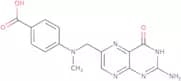

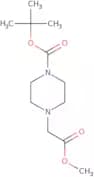
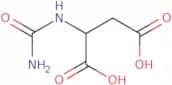

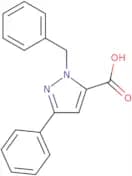
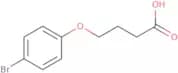
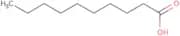
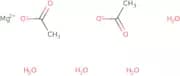
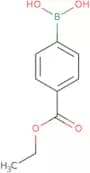
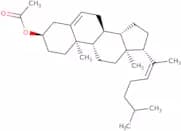

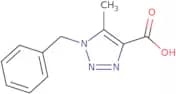
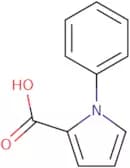
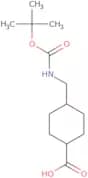
![[2-(4-Chlorophenyl)-1,3-thiazol-4-yl]acetic acid](/_next/image/?url=https%3A%2Fstatic.cymitquimica.com%2Fproducts%2F3D%2Fthumb-webp%2FFC124498.webp&w=3840&q=75)
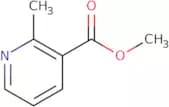
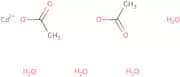
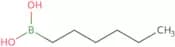
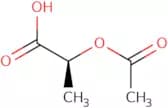
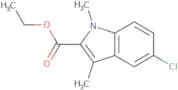
![4-(2-Chlorophenyl)-9-methyl-6H-thieno[3,2-f][1,2,4]triazolo[4,3-a][1,4]diazepine-2-propanoic acid](/_next/image/?url=https%3A%2Fstatic.cymitquimica.com%2Fproducts%2F3D%2Fthumb-webp%2FFC20336.webp&w=3840&q=75)
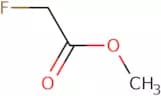

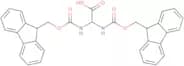
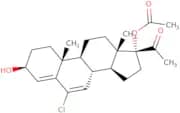
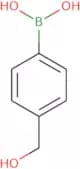
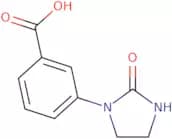
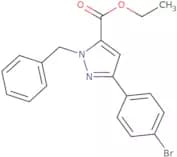
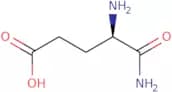

![2-[4-(2-Methylpropenyl)phenyl]propionic acid](/_next/image/?url=https%3A%2Fstatic.cymitquimica.com%2Fproducts%2F3D%2Fthumb-webp%2FFM25939.webp&w=3840&q=75)
![[3-(Trifluoromethyl)-4,5,6,7-tetrahydro-1H-indazol-1-yl]acetic acid](/_next/image/?url=https%3A%2Fstatic.cymitquimica.com%2Fproducts%2F3D%2Fthumb-webp%2FFT119888.webp&w=3840&q=75)
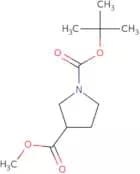
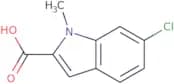
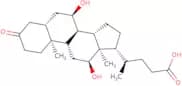
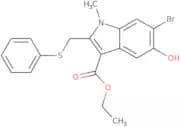
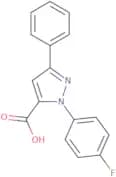
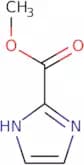
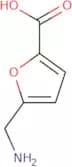
![4-[1-(2-Methoxyethyl)-1H-indol-3-yl]butanoic acid](/_next/image/?url=https%3A%2Fstatic.cymitquimica.com%2Fproducts%2F3D%2Fthumb-webp%2FFM135737.webp&w=3840&q=75)
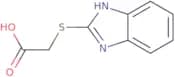
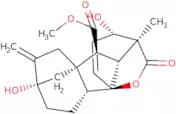
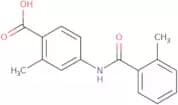
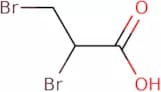
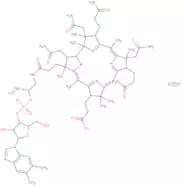
![[1-(2-Methoxyethyl)-1H-indol-3-yl]acetic acid](/_next/image/?url=https%3A%2Fstatic.cymitquimica.com%2Fproducts%2F3D%2Fthumb-webp%2FFM135744.webp&w=3840&q=75)
![4-{[1-(tert-Butoxycarbonyl)azetidin-3-yl]oxy}benzoic acid](/_next/image/?url=https%3A%2Fstatic.cymitquimica.com%2Fproducts%2F3D%2Fthumb-webp%2FFB125449.webp&w=3840&q=75)
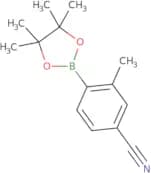

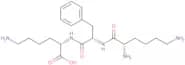
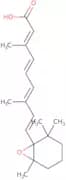
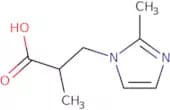
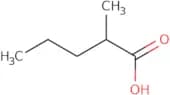
![7H-Pyrrolo[2,3-d]pyrimidine-4-carboxylic acid](/_next/image/?url=https%3A%2Fstatic.cymitquimica.com%2Fproducts%2F3D%2Fthumb-webp%2FFP167570.webp&w=3840&q=75)
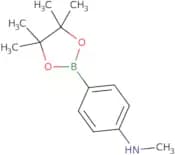
![[2-(3,4-Dimethoxyphenyl)-1,3-thiazol-4-yl]acetic acid](/_next/image/?url=https%3A%2Fstatic.cymitquimica.com%2Fproducts%2F3D%2Fthumb-webp%2FFD124430.webp&w=3840&q=75)
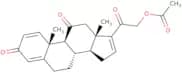
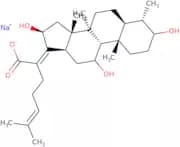
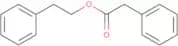
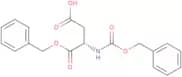
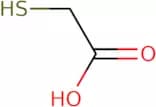

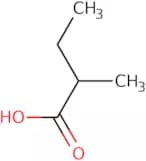
![5-[(3,5-Dimethyl-1H-pyrazol-1-yl)methyl]-2-furoic acid](/_next/image/?url=https%3A%2Fstatic.cymitquimica.com%2Fproducts%2F3D%2Fthumb-webp%2FFD115286.webp&w=3840&q=75)


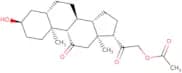
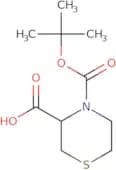
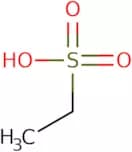
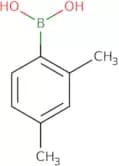
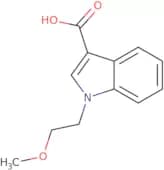
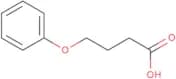
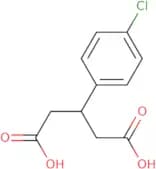
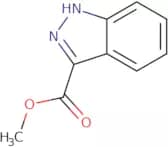
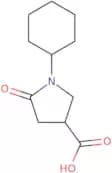
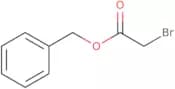

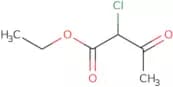
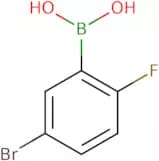
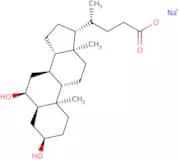

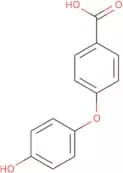
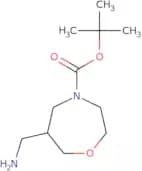
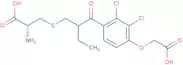
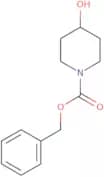

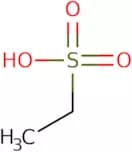
![4-[(4-Acetylphenyl)amino]-4-oxobutanoic acid](/_next/image/?url=https%3A%2Fstatic.cymitquimica.com%2Fproducts%2F3D%2Fthumb-webp%2FFA114593.webp&w=3840&q=75)
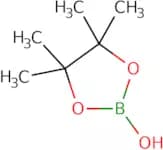
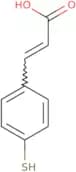

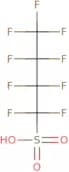


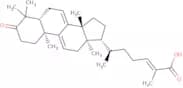
![6-(Methoxycarbonyl)spiro[3.3]heptane-2-carboxylic acid](/_next/image/?url=https%3A%2Fstatic.cymitquimica.com%2Fproducts%2F3D%2Fthumb-webp%2FFM161396.webp&w=3840&q=75)
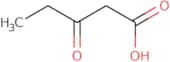
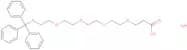
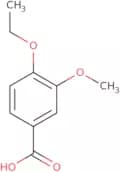
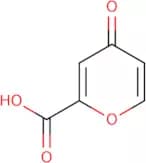
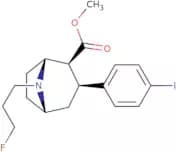

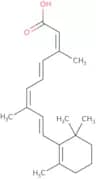

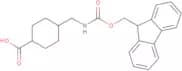
![3,3'-[1,3-Phenylenebis(oxy)]dipropanoic acid](/_next/image/?url=https%3A%2Fstatic.cymitquimica.com%2Fproducts%2F3D%2Fthumb-webp%2FFP131541.webp&w=3840&q=75)
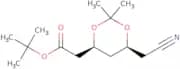
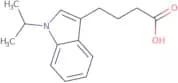
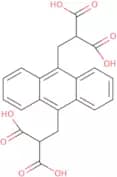
![1-(4-Methoxyphenyl)-7-oxo-6-(4-(2-oxopiperidin-1-yl)phenyl)-4,5,6,7-tetrahydro-1H-pyrazolo[3,4-c]p…](/_next/image/?url=https%3A%2Fstatic.cymitquimica.com%2Fproducts%2F3D%2Fthumb-webp%2FFM155764.webp&w=3840&q=75)
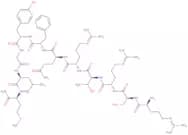

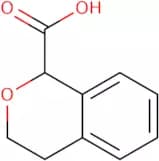
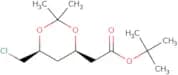
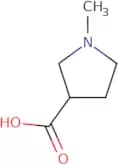
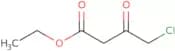
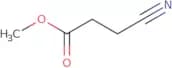
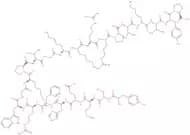

![(3R)-1-Azabicyclo[2.2.2]oct-3-yl N-[2-(2-benzoylphenyl)ethyl]carbamate](/_next/image/?url=https%3A%2Fstatic.cymitquimica.com%2Fproducts%2F3D%2Fthumb-webp%2FFQ171047.webp&w=3840&q=75)
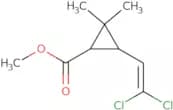
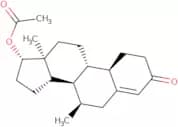
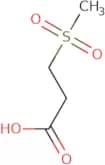

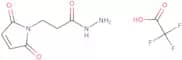
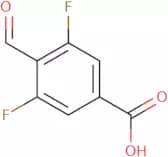
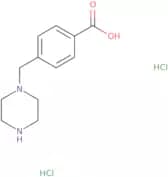
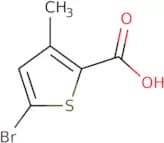
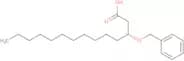
![4-amino[1,1'-biphenyl]-3-carboxylic acid](/_next/image/?url=https%3A%2Fstatic.cymitquimica.com%2Fproducts%2F3D%2Fthumb-webp%2FFA58870.webp&w=3840&q=75)

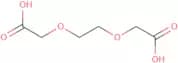
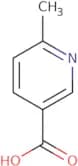
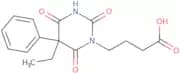
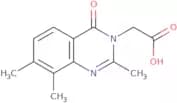
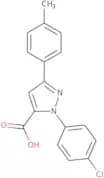
![2-[(2S,3S,4S)-3-Formyl-5-Methoxycarbonyl-2-Methyl-3,4-Dihydro-2H-Pyran-4-Yl]Acetic Acid](/_next/image/?url=https%3A%2Fstatic.cymitquimica.com%2Fproducts%2F3D%2Fthumb-webp%2FFF71925.webp&w=3840&q=75)
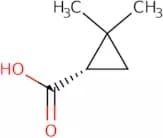


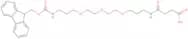
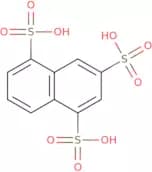

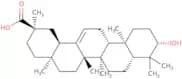
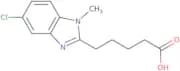
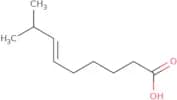

![(2S)-2-Amino-2-[(5S)-3-chloro-4,5-dihydroisoxazol-5-Yl]acetic acid](/_next/image/?url=https%3A%2Fstatic.cymitquimica.com%2Fproducts%2F3D%2Fthumb-webp%2FFA17203.webp&w=3840&q=75)
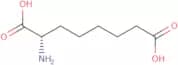

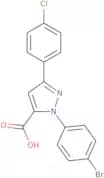
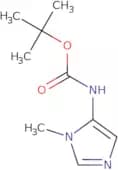
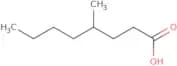
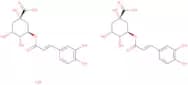
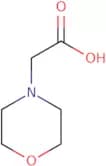
![[(5-Methyl-4-phenyl-4H-1,2,4-triazol-3-yl)thio]acetic acid](/_next/image/?url=https%3A%2Fstatic.cymitquimica.com%2Fproducts%2F3D%2Fthumb-webp%2FFM132283.webp&w=3840&q=75)

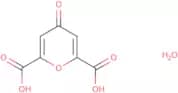
![Tert-butyl(8-anti)-3-azabicyclo[3.2.1]oct-8-ylcarbamate](/_next/image/?url=https%3A%2Fstatic.cymitquimica.com%2Fproducts%2F3D%2Fthumb-webp%2FFT167890.webp&w=3840&q=75)

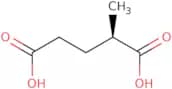
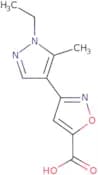
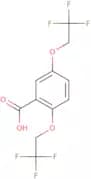
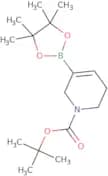
![tert-Butyl 4-chloro-5,6-dihydropyrido[3,4-d]pyrimidine-7(8H)-carboxylate](/_next/image/?url=https%3A%2Fstatic.cymitquimica.com%2Fproducts%2F3D%2Fthumb-webp%2FFB144255.webp&w=3840&q=75)
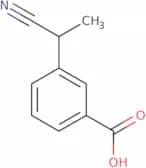
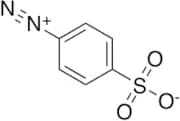

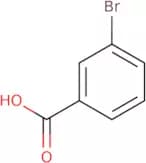
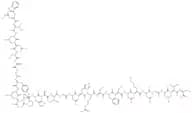
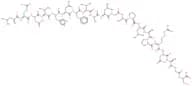
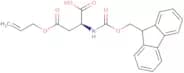

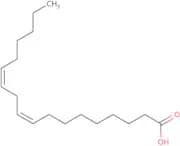


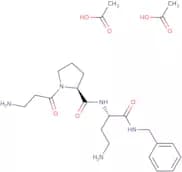
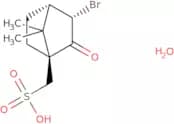
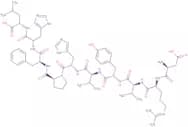
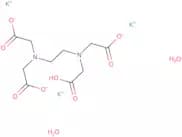
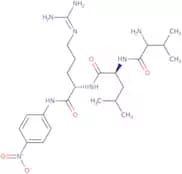
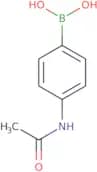

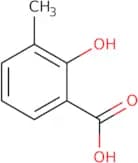
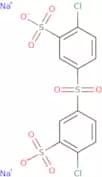


![(Des-Gly10,D-Leu6,[13C6]Leu7,Pro-NHEt 9)-LHRH trifluoroacetate salt](/_next/image/?url=https%3A%2Fstatic.cymitquimica.com%2Fproducts%2F3D%2Fthumb-webp%2FFD109775.webp&w=3840&q=75)
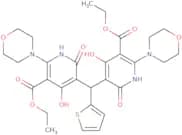
![4-[4-(N-Boc)piperazin-1-yl]phenylboronic acid pinacol ester](/_next/image/?url=https%3A%2Fstatic.cymitquimica.com%2Fproducts%2F3D%2Fthumb-webp%2FFN162753.webp&w=3840&q=75)