Carboxylic Acids
Carboxylic acids are organic molecules characterized by having a carboxyl-type functional group (-COOH). These acids are fundamental in various chemical reactions, including esterification, amidation, and decarboxylation. Carboxylic acids are widely used in the production of pharmaceuticals, polymers, and agrochemicals. In this section, you can find a large number of carboxylic acids ready to be used. At CymitQuimica, we provide a broad range of high-quality carboxylic acids to support your research and industrial applications.
Found 12453 products of "Carboxylic Acids"
Sort by
Purity (%)
0
100
|
0
|
50
|
90
|
95
|
100
L-Lysine acetate
CAS:Controlled Product<p>L-Lysine acetate is a precursor of L-lysine and is used in the treatment of cancers. It has been shown to promote the growth of pluripotent cells, which can differentiate into any tissue type. L-Lysine acetate promotes cellular transformation by increasing the expression of growth factor-β1 in cells. This compound also enhances cellular physiology, energy metabolism, and protein degradation. L-Lysine acetate inhibits the ubiquitin ligases that are involved in protein degradation, leading to an increase in cell proliferation. The use of L-Lysine acetate has shown promising results for the treatment of infectious diseases such as HIV/AIDS and tuberculosis. L-Lysine acetate blocks the replication of human immunodeficiency virus (HIV) by inhibiting reverse transcriptase activity and blocking its DNA chain elongation process.</p>Formula:C8H18N2O4Purity:Min. 95%Color and Shape:PowderMolecular weight:206.24 g/mol2-Amino-5-chloro-3-methylbenzoic acid
CAS:<p>2-Amino-5-chloro-3-methylbenzoic acid (ACMB) is a substructure of the insecticidal compound chlorantraniliprole. It is a solid at room temperature and has a molecular weight of 142.15 g/mol. ACMB can be extracted from n-hexane, chlorantraniliprole, or xylene using gravimetric analysis. The bioactivity of ACMB can be determined by an anthranilic assay, while its solubility data are available in the literature. ACMB has been shown to have insecticidal activity against lepidoptera larvae and cyanuric activity against mosquito larvae.</p>Formula:C8H8ClNO2Purity:Min. 95%Molecular weight:185.61 g/mol2-(4-Chlorophenyl-acetyl)benzoic acid
CAS:<p>2-(4-Chlorophenyl-acetyl)benzoic acid is a fine chemical that is a versatile building block and useful intermediate. 2-(4-Chlorophenyl-acetyl)benzoic acid is used in the manufacture of other chemicals, such as pharmaceuticals, pesticides, dyes, or perfumes. It is also used for research purposes and as a reagent. It has a CAS number of 53242-76-5.</p>Formula:C15H11ClO3Purity:Min. 95%Color and Shape:PowderMolecular weight:274.7 g/mol5-Acenaphthenecarboxylic acid
CAS:<p>5-Acenaphthenecarboxylic acid is a xylene derivative that has been characterized as an organometallic compound. The cyclopentane ring is the central feature of this molecule and it can be used in the synthesis of other organic compounds. 5-Acenaphthenecarboxylic acid is toxic to humans and animals and has been shown to induce liver tumors in rats. It also has been shown to inhibit the growth of some bacteria, including Mycobacterium tuberculosis, which causes tuberculosis. 5-Acenaphthenecarboxylic acid inhibits protein synthesis by binding to ribosomes and interfering with the biosynthesis of proteins. This binding prevents formation of a complex with the enzyme cell wall synthesis that is required for cell wall biosynthesis, inhibiting protein synthesis and cell division.</p>Formula:C13H10O2Purity:Min. 95%Color and Shape:PowderMolecular weight:198.22 g/mol4-Sulfamylbenzoic acid
CAS:<p>4-Sulfamylbenzoic acid is a model system for the study of transporter and receptor activity. It has been shown to have the ability to inhibit tubule cells in carcinoma cell lines by binding to the protein target, nitrogen atoms, and hydrophobic effect. 4-Sulfamylbenzoic acid has also been shown to bind to the drug transporter and receptor activity. This binding prevents the formation of an inhibitor-transmitter complex with the enzyme that is required for transport or receptor activity, as well as inhibiting protein synthesis and cell division. The kinetic and reaction mechanism are not known at this time.</p>Formula:C7H7NO2SPurity:Min. 95%Molecular weight:169.2 g/molAc-Glu-Asp(EDANS)-Lys-Pro-Ile-Leu-Phe-Phe-Arg-Leu-Gly-Lys(DABCYL)-Glu-NH2 trifluoroacetate salt
CAS:<p>Please enquire for more information about Ac-Glu-Asp(EDANS)-Lys-Pro-Ile-Leu-Phe-Phe-Arg-Leu-Gly-Lys(DABCYL)-Glu-NH2 trifluoroacetate salt including the price, delivery time and more detailed product information at the technical inquiry form on this page</p>Formula:C104H146N24O23SPurity:Min. 95%Molecular weight:2,132.49 g/molH-Glu-Ala-Leu-Phe-Gln-pNA trifluoroacetate salt
CAS:<p>Please enquire for more information about H-Glu-Ala-Leu-Phe-Gln-pNA trifluoroacetate salt including the price, delivery time and more detailed product information at the technical inquiry form on this page</p>Formula:C34H46N8O10Purity:Min. 95%Molecular weight:726.78 g/mol1-{[5-(Cyclopropylcarbonyl)-1-methyl-4,5,6,7-tetrahydro-1H-pyrazolo[4,3-c]pyridin-3-yl]carbonyl}piperidine-4-carboxylic acid
CAS:<p>Please enquire for more information about 1-{[5-(Cyclopropylcarbonyl)-1-methyl-4,5,6,7-tetrahydro-1H-pyrazolo[4,3-c]pyridin-3-yl]carbonyl}piperidine-4-carboxylic acid including the price, delivery time and more detailed product information at the technical inquiry form on this page</p>Formula:C18H24N4O4Purity:Min. 95%Molecular weight:360.41 g/molMethyl 4-(3-methoxyphenyl)-6-methyl-2-thioxo-1,2,3,4-tetrahydropyrimidine-5-carboxylate
CAS:<p>Please enquire for more information about Methyl 4-(3-methoxyphenyl)-6-methyl-2-thioxo-1,2,3,4-tetrahydropyrimidine-5-carboxylate including the price, delivery time and more detailed product information at the technical inquiry form on this page</p>Formula:C14H16N2O3SPurity:85%MinMolecular weight:292.35 g/molBiotinyl-(Leu8,D-Trp22,Tyr25)-Somatostatin-28 trifluoroacetate salt
CAS:<p>Please enquire for more information about Biotinyl-(Leu8,D-Trp22,Tyr25)-Somatostatin-28 trifluoroacetate salt including the price, delivery time and more detailed product information at the technical inquiry form on this page</p>Formula:C148H223N43O42S3Purity:Min. 95%Molecular weight:3,372.82 g/molOsteostatin (1-5) amide (human, bovine, dog, horse, mouse, rabbit, rat) trifluoroacetate salt
CAS:<p>Please enquire for more information about Osteostatin (1-5) amide (human, bovine, dog, horse, mouse, rabbit, rat) trifluoroacetate salt including the price, delivery time and more detailed product information at the technical inquiry form on this page</p>Formula:C27H42N10O7Purity:Min. 95%Molecular weight:618.69 g/molRF9 trifluoroacetate salt
CAS:<p>RF9 is a dipeptide that is structurally similar to the endogenous neuropeptides kisspeptin and arginine-vasopressin. RF9 binds to the GPR54 receptor, which is a G protein-coupled receptor that regulates secretion of luteinizing hormone in the anterior pituitary gland, as well as sexual desire and function. RF9 has been shown to be an antagonist of the GPR54 receptor and has been shown to inhibit the secretion of luteinizing hormone in primates.</p>Formula:C26H38N6O3Purity:Min. 95%Molecular weight:482.62 g/mol4-(Trimethylsilyl)pheNylboroNic acid
CAS:<p>4-(Trimethylsilyl)phenylboronic acid is a molecule that can be used as an acceptor in fluorescence. It has been shown to have acceptor properties, which means it is able to absorb light energy and transfer it to other molecules. This chemical can be used in microscopy and cross-coupling reactions. 4-(Trimethylsilyl)phenylboronic acid has been shown to undergo thermally activated transport properties and to be isomeric. The molecule also has cross-coupling reactions with anilines, which are important for the production of pharmaceuticals and other organic compounds. 4-(Trimethylsilyl)phenylboronic acid has a high affinity for chloride ions, making it a good candidate for use in solar cells.</p>Formula:C9H15BO2SiPurity:Min. 95%Molecular weight:194.11 g/mol(D-Phe2·6,Pro3)-LHRH trifluoroacetate salt
CAS:<p>Please enquire for more information about (D-Phe2·6,Pro3)-LHRH trifluoroacetate salt including the price, delivery time and more detailed product information at the technical inquiry form on this page</p>Formula:C59H80N14O13Purity:Min. 95%Molecular weight:1,193.35 g/molBeclomethasone 21-acetate 17-propionate
CAS:Controlled Product<p>Please enquire for more information about Beclomethasone 21-acetate 17-propionate including the price, delivery time and more detailed product information at the technical inquiry form on this page</p>Formula:C27H35ClO7Purity:Min. 95%Molecular weight:507.02 g/molLinolenic acid - 98%
CAS:<p>Linolenic acid is a polyunsaturated fatty acid that is essential for human health. It is a precursor of prostaglandin E2 (PGE2), which has been implicated in the regulation of cell death and inflammation. Linolenic acid has been shown to induce apoptosis in vitro by inhibiting the mitochondrial membrane potential and activating caspases 3 and 9, thereby inducing neuronal death. In vivo, linolenic acid has been shown to have beneficial effects on cardiovascular function, including lowering cholesterol levels and improving blood flow to the heart. Linolenic acid also has antioxidant properties, which may be due to its ability to inhibit lipid peroxidation and scavenge free radicals.</p>Formula:C18H30O2Purity:Min. 95%Color and Shape:PowderMolecular weight:278.43 g/molNeuronostatin-13 (mouse, rat) trifluoroacetate salt
<p>Please enquire for more information about Neuronostatin-13 (mouse, rat) trifluoroacetate salt including the price, delivery time and more detailed product information at the technical inquiry form on this page</p>Formula:C65H112N20O17Purity:Min. 95%Molecular weight:1,445.71 g/molFmoc-ε-aminocaproic acid-Wang resin (200-400 mesh)
<p>Please enquire for more information about Fmoc-epsilon-aminocaproic acid-Wang resin (200-400 mesh) including the price, delivery time and more detailed product information at the technical inquiry form on this page</p>Purity:Min. 95%(Ser8)-GLP-1 (7-36) amide (human, bovine, guinea pig, mouse, rat) trifluoroacetate salt
CAS:<p>Please enquire for more information about (Ser8)-GLP-1 (7-36) amide (human, bovine, guinea pig, mouse, rat) trifluoroacetate salt including the price, delivery time and more detailed product information at the technical inquiry form on this page</p>Formula:C149H226N40O46Purity:Min. 95%Molecular weight:3,313.63 g/molGalanin Message Associated Peptide (1-41) amide trifluoroacetate salt
CAS:<p>Please enquire for more information about Galanin Message Associated Peptide (1-41) amide trifluoroacetate salt including the price, delivery time and more detailed product information at the technical inquiry form on this page</p>Formula:C206H326N56O64SPurity:Min. 95%Molecular weight:4,643.2 g/molH-Leu-Ser-Lys-Leu-NH2 trifluoroacetate salt
CAS:<p>L-Leu-Ser-Lys-Leu-NH2 is a cyclic peptide with the amino acid sequence H-Leu-Ser-Lys-Leu. It has been shown to have receptor activity and can be used as an experimental model of growth factors. L-Leu-Ser-Lys-Leu was found to stimulate collagen synthesis in a collagen gel, which may be due to its ability to inhibit the release of growth factor β1. L-Leu-Ser Lys Leu also has anti cancer effects by inhibiting the proliferation of malignant brain cells, as well as tubulointerstitial injury and renal cell carcinoma. This compound may also have some use in treating subarachnoid hemorrhage and fetal bovine serum (FBS) for tissue culture.</p>Formula:C21H42N6O5Purity:Min. 95%Molecular weight:458.6 g/molD-α-Hydroxyisovaleric acid
CAS:<p>D-alpha-Hydroxyisovaleric acid is a compound that is used to synthesize stereoisomers. It is also a component of supramolecular chemistry and has been used in the construction of supramolecular polymers. D-alpha-Hydroxyisovaleric acid can be found in some plants, such as valinomycin, isovaleric acid, and metarhizium. This stereoisomer can be synthetized from the hydroxy group and an amino acid or peptide. D-alpha-Hydroxyisovaleric acid has the ability to degrade nonribosomal peptides into smaller molecules through its hydrolytic properties. It also inhibits Verticillium dahliae, which causes wilt disease in plants, by inhibiting the synthesis of hydroxycarboxylates. D-alpha-Hydroxyisovaleric acid is biodegradable and can be used for industrial purposes as well as pharmaceuticals.</p>Formula:C5H10O3Purity:Min. 95%Color and Shape:White PowderMolecular weight:118.13 g/molNeuropeptide Y (13-36) (human, rat) trifluoroacetate salt
CAS:<p>Trifluoroacetate salt</p>Formula:C134H207N41O36SPurity:Min. 95%Molecular weight:3,000.4 g/mol(4-Chloro-3-fluorophenyl)acetic acid ethyl ester
CAS:<p>Please enquire for more information about (4-Chloro-3-fluorophenyl)acetic acid ethyl ester including the price, delivery time and more detailed product information at the technical inquiry form on this page</p>Formula:C10H10ClFO2Purity:Min. 95%Molecular weight:216.64 g/molAdrenomedullin 5 (primate) trifluoroacetate salt
CAS:<p>Please enquire for more information about Adrenomedullin 5 (primate) trifluoroacetate salt including the price, delivery time and more detailed product information at the technical inquiry form on this page</p>Formula:C253H394N82O71S2Purity:Min. 95%Molecular weight:5,784.48 g/mol3-Benzoyl acrylic acid
CAS:<p>3-Benzoyl acrylic acid is an organic compound that is the product of a chemical reaction between benzaldehyde and acetic anhydride. It contains a carboxylic acid group, an hydroxyl group, a nitro group, and a particle. 3-Benzoyl acrylic acid has been shown to inhibit the growth factor epidermal growth factor (EGF). This inhibition occurs by binding to the receptor for EGF on the cell membrane and blocking its activation. 3-Benzoyl acrylic acid also inhibits fatty acid synthesis and mitochondrial membrane potential, which may be due to its ability to form ester hydrochloride.</p>Formula:C10H8O3Purity:Min. 95%Color and Shape:PowderMolecular weight:176.17 g/mol3,4,9,10-Perylenetetracarboxylic diimide
CAS:<p>3,4,9,10-Perylenetetracarboxylic diimide is a model system for studying the mechanism of protonated pyridine. It is a bicyclic heterocycle that contains two phenyl rings and one imide group. The nitrogen atoms in the molecule form hydrogen bonds with other molecules and can be substituted with chlorine or bromine. 3,4,9,10-Perylenetetracarboxylic diimide has been shown to have chemical stability under conditions of hydrochloric acid and heat. This compound also has a high melting point and is not soluble in water. 3,4,9,10-Perylenetetracarboxylic diimide has been used to study the reaction mechanisms of chemical reactions involving light emission. This compound absorbs light at wavelengths longer than 400 nm (e.g., ultraviolet) and emits light at wavelengths shorter than 400 nm (e.g.,</p>Formula:C24H10N2O4Color and Shape:PowderMolecular weight:390.35 g/molLQEQ-19 (human) trifluoroacetate salt
<p>Please enquire for more information about LQEQ-19 (human) trifluoroacetate salt including the price, delivery time and more detailed product information at the technical inquiry form on this page</p>Formula:C106H170N30O34Purity:Min. 95%Molecular weight:2,408.67 g/mol(H-Cys-4MbNA)2 acetate salt (Disulfide bond)
CAS:<p>Please enquire for more information about (H-Cys-4MbNA)2 acetate salt (Disulfide bond) including the price, delivery time and more detailed product information at the technical inquiry form on this page</p>Formula:C28H30N4O4S2Purity:Min. 95%Molecular weight:550.69 g/molHepcidin-24 (human) trifluoroacetate salt
<p>Please enquire for more information about Hepcidin-24 (human) trifluoroacetate salt including the price, delivery time and more detailed product information at the technical inquiry form on this page</p>Formula:C109H165N33O28S9Purity:Min. 95%Molecular weight:2,674.28 g/molPyrrole-2-carboxylic acid
CAS:<p>Pyrrole-2-carboxylic acid is a polycyclic aromatic compound that can be found in coal tar. It has been shown to have anti-inflammatory, antiallergic, and antifungal properties. Pyrrole-2-carboxylic acid is produced by the human body as an intermediate in the metabolism of tryptophan. This compound can also be synthesized and used to treat chronic bronchitis, which is caused by excessive mucus production and inflammation of the airways. The reaction mechanism for pyrrole-2-carboxylic acid is similar to that of other drugs that are used in respiratory therapy, such as aminophylline or acetylcysteine.</p>Formula:C5H5NO2Purity:Min. 95%Molecular weight:111.1 g/mol(D-Trp6,D-Leu7)-LHRH trifluoroacetate salt
CAS:<p>Please enquire for more information about (D-Trp6,D-Leu7)-LHRH trifluoroacetate salt including the price, delivery time and more detailed product information at the technical inquiry form on this page</p>Formula:C64H82N18O13Purity:Min. 95%Molecular weight:1,311.45 g/molN-[3-Fluoro-4-[6-(2-methyl-2H-tetrazol-5-yl)-3-pyridinyl]phenyl]carbamic acid phenylmethyl ester
CAS:<p>Intermediate in the synthesis of tedizolid</p>Formula:C21H17FN6O2Purity:Min. 95%Molecular weight:404.4 g/molH-Gly-Gly-Arg-Ala-OH acetate salt
CAS:<p>Please enquire for more information about H-Gly-Gly-Arg-Ala-OH acetate salt including the price, delivery time and more detailed product information at the technical inquiry form on this page</p>Formula:C13H25N7O5Purity:Min. 95%Molecular weight:359.38 g/molH-Gly-Gly-Arg-OH acetate salt
CAS:<p>Please enquire for more information about H-Gly-Gly-Arg-OH acetate salt including the price, delivery time and more detailed product information at the technical inquiry form on this page</p>Formula:C10H20N6O4Purity:Min. 95%Molecular weight:288.3 g/mol(Ile5,Trp23,Tyr36)-pTH-Related Protein (1-36) (human, mouse, rat) trifluoroacetate salt
CAS:<p>Please enquire for more information about (Ile5,Trp23,Tyr36)-pTH-Related Protein (1-36) (human, mouse, rat) trifluoroacetate salt including the price, delivery time and more detailed product information at the technical inquiry form on this page</p>Formula:C196H308N58O53Purity:Min. 95%Molecular weight:4,324.9 g/molUrocortin (human) trifluoroacetate salt
CAS:<p>Trifluoroacetate salt</p>Formula:C204H337N63O64Purity:Min. 95%Molecular weight:4,696.24 g/molKisspeptin-54 (27-54) (human) trifluoroacetate salt
CAS:<p>Please enquire for more information about Kisspeptin-54 (27-54) (human) trifluoroacetate salt including the price, delivery time and more detailed product information at the technical inquiry form on this page</p>Formula:C149H226N42O39Purity:Min. 95%Molecular weight:3,229.65 g/molKemptide trifluoroacetate salt
CAS:<p>Kemptide is a substrate molecule that has been shown to inhibit the enzyme activity of some protein kinases. Kemptide is a 3-amino acid peptide that contains the amino acids L-leucine, L-arginine, and L-arginine. It was originally isolated from an extract of human brain tissue and has been shown to inhibit the activity of protein kinase C (PKC), phosphorylase kinase, and glycogen synthase kinase 3β in vitro assays. Kemptide also inhibits the expression of genes encoding PKCα1, PKCα2, PKCδ, PKCε, PKCγ1, PKCγ2, PKCζ in t84 cells. The inhibition of these genes suggests that kemptide may be useful as a drug candidate for inhibiting protein kinases in vivo.</p>Formula:C32H61N13O9·xC2HF3O2Purity:Min. 95%Molecular weight:771.91 g/molGalnon trifluoroacetate salt
CAS:<p>Galnon trifluoroacetate salt is a pharmacological agent that binds to galanin and inhibits its binding to G protein-coupled receptors. It was shown to have a cancer preventive effect on 3T3-L1 preadipocytes by inhibiting the production of the inflammatory cytokine, tumor necrosis factor-α (TNF-α). Galnon trifluoroacetate salt also has an effect on the immune system and may be used as an anti-inflammatory agent in autoimmune diseases. This drug has been shown to block the effects of galanin on camp levels, leading to a decrease in locomotor activity.</p>Formula:C40H46N4O6Purity:Min. 95%Molecular weight:678.82 g/mol(Des-Gly10,D-His2,D-Ser(tBu)6,Pro-NHEt 9)-LHRH acetate salt
<p>Please enquire for more information about (Des-Gly10,D-His2,D-Ser(tBu)6,Pro-NHEt 9)-LHRH acetate salt including the price, delivery time and more detailed product information at the technical inquiry form on this page</p>Formula:C60H86N16O13Purity:Min. 95%Molecular weight:1,239.42 g/molMyristoyl-(Lys12·27·28)-VIP-Gly-Gly-Thr (free acid) trifluoroacetate salt
CAS:<p>Please enquire for more information about Myristoyl-(Lys12·27·28)-VIP-Gly-Gly-Thr (free acid) trifluoroacetate salt including the price, delivery time and more detailed product information at the technical inquiry form on this page</p>Formula:C171H283N45O47SPurity:Min. 95%Molecular weight:3,753.42 g/molH-Met-AMC acetate salt
CAS:<p>Please enquire for more information about H-Met-AMC acetate salt including the price, delivery time and more detailed product information at the technical inquiry form on this page</p>Formula:C15H18N2O3SPurity:Min. 95%Molecular weight:306.38 g/mol(1S,2R)-Fmoc-aminocyclohexane carboxylic acid
CAS:<p>Please enquire for more information about (1S,2R)-Fmoc-aminocyclohexane carboxylic acid including the price, delivery time and more detailed product information at the technical inquiry form on this page</p>Formula:C22H23NO4Purity:Min. 95%Molecular weight:365.42 g/molCecropin B (free acid) trifluoroacetate salt
CAS:<p>Please enquire for more information about Cecropin B (free acid) trifluoroacetate salt including the price, delivery time and more detailed product information at the technical inquiry form on this page</p>Formula:C176H301N51O42SPurity:Min. 95%Molecular weight:3,835.66 g/molN-Boc-isonipecotic acid
CAS:<p>N-Boc-isonipecotic acid is a potent antitumor agent that has been clinically shown to be effective against leukemia and lymphoma. It has potent antibacterial activity against Gram-positive bacteria such as Staphylococcus aureus and Streptococcus pyogenes. N-Boc-isonipecotic acid binds to the gyrase enzyme, which is used by these bacteria to maintain the integrity of their DNA, inhibiting protein synthesis and cell division. This drug also has anti-inflammatory properties. N-Boc-isonipecotic acid inhibits prostaglandin synthesis in cells, which may be due to its ability to inhibit the production of tumor necrosis factor α (TNFα) in macrophages.</p>Formula:C11H19NO4Purity:Min. 95%Molecular weight:229.27 g/molCys(NPys)-Antennapedia Homeobox (43-58) amide trifluoroacetate salt
CAS:<p>Please enquire for more information about Cys(NPys)-Antennapedia Homeobox (43-58) amide trifluoroacetate salt including the price, delivery time and more detailed product information at the technical inquiry form on this page</p>Formula:C112H176N38O22S3Purity:Min. 95%Molecular weight:2,503.04 g/molBradykinin (2-7) acetate salt
CAS:<p>Please enquire for more information about Bradykinin (2-7) acetate salt including the price, delivery time and more detailed product information at the technical inquiry form on this page</p>Formula:C29H40N6O8Purity:Min. 95%Molecular weight:600.66 g/molAc-Val-Arg-Pro-Arg-AMC trifluoroacetate salt
CAS:<p>Please enquire for more information about Ac-Val-Arg-Pro-Arg-AMC trifluoroacetate salt including the price, delivery time and more detailed product information at the technical inquiry form on this page</p>Formula:C34H51N11O7•C2HF3O2Purity:Min. 98 Area-%Color and Shape:PowderMolecular weight:839.86 g/mol2-Bromo-3-methylbenzoic acid
CAS:<p>2-Bromo-3-methylbenzoic acid is an alcohol that has been shown to be selective for the stereoselective synthesis of chiral secondary alcohols. It has been used in the reduction of 2-formylphenylboronic acid, yielding a mixture of the two possible diastereomers, and in the reductive elimination of carboxylic acids, which can be used as an alternative to the Baylis-Hillman reaction. The compound also has inhibitory activity against several bacteria, including methicillin resistant Staphylococcus aureus (MRSA) and Mycobacterium tuberculosis. 2-Bromo-3-methylbenzoic acid is photochromic and changes color from yellow to red when exposed to UV light.</p>Formula:C8H7BrO2Purity:Min. 95%Color and Shape:PowderMolecular weight:215.04 g/molFurin Inhibitor II trifluoroacetate salt
CAS:<p>Furin inhibitor II is a small molecule that inhibits the activity of furin, which is an enzyme used in the processing of growth factor-β1. Furin inhibitor II binds to human receptors and blocks their binding to the surface glycoprotein on cancer cells. Furin inhibitor II also has physiological activities, such as reducing inflammation, inhibiting viral replication, and inhibiting the growth of bacteria. Furin inhibitor II may be useful for treating cancer or infectious diseases.</p>Formula:C36H75N25O6Purity:Min. 95%Molecular weight:954.15 g/mol3-Cyanopropanoic acid
CAS:<p>3-Cyanopropanoic acid is a reactive compound that forms a complex with palladium. It is produced by the reaction of acrylonitrile and chloride in the presence of a base such as sodium hydroxide. The reaction mechanism is shown below:</p>Formula:C4H5NO2Purity:Min. 95%Color and Shape:PowderMolecular weight:99.09 g/mol4,4',4''-Nitrilotribenzoic acid
CAS:<p>4,4',4''-Nitrilotribenzoic acid is a low molecular weight activated compound with a hexane molecule and luminescence properties. This compound has been used in the detection of human pathogens, for example, Salmonella enterica serovar Typhimurium. The uptake of 4,4',4''-nitrilotribenzoic acid by these bacteria has been shown to be due to its peroxidase-like activity. 4,4',4''-Nitrilotribenzoic acid has also been used for the activation of polybenzimidazole and for polymerization reactions in polybenzimidazole films. The time required for polymerization depends on the concentration of 4,4',4''-nitrilotribenzoic acid used.</p>Formula:C21H15NO6Purity:Min. 95%Molecular weight:377.35 g/mol3-(3,5-Dimethoxyphenyl)propionic acid methyl ester
CAS:<p>3-(3,5-Dimethoxyphenyl)propionic acid methyl ester is a reagent that is used as a reactant in organic synthesis. It is also useful as a scaffold for the synthesis of heterocycles and other complex compounds. 3-(3,5-Dimethoxyphenyl)propionic acid methyl ester is used in research chemical synthesis and as a versatile building block for the production of fine chemicals. This chemical can be used to create products such as pharmaceuticals, pesticides, and cosmetics.</p>Formula:C12H16O4Purity:Min. 95%Molecular weight:224.25 g/molBiotinyl-Obestatin (rat) trifluoroacetate salt
CAS:<p>Please enquire for more information about Biotinyl-Obestatin (rat) trifluoroacetate salt including the price, delivery time and more detailed product information at the technical inquiry form on this page</p>Formula:C124H188N36O33SPurity:Min. 95%Molecular weight:2,743.11 g/molDiisopropyl azodicarboxylate - 40% toluene solution
CAS:<p>Diisopropyl azodicarboxylate is a chemical compound that reacts with hydrogen fluoride to form a mixture of diazo and triazole products. The chemical reaction is the first step in the synthesis of many pharmaceuticals, such as penicillin. Diisopropyl azodicarboxylate is used in eye disorders, metabolic disorders, and autoimmune diseases. It has been shown to be effective in treating bowel disease. This drug has been shown to have chemotherapeutic properties, which may be due to its ability to inhibit protein synthesis by binding to the nitrogen atoms on receptor molecules. Diisopropyl azodicarboxylate also reacts with trifluoroacetic acid, forming a disulfide bond that can be analyzed using structural analysis techniques or reaction solution methods.</p>Formula:C8H14N2O4Purity:Min. 95%Color and Shape:Yellow To Yellow Orange LiquidMolecular weight:202.21 g/molChloromethyl acetate
CAS:<p>Chloromethyl acetate is a potent antibacterial agent that inhibits the growth of bacteria by inhibiting the synthesis of fatty acids. It also has an inhibitory effect on adenosine receptors and is used to treat congestive heart failure, inflammatory diseases, metabolic disorders, and other conditions. Chloromethyl acetate has been shown to be effective against a number of bacterial strains, including methicillin-resistant Staphylococcus aureus (MRSA), Streptococcus pneumoniae, and Mycobacterium tuberculosis. Chloromethyl acetate binds to the cyanoformate group in the bacterial cell wall by competitive inhibition. This binding prevents the formation of an antibiotic-inhibitor complex with the enzyme fatty acid synthase that is required for fatty acid biosynthesis, inhibiting protein synthesis and cell division.</p>Formula:C3H5ClO2Purity:Min. 95%Molecular weight:108.52 g/molMethyl 6-bromo-1,2-dihydro-2-oxo-4-pyridineacetate
CAS:<p>Please enquire for more information about Methyl 6-bromo-1,2-dihydro-2-oxo-4-pyridineacetate including the price, delivery time and more detailed product information at the technical inquiry form on this page</p>Formula:C8H8BrNO3Purity:Min. 95%Molecular weight:246.06 g/molNuclear Factor NF-KB Inhibitor SN50 trifluoroacetate salt
CAS:<p>SN50 is a nuclear factor NF-KB inhibitor that blocks the activity of transcription factors that are involved in inflammation and cancer. SN50 inhibits protease activity, which may be due to its ability to bind to response elements on DNA, leading to cytosolic calcium release and activation of signal pathways. It also binds to endothelin-a receptor and induces apoptosis. SN50 has been shown to have anti-tumour effects in resistant breast cancer cells as well as reducing serum aminotransferase levels in rats. This drug also activates transcriptional regulation by binding toll-like receptors and inducing colony stimulating factors. SN50 also has cardioprotective properties, which may be due to its ability to inhibit fatty acid synthase in cardiomyocytes.</p>Formula:C129H230N36O29SPurity:Min. 95%Molecular weight:2,781.5 g/molOsteocalcin (1-49) (human) acetate salt
CAS:<p>Osteocalcin is a protein that is synthesized by osteoblasts and released into the extracellular matrix. It is involved in the regulation of bone metabolism, including the synthesis and mineralization of bone matrix. Osteocalcin has been shown to be a marker for osteoarthritis, which may be due to its role in cartilage degradation. This protein has also been implicated in prognosis and diagnosis of this condition. Osteocalcin can be used as a marker for monitoring disease-modifying therapies such as chondroitin sulfate or cross-linking agents.</p>Formula:C269H381N67O82S2Purity:Min. 95%Molecular weight:5,929.44 g/molDansyl-Ala-Arg-OH trifluoroacetate salt
CAS:<p>Please enquire for more information about Dansyl-Ala-Arg-OH trifluoroacetate salt including the price, delivery time and more detailed product information at the technical inquiry form on this page</p>Formula:C21H30N6O5SPurity:Min. 95%Molecular weight:478.57 g/molLHRH (4-10) acetate salt
CAS:<p>Please enquire for more information about LHRH (4-10) acetate salt including the price, delivery time and more detailed product information at the technical inquiry form on this page</p>Formula:C33H53N11O9Purity:Min. 95%Molecular weight:747.84 g/molAbz-(Asn670,Leu671)-Amyloid β/A4 Protein Precursor770 (669-674)-EDDnp trifluoroacetate salt
CAS:<p>Please enquire for more information about Abz-(Asn670,Leu671)-Amyloid beta/A4 Protein Precursor770 (669-674)-EDDnp trifluoroacetate salt including the price, delivery time and more detailed product information at the technical inquiry form on this page</p>Formula:C42H58N12O16Purity:Min. 95%Molecular weight:986.98 g/molUrocortin II (mouse) trifluoroacetate salt
CAS:<p>Please enquire for more information about Urocortin II (mouse) trifluoroacetate salt including the price, delivery time and more detailed product information at the technical inquiry form on this page</p>Formula:C187H320N56O50Purity:Min. 95%Molecular weight:4,152.89 g/molH-Arg-Arg-Arg-OH acetate salt
CAS:<p>H-Arg-Arg-Arg-OH acetate salt is a polycarboxylic acid that is found in human immunoglobulins. It has been used as a synthetic substrate for the study of radiation enhancement. H-Arg-Arg-Arg-OH acetate salt is also an allergen and can cause allergic reactions, such as itching and swelling. This compound can be used to study the neutral pH, chemical reactions, protein synthesis, and the hydroxyl group.</p>Formula:C18H38N12O4Purity:Min. 95%Molecular weight:486.57 g/molDiphenolic acid
CAS:<p>Diphenolic acid is a reactive compound that is used as a solid catalyst. It has a hydroxyl group and a fatty acid, which makes it soluble in organic solvents. The methyl ethyl ester of diphenolic acid can be obtained from the reaction of diphenolic acid with methanol, ethanol or ethylene glycol. Diphenolic acid can also be obtained by reacting dibenzalacetone with an alcohol.<br>Diphenolic acid has been used to synthesize monoclonal antibodies and linear calibration curves for electrochemical impedance spectroscopy. The hydroxyl group on diphenolic acid allows it to undergo reactions that are not possible for other compounds such as phenols, leading to its use in surface methodology and flow systems.</p>Formula:C17H18O4Color and Shape:White PowderMolecular weight:286.32 g/mol(Cys0)-Amyloid b-Protein (1-40) trifluoroacetate salt
CAS:<p>Please enquire for more information about (Cys0)-Amyloid b-Protein (1-40) trifluoroacetate salt including the price, delivery time and more detailed product information at the technical inquiry form on this page</p>Formula:C197H300N54O59S2Purity:Min. 95%Molecular weight:4,432.95 g/mol(2-Chlorophenyl)boronic acid
CAS:<p>2-Chlorophenylboronic acid is a diphenyl ether that can be used as a building block for the synthesis of benzodiazepine receptor ligands. It has been shown to be an efficient nucleophile, leading to the formation of carbonyl groups in the presence of halides. 2-Chlorophenylboronic acid has also been shown to inhibit p38 kinase activity and may be useful for anticancer therapy.</p>Formula:C6H6BClO2Purity:Min. 95%Molecular weight:156.37 g/molH-D-Phe-His-Leu-Leu-Arg-Glu-Val-Leu-Glu-Nle-Ala-Arg-A la-Glu-Gln-Leu-Ala-Gln-Gln-Ala-His-Ser-Asn-Arg-Lys-a-Me-Leu-Nle-Glu-Ile-Ile-NH 2 trifluoroacetate salt
CAS:<p>Please enquire for more information about H-D-Phe-His-Leu-Leu-Arg-Glu-Val-Leu-Glu-Nle-Ala-Arg-A la-Glu-Gln-Leu-Ala-Gln-Gln-Ala-His-Ser-Asn-Arg-Lys-a-Me-Leu-Nle-Glu-Ile-Ile-NH 2 trifluoroacetate salt including the price, delivery time and more detailed product information at the technical inquiry form on this page</p>Formula:C159H267N49O43Purity:Min. 95%Molecular weight:3,553.13 g/molH-Gly-Gly-Lys-Arg-OH acetate salt
CAS:<p>The H-Gly-Gly-Lys-Arg-OH acetate salt is a diagnostic agent that belongs to the group of active analogues. It is an analogue of sialin, a compound that has been shown to be involved in the molecular pathogenesis of cancer tissues. Sialic acid is an important component of many glycoproteins and glycolipids found in the human body. This compound is metabolized by sialidase enzymes, which are present in various tissues and organs such as the brain, kidney, liver, and plasma. The H-Gly-Gly-Lys-Arg-OH acetate salt inhibits these enzymes by binding to them and preventing their action. This drug also inhibits ATP dependent transport systems for neuronal cells.</p>Formula:C16H32N8O5Purity:Min. 95%Molecular weight:416.48 g/molBombesin (8-14) acetate salt
CAS:<p>Bombesin (8-14) acetate salt H-Trp-Ala-Val-Gly-His-Leu-Met-NH2 acetate salt is a bifunctional peptide that has been shown to inhibit the growth of prostate cancer cells. Bombesin (8-14) acetate salt H-Trp-Ala-Val-Gly-His-Leu-Met-NH2 acetate salt also has antiinflammatory properties and is used in treating inflammatory diseases. It inhibits collagen synthesis and fibrinogen activation, which may be important in the treatment of autoimmune diseases such as rheumatoid arthritis. Bombesin (8 14) acetate salt H Trp Ala Val Gly His Leu Met NH2 Acetate Salt has been shown to have no effect on healthy tissues when administered systemically.</p>Formula:C38H57N11O7SPurity:Min. 95%Molecular weight:812 g/mol(Leu13)-Motilin (human, porcine) trifluoroacetate salt
CAS:<p>Motilin is a gastrointestinal hormone that stimulates gastric motility and the release of pancreatic enzymes. It is also used to treat postoperative ileus, abdominal pain, and gastroduodenal ulcers. Motilin is administered nasogastrically to stimulate the movement of food through the stomach and intestines. The trifluoroacetate salt form is used in this application because it has a longer duration of action than other salts.</p>Formula:C121H190N34O35Purity:Min. 95%Molecular weight:2,681.01 g/molAmyloid Bri Protein (1-23) trifluoroacetate salt
CAS:<p>Please enquire for more information about Amyloid Bri Protein (1-23) trifluoroacetate salt including the price, delivery time and more detailed product information at the technical inquiry form on this page</p>Formula:C116H175N31O35S2Purity:Min. 95%Molecular weight:2,627.95 g/molH-Phe-Arg-Arg-OH acetate salt
CAS:<p>The H-Phe-Arg-Arg-OH acetate salt is a reversible (acetylcholinesterase inhibitor). It reversibly binds to the enzyme, acetylcholinesterase and blocks the breakdown of acetylcholine, which is an important neurotransmitter. The H-Phe-Arg-Arg-OH acetate salt has been shown to be effective against rat hearts that have been damaged by lysosomal enzymes. This drug can also act as an endogenous buffer in the blood plasma, preventing changes in pH due to acidosis or alkalosis. The H-Phe-Arg-Arg-OH acetate salt is a subcomponent of citrate and myocardial proteins, which are essential for biosynthetic processes in the body. It has been shown to be maximally additive with other drugs that affect cardiac function, such as beta blockers and digitalis glycosides. Proteolysis is maximally inhibited by this drug when it</p>Formula:C21H35N9O4Purity:Min. 95%Molecular weight:477.56 g/molLactoferricin B (4-14) (bovine) trifluoroacetate salt
CAS:<p>Lactoferricin B (4-14) (bovine) trifluoroacetate salt is a peptide derivative, which is a fragment derived from bovine lactoferrin. It is obtained by enzymatic digestion of lactoferrin, a glycoprotein with a well-established role in the innate immune system. This specific peptide, Lactoferricin B (4-14), is known for its potent antimicrobial properties, attributed to its amphipathic structure that facilitates the disruption of microbial membranes. Additionally, it can modulate immune responses through interactions with immune cells, thereby influencing inflammatory processes.</p>Formula:C70H113N25O13SPurity:Min. 95%Molecular weight:1,544.87 g/molTRAP-6 (2-6) trifluoroacetate salt
CAS:<p>TRAP-6 (2-6) is a monoclonal antibody that binds to the enzyme collagenase, which is an important factor in tumor invasion and metastasis. The antibody binds to the active site of collagenase, thereby inhibiting its activity. TRAP-6 (2-6) has been shown to reduce the growth of cancer cells by inhibiting the production of β-amino acids and zymogens, which are required for tumor cell proliferation. It also inhibits serine proteases, such as thrombin receptor, which play an important role in tumor invasion and metastasis. TRAP-6 (2-6) also has anti-inflammatory properties and can be used for the treatment of basophilic leukemia.</p>Formula:C31H51N9O7Purity:Min. 95%Molecular weight:661.79 g/mol4-Chloro-Nicotinic acid ethyl ester hydrochloride
CAS:<p>4-Chloro-Niacin is a lead compound for the treatment of diabetes. The drug is an agonist of the G protein coupled receptor, which is involved in glucose homeostasis and insulin secretion. 4-Chloro-Niacin has been shown to decrease blood glucose levels in diabetic rats by activating the G protein coupled receptor, thereby increasing the release of insulin from pancreatic beta cells. This compound also has an affinity for pyridine nucleotide receptors, suggesting that it may be useful for treating metabolic syndromes.</p>Formula:C8H8ClNO2·HClPurity:Min. 95%Molecular weight:222.07 g/molAmyloid b-Protein (6-20) trifluoroacetate salt
CAS:<p>Please enquire for more information about Amyloid b-Protein (6-20) trifluoroacetate salt including the price, delivery time and more detailed product information at the technical inquiry form on this page</p>Formula:C86H119N23O23Purity:Min. 95%Molecular weight:1,843.01 g/molTIP-39 trifluoroacetate salt
CAS:<p>Please enquire for more information about TIP-39 trifluoroacetate salt including the price, delivery time and more detailed product information at the technical inquiry form on this page</p>Formula:C202H325N61O54SPurity:Min. 95%Molecular weight:4,504.19 g/molHTLV-1 Tax (11-19) trifluoroacetate salt
CAS:<p>Please enquire for more information about HTLV-1 Tax (11-19) trifluoroacetate salt including the price, delivery time and more detailed product information at the technical inquiry form on this page</p>Formula:C56H79N9O12Purity:Min. 95%Molecular weight:1,070.28 g/mol2-Hydroxysuccinic acid methyl ester
CAS:<p>2-Hydroxysuccinic acid methyl ester is an organic compound that has a carbonyl group, a hydroxyl group, and two carboxylic esters. It is a colorless liquid with a sweet taste. 2-Hydroxysuccinic acid methyl ester is classified as a dicarboxylic acid. It can be found in nature as malic acid, which is found in apples and other fruits. 2-Hydroxysuccinic acid methyl ester can also be synthesized from citric acid and formaldehyde.</p>Formula:C5H8O5Purity:90% MinMolecular weight:148.11 g/mol(Sar 1,Val5,Ala8)-Angiotensin II trifluoroacetate salt
CAS:<p>Angiotensin II is a peptide hormone that is also known as angiotensin II trifluoroacetate salt. It has been shown to have cardioprotective effects in vivo and in vitro models. Angiotensin II has been shown to induce follicular growth, inhibit atherosclerotic lesion formation, and improve cardiac function. Angiotensin II can be used to treat patients with congestive heart failure or cardiovascular disease due to its ability to increase blood pressure and the rate of cardiac contractions. The drug also reduces systolic pressure by acting on receptors in the kidneys and vasculature, which are involved in the renin-angiotensin system.</p>Formula:C42H65N13O10•C2HF3O2Purity:Min. 95%Color and Shape:PowderMolecular weight:1,026.07 g/molAcetyl-ACTH (2-24) (human, bovine, rat) trifluoroacetate salt
CAS:<p>Please enquire for more information about Acetyl-ACTH (2-24) (human, bovine, rat) trifluoroacetate salt including the price, delivery time and more detailed product information at the technical inquiry form on this page</p>Formula:C135H207N39O30SPurity:Min. 95%Molecular weight:2,888.4 g/mol(Des-Bromo)-Neuropeptide B (1-23) (human) trifluoroacetate salt
CAS:<p>Please enquire for more information about (Des-Bromo)-Neuropeptide B (1-23) (human) trifluoroacetate salt including the price, delivery time and more detailed product information at the technical inquiry form on this page</p>Formula:C107H162N30O30Purity:Min. 95%Molecular weight:2,348.62 g/mol1H-Pyrrole-2,5-dicarboxylic acid
CAS:<p>1H-Pyrrole-2,5-dicarboxylic acid is a biosynthetic precursor of the amide functional group. It is synthesized from the carboxylic acid functional group and ferrocene. It has been shown to be a putative precursor of pyrrole-2-carboxylic acid in the pyrrole system. 1H-Pyrrole-2,5-dicarboxylic acid reacts with carbon tetrachloride and diethyl iminodiacetate in refluxing chloroform to produce coelicolor. The reaction mechanism for this transformation is unknown, but it is hypothesized that it involves a radical mechanism.</p>Formula:C6H5NO4Purity:Min. 95%Molecular weight:155.11 g/molTRAP-6 amide trifluoroacetate salt
CAS:<p>Protease-activated receptor 1 (PAR-1) selective activating peptide, TFA salt. 98%.</p>Formula:C34H57N11O8Purity:Min. 95%Color and Shape:PowderMolecular weight:747.89 g/molH-Lys-Gly-Asp-Ser-OH trifluoroacetate salt
CAS:<p>Please enquire for more information about H-Lys-Gly-Asp-Ser-OH trifluoroacetate salt including the price, delivery time and more detailed product information at the technical inquiry form on this page</p>Formula:C15H27N5O8Purity:Min. 95%Molecular weight:405.4 g/molLeptin (116-130) amide (mouse) trifluoroacetate salt
CAS:<p>Amide; Trifluoroacetate salt</p>Formula:C64H109N19O24SPurity:Min. 95%Molecular weight:1,560.73 g/mol(N-Me-Phe7)-Neurokinin B trifluoroacetate salt
CAS:<p>Please enquire for more information about (N-Me-Phe7)-Neurokinin B trifluoroacetate salt including the price, delivery time and more detailed product information at the technical inquiry form on this page</p>Formula:C60H81N13O14S2Purity:Min. 95%Molecular weight:1,272.5 g/molMet(O)14-Exenatide trifluoroacetate salt
CAS:<p>Please enquire for more information about Met(O)14-Exenatide trifluoroacetate salt including the price, delivery time and more detailed product information at the technical inquiry form on this page</p>Formula:C184H282N50O61SPurity:Min. 95%Molecular weight:4,202.57 g/molpTH (1-34) amide (human) trifluoroacetate salt
CAS:<p>Parathyroid hormone (PTH) is a peptide hormone that regulates calcium and phosphate balance in the body. PTH is secreted by the parathyroid glands, located near the thyroid gland in the neck. It is also known as parathormone or parathyrin. The active form of PTH, called pTH (1-34) amide, has been shown to stimulate bone resorption and to inhibit bone formation. The amino acid sequence of this hormone starts with arginine and ends with phenylalanine. The N-terminal amino acid residue is an aspartic acid or asparagine and histidine is the only basic residue in this molecule. This molecule has two acidic residues, glutamic acid and aspartic acid, which are found on the side chains of two amino acids: aspartic acid and glutamic acid. Valine is found at position 3 and phenylalanine at position 34.</p>Formula:C181H292N56O50S2Purity:Min. 95%Molecular weight:4,116.73 g/moltrans-1,2-Diaminocyclohexane-N,N,N',N'-tetraacetic acid monohydrate
CAS:<p>Trans-1,2-Diaminocyclohexane-N,N,N',N'-tetraacetic acid monohydrate (CDTA) is a chelating agent that has been shown to be effective in the treatment of some cancers. CDTA has been shown to inhibit the growth of tumor cells by binding to lysine residues on histones and DNA and inhibiting their acetylation. CDTA also prevents the genotoxicity induced by irradiation. CDTA can be used as an adjuvant in cancer therapy due to its ability to inhibit histone deacetylase activity. Trans-1,2-Diaminocyclohexane-N,N,N',N'-tetraacetic acid monohydrate is synthesized from two amino acids: lysine and glutamic acid. This molecule is a polymeric compound composed of cyclic molecules linked together through amide bonds. These polymers are linear chains of</p>Formula:C14H22N2O8·H2OColor and Shape:White PowderMolecular weight:364.35 g/molAtrial Natriuretic Factor (3-28) (rat) trifluoroacetate salt
CAS:<p>Natriuretic factor is a peptide hormone that regulates blood pressure. This peptide is encoded by a gene located on chromosome 10 and is made up of 28 amino acids. Natriuretic factor binds to the membrane of mitochondria and zymogen granules, causing them to release their contents into the cytosol. The resulting increase in cytosolic volume causes an increased diastolic pressure, as well as an increased glomerular filtration rate and cardiac output. Natriuretic factors have also been shown to stimulate the production of natriuretic peptides, which are involved in water balance and electrolyte homeostasis.</p>Formula:C119H189N43O36S2Purity:Min. 95%Molecular weight:2,862.17 g/mol(R,S)-α-Amino-3-hydroxy-5-methyl-4-isoxazolepropionic acid hydrobromide
CAS:<p>(R,S)-AMPA is a synthetic analog of the excitatory neurotransmitter glutamate, specifically designed to activate AMPA receptors, a subtype of ionotropic glutamate receptors. These receptors are pivotal in mediating fast synaptic transmission in the central nervous system. (R,S)-AMPA serves as a prototypical agonist for AMPA receptors, facilitating the study of receptor function and synaptic plasticity.</p>Formula:C7H10N2O4•HBrPurity:Min. 95%Molecular weight:267.08 g/molBradykinin (1-5) trifluoroacetate salt
CAS:<p>Bradykinin (1-5) trifluoroacetate salt H-Arg-Pro-Pro-Gly-Phe-OH is a peptide that has been shown to have anti-cancer properties. The effect of Bradykinin (1-5) trifluoroacetate salt H-Arg-Pro-Pro-Gly-Phe-OH on prostate cancer cells was studied in vitro by measuring the extent of cell growth. The results showed a dose dependent decrease in tumor growth rate, suggesting that this peptide may be useful as an adjuvant therapy for prostate cancer. Bradykinin (1-5) trifluoroacetate salt H-Arg-Pro-Pro-Gly-Phe has also been shown to inhibit diabetic nephropathy and reduce proteinuria in diabetic patients. This peptide may also be used to diagnose prostate cancer because it binds to the thrombin receptor, which is present on cancer cells but not</p>Formula:C27H40N8O6Purity:Min. 95%Molecular weight:572.66 g/mol2-[(3,5,6-Trichloro-2-pyridinyl)oxy]acetic acid
CAS:<p>Carbaryl is a broad-spectrum insecticide that has been used to control pests in homes, gardens, and agricultural fields. It can be found in many products for use around the home, including flea collars and ant traps. Carbaryl is absorbed by plants through their leaves and roots and can affect photosynthetic activity. Carbaryl also affects plant metabolism by inhibiting proximal tubule function, which leads to an increase in urea nitrogen and urine production. Carbaryl can be toxic to humans when ingested or inhaled. The toxicity of carbaryl depends on its route of exposure (oral, inhalation, or skin). Carbaryl is metabolized through a number of metabolic reactions that include oxidation by cytochrome P450 enzymes, reduction by glutathione reductase, or conjugation with glucuronic acid.</p>Formula:C7H4Cl3NO3Purity:Min. 95%Color and Shape:PowderMolecular weight:256.47 g/molOrphan GPCR SP9155 Agonist P550 (mouse) trifluoroacetate salt
CAS:<p>Please enquire for more information about Orphan GPCR SP9155 Agonist P550 (mouse) trifluoroacetate salt including the price, delivery time and more detailed product information at the technical inquiry form on this page</p>Formula:C126H195N37O37Purity:Min. 95%Molecular weight:2,820.12 g/molAngiotensin A trifluoroacetate salt
CAS:<p>Angiotensin A trifluoroacetate salt H-Ala-Arg-Val-Tyr-Ile-His-Pro-Phe-OH is a drug that has been shown to be effective in treating chronic kidney disease and heart failure. It is a synthetic peptide that mimics the activity of angiotensin II, an important regulator of blood pressure. Angiotensin A trifluoroacetate salt H-Ala-Arg-Val-Tyr-Ile-His-Pro-Phe-OH binds to the angiotensin receptor, which causes vasoconstriction and increases the release of soluble guanylate cyclase. This drug also inhibits the production of matrix metalloproteinases, which break down collagen and other extracellular proteins.</p>Formula:C49H71N13O10Purity:Min. 95%Molecular weight:1,002.17 g/molC5a Anaphylatoxin (37-53) (human) trifluoroacetate salt
CAS:<p>Please enquire for more information about C5a Anaphylatoxin (37-53) (human) trifluoroacetate salt including the price, delivery time and more detailed product information at the technical inquiry form on this page</p>Formula:C82H141N27O22SPurity:Min. 95%Molecular weight:1,889.23 g/mol(Asn7)-Amyloid b-Protein (1-40) trifluoroacetate salt
CAS:<p>(Asn7)-Amyloid b-Protein (1-40) trifluoroacetate salt H-Asp-Ala-Glu-Phe-Arg-His-Asn-Ser-Gly-Tyr-Glu-Val-His-His-Gln-Lys<br>The product is a compound that has been shown to inhibit the formation of beta amyloid peptides in the brain. It binds to the beta amyloid peptide and prevents its aggregation, thereby preventing the formation of plaques and inhibiting neuronal cell death. The product contains no detectable levels of trehalose, which makes it ideal for use in brain imaging studies. This product may also be used as a predictive biomarker for Alzheimer's disease because it can be detected in cerebrospinal fluid and plasma.</p>Formula:C194H296N54O57SPurity:Min. 95%Molecular weight:4,328.82 g/molGLP-2 (1-34) (human) trifluoroacetate salt
CAS:<p>Structure/Function: human; Trifluoroacetate salt</p>Formula:C171H266N48O56SPurity:Min. 95%Molecular weight:3,922.3 g/mol4-Methoxyphenyl boronic acid
CAS:<p>4-Methoxyphenyl boronic acid is a molecule with a hydroxyl group and a boronic acid. It is synthesized by reacting biphenyl with trifluoroacetic acid in the presence of sodium carbonate and palladium-catalyzed coupling. 4-Methoxyphenyl boronic acid has shown to bind to the receptor for fatty acids, which may be due to its structural similarity to p-hydroxybenzoic acid. The protonated form of this molecule has been shown to react with an electrophilic carbon atom and an electron-deficient alkyl or vinyl halide, resulting in ring formation. This reaction is known as the Suzuki coupling reaction.</p>Formula:C7H9BO3Purity:Min. 95%Color and Shape:PowderMolecular weight:151.96 g/mol(Cys(Et)2·7)-a-CGRP (human) trifluoroacetate salt
CAS:<p>Please enquire for more information about (Cys(Et)2·7)-a-CGRP (human) trifluoroacetate salt including the price, delivery time and more detailed product information at the technical inquiry form on this page</p>Formula:C167H277N51O49S2Purity:Min. 95%Molecular weight:3,847.43 g/molMelanocyte Protein PMEL 17 (185-193) (human, bovine, mouse) trifluoroacetate salt
CAS:<p>Please enquire for more information about Melanocyte Protein PMEL 17 (185-193) (human, bovine, mouse) trifluoroacetate salt including the price, delivery time and more detailed product information at the technical inquiry form on this page</p>Formula:C46H72N10O15Purity:Min. 95%Molecular weight:1,005.12 g/mol(Met(O)27)-Glucagon (1-29) (human, rat, porcine) trifluoroacetate salt
CAS:<p>Please enquire for more information about (Met(O)27)-Glucagon (1-29) (human, rat, porcine) trifluoroacetate salt including the price, delivery time and more detailed product information at the technical inquiry form on this page</p>Formula:C153H225N43O50SPurity:Min. 95%Molecular weight:3,498.75 g/mol(Asp76)-pTH (39-84) (human) trifluoroacetate salt
CAS:<p>Please enquire for more information about (Asp76)-pTH (39-84) (human) trifluoroacetate salt including the price, delivery time and more detailed product information at the technical inquiry form on this page</p>Formula:C211H356N66O73Purity:Min. 95%Molecular weight:4,985.49 g/mol(1-Methyl-1H-pyrazol-4-yl)boronic acid
CAS:<p>(1-Methyl-1H-pyrazol-4-yl)boronic acid is a boronic acid that has been used for the synthesis of a number of heterocyclic compounds. Boronic acids are commonly used to synthesize phosphine ligands, which are reactive and can be used in cross-coupling reactions with organic halides, triflates, and tosylates. The efficiency of the reaction depends on the functional group present on the boron atom. (1-Methyl-1H-pyrazol-4-yl)boronic acid can inhibit the activity of many types of enzymes, including those involved in bacterial DNA synthesis and protein synthesis. (1-Methyl-1H-pyrazol-4-yl)boronic acid has been shown to have pharmacokinetic properties that depend on its ionization state.</p>Formula:C4H7BN2O2Purity:Min. 95%Molecular weight:125.92 g/molNesfatin-1 (30-59) (mouse, rat) trifluoroacetate salt
<p>Please enquire for more information about Nesfatin-1 (30-59) (mouse, rat) trifluoroacetate salt including the price, delivery time and more detailed product information at the technical inquiry form on this page</p>Formula:C167H260N40O54Purity:Min. 95%Molecular weight:3,692.09 g/molPAR-4 (1-6) (mouse) trifluoroacetate salt
CAS:<p>Please enquire for more information about PAR-4 (1-6) (mouse) trifluoroacetate salt including the price, delivery time and more detailed product information at the technical inquiry form on this page</p>Formula:C33H45N7O8Purity:Min. 95%Molecular weight:667.75 g/molH-His-Leu-His-bNA acetate salt
CAS:<p>Please enquire for more information about H-His-Leu-His-bNA acetate salt including the price, delivery time and more detailed product information at the technical inquiry form on this page</p>Formula:C28H34N8O3Purity:Min. 95%Molecular weight:530.62 g/mol(Dab 9)-Neurotensin (8-13) trifluoroacetate salt
CAS:<p>Please enquire for more information about (Dab 9)-Neurotensin (8-13) trifluoroacetate salt including the price, delivery time and more detailed product information at the technical inquiry form on this page</p>Formula:C36H60N10O8Purity:Min. 95%Molecular weight:760.92 g/molSPARC (119-122) (mouse) acetate salt
CAS:<p>SPARC (119-122) (mouse) is an acetate salt of H-Lys-Gly-His-Lys-OH. SPARC (119-122) has been shown to be a mimetic of the c-terminal region of the protein SPARC and can bind to many metal ions including Zn2+, Mn2+, Cu2+, Co2+, Ni2+ and Mg2+. The binding affinity for these metals is dose dependent, with saturation occurring at high concentrations. This property may make this compound a therapeutic target for drug discovery strategies.</p>Formula:C20H36N8O5Purity:Min. 95%Molecular weight:468.55 g/mol[4-(1-Cyano-1-methylethyl)phenyl]boronic acid
CAS:<p>Please enquire for more information about [4-(1-Cyano-1-methylethyl)phenyl]boronic acid including the price, delivery time and more detailed product information at the technical inquiry form on this page</p>Formula:C10H12BNO2Purity:Min. 95%Molecular weight:189.02 g/molEndotrophin (mouse) trifluoroacetate salt
CAS:<p>A carboxyl-terminal cleavage product of collagen 6 alpha-3 chain which is produced and released by adipocytes and massively upregulated in malignant tumors of breast, liver colon and pancreas. Endotrophin provides a link between obesity and aggressive tumor growth and may serve as sensitive diagnostic marker and valid therapeutic target for designing better strategies to treat cancer and ameliorate obesity-induced insulin resistance.</p>Formula:C345H520N92O106S7Purity:Min. 95%Molecular weight:7,876.84 g/mol3-Maleimidophenyl boronic acid
CAS:<p>Please enquire for more information about 3-Maleimidophenyl boronic acid including the price, delivery time and more detailed product information at the technical inquiry form on this page</p>Formula:C10H8NO4BPurity:Min. 95%Molecular weight:216.99 g/mol(Des-Gly10,D-His2,D-Ser4,D-Leu6,Pro-NHEt 9)-LHRH trifluoroacetate salt
<p>Please enquire for more information about (Des-Gly10,D-His2,D-Ser4,D-Leu6,Pro-NHEt 9)-LHRH trifluoroacetate salt including the price, delivery time and more detailed product information at the technical inquiry form on this page</p>Formula:C59H84N16O12Purity:Min. 95%Molecular weight:1,209.4 g/molp-Sulfophenylazochromotropic acid trisodium salt
CAS:<p>p-Sulfophenylazochromotropic acid trisodium salt is a chemical that can be used as a building block for the synthesis of various organic compounds. It is an intermediate for the synthesis of other chemicals and can be used as a research chemical in laboratories. This compound has been shown to be useful in the production of pharmaceuticals, agrochemicals, and dyes. CAS No. 23647-14-5.</p>Formula:C16H9N2Na3O11S3Purity:Min. 95 Area-%Color and Shape:Yellow PowderMolecular weight:570.42 g/molDehydroacetic acid sodium salt
CAS:<p>Dehydroacetic acid sodium salt is a chemical compound with the formula CH3COOCH2NaO2. It is an ionic liquid that can be used as a preservative or stabilizer in foods and other products. Dehydroacetic acid sodium salt has been shown to inhibit the growth of bacteria and fungi in biological studies. The analytical method for dehydroacetic acid sodium salt is based on x-ray diffraction data, which is used to identify its purity and concentration. The reaction solution includes dehydroacetic acid, water vapor, sodium salts, phosphorus pentoxide, and control analysis.</p>Formula:C8H7O4NaPurity:Min. 95%Color and Shape:PowderMolecular weight:190.13 g/molPrepro VIP (81-122) (human) trifluoroacetate salt
CAS:<p>Please enquire for more information about Prepro VIP (81-122) (human) trifluoroacetate salt including the price, delivery time and more detailed product information at the technical inquiry form on this page</p>Formula:C202H325N53O64SPurity:Min. 95%Molecular weight:4,552.13 g/mol(Ala1·3·11·15)-Endothelin-1 trifluoroacetate salt
CAS:<p>(Ala1·3·11·15)-Endothelin-1 trifluoroacetate salt H-Ala-Ser-Ala-Ser-Ser-Leu-Met-Asp-Lys-Glu-Ala-Val-Tyr-Phe-Ala-His-Leu) is a phorbol ester, which is an analog of endothelin. It has been shown to inhibit the production of proinflammatory cytokines and chemokines in vitro and in vivo. This compound also inhibits the migration and proliferation of vascular endothelial cells, which may be due to its ability to suppress Ca2+ concentration. (Ala1·3·11·15)-Endothelin -1 trifluoroacetate salt H-) can also be used as a fluorescent marker for immunohistochemical studies on tissues such as vessels and gastrointestinal tissues. The localization of this drug can be observed by microscopy techniques such as</p>Formula:C109H163N25O32SPurity:Min. 95%Molecular weight:2,367.68 g/mol(Des-Asp187,Met186)-Melanocyte Protein PMEL 17 (185-193) (human, bovine, mouse) trifluoroacetate salt
CAS:<p>Please enquire for more information about (Des-Asp187,Met186)-Melanocyte Protein PMEL 17 (185-193) (human, bovine, mouse) trifluoroacetate salt including the price, delivery time and more detailed product information at the technical inquiry form on this page</p>Formula:C43H69N9O11SPurity:Min. 95%Molecular weight:920.13 g/mol(Cys18)-Atrial Natriuretic Factor (4-18) amide (mouse, rabbit, rat) trifluoroacetate salt
CAS:<p>Please enquire for more information about (Cys18)-Atrial Natriuretic Factor (4-18) amide (mouse, rabbit, rat) trifluoroacetate salt including the price, delivery time and more detailed product information at the technical inquiry form on this page</p>Formula:C64H107N25O19S2Purity:Min. 95%Molecular weight:1,594.82 g/molH-Lys-Cys-Thr-Cys-Cys-Ala-OH trifluoroacetate salt
CAS:<p>H-Lys-Cys-Thr-Cys-Cys-Ala-OH trifluoroacetate salt (KCTA) is a peptide that belongs to the group of thioneins and is characterized by a high content of lysine, cysteine and histidine residues. This peptide has been shown to be effective in treating subcutaneous tumors in mice. KCTA binds to metallothionein and gamma amino butyric acid (GABA), which are proteins that regulate energy metabolism in cells. KCTA has also been shown to have antimicrobial effects against human serum, which may be due to its ability to bind with thionein.</p>Formula:C22H41N7O8S3Purity:Min. 95%Molecular weight:627.8 g/mol(D-Arg6,Asn10)-MCH (6-16) amide (human, mouse, rat) trifluoroacetate salt
CAS:<p>Please enquire for more information about (D-Arg6,Asn10)-MCH (6-16) amide (human, mouse, rat) trifluoroacetate salt including the price, delivery time and more detailed product information at the technical inquiry form on this page</p>Formula:C60H100N22O14S3Purity:Min. 95%Molecular weight:1,449.77 g/mol2-[(5-Chloropyridin-2-yl)amino]-2-oxoacetic acid ethyl ester monohydrochloride
CAS:<p>Intermediate in the synthesis of edoxaban</p>Formula:C9H9ClN2O3·HClPurity:Min. 95%Molecular weight:265.09 g/molNeuroendocrine Regulatory Peptide-2 (rat) trifluoroacetate salt
<p>Please enquire for more information about Neuroendocrine Regulatory Peptide-2 (rat) trifluoroacetate salt including the price, delivery time and more detailed product information at the technical inquiry form on this page</p>Formula:C175H290N56O59Purity:Min. 95%Molecular weight:4,122.52 g/molDSP
CAS:<p>DSP is a widely used disulfide crosslinker in ADC synthesis. It forms reversible conjugates via intracellular reduction, enabling payload release.</p>Formula:C14H16N2O8S2Purity:Min. 95%Color and Shape:SolidMolecular weight:404.42 g/mol(β-Asp5)-δ-Sleep Inducing Peptide trifluoroacetate salt
CAS:<p>(Beta-Asp5)-delta-Sleep Inducing Peptide is a synthetic molecule that has been shown to be an atypical compound. It is a fragment of the natural sleep-inducing peptide, which is also called clostridium sporogenes. The fragment was synthesized and found to have similar properties and structures as the natural form. The fragment is labile in neutral or acidic solution, but stable in basic conditions. (Beta-Asp5)-delta-Sleep Inducing Peptide can be used for the detection of methyltransferase activity, by using it as a substrate for methylation reactions and measuring the rate of spontaneous desorption from a matrix. This compound can also be used for proteomic studies by using matrix-assisted laser desorption ionization time-of-flight mass spectrometry (MALDI TOF MS) techniques.</p>Formula:C35H48N10O15Purity:Min. 95%Molecular weight:848.81 g/mol(His(3-Me)2)-TRH trifluoroacetate salt
CAS:<p>Please enquire for more information about (His(3-Me)2)-TRH trifluoroacetate salt including the price, delivery time and more detailed product information at the technical inquiry form on this page</p>Formula:C17H24N6O4Purity:Min. 95%Molecular weight:376.41 g/mol3-(4-Fluorobenzoyl)propionic acid
CAS:<p>3-(4-Fluorobenzoyl)propionic acid (3FBP) is a novel, orally active dopamine D4 receptor agonist. 3FBP binds to the D4 receptor with high affinity and has been shown to have potent antinociceptive effects in CD-1 mice. The compound has also been shown to be effective in reducing locomotor activity in rats, as well as inducing motor impairment and catalepsy in mice. 3FBP does not produce any significant changes in striatal dopamine levels, suggesting that it may have a different mechanism of action than traditional dopaminergic drugs.</p>Formula:C10H9FO3Purity:Min. 95%Color and Shape:White PowderMolecular weight:196.18 g/molH-Tyr-Cys-Phe-Ala-Trp-Lys-Thr-Phe-Cys-OH trifluoroacetate salt (Disulfide bond)
CAS:<p>Please enquire for more information about H-Tyr-Cys-Phe-Ala-Trp-Lys-Thr-Phe-Cys-OH trifluoroacetate salt (Disulfide bond) including the price, delivery time and more detailed product information at the technical inquiry form on this page</p>Formula:C57H71N11O12S2Purity:Min. 95%Molecular weight:1,166.37 g/molAcetyl-ACTH (7-24) (human, bovine, rat) trifluoroacetate salt
CAS:<p>Please enquire for more information about Acetyl-ACTH (7-24) (human, bovine, rat) trifluoroacetate salt including the price, delivery time and more detailed product information at the technical inquiry form on this page</p>Formula:C107H170N32O21Purity:Min. 95%Molecular weight:2,240.7 g/molω-Agatoxin IVa trifluoroacetate
CAS:<p>Omega-agatoxin IVa trifluoroacetate is a neurotoxin that inhibits voltage-dependent calcium channels. It blocks the opening of these channels, leading to an increase in cytosolic calcium. This toxin has been shown to be effective in treating autoimmune diseases and also has shown antimicrobial effects against bacteria. Omega-agatoxin IVa trifluoroacetate has a pathogenic mechanism that involves the inhibition of neuronal death by glutamate through its ability to block the release of glutamate from the presynaptic neuron. This toxin also binds to cerebellar Purkinje neurons and prevents them from firing, which leads to paralysis. Omega-agatoxin IVa trifluoroacetate is a glycosylated peptide with a disulfide bond that can be isolated using preparative high performance liquid chromatography (HPLC).</p>Formula:C217H360N68O60S10Purity:Min. 95%Molecular weight:5,202.26 g/molPropanedioic acid 1-methyl ester
CAS:<p>Propanedioic acid 1-methyl ester (PDM) is a synthetic trifluoroacetic acid ester of the natural fatty acid, propanedioic acid. It has been found to be a potent inhibitor of the enzyme malonic acid decarboxylase in vitro and has also been shown to inhibit the production of prostaglandin E2 in mice with adjuvant arthritis. PDM is used as a diagnostic agent for autoimmune diseases and inflammatory diseases. It is also being studied as an anti-inflammatory drug for use in the treatment of chronic inflammatory conditions such as rheumatoid arthritis, psoriasis, and ulcerative colitis. The mechanism of action is not well understood but may involve inhibition of arachidonic acid metabolism or inhibition of cyclooxygenase enzymes.</p>Formula:C4H6O4Purity:Min. 95%Color and Shape:Colourless To Pale Yellow Clear LiquidMolecular weight:118.09 g/molNeuroendocrine Regulatory Peptide-1 (human) trifluoroacetate salt
CAS:<p>Please enquire for more information about Neuroendocrine Regulatory Peptide-1 (human) trifluoroacetate salt including the price, delivery time and more detailed product information at the technical inquiry form on this page</p>Formula:C113H192N36O39Purity:Min. 95%Molecular weight:2,678.95 g/molBoc-trans-4-aminocyclohexane acetic acid
CAS:<p>Please enquire for more information about Boc-trans-4-aminocyclohexane acetic acid including the price, delivery time and more detailed product information at the technical inquiry form on this page</p>Formula:C13H23NO4Molecular weight:257.33 g/molβ-Bag Cell Peptide (Aplysia californica) trifluoroacetate salt
CAS:<p>Aplysia californica is a species of sea slug that produces a peptide, beta-Bag Cell Peptide (BACP), which has been shown to have depolarizing effects on neurons. BACP can be synthesized from the amino acid sequence of the Aplysia californica cell membrane protein, and this synthetic peptide has been shown to have maximal depolarizing effects at high concentrations. The depolarizing effect of BACP can be seen in populations of neurons as well as individual neurons. This peptide also desensitizes autoreceptors for acetylcholine and serotonin, which may play a role in its electrophysiological effects.</p>Formula:C33H53N13O6Purity:Min. 95%Molecular weight:727.86 g/molPreptin (human) trifluoroacetate salt
CAS:<p>Please enquire for more information about Preptin (human) trifluoroacetate salt including the price, delivery time and more detailed product information at the technical inquiry form on this page</p>Formula:C187H275N47O53Purity:Min. 95%Molecular weight:4,029.47 g/molTetrabutylammonium acetate
CAS:<p>Tetrabutylammonium acetate is a complex of tetrabutylammonium with the trifluoroacetate anion. It has been used as a reagent for the preparation of α-hydroxylated ketones, including natural products. Tetrabutylammonium acetate can be used in titration calorimetry to measure the heat evolved during the reaction between hydroxyl group and sodium salts. The heat released corresponds to the amount of water produced from this reaction. In this way, it can be determined whether or not a molecule contains an active hydrogen atom. Tetrabutylammonium acetate also reacts with reactive compounds such as dpp-iv inhibitors, forming a reactive intermediate that cannot be isolated due to its instability. This intermediate is detected by analytical methods such as plasma mass spectrometry or infrared spectroscopy. Tetrabutylammonium acetate also reacts with asymmetric synthesis, forming an intram</p>Formula:C16H36N•C2H3O2Purity:Min. 95%Color and Shape:PowderMolecular weight:301.51 g/molAngiotensin (1-12) (mouse, rat) trifluoroacetate salt
CAS:<p>Please enquire for more information about Angiotensin (1-12) (mouse, rat) trifluoroacetate salt including the price, delivery time and more detailed product information at the technical inquiry form on this page</p>Formula:C77H109N19O17Purity:Min. 95%Molecular weight:1,572.81 g/molN-Methyliminodiacetic Acid
CAS:<p>N-Methyliminodiacetic acid is a monosodium salt that is produced by the reaction of methylamine and malonic acid. It has been shown to have an inhibitory effect on enzymes and metabolic rates in the human body. The structure of N-methyliminodiacetic acid contains a hydroxyl group, which can form hydrogen bonding interactions with nitrogen atoms in proteins, forming a chelate ligand. This type of binding is thought to be responsible for its ability to inhibit enzyme activities and metabolic rate.</p>Formula:C5H9NO4Purity:Min. 95%Molecular weight:147.13 g/molCART (62-76) (human, rat) trifluoroacetate salt
CAS:<p>Please enquire for more information about CART (62-76) (human, rat) trifluoroacetate salt including the price, delivery time and more detailed product information at the technical inquiry form on this page</p>Formula:C64H99N17O23S3Purity:Min. 95%Molecular weight:1,570.77 g/molACTH (1-14) trifluoroacetate salt
CAS:<p>Please enquire for more information about ACTH (1-14) trifluoroacetate salt including the price, delivery time and more detailed product information at the technical inquiry form on this page</p>Formula:C77H109N21O20SPurity:Min. 95%Molecular weight:1,680.88 g/mol3-(2-Cyanopropan-2-yl)benzoic acid
CAS:<p>Please enquire for more information about 3-(2-Cyanopropan-2-yl)benzoic acid including the price, delivery time and more detailed product information at the technical inquiry form on this page</p>Formula:C11H11NO2Purity:Min. 95%Molecular weight:189.21 g/molpTH (2-34) (human) acetate salt
CAS:<p>Please enquire for more information about pTH (2-34) (human) acetate salt including the price, delivery time and more detailed product information at the technical inquiry form on this page</p>Formula:C178H286N54O49S2Purity:Min. 95%Molecular weight:4,030.64 g/mol(D-His2)-LHRH trifluoroacetate salt
CAS:<p>Please enquire for more information about (D-His2)-LHRH trifluoroacetate salt including the price, delivery time and more detailed product information at the technical inquiry form on this page</p>Formula:C55H75N17O13Purity:Min. 95%Molecular weight:1,182.29 g/molH-D-Leu-Thr-Arg-pNA acetate salt
CAS:<p>Please enquire for more information about H-D-Leu-Thr-Arg-pNA acetate salt including the price, delivery time and more detailed product information at the technical inquiry form on this page</p>Formula:C22H36N8O6Purity:Min. 95%Molecular weight:508.57 g/molLys-Thymic Factor trifluoroacetate salt
CAS:<p>Please enquire for more information about Lys-Thymic Factor trifluoroacetate salt including the price, delivery time and more detailed product information at the technical inquiry form on this page</p>Formula:C39H68N14O17Purity:Min. 95%Molecular weight:1,005.04 g/molNeuroendocrine Regulatory Peptide-4 (human, mouse, rat) trifluoroacetate salt
CAS:<p>Please enquire for more information about Neuroendocrine Regulatory Peptide-4 (human, mouse, rat) trifluoroacetate salt including the price, delivery time and more detailed product information at the technical inquiry form on this page</p>Formula:C87H135N25O24Purity:Min. 95%Molecular weight:1,915.16 g/molTos-Gly-Pro-Lys-AMC trifluoroacetate salt
CAS:<p>Please enquire for more information about Tos-Gly-Pro-Lys-AMC trifluoroacetate salt including the price, delivery time and more detailed product information at the technical inquiry form on this page</p>Formula:C30H37N5O7SPurity:Min. 95%Molecular weight:611.71 g/molOzarelix acetate salt
CAS:<p>Ozarelix acetate salt is a synthetic androgen that has been shown to have pharmacological activity in the treatment of prostate cancer. It binds to albumin, which is found in high concentrations in the prostate, and is then released slowly over time. In rat studies, it has been shown to improve symptoms of depression by binding to serotonin receptors. This drug also binds with fatty acids in blood plasma and can be used as a biomarker for the presence of cancer. Ozarelix acetate salt has not been studied extensively in humans, but has shown promising results when used for the treatment of diabetic neuropathy and for cancer prevention.</p>Formula:C72H96ClN17O14Purity:Min. 95%Molecular weight:1,459.09 g/molD,L-Mevalonic acid lactone
CAS:<p>Mevalonic acid lactone is a natural compound that has been shown to have an effect on mitochondrial membrane potential. It has also been shown to inhibit the drug transporter P-glycoprotein, which is involved in the transport of drugs out of cells. Mevalonic acid lactone has also demonstrated an anti-inflammatory effect, as it inhibits the production of TNF-α and IL-6 in human serum. This compound also possesses antioxidant properties, which may be due to its hydroxyl group and phenoxy groups. Mevalonic acid lactone can be used as a model system for sesquiterpene lactones, and it is able to improve mitochondrial functions by inhibiting pyrazole ring formation.</p>Formula:C6H10O3Purity:Min. 95%Color and Shape:PowderMolecular weight:130.14 g/molAmyloid β-Protein (1-15) trifluoroacetate salt
CAS:<p>Amyloid beta-protein (1-15) is a peptide fragment of the amyloid protein that is associated with Alzheimer's disease. Amyloid beta-Protein (1-15) activates the transcription of a number of genes, including those that encode neurotrophic factors and growth factors. It has been shown to have neurotrophic properties and to increase the survival rate of neurons in vitro. It also protects against neuronal death induced by oxidative stress and high concentrations of glutamate. The structure of amyloid beta-protein (1-15) has been elucidated using molecular modeling techniques and X-ray crystallography. The trifluoroacetate salt form is stable at physiological pH levels and shows good solubility in water, making it an attractive therapeutic drug candidate.</p>Formula:C78H107N25O27Purity:Min. 95%Molecular weight:1,826.84 g/molDibenzoyl-D-(+)-tartaric acid monohydrate
CAS:<p>Dibenzoyl-D-(+)-tartaric acid monohydrate is a weak organic acid that can be used as a neutralizing agent. It has been shown to react with hydrochloric acid, calcium carbonate, and other inorganic acids to form water soluble salts. This compound is also useful for the separation of enantiomers in chromatography and for the determination of the rate of reaction between an organic molecule and an inorganic acid. Dibenzoyl-D-(+)-tartaric acid monohydrate has been used as a template molecule for determining thermodynamic data on various molecules.</p>Formula:C18H14O8·H2OPurity:Min. 95%Color and Shape:White To Off-White SolidMolecular weight:376.31 g/molDermcidin-1L (human) trifluoroacetate salt
CAS:<p>Please enquire for more information about Dermcidin-1L (human) trifluoroacetate salt including the price, delivery time and more detailed product information at the technical inquiry form on this page</p>Formula:C210H359N57O71Purity:Min. 95%Molecular weight:4,818.44 g/molOsteostatin (human) trifluoroacetate salt
CAS:<p>Osteostatin is a recombinant human protein that inhibits bone growth by binding to and neutralizing the effect of forskolin. Osteostatin also has an inhibitory effect on cancer cells, as it inhibits mitochondrial pathways and prevents the activation of factor receptors. Osteostatin blocks the synthesis of cAMP, which is necessary for cell proliferation in cancer cells. The inhibition of cAMP levels leads to a decrease in the production of proteins that stimulate bone growth, such as runx2.</p>Formula:C142H228N42O58Purity:Min. 95%Molecular weight:3,451.58 g/molHepcidin-1 (mouse) trifluoroacetate salt
CAS:<p>Please enquire for more information about Hepcidin-1 (mouse) trifluoroacetate salt including the price, delivery time and more detailed product information at the technical inquiry form on this page</p>Formula:C111H169N31O35S8Purity:Min. 95%Molecular weight:2,754.25 g/molγ-Polyglutamic acid sodium - MW 800-1500
CAS:<p>Polymer of glutamic acid</p>Formula:(C5H9NO3)nPurity:Min. 95%Color and Shape:PowderAnnexin A1 (1-11) (dephosphorylated) (human, bovine, chicken, porcine) trifluoroacetate salt
CAS:<p>Annexin A1 (1-11) is a peptide that is part of the annexin family. It is involved in the degranulation of cells and inhibits inflammation by inhibiting the production of pro-inflammatory cytokines. Annexin A1 (1-11) has been shown to be an anti-inflammatory compound as it binds to phospholipids on the surface of neutrophils, leading to inhibition of their chemotaxis and phagocytosis. This peptide also interacts with other annexins and prevents apoptosis by blocking caspase activity. Finally, it has been found that annexin A1 (1-11) can promote the healing of wounds in mice by accelerating reepithelialization and reducing scar formation. The concentration required for these effects are nanomolar concentrations.</p>Formula:C63H94N14O17SPurity:Min. 95%Molecular weight:1,351.57 g/molXenopsin-Related Peptide 1 (XP-1) trifluoroacetate salt
CAS:<p>Xenopsin-related peptide 1 (XP-1) is a synthetic peptide that has been shown to bind to the neurotensin receptor. XP-1 is expressed in gastrointestinal tissues and has been found to modulate intestinal motility, as well as glucose homeostasis. It also has immunohistochemical staining for pancreatic tissues and vasoactive intestinal polypeptide, which are both involved in glucose control. XP-1 can reduce high plasma concentrations of glucose by stimulating the pancreas and lowering the release of glucagon from the α cells of the pancreas. The function of XP-1 is not yet fully understood, but it may have potential therapeutic effects on diabetes mellitus type 2.</p>Formula:C51H79N15O9Purity:Min. 95%Molecular weight:1,046.27 g/mol(Deamino-Cys3, Nle 4,Arg5,D-2-Nal 7,Cys11)-a-MSH (3-11) amide trifluoroacetate salt
CAS:<p>Please enquire for more information about (Deamino-Cys3, Nle 4,Arg5,D-2-Nal 7,Cys11)-a-MSH (3-11) amide trifluoroacetate salt including the price, delivery time and more detailed product information at the technical inquiry form on this page</p>Formula:C56H76N18O9S2Purity:Min. 95%Molecular weight:1,209.45 g/molPalmitoleic acid methyl ester
CAS:<p>Palmitoleic acid methyl ester is a bio-based chemical that can be used in wastewater treatment. It has been shown to inhibit the activity of lipase, an enzyme that catalyzes the hydrolysis of triglycerides, and may be useful for the removal of fatty acids from wastewater. Palmitoleic acid methyl ester has a phase transition temperature of about 120°C and a thermal expansion coefficient similar to polyethylene. This product was found to be a good solid catalyst for the production of nitric oxide from nitrogen atoms. The antioxidant vitamins C and E were found to have synergistic effects with palmitoleic acid methyl ester. This product also has antimicrobial properties against infectious diseases such as tuberculosis, which may be due to its ability to inhibit protein synthesis by disrupting ribosomal function.</p>Formula:C17H32O2Purity:Min. 95%Molecular weight:268.43 g/molPAR-2 (1-6) amide (mouse, rat) trifluoroacetate salt
CAS:<p>PAR-2 agonist is a synthetic peptide that activates PAR-2. It binds to PAR-2 receptors, which are present in the mesenteric vasculature and in various other tissues. Activation of PAR-2 leads to an increase in intracellular calcium concentration, activation of protein kinase C, cytosolic calcium ion release, phosphorylation of myosin light chain, muscle cell proliferation, transcription and translation initiation, and increased production of vasoactive intestinal peptide. This drug also has anti-inflammatory effects and stimulates epidermal growth factor (EGF) and thrombin receptor expression as well as growth factor production.</p>Formula:C29H56N10O7Purity:Min. 95%Molecular weight:656.82 g/mol(D-Ser4,D-Trp6)-LHRH trifluoroacetate salt
CAS:<p>Please enquire for more information about (D-Ser4,D-Trp6)-LHRH trifluoroacetate salt including the price, delivery time and more detailed product information at the technical inquiry form on this page</p>Formula:C64H82N18O13Purity:Min. 95%Molecular weight:1,311.45 g/molO-Hippuryl-L-b-phenyllactic acid sodium salt
CAS:<p>Please enquire for more information about O-Hippuryl-L-b-phenyllactic acid sodium salt including the price, delivery time and more detailed product information at the technical inquiry form on this page</p>Formula:C18H16NNaO5Purity:Min. 95%Molecular weight:349.31 g/molH-Lys-Gly-Lys-OH acetate salt
CAS:<p>The solute-solvent interaction is the process in which solutes are dissolved in a solvent. The solute is the substance that is dissolved and the solvent is the liquid that holds the solute. There are two types of interactions between an ionic solute and a polar solvent: electrostatic and hydrophobic. Electrostatic interactions are due to charge differences, while hydrophobic interactions are due to differences in molecular size or shape. In simulations, molecular dynamics was used to study how ligands interact with receptors using a thermodynamic model system. A frequency shift was observed when ligand binding occurred, which indicates that binding can be detected by monitoring changes in frequency.</p>Formula:C14H29N5O4Purity:Min. 95%Molecular weight:331.41 g/mol3-Methylbenzofuran-2-carboxylic acid
CAS:<p>3-Methylbenzofuran-2-carboxylic acid is a dianion that binds to the cell membrane and inhibits bacterial growth. This compound has been shown to be active against bacteria at low concentrations. 3-Methylbenzofuran-2-carboxylic acid has been used as an antibacterial agent for the treatment of gram-negative bacteria such as Escherichia coli and Proteus mirabilis. It also inhibits the growth of gram-positive bacteria including Staphylococcus aureus, Streptococcus pneumoniae, and Enterococcus faecalis. The reaction temperature required for the synthesis of this compound is high, but it can be prepared at lower temperatures by using anhydrous acetonitrile in place of hydrochloric acid.</p>Formula:C10H8O3Purity:Min. 95%Color and Shape:White PowderMolecular weight:176.17 g/molDABCYL-γ-Abu-Ile-His-Pro-Phe-His-Leu-Val-Ile-His-Thr-EDANS trifluoroacetate salt
CAS:Controlled Product<p>DABCYL-gamma-Abu-Ile-His-Pro-Phe-His-Leu-Val-Ile-His-Thr (DABCYL) is a fluorescent substrate that has been used to study the kinetics of peptide hydrolysis by proteases. It is an amino acid sequence that is present in angiotensinogen, which is a blood protein involved in regulating blood pressure. The DABCYL group on the terminal amino acid of the peptide provides a highly fluorescent molecule that can be excited at wavelengths longer than 400 nm. This fluorophore can also be used as a donor for fluorescence resonance energy transfer (FRET) with other fluorophores, such as EDANS, which has been shown to have high affinity for DABCYL. DABCYL can be used to measure enzyme activity or inhibition and has been found to be sensitive enough to detect changes due to dilutions at concentrations as low as 10 nM.</p>Formula:C90H120N22O16SPurity:Min. 95%Molecular weight:1,798.12 g/molMethyl-N,N-diethyldithiocarbamate
CAS:<p>Methyl-N,N-diethyldithiocarbamate is a copper complex that reacts with nitrogen atoms to form a stable chemical species. It has been shown to have cancer-fighting properties and is used in the treatment of liver cancer. Methyl-N,N-diethyldithiocarbamate also acts as an anti-inflammatory agent. The mechanism of action of methyl-N,N-diethyldithiocarbamate is not fully understood, but it has been suggested that this compound binds to p450 enzymes and inhibits their activity. This drug may also inhibit the production of carbon disulphide (CS2) by the liver microsomes and the elimination rate of methyl-N,N-diethyldithiocarbamate from rat livers.</p>Formula:C6H13NS2Purity:Min. 95%Color and Shape:Colorless PowderMolecular weight:163.31 g/molNeuromedin B trifluoroacetate salt
CAS:<p>Neuromedin B is a peptide hormone that is produced by the hypothalamus and regulates many physiological processes such as energy metabolism, appetite, and sleep. Neuromedin B is a member of the family of guanine nucleotide-binding proteins (G proteins) that bind to G protein-coupled receptors on the surface of cells. It has been shown to stimulate calcium release from intracellular stores in response to an increase in cytosolic Ca2+. Neuromedin B has been shown to have anti-inflammatory effects on infectious diseases such as meningitis, sepsis, and tuberculosis, which may be due to its ability to inhibit neutrophil migration. Neuromedin B also stimulates hippocampal formation activity in rats during the rotarod test, which may be due to its effects on dopamine release.</p>Formula:C52H73N15O12SPurity:Min. 95%Molecular weight:1,132.3 g/molDnp-Pro-Leu-Gly-Leu-Trp-Ala-D-Arg-NH2 trifluoroacetate salt
CAS:<p>Please enquire for more information about Dnp-Pro-Leu-Gly-Leu-Trp-Ala-D-Arg-NH2 trifluoroacetate salt including the price, delivery time and more detailed product information at the technical inquiry form on this page</p>Formula:C45H64N14O11Purity:Min. 95%Molecular weight:977.08 g/molH-Glu-Arg-OH acetate salt
CAS:Controlled Product<p>Please enquire for more information about H-Glu-Arg-OH acetate salt including the price, delivery time and more detailed product information at the technical inquiry form on this page</p>Formula:C11H21N5O5Purity:Min. 95%Molecular weight:303.32 g/molGalanin-Like Peptide (porcine) trifluoroacetate salt
CAS:<p>Please enquire for more information about Galanin-Like Peptide (porcine) trifluoroacetate salt including the price, delivery time and more detailed product information at the technical inquiry form on this page</p>Formula:C281H443N81O78Purity:Min. 95%Molecular weight:6,204.02 g/molNeuroendocrine Regulatory Peptide-2 (human) trifluoroacetate salt
<p>Please enquire for more information about Neuroendocrine Regulatory Peptide-2 (human) trifluoroacetate salt including the price, delivery time and more detailed product information at the technical inquiry form on this page</p>Formula:C173H288N56O57Purity:Min. 95%Molecular weight:4,064.48 g/molBoc-L-glutamic acid γ-methyl ester
CAS:<p>Boc-L-glutamic acid gamma-methyl ester is a conjugate of glutamic acid and methyl ester. It has been shown to have neuroprotective properties by inhibiting the hydrophobic effect, which is the driving force for protein aggregation. This drug can be used as a treatment for neurodegenerative diseases such as Alzheimer's disease, Parkinson's disease, and Huntington's disease. Boc-L-glutamic acid gamma-methyl ester binds with an alkyl group to the glutamate residue on the side chain of a model protein. The fluoroquinolone was found to be more potent than other drugs in this class because it has a higher affinity for glutamate residues.</p>Formula:C11H19NO6Purity:Min. 95%Molecular weight:261.27 g/molNeuropeptide EI (human, mouse, rat) trifluoroacetate salt
CAS:<p>Neuropeptide EI is a cyclic peptide that has been shown to have receptor activity in the caudate putamen, as well as locomotor activity and metabolic rate. Neuropeptide EI has also been shown to inhibit lymphatic vessels and amide sequences in fat cells. It has been shown to have various biological functions, such as an anti-inflammatory agent, an analgesic, and a chemotherapeutic agent. It is active against cancer cells and autoimmune diseases, but is inactive against bacteria.</p>Formula:C63H98N16O23Purity:Min. 95%Molecular weight:1,447.55 g/molMca-(Ala7,Lys(Dnp)9)-Bradykinin trifluoroacetate salt
CAS:<p>Please enquire for more information about Mca-(Ala7,Lys(Dnp)9)-Bradykinin trifluoroacetate salt including the price, delivery time and more detailed product information at the technical inquiry form on this page</p>Formula:C66H81N15O19Purity:Min. 95%Molecular weight:1,388.44 g/molH-Lys-Gly-Gly-Lys-OH acetate salt
CAS:<p>Please enquire for more information about H-Lys-Gly-Gly-Lys-OH acetate salt including the price, delivery time and more detailed product information at the technical inquiry form on this page</p>Formula:C16H32N6O5Purity:Min. 95%Molecular weight:388.46 g/mol([13C6]Leu10)-CRF (human, rat) trifluoroacetate salt
<p>Please enquire for more information about ([13C6]Leu10)-CRF (human, rat) trifluoroacetate salt including the price, delivery time and more detailed product information at the technical inquiry form on this page</p>Purity:Min. 95%LHRH (free acid) trifluoroacetate salt
CAS:<p>LHRH (free acid) trifluoroacetate salt Pyr-His-Trp-Ser-Tyr-Gly-Leu-Arg-Pro-Gly-OH trifluoroacetate salt is a decapeptide that is the most potent form of the hormone luteinizing hormone releasing hormone (LHRH). It has been shown to bind to surface receptors and activate a G protein, which activates adenyl cyclase. This leads to increased levels of cyclic adenosine monophosphate (cAMP) in cells. LHRH also binds to blood vessels and causes vasodilation. LHRH also binds to pyroglutamic acid, which is an amino acid found in peptides that have affinity for peptidases. This binding causes the release of peptidases from the cell membrane, uncovers receptor sites, and increases cAMP production. LHRH has also been shown to inhibit kidney function</p>Formula:C55H74N16O14Purity:Min. 95%Molecular weight:1,183.28 g/mol(2-Amino-2-oxoethoxy)acetic acid
CAS:<p>2-Amino-2-oxoethoxy)acetic acid is a product that can be used as a transport agent in the process of extracting glycosides. It has been shown to have strong adsorption properties and is able to extract glycosides from plant material. 2-Amino-2-oxoethoxy)acetic acid has a high affinity for calcium, which is an important component in the adsorption mechanism.</p>Formula:C4H7NO4Purity:Min. 95%Molecular weight:133.1 g/molAxltide trifluoroacetate salt
CAS:<p>Please enquire for more information about Axltide trifluoroacetate salt including the price, delivery time and more detailed product information at the technical inquiry form on this page</p>Formula:C63H107N19O20S2Purity:Min. 95%Molecular weight:1,514.77 g/moltrans-Methyl 4-(hydroxymethyl)cyclohexanecarboxylate
CAS:<p>Please enquire for more information about trans-Methyl 4-(hydroxymethyl)cyclohexanecarboxylate including the price, delivery time and more detailed product information at the technical inquiry form on this page</p>Purity:Min. 95%H1-7 acetate salt
CAS:<p>H1-7 acetate salt H-Arg-Arg-Lys-Ala-Ser-Gly-Pro-OH acetate salt is a synthetic, ternary complex of the amino acid histidine, arginine and lysine. It has been shown to inhibit β lactamase enzymes that are responsible for the hydrolysis of penicillin, cephalosporin, and monobactam antibiotics. The inhibition is due to the hydrophobic nature of the substrate binding site on β lactamase. This binding prevents the enzyme from hydrolyzing its substrate and inactivates it. In addition, H1-7 acetate salt H-Arg-Arg-Lys-Ala-Ser-Gly-Pro-OH acetate salt binds to calcium ions and has been shown to have a kinetic effect on β lactamases.</p>Formula:C31H58N14O9Purity:Min. 95%Molecular weight:770.88 g/molRANTES (3-68) (human) trifluoroacetate salt
<p>Please enquire for more information about RANTES (3-68) (human) trifluoroacetate salt including the price, delivery time and more detailed product information at the technical inquiry form on this page</p>Formula:C342H522N94O97S5Purity:Min. 95%Molecular weight:7,662.71 g/mol(Sar 1,Ile4·8)-Angiotensin II trifluoroacetate salt
CAS:<p>Please enquire for more information about (Sar 1,Ile4·8)-Angiotensin II trifluoroacetate salt including the price, delivery time and more detailed product information at the technical inquiry form on this page</p>Formula:C43H75N13O9Purity:Min. 95%Molecular weight:918.14 g/molα-CGRP (8-37) (mouse, rat) trifluoroacetate salt
CAS:<p>Trifluoroacetate salt</p>Formula:C138H224N42O41Purity:Min. 95%Molecular weight:3,127.51 g/mol(Nle 13,Glu14)-Motilin (human, porcine) trifluoroacetate salt
CAS:<p>Please enquire for more information about (Nle 13,Glu14)-Motilin (human, porcine) trifluoroacetate salt including the price, delivery time and more detailed product information at the technical inquiry form on this page</p>Formula:C121H189N33O36Purity:Min. 95%Molecular weight:2,682 g/molCortistatin-29 (human) trifluoroacetate salt
CAS:<p>Please enquire for more information about Cortistatin-29 (human) trifluoroacetate salt including the price, delivery time and more detailed product information at the technical inquiry form on this page</p>Formula:C149H223N47O42S3Purity:Min. 95%Molecular weight:3,440.85 g/molNeuropeptide Y (3-36) (porcine) trifluoroacetate salt
CAS:<p>Please enquire for more information about Neuropeptide Y (3-36) (porcine) trifluoroacetate salt including the price, delivery time and more detailed product information at the technical inquiry form on this page</p>Formula:C176H271N53O54Purity:Min. 95%Molecular weight:3,993.36 g/molNeuropeptide W-30 (rat) trifluoroacetate salt
CAS:<p>Please enquire for more information about Neuropeptide W-30 (rat) trifluoroacetate salt including the price, delivery time and more detailed product information at the technical inquiry form on this page</p>Formula:C165H249N49O38SPurity:Min. 95%Molecular weight:3,559.12 g/molDiethylenetriaminepenta(methylenephosphonic acid) sodiumsalt
CAS:<p>Diethylenetriaminepenta(methylenephosphonic acid) sodium salt (DTPMP) is a substance that can be found in the environment. It is toxic to living organisms and may cause toxic effects if it is swallowed or inhaled. DTPMP has been classified as a toxic substance by the United States Environmental Protection Agency (EPA).</p>Formula:C9H18N3Na10O15P5Purity:Min. 95%Color and Shape:LiquidMolecular weight:793.02 g/molPAR-2 (1-6) (human) trifluoroacetate salt
CAS:<p>PAR-2 is a cytosolic protein that is activated by calcium. PAR-2 activation induces the synthesis of prostaglandins and other inflammatory mediators, which stimulate the release of substances from cells such as cytokines and chemokines. PAR-2 also has an important role in cell proliferation, differentiation, apoptosis, and cancer development. PAR-2 activation is induced by proteases such as trypsin or soybean trypsin inhibitor. The trifluoroacetate salt form of PAR-2 (1-6) has been used to inhibit protease activity in colon cancer cells and prostate cancer cells.<br>PAR-2 (1-6) (human) trifluoroacetate salt H-Ser-Leu-Ile-Gly-Lys-Val-OH trifluoroacetate salt is a potent chemical inhibitor of trypsin activity with IC50 values of 0.5 µM for soybean trypsin inhibitor</p>Formula:C28H53N7O8Purity:Min. 95%Molecular weight:615.76 g/mol4-[2-(Fmoc-amino)ethyl]-1-piperazineacetic acid dihydrochloride
CAS:<p>Please enquire for more information about 4-[2-(Fmoc-amino)ethyl]-1-piperazineacetic acid dihydrochloride including the price, delivery time and more detailed product information at the technical inquiry form on this page</p>Formula:C23H27N3O4•2HClPurity:Min. 95%Color and Shape:PowderMolecular weight:482.4 g/molCalcium-Like Peptide 3 trifluoroacetate salt
CAS:<p>Please enquire for more information about Calcium-Like Peptide 3 trifluoroacetate salt including the price, delivery time and more detailed product information at the technical inquiry form on this page</p>Formula:C44H68N10O9Purity:Min. 95%Molecular weight:881.07 g/mol3-Pyridineboronic acid
CAS:<p>3-Pyridineboronic acid is an antimicrobial agent that is used to treat bacterial and fungal infections. 3-Pyridineboronic acid is a prodrug that is metabolized to its active form, pyridinium boronate. This drug has been shown to be effective in the treatment of hypoxic tumors in mice, which are resistant to other anticancer drugs. 3-Pyridineboronic acid also has acidic properties and can be used as an antiseptic for the treatment of skin and eye infections. It can also be used as a hydrogen bonding partner when combined with halides, such as chloride or bromide ions. The drug binds to human serum proteins and forms an acidic complex that prevents bacterial growth by inhibiting protein synthesis. 3-Pyridineboronic acid also inhibits prostate cancer cells by competitively inhibiting the enzyme 4-pyridinylboronic acid reductase (4PBAR).</p>Formula:C5H6BNO2Purity:Min. 95%Molecular weight:122.92 g/molβ-Casomorphin (1-4) (bovine) acetate salt
CAS:<p>Beta-Casomorphin (1-4) is a tetrapeptide that is derived from the amino acid sequence of bovine beta-casein. It inhibits the binding of opioid receptors and has been shown to have an inhibitory effect on muscle activity. Beta-Casomorphin (1-4) has also been shown to have a stabilizing effect on the genotype, which may be due to its ability to bind to DNA. Beta-Casomorphin (1-4) is detectable in urine and can be used as a marker for assessing the effectiveness of treatments in infants with Colic.</p>Formula:C28H34N4O6Purity:Min. 95%Molecular weight:522.59 g/mol(Arg8)-Vasopressin (free acid) trifluoroacetate salt
CAS:<p>Please enquire for more information about (Arg8)-Vasopressin (free acid) trifluoroacetate salt including the price, delivery time and more detailed product information at the technical inquiry form on this page</p>Formula:C46H64N14O13S2Purity:Min. 95%Molecular weight:1,085.22 g/mols-2-(4-Aminobenyl)-diethylenetriamine penta-tert-butyl acetate
CAS:<p>Please enquire for more information about s-2-(4-Aminobenyl)-diethylenetriamine penta-tert-butyl acetate including the price, delivery time and more detailed product information at the technical inquiry form on this page</p>Purity:Min. 95%Color and Shape:Clear LiquidMolecular weight:779.02 g/molKemptamide trifluoroacetate salt
CAS:<p>Kemptamide is a peptide that has been shown to have cytotoxic and anti-proliferative effects on renal cancer cells. It is a synthetic analogue of an endogenous peptide, Lys-Lys-Arg-Pro-Gln-Arg-Ala-Thr-Ser-Asn-Val-Phe, that is found in porcine kidney. Kemptamide’s cytotoxic activity may be due to its ability to inhibit the activity of phosphatases. Kemptamide also has regulatory properties and can modulate the expression of genes that are involved in cell growth and apoptosis. This peptide has been shown to be reactive with kidney cells, which may lead to its therapeutic effect on renal cancer.</p>Formula:C65H112N24O18Purity:Min. 95%Molecular weight:1,517.74 g/mol


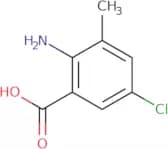


![1-{[5-(Cyclopropylcarbonyl)-1-methyl-4,5,6,7-tetrahydro-1H-pyrazolo[4,3-c]pyridin-3-yl]carbonyl}pi…](/_next/image/?url=https%3A%2Fstatic.cymitquimica.com%2Fproducts%2F3D%2Fthumb-webp%2FFC119596.webp&w=3840&q=75)
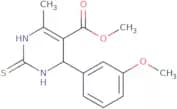
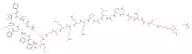
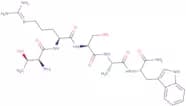
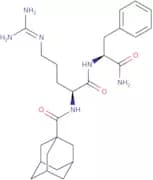


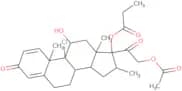


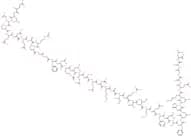
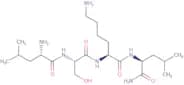
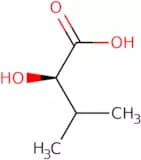
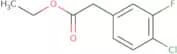

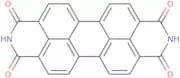

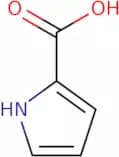
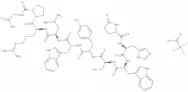
![N-[3-Fluoro-4-[6-(2-methyl-2H-tetrazol-5-yl)-3-pyridinyl]phenyl]carbamic acid phenylmethyl ester](/_next/image/?url=https%3A%2Fstatic.cymitquimica.com%2Fproducts%2F3D%2Fthumb-webp%2FFF102200.webp&w=3840&q=75)
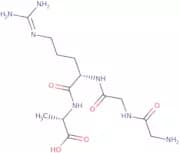
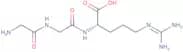



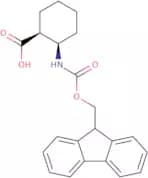

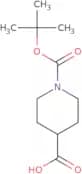

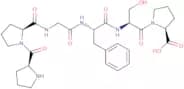

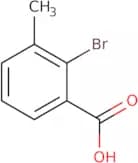

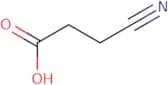


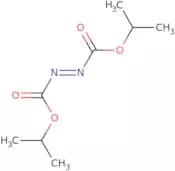
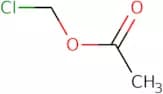
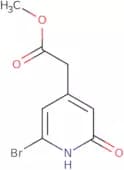
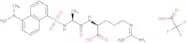


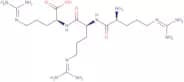





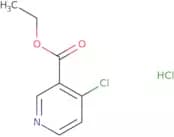

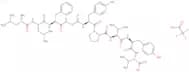

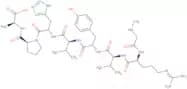
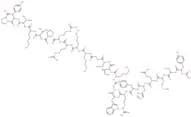
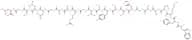
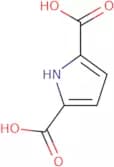
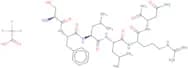
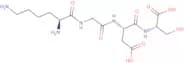



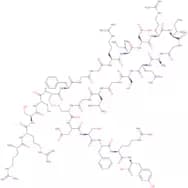
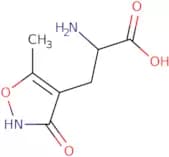
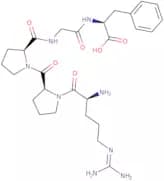
![2-[(3,5,6-Trichloro-2-pyridinyl)oxy]acetic acid](/_next/image/?url=https%3A%2Fstatic.cymitquimica.com%2Fproducts%2F3D%2Fthumb-webp%2FFT28420.webp&w=3840&q=75)

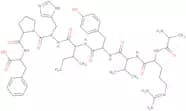



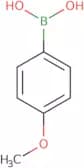

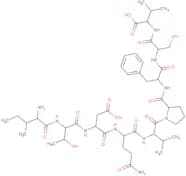

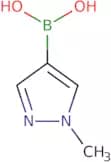

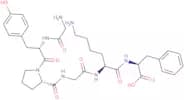
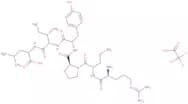
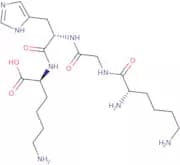
![[4-(1-Cyano-1-methylethyl)phenyl]boronic acid](/_next/image/?url=https%3A%2Fstatic.cymitquimica.com%2Fproducts%2F3D%2Fthumb-webp%2FFC121870.webp&w=3840&q=75)

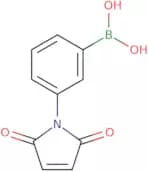
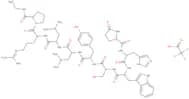
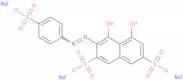
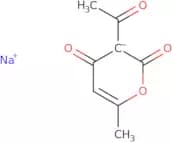

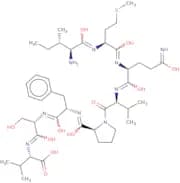
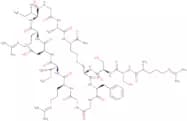

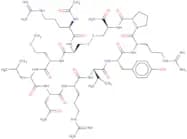
![2-[(5-Chloropyridin-2-yl)amino]-2-oxoacetic acid ethyl ester monohydrochloride](/_next/image/?url=https%3A%2Fstatic.cymitquimica.com%2Fproducts%2F3D%2Fthumb-webp%2FFC63138.webp&w=3840&q=75)




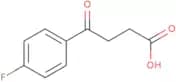
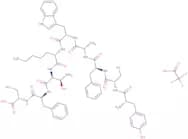


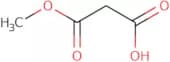

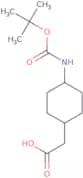
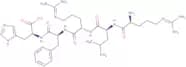

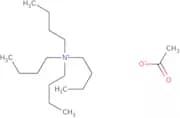

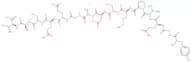
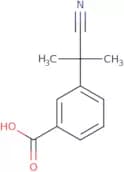
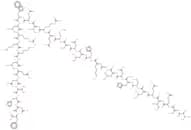
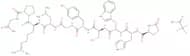


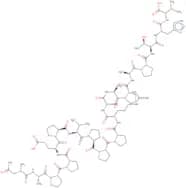

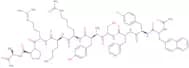
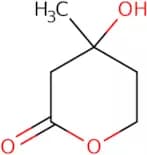
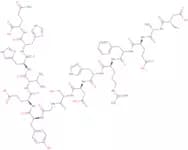
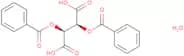


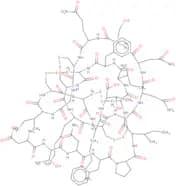
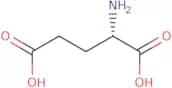


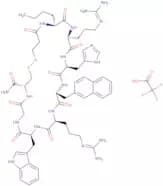

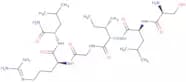
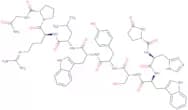
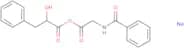
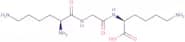
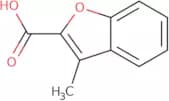


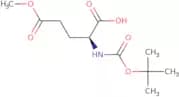
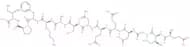
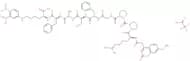

![([13C6]Leu10)-CRF (human, rat) trifluoroacetate salt](/_next/image/?url=https%3A%2Fstatic.cymitquimica.com%2Fproducts%2F3D%2Fthumb-webp%2FFL110016.webp&w=3840&q=75)

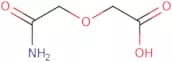
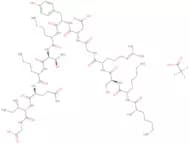

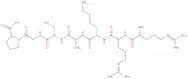
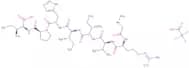
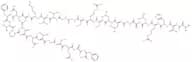

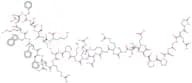
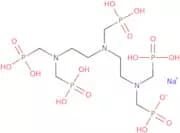
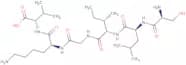
![4-[2-(Fmoc-amino)ethyl]-1-piperazineacetic acid dihydrochloride](/_next/image/?url=https%3A%2Fstatic.cymitquimica.com%2Fproducts%2F3D%2Fthumb-webp%2FFF48264.webp&w=3840&q=75)