Pharmaceutical Standards
Pharmaceutical standards are a comprehensive set of reference materials essential for ensuring the safety, efficacy, and quality of pharmaceutical products. This category includes standards for active pharmaceutical ingredients (APIs), which are the core components responsible for therapeutic effects. Additionally, it covers compounds and metabolites relevant to both the pharmaceutical and veterinary industries, providing benchmarks for the accurate measurement and analysis of these substances. Nitrosamine control standards are crucial for detecting and mitigating potentially harmful nitrosamines in drug formulations. Toxicology standards help assess the safety and potential adverse effects of pharmaceutical compounds. Furthermore, enzyme activators and inhibitors standards are vital for research and development, enabling precise studies of biochemical pathways and drug mechanisms. These pharmaceutical standards are indispensable tools for regulatory compliance, quality control, and research, ensuring that pharmaceutical products meet stringent safety and effectiveness criteria.
Subcategories of "Pharmaceutical Standards"
- APIs for research and impurities(273,766 products)
- Enzyme Activators and Inhibitors(2,827 products)
- Nitrosamines(2,605 products)
- Pharmaceutical and Veterinary Compounds and Metabolites(2,608 products)
- Toxicology(13,652 products)
Found 7836 products of "Pharmaceutical Standards"
Sort by
Purity (%)
0
100
|
0
|
50
|
90
|
95
|
100
3-Fluoro-4-hydroxycinnamic acid
CAS:<p>3-Fluoro-4-hydroxycinnamic acid is a phenol that is an intermediate in the biocatalytic conversion of pyruvate to phenols. It has been shown to be a good candidate for use in organic synthesis, due to its ability to catalyze the reaction between benzene and hydrogen peroxide. 3-Fluoro-4-hydroxycinnamic acid also has potential applications in science and catalysis.</p>Formula:C9H7FO3Color and Shape:PowderMolecular weight:182.15 g/mol3’,5’-Di-O-acetyl-2’-azido-2’-deoxyuridine
CAS:<p>Please enquire for more information about 3’,5’-Di-O-acetyl-2’-azido-2’-deoxyuridine including the price, delivery time and more detailed product information at the technical inquiry form on this page</p>Purity:Min. 95%D-Asparagine monohydrate
CAS:<p>D-Asparagine monohydrate is a white crystalline powder that is soluble in water and has a molecular weight of 98.1 g/mol. It inhibits the growth of bacteria by preventing the formation of β-lactamase, which can lead to antibiotic resistance. D-Asparagine monohydrate is used as an additive in the preparation of polyacrylamide gel for electrophoresis and other purposes. It has been found that it can be used as an inhibitor of recombinant proteins, such as those produced by E. coli, with high kinetic activity. It also inhibits the crystallization process and growth rate of Mycobacterium licheniformis.</p>Formula:C4H8N2O3·H2OColor and Shape:White Off-White PowderMolecular weight:150.13 g/molCinnamaldehyde
CAS:<p>Cinnamaldehyde is an aldehyde that occurs naturally in plants such as cinnamon, apples, and cumin. It is used as a flavoring agent for foods and beverages, as well as in perfumes. Cinnamaldehyde has been shown to have minimal toxicity and minimal mutagenic or carcinogenic potential. This compound has been shown to exhibit antimicrobial activity against bacteria by inhibition of bacterial cell growth through inhibition of the synthesis of proteins essential for cell division. Cinnamaldehyde also exhibits anti-inflammatory properties by inhibiting prostaglandin synthesis. The antimicrobial effects of cinnamaldehyde are due to its ability to bind to the enzyme alcohol dehydrogenase, which prevents the conversion of alcohols into aldehydes. Cinnamaldehyde can be found in many natural compounds such as cinnamic acid and eugenol.</p>Formula:C6H5CHCHCHOPurity:Min. 95%Color and Shape:Colorless Clear LiquidMolecular weight:132.16 g/mol3,5-Dimethyl-4-nitropyridine 1-oxide
CAS:<p>3,5-Dimethyl-4-nitropyridine 1-oxide is a nitro compound with the chemical formula CHNO. It is an organic compound that has been shown to be carcinogenic in animal studies and has caused cancer in humans. 3,5-Dimethyl-4-nitropyridine 1-oxide can be found in the environment as a result of industrial accidents or environmental pollution. It is found in building materials such as acetonitrile and organic solvents. This compound is not soluble in water, which limits its potential for environmental transport.</p>Formula:C7H8N2O3Purity:Min. 95%Color and Shape:PowderMolecular weight:168.15 g/molErgosterol peroxide
CAS:<p>Ergosterol peroxide is a synthetic compound that binds to DNA and inhibits the growth of human cells. Ergosterol peroxide has been shown to have significant cytotoxicity against HL-60 cells in vitro, with inhibition of DNA synthesis and induction of apoptosis. Ergosterol peroxide also has amoebicidal activity against Acanthamoeba castellanii, which is an opportunistic pathogen of the central nervous system. This compound can be used as a pharmaceutical agent for the treatment of various diseases such as cancer, AIDS, or Alzheimer's disease. It may also be used as a natural compound to kill harmful pathogens in water.</p>Formula:C28H44O3Purity:Min. 95%Color and Shape:PowderMolecular weight:428.65 g/mol2-(2-naphthyloxy)ethanenitrile
CAS:<p>Please enquire for more information about 2-(2-naphthyloxy)ethanenitrile including the price, delivery time and more detailed product information at the technical inquiry form on this page</p>Formula:C12H9NOPurity:Min. 95%Color and Shape:PowderMolecular weight:183.21 g/molL-Aspartic acid potassium
CAS:<p>L-Aspartic acid potassium salt is a pyrazinoic acid derivative that is used for the treatment of bowel disease. L-Aspartic acid potassium salt prevents the formation of toxic metabolites by inhibiting the enzyme aspartate aminotransferase, which converts aspartate to oxaloacetate. This compound also has an inhibitory effect on cell factor and energy metabolism in cells. L-Aspartic acid potassium salt has been shown to have low potency against malignant cells in culture. !--END--></p>Formula:C4H7NO4•KPurity:Min. 95%Color and Shape:PowderMolecular weight:172.2 g/mol1,3-Bis(4-fluorophenyl)urea
CAS:<p>1,3-Bis(4-fluorophenyl)urea is a crystalline solid that is soluble in organic solvents. It has been used as an intermediate in the synthesis of other compounds. 1,3-Bis(4-fluorophenyl)urea is an electron acceptor and can be used to produce diphenyl ethers. This compound has been synthesized using ethyl acetoacetate and anilines. It can be used to treat infectious diseases such as tuberculosis, where it inhibits protein synthesis and cell growth by disrupting the formation of bacterial DNA.</p>Formula:C13H10F2N2OPurity:Min. 98 Area-%Color and Shape:White Off-White PowderMolecular weight:248.23 g/mol2,5-Dichlorocinnamic acid
CAS:<p>2,5-Dichlorocinnamic acid is a chemical compound with the formula CHClCOCHCl. It is typically used as a reagent or building block in organic synthesis. 2,5-Dichlorocinnamic acid is an alpha-hydroxycarboxylic acid that exists in two tautomeric forms: the enol form (2,5-dichloro-3-oxopentanoic acid) and the keto form (2,5-dichlorohexanedioic acid). The enol form predominates at pH 7 and above. The keto form predominates at pH 1 and below.</p>Formula:C9H6Cl2O2Purity:Min. 95%Color and Shape:PowderMolecular weight:217.05 g/molL-Tryptophan-7-amido-4-methylcoumarin
CAS:<p>Please enquire for more information about L-Tryptophan-7-amido-4-methylcoumarin including the price, delivery time and more detailed product information at the technical inquiry form on this page</p>Formula:C21H19N3O3Purity:Min. 95%Color and Shape:PowderMolecular weight:361.39 g/moltrans-trans-10,11-Epoxy farnesenic acid methyl ester
CAS:<p>Trans-trans-10,11-Epoxy farnesenic acid methyl ester is a bound form of the hormone juvenile hormone. It is found in plants and insects. Trans-trans-10,11-Epoxy farnesenic acid methyl ester binds to the receptor on the surface of cells and initiates a series of reactions that lead to the production of proteins needed for development. The bound form is converted to an active form by methyl transferase activity or epoxidase activity. Trans-trans-10,11-Epoxy farnesenic acid methyl ester has been shown to be effective against juvenile hormone binding protein (JHBP) and has high values in samples from juvenile insects.</p>Formula:C16H26O3Purity:Min. 90 Area-%Color and Shape:Colorless PowderMolecular weight:266.38 g/mol2-Benzyloxy-6-methoxyacetophenone
CAS:<p>2-Benzyloxy-6-methoxyacetophenone is a high quality and versatile chemical that can be used as a reagent or building block in organic synthesis. It is an important intermediate in the synthesis of fine chemicals, pharmaceuticals, and other complex compounds. 2-Benzyloxy-6-methoxyacetophenone has been shown to be useful as a scaffold for the synthesis of novel complex molecules, such as speciality chemicals. The compound also has potential applications in research and development of new drugs.</p>Formula:C16H16O3Purity:Min. 95%Color and Shape:PowderMolecular weight:256.3 g/mol17α-Methyl-19-nortestosterone
CAS:Controlled Product<p>17alpha-Methyl-19-nortestosterone (17MT) is an anti-cancer agent that has been used as a contraceptive. It inhibits the conversion of testosterone to dihydrotestosterone by competitive inhibition of the enzyme 3beta-hydroxysteroid dehydrogenase, which is responsible for the first step in the biosynthesis of androgens. 17MT has also been shown to inhibit angiotensin II formation, thereby reducing blood pressure. This drug acts as a structural analogue of progesterone and binds to progesterone receptors, as well as other steroid receptors, with high affinity. 17MT also inhibits fatty acid synthesis in cancer cells, leading to decreased tumor growth.</p>Formula:C19H28O2Purity:Min. 95%Color and Shape:PowderMolecular weight:288.42 g/molRetinyl propionate
CAS:<p>Retinyl propionate is a fatty acid that is used as a sample preparation for copper-complexed collagen. The matrix effect of retinyl propionate can be seen in the skin cells, bone cells, and cartilage tissue. Retinyl propionate has been shown to increase calcium pantothenate transport rates in human serum and also has a film-forming polymer effect.</p>Formula:C23H34O2Purity:Min. 95.0 Area-%Color and Shape:Yellow Clear LiquidMolecular weight:342.51 g/molProtoporphyrin IX
CAS:<p>Protoporphyrin IX is a fluorescent molecule that has been used for diagnosis and treatment of cancers, especially T-cell lymphomas. Protoporphyrin IX is being studied for its potential use as a photosensitizer in photodynamic therapy. The fluorescence emission spectrum of protoporphyrin IX overlaps with the absorption spectrum of hemoglobin, which enables it to be used in diagnosis of diseases such as sickle cell anemia. Protoporphyrin IX also binds to DNA and regulates gene expression. It is involved in mitochondrial functions, energy metabolism, and biochemical research. Protoporphyrin IX has been shown to bind to response elements and activate transcription of genes which are regulated by the proto-oncogene promoter. This molecule's thermodynamic data has been extensively researched and it is currently being evaluated for use in laser ablation technology for cancer treatments.</p>Formula:C34H34N4O4Purity:Min. 95%Color and Shape:Red PowderMolecular weight:562.66 g/molGrowth hormone releasing protein-2
CAS:<p>Please enquire for more information about Growth hormone releasing protein-2 including the price, delivery time and more detailed product information at the technical inquiry form on this page</p>Formula:C45H55N9O6Purity:Min. 95%Color and Shape:PowderMolecular weight:817.98 g/mol2,2'-Oxydianiline
CAS:<p>2,2'-Oxydianiline is a diazonium salt that has been used as a pharmaceutical intermediate for the synthesis of other drugs. It is also used in the manufacture of dyes and pigments. 2,2'-Oxydianiline is an electron-deficient molecule which can react with aromatic residues. The aromatic residue reacts with the electron-deficient molecule to form a covalent bond between them. This process is called electrophilic aromatic substitution reaction. This reaction rate depends on the concentration of the reactants and their relative rates of diffusion (the rate of movement of molecules from high concentrations to low concentrations). 2,2'-Oxydianiline has been shown to have an effect on viscosity by binding to cholesterol in lipoproteins and increasing its solubility in water.</p>Formula:C12H12N2OPurity:Min. 98 Area-%Color and Shape:PowderMolecular weight:200.24 g/mol4'-Acetamido-2'-methylacetophenone
CAS:<p>4'-Acetamido-2'-methylacetophenone is a chemical compound that has been found to be useful in the synthesis of other compounds. It is an intermediate for the production of aniline and phenacetin, which are both reactive compounds. This product can also be used as a reagent for the synthesis of other chemicals and pharmaceuticals. CAS No. 34956-31-5</p>Formula:C11H13NO2Purity:Min. 95%Color and Shape:PowderMolecular weight:191.23 g/molN-(2-(3,4-dimethoxyphenyl)ethyl)(4-nitrophenyl)formamide
CAS:Controlled Product<p>Please enquire for more information about N-(2-(3,4-dimethoxyphenyl)ethyl)(4-nitrophenyl)formamide including the price, delivery time and more detailed product information at the technical inquiry form on this page</p>Purity:Min. 95%Lithium 3,5-diiodosalicylic acid
CAS:<p>Lithium 3,5-diiodosalicylic acid (Li3,5I2SA) is a cross-linking agent that has been shown to inhibit phosphatase activity and receptor binding in vitro. It also inhibits sugar transport, which is important for the functioning of human cells. Li3,5I2SA has been used to study the action of drugs on cancer cells and spermatozoa. This compound has also been tested as an inhibitor of membrane lipid peroxidation. Li3,5I2SA attaches to red blood cell membranes by binding to sites with high concentrations of monoclonal antibodies. The sequences of this compound have not yet been fully elucidated.</p>Formula:C7H4I2O3•LiPurity:Min. 98 Area-%Color and Shape:PowderMolecular weight:396.85 g/mol2-Chloro-5,6,7,8-tetrahydro-1,6-naphthyridine hydrochloride
CAS:<p>2-Chloro-5,6,7,8-tetrahydro-1,6-naphthyridine hydrochloride is a fine chemical that can be used as a versatile building block in the synthesis of complex compounds. It is also an important reagent for research purposes and a speciality chemical. It has been reported to show high quality and be a useful intermediate for organic reactions. 2-Chloro-5,6,7,8-tetrahydro-1,6-naphthyridine hydrochloride is also a useful scaffold in the synthesis of novel drugs.</p>Formula:C8H10Cl2N2Purity:Min. 97 Area-%Color and Shape:White Slightly Yellow PowderMolecular weight:205.08 g/mol2,2'-Dinitrobiphenyl
CAS:<p>2,2'-Dinitrobiphenyl is an organic chemical compound that belongs to the class of diazo compounds. It is a white crystalline solid that is soluble in organic solvents such as benzene, ether and chloroform. 2,2'-Dinitrobiphenyl has been used in analytical chemistry as a reducing agent for phosphite and other anion radicals. The reduction products can be analyzed using various techniques such as infrared spectroscopy or electron paramagnetic resonance spectroscopy. It also reacts with amide ions to form nitro or chloride compounds.</p>Formula:C12H8N2O4Purity:Min. 96.5%Color and Shape:PowderMolecular weight:244.2 g/molMethyl 3-hydroxycinnamate
CAS:<p>Methyl 3-hydroxycinnamate is a phenol that is an ester of cinnamic acid. Methyl 3-hydroxycinnamate is used as a flavoring agent in the food industry, and it has shown to be effective in inhibiting the growth of bacteria such as Staphylococcus aureus and Escherichia coli.</p>Formula:C10H10O3Purity:Min. 95%Color and Shape:PowderMolecular weight:178.18 g/molFmoc-O-phospho-L-tyrosine
CAS:<p>Fmoc-O-phospho-L-tyrosine is a synthetic compound that belongs to the class of phosphatase inhibitors. It is a potent inhibitor of tyrosine phosphatases, which are enzymes that regulate cellular signaling. Fmoc-O-phospho-L-tyrosine has been shown to inhibit phosphorylation of the insulin receptor and may have an inhibitory effect on other tyrosine kinases. Inhibition of these enzymes results in increased levels of intracellular tyrosine, which can lead to inhibition of protein synthesis and cell proliferation. Fmoc-O-phospho-L-tyrosine has been shown to be effective against growth in cell culture, although more research is needed.</p>Formula:C24H22NO8PPurity:Min. 95%Color and Shape:White PowderMolecular weight:483.41 g/mol3’,5’-Di-O-acetyl-2’-chloro-2’-deoxyuridine
CAS:<p>Please enquire for more information about 3’,5’-Di-O-acetyl-2’-chloro-2’-deoxyuridine including the price, delivery time and more detailed product information at the technical inquiry form on this page</p>Purity:Min. 95%3,5-Difluoro-4-(trifluoromethyl)acetophenone
CAS:<p>3,5-Difluoro-4-(trifluoromethyl)acetophenone is a high quality chemical that is used as a reagent in organic synthesis and as a building block for the synthesis of other compounds. It has been shown to be an effective intermediate in the production of fine chemicals and speciality chemicals. This compound can also be used as a building block for the synthesis of useful scaffolds or useful building blocks. 3,5-Difluoro-4-(trifluoromethyl)acetophenone is versatile and can react with various functional groups.</p>Formula:C9H5F5OPurity:Min. 95%Molecular weight:224.13 g/molCholesterol n-Octanoate
CAS:Controlled Product<p>Cholesterol n-Octanoate is a chiral compound that belongs to the group of p2, film-forming polymers. This polymer is used in laboratories for diagnosis, and also as an adjunct in the treatment of pancreatic disorders. Cholesteryl esters are produced by the hydrolysis of cholesterol esterase (CE) with the addition of cholesteryl acetate and a fatty acid. The activation energy for this reaction is 14.5 kcal/mol. CE activity is inhibited by lipolytic enzymes such as pancreatic lipase and hepatic lipase. In humans CEs are located primarily in the liver, with smaller amounts found in the intestines, adrenal cortex, testes, ovaries, placenta, adipose tissue, and other organs.</p>Formula:C35H60O2Purity:Min. 95%Color and Shape:PowderMolecular weight:512.85 g/mol1-(2,4,5-Trimethoxyphenyl)-2-nitropropene
CAS:<p>1-(2,4,5-Trimethoxyphenyl)-2-nitropropene is a fine chemical that can be used as a building block in organic synthesis. It is also an intermediate or scaffold for the preparation of other compounds. 1-(2,4,5-Trimethoxyphenyl)-2-nitropropene has been used in the synthesis of many pharmaceuticals and natural products. The compound has high purity and quality.</p>Formula:C12H15NO5Purity:Min. 95%Color and Shape:PowderMolecular weight:253.25 g/mol6-Methyl-2,2':6',2''-terpyridine
CAS:<p>6-Methyl-2,2':6',2''-terpyridine is a versatile building block that can be used in the synthesis of complex compounds. It is a fine chemical and is sold for research purposes only. 6-Methyl-2,2':6',2''-terpyridine has been used as a reagent or speciality chemical in the manufacture of pharmaceuticals, agrochemicals, and other organic compounds. This compound also has potential use as an intermediate in the synthesis of other useful compounds or scaffolds.</p>Formula:C16H13N3Purity:Min. 85 Area-%Color and Shape:PowderMolecular weight:247.29 g/mol4'-Benzyloxy-3'-nitroacetophenone
CAS:<p>4'-Benzyloxy-3'-nitroacetophenone is a nitro-substituted aromatic compound that has been studied as an inhibitor of xanthine oxidase. It is also known to inhibit cytochrome P450 and nitric oxide synthase. The molecular modeling study showed that 4'-benzyloxy-3'-nitroacetophenone binds to the active site of xanthine oxidase and blocks the binding site for xanthine, which stops the conversion of xanthine to uric acid. This inhibition leads to a decrease in urate production, which can help prevent gout attacks.</p>Formula:C15H13NO4Purity:Min. 95%Molecular weight:271.27 g/molb-Propiolactone
CAS:Controlled Product<p>b-Propiolactone is a plant extract that is found in soybeans. It has been shown to have antiviral properties and can inhibit the growth of certain viruses. b-Propiolactone binds to the active site of an enzyme called RNA polymerase, which blocks RNA synthesis and inhibits viral replication. This compound has also been shown to inhibit virus replication in vitro assays as well as antibody response against hepatitis B. The biological effects of b-propiolactone are thought to be due to its ability to bind with group p2 protein monoclonal antibodies, which may have implications for the prevention of pandemic influenza.</p>Formula:C3H4O2Purity:Min. 95%Color and Shape:Clear LiquidMolecular weight:72.06 g/mol5-(2-Fluorovinyl)-2'-Deoxyuridine
CAS:<p>5-(2-Fluorovinyl)-2'-Deoxyuridine is a hydrophobic analogue of acyclovir that has potent activity against herpes simplex virus type 1. It inhibits the synthesis of viral DNA, and thus prevents the formation of plaques in tissue culture. This drug also inhibits cell proliferation and viral production by l1210 cells as well as lung fibroblasts. 5-(2-Fluorovinyl)-2'-Deoxyuridine has shown inhibitory effects against uninfected cells, but not against cells infected with herpes simplex virus type 2.</p>Formula:C11H13FN2O5Purity:Min. 95%Molecular weight:272.23 g/mol3,5-Di-tert-Butyl-4-hydroxybenzoic acid methyl ester
CAS:<p>3,5-Di-tert-Butyl-4-hydroxybenzoic acid methyl ester is a chemical that belongs to the group of low molecular weight solvents. It is used as an intermediate in organic synthesis and as a solvent for paints, lacquers, and varnishes. 3,5-Di-tert-Butyl-4-hydroxybenzoic acid methyl ester has been found to be resistant to radiation and ultraviolet light. This chemical has also been shown to have no mutagenic effects on calf thymus DNA.</p>Formula:C16H24O3Purity:Min. 95%Color and Shape:PowderMolecular weight:264.36 g/mol(R)-(+)-3,3'-Dibromo-5,5',6,6',7,7',8,8'-octahydro-1,1'-bi-2,2'-naphthalenediol
CAS:<p>(R)-(+)-3,3'-Dibromo-5,5',6,6',7,7',8,8'-octahydro-1,1'-bi-2,2'-naphthalenediol is a synthetic compound that is used as a ligand for asymmetric catalysis. It is an optically active compound and can be used in catalytic reactions to produce compounds that are not available through other methods. (R)-(+)-3,3'-Dibromo-5,5',6,6',7,7',8,8'-octahydro-1,1'-bi-2,2'-naphthalenediol is a reactive compound and can be used as a ligand in Diels-Alder reactions. The synthesis of this product can be achieved with high yield by using the synthetic method described.</p>Formula:C20H20Br2O2Purity:Min. 98 Area-%Color and Shape:White PowderMolecular weight:452.18 g/mol2-(2-Thiazolylazo)-p-cresol
CAS:<p>2-(2-Thiazolylazo)-p-cresol structure enables it to form complexes with certain metal ions, changing color in the process. This color change is highly useful in titrimetric analyses (quantitative chemical analysis method) to determine the concentration of metal ions in a solution. The substrates are colored orange-yellow (absorbance maximum= 375 nm). After the enzymatic conversion, the resulting TAC shows an intense, soluble red-violet color (544 nm) in an alkaline medium (pH = 10.3).</p>Formula:C10H9N3OSPurity:Min. 96 Area-%Color and Shape:Yellow To Orange Brown SolidMolecular weight:219.26 g/mol17-epi-Testosterone
CAS:Controlled Product<p>Testosterone is a steroid hormone that is produced in the ovaries and testes. It stimulates the development of male secondary sex characteristics, such as muscle growth and deepening of the voice. 17-epi-Testosterone is a metabolite of testosterone that has been shown to inhibit iron homeostasis and epithelial growth factor production in vitro. The concentration of 17-epi-Testosterone in human serum was found to be significantly lower than the concentration of testosterone using an LC-MS/MS method, which may be due to its affinity for binding proteins or its degradation by liver cells. 17-epi-Testosterone can be used as a marker for hepatocellular carcinoma.</p>Formula:C19H28O2Purity:Min. 95 Area-%Color and Shape:PowderMolecular weight:288.42 g/mol(1R,2S,3S,5S)-3-(4-Iodophenyl)-8-methyl-8-azabicyclo[3.2.1]octane-2-carboxylicacid methyl ester
CAS:Controlled Product<p>(1R,2S,3S,5S)-3-(4-Iodophenyl)-8-methyl-8-azabicyclo[3.2.1]octane-2-carboxylicacid methyl ester is a molecule that has been shown to be effective in lowering the symptoms of Parkinson's disease. It also prevents the uptake of dopamine and serotonin in the brain by binding to dopamine and serotonin transporters on the cell membrane. This drug has been shown to be safe at doses up to 100 mg/kg/day in rats, but has not been tested in humans. The drug is stable in neutral pH environments and does not degrade upon exposure to light or oxygen.</p>Formula:C16H20INO2Purity:Min. 95%Molecular weight:385.24 g/mol2-Methyl-6-nitrophenol
CAS:<p>2-Methyl-6-nitrophenol (2MP) is a nitro compound that has been shown to have an inhibitory effect on the oxidation of sodium nitrate by sodium chloride. It also inhibits the photooxidation of biomimetic systems. 2MP is a chemical ionization reagent that can be used as a molecular descriptor in environmental chemistry studies. The regioselectivity of 2MP was studied using gas chromatography and mass spectrometry. The molecular descriptors were determined using electron ionization and chemical ionization, which were found to be similar.</p>Formula:C7H7NO3Purity:Min. 95%Color and Shape:Off-White PowderMolecular weight:153.14 g/molN-D-Biotinyl-7-amino-4-methylcoumarin
CAS:<p>N-D-Biotinyl-7-amino-4-methylcoumarin is a fluorescent substrate that is used to measure the activity of biotinidase, an enzyme that catalyzes the hydrolysis of biotin. It is detectable by measuring fluorescence with a spectrophotometer. Biotinidase deficiency can be diagnosed by measuring the activity of this enzyme in biological fluids. This assay has been shown to be useful for diagnosing patients with deficient biotinidase activity.</p>Formula:C20H23N3O4SPurity:Min. 98 Area-%Color and Shape:PowderMolecular weight:401.48 g/molPogosine
<p>Pogosine is a protein-degrading enzyme that belongs to the ubiquitin proteasome pathway. It has been shown to modulate the activity of estrogen receptors and may be an effective treatment for cancer. Pogosine is also able to inhibit the release of neutrophils, which are cells that are responsible for inflammation and infection.</p>Purity:Min. 95%(1R)-(1S,2S,3R,5S)-Pinanediol-N-(N-pyrazinylphenylalaninoyl)-1-amino-3-methyl-butane-1-boronate
CAS:<p>(1R)-(1S,2S,3R,5S)-Pinanediol-N-(N-pyrazinylphenylalaninoyl)-1-amino-3-methyl-butane-1-boronate is a boronic acid derivative that has been shown to have an antiproliferative effect on cancer cells. It is a biodegradable, water soluble drug with a low toxicity profile. The maximum tolerated dose has been established in vivo studies and it can be used as an imaging agent for diagnosis. (1R)-(1S,2S,3R,5S)-Pinanediol-N-(N-pyrazinylphenylalaninoyl)-1-amino-3-methyl-butane-1-boronate may be used to treat cancers such as breast cancer or leukemia. This drug targets the proteasome and inhibits its activity by binding to the active site of the 20s</p>Formula:C29H39BN4O4Purity:Min. 95%Color and Shape:SolidMolecular weight:518.46 g/molBiotin diacid
CAS:<p>Biotin diacid is a versatile building block that can be used to synthesize many fine chemicals. It is an important intermediate in the synthesis of biologically active compounds and pharmaceuticals. Biotin diacid has been reported to be useful as a starting material for the preparation of other biologically active compounds, such as biotin-containing peptides and proteins. This product also has high quality properties that are necessary in research chemicals, speciality chemicals, and fine chemicals.</p>Formula:C11H16N2O5SPurity:Min. 95%Color and Shape:PowderMolecular weight:288.32 g/mol6-Methoxy-2-naphthaleneacetic acid
CAS:<p>6-Methoxy-2-naphthaleneacetic acid (6-MNA) is a nonsteroidal anti-inflammatory drug that is used to treat patients with chronic pain. 6-MNA has been shown to be an effective treatment for osteoarthritis, rheumatoid arthritis and other inflammatory conditions. It inhibits the production of prostaglandins and leukotrienes by inhibiting the enzyme cyclooxygenase, which is responsible for the conversion of arachidonic acid to these mediators. 6-MNA can also inhibit the activity of α1-acid glycoprotein and increase the activity of human serum albumin, which may contribute to its antiinflammatory effect. 6-MNA has several side effects including nausea, vomiting, diarrhea and abdominal pain. These adverse reactions are caused by inhibition of protein synthesis in the stomach lining, which leads to decreased production of mucus and bicarbonate ions.</p>Formula:C13H12O3Purity:Min. 95%Color and Shape:PowderMolecular weight:216.23 g/mol7-Dehydrocholesterol - min 95%
CAS:Controlled Product<p>7-Dehydrocholesterol is a cholesterol precursor that is synthesized in the skin and liver. It is also found in other tissues, including the brain, where it is converted to cholesterol. 7-Dehydrocholesterol can be used as an indicator of sterol metabolism because its concentration reflects the rate of cholesterol production by the body. The kinetics of 7-dehydrocholesterol are similar to those of cholesterol, and it has been used as a marker for measuring cholesterol synthesis rates in humans. Skin cells contain 7-dehydrocholesterol, which may be important for skin cancer prevention. 7-Dehydrocholesterol has also been shown to be effective in reducing autoimmune diseases such as lupus erythematodes and bowel diseases such as Crohn's disease, although further research is needed.</p>Formula:C27H44OPurity:Min. 95%Color and Shape:PowderMolecular weight:384.64 g/mol2-(4-Fluorophenyl)-5-(2-naphthyl)-1,3,4-oxadiazole
CAS:<p>2-(4-Fluorophenyl)-5-(2-naphthyl)-1,3,4-oxadiazole is a clinical drug that is used to diagnose the presence of cholesterol in human serum. It reacts with cholesterol esterase to form a fluorescent product. The fluorescence intensity of this reaction product can then be measured and used to determine the concentration of cholesterol in the sample. 2-(4-Fluorophenyl)-5-(2-naphthyl)-1,3,4-oxadiazole has been shown to have a high specificity for cholesterol esterase and does not react with enzymes such as carboxylesterases and cholesteryl esterases. This compound also inhibits uptake into cells by acting on an uptake carrier protein, which prevents it from entering cells.</p>Formula:C18H11FN2OPurity:Min. 95%Molecular weight:290.3 g/molPentazocine lactate
CAS:Controlled Product<p>Pentazocine lactate is an opioid that binds to the kappa-opioid receptor. It has a low potency and is used as an analgesic. Pentazocine lactate has been shown to be effective in the treatment of eosinophilic fasciitis, which is a rare inflammatory disease of the skin and soft tissue. Side effects for this drug include respiratory depression and sedation, constipation, nausea/vomiting, urinary retention, erythema multiforme, pruritus, erythema nodosum, thrombocytopenia, and fever. Pentazocine lactate may also interact with other drugs such as antidepressants or antipsychotics.</p>Formula:C19H27NO·C3H6O3Purity:Min. 95%Molecular weight:375.5 g/molPentathiodiphosphorus(V) acid P,P'bis(pyridinium betaine)
CAS:<p>Please enquire for more information about Pentathiodiphosphorus(V) acid P,P'bis(pyridinium betaine) including the price, delivery time and more detailed product information at the technical inquiry form on this page</p>Formula:C10H10N2P2S5Color and Shape:PowderMolecular weight:380.48 g/molβ-Naphthoylhydrazine
CAS:<p>Beta-Naphthoylhydrazine is a chemical inhibitor that binds to the enzyme diacylglycerol, which is involved in the synthesis of cholesterol. It has been shown to inhibit the uptake of cholesterol by ovary cells and human serum lipase. Beta-Naphthoylhydrazine potently inhibits reactive oxygen species and may be used in the treatment of inflammation and cancer.</p>Formula:C11H10N2OPurity:Min. 95%Color and Shape:PowderMolecular weight:186.21 g/molChromotropic acid disodium dihydrate
CAS:<p>Chromotropic acid dihydrate is a chromogenic compound that has an adsorption mechanism and is used as an analytical reagent. Chromotropic acid disodium dihydrate (CDA) is used in the determination of hydrochloric acid, natural gas and other liquids. It also can be used to measure the concentration of tyramine hydrochloride. CDA has been shown to be effective in the measurement of molecular orbitals and kinetic constants. The optical sensor is sensitive to wavelengths ranging from 200-900 nm, with a peak absorption at around 500 nm. This sensor can be used for many types of chemical reactions, such as organic synthesis, hydrogenation, and oxidation.</p>Formula:C10H6O8S2Na2·2H2OPurity:Min. 95%Color and Shape:Off-White PowderMolecular weight:400.29 g/molω-Benzoyloxy phloracetophenone
CAS:<p>Omega-Benzoyloxy phloracetophenone is a fine chemical that is used as a building block in organic synthesis. It is also a versatile building block that can be used to synthesize many different types of compounds. This compound has been shown to react with alcohols, amines, and thiols to form esters, amides, and sulfones respectively. Omega-Benzoyloxy phloracetophenone is also a useful intermediate and scaffold in the synthesis of complex compounds.</p>Formula:C15H12O6Purity:Min. 95%Molecular weight:288.25 g/mol4-Methoxycinnamic acid
CAS:<p>4-Methoxycinnamic acid is a derivative that is activated by light exposure. It has been shown to have antimicrobial activity against Gram-positive bacteria and yeast, but not Gram-negative bacteria. 4-Methoxycinnamic acid is an analytical reagent that can be used to measure the dry weight of skin cancer cells, as well as to study the genotoxic effects of human liver cells. The chemical has also been shown to be genotoxic in mouse bone marrow cells and human lymphocytes. 4-Methoxycinnamic acid has been found to cause synchronous fluorescence when exposed to UV light, which may be due to its ability to react with molecular oxygen. This reaction produces a linear model with two products: 4-hydroxybenzoic acid and 2,5-dihydroxybenzoic acid.</p>Formula:C10H10O3Purity:Min. 95%Color and Shape:PowderMolecular weight:178.18 g/molGrape seed extract - Technical
CAS:<p>Grape seed extract is a natural compound that is extracted from the seeds of grape plants. It contains growth factors, such as growth factor-β1 and dinucleotide phosphate (NADP). Grape seed extract also has enzyme activities including natural compounds, biocompatible polymers, and antimicrobial agents. The extract can be used to prevent bacterial growth on surfaces by inhibiting the enzymatic activity of cell walls. The extract has been shown to have antibacterial effects against human serum and mitochondria membrane potential in a model system.</p>Formula:C30H12O6Purity:Min. 95%Color and Shape:Red PowderMolecular weight:468.41 g/mol3-Fluoro-2-hydroxybenzoic acid methyl ester
CAS:<p>3-Fluoro-2-hydroxybenzoic acid methyl ester (3-FHBA) is a high quality chemical compound that is used as an intermediate to produce other compounds. It has been shown to be a useful scaffold for the synthesis of complex compounds with various functional groups. 3-FHBA is also a reagent in the production of fine chemicals, research chemicals, and speciality chemicals. This compound has many uses, including being a versatile building block for reactions in organic synthesis and being a reaction component in the production of many types of products.</p>Formula:C8H7FO3Purity:Min. 95%Color and Shape:White PowderMolecular weight:170.14 g/molPolycaprolactone diol - MW 525-575
CAS:<p>Biodegradable polymer</p>Formula:C4H8O3(C6H10O2)nColor and Shape:Clear Liquid2,2'-Biphenol
CAS:<p>2,2'-Biphenol is a phenolic compound that is used in the synthesis of polymers. The thermal expansion coefficient of 2,2'-biphenol can be measured by DSC and found to be ˜6.5 × 10⁻⁴/°C. The UV absorption spectrum of 2,2'-biphenol shows three bands at wavelengths of 290 nm, 320 nm, and 370 nm. 2,2'-Biphenol has been shown to adsorb onto biological surfaces through an adsorption mechanism. It has been observed that this adsorption occurs via x-ray crystal structures and kinetic measurements have shown that the adsorption process is rate-limited by intramolecular hydrogen bonding between the protonated phenolic hydroxyl group and the aromatic ring. The activation energies for protonation and desorption have been determined to be ˜30 kJ/mol and ˜30 kJ/mol respectively. Ac</p>Formula:C12H10O2Purity:Min. 98 Area-%Color and Shape:White PowderMolecular weight:186.21 g/molNaphthol AS-LC
CAS:<p>Naphthol AS-LC is a reactive ester compound that has been used as a histological stain for cells and tissues. It can be used to detect the presence of propionate in homogenates. Naphthol AS-LC stains are also commonly used to determine the location of proteins and esters in cells, as well as to identify acid phosphatase activity in submandibular gland tissue. The reaction time for this reagent is short, so it can be used on samples that require rapid staining. Naphthol AS-LC is sensitive to light, which may cause it to lose its color or react with other compounds.</p>Formula:C19H16ClNO4Purity:Min. 95%Color and Shape:PowderMolecular weight:357.79 g/mol7-Hydroxy-2-naphthalene sulfonic acid sodium
CAS:<p>7-Hydroxy-2-naphthalene sulfonic acid sodium (7HNS) is a fluorescent probe that can be used for the detection of cross-links in collagen and elastin. The sensitivity of this compound is very high, with a detection limit of 1 pmol/ml. 7HNS binds to the lysine residues in collagen and elastin, forming covalent bonds that are detectable by fluorescence. It has been used in the analysis of tissues such as cartilage, bone, skin, and blood vessels.</p>Formula:C10H7NaO4SPurity:Min. 93 Area-%Color and Shape:PowderMolecular weight:246.22 g/molBiotinyl-Gly-Gly-OH
CAS:<p>Please enquire for more information about Biotinyl-Gly-Gly-OH including the price, delivery time and more detailed product information at the technical inquiry form on this page</p>Formula:C14H22N4O5SPurity:Min. 95%Molecular weight:358.41 g/mol2,2'-Azino-bis(3-ethylbenzothiazoline-6-sulfonic acid) diammonium salt
CAS:<p>ABTS can be used as a peroxidase substrate that gives a metastable cation when in the presence of H2O2. 2,2'-Azino-bis (3-ethylbenzothiazoline-6-sulfonic acid) or ABTS is commonly used in the enzyme-linked immunosorbent assay (ELISA). ABTS is chosen because the enzyme facilitates the reaction to give a green end-product with an absorbance maximum of 420nm and can therefore be detected with a spectrophotometer.</p>Formula:C18H24N6O6S4Purity:Min. 98.0 Area-%Color and Shape:PowderMolecular weight:548.68 g/molGlutaric anhydride
CAS:<p>Glutaric anhydride is a reactive anhydride that can be used to synthesize esters. It is chemically stable and has good thermal stability, so it can be used at elevated temperatures. Glutaric anhydride reacts with the carboxylic acid group of organic compounds to form an ester linkage. This reaction has been shown to take place in biological systems, such as glutaric acid in the human body. Glutaric anhydride is also used for the synthesis of pharmaceuticals and other organic compounds, as well as eye drops for treating eye disorders. The reaction mechanism of glutaric anhydride is not fully understood, but it is believed that it takes place through a radical-based mechanism.</p>Formula:C5H6O3Purity:Min. 98 Area-%Color and Shape:White PowderMolecular weight:114.1 g/molPyronin Y
CAS:<p>Pyronin Y is a fluorescent dye that binds to DNA in the presence of a polymerase chain reaction. It is used as a model system for studying the effects of drugs on cells and their response to chemotherapy. Pyronin Y has been shown to be an efflux pump inhibitor and has demonstrated multidrug resistance in cancer cells. It can be used to study drug resistance mechanisms, such as the efflux pumps, by using optical sensors or chemiluminescent reaction. Pyronin Y is also used in biological samples such as blood and tissue cultures for research purposes.</p>Formula:C17H19N2OClPurity:Min. 95%Color and Shape:Green PowderMolecular weight:302.8 g/mol(±)-a-Tocopherol phosphate disodium salt
CAS:<p>(±)-a-Tocopherol phosphate disodium salt is a synthetic form of vitamin E and is used in skin care products and supplements. Like vitamin E it has antioxidant properties.</p>Formula:C29H49Na2O5PPurity:Min 97%Color and Shape:PowderMolecular weight:554.66 g/molLopinavir metabolite M-3/M-4
CAS:<p>Lopinavir is an antiviral drug that inhibits HIV protease, an enzyme involved in the replication of the virus. It is metabolized to form M-3 and M-4, which are active against HIV protease. Lopinavir has been shown to have antiviral activities against HIV-1 and HIV-2. The activity of lopinavir against HIV protease may be due to its ability to bind to the active site of this enzyme and inhibit its catalytic activity.</p>Formula:C37H48N4O6Purity:Min. 95%Molecular weight:644.8 g/mol2-Bromo-6-nicotinic acid methyl ester
CAS:<p>2-Bromo-6-nicotinic acid methyl ester is a monomer that is used in vivo as a reactive probe. It undergoes a thermally induced reaction with sodium carbonate to form picolinic acid and 2,6-dibromonicotinic acid. The picolinic acid can be converted to its fluorescent analog, which has been shown to be useful for the detection of tumors in mice. This compound also reacts with metal ions such as copper and zinc, which allows it to act as a ligand for metal complexes.</p>Formula:C7H6BrNO2Purity:Min. 95%Color and Shape:PowderMolecular weight:216.03 g/molClopidogrel related compound B
CAS:<p>Clopidogrel related compound B is a sweetener that is used in the pharmaceutical industry. It has shown to have bacteriophage activity and is stable to duplication. This compound also has a genetic code that can be altered by duplications. Clopidogrel related compound B is an orally active molecule and it can be administered as an osmotic or chiral agent. This compound also functions as a surfactant, which contributes to its ability to act as a platelet-aggregating agent. The drug has been shown to be transducible in vitro with high efficiency, making it a good candidate for transduction therapy.</p>Formula:C16H17Cl2NO2SPurity:Min. 95%Color and Shape:PowderMolecular weight:358.28 g/molCresyl Violet acetate
CAS:Controlled Product<p>Cresyl violet acetate is a dye that is used in histology to stain tissue sections. It binds to basic proteins, such as those found in the cytoplasm and nucleus, and has a strong affinity for nucleic acids. Cresyl violet acetate can be used to identify inflammatory lesions and other biological samples. The dye has been shown to induce neuronal death by reducing the redox potentials of neurons through the activation of Toll-like receptors (TLRs). Basic proteins are also involved in oral hypoglycaemic activity.</p>Formula:C18H15N3O3Purity:Limit? 65.%Color and Shape:PowderMolecular weight:321.33 g/mol2-Amino-5-chloro-2'-fluorobenzophenone
CAS:<p>2-Amino-5-chloro-2'-fluorobenzophenone is a phenoxazine that has been used as an analytical reagent. It is also a fluorescent compound and an anxiolytic drug. 2-Amino-5-chloro-2'-fluorobenzophenone can be found in urine samples, where it may be the result of biotransformation by bacteria in the intestine or chemical reactions with nicotine or hydrochloric acid. The molecular electrostatic potentials for 2-amino-5-chloro-2'-fluorobenzophenone are calculated from vibrational spectra and the crystal x-ray diffraction pattern of its crystals. The chromatographic conditions for 2-amino-5-chloro-2'-fluorobenzophenone are determined by clinical chemistry and biodegradability, which is assessed using nmr spectra.</p>Formula:C13H9ClFNOPurity:Min. 95%Color and Shape:PowderMolecular weight:249.67 g/molMevastatin
CAS:<p>Mevastatin is a drug that inhibits the synthesis of cholesterol and has been used to treat hypercholesterolemia. It binds to the hydroxyl group at position 3 on the mevalonate molecule, which prevents the formation of 3-hydroxy-3-methylglutaryl coenzyme A (HMG CoA) and consequently reduces the production of cholesterol. Mevastatin has been shown to inhibit mitochondrial functions in wild-type strain yeast cells and myeloma cell lines, which may be due to receptor activity. In addition, it has been shown to induce neuronal death in a polymerase chain reaction assay by inhibiting DNA synthesis.</p>Formula:C23H34O5Purity:Min. 95%Color and Shape:PowderMolecular weight:390.51 g/mol7-Diethylamino-3-(4'-maleimidylphenyl)-4-methylcoumarin
CAS:<p>7-Diethylamino-3-(4'-maleimidylphenyl)-4-methylcoumarin is a fluorescent probe that can be used to measure the cytosolic calcium concentration. This probe binds to heparin, which is a positive ionic charge and has been shown to cause an increase in cytosolic calcium levels in cultured cells. 7-Diethylamino-3-(4'-maleimidylphenyl)-4-methylcoumarin has been used to successfully monitor changes in cytosolic calcium levels in response to pharmacological agents, such as the monoclonal antibody TNF-α. 7-Diethylamino-3-(4'-maleimidylphenyl)-4-methylcoumarin has also been used as a marker for tissue culture studies, where it was found that this molecule binds to the ryanodine receptor and alters its redox potential.</p>Formula:C24H22N2O4Purity:Min. 95%Color and Shape:PowderMolecular weight:402.44 g/mol5,6,7,8-Tetrahydro-[1,8]naphthyridine-2-carboxylic acid
CAS:<p>5,6,7,8-Tetrahydro-[1,8]naphthyridine-2-carboxylic acid is a chemical compound with CAS No. 885278-22-8. It is a high quality reagent that can be used as a building block for the synthesis of complex compounds. 5,6,7,8-Tetrahydro-[1,8]naphthyridine-2-carboxylic acid can also be used as a reaction component in chemical synthesis and as an intermediate in the production of various fine chemicals and speciality chemicals.</p>Formula:C9H10N2O2Purity:Min. 98 Area-%Color and Shape:PowderMolecular weight:178.19 g/molD-Allocystathionine
CAS:<p>D-Allocystathionine is a natural organic compound that contains a sulfur atom and two thiol groups. It is an intermediate in the synthesis of cysteine from methionine. D-Allocystathionine is also an inhibitor of fibrinogen, which can be used as a therapeutic agent for the treatment of cardiovascular disease. D-Allocystathionine binds to the active site of enzymes that contain disulfide bonds, such as phaeochromogenes and lysosomal enzymes. This binding prevents the oxidation of sulfhydryl groups to form disulfides, thereby inhibiting their activity.</p>Formula:C7H14N2O4SPurity:Min. 95%Color and Shape:PowderMolecular weight:222.26 g/mol2N-Boc-2',2''-triaminotriethylamine-bis(chloroacetamide)
CAS:<p>2N-Boc-2',2''-triaminotriethylamine-bis(chloroacetamide) is a fine chemical and reagent for the synthesis of pharmaceuticals. It is also a useful building block for the synthesis of complex compounds. This product can be used as a reaction component in organic chemistry, or it can be used as a reagent in research or development laboratories.</p>Formula:C15H28Cl2N4O4Purity:Min. 95%Molecular weight:399.31 g/mol1,2'-Dinaphthylamine
CAS:<p>1,2'-Dinaphthylamine is a β-lactam antibiotic that can be used as a substitute for ciprofloxacin. It inhibits the production of an enzyme called β-lactamase, which breaks down the antibiotic and makes it ineffective. 1,2'-Dinaphthylamine has been shown to be active against aerogenes and nitrocefin. This drug binds to periplasmic proteins in bacteria by means of an analogy with ciprofloxacin. The conjugates are resistant to efflux pumps and use of efflux inhibitors such as bafilomycin A1 can increase their efficacy.</p>Formula:C20H15NPurity:Min. 95%Color and Shape:PowderMolecular weight:269.34 g/molD-erythro-Sphingosine (sulfate)
CAS:<p>Protein kinase C inhibitor in platelets</p>Formula:C18H37NO2H2SO4Purity:Min. 95%Color and Shape:White To Off-White SolidMolecular weight:348.53 g/mol4'-Hydroxy-2'-methylacetophenone
CAS:<p>4'-Hydroxy-2'-methylacetophenone is a synthetic sesquiterpene lactone that is used in cosmetics and as an active ingredient in skin care products. This compound has been shown to have medicinal values, with the ability to inhibit the growth of bacteria, fungi, and viruses. It also has carbon tetrachloride (CCl) solubilizing properties and can be used for fatty acid analysis. 4'-Hydroxy-2'-methylacetophenone is available as a sample preparation reagent for gas chromatography. The chemical composition of this compound includes a hydroxy group, which may be important for its biological activity. A linear regression analysis on the inhibitory concentration values showed that this compound has an IC50 value of 2.6 µg/mL.</p>Formula:C9H10O2Purity:Min. 95%Color and Shape:Off-White Clear LiquidMolecular weight:150.17 g/molL-Asparagine methyl ester hydrochloride
CAS:<p>L-Asparagine methyl ester hydrochloride is a pediatric drug that is used in the treatment of oral mucositis, which is a side effect of chemotherapy. L-Asparagine methyl ester hydrochloride can be administered by mouth, and provides relief for patients with mucosal ulceration, pain or discomfort. It has also been shown to have anti-inflammatory properties, which help to relieve symptoms of oral mucositis caused by steroids. In addition it has been shown to prevent the development of lymphoblastic leukemia in mice. L-Asparagine methyl ester hydrochloride inhibits the growth of cancer cells through its effects on lymphocytes and lymphoblasts.</p>Formula:C5H10N2O3·HClPurity:Min. 95%Color and Shape:PowderMolecular weight:182.61 g/mol2-(2,3-Naphthalimino)ethyl trifluoromethanesulfonate
CAS:<p>2-(2,3-Naphthalimino)ethyl trifluoromethanesulfonate (2NTF) is a nonsteroidal anti-inflammatory drug that acts by inhibiting the enzyme cyclooxygenase. It is used as a sample preparation agent for epoxyeicosatrienoic acids (EETs). 2NTF is applied to a hydrophilic interaction chromatography column and then eluted with caproic acid, which selectively binds to the fatty acid component of EETs. The eluate can then be analyzed using a fluorescence detector and chromatographic methods. 2NTF has been shown to have no effect on carnitine levels in human serum.</p>Formula:C15H10F3NO5SPurity:Min. 97%Color and Shape:White PowderMolecular weight:373.3 g/mol2-Chloro-5-nitrocinnamic acid
CAS:<p>2-Chloro-5-nitrocinnamic acid is a plant growth regulator that inhibits the root development of plants by interfering with the synthesis of 3-chlorocinnamic acid, which is a precursor in the biosynthesis of lignin. 2-Chloro-5-nitrocinnamic acid inhibits the enzyme cinnamoyl CoA reductase, which catalyzes the first step in this biosynthetic pathway. This compound also has shown to be a strong inhibitor of ester derivatives and pesticides, such as carbaryl and dichlorvos.</p>Formula:C9H6ClNO4Purity:Min. 95%Color and Shape:PowderMolecular weight:227.6 g/molD-(+)-Camphoric acid
CAS:<p>D-(+)-Camphoric acid is a chiral compound that has been synthesized and studied for its anticancer activity. It was found to be effective against cancer cells in the presence of metal cations, such as copper, nickel, and zinc. D-(+)-Camphoric acid can be used as a test compound to investigate the mechanism of action of drugs that target the lysosomal membrane. It is also useful in determining homochirality by x-ray diffraction studies. This compound has been shown to have an adsorption kinetic behaviour that is dependent on pH and ionic strength, which can be determined by luminescence experiments. D-(+)-Camphoric acid is an enantiopure chemical with a reaction time of 5 minutes at room temperature and is available in crystalline form. The crystal x-ray diffraction data for this compound has been published and it exhibits anticancer activity.</p>Formula:C10H16O4Color and Shape:White PowderMolecular weight:200.23 g/mol7-Cyano-7-deazaguanosine
CAS:<p>7-Cyano-7-deazaguanosine is a nucleoside that belongs to the category of 7-deazapurines. It is an optimized nucleic acid analogue that has been shown to act as a translational inhibitor in vitro and in vivo. This compound has been shown to have high yields in chemical synthesis, which makes it an attractive candidate for optimization and future research. 7-Cyano-7-deazaguanosine is a synthetic nucleotide with anticodon properties, which may be useful for the development of new drugs against bacterial infections.</p>Formula:C12H13N5O5Purity:Min. 95%Color and Shape:PowderMolecular weight:307.26 g/mol2'-Chloro-4'-nitroacetophenone
CAS:<p>2'-Chloro-4'-nitroacetophenone is a reagent that is used in the synthesis of tulobuterol, an oxirane that binds to β2-adrenergic receptors. 2'-Chloro-4'-nitroacetophenone is also used for the synthesis of other drugs, such as benzylated alcohols and phenols. This product has been shown to be metabolized into a number of metabolites, including hydroxybenzyl alcohol and hydroxybenzyl glucuronide.</p>Formula:C8H6ClNO3Purity:Min. 95%Color and Shape:Dark yellow solid.Molecular weight:199.59 g/molN-[(3R)-1-(3,3-Dimethyl-2-oxobutyl)-2,3-dihydro-2-oxo-5-(2-pyridinyl)-1H-1,4-benzodiazepin-3-yl]-N'-[3-(methylamino)phenyl]urea
CAS:Controlled Product<p>N-[(3R)-1-(3,3-Dimethyl-2-oxobutyl)-2,3-dihydro-2-oxo-5-(2-pyridinyl)-1H-1,4-benzodiazepin-3-yl]-N'-[3-(methylamino)phenyl]urea (GZ4081) is a drug that inhibits gastrin secretion by blocking the G protein coupled receptor. It has been shown to be effective in treating cancer and also has an inhibitory effect on tissue samples. GZ4081 has been shown to have long term treatment effects as well as being effective for prognosis. The effective dose of GZ4081 is not yet known but it is believed to be at least 10 times lower than the doses used for other drugs in its class.</p>Formula:C28H30N6O3Purity:Min. 95%Molecular weight:498.58 g/molNaloxone hydrochloride
CAS:Controlled Product<p>Naloxone hydrochloride is a competitive antagonist at mu-, delta- and kappa-opioid receptors. Naloxone binding to receptors blocks the effects of opioids such as morphine, heroin, or oxycodone. Naloxone has been shown to be effective in treating acute overdoses of these drugs and reversing the depression of respiratory function that accompanies opioid overdose. It is also used to alleviate withdrawal symptoms and in the treatment of neonatal abstinence syndrome (NAS). NAS is a condition that occurs when infants are exposed to addictive levels of opioids in utero and go through withdrawal after birth.</p>Formula:C19H21NO4•HClPurity:(%) Min. 95%Color and Shape:PowderMolecular weight:363.84 g/mol2,2-Dimethylglutaric acid
CAS:<p>2,2-Dimethylglutaric acid is a reactive, aliphatic hydrocarbon with a carbonyl group. It is an intermediate in the metabolism of fatty acids and may be formed by the hydrogenation of 2,2-dimethylsuccinic acid. This compound has been used as a film-forming polymer in detergent compositions and may also be used in biological samples to detect light emission. 2,2-Dimethylglutaric acid reacts with ethylene diamine to form malonic acid and x-ray crystal structures have been obtained for this compound. Pyrimidine compounds are formed when 2,2-dimethylglutaric acid reacts with ammonia or amines.</p>Formula:C7H12O4Color and Shape:White Off-White PowderMolecular weight:160.17 g/mol11-Keto budesonide (mixture of diastereomers)
CAS:Controlled Product<p>11-Keto budesonide is a high quality, reagent, complex compound, useful intermediate and fine chemical. It is a versatile building block that can be used in the synthesis of other compounds. 11-Keto budesonide is used as a reaction component and as a research chemical. 11-Keto budesonide has been shown to be effective as an anti-inflammatory agent and has been studied for its use in treating asthma.</p>Formula:C25H32O6Purity:Min. 90 Area-%Color and Shape:White PowderMolecular weight:428.52 g/mol5-Methylcytosine hydrochloride salt
CAS:<p>5-Methylcytosine hydrochloride salt is a metabolite of cytosine that occurs naturally in the body. It is used as an inhibitor of DNA methylation to study the effect of this process on gene expression. 5-Methylcytosine hydrochloride salt has been shown to inhibit the production of growth factors, such as insulin-like growth factor 1, and radiation energy. It also causes oxidative damage to DNA and inhibits the oxidation of urea nitrogen in lettuce. The matrix effect may interfere with the analysis of 5-methylcytosine hydrochloride salt by spectrometry.</p>Formula:C5H7N3O·HClPurity:Min. 95%Color and Shape:PowderMolecular weight:161.59 g/mol2'-Bromo-5'-methoxyacetophenone
CAS:<p>2'-Bromo-5'-methoxyacetophenone is a perchloric acid catalyst that can be used in the synthesis of ketones, methyl ketones, and other organic compounds. Bromination reactions are catalyzed by hypobromous acid (HOBr), which is generated from bromine and HOCl. The reaction is typically initiated with an acid catalyst such as 2'-bromo-5'-methoxyacetophenone.</p>Formula:C9H9BrO2Purity:Min. 95%Color and Shape:Clear LiquidMolecular weight:229.07 g/mol2-(2,4-Dinitrophenoxy)ethanol
CAS:<p>2-(2,4-Dinitrophenoxy)ethanol is a glycol ether that has been shown to be an effective nucleophile in nucleophilic substitution reactions. It is a colorless liquid with a boiling point of between 204°C and 205°C. 2-(2,4-Dinitrophenoxy)ethanol reacts with deionized water in the presence of ethylene to produce a crystalline precipitate. The product can be recrystallized from ethanol/water or purified by chromatography on silica gel. This chemical can also be used as an activated nucleophile in the synthesis of spirocyclic compounds and isomeric ketones. 2-(2,4-Dinitrophenoxy)ethanol is toxic and may cause severe skin burns if it comes into contact with unprotected skin. It is also environmentally hazardous when released into the environment because it breaks down slowly and may accumulate in soil or water systems.</p>Formula:C8H8N2O6Purity:Min. 95%Color and Shape:PowderMolecular weight:228.16 g/molIsatin bis-cresol
CAS:<p>Isatin bis-cresol is a silicon-containing compound that can be used as a viscosity modifier and stabilizer in polymers. Isatin bis-cresol has shown resistance to degradation by water, alkali, and acid. It also has a high formation rate and can be used for the production of functionalized polymers such as polycarbonates or phosphonium salts. Isatin bis-cresol is insoluble in water but soluble in organic solvents, which makes it an ideal candidate for use in transesterification reactions. Isatin bis-cresol contains three functional groups: phenolic (OH), carboxylic acid (COOH), and alcohol (OH).</p>Formula:C22H19NO3Purity:Min. 98 Area-%Color and Shape:PowderMolecular weight:345.39 g/mol1,1'-Azonaphthalene - 80%
CAS:<p>1,1'-Azonaphthalene is a quinoid that produces an azobenzene with a 1,3-dipolar cycloaddition reaction. This azobenzene is used as a model system for the study of enzyme inducers. It acts as an inhibitor of vascular endothelial growth factor (VEGF) and has been shown to inhibit tumor growth in murine hepatoma models. 1,1'-Azonaphthalene also reacts with dimethyl fumarate to form the dichroic compound with high optical activity. The asymmetric synthesis of 1,1'-azonaphthalene is achieved by using catalytic asymmetric hydrogenation with rhodium on carbon as a catalyst. Reaction mechanism studies have revealed that 1,1'-azonaphthalene can be converted into aromatic hydrocarbons by reacting with aliphatic hydrocarbons.</p>Formula:C20H14N2Purity:Min. 80%Color and Shape:PowderMolecular weight:282.34 g/mol4-Fluoro-2-hydroxybenzoic acid methyl ester
CAS:<p>4-Fluoro-2-hydroxybenzoic acid methyl ester is a chemical compound that is used as a synthetic intermediate in the synthesis of drugs. 4-Fluoro-2-hydroxybenzoic acid methyl ester can be prepared by reductive amination of an acyl chloride with an amine, followed by reaction with methanol. This chemical intermediate is used in the synthesis of the BCL-2 inhibitor venetoclax, which inhibits cell growth and induces apoptosis in lymphoma cells. 4-Fluoro-2-hydroxybenzoic acid methyl ester also has been shown to inhibit the activity of amidating enzymes and transferases, suggesting it may have potential as an anti-inflammatory drug.</p>Formula:C8H7FO3Purity:Min. 95%Color and Shape:PowderMolecular weight:170.14 g/mol6-Methoxy-2-naphthoic acid
CAS:<p>6-Methoxy-2-naphthoic acid (MN) is a cavity amide that has been shown to have an inhibitory effect on the growth of cancer cells. MN has been found to be more effective in inhibiting β-amyrin than caffeine, which may be due to its increased lipophilicity. It also has a higher affinity for adriamycin and enhances its anticancer effects. MN has been shown to be beneficial in treating diabetic patients, as it can reduce blood glucose levels by stimulating insulin release. The pharmacokinetic properties of MN are similar to those of other cavity amides, with rapid absorption and distribution throughout the body. This compound is metabolized in the liver by CYP2C8, CYP2C9, CYP3A4 and CYP3A5 enzymes. Molecular docking analysis of MN with β-amyrin showed that there was a strong interaction between them due to their complementary shapes and charge distributions</p>Formula:C12H10O3Purity:Min. 98 Area-%Color and Shape:PowderMolecular weight:202.21 g/mol4-Chloro-3-nitrobenzoic acid methyl ester
CAS:<p>4-Chloro-3-nitrobenzoic acid methyl ester is a chemical compound that inhibits the synthesis of nucleic acids. It binds to the functional groups of DNA, preventing replication and transcription. 4-Chloro-3-nitrobenzoic acid methyl ester also inhibits protein synthesis by inhibiting ribosomal RNA which is required for translation. This agent has been shown to induce apoptotic cell death in leukemia cells, HL60 cells, and other types of cancer cells in vitro. 4-Chloro-3-nitrobenzoic acid methyl ester has a potent inhibitory activity against replicons in vitro and is a synthetic molecule with two sulfoxide functional groups.</p>Formula:C8H6ClNO4Purity:Min. 95%Color and Shape:PowderMolecular weight:215.59 g/mol3-Amino-4-methylbenzoic acid methyl ester
CAS:<p>3-Amino-4-methylbenzoic acid methyl ester (3AMB) is an organic compound that is used as a reagent in the synthesis of amides. It can also be used to synthesize various heterocycles by reacting with aldehydes and ketones. 3AMB has been used as a substrate in assays for amines, yielding high yields. The compound's unsymmetrical structure can be attributed to the presence of different substituents on either side of the central carbon atom. 3AMB has been shown to inhibit metal ion enzymes such as dioxygenases and nitric oxide synthases, which are involved in the metabolism of nitric oxide and oxygen respectively. In addition, 3AMB has been shown to have anti-inflammatory properties and may be a potential candidate for use as an anticoagulant or antiplatelet drug.br>br><br>br>br><br>3AMB is</p>Formula:C9H11NO2Purity:Min. 95%Color and Shape:PowderMolecular weight:165.19 g/mol6-Fluoroserotonin
CAS:Controlled Product<p>The 6-Fluoroserotonin is a selective serotonin uptake inhibitor that has been used to study the serotonin transporter. It has been shown to inhibit the uptake of 5-hydroxyindoleacetic acid and 5-hydroxytryptamine, which is mediated by the serotonin transporter. The 6-Fluoroserotonin is also able to bind to clomipramine and zimelidine with high affinity. Analysis of the chromatographic profile of this compound revealed two peaks, one at 3.2 minutes and another at 4.7 minutes, corresponding to the two diastereoisomers of 6-fluoroserotonin.</p>Formula:C10H11FN2OPurity:Min. 95%Molecular weight:194.21 g/mol3,5-Di-tert-butyl-4'-hydroxyacetophenone
CAS:<p>3,5-Di-tert-butyl-4'-hydroxyacetophenone is a phenol that is used in the synthesis of pharmaceuticals and other compounds. It has been shown to promote angiogenesis by stimulating vascular endothelial cells. The stereoisomers of 3,5-Di-tert-butyl-4'-hydroxyphenylacetic acid have been shown to inhibit tumour growth and induce apoptosis. This compound also has antiangiogenic effects, which may be due to its ability to inhibit vascular endothelial cell proliferation and migration. 3,5-Di-tert-butyl-4'-hydroxyacetophenone is metabolized through a number of metabolic transformations including tautomerization and hydration reactions.</p>Formula:C16H24O2Purity:Min. 95%Color and Shape:White PowderMolecular weight:248.36 g/mola-Ketoglutaric acid
CAS:<p>a-Ketoglutaric acid is a naturally occurring organic compound that is found in the body as well as in plants. It belongs to the group of organic acids and is produced from the breakdown of amino acids, such as leucine and valine. a-Ketoglutaric acid has been shown to have physiological effects on cells and tissues by inhibiting enzymes involved in energy metabolism. In vitro assays have shown that a-ketoglutaric acid has inhibitory properties against plant metabolism. This drug also inhibits the transcriptional regulation of genes for fatty acid synthesis in human erythrocytes.<br>A-ketoglutaric acid has also been shown to inhibit glucose production in rat liver cells, which may be due to its ability to bind covalently with proteins or lipids, changing their structures and functions.</p>Formula:C5H6O5Color and Shape:White Off-White PowderMolecular weight:146.1 g/molTimosaponin B II
CAS:<p>Timosaponin B II is a natural compound that inhibits the activity of cytochrome P450 enzymes. It has been shown to induce autophagy in a dopamine-dependent manner, which may be due to its ability to decrease mitochondrial membrane potential and increase phase transition temperature. Timosaponin B II also induces neurotrophic factors and matrix effects, which are beneficial for the treatment of inflammatory conditions, neurodegenerative diseases, and metabolic disorders. The drug has been shown to have pharmacokinetic properties that are similar to those of timosaponin I. The molecular weight of the molecule was determined by LC-MS/MS analysis as 527.2 amu. Timosaponin B II is not metabolized by cytochrome P450 enzymes or glucuronidases, but it is hydrolyzed by esterases or glutathione reductase.</p>Formula:C45H76O19Purity:Min. 95%Color and Shape:White PowderMolecular weight:921.07 g/molDiosmetinidin chloride
CAS:<p>Diosmetinidin chloride is a fine chemical that can be used as a versatile building block for the synthesis of complex compounds. Diosmetinidin chloride has been shown to have useful scaffolding properties and is useful as a reaction component in research chemicals and speciality chemicals. It reacts with alcohols, phenols, amines, thiols, sulfides, and carboxylic acid derivatives to form new compounds. This compound is also used as a reagent in organic synthesis.</p>Formula:C16H13ClO5Purity:Min. 95%Color and Shape:PowderMolecular weight:320.72 g/molO-tert-Butyl-L-tyrosine
CAS:<p>O-tert-Butyl-L-tyrosine is a biostable, low molecular weight, hydrophobic, and diffraction active compound. It can be used as a solvent for chiral and non-chiral compounds. O-tert-Butyl-L-tyrosine has been shown to have biological function in the synthesis of peptides, proteins, and amides. This compound also has an effect on gelation and is often used in organic solvents.</p>Formula:C13H19NO3Purity:Min. 95%Color and Shape:SolidMolecular weight:237.29 g/molH-D-allo-Threonine methyl ester hydrochloride
CAS:<p>H-D-allo-Threonine methyl ester hydrochloride is a speciality chemical that is used in research and development. It is an intermediate for the synthesis of other compounds, such as pharmaceuticals, pesticides, and fragrances. H-D-allo-Threonine methyl ester hydrochloride has been shown to be useful in the production of methanol and ethanol. This compound also has high quality and can be used as a reagent for other reactions.</p>Formula:C5H11NO3•HClPurity:Min. 95%Color and Shape:PowderMolecular weight:169.61 g/molNα-Acetyl-D-asparagine
CAS:<p>Nalpha-Acetyl-D-asparagine is a chiral amino acid that has been used to study the synthesis of peptides. It is soluble in water and can be used as a substrate for the enzymatic reaction of glyoxylate with ammonium sulfate. The Nalpha-acetyl group increases the affinity of this amino acid for sephadex g-100, a chromatographic material. This product can be prepared using a preparative column packed with silica gel and an eluent containing ammonium sulfate. It also has optical properties that make it useful for determining concentration and purity.</p>Formula:C6H10N2O4Purity:Min. 95%Molecular weight:174.15 g/mol5,5'-Dehydrodivanillate
CAS:<p>5,5'-Dehydrodivanillate is an intermediate in the biosynthesis of vanillin from 5-carboxyvanillic acid. It is produced by the enzyme dehydrodivanillate synthase and converted to vanillin by the enzyme dehydrodivanillate reductase. The conversion of 5,5'-dehydrodivanillate to vanillin is an example of a radical coupling reaction. In plant cells, this intermediate is found in the cytoplasm and vacuoles. The uptake of 5,5'-dehydrodivanillate into plant cells has been shown to be facilitated by a transporter gene that is regulated by the presence of biphenyl or fatty acids. This function may be related to its role as an alternative substrate for olefin biosynthesis in plants. The dry weight of plant cells grown on 5,5'-dehydrodivanillate was shown to be greater than cells grown on other carbon sources</p>Formula:C16H14O8Purity:Min. 95%Color and Shape:PowderMolecular weight:334.28 g/molAcitretin
CAS:Controlled Product<p>Retinoid;activates nuclear retinoid acid receptor; antineoplastic; anti-psoratic</p>Formula:C21H26O3Purity:Min. 95%Color and Shape:Yellow PowderMolecular weight:326.43 g/molDiazolidinyl urea
CAS:<p>Diazolidinyl urea is a preservative used in cosmetics and pharmaceuticals. It is an antimicrobial agent that causes cell lysis by inhibiting the respiratory synthesis of bacteria. Diazolidinyl urea has been shown to be effective against Gram-positive and Gram-negative bacteria, yeast, and mold. The analytical method for diazolidinyl urea is well established, with detection limits of 0.1 ppm. Diazolidinyl urea is stable under normal conditions, but can be degraded by heat or pH changes. This preservative also inhibits microbial growth by reducing the availability of p-hydroxybenzoic acid (pHBA) and formaldehyde as substrates for bacterial metabolism. Diazolidinyl urea also prevents the formation of biofilms on wet surfaces and exhibits some anti-inflammatory effects.</p>Formula:C8H14N4O7Color and Shape:PowderMolecular weight:278.22 g/molN-(Aminoethyl)-5-naphthylamine-1-sulfonic acid
CAS:<p>The Michaelis-Menten kinetics of N-(Aminoethyl)-5-naphthylamine-1-sulfonic acid (NENSA) have been determined by studying the reaction of NENSA with a variety of acceptors. Basic fibroblasts were found to be a good substrate for this compound and it was shown that proteolytic activity is required for the hydrolysis of NENSA. The toxin is also reactive with the enzyme polymerase chain, which inhibits bacterial growth. In the presence of epidermal growth factor, NENSA has been shown to inhibit proliferation in fetal bovine retinal cells and human epidermal keratinocytes.</p>Formula:C12H14N2O3SPurity:Min. 97 Area-%Color and Shape:Yellow PowderMolecular weight:266.32 g/mol2,2'-Dimethoxybiphenyl
CAS:<p>2,2'-Dimethoxybiphenyl is a thermoplastic that is exothermic, making it useful in the production of polyketones. It can be used as a linker to form covalent bonds with monomers and polymers. 2,2'-Dimethoxybiphenyl has been used as a monomer to produce polyethers and polyesters. This compound has many chemical stability properties, which makes it suitable for use in polymer synthesis. It also can react with nucleophiles such as amines to form ether linkages. 2,2'-Dimethoxybiphenyl has kinetic properties that are faster than those of other ketones but slower than those of other ether-linked compounds. The activation energy for its reaction is low, making it an effective monomer for polymerization reactions.</p>Formula:C14H14O2Purity:Min. 95%Color and Shape:PowderMolecular weight:214.26 g/mol2-Methyl-3-nitrophenylacetic acid
CAS:<p>2-Methyl-3-nitrophenylacetic acid is an alkali metal, which is obtained by the condensation of 2-methylphenol and nitric acid. The synthesis of this compound can be achieved through catalytic reduction of the nitro group with hydrogen in the presence of a nickel catalyst. This method has been shown to produce high yields. 2-Methyl-3-nitrophenylacetic acid is mildly toxic to humans and animals. It is a dopaminergic agent that has been used as a precursor for the production of ropinirole hydrochloride, which is used in the treatment of Parkinson's disease.</p>Formula:C9H9NO4Purity:Min. 95%Color and Shape:PowderMolecular weight:195.17 g/mol9-Anthracenecarbonitrile
CAS:<p>9-Anthracenecarbonitrile (9ACA) is a molecule that undergoes a phase transition from a solid to a liquid state at below -20°C. This phase transition can be monitored by changes in the vibrational, molecular, and kinetic properties. 9ACA is used for the synthesis of other compounds that have been found to have interesting photophysical and fluorescence properties. 9ACA reacts with carbon disulphide (CS2) to produce 2-cyano-1,3-dithiole-4,5(2H)-dione (CDD), which is then reacted with 3-chloroperoxybenzoic acid (CPBA). This reaction produces a number of products including 2-(trifluoromethyl)anthracene (TFA). It has been determined that the reaction proceeds through an initial step where TFA reacts with CS2 to produce the intermediate CS(TFA). The mechanism of this reaction is not yet</p>Formula:C15H9NPurity:Min. 95 Area-%Color and Shape:PowderMolecular weight:203.24 g/mol2,5-Dimethylcinnamic acid
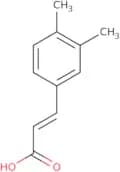
CAS:<p>2,5-Dimethylcinnamic acid is a versatile building block that can be used as a reactant in organic synthesis. This compound has been shown to have high quality and is useful for research purposes and as a speciality chemical. 2,5-Dimethylcinnamic acid can be used as a reagent or reaction component in the preparation of other compounds. It also serves as an important intermediate to synthesize complex molecules. This compound has many applications and is often used as a building block for pharmaceuticals, agrochemicals, and fine chemicals.</p>Formula:C11H12O2Purity:Min. 95%Molecular weight:176.21 g/mol3,3',5-Triiodo thyropropionic acid
CAS:<p>Triiodothyropropionic acid is a metabolite of thyroxine, an important hormone that regulates the basal metabolic rate. It has been shown to be involved in the repair mechanism of cardiac and liver cells. Triiodothyropropionic acid is also a major metabolite of thyroxine and it is produced by the action of hydroxylases on thyroxine with water vapor as the substrate. This compound has been shown to increase cardiac function and improve heart tissue repair at physiological levels. The uptake, distribution, and excretion of triiodothyropropionic acid are similar to those for thyroxine. The metabolism of triiodothyropropionic acid occurs mainly in the liver, where it is converted into fatty acids such as 3-hydroxybutyric acid. Triiodothyropropionic acid has been shown to have effects on protein genes and rat liver microsomes.</p>Formula:C15H11I3O4Purity:Min. 95%Color and Shape:PowderMolecular weight:635.96 g/mol3,4-Methylenedioxycinnamic acid
CAS:<p>3,4-Methylenedioxycinnamic acid is a nucleophilic reagent that has been used for the synthesis of polymers and pharmaceuticals. It has been shown to react with electron-rich aromatic compounds such as anilines and phenols to form cinnamates. The compound is also a ligand for metal ions. 3,4-Methylenedioxycinnamic acid has been analysed by vibrational spectroscopy and thermodynamic parameters have been determined using hydration reactions. The carboxylate group on the molecule can be protonated or deprotonated depending on the pH of the solution.</p>Formula:C10H8O4Purity:Min. 95%Color and Shape:PowderMolecular weight:192.17 g/mol4'-Methylacetophenone
CAS:<p>4'-Methylacetophenone is a solvent that is used in the chemical industry, mainly for the production of trifluoroacetic acid. It has also been shown to be an effective antimicrobial agent, which is due to its ability to dissolve lipids and proteins. The mechanism of action of 4'-methylacetophenone is not fully understood, but it has been suggested that this compound reacts with fatty acids and pyrazole rings in the cell membrane and disrupts lipid bilayers. 4'-Methylacetophenone can be used as a reagent for solid phase microextraction in analytical chemistry. In addition, it reacts with acidic compounds (e.g., sulfuric acid) to produce insoluble salts and can be used as an analytical method for determining the concentration of these compounds.</p>Formula:C9H10OPurity:Min. 95%Color and Shape:Clear LiquidMolecular weight:134.18 g/mol3-Amino-L-tyrosine dihydrochloride
CAS:<p>Please enquire for more information about 3-Amino-L-tyrosine dihydrochloride including the price, delivery time and more detailed product information at the technical inquiry form on this page</p>Formula:C9H12N2O3•(HCl)2Purity:Min. 95%Molecular weight:269.12 g/molPigment Orange 36
CAS:<p>Pigment Orange 36 is an organic pigment with a light-emitting property. It is soluble in organic solvents, such as benzene and chloroform, but insoluble in water. Pigment Orange 36 has a polycyclic aromatic hydrocarbon structure with ester linkages between the aliphatic hydrocarbon and aromatic hydrocarbon moieties. The molecule consists of two sections: one section is soluble in organic solvents and the other section is soluble in water. The particle size of Pigment Orange 36 ranges from 0.1 to 1 micron in diameter, and it emits light when excited by UV radiation or visible light.</p>Formula:C17H13ClN6O5Purity:Min. 95%Molecular weight:416.8 g/mol3-Fluoro-5-hydroxy-4-methylbenzoic acid methyl ester
CAS:<p>3-Fluoro-5-hydroxy-4-methylbenzoic acid methyl ester is a high quality, versatile building block. It is used as a reagent and as a speciality chemical in the research laboratory. This compound is also an intermediate for the synthesis of other chemicals. 3-Fluoro-5-hydroxy-4-methylbenzoic acid methyl ester can be used in the synthesis of complex compounds that are useful scaffolds for drug development.</p>Formula:C9H9FO3Color and Shape:PowderMolecular weight:184.16 g/molHydroxy naphthol blue disodium
CAS:<p>Hydroxy naphtol blue is a synthetic azo dye, characterised for containing the functional group R N=N R. The hydroxy naphtol blue disodium and trisodium salt are used as indicators to determine the content of alkaline earth and lanthanides spectrophotometrically, showing at maximum a wavelength of ~ 650 nm (λmax = 647.6 nm). The best example of the use of hydroxy naphtol blue sodium salt is to determine the hardness of water by measuring the concentration of calcium and magnesium. At alkaline or basic pH, the hydroxy naphtol blue forms a pink/red complex with the metal ions and, after titration with EDTA, hydroxy naphtol blue is liberated, turning the solution blue which indicates the endpoint.</p>Formula:C20H14N2O11S3·2NaColor and Shape:PowderMolecular weight:600.51 g/mol1-(3-Bromobenzoyl)-2-(2-naphthoyl)-hydrazine
CAS:<p>1-(3-Bromobenzoyl)-2-(2-naphthoyl)-hydrazine is a building block with a high quality and versatile scaffold. It is used as a reaction component in the synthesis of complex compounds, fine chemicals and speciality chemicals. 1-(3-Bromobenzoyl)-2-(2-naphthoyl)-hydrazine has been shown to be an effective reagent for the preparation of polycyclic aromatic hydrocarbons. This chemical is also a useful intermediate in the production of pharmaceuticals, pesticides, dyes, and perfumes.</p>Formula:C18H13BrN2O2Purity:Min. 95%Color and Shape:PowderMolecular weight:369.21 g/mol7-Oxo cholesterol 3-acetate
CAS:Controlled Product<p>7-Oxo cholesterol 3-acetate is a cocatalyst for the oxidation of organic compounds. It is used to catalyze the oxidation of alcohols, carboxylic acids, and other organic compounds with hydrogen peroxide. 7-Oxo cholesterol 3-acetate has been shown to be a low energy catalyst that can be used in mild conditions. This compound has been shown to produce diacetyl, which is an important reaction product in the synthesis of vitamin D3 (cholecalciferol). 7-Oxo cholesterol 3-acetate has also been isolated from adipose tissue and shown to have anti-inflammatory properties.</p>Formula:C29H46O3Purity:Min. 95%Color and Shape:PowderMolecular weight:442.67 g/mol2-Aminonaphthalene-5,7-disulfonic acid
CAS:<p>2-Aminonaphthalene-5,7-disulfonic acid (2ANDA) is a fluorescent and colorless compound that can be used as a tracer for wastewater treatment. 2ANDA is adsorbed onto the surface of suspended solids in wastewater and binds to the hydroxide ions. This binding causes an increase in fluorescence intensity, which can be detected with synchronous fluorescence spectroscopy. 2ANDA also has the ability to form ternary complexes with chloride ions and molecular ions such as sodium hydroxide solution, making it useful for wastewater treatment because it provides information about the concentration of these ions. 2ANDA is soluble in water and may hydrolyze at high pH levels. It has been shown to have good kinetic properties for wastewater treatment by adsorption on granular activated carbon (GAC).</p>Formula:C10H9NO6S2Purity:Min. 95%Color and Shape:PowderMolecular weight:303.31 g/mol2-Bromocinnamic acid
CAS:<p>2-Bromocinnamic acid is a synthetic compound that inhibits the reactions of arylating agents with tissues. It has cytotoxic activity and can be used in the treatment of alzheimer's disease. The synthesis of 2-bromocinnamic acid begins with anhydrous acetonitrile, which is heated to form an anhydrous salt. This salt is then dissolved in water and treated with potassium iodide and sodium nitrite. The resultant mixture undergoes a series of reactions to produce 2-bromocinnamic acid, including the addition of molybdenum as a catalyst. The reaction also produces byproducts that are removed by extraction or distillation. Finally, it undergoes a chromophore change from yellow to red in the presence of air due to oxidation by atmospheric oxygen.</p>Formula:C9H7BrO2Purity:Min. 95%Molecular weight:227.05 g/mol6'-Hydroxy buspirone
CAS:<p>6'-Hydroxy buspirone is a prodrug of buspirone, which is an antidepressant drug. It has been shown to have a matrix effect and profile similar to that of buspirone in humans. The compound has been found to be effective in the treatment of depression. 6'-Hydroxy buspirone has been shown to inhibit the dopamine D3 receptor with a potency similar to that of buspirone and other dopamine antagonists. This inhibition may be responsible for the antidepressant effects observed in clinical trials. The compound also inhibits serotonin reuptake, which may account for its antidepressant activity. 6'-Hydroxy buspirone is not metabolized by cytochrome P450 enzymes, making it more selective than some other drugs that are metabolized by this enzyme system.</p>Formula:C21H31N5O3Purity:Min. 95%Color and Shape:PowderMolecular weight:401.5 g/mol(E)-3-[3'-(4''-fluorophenyl)-1'-(1''-methylethyl)-1H-indol-2''-yl]-2-propnal
CAS:<p>(E)-3-[3'-(4''-Fluorophenyl)-1'-(1''-methylethyl)-1H-indol-2''-yl]-2-propnal is an amoebicidal agent that belongs to the class of indole derivatives. It has been shown to inhibit tumor growth in animal models, and thus may be a potential anti-cancer drug. The activity index of (E)-3-[3'-(4''-fluorophenyl)-1'-(1''-methylethyl)-1H-indol-2''-yl]-2-propnal was significantly lower than those of fenoldopam, a well known antihypertensive agent, for the treatment of liver cancer. The compound also inhibits the growth of bacteria by inhibiting protein synthesis in organisms such as amoeba.</p>Formula:C20H18FNOPurity:Min. 95%Color and Shape:Yellow PowderMolecular weight:307.36 g/molValeric acid sodium
CAS:<p>Valeric acid sodium salt is a fatty acid that has been shown to inhibit bacterial growth in the presence of epidermal growth factor and sodium salts. Valeric acid sodium salt is used as an antiseptic in topical formulations and as a preservative for pharmaceuticals. Valeric acid sodium salt also inhibits HIV infection by inhibiting the binding of HIV to its receptor, which prevents the virus from entering cells.</p>Formula:C5H10O2•NaPurity:Min. 95%Color and Shape:PowderMolecular weight:125.12 g/mol3'-Hydroxyquinophthalone
CAS:<p>3'-Hydroxyquinophthalone is a fatty acid that is found in the seed oil of the African tree Acokanthera schimperi. It has shown to be reactive with alcohols and other organic chemicals and has been found to be an antimicrobial agent. 3'-Hydroxyquinophthalone is also a photosynthetic pigment, which means it will absorb light and use it to produce energy. This compound was observed to have a constant pressure of 0.5 atm (5 psi) when exposed to sunlight. The chemical structure of 3'-hydroxyquinophthalone consists of two long chains of alkanoic acid molecules that are linked together by polymeric matrixes. When this compound reacts with water, it forms hydrogen ions and hydroxide ions, which are absorbed by the alkanoic acid chains in the chemical structure, resulting in adsorption onto the surface of water droplets or onto other surfaces such as soil particles or clothing fibers.</p>Formula:C18H11NO3Purity:90%Color and Shape:Brown SolidMolecular weight:289.29 g/molα-Methylhydrocinnamic acid
CAS:<p>Alpha-methylhydrocinnamic acid (AMHA) is a synthetic enantiomer of 2-phenylbutyric acid, which has been shown to inhibit the growth of k562 cells. It is also a substrate for fatty acid synthase and may play an important role in fatty acid metabolism. AMHA has been shown to inhibit the production of reactive oxygen species by phagocytic cells exposed to ionizing radiation, which may be due to its ability to scavenge hydroxyl radicals. The effect of AMHA on hematopoietic cells, including neutrophils and bone marrow cells, has not yet been determined.</p>Formula:C10H12O2Purity:Min. 95%Color and Shape:White Clear LiquidMolecular weight:164.2 g/mol2,2'-(Methylimino)diquinolin-8-ol
CAS:<p>Please enquire for more information about 2,2'-(Methylimino)diquinolin-8-ol including the price, delivery time and more detailed product information at the technical inquiry form on this page</p>Formula:C19H15N3O2Purity:Min. 95%Molecular weight:317.34 g/mol5-Fluorosalicylic acid
CAS:<p>5-Fluorosalicylic acid is a nonsteroidal anti-inflammatory drug that belongs to the group of 5-substituted salicylates. It has a strong affinity for human serum and can be used as an indicator in the determination of blood glucose. 5-Fluorosalicylic acid also binds to p-nitrophenyl phosphate with high affinity, which is involved in the regulation of cellular energy metabolism and plays a role in the production of ATP. The drug has been shown to form stable complexes with coumarin derivatives, which may have an effect on enzyme activities by modifying their conformational properties. 5-Fluorosalicylic acid has been shown to interact with other drugs, such as acetaminophen or ibuprofen, which may increase the risk of adverse effects.</p>Formula:C7H5FO3Purity:Min. 95%Color and Shape:SolidMolecular weight:156.11 g/molTaraxasterol acetate
CAS:Controlled Product<p>Taraxasterol acetate is a sesquiterpene lactone that has shown anti-inflammatory activity and inhibits the production of inflammatory cytokines. It also possesses antifungal activity against various fungi, such as Candida albicans and Aspergillus niger. Taraxasterol acetate can be used for the treatment of infectious diseases, as well as for the prevention of inflammation. This compound has been found to work by binding to specific enzymes that are involved in the inflammatory response. These enzyme interactions prevent the production of pro-inflammatory molecules and cytokines, which are substances that trigger an immune response. The structure of taraxasterol acetate is similar to 3-o-caffeoylquinic acid, a natural compound found in plants such as Angelica Dahurica. Taraxasterol acetate is a component of several species of plants, including some medicinal herbs such as Angelicae Dahuricae. This compound can be purified</p>Formula:C32H52O2Purity:Min. 95%Color and Shape:PowderMolecular weight:468.75 g/mol6-Sulfatoxy melatonin sodium salt
CAS:<p>6-Sulfatoxy melatonin sodium salt is a fine chemical that is a useful scaffold, versatile building block, and useful intermediate. It is used in research chemicals as well as in the manufacture of pharmaceuticals, agrochemicals, and other specialty chemicals. 6-Sulfatoxy melatonin sodium salt is a complex compound with a high quality and has CAS No. 76290-78-3.</p>Formula:C13H15N2NaO6SPurity:Min. 95 Area-%Color and Shape:PowderMolecular weight:350.32 g/molL-Allothreonine
CAS:<p>L-Allothreonine is a diagnostic agent that can be used to measure the glomerular filtration rate. It is a substrate molecule for the enzymes alloproteinase and threoninase, which hydrolyze it into L-serine and dicarboxylic acid. The reaction mechanism of L-allothreonine with malonic acid has been studied at different pH values by measuring the thermal expansion coefficient. L-Allothreonine is an intramolecular hydrogen donor in polymerase chain reactions, which leads to cyclic peptide formation. The enzyme activities of alloproteinase, threoninase, and cyclooxygenase have been studied in vitro using kinetic methods. L-Allothreonine is a natural amino acid that can be found in animal sources such as fish, meat, eggs, milk, yogurt, cheese and whey protein supplements. It is also available as a dietary supplement for people who cannot get enough</p>Formula:C4H9NO3Purity:Min. 95%Color and Shape:White PowderMolecular weight:119.12 g/mol2-Hydroxy-6-methoxybenzoic acid methyl ester
CAS:<p>2-Hydroxy-6-methoxybenzoic acid methyl ester is a biologically active molecule that has been shown to have antibacterial activity. It is structurally similar to the natural compound 2,6-dimethoxyphenol and can be used as a substitute for this compound in bioassays. The antibacterial activity of 2-hydroxy-6-methoxybenzoic acid methyl ester is due to its ability to inhibit enzymes involved in DNA repair and cell division. This compound also inhibits the growth of cancer cells and weevils by interfering with their metabolism.</p>Formula:C9H10O4Purity:Min. 95%Color and Shape:PowderMolecular weight:182.17 g/molVitamin D2
CAS:<p>Vitamin D2 is a fat-soluble vitamin that is required for the absorption of calcium and phosphate. It can be obtained through dietary supplements or by exposure to sunlight. Vitamin D2 is a prohormone that needs to undergo two hydroxylation reactions in the liver and kidney before it becomes the active form, calcitriol. Vitamin D2 has been shown to have beneficial effects on bone mineralization and phosphatase activity, as well as an inhibitory effect on the production of parathyroid hormone. Hydroxyapatite, a component of bone tissue, has been shown to react with vitamin D2 in vitro, which may be due to its ability to act as an additive or stabilizer.END>></p>Formula:C28H44OPurity:Min. 97 Area-%Color and Shape:PowderMolecular weight:396.65 g/mol2'-Hydroxyacetophenone
CAS:<p>2'-Hydroxyacetophenone is a hydroxylated acetophenone derivative. It is used in the synthesis of coumarin derivatives, which are used as pharmaceuticals and natural compounds. 2'-Hydroxyacetophenone has been found to be cytotoxic against HL-60 cells, which is a line of leukemia cells in humans. It also has anti-cancer properties that may be due to its ability to inhibit water vapor and nitrogen gas release from cervical cancer cells. The structural analysis of 2'-hydroxyacetophenone has shown that it contains an intramolecular hydrogen bond with the proton on the oxygen atom. This bond is responsible for stabilizing the molecule's structure and maintaining its 3D geometry.</p>Formula:C8H8O2Purity:Min. 95%Color and Shape:Clear LiquidMolecular weight:136.15 g/mol4-Fluorocinnamaldehyde
CAS:<p>4-Fluorocinnamaldehyde is a reactive molecule that can be used in the catalytic asymmetric synthesis of 4-fluoroalkylbenzenes, which are used as intermediates in the production of pharmaceuticals. It reacts with hydroxymethyl groups to form 4-fluoroalkylbenzene derivatives, which are substrates for asymmetric reactions. This compound has been shown to react with amines and thiols to form Michael acceptors and Michael donors respectively. The crystallographic data obtained from this molecule shows that it belongs to space group P2 and its crystal system is orthorhombic. It also has optical properties that make it suitable for use as an optical material or nanowires.</p>Formula:C9H7FOPurity:Min. 80%Color and Shape:Clear LiquidMolecular weight:150.15 g/mol3-Ethoxycinnamic acid
CAS:<p>3-Ethoxycinnamic acid is a polyhydric alcohol that has been shown to inhibit the growth of various microorganisms. 3-Ethoxycinnamic acid inhibits the growth of microorganisms by binding to the alkenyl groups in the cell membrane, thereby preventing them from synthesizing their own fatty acids. The binding of 3-ethoxycinnamic acid to alkali metal ions also prevents their uptake into the cell, which leads to an accumulation of these ions outside the cell and eventually results in cell death. 3-Ethoxycinnamic acid is soluble in water and may be used as a stain or quaternary ammonium compound.</p>Formula:C11H12O3Purity:Min. 95%Color and Shape:SolidMolecular weight:192.21 g/molNb-N-(benzhydryloxycarbonyl)cytosine)-1-acetic acid
CAS:<p>Nb-N-(benzhydryloxycarbonyl)cytosine)-1-acetic acid is a speciality chemical that is used as a reagent, building block, and scaffold for organic synthesis. This compound can be used in various reactions to produce complex compounds with high purity. Nb-N-(benzhydryloxycarbonyl)cytosine)-1-acetic acid is an excellent starting material for the production of fine chemicals, research chemicals, and versatile building blocks. It is also a useful intermediate for the production of pharmaceuticals and other useful compounds.</p>Formula:C20H17N3O5Purity:Min. 98 Area-%Color and Shape:White PowderMolecular weight:379.37 g/mol2-Hydroxy-6-methoxyacetophenone
CAS:<p>2-Hydroxy-6-methoxyacetophenone is a chalcone that belongs to the group of flavonoids. It has been shown to have anticancer properties, inhibiting the growth of colorectal carcinoma cells in a dose-dependent manner. The mechanism of action for 2-hydroxy-6-methoxyacetophenone is not fully understood, but it may be due to its ability to inhibit the enzyme demethylase and induce apoptosis. This compound also has been shown to inhibit the growth of Escherichia coli and Salmonella typhimurium when used at high concentrations. 2-Hydroxy-6-methoxyacetophenone can be synthesized by reacting ethyl acetoacetate with two equivalents of methylamine in the presence of a base such as sodium methoxide or potassium hydroxide.<br>2-Hydroxy-6-methoxyacetophenone has also been shown to inhibit</p>Formula:C9H10O3Purity:Min. 95%Color and Shape:PowderMolecular weight:166.17 g/molErythropoietin
CAS:<p>Erythropoietin is a glycoprotein hormone, which is primarily produced by interstitial fibroblasts in the kidney in response to hypoxia. Its main mode of action involves binding to erythropoietin receptors on the surface of erythroid progenitor cells in the bone marrow, thereby initiating a signaling cascade that results in the proliferation and differentiation of these progenitors into mature red blood cells.</p>Purity:(Capillary Zone Electrophoresis) Min. 98.0%Color and Shape:Powder17-Hydroxy-6-methylpregna-4,6-diene-3,20-dione
CAS:Controlled Product<p>17-Hydroxy-6-methylpregna-4,6-diene-3,20-dione is a progestin that is used as an antiretroviral agent in the treatment of HIV. It has been shown to be effective for chronic cough and cancer. 17-Hydroxy-6-methylpregna-4,6-diene-3,20-dione can be used for the treatment of infectious diseases such as HIV by inhibiting viral replication and reducing the amount of virus in the blood. This drug can also be used to treat some cancers and solid tumours. It has been shown to have long term efficacy in these conditions due to its ability to block cell division. 17 hydroxy pregnane 4,6 diene 3,20 dione is also used in the treatment of geriatric patients with chronic illnesses or who are immunocompromised due to its ability to stimulate appetite.</p>Formula:C22H30O3Purity:Min. 98 Area-%Color and Shape:White Off-White PowderMolecular weight:342.47 g/molL-Leucine 4-nitrophenyl ester hydrochloride
CAS:<p>L-Leucine 4-nitrophenyl ester hydrochloride is a reaction component, reagent, and useful scaffold that is used in the synthesis of complex compounds. It is a versatile building block and useful intermediate that can be used to synthesize fine chemicals such as pharmaceuticals, agrochemicals, or dyes. L-Leucine 4-nitrophenyl ester hydrochloride has CAS number 75691-76-8.</p>Formula:C12H16N2O4•HClPurity:Min. 95%Molecular weight:288.73 g/molBetaine
CAS:<p>Osmolyte giving cellular protection against environmental stress</p>Formula:C5H11NO2Purity:99.0 To 101.0%Color and Shape:White Off-White PowderMolecular weight:117.15 g/molDesmethyl atomoxetine hydrochloride
CAS:<p>Desmethyl atomoxetine hydrochloride is a chemical compound that can be used as a reaction component, a reagent, or a useful scaffold. It is an intermediate for the production of other chemicals and has many uses in industry. Desmethyl atomoxetine hydrochloride is also one of the building blocks used to produce speciality chemicals and fine chemicals. This chemical compound has been assigned CAS number 881995-46-6.</p>Formula:C16H19NO•HClPurity:Min. 95%Color and Shape:White To Light (Or Pale) Yellow SolidMolecular weight:277.79 g/molPenicillin G benzathine anhydrous
CAS:<p>Penicillin G benzathine anhydrous is a penicillin antibiotic. It is used to treat bacterial infections, including syphilis, streptococcal pharyngitis, and other infectious diseases. Penicillin G benzathine anhydrous is administered intramuscularly or intravenously. The drug can be detected in the blood after administration, which makes it useful for diagnosis of infectious diseases. Penicillin G benzathine anhydrous has shown statistically significant efficacy in treatment trials that were conducted on patients with infectious diseases. However, there have been increasing reports of high resistance to this drug in recent years. Interferon alfa-2b may be used as adjunctive therapy for resistant cases.</p>Formula:C16H20N2•(C16H18N2O4S)2Purity:Min. 95%Color and Shape:White PowderMolecular weight:909.13 g/mol2'-Ethoxycarbonylmethoxy-4'-(3-methyl-2-butenyloxy)acetophenone
CAS:<p>2'-Ethoxycarbonylmethoxy-4'-(3-methyl-2-butenyloxy)acetophenone is a centrosymmetric molecule with a crystal structure. It has been shown to form dimers in the solid state.</p>Formula:C17H22O5Purity:Min. 95%Color and Shape:PowderMolecular weight:306.35 g/mol3,3',5-Triiodo-L-thyronine sodium salt
CAS:<p>Synthetic thyroid hormone (T3) analog; promotes adipogenic differentiation</p>Formula:C15H11I3NNaO4Purity:Min. 95 Area-%Color and Shape:Slightly Yellow PowderMolecular weight:672.96 g/mol2-(1-Naphthoxy)-acetic acid
CAS:<p>2-(1-Naphthoxy)-acetic acid is a natural product that is found in urine samples. It has been found to have various biological effects, such as inhibiting sugar transport and root formation. 2-(1-Naphthoxy)-acetic acid can also be used to inhibit the transcription of certain genes by interacting with the response elements for these genes. 2-(1-Naphthoxy)-acetic acid binds to monoclonal antibodies and can be used in immunoprecipitation experiments.</p>Formula:C12H10O3Purity:Min. 95%Color and Shape:PowderMolecular weight:202.21 g/mol2-Hydroxy-5-nitroacetophenone
CAS:<p>2-Hydroxy-5-nitroacetophenone is a synthetic molecule that has two functional groups. It is synthesized by reacting morpholine with malonic acid. 2-Hydroxy-5-nitroacetophenone is an electron donor, which means it can accept electrons from other molecules. This compound can be used as a diagnostic tool for cancer cells because it reacts with oxygen to form polyhedra, which are indicative of cancer senescence. In addition, this compound can be used to measure the concentration of plasma mass spectrometers by using electron spin resonance (ESR) and magnetic resonance imaging (MRI). The unpaired electrons on the nitro group of the molecule react with oxygen in the air to form polyhedra and give off characteristic signals in ESR and MRI. These signals are proportional to the concentration of unpaired electrons and therefore provide a quantitative measurement of 2-hydroxy-5 nitroacetophenone in solution.</p>Formula:C8H7NO4Purity:Min. 95%Color and Shape:PowderMolecular weight:181.15 g/molDefluoro atorvastatin acetonide tert-butyl ester
CAS:<p>Please enquire for more information about Defluoro atorvastatin acetonide tert-butyl ester including the price, delivery time and more detailed product information at the technical inquiry form on this page</p>Formula:C40H48N2O5Purity:Min. 95%Color and Shape:PowderMolecular weight:636.82 g/mol1-Naphthylacetic acid
CAS:<p>1-Naphthylacetic acid is a fluorescent compound that can be used as a chemical marker for the identification of sodium salts. It has an optimum concentration of 0.1 mg/L and a maximum concentration of 1 mg/L in water. The fluorescence detector is set to measure the synchronous fluorescence at a wavelength of 515 nm. 1-Naphthylacetic acid is soluble in water and organic solvents, but insoluble in nonpolar solvents such as ether, chloroform, or benzene. This compound can be used for the detection of pesticides with a chemical structure similar to that of 1-naphthylacetic acid, such as 2-chloro-4-(trifluoromethoxy)phenol and 2-chloro-5-(trifluoromethoxy)phenol, using dispersive solid phase extraction (DSPE). The product description should include:</p>Formula:C12H10O2Purity:Min. 98 Area-%Color and Shape:White PowderMolecular weight:186.21 g/mol6-Bromo-2-naphtholic acid
CAS:<p>6-Bromo-2-naphtholic acid is a methanol solvent. It has been shown to have biological properties and can be used in optical imaging. 6-Bromo-2-naphtholic acid is also used to synthesize 1-adamantanol, which is an organic compound that has been shown to have antimicrobial properties. A solution of 6-bromo-2-naphthol in hydrochloric acid was found to react with 4-methoxyphenyl boronic acid to produce a mixture of products that include the desired 1,4,5,8,9,10,11,12 hexahydrobenzo[a]phenanthrene. The vibrational frequencies for this product were determined using IR spectroscopy and the binding constants were calculated using DFT computational methods. The molecular structure of this product was determined using molecular modeling and quantum chemistry. Naphthalene is the parent</p>Formula:C11H7O2BrPurity:Min. 95%Color and Shape:PowderMolecular weight:251.08 g/mol4,5-Dihydro-2-(1-naphthylmethyl)-1H-imidazole hydrochloride
CAS:<p>4,5-Dihydro-2-(1-naphthylmethyl)-1H-imidazole hydrochloride is a fatty acid that functions as an adrenergic receptor agonist. It has been shown to be effective in the diagnosis of cutaneous squamous cell carcinoma. 4,5-Dihydro-2-(1-naphthylmethyl)-1H-imidazole hydrochloride has also shown to have anti-cancer effects in animal models of cancer. This drug binds to fatty acid esters and can be used as a crosslinking agent for polymers. 4,5-Dihydro-2-(1-naphthylmethyl)-1H-imidazole hydrochloride is available as a sodium citrate solution for injection.</p>Formula:C14H14N2·HClPurity:Min. 98 Area-%Color and Shape:White PowderMolecular weight:246.74 g/molLovastatin
CAS:<p>HMG-CoA reductase inhibitor; mevalonic acid synthesis inhibitor</p>Formula:C24H36O5Purity:Min. 98 Area-%Color and Shape:White PowderMolecular weight:404.54 g/moltrans-4-(Diethylamino)cinnamaldehyde
CAS:<p>Trans-4-(Diethylamino)cinnamaldehyde is a molecule that has been systematically studied with several techniques, such as x-ray crystallography. It has been shown to be a fluorophore and can be used as a fluorescent probe. Trans-4-(Diethylamino)cinnamaldehyde can be used in the fluorescence method in which it reacts with other molecules and emits light. This reaction scheme is based on the principle of irradiation by UV light or visible light to produce an excited state. Fluorescence is detected at various wavelengths depending on the dye used. Trans-4-(Diethylamino)cinnamaldehyde also emits fluorescence when irradiated with ultraviolet light, which is often referred to as "violet" fluorescence. The wavelength of this emission is 365 nm and it can be detected using high yield techniques, such as fluorometers.</p>Formula:C13H17NOPurity:Min. 95%Color and Shape:PowderMolecular weight:203.28 g/mol2,4-Dichlorocinnamic acid
CAS:<p>2,4-Dichlorocinnamic acid is a diphenolase inhibitor that is used in the treatment of lactic acidosis. It inhibits the glyoxylate cycle enzyme, muscle monophenolase activity, and tyrosinase activity. 2,4-Dichlorocinnamic acid also binds to tyrosinase and inhibits the reaction scheme. The binding of this drug to tyrosinase causes irreversible inhibition of the enzyme's catalytic site. 2,4-Dichlorocinnamic acid has been shown to have a low degree of cell toxicity and has a kinetic effect on adsorption kinetics.</p>Formula:C9H6Cl2O2Purity:Min. 95%Color and Shape:White PowderMolecular weight:217.05 g/mol1,2,3,4-Tetrahydro-2,7-naphthyridine
CAS:<p>1,2,3,4-Tetrahydro-2,7-naphthyridine (1,2,3,4-THN) is a synthetic compound that can be made by the cross-coupling of an aryl halide with an organometallic reagent. It is used in the synthesis of polymers and as a precursor for pharmaceuticals. The reaction proceeds in two steps; first, deprotonation of the imine to form an enamine intermediate followed by intramolecular cyclization to produce 1,2,3,4-THN. This compound is hydrolyzed under acidic conditions to release methyl iodide and ammonia.</p>Formula:C8H10N2Purity:Min. 95.0 Area-%Color and Shape:Clear LiquidMolecular weight:134.18 g/molAzithromycin impurity B
CAS:<p>Azithromycin impurity B is a synthetic heterocycle that can be detected with chromatographic, spectroscopic, and other analytical methods. It is an impurity in the drug azithromycin, which is used to treat bacterial infections. Azithromycin impurity B has been shown to have a detection sensitivity of 1 part per million (ppm) and can be found in the following acetonitrile solvents: benzalkonium chloride, erythrocin, and viscosity-adjusting agents. This compound also has functional groups such as methyl alcohol and chloride.</p>Formula:C38H72N2O11Purity:Min. 95%Color and Shape:PowderMolecular weight:732.99 g/molL-Aspartic acid b-benzyl ester
CAS:<p>L-Aspartic acid b-benzyl ester (L-ABE) is a cytostatic drug that is biodegradable and can be used in a variety of animal species. It has been shown to inhibit the growth of cancer cells in vitro and in vivo, as well as micelles. L-ABE inhibits the action of dehydroascorbic acid reductase, an enzyme that reduces dehydroascorbic acid to ascorbic acid. This inhibition leads to an increase in the concentration of dehydroascorbic acid, which may cause cell death by damaging DNA. L-ABE also has been shown to inhibit P-glycoprotein (Pgp), leading to increased accumulation of anticancer drugs such as doxorubicin, which can lead to cell death.</p>Formula:C11H13NO4Purity:Min. 95%Color and Shape:White PowderMolecular weight:223.23 g/mol(R)-Cobimetinib
CAS:<p>Cobimetinib is a ferroelectric compound that has been shown to be expressed in the transducer of a liquid crystal oscilloscope. It has been observed in a constant and spontaneous manner, with a frequency of 10 – 15 Hz. Cobimetinib is an acid group with an ionic transition. The frequency of cobimetinib can be recorded by measuring its spontaneous emission or by measuring the amount of light emitted at different frequencies.</p>Formula:C21H21F3IN3O2Purity:Min. 95%Color and Shape:White to off-white solid.Molecular weight:531.31 g/molL-Fucono-γ-lactone
CAS:<p>L-Fucono-gamma-lactone is a compound that has been identified as a possible antibiotic for the treatment of multidrug resistant bacteria. L-Fucono-gamma-lactone inhibits the growth of bacterial cells by binding to the enzyme 4-deoxy-L-fucose dehydrogenase, which catalyzes the conversion of 4-deoxy-L-fucose to L-fuconate. This binding prevents the formation of L-fuconate, which is required for cell growth. The structural biology and bioinformatics analysis have shown that L-Fucono gamma lactone may be an effective inhibitor of bacterial enzymes, such as dehydrogenases and hexokinases. These enzymes are important for maintaining cellular energy levels and preventing cell death.</p>Formula:C6H10O5Purity:Min. 95%Color and Shape:White PowderMolecular weight:162.14 g/mol3-Bromo-4-methoxycinnamic acid
CAS:<p>3-Bromo-4-methoxycinnamic acid is an organic compound that is used as a reagent, a useful scaffold, and a useful intermediate. It has been shown to be an excellent building block for the synthesis of complex compounds. 3-Bromo-4-methoxycinnamic acid can be used in the production of fine chemicals.</p>Formula:C10H9BrO3Purity:Min. 95%Color and Shape:PowderMolecular weight:257.08 g/mol4,5-Dimethoxy-2-nitrocinnamic acid
CAS:<p>4,5-Dimethoxy-2-nitrocinnamic acid is a versatile building block that can be used as a reagent or speciality chemical. It is useful for the synthesis of complex compounds, and can be used as a reaction component or scaffold in organic chemistry. 4,5-Dimethoxy-2-nitrocinnamic acid is a high quality intermediate with CAS No. 20567-38-8.</p>Formula:C11H11NO6Purity:Min. 95%Molecular weight:253.21 g/molL-Threonine
CAS:<p>L-Threonine is an amino acid that is classified as a non-essential amino acid. It is a precursor for the synthesis of proteins and other important compounds in the body, such as neurotransmitters. L-Threonine has been shown to be necessary for the function of enzymes that catalyze reactions in cells. This amino acid also plays a role in protein synthesis and can help regulate transcriptional regulation of genes. L-Threonine has been shown to have antioxidant properties, which may be due to its ability to scavenge anion radicals and inhibit lipid peroxidation.</p>Formula:C4H9NO3Purity:(Titration)Color and Shape:White PowderMolecular weight:119.12 g/molHomogentisic acid γ-lactone
CAS:<p>Homogentisic acid gamma-lactone is a synthetic compound that is an inhibitor of the enzyme cytochrome P450. It binds to cytochrome P450 in a competitive manner and inhibits the oxidation of other molecules, such as steroids and fatty acids. Homogentisic acid gamma-lactone has been shown to have an inhibitory effect on the growth of Pseudomonas aeruginosa in vitro. This compound is able to suppress the formation of reactive oxygen species by inhibiting the activity of cytochrome P450. Homogentisic acid gamma-lactone also possesses antifungal properties that may be due to its ability to inhibit the synthesis of ergosterol, which is an important component for fungal cell membranes.</p>Formula:C8H6O3Purity:Min. 98 Area-%Color and Shape:PowderMolecular weight:150.13 g/mol(4-Nitrophenyl)acetone
CAS:<p>4-Nitrophenylacetone is a hypoglycemic agent that is used for the treatment of diabetes mellitus. It has been shown to be effective in vivo and in vitro studies at low concentrations. The mechanism of action is not well understood, but it may have effects on insulin sensitivity and the release of insulin from pancreatic beta cells, as well as an effect on the liver. 4-Nitrophenylacetone has been shown to have organocatalytic properties that allow it to catalyze acylation reactions with acetanilides or amides. This reaction produces iminium ion intermediates that can be hydrolyzed by water to form a variety of products, including carboxylic acids, amides, and nitriles.</p>Formula:C9H9NO3Purity:Min. 95%Color and Shape:PowderMolecular weight:179.17 g/mol5-Bromo-2-cyano-3-nitropyridine
CAS:<p>5-Bromo-2-cyano-3-nitropyridine is a medication that has been shown to be an effective inhibitor of the RET tyrosine kinase. It has been used in clinical studies to treat chronic kidney disease and has been shown to inhibit the growth of cancer cells. The molecular electrostatic potential (MEP) simulations have shown that 5-bromo-2-cyano-3-nitropyridine interacts with the reactive site of RET, inhibiting its function by binding to the nucleophilic substitutions. 5-Bromo-2-cyano-3-nitropyridine is synthesized from 2,5 dibromopyridine and 3 nitrobenzene at high yield. The molecule is chromatographically separated from impurities such as 4 bromo pyridine.</p>Formula:C6H2BrN3O2Purity:Min. 95%Color and Shape:PowderMolecular weight:228 g/mol3-(4-Nitrophenyl)-1-adamantanecarboxylic acid
CAS:<p>3-(4-Nitrophenyl)-1-adamantanecarboxylic acid is a high quality, versatile building block compound that has been used as a reagent and as a useful intermediate. This product is commercially available and can be used in the synthesis of complex compounds with many different applications, such as pharmaceuticals, pesticides, dyes, and photographic chemicals. It is also a useful scaffold for the production of speciality chemicals and research chemicals. 3-(4-Nitrophenyl)-1-adamantanecarboxylic acid has been used in reactions involving electron transfer, nucleophilic substitution, and condensation reactions.</p>Formula:C17H19NO4Purity:Min. 95%Molecular weight:301.34 g/mol4-Bromo-2-nitrocinnamic acid
CAS:<p>4-Bromo-2-nitrocinnamic acid is a naturally occurring amino acid that is a component of wheat, carrots, and cereals. It is an enzyme inhibitor and has been found to be stable under heat treatment. 4-Bromo-2-nitrocinnamic acid has been shown to inhibit the activity of 3 lysine hydrolase enzymes (LysE1, LysE2, LysE3) in vitro. This inhibition decreases lysine levels and may have health implications for infants fed with 4-bromo-2-nitrocinnamic acid treated wheat flour. The efficiency of 4-bromo-2 nitrocinnamic acid as an enzymatic inhibitor for these enzymes was determined by measuring the release of free lysine from various substrates at different concentrations of the inhibitor. These parameters were then used to calculate the theoretical inhibition percentage for each substrate at a given concentration.</p>Formula:C9H6BrNO4Purity:Min. 95%Molecular weight:272.05 g/mol5-Aminovaleric acid
CAS:<p>5-Aminovaleric acid is a cyclic peptide that is an antagonist of the enzyme 5-aminovaleric acid hydrolase that catalyzes the conversion of 5-aminovaleric acid to succinic semialdehyde. The physiological function of 5-aminovaleric acid hydrolase is not known, but it has been implicated in a number of neurological disorders, such as Alzheimer's disease, Parkinson's disease, and amyotrophic lateral sclerosis. The reaction solution contains 5-aminovaleric acid (5AVA), hydrogen fluoride (HF), and l-lysine (Lys). Upon addition of HF to the solution, it reacts with Lys to form a dinucleotide phosphate intermediate. This intermediate then reacts with 5AVA to form an intramolecular hydrogen bond with the amino group of Lys and release hydrogen gas. The detection sensitivity for this reaction can be increased by using a cyclic peptide inhibitor.</p>Formula:C5H11NO2Purity:Min. 95%Color and Shape:Off-White PowderMolecular weight:117.15 g/molAlfuzosin
CAS:<p>?-adrenoceptor antagonist; treatment for benign prostatic hyperplasia</p>Formula:C19H27N5O4Purity:Min. 95%Color and Shape:White PowderMolecular weight:389.45 g/molSilicon 2,3-naphthalocyanine dihydroxide
CAS:<p>Silicon 2,3-naphthalocyanine dihydroxide is a fine chemical that can be used as a building block for research and development in the field of organic chemistry. It is also used as a reagent or specialty chemical. Silicon 2,3-naphthalocyanine dihydroxide is a complex compound that reacts with other chemicals to form new substances. It can be used as a reaction component to synthesize other substances, and it has been found to be an excellent scaffold for drug design. The high quality and versatility make it an excellent intermediate for synthesis of many different types of products.</p>Formula:C48H26N8O2SiPurity:Min. 95%Color and Shape:Green PowderMolecular weight:774.86 g/molTyrosinase
CAS:<p>Copper-containing enzyme that catalyzes the first step in the synthesis of melanin</p>Color and Shape:PowderD,L-Cystathionine
CAS:<p>Cystathionine is a sulfur-containing amino acid that is the precursor of cysteine. Cystathionine synthase, the enzyme that catalyzes the formation of cystathionine, is inhibited by L-cysteine and glutathione. Cystathionine has been shown to be an important growth factor for fibroblasts and osteoblasts in culture as well as a regulator of gene expression. It also has been shown to be essential for iron homeostasis, as it increases iron absorption from the gut and reduces iron excretion in bile. Cystathionine is a highly reactive molecule with a high redox potential and can cause oxidative injury to cells, which may contribute to bowel disease. Cystathionine has been shown to have receptor activity in neurons, and its physiological effects are similar to those of glutamate.</p>Formula:C7H14N2O4SPurity:Min. 95%Color and Shape:PowderMolecular weight:222.26 g/mol3'-Fluoro-4'-methoxy-β-methyl-β-nitrostyrene
CAS:<p>3'-Fluoro-4'-methoxy-beta-methyl-beta-nitrostyrene is a reactive building block that can be used in the synthesis of many different compounds. It is a fine chemical and a reagent which is useful in organic chemistry. 3'-Fluoro-4'-methoxy-beta-methyl-beta-nitrostyrene is used as a reaction component for the synthesis of many different compounds, including pharmaceuticals, agrochemicals, and other specialty chemicals. It has CAS number 1023717-11-4 and can be used as an intermediate compound or building block for the production of complex compounds.</p>Formula:C10H10FNO3Purity:Min. 95%Color and Shape:PowderMolecular weight:211.19 g/mol3,3',4,4'-Benzophenonetetracarboxylic dianhydride
CAS:<p>3,3',4,4'-Benzophenonetetracarboxylic dianhydride (BPTA) is a reactive dianhydride that contains a hydroxyl group and is a nitrogen-containing compound. It has good transport properties and chemical stability. It can be used to synthesize polyimides with high resistance, color, and thermal expansion. BPTA is used as the starting material for the synthesis of diphenyl ethers. In addition, it can be used to produce polymers with good thermal stability by reacting it with diphenylmethane diisocyanate. The reaction mechanism of BPTA is similar to that of benzophenone tetracarboxylic acid (BPTCA).</p>Formula:C17H6O7Purity:Min. 95%Color and Shape:PowderMolecular weight:322.23 g/molPenicillin V potassium salt
CAS:<p>Penicillin V potassium salt is a penicillin antibiotic that has been used to treat infections caused by bacteria, such as streptococcal throat infections. It is a prodrug of penicillin G and has the same mechanism of action. Penicillin V potassium salt binds to penicillin-binding proteins in the bacterial cell wall by competitive inhibition. This binding prevents the formation of an antibiotic-inhibitor complex with the enzyme cell wall synthesis that is required for cell wall biosynthesis, inhibiting protein synthesis and cell division. Penicillin V potassium salt is often used as an alternative to oral cephalosporins due to its lower incidence of gastrointestinal side effects.</p>Formula:C16H17KN2O5SPurity:(Hplc) 95.0 To 102.0%Color and Shape:White PowderMolecular weight:388.48 g/molSarcosine
CAS:<p>Sarcosine is a naturally occurring amino acid that can be found in the body and in many foods. It has been shown to inhibit the activity of the enzyme adenylate cyclase, which is involved in cell signaling. This inhibition leads to a decrease in intracellular calcium levels, which results in reduced proliferation and apoptosis of HL-60 cells. The sarcosine concentration required for this effect is dependent on the type of cell being treated, with optimum concentrations ranging from 10-100 mM. Sarcosine also binds to nuclear DNA and may have an inhibitory effect on transcriptional activity. In addition, it has been shown to be an effective inhibitor of protein synthesis by binding to ribosomes and preventing peptide bond formation between amino acids at the ribosomal active site.</p>Formula:C3H7NO2Color and Shape:White PowderMolecular weight:89.09 g/molL-Aspartic β-7-amido-4-methylcoumarin
CAS:<p>L-Aspartic acid beta-7-amido-4-methylcoumarin (LAM) is a fluorescent amino acid that can be used to diagnose deficiencies of this amino acid. LAM is an experimental diagnostic chemical and has been tested in rats, rabbits, and humans. It is a fluorescent amino acid that binds to the 7th position on lysine residues in proteins. The binding of the fluorophore to the protein can be detected using fluorescence spectroscopy. The assay measures the intensity of fluorescence at 480 nm and 660 nm which corresponds to excitation at 320 nm and 420 nm respectively. LAM is currently being studied as a potential treatment for cancerous cells and their growth.</p>Formula:C14H14N2O5Purity:Min. 99 Area-%Color and Shape:White PowderMolecular weight:290.27 g/mol3,4,5-Tribromobenzoic acid methyl ester
CAS:<p>3,4,5-Tribromobenzoic acid methyl ester is a versatile building block for organic synthesis. It is a boron compound with the chemical formula C6H3Br3O2. It has been shown to be useful as a reagent, reaction component, and intermediate in organic synthesis. 3,4,5-Tribromobenzoic acid methyl ester is a complex compound that can be used as a speciality chemical or fine chemical.</p>Formula:C8H5Br3O2Purity:Min. 95%Color and Shape:PowderMolecular weight:372.84 g/molGlyoxylic acid methyl ester dimethyl acetal
CAS:<p>Glyoxylic acid methyl ester dimethyl acetal is a synthetic chemical that is used as a control agent in the production of pharmaceutical preparations. It has been shown to inhibit the replication of syncytial viruses, including the human respiratory syncytial virus (RSV). Glyoxylic acid methyl ester dimethyl acetal binds to methoxy groups and coagulation factors, which may be responsible for its anti-coagulation properties. The optical properties of this compound are similar to those of glyoxylate. This chemical has also been shown to have an effect on blood pressure.</p>Formula:C5H10O4Purity:Min. 95%Color and Shape:Clear LiquidMolecular weight:134.13 g/molS-Benzylisothiourea hydrochloride
CAS:<p>S-Benzylisothiourea hydrochloride (SBIT) is a potent inhibitor of the influenza virus by binding to the polymerase domain of the virus’s RNA-dependent RNA polymerase. SBIT inhibits viral transcription and replication, as well as viral assembly, release, and infectivity. SBIT has been shown to inhibit avian influenza A/H5N1 in cell culture and in mice models with no observable adverse effects. The mechanism of action for this drug is not yet understood but may be related to its ability to inhibit the kinase domain of avian influenza NS1 protein which is involved in regulating inflammatory responses.</p>Formula:C8H10N2S·HClPurity:Min. 95%Color and Shape:PowderMolecular weight:202.71 g/molEpicatechin-(2β->5,4β->6)-ent-epicatechin
CAS:<p>Epicatechin-(2beta->5,4beta->6)-ent-epicatechin is a type of flavonoid dimer, which is derived from natural plant sources, particularly in some fruits and nuts known for their rich polyphenolic content. This compound belongs to the class of procyanidins, which are well-known for their potent antioxidant properties.</p>Formula:C30H24O12Purity:Min. 95%Molecular weight:576.5 g/mol3-tert-Butyl-6-methylsalicylic acid
CAS:<p>3-tert-Butyl-6-methylsalicylic acid is a versatile building block that is used in the synthesis of complex compounds. It reacts with amines to form salicylanilides and is also used as a reagent for the synthesis of acetylenes. 3-tert-Butyl-6-methylsalicylic acid can be used as a starting material for the production of pharmaceuticals, pesticides, and dyes. This compound has been shown to be an effective intermediate in the synthesis of new drugs, such as antimalarial agents and analgesics. The high quality of this chemical makes it a useful scaffold for organic synthesis.</p>Formula:C12H16O3Purity:Min. 95%Color and Shape:PowderMolecular weight:208.25 g/molCholesterol chloroformate
CAS:Controlled Product<p>Cholesterol chloroformate is a cholesterol derivative that has been shown to have good solubility in water. It is a white crystalline solid that is insoluble in ether, benzene, and chlorinated hydrocarbons. The compound has been used as a phase-transition temperature indicator and has been shown to be more resistant to degradation by enzymes than steric interactions. Cholesterol chloroformate is also an intermediate for the synthesis of other compounds such as cholesteryl sulfate and dextran sulfate. This compound binds to the Toll-like receptor 4 (TLR4) on cells, triggering an inflammatory response and activating the immune system. Cholesterol chloroformate can be used to study tumor cell growth by inhibiting mitosis in mouse tumors with subcutaneous injections of this agent.</p>Formula:C28H45ClO2Purity:Min. 95%Molecular weight:449.11 g/mol1-(3,4,5-Trimethoxyphenyl)-2-nitropropene
CAS:<p>1-(3,4,5-Trimethoxyphenyl)-2-nitropropene is a high quality chemical that is a reagent and useful intermediate. It has been shown to be a useful scaffold for the synthesis of various compounds and as a building block for the synthesis of speciality chemicals. This compound can be used in research and as a versatile building block in organic chemistry.</p>Formula:C12H15NO5Purity:Min. 97 Area-%Color and Shape:PowderMolecular weight:253.25 g/mol3,4-Dimethoxy-2-methylcinnamic acid
CAS:<p>3,4-Dimethoxy-2-methylcinnamic acid is a fine chemical that can be used as a building block to produce complex compounds. It is also an intermediate in the synthesis of chemicals such as cinnamyl alcohol, cinnamaldehyde, and 2-methyl-3-(4'-methoxyphenyl)propanoic acid. This compound is useful for research purposes as it has been shown to be an effective reaction component in organic reactions. 3,4-Dimethoxy-2-methylcinnamic acid is a high quality reagent with CAS No. 868562-26-9.</p>Formula:C12H14O4Purity:Min. 95%Color and Shape:PowderMolecular weight:222.24 g/molDL-a-Tocopherol acetate - oil
CAS:<p>Stable form of Vitamin E used in cosmetic formulations; antioxidant</p>Formula:C31H52O3Purity:Min. 98%Color and Shape:Clear LiquidMolecular weight:472.74 g/molTomoxetine hydrochloride
CAS:Controlled Product<p>Noradrenalin reuptake inhibitor</p>Formula:C17H22ClNOPurity:(%) Min. 95%Color and Shape:White PowderMolecular weight:291.82 g/molMethyl 2-amino-7,7-dimethyl-4-(3-nitrophenyl)-5-oxo-4,6,7,8-tetrahydro2H-chromene-3-carboxylate
CAS:<p>Please enquire for more information about Methyl 2-amino-7,7-dimethyl-4-(3-nitrophenyl)-5-oxo-4,6,7,8-tetrahydro2H-chromene-3-carboxylate including the price, delivery time and more detailed product information at the technical inquiry form on this page</p>Formula:C19H20N2O6Purity:Min. 95%Color and Shape:PowderMolecular weight:372.37 g/mol4'-Fluoro-1'-acetonaphthone
CAS:<p>4'-Fluoro-1'-acetonaphthone is a synthetic fluorinated derivative of 1-phenyl-1,2-propanedione. It has been used as a ligand in the study of interactions between substances and shift parameters. The fluoro substituent on the ring may be difficult to synthesize because it requires high temperatures and pressure. 4'-Fluoro-1'-acetonaphthone has been used in organic synthesis as a component in photocycloadditions with chloroform or benzoyl chloride to form substituted benzoic acids.</p>Formula:C12H9FOPurity:Min. 95%Molecular weight:188.2 g/mol1,1'-Dioctadecyl-3,3,3',3'-tetramethylindodicarbocyanine perchlorate
CAS:<p>1,1'-Dioctadecyl-3,3,3',3'-tetramethylindodicarbocyanine perchlorate (DiI) is a useful scaffold for the synthesis of complex compounds. It is a high-quality research chemical that is used in the synthesis of speciality chemicals and fine chemicals. DiI reacts with diazonium salts to produce blue or red fluorescent compounds. This compound can be used as a reagent for the production of amino acids or amines. It also reacts with other organic compounds to form complexes. The CAS number for DiI is 127274-91-3.</p>Formula:C61H99N2•ClO4Purity:Min. 95%Color and Shape:Red To Brown SolidMolecular weight:959.9 g/mol6-Hydroxymelatonin
CAS:<p>6-Hydroxymelatonin is a chemoattractant protein that is involved in the regulation of iron homeostasis. It has been shown to have antioxidative properties and can be used for the treatment of cancer. 6-Hydroxymelatonin also has glucuronide conjugate, which can be detected using LC-MS/MS methods. In vivo studies on humans have shown that 6-hydroxymelatonin stimulates human macrophages and skin cells. Melatonin treatment has been shown to decrease the levels of 6-hydroxymelatonin in humans, which may lead to its anti-inflammatory effects.</p>Formula:C13H16N2O3Purity:Min. 95%Color and Shape:White PowderMolecular weight:248.28 g/mol3, 3'- Dihydroxy- [1, 1'- biphenyl] - 4, 4'- dicarboxylic acid
CAS:<p>3, 3'-Dihydroxy- [1, 1'-biphenyl] - 4, 4'-dicarboxylic acid (3,3'DHBA) is a versatile building block that can be used in the synthesis of various organic compounds. It is a necessary reagent for the production of high quality research chemicals and speciality chemicals. 3, 3'-Dihydroxy- [1, 1'-biphenyl] - 4, 4'-dicarboxylic acid has been reported to be useful as an intermediate in the synthesis of complex compounds with diverse applications. This compound has also been used as a reaction component for organic reactions. CAS No.: 861533-46-2.</p>Formula:C14H10O6Purity:Min. 95%Color and Shape:solid.Molecular weight:274.23 g/molEthyl 4-methoxycinnamate
CAS:<p>Ethyl 4-methoxycinnamate is a white crystalline solid that is soluble in water. It is used as a food additive, and has been shown to have anti-bacterial, analgesic, and antioxidant properties. The compound interacts with the β-cyclodextrin molecule when it is dissolved in water. This interaction leads to a decrease in its solubility in water.</p>Formula:C12H14O3Purity:Min. 95%Color and Shape:PowderMolecular weight:206.24 g/mol5-Hydroxymethylcytosine
CAS:<p>5-Hydroxymethylcytosine is a metabolite of the nucleic acid cytosine. It is an epigenetic modification that alters gene expression without changing the DNA sequence. 5-Hydroxymethylcytosine has been shown to be a potential biomarker of cellular transformation and is involved in axonal growth, transcriptional regulation, and leukemia inhibitory factor. 5-Hydroxymethylcytosine binds to nuclear dna, which inhibits replication by binding to the duplexes of dna (the double helix) and halting transcriptional elongation. 5-Hydroxymethylcytosine also binds cell factor, which is necessary for cell proliferation and differentiation.</p>Formula:C5H7N3O2Purity:Min. 95 Area-%Color and Shape:Off-White PowderMolecular weight:141.13 g/mol2,4-Dimethyl-5-nitropyridine
CAS:<p>2,4-Dimethyl-5-nitropyridine is a hydroxyurea analog that inhibits the synthesis of ribonucleotides by competitively binding to the enzyme ribonucleotide reductase. This inhibition leads to the accumulation of diphosphate and deoxyribonucleotides, which are necessary for DNA synthesis. 2,4-Dimethyl-5-nitropyridine was found to be more potent than hydroxyurea as an inhibitor of cellular growth in vitro and cancer cell lines in vivo. The potency of 2,4-dimethyl-5-nitropyridine can be attributed to its ability to bind very tightly with ribonucleotide reductase and form a stable complex.</p>Formula:C7H8N2O2Purity:Min. 95%Color and Shape:Yellow Clear LiquidMolecular weight:152.15 g/mol5-Chloro-2-methoxyacetophenone
CAS:<p>5-Chloro-2-methoxyacetophenone is a byproduct of the synthesis of 2-hydroxybenzofuran. It is also used in the synthesis of tetracyclic benzopyrans, which are known to be potent analgesics and have been found to have anti-inflammatory properties. 5-Chloro-2-methoxyacetophenone can be obtained by decarbonylation (loss of carbon) or elimination reactions.</p>Formula:C9H9ClO2Purity:Min. 95%Color and Shape:Clear LiquidMolecular weight:184.62 g/mol4'-Dimethylaminoacetophenone
CAS:<p>4'-Dimethylaminoacetophenone is a fluorescent probe that has been shown to be a potential use for measuring the activation energy of radical chain reactions. It has been shown to have synergistic effects with hydroxyl group radicals, and can be used as an indicator for carbon tetrachloride. The fluorescence properties of 4'-dimethylaminoacetophenone are dependent on the polarity of the solvent in which it is dissolved. This compound is a colorless liquid that is soluble in acetonitrile, but insoluble in water. 4'-Dimethylaminoacetophenone also has sunscreen properties, which may be due to its ability to absorb UV radiation.</p>Formula:C10H13NOPurity:Min. 95%Color and Shape:PowderMolecular weight:163.22 g/mol3,4-Dimethylcinnamic acid
CAS:<p>3,4-Dimethylcinnamic acid is a plant-derived compound that has been shown to have anti-inflammatory properties. It inhibits the production of prostaglandins by inhibiting cyclooxygenase activity and reducing the production of pro-inflammatory eicosanoids. 3,4-Dimethylcinnamic acid also blocks the synthesis of leukotrienes and thromboxanes, which are involved in inflammation as well as allergic reactions and asthma. 3,4-Dimethylcinnamic acid is used to treat skin conditions such as psoriasis, eczema, or dermatitis. This compound can be obtained from plants like Dracaena fragrans (also known as Madagascar dragon tree) or ethnomedicine sources such as the African shrub Anthranilic acid. 3,4-Dimethylcinnamic acid can be synthesized by cross coupling with alkyl halides, ultraviolet irradiation of anthranils with uv</p>Formula:C11H12O2Purity:Min. 95%Color and Shape:White Off-White PowderMolecular weight:176.21 g/mol
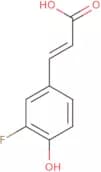

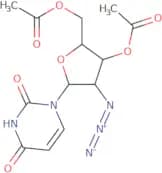
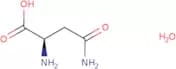
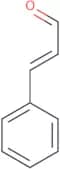
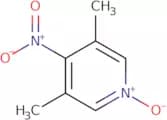
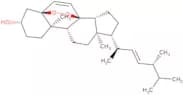
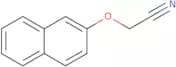
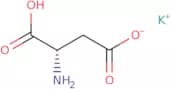
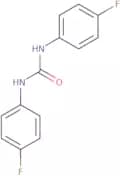
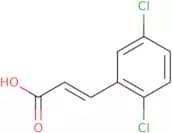
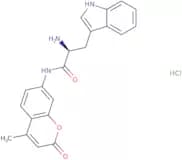
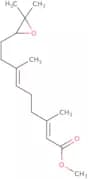
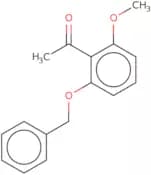
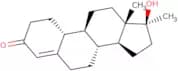
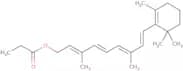
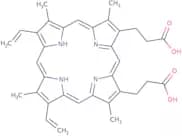
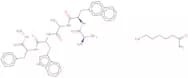
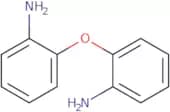
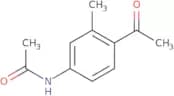
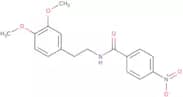
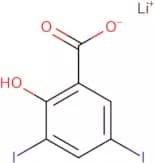
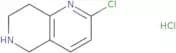
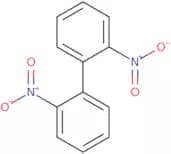
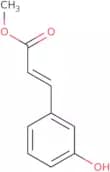
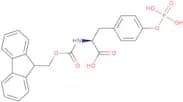
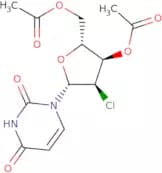
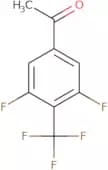
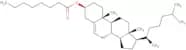
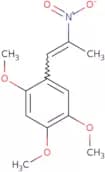
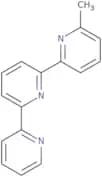
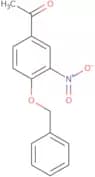
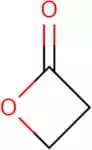

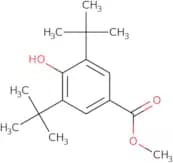


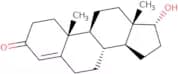
![(1R,2S,3S,5S)-3-(4-Iodophenyl)-8-methyl-8-azabicyclo[3.2.1]octane-2-carboxylicacid methyl ester](/_next/image/?url=https%3A%2Fstatic.cymitquimica.com%2Fproducts%2F3D%2Fthumb-webp%2FFI76761.webp&w=3840&q=75)
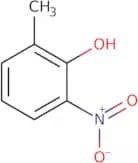
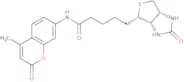
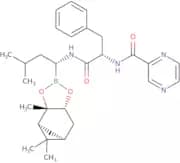
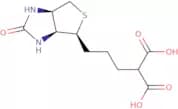
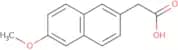
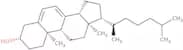
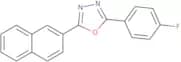
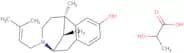
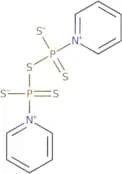
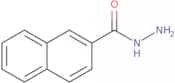

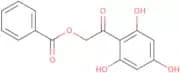
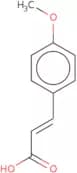
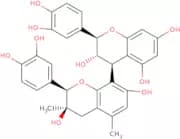
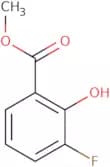

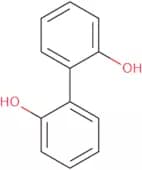
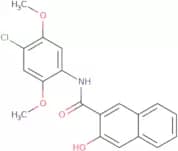
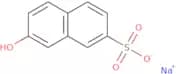
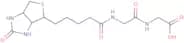

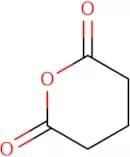
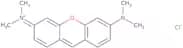

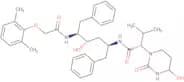
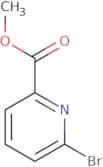
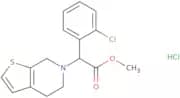
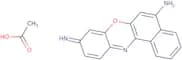
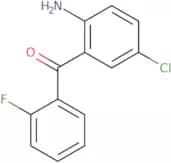
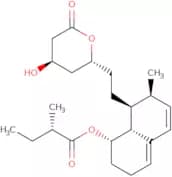
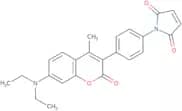
![5,6,7,8-Tetrahydro-[1,8]naphthyridine-2-carboxylic acid](/_next/image/?url=https%3A%2Fstatic.cymitquimica.com%2Fproducts%2F3D%2Fthumb-webp%2FFT56542.webp&w=3840&q=75)
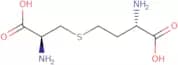
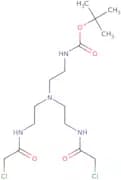
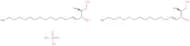
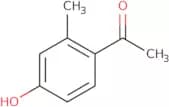
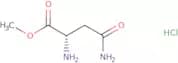
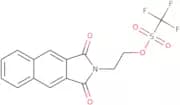
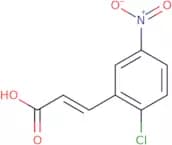
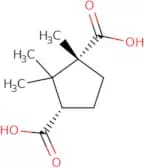
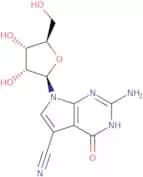
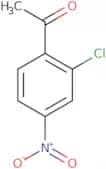
![N-[(3R)-1-(3,3-Dimethyl-2-oxobutyl)-2,3-dihydro-2-oxo-5-(2-pyridinyl)-1H-1,4-benzodiazepin-3-yl]-N…](/_next/image/?url=https%3A%2Fstatic.cymitquimica.com%2Fproducts%2F3D%2Fthumb-webp%2FFD153499.webp&w=3840&q=75)
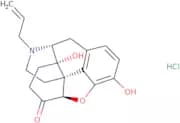
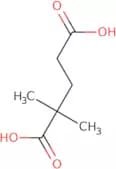
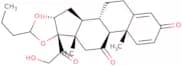
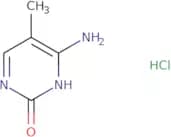
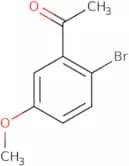
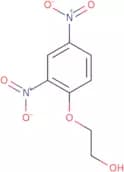

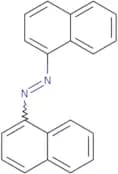
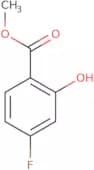
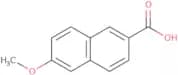
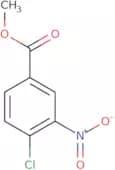
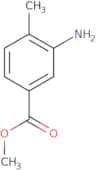
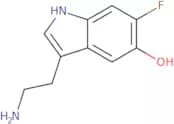
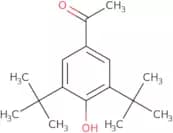
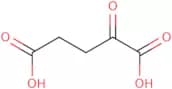

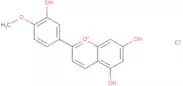
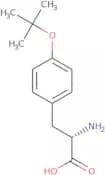
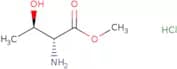
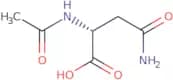

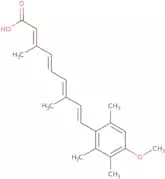
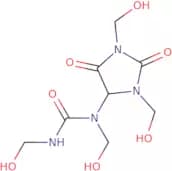
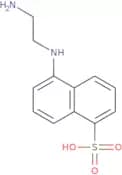
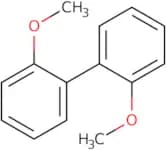
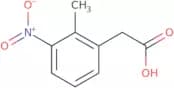
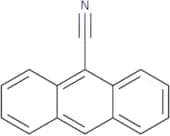
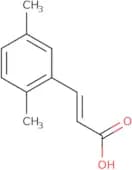
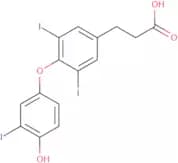
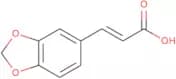
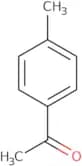
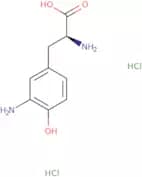
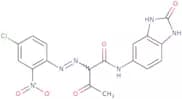
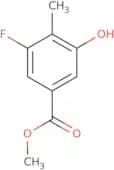
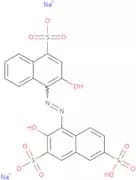
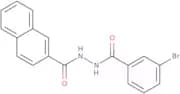
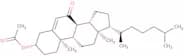
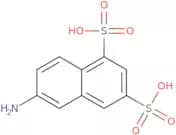
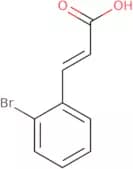
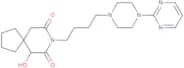
![(E)-3-[3'-(4''-fluorophenyl)-1'-(1''-methylethyl)-1H-indol-2''-yl]-2-propnal](/_next/image/?url=https%3A%2Fstatic.cymitquimica.com%2Fproducts%2F3D%2Fthumb-webp%2FFF37514.webp&w=3840&q=75)

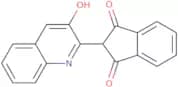
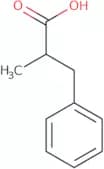
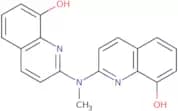
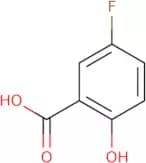

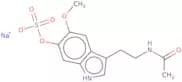
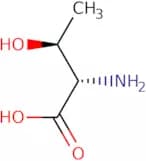
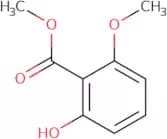


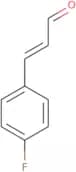

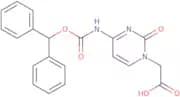
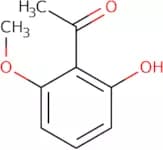
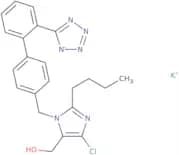
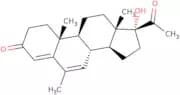
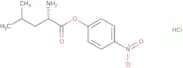
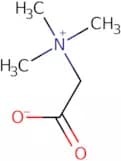
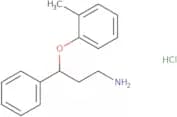
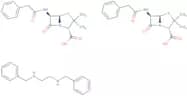
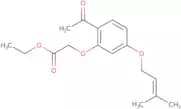
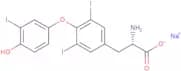

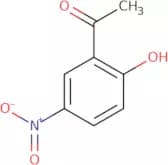
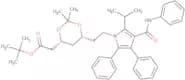
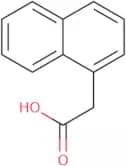
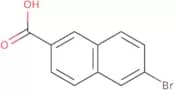
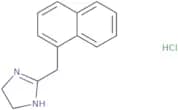
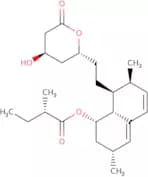
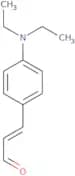

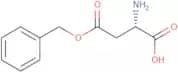
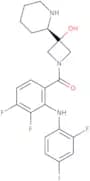
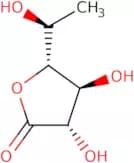
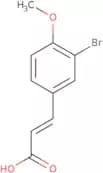


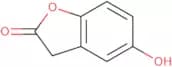
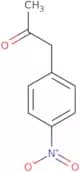
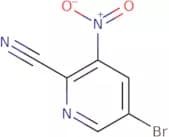
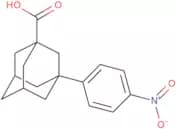

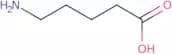
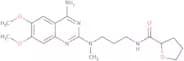
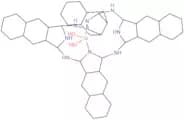

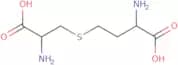
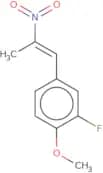
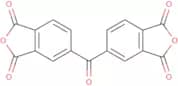
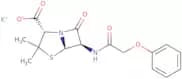
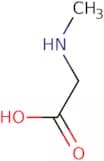
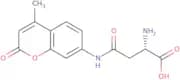
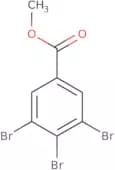
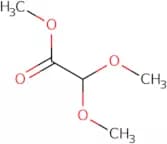
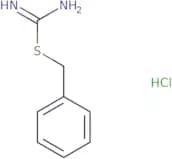

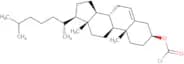
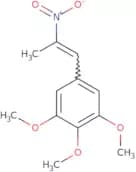

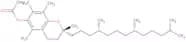
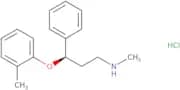

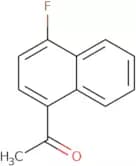

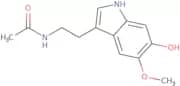
![3, 3'- Dihydroxy- [1, 1'- biphenyl] - 4, 4'- dicarboxylic acid](/_next/image/?url=https%3A%2Fstatic.cymitquimica.com%2Fproducts%2F3D%2Fthumb-webp%2FFD164941.webp&w=3840&q=75)