Antimicrobials
Subcategories of "Antimicrobials"
- Antibiotics(4,137 products)
- Antifungals(904 products)
- Antiparasitics(700 products)
- Antivirals(767 products)
Found 2432 products of "Antimicrobials"
Decoyinine
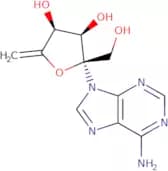
CAS:Decoyinine is an antibiotic compound, which is derived from the bacterium *Streptomyces hygroscopicus*. Its mode of action involves the inhibition of guanine nucleotide synthesis. By targeting the biosynthesis pathway of nucleotides, Decoyinine effectively impedes the growth and proliferation of bacterial cells.Formula:C11H13N5O4Purity:Min. 95%Molecular weight:279.25 g/molSarecycline Hydrochloride
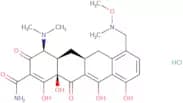
CAS:Sarecycline Hydrochloride is a narrow-spectrum tetracycline antibiotic with action on bacterial protein synthesis inhibition and is used for treating moderate to severe acne vulgaris.Formula:C24H30ClN3O8Purity:Min. 95%Color and Shape:PowderMolecular weight:523.96 g/molColistin sulfate, Antibiotic for Culture Media Use Only
CAS:Antibacterial agent with the ability to permeate bacterial membranes and cause cell death. Colistin is a cationic peptide also known as polymyxin E. Colistin is effective in multidrug resistant Gram-positive bacteria such as P. aeruginosa, A. baumannii and K. pneumoniae.Formula:C53H102N16O17SMolecular weight:1,266.73 g/molRef: 3D-Q-200890
1kgTo inquire5kgTo inquire10kgTo inquire25kgTo inquire2500gTo inquire-Unit-kgkgTo inquireRibocil B
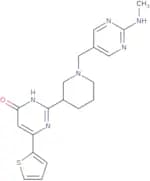
CAS:Ribocil B is an analog of riboflavin, functioning as a synthetic antibiotic. It is derived from chemical synthesis, designed to mimic the structure of natural riboflavin analogs which are crucial for bacterial growth. Ribocil B acts by specifically inhibiting riboswitches, a type of non-coding RNA that regulates gene expression in response to small molecules. This inhibition disrupts RNA synthesis in bacteria by targeting the flavin mononucleotide (FMN) riboswitch.
Formula:C19H22N6OSPurity:Min. 95%Molecular weight:382.5 g/molClofoctol
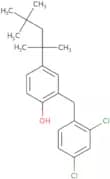
CAS:Clofoctol is an antibacterial agent, which is derived from synthetic origins, specifically designed for therapeutic applications in bacterial infections. Its mode of action involves inhibiting bacterial protein synthesis, thereby preventing the growth and proliferation of harmful bacteria. This compound is particularly effective against Gram-positive bacteria.
Formula:C21H26Cl2OPurity:Min. 95%Molecular weight:365.34 g/molBesifloxacin hydrochloride
CAS:Besifloxacin hydrochloride is a fourth-generation fluoroquinolone antibiotic, which is a synthetic derivative of the broad-spectrum quinolone class. Its origin can be traced to laboratory chemical synthesis, tailored specifically to target bacterial infections in ocular applications. The mode of action of besifloxacin involves the inhibition of bacterial enzymes DNA gyrase and topoisomerase IV. These enzymes play crucial roles in bacterial DNA replication, transcription, repair, and recombination. By disrupting these processes, besifloxacin effectively impedes bacterial cell division, leading to the death of the bacterial cells.Formula:C19H21ClFN3O3·HClPurity:Min. 95%Molecular weight:430.3 g/molCefluprenam
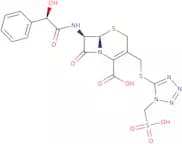
CAS:Cefluprenam is a cephalosporin antibiotic, which is a synthetic derivative of the fungus Cephalosporium. It functions by inhibiting bacterial cell wall synthesis, effectively disrupting the peptidoglycan cross-linking process essential for bacterial structural integrity. This inhibition leads to cell lysis and ultimately bacterial death.
Formula:C20H25FN8O6S2Purity:Min. 95%Molecular weight:556.60 g/molN-Desisobutyl-N-propyl rifabutin
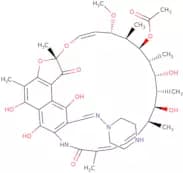
CAS:N-Desisobutyl-N-propyl rifabutin is a synthetic derivative of rifabutin, which is an antibiotic belonging to the rifamycin class. This compound is sourced from modifications of the parent molecule rifabutin, itself derived from the rifamycin family produced by the bacterium Amycolatopsis, traditionally used for its antimicrobial properties. The mode of action involves the inhibition of bacterial RNA polymerase, effectively preventing the transcription process necessary for bacterial replication and protein synthesis. This disruption of RNA synthesis provides potent antimicrobial activity.
Formula:C45H60N4O11Purity:Min. 95%Molecular weight:832.98 g/molCefoxitin EP impurity B
Cefoxitin EP impurity B is a chemical reference standard, which is derived from the synthesis and purification processes involved in producing Cefoxitin. As an impurity standard, its primary role is to serve as a benchmark for quality control in pharmaceutical formulations. The mode of action of Cefoxitin EP impurity B involves the structural analysis and quantification of impurity levels, ensuring that the primary pharmaceutical products meet necessary safety and efficacy criteria.Formula:C16H17N3O7S2Purity:Min. 95%Molecular weight:427.45 g/molMeldonium
CAS:Controlled ProductMeldonium is a cardiovascular drug, which is a synthetic compound originating from Latvia. It functions by modulating carnitine metabolism, leading to decreased fatty acid oxidation and augmented glucose oxidation. This shift in energy substrate helps to improve energy efficiency, particularly under conditions of ischemia, which can prevent ischemic damage by balancing oxygen supply and demand.Formula:C6H14N2O2Purity:Min. 95 Area-%Molecular weight:146.19 g/molVicriviroc
CAS:Vicriviroc is an investigational pharmaceutical compound, specifically classified as an HIV entry inhibitor. It originates from a synthetic source, designed to target the CCR5 co-receptor on human immune cells. The mode of action involves blocking this co-receptor, thereby preventing the HIV virus from binding and fusing with the host cell membrane. This inhibition effectively obstructs the virus's ability to enter and infect the host cells, particularly those within the chemokine receptor family.
Formula:C28H38F3N5O2Purity:Min. 95%Molecular weight:533.63 g/molSpiro-oxanthromicin A
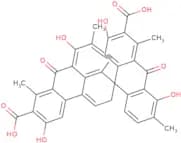
CAS:Spiro-oxanthromicin A is a novel antibiotic compound, which is derived from a rare species of actinomycete bacteria. The unique structure of Spiro-oxanthromicin A integrates spiroketal and oxanthrone moieties, facilitating its distinctive antimicrobial properties. It operates by selectively binding to bacterial ribosomal subunits, inhibiting protein synthesis and effectively curbing pathogenic proliferation.Formula:C36H26O10Purity:Min. 95%Molecular weight:618.6 g/molSymetine
CAS:Symetine is a synthetic peptide-based compound, which is a highly selective agonist of the adenosine A2A receptor. This receptor is coupled to G-proteins mainly associated with activating adenylate cyclase, leading to an increase in cyclic adenosine monophosphate (cAMP) levels within the cell. Symetine binds with high affinity to these receptors, inducing a conformational change that facilitates the downstream signaling pathways associated with this receptor family.
Formula:C30H48N2O2Purity:Min. 95%Molecular weight:468.7 g/mol9-(Tetrahydro-5-methyl-2-furyl)adenine
CAS:9-(Tetrahydro-5-methyl-2-furyl)adenine is a synthetic cytokinin, which is a type of plant growth regulator. This compound is derived from chemical synthesis, rather than extraction from natural sources. The mode of action involves promoting cell division and differentiation in plant tissues, primarily by enhancing the synthesis of proteins crucial for growth and development.
Formula:C10H13N5OPurity:Min. 95%Molecular weight:219.24 g/mol7-(3-Aminopyrrolidin-1-yl)-1-(2,4-difluorophenyl)-6-fluoro-4-oxo-1,8-naphthyridine-3-carboxylic acid,hydrate,hydrochloride
CAS:7-(3-Aminopyrrolidin-1-yl)-1-(2,4-difluorophenyl)-6-fluoro-4-oxo-1,8-naphthyridine-3-carboxylic acid, hydrate, hydrochloride is a fluoroquinolone antibiotic, which is a synthetic antimicrobial compound. It operates by inhibiting bacterial DNA gyrase and topoisomerase IV, enzymes critical for the replication, transcription, and repair processes of bacterial DNA. This disruption in DNA activity leads to cell death, providing its bactericidal effect.Formula:C19H16ClF3N4O3Purity:Min. 95%Molecular weight:440.8 g/molSofosbuvir impurity J
CAS:Sofosbuvir impurity J is a chemical impurity that arises during the synthesis of Sofosbuvir, an antiviral medication primarily used in the treatment of hepatitis C. This impurity is a byproduct produced during the manufacturing process of Sofosbuvir, originating from its chemical synthesis pathway.Formula:C22H30FN4O8PPurity:Min. 95%Molecular weight:528.5 g/molMMV008138
CAS:MMV008138 is an antimalarial compound, which is a synthetic chemical entity derived from medicinal chemistry efforts aimed at targeting malaria. The source of MMV008138 is the pharmaceutical research pipeline focused on identifying new antimalarial agents. It operates by inhibiting the Plasmodium falciparum enzyme PfNDH2, an essential component in the parasite’s respiratory chain, disrupting its energy production capabilities and ultimately leading to parasite death.Formula:C18H14Cl2N2O2Purity:Min. 95%Molecular weight:361.2 g/molFilipin III
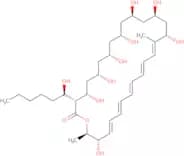
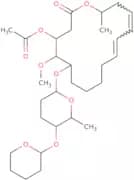
CAS:Filipin III is a polyene macrolide antibiotic, which is extracted from Streptomyces filipinensis. Known for its unique mode of action, Filipin III interferes with cholesterol-rich membranes by binding to ergosterol and cholesterol. This interaction disrupts the membrane structure, altering membrane permeability and ultimately affecting cell viability.
Purity:Min. 95%Desmethyl doxorubicin oxalate
CAS:Desmethyl doxorubicin oxalate is an anthracycline-type chemotherapeutic agent, which is derived from the naturally occurring antibiotic doxorubicin. This compound comprises a desmethylated form of doxorubicin combined with oxalate. Its mode of action involves intercalating DNA strands and inhibiting topoisomerase II, thereby disrupting DNA replication and transcription. This interference leads to the inhibition of cancer cell proliferation and induces apoptosis.Formula:C26H27NO11Purity:Min. 95%Molecular weight:529.49 g/molN-Demethyl rifampin
CAS:N-Demethyl rifampin is a metabolite of rifampin, which is a natural product derivative. Rifampin itself is a well-known antibiotic derived from the bacterium *Amycolatopsis rifamycinica*. N-Demethyl rifampin is formed through the metabolic process where rifampin undergoes demethylation. This transformation occurs primarily in the liver, mediated by the cytochrome P450 enzyme system.Formula:C42H56N4O12Purity:Min. 95%Molecular weight:808.91 g/molNicotinamide
CAS:Nicotinamide is an amide form of vitamin B3, which is a water-soluble vitamin derived from dietary sources such as meat, fish, and yeast. In cellular biology, it functions as a precursor to nicotinamide adenine dinucleotide (NAD+), a critical coenzyme in redox reactions and energy production within the cells. Nicotinamide facilitates the transfer of electrons in metabolic processes, contributing to ATP production and cellular respiration. Moreover, it plays a pivotal role in DNA repair and cellular signaling through the regulation of sirtuins and poly(ADP-ribose) polymerases (PARPs).Formula:C6H6N2OPurity:Min. 97.0 Area-%Molecular weight:122.12 g/molVoxilaprevir
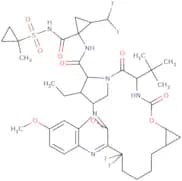
CAS:Voxilaprevir is an antiviral compound, which is a product of chemical synthesis with a unique mode of action targeting the Hepatitis C virus (HCV). It acts as a potent inhibitor of the HCV NS3/4A protease, a crucial enzyme required for the viral replication process. By inhibiting this protease, Voxilaprevir disrupts the viral life cycle, preventing replication and aiding in the clearance of the virus from the host.Formula:C40H52F4N6O9SPurity:Min. 95%Molecular weight:868.94 g/molVancomycin CDP-1
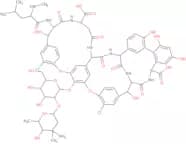
CAS:Vancomycin CDP-1 is a degradation product of vancomycin with no direct therapeutic action but used in research for analytical method development and validation.Formula:C66H74Cl2N8O25Purity:Min. 95%Color and Shape:PowderMolecular weight:1,450.24 g/mol6-[[(2R)-3,3-Dimethyl-2-oxiranyl]methyl]-7-methoxy-2H-1-benzopyran-2-one
CAS:6-[[(2R)-3,3-Dimethyl-2-oxiranyl]methyl]-7-methoxy-2H-1-benzopyran-2-one is a synthetic anticoagulant compound, which is a derivative of naturally occurring plant metabolites known as coumarins. Coumarins are prevalent in various plant species and are recognized for their diverse biological activities, including anticoagulant properties. Structurally modified to enhance efficacy and specificity, this compound acts by inhibiting vitamin K epoxide reductase, a critical enzyme in the blood coagulation pathway. This results in reduced synthesis of active clotting factors, ultimately decreasing the tendency for blood clot formation.Formula:C15H16O4Purity:Min. 95%Molecular weight:260.28 g/molBaumycin C1
CAS:Baumycin C1 is an anthracycline-type antibiotic, which is derived from the bacterium *Streptomyces coeruleorubidus*. The mode of action of Baumycin C1 involves intercalating into DNA strands, thereby disrupting the process of DNA synthesis and replication. This intercalation results in the inhibition of topoisomerase II, an enzyme crucial for DNA unwinding, leading to the generation of double-strand breaks and subsequent interruption of cellular proliferation.
Formula:C28H29NO11Purity:Min. 95%Molecular weight:555.5 g/mol2'-O-Acetylspiramycin I
CAS:2'-O-Acetylspiramycin I is a semi-synthetic derivative of spiramycin, which is a macrolide antibiotic originally sourced from the bacterium *Streptomyces ambofaciens*. The modification involves the acetylation at the 2'-hydroxyl group of spiramycin, enhancing certain pharmacokinetic properties.Formula:C45H76N2O15Purity:Min. 95%Molecular weight:885.09 g/molCefatrizine
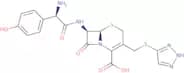
CAS:Cefatrizine is a broad-spectrum antibiotic, which is a semisynthetic cephalosporin derived from cephalosporin C, a natural product originating from the fungus Acremonium chrysogenum. It exerts its mode of action through the inhibition of bacterial cell wall synthesis, a critical component for bacterial growth and replication. Specifically, cefatrizine targets and binds to penicillin-binding proteins (PBPs) located inside the bacterial cell wall, leading to the inhibition of peptidoglycan synthesis. This disruption results in cell lysis and ultimately bacterial cell death.
Formula:C18H18N6O5S2Purity:Min. 95%Molecular weight:462.5 g/molSultasin
CAS:Sultasin is a combination antibiotic product, which is derived from the synthesis of sulbactam, a β-lactamase inhibitor, and ampicillin, a β-lactam antibiotic. The mode of action of Sultasin involves the inhibition of bacterial cell wall synthesis. Ampicillin works by attaching to penicillin-binding proteins (PBPs) inside the bacterial cell wall, disrupting the final transpeptidation step of peptidoglycan synthesis, which leads to cell lysis. Sulbactam enhances the efficacy of ampicillin by inhibiting β-lactamase enzymes produced by resistant bacterial strains, thereby preventing the degradation of the antibiotic.Formula:C25H29N3Na2O9S2Purity:Min. 95%Molecular weight:625.6 g/molMitomycin D
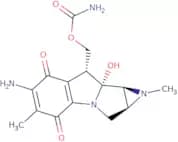
CAS:Mitomycin D is an antibiotic and chemotherapeutic agent known for its ability to inhibit DNA synthesis, making it a potent antitumor agent. It is derived from the bacterium *Streptomyces caespitosus*. Mitomycin D functions as a DNA crosslinking agent by alkylating the DNA strands, which interferes with DNA replication and transcription. This mechanism leads to the cessation of cellular division and ultimately induces apoptosis in rapidly dividing cells.Formula:C15H18N4O5Purity:Min. 95%Molecular weight:334.33 g/molAclacinomycin HCl
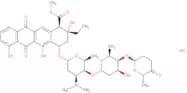
CAS:Aclacinomycin HCl is a cytotoxic antibiotic that inhibits the growth of tumor cells. It has been shown to induce apoptosis in human leukemia cells by altering the transmembrane potential and inhibiting cell proliferation. Aclacinomycin HCl also induces DNA damage response, which leads to caspase activities and cell death. This drug is highly selective for tumor cells, with no effect on normal cells. It has been shown to be effective against primary liver cancer in animal models, as well as developmental disorders such as autism spectrum disorder (ASD).
Formula:C42H53NO15·HClPurity:Min. 95%Color and Shape:Orange PowderMolecular weight:848.33 g/molChlortetracycline
CAS:Chlortetracycline is a tetracycline antibiotic, which is derived from the bacterium *Streptomyces aureofaciens*. It functions by inhibiting protein synthesis through binding to the 30S ribosomal subunit, thereby preventing the attachment of aminoacyl-tRNA to the mRNA-ribosome complex. This mechanism effectively impedes the growth and replication of both gram-positive and gram-negative bacteria.
Formula:C22H23ClN2O8Purity:Min. 95%Molecular weight:478.88 g/molSulbenicillin
CAS:Sulbenicillin is a semi-synthetic penicillin antibiotic, which is derived from 6-aminopenicillanic acid, a natural precursor in the biosynthesis of penicillins. With its beta-lactam structure, Sulbenicillin disrupts bacterial cell wall synthesis by inhibiting penicillin-binding proteins, which are essential enzymes in the cross-linking of peptidoglycan layers. This disruption compromises the structural integrity of the bacterial cell wall, resulting in cell lysis and death, particularly in Gram-negative bacteria.Formula:C16H18N2O7S2Purity:Min. 95%Molecular weight:414.46 g/molN-Hexylsilane
CAS:N-Hexylsilane is a silane compound, which is an organosilicon chemical with a hexyl group attached to silicon. This type of product is synthesized through hydroalkoxysilanes in the presence of catalysts. Its mode of action involves acting as a hydrophobic agent, reacting with hydroxyl groups on surfaces to create a silicon-oxygen-silicon link that confers water-resistance properties.Formula:C6H13SiPurity:Min. 95%Molecular weight:113.25 g/molBleomycin HCl
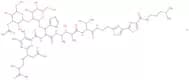
CAS:Inducer of DNA strand breaks; glycopeptide antibiotic, anti-neoplasticFormula:C50H71N16O21S2R•(HCl)xPurity:Min. 95%Color and Shape:White To Off-White SolidAtazanavir-d5
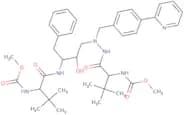
CAS:Atazanavir-d5 is an isotopically labeled variant of the antiretroviral drug Atazanavir, a non-peptidic HIV-1 protease inhibitor. It is synthesized using stable isotope labeling, specifically deuterium, which replaces five hydrogen atoms. The mechanism of action involves binding to the active site of the HIV-1 protease enzyme, a critical enzyme in the replication cycle of HIV, thereby preventing the cleavage of the viral gag-pol polyprotein precursors into the mature protein components of an infectious viral particle.Formula:C38H52N6O7Purity:Min. 95%Molecular weight:709.9 g/molAureothin
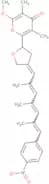
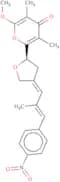
CAS:Aureothin is a bioactive compound, classified as a polyketide antibiotic, which is derived from the culture of the bacterium Streptomyces thioluteus. This compound operates primarily through the inhibition of protein synthesis by interfering with the aminoacylation of tRNA with specific amino acids. Its mode of action disrupts cellular protein synthesis, which is essential for cell growth and function, leading to its potent antibacterial and antifungal activities.Formula:C22H23NO6Purity:Min. 95%Color and Shape:PowderMolecular weight:397.42 g/molCarbovir
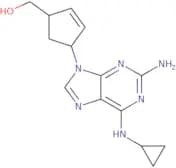
CAS:Carbovir is a nucleoside reverse transcriptase inhibitor (NRTI), which is derived from carbocyclic nucleosides. Its mode of action involves the selective inhibition of the reverse transcriptase enzyme, an essential component in the replication cycle of retroviruses, such as HIV. By incorporating into the viral DNA chain during synthesis, Carbovir effectively halts chain elongation, thereby impeding the virus's ability to proliferate.Formula:C11H13N5O2Purity:Min. 95%Molecular weight:247.25 g/molViramidine hydrochloride
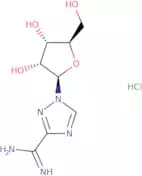
CAS:Viramidine hydrochloride is an antiviral prodrug with action as a precursor to ribavirin, targeting viral RNA synthesis and is used for research on hepatitis C and other viral infections.Formula:C8H14ClN5O4Purity:Min. 95%Molecular weight:279.68 g/molPanipenem
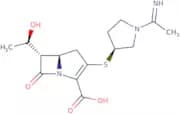
CAS:Panipenem is a carbapenem antibiotic, which is a type of beta-lactam antibiotic derived from thienamycin. It functions by inhibiting penicillin-binding proteins (PBPs), which are essential for bacterial cell wall synthesis. This inhibition disrupts the cell wall construction, leading to cell lysis and death, thereby demonstrating strong bactericidal activity.Formula:C15H21N3O4SPurity:Min. 95%Molecular weight:339.41 g/molβ-Cypermethrin
CAS:Beta-cypermethrin is a synthetic pyrethroid insecticide, which is a chemically altered derivative of natural pyrethrins found in chrysanthemum flowers. These pyrethrins are modified to enhance their stability and potency. Beta-cypermethrin acts by targeting the nervous system of insects, specifically by modifying the function of voltage-gated sodium channels. This action leads to prolonged depolarization of the neuron, resulting in paralysis and eventual death of the insect.Formula:C22H19Cl2NO3Purity:Min. 95%Molecular weight:416.3 g/molSporidesmolide
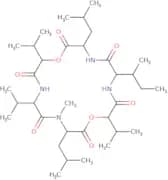
CAS:Sporidesmolide is a cyclic depsipeptide, which is a type of compound characterized by having both ester and amide bonds in its structure. This product is derived from fungal sources, specifically certain species within the genus *Sporidesmium*. The mode of action for sporidesmolide involves disrupting microbial cell membrane integrity, leading to increased permeability and eventual cell death. This activity primarily targets bacteria and fungi, making it an important subject of study for its potential antimicrobial properties.
Formula:C34H60N4O8Purity:Min. 95%Molecular weight:652.9 g/molFenaminostrobin
CAS:Fenaminostrobin is a broad-spectrum fungicide, which is synthesized chemically. It operates primarily through inhibition of mitochondrial respiration in fungal cells, targeting the bc1 complex, which disrupts ATP production and leads to the inhibition of spore germination and fungal growth. This mode of action makes Fenaminostrobin effective against a wide range of pathogenic fungi that affect various crops.
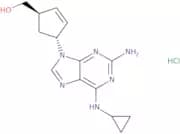
Formula:C21H21Cl2N3O3Purity:Min. 95%Molecular weight:434.3 g/moltrans-Abacavir dihydrochloride
CAS:trans-Abacavir dihydrochloride is a synthetic compound classified as a nucleoside analog. It is derived from chemical synthesis and serves as a prodrug that is metabolized in the body to its active form, carbovir triphosphate. Its primary mode of action involves the inhibition of the HIV-1 reverse transcriptase enzyme. This inhibition is achieved through the incorporation of the active metabolite into viral DNA, resulting in chain termination and preventing viral replication.Formula:C14H18N6O·2HClPurity:Min. 95%Molecular weight:359.25 g/molZelkovamycin
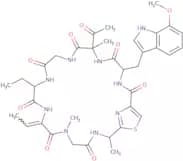
CAS:Zelkovamycin is a novel antibacterial compound isolated from endophytic microorganisms, specifically Streptomyces sp. Endophytes are bacteria or fungi that reside within plant tissues, forming symbiotic relationships and often producing bioactive metabolites. The mode of action of Zelkovamycin involves the inhibition of bacterial cell wall synthesis, interfering with the biosynthesis pathways essential for maintaining the structural integrity and function of bacterial cell walls, particularly in Gram-positive strains.Formula:C36H45N9O9SPurity:Min. 95%Color and Shape:PowderMolecular weight:779.86 g/molPicoxystrobin metabolite M8
CAS:Picoxystrobin metabolite M8 is a chemical metabolite, which is a derivative specifically originating from the degradation of the fungicide Picoxystrobin. It is generated through the metabolic pathways that occur after the application of Picoxystrobin on crops. As a strobilurin derivative, its mode of action is primarily related to its ability to disrupt mitochondrial respiration in fungi by inhibiting the electron transport chain at the cytochrome bc1 complex. This interruption leads to energy depletion and subsequent cell death in pathogenic fungi.
Formula:C14H10F3NO3Purity:Min. 95%Molecular weight:297.23 g/molBRITE-338733
CAS:BRITE-338733 is an advanced biotechnological product, which is derived from microbial fermentation with high specificity enzymatic action. This product is engineered to efficiently catalyze specific biochemical reactions, thereby facilitating various lab-scale processes.Formula:C27H35N3O2Purity:Min. 95%Molecular weight:433.6 g/molSARS-CoV-IN-2
CAS:SARS-CoV-IN-2 is a highly specific and potent antiviral inhibitor, which is chemically synthesized to target SARS-CoV-2, the virus responsible for COVID-19. This compound functions by interfering with the viral replication process, specifically targeting the viral 3CL protease enzyme, crucial for viral polyprotein cleavage. By inhibiting this protease, SARS-CoV-IN-2 effectively hampers the replication cycle of the virus, limiting its ability to proliferate within the host cells.Formula:C24H18ClFEN3OPurity:Min. 95%Molecular weight:455.72 g/molHeronapyrrole B
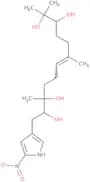
CAS:Heronapyrrole B is a naturally occurring marine-derived antibiotic, which is isolated from a species of marine-derived Streptomyces. This compound is a member of the pyrrole-2-aminoimidazole family, which is characterized by its unique structural framework that contributes to its biological activity. The mode of action of Heronapyrrole B involves disrupting bacterial cell membranes, thereby hindering cell growth and survival. This mechanism is particularly effective against a range of Gram-positive bacteria.Formula:C19H32N2O6Purity:Min. 95%Molecular weight:384.5 g/molSolithromycin
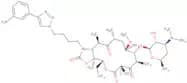
CAS:Solithromycin is a novel macrolide antibiotic, which is derived from the compound ketolide. It functions by binding to the bacterial 50S ribosomal subunit, effectively inhibiting protein synthesis. This mechanism of action enables Solithromycin to exert its effects against a wide range of bacterial pathogens, including strains resistant to traditional macrolides. The unique binding capability to multiple sites on the ribosome enhances its potency and reduces the likelihood of resistance development.Formula:C43H65FN6O10Purity:Min. 95%Molecular weight:845.01 g/mol(4E)-1-(3,4-Dichlorophenyl)-4-[(4-ethoxyphenyl)methylidene]pyrazolidine-3,5-dione
CAS:(4E)-1-(3,4-Dichlorophenyl)-4-[(4-ethoxyphenyl)methylidene]pyrazolidine-3,5-dione is a synthetic compound belonging to the class of pyrazolidine diones. This compound is mainly derived from chemical synthesis in a laboratory setting. It acts through its interaction with specific biological pathways, potentially affecting enzyme activity or receptor sites involved in various physiological processes.Formula:C18H14Cl2N2O3Purity:Min. 95%Molecular weight:377.2 g/mol2,6-Bis(2-ethylhexyl)-7a-methylhexahydro-1H-imidazo[1,5-c]imidazole (hexedine)
CAS:2,6-Bis(2-ethylhexyl)-7a-methylhexahydro-1H-imidazo[1,5-c]imidazole, known as hexedine, is a synthetic compound, which is primarily utilized in industrial applications. It is derived from a chemical synthesis process involving imidazo-imidazole structures, allowing for specific modifications to yield its characteristic properties. Hexedine operates through a mechanism that enhances surface adhesion and stability when applied to various substrates. The compound’s molecular architecture enables it to form a durable, resistant layer, thereby improving the surface’s integrity and lifespan.
Formula:C22H45N3Purity:Min. 95%Molecular weight:351.6 g/molSofosbuvir - Bio-X ™
CAS:Sofosbuvir is an antiviral agent that is used for the treatment of hepatitis C infections and is used in combination with other antiviral agents. This drug is an inhibitor of viral RNA polymerase called non-structural protein 5B (NS5B). As a result, it inhibits viral RNA replication.
Formula:C22H29FN3O9PPurity:Min. 95%Color and Shape:PowderMolecular weight:529.45 g/molPristinamycin IA
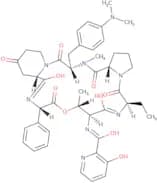
CAS:Pristinamycin IA is a streptogramin antibiotic, which is a natural product derived from the bacterium *Streptomyces pristinaespiralis*. It operates by inhibiting bacterial protein synthesis through the disruption of ribosomal function, specifically targeting the 50S ribosomal subunit. This mode of action is effective in halting bacterial growth, making it particularly significant in combating resistant strains.
Formula:C45H54N8O10Purity:Min. 95%Molecular weight:866.96 g/molAlamethacin
CAS:Alamethacin is a peptide antibiotic, which is derived from the soil fungus Trichoderma viride. This compound consists of a sequence of amino acids that form a helical structure, enabling its interaction with lipid membranes. Alamethacin functions by inserting itself into cellular membranes and forming voltage-dependent ion channels. As a result, it alters membrane permeability, causing ion imbalance and leading to cell death.
Formula:C92H150N22O25Purity:Min. 95%Color and Shape:SolidMolecular weight:1,964.31 g/moltert-Butyl 4-[3-(4,4,5,5-tetramethyl-1,3,2-dioxaborolan-2-yl)pyrazol-1-yl]piperidine-1-carboxylate
CAS:Tert-Butyl 4-[3-(4,4,5,5-tetramethyl-1,3,2-dioxaborolan-2-yl)pyrazol-1-yl]piperidine-1-carboxylate is a boronic ester compound used primarily in organic synthesis. It is derived from the reaction of a piperidine-based carboxylate with a dioxaborolane moiety, forming a unique structural entity that serves as a versatile building block in molecular modification and drug development.
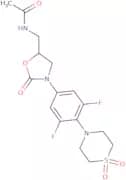
Formula:C19H32BN3O4Purity:Min. 95%Molecular weight:377.3 g/molN-((3-(4-(1,1-Dioxidothiomorpholin-4-yl)-3,5-difluorophenyl)-2-oxo-1,3-oxazolidin-5-yl)methyl)acetamide
CAS:N-((3-(4-(1,1-Dioxidothiomorpholin-4-yl)-3,5-difluorophenyl)-2-oxo-1,3-oxazolidin-5-yl)methyl)acetamide is a synthetic compound, often considered within the realm of small-molecule pharmacology. This compound is derived through complex organic synthesis, involving the incorporation of dioxidothiomorpholine and oxazolidinone rings, as well as fluorination, which are critical for its biochemical properties.Formula:C16H19F2N3O5SPurity:Min. 95%Molecular weight:403.4 g/molAcorafloxacin
CAS:Acorafloxacin is a synthetic fluoroquinolone antibiotic, which is derived from the chemical modification of the quinolone core structure. It acts by inhibiting bacterial DNA gyrase and topoisomerase IV, enzymes crucial for bacterial DNA replication and transcription. The bactericidal action results from preventing the supercoiling and relaxation of the bacterial DNA, ultimately interrupting essential cellular processes.Formula:C21H23F2N3O4Purity:Min. 95%Molecular weight:419.4 g/molNeoaureothin
CAS:Neoaureothin is a natural antibiotic product, which is derived from marine actinomycetes with a complex polyketide structure. Its mode of action involves the inhibition of bacterial protein synthesis by binding selectively to the ribosomal subunits, thereby obstructing the translation process in susceptible microbial strains. The specificity of its action allows it to target a broad spectrum of Gram-positive bacteria while presenting a lower risk of resistance development compared to traditional antibiotics.Formula:C28H31NO6Purity:Min. 95%Molecular weight:477.5 g/molPentosan polysulfate
CAS:Pentosan polysulfate is a semi-synthetic polysaccharide, which is derived from xylan, sourced from beechwood hemicellulose. It functions as a heparin-like compound with anticoagulant and fibrinolytic properties. Its sulfated polysaccharide form allows it to adhere to the urothelium of the bladder, forming a protective layer that can prevent irritating solutes in urine from reaching bladder cells. Through this mechanism, it mitigates the pain and discomfort associated with interstitial cystitis (IC), a chronic condition characterized by bladder pain and urinary urgency.Formula:C10H18O21S4Purity:Min. 95%Molecular weight:602.5 g/molLetrozole
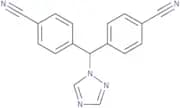
CAS:Controlled ProductLetrozole is a non-steroidal aromatase inhibitor, which is synthesized chemically. This product acts by inhibiting the aromatase enzyme, thus reducing estrogen production in the body. Estrogen plays a critical role in the proliferation of hormone-sensitive breast cancer cells, and by lowering its levels, Letrozole effectively impedes cancer growth.Formula:C17H11N5Molecular weight:285.30 g/molMagnamycin B
CAS:Magnamycin B is an antifungal antibiotic, which is derived from natural sources through microbial fermentation. Its mode of action involves the inhibition of cell wall synthesis in pathogenic fungi, thereby disrupting essential processes required for their growth and proliferation. Magnamycin B is particularly effective against a range of fungal pathogens that affect agricultural and clinical settings.Formula:C42H67NO15Purity:Min. 95%Molecular weight:826.00 g/molTachyplesin I trifluoroacetate
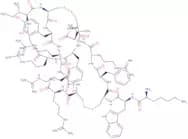
CAS:Tachyplesin I trifluoroacetate is an antimicrobial peptide with action on bacterial and fungal membranes by disrupting their integrity and is used for research on antimicrobial properties and potential therapeutic applications.
Formula:C99H151N35O19S4•(C2HF3O2)xPurity:Min. 95%Color and Shape:PowderMolecular weight:2,263.75 g/molGeneticin Disulfate (G418), Antibiotic for Culture Media Use Only
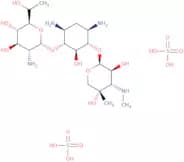
CAS:Geneticin is very efficient against gram-negative bacteria, however it is not applied for treating infections due to high renal toxicity. Geneticin and its resistance genes found application in the selection of transgenic cell lines including yeasts such as P. pastoris and S. serevisiae, other eukaryotic cell lines such as CHO or HEK293, but also plant cells and bacterial cells.Formula:C20H44N4O18S2Purity:Min. 97.0 Area-%Molecular weight:692.71 g/molBoromycin
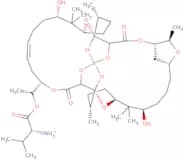
CAS:Boromycin is a macrolide antibiotic, which is derived from the fermentation of certain strains of Streptomyces bacteria. It operates as an ionophore with the ability to transport ions across lipid membranes, effectively disrupting ionic gradients. This mechanism of action compromises essential cellular processes in target organisms, thereby exerting its antimicrobial effects.Formula:C45H74BNO15Purity:Min. 95%Molecular weight:879.88 g/molACX-362E
CAS:ACX-362E is a novel antibacterial agent, which is a synthetic compound derived from small-molecule chemical libraries with selective action on bacterial pathogens. The mode of action of ACX-362E involves the inhibition of bacterial cell wall synthesis, specifically targeting essential enzymes involved in the peptidoglycan biosynthesis pathway. This interference disrupts cell wall integrity, leading to bacterial lysis and cell death.
Formula:C18H20Cl2N6O2Purity:Min. 95%Molecular weight:423.3 g/molM4284
CAS:M4284 is a potent biochemical inhibitor, derived from synthetic organic compounds, designed to target specific enzymes within cell signaling pathways. This product functions by competitively binding to the active site of a target enzyme, effectively blocking its catalytic activity. The competitive inhibition mechanism employed by M4284 enables it to modulate enzymatic activity with high specificity, allowing researchers to dissect complex biochemical processes with precision.Formula:C23H28N2O8Purity:Min. 95%Molecular weight:460.5 g/mol(+)-Madindoline A
CAS:(+)-Madindoline A is a chemical substance that inhibits the growth of cancer cells. It has been shown to inhibit colon cancer cell proliferation and induce apoptosis by inhibiting signal pathways and suppressing inflammatory responses. (+)-Madindoline A is an experimental model for the study of bowel disease and inflammatory diseases, as it can be used to treat both bowel disease and inflammatory diseases. It also has inhibitory effects on the production of proinflammatory cytokines in human protein cells and natural compounds in experimental models. (+)-Madindoline A is found in small amounts in food compositions such as apples, carrots, cauliflower, celery, cucumbers, garlic, leeks, lettuce, onions, peas, peppers, potatoes and tomatoes.
Formula:C22H27NO4Purity:Min. 95%Molecular weight:369.45 g/molSulfasymazine
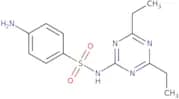
CAS:Sulfasymazine is a synthetic antibacterial agent, which is derived from sulfonamide compounds. These compounds originate from chemical synthesis processes involving the introduction of sulfonamide groups to aromatic amines, creating potent inhibitors of bacterial growth. Sulfasymazine functions by interfering with the synthesis of folic acid within bacterial cells. It inhibits the enzyme dihydropteroate synthase, which is crucial for the production of dihydrofolate, a precursor of folic acid. This disruption hampers nucleic acid synthesis, impeding bacterial proliferation.Formula:C13H17N5O2SPurity:Min. 95%Molecular weight:307.37 g/molCeftarolin fosamil
CAS:Ceftaroline fosamil is an advanced antibiotic, which is a cephalosporin derived from synthetic sources with a broad spectrum of activity. It is a prodrug that, once metabolized, becomes active in the body, binding to penicillin-binding proteins (PBPs) of bacteria. This binding inhibits the proteins responsible for cell wall synthesis, leading to bacterial cell lysis and death.Formula:C22H21N8O8PS4Purity:Min. 95%Molecular weight:684.69 g/molBalapiravir
CAS:Balapiravir is an antiviral agent, which is a synthetic derivative based on natural compounds, specifically designed to inhibit the replication of various viral pathogens. The source of Balapiravir integrates bio-based elements with modifications to enhance its therapeutic efficacy.Formula:C21H30N6O8Purity:Min. 95%Molecular weight:494.5 g/molChlorsulfuron-5-hydroxy
CAS:Chlorsulfuron-5-hydroxy is a herbicide derivative, specifically an active metabolite of chlorsulfuron, which is a sulfonylurea herbicide. This compound is derived from synthetic chemistry processes that focus on altering the molecular structure of chlorsulfuron to enhance its properties or study its breakdown. The mode of action of Chlorsulfuron-5-hydroxy involves the inhibition of the enzyme acetolactate synthase (ALS), which plays a crucial role in the biosynthesis of branched-chain amino acids in plants such as valine, leucine, and isoleucine. This inhibition disrupts protein synthesis, leading to halted cell division and plant growth.Formula:C12H12ClN5O5SPurity:Min. 95%Molecular weight:373.77 g/molKanzonol C
CAS:Please enquire for more information about Kanzonol C including the price, delivery time and more detailed product information at the technical inquiry form on this pageFormula:C25H28O4Purity:Min. 95%Molecular weight:392.5 g/molPK150
CAS:PK150 is a soil amendment product, which is derived from natural mineral sources with a specific focus on enhancing plant growth through optimized nutrient uptake efficiency. This product works by modifying the soil's physical and chemical properties, thereby improving the availability and mobility of essential nutrients like phosphorus (P) and potassium (K), which are crucial for the development and yield of plants.Formula:C15H8ClF5N2O3Purity:Min. 95%Molecular weight:394.68 g/molBixlozone
CAS:Bixlozone is a pharmaceutical compound that serves as an antimicrobial agent, developed from synthetic origins. It operates by targeting specific microbial pathways, effectively disrupting the synthesis of essential cellular components within pathogenic organisms. The active mechanisms of Bixlozone involve inhibiting enzymatic functions that are crucial for the survival and replication of these pathogens.
Formula:C12H13Cl2NO2Purity:Min. 95%Molecular weight:274.14 g/molFomidacillin
CAS:Please enquire for more information about Fomidacillin including the price, delivery time and more detailed product information at the technical inquiry form on this pageFormula:C24H28N6O10SPurity:Min. 95%Molecular weight:592.60 g/molBPH715
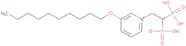
CAS:Please enquire for more information about BPH715 including the price, delivery time and more detailed product information at the technical inquiry form on this pageFormula:C17H31NO7P2Purity:Min. 95%Molecular weight:423.4 g/molCefonicid
CAS:Cefonicid is a semisynthetic cephalosporin antibiotic, which is derived from the naturally occurring compound cephalosporin C, obtained from the mold *Cephalosporium acremonium*. Its mode of action involves inhibiting bacterial cell wall synthesis by binding to penicillin-binding proteins, leading to cell lysis and death, thereby exhibiting bactericidal activity.Formula:C18H16N6O8S3Purity:Min. 95%Molecular weight:540.55 g/molCEF3
CAS:CEF3 is a cephalosporin-based antibacterial agent, which is derived from the fermentation of Streptomyces species. This compound functions by inhibiting bacterial cell wall synthesis, specifically targeting the transpeptidase enzyme involved in the cross-linking of peptidoglycan layers. The disruption of this process results in weakened bacterial cell walls, leading to cell lysis and death, particularly affecting Gram-positive and some Gram-negative bacteria.
Formula:C42H74N10O12Purity:Min. 95%Molecular weight:911.1 g/mol6,11-Di-O-methyl erythromycin
CAS:6,11-Di-O-methyl erythromycin is a semi-synthetic derivative of erythromycin, which is a macrolide antibiotic originally sourced from the bacterium *Saccharopolyspora erythraea*. This compound is produced through chemical modification of the natural antibiotic to improve its pharmacokinetic properties, such as stability and absorption.Formula:C39H71NO13Purity:Min. 95%Molecular weight:761.98 g/molBromophos-methyl-oxon
CAS:Bromophos-methyl-oxon is an organophosphate insecticide and acaricide, which is a synthetic chemical derived from organophosphate compounds. It functions by inhibiting the activity of the enzyme acetylcholinesterase in target organisms. This inhibition leads to the accumulation of acetylcholine at nerve synapses, disrupting normal nerve function and ultimately resulting in the paralysis and death of pests.
Formula:C8H8BrCl2O4PPurity:Min. 95%Molecular weight:349.93 g/molPiperacillin-d5
CAS:Piperacillin-d5 is a stable isotopically labeled antibiotic, which is synthesized chemically to incorporate deuterium atoms. It is derived from the β-lactam group of antibiotics, sharing properties with its non-labeled counterpart, piperacillin. The incorporation of five deuterium atoms allows researchers to use it as a tracer in various pharmacokinetic and metabolic studies without altering its biological activity.Formula:C23H22D5N5O7SPurity:Min. 95%Molecular weight:522.59 g/molAzoxystrobin-d4
CAS:Azoxystrobin-d4 is a deuterated fungicide, which is a synthetic chemical compound designed for use in research, particularly within the field of agrochemical studies. It is a derivative of azoxystrobin, a well-known strobilurin fungicide, and is produced through isotope labeling, where hydrogen atoms are replaced with deuterium. This isotopic substitution does not alter the chemical activity of the compound but assists in analytical studies, such as mass spectrometry, by enabling precise tracking and quantification.
Formula:C22H17N3O5Purity:Min. 95%Molecular weight:407.4 g/molSibofimloc
CAS:Please enquire for more information about Sibofimloc including the price, delivery time and more detailed product information at the technical inquiry form on this pageFormula:C35H39NO11Purity:Min. 95%Molecular weight:649.68 g/molPSI-7409
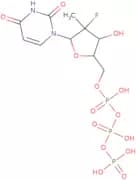
CAS:PSI-7409 is a novel antimicrobial compound, which is synthetically derived with a unique mechanism of action. This compound is engineered through a complex synthesis process ensuring high purity and efficacy. PSI-7409 exerts its effects by disrupting bacterial cell wall synthesis, leading to cell lysis and death. Its precise mode of interaction on the molecular level involves inhibition of key enzymatic pathways essential for peptidoglycan assembly, thereby compromising the structural integrity of bacterial cells.
Formula:C10H16FN2O14P3Purity:Min. 95%Molecular weight:500.16 g/molTigemonam
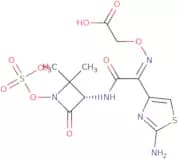
CAS:Tigemonam is a synthetic beta-lactam antibiotic, which is derived from chemical synthesis processes. This compound operates by inhibiting bacterial cell wall synthesis, specifically targeting the penicillin-binding proteins (PBPs). The disruption of the cell wall synthesis ultimately leads to cell lysis and death of the bacteria, making it effective primarily against gram-negative bacterial infections.Formula:C12H15N5O9S2Purity:Min. 95%Molecular weight:437.41 g/molFluxapyroxad-N-desmethyl
CAS:Fluxapyroxad-N-desmethyl is a fungicidal metabolite, which is derived from the parent compound fluxapyroxad, a pyridine carboxamide fungicide. The source of this compound is through the biological or chemical transformation of fluxapyroxad, which involves demethylation. Its mode of action involves the inhibition of succinate dehydrogenase, an essential enzyme in the fungal pathogen's mitochondrial electron transport chain. This inhibition results in disruption of energy production within the fungal cells, ultimately leading to their death.Formula:C17H10F5N3OPurity:Min. 95%Molecular weight:367.27 g/mol3'-N-Desmethyl-3'-N-formyl azithromycin
CAS:3'-N-Desmethyl-3'-N-formyl azithromycin is a semi-synthetic macrolide antibiotic, derived from the well-known azithromycin. It is created through structural modification, where the 3'-N-demethylated and 3'-N-formyl groups enhance its pharmacokinetic properties and potentially improve its antimicrobial efficacy.Formula:C38H70N2O13Purity:Min. 95%Molecular weight:762.97 g/mol2-Methyl-4-isothiazolin-3-one
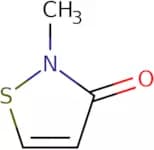
CAS:Controlled Product2-Methyl-4-isothiazolin-3-one or MIT is a powerful antimicrobial and antifungal agent which is widely used in personal care products. It is also used in industrial applications as a preservative and antifouling agent.Formula:C4H5NOSPurity:Min. 96%Color and Shape:Yellow PowderMolecular weight:115.15 g/molVirginiamycin M1
CAS:Inhibitor of protein synthesis; streptogramin
Formula:C28H35N3O7Purity:Min. 95%Molecular weight:525.59 g/molGriseoluteic acid
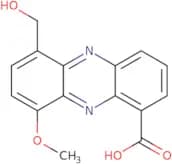
CAS:Griseoluteic acid is a cyclic lipopeptide that inhibits bacterial growth by binding to the enzyme cyclase, which is involved in the production of cyclic AMP. Griseoluteic acid also inhibits the synthesis of rRNA (ribosomal RNA), which is required for protein synthesis. The compound has been shown to have a high degree of resistance against antibiotic-resistant strains and exhibits a low toxicity profile in vitro. Griseoluteic acid also has an inhibitory effect on hydrogen bonding interactions, which may be due to its ability to inhibit energy metabolism. This compound also exhibits anti-inflammatory properties and has been shown to have neurodevelopmental effects in animal models.
Formula:C15H12N2O4Purity:Min. 95%Molecular weight:284.27 g/molAbacavir-d4
CAS:Controlled ProductAbacavir-d4 is a deuterium-labeled analogue of the antiretroviral medication Abacavir. It serves as a critical tool for pharmaceutical research and development. This isotopically labeled compound is synthesized by incorporating four deuterium atoms into the molecular structure of Abacavir, preserving the pharmacokinetic and pharmacodynamic properties of the original molecule while allowing for precise analytical quantification.Formula:C14H14D4N6OPurity:Min. 95%Molecular weight:290.36 g/molTriazoxide-desoxy
CAS:Triazoxide-desoxy is an investigational compound, which is a synthetic derivative of triazoxide, originating from pharmacological research aimed at modulating physiological pathways. This compound acts primarily by influencing ion channel activity at a cellular level, impacting the regulation of potassium channels which are crucial for maintaining cellular homeostasis and signaling.Formula:C10H6ClN5Purity:Min. 95%Molecular weight:231.64 g/molNifedipine
CAS:Nifedipine is a pharmaceutical compound belonging to the class of dihydropyridine calcium channel blockers, which is synthetically derived. Its mode of action involves the inhibition of calcium ions entering vascular smooth muscle and cardiac muscle cells, leading to vasodilation. By blocking these channels, it reduces peripheral vascular resistance, thereby decreasing blood pressure and easing cardiac workload.
Formula:C17H18N2O6Purity:Min. 98 Area-%Molecular weight:346.33 g/molLevofloxacin
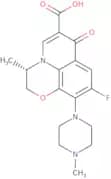
CAS:Levofloxacin is a fluoroquinolone antibiotic with a mode of action that inhibits bacterial DNA gyrase and topoisomerase IV. It is used for treating bacterial infections like pneumonia and urinary tract infections.Formula:C18H20FN3O4Purity:Min. 95%Color and Shape:PowderMolecular weight:361.37 g/mol7-Ethyl-10-(4-amino-1-piperidino)carbonyloxycamptothecin-d3
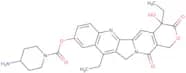
CAS:7-Ethyl-10-(4-amino-1-piperidino)carbonyloxycamptothecin-d3 is a synthetic chemical compound, which is a deuterated derivative of irinotecan. Deuteration involves the substitution of deuterium for hydrogen atoms, which is often utilized to enhance the metabolic stability and pharmacokinetic properties of compounds in research applications. The compound is derived from camptothecin, a natural alkaloid sourced from the Chinese tree Camptotheca acuminata.Formula:C28H30N4O6Purity:Min. 95%Molecular weight:521.6 g/molLicoflavone B
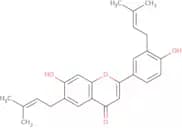
CAS:Licoflavone B is a naturally occurring flavonoid, which is primarily derived from the roots of licorice plants, such as Glycyrrhiza inflata. It functions as a bioactive compound with potential antioxidant and anti-inflammatory activities. The mode of action of Licoflavone B involves the scavenging of free radicals, modulation of signaling pathways, and inhibition of pro-inflammatory mediators. These biological activities render it valuable in research focused on chronic diseases and oxidative stress.Formula:C25H26O4Purity:Min. 95%Molecular weight:390.5 g/molFluhexafon
CAS:Fluhexafon is an innovative acaricide, which is derived from advanced chemical synthesis. Its mode of action involves disrupting critical biological processes in mites, specifically targeting nerve receptor pathways to inhibit their survival and reproduction. By interfering with the neurotransmission, it effectively reduces mite populations, ensuring healthier crops.
Formula:C12H17F3N2O3SPurity:Min. 95%Molecular weight:326.34 g/molShowdomycin
CAS:Showdomycin is an antibiotic, which is derived from the bacterium *Streptomyces showdoensis*. The mode of action of Showdomycin involves its role as a nucleoside analog that disrupts nucleic acid synthesis by incorporating itself into the nucleic acid chains during replication and transcription, thereby impairing cellular functions.Formula:C9H11NO6Purity:Min. 95%Molecular weight:229.19 g/molMiconazole
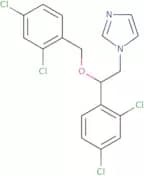
CAS:Anti-fungal; sterol 14α-demethylase inhibitorFormula:C18H14Cl4N2OPurity:Min. 95 Area-%Color and Shape:White Off-White PowderMolecular weight:416.13 g/molHexazinone metabolite C
CAS:Hexazinone Metabolite C is a chemical compound that serves as a marker for the metabolic degradation of hexazinone, a systemic herbicide. This metabolite is derived from the biological and chemical transformation processes that hexazinone undergoes when applied to plants and soil environments.Formula:C11H18N4O3Purity:Min. 95%Molecular weight:254.29 g/mol










![6-[[(2R)-3,3-Dimethyl-2-oxiranyl]methyl]-7-methoxy-2H-1-benzopyran-2-one](/_next/image/?url=https%3A%2Fstatic.cymitquimica.com%2Fproducts%2F3D%2Fthumb-webp%2FFDA36868.webp&w=3840&q=75)






![(4E)-1-(3,4-Dichlorophenyl)-4-[(4-ethoxyphenyl)methylidene]pyrazolidine-3,5-dione](/_next/image/?url=https%3A%2Fstatic.cymitquimica.com%2Fproducts%2F3D%2Fthumb-webp%2FISA23884.webp&w=3840&q=75)
![2,6-Bis(2-ethylhexyl)-7a-methylhexahydro-1H-imidazo[1,5-c]imidazole (hexedine)](/_next/image/?url=https%3A%2Fstatic.cymitquimica.com%2Fproducts%2F3D%2Fthumb-webp%2FFAA98031.webp&w=3840&q=75)

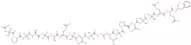
![tert-Butyl 4-[3-(4,4,5,5-tetramethyl-1,3,2-dioxaborolan-2-yl)pyrazol-1-yl]piperidine-1-carboxylate](/_next/image/?url=https%3A%2Fstatic.cymitquimica.com%2Fproducts%2F3D%2Fthumb-webp%2FFP181624.webp&w=3840&q=75)