Nucleosides
Nucleosides are fundamental building blocks of nucleic acids, composed of a nitrogenous base attached to a sugar molecule. In this section, you can find a wide variety of nucleosides essential for research in molecular biology, biochemistry, and pharmacology. These compounds play crucial roles in the synthesis of DNA and RNA, and are also vital in various metabolic processes. Nucleosides are used in studying genetic material, developing antiviral and anticancer therapies, and understanding cellular mechanisms. At CymitQuimica, we provide high-quality nucleosides to support your research and development needs, ensuring purity and reliability for your experimental applications.
Found 3567 products of "Nucleosides"
Sort by
Purity (%)
0
100
|
0
|
50
|
90
|
95
|
100
N6-([6-Aminohexyl]carbamoylmethyl)adenosine 5'-triphosphate lithium salt
CAS:<p>N6-([6-Aminohexyl]carbamoylmethyl)adenosine 5'-triphosphate lithium salt is a monophosphate nucleoside that has been modified with a 6-aminohexylaminocarbonyl group. It is an antiviral and anticancer agent that inhibits the synthesis of DNA, RNA, and proteins. N6-[(6-Aminohexyl)carbamoylmethyl]adenosine 5'-triphosphate lithium salt is novel and high quality.</p>Formula:C18H32N7O14P3·xLiPurity:Min. 95%5'-O-tert-Butyldimethylsilylthymidine 3'-CE phosphoramidite
<p>5'-O-tert-Butyldimethylsilylthymidine 3'-CE phosphoramidite is a nucleoside which is an activator for DNA synthesis. It is synthesized from the natural substance thymidine, and it can be modified to have various properties by changing the chemical group that attaches to the 3' carbon. 5'-O-tert-Butyldimethylsilylthymidine 3'-CE phosphoramidite is a novel nucleoside that has been shown to be anticancerous in vitro. This compound may also play a role in treating viral infections due to its antiviral properties.</p>Formula:C25H45N4O6PSiPurity:Min. 95%Molecular weight:556.72 g/mol2-Deoxy-2-fluoro-b-D-arabinofuranosylamine
CAS:<p>2-Deoxy-2-fluoro-b-D-arabinofuranosylamine (2DF) is a monophosphate nucleoside analog that is chemically modified to form 2DF. The 2DF has shown antiviral, anticancer, and anti-inflammatory activities. It inhibits the proliferation of cancer cells by blocking the synthesis of DNA and RNA, which are necessary for cellular reproduction. This drug also has been shown to have an activator effect on diphosphate nucleotide incorporation into DNA.</p>Formula:C5H10FNO3Purity:Min. 95%Molecular weight:151.14 g/mol5-Methyl-4’-thiocytidine
CAS:<p>5-Methyl-4’-thiocytidine is an antiviral agent that has been shown to be effective against herpes simplex virus (HSV) type 1 and 2. 5-Methyl-4’-thiocytidine inhibits viral replication by competing with deoxyribonucleosides for incorporation into the viral DNA, which leads to the synthesis of defective DNA. This drug also has anticancer properties and is used in the treatment of leukemia, lymphoma, and carcinomas. 5-Methyl-4’-thiocytidine is a novel monophosphate nucleoside that can be used as an activator for phosphoramidite synthesis. The CAS number for this compound is 1312295-87-6. Synthesis of 5-methyl 4’ thiocytidine requires high purity, high quality nucleosides, and a novel phosphoramidite synthesis procedure.</p>Purity:Min. 95%2'-Deoxy-5'-O-DMT-N2-ethylguanosine 3'-CE phosphoramidite
CAS:<p>2'-Deoxy-5'-O-DMT-N2-ethylguanosine 3'-CE phosphoramidite is a novel nucleoside analogue. It is a nucleotide analog with potent antiviral and anticancer activities. This compound has been shown to be an activator of deoxyribonucleosides and ribonucleosides, which may lead to the activation of their respective polymerases. It also has high purity, quality, and stability, as well as being inexpensive. Rifapentine is an anti-tuberculosis drug that belongs to the class of rifamycins. It is the most active of the rifamycins for the treatment of tuberculosis. Rifapentine inhibits bacterial growth by binding to DNA-dependent RNA polymerase, thereby preventing transcription and replication. The high frequency of human activity has been shown using a patch-clamp technique on human erythrocytes. This active form</p>Formula:C42H52N7O7PPurity:Min. 95%Color and Shape:SolidMolecular weight:797.88 g/mol5'-O-p-Anisoyl-2,2'-anhydrouridine
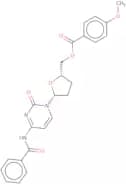
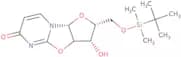
<p>5'-O-p-Anisoyl-2,2'-anhydrouridine is a novel nucleoside. It is an activator of ribonucleosides and deoxyribonucleosides. This compound has antiviral activity against HIV and DNA synthesis inhibitory activity against cancer cells. 5'-O-p-Anisoyl-2,2'-anhydrouridine is also a modified nucleoside that can be used for the synthesis of phosphoramidites for the chemical synthesis of oligodeoxynucleotides (ODN).</p>Formula:C17H16N2O7Purity:Min. 95%Molecular weight:360.32 g/mol2',3',5'-Tri-O-acetylguanosine
CAS:<p>2',3',5'-Tri-O-acetylguanosine is a protected form of the nucleoside guanosine which has potential application as a synthetic intermediate in nucleic acid and nucleoside chemistry.</p>Formula:C16H19N5O8Purity:Min. 95%Color and Shape:White PowderMolecular weight:409.35 g/mol5'-O-Benzoyl-2',3'-dideoxy-3'-fluorouridine
<p>5'-O-Benzoyl-2',3'-dideoxy-3'-fluorouridine is a novel nucleoside that is synthesized from ribonucleosides. It is an inhibitor of the RNA polymerase enzyme, which prevents the transcription and replication of DNA. 5'-O-Benzoyl-2',3'-dideoxy-3'-fluorouridine also inhibits viral DNA synthesis by preventing viral RNA from being translated into DNA. This product has been shown to be active against a wide range of viruses, including influenza A virus, herpes simplex virus type 1, and vaccinia virus.</p>Formula:C16H15FN2O5Purity:Min. 95%Molecular weight:334.35 g/mol2'-Deoxy-4'-thioadenosine
CAS:<p>2'-Deoxy-4'-thioadenosine is a purine nucleoside that is synthesized from 4-thiouridine and phosphorylase. It is cytotoxic and has significant cytotoxicity against cultured cells. The cytotoxicity of 2'-deoxy-4'-thioadenosine was found to be due to its conversion to the triphosphate form in the cells, which inhibits both DNA synthesis and RNA synthesis. This drug also has an inhibitory effect on the growth of tumor cells by inhibiting ribosomal protein synthesis.</p>Formula:C10H13N5O2SPurity:Min. 95%Molecular weight:267.31 g/molN6-Benzoyl-2'-deoxy-5'-O-DMT-adenosine 3'-CE phosphoramidite
CAS:<p>N6-Benzoyl-2'-deoxy-5'-O-DMT adenosine 3'-CE phosphoramidite is a protected adenosine amidite.</p>Formula:C47H52N7O7PPurity:Min. 98 Area-%Color and Shape:White PowderMolecular weight:857.93 g/mol2'-Deoxy-2'-fluoro-N2-isobutyrylguanosine
CAS:<p>2'-Deoxy-2'-fluoro-N2-isobutyrylguanosine is a modified nucleoside analog for research applications</p>Formula:C14H18FN5O5Purity:Min. 95%Color and Shape:White PowderMolecular weight:355.33 g/mol5-Bromo-7-(2-C-methyl-b-D-ribofuranosyl)-7H-pyrrolo[2,3-d]pyrimidin-4-amine
CAS:<p>5-Bromo-7-(2-C-methyl-b-D-ribofuranosyl)-7H-pyrrolo[2,3-d]pyrimidin-4-amine is a chemical compound that has antiviral and anticancer properties. It is synthesized by the reaction of 5,5'-dibromoimidazole with 4,4'-dimethoxytrityl chloride. This product is used as a building block in the synthesis of deoxyribonucleosides, modified phosphoramidites, and nucleosides. It also has high purity and high quality.</p>Purity:Min. 95%9-(b-D-Arabinofuranosyl)-8-chloroadenine
CAS:<p>9-(b-D-arabinofuranosyl)-8-chloroadenine is a deoxyribonucleoside that is structurally related to adenosine. It has antiviral properties and has been shown to be active against herpes virus, influenza A virus, and cytomegalovirus. 9-(b-D-Arabinofuranosyl)-8-chloroadenine is an activator of cellular DNA polymerase δ and has been shown to inhibit the replication of HIV in human T lymphocytes. 9-(b-D-Arabinofuranosyl)-8-chloroadenine also inhibits the proliferation of tumor cells and is being investigated as a potential chemotherapeutic agent for cancer treatment.</p>Purity:Min. 95%2’,3’-Bis-O-tert-butyldimethylsilyl-5-methoxyuridine
<p>2’,3’-Bis-O-tert-butyldimethylsilyl-5-methoxyuridine is an antiviral nucleoside that is chemically synthesized from 5-methoxyuridine. It has been shown to inhibit the replication of HIV in cell cultures and animal models. This drug can be used as a phosphoramidite for the synthesis of oligonucleotides.<br> 2’,3’-Bis-O-tert-butyldimethylsilyl-5-methoxyuridine is a novel nucleoside that has not been previously reported in the chemical literature.</p>Purity:Min. 95%5-Hydroxycytidine
CAS:<p>5-Hydroxycytidine is a pyrimidine nucleoside that is found in DNA and RNA. It can be produced by the conversion of cytidine 5-monophosphate to cytidine 5'-diphosphate, which is then hydrolyzed to produce 5-hydroxycytidine. This conversion requires the enzyme cytidylate kinase. The structure of 5-hydroxycytidine differs from other pyrimidine nucleosides as its hydroxyl group does not have an acidic proton present. Biological functions that have been attributed to 5-hydroxydihydrocytidylic acid include its ability to inhibit translation and induce cell death in lung cells. This compound has also been shown to modify DNA duplexes and form bioconjugates with proteins or small molecules, such as fluorescein and digoxigenin. These modifications are used in analytical methods such as phase chromatography, nuclear magnetic resonance spectroscopy</p>Formula:C9H13N3O6Purity:Min. 95 Area-%Color and Shape:PowderMolecular weight:259.22 g/mol2'-O-Acetyl-3'-azido-5'-O-(4-methylbenzoyl)-3'-deoxyuridine
CAS:<p>2'-O-Acetyl-3'-azido-5'-O-(4-methylbenzoyl)-3'-deoxyuridine (2'AAZ) is a modified nucleoside that has antiviral and anticancer activities. This compound blocks the synthesis of DNA, RNA, and proteins. 2'AAZ inhibits cell proliferation by interfering with the replication of DNA and by inhibiting protein synthesis. It has been shown to inhibit the growth of cancer cells in vitro and in vivo. The IC50 values for 2'AAZ are 5 μM for herpes simplex virus type 1 (HSV1) infection in Vero cells, 4 μM for HSV2 infection in Vero cells, 3 μM for influenza A virus (H1N1) infection in MDCK cells, and 0.5 μM for human immunodeficiency virus type 1 (HIV-1) infection in CEM-SS cells.</p>Purity:Min. 95%N4-Methylcytidine 5'-triphosphate triethylammonium salt
<p>N4-Methylcytidine 5'-triphosphate triethylammonium salt is a novel nucleoside analog that inhibits the growth of tumor cells. It is synthesized by reacting N4-methylcytidine with phosphoramidite in an amine base, and then treated with triethylamine to produce a triethylammonium salt. This nucleoside analog inhibits DNA synthesis by inhibiting the enzyme ribonucleotide reductase, which converts ribonucleotides to deoxyribonucleotides. The resulting monophosphate compound has been shown to be effective in cancer treatment and may also be used as an antiviral agent.</p>Formula:C10H18N3O14P3Purity:Min. 95%Molecular weight:497.18 g/molPalmitoyl coenzyme A potassium salt
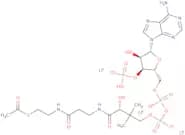
CAS:<p>Palmitoyl coenzyme A potassium salt is a novel, modified nucleoside that has antiviral and anticancer activities. It is a phosphoramidite with a phosphate group at one end and a palmitoyl group at the other. The phosphate group is attached to the 5' position of the sugar, while the palmitoyl group is attached to the 3' position of the sugar. Palmitoyl coenzyme A potassium salt can be used in DNA synthesis.</p>Formula:C37H65N7O17P3SKPurity:Min. 95%Color and Shape:White PowderMolecular weight:1,044.03 g/mol5-Methylcytidine-5'-triphosphate sodium salt - 100mM aqueous solution
CAS:<p>5-Methylcytidine-5'-triphosphate sodium salt is a nucleoside diphosphate that is used as an activator in the synthesis of DNA. It is also used as a building block in the synthesis of anticancer agents, such as 5-methylcytosine monophosphate and phosphoramidites. The chemical name for this product is 5-methylcytidine-5'-triphosphate sodium salt and its CAS number is 327174-86-7. This product is available for purchase at Sigma Aldrich with a purity of 99%.</p>Formula:C10H18N3O14P3·xNaPurity:Min. 95%Color and Shape:PowderMolecular weight:497.18 g/molS-Adenosyl-L-methionine disulfate tosylate
CAS:<p>S-Adenosyl-L-methionine disulfate tosylate (SAMe) is a dietary supplement that is used to treat depression and liver disease. It is also a metabolite of the amino acid methionine, which is formed by the enzyme S-adenosylmethionine synthase. SAMe has been shown to inhibit the activation of caspase 3, which causes apoptosis in cells, and may be useful for treating cancer and other diseases. The chromatographic method used to separate SAMe from other compounds relies on its evaporative properties, due to its high water solubility.</p>Formula:C22H34N6O16S4Purity:Min. 95 Area-%Color and Shape:White PowderMolecular weight:766.8 g/mol3-Acetylpyridine adenine dinucleotide
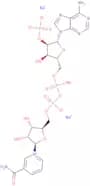
CAS:<p>A non-physiological analog of nicotinamide adenine dinucleotide (NAD+) in biochemical research, particularly as a tool to study the mechanisms of NAD+-dependent enzymes.</p>Formula:C22H28N6O14P2Purity:Min. 92 Area-%Color and Shape:White Off-White PowderMolecular weight:662.44 g/molFluorescein-5(6)-carboxamidocaproyl-[5(3-aminoallyl)2-deoxyuridine-5-tr
<p>Fluorescein-5(6)-carboxamidocaproyl-[5(3-aminoallyl)2-deoxyuridine-5-triphosphate] is a modified nucleoside analog that is used as an antiviral agent against herpesviruses. This compound is phosphorylated by the virus encoded thymidine kinase, which converts it to the monophosphate form. Fluorescein-5(6)-carboxamidocaproyl-[5(3-aminoallyl)2-deoxyuridine-5-triphosphate] inhibits DNA synthesis by inhibiting viral DNA polymerase and has been shown to be active against human papillomavirus type 16 (HPV16) in vitro. It has also been shown to inhibit tumor cell proliferation and induce apoptosis in some types of cancer cells.</p>Purity:Min. 95%10-O-[1-Propyl-3-N-carbamoylcholesteryl]-TEG-CE phosphoramidite
CAS:<p>10-O-[1-Propyl-3-N-carbamoylcholesteryl]-TEG-CE phosphoramidite is a cholesterol-conjugated phosphoramidite. The cholesteryl group is a lipophilic moiety which can be used to enhance cellular uptake of oligonucleotides.</p>Formula:C46H82N3O7PPurity:(31P-Nmr) Min. 95 Area-%Color and Shape:Colorless PowderMolecular weight:820.13 g/mol2’-Deoxy-2’-fluoroadenosine 5’-monophosphate triethyl ammonium salt
<p>2’-Deoxy-2’-fluoroadenosine 5’-monophosphate triethyl ammonium salt is a nucleoside phosphoramidite that acts as an antiviral agent. It is used to treat influenza and herpes simplex virus infections. 2’-Deoxy-2’-fluoroadenosine 5’-monophosphate triethyl ammonium salt also inhibits the growth of cancer cells, but has not been shown to be effective against bacterial or fungal infections.</p>Purity:Min. 95%5'-O-Methoxytrityluridine 3'-CE phosphoramidite
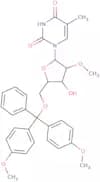
<p>5'-O-Methoxytrityluridine 3'-CE phosphoramidite is a modified nucleoside that can be used in the synthesis of DNA and RNA. It is an activator that activates ribonucleotides to diphosphates. 5'-O-Methoxytrityluridine 3'-CE phosphoramidite has been shown to have antiviral, anticancer, and novel activities. This product is CAS No. 57747-00-2, High purity, deoxyribonucleosides, and high quality.</p>Formula:C39H47N4O8PPurity:Min. 95%Molecular weight:730.81 g/mol5-o-(Dimethoxytrityl)-N4-dimethylaminomethylidene-5-iodo-2'-deoxycytidine
CAS:<p>Dimethoxytrityl-5-iodo-2'-deoxycytidine is a novel, modified nucleoside that has anticancer and antiviral properties. It is synthesized by reacting 5-iodo-2'-deoxycytidine with dimethoxytrityl chloride in the presence of triethylamine. This compound can be used to synthesize oligonucleotide phosphoramidites, ribonucleosides, and diphosphates.</p>Formula:C33H35IN4O6Purity:Min. 95%Molecular weight:710.6 g/mol5'-(Furan-2-yl)-2’-O-methyluridine
CAS:<p>5'-(Furan-2-yl)-2’-O-methyluridine is a modified nucleoside that is used as an antiviral agent. It is a monophosphate nucleotide analog and has been shown to be active against HIV, herpes simplex virus, cytomegalovirus, and Epstein Barr virus. 5'-(Furan-2-yl)-2’-O-methyluridine is synthesized by the phosphoramidite method and has high purity and quality. The CAS number for this compound is 2095417-32-4.</p>Purity:Min. 95%N6-Succinyl adenosine
CAS:<p>N6-Succinyl adenosine is a biochemical that is involved in the transfer of fatty acids across membranes. It has been shown to be effective in transfection experiments, where it can be used to increase the expression of genes. N6-Succinyl adenosine has also been shown to be an important substrate for various dehydrogenases. Deficiency of these enzymes leads to orotic aciduria, which is characterized by elevated levels of orotic acid in blood and urine and may lead to mental retardation. A linear calibration curve was generated for diagnosis purposes, with the enzyme activities being determined using a logistic regression model.</p>Formula:C14H17N5O8Purity:Min. 95%Color and Shape:White PowderMolecular weight:383.31 g/mol5'-(Furan-2-yl)-5'-O-DMT-2’-O-methylcytidine
CAS:<p>5'-(Furan-2-yl)-5'-O-DMT-2’-O-methylcytidine is a high purity phosphoramidite, deoxyribonucleoside, and ribonucleoside that can be used in the synthesis of antiviral drugs, anti-cancer agents, and nucleotides. 5'-(Furan-2-yl)-5'-O-DMT-2’-O-methylcytidine has been shown to inhibit the growth of various cancer cells. This product also belongs to a novel class of synthetic nucleosides that can be modified with fluorine or other substituents at any position on the sugar ring.</p>Purity:Min. 95%3-Cyanovinyl-9-(5’-O-DMT-2’-deoxyribofuranosyl)carbazole
CAS:<p>3-Cyanovinyl-9-(5’-O-DMT-2’-deoxyribofuranosyl)carbazole is a nucleoside analog that is an antiviral and anticancer agent. It is a monophosphate, which has been shown to inhibit the replication of DNA by binding to the enzyme DNA polymerase. 3-Cyanovinyl-9-(5’-O-DMT-2’-deoxyribofuranosyl)carbazole also inhibits protein synthesis and cell division by preventing the production of proteins vital for cell division. This drug has shown high purity and quality, as well as novel properties.</p>Formula:C41H36N2O5Purity:Min. 95%Molecular weight:636.74 g/molN6-Benzoyl-2'-O-(2-methoxyethyl)adenosine
CAS:<p>N6-Benzoyl-2'-O-(2-methoxyethyl)adenosine is a novel nucleoside that can be used as an antiviral agent. It is an activator of viral polymerase and inhibits the proliferation of cells infected with HIV. This compound has been synthesized from 2'-deoxyadenosine monophosphate, which is a precursor to RNA and DNA synthesis. N6-Benzoyl-2'-O-(2-methoxyethyl)adenosine has also been shown to inhibit the growth of experimental tumors in mice. The synthesis of this compound is reliable and reproducible, making it a high quality product.</p>Formula:C20H23N5O6Purity:Min. 95%Molecular weight:429.43 g/mol5'-O-DMT-N4-isobutyryl-2'-O-methylcytidine
<p>5'-O-DMT-N4-isobutyryl-2'-O-methylcytidine is a novel, synthetic nucleoside. It is a phosphoramidate prodrug of 5'-deoxy-5'-O-dimethoxytrityl-N4-isobutyrylcytidine, which is an antiviral and anticancer agent. 5'-O-DMT-N4-isobutyrylcytidine inhibits DNA synthesis by competitively inhibiting the activity of the enzyme ribonucleotide reductase (RNR).</p>Formula:C35H39N3O8Purity:Min. 95%Molecular weight:629.7 g/mol5-Iodouridine
CAS:<p>5-Iodouridine is a pyrimidine nucleoside that is found in the human body. It is used as a starting material for the synthesis of 5-iodo-2'-deoxyuridine, which has been shown to have biological properties. 5-Iodouridine binds to the dna template and prevents radiation from altering it's conformation. This binding has been shown to be specific for ultraviolet (UV) radiation, with little absorption at visible wavelengths. The biological effects of 5-iodouridine are dependent on its acidic pH and hydrogen bonding ability. In vitro assays have demonstrated that this compound can inhibit prostate cancer cells from proliferating and may be useful in treating cervical cancer.</p>Formula:C9H11IN2O6Purity:Min. 95%Color and Shape:White PowderMolecular weight:370.1 g/mol3'-Amino-5'-O-p-anisoyl-2',3'-dideoxyuridine
<p>3'-Amino-5'-O-p-anisoyl-2',3'-dideoxyuridine is a novel compound that has been synthesized. This compound is a diphosphate, which can be used as an activator for the synthesis of modified nucleosides and antiviral agents. It is also a DNA phosphoramidite, which can be used in the synthesis of oligonucleotides with high purity and high quality.</p>Formula:C17H19N3O6Purity:Min. 95%Molecular weight:361.35 g/molN1-Ethylpseudouridine
CAS:<p>N1-Ethylpseudouridine is a synthetic RNA molecule that has been shown to be an effective antiviral agent against influenza virus in cell culture. It inhibits viral replication by binding to the ribonucleic acid (RNA) of the virus and preventing its translation into protein. N1-Ethylpseudouridine is being developed as a potential treatment for influenza A and B.</p>Purity:Min. 95%2'-Deoxy-N2-isobutyryl-5'-O-MMT-guanosine
CAS:<p>2'-Deoxy-N2-isobutyryl-5'-O-MMT-guanosine is a synthetic, modified nucleoside. It is an activator of DNA synthesis, and it has been found to inhibit the growth of cancer cells in vitro. This compound has shown success in the treatment of HIV infection in vitro and has also been shown to be effective against hepatitis B virus (HBV) and herpes simplex virus type 1 (HSV). The compound may be useful as an antiviral agent.</p>Formula:C34H35N5O6Purity:Min. 95%Molecular weight:609.69 g/mol3'-Azido-N6-benzoyl-5'-O-DMT-2',3'-dideoxyadenosine
<p>3'-Azido-N6-benzoyl-5'-O-DMT-2',3'-dideoxyadenosine is a nucleoside analog and activator that inhibits the replication of DNA. It is a novel antiviral drug that has antiproliferative properties and may be useful in the treatment of cancer. 3'-Azido-N6-benzoyl-5'-O-DMT-2',3'-dideoxyadenosine is synthesized by reacting an activated phosphoramidite with 2',3'-dideoxyadenosine monophosphate to produce 3',5' dideoxythymidine 5'-monophosphate, which is then converted to 3',5' dideoxyuridine 5'-monophosphate. The last step involves the conversion of 3',5' dideoxyuridine 5'-monophosphate to 3' azidouridine 5'-monoph</p>Formula:C38H34N8O5Purity:Min. 95%Molecular weight:682.73 g/molGuanosine 5'-triphosphate sodium salt hydrate
CAS:<p>Guanosine 5'-triphosphate sodium salt hydrate (GTP) is an energy-rich nucleotide that is synthesized from guanosine and inorganic phosphate. GTP acts as a coenzyme in the synthesis of proteins, lipids, and other biological molecules. It also has been shown to inhibit the growth of murine sarcoma virus by regulating intracellular calcium levels. GTP's binding to a receptor on the surface of cells leads to a cascade of reactions that ultimately lead to the production of proteins. This process can be inhibited by pharmacological agents such as thiostrepton, which blocks GTP's incorporation into proteins.</p>Formula:C10H16N5O14P3•Nax•(H2O)xPurity:Min. 95%Color and Shape:White PowderMolecular weight:523.18 g/molGuanosine 5'-monophosphate calcium salt
CAS:<p>guanosine 5'-monophosphate calcium salt is a dietary supplement that contains calcium carbonate and guanosine 5'-monophosphate. This product is a light-exposed supplement that contains phenolic acids, polycarboxylic acids, and cyclic nucleotide phosphodiesterases. It is used to maintain ATP levels in the body. Guanosine 5'-monophosphate calcium salt should not be taken by people with a history of kidney stones or those taking other supplements containing calcium. This product may contain preservatives, excipients, or pharmaceutical ingredients for potency and stability purposes.</p>Formula:C10H12CaN5O8PPurity:Min. 95%Molecular weight:401.28 g/mol2',3'-Dideoxy-5'-O-DMT-cytidine
CAS:<p>2',3'-Dideoxy-5'-O-DMT-cytidine is a chemically modified cytidine nucleoside which can be used in synthetic chemistry, especially in nucleic acid synthesis. A dimethoxytrityl (DMT) protecting group is attached to the 5'-oxygen of the sugar. This is not biologically active, but it’s commonly used in solid-phase oligonucleotide synthesis to protect the 5' end during step-by-step DNA or RNA construction.</p>Formula:C30H31N3O5Purity:Min. 95%Color and Shape:PowderMolecular weight:513.6 g/mol8-Aza-6-hydroxy-2-mercaptopurine
CAS:<p>8-Aza-6-hydroxy-2-mercaptopurine (8AzaMP) is a novel nucleoside analog that is an activator of the thymidylate synthase enzyme. It has been shown to inhibit the replication of many DNA viruses and to inhibit tumor growth in animal models. 8AZA MP has been evaluated in Phase I and II clinical trials for the treatment of various cancers, including malignant melanoma, renal cell carcinoma, and chronic lymphocytic leukemia. This drug has also shown promise as a chemotherapeutic agent for AIDS patients with HIV infection or AIDS-related complex.</p>Formula:C4H3N5OSPurity:Min. 95%Color and Shape:PowderMolecular weight:169.17 g/mol7-Iodo-7-deaza-2'-C-methylguanosine
<p>7-Iodo-7-deaza-2'-C-methylguanosine has antiviral activity and is used as a building block in the synthesis of DNA and RNA molecules. 7-Iodo-7-deaza-2'-C-methylguanosine is a novel synthetic nucleoside that has anticancer properties and is used for the treatment of different types of cancer. It is also used for the prevention of viral infections, such as influenza. This product has high purity and is available in its phosphate or monophosphate form.</p>Purity:Min. 95%3'-Azido-3'-deoxy-b-L-cytidine
CAS:<p>3'-Azido-3'-deoxy-b-L-cytidine is a novel nucleoside that has been shown to be an activator of the ribonuclease activity of purified RNase A in vitro. This product is suitable for use in synthesis of oligodeoxynucleotides and phosphoramidites. 3'-Azido-3'-deoxy-b-L-cytidine can be used as a potential anticancer drug or antiviral agent.</p>Purity:Min. 95%5’-O-Acetyl-5-acetyloxymethyluridine
CAS:<p>5’-O-Acetyl-5-acetyloxymethyluridine is an activated nucleoside that is a phosphoramidite. It can be used in the synthesis of oligonucleotides and has antiviral, anticancer, and antiretroviral activities. This product is a novel compound that can be used to synthesize high quality deoxyribonucleosides and diphosphate ribonucleosides. 5’-O-Acetyl-5-acetyloxymethyluridine is an activator for DNA polymerases and RNA polymerases with a high degree of purity.</p>Formula:C14H18N2O9Purity:Min. 95%Molecular weight:358.3 g/molL-Uridine
CAS:<p>L-Uridine is a nucleoside that is the major precursor of RNA and DNA. It is also an equilibrative nucleoside, which means that it can act as either an acid or a base. L-Uridine has been shown to have anti-tumor activity in squamous cell carcinoma and human malignancies. It has also been shown to be an active inhibitor of arabinoside, which is a drug used for the treatment of acute myeloid leukemia (AML). L-Uridine may also have antitumor immunity effects by activating natural killer cells.</p>Formula:C9H12N2O6Purity:Min. 95%Color and Shape:PowderMolecular weight:244.2 g/mol4’,5’-Didehydro-2’-O-(2-methoxyethyl)-5-methyluridine
CAS:<p>4’,5’-Didehydro-2’-O-(2-methoxyethyl)-5-methyluridine (DdeO) is a novel phosphoramidite that is synthesized from 2’,3’-dideoxycytidine. It is used in DNA synthesis and as an antiviral and anticancer agent. DdeO has shown to be a potent activator of the p53 tumor suppressor gene and inhibits the proliferation of human cancer cells by inhibiting the activity of DNA polymerase alpha. DdeO also inhibits viral replication by interfering with viral DNA synthesis.</p>Purity:Min. 95%2'-Deoxy-2'-fluoro-5-methyluridine
CAS:<p>2'-Deoxy-2'-fluoro-5-methyluridine is a nucleoside analog that is a modified version of uridine, where the sugar (deoxyribose) has a fluoro modification at the 2' position and a methyl group is attached at the 5' position of the uracil base.</p>Formula:C10H13FN2O5Purity:Min. 95%Color and Shape:White PowderMolecular weight:260.22 g/mol5’(R)-C-Methyl-5-fluorouridine
<p>5’(R)-C-Methyl-5-fluorouridine is a nucleoside that has been shown to activate both ribonucleosides and deoxyribonucleosides. 5’(R)-C-Methyl-5-fluorouridine is a novel nucleotide with the potential to be used in anticancer therapy. It can be used as a building block for DNA synthesis, as well as being able to act as an anticancer drug by inhibiting the growth of cancer cells. This product is made from high quality raw materials and has a purity of at least 98%. It is available in powder form.</p>Purity:Min. 95%N6-Benzoyl-5'-O-DMT-2'-O-[([triisopropylsilyl]oxy])methyl]-adenosine
CAS:<p>N6-Benzoyl-5'-O-DMT-2'-O-[([triisopropylsilyl]oxy])methyl]-adenosine is a novel nucleoside that is chemically modified with an ortho-benzoyl group and a triisopropylsilyl ether moiety. It is used as a precursor for the synthesis of phosphoramidites, which are then used to synthesize DNA, RNA, and antiviral agents. N6-Benzoyl-5'-O-DMT-2'-O-[([triisopropylsilyl]oxy])methyl]-adenosine has shown anticancer activity in vitro against human tumor cell lines. The results showed that this agent inhibited the proliferation of tumor cells and induced apoptosis in these cells. This compound also has antiviral properties by inhibiting viral replication at the level of DNA synthesis and RNA transcription.</p>Formula:C48H57N5O8SiPurity:Min. 95%Molecular weight:860.08 g/molN4-Acetyl-2'-deoxycytidine
CAS:<p>N4-Acetyl-2'-deoxycytidine is a nucleoside analogue that acts as an inhibitor of DNA synthesis. It binds to the active site of the enzyme ribonucleotide reductase, blocking the conversion of ribonucleotides to deoxyribonucleotides. This prevents DNA synthesis and replication, which leads to cell death. N4-Acetyl-2'-deoxycytidine has been shown to be more efficient than other analogues in terms of energy efficiency, control levels, and constant linear model. This compound is reactive and can cause low yields when isolated from solutions with high concentrations. A diode can be used for analytical purposes, while calcium binding may be used as a mathematical model in order to analyze this drug.</p>Formula:C11H15N3O5Purity:Min. 98 Area-%Color and Shape:PowderMolecular weight:269.25 g/mol3'-O-Methyl-5-methylcytidine
CAS:<p>3'-O-Methyl-5-methylcytidine is a nucleoside with antiviral and anticancer properties. It has been shown to be an activator of RNA polymerase, the enzyme that catalyzes the transcription of DNA into RNA. 3'-O-Methyl-5-methylcytidine binds to the active site of RNA polymerase and is able to stimulate transcription in vitro. This drug has also been shown to have high purity and high quality.</p>Formula:C11H17N3O5Purity:Min. 95%Color and Shape:PowderMolecular weight:271.27 g/mol5'-Deoxy-5-fluorocytidine
CAS:<p>5'-Deoxy-5-fluorocytidine is a cytosolic nucleoside analogue that is phosphorylated by cellular enzymes to the active form 5'-deoxy-5-fluorouridine monophosphate. It is a prodrug, which is activated in the body to release 5-FU and inhibits the growth of cancer cells. 5'-Deoxy-5-fluorocytidine has been shown to be effective against metastatic colorectal cancer in humans and resistant breast cancer in mice. The drug can also be used as an oral prodrug for 5-FU, which has a wide therapeutic index and low toxicity. Studies have shown that it selectively inhibits proliferation of solid tumours through inhibition of protein synthesis and cell division. The drug also has antiangiogenic effects, which are thought to contribute to its antitumor activity.</p>Formula:C9H12FN3O4Purity:Min. 98 Area-%Color and Shape:White PowderMolecular weight:245.21 g/mol9-(2’-Deoxy-2’-fluoro-arabinofuranosyl)adenine 5’-triphosphate triethyl ammonium salt
<p>Ai Product Descriptions 50 Creative</p>Purity:Min. 95%N4-Benzoyl-2'-deoxy-5'-O-DMT-cytidine 3'-thiophosphoramidite
<p>N4-Benzoyl-2'-deoxy-5'-O-DMT-cytidine 3'-thiophosphoramidite is a novel nucleoside that has been shown to inhibit the growth of cancer cells in vitro. It is an analogue of cytidine and inhibits DNA synthesis by inhibiting the enzyme ribonucleotide reductase, which converts ribonucleotides to deoxyribonucleotides. This drug also inhibits the synthesis of viral RNA in cells infected with human immunodeficiency virus (HIV) and herpes simplex virus type 1 (HSV-1). N4-Benzoyl-2'-deoxy-5'-O-DMT-cytidine 3'-thiophosphoramidite is a phosphoramidite that is synthesized from 2,4,6-trichlorobenzoyl chloride, 5'-O-[(N,N-diisoprop</p>Formula:C50H51N4O8PS2Purity:Min. 95%Molecular weight:931.07 g/mol2-Chloro-N6-cyclopentyladenosine hemihydrate
CAS:<p>2-Chloro-N6-cyclopentyladenosine hemihydrate is a synthetic adenosine analog with potential research applications</p>Formula:C15H20ClN5O4H2OPurity:Min. 98 Area-%Color and Shape:PowderMolecular weight:378.81 g/molAdenosine 3',5'-cyclic monophosphate sodium salt
CAS:<p>Second messenger in intracellular signal transduction</p>Formula:C10H11N5NaO6PPurity:Min. 97 Area-%Color and Shape:White PowderMolecular weight:351.19 g/molN4-Benzoyl-5'-O-benzoyl-2'-O-tert-butyldimethylsilylcytidine 3'-CE phosphoramidite
<p>N4-Benzoyl-5'-O-benzoyl-2'-O-tert-butyldimethylsilylcytidine 3'-CE phosphoramidite is a novel nucleoside that has been modified by the addition of a benzoyl group to the 5' position of the ribonucleotide moiety. N4-Benzoyl-5'-O-benzoyl-2'-O-tert-butyldimethylsilylcytidine 3'-CE phosphoramidite is an anticancer and antiviral agent that inhibits viral replication by competitive inhibition of DNA polymerase. N4-Benzoyl-5'-O-benzoyl -2'-O -tert -butyldimethylsilylcytidine 3'-CE phosphoramidite is active against HIV, herpes virus, and cytomegalovirus. This compound also inhibits the synthesis</p>Formula:C38H52N5O8PSiPurity:Min. 95%Molecular weight:765.93 g/mol4'-C-Azido-2'-deoxy-2'-fluoro-β-D-arabinocytidine
CAS:<p>4'-C-Azido-2'-deoxy-2'-fluoro-β-D-arabinocytidine (4FA) is a potent inhibitor of the growth of HIV. It has been shown to inhibit the production of inflammatory cytokines and chemokines, which are associated with inflammatory diseases such as arthritis and asthma. 4FA has also been shown to inhibit glycogen synthase kinase 3 (GSK3), which is involved in the regulation of cellular signaling pathways that control cell growth and proliferation. Furthermore, 4FA inhibits an enzyme that is needed for viral replication and can be used as a therapeutic agent against viruses such as hepatitis C virus.</p>Formula:C9H11FN6O4Purity:Min. 95%Color and Shape:Off-White PowderMolecular weight:286.22 g/molCytidine 5'-monophosphate disodium salt
CAS:<p>Cytidine 5'-monophosphate disodium salt (CMPDS) is a prodrug that is converted to cytidine 5'-monophosphate, an active form, in the acidic environment of cancer cells. CMPDS has been shown to inhibit the growth of squamous carcinoma and other solid tumours by binding to survivin, which regulates cell growth and apoptosis. CMPDS also inhibits the activity of matrix metalloproteinases-9 (MMP-9), an enzyme that promotes tumor growth by breaking down connective tissue. This drug can be used as a therapeutic agent for treatment of congestive heart failure due to its ability to increase mitochondrial membrane potential and decrease myocardial infarct size.</p>Formula:C9H12N3Na2O8PPurity:Min. 95 Area-%Color and Shape:White PowderMolecular weight:367.16 g/mol2’-O,4’-C-Methyleneadenosine 5’-monophosphate triethyl ammonium salt
<p>2’-O,4’-C-Methyleneadenosine 5’-monophosphate triethyl ammonium salt is a novel antiviral agent that inhibits the synthesis of viral RNA. This compound has been shown to be active against herpes simplex virus type 1 and cytomegalovirus in cell culture. It also inhibits the replication of human immunodeficiency virus type 1 in cell culture. 2’-O,4’-C-Methyleneadenosine 5’-monophosphate triethyl ammonium salt is a phosphoramidite nucleoside analog that can be used as an activator for DNA synthesis. It can also serve as a building block for the synthesis of deoxyribonucleosides and ribonucleosides.</p>Purity:Min. 95%2'-Deoxy-2'-fluoroadenosine 5'-a-thiotriphosphate sodium salt
<p>2'-Deoxy-2'-fluoroadenosine 5'-a-thiotriphosphate sodium salt (2'F-ATP) is a nucleoside analog that inhibits viral DNA polymerase and induces apoptosis in cancer cells. It is a novel, modified nucleotide that can be phosphorylated to 2'F-dATP, 2'F-AMP, or 2'F-GMP. The phosphate group in 2'F-ATP is replaced by a thiophosphate group, which increases the stability of the molecule and prevents it from being hydrolyzed by phosphatases. This makes it an effective activator for DNA synthesis reactions.</p>Purity:Min. 95%2'-C-Methylguanosine 5'-diphosphate triethylammonium salt
<p>2'-C-Methylguanosine 5'-diphosphate triethylammonium salt is a synthetic nucleotide analog for use in research</p>Formula:C11H16N5O11P2·C18H45N3Purity:Min. 95%Color and Shape:PowderMolecular weight:759.79 g/molBBQ-650-DT CEP
CAS:<p>BBQ-650-DT CEP is an antiviral compound that is a phosphoramidite derivative of cytidine. BBQ-650-DT CEP has been shown to inhibit the replication of human immunodeficiency virus type 1 (HIV-1) and other retroviruses in vitro, and to inhibit tumor cell proliferation in vivo. BBQ-650-DT CEP also inhibits the synthesis of RNA and DNA, which may have anticancer properties. This compound has been shown to be active against leukemia cells, lymphoma cells, and various breast cancer cell lines. It has also been shown to induce apoptosis in leukemia cells.</p>Formula:C76H89N12O15PPurity:Min. 95%Molecular weight:1,441.6 g/molE-5-(2-Carbomethoxyvinyl)-2'-deoxyuridine
CAS:<p>E-5-(2-Carbomethoxyvinyl)-2'-deoxyuridine is a nucleoside that is a modified form of uridine. It is a nucleotide analog that inhibits the synthesis of DNA and RNA and can be used to treat cancer. E-5-(2-Carbomethoxyvinyl)-2'-deoxyuridine is an activator that activates the phosphoramidites in the synthesis of DNA and RNA. This drug can also be used as antiviral therapy for herpes simplex virus type 1, influenza virus, and HIV. E-5-(2-Carbomethoxyvinyl)-2'-deoxyuridine has been shown to have anti-inflammatory properties by inhibiting prostaglandin synthesis.</p>Formula:C13H16N2O7Purity:Min. 95%Color and Shape:White to off-white solid.Molecular weight:312.28 g/molGuanosine 5'-O-(2-thiodiphosphate) trilithium salt
CAS:<p>Guanosine 5'-O-(2-thiodiphosphate) trilithium salt (GTPTS) is a membrane-permeable molecule that hyperpolarizes cells by inhibiting the movement of ions through the cell membrane. GTPTS is activated by extracellular calcium and potassium ions, which are involved in signal transduction pathways. It has been shown to inhibit the release of neurotransmitters, such as acetylcholine, dopamine, serotonin, and norepinephrine. GTPTS also blocks voltage-gated sodium channels, which leads to a reduction in neuronal excitability. The drug has been shown to have analgesic effects in animal models of pain and can be used to treat chronic pain due to nerve damage.</p>Formula:C10H12Li3N5O10P2SPurity:Min. 85 Area-%Color and Shape:PowderMolecular weight:477.06 g/mol2'-Deoxy-5'-O-DMT-N2-isobutyrylguanosine 3'-Sp-oxazaphospholidine
<p>2'-Deoxy-5'-O-DMT-N2-isobutyrylguanosine 3'-Sp-oxazaphospholidine is a DNA synthesis inhibitor. It is modified with a 2'-deoxy-5'-O-dimethoxytrityl group on the 2' position and an N2,N2-(isobutyryl) guanine moiety on the 5' position. This compound inhibits DNA synthesis by forming a covalent bond to the 3' phosphate of DNA. This product is synthesized in high purity and quality. It can be used for anticancer research or as an activator for phosphoramidites for the synthesis of DNA. CAS No.: 63787-03-6</p>Purity:Min. 95%2’,3’-Bis-O-tert-butyldimethylsilyl-5’-deoxy-4’,5’-Didehydrouridine
CAS:<p>2’,3’-Bis-O-tert-butyldimethylsilyl-5’-deoxy-4’,5’-Didehydrouridine is a phosphoramidite that is used in the synthesis of DNA, RNA and nucleotide analogues. It has antiviral and antitumor properties and can be used for the treatment of leukemia. 2’,3’-Bis-O-tert-butyldimethylsilyl-5’-deoxyuridine is an activator for ribonucleotides and deoxyribonucleotides. It also has anticancer properties due to its ability to inhibit DNA replication, which may lead to apoptosis or cell death.</p>Purity:Min. 95%3'-Azido-3'-deoxy-5-fluoro-b-L-cytidine
CAS:<p>3'-Azido-3'-deoxy-5-fluoro-b-L-cytidine is an antiviral drug. It is a modified nucleoside with phosphoramidite and azido groups. This product can be used as an activator for DNA synthesis, in anticancer drug development, as well as in the treatment of HIV. 3'-Azido-3'-deoxy-5-fluoro-b-L-cytidine has been shown to inhibit the growth of human tumor cells by inhibiting protein synthesis and enhancing the production of reactive oxygen species (ROS). It also inhibits the activity of ribonucleotide reductase, which is a critical enzyme for DNA synthesis.</p>Purity:Min. 95%2'-Deoxy-N6-methyladenosine
CAS:<p>2'-Deoxy-N6-methyladenosine (2DMA) is a nucleoside that has been found to inhibit the phosphorylation of p2y receptors in rat kidney cells. 2DMA inhibits the production of collagen, which may have a matrix effect on cells. Studies have shown that 2DMA can be used as a sample preparation reagent for nuclear DNA. It has also been shown to be effective at inhibiting transcription and replication of human mitochondrial DNA.</p>Formula:C11H15N5O3Purity:Min. 95%Color and Shape:White PowderMolecular weight:265.27 g/mol5'-O-DMT-2'-O,4'-C-methylene-5-methyluridine 3'-CE-phosphoramidite
CAS:<p>5'-O-DMT-2'-O,4'-C-methylene-5-methyluridine 3'-CE-phosphoramidite is a high purity, novel DNA monophosphate that is synthesized from 2',4'-diaminotoluene and 5'-O-dimethoxytritylthymidine. It has antiviral and anticancer properties and has shown to be an activator of RNA polymerase II in vitro. This product is used in many applications such as the synthesis of oligonucleotide probes for DNA sequencing, the synthesis of RNA for gene expression studies, and for the production of oligonucleotides for therapeutic purposes.</p>Formula:C41H49N4O9PPurity:Min. 95%Molecular weight:772.82 g/molN4-Benzoyl-5'-O-DMT-5-methylcytidine
CAS:<p>N4-Benzoyl-5'-O-DMT-5-methylcytidine is a deoxyribonucleoside that has been modified to make it resistant to nucleases. N4-Benzoyl-5'-O-DMT-5-methylcytidine is an antiviral agent, which inhibits the synthesis of viral DNA by inhibiting the activity of viral DNA polymerase. It also acts as an activator for cellular DNA polymerases and phosphoramidites. The drug can be used in the treatment of HIV and other retroviruses, herpes viruses, and certain types of cancer.</p>Formula:C38H37N3O8Purity:Min. 95%Color and Shape:White SolidMolecular weight:663.73 g/mol2'-Chloro-2'-deoxycytidine
CAS:<p>2'-Chloro-2'-deoxycytidine is a synthetic nucleoside analog. It is a modified deoxycytidine with a chlorine atom at the 2'-position of the deoxyribose sugar. This molecule can be used in research applications</p>Formula:C9H12ClN3O4Purity:Min. 95%Color and Shape:PowderMolecular weight:261.66 g/mol1-Methyl-2'-O-methylinosine
CAS:<p>1-Methyl-2'-O-methylinosine is a nucleoside that is naturally found in RNA. It is the methylated form of inosine, which is a nonessential amino acid and purine nucleotide. 1-Methyl-2'-O-methylinosine's chemical name is β--D--ribofuranosyl-(1'→2')--N--(6-fluoro-3-indoxyl)glycinamide monohydrochloride. This nucleoside has been researched for its potential use as an indexing tool for phylogenetic research of DNA and RNA. 1-Methyl-2'-O-methylinosine has also been shown to be structurally similar to other nucleic acids and has been classified as a nucleoside.</p>Formula:C12H16N4O5Purity:Min. 95%Molecular weight:296.28 g/molAdenosine 5′-phosphosulfate triethylammonium salt
<p>Adenosine 5′-phosphosulfate triethylammonium salt serves as a donor of sulfate groups in biochemical processes, such as in the synthesis of sulfate esters. The triethylammonium salt form improves the solubility and stability of the compound, making it useful in laboratory applications involving enzymatic assays and the synthesis of sulfated biomolecules.</p>Formula:C10H14N5O10PS·xC6H15NPurity:Min. 98.0 Area-%Color and Shape:PowderMolecular weight:427.29 g/mol8-(4-Chlorophenylthio)-2'-O-methyladenosine 3',5'-cyclic monophosphate sodium salt
CAS:<p>8-(4-Chlorophenylthio)-2'-O-methyladenosine 3',5'-cyclic monophosphate sodium salt (8-CPT-cAMP) is a cyclic nucleotide that activates adenyl cyclase, which increases intracellular levels of the second messenger cAMP. It also inhibits P2Y receptors and other ion channels. 8-CPT-cAMP has been shown to be effective in activating cells expressing the enzyme camp levels, such as those found in heart muscle cells. This drug is used clinically to lower blood pressure, as it has been shown to activate amp-activated protein kinase and calcium chelator. 8-CPT-cAMP may have clinical applications for the treatment of cancer due to its ability to induce cell cycle arrest and apoptosis.</p>Formula:C17H16ClN5O6PS·NaPurity:Min. 95%Color and Shape:PowderMolecular weight:507.82 g/mol5'-Azido-5'-deoxythymidine
CAS:<p>5'-Azido-5'-deoxythymidine is a synthetic analogue of thymidine. The compound has been synthesised and fluorescently labelled with ferrocene. 5'-Azido-5'-deoxythymidine is not cytotoxic to cancer cells, but it is shown to be an effective inhibitor of DNA synthesis by binding to the enzyme DNA polymerase. This causes a decrease in the rate of DNA synthesis and thus inhibits cancer cell growth.</p>Formula:C10H13N5O4Purity:Min. 95%Color and Shape:White PowderMolecular weight:267.24 g/mol3'-Azido-N4-benzoyl-2',3'-dideoxycytidine
CAS:<p>3'-Azido-N4-benzoyl-2',3'-dideoxycytidine is a novel nucleoside analog with antiviral and anticancer activities. It is used for the treatment of HIV, hepatitis B and C, herpes, and influenza. 3'-Azido-N4-benzoyl-2',3'-dideoxycytidine has been shown to inhibit the proliferation of cells in culture and to induce apoptosis in various cancer cell lines.<br>The synthesis of 3'-azido-N4-benzoyl-2',3'-dideoxycytidine starts with the condensation of 4-(hydroxymethyl)phenylacetic acid (1) with 2,6-dichloroisonicotinic acid chloride (2) in the presence of triethylamine to give 4-(hydroxymethyl)phenylacetic acid chloride (3). The N4 benzoyl</p>Formula:C16H16N6O4Purity:Min. 95%Color and Shape:Off-White PowderMolecular weight:356.34 g/molN3-Methyl-2’-O-(2-methoxyethyl)uridine
CAS:<p>N3-Methyl-2’-O-(2-methoxyethyl)uridine is a modified nucleoside that is synthesized from deoxyribonucleosides and ribonucleosides. It has antiviral, anticancer, and antifungal properties. N3-Methyl-2’-O-(2-methoxyethyl)uridine has been shown to be an effective inhibitor of HIV replication in vitro and in vivo. This drug also inhibits the growth of human cancer cells in vitro and has been shown to be active against breast cancer cells. N3-Methyl-2’-O-(2-methoxyethyl)uridine is phosphorylated by cellular enzymes to form its active form, which binds to the viral reverse transcriptase enzyme and prevents DNA synthesis.</p>Formula:C13H20N2O7Purity:Min. 95%Molecular weight:316.31 g/mol3'-Deoxy-3'-iodothymidine
CAS:<p>3'-Deoxy-3'-iodothymidine is a nucleoside that is found in DNA. It has a constant of -1.5 and can be protonated to form the anion. The molecule has a reactive radical anion, which is stabilized by electron delocalization with the aromatic rings. 3'-Deoxy-3'-iodothymidine has been studied for use as a medicine for cancer treatment, but it also has applications in biology and chemistry. This compound can be used in conductometry and electron spectroscopy, as well as other chemical experiments that require ionic compounds or radiation.</p>Formula:C10H13IN2O4Purity:Min. 95%Color and Shape:PowderMolecular weight:352.13 g/mol8-Bromoadenosine 3',5'-cyclic monophosphate sodium salt
CAS:<p>Membrane-permeable brominated cAMP analog and activator of cAMP-dependent protein kinase A (PKA). In stem cell research, the compound enhanced the induction of pluripotency and efficiency of cellular reprogramming of human neonatal fibroblasts that were transduced with different transcription factors.</p>Formula:C10H10BrN5O6P·NaPurity:Min. 95%Color and Shape:White PowderMolecular weight:430.08 g/mol3'-Deoxy-3'-fluoroadenosine
CAS:<p>3'-Deoxy-3'-fluoroadenosine is a potent inhibitor of the phosphodiesterase enzyme, which is an important component of many different cellular processes. It has been shown to inhibit the activity of phosphodiesterase in cell culture and in serum alanine. 3'-Deoxy-3'-fluoroadenosine also inhibits the synthesis of uridine triphosphate, which is required for DNA replication and protein synthesis. The acid complex form has potent inhibition properties against viruses such as alphaviruses, and it also inhibits transport of nucleic acids into cells. 3'-Deoxy-3'-fluoroadenosine can act as an analog to adenosine and may be used to treat viral infections such as HIV or herpes simplex virus.</p>Formula:C10H12FN5O3Purity:Min. 95%Color and Shape:White PowderMolecular weight:269.23 g/mol3'-Deoxy-3'-fluoroguanosine
CAS:<p>3'-Deoxy-3'-fluoroguanosine is a nucleoside phosphorylase inhibitor that is used for the treatment of viral hepatitis, cancer, and other diseases. 3'-Deoxy-3'-fluoroguanosine inhibits the replication of RNA by binding to the replicon. It binds to the RNA polymerase in a pharmacophore-based manner and inhibits its activity. When combined with other drugs, it has been shown to increase their efficacy. The combination of 3'-deoxy-3'-fluoroguanosine with interferon alpha 2b for the treatment of Hepatitis B has been shown to be more effective than either drug alone. The inhibition of cellular growth by 3'-deoxy-3'-fluoroguanosine may be due to its ability to inhibit rna synthesis.</p>Formula:C10H12N5O4FPurity:Min. 95%Color and Shape:White PowderMolecular weight:285.23 g/mol2'-Deoxy-5'-O-pixylinosine
<p>2'-Deoxy-5'-O-pixylinosine is a nucleoside that is structurally similar to the natural nucleosides. It is modified with an o-pixyl group at the 2' position of the sugar moiety and contains a phosphate group at the 5' position of the sugar moiety. 2'-Deoxy-5'-O-pixylinosine has antiviral, anticancer, and high purity properties due to its ability to inhibit viral DNA polymerases. This compound has been shown to be active against a broad spectrum of viruses including HIV and herpes simplex virus types 1 and 2 (HSV1 and HSV2). This compound is also able to inhibit tumor growth in vitro.</p>Formula:C30H26N4O4Purity:Min. 95%Molecular weight:506.57 g/mol2'-O-(2-Methoxyethyl)-5-methylcytidine
CAS:<p>2'-O-(2-methoxyethyl)-5-methylcytidine is a novel antiviral monophosphate nucleoside that has been shown to be a potent activator of the immune system. It was synthesized by modifying a deoxyribonucleoside and phosphoramidite. 2'-O-(2-methoxyethyl)-5-methylcytidine is synthetic and can be used as an anticancer drug for the treatment of leukemia, lymphoma, and other cancers. This compound has also shown efficacy in treating diphosphate nucleotides such as HIV-1 reverse transcriptase, which is an enzyme crucial for viral replication.</p>Formula:C13H21N3O6Purity:Min. 98 Area-%Color and Shape:PowderMolecular weight:315.32 g/mol(R)-N-(2,3-Dihydro-1H-indenyl)adenosine
CAS:<p>(R)-N-(2,3-Dihydro-1H-indenyl)adenosine is a purine nucleoside with the attachment of a 2,3-dihydro-1H-indenyl group via a nitrogen atom. This adenosine-based product can be used for research purposes</p>Formula:C19H21N5O4Purity:Min. 95 Area-%Color and Shape:White PowderMolecular weight:383.4 g/mol5'-O-Benzoyl-2'-deoxyuridine 3'-CE phosphoramidite
<p>5'-O-Benzoyl-2'-deoxyuridine 3'-CE phosphoramidite is an anticancer drug that inhibits viral and tumor DNA synthesis. It is a nucleoside monophosphate with antiviral and antitumor activities. The compound is synthesized by coupling a benzoyl group to 5'-O-DMT-2'-deoxyuridine 3'-phosphate, followed by the addition of a triethylammonium salt group. The phosphoramidite is then reacted with 2,4,6-trichlorophenylisocyanate to produce the final product. This product has a CAS number of 86825-34-1.</p>Formula:C25H33N4O7PPurity:Min. 95%Molecular weight:532.54 g/mol1-(b-D-Xylofuranosyl)-2-thiouracil
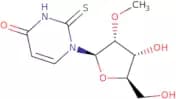
CAS:<p>1-(b-D-Xylofuranosyl)-2-thiouracil is a synthetic nucleoside that inhibits viral and cancer cell growth. It is an analog of the natural nucleoside thymidine, with an extra oxygen atom at position 2. The molecule forms a monophosphate, which is converted to a diphosphate by phosphoramidate synthase. This diphosphate is then incorporated into DNA, where it inhibits the activity of DNA polymerase and deoxyribonucleases, leading to inhibition of DNA synthesis. 1-(b-D-Xylofuranosyl)-2-thiouracil also has antiviral properties as it can inhibit viral replication by blocking the incorporation of nucleotides into the growing DNA strand.</p>Formula:C9H12N2O5SPurity:Min. 95%Molecular weight:260.27 g/molL-Cytidine
CAS:<p>L-Cytidine is a nucleoside that is found in the body, and is also used as a drug. It is a precursor to other nucleosides, such as cytidine triphosphate, which is involved in DNA synthesis and repair. L-Cytidine has been shown to be effective against HIV infection by inhibiting the activity of the enzyme ns3 protease. This inhibition prevents viral proteins from being released from cells and infecting other cells. L-Cytidine has also been shown to be an inhibitor of creatine kinase and glycosidation, two enzymes that are necessary for cell metabolism. L-Cytidine has also been shown to be reactive with halides, which may lead to unwanted side effects.</p>Formula:C9H13N3O5Purity:Min. 95%Color and Shape:PowderMolecular weight:243.22 g/mol2'-Deoxy-5'-O-tritylinosine 3'-CE phosphoramidite
<p>2'-Deoxy-5'-O-tritylinosine 3'-CE phosphoramidite is an anticancer drug that inhibits the growth of cancer cells. It is a modified nucleoside that is synthesized by reacting 2'-deoxy-5'-O-tritylinosine with a phosphoramidite. This product can be used for the synthesis of DNA, RNA and deoxyribonucleic acid (DNA).</p>Formula:C38H43N6O5PPurity:Min. 95%Molecular weight:694.78 g/mol3'-Deoxy-N-dimethylformamidine- 5'-O-DMT-guanosine-2'-O-succinoyl-long chain alkylamino-CPG
<p>3'-Deoxy-N-dimethylformamidine-5'-O-DMT-guanosine-2'-O-succinoyl-long chain alkylamino-CPG is an anticancer, antiviral, and modified nucleoside. It is a novel monophosphate nucleoside that can be used in the synthesis of DNA or RNA. 3'-Deoxy-N-dimethylformamidine is a synthetic phosphoramidite that is activated with triethylamine and reacts with 5'--DMT--guanosine to yield a novel nucleoside. The compound has high purity and high quality.</p>Purity:Min. 95%Coenzyme A sodium salt hydrate
CAS:<p>Coenzyme A is a biochemical that is required for the synthesis of fat molecules. It also plays an important role in the activation of fatty acids, as well as in the production of collagen and growth factor-β1. Coenzyme A sodium salt hydrate (CAS) is a cofactor that participates in various metabolic processes, including process optimization and conjugation reactions. It has been shown to increase the transcription of insulin-sensitive genes, which may be due to its ability to inhibit the activity of nonsteroidal anti-inflammatory drugs. This product can be used in transfection experiments and fluorescence assays for cervical cancer or insulin sensitivity.</p>Formula:C21H36N7O16P3SNaPurity:Min. 95%Color and Shape:PowderMolecular weight:790.53 g/molInosine 5'-triphosphate lithium salt
<p>Inosine 5'-triphosphate lithium salt is a nucleoside that is used as an activator for DNA polymerase in the synthesis of deoxyribonucleotides. It has been shown to have anticancer properties and can be used to treat leukemia, lymphoma, and ovarian cancer. Inosine 5'-triphosphate lithium salt has also been shown to inhibit the growth of bacteria by inhibiting RNA synthesis.</p>Formula:C10H15N4O14P3FPurity:Min. 95%Molecular weight:527.16 g/mol3-Methyl-2-nitropyridine
CAS:<p>3-Methyl-2-nitropyridine is a high yield byproduct of formamide, which can be activated to form an intermediate for the synthesis of nucleosides. The kinetics and labeling of this intermediate were studied using a transfer experiment. 3-Methyl-2-nitropyridine is acidic, with a pKa value of 3.6, and is reactive towards nucleophiles. It is also catalytic, yielding methyl groups and dioxane as products when heated at temperatures between 180°C and 220°C. In addition, it undergoes nucleophilic substitutions at methoxy groups.</p>Formula:C6H6N2O2Purity:Min. 95%Color and Shape:PowderMolecular weight:138.12 g/mol4-Chloro-7-(2C-methyl-3,5-bis-O-(4-methylbenzoyl)-b-D- ribofuranosyl)-7H-pyrrolo[2,3-d]pyrimidine
CAS:<p>4-Chloro-7-(2C-methyl-3,5-bis-O-(4-methylbenzoyl)-b-D ribofuranosyl)-7H-pyrrolo[2,3-d]pyrimidine is a monophosphate nucleotide analog. It is structurally related to the natural nucleoside 2′,3′ dideoxyadenosine. It can be used as an antiviral agent and has also been shown to have possible use in the treatment of HIV infections. 4C7DPP is a novel compound that is synthesized from phosphoramidites and activated with a novel activator. The purity of this compound is high and the quality is very good. CAS No. 1338072-45-9</p>Purity:Min. 95%5'-O-DMT-2'-O-triisopropylsilyloxymethyl-N2-methylguanosine 3'-CE phosphoramidite
<p>5'-O-DMT-2'-O-triisopropylsilyloxymethyl-N2-methylguanosine 3'-CE phosphoramidite is a novel monophosphate nucleotide analog of guanosine, which has been modified to include an additional methyl group on the 2' position. It exhibits antiviral activity and is a potent activator of RNA polymerase II, with a Km of ∼0.05 μM. 5'-O-DMT-2'-O-triisopropylsilyloxymethyl-N2-methylguanosine 3'-CE phosphoramidite is used in the synthesis of ribonucleosides and deoxyribonucleosides for DNA and RNA experiments. The compound has also been shown to be active against some cancers, such as leukemia, breast cancer, prostate cancer, and colon cancer.<br>5'-O-DMT-2'-O-</p>Formula:C51H72N7O9PSiPurity:Min. 95%Molecular weight:986.22 g/molN4-Benzoyl-2'-deoxycytidine
CAS:<p>N4-Benzoyl-2'-deoxycytidine is a fluorescent nucleoside that has been used to study the molecular interactions between sugar residues and the phosphate groups of nucleic acids. It is used as a reagent for glycosidation, which involves the formation of a glycosidic linkage between an alcohol group in a saccharide or oligosaccharide and the hydroxyl group in an aromatic acid. N4-Benzoyl-2'-deoxycytidine has also been synthesized by solid-phase techniques. This synthetic method is based on phosphoramidite chemistry and uses an automated DNA synthesizer to produce oligonucleotides with specific sequences. The synthesis of this nucleoside relies on the use of fluorescent dyes such as fluorescein, rhodamine, and coumarin to monitor progress during synthesis.</p>Formula:C16H17N3O5Purity:Min. 95%Color and Shape:White PowderMolecular weight:331.33 g/mol(E)-Ferulic acid 4-O-β-D-glucoside
CAS:<p>(E)-Ferulic acid 4-O-β-D-glucoside is made up of ferulic acid, which is a natural compound found in things like rice, wheat and oats. Attached to this is a glucose molecule. This product can be used in research and potential be used to study its potential health benefits.</p>Formula:C16H20O9Purity:Min. 95%Color and Shape:PowderMolecular weight:356.32 g/molN2-Diboc-7/9-(2,3,4,6-tetra-O-acetyl-D-mannopyranosyl)-6-chloro-2-aminopurine
<p>N2-Diboc-7/9-(2,3,4,6-tetra-O-acetyl-D-mannopyranosyl)-6-chloro-2-aminopurine is a nucleoside that is modified with a chlorine group. The modification of the nucleoside may enhance its anticancer activity. N2-Diboc-7/9-(2,3,4,6-tetra-O-acetyl-D-mannopyranosyl)-6-chloro-2 aminopurine has been shown to inhibit the growth of virus and cancer cells by inhibiting DNA synthesis. It has also been shown to induce apoptosis in human leukemia cells.</p>Formula:C21H30ClN5O9Purity:Min. 95%Color and Shape:White to beige solid.Molecular weight:531.94 g/mol2'-C-Methylguanosine
CAS:<p>2'-C-Methylguanosine is a synthetic nucleoside analog of guanosine, modified at the 2'-carbon of the ribose sugar with a methyl group. This modification changes the molecule's biological behavior, making it potential useful in antiviral research and biochemical studies, especially those involving RNA synthesis.</p>Formula:C11H15N5O5Purity:Min. 95%Color and Shape:PowderMolecular weight:297.27 g/mol2',3'-Dideoxy-2',3'-didehydroadenosine
CAS:<p>2′,3′-Dideoxy-2′,3′-didehydroadenosine, abbreviated to d4A, is a synthetic purine nucleoside analog. Possible applications are its use to study antiviral activity.</p>Formula:C10H11N5O2Purity:Min. 95%Color and Shape:Off-White PowderMolecular weight:233.23 g/molN2,2'-O-Dimethylguanosine
CAS:<p>N2,2'-O-Dimethylguanosine is a nucleoside that belongs to the category of modified bases. It is synthesized from adenosine and a methyl group by a mutant strain of Escherichia coli. N2,2'-O-Dimethylguanosine can be identified by its characteristic UV-visible spectrum and high retention time on chromatographic columns. It has been shown to inhibit translation in E. coli at concentrations as low as 1 mM and also inhibits growth rate at concentrations as low as 2 mM. The chemical structure of this compound is similar to that of guanosine, but it contains an extra methyl group on its 2' carbon atom. This chemical modification may result in changes in the way the molecule interacts with other molecules or how it functions in the cell. <br>N2,2'-O-Dimethylguanosine was first identified from a mutant strain of Escherichia coli that had been subjected to mutagenesis</p>Formula:C12H17N5O5Purity:Min. 95%Molecular weight:311.29 g/mol2-Amino-1-(b-D-arabinofuranosyl)-5-methyl-4(1H)-pyrimidinone
CAS:<p>2-Amino-1-(b-D-arabinofuranosyl)-5-methyl-4(1H)-pyrimidinone (araA) is an activator of nucleoside synthesis. It is a novel and versatile chemical that can be used to produce both ribonucleosides and deoxyribonucleosides. AraA is a potent antiviral and anticancer agent that has been shown to inhibit the growth of cancer cells in vitro. AraA is a modified form of 2′,3′-dideoxyadenosine, which is synthesized by enzymatic modification of natural 2′,3′ dideoxythymidine.</p>Purity:Min. 95%N6-Benzoyl-9-(3'-O-Deoxy-3'-fluoro-b-D-xylofuranosyl)adenine
<p>N6-Benzoyl-9-(3'-O-Deoxy-3'-fluoro-b-D-xylofuranosyl)adenine is a novel compound that was synthesized in order to improve the activity of adenine. It has been shown to be an effective anticancer agent and antiviral agent in vitro. This drug has also been shown to be effective against herpes simplex virus type 1, herpes simplex virus type 2, varicella zoster virus, and HIV. N6-Benzoyl-9-(3'-O-Deoxy-3'-fluoro-b-D-xylofuranosyl)adenine is a ribonucleoside that binds to DNA and inhibits the synthesis of RNA. The phosphoramidites were synthesized with high purity and high quality. CAS Number: 51401061</p>Purity:Min. 95%2',5'-Dideoxyuridine
CAS:<p>2',5'-Dideoxyuridine is a synthetic nucleoside analog derived from uridine, one of the four standard nucleosides found in RNA. It is chemically modified by the removal of hydroxyl (–OH) groups at the 2' and 5' positions of the sugar, altering its ability to participate in RNA or DNA chain formation.</p>Formula:C9H12N2O4Purity:Min. 95%Color and Shape:White To Off-White SolidMolecular weight:212.21 g/molN2-Isobutyryl-3',5'-O-(1,1,3,3-tetraisopropyl-1,3-disiloxanediyl)guanosine
CAS:<p>N2-Isobutyryl-3',5'-O-(1,1,3,3-tetraisopropyl-1,3-disiloxane-diyl)guanosine is a nucleoside that is activated by phosphorylation. It has been shown to be an inhibitor of cancer cell growth and proliferation in vitro. This compound was also found to inhibit the expression of two oncogenes (c-MYC and c-Ki67) and induce the expression of the tumor suppressor gene p53. This nucleoside is synthesized from 2'-deoxyadenosine monophosphate (2'-DAMP) with a modified DNA synthesis protocol.</p>Formula:C26H45N5O7Si2Purity:Min. 95 Area-%Color and Shape:White Off-White PowderMolecular weight:595.84 g/mol3',5'-Di-O-benzoyl-2'-deoxy-2',2'-difluorouridine
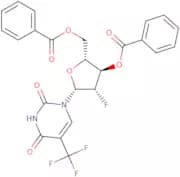
CAS:<p>An intermediate for the preparation of modified oligonucleotides and other uridine derivatives containing a 2',2'-difluoro modification.</p>Formula:C23H18F2N2O7Purity:Min. 95%Color and Shape:White PowderMolecular weight:472.4 g/molCytidyl-3'-5'-guanosine ammonium
CAS:<p>Cytidyl-3'-5'-guanosine ammonium salt is a modified nucleoside that has antiviral and anticancer properties. It is synthetically made by modifying the phosphate groups of cytidine and guanosine with phosphoramidites. Cytidyl-3'-5'-guanosine ammonium salt has been shown to activate protein kinase C, which may be related to its anticancer activity.</p>Formula:C19H25N8O12PPurity:Min. 95%Color and Shape:PowderMolecular weight:588.42 g/mol2,2'-Anhydro-L-uridine
CAS:<p>2,2'-Anhydro-L-uridine is a nucleoside used in for research purposes. It is of particular interest due to it being an L-isomer which is different from the D-form sugars used by the human body. It is useful to study these kinds of molecules for their use in medicine, especially as antivirals</p>Formula:C9H10N2O5Purity:Min. 95%Color and Shape:PowderMolecular weight:226.19 g/mol2’-Amino-2’-deoxy-β-D-arabinouridine
CAS:<p>2’-Amino-2’-deoxy-β-D-arabinouridine is a modified nucleoside based on uridine, in which the 2'-hydroxyl group of the sugar has been replaced with an amino group, and the sugar itself is arabinose (a stereoisomer of ribose). This compound is of possible interest in nucleic acid chemistry and antisense or RNA-interference research.</p>Formula:C9H13N3O5Purity:Min. 95%Color and Shape:solid.Molecular weight:243.22 g/molN6-Benzoyl-5'-O-benzyl-2'-O-tert-butyldimethylsilyladenosine 3'-CE phosphoramidite
<p>N6-Benzoyl-5'-O-benzyl-2'-O-tert-butyldimethylsilyladenosine 3'-CE phosphoramidite is an activator of ribonucleosides and deoxyribonucleosides. It is a novel synthetic nucleoside, which has high quality and purity. The chemical modification of the base allows for the synthesis of DNA with modified bases. This product has been shown to have anticancer effects in vitro and in vivo, as well as antiviral activities against HIV.</p>Formula:C39H54N7O6PSiPurity:Min. 95%Molecular weight:775.97 g/mol5-(2-Amino-2-oxoethyl)-2-thiouridine
CAS:<p>5-(2-Amino-2-oxoethyl)-2-thiouridine is a modified deoxyribonucleoside that is used as a phosphoramidite to synthesize oligonucleotides. 5-(2-Amino-2-oxoethyl)-2-thiouridine inhibits the synthesis of viral DNA and RNA, and its antiviral activity has been shown in vitro. It also may have anticancer activity due to its ability to inhibit DNA synthesis and cell proliferation. This compound has high quality, high purity, and novel properties.</p>Formula:C11H15N3O6SPurity:Min. 95%Color and Shape:PowderMolecular weight:317.32 g/mol2'-Deoxyisocytidine
CAS:<p>2'-deoxyisocytidine is a nucleoside that is used in biochemical research. It can be synthesized by two methods: solid-phase synthesis and depyrimidination. 2'-deoxyisocytidine has been shown to be more efficient than other fluorescent nucleosides when used with the excimer laser technique. The stability of this compound has also been shown to be greater than other fluorescein-based compounds, which makes it an appropriate substitute when using phosphoramidite chemistry.</p>Formula:C9H13N3O4Purity:Min. 95%Color and Shape:PowderMolecular weight:227.22 g/mol9-(2'-Deoxy- 2'- fluoro- a- D- arabinofuranosyl) -9H- purin- 6- amine
CAS:<p>9-(2'-Deoxy- 2'- fluoro- a- D- arabinofuranosyl) -9H- purin- 6- amine is an antiviral and anticancer agent. It can be used as a monophosphate or as a phosphoramidite for the synthesis of DNA, RNA, and modified nucleosides. The chemical name is 9-(2'-deoxy-2'-fluoro-a-D-arabinofuranosyl)-9H-purin-6-amine. It has the CAS number 20187-82-0. This drug was synthesized in 1976 by Koehler and colleagues at Bayer.<br>The molecular weight is 268.46 g/mol, with a melting point of 190°C, boiling point of 320°C and density of 1.408 g/mL at 20°C. It is soluble in water, methanol, ethanol, chloroform and acetic acid</p>Formula:C10H12FN5O3Purity:Min. 95%Color and Shape:SolidMolecular weight:269.23 g/mol7-Deaza-2'-deoxy-6-methoxyguanosine
CAS:<p>7-Deaza-2'-deoxy-6-methoxyguanosine is a modified nucleoside and antiviral agent. It has been shown to inhibit the synthesis of DNA, RNA and protein in cells infected with the herpes simplex virus (HSV). 7-Deaza-2'-deoxy-6-methoxyguanosine is also an anticancer agent that has been shown to inhibit tumor growth in animal models. This compound is synthesized by phosphoramidite chemistry and is a novel precursor for the preparation of modified DNA and RNA. The purity of this product is greater than 98%.</p>Formula:C12H16N4O4Purity:Min. 95%Color and Shape:PowderMolecular weight:280.29 g/mol2',3',5'-Tri-O-acetyl-6-azauridine
CAS:<p>2',3',5'-Tri-O-acetyl-6-azauridine is a nucleoside analog for research purposes. The replacement of a carbon atom with a nitrogen atom on the uracil base affects how the molecule interacts with cellular processes. It has the potential to interfere with normal metabolic processes within cells, particularly those related to RNA synthesis. Due to its ability to disrupt cell growth, it could be studied for any potential antiviral or antitumor properties.</p>Formula:C14H17N3O9Purity:Min. 95%Color and Shape:PowderMolecular weight:371.3 g/mol8-Azido-ATP-γ-biotin sodium
<p>8-Azido-ATP is a novel nucleoside that has been shown to be an activator of DNA and RNA synthesis in human cells. It is synthesized by the enzymatic transfer of a gamma-biotin moiety from ATP to dATP, resulting in 8-azido-ATP. This drug has antiviral and anticancer activity and has been shown to inhibit the replication of HIV. The 8-azido-ATP can be used as an activator for purine nucleotide incorporation into DNA or RNA, which may help with cancer treatment or prevention. 8-Azido-ATP also inhibits the growth of certain viruses, such as herpes simplex virus type 1 (HSV1) and cytomegalovirus (CMV).</p>Formula:C25H41N12O14P3S•NaxPurity:Min. 95%Color and Shape:White/Off-White SolidMolecular weight:858.65 g/mol5’-Deoxy-N4-dimethyl-5-fluorocytidine
CAS:<p>5’-Deoxy-N4-dimethyl-5-fluorocytidine is a novel antiviral agent that inhibits the synthesis of viral RNA. It is synthesized by the de novo purine nucleotide biosynthesis pathway and is activated by phosphorylation to a 5'-diphosphate. This compound has been shown to inhibit the replication of herpes simplex virus type 1 in cell culture. In addition, it has been shown to have anticancer activity against human leukemia cells in vitro and in vivo.</p>Purity:Min. 95%2-Isobutyrylamino-9-(2'-O-tert-butyldimethylsilyl-5'-O-DMT-b-D-ribofuranosyl)purine 3'-CE phosphoramidite
CAS:<p>2-Isobutyrylamino-9-(2'-O-tert-butyldimethylsilyl-5'-O-DMT-b-D-ribofuranosyl)purine 3'-CE phosphoramidite is a modified nucleoside that is used to synthesize DNA. It has antiviral and anticancer properties, which are due to its ability to inhibit viral DNA polymerases and tumor cell proliferation. 2-Isobutyrylamino-9-(2'-O-tert-butyldimethylsilyl-5'-O-DMT-b-D -ribofuranosyl)purine 3'-CE phosphoramidite is also able to interfere with the synthesis of cellular DNA because it can be incorporated into the growing strand at any position. This novel nucleoside can be used in both monophosphate and diphosphate forms. 2 Isobuty</p>Formula:C50H68N7O8PSiPurity:Min. 95%Molecular weight:954.2 g/molN4-Benzoyl-2'-C-methylcytidine
<p>N4-Benzoyl-2'-C-methylcytidine is a nucleoside that is used in the synthesis of DNA and RNA. This drug has been shown to have antiviral and anticancer properties. It inhibits the activity of DNA polymerase, reverse transcriptase, and ribonuclease H. It also has an activator effect on phosphoramidite synthesis, increasing the yield of oligodeoxynucleotides by up to 20%. N4-Benzoyl-2'-C-methylcytidine is a novel nucleoside that belongs to the group of deoxyribonucleosides with a diphosphate linkage.</p>Purity:Min. 95%7-Deaza-2'-deoxy-7-iodoadenosine
CAS:<p>7-Deaza-2'-deoxy-7-iodoadenosine (7DADI) is a modified nucleoside that has antiviral and anticancer properties. It is synthesized by the reaction of 2'-deoxyadenosine with iodine in the presence of an activator such as sodium hypochlorite. 7DADI binds to ribonucleosides, forming a phosphoramidate bond at the 3' position, which leads to inhibition of viral RNA synthesis and DNA replication. This drug also inhibits the growth of cancer cells by inhibiting DNA synthesis and protein synthesis. 7DADI is novel because it is not found in nature or produced by any other organism.</p>Formula:C11H13IN4O3Purity:Min. 98 Area-%Molecular weight:376.16 g/molN6-Benzoyl-5'-O-DMT-adenosine
CAS:<p>N6-Benzoyl-5'-O-DMT-adenosine is a synthetic nucleoside with antiviral activity. It is an activator of viral DNA polymerase and inhibits viral replication by inhibiting DNA synthesis in the host cell. N6-Benzoyl-5'-O-DMT-adenosine has shown anticancer activity in tumor cells, which may be due to its ability to inhibit ribonucleotide reductase and diphosphate kinase.</p>Formula:C38H35N5O7Purity:Min. 95%Color and Shape:White PowderMolecular weight:673.73 g/mol7-Deaza-2'-deoxyinosine
CAS:<p>7-Deaza-2'-deoxyinosine is a purine nucleoside analog that has been shown to be a hydrogen bond donor and formamide acceptor. This drug destabilizes duplex DNA by interfering with the formation of the hydrogen bonds between the bases, which may result in strand breakage. 7-Deaza-2'-deoxyinosine has also been shown to inhibit RNA polymerase activity, thereby inhibiting protein synthesis. It has been used as a tool for studying enzyme mechanisms and in solid phase synthesis.</p>Formula:C11H13N3O4Purity:Min. 95%Color and Shape:PowderMolecular weight:251.24 g/mol8-Benzyloxy-2'-deoxyguanosine
CAS:<p>8-Benzyloxy-2'-deoxyguanosine is a dinucleoside that is synthesised from uracil and hydrogenated 8-hydroxyquinoline. The synthesis of 8-benzyloxy-2'-deoxyguanosine was achieved by cyclic photocyclization of 2,4,6-trichlorobenzaldehyde with 2,4,6-trimethoxyphenylacetone in the presence of sodium nitrite. This compound has been used for the quantification of DNA damage caused by irradiation or sodium chloride. 8-Benzyloxy-2'-deoxyguanosine has also been shown to inhibit the polymerase chain reaction (PCR) amplification of oligodeoxynucleotides.</p>Formula:C17H19N5O5Purity:Min. 95%Color and Shape:Off-White To Brown SolidMolecular weight:373.36 g/molAdenosine 5'-diphosphate monosodium salt
CAS:<p>Used for energy storage and in nucleic acid metabolism</p>Formula:C10H14N5NaO10P2Purity:Min. 98 Area-%Color and Shape:White Off-White PowderMolecular weight:449.18 g/mol2'/3'-(N-Methylanthraniloyl)-adenosine-5'-monophosphate triethylammonium salt
CAS:<p>2'/3'-(N-Methylanthraniloyl)-adenosine-5'-monophosphate triethylammonium salt is an antiviral agent that is based on ribonucleosides. This drug has been shown to be effective against cancer and herpes simplex virus type 1 (HSV-1) and may have potential as a treatment for HIV. It also inhibits the growth of tumors in animal models. 2'/3'-(N-Methylanthraniloyl)-adenosine-5'-monophosphate triethylammonium salt is synthesized by reacting ribonucleosides with N-(2,2,2,-trimethylpropyl)anthranilic acid chloride in the presence of triethylamine. The resulting product can be purified by column chromatography or recrystallization.</p>Formula:C18H21N6O8PPurity:Min. 95%Molecular weight:480.37 g/mol1-(2-C-Methyl-b-D-ribofuranosyl)-5-nitropyridine-2(1H)-one
<p>1-(2-C-Methyl-b-D-ribofuranosyl)-5-nitropyridine-2(1H)-one is an antiviral agent that belongs to the class of monophosphate deoxyribonucleosides. It is a novel compound that has been shown to be an activator of high purity and quality. 1-(2-C-Methyl-b-D-ribofuranosyl)-5-nitropyridine-2(1H)-one is synthesized from modified ribonucleosides and phosphoramidites. The antiviral activity of this drug against DNA viruses (e.g., herpes, adenovirus) and RNA viruses (e.g., influenza virus) has been shown in vitro and in vivo. In addition, 1-(2-C-Methyl-b--D--ribofuranosyl)-5--nitropyridine--2(1H)--</p>Purity:Min. 95%Guanosine-5'-[(b,γ)-imido]triphosphate sodium salt
CAS:<p>Guanosine-5'-[(b,gamma)-imido]triphosphate sodium salt is a novel antiviral agent that has been shown to inhibit the replication of human adenovirus type 5 (AdV-5) and herpes simplex virus type 1 (HSV-1). It is phosphorylated by adenylate kinase to guanosine diphosphate. Guanosine-5'-[(b,gamma)-imido]triphosphate sodium salt is an activator for DNA polymerase alpha and DNA topoisomerase I. It also inhibits the proliferation of tumor cells in culture.</p>Formula:C10H17N6O13P3·xNaPurity:Min. 95%Color and Shape:White PowderMolecular weight:522.2 g/mol2-Methylthio-N6-isopentenyladenosine
CAS:<p>A nucleoside analogue of adenosine that arises from post-transcriptional modification. In humans, this is mediated by the enzyme CDK5RAP1 in mitochondrial transfer RNA (tRNA) at amino acid 37. Deficiency for this modification, for example due to CDK5RAP1 deficiency, leads to impaired mitochondrial protein synthesis. This has implications for mitochondrial diseases, as well as cancer, type II diabetes and vitiligo. Synthetic ms2i6A can be used to raise monoclonal antibodies against this nucleotide in vivo.</p>Formula:C16H23N5O4SPurity:Min. 95%Color and Shape:White PowderMolecular weight:381.45 g/molTricyclic nucleoside phosphate
CAS:<p>Akt activation inhibitor</p>Formula:C13H17N6O7PPurity:Min. 95%Molecular weight:400.28 g/mol2'-Deoxy-5'-O-DMT-2'-fluoro-L-uridine
<p>2'-Deoxy-5'-O-DMT-2'-fluoro-L-uridine is a nucleoside with anticancer and antiviral properties. It is used in the production of oligonucleotides, which are short chains of nucleic acids that can be synthesized in vitro to serve as probes for specific DNA or RNA sequences. 2'-Deoxy-5'-O-DMT-2'-fluoro-L-uridine is also a substrate for phosphoramidite synthesis, which converts it into 2'-deoxy-5'-O-(4,4',4''-(1,3,2-triazole)-tris(o-tolyl))uronium tetrafluoroborate (TOTU). This product has been shown to inhibit the activity of HIV reverse transcriptase and prevent the infection of cells by HIV.</p>Formula:C30H29FN2O7Purity:Min. 95%Molecular weight:548.57 g/mol5'-Deoxy-5'-fluorothymidine
CAS:<p>5'-Deoxy-5'-fluorothymidine is a cytotoxic agent that inhibits the synthesis of DNA by binding to the enzyme thymidylate synthase and preventing the formation of thymine nucleotide. 5'-Deoxy-5'-fluorothymidine has shown to be effective against herpes simplex virus, murine bone, and tissue culture cells. This drug also inhibits cellular proliferation in vitro and can be used in chemotherapy treatment. 5'-Deoxy-5'-fluorothymidine is synthesized from guanine by an enzyme called deoxyguanosine kinase. The biosynthesis of this drug involves two steps: conversion of guanine to xanthosine monophosphate (XMP) and conversion of XMP to 5'-deoxy-5'-fluorothymidine (dFTP).</p>Formula:C10H13FN2O4Purity:Min. 95%Molecular weight:244.22 g/molN2-Isobutyryl-2'-deoxy-5'-O-pixylguanosine
<p>N2-Isobutyryl-2'-deoxy-5'-O-pixylguanosine is a modified nucleotide that has been shown to be an activator of the protein kinase C and may have anticancer and antiviral properties. N2-Isobutyryl-2'-deoxy-5'-O-pixylguanosine is a synthetic nucleoside that is structurally similar to ribonucleosides and deoxyribonucleosides, but contains a modified base. The nucleotide is activated by phosphorylation and then undergoes hydrolysis in the cell to form diphosphate. This product has CAS No. 125965-04-3, purity at 99%, and high quality.</p>Formula:C33H31N5O6Purity:Min. 95%Molecular weight:593.64 g/mol3’-Deoxy-3’C-methyl-5-methyluridine
CAS:<p>3’-Deoxy-3’C-methyl-5-methyluridine is a novel and efficient phosphoramidite monophosphate, which can be used in the synthesis of DNA. This product has antiviral activity against HIV and some other viruses. The phosphoramidite is modified with a diphosphate group, which increases the efficiency of DNA synthesis. 3’-Deoxy-3’C-methyl-5-methyluridine is synthesized by modifying 5′ position with a C6 methylaminomethyl group and coupling with the 3′ deoxynucleoside.</p>Purity:Min. 95%5'-O-Benzyl-D3-thymidine 3'-CE phosphoramidite
Controlled Product<p>5'-O-Benzyl-D3-thymidine 3'-CE phosphoramidite is a novel 5'-O-benzyl modified nucleoside. It has antiviral, anticancer and monophosphate properties. It is also an activator of the diphosphate moiety and has been used in DNA synthesis and in the preparation of oligonucleotides. This compound has been shown to be an efficient inhibitor of HIV reverse transcriptase and human T cell leukemia virus type 1 (HTLV-1) replication. 5'-O-Benzyl-D3-thymidine 3'-CE phosphoramidite is an analogue of thymidine 3'-CMP that has been synthesized with a benzyl group on the 5' position.</p>Formula:C26H34N4O6PD3Purity:Min. 95%Molecular weight:535.6 g/mol1,5-Anhydro-4,6-O-benzylidene-2,3-dideoxy-2-(N6-benzoyladenin-1-yl)-D-glucitol
<p>1,5-Anhydro-4,6-O-benzylidene-2,3-dideoxy-2-(N6-benzoyladenin-1-yl)-D-glucitol is a modified nucleoside that is used as an anticancer agent. It is a synthetic analogue of 2'-deoxyadenosine 5'-monophosphate (dAMP) and has been shown to be a DNA activator. It also has antiviral properties against herpes simplex virus type 1 and influenza A virus. This drug is a novel high purity and high quality product that can be used for research purposes.</p>Formula:C25H23N5O4Purity:Min. 95%Molecular weight:457.49 g/molN4-Benzoyl-2'-deoxy-5'-O-pixylcytidine
CAS:<p>N4-Benzoyl-2'-deoxy-5'-O-pixylcytidine is a novel nucleoside that is structurally related to cytidine. It is synthesized from 2'-deoxycytidine monophosphate and 4-benzoylpixyl chloride. N4-Benzoyl-2'-deoxy-5'-O-pixylcytidine has antiviral, antiangiogenic and anticancer properties, as well as the ability to inhibit the replication of DNA in cells. This compound can be used for synthesis of phosphoramidites, which are used in the production of oligonucleotides.</p>Formula:C35H29N3O6Purity:Min. 95%Molecular weight:587.64 g/molb-Nicotinamide mononucleotide
CAS:<p>b-Nicotinamide mononucleotide, or NMN, is a precursor to nicotinamide adenine dinucleotide (NAD+), a coenzyme found in all living cells that is essential for various metabolic processes. NAD+ is involved in critical functions such as DNA repair, gene expression, and cellular stress responses.</p>Formula:C11H15N2O8PPurity:Min. 95 Area-%Color and Shape:PowderMolecular weight:334.22 g/mol5-Methoxy-4’-thiouridine
<p>5-Methoxy-4’-thiouridine is a monophosphate nucleoside that is synthesized by the phosphorylation of 5-methoxy-4’-thioguanosine. It has antiviral activity, which is due to its ability to inhibit viral DNA polymerase and prevent the production of viral DNA. 5-Methoxy-4’-thiouridine also inhibits the synthesis of deoxyribonucleosides and ribonucleosides, thereby preventing the formation of RNA and DNA. This agent has been shown to be an anticancer agent that can cause cell death by inhibiting protein synthesis.</p>Purity:Min. 95%4’,5’-Didehydro-5’-deoxy-5-methyluridine
CAS:<p>4’,5’-Didehydro-5’-deoxy-5-methyluridine is a monophosphate nucleoside that is used as an antiviral agent. It has been shown to be active in the treatment of HIV and hepatitis B. 4’,5’-Didehydro-5’-deoxy-5-methyluridine also has anticancer properties and has been shown to inhibit cell proliferation in vitro by interfering with DNA synthesis. This product is an intermediate for the synthesis of other nucleosides and phosphoramidites.</p>Purity:Min. 95%2'-O-(N-Methylanthraniloyl)-3'-deoxy-adenosine-5'-triphosphate triethylammonium salt
CAS:<p>2'-O-(N-Methylanthraniloyl)-3'-deoxy-adenosine-5'-triphosphate triethylammonium salt is a novel antiviral and anticancer compound. It is an analogue of adenosine, which inhibits the synthesis of viral RNA and DNA. This compound can also be used to treat certain types of cancer. 2'-O-(N-Methylanthraniloyl)-3'-deoxy-adenosine-5'-triphosphate triethylammonium salt is chemically synthesized by reacting anthranilic acid with 3',5'-dideoxyadenosine 5' triphosphoric acid.</p>Formula:C18H23N6O13P3Purity:Min. 95%Molecular weight:624.33 g/mol(4-N,N-(Dipropyl-1,1-dichloro-2-)aminophenyl)(5'-deoxy-5'-glycylamino-2'-O-tetrahydropyranylcytidyl-3')hydrogen phosphate
<p>The phosphoramidite monophosphate compound is a synthetic nucleotide analogue that has antiviral and anticancer properties. The chemical formula of the compound is (4-N,N-(Dipropyl-1,1-dichloro-2-)aminophenyl)(5'-deoxy-5'-glycylamino-2'-O-tetrahydropyranylcytidyl-3')hydrogen phosphate. This chemical can be used as a building block in DNA synthesis to produce deoxyribonucleosides and activate ribonucleoside phosphates to produce ribonucleosides. It has a CAS number of 90533-20-0.</p>Formula:C26H37Cl2N6O9PPurity:Min. 95%Color and Shape:Pale yellow oilMolecular weight:679.49 g/mol6-Amino-1-(2'-deoxy-b-D-ribofuranosyl)-4-hydroxyamino-1H-pyrazolo[3,4-d]pyrimidine
<p>6-Amino-1-(2'-deoxy-b-D-ribofuranosyl)-4-hydroxyamino-1H-pyrazolo[3,4-d]pyrimidine is a modified nucleoside with antiviral and anticancer properties. It is an activator of ribonucleotide reductase, which converts ribonucleotides to deoxyribonucleotides. 6-Amino-1-(2'-deoxy-b-D-ribofuranosyl)-4-hydroxyamino-1H pyrazolo[3,4 d]pyrimidine can be used in the synthesis of phosphoramidites for DNA synthesis and for the production of monophosphate nucleotides. The compound has been shown to inhibit the growth of cells in culture that are resistant to other antiinfectives such as erythromycin and chloramphenicol.</p>Purity:Min. 95%Cytidine-5-carboxylic acid sodium salt
CAS:<p>Cytidine-5-carboxylic acid sodium salt is a nucleoside that is used as an activator for the synthesis of phosphoramidites. It is also used in anticancer and antiviral research as a component of DNA. Cytidine-5-carboxylic acid sodium salt is available in high purity, with a monophosphate form and diphosphate forms available.</p>Formula:C10H12N3O7·NaPurity:Min. 95%Color and Shape:PowderMolecular weight:309.21 g/mol5-Fluoro-4’-C-methyluridine
CAS:<p>5-Fluoro-4’-C-methyluridine is a novel antiviral agent that is structurally related to the nucleoside analogue cytidine. It has been shown to be an activator of DNA polymerase, which may contribute to its antiviral activity. 5-Fluoro-4’-C-methyluridine has been shown to inhibit the growth of cancer cells by modifying the synthesis of deoxyribonucleic acid (DNA) and ribonucleic acid (RNA). 5-Fluoro-4’-C-methyluridine has also been shown to have anticancer effects, as it inhibits cell proliferation and induces apoptosis.</p>Purity:Min. 95%Isocytidine triphosphate triethylamine
CAS:<p>Isocytidine triphosphate triethylamine salt is a nucleoside that has been modified to include an amino group. It is a monophosphate, which means it contains one phosphate group. Isocytidine triphosphate triethylamine salt has shown anticancer properties as it inhibits the synthesis of DNA and RNA. This compound also prevents the activation of transcription factors, such as NF-κB, that are important in cancer cell proliferation.</p>Formula:C9H16N3O14P3•(C6H15N)xPurity:Min. 95%Color and Shape:PowderMolecular weight:483.15 g/mol2-Amino-6-chloro-9-(b-D-ribofuranosyl)purine
CAS:<p>Intermediate in the synthesis of nelarabine</p>Formula:C10H12ClN5O4Purity:Min. 97 Area-%Color and Shape:Off-White PowderMolecular weight:301.69 g/mol4-Amino-5-chloro-2,6-dimethylpyrimidine
CAS:<p>4-Amino-5-chloro-2,6-dimethylpyrimidine is a supramolecular complex that is characterized by the coordination geometry of its metal ion and the donor atoms. It has been proposed as a potential drug for the treatment of bacterial infections, such as tuberculosis. The 4-Amino-5-chloro-2,6,dimethylpyrimidine is structurally similar to nucleobases and may be able to form hydrogen bonds with water molecules. This molecule also has a high melting point and is not soluble in water. It can be protonated at different pH values and forms complexes with hydroxyl groups found in nucleic acids.</p>Formula:C6H8ClN3Purity:Min. 95%Color and Shape:PowderMolecular weight:157.6 g/molN6-Benzoyl-5'-O-benzoyl-2'-deoxyadenosine
CAS:<p>N6-Benzoyl-5'-O-benzoyl-2'-deoxyadenosine is an antiviral and anticancer compound. It has been shown to be active against a number of viruses, including human immunodeficiency virus type 1 (HIV-1), herpes simplex virus type 1, and influenza A virus. It also inhibits DNA polymerase α and β by competitive inhibition, preventing the incorporation of ribonucleotides into DNA. This compound may be used for the treatment of AIDS or as a cytostatic agent for the treatment of leukemia or lymphoma.</p>Formula:C24H21N5O5Purity:Min. 95%Molecular weight:459.47 g/mol7-Allyl-7,8-dihydro-8-oxoguanosine
CAS:<p>Agonist of toll-like receptors TLR7</p>Formula:C13H17N5O6Purity:Min. 95%Color and Shape:White PowderMolecular weight:339.3 g/mol5-Bromo-2'-deoxy-5'-O-DMT-uridine
<p>5-Bromo-2'-deoxy-5'-O-DMT-uridine is an antiviral nucleoside that is a monophosphate analog of deoxyuridine. 5-Bromo-2'-deoxy-5'-O-DMT-uridine can be used to treat patients with leukemia and other cancers. 5-Bromo-2'-deoxy-5'-O-DMT-uridine has been shown to induce tumor cell apoptosis in vitro and in vivo, as well as inhibit the proliferation of tumor cells by blocking the synthesis of DNA. This drug also has anticancer properties, which are due to its ability to block RNA synthesis.</p>Formula:C30H29BrN2O7Purity:Min. 95%Color and Shape:Off-white to beige solid.Molecular weight:609.48 g/mol2'-Deoxy-N2-DMF-5'-O-DMT-guanosine
CAS:<p>2'-Deoxy-N2-DMF-5'-O-DMT-guanosine is a monophosphate nucleoside that has antiviral, anticancer, and high purity properties. It is synthesized by the phosphoramidite method from 2'-deoxy-N2-DMF and 5'-O-DMT guanosine. This compound has been shown to inhibit the growth of human cancer cells in vitro and in vivo. It also inhibits HIV replication in vitro and is not toxic to normal cells.</p>Formula:C34H36N6O6Purity:Min. 95%Color and Shape:White PowderMolecular weight:624.7 g/molN6-Benzoyl-2'-O-tert-butyldimethylsilyl-5'-O-DMT-adenosine
CAS:<p>N6-Benzoyl-2'-O-tert-butyldimethylsilyl-5'-O-DMT-adenosine is a nucleoside that can be used in the synthesis of oligomers. It is a synthetic nucleoside with an absorption maximum at 410 nm and emission maximum at 522 nm. This compound has been shown to be efficient in the synthesis of phosphoramidites and ligands, as well as in rna synthesis and modifications. N6-Benzoyl-2'-O-tert-butyldimethylsilyl-5'-O-DMT-adenosine may inhibit bacterial growth by binding to the ribosome, preventing protein synthesis.</p>Formula:C44H49N5O7SiPurity:Min. 97 Area-%Color and Shape:PowderMolecular weight:787.97 g/mol3’-b-Amino-2’,3-dideoxy uridine
CAS:<p>3’-b-Amino-2’,3-dideoxy uridine is an activator nucleoside that is a novel therapeutic agent for viral infections and cancer. It has antiviral activity against herpes simplex virus type 1 (HSV-1) and cytomegalovirus (CMV), as well as anticancer activity against human breast adenocarcinoma cells. 3’-b-Amino-2’,3-dideoxy uridine is a modified nucleoside with antiviral and anticancer properties. This drug has been shown to inhibit HSV-1 replication by interfering with the synthesis of viral DNA. 3’-b-Amino-2’,3-dideoxy uridine also inhibits the proliferation of human breast adenocarcinoma cells by inhibiting ribonucleotide reductase.</p>Formula:C9H13N3O4Purity:Min. 95%Molecular weight:227.22 g/mol3'-O-Allyladenosine
CAS:<p>3'-O-Allyladenosine is an antiviral agent that inhibits the replication of DNA and RNA viruses. It has been shown to have anticancer properties, and is a novel nucleoside analog with potential as an antitumor agent. 3'-O-Allyladenosine is a modified nucleoside analog that can be synthesized with high purity and quality. This compound has shown antiviral activity against influenza virus and herpes simplex virus type 1. In addition, 3'-O-Allyladenosine has been found to inhibit tumor growth in mice without any significant side effects.</p>Formula:C13H17N5O4Purity:Min. 95%Color and Shape:PowderMolecular weight:307.31 g/mol5'-O-DMT-2'-O-methyl-5-methyluridine
CAS:<p>5'-O-DMT-2'-O-methyl-5-methyluridine is a modified nucleoside that is used in the synthesis of DNA. It is an anticancer drug and antiviral agent. 5'-O-DMT-2'-O-methyl-5-methyluridine has been shown to inhibit the growth of leukemia cells, even when they are resistant to other drugs. It also inhibits certain viruses, such as herpes simplex virus type 1 (HSV1), by preventing viral replication and inhibiting protein synthesis. This nucleoside is synthesized from 5'-O-DMT and 2'-O-methylcytosine.</p>Formula:C32H34N2O8Purity:Min. 95%Color and Shape:PowderMolecular weight:574.64 g/mol3’,5’-Di-O-benzoyl-2’-deoxy-2’-fluoro-5-trifluoromethyl-arabinouridine
CAS:<p>Please enquire for more information about 3’,5’-Di-O-benzoyl-2’-deoxy-2’-fluoro-5-trifluoromethyl-arabinouridine including the price, delivery time and more detailed product information at the technical inquiry form on this page</p>Purity:Min. 95%1-(Arabinofuranosyl)-5-azidomethyluracil
CAS:<p>1-(Arabinofuranosyl)-5-azidomethyluracil (AFAU) is a novel nucleoside that is synthesized by the reaction of 5-azido-1-(2'-deoxyribofuranosyl) uracil with phosphoramidite. The synthesis of this nucleoside has been used as a model for the synthesis of other deoxyribonucleosides. AFAU is an activator of ribonucleotide reductase and has shown activity against DNA and RNA viruses, such as influenza virus, herpes simplex virus type 1, and human immunodeficiency virus type 1.</p>Purity:Min. 95%9-(5'-tert-Butyldiphenylsilyl-2'-deoxy-b-D-xylofuranosyl)guanine
<p>9-(5'-tert-Butyldiphenylsilyl-2'-deoxy-b-D-xylofuranosyl)guanine is a novel nucleoside that has been synthesized by the phosphoramidite method. It is a monophosphate, which can be activated to yield an anticancer agent. 9-(5'-tert-Butyldiphenylsilyl-2'-deoxy-b-D-xylofuranosyl)guanine is chemically modified with a silyl group at the 5' position of the sugar moiety and a tertiary butyldiphenylsilyl group at the 2' position of the sugar moiety. It has been shown to inhibit DNA synthesis and viral replication, as well as to have antiangiogenic activity.</p>Purity:Min. 95%2-Methylmercapto-4-oxo-6-aminopyrimidine monohydrate
CAS:<p>2-Methylmercapto-4-oxo-6-aminopyrimidine monohydrate is a chemical substance that is used as an anticancer and antiviral agent. It has been demonstrated to inhibit the proliferation of tumor cells in vitro and in vivo, and to deplete tumor cell lines of the enzyme ribonucleotide reductase, which is essential for DNA synthesis. The compound also inhibits the synthesis of viral nucleic acid. 2MMAP has a novel chemical structure that includes a methyl group attached to one nitrogen atom. This modification increases its affinity for DNA and RNA molecules by binding to the phosphate groups on these molecules.</p>Formula:C5H7N3OS·H2OPurity:Min. 95%Color and Shape:PowderMolecular weight:175.21 g/mol5'-O-tert-Butyldiphenylsilyl-7-deaza-2'-deoxy-7-iodoadenosine
<p>5'-O-tert-Butyldiphenylsilyl-7-deaza-2'-deoxy-7-iodoadenosine is a novel synthetic nucleoside with antiviral and antitumor activities. It has been shown to inhibit the activity of the HIV virus by preventing DNA replication. 5'-O-tert-Butyldiphenylsilyl-7-deaza-2'-deoxy-7-iodoadenosine also inhibits the synthesis of RNA and proteins, which can lead to cell death. The compound's high purity and quality are ensured by its CAS number.</p>Formula:C27H31IN4O3SiPurity:Min. 95 Area-%Color and Shape:White Off-White PowderMolecular weight:614.55 g/mol2’-Deoxy-N6-isopentenyladenosine
CAS:<p>2’-Deoxy-N6-isopentenyladenosine (2’-DIA) is a monophosphate nucleoside that has antiviral properties. It activates DNA polymerase and inhibits tumor proliferation by inhibiting the synthesis of RNA and DNA. 2’-DIA is an analog of adenosine, which is used in the anticancer drug gemcitabine. 2’-DIA is synthesized through the condensation of 6-(2'-deoxyisopentenyl)adenosine with diphosphate. This compound also functions as a ribonucleotide, meaning it can be incorporated into RNA chains to form new proteins.</p>Purity:Min. 95%Cyclopentenyl cytosine 5'-triphosphate sodium salt
<p>Cyclopentenyl cytosine 5'-triphosphate sodium salt is a synthetic, activator diphosphate. It is used as a phosphoramidite in the synthesis of DNA and RNA. Cyclopentenyl cytosine 5'-triphosphate sodium salt has been shown to have anticancer and antiviral properties.</p>Purity:Min. 95%S-Adenosylmethione-1,4-butanedisulfonate
CAS:<p>S-adenosylmethionine is a compound that is naturally produced in the body and has been shown to be involved in many biochemical reactions. It can be found as a supplement at health food stores, but also is available as a prescription for the treatment of certain liver diseases such as hepatitis. S-adenosylmethionine may have some drug transporter function and can affect the metabolism of other drugs.</p>Formula:C42H74N12O28S8Purity:Min. 95 Area-%Color and Shape:White PowderMolecular weight:1,451.63 g/mol2'-Deoxy-5-fluorouridine
CAS:<p>2'-Deoxy-5-fluorouridine is a nucleoside analog that inhibits the enzyme ribonucleotide reductase, which is involved in the synthesis of DNA. It has been shown to inhibit the growth of cancer cells and induce apoptosis in vivo. 2'-Deoxy-5-fluorouridine has also been shown to inhibit tumor growth in animal models by inhibiting the production of reactive oxygen species and upregulating tumor suppressor genes, such as p53. This drug also has inhibitory effects on enzymes that are involved in cell proliferation, such as protein kinase C and tyrosine kinases. 2'-Deoxy-5-fluorouridine is metabolized by water vapor, so it must be administered with a humidifier or nebulizer. 2'-Deoxy-5-fluorouridine may cause side effects such as nausea, vomiting, and diarrhea.</p>Formula:C9H11FN2O5Purity:Min. 98 Area-%Color and Shape:White Off-White PowderMolecular weight:246.2 g/mol5-Aminoallyl 2'-deoxycytidine-5'-triphosphate lithium, 100mM aqueous solution
<p>5-Aminoallyl 2'-deoxycytidine-5'-triphosphate lithium salt - 100mM aqueous solution is a novel modified nucleoside that can be activated to the corresponding phosphoramidite.</p>Formula:C12H17N4O13P3•Li4Purity:Min. 95%Color and Shape:Clear LiquidMolecular weight:545.97 g/mol3’-Deoxy-3’-fluoro-2-thiouridine
CAS:<p>3’-Deoxy-3’-fluoro-2-thiouridine is a nucleoside analog that has been modified to have antiviral and anticancer activity. It is an activator of the ribonucleotide reductase enzyme, which is involved in DNA synthesis. 3’-Deoxy-3’-fluoro-2-thiouridine has been used successfully as an antiviral agent against HIV and other viruses, and as an anticancer agent against leukemia. The monophosphate form of this drug has been shown to inhibit DNA replication in vitro.</p>Purity:Min. 95%3'-Amino-5'-O-tert-butyldimethylsilyl-3'-deoxy-D3-thymidine
CAS:Controlled Product<p>3'-Amino-5'-O-tert-butyldimethylsilyl-3'-deoxy-D3-thymidine is a synthetic nucleoside analogue that inhibits the synthesis of DNA. It is a monophosphate and diphosphate analog of thymidine, which are incorporated into DNA during replication. 3'-Amino-5'-O-tert-butyldimethylsilyl-3'-deoxy-D3-thymidine is an activator of RNA polymerase II and inhibits viral replication by inhibiting the function of reverse transcriptase. This drug has been shown to be effective against HIV in vitro and in vivo, as well as herpes simplex virus type 1. 3'-Amino-5'-O-tert-butyldimethylsilyl-3'-deoxy-D3-thymidine also has antitumor activity as it inhibits the growth of</p>Formula:C16H26N3O5SiD3Purity:Min. 95%Molecular weight:374.52 g/mol2'-Deoxy-5'-O-DMT-N2-isobutyrylguanosine 3'-CE phosphoramidite
CAS:<p>2'-Deoxy-5'-O-DMT-N2-isobutyrylguanosine 3'-CE phosphoramidite is a nucleoside analogue that has been modified to contain an isobutyryl group. It is an activator of the polymerase enzyme, which helps to synthesize DNA. This product can be used in the synthesis of oligonucleotides for use as therapeutic or diagnostic agents.<br>It has anticancer and antiviral activities, due to its ability to inhibit viral replication. This product also has high purity and quality.</p>Formula:C44H54N7O8PPurity:Min. 98 Area-%Color and Shape:PowderMolecular weight:839.92 g/molN2-DMF-guanosine
<p>N2-DMF-guanosine is a novel antiviral agent that has been synthesized by modifying the nucleoside guanosine. It is an analog of guanosine in which the 2'-hydroxyl group has been replaced with a 2'-deoxy-2'-fluoro group, and it inhibits viral replication by inhibiting viral DNA polymerase. N2-DMF-guanosine is also used as a high quality deoxyribonucleoside monophosphate for the synthesis of ribonucleosides and nucleosides. This compound has a CAS number of 6074-37-4.</p>Formula:C13H18N6O5Purity:Min. 95%Molecular weight:338.32 g/mol8-(Allyloxy)guanosine
CAS:<p>8-(Allyloxy)guanosine is a nucleoside analog. It is an antiviral and anticancer drug that inhibits DNA synthesis by inhibiting the enzyme DNA polymerase. 8-AOG also inhibits the expression of genes involved in inflammatory responses, such as lipoxygenase, cyclooxygenase 2, and 5-lipoxygenase. This compound has been shown to be effective against herpes simplex virus types 1 and 2, cytomegalovirus, Epstein-Barr virus, adenovirus type 3, and human immunodeficiency virus type 1 (HIV-1). 8-(Allyloxy)guanosine can be used to inhibit the tumor growth of human cancer cells in vitro.<br>8-(Allyloxy)guanosine has been shown to have a low toxicity to healthy cells in vitro and when administered in vivo.</p>Formula:C13H17N5O6Purity:Min. 95%Color and Shape:PowderMolecular weight:339.3 g/mol5’-Azido-5’-deoxy-2’-O-methyl-5-methyluridine
CAS:<p>5’-Azido-5’-deoxy-2’-O-methyl-5-methyluridine is a novel nucleoside with the ability to activate ribonucleosides and phosphoramidites. It is a modified nucleoside that has been shown to have anticancer and antiviral properties. 5’-Azido-5’-deoxy-2’-O-methyl-5-methyluridine also inhibits the synthesis of viral RNA and DNA, which may result in its antiinflammatory properties. 5’-Azido-5’deoxy -2′O methyl -5′ methyl uridine has a CAS number of 187733–73–9.</p>Purity:Min. 95%5'-O-DMT-N2-phenoxyacetyl-2'-O-methylguanosine 3'-CE phosphoramidite
<p>5'-O-DMT-N2-phenoxyacetyl-2'-O-methylguanosine 3'-CE phosphoramidite is a nucleoside analog that inhibits DNA synthesis by forming a covalent bond with the beta-subunit of DNA polymerase. It is a modified nucleoside that has been synthesized from 2'-O-methylguanosine and N2,N2-dimethoxyacetyl. 5'-O-DMT-N2-phenoxyacetyl-2'-O methylguanosine 3'-CE phosphoramidite possesses the CAS No. 16053526.</p>Purity:Min. 95%N4-Acetyl-2'-O-tert-butyldimethylsilyl-5'-O-DMT-cytidine 3'-CE phosphoramidite
CAS:<p>N4-Acetyl-2'-O-tert-butyldimethylsilyl-5'-O-DMT-cytidine 3'-CE phosphoramidite is a novel nucleoside analogue with antiviral and anticancer potential. It is a modified nucleoside that contains an acetyl group at the 4' position. The 3'-OH group has been replaced by a tertiary butyldimethylsilyl group, which renders the compound resistant to deamination by nucleases. N4-Acetyl-2'-O-tert-butyldimethylsilyl-5'-O-DMT-cytidine 3'-CE phosphoramidite also shows high purity and high quality.</p>Formula:C47H64N5O9PSiPurity:Min. 98 Area-%Color and Shape:White PowderMolecular weight:902.11 g/mol3’,2-anhydro-2'-deoxyuridine
CAS:<p>3’,2-anhydro-2'-deoxyuridine is a nucleoside analog that has antiviral and anticancer activities. It is an activator of the ribonucleotide reductase enzyme, which catalyses the conversion of ribonucleotide diphosphates to deoxynucleotides. 3’,2-anhydro-2'-deoxyuridine also inhibits DNA synthesis by cytostatic mechanisms. This product is used as a building block in phosphoramidite synthesis and can be used for the preparation of novel nucleosides and phosphoramidites. This product was originally synthesized for use as an antiviral agent against herpes simplex virus type 1 (HSV-1) and human cytomegalovirus (HCMV). It is also used as an anticancer agent in preclinical research.</p>Purity:Min. 95%8-Aza-N6-benzoyl-7-deaza-2'-deoxy-5'-O-DMT-adenosine
CAS:<p>8-Aza-N6-benzoyl-7-deaza-2'-deoxy-5'-O-DMT-adenosine is a nucleoside analog that has been modified by replacing the ribose moiety with deoxyribose. This modification increases its stability in vivo and in vitro. 8-Aza-N6-benzoyl-7-deaza-2'-deoxy-5'-O-DMT adenosine is an activator of DNA polymerase, which can be used to synthesize DNA. It is also an antiviral agent, active against herpes simplex virus type 1 and 2, vaccinia virus, and cytomegalovirus. This compound has shown promising anticancer activity against human breast cancer cells grown in culture.</p>Formula:C38H35N5O6Purity:Min. 95%Molecular weight:657.71 g/molAdenosine 5'-O-(3-thiotriphosphate), BODIPY FL thioester sodium salt - 5mM buffered aqueous solution
<p>Adenosine 5'-O-(3-thiotriphosphate), BODIPY FL thioester sodium salt - 5mM buffered aqueous solution is a novel nucleoside that is synthesized from the corresponding phosphoramidites. This compound is an activator of DNA synthesis in mammalian cells and a potent inhibitor of viral replication. It has antiviral activity against HIV, herpes, and influenza viruses. The molecule can be modified to include different substituents such as fluoro, bromo, or chloro groups and has been shown to have anticancer activity.</p>Formula:C24H27BF2N8Na3O13P3SPurity:Min. 95%Molecular weight:878.28 g/mol5'-O-p-Anisoyl-N4-benzoyl-2',3'-dideoxycytidine
CAS:<p>5'-O-p-Anisoyl-N4-benzoyl-2',3'-dideoxycytidine is a synthetic nucleoside that belongs to the class of deoxyribonucleosides. It is a modified nucleoside with an anisoyl group at the 5' position and a benzoyl group at the 2' position. This product can be used in the synthesis of DNA, RNA, and phosphoramidites. 5'-O-p-Anisoyl-N4-benzoyl-2',3'-dideoxycytidine has antiviral properties and has been shown to inhibit viral replication in vitro and in vivo. It also has anticancer activities as it inhibits cell proliferation and induces apoptosis, which may be due to its ability to inhibit DNA synthesis.</p>Formula:C24H23N3O6Purity:Min. 95%Molecular weight:449.46 g/mol2'-O-Methyl-2-thiouridine
CAS:<p>2'-O-Methyl-2-thiouridine is a modified nucleoside that is categorized as a mismatched nucleotide. It is found in RNA, where it replaces uridine and acts as a mismatch base. 2'-O-Methyl-2-thiouridine has been shown to stabilize duplex DNA against thermal denaturation by forming triplexes with complementary sequences. It also stabilizes dsDNA against hydrolysis by the enzyme ribonuclease H (RNase H) and has been used in the design of antisense therapeutics. Thermophilic bacteria use this molecule to synthesize their own thymine nucleotides, which are structurally similar to 2'-O-methyl-2-thiouridine. This modification prevents mismatches in their own dna and helps protect them from heat stress. The thermodynamic stability of this molecule has been calculated using an algorithm that takes into account the hybridization free energy, enthalpy change, entropy</p>Formula:C10H14N2O5SPurity:Min. 95%Color and Shape:PowderMolecular weight:274.29 g/molAcetoacetyl coenzyme A lithium salt
CAS:<p>Acetoacetyl coenzyme A lithium salt is a novel phosphoramidite building block. It's a modified nucleoside that can be used in the synthesis of oligonucleotides and DNA. Acetoacetyl coenzyme A lithium salt has antiviral, anticancer, and antifungal activities.</p>Formula:C25H36N7O18P3SLi4·5H2OPurity:Min. 96 Area-%Color and Shape:PowderMolecular weight:965.42 g/molb-Nicotinamide adenine dinucleotide phosphate disodium salt
CAS:<p>Coenzyme and regenerating electron donor in catabolic processes</p>Formula:C21H26N7Na2O17P3Purity:Min. 93 Area-%Color and Shape:White PowderMolecular weight:787.4 g/mol2’-O-Methy-2,5’-anhydro-5-methyluridine
<p>2’-O-Methy-2,5’-anhydro-5-methyluridine is a modified nucleoside with antiviral and anticancer properties. It is an activator of the antiviral response and has been shown to inhibit cancer cells from dividing. This compound is synthesized in an enzymatic reaction that converts 5-methyluridine to 2'-O-methylated uridine. The synthesis involves ribonucleotide reductase, which converts ribonucleotides into deoxyribonucleotides. 2' -O -Methy -2,5'-anhydro-5-methyluridine was originally identified as a novel monophosphate derivative in the 1960s and has been shown to be more effective than other nucleoside analogues.</p>Purity:Min. 95%2'-tert-Butyldimethylsilyl-5'-DMT-N6-methyladenosine
CAS:<p>2'-tert-Butyldimethylsilyl-5'-DMT-N6-methyladenosine is an antiviral monophosphate nucleoside. It is a novel and structurally modified analog of adenosine, which inhibits viral DNA polymerase by competitive inhibition. 2'-tert-Butyldimethylsilyl-5'-DMT-N6-methyladenosine is a high purity and high quality nucleotide that can be used in the synthesis of DNA or RNA. This product has been shown to be an anticancer agent with potential therapeutic effects against leukemia, lymphoma, and breast cancer.</p>Formula:C38H47N5O6SiPurity:Min. 95%Molecular weight:697.9 g/mol1-(3',5'-Di-O-benzoyl-2'-deoxy-2'-fluoro-b-D-arabinofuranosyl)thymine
CAS:<p>1-(3',5'-Di-O-benzoyl-2'-deoxy-2'-fluoro-b-D-arabinofuranosyl)thymine is a chemically modified nucleoside analog. This compound contains a thymine base, a 2'-fluoro-β-D-arabinofuranose sugar, which alters biological stability and function and benzoyl protecting groups at the 3' and 5' positions, commonly used in nucleoside synthesis to control selective modifications.</p>Formula:C23H19FN2O7Purity:Min. 95%Color and Shape:White To Off-White SolidMolecular weight:454.42 g/molN6,3'-O-Dibenzoyl-2'-deoxyadenosine
CAS:<p>N6,3'-O-Dibenzoyl-2'-deoxyadenosine is a nucleoside that is used as a biochemical reagent in molecular biology. N6,3'-O-Dibenzoyl-2'-deoxyadenosine has been shown to be an inhibitor of the enzyme phosphodiesterase and also binds to DNA. This compound has been shown to have antibacterial activity against Gram-positive bacteria, such as Staphylococcus aureus and Clostridium perfringens. The lipophilicity of this compound allows it to cross the cell membrane and cleave DNA at the site of replication. N6,3'-O-Dibenzoyl-2'-deoxyadenosine is an analog of 6,4’-dihydroxybenzophenone (DBP) and can be synthesized from DBP by reacting with dibenzoyl chloride in chloroform</p>Formula:C24H21N5O5Purity:Min. 98 Area-%Color and Shape:PowderMolecular weight:459.47 g/mol2'-Deoxy-5'-O-DMT-N6-phenoxyacetyladenosine 3'-CE phosphoramidite
CAS:<p>Amidite designed to withstand prolonged exposure to strongly alkaline conditions during heating with ammonium hydroxide solution.</p>Formula:C48H54N7O8PPurity:Min. 95%Color and Shape:PowderMolecular weight:887.98 g/mol7-Deaza-2',3'-dideoxyadenosine
CAS:<p>7-Deaza-2',3'-dideoxyadenosine (7DDAD) is a nucleoside analogue that has been used as an immunodeficiency agent. This drug inhibits the replication of the human immunodeficiency virus (HIV). 7DDAD is a prodrug that is converted to adenosine after it enters the cell, and this conversion prevents DNA synthesis. The effective dose of 7DDAD is 50 mg/kg in rats, but this dose may vary depending on the technique used. 7DDAD has been shown to be effective in vitro against HIV-1 and HIV-2 isolates, and it can also be used to treat cytomegalovirus infections. In addition, 7DDAD has been shown to inhibit the growth of various types of cancer cells in vitro.</p>Formula:C11H14N4O2Purity:Min. 98 Area-%Color and Shape:PowderMolecular weight:234.26 g/mol5-Fluorocytosine
CAS:<p>Flucytosine is an antifungal agent that inhibits the synthesis of DNA by preventing the conversion of deoxyuridine monophosphate to uracil monophosphate. It is used as an antiretroviral therapy in combination with other drugs, such as zidovudine and dideoxyinosine, to treat HIV infections. Flucytosine has been shown to have a strong antitumor response in a model system involving mice with sarcoma 180. This drug can cause serious side effects, including drug interactions and resistance mutations in microorganisms. These side effects are often observed in patients undergoing cancer chemotherapy or immunosuppressive therapy.</p>Formula:C4H4FN3OPurity:Min. 95%Color and Shape:White PowderMolecular weight:129.09 g/mol5'-Adenylic acid monoanhydride with (dichlorophosphonomethyl)phosphonic acid
CAS:<p>5'-Adenylic acid monoanhydride with (dichlorophosphonomethyl)phosphonic acid is a neuronal blocker that inhibits the enzyme acetylcholinesterase. It is an efficient inhibitor of AChE and has been shown to be effective in animal models of Alzheimer's disease. The inhibition of AChE by 5'-Adenylic acid monoanhydride with (dichlorophosphonomethyl)phosphonic acid leads to increased levels of acetylcholine, which can stimulate nerve impulses and slow or stop the progression of Alzheimer's disease.</p>Formula:C11H16Cl2N5O12P3Purity:Min. 95%Molecular weight:574.1 g/mol2'-O-Methyl-N6-phenoxyacetyladenosine
CAS:<p>2'-O-Methyl-N6-phenoxyacetyladenosine is a phosphoramidite nucleoside that is used in the synthesis of DNA and RNA. It has antiviral, anticancer, and antiribonucleases properties. The chemical structure of 2'-O-Methyl-N6-phenoxyacetyladenosine is similar to that of adenosine, but contains a methyl group on C2' position and an oxyalkyl group on N6. This compound can be used as a novel anticancer agent and has been shown to have high affinity for the purine receptor, inhibiting cancer cell proliferation by activating the p53 tumor suppressor pathway.</p>Formula:C19H21N5O6Purity:Min. 95%Color and Shape:White to off-white solid.Molecular weight:415.41 g/molThymidine-5'-diphosphate trisodium salt
CAS:<p>Thymidine-5'-diphosphate trisodium salt is a novel anticancer drug that is structurally modified to resemble thymidine. It has antiviral and antitumor effects and can be used as an antineoplastic agent. Thymidine-5'-diphosphate trisodium salt is a high quality, high purity ribonucleoside that can be used in the synthesis of deoxyribonucleosides and phosphoramidites. This drug has shown activity against various types of cancer cells and is being investigated for its potential use in the treatment of leukemia.</p>Formula:C10H13N2Na3O11P2Purity:Min. 95%Color and Shape:White PowderMolecular weight:468.13 g/molN6-Benzoyl-2'-O-tert-butyldimethylsilyl-5'-O-trityladenosine 3'-CE phosphoramidite
<p>N6-Benzoyl-2'-O-tert-butyldimethylsilyl-5'-O-trityladenosine 3'-CE phosphoramidite is a novel modified nucleoside. It is an antiviral and anticancer agent that has been shown to inhibit the replication of DNA in vitro. It also inhibits the synthesis of RNA and protein, which may contribute to its anti-cancer properties. N6-Benzoyl-2'-O-tert-butyldimethylsilyl-5'-O-trityladenosine 3'-CE phosphoramidite is synthesized from 2,6,8 trichloroquinoline and 2,3,4 trimethoxybenzaldehyde via a novel process with high purity.</p>Formula:C51H62N7O6PSiPurity:Min. 95%Molecular weight:928.17 g/mol2,6-Diamino-9-(2'-deoxy-2'-fluoro-β-D-ribofuranosyl)purine
CAS:<p>2,6-Diamino-9-(2'-deoxy-2'-fluoro-β-D-ribofuranosyl)purine is a modified purine nucleoside analog. This compound has modification that have the potential to influence its ability to interfere with nucleic acid synthesis, such as DNA or RNA.</p>Formula:C10H13FN6O3Purity:Min. 95%Color and Shape:White PowderMolecular weight:284.25 g/mol8-Azidoadenosine 5'-monophosphate sodium salt
CAS:<p>8-Azidoadenosine 5'-monophosphate sodium salt is an azido-conjugated adenosine monophosphate derivative used to introduce a label on oligonucleotides. A click reaction between the azide-functionalised nucleotide and a terminal alkyne-functionalised labelled moiety (with either a fluorophore or biotin) generates a stable conjugate containing a triazole link.</p>Formula:C10H13N8O7PPurity:Min. 95%Molecular weight:388.23 g/mol1-(3'-O-Methyl-b-D-xylofuranosyl)uracil
<p>1-(3'-O-Methyl-b-D-xylofuranosyl)uracil is a synthetic nucleoside with anticancer activity. It can be phosphorylated to 1-(3'-O-methyl-beta-D-xylofuranosyl)uracil 5'-monophosphate, which is used to synthesize DNA and RNA. This product has a molecular weight of 306.2 g/mol and CAS number 120580-41-0. The purity of this product is greater than 99%.</p>Purity:Min. 95%Morpholino C monomer
CAS:<p>Morpholino C monomer is a nucleoside amidite used to prepare morpholino oligomers</p>Formula:C37H37ClN5O5PPurity:Min. 98 Area-%Color and Shape:White PowderMolecular weight:698.15 g/molAdenosine 5'-diphosphate magnesium salt
CAS:<p>Adenosine 5'-diphosphate magnesium salt (ADP-Mg) is a pharmacological agent that has inhibitory properties. It is used as a model system to study platelet function and the effect of adenosine on platelet aggregation. ADP-Mg is also used as a reagent in the study of protein synthesis and regulation. This chemical has been shown to potentiate the activity of serotonin receptors, which may contribute to its anti-inflammatory effects. Adenosine 5'-diphosphate magnesium salt also inhibits papillary muscle contractions by inhibiting Ca2+ currents, leading to an improved ejection fraction in patients with congestive heart failure.</p>Formula:C10H13N5O10P2·MgPurity:Min. 95%Color and Shape:PowderMolecular weight:449.49 g/mol7-Deaza-2'-deoxy-7-iodoguanosine
CAS:<p>7-Deaza-2'-deoxy-7-iodoguanosine is a purine nucleoside that is synthesized from guanosine and iodine. It is used as a marker in sequencing reactions because it can be easily detected by UV light at 254 nm. 7-Deaza-2'-deoxy-7-iodoguanosine can be synthesized using the following general equation:</p>Formula:C11H13IN4O4Purity:Min. 97 Area-%Color and Shape:White PowderMolecular weight:392.16 g/molN4-Benzoyl-2-aza-3’-deazaadenine
CAS:<p>N4-Benzoyl-2-aza-3’-deazaadenine is a modified nucleoside that is synthesized from the natural deoxyribonucleoside adenine. It has been shown to have antiviral and anticancer properties. N4-Benzoyl-2-aza-3’-deazaadenine is a DNA Activator and can be used in the treatment of viral infections, such as HIV and herpes, as well as cancer. The drug binds to the viral DNA polymerase and prevents it from making new copies of the virus. This results in an accumulation of defective viruses within infected cells and ultimately cell death.</p>Purity:Min. 95%1-(2'-Deoxy-5'-O-DMT-2'-fluoro-b-D-arabinofuranosyl)thymine
CAS:<p>1-(2'-Deoxy-5'-O-DMT-2'-fluoro-b-D-arabinofuranosyl)thymine is a chemically modified nucleoside that contains a fluorinated sugar moiety and a thymine base, with a dimethoxytrityl (DMT) protecting group on the 5'-hydroxyl of the sugar.</p>Formula:C31H31FN2O7Purity:Min. 95%Molecular weight:562.6 g/mol5'-O-tert-Butyldimethylsilyl-2,2'-anhydrouridine
<p>5'-O-tert-Butyldimethylsilyl-2,2'-anhydrouridine is a modified nucleoside that has been used as an anticancer agent and antiviral and antifungal agent. It has been shown to inhibit the growth of tumor cells in animal models by inhibiting DNA synthesis and repair. 5'-O-tert-Butyldimethylsilyl-2,2'-anhydrouridine is also able to bind to RNA with high affinity, making it a potential candidate for use as an antiviral agent against HIV. This compound does not occur naturally in cells and can be synthesized from other nucleosides.</p>Formula:C15H24N2O5SiPurity:Min. 95%Molecular weight:340.45 g/mol
![N6-([6-Aminohexyl]carbamoylmethyl)adenosine 5'-triphosphate lithium salt](/_next/image/?url=https%3A%2Fstatic.cymitquimica.com%2Fproducts%2F3D%2Fthumb-webp%2FNA73270.webp&w=3840&q=75)

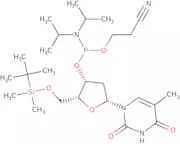

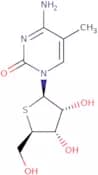
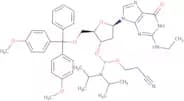
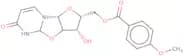
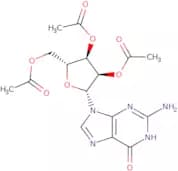

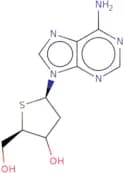
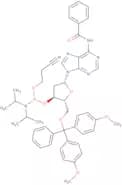
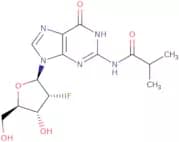
![5-Bromo-7-(2-C-methyl-b-D-ribofuranosyl)-7H-pyrrolo[2,3-d]pyrimidin-4-amine](/_next/image/?url=https%3A%2Fstatic.cymitquimica.com%2Fproducts%2F3D%2Fthumb-webp%2FNB14095.webp&w=3840&q=75)





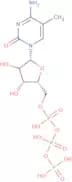
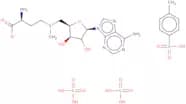
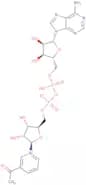

![10-O-[1-Propyl-3-N-carbamoylcholesteryl]-TEG-CE phosphoramidite](/_next/image/?url=https%3A%2Fstatic.cymitquimica.com%2Fproducts%2F3D%2Fthumb-webp%2FPP138032.webp&w=3840&q=75)

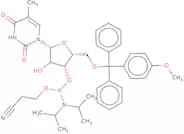
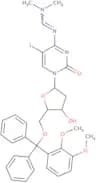
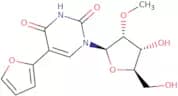
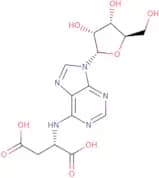


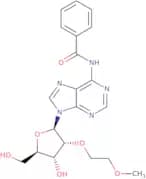
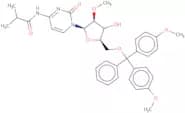
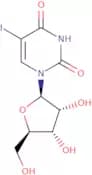
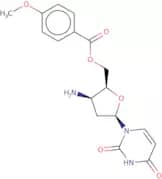

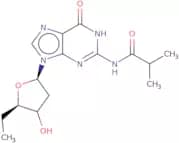
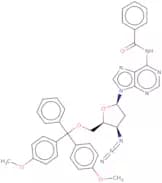


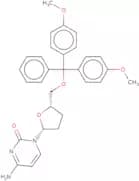
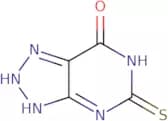



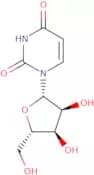



![N6-Benzoyl-5'-O-DMT-2'-O-[([triisopropylsilyl]oxy])methyl]-adenosine](/_next/image/?url=https%3A%2Fstatic.cymitquimica.com%2Fproducts%2F3D%2Fthumb-webp%2FNB172672.webp&w=3840&q=75)
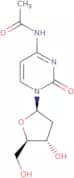
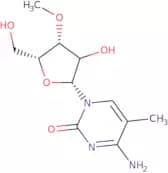
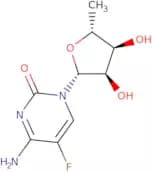


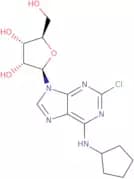
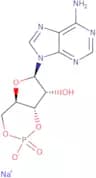


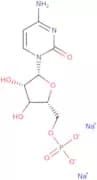


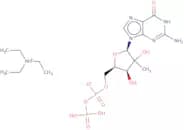
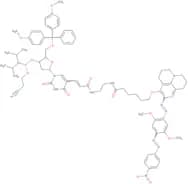
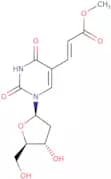
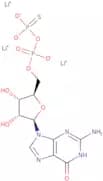



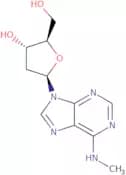
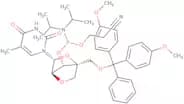
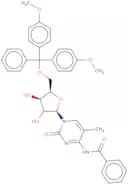
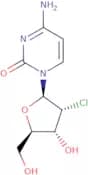
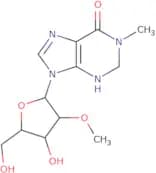

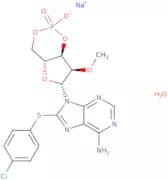
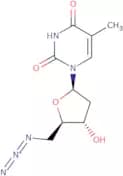
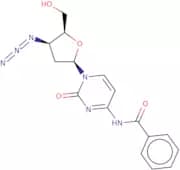

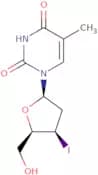

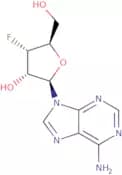

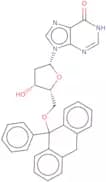
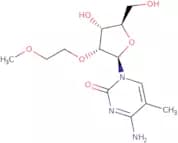
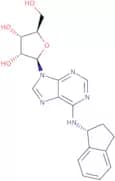
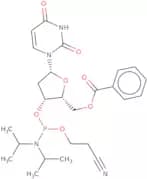

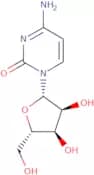
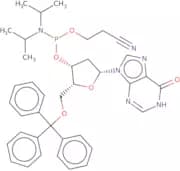

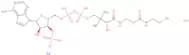

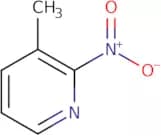
![4-Chloro-7-(2C-methyl-3,5-bis-O-(4-methylbenzoyl)-b-D- ribofuranosyl)-7H-pyrrolo[2,3-d]pyrimidine](/_next/image/?url=https%3A%2Fstatic.cymitquimica.com%2Fproducts%2F3D%2Fthumb-webp%2FNC163171.webp&w=3840&q=75)
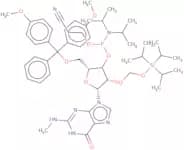
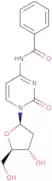
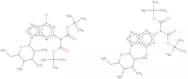
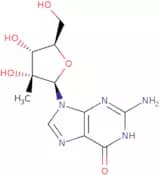
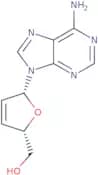
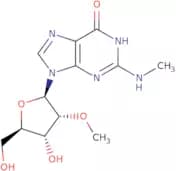
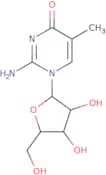

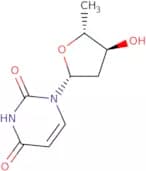
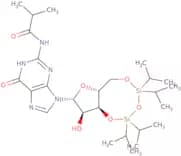
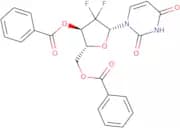
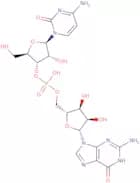
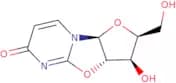

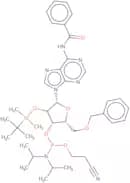


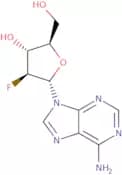
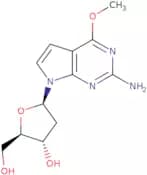
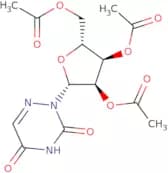

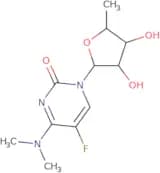
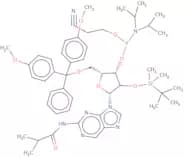


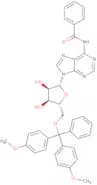
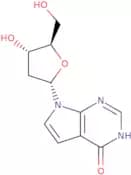
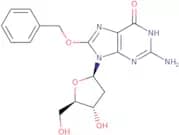
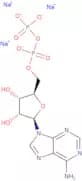
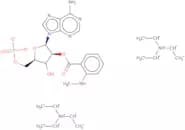

![Guanosine-5'-[(b,γ)-imido]triphosphate sodium salt](/_next/image/?url=https%3A%2Fstatic.cymitquimica.com%2Fproducts%2F3D%2Fthumb-webp%2FNG35450.webp&w=3840&q=75)
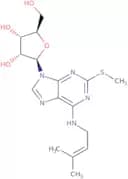
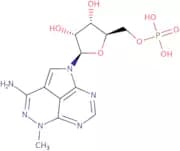
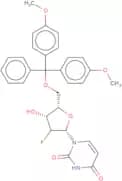
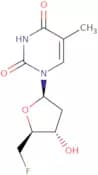
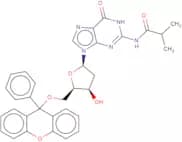
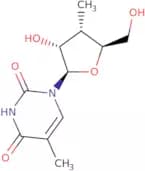
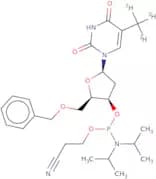


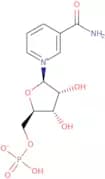



![6-Amino-1-(2'-deoxy-b-D-ribofuranosyl)-4-hydroxyamino-1H-pyrazolo[3,4-d]pyrimidine](/_next/image/?url=https%3A%2Fstatic.cymitquimica.com%2Fproducts%2F3D%2Fthumb-webp%2FNA162941.webp&w=3840&q=75)