Monosaccharides
Subcategories of "Monosaccharides"
- Alloses(11 products)
- Arabinoses(21 products)
- Erythroses(11 products)
- Fructoses(9 products)
- Fucoses(36 products)
- Galactosamine(41 products)
- Galactose(262 products)
- Glucoses(365 products)
- Glucuronic Acids(52 products)
- Glyco-substrates for Enzyme(78 products)
- Guloses(6 products)
- Idoses(4 products)
- Inositols(15 products)
- Lyxoses(4 products)
- Mannoses(65 products)
- O-Glycans(48 products)
- Psicoses(3 products)
- Rhamnoses(10 products)
- Riboses(61 products)
- Sialic Acids(100 products)
- Sorboses(4 products)
- Sugars(174 products)
- Tagatoses(4 products)
- Taloses(8 products)
- Xyloses(20 products)
Found 6138 products of "Monosaccharides"
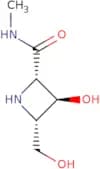
(2S, 3S, 4S) -3- Hydroxy- 4- (hydroxymethyl) - N- methyl- 2- azetidinecarboxamide
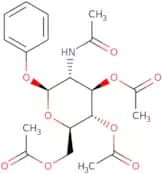
CAS:(2S, 3S, 4S) -3- Hydroxy- 4- (hydroxymethyl) - N- methyl- 2- azetidinecarboxamide is a custom synthesis that has been fluorinated and methylated. It is soluble in water and is used as a saccharide. The compound has been modified by the click modification of the azetidinecarboxamide with an oligosaccharide. It is also used as a sugar for glycosylation or polysaccharide formation. Click modification can be done on oligosaccharides to form complex carbohydrates.Formula:C6H12N2O3Purity:Min. 95%Molecular weight:160.17 g/molPhenyl 2-acetamido-3,4,6-tri-O-acetyl-2-deoxy-β-D-glucopyranoside
CAS:Phenyl 2-acetamido-3,4,6-tri-O-acetyl-2-deoxy-b-D-glucopyranoside is a custom synthesis of the sugar phenyl 2-acetamido-3,4,6-tri-O-acetyl--2 deoxy--b D glucopyranoside. It is a modification of the monosaccharide and glycosylation. This synthetic compound has a CAS number of 1308921 9 and is used as an intermediate in the production of saccharides. Phenyl 2 acetamido 3,4,6 tri O acetyl 2 deoxy b D glucopyranoside is also classified as an oligosaccharide or complex carbohydrate.Formula:C20H25NO9Purity:Min. 95%Color and Shape:White solid.Molecular weight:423.41 g/molN-Propanoyl mannosamine
CAS:N-Propanoyl mannosamine is a biochemical that belongs to the group of glycoconjugates. It is an intracellular messenger that modulates the concentration of intracellular calcium and controls the release of gamma-aminobutyric acid (GABA). N-Propanoyl mannosamine has been shown to stimulate axonal growth in cell culture, which is mediated by the polysialic acid receptor. This molecule also has a role in human osteoblast differentiation and bone formation.
N-Propanoyl mannosamine can be synthesized from dopamine and erythrose via a series of reactions involving acidification, oxidation, reduction, and decarboxylation. The synthesis of this molecule requires blood group O as an acceptor.Formula:C9H17NO6Purity:Min. 95%Color and Shape:White To Off-White SolidMolecular weight:235.23 g/mol5,7-Dichloro-8-hydroxyquinoline b-D-glucuronide
CAS:Chromogenic substrate targeting beta-glucuronidaseFormula:C15H13Cl2NO7Purity:Min. 98 Area-%Color and Shape:Yellow PowderMolecular weight:390.17 g/molD-Gulonic acid-1,4-lactone
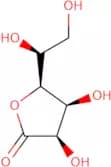
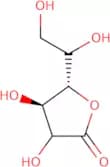
CAS:D-Gulonic acid-1,4-lactone is a naturally occurring compound that is formed from L-gulonic acid and a 1,4-lactone ring. It has been shown to have inhibitory properties against the matrix metalloproteinases MMP-2 and MMP-9. It also has an effect on dehydroascorbic acid, which plays an important role in the regulation of bioavailability of vitamin C. D-Gulonic acid-1,4-lactone has been found to stimulate collagen synthesis in human skin cells, which may be due to its ability to increase the activity of enzymes such as pyruvate kinase and lactate dehydrogenase. The structural analysis of this compound reveals a pyrazole ring with two hydroxyl groups (OH).Formula:C6H10O6Purity:Min. 98 Area-%Color and Shape:White PowderMolecular weight:178.14 g/molL-Arabinaric acid dipotassium salt
CAS:L-Arabinaric acid dipotassium salt is a custom synthesis of an L-arabinaric acid, which is a monosaccharide that is found in the cell wall of bacteria. This compound has been modified to be resistant to fluorination, methylation, and click chemistry. The modification process includes the use of Oligosaccharides, saccharides, and polysaccharides as well as glycosylation and sugar. L-Arabinaric acid dipotassium salt can also be used for the synthesis of complex carbohydrates.
Formula:C5H6K2O7Purity:Min. 98 Area-%Color and Shape:PowderMolecular weight:256.29 g/mol2,4,7,8,9-Penta-O-acetyl N-acetylneuraminic acid
CAS:2,4,7,8,9-Penta-O-acetyl N-acetylneuraminic acid is a modification of the carbohydrate 2,4,7,8,9-penta-O-acetyl N-acetylneuraminic acid. It is a complex carbohydrate that is custom synthesized to meet the needs of specific customers. This product can be used for the synthesis of oligosaccharides and polysaccharides in glycosylation reactions. It can also be modified with methylation and fluorination. 2,4,7,8,9-Penta-O-acetyl N-acetylneuraminic acid has high purity and is monosaccharide. It also has an acetate group on its sugar chain at position 9. This product can be used as a sugar or in click chemistry reactions because it contains an amine group at position 8.Formula:C21H29NO14Purity:Min. 95%Color and Shape:PowderMolecular weight:519.45 g/mol5-Thio-D-glucose
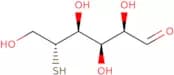
CAS:Thiosugar hexokinase inhibitor; inhibits cellular transport of D-glucose
Formula:C6H12O5SPurity:Min. 97 Area-%Color and Shape:White PowderMolecular weight:196.22 g/molD-Mannose - F (from birch)
CAS:Abundant and critical component of natural glycans and glycoproteinsFormula:C6H12O6Purity:Min. 98 Area-%Color and Shape:White PowderMolecular weight:180.16 g/mol1,3-O-Benzylidene-D-arabitol
CAS:1,3-O-Benzylidene-D-arabitol is a methylated sugar that is used in the synthesis of complex carbohydrates. It is produced by the modification of a 1,3-O-benzylidene-D-ribitol. It has a CAS number of 70831-50-4 and can be custom synthesized to meet your needs. This product is available in high purity with a 99% yield.Formula:C12H16O5Purity:Min. 95%Color and Shape:White/Off-White SolidMolecular weight:240.25 g/mol2,3,5-Tri-O-p-chlorobenzoyl-a-D-ribofuranosyl chloride
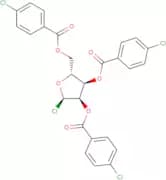
CAS:2,3,5-Tri-O-p-chlorobenzoyl-a-D-ribofuranosyl chloride is a sugar derivatized with chlorine. It is a high purity product that can be custom synthesized to meet your needs. This compound has been used in the synthesis of saccharides and oligosaccharides with click modification, fluorination, glycosylation, methylation, and modification.
2,3,5-Tri-O-p-chlorobenzoyl-a-D-ribofuranosyl chloride is an important intermediate for the synthesis of complex carbohydrates. The chemical structure of this molecule consists of three parts: an aromatic ring (benzene), a glycosylation site (glycine), and a carboxylic acid group (carboxylic acid). The aromatic ring allows 2,3,5-Tri-O-p-chlorobenzoyl-a-DFormula:C26H18Cl4O7Purity:Min. 95%Color and Shape:PowderMolecular weight:584.23 g/molD-Sedoheptulose 7-phosphate lithium
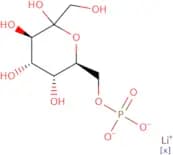
CAS:D-Sedoheptulose 7-phosphate lithium (DSDP) is a substance that is used in the synthesis of ribulose. It provides the carbonyl group for the synthesis of acetyl-CoA and plays an important role in energy metabolism. DSDP has been shown to be effective against streptococcus faecalis, which may be due to its ability to inhibit protein synthesis by binding to ribulose phosphates, thereby preventing the production of ATP. DSDP also inhibits cellular transformation, which may be due to its ability to bind with DNA and block RNA synthesis. In vitro studies have shown that DSDP can inhibit both Streptococcus faecalis and Escherichia coli at concentrations below 10 mM. These effects are likely mediated by enzymatic activities that are involved in bacterial cell physiology.Formula:C7H15O10P•(Li)xPurity:Min. 95%Color and Shape:PowderMolecular weight:290.16 g/mol(2R, 3R, 3aS, 9aR) -2, 3, 3a, 9a- Tetrahydro- 3- hydroxy- 6- imino- 3a- methyl- 6H- furo[2', 3':4, 5] oxazolo[3, 2- a] pyrimidine- 2 - methanol
(2R, 3R, 3aS, 9aR) -2, 3, 3a, 9a- Tetrahydro- 3- hydroxy- 6- imino- 3a- methyl- 6H- furo[2', 3':4, 5] oxazolo[3, 2- a] pyrimidine- 2 - methanol is a custom synthesized molecule that has been modified to include fluorination and methylation. This compound is an oligosaccharide that contains saccharides and sugar units. It is a polysaccharide with glycosylation on the sugar unit.Purity:Min. 95%3b-[(a-L-arabinopyranosyl)oxy] urs-12,18-dien-28-oic acid 28-b-D-glucopyranosyl ester (12)
3b-[(a-L-arabinopyranosyl)oxy] urs-12,18-dien-28-oic acid 28-b-D-glucopyranosyl ester (12) is a methylated, saccharide, Polysaccharide. It has CAS No., Click modification, Modification, Oligosaccharide, Custom synthesis, Glycosylation, High purity, Carbohydrate and sugar. This product is Synthetic and Fluorination. It is also complex carbohydrate.Purity:Min. 95%Daidzein 7-β-D-glucuronide potassium salt
CAS:Daidzein 7-β-D-glucuronide potassium salt is a synthetic compound with a sugar moiety. The sugar moiety can be any type of sugar, including monosaccharides, disaccharides, and polysaccharides. Daidzein 7-β-D-glucuronide potassium salt has been modified with fluorination, glycosylation, methylation, or polysaccharide modification. It has been used in the synthesis of saccharide complexes and is typically combined with other saccharides to form oligosaccharides or polysaccharides.Formula:C21H17KO10Purity:Min. 95%Color and Shape:PowderMolecular weight:430.36 g/mol3,4,6-Trideoxy-3-(dimethylamino-b-D-xylo-hexopyranose)
CAS:3,4,6-Trideoxy-3-(dimethylamino-b-D-xylo-hexopyranose) is a carbohydrate that belongs to the group of saccharides. It is a sugar that has been modified with fluorine groups. Fluorination increases the hydrophilicity of the sugar and makes it more soluble in water. 3,4,6-Trideoxy-3-(dimethylamino-b-D-xylo-hexopyranose) has been custom synthesized and can be ordered as a high purity material. The synthesis process includes methylation and glycosylation steps. 3,4,6-Trideoxy-3-(dimethylamino-b-D-xylo -hexopyranose) is used as a click modification for proteins.Formula:C8H17NO3Purity:Min. 95%Molecular weight:175.23 g/mol2,3,4,6-Tetra-O-benzyl-D-mannopyranose
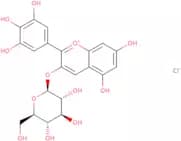
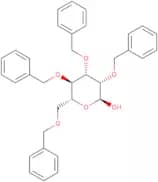
CAS:2,3,4,6-Tetra-O-benzyl-D-mannopyranose is a trisaccharide that consists of two covalently linked glycosyl acceptors and one galacto moiety. This molecule is synthesized by chemoenzymatic synthesis and can be found in the biosynthesis of trehalose. 2,3,4,6-Tetra-O-benzyl-D-mannopyranose is an anomeric form of D-glucopyranose. The anomeric form is determined by the orientation of the hydroxyl group at C1' with respect to the anomeric carbon atom at C2'. This molecule has been isotopically labelled with 13C and 15N for use in studies on carbohydrate metabolism.Formula:C34H36O6Purity:90%Color and Shape:Yellow PowderMolecular weight:540.65 g/molDelphinidin 3-galactoside chloride
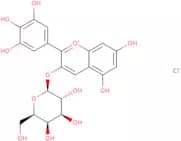
CAS:Delphinidin 3-galactoside chloride is a natural organic compound that belongs to the flavonol glycosides. It is a pigment that has been identified in flowers and fruits, such as the fruit tree. This compound exhibits antioxidant properties and can scavenge radicals, which may be due to its ability to inhibit dehydroascorbate reductase activity. Delphinidin 3-galactoside chloride also has an effect on high cholesterol levels, which may be due to its ability to inhibit HMG-CoA reductase activity. In addition, it has been shown that this compound can inhibit the growth of human pathogens such as P. aeruginosa and S. aureus.Formula:C21H21O12ClPurity:Min. 95%Molecular weight:500.84 g/molPhenyl 2-acetamido-2-deoxy-α-D-glucopyranoside
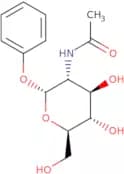
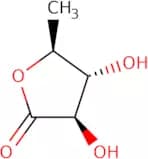
CAS:Phenyl 2-acetamido-2-deoxy-a-D-glucopyranoside is a fluorinated sugar that was synthesized by chemical modification of a natural sugar. It is a white, crystalline powder and has an odorless taste. This product is custom synthesized and can be used as an intermediate in the production of other saccharides. Phenyl 2-acetamido-2-deoxy-a-D-glucopyranoside has been modified to include methyl groups and glycosyl groups, which are not present in the natural product.Formula:C14H19NO6Purity:Min. 95%Color and Shape:SolidMolecular weight:297.3 g/mol5-Deoxy-L-arabonic acid 1,4-lactone
CAS:5-Deoxy-L-arabonic acid 1,4-lactone is a phytochemical present in the flowers of some plants. It has been shown to have anti-cancer properties in lung cancer cells by inhibiting the growth of these cells. 5-Deoxy-L-arabonic acid 1,4-lactone inhibits cell division and induces apoptosis by binding to DNA, preventing replication. This compound also inhibits the production of prostaglandins that promote inflammation, which may be related to its anti-cancer effects. 5-Deoxy-L-arabonic acid 1,4-lactone has been shown to inhibit the production of phenolic compounds such as vanillic acid and apigenin in lung cancer cell lines. These compounds have been shown to have chemopreventive activities against various cancers including breast cancer and colon cancer.
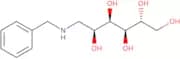
Formula:C5H8O4Purity:Min. 95%Color and Shape:PowderMolecular weight:132.12 g/molN-Benzyl-D-glucamine
CAS:N-Benzyl-D-glucamine is a metal chelate that binds to lead and other heavy metals. It is used as a transport inhibitor for the elimination of lead from the body. N-Benzyl-D-glucamine has been shown to be effective in lowering blood levels of lead, with an elimination rate of 50% within 4 hours. When administered orally, this drug also has inhibitory effects on the absorption of lead from gastrointestinal tissues, which may be due to its inhibition of urea nitrogen and gastrointestinal toxicities. This drug can also reduce the excretion of cadmium and aromatic hydrocarbons in urine samples.Purity:Min. 95%2-Amino-2-N-carbobenzoxy-2-deoxy-D-mannose
CAS:2-Amino-2-N-carbobenzoxy-2-deoxy-D-mannose is a custom synthesis product that can be produced with high purity. It has a CAS number of 137157-50-7 and is an oligosaccharide, polysaccharide, and carbohydrate. 2-Amino-2-N-carbobenzoxy-2-deoxy-D-mannose is synthesized by the methylation of 2,3,4,6 tetraaminopyrimidine with formaldehyde to give 1,4 diaminocyclohexane. This compound is then reacted with carbonyl chloride to give carbamoyl chloride. The last step in the synthesis process is reacting this compound with 2,3,4,6 tetraaminopyrimidine to give the final product.
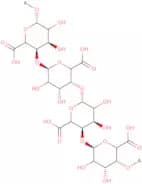
Formula:C14H19NO7Purity:Min. 95%Color and Shape:White PowderMolecular weight:313.3 g/molPoly-D-galacturonic acid methyl ester
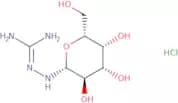
CAS:Poly-D-galacturonic acid methyl ester (PDGME) is a natural compound that has been shown to possess anti-inflammatory and anti-diabetic properties. PDGME has been shown to increase the expression of pro-apoptotic proteins in mouse macrophages, as well as inhibit the activity of toll-like receptor 4, which may be due to its ability to induce caspase-independent cell death. PDGME also inhibits the growth of Clostridium difficile and other bacteria by inhibiting their enzyme activities. PDGME is water soluble and can be used as a reagent for biochemical studies.Purity:Min. 98 Area-%Color and Shape:White Off-White PowderN1-β-D-Galactopyranosylamino-guanidine hydrochloride
CAS:N1-b-D-Galactopyranosylamino-guanidine HCl is a synthetic, fluorinated monosaccharide that contains an amino group on the 1' carbon. It has been modified with methyl groups at the C6 and C7 positions to increase its stability and inhibit enzymatic hydrolysis. This product is also a glycosylation agent for complex carbohydrate synthesis.Formula:C7H16N4O5•HClPurity:Min. 95%Color and Shape:White to off-white solid.Molecular weight:272.69 g/mol1,5-Anhydro-4,6-O-benzylidene-D-glucitol
CAS:1,5-Anhydro-4,6-O-benzylidene-D-glucitol is a type of d-mannitol that is used as an intermediate in organic chemistry. It can be converted to a number of other compounds such as epoxides and nucleophilic agents. 1,5-Anhydro-4,6-O-benzylidene-D-glucitol is also an inhibitor of thrombin. It has been shown to inhibit the activity of trypsin and epoxide by forming hydrogen bonds with the enzyme's active sites. This molecule has been studied using molecular modeling and simulations with axial hydrogens found on the purine ring. In addition, 1,5-Anhydro-4,6-O-benzylidene -D -glucitol can be synthesized in organic chemistry through different routes. One method starts from dibenzoylmethane and 3-(Formula:C13H16O5Purity:Min. 95%Color and Shape:PowderMolecular weight:252.26 g/molMethyl 7,8,9-Tri-O-acetyl-5-N,4-O-carbonyl-3,5-dideoxy-2-S-phenyl-2-thio-D-glycero-b-D-galacto-2-nonulopyranosylonate
CAS:Methyl 7,8,9-Tri-O-acetyl-5-N,4-O-carbonyl-3,5-dideoxy-2-S-phenyl-2-thio-D-glycero -b-(1→4)-D-(1→3)-galacto-(1→4)-2-[N-[(1R,2R)-2-(methoxyimino)ethoxy]acetamido]-nonulopyranosylonate is a synthetic carbohydrate. It has been modified with methylation at position 7 and 8 of the sugar and click modification. Methyl 7,8,9 -triacetyl 5 -N, 4 -O carbonyl 3 , 5 -dideoxy 2 -S phenyl 2 -thiophenediol glycero b D galacto 2 nonulopyranoside is a complex carbohydrate.Formula:C23H27NO11SPurity:Min. 95%Molecular weight:525.53 g/mol2,3,4,6-Tetra-O-acetyl-β-D-mannopyranosyl azide
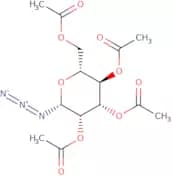
CAS:2,3,4,6-Tetra-O-acetyl-β-D-mannopyranosyl azide is a crystallographic technique that can be used to determine the structure of molecules. This technique involves the use of x-ray diffraction analysis to produce images of crystal structures. The technique is useful for determining the three dimensional structure of molecules that are too small to be seen with other techniques such as electron microscopy.
Formula:C14H19N3O9Purity:Min. 98 Area-%Color and Shape:White Off-White PowderMolecular weight:373.32 g/mol3-O-Benzyl-1-thiophenyl-L-iduronic acid
3-O-Benzyl-1-thiophenyl-L-iduronic acid is a modification of the carbohydrate, complex carbohydrate, and sugar. It is synthesized by custom synthesis and has been shown to be highly pure with a CAS No. This product is also a monosaccharide that can be methylated or glycosylated. The main function of 3-O-Benzyl-1-thiophenyl-L-iduronic acid is to function as a saccharide in polysaccharides, sugars, and glycosides.Purity:Min. 95%4-Toluoyl 2,3-di-O-benzyl-4,6-O-benzylidene-b-D-thioglucopyranoside
4-Toluoyl 2,3-di-O-benzyl-4,6-O-benzylidene-b-D-thioglucopyranoside is a modified carbohydrate. It is an oligosaccharide that can be synthesized through the chemical modification of a saccharide molecule. The synthesis of this compound may involve methylation, saccharide, and click modification. This product has CAS No. 627072 and its molecular weight is 574.5. This product is available for custom synthesis in order to meet your needs.
Purity:Min. 95%2-13C-a-D-Mannose-1-phosphate dipotassium salt
2-13C-a-D-Mannose-1-phosphate dipotassium salt is a custom synthesis of a complex carbohydrate. It is a monosaccharide that can be used as a substrate for glycosylation, methylation, or click modification. This product is available in high purity and good quality.
Purity:Min. 95%N- [[(2R, 3R, 4S) - 4- [(Acetyloxy) methyl] - 3- (phenylmethoxy) - 1- (phenylmethyl) - 2- azetidinyl] methyl] -acetamide
CAS:N-[[(2R, 3R, 4S) - 4- [(Acetyloxy) methyl] - 3- (phenylmethoxy) - 1- (phenylmethyl) - 2- azetidinyl] methyl] -acetamide is a modified carbohydrate with the molecular formula C14H19NO5. This product is a white to off-white crystalline solid, which can be used in the synthesis of various carbohydrates and sugars. It has been shown that this compound has good solubility in water and DMSO. N-[[(2R, 3R, 4S) - 4- [(Acetyloxy) methyl] - 3- (phenylmethoxy) - 1- (phenylmethyl) - 2- azetidinyl] methyl] -acetamide is an acetamide derivative of N-[2-(acetoxymethyl)-1-[3-(4′′′′′′′′′′Formula:C23H28N2O4Purity:Min. 95%Molecular weight:396.48 g/mol4,6-O-Benzylidene-1,2,3-tri-O-pivaloyl-b-D-galactopyranose
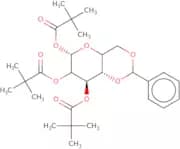
4,6-O-Benzylidene-1,2,3-tri-O-pivaloyl-b-D-galactopyranose is a custom synthesized glycosylation product. It is an oligosaccharide sugar with a molecular weight of 586. The structure has been modified by fluorination and methylation. 4,6-O-Benzylidene-1,2,3-tri-O-pivaloyl -b -D -galactopyranose can be used in the synthesis of saccharides and polysaccharides as well as in click chemistry modification.Formula:C28H40O9Purity:Min. 95%Molecular weight:520.63 g/molMethyl 2,3,4-tri-O-acetyl-6-O-triisopropylsilyl-a-D-mannopyranoside
CAS:Methyl 2,3,4-tri-O-acetyl-6-O-triisopropylsilyl-a-D-mannopyranoside is a custom synthesis of a monosaccharide with a fluorinated methyl group. The compound has been synthesized by the Click modification of an oligosaccharide and polysaccharide. This product is available in high purity, and can be modified to suit your needs. For more information, please contact us today!
Formula:C22H40O9SiPurity:Min. 95%Molecular weight:476.64 g/mol1,2,3,4-Tetra-O-acetyl-6-O-(tert-butyldiphenylsilyl)-b-D-galactopyranose
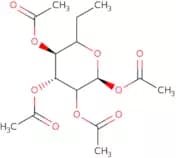
1,2,3,4-Tetra-O-acetyl-6-O-(tert-butyldiphenylsilyl)-b-D-galactopyranose is a custom synthesis of an oligosaccharide. It is a polysaccharide saccharide that is a carbohydrate with the molecular formula C18H29NO9. This compound can be fluorinated or modified to create a high purity monosaccharide sugar. The methylation of this compound will lead to the production of Methyl 1,2,3,4-Tetra-O-acetyl-6-O-(tert-butyldiphenylsilyl)-b-D galactopyranoside.Formula:C20H34O10SiPurity:Min. 95%Molecular weight:462.56 g/molD-Ribopyranosyl amine
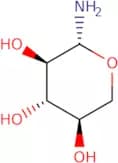
CAS:D-Ribopyranosyl amine is a heterocyclic compound that can be synthesized from ethyl formate and thiourea. The synthesis of this compound has been studied using techniques such as hydrogen bonding, high yield, and optical rotation. D-Ribopyranosyl amine is an aminoimidazole derivative with a decarboxylation reaction to produce uridine. This process can be carried out in acetone or dimethylformamide solvent, which produces the α-form of the molecule. The 1H NMR spectra of D-ribopyranosyl amine have peaks at 3.8 ppm, 2.5 ppm, and 2.0 ppm, while the 13C NMR spectrum peaks are found at 79.2 ppm and 131.9 ppmFormula:C5H11NO4Purity:Min. 95%Color and Shape:PowderMolecular weight:149.15 g/mol6-Deoxy-1,2:3,4-di-O-isopropylidene-6-iodo-α-D-galactopyranose
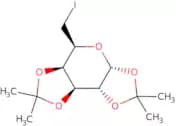
CAS:This is a carbohydrate compound with the CAS number 4026-28-2. It is a modification of the sugar galactose, which has been modified by a process called fluorination. This modification has increased its stability and resistance to hydrolysis.
Formula:C12H19IO5Purity:Min. 95%Color and Shape:White to off-white solid.Molecular weight:370.18 g/mol3,4,6-Tri-O-acetyl-2-O-trifluoromethanesulfonyl-b-D-mannopyranosyl azide
CAS:3,4,6-Tri-O-acetyl-2-O-trifluoromethanesulfonyl-b-D-mannopyranosyl azide is a chemically synthesized compound that can be used for methylation reactions. It is an Oligosaccharide with a molecular weight of 597.5 and contains the following structural features: A saccharide composed of three monosaccharides (D-glucose, D-mannose, and D-galactose), which is bonded by alpha 1,6 linkages. The chemical formula is C12H14F3N3O8. The CAS number is 1159265-99-2.Formula:C13H16F3N3O10SPurity:Min. 95%Color and Shape:PowderMolecular weight:463.34 g/mol3-O-Methanesulfonyl-D-glucopyranose
CAS:3-O-Methanesulfonyl-D-glucopyranose is a high purity, custom synthesis sugar that can be modified with fluorination, glycosylation, methylation and modification. It is also synthesized from glycoaldehyde and methanesulfonic acid in the presence of sodium hydroxide and sodium acetate. 3-O-Methanesulfonyl-D-glucopyranose can be used to synthesize saccharides and oligosaccharides. This compound is soluble in water and has a boiling point of 218°C at 760 mmHg. It is slightly soluble in methanol, ethanol and acetone. 3-O-Methanesulfonyl-D-glucopyranose has a CAS number of 40631-95-6.Formula:C7H14O8SPurity:Min. 95%Color and Shape:PowderMolecular weight:258.25 g/molDapagliflozin
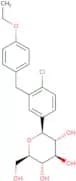
CAS:Dapagliflozin is a sodium-glucose cotransporter subtype 2 (SGLT2) inhibitor that can be used in the treatment of diabetes mellitus type 2. SGLT2 is located in the proximal convoluted tubule and when it is inhibited the reabsorption of glucose into the kidneys is prevented and instead glucose is excreted in the urine. As a result glucose levels are reduced. Dapagliflozin is metabolized into to its inactive metabolite 3-O-glucuronide by the UGT1A9 enzyme present in the liver and the kidneys. In addition, dapagliflozin has been shown to cause weight loss and decrease the risk of cardiovascular events such as congestive heart failure.Formula:C21H25ClO6Purity:Min. 98 Area-%Color and Shape:White Yellow PowderMolecular weight:408.87 g/mol2-Deoxy-2-fluoro-3,4:5,6-di-O-isopropylidene-L-idonic acid methyl ester
2-Deoxy-2-fluoro-3,4:5,6-di-O-isopropylidene-L-idonic acid methyl ester is a synthetic compound that has been used as an intermediate in the synthesis of saccharides and oligosaccharides. It can also be used to modify carbohydrate structures. 2DFFDLIEME is a white crystalline solid with a melting point of 190°C. This product is soluble in water and ethanol.Purity:Min. 95%D-Mannonic acid-1,4-lactone
CAS:D-Mannonic acid-1,4-lactone is a recombinant carbohydrate that is synthesized from l-ribose and l-arabinose. It has lysozyme inhibitory activity. D-Mannonic acid-1,4-lactone can be used to study the synthesis of lactones by escherichia coli and their inhibitory effects on lysozyme. The compound consists of two stereoisomers: dl-mannonic acid and ldl-mannonic acid. It can be detected by liquid chromatography (LC) and electrophoresis.
Formula:C6H10O6Purity:Min. 95%Color and Shape:White PowderMolecular weight:178.14 g/mola-D-[UL-13C6]Glucose-1-phosphate dipotassium salt hydrate
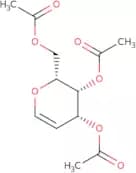
CAS:a-D-[UL-13C6]Glucose-1-phosphate dipotassium salt hydrate is a kinetic and structural analysis of the glucose phosphate metabolic pathway. It has been used to study biochemical properties of the glucose phosphate metabolic pathway, and to study the control mechanisms for this process. Specifically, it has been used to determine kinetic parameters that are necessary for understanding glucose metabolism. This compound has also been used to study hydrogen bonding interactions between monoclonal antibodies and ganoderma lucidum and transfer reactions of immobilized enzymes. The pH optimum for this compound is 4.5, and it can be synthesized from solanum tuberosum.Formula:C6H11K2O9P·xH2OPurity:Min. 95%Color and Shape:PowderMolecular weight:342.27 g/mol3,4,6-Tri-O-acetyl-D-galactal - non-animal origin
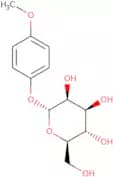
CAS:Building block for synthesis of oligosaccharidesFormula:C12H16O7Purity:Min. 98 Area-%Color and Shape:White PowderMolecular weight:272.25 g/mol4-Methoxyphenyl a-D-mannopyranoside
CAS:4-Methoxyphenyl a-D-mannopyranoside is a fluorinated monosaccharide. It is synthesized by the reaction of 4-methoxyphenol with an aldose in the presence of sodium hydroxide and sulfuric acid. The product is purified by chromatography with silica gel and eluted with methanol. This compound is also used to produce polysaccharides, glycosyls, oligosaccharides, or complex carbohydrates through glycosylation or polysaccaride synthesis. 4-Methoxyphenyl a-D-mannopyranoside can be modified to produce methylated, acetalized, or deoxygenated derivatives for use in click chemistry reactions.Formula:C13H18O7Purity:Min. 95%Color and Shape:White PowderMolecular weight:286.28 g/molUDP-2-deoxy-2-fluoro-D-galactose
CAS:UDP-2-deoxy-2-fluoro-D-galactose is a methylated and fluorinated saccharide that is used in click chemistry. It is a synthetic compound that can be custom synthesized to create polysaccharides or oligosaccharides. This product has high purity and can be modified with glycosylation, methylation, and other modifications.Formula:C15H23FN2O16P2Purity:Min. 98 Area-%Color and Shape:PowderMolecular weight:568.29 g/molUDP-GlcNAc disodium salt
CAS:Substrate for N-acetylglucosaminyltransferases
Formula:C17H25N3O17P2Na2Purity:Min. 98 Area-%Color and Shape:White PowderMolecular weight:651.32 g/molDelphinidin 3-glucoside chloride
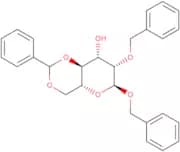
CAS:Delphinidin 3-glucoside chloride is a natural, water-soluble compound that exhibits antimicrobial activity against Staphylococcus aureus. It has been shown to inhibit the growth of this bacteria by inhibiting detoxification enzymes and intracellular cGMP production. Delphinidin 3-glucoside chloride also inhibits uptake of this bacterium by human cells, which may be due to its synergistic interaction with other compounds such as cinnamic acid derivatives. This compound has been shown to have cardiac effects in animals and is being studied for its potential use in treating heart disease.Formula:C21H21O12ClPurity:Min. 95%Color and Shape:PowderMolecular weight:500.84 g/mol1,2-Di-O-benzyl-4,6-O-benzylidene-a-D-mannopyranoside
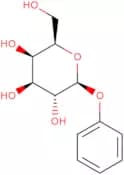
CAS:1,2-Di-O-benzyl-4,6-O-benzylidene-a-D-mannopyranoside is a custom synthesis that belongs to the class of polysaccharides. It is a synthetic modification of D-mannose. The 1,2 position on the glucose moiety has been fluorinated and the 6 position on the mannose moiety has been methylated. This sugar is a monosaccharide with a molecular weight of 587. The glycosylation pattern includes saccharide units linked by glycosidic bonds between the 1 and 2 positions on adjacent sugars in linear or branched chains. This product can be used as an intermediate for other syntheses or as a pharmaceutical drug.Formula:C27H28O6Purity:Min. 95%Molecular weight:448.51 g/molPhenyl b-D-galactopyranoside
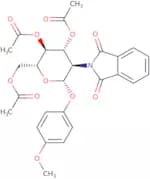
CAS:Phenyl b-D-galactopyranoside is a glycoside of galactose. It is used as an antigen and cross-linking agent in the preparation of monoclonal antibodies to human serum proteins. Phenyl b-D-galactopyranoside has been shown to be a potent inhibitor of protein synthesis in cells from primary tumors, and it has been found to decrease the rate of tumor growth in mice. This compound also inhibits the growth of certain bacteria, including methicillin-resistant Staphylococcus aureus (MRSA), Mycobacterium tuberculosis, and Mycobacterium avium complex. The mechanism by which phenyl b-D-galactopyranoside inhibits bacterial growth is not well understood.Formula:C12H16O6Purity:Min. 98 Area-%Color and Shape:PowderMolecular weight:256.25 g/mol4-Methoxyphenyl 3,4,6-tri-O-acetyl-2-deoxy-2-phthalimido-b-D-glucopyranoside
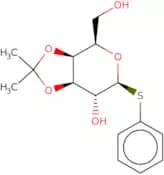
CAS:4-Methoxyphenyl 3,4,6-tri-O-acetyl-2-deoxy-2-phthalimido-b-D-glucopyranoside (MPEG) is a monoclonal antibody that binds to the glycoprotein MART1 on melanoma cells. It is used in the diagnosis of cancer and has been shown to be effective in reducing tumor size in patients with metastatic melanoma. MPEG has also been shown to have a therapeutic effect against chronic lymphocytic leukemia (CLL). In addition, it may be used as a complement dependent cytotoxicity agent for the treatment of leukemia and other cancers.Formula:C27H27NO11Purity:Min. 95%Molecular weight:541.52 g/molPhenyl 3,4-O-isopropylidene-b-D-thiogalactopyranoside
CAS:Phenyl 3,4-O-isopropylidene-b-D-thiogalactopyranoside is a custom synthesis of the complex carbohydrate Oligosaccharide, Polysaccharide. It belongs to Modification, saccharide, Methylation, Glycosylation, Carbohydrate. Phenyl 3,4-O-isopropylidene-b-D-thiogalactopyranoside can be used for Click modification, sugar and High purity. This compound is Fluorinated and Synthetic.
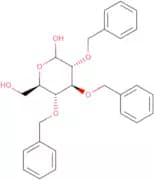
Formula:C15H20O5SPurity:Min. 95%Color and Shape:PowderMolecular weight:312.38 g/mol2,3,4-Tri-O-benzyl-D-glucopyranose
CAS:2,3,4-Tri-O-benzyl-D-glucopyranose is a thioglucoside that can be synthesized from D-glucose and benzyl bromide. This compound is a protonated nucleophile with a hydroxyl group that can interact with the sulfur of a thiol or disulfide group. The interaction between 2,3,4-tri-O-benzyl-D-glucopyranose and S. aureus has been shown to be dependent on the concentration of 2,3,4 tri O benzyl glucopyranose. The reaction between this compound and oligosaccharides led to the formation of dioxane ring structures that were hydrophobic.Formula:C27H30O6Purity:Min. 95%Color and Shape:PowderMolecular weight:450.52 g/mol2-Deoxy-2-fluoro-D-mannose
CAS:2-Deoxy-2-fluoro-D-mannose is known for its antiviral properties as a sugar analog and glycosylation inhibitor. It works by inhibiting the glycosylation of viral envelope proteins, which can prevent viral replication and reduce viral infectivity. Studies have shown that 2-deoxy-2-fluoro-D-mannose can inhibit the replication of various viruses, including influenza A virus, human immunodeficiency virus (HIV), and hepatitis C virus (HCV). Inhibition of viral glycosylation by 2-Deoxy-2-fluoro-D-mannose can also enhance the effectiveness of some antiviral drugs, making them more potent.Formula:C6H11FO5Purity:Min. 97 Area-%Color and Shape:PowderMolecular weight:182.15 g/molMethyl-2,3,4-tri-O-benzoyl-6-deoxy-alpha-D-glucopyranoside
CAS:Methyl-2,3,4-tri-O-benzoyl-6-deoxy-alpha-D-glucopyranoside is a modification of the sugar molecule. It is a monosaccharide that has been modified with methylation and fluorination. This product can be used in the synthesis of saccharides, polysaccharides, oligosaccharides and complex carbohydrates. Methyl 2,3,4-tri-O-benzoyl 6 deoxy alpha D -glucopyranoside is one of many compounds that can be used to synthesize glycosylations.
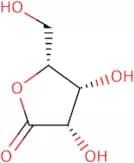
Formula:C28H26O8Purity:Min. 95%Molecular weight:490.5 g/molD-Lyxono-1,4-lactone
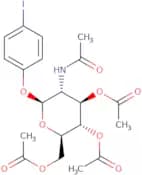
CAS:D-Lyxono-1,4-lactone is an inhibitor of the enzyme fucosidase. It competitively inhibits the enzyme, but does not inhibit other hydroxamic acids such as enantiomers of D-lyxono-1,4-lactone. D-Lyxono-1,4-lactone has been used to treat HIV and AIDS because it prevents viral replication by blocking the synthesis of glycoproteins in the virus's envelope. It also has inhibitory effects on tumor cells that are not dependent on fucosidase activity. Magnetic resonance spectroscopy (NMR) studies have shown that d-lyxono-1,4-lactone binds to human liver cells and blocks the binding site for cytotoxic molecules in these cells. The molecular modelling study has demonstrated that d-lyxono 1,4 lactone binds to a specific site on human HLA class II molecule and reduces itsFormula:C5H8O5Purity:(%) Min. 97%Color and Shape:PowderMolecular weight:148.11 g/mol4-Iodophenyl 2-acetamido-3,4,6-tri-O-acetyl-2-deoxy-b-D-glucopyranoside
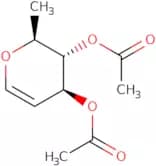
CAS:4-Iodophenyl 2-acetamido-3,4,6-tri-O-acetyl-2-deoxy-b-D-glucopyranoside is a white crystalline powder. It is a glycosylation product of 4-(iodophenyl)-2-(acetamido)-3,4,6,-triacetylaminohexose. This compound can be used for the synthesis of complex carbohydrates and saccharides. This compound is also used in the modification of polysaccharides and oligosaccharides. The purity of this compound is greater than 98%.Formula:C20H24INO9Purity:Min. 95%Color and Shape:PowderMolecular weight:549.31 g/mol3,4-Di-O-acetyl-L-rhamnal
CAS:DNA-binding agentFormula:C10H14O5Color and Shape:Clear LiquidMolecular weight:214.22 g/mol1,3,6-Tri-O-galloylglucose
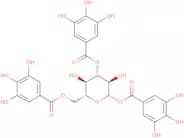
CAS:1,3,6-Tri-O-galloylglucose is an extract of the fruit of Terminalia catappa and Terminalia citrina. It has been shown to have antimicrobial activity against a variety of bacteria and fungi. The antimicrobial activity may be due to its ability to chelate metal ions or inhibit their activities. Punicalagin also has tannin content, which may contribute to its antimicrobial properties.Formula:C27H24O18Purity:Min. 95%Color and Shape:PowderMolecular weight:636.47 g/mol1-D-4-O-Methyl-myo-inositol
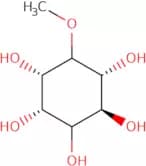
CAS:1-D-4-O-Methyl-myo-inositol is a compound that belongs to the group of biological compounds. It has been shown to have hypoglycemic effects in a model system and to inhibit 3t3-l1 preadipocyte differentiation. This compound also inhibits the activity of enzymes involved in metabolic pathways, and has an effect on lipid metabolism in kidney beans. 1-D-4-O-Methyl-myo-inositol has been shown to have antiobesity properties as well as antihyperglycemic activities.
Formula:C7H14O6Purity:Min. 95%Color and Shape:White Off-White PowderMolecular weight:194.18 g/mol2,3,4,6-Tetra-O-acetyl-D-mannopyranosyl fluoride
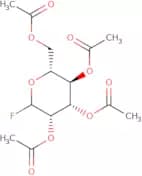
CAS:2,3,4,6-Tetra-O-acetyl-D-mannopyranosyl fluoride is a methylated, fluorinated oligosaccharide. It is a custom synthesis and can be used as a monosaccharide to modify polysaccharides or saccharides. The modification of the sugar with 2,3,4,6-Tetra-O-acetyl-D-mannopyranosyl fluoride increases the water solubility of the complex carbohydrate and its ability to be synthesized into other compounds. This product is high purity and has been modified with fluorine for better stability.
Formula:C14H19FO9Purity:Min. 95%Molecular weight:350.29 g/molPhenyl a-D-glucopyranoside
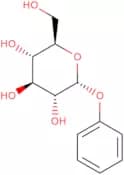
CAS:Phenyl a-D-glucopyranoside is a specific inhibitor of the enzyme α-glucosidase. It is used to study the mechanism of carbohydrate metabolism and its role in diabetes. Phenyl a-D-glucopyranoside binds to the active site of α-glucosidase, which prevents it from hydrolyzing α-1,4 glycosidic bonds in carbohydrates. The compound has been shown to inhibit pancreatic α-glucosidase activity, but not the activity of intestinal enzymes such as sucrase and maltase. Phenyl a-D-glucopyranoside also inhibits β cells by preventing glucose release from glycogen stores, which may be due to an isotope effect. This compound can act as an acceptor for isotopes such as carbon 14 and deuterium oxide (heavy water).Formula:C12H16O6Purity:Min. 95%Color and Shape:PowderMolecular weight:256.25 g/mol3’-O-Acetyl-1,2,5-tri-O-benzoyl-4-a-C-vinyl-D-ribofuranose
3’-O-Acetyl-1,2,5-tri-O-benzoyl-4-a-C-vinyl-D-ribofuranose is a modified sugar that is synthesized by the click chemistry method. It has been fluorinated and methylated on the 2’ and 3’ positions of the ribose ring. The compound is also glycosylated with a CDP chitosan to increase stability in plasma. This product has high purity and can be custom synthesized to customer specifications.Purity:Min. 95%1,2,3,4-Tetra-O-pivaloyl-6-O-trityl-b-D-galactopyranose
Tetra-O-pivaloyl-6-O-trityl-b-D-galactopyranose is a sugar that can be used in the synthesis of glycosylation, complex carbohydrate, methylation, click modification, polysaccharide, fluorination, saccharide and modification. Tetra-O-pivaloyl-6-O-trityl-b-D-galactopyranose is a white or colorless crystalline powder that has a melting point of about 160°C. The chemical formula for this compound is C24H34N2O4 and its molecular weight is 432.53 g/mol. Tetra -O -pivaloyl -6 - O -trityl -b - D -galactopyranose has CAS No. 15892–06–8 (EINECS No. 259–737–3) and it can be customFormula:C45H58O10Purity:Min. 95%Molecular weight:758.94 g/mol2,3,4-Tri-O-acetyl-D-arabinopyranosyl bromide - Stabilised with 2% CaCO3
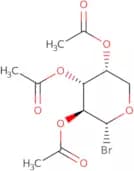
CAS:2,3,4-Tri-O-acetyl-D-arabinopyranosyl bromide - Stabilised with 2% CaCO3 is an organic compound that belongs to the group of glycosylations. It is a sugar derivative of arabinose and has been fluorinated with trifluoromethanesulfonic acid. This product is custom synthesized and can be used for Glycosylation reactions as well as methylations and click modifications. It is also a complex carbohydrate and can be used in the production of polysaccharides. The CAS number for this compound is 113889-50-2 and it has a monosaccharide content of 100%. This product is available for purchase at high purity.Formula:C11H15BrO7Purity:Min. 95%Color and Shape:PowderMolecular weight:339.14 g/mol2,3,4,6-Tetra-O-acetyl-β-D-thioglucopyranose
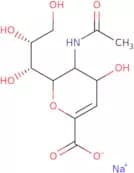
CAS:Inhibits the Maillard reaction between glucose and glycineFormula:C14H20O9SPurity:Min. 95%Color and Shape:PowderMolecular weight:364.37 g/molN-Acetyl-2,3-dehydro-2-deoxyneuraminic acid sodium
CAS:Inhibitor of viral, bacterial and animal sialidase
Formula:C11H16NNaO8Purity:Min. 95%Color and Shape:White PowderMolecular weight:313.24 g/molD-Xylonic acid calcium salt hydrate
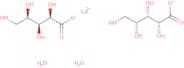
CAS:D-Xylonic acid calcium salt hydrate is a product that is made from the hydrolysis of cellulose. It is a byproduct of the production of d-xylose and can be used as a nutritional supplement or an additive in animal feed. D-Xylonic acid calcium salt hydrate has been shown to have an uptake rate in aerobic conditions that is ten times higher than glucose, which makes it more economical for use in the production of d-xylose. D-Xylonic acid calcium salt hydrate can be catalyzed to produce yields for d-glucose and d-xylose, which are both important monosaccharides. The catalytic process also produces d-gluconic acid and aerobic oxidation produces d-xylose, making it possible to recycle these products.Formula:C10H18O12·Ca·xH2OPurity:Min. 97%Color and Shape:White PowderMolecular weight:370.32 g/mol2-Methoxycarbonylphenyl β-D-glucopyranoside
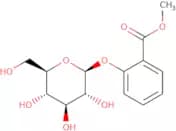
CAS:2-Methoxycarbonylphenyl b-D-glucopyranoside is a modification that can be used to synthesize complex carbohydrates. It is an oligosaccharide, which consists of a series of monosaccharides linked together by glycosidic bonds. The synthesis of this compound requires the use of methylation and fluorination reactions. This product has high purity and can be used for a variety of purposes, including as a sugar or as a polysaccharide.
Formula:C14H18O8Purity:Min. 95%Color and Shape:PowderMolecular weight:314.29 g/mol1-Deoxy-1-nitro-D-mannitol
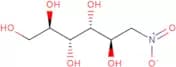
CAS:1-Deoxy-1-nitro-D-mannitol is an inorganic molecule that has a proton and a voltammetry. It is used to monitor the transport of d-arabinose across the blood vessels in the femoral vein. This compound is synthesized by the reaction of sodium nitrite with mannitol in the presence of hydrochloric acid. It can be detected using optical techniques, such as UV/VIS spectroscopy, fluorescence spectroscopy, and absorption spectroscopy. 1-Deoxy-1-nitro-D-mannitol has been shown to have a cotton effect on neurotransmitters in the frontoparietal cortex.Formula:C6H13NO7Purity:Min. 95%Molecular weight:211.17 g/mol3,4,6-Tri-O-benzyl-D-galactal
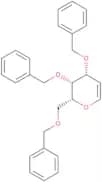
CAS:3,4,6-Tri-O-benzyl-D-galactal is a hydrogen bond donor and has been shown to have physiological activities. It was found to increase the number of lymphocytes in unimmunized mice. It also inhibits the growth of psoralea virus. The glycosidic bond between 3,4,6-tri-O-benzyl-D-galactal and glucose produces a product with an acetylated hydroxyl group and an aldehyde group. This type of bond is stereoselective and benzofuran derivatives are formed from the reaction. 3,4,6-Tri-O-benzyl-D-galactal has been shown to have anticancer activity against cancer cells in laboratory experiments.Formula:C27H28O4Purity:Min. 95%Color and Shape:White PowderMolecular weight:416.51 g/molCochineal
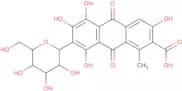
CAS:Cochineal is a natural dye that is extracted from the female cochineal insect. Cochineal is used in food and cosmetics, and as a red colorant in some pharmaceutical products. The carminic acid present in cochineal forms a stable complex with the anionic groups present in wool or silk, so it is not soluble in water. Cochineal has been shown to have genotoxic activity and can cause mutations at both the base-pairing level and at protein level. Cochineal has also been shown to be cytotoxic against human serum cells and disrupt mitochondrial membrane potential. Its optimum concentration for signal peptide detection by electrochemical impedance spectroscopy (EIS) was found to be 0.1 mM.Formula:C22H20O13Purity:Min. 95%Color and Shape:Red PowderMolecular weight:492.39L-Talitol
CAS:L-Talitol is a naturally occurring sugar alcohol that is found in the human body and in many vegetables, fruits, and grains. It has been shown to be a potent inhibitor of the bacterium Klebsiella aerogenes. L-talitol has been used as a model system to study the effect of matrix on the growth of cells. It has also been shown to have chronic pulmonary effects and to be effective for treating selenium deficiency. L-talitol can inhibit b-raf by binding to the hydroxyl group on its kinase domain and inhibiting downstream signaling pathways. This inhibition leads to reduced levels of transcriptional regulation in cells, which may be due to decreased protein synthesis or increased degradation of mRNA. L-Talitol also inhibits d-talitol dehydrogenase, which results in an increase in d-talitol concentrations in cells.Formula:C6H14O6Purity:Min. 95%Color and Shape:PowderMolecular weight:182.17 g/mol3,4,6-Tri-O-acetyl-2-azido-2-deoxy-b-D-galactopyranosyl trichloroacetimidate
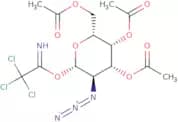
CAS:Glycosyl-donor for syntheses of N-acetylgalactosamine-glycoconjugatesFormula:C14H17Cl3N4O8Purity:(%) Min. 80%Color and Shape:White PowderMolecular weight:475.67 g/mol2,3,5-Tri-O-benzyl-D-arabino-1,4-lactone
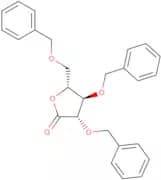
CAS:2,3,5-Tri-O-benzyl-D-arabino-1,4-lactone is a carbonyl compound that has been used to synthesize carbonyl compounds. It has been shown to catalyze the formation of benzaldehyde from acetoacetic ester in the presence of hydrochloric acid. The melting point of 2,3,5-tri-O-benzyl-D-arabino-1,4--lactone is reported to be between 138° and 141°C.Formula:C26H26O5Purity:Min. 95%Color and Shape:PowderMolecular weight:418.48 g/mol2,3,4-Tri-O-acetyl-1,6-anhydro-b-D-galactopyranose
CAS:2,3,4-Tri-O-acetyl-1,6-anhydro-b-D-galactopyranose is a sugar that has been modified with fluorination. This modification is done in an effort to increase the solubility of this product. It is also used as the backbone for other sugars in order to create complex carbohydrates or polysaccharides. In addition, 2,3,4-Tri-O-acetyl-1,6-anhydro-b-D-galactopyranose can be methylated and glycosylated in order to modify its properties. This product is available for custom synthesis and has a purity level of 99%.
Formula:C12H16O8Purity:Min. 95%Color and Shape:PowderMolecular weight:288.25 g/mol3-Deoxypentulose
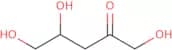
CAS:3-Deoxypentulose is a kinetic, reactive and chromatographic compound that belongs to the family of glycolysis. It is present in small amounts in the blood and is derived from pentose sugars. The reaction mechanism of 3-deoxypentulose can be divided into two steps: glyoxal formation and hydroxide solution modification. In the first step, 3-deoxypentulose reacts with glucose to form glyoxal. In the second step, 3-deoxypentulose reacts with hydroxide solution to form galactose, which can further react with other compounds or be modified by enzymatic reactions. This compound has been used as a tagatose substitute in food products and as an oligosaccharide modifier. Recently, it has been shown that 3-deoxypentulose may be used as a chemical probe for studying glycolic acid synthesis in bacteria.Formula:C5H10O4Purity:Min. 95%Color and Shape:PowderMolecular weight:134.13 g/mol6-Chloro-6-deoxy-D-glucose
CAS:6-Chloro-6-deoxy-D-glucose is a sugar that is used as a carbon source in the process of spermatozoa production. It has been shown to increase the fertility of animals by increasing the uptake of phosphorus pentachloride and ganglion cells in the testes. This drug also has contraceptive and antifertility effects, which may be due to its ability to inhibit the uptake of adenine nucleotide in cells. 6-Chloro-6-deoxy-D-glucose may have a role in ATP levels, with intracellular levels being higher than those in control analysis.Formula:C6H11ClO5Purity:Min. 95%Color and Shape:White Off-White PowderMolecular weight:198.6 g/molL-Allono-1,4-lactone
CAS:L-Allono-1,4-lactone is a molecule with a stereocenter. It has been shown to be a target molecule for glycosidase inhibitors. The inhibition of the enzyme by L-allono-1,4-lactone may be due to its ability to form a hydrogen bond with the oxygen atom in the active site of the enzyme and its hydroxyl group that can form an additional hydrogen bond with water molecules. This inhibition prevents the transfer of glucose from one substrate to another, which leads to inefficient glycosidase activity. The synthesis of L-allono-1,4-lactone has been studied using piperidine as a starting material.Formula:C6H10O6Purity:Min. 95%Color and Shape:PowderMolecular weight:178.14 g/molCyanomethyl 2,3,4,6-tetra-O-acetyl-b-D-thiogalactopyranoside
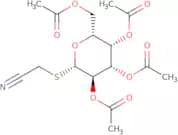
CAS:Cyanomethyl 2,3,4,6-tetra-O-acetyl-b-D-thiogalactopyranoside is an important reagent for the synthesis of glycosides and oligosaccharides. This substance has been used to synthesize a variety of modified saccharides, such as methylated sugars and fluorinated saccharides. It also has been applied to the synthesis of complex carbohydrates with the click modification.Formula:C16H21NO9SPurity:Min. 98 Area-%Color and Shape:White Off-White PowderMolecular weight:403.41 g/molCMP-Neu5Ac sodium salt
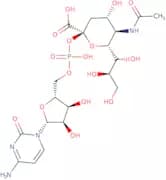
CAS:CMP-Neu5Ac sodium salt (CMP-sialic acid) is a compound of the monosaccharide N-acetylneuraminic acid (Neu5Ac) O-linked with the nucleotide cytidine-5’-monophosphate (CMP). CMP-sialic acid is a substrate for sialyltransferases, which attach sialic acid to a growing oligosaccharide chain. This sugar nucleotide is produced in cytoplasm and then transported into Golgi lumen by a nucleotide-sugar transporter, where it is used in sialylation reactions on glycoproteins and glycolipids.Formula:C20H30NaN4O16PPurity:(%) Min. 85.0%Color and Shape:White Off-White PowderMolecular weight:636.43 g/mol3-Aminopropyl 4,6-O-benzylidene-3-O-pivaloyl-b-D-galactopyranoside
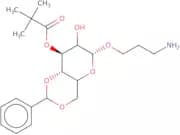
CAS:3-Aminopropyl 4,6-O-benzylidene-3-O-pivaloyl-b-D-galactopyranoside is a glycosylated and fluorinated saccharide that is used as a building block for the synthesis of complex carbohydrates. It can be modified to produce glycans with desired properties, such as improved solubility or stability in high temperatures. This product is available in custom synthesis and high purity.Formula:C21H31NO7Purity:Min. 95%Molecular weight:409.47 g/molTriclosan-beta-D-glucopyranoside
Triclosan-beta-D-glucopyranoside is a synthetic sugar that can be used as a building block for the preparation of complex carbohydrates. Triclosan-beta-D-glucopyranoside is not known to have any commercial applications.Formula:C18H17Cl3O7Purity:Min. 95%Color and Shape:PowderMolecular weight:451.68 g/mol3,5,6-Trichloro-2-pyridinol β-D-glucuronide
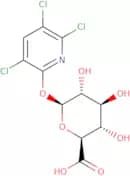
CAS:3,5,6-Trichloro-2-pyridinol b-D-glucuronide is a synthetic glycosylate that has been modified by fluorination and methylation. It is used as an intermediate in the manufacture of a variety of saccharides and oligosaccharides. The sugar has been synthesized to have a high purity. 3,5,6-Trichloro-2-pyridinol b-D-glucuronide is a complex carbohydrate that can be modified using click chemistry. Click chemistry is a modification technique that uses copper (II) ions as catalysts for the formation of carbon–carbon bonds. This process can be used to modify saccharides and oligosaccharides with functional groups such as amines, thiols, alcohols, carboxylic acids, or nitriles.Formula:C11H10Cl3NO7Purity:Min. 95%Color and Shape:White PowderMolecular weight:374.56 g/mol2,3,4,6-Tetra-O-benzyl-a-D-glucopyranosyl chloride
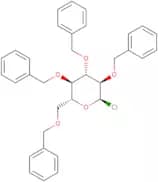
CAS:2,3,4,6-Tetra-O-benzyl-a-D-glucopyranosyl chloride is a cholic acid derivative that is used as a bile acid. It has been shown to be effective in the treatment of gallstones and other conditions involving hypercholesterolemia and cholesterol gallstones. 2,3,4,6-Tetra-O-benzyl-a-D-glucopyranosyl chloride is synthesized by coupling acetyl chloride with 2,3,4,6 tetra O benzyl a D glucopyranoside. The acetate group is then removed to form the desired product.Formula:C34H35ClO5Purity:Min. 95%Color and Shape:PowderMolecular weight:559.09 g/molIndomethacin acyl-b-D-glucuronide
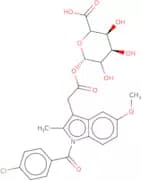
CAS:Indomethacin acyl-b-D-glucuronide is a prodrug of indomethacin. It is absorbed through the stomach and small intestine and metabolized in the liver. The pharmacokinetic parameters are not as well understood as with other drugs, but it has been shown that indomethacin acyl-b-D-glucuronide has a higher systemic exposure than indomethacin. This may be due to an increase in absorption or faster elimination. Indomethacin acyl-b-D-glucuronide is used for the treatment of pain and inflammation associated with rheumatoid arthritis, osteoarthritis, ankylosing spondylitis, gouty arthritis, and bursitis.Formula:C25H24ClNO10Purity:Min. 95 Area-%Color and Shape:Yellow PowderMolecular weight:533.91 g/molTrichloroethyl b-D-glucuronide potassium salt
CAS:Trichloroethyl b-D-glucuronide potassium salt (TCEBG) is a chloral compound that is metabolized to trichloroacetic acid. It has been shown to be carcinogenic in rats, but not in mice. Trichloroethyl b-D-glucuronide potassium salt has been used as an experimental agent for the synthesis of monoclonal antibodies. TCEBG binds to rat liver microsomes and CD1 mouse liver microsomes, which may be due to its high lipophilicity. TCEBG also disrupts cell membranes and induces cell death by inhibiting protein synthesis at the ribosome level.Formula:C8H10Cl3KO7Purity:Min. 98 Area-%Color and Shape:PowderMolecular weight:363.62 g/molUDP-D-glucuronide trisodium salt
CAS:Substrate for glucuronosyltransferases
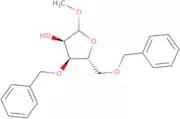
Formula:C15H19N2Na3O18P2Purity:Min. 98 Area-%Color and Shape:White Off-White PowderMolecular weight:646.24 g/molMethyl 3,5-di-O-benzyl-β-D-ribofuranoside
CAS:Methyl 3,5-di-O-benzyl-b-D-ribofuranoside is a synthetic glycoconjugate. The methyl group at the 3 position of the ribose is substituted with a fluorine atom. This modification results in increased resistance to nucleases and enhanced cell penetration. Methyl 3,5-di-O-benzyl-b-D-ribofuranoside can be used for the synthesis of complex carbohydrates that are not accessible by other methods.Formula:C20H24O5Purity:Min. 95%Color and Shape:Yellow PowderMolecular weight:344.4 g/mol1,6-Anhydro-2-azido-2-deoxy-b-D-glucopyranose
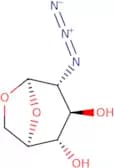
CAS:1,6-Anhydro-2-azido-2-deoxy-b-D-glucopyranose is a sugar. It belongs to the group of carbohydrates and has a molecular weight of 198.15 g/mol. The CAS number for this compound is 67546-20-7. 1,6-Anhydro-2-azido-2,3,4,5,6,7,8,9,10,-hexahydroxybenzoate (1) is an intermediate in the synthesis of 1,6 anhydro 2 azido 2 deoxy b D glucopyranose (2). In this reaction 2 are reacted with sodium azide and potassium hydroxide in ethanol to give 2 as a white crystalline solid with mp 169°C. This product can be used as a monosaccharide or modified monosaccharide for glycosylation or methylation reactions.Formula:C6H9N3O4Purity:Min. 95%Color and Shape:SolidMolecular weight:187.15 g/mol1,3,4,6-Tetra-O-benzoyl-α-D-fructofuranose
CAS:1,3,4,6-Tetra-O-benzoyl-a-D-fructofuranose is a fluorinated monosaccharide. It is an artificial sugar that has been modified with a benzoyl group at the 1 position and a tetra-O-benzoyl group at the 3 position. This compound has been synthesized using a custom synthesis. The compound is soluble in water and ethanol and can be used as a glycosylation or polysaccharide modification reagent. Click chemistry reactions have been performed on this compound to introduce methyl groups to the 4 and 6 positions of the sugar ring. The purity of this product is >99%.
Formula:C34H28O10Purity:Min. 95%Color and Shape:White To Off-White SolidMolecular weight:596.58 g/molMethyl α-L-daunosamide hydrochloride
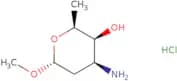
CAS:Methyl α-L-daunosamide hydrochloride is a drug that inhibits the production of DNA. It is used to treat infectious diseases such as malaria, in which it can inhibit the growth of the parasite by preventing DNA replication and transcription. The methyl α-L-daunosamide hydrochloride molecule is a polymerase chain inhibitor that binds to the enzyme adriamycin synthetase, which catalyzes the conversion of daunosamine into adriamycin. This binding prevents the formation of stable complexes with the target enzymes and blocks their activity, leading to inhibition of DNA synthesis and transcription. Methyl α-L-daunosamide hydrochloride has been shown to inhibit glycan biosynthesis in rat liver microsomes and does not have significant interactions with other drugs or with glycan in human serum.Formula:C7H15NO3•HClPurity:Min. 85 Area-%Color and Shape:PowderMolecular weight:197.66 g/molD-Glucuronic acid methyl ester
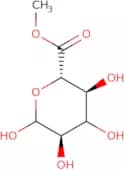
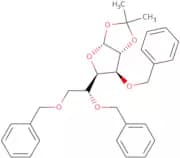
CAS:D-Glucuronic acid methyl ester is an acidic, carbohydrate-binding molecule. It has been shown to bind to sugar residues in proteins and form covalent linkages with ester linkages. D-Glucuronic acid methyl ester has also been shown to be effective for the treatment of pentosan polysulfate sodium (PPS) induced inflammation in animal models. D-Glucuronic acid methyl ester binds to the monoclonal antibodies that are used for structural analysis of glycosidic bonds and oligosaccharides. The hydroxyl group on the molecule can form hydrogen bonds with other molecules, which may explain its usefulness as a magnetic resonance spectroscopy probe.Formula:C7H12O7Purity:Min. 90 Area-%Color and Shape:Yellow PowderMolecular weight:208.17 g/mol3,5,6-Tri-O-benzyl-1,2-O-Isopropylidene-a-D-glucofuranose
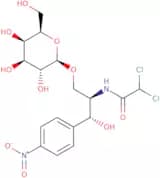
CAS:3,5,6-Tri-O-benzyl-1,2-O-isopropylidene-a-D-glucofuranose is a synthetic monosaccharide that has been fluorinated at the C3 position. It is an oligosaccharide with a complex carbohydrate structure. This glycosylation product can be custom synthesized and has been modified by methylation. 3,5,6-Tri-O-benzyl-1,2-O-isopropylidene Glucuronic acid can be used in the synthesis of polysaccharides or as a sugar for click chemistry. The chemical formula is C13H28O4F3 and its molecular weight is 322.32 g/mol.Formula:C30H34O6Purity:Min. 95%Color and Shape:PowderMolecular weight:490.59 g/molChloramphenicol 1-O-β-D-galactopyranoside
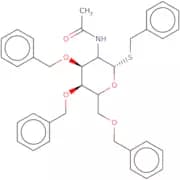
CAS:Chloramphenicol 1-O-b-D-galactopyranoside is an antibiotic that binds to the 50S ribosomal subunit and inhibits bacterial protein synthesis. It is a modified form of chloramphenicol, which has been chemically altered to make it more soluble in water. Chloramphenicol 1-O-b-D-galactopyranoside can be used for the treatment of infections caused by bacteria such as Mycobacterium avium complex, Clostridium perfringens, or Staphylococcus aureus. This drug is also used to protect against meningitis caused by H. influenzae type b and other Gram negative bacteria. Chloramphenicol 1-O-b-D-galactopyranoside is also used for the prevention of disease recurrence in patients with superficial bladder cancer who have had a partial cystectomy and are at high risk for tumor recurrenceFormula:C17H22N2O10Cl2Purity:Min. 95%Color and Shape:PowderMolecular weight:485.27 g/mol2-Acetamido-1,3,4,6-tetra-O-benzyl-2-deoxy-β-D-thioglucopyranose
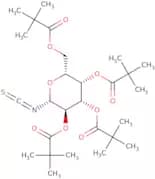
2-Acetamido-1,3,4,6-tetra-O-benzyl-2-deoxy-b-D-thioglucopyranose is a modification of the natural molecule glucose. It is an Oligosaccharide with a complex carbohydrate structure. The molecule has been custom synthesized and is synthesized to be of high purity. It has CAS No.: 52268-42-9. 2-Acetamido-1,3,4,6-tetra-O-benzyl-2-deoxyglucopyranose is a Monosaccharide that can be methylated and glycosylated to form Polysaccharides. This molecule can be used as a sugar in food products or as a Fluorination agent for other molecules.Formula:C36H39NO5SPurity:Min. 95%Molecular weight:597.76 g/mol2,3,4,6-Tetra-O-pivaloyl-b-D-galactopyranosyl isothiocyanate
CAS:2,3,4,6-Tetra-O-pivaloyl-b-D-galactopyranosyl isothiocyanate is a custom synthesis that has complex carbohydrate as its main component. It is a modified saccharide with chemical modifications such as methylation, glycosylation, and fluorination. It also contains one or more sugars. The CAS number for this product is 147948-52-5. This product has high purity and can be synthesized according to customer specifications.Formula:C27H43NO9SPurity:Min. 95%Color and Shape:White PowderMolecular weight:557.7 g/mol2-Chloro-4-nitrophenyl 2-azido-2-deoxy-b-D-galactopyranoside
CAS:2-Chloro-4-nitrophenyl 2-azido-2-deoxy-b-D-galactopyranoside is a synthetic compound. It has been shown to be an inhibitor of glycosylation by blocking the terminal step of glycosylation, which is the formation of a covalent bond between a sugar and an amino acid. The compound has been used in click chemistry to methylate saccharides.Formula:C12H13ClN4O7Purity:Min. 95%Molecular weight:360.71 g/molMethyl 6-amino-6-deoxy-a-D-glucopyranoside
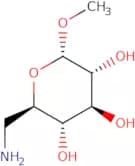
CAS:Methyl 6-amino-6-deoxy-a-D-glucopyranoside is a saccharide with a molecular weight of 362.4 g/mol. This carbohydrate is fluorinated and modified with an amine group on the C1 position, which makes it a complex carbohydrate. It can be custom synthesized to order and has high purity. CAS No. 5155-47-5Formula:C7H15NO5Purity:Min. 98 Area-%Color and Shape:Clear LiquidMolecular weight:193.2 g/molN-Methyl-D-glucamine HCl
CAS:N-Methyl-D-glucamine HCl is a salt of N-methylglucamine and hydrochloric acid. It is used as a buffer to maintain the pH of solutions at a desired level. N-Methyl-D-glucamine HCl has an inhibition constant (Ki) of 0.5 mM for glutamate, which can be used to measure the concentration of glutamate in tissue samples or reaction mixtures. This compound also inhibits locomotor activity, and its effect on blood pressure may be due to its ability to inhibit amines. The Ki for chloride is approximately 2 mM, and it can be used to measure the concentration of chloride in solution.Formula:C7H17NO5·HClColor and Shape:PowderMolecular weight:231.67 g/mol2,3,5-Tri-O-benzyl-b-D-xylofuranose
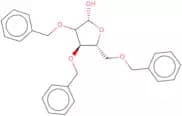
CAS:2,3,5-Tri-O-benzyl-b-D-xylofuranose is a synthetic carbohydrate with a complex structure. It is an oligosaccharide that has been modified by methylation and glycosylation. It has a molecular weight of 582.16 g/mol and the CAS number is 1174234-12-8.Formula:C26H28O5Purity:Min. 95%Color and Shape:PowderMolecular weight:420.5 g/mol







![3b-[(a-L-arabinopyranosyl)oxy] urs-12,18-dien-28-oic acid 28-b-D-glucopyranosyl ester (12)](/_next/image/?url=https%3A%2Fstatic.cymitquimica.com%2Fproducts%2F3D%2Fthumb-webp%2FMA74562.webp&w=3840&q=75)





![N- [[(2R, 3R, 4S) - 4- [(Acetyloxy) methyl] - 3- (phenylmethoxy) - 1- (phenylmethyl) - 2- azetidin…](/_next/image/?url=https%3A%2Fstatic.cymitquimica.com%2Fproducts%2F3D%2Fthumb-webp%2FMA163471.webp&w=3840&q=75)




![a-D-[UL-13C6]Glucose-1-phosphate dipotassium salt hydrate](/_next/image/?url=https%3A%2Fstatic.cymitquimica.com%2Fproducts%2F3D%2Fthumb-webp%2FMG64091.webp&w=3840&q=75)