Food Industry Standards
Food industry standards are critical reference materials used to ensure the safety, quality, and consistency of food products. These standards are employed in the analysis and testing of foodstuffs, including contaminants, additives, and nutritional components. At CymitQuimica, we provide high-quality food industry standards to support compliance with food safety regulations and quality control measures.
Subcategories of "Food Industry Standards"
- Beverage Standards(7 products)
- Dairy Standards(39 products)
- Food Contact Materials(1,074 products)
- Wine Standards(47 products)
Found 7930 products of "Food Industry Standards"
Sort by
Purity (%)
0
100
|
0
|
50
|
90
|
95
|
100
6'-Sialyllactose Sodium Salt
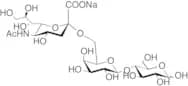
CAS:Controlled Product<p>Stability Hygroscopic<br>Applications 6'-Sialyllactose binds several viral strains, including strains of influenza, HIV-1, reovirus, and polyomavirus.<br>References Wu, W., et al.: Virol., 325, 340 (2004); Borges, R., et al.: Virol., 433, 489 (2012); Iskarpatyoti, J., et al.: Virol., 433,489 (2012)<br></p>Formula:C23H38NNaO19Color and Shape:White To Off-WhiteMolecular weight:655.53(R,S)-N-Nitroso Anabasine
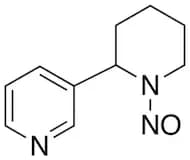
CAS:<p>Applications A metabolite of tobacco, a specific N-nitrosamines. Shows mutagenic effects; a potent esophageal carcinogen.<br> Not a dangerous good if item is equal to or less than 1g/ml and there is less than 100g/ml in the package<br>References Idris, A.M., et al.: Carcinogenesis, 13, 1001 (1992),<br></p>Formula:C10H13N3OColor and Shape:YellowMolecular weight:191.23Diundecyl Phthalate
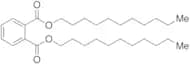
CAS:Controlled Product<p>Applications Diundecyl Phthalate is a phthalate diester and has been investigated for its toxicology in male rats for risk assessment.<br>References Kwack, S.J., et al.: J. Toxicol. Environ. Health., 72, 1446 (2009); Serafimova, R., et al.: Chem. Res. Toxiciol., 20, 662 (2007);<br></p>Formula:C30H50O4Color and Shape:ColourlessMolecular weight:474.72Butyl Phthalyl Butyl Glycolate
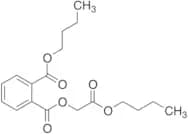
CAS:Controlled Product<p>Applications Butyl Phthalyl Butyl Glycolate (cas# 85-70-1) is a useful research chemical.<br></p>Formula:C18H24O6Color and Shape:Colourless LiquidMolecular weight:336.3796Limetol
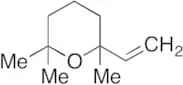
CAS:Controlled Product<p>Applications Limetol, is the cyclized derivative of linalool (L465950), melanol, and other unsaturated alcohols, that was shown to give a product mixture that can be used in fragrance and perfumery industry.<br>References Klimánková, E., et al.: Food Chem., 107, 464 (2008); Nakamura, A., et al.: J. Agric. Food Chem., 57, 5480 (2009); Soni, A. et al.: Synth. Comm., 40, 74 (2010);<br></p>Formula:C10H18OColor and Shape:NeatMolecular weight:154.25Dicyclohexyl Phthalate
CAS:<p>Applications Dicyclohexyl Phthalate is a phthalate ester used as a plasticizer as well as being present in cosmetic products. Dicyclohexyl Phthalate that is a weak drug-type inducer of hepatic xenobiotic metabolism.<br>References Lake, B.G. et al.: Acta Pharmacol. Toxicol., 51, 217 (1982); Tsutsumi, N. et al.: Optic. Mat., 29, 435 (2006);<br></p>Formula:C20H26O4Color and Shape:WhiteMolecular weight:330.421,2,3,7,8-Pentachlorodibenzofuran
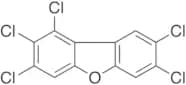
CAS:Controlled Product<p>Applications A toxic polychlorinated dibenzofuran detected in domestic meat and poultry.<br> Not a dangerous good if item is equal to or less than 1g/ml and there is less than 100g/ml in the package<br>References Feil, V., et al.: J. Agric. Food Chem., 48, 6163 (2000), Huwe, J., et al.: Food Addit. Contam., 21, 182 (2004), Llobet, J., et al.: Toxicol. Lett., 178, 117 (2008),<br></p>Formula:C12H3Cl5OColor and Shape:Off White SolidMolecular weight:340.42Methylene Chloride-d2
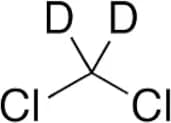
CAS:Controlled Product<p>Stability Volatile<br>Applications Labelled Methylene Chloride used in organic chemical reactions as a general solvent.<br> Not a dangerous good if item is equal to or less than 1g/ml and there is less than 100g/ml in the package<br>References Fulmer, G. et al.: Organometal., 29, 2176 (2010); Kobayashi, M. et al.: J. Porph. Pthalo., 16, 359 (2012);<br></p>Formula:C2H2Cl2Color and Shape:Colourless LiquidMolecular weight:86.94Glycerol-d5
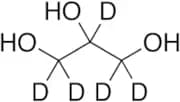
CAS:Controlled Product<p>Applications Labelled Glycerol (G598400). Glycerol is used both in sample preparation and gel formation for polyacrylamide gel electrophoresis. Glycerol (5-10%) increases the density of a sample so that the sample will layer at the bottom of a gel’s sample well. Glycerol is also used to aid in casting gradient gels and as a protein stabilizer and storage buffer component.<br>References Bartsch, W., et al.: Arzeim.-Forsch., 26, 1581 (1976),<br></p>Formula:C32H5H3O3Color and Shape:ColourlessMolecular weight:97.124-Methylvaleric Acid Methyl Ester
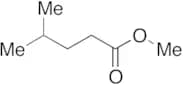
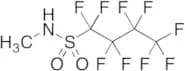
CAS:Controlled ProductFormula:C7H14O2Color and Shape:NeatMolecular weight:130.181,1,2,2,3,3,4,4,4-Nonafluoro-N-methyl-1-butanesulfonamide
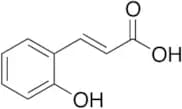
CAS:Controlled ProductFormula:C5H4F9NO2SColor and Shape:NeatMolecular weight:313.14162-Hydroxycinnamic Acid
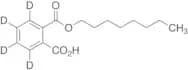
CAS:Controlled Product<p>Applications 2-Hydroxycinnamic Acid (cas# 614-60-8) is a useful research chemical.<br></p>Formula:C9H8O3Color and Shape:NeatMolecular weight:164.16Monooctyl Phthalate-d4
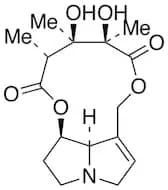
CAS:Controlled Product<p>Applications A Phthalate metabolite.<br>References Ye, X., et al.: Environ. Res., 108, 260 (2008), Blair, J., et al.: Environ. Sci. Technol., 43, 6262 (2009), Clewell, R., et al.: Toxicol. n Vitro, 24, 327 (2010),<br></p>Formula:C16H18D4O4Color and Shape:NeatMolecular weight:282.37Monocrotaline
CAS:<p>Applications A toxic pyrrolizidine alkaloid isolated from Crotalaria spp. It is used for inducing pulmonary diseases in rats.<br> Not a dangerous good if item is equal to or less than 1g/ml and there is less than 100g/ml in the package<br>References Newberne, P.M., et al.: Toxicol. Appl. Pharmacol., 18, 387 (1971), Bober, M.A., et al.: Toxicon, 27, 1059 (1989), Wilson, D.W., et al.: Crit. Rev. Toxicol., 22, 307 (1992),<br></p>Formula:C16H23NO6Color and Shape:White To Off-WhiteMolecular weight:325.362-Methoxyacetic Acid-d3
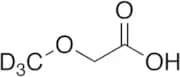
CAS:Controlled Product<p>Applications: Isotope labelled analogue of 2-Methoxyacetic Acid, a synthetic intermediate in the synthesis of dimethyl(alkyloxy)[(methylsulfonyl)phenyl]furanones as COX-2 inhibitors.<br>Dangerous Goods Info: Not a dangerous good if item is equal to or less than 1g/ml and there is less than 100g/ml in the package<br>References Leblanc, Y., et al.: Bioorg. Med. Chem. Lett., 9, 2207 (1999);<br></p>Formula:C32H3H3O3Color and Shape:NeatMolecular weight:93.10Monoisobutyl Phthalate-d4
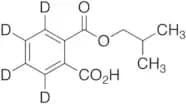
CAS:Controlled Product<p>Applications An isotope labelled derivative of Monoisobutyl Phthalate (M547700), a phthalate metabolite.<br>References Sathyanarayana, S., et al.: Environ. Res., 108, 413 (2008), Engel, S., et al.: NeuroToxicol., 30, 522 (2009), Seckin, E., et al.: Toxicol. Lett., 188, 33 (2009),<br></p>Formula:C122H4H10O4Color and Shape:NeatMolecular weight:226.26Isopropyl Acetate
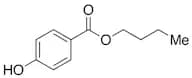
CAS:<p>Applications Isopropyl Acetate is a widely used chemical solvent in organic and industrial syntheses. Also used in the dissolution of gallstones.Environmental contaminants; Food contaminants<br> Not a dangerous good if item is equal to or less than 1g/ml and there is less than 100g/ml in the package<br>References Zakko, S. et al.: Gastroenterol., 113, 232 (1997); Loeser, E. et al.: J. Chromatogr. A., 1216, 3409 (2009);<br></p>Formula:C5H10O2Color and Shape:NeatMolecular weight:102.13Butyl 4-Hydroxybenzoate(Butyl Paraben)
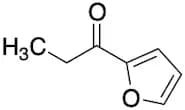
CAS:Controlled Product<p>Applications An antimicrobial agent used in cosmetic products.<br>References Gilliland, D., et al.: J. Appl. Bacteriol., 72, 258 (1992), Routledge, E., et al.: Toxicol. Appl. Pharmacol., 153, 12 (1998), Miller, C., et al.: J. Biol. Chem., 272, 32824 (1997), Nakagawa, Y., et al.: Biochem. Pharmacol., 55, 1907 (1998),<br></p>Formula:C11H14O3Color and Shape:WhiteMolecular weight:194.231-(Furan-2-yl)propan-1-one
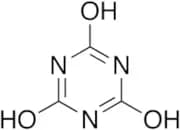
CAS:Controlled Product<p>Applications 1-(furan-2-yl)propan-1-one (cas# 3194-15-8) is a useful research chemical.<br></p>Formula:C7H8O2Color and Shape:NeatMolecular weight:124.13Cyanuric Acid
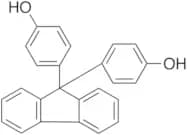
CAS:Controlled Product<p>Applications Diagnostic determination of Melamine and related compounds in kidney tissue.<br>References Mast, R., et al.: Food Chem. Toxicol., 21, 807 (1983), Yokley, R., et al.: J. Agric. Food Chem., 48, 3352 (2000), Ehling, S., et al.: Food Addit. Contam., 24, 1319 (2007), Vail, T., et al.: J. Anal. Toxicol., 31, 304 (2007),<br></p>Formula:C3H3N3O3Color and Shape:WhiteMolecular weight:129.079,9-Bis (4-Hydroxyphenyl) Fluorene
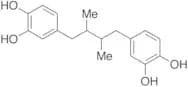
CAS:Controlled Product<p>Applications 9,9-Bis (4-Hydroxyphenyl) Fluorene is used in the production of polyarylene ethers and extensively used in the study of polymer electrolyte membranes with the potential for fuel cell application.<br> Not a dangerous good if item is equal to or less than 1g/ml and there is less than 100g/ml in the package<br>References Miyatake, K. et al.: J. Am. Chem. Soc., 129, 3879 (2007); Chikashige, Y. et al.: Macromolecules, 38, 7121 (2005);<br></p>Formula:C25H18O2Color and Shape:NeatMolecular weight:350.41Nordihydro Guaiaretic Acid (mixture of diastereomers)
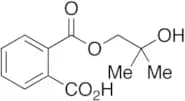
CAS:Controlled Product<p>Applications Nordihydro Guaiaretic Acid is a lipoxygenase inhibitor; polyphenol-bearing o-dihydroxy (catechol) structure. Inhibitor of broad bean lipoxygenase. The oxidation product from Resveratrol (R150000) showed a high inhibitory activity, whereas Resveratrol itself had no activity and its oxidation efficiency was low.<br>References Brash, A., et al.: J. Biol. Chem., 274, 23679 (1999), Fujimoto, A., et al.: Bioorg. Med. Chem. Lett., 20, 7393 (2010), Ridolfi, M., et al.: J. Agric. Food Chem., 50, 835 (2002),<br></p>Formula:C18H22O4Color and Shape:White To BrownMolecular weight:302.36Mono(2-hydroxyisobutyl)phthalate
CAS:Controlled Product<p>Applications Mono(2-hydroxyisobutyl)phthalate is a metabolite of Di-isobutyl phthalate.<br>References Engelhardt, G., et al.: Chemosphere, 6, 347 (1977),<br></p>Formula:C12H14O5Color and Shape:White SolidMolecular weight:238.24Bisphenol A-3,3',5,5'-d4
CAS:Controlled Product<p>Applications Bisphenol A-3,3',5,5'-d4 (CAS# 347841-41-2) is a useful isotopically labeled research compound.<br></p>Formula:C15D4H12O2Color and Shape:NeatMolecular weight:232.3114-Butoxybutanol
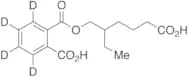
CAS:Controlled Product<p>Applications 4-Butoxybutanol is used in the synthesis of biomedical polyurethane for application as scaffold materials.<br>References Liu, H. et al.: J. App. Polym. Sci., 117, 235 (2010);<br></p>Formula:C8H18O2Color and Shape:NeatMolecular weight:146.23rac Mono(5-carboxy-2-ethylpentyl) Phthalate-d4
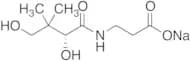
CAS:Controlled Product<p>Applications Labelled analogue of Mono(5-carboxy-2-ethylpentyl) Phthalate, a metabolite of Bis(2-ethylhexyl) Phthalate (DEHP) (B433850).<br>References Engel, S. et al.: NeuroToxicol., 30, 522 (2009); Hernandez-Diaz, S. et al.: Environ. Health Perspectives, 117, 185 (2009); Berman, T. et al.: Environ. Int., 35, 353 (2009);<br></p>Formula:C16H16D4O6Color and Shape:NeatMolecular weight:312.35D-Pantothenic Acid Sodium Salt
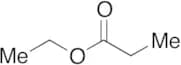
CAS:<p>Applications D-Pantothenic Acid (sodium salt) (cas# 867-81-2) is a useful research chemical.<br></p>Formula:C9H16NO5·NaColor and Shape:White Crystalline PowderMolecular weight:241.22Ethyl Propionate(Propionic Acid Ethyl Ester)
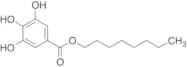
CAS:Formula:C5H10O2Color and Shape:ColourlessMolecular weight:102.13Octyl Gallate
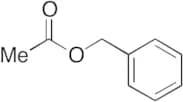
CAS:<p>Applications OCTYL GALLATE (cas# 1034-01-1) is a useful research chemical.<br></p>Formula:C15H22O5Color and Shape:White To Off-WhiteMolecular weight:282.33Benzyl Acetate
CAS:Controlled Product<p>Applications Benzyl Acetate, is found naturally in many flowers, It has pleasant sweet aroma reminiscent of jasmine, and thus is used widely in perfumery industry, and also as a flavouring agent. It is also used as a solvent.<br>References Schiestl, F. P., et al.: J. Chem. Ecology, 29 (2004); Qian-qian, M., et al.: Jingxi Huagong, 30, 442 (2013);<br></p>Formula:C9H10O2Color and Shape:NeatMolecular weight:150.17Ethyl Decanoate
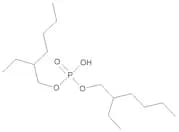
CAS:<p>Applications Ethyl Decanoate, is a fatty acid ester formed from capric acid and ethanol. It is a volatile ester produced during the fermentation in winemaking. It can also be used as a flavor and fragrance ingredients.<br>References Makhotkina, O., et al.: Food Chemistry, 135, 486 (2012);<br></p>Formula:C12H24O2Color and Shape:NeatMolecular weight:200.32Bis(2-ethylhexyl) Phosphate
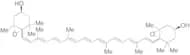
CAS:Controlled ProductFormula:C16H35O4PColor and Shape:ColourlessMolecular weight:322.42Violaxanthin (Mixture of Diastereomers)
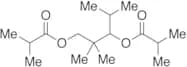
Controlled Product<p>Applications Violaxanthin is a carotenoid found in prickly pear fruit.<br>References Yahia, E.M., et. al.: Acta. Hortic., 877, 1129 (2010)<br></p>Formula:C40H56O4Purity:>85%Color and Shape:NeatMolecular weight:600.872,2,4-Trimethyl-1,3-pentanediol Diisobutyrate
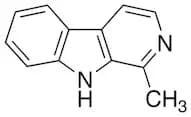
CAS:<p>Applications 2,2,4-Trimethyl-1,3-pentanediol Diisobutyrate is a plastic additive and was found to associate with newly diagnosed asthma.<br>References Gao, X.L., et al.: Food. Sci. Biotechnol., 18, 1447 (2009); Villberg, K., et al.: Indoor. Built. Environ., 17, 455 (2008);<br></p>Formula:C16H30O4Color and Shape:ColourlessMolecular weight:286.41Harman
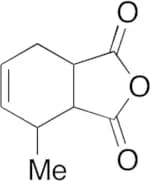
CAS:<p>Applications Harman alkaloid like harmane, harmine, harmalol, harmaline obtained from Banisteriopsis caapi L. showed cytotoxicity, antimicrobial activity against Staphylococcus aureus, Escherichia coli, Proteus vulgaris and Candida albicans.<br>References Sigg, E.B., et al.: Arch. Int. Pharmacodyn., 149, 164 (1964), Saano, V., et al.: Acta Pharmacol. Toxicol., 51, 300 (1982), Tse, S., et al.: Biochem. Pharmacol., 42, 459 (1991), Rommelspacher, H., et al.: Eur. J. Pharmacol., 252, 51 (1994), Louis, E., et al.: Neurology, 59, 1940 (2002),<br></p>Formula:C12H10N2Color and Shape:White To Dark BrownMolecular weight:182.223-Methyl-4-cyclohexene-1,2-dicarboxylic Anhydride
CAS:Controlled ProductFormula:C9H10O3Color and Shape:White To Off-WhiteMolecular weight:166.172-Aminodipyrido[1,2-a:3',2’-d]imidazole Dihydrochloride
CAS:Controlled Product<p>Applications Glu-P2 is highly mutagenic in the Ames test. Studies have shown that broiled fish, fried beef, commercial beef extracts and protein pyrolsylates contain this mutagen.<br>References Sugimura, T., et al.: Cancer, 49, 1970 (1982), Ohgaki, H., et al.,: Carcinogenesis, 5, 921 (1984), Mutation Research, 187, 99-103 (1987), Sugimura, T., et al.: Mutation Research, 290, 43 (1993), Eisenbrand & Tang: Toxicology, 84, 1 (1993)<br></p>Formula:C10H10Cl2N4Color and Shape:Light Yellow To Dark BrownMolecular weight:257.122-Amino-3,4-dimethyl-3H-imidazo[4,5-f]quinoline
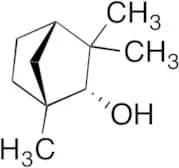
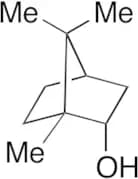
CAS:Controlled Product<p>Stability Hygroscopic<br>Applications Mutagenic heterocyclic amines in cooked food.<br>References Stavric, B., et al.: Fd. Chem. Toxic., 31, 12, 981 (1993), Sugimura, T., et al.: Mutation Research, 290, 43 (1993), Eisenbrand & Tang: Toxicology, 84, 1 (1993)<br></p>Formula:C12H12N4Color and Shape:Light Yellow To OrangeMolecular weight:212.25(+)-Borneol
CAS:Controlled Product<p>Applications (+)-Borneol is used for analgesia and anesthesia in traditional Chinese and Japanese medicine. (+)-Borneol has hightly efficacious positive modulating action at human recombinant α1β2γ2L GABAA receptors.<br> Not a dangerous good if item is equal to or less than 1g/ml and there is less than 100g/ml in the package<br>References Granger, R.E., et. al.: Biochem. Pharmacol., 69, 1101 (2005)<br></p>Formula:C10H18OColor and Shape:White To Off-WhiteMolecular weight:154.25T-2 Toxin Triol
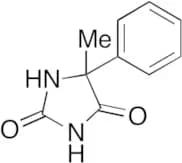
CAS:Controlled Product<p>Applications T-2 Toxin Triol is a type-A trichothecene mycotoxin produced by Fusarium, itself a metabolite of T-2 Toxin (T002980).<br> Not a dangerous good if item is equal to or less than 1g/ml and there is less than 100g/ml in the package<br>References Steinmetz, W., et al.: Eur. J. Med. Chem., 44, 4485 (2009), Vishwanath, V., et al.: Anal. Bioanal. Chem., 395, 1355 (2009), Beyer, M., et al.: Mycotox. Res., 25, 41 (2009),<br></p>Formula:C20H30O7Color and Shape:NeatMolecular weight:382.455-Methyl-5-phenylhydantoin
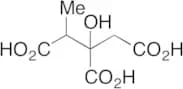
CAS:Controlled Product<p>Applications 5-Methyl-5-phenylhydantoin is a reactant for synthesis of beta-amino alcohols as inhibitors of anti-tubercular target N-acetyltransferase, chlorohydantoins and specific MMP inhibitors.<br>References Fullam, E., et al.: Bioorg. Med. Chem. Lett., 21, 1185 (2011); Whitehead, D., et al.: Tetrahedron Lett., 50, 3 (2009); Chollet, A., et al.: Bioorg. Med. Chem., 10, 531 (2002)<br></p>Formula:C10H10N2O2Color and Shape:NeatMolecular weight:190.202-Methylcitric Acid
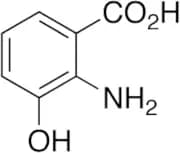
CAS:<p>Applications 2-Methylcitric Acid is a metabolite of Citric Acid (C521000). It is formed from the condensation of propionoyl-CoA and oxaloacetic acid catalyzed by a citrate synthase enzyme.<br>References Allen, R. H., et al.: Metabolism, 42, 978 (1993)<br></p>Formula:C7H10O7Color and Shape:NeatMolecular weight:206.153-Hydroxyanthranilic Acid
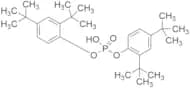
CAS:Controlled Product<p>Applications 3-Hydroxyanthranilic Acid is one of the tryptophan’s metabolites along the kynurenine pathway. 3-Hydroxyanthranilic Acid has been shown to induce apoptosis in T cells.<br>References Hiramatsu, R. et al.: J. Cell. Biochem., 103, 42 (2007); Bauer, T. et al.: Transpl. Int., 18, 95 (2005)<br></p>Formula:C7H7NO3Color and Shape:NeatMolecular weight:153.14Bis(2,4-di-tert-butylphenyl) Hydrogen Phosphate
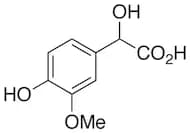
CAS:<p>Applications Bis(2,4-di-tert-butylphenyl) hydrogen phosphate (CAS# 69284-93-1) is a useful research chemical compound.<br></p>Formula:C28H43O4PColor and Shape:White To Off-WhiteMolecular weight:474.614-Hydroxy-3-methoxymandelic Acid
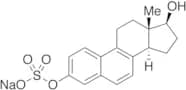
CAS:Controlled Product<p>Applications A metabolite of catecholamines.<br>References Canfell, P., et al.: Clin. Chem., 32, 222 (1986), Nunez, C., et al.: Eur. J .Clin. Chem. Clin. Biochem., 32, 461 (1994), Weise, M., et al.: J. Clin. Endocrinol. Metab., 87, 1955 (2002),<br></p>Formula:C9H10O5Color and Shape:Off-WhiteMolecular weight:198.1717β-Dihydro Equilenin 3-Sulfate Sodium Salt (Stabilized with TRIS, 50% w/w)
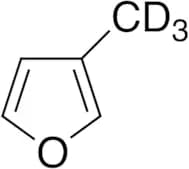
CAS:Controlled ProductFormula:C18H19O5S·NaColor and Shape:NeatMolecular weight:370.3953-Methylfuran-d3 (1 mg/mL in Methanol)
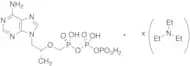
CAS:Controlled ProductFormula:C52H3H3OColor and Shape:Single SolutionMolecular weight:85.12Tenofovir Diphosphate Triethylamine Salt (Mixture of Diastereomers)
CAS:<p>Stability Very Hygroscopic<br>Applications A metabolite of Tenofovir (T018500).<br>References Hazra, R., et al.: Antimicrob. Agents Chemother., 48, 124 (2004), Piketty, C., et al.: Antivir. Ther., 11, 213 (2006), Molto, J., et al.: Ther. Drug Monit., 29, 648 (2007),<br></p>Formula:C9H16N5O10P3·C6H15NColor and Shape:Off-White To Light YellowMolecular weight:447.17Arachidic Acid Methyl Ester
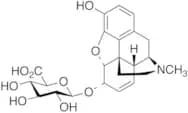
CAS:Controlled Product<p>Applications Arachidic Acid Methyl Ester is used in biological studies to evaluate the antioxidant activity and chemical compounds of Capsicum annuum acuminatum during fruit ripening. This is the methyl analog of arachidic acid, which is used for the production of detergents, photographic materials and lubricants.<br>References Conforti, F., et al.: Food Chem., 102, 1096 (2007); Kumar, S. R., et al.: J Chemtracks., 13, 277 (2011); Poyarkova, T.N., et al: J. App. Chem. 85, 1259 (2012);<br></p>Formula:C21H42O2Color and Shape:White To Off-WhiteMolecular weight:326.56Morphine-6-β-D-glucuronide
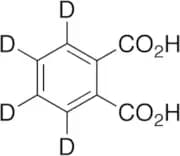
CAS:Controlled Product<p>Stability Hygroscopic<br>Applications Controlled Substance. Major metabolite of Morphine that is a potent opioid receptor agonist. Analgesic (narcotic).<br>References Frances, B., et al.: J. Pharmacol. Exp. Ther, 262, 25 (1992), Wu, D., et al.: Drug Metab. Dispos., 25, 768 (1997), Krzanowska, E.K., et al.: Brain Res., 799, 329 (1998),<br></p>Formula:C23H27NO9Color and Shape:White To Light BeigeMolecular weight:461.46Phthalic Acid-d4
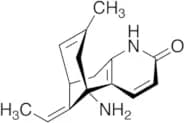
CAS:Controlled Product<p>Stability Hygroscopic<br>Applications Labelled Phthalic Acid (P384480). Organic reagent used to synthesize phthalates.<br>References Duchowicz, P.R., et al.: Bioorg. Med. Chem., 16, 7944 (2008), di Luccio, E., et al.: Biochem., 47, 4039 (2008), Lopez, Z., et al.: App. Microbiol. Biotechnol., 78, 739 (2008), Hong, Y., et al.: Toxicol. Lett., 184, 139 (2009),<br></p>Formula:C82H4H2O4Color and Shape:White To Off-WhiteMolecular weight:170.16(-)-Huperzine A
CAS:Controlled Product<p>Applications Reversible alkaloid inhibitor of AChE which crosses the blood-brain barrier. A potential therapeutic agent for Alzheimer’s disease. It reduces cell death induced by glutamate in primary cultures derived from forebrain, hippocampus, cortex and cerebellum of embryonic rat brain.<br> Not a dangerous good if item is equal to or less than 1g/ml and there is less than 100g/ml in the package<br>References Wang, Y.-E., et al.: Acta Pharmacol. Sin., 7, 110 (1986), Ved, H.S., et al.: Neuroreport, 8, 963 (1997)<br></p>Formula:C15H18N2OColor and Shape:NeatMolecular weight:242.32Erdosteine Thioacid Disodium Salt
CAS:Controlled Product<p>Stability Air Sensitive, Hygroscopic<br>Applications The active metabolite of Erdosteine (E596050).<br>References Dechant, K., et al.: Drugs, 52, 875 (1996), Braga, P., et al.: Arzneim.-Forsch., 49, 344 (1999), Braga, P., et al.: Antimicrob. Agents Chemother., 43, 1013 (1999),<br></p>Formula:C8H11NO5S2·2NaColor and Shape:Off-WhiteMolecular weight:311.296-α-Hydroxy Paclitaxel (~90%)
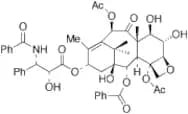
CAS:<p>Applications The major human metabolite of Paclitaxel.<br>References Walle, T., et al.: Biochem. Pharm., 46, 1661 (1993), Kumar, G., et al.: Drug Metab. Dispos., 22, 177 (1994),<br></p>Formula:C47H51NO15Purity:~90%Color and Shape:NeatMolecular weight:869.91Lorazepam 2-O-β-D-Glucuronide
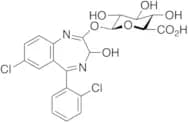
Controlled Product<p>Stability Hygroscopic<br>Applications By-product in the preparation of a Lorazepam metabolite.<br></p>Formula:C21H18Cl2N2O8Color and Shape:NeatMolecular weight:497.28N-(2-Aminoethyl)-1-naphthylacetamide
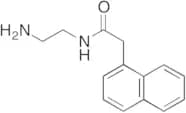
CAS:Controlled Product<p>Applications N-(2-Aminoethyl)-1-naphthylacetamide is a metabolite of Naphazoline that has been seen to be a strong collector for pyrophyllite.<br>References Yesilada, A., et. al.: J. Liq. Chromatogr. R.T., 21, 2575 (1998); Zhao, S.M., et. al.: Miner. Eng., 16, 1031 (2003)<br></p>Formula:C14H16N2OColor and Shape:NeatMolecular weight:228.29Coenzyme Q10
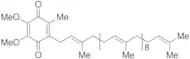
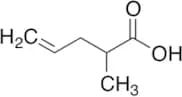
CAS:<p>Stability Light Sensitive<br>Applications Coenzyme Q10 is a cofactor that is part of the electron transport chain (3). It is also a free radical scavenger in lipid and mitochondrial membranes (3). Coenzyme Q10 has antibacterial and antioxidative properties and used to prevent and treat cancer (1,2). This compound is a neuroprotective product.<br>References (1) Trumpower, B.L.: J Bioenerg Biomembr (1981) 13,1 (2) Inatsu, S. et al.: Antimicrob. Agents Chemother. (2006) 50, 2237 (3) Matthews, R. T., et al.: Proc Natl Acad Sci U S A. (1998) 95:8892-7.<br></p>Formula:C59H90O4Color and Shape:OrangeMolecular weight:863.342-Methyl-4-pentenoic Acid
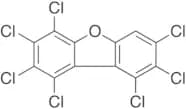
CAS:Controlled ProductFormula:C6H10O2Color and Shape:NeatMolecular weight:114.141,2,3,4,7,8,9-Heptachlorodibenzofuran
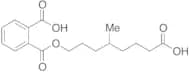
CAS:<p>Applications A common environmental pollutant<br>References Aurell, J., et al.: Environ. Sci. Technol., 44, 9431 (2010), Rovira, J., et al.: Arch. Environ. Contam. Toxicol., 60, 372 (2011), Grant, S., et al.: Environ. Sci. Technol., 45, 406 (2011),<br></p>Formula:C12HCl7OColor and Shape:NeatMolecular weight:409.31Mono-(7-carboxy-4-methylheptyl) Phthalate
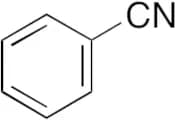
CAS:Formula:C17H22O6Color and Shape:White To BeigeMolecular weight:322.35Benzonitrile
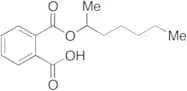
CAS:Controlled ProductFormula:C7H5NColor and Shape:Clear ColourlessMolecular weight:103.12Mono(2-Heptyl) Phthalate
CAS:<p>Applications Mono(2-Heptyl) Phthalate, is a phthalate monoester, which can be used as plasticizers (substances added to plastics to increase their flexibility, transparency, durability, and longevity).<br>References Peterson, J.C., et al.: Int. J. Envrion. Anal. Chem., 18, 237 (1984); Gharagheizi, F., et al.: Indust. Engin. Chem. Res., 49, 12685 (2010);<br></p>Formula:C15H20O4Color and Shape:White To Off-WhiteMolecular weight:264.32(6Z)-6-Octadecenoic Acid
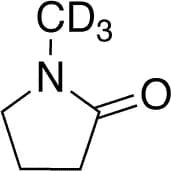
CAS:Controlled Product<p>Applications (6Z)-6-Octadecenoic Acid, is a monounsaturated fatty acid and isomer of oleic acid, that is a component of plant lipids. Arachidonic acid levels decrease, while linoleic acid levels increase, in the heart, liver, and blood of rats fed a diet containing petroselinic acid.<br></p>Formula:C18H34O2Color and Shape:NeatMolecular weight:282.461-Methyl-2-pyrrolidinone-d3
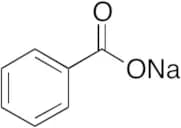
CAS:Controlled Product<p>Applications Labelled 1-Methyl-2-pyrrolidinone (M326120). It is a versatile industrial solvent. NMP is currently approved for use only in veterinary pharmaceuticals. The determination of the disposition and metabolism of NMP in the rat will contribute toward understanding the toxicology of this exogenous chemical which man may likely be exposed to in increasing amounts.<br>References Southwell, D., et al.: J. Pharm. Pharmacol., 33, 3 (1981), Barry, W., et al.: J. Invest. Dermatol., 82, 49 (1984),<br></p>Formula:C5H6D3NOColor and Shape:NeatMolecular weight:102.15Sodium Benzoate
CAS:<p>Applications Sodium Benzoate is used in the synthesis of 5-pyrazolinone derivatives as analgesic agents. Also used in the preparation of aminoflavones and trihydroxylbenzoyl flavonoid analogs as α-glucosidase inhibitors.<br>References Gursoy, A. et al.: Eur. J. Med. Chem., 35, 359 (2000); Gao, H, Bioorg. Med. Chem., 13, 1661 (2005);<br></p>Formula:C7H5O2·NaColor and Shape:WhiteMolecular weight:144.10N-(Hydroxymethyl)acrylamide
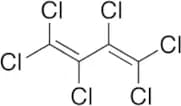
CAS:Controlled Product<p>Stability Light Sensitive, Moisture Sensitive<br>Applications N-(Hydroxymethyl)Acrylamide (cas# 924-42-5) is a useful research chemical.<br></p>Formula:C4H7NO2Color and Shape:Light YellowMolecular weight:101.10Hexachloro-1,3-butadiene
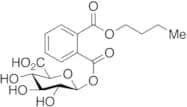
CAS:Controlled Product<p>Applications Hexachloro-1,3-butadiene is used as an urinary biomarker as a tool for early screening of potential kidney toxicity. Hexachloro-1,3-butadiene (HCBD) causes kidney injury. Flame Retardant; One of the new POPs under the Stockholm Convention.<br> Not a dangerous good if item is equal to or less than 1g/ml and there is less than 100g/ml in the package<br>References Wolf, C., et al.: J. Pharmacol. Exp. Ther., 228, 202 (1984), Birner, G., et al.: Toxicol. Appl. Pharmacol., 132, 203 (1995), Kirby, G., et al.: Toxicol. Pathol., 23, 303 (1995), Kharasch, E., et al.: Toxicol. Sci., 90, 419 (2006),<br></p>Formula:C4Cl6Color and Shape:Colourless To Light YellowMolecular weight:260.76Monobutyl Phthalate Acyl-b-D-glucuronide (>90%)
CAS:<p>Applications Di-n-Butylphthalate (DBP) (M525100) glucuronide metabolite.<br>References Shen, O., et al.: Toxicol. Lett., 191, 9 (2009), Aylward, L., et al.: Reg. Toxicol. Pharmacol., 55, 259 (2009), Beydon, D., et al.: Toxicol. in Vitro, 24, 71 (2010),<br></p>Formula:C18H22O10Color and Shape:NeatMolecular weight:398.36Biochanin A
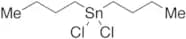
CAS:Controlled Product<p>Applications An isoflavone with anticancer proliferation, differentiation and chemopreventitive properties. Inhibits metabolic activation of benzo[a]pyrene.<br>References Chae, Y.H., et al.: Chem. Biol. Interactions, 82, 181 (1992), Jing, Y. and Waxman, S.: Anticancer Res., 15(4), 1147 (1995)<br></p>Formula:C16H12O5Color and Shape:Off-WhiteMolecular weight:284.26Dibutyltin Dichloride-d18
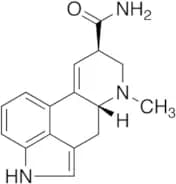
CAS:Controlled Product<p>Applications Dibutyltin Dichloride-d18 is a labeled analogue of Dibutyltin Dichloride (D429550) (CAS# 683-18-1), which is an organotin compound that is widely used as a stabilizer for polyvinylchloride plastics. Studies show that exposure to Dibutyltin Dichloride induced acute interstitial pancreatitis in rats. Dibutyltin Dichloride showed in vitro trypanocidal activity.<br> Not a dangerous good if item is equal to or less than 1g/ml and there is less than 100g/ml in the package<br>References Merkord, J. et al.: Hum. Exp. Toxicol., 17, 144 (1998); Shuaibu, M.N. et al.: Parasitol. Res., 91, 5 (2003); Whalen, M.M. et al.: Toxicol. Sci., 104, 312 (2008);<br></p>Formula:C8Cl2D18SnColor and Shape:Off-WhiteMolecular weight:303.84Lysergamide
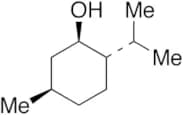
CAS:Controlled Product<p>Applications An alkaloid in abundance in tall fescue, resulted in vasoconstriction similar to that previously shown for the ergot alkaloids ergonovine and ergotamine.<br>References Knaus, H., et al.: Biochemistry, 33, 5819 (1994), Bennett, J., et al.: Clin. Microbiol. Rev., 16, 497 (2003), Sulyok, M., et al.: Anal. Bioanal. Chem., 389, 1505 (2007), Imlach, W., et al.: J. Pharmacol. Exp. Ther., 327, 657 (2008),<br></p>Formula:C16H17N3OColor and Shape:Light Brown To BrownMolecular weight:267.33(1R,2S,5R)-(-)-Menthol
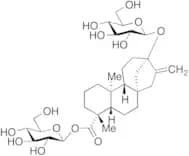
CAS:Controlled Product<p>Applications (1R,2S,5R)-(-)-Menthol (L-Menthol) is the natural form of Menthol. L-Menthol is used as: refreshing agent, food flavor, cool and antipruritic drug, carminative drug. Menthol crystals is used for personal care and cosmetics.<br>References Ikaheimo, I., et al.: J. Antimicrob. Chemother., 46, 287 (2000), Gillet, Y., et al.: Lancet, 359, 753 (2002), Turos, E., et al.: Bioorg. Med. Chem. Lett., 2002, 12, 2229 (2002), Costa, S., et al.: Toxicology, 252, 40 (2008),<br></p>Formula:C10H20OColor and Shape:NeatMolecular weight:156.27Rubusoside
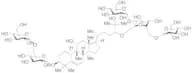
CAS:Controlled ProductFormula:C32H50O13Color and Shape:White To Off-WhiteMolecular weight:642.732-Amino-3-methyl-9H-pyrido[2,3-b]indole
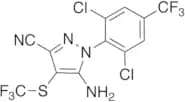
CAS:Controlled Product<p>Applications A pyrolysate of protein that exhibits potent mutagenic principles toward Salmonella typhimurium TA98 and TA100. 2-Amino-9H-pyrido[2,3-b]indole (AαC) and 2-amino-3-methyl-9H-pyrido[2,3-b]indole (MeAαC) are two mutagenic and carcinogenic heterocyclic amines formed during ordinary cooking.<br>References Sugimura, T., et al.: Mutation Research, 290, 43 (1993), Eisenbrand & Tang: Toxicology, 84, 1 (1993)<br></p>Formula:C12H11N3Color and Shape:NeatMolecular weight:197.24Fipronil Sulfide
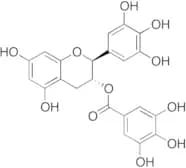
CAS:<p>Applications Fipronil Sulfide is a degradation product of the insecticide Fipronil (F342200).<br> Not a dangerous good if item is equal to or less than 1g/ml and there is less than 100g/ml in the package<br>References Mulrooney, J.E. et al.: J. Econ. Entomol., 92, 1364 (1999); Ying, G.-G. et al.: Austral. J. Sci., 40, 1095 (2002); Doran, G. et al.: J. Agric. Food. Chem., 57, 10296 (2009);<br></p>Formula:C12H4Cl2F6N4SColor and Shape:White To Light YellowMolecular weight:421.15(-)-Gallocatechin Gallate
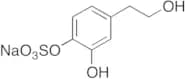
CAS:Controlled Product<p>Applications (-)-Gallocatechin Gallate is a catechins found in green tea that has shown to suppress the activity of cytochrome P 450 1A1.<br>References Fukuda, I., et. al.: Int. J. Food Sci. Nutrition, 66, 300 (2015)<br></p>Formula:C22H18O11Color and Shape:NeatMolecular weight:458.37Hydroxy Tyrosol 4-Sulfate Sodium Salt
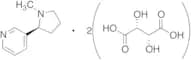
CAS:Controlled Product<p>Applications Hydroxy Tyrosol 4-Sulphate Sodium Salt, is a metabolite of Hydroxy Tyrosol (H977000).<br>References Owen, R., et al.: Eur. J. Cancer., 36, 1235 (2000), Bakalbassis, E., et al.: Lipids, 36, 181 (2001), Nenadis, N., et al.: J. Agric. Food Chem., 51, 1874 (2003),<br></p>Formula:C8H9O6S·NaColor and Shape:NeatMolecular weight:256.208(-)-Nicotine Ditartrate
CAS:<p>Applications (-)-Nicotine ditartrate is a potent agonist of AChR.<br> Not a dangerous good if item is equal to or less than 1g/ml and there is less than 100g/ml in the package<br>References Rodriguez, J. et al.: Psychopharmacol., 231, 4455 (2014);<br></p>Formula:C10H14N2·2C4H6O6Color and Shape:Off-WhiteMolecular weight:462.411,4-Dichlorobenzene
CAS:Controlled Product<p>Applications 1,4-Dichlorobenzene, is a versatile building block and a small bioactive molecule, used in various organic synthesis. It is also used as disinfectant, deodorant, and pesticide.This compound is a contaminant of emerging concern (CECs).<br> Not a dangerous good if item is equal to or less than 1g/ml and there is less than 100g/ml in the package<br>References Fahey, D. R., et al.: Macromolecules, 24 (15), 4242 (1991); Rossberg, M., et al.: Ullmann's Encyclopedia of Industrial Chemistry, (2006);<br></p>Formula:C6H4Cl2Color and Shape:WhiteMolecular weight:147.00N’-Desmethyl Azithromycin
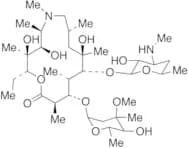
CAS:<p>Impurity Azithromycin EP Impurity I<br>Stability Hygroscopic<br>Applications N’-Desmethyl Azithromycin (Azithromycin EP Impurity I) is a metabolite of Azithromycin (A927000) as potential anti-infective, anti-proliferative, anti-inflammatory, and prokinetic agent.<br>References Bright, G., et al.: J. Antibiot., 41, 1029 (1988), Goldman, R., et al.: Antimicrob. Agents Chemother., 34, 426 (1990), Gandhi, R., et al.: J. Pharm. Biomed. Anal., 23, 1073 (2000),<br></p>Formula:C37H70N2O12Color and Shape:White To Off-WhiteMolecular weight:734.96Bis(4-hydroxybutyl) Terephthalate
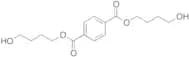
CAS:Controlled Product<p>Applications Bis(4-hydroxybutyl) Terephthalate is an intermediate formed in the synthesis of Cyclotris(1,4-butylene Terephthalate) (C988975), a cyclic trimer of poly(butylene terephthalate), a thermoplastic engineering polymer.<br>References East, G.C. et al.: Polymer, 23, 323 (1982)<br></p>Formula:C16H22O6Color and Shape:White To Off-WhiteMolecular weight:310.34Ethylene Terephthalate Linear Trimer
CAS:Controlled Product<p>Applications Ethylene Terephthalate Linear Trimer is a linear oligomer of polyethylene phthalate. A useful intermediate in the synthesis of polyglycol terephthalates.<br>References Zahn, H., et al.: Makromolekulare Chemie, 23, 31 (1957), Borshch, N. A., et al.: Zh. Anal. Khim., 41, 916 (1986)<br></p>Formula:C32H30O14Color and Shape:NeatMolecular weight:638.57cis-3-Hexen-1-ol
CAS:<p>Stability Light Sensitive<br>Applications cis-3-Hexen-1-ol is a naturally occuring compound that has the smell of freshly cut grass and is used to obtain a “green” taste/smell in certain flavours and fragrances.<br> Not a dangerous good if item is equal to or less than 1g/ml and there is less than 100g/ml in the package<br>References Dahill Jr., R.: J. Chem. Eng. Data, 17, 399 (1972); Serra, S., et al.: Trends Biotechnol., 23, 193 (2005)<br></p>Formula:C6H12OColor and Shape:NeatMolecular weight:100.16Diethyl Phthalate-d14
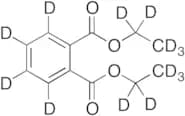
CAS:Controlled Product<p>Applications Diethyl Phthalate-d14 is the isotope labelled analog of Diethyl Phthalate, which is a phthalate metabolite with genotoxic effect.<br>References Reyes, F., et al.: J. Clin. Endocrinol. Metab., 37, 74 (1973), Engel, S., et al.: Neurotoxicology, 30, 522 (2009),<br></p>Formula:C122H14O4Color and Shape:NeatMolecular weight:236.32(+)-[6]-Gingerol
CAS:Controlled Product<p>Applications (+)-[6]-Gingerol is a bioactive compound found in ginger (Zingiber officinale) with antioxidant activity, which functions as an anti-inflammatory and antitumor agent. (+)-[6]-Gingerol down regulates proinflammatory cytokine release by macrophages. (+)-[6]-Gingerol has been shown to inhibit COX-2 expression by blocking the activation of p38 MAP kinase and NF-κB in phorbol ester-stimulated mouse skin.<br> Not a dangerous good if item is equal to or less than 1g/ml and there is less than 100g/ml in the package<br>References Aeschbach, R. et al.: Food Chem. Toxicol., 32, 31 (1994); Tripathi, S. et al.: J. Surg. Res., 130, 318 (2006); Kim, S.O., et al.: Oncogene 24, 2558 (2005);<br></p>Formula:C17H26O4Color and Shape:Dark Yellow SolidMolecular weight:294.391,3-Bis[2-(4-hydroxyphenyl)-2-propyl]benzene
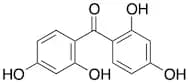
CAS:Controlled Product<p>Applications 1,3-Bis[2-(4-hydroxyphenyl)-2-propyl]benzene 13595-25-0 (cas# 13595-25-0) is a useful research chemical.<br> Not a dangerous good if item is equal to or less than 1g/ml and there is less than 100g/ml in the package<br></p>Formula:C24H26O2Color and Shape:NeatMolecular weight:346.462,2',4,4'-Tetrahydroxybenzophenone
CAS:<p>Applications 2,2′,4,4′-Tetrahydroxybenzophenone are benzophenone-type UV filters with known or suspected endocrine disrupting properties detected in surface waters, sunscreens, personal care products, clothing and food packaging. It is used to protect the skin and materials from the adverse effects of UV-radiation.<br>References Wu, M., et al.: Ecotoxicol. Environ. Saf., 141, 235-241 (2017); Krause, M., et al.: Environ. Int., 99, 177-184 (2017); Jimenez-Diaz, I., et al.: J. Chromatogr. B Analyt. Technol. Biomed. Life Sci., 1035, 57-66 (2016)<br></p>Formula:C13H10O5Color and Shape:Light YellowMolecular weight:246.2155Dulcitol
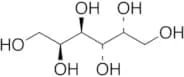
CAS:<p>Applications Dulcitol is the reduction product of Galactose. An increase in the level of Dulcitol is often a result of metabolism defect caused by a defect in galactose-1-phosphate uridylyltransferase (an autosomal recessive disorder). Dulcitol buildup can also lead to cataractogenesis.<br>References Ning, C. et al.: Pediat. Res., 48, 211 (2000); Cheng, H. et al.: Exp. Eye Res., 51, 345 (1990); Wells, W.W. et al.: Galactosemia, 227 (1969);<br></p>Formula:C6H14O6Color and Shape:NeatMolecular weight:182.171-Methyl-4-prop-1-en-2-ylbenzene
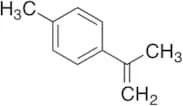
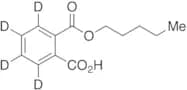
CAS:<p>Applications 1-methyl-4-prop-1-en-2-ylbenzene (cas# 1195-32-0) is a useful research chemical.<br></p>Formula:C10H12Color and Shape:NeatMolecular weight:132.20Monopentyl Phthalate-d4
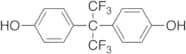
CAS:Controlled Product<p>Applications A labelled metabolite of Di-n-pentyl phthalate (DPP), used mainly as a plasticizer in nitrocellulose.<br>References Schmid, P., et al.: Xenobiotica, 1985, 15, 251 (1985), Nativelle, C., et al.: Food Chem. Toxicol., 37, 905 (1999), Howdeshell, K., et al.: Toxicol. Sci., 105, 153 (2008),<br></p>Formula:C13D4H12O4Color and Shape:White To Off-WhiteMolecular weight:240.129972,2-Bis-(4-hydroxyphenyl)hexafluoropropane
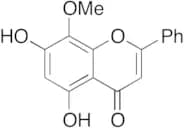
CAS:<p>Applications 2,2-Bis-(4-hydroxyphenyl)hexafluoropropane acts as an endocrine-disrupting chemical (EDC), activating estrogen through the estrogen receptor ERα. It is a full agonist for the estrogen receptor.<br>References Matsushima, A. et al.: Environ. Health, Perspect. 118, 1267 (2010);<br></p>Formula:C15H10F6O2Color and Shape:NeatMolecular weight:336.23Wogonin
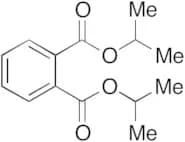
CAS:Controlled Product<p>Applications Wogonin acts as an anti-inflammatory agent, attenuating ovalbumin antigen-influenced neutrophillic airway inflammation. In addition, it reverses multi-drug resistance of human myelogenous leukemia.<br>References Takagi, R. et al.: Int. J. Inflamm., 571508, 9 (2014); Xu, X. et al.: Biochem. Pharm., 92, 220 (2014);<br></p>Formula:C16H12O5Color and Shape:NeatMolecular weight:284.26Diisopropyl Phthalate
CAS:Controlled Product<p>Applications Diisopropyl Phthalate, is a volatile components present in essential oils of various plants. It can also be used in the synthesis of enantioenriched C2-symmetric molecules.<br>References Mahatheeranont, S., et al.: Kasetsart Journal: Natural Sci., 29 (4), 508 (1995); Kurashov, E. A., et al.: Rastitel'nye Resursy, 49 (1), 85 (2013); Castaldi, M. P., et al.: Euro. J. Org. Chem., 8, 1867 (2006);<br></p>Formula:C14H18O4Color and Shape:NeatMolecular weight:250.29Lactitol Monohydrate
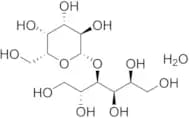
CAS:Controlled Product<p>Applications Lactitol Monohydrate is the hydrated form of Lactitol(L113550). Lactitol is listed as an excipient in some prescription drugs, such as Adderall. Lactitol is a sugar alcohol used as a replacement bulk sweetener for low calorie foods. It is also used medically as a laxative.<br>References Bolhuis, G., et al.: Drug Dev. Ind. Pharm., 35, 671 (2009); Toda, Y.: New Food Ind., 33, 21 (1991); Egger, B., et al.: Eur. J. Clin. Pharmacol., 37, 205 (1989);<br></p>Formula:C12H24O11·H2OColor and Shape:NeatMolecular weight:362.333-Ethyl-2-methyl-2-(3-methylbutyl)-oxazolidine
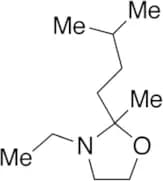
CAS:<p>Applications 3-Ethyl-2-methyl-2-(3-methylbutyl)-oxazolidine is a oxazolidine-based moisture scavenger for use in urethane coatings, sealants and elastomers.<br> Not a dangerous good if item is equal to or less than 1g/ml and there is less than 100g/ml in the package<br></p>Formula:C11H23NOColor and Shape:NeatMolecular weight:185.311,3-Diethyl-1,3-diphenylurea
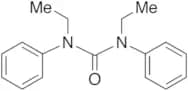
CAS:<p>Applications 1,3-Diethyl-1,3-diphenylurea is a gunshot residue and a stabilizer for smokeless powder.<br>References Betz, R., et al.: Acta. Crystallogr. Sect. E. Struct. Rep., 1, 827 (2011); Perez, J.J., et al.: Anal. Chem., 85, 296 (2013);<br></p>Formula:C17H20N2OColor and Shape:WhiteMolecular weight:268.35sec-Hexyl Alcohol Phthalate
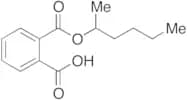
CAS:Controlled ProductFormula:C14H18O4Color and Shape:NeatMolecular weight:250.29Tetrachloroethylene
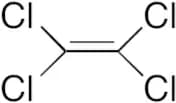
CAS:<p>Applications Tetrachloroethylene is a common industrial solvent that is often found as a contaminant in groundwater. Tetrachloroethylene is also a suspected carcinogen to humans and is difficult to degrade biologically as it has no natural source. This compound is a contaminant of emerging concern (CECs).<br> Not a dangerous good if item is equal to or less than 1g/ml and there is less than 100g/ml in the package<br>References Fathepure, B. & Boyd, S.: Appl Environ. Microb., 54, 2976 (1988); Ryoo, D., et al.: Nat. Biotech., 18, 775 (2000); Vogel, T. & McCarty, P.: Appl. Environ. Microb., 49, 1080 (1985)<br></p>Formula:C2Cl4Color and Shape:NeatMolecular weight:165.83Cyclopiazonic Acid
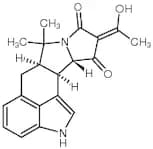
CAS:Controlled Product<p>Applications Cyclopiazonic Acid is an inhibitor of endoplasmic reticulum Ca2+-ATPase.<br> Not a dangerous good if item is equal to or less than 1g/ml and there is less than 100g/ml in the package<br></p>Formula:C20H20N2O3Color and Shape:NeatMolecular weight:336.38Caftaric Acid
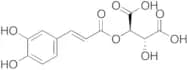
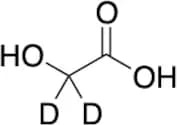
CAS:<p>Applications Caftaric Acid is used in cancer therapy as an anticancer drug. Affecting the up regulation or down regulation of drug transporters or cytochrome p450 enzymes. Also provides antioxidant effects, found in wines.<br>References Mooiman, K. et al.: Drug Metab. Disp., 41, 1494 (2013); Cejudo-Bastante, M. et al.: J. Agri. Food Chem., 58, 11483 (2010);<br></p>Formula:C13H12O9Color and Shape:NeatMolecular weight:312.23Glycolic-2,2-d2 Acid
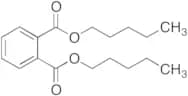
CAS:Controlled ProductFormula:C2D2H2O3Color and Shape:NeatMolecular weight:78.06Amyl Phthalate
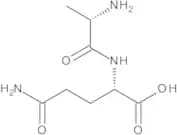
CAS:Controlled Product<p>Applications Amyl Phthalate, is a Phthalate esters (PEs) acting as a plasticizer compounds that are widely used for many consumer product applications. It is also known to induce male fetal endocrine toxicity and postnatal reproductive malformations by disrupting androgen production during the sexual differentiation period of development.<br> Not a dangerous good if item is equal to or less than 1g/ml and there is less than 100g/ml in the package<br>References Bethany, R. H., et al.: Toxicological Sci., 120 (1), 184 (2011); Environmental Health Perspectives, 105 Suppl 1, 255 (1997);<br></p>Formula:C18H26O4Color and Shape:ColourlessMolecular weight:306.40L-Alanyl-L-glutamine
CAS:Controlled Product<p>Applications L-Alanyl-L-glutamine is a stable synthetic glutamine dipeptide. This dipeptide is used as an alternative source of amino acids in cell culture medium.<br>References Imamoto, Y., et al.: cytotechnology 65, 135 (2013)<br></p>Formula:C8H15N3O4Color and Shape:Off-WhiteMolecular weight:217.22D-Fructose
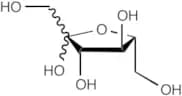
CAS:<p>Applications D-Fructose occurs naturally in a large number of fruits, honey, and plants. High intake and consumption of fructose has been hypothesized to increase occurrence of diabetes and insulin resistance.<br>References Elliott S. et al.: Am. J. Clin. Nutr., 76, 911 (2002); Isganaitis E. et al.: Arterioscler. Thromb. Vasc. Biol., 25, 2451 (2006);<br></p>Formula:C6H12O6Color and Shape:White To Off-WhiteMolecular weight:180.162-Acetylthiophene
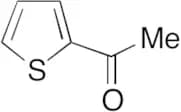
CAS:Controlled Product<p>Applications 2-Acetylthiophene is used in the synthesis of organoboranes as well as chalcone derivatives as anti-inflammatories.<br> Not a dangerous good if item is equal to or less than 1g/ml and there is less than 100g/ml in the package<br>References Ko, H. et al.: Bioorg. Med. Chem., 11, 105 (2003); Brown, H. et al.: J. Am. Chem. Soc., 110, 1539 (1988);<br></p>Formula:C6H6OSColor and Shape:NeatMolecular weight:126.18Bisphenol E-13C6
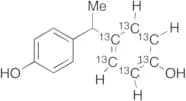
CAS:Controlled Product<p>Applications Bisphenol E-13C6 is an isotope labelled analog of Bisphenol E-13C6. Bisphenol E is a derivative of Bisphenol A (B519495) which is a monomer used for policarbonate and epoxy resins.<br>References Krishnan, A.V., et al.: Endocrinology, 132, 2279 (1993); Steinmetz, R., et al.: Trends Endocrinol. Metab., 9, 124 (1998); Petersen, H., et al.: Eur. Food Res. Technol., 216, 355 (2003)<br></p>Formula:C813C6H14O2Color and Shape:NeatMolecular weight:220.22cis-1,3-Dichloropropene
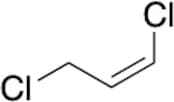
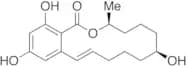
CAS:Controlled Product<p>Applications cis-1,3-Dichloropropene (CAS# 10061-01-5) is a useful research chemical compound.<br></p>Formula:C3H4Cl2Color and Shape:NeatMolecular weight:110.97β-Zearalenol
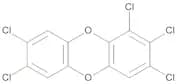
CAS:Controlled Product<p>Applications The more active Zearalenone (Z270500) metabolite.<br> Not a dangerous good if item is equal to or less than 1g/ml and there is less than 100g/ml in the package<br>References Olsen, M., et al.: Acta Pharmacol. Toxicol., 48, 15 (1981), Chang, W., et al.: Food Chem. Toxicol., 22, 887 (1984), El Golli, E., et al.: Toxicol Lett., 166, 122 (2006), Hassen, W., et al.: Toxicology, 232, 294 (2007), Benzoni, E., et al.: Reprod. Toxicol., 25, 461 (2008),<br></p>Formula:C18H24O5Color and Shape:White To BeigeMolecular weight:320.381,2,3,7,8-Pentachlorodibenzo-p-dioxin (>85%)
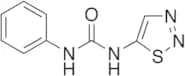
CAS:Formula:C12H3Cl5O2Purity:>85%Color and Shape:NeatMolecular weight:356.42Thidiazuron
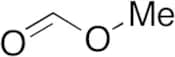
CAS:<p>Applications Thidiazuron is a non-purine containing urea derivative with cytokinin activity. Thidiazuron is used as a cotton defoliant and a plant growth regulator in tissue culture.<br> Not a dangerous good if item is equal to or less than 1g/ml and there is less than 100g/ml in the package<br>References Orlikowska, T., et al.: Plant Cell Tissue Org. Cult., 59, 95 (1999), Ray, T., et al.: Mol. Biol., 6, 35 (2005), Kanwar, J., et al.: Hort Sci., 2008, 35, 35 (2008),<br></p>Formula:C9H8N4OSColor and Shape:BeigeMolecular weight:220.25Methyl Formate
CAS:<p>Applications Methyl Formate is a reagent used in the synthesis of technetium complexes for functional imaging of MDR-P-glycoprotein. Also used in the preparation of salicylaldehydes as analogs of Salicylic Acid (S088125).<br> E3<br>References Crankshaw, C. et al.: J. Nucl. Med., 39, 77 (1986);<br></p>Formula:C2H4O2Color and Shape:NeatMolecular weight:60.05Citral
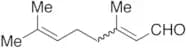
CAS:<p>Applications Citral is an anti-microbial agent found in plants with antibacterial activity against some food pathogens. It is also a fragrance compound with a distinct lemon scent.<br>References Buchbauer, G. et al.: J. Pharm. Sci., 82, 660 (1993); Kim, J. et al.: J. Agri. Food. Chem., 43, 2839 (1995); Dorman, H.J.D. et al.: J. App. Micro., 88, 308 (2000);<br></p>Formula:C10H16OColor and Shape:Colourless To Light YellowMolecular weight:152.23Dioctyl Terepthalate
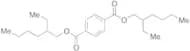
CAS:<p>Applications Dioctyl Terepthalate is used as a plasticizer in PVC items and childcare products.<br>References Krauskopf, L. et al.: J. Vinyl. Add. Tech., 5, 107 (1999); Zoller, A et al.: J. App. Polym. Sci., 121, 3314 (2011);<br></p>Formula:C24H38O4Color and Shape:NeatMolecular weight:390.56Monopropylheptylphthalate 6-Hydroxy-d4
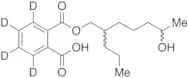
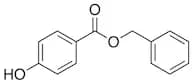
CAS:Controlled Product<p>Applications Labelled 6-OH-Monopropylheptylphthalate is a phthalate metabolite originating from a DPHP (B523500) used in plasticizers to improve chemical and physical properties.<br>References Kasper-Sonnenberg, M. et al.: Int. J. Hyg. Env. Health, 215, 373 (2012); Koch, H. et al.: Int. J. Hyg. Env. Health, 214, 188 (2011);<br></p>Formula:C18H22D4O5Color and Shape:Colourless To Light BeigeMolecular weight:326.42Benzyl 4-Hydroxybenzoate (Benzyl Paraben)
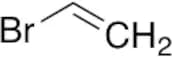
CAS:Controlled Product<p>Applications An antimicrobial agent used in cosmetic products.<br> Not a dangerous good if item is equal to or less than 1g/ml and there is less than 100g/ml in the package<br>References Gilliland, D., et al.: J. Appl. Bacteriol., 72, 258 (1992), Routledge, E., et al.: Toxicol. Appl. Pharmacol., 153, 12 (1998), Miller, C., et al.: J. Biol. Chem., 272, 32824 (1997), Nakagawa, Y., et al.: Biochem. Pharmacol., 55, 1907 (1998),<br></p>Formula:C14H12O3Color and Shape:Off-White To WhiteMolecular weight:228.24Vinyl Bromide (1.0 M in THF)
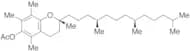
CAS:Controlled ProductFormula:C2H3BrColor and Shape:Single SolutionMolecular weight:106.95α-Tocopherol Acetate
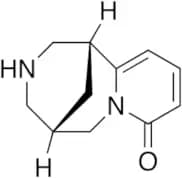
CAS:<p>Applications α-Tocopherol acetate is the most bioactive of the naturally occurring forms of Vitamin E. Richest sources are green vegetables, grains, and oils, particularly palm, safflower and sunflower oils.<br>References Bianchi, G., et al.: Eur. J. Lipid Sci. Technology, 105, 229 (2003), Sakouhi, F., et al.: Food Chem., 108, 833 (2008),<br></p>Formula:C31H52O3Color and Shape:Off-WhiteMolecular weight:472.74Cytisine
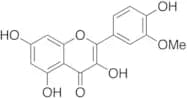
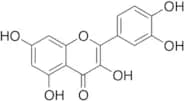
CAS:Controlled Product<p>Applications Toxic priniciple in seed of Laburnum anagyroides and other Leguminosae. A neuronal nicotinic acetylcholine agonist.<br> Not a dangerous good if item is equal to or less than 1g/ml and there is less than 100g/ml in the package<br>References Barlow, R.D., et al.: Brit. J. Pharmacol., 35, 161 (1969), Jensen, A.A., et al.: J. Med. Chem., 48, 15, 4705(2005),<br></p>Formula:C11H14N2OColor and Shape:Off-WhiteMolecular weight:190.24Quercetin
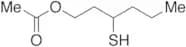
CAS:Controlled ProductFormula:C15H10O7Color and Shape:Yellow Crystalline PowderMolecular weight:302.243-Sulfanylhexyl Acetate
CAS:Controlled Product<p>Stability Hygroscopic<br>Applications 3-Sulfanylhexyl Acetate is a precursor of 3-mercaptohexan-1-ol (M225270) found in grape juice.<br>References Harsch, M.J., et al.: J. Agri. Food. Chem., 61, 3703 (2013); Makhotkina, O., et al.: Food. Chem., 135, 486 (2012);<br></p>Formula:C8H16O2SColor and Shape:NeatMolecular weight:176.28Bisphenol A-d6 Diglycidyl Ether
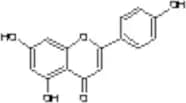
CAS:Controlled Product<p>Applications Labelled Bisphenol A derivative. A PPARγ antagonist; exhibits estrogenic activity.<br>References Krishnan, A.V., et al.: Endocrinology, 132, 2279 (1993), Steinmetz, R., et al.: Trends Endocrinol. Metab., 9, 124 (1998), Petersen, H., et al.: Eur. Food Res. Technol., 216, 355 (2003),<br></p>Formula:C21H18D6O4Color and Shape:Off-WhiteMolecular weight:346.45Apigenin
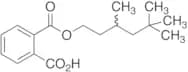
CAS:Controlled Product<p>Applications Induces the reversion of transformed phenotypes of v-H-ras-transformed NIH 3T3 cells at low concentration (12.5 uM) by inhibiting MAP kinase activity. Also inhibits the proliferation of malignant tumor cells by G2/M arrest and induces morphological differentiation. Apigenin has also been reported to enhance the gap juntion intracellular communication in liver cells.uv(max)ethanol: 269, 340 nm (e= 18,800, 20,900) moderately sol. in hot alcohol<br>References Chaumontet, C., et al.: Carcinogenesis, 15, 2325 (1994); Sato, F., et al.: Biochem. Biophys. Res. Commun., 204, 578 (1994); Kuo, M.L. et al.: Biochem. Biophys. Res. Commun., 212, 767 (1995);<br></p>Formula:C15H10O5Color and Shape:Yellow To BrownMolecular weight:270.24rac Mono(3,5,5-trimethylhexyl) Phthalate
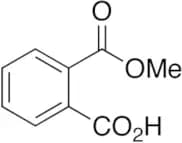
CAS:<p>Applications Phthalate metabolite.<br>References Larsen, S., et al.: Toxicol., 169, 37 (2001), Silva, M., et al.: J. Anal. Toxicol., 29, 819 (2005), Silva, M., et al.: Arch. Toxicol., 79, 647 (2005),<br></p>Formula:C17H24O4Color and Shape:White To Off-WhiteMolecular weight:292.37Monomethyl Phthalate
CAS:Controlled Product<p>Applications Phthalate Ester metabolite, linked to precocious puberty.<br>References Engel, S., et al.: NeuroToxicol., 30, 522 (2009), Blair, J., et al.: Environ., Sci., Technol., 43, 6262 (2009), Xu, Z., et al.: Environ. Sci. Technol., 44, 3130 (2010), Clewell, R., et al.: Toxicol. in Vitro, 24, 327 (2010),<br></p>Formula:C9H8O4Color and Shape:Colourless CrystallineMolecular weight:180.16β-Tocopherol
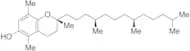
CAS:Controlled Product<p>Applications One of the naturally occurring forms of Vitamin E. Is biologically less active than α-Tocopherol.<br>References Bianchi, G., et al.: Eur. J. Lipid Sci. Technology, 105, 229 (2003), Sakouhi, F., et al.: Food Chem., 108, 833 (2008),<br></p>Formula:C28H48O2Color and Shape:Colourless To BeigeMolecular weight:416.68Propyl-d7 Paraben
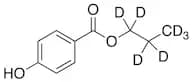
CAS:Controlled Product<p>Applications Labelled Propylparaben. An antimicrobial agent used in cosmetic products.<br>References Gilliland, D., et al.: J. Appl. Bacteriol., 72, 258 (1992), Routledge, E., et al.: Toxicol. Appl. Pharmacol., 153, 12 (1998), Miller, C., et al.: J. Biol. Chem., 272, 32824 (1997), Nakagawa, Y., et al.: Biochem. Pharmacol., 55, 1907 (1998),<br></p>Formula:C102H7H5O3Color and Shape:Off-WhiteMolecular weight:187.244Erucic Acid Methyl Ester
CAS:Controlled ProductFormula:C23H44O2Color and Shape:NeatMolecular weight:352.59Methyl Decanoate(Methyl Caprate)
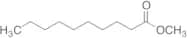
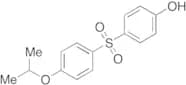
CAS:<p>Applications Methyl Caprate, is an unsaturated biodiesel fuel surrogate. It can also be used as flavor and fragrance ingredients.<br>References Wang, W., et al.: Energy & Fuels, 27, 5527 (2013);<br></p>Formula:C11H22O2Color and Shape:ColourlessMolecular weight:186.294-Hydroxyphenyl 4-Isopropoxyphenyl Sulfone
CAS:Controlled ProductFormula:C15H16O4SColor and Shape:NeatMolecular weight:292.352,2-Bis[4-(2-hydroxy-2-methylethoxy)phenyl]Propane
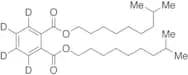
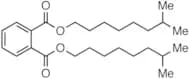
CAS:Formula:C21H28O4Color and Shape:White To Off-WhiteMolecular weight:344.44Diisodecyl Phthalate-d4
CAS:Controlled Product<p>Applications A labelled phtalate ester found in plastic gasket used in food packaging. Used in environmental toxicology studies as a present contaminant.<br> Not a dangerous good if item is equal to or less than 1g/ml and there is less than 100g/ml in the package<br>References Novak, J. et al.: Env. Toxicol. Chem., 26, 1591 (2007); Yu, Y. et al.: Ship. Gong. Keji, 29, 243 (2008);<br></p>Formula:C282H4H42O4Color and Shape:Colourless To Light YellowMolecular weight:450.69Hexylene Glycol
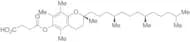
CAS:<p>Applications Hexylene Glycol is used as a reagent in the synthesis of functionalized boronic esters. Also used in the preparation of vinylboronates.<br>References Demory, E. et al: Org. Proc. Res. Dev., 15, 710 (2011); PraveenGanesh, N. et al.: J. Org. Chem., 72 4510 (2007);<br></p>Formula:C6H14O2Color and Shape:ColourlessMolecular weight:118.17a-Tocopheryl Succinate
CAS:Controlled Product<p>Applications A potent novel antineoplastic agent with high selectivity and cooperativity with tumor necrosis factor-related apoptosis-inducing ligand (Apo2 ligand). It inhibits proliferation of mesothelioma cells by selective down-regulation of fibroblast growth factor receptors. Furthermore, it has been shown to enhance the anti-tumor effect of dendritic cell vaccines.<br>References Weber, T. et al.: Clin. Can Res., 8, 863 (2002);Staphelberg, M. et al.: Biochem. Biophys. Res. Comm., 318, 636 (2004); Ramathapuram, L.V. et al.: Cancer Immunol. Immununother., 55, 166 (2005);<br></p>Formula:C33H54O5Color and Shape:NeatMolecular weight:530.78Azelaic Acid
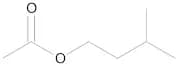
CAS:Controlled Product<p>Applications Azelaic acid occurs in rancid oleic acid. Azelaic acid is an antiacne agent.<br>References Bladon, P.T., et al.: Br. J. Dermatol., 114, 493 (1986),<br></p>Formula:C9H16O4Color and Shape:White To Off-WhiteMolecular weight:188.22Isoamyl Acetate
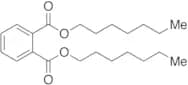
CAS:Controlled ProductFormula:C7H14O2Color and Shape:ColourlessMolecular weight:130.18Di-n-heptyl Phthalate
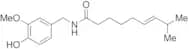
CAS:<p>Applications Di-n-heptyl Phthalate is a Phthalate derivative and an organic extract contaminant found in drinking water, which was shown to activate Nrf-2-Mediated Antioxidant response in human cell line.<br> Not a dangerous good if item is equal to or less than 1g/ml and there is less than 100g/ml in the package<br>References Wang, S., et al.: Environ. Sci. Technol., 47, 4768 (2013);<br></p>Formula:C22H34O4Color and Shape:Light YellowMolecular weight:362.50trans-Capsaicin
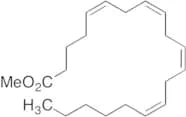
CAS:Controlled Product<p>Stability Light Sensitive<br>Applications Capsaicin analogue (C175680). It is used as a tool in neurobiological research. Prototype vanilloid receptor agonist. Topical analgesic.<br> Not a dangerous good if item is equal to or less than 1g/ml and there is less than 100g/ml in the package<br>References Artursson., et al.: J. Pharma. Sci., 73, 1507 (1984), Fu., et al.: Pharma. Res., 2000, 17, 100 (2000),<br></p>Formula:C18H27NO3Color and Shape:White To Off-WhiteMolecular weight:305.41Arachidonic Acid Methyl Ester
CAS:Formula:C21H34O2Color and Shape:Light YellowMolecular weight:318.49Diisononyl Phthalate
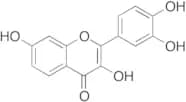
CAS:<p>Applications A widely used chemical with potential thyroid-disrupting properties. Used in toxicology studies as well as risk assessment studies of food contamination that occurs via migration of phthalates into foodstuffs from food-contact materials (FCM).<br>References Boas, M. et al.: Env. Health Persp., 118, 1458 (2010); Petersen, J.H. et al.: Food Add. Contam. Part A Chem. Anal. Cont. Expos. Risk. Assess., 27, 1608 (2010); Kwack, S.J. et al.: Toxicol. Res., 26, 75 (2010);<br></p>Formula:C26H42O4Color and Shape:Colourless To Light YellowMolecular weight:418.6093Fisetin
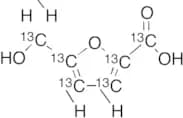
CAS:Controlled Product<p>Applications Fisetin is used in biological studies as spleen tyrosine kinase inhibitors for autoimmune inflammation disease. This compound has neuroprotective properties.<br>References Tanjguchi, T., et al.: J. Biol. Chem., 266, 15790 (1990); Singh, R., et al.: J. Med. Chem., 55, 3614 (2012)<br></p>Formula:C15H10O6Color and Shape:Light Yellow To Dark YellowMolecular weight:286.245-Hydroxymethyl-2-furancarboxylic Acid-13C6
CAS:Controlled Product<p>Applications 5-Hydroxymethyl-2-furancarboxylic Acid-13C6 is a labelled analogue of 5-Hydroxymethyl-2-furancarboxylic Acid (H947020), which is used for green synthesis of 2,5-Furandicarboxylic Acid (F863750), one of the most important chemical building blocks from biomass.<br>References Gupta, N., et al.: Green Chem., 13, 824 (2011);<br></p>Formula:C6H6O4Color and Shape:NeatMolecular weight:148.07Methyl Methanesulfonate
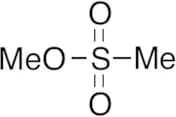
CAS:<p>Applications Methyl Methanesulfonate is used as a reagent in the synthesis of 2-Methyllamotrigine (M315350); an impurity of Lamotrigine (L173250) which is an anticonvulsant that inhibits glutamate release, possible through inhibition of sodium, potassium and calcium currents. Also used in treatment of bipolar depression.<br> Not a dangerous good if item is equal to or less than 1g/ml and there is less than 100g/ml in the package<br>References Miller, A.A., et al.: Epilepsia, 27, 483 (1986); Grunze, et al.: Neuropsychobiology, 38, 131 (1998); Calabrese, J.R., et al.: J. Clin. Psychiatry, 60, 79 (1999)<br></p>Formula:C2H6O3SColor and Shape:Colourless LiquidMolecular weight:110.13Benzotriazole BT
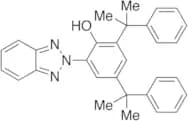
CAS:Controlled Product<p>Applications Benzotriazole BT is a low volatile benzotriazole UV light absorber and stabilizer.<br></p>Formula:C30H29N3OColor and Shape:White To Light YellowMolecular weight:447.57N-Acetyl-S-benzyl-L-cysteine
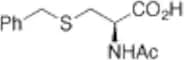
CAS:Controlled Product<p>Applications A metabolite of Toluene.<br>References Gargas, M., et al.: Toxicol. Appl. Pharmacol., 98, 87 (1989), Commandeur, J., et al.: Pharmacol. Rev., 47(2), 271 (1995), Campo, P., et al.: Neurotoxicol. Teratol., 21, 427 (1999), Lohse, C., et al.: J. Agr. Food Chem., 48, 5913 (2000),<br></p>Formula:C12H15NO3SColor and Shape:Off-WhiteMolecular weight:253.32Methyl Linolenate
CAS:Controlled Product<p>Applications Methyl Linolenate has potential application towards human lung carcinoma cell lines, displaying cytotoxicity. Essential oil component.<br>References Jubie, S. et al.: Lipid. Health. Dis., 12, 45 (2013); Tavakoli, R. et al.: Anal. Chem., Lett., 2, 269 (2012);<br></p>Formula:C19H32O2Color and Shape:NeatMolecular weight:292.46Dinotefuran DN Hydrochloride
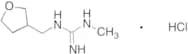
CAS:Controlled Product<p>Applications Dinotefuran DN s a neonicotinoid class of pesticides which has been found in agricultural food items, soil and water. Dinotefuran UF poses health risk to both human and animals.<br>References Wang, Y., et al.: Sci. Tot. Env., 662, 834 (2019);Xue, J., et al.: Anal. Bioanal. Chem., 411, 315 (2019);Chen, Z., et al.: J. Sci. Food and Agriculture, 99, 1267 (2019);Rahman, M.M., et al.: Food Chem., 239, 1235 (2018)<br></p>Formula:C7H15N3O·HClColor and Shape:Light RedMolecular weight:157.21 + 36.46Mono(3-carboxypropyl) Phthalate-d4
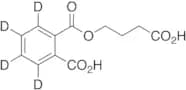
CAS:Controlled Product<p>Applications An isotope labelled derivative of Mono(3-carboxypropyl) Phthalate, a urinary phthalate metabolite.<br>References Engel, S., et al.: NeuroToxicol., 30, 522 (2009), Samandar, E., et al.: Environ. Res., 109, 641 (2009), Berman, T., et al.: Environ. Int., 35, 353 (2009),<br></p>Formula:C12D4H8O6Color and Shape:NeatMolecular weight:256.24Monononyl Phthalate
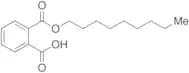
CAS:Controlled Product<p>Applications Monononyl Phthalate is an environmental toxin, used as a catalyst in the analysis of the kinetics crosslinking oligomers in a film.<br>References Yamamoto, T. et al.: J. Coat. Tech., 60, 51 (1988); Scholz, N. et al.: Chemosphere, 53, 921 (2003);<br></p>Formula:C17H24O4Color and Shape:NeatMolecular weight:292.37n-Nonadecanoic Acid
CAS:<p>Applications n-Nonadecanoic Acid is a saturated fatty acid. It can be found in fats and vegetable oils. It is also used by insects as pheromones.<br>References Schauer, J., et al.: Environ. Sci. Technol., 36, 567 (2002); Chertemps, T., et al.: Proc. Nat. Acad. Sci. U. S. A., 104, 4273 (2007)<br></p>Formula:C19H38O2Color and Shape:Off-WhiteMolecular weight:298.50β-Geranyl Acetate
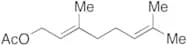
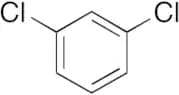
CAS:<p>Applications β-Geranyl Acetate is found in essential oils such as Moroccan commercial essential oils which has anti-oxidant, anti-inflammatory and anti-proliferative activities; and in Salvia scabiosifolia from Bulgaria.<br>References Aazza, S., et. al.: Nat. Prod. Comm., 9, 587 (2014); Marchev, A., et. al.: J. Essential Oil-bearing Plants, 15, 908 (2012)<br></p>Formula:C12H20O2Color and Shape:NeatMolecular weight:196.291,3-Dichlorobenzene
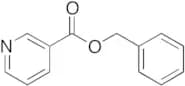
CAS:Controlled Product<p>Applications 1,3-Dichlorobenzene was used to study the effect of solvent vapor pressure on the vertical nanowire of C60 molecules. It can be detected in environmental samples using an advanced Fourier transform infrared spectroscopy-attenuated total reflectance (FTIR-ATR) sensor.<br> Not a dangerous good if item is equal to or less than 1g/ml and there is less than 100g/ml in the package<br>References Kim, J.: ACS Nano, 7, 9122 (2013); Lu, R., et al.: Scientific Reports, 3, 2525 (2013)<br></p>Formula:C6H4Cl2Color and Shape:ColourlessMolecular weight:147.00Benzyl Nicotinate
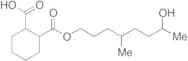
CAS:Controlled Product<p>Applications Benzyl Nicotinate is a reactant used in the synthesis of indolizine derivatives, which are alpha-7 nicotinic acetylcholine receptor (nAChR).<br>References Xue, Yu., et al.: Eur. J. Med. Chem., 115, 94-108 (2016)<br></p>Formula:C13H11NO2Color and Shape:NeatMolecular weight:213.232-(((Hydroxy-4-methyloctyl)oxy)carbonyl)cyclohexanecarboxylic Acid (Mixture of Diastereomers)
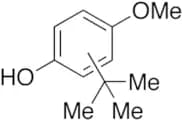
CAS:<p>Applications 2-(((Hydroxy-4-methyloctyl)oxy)carbonyl)cyclohexanecarboxylic Acid is a phthalate monoester derivative of Hexamol DINCH, a plasticizer for the manufacture of flexible plastic toys medical devices and food packaging.<br>References Silva, M. et al.: Env. Res., 126, 159 (2013); Wadey, B. et al.: J. Vinyl. Addit. Tech., 9, 172 (2003);<br></p>Formula:C17H30O5Color and Shape:Colourless To Light YellowMolecular weight:314.42Butylated Hydroxyanisole
CAS:<p>Applications Butylated Hydroxyanisole is an antioxidant consisting of a mixture of two isomers of tert-butyl-4-hydroxyanisole (1). Butylated Hydroxyanisole is used in food preservation as antioxidant (2) properties prevent food from becoming rancid. Butylated Hydroxyanisoleas is also used in animal feed, petroleum products, and cosmetics. This compound is a contaminant of emerging concern (CECs). Drinking water contaminant candidate list 3 (CCL 3) compound as per United States Environmental Protection Agency (EPA), environmental, and food contaminants.<br>References 1. Lam, L. et al.: J. Med. Chem. 1979 May;22(5):569-71.2. Pimpa, B. et al.: Kaset. J. Nat. Sci. (2009) June:43, 370<br></p>Formula:C11H16O2Color and Shape:Light YellowMolecular weight:360.491-Methoxy-4-(1E)-1-propen-1-ylbenzene
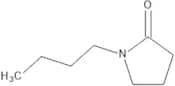
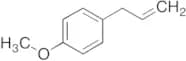
CAS:<p>Applications 1-Methoxy-4-(1E)-1-propen-1-ylbenzene is a component of essential oils extracted from natural sources. It is also a possible inhibitor of protein kinase CK2α and CK2α’.<br>References Liang, Zhi-yuan, et al.: Shizhen Guoyi Guoyao, 25(7), 1602-1604 (2014);Benelli, Giovanni, et al.: Indus. Crops and Prod., 124, 236-243 (2018);Baier, Andrea, et al.: Phytochem., 136, 39-45 (2017)<br></p>Formula:C10H12OColor and Shape:NeatMolecular weight:148.201-Butylpyrrolidin-2-one
CAS:Controlled Product<p>Applications 1-BUTYLPYRROLIDIN-2-ONE (cas# 3470-98-2) is a useful research chemical.<br></p>Formula:C8H15NOColor and Shape:ColourlessMolecular weight:141.21Daidzein
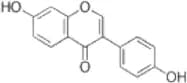
CAS:Controlled Product<p>Applications Daidzein is an inactive analog of Genistein (Cat. #G350000). It blocks the G1 phase of the cell cycle in Swiss 3T3 cells by inhibiting casein kinase II activity. Daidzein has also been shown to inhibit the action of GABA on recombinant GABAA receptors.<br>References Am. J. Respir. Cell Mol. Biol., 7, 637 (1992), Biochim. Biophys. Acta 1221, 29 (1994), Huang, R.Q.; Fang, M.J.; Dillon, G.H., Mol. Brain Res. 67: 177-183 (1999)<br></p>Formula:C15H10O4Color and Shape:Off-WhiteMolecular weight:254.24Cholesta-3,5-diene
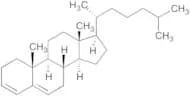
CAS:<p>Applications Cholesta-3,5-diene is an oxysterol.<br></p>Formula:C27H44Color and Shape:Off-WhiteMolecular weight:368.643,5-Di-tert-butyl-4-hydroxybenzoic Acid
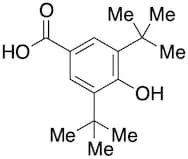
CAS:Controlled Product<p>Applications 3,5-Di-tert-butyl-4-hydroxybenzoic acid<br></p>Formula:C15H22O3Color and Shape:NeatMolecular weight:250.33Behenic Acid
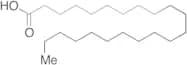
CAS:<p>Applications Behenic Acid, has various applications. It is used in hair conditioners and moisturizers to give their smoothing properties. It is also used in lubricating oils, as solvent evaporation retarder in paint removers.<br>References Efimenko, S. G., et al.: Maslozhirovaya Promyshlennost, 4, 16 (2012); Cermak, S., et al.: Indust. Crops Prod., 44, 232 (2013);<br></p>Formula:C22H44O2Color and Shape:White To Off-WhiteMolecular weight:340.58Bisphenol A Di(Methyl-d3) Bis(Diphenyl Phosphate)
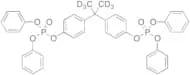
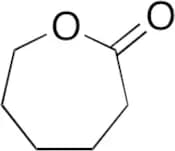
CAS:Controlled Product<p>Applications Isotope labelled Bisphenol A Bis(diphenyl phosphate) is a flame retardant. Bisphenol A Bis(diphenyl phosphate) is used in electrical wire covering and other flame resistant materials.<br>References Takeda, K. et al.: J. Appl. Polym. Sci., 64, 1175 (1997); Levchik, S.V. et al.: J. Vinyl Add. Technol., 7, 98 (2001);<br></p>Formula:C39H28D6O8P2Color and Shape:NeatMolecular weight:698.68γ-Heptalactone
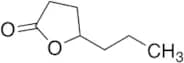
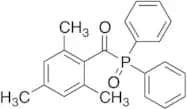
CAS:Controlled Product<p>Applications ��-Heptanolactone, �� 98.0% (cas# 105-21-5) is a useful research chemical.<br></p>Formula:C7H12O2Color and Shape:NeatMolecular weight:128.17Diphenyl(2,4,6-trimethylbenzoyl)phosphine Oxide
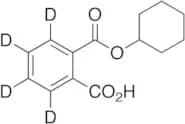
CAS:<p>Applications Diphenyl(2,4,6-trimethylbenzoyl)phosphine oxide (cas# 75980-60-8) is a useful research chemical.<br></p>Formula:C22H21O2PColor and Shape:YellowMolecular weight:348.37Monocyclohexyl Phthalate-d4
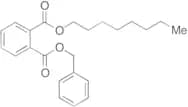
CAS:Controlled Product<p>Applications Labelled Dicyclohexyl Phthalate (DCHP) metabolite.<br>References Okubo, T., et al.: Biol. Pharm. Bull., 26, 1219 (2003), Silva, M., et al.: J. Anal. Toxicol., 29, 819 (2005), Matsumoto, M., et al.: Reg. Toxicol. Pharmacol., 50, 37 (2008),<br></p>Formula:C14D4H12O4Color and Shape:NeatMolecular weight:252.3Octyl Benzyl Phthalate
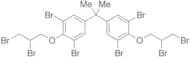
CAS:Controlled ProductFormula:C23H28O4Color and Shape:NeatMolecular weight:368.47Bis(2,3-dibromopropoxy)tetrabromobisphenol A
CAS:Controlled Product<p>Applications Bis(2,3-dibromopropoxy)tetrabromobisphenol A is a the DBP-based flame retardant for polyolefins and polymers, including PP, high-density polyethylene (HDPE), and low-density polyethylene (LDPE). Bis(2,3-dibromopropoxy)tetrabromobisphenol A is also used in fabricated plastic sheet materials for application in the formation of a part of many electrical cabinets.<br>References Altwaiq. A.M., et al.: Anal. Chimica. Acta., 491, 111 (2003); Howard, P.H., et al.: Environ. Sci. Tech., 44, 2277 (2010);<br></p>Formula:C21H20Br8O2Color and Shape:WhiteMolecular weight:943.612-Benzothiazolethiol
CAS:Controlled Product<p>Applications 2-Benzothiazolethiol is an intermediate used to synthesize benzothiazole derivatives as cyclooxygenase inhibitors. It is also used to prepare pyridinone derivatives as potent non-nucleoside human immunodeficiency virus type 1 specific reverse transcriptase inhibitors.<br> Not a dangerous good if item is equal to or less than 1g/ml and there is less than 100g/ml in the package<br>References Paramashivappa, R., et al.: Bioorg. Med. Chem. Lett., 13, 657 (2003); Dolle, V., et al.: J. Med. Chem., 38, 4679 (1995)<br></p>Formula:C7H5NS2Color and Shape:NeatMolecular weight:167.25(1)Dibromoacetonitrile
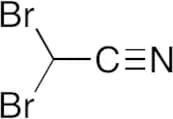
CAS:Controlled Product<p>Stability Light Sensitive<br>Applications Dibromoacetonitrile is a carcinogenic nitrogenous disinfection byproduct. Dibromoacetonitrile in drinking water was linked to oral cavity cancer in rats and forestomach cancer in mice. In addition, Dibromoacetonitrile may cause oxidative damage in rat brain.<br> Not a dangerous good if item is equal to or less than 1g/ml and there is less than 100g/ml in the package<br>References Guo, Z., et al.: Chem. Eng. J. 306, 1180 (2016); Krasner, S. W., et al.: Environ. Sci. Technol. 50, 9583 (2016); Natl Toxicol Program Tech Rep Ser. 544, 1 (2010); Klattisaksiri, P., et al.: Water Res 98, 160 (2016); Sayed, R. H., et al.: Environ Toxicol Pharmacol. 34, 849 (2012)<br></p>Formula:C2HBr2NColor and Shape:ColourlessMolecular weight:198.84Monobenzyl Terephthalate
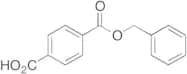
CAS:Controlled Product<p>Applications Monobenzyl Terephthalate is a reactant in the preparation of benzoyl-glucopyranosyl ureas as glycogen phosphorylase inhibitors and potential antidiabetic agents M onobenzyl Terephthalate is also an intermediate formed in the synthesis of Cyclotris(1,4-butylene Terephthalate) (C988975), a cyclic trimer of poly(butylene terephthalate), a thermoplastic engineering polymer.<br>References Nagy, V., et. al.: Bioorg. Med. Chem., 20, 1801 (2012); East, G.C. et al.: Polymer, 23, 323 (1982)<br></p>Formula:C15H12O4Color and Shape:NeatMolecular weight:256.25Phytol (cis/trans mixture)
CAS:Controlled Product<p>Applications Phytol is a reagent that is used in the preparation of α-tocopherol analogs as mitochondrial antioxidants.<br>References Henze, K., et al.: Nature, 427, 127 (2003)<br></p>Formula:C20H40OColor and Shape:NeatMolecular weight:296.53Monobenzyl Phthalate
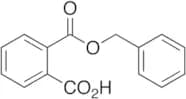
CAS:<p>Applications Phthalate metabolite, which has been shown to influence preterm deliveries.<br>References Mineno, T., et al.: Chem. Pharm. Bull., 57, 1167 (2009), Aylward, L., et al.: Reg. Toxicol. Pharmacol., 55, 259 (2009), Engel, S., et al.: NeuroToxicol., 30, 522 (2009),<br></p>Formula:C15H12O4Color and Shape:White To Off-WhiteMolecular weight:256.252-Methoxybenzoic Acid
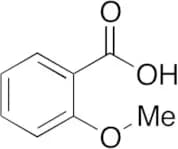
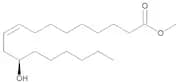
CAS:Controlled Product<p>Applications 2-Methoxybenzoic Acid is used in the preparation of benzohydroxamic acids as potent and selective anti-hepatitis C virus (HCV) agents.<br>References Kozlov, M.V., et al.: Bioorg. Med. Chem. Lett., 23, 5936 (2013)<br></p>Formula:C8H8O3Color and Shape:Off-WhiteMolecular weight:152.15Ricinic Acid Methyl Ester
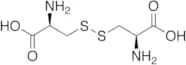
CAS:<p>Stability Light Sensitive<br>Applications Ricinoleic acid, formally called 12-hydroxy-9-cis-octadecenoic acid is a fatty acid. It is an unsaturated omega-9 fatty acid and a hydroxy acid. It is a major component of the seed oil obtained from mature Castor plant (Ricinus communis L., Euphorbiaceae) seeds or in sclerotium of ergot (Claviceps purpurea Tul., Clavicipitaceae). About 90% of the fatty acid content in castor oil is the triglyceride formed from ricinoleic acid.<br>References Feraz, A.C. et al.: Pharmacol. Biochem. Behav., 63, 367 (1999); Zhao, Z. et al.: Zhong. Niang., 6, 13 (2009);<br></p>Formula:C19H36O3Color and Shape:ColourlessMolecular weight:312.49L-Cystine
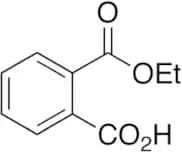
CAS:<p>Impurity Acetylcysteine EP Impurity A<br>Applications L-Cystine is a non-essential amino acid for human development. L-Cystine is formed by the dimerization of two cysteines through the sulfur. Acetylcysteine EP Impurity A<br>References Fahey, R.C., et al.: J. Mol. Evol., 10, 155 (1977), Kao, P., et al.: J. Biol.Chem., 261, 8085 ( 1986), Nicke, A., et al.: J. Biol. Chem., 278, 3137 (2003),<br></p>Formula:C6H12N2O4S2Color and Shape:WhiteMolecular weight:240.30Monoethyl Phthalate
CAS:Controlled Product<p>Applications Phthalate metabolite.<br>References Engel, S., et al.: NeuroToxicol., 30, 522 (2009), Aylward, L., et al.: Reg. Toxicol. Pharmacol., 55, 259 (2009), Blair, J., et al.: Environ., Sci. Technol., 43, 6262 (2009),<br></p>Formula:C10H10O4Color and Shape:Light Pink To Off-WhiteMolecular weight:194.18Isovaleric Acid
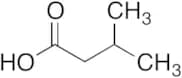
CAS:Controlled Product<p>Applications Isovaleric Acid (I917570) is a naturally occurring aroma compound found in Bartlett pear brandies, vanilla beans, rape-honey and banana.<br> Not a dangerous good if item is equal to or less than 1g/ml and there is less than 100g/ml in the package<br>References Blasioli S., et al.: J. Agr. Food Chem., 62, 337 (2014); Willner, B., et al.: J. Agr. Food. Chem., 61, 9583 (2013); Zhang, S., & Mueller, C.: J. Agr. Food. Chem., 60, 10433 (2012); Pino, J., & Febles, Y.: Food Chem., 141, 795 (2013)<br></p>Formula:C5H10O2Color and Shape:ColourlessMolecular weight:102.133'-O-Methyl Quercetin
CAS:<p>Applications A metabolite of the flavanoid Quercetin (Q509500) with antioxidant properties. It helps to protect H9c2 cardiomyoblasts against H2O2-induced oxidative stress via the modulation of PI3K/Akt and ERK1/2 signaling pathways.<br>References Duenas, M. et al.: Eur. Food Res. Technol., 232, 103 (2011); Ameho, C.K. et al.: J. Nutrit. Biochem., 19, 467 (2008); Angeloni, C. et al.: Biochimie, 89, 73 (2007);<br></p>Formula:C16H12O7Color and Shape:YellowMolecular weight:316.26Bis(4-methylcyclohexyl) Phthalate
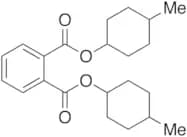
CAS:<p>Applications Bis(4-methylcyclohexyl) Phthalate is a phthalic acid ester used as plasticizer for optical films and polarizing sheets.<br>References Stemmler, E.A., et al.: J. Am. Soc. Mass. Spec., 5, 990 (1994);<br></p>Formula:C22H30O4Color and Shape:NeatMolecular weight:358.47Isoeugenyl acetate
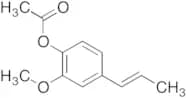
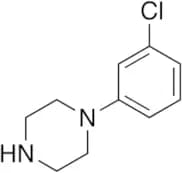
CAS:Controlled ProductFormula:C12H14O3Color and Shape:NeatMolecular weight:206.23781-(3-Chlorophenyl)piperazine
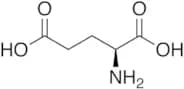
CAS:Controlled Product<p>Applications It is noteworthy that 1-(3-Chlorphenyl)piperazine (m-CPP), resulting from N-dealkylation of Trazodone, is a major circulating metabolite in humans common to several antidepressants including Trazodone, Nefazodone, and Etoperidone (1,2,3). The metabolite m-CPP is of significant interest because it has 5-HT2C agonistic and 5-HT2A antagonistic properties. It has also been suggested that m-CPP may contribute to the antidepressant efficacy of Trazodone.<br>References (1) Bo Wen, et al.: Drug Metab. Dispos., 36, 841 (2008) (2) Maes, M., et al.: J. Clin. Psychopharmacol., 17, 358 (1997) (3) Fiorella, D., et al.: Psychopharmacology, 119, 220 (1995)<br></p>Formula:C10H13ClN2Color and Shape:NeatMolecular weight:196.68L-Glutamic Acid
CAS:<p>Applications A non-essential amino acid. Its salt form (glutamate) is an important neurotransmitter that plays a key role in long-term potentiation and is important for learning and memory. It is also a key molecule in cellular metabolism.<br>References McEntee, W., et al.: Psychopharmacology, 111, 391 (1993), Manev, H., et al.: Mol. Pharmacol., 36, 106 (1989),<br></p>Formula:C5H9NO4Color and Shape:White To Off-WhiteMolecular weight:147.13Chlorbutanol Hemihydrate
CAS:<p>Applications Chlorbutanol Hemihydrate acts as a fish anaesthetic, primarily on members of the octopus species. Also used as an ophthalmic antimicrobial preservative agent (1).<br>References (1) Amin, A. et al.;Pharm. Dev. Tech., 17, 614 (2012)<br></p>Formula:C4H7Cl3O·H2OColor and Shape:White To Off-WhiteMolecular weight:372.93Phthalide
CAS:Controlled Product<p>Applications Phthalide may be used in scaffolds for the design of high potency monoamine oxidase (MAO) inhibitors.<br>References Li, P.Z., et. al.: Med. Chem. Res., 23, 3624 (2014)<br></p>Formula:C8H6O2Color and Shape:ColourlessMolecular weight:134.13









![2-Aminodipyrido[1,2-a:3',2’-d]imidazole Dihydrochloride](/_next/image/?url=https%3A%2Fstatic.cymitquimica.com%2Fproducts%2FTR%2Fthumb-webp%2FA608801.webp&w=3840&q=75)
![2-Amino-3,4-dimethyl-3H-imidazo[4,5-f]quinoline](/_next/image/?url=https%3A%2Fstatic.cymitquimica.com%2Fproducts%2FTR%2Fthumb-webp%2FA605200.webp&w=3840&q=75)






![2-Amino-3-methyl-9H-pyrido[2,3-b]indole](/_next/image/?url=https%3A%2Fstatic.cymitquimica.com%2Fproducts%2FTR%2Fthumb-webp%2FA617500.webp&w=3840&q=75)



![(+)-[6]-Gingerol](/_next/image/?url=https%3A%2Fstatic.cymitquimica.com%2Fproducts%2FTR%2Fthumb-webp%2FG387205.webp&w=3840&q=75)
![1,3-Bis[2-(4-hydroxyphenyl)-2-propyl]benzene](/_next/image/?url=https%3A%2Fstatic.cymitquimica.com%2Fproducts%2FTR%2Fthumb-webp%2FB447440.webp&w=3840&q=75)


![2,2-Bis[4-(2-hydroxy-2-methylethoxy)phenyl]Propane](/_next/image/?url=https%3A%2Fstatic.cymitquimica.com%2Fproducts%2FTR%2Fthumb-webp%2FB016472.webp&w=3840&q=75)