Amino Acids (AA)
Amino acids (AAs) are the fundamental building blocks of proteins, playing a crucial role in various biological processes. These organic compounds are essential for protein synthesis, metabolic pathways, and cell signaling. In this category, you will find a comprehensive range of amino acids, including essential, non-essential, and modified forms, which are vital for research in biochemistry, molecular biology, and nutritional sciences. At CymitQuimica, we provide high-quality amino acids to support your research and development needs, ensuring accuracy and reliability in your experimental outcomes.
Subcategories of "Amino Acids (AA)"
- Amino Acid Derivatives(3,955 products)
- Amino Acid and Amino Acid Related Compounds(3,472 products)
- Amino Acids with Oxygen or Sulphur(168 products)
- Boc- Amino Acids(351 products)
- Fmoc Amino Acids(1,710 products)
Found 38263 products of "Amino Acids (AA)"
Sort by
Purity (%)
0
100
|
0
|
50
|
90
|
95
|
100
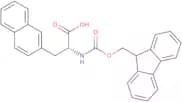
Fmoc-L-homotyrosine
CAS:<p>Fmoc-L-homotyrosine is a tyrosine kinase inhibitor. Tyrosine kinases are enzymes that catalyze the transfer of phosphate groups from ATP to tyrosine residues in proteins, which play a role in many cellular processes. Fmoc-L-homotyrosine binds to the ATP binding site in the active site of these enzymes, preventing phosphorylation and thus preventing protein function. This compound has been shown to inhibit neurotensin receptors in vitro and has also been shown to be an endogenous ligand for this receptor. Fmoc-L-homotyrosine binds to allosteric sites on the neurotensin receptor, causing conformational changes that activate transduction pathways and increase signaling. The mechanism of inhibition is not yet fully understood but is thought to be due to steric hindrance or allosteric binding.</p>Formula:C25H23NO5Purity:Min. 95%Molecular weight:417.45 g/mol3-(tert-butyl)-2-phenylindeno[3,2-c]pyrazol-4-one
CAS:<p>Please enquire for more information about 3-(tert-butyl)-2-phenylindeno[3,2-c]pyrazol-4-one including the price, delivery time and more detailed product information at the technical inquiry form on this page</p>Formula:C20H18N2OPurity:Min. 95%Color and Shape:PowderMolecular weight:302.37 g/mol2-Hydroxy-4-methoxyacetophenone
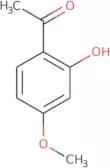
CAS:<p>2-Hydroxy-4-methoxyacetophenone is a compound that has been shown to have a minimal toxicity profile and a wide range of pharmacological activities. It inhibits the activity of NF-κB, which is an inflammatory signaling protein, and also has antioxidant properties. 2-Hydroxy-4-methoxyacetophenone has been shown to reduce the severity of cardiovascular disease by inhibiting oxidative injury in the mitochondria and reducing oxidative stress. This drug also reduces atherosclerotic lesions and prevents hypoglycemia by increasing glucose uptake in tissues. Moreover, it can be used to treat leukemia inhibitory factor in patients with chronic myeloid leukemia (CML).</p>Formula:C9H10O3Purity:Min. 95%Color and Shape:PowderMolecular weight:166.17 g/molEthyl 4-methoxycinnamate
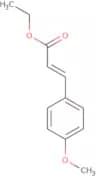
CAS:<p>Ethyl 4-methoxycinnamate is a white crystalline solid that is soluble in water. It is used as a food additive, and has been shown to have anti-bacterial, analgesic, and antioxidant properties. The compound interacts with the β-cyclodextrin molecule when it is dissolved in water. This interaction leads to a decrease in its solubility in water.</p>Formula:C12H14O3Purity:Min. 95%Color and Shape:PowderMolecular weight:206.24 g/molIle-Tyr-OH
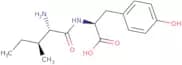
CAS:<p>Ile-Tyr-OH is a synthetic amino acid that is structurally similar to the amino acids ile and tyrosine. It has been shown to have potent inhibitory activity against noradrenaline and dopamine. Ile-Tyr-OH inhibits the synthesis of hydrogen bonds, which are essential for maintaining the shape of proteins. This prevents proteins from folding into their correct three dimensional structure, leading to an increase in blood pressure. Ile-Tyr-OH has also been shown to reduce intestinal transit time and decrease intestinal motility.</p>Formula:C15H22N2O4Purity:Min. 95%Molecular weight:294.35 g/mol7-Chloro-5-(2-fluorophenyl)-2,3-dihydro-1H-1,4-benzodiazepine-2-methanamine
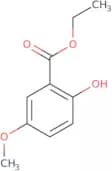
CAS:Controlled Product<p>Please enquire for more information about 7-Chloro-5-(2-fluorophenyl)-2,3-dihydro-1H-1,4-benzodiazepine-2-methanamine including the price, delivery time and more detailed product information at the technical inquiry form on this page</p>Formula:C16H15ClFN3Purity:Min. 95%Color and Shape:PowderMolecular weight:303.76 g/molEthyl 2-hydroxy-5-methoxybenzoate
CAS:<p>Ethyl 2-hydroxy-5-methoxybenzoate (EHMB) is a phenolic compound that belongs to the group of salicylic acid. It is a natural product present in crucifers such as cabbage, broccoli, and cauliflower. EHMB has been shown to induce apoptosis in human leukemia cells through the inhibition of DNA methylation. The results showed that EHMB induces apoptosis in human leukemia cells by targeting the epigenetic regulator protein MLL1, which inhibits DNA methyltransferase 1 activity and leads to decreased levels of 5mC. EHMB also induces apoptosis in lung cancer cells by inhibiting cell proliferation and inducing cell death through the inhibition of GTPase activity, which leads to decreased levels of cyclin D1 and increased levels of p27. EHMB also regulates stem cell function by modulating gene expression; it has been shown that this compound can promote stem cell-like properties in mouse embryonic fibrobl</p>Formula:C10H12O4Purity:Min. 95%Color and Shape:Clear LiquidMolecular weight:196.2 g/molN-Acetyl-L-methionine
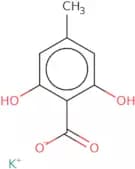
CAS:<p>N-Acetyl-L-methionine is a form of the amino acid methionine. It is an intermediate in the conversion of L-methionine to S-adenosylmethionine, which is involved in methylation reactions in cells. N-Acetyl-L-methionine has been shown to be effective against nitrite ion, a reactive nitrogen species that causes oxidative stress and damage to DNA, RNA, and proteins. It also has been shown to have biological properties for the prevention of ischemia reperfusion injury following cardiac arrest and liver transplantation. N-acetyl-L-methionine may also have benefits for individuals with high body mass index or rats with liver microsomes.</p>Formula:C7H13NO3SPurity:Min. 95%Color and Shape:White PowderMolecular weight:191.25 g/mol2,6-Dihydroxy-4-methylbenzoic acid potassium
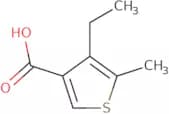
CAS:<p>2,6-Dihydroxy-4-methylbenzoic acid potassium salt (2,6-DMBAK) is a high quality reagent that is used as an intermediate in the synthesis of complex compounds. CAS No. 856177-01-0. It is a white crystalline solid with an mp of about 190 degrees Celsius and a bp of about 315 degrees Celsius. 2,6-DMBAK has been shown to be useful in the synthesis of speciality chemicals and research chemicals. This product can be used as a versatile building block for the preparation of various kinds of chemical compounds, and it also has many applications in organic synthesis because it reacts well with many different types of compounds.</p>Formula:C8H8O4•KPurity:Min. 95%Color and Shape:PowderMolecular weight:207.25 g/mol4-Ethyl-5-methylthiophene-3-carboxylic acid
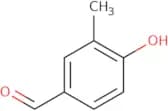
CAS:<p>4-Ethyl-5-methylthiophene-3-carboxylic acid is a chemical compound that can be used as an intermediate for the synthesis of other compounds. It is also a building block and a versatile building block in organic synthesis, with many applications in research and industry. This compound has a CAS number of 884497-34-1 and is classified as a speciality chemical.</p>Formula:C8H10O2SPurity:Min. 95%Color and Shape:PowderMolecular weight:170.23 g/mol4-Hydroxy-3-methylbenzaldehyde
CAS:<p>4-Hydroxy-3-methylbenzaldehyde is a fungicidal agent that has been shown to have activity against Cryptococcus neoformans. It inhibits the mitochondrial functions of this fungus, which leads to cell death by disrupting the synthesis of fatty acids and other cellular components. 4-Hydroxy-3-methylbenzaldehyde binds to C. neoformans with high affinity, producing a reaction product that interferes with the organism's ability to produce butyric acid. The molecular modelling of this compound shows that it is a pyrazole ring with two benzyl groups on either side of an aldehyde group. This chemical also inhibits gram-negative bacteria by binding to fatty acids in their outer membrane.</p>Formula:C8H8O2Purity:Min. 95%Color and Shape:PowderMolecular weight:136.15 g/molLysine clonixinate
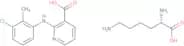
CAS:<p>Lysine clonixinate is a non-steroidal anti-inflammatory drug (NSAID) that is used to treat pain, inflammation and fever. It is effective in the treatment of infectious diseases, statistically. Lysine clonixinate has been shown to have an antiviral effect against influenza virus and HIV. Lysine clonixinate also exhibits a protective effect against bacterial infections in animals with bowel disease.</p>Formula:C19H25ClN4O4Purity:Min. 95%Color and Shape:PowderMolecular weight:408.88 g/mol6-Bromo-DL-tryptophan
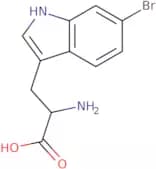
CAS:<p>6-Bromo-DL-tryptophan is an alkylating agent that has been shown to be effective in the treatment of neurodegenerative diseases. 6-Bromo-DL-tryptophan is a natural product that is synthesized from L-tryptophan by the addition of bromine. The biosynthesis of 6-bromo-DL-tryptophan occurs through a two step process, which involves conversion of L-tryptophan to L-3,4,5,6 tetrahydroisoquinoline and then to 6-(2,4dinitrophenyl)-L-tryptophan. This synthetic pathway has been optimized for industrial production using chemical and biochemical methodologies.</p>Formula:C11H11BrN2O2Purity:Min. 98 Area-%Color and Shape:White PowderMolecular weight:283.12 g/molN-Methyl mesoporphyrin IX
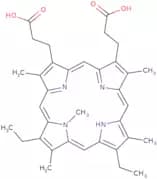
CAS:<p>N-Methyl mesoporphyrin IX is a molecule that inhibits the activity of enzymes such as carboxylesterases, proteases, and aminopeptidases. It binds to the active site of these enzymes and blocks the enzyme's activity. N-Methyl mesoporphyrin IX has been shown to inhibit cancer cells in humans and can be used as an adjunct treatment for cancer. This drug also has anti-inflammatory properties due to its ability to inhibit prostaglandins synthesis. N-Methyl mesoporphyrin IX has been shown to have an effect on plant physiology by inhibiting plant growth and photosynthesis. N-Methyl mesoporphyrin IX is also able to enhance hybridization reactions between dsDNA duplexes, which may be useful in research involving DNA sequencing or gene mapping.</p>Formula:C35H40N4O4Purity:Min. 95%Color and Shape:PowderMolecular weight:580.72 g/mol1-Phenanthrol
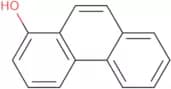
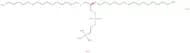
CAS:<p>1-Phenanthrol is a naturally occurring phenanthrene derivative that is used in the treatment of cervical cancer. It has been shown to be effective in the chemiluminescence method using urine samples, which indicates that it may have an effect on the body's metabolism. 1-Phenanthrol has also been shown to inhibit the production of s-phenylmercapturic acid, which is a metabolite of aromatic amines. This inhibition may be due to its receptor binding properties as it binds to and activates the peroxisome proliferator-activated receptor alpha (PPARα) and PPARγ. 1-Phenanthrol also inhibits angiotensin II type 1 receptors and can cause vasorelaxation by reducing blood pressure.</p>Formula:C14H10OPurity:Min. 95%Color and Shape:Off-White PowderMolecular weight:194.23 g/mol1,2-O-Dihexadecyl-sn-glycero-3-phosphocholine
CAS:<p>1,2-O-Dihexadecyl-sn-glycero-3-phosphocholine is a phosphoglyceride that is used in structural biology. It has been shown to form an inclusion complex with the antibiotic erythromycin. This complex was found to be stable at physiological pH and temperature, while the antibiotic alone was not. 1,2-O-Dihexadecyl-sn-glycero-3-phosphocholine also can be used as a surfactant with sodium dodecyl sulfate (SDS) to form micelles and vesicles. The micelles can be used as a model system for studying the interaction of amphiphilic molecules in solution. The chemical stability of 1,2-O-Dihexadecyl-sn-glycero-3-phosphocholine makes it suitable for use as a model system for studying fatty acid ester linkages and cyclic lipopept</p>Formula:C40H84NO6PPurity:Min. 95%Color and Shape:SolidMolecular weight:706.07 g/molN-Acetyl-S-methyl-L-cysteine
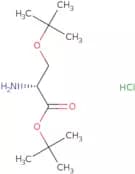
CAS:<p>N-Acetyl-S-methyl-L-cysteine (NAC) is an acetylated form of L-cysteine that has been shown to prevent oxidative damage and promote protein homeostasis. It is a methylating agent for the synthesis of methionine and glutathione, which are important for the maintenance of cellular function. NAC has been shown to be a matrix effect modifier in liquid chromatography with mass spectrometry (LC-MS/MS) analysis. This chemical can be found in urine samples as a normal metabolite, but it also has health effects such as the prevention of carcinogenic potential in animals. NAC can also be used as an antioxidant, anti-inflammatory, or anticarcinogenic drug.</p>Formula:C6H11NO3SPurity:Min. 95%Color and Shape:PowderMolecular weight:177.22 g/molO-tert-Butyl-D-serine t-butyl ester hydrochloride
CAS:<p>O-tert-Butyl-D-serine t-butyl ester hydrochloride is a reaction component that can be used as a reagent in research and chemical synthesis. This compound is useful for the synthesis of complex compounds, such as pharmaceuticals and agrochemicals. It is also used in the production of fine chemicals, such as dyes and perfumes. CAS No. 179559-35-4</p>Formula:C11H23NO3·HClPurity:Min. 95%Color and Shape:PowderMolecular weight:253.77 g/mol(2S)-({[(4-Methyl-2-oxo-2H-chromen-7-yl)oxy]acetyl}amino)(phenyl)acetic acid
CAS:<p>(2S)-({[(4-Methyl-2-oxo-2H-chromen-7-yl)oxy]acetyl}amino)(phenyl)acetic acid is a kind of fine chemical that belongs to the class of reagents and speciality chemicals. It is a versatile building block which can be used in research, as well as in the production of pharmaceuticals and other fine chemicals. This compound can be used in reactions as a building block or intermediate, as well as a scaffold for complex compounds.</p>Formula:C20H17NO6Purity:Min. 95 Area-%Color and Shape:PowderMolecular weight:367.35 g/mol5-Methylnicotinic acid
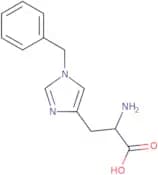
CAS:<p>5-Methylnicotinic acid is a synthetic compound that belongs to the class of organic compounds. It is an amide with optical properties and reacts in aqueous solution with hydroxides to form salts. 5-Methylnicotinic acid has been shown to be effective against rupatadine fumarate, sodium hydroxide solution, transfer mechanism, and plasma samples.</p>Formula:C7H7NO2Purity:Min. 95%Color and Shape:PowderMolecular weight:137.14 g/molD-His(Bzl)-OH
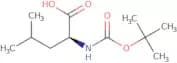
CAS:<p>D-His(Bzl)-OH is a chromatographic ligand that has been used in the preparation of recombinant proteins and vaccines. D-His(Bzl)-OH is an amphipathic molecule with a hydrophilic head group and hydrophobic tail group. It has been shown to be an effective inhibitor of papillomavirus, as well as other viruses such as HIV, herpes simplex virus, poliovirus, and vesicular stomatitis virus. D-His(Bzl)-OH has also been shown to induce antibody production in micelles when conjugated to antigens. The binding of D-His(Bzl)-OH to the viral envelope protein can be increased by increasing pH or by adding ammonium sulfate or chloride ions. Increasing the flow rate during chromatography will also increase the progressions of D-His(Bzl)-OH through the column.</p>Formula:C13H15N3O2Purity:Min. 95%Color and Shape:White PowderMolecular weight:245.28 g/moltert-Butoxycarbonyl-L-leucine
CAS:<p>Tert-Butoxycarbonyl-L-leucine (tBOC-LL) is a tetrapeptide that is used as a drug substance in the synthesis of buserelin, a synthetic peptide hormone. It has been shown to have high reactivity in organic solvents and can be used in cationic polymerization reactions. tBOC-LL has been used to synthesize helical structures with high purity and yield. As it is not an amino acid, tBOC-LL does not occur naturally and must be synthesized.<br>Tert-Butoxycarbonyl-L-leucine (tBOC-LL) is available from Sigma Aldrich Chemie GmbH & Co KG as:</p>Formula:C11H21NO4Purity:Min. 98 Area-%Color and Shape:White PowderMolecular weight:231.29 g/molAc-Lys-AMC acetate salt
CAS:<p>Ac-Lys-AMC acetate salt is a fine chemical that is used as a building block in biological research. It is a versatile building block that can be used in the synthesis of complex compounds, and as a reaction component for the production of useful intermediates. Ac-Lys-AMC acetate salt is also used as a reagent in the detection of nucleic acids.</p>Formula:C18H23N3O4•C2H4O2Purity:Min. 98 Area-%Color and Shape:PowderMolecular weight:405.44 g/mol2-Hydroxy-5-methoxybenzyl alcohol
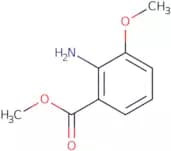
CAS:<p>2-Hydroxy-5-methoxybenzyl alcohol (2HMB) is a methide that is used as an inductor in the synthesis of Taxol. 2HMB has been shown to induce apoptosis in MCF-7 cells and to promote the hydration of oxacycles. It can also be used in cancer research as a kinetic probe for the hydration of oxacycles. 2HMB activates MCF-7 cells and induces apoptosis, which may be due to its nucleophilic properties.</p>Formula:C8H10O3Purity:Min. 95%Molecular weight:154.16 g/mol2-Amino-3-methoxybenzoic acid methyl ester
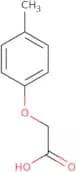
CAS:<p>2-Amino-3-methoxybenzoic acid methyl ester can be used as a chiral auxiliary in enantioselective synthesis. It is synthesised by reaction of l-valine with methyl iodide, followed by hydrolysis of the resulting ester under basic conditions. 2-Amino-3-methoxybenzoic acid methyl ester is used as a chiral auxiliary for the asymmetric synthesis of d-mannitol and related compounds.</p>Formula:C9H11NO3Purity:Min. 95%Color and Shape:PowderMolecular weight:181.19 g/mol4-Methylphenoxyacetic acid
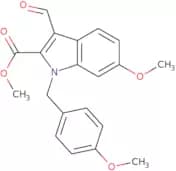
CAS:<p>4-Methylphenoxyacetic acid is a coumarin derivative that has been shown to accumulate in mammalian cells. It has been used as a substrate for conjugation with sulfur and selenium, yielding solubility data. Conjugates of 4-methylphenoxyacetic acid have been characterized by NMR spectra and chemical structure analysis, which revealed the presence of butyric acid residues. The tissue culture studies showed that the mutant strain was unable to grow in the presence of 4-methylphenoxyacetic acid.</p>Formula:C9H10O3Purity:Min. 95%Color and Shape:White PowderMolecular weight:166.17 g/molMethyl 3-formyl-6-methoxy-1-(4-methoxybenzyl)-1H-indole-2-carboxylate
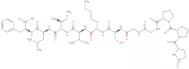
CAS:Controlled Product<p>Please enquire for more information about Methyl 3-formyl-6-methoxy-1-(4-methoxybenzyl)-1H-indole-2-carboxylate including the price, delivery time and more detailed product information at the technical inquiry form on this page</p>Formula:C20H19NO5Purity:Min. 95%Molecular weight:353.37 g/molHead Activator
CAS:<p>Head activator Pyr-Pro-Pro-Gly-Gly-Ser-Lys-Val-Ile-Leu-Phe-OH is a synthetic peptide, which is modeled after bioactive peptides found in certain biological systems. It is derived from the head activator peptides naturally occurring in organisms like hydra and is believed to play a role in neurochemical signaling pathways.The mode of action of this peptide involves the modulation of neuronal activity and proliferation through specific interactions with cellular receptors, influencing processes such as cell growth and differentiation. These interactions may contribute to neuroprotection and support neural regeneration, making it a subject of interest in neurobiological research.Given its role in cellular signaling, Head activator Pyr-Pro-Pro-Gly-Gly-Ser-Lys-Val-Ile-Leu-Phe-OH is primarily used in research contexts, especially in studies focusing on neurobiology, regenerative medicine, and the molecular mechanisms underlying neural development. Its ability to mimic certain endogenous signaling processes allows scientists to explore the regulation of neural cell behavior and the potential therapeutic applications for neurodegenerative conditions.</p>Formula:C54H84N12O14Purity:Min. 95%Molecular weight:1,125.32 g/molN-Acetylglycine
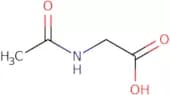
CAS:<p>N-Acetylglycine is an amide, which is a molecule with both a carboxylate and hydroxyl group. It belongs to the class of antimicrobial agents and has been shown to inhibit the growth of bacteria by inhibiting synthesis of folic acid and other metabolites. N-Acetylglycine also inhibits the formation of terminal residues from amino acids. The analytical method for this compound is based on the reaction between n-acetylglycine and hydrogen chloride in methanol. This produces picolinic acid, which can be detected using ultraviolet spectroscopy at a wavelength of 325 nm.</p>Formula:C4H7NO3Purity:Min. 95%Color and Shape:White PowderMolecular weight:117.1 g/mol3-(tert-butyl)-4-(3-(4-nitrophenyl)prop-2-enylidene)-1-phenyl-2-pyrazolin-5-one
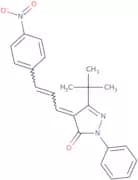
CAS:<p>Please enquire for more information about 3-(tert-butyl)-4-(3-(4-nitrophenyl)prop-2-enylidene)-1-phenyl-2-pyrazolin-5-one including the price, delivery time and more detailed product information at the technical inquiry form on this page</p>Purity:Min. 95%1-Methyl-D-tryptophan
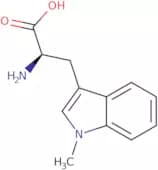
CAS:Controlled Product<p>1-Methyl-D-tryptophan (1MT) is a metabolite of tryptophan. It has been shown to inhibit the enzyme IDO1, which is involved in the production of tumor necrosis factor (TNF), and to possess immunomodulatory effects. 1MT may be useful for the treatment of cancer, as it has been shown to inhibit growth and induce apoptosis in human liver and brain tumor cells, as well as in human leukemia cells. 1MT also inhibits the proliferation of myeloid-derived suppressor cells and increases their sensitivity to cytotoxic drugs.</p>Formula:C12H14N2O2Purity:Min. 95%Color and Shape:PowderMolecular weight:218.25 g/molFmoc-β-(7-methoxy-coumarin-4-yl)-Ala-OH
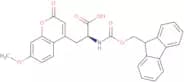
CAS:<p>Fmoc-b-(7-methoxy-coumarin-4-yl)-Ala-OH is a reagent with the CAS No. 524698-40-6, which is used in organic synthesis. It is a versatile building block and useful intermediate that can be used to synthesize other organic compounds. Fmoc-b-(7-methoxy-coumarin-4-yl)-Ala-OH is also used as a reaction component in the synthesis of peptides and proteins, as well as in the preparation of polymers. It has been shown to be an effective building block for complex compounds.</p>Formula:C28H23NO7Purity:Min. 95%Color and Shape:PowderMolecular weight:485.48 g/molFmoc-Cys(Dpm)-OH
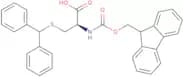
CAS:<p>Fmoc-Cys(Dpm)-OH is a chemical that belongs to the group of reaction components. It is a high quality reagent for research and development and can be used as a building block in the synthesis of other fine chemicals. Fmoc-Cys(Dpm)-OH is also an intermediate for the synthesis of complex compounds such as peptides, proteins, and antibiotics. This compound has a broad range of applications in biomedicine, organic chemistry, and pharmaceuticals.</p>Formula:C31H27NO4SPurity:Min. 95%Color and Shape:White SolidMolecular weight:509.62 g/molN3-Phe-OH·CHA
CAS:<p>Please enquire for more information about N3-Phe-OH·CHA including the price, delivery time and more detailed product information at the technical inquiry form on this page</p>Formula:C9H9N3O2•C6H13NPurity:Min. 95%Color and Shape:PowderMolecular weight:290.36 g/molCyclo(-Arg-Gly-Asp-D-Tyr-Lys) trifluoroacetate salt
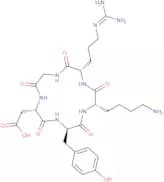
CAS:<p>Cyclo(-Arg-Gly-Asp-D-Tyr-Lys) trifluoroacetate salt is a reagent that is used in organic synthesis as a building block to create complex compounds. It is also useful for research purposes, as it can be used to produce high quality products. Cyclo(-Arg-Gly-Asp-D-Tyr-Lys) trifluoroacetate salt is a chemical with CAS No. 217099-14-4 and has the chemical formula C17H21N3O2F3.</p>Formula:C27H41N9O8Purity:Min. 95%Color and Shape:White SolidMolecular weight:619.67 g/molN,N'-Bis-Boc-1-guanylpyrazol
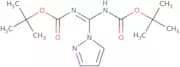
CAS:<p>N,N'-Bis-Boc-1-guanylpyrazol is a tetrapeptide that is used as a reagent in organic synthesis. It has been shown to have an inhibitory effect on the production and release of melanocortin and its related peptides, which are important for the regulation of body weight, appetite, and mood. N,N'-Bis-Boc-1-guanylpyrazol binds to sulfate groups on chondroitin sulfate proteoglycans. The inhibition of these sulfated proteoglycans leads to decreased levels of hyaluronic acid and a lack of water retention in the joints. This can cause symptoms such as pain and stiffness in joints, particularly those affected by osteoarthritis.</p>Formula:C14H22N4O4Purity:Min. 95%Color and Shape:White PowderMolecular weight:310.35 g/molGly-Gly-Gly-Gly-OH
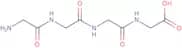
CAS:<p>Gly-Gly-Gly-Gly-OH is a peptide that is used as an absorption enhancer. It has been shown to absorb ultraviolet light and convert it into visible light, which can increase the effectiveness of photosensitive drugs in the treatment of cancer. Gly-Gly-Gly-Gly-OH has also been shown to have protonation properties and can hydrogen bond with other molecules, including proteins. This molecule is activated by oxidation, which converts it from its amide form to its imine form. This activation process can be catalyzed by an oxidation catalyst such as manganese dioxide or nickel chloride. The imine form reacts with an electron donor such as hydrogen peroxide to produce an aromatic ring compound, which then undergoes intramolecular hydrogen transfer reactions to produce a second aromatic ring compound. These two compounds react with each other and release a water molecule (H2O) and energy in the form of heat or light. The frequency shift</p>Formula:C8H14N4O5Purity:Min. 95%Color and Shape:PowderMolecular weight:246.22 g/mol2,4-Dioxo-4-phenylbutanoic acid
CAS:<p>2,4-Dioxo-4-phenylbutanoic acid is an inhibitor of the influenza virus that binds to its surface proteins and inhibits the replication of the virus. 2,4-Dioxo-4-phenylbutanoic acid is a stable complex that has been shown to be active against HIV. This compound has been shown to inhibit viral life by binding to the subunits of influenza A and B viruses. 2,4-Dioxo-4-phenylbutanoic acid has been synthesized as an active analogue of zanamivir and it is believed that this compound binds to the same site on the influenza A virus as zanamivir. The molecule is also tautomerizable, which means it can exist in two forms: ketone (the more stable form) or enol (less stable).</p>Formula:C10H8O4Purity:Min. 95%Color and Shape:PowderMolecular weight:192.17 g/mol2,4,5-Trihydroxy-DL-phenylalanine
CAS:<p>2,4,5-Trihydroxy-DL-phenylalanine (2,4,5-THP) is a natural amino acid that has been found to have neurotrophic effects. It has shown to increase the levels of prolactin in the blood and tissues of experimental animals. 2,4,5-THP binds with dopamine or amines and can be used as a cofactor for enzymes involved in oxidative injury. 2,4,5-THP has also been shown to have antidepressant properties and to protect against neuronal death caused by pharmacological agents or fatty acids. 2,4,5-THP is structurally similar to tricyclic antidepressants such as imipramine and chlorpromazine.</p>Formula:C9H11NO5Purity:Min. 95%Color and Shape:PowderMolecular weight:213.19 g/molZ-Arg-Arg-AMC hydrochloride salt
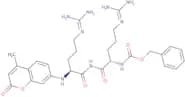
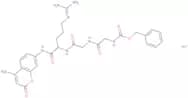
CAS:<p>Z-Arg-Arg-AMC hydrochloride salt is a versatile compound that acts as a catalyst and forms strong hydrogen bonds. It exhibits proteolytic activity and has been found to be effective in breaking down proteins. In addition, Z-Arg-Arg-AMC hydrochloride salt has been shown to possess neuroprotective properties, making it a potential candidate for the treatment of neurological disorders. It also demonstrates anthelmintic activity, which means it can be used to combat parasitic worm infections. Furthermore, this compound has antioxidant activity and can help reduce lipid peroxidation, protecting cells from oxidative damage. With its diverse range of characteristics, Z-Arg-Arg-AMC hydrochloride salt holds great promise in various research fields such as biochemistry and medicine.</p>Formula:C30H39N9O6·xHClPurity:Min. 95%Color and Shape:PowderMolecular weight:621.69 g/mol4-Bromo-2-methylbenzoic acid ethyl ester
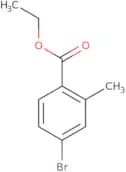
CAS:<p>4-Bromo-2-methylbenzoic acid ethyl ester is a high quality and versatile building block. It is a useful intermediate in the synthesis of organic compounds, and can be used as a reaction component in the synthesis of complex compounds. 4-Bromo-2-methylbenzoic acid ethyl ester is also a useful scaffold for the construction of new chemical entities. It has been shown to react with potassium tert-butoxide to produce 4-(2,6-dimethylphenyl)piperidine (CAS No. 220389-34-4).</p>Formula:C10H11BrO2Purity:Min. 95%Color and Shape:Clear LiquidMolecular weight:243.1 g/mol1-Linoleoyl-rac-glycerol
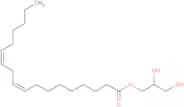
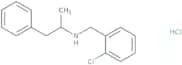
CAS:<p>1-Linoleoyl-rac-glycerol is a lipid with a structure similar to that of linoleic acid. The compound is used as a substrate for the study of the effects of oxygenation on lipid metabolism. 1-Linoleoyl-rac-glycerol has been shown to have anti-inflammatory properties in chronic kidney disease and pancreatitis models, which may be due to its inhibition of pancreatic lipase. 1-Linoleoyl-rac-glycerol is also used as a reaction product in sample preparation techniques, such as thin layer chromatography and high performance liquid chromatography. A variety of reactions can be performed with this compound, including hydrolysis by thrombin or trypsin, esterification with methanol or chloroform, or oxidation by potassium permanganate. 1-Linoleoyl-rac-glycerol has been shown to inhibit the growth of human lung epithelial cells (thp1</p>Formula:C21H38O4Purity:Min. 95 Area-%Color and Shape:Clear LiquidMolecular weight:354.52 g/molN-(2-Chlorobenzyl)-1-phenylpropan-2-amine hydrochloride
CAS:Controlled Product<p>N-(2-Chlorobenzyl)-1-phenylpropan-2-amine hydrochloride (CBP) is a potent stimulant drug that is used to treat chronic pain. It has been shown to be effective in the treatment of alopecia areata and inflammatory diseases, such as Crohn's disease, ulcerative colitis, and rheumatoid arthritis. CBP blocks protein synthesis by inhibiting the activity of the enzyme dinucleotide phosphate (DNP). This inhibition leads to the accumulation of adenosine monophosphate (AMP), which inhibits cyclic AMP production and protein synthesis. CBP also prevents the binding of DNP to RNA polymerase II at promoter sites, leading to a decrease in mRNA production. As a result, CBP may inhibit protein synthesis by preventing transcription or translation.</p>Formula:C16H18ClN•HClPurity:Min. 95%Color and Shape:PowderMolecular weight:296.24 g/mol(Des-Gly10,D-His2,D-Trp6,Pro-NHEt 9)-LHRH trifluoroacetate
CAS:<p>Please enquire for more information about (Des-Gly10,D-His2,D-Trp6,Pro-NHEt 9)-LHRH trifluoroacetate including the price, delivery time and more detailed product information at the technical inquiry form on this page</p>Formula:C64H83N17O12•(C2HF3O2)xPurity:Min. 95%Molecular weight:1,282.45 g/molL-Cysteine hydrochloride monohydrate
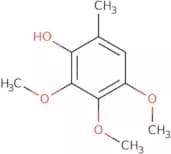
CAS:<p>L-Cysteine is a nonessential amino acid that has the ability to disrupt bacterial cell membranes. It can be produced by hydrolysis of human hair, feathers, and animal hides. L-Cysteine is used as a food additive and flavouring agent in human food and animal feed. It is also used as an additive in the manufacture of plastics, adhesives, and rubber products. L-Cysteine hydrochloride monohydrate (L-Cys HCl) is a white crystalline powder that dissolves readily in water. L-Cys HCl has been shown to have anti-inflammatory properties due to its ability to inhibit the production of prostaglandins.</p>Formula:C3H7NO2S·HCl·H2OPurity:Min. 95%Color and Shape:White Off-White PowderMolecular weight:175.64 g/mol2,3,4-Trimethoxy-6-methylphenol
CAS:<p>2,3,4-Trimethoxy-6-methylphenol is a prenylated phenol with an acidic character. It is synthesised from 5-nitrovanillin and methoxyphenol in dioxane by reaction with hydrogen peroxide and hydrochloric acid. This acid catalyst initiates the reactions that produce 2,3,4-trimethoxy-6-methylphenol. The reaction time is 10 hours at pH 3 to 4. 2,3,4-Trimethoxy-6-methylphenol has been used for the synthesis of phosphotungstate, which is used as a reagent in analytical chemistry for the determination of metal ions. 2,3,4-Trimethoxy-6 methylphenol also provides a route to manufacture peracid and peroxide, which are oxidants with antimicrobial properties.</p>Formula:C10H14O4Purity:Min. 95%Color and Shape:PowderMolecular weight:198.22 g/mol1-Docosahexaenoyl-sn-glycero-3-phosphocholine
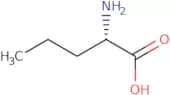
CAS:<p>1-Docosahexaenoyl-sn-glycero-3-phosphocholine (1DHCPC) is a metabolite of lysophosphatidylcholine. 1DHCPC has been found in mouse and human tissues, which indicates that it is a mouse metabolite. This compound is an acyl group attached to the glycerol backbone of phospholipids. The acyl group consists of either an unsaturated fatty acid or a saturated fatty acid with one double bond in the molecule. 1DHCPC is formed by the addition of a docosahexaenoic acid (DHA) to sn-glycero-3-phosphocholine by phospholipase A2.</p>Formula:C30H50NO7PPurity:90%MinColor and Shape:PowderMolecular weight:567.70 g/molL-Norvaline
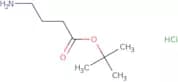
CAS:<p>L-Norvaline is a hydrophobic amino acid that is synthesized in the body from the essential amino acid valine. It is an important intermediate in the biosynthesis of other amino acids, such as L-leucine and L-isoleucine. L-Norvaline has been shown to inhibit bacterial growth and can be used as an antimicrobial agent. It also inhibits the polymerase chain reaction by binding to DNA and RNA, thereby blocking transcription. This drug has been shown to increase energy metabolism, improve renal function, and reduce metabolic disorders in animals. These effects are thought to be due to its ability to bind with carbonyl oxygens on lysine residues of proteins.</p>Formula:C5H11NO2Purity:Min. 95%Color and Shape:PowderMolecular weight:117.15 g/molγ-Aminobutyric acid tert-butyl ester HCl
CAS:<p>GABA is a neurotransmitter that is found in the brain and spinal cord. It is an analog of the amino acid gamma-aminobutyric acid and can be synthesized from glutamic acid. GABA has been shown to have anti-inflammatory properties by inhibiting prostaglandin synthesis, which may be due to its ability to decrease the proliferation of T cells and macrophages. GABA also has been shown to promote growth of hybridomas, which are immune cells that produce antibodies.</p>Formula:C8H17NO2·HClPurity:Min. 95%Color and Shape:White PowderMolecular weight:195.69 g/mol3-((4-Acetylphenyl)amino)-2-phenylinden-1-one
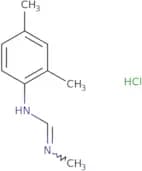
CAS:<p>Please enquire for more information about 3-((4-Acetylphenyl)amino)-2-phenylinden-1-one including the price, delivery time and more detailed product information at the technical inquiry form on this page</p>Formula:C23H17NO2Purity:Min. 95%Color and Shape:PowderMolecular weight:339.39 g/molN'-(2,4-Dimethylphenyl)-N-methylformamide hydrochloride
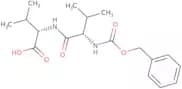
CAS:<p>Bifenthrin is a broad-spectrum, synthetic pyrethroid insecticide that has been used to control pests in the agricultural and residential sectors. It is applied as a spray or dust on plants and animals. Bifenthrin is highly toxic to mammals, with an oral LD50 of less than 10 milligrams per kilogram of body weight in rats and mice. The acute toxicity can be attributed to its ability to inhibit protein synthesis by binding to the cholinesterases, which are found in high concentrations in mammalian tissues.</p>Formula:C10H14N2·HClPurity:Min. 95%Color and Shape:PowderMolecular weight:198.69 g/molZ-Val-Val-OH trifluoroacetic acid
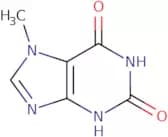
CAS:<p>Z-Val-Val-OH trifluoroacetic acid is a gelator that belongs to the group of amides. It has long chain and intermolecular hydrogen bonding and can be used in the treatment of bacterial infections. Z-Val-Val-OH trifluoroacetic acid has been shown to have thermodynamic parameters for liquids that are more favorable than those for gels, which may account for its ability to form a gel at room temperature. This compound is not electron-micrographable in the solid state but can be tracked by electron microscopy when in solution.</p>Formula:C18H26N2O5•C2HF3O2Purity:Min. 95%Color and Shape:PowderMolecular weight:464.43 g/mol7-Methylxanthine
CAS:Controlled Product<p>7-Methylxanthine is a purine alkaloid that is the primary metabolite of caffeine. It is structurally related to theobromine, which is found in chocolate. 7-Methylxanthine has been shown to have hypoglycemic effects and may be useful for the treatment of myopia. The optimum concentration of 7-methylxanthine for inhibiting carotenoid biosynthesis has been determined as 10 μM. It also inhibits axial elongation in cultured chick retinal cells by reducing carotenoid levels and increasing p-hydroxybenzoic acid levels in the retina. The analytical method for quantifying 7-methylxanthine relies on high performance liquid chromatography with ultraviolet detection (HPLC/UV).</p>Formula:C6H6N4O2Purity:Min. 96 Area-%Color and Shape:White PowderMolecular weight:166.14 g/mol4'-Methoxy-3',β-dimethyl-β-nitrostyrene
<p>4'-Methoxy-3',beta-dimethyl-beta-nitrostyrene is a fine chemical that belongs to the group of versatile building blocks. It is an intermediate for the synthesis of complex compounds, research chemicals, and speciality chemicals. 4'-Methoxy-3',beta-dimethyl-beta-nitrostyrene is a useful reagent in organic synthesis and can be used as a reaction component or scaffold. It has been shown to have high quality and it can be used as a useful building block.</p>Formula:C11H13NO3Purity:Min. 95%Color and Shape:PowderMolecular weight:207.23 g/mol(2E)-3-Methyl-2-hexenoic acid
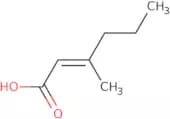
CAS:<p>(2E)-3-Methyl-2-hexenoic acid is a fatty acid that is metabolized by the liver to 3-hydroxy-3-methylhexanoic acid. This compound has been shown to be effective in the treatment of chronic schizophrenia, with clinical studies showing that it may be more effective than other anti-schizophrenia drugs. (2E)-3-Methyl-2-hexenoic acid has also been shown to have antibiotic properties against bacteria such as Staphylococcus aureus, Streptococcus pneumoniae and Pseudomonas aeruginosa. It has also been shown to be effective in treating infectious diseases such as malaria and tuberculosis. (2E)-3-Methyl-2-hexenoic acid binds to bacterial enzymes, inhibiting their function and preventing them from replicating DNA. This binding prevents the formation of an antibiotic inhibitor complex with the enzyme cell wall synthesis that is required for cell wall biosynthesis</p>Formula:C7H12O2Purity:Min. 95 Area-%Color and Shape:White PowderMolecular weight:128.17 g/mol2,4-Dimethoxy-6-methylbenzaldehyde
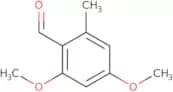
CAS:<p>2,4-Dimethoxy-6-methylbenzaldehyde is a biomolecular that belongs to the class of depsidones. It is a tetracyclic compound that has been isolated from the fungus Antrodia camphorata and the lichen Xanthoria polycarpa. 2,4-Dimethoxy-6-methylbenzaldehyde has been shown to inhibit the growth of fungi by preventing oxidative phosphorylation in mitochondria. This compound also shows regioselectivity for phenanthrenes, which are aromatic hydrocarbons with two benzene rings and one or more methyl groups on each ring. The synthesis of 2,4-dimethoxy-6-methylbenzaldehyde is achieved through a Witting reaction between olefinic compounds and diethyl malonate in the presence of base. 2,4-Dimethoxy-6-methylbenzaldehyde can also be synthesized by oxidizing dib</p>Formula:C10H12O3Purity:Min. 95%Color and Shape:PowderMolecular weight:180.2 g/molPoly[2-methoxy-5-(2-ethylhexyloxy)-1,4-phenylenevinylene - M.W. average 40,000-70,000
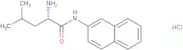
CAS:<p>Poly[2-methoxy-5-(2-ethylhexyloxy)-1,4-phenylenevinylene] is a polymeric material that is soluble in various organic solvents. It has a high refractive index and can be used as an optical filter or polarizer. Poly[2-methoxy-5-(2-ethylhexyloxy)-1,4-phenylenevinylene] particles are monodisperse with an average size of 40,000 to 70,000 daltons. This material has been shown to have excellent light absorption properties and can be made into nanoparticles for use in biomedical applications.</p>Formula:(C18H28O2)nPurity:Min. 95%Color and Shape:PowderL-Leucine b-naphthylamide hydrochloride
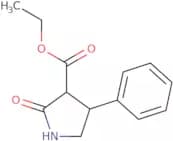
CAS:<p>Please enquire for more information about L-Leucine b-naphthylamide hydrochloride including the price, delivery time and more detailed product information at the technical inquiry form on this page</p>Formula:C16H20N2O·HClPurity:Min. 95%Color and Shape:PowderMolecular weight:292.8 g/mol4-Phenyl-2-pyrrolidone-3-carboxylic acid ethyl ester
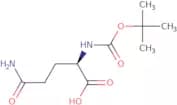
CAS:<p>4-Phenyl-2-pyrrolidone-3-carboxylic acid ethyl ester is an organic compound. It is an intermediate in the synthesis of 2,4,6-trichloroisonicotinic acid and 2,4,6-trichloropyrimidine. The compound has a variety of uses as a reagent and building block for organic synthesis. 4-Phenyl-2-pyrrolidone-3-carboxylic acid ethyl ester is soluble in many solvents such as acetone, ethers and chloroform. It has a CAS number of 5245032. This chemical can be used as a speciality chemical or fine chemical to produce drugs.</p>Formula:C13H15NO3Purity:Min. 95%Color and Shape:PowderMolecular weight:233.26 g/molBoc-D-glutamine
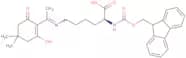
CAS:<p>Boc-D-glutamine is a small, water-soluble amino acid that has shown anticancer efficacy in vivo. It is structurally related to the cyclic peptide, glutamic acid-α-ketoglutarate (GAK). Boc-D-glutamine specifically binds to the tumor vasculature and inhibits cancer cell growth by inhibiting the uptake of essential nutrients. This drug also inhibits tumor angiogenesis and prevents metastasis by preventing the formation of new blood vessels. Boc-D-glutamine has been shown to have a greater effect on human nasopharyngeal carcinoma cells than other types of cancer cells because it targets a specific receptor found in these cells. The anticancer activity of this drug is due to its inhibition of uptake and chloride ion transport. In addition, Boc-D-glutamine has been shown to inhibit the proliferation of human embryonic kidney cells when used at high concentrations.</p>Formula:C10H18N2O5Color and Shape:White Off-White PowderMolecular weight:246.26 g/molN-α-Fmoc-Nε-1-(4,4-dimethyl-2,6-dioxocyclohex-1-ylidene)ethyl-L-lysine
CAS:<p>N-alpha-Fmoc-Nepsilon-1-(4,4-dimethyl-2,6-dioxocyclohex-1-ylidene)ethyl-L-lysine is a synthetic amide with a peptide backbone. It has been shown to have anti tumor activity in vivo and in vitro against a variety of solid tumor xenografts. The compound was conjugated to the integrin receptor ligand RGD, which is expressed on the surface of various types of cancer cells. This modification increased the uptake of N-alpha-Fmoc-Nepsilon-1-(4,4 dimethyl 2,6 dioxocyclohex1 ylidene)ethyl L lysine by leukemia cells and solid tumor xenografts.</p>Formula:C31H36N2O6Purity:Min. 98 Area-%Color and Shape:Slightly Yellow PowderMolecular weight:532.63 g/molZ-Gly-Gly-Arg-AMC·HCl
CAS:<p>Z-Gly-Gly-Arg-AMC·HCl is a proteolytic enzyme that cleaves proteins at the carboxyl side of the amino acid arginine. It has been shown to have potential as a drug target and has been found to be active against carcinoma cell lines, but not normal cells. Z-Gly-Gly-Arg-AMC·HCl is activated by light and can be inhibited by natural compounds such as 2-aminoethoxydiphenyl borate. In addition, it specifically cleaves proteins at the carboxyl side of arginine residues, which makes it useful for studying protein degradation mechanisms in living cells and tissues.</p>Formula:C28H33N7O7·HClPurity:Min. 98%Color and Shape:White PowderMolecular weight:616.07 g/molH-Arg-pNA 2HCl
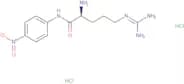
CAS:<p>Chromogenic substrate for Cathepsin H and aminopeptidases. Release of pNA is monitored at 405-410 nm. This substrate is useful for inhibitor screening and kinetic analysis.</p>Formula:C12H18N6O3·2HClPurity:Min. 95%Color and Shape:PowderMolecular weight:367.23 g/molH-Arg-Gly-Asp-Cys-OH
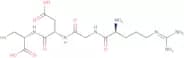
CAS:<p>H-Arg-Gly-Asp-Cys-OH is a biomimetic amino acid that possesses the same three-dimensional structure as the amino acid sequence found in the human epidermal growth factor receptor 2 (HER2). This compound has been shown to inhibit the activity of enzymes, such as kinases, which are involved in cancer cell division. It also can be used to target and destroy cancer cells using gene therapy. H-Arg-Gly-Asp-Cys-OH binds to messenger RNA and inhibits its translation into protein, which may lead to cell death. H-Arg-Gly-Asp-Cys -OH has been shown to bind specifically with HER2 receptors on breast cancer cells and promote their destruction by inducing apoptosis.</p>Formula:C15H27N7O7SPurity:Min. 95%Color and Shape:PowderMolecular weight:449.48 g/mol6-Chloro-D,L-tryptophan
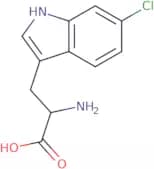
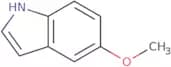
CAS:<p>6-Chloro-D,L-tryptophan is a chemical intermediate that is used in the production of pharmaceuticals. It is a precursor to the amino acid tryptophan and has been shown to inhibit protein synthesis in human macrophages and microglia cells. In addition, this compound has been shown to inhibit the uptake of tryptophan by human macrophages and thp-1 cells. This drug also inhibits the activity of aminotransferase enzymes, which are involved in the metabolism of tryptophan. 6-Chloro-D,L-tryptophan has enantiomeric purity and is an aryl halide with chlorine as its functional group. It can form 3-hydroxyanthranilic acid when it reacts with acid or an acidifying agent. 6-Chloro-D,L-tryptophan has been shown to inhibit the herpes simplex virus (HSV</p>Formula:C11H11ClN2O2Purity:Min. 95%Molecular weight:238.67 g/mol5-Methoxyindole
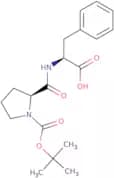
CAS:<p>5-Methoxyindole is a chemical compound that is soluble in water. It has been shown to inhibit tumor growth and induce apoptosis, as well as inhibit the expression of glycogen synthase kinase-3. The structure of 5-methoxyindole was determined by NMR spectroscopy and FT-IR spectroscopy. The compound has been observed to exhibit fluorescence properties at a wavelength of 490 nm when it is excited with UV light. A copper complex of 5-methoxyindole was studied using molecular modeling and FT-IR spectroscopy, which revealed that it can undergo nucleophilic attack by hydrogen bond formation or an acid/base reaction to form a new hydrogen bond. This study also found that 5-methoxyindole is able to form hydrogen bonds with its neighboring molecules, which may contribute to its high solubility in water.</p>Formula:C9H9NOColor and Shape:PowderMolecular weight:147.17 g/molBoc-Pro-Phe-OH
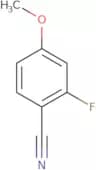
CAS:<p>Boc-Pro-Phe-OH is an ionic liquid that contains a chloride anion. It has been shown to have the ability to dissolve organic compounds, such as 1-methylimidazole, imidazolium, proline, and chloride ions. It has been observed using FTIR and mass spectroscopy that Boc-Pro-Phe-OH forms hydrogen bonds with the chloride ion. The thermal stability of Boc-Pro-Phe-OH has been measured at 250°C for one hour in air with no decomposition observed. This compound also has a low vapor pressure and can be stored in a liquid state at room temperature.</p>Formula:C19H26N2O5Purity:Min. 95%Color and Shape:PowderMolecular weight:362.42 g/mol2-Fluoro-4-methoxybenzonitrile
CAS:<p>2-Fluoro-4-methoxybenzonitrile is a tetracyclic molecule with two electron deficient rings. It has intramolecular coupling, yielding four stereoisomers that show different biological activities. 2-Fluoro-4-methoxybenzonitrile is an electron deficient compound that can be synthesized by reacting dioxane with amines. It also reacts with alcohols to form ethers. This heteroaromatic compound has electron withdrawing groups that make it less stable than other heteroaromatic compounds and more reactive. 2-Fluoro-4-methoxybenzonitrile can be used in the Buchwald reaction to produce aryl chlorides from alkyl halides and aryl bromides.</p>Purity:Min. 95%9-Fluoro-3-methyl-7-oxo-10-(1-piperazinyl)-2,3-dihydro-7H-[1,4]oxazino[2,3,4-Ij]quinoline-6-carboxylic acid
CAS:<p>9-Fluoro-3-methyl-7-oxo-10-(1-piperazinyl)-2,3-dihydro-7H-[1,4]oxazino[2,3,4-Ij]quinoline (FQ) is a fluoroquinolone antibiotic. It inhibits the DNA gyrase and topoisomerase IV enzymes that maintain the integrity of bacterial DNA. FQ has been used to treat urinary tract infections in humans and other animals. This drug is also effective against methicillin resistant Staphylococcus aureus (MRSA) and Clostridium perfringens. FQ binds to bacterial 16S ribosomal RNA and inhibits protein synthesis leading to cell death by inhibiting the production of proteins vital for cell division. The 9 position on the quinoline ring can be detected using UV detection at 260 nm.<br>FQ can be analyzed using mass spectrometry with fluor</p>Formula:C17H18FN3O4Purity:Min. 95 Area-%Color and Shape:White PowderMolecular weight:347.34 g/molL-Leucine 4-nitrophenyl ester hydrochloride
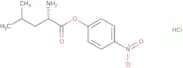
CAS:<p>L-Leucine 4-nitrophenyl ester hydrochloride is a reaction component, reagent, and useful scaffold that is used in the synthesis of complex compounds. It is a versatile building block and useful intermediate that can be used to synthesize fine chemicals such as pharmaceuticals, agrochemicals, or dyes. L-Leucine 4-nitrophenyl ester hydrochloride has CAS number 75691-76-8.</p>Formula:C12H16N2O4•HClPurity:Min. 95%Molecular weight:288.73 g/mol3,5-Diiodo-4(4'-methoxyphenoxy)benzoic acid
CAS:<p>3,5-Diiodo-4-(4'-methoxyphenoxy)benzoic acid is a chemical intermediate that has been used in the synthesis of pharmaceuticals and agricultural chemicals. It is a versatile building block that can be used to produce pharmaceuticals, such as diazepam and bromazepam, and other useful compounds. 3,5-Diiodo-4-(4'-methoxyphenoxy)benzoic acid is a fine chemical with high quality and speciality chemical. It has been extensively researched for its usefulness as a reagent for organic synthesis reactions.</p>Formula:C14H10I2O4Purity:Min. 95%Color and Shape:PowderMolecular weight:496.04 g/mol2-Methyl-5-nitroaniline
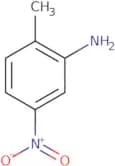
CAS:<p>2-Methyl-5-nitroaniline (2MNA) is a chemical that has been found to be toxic to humans. It is used in wastewater treatment and as a reagent for the production of dyes, rubber products, pesticides, and plastics. 2MNA is oxidized by cytochrome P450 enzymes to create reactive intermediates that react with DNA bases or nucleic acids. 2MNA has also been shown to cause cancer in animals and humans at high doses. It is unclear whether this effect is due to the 2MNA itself or the reactive intermediate formed during metabolism. 2MNA binds to proteins on the surface of cells which may interfere with their function, including enzyme activities and signal transduction pathways. The carcinogenic potential of 2MNA may be due to its ability to form covalent bonds with cellular components such as fatty acids and proteins.</p>Formula:C7H8N2O2Purity:Min. 98%Color and Shape:Slightly Yellow Orange PowderMolecular weight:152.15 g/mol4-Bromo-7-methylisatin
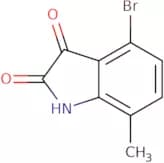
CAS:<p>4-Bromo-7-methylisatin is a chemical compound that is used as a reagent, reaction component, and building block in organic chemistry. 4-Bromo-7-methylisatin is an important intermediate for the synthesis of other compounds and has been shown to have versatile applications in the synthesis of complex compounds. It has also been used as a speciality chemical in research applications and as a fine chemical.</p>Formula:C9H6BrNO2Purity:Min. 95%Color and Shape:PowderMolecular weight:240.05 g/molAlanine anhydride
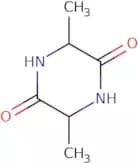
CAS:<p>Alanine anhydride is a purine derivative that can be used as a diagnostic agent. It contains a carbonyl group and a chloride, which are both low energy groups. Alanine anhydride is also a hydrogen bond acceptor, which allows it to bind to the amide backbone of proteins. The nitrogen atoms in this compound are diagnostic agents that can be used to identify the presence of cancer cells in urine samples. This chemical has been shown to have potential microbial infection-fighting effects.</p>Formula:C6H10N2O2Purity:Min. 98 Area-%Color and Shape:PowderMolecular weight:142.16 g/molo-Aminobenzoylglycyl-p-nitro-L-phenylalanyl-L-proline TFA salt
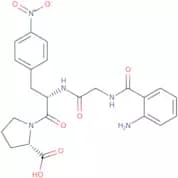
CAS:<p>O-Aminobenzoylglycyl-p-nitro-L-phenylalanyl-L-proline TFA salt is a synthetic, hydrophilic interaction chromatography (HIC) substrate. It has inhibitory properties and is used in biological assays to measure the activities of enzymes that catalyze the hydrolysis of the substrate. O-Aminobenzoylglycyl-p-nitro-L-phenylalanyl-L-proline TFA salt also has been shown to have bioactivities on blood pressure and cell monolayers.</p>Formula:C23H25N5O7•C2HF3O2Purity:Min. 95 Area-%Color and Shape:PowderMolecular weight:597.49 g/mol(R)-N-Methyl-3-(1-naphthoxy)-3-(2-thienyl)propylamine hydrochloride
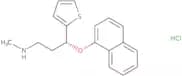
CAS:Controlled Product<p>(R)-N-Methyl-3-(1-naphthoxy)-3-(2-thienyl)propylamine hydrochloride is a nonsteroidal anti-inflammatory drug that has been shown to be effective for the treatment of osteoarthritis, rheumatoid arthritis, ankylosing spondylitis, and chronic low back pain. This drug can also be used for other inflammatory conditions such as psoriasis and Crohn's disease. The mechanism of action of (R)-N-Methyl-3-(1-naphthoxy)-3-(2-thienyl)propylamine hydrochloride is not fully understood. It may work by blocking the synthesis of prostaglandins in the body. This drug is metabolized in the liver to its active form, which binds to cyclooxygenase 1 and 2 enzymes to inhibit the production of prostaglandins. It also inhibits human serum x-ray</p>Formula:C18H19NOS•HClPurity:Min. 95%Color and Shape:White To Off-White SolidMolecular weight:333.88 g/mol6,9-Dichloro-2-methoxyacridine
CAS:<p>6,9-Dichloro-2-methoxyacridine (DCA) is a fluorescent probe that can be used to measure the cytosolic Ca2+ concentration in mammalian cells. DCA binds to chloride ions and emits a fluorescence signal proportional to the cytosolic Ca2+ concentration. The binding constants for DCA and chloride are low, which makes this probe an ideal candidate for measuring cytosolic Ca2+. DCA has been shown to inhibit cancer cell growth by decreasing mitochondrial membrane potential. This effect may be caused by the inhibition of mitochondrial ATP production or the disruption of ion transport across the mitochondrial membrane.</p>Formula:C14H9Cl2NOPurity:Min. 95%Color and Shape:Slightly Yellow PowderMolecular weight:278.13 g/mol2-Chloro-N-(2-ethyl-6-methylphenyl)propanamide
CAS:<p>Please enquire for more information about 2-Chloro-N-(2-ethyl-6-methylphenyl)propanamide including the price, delivery time and more detailed product information at the technical inquiry form on this page</p>Formula:C12H16ClNOPurity:Min. 95%Molecular weight:225.71 g/molRacemic Fmoc-cis-3-phenyl-pyrrolidine-2-carboxylic acid
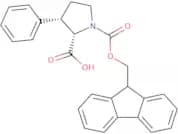
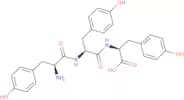
CAS:<p>Please enquire for more information about Racemic Fmoc-cis-3-phenyl-pyrrolidine-2-carboxylic acid including the price, delivery time and more detailed product information at the technical inquiry form on this page</p>Formula:C26H23NO4Purity:Min. 95%Color and Shape:PowderMolecular weight:413.47 g/molH-Tyr-Tyr-Tyr-OH
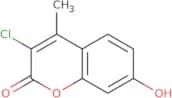
CAS:<p>H-Tyr-Tyr-Tyr-OH is a synthetic compound that has been used to study the mechanism of lactoperoxidase. Lactoperoxidase is an enzyme that catalyzes the oxidation of thiocyanate to form hypothiocyanite, hydrogen peroxide, and a hydroxy group. The hydroxy group is formed by the reaction of two molecules of hydrogen peroxide with a molecule of thiocyanate. This reaction produces an oxygen atom, which then reacts with water to produce an acid. H-Tyr-Tyr-Tyr-OH has been shown to be a substrate for lactoperoxidase in horse serum and bovine serum. It has also been found to react with oxygen at neutral pH levels, forming a product that absorbs ultraviolet light at 280 nm.</p>Formula:C27H29N3O7Purity:Min. 95%Color and Shape:PowderMolecular weight:507.54 g/mol3-Chloro-7-hydroxy-4-methylcoumarin
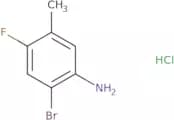
CAS:<p>3-Chloro-7-hydroxy-4-methylcoumarin is a Michaelis–Menten kinetics inhibitor that binds to the bacterial 16S ribosomal RNA and inhibits transcription and protein synthesis. This compound has been studied for wastewater treatment, where it was shown to be effective in treating sodium citrate. 3-Chloro-7-hydroxy-4-methylcoumarin is also used as an inhibitor of coumarin derivatives, which are compounds that have been shown to have antiinflammatory properties. 3CMC inhibits transcription by binding to the polymerase chain reaction (PCR) product. It has also been shown to bind to the nonpolar solvent, which prevents the formation of a complex with the enzyme DNA gyrase, leading to cell death by inhibiting protein synthesis. Fluorescence techniques have been used to study this type of inhibition in a model system.</p>Formula:C10H7ClO3Purity:Min. 95%Color and Shape:PowderMolecular weight:210.61 g/mol2-Bromo-4-fluoro-5-methylaniline hydrochloride
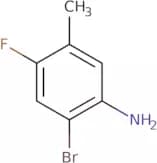
CAS:<p>2-Bromo-4-fluoro-5-methylaniline hydrochloride is a versatile building block that can be used in the synthesis of complex compounds. It has two bromine atoms, two chlorine atoms, and one fluorine atom and is classified as a research chemical. This compound is used as a reagent in organic chemistry and as a speciality chemical. 2-Bromo-4-fluoro-5-methylaniline hydrochloride is also an intermediate for the synthesis of other chemicals and has been shown to be useful for the synthesis of new scaffolds.</p>Formula:C7H7BrFN·HClPurity:Min. 95%Color and Shape:PowderMolecular weight:240.5 g/mol2-Bromo-4-fluoro-5-methylaniline
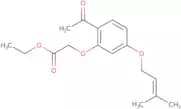
CAS:<p>2-Bromo-4-fluoro-5-methylaniline (BFM) is a reactive intermediate that is used as a building block in the synthesis of various organic compounds. It is also used in research and development for the preparation of pharmaceuticals, pesticides, herbicides, and dyes. BFM is a versatile intermediate that can be used in many different types of reactions. This chemical belongs to the group of halogenated methylanilines and has a CAS number of 1065076-39-2.</p>Formula:C7H7BrFNPurity:Min. 95%Color and Shape:PowderMolecular weight:204.04 g/mol2'-Ethoxycarbonylmethoxy-4'-(3-methyl-2-butenyloxy)acetophenone
CAS:<p>2'-Ethoxycarbonylmethoxy-4'-(3-methyl-2-butenyloxy)acetophenone is a centrosymmetric molecule with a crystal structure. It has been shown to form dimers in the solid state.</p>Formula:C17H22O5Purity:Min. 95%Color and Shape:PowderMolecular weight:306.35 g/mol1-Palmitoyl-2-ω-(2-Diazo-3,3,3-Trifluoropropionyloxy)Lauroyl-Sn-Glycero-3-Phosphocholine
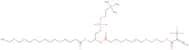
CAS:<p>1-Palmitoyl-2-omega-(2-Diazo-3,3,3-Trifluoropropionyloxy)Lauroyl-Sn-Glycero-3-Phosphocholine is a potential therapy for pulmonary fibrosis. It is an admixture of two phospholipids containing the fatty acid palmitic acid and omega-(2,3,3,3,-trifluoroethoxy)acetyl lauroylglycerophosphocholine. The molecule is activated by carbon monoxide (CO), which converts it to a form that can be taken up by cells. CO has been shown to inhibit the growth of cells in culture and in animal models of pulmonary fibrosis. Treatment with the molecule also inhibits production of galacturonic acid and oligosaccharides from lysophosphatidylethanolamine and its derivatives.</p>Formula:C39H71F3N3O10PPurity:Min. 95%Molecular weight:829.96 g/molL-Serine methyl ester HCl
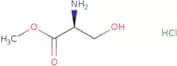
CAS:<p>L-Serine methyl ester HCl is a non-steroidal anti-inflammatory agent that is used in the treatment of blood disorders. L-Serine methyl ester HCL inhibits the production of leukotrienes, which are mediators of inflammatory responses. It does this by inhibiting the enzyme 5-lipoxygenase and therefore reducing the production of lipid mediators such as leukotrienes, prostaglandins, and thromboxanes. L-Serine methyl ester HCl also has been shown to have biological properties that inhibit hyperproliferative diseases in rats.</p>Formula:C4H9NO3·HClPurity:Min. 98 Area-%Color and Shape:PowderMolecular weight:155.58 g/mol2-Chloro-5-methyl-1,4-benzoquinone
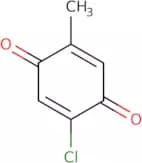
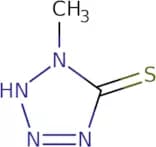
CAS:<p>2-Chloro-5-methyl-1,4-benzoquinone is a heterocyclic organic compound with the molecular formula CHClO. It is a crystalline solid that occurs in two forms, the alpha and beta forms. The alpha form consists of an asymmetric unit containing two fused rings, one with five carbon atoms and another with six. The beta form has a similar structure but the ring with six carbon atoms is replaced by a carbon atom substituted for sulfur. 2-Chloro-5-methyl-1,4-benzoquinone can be used as an emulsifying agent or to produce benzoquinone by oxidation of hydroquinone or by electrochemical reduction of methylene blue. This chemical also has been used as an electron acceptor in supramolecular chemistry studies.</p>Formula:C7H5ClO2Purity:Min. 95%Color and Shape:PowderMolecular weight:156.57 g/molN-Methyl-5-tetrazolethiol
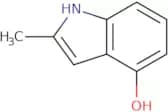
CAS:<p>N-Methyl-5-tetrazolethiol is a vitamin B6 (pyridoxine) analog that inhibits bacterial growth by competitively inhibiting enzymes involved in the synthesis of folate. It has been shown to be toxic for animals and humans at high doses, but the toxicity of this compound has not been studied extensively. N-Methyl-5-tetrazolethiol has been shown to inhibit the activity of enzymes such as methionine synthase, cytochrome C reductase, and nitroreductase in vitro. This drug is used as a treatment for infectious diseases such as malaria and toxoplasmosis. The mechanism of action of N-methyl tetrazolethiol is not known, but it is believed to be related to its ability to inhibit enzyme activity.</p>Formula:C2H4N4SPurity:Min. 95 Area-%Color and Shape:PowderMolecular weight:116.15 g/mol4-Hydroxy-2-methylindole
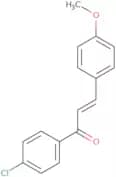
CAS:<p>4-Hydroxy-2-methylindole is an organic compound that belongs to the class of metal salts. It can be obtained as a white solid by reacting indole with alkali metal hydroxide or alkali metal carbonate in the presence of water at high temperatures. The reaction yields 4-hydroxy-2-methylindole and hydrogen chloride gas, which are removed by distillation. 4-Hydroxy-2-methylindole is used in the production of epichlorohydrin, which is a raw material for polyurethane resins and olefins.</p>Formula:C9H9NOPurity:Min. 95%Color and Shape:PowderMolecular weight:147.17 g/mol4'-Chloro-4-methoxychalcone
CAS:<p>4'-Chloro-4-methoxychalcone is a dihedral molecule that has been studied by laser spectroscopy. The wavelength and efficiency of the laser have been shown to be dependent on the chalcone's dipole moment. Chalcones are also used in the synthesis of other compounds, such as benzene, which is an aromatic hydrocarbon. Chalcones are used as optical brighteners in detergents and soaps and can also be used to induce evaporation of organic solvents. 4'-Chloro-4-methoxychalcone is used as an intermediate in crystal x-ray diffraction studies.</p>Formula:C16H13ClO2Purity:Min. 95%Color and Shape:PowderMolecular weight:272.73 g/molH-Lys-Arg-OH acetate
CAS:<p>Lys-Arg-OH acetate salt (LRA) is a protein transport peptide that is found in the neurosecretory system and has been used as a growth factor for the production of human insulin. LRA stimulates the release of pepsinogen, which breaks down food proteins into polypeptides and amino acids. It also has proteolytic activity, which helps break down proteins into peptides. LRA shares structural similarities with other peptide hormones such as vasopressin and oxytocin, but it differs by having an amide instead of an ester linkage between the lysine and arginine residues.</p>Formula:C12H26N6O3•(C2H4O2)xPurity:Min. 95%Color and Shape:PowderMolecular weight:302.37 g/molN-(4-methylthio(3H-2,3,5-triazolyl))-3-phenylprop-2-enamide
CAS:<p>Please enquire for more information about N-(4-methylthio(3H-2,3,5-triazolyl))-3-phenylprop-2-enamide including the price, delivery time and more detailed product information at the technical inquiry form on this page</p>Formula:C12H12N4OSPurity:Min. 95%Color and Shape:PowderMolecular weight:260.32 g/molHO-PEG12-OH
CAS:<p>HO-PEG12-OH is a fine chemical that is used as a scaffold for the synthesis of complex compounds. It can be used as an intermediate or reaction component in the synthesis of speciality chemicals and research chemicals. HO-PEG12-OH is also a versatile building block for the preparation of complex compounds, which could be used to synthesize drugs with high quality. This compound has many uses, including being a reagent for analytical measurements and other research purposes.</p>Formula:C24H50O13Purity:Min. 95%Color and Shape:White PowderMolecular weight:546.65 g/mol4-Methylthiophenol
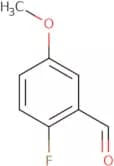
CAS:<p>4-Methylthiophenol is a colorless liquid that is soluble in water. It has a molecular weight of 98.12 and an empirical formula of C6H7O2S. 4-Methylthiophenol is used as an analytical reagent, solvent, and chemical intermediate. It exhibits hydrogen bonding interactions with sodium carbonate and trifluoroacetic acid and forms a salt with sodium carbonate. The molecule's stability increases when it interacts with amines and the presence of nucleophiles such as water or alcohols. 4-Methylthiophenol has been shown to be effective at enhancing the fluorescence signal emitted by amines, which makes it useful for laser ablation mass spectrometry (LA-MS). 4-Methylthiophenol can also be used for kinetic energy measurements using FTIR spectroscopy because it will absorb infrared light at 1680 cm−1 from the CO2 laser beam.</p>Formula:C7H8SPurity:Min. 95%Color and Shape:White PowderMolecular weight:124.2 g/mol2-fluoro-5-methoxybenzaldehyde
CAS:<p>2-fluoro-5-methoxybenzaldehyde is an asymmetric synthesis that has been shown to inhibit the growth of cancer cells by inhibiting a protein called MT2. 2-Fluoro-5-methoxybenzaldehyde is a nucleophilic compound and reacts with the electrophilic carbon in the enolate to form a sulfoxide, which can be hydrolyzed by acid. This reaction inhibits cancer cell growth as it prevents cellular metabolism and amino acid biosynthesis.</p>Formula:C8H7FO2Purity:Min. 95%Molecular weight:154.14 g/mol5-Bromo-2-methoxytoluene
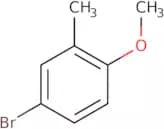
CAS:<p>5-Bromo-2-methoxytoluene is a bromoarene that reacts to form aziridines and phosphotungstic acid. It is used in the synthesis of polyaromatic compounds with steric interactions. 5-Bromo-2-methoxytoluene is also a functional group that can be used as an allosteric modulator. This compound also has stereoisomers that are chiral, meaning they have different structures despite being mirror images of each other. The carbonyl group on the 5-bromo compound is polar, which means it has a charge. The hydrogen bonds between this compound and other molecules are nonpolar, which means they do not have a charge and are more likely to form in a nonpolar solvent.</p>Formula:C8H9BrOPurity:Min. 95%Color and Shape:PowderMolecular weight:201.06 g/mol4'-Isopropyl-β-methyl-β-nitrostyrene
CAS:<p>4'-Isopropyl-beta-methyl-beta-nitrostyrene is a versatile building block that can be used in the synthesis of complex compounds. It has been used as a reagent or speciality chemical in research and development, and as an intermediate for the synthesis of high quality, useful scaffolds. It is also a useful building block for the preparation of high quality, useful compounds.</p>Formula:C12H15NO2Purity:Min. 95%Color and Shape:Clear LiquidMolecular weight:205.25 g/mol5-Methylpyrimidin-2-ol
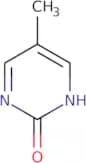
CAS:<p>5-Methylpyrimidin-2-ol is a photophysical, hydroxy group, and hydroxyl group. It has been shown to have an inhibitory effect on DNA methylation by glycosidic bond with the sugar moiety of the nucleotide. 5-Methylpyrimidin-2-ol reacts with the base moiety of the nucleotide to form an analog that inhibits RNA synthesis and is competitive against pyrimidine nucleosides. 5-Methylpyrimidin-2-ol also has a hydrogen bonding property that can react with other molecules such as proteins or sugars to form hydrogen bonds. This reaction rate is increased by fluorescence resonance energy transfer (FRET).</p>Formula:C5H6N2OPurity:Min. 95%Color and Shape:PowderMolecular weight:110.11 g/molPerfluoro-2-Methylbutane
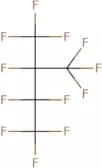
CAS:Controlled Product<p>Perfluoro-2-methylbutane is a pharmaceutical dosage form of a perfluorinated liquid. It is used in clinical practice for the treatment of chronic obstructive pulmonary disease (COPD), asthma, or other respiratory disorders. This drug is also used as an inhalation agent in the treatment of adults with acute bronchitis, emphysema, or other airway obstruction. Perfluoro-2-methylbutane has shown resistance to bacteria that are resistant to natural and synthetic polymers. The diameter of Perfluoro-2-methylbutane particles is between 2 and 10 micrometers and it has a viscosity of about 5 centipoise. It has been shown that the reaction time for this drug can be reduced by adding hexamer, which acts as a surfactant for the gas phase. The active substances in Perfluoro-2-methylbutane are unsaturated ketones such as 3-pentanone, 3-hex</p>Formula:C5F12Purity:Min. 95%Molecular weight:288.03 g/molFmoc-3-(2-naphthyl)-D-alanine
CAS:<p>Fmoc-3-(2-naphthyl)-D-alanine is a fluorescent pressor agent that can be used in supramolecular chemistry. It has an anion form and a cation form, which are both present in the filtrate. The chemical will also form micelles when mixed with water. Fmoc-3-(2-naphthyl)-D-alanine is acetylated and can be used to study the nature of agarose. Fmoc-3-(2-naphthyl)-D-alanine can be used to measure the concentration of sorbitol in chromatography. This chemical has been shown to bind to DNA under microscopy, making it useful for fluorescence microscopy studies.</p>Formula:C28H23NO4Purity:Min. 95%Color and Shape:PowderMolecular weight:437.49 g/mol


![3-(tert-butyl)-2-phenylindeno[3,2-c]pyrazol-4-one](/_next/image/?url=https%3A%2Fstatic.cymitquimica.com%2Fproducts%2F3D%2Fthumb-webp%2FFB169663.webp&w=3840&q=75)



![(2S)-({[(4-Methyl-2-oxo-2H-chromen-7-yl)oxy]acetyl}amino)(phenyl)acetic acid](/_next/image/?url=https%3A%2Fstatic.cymitquimica.com%2Fproducts%2F3D%2Fthumb-webp%2FFM124529.webp&w=3840&q=75)








![9-Fluoro-3-methyl-7-oxo-10-(1-piperazinyl)-2,3-dihydro-7H-[1,4]oxazino[2,3,4-Ij]quinoline-6-carbox…](/_next/image/?url=https%3A%2Fstatic.cymitquimica.com%2Fproducts%2F3D%2Fthumb-webp%2FFF102861.webp&w=3840&q=75)