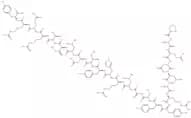
Amino Acids (AA)
Amino acids (AAs) are the fundamental building blocks of proteins, playing a crucial role in various biological processes. These organic compounds are essential for protein synthesis, metabolic pathways, and cell signaling. In this category, you will find a comprehensive range of amino acids, including essential, non-essential, and modified forms, which are vital for research in biochemistry, molecular biology, and nutritional sciences. At CymitQuimica, we provide high-quality amino acids to support your research and development needs, ensuring accuracy and reliability in your experimental outcomes.
Subcategories of "Amino Acids (AA)"
- Amino Acid Derivatives(3,971 products)
- Amino Acid and Amino Acid Related Compounds(3,477 products)
- Amino Acids with Oxygen or Sulphur(168 products)
- Boc- Amino Acids(351 products)
- Fmoc Amino Acids(1,710 products)
Found 38321 products of "Amino Acids (AA)"
Sort by
Purity (%)
0
100
|
0
|
50
|
90
|
95
|
100
H-Pro-His-Pro-Phe-His-Phe-Phe-Val-Tyr-Lys-OH
CAS:<p>H-Pro-His-Pro-Phe-His-Phe-Phe-Val-Tyr-Lys-OH is a monoclonal antibody that has been shown to inhibit the activity of enalaprilat, which is an enzyme inhibitor. H-Pro-His-Pro-Phe-His-Phe-Phe-Val--Tyr--Lys--OH binds to the active site of the enzyme and inhibits its activity. This drug has been shown to be effective against a number of infectious diseases, including HIV. It has also been shown to have diagnostic utility for renal function and congestive heart failure. H--Pro--His--Pro--Phe--His--Phe--Phe--Val----Tyr----Lys----OH has also been shown to inhibit protease activity in vitro. The biocompatible polymer coating used in this drug prevents degradation by enzymes in the body and enhances its stability in vivo.</p>Formula:C69H87N15O12Purity:Min. 95%Molecular weight:1,318.52 g/molN-Fmoc-L-gamma-carboxyglutamic acid gamma,gamma-di-t-butyl ester
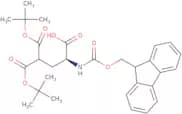
CAS:<p>Please enquire for more information about N-Fmoc-L-gamma-carboxyglutamic acid gamma,gamma-di-t-butyl ester including the price, delivery time and more detailed product information at the technical inquiry form on this page</p>Formula:C29H35NO8Purity:Min. 95%Molecular weight:525.59 g/molEnantio-PAF C-16
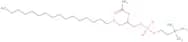
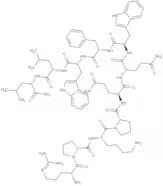
CAS:<p>Enantio-PAF C-16, or 3-O-Hexadecyl-2-O-acetyl-sn-glycero-1-phosphocholine, is a biologically inactive enatiomer of platelet-activating factor (PAF). It is a PAF receptor agonist.</p>Formula:C26H54NO7PPurity:Min. 95%Molecular weight:523.68 g/molProlactin-Releasing Peptide (12-31) (human)
CAS:<p>Please enquire for more information about Prolactin-Releasing Peptide (12-31) (human) including the price, delivery time and more detailed product information at the technical inquiry form on this page</p>Formula:C104H158N32O26Purity:Min. 95%Molecular weight:2,272.57 g/molN-Methyl-L-trans-4-hydroxyproline hydrochloride
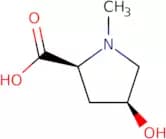
CAS:<p>N-Methyl-L-trans-4-hydroxyproline hydrochloride is a bioactive compound that is present in the leaves of Semecarpifolia. It has been found to have antioxidant and anti-inflammatory properties. The chemical structure of N-methyl-L-trans-4-hydroxyproline hydrochloride is cyclic, butanamide, hexane, ethanolic extracts, and semecarpifolia. The family Meliaceae includes species such as Eucalyptus, which produces the bioactive compound cineole. Solvents used in this process are hexane and ethanolic extracts.</p>Formula:C6H11NO3·HClPurity:Min. 95%Color and Shape:PowderMolecular weight:181.62 g/molH-Ser-Asn-OH
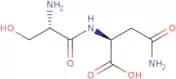
CAS:<p>H-Ser-Asn-OH is a fatty acid that belongs to the amide group. It has an inhibitory effect on bacterial membranes, which can be seen in the x-ray crystal structures of H-Ser-Asn-OH cocrystallized with lipids from the bacterial membrane. The inhibition of bacterial membranes is due to its ability to bind strongly to the phospholipid head group and reduce the fluidity of the membrane. H-Ser-Asn-OH has also been shown to have a diagnostic effect on tissues and monolayers in vitro.</p>Formula:C7H13N3O5Purity:Min. 95%Molecular weight:219.2 g/molZ-Phe-Ala-diazomethylketone
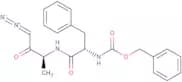
CAS:<p>Z-Phe-Ala-diazomethylketone is a molecule that belongs to the class of hydrolase inhibitors. It has been shown to have inhibitory properties against trichomonas vaginalis and proteolytic activity against liver cells. Z-Phe-Ala-diazomethylketone also has a kinetic energy of 11.2 kcal/mol, which is higher than most protease inhibitors. This molecule has been shown to be effective as a cell vaccine in wild-type mice and as a protease inhibitor in brain cells. The optimal ph for this molecule is 7.5, which corresponds to its pKa value of 5.1.</p>Formula:C21H22N4O4Purity:Min. 95%Molecular weight:394.42 g/molHydrin 1
CAS:<p>Hydrin 1 is a fatty acid that is expressed in the apical membrane of bladder cells, which are the cells that line the urinary tract. It is also found in the blood vessels and heart. Hydrin 1 has been shown to have biological properties such as being taken up by water, interacting with other molecules, and forming reaction products. The ventral part of the cell membrane is where Hydrin 1 is mostly expressed, but it can also be found in other parts of the organism. Hydrin 1 binds to messenger RNA and has been used as a model system for studying protein-lipid interactions. The effective dose for Hydrin 1 is not known. This drug can be conjugated with bile salts to form an active metabolite called hydroxylinoleic acid (HOLA). HOLA binds to receptors on vascular smooth muscle cells and lowers blood pressure by decreasing peripheral resistance and vascular tone.</p>Formula:C57H93N21O16S2Purity:Min. 95%Molecular weight:1,392.61 g/mol(D-Pro7)-Angiotensin I/II (1-7) trifluoroacetate salt
CAS:<p>Please enquire for more information about (D-Pro7)-Angiotensin I/II (1-7) trifluoroacetate salt including the price, delivery time and more detailed product information at the technical inquiry form on this page</p>Formula:C41H62N12O11Purity:Min. 95%Molecular weight:899.01 g/molHirudin (55-65) (sulfated)
CAS:<p>Please enquire for more information about Hirudin (55-65) (sulfated) including the price, delivery time and more detailed product information at the technical inquiry form on this page</p>Formula:C64H90N12O27SPurity:Min. 95%Molecular weight:1,491.53 g/molSuc-Ala-Trp-Pro-Phe-pNA
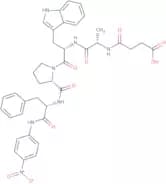
CAS:<p>Suc-Ala-Trp-Pro-Phe-pNA is a cyclosporine analog that inhibits the activity of protein isomerases. It has been shown to inhibit the phosphatase activity of casein and stabilize peptide bonds in bovine serum albumin. Suc-Ala-Trp-Pro-Phe-pNA can also be used as a substrate for tyrosine kinase and amide bond formation. Suc-Ala-Trp-Pro-Phe-pNA is an inhibitor of FK506 binding to its receptor, which may be due to its ability to compete with tyrosine residues for binding sites. This compound also exhibits stabilization effects on protein structures by inhibiting the degradation of proteins by proteolytic enzymes or other chemical agents.</p>Formula:C38H41N7O9Purity:Min. 95%Molecular weight:739.77 g/molFmoc-Trp-Wang resin (100-200 mesh)
<p>Please enquire for more information about Fmoc-Trp-Wang resin (100-200 mesh) including the price, delivery time and more detailed product information at the technical inquiry form on this page</p>Purity:Min. 95%HIV-1 env Protein gp120 (278-292) (strains BH10, BH8, HXB2, HXB3, PV22)
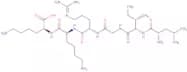
CAS:<p>The HIV-1 envelope protein, gp120, is a transmembrane glycoprotein that plays a key role in the viral entry process. The gp120 protein contains the binding site for the CD4 receptor and can be cleaved by proteases to remove the membrane-spanning domain. The resulting soluble gp120 (sgp120) is an important co-receptor for HIV infection of target cells such as prostate cancer cells. The sgp120 binds to heparin sulfate proteoglycans on the surface of target cells and triggers cellular activation pathways including angiogenic factors, which induce cell proliferation and migration. This process is important for tumour growth and metastasis, inflammatory bowel disease, and other inflammatory diseases. The sgp120 has also been shown to activate pro-apoptotic proteins such as Bcl-2 family members and Bax. These proteins play a crucial role in apoptosis pathway by regulating mitochondrial membrane integrity, cytochrome c release from mitochond</p>Formula:C73H126N26O18Purity:Min. 95%Molecular weight:1,655.95 g/molFibronectin Fragment (1954-1959) trifluoroacetate salt
CAS:<p>Please enquire for more information about Fibronectin Fragment (1954-1959) trifluoroacetate salt including the price, delivery time and more detailed product information at the technical inquiry form on this page</p>Formula:C32H63N11O7Purity:Min. 95%Molecular weight:713.91 g/mol3-Hydroxy-3-methylglutaric acid
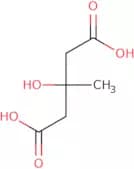
CAS:<p>3-Hydroxy-3-methylglutaric acid is an organic acid that is a valuable intermediate in the chemical production of epidermal growth factor. 3-Hydroxy-3-methylglutaric acid also has been shown to be useful as a reagent for the detection of bacterial strains, including E. coli, Salmonella enterica, and Pseudomonas aeruginosa. The enzyme activities of 3-hydroxy-3-methylglutaric acid are not well understood, but it has been shown to have effects on congestive heart failure and bowel disease. 3-Hydroxy-3-methylglutaric acid may be used in the treatment of inflammatory bowel disease due to its ability to inhibit certain enzymes responsible for inflammation and pain. The long term toxicity and symptoms associated with 3-hydroxy-3-methylglutaric acid have not yet been studied, but it has been shown to have no effect on cardiac function</p>Formula:C6H10O5Purity:Min. 95%Molecular weight:162.14 g/molH-Lys-Phe-OH·HCl
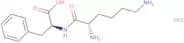
CAS:<p>Please enquire for more information about H-Lys-Phe-OH·HCl including the price, delivery time and more detailed product information at the technical inquiry form on this page</p>Formula:C15H23N3O3·HClPurity:Min. 95%Molecular weight:329.82 g/molGalanin (1-16) (mouse, porcine, rat)
CAS:<p>Please enquire for more information about Galanin (1-16) (mouse, porcine, rat) including the price, delivery time and more detailed product information at the technical inquiry form on this page</p>Formula:C78H116N20O21Purity:Min. 95%Molecular weight:1,669.88 g/molConantokin G (free acid)
CAS:<p>Please enquire for more information about Conantokin G (free acid) including the price, delivery time and more detailed product information at the technical inquiry form on this page</p>Formula:C88H137N25O45Purity:Min. 95%Molecular weight:2,265.17 g/mol(Ala1·3·11·15)-Endothelin-1 trifluoroacetate salt
CAS:<p>(Ala1·3·11·15)-Endothelin-1 trifluoroacetate salt H-Ala-Ser-Ala-Ser-Ser-Leu-Met-Asp-Lys-Glu-Ala-Val-Tyr-Phe-Ala-His-Leu) is a phorbol ester, which is an analog of endothelin. It has been shown to inhibit the production of proinflammatory cytokines and chemokines in vitro and in vivo. This compound also inhibits the migration and proliferation of vascular endothelial cells, which may be due to its ability to suppress Ca2+ concentration. (Ala1·3·11·15)-Endothelin -1 trifluoroacetate salt H-) can also be used as a fluorescent marker for immunohistochemical studies on tissues such as vessels and gastrointestinal tissues. The localization of this drug can be observed by microscopy techniques such as</p>Formula:C109H163N25O32SPurity:Min. 95%Molecular weight:2,367.68 g/mol(Des-Asp187,Met186)-Melanocyte Protein PMEL 17 (185-193) (human, bovine, mouse) trifluoroacetate salt
CAS:<p>Please enquire for more information about (Des-Asp187,Met186)-Melanocyte Protein PMEL 17 (185-193) (human, bovine, mouse) trifluoroacetate salt including the price, delivery time and more detailed product information at the technical inquiry form on this page</p>Formula:C43H69N9O11SPurity:Min. 95%Molecular weight:920.13 g/molStresscopin-Related Peptide (human)
CAS:<p>Please enquire for more information about Stresscopin-Related Peptide (human) including the price, delivery time and more detailed product information at the technical inquiry form on this page</p>Formula:C205H358N68O57Purity:Min. 95%Molecular weight:4,687.46 g/molH-Tyr-Tyr-Tyr-OMe
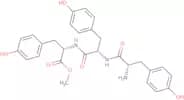
CAS:<p>H-Tyr-Tyr-Tyr-OMe is a chiral, fluorinated, enantiomeric molecule that is synthesized by the reaction of an aryloxybenzene with tetrahydropyran and chlorine. This product has been used in asymmetric synthesis as a building block for pyrazole derivatives. It has also been used to produce alcohols and dialkylamino compounds.</p>Formula:C28H31N3O7Purity:Min. 95%Molecular weight:521.56 g/molZ-Gln(Mtt)-OH
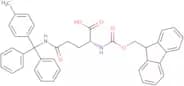
CAS:<p>Please enquire for more information about Z-Gln(Mtt)-OH including the price, delivery time and more detailed product information at the technical inquiry form on this page</p>Formula:C33H32N2O5Purity:Min. 95%Molecular weight:536.62 g/molHSV-1 Glycoprotein (gB) (497-507)
CAS:<p>Please enquire for more information about HSV-1 Glycoprotein (gB) (497-507) including the price, delivery time and more detailed product information at the technical inquiry form on this page</p>Formula:C59H91N15O18Purity:Min. 95%Molecular weight:1,298.44 g/molZ-L-Valine N-hydroxysuccinimide ester
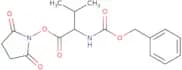
CAS:<p>Z-L-Valine N-hydroxysuccinimide ester is a synthetic δ opioid ligand that has been shown to have potent inhibitory activity against casein. The compound has also been shown to have high affinity for opioid receptors and δ opioid receptors, which may be due to its ability to form supramolecular complexes with these proteins. Z-L-Valine N-hydroxysuccinimide ester binds to the receptor binding site of the protein, preventing it from interacting with other molecules. It is not selective for one receptor over another and can bind to both the δ and μ opioid receptors. This synthetic substance may be used as a lead compound in drug development.</p>Formula:C17H20N2O6Purity:Min. 95%Molecular weight:348.35 g/molN-Benzoyl-L-leucine-beta-naphthylamide
CAS:<p>N-Benzoyl-L-leucine-beta-naphthylamide is a chromogenic substrate for transpeptidase. It is hydrolyzed to L-phenylalanine and 2-naphthylamine, which react with the chromogen to produce a color change. The reaction occurs in both spermatozoa and epithelial cells, but can be inhibited by aminopeptidase and peptidase. This substrate is used as a marker for spermatozoa in semen analysis.</p>Formula:C23H24N2O2Purity:Min. 95%Color and Shape:PowderMolecular weight:360.45 g/molPeptide YY (13-36) (canine, mouse, porcine, rat) trifluoroacetate salt
CAS:<p>Please enquire for more information about Peptide YY (13-36) (canine, mouse, porcine, rat) trifluoroacetate salt including the price, delivery time and more detailed product information at the technical inquiry form on this page</p>Formula:C135H209N41O38Purity:Min. 95%Molecular weight:3,014.36 g/molFluorescein-6-carbonyl-Asp(OMe)-Glu(OMe)-Val-DL-Asp(OMe)-fluoromethylketone
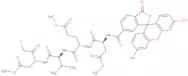
CAS:<p>Please enquire for more information about Fluorescein-6-carbonyl-Asp(OMe)-Glu(OMe)-Val-DL-Asp(OMe)-fluoromethylketone including the price, delivery time and more detailed product information at the technical inquiry form on this page</p>Formula:C43H45FN4O16Purity:Min. 95%Molecular weight:892.83 g/mol2-Iodo-5-methoxybenzoic acid
CAS:<p>2-Iodo-5-methoxybenzoic acid is a macrocyclic compound that has been synthesized in the Wittig reaction. It was first prepared by catalyzed intramolecular aryl demethylation of 2-iodo-5-nitrobenzoic acid, followed by coupling with methyl vinyl ketone. The cytotoxic activity of this compound is due to its ability to inhibit the synthesis of protein and DNA and induce apoptosis. This molecule has been shown to be effective against liverworts and ethers.</p>Formula:C8H7IO3Purity:Min. 95%Color and Shape:PowderMolecular weight:278.04 g/molH-Arg-Arg-Arg-Arg-Arg-Arg-Arg-OH trifluoroacetate salt
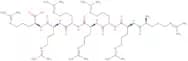
CAS:<p>The Arg-Arg-Arg-Arg-Arg-Arg-Arg-Arg-OH trifluoroacetate salt is a biologically active form of arginine. It has been shown to inhibit the activity of both NS3 protease and NS4A protease from the hepatitis C virus (HCV). It also inhibits tumor cell growth in vitro, which may be due to its ability to upregulate epidermal growth factor receptor (EGFR) expression on tumor cells. The Arg-Arg-Arg-Arg-Arg-Arg-Arghydrogen trifluoroacetate salt is an inhibitor of estrogen receptor modulators that are used as therapeutic agents for breast cancer.</p>Formula:C42H86N28O8Purity:Min. 95%Molecular weight:1,111.32 g/molN-Tritylglycine
CAS:<p>N-Tritylglycine is an acidic amino acid that can be protonated in a highly acidic environment. It has been shown to inhibit the growth of tumor tissue by inducing apoptosis and inhibiting protein synthesis. N-Tritylglycine is used as a reagent for analytical chemistry, where it is used to detect amines such as histamine and serotonin. N-Tritylglycine also has been shown to be potent inhibitor of kinesin.</p>Formula:C21H19NO2Purity:Min. 95%Molecular weight:317.38 g/molAc-Cys(farnesyl)-OH
CAS:<p>Ac-Cys(farnesyl)-OH is a synthetic chemical that has been shown to inhibit the growth of cells. It inhibits the enzyme form of farnesyl protein transferase, which is involved in the synthesis of basic proteins. Ac-Cys(farnesyl)-OH also binds to and inhibits epidermal growth factor receptor, which plays an important role in cell proliferation. In addition, this compound has been found to have anti-cancer properties. Ac-Cys(farnesyl)-OH has been shown to reduce the frequency of cellular transformation in vitro and in vivo. This effect may be due to its ability to inhibit protease activity.</p>Formula:C20H33NO3SPurity:Min. 95%Molecular weight:367.55 g/mol4-Methylbenzyl acetate
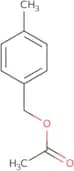
CAS:<p>4-Methylbenzyl acetate is a monocarboxylic acid that is an oxidation product of benzyl esters. It has been found to be a suitable catalyst for the oxidation of wastewater containing monocarboxylic acids, including acetic acid, propionic acid and butyric acid. The catalytic mechanism of 4-methylbenzyl acetate was found to be an acylation reaction in which the carboxyl group of 4-methylbenzyl acetate acts as an acylating agent with the hydrogen atom of the substrate. The reaction mechanism for this process is similar to that for other types of carboxylic acids, such as propionate and butyrate. 4-Methylbenzyl acetate also has functional groups that allow it to act as both a base and a nucleophile in addition to its ability to act as an acylating agent.</p>Formula:C10H12O2Purity:Min. 95%Molecular weight:164.2 g/molFmoc-Dap(Ac)-OH
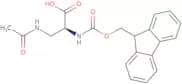
CAS:<p>Fmoc-Dap(Ac)-OH is a fine chemical that is used as a building block in the synthesis of complex compounds. It reacts with various nucleophiles to form an amide bond, and has been shown to be useful for both research and industrial applications. Fmoc-Dap(Ac)-OH can also be used as a reagent to synthesize peptides, which are biologically active compounds that form the basis of many drugs. This versatile intermediate is also used as a scaffold in the construction of more complex molecules. Fmoc-Dap(Ac)-OH has CAS No. 181952-29-4 and is classified as a speciality chemical by the International Union of Pure and Applied Chemistry (IUPAC).</p>Formula:C20H20N2O5Purity:Min. 95%Color and Shape:PowderMolecular weight:368.38 g/molH-Arg(Pbf)-OtBu·HCl
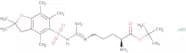
CAS:<p>Please enquire for more information about H-Arg(Pbf)-OtBu·HCl including the price, delivery time and more detailed product information at the technical inquiry form on this page</p>Formula:C23H38N4O5S·HClPurity:Min. 95%Color and Shape:PowderMolecular weight:519.1 g/mol(Des-Gly10,D-Pyr 1,D-Leu6,Pro-NHEt 9)-LHRH trifluoroacetate salt
<p>Please enquire for more information about (Des-Gly10,D-Pyr 1,D-Leu6,Pro-NHEt 9)-LHRH trifluoroacetate salt including the price, delivery time and more detailed product information at the technical inquiry form on this page</p>Formula:C59H84N16O12Purity:Min. 95%Molecular weight:1,209.4 g/molNeuropeptide Y (13-36) (porcine) trifluoroacetate salt
CAS:<p>Please enquire for more information about Neuropeptide Y (13-36) (porcine) trifluoroacetate salt including the price, delivery time and more detailed product information at the technical inquiry form on this page</p>Formula:C135H209N41O36Purity:Min. 95%Molecular weight:2,982.36 g/molSeminalplasmin Fragment (SPF) Analog
CAS:Seminalplasmin Fragment (SPF) is a potent antibacterial agent that has been shown to inhibit the growth of Leishmania. It binds to the target cells, forming a covalent bond with the surface of the cell membrane. The SPF analog H-Pro-Lys-Leu-Leu-Lys-Thr-Phe-Leu-Ser-Lys-Trp-Ile-Gly-OH has been shown to have an increased antimicrobial spectrum due to its increased stability in acidic environments. This analog is also active against Gram positive bacteria and can be synthesized using cyclic peptide chemistry. This drug has been shown to have hemolytic activity, meaning that it inhibits red blood cell lysis by binding to phospholipids on the surface of red blood cells.Formula:C76H123N17O16Purity:Min. 95%Molecular weight:1,530.89 g/molHippuryl-Gly-Gly-OH
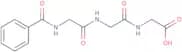
CAS:<p>Hippuryl-Gly-Gly-OH is a small molecule that inhibits the growth of bacteria. It is an inhibitor of epidermal growth factor (EGF) that binds to EGF and blocks its ability to interact with cells. Hippuryl-Gly-Gly-OH also has anti-inflammatory properties and has been shown to be effective against inflammatory bowel disease in vitro. This drug also has been shown to inhibit the enzyme activities associated with inflammatory bowel disease, such as COX2 and iNOS, in human serum, as well as inhibiting the production of proinflammatory cytokines from human peripheral blood mononuclear cells.</p>Formula:C13H15N3O5Purity:Min. 95%Molecular weight:293.28 g/molH-Pro-met-oh
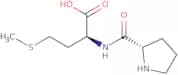
CAS:<p>H-Pro-met-oh is an endoplasmic protein that is activated by the acidic α subunit. It belongs to a class of molecules called incompletely activated proteins, which are synthesized in the endoplasmic reticulum. H-Pro-met-oh has been shown to be a potential cancer therapeutic agent. The biochemical and cellular effects of this drug have been studied in vitro on C2C12 cells, which are mouse muscle cells. H-Pro-met-oh has been shown to stimulate fetal bovine growth factor (FGF), which may have therapeutic applications for treating cancer or other diseases where FGF levels are reduced.</p>Formula:C10H18N2O3SPurity:Min. 95%Molecular weight:246.33 g/molLysozyme C (46-61) (chicken) trifluoroacetate salt
CAS:<p>Lysozyme C (46-61) (chicken) trifluoroacetate salt is a conjugated synthetic peptide that binds to the antigen. It is a reactive molecule with solubilized properties that has been shown to bind to the peptide in binding experiments. This synthetic peptide has been found to be efficacious in transfected murine bone cells and antigen-presenting cells. The binding of Lysozyme C (46-61) (chicken) trifluoroacetate salt to phospholipid membranes may be due to its reactivity with the membrane's hydrophobic surface.</p>Formula:C72H116N22O29Purity:Min. 95%Molecular weight:1,753.82 g/molFmoc-Lys(Boc)-Wang resin (200-400 mesh)
CAS:<p>Please enquire for more information about Fmoc-Lys(Boc)-Wang resin (200-400 mesh) including the price, delivery time and more detailed product information at the technical inquiry form on this page</p>Purity:Min. 95%Fmoc-Pen (Trt)-Wang resin (200-400 mesh)
<p>Please enquire for more information about Fmoc-Pen (Trt)-Wang resin (200-400 mesh) including the price, delivery time and more detailed product information at the technical inquiry form on this page</p>Purity:Min. 95%H-Leu-Trp-Met-Arg-Phe-Ala-OH acetate salt
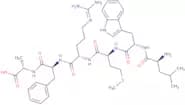
CAS:<p>H-Leu-Trp-Met-Arg-Phe-Ala-OH acetate salt is a synthetic amino acid. It has been shown to be a substrate for peptidases and proteolytic enzymes, including serine protease. H-Leu-Trp-Met-Arg-Phe-Ala-OH acetate salt also has catalytic activity, which leads to the formation of methyl ketones. This product is used as an analytical reagent in the determination of specificities of proteolytic enzymes. It is also used to measure the activity of amyloid protein and peptidases.</p>Formula:C40H58N10O7SPurity:Min. 95%Molecular weight:823.02 g/mol(Gln22,Asn23)-Amyloid b-Protein (1-40) trifluoroacetate salt
CAS:<p>Please enquire for more information about (Gln22,Asn23)-Amyloid b-Protein (1-40) trifluoroacetate salt including the price, delivery time and more detailed product information at the technical inquiry form on this page</p>Formula:C194H297N55O56SPurity:Min. 95%Molecular weight:4,327.84 g/molBoc-Pro-Leu-Val-OMe
CAS:Boc-Pro-Leu-Val-OMe is a peptide analog of Dolastatin 10 which has been shown to inhibit the production of ATP in mitochondria. The compound binds to the active site of bacterial topoisomerase IV, and this binding prevents the enzyme from cleaving DNA. Boc-Pro-Leu-Val-OMe is a small molecule that has an intramolecular structure, and it interacts with DNA to form a stable complex.Formula:C22H39N3O6Purity:Min. 95%Molecular weight:441.56 g/molAc-Tyr-Val-Lys(biotinyl)-Asp-2,6-dimethylbenzoyloxymethylketone
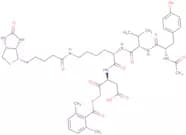
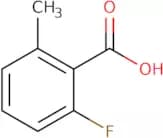
CAS:Ac-Tyr-Val-Lys(biotinyl)-Asp-2,6-dimethylbenzoyloxymethylketone belongs to a group of active compounds and is a cleavage product of the caspase family. It has been shown to induce apoptosis in kidney cells by cleaving the polymeric form of the protein caspase 3, which is induced by viral infection or bacterial infection. This compound is used for coinfection with HIV and HCV. Ac-Tyr-Val-Lys(biotinyl)-Asp-2,6-dimethylbenzoyloxymethylketone can also be used for detecting apoptosis in other types of cells such as erythrocytes and neutrophils.Formula:C46H63N7O12SPurity:Min. 95%Molecular weight:938.1 g/mol2-Fluoro-6-methylbenzoic acid
CAS:<p>Please enquire for more information about 2-Fluoro-6-methylbenzoic acid including the price, delivery time and more detailed product information at the technical inquiry form on this page</p>Formula:C8H7FO2Purity:Min. 98 Area-%Color and Shape:White PowderMolecular weight:154.14 g/molH-Tyr-His-OH
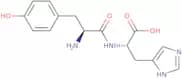
CAS:<p>H-Tyr-His-OH is a trifluoroacetic acid derivative that is a histidine odorant. It can be used as a substitute for histidine in the detection of blood pressure, due to its ability to bind to nitric oxide and histidine receptors. H-Tyr-His-OH has been shown to have immunological properties, and it has been used as an immunogen in the production of monoclonal antibodies against human erythrocytes. H-Tyr-His-OH is also considered to be a potential biomarker because it can be detected by LC-MS/MS methods.</p>Formula:C15H18N4O4Purity:Min. 95%Molecular weight:318.33 g/molH-Gly-His-OH·HCl
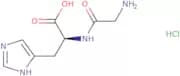
CAS:<p>H-Gly-His-OH·HCl is a methyl ester of histidine. It has an axial orientation, and the optical rotation is +25.4° (c=1 in methanol). H-Gly-His-OH·HCl is synthesized from glutamic acid, glutamate, and imidazole by using a method based on the catalytic properties of copper. H-Gly-His-OH·HCl can be used as a ligand for the enzyme peroxidase, which catalyzes oxidation reactions with hydrogen peroxide or organic peroxides to form water and oxidized products. The efficiency of this reaction increases with increasing concentrations of H-Gly-His-OH·HCl.<br>!--END--></p>Formula:C8H12N4O3·HClPurity:Min. 95%Molecular weight:248.67 g/molBexagliflozin
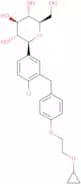
CAS:<p>Bexagliflozin is a drug that is used to treat type II diabetes in adults. It helps to control blood sugar levels by inhibiting the enzyme DPP-IV and increasing insulin release from the pancreas. Bexagliflozin has been shown to be effective in lowering blood sugar levels in patients with chronic kidney disease and cancer, as well as those with a body mass index (BMI) of 30 or higher. This drug is an oral hypoglycaemic agent that can be used for diagnostic purposes. It has also been shown to be clinically effective for the treatment of diabetic nephropathy and diabetic retinopathy. The enantiomers of bexagliflozin can be differentiated according to their pharmacological properties, which may allow for more targeted therapy.</p>Formula:C24H29ClO7Purity:Min. 95%Molecular weight:464.94 g/molp-Hydroxyhippuryl-His-Leu-OH
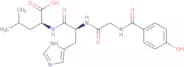
CAS:<p>P-hydroxyhippuryl-His-Leu-OH is a natriuretic that has been shown to have beneficial effects on diabetic patients. It can be used to prevent and treat proliferative diabetic retinopathy, which is a complication of diabetes. P-hydroxyhippuryl-His-Leu-OH increases the glomerular filtration rate and decreases the ventricular mass index, which may be due to its ability to inhibit angiotensin II receptors in the brain. P-hydroxyhippuryl-His-Leu-OH also inhibits angiotensin converting enzyme, an enzyme that converts angiotensin I into angiotensin II. This inhibition leads to an increase in levels of atrial natriuretic peptide (ANP), brain natriuretic peptide (BNP), and the downstream effectors of these peptides, namely nitric oxide synthase and cyclooxygenase</p>Formula:C21H27N5O6Purity:Min. 95%Molecular weight:445.47 g/molSuc-Ala-Leu-Pro-Phe-OH
CAS:<p>Please enquire for more information about Suc-Ala-Leu-Pro-Phe-OH including the price, delivery time and more detailed product information at the technical inquiry form on this page</p>Formula:C27H38N4O8Purity:Min. 95%Molecular weight:546.61 g/molH-Lys-Tyr-OH acetate salt
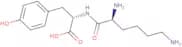
CAS:<p>H-Lys-Tyr-OH acetate salt (HAT) is a synthetic nonsteroidal anti-inflammatory drug that has been used in the treatment of inflammatory diseases and cancer. HAT is an optical isomer of the naturally occurring amino acid L-lysine. It has been shown to have antioxidative properties and to be active against HIV infection and inflammatory diseases, including diabetes. HAT also has a molecular structure that makes it a potential therapeutic agent for cancer, as well as for women with osteoporosis and other chronic inflammatory conditions.</p>Formula:C15H23N3O4Purity:Min. 95%Molecular weight:309.36 g/molLys-Lys-IRS-1 (891-902) (dephosphorylated) (human) trifluoroacetate salt
CAS:<p>Please enquire for more information about Lys-Lys-IRS-1 (891-902) (dephosphorylated) (human) trifluoroacetate salt including the price, delivery time and more detailed product information at the technical inquiry form on this page</p>Formula:C73H114N18O22Purity:Min. 95%Molecular weight:1,595.79 g/molZ-Gly-Pro-Arg-pNA acetate salt
CAS:Controlled Product<p>Please enquire for more information about Z-Gly-Pro-Arg-pNA acetate salt including the price, delivery time and more detailed product information at the technical inquiry form on this page</p>Formula:C27H34N8O7·C2H4O2Purity:Min. 98 Area-%Color and Shape:PowderMolecular weight:642.66 g/molH-Ala-Lys-Leu-Arg-Glu-Arg-Leu-Lys-Gln-Arg-Gln-Gln-Leu-Gln-Asn-Arg-Arg-Gly-Leu-Asp-Ile-Leu-Phe-Leu-Gln-Glu-Gly-Gly-Leu-OH
CAS:<p>Please enquire for more information about H-Ala-Lys-Leu-Arg-Glu-Arg-Leu-Lys-Gln-Arg-Gln-Gln-Leu-Gln-Asn-Arg-Arg-Gly-Leu-Asp-Ile-Leu-Phe-Leu-Gln-Glu-Gly-Gly-Leu-OH including the price, delivery time and more detailed product information at the technical inquiry form on this page</p>Formula:C151H262N52O42Purity:Min. 95%Molecular weight:3,478.02 g/molPhe-Leu-OH
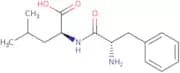
CAS:<p>Phe-Leu-OH is an enzyme that has been found to be involved in the synthesis of meningococcal disease. In addition, it has been shown to have diagnostic potential for the detection of this disease. The enzyme is expressed on the surface of meningococci and produces a protein antigen which can be detected by the presence of antibodies in patient serum. Phe-Leu-OH is also involved in the synthesis of Phe-Leu amide, which may inhibit binding of inhibitor molecules to membrane channels. This activity may be related to its ability to cause a decrease in ion flow across cell membranes.</p>Formula:C15H22N2O3Purity:Min. 95%Color and Shape:PowderMolecular weight:278.35 g/molAmyloid beta-Protein (1-42) hydrochloride salt
CAS:<p>Key subunit of extracellular plaques found in the brains of patients with Alzheimer's disease; Hydrochloride salt</p>Formula:C203H311N55O60SPurity:Min. 95%Molecular weight:4,514.04 g/molH-Gly-Leu-Tyr-OH
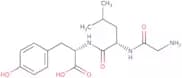
CAS:<p>H-Gly-Leu-Tyr-OH is a tripeptide that is found in some human and animal proteins. The peptide contains glycine, leucine, tyrosine, and hydroxyproline. It binds to copper ions with an inhibition constant of 1.5 x 10^5 M and has a pH optimum of 7.0. In the active form, it inhibits α subunit of bacterial aminopeptidase which is required for protein synthesis in bacteria. The peptide also has been shown to be a model system for the study of enzyme mechanisms and as a chromatographic method for analyzing proteins in food chemistry.</p>Formula:C17H25N3O5Purity:Min. 95%Molecular weight:351.4 g/molLymnaDFamide-1
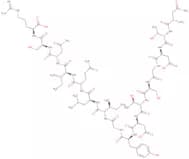
CAS:LymnaDFamide-1 is a neuropeptide that belongs to the family of c-terminal peptides. It is a dipeptide with a sequence of L-Pro-Tyr-Asp-Arg-Ile-Ser-Asn-Ser-Ala-Phe. This peptide was found in the nervous system of invertebrates, where it is believed to play an important role in the regulation of neurotransmitter release. In mammals, LymnaDFamide has been detected in the brain and in the gallbladder. It may be involved in regulating feeding behavior and gastric motility.Formula:C68H96N18O22Purity:Min. 95%Molecular weight:1,517.6 g/molH-Pro-Ser-Hyp-Gly-Asp-Trp-OH
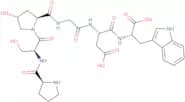
CAS:<p>H-Pro-Ser-Hyp-Gly-Asp-Trp-OH is a cyclic hexapeptide with a high activity against platelets. It is an antagonist of the cyclic RGD sequence, which is present in fibrinogen, fibronectin, vitronectin and other proteins. This peptide binds to the n-terminal residue of these proteins and prevents them from binding to their receptors on the surface of platelets. H-Pro-Ser-Hyp-Gly-Asp-Trp-OH has been shown to be specific for human platelets and does not bind to erythrocytes or leukocytes.</p>Formula:C30H39N7O11Purity:Min. 95%Molecular weight:673.67 g/molH-His-Phe-OH
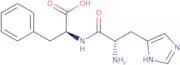
CAS:<p>H-His-Phe-OH is a polypeptide that is used in the diagnosis of chronic kidney disease. It is synthesized by the chemical reaction between histidine and phenylalanine. H-His-Phe-OH has been shown to have a molecular weight of 4,000 Da, with a diameter of 5 nm. The binding constants for this molecule are 3.5 x 10^6 M^(-1), and its stability in biological fluids has been shown to be greater than 100 hours at pH 7.4, 37°C.</p>Formula:C15H18N4O3Purity:Min. 95%Molecular weight:302.33 g/molBoc-D-His(3-Bom)-OH
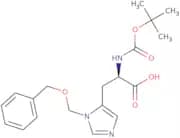
CAS:Please enquire for more information about Boc-D-His(3-Bom)-OH including the price, delivery time and more detailed product information at the technical inquiry form on this pageFormula:C19H25N3O5Purity:Min. 95%Molecular weight:375.42 g/molType A Allatostatin I
CAS:<p>Type A Allatostatin I is a fatty acid that is synthesized in the liver and binds to the G protein-coupled receptor, alpha-MSH. Allatostatin I inhibits fatty acid synthesis and has been shown to have a protective effect on hepatic steatosis caused by methanol solvent exposure. It also has insecticidal properties which may be due to its ability to inhibit chitin synthesis in insects. Moreover, Type A Allatostatin I has shown ecological effects as an inhibitor of polymerase chain reactions (PCRs) for DNA replication. This compound also inhibits RNA synthesis in vitro at physiological levels. Type A Allatostatin I has been shown to be an endogenous factor that plays a role in obesity and diabetes, as well as its pathogenic mechanism.</p>Formula:C61H94N18O16Purity:Min. 95%Molecular weight:1,335.51 g/mol(D-Trp6)-LHRH (1-6) amide
CAS:<p>Please enquire for more information about (D-Trp6)-LHRH (1-6) amide including the price, delivery time and more detailed product information at the technical inquiry form on this page</p>Formula:C45H49N11O9Purity:Min. 95%Molecular weight:887.94 g/mol(Lys9,Trp11,Glu12)-Neurotensin (8-13) (Cyclic Analog)
CAS:<p>Please enquire for more information about (Lys9,Trp11,Glu12)-Neurotensin (8-13) (Cyclic Analog) including the price, delivery time and more detailed product information at the technical inquiry form on this page</p>Formula:C39H59N11O8Purity:Min. 95%Molecular weight:809.96 g/molAc-muramyl-Ala-D-Glu(Lys(stearoyl)-OH)-NH2
CAS:<p>Ac-muramyl-Ala-D-Glu(Lys(stearoyl)-OH)-NH2 is a synthetic peptide that was designed to mimic the sequence of muramyl dipeptide (MDP), which is found in bacterial cell walls. Ac-muramyl-Ala-D-Glu(Lys(stearoyl)-OH)-NH2 binds to the protein albumin, which is an important component of human blood plasma and has been shown to be elevated in patients with autoimmune diseases. This peptide also inhibits the activity of metal hydroxides, such as aluminum hydroxide and calcium hydroxide, by binding to their surface, reducing their antimicrobial activity. The effect on locomotor activity has not been studied. Ac-muramyl-Ala-D-Glu(Lys(stearoyl)-OH)-NH2 may have effects on various cells types including macrophages and T</p>Formula:C43H78N6O13Purity:Min. 95%Color and Shape:SolidMolecular weight:887.11 g/molTyr-CRF (human, rat)
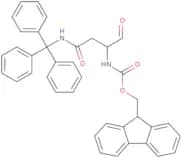
CAS:<p>Please enquire for more information about Tyr-CRF (human, rat) including the price, delivery time and more detailed product information at the technical inquiry form on this page</p>Formula:C217H353N61O65S2Purity:Min. 95%Molecular weight:4,920.63 g/molFmoc-Asn(Trt)-Wang resin (200-400 mesh)
<p>Please enquire for more information about Fmoc-Asn(Trt)-Wang resin (200-400 mesh) including the price, delivery time and more detailed product information at the technical inquiry form on this page</p>Purity:Min. 95%H-Ala-Gly-OH
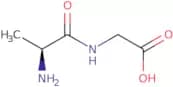
CAS:<p>H-Ala-Gly-OH is a synthetic amino acid that is used to produce the peptide hormone luteinizing hormone (LH). It has been shown that H-Ala-Gly-OH is an antigen specific antibody response and has a hydrogen bond. The functional groups of H-Ala-Gly-OH include amine, carboxyl, and hydroxyl. Structural analysis of this compound was completed using a kinetic method. The conformational properties of H-Ala-Gly-OH were determined by nmr spectra and titration method. This synthetic amino acid may inhibit protein synthesis in vivo through treatment with carbohydrate.</p>Formula:C5H10N2O3Purity:Min. 95%Molecular weight:146.14 g/molH-Cys-Arg-Gly-Asp-Phe-Pro-Ala-Ser-Ser-Cys-OH (Disulfide bond)
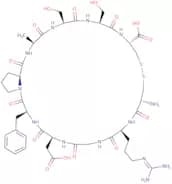
CAS:<p>Please enquire for more information about H-Cys-Arg-Gly-Asp-Phe-Pro-Ala-Ser-Ser-Cys-OH (Disulfide bond) including the price, delivery time and more detailed product information at the technical inquiry form on this page</p>Formula:C41H61N13O15S2Purity:Min. 95%Molecular weight:1,040.13 g/molAngiotensin II trifluoroacetate salt
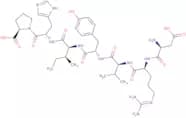
CAS:<p>Angiotensin II is a peptide hormone that may act as a neurotransmitter or neuromodulator. It is one of the most important vasoconstrictor and aldosterone-secreting hormones produced by the renin-angiotensin system in mammals. Angiotensin II has been shown to stimulate cardiac contractility, increase vascular resistance, and regulate blood pressure. The effect of Angiotensin II on cardiac contractility is mediated through its binding to a response element in the promoter region of genes encoding for Ca2+ channels. This binding leads to increased Ca2+ influx into cardiac cells and increased myofibrillar Ca2+ sensitivity. Angiotensin II also activates reactive oxygen species (ROS) production, which causes injury to the renal tubular epithelium and induces tubulointerstitial injury in rats with diabetes. It also stimulates squamous cell carcinoma growth by inducing reactive oxygen species (ROS) production and activating signal trans</p>Formula:C50H71N13O12·xC2HF3O2Purity:Min. 95%Molecular weight:1,046.18 g/molFmoc-Thr(tBu)-Wang resin (200-400 mesh)
<p>Please enquire for more information about Fmoc-Thr(tBu)-Wang resin (200-400 mesh) including the price, delivery time and more detailed product information at the technical inquiry form on this page</p>Purity:Min. 95%Mca-Amyloid beta/A4 Protein Precursor770 (667-676)-Lys(Dnp)-Arg-Arg amide trifluoroacetate salt
CAS:<p>Please enquire for more information about Mca-Amyloid beta/A4 Protein Precursor770 (667-676)-Lys(Dnp)-Arg-Arg amide trifluoroacetate salt including the price, delivery time and more detailed product information at the technical inquiry form on this page</p>Formula:C87H129N27O28SPurity:Min. 95%Molecular weight:2,033.19 g/mol(D-Arg1,D-Pro2,D-Trp7·9,Leu11)-Substance P
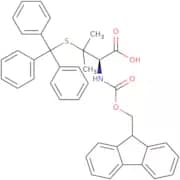
CAS:<p>Substance P is a tachykinin that is released from the nerve endings of the parasympathetic nervous system. It binds to receptors in the plasma membrane of cells and causes them to release acetylcholine, which is an inhibitory neurotransmitter. Substance P also has been shown to interact with muscle cells and cause contractions. The incubation of Substance P with muscle cells inhibits the release of calcium ions, which reduces the membrane potential and decreases the contractility of these cells.</p>Formula:C75H108N20O13Purity:Min. 95%Molecular weight:1,497.79 g/molFmoc-S-trityl-L-penicillamine
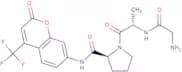
CAS:<p>Fmoc-S-trityl-L-penicillamine is a coordination compound that contains a thiolate and amide group. It has been used as a model system for studying the interaction between proteins and metal ions, with the cyclic structure mimicking the active site of enzymes. The coordination of Fmoc-S-trityl-L-penicillamine to proteins is affected by trypsin, an enzyme that cleaves peptides at carboxyl side chains. Trypsin can also lead to dehydration of Fmoc-S-trityl-L-penicillamine, forming an eliminations product. This compound also reacts with lysine residues in proteins, resulting in an alkene byproduct that can be removed by hydrogenation.</p>Formula:C39H35NO4SPurity:Min. 95%Color and Shape:PowderMolecular weight:613.77 g/molH-Gly-Ala-Pro-AFC
CAS:<p>Please enquire for more information about H-Gly-Ala-Pro-AFC including the price, delivery time and more detailed product information at the technical inquiry form on this page</p>Formula:C20H21F3N4O5Purity:Min. 95%Molecular weight:454.4 g/molAc-Ile-Glu-Pro-Asp-pNA
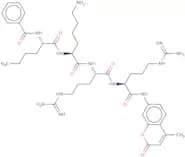
CAS:<p>Ac-Ile-Glu-Pro-Asp-pNA is a synthetic peptide that has been shown to induce apoptosis in tumor cells. The peptide was found to cause cell lysis and necrotic cell death, which is associated with the activation of serine proteases. Ac-Ile-Glu-Pro-Asp-pNA also has been shown to have a toxicity profile similar to other apoptotic agents such as staurosporine, but it has not been tested for its ability to kill cancer cells without causing damage to healthy cells. Ac-Ile-Glu-Pro-Asp-pNA induces mitochondrial membrane depolarization and protein synthesis inhibition in K562 cells, which are human erythroleukemia cells. This peptide also has shown an ability to bind with monoclonal antibodies and inhibit the growth of casein.</p>Formula:C28H38N6O11Purity:Min. 95%Molecular weight:634.64 g/molBz-Nle-Lys-Arg-Arg-AMC trifluoroacetate salt
CAS:<p>Please enquire for more information about Bz-Nle-Lys-Arg-Arg-AMC trifluoroacetate salt including the price, delivery time and more detailed product information at the technical inquiry form on this page</p>Formula:C41H60N12O7·C2HF3O2Purity:Min. 95%Color and Shape:White PowderMolecular weight:832.99 g/molH-Lys-Pro-OH hydrochloride salt
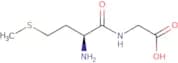
CAS:<p>H-Lys-Pro-OH hydrochloride salt is a monoclonal antibody that is used to treat psychotic disorders. It blocks the binding of gamma-aminobutyric acid (GABA) to its receptor, which reduces neuronal activity and has a calming effect on the central nervous system. H-Lys-Pro-OH hydrochloride salt also inhibits the phosphatase enzyme and prevents it from breaking down phosphotungstic acid, which is used in this process. The antibody also binds to the analog of gamma aminobutyric acid, preventing it from binding with its receptor. H-Lys-Pro-OH hydrochloride salt may be advantageous in treating kidney fibrosis because it prevents cell proliferation and growth in tissue cultures by inhibiting enzymes involved in collagen synthesis. H-Lys-Pro-OH hydrochloride salt may also be useful as an antitumor agent because it inhibits tumor growth by blocking uptake and replication of DNA.</p>Formula:C11H21N3O3Purity:Min. 95%Molecular weight:243.3 g/molH-Met-Gly-OH
CAS:<p>H-Met-Gly-OH is a radical scavenger that has been shown to have potent antioxidant properties. It is an amide with two nitrogen atoms and can be used as a marker protein in human serum, where it binds to fatty acids and inhibits the formation of free radicals. H-Met-Gly-OH has been shown to chelate metal ions such as copper, iron, and zinc. The uptake of these metal ions by the human body may cause genotoxic effects or other toxic reactions, which can be prevented by using H-Met-Gly-OH as a chelating agent. This compound also has broad spectrum antimicrobial activity against microbes that are resistant to many antibiotics.</p>Formula:C7H14N2O3SPurity:Min. 95%Molecular weight:206.26 g/molBiotinyl-(Glu1)-Gastrin I (human) Biotinyl-Glu-Gly-Pro-Trp-Leu-Glu-Glu-Glu-Glu-Glu-Ala-Tyr-Gly-Trp-Met-Asp-Phe-NH2
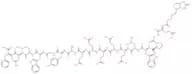
CAS:<p>Please enquire for more information about Biotinyl-(Glu1)-Gastrin I (human) Biotinyl-Glu-Gly-Pro-Trp-Leu-Glu-Glu-Glu-Glu-Glu-Ala-Tyr-Gly-Trp-Met-Asp-Phe-NH2 including the price, delivery time and more detailed product information at the technical inquiry form on this page</p>Formula:C107H140N22O34S2Purity:Min. 95%Molecular weight:2,342.52 g/molProcathepsin B (26-50) (rat)
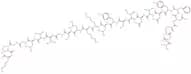
CAS:<p>Please enquire for more information about Procathepsin B (26-50) (rat) including the price, delivery time and more detailed product information at the technical inquiry form on this page</p>Formula:C123H198N34O33SPurity:Min. 95%Molecular weight:2,713.16 g/mol2,9-Bis(2-Phenylethyl)anthra(2,1,9-def:6,5,10-d'e'f')diisoquinoline-1,3,8,10(2H,9H)-tetrone
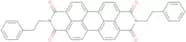
CAS:<p>2,9-Bis(2-phenylethyl)anthraquinone (BPAQ) is a synthetic compound that is used as an fluorescent probe to study biological processes. BPAQ binds to peptides and inhibits their binding to the surface of cells. This property has been used in diagnostic tests for stenosis, infantum, and other conditions. BPAQ has also been shown to inhibit HIV-1 replication in human cells by binding to the HIV-1 envelope protein gp120 and blocking its interaction with CD4 receptors on host cells. The discovery of the antiviral activity of BPAQ was based on its ability to inhibit leishmania growth in animals.</p>Formula:C40H26N2O4Purity:Min. 95%Color and Shape:PowderMolecular weight:598.65 g/molFmoc-D-Gln(Mtt)-OH
CAS:<p>Fmoc-D-Gln(Mtt)-OH is a chiral, homologous protonated amino acid that has been synthesized. The configuration of the proton has not yet been determined and postulated as either R or S. The reagent can be used to probe the configuration of the proton by determining its chemical shift in a series of experiments. This compound is synthesized from D-glucamine and Mtt, which are both commercially available compounds. Fmoc-D-Gln(Mtt)-OH is easily soluble in organic solvents, such as ethanol, methanol, and dichloromethane. It is also stable under acidic conditions.</p>Formula:C40H36N2O5Purity:Min. 95%Molecular weight:624.72 g/mol2-Phenylpropionic acid
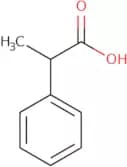
CAS:<p>2-Phenylpropionic acid is a reactive chemical that can be synthesized by an asymmetric process. It has been used in the synthesis of nonsteroidal anti-inflammatory drugs, as it inhibits the activity of cyclooxygenase and lipoxygenase enzymes. This chemical also binds to the hydroxyl group on target proteins, inhibiting their function. 2-Phenylpropionic acid is metabolized by microbial metabolism and can inhibit the activity of drug-metabolizing enzymes such as CYP3A4 and CYP2D6. It may also interact with other drugs that are processed by these enzymes, including warfarin and carbamazepine. 2-Phenylpropionic acid is a competitive inhibitor that binds to the active site of an enzyme and blocks its access to its substrate molecule. The binding of 2-phenylpropionic acid to enzyme's active site prevents the reactant from entering and reacting with the enzyme, thereby preventing a</p>Formula:C9H10O2Purity:Min. 95%Color and Shape:Colorless Clear LiquidMolecular weight:150.17 g/mol(Arg8)-Vasopressin (free acid) trifluoroacetate salt
CAS:<p>Please enquire for more information about (Arg8)-Vasopressin (free acid) trifluoroacetate salt including the price, delivery time and more detailed product information at the technical inquiry form on this page</p>Formula:C46H64N14O13S2Purity:Min. 95%Molecular weight:1,085.22 g/molS-(p-Nitrobenzyl)glutathione
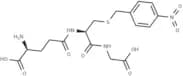
CAS:S-(p-Nitrobenzyl)glutathione acts as a competitive inhibitor of glutathionase.Formula:C17H22N4O8SColor and Shape:SolidMolecular weight:442.44S-Fcme
CAS:S-Fcme activates multidrug resistance transporter by boosting ATPase activity and competing for drug binding.Formula:C19H33NO2SColor and Shape:SolidMolecular weight:339.54S-Benzylglutathione
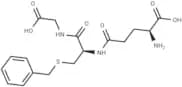
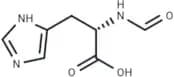
CAS:S-Benzylglutathione acts as a competitive inhibitor of glutathionase and undergoes conversion by rat kidney microsomes into its cysteine derivatives.Formula:C17H23N3O6SColor and Shape:SolidMolecular weight:397.45N-Formyl-L-histidine
CAS:N-Formyl-L-histidine is a competitive inhibitor of L-histidine deaminase (Ki = 4.26 mM) and also binds to histidine-tRNA synthetase (Ki = 4.6 μM).Formula:C7H9N3O3Purity:99.91%Color and Shape:SolidMolecular weight:183.16N6-Glycyl-L-lysine trifluoroacetate
CAS:<p>Please enquire for more information about N6-Glycyl-L-lysine trifluoroacetate including the price, delivery time and more detailed product information at the technical inquiry form on this page</p>Formula:C8H17N3O3•(C2HF3O2)xPurity:Min. 95%N,N-Bis(carboxymethyl)-L-glutamic acid
CAS:<p>N,N-bis(Carboxymethyl)-L-glutamic acid is a synthetic compound that functions as a disinfectant. It has been shown to be effective against bacteria and fungi in vitro, with an efficacy of over 90%. N,N-bis(Carboxymethyl)-L-glutamic acid is used as a treatment for tumors due to its ability to penetrate the tumor cells and inhibit fatty acid uptake. This compound also prevents the formation of new blood vessels by inhibiting the synthesis of DNA and RNA. N,N-bis(Carboxymethyl)-L-glutamic acid can be used in coatings for metals or metal surfaces that are exposed to water or air because it is biodegradable and noncorrosive.</p>Formula:C9H13NO8Purity:Min. 95%Color and Shape:Clear LiquidMolecular weight:263.2 g/mol4-Methyl-3-nitrophenyl isocyanate
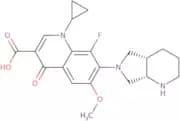
CAS:<p>4-Methyl-3-nitrophenyl isocyanate (4MPN) is a chiral diisocyanate that can be used as an activated diisocyanate. 4MPN is prepared by the carbonylation of 3-nitrobenzaldehyde and xylene with hydrogen chloride in the presence of a catalyst. Impurities, such as chlorides or sulfurs, can be detected using surface methodology techniques. The feedstock for this compound is usually xylene, which has a high boiling point. This product contains reactive functional groups that can be used to modify surfaces and create polyurethane products.</p>Formula:C8H6N2O3Purity:Min. 95%Color and Shape:PowderMolecular weight:178.14 g/mol8-Fluoro-6-methoxy moxifloxacin
CAS:<p>Please enquire for more information about 8-Fluoro-6-methoxy moxifloxacin including the price, delivery time and more detailed product information at the technical inquiry form on this page</p>Formula:C21H24FN3O4Purity:Min. 95%Molecular weight:401.43 g/mol1-Palmitoyl-rac-glycero-3-phosphocholine
CAS:<p>1-Palmitoyl-rac-glycero-3-phosphocholine is a biological lipid that has been shown to be a potent growth factor for cells in culture. It binds to DNA and modulates transcriptional regulation. 1-Palmitoyl-rac-glycero-3-phosphocholine also inhibits the production of lysophosphatidylcholine, which is an inflammatory mediator that promotes the release of histamine from mast cells. This compound may be useful as an antimicrobial agent, as it has been shown to inhibit the growth of bacteria and fungi.</p>Formula:C24H50NO7PPurity:Min. 95%Molecular weight:495.63 g/mol3,3',5'-Triiodo-D-thyronine
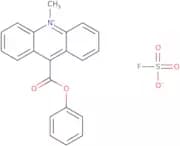
CAS:<p>3,3',5'-Triiodo-D-thyronine is a thyroid hormone that is used in the treatment of hypothyroidism. It is administered by injection or by mouth. 3,3',5'-Triiodo-D-thyronine is an insoluble drug, which means it cannot be dissolved in water. This drug can be injected into the body or taken as a pill. 3,3',5'-Triiodo-D-thyronine has been shown to increase metabolic rate and may also inhibit the growth of certain types of tumors. 3,3',5'-Triiodo-D-thyronine has been used in diagnostic procedures such as iontophoresis and implanting devices to treat prostate cancer. This medication can also be used for cosmetic purposes such as skin rejuvenation and hair loss prevention. 3,3',5'-Triiodo-D-thyronine has two structural isomers: levothyroxine and</p>Formula:C15H12I3NO4Purity:Min. 95%Molecular weight:650.97 g/mol10-Methyl-9-(phenoxycarbonyl)acridinium fluorosulfonate
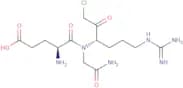
CAS:<p>Please enquire for more information about 10-Methyl-9-(phenoxycarbonyl)acridinium fluorosulfonate including the price, delivery time and more detailed product information at the technical inquiry form on this page</p>Formula:C21H16FNO5SPurity:Min. 95%Molecular weight:413.42 g/molH-Glu-Gly-Arg-chloromethylketone trifluoroacetate salt
CAS:<p>H-Glu-Gly-Arg-chloromethylketone trifluoroacetate salt is an anticoagulant drug that prevents the formation of blood clots by inhibiting the enzyme thrombin. This drug is effective in enhancing blood flow and oxygen supply to the heart and other organs. H-Glu-Gly-Arg-chloromethylketone trifluoroacetate salt has been shown to have a positive effect on patients with congestive heart failure. It has also been used as an adjuvant therapy in bypassing procedures, where clotting occurs at the site of an artificial conduit placed in the body to allow blood flow between two points. In vitro studies have demonstrated that this drug inhibits protease activity, which may be due to its ability to inhibit fibrinogen and serine protease activity.</p>Formula:C14H25ClN6O5Purity:Min. 95%Molecular weight:392.84 g/mol